Categories
Machinery

How to manufacture Sheet Metal Steamer Basket

How to manufacture Sheet Metal Steamer Basket

How to manufacture Sheet Metal Steamer Basket: Manufacturing sheet metal cookware involves several key steps that transform flat metal sheets into functional kitchen utensils like pots, pans, lids, trays, etc. The process includes cutting, forming, joining, surface treatment, and finishing. Here’s a detailed overview:

Material Selection

Common Metals Used:

  • Stainless Steel (durable, corrosion-resistant)
  • Aluminum (lightweight, good heat conductor)
  • Carbon Steel (strong, good for woks/pans)
  • Copper (excellent heat conductivity, usually lined)

Sheets typically range from 0.5 mm to 3 mm thick depending on the type of cookware.

Cutting the Sheet Metal

Processes:

  • Shearing: Straight cuts using a mechanical or hydraulic shear.
  • Laser Cutting: Precision cutting for complex shapes.
  • Plasma Cutting: For thicker sheets.
  • Punching: For holes, handles, or decorative designs.

Forming and Shaping

Forming Methods:

  • Deep Drawing: Used to make pots, bowls, and pans. A punch pushes a blank sheet into a die.
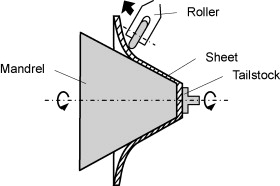
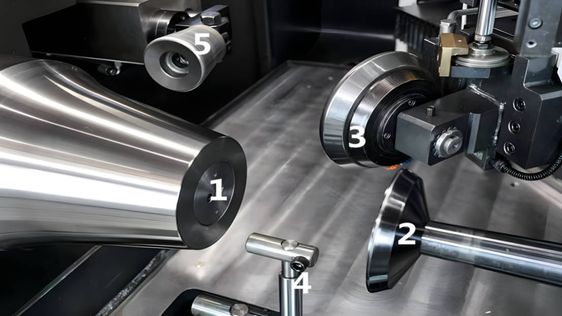
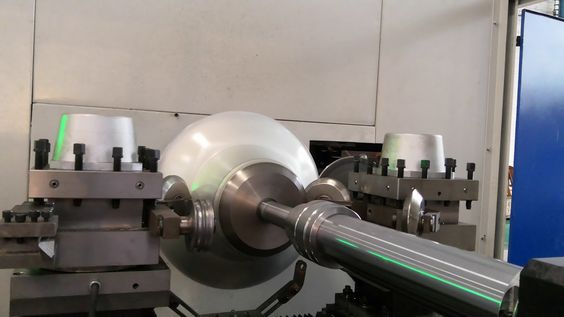
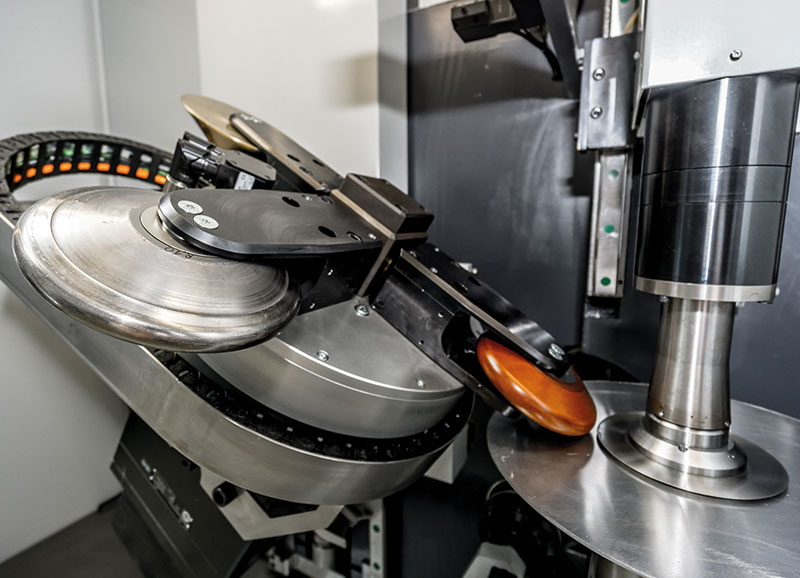
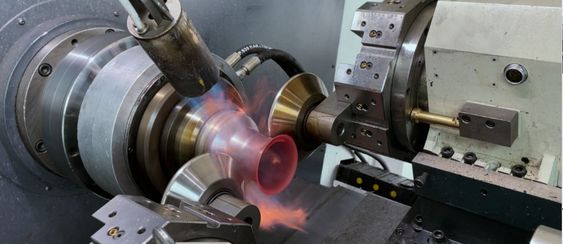
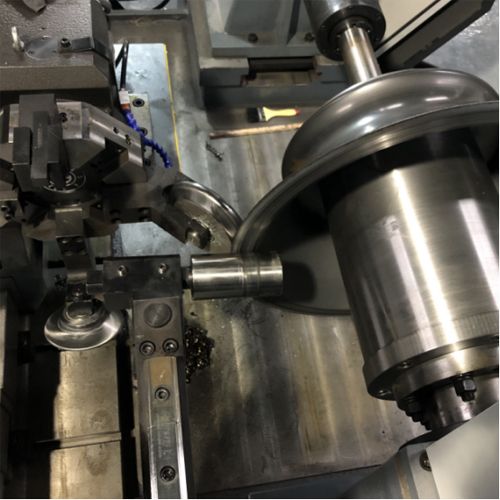
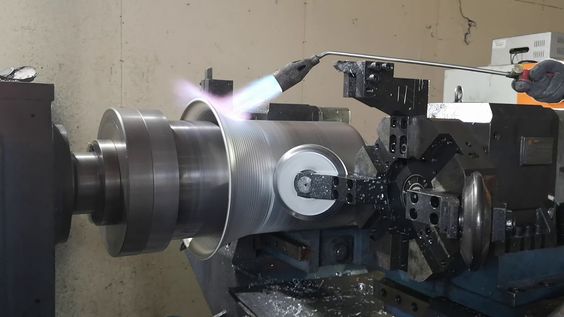
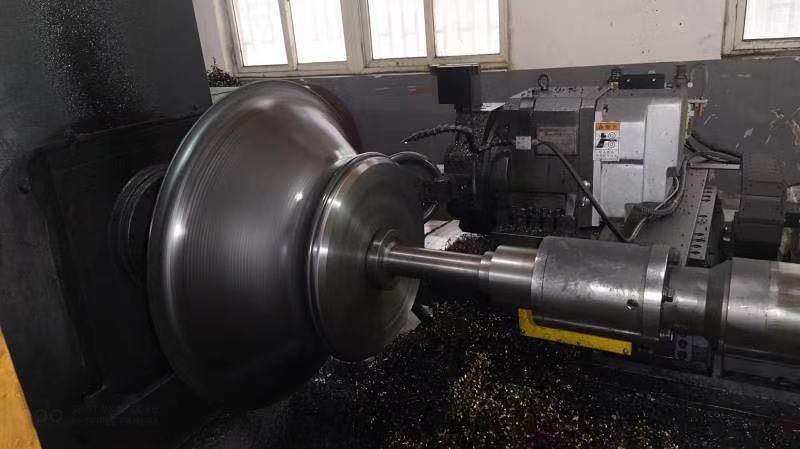
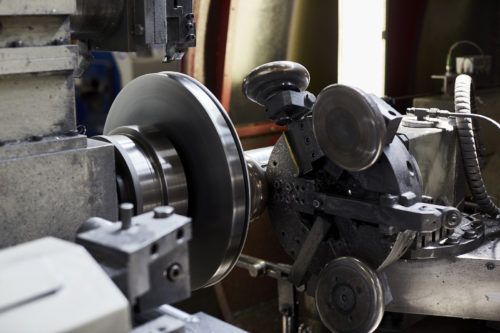
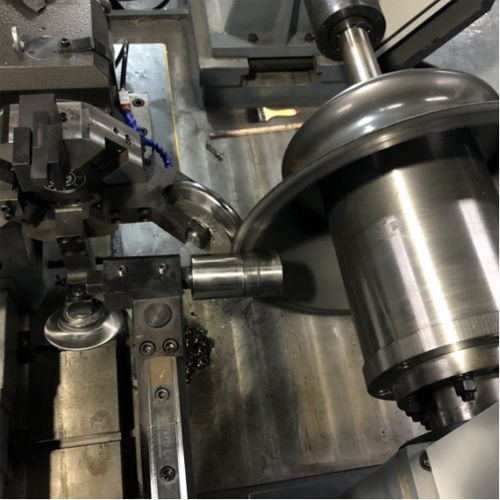
  • Spinning: Sheet is rotated at high speed and formed with a roller (used for round items like bowls or lids).
  • Stamping/Pressing: Press tools form the metal into shape.
  • Rolling/Bending: For handles or flatware.

Joining (if required)

Some cookware pieces need assembly or reinforcement.

  • Spot Welding: For joining parts like handles.
  • Riveting: Durable mechanical joining.
  • Seam Welding: For airtight or watertight joints.
  • Brazing/Soldering: For joining dissimilar metals (e.g., copper + stainless).

Surface Treatment

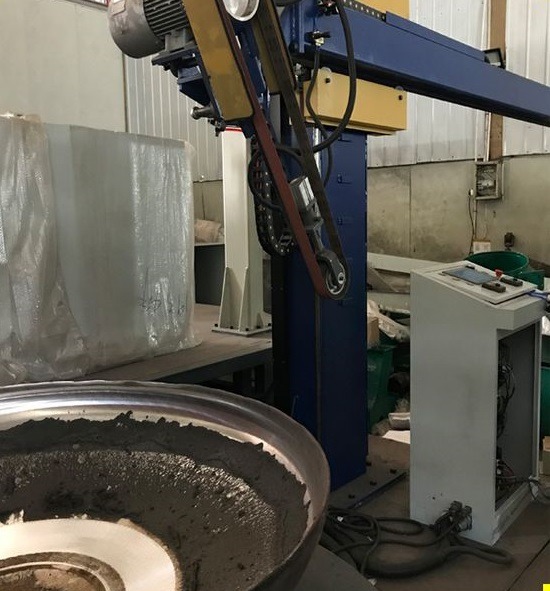
  • Polishing: For a shiny finish or smooth surface.
  • Passivation: (for stainless steel) to enhance corrosion resistance.
  • Anodizing: (for aluminum) improves durability and aesthetics.
  • Non-stick Coating: PTFE or ceramic coatings applied via spraying and baking.
  • Sandblasting: For texture or matte finish.

Heat Treatment (Optional)

  • To increase hardness or relieve stress after forming.

Cleaning & Quality Control

  • Ultrasonic cleaning to remove residues.
  • Visual and functional inspection for cracks, deformations, and coating defects.

Finishing and Packaging

  • Final polishing or brushing.
  • Labeling and packaging (sometimes with protective films or inserts).

Optional Enhancements:

  • Encapsulated Bases (for better heat distribution): aluminum or copper core sandwiched in stainless steel.
  • Induction-compatible bases: Ferritic stainless steel added.

Manufacturing sheet metal cookware starts with selecting the appropriate material, such as stainless steel, aluminum, carbon steel, or copper. Stainless steel is popular due to its corrosion resistance and durability, while aluminum is lightweight and a good heat conductor. Once the metal sheet (typically between 0.5 mm and 3 mm thick) is chosen, the first step is cutting it into the desired blank shape. This can be done using mechanical shearing for straight cuts or laser/plasma cutting for more intricate designs. If the product requires holes or slots—for example, to attach handles—those are punched out at this stage.

Next comes forming and shaping. This is usually done using deep drawing for pots, bowls, and other hollow shapes, where a punch presses the sheet into a die. For round or symmetrical shapes like lids, metal spinning is common: the sheet rotates at high speed while rollers shape it against a mold. Stamping and pressing are used for flatter items like trays, while rolling or bending is used for parts like handles or structural reinforcements.

If the cookware design requires multiple parts, joining techniques come into play. Handles might be attached by spot welding or riveting. Seam welding is used when a strong, leak-proof bond is needed, and in some cases, brazing or soldering is used, especially when different metals need to be joined, such as a copper base to a stainless body.

After forming and assembly, surface treatment is applied. Stainless steel may be passivated to enhance corrosion resistance, while aluminum can be anodized to increase surface hardness and color variety. Non-stick cookware receives a sprayed PTFE or ceramic coating, which is then baked at high temperature to cure it. Polishing and buffing improve appearance and remove minor surface imperfections. In some designs, the bottom of the cookware might be encapsulated with layers of aluminum or copper to improve heat distribution, often clad in stainless steel to work with induction cooktops.

The cookware then goes through cleaning—often with ultrasonic baths or chemical washes to remove oils and residues. A thorough inspection follows, checking for deformations, surface flaws, or coating defects. Once approved, the item is labeled, sometimes laser-etched, then packaged for distribution. Protective films, cardboard inserts, or bubble wrap may be added to protect the cookware during transport.

Alright, let’s take the example of a stainless steel frying pan and walk through how it’s manufactured from start to finish, step-by-step, in a real-world factory-style workflow.

It begins with coils of stainless steel sheet being unrolled and flattened. A blanking press then cuts out circular discs—the blanks—that will eventually become the body of the frying pan. These blanks are cleaned and sometimes annealed (softened by heating) to make the next step easier.

The blank is taken to a deep drawing press. This is where the flat disc is transformed into a shallow bowl shape using a punch and die. It’s done in multiple stages—progressive drawing and redrawing—because trying to do it all in one shot might tear the metal. Each step slightly deepens and reshapes the pan. The edge might be trimmed after drawing to maintain even height all around.

At this point, the pan has a rough shape but lacks a finished base. If it’s going to be a heavy-duty pan with good heat distribution, it’ll be fitted with a clad base—a thick disc made of aluminum or copper, sandwiched between stainless steel layers. This is fused to the bottom using high-pressure impact bonding or brazing. Some pans are made entirely of multi-layered (clad) material throughout the body, which is more advanced but costlier.

Now the sidewalls and rim are formed and cleaned up. The rim might be rolled or formed into a pouring lip. Any holes or rivet points for the handle are punched or drilled. The inside and outside surfaces are then polished, brushed, or buffed depending on the desired finish. If it’s a non-stick pan, the surface is roughened slightly—often by sandblasting—to help the coating adhere.

The non-stick coating is applied in a fine mist and built up in layers, typically two or three. Each layer is flash-heated to bond it to the metal. The final curing bake can go up to 400–450°C, creating a durable, heat-resistant surface.

Meanwhile, the handle—usually made from stainless steel, aluminum, or heat-resistant plastic—is manufactured separately. If it’s metal, it might be cast, stamped, or forged, then polished or brushed. It’s then attached using rivets (commonly for professional-grade cookware), spot welding, or sometimes screws. Riveting is especially strong and resistant to loosening over time.

After assembly, the pan is washed—either with solvents or ultrasonic cleaning baths—to remove oils, residues, and fingerprints. A final inspection ensures that the surface is smooth, the handle is secure, the base is flat (important for even heating), and the coating is flawless.

Once approved, the pan is dried, sometimes laser-etched with the brand and material specs, and then packaged. Packaging typically includes a cardboard sleeve or box, sometimes with protective paper or foam to prevent scratching. From there, it’s shipped to retailers or customers.

The whole process combines precision tooling with both automated and manual quality checks. For large-scale operations, many steps—especially drawing, trimming, polishing, and coating—are done by automated machines for consistency, while final inspection and assembly might still involve skilled hands.

It all starts with laminated sheet metal, also called clad metal. This material is made by bonding multiple layers—usually a core of aluminum or copper sandwiched between inner and outer layers of stainless steel. The stainless steel provides durability and corrosion resistance, while the inner core dramatically improves heat distribution. The bonding is done by roll bonding, where metal layers are cleaned, stacked, and pressed together under immense heat and pressure until they fuse into one composite sheet.

This sheet arrives at the cookware plant in coils or large sheets. It is cut into blanks, usually circular, using a blanking press. These blanks then go through deep drawing, just like with regular stainless steel cookware. However, because the material is thicker and harder due to the multiple layers, the forming process may need extra force and multiple drawing stages. Specialized lubricants are used during drawing to prevent galling (where metal sticks to the tooling).

Once the basic pot shape is drawn, it’s trimmed to achieve a clean and even edge. At this point, the cookware is already seamless and has its heat-conducting core built into the walls and base—no need for a bonded disc underneath like in cheaper models.

Next comes edge forming and flaring. The rim may be rolled inward for strength or outward for pouring. Some saucepans get an encapsulated lip to hide the layered structure for aesthetic reasons.

Then we move on to handle attachment. For clad cookware, stainless steel handles are most common. They may be hollow (to reduce heat transfer), and designed ergonomically with curves or rivets. The handle is either riveted through the body (common in premium cookware), spot-welded, or in rare cases cast as one piece with the body. Riveting is the most durable and allows easy repair or replacement.

At this stage, the pot gets a final shaping—slight flattening of the base ensures it sits evenly on all stove types, including glass and induction. If needed, magnetic stainless steel is used on the exterior layer to make the pot induction-compatible.

Then it goes into polishing. The interior is polished smooth or lightly brushed; some brands go for a mirror finish, while others prefer a matte or sanded texture. The exterior might get brushed lines or even patterned designs. This step is often automated but finished by hand for perfection.

If there’s any non-stick or ceramic coating, it would be applied here—though most clad saucepans are left uncoated for high-heat and metal-utensil compatibility.

Then comes laser marking or stamping, often on the bottom of the pan, where brand info, material composition, and sometimes measurement lines or country of origin are added.

After a final cleaning and inspection, each unit is packaged—often with a custom-fit cardboard wrap, instruction booklet, and sometimes a cloth bag for upscale lines. The lids—usually made from stainless steel or tempered glass—are often produced in parallel and matched with the pan during packaging.

This kind of cookware is built to last decades and is often passed down generations. It’s also a lot more expensive to make due to material costs, equipment, and precision tooling—but it performs beautifully.

If you’re interested, I can now walk you through how something even more specialized is made, like a pressure cookercopper cookware, or a triply tiffin box. Let me know what you’d like to explore next.

How to manufacture Sheet Metal Paella Pan

How to manufacture Sheet Metal Paella Pan

Manufacturing a sheet metal paella pan is a specialized but relatively straightforward process compared to more complex cookware. Paella pans are wide, shallow, and typically made from materials like carbon steelenameled steel, or stainless steel. The process focuses on achieving even heat distribution and structural integrity across a broad, flat surface. Here’s how it’s typically done:

Material Selection

The most common materials are:

  • Carbon steel (traditional, affordable, excellent heat conduction)
  • Enameled steel (carbon steel with a protective enamel coating)
  • Stainless steel (rust-resistant, durable, lower maintenance)

Sheet thickness usually ranges from 1.0 mm to 2.5 mm depending on the desired quality and size.

Cutting the Blank

Large rolls or sheets of metal are fed into a blanking press or laser cutter to punch out large circular blanks. These blanks are slightly larger than the final diameter to account for shaping.

Shaping and Forming

The circular blank is taken to a hydraulic press or spinning lathe:

  • The sheet is pressed or spun into the traditional shallow bowl shape with gently sloping sides.
  • The pan must be wide and flat at the base, with a low profile for even cooking over open flame or burners.

For larger diameters (up to 50 cm or more), this may be done in multiple forming stages to prevent warping or thinning of the base.

Rim and Edge Finishing

The edges are often:

  • Rolled or curled to eliminate sharpness and improve rigidity.
  • Sometimes a reinforcing bead is formed near the rim to strengthen the shape and prevent warping from heat.

🖐️ 5. Handle Attachment

Traditional paella pans have two looped side handles. These are usually:

  • Stamped or forged steel rings.
  • Riveted or spot welded to the sidewalls of the pan, just below the rim. Welding is more common in industrial production, while riveting may be used in artisan pans.

Surface Treatment

Depending on the material, the treatment varies:

  • Carbon steel pans are cleaned, lightly oiled, and sometimes pre-seasoned to prevent rust.
  • Enameled pans are coated with a vitreous enamel (porcelain) and fired in a kiln to fuse the enamel to the metal.
  • Stainless steel pans may be polished, brushed, or sandblasted for finish.

The inner surface may remain raw, polished, or coated depending on the brand and tradition.

Inspection and Flattening

The bottom is carefully checked to ensure it’s flat and stable—critical for good heat distribution. Minor adjustments may be made in a flattening press.

Cleaning, Labeling & Packaging

The finished pans are:

  • Cleaned of residues or oils.
  • Laser-marked or labeled with branding or size.
  • Stacked and packaged in protective cardboard or shrink wrap, especially for export.

Optional Enhancements:

  • Induction bases (for stainless pans): ferritic stainless or bonded disc on bottom.
  • Non-stick coatings (less common): applied like in frying pans.
  • Decorative rivets or artisan handles (in premium lines).

To manufacture a sheet metal paella pan, the process starts with selecting the right material. Traditional paella pans are often made from carbon steel because of its excellent heat conduction properties, while some are made from enameled steel or stainless steel for durability and ease of cleaning. The sheet metal is usually between 1.0 mm and 2.5 mm thick, depending on the size of the pan and the material.

The first step in production involves cutting the sheet metal into large circular blanks. This is done using a blanking press, or sometimes a laser cutter, which ensures precision in the size and shape of the pan. The blank is slightly larger than the final pan size to account for the shaping process.

Next, the circular metal blank is taken to a hydraulic press or spinning lathe to be formed into a shallow, bowl-like shape. The forming process is done gradually, often in stages, to avoid deforming the metal. The goal is to create the characteristic wide, shallow design with sloping sides, allowing the paella to be spread evenly across the surface. In some cases, multiple forming passes are needed to ensure the metal is evenly shaped without thinning out too much, especially in larger pans.

Once the basic pan shape is formed, attention turns to the rim and edge finishing. The edges are typically rolled or curled to prevent sharpness and to add some rigidity to the structure. Sometimes, a reinforcing bead is added around the rim to further strengthen the pan and prevent warping when subjected to heat. This is especially important for larger pans that will be used over open flames.

The next step is attaching the side handles, which are crucial for handling the pan, especially when it’s hot. Paella pans traditionally have two looped metal handles on opposite sides. These handles are either riveted or spot-welded to the sidewalls of the pan just below the rim. The handles are usually made from the same material as the pan, but they can also be reinforced or decorated in higher-end models.

After the pan is shaped and assembled, it undergoes surface treatment. For carbon steel pans, the inside of the pan is often seasoned with oil and heat-treated to prevent rust. Enameled pans are coated with a layer of vitreous enamel and then fired in a kiln to fuse the enamel to the metal, providing a smooth, durable surface. Stainless steel pans are typically polished or brushed for a clean, shiny appearance.

At this point, the pan is inspected to ensure the base is flat and the shape is consistent. The flatness of the pan is critical for cooking, as a warped bottom could cause uneven heating. Minor adjustments may be made using a flattening press to ensure the pan sits evenly on all heat sources.

Finally, the pans are cleaned to remove any residues from the production process. Depending on the brand, the pan may be laser-marked or stamped with the manufacturer’s logo, size, or material specifications. After inspection, the finished paella pans are packaged, usually in protective materials like cardboard boxes or shrink wrap, to prevent damage during shipping.

The process of making a paella pan combines precision and traditional techniques, with an emphasis on heat distribution, durability, and ease of handling. Whether for industrial use or artisanal craftsmanship, the focus is always on ensuring that the pan can withstand high heat and provide a perfect cooking surface for the signature wide and flat paella dish.

Once the paella pan is fully manufactured, there are a few final considerations to ensure the product meets the standards of both performance and aesthetic appeal.

After the pan is inspected for quality—checking for defects like uneven coating, cracks, or warping—the next step is to test the pans for functionality. For carbon steel pans, the pan may undergo a seasoning process where a thin layer of oil is applied to the interior and the pan is heated to form a natural non-stick layer. This is especially important for carbon steel pans, as they require this seasoning to build up a protective layer that improves cooking performance and prevents rusting. For enameled pans, the coating must be thoroughly checked to ensure even coverage and smoothness. Any chips or defects in the enamel coating could compromise the durability and function of the pan.

Once all pans pass quality control, the next stage involves branding and packaging. Typically, each paella pan is marked with the manufacturer’s logo, sometimes engraved on the bottom or stamped into the edge, to give it a unique identifier. Some brands also include measurement marks, temperature guidelines, or care instructions as part of the labeling.

Packaging varies based on market positioning. Higher-end paella pans often come in more elaborate packaging, sometimes with protective cardboard or soft liners to prevent scratches or dents. This can include branded boxes, instructions for care and seasoning, and even recipes for making traditional paella. More mass-produced versions may have simpler packaging, though it is still designed to prevent damage during transit.

For export or retail purposes, the pans are usually grouped in larger boxes, with each pan individually wrapped or placed in foam or protective plastic to prevent scratching during transportation. The packaging is designed to be both protective and aesthetic, as paella pans are often sold in sets or as part of culinary kits, sometimes marketed with specialty cooking utensils or recipes.

The entire process, from raw metal to finished product, involves a mix of precision engineering and craftsmanship, especially when you consider factors like the evenness of the metal’s heat distribution and the handling of the pan after cooking. These pans are not only functional but also carry a certain tradition of Mediterranean cooking, with each step of manufacturing contributing to the ultimate cooking experience.

If you’re planning to start your own production or exploring small-scale manufacturing, this would give you a good foundation of the necessary tools, machinery, and the key stages to focus on. Are you thinking of manufacturing a certain type of cookware, or perhaps setting up a small workshop? I can help with details on machines and costs if you’d like.

How to manufacture Sheet Metal Crepe Pan

How to manufacture Sheet Metal Paella Pan

Manufacturing a sheet metal crepe pan follows a process that shares many similarities with other types of cookware but with specific attention to the flat, wide surface and low sides characteristic of crepe pans. The goal is to achieve an even, smooth cooking surface that distributes heat uniformly across the pan to ensure the delicate cooking of crepes. Here’s a detailed process on how to manufacture a crepe pan:

Material Selection

The first step is choosing the right material. The most common materials for crepe pans are carbon steelcast iron, and stainless steel, with carbon steel being the most traditional and effective for high-heat cooking. Aluminum pans are also used because they are lighter, but they might not provide as even heat distribution as carbon steel or cast iron. The metal sheets typically range from 1.0 mm to 2.5 mm thick, depending on the type of pan and the intended size.

Cutting the Sheet Metal

The process begins by taking large coils of the selected metal and feeding them into a blanking press or laser cutter, where circular blanks (flat, round pieces of metal) are cut from the sheet. These blanks will be the base of the pan, and they are usually slightly larger than the intended final size to account for shaping and trimming.

Shaping the Pan

The blank is then taken to a hydraulic press or spinning lathe to form the shallow, flat shape typical of a crepe pan. In spinning, the metal blank is rotated at high speed while a roller pushes the metal against a mold, gradually forming the desired shape. In hydraulic pressing, a die and punch are used to shape the metal, and it’s often done in multiple stages to ensure that the metal doesn’t warp or thin out in certain areas.

Since crepe pans need a wide, low-profile shape, the depth is kept shallow to facilitate easy flipping and spreading of crepe batter. The flat base is essential for even heat distribution, which is crucial when cooking crepes on high heat.

Rim and Edge Finishing

Once the pan’s base and sides are shaped, the edges are usually rolled or curled to remove sharp edges and add a touch of rigidity. The rolled edge also strengthens the pan’s structure, which helps prevent warping when subjected to high temperatures. A slight flaring of the rim may be done to make it easier to slide the crepes out of the pan.

Handle Attachment

Crepe pans typically have a single long handle, often made of stainless steelcast iron, or heat-resistant plastic. The handle is attached by either rivetingspot welding, or casting (depending on the manufacturing process). The handle is important because it must remain cool to the touch during cooking, which is why some handles are designed with hollow air channels or covered with heat-resistant materials. For a more professional-grade pan, the handle is often riveted to ensure durability.

Surface Treatment

Once the pan is shaped and the handle attached, the next step is surface treatment. Carbon steel pans are often seasoned at this stage, which involves applying oil to the interior and heating the pan to form a non-stick surface. This seasoning process is critical for both rust prevention and ensuring even cooking over time. For enameled pans, the interior of the pan is coated with a layer of vitreous enamel, which is then fired in a kiln to fuse the enamel to the metal. This process creates a smooth, durable surface that is easy to clean and resistant to wear. Stainless steel pans may simply undergo polishing or brushing to achieve the desired appearance.

Inspection and Flattening

After the pan has undergone surface treatment, it is carefully inspected for defects like uneven surfaces, warping, or coating inconsistencies. The bottom of the pan must be flat to ensure it heats evenly and cooks the crepes without hot spots. If the pan is slightly warped, it can be adjusted using a flattening press to make sure it sits perfectly flat on cooking surfaces.

Final Cleaning and Marking

The pan is then cleaned to remove any oils, residues, or dust that may have accumulated during manufacturing. For enameled pans, additional cleaning ensures the coating is smooth and free from blemishes. After cleaning, the pan is often laser-marked or stamped with the brand logo, product name, or specifications. This step adds a personal touch and ensures traceability.

Packaging

Finally, the crepe pans are packaged for shipment. Typically, the pans are carefully wrapped in protective materials such as foam or cardboard to prevent any scratches or dents during transportation. Packaging may also include an informational booklet or care instructions, especially for pans that require seasoning (such as carbon steel) or have special cleaning needs.

Optional Features

Some higher-end crepe pans may come with specialized features such as:

  • Non-stick coatings: A PTFE or ceramic coating is applied to the surface for easier cooking and cleaning.
  • Induction compatibility: For stainless steel pans, an induction-compatible disc may be added to the base.
  • Decorative features: Rivets or cast handles may be designed for both aesthetic appeal and function.

In essence, the manufacturing of a crepe pan focuses on shaping the metal into a smooth, wide surface with even heat distribution. Attention to detail in the forming process, handle attachment, and surface treatment ensures that the pan performs well for delicate cooking tasks like making crepes.

Once the crepe pan has been formed and the handle attached, the next step involves surface treatment. If the pan is made from carbon steel, the interior of the pan will be seasoned. This involves coating the pan with oil and heating it to a high temperature to create a non-stick layer. This process also helps to prevent rust, ensuring the pan remains durable over time. For enameled crepe pans, the interior is coated with vitreous enamel which is then baked in a kiln at high temperatures, forming a smooth and durable non-stick surface. Stainless steel pans might be polished or brushed for an aesthetically pleasing finish, though they typically don’t require seasoning.

After the pan undergoes its surface treatment, it moves on to a thorough inspection. The flatness of the base is particularly critical in crepe pans since even heat distribution is essential for perfect crepes. Any irregularities in the surface or the shape of the pan would lead to uneven cooking. The pan is checked for defects, ensuring there are no spots where the coating might have been missed or where the metal has warped during the shaping process. If any issues are found, the pan may undergo flattening to adjust the shape, ensuring that it sits flat on any cooking surface.

Once the pan passes inspection, it is then cleaned to remove any excess oil, dust, or residue left from the manufacturing process. This is especially important for pans that will be seasoned, as any leftover impurities can affect how the seasoning bonds to the surface. After cleaning, the pan is marked with the manufacturer’s logo, product details, and other specifications. This can be done through laser engraving or stamping.

Finally, the crepe pan is packaged for distribution. Protective materials such as foam, bubble wrap, or custom-fitted cardboard are used to ensure the pan is not scratched or damaged during shipping. If it’s a high-end product, it may also come with care instructions or recipe ideas, especially if it requires seasoning or special maintenance.

Throughout the entire process, attention to detail is key—especially in the shaping, surface treatment, and testing stages. The goal is to create a pan that cooks evenly, is durable, and provides a non-stick surface that makes crepe flipping easy. Whether the pan is being produced for mass market or as part of a specialized line, each step ensures that the final product will perform well in kitchens, helping to create the perfect crepes.

After the crepe pan is packaged and ready for distribution, there are additional aspects to consider in the long-term use and maintenance of the pans, especially for the carbon steel models. These pans need to be seasoned periodically to maintain their non-stick qualities and prevent rust. Seasoning creates a natural non-stick layer on the pan’s surface, which improves over time with use. For enameled or stainless steel crepe pans, the maintenance is simpler, often involving just regular cleaning and occasional polishing.

In terms of marketing and retail distribution, crepe pans are often sold both individually and in sets, with certain brands positioning their products as part of an authentic French cooking experience or a high-end cookware collection. The packaging design may play a large role in appealing to these markets, often highlighting the craftsmanship, material quality, and cooking performance of the pan.

For commercial or professional-grade pans, the focus shifts toward providing durability under frequent use, with some crepe pans featuring extra-reinforced handlesinduction-compatible bases, and enhanced non-stick coatings that can withstand the high temperatures used in commercial kitchens. These pans often come in larger sizes to accommodate high-volume cooking in restaurants or street food setups.

As with many types of cookware, customer education is important—buyers are often advised to use the proper utensils (e.g., wooden or silicone spatulas) to avoid damaging non-stick surfaces. Special attention is given to the cooking surface, ensuring that it doesn’t become scratched, and for pans requiring seasoning, the correct method of oiling and heating is explained.

In conclusion, manufacturing a crepe pan involves multiple steps, from material selection to final packaging, with careful attention to shaping, surface treatments, and ensuring the pan meets the necessary standards for even heat distribution and cooking performance. Whether for casual home cooking or professional use, a well-made crepe pan will deliver excellent results, providing years of reliable service when cared for properly.

As we continue, it’s important to note that the evolution of crepe pan designs has led to the introduction of various modern features aimed at enhancing performance and user experience. For example, many commercial-grade crepe pans now include adjustable temperature control and electric heating elements for precise heat management. These innovations allow professional chefs or home cooks to maintain consistent heat, which is essential for achieving the perfect crepe.

Moreover, ergonomic handles are becoming more common, especially for stainless steel or carbon steel pans. These handles are designed not only for strength and durability but also to ensure ease of handling, especially when the pan is hot. Some handles are even designed to be heat-resistant or have removable components for easy storage or cleaning.

The spread of induction cooking technology has influenced cookware manufacturing across the board, including crepe pans. To be compatible with induction cooktops, the bottom of the pan may feature a magnetic base or a sandwiched aluminum layer. For pans made from carbon steel, this can be a particularly important feature since these pans traditionally don’t work well with induction unless specifically designed with a magnetic layer. Induction-compatible pans offer greater energy efficiency and faster heating times, which is particularly beneficial in fast-paced cooking environments.

Environmental considerations are also influencing how crepe pans are made today. With increasing demand for eco-friendly products, manufacturers are exploring sustainable production processes, using recycled metals where possible and minimizing waste in the production process. Some brands are now marketing non-toxic, PFOA-free non-stick coatings as part of their commitment to sustainability and safer cookware options. This trend is especially appealing to environmentally conscious consumers who are concerned about the materials and chemicals used in their kitchen products.

Research and Development in Cookware Manufacturing

Many cookware manufacturers invest in R&D to improve both the performance and aesthetic appeal of their products. For crepe pans, this often means developing new surface treatments or coatings that enhance non-stick properties, resist scratching, and maintain their heat retention. For example, some brands are experimenting with ceramic-based coatings, which are naturally non-stick and are considered a safer alternative to traditional PTFE coatings (which can break down at high temperatures).

Manufacturers are also developing pans that can handle multi-functional cooking—such as pans that can be used for both crepes and other dishes like pancakes, eggs, or even delicate seafood. These pans are designed to balance heat distribution and ensure that delicate foods don’t stick or burn, making them versatile for a variety of recipes.

Some high-end artisanal crepe pans are crafted with hand-forged edges and vintage-style handles, reflecting the growing appreciation for craftsmanship and premium materials in the cookware market. These pans are typically sold at a higher price point due to the labor-intensive techniques used in their creation, but they offer a unique, long-lasting product for chefs and home cooks alike.

The Global Market and Consumer Preferences

The global cookware market continues to grow, and crepe pans are gaining popularity, especially in countries with strong culinary traditions. In Europe, particularly France, where crepes are a staple dish, the demand for high-quality crepe pans remains steady. The trend has also expanded to other regions, with North America and Asia embracing French cuisine and the art of making crepes.

With growing interest in international cuisines, more consumers are seeking specialized cookware to recreate authentic dishes at home. This includes the use of crepe pans for making not only crepes but also similar dishes like pancakesblinis, and other flat, thin pancakes. As more consumers become interested in specific tools to replicate restaurant-quality dishes, the demand for specialized, well-made cookware like crepe pans will continue to rise.

Finally, the future of cookware manufacturing will likely see further advancements in smart technology integrated into cookware. Smart pans with built-in sensors could eventually be designed to monitor temperature, cooking time, and even alert the user when their crepe is ready to flip, enhancing both convenience and cooking precision.

As the cookware market evolves, the crepe pan will likely continue to innovate, integrating modern materials, designs, and technologies to meet the growing expectations of both casual home cooks and professional chefs. Whether you’re crafting a traditional pan, experimenting with new surface coatings, or exploring the integration of smart technologies, there’s plenty of room for innovation in this specialized cookware sector.

How to manufacture Sheet Metal Dutch Oven

How to manufacture Sheet Metal Dutch Oven

Manufacturing a sheet metal Dutch oven combines traditional techniques with modern technologies. The process requires attention to detail, as Dutch ovens need to retain heat well, be durable enough to withstand high temperatures, and provide a reliable cooking experience. The production process typically involves several stages, each requiring specific machinery and materials.

Material Selection

The first step in making a Dutch oven is selecting the appropriate material. Common materials include cast ironenameled cast ironcarbon steel, and stainless steel. While cast iron is traditional for Dutch ovens because of its excellent heat retention, carbon steel and stainless steel offer lighter, more modern alternatives. For sheet metal Dutch ovens, carbon steel is often used because it is lightweight yet durable, and it can be seasoned to provide non-stick properties.

The sheet metal chosen for a Dutch oven will typically be between 2.0 mm and 3.0 mm thick, depending on the material used and the oven’s size.

Cutting the Sheet Metal

The manufacturing process begins with the cutting of sheet metal. The material is cut into circular or rectangular blanks using a laser cutter or blanking press. If making a round Dutch oven, the cut blanks will be round discs slightly larger than the desired size of the oven to allow for the shaping process. For enameled Dutch ovens, these blanks will later be coated with enamel to form the cooking surface.

Shaping the Dutch Oven

Next, the metal blanks are transferred to a hydraulic press or spinning lathe to form the body of the Dutch oven. Using spinning, the metal is gradually pressed into a shallow, cylindrical shape by a spinning tool and a mold, which shapes the body of the pot and the lid. This process may require several steps, gradually forming the walls and bottom of the oven to ensure uniform thickness and shape.

For stainless steel or carbon steel Dutch ovens, a spinning lathe will form the sidewalls and base, while the lid will be made separately, using a similar spinning process. For cast iron Dutch ovens, the material would be poured into molds in a casting process, but for sheet metal models, the pressing and spinning process will be more relevant.

Forming the Lid

The lid of a Dutch oven is just as important as the base in terms of functionality. The lid is typically shaped by using a pressing die or a spinning lathe to match the circumference of the body. It is often slightly convex to promote condensation and allow moisture to return to the food, which is a crucial feature for slow-cooking dishes. The edges of the lid may be rolled to ensure they fit snugly against the body and can maintain a good seal during cooking.

Once the lid and body have been shaped, the edges of the pan and lid may be rolled or curled to reinforce their structure and remove sharp edges. This also adds a nice finished look to the product.

Handle and Lid Knob Attachment

Once the body and lid are formed, the next step is adding the handles and lid knob. The handles of the Dutch oven are typically made from metal and can be either rivetedwelded, or cast (in the case of cast iron). For a stainless steel or carbon steel Dutch oven, the handles are welded or riveted onto the sides. The handle design is crucial for both functionality (to easily lift the oven) and aesthetics.

The lid knob is attached to the center of the lid. The knob can be made from stainless steelcast iron, or heat-resistant plastic, depending on the material of the Dutch oven. The knob needs to be sturdy enough to handle high temperatures without breaking or losing its integrity over time.

Surface Treatment and Coating

At this stage, the pan requires surface treatment. For enameled Dutch ovens, the cooking surface is coated with a layer of vitreous enamel that is fused to the metal by heating it in a kiln. This enamel coating provides a smooth, durable, non-stick surface that is easy to clean and prevents rusting. For carbon steel Dutch ovens, the interior of the pot is usually seasoned with oil and heated to create a non-stick surface, improving with continued use. Stainless steel Dutch ovens may undergo polishing or brushing to create a smooth, shiny finish.

For enameled Dutch ovens, the color and finish of the enamel can vary, providing options for aesthetic appeal. Popular colors include classic red, blue, and black, but some manufacturers offer other color choices for consumers.

Final Inspection and Flattening

After the Dutch oven has been formed and treated, it undergoes a final inspection to check for any defects in the surface, shape, or structure. The base must be completely flat to ensure even cooking, especially for stovetop or oven use. If necessary, the Dutch oven is passed through a flattening press to ensure its base sits evenly.

Cleaning and Branding

Once the Dutch oven passes inspection, it undergoes a thorough cleaning process to remove any dust, oils, or residues from the production process. After cleaning, the oven may be laser-marked or stamped with the brand logo, size, and any other necessary product information.

Packaging

The final Dutch oven is carefully packaged to ensure it arrives safely at the customer’s door. Packaging may include foam insertsprotective wraps, and custom-fit boxes to protect the product during shipping. In addition, some manufacturers include care instructions, especially for products that need seasoning (such as carbon steel) or for special cleaning instructions for enameled versions.

Optional Features

Some modern Dutch ovens may include induction-compatible bases for use on induction cooktops. Manufacturers might integrate a magnetic layer into the base of the pan, allowing it to work with induction cookers, which require a magnetic field to heat the cookware.

Additionally, high-end Dutch ovens may feature removable handles for easier storage or cleaning, oven-safe knobs, and additional aesthetic touches, like cast handles or decorative rivets.

Final Considerations

The key to manufacturing a successful sheet metal Dutch oven lies in maintaining a balance between functionality and aesthetics. The pot must be durable, heat-resistant, and able to evenly distribute heat. The process involves both modern technology (such as laser cutting and spinning lathes) and traditional methods (such as casting for some components and enameled finishes), which together create a high-quality product that performs well in the kitchen and looks great on the stovetop.

Each stage of the manufacturing process, from cutting to final inspection, must be done with precision to ensure that the Dutch oven provides the even cooking, durability, and functionality that users expect. As the cookware industry evolves, new materials, coatings, and designs will continue to shape the future of Dutch ovens, offering consumers even more choices in terms of performance and aesthetics.

The manufacturing process of a sheet metal Dutch oven involves a blend of advanced technology and traditional craftsmanship to create a high-performance cookware item. After selecting the material—typically carbon steel or stainless steel for lighter, more modern alternatives to traditional cast iron—the first step is cutting the material into blanks. These blanks, which are flat, circular pieces of metal, are made larger than the final size to account for the shaping process.

Next, the blanks are transferred to a hydraulic press or spinning lathe where they are shaped into the desired form. In this process, the metal is pressed or spun over a mold to create the body of the Dutch oven. The shaping needs to be precise, ensuring the oven has the correct depth and a consistent thickness throughout to ensure even cooking. This step also involves the formation of the lid, which is shaped separately and typically features a slightly convex design to allow for condensation and moisture retention while cooking.

Once the body and lid are formed, the edges of the pan are often rolled or curled to reinforce the structure and provide a clean, finished look. Afterward, the pan is equipped with handles and a lid knob. The handles are typically made from metal and are either riveted or welded to the pan’s sides, while the lid knob is attached to the center of the lid. Both parts need to be sturdy enough to withstand high temperatures and repeated use.

The next stage involves surface treatment. If the Dutch oven is made from carbon steel, the interior is usually seasoned by applying oil and heating the pan to create a protective, non-stick layer. For enameled Dutch ovens, the cooking surface is coated with a layer of vitreous enamel, which is baked in a kiln to fuse the enamel to the metal. This treatment gives the pan a smooth, durable, and easy-to-clean surface, preventing rust and ensuring longevity.

Once the surface treatment is complete, the Dutch oven undergoes a final inspection to ensure that the base is flat and the pan meets the required quality standards. The base must be perfectly even to ensure that the pot will sit properly on a stovetop or in the oven, providing uniform heat distribution. If any imperfections are found, the pan may go through additional steps to flatten it.

After passing inspection, the Dutch oven is cleaned to remove any residues left from the manufacturing process. This is especially important for enameled versions, as any leftover contaminants could interfere with the finish. The pan is then marked with the brand logo, size, and other product details, often through laser engraving or stamping.

The final step is packaging. The Dutch oven is carefully wrapped in protective materials such as foam or bubble wrap to prevent scratches or damage during transport. It is then placed in a box designed for secure shipping. Some brands include care instructions or additional materials like recipe cards, particularly for ovens that require seasoning or special maintenance.

Throughout the entire process, attention to detail is essential to ensure that the Dutch oven performs well and remains durable over time. Whether it’s the heat retention from carbon steel, the ease of cleaning from enameled coatings, or the overall aesthetics of the design, every step is crucial for creating a product that meets customer expectations. As the cookware industry evolves, manufacturers continue to innovate, incorporating new materials and technologies to improve performance, making Dutch ovens a versatile and enduring piece of cookware for both home cooks and professional kitchens.

Continuing from the previous steps, after the Dutch oven is packaged and prepared for shipment, the next critical phase is its market positioning and consumer education. Dutch ovens are versatile cooking tools, often marketed as the ideal cookware for slow cooking, baking, roasting, and stewing. Manufacturers highlight their excellent heat retention, which ensures even cooking, as well as their ability to be used on a variety of heat sources, such as gas and electric stovetopsovens, and even campfires.

With increasing consumer interest in sustainable living, many manufacturers focus on eco-friendly practices. This includes using recycled metals in production or opting for PFOA-free non-stick coatings. The appeal of environmentally-conscious products is especially strong among consumers who are concerned about the chemicals used in traditional non-stick cookware. This trend extends to packaging as well, with manufacturers moving toward minimalistic, recyclable packaging that further appeals to eco-conscious buyers.

As part of the ongoing evolution of cookware, some high-end Dutch ovens now feature induction-compatible bases. Induction cooking has grown in popularity due to its energy efficiency and precise heat control, so many manufacturers are adapting their products to meet these needs. For non-magnetic metals, such as stainless steel, this typically involves incorporating a magnetic stainless steel layer at the base of the Dutch oven, enabling it to be used on induction cooktops.

Innovation continues to be a driving force in cookware manufacturing. For example, smart technology is beginning to make its way into the Dutch oven market. Future Dutch ovens might feature embedded sensors that can monitor internal temperatures or even communicate with your smartphone or smart oven to alert you when the contents are cooking at the right temperature, or when it’s time to add ingredients or turn the heat down. These features could help streamline cooking processes, especially for those who might be cooking more complex recipes.

Additionally, modern manufacturing methods allow for customization options. For example, customers might be able to choose from a variety of colors or even personalized engravings on their Dutch oven. Some brands might offer specialty lids with built-in features like self-basting lids—a design that helps circulate moisture back into the food, enhancing the flavor and tenderness of the dish.

Once Dutch ovens hit the market, consumer feedback and reviews play an essential role in shaping the product’s future development. Many manufacturers now gather data from customer experiences to improve the design of their products, address any functional concerns, and incorporate popular features in newer models. For instance, if customers consistently mention that a particular lid design doesn’t maintain moisture or that the handles overheat, those elements will likely be addressed in future iterations of the product.

Lastly, as with any cookware product, the durability and longevity of a Dutch oven are essential selling points. To further cement the Dutch oven’s place in the market, manufacturers might offer warranties or guarantees, giving customers peace of mind that their investment will last for many years. Given that Dutch ovens are considered an essential piece of cookware in many homes and professional kitchens, the ongoing development of better-performing, more versatile, and user-friendly models will continue to drive demand.

In conclusion, manufacturing a sheet metal Dutch oven is a complex process that requires careful attention to material selection, precise shaping, surface treatments, and rigorous quality control. By incorporating modern technologies and focusing on consumer preferences for sustainability, versatility, and ease of use, Dutch oven manufacturers are positioning their products for long-term success in a competitive market. The continued evolution of cookware—whether through new materials, innovations in smart tech, or more eco-friendly practices—ensures that the Dutch oven will remain a staple in kitchens worldwide for years to come.

As the market for Dutch ovens grows and diversifies, there are additional trends and factors that will continue shaping the manufacturing and consumer experience. One such trend is the rise of premium and artisanal Dutch ovens. These are often marketed as high-end, hand-crafted products with a focus on exceptional quality, unique designs, and premium materials. For example, some manufacturers now produce Dutch ovens with hand-forged edgescustom enamel finishes, and specialty handles that cater to consumers looking for a unique, luxurious cooking experience. These products often command a higher price point but are seen as heirloom-quality pieces that can last for generations.

Additionally, the use of advanced manufacturing techniques such as robotics and artificial intelligence in the production line could further improve the efficiency, precision, and consistency of Dutch oven manufacturing. These technologies can streamline processes such as shaping, welding, and coating, reducing production times while maintaining high standards of quality control. For instance, the incorporation of robotic arms for handle welding or automated painting systems for enamel coating can result in greater uniformity in the finished product.

Another growing area in cookware manufacturing is the rise of direct-to-consumer (DTC) sales. More cookware brands are opting for an online-only or hybrid sales model, cutting out traditional retail intermediaries. This allows them to offer products at more competitive prices and build closer relationships with customers through direct feedbackcustomization options, and personalized customer service. Dutch oven manufacturers embracing this model can engage more directly with their audience, offering cooking tips, recipes, and warranty support through online platforms.

With the increasing focus on health-conscious cooking, Dutch ovens are often marketed for their ability to cook food in a healthier manner. Because of their excellent heat retention and ability to cook food evenly at lower temperatures, Dutch ovens are ideal for slow-cooking methods that preserve nutrients and reduce the need for added fats or oils. This aspect is particularly appealing to health-conscious consumers who want to prepare wholesome, flavorful meals with minimal added ingredients.

Another consideration in Dutch oven manufacturing is the adoption of alternative energy sources. As consumers become more aware of the environmental impact of their cooking methods, there may be an increasing push for Dutch ovens to be designed for solar cookingcamping, or other energy-efficient cooking methods. Dutch ovens that can be used with portable solar stoves or campfire cooking might become more popular in markets where outdoor cooking is a common activity. Manufacturers may begin designing Dutch ovens with highly heat-retentive materials or multi-fuel compatibility to accommodate these needs.

Furthermore, customer loyalty programs and community-building efforts are becoming increasingly important for cookware manufacturers. For instance, companies might offer rewards for repeat customers or foster online communities where home cooks can share recipes, cooking tips, and their personal experiences with the Dutch oven. This builds a sense of belonging among customers, encouraging brand loyalty and providing valuable marketing feedback.

As the market becomes more competitive, manufacturers are also exploring collaborations with celebrity chefs, cooking influencers, and popular food bloggers. These partnerships help raise awareness and generate excitement for new product lines. For example, limited-edition Dutch ovens endorsed by famous chefs or designed for specific cooking techniques (such as Braise & Stew or Bread Baking) can create a sense of exclusivity and further enhance the appeal of these premium products.

In terms of global expansion, Dutch oven manufacturers may begin targeting international markets where cooking styles and preferences vary. For example, Dutch ovens can be marketed to countries with strong stewing, roasting, and slow-cooking traditions. Countries in AsiaAfrica, and South America with rich culinary histories may see a rising demand for versatile cookware that can handle a variety of cooking techniques, especially those that involve slow-cooked or one-pot meals. As a result, cookware brands may need to adjust their designs to better suit these regional preferences, possibly introducing new sizes, materials, or finishes that are more appropriate for different types of cuisine.

Finally, there is an increasing demand for cookware that matches modern kitchen aesthetics. As kitchens become more open and integrated into living spaces, cookware is no longer just a tool but also part of the home’s décor. Dutch ovens, in particular, are often displayed on stovetops or hanging in kitchens, so their design and appearance must complement modern interior design trends. Brands are therefore focusing on sleek, minimalist designs, along with a broader range of color options, finishes, and texture variations. These design elements cater to consumers who value both the function and aesthetics of their cookware.

In conclusion, the future of Dutch oven manufacturing will likely see ongoing innovation in both materials and production methods. As consumer preferences shift toward sustainability, customization, and technology-enhanced cooking, manufacturers will continue to adapt. By staying attuned to trends like premium craftsmanshipeco-friendly practicesdirect-to-consumer sales, and health-conscious cooking, Dutch oven manufacturers can remain competitive in a market that increasingly values quality, performance, and style. With each new iteration of design and functionality, Dutch ovens will continue to be essential pieces of cookware for home chefs, professional kitchens, and outdoor cooking enthusiasts alike.

How to manufacture Sheet Metal Double Boiler

High-Speed Sheet Forming Line

Manufacturing a sheet metal double boiler involves several stages, including material selection, shaping, assembly, surface treatment, and final quality checks. A double boiler is typically composed of two stacked pots, with the bottom pot holding water that is heated to cook food in the top pot via indirect heat. This manufacturing process combines both metalworking and design considerations to ensure that the final product is durable, functional, and safe for cooking purposes.

Material Selection

The first step is choosing the right materials. The primary materials used for manufacturing a double boiler are stainless steelaluminum, or copper. Stainless steel is often preferred for its durability, resistance to corrosion, and ease of cleaning, making it ideal for cookware. Aluminum is lightweight and provides good thermal conductivity, though it’s more prone to scratches. Copper is often used for its superior heat conductivity but requires additional care due to its tendency to react with acidic foods.

For the base and outer layer, stainless steel is commonly selected due to its robustness. For the inner cooking surface (the top pot), a non-reactive and heat-conductive material like stainless steel or aluminum is ideal.

Cutting and Shaping the Sheet Metal

Once the material is selected, the next step is to cut the sheet metal into the desired shapes. The base of the double boiler is typically a bowl or pot, and the top piece is often slightly smaller to fit comfortably within the bottom. The metal sheets are cut to size using a laser cutterplasma cutter, or shearing machine for precision.

The bottom pot is usually circular, so the metal sheets are cut into discs. The dimensions of the discs depend on the specific design and size of the double boiler. The top pot (the one that holds the food) is also cut to the correct size and shape, which might involve both circular and slightly angled cuts to allow for a snug fit into the bottom boiler.

Forming the Body

Once the sheet metal pieces are cut to size, the next stage involves shaping them into the desired form. This is typically done through press formingspinning, or deep drawing, depending on the specific shape and thickness of the metal.

  • Press Forming: The sheets are placed into a die, and a press is used to push the metal into the mold, creating the base and sides of the pots. This is often used for creating smooth, uniform shapes.
  • Spinning: For more complex or circular designs, the sheet metal is placed on a spinning lathe, and the metal is gradually shaped by rotating it against a tool. This is often used for the pot’s sides.
  • Deep Drawing: If the double boiler requires deeper sides, deep drawing can be used, which involves pulling the metal into a mold to form deeper, uniform walls.

The metal is worked to the desired thickness, ensuring it’s both sturdy and heat-resistant, especially around areas that will be exposed to the heat source, such as the bottom of the boiler.

Assembling the Double Boiler

Once the top and bottom pieces are shaped, the next step is to assemble them. The top and bottom pieces are typically designed to fit together with a small gap between them for the water to circulate and provide indirect heat. This gap is crucial for the double boiler’s functionality, as the purpose is for steam from the heated water to cook the food without direct contact with heat.

  • Fitting the top and bottom pots: The top pot is positioned inside the bottom pot. The top pot should fit snugly to prevent food from spilling out, but it must also allow steam to circulate around the sides.
  • Adding a handle: A heat-resistant handle is often added to the bottom pot (and sometimes to the top pot, depending on the design). The handle can be weldedriveted, or screwed in place. It must be durable enough to handle the weight of the filled pot and allow for safe lifting during cooking.
  • Attaching the lid: The double boiler may or may not include a lid for the top pot. If included, the lid is typically made from the same material as the pot and is designed to fit tightly to trap steam inside. The lid may have a handle attached to make it easy to remove. The lid design may include ventilation holes for steam escape or a domed shape to facilitate the condensation of steam back into the cooking vessel.

Surface Treatment

After the basic shape and assembly are complete, the next step is surface treatment. Depending on the material chosen, the double boiler might undergo various processes:

  • Polishing: Stainless steel or aluminum double boilers are typically polished to a smooth, shiny finish using a buffing machine. This helps improve the appearance of the cookware and makes it easier to clean.
  • Coating: In some cases, the double boiler may undergo a coating process. This could be a non-stick coating for the cooking surface of the top pot, or an enameled coating for added durability and ease of cleaning. Ceramic or vitreous enamel coatings are often used on the inner cooking surface to ensure even heat distribution and to prevent food from sticking.
  • Anodizing: For aluminum double boilers, anodizing may be used to harden the surface and improve corrosion resistance. This involves an electrochemical process that creates a protective oxide layer on the aluminum.

Quality Control and Testing

Before packaging, the double boiler undergoes quality control checks. These checks ensure that:

  • The pots fit together correctly and that there is enough space for steam circulation between the two.
  • The handles are securely attached and that they are heat-resistant.
  • The lids, if included, fit properly and seal tightly.
  • The cookware has no sharp edges, ensuring it’s safe to handle.
  • The surface finish is consistent, smooth, and free of imperfections.
  • The product meets any required safety standards (such as for non-toxic materials in cookware).

Additionally, some double boilers undergo functional testing to ensure that they perform as expected. This might include heating the pots with water and verifying that the top pot effectively uses the steam from the bottom pot to cook food at the correct temperature.

Packaging

Once the double boilers have passed all inspections, they are cleaned one final time, often to remove any polishing compounds, oils, or manufacturing residues. After cleaning, the cookware is carefully packaged in protective packaging (such as foam inserts or cardboard dividers) to ensure they aren’t damaged during transportation. The packaging is designed to prevent scratches or dents during shipping.

Some manufacturers may also include instruction manuals or care guides to help customers use and maintain the double boiler. These guides often include recommendations for seasoning (if necessary), cleaning methods, and general cooking tips.

Final Distribution

The packaged double boilers are now ready for distribution. Many are sold through traditional retail channels, such as department stores, cookware shops, and online marketplaces. Some manufacturers also sell directly to consumers via their own websites or in exclusive outlets.

Conclusion

The manufacture of a sheet metal double boiler requires careful attention to material selection, shaping, and assembly processes to ensure the product performs effectively and meets high standards of safety and functionality. Whether made from stainless steel, aluminum, or copper, the design and construction of the double boiler aim to provide even, indirect heat for cooking delicate dishes like melted chocolate, custards, and sauces. By combining modern manufacturing techniques with traditional cookware needs, manufacturers can create double boilers that are both practical and long-lasting, ensuring they remain an essential tool in both home kitchens and professional cooking environments.

The process of manufacturing a sheet metal double boiler continues with the final stages of packaging and distribution, after all construction and testing are complete. The final step in the process involves cleaning the cookware to remove any residues from the manufacturing process, such as oils, polishing compounds, or protective coatings. This ensures that the double boiler is ready for immediate use by the consumer, without any contaminants that could affect its performance or safety.

Once cleaned, the double boiler is carefully packaged. Protective packaging materials such as foam inserts, bubble wrap, or cardboard dividers are used to prevent the cookware from being scratched, dented, or damaged during shipping. The packaging is designed to hold the double boiler securely in place, keeping it safe from any external forces during transportation. Some manufacturers also include care guides, user instructions, or warranty information within the packaging to help the consumer use and maintain the cookware properly. These guides often provide tips on seasoning, cleaning, and ensuring the longevity of the double boiler.

When it comes to the distribution phase, the packaged double boilers are sent out for retail or direct-to-consumer sales. In many cases, the double boilers are sold through department stores, cookware specialty shops, and online marketplaces. Some manufacturers also offer direct sales through their own websites, where they may market the product in different colors or sizes to appeal to a wide range of customer preferences. The use of online sales platforms has allowed manufacturers to reach a global market, increasing accessibility and convenience for consumers who prefer to shop from home.

Throughout the entire manufacturing process, quality control is crucial. The final product must be able to perform as intended, ensuring that it provides the benefits of indirect heat cooking without issues such as warping, handle detachment, or uneven heat distribution. Therefore, the final double boilers undergo several quality checks to confirm that the pots fit together properly, the handles are securely attached, the lid seals effectively, and the overall structure is free of defects. The surface finish is also inspected for consistency, ensuring that it is smooth and free from imperfections.

Once distributed, the double boiler’s performance will be evaluated by consumers through feedback, which can influence future product designs. If any issues arise, such as poor heat retention or a malfunctioning lid, the manufacturer may make adjustments to the design, material selection, or production process to improve the next batch. These improvements are often based on direct feedback from customers or ongoing research into better manufacturing techniques and materials.

Additionally, there is a growing focus on sustainability within the cookware industry. Some manufacturers are opting to use recycled metals, reducing their environmental footprint and promoting eco-friendly practices. By producing cookware with minimal waste and ensuring it’s durable enough to last for many years, manufacturers can help reduce the need for frequent replacements and contribute to more sustainable consumer habits.

The modern consumer is also becoming increasingly conscious of the materials used in their cookware, with many seeking non-toxic, PFOA-free products. This has led some manufacturers to move away from traditional non-stick coatings and instead focus on alternative materials like ceramic or enameled coatings that provide the same non-stick properties without the associated health concerns. These coatings are applied carefully, and the double boiler may undergo additional heat treatment or baking in a kiln to ensure the coating adheres properly and creates a durable, smooth surface that is safe for food preparation.

In conclusion, the manufacture of a sheet metal double boiler requires a combination of advanced metalworking techniques, attention to design and functionality, and a focus on safety and quality. The process involves selecting the right materials, cutting and shaping the metal, assembling the components, and applying finishing touches like coatings or polishing. After the double boiler passes quality checks, it is packaged and distributed, where it enters the consumer market, ready for use in preparing delicate dishes like sauces, custards, and melted chocolate. Through continuous innovation and adherence to consumer needs, manufacturers can ensure that their double boilers provide consistent performance, durability, and value, solidifying their place in kitchens worldwide.

After the double boiler is distributed and in use, the lifecycle of the product continues to be important for both the manufacturer and the consumer. Ensuring that the cookware remains functional and durable over time is crucial for building brand loyalty and reducing the need for frequent replacements. Manufacturers who produce high-quality, long-lasting cookware can establish trust with consumers, who appreciate products that hold up to regular use.

As part of this ongoing lifecycle, many cookware brands offer customer service programs that support consumers with guidance on maintenance, care, and repair. For instance, if a double boiler experiences issues such as warping due to improper use or a lid that no longer seals properly, the manufacturer might offer repair services or even replacement parts. Some brands may also offer extended warranties or guarantees, which further reassures customers of the quality and longevity of their product. Additionally, cookware brands can offer online resources such as instructional videos, FAQs, or forums where users can share tips and troubleshoot any issues they may encounter.

From a sustainability standpoint, cookware manufacturers are increasingly seeking ways to extend the product’s lifecycle beyond the point of purchase. This might include designing products that can be easily repaired or reused rather than discarded. For example, removable handles or easily replaceable lids can help extend the lifespan of a double boiler, reducing waste. Furthermore, many manufacturers are looking at ways to ensure that their products are made from recyclable materials that can be reprocessed at the end of their lifespan, contributing to a circular economy.

The growing awareness of environmental impact also means that consumers are becoming more conscientious about their purchases. They may prioritize cookware from manufacturers who adopt eco-friendly manufacturing processes, such as reducing energy consumption, utilizing renewable energy sources, or sourcing sustainable raw materials. Cookware made with recycled metals or sustainable coatings is becoming increasingly popular, aligning with the broader trend of sustainable consumerism. Brands that actively communicate their commitment to sustainability can attract environmentally-conscious buyers, creating a competitive edge in the market.

In terms of future trends in double boiler manufacturing, there may be further innovations in material science. For example, manufacturers could explore new alloys or composite materials that combine the best properties of metals like stainless steelaluminum, and copper, resulting in cookware that is lighter, more heat-efficient, and resistant to corrosion. Advanced non-stick coatings, such as those derived from natural minerals or biodegradable substances, may also become more prevalent as consumer demand for non-toxic products increases.

Smart cookware is another area of innovation that could influence the future of double boiler design. By incorporating sensors into the double boiler, manufacturers could create products that help users achieve perfect results every time. These sensors could monitor temperature and humidity levels, ensuring that the water temperature in the bottom pot is maintained within an optimal range for cooking. This would make the double boiler even more user-friendly, particularly for home cooks who are less familiar with the nuances of indirect heat cooking.

Customization is another area where manufacturers might explore in response to consumer demand. Offering customers the ability to select different sizes, colors, or finishes for their double boiler would allow for greater personalization, catering to a wide range of tastes and kitchen aesthetics. As kitchens continue to evolve into social and communal spaces, many consumers now view cookware not just as functional tools but as design elements that contribute to the overall look and feel of the kitchen.

In the context of global market trends, the growing popularity of cooking at home and gourmet cooking has made high-quality kitchen tools, like double boilers, more desirable. The rise of food influencerscooking shows, and recipe blogs has increased interest in learning professional cooking techniques at home, further pushing the demand for specialized cookware. For example, double boilers are used in many culinary practices such as melting chocolate, making custards, or preparing delicate sauces, and this growing interest in complex, high-end home cooking will likely keep the demand for double boilers strong.

As cookware becomes more specialized, educational content will play a significant role in its success. Manufacturers might offer recipe booksonline tutorials, or cooking classes that teach users how to maximize the potential of their double boilers. Providing a complete cooking experience, where customers not only buy the product but also learn how to use it effectively, could enhance customer loyalty and satisfaction.

Finally, innovation in manufacturing methods will continue to evolve. 3D printing could revolutionize the way cookware is designed and produced. By using 3D printing, manufacturers can create complex shapes with less waste and in less time. For example, a double boiler with intricate internal designs for improved steam circulation could be made with 3D printing, which would allow for greater efficiency and customization at a lower cost.

As the manufacturing and usage of sheet metal double boilers continue to evolve, it’s clear that the key to success lies in balancing traditional craftsmanship with modern innovations. By keeping pace with changing consumer expectations, adopting sustainable practices, and embracing new technologies, manufacturers can ensure that double boilers remain a staple in kitchens for years to come, meeting the needs of both amateur and professional cooks alike.

Continuing to build on the ongoing evolution of the cookware industry, the importance of consumer feedback cannot be overstated. Manufacturers who actively engage with their customers, gather reviews, and act on suggestions can improve both their products and customer relationships. Offering a platform where consumers can directly communicate with the company or share their experiences helps in refining designs and identifying potential improvements. For example, feedback on the ergonomics of handles, the effectiveness of the steam release system, or the heat distribution in the double boiler can inform future product iterations. Manufacturers might also introduce a customer loyalty program or subscription services, where consumers who regularly use their products can get discounts or exclusive access to new releases. This can foster a strong community around the brand and increase customer retention.

Additionally, globalization continues to influence how cookware, including double boilers, is manufactured and sold. With access to global supply chains, manufacturers have the ability to source materials from various parts of the world, allowing them to select the best raw materials at competitive prices. This has also enabled brands to enter new markets, reaching customers who may have previously been inaccessible. For instance, expanding into emerging markets with growing middle classes, such as parts of AsiaAfrica, or South America, can lead to a broader customer base. In these markets, local culinary traditions may drive the demand for specific features in cookware, such as heat-resistant materials or pots designed for use over open flames, which could influence how double boilers are produced.

As digital transformation continues to reshape industries, manufacturers in the cookware sector are increasingly embracing smart technologies. For instance, integrating IoT (Internet of Things) sensors into double boilers could allow users to monitor temperature, water levels, and cooking progress via smartphone apps. This type of connected cookware would not only make cooking more efficient but also offer a level of convenience that caters to modern lifestyles, where time and multitasking are precious. Features like automatic shutoff if the water evaporates or alerts when the food in the top pot reaches the desired temperature could further enhance the cooking experience.

In terms of the materials science used in double boiler manufacturing, we might see the emergence of more advanced alloys or hybrid metals. For example, manufacturers may use a composite metal that combines the best attributes of stainless steel, aluminum, and copper, providing better heat distribution, strength, and lighter weight. Nanotechnology could also come into play to improve non-stick coatings or increase the durability of the cookware surface. These technologies could help further refine the cooking performance of double boilers, making them even more user-friendly and resistant to wear and tear.

In parallel with these technological advancements, a major focus is also on cost efficiency. With raw material costs fluctuating and competition increasing, manufacturers are looking for ways to maintain quality while keeping production costs low. Efficient supply chain management and lean manufacturing techniques will continue to play a significant role in maintaining product prices that are competitive in the market. For example, automation in manufacturing processes like robotic welding or automated assembly lines can reduce labor costs and speed up production, allowing manufacturers to maintain a steady supply of products while passing the cost savings onto consumers.

Moreover, as environmental concerns continue to shape the broader conversation about consumer goods, manufacturers of cookware like double boilers must continue to focus on sustainability. This includes reducing energy consumption during production, using recycled materials, and adopting eco-friendly packaging. Many companies are now opting for minimalist packaging that eliminates excess plastic and uses biodegradable or recyclable materials instead. Cookware manufacturers that are transparent about their environmental impact and take concrete steps toward reducing their carbon footprint will likely be rewarded with customer loyalty, especially among environmentally-conscious consumers.

Customization options for double boilers may also expand. As consumers look for products that fit their specific needs, offering customized sizes, handles, and even personalized finishes could become a trend. For example, larger double boilers could be designed for families or restaurants, while smaller, more compact versions could cater to individual or couple households. In terms of finishes, a variety of colors or patterns might appeal to a wide range of aesthetic preferences, aligning with the modern consumer’s desire for cookware that complements the look of their kitchen.

In the future, manufacturers might also explore multi-functional cookware. A double boiler could be designed with removable parts or modular elements that allow it to serve additional purposes, such as sautéing or steaming. This would cater to the growing demand for versatile kitchen tools that save space and serve multiple cooking functions, making it easier for consumers with smaller kitchens or those seeking to simplify their cookware collection.

Collaborations with chefs or cooking personalities will also continue to drive innovation in cookware design. Influencers, celebrity chefs, and culinary experts often have a direct influence on consumer choices, and their endorsement of a product can significantly boost its appeal. For example, a chef-designed double boiler may feature unique design elements or custom features tailored to professional cooking, making it an attractive option for both home cooks and industry professionals.

In conclusion, the manufacturing of a sheet metal double boiler is not only a technical process but also a dynamic industry that evolves with consumer demands, sustainability efforts, and technological advances. As manufacturing practices become more efficient, sustainable, and consumer-oriented, manufacturers of cookware will continue to innovate to meet the needs of today’s discerning customers. Whether through the adoption of smart technology, improved materials, or a focus on environmental impact, the future of double boiler production holds exciting possibilities for both the manufacturers and the end users. With each innovation, the cookware industry can create products that enhance the cooking experience and contribute to more sustainable, efficient, and enjoyable kitchens.

How to manufacture Sheet Metal Steamer Basket

Manufacturing a sheet metal steamer basket involves several stages, similar to the production of other cookware items, but with specific considerations for ensuring durability, proper steaming functionality, and ease of use. A steamer basket is designed to sit inside a pot, allowing food to cook by steam rather than direct contact with water. The key is to create a structure that allows steam to circulate freely while supporting the weight of the food being steamed. Below is the step-by-step process of manufacturing a sheet metal steamer basket.

Material Selection

The primary material for manufacturing a steamer basket is stainless steel, although aluminum or other corrosion-resistant metals can also be used. Stainless steel is the most common choice due to its strengthcorrosion resistance, and non-reactive properties, making it ideal for cooking and steaming. The metal should be durable enough to withstand repeated use in high-temperature environments, resist warping, and be easy to clean.

Cutting the Sheet Metal

Once the material is chosen, the sheet metal must be cut to size. A steamer basket typically consists of a circular base and a perforated lid or basket body. The metal sheets are cut into discs or rectangular sheets depending on the design. The cutting is done using laser cuttingplasma cutting, or shearing techniques to ensure accuracy.

  • Base: The base of the steamer basket is typically a circular disc. The metal sheet is cut to a diameter that matches the desired size of the basket.
  • Sidewalls: The sidewalls of the basket can be a single piece of bent sheet metal, or several strips of metal welded together. These sidewalls must be high enough to hold the food and allow enough room for the steam to circulate.

Forming and Shaping the Metal

After cutting the metal sheets, they are shaped into the desired form. For the sidewalls, press forming or deep drawing may be used to form the metal into curved or cylindrical shapes.

  • Press Forming: The metal is placed into a die, and a press machine is used to push the metal into the mold, shaping it into a cylindrical or basket-like form. This process ensures smooth, uniform edges that are essential for the final product.
  • Deep Drawing: If the basket requires deeper sides, deep drawing may be employed. This involves using a mold to pull the metal into a deeper shape, ideal for creating baskets with higher sidewalls.

For the base, if the basket has a flat bottom, the circular disc is either spun or press-formed into the desired shape. If a domed bottom is required for steam circulation, a spinning technique can be used to gradually form the disc into a shallow, curved shape.

Perforating the Metal

The most critical feature of a steamer basket is its ability to allow steam to pass through the food. This is achieved by perforating the metal.

  • Laser Cutting: The base and sidewalls of the basket may have small holes or slots laser cut into the metal. These perforations allow steam to circulate evenly around the food. The hole size and distribution are carefully designed to ensure optimal steaming conditions.
  • Punching: For larger, consistent holes, punching can be used. The metal is placed under a punching die that stamps holes into the material, ensuring uniformity.

The perforated design should be fine enough to prevent food from falling through but large enough to ensure proper steam circulation. The size and arrangement of holes are important for the steamer basket’s effectiveness in evenly cooking food.

Assembling the Basket

Once the parts are cut, shaped, and perforated, they are assembled. Depending on the design, this may involve:

  • Attaching the sidewalls: The sidewalls are typically welded, riveted, or mechanically fastened to the base of the steamer basket. Welds are often preferred for strength and durability, especially in high-stress areas like the connection between the sidewalls and base.
  • Securing any handles: If the steamer basket has handles for easy removal from the pot, these are typically welded or riveted onto the sidewalls. Handles are often made from the same material as the basket but may have a heat-resistant coating or be made from a different material for safety and comfort. Handles can be designed as loops or bars, depending on the specific style of the steamer basket.
  • Lid (optional): If the steamer basket includes a lid, it may be a simple perforated disc that fits over the top of the basket. The lid helps trap steam inside and cook the food more efficiently. The lid can be welded or attached with a handle to make it easier to lift.

Surface Treatment

After assembly, the steamer basket is subjected to various surface treatments to improve its appearance and durability:

  • Polishing: Stainless steel is typically polished to a smooth, shiny finish. This not only improves the visual appeal of the steamer basket but also makes it easier to clean.
  • Passivation: To further protect the metal against corrosion, a passivation process can be used. This involves treating the steel with a mild acid solution to remove free iron particles and create a protective oxide layer on the surface.
  • Non-stick Coating: In some cases, manufacturers may apply a non-stick coating to the basket’s interior. This makes it easier to clean food residue after use. Coatings are often made from PTFE or ceramic and are applied in a controlled environment to ensure even coverage.

Quality Control and Testing

Once the steamer baskets are assembled and treated, they go through several quality control tests. These may include:

  • Visual Inspection: The product is checked for defects such as cracks, dents, or imperfections in the finish.
  • Structural Integrity Test: The welded or riveted joints are inspected to ensure they are strong and securely fastened.
  • Functional Testing: Some manufacturers may test the basket by placing it in a steaming pot to ensure it fits properly and that steam can circulate effectively through the perforations.

Packaging and Distribution

Once the quality control checks are passed, the steamer baskets are thoroughly cleaned to remove any residual oils, polishing compounds, or dirt. The baskets are then packaged carefully to prevent damage during transportation. Packaging may include protective foam, cardboard dividers, or shrink-wrap to ensure the baskets are secure and safe.

The packaged steamer baskets are then ready for distribution. They are shipped to retail stores, online marketplaces, or directly to customers. Marketing materials, such as care instructions and promotional brochures, may also be included in the packaging to provide the consumer with information on how to use and maintain the steamer basket.

Conclusion

Manufacturing a sheet metal steamer basket involves a combination of precise cutting, shaping, perforating, and assembling techniques. The process requires attention to detail to ensure that the final product performs effectively as a steamer while maintaining durability and ease of use. By selecting the right materials, using appropriate metalworking techniques, and applying finishing treatments, manufacturers can produce high-quality steamer baskets that offer superior functionality, efficiency, and longevity.

After the steamer baskets are packaged and ready for distribution, the focus shifts to the market and customer interaction. Once the product reaches consumers, it enters a cycle of use and maintenance, which plays a key role in its lifecycle. For manufacturers, understanding how their product is used in everyday life helps refine the design and improve future iterations.

Steamer baskets are often used in home kitchens, restaurants, and other foodservice establishments, which means they need to withstand frequent use. Consumer feedback is essential for identifying areas that could be improved, such as handle ergonomics, steam retention efficiency, or ease of cleaning. Customers may also express preferences for certain features like the size of the holes in the perforated design or the presence of a lid. Some manufacturers use this feedback to develop new versions of their products, either making improvements to the current design or offering alternative models with added functionality.

Additionally, some manufacturers offer after-sale services, like extended warranties or a customer service helpline to address any issues that users may encounter with the steamer basket. This helps build customer loyalty and reinforces the brand’s reputation for quality. In some cases, manufacturers may provide spare parts for items like handles or lids, which extend the product’s lifespan and contribute to a more sustainable approach by reducing waste.

As sustainability continues to be a key concern, many manufacturers are looking for ways to reduce their environmental footprint. This can involve using recycled or eco-friendly materials for the steamer baskets or transitioning to more energy-efficient manufacturing processes. For example, recycled stainless steel can be used to produce steamer baskets, cutting down on the need for raw material extraction and reducing the product’s overall environmental impact. Manufacturers are also turning to more sustainable packaging materials, such as cardboard or biodegradable plastics, in place of traditional foam or plastic packaging.

Moreover, as consumers become more aware of food safety and the environmental implications of their purchases, non-toxic coatings are becoming increasingly important. PFOA-free coatings, for instance, have replaced traditional non-stick coatings, and some manufacturers are now using ceramic-based or water-based coatings that are safer for both the environment and human health. These changes reflect the growing trend of consumers seeking cookware products that align with their values, such as sustainability, health, and ethical sourcing.

To further meet customer needs, some manufacturers of steamer baskets offer customization options. For example, a customer might be able to choose the size of the basket, the material used for the handles, or the color of the finish. This customization appeals to customers who are looking for products that fit their specific cooking styles, kitchen aesthetics, or even dietary needs. Offering such customization can also differentiate a brand in a competitive market.

Marketing plays a significant role in the success of steamer baskets. Companies are increasingly leveraging social media platforms and influencers to promote their products, demonstrating their functionality in real-world settings. Recipe bloggers, chefs, and cooking influencers often feature steamer baskets in their content, showcasing their versatility and ease of use in cooking different types of food. This visibility can greatly boost the product’s popularity and create a sense of community around the brand.

As the demand for health-conscious cooking continues to rise, there is also a growing trend toward multi-functional cookware. Manufacturers are exploring ways to make their steamer baskets more versatile by allowing them to serve other cooking functions, such as acting as a colander for washing vegetables or doubling as a roasting pan. By expanding the usability of their products, manufacturers can appeal to consumers who prefer versatile tools that save space and time in the kitchen.

With technological advancements, some companies are beginning to explore the possibility of incorporating smart technology into cookware, including steamer baskets. For example, a steamer basket could be designed with built-in sensors to monitor the cooking process, ensuring that the food is cooked to the optimal level of doneness without overcooking. These smart features could be integrated into an app or paired with voice-activated assistants, further streamlining the cooking experience and allowing users to monitor their food remotely.

Ultimately, the continued success of sheet metal steamer baskets relies on their ability to evolve with the needs of consumers while maintaining a focus on qualitydurability, and functionality. By keeping an eye on trends like sustainability, multifunctionality, and consumer engagement, manufacturers can create products that not only meet but exceed expectations. As a result, steamer baskets will remain a valuable tool in kitchens around the world, helping people cook healthier meals with ease and efficiency.

As the cookware industry continues to grow and evolve, manufacturers of sheet metal steamer baskets are also exploring innovations in design and functionality. One such innovation is the integration of modular designs, where components of the steamer basket can be added or removed based on the user’s needs. For example, the base of the basket might feature removable dividers, allowing the user to separate different types of food while they steam. This would cater to the growing trend of meal prepping and cooking a variety of foods simultaneously. A modular approach also makes it easier for users to adjust the size of the cooking area or make the basket more compact for easier storage.

In addition to modularity, some steamer baskets are beginning to incorporate stackable designs, allowing users to stack multiple baskets on top of each other. This would be especially useful for batch cooking or preparing larger quantities of food. Stackable steamers are often seen in Asian cooking traditions, where larger families or groups may need to cook a variety of dishes at once. A stackable design adds versatility and efficiency to the cooking process, reducing the need for multiple pots or steamers.

Another area of innovation lies in improved steam distribution. While perforations in the metal have long been a standard method for steam circulation, designers are exploring more advanced perforation patterns to optimize heat and steam flow. Laser engraving or etching could be used to create more precise, customized patterns that enhance the efficiency of steam cooking, ensuring an even distribution of steam to all parts of the basket. These advanced perforation patterns could also help reduce the need for multiple baskets, as they allow for better steam penetration and faster cooking times.

Manufacturers are also experimenting with innovative materials to further improve the functionality of the steamer basket. For instance, some companies are exploring the use of titanium-coated metals for enhanced durability and heat resistance, or copper-infused alloys to increase thermal conductivity. These materials allow for faster heating and more precise temperature control, which is critical when steaming delicate foods that require careful heat management, such as fish or vegetables. By exploring these alternative materials, manufacturers can create steamer baskets that offer superior performance without sacrificing quality or safety.

The growing trend of minimalism in kitchen design has also influenced steamer basket production. Many modern consumers are opting for sleek, simple designs that blend seamlessly into their kitchens. This has led to a focus on clean lines, minimalistic features, and more aesthetically pleasing finishes. Manufacturers are increasingly offering mattebrushed, or polished stainless steel finishes that fit into the broader trend of modern, minimalist kitchen appliances. This aesthetic appeal, combined with functionality, ensures that the steamer basket serves as both a tool and a design element within the kitchen.

Sustainability remains a key concern for both manufacturers and consumers, and companies are increasingly focused on ensuring that their steamer baskets are environmentally friendly throughout their lifecycle. This includes using more recycled metals, reducing waste during manufacturing, and ensuring the baskets can be fully recycled at the end of their lifespan. As consumers become more aware of the environmental impact of their purchases, they are looking for brands that are transparent about their sourcing and production methods. Cookware companies that invest in sustainability and communicate their eco-friendly practices are likely to build strong brand loyalty among conscientious buyers.

In terms of consumer education, manufacturers are also offering more tutorialsrecipe books, and online content to guide customers in making the most of their steamer baskets. Whether it’s an interactive online guide showing the best steaming techniques or a video demonstrating how to stack multiple baskets for optimal use, providing customers with resources helps them get the most out of their products. This is especially true for cookware items like steamer baskets, where the cooking method is unique and might require some learning for first-time users.

As smart cooking technologies advance, we may even see the introduction of smart steamers integrated with Bluetooth or Wi-Fi capabilities. These smart features could monitor cooking times, temperatures, and humidity levels, and allow users to control the steamer remotely through an app. Such innovations would appeal to tech-savvy consumers who value convenience and efficiency in their cooking process. Smart technology in cookware could allow for real-time notifications, such as alerts when the food is ready or when it’s time to add more water to the steamer. This kind of integration with smart home ecosystems might be the next frontier in cookware innovation.

With global culinary trends evolving, manufacturers are also considering how their steamer baskets can cater to the growing demand for more diverse cooking styles. As food cultures from around the world continue to influence home kitchens, the design of steamer baskets could become more specialized. For example, in Chinese cooking, steamer baskets often have a more traditional, woven design made from bamboo. Manufacturers might begin offering hybrid designs, where metal and bamboo elements are combined for a modern twist on the classic design. This would cater to a wider range of cooking styles, from steaming dumplings to steaming fish or even dim sum.

In conclusion, the future of sheet metal steamer basket manufacturing looks poised for continued innovation. The focus will be on improving functionality, enhancing user experience, and responding to the growing consumer demand for sustainability and smart technology. With the integration of modular, stackable, and customizable designs, steamer baskets are likely to evolve from simple kitchen tools into versatile, high-tech devices. As cooking trends continue to shift, manufacturers will be challenged to create products that not only meet the demands of modern home cooks but also anticipate the needs of future generations.

As the cookware industry moves forward, the future of sheet metal steamer baskets will continue to be shaped by several key trends and innovations. In addition to the advancements already discussed, there is a growing demand for health-conscious cooking solutions, which steamer baskets are ideally suited for. Steaming is one of the healthiest cooking methods because it preserves nutrients and reduces the need for added fats or oils. Manufacturers are likely to continue to market steamer baskets as an essential tool for health-conscious consumers who want to prepare low-fat, nutrient-rich meals. This positioning can be enhanced by highlighting the long-term health benefits of steaming, such as improved digestion and retention of vitamins and minerals.

Furthermore, as the global food market becomes more interconnected, manufacturers of steamer baskets are expected to offer products tailored to different regional cooking techniques. In Asian cultures, for instance, steaming is a core cooking method, and baskets are often custom-made for wok-style cooking or other unique needs like steaming rice or dumplings. Understanding these cultural nuances and integrating them into design features can be a key differentiator for manufacturers looking to capture niche markets.

In terms of design aesthetics, the trend toward personalized and customizable cookware will likely continue. Consumers increasingly expect products that reflect their personal taste and cooking style, and this trend can be seen in cookware like steamer baskets. Offering options like interchangeable or customizable handles, different sizes, or unique perforation patterns could appeal to a broader market. Even color choices or engravings might become an option, allowing customers to make their steamer basket truly their own.

The influence of ergonomics in cookware design will also expand. As consumers continue to look for cookware that improves their experience, steamer baskets will need to incorporate more user-friendly features, such as handles that stay cool to the touch or baskets that are easy to store when not in use. Foldable or collapsible steamer baskets have already become popular for their space-saving ability, and further innovations in this area could make the steamer basket even more practical for consumers with smaller kitchens or limited storage space.

Another area for innovation is multi-functionality. As consumers seek to streamline their cooking tools, steamer baskets could be designed to serve multiple purposes. For example, a basket might not only steam food but could also function as a strainerdrainer, or even a serving dish after steaming is completed. Multi-purpose cookware is particularly appealing to consumers who want to maximize their kitchen’s functionality without taking up too much space or buying numerous separate gadgets.

The online retail market will continue to be a significant channel for cookware sales. Manufacturers will need to focus on providing detailed, high-quality product images, instructional videos, and customer reviews to help buyers make informed decisions. The rise of e-commerce also means that manufacturers can reach a global audience, allowing them to experiment with unique designs and specialized features tailored to different tastes and regional preferences. Additionally, partnerships with influencers or celebrity chefs through digital platforms will play a vital role in marketing steamer baskets, allowing manufacturers to showcase their products in real cooking scenarios.

Another key driver in the evolution of steamer baskets will be the integration of artificial intelligence (AI) in cookware design. AI could help manufacturers predict trends and consumer preferences more accurately by analyzing customer feedback, purchasing patterns, and even social media activity. This would allow companies to fine-tune their products and design steamer baskets that are more aligned with current and future culinary needs. In addition, smart technology could be embedded directly into steamer baskets to monitor cooking times, temperatures, or even the moisture levels of the food being steamed. This could create a fully automated steaming experience, where users set their desired cooking parameters and the basket ensures the food is cooked to perfection.

The trend toward eco-conscious packaging will continue to grow as well. Consumers are increasingly looking for brands that prioritize sustainability not only in the product itself but also in its packaging. Manufacturers of steamer baskets may opt for recyclable or compostable materials for packaging, using less plastic and ensuring that the packaging is as eco-friendly as the product inside. Some companies may even offer reusable packaging options, like fabric bags or sustainable boxes, which encourage consumers to reduce waste.

Manufacturers might also explore improved cleaning features. Steamer baskets often have perforated sections that can collect food particles, making cleaning a hassle. Innovations in design could include self-cleaning features or surfaces that are more resistant to staining and residue build-up. Additionally, detachable or removable perforated liners could make cleaning more straightforward without compromising the basket’s functionality.

Finally, as more consumers look for sustainable sourcing practices, manufacturers will need to ensure that the materials used to create steamer baskets are sourced responsibly. Whether it’s ethically mined metals or using sustainable manufacturing methods, the trend toward responsible sourcing will influence purchasing decisions. Companies that can trace their materials back to ethical sources and maintain transparency in their supply chain will likely win over the increasingly environmentally-conscious consumer base.

To keep up with evolving demands and technological advances, cookware manufacturers will need to remain agile and proactive. The future of sheet metal steamer basket manufacturing is poised for innovation, driven by sustainability, health trends, smart technology, and consumer-driven customization. By focusing on the practical and aesthetic needs of the consumer, manufacturers can continue to produce high-quality, functional, and innovative products that make steaming easier and more enjoyable. The steamer basket, once a simple cooking tool, is on track to become a modern, smart, and versatile kitchen essential in the coming years.

How to manufacture Sheet Metal Tart Pan

Manufacturing a sheet metal tart pan involves several key steps to ensure precision, durability, and functionality. Tart pans are used in baking to shape and cook tarts, and they typically have a fluted edge and a removable base to help easily release the tart once it’s baked. Below is a step-by-step guide on how to manufacture a sheet metal tart pan:

Material Selection

The most common material for manufacturing tart pans is stainless steel due to its corrosion resistancenon-reactivity, and durabilityAluminum is also used due to its ability to conduct heat evenly, making it ideal for baking. Both metals are durable, easy to clean, and heat-resistant, which are essential for baking applications.

Cutting the Sheet Metal

The first step is to cut the sheet metal into appropriate shapes. For a tart pan, the material needs to be cut into both a flat base and a fluted sidewall. The most common methods of cutting sheet metal are laser cuttingplasma cutting, or shearing. These methods provide high precision to ensure that the base and walls fit together accurately.

  • Base: A circular piece of metal is cut to the diameter of the tart pan. The base should be the right size to fit within the rim or walls.
  • Sidewalls: A rectangular or slightly curved strip of metal is cut for the sides of the pan. This piece will be shaped into a circular form to form the sidewalls of the tart pan.

Shaping and Forming the Sidewalls

After the metal is cut, it needs to be shaped into the curved sidewalls of the tart pan. This is typically done using press forming or deep drawing.

  • Press Forming: The flat metal strip is pressed into a mold using a hydraulic press. This creates the circular sidewalls of the pan. The height of the sidewalls can be adjusted depending on the tart pan design (e.g., high or low walls).
  • Deep Drawing: If the tart pan requires deeper sidewalls, a process called deep drawing may be used. In this method, the metal is pulled into the mold, creating a deeper pan.

Creating the Fluted Edge

A key feature of most tart pans is the fluted edge, which not only adds aesthetic appeal but also helps define the shape of the tart and facilitates easy removal of the tart after baking. To create this edge, the sidewalls are usually pressed or formed using a specialized die that imprints fluted patterns into the metal.

  • Fluting: This can be achieved by using a die and punch system to press the fluted shape into the edges of the sidewalls. The dies used for this purpose create the distinct raised patterns that are characteristic of tart pans.

Assembling the Tart Pan

Once the base and sidewalls are formed, the next step is to assemble the tart pan. This can involve weldingriveting, or mechanically fastening the sidewalls to the base.

  • Welding: If using stainless steel, the sidewalls are often welded to the base for a secure and durable connection.
  • Riveting: In some cases, rivets may be used to attach the sidewalls to the base. This provides a strong bond and can also be aesthetically pleasing.
  • Clipping or Crimping: For some designs, the sidewalls may be crimped or clipped onto the base, providing a secure fit without the need for welding.

Adding a Removable Base (Optional)

Many tart pans are designed with a removable base for easy release of the baked tart. This is typically achieved using a springform or push-up mechanism, where the base is loosely fitted into the sidewalls and can be easily pushed up after baking.

  • Removable Bottom: A circular piece of metal is either held in place by the sides with clips or friction-fit mechanisms, or the pan is designed so that the bottom can be pushed up from the bottom once the tart is baked. This can be especially useful for delicate tarts or pies.

Perforating the Base (Optional)

Some tart pans feature perforations in the base, which allow heat to circulate more evenly and reduce the risk of soggy crusts. To perforate the base, small holes are drilled or punched into the bottom of the pan.

  • Laser or Punching: The base may be perforated using a laser cutter or punching die to create a series of small, evenly spaced holes. This helps with even baking and prevents the base from becoming overly moist.

Surface Treatment

To improve the durability, ease of cleaning, and appearance of the tart pan, it may undergo a surface treatment process.

  • Polishing: Stainless steel pans are often polished to a high shine or brushed finish to enhance their aesthetic appeal and improve their resistance to stains and rust.
  • Coating: Some manufacturers apply a non-stick coating to the interior of the pan to make it easier to release the tart and clean the pan afterward. Non-stick coatings like PTFE (Teflon) or ceramic can be applied, depending on the desired finish and durability.
  • Passivation: Stainless steel pans may undergo passivation, a process where the steel is treated with an acid solution to remove free iron particles and improve corrosion resistance.

Quality Control and Testing

Each tart pan undergoes rigorous quality control checks before being shipped to retailers or consumers. These checks ensure that the pans meet certain standards for functionality, strength, and appearance.

  • Visual Inspection: The pan is checked for any defects in the fluting, edge alignment, or surface finish.
  • Fit Test: If the pan includes a removable base, it is tested to ensure that the base fits snugly into the sidewalls and can be easily removed after baking.
  • Functional Testing: The tart pan may be subjected to baking tests to ensure that it performs as intended, especially if it includes features like a perforated base or non-stick coating.

Packaging and Distribution

Once the tart pans pass quality control, they are cleaned and packaged for distribution. Packaging often includes protective wraps or boxes to prevent damage during shipping. Clear instructions on care, such as whether the pan is dishwasher safe or should be hand-washed, may also be included.

After packaging, the tart pans are distributed to retailers or directly to customers through online channels. Some manufacturers also include care instructions or recipe suggestions with the packaging to enhance the consumer experience and promote further usage of the product.

Conclusion

Manufacturing a sheet metal tart pan involves a combination of precise metalworking techniques, such as cutting, forming, fluting, and assembling, as well as surface treatments to enhance the pan’s durability and performance. By using high-quality materials like stainless steel or aluminum, along with careful attention to design features like removable bases, fluted edges, and perforated bottoms, manufacturers can create reliable and functional tart pans that serve both aesthetic and practical purposes in the kitchen.

Once the tart pans are manufactured and packaged, manufacturers may explore further avenues to improve product performance and market reach. One such direction is through design innovation. Tart pans, though traditionally simple in construction, can be made more functional and appealing by incorporating small but impactful improvements—such as silicone grips on the sides for better handling, color-coded non-stick coatings to match kitchen themes, or rolled edges to increase rigidity and prevent warping at high baking temperatures. These kinds of user-centric improvements don’t drastically change the production process but add considerable value to the end product.

Manufacturers also have the opportunity to adapt the tart pan’s shape and dimensions to cater to different culinary traditions and customer preferences. For example, while round tart pans with fluted sides and removable bottoms are the most common, there’s increasing demand for rectangular, square, or mini tart pans that allow bakers to experiment with presentation. Creating molds or dies that accommodate these different shapes allows for a more versatile product line, especially in a consumer landscape that favors variety and customization.

At the same time, sustainability has become a central concern. Companies may consider using recycled metals in their production processes or developing pans with a longer life cycle to reduce waste. This can be achieved through improving corrosion resistance and thermal stability using better base alloys or coatings. Offering tart pans with modular or replaceable components, like detachable bases that can be swapped out or upgraded, is another approach that aligns with sustainability and durability goals while also offering consumers long-term value.

Looking ahead, automation and smart manufacturing can improve the efficiency and precision of tart pan production. Implementing robotic arms for bending and forming, and using real-time quality inspection systems with AI-driven visual analytics, allows companies to maintain consistent quality at high volumes. This also reduces labor costs and minimizes defects, particularly important when producing intricately fluted edges that require a high level of detail. With consistent tolerances, the final product fits better, performs better, and builds trust with the end user.

In terms of consumer engagement, there is also a growing trend toward bundling tart pans with digital content, like access to baking tutorials, recipes, or tips for tart crust techniques. This not only adds perceived value to the product but helps position the brand as a culinary partner, rather than just a manufacturer. It builds brand loyalty and encourages repeat purchases. Manufacturers might include QR codes on the packaging that lead customers to exclusive video content or apps that provide baking timers and temperature guides.

E-commerce platforms provide unique feedback loops that help manufacturers improve design. Reviews and ratings on platforms like Amazon or brand websites can offer valuable insights into how consumers are using the pans, what issues they face, and what features they desire most. For example, if customers consistently mention difficulty with cleaning the fluted edges, that could drive design tweaks such as shallower flutes or improved non-stick coatings.

As technology and consumer behavior evolve, manufacturers might eventually integrate smart features into tart pans, although this is still a niche idea. A smart tart pan might include embedded sensors to monitor baking temperature and relay data to a connected app, helping bakers avoid overbaking and achieve perfectly cooked crusts. While this concept may seem futuristic, it’s part of a broader shift toward smart kitchens, and companies that pioneer such innovations will likely find favor among early adopters and tech-savvy home bakers.

Ultimately, the manufacturing of sheet metal tart pans may begin as a relatively straightforward metal forming process, but it opens up to a broad range of possibilities through innovation, customization, and strategic branding. By continuing to invest in material science, forming techniques, ergonomic design, and customer experience, manufacturers can elevate this essential baking tool into a premium product that appeals to modern culinary enthusiasts around the world.

In addition to technological enhancements and material innovation, the branding and market positioning of tart pans play a crucial role in their commercial success. Manufacturers can distinguish their products not just by design, but by storytelling—emphasizing artisanal craftsmanship, professional-grade performance, or sustainability credentials depending on their target audience. A premium line of tart pans could be marketed as being made from surgical-grade stainless steel with hand-finished fluting, while a more economical version might focus on utility, easy maintenance, and space-saving stackability.

Partnerships with well-known pastry chefs or baking influencers can also elevate brand credibility. When a respected chef endorses a tart pan, demonstrating its effectiveness in a professional setting, it creates a sense of trust and aspiration. This kind of co-branding or limited-edition collaboration not only boosts short-term sales but can also establish long-term brand loyalty, particularly if tied to exclusive recipes or tutorials only available with the purchase of the product.

Another promising avenue is packaging innovation. Since tart pans are relatively compact and light, they can be packaged creatively without adding much cost. Packaging could double as a storage container or be made from recycled baking parchment that the consumer can actually use. Biodegradable trays, molded pulp inserts, or minimalist recyclable cardboard not only reduce environmental impact but can be used to convey a modern, eco-conscious aesthetic that resonates with younger consumers.

On the manufacturing side, investments in lean production techniques and just-in-time inventory systems help manufacturers stay agile in responding to market shifts, such as sudden increases in demand due to a baking trend going viral on social media. By streamlining operations, companies can reduce lead times, lower storage costs, and minimize waste—contributing both to profitability and environmental responsibility.

Regional customization is another powerful strategy. In Europe, tart pans may be preferred with shallow walls and elegant fluting to match classic French or Italian pastry styles, while in North America, deeper, more robust pans may be favored for heartier fruit-filled tarts. In Japan, smaller, minimalist tart pans in pastel colors or anodized finishes may align more closely with aesthetic preferences. By adapting dimensions, colors, and branding language to suit different cultural contexts, manufacturers can expand their global footprint.

As consumer interest in DIY baking and home cooking continues to rise, especially in the post-pandemic world, the tart pan becomes more than just a kitchen tool—it’s part of a lifestyle. People aren’t just buying pans; they’re buying the promise of making something beautiful, delicious, and shareable. Manufacturers who understand and tap into that emotional component of the product experience can deepen customer engagement and foster community around their brand.

The ability to repair or repurpose cookware is another emerging consideration. While a tart pan is a relatively simple item, providing accessories like replacement removable bases, or offering guidance on how to recycle or upcycle old pans, appeals to the growing number of environmentally conscious consumers. Some companies have even explored take-back programs where customers can return old cookware in exchange for a discount on new purchases, creating a circular lifecycle for the product.

Finally, feedback loops between production, marketing, and end users are becoming increasingly important. Digital tools like customer surveys, social media polls, and beta-testing new designs with loyal customers allow for more informed, data-driven decisions at every stage of the manufacturing and sales process. This creates a dynamic where tart pans are no longer static, one-size-fits-all products, but instead evolve over time based on actual usage patterns, baking trends, and technological progress.

So, while the initial process of cutting, forming, fluting, and finishing sheet metal tart pans is rooted in industrial craft, the full picture of manufacturing extends far beyond the factory floor. It’s about anticipating the needs of a changing market, leveraging design and branding, reducing environmental impact, and creating a baking experience that’s not just functional but joyful, expressive, and deeply satisfying.

How to manufacture Sheet Metal Pie Tin

How to manufacture Sheet Metal Pie Tin

Manufacturing a sheet metal pie tin is a process rooted in precision forming, thermal considerations, and practical usability. Pie tins, like tart pans, must offer excellent heat conduction, durability, and food safety, while being cost-effective and easy to clean. Here’s how a typical sheet metal pie tin is manufactured from start to finish.

The process begins with material selection, commonly aluminum or aluminized steel, due to their excellent heat conductivity and light weight. For commercial-grade tins, anodized aluminum or stainless steel might be used, especially for longevity and resistance to corrosion. Large coils or sheets of this metal are brought into the fabrication line and fed into cutting machines.

The blanking stage involves cutting flat, circular blanks from the sheet metal. This is usually done with a hydraulic press and blanking die. The diameter of the blank is slightly larger than the final diameter of the pie tin to account for the shaping process. These blanks are automatically stacked and prepared for forming.

Deep drawing or press forming is the next critical step. The blank is placed over a female die, and a male punch presses it down to form the bowl shape of the tin. This process creates the characteristic sloped sides and slightly rolled or flat rim at the top. Depending on the thickness of the metal and the depth of the pie tin, multiple drawing operations (called redrawing) may be used to avoid wrinkling or tearing the metal.

During forming, the rim of the pie tin is either formed flat, slightly rolled, or fluted, depending on the design. Rolled edges provide extra stiffness, preventing warping under heat, while fluted or decorative rims may aid crust shaping and add aesthetic appeal. Some tins are pressed with small indentations or dimples on the base to enhance airflow during baking or prevent sticking.

After shaping, the pie tins undergo trimming and edge smoothing. Any excess metal around the rim is cut off using a trimming die, and sharp edges are removed with deburring tools or buffers. This step is critical for user safety and to ensure consistent stacking of tins.

If required, the pie tins then move to the surface treatment phase. Aluminum pans may be anodized to create a hard, non-reactive layer, while steel tins might receive a non-stick coating or a layer of tin or chrome plating. Non-stick coatings (like PTFE or ceramic-based finishes) are usually sprayed on and cured in a high-temperature oven. This improves food release and cleaning, which is especially useful in sticky pie fillings or sugary crusts.

The tins then undergo quality checks, including measurements of depth, diameter, rim profile, and surface finish. Random samples may be tested for coating adhesion, forming defects, or thermal distortion. Some advanced facilities use automated vision systems to detect surface flaws or inconsistencies in shape.

Finally, the pie tins are cleaned, stacked, and packaged. They may be nested in batches, shrink-wrapped, or boxed, often with care instructions printed on the packaging. For commercial bakeries, tins are sometimes labeled with model numbers, sizes, and branding, especially if they are part of a professional line.

Optional post-processing steps may include laser engraving of logos or size markings, or induction stamping for improved stacking alignment. Some companies even add QR codes to link customers to baking guides or recipes online.

Altogether, the manufacture of a sheet metal pie tin is a seamless integration of metal forming, surface treatment, and customer-focused design, resulting in a product that must perform reliably across thousands of baking cycles while meeting the high expectations of both home and professional bakers.

After the pie tins are cleaned, stacked, and packaged, they are ready for distribution. This phase includes warehousing and logistics, where manufacturers ensure that the products are shipped safely to retailers or directly to consumers. Packaging often includes protective material to prevent damage during shipping, such as paper inserts or bubble wrap to prevent scratching or bending. Depending on the retail strategy, the pie tins might be packaged individually or in multi-pack sets, which appeal to larger bakeries or customers who prefer bulk purchases. These packages are often labeled with clear instructions on how to care for the product, including whether it’s dishwasher safe or should be hand-washed to preserve its non-stick surface or coating.

Distribution plays a vital role in ensuring the pie tins reach customers in good condition and on time. Manufacturers can opt to distribute through local, regional, or international suppliers, depending on the scale of their operations. An efficient inventory system is essential to manage orders, track shipments, and minimize delays. E-commerce channels also offer an additional avenue for manufacturers to directly connect with consumers, especially as more people are shopping online for kitchen tools and bakeware.

On the retail side, pie tins can be sold in a variety of settings, including supermarkets, specialty kitchenware stores, and online marketplaces. To differentiate their products, manufacturers might offer a range of sizes—standard pie tins for home use, as well as larger professional-grade sizes used in bakeries or catering. Offering a variety of colors, finishes, or designs can also help target different market segments, from those looking for functional bakeware to those seeking aesthetically pleasing pieces that can double as serving trays.

As the pie tin is a common kitchen tool, manufacturers often face competition, so it’s essential to stay ahead of market trends. Innovation in material science or coating technology can be a key differentiator. For example, the development of more eco-friendly non-stick coatings or coatings that are more resistant to high temperatures can set a brand apart. Some manufacturers are exploring biodegradable coatings or even reusable packaging to appeal to eco-conscious consumers.

In addition to manufacturing, manufacturers also consider feedback from end-users to refine the product. Customer reviews and ratings, especially those on e-commerce platforms, help identify common pain points, such as issues with non-stick performance over time, difficulty in cleaning, or warped edges after baking. These insights allow manufacturers to make design improvements, whether it’s refining the coating application process, adjusting the tin’s thickness to improve heat distribution, or adding extra features like handles for easier removal from the oven.

Pie tins can also be marketed alongside other bakeware products, such as pie servers, rolling pins, and baking mats. Some companies create special bundles or baking kits that include a pie tin, recipes, and other accessories to enhance the consumer’s baking experience. These products can be targeted at novice bakers, gift-givers, or anyone who enjoys baking as a hobby.

Finally, marketing plays an important role in positioning the pie tin in the minds of consumers. Demonstrating the pan’s ease of use, non-stick properties, and heat conductivity through videos or social media posts can be an effective way to connect with a wider audience. Tutorials, baking tips, and recipes can also be shared online to promote the product while establishing the brand as a trusted source of high-quality bakeware.

Continuing from the marketing strategies, another effective approach to increase brand visibility is through collaborations with influencers or professional chefs who have a significant following on platforms like Instagram, YouTube, or TikTok. These influencers can showcase how the pie tin performs in real-world baking scenarios, offering detailed reviews, baking tips, and even creative recipe ideas. This kind of engagement not only highlights the quality of the pie tin but also connects it with consumers who are passionate about baking or cooking in general.

Additionally, manufacturers might invest in content creation such as detailed tutorials or behind-the-scenes videos that show the design and manufacturing process. This transparency not only builds trust with consumers but also allows them to connect with the craftsmanship and thoughtfulness that goes into the product. For example, showing the care taken in the materials selection, the precision in metal forming, and the attention to detail during the coating process can make the product more appealing to those who value quality and craftsmanship.

Another potential avenue is offering customization options. Some manufacturers may choose to provide customers with the ability to personalize their pie tins. This could range from engraving a name, a special message, or a logo onto the pie tin, making it an ideal gift item. Personalized bakeware not only enhances the emotional connection with the product but also increases its perceived value, especially for special occasions like holidays, birthdays, or weddings.

Another growing trend in the culinary world is the increasing interest in sustainable and eco-friendly baking tools. As consumer awareness of environmental issues rises, pie tin manufacturers could further invest in sustainable production processes or packaging made from recyclable or biodegradable materials. Brands that prioritize low-impact production and ethical sourcing of materials may attract eco-conscious customers who prefer to buy products that align with their values. For example, using recycled aluminum or introducing environmentally-friendly non-stick coatings made from natural substances could appeal to a growing demographic of environmentally aware consumers.

Manufacturers should also keep an eye on the rise of smart bakeware. Though still a niche market, there is growing interest in integrating technology with kitchen tools. Manufacturers may one day explore the possibility of adding features such as heat sensors embedded into the pie tin to help bakers determine when their pie is perfectly cooked. These sensors could connect to an app that provides real-time temperature readings and notifications, ensuring perfect results every time. While this is more of a futuristic concept, the direction toward smart kitchen appliances is inevitable, and those who innovate early may lead the way.

Another opportunity to explore is regional customization, where pie tins are designed to meet the preferences or baking traditions of specific countries or regions. For example, in places like France, pie tins with shallower sides and elegant rims might be preferred for traditional French tarts, while in other regions, deeper pie tins with high sides may be necessary for heavier fillings, such as in American-style fruit pies. Offering various sizes, shapes, and finishes specific to regional tastes can create more targeted offerings that appeal to diverse consumer bases.

Furthermore, as the world becomes more connected through global trade, manufacturers could consider expanding their market reach by introducing their pie tins to new international markets. A significant opportunity lies in Asia, where home baking is growing rapidly. With rising disposable income and the increasing popularity of baking as a hobby, consumers in countries such as Japan, South Korea, and China are becoming more interested in high-quality bakeware. Adapting products to local tastes, such as offering smaller, compact-sized pie tins or different color options, may be key to capturing this expanding market.

The future of pie tin manufacturing is also linked to improvements in automation and artificial intelligence in the production process. As AI and machine learning are applied to manufacturing processes, pie tin production could become even more efficient, with AI-powered systems monitoring each stage of the process for defects, ensuring quality control at every step. This could not only enhance product consistency but also reduce manufacturing costs over time, leading to more affordable options for consumers without sacrificing quality.

Finally, manufacturers could consider building a community around their brand. This might involve creating dedicated platforms or apps where baking enthusiasts can share recipes, exchange tips, or even enter baking competitions using the brand’s pie tins. Encouraging a sense of community can foster brand loyalty, generate buzz, and turn consumers into advocates for the product. Hosting interactive live-streamed events, baking workshops, or recipe challenges could bring together customers and create excitement around the brand.

Ultimately, the long-term success of manufacturing sheet metal pie tins will depend not only on the quality of the product itself but also on how manufacturers embrace evolving trends, respond to consumer feedback, and innovate in areas like sustainability, customization, and digital connectivity. By staying ahead of the curve and engaging with consumers in meaningful ways, manufacturers can continue to meet the demands of both home bakers and professionals, ensuring that their pie tins remain a staple in kitchens for years to come.

As pie tin manufacturing continues to evolve, embracing new technologies and innovative production methods will play an increasingly important role in shaping the future of the industry. Additive manufacturing, such as 3D printing, may start to be explored for creating prototypes or even custom pie tins. This approach could allow for highly personalized designs, from intricate custom patterns on the bottom to unique, bespoke shapes, and sizes. The ability to quickly prototype new designs using 3D printing could significantly speed up the development cycle and bring new ideas to market more rapidly.

Furthermore, automation and robotics will continue to streamline the production process. With advancements in robotic arms, automated quality control, and precise material handling, pie tin production can become faster and more efficient, reducing human error and increasing output while maintaining high standards. For example, robots could be used to precisely apply non-stick coatings or perform intricate cutting and trimming tasks, allowing for even greater consistency in the final product.

In addition to robotics, the integration of AI and machine learning into the manufacturing process could drive even greater improvements. Machine learning algorithms could be used to predict and prevent potential issues during production, such as material defects, by analyzing patterns in real-time data collected during the manufacturing process. AI-powered systems could also optimize energy consumption in the factory, reducing production costs and minimizing the environmental impact of pie tin manufacturing.

As pie tin manufacturers explore these technological advancements, they must also consider how to maintain the traditional appeal of the product. Despite the convenience and efficiency that modern manufacturing processes offer, many consumers continue to appreciate the craftsmanship that goes into producing high-quality bakeware. For some, the tactile quality of a well-made pie tin or the satisfaction of baking with a trusted brand is just as important as the product’s performance. Manufacturers must find a balance between leveraging advanced technology and preserving the artisanal elements that many consumers value in their kitchen tools.

The growing focus on sustainability in manufacturing will continue to influence pie tin production, as consumers become more conscious of the environmental impact of their purchases. In addition to using recycled materials and reducing waste, manufacturers may explore options such as biodegradable non-stick coatings or water-based coatings that are less harmful to the environment. Some companies are already exploring alternative materials, such as cork-based non-stick coatings or plant-based plastics, which are more sustainable than traditional materials. Such innovations will not only appeal to eco-conscious consumers but also position manufacturers as leaders in the sustainable products movement.

An essential component of this sustainability trend is the growing desire for durability and long-lasting products. Manufacturers could focus on designing pie tins that last longer, reducing the need for frequent replacements and minimizing waste over time. By ensuring that pie tins are made from materials that can withstand high temperatures, resist scratches, and remain non-stick over many years, manufacturers can create products that align with consumer values of durability and longevity.

As the demand for multifunctional bakeware grows, manufacturers might begin to explore the creation of pie tins with modular or interchangeable components. For example, a pie tin with a removable base could allow users to easily remove pies from the tin without worrying about damaging the crust. Similarly, pie tins with adjustable walls could enable users to bake pies in different sizes, making them more versatile for various recipes or portions. These types of innovations would not only cater to consumer demand for convenience but also offer greater flexibility in the kitchen.

The rise of smart kitchen technology also presents a future opportunity for pie tin manufacturers. As more people invest in smart ovens, temperature-controlled baking systems, and connected appliances, pie tins could evolve to incorporate sensors or smart features. For example, a pie tin equipped with a built-in temperature sensor could connect to a smartphone app, alerting bakers when the pie has reached the optimal temperature. This type of integration could appeal to tech-savvy consumers looking for a seamless baking experience that combines the best of traditional tools with modern technology.

Finally, pie tin manufacturers will likely see continued growth in the premium market. As consumers become more interested in cooking and baking as hobbies, they are willing to invest in higher-quality, long-lasting bakeware that enhances their culinary experience. Offering a range of high-end pie tins with premium materials, innovative coatings, and superior performance can tap into this growing market. For example, a pie tin with a copper base for even heat distribution, a heavy-duty non-stick surface, or artisanal craftsmanship could cater to discerning home bakers or even professionals looking for top-tier equipment.

At the same time, manufacturers will need to be mindful of the price-sensitive segment of the market. Offering entry-level pie tins made from cost-effective materials, while maintaining quality standards, ensures that pie tins remain accessible to a wide range of consumers. Manufacturers can continue to use economical production techniques, such as stamping and die-cutting, while maintaining consistent quality through rigorous quality control measures.

In conclusion, the future of pie tin manufacturing is exciting and full of potential. As technology continues to advance, so too will the possibilities for enhancing design, functionality, and performance. By staying attuned to consumer preferences, embracing sustainability, and integrating innovative technologies, manufacturers can meet the evolving needs of the modern kitchen while continuing to deliver high-quality, durable products that serve both everyday bakers and professional chefs alike.

How to manufacture Sheet Metal Cake Pan

How to manufacture Sheet Metal Cake Pan

Manufacturing a sheet metal cake pan involves several stages that combine precision metal forming, surface treatments, and quality control to ensure a product that performs well in the kitchen and is durable over time. Here’s how it is typically manufactured from start to finish:

The process starts with material selection, where the most commonly used materials are aluminum, aluminized steel, or carbon steel due to their heat conductivity, strength, and resistance to rust. Aluminum cake pans are lightweight and offer great heat conduction, while steel pans are more durable and can provide extra strength. For higher-end models, anodized aluminum or stainless steel may be used for increased durability, resistance to corrosion, and non-reactivity with food.

Cutting the sheet metal is the next step. The metal sheets are unrolled from large coils, and they are fed into a cutting machine to create flat, rectangular or circular blanks. The shape of the blank depends on the desired size of the cake pan. This stage is typically done with a hydraulic press or laser cutter. If a cake pan has deeper sides or a unique shape, the cutting operation will account for these features as well.

Once the metal blank is cut, the next step is forming the pan shape. This is typically done through a deep drawing or press forming process. A hydraulic press, using a male and female die, presses the blank into the shape of the pan, creating the round or square base and side walls. The metal is pushed into the mold, forming the sidewalls that may be straight, fluted, or slightly sloped, depending on the design. If the cake pan has a higher rim or requires multiple presses to achieve the desired depth, multiple passes may be necessary.

During the forming process, edge rolling or rim rolling is often performed to ensure the edges of the cake pan are smooth, rounded, and free from sharp edges. This helps prevent injury during handling and ensures that the pan stacks neatly for storage. Some cake pans may have a slightly raised rim to provide added strength and resistance to warping when exposed to heat.

Next, the cake pans undergo trimming to remove any excess material around the edges. After trimming, the pan will undergo a deburring process where any rough edges or burrs from the trimming process are removed. This is usually done manually or with an automated deburring machine to ensure a smooth, polished edge.

For cake pans with non-stick coatings, the surface treatment phase follows. Non-stick coatings, such as PTFE (commonly known as Teflon) or ceramic coatings, are applied to the interior and sometimes the exterior of the pan. This process usually involves a series of steps:

  1. Cleaning the surface: The pan is thoroughly cleaned to remove any oil, dirt, or residue.
  2. Priming the surface: A bonding agent may be applied to help the non-stick coating adhere to the pan.
  3. Applying the coating: The pan is sprayed or dipped in a non-stick coating, often made of PTFE or ceramic-based substances. After the coating is applied, it is cured in an industrial oven at high temperatures, allowing the coating to set and bond with the surface.
  4. Quality checks: The pan is inspected to ensure the coating is evenly applied and free of defects, such as bubbles or streaks.

For pans that do not require a non-stick coating, the next phase would be surface finishing. This can involve polishing or adding a light satin finish to the metal surface for aesthetic appeal and durability. Stainless steel pans, for example, may receive a polished or brushed finish for a shiny, sleek appearance.

Once the surface is treated and finished, the pans undergo a quality control inspection. This can involve checking the pan’s dimensions, ensuring that the walls are evenly formed, and verifying the non-stick coating (if applicable). Any pans that do not meet specifications may be discarded or reworked.

At this point, the cake pans are ready for packaging. The pans are cleaned, stacked, and often packaged in protective materials like paper inserts, bubble wrap, or plastic shrink wrap to prevent scratches during shipping. Some manufacturers choose to include care instructions, such as how to preserve the non-stick coating, or recommend specific cleaning methods to prolong the lifespan of the pan.

Finally, the cake pans are labeled with branding, model numbers, and product information. Manufacturers may also include size specifications, such as whether the pan is 9 inches, 8 inches, or a different standard size. If the pans have unique features, such as being dishwasher safe or oven safe at certain temperatures, these are typically highlighted on the packaging.

Distribution and retail involve shipping the finished cake pans to wholesalers, retailers, or directly to customers through e-commerce platforms. The pans are ready for sale in kitchens, bakeries, and restaurants. The retail market will have options ranging from basic, budget-friendly cake pans to premium models with advanced coatings and designs for professional bakers.

In some cases, manufacturers may also offer customized or branded cake pans, especially for specialty applications like wedding cakes, custom shapes, or unique finishes that appeal to specific customer segments.

The overall goal of the manufacturing process is to ensure the cake pans have consistent quality, a high level of durability, and the right properties (such as heat conduction and non-stick coating) for achieving perfect cakes each time. Innovations such as modular designs or smart bakeware, like built-in temperature sensors, could be future directions for cake pan manufacturers looking to differentiate their products and meet evolving customer needs.

After the cake pans are packaged and labeled, they are ready for distribution. At this stage, manufacturers focus on ensuring the products reach customers efficiently, whether through traditional retail channels or online sales. Effective distribution networks are crucial for managing large volumes of cake pans and ensuring that they are delivered intact and on time. In retail settings, cake pans are often displayed alongside other bakeware products, and clear signage may help attract customers to the product.

With the rise of e-commerce, manufacturers may rely more on direct-to-consumer sales through their own websites or third-party platforms like Amazon. This also opens opportunities for targeted marketing campaigns, where brands can advertise directly to baking enthusiasts, home chefs, or professional bakers. Manufacturers can leverage customer reviews and ratings to build credibility and create trust in their brand. Positive reviews are often a deciding factor for customers, especially when it comes to non-stick performance, durability, and ease of use. Manufacturers may also offer promotional discounts or bundle offers with other bakeware products to boost sales and encourage consumers to purchase multiple items at once.

Packaging, distribution, and retail play a large part in the brand’s overall reputation. High-quality, well-designed packaging can make a difference in attracting attention on store shelves or when viewed online. Cake pans are typically packaged with information on usage and care, which helps ensure the product’s longevity. For example, instructions on how to maintain the non-stick coating or suggestions for hand-washing instead of dishwashing might be included, as this can prolong the life of the pan and maintain its baking performance.

As customer demand evolves, manufacturers may begin offering more customizable cake pans, allowing for personal engravings, different colors, or sizes. Offering custom options can be a way to differentiate products, especially as cake pans can serve as great gift items. For instance, personalized pans for weddings, birthdays, or other celebrations are often popular in markets that value unique, customized items. This shift in offering allows customers to feel more connected to the product, and it provides an additional revenue stream for manufacturers.

To remain competitive, manufacturers should also stay ahead of trends in consumer behavior. In recent years, there has been a rise in consumer interest in eco-friendly and sustainable products. As awareness about environmental issues grows, manufacturers who adopt sustainable practices—such as using recycled materials, reducing packaging waste, or using eco-friendly coatings—can position themselves as more attractive choices for environmentally conscious consumers. Sustainability is not just about the product itself but also about the entire production process, including minimizing energy consumption, reducing water usage, and implementing waste-reduction practices in the factory.

Innovation in non-stick coatings or incorporating new materials can also provide manufacturers with a competitive edge. For example, developing ceramic-based non-stick coatings that are more durable or environmentally friendly could be a game-changer in the bakeware market. There’s also potential in creating cake pans that are both non-stick and resistant to high temperatures, ensuring that they can be used for various baking applications without the risk of damaging the pan.

As the popularity of baking continues to rise, especially through social media platforms like Instagram and YouTube, manufacturers may choose to collaborate with influencers or professional chefs. Demonstrating how well their cake pans perform in a variety of baking situations can create brand loyalty and encourage potential customers to choose their product over others. This could include recipe-sharing partnerships or tutorial videos where influencers showcase their favorite cake pan designs and demonstrate their ease of use. Social media is a powerful tool in creating a community around a product and generating excitement among potential buyers.

Long-term, the future of cake pan manufacturing could see smart technologies integrated into bakeware. Innovations such as heat sensors that alert the baker when the cake has reached the optimal temperature or pans with built-in timers could take baking to a new level. These smart features would appeal to tech-savvy consumers who appreciate precision and efficiency in the kitchen. As smart home technology becomes more integrated into everyday life, the demand for smart bakeware could rise, providing new opportunities for manufacturers.

Additionally, manufacturers could also capitalize on the demand for specialty cake pans. These could include shaped pans for themed cakes—such as character or holiday-specific shapes—or even more advanced multi-tier pans used by professional bakers to create elaborate cakes. Offering a variety of pan shapes and sizes that cater to both home bakers and professionals would allow manufacturers to diversify their product line and meet the specific needs of different customer segments.

Ultimately, to maintain relevance in the market, manufacturers of sheet metal cake pans must balance tradition and innovation. While the core function of a cake pan remains the same, continuous improvements in materials, design, and functionality will ensure that manufacturers remain competitive. Listening to consumer feedback, adopting new technologies, and staying attuned to trends in the baking industry will allow manufacturers to create cake pans that not only perform well but also meet the evolving expectations of their customers.

As the cake pan manufacturing process becomes more streamlined and innovative, there is also potential for manufacturers to develop multi-functional bakeware that can serve various purposes beyond just baking cakes. For example, cake pans with removable bottoms can double as tart pans or quiche pans, offering versatility to home bakers and professionals alike. This adaptability would be particularly appealing in markets where consumers value space-saving, multi-use kitchen products.

Another area to explore is customization beyond personalization. For example, offering cake pans with adjustable sides or removable inserts could allow for different cake heights, or even the option to create layered cakes or different shaped cakes with minimal effort. Cake pans with interchangeable parts, like bases and sides, would cater to both amateur bakers and professionals, giving them more flexibility and creativity when it comes to cake designs and sizes.

Ergonomic designs are another evolving trend in bakeware manufacturing. This could involve cake pans with handles that are more comfortable to grip, reducing the strain during lifting or moving heavy, filled pans. Manufacturers might incorporate handles that are insulated or made of non-slip materials for added safety and convenience. Such features would be particularly beneficial for individuals who bake frequently or need to move larger cakes around, such as for professional events or large family gatherings.

Looking to the international market, manufacturers can take regional baking traditions into account when designing their cake pans. For instance, certain countries or cultures have unique baking requirements. In places like Italy, cake pans used for classic desserts like torta della nonna or panettone may need to have a specific shape or design. Similarly, in Japan, cake pans used for light, fluffy sponge cakes often have particular dimensions. By researching and adapting to these specific needs, manufacturers can tap into niche markets and appeal to consumers who value the authenticity and functionality of their bakeware.

As consumers become more health-conscious, there may also be opportunities for manufacturers to develop cake pans with features designed to promote healthier baking practices. For example, pans that require less oil or grease, or those designed to evenly distribute heat to reduce the need for excessive fat, could cater to a growing demand for healthier cooking tools. Another potential area for growth is in gluten-free baking, where cake pans designed specifically for gluten-free or allergen-friendly cakes could cater to this expanding market.

In addition, advancements in eco-friendly materials and packaging will continue to be a critical component of cake pan manufacturing. Consumers are increasingly prioritizing products that align with their environmental values. As a result, manufacturers might explore the use of sustainable materials, such as recyclable metals or non-toxic, biodegradable coatings. Even the packaging can be adapted to be more sustainable by using recycled cardboard, biodegradable plastics, or compostable wrapping materials. Companies that focus on sustainability are likely to see increased loyalty from environmentally conscious customers.

Additionally, direct consumer feedback plays an essential role in shaping the future of cake pan design. Many manufacturers now use social media platforms and online surveys to gather input from their customers about what features they would like to see in future products. Whether it’s a more efficient non-stick surface, a pan with greater heat resistance, or a unique shape, involving consumers in the design process can help create a more market-driven product line. Companies that actively listen to their customers’ needs are better positioned to adapt to changing preferences and technological advancements.

Finally, as the demand for personalized and premium products continues to grow, manufacturers can capitalize on this by offering exclusive or luxury cake pans. These could include handmade pans, limited-edition designs, or pans crafted from unique materials like coppercast iron, or high-grade stainless steel. These premium offerings would target consumers who are looking for exceptional quality, unique designs, or something special for their baking experiences.

In summary, while the fundamental process of cake pan manufacturing remains relatively straightforward, there are many opportunities for innovation, customization, and sustainability. As consumer tastes evolve, manufacturers must be responsive to emerging trends like smart technology, multi-functional bakeware, and eco-friendly solutions. By investing in these areas, cake pan manufacturers can continue to offer products that enhance the baking experience, providing both practicality and creativity in the kitchen while staying competitive in an ever-changing market.

As manufacturers of sheet metal cake pans continue to innovate, technology integration is likely to become more prominent. The rise of smart kitchen appliances provides a unique opportunity for cake pans to evolve from traditional tools into more advanced, tech-enabled products. One potential advancement could be smart cake pans equipped with temperature sensors that can monitor the heat levels during baking. These pans could sync with smartphone apps or connected ovens, providing real-time data on the baking progress and ensuring that cakes are baked to perfection every time.

Embedded sensors within the pans could also detect whether the cake is overcooked or undercooked and automatically adjust the baking time or alert the user to check for doneness. This feature would be especially valuable for novice bakers or anyone who wants to ensure consistent results without constant monitoring. The integration of smart technologies could allow manufacturers to offer a new level of convenience and precision in cake baking, which could appeal to both casual home bakers and more serious culinary enthusiasts.

Additionally, as baking trends shift towards more sustainable practices, consumers will continue to seek products that are not only functional but also eco-conscious. Manufacturers can take advantage of the growing market for sustainable bakeware by researching alternative materials that offer performance benefits while being more environmentally friendly. For instance, recycled metals or biodegradable coatings could be used to replace traditional materials without sacrificing the non-stick quality or heat conductivity that consumers expect from high-quality cake pans.

Incorporating sustainable packaging is another area of focus. Instead of using excessive plastic or non-recyclable materials, manufacturers could opt for eco-friendly packaging solutions such as recycled cardboardcompostable wraps, or even minimalist packaging that reduces waste. These environmentally conscious efforts can be marketed to eco-aware consumers, who are increasingly looking for brands that align with their values.

The emphasis on health-conscious baking is also likely to continue driving innovation in cake pan manufacturing. Manufacturers could consider developing pans that facilitate healthier baking practices, such as those that require less oil or butter to achieve non-stick properties. Additionally, some consumers may be looking for gluten-free, vegan, or allergen-free baking solutions, prompting manufacturers to create pans specifically designed for these types of recipes. Features such as even heat distribution and easy-release surfaces would be particularly valuable for those who bake with specialized dietary needs in mind.

Durability and ease of maintenance remain crucial in cake pan design. Consumers will always value bakeware that stands up to repeated use without warping, scratching, or losing its non-stick properties. Manufacturers may focus on improving the durability of non-stick coatings, ensuring that they are long-lasting, scratch-resistant, and safe for dishwasher use. Additionally, some consumers may prefer easier-to-clean designs, with removable bottoms or pans that are dishwasher-safe, as this can add convenience to their baking experience.

Innovative shapes and sizes will continue to play a role in cake pan design, allowing bakers to experiment with new recipes and create cakes that are visually unique. From decorative bundt pans to heart-shaped or themed designs, manufacturers can tap into niche markets by offering a wide variety of sizes, shapes, and specialty pans for different occasions. Customizable features, like adjustable sides or removable inserts, could allow for even more versatility in cake baking, enabling users to bake cakes of various heights or designs with a single pan.

The premium cake pan market is another area that will likely expand as consumers become more discerning and willing to invest in high-quality bakeware. Premium materials such as coppercast iron, or heavy-duty anodized aluminum can create a more luxurious baking experience, offering better heat retention, more consistent results, and enhanced durability. These high-end products can be marketed to serious bakers who are looking for equipment that can last a lifetime and perform at the highest level.

Finally, globalization will continue to influence the demand for diverse cake pans across different cultures and baking traditions. For instance, in Asian markets, cake pans designed for steamed cakes or chiffon cakes could become more popular, while in European markets, specialty pans for traditional cakes like cheesecakes or fruitcakes could see increased demand. Manufacturers who are attuned to these regional needs and preferences can cater to international markets with products that meet local baking traditions and expectations.

As the cake pan market evolves, manufacturers will need to stay agile, continually adapting to new technologies, consumer preferences, and environmental considerations. The future of cake pan manufacturing holds exciting possibilities for enhanced functionality, sustainability, and customization. Manufacturers who embrace these trends and continue to innovate will be well-positioned to lead in the competitive bakeware industry. By focusing on quality, creativity, and meeting the demands of the modern baker, they can ensure that their products remain indispensable tools in kitchens worldwide.

How to manufacture Sheet Metal Loaf Pan

Pressure Cooker Manufacturing Process

Manufacturing a sheet metal loaf pan involves a series of steps that ensure the pan is functional, durable, and meets the requirements of both professional bakers and home chefs. The key to success in loaf pan production is choosing the right material, utilizing precise forming techniques, and ensuring that the final product is easy to use and maintain. Here’s an outline of how to manufacture a sheet metal loaf pan from start to finish:

Material Selection

The process starts with selecting the right material for the loaf pan. Common materials used for loaf pans include aluminumaluminized steel, or carbon steel. Aluminum is favored for its excellent heat conductivity and light weight, while aluminized steel offers added durability and resistance to rust, which is particularly useful for pans exposed to high heat. Stainless steel is also a popular choice for premium loaf pans due to its strength, corrosion resistance, and non-reactive properties.

Cutting the Sheet Metal

Once the material has been selected, large coils of metal are unrolled and fed into a cutting machine to create flat, rectangular blanks that will form the base and sides of the loaf pan. The sheets are cut to precise dimensions according to the desired size of the pan. If the loaf pan is designed to be a standard size (e.g., 9×5 inches), the cutting process ensures that all blanks are uniform in size for consistent production.

Shaping the Pan

After the metal blanks are cut, the next step is to shape the pan. This process typically involves deep drawing or press forming, which uses a hydraulic press to form the metal into the shape of the loaf pan. The pan will have a rectangular base and four side walls that are typically uniform in height. The metal blank is placed in a mold, and the press forces the metal into the shape of the pan, creating the base and sidewalls simultaneously.

If the loaf pan has features like rolled edges or a decorative pattern, additional tools or dies may be used at this stage to ensure the proper texture or edge design. Edge rolling is a common step to smooth out any sharp edges and ensure the rim is durable enough to resist warping or bending during use.

Trimming and Deburring

Once the pan has been formed, excess material around the edges is removed through trimming. This ensures that the pan has clean, uniform edges. After trimming, the pan is sent through a deburring process to eliminate any sharp edges or burrs left over from the cutting or trimming process. This step is crucial for ensuring the pan is safe to handle and does not have any rough areas that could cause injury.

Surface Treatment and Non-Stick Coating (Optional)

Many loaf pans are treated with a non-stick coating to enhance performance and ease of cleaning. PTFE-based coatings (such as Teflon) are commonly used, though some higher-end loaf pans may use ceramic coatings. The non-stick coating is typically applied in several stages:

  1. Cleaning: The surface of the pan is thoroughly cleaned to remove oils, dirt, or debris.
  2. Priming: A bonding agent is applied to ensure that the non-stick coating adheres well to the metal surface.
  3. Coating: The pan is either sprayed or dipped in the non-stick coating. This is often done using a spray application or dipping process, where the pan is submerged in a tank of the coating material.
  4. Curing: The coated pan is heated in an oven to cure the coating, ensuring that it bonds properly and becomes hard and durable.

For loaf pans that do not require a non-stick coating, the surface may be polished or given a matte finish for aesthetics and ease of cleaning.

Quality Control

Once the loaf pans have been shaped and coated, they undergo a thorough quality control inspection. This ensures that the pans meet specifications in terms of size, shape, and coating quality. Common checks include:

  • Dimension checks: Verifying that the pan is the correct size (e.g., length, width, depth).
  • Non-stick coating inspection: Ensuring that the coating is even and free from defects such as bubbles, streaks, or imperfections.
  • Strength and durability tests: Ensuring that the pan is sturdy enough to handle repeated use in high-heat environments without warping, cracking, or losing its shape.

If any defects are found, those pans may be either reworked or discarded to ensure that only high-quality products reach the customer.

Packaging

Once the loaf pans pass quality control, they are cleaned and prepared for packaging. Each pan may be individually packaged in protective wrapping, such as bubble wrapshrink wrap, or protective paper. The pans are then stacked and placed in cardboard boxes or other packaging materials designed to prevent damage during shipping.

Packaging may also include instructions for care and use, particularly for non-stick coated pans. Consumers are typically advised on how to properly maintain the coating, such as avoiding the use of metal utensils or harsh abrasives that could damage the surface.

Branding and Labeling

Each loaf pan will be labeled with branding, product information, and specific features. This could include the size of the pan, whether it is dishwasher safe, the type of non-stick coating (if applicable), and any special instructions. Labels may also indicate the materials used, such as aluminum or stainless steel, and any safety certifications.

Distribution and Retail

The loaf pans are then ready for distribution, either to retail outlets, wholesalers, or directly to consumers through e-commerce platforms. They are shipped to stores or warehouses, where they are stocked alongside other bakeware products. For e-commerce, loaf pans are often bundled with other baking items or marketed as part of a broader bakeware set, with images and descriptions highlighting their quality, features, and ease of use.

Additional Considerations

For some manufacturers, there may be a focus on customization and offering personalized loaf pans. For instance, bakers might request engraved pans with their names or unique designs, or they may want pans in non-standard sizes. Catering to this type of demand can help differentiate a brand and offer a more personalized product experience.

As the market trends toward eco-friendly products, some manufacturers may prioritize sustainability by offering loaf pans made from recycled materials or by using environmentally friendly non-stick coatings. Using recyclable packaging is also an important factor for consumers looking for eco-conscious products.

In summary, the process of manufacturing sheet metal loaf pans involves several key steps, from selecting the right materials to forming, coating, and packaging the product. By focusing on material quality, precise manufacturing techniques, and consumer needs, manufacturers can create durable, functional loaf pans that cater to both professional and home bakers. As consumer preferences evolve, manufacturers will continue to adapt, incorporating new technologies, sustainable practices, and innovative designs to stay competitive in the bakeware market.

Manufacturing sheet metal loaf pans requires careful attention to detail and efficiency at every step. The process begins with the careful selection of materials, typically aluminum, aluminized steel, or carbon steel, each chosen for their specific properties such as heat conductivity, durability, and corrosion resistance. Once the material is chosen, large metal coils are unrolled and cut into flat rectangular blanks, which will form the base and sides of the loaf pan. These blanks are then shaped through deep drawing or press forming, using hydraulic presses to mold the metal into the loaf pan shape, creating both the base and side walls.

After the pan is formed, any excess metal around the edges is trimmed, ensuring a clean, precise finish. Deburring follows, which removes sharp edges or rough spots left from cutting, making the pan safe to handle. For loaf pans that require a non-stick coating, a multi-step process begins with cleaning the surface to remove any debris. A primer is applied to ensure that the coating bonds securely, and the pan is then coated with either PTFE-based or ceramic non-stick materials. The coating is cured in an oven to create a durable, non-stick surface that helps prevent food from sticking during baking.

Once the pans are coated and thoroughly inspected for quality, they go through a quality control check to ensure all dimensions, coatings, and overall performance meet required standards. After passing inspection, the pans are cleaned, packaged with protective wrapping, and prepared for shipment. They may be packaged individually or in sets, and the packaging will typically include care instructions, especially for non-stick surfaces. The loaf pans are then labeled with branding and product information before being sent to distribution centers or retail outlets for sale. In some cases, customization options, such as engraving or unique sizes, may also be offered to meet specific customer demands.

As the market continues to evolve, manufacturers will need to stay on top of trends like eco-friendliness, healthier baking practices, and smart technologies to remain competitive. For example, loaf pans made from recycled materials or those with sustainable packaging options could cater to environmentally conscious consumers. Furthermore, as baking becomes more popular and diverse, offering loaf pans in unique sizes, shapes, or materials can appeal to both professional bakers and home enthusiasts.

Loaf pan manufacturers should also consider the possibility of incorporating advanced features like heat sensors or smart connectivity, where the pan could sync with a smartphone app or a smart oven to monitor baking progress and ensure perfect results. Durability will always be key, as consumers expect pans that will withstand frequent use without warping, rusting, or losing their non-stick properties.

In summary, manufacturing a sheet metal loaf pan is a complex, yet rewarding process that involves precision and innovation. By focusing on quality materials, reliable manufacturing techniques, and consumer preferences, manufacturers can create products that are both functional and durable, ensuring that loaf pans remain a staple in kitchens worldwide.

As the demand for high-quality, durable loaf pans grows, manufacturers must continually adapt their production methods and explore innovative design features that meet consumer needs. With a focus on enhanced functionality and user experience, manufacturers may consider integrating heat distribution technologies that improve baking performance. This could involve using metals with superior heat conductivity or designing pans with ribbed interiors or triple-layered constructions to optimize heat retention and reduce baking times.

Another area of innovation involves ergonomics and ease of handling. Loaf pans with comfortable, heat-resistant handles or anti-slip features could enhance safety and convenience, particularly when transferring the pan from the oven. Handles made from materials like silicone or insulated plastic could make it easier to handle the pan, especially when it’s heavy or filled with a dense batter. This is particularly useful for larger pans or for those with reduced mobility who may find standard metal pans more difficult to handle.

Moreover, as baking styles and preferences evolve, manufacturers may cater to niche markets by designing loaf pans for specific types of recipes. For example, loaf pans designed specifically for gluten-free or vegan baking could be developed with features that support the unique properties of these types of ingredients. These specialty pans might include textured surfaces that allow for more even cooking or easy release, as gluten-free batters tend to be more delicate and sticky. Additionally, the design of the pan could ensure even heat distribution to help prevent undercooking or burning, which can be a concern for these recipes.

As consumers continue to lean toward sustainable and eco-friendly options, manufacturers may look for alternative materials to create loaf pans that are environmentally responsible. The use of recycled metalsbiodegradable coatings, or minimalist packaging made from post-consumer waste could be appealing to an eco-conscious audience. The goal would be to produce durable, high-performance loaf pans while minimizing environmental impact. This would resonate with customers who are increasingly looking for brands that align with their sustainability values.

In addition to sustainability, manufacturers can explore offering premium options that appeal to serious bakers. These could include loaf pans made from cast ironcopper, or ceramic, materials known for their ability to maintain consistent heat and produce superior results. Cast iron loaf pans are particularly valued for their ability to produce a beautifully crusty loaf, as they retain heat effectively. While they are heavier and require specific care, they are often sought after for artisan bread baking.

Incorporating smart technologies into loaf pan design is another way to stay ahead of the competition. As smart kitchens become more popular, the potential to create loaf pans that interact with other smart kitchen devices becomes more feasible. For instance, integrating a temperature sensor within the pan that syncs with an app on a smartphone or tablet could allow the user to monitor the internal temperature of the loaf during baking. Such technology could help ensure perfectly baked results every time and take the guesswork out of baking, particularly for novice bakers.

Furthermore, considering the global demand for multi-functional bakeware, loaf pans can also be designed to serve dual purposes. For example, loaf pans that double as bread baking pans and roasting pans could appeal to users with limited kitchen space or those who prefer versatile, all-in-one tools. Pans with removable bases or adjustable sides could also serve multiple functions, allowing users to bake different types of loaves, cakes, or even make savory dishes like meatloaf.

Finally, with an increase in direct-to-consumer sales through e-commerce platforms, manufacturers must ensure that their loaf pans are optimized for shipping and storage. This may involve designing pans with stackable features for more efficient storage and easier handling during transportation. Additionally, incorporating custom packaging that ensures the pan arrives undamaged and maintains its high-quality appearance could help elevate the overall consumer experience and build brand loyalty.

The loaf pan market is highly competitive, and to remain relevant, manufacturers will need to constantly innovate and consider the evolving needs of consumers. This includes adopting new technologies, integrating environmentally responsible practices, offering premium designs, and ensuring that their products align with the growing trend toward health-conscious and sustainable baking. By doing so, manufacturers can continue to produce high-quality loaf pans that cater to a diverse range of baking enthusiasts, from hobbyists to professionals, while meeting the demands of a modern, eco-aware audience.

As the sheet metal loaf pan market continues to evolve, there are several emerging trends that manufacturers may need to consider in order to stay ahead of the curve. Customization is becoming increasingly important to consumers, with many looking for bakeware that reflects their personal style or specific needs. Offering customizable loaf pans could become a significant trend, where consumers can choose from a variety of shapes, sizes, and finishes. This could range from personalized engravings with names or special dates to unique designs for themed baking events like holidays, birthdays, or weddings. Manufacturers could offer a platform where customers can design their own pans, giving them a sense of ownership and individuality over their bakeware.

Additionally, the demand for health-conscious baking tools continues to rise. As people become more mindful of their health and dietary needs, there may be an opportunity for loaf pans that are specifically designed for low-fat or oil-free baking. These pans could be made with materials that require little to no oil to achieve the same non-stick results, or they could be engineered to help reduce the amount of oil or fat that gets absorbed into the baked goods. Manufacturers might explore pans with draining features, where excess oils or fats can drain away from the food during baking, leaving behind a healthier, lighter loaf.

In line with health-conscious trends, bakeware for specific dietary needs such as gluten-free, keto, or vegan baking may gain traction. Loaf pans designed specifically for these niches could be made with surfaces that help prevent sticking, ensuring that delicate or sticky doughs release easily. These pans could also be constructed in a way that prevents uneven cooking, which is particularly important for gluten-free or other specialty diets that require a more controlled baking environment.

Another emerging market is the demand for compact and multifunctional bakeware. Many consumers, especially those in small apartments or with limited kitchen space, are looking for versatile, space-saving baking tools. Manufacturers could offer loaf pans that serve multiple purposes—pans that can be used for everything from baking bread and cakes to cooking lasagna or roasting vegetables. Loaf pans that nest or can be stacked for storage could appeal to consumers looking for efficient solutions that don’t compromise on performance. Additionally, collapsible loaf pans or those with removable sides or bottoms could make storage even more convenient while providing additional baking options.

As consumers continue to seek products that are both functional and aesthetically pleasing, the design of loaf pans will also need to adapt. The days of purely utilitarian bakeware are evolving, and many customers are now looking for bakeware that fits seamlessly into their kitchen decor. Manufacturers could offer loaf pans in a variety of colors, finishes, and materials, such as brushed stainless steel, matte black, or even pastel-colored options. These aesthetic elements could make the loaf pan more appealing to customers who want their bakeware to match their kitchen style, while still providing the functionality required for top-quality baking.

In response to the growing popularity of online shopping, manufacturers should also ensure that their loaf pans are presented in a way that makes them stand out in the digital marketplace. High-quality product images, clear descriptions of the features (such as non-stick coatings, heat distribution, or material choices), and customer reviews can help potential buyers make informed decisions. Moreover, offering convenient, eco-friendly packaging that can withstand shipping and help prevent damage is essential in an era where consumers expect products to arrive in perfect condition.

As global markets continue to expand, manufacturers should also pay attention to cultural differences in baking. For example, different regions have distinct preferences when it comes to baking loaf-style products. In some areas, artisan bread baking may be the primary use for loaf pans, while in others, meatloaf or even pound cakes could be more common. Manufacturers may consider designing loaf pans in regional sizes or shapes that cater to specific cultural preferences, ensuring that their products are not only functional but also highly relevant to local consumers.

Moreover, as the desire for sustainable products grows, loaf pan manufacturers can experiment with using eco-friendly materials. Alternatives such as biodegradable coatings, or using metals that are more easily recyclable, could reduce the environmental impact of producing these bakeware items. Additionally, solar-powered ovens or energy-efficient baking solutions could be integrated into loaf pan designs, aligning with the trend toward energy-conscious cooking.

In the coming years, smart technology could play a bigger role in loaf pan manufacturing. For example, integrating sensors that track the internal temperature of the loaf and sync with an app or smart oven could allow users to monitor the baking process in real time. AI-powered baking guides that analyze temperature data from the pan and suggest adjustments to cooking times or temperatures could assist both amateur and professional bakers in achieving the perfect loaf every time.

As new materials and technologies become available, loaf pans could incorporate features that enhance heat retention and durabilityCeramic-coated metal pans, for example, may offer enhanced non-stick performance, while cast iron pans might be valued for their heat retention and even baking properties. Similarly, innovations in heat-resistant glass could lead to loaf pans that allow bakers to observe the baking process more clearly without sacrificing performance.

In conclusion, the future of sheet metal loaf pan manufacturing will likely involve a combination of advanced materials, innovative design features, and sustainability efforts. By staying ahead of consumer trends and adopting new technologies, manufacturers can continue to meet the diverse needs of home and professional bakers while responding to growing demands for eco-friendly, multifunctional, and health-conscious baking solutions. The key to success will be understanding evolving consumer preferences, integrating new materials and technologies into production, and ensuring that every loaf pan delivers both performance and aesthetic appeal.

How to manufacture Sheet Metal Muffin Tray

How to manufacture Sheet Metal Pie Tin

Manufacturing a sheet metal muffin tray involves a systematic process that combines material selection, precise forming, coating, and quality control to produce durable, high-quality bakeware. Muffin trays, often referred to as muffin pans, are used for baking individual muffins, cupcakes, or other similar baked goods. These pans are designed to ensure even heat distribution, easy release of baked goods, and durability over repeated use. Here’s a detailed outline of the process for manufacturing sheet metal muffin trays:

The process starts with material selection. Muffin trays are usually made from aluminumaluminized steel, or carbon steel, though some premium versions might use stainless steel. Aluminum is popular for its light weight and excellent heat conductivity, ensuring an even bake. Aluminized steel, with a coating that makes it more resistant to rust and corrosion, is another common choice for its durability and non-reactivity. The material is usually purchased in large coils or sheets, which are unrolled and cut into blanks for further processing.

Once the material is prepared, the next step is cutting the metal. The metal sheets are cut to the required size and shape using laser cuttingshearing, or punching methods. The tray design typically includes multiple muffin cavities (often six, twelve, or more). The blanks are then fed into the next stage, where forming or pressing takes place. In this step, a die and hydraulic press are used to form the muffin tray’s shape. This is typically done by pressing the sheet metal into a mold that creates the tray’s body and individual muffin cups. The process ensures that the metal takes on the correct shape, including the sidewalls of the tray and the cup shapes for each muffin slot.

After the metal tray is formed, trimming is performed to remove any excess material around the edges, ensuring a clean, uniform finish. The edges of the tray are then typically deburred or smoothed to remove any sharpness or rough edges that could cause injury during handling or use. This is followed by a quality check to verify that all dimensions are correct and that the muffin cups are well-formed, ensuring a uniform shape for each muffin cavity.

For many muffin trays, a non-stick coating is applied. This coating makes it easier to remove baked goods and helps prevent sticking, which is particularly important for delicate muffins and cupcakes. The non-stick coating process typically involves several steps:

  1. Cleaning: The tray is thoroughly cleaned to remove any oils, debris, or residues from previous manufacturing steps.
  2. Priming: A bonding agent is applied to the tray to improve the adhesion of the non-stick coating.
  3. Coating: The pan is dipped, sprayed, or rolled with a non-stick coating. This can be a PTFE-based coating (e.g., Teflon) or a ceramic coating, which is becoming increasingly popular due to its eco-friendly and safe properties.
  4. Curing: The coated tray is then placed in an oven to bake and cure the coating, ensuring that it bonds to the metal surface and forms a durable, heat-resistant layer.

Once the coating is cured, the muffin trays are inspected for uniformity and defects. The trays are checked for any areas where the coating may be uneven, chipped, or improperly applied. If any flaws are found, the tray may be reworked or discarded.

At this point, the trays are ready for the final stages of packaging and shipping. Muffin trays are typically packaged individually, though they may also be grouped into sets for sale in stores. The packaging often includes instructions for proper care, especially for coated pans, to avoid damaging the non-stick surface. The trays are wrapped in protective materials such as shrink wrapbubble wrap, or protective paper to prevent damage during shipping. They are then placed in boxes, which may also include branding, product descriptions, and other relevant information.

In addition to packaging, there is also branding and labeling. Manufacturers typically apply labels to the muffin tray that include the brand name, product specifications (e.g., material, size, and care instructions), and any certifications or features, such as whether the pan is dishwasher safe or made from BPA-free materials. These labels help convey the quality and functionality of the product to the consumer.

Quality control throughout the process is essential, particularly for the manufacturing of muffin trays. Each pan must meet strict standards to ensure that it performs well during baking, does not warp or degrade over time, and can handle high temperatures without cracking or losing its non-stick properties. Common quality control measures include:

  • Visual inspection: Ensuring the tray has a smooth finish, no defects in the coating, and that it is free from cracks or imperfections.
  • Dimensional checks: Verifying that the tray’s size and the muffin cavities’ dimensions are accurate.
  • Performance testing: Some manufacturers may conduct bake tests to ensure that the non-stick coating performs as expected and that muffins bake evenly without sticking.

Once the muffin trays pass all quality control checks, they are ready to be shipped out for distribution, either to retail stores, wholesalers, or directly to consumers via e-commerce platforms. Direct-to-consumer sales have become increasingly important, so manufacturers must ensure that their products are well-presented online, with clear images and detailed descriptions that highlight the pan’s features, benefits, and usability.

Finally, manufacturers may consider additional features such as stackable designs, where trays can be stacked on top of each other for easier storage, or removable inserts that allow the muffin pan to be converted into other types of bakeware. Sustainability is also a growing consideration, with many companies exploring options like recyclable packagingeco-friendly coatings, and the use of recycled metals in manufacturing processes.

In summary, the manufacturing of a sheet metal muffin tray involves careful material selection, precise forming and shaping, coating for non-stick performance, and rigorous quality control to ensure a high-quality final product. Through these steps, manufacturers can produce durable, functional muffin trays that meet the needs of both home bakers and professional kitchens. As baking trends evolve and consumers demand more convenience and sustainability, manufacturers will continue to innovate and adapt their processes to meet these new challenges.

The process of manufacturing a sheet metal muffin tray continues with careful attention to every detail to ensure that each pan performs well during baking, is easy to use, and has a long lifespan. Once the muffin tray is formed and coated, manufacturers must conduct thorough testing to verify its functionality. This often involves ensuring that the muffin tray can withstand high temperatures without warping or degrading. It’s also important that the pan retains its shape over time and doesn’t develop issues like rust or corrosion, particularly in trays made from steel.

When it comes to the coating, manufacturers often prioritize the use of food-safe non-stick coatings that not only make the pan easy to clean but also provide a better baking experience. The non-stick coating process is crucial, as it helps to ensure that baked goods like muffins and cupcakes come out of the pan easily, preventing them from sticking to the surface and preserving their shape. Popular options for these coatings are PTFE-based coatings like Teflon, which provide a durable and long-lasting non-stick surface. However, ceramic coatings are gaining popularity due to their non-toxic nature and environmentally friendly characteristics.

The key to a successful muffin tray is not just the material or coating but also how well the pan performs in the oven. The design of the tray plays a huge role in ensuring even heat distribution across all muffin cavities. Pans that are made from aluminum or aluminized steel are particularly effective at this because of their superior heat conductivity. This ensures that muffins bake evenly, rising properly without burning or undercooking. Muffin trays need to have the right depth and width to accommodate different muffin sizes, and trays often come in multiple sizes to suit various baking needs.

The versatility of muffin trays also extends to their ease of use and maintenance. Easy handling is an essential factor, especially with trays that may be used by individuals of varying levels of strength or dexterity. Heat-resistant handles or ergonomic grips can make transferring a hot tray from the oven more comfortable and safer. Some muffin pans are designed to be stackable, which is a great feature for consumers who are short on kitchen space and need to store their bakeware efficiently. Additionally, removable bottoms or inserts are becoming popular in some muffin tray designs as they allow the baked muffins to slide out more easily and reduce the chances of damage during removal.

Packaging plays an important role in the final presentation of the muffin tray. Given the popularity of e-commerce, packaging must be durable enough to protect the tray during shipping. This means that packaging should be impact-resistant and able to handle the wear and tear of transportation without damaging the tray. The packaging may also include branding and product information, such as size, care instructions, and warranty details. Ensuring that the tray is wrapped in protective materials like bubble wrap or shrink film will help prevent damage during transit. Many manufacturers also focus on creating eco-friendly packaging to appeal to environmentally-conscious consumers.

As trends in consumer preferences shift, manufacturers must also keep an eye on emerging demands in the market. For example, sustainability continues to be a driving force, with more consumers seeking eco-friendly bakeware. The use of recycled materials or biodegradable coatings may become a key differentiator in the muffin tray market. Similarly, as health-conscious baking grows in popularity, there could be an opportunity for manufacturers to produce specialty muffin pans designed for specific diets, such as gluten-free or low-fat baking.

Additionally, the trend toward smart kitchen technology may lead to the development of muffin trays with built-in sensors that allow users to track baking progress or adjust temperatures via a connected app. While this may not be an immediate consideration for all consumers, as smart kitchens become more integrated into everyday cooking, smart bakeware could become an attractive option for tech-savvy bakers.

Quality control remains a critical component of manufacturing, ensuring that each muffin tray that leaves the production line meets stringent standards. Manufacturers may conduct performance tests to evaluate how well the tray holds up under various baking conditions, including temperature variations and repeated use. Visual inspections are performed to check for defects like scratches, dents, or coating inconsistencies, which could affect the pan’s usability or appearance. The final inspection ensures that each muffin tray is free from defects, dimensionally accurate, and properly finished before being packaged and shipped.

Finally, innovation in design and material selection can also help muffin trays stand out in a crowded market. By experimenting with new materials like ceramic or cast iron, manufacturers can create products that offer unique baking properties, such as superior heat retention and the ability to achieve a perfectly browned crust. Innovative designs could also make muffin trays more versatile, such as creating pans that can easily transition from muffin baking to cupcake making or even other types of baked goods like mini loafs. Offering multipurpose trays can help attract customers looking for efficient, space-saving kitchen solutions.

As the market for muffin trays continues to grow, manufacturers will need to stay nimble, responding to both consumer demand and technological advances. This could involve designing new features, using sustainable materials, and adopting new technologies to enhance the overall baking experience. By combining innovative design with high-quality materials and effective production techniques, manufacturers can create muffin trays that meet the needs of modern bakers, providing both functionality and aesthetic appeal.

To continue with the manufacturing process and market trends for sheet metal muffin trays, manufacturers should consider additional aspects to optimize both the product and production efficiency. One area of focus could be automation in manufacturing, especially in high-volume production environments. Automation in processes such as cutting, stamping, pressing, and coating can improve efficiency and consistency. Machines equipped with robotic arms and automated conveyors can streamline the production line, reducing labor costs while maintaining high levels of precision. Automation can also be used in packaging, where robotic systems place trays into protective wrapping or cardboard boxes for shipment.

In addition to efficiency, the manufacturing process for sheet metal muffin trays can be optimized by using advanced quality control techniques that integrate AI or machine learning. These systems can detect potential issues with the product early in the manufacturing process, such as inconsistencies in the coating, minor defects in the metal, or dimensional errors. This type of smart inspection not only ensures higher quality but also minimizes waste and defects, improving overall production yields and reducing costs associated with product returns or rework.

Another important aspect to consider is material sourcing. As sustainability becomes more critical to consumers, many manufacturers are turning to recycled metals for producing bakeware, including muffin trays. Recycled aluminum, for example, is a common choice for environmentally-conscious manufacturers as it can be used to create strong, durable, and lightweight pans while also reducing energy consumption during production. Moreover, using recycled packaging materials is an easy win for companies wanting to lower their environmental impact. Consumers are increasingly looking for brands that prioritize eco-friendly materials and sustainable practices, and incorporating these elements can improve a product’s market appeal.

In terms of design innovation, manufacturers may want to explore the development of multi-use muffin pans that can serve additional functions, such as making mini cakes, tartlets, or even individual savory dishes. These designs can cater to customers who want space-saving kitchen tools that can be used for a variety of purposes beyond just baking muffins. For example, incorporating features like removable inserts could allow the tray to serve multiple purposes by accommodating different types of batter or dough for various baked goods.

Furthermore, the design of the muffin cups themselves can also be innovated. Some manufacturers might explore the inclusion of expanded surface areas or grooves inside the muffin cups to create an even better non-stick performance or to allow for optimal airflow, which could promote more even baking. For example, pans with textured surfaces or micro-perforations might help ensure a better crust formation and facilitate faster cooling of the baked goods, especially for consumers interested in bakery-style results.

An important trend that manufacturers could capitalize on is the rise of multi-functional bakeware. With the growth of small kitchens, minimalistic design, and space-saving priorities, multi-functional kitchenware is gaining popularity. A muffin tray that can double as a cupcake pan, or one that has the ability to convert into a small baking sheet, could serve as an attractive option for customers with limited space. Additionally, muffin trays that are oven-to-table or that come with removable handles for easy handling could offer more versatility.

Another potential area of development is the introduction of heat-resistant or insulated muffin pans. These trays could help minimize the risk of burning, particularly around the edges of the muffin cups, by using materials that can withstand higher temperatures without compromising the consistency of the bake. This type of product would appeal to bakers looking for more control over their baking results and could cater to both home bakers and professional kitchens.

As consumers increasingly demand more customization options, manufacturers might consider allowing for customizable muffin trays. This could involve offering trays in a range of sizes or allowing customers to personalize the pan by choosing colors, finishes, or even adding engravings or logos. This type of customization can enhance the consumer’s connection to the product and even become a selling point for those who wish to give the pans as gifts or want them for specific occasions, like special holiday baking.

For manufacturers, leveraging direct-to-consumer sales channels could be a strategic move, especially in the growing world of e-commerce. The advantage of selling directly to consumers is the ability to establish stronger relationships with customers, collect feedback, and create a loyal customer base. The online shopping experience can be enhanced by offering bundles or set packages, where a muffin tray is sold alongside other essential baking tools, such as spatulas, cupcake liners, or muffin mix.

Lastly, staying updated on market trends is crucial. Consumers are moving toward healthier lifestyles, so developing non-toxicBPA-free, and food-safe muffin trays made with materials like ceramic-coated metal or non-stick silicone can help cater to this demand. Additionally, promoting bakeware for specific dietary needs, such as gluten-free, vegan, or keto-friendly products, can expand a muffin tray manufacturer’s reach.

In conclusion, the manufacturing of sheet metal muffin trays involves a complex but efficient process that combines materials, design, and technology to create functional, high-quality bakeware. Manufacturers must continually innovate and adjust to changing consumer needs, preferences, and sustainability concerns. By adopting new materials, improving automation, and integrating design features that enhance usability, manufacturers can create muffin trays that not only perform well but also cater to the evolving demands of modern bakers. The key to success lies in balancing innovation with practical solutions that serve both aesthetic desires and functional needs.

Continuing on the evolution of manufacturing and consumer preferences for sheet metal muffin trays, it’s important for manufacturers to consider future trends and the direction the bakeware market is heading. As technology, sustainability, and customer needs evolve, muffin tray designs and production processes must also adapt. Let’s dive deeper into some additional trends and manufacturing innovations that are likely to shape the future of muffin tray production.

One significant trend is the increased emphasis on sustainability in both the materials used and the overall manufacturing process. While many muffin trays are already made from aluminum or steel, there’s a growing demand for eco-friendly materials. Companies are now looking at ways to incorporate biodegradable or plant-based coatings in place of traditional synthetic coatings, such as PTFE. Ceramic coatings have also risen in popularity due to their non-toxic properties and resistance to high temperatures. Some brands are even experimenting with recycled aluminum or recycled steel, aiming to reduce their environmental footprint by using sustainable materials while maintaining the necessary performance standards. These innovations not only appeal to environmentally-conscious consumers but also align with the broader trend of eco-friendly and sustainable manufacturing practices that are becoming increasingly important.

Additionally, as more consumers look to adopt healthier lifestyles, there’s an opportunity for manufacturers to create muffin trays that cater specifically to those needs. For instance, muffin trays made with non-toxicPFOA-free, or BPA-free materials are highly desirable for health-conscious consumers who are wary of harmful chemicals leaching into their food. Muffin trays could also be marketed with specialized features, such as low-fat or grease-free baking options, that allow for healthier cooking methods, which align with the trend toward more conscious food choices.

Another significant consideration for the future of muffin tray manufacturing is the growing trend of smart kitchen appliancesSmart bakeware could eventually become a part of the connected kitchen ecosystem. These trays could incorporate sensors that monitor the temperature, humidity, and baking time of the muffins in real-time, transmitting data to an app on the user’s phone or tablet. The app could provide guidance for adjusting the baking process, such as recommending adjustments to the oven temperature or suggesting the perfect baking time based on real-time data collected by the tray. This development could bring innovation to an industry that is traditionally quite low-tech and give muffin trays a competitive edge in an increasingly tech-savvy market. Moreover, the use of smart technology could result in even more consistent and perfect baking outcomes, especially for novice bakers or those who want to perfect their baking skills.

The design of the muffin tray can also evolve with the growing popularity of specific diets and baking techniques. As dietary preferences change, muffin trays could be tailored to accommodate specific types of baked goods that align with these trends. For example, as gluten-free, vegan, and keto diets gain more traction, there could be a rise in specialized muffin pans designed for those baking preferences. These trays could feature materials that are more suitable for alternative ingredients and allow for better consistency when baking gluten-free or low-carb muffins, which often have different textures than traditional muffins.

Customization options are another area that will likely see growth in the future. Consumers are increasingly seeking products that are unique to them, whether it’s personalized designs, custom colors, or special features. Allowing consumers to customize their muffin trays, whether through engraving, choosing colors, or selecting different shapes for muffin cups, could cater to this desire for individuality. Personalized bakeware could also make for an attractive gifting option. A customized muffin pan could be a great way for manufacturers to attract customers who want something special for their kitchens, especially in markets where personalization is a key driver of sales.

As online shopping continues to dominate, manufacturers may shift their focus even more toward direct-to-consumer (DTC) sales channels. Selling muffin trays through their own e-commerce platforms allows manufacturers to engage directly with their customers, gather feedback, and even offer incentives like custom bundling or loyalty rewards. This could lead to a more personalized shopping experience and better customer retention. Additionally, online marketing efforts can highlight unique features, eco-friendliness, and customization options that differentiate the muffin tray from others on the market.

Another avenue for expanding the market could involve subscription services. Consumers could receive a new muffin tray or other bakeware items periodically, such as every season, or they could subscribe to a service that delivers baking essentials like muffin liners, mixes, and accessories. These subscription models could appeal to avid bakers who enjoy discovering new products or who want to stay on top of the latest baking trends.

Additionally, global expansion is another significant factor to consider. As muffin trays are a universal kitchen essential, there is potential for these products to be marketed internationally. Depending on the regional preferences, certain design features or materials may be more desirable in different parts of the world. For example, in markets where ceramic cookware is popular, manufacturers might offer ceramic-coated muffin trays to appeal to consumers. Similarly, in regions where energy efficiency is a top priority, insulated or heat-retaining pans might be marketed as a way to reduce energy consumption during baking.

One emerging trend is the focus on multifunctionality. With more people living in smaller spaces and cooking with limited storage, there’s an increasing desire for bakeware that serves multiple purposes. Muffin trays that can also function as cupcake pansmini cake pans, or even individual pizza pans offer tremendous flexibility. The ability to create multiple types of baked goods with a single piece of cookware appeals to consumers seeking versatility in their kitchen tools. Manufacturers could capitalize on this trend by designing modular bakeware or multi-purpose trays that can easily transform into different shapes and configurations to meet the needs of various recipes.

Another innovation could involve compact, foldable, or stackable trays that cater to those with limited storage space. Bakeware that can be easily stored in a cupboard or drawer while taking up minimal space is attractive to consumers who want to maximize their kitchen’s storage capacity. For manufacturers, designing muffin trays with these features would not only make them more functional but also increase their appeal to people living in apartments or small homes.

In conclusion, the manufacturing of sheet metal muffin trays is not just about creating functional bakeware. It is also about anticipating future trends, embracing new technologies, and responding to evolving consumer needs. Whether it’s through smart technologysustainabilitydiet-specific designs, or customization, the future of muffin tray production holds exciting opportunities for innovation and market growth. Manufacturers who stay ahead of these trends and continue to meet the changing demands of modern bakers will have the advantage in a competitive market. By combining craftsmanship with innovation and a keen understanding of consumer desires, companies can produce muffin trays that not only perform well but also become essential, stylish, and sustainable tools in today’s kitchens.

How to manufacture Sheet Metal Casserole Dish

How to manufacture Sheet Metal Paella Pan

Manufacturing a sheet metal casserole dish involves several steps, from selecting the appropriate materials to forming, finishing, and quality control. Here’s an overview of the process:

Material Selection

The material for a casserole dish must be durable, heat-resistant, and capable of withstanding repeated use in an oven. Common materials used for sheet metal casserole dishes include:

  • Aluminum: Lightweight, excellent heat conductivity, and resistant to corrosion.
  • Stainless Steel: Strong, durable, resistant to rust and corrosion, and ideal for high-temperature cooking.
  • Carbon Steel: Often used for cookware, it provides durability and good heat retention, though it requires a protective coating to avoid rusting.
  • Enamel-Coated Steel: Steel that is coated with enamel provides both durability and an aesthetic finish, while being resistant to rust.

Manufacturing Process

1. Sheet Metal Cutting

The process begins with cutting the sheet metal into the appropriate shape for the casserole dish. This can be done using:

  • Laser cutting: Offers high precision for intricate designs and detailed contours.
  • Waterjet cutting: An alternative to laser cutting, this method uses high-pressure water to cut through metal sheets and is especially useful for thicker materials.
  • Die cutting: For mass production, dies are made to cut the metal sheets into the required shapes.

2. Stamping and Forming

Once the metal is cut into sheets, it is placed into a stamping press to shape it into the desired casserole dish form. The dish is typically formed in a deep-drawing process, where the sheet metal is pressed into the shape of the casserole dish using a mold.

  • Deep drawing: Involves pushing the metal sheet through a die to form a deep, hollow shape (like a round or rectangular casserole dish).
  • Bending and shaping: To create the sides of the dish, the metal is bent or folded using mechanical presses.

3. Edge Finishing

After the casserole dish is formed, the edges may need to be smoothed and finished. Sharp edges can be dangerous, so they are typically deburred using grinding or sanding techniques. This step ensures the casserole dish is safe to handle.

4. Welding or Joining (if necessary)

If the casserole dish design requires joining multiple pieces (for example, if the handles are separate or the base and sides are formed separately), they are welded or joined using:

  • Spot welding: A process in which two metal parts are joined together by applying heat and pressure at specific spots.
  • Riveting or Screwing: If handles or other elements are attached, mechanical fasteners like rivets or screws may be used.

5. Surface Treatment

For both durability and aesthetics, the casserole dish needs surface treatment:

  • Enameling: Many casserole dishes are coated with enamel, which is applied as a powder and then baked at high temperatures to create a smooth, glossy finish. This coating helps protect the metal from rust, gives it a colorful, shiny appearance, and makes it easier to clean.
  • Anodizing: For aluminum casserole dishes, anodizing may be used to create a hard, corrosion-resistant surface. This process uses an electrolytic passivation to form a durable oxide layer on the aluminum.
  • Polishing: For stainless steel dishes, polishing gives them a shiny, attractive finish.

6. Coating (Optional)

Some casserole dishes receive a non-stick coating such as PTFE (Teflon) or ceramic-based coatings. These coatings make it easier to cook with and clean the casserole dish. The coating process typically involves applying a layer of the non-stick material to the surface of the casserole dish, followed by curing it in an oven at high temperatures.

7. Handle Attachment

Handles are an essential part of many casserole dishes for safe handling. Handles are often made of heat-resistant materials like bakeable plasticstainless steel, or silicone. These handles are either rivetedwelded, or bolted onto the dish during manufacturing. The handles must be securely attached to ensure safe and comfortable use during cooking.

8. Final Inspection

After the casserole dish is formed, finished, and coated, it undergoes a quality control inspection. This includes:

  • Checking for any defects such as cracks, holes, or uneven surfaces.
  • Testing for temperature resistance and ensuring the dish can safely handle the heat.
  • Ensuring that handles are securely attached and free from sharp edges.
  • Surface testing to ensure the enamel or non-stick coating is smooth and evenly applied.

9. Packaging

Once the casserole dishes pass quality control, they are packaged for shipment. The packaging is designed to protect the dish from damage during transport. Often, casserole dishes are placed in foam or cardboard inserts to keep them secure in the box.

Marketing and Distribution

After the casserole dishes are manufactured and packaged, they are distributed through various channels. This could include:

  • Retailers (department stores, home goods stores)
  • Online marketplaces (Amazon, company websites)
  • Direct-to-consumer sales through brand websites.

Environmental Considerations

Manufacturers are increasingly considering the environmental impact of their production processes, using recyclable materials, reducing waste during production, and adopting sustainable energy sources. Additionally, customers are becoming more aware of eco-friendly options and may be drawn to casserole dishes made from recycled materials or those with eco-friendly coatings.

Innovations and Trends

  • Multi-functional casserole dishes that can be used on the stovetop, in the oven, and even in the microwave are becoming increasingly popular. These versatile products often feature heat-resistant handles and durable coatings to withstand high temperatures.
  • Sustainable designs that use recycled metals or biodegradable coatings are gaining popularity among environmentally-conscious consumers.
  • Smart cookware that integrates sensors to monitor cooking temperature and time might emerge as a future innovation in casserole dish manufacturing, making the cooking process more convenient and precise.

By combining high-quality materials, precise manufacturing techniques, and sustainable practices, manufacturers can create durable and aesthetically appealing sheet metal casserole dishes that meet the demands of modern consumers.

To manufacture sheet metal casserole dishes, the process starts with selecting the right materials. Materials like aluminum, stainless steel, or enamel-coated steel are commonly chosen due to their durability, heat resistance, and ability to handle high temperatures. Aluminum, for example, provides excellent heat conductivity, while stainless steel offers sturdiness and resistance to corrosion. Enamel-coated steel adds an extra layer of protection and provides a sleek, glossy finish.

Once the material is chosen, the manufacturing process typically begins with cutting the sheet metal into the desired shape. This can be done using methods like laser cutting, which offers precision, or waterjet cutting, which is useful for thicker materials. Die cutting is also an option, especially for mass production, where a die is created to punch out the required shapes. The cut pieces are then ready for forming into the actual casserole dish shape.

Shaping the casserole dish is achieved through stamping or deep-drawing processes. In deep drawing, a metal sheet is pressed into a mold to form a deep, hollow shape. This process ensures that the casserole dish maintains a uniform thickness and shape. Depending on the design, the edges might need to be bent or folded to create the sides of the dish, using mechanical presses to achieve precise angles.

After the dish is formed, the edges are smoothed to eliminate sharpness, making the dish safer to handle. This is done through deburring, grinding, or sanding processes. If the design requires handles or separate components, these parts are often attached through welding or mechanical fasteners like rivets or screws. The handles may be made from materials like stainless steel, heat-resistant plastics, or silicone, and must be securely attached to the dish to ensure safe handling during use.

Next, the casserole dish undergoes surface treatment. Many casserole dishes are enamel-coated, where a layer of enamel is applied to the metal and baked in an oven. This creates a smooth, glossy finish that is both aesthetically pleasing and helps to protect the dish from corrosion. Other options for surface treatment include anodizing for aluminum or polishing stainless steel for a shiny finish. In some cases, a non-stick coating such as PTFE (Teflon) or ceramic may be applied to enhance the dish’s ease of use and cleaning.

Once the surface treatments are applied, the casserole dish is subjected to a final inspection. This includes checking for any defects like cracks, scratches, or inconsistent coatings. The quality control process ensures the casserole dish meets safety standards, especially regarding temperature resistance and handle security. If necessary, any defects are corrected before proceeding to the packaging stage.

Finally, the casserole dish is packaged, often in protective packaging such as foam or cardboard inserts, to prevent damage during shipping. The packaging may also include instructions for use, care, and any warranty information. Once packed, the casserole dishes are ready for distribution through various channels, including retail stores, online marketplaces, and direct-to-consumer sales.

Environmental considerations play a significant role in the process. As sustainability becomes a growing concern, manufacturers are exploring options such as using recycled materials and eco-friendly coatings. Recyclable metals and biodegradable packaging are increasingly popular choices among consumers who value environmentally responsible products. Manufacturers may also implement energy-efficient production methods to reduce their carbon footprint.

As consumer demand shifts toward multi-functional kitchenware, innovations in casserole dish designs could focus on versatility. For example, casserole dishes could be designed to work across different cooking methods, such as stovetop, oven, and microwave use. The inclusion of smart features like temperature sensors or oven-safe lids may also be incorporated into future designs to cater to the growing interest in high-tech kitchen appliances.

In conclusion, the process of manufacturing a sheet metal casserole dish involves several stages, from material selection to forming, coating, and final inspection. The manufacturing process not only ensures the product’s functionality but also considers factors like design aesthetics, sustainability, and consumer safety. Manufacturers must stay adaptable and innovative to meet evolving consumer preferences, incorporating eco-friendly practices and advanced technology to stay competitive in the marketplace.

To continue the process, once the casserole dish has been thoroughly inspected and passed quality control checks, the final phase involves packaging and distribution. Packaging is a crucial aspect, as it must protect the dish from damage during transport while also serving as an attractive presentation for consumers. Packaging materials like cardboard inserts or foam padding are commonly used to secure the casserole dish in place, preventing any chipping or scratches. Labels and instructions are also included to inform consumers of the proper care and usage of the dish, such as oven safety and cleaning instructions.

In the distribution phase, casserole dishes are shipped to retailers, wholesalers, or directly to consumers through e-commerce platforms. Manufacturers must ensure that their distribution network is efficient and cost-effective. As online shopping continues to grow, many manufacturers now focus on direct-to-consumer (DTC) channels, where they can sell their products through their own websites or through large online retailers. This allows them to reach a broader audience, build brand loyalty, and gather valuable customer feedback.

In addition to standard casserole dishes, manufacturers may diversify their product lines to cater to different customer preferences and needs. For example, offering casserole dishes in a variety of sizes, colors, and designs can attract a broader customer base. Some casserole dishes may also come with special features, such as handles designed for ease of lifting, lid designs that lock in moisture, or vented lids for steam release. Some manufacturers may even offer customized casserole dishes, allowing customers to choose specific features or engraving options, which enhances the appeal of their products in the competitive market.

As consumer preferences evolve, so too must manufacturers’ approach to producing casserole dishes. One significant trend is the increased focus on health-conscious cooking. Many consumers are now looking for cookware that supports healthier cooking methods. Non-stick coatings, for instance, enable users to cook with less oil or fat, promoting lower-calorie meals. Additionally, materials like enamel-coated steel can be more resistant to food sticking, which allows for easier cleanup and reduces the need for additional fats or oils during cooking.

As eco-consciousness continues to shape the market, manufacturers may also explore alternative materials that align with sustainability goals. For example, there is increasing interest in biodegradable coatings or materials sourced from recycled content. Consumers are becoming more aware of the environmental impact of their purchases, and manufacturers who prioritize sustainable sourcing and production practices will likely have a competitive edge. Using recyclable metals, like aluminum or stainless steel, is also a growing trend, as these materials can be reused at the end of the dish’s life cycle, reducing waste.

The design of casserole dishes is another area where innovation plays a key role. With many consumers looking for multi-functional cookware, manufacturers may explore creating casserole dishes that can be used on stovetops, in ovens, and even in the microwave. In this case, the material would need to be carefully selected to ensure it can withstand the varied heat sources. For example, cast iron casserole dishes are highly versatile and can transition from stovetop to oven with ease. As an alternative, manufacturers could design modular casserole sets with interchangeable lids, handles, or bases that can adapt to different cooking styles.

A growing trend in the kitchenware industry is the integration of smart technology. In the future, casserole dishes may incorporate temperature sensors that sync with a smartphone app to track cooking progress. Smart casserole dishes could notify users when the food is at the ideal temperature or when the cooking process is complete, helping to ensure optimal results every time. This kind of technology offers convenience and precise control, catering to modern consumers who value efficiency and innovation in their kitchen appliances.

While technology is pushing the boundaries of cookware, manufacturers must also remember the core values of durability and reliability. For casserole dishes, this means focusing on long-lasting construction that ensures the cookware can endure daily use without compromising performance. Manufacturers should aim to produce casseroles that have well-constructed, heat-resistant handles, evenly distributed heat for uniform cooking, and a smooth, non-reactive cooking surface that enhances food quality.

Furthermore, the global expansion of markets means manufacturers need to be mindful of regional preferences. For example, in some regions, consumers might prefer traditional designs, while in others, modern or contemporary styles are more popular. Understanding these preferences can help manufacturers tailor their products to specific markets, making their casserole dishes more appealing to a wide array of customers worldwide.

As the demand for premium cookware continues to rise, manufacturers may consider producing high-end casserole dishes with unique features, such as stoneware or ceramic alternatives to metal cookware. These materials can offer excellent heat retention and even cooking, along with an attractive, rustic design. Offering casserole dishes in different materials and finishes allows manufacturers to target a variety of consumer demographics, from budget-conscious shoppers to those willing to invest in high-quality cookware.

Manufacturers should also stay responsive to consumer feedback. With the rise of online reviews and social media platforms, consumers now have direct access to feedback from other users. This allows manufacturers to continually improve their designs based on real-world experiences. Listening to what consumers say about weight, ergonomics, cooking performance, and overall aesthetics can provide valuable insights that help shape the next generation of casserole dishes.

Lastly, as customization options become more popular in consumer products, offering personalized casserole dishes could be a strategic move. This could include engraving the customer’s name or offering different color choices, designs, or finishes that align with the consumer’s kitchen decor. Personalized cookware not only enhances the customer experience but also creates a sense of ownership, making the product more valuable to the user.

In conclusion, the manufacturing of sheet metal casserole dishes involves a combination of material selection, forming techniques, surface treatments, and careful attention to consumer preferences. As the market continues to evolve, manufacturers must adapt to changing trends, incorporate technology and sustainability, and focus on delivering products that meet the functional, aesthetic, and health-conscious demands of modern consumers. By embracing innovation while maintaining a focus on durability and quality, manufacturers can continue to create casserole dishes that remain essential tools in kitchens around the world.

As the manufacturing of sheet metal casserole dishes evolves, there are additional considerations and innovations that can further enhance the production process and the end product. These aspects include automation in manufacturing, customization options, further advancements in materials, and continued efforts in sustainability.

One area where manufacturers are improving is the use of automation in the production line. Modern sheet metal fabrication is increasingly relying on automation for tasks like cutting, bending, and assembling. The benefits of automation are twofold: it reduces labor costs and increases precision and speed in production. Automated systems can handle repetitive tasks, ensuring consistent quality and reducing the chances of human error. This, in turn, increases efficiency and scalability for larger production runs, allowing manufacturers to meet rising consumer demand more effectively.

Furthermore, automation allows for tighter control over production timelines and reduces variability in the final product. For instance, a fully automated assembly line might be used to apply coatings or assemble components like handles and lids, ensuring that each casserole dish meets the exact standards required.

Another avenue that manufacturers are exploring is customization. As consumer preferences for personalized products increase, offering customizable casserole dishes can be an effective way to differentiate a brand in the market. Some companies now allow customers to select from a range of colors, finishes, or even engrave names or messages on their cookware. This approach enhances customer engagement, allowing consumers to feel more connected to the product they purchase.

This level of customization may also extend to design features. For example, casserole dishes can be produced with interchangeable components such as lids with steam vents or handles that are ergonomically designed to reduce strain when lifting heavy casseroles. By offering such options, manufacturers can cater to a diverse range of preferences, from practical features to aesthetic choices.

Material advancements are also at the forefront of casserole dish manufacturing. While traditional materials like stainless steel and aluminum remain the standard, there are growing opportunities to innovate with alternative materials that offer better performance or sustainability. For example, some manufacturers have explored biodegradable coatings that perform similarly to traditional non-stick surfaces but are more eco-friendly. These coatings are often made from natural materials and reduce the reliance on synthetic chemicals that are commonly used in non-stick cookware.

Another innovation in materials is the use of ceramic or stoneware for casserole dishes, which provides excellent heat retention and offers a more rustic, aesthetic appeal compared to metal. These materials are also perceived as healthier alternatives because they typically don’t involve coatings that could potentially break down with extended use. However, stoneware and ceramic require careful manufacturing to ensure they can withstand high temperatures and potential thermal shock from moving between hot and cold environments.

For manufacturers that prioritize sustainability, efforts to reduce energy consumption during production and increase the use of recycled materials are becoming a significant focus. Using recycled metals like aluminum can greatly reduce the environmental footprint of cookware production. Recycling aluminum, for instance, uses a fraction of the energy required to produce new aluminum from raw ore. Similarly, companies may opt for eco-friendly packaging to further minimize their environmental impact.

To support this sustainable approach, waste reduction techniques are being implemented in manufacturing processes. Methods like closed-loop water recycling in the production process or repurposing scrap metal from cutting and forming operations help lower the amount of waste generated during manufacturing. These steps not only reduce the environmental footprint but can also lead to cost savings by maximizing the use of raw materials.

As consumer interest in smart kitchenware grows, manufacturers may look into integrating more advanced technology into casserole dishes. For instance, smart casserole dishes that come with built-in temperature sensors or connectivity to smartphone apps could provide more precise cooking control. These smart devices could allow users to set the ideal cooking temperature and time for different dishes, receive alerts when their casserole is ready, or even adjust the settings remotely. This trend toward “smart” cookware is still emerging but may soon play a role in enhancing user convenience and offering new ways for consumers to interact with their kitchen tools.

Another area for growth in the casserole dish market is collaboration with chefs or influencers to create special edition cookware. Some brands partner with celebrity chefs or influencers to design limited-edition casserole dishes with unique features, colors, or designs. These collaborations help generate excitement and create a sense of exclusivity around the product, encouraging consumers to invest in these specially curated pieces.

Branding and marketing also continue to be important aspects of the product’s success. As consumer preferences become more sophisticated, the narrative behind a product can influence purchasing decisions. Manufacturers who emphasize the quality of materials, the sustainability of their processes, and the craftsmanship involved in making each casserole dish may stand out in an increasingly competitive market. Storytelling, such as highlighting the heritage of the brand or the unique processes used to create the cookware, can play a pivotal role in engaging consumers and driving sales.

Additionally, manufacturers can also tap into cross-market trends, such as those driven by dietary or cooking trends. For instance, with the rise of plant-based eating, casserole dishes designed specifically for cooking large, vegetable-based dishes or casseroles might appeal to health-conscious consumers. Similarly, promoting casserole dishes as ideal for batch cooking, meal prepping, or making one-pot meals can cater to the growing demand for time-saving kitchen tools.

The future of casserole dish manufacturing will likely be shaped by ongoing consumer feedback and evolving preferences. Manufacturers who are attuned to trends in health, sustainability, technology, and customization will have a competitive advantage. Whether through the integration of smart technology, more sustainable materials, or offering specialized features, the key will be providing consumers with products that meet their needs for functionality, design, and environmental consciousness. By focusing on these areas, manufacturers can ensure their products remain relevant and desirable in an ever-changing marketplace.

How to manufacture Sheet Metal Wok

How to manufacture Sheet Metal Wok

To manufacture a sheet metal wok, the process involves several stages, including material selection, forming, finishing, and assembly. Here’s a step-by-step guide to the manufacturing process:

1. Material Selection

The first step in manufacturing a sheet metal wok is selecting the appropriate material. Common materials for woks include:

  • Carbon steel: This is the most traditional material used for woks, known for its excellent heat conductivity and ability to develop a natural non-stick seasoning over time.
  • Stainless steel: Stainless steel is an alternative that is more resistant to corrosion, but it doesn’t retain heat as well as carbon steel.
  • Aluminum: Lightweight and good heat distribution, though it’s less durable than steel.

The thickness of the sheet metal is critical, with most woks made from between 1mm to 2mm thick metal sheets. The selected material is then sourced in large, flat sheets.

2. Cutting the Metal

The metal sheets are cut into circular shapes for the wok base. The cutting process can be done through various methods:

  • Laser cutting: This method provides precision, allowing for intricate designs and high accuracy in cutting out the base shape.
  • Waterjet cutting: Useful for cutting thicker metals, waterjet cutting can also be used for woks with thick or non-standard shapes.
  • Stamping or die-cutting: For mass production, die-cutting can be used to create circular shapes quickly.

The size of the circle cut will depend on the desired size of the wok.

3. Forming the Wok Shape

Once the metal is cut into a circle, the next step is to form the wok’s characteristic deep, rounded shape. This can be done in several ways:

  • Deep drawing: The most common method, deep drawing involves pressing the circular metal blank into a mold with a punch and die to form a deep, rounded shape. This process ensures a uniform thickness across the wok’s body.
  • Spinning: Metal spinning can be used to create woks by rotating the metal sheet and pressing it against a mold, gradually forming the wok’s shape. This method is especially popular for smaller, high-quality woks.

The forming process also includes shaping the sides of the wok, which can vary in height depending on the design (e.g., traditional, flat-bottomed, or round-bottomed). If a flat bottom is required, special molds are used to ensure the wok sits level on cooking surfaces.

4. Creating the Handles

Most woks have one or two handles for lifting, which can be made from various materials like steel, wood, or heat-resistant plastic. The handles can be attached in several ways:

  • Welding: For steel woks, the handles are typically welded onto the sides of the wok. Welding ensures a strong, durable bond between the handle and the wok body.
  • Riveting or Bolting: Some woks, particularly those with wooden or plastic handles, may use rivets or bolts to attach the handles securely.
  • Bending and Shaping: After the handles are attached, they may undergo additional bending or shaping to ensure they are ergonomic and easy to grip.

If wooden handles are used, they may be designed to resist heat and prevent burns. The attachment point is also reinforced to withstand high temperatures.

5. Surface Treatment

The surface treatment process can vary depending on the material used and the desired characteristics of the wok:

  • Seasoning (for carbon steel woks): One of the key features of carbon steel woks is their seasoning. Seasoning is a process where a thin layer of oil is baked into the wok, creating a non-stick coating that improves over time with use. This is usually done in a high-temperature oven or by heating the wok and applying oil directly.
  • Enamel coating (for some steel or cast iron woks): Some woks, especially enamel-coated models, undergo an enamel coating process. The wok is dipped in or sprayed with enamel and then baked in a kiln to create a glossy, durable finish that protects the metal from rust and provides an easy-to-clean surface.
  • Polishing (for stainless steel woks): Stainless steel woks typically undergo polishing or brushing to create a smooth, shiny surface. This enhances the aesthetic appearance and makes the wok easier to clean.
  • Non-stick coating: In some cases, a non-stick coating such as PTFE or ceramic may be applied to the surface. This helps reduce the amount of oil needed for cooking and makes cleaning easier.

6. Finishing and Quality Control

After the wok has been formed, the handles attached, and the surface treatment applied, the wok undergoes a final finishing process. This includes:

  • Deburring: Removing any sharp edges or excess material from the wok’s surface to ensure safety during handling and use.
  • Polishing or buffing: Final surface polishing to smooth any rough spots, particularly around the rim, handles, and cooking surface.
  • Inspection: Quality control inspectors will check each wok for defects such as warping, improper seasoning, or surface imperfections. They also ensure the handles are securely attached.

7. Packaging

Once the woks pass quality control, they are packaged for shipping. Packaging can include:

  • Protective material: Foam inserts, cardboard boxes, or bubble wrap are used to prevent damage during shipping. Some high-end woks might come in decorative boxes to enhance their appeal.
  • Instruction manuals: These may include information on how to care for the wok, including seasoning instructions for carbon steel woks, cleaning tips, and handling instructions.

8. Distribution

Finally, the woks are distributed to various retailers or shipped directly to customers if purchased online. Manufacturers will use an efficient logistics system to ensure the woks are delivered in a timely and cost-effective manner.

Additional Considerations:

  • Design variations: Manufacturers may offer woks with different designs, such as flat-bottomed woks for electric stoves or traditional round-bottomed woks for gas stoves.
  • Eco-friendly materials: Increasingly, manufacturers are seeking out eco-friendly materials or production processes to reduce their environmental footprint. Recycled metals, non-toxic coatings, and biodegradable packaging are examples of environmentally responsible choices.
  • Smart features: Some manufacturers may explore integrating smart technology into woks, such as temperature sensors that alert users when the wok has reached the optimal cooking temperature.

In conclusion, manufacturing a sheet metal wok requires precision and attention to detail at each stage of the process, from material selection and forming to surface treatments and final inspection. Innovations in materials, coatings, and designs continue to evolve, providing consumers with high-quality cookware that meets the demands of modern kitchens.

Manufacturing a sheet metal wok involves a careful sequence of steps that ensure the final product is durable, functional, and aesthetically appealing. The process starts with selecting the right material. Commonly, woks are made from carbon steel, stainless steel, or aluminum, each offering unique advantages. Carbon steel is especially valued for its heat conductivity and ability to form a natural non-stick surface over time. Stainless steel woks are known for their rust resistance, but they may not retain heat as efficiently as carbon steel. Aluminum woks are lightweight and distribute heat well, though they’re less durable.

Once the material is chosen, the first step in production is cutting the metal into the appropriate shape. This can be done using methods such as laser cutting, water jet cutting, or stamping, depending on the scale of production and the level of precision needed. A circular shape is typically preferred for the wok, and this cut will form the base of the wok.

The next step involves forming the wok’s signature deep, rounded shape. This is typically achieved through deep drawing, where the circular metal is drawn into a mold to create the desired depth and curvature. This ensures that the wok can accommodate the high-heat stir-frying technique that it’s designed for. If a flat-bottom wok is desired, the base can be modified further to sit evenly on stovetops, particularly for electric stoves that require flat-bottom cookware.

After the wok has been formed, handles are attached. These are typically made of steel, wood, or heat-resistant plastic, and they can be welded, riveted, or bolted onto the wok. Welding is commonly used for steel woks to ensure a strong, secure attachment, while wooden handles are usually riveted or bolted for better heat insulation.

Surface treatments are applied next. For carbon steel woks, seasoning is an essential process. The wok is heated and coated with oil to create a layer that will protect it from rust and enhance its non-stick properties. This layer builds up over time with use, and the wok will develop a natural patina. For stainless steel or enamel-coated woks, polishing, brushing, or enamel spraying is done to enhance both the aesthetic and functional properties of the surface. Non-stick coatings can also be applied in some cases to make cooking and cleaning easier.

Once the wok is fully formed and treated, it goes through a final inspection to ensure there are no defects, such as sharp edges, surface imperfections, or issues with the handles. The wok is then polished or buffed, particularly around areas where there may be roughness from the manufacturing process. The wok’s edges are smoothed, ensuring safe handling and use.

Packaging follows the inspection process. Woks are carefully packed with protective materials such as foam, bubble wrap, or cardboard to prevent damage during shipping. They are then placed in boxes that may contain instructions on care and seasoning, particularly for carbon steel woks. These instructions are vital for consumers to maintain the cookware in good condition, especially for woks that require seasoning to improve their non-stick qualities.

The final stage of the process is distribution, where the woks are sent to retailers, wholesalers, or directly to consumers if purchased online. Effective logistics and a well-organized distribution network are essential to ensure timely delivery and that the products reach their intended destinations safely.

The manufacturing process for sheet metal woks has evolved over time to include innovations in materials, coatings, and ergonomic designs. Whether incorporating modern non-stick surfaces or utilizing traditional methods like seasoning, each step is critical to ensuring the wok performs well and lasts a long time in the kitchen. Additionally, manufacturers are increasingly focused on sustainability, looking for eco-friendly materials and production methods to minimize environmental impact. As consumers continue to demand cookware that is not only functional but also environmentally conscious, the production of woks is adapting to meet these changing needs.

As the manufacturing process for sheet metal woks evolves, several emerging trends and technologies are shaping the future of wok production. One significant area of development is the use of automated processes to enhance production efficiency. Automation is transforming many stages of cookware manufacturing, particularly for tasks like cutting, shaping, welding, and coating. Automated machines can handle repetitive tasks with precision, reducing human error and increasing consistency in mass production. This also speeds up the manufacturing process, allowing companies to meet the growing demand for high-quality cookware at a competitive price point.

In terms of material advancements, manufacturers are exploring a wider range of options to improve both the performance and durability of woks. While traditional materials like carbon steel and stainless steel remain popular, newer alloys and hybrid materials are being considered. For instance, there are ongoing innovations in composite materials that combine metal with ceramics or non-stick layers to offer enhanced heat resistance, better non-stick properties, and improved longevity. Additionally, recycled metals are becoming more common in cookware production, contributing to sustainability efforts while maintaining the same level of quality as new materials.

As consumer preferences shift toward healthier cooking options, there’s increasing interest in eco-friendly coatings and non-toxic alternatives. Manufacturers are increasingly turning to coatings like ceramic or natural oils that avoid harmful chemicals traditionally used in non-stick cookware, such as PTFE or PFOA. This shift is driven by a growing awareness among consumers about the potential health risks associated with synthetic coatings and the desire for more natural cooking surfaces. Ceramic coatings, for example, offer a non-stick surface that is free from synthetic chemicals, providing a safer and more environmentally friendly option for those seeking healthier alternatives in their kitchen tools.

Another key factor influencing wok manufacturing is design customization. As consumers seek more personalized cookware, manufacturers are offering a wider range of designs and finishes. Customizable woks, including options for handle materials, colors, and surface textures, are becoming more popular. Some manufacturers are even exploring limited-edition woks designed in collaboration with chefs or influencers, which appeal to consumers looking for a unique and exclusive product. With advancements in laser engraving and digital printing, manufacturers can offer custom logos, names, or special designs, making the wok not only a practical kitchen tool but also a personalized item.

Moreover, sustainability is becoming a central focus in cookware production. Manufacturers are actively looking for ways to reduce the environmental impact of their production processes. This includes using recycled materials, reducing water and energy consumption during manufacturing, and minimizing waste. Companies are also adopting eco-friendly packaging practices, such as using recycled or biodegradable materials for product packaging. Some brands are even promoting their commitment to sustainability by offering repair services or lifetime guarantees, encouraging consumers to keep and reuse their cookware rather than replace it frequently.

In terms of smart cookware, although still in its early stages, some manufacturers are experimenting with integrating smart technology into woks. This could include features like built-in temperature sensors or wireless connectivity that syncs with smartphones or smart home systems. Such features could allow for more precise cooking, real-time temperature control, and even remote monitoring, offering a higher level of convenience and versatility to users. This development aligns with the broader trend of smart kitchen appliances, where cookware is becoming more integrated with other smart home devices, making cooking a more seamless and efficient experience.

The ergonomics of woks are also being refined to improve usability. As more people cook at home, particularly in smaller kitchens, woks are being designed with handles that are easier to grip and maneuver. Some manufacturers have introduced removable handles that allow for easy storage, or dual handles to make lifting heavy woks more comfortable and safe. These ergonomic improvements help users manage the weight and size of the wok, especially during high-heat cooking.

On the marketing front, there’s a growing trend toward emphasizing the cultural heritage of cookware. Woks, in particular, are often marketed not just as cooking tools but as part of an overall cultural experience, reflecting their roots in Asian cooking traditions. Manufacturers may promote their products as authentic, highlighting the traditional methods of wok crafting, and even emphasizing how the material and design contribute to superior cooking results. This appeals to consumers who value authenticity and want to bring more cultural diversity into their kitchens.

With the growing popularity of induction cooking, there has also been a push to design woks that are induction-compatible. This requires changes in the materials used for the wok base, as the material must be ferrous to work with induction cooktops. Manufacturers are increasingly offering hybrid woks that can perform well on both traditional gas stoves and induction cooktops, expanding the wok’s versatility.

In addition to these trends, there is an increasing demand for affordable woks that do not sacrifice quality for price. While premium woks made from high-end materials like carbon steel or enameled cast iron will always have a market, manufacturers are finding ways to offer more budget-friendly versions without compromising on durability. This may include using thinner metal sheets, less expensive coatings, or simplified manufacturing techniques that reduce costs.

The competition among wok manufacturers is likely to continue to increase, with companies striving to differentiate themselves through a combination of innovation, quality, and sustainability. As trends such as smart cookware, health-conscious designs, and eco-friendly practices continue to shape the market, it will be essential for manufacturers to remain agile and responsive to consumer demands. The future of wok manufacturing is focused not just on producing functional cookware, but on creating products that reflect consumers’ evolving values, such as sustainability, convenience, and personalization.

In summary, the manufacturing of sheet metal woks is evolving with advancements in materials, technology, and consumer preferences. Innovations in smart technology, sustainable materials, and customization are all shaping the future of wok production. Manufacturers who stay ahead of these trends, while maintaining a focus on quality and usability, will continue to lead the market in providing consumers with cookware that meets both their practical needs and environmental values.

As the demand for high-quality cookware continues to grow, the future of sheet metal wok manufacturing is increasingly driven by several technological advancements, consumer trends, and industry-wide shifts. One of the most notable developments is the integration of advanced manufacturing technologies like 3D printing and robotic automation. These technologies allow manufacturers to produce more complex and precise designs with less material waste, enhancing both the functionality and environmental footprint of woks.

3D printing, in particular, is enabling a level of customization that was previously impossible in mass production. With 3D printing, manufacturers can experiment with intricate geometric patterns or create prototypes for unique wok designs that meet specific customer needs. This method allows for faster prototyping and iteration, reducing the time between the concept phase and production. As 3D printing technology matures, it may eventually be used to produce entire woks or parts of them, providing a faster and more cost-effective alternative to traditional manufacturing methods.

Robotic automation has already made significant inroads in various aspects of cookware production. Robots can perform tasks such as precision cutting, welding, and polishing with high accuracy, ensuring that each wok meets the same high standards. Robotics also allows for the production of woks on a much larger scale without sacrificing quality. This can be particularly beneficial for manufacturers looking to meet increasing consumer demand for affordable yet durable cookware.

Furthermore, the consumer demand for eco-friendly and sustainable products is becoming more pronounced, and this is reflected in the choices manufacturers are making about materials, production methods, and product packaging. Recycled metals, for example, are being increasingly incorporated into wok production, offering a way to reduce the environmental impact of raw material extraction. In addition, the use of biodegradable or recyclable packaging is being embraced by brands that want to appeal to environmentally-conscious consumers.

Moreover, the growing interest in plant-based and health-conscious cooking is influencing the cookware industry. Woks are traditionally used in stir-frying, a cooking method known for preserving the nutrients in food by using high heat for short periods. This trend aligns well with the popularity of plant-based diets, where quick, high-heat cooking methods like stir-frying are often favored. As a result, wok manufacturers may increasingly promote their products as an essential tool for preparing healthy, plant-based meals.

Additionally, smart technology integration is one of the most exciting developments in the cookware industry. Manufacturers are exploring how smart sensors can be embedded into woks to measure factors like temperature, cooking time, and even the amount of oil used. These smart woks could sync with mobile apps, offering real-time feedback and recipes to help users achieve the perfect dish every time. Temperature sensors, for instance, could alert the user when the wok reaches the optimal cooking temperature for different types of stir-frying or deep-frying. This could simplify cooking for beginners and help even experienced cooks fine-tune their culinary techniques.

The rise of e-commerce is also influencing wok manufacturing, with many consumers opting to buy cookware online. This shift has encouraged manufacturers to invest in direct-to-consumer sales models, where they can establish stronger connections with their customers and better understand their preferences. Manufacturers may use data from online sales to tailor their products, marketing, and customer service offerings to suit the evolving needs of their target audience. E-commerce platforms also enable manufacturers to engage directly with consumers, providing useful information like cooking tips, maintenance guides, and product care instructions. This is especially important for products like woks, which require specific care, such as seasoning carbon steel woks or avoiding harsh cleaning methods on non-stick-coated ones.

Multifunctional cookware is also an emerging trend in the wok market. With more people cooking at home and trying to make the most of their kitchen space, manufacturers are designing woks that can serve multiple purposes. For example, woks with removable handles or detachable lids can double as frying pans or sauté pans. Some woks are now designed to be compatible with various cooking methods, from stovetop cooking to oven roasting, making them more versatile and appealing to a broader range of customers.

As the wok industry continues to adapt to the evolving demands of the market, the focus on cultural significance will remain strong. Woks are not only functional kitchen tools but also carry cultural weight, especially in East and Southeast Asian culinary traditions. As the global food culture becomes more diverse, there is an opportunity for manufacturers to incorporate cultural authenticity into their product designs while also appealing to a broad, international audience. This could include producing woks with traditional hand-hammered finishes or offering educational content on how to use the wok for various international cooking styles. Manufacturers can also offer a range of sizes and designs to suit different cuisines and cooking techniques, creating a product that caters to both traditional uses and modern kitchen needs.

At the same time, consumer education will be key to the future of wok manufacturing. As more people become interested in wok cooking, particularly with the rise of cooking shows, food blogs, and social media, manufacturers will need to provide educational content on how to use and care for a wok properly. This includes tips on seasoning a carbon steel wok, the benefits of using high heat, and how to maintain the non-stick surface of enameled woks. Wok manufacturers who provide clear, helpful instructions and engage with their customers through digital platforms will likely see increased customer loyalty and satisfaction.

The globalization of cooking trends will also influence the wok market. As more people around the world become familiar with Asian cuisine, the demand for high-quality, versatile cookware like woks is increasing. This presents opportunities for manufacturers to expand their reach and introduce their products to new markets. Wok manufacturers that can adapt their designs and marketing strategies to cater to both traditional and contemporary cooking methods will be well-positioned to thrive in a competitive and diverse market.

Lastly, the trend toward personalization and customization will likely continue to grow. With increasing consumer demand for unique, tailored products, wok manufacturers are offering customization options such as engraving, color choices, and unique handle designs. As more people view their kitchen tools as an extension of their personality and cooking style, offering customization will help brands differentiate themselves and foster deeper connections with their customers.

In conclusion, the future of sheet metal wok manufacturing is shaped by technological advancements, evolving consumer preferences, and a growing focus on sustainability. With innovations in smart technology, materials, and design, the wok industry is poised for continued growth and adaptation. Manufacturers who can embrace these trends while maintaining high standards of quality, performance, and cultural authenticity will have the opportunity to lead in an increasingly competitive and dynamic market.

How to manufacture Sheet Metal Pressure Cooker

How to manufacture Sheet Metal Pressure Cooker

Manufacturing a sheet metal pressure cooker involves a combination of precision, safety, and durability, as pressure cookers are designed to handle high heat and pressure while maintaining a sealed, secure environment for cooking. The process incorporates several key steps, which ensure the final product performs well and meets safety standards. Below is a detailed look at how to manufacture a sheet metal pressure cooker:

1. Material Selection

The first step is choosing the right material for the pressure cooker. Pressure cookers are typically made from stainless steelaluminum, or carbon steel. Stainless steel is the most common choice due to its durability, resistance to rust, and non-reactivity with food. Aluminum is also used for lighter, more affordable cookers, but it may not be as durable or heat-resistant as stainless steel.

2. Cutting the Metal Sheets

Once the material is selected, the first manufacturing step is cutting the metal sheets to the appropriate size for the body of the pressure cooker. This can be done using various methods, such as laser cuttingwater jet cutting, or punching. The metal sheets are cut into circular pieces for the base and the lid. If a deeper body is needed, the sheet metal may be cut into a large flat sheet and then formed into the desired shape.

3. Shaping the Body

The next step involves shaping the metal into the body of the pressure cooker. This is done by deep drawing or stamping, where the metal sheet is placed into a mold, and a punch is used to pull the sheet into the desired deep, cylindrical shape. The process involves stretching the metal, which must be done carefully to avoid any thinning or imperfections.

  • Deep Drawing: In deep drawing, the metal sheet is drawn into a mold with a punch. The sheet is held in place at the edges while a punch moves downward to stretch the metal into a cup-like shape. After the initial deep drawing, the body is then further refined to ensure uniform thickness and shape.

4. Forming the Lid

The lid of the pressure cooker is typically created in a similar way, using deep drawing or stamping. However, the lid will also have a rubber or silicone sealing ring integrated into its design to form a secure and airtight seal when placed on the body of the cooker. The lid may also have additional features like a pressure valvesafety valve, or steam vent that needs to be incorporated during this stage.

5. Forming the Handle

Pressure cookers require durable handles to ensure ease of use and safety when handling the high heat. Handles are often made of plasticheat-resistant composite materials, or metal. If the handles are made of metal, they are typically welded or riveted to the sides of the pressure cooker. Plastic or composite handles are generally screwed into place. This step may also involve adding any additional locking mechanisms that help secure the lid to the body of the pressure cooker.

6. Creating the Pressure and Safety Valves

The pressure cooker’s lid will have at least one pressure valve that regulates the internal pressure during cooking. This valve is a critical safety feature, ensuring that the cooker does not exceed the pressure limit. The valve can be made from stainless steel or brass and may include a spring mechanism that opens at a set pressure to release steam.

The safety valve is designed to release pressure if it becomes too high to prevent accidents. It is typically located near the pressure valve, and it is often equipped with a release mechanism that is designed to open automatically if the pressure exceeds a certain threshold.

7. Welding or Riveting

After the body, lid, and handle are formed, welding or riveting is used to assemble the components. This is particularly important for creating strong, secure connections where the metal parts come together, such as the lid’s handle or the body’s base. Welding is commonly used for joining metal components, while riveting may be used for attaching handles, valves, or other parts.

8. Surface Treatment

Once the pressure cooker’s body, lid, and handles are assembled, it’s time for surface treatment. This step is crucial for ensuring that the cooker is both aesthetically appealing and resistant to corrosion. The main surface treatments include:

  • Polishing: This step involves polishing the cooker’s exterior to provide a smooth and shiny surface. This is often done with a buffing machine or abrasive compounds. Polishing also helps remove any surface imperfections.
  • Passivation: Stainless steel pressure cookers undergo a process called passivation to increase their resistance to corrosion. This involves immersing the cooker in an acid solution, which removes iron from the surface and creates a protective oxide layer that prevents rusting.
  • Coating (Optional): In some cases, pressure cookers may receive a coating of non-stick material to make them easier to clean and reduce the amount of oil required during cooking. This can be done using ceramic coatings or Teflon-based coatings, depending on the product requirements.

9. Installing the Sealing Ring

One of the most important components of a pressure cooker is the sealing ring (or gasket), typically made of silicone or rubber. This sealing ring ensures an airtight seal when the lid is closed, allowing the cooker to reach the necessary pressure during cooking. The sealing ring is usually installed on the lid before the final assembly and must be carefully checked for defects or wear.

10. Assembly of Pressure Cooker Components

The final assembly of the pressure cooker involves attaching the lid to the body and adding any remaining features, such as the pressure regulatorsafety valve, and overpressure plug. The cooker’s lid is secured to the body using a locking mechanism that ensures the lid stays in place under high pressure. The handle and any additional safety features are also checked at this point.

11. Quality Control and Safety Testing

Before the pressure cooker is considered ready for sale, it undergoes strict quality control and safety testing. This includes:

  • Pressure testing: Ensuring the cooker can withstand high-pressure conditions and operates safely under pressure.
  • Leak testing: Checking that there are no leaks around the lid or valve areas.
  • Functionality testing: Verifying that all valves, handles, and locking mechanisms work properly.
  • Visual inspection: Ensuring there are no scratches, dents, or defects in the surface.

12. Packaging

Once the pressure cooker passes quality control, it is cleaned, packaged, and prepared for distribution. Packaging may include instructions for use and care, safety warnings, and details on maintenance (such as replacing the sealing ring). The cookers are packed securely to prevent damage during transit.

13. Distribution

After packaging, the pressure cookers are sent to retailers or directly to consumers through online sales platforms. Efficient distribution channels ensure that the product reaches the market in good condition and within a reasonable time frame.

Throughout the manufacturing process, safety and durability are the top priorities, especially given that pressure cookers operate under high heat and pressure. Each component, from the metal body to the valves, must be designed and tested to ensure the cooker will operate safely over time. Advanced manufacturing techniques, including automation and robotics, are increasingly being used to enhance production efficiency and ensure consistency across all units.

Manufacturing a sheet metal pressure cooker involves a series of detailed processes, each focusing on ensuring durability, safety, and efficiency. It starts with selecting the right material, which is often stainless steel due to its strength, rust resistance, and ability to handle high temperatures and pressure. Once the material is chosen, the next step is to cut the metal sheets to the correct dimensions for the body, lid, and other components. Laser cutting, water jet cutting, or punching are commonly used to achieve precise shapes.

After cutting, the metal sheets are shaped into the body of the pressure cooker through a process called deep drawing. This technique pulls the metal into a mold to form a cylindrical shape, which is then refined to ensure uniform thickness. The lid is created similarly, though it often includes additional features like a pressure valve and safety valve. These components are crucial for regulating the internal pressure and ensuring the cooker operates safely.

Next, the handles are attached, which can be made from heat-resistant materials such as plastic or metal. Handles are securely fastened either through welding or riveting, with some designs incorporating locking mechanisms to prevent accidental opening during cooking. The pressure cooker’s lid also requires a sealing ring made of silicone or rubber, which forms an airtight seal when closed, essential for maintaining proper pressure.

Once the main components are assembled, the pressure cooker undergoes surface treatment. Polishing and passivation are standard processes, ensuring the cooker is both aesthetically appealing and resistant to corrosion. Passivation also increases the material’s resistance to rust, while polishing gives the product a shiny finish. Some models may receive a non-stick coating for easier cleaning, which is applied after polishing.

After the surface treatment, the sealing ring is installed on the lid, and the pressure valve, safety valve, and any additional features are incorporated. The final assembly includes ensuring the lid fits securely onto the body, with the locking mechanism functioning correctly. At this point, the cooker undergoes rigorous quality control testing, including pressure testing to verify it can handle high temperatures and pressure without failure. Leak testing ensures there are no gaps that could cause steam to escape, and the functionality of all components is thoroughly checked.

Once the cooker passes all tests, it is cleaned and prepared for packaging. The packaging includes user instructions, safety guidelines, and maintenance information. Each unit is securely packed to avoid damage during transportation. After packaging, the pressure cookers are distributed to retailers or shipped directly to consumers. Throughout the process, the focus remains on maintaining high standards of safety, quality, and performance to meet consumer expectations and industry regulations.

To further enhance the manufacturing process of sheet metal pressure cookers, several modern techniques and innovations are being incorporated to improve efficiency, precision, and product quality. As consumer expectations evolve, pressure cooker manufacturers are continuously adapting their production methods to meet the growing demand for durability, safety, and usability.

Automation plays a significant role in streamlining production, allowing for more consistent results across batches. Robotic systems and automated machinery are used to perform tasks such as welding, assembly, and inspection. These automated systems not only increase production speed but also reduce human error, ensuring a higher level of consistency in the final product. Additionally, automated machines are capable of performing precise operations, such as creating small holes or grooves for the pressure valves, which helps achieve a more secure seal.

Advanced welding techniques have also been integrated into the manufacturing process. Laser welding and TIG welding (Tungsten Inert Gas welding) are commonly used for their precision and ability to create strong, durable bonds between metal components. These methods ensure that joints between the body, lid, and handle are airtight, which is crucial for the safety of the pressure cooker. Laser welding, in particular, allows for a finer, more controlled weld, reducing the likelihood of defects or weaknesses in the cooker.

Prototyping and testing have become an essential part of the design and manufacturing stages. Manufacturers often use computer-aided design (CAD) software to model the pressure cooker and simulate how it will perform under various conditions. This virtual testing can identify potential design flaws before physical prototypes are created. Prototyping allows for quick adjustments and modifications to the design, which speeds up the time-to-market and reduces costly errors in production.

As environmental concerns increase, sustainable practices are also becoming a priority in pressure cooker manufacturing. Companies are increasingly turning to recycled metals as a way to reduce the environmental impact of raw material extraction. Using recycled materials not only conserves resources but also lowers production costs. Additionally, manufacturers are exploring ways to minimize energy usage during production, whether through more energy-efficient machinery or utilizing renewable energy sources in the manufacturing plant.

The smart technology trend is also gaining momentum in the cookware industry, including pressure cookers. Some manufacturers are incorporating smart sensors into the pressure cooker to monitor pressure, temperature, and cooking times. These sensors can be integrated with mobile apps, allowing consumers to control and monitor their cooking remotely. For instance, a smart pressure cooker could notify the user when it’s safe to open the lid or when the food has reached the optimal cooking temperature. This level of convenience and control is particularly appealing to busy consumers who seek ease of use and improved cooking precision.

As the competition in the cookware industry intensifies, manufacturers are focusing on customization options for consumers. Some pressure cookers now come with modular components that allow users to personalize their cooker with features such as different handles, colors, or pressure release valves. This not only caters to aesthetic preferences but also allows for flexibility in functionality. Additionally, offering more size options can cater to varying family sizes, from small cookers for individuals or couples to larger models for families or cooking in bulk.

In response to consumer education demands, manufacturers are providing comprehensive user manuals and online resources. Given the specialized nature of pressure cookers, clear instructions on how to use, maintain, and troubleshoot the cooker are essential for user satisfaction and safety. Some brands go a step further by creating instructional videos or providing access to customer support teams, ensuring that users can make the most of their pressure cookers without confusion or frustration.

Quality assurance continues to be a central part of the manufacturing process. In addition to the basic testing for pressure resistance and leaks, manufacturers now conduct more detailed inspections. These include stress testing to ensure that the cooker can withstand daily use over long periods, and temperature cycling tests, where the cooker is subjected to repeated heating and cooling cycles to test its ability to handle thermal stress without warping or cracking. Some manufacturers also conduct user testing, where prototypes are sent to real consumers to get feedback on performance, ease of use, and safety. This feedback is invaluable in refining the design and ensuring that the pressure cooker meets consumer expectations.

The globalization of cooking trends has also contributed to the pressure cooker’s continued popularity. With an increase in demand for quicker, more efficient cooking methods, especially in busy households, pressure cookers have become a staple in kitchens worldwide. Manufacturers are increasingly designing their products to cater to diverse markets, often adjusting features based on regional preferences. For example, some countries may require different pressure settings, while others may prefer non-stick coatings for easier cleaning.

In summary, the manufacturing process of sheet metal pressure cookers is an evolving and intricate operation, integrating traditional techniques with modern technologies. Automation, advanced welding, smart technology, and sustainability initiatives are all shaping the future of pressure cooker production. As consumer expectations continue to rise, manufacturers are focusing on improving product functionality, safety, and ease of use while also embracing customization, smart features, and environmentally friendly practices. By keeping these factors in mind, manufacturers can create pressure cookers that are not only functional but also appeal to the diverse needs of today’s consumers.

To further refine the manufacturing of sheet metal pressure cookers, additional considerations and innovations are being implemented to enhance both the consumer experience and the overall production process.

The design of the pressure cooker plays a crucial role in its functionality and safety. Manufacturers are constantly working to improve the ergonomics of their products. This includes designing lids and handles that are easier to open and close without compromising the airtight seal necessary for cooking under pressure. A locking mechanism that securely holds the lid in place is critical for safety, and many modern pressure cookers now feature one-handed locking systems that allow users to safely operate the cooker without requiring two hands, which is particularly useful for those with limited strength or dexterity.

Incorporating multi-functional features into pressure cookers is becoming more common as consumers demand more versatility from their cookware. Many modern pressure cookers come with multi-cooking modes, such as sauté, steam, slow cook, and rice cook, in addition to their primary pressure cooking function. This allows consumers to use the same cooker for a wide variety of cooking tasks, increasing the appeal of the product and offering more value for money.

Pressure cookers equipped with automatic pressure regulation systems are also becoming more prevalent. These systems monitor the internal pressure in real-time and adjust the heat source to maintain the desired cooking pressure. This is a significant advancement because it reduces the risk of over-pressurization or under-pressurization, making the cooking process more forgiving for users. Smart sensors are integrated into these systems to ensure precision and safety, and the cooker will automatically release pressure if it detects any irregularities.

For the health-conscious consumer, there is a growing trend of incorporating non-toxic, eco-friendly materials into pressure cookers. Traditional non-stick coatings such as Teflon are being replaced with ceramic-based coatings that are free of harmful chemicals like PTFE and PFOA. Ceramic coatings are more environmentally friendly, and they are just as effective in providing a non-stick surface for cooking and cleaning. Additionally, these coatings tend to be more durable and resistant to scratching, which extends the lifespan of the cookware.

Induction compatibility is another key feature being integrated into modern pressure cookers. Induction cooktops require cookware that is magnetically compatible, and many manufacturers now produce pressure cookers that can work on both traditional gas stoves and induction cookers. These pressure cookers have a magnetic base that allows them to efficiently heat up on induction surfaces. This is particularly important as induction cooking has become more popular due to its energy efficiency and precise temperature control.

Manufacturers are also incorporating more advanced safety features to prevent accidents, which is especially crucial when dealing with high-pressure appliances. Beyond the standard pressure release valves and safety locking systems, some models now come with temperature sensors that prevent overheating, as well as automatic shut-off mechanisms that turn the cooker off if the pressure exceeds safe levels. In addition, overpressure plugs are installed as a last line of defense to release steam in the event of a malfunction. These safety features are critical to preventing dangerous situations, and their integration is an essential part of modern pressure cooker design.

Manufacturing facilities are increasingly adopting lean production techniques to reduce waste and improve efficiency in the manufacturing process. Lean principles focus on minimizing waste while maximizing productivity, which not only cuts costs but also helps reduce the environmental impact of production. For example, manufacturers use just-in-time (JIT) inventory systems to ensure that materials are only ordered when needed, minimizing excess inventory and reducing waste associated with overproduction. Additionally, recycled materials are being used more frequently, and many manufacturers have adopted closed-loop systems for scrap metal, which is melted down and reused in the production of new pressure cookers.

Another significant trend in the pressure cooker industry is the increasing importance of digitalization and IoT (Internet of Things) integration. Many modern pressure cookers now come with digital control panels, and some even offer connectivity to mobile apps. This integration allows users to set cooking times, adjust pressure levels, and monitor the progress of their meals remotely. Some high-end models offer voice control through smart assistants like Alexa or Google Assistant, allowing users to adjust settings without physically interacting with the cooker. This kind of connectivity can also provide users with real-time notifications, such as alerts when their food is ready or when the cooker has safely released pressure.

The global market demand for pressure cookers has led manufacturers to expand their product lines to meet varying consumer preferences. For example, some pressure cookers are designed to cater specifically to different cultural cooking practices, such as those used in Indian, Chinese, or European cuisines. This customization might involve offering different cooking modes, preset cooking times, or design modifications based on the traditional cooking techniques popular in those regions.

Additionally, manufacturers are focusing on providing better customer support and after-sales service. Since pressure cookers are durable products that are often used for many years, offering support such as easy access to replacement parts, like sealing rings, valves, or gaskets, is essential for long-term customer satisfaction. Many companies now provide online resources, including video tutorials, to help users maintain their pressure cookers. This level of customer service ensures that the product remains functional and safe for extended periods.

In conclusion, the manufacturing of sheet metal pressure cookers has evolved significantly over time. Innovations in materials, design, automation, and technology have contributed to the creation of safer, more efficient, and versatile products. As consumer preferences continue to shift towards smart, multifunctional, and environmentally friendly cookware, manufacturers are constantly adjusting their processes to stay competitive and meet these demands. Through the use of automation, advanced safety features, and connectivity, pressure cookers are becoming more user-friendly, reliable, and adaptable, ensuring that they continue to be a staple in kitchens worldwide.

How to manufacture Sheet Metal Roasting Pan

How to manufacture Sheet Metal Roasting Pan

Manufacturing a sheet metal roasting pan involves several key processes to ensure that the pan is durable, functional, and safe for cooking at high temperatures. Roasting pans are typically made from materials such as stainless steel or aluminized steel due to their heat resistance, strength, and ease of cleaning. Here is an overview of the steps involved in manufacturing a sheet metal roasting pan:

1. Material Selection

The first step is to choose the appropriate material for the roasting pan. Stainless steel is a popular choice because of its durability, resistance to rust, and ability to withstand high temperatures. Aluminum is another option for its lightweight and good heat conduction properties. The thickness of the metal is critical to ensure even heat distribution and resistance to warping. Typically, sheet metal with a thickness between 0.8 mm and 2 mm is selected.

2. Cutting the Metal Sheets

Once the material is chosen, the next step is to cut the sheet metal to the appropriate size. This is typically done using either a laser cutting machinewater jet cutting, or shearing machine. The cutting process must be precise to ensure the final product has clean edges and is of the correct dimensions for the roasting pan.

3. Forming the Shape

To create the basic shape of the roasting pan, deep drawing or press forming techniques are used. In deep drawing, the sheet metal is placed into a die, and a punch is used to press it into the mold, forming a deep, bowl-like shape. This process is commonly used to form the sides of the pan, which are typically high and straight to contain juices and prevent spillage.

For the base of the roasting pan, stamping or punching methods are employed. The sheet metal is placed in a stamping press, where it is shaped to the required size, typically a flat base that fits the pan’s design.

4. Edge Forming and Reinforcement

After the sides and base are shaped, the edges of the pan are typically folded or rolled to create a smooth, rounded finish. This process ensures that there are no sharp edges, which could potentially be hazardous during handling. Additionally, some pans may have reinforced edges or rims to add strength and prevent warping when exposed to heat.

Welding or riveting may be used at this stage if the pan has separate components, such as handles, that need to be attached. For example, the handles may be welded or riveted onto the pan, depending on the design and required strength.

5. Surface Treatment

After the basic shape is formed and all components are assembled, the roasting pan undergoes surface treatment. The treatment is crucial for preventing corrosion and improving the appearance of the pan. Common surface treatments for roasting pans include:

  • Polishing: To give the pan a shiny, smooth finish that is aesthetically pleasing and easier to clean.
  • Passivation: Involves treating the stainless steel with an acid solution to enhance its corrosion resistance and durability.
  • Coating: Non-stick coatings or enamel coatings can be applied to make the roasting pan easier to clean and to improve cooking performance. These coatings help to prevent food from sticking to the surface, making the pan more versatile and user-friendly.

6. Handle Attachment

Handles are an essential feature for maneuvering the roasting pan safely, especially when it is filled with hot food. Depending on the design, handles are typically made of metal or heat-resistant plastic. If the handles are made from metal, they are welded or riveted to the sides of the roasting pan. For heat-resistant plastic handles, screws or rivets may be used. The handles must be securely attached to ensure they can withstand the weight of the pan when loaded with food and endure high cooking temperatures.

7. Quality Control and Testing

Once the roasting pan is assembled, it undergoes a series of quality control checks to ensure it meets safety standards and specifications. Some of the critical tests include:

  • Leak Testing: Ensures that the pan has no gaps or weak spots where heat or food might leak out.
  • Strength Testing: Ensures the handles and joints can withstand the stress of heavy lifting and high temperatures.
  • Heat Resistance Testing: Verifies that the pan can maintain its shape and functionality when subjected to high oven temperatures.

8. Final Cleaning and Packaging

Once the roasting pans pass quality control, they are cleaned thoroughly to remove any residues from manufacturing, coatings, or oil used during the forming process. They are then inspected again for any imperfections.

Finally, the pans are packaged, often with protective materials like foam or cardboard inserts to prevent damage during transit. The packaging may include labels with product details, cooking instructions, and care instructions for consumers.

9. Distribution

The final product is ready for distribution, either to retail stores, wholesalers, or directly to consumers. Some manufacturers may include additional features in the packaging, such as user guides or recipes, to enhance the consumer experience and encourage brand loyalty.

Conclusion

The manufacturing of a sheet metal roasting pan is a detailed process that involves careful material selection, shaping, surface treatment, and quality control. Innovations in automation, welding, and coating technology have made roasting pans more durable, user-friendly, and easy to maintain. Whether made from stainless steel, aluminum, or coated with non-stick materials, the roasting pan is an essential tool in kitchens worldwide, allowing for easy and efficient cooking.

Manufacturing a sheet metal roasting pan involves various processes to ensure durability, functionality, and safety. The process begins with the selection of high-quality materials such as stainless steel or aluminized steel, chosen for their heat resistance and strength. After the material is selected, large sheets of metal are cut to the necessary dimensions using methods like laser cutting, water jet cutting, or shearing. Precision is critical at this stage to ensure the pan has the correct size and shape.

Next, the metal is shaped into the pan’s body using techniques like deep drawing or press forming. The sheet metal is placed into a mold, and pressure is applied to form it into the desired shape, typically a deep, bowl-like structure with straight sides. The base of the pan is created using stamping or punching, which ensures the bottom of the pan is flat and properly sized. Once the body and base are formed, the edges are reinforced or folded to create a smooth, rounded finish that ensures no sharp edges remain.

Handles are then attached to the roasting pan. These can be made from metal or heat-resistant plastic. Metal handles are often welded or riveted securely to the pan, while plastic handles might be fastened with screws or rivets. The attachment must be secure, as the handles will bear much of the weight when lifting the pan in and out of the oven.

The pan undergoes surface treatments after assembly to enhance its functionality and appearance. Polishing gives the pan a shiny finish, while passivation is used to prevent corrosion, especially for stainless steel. In some cases, a non-stick coating or enamel is applied to make the pan easier to clean and to improve cooking performance by preventing food from sticking. After the surface treatment, the roasting pan is inspected for quality. This includes checking for any imperfections, verifying the durability of the handles, and ensuring the pan’s ability to withstand high temperatures.

Once the roasting pan passes inspection, it is thoroughly cleaned to remove any residual manufacturing oils or chemicals. The pan is then packaged, typically with protective materials like foam or cardboard to prevent damage during transportation. Detailed labels with care instructions and cooking tips are often included to help the consumer use the pan properly. Finally, the product is ready for distribution, either to stores or directly to consumers, where it will be sold for everyday cooking use. Throughout the manufacturing process, attention to detail, quality control, and safety are prioritized to ensure the final product is reliable, long-lasting, and effective for roasting.

As the manufacturing process of the sheet metal roasting pan continues, the focus shifts towards enhancing the product’s functionality and ensuring it meets both consumer expectations and safety standards. After packaging, many manufacturers will conduct additional tests to guarantee the product’s durability and usability. These tests may include subjecting the pan to various temperature extremes to confirm that it maintains its shape and structural integrity during long cooking times in the oven. Some manufacturers even simulate real-world usage to test how the pan reacts to repeated heating and cooling cycles.

Additionally, with sustainability becoming a more significant concern for manufacturers and consumers alike, there is an increasing trend to use recycled materials in the production of roasting pans. Recycled metals not only reduce the environmental impact of the manufacturing process but also provide a cost-effective way to source raw materials. In some cases, manufacturers are adopting closed-loop recycling systems, where scrap metal is collected, melted down, and reprocessed into new products, ensuring minimal waste.

As the cookware market becomes more competitive, manufacturers are focusing on innovative designs and added features to attract consumers. Some roasting pans now come with detachable handles, which make storage easier and provide added convenience for consumers with limited kitchen space. Ergonomic handles designed for easy grip and heat resistance are also becoming more common, ensuring that users can safely handle the pan even when it’s hot.

The size and shape of roasting pans are also being designed with versatility in mind. Modern pans may come in various sizes, from smaller models suitable for roasting a chicken or vegetables to larger models ideal for roasting turkeys or multiple dishes at once. Some roasting pans even feature racks or inserts, allowing users to elevate the food above the base for even heat distribution or to catch drippings for making gravies and sauces. These added features make the pan more versatile and increase its appeal to a wider range of consumers.

Furthermore, smart technology is being incorporated into some high-end roasting pans. These pans can include integrated temperature sensors that monitor and regulate heat for even cooking. Some models even connect to mobile apps, allowing users to track cooking progress or adjust temperature settings remotely. This kind of integration is particularly popular in premium cookware lines, offering an added layer of convenience and precision for tech-savvy consumers.

In the global market, manufacturers are increasingly aware of the need to cater to various regional preferences and cooking traditions. For example, some markets may favor roasting pans with specific designs or features that cater to local culinary styles, whether it’s the preference for a certain shape, material, or non-stick coating. In some regions, consumers might prefer specific materials based on health concerns or cooking traditions, like opting for a ceramic-coated roasting pan for healthier, low-oil cooking.

Once the roasting pans are ready for market release, they undergo a final round of user testing and customer feedback gathering. This allows manufacturers to address any design flaws or improvements before the product is widely distributed. Feedback might also be used to refine future models or provide guidance for marketing strategies, ensuring that the pans are suited to the target demographic.

Finally, retailers and online platforms play a critical role in the distribution and sales of the roasting pans. Marketing campaigns often emphasize the key features of the pan, such as its durability, heat resistance, ease of cleaning, and design versatility. For online sales, the product description may include detailed information about the pan’s materials, warranty, care instructions, and any unique features it offers, all of which help customers make informed purchasing decisions.

By integrating consumer feedback and staying on top of emerging trends such as sustainability, functionality, and smart technology, manufacturers are able to create sheet metal roasting pans that are not only efficient but also align with modern culinary needs and environmental standards. As the demand for high-quality cookware grows, the ongoing evolution of design, materials, and manufacturing processes will continue to shape the future of roasting pans, making them more functional, eco-friendly, and accessible to a wider range of consumers.

As manufacturers continue to evolve in response to consumer demands, the future of sheet metal roasting pans appears to be shaped by further technological advancements, sustainability efforts, and personalized experiences.

The role of automation in production is likely to expand, as advancements in robotics and AI-driven systems improve the efficiency and precision of manufacturing processes. Automated machines can now handle tasks like the precise cutting of metal, forming intricate shapes, and welding components. This reduces human error and accelerates production time, ensuring that high-quality roasting pans can be manufactured at a faster rate. Additionally, automated systems can track quality control processes more accurately, ensuring that only pans that meet strict safety standards are released into the market.

One area where automation is having a significant impact is in the area of customization. As more consumers look for cookware that reflects their personal tastes and preferences, the ability to customize pans may become a desirable feature. Whether it’s engraving a name or customizing handle designs or colors, advanced manufacturing systems allow for a more personalized approach without significantly increasing production costs. This could provide a unique selling point for manufacturers, catering to consumers who want more than just a standard product.

Furthermore, manufacturers are increasingly adopting sustainable materials and environmentally friendly practices as part of a broader effort to reduce the environmental footprint of cookware production. In addition to recycled metals, the use of biodegradable coatings or coatings free from harmful chemicals like PTFE (commonly found in Teflon) is becoming more common. The shift toward using plant-based or non-toxic coatings aligns with growing consumer preferences for products that are safer for both human health and the environment. Companies that commit to using sustainable materials often advertise this as a key selling point, tapping into the growing market for eco-conscious consumers.

On the material innovation front, new alloys and composite materials may emerge that further improve the performance of roasting pans. Ceramic-infused stainless steel or carbon-steel composites could offer even better heat retention, corrosion resistance, and non-stick qualities than current materials. These innovative materials can potentially make roasting pans lighter while maintaining strength, offering an enhanced cooking experience. Composite materials, which combine metals and non-metals like ceramic, could offer superior thermal conductivity while reducing the weight of the pan.

As consumers become more focused on health-conscious cooking, the next generation of roasting pans might integrate even more functional coatings that provide health benefits. For instance, pans coated with titanium or ceramic-based non-stick layers could enable users to cook with less oil or fat, promoting healthier meal options. These materials are also more resistant to scratching and wear, ensuring that the pan’s non-stick properties remain intact for a longer time. The development of coatings that can withstand high temperatures without degrading over time is an area that will likely see growth, as many consumers are interested in products that offer lasting performance.

In addition to health-conscious features, energy efficiency is a growing concern for manufacturers. Roasting pans that are designed to be more energy-efficient can help consumers reduce their cooking energy consumption. This could involve the development of pans that can be used effectively on induction stoves, which use energy more efficiently than traditional gas or electric stovetops. Roasting pans that feature magnetic bases or heat-conductive layers could ensure better heat retention, reducing the amount of energy needed for roasting and making them suitable for multiple cooking environments.

The integration of smart technology in cookware is an area that continues to grow. We may see the introduction of pressure sensorssmart temperature controls, or integrated timers that can be linked to apps on mobile devices. These technologies could offer consumers more control over the cooking process, providing real-time notifications when the pan reaches the optimal cooking temperature or when it’s time to turn the food. Additionally, voice-activated smart assistants could play a role in the kitchen, allowing users to manage their cooking settings without having to physically interact with the pan.

Looking ahead, global market trends will continue to influence the design and manufacturing of sheet metal roasting pans. In emerging markets, where there is increasing urbanization and a growing middle class, there is likely to be rising demand for high-quality cookware. Manufacturers will need to adapt to local tastes and preferences, which may involve producing more affordable options while maintaining quality, or incorporating design elements specific to regional cooking methods. Customizing roasting pans to cater to local culinary traditions or incorporating culturally specific design features may become a focal point for manufacturers expanding into international markets.

At the same time, consumer education will play a crucial role in future product design and marketing strategies. Many consumers are increasingly concerned about the health and environmental impact of the products they purchase. This has prompted manufacturers to be more transparent in their materials sourcing, production processes, and environmental commitments. Companies that clearly communicate the benefits of their products, including the sustainability of the materials used and the longevity of the product, may have a competitive advantage in the marketplace.

Ultimately, the future of sheet metal roasting pan manufacturing will be shaped by the convergence of advanced materialssustainability practicessmart technology integration, and consumer-driven innovation. Manufacturers who can stay ahead of these trends while delivering high-quality, affordable, and versatile products will be well-positioned to meet the needs of an increasingly discerning and eco-conscious global market. As technology and manufacturing techniques continue to improve, the next generation of roasting pans will likely offer even greater functionality, better performance, and a more personalized cooking experience, allowing home cooks to enjoy safer, healthier, and more efficient meals.

How to manufacture Sheet Metal Sauté Pan

How to manufacture Sheet Metal Sauté Pan

Manufacturing a sheet metal sauté pan involves several processes, starting from selecting the appropriate materials to shaping, assembling, and finishing the pan. The process is designed to ensure that the sauté pan has high durability, heat resistance, and functionality. Here’s a detailed overview of the steps involved in manufacturing a sheet metal sauté pan:

Material Selection

The first step in manufacturing a sauté pan is selecting the appropriate material. Stainless steel is a popular choice for sauté pans due to its resistance to corrosion, heat conductivity, and durability. Aluminum is also used for its excellent heat conductivity and lighter weight. Some high-end pans may feature an aluminum core with a stainless steel exterior for a combination of lightness and durability.

The thickness of the sheet metal is important as it influences heat distribution and the pan’s ability to withstand high temperatures. Typically, sauté pans are made from metals ranging from 1 mm to 2 mm thick.

Cutting the Metal Sheets

The next step involves cutting the sheet metal into the necessary shapes for the pan. This is typically done using precision cutting methods such as laser cuttingwater jet cutting, or shearing. These methods ensure that the pieces are cut cleanly and to the right size, which is essential for forming the pan correctly. The flat sheet metal is cut to the dimensions that correspond to the base, sides, and any additional components like handles.

Shaping the Pan

Once the sheet metal is cut to the correct size, the next step is to shape the pan. The primary shaping process for sauté pans involves deep drawing or press forming. In deep drawing, the sheet metal is placed in a mold and then pressed to form a deep, bowl-like shape. This forms the curved sides of the pan.

For the base of the pan, stamping or punching methods are used. A stamping press shapes the base into a flat, even surface, which is essential for even heat distribution during cooking.

The pan’s shape can also be influenced by its intended design, such as a wider, shallow pan with gently sloped sides, characteristic of sauté pans. The depth of the sides and the size of the base are carefully considered to optimize the pan’s functionality for sautéing, allowing food to cook evenly and quickly.

Edge Forming and Reinforcement

The edges of the sauté pan are rolled or folded over to create smooth, rounded edges, ensuring there are no sharp or rough spots. This process prevents injury during handling and gives the pan a clean, professional look. Additionally, some sauté pans have reinforced edges to add strength and prevent warping when exposed to high heat.

Handle Attachment

Handles are an essential part of the sauté pan design, allowing for easy maneuvering and control while cooking. Depending on the design, handles are typically made of metal, such as stainless steel or heat-resistant materials like Bakelite or phenolic plastic.

Handles are securely weldedriveted, or screwed onto the pan, ensuring they can withstand the weight of the pan when filled with food. The attachment process must ensure that the handles are not only sturdy but also heat-resistant, as sauté pans are used at high cooking temperatures.

Some sauté pans may feature ergonomically designed handles with heat-resistant grips, which help reduce the risk of burns and provide a comfortable hold during cooking.

Surface Treatment and Coating

Once the pan is shaped and assembled, it undergoes surface treatment to enhance its functionality and appearance. Polishing is commonly done to achieve a smooth, shiny surface that is aesthetically pleasing and easier to clean.

Passivation is also performed on stainless steel pans, which involves treating the metal with an acid solution to increase its resistance to corrosion. This treatment helps prevent rust and extends the lifespan of the pan.

In some cases, non-stick coatings may be applied to the pan’s interior to improve cooking performance by preventing food from sticking. This is especially useful for sauté pans, where food often needs to be stirred or tossed. Some sauté pans may also feature ceramic coatings, which are more eco-friendly and free from harmful chemicals like PTFE (found in traditional non-stick coatings).

For high-end models, enamel coatings or hard anodizing processes may be used to provide a durable and scratch-resistant surface that can withstand the rigors of daily use.

Quality Control and Testing

After the sauté pan has been assembled and finished, it undergoes a series of quality control tests to ensure that it meets the required standards for durability and performance. Key tests include:

  • Strength testing to ensure that the handle is securely attached and can bear the weight of the pan, especially when full of food.
  • Heat resistance testing to ensure that the pan can withstand high temperatures without warping or losing its shape.
  • Non-stick performance testing (if applicable) to check the effectiveness of the coating and ensure it provides easy food release.

These tests help ensure that the pan performs well under regular cooking conditions and meets consumer expectations.

Final Cleaning and Packaging

Once the sauté pan passes quality control, it is thoroughly cleaned to remove any residual oils or chemicals from the manufacturing process. The pan is then inspected for any imperfections or defects before being packaged.

Packaging is an essential step, as it ensures the sauté pan arrives safely at its destination. The pan is typically wrapped in protective materials, such as foam or cardboard, to prevent scratches or dents. Labels are added, which may include product details, care instructions, and any warranties or guarantees. The packaging is designed to both protect the pan during shipping and present it attractively to consumers.

Distribution

Finally, the sauté pans are ready for distribution to retailers, wholesalers, or directly to consumers. They are shipped to stores, online retailers, or directly to customers, where they will be sold for use in home kitchens or professional settings.

Conclusion

The manufacturing of a sheet metal sauté pan requires attention to detail at every step, from material selection and cutting to shaping, coating, and testing. The pan must be both functional and durable, with features that make it ideal for high-heat cooking techniques such as sautéing. The integration of advanced materials and coatings, along with ergonomic design, ensures that the sauté pan is not only effective in the kitchen but also comfortable and long-lasting. Manufacturers continually improve the design and materials used in sauté pans to meet the evolving demands of consumers for performance, ease of use, and safety.

The process of manufacturing a sheet metal sauté pan continues with a focus on efficiency and consistency across each step. After the metal sheets are cut and shaped, the pan’s edges are smoothed and reinforced to ensure that there are no sharp edges and that the pan is safe to handle. This attention to detail is critical not only for safety but also for aesthetic appeal. The smooth edges contribute to a professional, finished look that many consumers expect from high-quality cookware.

Once the pan’s edges are formed, the next step is to attach the handle. This is a crucial part of the process, as the handle needs to be both sturdy and heat-resistant. The handle is typically welded or riveted onto the pan to ensure a secure attachment. In some cases, the handle may be designed with an ergonomic shape to enhance comfort during use. Materials used for handles often include stainless steel, Bakelite, or phenolic plastic, as these materials offer heat resistance and a strong, durable grip. During this process, special attention is given to the weight and balance of the pan to ensure that it is easy to maneuver during cooking.

The surface treatment phase is next, where the pan undergoes various processes to enhance its functionality. Polishing is common for stainless steel sauté pans to give them a bright, shiny finish, but other pans may receive matte or brushed finishes depending on the design. Additionally, passivation is performed to help the metal resist corrosion, particularly for pans made of stainless steel. For sauté pans with non-stick coatings, this is the stage where the interior is coated with a material like Teflon, ceramic, or a similar substance designed to reduce food sticking and improve cleaning ease. These coatings are particularly useful in sauté pans, where food is frequently tossed or stirred. Non-stick options offer the added benefit of requiring less oil, promoting healthier cooking.

After surface treatments are complete, the pan undergoes a series of quality control checks to ensure it meets the required standards. This includes testing for handle strength, heat resistance, and checking the overall construction for any defects or imperfections. For non-stick pans, specific tests may include the effectiveness of the coating, ensuring that it’s properly applied and durable enough to withstand cooking over high heat. These quality tests ensure that each pan is functional and safe to use.

Following successful testing, the sauté pan is cleaned to remove any residual oils, chemicals, or particles from the manufacturing process. This final cleaning step ensures that the pan is ready for cooking without any contaminants that could affect the taste or safety of food. The pan is then carefully inspected to ensure that it is free of scratches, dents, or other issues before being packaged.

Packaging is a critical step in ensuring that the pan is protected during transportation and that it reaches the consumer in perfect condition. The pan is often wrapped in foam or other protective materials to prevent damage during shipping. In addition to physical protection, the packaging serves as an important marketing tool, with labels that often feature key selling points such as the material used, special features like non-stick coating, and care instructions. The label may also include branding and any warranties or guarantees offered by the manufacturer.

Once packaged, the sauté pans are distributed to retail stores, online retailers, or directly to customers. Retailers may further market the product by highlighting its key features such as durability, heat resistance, ergonomic handle design, and any added benefits like energy efficiency or non-stick properties. As sauté pans are widely used in kitchens around the world, manufacturers focus on creating products that are versatile and capable of performing across a variety of cooking methods.

In the long term, as manufacturing techniques evolve, there may be even more advanced materials and coatings introduced to further improve the functionality of sauté pans. Innovations in non-stick technologies, ergonomic handle designs, and sustainable production methods could all play a role in the next generation of sauté pans. Manufacturers may also continue to push for greater energy efficiency in their products, responding to both consumer demand and environmental considerations.

Ultimately, the success of the sauté pan in the marketplace depends on the ability of manufacturers to create a product that is durable, easy to use, and effective for cooking. By focusing on high-quality materials, precision manufacturing, and consumer-friendly features, companies can continue to produce sauté pans that meet the evolving needs of home cooks and professional chefs alike. With every step of the process, from selecting materials to final packaging, attention to detail ensures that the product is both functional and appealing to the end consumer.

As the manufacturing of sauté pans evolves, the focus on consumer needs and market demands continues to drive innovation. Manufacturers are paying more attention to sustainable practices, seeking to minimize environmental impact at every step of the production process. This includes the use of recycled materials for the construction of pans, particularly stainless steel and aluminum, which can be repurposed and reused without compromising quality. Many companies now prioritize sourcing metals from responsible suppliers that practice sustainable mining and production techniques. By incorporating recycled content into their pans, manufacturers can appeal to eco-conscious consumers and contribute to the reduction of waste in the cookware industry.

In terms of material innovation, new alloys and advanced metalworking techniques are continually being explored. For example, some manufacturers are experimenting with bonded materials, such as combining layers of stainless steel, aluminum, and copper to take advantage of the unique properties of each material. Copper is known for its excellent heat conductivity, making it ideal for precise cooking, while aluminum provides lightweight characteristics and durability. By bonding these metals, manufacturers create sauté pans with optimal heat distribution, strength, and lighter weight, providing the perfect balance for both home cooks and professional chefs.

With consumers becoming more concerned about their health and safety, non-toxic coatings are gaining in popularity. Many sauté pans now feature ceramic-based non-stick coatings, which are free of PTFE (polytetrafluoroethylene) and PFOA (perfluorooctanoic acid), two chemicals often associated with traditional non-stick pans. Ceramic coatings, made from natural materials, offer a non-stick surface that is also free from harmful chemicals. This trend reflects growing awareness about the potential health risks of conventional non-stick coatings and offers an alternative for those looking for safer cooking options.

In addition to improving non-stick properties, durability continues to be a key concern for manufacturers. Advances in scratch-resistant coatings and enhanced surface treatments are allowing sauté pans to withstand more rigorous use. Some pans are even treated with hard anodized coatings, which increase resistance to scratching, corrosion, and wear. Hard anodizing involves electrochemically transforming the metal surface, making it more durable and less reactive to acidic foods. This technology extends the lifespan of the sauté pan, making it a more worthwhile investment for consumers.

Another important development is the push for ergonomically designed handles that offer improved comfort and heat resistance. While traditional handles are made from stainless steel or other metals, some manufacturers are now incorporating heat-insulated grips or soft-touch handles that reduce the risk of burns and improve handling. These handles are designed to fit comfortably in the hand, reducing fatigue during prolonged cooking. Some high-end sauté pans even feature removable handles, which can be detached for easier storage or for use in the oven, adding versatility to the pan’s design.

The increasing popularity of induction cooking has also influenced the design of sauté pans. Induction cooktops require cookware with a magnetic base to work effectively. Manufacturers are now incorporating magnetic layers or using materials like magnetic stainless steel to create pans that are compatible with induction cooking. This allows consumers to use the same pan on a variety of cooking surfaces, including traditional gas and electric stoves as well as induction cookers. With induction cooking growing in popularity due to its energy efficiency and precise temperature control, sauté pans designed for induction cooking are in high demand.

The integration of smart technology is also starting to appear in some high-end sauté pans. While this is still a developing trend, the idea is to incorporate temperature sensors into the pan that can communicate with a smartphone app or a smart home system. Such technology could allow users to monitor the temperature of their pan in real-time, adjust settings remotely, or receive alerts when the pan is preheated or when the food is ready to be flipped. While this type of smart cookware is still relatively new, it represents the growing trend of connected kitchen devices and the increasing intersection of technology and cooking.

Moreover, the size and shape of sauté pans continue to evolve to meet the diverse needs of consumers. While the classic shape of a sauté pan remains popular, manufacturers are offering a wider variety of sizes, depths, and shapes to cater to different cooking styles and preferences. Smaller pans are ideal for single servings or quick meals, while larger pans can accommodate family-sized portions or more elaborate dishes. Some pans feature slightly sloped sides to facilitate stirring and tossing, while others have flatter sides for a wider cooking surface, making them versatile for various types of food preparation.

As consumers become more educated about sustainability and cooking performance, they are increasingly seeking products that offer long-term value. This has prompted manufacturers to focus on durabilityease of maintenance, and performance over time. For example, manufacturers now offer sauté pans with lifetime warranties or guarantees, reassuring customers that their purchase is built to last. These warranties often cover issues such as defects in materials or workmanship, which is an important selling point for high-end products. Similarly, manufacturers provide care and cleaning guides to help consumers maintain their pans, ensuring that the non-stick surfaces remain effective and the handles stay securely attached over time.

Another critical factor in the ongoing development of sauté pans is price accessibility. With growing competition in the cookware market, manufacturers are finding ways to offer products at various price points, making high-quality sauté pans accessible to a broader range of consumers. While premium pans might feature advanced materials, coatings, and ergonomic handles, more affordable options are still designed with quality in mind, offering long-lasting durability and ease of use without the high price tag.

Finally, market trends and consumer preferences continue to shape the future of sauté pan manufacturing. As cooking continues to evolve and more people explore different cooking methods and cuisines, sauté pans will likely see further innovations to meet these changing demands. Manufacturers who focus on combining advanced technology, sustainable practices, superior materials, and smart design will continue to lead the way in the cookware industry, ensuring that sauté pans are as functional, versatile, and eco-friendly as possible.

With these ongoing innovations, the manufacturing of sauté pans will continue to grow, adapting to technological advancements, consumer needs, and market dynamics.

As the market for sauté pans evolves, manufacturers are increasingly focusing on consumer education as a critical component of their business strategies. Given the wide variety of sauté pans available—each with unique materials, features, and price points—providing clear information on usage, maintenance, and care can significantly enhance customer satisfaction and loyalty. Many companies now offer detailed instruction manuals, online tutorials, and customer support services that guide users through the proper care of their pans, helping them avoid common mistakes that can damage the cookware or reduce its longevity.

With growing environmental awareness, many consumers are also looking for cookware that is eco-friendly and sustainable. In response, manufacturers are innovating by exploring alternative materials and coatings that are less harmful to the environment. For instance, some companies are using biodegradable packaging and avoiding plastics in their products. Additionally, sustainable sourcing of metals and other raw materials is becoming more of a priority. Recyclable materials are increasingly being used not only for the pan itself but also for packaging. By promoting ethical sourcing and sustainability, cookware manufacturers can appeal to environmentally conscious consumers, who are willing to invest in products that are both high-quality and eco-friendly.

The ergonomic design of sauté pans continues to be an area of focus for improving usability. This includes developing handles that are easier to grip, are heat-resistant, and are more comfortable to hold for extended periods of cooking. Some manufacturers now offer contoured handles that are specifically designed to reduce wrist strain, which can be particularly beneficial for chefs or home cooks who spend a lot of time in the kitchen. Soft-touch materials like silicone or rubber may be incorporated into the handle to improve comfort, while also offering heat insulation to keep the handle cool during cooking.

Additionally, with the rise of the smart kitchen, some sauté pans are integrating features that align with the Internet of Things (IoT). For example, some pans now include Bluetooth-enabled temperature sensors that can send information to a smartphone app or smart home system. These smart features can alert the cook when the pan has reached the ideal cooking temperature or when it’s time to add more ingredients. In a world increasingly reliant on technology, smart pans could become a staple of connected kitchens, offering cooks greater control over their culinary processes.

Multi-functional cookware is another significant trend shaping the sauté pan market. With many consumers opting for smaller, more compact kitchens or seeking versatile cookware that can handle a variety of cooking styles, sauté pans are being designed with multi-use capabilities. Some modern sauté pans come with removable handles that allow the pan to go directly from the stovetop to the oven, making them ideal for recipes that require both high heat on the stovetop and finishing in the oven. Additionally, certain sauté pans are designed to be compatible with multiple cooking surfaces, including induction, gas, and electric stovetops, increasing their versatility and usability across various types of cooktops.

Another growing trend is the incorporation of heavy-duty construction to ensure the sauté pans can withstand high-heat cooking and resist warping. Many high-quality sauté pans are now constructed with thicker metal layers or heavier gauge materials that help maintain their shape even under extreme conditions. This can be particularly important for professional chefs who rely on their cookware for consistent results over time. Forged pans, which are made from a single piece of metal, are becoming more common in the market due to their durability and resistance to wear. These pans are stronger and less likely to warp than their stamped counterparts, making them ideal for rigorous, everyday use.

Moreover, customization options are gaining traction, with some manufacturers offering consumers the ability to personalize their sauté pans. From custom handles to personalized engraving, offering customization options allows consumers to connect with their cookware on a more personal level, which could be especially appealing in the gift market. This trend taps into the growing demand for unique, one-of-a-kind products, where customers can feel a stronger sense of ownership over their kitchen tools.

Finally, price sensitivity remains a central consideration for many consumers. Although high-end sauté pans with advanced materials, coatings, and features continue to dominate the premium market, manufacturers are also focusing on creating affordable options that don’t compromise quality. To remain competitive, many manufacturers are introducing budget-friendly lines without sacrificing essential features like heat distribution, durability, or ease of maintenance. The key to success in this market is balancing quality and price, ensuring that consumers can get a reliable product without breaking the bank.

In conclusion, the ongoing development of sheet metal sauté pans involves not only innovation in materials and technology but also a deeper understanding of consumer needs and preferences. As the industry continues to evolve, manufacturers will likely focus on sustainabilityadvanced materialssmart technology integration, and ergonomic design to meet the demands of a diverse and ever-changing market. The incorporation of multi-functional featureseco-friendly practices, and customization options will allow sauté pans to remain an essential tool in kitchens worldwide, while also aligning with modern consumers’ values and lifestyles. With these continuous advancements, sauté pans are poised to maintain their place as a must-have item for both home cooks and professional chefs alike.

How to manufacture Sheet Metal Stock Pot

How to manufacture Sheet Metal Stock Pot

Manufacturing a sheet metal stock pot involves a series of steps that require precision and attention to detail. The process typically follows similar principles as other cookware manufacturing but with considerations specific to the stock pot’s larger size and the need for durability. Here’s a step-by-step breakdown of how to manufacture a sheet metal stock pot:

1. Material Selection

The first step in manufacturing a stock pot is selecting the appropriate materials. Stainless steel is the most common material for stock pots due to its corrosion resistancestrength, and ability to withstand high heat. Other metals like aluminum or copper may also be used, but stainless steel is the preferred choice for durability and ease of maintenance.

2. Sheet Metal Cutting

Once the material is chosen, the next step is to cut the metal sheets to the required size. Large rolls or sheets of stainless steel are uncoiled and then cut to a specific length and width, depending on the design and size of the stock pot. Laser cutting or shearing machines are typically used for precision cutting to ensure that the metal pieces are accurate and fit together properly in the assembly process.

3. Shaping the Body

After the metal is cut, the next step is to shape the body of the stock pot. This is typically done by deep drawing or stamping:

  • Deep Drawing: A large sheet of metal is fed into a die, and a punch presses the sheet into the shape of a cylinder. This process transforms the flat sheet into a deep, hollow form, which will serve as the main body of the pot.
  • Rolling and Welding (if necessary): If the stock pot requires larger dimensions, the edges of the metal sheet are often rolled into a cylindrical shape and welded to create a seamless body. The welded joint is then smoothed and finished to ensure it doesn’t have rough edges or weak spots.

4. Shaping the Bottom

The bottom of the stock pot is either stamped from a flat sheet or formed through a process known as dishing. This involves pressing the metal into a mold that forms the desired concave shape. The bottom must be sturdy to ensure that heat is evenly distributed during cooking, and sometimes a layer of aluminum or copper is bonded to the bottom to enhance heat conduction.

5. Forming the Rim

Next, the rim of the stock pot is formed. This process usually involves folding or rolling the edge of the metal to create a strong, rolled rim that adds strength to the pot. The rim also provides a comfortable area for attaching the handles and can prevent any sharp edges from being exposed.

6. Handle Attachment

Handles are crucial for the functionality and safety of the stock pot. There are several methods for attaching the handles:

  • Welding: The handles can be welded directly onto the sides of the stock pot. These handles are usually made from stainless steel or another heat-resistant material.
  • Riveting or Bolting: In some cases, handles are attached using rivets or bolts, particularly for models designed to be disassembled or for those that require reinforced, secure fittings.

The handles are designed to be heat-resistant and ergonomically shaped for comfort and easy handling, even when the pot is full.

7. Surface Finishing

After the stock pot is assembled, it undergoes various surface finishing processes. This may include:

  • Polishing: The surface is polished to a smooth, shiny finish using abrasive pads or buffing wheels. This process not only enhances the aesthetic appeal of the pot but also helps to remove any imperfections or oxidation from the manufacturing process.
  • Passivation: A passivation treatment may be applied to stainless steel to remove any free iron from the surface, creating a more corrosion-resistant layer. This is particularly important for pots that will be used for long periods or exposed to acidic foods.
  • Brushed Finish: For some models, a brushed finish is applied for a matte, more subtle appearance. This can be achieved using abrasive pads that create small, parallel grooves in the metal.

8. Adding Any Coatings (Optional)

Some stock pots may receive a non-stick coating on the inside, though this is less common for stock pots than other types of cookware. If a non-stick coating is applied, it is typically done after the pot is formed and cleaned. The coating is baked onto the surface, creating a durable, non-stick layer that allows for easier cleaning and cooking.

9. Quality Control and Testing

Once the stock pot is assembled and finished, it undergoes strict quality control checks. These checks ensure that the pot meets safety, durability, and performance standards. The quality control process may include:

  • Visual Inspection: To check for defects like scratches, dents, or uneven surfaces.
  • Heat Resistance Testing: Ensuring that the pot can withstand high temperatures without warping or deteriorating.
  • Handle Strength Test: Ensuring that the handles are securely attached and can handle the weight of the pot when filled with liquid or food.
  • Leak Test: Ensuring that there are no seams or welds where liquid could seep out, particularly for pressure-cooked stock pots.

10. Packaging

Once quality control is complete, the stock pot is cleaned to remove any residues from manufacturing processes. It is then packaged for shipment. Packaging typically includes protective materials such as foam or bubble wrap to ensure that the pot doesn’t get damaged during transit. Additionally, the packaging will include any relevant product information, care instructions, and warranty details.

11. Shipping and Distribution

The final step in the manufacturing process is shipping. The stock pots are either shipped to retailers or directly to consumers. Distribution often happens through wholesale channels, online stores, or brick-and-mortar retailers.

12. End-Use Considerations

In the end, the consumer uses the stock pot for various cooking applications, including simmering large amounts of liquids or soups, making stocks, and boiling pasta. The durability of the material and the quality of the finish ensure that the pot is able to withstand years of use with minimal wear and tear.

Overall, manufacturing a sheet metal stock pot involves careful attention to materials, shaping, assembly, and finishing to ensure that the product is both functional and aesthetically appealing to the consumer. With each step of the process, the goal is to create a durable, high-performance product that can handle the rigors of daily cooking while maintaining its form and function over time.

To manufacture a sheet metal stock pot, the first step is selecting the appropriate materials. Stainless steel is the preferred material due to its corrosion resistance, strength, and ability to withstand high heat. Other materials like aluminum or copper may also be used depending on the desired characteristics of the pot, but stainless steel is common for its durability and ease of maintenance.

After material selection, the metal sheets are cut to the required size. Typically, a large roll or sheet of stainless steel is uncoiled and then cut into specific dimensions based on the pot’s size and design. Precision cutting tools such as laser cutters or shearing machines are employed to ensure the accuracy of the pieces, which is critical for the assembly process.

Next, the metal is shaped into the body of the stock pot. This process often involves deep drawing, where a sheet of metal is pressed into a mold to form the shape of a cylinder. In some cases, if larger dimensions are needed, the edges of the metal sheet may be rolled into a cylindrical shape and welded together. The welded joints are then smoothed to ensure a seamless look and structural integrity.

The bottom of the pot is formed either by stamping or dishing, where the metal is pressed into a mold to create the concave shape of the base. This bottom must be sturdy enough to ensure even heat distribution during cooking. Some stock pots have an additional layer of aluminum or copper bonded to the bottom to enhance heat conduction.

Once the body and bottom are shaped, the next step is to form the rim of the pot. The edges of the metal are often rolled over to create a strong, smooth rim that is durable and resistant to warping. This rolled rim also provides a reinforced area for attaching handles securely.

Handles are an essential part of the stock pot’s design. They are usually welded or bolted onto the sides of the pot, made of stainless steel or another heat-resistant material. Ergonomically designed handles are crucial to ensuring the pot is easy and safe to handle, even when it is full. Some pots have handles that are removable, providing more flexibility in storage.

Once the pot is assembled, it undergoes surface finishing processes to improve both its appearance and functionality. Polishing, using abrasive pads or buffing wheels, gives the pot a smooth, shiny finish while removing imperfections. The metal may also undergo passivation, a treatment that helps remove free iron from the surface, creating a corrosion-resistant layer, which is particularly important for long-lasting cookware.

Some stock pots are also coated with a non-stick surface, though this is less common for this type of cookware. If a non-stick coating is applied, it is baked onto the surface to ensure durability and ease of cleaning. This is followed by a final inspection process, including testing for leaks, handle strength, and overall build quality.

Once quality control checks are completed, the stock pot is cleaned and prepared for packaging. Packaging materials such as foam or bubble wrap are used to protect the pot during shipping. Labels or care instructions are included with the packaging, and the stock pots are ready for distribution to retailers or consumers.

In the end, the sheet metal stock pot is a durable, high-performance piece of cookware designed for long-term use in the kitchen. By focusing on the quality of materials, precise manufacturing processes, and careful attention to detail, manufacturers create stock pots that can withstand high temperatures, provide even heat distribution, and offer reliable performance for all types of cooking needs.

As the stock pot progresses through the manufacturing stages, its design and functionality are continually refined to meet both consumer expectations and industry standards. Manufacturers continue to innovate with advanced metalworking techniques to ensure superior heat retention and distribution, which is critical for slow cooking and simmering liquids over extended periods. Many high-end stock pots are designed to be compatible with induction cooktops, which require a ferrous base, and this compatibility can be a distinguishing feature for higher-end models.

Another important consideration during manufacturing is the thickness of the metal. The gauge of the stainless steel used for the pot will determine its strength, heat conductivity, and durability. Thicker metal is often preferred for stock pots, as it helps to prevent warping under high heat and ensures that the pot can handle the stress of long cooking times. Sandwich constructions, where multiple layers of metals (such as stainless steel and aluminum) are bonded together, are also common for stock pots to improve heat conduction while maintaining the structural integrity of the pot.

For added durability, manufacturers often incorporate reinforced bases in stock pots, which can help the pot maintain its shape and resist the wear and tear from everyday cooking. This might involve riveting or welding additional layers of material onto the bottom, enhancing the pot’s ability to handle high temperatures without deforming.

Beyond the materials and construction, handle design is key to ensuring the safety and comfort of the user. For example, stay-cool handles are crucial, especially for stock pots that may be placed over high heat for long periods. Manufacturers often use heat-resistant materials, such as bakelite or stainless steel with ergonomic shaping, to reduce the risk of burns. Additionally, many handles are designed to be hollow to prevent heat transfer, ensuring that the pot remains comfortable to lift, even when it’s filled with heavy contents.

A more recent innovation in stock pot design involves the integration of smart technology. Some manufacturers are incorporating temperature sensors or Bluetooth connectivity into the stock pots, allowing users to monitor cooking temperatures remotely through an app. This feature is particularly beneficial for home cooks or professionals who want greater control over the cooking process. Additionally, these smart features may be paired with voice assistants or other connected kitchen appliances to optimize cooking times and provide feedback for recipe success.

While many stock pots are designed for long-term use, maintenance and cleaning ease are also essential features. Some manufacturers use dishwasher-safe finishes or non-reactive coatings to prevent food from sticking to the pot’s surface, which can make cleaning much easier for the consumer. Additionally, removable parts (like handles) are designed for easier maintenance, with some models featuring easy-to-remove lids or handles that can be detached for more convenient storage or cleaning.

In terms of packaging, the packaging process for stock pots must account for both protection and presentation. Since stock pots are generally larger and heavier than other types of cookware, packaging must be robust enough to protect the product during transit. Packaging materials, such as foam insertscorrugated cardboard, or even custom-designed boxes, ensure that the pot arrives without dents or scratches. High-end stock pots may also come in premium packaging to enhance the overall customer experience, featuring embossed logos or elegant, eco-friendly boxes.

The demand for multi-functional cookware has also impacted the design of stock pots. Many modern stock pots are designed to serve more than one purpose in the kitchen. For instance, some pots are engineered with removable bases or interchangeable parts, allowing them to be used for boiling, roasting, or even as a deep fryer. This versatility appeals to consumers who are looking for space-saving solutions and products that provide more than one cooking function.

Finally, sustainability continues to play a significant role in the cookware industry. Many manufacturers are moving towards eco-friendly practices, which may include using recycled stainless steel, minimizing packaging waste, or adopting energy-efficient manufacturing processes. As consumers become more conscious of the environmental impact of their purchases, cookware companies are increasingly prioritizing sustainability by ensuring their products are made from responsibly sourced materials and are fully recyclable at the end of their life cycle.

In conclusion, the process of manufacturing a sheet metal stock pot involves careful attention to materialsconstruction techniques, and innovative features that make the pot both functional and user-friendly. As consumer preferences continue to evolve, manufacturers are adapting by integrating smart technology, focusing on ergonomics, and exploring sustainable practices. The goal is to create a high-quality stock pot that not only meets the practical needs of the kitchen but also provides an enjoyable cooking experience for users.

The continued evolution of sheet metal stock pot manufacturing also includes fine-tuning the design aesthetics to appeal to various market segments, from home cooks to professional chefs. This involves choosing finishes and styles that align with modern kitchen trends—such as brushed stainless steel for a contemporary look, or mirror-polished exteriors for a high-end visual appeal. Some stock pots are even offered in a range of colors and surface textures, especially when marketed for home use where visual coordination with kitchen decor matters.

Manufacturers may also integrate features such as graduated measurement markings stamped or etched on the inner wall of the pot. These markings help users measure liquid levels without needing a separate measuring tool, adding both convenience and precision during cooking. It’s a small but valuable detail that reflects how design and functionality are closely aligned in modern cookware manufacturing.

Another point of innovation is the lid design. Lids for stock pots can be crafted from the same sheet metal as the body, or from tempered glass to allow visual monitoring of the cooking process without lifting the lid. High-end models may feature steam ventslocking mechanisms, or integrated strainers for added functionality. Some lids are designed to nest securely into the rim of the pot to improve energy efficiency by minimizing heat and moisture loss.

In terms of scaling up production, stock pots can be manufactured using automated lines for consistent quality and high output. Robotic arms and CNC machines are often used to perform tasks like welding, polishing, and drilling handle holes. These technologies help reduce human error and increase the speed of production, especially in large factories serving global markets. Automation also supports customization, allowing manufacturers to produce multiple variations of stock pots (sizes, finishes, features) with minimal downtime between production runs.

For certain market segments, especially institutional and professional use, stock pots are made in oversized formats—capacities of 20 liters or more. Manufacturing these larger units requires heavier gauge sheet metal, reinforced bottoms, and sometimes even double-walled construction for better insulation. These pots may also be fitted with spigots for draining liquid directly from the pot, which adds to their practicality in commercial kitchens.

Another critical part of the modern manufacturing process is compliance with international food safety standards. Stock pots must meet regulations such as FDA approval in the U.S. or LFGB standards in the EU, which ensure that materials used in food contact are safe and non-toxic. Manufacturers must document their processes and materials to meet these standards, which also involves rigorous third-party testing.

Sustainability goals also influence how stock pots are produced. Leading manufacturers now design products for longevity, with a focus on reducing the need for frequent replacements. This includes using recyclable metals, minimizing welds that could weaken over time, and offering lifetime warranties to build customer trust. Some companies are developing modular stock pots, where damaged parts like handles or lids can be easily replaced without discarding the entire unit.

To further reduce environmental impact, production facilities may invest in closed-loop water systems for cooling and washing, use renewable energy sources, or implement waste-reduction programs for leftover sheet metal. These sustainability practices not only lower operational costs in the long run but also align the brand with increasingly eco-conscious consumers.

Post-manufacture, the marketing strategy for stock pots is closely tied to their construction. Features like “tri-ply base,” “induction-ready,” “oven safe up to 500°F,” or “dishwasher friendly” are highlighted in product literature and online listings. Visuals showing the pot in use, filled with hearty soups or simmering stews, help consumers imagine the product in their own kitchens and drive purchasing decisions.

Finally, customer feedback plays a vital role in refining product design. Manufacturers often analyze product reviews and user testimonials to identify pain points or opportunities for improvement. For example, if customers consistently report difficulty cleaning around rivets, future versions may adopt seamless welded handles or rivet-free designs. This feedback loop ensures that stock pots continue to evolve in response to real-world use, maintaining their relevance in a competitive market.

Thus, the manufacturing of sheet metal stock pots is a blend of tradition and innovation, where industrial precision meets the demands of everyday cooking. From raw metal sheets to polished, functional cookware, each step reflects a balance of engineering, craftsmanship, and market awareness—ensuring that every stock pot is ready to meet the needs of modern kitchens around the world.

How to manufacture Sheet Metal Saucepan

How to manufacture Sheet Metal Saucepan

To manufacture a sheet metal saucepan, the process starts with selecting the right type of metal—most commonly stainless steelaluminum, or a multi-layer (clad) metal that combines both for better heat distribution and durability. Stainless steel is preferred for its corrosion resistance, strength, and compatibility with induction cooking, while aluminum offers excellent thermal conductivity.

The metal is first cut from large coils or sheets into blanks—circular or rectangular pieces sized according to the final saucepan dimensions. These blanks then go through a deep drawing process, where a hydraulic or mechanical press shapes the flat metal into a cylindrical bowl form with straight or slightly tapered sides. For heavier-duty saucepans or those with special requirements, multiple draw operations may be needed, gradually shaping the pot while avoiding tearing or wrinkling the metal.

The bottom of the saucepan is critical for heat conduction. Manufacturers may use impact bonding or cladding to fuse a disc of aluminum or copper to the base of a stainless steel pot. This sandwich bottom improves heat distribution and reduces hotspots. The bonded base is then planished (flattened) and polished to ensure it sits evenly on stovetops, including induction surfaces.

The top rim is rolled or curled to strengthen the structure and create a smooth edge. This not only improves the pot’s durability but also aids in drip-free pouring. Spouts may be formed on one or both sides of the rim during this stage, especially for saucepans designed for pouring liquids like sauces or soups.

Handles are added next. These can be made from stainless steel, cast metal, or heat-resistant polymers. Stainless handles are often spot-welded or riveted for durability, while polymer ones are bolted or screwed on to prevent damage during manufacturing. The design of the handle ensures it remains cool during cooking and allows easy handling.

Saucepans usually come with a lid, which is manufactured in parallel. Lids are often made from the same metal or from tempered glass. If metal, they are also drawn, stamped, and sometimes have a steam vent punched in. A knob or handle is attached to the center of the lid, usually via screw or rivet.

After assembly, the saucepan undergoes surface finishing—brushed, polished, or mirror-finished depending on the brand and product line. The interior may be polished to a smooth or satin finish, and some saucepans may receive a non-stick coating, which is sprayed on and baked at high temperatures to adhere it to the metal.

Finally, each unit is inspected for quality, tested for structural integrity, and then cleaned of oils or residues before being packaged for sale. Labels, instructions, and warranty cards are included, and the saucepan is ready for distribution.

This blend of metalworking precision, ergonomic design, and thermal engineering results in a high-performance tool suitable for a wide range of cooking tasks.

Following the primary manufacturing steps, the saucepan proceeds through a phase of fine-tuning and detailing that enhances both functionality and consumer appeal. Once the body has been formed through deep drawing and the base constructed with either a cladded disc or impact-bonded core for efficient heat distribution, special attention is paid to the finish of the exterior and interior surfaces. The interior, particularly if it is to remain uncoated, is often treated to a fine satin or polished surface using abrasive belts and polishing wheels. This improves both the appearance and cleanability of the pan. If a non-stick interior is intended, the surface is first roughened slightly to help the coating adhere better, then sprayed with a PTFE or ceramic-based coating, which is subsequently cured in an oven to bond it permanently.

Edge detailing is crucial; the rim of the saucepan is rolled outward to form a bead. This not only reinforces the opening against deformation during heating and use but also helps prevent spills when pouring. If the design includes pour spouts, these are typically formed either during the rolling process or added afterward with trimming and stamping tools. Precision is key here because any unevenness can affect how smoothly the liquid exits the pan.

The handles are another area of focus. For premium models, hollow stainless-steel handles are favored because they stay cooler during cooking and offer a sleek, professional look. These are either spot-welded to the body or fastened with stainless steel rivets. The location, angle, and curvature of the handle are designed using ergonomic principles to ensure balance and comfort in hand. In some cases, especially for budget or lightweight models, bakelite or silicone-coated handles are used for additional heat resistance and grip. These handles may also feature hanging holes for convenient storage.

During lid production, consistency with the pot body is maintained in terms of diameter and sealing fit. Metal lids are drawn from sheet stock, just like the pot itself, and a rolled rim is applied for strength and alignment. Glass lids, on the other hand, are cut and tempered for heat resistance and fitted with stainless steel rims to ensure a snug and steam-tight fit. Vents are punched or drilled for steam release, and knobs are installed using screws or rivets. The lid must be checked to ensure it rests securely on the pot without rattling or wobbling.

Once all parts are assembled, each saucepan goes through a series of inspection procedures. This includes checking for uniform wall thickness, ensuring the handle attachment is secure, verifying the base is flat for even stovetop contact, and confirming there are no defects like scratches, dents, or sharp edges. If a non-stick surface is applied, it is also tested for uniformity and adhesion. Some manufacturers perform water boiling tests or use thermal sensors to confirm even heating.

After passing quality checks, the saucepan is cleaned in an ultrasonic or high-pressure washer to remove any residues from machining, welding, or coating. It’s then dried, and if needed, passivated—this involves using an acid bath to remove any free iron from the stainless steel surface, which improves its corrosion resistance. The pot is then labeled and packaged, often with protective sleeves or foam inserts to prevent damage during transportation. Branding elements, barcodes, care instructions, and promotional materials are added at this point.

In recent developments, manufacturers are leaning toward eco-conscious production methods. This might include using recycled steel in the base metal, minimizing waste through better blank nesting strategies during cutting, or implementing energy-efficient annealing ovens. Even the packaging materials are trending toward biodegradable or recyclable materials to reduce environmental impact.

By the end of this process, the sheet metal saucepan transforms from a flat coil of metal into a durable, stylish, and high-performing kitchen tool. Through precise forming, smart material choices, advanced joining and coating technologies, and attention to detail in ergonomics and aesthetics, the final product is tailored to meet the rigorous demands of both professional kitchens and everyday home use.

Some manufacturers further enhance the saucepan’s value by offering graduated internal markings, which are either etched or laser-engraved inside the pot. These make it easier for users to measure liquids directly within the pan, eliminating the need for separate measuring cups and increasing convenience for tasks like simmering sauces, boiling small quantities of pasta, or preparing custards. These markings are especially common in premium lines and are appreciated by users seeking both precision and efficiency in their cooking.

To boost brand identity and durability, many companies also emboss or laser-etch their logos onto the bottom or sides of the saucepan. This step typically occurs after polishing but before the final cleaning process. It adds a subtle but professional aesthetic and often includes product information like material type or batch number for traceability and warranty purposes. Logos placed on the base are designed to withstand high heat without fading, ensuring long-term visibility.

At this stage, the saucepan is sometimes tested for induction compatibility, which involves placing it on an induction cooktop to ensure that it reacts appropriately to electromagnetic currents. If it passes, the manufacturer may add a sticker or label denoting “induction ready” or “induction compatible” to the packaging. Products that fail may be rerouted for use with conventional cooktops or returned for base rework.

Advanced manufacturers may implement automation systems for part of their quality control process—using vision inspection systems and robotic arms to ensure consistent weld quality, proper handle alignment, and defect-free surfaces. Digital calipers and laser gauges are used to confirm dimensional tolerances, which are critical for ensuring that lids fit properly and that the saucepan nests correctly with others for efficient packaging or retail display.

In certain high-volume operations, saucepans are grouped and packed in sets with other cookware pieces, like frying pans, sauté pans, or stock pots. These sets are often pre-assembled into retail kits, complete with user manuals and promotional inserts. The packaging is designed not only to protect the saucepan during shipping but to also appeal to retail buyers with clear product features, branding, and certifications printed on the box. Marketing may emphasize aspects such as “even heating technology,” “stay-cool handles,” “oven-safe up to 500°F,” or “PFOA-free coating.”

As demand for smart kitchen appliances grows, some forward-thinking manufacturers are integrating temperature sensors or Bluetooth connectivity into the design of saucepans. These sensors, usually embedded in the base or sidewall, allow users to monitor cooking temperatures via mobile apps. Such models are still niche but are gaining traction among tech-savvy home cooks and professional kitchens focused on precision and automation.

Finally, the company may conduct batch testing or field testing with small groups of users or culinary professionals. Feedback from these trials influences future design adjustments, material upgrades, or manufacturing tweaks. For instance, if customers find that the handle becomes too hot near the pan’s base, the design may be modified to include additional air gaps or an insulating sheath. This iterative design process helps manufacturers stay competitive and responsive to evolving customer needs.

By the time the saucepan reaches store shelves or online marketplaces, it has undergone dozens of individual steps—all guided by principles of thermal engineering, ergonomics, safety, aesthetics, and market trends. The result is a robust and refined cooking tool made from sheet metal, capable of withstanding daily use while delivering consistent cooking performance.

As the manufacturing process continues to evolve, manufacturers increasingly incorporate lean production principles and continuous improvement strategies into their operations. This includes minimizing material waste, optimizing workflow layouts, and reducing setup times between product runs. These changes help reduce costs and environmental impact while ensuring that the quality of each saucepan remains consistent. For example, advanced nesting software is used to optimize how metal blanks are cut from sheets, thereby minimizing scrap material. Any offcuts generated are typically collected, sorted, and sent for recycling, contributing to a circular manufacturing model.

From a logistical standpoint, once the saucepans are cleaned, dried, and packaged, they move into warehouse management systems that track inventory using barcodes or RFID tags. This ensures efficient distribution, real-time stock tracking, and timely fulfillment of orders to retailers or directly to consumers through e-commerce platforms. The packaging stage may also include QR codes printed on boxes or attached as labels, allowing customers to access digital manuals, care instructions, or brand stories with a quick scan—enhancing the post-purchase experience and customer engagement.

On the product development side, manufacturers pay close attention to emerging cooking habits and culinary trends. For instance, with the rise in plant-based cooking and home meal prep, saucepans are now being designed with deeper profiles and wider bases to accommodate more versatile cooking—like braising vegetables, simmering legumes, or preparing bulk sauces. The inner geometry is adjusted to minimize food sticking to corners or sides, which makes both cooking and cleaning more efficient.

In terms of global market distribution, manufacturers tailor their saucepan designs and packaging based on regional preferences. In European markets, induction compatibility and elegant brushed finishes might be prioritized, while in North America, emphasis might be placed on dishwasher safety, non-stick coatings, or oven compatibility. In Asian markets, where gas stoves are more common, slightly different base constructions and smaller sizes may dominate. This geographic customization extends even to marketing language, regulatory labels, and user instructions included in the product packaging.

Increasingly, some companies are offering customization or personalization for cookware—especially in the premium segment. This can include monogrammed lids, engraved messages for gifting, or branded cookware for professional kitchens and culinary schools. These options are made possible by flexible laser engraving setups at the end of the manufacturing line and are often available through direct-to-consumer sales platforms.

From a long-term perspective, the durability and sustainability of the saucepan are critical selling points. As more consumers shift toward mindful purchasing, they prefer cookware that will last a lifetime rather than disposable or short-lived alternatives. This influences everything from material thickness to handle construction to warranty coverage. Some companies even offer refurbishing services or replacement parts to extend the life of their products and keep them out of landfills.

The culmination of all these practices results in a product that not only fulfills its basic purpose—effective, even cooking—but also offers aesthetic appeal, safety, comfort, and long-term value. From the initial coil of metal to the final boxed product, the manufacturing of a sheet metal saucepan is a finely tuned balance of industrial engineering, user-focused design, market insight, and environmental stewardship. Each unit tells the story of careful craftsmanship merged with modern technology, designed to serve kitchens of all kinds for years to come.

How to Manufacture Sheet Metal Frying Pan

How to Manufacture Sheet Metal Frying Pan

Manufacturing a sheet metal frying pan involves a streamlined process that transforms flat metal sheets into a high-performance cooking tool. It begins with choosing the right material—typically aluminumcarbon steelstainless steel, or a multi-layer clad metal combining two or more of these for better thermal efficiency and durability. Aluminum offers lightweight and excellent heat conduction, while stainless steel adds corrosion resistance and strength. Carbon steel is often used in professional settings for its superior searing ability.

The selected sheet metal is cut into circular blanks using a stamping or laser cutting machine. These blanks are slightly larger than the intended diameter of the finished frying pan to account for material deformation during shaping. The blank then undergoes deep drawing or spinning—a forming process where the flat metal is shaped into a shallow, gently sloping bowl. In high-volume production, hydraulic or mechanical presses are typically used to draw the metal into a mold in a single or multi-step operation.

To achieve the optimal frying surface, the interior of the pan is carefully planished and leveled, ensuring the bottom remains flat for consistent heat contact. If a clad base is required—for example, a stainless steel frying pan with an aluminum or copper core—it is fused through impact bonding, often under high pressure and heat. This bonded core is later machined and polished flat.

For non-stick variants, the inner surface is grit-blasted or chemically treated to create micro-roughness that allows the PTFE or ceramic non-stick coating to bond securely. The coating is sprayed or rolled on in one or multiple layers and cured in industrial ovens at controlled temperatures. If the pan is bare metal or stainless steel, the surface is typically polished to a mirror or brushed finish.

The frying pan’s rim is rolled to increase structural strength and offer smooth, drip-free pouring. Handles, usually made of cast stainless steel, tubular metal, or heat-resistant plastic, are then attached—typically using rivets or spot welding. Metal handles are often hollow or have heat-dissipating fins to reduce heat transfer, while plastic or silicone handles provide cool touch and ergonomic grip. In some models, a helper handle may be added on the opposite side for heavy-duty or large pans.

The bottom surface is then inspected for flatness, especially for induction compatibility, which may require applying a ferromagnetic disc to the base. After all components are attached, the pan goes through surface finishing—buffing, brushing, sandblasting, or laser etching, depending on the design. Brand logos and capacity markings are often laser-etched or stamped onto the pan.

Final steps include cleaning to remove any oils, coatings, or metal residues, followed by quality inspection. Pans are checked for proper balance, surface defects, coating consistency, and handle strength. They are then dried, labeled, and packaged—often in protective sleeves or cardboard boxes—ready for distribution. This meticulous process ensures that each sheet metal frying pan is reliable, aesthetically pleasing, and built to perform well in both home and professional kitchens.

The process begins with the selection of high-quality metal sheets, usually aluminum, stainless steel, or carbon steel, based on the desired characteristics of the frying pan. Aluminum is favored for its excellent heat conductivity and lightweight nature, while stainless steel offers durability and resistance to corrosion. Carbon steel is often chosen for its ability to retain heat and improve with use, making it popular for professional cooking.

Once the material is chosen, large coils or sheets of metal are cut into circular blanks using a stamping or laser cutting machine. These blanks are slightly larger than the intended pan size to allow for shrinkage during the shaping process. The next step is the deep drawing process, where the blank is placed into a mold, and a press forces the metal into the shape of a shallow pan. For frying pans that require a more curved or concave shape, spinning techniques are sometimes used, where the metal is rotated at high speeds while pressure is applied to mold it into the desired form. This technique is particularly useful for ensuring smooth, uniform curves in the pan’s sides.

After the pan has taken shape, the base is further refined. If a multi-layer construction is needed, such as a pan with an aluminum or copper core for enhanced heat distribution, the metal is joined through impact bonding. This involves applying high heat and pressure to fuse the core material to the stainless steel or outer layer, creating a more efficient cooking surface. Once bonded, the base is flattened and polished to ensure evenness and to prevent any warping or irregularities that could affect cooking performance.

For non-stick frying pans, the interior surface undergoes additional preparation. The metal surface is first roughened slightly using abrasive techniques to create micro-roughness, allowing the non-stick coating to adhere better. A layer of PTFE or ceramic coating is then sprayed onto the pan’s cooking surface, followed by curing in an industrial oven. This process ensures the non-stick layer bonds securely to the metal, providing a durable, easy-to-clean surface. For bare metal frying pans, like those made of stainless steel or carbon steel, the surface may be left untreated or polished to a fine, smooth finish, depending on the desired aesthetic and cooking properties.

The rim of the frying pan is then rolled or curved to increase its strength and durability, while also giving it a clean, finished edge. Some frying pans feature a slight spout for easy pouring, and this is often achieved during the rim rolling process. The pan is then inspected to ensure the sides are smooth and uniform, as any irregularities could affect both the cooking performance and appearance.

Next, the handle is attached. This can be made from various materials such as cast metal, stainless steel, or heat-resistant plastic. Handles are either riveted or welded to the pan to ensure they are securely attached. For added comfort and safety, the handle may be ergonomically designed, featuring a heat-resistant coating or a hollow core to minimize heat transfer during cooking. For larger frying pans, especially those used in professional kitchens, a helper handle may be attached on the opposite side to assist with lifting.

The bottom of the frying pan is tested for flatness, which is especially important for induction compatibility. Induction cooking requires a ferrous material in the base to generate the electromagnetic field, so for induction-capable pans, a magnetic disc is either integrated into the bottom during the bonding process or added as a separate layer.

The final step in the production process is the finishing touches. The frying pan undergoes a variety of surface treatments, such as polishing, brushing, or sandblasting, to give it a smooth, aesthetically pleasing finish. This is often followed by laser etching or stamping the manufacturer’s logo, model number, or care instructions onto the pan. The pan is then cleaned to remove any residue or oils from the manufacturing process, ensuring that it’s ready for use. After cleaning, the frying pan undergoes a rigorous quality control check where its shape, weight, handle attachment, surface finish, and overall functionality are inspected to ensure they meet the company’s standards.

Once it passes inspection, the frying pan is packaged in protective wrapping, usually with cardboard or plastic, to prevent any damage during shipping. It may be further branded with promotional materials or care instructions before being sent out for distribution. The final product is now a high-quality frying pan ready to perform in both home kitchens and professional settings. This entire manufacturing process combines advanced metalworking techniques, precise engineering, and careful attention to detail, ensuring that each frying pan delivers excellent cooking performance and durability for years.

After the frying pan passes quality control and is packaged, it enters the final stages of distribution. The frying pan is carefully stored in a warehouse that uses a warehouse management system (WMS) to track inventory levels, optimize storage space, and ensure efficient order fulfillment. These systems use barcodes or RFID tags that allow for real-time tracking of each product’s location, making the logistics process smoother and more organized. The frying pans are then distributed either to retailers or directly to consumers via online marketplaces, depending on the manufacturer’s distribution model.

During the shipping process, packaging is designed to prevent damage, with many manufacturers using protective inserts or bubble wrap to safeguard the pan during transit. The outer packaging is often designed to be visually appealing, with clear branding and product details that help attract consumers in retail settings. Some manufacturers also include care instructions or warranty information within the packaging, emphasizing the product’s durability and providing guidance on how to extend the life of the frying pan.

As the product reaches the market, companies often rely on customer feedback and market trends to drive future improvements or adjustments in the design of their frying pans. For instance, if customers report that the handles are prone to overheating or that the non-stick coating wears off too quickly, manufacturers may adjust their designs, material choices, or coating methods to address these concerns. Ongoing research and development (R&D) is essential for staying competitive in the cookware market, and companies often work closely with chefs, home cooks, and industry experts to refine their products.

In response to increasing consumer demand for eco-friendly products, many manufacturers are now prioritizing sustainable materials in their production processes. This can include sourcing recycled metals, reducing waste through more efficient manufacturing techniques, or using biodegradable packaging materials. Some companies are also exploring ways to reduce their carbon footprint by investing in energy-efficient manufacturing processes or solar-powered plants, which are becoming increasingly important to environmentally conscious consumers.

In parallel, some brands focus on creating premium frying pans by offering unique features or bespoke designs. These can include limited edition collectionscustomization options such as engraving, or high-end finishes like hand-forged handles or custom coatings. These premium offerings cater to a segment of consumers who seek not just functionality but also exclusivity and aesthetic appeal.

On the technological side, smart frying pans are starting to make an appearance in the market. These pans integrate features like temperature sensors and Bluetooth connectivity to connect to apps or smart kitchen systems, providing real-time cooking data and even recommending cooking times or temperatures based on the food being prepared. Though still a niche market, this trend represents the growing intersection of smart home technology and traditional cooking tools.

Ultimately, the manufacturing process of a sheet metal frying pan is an intricate blend of traditional craftsmanship and modern innovation. Each pan is the result of careful material selection, precision engineering, and attention to detail throughout every stage of production. Whether designed for professional chefs or home cooks, the end product is a reliable, functional, and durable frying pan that meets the diverse needs of today’s kitchen environments. The culmination of years of refinement, testing, and consumer feedback ensures that frying pans can endure daily use, offer consistent performance, and maintain their aesthetic appeal throughout their lifespan.

As the frying pan continues its journey from production to the consumer, marketing and branding become crucial factors in distinguishing one product from another. Manufacturers increasingly focus on not just functionality but also storytelling to appeal to specific customer segments. This includes emphasizing the heritage of the brand, the craftsmanship involved in making the frying pan, and the materials used. For example, a manufacturer might highlight the hand-forged process or the use of locally sourced metals, adding a layer of appeal for consumers who value artisan products or sustainability.

Social media and influencer partnerships have also become key drivers of sales in the cookware industry. Brands often collaborate with cooking influencers, chefs, and food bloggers who share recipes, review products, or showcase the frying pan’s versatility in real cooking environments. This type of social proof can drive engagement, boost brand credibility, and build trust among consumers who may not have considered the product otherwise. Interactive platforms like Instagram, Pinterest, and YouTube also allow manufacturers to showcase the frying pan’s performance and design through visual content, tutorials, and demonstrations.

For companies in the premium cookware segment, direct-to-consumer sales channels are often a priority. This allows them to bypass traditional retail and offer their products directly to customers through e-commerce platforms. Many premium brands offer exclusive promotions, such as limited-time offers or bundles, to encourage online purchases. Some also offer customization options, such as engraving or selecting specific handles, to add a personalized touch for customers.

Additionally, warranty programs and customer service are important aspects of customer satisfaction and retention. Manufacturers of frying pans may offer extended warranties, ensuring customers that the product is built to last and providing reassurance if any defects arise. A well-managed customer service system is key to resolving issues like faulty pans or returns, helping build long-term relationships with buyers.

The growing awareness of health and safety concerns also influences frying pan design and marketing. Consumers are increasingly aware of harmful chemicals in cookware, such as PFOA or PTFE in traditional non-stick coatings. In response, many manufacturers now advertise their frying pans as PFOA-freePTFE-free, or using ceramic-based non-stick coatings to assure customers that the pans are safer for cooking, especially at high temperatures. The emergence of eco-friendly materials, such as recycled metals or natural coatings, has also appealed to customers looking for non-toxic and sustainable cookware options.

At the same time, ergonomics and comfort are growing priorities. Many manufacturers are designing frying pans with heat-resistant handles, which help reduce the risk of burns during cooking. Some even offer detachable handles, which can be removed for easier storage, or handles that stay cool to the touch, particularly important in large frying pans or pans designed for professional use. These enhancements are marketed as providing a safermore comfortable cooking experience, which can be a significant selling point for consumers.

As frying pans reach the end of their lifecycle, many companies are embracing sustainable disposal or recycling practices. Some offer a take-back program, where consumers can return old or damaged pans, which are then recycled or repurposed. This initiative speaks to the increasing consumer demand for brands to take responsibility for their products even after the point of sale, contributing to a circular economy.

Finally, manufacturers are constantly monitoring trends in cooking and consumer behavior to stay ahead of the competition. For instance, with the growing popularity of plant-based cooking and meal prep, frying pans are often marketed with features that cater to specific cooking needs, such as larger cooking surfaces or deeper sides. Some are designed to handle a range of tasks, from sautéing to frying to searing. Other trends, like induction cooking or multi-functional cookware, are also shaping product offerings. The introduction of smart frying pans with temperature sensors and connectivity to smart devices, though still relatively new, hints at the future direction of the industry, where cooking tools evolve into more connected and intelligent appliances.

In the end, the frying pan’s journey from sheet metal to market is a culmination of technology, craftsmanship, and strategic marketing. Manufacturers continue to innovate, adapt to consumer trends, and respond to market demands, ensuring that frying pans remain a staple in kitchens worldwide. Each step in the process—whether it’s in design, material selection, production, or post-purchase support—works together to deliver a product that not only meets but often exceeds, consumer expectations, contributing to its place as one of the most essential and widely used kitchen tools.

EMS Metalworking Machines

We design, manufacture and assembly metalworking machinery such as:

  • Hydraulic transfer press
  • Glass mosaic press
  • Hydraulic deep drawing press
  • Casting press
  • Hydraulic cold forming press
  • Hydroforming press
  • Composite press
  • Silicone rubber moulding press
  • Brake pad press
  • Melamine press
  • SMC & BMC Press
  • Labrotaroy press
  • Edge cutting trimming machine
  • Edge curling machine
  • Trimming beading machine
  • Trimming joggling machine
  • Cookware production line
  • Pipe bending machine
  • Profile bending machine
  • Bandsaw for metal
  • Cylindrical welding machine
  • Horizontal pres and cookware
  • Kitchenware, hotelware
  • Bakeware and cuttlery production machinery

as a complete line as well as an individual machine such as:

  • Edge cutting trimming beading machines
  • Polishing and grinding machines for pot and pans
  • Hydraulic drawing presses
  • Circle blanking machines
  • Riveting machine
  • Hole punching machines
  • Press feeding machine

You can check our machinery at work at: EMS Metalworking Machinery – YouTube

Applications:

Flange-punching

Beading and ribbing

Flanging

Trimming

Curling

Lock-seaming

Ribbing

Categories
Machinery

How to manufacture Sheet Metal Double Boiler

How to manufacture Sheet Metal Double Boiler

How to manufacture Sheet Metal Double Boiler: Manufacturing sheet metal cookware involves several key steps that transform flat metal sheets into functional kitchen utensils like pots, pans, lids, trays, etc. The process includes cutting, forming, joining, surface treatment, and finishing. Here’s a detailed overview:

Material Selection

Common Metals Used:

  • Stainless Steel (durable, corrosion-resistant)
  • Aluminum (lightweight, good heat conductor)
  • Carbon Steel (strong, good for woks/pans)
  • Copper (excellent heat conductivity, usually lined)

Sheets typically range from 0.5 mm to 3 mm thick depending on the type of cookware.

Cutting the Sheet Metal

Processes:

  • Shearing: Straight cuts using a mechanical or hydraulic shear.
  • Laser Cutting: Precision cutting for complex shapes.
  • Plasma Cutting: For thicker sheets.
  • Punching: For holes, handles, or decorative designs.

Forming and Shaping

Forming Methods:

  • Deep Drawing: Used to make pots, bowls, and pans. A punch pushes a blank sheet into a die.
  • Spinning: Sheet is rotated at high speed and formed with a roller (used for round items like bowls or lids).
  • Stamping/Pressing: Press tools form the metal into shape.
  • Rolling/Bending: For handles or flatware.

Joining (if required)

Some cookware pieces need assembly or reinforcement.

  • Spot Welding: For joining parts like handles.
  • Riveting: Durable mechanical joining.
  • Seam Welding: For airtight or watertight joints.
  • Brazing/Soldering: For joining dissimilar metals (e.g., copper + stainless).

Surface Treatment

  • Polishing: For a shiny finish or smooth surface.
  • Passivation: (for stainless steel) to enhance corrosion resistance.
  • Anodizing: (for aluminum) improves durability and aesthetics.
  • Non-stick Coating: PTFE or ceramic coatings applied via spraying and baking.
  • Sandblasting: For texture or matte finish.

Heat Treatment (Optional)

  • To increase hardness or relieve stress after forming.

Cleaning & Quality Control

  • Ultrasonic cleaning to remove residues.
  • Visual and functional inspection for cracks, deformations, and coating defects.

Finishing and Packaging

  • Final polishing or brushing.
  • Labeling and packaging (sometimes with protective films or inserts).

Optional Enhancements:

  • Encapsulated Bases (for better heat distribution): aluminum or copper core sandwiched in stainless steel.
  • Induction-compatible bases: Ferritic stainless steel added.

Manufacturing sheet metal cookware starts with selecting the appropriate material, such as stainless steel, aluminum, carbon steel, or copper. Stainless steel is popular due to its corrosion resistance and durability, while aluminum is lightweight and a good heat conductor. Once the metal sheet (typically between 0.5 mm and 3 mm thick) is chosen, the first step is cutting it into the desired blank shape. This can be done using mechanical shearing for straight cuts or laser/plasma cutting for more intricate designs. If the product requires holes or slots—for example, to attach handles—those are punched out at this stage.

Next comes forming and shaping. This is usually done using deep drawing for pots, bowls, and other hollow shapes, where a punch presses the sheet into a die. For round or symmetrical shapes like lids, metal spinning is common: the sheet rotates at high speed while rollers shape it against a mold. Stamping and pressing are used for flatter items like trays, while rolling or bending is used for parts like handles or structural reinforcements.

If the cookware design requires multiple parts, joining techniques come into play. Handles might be attached by spot welding or riveting. Seam welding is used when a strong, leak-proof bond is needed, and in some cases, brazing or soldering is used, especially when different metals need to be joined, such as a copper base to a stainless body.

After forming and assembly, surface treatment is applied. Stainless steel may be passivated to enhance corrosion resistance, while aluminum can be anodized to increase surface hardness and color variety. Non-stick cookware receives a sprayed PTFE or ceramic coating, which is then baked at high temperature to cure it. Polishing and buffing improve appearance and remove minor surface imperfections. In some designs, the bottom of the cookware might be encapsulated with layers of aluminum or copper to improve heat distribution, often clad in stainless steel to work with induction cooktops.

The cookware then goes through cleaning—often with ultrasonic baths or chemical washes to remove oils and residues. A thorough inspection follows, checking for deformations, surface flaws, or coating defects. Once approved, the item is labeled, sometimes laser-etched, then packaged for distribution. Protective films, cardboard inserts, or bubble wrap may be added to protect the cookware during transport.

Alright, let’s take the example of a stainless steel frying pan and walk through how it’s manufactured from start to finish, step-by-step, in a real-world factory-style workflow.

It begins with coils of stainless steel sheet being unrolled and flattened. A blanking press then cuts out circular discs—the blanks—that will eventually become the body of the frying pan. These blanks are cleaned and sometimes annealed (softened by heating) to make the next step easier.

The blank is taken to a deep drawing press. This is where the flat disc is transformed into a shallow bowl shape using a punch and die. It’s done in multiple stages—progressive drawing and redrawing—because trying to do it all in one shot might tear the metal. Each step slightly deepens and reshapes the pan. The edge might be trimmed after drawing to maintain even height all around.

At this point, the pan has a rough shape but lacks a finished base. If it’s going to be a heavy-duty pan with good heat distribution, it’ll be fitted with a clad base—a thick disc made of aluminum or copper, sandwiched between stainless steel layers. This is fused to the bottom using high-pressure impact bonding or brazing. Some pans are made entirely of multi-layered (clad) material throughout the body, which is more advanced but costlier.

Now the sidewalls and rim are formed and cleaned up. The rim might be rolled or formed into a pouring lip. Any holes or rivet points for the handle are punched or drilled. The inside and outside surfaces are then polished, brushed, or buffed depending on the desired finish. If it’s a non-stick pan, the surface is roughened slightly—often by sandblasting—to help the coating adhere.

The non-stick coating is applied in a fine mist and built up in layers, typically two or three. Each layer is flash-heated to bond it to the metal. The final curing bake can go up to 400–450°C, creating a durable, heat-resistant surface.

Meanwhile, the handle—usually made from stainless steel, aluminum, or heat-resistant plastic—is manufactured separately. If it’s metal, it might be cast, stamped, or forged, then polished or brushed. It’s then attached using rivets (commonly for professional-grade cookware), spot welding, or sometimes screws. Riveting is especially strong and resistant to loosening over time.

After assembly, the pan is washed—either with solvents or ultrasonic cleaning baths—to remove oils, residues, and fingerprints. A final inspection ensures that the surface is smooth, the handle is secure, the base is flat (important for even heating), and the coating is flawless.

Once approved, the pan is dried, sometimes laser-etched with the brand and material specs, and then packaged. Packaging typically includes a cardboard sleeve or box, sometimes with protective paper or foam to prevent scratching. From there, it’s shipped to retailers or customers.

The whole process combines precision tooling with both automated and manual quality checks. For large-scale operations, many steps—especially drawing, trimming, polishing, and coating—are done by automated machines for consistency, while final inspection and assembly might still involve skilled hands.

It all starts with laminated sheet metal, also called clad metal. This material is made by bonding multiple layers—usually a core of aluminum or copper sandwiched between inner and outer layers of stainless steel. The stainless steel provides durability and corrosion resistance, while the inner core dramatically improves heat distribution. The bonding is done by roll bonding, where metal layers are cleaned, stacked, and pressed together under immense heat and pressure until they fuse into one composite sheet.

This sheet arrives at the cookware plant in coils or large sheets. It is cut into blanks, usually circular, using a blanking press. These blanks then go through deep drawing, just like with regular stainless steel cookware. However, because the material is thicker and harder due to the multiple layers, the forming process may need extra force and multiple drawing stages. Specialized lubricants are used during drawing to prevent galling (where metal sticks to the tooling).

Once the basic pot shape is drawn, it’s trimmed to achieve a clean and even edge. At this point, the cookware is already seamless and has its heat-conducting core built into the walls and base—no need for a bonded disc underneath like in cheaper models.

Next comes edge forming and flaring. The rim may be rolled inward for strength or outward for pouring. Some saucepans get an encapsulated lip to hide the layered structure for aesthetic reasons.

Then we move on to handle attachment. For clad cookware, stainless steel handles are most common. They may be hollow (to reduce heat transfer), and designed ergonomically with curves or rivets. The handle is either riveted through the body (common in premium cookware), spot-welded, or in rare cases cast as one piece with the body. Riveting is the most durable and allows easy repair or replacement.

At this stage, the pot gets a final shaping—slight flattening of the base ensures it sits evenly on all stove types, including glass and induction. If needed, magnetic stainless steel is used on the exterior layer to make the pot induction-compatible.

Then it goes into polishing. The interior is polished smooth or lightly brushed; some brands go for a mirror finish, while others prefer a matte or sanded texture. The exterior might get brushed lines or even patterned designs. This step is often automated but finished by hand for perfection.

If there’s any non-stick or ceramic coating, it would be applied here—though most clad saucepans are left uncoated for high-heat and metal-utensil compatibility.

Then comes laser marking or stamping, often on the bottom of the pan, where brand info, material composition, and sometimes measurement lines or country of origin are added.

After a final cleaning and inspection, each unit is packaged—often with a custom-fit cardboard wrap, instruction booklet, and sometimes a cloth bag for upscale lines. The lids—usually made from stainless steel or tempered glass—are often produced in parallel and matched with the pan during packaging.

This kind of cookware is built to last decades and is often passed down generations. It’s also a lot more expensive to make due to material costs, equipment, and precision tooling—but it performs beautifully.

If you’re interested, I can now walk you through how something even more specialized is made, like a pressure cookercopper cookware, or a triply tiffin box. Let me know what you’d like to explore next.

How to manufacture Sheet Metal Paella Pan

How to manufacture Sheet Metal Paella Pan

Manufacturing a sheet metal paella pan is a specialized but relatively straightforward process compared to more complex cookware. Paella pans are wide, shallow, and typically made from materials like carbon steelenameled steel, or stainless steel. The process focuses on achieving even heat distribution and structural integrity across a broad, flat surface. Here’s how it’s typically done:

Material Selection

The most common materials are:

  • Carbon steel (traditional, affordable, excellent heat conduction)
  • Enameled steel (carbon steel with a protective enamel coating)
  • Stainless steel (rust-resistant, durable, lower maintenance)

Sheet thickness usually ranges from 1.0 mm to 2.5 mm depending on the desired quality and size.

Cutting the Blank

Large rolls or sheets of metal are fed into a blanking press or laser cutter to punch out large circular blanks. These blanks are slightly larger than the final diameter to account for shaping.

Shaping and Forming

The circular blank is taken to a hydraulic press or spinning lathe:

  • The sheet is pressed or spun into the traditional shallow bowl shape with gently sloping sides.
  • The pan must be wide and flat at the base, with a low profile for even cooking over open flame or burners.

For larger diameters (up to 50 cm or more), this may be done in multiple forming stages to prevent warping or thinning of the base.

Rim and Edge Finishing

The edges are often:

  • Rolled or curled to eliminate sharpness and improve rigidity.
  • Sometimes a reinforcing bead is formed near the rim to strengthen the shape and prevent warping from heat.

🖐️ 5. Handle Attachment

Traditional paella pans have two looped side handles. These are usually:

  • Stamped or forged steel rings.
  • Riveted or spot welded to the sidewalls of the pan, just below the rim. Welding is more common in industrial production, while riveting may be used in artisan pans.

Surface Treatment

Depending on the material, the treatment varies:

  • Carbon steel pans are cleaned, lightly oiled, and sometimes pre-seasoned to prevent rust.
  • Enameled pans are coated with a vitreous enamel (porcelain) and fired in a kiln to fuse the enamel to the metal.
  • Stainless steel pans may be polished, brushed, or sandblasted for finish.

The inner surface may remain raw, polished, or coated depending on the brand and tradition.

Inspection and Flattening

The bottom is carefully checked to ensure it’s flat and stable—critical for good heat distribution. Minor adjustments may be made in a flattening press.

Cleaning, Labeling & Packaging

The finished pans are:

  • Cleaned of residues or oils.
  • Laser-marked or labeled with branding or size.
  • Stacked and packaged in protective cardboard or shrink wrap, especially for export.

Optional Enhancements:

  • Induction bases (for stainless pans): ferritic stainless or bonded disc on bottom.
  • Non-stick coatings (less common): applied like in frying pans.
  • Decorative rivets or artisan handles (in premium lines).

To manufacture a sheet metal paella pan, the process starts with selecting the right material. Traditional paella pans are often made from carbon steel because of its excellent heat conduction properties, while some are made from enameled steel or stainless steel for durability and ease of cleaning. The sheet metal is usually between 1.0 mm and 2.5 mm thick, depending on the size of the pan and the material.

The first step in production involves cutting the sheet metal into large circular blanks. This is done using a blanking press, or sometimes a laser cutter, which ensures precision in the size and shape of the pan. The blank is slightly larger than the final pan size to account for the shaping process.

Next, the circular metal blank is taken to a hydraulic press or spinning lathe to be formed into a shallow, bowl-like shape. The forming process is done gradually, often in stages, to avoid deforming the metal. The goal is to create the characteristic wide, shallow design with sloping sides, allowing the paella to be spread evenly across the surface. In some cases, multiple forming passes are needed to ensure the metal is evenly shaped without thinning out too much, especially in larger pans.

Once the basic pan shape is formed, attention turns to the rim and edge finishing. The edges are typically rolled or curled to prevent sharpness and to add some rigidity to the structure. Sometimes, a reinforcing bead is added around the rim to further strengthen the pan and prevent warping when subjected to heat. This is especially important for larger pans that will be used over open flames.

The next step is attaching the side handles, which are crucial for handling the pan, especially when it’s hot. Paella pans traditionally have two looped metal handles on opposite sides. These handles are either riveted or spot-welded to the sidewalls of the pan just below the rim. The handles are usually made from the same material as the pan, but they can also be reinforced or decorated in higher-end models.

After the pan is shaped and assembled, it undergoes surface treatment. For carbon steel pans, the inside of the pan is often seasoned with oil and heat-treated to prevent rust. Enameled pans are coated with a layer of vitreous enamel and then fired in a kiln to fuse the enamel to the metal, providing a smooth, durable surface. Stainless steel pans are typically polished or brushed for a clean, shiny appearance.

At this point, the pan is inspected to ensure the base is flat and the shape is consistent. The flatness of the pan is critical for cooking, as a warped bottom could cause uneven heating. Minor adjustments may be made using a flattening press to ensure the pan sits evenly on all heat sources.

Finally, the pans are cleaned to remove any residues from the production process. Depending on the brand, the pan may be laser-marked or stamped with the manufacturer’s logo, size, or material specifications. After inspection, the finished paella pans are packaged, usually in protective materials like cardboard boxes or shrink wrap, to prevent damage during shipping.

The process of making a paella pan combines precision and traditional techniques, with an emphasis on heat distribution, durability, and ease of handling. Whether for industrial use or artisanal craftsmanship, the focus is always on ensuring that the pan can withstand high heat and provide a perfect cooking surface for the signature wide and flat paella dish.

Once the paella pan is fully manufactured, there are a few final considerations to ensure the product meets the standards of both performance and aesthetic appeal.

After the pan is inspected for quality—checking for defects like uneven coating, cracks, or warping—the next step is to test the pans for functionality. For carbon steel pans, the pan may undergo a seasoning process where a thin layer of oil is applied to the interior and the pan is heated to form a natural non-stick layer. This is especially important for carbon steel pans, as they require this seasoning to build up a protective layer that improves cooking performance and prevents rusting. For enameled pans, the coating must be thoroughly checked to ensure even coverage and smoothness. Any chips or defects in the enamel coating could compromise the durability and function of the pan.

Once all pans pass quality control, the next stage involves branding and packaging. Typically, each paella pan is marked with the manufacturer’s logo, sometimes engraved on the bottom or stamped into the edge, to give it a unique identifier. Some brands also include measurement marks, temperature guidelines, or care instructions as part of the labeling.

Packaging varies based on market positioning. Higher-end paella pans often come in more elaborate packaging, sometimes with protective cardboard or soft liners to prevent scratches or dents. This can include branded boxes, instructions for care and seasoning, and even recipes for making traditional paella. More mass-produced versions may have simpler packaging, though it is still designed to prevent damage during transit.

For export or retail purposes, the pans are usually grouped in larger boxes, with each pan individually wrapped or placed in foam or protective plastic to prevent scratching during transportation. The packaging is designed to be both protective and aesthetic, as paella pans are often sold in sets or as part of culinary kits, sometimes marketed with specialty cooking utensils or recipes.

The entire process, from raw metal to finished product, involves a mix of precision engineering and craftsmanship, especially when you consider factors like the evenness of the metal’s heat distribution and the handling of the pan after cooking. These pans are not only functional but also carry a certain tradition of Mediterranean cooking, with each step of manufacturing contributing to the ultimate cooking experience.

If you’re planning to start your own production or exploring small-scale manufacturing, this would give you a good foundation of the necessary tools, machinery, and the key stages to focus on. Are you thinking of manufacturing a certain type of cookware, or perhaps setting up a small workshop? I can help with details on machines and costs if you’d like.

How to manufacture Sheet Metal Crepe Pan

How to manufacture Sheet Metal Paella Pan

Manufacturing a sheet metal crepe pan follows a process that shares many similarities with other types of cookware but with specific attention to the flat, wide surface and low sides characteristic of crepe pans. The goal is to achieve an even, smooth cooking surface that distributes heat uniformly across the pan to ensure the delicate cooking of crepes. Here’s a detailed process on how to manufacture a crepe pan:

Material Selection

The first step is choosing the right material. The most common materials for crepe pans are carbon steelcast iron, and stainless steel, with carbon steel being the most traditional and effective for high-heat cooking. Aluminum pans are also used because they are lighter, but they might not provide as even heat distribution as carbon steel or cast iron. The metal sheets typically range from 1.0 mm to 2.5 mm thick, depending on the type of pan and the intended size.

Cutting the Sheet Metal

The process begins by taking large coils of the selected metal and feeding them into a blanking press or laser cutter, where circular blanks (flat, round pieces of metal) are cut from the sheet. These blanks will be the base of the pan, and they are usually slightly larger than the intended final size to account for shaping and trimming.

Shaping the Pan

The blank is then taken to a hydraulic press or spinning lathe to form the shallow, flat shape typical of a crepe pan. In spinning, the metal blank is rotated at high speed while a roller pushes the metal against a mold, gradually forming the desired shape. In hydraulic pressing, a die and punch are used to shape the metal, and it’s often done in multiple stages to ensure that the metal doesn’t warp or thin out in certain areas.

Since crepe pans need a wide, low-profile shape, the depth is kept shallow to facilitate easy flipping and spreading of crepe batter. The flat base is essential for even heat distribution, which is crucial when cooking crepes on high heat.

Rim and Edge Finishing

Once the pan’s base and sides are shaped, the edges are usually rolled or curled to remove sharp edges and add a touch of rigidity. The rolled edge also strengthens the pan’s structure, which helps prevent warping when subjected to high temperatures. A slight flaring of the rim may be done to make it easier to slide the crepes out of the pan.

Handle Attachment

Crepe pans typically have a single long handle, often made of stainless steelcast iron, or heat-resistant plastic. The handle is attached by either rivetingspot welding, or casting (depending on the manufacturing process). The handle is important because it must remain cool to the touch during cooking, which is why some handles are designed with hollow air channels or covered with heat-resistant materials. For a more professional-grade pan, the handle is often riveted to ensure durability.

Surface Treatment

Once the pan is shaped and the handle attached, the next step is surface treatment. Carbon steel pans are often seasoned at this stage, which involves applying oil to the interior and heating the pan to form a non-stick surface. This seasoning process is critical for both rust prevention and ensuring even cooking over time. For enameled pans, the interior of the pan is coated with a layer of vitreous enamel, which is then fired in a kiln to fuse the enamel to the metal. This process creates a smooth, durable surface that is easy to clean and resistant to wear. Stainless steel pans may simply undergo polishing or brushing to achieve the desired appearance.

Inspection and Flattening

After the pan has undergone surface treatment, it is carefully inspected for defects like uneven surfaces, warping, or coating inconsistencies. The bottom of the pan must be flat to ensure it heats evenly and cooks the crepes without hot spots. If the pan is slightly warped, it can be adjusted using a flattening press to make sure it sits perfectly flat on cooking surfaces.

Final Cleaning and Marking

The pan is then cleaned to remove any oils, residues, or dust that may have accumulated during manufacturing. For enameled pans, additional cleaning ensures the coating is smooth and free from blemishes. After cleaning, the pan is often laser-marked or stamped with the brand logo, product name, or specifications. This step adds a personal touch and ensures traceability.

Packaging

Finally, the crepe pans are packaged for shipment. Typically, the pans are carefully wrapped in protective materials such as foam or cardboard to prevent any scratches or dents during transportation. Packaging may also include an informational booklet or care instructions, especially for pans that require seasoning (such as carbon steel) or have special cleaning needs.

Optional Features

Some higher-end crepe pans may come with specialized features such as:

  • Non-stick coatings: A PTFE or ceramic coating is applied to the surface for easier cooking and cleaning.
  • Induction compatibility: For stainless steel pans, an induction-compatible disc may be added to the base.
  • Decorative features: Rivets or cast handles may be designed for both aesthetic appeal and function.

In essence, the manufacturing of a crepe pan focuses on shaping the metal into a smooth, wide surface with even heat distribution. Attention to detail in the forming process, handle attachment, and surface treatment ensures that the pan performs well for delicate cooking tasks like making crepes.

Once the crepe pan has been formed and the handle attached, the next step involves surface treatment. If the pan is made from carbon steel, the interior of the pan will be seasoned. This involves coating the pan with oil and heating it to a high temperature to create a non-stick layer. This process also helps to prevent rust, ensuring the pan remains durable over time. For enameled crepe pans, the interior is coated with vitreous enamel which is then baked in a kiln at high temperatures, forming a smooth and durable non-stick surface. Stainless steel pans might be polished or brushed for an aesthetically pleasing finish, though they typically don’t require seasoning.

After the pan undergoes its surface treatment, it moves on to a thorough inspection. The flatness of the base is particularly critical in crepe pans since even heat distribution is essential for perfect crepes. Any irregularities in the surface or the shape of the pan would lead to uneven cooking. The pan is checked for defects, ensuring there are no spots where the coating might have been missed or where the metal has warped during the shaping process. If any issues are found, the pan may undergo flattening to adjust the shape, ensuring that it sits flat on any cooking surface.

Once the pan passes inspection, it is then cleaned to remove any excess oil, dust, or residue left from the manufacturing process. This is especially important for pans that will be seasoned, as any leftover impurities can affect how the seasoning bonds to the surface. After cleaning, the pan is marked with the manufacturer’s logo, product details, and other specifications. This can be done through laser engraving or stamping.

Finally, the crepe pan is packaged for distribution. Protective materials such as foam, bubble wrap, or custom-fitted cardboard are used to ensure the pan is not scratched or damaged during shipping. If it’s a high-end product, it may also come with care instructions or recipe ideas, especially if it requires seasoning or special maintenance.

Throughout the entire process, attention to detail is key—especially in the shaping, surface treatment, and testing stages. The goal is to create a pan that cooks evenly, is durable, and provides a non-stick surface that makes crepe flipping easy. Whether the pan is being produced for mass market or as part of a specialized line, each step ensures that the final product will perform well in kitchens, helping to create the perfect crepes.

After the crepe pan is packaged and ready for distribution, there are additional aspects to consider in the long-term use and maintenance of the pans, especially for the carbon steel models. These pans need to be seasoned periodically to maintain their non-stick qualities and prevent rust. Seasoning creates a natural non-stick layer on the pan’s surface, which improves over time with use. For enameled or stainless steel crepe pans, the maintenance is simpler, often involving just regular cleaning and occasional polishing.

In terms of marketing and retail distribution, crepe pans are often sold both individually and in sets, with certain brands positioning their products as part of an authentic French cooking experience or a high-end cookware collection. The packaging design may play a large role in appealing to these markets, often highlighting the craftsmanship, material quality, and cooking performance of the pan.

For commercial or professional-grade pans, the focus shifts toward providing durability under frequent use, with some crepe pans featuring extra-reinforced handlesinduction-compatible bases, and enhanced non-stick coatings that can withstand the high temperatures used in commercial kitchens. These pans often come in larger sizes to accommodate high-volume cooking in restaurants or street food setups.

As with many types of cookware, customer education is important—buyers are often advised to use the proper utensils (e.g., wooden or silicone spatulas) to avoid damaging non-stick surfaces. Special attention is given to the cooking surface, ensuring that it doesn’t become scratched, and for pans requiring seasoning, the correct method of oiling and heating is explained.

In conclusion, manufacturing a crepe pan involves multiple steps, from material selection to final packaging, with careful attention to shaping, surface treatments, and ensuring the pan meets the necessary standards for even heat distribution and cooking performance. Whether for casual home cooking or professional use, a well-made crepe pan will deliver excellent results, providing years of reliable service when cared for properly.

As we continue, it’s important to note that the evolution of crepe pan designs has led to the introduction of various modern features aimed at enhancing performance and user experience. For example, many commercial-grade crepe pans now include adjustable temperature control and electric heating elements for precise heat management. These innovations allow professional chefs or home cooks to maintain consistent heat, which is essential for achieving the perfect crepe.

Moreover, ergonomic handles are becoming more common, especially for stainless steel or carbon steel pans. These handles are designed not only for strength and durability but also to ensure ease of handling, especially when the pan is hot. Some handles are even designed to be heat-resistant or have removable components for easy storage or cleaning.

The spread of induction cooking technology has influenced cookware manufacturing across the board, including crepe pans. To be compatible with induction cooktops, the bottom of the pan may feature a magnetic base or a sandwiched aluminum layer. For pans made from carbon steel, this can be a particularly important feature since these pans traditionally don’t work well with induction unless specifically designed with a magnetic layer. Induction-compatible pans offer greater energy efficiency and faster heating times, which is particularly beneficial in fast-paced cooking environments.

Environmental considerations are also influencing how crepe pans are made today. With increasing demand for eco-friendly products, manufacturers are exploring sustainable production processes, using recycled metals where possible and minimizing waste in the production process. Some brands are now marketing non-toxic, PFOA-free non-stick coatings as part of their commitment to sustainability and safer cookware options. This trend is especially appealing to environmentally conscious consumers who are concerned about the materials and chemicals used in their kitchen products.

Research and Development in Cookware Manufacturing

Many cookware manufacturers invest in R&D to improve both the performance and aesthetic appeal of their products. For crepe pans, this often means developing new surface treatments or coatings that enhance non-stick properties, resist scratching, and maintain their heat retention. For example, some brands are experimenting with ceramic-based coatings, which are naturally non-stick and are considered a safer alternative to traditional PTFE coatings (which can break down at high temperatures).

Manufacturers are also developing pans that can handle multi-functional cooking—such as pans that can be used for both crepes and other dishes like pancakes, eggs, or even delicate seafood. These pans are designed to balance heat distribution and ensure that delicate foods don’t stick or burn, making them versatile for a variety of recipes.

Some high-end artisanal crepe pans are crafted with hand-forged edges and vintage-style handles, reflecting the growing appreciation for craftsmanship and premium materials in the cookware market. These pans are typically sold at a higher price point due to the labor-intensive techniques used in their creation, but they offer a unique, long-lasting product for chefs and home cooks alike.

The Global Market and Consumer Preferences

The global cookware market continues to grow, and crepe pans are gaining popularity, especially in countries with strong culinary traditions. In Europe, particularly France, where crepes are a staple dish, the demand for high-quality crepe pans remains steady. The trend has also expanded to other regions, with North America and Asia embracing French cuisine and the art of making crepes.

With growing interest in international cuisines, more consumers are seeking specialized cookware to recreate authentic dishes at home. This includes the use of crepe pans for making not only crepes but also similar dishes like pancakesblinis, and other flat, thin pancakes. As more consumers become interested in specific tools to replicate restaurant-quality dishes, the demand for specialized, well-made cookware like crepe pans will continue to rise.

Finally, the future of cookware manufacturing will likely see further advancements in smart technology integrated into cookware. Smart pans with built-in sensors could eventually be designed to monitor temperature, cooking time, and even alert the user when their crepe is ready to flip, enhancing both convenience and cooking precision.

As the cookware market evolves, the crepe pan will likely continue to innovate, integrating modern materials, designs, and technologies to meet the growing expectations of both casual home cooks and professional chefs. Whether you’re crafting a traditional pan, experimenting with new surface coatings, or exploring the integration of smart technologies, there’s plenty of room for innovation in this specialized cookware sector.

How to manufacture Sheet Metal Dutch Oven

How to manufacture Sheet Metal Dutch Oven

Manufacturing a sheet metal Dutch oven combines traditional techniques with modern technologies. The process requires attention to detail, as Dutch ovens need to retain heat well, be durable enough to withstand high temperatures, and provide a reliable cooking experience. The production process typically involves several stages, each requiring specific machinery and materials.

Material Selection

The first step in making a Dutch oven is selecting the appropriate material. Common materials include cast ironenameled cast ironcarbon steel, and stainless steel. While cast iron is traditional for Dutch ovens because of its excellent heat retention, carbon steel and stainless steel offer lighter, more modern alternatives. For sheet metal Dutch ovens, carbon steel is often used because it is lightweight yet durable, and it can be seasoned to provide non-stick properties.

The sheet metal chosen for a Dutch oven will typically be between 2.0 mm and 3.0 mm thick, depending on the material used and the oven’s size.

Cutting the Sheet Metal

The manufacturing process begins with the cutting of sheet metal. The material is cut into circular or rectangular blanks using a laser cutter or blanking press. If making a round Dutch oven, the cut blanks will be round discs slightly larger than the desired size of the oven to allow for the shaping process. For enameled Dutch ovens, these blanks will later be coated with enamel to form the cooking surface.

Shaping the Dutch Oven

Next, the metal blanks are transferred to a hydraulic press or spinning lathe to form the body of the Dutch oven. Using spinning, the metal is gradually pressed into a shallow, cylindrical shape by a spinning tool and a mold, which shapes the body of the pot and the lid. This process may require several steps, gradually forming the walls and bottom of the oven to ensure uniform thickness and shape.

For stainless steel or carbon steel Dutch ovens, a spinning lathe will form the sidewalls and base, while the lid will be made separately, using a similar spinning process. For cast iron Dutch ovens, the material would be poured into molds in a casting process, but for sheet metal models, the pressing and spinning process will be more relevant.

Forming the Lid

The lid of a Dutch oven is just as important as the base in terms of functionality. The lid is typically shaped by using a pressing die or a spinning lathe to match the circumference of the body. It is often slightly convex to promote condensation and allow moisture to return to the food, which is a crucial feature for slow-cooking dishes. The edges of the lid may be rolled to ensure they fit snugly against the body and can maintain a good seal during cooking.

Once the lid and body have been shaped, the edges of the pan and lid may be rolled or curled to reinforce their structure and remove sharp edges. This also adds a nice finished look to the product.

Handle and Lid Knob Attachment

Once the body and lid are formed, the next step is adding the handles and lid knob. The handles of the Dutch oven are typically made from metal and can be either rivetedwelded, or cast (in the case of cast iron). For a stainless steel or carbon steel Dutch oven, the handles are welded or riveted onto the sides. The handle design is crucial for both functionality (to easily lift the oven) and aesthetics.

The lid knob is attached to the center of the lid. The knob can be made from stainless steelcast iron, or heat-resistant plastic, depending on the material of the Dutch oven. The knob needs to be sturdy enough to handle high temperatures without breaking or losing its integrity over time.

Surface Treatment and Coating

At this stage, the pan requires surface treatment. For enameled Dutch ovens, the cooking surface is coated with a layer of vitreous enamel that is fused to the metal by heating it in a kiln. This enamel coating provides a smooth, durable, non-stick surface that is easy to clean and prevents rusting. For carbon steel Dutch ovens, the interior of the pot is usually seasoned with oil and heated to create a non-stick surface, improving with continued use. Stainless steel Dutch ovens may undergo polishing or brushing to create a smooth, shiny finish.

For enameled Dutch ovens, the color and finish of the enamel can vary, providing options for aesthetic appeal. Popular colors include classic red, blue, and black, but some manufacturers offer other color choices for consumers.

Final Inspection and Flattening

After the Dutch oven has been formed and treated, it undergoes a final inspection to check for any defects in the surface, shape, or structure. The base must be completely flat to ensure even cooking, especially for stovetop or oven use. If necessary, the Dutch oven is passed through a flattening press to ensure its base sits evenly.

Cleaning and Branding

Once the Dutch oven passes inspection, it undergoes a thorough cleaning process to remove any dust, oils, or residues from the production process. After cleaning, the oven may be laser-marked or stamped with the brand logo, size, and any other necessary product information.

Packaging

The final Dutch oven is carefully packaged to ensure it arrives safely at the customer’s door. Packaging may include foam insertsprotective wraps, and custom-fit boxes to protect the product during shipping. In addition, some manufacturers include care instructions, especially for products that need seasoning (such as carbon steel) or for special cleaning instructions for enameled versions.

Optional Features

Some modern Dutch ovens may include induction-compatible bases for use on induction cooktops. Manufacturers might integrate a magnetic layer into the base of the pan, allowing it to work with induction cookers, which require a magnetic field to heat the cookware.

Additionally, high-end Dutch ovens may feature removable handles for easier storage or cleaning, oven-safe knobs, and additional aesthetic touches, like cast handles or decorative rivets.

Final Considerations

The key to manufacturing a successful sheet metal Dutch oven lies in maintaining a balance between functionality and aesthetics. The pot must be durable, heat-resistant, and able to evenly distribute heat. The process involves both modern technology (such as laser cutting and spinning lathes) and traditional methods (such as casting for some components and enameled finishes), which together create a high-quality product that performs well in the kitchen and looks great on the stovetop.

Each stage of the manufacturing process, from cutting to final inspection, must be done with precision to ensure that the Dutch oven provides the even cooking, durability, and functionality that users expect. As the cookware industry evolves, new materials, coatings, and designs will continue to shape the future of Dutch ovens, offering consumers even more choices in terms of performance and aesthetics.

The manufacturing process of a sheet metal Dutch oven involves a blend of advanced technology and traditional craftsmanship to create a high-performance cookware item. After selecting the material—typically carbon steel or stainless steel for lighter, more modern alternatives to traditional cast iron—the first step is cutting the material into blanks. These blanks, which are flat, circular pieces of metal, are made larger than the final size to account for the shaping process.

Next, the blanks are transferred to a hydraulic press or spinning lathe where they are shaped into the desired form. In this process, the metal is pressed or spun over a mold to create the body of the Dutch oven. The shaping needs to be precise, ensuring the oven has the correct depth and a consistent thickness throughout to ensure even cooking. This step also involves the formation of the lid, which is shaped separately and typically features a slightly convex design to allow for condensation and moisture retention while cooking.

Once the body and lid are formed, the edges of the pan are often rolled or curled to reinforce the structure and provide a clean, finished look. Afterward, the pan is equipped with handles and a lid knob. The handles are typically made from metal and are either riveted or welded to the pan’s sides, while the lid knob is attached to the center of the lid. Both parts need to be sturdy enough to withstand high temperatures and repeated use.

The next stage involves surface treatment. If the Dutch oven is made from carbon steel, the interior is usually seasoned by applying oil and heating the pan to create a protective, non-stick layer. For enameled Dutch ovens, the cooking surface is coated with a layer of vitreous enamel, which is baked in a kiln to fuse the enamel to the metal. This treatment gives the pan a smooth, durable, and easy-to-clean surface, preventing rust and ensuring longevity.

Once the surface treatment is complete, the Dutch oven undergoes a final inspection to ensure that the base is flat and the pan meets the required quality standards. The base must be perfectly even to ensure that the pot will sit properly on a stovetop or in the oven, providing uniform heat distribution. If any imperfections are found, the pan may go through additional steps to flatten it.

After passing inspection, the Dutch oven is cleaned to remove any residues left from the manufacturing process. This is especially important for enameled versions, as any leftover contaminants could interfere with the finish. The pan is then marked with the brand logo, size, and other product details, often through laser engraving or stamping.

The final step is packaging. The Dutch oven is carefully wrapped in protective materials such as foam or bubble wrap to prevent scratches or damage during transport. It is then placed in a box designed for secure shipping. Some brands include care instructions or additional materials like recipe cards, particularly for ovens that require seasoning or special maintenance.

Throughout the entire process, attention to detail is essential to ensure that the Dutch oven performs well and remains durable over time. Whether it’s the heat retention from carbon steel, the ease of cleaning from enameled coatings, or the overall aesthetics of the design, every step is crucial for creating a product that meets customer expectations. As the cookware industry evolves, manufacturers continue to innovate, incorporating new materials and technologies to improve performance, making Dutch ovens a versatile and enduring piece of cookware for both home cooks and professional kitchens.

Continuing from the previous steps, after the Dutch oven is packaged and prepared for shipment, the next critical phase is its market positioning and consumer education. Dutch ovens are versatile cooking tools, often marketed as the ideal cookware for slow cooking, baking, roasting, and stewing. Manufacturers highlight their excellent heat retention, which ensures even cooking, as well as their ability to be used on a variety of heat sources, such as gas and electric stovetopsovens, and even campfires.

With increasing consumer interest in sustainable living, many manufacturers focus on eco-friendly practices. This includes using recycled metals in production or opting for PFOA-free non-stick coatings. The appeal of environmentally-conscious products is especially strong among consumers who are concerned about the chemicals used in traditional non-stick cookware. This trend extends to packaging as well, with manufacturers moving toward minimalistic, recyclable packaging that further appeals to eco-conscious buyers.

As part of the ongoing evolution of cookware, some high-end Dutch ovens now feature induction-compatible bases. Induction cooking has grown in popularity due to its energy efficiency and precise heat control, so many manufacturers are adapting their products to meet these needs. For non-magnetic metals, such as stainless steel, this typically involves incorporating a magnetic stainless steel layer at the base of the Dutch oven, enabling it to be used on induction cooktops.

Innovation continues to be a driving force in cookware manufacturing. For example, smart technology is beginning to make its way into the Dutch oven market. Future Dutch ovens might feature embedded sensors that can monitor internal temperatures or even communicate with your smartphone or smart oven to alert you when the contents are cooking at the right temperature, or when it’s time to add ingredients or turn the heat down. These features could help streamline cooking processes, especially for those who might be cooking more complex recipes.

Additionally, modern manufacturing methods allow for customization options. For example, customers might be able to choose from a variety of colors or even personalized engravings on their Dutch oven. Some brands might offer specialty lids with built-in features like self-basting lids—a design that helps circulate moisture back into the food, enhancing the flavor and tenderness of the dish.

Once Dutch ovens hit the market, consumer feedback and reviews play an essential role in shaping the product’s future development. Many manufacturers now gather data from customer experiences to improve the design of their products, address any functional concerns, and incorporate popular features in newer models. For instance, if customers consistently mention that a particular lid design doesn’t maintain moisture or that the handles overheat, those elements will likely be addressed in future iterations of the product.

Lastly, as with any cookware product, the durability and longevity of a Dutch oven are essential selling points. To further cement the Dutch oven’s place in the market, manufacturers might offer warranties or guarantees, giving customers peace of mind that their investment will last for many years. Given that Dutch ovens are considered an essential piece of cookware in many homes and professional kitchens, the ongoing development of better-performing, more versatile, and user-friendly models will continue to drive demand.

In conclusion, manufacturing a sheet metal Dutch oven is a complex process that requires careful attention to material selection, precise shaping, surface treatments, and rigorous quality control. By incorporating modern technologies and focusing on consumer preferences for sustainability, versatility, and ease of use, Dutch oven manufacturers are positioning their products for long-term success in a competitive market. The continued evolution of cookware—whether through new materials, innovations in smart tech, or more eco-friendly practices—ensures that the Dutch oven will remain a staple in kitchens worldwide for years to come.

As the market for Dutch ovens grows and diversifies, there are additional trends and factors that will continue shaping the manufacturing and consumer experience. One such trend is the rise of premium and artisanal Dutch ovens. These are often marketed as high-end, hand-crafted products with a focus on exceptional quality, unique designs, and premium materials. For example, some manufacturers now produce Dutch ovens with hand-forged edgescustom enamel finishes, and specialty handles that cater to consumers looking for a unique, luxurious cooking experience. These products often command a higher price point but are seen as heirloom-quality pieces that can last for generations.

Additionally, the use of advanced manufacturing techniques such as robotics and artificial intelligence in the production line could further improve the efficiency, precision, and consistency of Dutch oven manufacturing. These technologies can streamline processes such as shaping, welding, and coating, reducing production times while maintaining high standards of quality control. For instance, the incorporation of robotic arms for handle welding or automated painting systems for enamel coating can result in greater uniformity in the finished product.

Another growing area in cookware manufacturing is the rise of direct-to-consumer (DTC) sales. More cookware brands are opting for an online-only or hybrid sales model, cutting out traditional retail intermediaries. This allows them to offer products at more competitive prices and build closer relationships with customers through direct feedbackcustomization options, and personalized customer service. Dutch oven manufacturers embracing this model can engage more directly with their audience, offering cooking tips, recipes, and warranty support through online platforms.

With the increasing focus on health-conscious cooking, Dutch ovens are often marketed for their ability to cook food in a healthier manner. Because of their excellent heat retention and ability to cook food evenly at lower temperatures, Dutch ovens are ideal for slow-cooking methods that preserve nutrients and reduce the need for added fats or oils. This aspect is particularly appealing to health-conscious consumers who want to prepare wholesome, flavorful meals with minimal added ingredients.

Another consideration in Dutch oven manufacturing is the adoption of alternative energy sources. As consumers become more aware of the environmental impact of their cooking methods, there may be an increasing push for Dutch ovens to be designed for solar cookingcamping, or other energy-efficient cooking methods. Dutch ovens that can be used with portable solar stoves or campfire cooking might become more popular in markets where outdoor cooking is a common activity. Manufacturers may begin designing Dutch ovens with highly heat-retentive materials or multi-fuel compatibility to accommodate these needs.

Furthermore, customer loyalty programs and community-building efforts are becoming increasingly important for cookware manufacturers. For instance, companies might offer rewards for repeat customers or foster online communities where home cooks can share recipes, cooking tips, and their personal experiences with the Dutch oven. This builds a sense of belonging among customers, encouraging brand loyalty and providing valuable marketing feedback.

As the market becomes more competitive, manufacturers are also exploring collaborations with celebrity chefs, cooking influencers, and popular food bloggers. These partnerships help raise awareness and generate excitement for new product lines. For example, limited-edition Dutch ovens endorsed by famous chefs or designed for specific cooking techniques (such as Braise & Stew or Bread Baking) can create a sense of exclusivity and further enhance the appeal of these premium products.

In terms of global expansion, Dutch oven manufacturers may begin targeting international markets where cooking styles and preferences vary. For example, Dutch ovens can be marketed to countries with strong stewing, roasting, and slow-cooking traditions. Countries in AsiaAfrica, and South America with rich culinary histories may see a rising demand for versatile cookware that can handle a variety of cooking techniques, especially those that involve slow-cooked or one-pot meals. As a result, cookware brands may need to adjust their designs to better suit these regional preferences, possibly introducing new sizes, materials, or finishes that are more appropriate for different types of cuisine.

Finally, there is an increasing demand for cookware that matches modern kitchen aesthetics. As kitchens become more open and integrated into living spaces, cookware is no longer just a tool but also part of the home’s décor. Dutch ovens, in particular, are often displayed on stovetops or hanging in kitchens, so their design and appearance must complement modern interior design trends. Brands are therefore focusing on sleek, minimalist designs, along with a broader range of color options, finishes, and texture variations. These design elements cater to consumers who value both the function and aesthetics of their cookware.

In conclusion, the future of Dutch oven manufacturing will likely see ongoing innovation in both materials and production methods. As consumer preferences shift toward sustainability, customization, and technology-enhanced cooking, manufacturers will continue to adapt. By staying attuned to trends like premium craftsmanshipeco-friendly practicesdirect-to-consumer sales, and health-conscious cooking, Dutch oven manufacturers can remain competitive in a market that increasingly values quality, performance, and style. With each new iteration of design and functionality, Dutch ovens will continue to be essential pieces of cookware for home chefs, professional kitchens, and outdoor cooking enthusiasts alike.

How to manufacture Sheet Metal Double Boiler

High-Speed Sheet Forming Line

Manufacturing a sheet metal double boiler involves several stages, including material selection, shaping, assembly, surface treatment, and final quality checks. A double boiler is typically composed of two stacked pots, with the bottom pot holding water that is heated to cook food in the top pot via indirect heat. This manufacturing process combines both metalworking and design considerations to ensure that the final product is durable, functional, and safe for cooking purposes.

Material Selection

The first step is choosing the right materials. The primary materials used for manufacturing a double boiler are stainless steelaluminum, or copper. Stainless steel is often preferred for its durability, resistance to corrosion, and ease of cleaning, making it ideal for cookware. Aluminum is lightweight and provides good thermal conductivity, though it’s more prone to scratches. Copper is often used for its superior heat conductivity but requires additional care due to its tendency to react with acidic foods.

For the base and outer layer, stainless steel is commonly selected due to its robustness. For the inner cooking surface (the top pot), a non-reactive and heat-conductive material like stainless steel or aluminum is ideal.

Cutting and Shaping the Sheet Metal

Once the material is selected, the next step is to cut the sheet metal into the desired shapes. The base of the double boiler is typically a bowl or pot, and the top piece is often slightly smaller to fit comfortably within the bottom. The metal sheets are cut to size using a laser cutterplasma cutter, or shearing machine for precision.

The bottom pot is usually circular, so the metal sheets are cut into discs. The dimensions of the discs depend on the specific design and size of the double boiler. The top pot (the one that holds the food) is also cut to the correct size and shape, which might involve both circular and slightly angled cuts to allow for a snug fit into the bottom boiler.

Forming the Body

Once the sheet metal pieces are cut to size, the next stage involves shaping them into the desired form. This is typically done through press formingspinning, or deep drawing, depending on the specific shape and thickness of the metal.

  • Press Forming: The sheets are placed into a die, and a press is used to push the metal into the mold, creating the base and sides of the pots. This is often used for creating smooth, uniform shapes.
  • Spinning: For more complex or circular designs, the sheet metal is placed on a spinning lathe, and the metal is gradually shaped by rotating it against a tool. This is often used for the pot’s sides.
  • Deep Drawing: If the double boiler requires deeper sides, deep drawing can be used, which involves pulling the metal into a mold to form deeper, uniform walls.

The metal is worked to the desired thickness, ensuring it’s both sturdy and heat-resistant, especially around areas that will be exposed to the heat source, such as the bottom of the boiler.

Assembling the Double Boiler

Once the top and bottom pieces are shaped, the next step is to assemble them. The top and bottom pieces are typically designed to fit together with a small gap between them for the water to circulate and provide indirect heat. This gap is crucial for the double boiler’s functionality, as the purpose is for steam from the heated water to cook the food without direct contact with heat.

  • Fitting the top and bottom pots: The top pot is positioned inside the bottom pot. The top pot should fit snugly to prevent food from spilling out, but it must also allow steam to circulate around the sides.
  • Adding a handle: A heat-resistant handle is often added to the bottom pot (and sometimes to the top pot, depending on the design). The handle can be weldedriveted, or screwed in place. It must be durable enough to handle the weight of the filled pot and allow for safe lifting during cooking.
  • Attaching the lid: The double boiler may or may not include a lid for the top pot. If included, the lid is typically made from the same material as the pot and is designed to fit tightly to trap steam inside. The lid may have a handle attached to make it easy to remove. The lid design may include ventilation holes for steam escape or a domed shape to facilitate the condensation of steam back into the cooking vessel.

Surface Treatment

After the basic shape and assembly are complete, the next step is surface treatment. Depending on the material chosen, the double boiler might undergo various processes:

  • Polishing: Stainless steel or aluminum double boilers are typically polished to a smooth, shiny finish using a buffing machine. This helps improve the appearance of the cookware and makes it easier to clean.
  • Coating: In some cases, the double boiler may undergo a coating process. This could be a non-stick coating for the cooking surface of the top pot, or an enameled coating for added durability and ease of cleaning. Ceramic or vitreous enamel coatings are often used on the inner cooking surface to ensure even heat distribution and to prevent food from sticking.
  • Anodizing: For aluminum double boilers, anodizing may be used to harden the surface and improve corrosion resistance. This involves an electrochemical process that creates a protective oxide layer on the aluminum.

Quality Control and Testing

Before packaging, the double boiler undergoes quality control checks. These checks ensure that:

  • The pots fit together correctly and that there is enough space for steam circulation between the two.
  • The handles are securely attached and that they are heat-resistant.
  • The lids, if included, fit properly and seal tightly.
  • The cookware has no sharp edges, ensuring it’s safe to handle.
  • The surface finish is consistent, smooth, and free of imperfections.
  • The product meets any required safety standards (such as for non-toxic materials in cookware).

Additionally, some double boilers undergo functional testing to ensure that they perform as expected. This might include heating the pots with water and verifying that the top pot effectively uses the steam from the bottom pot to cook food at the correct temperature.

Packaging

Once the double boilers have passed all inspections, they are cleaned one final time, often to remove any polishing compounds, oils, or manufacturing residues. After cleaning, the cookware is carefully packaged in protective packaging (such as foam inserts or cardboard dividers) to ensure they aren’t damaged during transportation. The packaging is designed to prevent scratches or dents during shipping.

Some manufacturers may also include instruction manuals or care guides to help customers use and maintain the double boiler. These guides often include recommendations for seasoning (if necessary), cleaning methods, and general cooking tips.

Final Distribution

The packaged double boilers are now ready for distribution. Many are sold through traditional retail channels, such as department stores, cookware shops, and online marketplaces. Some manufacturers also sell directly to consumers via their own websites or in exclusive outlets.

Conclusion

The manufacture of a sheet metal double boiler requires careful attention to material selection, shaping, and assembly processes to ensure the product performs effectively and meets high standards of safety and functionality. Whether made from stainless steel, aluminum, or copper, the design and construction of the double boiler aim to provide even, indirect heat for cooking delicate dishes like melted chocolate, custards, and sauces. By combining modern manufacturing techniques with traditional cookware needs, manufacturers can create double boilers that are both practical and long-lasting, ensuring they remain an essential tool in both home kitchens and professional cooking environments.

The process of manufacturing a sheet metal double boiler continues with the final stages of packaging and distribution, after all construction and testing are complete. The final step in the process involves cleaning the cookware to remove any residues from the manufacturing process, such as oils, polishing compounds, or protective coatings. This ensures that the double boiler is ready for immediate use by the consumer, without any contaminants that could affect its performance or safety.

Once cleaned, the double boiler is carefully packaged. Protective packaging materials such as foam inserts, bubble wrap, or cardboard dividers are used to prevent the cookware from being scratched, dented, or damaged during shipping. The packaging is designed to hold the double boiler securely in place, keeping it safe from any external forces during transportation. Some manufacturers also include care guides, user instructions, or warranty information within the packaging to help the consumer use and maintain the cookware properly. These guides often provide tips on seasoning, cleaning, and ensuring the longevity of the double boiler.

When it comes to the distribution phase, the packaged double boilers are sent out for retail or direct-to-consumer sales. In many cases, the double boilers are sold through department stores, cookware specialty shops, and online marketplaces. Some manufacturers also offer direct sales through their own websites, where they may market the product in different colors or sizes to appeal to a wide range of customer preferences. The use of online sales platforms has allowed manufacturers to reach a global market, increasing accessibility and convenience for consumers who prefer to shop from home.

Throughout the entire manufacturing process, quality control is crucial. The final product must be able to perform as intended, ensuring that it provides the benefits of indirect heat cooking without issues such as warping, handle detachment, or uneven heat distribution. Therefore, the final double boilers undergo several quality checks to confirm that the pots fit together properly, the handles are securely attached, the lid seals effectively, and the overall structure is free of defects. The surface finish is also inspected for consistency, ensuring that it is smooth and free from imperfections.

Once distributed, the double boiler’s performance will be evaluated by consumers through feedback, which can influence future product designs. If any issues arise, such as poor heat retention or a malfunctioning lid, the manufacturer may make adjustments to the design, material selection, or production process to improve the next batch. These improvements are often based on direct feedback from customers or ongoing research into better manufacturing techniques and materials.

Additionally, there is a growing focus on sustainability within the cookware industry. Some manufacturers are opting to use recycled metals, reducing their environmental footprint and promoting eco-friendly practices. By producing cookware with minimal waste and ensuring it’s durable enough to last for many years, manufacturers can help reduce the need for frequent replacements and contribute to more sustainable consumer habits.

The modern consumer is also becoming increasingly conscious of the materials used in their cookware, with many seeking non-toxic, PFOA-free products. This has led some manufacturers to move away from traditional non-stick coatings and instead focus on alternative materials like ceramic or enameled coatings that provide the same non-stick properties without the associated health concerns. These coatings are applied carefully, and the double boiler may undergo additional heat treatment or baking in a kiln to ensure the coating adheres properly and creates a durable, smooth surface that is safe for food preparation.

In conclusion, the manufacture of a sheet metal double boiler requires a combination of advanced metalworking techniques, attention to design and functionality, and a focus on safety and quality. The process involves selecting the right materials, cutting and shaping the metal, assembling the components, and applying finishing touches like coatings or polishing. After the double boiler passes quality checks, it is packaged and distributed, where it enters the consumer market, ready for use in preparing delicate dishes like sauces, custards, and melted chocolate. Through continuous innovation and adherence to consumer needs, manufacturers can ensure that their double boilers provide consistent performance, durability, and value, solidifying their place in kitchens worldwide.

After the double boiler is distributed and in use, the lifecycle of the product continues to be important for both the manufacturer and the consumer. Ensuring that the cookware remains functional and durable over time is crucial for building brand loyalty and reducing the need for frequent replacements. Manufacturers who produce high-quality, long-lasting cookware can establish trust with consumers, who appreciate products that hold up to regular use.

As part of this ongoing lifecycle, many cookware brands offer customer service programs that support consumers with guidance on maintenance, care, and repair. For instance, if a double boiler experiences issues such as warping due to improper use or a lid that no longer seals properly, the manufacturer might offer repair services or even replacement parts. Some brands may also offer extended warranties or guarantees, which further reassures customers of the quality and longevity of their product. Additionally, cookware brands can offer online resources such as instructional videos, FAQs, or forums where users can share tips and troubleshoot any issues they may encounter.

From a sustainability standpoint, cookware manufacturers are increasingly seeking ways to extend the product’s lifecycle beyond the point of purchase. This might include designing products that can be easily repaired or reused rather than discarded. For example, removable handles or easily replaceable lids can help extend the lifespan of a double boiler, reducing waste. Furthermore, many manufacturers are looking at ways to ensure that their products are made from recyclable materials that can be reprocessed at the end of their lifespan, contributing to a circular economy.

The growing awareness of environmental impact also means that consumers are becoming more conscientious about their purchases. They may prioritize cookware from manufacturers who adopt eco-friendly manufacturing processes, such as reducing energy consumption, utilizing renewable energy sources, or sourcing sustainable raw materials. Cookware made with recycled metals or sustainable coatings is becoming increasingly popular, aligning with the broader trend of sustainable consumerism. Brands that actively communicate their commitment to sustainability can attract environmentally-conscious buyers, creating a competitive edge in the market.

In terms of future trends in double boiler manufacturing, there may be further innovations in material science. For example, manufacturers could explore new alloys or composite materials that combine the best properties of metals like stainless steelaluminum, and copper, resulting in cookware that is lighter, more heat-efficient, and resistant to corrosion. Advanced non-stick coatings, such as those derived from natural minerals or biodegradable substances, may also become more prevalent as consumer demand for non-toxic products increases.

Smart cookware is another area of innovation that could influence the future of double boiler design. By incorporating sensors into the double boiler, manufacturers could create products that help users achieve perfect results every time. These sensors could monitor temperature and humidity levels, ensuring that the water temperature in the bottom pot is maintained within an optimal range for cooking. This would make the double boiler even more user-friendly, particularly for home cooks who are less familiar with the nuances of indirect heat cooking.

Customization is another area where manufacturers might explore in response to consumer demand. Offering customers the ability to select different sizes, colors, or finishes for their double boiler would allow for greater personalization, catering to a wide range of tastes and kitchen aesthetics. As kitchens continue to evolve into social and communal spaces, many consumers now view cookware not just as functional tools but as design elements that contribute to the overall look and feel of the kitchen.

In the context of global market trends, the growing popularity of cooking at home and gourmet cooking has made high-quality kitchen tools, like double boilers, more desirable. The rise of food influencerscooking shows, and recipe blogs has increased interest in learning professional cooking techniques at home, further pushing the demand for specialized cookware. For example, double boilers are used in many culinary practices such as melting chocolate, making custards, or preparing delicate sauces, and this growing interest in complex, high-end home cooking will likely keep the demand for double boilers strong.

As cookware becomes more specialized, educational content will play a significant role in its success. Manufacturers might offer recipe booksonline tutorials, or cooking classes that teach users how to maximize the potential of their double boilers. Providing a complete cooking experience, where customers not only buy the product but also learn how to use it effectively, could enhance customer loyalty and satisfaction.

Finally, innovation in manufacturing methods will continue to evolve. 3D printing could revolutionize the way cookware is designed and produced. By using 3D printing, manufacturers can create complex shapes with less waste and in less time. For example, a double boiler with intricate internal designs for improved steam circulation could be made with 3D printing, which would allow for greater efficiency and customization at a lower cost.

As the manufacturing and usage of sheet metal double boilers continue to evolve, it’s clear that the key to success lies in balancing traditional craftsmanship with modern innovations. By keeping pace with changing consumer expectations, adopting sustainable practices, and embracing new technologies, manufacturers can ensure that double boilers remain a staple in kitchens for years to come, meeting the needs of both amateur and professional cooks alike.

Continuing to build on the ongoing evolution of the cookware industry, the importance of consumer feedback cannot be overstated. Manufacturers who actively engage with their customers, gather reviews, and act on suggestions can improve both their products and customer relationships. Offering a platform where consumers can directly communicate with the company or share their experiences helps in refining designs and identifying potential improvements. For example, feedback on the ergonomics of handles, the effectiveness of the steam release system, or the heat distribution in the double boiler can inform future product iterations. Manufacturers might also introduce a customer loyalty program or subscription services, where consumers who regularly use their products can get discounts or exclusive access to new releases. This can foster a strong community around the brand and increase customer retention.

Additionally, globalization continues to influence how cookware, including double boilers, is manufactured and sold. With access to global supply chains, manufacturers have the ability to source materials from various parts of the world, allowing them to select the best raw materials at competitive prices. This has also enabled brands to enter new markets, reaching customers who may have previously been inaccessible. For instance, expanding into emerging markets with growing middle classes, such as parts of AsiaAfrica, or South America, can lead to a broader customer base. In these markets, local culinary traditions may drive the demand for specific features in cookware, such as heat-resistant materials or pots designed for use over open flames, which could influence how double boilers are produced.

As digital transformation continues to reshape industries, manufacturers in the cookware sector are increasingly embracing smart technologies. For instance, integrating IoT (Internet of Things) sensors into double boilers could allow users to monitor temperature, water levels, and cooking progress via smartphone apps. This type of connected cookware would not only make cooking more efficient but also offer a level of convenience that caters to modern lifestyles, where time and multitasking are precious. Features like automatic shutoff if the water evaporates or alerts when the food in the top pot reaches the desired temperature could further enhance the cooking experience.

In terms of the materials science used in double boiler manufacturing, we might see the emergence of more advanced alloys or hybrid metals. For example, manufacturers may use a composite metal that combines the best attributes of stainless steel, aluminum, and copper, providing better heat distribution, strength, and lighter weight. Nanotechnology could also come into play to improve non-stick coatings or increase the durability of the cookware surface. These technologies could help further refine the cooking performance of double boilers, making them even more user-friendly and resistant to wear and tear.

In parallel with these technological advancements, a major focus is also on cost efficiency. With raw material costs fluctuating and competition increasing, manufacturers are looking for ways to maintain quality while keeping production costs low. Efficient supply chain management and lean manufacturing techniques will continue to play a significant role in maintaining product prices that are competitive in the market. For example, automation in manufacturing processes like robotic welding or automated assembly lines can reduce labor costs and speed up production, allowing manufacturers to maintain a steady supply of products while passing the cost savings onto consumers.

Moreover, as environmental concerns continue to shape the broader conversation about consumer goods, manufacturers of cookware like double boilers must continue to focus on sustainability. This includes reducing energy consumption during production, using recycled materials, and adopting eco-friendly packaging. Many companies are now opting for minimalist packaging that eliminates excess plastic and uses biodegradable or recyclable materials instead. Cookware manufacturers that are transparent about their environmental impact and take concrete steps toward reducing their carbon footprint will likely be rewarded with customer loyalty, especially among environmentally-conscious consumers.

Customization options for double boilers may also expand. As consumers look for products that fit their specific needs, offering customized sizes, handles, and even personalized finishes could become a trend. For example, larger double boilers could be designed for families or restaurants, while smaller, more compact versions could cater to individual or couple households. In terms of finishes, a variety of colors or patterns might appeal to a wide range of aesthetic preferences, aligning with the modern consumer’s desire for cookware that complements the look of their kitchen.

In the future, manufacturers might also explore multi-functional cookware. A double boiler could be designed with removable parts or modular elements that allow it to serve additional purposes, such as sautéing or steaming. This would cater to the growing demand for versatile kitchen tools that save space and serve multiple cooking functions, making it easier for consumers with smaller kitchens or those seeking to simplify their cookware collection.

Collaborations with chefs or cooking personalities will also continue to drive innovation in cookware design. Influencers, celebrity chefs, and culinary experts often have a direct influence on consumer choices, and their endorsement of a product can significantly boost its appeal. For example, a chef-designed double boiler may feature unique design elements or custom features tailored to professional cooking, making it an attractive option for both home cooks and industry professionals.

In conclusion, the manufacturing of a sheet metal double boiler is not only a technical process but also a dynamic industry that evolves with consumer demands, sustainability efforts, and technological advances. As manufacturing practices become more efficient, sustainable, and consumer-oriented, manufacturers of cookware will continue to innovate to meet the needs of today’s discerning customers. Whether through the adoption of smart technology, improved materials, or a focus on environmental impact, the future of double boiler production holds exciting possibilities for both the manufacturers and the end users. With each innovation, the cookware industry can create products that enhance the cooking experience and contribute to more sustainable, efficient, and enjoyable kitchens.

How to manufacture Sheet Metal Steamer Basket

Manufacturing a sheet metal steamer basket involves several stages, similar to the production of other cookware items, but with specific considerations for ensuring durability, proper steaming functionality, and ease of use. A steamer basket is designed to sit inside a pot, allowing food to cook by steam rather than direct contact with water. The key is to create a structure that allows steam to circulate freely while supporting the weight of the food being steamed. Below is the step-by-step process of manufacturing a sheet metal steamer basket.

Material Selection

The primary material for manufacturing a steamer basket is stainless steel, although aluminum or other corrosion-resistant metals can also be used. Stainless steel is the most common choice due to its strengthcorrosion resistance, and non-reactive properties, making it ideal for cooking and steaming. The metal should be durable enough to withstand repeated use in high-temperature environments, resist warping, and be easy to clean.

Cutting the Sheet Metal

Once the material is chosen, the sheet metal must be cut to size. A steamer basket typically consists of a circular base and a perforated lid or basket body. The metal sheets are cut into discs or rectangular sheets depending on the design. The cutting is done using laser cuttingplasma cutting, or shearing techniques to ensure accuracy.

  • Base: The base of the steamer basket is typically a circular disc. The metal sheet is cut to a diameter that matches the desired size of the basket.
  • Sidewalls: The sidewalls of the basket can be a single piece of bent sheet metal, or several strips of metal welded together. These sidewalls must be high enough to hold the food and allow enough room for the steam to circulate.

Forming and Shaping the Metal

After cutting the metal sheets, they are shaped into the desired form. For the sidewalls, press forming or deep drawing may be used to form the metal into curved or cylindrical shapes.

  • Press Forming: The metal is placed into a die, and a press machine is used to push the metal into the mold, shaping it into a cylindrical or basket-like form. This process ensures smooth, uniform edges that are essential for the final product.
  • Deep Drawing: If the basket requires deeper sides, deep drawing may be employed. This involves using a mold to pull the metal into a deeper shape, ideal for creating baskets with higher sidewalls.

For the base, if the basket has a flat bottom, the circular disc is either spun or press-formed into the desired shape. If a domed bottom is required for steam circulation, a spinning technique can be used to gradually form the disc into a shallow, curved shape.

Perforating the Metal

The most critical feature of a steamer basket is its ability to allow steam to pass through the food. This is achieved by perforating the metal.

  • Laser Cutting: The base and sidewalls of the basket may have small holes or slots laser cut into the metal. These perforations allow steam to circulate evenly around the food. The hole size and distribution are carefully designed to ensure optimal steaming conditions.
  • Punching: For larger, consistent holes, punching can be used. The metal is placed under a punching die that stamps holes into the material, ensuring uniformity.

The perforated design should be fine enough to prevent food from falling through but large enough to ensure proper steam circulation. The size and arrangement of holes are important for the steamer basket’s effectiveness in evenly cooking food.

Assembling the Basket

Once the parts are cut, shaped, and perforated, they are assembled. Depending on the design, this may involve:

  • Attaching the sidewalls: The sidewalls are typically welded, riveted, or mechanically fastened to the base of the steamer basket. Welds are often preferred for strength and durability, especially in high-stress areas like the connection between the sidewalls and base.
  • Securing any handles: If the steamer basket has handles for easy removal from the pot, these are typically welded or riveted onto the sidewalls. Handles are often made from the same material as the basket but may have a heat-resistant coating or be made from a different material for safety and comfort. Handles can be designed as loops or bars, depending on the specific style of the steamer basket.
  • Lid (optional): If the steamer basket includes a lid, it may be a simple perforated disc that fits over the top of the basket. The lid helps trap steam inside and cook the food more efficiently. The lid can be welded or attached with a handle to make it easier to lift.

Surface Treatment

After assembly, the steamer basket is subjected to various surface treatments to improve its appearance and durability:

  • Polishing: Stainless steel is typically polished to a smooth, shiny finish. This not only improves the visual appeal of the steamer basket but also makes it easier to clean.
  • Passivation: To further protect the metal against corrosion, a passivation process can be used. This involves treating the steel with a mild acid solution to remove free iron particles and create a protective oxide layer on the surface.
  • Non-stick Coating: In some cases, manufacturers may apply a non-stick coating to the basket’s interior. This makes it easier to clean food residue after use. Coatings are often made from PTFE or ceramic and are applied in a controlled environment to ensure even coverage.

Quality Control and Testing

Once the steamer baskets are assembled and treated, they go through several quality control tests. These may include:

  • Visual Inspection: The product is checked for defects such as cracks, dents, or imperfections in the finish.
  • Structural Integrity Test: The welded or riveted joints are inspected to ensure they are strong and securely fastened.
  • Functional Testing: Some manufacturers may test the basket by placing it in a steaming pot to ensure it fits properly and that steam can circulate effectively through the perforations.

Packaging and Distribution

Once the quality control checks are passed, the steamer baskets are thoroughly cleaned to remove any residual oils, polishing compounds, or dirt. The baskets are then packaged carefully to prevent damage during transportation. Packaging may include protective foam, cardboard dividers, or shrink-wrap to ensure the baskets are secure and safe.

The packaged steamer baskets are then ready for distribution. They are shipped to retail stores, online marketplaces, or directly to customers. Marketing materials, such as care instructions and promotional brochures, may also be included in the packaging to provide the consumer with information on how to use and maintain the steamer basket.

Conclusion

Manufacturing a sheet metal steamer basket involves a combination of precise cutting, shaping, perforating, and assembling techniques. The process requires attention to detail to ensure that the final product performs effectively as a steamer while maintaining durability and ease of use. By selecting the right materials, using appropriate metalworking techniques, and applying finishing treatments, manufacturers can produce high-quality steamer baskets that offer superior functionality, efficiency, and longevity.

After the steamer baskets are packaged and ready for distribution, the focus shifts to the market and customer interaction. Once the product reaches consumers, it enters a cycle of use and maintenance, which plays a key role in its lifecycle. For manufacturers, understanding how their product is used in everyday life helps refine the design and improve future iterations.

Steamer baskets are often used in home kitchens, restaurants, and other foodservice establishments, which means they need to withstand frequent use. Consumer feedback is essential for identifying areas that could be improved, such as handle ergonomics, steam retention efficiency, or ease of cleaning. Customers may also express preferences for certain features like the size of the holes in the perforated design or the presence of a lid. Some manufacturers use this feedback to develop new versions of their products, either making improvements to the current design or offering alternative models with added functionality.

Additionally, some manufacturers offer after-sale services, like extended warranties or a customer service helpline to address any issues that users may encounter with the steamer basket. This helps build customer loyalty and reinforces the brand’s reputation for quality. In some cases, manufacturers may provide spare parts for items like handles or lids, which extend the product’s lifespan and contribute to a more sustainable approach by reducing waste.

As sustainability continues to be a key concern, many manufacturers are looking for ways to reduce their environmental footprint. This can involve using recycled or eco-friendly materials for the steamer baskets or transitioning to more energy-efficient manufacturing processes. For example, recycled stainless steel can be used to produce steamer baskets, cutting down on the need for raw material extraction and reducing the product’s overall environmental impact. Manufacturers are also turning to more sustainable packaging materials, such as cardboard or biodegradable plastics, in place of traditional foam or plastic packaging.

Moreover, as consumers become more aware of food safety and the environmental implications of their purchases, non-toxic coatings are becoming increasingly important. PFOA-free coatings, for instance, have replaced traditional non-stick coatings, and some manufacturers are now using ceramic-based or water-based coatings that are safer for both the environment and human health. These changes reflect the growing trend of consumers seeking cookware products that align with their values, such as sustainability, health, and ethical sourcing.

To further meet customer needs, some manufacturers of steamer baskets offer customization options. For example, a customer might be able to choose the size of the basket, the material used for the handles, or the color of the finish. This customization appeals to customers who are looking for products that fit their specific cooking styles, kitchen aesthetics, or even dietary needs. Offering such customization can also differentiate a brand in a competitive market.

Marketing plays a significant role in the success of steamer baskets. Companies are increasingly leveraging social media platforms and influencers to promote their products, demonstrating their functionality in real-world settings. Recipe bloggers, chefs, and cooking influencers often feature steamer baskets in their content, showcasing their versatility and ease of use in cooking different types of food. This visibility can greatly boost the product’s popularity and create a sense of community around the brand.

As the demand for health-conscious cooking continues to rise, there is also a growing trend toward multi-functional cookware. Manufacturers are exploring ways to make their steamer baskets more versatile by allowing them to serve other cooking functions, such as acting as a colander for washing vegetables or doubling as a roasting pan. By expanding the usability of their products, manufacturers can appeal to consumers who prefer versatile tools that save space and time in the kitchen.

With technological advancements, some companies are beginning to explore the possibility of incorporating smart technology into cookware, including steamer baskets. For example, a steamer basket could be designed with built-in sensors to monitor the cooking process, ensuring that the food is cooked to the optimal level of doneness without overcooking. These smart features could be integrated into an app or paired with voice-activated assistants, further streamlining the cooking experience and allowing users to monitor their food remotely.

Ultimately, the continued success of sheet metal steamer baskets relies on their ability to evolve with the needs of consumers while maintaining a focus on qualitydurability, and functionality. By keeping an eye on trends like sustainability, multifunctionality, and consumer engagement, manufacturers can create products that not only meet but exceed expectations. As a result, steamer baskets will remain a valuable tool in kitchens around the world, helping people cook healthier meals with ease and efficiency.

As the cookware industry continues to grow and evolve, manufacturers of sheet metal steamer baskets are also exploring innovations in design and functionality. One such innovation is the integration of modular designs, where components of the steamer basket can be added or removed based on the user’s needs. For example, the base of the basket might feature removable dividers, allowing the user to separate different types of food while they steam. This would cater to the growing trend of meal prepping and cooking a variety of foods simultaneously. A modular approach also makes it easier for users to adjust the size of the cooking area or make the basket more compact for easier storage.

In addition to modularity, some steamer baskets are beginning to incorporate stackable designs, allowing users to stack multiple baskets on top of each other. This would be especially useful for batch cooking or preparing larger quantities of food. Stackable steamers are often seen in Asian cooking traditions, where larger families or groups may need to cook a variety of dishes at once. A stackable design adds versatility and efficiency to the cooking process, reducing the need for multiple pots or steamers.

Another area of innovation lies in improved steam distribution. While perforations in the metal have long been a standard method for steam circulation, designers are exploring more advanced perforation patterns to optimize heat and steam flow. Laser engraving or etching could be used to create more precise, customized patterns that enhance the efficiency of steam cooking, ensuring an even distribution of steam to all parts of the basket. These advanced perforation patterns could also help reduce the need for multiple baskets, as they allow for better steam penetration and faster cooking times.

Manufacturers are also experimenting with innovative materials to further improve the functionality of the steamer basket. For instance, some companies are exploring the use of titanium-coated metals for enhanced durability and heat resistance, or copper-infused alloys to increase thermal conductivity. These materials allow for faster heating and more precise temperature control, which is critical when steaming delicate foods that require careful heat management, such as fish or vegetables. By exploring these alternative materials, manufacturers can create steamer baskets that offer superior performance without sacrificing quality or safety.

The growing trend of minimalism in kitchen design has also influenced steamer basket production. Many modern consumers are opting for sleek, simple designs that blend seamlessly into their kitchens. This has led to a focus on clean lines, minimalistic features, and more aesthetically pleasing finishes. Manufacturers are increasingly offering mattebrushed, or polished stainless steel finishes that fit into the broader trend of modern, minimalist kitchen appliances. This aesthetic appeal, combined with functionality, ensures that the steamer basket serves as both a tool and a design element within the kitchen.

Sustainability remains a key concern for both manufacturers and consumers, and companies are increasingly focused on ensuring that their steamer baskets are environmentally friendly throughout their lifecycle. This includes using more recycled metals, reducing waste during manufacturing, and ensuring the baskets can be fully recycled at the end of their lifespan. As consumers become more aware of the environmental impact of their purchases, they are looking for brands that are transparent about their sourcing and production methods. Cookware companies that invest in sustainability and communicate their eco-friendly practices are likely to build strong brand loyalty among conscientious buyers.

In terms of consumer education, manufacturers are also offering more tutorialsrecipe books, and online content to guide customers in making the most of their steamer baskets. Whether it’s an interactive online guide showing the best steaming techniques or a video demonstrating how to stack multiple baskets for optimal use, providing customers with resources helps them get the most out of their products. This is especially true for cookware items like steamer baskets, where the cooking method is unique and might require some learning for first-time users.

As smart cooking technologies advance, we may even see the introduction of smart steamers integrated with Bluetooth or Wi-Fi capabilities. These smart features could monitor cooking times, temperatures, and humidity levels, and allow users to control the steamer remotely through an app. Such innovations would appeal to tech-savvy consumers who value convenience and efficiency in their cooking process. Smart technology in cookware could allow for real-time notifications, such as alerts when the food is ready or when it’s time to add more water to the steamer. This kind of integration with smart home ecosystems might be the next frontier in cookware innovation.

With global culinary trends evolving, manufacturers are also considering how their steamer baskets can cater to the growing demand for more diverse cooking styles. As food cultures from around the world continue to influence home kitchens, the design of steamer baskets could become more specialized. For example, in Chinese cooking, steamer baskets often have a more traditional, woven design made from bamboo. Manufacturers might begin offering hybrid designs, where metal and bamboo elements are combined for a modern twist on the classic design. This would cater to a wider range of cooking styles, from steaming dumplings to steaming fish or even dim sum.

In conclusion, the future of sheet metal steamer basket manufacturing looks poised for continued innovation. The focus will be on improving functionality, enhancing user experience, and responding to the growing consumer demand for sustainability and smart technology. With the integration of modular, stackable, and customizable designs, steamer baskets are likely to evolve from simple kitchen tools into versatile, high-tech devices. As cooking trends continue to shift, manufacturers will be challenged to create products that not only meet the demands of modern home cooks but also anticipate the needs of future generations.

As the cookware industry moves forward, the future of sheet metal steamer baskets will continue to be shaped by several key trends and innovations. In addition to the advancements already discussed, there is a growing demand for health-conscious cooking solutions, which steamer baskets are ideally suited for. Steaming is one of the healthiest cooking methods because it preserves nutrients and reduces the need for added fats or oils. Manufacturers are likely to continue to market steamer baskets as an essential tool for health-conscious consumers who want to prepare low-fat, nutrient-rich meals. This positioning can be enhanced by highlighting the long-term health benefits of steaming, such as improved digestion and retention of vitamins and minerals.

Furthermore, as the global food market becomes more interconnected, manufacturers of steamer baskets are expected to offer products tailored to different regional cooking techniques. In Asian cultures, for instance, steaming is a core cooking method, and baskets are often custom-made for wok-style cooking or other unique needs like steaming rice or dumplings. Understanding these cultural nuances and integrating them into design features can be a key differentiator for manufacturers looking to capture niche markets.

In terms of design aesthetics, the trend toward personalized and customizable cookware will likely continue. Consumers increasingly expect products that reflect their personal taste and cooking style, and this trend can be seen in cookware like steamer baskets. Offering options like interchangeable or customizable handles, different sizes, or unique perforation patterns could appeal to a broader market. Even color choices or engravings might become an option, allowing customers to make their steamer basket truly their own.

The influence of ergonomics in cookware design will also expand. As consumers continue to look for cookware that improves their experience, steamer baskets will need to incorporate more user-friendly features, such as handles that stay cool to the touch or baskets that are easy to store when not in use. Foldable or collapsible steamer baskets have already become popular for their space-saving ability, and further innovations in this area could make the steamer basket even more practical for consumers with smaller kitchens or limited storage space.

Another area for innovation is multi-functionality. As consumers seek to streamline their cooking tools, steamer baskets could be designed to serve multiple purposes. For example, a basket might not only steam food but could also function as a strainerdrainer, or even a serving dish after steaming is completed. Multi-purpose cookware is particularly appealing to consumers who want to maximize their kitchen’s functionality without taking up too much space or buying numerous separate gadgets.

The online retail market will continue to be a significant channel for cookware sales. Manufacturers will need to focus on providing detailed, high-quality product images, instructional videos, and customer reviews to help buyers make informed decisions. The rise of e-commerce also means that manufacturers can reach a global audience, allowing them to experiment with unique designs and specialized features tailored to different tastes and regional preferences. Additionally, partnerships with influencers or celebrity chefs through digital platforms will play a vital role in marketing steamer baskets, allowing manufacturers to showcase their products in real cooking scenarios.

Another key driver in the evolution of steamer baskets will be the integration of artificial intelligence (AI) in cookware design. AI could help manufacturers predict trends and consumer preferences more accurately by analyzing customer feedback, purchasing patterns, and even social media activity. This would allow companies to fine-tune their products and design steamer baskets that are more aligned with current and future culinary needs. In addition, smart technology could be embedded directly into steamer baskets to monitor cooking times, temperatures, or even the moisture levels of the food being steamed. This could create a fully automated steaming experience, where users set their desired cooking parameters and the basket ensures the food is cooked to perfection.

The trend toward eco-conscious packaging will continue to grow as well. Consumers are increasingly looking for brands that prioritize sustainability not only in the product itself but also in its packaging. Manufacturers of steamer baskets may opt for recyclable or compostable materials for packaging, using less plastic and ensuring that the packaging is as eco-friendly as the product inside. Some companies may even offer reusable packaging options, like fabric bags or sustainable boxes, which encourage consumers to reduce waste.

Manufacturers might also explore improved cleaning features. Steamer baskets often have perforated sections that can collect food particles, making cleaning a hassle. Innovations in design could include self-cleaning features or surfaces that are more resistant to staining and residue build-up. Additionally, detachable or removable perforated liners could make cleaning more straightforward without compromising the basket’s functionality.

Finally, as more consumers look for sustainable sourcing practices, manufacturers will need to ensure that the materials used to create steamer baskets are sourced responsibly. Whether it’s ethically mined metals or using sustainable manufacturing methods, the trend toward responsible sourcing will influence purchasing decisions. Companies that can trace their materials back to ethical sources and maintain transparency in their supply chain will likely win over the increasingly environmentally-conscious consumer base.

To keep up with evolving demands and technological advances, cookware manufacturers will need to remain agile and proactive. The future of sheet metal steamer basket manufacturing is poised for innovation, driven by sustainability, health trends, smart technology, and consumer-driven customization. By focusing on the practical and aesthetic needs of the consumer, manufacturers can continue to produce high-quality, functional, and innovative products that make steaming easier and more enjoyable. The steamer basket, once a simple cooking tool, is on track to become a modern, smart, and versatile kitchen essential in the coming years.

How to manufacture Sheet Metal Tart Pan

Manufacturing a sheet metal tart pan involves several key steps to ensure precision, durability, and functionality. Tart pans are used in baking to shape and cook tarts, and they typically have a fluted edge and a removable base to help easily release the tart once it’s baked. Below is a step-by-step guide on how to manufacture a sheet metal tart pan:

Material Selection

The most common material for manufacturing tart pans is stainless steel due to its corrosion resistancenon-reactivity, and durabilityAluminum is also used due to its ability to conduct heat evenly, making it ideal for baking. Both metals are durable, easy to clean, and heat-resistant, which are essential for baking applications.

Cutting the Sheet Metal

The first step is to cut the sheet metal into appropriate shapes. For a tart pan, the material needs to be cut into both a flat base and a fluted sidewall. The most common methods of cutting sheet metal are laser cuttingplasma cutting, or shearing. These methods provide high precision to ensure that the base and walls fit together accurately.

  • Base: A circular piece of metal is cut to the diameter of the tart pan. The base should be the right size to fit within the rim or walls.
  • Sidewalls: A rectangular or slightly curved strip of metal is cut for the sides of the pan. This piece will be shaped into a circular form to form the sidewalls of the tart pan.

Shaping and Forming the Sidewalls

After the metal is cut, it needs to be shaped into the curved sidewalls of the tart pan. This is typically done using press forming or deep drawing.

  • Press Forming: The flat metal strip is pressed into a mold using a hydraulic press. This creates the circular sidewalls of the pan. The height of the sidewalls can be adjusted depending on the tart pan design (e.g., high or low walls).
  • Deep Drawing: If the tart pan requires deeper sidewalls, a process called deep drawing may be used. In this method, the metal is pulled into the mold, creating a deeper pan.

Creating the Fluted Edge

A key feature of most tart pans is the fluted edge, which not only adds aesthetic appeal but also helps define the shape of the tart and facilitates easy removal of the tart after baking. To create this edge, the sidewalls are usually pressed or formed using a specialized die that imprints fluted patterns into the metal.

  • Fluting: This can be achieved by using a die and punch system to press the fluted shape into the edges of the sidewalls. The dies used for this purpose create the distinct raised patterns that are characteristic of tart pans.

Assembling the Tart Pan

Once the base and sidewalls are formed, the next step is to assemble the tart pan. This can involve weldingriveting, or mechanically fastening the sidewalls to the base.

  • Welding: If using stainless steel, the sidewalls are often welded to the base for a secure and durable connection.
  • Riveting: In some cases, rivets may be used to attach the sidewalls to the base. This provides a strong bond and can also be aesthetically pleasing.
  • Clipping or Crimping: For some designs, the sidewalls may be crimped or clipped onto the base, providing a secure fit without the need for welding.

Adding a Removable Base (Optional)

Many tart pans are designed with a removable base for easy release of the baked tart. This is typically achieved using a springform or push-up mechanism, where the base is loosely fitted into the sidewalls and can be easily pushed up after baking.

  • Removable Bottom: A circular piece of metal is either held in place by the sides with clips or friction-fit mechanisms, or the pan is designed so that the bottom can be pushed up from the bottom once the tart is baked. This can be especially useful for delicate tarts or pies.

Perforating the Base (Optional)

Some tart pans feature perforations in the base, which allow heat to circulate more evenly and reduce the risk of soggy crusts. To perforate the base, small holes are drilled or punched into the bottom of the pan.

  • Laser or Punching: The base may be perforated using a laser cutter or punching die to create a series of small, evenly spaced holes. This helps with even baking and prevents the base from becoming overly moist.

Surface Treatment

To improve the durability, ease of cleaning, and appearance of the tart pan, it may undergo a surface treatment process.

  • Polishing: Stainless steel pans are often polished to a high shine or brushed finish to enhance their aesthetic appeal and improve their resistance to stains and rust.
  • Coating: Some manufacturers apply a non-stick coating to the interior of the pan to make it easier to release the tart and clean the pan afterward. Non-stick coatings like PTFE (Teflon) or ceramic can be applied, depending on the desired finish and durability.
  • Passivation: Stainless steel pans may undergo passivation, a process where the steel is treated with an acid solution to remove free iron particles and improve corrosion resistance.

Quality Control and Testing

Each tart pan undergoes rigorous quality control checks before being shipped to retailers or consumers. These checks ensure that the pans meet certain standards for functionality, strength, and appearance.

  • Visual Inspection: The pan is checked for any defects in the fluting, edge alignment, or surface finish.
  • Fit Test: If the pan includes a removable base, it is tested to ensure that the base fits snugly into the sidewalls and can be easily removed after baking.
  • Functional Testing: The tart pan may be subjected to baking tests to ensure that it performs as intended, especially if it includes features like a perforated base or non-stick coating.

Packaging and Distribution

Once the tart pans pass quality control, they are cleaned and packaged for distribution. Packaging often includes protective wraps or boxes to prevent damage during shipping. Clear instructions on care, such as whether the pan is dishwasher safe or should be hand-washed, may also be included.

After packaging, the tart pans are distributed to retailers or directly to customers through online channels. Some manufacturers also include care instructions or recipe suggestions with the packaging to enhance the consumer experience and promote further usage of the product.

Conclusion

Manufacturing a sheet metal tart pan involves a combination of precise metalworking techniques, such as cutting, forming, fluting, and assembling, as well as surface treatments to enhance the pan’s durability and performance. By using high-quality materials like stainless steel or aluminum, along with careful attention to design features like removable bases, fluted edges, and perforated bottoms, manufacturers can create reliable and functional tart pans that serve both aesthetic and practical purposes in the kitchen.

Once the tart pans are manufactured and packaged, manufacturers may explore further avenues to improve product performance and market reach. One such direction is through design innovation. Tart pans, though traditionally simple in construction, can be made more functional and appealing by incorporating small but impactful improvements—such as silicone grips on the sides for better handling, color-coded non-stick coatings to match kitchen themes, or rolled edges to increase rigidity and prevent warping at high baking temperatures. These kinds of user-centric improvements don’t drastically change the production process but add considerable value to the end product.

Manufacturers also have the opportunity to adapt the tart pan’s shape and dimensions to cater to different culinary traditions and customer preferences. For example, while round tart pans with fluted sides and removable bottoms are the most common, there’s increasing demand for rectangular, square, or mini tart pans that allow bakers to experiment with presentation. Creating molds or dies that accommodate these different shapes allows for a more versatile product line, especially in a consumer landscape that favors variety and customization.

At the same time, sustainability has become a central concern. Companies may consider using recycled metals in their production processes or developing pans with a longer life cycle to reduce waste. This can be achieved through improving corrosion resistance and thermal stability using better base alloys or coatings. Offering tart pans with modular or replaceable components, like detachable bases that can be swapped out or upgraded, is another approach that aligns with sustainability and durability goals while also offering consumers long-term value.

Looking ahead, automation and smart manufacturing can improve the efficiency and precision of tart pan production. Implementing robotic arms for bending and forming, and using real-time quality inspection systems with AI-driven visual analytics, allows companies to maintain consistent quality at high volumes. This also reduces labor costs and minimizes defects, particularly important when producing intricately fluted edges that require a high level of detail. With consistent tolerances, the final product fits better, performs better, and builds trust with the end user.

In terms of consumer engagement, there is also a growing trend toward bundling tart pans with digital content, like access to baking tutorials, recipes, or tips for tart crust techniques. This not only adds perceived value to the product but helps position the brand as a culinary partner, rather than just a manufacturer. It builds brand loyalty and encourages repeat purchases. Manufacturers might include QR codes on the packaging that lead customers to exclusive video content or apps that provide baking timers and temperature guides.

E-commerce platforms provide unique feedback loops that help manufacturers improve design. Reviews and ratings on platforms like Amazon or brand websites can offer valuable insights into how consumers are using the pans, what issues they face, and what features they desire most. For example, if customers consistently mention difficulty with cleaning the fluted edges, that could drive design tweaks such as shallower flutes or improved non-stick coatings.

As technology and consumer behavior evolve, manufacturers might eventually integrate smart features into tart pans, although this is still a niche idea. A smart tart pan might include embedded sensors to monitor baking temperature and relay data to a connected app, helping bakers avoid overbaking and achieve perfectly cooked crusts. While this concept may seem futuristic, it’s part of a broader shift toward smart kitchens, and companies that pioneer such innovations will likely find favor among early adopters and tech-savvy home bakers.

Ultimately, the manufacturing of sheet metal tart pans may begin as a relatively straightforward metal forming process, but it opens up to a broad range of possibilities through innovation, customization, and strategic branding. By continuing to invest in material science, forming techniques, ergonomic design, and customer experience, manufacturers can elevate this essential baking tool into a premium product that appeals to modern culinary enthusiasts around the world.

In addition to technological enhancements and material innovation, the branding and market positioning of tart pans play a crucial role in their commercial success. Manufacturers can distinguish their products not just by design, but by storytelling—emphasizing artisanal craftsmanship, professional-grade performance, or sustainability credentials depending on their target audience. A premium line of tart pans could be marketed as being made from surgical-grade stainless steel with hand-finished fluting, while a more economical version might focus on utility, easy maintenance, and space-saving stackability.

Partnerships with well-known pastry chefs or baking influencers can also elevate brand credibility. When a respected chef endorses a tart pan, demonstrating its effectiveness in a professional setting, it creates a sense of trust and aspiration. This kind of co-branding or limited-edition collaboration not only boosts short-term sales but can also establish long-term brand loyalty, particularly if tied to exclusive recipes or tutorials only available with the purchase of the product.

Another promising avenue is packaging innovation. Since tart pans are relatively compact and light, they can be packaged creatively without adding much cost. Packaging could double as a storage container or be made from recycled baking parchment that the consumer can actually use. Biodegradable trays, molded pulp inserts, or minimalist recyclable cardboard not only reduce environmental impact but can be used to convey a modern, eco-conscious aesthetic that resonates with younger consumers.

On the manufacturing side, investments in lean production techniques and just-in-time inventory systems help manufacturers stay agile in responding to market shifts, such as sudden increases in demand due to a baking trend going viral on social media. By streamlining operations, companies can reduce lead times, lower storage costs, and minimize waste—contributing both to profitability and environmental responsibility.

Regional customization is another powerful strategy. In Europe, tart pans may be preferred with shallow walls and elegant fluting to match classic French or Italian pastry styles, while in North America, deeper, more robust pans may be favored for heartier fruit-filled tarts. In Japan, smaller, minimalist tart pans in pastel colors or anodized finishes may align more closely with aesthetic preferences. By adapting dimensions, colors, and branding language to suit different cultural contexts, manufacturers can expand their global footprint.

As consumer interest in DIY baking and home cooking continues to rise, especially in the post-pandemic world, the tart pan becomes more than just a kitchen tool—it’s part of a lifestyle. People aren’t just buying pans; they’re buying the promise of making something beautiful, delicious, and shareable. Manufacturers who understand and tap into that emotional component of the product experience can deepen customer engagement and foster community around their brand.

The ability to repair or repurpose cookware is another emerging consideration. While a tart pan is a relatively simple item, providing accessories like replacement removable bases, or offering guidance on how to recycle or upcycle old pans, appeals to the growing number of environmentally conscious consumers. Some companies have even explored take-back programs where customers can return old cookware in exchange for a discount on new purchases, creating a circular lifecycle for the product.

Finally, feedback loops between production, marketing, and end users are becoming increasingly important. Digital tools like customer surveys, social media polls, and beta-testing new designs with loyal customers allow for more informed, data-driven decisions at every stage of the manufacturing and sales process. This creates a dynamic where tart pans are no longer static, one-size-fits-all products, but instead evolve over time based on actual usage patterns, baking trends, and technological progress.

So, while the initial process of cutting, forming, fluting, and finishing sheet metal tart pans is rooted in industrial craft, the full picture of manufacturing extends far beyond the factory floor. It’s about anticipating the needs of a changing market, leveraging design and branding, reducing environmental impact, and creating a baking experience that’s not just functional but joyful, expressive, and deeply satisfying.

How to manufacture Sheet Metal Pie Tin

How to manufacture Sheet Metal Pie Tin

Manufacturing a sheet metal pie tin is a process rooted in precision forming, thermal considerations, and practical usability. Pie tins, like tart pans, must offer excellent heat conduction, durability, and food safety, while being cost-effective and easy to clean. Here’s how a typical sheet metal pie tin is manufactured from start to finish.

The process begins with material selection, commonly aluminum or aluminized steel, due to their excellent heat conductivity and light weight. For commercial-grade tins, anodized aluminum or stainless steel might be used, especially for longevity and resistance to corrosion. Large coils or sheets of this metal are brought into the fabrication line and fed into cutting machines.

The blanking stage involves cutting flat, circular blanks from the sheet metal. This is usually done with a hydraulic press and blanking die. The diameter of the blank is slightly larger than the final diameter of the pie tin to account for the shaping process. These blanks are automatically stacked and prepared for forming.

Deep drawing or press forming is the next critical step. The blank is placed over a female die, and a male punch presses it down to form the bowl shape of the tin. This process creates the characteristic sloped sides and slightly rolled or flat rim at the top. Depending on the thickness of the metal and the depth of the pie tin, multiple drawing operations (called redrawing) may be used to avoid wrinkling or tearing the metal.

During forming, the rim of the pie tin is either formed flat, slightly rolled, or fluted, depending on the design. Rolled edges provide extra stiffness, preventing warping under heat, while fluted or decorative rims may aid crust shaping and add aesthetic appeal. Some tins are pressed with small indentations or dimples on the base to enhance airflow during baking or prevent sticking.

After shaping, the pie tins undergo trimming and edge smoothing. Any excess metal around the rim is cut off using a trimming die, and sharp edges are removed with deburring tools or buffers. This step is critical for user safety and to ensure consistent stacking of tins.

If required, the pie tins then move to the surface treatment phase. Aluminum pans may be anodized to create a hard, non-reactive layer, while steel tins might receive a non-stick coating or a layer of tin or chrome plating. Non-stick coatings (like PTFE or ceramic-based finishes) are usually sprayed on and cured in a high-temperature oven. This improves food release and cleaning, which is especially useful in sticky pie fillings or sugary crusts.

The tins then undergo quality checks, including measurements of depth, diameter, rim profile, and surface finish. Random samples may be tested for coating adhesion, forming defects, or thermal distortion. Some advanced facilities use automated vision systems to detect surface flaws or inconsistencies in shape.

Finally, the pie tins are cleaned, stacked, and packaged. They may be nested in batches, shrink-wrapped, or boxed, often with care instructions printed on the packaging. For commercial bakeries, tins are sometimes labeled with model numbers, sizes, and branding, especially if they are part of a professional line.

Optional post-processing steps may include laser engraving of logos or size markings, or induction stamping for improved stacking alignment. Some companies even add QR codes to link customers to baking guides or recipes online.

Altogether, the manufacture of a sheet metal pie tin is a seamless integration of metal forming, surface treatment, and customer-focused design, resulting in a product that must perform reliably across thousands of baking cycles while meeting the high expectations of both home and professional bakers.

After the pie tins are cleaned, stacked, and packaged, they are ready for distribution. This phase includes warehousing and logistics, where manufacturers ensure that the products are shipped safely to retailers or directly to consumers. Packaging often includes protective material to prevent damage during shipping, such as paper inserts or bubble wrap to prevent scratching or bending. Depending on the retail strategy, the pie tins might be packaged individually or in multi-pack sets, which appeal to larger bakeries or customers who prefer bulk purchases. These packages are often labeled with clear instructions on how to care for the product, including whether it’s dishwasher safe or should be hand-washed to preserve its non-stick surface or coating.

Distribution plays a vital role in ensuring the pie tins reach customers in good condition and on time. Manufacturers can opt to distribute through local, regional, or international suppliers, depending on the scale of their operations. An efficient inventory system is essential to manage orders, track shipments, and minimize delays. E-commerce channels also offer an additional avenue for manufacturers to directly connect with consumers, especially as more people are shopping online for kitchen tools and bakeware.

On the retail side, pie tins can be sold in a variety of settings, including supermarkets, specialty kitchenware stores, and online marketplaces. To differentiate their products, manufacturers might offer a range of sizes—standard pie tins for home use, as well as larger professional-grade sizes used in bakeries or catering. Offering a variety of colors, finishes, or designs can also help target different market segments, from those looking for functional bakeware to those seeking aesthetically pleasing pieces that can double as serving trays.

As the pie tin is a common kitchen tool, manufacturers often face competition, so it’s essential to stay ahead of market trends. Innovation in material science or coating technology can be a key differentiator. For example, the development of more eco-friendly non-stick coatings or coatings that are more resistant to high temperatures can set a brand apart. Some manufacturers are exploring biodegradable coatings or even reusable packaging to appeal to eco-conscious consumers.

In addition to manufacturing, manufacturers also consider feedback from end-users to refine the product. Customer reviews and ratings, especially those on e-commerce platforms, help identify common pain points, such as issues with non-stick performance over time, difficulty in cleaning, or warped edges after baking. These insights allow manufacturers to make design improvements, whether it’s refining the coating application process, adjusting the tin’s thickness to improve heat distribution, or adding extra features like handles for easier removal from the oven.

Pie tins can also be marketed alongside other bakeware products, such as pie servers, rolling pins, and baking mats. Some companies create special bundles or baking kits that include a pie tin, recipes, and other accessories to enhance the consumer’s baking experience. These products can be targeted at novice bakers, gift-givers, or anyone who enjoys baking as a hobby.

Finally, marketing plays an important role in positioning the pie tin in the minds of consumers. Demonstrating the pan’s ease of use, non-stick properties, and heat conductivity through videos or social media posts can be an effective way to connect with a wider audience. Tutorials, baking tips, and recipes can also be shared online to promote the product while establishing the brand as a trusted source of high-quality bakeware.

Continuing from the marketing strategies, another effective approach to increase brand visibility is through collaborations with influencers or professional chefs who have a significant following on platforms like Instagram, YouTube, or TikTok. These influencers can showcase how the pie tin performs in real-world baking scenarios, offering detailed reviews, baking tips, and even creative recipe ideas. This kind of engagement not only highlights the quality of the pie tin but also connects it with consumers who are passionate about baking or cooking in general.

Additionally, manufacturers might invest in content creation such as detailed tutorials or behind-the-scenes videos that show the design and manufacturing process. This transparency not only builds trust with consumers but also allows them to connect with the craftsmanship and thoughtfulness that goes into the product. For example, showing the care taken in the materials selection, the precision in metal forming, and the attention to detail during the coating process can make the product more appealing to those who value quality and craftsmanship.

Another potential avenue is offering customization options. Some manufacturers may choose to provide customers with the ability to personalize their pie tins. This could range from engraving a name, a special message, or a logo onto the pie tin, making it an ideal gift item. Personalized bakeware not only enhances the emotional connection with the product but also increases its perceived value, especially for special occasions like holidays, birthdays, or weddings.

Another growing trend in the culinary world is the increasing interest in sustainable and eco-friendly baking tools. As consumer awareness of environmental issues rises, pie tin manufacturers could further invest in sustainable production processes or packaging made from recyclable or biodegradable materials. Brands that prioritize low-impact production and ethical sourcing of materials may attract eco-conscious customers who prefer to buy products that align with their values. For example, using recycled aluminum or introducing environmentally-friendly non-stick coatings made from natural substances could appeal to a growing demographic of environmentally aware consumers.

Manufacturers should also keep an eye on the rise of smart bakeware. Though still a niche market, there is growing interest in integrating technology with kitchen tools. Manufacturers may one day explore the possibility of adding features such as heat sensors embedded into the pie tin to help bakers determine when their pie is perfectly cooked. These sensors could connect to an app that provides real-time temperature readings and notifications, ensuring perfect results every time. While this is more of a futuristic concept, the direction toward smart kitchen appliances is inevitable, and those who innovate early may lead the way.

Another opportunity to explore is regional customization, where pie tins are designed to meet the preferences or baking traditions of specific countries or regions. For example, in places like France, pie tins with shallower sides and elegant rims might be preferred for traditional French tarts, while in other regions, deeper pie tins with high sides may be necessary for heavier fillings, such as in American-style fruit pies. Offering various sizes, shapes, and finishes specific to regional tastes can create more targeted offerings that appeal to diverse consumer bases.

Furthermore, as the world becomes more connected through global trade, manufacturers could consider expanding their market reach by introducing their pie tins to new international markets. A significant opportunity lies in Asia, where home baking is growing rapidly. With rising disposable income and the increasing popularity of baking as a hobby, consumers in countries such as Japan, South Korea, and China are becoming more interested in high-quality bakeware. Adapting products to local tastes, such as offering smaller, compact-sized pie tins or different color options, may be key to capturing this expanding market.

The future of pie tin manufacturing is also linked to improvements in automation and artificial intelligence in the production process. As AI and machine learning are applied to manufacturing processes, pie tin production could become even more efficient, with AI-powered systems monitoring each stage of the process for defects, ensuring quality control at every step. This could not only enhance product consistency but also reduce manufacturing costs over time, leading to more affordable options for consumers without sacrificing quality.

Finally, manufacturers could consider building a community around their brand. This might involve creating dedicated platforms or apps where baking enthusiasts can share recipes, exchange tips, or even enter baking competitions using the brand’s pie tins. Encouraging a sense of community can foster brand loyalty, generate buzz, and turn consumers into advocates for the product. Hosting interactive live-streamed events, baking workshops, or recipe challenges could bring together customers and create excitement around the brand.

Ultimately, the long-term success of manufacturing sheet metal pie tins will depend not only on the quality of the product itself but also on how manufacturers embrace evolving trends, respond to consumer feedback, and innovate in areas like sustainability, customization, and digital connectivity. By staying ahead of the curve and engaging with consumers in meaningful ways, manufacturers can continue to meet the demands of both home bakers and professionals, ensuring that their pie tins remain a staple in kitchens for years to come.

As pie tin manufacturing continues to evolve, embracing new technologies and innovative production methods will play an increasingly important role in shaping the future of the industry. Additive manufacturing, such as 3D printing, may start to be explored for creating prototypes or even custom pie tins. This approach could allow for highly personalized designs, from intricate custom patterns on the bottom to unique, bespoke shapes, and sizes. The ability to quickly prototype new designs using 3D printing could significantly speed up the development cycle and bring new ideas to market more rapidly.

Furthermore, automation and robotics will continue to streamline the production process. With advancements in robotic arms, automated quality control, and precise material handling, pie tin production can become faster and more efficient, reducing human error and increasing output while maintaining high standards. For example, robots could be used to precisely apply non-stick coatings or perform intricate cutting and trimming tasks, allowing for even greater consistency in the final product.

In addition to robotics, the integration of AI and machine learning into the manufacturing process could drive even greater improvements. Machine learning algorithms could be used to predict and prevent potential issues during production, such as material defects, by analyzing patterns in real-time data collected during the manufacturing process. AI-powered systems could also optimize energy consumption in the factory, reducing production costs and minimizing the environmental impact of pie tin manufacturing.

As pie tin manufacturers explore these technological advancements, they must also consider how to maintain the traditional appeal of the product. Despite the convenience and efficiency that modern manufacturing processes offer, many consumers continue to appreciate the craftsmanship that goes into producing high-quality bakeware. For some, the tactile quality of a well-made pie tin or the satisfaction of baking with a trusted brand is just as important as the product’s performance. Manufacturers must find a balance between leveraging advanced technology and preserving the artisanal elements that many consumers value in their kitchen tools.

The growing focus on sustainability in manufacturing will continue to influence pie tin production, as consumers become more conscious of the environmental impact of their purchases. In addition to using recycled materials and reducing waste, manufacturers may explore options such as biodegradable non-stick coatings or water-based coatings that are less harmful to the environment. Some companies are already exploring alternative materials, such as cork-based non-stick coatings or plant-based plastics, which are more sustainable than traditional materials. Such innovations will not only appeal to eco-conscious consumers but also position manufacturers as leaders in the sustainable products movement.

An essential component of this sustainability trend is the growing desire for durability and long-lasting products. Manufacturers could focus on designing pie tins that last longer, reducing the need for frequent replacements and minimizing waste over time. By ensuring that pie tins are made from materials that can withstand high temperatures, resist scratches, and remain non-stick over many years, manufacturers can create products that align with consumer values of durability and longevity.

As the demand for multifunctional bakeware grows, manufacturers might begin to explore the creation of pie tins with modular or interchangeable components. For example, a pie tin with a removable base could allow users to easily remove pies from the tin without worrying about damaging the crust. Similarly, pie tins with adjustable walls could enable users to bake pies in different sizes, making them more versatile for various recipes or portions. These types of innovations would not only cater to consumer demand for convenience but also offer greater flexibility in the kitchen.

The rise of smart kitchen technology also presents a future opportunity for pie tin manufacturers. As more people invest in smart ovens, temperature-controlled baking systems, and connected appliances, pie tins could evolve to incorporate sensors or smart features. For example, a pie tin equipped with a built-in temperature sensor could connect to a smartphone app, alerting bakers when the pie has reached the optimal temperature. This type of integration could appeal to tech-savvy consumers looking for a seamless baking experience that combines the best of traditional tools with modern technology.

Finally, pie tin manufacturers will likely see continued growth in the premium market. As consumers become more interested in cooking and baking as hobbies, they are willing to invest in higher-quality, long-lasting bakeware that enhances their culinary experience. Offering a range of high-end pie tins with premium materials, innovative coatings, and superior performance can tap into this growing market. For example, a pie tin with a copper base for even heat distribution, a heavy-duty non-stick surface, or artisanal craftsmanship could cater to discerning home bakers or even professionals looking for top-tier equipment.

At the same time, manufacturers will need to be mindful of the price-sensitive segment of the market. Offering entry-level pie tins made from cost-effective materials, while maintaining quality standards, ensures that pie tins remain accessible to a wide range of consumers. Manufacturers can continue to use economical production techniques, such as stamping and die-cutting, while maintaining consistent quality through rigorous quality control measures.

In conclusion, the future of pie tin manufacturing is exciting and full of potential. As technology continues to advance, so too will the possibilities for enhancing design, functionality, and performance. By staying attuned to consumer preferences, embracing sustainability, and integrating innovative technologies, manufacturers can meet the evolving needs of the modern kitchen while continuing to deliver high-quality, durable products that serve both everyday bakers and professional chefs alike.

How to manufacture Sheet Metal Cake Pan

How to manufacture Sheet Metal Cake Pan

Manufacturing a sheet metal cake pan involves several stages that combine precision metal forming, surface treatments, and quality control to ensure a product that performs well in the kitchen and is durable over time. Here’s how it is typically manufactured from start to finish:

The process starts with material selection, where the most commonly used materials are aluminum, aluminized steel, or carbon steel due to their heat conductivity, strength, and resistance to rust. Aluminum cake pans are lightweight and offer great heat conduction, while steel pans are more durable and can provide extra strength. For higher-end models, anodized aluminum or stainless steel may be used for increased durability, resistance to corrosion, and non-reactivity with food.

Cutting the sheet metal is the next step. The metal sheets are unrolled from large coils, and they are fed into a cutting machine to create flat, rectangular or circular blanks. The shape of the blank depends on the desired size of the cake pan. This stage is typically done with a hydraulic press or laser cutter. If a cake pan has deeper sides or a unique shape, the cutting operation will account for these features as well.

Once the metal blank is cut, the next step is forming the pan shape. This is typically done through a deep drawing or press forming process. A hydraulic press, using a male and female die, presses the blank into the shape of the pan, creating the round or square base and side walls. The metal is pushed into the mold, forming the sidewalls that may be straight, fluted, or slightly sloped, depending on the design. If the cake pan has a higher rim or requires multiple presses to achieve the desired depth, multiple passes may be necessary.

During the forming process, edge rolling or rim rolling is often performed to ensure the edges of the cake pan are smooth, rounded, and free from sharp edges. This helps prevent injury during handling and ensures that the pan stacks neatly for storage. Some cake pans may have a slightly raised rim to provide added strength and resistance to warping when exposed to heat.

Next, the cake pans undergo trimming to remove any excess material around the edges. After trimming, the pan will undergo a deburring process where any rough edges or burrs from the trimming process are removed. This is usually done manually or with an automated deburring machine to ensure a smooth, polished edge.

For cake pans with non-stick coatings, the surface treatment phase follows. Non-stick coatings, such as PTFE (commonly known as Teflon) or ceramic coatings, are applied to the interior and sometimes the exterior of the pan. This process usually involves a series of steps:

  1. Cleaning the surface: The pan is thoroughly cleaned to remove any oil, dirt, or residue.
  2. Priming the surface: A bonding agent may be applied to help the non-stick coating adhere to the pan.
  3. Applying the coating: The pan is sprayed or dipped in a non-stick coating, often made of PTFE or ceramic-based substances. After the coating is applied, it is cured in an industrial oven at high temperatures, allowing the coating to set and bond with the surface.
  4. Quality checks: The pan is inspected to ensure the coating is evenly applied and free of defects, such as bubbles or streaks.

For pans that do not require a non-stick coating, the next phase would be surface finishing. This can involve polishing or adding a light satin finish to the metal surface for aesthetic appeal and durability. Stainless steel pans, for example, may receive a polished or brushed finish for a shiny, sleek appearance.

Once the surface is treated and finished, the pans undergo a quality control inspection. This can involve checking the pan’s dimensions, ensuring that the walls are evenly formed, and verifying the non-stick coating (if applicable). Any pans that do not meet specifications may be discarded or reworked.

At this point, the cake pans are ready for packaging. The pans are cleaned, stacked, and often packaged in protective materials like paper inserts, bubble wrap, or plastic shrink wrap to prevent scratches during shipping. Some manufacturers choose to include care instructions, such as how to preserve the non-stick coating, or recommend specific cleaning methods to prolong the lifespan of the pan.

Finally, the cake pans are labeled with branding, model numbers, and product information. Manufacturers may also include size specifications, such as whether the pan is 9 inches, 8 inches, or a different standard size. If the pans have unique features, such as being dishwasher safe or oven safe at certain temperatures, these are typically highlighted on the packaging.

Distribution and retail involve shipping the finished cake pans to wholesalers, retailers, or directly to customers through e-commerce platforms. The pans are ready for sale in kitchens, bakeries, and restaurants. The retail market will have options ranging from basic, budget-friendly cake pans to premium models with advanced coatings and designs for professional bakers.

In some cases, manufacturers may also offer customized or branded cake pans, especially for specialty applications like wedding cakes, custom shapes, or unique finishes that appeal to specific customer segments.

The overall goal of the manufacturing process is to ensure the cake pans have consistent quality, a high level of durability, and the right properties (such as heat conduction and non-stick coating) for achieving perfect cakes each time. Innovations such as modular designs or smart bakeware, like built-in temperature sensors, could be future directions for cake pan manufacturers looking to differentiate their products and meet evolving customer needs.

After the cake pans are packaged and labeled, they are ready for distribution. At this stage, manufacturers focus on ensuring the products reach customers efficiently, whether through traditional retail channels or online sales. Effective distribution networks are crucial for managing large volumes of cake pans and ensuring that they are delivered intact and on time. In retail settings, cake pans are often displayed alongside other bakeware products, and clear signage may help attract customers to the product.

With the rise of e-commerce, manufacturers may rely more on direct-to-consumer sales through their own websites or third-party platforms like Amazon. This also opens opportunities for targeted marketing campaigns, where brands can advertise directly to baking enthusiasts, home chefs, or professional bakers. Manufacturers can leverage customer reviews and ratings to build credibility and create trust in their brand. Positive reviews are often a deciding factor for customers, especially when it comes to non-stick performance, durability, and ease of use. Manufacturers may also offer promotional discounts or bundle offers with other bakeware products to boost sales and encourage consumers to purchase multiple items at once.

Packaging, distribution, and retail play a large part in the brand’s overall reputation. High-quality, well-designed packaging can make a difference in attracting attention on store shelves or when viewed online. Cake pans are typically packaged with information on usage and care, which helps ensure the product’s longevity. For example, instructions on how to maintain the non-stick coating or suggestions for hand-washing instead of dishwashing might be included, as this can prolong the life of the pan and maintain its baking performance.

As customer demand evolves, manufacturers may begin offering more customizable cake pans, allowing for personal engravings, different colors, or sizes. Offering custom options can be a way to differentiate products, especially as cake pans can serve as great gift items. For instance, personalized pans for weddings, birthdays, or other celebrations are often popular in markets that value unique, customized items. This shift in offering allows customers to feel more connected to the product, and it provides an additional revenue stream for manufacturers.

To remain competitive, manufacturers should also stay ahead of trends in consumer behavior. In recent years, there has been a rise in consumer interest in eco-friendly and sustainable products. As awareness about environmental issues grows, manufacturers who adopt sustainable practices—such as using recycled materials, reducing packaging waste, or using eco-friendly coatings—can position themselves as more attractive choices for environmentally conscious consumers. Sustainability is not just about the product itself but also about the entire production process, including minimizing energy consumption, reducing water usage, and implementing waste-reduction practices in the factory.

Innovation in non-stick coatings or incorporating new materials can also provide manufacturers with a competitive edge. For example, developing ceramic-based non-stick coatings that are more durable or environmentally friendly could be a game-changer in the bakeware market. There’s also potential in creating cake pans that are both non-stick and resistant to high temperatures, ensuring that they can be used for various baking applications without the risk of damaging the pan.

As the popularity of baking continues to rise, especially through social media platforms like Instagram and YouTube, manufacturers may choose to collaborate with influencers or professional chefs. Demonstrating how well their cake pans perform in a variety of baking situations can create brand loyalty and encourage potential customers to choose their product over others. This could include recipe-sharing partnerships or tutorial videos where influencers showcase their favorite cake pan designs and demonstrate their ease of use. Social media is a powerful tool in creating a community around a product and generating excitement among potential buyers.

Long-term, the future of cake pan manufacturing could see smart technologies integrated into bakeware. Innovations such as heat sensors that alert the baker when the cake has reached the optimal temperature or pans with built-in timers could take baking to a new level. These smart features would appeal to tech-savvy consumers who appreciate precision and efficiency in the kitchen. As smart home technology becomes more integrated into everyday life, the demand for smart bakeware could rise, providing new opportunities for manufacturers.

Additionally, manufacturers could also capitalize on the demand for specialty cake pans. These could include shaped pans for themed cakes—such as character or holiday-specific shapes—or even more advanced multi-tier pans used by professional bakers to create elaborate cakes. Offering a variety of pan shapes and sizes that cater to both home bakers and professionals would allow manufacturers to diversify their product line and meet the specific needs of different customer segments.

Ultimately, to maintain relevance in the market, manufacturers of sheet metal cake pans must balance tradition and innovation. While the core function of a cake pan remains the same, continuous improvements in materials, design, and functionality will ensure that manufacturers remain competitive. Listening to consumer feedback, adopting new technologies, and staying attuned to trends in the baking industry will allow manufacturers to create cake pans that not only perform well but also meet the evolving expectations of their customers.

As the cake pan manufacturing process becomes more streamlined and innovative, there is also potential for manufacturers to develop multi-functional bakeware that can serve various purposes beyond just baking cakes. For example, cake pans with removable bottoms can double as tart pans or quiche pans, offering versatility to home bakers and professionals alike. This adaptability would be particularly appealing in markets where consumers value space-saving, multi-use kitchen products.

Another area to explore is customization beyond personalization. For example, offering cake pans with adjustable sides or removable inserts could allow for different cake heights, or even the option to create layered cakes or different shaped cakes with minimal effort. Cake pans with interchangeable parts, like bases and sides, would cater to both amateur bakers and professionals, giving them more flexibility and creativity when it comes to cake designs and sizes.

Ergonomic designs are another evolving trend in bakeware manufacturing. This could involve cake pans with handles that are more comfortable to grip, reducing the strain during lifting or moving heavy, filled pans. Manufacturers might incorporate handles that are insulated or made of non-slip materials for added safety and convenience. Such features would be particularly beneficial for individuals who bake frequently or need to move larger cakes around, such as for professional events or large family gatherings.

Looking to the international market, manufacturers can take regional baking traditions into account when designing their cake pans. For instance, certain countries or cultures have unique baking requirements. In places like Italy, cake pans used for classic desserts like torta della nonna or panettone may need to have a specific shape or design. Similarly, in Japan, cake pans used for light, fluffy sponge cakes often have particular dimensions. By researching and adapting to these specific needs, manufacturers can tap into niche markets and appeal to consumers who value the authenticity and functionality of their bakeware.

As consumers become more health-conscious, there may also be opportunities for manufacturers to develop cake pans with features designed to promote healthier baking practices. For example, pans that require less oil or grease, or those designed to evenly distribute heat to reduce the need for excessive fat, could cater to a growing demand for healthier cooking tools. Another potential area for growth is in gluten-free baking, where cake pans designed specifically for gluten-free or allergen-friendly cakes could cater to this expanding market.

In addition, advancements in eco-friendly materials and packaging will continue to be a critical component of cake pan manufacturing. Consumers are increasingly prioritizing products that align with their environmental values. As a result, manufacturers might explore the use of sustainable materials, such as recyclable metals or non-toxic, biodegradable coatings. Even the packaging can be adapted to be more sustainable by using recycled cardboard, biodegradable plastics, or compostable wrapping materials. Companies that focus on sustainability are likely to see increased loyalty from environmentally conscious customers.

Additionally, direct consumer feedback plays an essential role in shaping the future of cake pan design. Many manufacturers now use social media platforms and online surveys to gather input from their customers about what features they would like to see in future products. Whether it’s a more efficient non-stick surface, a pan with greater heat resistance, or a unique shape, involving consumers in the design process can help create a more market-driven product line. Companies that actively listen to their customers’ needs are better positioned to adapt to changing preferences and technological advancements.

Finally, as the demand for personalized and premium products continues to grow, manufacturers can capitalize on this by offering exclusive or luxury cake pans. These could include handmade pans, limited-edition designs, or pans crafted from unique materials like coppercast iron, or high-grade stainless steel. These premium offerings would target consumers who are looking for exceptional quality, unique designs, or something special for their baking experiences.

In summary, while the fundamental process of cake pan manufacturing remains relatively straightforward, there are many opportunities for innovation, customization, and sustainability. As consumer tastes evolve, manufacturers must be responsive to emerging trends like smart technology, multi-functional bakeware, and eco-friendly solutions. By investing in these areas, cake pan manufacturers can continue to offer products that enhance the baking experience, providing both practicality and creativity in the kitchen while staying competitive in an ever-changing market.

As manufacturers of sheet metal cake pans continue to innovate, technology integration is likely to become more prominent. The rise of smart kitchen appliances provides a unique opportunity for cake pans to evolve from traditional tools into more advanced, tech-enabled products. One potential advancement could be smart cake pans equipped with temperature sensors that can monitor the heat levels during baking. These pans could sync with smartphone apps or connected ovens, providing real-time data on the baking progress and ensuring that cakes are baked to perfection every time.

Embedded sensors within the pans could also detect whether the cake is overcooked or undercooked and automatically adjust the baking time or alert the user to check for doneness. This feature would be especially valuable for novice bakers or anyone who wants to ensure consistent results without constant monitoring. The integration of smart technologies could allow manufacturers to offer a new level of convenience and precision in cake baking, which could appeal to both casual home bakers and more serious culinary enthusiasts.

Additionally, as baking trends shift towards more sustainable practices, consumers will continue to seek products that are not only functional but also eco-conscious. Manufacturers can take advantage of the growing market for sustainable bakeware by researching alternative materials that offer performance benefits while being more environmentally friendly. For instance, recycled metals or biodegradable coatings could be used to replace traditional materials without sacrificing the non-stick quality or heat conductivity that consumers expect from high-quality cake pans.

Incorporating sustainable packaging is another area of focus. Instead of using excessive plastic or non-recyclable materials, manufacturers could opt for eco-friendly packaging solutions such as recycled cardboardcompostable wraps, or even minimalist packaging that reduces waste. These environmentally conscious efforts can be marketed to eco-aware consumers, who are increasingly looking for brands that align with their values.

The emphasis on health-conscious baking is also likely to continue driving innovation in cake pan manufacturing. Manufacturers could consider developing pans that facilitate healthier baking practices, such as those that require less oil or butter to achieve non-stick properties. Additionally, some consumers may be looking for gluten-free, vegan, or allergen-free baking solutions, prompting manufacturers to create pans specifically designed for these types of recipes. Features such as even heat distribution and easy-release surfaces would be particularly valuable for those who bake with specialized dietary needs in mind.

Durability and ease of maintenance remain crucial in cake pan design. Consumers will always value bakeware that stands up to repeated use without warping, scratching, or losing its non-stick properties. Manufacturers may focus on improving the durability of non-stick coatings, ensuring that they are long-lasting, scratch-resistant, and safe for dishwasher use. Additionally, some consumers may prefer easier-to-clean designs, with removable bottoms or pans that are dishwasher-safe, as this can add convenience to their baking experience.

Innovative shapes and sizes will continue to play a role in cake pan design, allowing bakers to experiment with new recipes and create cakes that are visually unique. From decorative bundt pans to heart-shaped or themed designs, manufacturers can tap into niche markets by offering a wide variety of sizes, shapes, and specialty pans for different occasions. Customizable features, like adjustable sides or removable inserts, could allow for even more versatility in cake baking, enabling users to bake cakes of various heights or designs with a single pan.

The premium cake pan market is another area that will likely expand as consumers become more discerning and willing to invest in high-quality bakeware. Premium materials such as coppercast iron, or heavy-duty anodized aluminum can create a more luxurious baking experience, offering better heat retention, more consistent results, and enhanced durability. These high-end products can be marketed to serious bakers who are looking for equipment that can last a lifetime and perform at the highest level.

Finally, globalization will continue to influence the demand for diverse cake pans across different cultures and baking traditions. For instance, in Asian markets, cake pans designed for steamed cakes or chiffon cakes could become more popular, while in European markets, specialty pans for traditional cakes like cheesecakes or fruitcakes could see increased demand. Manufacturers who are attuned to these regional needs and preferences can cater to international markets with products that meet local baking traditions and expectations.

As the cake pan market evolves, manufacturers will need to stay agile, continually adapting to new technologies, consumer preferences, and environmental considerations. The future of cake pan manufacturing holds exciting possibilities for enhanced functionality, sustainability, and customization. Manufacturers who embrace these trends and continue to innovate will be well-positioned to lead in the competitive bakeware industry. By focusing on quality, creativity, and meeting the demands of the modern baker, they can ensure that their products remain indispensable tools in kitchens worldwide.

How to manufacture Sheet Metal Loaf Pan

Pressure Cooker Manufacturing Process

Manufacturing a sheet metal loaf pan involves a series of steps that ensure the pan is functional, durable, and meets the requirements of both professional bakers and home chefs. The key to success in loaf pan production is choosing the right material, utilizing precise forming techniques, and ensuring that the final product is easy to use and maintain. Here’s an outline of how to manufacture a sheet metal loaf pan from start to finish:

Material Selection

The process starts with selecting the right material for the loaf pan. Common materials used for loaf pans include aluminumaluminized steel, or carbon steel. Aluminum is favored for its excellent heat conductivity and light weight, while aluminized steel offers added durability and resistance to rust, which is particularly useful for pans exposed to high heat. Stainless steel is also a popular choice for premium loaf pans due to its strength, corrosion resistance, and non-reactive properties.

Cutting the Sheet Metal

Once the material has been selected, large coils of metal are unrolled and fed into a cutting machine to create flat, rectangular blanks that will form the base and sides of the loaf pan. The sheets are cut to precise dimensions according to the desired size of the pan. If the loaf pan is designed to be a standard size (e.g., 9×5 inches), the cutting process ensures that all blanks are uniform in size for consistent production.

Shaping the Pan

After the metal blanks are cut, the next step is to shape the pan. This process typically involves deep drawing or press forming, which uses a hydraulic press to form the metal into the shape of the loaf pan. The pan will have a rectangular base and four side walls that are typically uniform in height. The metal blank is placed in a mold, and the press forces the metal into the shape of the pan, creating the base and sidewalls simultaneously.

If the loaf pan has features like rolled edges or a decorative pattern, additional tools or dies may be used at this stage to ensure the proper texture or edge design. Edge rolling is a common step to smooth out any sharp edges and ensure the rim is durable enough to resist warping or bending during use.

Trimming and Deburring

Once the pan has been formed, excess material around the edges is removed through trimming. This ensures that the pan has clean, uniform edges. After trimming, the pan is sent through a deburring process to eliminate any sharp edges or burrs left over from the cutting or trimming process. This step is crucial for ensuring the pan is safe to handle and does not have any rough areas that could cause injury.

Surface Treatment and Non-Stick Coating (Optional)

Many loaf pans are treated with a non-stick coating to enhance performance and ease of cleaning. PTFE-based coatings (such as Teflon) are commonly used, though some higher-end loaf pans may use ceramic coatings. The non-stick coating is typically applied in several stages:

  1. Cleaning: The surface of the pan is thoroughly cleaned to remove oils, dirt, or debris.
  2. Priming: A bonding agent is applied to ensure that the non-stick coating adheres well to the metal surface.
  3. Coating: The pan is either sprayed or dipped in the non-stick coating. This is often done using a spray application or dipping process, where the pan is submerged in a tank of the coating material.
  4. Curing: The coated pan is heated in an oven to cure the coating, ensuring that it bonds properly and becomes hard and durable.

For loaf pans that do not require a non-stick coating, the surface may be polished or given a matte finish for aesthetics and ease of cleaning.

Quality Control

Once the loaf pans have been shaped and coated, they undergo a thorough quality control inspection. This ensures that the pans meet specifications in terms of size, shape, and coating quality. Common checks include:

  • Dimension checks: Verifying that the pan is the correct size (e.g., length, width, depth).
  • Non-stick coating inspection: Ensuring that the coating is even and free from defects such as bubbles, streaks, or imperfections.
  • Strength and durability tests: Ensuring that the pan is sturdy enough to handle repeated use in high-heat environments without warping, cracking, or losing its shape.

If any defects are found, those pans may be either reworked or discarded to ensure that only high-quality products reach the customer.

Packaging

Once the loaf pans pass quality control, they are cleaned and prepared for packaging. Each pan may be individually packaged in protective wrapping, such as bubble wrapshrink wrap, or protective paper. The pans are then stacked and placed in cardboard boxes or other packaging materials designed to prevent damage during shipping.

Packaging may also include instructions for care and use, particularly for non-stick coated pans. Consumers are typically advised on how to properly maintain the coating, such as avoiding the use of metal utensils or harsh abrasives that could damage the surface.

Branding and Labeling

Each loaf pan will be labeled with branding, product information, and specific features. This could include the size of the pan, whether it is dishwasher safe, the type of non-stick coating (if applicable), and any special instructions. Labels may also indicate the materials used, such as aluminum or stainless steel, and any safety certifications.

Distribution and Retail

The loaf pans are then ready for distribution, either to retail outlets, wholesalers, or directly to consumers through e-commerce platforms. They are shipped to stores or warehouses, where they are stocked alongside other bakeware products. For e-commerce, loaf pans are often bundled with other baking items or marketed as part of a broader bakeware set, with images and descriptions highlighting their quality, features, and ease of use.

Additional Considerations

For some manufacturers, there may be a focus on customization and offering personalized loaf pans. For instance, bakers might request engraved pans with their names or unique designs, or they may want pans in non-standard sizes. Catering to this type of demand can help differentiate a brand and offer a more personalized product experience.

As the market trends toward eco-friendly products, some manufacturers may prioritize sustainability by offering loaf pans made from recycled materials or by using environmentally friendly non-stick coatings. Using recyclable packaging is also an important factor for consumers looking for eco-conscious products.

In summary, the process of manufacturing sheet metal loaf pans involves several key steps, from selecting the right materials to forming, coating, and packaging the product. By focusing on material quality, precise manufacturing techniques, and consumer needs, manufacturers can create durable, functional loaf pans that cater to both professional and home bakers. As consumer preferences evolve, manufacturers will continue to adapt, incorporating new technologies, sustainable practices, and innovative designs to stay competitive in the bakeware market.

Manufacturing sheet metal loaf pans requires careful attention to detail and efficiency at every step. The process begins with the careful selection of materials, typically aluminum, aluminized steel, or carbon steel, each chosen for their specific properties such as heat conductivity, durability, and corrosion resistance. Once the material is chosen, large metal coils are unrolled and cut into flat rectangular blanks, which will form the base and sides of the loaf pan. These blanks are then shaped through deep drawing or press forming, using hydraulic presses to mold the metal into the loaf pan shape, creating both the base and side walls.

After the pan is formed, any excess metal around the edges is trimmed, ensuring a clean, precise finish. Deburring follows, which removes sharp edges or rough spots left from cutting, making the pan safe to handle. For loaf pans that require a non-stick coating, a multi-step process begins with cleaning the surface to remove any debris. A primer is applied to ensure that the coating bonds securely, and the pan is then coated with either PTFE-based or ceramic non-stick materials. The coating is cured in an oven to create a durable, non-stick surface that helps prevent food from sticking during baking.

Once the pans are coated and thoroughly inspected for quality, they go through a quality control check to ensure all dimensions, coatings, and overall performance meet required standards. After passing inspection, the pans are cleaned, packaged with protective wrapping, and prepared for shipment. They may be packaged individually or in sets, and the packaging will typically include care instructions, especially for non-stick surfaces. The loaf pans are then labeled with branding and product information before being sent to distribution centers or retail outlets for sale. In some cases, customization options, such as engraving or unique sizes, may also be offered to meet specific customer demands.

As the market continues to evolve, manufacturers will need to stay on top of trends like eco-friendliness, healthier baking practices, and smart technologies to remain competitive. For example, loaf pans made from recycled materials or those with sustainable packaging options could cater to environmentally conscious consumers. Furthermore, as baking becomes more popular and diverse, offering loaf pans in unique sizes, shapes, or materials can appeal to both professional bakers and home enthusiasts.

Loaf pan manufacturers should also consider the possibility of incorporating advanced features like heat sensors or smart connectivity, where the pan could sync with a smartphone app or a smart oven to monitor baking progress and ensure perfect results. Durability will always be key, as consumers expect pans that will withstand frequent use without warping, rusting, or losing their non-stick properties.

In summary, manufacturing a sheet metal loaf pan is a complex, yet rewarding process that involves precision and innovation. By focusing on quality materials, reliable manufacturing techniques, and consumer preferences, manufacturers can create products that are both functional and durable, ensuring that loaf pans remain a staple in kitchens worldwide.

As the demand for high-quality, durable loaf pans grows, manufacturers must continually adapt their production methods and explore innovative design features that meet consumer needs. With a focus on enhanced functionality and user experience, manufacturers may consider integrating heat distribution technologies that improve baking performance. This could involve using metals with superior heat conductivity or designing pans with ribbed interiors or triple-layered constructions to optimize heat retention and reduce baking times.

Another area of innovation involves ergonomics and ease of handling. Loaf pans with comfortable, heat-resistant handles or anti-slip features could enhance safety and convenience, particularly when transferring the pan from the oven. Handles made from materials like silicone or insulated plastic could make it easier to handle the pan, especially when it’s heavy or filled with a dense batter. This is particularly useful for larger pans or for those with reduced mobility who may find standard metal pans more difficult to handle.

Moreover, as baking styles and preferences evolve, manufacturers may cater to niche markets by designing loaf pans for specific types of recipes. For example, loaf pans designed specifically for gluten-free or vegan baking could be developed with features that support the unique properties of these types of ingredients. These specialty pans might include textured surfaces that allow for more even cooking or easy release, as gluten-free batters tend to be more delicate and sticky. Additionally, the design of the pan could ensure even heat distribution to help prevent undercooking or burning, which can be a concern for these recipes.

As consumers continue to lean toward sustainable and eco-friendly options, manufacturers may look for alternative materials to create loaf pans that are environmentally responsible. The use of recycled metalsbiodegradable coatings, or minimalist packaging made from post-consumer waste could be appealing to an eco-conscious audience. The goal would be to produce durable, high-performance loaf pans while minimizing environmental impact. This would resonate with customers who are increasingly looking for brands that align with their sustainability values.

In addition to sustainability, manufacturers can explore offering premium options that appeal to serious bakers. These could include loaf pans made from cast ironcopper, or ceramic, materials known for their ability to maintain consistent heat and produce superior results. Cast iron loaf pans are particularly valued for their ability to produce a beautifully crusty loaf, as they retain heat effectively. While they are heavier and require specific care, they are often sought after for artisan bread baking.

Incorporating smart technologies into loaf pan design is another way to stay ahead of the competition. As smart kitchens become more popular, the potential to create loaf pans that interact with other smart kitchen devices becomes more feasible. For instance, integrating a temperature sensor within the pan that syncs with an app on a smartphone or tablet could allow the user to monitor the internal temperature of the loaf during baking. Such technology could help ensure perfectly baked results every time and take the guesswork out of baking, particularly for novice bakers.

Furthermore, considering the global demand for multi-functional bakeware, loaf pans can also be designed to serve dual purposes. For example, loaf pans that double as bread baking pans and roasting pans could appeal to users with limited kitchen space or those who prefer versatile, all-in-one tools. Pans with removable bases or adjustable sides could also serve multiple functions, allowing users to bake different types of loaves, cakes, or even make savory dishes like meatloaf.

Finally, with an increase in direct-to-consumer sales through e-commerce platforms, manufacturers must ensure that their loaf pans are optimized for shipping and storage. This may involve designing pans with stackable features for more efficient storage and easier handling during transportation. Additionally, incorporating custom packaging that ensures the pan arrives undamaged and maintains its high-quality appearance could help elevate the overall consumer experience and build brand loyalty.

The loaf pan market is highly competitive, and to remain relevant, manufacturers will need to constantly innovate and consider the evolving needs of consumers. This includes adopting new technologies, integrating environmentally responsible practices, offering premium designs, and ensuring that their products align with the growing trend toward health-conscious and sustainable baking. By doing so, manufacturers can continue to produce high-quality loaf pans that cater to a diverse range of baking enthusiasts, from hobbyists to professionals, while meeting the demands of a modern, eco-aware audience.

As the sheet metal loaf pan market continues to evolve, there are several emerging trends that manufacturers may need to consider in order to stay ahead of the curve. Customization is becoming increasingly important to consumers, with many looking for bakeware that reflects their personal style or specific needs. Offering customizable loaf pans could become a significant trend, where consumers can choose from a variety of shapes, sizes, and finishes. This could range from personalized engravings with names or special dates to unique designs for themed baking events like holidays, birthdays, or weddings. Manufacturers could offer a platform where customers can design their own pans, giving them a sense of ownership and individuality over their bakeware.

Additionally, the demand for health-conscious baking tools continues to rise. As people become more mindful of their health and dietary needs, there may be an opportunity for loaf pans that are specifically designed for low-fat or oil-free baking. These pans could be made with materials that require little to no oil to achieve the same non-stick results, or they could be engineered to help reduce the amount of oil or fat that gets absorbed into the baked goods. Manufacturers might explore pans with draining features, where excess oils or fats can drain away from the food during baking, leaving behind a healthier, lighter loaf.

In line with health-conscious trends, bakeware for specific dietary needs such as gluten-free, keto, or vegan baking may gain traction. Loaf pans designed specifically for these niches could be made with surfaces that help prevent sticking, ensuring that delicate or sticky doughs release easily. These pans could also be constructed in a way that prevents uneven cooking, which is particularly important for gluten-free or other specialty diets that require a more controlled baking environment.

Another emerging market is the demand for compact and multifunctional bakeware. Many consumers, especially those in small apartments or with limited kitchen space, are looking for versatile, space-saving baking tools. Manufacturers could offer loaf pans that serve multiple purposes—pans that can be used for everything from baking bread and cakes to cooking lasagna or roasting vegetables. Loaf pans that nest or can be stacked for storage could appeal to consumers looking for efficient solutions that don’t compromise on performance. Additionally, collapsible loaf pans or those with removable sides or bottoms could make storage even more convenient while providing additional baking options.

As consumers continue to seek products that are both functional and aesthetically pleasing, the design of loaf pans will also need to adapt. The days of purely utilitarian bakeware are evolving, and many customers are now looking for bakeware that fits seamlessly into their kitchen decor. Manufacturers could offer loaf pans in a variety of colors, finishes, and materials, such as brushed stainless steel, matte black, or even pastel-colored options. These aesthetic elements could make the loaf pan more appealing to customers who want their bakeware to match their kitchen style, while still providing the functionality required for top-quality baking.

In response to the growing popularity of online shopping, manufacturers should also ensure that their loaf pans are presented in a way that makes them stand out in the digital marketplace. High-quality product images, clear descriptions of the features (such as non-stick coatings, heat distribution, or material choices), and customer reviews can help potential buyers make informed decisions. Moreover, offering convenient, eco-friendly packaging that can withstand shipping and help prevent damage is essential in an era where consumers expect products to arrive in perfect condition.

As global markets continue to expand, manufacturers should also pay attention to cultural differences in baking. For example, different regions have distinct preferences when it comes to baking loaf-style products. In some areas, artisan bread baking may be the primary use for loaf pans, while in others, meatloaf or even pound cakes could be more common. Manufacturers may consider designing loaf pans in regional sizes or shapes that cater to specific cultural preferences, ensuring that their products are not only functional but also highly relevant to local consumers.

Moreover, as the desire for sustainable products grows, loaf pan manufacturers can experiment with using eco-friendly materials. Alternatives such as biodegradable coatings, or using metals that are more easily recyclable, could reduce the environmental impact of producing these bakeware items. Additionally, solar-powered ovens or energy-efficient baking solutions could be integrated into loaf pan designs, aligning with the trend toward energy-conscious cooking.

In the coming years, smart technology could play a bigger role in loaf pan manufacturing. For example, integrating sensors that track the internal temperature of the loaf and sync with an app or smart oven could allow users to monitor the baking process in real time. AI-powered baking guides that analyze temperature data from the pan and suggest adjustments to cooking times or temperatures could assist both amateur and professional bakers in achieving the perfect loaf every time.

As new materials and technologies become available, loaf pans could incorporate features that enhance heat retention and durabilityCeramic-coated metal pans, for example, may offer enhanced non-stick performance, while cast iron pans might be valued for their heat retention and even baking properties. Similarly, innovations in heat-resistant glass could lead to loaf pans that allow bakers to observe the baking process more clearly without sacrificing performance.

In conclusion, the future of sheet metal loaf pan manufacturing will likely involve a combination of advanced materials, innovative design features, and sustainability efforts. By staying ahead of consumer trends and adopting new technologies, manufacturers can continue to meet the diverse needs of home and professional bakers while responding to growing demands for eco-friendly, multifunctional, and health-conscious baking solutions. The key to success will be understanding evolving consumer preferences, integrating new materials and technologies into production, and ensuring that every loaf pan delivers both performance and aesthetic appeal.

How to manufacture Sheet Metal Muffin Tray

How to manufacture Sheet Metal Pie Tin

Manufacturing a sheet metal muffin tray involves a systematic process that combines material selection, precise forming, coating, and quality control to produce durable, high-quality bakeware. Muffin trays, often referred to as muffin pans, are used for baking individual muffins, cupcakes, or other similar baked goods. These pans are designed to ensure even heat distribution, easy release of baked goods, and durability over repeated use. Here’s a detailed outline of the process for manufacturing sheet metal muffin trays:

The process starts with material selection. Muffin trays are usually made from aluminumaluminized steel, or carbon steel, though some premium versions might use stainless steel. Aluminum is popular for its light weight and excellent heat conductivity, ensuring an even bake. Aluminized steel, with a coating that makes it more resistant to rust and corrosion, is another common choice for its durability and non-reactivity. The material is usually purchased in large coils or sheets, which are unrolled and cut into blanks for further processing.

Once the material is prepared, the next step is cutting the metal. The metal sheets are cut to the required size and shape using laser cuttingshearing, or punching methods. The tray design typically includes multiple muffin cavities (often six, twelve, or more). The blanks are then fed into the next stage, where forming or pressing takes place. In this step, a die and hydraulic press are used to form the muffin tray’s shape. This is typically done by pressing the sheet metal into a mold that creates the tray’s body and individual muffin cups. The process ensures that the metal takes on the correct shape, including the sidewalls of the tray and the cup shapes for each muffin slot.

After the metal tray is formed, trimming is performed to remove any excess material around the edges, ensuring a clean, uniform finish. The edges of the tray are then typically deburred or smoothed to remove any sharpness or rough edges that could cause injury during handling or use. This is followed by a quality check to verify that all dimensions are correct and that the muffin cups are well-formed, ensuring a uniform shape for each muffin cavity.

For many muffin trays, a non-stick coating is applied. This coating makes it easier to remove baked goods and helps prevent sticking, which is particularly important for delicate muffins and cupcakes. The non-stick coating process typically involves several steps:

  1. Cleaning: The tray is thoroughly cleaned to remove any oils, debris, or residues from previous manufacturing steps.
  2. Priming: A bonding agent is applied to the tray to improve the adhesion of the non-stick coating.
  3. Coating: The pan is dipped, sprayed, or rolled with a non-stick coating. This can be a PTFE-based coating (e.g., Teflon) or a ceramic coating, which is becoming increasingly popular due to its eco-friendly and safe properties.
  4. Curing: The coated tray is then placed in an oven to bake and cure the coating, ensuring that it bonds to the metal surface and forms a durable, heat-resistant layer.

Once the coating is cured, the muffin trays are inspected for uniformity and defects. The trays are checked for any areas where the coating may be uneven, chipped, or improperly applied. If any flaws are found, the tray may be reworked or discarded.

At this point, the trays are ready for the final stages of packaging and shipping. Muffin trays are typically packaged individually, though they may also be grouped into sets for sale in stores. The packaging often includes instructions for proper care, especially for coated pans, to avoid damaging the non-stick surface. The trays are wrapped in protective materials such as shrink wrapbubble wrap, or protective paper to prevent damage during shipping. They are then placed in boxes, which may also include branding, product descriptions, and other relevant information.

In addition to packaging, there is also branding and labeling. Manufacturers typically apply labels to the muffin tray that include the brand name, product specifications (e.g., material, size, and care instructions), and any certifications or features, such as whether the pan is dishwasher safe or made from BPA-free materials. These labels help convey the quality and functionality of the product to the consumer.

Quality control throughout the process is essential, particularly for the manufacturing of muffin trays. Each pan must meet strict standards to ensure that it performs well during baking, does not warp or degrade over time, and can handle high temperatures without cracking or losing its non-stick properties. Common quality control measures include:

  • Visual inspection: Ensuring the tray has a smooth finish, no defects in the coating, and that it is free from cracks or imperfections.
  • Dimensional checks: Verifying that the tray’s size and the muffin cavities’ dimensions are accurate.
  • Performance testing: Some manufacturers may conduct bake tests to ensure that the non-stick coating performs as expected and that muffins bake evenly without sticking.

Once the muffin trays pass all quality control checks, they are ready to be shipped out for distribution, either to retail stores, wholesalers, or directly to consumers via e-commerce platforms. Direct-to-consumer sales have become increasingly important, so manufacturers must ensure that their products are well-presented online, with clear images and detailed descriptions that highlight the pan’s features, benefits, and usability.

Finally, manufacturers may consider additional features such as stackable designs, where trays can be stacked on top of each other for easier storage, or removable inserts that allow the muffin pan to be converted into other types of bakeware. Sustainability is also a growing consideration, with many companies exploring options like recyclable packagingeco-friendly coatings, and the use of recycled metals in manufacturing processes.

In summary, the manufacturing of a sheet metal muffin tray involves careful material selection, precise forming and shaping, coating for non-stick performance, and rigorous quality control to ensure a high-quality final product. Through these steps, manufacturers can produce durable, functional muffin trays that meet the needs of both home bakers and professional kitchens. As baking trends evolve and consumers demand more convenience and sustainability, manufacturers will continue to innovate and adapt their processes to meet these new challenges.

The process of manufacturing a sheet metal muffin tray continues with careful attention to every detail to ensure that each pan performs well during baking, is easy to use, and has a long lifespan. Once the muffin tray is formed and coated, manufacturers must conduct thorough testing to verify its functionality. This often involves ensuring that the muffin tray can withstand high temperatures without warping or degrading. It’s also important that the pan retains its shape over time and doesn’t develop issues like rust or corrosion, particularly in trays made from steel.

When it comes to the coating, manufacturers often prioritize the use of food-safe non-stick coatings that not only make the pan easy to clean but also provide a better baking experience. The non-stick coating process is crucial, as it helps to ensure that baked goods like muffins and cupcakes come out of the pan easily, preventing them from sticking to the surface and preserving their shape. Popular options for these coatings are PTFE-based coatings like Teflon, which provide a durable and long-lasting non-stick surface. However, ceramic coatings are gaining popularity due to their non-toxic nature and environmentally friendly characteristics.

The key to a successful muffin tray is not just the material or coating but also how well the pan performs in the oven. The design of the tray plays a huge role in ensuring even heat distribution across all muffin cavities. Pans that are made from aluminum or aluminized steel are particularly effective at this because of their superior heat conductivity. This ensures that muffins bake evenly, rising properly without burning or undercooking. Muffin trays need to have the right depth and width to accommodate different muffin sizes, and trays often come in multiple sizes to suit various baking needs.

The versatility of muffin trays also extends to their ease of use and maintenance. Easy handling is an essential factor, especially with trays that may be used by individuals of varying levels of strength or dexterity. Heat-resistant handles or ergonomic grips can make transferring a hot tray from the oven more comfortable and safer. Some muffin pans are designed to be stackable, which is a great feature for consumers who are short on kitchen space and need to store their bakeware efficiently. Additionally, removable bottoms or inserts are becoming popular in some muffin tray designs as they allow the baked muffins to slide out more easily and reduce the chances of damage during removal.

Packaging plays an important role in the final presentation of the muffin tray. Given the popularity of e-commerce, packaging must be durable enough to protect the tray during shipping. This means that packaging should be impact-resistant and able to handle the wear and tear of transportation without damaging the tray. The packaging may also include branding and product information, such as size, care instructions, and warranty details. Ensuring that the tray is wrapped in protective materials like bubble wrap or shrink film will help prevent damage during transit. Many manufacturers also focus on creating eco-friendly packaging to appeal to environmentally-conscious consumers.

As trends in consumer preferences shift, manufacturers must also keep an eye on emerging demands in the market. For example, sustainability continues to be a driving force, with more consumers seeking eco-friendly bakeware. The use of recycled materials or biodegradable coatings may become a key differentiator in the muffin tray market. Similarly, as health-conscious baking grows in popularity, there could be an opportunity for manufacturers to produce specialty muffin pans designed for specific diets, such as gluten-free or low-fat baking.

Additionally, the trend toward smart kitchen technology may lead to the development of muffin trays with built-in sensors that allow users to track baking progress or adjust temperatures via a connected app. While this may not be an immediate consideration for all consumers, as smart kitchens become more integrated into everyday cooking, smart bakeware could become an attractive option for tech-savvy bakers.

Quality control remains a critical component of manufacturing, ensuring that each muffin tray that leaves the production line meets stringent standards. Manufacturers may conduct performance tests to evaluate how well the tray holds up under various baking conditions, including temperature variations and repeated use. Visual inspections are performed to check for defects like scratches, dents, or coating inconsistencies, which could affect the pan’s usability or appearance. The final inspection ensures that each muffin tray is free from defects, dimensionally accurate, and properly finished before being packaged and shipped.

Finally, innovation in design and material selection can also help muffin trays stand out in a crowded market. By experimenting with new materials like ceramic or cast iron, manufacturers can create products that offer unique baking properties, such as superior heat retention and the ability to achieve a perfectly browned crust. Innovative designs could also make muffin trays more versatile, such as creating pans that can easily transition from muffin baking to cupcake making or even other types of baked goods like mini loafs. Offering multipurpose trays can help attract customers looking for efficient, space-saving kitchen solutions.

As the market for muffin trays continues to grow, manufacturers will need to stay nimble, responding to both consumer demand and technological advances. This could involve designing new features, using sustainable materials, and adopting new technologies to enhance the overall baking experience. By combining innovative design with high-quality materials and effective production techniques, manufacturers can create muffin trays that meet the needs of modern bakers, providing both functionality and aesthetic appeal.

To continue with the manufacturing process and market trends for sheet metal muffin trays, manufacturers should consider additional aspects to optimize both the product and production efficiency. One area of focus could be automation in manufacturing, especially in high-volume production environments. Automation in processes such as cutting, stamping, pressing, and coating can improve efficiency and consistency. Machines equipped with robotic arms and automated conveyors can streamline the production line, reducing labor costs while maintaining high levels of precision. Automation can also be used in packaging, where robotic systems place trays into protective wrapping or cardboard boxes for shipment.

In addition to efficiency, the manufacturing process for sheet metal muffin trays can be optimized by using advanced quality control techniques that integrate AI or machine learning. These systems can detect potential issues with the product early in the manufacturing process, such as inconsistencies in the coating, minor defects in the metal, or dimensional errors. This type of smart inspection not only ensures higher quality but also minimizes waste and defects, improving overall production yields and reducing costs associated with product returns or rework.

Another important aspect to consider is material sourcing. As sustainability becomes more critical to consumers, many manufacturers are turning to recycled metals for producing bakeware, including muffin trays. Recycled aluminum, for example, is a common choice for environmentally-conscious manufacturers as it can be used to create strong, durable, and lightweight pans while also reducing energy consumption during production. Moreover, using recycled packaging materials is an easy win for companies wanting to lower their environmental impact. Consumers are increasingly looking for brands that prioritize eco-friendly materials and sustainable practices, and incorporating these elements can improve a product’s market appeal.

In terms of design innovation, manufacturers may want to explore the development of multi-use muffin pans that can serve additional functions, such as making mini cakes, tartlets, or even individual savory dishes. These designs can cater to customers who want space-saving kitchen tools that can be used for a variety of purposes beyond just baking muffins. For example, incorporating features like removable inserts could allow the tray to serve multiple purposes by accommodating different types of batter or dough for various baked goods.

Furthermore, the design of the muffin cups themselves can also be innovated. Some manufacturers might explore the inclusion of expanded surface areas or grooves inside the muffin cups to create an even better non-stick performance or to allow for optimal airflow, which could promote more even baking. For example, pans with textured surfaces or micro-perforations might help ensure a better crust formation and facilitate faster cooling of the baked goods, especially for consumers interested in bakery-style results.

An important trend that manufacturers could capitalize on is the rise of multi-functional bakeware. With the growth of small kitchens, minimalistic design, and space-saving priorities, multi-functional kitchenware is gaining popularity. A muffin tray that can double as a cupcake pan, or one that has the ability to convert into a small baking sheet, could serve as an attractive option for customers with limited space. Additionally, muffin trays that are oven-to-table or that come with removable handles for easy handling could offer more versatility.

Another potential area of development is the introduction of heat-resistant or insulated muffin pans. These trays could help minimize the risk of burning, particularly around the edges of the muffin cups, by using materials that can withstand higher temperatures without compromising the consistency of the bake. This type of product would appeal to bakers looking for more control over their baking results and could cater to both home bakers and professional kitchens.

As consumers increasingly demand more customization options, manufacturers might consider allowing for customizable muffin trays. This could involve offering trays in a range of sizes or allowing customers to personalize the pan by choosing colors, finishes, or even adding engravings or logos. This type of customization can enhance the consumer’s connection to the product and even become a selling point for those who wish to give the pans as gifts or want them for specific occasions, like special holiday baking.

For manufacturers, leveraging direct-to-consumer sales channels could be a strategic move, especially in the growing world of e-commerce. The advantage of selling directly to consumers is the ability to establish stronger relationships with customers, collect feedback, and create a loyal customer base. The online shopping experience can be enhanced by offering bundles or set packages, where a muffin tray is sold alongside other essential baking tools, such as spatulas, cupcake liners, or muffin mix.

Lastly, staying updated on market trends is crucial. Consumers are moving toward healthier lifestyles, so developing non-toxicBPA-free, and food-safe muffin trays made with materials like ceramic-coated metal or non-stick silicone can help cater to this demand. Additionally, promoting bakeware for specific dietary needs, such as gluten-free, vegan, or keto-friendly products, can expand a muffin tray manufacturer’s reach.

In conclusion, the manufacturing of sheet metal muffin trays involves a complex but efficient process that combines materials, design, and technology to create functional, high-quality bakeware. Manufacturers must continually innovate and adjust to changing consumer needs, preferences, and sustainability concerns. By adopting new materials, improving automation, and integrating design features that enhance usability, manufacturers can create muffin trays that not only perform well but also cater to the evolving demands of modern bakers. The key to success lies in balancing innovation with practical solutions that serve both aesthetic desires and functional needs.

Continuing on the evolution of manufacturing and consumer preferences for sheet metal muffin trays, it’s important for manufacturers to consider future trends and the direction the bakeware market is heading. As technology, sustainability, and customer needs evolve, muffin tray designs and production processes must also adapt. Let’s dive deeper into some additional trends and manufacturing innovations that are likely to shape the future of muffin tray production.

One significant trend is the increased emphasis on sustainability in both the materials used and the overall manufacturing process. While many muffin trays are already made from aluminum or steel, there’s a growing demand for eco-friendly materials. Companies are now looking at ways to incorporate biodegradable or plant-based coatings in place of traditional synthetic coatings, such as PTFE. Ceramic coatings have also risen in popularity due to their non-toxic properties and resistance to high temperatures. Some brands are even experimenting with recycled aluminum or recycled steel, aiming to reduce their environmental footprint by using sustainable materials while maintaining the necessary performance standards. These innovations not only appeal to environmentally-conscious consumers but also align with the broader trend of eco-friendly and sustainable manufacturing practices that are becoming increasingly important.

Additionally, as more consumers look to adopt healthier lifestyles, there’s an opportunity for manufacturers to create muffin trays that cater specifically to those needs. For instance, muffin trays made with non-toxicPFOA-free, or BPA-free materials are highly desirable for health-conscious consumers who are wary of harmful chemicals leaching into their food. Muffin trays could also be marketed with specialized features, such as low-fat or grease-free baking options, that allow for healthier cooking methods, which align with the trend toward more conscious food choices.

Another significant consideration for the future of muffin tray manufacturing is the growing trend of smart kitchen appliancesSmart bakeware could eventually become a part of the connected kitchen ecosystem. These trays could incorporate sensors that monitor the temperature, humidity, and baking time of the muffins in real-time, transmitting data to an app on the user’s phone or tablet. The app could provide guidance for adjusting the baking process, such as recommending adjustments to the oven temperature or suggesting the perfect baking time based on real-time data collected by the tray. This development could bring innovation to an industry that is traditionally quite low-tech and give muffin trays a competitive edge in an increasingly tech-savvy market. Moreover, the use of smart technology could result in even more consistent and perfect baking outcomes, especially for novice bakers or those who want to perfect their baking skills.

The design of the muffin tray can also evolve with the growing popularity of specific diets and baking techniques. As dietary preferences change, muffin trays could be tailored to accommodate specific types of baked goods that align with these trends. For example, as gluten-free, vegan, and keto diets gain more traction, there could be a rise in specialized muffin pans designed for those baking preferences. These trays could feature materials that are more suitable for alternative ingredients and allow for better consistency when baking gluten-free or low-carb muffins, which often have different textures than traditional muffins.

Customization options are another area that will likely see growth in the future. Consumers are increasingly seeking products that are unique to them, whether it’s personalized designs, custom colors, or special features. Allowing consumers to customize their muffin trays, whether through engraving, choosing colors, or selecting different shapes for muffin cups, could cater to this desire for individuality. Personalized bakeware could also make for an attractive gifting option. A customized muffin pan could be a great way for manufacturers to attract customers who want something special for their kitchens, especially in markets where personalization is a key driver of sales.

As online shopping continues to dominate, manufacturers may shift their focus even more toward direct-to-consumer (DTC) sales channels. Selling muffin trays through their own e-commerce platforms allows manufacturers to engage directly with their customers, gather feedback, and even offer incentives like custom bundling or loyalty rewards. This could lead to a more personalized shopping experience and better customer retention. Additionally, online marketing efforts can highlight unique features, eco-friendliness, and customization options that differentiate the muffin tray from others on the market.

Another avenue for expanding the market could involve subscription services. Consumers could receive a new muffin tray or other bakeware items periodically, such as every season, or they could subscribe to a service that delivers baking essentials like muffin liners, mixes, and accessories. These subscription models could appeal to avid bakers who enjoy discovering new products or who want to stay on top of the latest baking trends.

Additionally, global expansion is another significant factor to consider. As muffin trays are a universal kitchen essential, there is potential for these products to be marketed internationally. Depending on the regional preferences, certain design features or materials may be more desirable in different parts of the world. For example, in markets where ceramic cookware is popular, manufacturers might offer ceramic-coated muffin trays to appeal to consumers. Similarly, in regions where energy efficiency is a top priority, insulated or heat-retaining pans might be marketed as a way to reduce energy consumption during baking.

One emerging trend is the focus on multifunctionality. With more people living in smaller spaces and cooking with limited storage, there’s an increasing desire for bakeware that serves multiple purposes. Muffin trays that can also function as cupcake pansmini cake pans, or even individual pizza pans offer tremendous flexibility. The ability to create multiple types of baked goods with a single piece of cookware appeals to consumers seeking versatility in their kitchen tools. Manufacturers could capitalize on this trend by designing modular bakeware or multi-purpose trays that can easily transform into different shapes and configurations to meet the needs of various recipes.

Another innovation could involve compact, foldable, or stackable trays that cater to those with limited storage space. Bakeware that can be easily stored in a cupboard or drawer while taking up minimal space is attractive to consumers who want to maximize their kitchen’s storage capacity. For manufacturers, designing muffin trays with these features would not only make them more functional but also increase their appeal to people living in apartments or small homes.

In conclusion, the manufacturing of sheet metal muffin trays is not just about creating functional bakeware. It is also about anticipating future trends, embracing new technologies, and responding to evolving consumer needs. Whether it’s through smart technologysustainabilitydiet-specific designs, or customization, the future of muffin tray production holds exciting opportunities for innovation and market growth. Manufacturers who stay ahead of these trends and continue to meet the changing demands of modern bakers will have the advantage in a competitive market. By combining craftsmanship with innovation and a keen understanding of consumer desires, companies can produce muffin trays that not only perform well but also become essential, stylish, and sustainable tools in today’s kitchens.

How to manufacture Sheet Metal Casserole Dish

How to manufacture Sheet Metal Paella Pan

Manufacturing a sheet metal casserole dish involves several steps, from selecting the appropriate materials to forming, finishing, and quality control. Here’s an overview of the process:

Material Selection

The material for a casserole dish must be durable, heat-resistant, and capable of withstanding repeated use in an oven. Common materials used for sheet metal casserole dishes include:

  • Aluminum: Lightweight, excellent heat conductivity, and resistant to corrosion.
  • Stainless Steel: Strong, durable, resistant to rust and corrosion, and ideal for high-temperature cooking.
  • Carbon Steel: Often used for cookware, it provides durability and good heat retention, though it requires a protective coating to avoid rusting.
  • Enamel-Coated Steel: Steel that is coated with enamel provides both durability and an aesthetic finish, while being resistant to rust.

Manufacturing Process

1. Sheet Metal Cutting

The process begins with cutting the sheet metal into the appropriate shape for the casserole dish. This can be done using:

  • Laser cutting: Offers high precision for intricate designs and detailed contours.
  • Waterjet cutting: An alternative to laser cutting, this method uses high-pressure water to cut through metal sheets and is especially useful for thicker materials.
  • Die cutting: For mass production, dies are made to cut the metal sheets into the required shapes.

2. Stamping and Forming

Once the metal is cut into sheets, it is placed into a stamping press to shape it into the desired casserole dish form. The dish is typically formed in a deep-drawing process, where the sheet metal is pressed into the shape of the casserole dish using a mold.

  • Deep drawing: Involves pushing the metal sheet through a die to form a deep, hollow shape (like a round or rectangular casserole dish).
  • Bending and shaping: To create the sides of the dish, the metal is bent or folded using mechanical presses.

3. Edge Finishing

After the casserole dish is formed, the edges may need to be smoothed and finished. Sharp edges can be dangerous, so they are typically deburred using grinding or sanding techniques. This step ensures the casserole dish is safe to handle.

4. Welding or Joining (if necessary)

If the casserole dish design requires joining multiple pieces (for example, if the handles are separate or the base and sides are formed separately), they are welded or joined using:

  • Spot welding: A process in which two metal parts are joined together by applying heat and pressure at specific spots.
  • Riveting or Screwing: If handles or other elements are attached, mechanical fasteners like rivets or screws may be used.

5. Surface Treatment

For both durability and aesthetics, the casserole dish needs surface treatment:

  • Enameling: Many casserole dishes are coated with enamel, which is applied as a powder and then baked at high temperatures to create a smooth, glossy finish. This coating helps protect the metal from rust, gives it a colorful, shiny appearance, and makes it easier to clean.
  • Anodizing: For aluminum casserole dishes, anodizing may be used to create a hard, corrosion-resistant surface. This process uses an electrolytic passivation to form a durable oxide layer on the aluminum.
  • Polishing: For stainless steel dishes, polishing gives them a shiny, attractive finish.

6. Coating (Optional)

Some casserole dishes receive a non-stick coating such as PTFE (Teflon) or ceramic-based coatings. These coatings make it easier to cook with and clean the casserole dish. The coating process typically involves applying a layer of the non-stick material to the surface of the casserole dish, followed by curing it in an oven at high temperatures.

7. Handle Attachment

Handles are an essential part of many casserole dishes for safe handling. Handles are often made of heat-resistant materials like bakeable plasticstainless steel, or silicone. These handles are either rivetedwelded, or bolted onto the dish during manufacturing. The handles must be securely attached to ensure safe and comfortable use during cooking.

8. Final Inspection

After the casserole dish is formed, finished, and coated, it undergoes a quality control inspection. This includes:

  • Checking for any defects such as cracks, holes, or uneven surfaces.
  • Testing for temperature resistance and ensuring the dish can safely handle the heat.
  • Ensuring that handles are securely attached and free from sharp edges.
  • Surface testing to ensure the enamel or non-stick coating is smooth and evenly applied.

9. Packaging

Once the casserole dishes pass quality control, they are packaged for shipment. The packaging is designed to protect the dish from damage during transport. Often, casserole dishes are placed in foam or cardboard inserts to keep them secure in the box.

Marketing and Distribution

After the casserole dishes are manufactured and packaged, they are distributed through various channels. This could include:

  • Retailers (department stores, home goods stores)
  • Online marketplaces (Amazon, company websites)
  • Direct-to-consumer sales through brand websites.

Environmental Considerations

Manufacturers are increasingly considering the environmental impact of their production processes, using recyclable materials, reducing waste during production, and adopting sustainable energy sources. Additionally, customers are becoming more aware of eco-friendly options and may be drawn to casserole dishes made from recycled materials or those with eco-friendly coatings.

Innovations and Trends

  • Multi-functional casserole dishes that can be used on the stovetop, in the oven, and even in the microwave are becoming increasingly popular. These versatile products often feature heat-resistant handles and durable coatings to withstand high temperatures.
  • Sustainable designs that use recycled metals or biodegradable coatings are gaining popularity among environmentally-conscious consumers.
  • Smart cookware that integrates sensors to monitor cooking temperature and time might emerge as a future innovation in casserole dish manufacturing, making the cooking process more convenient and precise.

By combining high-quality materials, precise manufacturing techniques, and sustainable practices, manufacturers can create durable and aesthetically appealing sheet metal casserole dishes that meet the demands of modern consumers.

To manufacture sheet metal casserole dishes, the process starts with selecting the right materials. Materials like aluminum, stainless steel, or enamel-coated steel are commonly chosen due to their durability, heat resistance, and ability to handle high temperatures. Aluminum, for example, provides excellent heat conductivity, while stainless steel offers sturdiness and resistance to corrosion. Enamel-coated steel adds an extra layer of protection and provides a sleek, glossy finish.

Once the material is chosen, the manufacturing process typically begins with cutting the sheet metal into the desired shape. This can be done using methods like laser cutting, which offers precision, or waterjet cutting, which is useful for thicker materials. Die cutting is also an option, especially for mass production, where a die is created to punch out the required shapes. The cut pieces are then ready for forming into the actual casserole dish shape.

Shaping the casserole dish is achieved through stamping or deep-drawing processes. In deep drawing, a metal sheet is pressed into a mold to form a deep, hollow shape. This process ensures that the casserole dish maintains a uniform thickness and shape. Depending on the design, the edges might need to be bent or folded to create the sides of the dish, using mechanical presses to achieve precise angles.

After the dish is formed, the edges are smoothed to eliminate sharpness, making the dish safer to handle. This is done through deburring, grinding, or sanding processes. If the design requires handles or separate components, these parts are often attached through welding or mechanical fasteners like rivets or screws. The handles may be made from materials like stainless steel, heat-resistant plastics, or silicone, and must be securely attached to the dish to ensure safe handling during use.

Next, the casserole dish undergoes surface treatment. Many casserole dishes are enamel-coated, where a layer of enamel is applied to the metal and baked in an oven. This creates a smooth, glossy finish that is both aesthetically pleasing and helps to protect the dish from corrosion. Other options for surface treatment include anodizing for aluminum or polishing stainless steel for a shiny finish. In some cases, a non-stick coating such as PTFE (Teflon) or ceramic may be applied to enhance the dish’s ease of use and cleaning.

Once the surface treatments are applied, the casserole dish is subjected to a final inspection. This includes checking for any defects like cracks, scratches, or inconsistent coatings. The quality control process ensures the casserole dish meets safety standards, especially regarding temperature resistance and handle security. If necessary, any defects are corrected before proceeding to the packaging stage.

Finally, the casserole dish is packaged, often in protective packaging such as foam or cardboard inserts, to prevent damage during shipping. The packaging may also include instructions for use, care, and any warranty information. Once packed, the casserole dishes are ready for distribution through various channels, including retail stores, online marketplaces, and direct-to-consumer sales.

Environmental considerations play a significant role in the process. As sustainability becomes a growing concern, manufacturers are exploring options such as using recycled materials and eco-friendly coatings. Recyclable metals and biodegradable packaging are increasingly popular choices among consumers who value environmentally responsible products. Manufacturers may also implement energy-efficient production methods to reduce their carbon footprint.

As consumer demand shifts toward multi-functional kitchenware, innovations in casserole dish designs could focus on versatility. For example, casserole dishes could be designed to work across different cooking methods, such as stovetop, oven, and microwave use. The inclusion of smart features like temperature sensors or oven-safe lids may also be incorporated into future designs to cater to the growing interest in high-tech kitchen appliances.

In conclusion, the process of manufacturing a sheet metal casserole dish involves several stages, from material selection to forming, coating, and final inspection. The manufacturing process not only ensures the product’s functionality but also considers factors like design aesthetics, sustainability, and consumer safety. Manufacturers must stay adaptable and innovative to meet evolving consumer preferences, incorporating eco-friendly practices and advanced technology to stay competitive in the marketplace.

To continue the process, once the casserole dish has been thoroughly inspected and passed quality control checks, the final phase involves packaging and distribution. Packaging is a crucial aspect, as it must protect the dish from damage during transport while also serving as an attractive presentation for consumers. Packaging materials like cardboard inserts or foam padding are commonly used to secure the casserole dish in place, preventing any chipping or scratches. Labels and instructions are also included to inform consumers of the proper care and usage of the dish, such as oven safety and cleaning instructions.

In the distribution phase, casserole dishes are shipped to retailers, wholesalers, or directly to consumers through e-commerce platforms. Manufacturers must ensure that their distribution network is efficient and cost-effective. As online shopping continues to grow, many manufacturers now focus on direct-to-consumer (DTC) channels, where they can sell their products through their own websites or through large online retailers. This allows them to reach a broader audience, build brand loyalty, and gather valuable customer feedback.

In addition to standard casserole dishes, manufacturers may diversify their product lines to cater to different customer preferences and needs. For example, offering casserole dishes in a variety of sizes, colors, and designs can attract a broader customer base. Some casserole dishes may also come with special features, such as handles designed for ease of lifting, lid designs that lock in moisture, or vented lids for steam release. Some manufacturers may even offer customized casserole dishes, allowing customers to choose specific features or engraving options, which enhances the appeal of their products in the competitive market.

As consumer preferences evolve, so too must manufacturers’ approach to producing casserole dishes. One significant trend is the increased focus on health-conscious cooking. Many consumers are now looking for cookware that supports healthier cooking methods. Non-stick coatings, for instance, enable users to cook with less oil or fat, promoting lower-calorie meals. Additionally, materials like enamel-coated steel can be more resistant to food sticking, which allows for easier cleanup and reduces the need for additional fats or oils during cooking.

As eco-consciousness continues to shape the market, manufacturers may also explore alternative materials that align with sustainability goals. For example, there is increasing interest in biodegradable coatings or materials sourced from recycled content. Consumers are becoming more aware of the environmental impact of their purchases, and manufacturers who prioritize sustainable sourcing and production practices will likely have a competitive edge. Using recyclable metals, like aluminum or stainless steel, is also a growing trend, as these materials can be reused at the end of the dish’s life cycle, reducing waste.

The design of casserole dishes is another area where innovation plays a key role. With many consumers looking for multi-functional cookware, manufacturers may explore creating casserole dishes that can be used on stovetops, in ovens, and even in the microwave. In this case, the material would need to be carefully selected to ensure it can withstand the varied heat sources. For example, cast iron casserole dishes are highly versatile and can transition from stovetop to oven with ease. As an alternative, manufacturers could design modular casserole sets with interchangeable lids, handles, or bases that can adapt to different cooking styles.

A growing trend in the kitchenware industry is the integration of smart technology. In the future, casserole dishes may incorporate temperature sensors that sync with a smartphone app to track cooking progress. Smart casserole dishes could notify users when the food is at the ideal temperature or when the cooking process is complete, helping to ensure optimal results every time. This kind of technology offers convenience and precise control, catering to modern consumers who value efficiency and innovation in their kitchen appliances.

While technology is pushing the boundaries of cookware, manufacturers must also remember the core values of durability and reliability. For casserole dishes, this means focusing on long-lasting construction that ensures the cookware can endure daily use without compromising performance. Manufacturers should aim to produce casseroles that have well-constructed, heat-resistant handles, evenly distributed heat for uniform cooking, and a smooth, non-reactive cooking surface that enhances food quality.

Furthermore, the global expansion of markets means manufacturers need to be mindful of regional preferences. For example, in some regions, consumers might prefer traditional designs, while in others, modern or contemporary styles are more popular. Understanding these preferences can help manufacturers tailor their products to specific markets, making their casserole dishes more appealing to a wide array of customers worldwide.

As the demand for premium cookware continues to rise, manufacturers may consider producing high-end casserole dishes with unique features, such as stoneware or ceramic alternatives to metal cookware. These materials can offer excellent heat retention and even cooking, along with an attractive, rustic design. Offering casserole dishes in different materials and finishes allows manufacturers to target a variety of consumer demographics, from budget-conscious shoppers to those willing to invest in high-quality cookware.

Manufacturers should also stay responsive to consumer feedback. With the rise of online reviews and social media platforms, consumers now have direct access to feedback from other users. This allows manufacturers to continually improve their designs based on real-world experiences. Listening to what consumers say about weight, ergonomics, cooking performance, and overall aesthetics can provide valuable insights that help shape the next generation of casserole dishes.

Lastly, as customization options become more popular in consumer products, offering personalized casserole dishes could be a strategic move. This could include engraving the customer’s name or offering different color choices, designs, or finishes that align with the consumer’s kitchen decor. Personalized cookware not only enhances the customer experience but also creates a sense of ownership, making the product more valuable to the user.

In conclusion, the manufacturing of sheet metal casserole dishes involves a combination of material selection, forming techniques, surface treatments, and careful attention to consumer preferences. As the market continues to evolve, manufacturers must adapt to changing trends, incorporate technology and sustainability, and focus on delivering products that meet the functional, aesthetic, and health-conscious demands of modern consumers. By embracing innovation while maintaining a focus on durability and quality, manufacturers can continue to create casserole dishes that remain essential tools in kitchens around the world.

As the manufacturing of sheet metal casserole dishes evolves, there are additional considerations and innovations that can further enhance the production process and the end product. These aspects include automation in manufacturing, customization options, further advancements in materials, and continued efforts in sustainability.

One area where manufacturers are improving is the use of automation in the production line. Modern sheet metal fabrication is increasingly relying on automation for tasks like cutting, bending, and assembling. The benefits of automation are twofold: it reduces labor costs and increases precision and speed in production. Automated systems can handle repetitive tasks, ensuring consistent quality and reducing the chances of human error. This, in turn, increases efficiency and scalability for larger production runs, allowing manufacturers to meet rising consumer demand more effectively.

Furthermore, automation allows for tighter control over production timelines and reduces variability in the final product. For instance, a fully automated assembly line might be used to apply coatings or assemble components like handles and lids, ensuring that each casserole dish meets the exact standards required.

Another avenue that manufacturers are exploring is customization. As consumer preferences for personalized products increase, offering customizable casserole dishes can be an effective way to differentiate a brand in the market. Some companies now allow customers to select from a range of colors, finishes, or even engrave names or messages on their cookware. This approach enhances customer engagement, allowing consumers to feel more connected to the product they purchase.

This level of customization may also extend to design features. For example, casserole dishes can be produced with interchangeable components such as lids with steam vents or handles that are ergonomically designed to reduce strain when lifting heavy casseroles. By offering such options, manufacturers can cater to a diverse range of preferences, from practical features to aesthetic choices.

Material advancements are also at the forefront of casserole dish manufacturing. While traditional materials like stainless steel and aluminum remain the standard, there are growing opportunities to innovate with alternative materials that offer better performance or sustainability. For example, some manufacturers have explored biodegradable coatings that perform similarly to traditional non-stick surfaces but are more eco-friendly. These coatings are often made from natural materials and reduce the reliance on synthetic chemicals that are commonly used in non-stick cookware.

Another innovation in materials is the use of ceramic or stoneware for casserole dishes, which provides excellent heat retention and offers a more rustic, aesthetic appeal compared to metal. These materials are also perceived as healthier alternatives because they typically don’t involve coatings that could potentially break down with extended use. However, stoneware and ceramic require careful manufacturing to ensure they can withstand high temperatures and potential thermal shock from moving between hot and cold environments.

For manufacturers that prioritize sustainability, efforts to reduce energy consumption during production and increase the use of recycled materials are becoming a significant focus. Using recycled metals like aluminum can greatly reduce the environmental footprint of cookware production. Recycling aluminum, for instance, uses a fraction of the energy required to produce new aluminum from raw ore. Similarly, companies may opt for eco-friendly packaging to further minimize their environmental impact.

To support this sustainable approach, waste reduction techniques are being implemented in manufacturing processes. Methods like closed-loop water recycling in the production process or repurposing scrap metal from cutting and forming operations help lower the amount of waste generated during manufacturing. These steps not only reduce the environmental footprint but can also lead to cost savings by maximizing the use of raw materials.

As consumer interest in smart kitchenware grows, manufacturers may look into integrating more advanced technology into casserole dishes. For instance, smart casserole dishes that come with built-in temperature sensors or connectivity to smartphone apps could provide more precise cooking control. These smart devices could allow users to set the ideal cooking temperature and time for different dishes, receive alerts when their casserole is ready, or even adjust the settings remotely. This trend toward “smart” cookware is still emerging but may soon play a role in enhancing user convenience and offering new ways for consumers to interact with their kitchen tools.

Another area for growth in the casserole dish market is collaboration with chefs or influencers to create special edition cookware. Some brands partner with celebrity chefs or influencers to design limited-edition casserole dishes with unique features, colors, or designs. These collaborations help generate excitement and create a sense of exclusivity around the product, encouraging consumers to invest in these specially curated pieces.

Branding and marketing also continue to be important aspects of the product’s success. As consumer preferences become more sophisticated, the narrative behind a product can influence purchasing decisions. Manufacturers who emphasize the quality of materials, the sustainability of their processes, and the craftsmanship involved in making each casserole dish may stand out in an increasingly competitive market. Storytelling, such as highlighting the heritage of the brand or the unique processes used to create the cookware, can play a pivotal role in engaging consumers and driving sales.

Additionally, manufacturers can also tap into cross-market trends, such as those driven by dietary or cooking trends. For instance, with the rise of plant-based eating, casserole dishes designed specifically for cooking large, vegetable-based dishes or casseroles might appeal to health-conscious consumers. Similarly, promoting casserole dishes as ideal for batch cooking, meal prepping, or making one-pot meals can cater to the growing demand for time-saving kitchen tools.

The future of casserole dish manufacturing will likely be shaped by ongoing consumer feedback and evolving preferences. Manufacturers who are attuned to trends in health, sustainability, technology, and customization will have a competitive advantage. Whether through the integration of smart technology, more sustainable materials, or offering specialized features, the key will be providing consumers with products that meet their needs for functionality, design, and environmental consciousness. By focusing on these areas, manufacturers can ensure their products remain relevant and desirable in an ever-changing marketplace.

How to manufacture Sheet Metal Wok

How to manufacture Sheet Metal Wok

To manufacture a sheet metal wok, the process involves several stages, including material selection, forming, finishing, and assembly. Here’s a step-by-step guide to the manufacturing process:

1. Material Selection

The first step in manufacturing a sheet metal wok is selecting the appropriate material. Common materials for woks include:

  • Carbon steel: This is the most traditional material used for woks, known for its excellent heat conductivity and ability to develop a natural non-stick seasoning over time.
  • Stainless steel: Stainless steel is an alternative that is more resistant to corrosion, but it doesn’t retain heat as well as carbon steel.
  • Aluminum: Lightweight and good heat distribution, though it’s less durable than steel.

The thickness of the sheet metal is critical, with most woks made from between 1mm to 2mm thick metal sheets. The selected material is then sourced in large, flat sheets.

2. Cutting the Metal

The metal sheets are cut into circular shapes for the wok base. The cutting process can be done through various methods:

  • Laser cutting: This method provides precision, allowing for intricate designs and high accuracy in cutting out the base shape.
  • Waterjet cutting: Useful for cutting thicker metals, waterjet cutting can also be used for woks with thick or non-standard shapes.
  • Stamping or die-cutting: For mass production, die-cutting can be used to create circular shapes quickly.

The size of the circle cut will depend on the desired size of the wok.

3. Forming the Wok Shape

Once the metal is cut into a circle, the next step is to form the wok’s characteristic deep, rounded shape. This can be done in several ways:

  • Deep drawing: The most common method, deep drawing involves pressing the circular metal blank into a mold with a punch and die to form a deep, rounded shape. This process ensures a uniform thickness across the wok’s body.
  • Spinning: Metal spinning can be used to create woks by rotating the metal sheet and pressing it against a mold, gradually forming the wok’s shape. This method is especially popular for smaller, high-quality woks.

The forming process also includes shaping the sides of the wok, which can vary in height depending on the design (e.g., traditional, flat-bottomed, or round-bottomed). If a flat bottom is required, special molds are used to ensure the wok sits level on cooking surfaces.

4. Creating the Handles

Most woks have one or two handles for lifting, which can be made from various materials like steel, wood, or heat-resistant plastic. The handles can be attached in several ways:

  • Welding: For steel woks, the handles are typically welded onto the sides of the wok. Welding ensures a strong, durable bond between the handle and the wok body.
  • Riveting or Bolting: Some woks, particularly those with wooden or plastic handles, may use rivets or bolts to attach the handles securely.
  • Bending and Shaping: After the handles are attached, they may undergo additional bending or shaping to ensure they are ergonomic and easy to grip.

If wooden handles are used, they may be designed to resist heat and prevent burns. The attachment point is also reinforced to withstand high temperatures.

5. Surface Treatment

The surface treatment process can vary depending on the material used and the desired characteristics of the wok:

  • Seasoning (for carbon steel woks): One of the key features of carbon steel woks is their seasoning. Seasoning is a process where a thin layer of oil is baked into the wok, creating a non-stick coating that improves over time with use. This is usually done in a high-temperature oven or by heating the wok and applying oil directly.
  • Enamel coating (for some steel or cast iron woks): Some woks, especially enamel-coated models, undergo an enamel coating process. The wok is dipped in or sprayed with enamel and then baked in a kiln to create a glossy, durable finish that protects the metal from rust and provides an easy-to-clean surface.
  • Polishing (for stainless steel woks): Stainless steel woks typically undergo polishing or brushing to create a smooth, shiny surface. This enhances the aesthetic appearance and makes the wok easier to clean.
  • Non-stick coating: In some cases, a non-stick coating such as PTFE or ceramic may be applied to the surface. This helps reduce the amount of oil needed for cooking and makes cleaning easier.

6. Finishing and Quality Control

After the wok has been formed, the handles attached, and the surface treatment applied, the wok undergoes a final finishing process. This includes:

  • Deburring: Removing any sharp edges or excess material from the wok’s surface to ensure safety during handling and use.
  • Polishing or buffing: Final surface polishing to smooth any rough spots, particularly around the rim, handles, and cooking surface.
  • Inspection: Quality control inspectors will check each wok for defects such as warping, improper seasoning, or surface imperfections. They also ensure the handles are securely attached.

7. Packaging

Once the woks pass quality control, they are packaged for shipping. Packaging can include:

  • Protective material: Foam inserts, cardboard boxes, or bubble wrap are used to prevent damage during shipping. Some high-end woks might come in decorative boxes to enhance their appeal.
  • Instruction manuals: These may include information on how to care for the wok, including seasoning instructions for carbon steel woks, cleaning tips, and handling instructions.

8. Distribution

Finally, the woks are distributed to various retailers or shipped directly to customers if purchased online. Manufacturers will use an efficient logistics system to ensure the woks are delivered in a timely and cost-effective manner.

Additional Considerations:

  • Design variations: Manufacturers may offer woks with different designs, such as flat-bottomed woks for electric stoves or traditional round-bottomed woks for gas stoves.
  • Eco-friendly materials: Increasingly, manufacturers are seeking out eco-friendly materials or production processes to reduce their environmental footprint. Recycled metals, non-toxic coatings, and biodegradable packaging are examples of environmentally responsible choices.
  • Smart features: Some manufacturers may explore integrating smart technology into woks, such as temperature sensors that alert users when the wok has reached the optimal cooking temperature.

In conclusion, manufacturing a sheet metal wok requires precision and attention to detail at each stage of the process, from material selection and forming to surface treatments and final inspection. Innovations in materials, coatings, and designs continue to evolve, providing consumers with high-quality cookware that meets the demands of modern kitchens.

Manufacturing a sheet metal wok involves a careful sequence of steps that ensure the final product is durable, functional, and aesthetically appealing. The process starts with selecting the right material. Commonly, woks are made from carbon steel, stainless steel, or aluminum, each offering unique advantages. Carbon steel is especially valued for its heat conductivity and ability to form a natural non-stick surface over time. Stainless steel woks are known for their rust resistance, but they may not retain heat as efficiently as carbon steel. Aluminum woks are lightweight and distribute heat well, though they’re less durable.

Once the material is chosen, the first step in production is cutting the metal into the appropriate shape. This can be done using methods such as laser cutting, water jet cutting, or stamping, depending on the scale of production and the level of precision needed. A circular shape is typically preferred for the wok, and this cut will form the base of the wok.

The next step involves forming the wok’s signature deep, rounded shape. This is typically achieved through deep drawing, where the circular metal is drawn into a mold to create the desired depth and curvature. This ensures that the wok can accommodate the high-heat stir-frying technique that it’s designed for. If a flat-bottom wok is desired, the base can be modified further to sit evenly on stovetops, particularly for electric stoves that require flat-bottom cookware.

After the wok has been formed, handles are attached. These are typically made of steel, wood, or heat-resistant plastic, and they can be welded, riveted, or bolted onto the wok. Welding is commonly used for steel woks to ensure a strong, secure attachment, while wooden handles are usually riveted or bolted for better heat insulation.

Surface treatments are applied next. For carbon steel woks, seasoning is an essential process. The wok is heated and coated with oil to create a layer that will protect it from rust and enhance its non-stick properties. This layer builds up over time with use, and the wok will develop a natural patina. For stainless steel or enamel-coated woks, polishing, brushing, or enamel spraying is done to enhance both the aesthetic and functional properties of the surface. Non-stick coatings can also be applied in some cases to make cooking and cleaning easier.

Once the wok is fully formed and treated, it goes through a final inspection to ensure there are no defects, such as sharp edges, surface imperfections, or issues with the handles. The wok is then polished or buffed, particularly around areas where there may be roughness from the manufacturing process. The wok’s edges are smoothed, ensuring safe handling and use.

Packaging follows the inspection process. Woks are carefully packed with protective materials such as foam, bubble wrap, or cardboard to prevent damage during shipping. They are then placed in boxes that may contain instructions on care and seasoning, particularly for carbon steel woks. These instructions are vital for consumers to maintain the cookware in good condition, especially for woks that require seasoning to improve their non-stick qualities.

The final stage of the process is distribution, where the woks are sent to retailers, wholesalers, or directly to consumers if purchased online. Effective logistics and a well-organized distribution network are essential to ensure timely delivery and that the products reach their intended destinations safely.

The manufacturing process for sheet metal woks has evolved over time to include innovations in materials, coatings, and ergonomic designs. Whether incorporating modern non-stick surfaces or utilizing traditional methods like seasoning, each step is critical to ensuring the wok performs well and lasts a long time in the kitchen. Additionally, manufacturers are increasingly focused on sustainability, looking for eco-friendly materials and production methods to minimize environmental impact. As consumers continue to demand cookware that is not only functional but also environmentally conscious, the production of woks is adapting to meet these changing needs.

As the manufacturing process for sheet metal woks evolves, several emerging trends and technologies are shaping the future of wok production. One significant area of development is the use of automated processes to enhance production efficiency. Automation is transforming many stages of cookware manufacturing, particularly for tasks like cutting, shaping, welding, and coating. Automated machines can handle repetitive tasks with precision, reducing human error and increasing consistency in mass production. This also speeds up the manufacturing process, allowing companies to meet the growing demand for high-quality cookware at a competitive price point.

In terms of material advancements, manufacturers are exploring a wider range of options to improve both the performance and durability of woks. While traditional materials like carbon steel and stainless steel remain popular, newer alloys and hybrid materials are being considered. For instance, there are ongoing innovations in composite materials that combine metal with ceramics or non-stick layers to offer enhanced heat resistance, better non-stick properties, and improved longevity. Additionally, recycled metals are becoming more common in cookware production, contributing to sustainability efforts while maintaining the same level of quality as new materials.

As consumer preferences shift toward healthier cooking options, there’s increasing interest in eco-friendly coatings and non-toxic alternatives. Manufacturers are increasingly turning to coatings like ceramic or natural oils that avoid harmful chemicals traditionally used in non-stick cookware, such as PTFE or PFOA. This shift is driven by a growing awareness among consumers about the potential health risks associated with synthetic coatings and the desire for more natural cooking surfaces. Ceramic coatings, for example, offer a non-stick surface that is free from synthetic chemicals, providing a safer and more environmentally friendly option for those seeking healthier alternatives in their kitchen tools.

Another key factor influencing wok manufacturing is design customization. As consumers seek more personalized cookware, manufacturers are offering a wider range of designs and finishes. Customizable woks, including options for handle materials, colors, and surface textures, are becoming more popular. Some manufacturers are even exploring limited-edition woks designed in collaboration with chefs or influencers, which appeal to consumers looking for a unique and exclusive product. With advancements in laser engraving and digital printing, manufacturers can offer custom logos, names, or special designs, making the wok not only a practical kitchen tool but also a personalized item.

Moreover, sustainability is becoming a central focus in cookware production. Manufacturers are actively looking for ways to reduce the environmental impact of their production processes. This includes using recycled materials, reducing water and energy consumption during manufacturing, and minimizing waste. Companies are also adopting eco-friendly packaging practices, such as using recycled or biodegradable materials for product packaging. Some brands are even promoting their commitment to sustainability by offering repair services or lifetime guarantees, encouraging consumers to keep and reuse their cookware rather than replace it frequently.

In terms of smart cookware, although still in its early stages, some manufacturers are experimenting with integrating smart technology into woks. This could include features like built-in temperature sensors or wireless connectivity that syncs with smartphones or smart home systems. Such features could allow for more precise cooking, real-time temperature control, and even remote monitoring, offering a higher level of convenience and versatility to users. This development aligns with the broader trend of smart kitchen appliances, where cookware is becoming more integrated with other smart home devices, making cooking a more seamless and efficient experience.

The ergonomics of woks are also being refined to improve usability. As more people cook at home, particularly in smaller kitchens, woks are being designed with handles that are easier to grip and maneuver. Some manufacturers have introduced removable handles that allow for easy storage, or dual handles to make lifting heavy woks more comfortable and safe. These ergonomic improvements help users manage the weight and size of the wok, especially during high-heat cooking.

On the marketing front, there’s a growing trend toward emphasizing the cultural heritage of cookware. Woks, in particular, are often marketed not just as cooking tools but as part of an overall cultural experience, reflecting their roots in Asian cooking traditions. Manufacturers may promote their products as authentic, highlighting the traditional methods of wok crafting, and even emphasizing how the material and design contribute to superior cooking results. This appeals to consumers who value authenticity and want to bring more cultural diversity into their kitchens.

With the growing popularity of induction cooking, there has also been a push to design woks that are induction-compatible. This requires changes in the materials used for the wok base, as the material must be ferrous to work with induction cooktops. Manufacturers are increasingly offering hybrid woks that can perform well on both traditional gas stoves and induction cooktops, expanding the wok’s versatility.

In addition to these trends, there is an increasing demand for affordable woks that do not sacrifice quality for price. While premium woks made from high-end materials like carbon steel or enameled cast iron will always have a market, manufacturers are finding ways to offer more budget-friendly versions without compromising on durability. This may include using thinner metal sheets, less expensive coatings, or simplified manufacturing techniques that reduce costs.

The competition among wok manufacturers is likely to continue to increase, with companies striving to differentiate themselves through a combination of innovation, quality, and sustainability. As trends such as smart cookware, health-conscious designs, and eco-friendly practices continue to shape the market, it will be essential for manufacturers to remain agile and responsive to consumer demands. The future of wok manufacturing is focused not just on producing functional cookware, but on creating products that reflect consumers’ evolving values, such as sustainability, convenience, and personalization.

In summary, the manufacturing of sheet metal woks is evolving with advancements in materials, technology, and consumer preferences. Innovations in smart technology, sustainable materials, and customization are all shaping the future of wok production. Manufacturers who stay ahead of these trends, while maintaining a focus on quality and usability, will continue to lead the market in providing consumers with cookware that meets both their practical needs and environmental values.

As the demand for high-quality cookware continues to grow, the future of sheet metal wok manufacturing is increasingly driven by several technological advancements, consumer trends, and industry-wide shifts. One of the most notable developments is the integration of advanced manufacturing technologies like 3D printing and robotic automation. These technologies allow manufacturers to produce more complex and precise designs with less material waste, enhancing both the functionality and environmental footprint of woks.

3D printing, in particular, is enabling a level of customization that was previously impossible in mass production. With 3D printing, manufacturers can experiment with intricate geometric patterns or create prototypes for unique wok designs that meet specific customer needs. This method allows for faster prototyping and iteration, reducing the time between the concept phase and production. As 3D printing technology matures, it may eventually be used to produce entire woks or parts of them, providing a faster and more cost-effective alternative to traditional manufacturing methods.

Robotic automation has already made significant inroads in various aspects of cookware production. Robots can perform tasks such as precision cutting, welding, and polishing with high accuracy, ensuring that each wok meets the same high standards. Robotics also allows for the production of woks on a much larger scale without sacrificing quality. This can be particularly beneficial for manufacturers looking to meet increasing consumer demand for affordable yet durable cookware.

Furthermore, the consumer demand for eco-friendly and sustainable products is becoming more pronounced, and this is reflected in the choices manufacturers are making about materials, production methods, and product packaging. Recycled metals, for example, are being increasingly incorporated into wok production, offering a way to reduce the environmental impact of raw material extraction. In addition, the use of biodegradable or recyclable packaging is being embraced by brands that want to appeal to environmentally-conscious consumers.

Moreover, the growing interest in plant-based and health-conscious cooking is influencing the cookware industry. Woks are traditionally used in stir-frying, a cooking method known for preserving the nutrients in food by using high heat for short periods. This trend aligns well with the popularity of plant-based diets, where quick, high-heat cooking methods like stir-frying are often favored. As a result, wok manufacturers may increasingly promote their products as an essential tool for preparing healthy, plant-based meals.

Additionally, smart technology integration is one of the most exciting developments in the cookware industry. Manufacturers are exploring how smart sensors can be embedded into woks to measure factors like temperature, cooking time, and even the amount of oil used. These smart woks could sync with mobile apps, offering real-time feedback and recipes to help users achieve the perfect dish every time. Temperature sensors, for instance, could alert the user when the wok reaches the optimal cooking temperature for different types of stir-frying or deep-frying. This could simplify cooking for beginners and help even experienced cooks fine-tune their culinary techniques.

The rise of e-commerce is also influencing wok manufacturing, with many consumers opting to buy cookware online. This shift has encouraged manufacturers to invest in direct-to-consumer sales models, where they can establish stronger connections with their customers and better understand their preferences. Manufacturers may use data from online sales to tailor their products, marketing, and customer service offerings to suit the evolving needs of their target audience. E-commerce platforms also enable manufacturers to engage directly with consumers, providing useful information like cooking tips, maintenance guides, and product care instructions. This is especially important for products like woks, which require specific care, such as seasoning carbon steel woks or avoiding harsh cleaning methods on non-stick-coated ones.

Multifunctional cookware is also an emerging trend in the wok market. With more people cooking at home and trying to make the most of their kitchen space, manufacturers are designing woks that can serve multiple purposes. For example, woks with removable handles or detachable lids can double as frying pans or sauté pans. Some woks are now designed to be compatible with various cooking methods, from stovetop cooking to oven roasting, making them more versatile and appealing to a broader range of customers.

As the wok industry continues to adapt to the evolving demands of the market, the focus on cultural significance will remain strong. Woks are not only functional kitchen tools but also carry cultural weight, especially in East and Southeast Asian culinary traditions. As the global food culture becomes more diverse, there is an opportunity for manufacturers to incorporate cultural authenticity into their product designs while also appealing to a broad, international audience. This could include producing woks with traditional hand-hammered finishes or offering educational content on how to use the wok for various international cooking styles. Manufacturers can also offer a range of sizes and designs to suit different cuisines and cooking techniques, creating a product that caters to both traditional uses and modern kitchen needs.

At the same time, consumer education will be key to the future of wok manufacturing. As more people become interested in wok cooking, particularly with the rise of cooking shows, food blogs, and social media, manufacturers will need to provide educational content on how to use and care for a wok properly. This includes tips on seasoning a carbon steel wok, the benefits of using high heat, and how to maintain the non-stick surface of enameled woks. Wok manufacturers who provide clear, helpful instructions and engage with their customers through digital platforms will likely see increased customer loyalty and satisfaction.

The globalization of cooking trends will also influence the wok market. As more people around the world become familiar with Asian cuisine, the demand for high-quality, versatile cookware like woks is increasing. This presents opportunities for manufacturers to expand their reach and introduce their products to new markets. Wok manufacturers that can adapt their designs and marketing strategies to cater to both traditional and contemporary cooking methods will be well-positioned to thrive in a competitive and diverse market.

Lastly, the trend toward personalization and customization will likely continue to grow. With increasing consumer demand for unique, tailored products, wok manufacturers are offering customization options such as engraving, color choices, and unique handle designs. As more people view their kitchen tools as an extension of their personality and cooking style, offering customization will help brands differentiate themselves and foster deeper connections with their customers.

In conclusion, the future of sheet metal wok manufacturing is shaped by technological advancements, evolving consumer preferences, and a growing focus on sustainability. With innovations in smart technology, materials, and design, the wok industry is poised for continued growth and adaptation. Manufacturers who can embrace these trends while maintaining high standards of quality, performance, and cultural authenticity will have the opportunity to lead in an increasingly competitive and dynamic market.

How to manufacture Sheet Metal Pressure Cooker

How to manufacture Sheet Metal Pressure Cooker

Manufacturing a sheet metal pressure cooker involves a combination of precision, safety, and durability, as pressure cookers are designed to handle high heat and pressure while maintaining a sealed, secure environment for cooking. The process incorporates several key steps, which ensure the final product performs well and meets safety standards. Below is a detailed look at how to manufacture a sheet metal pressure cooker:

1. Material Selection

The first step is choosing the right material for the pressure cooker. Pressure cookers are typically made from stainless steelaluminum, or carbon steel. Stainless steel is the most common choice due to its durability, resistance to rust, and non-reactivity with food. Aluminum is also used for lighter, more affordable cookers, but it may not be as durable or heat-resistant as stainless steel.

2. Cutting the Metal Sheets

Once the material is selected, the first manufacturing step is cutting the metal sheets to the appropriate size for the body of the pressure cooker. This can be done using various methods, such as laser cuttingwater jet cutting, or punching. The metal sheets are cut into circular pieces for the base and the lid. If a deeper body is needed, the sheet metal may be cut into a large flat sheet and then formed into the desired shape.

3. Shaping the Body

The next step involves shaping the metal into the body of the pressure cooker. This is done by deep drawing or stamping, where the metal sheet is placed into a mold, and a punch is used to pull the sheet into the desired deep, cylindrical shape. The process involves stretching the metal, which must be done carefully to avoid any thinning or imperfections.

  • Deep Drawing: In deep drawing, the metal sheet is drawn into a mold with a punch. The sheet is held in place at the edges while a punch moves downward to stretch the metal into a cup-like shape. After the initial deep drawing, the body is then further refined to ensure uniform thickness and shape.

4. Forming the Lid

The lid of the pressure cooker is typically created in a similar way, using deep drawing or stamping. However, the lid will also have a rubber or silicone sealing ring integrated into its design to form a secure and airtight seal when placed on the body of the cooker. The lid may also have additional features like a pressure valvesafety valve, or steam vent that needs to be incorporated during this stage.

5. Forming the Handle

Pressure cookers require durable handles to ensure ease of use and safety when handling the high heat. Handles are often made of plasticheat-resistant composite materials, or metal. If the handles are made of metal, they are typically welded or riveted to the sides of the pressure cooker. Plastic or composite handles are generally screwed into place. This step may also involve adding any additional locking mechanisms that help secure the lid to the body of the pressure cooker.

6. Creating the Pressure and Safety Valves

The pressure cooker’s lid will have at least one pressure valve that regulates the internal pressure during cooking. This valve is a critical safety feature, ensuring that the cooker does not exceed the pressure limit. The valve can be made from stainless steel or brass and may include a spring mechanism that opens at a set pressure to release steam.

The safety valve is designed to release pressure if it becomes too high to prevent accidents. It is typically located near the pressure valve, and it is often equipped with a release mechanism that is designed to open automatically if the pressure exceeds a certain threshold.

7. Welding or Riveting

After the body, lid, and handle are formed, welding or riveting is used to assemble the components. This is particularly important for creating strong, secure connections where the metal parts come together, such as the lid’s handle or the body’s base. Welding is commonly used for joining metal components, while riveting may be used for attaching handles, valves, or other parts.

8. Surface Treatment

Once the pressure cooker’s body, lid, and handles are assembled, it’s time for surface treatment. This step is crucial for ensuring that the cooker is both aesthetically appealing and resistant to corrosion. The main surface treatments include:

  • Polishing: This step involves polishing the cooker’s exterior to provide a smooth and shiny surface. This is often done with a buffing machine or abrasive compounds. Polishing also helps remove any surface imperfections.
  • Passivation: Stainless steel pressure cookers undergo a process called passivation to increase their resistance to corrosion. This involves immersing the cooker in an acid solution, which removes iron from the surface and creates a protective oxide layer that prevents rusting.
  • Coating (Optional): In some cases, pressure cookers may receive a coating of non-stick material to make them easier to clean and reduce the amount of oil required during cooking. This can be done using ceramic coatings or Teflon-based coatings, depending on the product requirements.

9. Installing the Sealing Ring

One of the most important components of a pressure cooker is the sealing ring (or gasket), typically made of silicone or rubber. This sealing ring ensures an airtight seal when the lid is closed, allowing the cooker to reach the necessary pressure during cooking. The sealing ring is usually installed on the lid before the final assembly and must be carefully checked for defects or wear.

10. Assembly of Pressure Cooker Components

The final assembly of the pressure cooker involves attaching the lid to the body and adding any remaining features, such as the pressure regulatorsafety valve, and overpressure plug. The cooker’s lid is secured to the body using a locking mechanism that ensures the lid stays in place under high pressure. The handle and any additional safety features are also checked at this point.

11. Quality Control and Safety Testing

Before the pressure cooker is considered ready for sale, it undergoes strict quality control and safety testing. This includes:

  • Pressure testing: Ensuring the cooker can withstand high-pressure conditions and operates safely under pressure.
  • Leak testing: Checking that there are no leaks around the lid or valve areas.
  • Functionality testing: Verifying that all valves, handles, and locking mechanisms work properly.
  • Visual inspection: Ensuring there are no scratches, dents, or defects in the surface.

12. Packaging

Once the pressure cooker passes quality control, it is cleaned, packaged, and prepared for distribution. Packaging may include instructions for use and care, safety warnings, and details on maintenance (such as replacing the sealing ring). The cookers are packed securely to prevent damage during transit.

13. Distribution

After packaging, the pressure cookers are sent to retailers or directly to consumers through online sales platforms. Efficient distribution channels ensure that the product reaches the market in good condition and within a reasonable time frame.

Throughout the manufacturing process, safety and durability are the top priorities, especially given that pressure cookers operate under high heat and pressure. Each component, from the metal body to the valves, must be designed and tested to ensure the cooker will operate safely over time. Advanced manufacturing techniques, including automation and robotics, are increasingly being used to enhance production efficiency and ensure consistency across all units.

Manufacturing a sheet metal pressure cooker involves a series of detailed processes, each focusing on ensuring durability, safety, and efficiency. It starts with selecting the right material, which is often stainless steel due to its strength, rust resistance, and ability to handle high temperatures and pressure. Once the material is chosen, the next step is to cut the metal sheets to the correct dimensions for the body, lid, and other components. Laser cutting, water jet cutting, or punching are commonly used to achieve precise shapes.

After cutting, the metal sheets are shaped into the body of the pressure cooker through a process called deep drawing. This technique pulls the metal into a mold to form a cylindrical shape, which is then refined to ensure uniform thickness. The lid is created similarly, though it often includes additional features like a pressure valve and safety valve. These components are crucial for regulating the internal pressure and ensuring the cooker operates safely.

Next, the handles are attached, which can be made from heat-resistant materials such as plastic or metal. Handles are securely fastened either through welding or riveting, with some designs incorporating locking mechanisms to prevent accidental opening during cooking. The pressure cooker’s lid also requires a sealing ring made of silicone or rubber, which forms an airtight seal when closed, essential for maintaining proper pressure.

Once the main components are assembled, the pressure cooker undergoes surface treatment. Polishing and passivation are standard processes, ensuring the cooker is both aesthetically appealing and resistant to corrosion. Passivation also increases the material’s resistance to rust, while polishing gives the product a shiny finish. Some models may receive a non-stick coating for easier cleaning, which is applied after polishing.

After the surface treatment, the sealing ring is installed on the lid, and the pressure valve, safety valve, and any additional features are incorporated. The final assembly includes ensuring the lid fits securely onto the body, with the locking mechanism functioning correctly. At this point, the cooker undergoes rigorous quality control testing, including pressure testing to verify it can handle high temperatures and pressure without failure. Leak testing ensures there are no gaps that could cause steam to escape, and the functionality of all components is thoroughly checked.

Once the cooker passes all tests, it is cleaned and prepared for packaging. The packaging includes user instructions, safety guidelines, and maintenance information. Each unit is securely packed to avoid damage during transportation. After packaging, the pressure cookers are distributed to retailers or shipped directly to consumers. Throughout the process, the focus remains on maintaining high standards of safety, quality, and performance to meet consumer expectations and industry regulations.

To further enhance the manufacturing process of sheet metal pressure cookers, several modern techniques and innovations are being incorporated to improve efficiency, precision, and product quality. As consumer expectations evolve, pressure cooker manufacturers are continuously adapting their production methods to meet the growing demand for durability, safety, and usability.

Automation plays a significant role in streamlining production, allowing for more consistent results across batches. Robotic systems and automated machinery are used to perform tasks such as welding, assembly, and inspection. These automated systems not only increase production speed but also reduce human error, ensuring a higher level of consistency in the final product. Additionally, automated machines are capable of performing precise operations, such as creating small holes or grooves for the pressure valves, which helps achieve a more secure seal.

Advanced welding techniques have also been integrated into the manufacturing process. Laser welding and TIG welding (Tungsten Inert Gas welding) are commonly used for their precision and ability to create strong, durable bonds between metal components. These methods ensure that joints between the body, lid, and handle are airtight, which is crucial for the safety of the pressure cooker. Laser welding, in particular, allows for a finer, more controlled weld, reducing the likelihood of defects or weaknesses in the cooker.

Prototyping and testing have become an essential part of the design and manufacturing stages. Manufacturers often use computer-aided design (CAD) software to model the pressure cooker and simulate how it will perform under various conditions. This virtual testing can identify potential design flaws before physical prototypes are created. Prototyping allows for quick adjustments and modifications to the design, which speeds up the time-to-market and reduces costly errors in production.

As environmental concerns increase, sustainable practices are also becoming a priority in pressure cooker manufacturing. Companies are increasingly turning to recycled metals as a way to reduce the environmental impact of raw material extraction. Using recycled materials not only conserves resources but also lowers production costs. Additionally, manufacturers are exploring ways to minimize energy usage during production, whether through more energy-efficient machinery or utilizing renewable energy sources in the manufacturing plant.

The smart technology trend is also gaining momentum in the cookware industry, including pressure cookers. Some manufacturers are incorporating smart sensors into the pressure cooker to monitor pressure, temperature, and cooking times. These sensors can be integrated with mobile apps, allowing consumers to control and monitor their cooking remotely. For instance, a smart pressure cooker could notify the user when it’s safe to open the lid or when the food has reached the optimal cooking temperature. This level of convenience and control is particularly appealing to busy consumers who seek ease of use and improved cooking precision.

As the competition in the cookware industry intensifies, manufacturers are focusing on customization options for consumers. Some pressure cookers now come with modular components that allow users to personalize their cooker with features such as different handles, colors, or pressure release valves. This not only caters to aesthetic preferences but also allows for flexibility in functionality. Additionally, offering more size options can cater to varying family sizes, from small cookers for individuals or couples to larger models for families or cooking in bulk.

In response to consumer education demands, manufacturers are providing comprehensive user manuals and online resources. Given the specialized nature of pressure cookers, clear instructions on how to use, maintain, and troubleshoot the cooker are essential for user satisfaction and safety. Some brands go a step further by creating instructional videos or providing access to customer support teams, ensuring that users can make the most of their pressure cookers without confusion or frustration.

Quality assurance continues to be a central part of the manufacturing process. In addition to the basic testing for pressure resistance and leaks, manufacturers now conduct more detailed inspections. These include stress testing to ensure that the cooker can withstand daily use over long periods, and temperature cycling tests, where the cooker is subjected to repeated heating and cooling cycles to test its ability to handle thermal stress without warping or cracking. Some manufacturers also conduct user testing, where prototypes are sent to real consumers to get feedback on performance, ease of use, and safety. This feedback is invaluable in refining the design and ensuring that the pressure cooker meets consumer expectations.

The globalization of cooking trends has also contributed to the pressure cooker’s continued popularity. With an increase in demand for quicker, more efficient cooking methods, especially in busy households, pressure cookers have become a staple in kitchens worldwide. Manufacturers are increasingly designing their products to cater to diverse markets, often adjusting features based on regional preferences. For example, some countries may require different pressure settings, while others may prefer non-stick coatings for easier cleaning.

In summary, the manufacturing process of sheet metal pressure cookers is an evolving and intricate operation, integrating traditional techniques with modern technologies. Automation, advanced welding, smart technology, and sustainability initiatives are all shaping the future of pressure cooker production. As consumer expectations continue to rise, manufacturers are focusing on improving product functionality, safety, and ease of use while also embracing customization, smart features, and environmentally friendly practices. By keeping these factors in mind, manufacturers can create pressure cookers that are not only functional but also appeal to the diverse needs of today’s consumers.

To further refine the manufacturing of sheet metal pressure cookers, additional considerations and innovations are being implemented to enhance both the consumer experience and the overall production process.

The design of the pressure cooker plays a crucial role in its functionality and safety. Manufacturers are constantly working to improve the ergonomics of their products. This includes designing lids and handles that are easier to open and close without compromising the airtight seal necessary for cooking under pressure. A locking mechanism that securely holds the lid in place is critical for safety, and many modern pressure cookers now feature one-handed locking systems that allow users to safely operate the cooker without requiring two hands, which is particularly useful for those with limited strength or dexterity.

Incorporating multi-functional features into pressure cookers is becoming more common as consumers demand more versatility from their cookware. Many modern pressure cookers come with multi-cooking modes, such as sauté, steam, slow cook, and rice cook, in addition to their primary pressure cooking function. This allows consumers to use the same cooker for a wide variety of cooking tasks, increasing the appeal of the product and offering more value for money.

Pressure cookers equipped with automatic pressure regulation systems are also becoming more prevalent. These systems monitor the internal pressure in real-time and adjust the heat source to maintain the desired cooking pressure. This is a significant advancement because it reduces the risk of over-pressurization or under-pressurization, making the cooking process more forgiving for users. Smart sensors are integrated into these systems to ensure precision and safety, and the cooker will automatically release pressure if it detects any irregularities.

For the health-conscious consumer, there is a growing trend of incorporating non-toxic, eco-friendly materials into pressure cookers. Traditional non-stick coatings such as Teflon are being replaced with ceramic-based coatings that are free of harmful chemicals like PTFE and PFOA. Ceramic coatings are more environmentally friendly, and they are just as effective in providing a non-stick surface for cooking and cleaning. Additionally, these coatings tend to be more durable and resistant to scratching, which extends the lifespan of the cookware.

Induction compatibility is another key feature being integrated into modern pressure cookers. Induction cooktops require cookware that is magnetically compatible, and many manufacturers now produce pressure cookers that can work on both traditional gas stoves and induction cookers. These pressure cookers have a magnetic base that allows them to efficiently heat up on induction surfaces. This is particularly important as induction cooking has become more popular due to its energy efficiency and precise temperature control.

Manufacturers are also incorporating more advanced safety features to prevent accidents, which is especially crucial when dealing with high-pressure appliances. Beyond the standard pressure release valves and safety locking systems, some models now come with temperature sensors that prevent overheating, as well as automatic shut-off mechanisms that turn the cooker off if the pressure exceeds safe levels. In addition, overpressure plugs are installed as a last line of defense to release steam in the event of a malfunction. These safety features are critical to preventing dangerous situations, and their integration is an essential part of modern pressure cooker design.

Manufacturing facilities are increasingly adopting lean production techniques to reduce waste and improve efficiency in the manufacturing process. Lean principles focus on minimizing waste while maximizing productivity, which not only cuts costs but also helps reduce the environmental impact of production. For example, manufacturers use just-in-time (JIT) inventory systems to ensure that materials are only ordered when needed, minimizing excess inventory and reducing waste associated with overproduction. Additionally, recycled materials are being used more frequently, and many manufacturers have adopted closed-loop systems for scrap metal, which is melted down and reused in the production of new pressure cookers.

Another significant trend in the pressure cooker industry is the increasing importance of digitalization and IoT (Internet of Things) integration. Many modern pressure cookers now come with digital control panels, and some even offer connectivity to mobile apps. This integration allows users to set cooking times, adjust pressure levels, and monitor the progress of their meals remotely. Some high-end models offer voice control through smart assistants like Alexa or Google Assistant, allowing users to adjust settings without physically interacting with the cooker. This kind of connectivity can also provide users with real-time notifications, such as alerts when their food is ready or when the cooker has safely released pressure.

The global market demand for pressure cookers has led manufacturers to expand their product lines to meet varying consumer preferences. For example, some pressure cookers are designed to cater specifically to different cultural cooking practices, such as those used in Indian, Chinese, or European cuisines. This customization might involve offering different cooking modes, preset cooking times, or design modifications based on the traditional cooking techniques popular in those regions.

Additionally, manufacturers are focusing on providing better customer support and after-sales service. Since pressure cookers are durable products that are often used for many years, offering support such as easy access to replacement parts, like sealing rings, valves, or gaskets, is essential for long-term customer satisfaction. Many companies now provide online resources, including video tutorials, to help users maintain their pressure cookers. This level of customer service ensures that the product remains functional and safe for extended periods.

In conclusion, the manufacturing of sheet metal pressure cookers has evolved significantly over time. Innovations in materials, design, automation, and technology have contributed to the creation of safer, more efficient, and versatile products. As consumer preferences continue to shift towards smart, multifunctional, and environmentally friendly cookware, manufacturers are constantly adjusting their processes to stay competitive and meet these demands. Through the use of automation, advanced safety features, and connectivity, pressure cookers are becoming more user-friendly, reliable, and adaptable, ensuring that they continue to be a staple in kitchens worldwide.

How to manufacture Sheet Metal Roasting Pan

How to manufacture Sheet Metal Roasting Pan

Manufacturing a sheet metal roasting pan involves several key processes to ensure that the pan is durable, functional, and safe for cooking at high temperatures. Roasting pans are typically made from materials such as stainless steel or aluminized steel due to their heat resistance, strength, and ease of cleaning. Here is an overview of the steps involved in manufacturing a sheet metal roasting pan:

1. Material Selection

The first step is to choose the appropriate material for the roasting pan. Stainless steel is a popular choice because of its durability, resistance to rust, and ability to withstand high temperatures. Aluminum is another option for its lightweight and good heat conduction properties. The thickness of the metal is critical to ensure even heat distribution and resistance to warping. Typically, sheet metal with a thickness between 0.8 mm and 2 mm is selected.

2. Cutting the Metal Sheets

Once the material is chosen, the next step is to cut the sheet metal to the appropriate size. This is typically done using either a laser cutting machinewater jet cutting, or shearing machine. The cutting process must be precise to ensure the final product has clean edges and is of the correct dimensions for the roasting pan.

3. Forming the Shape

To create the basic shape of the roasting pan, deep drawing or press forming techniques are used. In deep drawing, the sheet metal is placed into a die, and a punch is used to press it into the mold, forming a deep, bowl-like shape. This process is commonly used to form the sides of the pan, which are typically high and straight to contain juices and prevent spillage.

For the base of the roasting pan, stamping or punching methods are employed. The sheet metal is placed in a stamping press, where it is shaped to the required size, typically a flat base that fits the pan’s design.

4. Edge Forming and Reinforcement

After the sides and base are shaped, the edges of the pan are typically folded or rolled to create a smooth, rounded finish. This process ensures that there are no sharp edges, which could potentially be hazardous during handling. Additionally, some pans may have reinforced edges or rims to add strength and prevent warping when exposed to heat.

Welding or riveting may be used at this stage if the pan has separate components, such as handles, that need to be attached. For example, the handles may be welded or riveted onto the pan, depending on the design and required strength.

5. Surface Treatment

After the basic shape is formed and all components are assembled, the roasting pan undergoes surface treatment. The treatment is crucial for preventing corrosion and improving the appearance of the pan. Common surface treatments for roasting pans include:

  • Polishing: To give the pan a shiny, smooth finish that is aesthetically pleasing and easier to clean.
  • Passivation: Involves treating the stainless steel with an acid solution to enhance its corrosion resistance and durability.
  • Coating: Non-stick coatings or enamel coatings can be applied to make the roasting pan easier to clean and to improve cooking performance. These coatings help to prevent food from sticking to the surface, making the pan more versatile and user-friendly.

6. Handle Attachment

Handles are an essential feature for maneuvering the roasting pan safely, especially when it is filled with hot food. Depending on the design, handles are typically made of metal or heat-resistant plastic. If the handles are made from metal, they are welded or riveted to the sides of the roasting pan. For heat-resistant plastic handles, screws or rivets may be used. The handles must be securely attached to ensure they can withstand the weight of the pan when loaded with food and endure high cooking temperatures.

7. Quality Control and Testing

Once the roasting pan is assembled, it undergoes a series of quality control checks to ensure it meets safety standards and specifications. Some of the critical tests include:

  • Leak Testing: Ensures that the pan has no gaps or weak spots where heat or food might leak out.
  • Strength Testing: Ensures the handles and joints can withstand the stress of heavy lifting and high temperatures.
  • Heat Resistance Testing: Verifies that the pan can maintain its shape and functionality when subjected to high oven temperatures.

8. Final Cleaning and Packaging

Once the roasting pans pass quality control, they are cleaned thoroughly to remove any residues from manufacturing, coatings, or oil used during the forming process. They are then inspected again for any imperfections.

Finally, the pans are packaged, often with protective materials like foam or cardboard inserts to prevent damage during transit. The packaging may include labels with product details, cooking instructions, and care instructions for consumers.

9. Distribution

The final product is ready for distribution, either to retail stores, wholesalers, or directly to consumers. Some manufacturers may include additional features in the packaging, such as user guides or recipes, to enhance the consumer experience and encourage brand loyalty.

Conclusion

The manufacturing of a sheet metal roasting pan is a detailed process that involves careful material selection, shaping, surface treatment, and quality control. Innovations in automation, welding, and coating technology have made roasting pans more durable, user-friendly, and easy to maintain. Whether made from stainless steel, aluminum, or coated with non-stick materials, the roasting pan is an essential tool in kitchens worldwide, allowing for easy and efficient cooking.

Manufacturing a sheet metal roasting pan involves various processes to ensure durability, functionality, and safety. The process begins with the selection of high-quality materials such as stainless steel or aluminized steel, chosen for their heat resistance and strength. After the material is selected, large sheets of metal are cut to the necessary dimensions using methods like laser cutting, water jet cutting, or shearing. Precision is critical at this stage to ensure the pan has the correct size and shape.

Next, the metal is shaped into the pan’s body using techniques like deep drawing or press forming. The sheet metal is placed into a mold, and pressure is applied to form it into the desired shape, typically a deep, bowl-like structure with straight sides. The base of the pan is created using stamping or punching, which ensures the bottom of the pan is flat and properly sized. Once the body and base are formed, the edges are reinforced or folded to create a smooth, rounded finish that ensures no sharp edges remain.

Handles are then attached to the roasting pan. These can be made from metal or heat-resistant plastic. Metal handles are often welded or riveted securely to the pan, while plastic handles might be fastened with screws or rivets. The attachment must be secure, as the handles will bear much of the weight when lifting the pan in and out of the oven.

The pan undergoes surface treatments after assembly to enhance its functionality and appearance. Polishing gives the pan a shiny finish, while passivation is used to prevent corrosion, especially for stainless steel. In some cases, a non-stick coating or enamel is applied to make the pan easier to clean and to improve cooking performance by preventing food from sticking. After the surface treatment, the roasting pan is inspected for quality. This includes checking for any imperfections, verifying the durability of the handles, and ensuring the pan’s ability to withstand high temperatures.

Once the roasting pan passes inspection, it is thoroughly cleaned to remove any residual manufacturing oils or chemicals. The pan is then packaged, typically with protective materials like foam or cardboard to prevent damage during transportation. Detailed labels with care instructions and cooking tips are often included to help the consumer use the pan properly. Finally, the product is ready for distribution, either to stores or directly to consumers, where it will be sold for everyday cooking use. Throughout the manufacturing process, attention to detail, quality control, and safety are prioritized to ensure the final product is reliable, long-lasting, and effective for roasting.

As the manufacturing process of the sheet metal roasting pan continues, the focus shifts towards enhancing the product’s functionality and ensuring it meets both consumer expectations and safety standards. After packaging, many manufacturers will conduct additional tests to guarantee the product’s durability and usability. These tests may include subjecting the pan to various temperature extremes to confirm that it maintains its shape and structural integrity during long cooking times in the oven. Some manufacturers even simulate real-world usage to test how the pan reacts to repeated heating and cooling cycles.

Additionally, with sustainability becoming a more significant concern for manufacturers and consumers alike, there is an increasing trend to use recycled materials in the production of roasting pans. Recycled metals not only reduce the environmental impact of the manufacturing process but also provide a cost-effective way to source raw materials. In some cases, manufacturers are adopting closed-loop recycling systems, where scrap metal is collected, melted down, and reprocessed into new products, ensuring minimal waste.

As the cookware market becomes more competitive, manufacturers are focusing on innovative designs and added features to attract consumers. Some roasting pans now come with detachable handles, which make storage easier and provide added convenience for consumers with limited kitchen space. Ergonomic handles designed for easy grip and heat resistance are also becoming more common, ensuring that users can safely handle the pan even when it’s hot.

The size and shape of roasting pans are also being designed with versatility in mind. Modern pans may come in various sizes, from smaller models suitable for roasting a chicken or vegetables to larger models ideal for roasting turkeys or multiple dishes at once. Some roasting pans even feature racks or inserts, allowing users to elevate the food above the base for even heat distribution or to catch drippings for making gravies and sauces. These added features make the pan more versatile and increase its appeal to a wider range of consumers.

Furthermore, smart technology is being incorporated into some high-end roasting pans. These pans can include integrated temperature sensors that monitor and regulate heat for even cooking. Some models even connect to mobile apps, allowing users to track cooking progress or adjust temperature settings remotely. This kind of integration is particularly popular in premium cookware lines, offering an added layer of convenience and precision for tech-savvy consumers.

In the global market, manufacturers are increasingly aware of the need to cater to various regional preferences and cooking traditions. For example, some markets may favor roasting pans with specific designs or features that cater to local culinary styles, whether it’s the preference for a certain shape, material, or non-stick coating. In some regions, consumers might prefer specific materials based on health concerns or cooking traditions, like opting for a ceramic-coated roasting pan for healthier, low-oil cooking.

Once the roasting pans are ready for market release, they undergo a final round of user testing and customer feedback gathering. This allows manufacturers to address any design flaws or improvements before the product is widely distributed. Feedback might also be used to refine future models or provide guidance for marketing strategies, ensuring that the pans are suited to the target demographic.

Finally, retailers and online platforms play a critical role in the distribution and sales of the roasting pans. Marketing campaigns often emphasize the key features of the pan, such as its durability, heat resistance, ease of cleaning, and design versatility. For online sales, the product description may include detailed information about the pan’s materials, warranty, care instructions, and any unique features it offers, all of which help customers make informed purchasing decisions.

By integrating consumer feedback and staying on top of emerging trends such as sustainability, functionality, and smart technology, manufacturers are able to create sheet metal roasting pans that are not only efficient but also align with modern culinary needs and environmental standards. As the demand for high-quality cookware grows, the ongoing evolution of design, materials, and manufacturing processes will continue to shape the future of roasting pans, making them more functional, eco-friendly, and accessible to a wider range of consumers.

As manufacturers continue to evolve in response to consumer demands, the future of sheet metal roasting pans appears to be shaped by further technological advancements, sustainability efforts, and personalized experiences.

The role of automation in production is likely to expand, as advancements in robotics and AI-driven systems improve the efficiency and precision of manufacturing processes. Automated machines can now handle tasks like the precise cutting of metal, forming intricate shapes, and welding components. This reduces human error and accelerates production time, ensuring that high-quality roasting pans can be manufactured at a faster rate. Additionally, automated systems can track quality control processes more accurately, ensuring that only pans that meet strict safety standards are released into the market.

One area where automation is having a significant impact is in the area of customization. As more consumers look for cookware that reflects their personal tastes and preferences, the ability to customize pans may become a desirable feature. Whether it’s engraving a name or customizing handle designs or colors, advanced manufacturing systems allow for a more personalized approach without significantly increasing production costs. This could provide a unique selling point for manufacturers, catering to consumers who want more than just a standard product.

Furthermore, manufacturers are increasingly adopting sustainable materials and environmentally friendly practices as part of a broader effort to reduce the environmental footprint of cookware production. In addition to recycled metals, the use of biodegradable coatings or coatings free from harmful chemicals like PTFE (commonly found in Teflon) is becoming more common. The shift toward using plant-based or non-toxic coatings aligns with growing consumer preferences for products that are safer for both human health and the environment. Companies that commit to using sustainable materials often advertise this as a key selling point, tapping into the growing market for eco-conscious consumers.

On the material innovation front, new alloys and composite materials may emerge that further improve the performance of roasting pans. Ceramic-infused stainless steel or carbon-steel composites could offer even better heat retention, corrosion resistance, and non-stick qualities than current materials. These innovative materials can potentially make roasting pans lighter while maintaining strength, offering an enhanced cooking experience. Composite materials, which combine metals and non-metals like ceramic, could offer superior thermal conductivity while reducing the weight of the pan.

As consumers become more focused on health-conscious cooking, the next generation of roasting pans might integrate even more functional coatings that provide health benefits. For instance, pans coated with titanium or ceramic-based non-stick layers could enable users to cook with less oil or fat, promoting healthier meal options. These materials are also more resistant to scratching and wear, ensuring that the pan’s non-stick properties remain intact for a longer time. The development of coatings that can withstand high temperatures without degrading over time is an area that will likely see growth, as many consumers are interested in products that offer lasting performance.

In addition to health-conscious features, energy efficiency is a growing concern for manufacturers. Roasting pans that are designed to be more energy-efficient can help consumers reduce their cooking energy consumption. This could involve the development of pans that can be used effectively on induction stoves, which use energy more efficiently than traditional gas or electric stovetops. Roasting pans that feature magnetic bases or heat-conductive layers could ensure better heat retention, reducing the amount of energy needed for roasting and making them suitable for multiple cooking environments.

The integration of smart technology in cookware is an area that continues to grow. We may see the introduction of pressure sensorssmart temperature controls, or integrated timers that can be linked to apps on mobile devices. These technologies could offer consumers more control over the cooking process, providing real-time notifications when the pan reaches the optimal cooking temperature or when it’s time to turn the food. Additionally, voice-activated smart assistants could play a role in the kitchen, allowing users to manage their cooking settings without having to physically interact with the pan.

Looking ahead, global market trends will continue to influence the design and manufacturing of sheet metal roasting pans. In emerging markets, where there is increasing urbanization and a growing middle class, there is likely to be rising demand for high-quality cookware. Manufacturers will need to adapt to local tastes and preferences, which may involve producing more affordable options while maintaining quality, or incorporating design elements specific to regional cooking methods. Customizing roasting pans to cater to local culinary traditions or incorporating culturally specific design features may become a focal point for manufacturers expanding into international markets.

At the same time, consumer education will play a crucial role in future product design and marketing strategies. Many consumers are increasingly concerned about the health and environmental impact of the products they purchase. This has prompted manufacturers to be more transparent in their materials sourcing, production processes, and environmental commitments. Companies that clearly communicate the benefits of their products, including the sustainability of the materials used and the longevity of the product, may have a competitive advantage in the marketplace.

Ultimately, the future of sheet metal roasting pan manufacturing will be shaped by the convergence of advanced materialssustainability practicessmart technology integration, and consumer-driven innovation. Manufacturers who can stay ahead of these trends while delivering high-quality, affordable, and versatile products will be well-positioned to meet the needs of an increasingly discerning and eco-conscious global market. As technology and manufacturing techniques continue to improve, the next generation of roasting pans will likely offer even greater functionality, better performance, and a more personalized cooking experience, allowing home cooks to enjoy safer, healthier, and more efficient meals.

How to manufacture Sheet Metal Sauté Pan

How to manufacture Sheet Metal Sauté Pan

Manufacturing a sheet metal sauté pan involves several processes, starting from selecting the appropriate materials to shaping, assembling, and finishing the pan. The process is designed to ensure that the sauté pan has high durability, heat resistance, and functionality. Here’s a detailed overview of the steps involved in manufacturing a sheet metal sauté pan:

Material Selection

The first step in manufacturing a sauté pan is selecting the appropriate material. Stainless steel is a popular choice for sauté pans due to its resistance to corrosion, heat conductivity, and durability. Aluminum is also used for its excellent heat conductivity and lighter weight. Some high-end pans may feature an aluminum core with a stainless steel exterior for a combination of lightness and durability.

The thickness of the sheet metal is important as it influences heat distribution and the pan’s ability to withstand high temperatures. Typically, sauté pans are made from metals ranging from 1 mm to 2 mm thick.

Cutting the Metal Sheets

The next step involves cutting the sheet metal into the necessary shapes for the pan. This is typically done using precision cutting methods such as laser cuttingwater jet cutting, or shearing. These methods ensure that the pieces are cut cleanly and to the right size, which is essential for forming the pan correctly. The flat sheet metal is cut to the dimensions that correspond to the base, sides, and any additional components like handles.

Shaping the Pan

Once the sheet metal is cut to the correct size, the next step is to shape the pan. The primary shaping process for sauté pans involves deep drawing or press forming. In deep drawing, the sheet metal is placed in a mold and then pressed to form a deep, bowl-like shape. This forms the curved sides of the pan.

For the base of the pan, stamping or punching methods are used. A stamping press shapes the base into a flat, even surface, which is essential for even heat distribution during cooking.

The pan’s shape can also be influenced by its intended design, such as a wider, shallow pan with gently sloped sides, characteristic of sauté pans. The depth of the sides and the size of the base are carefully considered to optimize the pan’s functionality for sautéing, allowing food to cook evenly and quickly.

Edge Forming and Reinforcement

The edges of the sauté pan are rolled or folded over to create smooth, rounded edges, ensuring there are no sharp or rough spots. This process prevents injury during handling and gives the pan a clean, professional look. Additionally, some sauté pans have reinforced edges to add strength and prevent warping when exposed to high heat.

Handle Attachment

Handles are an essential part of the sauté pan design, allowing for easy maneuvering and control while cooking. Depending on the design, handles are typically made of metal, such as stainless steel or heat-resistant materials like Bakelite or phenolic plastic.

Handles are securely weldedriveted, or screwed onto the pan, ensuring they can withstand the weight of the pan when filled with food. The attachment process must ensure that the handles are not only sturdy but also heat-resistant, as sauté pans are used at high cooking temperatures.

Some sauté pans may feature ergonomically designed handles with heat-resistant grips, which help reduce the risk of burns and provide a comfortable hold during cooking.

Surface Treatment and Coating

Once the pan is shaped and assembled, it undergoes surface treatment to enhance its functionality and appearance. Polishing is commonly done to achieve a smooth, shiny surface that is aesthetically pleasing and easier to clean.

Passivation is also performed on stainless steel pans, which involves treating the metal with an acid solution to increase its resistance to corrosion. This treatment helps prevent rust and extends the lifespan of the pan.

In some cases, non-stick coatings may be applied to the pan’s interior to improve cooking performance by preventing food from sticking. This is especially useful for sauté pans, where food often needs to be stirred or tossed. Some sauté pans may also feature ceramic coatings, which are more eco-friendly and free from harmful chemicals like PTFE (found in traditional non-stick coatings).

For high-end models, enamel coatings or hard anodizing processes may be used to provide a durable and scratch-resistant surface that can withstand the rigors of daily use.

Quality Control and Testing

After the sauté pan has been assembled and finished, it undergoes a series of quality control tests to ensure that it meets the required standards for durability and performance. Key tests include:

  • Strength testing to ensure that the handle is securely attached and can bear the weight of the pan, especially when full of food.
  • Heat resistance testing to ensure that the pan can withstand high temperatures without warping or losing its shape.
  • Non-stick performance testing (if applicable) to check the effectiveness of the coating and ensure it provides easy food release.

These tests help ensure that the pan performs well under regular cooking conditions and meets consumer expectations.

Final Cleaning and Packaging

Once the sauté pan passes quality control, it is thoroughly cleaned to remove any residual oils or chemicals from the manufacturing process. The pan is then inspected for any imperfections or defects before being packaged.

Packaging is an essential step, as it ensures the sauté pan arrives safely at its destination. The pan is typically wrapped in protective materials, such as foam or cardboard, to prevent scratches or dents. Labels are added, which may include product details, care instructions, and any warranties or guarantees. The packaging is designed to both protect the pan during shipping and present it attractively to consumers.

Distribution

Finally, the sauté pans are ready for distribution to retailers, wholesalers, or directly to consumers. They are shipped to stores, online retailers, or directly to customers, where they will be sold for use in home kitchens or professional settings.

Conclusion

The manufacturing of a sheet metal sauté pan requires attention to detail at every step, from material selection and cutting to shaping, coating, and testing. The pan must be both functional and durable, with features that make it ideal for high-heat cooking techniques such as sautéing. The integration of advanced materials and coatings, along with ergonomic design, ensures that the sauté pan is not only effective in the kitchen but also comfortable and long-lasting. Manufacturers continually improve the design and materials used in sauté pans to meet the evolving demands of consumers for performance, ease of use, and safety.

The process of manufacturing a sheet metal sauté pan continues with a focus on efficiency and consistency across each step. After the metal sheets are cut and shaped, the pan’s edges are smoothed and reinforced to ensure that there are no sharp edges and that the pan is safe to handle. This attention to detail is critical not only for safety but also for aesthetic appeal. The smooth edges contribute to a professional, finished look that many consumers expect from high-quality cookware.

Once the pan’s edges are formed, the next step is to attach the handle. This is a crucial part of the process, as the handle needs to be both sturdy and heat-resistant. The handle is typically welded or riveted onto the pan to ensure a secure attachment. In some cases, the handle may be designed with an ergonomic shape to enhance comfort during use. Materials used for handles often include stainless steel, Bakelite, or phenolic plastic, as these materials offer heat resistance and a strong, durable grip. During this process, special attention is given to the weight and balance of the pan to ensure that it is easy to maneuver during cooking.

The surface treatment phase is next, where the pan undergoes various processes to enhance its functionality. Polishing is common for stainless steel sauté pans to give them a bright, shiny finish, but other pans may receive matte or brushed finishes depending on the design. Additionally, passivation is performed to help the metal resist corrosion, particularly for pans made of stainless steel. For sauté pans with non-stick coatings, this is the stage where the interior is coated with a material like Teflon, ceramic, or a similar substance designed to reduce food sticking and improve cleaning ease. These coatings are particularly useful in sauté pans, where food is frequently tossed or stirred. Non-stick options offer the added benefit of requiring less oil, promoting healthier cooking.

After surface treatments are complete, the pan undergoes a series of quality control checks to ensure it meets the required standards. This includes testing for handle strength, heat resistance, and checking the overall construction for any defects or imperfections. For non-stick pans, specific tests may include the effectiveness of the coating, ensuring that it’s properly applied and durable enough to withstand cooking over high heat. These quality tests ensure that each pan is functional and safe to use.

Following successful testing, the sauté pan is cleaned to remove any residual oils, chemicals, or particles from the manufacturing process. This final cleaning step ensures that the pan is ready for cooking without any contaminants that could affect the taste or safety of food. The pan is then carefully inspected to ensure that it is free of scratches, dents, or other issues before being packaged.

Packaging is a critical step in ensuring that the pan is protected during transportation and that it reaches the consumer in perfect condition. The pan is often wrapped in foam or other protective materials to prevent damage during shipping. In addition to physical protection, the packaging serves as an important marketing tool, with labels that often feature key selling points such as the material used, special features like non-stick coating, and care instructions. The label may also include branding and any warranties or guarantees offered by the manufacturer.

Once packaged, the sauté pans are distributed to retail stores, online retailers, or directly to customers. Retailers may further market the product by highlighting its key features such as durability, heat resistance, ergonomic handle design, and any added benefits like energy efficiency or non-stick properties. As sauté pans are widely used in kitchens around the world, manufacturers focus on creating products that are versatile and capable of performing across a variety of cooking methods.

In the long term, as manufacturing techniques evolve, there may be even more advanced materials and coatings introduced to further improve the functionality of sauté pans. Innovations in non-stick technologies, ergonomic handle designs, and sustainable production methods could all play a role in the next generation of sauté pans. Manufacturers may also continue to push for greater energy efficiency in their products, responding to both consumer demand and environmental considerations.

Ultimately, the success of the sauté pan in the marketplace depends on the ability of manufacturers to create a product that is durable, easy to use, and effective for cooking. By focusing on high-quality materials, precision manufacturing, and consumer-friendly features, companies can continue to produce sauté pans that meet the evolving needs of home cooks and professional chefs alike. With every step of the process, from selecting materials to final packaging, attention to detail ensures that the product is both functional and appealing to the end consumer.

As the manufacturing of sauté pans evolves, the focus on consumer needs and market demands continues to drive innovation. Manufacturers are paying more attention to sustainable practices, seeking to minimize environmental impact at every step of the production process. This includes the use of recycled materials for the construction of pans, particularly stainless steel and aluminum, which can be repurposed and reused without compromising quality. Many companies now prioritize sourcing metals from responsible suppliers that practice sustainable mining and production techniques. By incorporating recycled content into their pans, manufacturers can appeal to eco-conscious consumers and contribute to the reduction of waste in the cookware industry.

In terms of material innovation, new alloys and advanced metalworking techniques are continually being explored. For example, some manufacturers are experimenting with bonded materials, such as combining layers of stainless steel, aluminum, and copper to take advantage of the unique properties of each material. Copper is known for its excellent heat conductivity, making it ideal for precise cooking, while aluminum provides lightweight characteristics and durability. By bonding these metals, manufacturers create sauté pans with optimal heat distribution, strength, and lighter weight, providing the perfect balance for both home cooks and professional chefs.

With consumers becoming more concerned about their health and safety, non-toxic coatings are gaining in popularity. Many sauté pans now feature ceramic-based non-stick coatings, which are free of PTFE (polytetrafluoroethylene) and PFOA (perfluorooctanoic acid), two chemicals often associated with traditional non-stick pans. Ceramic coatings, made from natural materials, offer a non-stick surface that is also free from harmful chemicals. This trend reflects growing awareness about the potential health risks of conventional non-stick coatings and offers an alternative for those looking for safer cooking options.

In addition to improving non-stick properties, durability continues to be a key concern for manufacturers. Advances in scratch-resistant coatings and enhanced surface treatments are allowing sauté pans to withstand more rigorous use. Some pans are even treated with hard anodized coatings, which increase resistance to scratching, corrosion, and wear. Hard anodizing involves electrochemically transforming the metal surface, making it more durable and less reactive to acidic foods. This technology extends the lifespan of the sauté pan, making it a more worthwhile investment for consumers.

Another important development is the push for ergonomically designed handles that offer improved comfort and heat resistance. While traditional handles are made from stainless steel or other metals, some manufacturers are now incorporating heat-insulated grips or soft-touch handles that reduce the risk of burns and improve handling. These handles are designed to fit comfortably in the hand, reducing fatigue during prolonged cooking. Some high-end sauté pans even feature removable handles, which can be detached for easier storage or for use in the oven, adding versatility to the pan’s design.

The increasing popularity of induction cooking has also influenced the design of sauté pans. Induction cooktops require cookware with a magnetic base to work effectively. Manufacturers are now incorporating magnetic layers or using materials like magnetic stainless steel to create pans that are compatible with induction cooking. This allows consumers to use the same pan on a variety of cooking surfaces, including traditional gas and electric stoves as well as induction cookers. With induction cooking growing in popularity due to its energy efficiency and precise temperature control, sauté pans designed for induction cooking are in high demand.

The integration of smart technology is also starting to appear in some high-end sauté pans. While this is still a developing trend, the idea is to incorporate temperature sensors into the pan that can communicate with a smartphone app or a smart home system. Such technology could allow users to monitor the temperature of their pan in real-time, adjust settings remotely, or receive alerts when the pan is preheated or when the food is ready to be flipped. While this type of smart cookware is still relatively new, it represents the growing trend of connected kitchen devices and the increasing intersection of technology and cooking.

Moreover, the size and shape of sauté pans continue to evolve to meet the diverse needs of consumers. While the classic shape of a sauté pan remains popular, manufacturers are offering a wider variety of sizes, depths, and shapes to cater to different cooking styles and preferences. Smaller pans are ideal for single servings or quick meals, while larger pans can accommodate family-sized portions or more elaborate dishes. Some pans feature slightly sloped sides to facilitate stirring and tossing, while others have flatter sides for a wider cooking surface, making them versatile for various types of food preparation.

As consumers become more educated about sustainability and cooking performance, they are increasingly seeking products that offer long-term value. This has prompted manufacturers to focus on durabilityease of maintenance, and performance over time. For example, manufacturers now offer sauté pans with lifetime warranties or guarantees, reassuring customers that their purchase is built to last. These warranties often cover issues such as defects in materials or workmanship, which is an important selling point for high-end products. Similarly, manufacturers provide care and cleaning guides to help consumers maintain their pans, ensuring that the non-stick surfaces remain effective and the handles stay securely attached over time.

Another critical factor in the ongoing development of sauté pans is price accessibility. With growing competition in the cookware market, manufacturers are finding ways to offer products at various price points, making high-quality sauté pans accessible to a broader range of consumers. While premium pans might feature advanced materials, coatings, and ergonomic handles, more affordable options are still designed with quality in mind, offering long-lasting durability and ease of use without the high price tag.

Finally, market trends and consumer preferences continue to shape the future of sauté pan manufacturing. As cooking continues to evolve and more people explore different cooking methods and cuisines, sauté pans will likely see further innovations to meet these changing demands. Manufacturers who focus on combining advanced technology, sustainable practices, superior materials, and smart design will continue to lead the way in the cookware industry, ensuring that sauté pans are as functional, versatile, and eco-friendly as possible.

With these ongoing innovations, the manufacturing of sauté pans will continue to grow, adapting to technological advancements, consumer needs, and market dynamics.

As the market for sauté pans evolves, manufacturers are increasingly focusing on consumer education as a critical component of their business strategies. Given the wide variety of sauté pans available—each with unique materials, features, and price points—providing clear information on usage, maintenance, and care can significantly enhance customer satisfaction and loyalty. Many companies now offer detailed instruction manuals, online tutorials, and customer support services that guide users through the proper care of their pans, helping them avoid common mistakes that can damage the cookware or reduce its longevity.

With growing environmental awareness, many consumers are also looking for cookware that is eco-friendly and sustainable. In response, manufacturers are innovating by exploring alternative materials and coatings that are less harmful to the environment. For instance, some companies are using biodegradable packaging and avoiding plastics in their products. Additionally, sustainable sourcing of metals and other raw materials is becoming more of a priority. Recyclable materials are increasingly being used not only for the pan itself but also for packaging. By promoting ethical sourcing and sustainability, cookware manufacturers can appeal to environmentally conscious consumers, who are willing to invest in products that are both high-quality and eco-friendly.

The ergonomic design of sauté pans continues to be an area of focus for improving usability. This includes developing handles that are easier to grip, are heat-resistant, and are more comfortable to hold for extended periods of cooking. Some manufacturers now offer contoured handles that are specifically designed to reduce wrist strain, which can be particularly beneficial for chefs or home cooks who spend a lot of time in the kitchen. Soft-touch materials like silicone or rubber may be incorporated into the handle to improve comfort, while also offering heat insulation to keep the handle cool during cooking.

Additionally, with the rise of the smart kitchen, some sauté pans are integrating features that align with the Internet of Things (IoT). For example, some pans now include Bluetooth-enabled temperature sensors that can send information to a smartphone app or smart home system. These smart features can alert the cook when the pan has reached the ideal cooking temperature or when it’s time to add more ingredients. In a world increasingly reliant on technology, smart pans could become a staple of connected kitchens, offering cooks greater control over their culinary processes.

Multi-functional cookware is another significant trend shaping the sauté pan market. With many consumers opting for smaller, more compact kitchens or seeking versatile cookware that can handle a variety of cooking styles, sauté pans are being designed with multi-use capabilities. Some modern sauté pans come with removable handles that allow the pan to go directly from the stovetop to the oven, making them ideal for recipes that require both high heat on the stovetop and finishing in the oven. Additionally, certain sauté pans are designed to be compatible with multiple cooking surfaces, including induction, gas, and electric stovetops, increasing their versatility and usability across various types of cooktops.

Another growing trend is the incorporation of heavy-duty construction to ensure the sauté pans can withstand high-heat cooking and resist warping. Many high-quality sauté pans are now constructed with thicker metal layers or heavier gauge materials that help maintain their shape even under extreme conditions. This can be particularly important for professional chefs who rely on their cookware for consistent results over time. Forged pans, which are made from a single piece of metal, are becoming more common in the market due to their durability and resistance to wear. These pans are stronger and less likely to warp than their stamped counterparts, making them ideal for rigorous, everyday use.

Moreover, customization options are gaining traction, with some manufacturers offering consumers the ability to personalize their sauté pans. From custom handles to personalized engraving, offering customization options allows consumers to connect with their cookware on a more personal level, which could be especially appealing in the gift market. This trend taps into the growing demand for unique, one-of-a-kind products, where customers can feel a stronger sense of ownership over their kitchen tools.

Finally, price sensitivity remains a central consideration for many consumers. Although high-end sauté pans with advanced materials, coatings, and features continue to dominate the premium market, manufacturers are also focusing on creating affordable options that don’t compromise quality. To remain competitive, many manufacturers are introducing budget-friendly lines without sacrificing essential features like heat distribution, durability, or ease of maintenance. The key to success in this market is balancing quality and price, ensuring that consumers can get a reliable product without breaking the bank.

In conclusion, the ongoing development of sheet metal sauté pans involves not only innovation in materials and technology but also a deeper understanding of consumer needs and preferences. As the industry continues to evolve, manufacturers will likely focus on sustainabilityadvanced materialssmart technology integration, and ergonomic design to meet the demands of a diverse and ever-changing market. The incorporation of multi-functional featureseco-friendly practices, and customization options will allow sauté pans to remain an essential tool in kitchens worldwide, while also aligning with modern consumers’ values and lifestyles. With these continuous advancements, sauté pans are poised to maintain their place as a must-have item for both home cooks and professional chefs alike.

How to manufacture Sheet Metal Stock Pot

How to manufacture Sheet Metal Stock Pot

Manufacturing a sheet metal stock pot involves a series of steps that require precision and attention to detail. The process typically follows similar principles as other cookware manufacturing but with considerations specific to the stock pot’s larger size and the need for durability. Here’s a step-by-step breakdown of how to manufacture a sheet metal stock pot:

1. Material Selection

The first step in manufacturing a stock pot is selecting the appropriate materials. Stainless steel is the most common material for stock pots due to its corrosion resistancestrength, and ability to withstand high heat. Other metals like aluminum or copper may also be used, but stainless steel is the preferred choice for durability and ease of maintenance.

2. Sheet Metal Cutting

Once the material is chosen, the next step is to cut the metal sheets to the required size. Large rolls or sheets of stainless steel are uncoiled and then cut to a specific length and width, depending on the design and size of the stock pot. Laser cutting or shearing machines are typically used for precision cutting to ensure that the metal pieces are accurate and fit together properly in the assembly process.

3. Shaping the Body

After the metal is cut, the next step is to shape the body of the stock pot. This is typically done by deep drawing or stamping:

  • Deep Drawing: A large sheet of metal is fed into a die, and a punch presses the sheet into the shape of a cylinder. This process transforms the flat sheet into a deep, hollow form, which will serve as the main body of the pot.
  • Rolling and Welding (if necessary): If the stock pot requires larger dimensions, the edges of the metal sheet are often rolled into a cylindrical shape and welded to create a seamless body. The welded joint is then smoothed and finished to ensure it doesn’t have rough edges or weak spots.

4. Shaping the Bottom

The bottom of the stock pot is either stamped from a flat sheet or formed through a process known as dishing. This involves pressing the metal into a mold that forms the desired concave shape. The bottom must be sturdy to ensure that heat is evenly distributed during cooking, and sometimes a layer of aluminum or copper is bonded to the bottom to enhance heat conduction.

5. Forming the Rim

Next, the rim of the stock pot is formed. This process usually involves folding or rolling the edge of the metal to create a strong, rolled rim that adds strength to the pot. The rim also provides a comfortable area for attaching the handles and can prevent any sharp edges from being exposed.

6. Handle Attachment

Handles are crucial for the functionality and safety of the stock pot. There are several methods for attaching the handles:

  • Welding: The handles can be welded directly onto the sides of the stock pot. These handles are usually made from stainless steel or another heat-resistant material.
  • Riveting or Bolting: In some cases, handles are attached using rivets or bolts, particularly for models designed to be disassembled or for those that require reinforced, secure fittings.

The handles are designed to be heat-resistant and ergonomically shaped for comfort and easy handling, even when the pot is full.

7. Surface Finishing

After the stock pot is assembled, it undergoes various surface finishing processes. This may include:

  • Polishing: The surface is polished to a smooth, shiny finish using abrasive pads or buffing wheels. This process not only enhances the aesthetic appeal of the pot but also helps to remove any imperfections or oxidation from the manufacturing process.
  • Passivation: A passivation treatment may be applied to stainless steel to remove any free iron from the surface, creating a more corrosion-resistant layer. This is particularly important for pots that will be used for long periods or exposed to acidic foods.
  • Brushed Finish: For some models, a brushed finish is applied for a matte, more subtle appearance. This can be achieved using abrasive pads that create small, parallel grooves in the metal.

8. Adding Any Coatings (Optional)

Some stock pots may receive a non-stick coating on the inside, though this is less common for stock pots than other types of cookware. If a non-stick coating is applied, it is typically done after the pot is formed and cleaned. The coating is baked onto the surface, creating a durable, non-stick layer that allows for easier cleaning and cooking.

9. Quality Control and Testing

Once the stock pot is assembled and finished, it undergoes strict quality control checks. These checks ensure that the pot meets safety, durability, and performance standards. The quality control process may include:

  • Visual Inspection: To check for defects like scratches, dents, or uneven surfaces.
  • Heat Resistance Testing: Ensuring that the pot can withstand high temperatures without warping or deteriorating.
  • Handle Strength Test: Ensuring that the handles are securely attached and can handle the weight of the pot when filled with liquid or food.
  • Leak Test: Ensuring that there are no seams or welds where liquid could seep out, particularly for pressure-cooked stock pots.

10. Packaging

Once quality control is complete, the stock pot is cleaned to remove any residues from manufacturing processes. It is then packaged for shipment. Packaging typically includes protective materials such as foam or bubble wrap to ensure that the pot doesn’t get damaged during transit. Additionally, the packaging will include any relevant product information, care instructions, and warranty details.

11. Shipping and Distribution

The final step in the manufacturing process is shipping. The stock pots are either shipped to retailers or directly to consumers. Distribution often happens through wholesale channels, online stores, or brick-and-mortar retailers.

12. End-Use Considerations

In the end, the consumer uses the stock pot for various cooking applications, including simmering large amounts of liquids or soups, making stocks, and boiling pasta. The durability of the material and the quality of the finish ensure that the pot is able to withstand years of use with minimal wear and tear.

Overall, manufacturing a sheet metal stock pot involves careful attention to materials, shaping, assembly, and finishing to ensure that the product is both functional and aesthetically appealing to the consumer. With each step of the process, the goal is to create a durable, high-performance product that can handle the rigors of daily cooking while maintaining its form and function over time.

To manufacture a sheet metal stock pot, the first step is selecting the appropriate materials. Stainless steel is the preferred material due to its corrosion resistance, strength, and ability to withstand high heat. Other materials like aluminum or copper may also be used depending on the desired characteristics of the pot, but stainless steel is common for its durability and ease of maintenance.

After material selection, the metal sheets are cut to the required size. Typically, a large roll or sheet of stainless steel is uncoiled and then cut into specific dimensions based on the pot’s size and design. Precision cutting tools such as laser cutters or shearing machines are employed to ensure the accuracy of the pieces, which is critical for the assembly process.

Next, the metal is shaped into the body of the stock pot. This process often involves deep drawing, where a sheet of metal is pressed into a mold to form the shape of a cylinder. In some cases, if larger dimensions are needed, the edges of the metal sheet may be rolled into a cylindrical shape and welded together. The welded joints are then smoothed to ensure a seamless look and structural integrity.

The bottom of the pot is formed either by stamping or dishing, where the metal is pressed into a mold to create the concave shape of the base. This bottom must be sturdy enough to ensure even heat distribution during cooking. Some stock pots have an additional layer of aluminum or copper bonded to the bottom to enhance heat conduction.

Once the body and bottom are shaped, the next step is to form the rim of the pot. The edges of the metal are often rolled over to create a strong, smooth rim that is durable and resistant to warping. This rolled rim also provides a reinforced area for attaching handles securely.

Handles are an essential part of the stock pot’s design. They are usually welded or bolted onto the sides of the pot, made of stainless steel or another heat-resistant material. Ergonomically designed handles are crucial to ensuring the pot is easy and safe to handle, even when it is full. Some pots have handles that are removable, providing more flexibility in storage.

Once the pot is assembled, it undergoes surface finishing processes to improve both its appearance and functionality. Polishing, using abrasive pads or buffing wheels, gives the pot a smooth, shiny finish while removing imperfections. The metal may also undergo passivation, a treatment that helps remove free iron from the surface, creating a corrosion-resistant layer, which is particularly important for long-lasting cookware.

Some stock pots are also coated with a non-stick surface, though this is less common for this type of cookware. If a non-stick coating is applied, it is baked onto the surface to ensure durability and ease of cleaning. This is followed by a final inspection process, including testing for leaks, handle strength, and overall build quality.

Once quality control checks are completed, the stock pot is cleaned and prepared for packaging. Packaging materials such as foam or bubble wrap are used to protect the pot during shipping. Labels or care instructions are included with the packaging, and the stock pots are ready for distribution to retailers or consumers.

In the end, the sheet metal stock pot is a durable, high-performance piece of cookware designed for long-term use in the kitchen. By focusing on the quality of materials, precise manufacturing processes, and careful attention to detail, manufacturers create stock pots that can withstand high temperatures, provide even heat distribution, and offer reliable performance for all types of cooking needs.

As the stock pot progresses through the manufacturing stages, its design and functionality are continually refined to meet both consumer expectations and industry standards. Manufacturers continue to innovate with advanced metalworking techniques to ensure superior heat retention and distribution, which is critical for slow cooking and simmering liquids over extended periods. Many high-end stock pots are designed to be compatible with induction cooktops, which require a ferrous base, and this compatibility can be a distinguishing feature for higher-end models.

Another important consideration during manufacturing is the thickness of the metal. The gauge of the stainless steel used for the pot will determine its strength, heat conductivity, and durability. Thicker metal is often preferred for stock pots, as it helps to prevent warping under high heat and ensures that the pot can handle the stress of long cooking times. Sandwich constructions, where multiple layers of metals (such as stainless steel and aluminum) are bonded together, are also common for stock pots to improve heat conduction while maintaining the structural integrity of the pot.

For added durability, manufacturers often incorporate reinforced bases in stock pots, which can help the pot maintain its shape and resist the wear and tear from everyday cooking. This might involve riveting or welding additional layers of material onto the bottom, enhancing the pot’s ability to handle high temperatures without deforming.

Beyond the materials and construction, handle design is key to ensuring the safety and comfort of the user. For example, stay-cool handles are crucial, especially for stock pots that may be placed over high heat for long periods. Manufacturers often use heat-resistant materials, such as bakelite or stainless steel with ergonomic shaping, to reduce the risk of burns. Additionally, many handles are designed to be hollow to prevent heat transfer, ensuring that the pot remains comfortable to lift, even when it’s filled with heavy contents.

A more recent innovation in stock pot design involves the integration of smart technology. Some manufacturers are incorporating temperature sensors or Bluetooth connectivity into the stock pots, allowing users to monitor cooking temperatures remotely through an app. This feature is particularly beneficial for home cooks or professionals who want greater control over the cooking process. Additionally, these smart features may be paired with voice assistants or other connected kitchen appliances to optimize cooking times and provide feedback for recipe success.

While many stock pots are designed for long-term use, maintenance and cleaning ease are also essential features. Some manufacturers use dishwasher-safe finishes or non-reactive coatings to prevent food from sticking to the pot’s surface, which can make cleaning much easier for the consumer. Additionally, removable parts (like handles) are designed for easier maintenance, with some models featuring easy-to-remove lids or handles that can be detached for more convenient storage or cleaning.

In terms of packaging, the packaging process for stock pots must account for both protection and presentation. Since stock pots are generally larger and heavier than other types of cookware, packaging must be robust enough to protect the product during transit. Packaging materials, such as foam insertscorrugated cardboard, or even custom-designed boxes, ensure that the pot arrives without dents or scratches. High-end stock pots may also come in premium packaging to enhance the overall customer experience, featuring embossed logos or elegant, eco-friendly boxes.

The demand for multi-functional cookware has also impacted the design of stock pots. Many modern stock pots are designed to serve more than one purpose in the kitchen. For instance, some pots are engineered with removable bases or interchangeable parts, allowing them to be used for boiling, roasting, or even as a deep fryer. This versatility appeals to consumers who are looking for space-saving solutions and products that provide more than one cooking function.

Finally, sustainability continues to play a significant role in the cookware industry. Many manufacturers are moving towards eco-friendly practices, which may include using recycled stainless steel, minimizing packaging waste, or adopting energy-efficient manufacturing processes. As consumers become more conscious of the environmental impact of their purchases, cookware companies are increasingly prioritizing sustainability by ensuring their products are made from responsibly sourced materials and are fully recyclable at the end of their life cycle.

In conclusion, the process of manufacturing a sheet metal stock pot involves careful attention to materialsconstruction techniques, and innovative features that make the pot both functional and user-friendly. As consumer preferences continue to evolve, manufacturers are adapting by integrating smart technology, focusing on ergonomics, and exploring sustainable practices. The goal is to create a high-quality stock pot that not only meets the practical needs of the kitchen but also provides an enjoyable cooking experience for users.

The continued evolution of sheet metal stock pot manufacturing also includes fine-tuning the design aesthetics to appeal to various market segments, from home cooks to professional chefs. This involves choosing finishes and styles that align with modern kitchen trends—such as brushed stainless steel for a contemporary look, or mirror-polished exteriors for a high-end visual appeal. Some stock pots are even offered in a range of colors and surface textures, especially when marketed for home use where visual coordination with kitchen decor matters.

Manufacturers may also integrate features such as graduated measurement markings stamped or etched on the inner wall of the pot. These markings help users measure liquid levels without needing a separate measuring tool, adding both convenience and precision during cooking. It’s a small but valuable detail that reflects how design and functionality are closely aligned in modern cookware manufacturing.

Another point of innovation is the lid design. Lids for stock pots can be crafted from the same sheet metal as the body, or from tempered glass to allow visual monitoring of the cooking process without lifting the lid. High-end models may feature steam ventslocking mechanisms, or integrated strainers for added functionality. Some lids are designed to nest securely into the rim of the pot to improve energy efficiency by minimizing heat and moisture loss.

In terms of scaling up production, stock pots can be manufactured using automated lines for consistent quality and high output. Robotic arms and CNC machines are often used to perform tasks like welding, polishing, and drilling handle holes. These technologies help reduce human error and increase the speed of production, especially in large factories serving global markets. Automation also supports customization, allowing manufacturers to produce multiple variations of stock pots (sizes, finishes, features) with minimal downtime between production runs.

For certain market segments, especially institutional and professional use, stock pots are made in oversized formats—capacities of 20 liters or more. Manufacturing these larger units requires heavier gauge sheet metal, reinforced bottoms, and sometimes even double-walled construction for better insulation. These pots may also be fitted with spigots for draining liquid directly from the pot, which adds to their practicality in commercial kitchens.

Another critical part of the modern manufacturing process is compliance with international food safety standards. Stock pots must meet regulations such as FDA approval in the U.S. or LFGB standards in the EU, which ensure that materials used in food contact are safe and non-toxic. Manufacturers must document their processes and materials to meet these standards, which also involves rigorous third-party testing.

Sustainability goals also influence how stock pots are produced. Leading manufacturers now design products for longevity, with a focus on reducing the need for frequent replacements. This includes using recyclable metals, minimizing welds that could weaken over time, and offering lifetime warranties to build customer trust. Some companies are developing modular stock pots, where damaged parts like handles or lids can be easily replaced without discarding the entire unit.

To further reduce environmental impact, production facilities may invest in closed-loop water systems for cooling and washing, use renewable energy sources, or implement waste-reduction programs for leftover sheet metal. These sustainability practices not only lower operational costs in the long run but also align the brand with increasingly eco-conscious consumers.

Post-manufacture, the marketing strategy for stock pots is closely tied to their construction. Features like “tri-ply base,” “induction-ready,” “oven safe up to 500°F,” or “dishwasher friendly” are highlighted in product literature and online listings. Visuals showing the pot in use, filled with hearty soups or simmering stews, help consumers imagine the product in their own kitchens and drive purchasing decisions.

Finally, customer feedback plays a vital role in refining product design. Manufacturers often analyze product reviews and user testimonials to identify pain points or opportunities for improvement. For example, if customers consistently report difficulty cleaning around rivets, future versions may adopt seamless welded handles or rivet-free designs. This feedback loop ensures that stock pots continue to evolve in response to real-world use, maintaining their relevance in a competitive market.

Thus, the manufacturing of sheet metal stock pots is a blend of tradition and innovation, where industrial precision meets the demands of everyday cooking. From raw metal sheets to polished, functional cookware, each step reflects a balance of engineering, craftsmanship, and market awareness—ensuring that every stock pot is ready to meet the needs of modern kitchens around the world.

How to manufacture Sheet Metal Saucepan

How to manufacture Sheet Metal Saucepan

To manufacture a sheet metal saucepan, the process starts with selecting the right type of metal—most commonly stainless steelaluminum, or a multi-layer (clad) metal that combines both for better heat distribution and durability. Stainless steel is preferred for its corrosion resistance, strength, and compatibility with induction cooking, while aluminum offers excellent thermal conductivity.

The metal is first cut from large coils or sheets into blanks—circular or rectangular pieces sized according to the final saucepan dimensions. These blanks then go through a deep drawing process, where a hydraulic or mechanical press shapes the flat metal into a cylindrical bowl form with straight or slightly tapered sides. For heavier-duty saucepans or those with special requirements, multiple draw operations may be needed, gradually shaping the pot while avoiding tearing or wrinkling the metal.

The bottom of the saucepan is critical for heat conduction. Manufacturers may use impact bonding or cladding to fuse a disc of aluminum or copper to the base of a stainless steel pot. This sandwich bottom improves heat distribution and reduces hotspots. The bonded base is then planished (flattened) and polished to ensure it sits evenly on stovetops, including induction surfaces.

The top rim is rolled or curled to strengthen the structure and create a smooth edge. This not only improves the pot’s durability but also aids in drip-free pouring. Spouts may be formed on one or both sides of the rim during this stage, especially for saucepans designed for pouring liquids like sauces or soups.

Handles are added next. These can be made from stainless steel, cast metal, or heat-resistant polymers. Stainless handles are often spot-welded or riveted for durability, while polymer ones are bolted or screwed on to prevent damage during manufacturing. The design of the handle ensures it remains cool during cooking and allows easy handling.

Saucepans usually come with a lid, which is manufactured in parallel. Lids are often made from the same metal or from tempered glass. If metal, they are also drawn, stamped, and sometimes have a steam vent punched in. A knob or handle is attached to the center of the lid, usually via screw or rivet.

After assembly, the saucepan undergoes surface finishing—brushed, polished, or mirror-finished depending on the brand and product line. The interior may be polished to a smooth or satin finish, and some saucepans may receive a non-stick coating, which is sprayed on and baked at high temperatures to adhere it to the metal.

Finally, each unit is inspected for quality, tested for structural integrity, and then cleaned of oils or residues before being packaged for sale. Labels, instructions, and warranty cards are included, and the saucepan is ready for distribution.

This blend of metalworking precision, ergonomic design, and thermal engineering results in a high-performance tool suitable for a wide range of cooking tasks.

Following the primary manufacturing steps, the saucepan proceeds through a phase of fine-tuning and detailing that enhances both functionality and consumer appeal. Once the body has been formed through deep drawing and the base constructed with either a cladded disc or impact-bonded core for efficient heat distribution, special attention is paid to the finish of the exterior and interior surfaces. The interior, particularly if it is to remain uncoated, is often treated to a fine satin or polished surface using abrasive belts and polishing wheels. This improves both the appearance and cleanability of the pan. If a non-stick interior is intended, the surface is first roughened slightly to help the coating adhere better, then sprayed with a PTFE or ceramic-based coating, which is subsequently cured in an oven to bond it permanently.

Edge detailing is crucial; the rim of the saucepan is rolled outward to form a bead. This not only reinforces the opening against deformation during heating and use but also helps prevent spills when pouring. If the design includes pour spouts, these are typically formed either during the rolling process or added afterward with trimming and stamping tools. Precision is key here because any unevenness can affect how smoothly the liquid exits the pan.

The handles are another area of focus. For premium models, hollow stainless-steel handles are favored because they stay cooler during cooking and offer a sleek, professional look. These are either spot-welded to the body or fastened with stainless steel rivets. The location, angle, and curvature of the handle are designed using ergonomic principles to ensure balance and comfort in hand. In some cases, especially for budget or lightweight models, bakelite or silicone-coated handles are used for additional heat resistance and grip. These handles may also feature hanging holes for convenient storage.

During lid production, consistency with the pot body is maintained in terms of diameter and sealing fit. Metal lids are drawn from sheet stock, just like the pot itself, and a rolled rim is applied for strength and alignment. Glass lids, on the other hand, are cut and tempered for heat resistance and fitted with stainless steel rims to ensure a snug and steam-tight fit. Vents are punched or drilled for steam release, and knobs are installed using screws or rivets. The lid must be checked to ensure it rests securely on the pot without rattling or wobbling.

Once all parts are assembled, each saucepan goes through a series of inspection procedures. This includes checking for uniform wall thickness, ensuring the handle attachment is secure, verifying the base is flat for even stovetop contact, and confirming there are no defects like scratches, dents, or sharp edges. If a non-stick surface is applied, it is also tested for uniformity and adhesion. Some manufacturers perform water boiling tests or use thermal sensors to confirm even heating.

After passing quality checks, the saucepan is cleaned in an ultrasonic or high-pressure washer to remove any residues from machining, welding, or coating. It’s then dried, and if needed, passivated—this involves using an acid bath to remove any free iron from the stainless steel surface, which improves its corrosion resistance. The pot is then labeled and packaged, often with protective sleeves or foam inserts to prevent damage during transportation. Branding elements, barcodes, care instructions, and promotional materials are added at this point.

In recent developments, manufacturers are leaning toward eco-conscious production methods. This might include using recycled steel in the base metal, minimizing waste through better blank nesting strategies during cutting, or implementing energy-efficient annealing ovens. Even the packaging materials are trending toward biodegradable or recyclable materials to reduce environmental impact.

By the end of this process, the sheet metal saucepan transforms from a flat coil of metal into a durable, stylish, and high-performing kitchen tool. Through precise forming, smart material choices, advanced joining and coating technologies, and attention to detail in ergonomics and aesthetics, the final product is tailored to meet the rigorous demands of both professional kitchens and everyday home use.

Some manufacturers further enhance the saucepan’s value by offering graduated internal markings, which are either etched or laser-engraved inside the pot. These make it easier for users to measure liquids directly within the pan, eliminating the need for separate measuring cups and increasing convenience for tasks like simmering sauces, boiling small quantities of pasta, or preparing custards. These markings are especially common in premium lines and are appreciated by users seeking both precision and efficiency in their cooking.

To boost brand identity and durability, many companies also emboss or laser-etch their logos onto the bottom or sides of the saucepan. This step typically occurs after polishing but before the final cleaning process. It adds a subtle but professional aesthetic and often includes product information like material type or batch number for traceability and warranty purposes. Logos placed on the base are designed to withstand high heat without fading, ensuring long-term visibility.

At this stage, the saucepan is sometimes tested for induction compatibility, which involves placing it on an induction cooktop to ensure that it reacts appropriately to electromagnetic currents. If it passes, the manufacturer may add a sticker or label denoting “induction ready” or “induction compatible” to the packaging. Products that fail may be rerouted for use with conventional cooktops or returned for base rework.

Advanced manufacturers may implement automation systems for part of their quality control process—using vision inspection systems and robotic arms to ensure consistent weld quality, proper handle alignment, and defect-free surfaces. Digital calipers and laser gauges are used to confirm dimensional tolerances, which are critical for ensuring that lids fit properly and that the saucepan nests correctly with others for efficient packaging or retail display.

In certain high-volume operations, saucepans are grouped and packed in sets with other cookware pieces, like frying pans, sauté pans, or stock pots. These sets are often pre-assembled into retail kits, complete with user manuals and promotional inserts. The packaging is designed not only to protect the saucepan during shipping but to also appeal to retail buyers with clear product features, branding, and certifications printed on the box. Marketing may emphasize aspects such as “even heating technology,” “stay-cool handles,” “oven-safe up to 500°F,” or “PFOA-free coating.”

As demand for smart kitchen appliances grows, some forward-thinking manufacturers are integrating temperature sensors or Bluetooth connectivity into the design of saucepans. These sensors, usually embedded in the base or sidewall, allow users to monitor cooking temperatures via mobile apps. Such models are still niche but are gaining traction among tech-savvy home cooks and professional kitchens focused on precision and automation.

Finally, the company may conduct batch testing or field testing with small groups of users or culinary professionals. Feedback from these trials influences future design adjustments, material upgrades, or manufacturing tweaks. For instance, if customers find that the handle becomes too hot near the pan’s base, the design may be modified to include additional air gaps or an insulating sheath. This iterative design process helps manufacturers stay competitive and responsive to evolving customer needs.

By the time the saucepan reaches store shelves or online marketplaces, it has undergone dozens of individual steps—all guided by principles of thermal engineering, ergonomics, safety, aesthetics, and market trends. The result is a robust and refined cooking tool made from sheet metal, capable of withstanding daily use while delivering consistent cooking performance.

As the manufacturing process continues to evolve, manufacturers increasingly incorporate lean production principles and continuous improvement strategies into their operations. This includes minimizing material waste, optimizing workflow layouts, and reducing setup times between product runs. These changes help reduce costs and environmental impact while ensuring that the quality of each saucepan remains consistent. For example, advanced nesting software is used to optimize how metal blanks are cut from sheets, thereby minimizing scrap material. Any offcuts generated are typically collected, sorted, and sent for recycling, contributing to a circular manufacturing model.

From a logistical standpoint, once the saucepans are cleaned, dried, and packaged, they move into warehouse management systems that track inventory using barcodes or RFID tags. This ensures efficient distribution, real-time stock tracking, and timely fulfillment of orders to retailers or directly to consumers through e-commerce platforms. The packaging stage may also include QR codes printed on boxes or attached as labels, allowing customers to access digital manuals, care instructions, or brand stories with a quick scan—enhancing the post-purchase experience and customer engagement.

On the product development side, manufacturers pay close attention to emerging cooking habits and culinary trends. For instance, with the rise in plant-based cooking and home meal prep, saucepans are now being designed with deeper profiles and wider bases to accommodate more versatile cooking—like braising vegetables, simmering legumes, or preparing bulk sauces. The inner geometry is adjusted to minimize food sticking to corners or sides, which makes both cooking and cleaning more efficient.

In terms of global market distribution, manufacturers tailor their saucepan designs and packaging based on regional preferences. In European markets, induction compatibility and elegant brushed finishes might be prioritized, while in North America, emphasis might be placed on dishwasher safety, non-stick coatings, or oven compatibility. In Asian markets, where gas stoves are more common, slightly different base constructions and smaller sizes may dominate. This geographic customization extends even to marketing language, regulatory labels, and user instructions included in the product packaging.

Increasingly, some companies are offering customization or personalization for cookware—especially in the premium segment. This can include monogrammed lids, engraved messages for gifting, or branded cookware for professional kitchens and culinary schools. These options are made possible by flexible laser engraving setups at the end of the manufacturing line and are often available through direct-to-consumer sales platforms.

From a long-term perspective, the durability and sustainability of the saucepan are critical selling points. As more consumers shift toward mindful purchasing, they prefer cookware that will last a lifetime rather than disposable or short-lived alternatives. This influences everything from material thickness to handle construction to warranty coverage. Some companies even offer refurbishing services or replacement parts to extend the life of their products and keep them out of landfills.

The culmination of all these practices results in a product that not only fulfills its basic purpose—effective, even cooking—but also offers aesthetic appeal, safety, comfort, and long-term value. From the initial coil of metal to the final boxed product, the manufacturing of a sheet metal saucepan is a finely tuned balance of industrial engineering, user-focused design, market insight, and environmental stewardship. Each unit tells the story of careful craftsmanship merged with modern technology, designed to serve kitchens of all kinds for years to come.

How to Manufacture Sheet Metal Frying Pan

How to Manufacture Sheet Metal Frying Pan

Manufacturing a sheet metal frying pan involves a streamlined process that transforms flat metal sheets into a high-performance cooking tool. It begins with choosing the right material—typically aluminumcarbon steelstainless steel, or a multi-layer clad metal combining two or more of these for better thermal efficiency and durability. Aluminum offers lightweight and excellent heat conduction, while stainless steel adds corrosion resistance and strength. Carbon steel is often used in professional settings for its superior searing ability.

The selected sheet metal is cut into circular blanks using a stamping or laser cutting machine. These blanks are slightly larger than the intended diameter of the finished frying pan to account for material deformation during shaping. The blank then undergoes deep drawing or spinning—a forming process where the flat metal is shaped into a shallow, gently sloping bowl. In high-volume production, hydraulic or mechanical presses are typically used to draw the metal into a mold in a single or multi-step operation.

To achieve the optimal frying surface, the interior of the pan is carefully planished and leveled, ensuring the bottom remains flat for consistent heat contact. If a clad base is required—for example, a stainless steel frying pan with an aluminum or copper core—it is fused through impact bonding, often under high pressure and heat. This bonded core is later machined and polished flat.

For non-stick variants, the inner surface is grit-blasted or chemically treated to create micro-roughness that allows the PTFE or ceramic non-stick coating to bond securely. The coating is sprayed or rolled on in one or multiple layers and cured in industrial ovens at controlled temperatures. If the pan is bare metal or stainless steel, the surface is typically polished to a mirror or brushed finish.

The frying pan’s rim is rolled to increase structural strength and offer smooth, drip-free pouring. Handles, usually made of cast stainless steel, tubular metal, or heat-resistant plastic, are then attached—typically using rivets or spot welding. Metal handles are often hollow or have heat-dissipating fins to reduce heat transfer, while plastic or silicone handles provide cool touch and ergonomic grip. In some models, a helper handle may be added on the opposite side for heavy-duty or large pans.

The bottom surface is then inspected for flatness, especially for induction compatibility, which may require applying a ferromagnetic disc to the base. After all components are attached, the pan goes through surface finishing—buffing, brushing, sandblasting, or laser etching, depending on the design. Brand logos and capacity markings are often laser-etched or stamped onto the pan.

Final steps include cleaning to remove any oils, coatings, or metal residues, followed by quality inspection. Pans are checked for proper balance, surface defects, coating consistency, and handle strength. They are then dried, labeled, and packaged—often in protective sleeves or cardboard boxes—ready for distribution. This meticulous process ensures that each sheet metal frying pan is reliable, aesthetically pleasing, and built to perform well in both home and professional kitchens.

The process begins with the selection of high-quality metal sheets, usually aluminum, stainless steel, or carbon steel, based on the desired characteristics of the frying pan. Aluminum is favored for its excellent heat conductivity and lightweight nature, while stainless steel offers durability and resistance to corrosion. Carbon steel is often chosen for its ability to retain heat and improve with use, making it popular for professional cooking.

Once the material is chosen, large coils or sheets of metal are cut into circular blanks using a stamping or laser cutting machine. These blanks are slightly larger than the intended pan size to allow for shrinkage during the shaping process. The next step is the deep drawing process, where the blank is placed into a mold, and a press forces the metal into the shape of a shallow pan. For frying pans that require a more curved or concave shape, spinning techniques are sometimes used, where the metal is rotated at high speeds while pressure is applied to mold it into the desired form. This technique is particularly useful for ensuring smooth, uniform curves in the pan’s sides.

After the pan has taken shape, the base is further refined. If a multi-layer construction is needed, such as a pan with an aluminum or copper core for enhanced heat distribution, the metal is joined through impact bonding. This involves applying high heat and pressure to fuse the core material to the stainless steel or outer layer, creating a more efficient cooking surface. Once bonded, the base is flattened and polished to ensure evenness and to prevent any warping or irregularities that could affect cooking performance.

For non-stick frying pans, the interior surface undergoes additional preparation. The metal surface is first roughened slightly using abrasive techniques to create micro-roughness, allowing the non-stick coating to adhere better. A layer of PTFE or ceramic coating is then sprayed onto the pan’s cooking surface, followed by curing in an industrial oven. This process ensures the non-stick layer bonds securely to the metal, providing a durable, easy-to-clean surface. For bare metal frying pans, like those made of stainless steel or carbon steel, the surface may be left untreated or polished to a fine, smooth finish, depending on the desired aesthetic and cooking properties.

The rim of the frying pan is then rolled or curved to increase its strength and durability, while also giving it a clean, finished edge. Some frying pans feature a slight spout for easy pouring, and this is often achieved during the rim rolling process. The pan is then inspected to ensure the sides are smooth and uniform, as any irregularities could affect both the cooking performance and appearance.

Next, the handle is attached. This can be made from various materials such as cast metal, stainless steel, or heat-resistant plastic. Handles are either riveted or welded to the pan to ensure they are securely attached. For added comfort and safety, the handle may be ergonomically designed, featuring a heat-resistant coating or a hollow core to minimize heat transfer during cooking. For larger frying pans, especially those used in professional kitchens, a helper handle may be attached on the opposite side to assist with lifting.

The bottom of the frying pan is tested for flatness, which is especially important for induction compatibility. Induction cooking requires a ferrous material in the base to generate the electromagnetic field, so for induction-capable pans, a magnetic disc is either integrated into the bottom during the bonding process or added as a separate layer.

The final step in the production process is the finishing touches. The frying pan undergoes a variety of surface treatments, such as polishing, brushing, or sandblasting, to give it a smooth, aesthetically pleasing finish. This is often followed by laser etching or stamping the manufacturer’s logo, model number, or care instructions onto the pan. The pan is then cleaned to remove any residue or oils from the manufacturing process, ensuring that it’s ready for use. After cleaning, the frying pan undergoes a rigorous quality control check where its shape, weight, handle attachment, surface finish, and overall functionality are inspected to ensure they meet the company’s standards.

Once it passes inspection, the frying pan is packaged in protective wrapping, usually with cardboard or plastic, to prevent any damage during shipping. It may be further branded with promotional materials or care instructions before being sent out for distribution. The final product is now a high-quality frying pan ready to perform in both home kitchens and professional settings. This entire manufacturing process combines advanced metalworking techniques, precise engineering, and careful attention to detail, ensuring that each frying pan delivers excellent cooking performance and durability for years.

After the frying pan passes quality control and is packaged, it enters the final stages of distribution. The frying pan is carefully stored in a warehouse that uses a warehouse management system (WMS) to track inventory levels, optimize storage space, and ensure efficient order fulfillment. These systems use barcodes or RFID tags that allow for real-time tracking of each product’s location, making the logistics process smoother and more organized. The frying pans are then distributed either to retailers or directly to consumers via online marketplaces, depending on the manufacturer’s distribution model.

During the shipping process, packaging is designed to prevent damage, with many manufacturers using protective inserts or bubble wrap to safeguard the pan during transit. The outer packaging is often designed to be visually appealing, with clear branding and product details that help attract consumers in retail settings. Some manufacturers also include care instructions or warranty information within the packaging, emphasizing the product’s durability and providing guidance on how to extend the life of the frying pan.

As the product reaches the market, companies often rely on customer feedback and market trends to drive future improvements or adjustments in the design of their frying pans. For instance, if customers report that the handles are prone to overheating or that the non-stick coating wears off too quickly, manufacturers may adjust their designs, material choices, or coating methods to address these concerns. Ongoing research and development (R&D) is essential for staying competitive in the cookware market, and companies often work closely with chefs, home cooks, and industry experts to refine their products.

In response to increasing consumer demand for eco-friendly products, many manufacturers are now prioritizing sustainable materials in their production processes. This can include sourcing recycled metals, reducing waste through more efficient manufacturing techniques, or using biodegradable packaging materials. Some companies are also exploring ways to reduce their carbon footprint by investing in energy-efficient manufacturing processes or solar-powered plants, which are becoming increasingly important to environmentally conscious consumers.

In parallel, some brands focus on creating premium frying pans by offering unique features or bespoke designs. These can include limited edition collectionscustomization options such as engraving, or high-end finishes like hand-forged handles or custom coatings. These premium offerings cater to a segment of consumers who seek not just functionality but also exclusivity and aesthetic appeal.

On the technological side, smart frying pans are starting to make an appearance in the market. These pans integrate features like temperature sensors and Bluetooth connectivity to connect to apps or smart kitchen systems, providing real-time cooking data and even recommending cooking times or temperatures based on the food being prepared. Though still a niche market, this trend represents the growing intersection of smart home technology and traditional cooking tools.

Ultimately, the manufacturing process of a sheet metal frying pan is an intricate blend of traditional craftsmanship and modern innovation. Each pan is the result of careful material selection, precision engineering, and attention to detail throughout every stage of production. Whether designed for professional chefs or home cooks, the end product is a reliable, functional, and durable frying pan that meets the diverse needs of today’s kitchen environments. The culmination of years of refinement, testing, and consumer feedback ensures that frying pans can endure daily use, offer consistent performance, and maintain their aesthetic appeal throughout their lifespan.

As the frying pan continues its journey from production to the consumer, marketing and branding become crucial factors in distinguishing one product from another. Manufacturers increasingly focus on not just functionality but also storytelling to appeal to specific customer segments. This includes emphasizing the heritage of the brand, the craftsmanship involved in making the frying pan, and the materials used. For example, a manufacturer might highlight the hand-forged process or the use of locally sourced metals, adding a layer of appeal for consumers who value artisan products or sustainability.

Social media and influencer partnerships have also become key drivers of sales in the cookware industry. Brands often collaborate with cooking influencers, chefs, and food bloggers who share recipes, review products, or showcase the frying pan’s versatility in real cooking environments. This type of social proof can drive engagement, boost brand credibility, and build trust among consumers who may not have considered the product otherwise. Interactive platforms like Instagram, Pinterest, and YouTube also allow manufacturers to showcase the frying pan’s performance and design through visual content, tutorials, and demonstrations.

For companies in the premium cookware segment, direct-to-consumer sales channels are often a priority. This allows them to bypass traditional retail and offer their products directly to customers through e-commerce platforms. Many premium brands offer exclusive promotions, such as limited-time offers or bundles, to encourage online purchases. Some also offer customization options, such as engraving or selecting specific handles, to add a personalized touch for customers.

Additionally, warranty programs and customer service are important aspects of customer satisfaction and retention. Manufacturers of frying pans may offer extended warranties, ensuring customers that the product is built to last and providing reassurance if any defects arise. A well-managed customer service system is key to resolving issues like faulty pans or returns, helping build long-term relationships with buyers.

The growing awareness of health and safety concerns also influences frying pan design and marketing. Consumers are increasingly aware of harmful chemicals in cookware, such as PFOA or PTFE in traditional non-stick coatings. In response, many manufacturers now advertise their frying pans as PFOA-freePTFE-free, or using ceramic-based non-stick coatings to assure customers that the pans are safer for cooking, especially at high temperatures. The emergence of eco-friendly materials, such as recycled metals or natural coatings, has also appealed to customers looking for non-toxic and sustainable cookware options.

At the same time, ergonomics and comfort are growing priorities. Many manufacturers are designing frying pans with heat-resistant handles, which help reduce the risk of burns during cooking. Some even offer detachable handles, which can be removed for easier storage, or handles that stay cool to the touch, particularly important in large frying pans or pans designed for professional use. These enhancements are marketed as providing a safermore comfortable cooking experience, which can be a significant selling point for consumers.

As frying pans reach the end of their lifecycle, many companies are embracing sustainable disposal or recycling practices. Some offer a take-back program, where consumers can return old or damaged pans, which are then recycled or repurposed. This initiative speaks to the increasing consumer demand for brands to take responsibility for their products even after the point of sale, contributing to a circular economy.

Finally, manufacturers are constantly monitoring trends in cooking and consumer behavior to stay ahead of the competition. For instance, with the growing popularity of plant-based cooking and meal prep, frying pans are often marketed with features that cater to specific cooking needs, such as larger cooking surfaces or deeper sides. Some are designed to handle a range of tasks, from sautéing to frying to searing. Other trends, like induction cooking or multi-functional cookware, are also shaping product offerings. The introduction of smart frying pans with temperature sensors and connectivity to smart devices, though still relatively new, hints at the future direction of the industry, where cooking tools evolve into more connected and intelligent appliances.

In the end, the frying pan’s journey from sheet metal to market is a culmination of technology, craftsmanship, and strategic marketing. Manufacturers continue to innovate, adapt to consumer trends, and respond to market demands, ensuring that frying pans remain a staple in kitchens worldwide. Each step in the process—whether it’s in design, material selection, production, or post-purchase support—works together to deliver a product that not only meets but often exceeds, consumer expectations, contributing to its place as one of the most essential and widely used kitchen tools.

EMS Metalworking Machines

We design, manufacture and assembly metalworking machinery such as:

  • Hydraulic transfer press
  • Glass mosaic press
  • Hydraulic deep drawing press
  • Casting press
  • Hydraulic cold forming press
  • Hydroforming press
  • Composite press
  • Silicone rubber moulding press
  • Brake pad press
  • Melamine press
  • SMC & BMC Press
  • Labrotaroy press
  • Edge cutting trimming machine
  • Edge curling machine
  • Trimming beading machine
  • Trimming joggling machine
  • Cookware production line
  • Pipe bending machine
  • Profile bending machine
  • Bandsaw for metal
  • Cylindrical welding machine
  • Horizontal pres and cookware
  • Kitchenware, hotelware
  • Bakeware and cuttlery production machinery

as a complete line as well as an individual machine such as:

  • Edge cutting trimming beading machines
  • Polishing and grinding machines for pot and pans
  • Hydraulic drawing presses
  • Circle blanking machines
  • Riveting machine
  • Hole punching machines
  • Press feeding machine

You can check our machinery at work at: EMS Metalworking Machinery – YouTube

Applications:

Flange-punching

Beading and ribbing

Flanging

Trimming

Curling

Lock-seaming

Ribbing

Categories
Machinery

How to manufacture Sheet Metal Dutch Oven

How to manufacture Sheet Metal Dutch Oven

How to manufacture Sheet Metal Dutch Oven: Manufacturing sheet metal cookware involves several key steps that transform flat metal sheets into functional kitchen utensils like pots, pans, lids, trays, etc. The process includes cutting, forming, joining, surface treatment, and finishing. Here’s a detailed overview:

Material Selection

Common Metals Used:

  • Stainless Steel (durable, corrosion-resistant)
  • Aluminum (lightweight, good heat conductor)
  • Carbon Steel (strong, good for woks/pans)
  • Copper (excellent heat conductivity, usually lined)

Sheets typically range from 0.5 mm to 3 mm thick depending on the type of cookware.

Cutting the Sheet Metal

Processes:

  • Shearing: Straight cuts using a mechanical or hydraulic shear.
  • Laser Cutting: Precision cutting for complex shapes.
  • Plasma Cutting: For thicker sheets.
  • Punching: For holes, handles, or decorative designs.

Forming and Shaping

Forming Methods:

  • Deep Drawing: Used to make pots, bowls, and pans. A punch pushes a blank sheet into a die.
  • Spinning: Sheet is rotated at high speed and formed with a roller (used for round items like bowls or lids).
  • Stamping/Pressing: Press tools form the metal into shape.
  • Rolling/Bending: For handles or flatware.

Joining (if required)

Some cookware pieces need assembly or reinforcement.

  • Spot Welding: For joining parts like handles.
  • Riveting: Durable mechanical joining.
  • Seam Welding: For airtight or watertight joints.
  • Brazing/Soldering: For joining dissimilar metals (e.g., copper + stainless).

Surface Treatment

  • Polishing: For a shiny finish or smooth surface.
  • Passivation: (for stainless steel) to enhance corrosion resistance.
  • Anodizing: (for aluminum) improves durability and aesthetics.
  • Non-stick Coating: PTFE or ceramic coatings applied via spraying and baking.
  • Sandblasting: For texture or matte finish.

Heat Treatment (Optional)

  • To increase hardness or relieve stress after forming.

Cleaning & Quality Control

  • Ultrasonic cleaning to remove residues.
  • Visual and functional inspection for cracks, deformations, and coating defects.

Finishing and Packaging

  • Final polishing or brushing.
  • Labeling and packaging (sometimes with protective films or inserts).

Optional Enhancements:

  • Encapsulated Bases (for better heat distribution): aluminum or copper core sandwiched in stainless steel.
  • Induction-compatible bases: Ferritic stainless steel added.

Manufacturing sheet metal cookware starts with selecting the appropriate material, such as stainless steel, aluminum, carbon steel, or copper. Stainless steel is popular due to its corrosion resistance and durability, while aluminum is lightweight and a good heat conductor. Once the metal sheet (typically between 0.5 mm and 3 mm thick) is chosen, the first step is cutting it into the desired blank shape. This can be done using mechanical shearing for straight cuts or laser/plasma cutting for more intricate designs. If the product requires holes or slots—for example, to attach handles—those are punched out at this stage.

Next comes forming and shaping. This is usually done using deep drawing for pots, bowls, and other hollow shapes, where a punch presses the sheet into a die. For round or symmetrical shapes like lids, metal spinning is common: the sheet rotates at high speed while rollers shape it against a mold. Stamping and pressing are used for flatter items like trays, while rolling or bending is used for parts like handles or structural reinforcements.

If the cookware design requires multiple parts, joining techniques come into play. Handles might be attached by spot welding or riveting. Seam welding is used when a strong, leak-proof bond is needed, and in some cases, brazing or soldering is used, especially when different metals need to be joined, such as a copper base to a stainless body.

After forming and assembly, surface treatment is applied. Stainless steel may be passivated to enhance corrosion resistance, while aluminum can be anodized to increase surface hardness and color variety. Non-stick cookware receives a sprayed PTFE or ceramic coating, which is then baked at high temperature to cure it. Polishing and buffing improve appearance and remove minor surface imperfections. In some designs, the bottom of the cookware might be encapsulated with layers of aluminum or copper to improve heat distribution, often clad in stainless steel to work with induction cooktops.

The cookware then goes through cleaning—often with ultrasonic baths or chemical washes to remove oils and residues. A thorough inspection follows, checking for deformations, surface flaws, or coating defects. Once approved, the item is labeled, sometimes laser-etched, then packaged for distribution. Protective films, cardboard inserts, or bubble wrap may be added to protect the cookware during transport.

Alright, let’s take the example of a stainless steel frying pan and walk through how it’s manufactured from start to finish, step-by-step, in a real-world factory-style workflow.

It begins with coils of stainless steel sheet being unrolled and flattened. A blanking press then cuts out circular discs—the blanks—that will eventually become the body of the frying pan. These blanks are cleaned and sometimes annealed (softened by heating) to make the next step easier.

The blank is taken to a deep drawing press. This is where the flat disc is transformed into a shallow bowl shape using a punch and die. It’s done in multiple stages—progressive drawing and redrawing—because trying to do it all in one shot might tear the metal. Each step slightly deepens and reshapes the pan. The edge might be trimmed after drawing to maintain even height all around.

At this point, the pan has a rough shape but lacks a finished base. If it’s going to be a heavy-duty pan with good heat distribution, it’ll be fitted with a clad base—a thick disc made of aluminum or copper, sandwiched between stainless steel layers. This is fused to the bottom using high-pressure impact bonding or brazing. Some pans are made entirely of multi-layered (clad) material throughout the body, which is more advanced but costlier.

Now the sidewalls and rim are formed and cleaned up. The rim might be rolled or formed into a pouring lip. Any holes or rivet points for the handle are punched or drilled. The inside and outside surfaces are then polished, brushed, or buffed depending on the desired finish. If it’s a non-stick pan, the surface is roughened slightly—often by sandblasting—to help the coating adhere.

The non-stick coating is applied in a fine mist and built up in layers, typically two or three. Each layer is flash-heated to bond it to the metal. The final curing bake can go up to 400–450°C, creating a durable, heat-resistant surface.

Meanwhile, the handle—usually made from stainless steel, aluminum, or heat-resistant plastic—is manufactured separately. If it’s metal, it might be cast, stamped, or forged, then polished or brushed. It’s then attached using rivets (commonly for professional-grade cookware), spot welding, or sometimes screws. Riveting is especially strong and resistant to loosening over time.

After assembly, the pan is washed—either with solvents or ultrasonic cleaning baths—to remove oils, residues, and fingerprints. A final inspection ensures that the surface is smooth, the handle is secure, the base is flat (important for even heating), and the coating is flawless.

Once approved, the pan is dried, sometimes laser-etched with the brand and material specs, and then packaged. Packaging typically includes a cardboard sleeve or box, sometimes with protective paper or foam to prevent scratching. From there, it’s shipped to retailers or customers.

The whole process combines precision tooling with both automated and manual quality checks. For large-scale operations, many steps—especially drawing, trimming, polishing, and coating—are done by automated machines for consistency, while final inspection and assembly might still involve skilled hands.

It all starts with laminated sheet metal, also called clad metal. This material is made by bonding multiple layers—usually a core of aluminum or copper sandwiched between inner and outer layers of stainless steel. The stainless steel provides durability and corrosion resistance, while the inner core dramatically improves heat distribution. The bonding is done by roll bonding, where metal layers are cleaned, stacked, and pressed together under immense heat and pressure until they fuse into one composite sheet.

This sheet arrives at the cookware plant in coils or large sheets. It is cut into blanks, usually circular, using a blanking press. These blanks then go through deep drawing, just like with regular stainless steel cookware. However, because the material is thicker and harder due to the multiple layers, the forming process may need extra force and multiple drawing stages. Specialized lubricants are used during drawing to prevent galling (where metal sticks to the tooling).

Once the basic pot shape is drawn, it’s trimmed to achieve a clean and even edge. At this point, the cookware is already seamless and has its heat-conducting core built into the walls and base—no need for a bonded disc underneath like in cheaper models.

Next comes edge forming and flaring. The rim may be rolled inward for strength or outward for pouring. Some saucepans get an encapsulated lip to hide the layered structure for aesthetic reasons.

Then we move on to handle attachment. For clad cookware, stainless steel handles are most common. They may be hollow (to reduce heat transfer), and designed ergonomically with curves or rivets. The handle is either riveted through the body (common in premium cookware), spot-welded, or in rare cases cast as one piece with the body. Riveting is the most durable and allows easy repair or replacement.

At this stage, the pot gets a final shaping—slight flattening of the base ensures it sits evenly on all stove types, including glass and induction. If needed, magnetic stainless steel is used on the exterior layer to make the pot induction-compatible.

Then it goes into polishing. The interior is polished smooth or lightly brushed; some brands go for a mirror finish, while others prefer a matte or sanded texture. The exterior might get brushed lines or even patterned designs. This step is often automated but finished by hand for perfection.

If there’s any non-stick or ceramic coating, it would be applied here—though most clad saucepans are left uncoated for high-heat and metal-utensil compatibility.

Then comes laser marking or stamping, often on the bottom of the pan, where brand info, material composition, and sometimes measurement lines or country of origin are added.

After a final cleaning and inspection, each unit is packaged—often with a custom-fit cardboard wrap, instruction booklet, and sometimes a cloth bag for upscale lines. The lids—usually made from stainless steel or tempered glass—are often produced in parallel and matched with the pan during packaging.

This kind of cookware is built to last decades and is often passed down generations. It’s also a lot more expensive to make due to material costs, equipment, and precision tooling—but it performs beautifully.

If you’re interested, I can now walk you through how something even more specialized is made, like a pressure cookercopper cookware, or a triply tiffin box. Let me know what you’d like to explore next.

How to manufacture Sheet Metal Paella Pan

How to manufacture Sheet Metal Paella Pan

Manufacturing a sheet metal paella pan is a specialized but relatively straightforward process compared to more complex cookware. Paella pans are wide, shallow, and typically made from materials like carbon steelenameled steel, or stainless steel. The process focuses on achieving even heat distribution and structural integrity across a broad, flat surface. Here’s how it’s typically done:

Material Selection

The most common materials are:

  • Carbon steel (traditional, affordable, excellent heat conduction)
  • Enameled steel (carbon steel with a protective enamel coating)
  • Stainless steel (rust-resistant, durable, lower maintenance)

Sheet thickness usually ranges from 1.0 mm to 2.5 mm depending on the desired quality and size.

Cutting the Blank

Large rolls or sheets of metal are fed into a blanking press or laser cutter to punch out large circular blanks. These blanks are slightly larger than the final diameter to account for shaping.

Shaping and Forming

The circular blank is taken to a hydraulic press or spinning lathe:

  • The sheet is pressed or spun into the traditional shallow bowl shape with gently sloping sides.
  • The pan must be wide and flat at the base, with a low profile for even cooking over open flame or burners.

For larger diameters (up to 50 cm or more), this may be done in multiple forming stages to prevent warping or thinning of the base.

Rim and Edge Finishing

The edges are often:

  • Rolled or curled to eliminate sharpness and improve rigidity.
  • Sometimes a reinforcing bead is formed near the rim to strengthen the shape and prevent warping from heat.

🖐️ 5. Handle Attachment

Traditional paella pans have two looped side handles. These are usually:

  • Stamped or forged steel rings.
  • Riveted or spot welded to the sidewalls of the pan, just below the rim. Welding is more common in industrial production, while riveting may be used in artisan pans.

Surface Treatment

Depending on the material, the treatment varies:

  • Carbon steel pans are cleaned, lightly oiled, and sometimes pre-seasoned to prevent rust.
  • Enameled pans are coated with a vitreous enamel (porcelain) and fired in a kiln to fuse the enamel to the metal.
  • Stainless steel pans may be polished, brushed, or sandblasted for finish.

The inner surface may remain raw, polished, or coated depending on the brand and tradition.

Inspection and Flattening

The bottom is carefully checked to ensure it’s flat and stable—critical for good heat distribution. Minor adjustments may be made in a flattening press.

Cleaning, Labeling & Packaging

The finished pans are:

  • Cleaned of residues or oils.
  • Laser-marked or labeled with branding or size.
  • Stacked and packaged in protective cardboard or shrink wrap, especially for export.

Optional Enhancements:

  • Induction bases (for stainless pans): ferritic stainless or bonded disc on bottom.
  • Non-stick coatings (less common): applied like in frying pans.
  • Decorative rivets or artisan handles (in premium lines).

To manufacture a sheet metal paella pan, the process starts with selecting the right material. Traditional paella pans are often made from carbon steel because of its excellent heat conduction properties, while some are made from enameled steel or stainless steel for durability and ease of cleaning. The sheet metal is usually between 1.0 mm and 2.5 mm thick, depending on the size of the pan and the material.

The first step in production involves cutting the sheet metal into large circular blanks. This is done using a blanking press, or sometimes a laser cutter, which ensures precision in the size and shape of the pan. The blank is slightly larger than the final pan size to account for the shaping process.

Next, the circular metal blank is taken to a hydraulic press or spinning lathe to be formed into a shallow, bowl-like shape. The forming process is done gradually, often in stages, to avoid deforming the metal. The goal is to create the characteristic wide, shallow design with sloping sides, allowing the paella to be spread evenly across the surface. In some cases, multiple forming passes are needed to ensure the metal is evenly shaped without thinning out too much, especially in larger pans.

Once the basic pan shape is formed, attention turns to the rim and edge finishing. The edges are typically rolled or curled to prevent sharpness and to add some rigidity to the structure. Sometimes, a reinforcing bead is added around the rim to further strengthen the pan and prevent warping when subjected to heat. This is especially important for larger pans that will be used over open flames.

The next step is attaching the side handles, which are crucial for handling the pan, especially when it’s hot. Paella pans traditionally have two looped metal handles on opposite sides. These handles are either riveted or spot-welded to the sidewalls of the pan just below the rim. The handles are usually made from the same material as the pan, but they can also be reinforced or decorated in higher-end models.

After the pan is shaped and assembled, it undergoes surface treatment. For carbon steel pans, the inside of the pan is often seasoned with oil and heat-treated to prevent rust. Enameled pans are coated with a layer of vitreous enamel and then fired in a kiln to fuse the enamel to the metal, providing a smooth, durable surface. Stainless steel pans are typically polished or brushed for a clean, shiny appearance.

At this point, the pan is inspected to ensure the base is flat and the shape is consistent. The flatness of the pan is critical for cooking, as a warped bottom could cause uneven heating. Minor adjustments may be made using a flattening press to ensure the pan sits evenly on all heat sources.

Finally, the pans are cleaned to remove any residues from the production process. Depending on the brand, the pan may be laser-marked or stamped with the manufacturer’s logo, size, or material specifications. After inspection, the finished paella pans are packaged, usually in protective materials like cardboard boxes or shrink wrap, to prevent damage during shipping.

The process of making a paella pan combines precision and traditional techniques, with an emphasis on heat distribution, durability, and ease of handling. Whether for industrial use or artisanal craftsmanship, the focus is always on ensuring that the pan can withstand high heat and provide a perfect cooking surface for the signature wide and flat paella dish.

Once the paella pan is fully manufactured, there are a few final considerations to ensure the product meets the standards of both performance and aesthetic appeal.

After the pan is inspected for quality—checking for defects like uneven coating, cracks, or warping—the next step is to test the pans for functionality. For carbon steel pans, the pan may undergo a seasoning process where a thin layer of oil is applied to the interior and the pan is heated to form a natural non-stick layer. This is especially important for carbon steel pans, as they require this seasoning to build up a protective layer that improves cooking performance and prevents rusting. For enameled pans, the coating must be thoroughly checked to ensure even coverage and smoothness. Any chips or defects in the enamel coating could compromise the durability and function of the pan.

Once all pans pass quality control, the next stage involves branding and packaging. Typically, each paella pan is marked with the manufacturer’s logo, sometimes engraved on the bottom or stamped into the edge, to give it a unique identifier. Some brands also include measurement marks, temperature guidelines, or care instructions as part of the labeling.

Packaging varies based on market positioning. Higher-end paella pans often come in more elaborate packaging, sometimes with protective cardboard or soft liners to prevent scratches or dents. This can include branded boxes, instructions for care and seasoning, and even recipes for making traditional paella. More mass-produced versions may have simpler packaging, though it is still designed to prevent damage during transit.

For export or retail purposes, the pans are usually grouped in larger boxes, with each pan individually wrapped or placed in foam or protective plastic to prevent scratching during transportation. The packaging is designed to be both protective and aesthetic, as paella pans are often sold in sets or as part of culinary kits, sometimes marketed with specialty cooking utensils or recipes.

The entire process, from raw metal to finished product, involves a mix of precision engineering and craftsmanship, especially when you consider factors like the evenness of the metal’s heat distribution and the handling of the pan after cooking. These pans are not only functional but also carry a certain tradition of Mediterranean cooking, with each step of manufacturing contributing to the ultimate cooking experience.

If you’re planning to start your own production or exploring small-scale manufacturing, this would give you a good foundation of the necessary tools, machinery, and the key stages to focus on. Are you thinking of manufacturing a certain type of cookware, or perhaps setting up a small workshop? I can help with details on machines and costs if you’d like.

How to manufacture Sheet Metal Crepe Pan

How to manufacture Sheet Metal Paella Pan

Manufacturing a sheet metal crepe pan follows a process that shares many similarities with other types of cookware but with specific attention to the flat, wide surface and low sides characteristic of crepe pans. The goal is to achieve an even, smooth cooking surface that distributes heat uniformly across the pan to ensure the delicate cooking of crepes. Here’s a detailed process on how to manufacture a crepe pan:

Material Selection

The first step is choosing the right material. The most common materials for crepe pans are carbon steelcast iron, and stainless steel, with carbon steel being the most traditional and effective for high-heat cooking. Aluminum pans are also used because they are lighter, but they might not provide as even heat distribution as carbon steel or cast iron. The metal sheets typically range from 1.0 mm to 2.5 mm thick, depending on the type of pan and the intended size.

Cutting the Sheet Metal

The process begins by taking large coils of the selected metal and feeding them into a blanking press or laser cutter, where circular blanks (flat, round pieces of metal) are cut from the sheet. These blanks will be the base of the pan, and they are usually slightly larger than the intended final size to account for shaping and trimming.

Shaping the Pan

The blank is then taken to a hydraulic press or spinning lathe to form the shallow, flat shape typical of a crepe pan. In spinning, the metal blank is rotated at high speed while a roller pushes the metal against a mold, gradually forming the desired shape. In hydraulic pressing, a die and punch are used to shape the metal, and it’s often done in multiple stages to ensure that the metal doesn’t warp or thin out in certain areas.

Since crepe pans need a wide, low-profile shape, the depth is kept shallow to facilitate easy flipping and spreading of crepe batter. The flat base is essential for even heat distribution, which is crucial when cooking crepes on high heat.

Rim and Edge Finishing

Once the pan’s base and sides are shaped, the edges are usually rolled or curled to remove sharp edges and add a touch of rigidity. The rolled edge also strengthens the pan’s structure, which helps prevent warping when subjected to high temperatures. A slight flaring of the rim may be done to make it easier to slide the crepes out of the pan.

Handle Attachment

Crepe pans typically have a single long handle, often made of stainless steelcast iron, or heat-resistant plastic. The handle is attached by either rivetingspot welding, or casting (depending on the manufacturing process). The handle is important because it must remain cool to the touch during cooking, which is why some handles are designed with hollow air channels or covered with heat-resistant materials. For a more professional-grade pan, the handle is often riveted to ensure durability.

Surface Treatment

Once the pan is shaped and the handle attached, the next step is surface treatment. Carbon steel pans are often seasoned at this stage, which involves applying oil to the interior and heating the pan to form a non-stick surface. This seasoning process is critical for both rust prevention and ensuring even cooking over time. For enameled pans, the interior of the pan is coated with a layer of vitreous enamel, which is then fired in a kiln to fuse the enamel to the metal. This process creates a smooth, durable surface that is easy to clean and resistant to wear. Stainless steel pans may simply undergo polishing or brushing to achieve the desired appearance.

Inspection and Flattening

After the pan has undergone surface treatment, it is carefully inspected for defects like uneven surfaces, warping, or coating inconsistencies. The bottom of the pan must be flat to ensure it heats evenly and cooks the crepes without hot spots. If the pan is slightly warped, it can be adjusted using a flattening press to make sure it sits perfectly flat on cooking surfaces.

Final Cleaning and Marking

The pan is then cleaned to remove any oils, residues, or dust that may have accumulated during manufacturing. For enameled pans, additional cleaning ensures the coating is smooth and free from blemishes. After cleaning, the pan is often laser-marked or stamped with the brand logo, product name, or specifications. This step adds a personal touch and ensures traceability.

Packaging

Finally, the crepe pans are packaged for shipment. Typically, the pans are carefully wrapped in protective materials such as foam or cardboard to prevent any scratches or dents during transportation. Packaging may also include an informational booklet or care instructions, especially for pans that require seasoning (such as carbon steel) or have special cleaning needs.

Optional Features

Some higher-end crepe pans may come with specialized features such as:

  • Non-stick coatings: A PTFE or ceramic coating is applied to the surface for easier cooking and cleaning.
  • Induction compatibility: For stainless steel pans, an induction-compatible disc may be added to the base.
  • Decorative features: Rivets or cast handles may be designed for both aesthetic appeal and function.

In essence, the manufacturing of a crepe pan focuses on shaping the metal into a smooth, wide surface with even heat distribution. Attention to detail in the forming process, handle attachment, and surface treatment ensures that the pan performs well for delicate cooking tasks like making crepes.

Once the crepe pan has been formed and the handle attached, the next step involves surface treatment. If the pan is made from carbon steel, the interior of the pan will be seasoned. This involves coating the pan with oil and heating it to a high temperature to create a non-stick layer. This process also helps to prevent rust, ensuring the pan remains durable over time. For enameled crepe pans, the interior is coated with vitreous enamel which is then baked in a kiln at high temperatures, forming a smooth and durable non-stick surface. Stainless steel pans might be polished or brushed for an aesthetically pleasing finish, though they typically don’t require seasoning.

After the pan undergoes its surface treatment, it moves on to a thorough inspection. The flatness of the base is particularly critical in crepe pans since even heat distribution is essential for perfect crepes. Any irregularities in the surface or the shape of the pan would lead to uneven cooking. The pan is checked for defects, ensuring there are no spots where the coating might have been missed or where the metal has warped during the shaping process. If any issues are found, the pan may undergo flattening to adjust the shape, ensuring that it sits flat on any cooking surface.

Once the pan passes inspection, it is then cleaned to remove any excess oil, dust, or residue left from the manufacturing process. This is especially important for pans that will be seasoned, as any leftover impurities can affect how the seasoning bonds to the surface. After cleaning, the pan is marked with the manufacturer’s logo, product details, and other specifications. This can be done through laser engraving or stamping.

Finally, the crepe pan is packaged for distribution. Protective materials such as foam, bubble wrap, or custom-fitted cardboard are used to ensure the pan is not scratched or damaged during shipping. If it’s a high-end product, it may also come with care instructions or recipe ideas, especially if it requires seasoning or special maintenance.

Throughout the entire process, attention to detail is key—especially in the shaping, surface treatment, and testing stages. The goal is to create a pan that cooks evenly, is durable, and provides a non-stick surface that makes crepe flipping easy. Whether the pan is being produced for mass market or as part of a specialized line, each step ensures that the final product will perform well in kitchens, helping to create the perfect crepes.

After the crepe pan is packaged and ready for distribution, there are additional aspects to consider in the long-term use and maintenance of the pans, especially for the carbon steel models. These pans need to be seasoned periodically to maintain their non-stick qualities and prevent rust. Seasoning creates a natural non-stick layer on the pan’s surface, which improves over time with use. For enameled or stainless steel crepe pans, the maintenance is simpler, often involving just regular cleaning and occasional polishing.

In terms of marketing and retail distribution, crepe pans are often sold both individually and in sets, with certain brands positioning their products as part of an authentic French cooking experience or a high-end cookware collection. The packaging design may play a large role in appealing to these markets, often highlighting the craftsmanship, material quality, and cooking performance of the pan.

For commercial or professional-grade pans, the focus shifts toward providing durability under frequent use, with some crepe pans featuring extra-reinforced handlesinduction-compatible bases, and enhanced non-stick coatings that can withstand the high temperatures used in commercial kitchens. These pans often come in larger sizes to accommodate high-volume cooking in restaurants or street food setups.

As with many types of cookware, customer education is important—buyers are often advised to use the proper utensils (e.g., wooden or silicone spatulas) to avoid damaging non-stick surfaces. Special attention is given to the cooking surface, ensuring that it doesn’t become scratched, and for pans requiring seasoning, the correct method of oiling and heating is explained.

In conclusion, manufacturing a crepe pan involves multiple steps, from material selection to final packaging, with careful attention to shaping, surface treatments, and ensuring the pan meets the necessary standards for even heat distribution and cooking performance. Whether for casual home cooking or professional use, a well-made crepe pan will deliver excellent results, providing years of reliable service when cared for properly.

As we continue, it’s important to note that the evolution of crepe pan designs has led to the introduction of various modern features aimed at enhancing performance and user experience. For example, many commercial-grade crepe pans now include adjustable temperature control and electric heating elements for precise heat management. These innovations allow professional chefs or home cooks to maintain consistent heat, which is essential for achieving the perfect crepe.

Moreover, ergonomic handles are becoming more common, especially for stainless steel or carbon steel pans. These handles are designed not only for strength and durability but also to ensure ease of handling, especially when the pan is hot. Some handles are even designed to be heat-resistant or have removable components for easy storage or cleaning.

The spread of induction cooking technology has influenced cookware manufacturing across the board, including crepe pans. To be compatible with induction cooktops, the bottom of the pan may feature a magnetic base or a sandwiched aluminum layer. For pans made from carbon steel, this can be a particularly important feature since these pans traditionally don’t work well with induction unless specifically designed with a magnetic layer. Induction-compatible pans offer greater energy efficiency and faster heating times, which is particularly beneficial in fast-paced cooking environments.

Environmental considerations are also influencing how crepe pans are made today. With increasing demand for eco-friendly products, manufacturers are exploring sustainable production processes, using recycled metals where possible and minimizing waste in the production process. Some brands are now marketing non-toxic, PFOA-free non-stick coatings as part of their commitment to sustainability and safer cookware options. This trend is especially appealing to environmentally conscious consumers who are concerned about the materials and chemicals used in their kitchen products.

Research and Development in Cookware Manufacturing

Many cookware manufacturers invest in R&D to improve both the performance and aesthetic appeal of their products. For crepe pans, this often means developing new surface treatments or coatings that enhance non-stick properties, resist scratching, and maintain their heat retention. For example, some brands are experimenting with ceramic-based coatings, which are naturally non-stick and are considered a safer alternative to traditional PTFE coatings (which can break down at high temperatures).

Manufacturers are also developing pans that can handle multi-functional cooking—such as pans that can be used for both crepes and other dishes like pancakes, eggs, or even delicate seafood. These pans are designed to balance heat distribution and ensure that delicate foods don’t stick or burn, making them versatile for a variety of recipes.

Some high-end artisanal crepe pans are crafted with hand-forged edges and vintage-style handles, reflecting the growing appreciation for craftsmanship and premium materials in the cookware market. These pans are typically sold at a higher price point due to the labor-intensive techniques used in their creation, but they offer a unique, long-lasting product for chefs and home cooks alike.

The Global Market and Consumer Preferences

The global cookware market continues to grow, and crepe pans are gaining popularity, especially in countries with strong culinary traditions. In Europe, particularly France, where crepes are a staple dish, the demand for high-quality crepe pans remains steady. The trend has also expanded to other regions, with North America and Asia embracing French cuisine and the art of making crepes.

With growing interest in international cuisines, more consumers are seeking specialized cookware to recreate authentic dishes at home. This includes the use of crepe pans for making not only crepes but also similar dishes like pancakesblinis, and other flat, thin pancakes. As more consumers become interested in specific tools to replicate restaurant-quality dishes, the demand for specialized, well-made cookware like crepe pans will continue to rise.

Finally, the future of cookware manufacturing will likely see further advancements in smart technology integrated into cookware. Smart pans with built-in sensors could eventually be designed to monitor temperature, cooking time, and even alert the user when their crepe is ready to flip, enhancing both convenience and cooking precision.

As the cookware market evolves, the crepe pan will likely continue to innovate, integrating modern materials, designs, and technologies to meet the growing expectations of both casual home cooks and professional chefs. Whether you’re crafting a traditional pan, experimenting with new surface coatings, or exploring the integration of smart technologies, there’s plenty of room for innovation in this specialized cookware sector.

How to manufacture Sheet Metal Dutch Oven

How to manufacture Sheet Metal Dutch Oven

Manufacturing a sheet metal Dutch oven combines traditional techniques with modern technologies. The process requires attention to detail, as Dutch ovens need to retain heat well, be durable enough to withstand high temperatures, and provide a reliable cooking experience. The production process typically involves several stages, each requiring specific machinery and materials.

Material Selection

The first step in making a Dutch oven is selecting the appropriate material. Common materials include cast ironenameled cast ironcarbon steel, and stainless steel. While cast iron is traditional for Dutch ovens because of its excellent heat retention, carbon steel and stainless steel offer lighter, more modern alternatives. For sheet metal Dutch ovens, carbon steel is often used because it is lightweight yet durable, and it can be seasoned to provide non-stick properties.

The sheet metal chosen for a Dutch oven will typically be between 2.0 mm and 3.0 mm thick, depending on the material used and the oven’s size.

Cutting the Sheet Metal

The manufacturing process begins with the cutting of sheet metal. The material is cut into circular or rectangular blanks using a laser cutter or blanking press. If making a round Dutch oven, the cut blanks will be round discs slightly larger than the desired size of the oven to allow for the shaping process. For enameled Dutch ovens, these blanks will later be coated with enamel to form the cooking surface.

Shaping the Dutch Oven

Next, the metal blanks are transferred to a hydraulic press or spinning lathe to form the body of the Dutch oven. Using spinning, the metal is gradually pressed into a shallow, cylindrical shape by a spinning tool and a mold, which shapes the body of the pot and the lid. This process may require several steps, gradually forming the walls and bottom of the oven to ensure uniform thickness and shape.

For stainless steel or carbon steel Dutch ovens, a spinning lathe will form the sidewalls and base, while the lid will be made separately, using a similar spinning process. For cast iron Dutch ovens, the material would be poured into molds in a casting process, but for sheet metal models, the pressing and spinning process will be more relevant.

Forming the Lid

The lid of a Dutch oven is just as important as the base in terms of functionality. The lid is typically shaped by using a pressing die or a spinning lathe to match the circumference of the body. It is often slightly convex to promote condensation and allow moisture to return to the food, which is a crucial feature for slow-cooking dishes. The edges of the lid may be rolled to ensure they fit snugly against the body and can maintain a good seal during cooking.

Once the lid and body have been shaped, the edges of the pan and lid may be rolled or curled to reinforce their structure and remove sharp edges. This also adds a nice finished look to the product.

Handle and Lid Knob Attachment

Once the body and lid are formed, the next step is adding the handles and lid knob. The handles of the Dutch oven are typically made from metal and can be either rivetedwelded, or cast (in the case of cast iron). For a stainless steel or carbon steel Dutch oven, the handles are welded or riveted onto the sides. The handle design is crucial for both functionality (to easily lift the oven) and aesthetics.

The lid knob is attached to the center of the lid. The knob can be made from stainless steelcast iron, or heat-resistant plastic, depending on the material of the Dutch oven. The knob needs to be sturdy enough to handle high temperatures without breaking or losing its integrity over time.

Surface Treatment and Coating

At this stage, the pan requires surface treatment. For enameled Dutch ovens, the cooking surface is coated with a layer of vitreous enamel that is fused to the metal by heating it in a kiln. This enamel coating provides a smooth, durable, non-stick surface that is easy to clean and prevents rusting. For carbon steel Dutch ovens, the interior of the pot is usually seasoned with oil and heated to create a non-stick surface, improving with continued use. Stainless steel Dutch ovens may undergo polishing or brushing to create a smooth, shiny finish.

For enameled Dutch ovens, the color and finish of the enamel can vary, providing options for aesthetic appeal. Popular colors include classic red, blue, and black, but some manufacturers offer other color choices for consumers.

Final Inspection and Flattening

After the Dutch oven has been formed and treated, it undergoes a final inspection to check for any defects in the surface, shape, or structure. The base must be completely flat to ensure even cooking, especially for stovetop or oven use. If necessary, the Dutch oven is passed through a flattening press to ensure its base sits evenly.

Cleaning and Branding

Once the Dutch oven passes inspection, it undergoes a thorough cleaning process to remove any dust, oils, or residues from the production process. After cleaning, the oven may be laser-marked or stamped with the brand logo, size, and any other necessary product information.

Packaging

The final Dutch oven is carefully packaged to ensure it arrives safely at the customer’s door. Packaging may include foam insertsprotective wraps, and custom-fit boxes to protect the product during shipping. In addition, some manufacturers include care instructions, especially for products that need seasoning (such as carbon steel) or for special cleaning instructions for enameled versions.

Optional Features

Some modern Dutch ovens may include induction-compatible bases for use on induction cooktops. Manufacturers might integrate a magnetic layer into the base of the pan, allowing it to work with induction cookers, which require a magnetic field to heat the cookware.

Additionally, high-end Dutch ovens may feature removable handles for easier storage or cleaning, oven-safe knobs, and additional aesthetic touches, like cast handles or decorative rivets.

Final Considerations

The key to manufacturing a successful sheet metal Dutch oven lies in maintaining a balance between functionality and aesthetics. The pot must be durable, heat-resistant, and able to evenly distribute heat. The process involves both modern technology (such as laser cutting and spinning lathes) and traditional methods (such as casting for some components and enameled finishes), which together create a high-quality product that performs well in the kitchen and looks great on the stovetop.

Each stage of the manufacturing process, from cutting to final inspection, must be done with precision to ensure that the Dutch oven provides the even cooking, durability, and functionality that users expect. As the cookware industry evolves, new materials, coatings, and designs will continue to shape the future of Dutch ovens, offering consumers even more choices in terms of performance and aesthetics.

The manufacturing process of a sheet metal Dutch oven involves a blend of advanced technology and traditional craftsmanship to create a high-performance cookware item. After selecting the material—typically carbon steel or stainless steel for lighter, more modern alternatives to traditional cast iron—the first step is cutting the material into blanks. These blanks, which are flat, circular pieces of metal, are made larger than the final size to account for the shaping process.

Next, the blanks are transferred to a hydraulic press or spinning lathe where they are shaped into the desired form. In this process, the metal is pressed or spun over a mold to create the body of the Dutch oven. The shaping needs to be precise, ensuring the oven has the correct depth and a consistent thickness throughout to ensure even cooking. This step also involves the formation of the lid, which is shaped separately and typically features a slightly convex design to allow for condensation and moisture retention while cooking.

Once the body and lid are formed, the edges of the pan are often rolled or curled to reinforce the structure and provide a clean, finished look. Afterward, the pan is equipped with handles and a lid knob. The handles are typically made from metal and are either riveted or welded to the pan’s sides, while the lid knob is attached to the center of the lid. Both parts need to be sturdy enough to withstand high temperatures and repeated use.

The next stage involves surface treatment. If the Dutch oven is made from carbon steel, the interior is usually seasoned by applying oil and heating the pan to create a protective, non-stick layer. For enameled Dutch ovens, the cooking surface is coated with a layer of vitreous enamel, which is baked in a kiln to fuse the enamel to the metal. This treatment gives the pan a smooth, durable, and easy-to-clean surface, preventing rust and ensuring longevity.

Once the surface treatment is complete, the Dutch oven undergoes a final inspection to ensure that the base is flat and the pan meets the required quality standards. The base must be perfectly even to ensure that the pot will sit properly on a stovetop or in the oven, providing uniform heat distribution. If any imperfections are found, the pan may go through additional steps to flatten it.

After passing inspection, the Dutch oven is cleaned to remove any residues left from the manufacturing process. This is especially important for enameled versions, as any leftover contaminants could interfere with the finish. The pan is then marked with the brand logo, size, and other product details, often through laser engraving or stamping.

The final step is packaging. The Dutch oven is carefully wrapped in protective materials such as foam or bubble wrap to prevent scratches or damage during transport. It is then placed in a box designed for secure shipping. Some brands include care instructions or additional materials like recipe cards, particularly for ovens that require seasoning or special maintenance.

Throughout the entire process, attention to detail is essential to ensure that the Dutch oven performs well and remains durable over time. Whether it’s the heat retention from carbon steel, the ease of cleaning from enameled coatings, or the overall aesthetics of the design, every step is crucial for creating a product that meets customer expectations. As the cookware industry evolves, manufacturers continue to innovate, incorporating new materials and technologies to improve performance, making Dutch ovens a versatile and enduring piece of cookware for both home cooks and professional kitchens.

Continuing from the previous steps, after the Dutch oven is packaged and prepared for shipment, the next critical phase is its market positioning and consumer education. Dutch ovens are versatile cooking tools, often marketed as the ideal cookware for slow cooking, baking, roasting, and stewing. Manufacturers highlight their excellent heat retention, which ensures even cooking, as well as their ability to be used on a variety of heat sources, such as gas and electric stovetopsovens, and even campfires.

With increasing consumer interest in sustainable living, many manufacturers focus on eco-friendly practices. This includes using recycled metals in production or opting for PFOA-free non-stick coatings. The appeal of environmentally-conscious products is especially strong among consumers who are concerned about the chemicals used in traditional non-stick cookware. This trend extends to packaging as well, with manufacturers moving toward minimalistic, recyclable packaging that further appeals to eco-conscious buyers.

As part of the ongoing evolution of cookware, some high-end Dutch ovens now feature induction-compatible bases. Induction cooking has grown in popularity due to its energy efficiency and precise heat control, so many manufacturers are adapting their products to meet these needs. For non-magnetic metals, such as stainless steel, this typically involves incorporating a magnetic stainless steel layer at the base of the Dutch oven, enabling it to be used on induction cooktops.

Innovation continues to be a driving force in cookware manufacturing. For example, smart technology is beginning to make its way into the Dutch oven market. Future Dutch ovens might feature embedded sensors that can monitor internal temperatures or even communicate with your smartphone or smart oven to alert you when the contents are cooking at the right temperature, or when it’s time to add ingredients or turn the heat down. These features could help streamline cooking processes, especially for those who might be cooking more complex recipes.

Additionally, modern manufacturing methods allow for customization options. For example, customers might be able to choose from a variety of colors or even personalized engravings on their Dutch oven. Some brands might offer specialty lids with built-in features like self-basting lids—a design that helps circulate moisture back into the food, enhancing the flavor and tenderness of the dish.

Once Dutch ovens hit the market, consumer feedback and reviews play an essential role in shaping the product’s future development. Many manufacturers now gather data from customer experiences to improve the design of their products, address any functional concerns, and incorporate popular features in newer models. For instance, if customers consistently mention that a particular lid design doesn’t maintain moisture or that the handles overheat, those elements will likely be addressed in future iterations of the product.

Lastly, as with any cookware product, the durability and longevity of a Dutch oven are essential selling points. To further cement the Dutch oven’s place in the market, manufacturers might offer warranties or guarantees, giving customers peace of mind that their investment will last for many years. Given that Dutch ovens are considered an essential piece of cookware in many homes and professional kitchens, the ongoing development of better-performing, more versatile, and user-friendly models will continue to drive demand.

In conclusion, manufacturing a sheet metal Dutch oven is a complex process that requires careful attention to material selection, precise shaping, surface treatments, and rigorous quality control. By incorporating modern technologies and focusing on consumer preferences for sustainability, versatility, and ease of use, Dutch oven manufacturers are positioning their products for long-term success in a competitive market. The continued evolution of cookware—whether through new materials, innovations in smart tech, or more eco-friendly practices—ensures that the Dutch oven will remain a staple in kitchens worldwide for years to come.

As the market for Dutch ovens grows and diversifies, there are additional trends and factors that will continue shaping the manufacturing and consumer experience. One such trend is the rise of premium and artisanal Dutch ovens. These are often marketed as high-end, hand-crafted products with a focus on exceptional quality, unique designs, and premium materials. For example, some manufacturers now produce Dutch ovens with hand-forged edgescustom enamel finishes, and specialty handles that cater to consumers looking for a unique, luxurious cooking experience. These products often command a higher price point but are seen as heirloom-quality pieces that can last for generations.

Additionally, the use of advanced manufacturing techniques such as robotics and artificial intelligence in the production line could further improve the efficiency, precision, and consistency of Dutch oven manufacturing. These technologies can streamline processes such as shaping, welding, and coating, reducing production times while maintaining high standards of quality control. For instance, the incorporation of robotic arms for handle welding or automated painting systems for enamel coating can result in greater uniformity in the finished product.

Another growing area in cookware manufacturing is the rise of direct-to-consumer (DTC) sales. More cookware brands are opting for an online-only or hybrid sales model, cutting out traditional retail intermediaries. This allows them to offer products at more competitive prices and build closer relationships with customers through direct feedbackcustomization options, and personalized customer service. Dutch oven manufacturers embracing this model can engage more directly with their audience, offering cooking tips, recipes, and warranty support through online platforms.

With the increasing focus on health-conscious cooking, Dutch ovens are often marketed for their ability to cook food in a healthier manner. Because of their excellent heat retention and ability to cook food evenly at lower temperatures, Dutch ovens are ideal for slow-cooking methods that preserve nutrients and reduce the need for added fats or oils. This aspect is particularly appealing to health-conscious consumers who want to prepare wholesome, flavorful meals with minimal added ingredients.

Another consideration in Dutch oven manufacturing is the adoption of alternative energy sources. As consumers become more aware of the environmental impact of their cooking methods, there may be an increasing push for Dutch ovens to be designed for solar cookingcamping, or other energy-efficient cooking methods. Dutch ovens that can be used with portable solar stoves or campfire cooking might become more popular in markets where outdoor cooking is a common activity. Manufacturers may begin designing Dutch ovens with highly heat-retentive materials or multi-fuel compatibility to accommodate these needs.

Furthermore, customer loyalty programs and community-building efforts are becoming increasingly important for cookware manufacturers. For instance, companies might offer rewards for repeat customers or foster online communities where home cooks can share recipes, cooking tips, and their personal experiences with the Dutch oven. This builds a sense of belonging among customers, encouraging brand loyalty and providing valuable marketing feedback.

As the market becomes more competitive, manufacturers are also exploring collaborations with celebrity chefs, cooking influencers, and popular food bloggers. These partnerships help raise awareness and generate excitement for new product lines. For example, limited-edition Dutch ovens endorsed by famous chefs or designed for specific cooking techniques (such as Braise & Stew or Bread Baking) can create a sense of exclusivity and further enhance the appeal of these premium products.

In terms of global expansion, Dutch oven manufacturers may begin targeting international markets where cooking styles and preferences vary. For example, Dutch ovens can be marketed to countries with strong stewing, roasting, and slow-cooking traditions. Countries in AsiaAfrica, and South America with rich culinary histories may see a rising demand for versatile cookware that can handle a variety of cooking techniques, especially those that involve slow-cooked or one-pot meals. As a result, cookware brands may need to adjust their designs to better suit these regional preferences, possibly introducing new sizes, materials, or finishes that are more appropriate for different types of cuisine.

Finally, there is an increasing demand for cookware that matches modern kitchen aesthetics. As kitchens become more open and integrated into living spaces, cookware is no longer just a tool but also part of the home’s décor. Dutch ovens, in particular, are often displayed on stovetops or hanging in kitchens, so their design and appearance must complement modern interior design trends. Brands are therefore focusing on sleek, minimalist designs, along with a broader range of color options, finishes, and texture variations. These design elements cater to consumers who value both the function and aesthetics of their cookware.

In conclusion, the future of Dutch oven manufacturing will likely see ongoing innovation in both materials and production methods. As consumer preferences shift toward sustainability, customization, and technology-enhanced cooking, manufacturers will continue to adapt. By staying attuned to trends like premium craftsmanshipeco-friendly practicesdirect-to-consumer sales, and health-conscious cooking, Dutch oven manufacturers can remain competitive in a market that increasingly values quality, performance, and style. With each new iteration of design and functionality, Dutch ovens will continue to be essential pieces of cookware for home chefs, professional kitchens, and outdoor cooking enthusiasts alike.

How to manufacture Sheet Metal Double Boiler

High-Speed Sheet Forming Line

Manufacturing a sheet metal double boiler involves several stages, including material selection, shaping, assembly, surface treatment, and final quality checks. A double boiler is typically composed of two stacked pots, with the bottom pot holding water that is heated to cook food in the top pot via indirect heat. This manufacturing process combines both metalworking and design considerations to ensure that the final product is durable, functional, and safe for cooking purposes.

Material Selection

The first step is choosing the right materials. The primary materials used for manufacturing a double boiler are stainless steelaluminum, or copper. Stainless steel is often preferred for its durability, resistance to corrosion, and ease of cleaning, making it ideal for cookware. Aluminum is lightweight and provides good thermal conductivity, though it’s more prone to scratches. Copper is often used for its superior heat conductivity but requires additional care due to its tendency to react with acidic foods.

For the base and outer layer, stainless steel is commonly selected due to its robustness. For the inner cooking surface (the top pot), a non-reactive and heat-conductive material like stainless steel or aluminum is ideal.

Cutting and Shaping the Sheet Metal

Once the material is selected, the next step is to cut the sheet metal into the desired shapes. The base of the double boiler is typically a bowl or pot, and the top piece is often slightly smaller to fit comfortably within the bottom. The metal sheets are cut to size using a laser cutterplasma cutter, or shearing machine for precision.

The bottom pot is usually circular, so the metal sheets are cut into discs. The dimensions of the discs depend on the specific design and size of the double boiler. The top pot (the one that holds the food) is also cut to the correct size and shape, which might involve both circular and slightly angled cuts to allow for a snug fit into the bottom boiler.

Forming the Body

Once the sheet metal pieces are cut to size, the next stage involves shaping them into the desired form. This is typically done through press formingspinning, or deep drawing, depending on the specific shape and thickness of the metal.

  • Press Forming: The sheets are placed into a die, and a press is used to push the metal into the mold, creating the base and sides of the pots. This is often used for creating smooth, uniform shapes.
  • Spinning: For more complex or circular designs, the sheet metal is placed on a spinning lathe, and the metal is gradually shaped by rotating it against a tool. This is often used for the pot’s sides.
  • Deep Drawing: If the double boiler requires deeper sides, deep drawing can be used, which involves pulling the metal into a mold to form deeper, uniform walls.

The metal is worked to the desired thickness, ensuring it’s both sturdy and heat-resistant, especially around areas that will be exposed to the heat source, such as the bottom of the boiler.

Assembling the Double Boiler

Once the top and bottom pieces are shaped, the next step is to assemble them. The top and bottom pieces are typically designed to fit together with a small gap between them for the water to circulate and provide indirect heat. This gap is crucial for the double boiler’s functionality, as the purpose is for steam from the heated water to cook the food without direct contact with heat.

  • Fitting the top and bottom pots: The top pot is positioned inside the bottom pot. The top pot should fit snugly to prevent food from spilling out, but it must also allow steam to circulate around the sides.
  • Adding a handle: A heat-resistant handle is often added to the bottom pot (and sometimes to the top pot, depending on the design). The handle can be weldedriveted, or screwed in place. It must be durable enough to handle the weight of the filled pot and allow for safe lifting during cooking.
  • Attaching the lid: The double boiler may or may not include a lid for the top pot. If included, the lid is typically made from the same material as the pot and is designed to fit tightly to trap steam inside. The lid may have a handle attached to make it easy to remove. The lid design may include ventilation holes for steam escape or a domed shape to facilitate the condensation of steam back into the cooking vessel.

Surface Treatment

After the basic shape and assembly are complete, the next step is surface treatment. Depending on the material chosen, the double boiler might undergo various processes:

  • Polishing: Stainless steel or aluminum double boilers are typically polished to a smooth, shiny finish using a buffing machine. This helps improve the appearance of the cookware and makes it easier to clean.
  • Coating: In some cases, the double boiler may undergo a coating process. This could be a non-stick coating for the cooking surface of the top pot, or an enameled coating for added durability and ease of cleaning. Ceramic or vitreous enamel coatings are often used on the inner cooking surface to ensure even heat distribution and to prevent food from sticking.
  • Anodizing: For aluminum double boilers, anodizing may be used to harden the surface and improve corrosion resistance. This involves an electrochemical process that creates a protective oxide layer on the aluminum.

Quality Control and Testing

Before packaging, the double boiler undergoes quality control checks. These checks ensure that:

  • The pots fit together correctly and that there is enough space for steam circulation between the two.
  • The handles are securely attached and that they are heat-resistant.
  • The lids, if included, fit properly and seal tightly.
  • The cookware has no sharp edges, ensuring it’s safe to handle.
  • The surface finish is consistent, smooth, and free of imperfections.
  • The product meets any required safety standards (such as for non-toxic materials in cookware).

Additionally, some double boilers undergo functional testing to ensure that they perform as expected. This might include heating the pots with water and verifying that the top pot effectively uses the steam from the bottom pot to cook food at the correct temperature.

Packaging

Once the double boilers have passed all inspections, they are cleaned one final time, often to remove any polishing compounds, oils, or manufacturing residues. After cleaning, the cookware is carefully packaged in protective packaging (such as foam inserts or cardboard dividers) to ensure they aren’t damaged during transportation. The packaging is designed to prevent scratches or dents during shipping.

Some manufacturers may also include instruction manuals or care guides to help customers use and maintain the double boiler. These guides often include recommendations for seasoning (if necessary), cleaning methods, and general cooking tips.

Final Distribution

The packaged double boilers are now ready for distribution. Many are sold through traditional retail channels, such as department stores, cookware shops, and online marketplaces. Some manufacturers also sell directly to consumers via their own websites or in exclusive outlets.

Conclusion

The manufacture of a sheet metal double boiler requires careful attention to material selection, shaping, and assembly processes to ensure the product performs effectively and meets high standards of safety and functionality. Whether made from stainless steel, aluminum, or copper, the design and construction of the double boiler aim to provide even, indirect heat for cooking delicate dishes like melted chocolate, custards, and sauces. By combining modern manufacturing techniques with traditional cookware needs, manufacturers can create double boilers that are both practical and long-lasting, ensuring they remain an essential tool in both home kitchens and professional cooking environments.

The process of manufacturing a sheet metal double boiler continues with the final stages of packaging and distribution, after all construction and testing are complete. The final step in the process involves cleaning the cookware to remove any residues from the manufacturing process, such as oils, polishing compounds, or protective coatings. This ensures that the double boiler is ready for immediate use by the consumer, without any contaminants that could affect its performance or safety.

Once cleaned, the double boiler is carefully packaged. Protective packaging materials such as foam inserts, bubble wrap, or cardboard dividers are used to prevent the cookware from being scratched, dented, or damaged during shipping. The packaging is designed to hold the double boiler securely in place, keeping it safe from any external forces during transportation. Some manufacturers also include care guides, user instructions, or warranty information within the packaging to help the consumer use and maintain the cookware properly. These guides often provide tips on seasoning, cleaning, and ensuring the longevity of the double boiler.

When it comes to the distribution phase, the packaged double boilers are sent out for retail or direct-to-consumer sales. In many cases, the double boilers are sold through department stores, cookware specialty shops, and online marketplaces. Some manufacturers also offer direct sales through their own websites, where they may market the product in different colors or sizes to appeal to a wide range of customer preferences. The use of online sales platforms has allowed manufacturers to reach a global market, increasing accessibility and convenience for consumers who prefer to shop from home.

Throughout the entire manufacturing process, quality control is crucial. The final product must be able to perform as intended, ensuring that it provides the benefits of indirect heat cooking without issues such as warping, handle detachment, or uneven heat distribution. Therefore, the final double boilers undergo several quality checks to confirm that the pots fit together properly, the handles are securely attached, the lid seals effectively, and the overall structure is free of defects. The surface finish is also inspected for consistency, ensuring that it is smooth and free from imperfections.

Once distributed, the double boiler’s performance will be evaluated by consumers through feedback, which can influence future product designs. If any issues arise, such as poor heat retention or a malfunctioning lid, the manufacturer may make adjustments to the design, material selection, or production process to improve the next batch. These improvements are often based on direct feedback from customers or ongoing research into better manufacturing techniques and materials.

Additionally, there is a growing focus on sustainability within the cookware industry. Some manufacturers are opting to use recycled metals, reducing their environmental footprint and promoting eco-friendly practices. By producing cookware with minimal waste and ensuring it’s durable enough to last for many years, manufacturers can help reduce the need for frequent replacements and contribute to more sustainable consumer habits.

The modern consumer is also becoming increasingly conscious of the materials used in their cookware, with many seeking non-toxic, PFOA-free products. This has led some manufacturers to move away from traditional non-stick coatings and instead focus on alternative materials like ceramic or enameled coatings that provide the same non-stick properties without the associated health concerns. These coatings are applied carefully, and the double boiler may undergo additional heat treatment or baking in a kiln to ensure the coating adheres properly and creates a durable, smooth surface that is safe for food preparation.

In conclusion, the manufacture of a sheet metal double boiler requires a combination of advanced metalworking techniques, attention to design and functionality, and a focus on safety and quality. The process involves selecting the right materials, cutting and shaping the metal, assembling the components, and applying finishing touches like coatings or polishing. After the double boiler passes quality checks, it is packaged and distributed, where it enters the consumer market, ready for use in preparing delicate dishes like sauces, custards, and melted chocolate. Through continuous innovation and adherence to consumer needs, manufacturers can ensure that their double boilers provide consistent performance, durability, and value, solidifying their place in kitchens worldwide.

After the double boiler is distributed and in use, the lifecycle of the product continues to be important for both the manufacturer and the consumer. Ensuring that the cookware remains functional and durable over time is crucial for building brand loyalty and reducing the need for frequent replacements. Manufacturers who produce high-quality, long-lasting cookware can establish trust with consumers, who appreciate products that hold up to regular use.

As part of this ongoing lifecycle, many cookware brands offer customer service programs that support consumers with guidance on maintenance, care, and repair. For instance, if a double boiler experiences issues such as warping due to improper use or a lid that no longer seals properly, the manufacturer might offer repair services or even replacement parts. Some brands may also offer extended warranties or guarantees, which further reassures customers of the quality and longevity of their product. Additionally, cookware brands can offer online resources such as instructional videos, FAQs, or forums where users can share tips and troubleshoot any issues they may encounter.

From a sustainability standpoint, cookware manufacturers are increasingly seeking ways to extend the product’s lifecycle beyond the point of purchase. This might include designing products that can be easily repaired or reused rather than discarded. For example, removable handles or easily replaceable lids can help extend the lifespan of a double boiler, reducing waste. Furthermore, many manufacturers are looking at ways to ensure that their products are made from recyclable materials that can be reprocessed at the end of their lifespan, contributing to a circular economy.

The growing awareness of environmental impact also means that consumers are becoming more conscientious about their purchases. They may prioritize cookware from manufacturers who adopt eco-friendly manufacturing processes, such as reducing energy consumption, utilizing renewable energy sources, or sourcing sustainable raw materials. Cookware made with recycled metals or sustainable coatings is becoming increasingly popular, aligning with the broader trend of sustainable consumerism. Brands that actively communicate their commitment to sustainability can attract environmentally-conscious buyers, creating a competitive edge in the market.

In terms of future trends in double boiler manufacturing, there may be further innovations in material science. For example, manufacturers could explore new alloys or composite materials that combine the best properties of metals like stainless steelaluminum, and copper, resulting in cookware that is lighter, more heat-efficient, and resistant to corrosion. Advanced non-stick coatings, such as those derived from natural minerals or biodegradable substances, may also become more prevalent as consumer demand for non-toxic products increases.

Smart cookware is another area of innovation that could influence the future of double boiler design. By incorporating sensors into the double boiler, manufacturers could create products that help users achieve perfect results every time. These sensors could monitor temperature and humidity levels, ensuring that the water temperature in the bottom pot is maintained within an optimal range for cooking. This would make the double boiler even more user-friendly, particularly for home cooks who are less familiar with the nuances of indirect heat cooking.

Customization is another area where manufacturers might explore in response to consumer demand. Offering customers the ability to select different sizes, colors, or finishes for their double boiler would allow for greater personalization, catering to a wide range of tastes and kitchen aesthetics. As kitchens continue to evolve into social and communal spaces, many consumers now view cookware not just as functional tools but as design elements that contribute to the overall look and feel of the kitchen.

In the context of global market trends, the growing popularity of cooking at home and gourmet cooking has made high-quality kitchen tools, like double boilers, more desirable. The rise of food influencerscooking shows, and recipe blogs has increased interest in learning professional cooking techniques at home, further pushing the demand for specialized cookware. For example, double boilers are used in many culinary practices such as melting chocolate, making custards, or preparing delicate sauces, and this growing interest in complex, high-end home cooking will likely keep the demand for double boilers strong.

As cookware becomes more specialized, educational content will play a significant role in its success. Manufacturers might offer recipe booksonline tutorials, or cooking classes that teach users how to maximize the potential of their double boilers. Providing a complete cooking experience, where customers not only buy the product but also learn how to use it effectively, could enhance customer loyalty and satisfaction.

Finally, innovation in manufacturing methods will continue to evolve. 3D printing could revolutionize the way cookware is designed and produced. By using 3D printing, manufacturers can create complex shapes with less waste and in less time. For example, a double boiler with intricate internal designs for improved steam circulation could be made with 3D printing, which would allow for greater efficiency and customization at a lower cost.

As the manufacturing and usage of sheet metal double boilers continue to evolve, it’s clear that the key to success lies in balancing traditional craftsmanship with modern innovations. By keeping pace with changing consumer expectations, adopting sustainable practices, and embracing new technologies, manufacturers can ensure that double boilers remain a staple in kitchens for years to come, meeting the needs of both amateur and professional cooks alike.

Continuing to build on the ongoing evolution of the cookware industry, the importance of consumer feedback cannot be overstated. Manufacturers who actively engage with their customers, gather reviews, and act on suggestions can improve both their products and customer relationships. Offering a platform where consumers can directly communicate with the company or share their experiences helps in refining designs and identifying potential improvements. For example, feedback on the ergonomics of handles, the effectiveness of the steam release system, or the heat distribution in the double boiler can inform future product iterations. Manufacturers might also introduce a customer loyalty program or subscription services, where consumers who regularly use their products can get discounts or exclusive access to new releases. This can foster a strong community around the brand and increase customer retention.

Additionally, globalization continues to influence how cookware, including double boilers, is manufactured and sold. With access to global supply chains, manufacturers have the ability to source materials from various parts of the world, allowing them to select the best raw materials at competitive prices. This has also enabled brands to enter new markets, reaching customers who may have previously been inaccessible. For instance, expanding into emerging markets with growing middle classes, such as parts of AsiaAfrica, or South America, can lead to a broader customer base. In these markets, local culinary traditions may drive the demand for specific features in cookware, such as heat-resistant materials or pots designed for use over open flames, which could influence how double boilers are produced.

As digital transformation continues to reshape industries, manufacturers in the cookware sector are increasingly embracing smart technologies. For instance, integrating IoT (Internet of Things) sensors into double boilers could allow users to monitor temperature, water levels, and cooking progress via smartphone apps. This type of connected cookware would not only make cooking more efficient but also offer a level of convenience that caters to modern lifestyles, where time and multitasking are precious. Features like automatic shutoff if the water evaporates or alerts when the food in the top pot reaches the desired temperature could further enhance the cooking experience.

In terms of the materials science used in double boiler manufacturing, we might see the emergence of more advanced alloys or hybrid metals. For example, manufacturers may use a composite metal that combines the best attributes of stainless steel, aluminum, and copper, providing better heat distribution, strength, and lighter weight. Nanotechnology could also come into play to improve non-stick coatings or increase the durability of the cookware surface. These technologies could help further refine the cooking performance of double boilers, making them even more user-friendly and resistant to wear and tear.

In parallel with these technological advancements, a major focus is also on cost efficiency. With raw material costs fluctuating and competition increasing, manufacturers are looking for ways to maintain quality while keeping production costs low. Efficient supply chain management and lean manufacturing techniques will continue to play a significant role in maintaining product prices that are competitive in the market. For example, automation in manufacturing processes like robotic welding or automated assembly lines can reduce labor costs and speed up production, allowing manufacturers to maintain a steady supply of products while passing the cost savings onto consumers.

Moreover, as environmental concerns continue to shape the broader conversation about consumer goods, manufacturers of cookware like double boilers must continue to focus on sustainability. This includes reducing energy consumption during production, using recycled materials, and adopting eco-friendly packaging. Many companies are now opting for minimalist packaging that eliminates excess plastic and uses biodegradable or recyclable materials instead. Cookware manufacturers that are transparent about their environmental impact and take concrete steps toward reducing their carbon footprint will likely be rewarded with customer loyalty, especially among environmentally-conscious consumers.

Customization options for double boilers may also expand. As consumers look for products that fit their specific needs, offering customized sizes, handles, and even personalized finishes could become a trend. For example, larger double boilers could be designed for families or restaurants, while smaller, more compact versions could cater to individual or couple households. In terms of finishes, a variety of colors or patterns might appeal to a wide range of aesthetic preferences, aligning with the modern consumer’s desire for cookware that complements the look of their kitchen.

In the future, manufacturers might also explore multi-functional cookware. A double boiler could be designed with removable parts or modular elements that allow it to serve additional purposes, such as sautéing or steaming. This would cater to the growing demand for versatile kitchen tools that save space and serve multiple cooking functions, making it easier for consumers with smaller kitchens or those seeking to simplify their cookware collection.

Collaborations with chefs or cooking personalities will also continue to drive innovation in cookware design. Influencers, celebrity chefs, and culinary experts often have a direct influence on consumer choices, and their endorsement of a product can significantly boost its appeal. For example, a chef-designed double boiler may feature unique design elements or custom features tailored to professional cooking, making it an attractive option for both home cooks and industry professionals.

In conclusion, the manufacturing of a sheet metal double boiler is not only a technical process but also a dynamic industry that evolves with consumer demands, sustainability efforts, and technological advances. As manufacturing practices become more efficient, sustainable, and consumer-oriented, manufacturers of cookware will continue to innovate to meet the needs of today’s discerning customers. Whether through the adoption of smart technology, improved materials, or a focus on environmental impact, the future of double boiler production holds exciting possibilities for both the manufacturers and the end users. With each innovation, the cookware industry can create products that enhance the cooking experience and contribute to more sustainable, efficient, and enjoyable kitchens.

How to manufacture Sheet Metal Steamer Basket

Manufacturing a sheet metal steamer basket involves several stages, similar to the production of other cookware items, but with specific considerations for ensuring durability, proper steaming functionality, and ease of use. A steamer basket is designed to sit inside a pot, allowing food to cook by steam rather than direct contact with water. The key is to create a structure that allows steam to circulate freely while supporting the weight of the food being steamed. Below is the step-by-step process of manufacturing a sheet metal steamer basket.

Material Selection

The primary material for manufacturing a steamer basket is stainless steel, although aluminum or other corrosion-resistant metals can also be used. Stainless steel is the most common choice due to its strengthcorrosion resistance, and non-reactive properties, making it ideal for cooking and steaming. The metal should be durable enough to withstand repeated use in high-temperature environments, resist warping, and be easy to clean.

Cutting the Sheet Metal

Once the material is chosen, the sheet metal must be cut to size. A steamer basket typically consists of a circular base and a perforated lid or basket body. The metal sheets are cut into discs or rectangular sheets depending on the design. The cutting is done using laser cuttingplasma cutting, or shearing techniques to ensure accuracy.

  • Base: The base of the steamer basket is typically a circular disc. The metal sheet is cut to a diameter that matches the desired size of the basket.
  • Sidewalls: The sidewalls of the basket can be a single piece of bent sheet metal, or several strips of metal welded together. These sidewalls must be high enough to hold the food and allow enough room for the steam to circulate.

Forming and Shaping the Metal

After cutting the metal sheets, they are shaped into the desired form. For the sidewalls, press forming or deep drawing may be used to form the metal into curved or cylindrical shapes.

  • Press Forming: The metal is placed into a die, and a press machine is used to push the metal into the mold, shaping it into a cylindrical or basket-like form. This process ensures smooth, uniform edges that are essential for the final product.
  • Deep Drawing: If the basket requires deeper sides, deep drawing may be employed. This involves using a mold to pull the metal into a deeper shape, ideal for creating baskets with higher sidewalls.

For the base, if the basket has a flat bottom, the circular disc is either spun or press-formed into the desired shape. If a domed bottom is required for steam circulation, a spinning technique can be used to gradually form the disc into a shallow, curved shape.

Perforating the Metal

The most critical feature of a steamer basket is its ability to allow steam to pass through the food. This is achieved by perforating the metal.

  • Laser Cutting: The base and sidewalls of the basket may have small holes or slots laser cut into the metal. These perforations allow steam to circulate evenly around the food. The hole size and distribution are carefully designed to ensure optimal steaming conditions.
  • Punching: For larger, consistent holes, punching can be used. The metal is placed under a punching die that stamps holes into the material, ensuring uniformity.

The perforated design should be fine enough to prevent food from falling through but large enough to ensure proper steam circulation. The size and arrangement of holes are important for the steamer basket’s effectiveness in evenly cooking food.

Assembling the Basket

Once the parts are cut, shaped, and perforated, they are assembled. Depending on the design, this may involve:

  • Attaching the sidewalls: The sidewalls are typically welded, riveted, or mechanically fastened to the base of the steamer basket. Welds are often preferred for strength and durability, especially in high-stress areas like the connection between the sidewalls and base.
  • Securing any handles: If the steamer basket has handles for easy removal from the pot, these are typically welded or riveted onto the sidewalls. Handles are often made from the same material as the basket but may have a heat-resistant coating or be made from a different material for safety and comfort. Handles can be designed as loops or bars, depending on the specific style of the steamer basket.
  • Lid (optional): If the steamer basket includes a lid, it may be a simple perforated disc that fits over the top of the basket. The lid helps trap steam inside and cook the food more efficiently. The lid can be welded or attached with a handle to make it easier to lift.

Surface Treatment

After assembly, the steamer basket is subjected to various surface treatments to improve its appearance and durability:

  • Polishing: Stainless steel is typically polished to a smooth, shiny finish. This not only improves the visual appeal of the steamer basket but also makes it easier to clean.
  • Passivation: To further protect the metal against corrosion, a passivation process can be used. This involves treating the steel with a mild acid solution to remove free iron particles and create a protective oxide layer on the surface.
  • Non-stick Coating: In some cases, manufacturers may apply a non-stick coating to the basket’s interior. This makes it easier to clean food residue after use. Coatings are often made from PTFE or ceramic and are applied in a controlled environment to ensure even coverage.

Quality Control and Testing

Once the steamer baskets are assembled and treated, they go through several quality control tests. These may include:

  • Visual Inspection: The product is checked for defects such as cracks, dents, or imperfections in the finish.
  • Structural Integrity Test: The welded or riveted joints are inspected to ensure they are strong and securely fastened.
  • Functional Testing: Some manufacturers may test the basket by placing it in a steaming pot to ensure it fits properly and that steam can circulate effectively through the perforations.

Packaging and Distribution

Once the quality control checks are passed, the steamer baskets are thoroughly cleaned to remove any residual oils, polishing compounds, or dirt. The baskets are then packaged carefully to prevent damage during transportation. Packaging may include protective foam, cardboard dividers, or shrink-wrap to ensure the baskets are secure and safe.

The packaged steamer baskets are then ready for distribution. They are shipped to retail stores, online marketplaces, or directly to customers. Marketing materials, such as care instructions and promotional brochures, may also be included in the packaging to provide the consumer with information on how to use and maintain the steamer basket.

Conclusion

Manufacturing a sheet metal steamer basket involves a combination of precise cutting, shaping, perforating, and assembling techniques. The process requires attention to detail to ensure that the final product performs effectively as a steamer while maintaining durability and ease of use. By selecting the right materials, using appropriate metalworking techniques, and applying finishing treatments, manufacturers can produce high-quality steamer baskets that offer superior functionality, efficiency, and longevity.

After the steamer baskets are packaged and ready for distribution, the focus shifts to the market and customer interaction. Once the product reaches consumers, it enters a cycle of use and maintenance, which plays a key role in its lifecycle. For manufacturers, understanding how their product is used in everyday life helps refine the design and improve future iterations.

Steamer baskets are often used in home kitchens, restaurants, and other foodservice establishments, which means they need to withstand frequent use. Consumer feedback is essential for identifying areas that could be improved, such as handle ergonomics, steam retention efficiency, or ease of cleaning. Customers may also express preferences for certain features like the size of the holes in the perforated design or the presence of a lid. Some manufacturers use this feedback to develop new versions of their products, either making improvements to the current design or offering alternative models with added functionality.

Additionally, some manufacturers offer after-sale services, like extended warranties or a customer service helpline to address any issues that users may encounter with the steamer basket. This helps build customer loyalty and reinforces the brand’s reputation for quality. In some cases, manufacturers may provide spare parts for items like handles or lids, which extend the product’s lifespan and contribute to a more sustainable approach by reducing waste.

As sustainability continues to be a key concern, many manufacturers are looking for ways to reduce their environmental footprint. This can involve using recycled or eco-friendly materials for the steamer baskets or transitioning to more energy-efficient manufacturing processes. For example, recycled stainless steel can be used to produce steamer baskets, cutting down on the need for raw material extraction and reducing the product’s overall environmental impact. Manufacturers are also turning to more sustainable packaging materials, such as cardboard or biodegradable plastics, in place of traditional foam or plastic packaging.

Moreover, as consumers become more aware of food safety and the environmental implications of their purchases, non-toxic coatings are becoming increasingly important. PFOA-free coatings, for instance, have replaced traditional non-stick coatings, and some manufacturers are now using ceramic-based or water-based coatings that are safer for both the environment and human health. These changes reflect the growing trend of consumers seeking cookware products that align with their values, such as sustainability, health, and ethical sourcing.

To further meet customer needs, some manufacturers of steamer baskets offer customization options. For example, a customer might be able to choose the size of the basket, the material used for the handles, or the color of the finish. This customization appeals to customers who are looking for products that fit their specific cooking styles, kitchen aesthetics, or even dietary needs. Offering such customization can also differentiate a brand in a competitive market.

Marketing plays a significant role in the success of steamer baskets. Companies are increasingly leveraging social media platforms and influencers to promote their products, demonstrating their functionality in real-world settings. Recipe bloggers, chefs, and cooking influencers often feature steamer baskets in their content, showcasing their versatility and ease of use in cooking different types of food. This visibility can greatly boost the product’s popularity and create a sense of community around the brand.

As the demand for health-conscious cooking continues to rise, there is also a growing trend toward multi-functional cookware. Manufacturers are exploring ways to make their steamer baskets more versatile by allowing them to serve other cooking functions, such as acting as a colander for washing vegetables or doubling as a roasting pan. By expanding the usability of their products, manufacturers can appeal to consumers who prefer versatile tools that save space and time in the kitchen.

With technological advancements, some companies are beginning to explore the possibility of incorporating smart technology into cookware, including steamer baskets. For example, a steamer basket could be designed with built-in sensors to monitor the cooking process, ensuring that the food is cooked to the optimal level of doneness without overcooking. These smart features could be integrated into an app or paired with voice-activated assistants, further streamlining the cooking experience and allowing users to monitor their food remotely.

Ultimately, the continued success of sheet metal steamer baskets relies on their ability to evolve with the needs of consumers while maintaining a focus on qualitydurability, and functionality. By keeping an eye on trends like sustainability, multifunctionality, and consumer engagement, manufacturers can create products that not only meet but exceed expectations. As a result, steamer baskets will remain a valuable tool in kitchens around the world, helping people cook healthier meals with ease and efficiency.

As the cookware industry continues to grow and evolve, manufacturers of sheet metal steamer baskets are also exploring innovations in design and functionality. One such innovation is the integration of modular designs, where components of the steamer basket can be added or removed based on the user’s needs. For example, the base of the basket might feature removable dividers, allowing the user to separate different types of food while they steam. This would cater to the growing trend of meal prepping and cooking a variety of foods simultaneously. A modular approach also makes it easier for users to adjust the size of the cooking area or make the basket more compact for easier storage.

In addition to modularity, some steamer baskets are beginning to incorporate stackable designs, allowing users to stack multiple baskets on top of each other. This would be especially useful for batch cooking or preparing larger quantities of food. Stackable steamers are often seen in Asian cooking traditions, where larger families or groups may need to cook a variety of dishes at once. A stackable design adds versatility and efficiency to the cooking process, reducing the need for multiple pots or steamers.

Another area of innovation lies in improved steam distribution. While perforations in the metal have long been a standard method for steam circulation, designers are exploring more advanced perforation patterns to optimize heat and steam flow. Laser engraving or etching could be used to create more precise, customized patterns that enhance the efficiency of steam cooking, ensuring an even distribution of steam to all parts of the basket. These advanced perforation patterns could also help reduce the need for multiple baskets, as they allow for better steam penetration and faster cooking times.

Manufacturers are also experimenting with innovative materials to further improve the functionality of the steamer basket. For instance, some companies are exploring the use of titanium-coated metals for enhanced durability and heat resistance, or copper-infused alloys to increase thermal conductivity. These materials allow for faster heating and more precise temperature control, which is critical when steaming delicate foods that require careful heat management, such as fish or vegetables. By exploring these alternative materials, manufacturers can create steamer baskets that offer superior performance without sacrificing quality or safety.

The growing trend of minimalism in kitchen design has also influenced steamer basket production. Many modern consumers are opting for sleek, simple designs that blend seamlessly into their kitchens. This has led to a focus on clean lines, minimalistic features, and more aesthetically pleasing finishes. Manufacturers are increasingly offering mattebrushed, or polished stainless steel finishes that fit into the broader trend of modern, minimalist kitchen appliances. This aesthetic appeal, combined with functionality, ensures that the steamer basket serves as both a tool and a design element within the kitchen.

Sustainability remains a key concern for both manufacturers and consumers, and companies are increasingly focused on ensuring that their steamer baskets are environmentally friendly throughout their lifecycle. This includes using more recycled metals, reducing waste during manufacturing, and ensuring the baskets can be fully recycled at the end of their lifespan. As consumers become more aware of the environmental impact of their purchases, they are looking for brands that are transparent about their sourcing and production methods. Cookware companies that invest in sustainability and communicate their eco-friendly practices are likely to build strong brand loyalty among conscientious buyers.

In terms of consumer education, manufacturers are also offering more tutorialsrecipe books, and online content to guide customers in making the most of their steamer baskets. Whether it’s an interactive online guide showing the best steaming techniques or a video demonstrating how to stack multiple baskets for optimal use, providing customers with resources helps them get the most out of their products. This is especially true for cookware items like steamer baskets, where the cooking method is unique and might require some learning for first-time users.

As smart cooking technologies advance, we may even see the introduction of smart steamers integrated with Bluetooth or Wi-Fi capabilities. These smart features could monitor cooking times, temperatures, and humidity levels, and allow users to control the steamer remotely through an app. Such innovations would appeal to tech-savvy consumers who value convenience and efficiency in their cooking process. Smart technology in cookware could allow for real-time notifications, such as alerts when the food is ready or when it’s time to add more water to the steamer. This kind of integration with smart home ecosystems might be the next frontier in cookware innovation.

With global culinary trends evolving, manufacturers are also considering how their steamer baskets can cater to the growing demand for more diverse cooking styles. As food cultures from around the world continue to influence home kitchens, the design of steamer baskets could become more specialized. For example, in Chinese cooking, steamer baskets often have a more traditional, woven design made from bamboo. Manufacturers might begin offering hybrid designs, where metal and bamboo elements are combined for a modern twist on the classic design. This would cater to a wider range of cooking styles, from steaming dumplings to steaming fish or even dim sum.

In conclusion, the future of sheet metal steamer basket manufacturing looks poised for continued innovation. The focus will be on improving functionality, enhancing user experience, and responding to the growing consumer demand for sustainability and smart technology. With the integration of modular, stackable, and customizable designs, steamer baskets are likely to evolve from simple kitchen tools into versatile, high-tech devices. As cooking trends continue to shift, manufacturers will be challenged to create products that not only meet the demands of modern home cooks but also anticipate the needs of future generations.

As the cookware industry moves forward, the future of sheet metal steamer baskets will continue to be shaped by several key trends and innovations. In addition to the advancements already discussed, there is a growing demand for health-conscious cooking solutions, which steamer baskets are ideally suited for. Steaming is one of the healthiest cooking methods because it preserves nutrients and reduces the need for added fats or oils. Manufacturers are likely to continue to market steamer baskets as an essential tool for health-conscious consumers who want to prepare low-fat, nutrient-rich meals. This positioning can be enhanced by highlighting the long-term health benefits of steaming, such as improved digestion and retention of vitamins and minerals.

Furthermore, as the global food market becomes more interconnected, manufacturers of steamer baskets are expected to offer products tailored to different regional cooking techniques. In Asian cultures, for instance, steaming is a core cooking method, and baskets are often custom-made for wok-style cooking or other unique needs like steaming rice or dumplings. Understanding these cultural nuances and integrating them into design features can be a key differentiator for manufacturers looking to capture niche markets.

In terms of design aesthetics, the trend toward personalized and customizable cookware will likely continue. Consumers increasingly expect products that reflect their personal taste and cooking style, and this trend can be seen in cookware like steamer baskets. Offering options like interchangeable or customizable handles, different sizes, or unique perforation patterns could appeal to a broader market. Even color choices or engravings might become an option, allowing customers to make their steamer basket truly their own.

The influence of ergonomics in cookware design will also expand. As consumers continue to look for cookware that improves their experience, steamer baskets will need to incorporate more user-friendly features, such as handles that stay cool to the touch or baskets that are easy to store when not in use. Foldable or collapsible steamer baskets have already become popular for their space-saving ability, and further innovations in this area could make the steamer basket even more practical for consumers with smaller kitchens or limited storage space.

Another area for innovation is multi-functionality. As consumers seek to streamline their cooking tools, steamer baskets could be designed to serve multiple purposes. For example, a basket might not only steam food but could also function as a strainerdrainer, or even a serving dish after steaming is completed. Multi-purpose cookware is particularly appealing to consumers who want to maximize their kitchen’s functionality without taking up too much space or buying numerous separate gadgets.

The online retail market will continue to be a significant channel for cookware sales. Manufacturers will need to focus on providing detailed, high-quality product images, instructional videos, and customer reviews to help buyers make informed decisions. The rise of e-commerce also means that manufacturers can reach a global audience, allowing them to experiment with unique designs and specialized features tailored to different tastes and regional preferences. Additionally, partnerships with influencers or celebrity chefs through digital platforms will play a vital role in marketing steamer baskets, allowing manufacturers to showcase their products in real cooking scenarios.

Another key driver in the evolution of steamer baskets will be the integration of artificial intelligence (AI) in cookware design. AI could help manufacturers predict trends and consumer preferences more accurately by analyzing customer feedback, purchasing patterns, and even social media activity. This would allow companies to fine-tune their products and design steamer baskets that are more aligned with current and future culinary needs. In addition, smart technology could be embedded directly into steamer baskets to monitor cooking times, temperatures, or even the moisture levels of the food being steamed. This could create a fully automated steaming experience, where users set their desired cooking parameters and the basket ensures the food is cooked to perfection.

The trend toward eco-conscious packaging will continue to grow as well. Consumers are increasingly looking for brands that prioritize sustainability not only in the product itself but also in its packaging. Manufacturers of steamer baskets may opt for recyclable or compostable materials for packaging, using less plastic and ensuring that the packaging is as eco-friendly as the product inside. Some companies may even offer reusable packaging options, like fabric bags or sustainable boxes, which encourage consumers to reduce waste.

Manufacturers might also explore improved cleaning features. Steamer baskets often have perforated sections that can collect food particles, making cleaning a hassle. Innovations in design could include self-cleaning features or surfaces that are more resistant to staining and residue build-up. Additionally, detachable or removable perforated liners could make cleaning more straightforward without compromising the basket’s functionality.

Finally, as more consumers look for sustainable sourcing practices, manufacturers will need to ensure that the materials used to create steamer baskets are sourced responsibly. Whether it’s ethically mined metals or using sustainable manufacturing methods, the trend toward responsible sourcing will influence purchasing decisions. Companies that can trace their materials back to ethical sources and maintain transparency in their supply chain will likely win over the increasingly environmentally-conscious consumer base.

To keep up with evolving demands and technological advances, cookware manufacturers will need to remain agile and proactive. The future of sheet metal steamer basket manufacturing is poised for innovation, driven by sustainability, health trends, smart technology, and consumer-driven customization. By focusing on the practical and aesthetic needs of the consumer, manufacturers can continue to produce high-quality, functional, and innovative products that make steaming easier and more enjoyable. The steamer basket, once a simple cooking tool, is on track to become a modern, smart, and versatile kitchen essential in the coming years.

How to manufacture Sheet Metal Tart Pan

Manufacturing a sheet metal tart pan involves several key steps to ensure precision, durability, and functionality. Tart pans are used in baking to shape and cook tarts, and they typically have a fluted edge and a removable base to help easily release the tart once it’s baked. Below is a step-by-step guide on how to manufacture a sheet metal tart pan:

Material Selection

The most common material for manufacturing tart pans is stainless steel due to its corrosion resistancenon-reactivity, and durabilityAluminum is also used due to its ability to conduct heat evenly, making it ideal for baking. Both metals are durable, easy to clean, and heat-resistant, which are essential for baking applications.

Cutting the Sheet Metal

The first step is to cut the sheet metal into appropriate shapes. For a tart pan, the material needs to be cut into both a flat base and a fluted sidewall. The most common methods of cutting sheet metal are laser cuttingplasma cutting, or shearing. These methods provide high precision to ensure that the base and walls fit together accurately.

  • Base: A circular piece of metal is cut to the diameter of the tart pan. The base should be the right size to fit within the rim or walls.
  • Sidewalls: A rectangular or slightly curved strip of metal is cut for the sides of the pan. This piece will be shaped into a circular form to form the sidewalls of the tart pan.

Shaping and Forming the Sidewalls

After the metal is cut, it needs to be shaped into the curved sidewalls of the tart pan. This is typically done using press forming or deep drawing.

  • Press Forming: The flat metal strip is pressed into a mold using a hydraulic press. This creates the circular sidewalls of the pan. The height of the sidewalls can be adjusted depending on the tart pan design (e.g., high or low walls).
  • Deep Drawing: If the tart pan requires deeper sidewalls, a process called deep drawing may be used. In this method, the metal is pulled into the mold, creating a deeper pan.

Creating the Fluted Edge

A key feature of most tart pans is the fluted edge, which not only adds aesthetic appeal but also helps define the shape of the tart and facilitates easy removal of the tart after baking. To create this edge, the sidewalls are usually pressed or formed using a specialized die that imprints fluted patterns into the metal.

  • Fluting: This can be achieved by using a die and punch system to press the fluted shape into the edges of the sidewalls. The dies used for this purpose create the distinct raised patterns that are characteristic of tart pans.

Assembling the Tart Pan

Once the base and sidewalls are formed, the next step is to assemble the tart pan. This can involve weldingriveting, or mechanically fastening the sidewalls to the base.

  • Welding: If using stainless steel, the sidewalls are often welded to the base for a secure and durable connection.
  • Riveting: In some cases, rivets may be used to attach the sidewalls to the base. This provides a strong bond and can also be aesthetically pleasing.
  • Clipping or Crimping: For some designs, the sidewalls may be crimped or clipped onto the base, providing a secure fit without the need for welding.

Adding a Removable Base (Optional)

Many tart pans are designed with a removable base for easy release of the baked tart. This is typically achieved using a springform or push-up mechanism, where the base is loosely fitted into the sidewalls and can be easily pushed up after baking.

  • Removable Bottom: A circular piece of metal is either held in place by the sides with clips or friction-fit mechanisms, or the pan is designed so that the bottom can be pushed up from the bottom once the tart is baked. This can be especially useful for delicate tarts or pies.

Perforating the Base (Optional)

Some tart pans feature perforations in the base, which allow heat to circulate more evenly and reduce the risk of soggy crusts. To perforate the base, small holes are drilled or punched into the bottom of the pan.

  • Laser or Punching: The base may be perforated using a laser cutter or punching die to create a series of small, evenly spaced holes. This helps with even baking and prevents the base from becoming overly moist.

Surface Treatment

To improve the durability, ease of cleaning, and appearance of the tart pan, it may undergo a surface treatment process.

  • Polishing: Stainless steel pans are often polished to a high shine or brushed finish to enhance their aesthetic appeal and improve their resistance to stains and rust.
  • Coating: Some manufacturers apply a non-stick coating to the interior of the pan to make it easier to release the tart and clean the pan afterward. Non-stick coatings like PTFE (Teflon) or ceramic can be applied, depending on the desired finish and durability.
  • Passivation: Stainless steel pans may undergo passivation, a process where the steel is treated with an acid solution to remove free iron particles and improve corrosion resistance.

Quality Control and Testing

Each tart pan undergoes rigorous quality control checks before being shipped to retailers or consumers. These checks ensure that the pans meet certain standards for functionality, strength, and appearance.

  • Visual Inspection: The pan is checked for any defects in the fluting, edge alignment, or surface finish.
  • Fit Test: If the pan includes a removable base, it is tested to ensure that the base fits snugly into the sidewalls and can be easily removed after baking.
  • Functional Testing: The tart pan may be subjected to baking tests to ensure that it performs as intended, especially if it includes features like a perforated base or non-stick coating.

Packaging and Distribution

Once the tart pans pass quality control, they are cleaned and packaged for distribution. Packaging often includes protective wraps or boxes to prevent damage during shipping. Clear instructions on care, such as whether the pan is dishwasher safe or should be hand-washed, may also be included.

After packaging, the tart pans are distributed to retailers or directly to customers through online channels. Some manufacturers also include care instructions or recipe suggestions with the packaging to enhance the consumer experience and promote further usage of the product.

Conclusion

Manufacturing a sheet metal tart pan involves a combination of precise metalworking techniques, such as cutting, forming, fluting, and assembling, as well as surface treatments to enhance the pan’s durability and performance. By using high-quality materials like stainless steel or aluminum, along with careful attention to design features like removable bases, fluted edges, and perforated bottoms, manufacturers can create reliable and functional tart pans that serve both aesthetic and practical purposes in the kitchen.

Once the tart pans are manufactured and packaged, manufacturers may explore further avenues to improve product performance and market reach. One such direction is through design innovation. Tart pans, though traditionally simple in construction, can be made more functional and appealing by incorporating small but impactful improvements—such as silicone grips on the sides for better handling, color-coded non-stick coatings to match kitchen themes, or rolled edges to increase rigidity and prevent warping at high baking temperatures. These kinds of user-centric improvements don’t drastically change the production process but add considerable value to the end product.

Manufacturers also have the opportunity to adapt the tart pan’s shape and dimensions to cater to different culinary traditions and customer preferences. For example, while round tart pans with fluted sides and removable bottoms are the most common, there’s increasing demand for rectangular, square, or mini tart pans that allow bakers to experiment with presentation. Creating molds or dies that accommodate these different shapes allows for a more versatile product line, especially in a consumer landscape that favors variety and customization.

At the same time, sustainability has become a central concern. Companies may consider using recycled metals in their production processes or developing pans with a longer life cycle to reduce waste. This can be achieved through improving corrosion resistance and thermal stability using better base alloys or coatings. Offering tart pans with modular or replaceable components, like detachable bases that can be swapped out or upgraded, is another approach that aligns with sustainability and durability goals while also offering consumers long-term value.

Looking ahead, automation and smart manufacturing can improve the efficiency and precision of tart pan production. Implementing robotic arms for bending and forming, and using real-time quality inspection systems with AI-driven visual analytics, allows companies to maintain consistent quality at high volumes. This also reduces labor costs and minimizes defects, particularly important when producing intricately fluted edges that require a high level of detail. With consistent tolerances, the final product fits better, performs better, and builds trust with the end user.

In terms of consumer engagement, there is also a growing trend toward bundling tart pans with digital content, like access to baking tutorials, recipes, or tips for tart crust techniques. This not only adds perceived value to the product but helps position the brand as a culinary partner, rather than just a manufacturer. It builds brand loyalty and encourages repeat purchases. Manufacturers might include QR codes on the packaging that lead customers to exclusive video content or apps that provide baking timers and temperature guides.

E-commerce platforms provide unique feedback loops that help manufacturers improve design. Reviews and ratings on platforms like Amazon or brand websites can offer valuable insights into how consumers are using the pans, what issues they face, and what features they desire most. For example, if customers consistently mention difficulty with cleaning the fluted edges, that could drive design tweaks such as shallower flutes or improved non-stick coatings.

As technology and consumer behavior evolve, manufacturers might eventually integrate smart features into tart pans, although this is still a niche idea. A smart tart pan might include embedded sensors to monitor baking temperature and relay data to a connected app, helping bakers avoid overbaking and achieve perfectly cooked crusts. While this concept may seem futuristic, it’s part of a broader shift toward smart kitchens, and companies that pioneer such innovations will likely find favor among early adopters and tech-savvy home bakers.

Ultimately, the manufacturing of sheet metal tart pans may begin as a relatively straightforward metal forming process, but it opens up to a broad range of possibilities through innovation, customization, and strategic branding. By continuing to invest in material science, forming techniques, ergonomic design, and customer experience, manufacturers can elevate this essential baking tool into a premium product that appeals to modern culinary enthusiasts around the world.

In addition to technological enhancements and material innovation, the branding and market positioning of tart pans play a crucial role in their commercial success. Manufacturers can distinguish their products not just by design, but by storytelling—emphasizing artisanal craftsmanship, professional-grade performance, or sustainability credentials depending on their target audience. A premium line of tart pans could be marketed as being made from surgical-grade stainless steel with hand-finished fluting, while a more economical version might focus on utility, easy maintenance, and space-saving stackability.

Partnerships with well-known pastry chefs or baking influencers can also elevate brand credibility. When a respected chef endorses a tart pan, demonstrating its effectiveness in a professional setting, it creates a sense of trust and aspiration. This kind of co-branding or limited-edition collaboration not only boosts short-term sales but can also establish long-term brand loyalty, particularly if tied to exclusive recipes or tutorials only available with the purchase of the product.

Another promising avenue is packaging innovation. Since tart pans are relatively compact and light, they can be packaged creatively without adding much cost. Packaging could double as a storage container or be made from recycled baking parchment that the consumer can actually use. Biodegradable trays, molded pulp inserts, or minimalist recyclable cardboard not only reduce environmental impact but can be used to convey a modern, eco-conscious aesthetic that resonates with younger consumers.

On the manufacturing side, investments in lean production techniques and just-in-time inventory systems help manufacturers stay agile in responding to market shifts, such as sudden increases in demand due to a baking trend going viral on social media. By streamlining operations, companies can reduce lead times, lower storage costs, and minimize waste—contributing both to profitability and environmental responsibility.

Regional customization is another powerful strategy. In Europe, tart pans may be preferred with shallow walls and elegant fluting to match classic French or Italian pastry styles, while in North America, deeper, more robust pans may be favored for heartier fruit-filled tarts. In Japan, smaller, minimalist tart pans in pastel colors or anodized finishes may align more closely with aesthetic preferences. By adapting dimensions, colors, and branding language to suit different cultural contexts, manufacturers can expand their global footprint.

As consumer interest in DIY baking and home cooking continues to rise, especially in the post-pandemic world, the tart pan becomes more than just a kitchen tool—it’s part of a lifestyle. People aren’t just buying pans; they’re buying the promise of making something beautiful, delicious, and shareable. Manufacturers who understand and tap into that emotional component of the product experience can deepen customer engagement and foster community around their brand.

The ability to repair or repurpose cookware is another emerging consideration. While a tart pan is a relatively simple item, providing accessories like replacement removable bases, or offering guidance on how to recycle or upcycle old pans, appeals to the growing number of environmentally conscious consumers. Some companies have even explored take-back programs where customers can return old cookware in exchange for a discount on new purchases, creating a circular lifecycle for the product.

Finally, feedback loops between production, marketing, and end users are becoming increasingly important. Digital tools like customer surveys, social media polls, and beta-testing new designs with loyal customers allow for more informed, data-driven decisions at every stage of the manufacturing and sales process. This creates a dynamic where tart pans are no longer static, one-size-fits-all products, but instead evolve over time based on actual usage patterns, baking trends, and technological progress.

So, while the initial process of cutting, forming, fluting, and finishing sheet metal tart pans is rooted in industrial craft, the full picture of manufacturing extends far beyond the factory floor. It’s about anticipating the needs of a changing market, leveraging design and branding, reducing environmental impact, and creating a baking experience that’s not just functional but joyful, expressive, and deeply satisfying.

How to manufacture Sheet Metal Pie Tin

How to manufacture Sheet Metal Pie Tin

Manufacturing a sheet metal pie tin is a process rooted in precision forming, thermal considerations, and practical usability. Pie tins, like tart pans, must offer excellent heat conduction, durability, and food safety, while being cost-effective and easy to clean. Here’s how a typical sheet metal pie tin is manufactured from start to finish.

The process begins with material selection, commonly aluminum or aluminized steel, due to their excellent heat conductivity and light weight. For commercial-grade tins, anodized aluminum or stainless steel might be used, especially for longevity and resistance to corrosion. Large coils or sheets of this metal are brought into the fabrication line and fed into cutting machines.

The blanking stage involves cutting flat, circular blanks from the sheet metal. This is usually done with a hydraulic press and blanking die. The diameter of the blank is slightly larger than the final diameter of the pie tin to account for the shaping process. These blanks are automatically stacked and prepared for forming.

Deep drawing or press forming is the next critical step. The blank is placed over a female die, and a male punch presses it down to form the bowl shape of the tin. This process creates the characteristic sloped sides and slightly rolled or flat rim at the top. Depending on the thickness of the metal and the depth of the pie tin, multiple drawing operations (called redrawing) may be used to avoid wrinkling or tearing the metal.

During forming, the rim of the pie tin is either formed flat, slightly rolled, or fluted, depending on the design. Rolled edges provide extra stiffness, preventing warping under heat, while fluted or decorative rims may aid crust shaping and add aesthetic appeal. Some tins are pressed with small indentations or dimples on the base to enhance airflow during baking or prevent sticking.

After shaping, the pie tins undergo trimming and edge smoothing. Any excess metal around the rim is cut off using a trimming die, and sharp edges are removed with deburring tools or buffers. This step is critical for user safety and to ensure consistent stacking of tins.

If required, the pie tins then move to the surface treatment phase. Aluminum pans may be anodized to create a hard, non-reactive layer, while steel tins might receive a non-stick coating or a layer of tin or chrome plating. Non-stick coatings (like PTFE or ceramic-based finishes) are usually sprayed on and cured in a high-temperature oven. This improves food release and cleaning, which is especially useful in sticky pie fillings or sugary crusts.

The tins then undergo quality checks, including measurements of depth, diameter, rim profile, and surface finish. Random samples may be tested for coating adhesion, forming defects, or thermal distortion. Some advanced facilities use automated vision systems to detect surface flaws or inconsistencies in shape.

Finally, the pie tins are cleaned, stacked, and packaged. They may be nested in batches, shrink-wrapped, or boxed, often with care instructions printed on the packaging. For commercial bakeries, tins are sometimes labeled with model numbers, sizes, and branding, especially if they are part of a professional line.

Optional post-processing steps may include laser engraving of logos or size markings, or induction stamping for improved stacking alignment. Some companies even add QR codes to link customers to baking guides or recipes online.

Altogether, the manufacture of a sheet metal pie tin is a seamless integration of metal forming, surface treatment, and customer-focused design, resulting in a product that must perform reliably across thousands of baking cycles while meeting the high expectations of both home and professional bakers.

After the pie tins are cleaned, stacked, and packaged, they are ready for distribution. This phase includes warehousing and logistics, where manufacturers ensure that the products are shipped safely to retailers or directly to consumers. Packaging often includes protective material to prevent damage during shipping, such as paper inserts or bubble wrap to prevent scratching or bending. Depending on the retail strategy, the pie tins might be packaged individually or in multi-pack sets, which appeal to larger bakeries or customers who prefer bulk purchases. These packages are often labeled with clear instructions on how to care for the product, including whether it’s dishwasher safe or should be hand-washed to preserve its non-stick surface or coating.

Distribution plays a vital role in ensuring the pie tins reach customers in good condition and on time. Manufacturers can opt to distribute through local, regional, or international suppliers, depending on the scale of their operations. An efficient inventory system is essential to manage orders, track shipments, and minimize delays. E-commerce channels also offer an additional avenue for manufacturers to directly connect with consumers, especially as more people are shopping online for kitchen tools and bakeware.

On the retail side, pie tins can be sold in a variety of settings, including supermarkets, specialty kitchenware stores, and online marketplaces. To differentiate their products, manufacturers might offer a range of sizes—standard pie tins for home use, as well as larger professional-grade sizes used in bakeries or catering. Offering a variety of colors, finishes, or designs can also help target different market segments, from those looking for functional bakeware to those seeking aesthetically pleasing pieces that can double as serving trays.

As the pie tin is a common kitchen tool, manufacturers often face competition, so it’s essential to stay ahead of market trends. Innovation in material science or coating technology can be a key differentiator. For example, the development of more eco-friendly non-stick coatings or coatings that are more resistant to high temperatures can set a brand apart. Some manufacturers are exploring biodegradable coatings or even reusable packaging to appeal to eco-conscious consumers.

In addition to manufacturing, manufacturers also consider feedback from end-users to refine the product. Customer reviews and ratings, especially those on e-commerce platforms, help identify common pain points, such as issues with non-stick performance over time, difficulty in cleaning, or warped edges after baking. These insights allow manufacturers to make design improvements, whether it’s refining the coating application process, adjusting the tin’s thickness to improve heat distribution, or adding extra features like handles for easier removal from the oven.

Pie tins can also be marketed alongside other bakeware products, such as pie servers, rolling pins, and baking mats. Some companies create special bundles or baking kits that include a pie tin, recipes, and other accessories to enhance the consumer’s baking experience. These products can be targeted at novice bakers, gift-givers, or anyone who enjoys baking as a hobby.

Finally, marketing plays an important role in positioning the pie tin in the minds of consumers. Demonstrating the pan’s ease of use, non-stick properties, and heat conductivity through videos or social media posts can be an effective way to connect with a wider audience. Tutorials, baking tips, and recipes can also be shared online to promote the product while establishing the brand as a trusted source of high-quality bakeware.

Continuing from the marketing strategies, another effective approach to increase brand visibility is through collaborations with influencers or professional chefs who have a significant following on platforms like Instagram, YouTube, or TikTok. These influencers can showcase how the pie tin performs in real-world baking scenarios, offering detailed reviews, baking tips, and even creative recipe ideas. This kind of engagement not only highlights the quality of the pie tin but also connects it with consumers who are passionate about baking or cooking in general.

Additionally, manufacturers might invest in content creation such as detailed tutorials or behind-the-scenes videos that show the design and manufacturing process. This transparency not only builds trust with consumers but also allows them to connect with the craftsmanship and thoughtfulness that goes into the product. For example, showing the care taken in the materials selection, the precision in metal forming, and the attention to detail during the coating process can make the product more appealing to those who value quality and craftsmanship.

Another potential avenue is offering customization options. Some manufacturers may choose to provide customers with the ability to personalize their pie tins. This could range from engraving a name, a special message, or a logo onto the pie tin, making it an ideal gift item. Personalized bakeware not only enhances the emotional connection with the product but also increases its perceived value, especially for special occasions like holidays, birthdays, or weddings.

Another growing trend in the culinary world is the increasing interest in sustainable and eco-friendly baking tools. As consumer awareness of environmental issues rises, pie tin manufacturers could further invest in sustainable production processes or packaging made from recyclable or biodegradable materials. Brands that prioritize low-impact production and ethical sourcing of materials may attract eco-conscious customers who prefer to buy products that align with their values. For example, using recycled aluminum or introducing environmentally-friendly non-stick coatings made from natural substances could appeal to a growing demographic of environmentally aware consumers.

Manufacturers should also keep an eye on the rise of smart bakeware. Though still a niche market, there is growing interest in integrating technology with kitchen tools. Manufacturers may one day explore the possibility of adding features such as heat sensors embedded into the pie tin to help bakers determine when their pie is perfectly cooked. These sensors could connect to an app that provides real-time temperature readings and notifications, ensuring perfect results every time. While this is more of a futuristic concept, the direction toward smart kitchen appliances is inevitable, and those who innovate early may lead the way.

Another opportunity to explore is regional customization, where pie tins are designed to meet the preferences or baking traditions of specific countries or regions. For example, in places like France, pie tins with shallower sides and elegant rims might be preferred for traditional French tarts, while in other regions, deeper pie tins with high sides may be necessary for heavier fillings, such as in American-style fruit pies. Offering various sizes, shapes, and finishes specific to regional tastes can create more targeted offerings that appeal to diverse consumer bases.

Furthermore, as the world becomes more connected through global trade, manufacturers could consider expanding their market reach by introducing their pie tins to new international markets. A significant opportunity lies in Asia, where home baking is growing rapidly. With rising disposable income and the increasing popularity of baking as a hobby, consumers in countries such as Japan, South Korea, and China are becoming more interested in high-quality bakeware. Adapting products to local tastes, such as offering smaller, compact-sized pie tins or different color options, may be key to capturing this expanding market.

The future of pie tin manufacturing is also linked to improvements in automation and artificial intelligence in the production process. As AI and machine learning are applied to manufacturing processes, pie tin production could become even more efficient, with AI-powered systems monitoring each stage of the process for defects, ensuring quality control at every step. This could not only enhance product consistency but also reduce manufacturing costs over time, leading to more affordable options for consumers without sacrificing quality.

Finally, manufacturers could consider building a community around their brand. This might involve creating dedicated platforms or apps where baking enthusiasts can share recipes, exchange tips, or even enter baking competitions using the brand’s pie tins. Encouraging a sense of community can foster brand loyalty, generate buzz, and turn consumers into advocates for the product. Hosting interactive live-streamed events, baking workshops, or recipe challenges could bring together customers and create excitement around the brand.

Ultimately, the long-term success of manufacturing sheet metal pie tins will depend not only on the quality of the product itself but also on how manufacturers embrace evolving trends, respond to consumer feedback, and innovate in areas like sustainability, customization, and digital connectivity. By staying ahead of the curve and engaging with consumers in meaningful ways, manufacturers can continue to meet the demands of both home bakers and professionals, ensuring that their pie tins remain a staple in kitchens for years to come.

As pie tin manufacturing continues to evolve, embracing new technologies and innovative production methods will play an increasingly important role in shaping the future of the industry. Additive manufacturing, such as 3D printing, may start to be explored for creating prototypes or even custom pie tins. This approach could allow for highly personalized designs, from intricate custom patterns on the bottom to unique, bespoke shapes, and sizes. The ability to quickly prototype new designs using 3D printing could significantly speed up the development cycle and bring new ideas to market more rapidly.

Furthermore, automation and robotics will continue to streamline the production process. With advancements in robotic arms, automated quality control, and precise material handling, pie tin production can become faster and more efficient, reducing human error and increasing output while maintaining high standards. For example, robots could be used to precisely apply non-stick coatings or perform intricate cutting and trimming tasks, allowing for even greater consistency in the final product.

In addition to robotics, the integration of AI and machine learning into the manufacturing process could drive even greater improvements. Machine learning algorithms could be used to predict and prevent potential issues during production, such as material defects, by analyzing patterns in real-time data collected during the manufacturing process. AI-powered systems could also optimize energy consumption in the factory, reducing production costs and minimizing the environmental impact of pie tin manufacturing.

As pie tin manufacturers explore these technological advancements, they must also consider how to maintain the traditional appeal of the product. Despite the convenience and efficiency that modern manufacturing processes offer, many consumers continue to appreciate the craftsmanship that goes into producing high-quality bakeware. For some, the tactile quality of a well-made pie tin or the satisfaction of baking with a trusted brand is just as important as the product’s performance. Manufacturers must find a balance between leveraging advanced technology and preserving the artisanal elements that many consumers value in their kitchen tools.

The growing focus on sustainability in manufacturing will continue to influence pie tin production, as consumers become more conscious of the environmental impact of their purchases. In addition to using recycled materials and reducing waste, manufacturers may explore options such as biodegradable non-stick coatings or water-based coatings that are less harmful to the environment. Some companies are already exploring alternative materials, such as cork-based non-stick coatings or plant-based plastics, which are more sustainable than traditional materials. Such innovations will not only appeal to eco-conscious consumers but also position manufacturers as leaders in the sustainable products movement.

An essential component of this sustainability trend is the growing desire for durability and long-lasting products. Manufacturers could focus on designing pie tins that last longer, reducing the need for frequent replacements and minimizing waste over time. By ensuring that pie tins are made from materials that can withstand high temperatures, resist scratches, and remain non-stick over many years, manufacturers can create products that align with consumer values of durability and longevity.

As the demand for multifunctional bakeware grows, manufacturers might begin to explore the creation of pie tins with modular or interchangeable components. For example, a pie tin with a removable base could allow users to easily remove pies from the tin without worrying about damaging the crust. Similarly, pie tins with adjustable walls could enable users to bake pies in different sizes, making them more versatile for various recipes or portions. These types of innovations would not only cater to consumer demand for convenience but also offer greater flexibility in the kitchen.

The rise of smart kitchen technology also presents a future opportunity for pie tin manufacturers. As more people invest in smart ovens, temperature-controlled baking systems, and connected appliances, pie tins could evolve to incorporate sensors or smart features. For example, a pie tin equipped with a built-in temperature sensor could connect to a smartphone app, alerting bakers when the pie has reached the optimal temperature. This type of integration could appeal to tech-savvy consumers looking for a seamless baking experience that combines the best of traditional tools with modern technology.

Finally, pie tin manufacturers will likely see continued growth in the premium market. As consumers become more interested in cooking and baking as hobbies, they are willing to invest in higher-quality, long-lasting bakeware that enhances their culinary experience. Offering a range of high-end pie tins with premium materials, innovative coatings, and superior performance can tap into this growing market. For example, a pie tin with a copper base for even heat distribution, a heavy-duty non-stick surface, or artisanal craftsmanship could cater to discerning home bakers or even professionals looking for top-tier equipment.

At the same time, manufacturers will need to be mindful of the price-sensitive segment of the market. Offering entry-level pie tins made from cost-effective materials, while maintaining quality standards, ensures that pie tins remain accessible to a wide range of consumers. Manufacturers can continue to use economical production techniques, such as stamping and die-cutting, while maintaining consistent quality through rigorous quality control measures.

In conclusion, the future of pie tin manufacturing is exciting and full of potential. As technology continues to advance, so too will the possibilities for enhancing design, functionality, and performance. By staying attuned to consumer preferences, embracing sustainability, and integrating innovative technologies, manufacturers can meet the evolving needs of the modern kitchen while continuing to deliver high-quality, durable products that serve both everyday bakers and professional chefs alike.

How to manufacture Sheet Metal Cake Pan

How to manufacture Sheet Metal Cake Pan

Manufacturing a sheet metal cake pan involves several stages that combine precision metal forming, surface treatments, and quality control to ensure a product that performs well in the kitchen and is durable over time. Here’s how it is typically manufactured from start to finish:

The process starts with material selection, where the most commonly used materials are aluminum, aluminized steel, or carbon steel due to their heat conductivity, strength, and resistance to rust. Aluminum cake pans are lightweight and offer great heat conduction, while steel pans are more durable and can provide extra strength. For higher-end models, anodized aluminum or stainless steel may be used for increased durability, resistance to corrosion, and non-reactivity with food.

Cutting the sheet metal is the next step. The metal sheets are unrolled from large coils, and they are fed into a cutting machine to create flat, rectangular or circular blanks. The shape of the blank depends on the desired size of the cake pan. This stage is typically done with a hydraulic press or laser cutter. If a cake pan has deeper sides or a unique shape, the cutting operation will account for these features as well.

Once the metal blank is cut, the next step is forming the pan shape. This is typically done through a deep drawing or press forming process. A hydraulic press, using a male and female die, presses the blank into the shape of the pan, creating the round or square base and side walls. The metal is pushed into the mold, forming the sidewalls that may be straight, fluted, or slightly sloped, depending on the design. If the cake pan has a higher rim or requires multiple presses to achieve the desired depth, multiple passes may be necessary.

During the forming process, edge rolling or rim rolling is often performed to ensure the edges of the cake pan are smooth, rounded, and free from sharp edges. This helps prevent injury during handling and ensures that the pan stacks neatly for storage. Some cake pans may have a slightly raised rim to provide added strength and resistance to warping when exposed to heat.

Next, the cake pans undergo trimming to remove any excess material around the edges. After trimming, the pan will undergo a deburring process where any rough edges or burrs from the trimming process are removed. This is usually done manually or with an automated deburring machine to ensure a smooth, polished edge.

For cake pans with non-stick coatings, the surface treatment phase follows. Non-stick coatings, such as PTFE (commonly known as Teflon) or ceramic coatings, are applied to the interior and sometimes the exterior of the pan. This process usually involves a series of steps:

  1. Cleaning the surface: The pan is thoroughly cleaned to remove any oil, dirt, or residue.
  2. Priming the surface: A bonding agent may be applied to help the non-stick coating adhere to the pan.
  3. Applying the coating: The pan is sprayed or dipped in a non-stick coating, often made of PTFE or ceramic-based substances. After the coating is applied, it is cured in an industrial oven at high temperatures, allowing the coating to set and bond with the surface.
  4. Quality checks: The pan is inspected to ensure the coating is evenly applied and free of defects, such as bubbles or streaks.

For pans that do not require a non-stick coating, the next phase would be surface finishing. This can involve polishing or adding a light satin finish to the metal surface for aesthetic appeal and durability. Stainless steel pans, for example, may receive a polished or brushed finish for a shiny, sleek appearance.

Once the surface is treated and finished, the pans undergo a quality control inspection. This can involve checking the pan’s dimensions, ensuring that the walls are evenly formed, and verifying the non-stick coating (if applicable). Any pans that do not meet specifications may be discarded or reworked.

At this point, the cake pans are ready for packaging. The pans are cleaned, stacked, and often packaged in protective materials like paper inserts, bubble wrap, or plastic shrink wrap to prevent scratches during shipping. Some manufacturers choose to include care instructions, such as how to preserve the non-stick coating, or recommend specific cleaning methods to prolong the lifespan of the pan.

Finally, the cake pans are labeled with branding, model numbers, and product information. Manufacturers may also include size specifications, such as whether the pan is 9 inches, 8 inches, or a different standard size. If the pans have unique features, such as being dishwasher safe or oven safe at certain temperatures, these are typically highlighted on the packaging.

Distribution and retail involve shipping the finished cake pans to wholesalers, retailers, or directly to customers through e-commerce platforms. The pans are ready for sale in kitchens, bakeries, and restaurants. The retail market will have options ranging from basic, budget-friendly cake pans to premium models with advanced coatings and designs for professional bakers.

In some cases, manufacturers may also offer customized or branded cake pans, especially for specialty applications like wedding cakes, custom shapes, or unique finishes that appeal to specific customer segments.

The overall goal of the manufacturing process is to ensure the cake pans have consistent quality, a high level of durability, and the right properties (such as heat conduction and non-stick coating) for achieving perfect cakes each time. Innovations such as modular designs or smart bakeware, like built-in temperature sensors, could be future directions for cake pan manufacturers looking to differentiate their products and meet evolving customer needs.

After the cake pans are packaged and labeled, they are ready for distribution. At this stage, manufacturers focus on ensuring the products reach customers efficiently, whether through traditional retail channels or online sales. Effective distribution networks are crucial for managing large volumes of cake pans and ensuring that they are delivered intact and on time. In retail settings, cake pans are often displayed alongside other bakeware products, and clear signage may help attract customers to the product.

With the rise of e-commerce, manufacturers may rely more on direct-to-consumer sales through their own websites or third-party platforms like Amazon. This also opens opportunities for targeted marketing campaigns, where brands can advertise directly to baking enthusiasts, home chefs, or professional bakers. Manufacturers can leverage customer reviews and ratings to build credibility and create trust in their brand. Positive reviews are often a deciding factor for customers, especially when it comes to non-stick performance, durability, and ease of use. Manufacturers may also offer promotional discounts or bundle offers with other bakeware products to boost sales and encourage consumers to purchase multiple items at once.

Packaging, distribution, and retail play a large part in the brand’s overall reputation. High-quality, well-designed packaging can make a difference in attracting attention on store shelves or when viewed online. Cake pans are typically packaged with information on usage and care, which helps ensure the product’s longevity. For example, instructions on how to maintain the non-stick coating or suggestions for hand-washing instead of dishwashing might be included, as this can prolong the life of the pan and maintain its baking performance.

As customer demand evolves, manufacturers may begin offering more customizable cake pans, allowing for personal engravings, different colors, or sizes. Offering custom options can be a way to differentiate products, especially as cake pans can serve as great gift items. For instance, personalized pans for weddings, birthdays, or other celebrations are often popular in markets that value unique, customized items. This shift in offering allows customers to feel more connected to the product, and it provides an additional revenue stream for manufacturers.

To remain competitive, manufacturers should also stay ahead of trends in consumer behavior. In recent years, there has been a rise in consumer interest in eco-friendly and sustainable products. As awareness about environmental issues grows, manufacturers who adopt sustainable practices—such as using recycled materials, reducing packaging waste, or using eco-friendly coatings—can position themselves as more attractive choices for environmentally conscious consumers. Sustainability is not just about the product itself but also about the entire production process, including minimizing energy consumption, reducing water usage, and implementing waste-reduction practices in the factory.

Innovation in non-stick coatings or incorporating new materials can also provide manufacturers with a competitive edge. For example, developing ceramic-based non-stick coatings that are more durable or environmentally friendly could be a game-changer in the bakeware market. There’s also potential in creating cake pans that are both non-stick and resistant to high temperatures, ensuring that they can be used for various baking applications without the risk of damaging the pan.

As the popularity of baking continues to rise, especially through social media platforms like Instagram and YouTube, manufacturers may choose to collaborate with influencers or professional chefs. Demonstrating how well their cake pans perform in a variety of baking situations can create brand loyalty and encourage potential customers to choose their product over others. This could include recipe-sharing partnerships or tutorial videos where influencers showcase their favorite cake pan designs and demonstrate their ease of use. Social media is a powerful tool in creating a community around a product and generating excitement among potential buyers.

Long-term, the future of cake pan manufacturing could see smart technologies integrated into bakeware. Innovations such as heat sensors that alert the baker when the cake has reached the optimal temperature or pans with built-in timers could take baking to a new level. These smart features would appeal to tech-savvy consumers who appreciate precision and efficiency in the kitchen. As smart home technology becomes more integrated into everyday life, the demand for smart bakeware could rise, providing new opportunities for manufacturers.

Additionally, manufacturers could also capitalize on the demand for specialty cake pans. These could include shaped pans for themed cakes—such as character or holiday-specific shapes—or even more advanced multi-tier pans used by professional bakers to create elaborate cakes. Offering a variety of pan shapes and sizes that cater to both home bakers and professionals would allow manufacturers to diversify their product line and meet the specific needs of different customer segments.

Ultimately, to maintain relevance in the market, manufacturers of sheet metal cake pans must balance tradition and innovation. While the core function of a cake pan remains the same, continuous improvements in materials, design, and functionality will ensure that manufacturers remain competitive. Listening to consumer feedback, adopting new technologies, and staying attuned to trends in the baking industry will allow manufacturers to create cake pans that not only perform well but also meet the evolving expectations of their customers.

As the cake pan manufacturing process becomes more streamlined and innovative, there is also potential for manufacturers to develop multi-functional bakeware that can serve various purposes beyond just baking cakes. For example, cake pans with removable bottoms can double as tart pans or quiche pans, offering versatility to home bakers and professionals alike. This adaptability would be particularly appealing in markets where consumers value space-saving, multi-use kitchen products.

Another area to explore is customization beyond personalization. For example, offering cake pans with adjustable sides or removable inserts could allow for different cake heights, or even the option to create layered cakes or different shaped cakes with minimal effort. Cake pans with interchangeable parts, like bases and sides, would cater to both amateur bakers and professionals, giving them more flexibility and creativity when it comes to cake designs and sizes.

Ergonomic designs are another evolving trend in bakeware manufacturing. This could involve cake pans with handles that are more comfortable to grip, reducing the strain during lifting or moving heavy, filled pans. Manufacturers might incorporate handles that are insulated or made of non-slip materials for added safety and convenience. Such features would be particularly beneficial for individuals who bake frequently or need to move larger cakes around, such as for professional events or large family gatherings.

Looking to the international market, manufacturers can take regional baking traditions into account when designing their cake pans. For instance, certain countries or cultures have unique baking requirements. In places like Italy, cake pans used for classic desserts like torta della nonna or panettone may need to have a specific shape or design. Similarly, in Japan, cake pans used for light, fluffy sponge cakes often have particular dimensions. By researching and adapting to these specific needs, manufacturers can tap into niche markets and appeal to consumers who value the authenticity and functionality of their bakeware.

As consumers become more health-conscious, there may also be opportunities for manufacturers to develop cake pans with features designed to promote healthier baking practices. For example, pans that require less oil or grease, or those designed to evenly distribute heat to reduce the need for excessive fat, could cater to a growing demand for healthier cooking tools. Another potential area for growth is in gluten-free baking, where cake pans designed specifically for gluten-free or allergen-friendly cakes could cater to this expanding market.

In addition, advancements in eco-friendly materials and packaging will continue to be a critical component of cake pan manufacturing. Consumers are increasingly prioritizing products that align with their environmental values. As a result, manufacturers might explore the use of sustainable materials, such as recyclable metals or non-toxic, biodegradable coatings. Even the packaging can be adapted to be more sustainable by using recycled cardboard, biodegradable plastics, or compostable wrapping materials. Companies that focus on sustainability are likely to see increased loyalty from environmentally conscious customers.

Additionally, direct consumer feedback plays an essential role in shaping the future of cake pan design. Many manufacturers now use social media platforms and online surveys to gather input from their customers about what features they would like to see in future products. Whether it’s a more efficient non-stick surface, a pan with greater heat resistance, or a unique shape, involving consumers in the design process can help create a more market-driven product line. Companies that actively listen to their customers’ needs are better positioned to adapt to changing preferences and technological advancements.

Finally, as the demand for personalized and premium products continues to grow, manufacturers can capitalize on this by offering exclusive or luxury cake pans. These could include handmade pans, limited-edition designs, or pans crafted from unique materials like coppercast iron, or high-grade stainless steel. These premium offerings would target consumers who are looking for exceptional quality, unique designs, or something special for their baking experiences.

In summary, while the fundamental process of cake pan manufacturing remains relatively straightforward, there are many opportunities for innovation, customization, and sustainability. As consumer tastes evolve, manufacturers must be responsive to emerging trends like smart technology, multi-functional bakeware, and eco-friendly solutions. By investing in these areas, cake pan manufacturers can continue to offer products that enhance the baking experience, providing both practicality and creativity in the kitchen while staying competitive in an ever-changing market.

As manufacturers of sheet metal cake pans continue to innovate, technology integration is likely to become more prominent. The rise of smart kitchen appliances provides a unique opportunity for cake pans to evolve from traditional tools into more advanced, tech-enabled products. One potential advancement could be smart cake pans equipped with temperature sensors that can monitor the heat levels during baking. These pans could sync with smartphone apps or connected ovens, providing real-time data on the baking progress and ensuring that cakes are baked to perfection every time.

Embedded sensors within the pans could also detect whether the cake is overcooked or undercooked and automatically adjust the baking time or alert the user to check for doneness. This feature would be especially valuable for novice bakers or anyone who wants to ensure consistent results without constant monitoring. The integration of smart technologies could allow manufacturers to offer a new level of convenience and precision in cake baking, which could appeal to both casual home bakers and more serious culinary enthusiasts.

Additionally, as baking trends shift towards more sustainable practices, consumers will continue to seek products that are not only functional but also eco-conscious. Manufacturers can take advantage of the growing market for sustainable bakeware by researching alternative materials that offer performance benefits while being more environmentally friendly. For instance, recycled metals or biodegradable coatings could be used to replace traditional materials without sacrificing the non-stick quality or heat conductivity that consumers expect from high-quality cake pans.

Incorporating sustainable packaging is another area of focus. Instead of using excessive plastic or non-recyclable materials, manufacturers could opt for eco-friendly packaging solutions such as recycled cardboardcompostable wraps, or even minimalist packaging that reduces waste. These environmentally conscious efforts can be marketed to eco-aware consumers, who are increasingly looking for brands that align with their values.

The emphasis on health-conscious baking is also likely to continue driving innovation in cake pan manufacturing. Manufacturers could consider developing pans that facilitate healthier baking practices, such as those that require less oil or butter to achieve non-stick properties. Additionally, some consumers may be looking for gluten-free, vegan, or allergen-free baking solutions, prompting manufacturers to create pans specifically designed for these types of recipes. Features such as even heat distribution and easy-release surfaces would be particularly valuable for those who bake with specialized dietary needs in mind.

Durability and ease of maintenance remain crucial in cake pan design. Consumers will always value bakeware that stands up to repeated use without warping, scratching, or losing its non-stick properties. Manufacturers may focus on improving the durability of non-stick coatings, ensuring that they are long-lasting, scratch-resistant, and safe for dishwasher use. Additionally, some consumers may prefer easier-to-clean designs, with removable bottoms or pans that are dishwasher-safe, as this can add convenience to their baking experience.

Innovative shapes and sizes will continue to play a role in cake pan design, allowing bakers to experiment with new recipes and create cakes that are visually unique. From decorative bundt pans to heart-shaped or themed designs, manufacturers can tap into niche markets by offering a wide variety of sizes, shapes, and specialty pans for different occasions. Customizable features, like adjustable sides or removable inserts, could allow for even more versatility in cake baking, enabling users to bake cakes of various heights or designs with a single pan.

The premium cake pan market is another area that will likely expand as consumers become more discerning and willing to invest in high-quality bakeware. Premium materials such as coppercast iron, or heavy-duty anodized aluminum can create a more luxurious baking experience, offering better heat retention, more consistent results, and enhanced durability. These high-end products can be marketed to serious bakers who are looking for equipment that can last a lifetime and perform at the highest level.

Finally, globalization will continue to influence the demand for diverse cake pans across different cultures and baking traditions. For instance, in Asian markets, cake pans designed for steamed cakes or chiffon cakes could become more popular, while in European markets, specialty pans for traditional cakes like cheesecakes or fruitcakes could see increased demand. Manufacturers who are attuned to these regional needs and preferences can cater to international markets with products that meet local baking traditions and expectations.

As the cake pan market evolves, manufacturers will need to stay agile, continually adapting to new technologies, consumer preferences, and environmental considerations. The future of cake pan manufacturing holds exciting possibilities for enhanced functionality, sustainability, and customization. Manufacturers who embrace these trends and continue to innovate will be well-positioned to lead in the competitive bakeware industry. By focusing on quality, creativity, and meeting the demands of the modern baker, they can ensure that their products remain indispensable tools in kitchens worldwide.

How to manufacture Sheet Metal Loaf Pan

Pressure Cooker Manufacturing Process

Manufacturing a sheet metal loaf pan involves a series of steps that ensure the pan is functional, durable, and meets the requirements of both professional bakers and home chefs. The key to success in loaf pan production is choosing the right material, utilizing precise forming techniques, and ensuring that the final product is easy to use and maintain. Here’s an outline of how to manufacture a sheet metal loaf pan from start to finish:

Material Selection

The process starts with selecting the right material for the loaf pan. Common materials used for loaf pans include aluminumaluminized steel, or carbon steel. Aluminum is favored for its excellent heat conductivity and light weight, while aluminized steel offers added durability and resistance to rust, which is particularly useful for pans exposed to high heat. Stainless steel is also a popular choice for premium loaf pans due to its strength, corrosion resistance, and non-reactive properties.

Cutting the Sheet Metal

Once the material has been selected, large coils of metal are unrolled and fed into a cutting machine to create flat, rectangular blanks that will form the base and sides of the loaf pan. The sheets are cut to precise dimensions according to the desired size of the pan. If the loaf pan is designed to be a standard size (e.g., 9×5 inches), the cutting process ensures that all blanks are uniform in size for consistent production.

Shaping the Pan

After the metal blanks are cut, the next step is to shape the pan. This process typically involves deep drawing or press forming, which uses a hydraulic press to form the metal into the shape of the loaf pan. The pan will have a rectangular base and four side walls that are typically uniform in height. The metal blank is placed in a mold, and the press forces the metal into the shape of the pan, creating the base and sidewalls simultaneously.

If the loaf pan has features like rolled edges or a decorative pattern, additional tools or dies may be used at this stage to ensure the proper texture or edge design. Edge rolling is a common step to smooth out any sharp edges and ensure the rim is durable enough to resist warping or bending during use.

Trimming and Deburring

Once the pan has been formed, excess material around the edges is removed through trimming. This ensures that the pan has clean, uniform edges. After trimming, the pan is sent through a deburring process to eliminate any sharp edges or burrs left over from the cutting or trimming process. This step is crucial for ensuring the pan is safe to handle and does not have any rough areas that could cause injury.

Surface Treatment and Non-Stick Coating (Optional)

Many loaf pans are treated with a non-stick coating to enhance performance and ease of cleaning. PTFE-based coatings (such as Teflon) are commonly used, though some higher-end loaf pans may use ceramic coatings. The non-stick coating is typically applied in several stages:

  1. Cleaning: The surface of the pan is thoroughly cleaned to remove oils, dirt, or debris.
  2. Priming: A bonding agent is applied to ensure that the non-stick coating adheres well to the metal surface.
  3. Coating: The pan is either sprayed or dipped in the non-stick coating. This is often done using a spray application or dipping process, where the pan is submerged in a tank of the coating material.
  4. Curing: The coated pan is heated in an oven to cure the coating, ensuring that it bonds properly and becomes hard and durable.

For loaf pans that do not require a non-stick coating, the surface may be polished or given a matte finish for aesthetics and ease of cleaning.

Quality Control

Once the loaf pans have been shaped and coated, they undergo a thorough quality control inspection. This ensures that the pans meet specifications in terms of size, shape, and coating quality. Common checks include:

  • Dimension checks: Verifying that the pan is the correct size (e.g., length, width, depth).
  • Non-stick coating inspection: Ensuring that the coating is even and free from defects such as bubbles, streaks, or imperfections.
  • Strength and durability tests: Ensuring that the pan is sturdy enough to handle repeated use in high-heat environments without warping, cracking, or losing its shape.

If any defects are found, those pans may be either reworked or discarded to ensure that only high-quality products reach the customer.

Packaging

Once the loaf pans pass quality control, they are cleaned and prepared for packaging. Each pan may be individually packaged in protective wrapping, such as bubble wrapshrink wrap, or protective paper. The pans are then stacked and placed in cardboard boxes or other packaging materials designed to prevent damage during shipping.

Packaging may also include instructions for care and use, particularly for non-stick coated pans. Consumers are typically advised on how to properly maintain the coating, such as avoiding the use of metal utensils or harsh abrasives that could damage the surface.

Branding and Labeling

Each loaf pan will be labeled with branding, product information, and specific features. This could include the size of the pan, whether it is dishwasher safe, the type of non-stick coating (if applicable), and any special instructions. Labels may also indicate the materials used, such as aluminum or stainless steel, and any safety certifications.

Distribution and Retail

The loaf pans are then ready for distribution, either to retail outlets, wholesalers, or directly to consumers through e-commerce platforms. They are shipped to stores or warehouses, where they are stocked alongside other bakeware products. For e-commerce, loaf pans are often bundled with other baking items or marketed as part of a broader bakeware set, with images and descriptions highlighting their quality, features, and ease of use.

Additional Considerations

For some manufacturers, there may be a focus on customization and offering personalized loaf pans. For instance, bakers might request engraved pans with their names or unique designs, or they may want pans in non-standard sizes. Catering to this type of demand can help differentiate a brand and offer a more personalized product experience.

As the market trends toward eco-friendly products, some manufacturers may prioritize sustainability by offering loaf pans made from recycled materials or by using environmentally friendly non-stick coatings. Using recyclable packaging is also an important factor for consumers looking for eco-conscious products.

In summary, the process of manufacturing sheet metal loaf pans involves several key steps, from selecting the right materials to forming, coating, and packaging the product. By focusing on material quality, precise manufacturing techniques, and consumer needs, manufacturers can create durable, functional loaf pans that cater to both professional and home bakers. As consumer preferences evolve, manufacturers will continue to adapt, incorporating new technologies, sustainable practices, and innovative designs to stay competitive in the bakeware market.

Manufacturing sheet metal loaf pans requires careful attention to detail and efficiency at every step. The process begins with the careful selection of materials, typically aluminum, aluminized steel, or carbon steel, each chosen for their specific properties such as heat conductivity, durability, and corrosion resistance. Once the material is chosen, large metal coils are unrolled and cut into flat rectangular blanks, which will form the base and sides of the loaf pan. These blanks are then shaped through deep drawing or press forming, using hydraulic presses to mold the metal into the loaf pan shape, creating both the base and side walls.

After the pan is formed, any excess metal around the edges is trimmed, ensuring a clean, precise finish. Deburring follows, which removes sharp edges or rough spots left from cutting, making the pan safe to handle. For loaf pans that require a non-stick coating, a multi-step process begins with cleaning the surface to remove any debris. A primer is applied to ensure that the coating bonds securely, and the pan is then coated with either PTFE-based or ceramic non-stick materials. The coating is cured in an oven to create a durable, non-stick surface that helps prevent food from sticking during baking.

Once the pans are coated and thoroughly inspected for quality, they go through a quality control check to ensure all dimensions, coatings, and overall performance meet required standards. After passing inspection, the pans are cleaned, packaged with protective wrapping, and prepared for shipment. They may be packaged individually or in sets, and the packaging will typically include care instructions, especially for non-stick surfaces. The loaf pans are then labeled with branding and product information before being sent to distribution centers or retail outlets for sale. In some cases, customization options, such as engraving or unique sizes, may also be offered to meet specific customer demands.

As the market continues to evolve, manufacturers will need to stay on top of trends like eco-friendliness, healthier baking practices, and smart technologies to remain competitive. For example, loaf pans made from recycled materials or those with sustainable packaging options could cater to environmentally conscious consumers. Furthermore, as baking becomes more popular and diverse, offering loaf pans in unique sizes, shapes, or materials can appeal to both professional bakers and home enthusiasts.

Loaf pan manufacturers should also consider the possibility of incorporating advanced features like heat sensors or smart connectivity, where the pan could sync with a smartphone app or a smart oven to monitor baking progress and ensure perfect results. Durability will always be key, as consumers expect pans that will withstand frequent use without warping, rusting, or losing their non-stick properties.

In summary, manufacturing a sheet metal loaf pan is a complex, yet rewarding process that involves precision and innovation. By focusing on quality materials, reliable manufacturing techniques, and consumer preferences, manufacturers can create products that are both functional and durable, ensuring that loaf pans remain a staple in kitchens worldwide.

As the demand for high-quality, durable loaf pans grows, manufacturers must continually adapt their production methods and explore innovative design features that meet consumer needs. With a focus on enhanced functionality and user experience, manufacturers may consider integrating heat distribution technologies that improve baking performance. This could involve using metals with superior heat conductivity or designing pans with ribbed interiors or triple-layered constructions to optimize heat retention and reduce baking times.

Another area of innovation involves ergonomics and ease of handling. Loaf pans with comfortable, heat-resistant handles or anti-slip features could enhance safety and convenience, particularly when transferring the pan from the oven. Handles made from materials like silicone or insulated plastic could make it easier to handle the pan, especially when it’s heavy or filled with a dense batter. This is particularly useful for larger pans or for those with reduced mobility who may find standard metal pans more difficult to handle.

Moreover, as baking styles and preferences evolve, manufacturers may cater to niche markets by designing loaf pans for specific types of recipes. For example, loaf pans designed specifically for gluten-free or vegan baking could be developed with features that support the unique properties of these types of ingredients. These specialty pans might include textured surfaces that allow for more even cooking or easy release, as gluten-free batters tend to be more delicate and sticky. Additionally, the design of the pan could ensure even heat distribution to help prevent undercooking or burning, which can be a concern for these recipes.

As consumers continue to lean toward sustainable and eco-friendly options, manufacturers may look for alternative materials to create loaf pans that are environmentally responsible. The use of recycled metalsbiodegradable coatings, or minimalist packaging made from post-consumer waste could be appealing to an eco-conscious audience. The goal would be to produce durable, high-performance loaf pans while minimizing environmental impact. This would resonate with customers who are increasingly looking for brands that align with their sustainability values.

In addition to sustainability, manufacturers can explore offering premium options that appeal to serious bakers. These could include loaf pans made from cast ironcopper, or ceramic, materials known for their ability to maintain consistent heat and produce superior results. Cast iron loaf pans are particularly valued for their ability to produce a beautifully crusty loaf, as they retain heat effectively. While they are heavier and require specific care, they are often sought after for artisan bread baking.

Incorporating smart technologies into loaf pan design is another way to stay ahead of the competition. As smart kitchens become more popular, the potential to create loaf pans that interact with other smart kitchen devices becomes more feasible. For instance, integrating a temperature sensor within the pan that syncs with an app on a smartphone or tablet could allow the user to monitor the internal temperature of the loaf during baking. Such technology could help ensure perfectly baked results every time and take the guesswork out of baking, particularly for novice bakers.

Furthermore, considering the global demand for multi-functional bakeware, loaf pans can also be designed to serve dual purposes. For example, loaf pans that double as bread baking pans and roasting pans could appeal to users with limited kitchen space or those who prefer versatile, all-in-one tools. Pans with removable bases or adjustable sides could also serve multiple functions, allowing users to bake different types of loaves, cakes, or even make savory dishes like meatloaf.

Finally, with an increase in direct-to-consumer sales through e-commerce platforms, manufacturers must ensure that their loaf pans are optimized for shipping and storage. This may involve designing pans with stackable features for more efficient storage and easier handling during transportation. Additionally, incorporating custom packaging that ensures the pan arrives undamaged and maintains its high-quality appearance could help elevate the overall consumer experience and build brand loyalty.

The loaf pan market is highly competitive, and to remain relevant, manufacturers will need to constantly innovate and consider the evolving needs of consumers. This includes adopting new technologies, integrating environmentally responsible practices, offering premium designs, and ensuring that their products align with the growing trend toward health-conscious and sustainable baking. By doing so, manufacturers can continue to produce high-quality loaf pans that cater to a diverse range of baking enthusiasts, from hobbyists to professionals, while meeting the demands of a modern, eco-aware audience.

As the sheet metal loaf pan market continues to evolve, there are several emerging trends that manufacturers may need to consider in order to stay ahead of the curve. Customization is becoming increasingly important to consumers, with many looking for bakeware that reflects their personal style or specific needs. Offering customizable loaf pans could become a significant trend, where consumers can choose from a variety of shapes, sizes, and finishes. This could range from personalized engravings with names or special dates to unique designs for themed baking events like holidays, birthdays, or weddings. Manufacturers could offer a platform where customers can design their own pans, giving them a sense of ownership and individuality over their bakeware.

Additionally, the demand for health-conscious baking tools continues to rise. As people become more mindful of their health and dietary needs, there may be an opportunity for loaf pans that are specifically designed for low-fat or oil-free baking. These pans could be made with materials that require little to no oil to achieve the same non-stick results, or they could be engineered to help reduce the amount of oil or fat that gets absorbed into the baked goods. Manufacturers might explore pans with draining features, where excess oils or fats can drain away from the food during baking, leaving behind a healthier, lighter loaf.

In line with health-conscious trends, bakeware for specific dietary needs such as gluten-free, keto, or vegan baking may gain traction. Loaf pans designed specifically for these niches could be made with surfaces that help prevent sticking, ensuring that delicate or sticky doughs release easily. These pans could also be constructed in a way that prevents uneven cooking, which is particularly important for gluten-free or other specialty diets that require a more controlled baking environment.

Another emerging market is the demand for compact and multifunctional bakeware. Many consumers, especially those in small apartments or with limited kitchen space, are looking for versatile, space-saving baking tools. Manufacturers could offer loaf pans that serve multiple purposes—pans that can be used for everything from baking bread and cakes to cooking lasagna or roasting vegetables. Loaf pans that nest or can be stacked for storage could appeal to consumers looking for efficient solutions that don’t compromise on performance. Additionally, collapsible loaf pans or those with removable sides or bottoms could make storage even more convenient while providing additional baking options.

As consumers continue to seek products that are both functional and aesthetically pleasing, the design of loaf pans will also need to adapt. The days of purely utilitarian bakeware are evolving, and many customers are now looking for bakeware that fits seamlessly into their kitchen decor. Manufacturers could offer loaf pans in a variety of colors, finishes, and materials, such as brushed stainless steel, matte black, or even pastel-colored options. These aesthetic elements could make the loaf pan more appealing to customers who want their bakeware to match their kitchen style, while still providing the functionality required for top-quality baking.

In response to the growing popularity of online shopping, manufacturers should also ensure that their loaf pans are presented in a way that makes them stand out in the digital marketplace. High-quality product images, clear descriptions of the features (such as non-stick coatings, heat distribution, or material choices), and customer reviews can help potential buyers make informed decisions. Moreover, offering convenient, eco-friendly packaging that can withstand shipping and help prevent damage is essential in an era where consumers expect products to arrive in perfect condition.

As global markets continue to expand, manufacturers should also pay attention to cultural differences in baking. For example, different regions have distinct preferences when it comes to baking loaf-style products. In some areas, artisan bread baking may be the primary use for loaf pans, while in others, meatloaf or even pound cakes could be more common. Manufacturers may consider designing loaf pans in regional sizes or shapes that cater to specific cultural preferences, ensuring that their products are not only functional but also highly relevant to local consumers.

Moreover, as the desire for sustainable products grows, loaf pan manufacturers can experiment with using eco-friendly materials. Alternatives such as biodegradable coatings, or using metals that are more easily recyclable, could reduce the environmental impact of producing these bakeware items. Additionally, solar-powered ovens or energy-efficient baking solutions could be integrated into loaf pan designs, aligning with the trend toward energy-conscious cooking.

In the coming years, smart technology could play a bigger role in loaf pan manufacturing. For example, integrating sensors that track the internal temperature of the loaf and sync with an app or smart oven could allow users to monitor the baking process in real time. AI-powered baking guides that analyze temperature data from the pan and suggest adjustments to cooking times or temperatures could assist both amateur and professional bakers in achieving the perfect loaf every time.

As new materials and technologies become available, loaf pans could incorporate features that enhance heat retention and durabilityCeramic-coated metal pans, for example, may offer enhanced non-stick performance, while cast iron pans might be valued for their heat retention and even baking properties. Similarly, innovations in heat-resistant glass could lead to loaf pans that allow bakers to observe the baking process more clearly without sacrificing performance.

In conclusion, the future of sheet metal loaf pan manufacturing will likely involve a combination of advanced materials, innovative design features, and sustainability efforts. By staying ahead of consumer trends and adopting new technologies, manufacturers can continue to meet the diverse needs of home and professional bakers while responding to growing demands for eco-friendly, multifunctional, and health-conscious baking solutions. The key to success will be understanding evolving consumer preferences, integrating new materials and technologies into production, and ensuring that every loaf pan delivers both performance and aesthetic appeal.

How to manufacture Sheet Metal Muffin Tray

How to manufacture Sheet Metal Pie Tin

Manufacturing a sheet metal muffin tray involves a systematic process that combines material selection, precise forming, coating, and quality control to produce durable, high-quality bakeware. Muffin trays, often referred to as muffin pans, are used for baking individual muffins, cupcakes, or other similar baked goods. These pans are designed to ensure even heat distribution, easy release of baked goods, and durability over repeated use. Here’s a detailed outline of the process for manufacturing sheet metal muffin trays:

The process starts with material selection. Muffin trays are usually made from aluminumaluminized steel, or carbon steel, though some premium versions might use stainless steel. Aluminum is popular for its light weight and excellent heat conductivity, ensuring an even bake. Aluminized steel, with a coating that makes it more resistant to rust and corrosion, is another common choice for its durability and non-reactivity. The material is usually purchased in large coils or sheets, which are unrolled and cut into blanks for further processing.

Once the material is prepared, the next step is cutting the metal. The metal sheets are cut to the required size and shape using laser cuttingshearing, or punching methods. The tray design typically includes multiple muffin cavities (often six, twelve, or more). The blanks are then fed into the next stage, where forming or pressing takes place. In this step, a die and hydraulic press are used to form the muffin tray’s shape. This is typically done by pressing the sheet metal into a mold that creates the tray’s body and individual muffin cups. The process ensures that the metal takes on the correct shape, including the sidewalls of the tray and the cup shapes for each muffin slot.

After the metal tray is formed, trimming is performed to remove any excess material around the edges, ensuring a clean, uniform finish. The edges of the tray are then typically deburred or smoothed to remove any sharpness or rough edges that could cause injury during handling or use. This is followed by a quality check to verify that all dimensions are correct and that the muffin cups are well-formed, ensuring a uniform shape for each muffin cavity.

For many muffin trays, a non-stick coating is applied. This coating makes it easier to remove baked goods and helps prevent sticking, which is particularly important for delicate muffins and cupcakes. The non-stick coating process typically involves several steps:

  1. Cleaning: The tray is thoroughly cleaned to remove any oils, debris, or residues from previous manufacturing steps.
  2. Priming: A bonding agent is applied to the tray to improve the adhesion of the non-stick coating.
  3. Coating: The pan is dipped, sprayed, or rolled with a non-stick coating. This can be a PTFE-based coating (e.g., Teflon) or a ceramic coating, which is becoming increasingly popular due to its eco-friendly and safe properties.
  4. Curing: The coated tray is then placed in an oven to bake and cure the coating, ensuring that it bonds to the metal surface and forms a durable, heat-resistant layer.

Once the coating is cured, the muffin trays are inspected for uniformity and defects. The trays are checked for any areas where the coating may be uneven, chipped, or improperly applied. If any flaws are found, the tray may be reworked or discarded.

At this point, the trays are ready for the final stages of packaging and shipping. Muffin trays are typically packaged individually, though they may also be grouped into sets for sale in stores. The packaging often includes instructions for proper care, especially for coated pans, to avoid damaging the non-stick surface. The trays are wrapped in protective materials such as shrink wrapbubble wrap, or protective paper to prevent damage during shipping. They are then placed in boxes, which may also include branding, product descriptions, and other relevant information.

In addition to packaging, there is also branding and labeling. Manufacturers typically apply labels to the muffin tray that include the brand name, product specifications (e.g., material, size, and care instructions), and any certifications or features, such as whether the pan is dishwasher safe or made from BPA-free materials. These labels help convey the quality and functionality of the product to the consumer.

Quality control throughout the process is essential, particularly for the manufacturing of muffin trays. Each pan must meet strict standards to ensure that it performs well during baking, does not warp or degrade over time, and can handle high temperatures without cracking or losing its non-stick properties. Common quality control measures include:

  • Visual inspection: Ensuring the tray has a smooth finish, no defects in the coating, and that it is free from cracks or imperfections.
  • Dimensional checks: Verifying that the tray’s size and the muffin cavities’ dimensions are accurate.
  • Performance testing: Some manufacturers may conduct bake tests to ensure that the non-stick coating performs as expected and that muffins bake evenly without sticking.

Once the muffin trays pass all quality control checks, they are ready to be shipped out for distribution, either to retail stores, wholesalers, or directly to consumers via e-commerce platforms. Direct-to-consumer sales have become increasingly important, so manufacturers must ensure that their products are well-presented online, with clear images and detailed descriptions that highlight the pan’s features, benefits, and usability.

Finally, manufacturers may consider additional features such as stackable designs, where trays can be stacked on top of each other for easier storage, or removable inserts that allow the muffin pan to be converted into other types of bakeware. Sustainability is also a growing consideration, with many companies exploring options like recyclable packagingeco-friendly coatings, and the use of recycled metals in manufacturing processes.

In summary, the manufacturing of a sheet metal muffin tray involves careful material selection, precise forming and shaping, coating for non-stick performance, and rigorous quality control to ensure a high-quality final product. Through these steps, manufacturers can produce durable, functional muffin trays that meet the needs of both home bakers and professional kitchens. As baking trends evolve and consumers demand more convenience and sustainability, manufacturers will continue to innovate and adapt their processes to meet these new challenges.

The process of manufacturing a sheet metal muffin tray continues with careful attention to every detail to ensure that each pan performs well during baking, is easy to use, and has a long lifespan. Once the muffin tray is formed and coated, manufacturers must conduct thorough testing to verify its functionality. This often involves ensuring that the muffin tray can withstand high temperatures without warping or degrading. It’s also important that the pan retains its shape over time and doesn’t develop issues like rust or corrosion, particularly in trays made from steel.

When it comes to the coating, manufacturers often prioritize the use of food-safe non-stick coatings that not only make the pan easy to clean but also provide a better baking experience. The non-stick coating process is crucial, as it helps to ensure that baked goods like muffins and cupcakes come out of the pan easily, preventing them from sticking to the surface and preserving their shape. Popular options for these coatings are PTFE-based coatings like Teflon, which provide a durable and long-lasting non-stick surface. However, ceramic coatings are gaining popularity due to their non-toxic nature and environmentally friendly characteristics.

The key to a successful muffin tray is not just the material or coating but also how well the pan performs in the oven. The design of the tray plays a huge role in ensuring even heat distribution across all muffin cavities. Pans that are made from aluminum or aluminized steel are particularly effective at this because of their superior heat conductivity. This ensures that muffins bake evenly, rising properly without burning or undercooking. Muffin trays need to have the right depth and width to accommodate different muffin sizes, and trays often come in multiple sizes to suit various baking needs.

The versatility of muffin trays also extends to their ease of use and maintenance. Easy handling is an essential factor, especially with trays that may be used by individuals of varying levels of strength or dexterity. Heat-resistant handles or ergonomic grips can make transferring a hot tray from the oven more comfortable and safer. Some muffin pans are designed to be stackable, which is a great feature for consumers who are short on kitchen space and need to store their bakeware efficiently. Additionally, removable bottoms or inserts are becoming popular in some muffin tray designs as they allow the baked muffins to slide out more easily and reduce the chances of damage during removal.

Packaging plays an important role in the final presentation of the muffin tray. Given the popularity of e-commerce, packaging must be durable enough to protect the tray during shipping. This means that packaging should be impact-resistant and able to handle the wear and tear of transportation without damaging the tray. The packaging may also include branding and product information, such as size, care instructions, and warranty details. Ensuring that the tray is wrapped in protective materials like bubble wrap or shrink film will help prevent damage during transit. Many manufacturers also focus on creating eco-friendly packaging to appeal to environmentally-conscious consumers.

As trends in consumer preferences shift, manufacturers must also keep an eye on emerging demands in the market. For example, sustainability continues to be a driving force, with more consumers seeking eco-friendly bakeware. The use of recycled materials or biodegradable coatings may become a key differentiator in the muffin tray market. Similarly, as health-conscious baking grows in popularity, there could be an opportunity for manufacturers to produce specialty muffin pans designed for specific diets, such as gluten-free or low-fat baking.

Additionally, the trend toward smart kitchen technology may lead to the development of muffin trays with built-in sensors that allow users to track baking progress or adjust temperatures via a connected app. While this may not be an immediate consideration for all consumers, as smart kitchens become more integrated into everyday cooking, smart bakeware could become an attractive option for tech-savvy bakers.

Quality control remains a critical component of manufacturing, ensuring that each muffin tray that leaves the production line meets stringent standards. Manufacturers may conduct performance tests to evaluate how well the tray holds up under various baking conditions, including temperature variations and repeated use. Visual inspections are performed to check for defects like scratches, dents, or coating inconsistencies, which could affect the pan’s usability or appearance. The final inspection ensures that each muffin tray is free from defects, dimensionally accurate, and properly finished before being packaged and shipped.

Finally, innovation in design and material selection can also help muffin trays stand out in a crowded market. By experimenting with new materials like ceramic or cast iron, manufacturers can create products that offer unique baking properties, such as superior heat retention and the ability to achieve a perfectly browned crust. Innovative designs could also make muffin trays more versatile, such as creating pans that can easily transition from muffin baking to cupcake making or even other types of baked goods like mini loafs. Offering multipurpose trays can help attract customers looking for efficient, space-saving kitchen solutions.

As the market for muffin trays continues to grow, manufacturers will need to stay nimble, responding to both consumer demand and technological advances. This could involve designing new features, using sustainable materials, and adopting new technologies to enhance the overall baking experience. By combining innovative design with high-quality materials and effective production techniques, manufacturers can create muffin trays that meet the needs of modern bakers, providing both functionality and aesthetic appeal.

To continue with the manufacturing process and market trends for sheet metal muffin trays, manufacturers should consider additional aspects to optimize both the product and production efficiency. One area of focus could be automation in manufacturing, especially in high-volume production environments. Automation in processes such as cutting, stamping, pressing, and coating can improve efficiency and consistency. Machines equipped with robotic arms and automated conveyors can streamline the production line, reducing labor costs while maintaining high levels of precision. Automation can also be used in packaging, where robotic systems place trays into protective wrapping or cardboard boxes for shipment.

In addition to efficiency, the manufacturing process for sheet metal muffin trays can be optimized by using advanced quality control techniques that integrate AI or machine learning. These systems can detect potential issues with the product early in the manufacturing process, such as inconsistencies in the coating, minor defects in the metal, or dimensional errors. This type of smart inspection not only ensures higher quality but also minimizes waste and defects, improving overall production yields and reducing costs associated with product returns or rework.

Another important aspect to consider is material sourcing. As sustainability becomes more critical to consumers, many manufacturers are turning to recycled metals for producing bakeware, including muffin trays. Recycled aluminum, for example, is a common choice for environmentally-conscious manufacturers as it can be used to create strong, durable, and lightweight pans while also reducing energy consumption during production. Moreover, using recycled packaging materials is an easy win for companies wanting to lower their environmental impact. Consumers are increasingly looking for brands that prioritize eco-friendly materials and sustainable practices, and incorporating these elements can improve a product’s market appeal.

In terms of design innovation, manufacturers may want to explore the development of multi-use muffin pans that can serve additional functions, such as making mini cakes, tartlets, or even individual savory dishes. These designs can cater to customers who want space-saving kitchen tools that can be used for a variety of purposes beyond just baking muffins. For example, incorporating features like removable inserts could allow the tray to serve multiple purposes by accommodating different types of batter or dough for various baked goods.

Furthermore, the design of the muffin cups themselves can also be innovated. Some manufacturers might explore the inclusion of expanded surface areas or grooves inside the muffin cups to create an even better non-stick performance or to allow for optimal airflow, which could promote more even baking. For example, pans with textured surfaces or micro-perforations might help ensure a better crust formation and facilitate faster cooling of the baked goods, especially for consumers interested in bakery-style results.

An important trend that manufacturers could capitalize on is the rise of multi-functional bakeware. With the growth of small kitchens, minimalistic design, and space-saving priorities, multi-functional kitchenware is gaining popularity. A muffin tray that can double as a cupcake pan, or one that has the ability to convert into a small baking sheet, could serve as an attractive option for customers with limited space. Additionally, muffin trays that are oven-to-table or that come with removable handles for easy handling could offer more versatility.

Another potential area of development is the introduction of heat-resistant or insulated muffin pans. These trays could help minimize the risk of burning, particularly around the edges of the muffin cups, by using materials that can withstand higher temperatures without compromising the consistency of the bake. This type of product would appeal to bakers looking for more control over their baking results and could cater to both home bakers and professional kitchens.

As consumers increasingly demand more customization options, manufacturers might consider allowing for customizable muffin trays. This could involve offering trays in a range of sizes or allowing customers to personalize the pan by choosing colors, finishes, or even adding engravings or logos. This type of customization can enhance the consumer’s connection to the product and even become a selling point for those who wish to give the pans as gifts or want them for specific occasions, like special holiday baking.

For manufacturers, leveraging direct-to-consumer sales channels could be a strategic move, especially in the growing world of e-commerce. The advantage of selling directly to consumers is the ability to establish stronger relationships with customers, collect feedback, and create a loyal customer base. The online shopping experience can be enhanced by offering bundles or set packages, where a muffin tray is sold alongside other essential baking tools, such as spatulas, cupcake liners, or muffin mix.

Lastly, staying updated on market trends is crucial. Consumers are moving toward healthier lifestyles, so developing non-toxicBPA-free, and food-safe muffin trays made with materials like ceramic-coated metal or non-stick silicone can help cater to this demand. Additionally, promoting bakeware for specific dietary needs, such as gluten-free, vegan, or keto-friendly products, can expand a muffin tray manufacturer’s reach.

In conclusion, the manufacturing of sheet metal muffin trays involves a complex but efficient process that combines materials, design, and technology to create functional, high-quality bakeware. Manufacturers must continually innovate and adjust to changing consumer needs, preferences, and sustainability concerns. By adopting new materials, improving automation, and integrating design features that enhance usability, manufacturers can create muffin trays that not only perform well but also cater to the evolving demands of modern bakers. The key to success lies in balancing innovation with practical solutions that serve both aesthetic desires and functional needs.

Continuing on the evolution of manufacturing and consumer preferences for sheet metal muffin trays, it’s important for manufacturers to consider future trends and the direction the bakeware market is heading. As technology, sustainability, and customer needs evolve, muffin tray designs and production processes must also adapt. Let’s dive deeper into some additional trends and manufacturing innovations that are likely to shape the future of muffin tray production.

One significant trend is the increased emphasis on sustainability in both the materials used and the overall manufacturing process. While many muffin trays are already made from aluminum or steel, there’s a growing demand for eco-friendly materials. Companies are now looking at ways to incorporate biodegradable or plant-based coatings in place of traditional synthetic coatings, such as PTFE. Ceramic coatings have also risen in popularity due to their non-toxic properties and resistance to high temperatures. Some brands are even experimenting with recycled aluminum or recycled steel, aiming to reduce their environmental footprint by using sustainable materials while maintaining the necessary performance standards. These innovations not only appeal to environmentally-conscious consumers but also align with the broader trend of eco-friendly and sustainable manufacturing practices that are becoming increasingly important.

Additionally, as more consumers look to adopt healthier lifestyles, there’s an opportunity for manufacturers to create muffin trays that cater specifically to those needs. For instance, muffin trays made with non-toxicPFOA-free, or BPA-free materials are highly desirable for health-conscious consumers who are wary of harmful chemicals leaching into their food. Muffin trays could also be marketed with specialized features, such as low-fat or grease-free baking options, that allow for healthier cooking methods, which align with the trend toward more conscious food choices.

Another significant consideration for the future of muffin tray manufacturing is the growing trend of smart kitchen appliancesSmart bakeware could eventually become a part of the connected kitchen ecosystem. These trays could incorporate sensors that monitor the temperature, humidity, and baking time of the muffins in real-time, transmitting data to an app on the user’s phone or tablet. The app could provide guidance for adjusting the baking process, such as recommending adjustments to the oven temperature or suggesting the perfect baking time based on real-time data collected by the tray. This development could bring innovation to an industry that is traditionally quite low-tech and give muffin trays a competitive edge in an increasingly tech-savvy market. Moreover, the use of smart technology could result in even more consistent and perfect baking outcomes, especially for novice bakers or those who want to perfect their baking skills.

The design of the muffin tray can also evolve with the growing popularity of specific diets and baking techniques. As dietary preferences change, muffin trays could be tailored to accommodate specific types of baked goods that align with these trends. For example, as gluten-free, vegan, and keto diets gain more traction, there could be a rise in specialized muffin pans designed for those baking preferences. These trays could feature materials that are more suitable for alternative ingredients and allow for better consistency when baking gluten-free or low-carb muffins, which often have different textures than traditional muffins.

Customization options are another area that will likely see growth in the future. Consumers are increasingly seeking products that are unique to them, whether it’s personalized designs, custom colors, or special features. Allowing consumers to customize their muffin trays, whether through engraving, choosing colors, or selecting different shapes for muffin cups, could cater to this desire for individuality. Personalized bakeware could also make for an attractive gifting option. A customized muffin pan could be a great way for manufacturers to attract customers who want something special for their kitchens, especially in markets where personalization is a key driver of sales.

As online shopping continues to dominate, manufacturers may shift their focus even more toward direct-to-consumer (DTC) sales channels. Selling muffin trays through their own e-commerce platforms allows manufacturers to engage directly with their customers, gather feedback, and even offer incentives like custom bundling or loyalty rewards. This could lead to a more personalized shopping experience and better customer retention. Additionally, online marketing efforts can highlight unique features, eco-friendliness, and customization options that differentiate the muffin tray from others on the market.

Another avenue for expanding the market could involve subscription services. Consumers could receive a new muffin tray or other bakeware items periodically, such as every season, or they could subscribe to a service that delivers baking essentials like muffin liners, mixes, and accessories. These subscription models could appeal to avid bakers who enjoy discovering new products or who want to stay on top of the latest baking trends.

Additionally, global expansion is another significant factor to consider. As muffin trays are a universal kitchen essential, there is potential for these products to be marketed internationally. Depending on the regional preferences, certain design features or materials may be more desirable in different parts of the world. For example, in markets where ceramic cookware is popular, manufacturers might offer ceramic-coated muffin trays to appeal to consumers. Similarly, in regions where energy efficiency is a top priority, insulated or heat-retaining pans might be marketed as a way to reduce energy consumption during baking.

One emerging trend is the focus on multifunctionality. With more people living in smaller spaces and cooking with limited storage, there’s an increasing desire for bakeware that serves multiple purposes. Muffin trays that can also function as cupcake pansmini cake pans, or even individual pizza pans offer tremendous flexibility. The ability to create multiple types of baked goods with a single piece of cookware appeals to consumers seeking versatility in their kitchen tools. Manufacturers could capitalize on this trend by designing modular bakeware or multi-purpose trays that can easily transform into different shapes and configurations to meet the needs of various recipes.

Another innovation could involve compact, foldable, or stackable trays that cater to those with limited storage space. Bakeware that can be easily stored in a cupboard or drawer while taking up minimal space is attractive to consumers who want to maximize their kitchen’s storage capacity. For manufacturers, designing muffin trays with these features would not only make them more functional but also increase their appeal to people living in apartments or small homes.

In conclusion, the manufacturing of sheet metal muffin trays is not just about creating functional bakeware. It is also about anticipating future trends, embracing new technologies, and responding to evolving consumer needs. Whether it’s through smart technologysustainabilitydiet-specific designs, or customization, the future of muffin tray production holds exciting opportunities for innovation and market growth. Manufacturers who stay ahead of these trends and continue to meet the changing demands of modern bakers will have the advantage in a competitive market. By combining craftsmanship with innovation and a keen understanding of consumer desires, companies can produce muffin trays that not only perform well but also become essential, stylish, and sustainable tools in today’s kitchens.

How to manufacture Sheet Metal Casserole Dish

How to manufacture Sheet Metal Paella Pan

Manufacturing a sheet metal casserole dish involves several steps, from selecting the appropriate materials to forming, finishing, and quality control. Here’s an overview of the process:

Material Selection

The material for a casserole dish must be durable, heat-resistant, and capable of withstanding repeated use in an oven. Common materials used for sheet metal casserole dishes include:

  • Aluminum: Lightweight, excellent heat conductivity, and resistant to corrosion.
  • Stainless Steel: Strong, durable, resistant to rust and corrosion, and ideal for high-temperature cooking.
  • Carbon Steel: Often used for cookware, it provides durability and good heat retention, though it requires a protective coating to avoid rusting.
  • Enamel-Coated Steel: Steel that is coated with enamel provides both durability and an aesthetic finish, while being resistant to rust.

Manufacturing Process

1. Sheet Metal Cutting

The process begins with cutting the sheet metal into the appropriate shape for the casserole dish. This can be done using:

  • Laser cutting: Offers high precision for intricate designs and detailed contours.
  • Waterjet cutting: An alternative to laser cutting, this method uses high-pressure water to cut through metal sheets and is especially useful for thicker materials.
  • Die cutting: For mass production, dies are made to cut the metal sheets into the required shapes.

2. Stamping and Forming

Once the metal is cut into sheets, it is placed into a stamping press to shape it into the desired casserole dish form. The dish is typically formed in a deep-drawing process, where the sheet metal is pressed into the shape of the casserole dish using a mold.

  • Deep drawing: Involves pushing the metal sheet through a die to form a deep, hollow shape (like a round or rectangular casserole dish).
  • Bending and shaping: To create the sides of the dish, the metal is bent or folded using mechanical presses.

3. Edge Finishing

After the casserole dish is formed, the edges may need to be smoothed and finished. Sharp edges can be dangerous, so they are typically deburred using grinding or sanding techniques. This step ensures the casserole dish is safe to handle.

4. Welding or Joining (if necessary)

If the casserole dish design requires joining multiple pieces (for example, if the handles are separate or the base and sides are formed separately), they are welded or joined using:

  • Spot welding: A process in which two metal parts are joined together by applying heat and pressure at specific spots.
  • Riveting or Screwing: If handles or other elements are attached, mechanical fasteners like rivets or screws may be used.

5. Surface Treatment

For both durability and aesthetics, the casserole dish needs surface treatment:

  • Enameling: Many casserole dishes are coated with enamel, which is applied as a powder and then baked at high temperatures to create a smooth, glossy finish. This coating helps protect the metal from rust, gives it a colorful, shiny appearance, and makes it easier to clean.
  • Anodizing: For aluminum casserole dishes, anodizing may be used to create a hard, corrosion-resistant surface. This process uses an electrolytic passivation to form a durable oxide layer on the aluminum.
  • Polishing: For stainless steel dishes, polishing gives them a shiny, attractive finish.

6. Coating (Optional)

Some casserole dishes receive a non-stick coating such as PTFE (Teflon) or ceramic-based coatings. These coatings make it easier to cook with and clean the casserole dish. The coating process typically involves applying a layer of the non-stick material to the surface of the casserole dish, followed by curing it in an oven at high temperatures.

7. Handle Attachment

Handles are an essential part of many casserole dishes for safe handling. Handles are often made of heat-resistant materials like bakeable plasticstainless steel, or silicone. These handles are either rivetedwelded, or bolted onto the dish during manufacturing. The handles must be securely attached to ensure safe and comfortable use during cooking.

8. Final Inspection

After the casserole dish is formed, finished, and coated, it undergoes a quality control inspection. This includes:

  • Checking for any defects such as cracks, holes, or uneven surfaces.
  • Testing for temperature resistance and ensuring the dish can safely handle the heat.
  • Ensuring that handles are securely attached and free from sharp edges.
  • Surface testing to ensure the enamel or non-stick coating is smooth and evenly applied.

9. Packaging

Once the casserole dishes pass quality control, they are packaged for shipment. The packaging is designed to protect the dish from damage during transport. Often, casserole dishes are placed in foam or cardboard inserts to keep them secure in the box.

Marketing and Distribution

After the casserole dishes are manufactured and packaged, they are distributed through various channels. This could include:

  • Retailers (department stores, home goods stores)
  • Online marketplaces (Amazon, company websites)
  • Direct-to-consumer sales through brand websites.

Environmental Considerations

Manufacturers are increasingly considering the environmental impact of their production processes, using recyclable materials, reducing waste during production, and adopting sustainable energy sources. Additionally, customers are becoming more aware of eco-friendly options and may be drawn to casserole dishes made from recycled materials or those with eco-friendly coatings.

Innovations and Trends

  • Multi-functional casserole dishes that can be used on the stovetop, in the oven, and even in the microwave are becoming increasingly popular. These versatile products often feature heat-resistant handles and durable coatings to withstand high temperatures.
  • Sustainable designs that use recycled metals or biodegradable coatings are gaining popularity among environmentally-conscious consumers.
  • Smart cookware that integrates sensors to monitor cooking temperature and time might emerge as a future innovation in casserole dish manufacturing, making the cooking process more convenient and precise.

By combining high-quality materials, precise manufacturing techniques, and sustainable practices, manufacturers can create durable and aesthetically appealing sheet metal casserole dishes that meet the demands of modern consumers.

To manufacture sheet metal casserole dishes, the process starts with selecting the right materials. Materials like aluminum, stainless steel, or enamel-coated steel are commonly chosen due to their durability, heat resistance, and ability to handle high temperatures. Aluminum, for example, provides excellent heat conductivity, while stainless steel offers sturdiness and resistance to corrosion. Enamel-coated steel adds an extra layer of protection and provides a sleek, glossy finish.

Once the material is chosen, the manufacturing process typically begins with cutting the sheet metal into the desired shape. This can be done using methods like laser cutting, which offers precision, or waterjet cutting, which is useful for thicker materials. Die cutting is also an option, especially for mass production, where a die is created to punch out the required shapes. The cut pieces are then ready for forming into the actual casserole dish shape.

Shaping the casserole dish is achieved through stamping or deep-drawing processes. In deep drawing, a metal sheet is pressed into a mold to form a deep, hollow shape. This process ensures that the casserole dish maintains a uniform thickness and shape. Depending on the design, the edges might need to be bent or folded to create the sides of the dish, using mechanical presses to achieve precise angles.

After the dish is formed, the edges are smoothed to eliminate sharpness, making the dish safer to handle. This is done through deburring, grinding, or sanding processes. If the design requires handles or separate components, these parts are often attached through welding or mechanical fasteners like rivets or screws. The handles may be made from materials like stainless steel, heat-resistant plastics, or silicone, and must be securely attached to the dish to ensure safe handling during use.

Next, the casserole dish undergoes surface treatment. Many casserole dishes are enamel-coated, where a layer of enamel is applied to the metal and baked in an oven. This creates a smooth, glossy finish that is both aesthetically pleasing and helps to protect the dish from corrosion. Other options for surface treatment include anodizing for aluminum or polishing stainless steel for a shiny finish. In some cases, a non-stick coating such as PTFE (Teflon) or ceramic may be applied to enhance the dish’s ease of use and cleaning.

Once the surface treatments are applied, the casserole dish is subjected to a final inspection. This includes checking for any defects like cracks, scratches, or inconsistent coatings. The quality control process ensures the casserole dish meets safety standards, especially regarding temperature resistance and handle security. If necessary, any defects are corrected before proceeding to the packaging stage.

Finally, the casserole dish is packaged, often in protective packaging such as foam or cardboard inserts, to prevent damage during shipping. The packaging may also include instructions for use, care, and any warranty information. Once packed, the casserole dishes are ready for distribution through various channels, including retail stores, online marketplaces, and direct-to-consumer sales.

Environmental considerations play a significant role in the process. As sustainability becomes a growing concern, manufacturers are exploring options such as using recycled materials and eco-friendly coatings. Recyclable metals and biodegradable packaging are increasingly popular choices among consumers who value environmentally responsible products. Manufacturers may also implement energy-efficient production methods to reduce their carbon footprint.

As consumer demand shifts toward multi-functional kitchenware, innovations in casserole dish designs could focus on versatility. For example, casserole dishes could be designed to work across different cooking methods, such as stovetop, oven, and microwave use. The inclusion of smart features like temperature sensors or oven-safe lids may also be incorporated into future designs to cater to the growing interest in high-tech kitchen appliances.

In conclusion, the process of manufacturing a sheet metal casserole dish involves several stages, from material selection to forming, coating, and final inspection. The manufacturing process not only ensures the product’s functionality but also considers factors like design aesthetics, sustainability, and consumer safety. Manufacturers must stay adaptable and innovative to meet evolving consumer preferences, incorporating eco-friendly practices and advanced technology to stay competitive in the marketplace.

To continue the process, once the casserole dish has been thoroughly inspected and passed quality control checks, the final phase involves packaging and distribution. Packaging is a crucial aspect, as it must protect the dish from damage during transport while also serving as an attractive presentation for consumers. Packaging materials like cardboard inserts or foam padding are commonly used to secure the casserole dish in place, preventing any chipping or scratches. Labels and instructions are also included to inform consumers of the proper care and usage of the dish, such as oven safety and cleaning instructions.

In the distribution phase, casserole dishes are shipped to retailers, wholesalers, or directly to consumers through e-commerce platforms. Manufacturers must ensure that their distribution network is efficient and cost-effective. As online shopping continues to grow, many manufacturers now focus on direct-to-consumer (DTC) channels, where they can sell their products through their own websites or through large online retailers. This allows them to reach a broader audience, build brand loyalty, and gather valuable customer feedback.

In addition to standard casserole dishes, manufacturers may diversify their product lines to cater to different customer preferences and needs. For example, offering casserole dishes in a variety of sizes, colors, and designs can attract a broader customer base. Some casserole dishes may also come with special features, such as handles designed for ease of lifting, lid designs that lock in moisture, or vented lids for steam release. Some manufacturers may even offer customized casserole dishes, allowing customers to choose specific features or engraving options, which enhances the appeal of their products in the competitive market.

As consumer preferences evolve, so too must manufacturers’ approach to producing casserole dishes. One significant trend is the increased focus on health-conscious cooking. Many consumers are now looking for cookware that supports healthier cooking methods. Non-stick coatings, for instance, enable users to cook with less oil or fat, promoting lower-calorie meals. Additionally, materials like enamel-coated steel can be more resistant to food sticking, which allows for easier cleanup and reduces the need for additional fats or oils during cooking.

As eco-consciousness continues to shape the market, manufacturers may also explore alternative materials that align with sustainability goals. For example, there is increasing interest in biodegradable coatings or materials sourced from recycled content. Consumers are becoming more aware of the environmental impact of their purchases, and manufacturers who prioritize sustainable sourcing and production practices will likely have a competitive edge. Using recyclable metals, like aluminum or stainless steel, is also a growing trend, as these materials can be reused at the end of the dish’s life cycle, reducing waste.

The design of casserole dishes is another area where innovation plays a key role. With many consumers looking for multi-functional cookware, manufacturers may explore creating casserole dishes that can be used on stovetops, in ovens, and even in the microwave. In this case, the material would need to be carefully selected to ensure it can withstand the varied heat sources. For example, cast iron casserole dishes are highly versatile and can transition from stovetop to oven with ease. As an alternative, manufacturers could design modular casserole sets with interchangeable lids, handles, or bases that can adapt to different cooking styles.

A growing trend in the kitchenware industry is the integration of smart technology. In the future, casserole dishes may incorporate temperature sensors that sync with a smartphone app to track cooking progress. Smart casserole dishes could notify users when the food is at the ideal temperature or when the cooking process is complete, helping to ensure optimal results every time. This kind of technology offers convenience and precise control, catering to modern consumers who value efficiency and innovation in their kitchen appliances.

While technology is pushing the boundaries of cookware, manufacturers must also remember the core values of durability and reliability. For casserole dishes, this means focusing on long-lasting construction that ensures the cookware can endure daily use without compromising performance. Manufacturers should aim to produce casseroles that have well-constructed, heat-resistant handles, evenly distributed heat for uniform cooking, and a smooth, non-reactive cooking surface that enhances food quality.

Furthermore, the global expansion of markets means manufacturers need to be mindful of regional preferences. For example, in some regions, consumers might prefer traditional designs, while in others, modern or contemporary styles are more popular. Understanding these preferences can help manufacturers tailor their products to specific markets, making their casserole dishes more appealing to a wide array of customers worldwide.

As the demand for premium cookware continues to rise, manufacturers may consider producing high-end casserole dishes with unique features, such as stoneware or ceramic alternatives to metal cookware. These materials can offer excellent heat retention and even cooking, along with an attractive, rustic design. Offering casserole dishes in different materials and finishes allows manufacturers to target a variety of consumer demographics, from budget-conscious shoppers to those willing to invest in high-quality cookware.

Manufacturers should also stay responsive to consumer feedback. With the rise of online reviews and social media platforms, consumers now have direct access to feedback from other users. This allows manufacturers to continually improve their designs based on real-world experiences. Listening to what consumers say about weight, ergonomics, cooking performance, and overall aesthetics can provide valuable insights that help shape the next generation of casserole dishes.

Lastly, as customization options become more popular in consumer products, offering personalized casserole dishes could be a strategic move. This could include engraving the customer’s name or offering different color choices, designs, or finishes that align with the consumer’s kitchen decor. Personalized cookware not only enhances the customer experience but also creates a sense of ownership, making the product more valuable to the user.

In conclusion, the manufacturing of sheet metal casserole dishes involves a combination of material selection, forming techniques, surface treatments, and careful attention to consumer preferences. As the market continues to evolve, manufacturers must adapt to changing trends, incorporate technology and sustainability, and focus on delivering products that meet the functional, aesthetic, and health-conscious demands of modern consumers. By embracing innovation while maintaining a focus on durability and quality, manufacturers can continue to create casserole dishes that remain essential tools in kitchens around the world.

As the manufacturing of sheet metal casserole dishes evolves, there are additional considerations and innovations that can further enhance the production process and the end product. These aspects include automation in manufacturing, customization options, further advancements in materials, and continued efforts in sustainability.

One area where manufacturers are improving is the use of automation in the production line. Modern sheet metal fabrication is increasingly relying on automation for tasks like cutting, bending, and assembling. The benefits of automation are twofold: it reduces labor costs and increases precision and speed in production. Automated systems can handle repetitive tasks, ensuring consistent quality and reducing the chances of human error. This, in turn, increases efficiency and scalability for larger production runs, allowing manufacturers to meet rising consumer demand more effectively.

Furthermore, automation allows for tighter control over production timelines and reduces variability in the final product. For instance, a fully automated assembly line might be used to apply coatings or assemble components like handles and lids, ensuring that each casserole dish meets the exact standards required.

Another avenue that manufacturers are exploring is customization. As consumer preferences for personalized products increase, offering customizable casserole dishes can be an effective way to differentiate a brand in the market. Some companies now allow customers to select from a range of colors, finishes, or even engrave names or messages on their cookware. This approach enhances customer engagement, allowing consumers to feel more connected to the product they purchase.

This level of customization may also extend to design features. For example, casserole dishes can be produced with interchangeable components such as lids with steam vents or handles that are ergonomically designed to reduce strain when lifting heavy casseroles. By offering such options, manufacturers can cater to a diverse range of preferences, from practical features to aesthetic choices.

Material advancements are also at the forefront of casserole dish manufacturing. While traditional materials like stainless steel and aluminum remain the standard, there are growing opportunities to innovate with alternative materials that offer better performance or sustainability. For example, some manufacturers have explored biodegradable coatings that perform similarly to traditional non-stick surfaces but are more eco-friendly. These coatings are often made from natural materials and reduce the reliance on synthetic chemicals that are commonly used in non-stick cookware.

Another innovation in materials is the use of ceramic or stoneware for casserole dishes, which provides excellent heat retention and offers a more rustic, aesthetic appeal compared to metal. These materials are also perceived as healthier alternatives because they typically don’t involve coatings that could potentially break down with extended use. However, stoneware and ceramic require careful manufacturing to ensure they can withstand high temperatures and potential thermal shock from moving between hot and cold environments.

For manufacturers that prioritize sustainability, efforts to reduce energy consumption during production and increase the use of recycled materials are becoming a significant focus. Using recycled metals like aluminum can greatly reduce the environmental footprint of cookware production. Recycling aluminum, for instance, uses a fraction of the energy required to produce new aluminum from raw ore. Similarly, companies may opt for eco-friendly packaging to further minimize their environmental impact.

To support this sustainable approach, waste reduction techniques are being implemented in manufacturing processes. Methods like closed-loop water recycling in the production process or repurposing scrap metal from cutting and forming operations help lower the amount of waste generated during manufacturing. These steps not only reduce the environmental footprint but can also lead to cost savings by maximizing the use of raw materials.

As consumer interest in smart kitchenware grows, manufacturers may look into integrating more advanced technology into casserole dishes. For instance, smart casserole dishes that come with built-in temperature sensors or connectivity to smartphone apps could provide more precise cooking control. These smart devices could allow users to set the ideal cooking temperature and time for different dishes, receive alerts when their casserole is ready, or even adjust the settings remotely. This trend toward “smart” cookware is still emerging but may soon play a role in enhancing user convenience and offering new ways for consumers to interact with their kitchen tools.

Another area for growth in the casserole dish market is collaboration with chefs or influencers to create special edition cookware. Some brands partner with celebrity chefs or influencers to design limited-edition casserole dishes with unique features, colors, or designs. These collaborations help generate excitement and create a sense of exclusivity around the product, encouraging consumers to invest in these specially curated pieces.

Branding and marketing also continue to be important aspects of the product’s success. As consumer preferences become more sophisticated, the narrative behind a product can influence purchasing decisions. Manufacturers who emphasize the quality of materials, the sustainability of their processes, and the craftsmanship involved in making each casserole dish may stand out in an increasingly competitive market. Storytelling, such as highlighting the heritage of the brand or the unique processes used to create the cookware, can play a pivotal role in engaging consumers and driving sales.

Additionally, manufacturers can also tap into cross-market trends, such as those driven by dietary or cooking trends. For instance, with the rise of plant-based eating, casserole dishes designed specifically for cooking large, vegetable-based dishes or casseroles might appeal to health-conscious consumers. Similarly, promoting casserole dishes as ideal for batch cooking, meal prepping, or making one-pot meals can cater to the growing demand for time-saving kitchen tools.

The future of casserole dish manufacturing will likely be shaped by ongoing consumer feedback and evolving preferences. Manufacturers who are attuned to trends in health, sustainability, technology, and customization will have a competitive advantage. Whether through the integration of smart technology, more sustainable materials, or offering specialized features, the key will be providing consumers with products that meet their needs for functionality, design, and environmental consciousness. By focusing on these areas, manufacturers can ensure their products remain relevant and desirable in an ever-changing marketplace.

How to manufacture Sheet Metal Wok

How to manufacture Sheet Metal Wok

To manufacture a sheet metal wok, the process involves several stages, including material selection, forming, finishing, and assembly. Here’s a step-by-step guide to the manufacturing process:

1. Material Selection

The first step in manufacturing a sheet metal wok is selecting the appropriate material. Common materials for woks include:

  • Carbon steel: This is the most traditional material used for woks, known for its excellent heat conductivity and ability to develop a natural non-stick seasoning over time.
  • Stainless steel: Stainless steel is an alternative that is more resistant to corrosion, but it doesn’t retain heat as well as carbon steel.
  • Aluminum: Lightweight and good heat distribution, though it’s less durable than steel.

The thickness of the sheet metal is critical, with most woks made from between 1mm to 2mm thick metal sheets. The selected material is then sourced in large, flat sheets.

2. Cutting the Metal

The metal sheets are cut into circular shapes for the wok base. The cutting process can be done through various methods:

  • Laser cutting: This method provides precision, allowing for intricate designs and high accuracy in cutting out the base shape.
  • Waterjet cutting: Useful for cutting thicker metals, waterjet cutting can also be used for woks with thick or non-standard shapes.
  • Stamping or die-cutting: For mass production, die-cutting can be used to create circular shapes quickly.

The size of the circle cut will depend on the desired size of the wok.

3. Forming the Wok Shape

Once the metal is cut into a circle, the next step is to form the wok’s characteristic deep, rounded shape. This can be done in several ways:

  • Deep drawing: The most common method, deep drawing involves pressing the circular metal blank into a mold with a punch and die to form a deep, rounded shape. This process ensures a uniform thickness across the wok’s body.
  • Spinning: Metal spinning can be used to create woks by rotating the metal sheet and pressing it against a mold, gradually forming the wok’s shape. This method is especially popular for smaller, high-quality woks.

The forming process also includes shaping the sides of the wok, which can vary in height depending on the design (e.g., traditional, flat-bottomed, or round-bottomed). If a flat bottom is required, special molds are used to ensure the wok sits level on cooking surfaces.

4. Creating the Handles

Most woks have one or two handles for lifting, which can be made from various materials like steel, wood, or heat-resistant plastic. The handles can be attached in several ways:

  • Welding: For steel woks, the handles are typically welded onto the sides of the wok. Welding ensures a strong, durable bond between the handle and the wok body.
  • Riveting or Bolting: Some woks, particularly those with wooden or plastic handles, may use rivets or bolts to attach the handles securely.
  • Bending and Shaping: After the handles are attached, they may undergo additional bending or shaping to ensure they are ergonomic and easy to grip.

If wooden handles are used, they may be designed to resist heat and prevent burns. The attachment point is also reinforced to withstand high temperatures.

5. Surface Treatment

The surface treatment process can vary depending on the material used and the desired characteristics of the wok:

  • Seasoning (for carbon steel woks): One of the key features of carbon steel woks is their seasoning. Seasoning is a process where a thin layer of oil is baked into the wok, creating a non-stick coating that improves over time with use. This is usually done in a high-temperature oven or by heating the wok and applying oil directly.
  • Enamel coating (for some steel or cast iron woks): Some woks, especially enamel-coated models, undergo an enamel coating process. The wok is dipped in or sprayed with enamel and then baked in a kiln to create a glossy, durable finish that protects the metal from rust and provides an easy-to-clean surface.
  • Polishing (for stainless steel woks): Stainless steel woks typically undergo polishing or brushing to create a smooth, shiny surface. This enhances the aesthetic appearance and makes the wok easier to clean.
  • Non-stick coating: In some cases, a non-stick coating such as PTFE or ceramic may be applied to the surface. This helps reduce the amount of oil needed for cooking and makes cleaning easier.

6. Finishing and Quality Control

After the wok has been formed, the handles attached, and the surface treatment applied, the wok undergoes a final finishing process. This includes:

  • Deburring: Removing any sharp edges or excess material from the wok’s surface to ensure safety during handling and use.
  • Polishing or buffing: Final surface polishing to smooth any rough spots, particularly around the rim, handles, and cooking surface.
  • Inspection: Quality control inspectors will check each wok for defects such as warping, improper seasoning, or surface imperfections. They also ensure the handles are securely attached.

7. Packaging

Once the woks pass quality control, they are packaged for shipping. Packaging can include:

  • Protective material: Foam inserts, cardboard boxes, or bubble wrap are used to prevent damage during shipping. Some high-end woks might come in decorative boxes to enhance their appeal.
  • Instruction manuals: These may include information on how to care for the wok, including seasoning instructions for carbon steel woks, cleaning tips, and handling instructions.

8. Distribution

Finally, the woks are distributed to various retailers or shipped directly to customers if purchased online. Manufacturers will use an efficient logistics system to ensure the woks are delivered in a timely and cost-effective manner.

Additional Considerations:

  • Design variations: Manufacturers may offer woks with different designs, such as flat-bottomed woks for electric stoves or traditional round-bottomed woks for gas stoves.
  • Eco-friendly materials: Increasingly, manufacturers are seeking out eco-friendly materials or production processes to reduce their environmental footprint. Recycled metals, non-toxic coatings, and biodegradable packaging are examples of environmentally responsible choices.
  • Smart features: Some manufacturers may explore integrating smart technology into woks, such as temperature sensors that alert users when the wok has reached the optimal cooking temperature.

In conclusion, manufacturing a sheet metal wok requires precision and attention to detail at each stage of the process, from material selection and forming to surface treatments and final inspection. Innovations in materials, coatings, and designs continue to evolve, providing consumers with high-quality cookware that meets the demands of modern kitchens.

Manufacturing a sheet metal wok involves a careful sequence of steps that ensure the final product is durable, functional, and aesthetically appealing. The process starts with selecting the right material. Commonly, woks are made from carbon steel, stainless steel, or aluminum, each offering unique advantages. Carbon steel is especially valued for its heat conductivity and ability to form a natural non-stick surface over time. Stainless steel woks are known for their rust resistance, but they may not retain heat as efficiently as carbon steel. Aluminum woks are lightweight and distribute heat well, though they’re less durable.

Once the material is chosen, the first step in production is cutting the metal into the appropriate shape. This can be done using methods such as laser cutting, water jet cutting, or stamping, depending on the scale of production and the level of precision needed. A circular shape is typically preferred for the wok, and this cut will form the base of the wok.

The next step involves forming the wok’s signature deep, rounded shape. This is typically achieved through deep drawing, where the circular metal is drawn into a mold to create the desired depth and curvature. This ensures that the wok can accommodate the high-heat stir-frying technique that it’s designed for. If a flat-bottom wok is desired, the base can be modified further to sit evenly on stovetops, particularly for electric stoves that require flat-bottom cookware.

After the wok has been formed, handles are attached. These are typically made of steel, wood, or heat-resistant plastic, and they can be welded, riveted, or bolted onto the wok. Welding is commonly used for steel woks to ensure a strong, secure attachment, while wooden handles are usually riveted or bolted for better heat insulation.

Surface treatments are applied next. For carbon steel woks, seasoning is an essential process. The wok is heated and coated with oil to create a layer that will protect it from rust and enhance its non-stick properties. This layer builds up over time with use, and the wok will develop a natural patina. For stainless steel or enamel-coated woks, polishing, brushing, or enamel spraying is done to enhance both the aesthetic and functional properties of the surface. Non-stick coatings can also be applied in some cases to make cooking and cleaning easier.

Once the wok is fully formed and treated, it goes through a final inspection to ensure there are no defects, such as sharp edges, surface imperfections, or issues with the handles. The wok is then polished or buffed, particularly around areas where there may be roughness from the manufacturing process. The wok’s edges are smoothed, ensuring safe handling and use.

Packaging follows the inspection process. Woks are carefully packed with protective materials such as foam, bubble wrap, or cardboard to prevent damage during shipping. They are then placed in boxes that may contain instructions on care and seasoning, particularly for carbon steel woks. These instructions are vital for consumers to maintain the cookware in good condition, especially for woks that require seasoning to improve their non-stick qualities.

The final stage of the process is distribution, where the woks are sent to retailers, wholesalers, or directly to consumers if purchased online. Effective logistics and a well-organized distribution network are essential to ensure timely delivery and that the products reach their intended destinations safely.

The manufacturing process for sheet metal woks has evolved over time to include innovations in materials, coatings, and ergonomic designs. Whether incorporating modern non-stick surfaces or utilizing traditional methods like seasoning, each step is critical to ensuring the wok performs well and lasts a long time in the kitchen. Additionally, manufacturers are increasingly focused on sustainability, looking for eco-friendly materials and production methods to minimize environmental impact. As consumers continue to demand cookware that is not only functional but also environmentally conscious, the production of woks is adapting to meet these changing needs.

As the manufacturing process for sheet metal woks evolves, several emerging trends and technologies are shaping the future of wok production. One significant area of development is the use of automated processes to enhance production efficiency. Automation is transforming many stages of cookware manufacturing, particularly for tasks like cutting, shaping, welding, and coating. Automated machines can handle repetitive tasks with precision, reducing human error and increasing consistency in mass production. This also speeds up the manufacturing process, allowing companies to meet the growing demand for high-quality cookware at a competitive price point.

In terms of material advancements, manufacturers are exploring a wider range of options to improve both the performance and durability of woks. While traditional materials like carbon steel and stainless steel remain popular, newer alloys and hybrid materials are being considered. For instance, there are ongoing innovations in composite materials that combine metal with ceramics or non-stick layers to offer enhanced heat resistance, better non-stick properties, and improved longevity. Additionally, recycled metals are becoming more common in cookware production, contributing to sustainability efforts while maintaining the same level of quality as new materials.

As consumer preferences shift toward healthier cooking options, there’s increasing interest in eco-friendly coatings and non-toxic alternatives. Manufacturers are increasingly turning to coatings like ceramic or natural oils that avoid harmful chemicals traditionally used in non-stick cookware, such as PTFE or PFOA. This shift is driven by a growing awareness among consumers about the potential health risks associated with synthetic coatings and the desire for more natural cooking surfaces. Ceramic coatings, for example, offer a non-stick surface that is free from synthetic chemicals, providing a safer and more environmentally friendly option for those seeking healthier alternatives in their kitchen tools.

Another key factor influencing wok manufacturing is design customization. As consumers seek more personalized cookware, manufacturers are offering a wider range of designs and finishes. Customizable woks, including options for handle materials, colors, and surface textures, are becoming more popular. Some manufacturers are even exploring limited-edition woks designed in collaboration with chefs or influencers, which appeal to consumers looking for a unique and exclusive product. With advancements in laser engraving and digital printing, manufacturers can offer custom logos, names, or special designs, making the wok not only a practical kitchen tool but also a personalized item.

Moreover, sustainability is becoming a central focus in cookware production. Manufacturers are actively looking for ways to reduce the environmental impact of their production processes. This includes using recycled materials, reducing water and energy consumption during manufacturing, and minimizing waste. Companies are also adopting eco-friendly packaging practices, such as using recycled or biodegradable materials for product packaging. Some brands are even promoting their commitment to sustainability by offering repair services or lifetime guarantees, encouraging consumers to keep and reuse their cookware rather than replace it frequently.

In terms of smart cookware, although still in its early stages, some manufacturers are experimenting with integrating smart technology into woks. This could include features like built-in temperature sensors or wireless connectivity that syncs with smartphones or smart home systems. Such features could allow for more precise cooking, real-time temperature control, and even remote monitoring, offering a higher level of convenience and versatility to users. This development aligns with the broader trend of smart kitchen appliances, where cookware is becoming more integrated with other smart home devices, making cooking a more seamless and efficient experience.

The ergonomics of woks are also being refined to improve usability. As more people cook at home, particularly in smaller kitchens, woks are being designed with handles that are easier to grip and maneuver. Some manufacturers have introduced removable handles that allow for easy storage, or dual handles to make lifting heavy woks more comfortable and safe. These ergonomic improvements help users manage the weight and size of the wok, especially during high-heat cooking.

On the marketing front, there’s a growing trend toward emphasizing the cultural heritage of cookware. Woks, in particular, are often marketed not just as cooking tools but as part of an overall cultural experience, reflecting their roots in Asian cooking traditions. Manufacturers may promote their products as authentic, highlighting the traditional methods of wok crafting, and even emphasizing how the material and design contribute to superior cooking results. This appeals to consumers who value authenticity and want to bring more cultural diversity into their kitchens.

With the growing popularity of induction cooking, there has also been a push to design woks that are induction-compatible. This requires changes in the materials used for the wok base, as the material must be ferrous to work with induction cooktops. Manufacturers are increasingly offering hybrid woks that can perform well on both traditional gas stoves and induction cooktops, expanding the wok’s versatility.

In addition to these trends, there is an increasing demand for affordable woks that do not sacrifice quality for price. While premium woks made from high-end materials like carbon steel or enameled cast iron will always have a market, manufacturers are finding ways to offer more budget-friendly versions without compromising on durability. This may include using thinner metal sheets, less expensive coatings, or simplified manufacturing techniques that reduce costs.

The competition among wok manufacturers is likely to continue to increase, with companies striving to differentiate themselves through a combination of innovation, quality, and sustainability. As trends such as smart cookware, health-conscious designs, and eco-friendly practices continue to shape the market, it will be essential for manufacturers to remain agile and responsive to consumer demands. The future of wok manufacturing is focused not just on producing functional cookware, but on creating products that reflect consumers’ evolving values, such as sustainability, convenience, and personalization.

In summary, the manufacturing of sheet metal woks is evolving with advancements in materials, technology, and consumer preferences. Innovations in smart technology, sustainable materials, and customization are all shaping the future of wok production. Manufacturers who stay ahead of these trends, while maintaining a focus on quality and usability, will continue to lead the market in providing consumers with cookware that meets both their practical needs and environmental values.

As the demand for high-quality cookware continues to grow, the future of sheet metal wok manufacturing is increasingly driven by several technological advancements, consumer trends, and industry-wide shifts. One of the most notable developments is the integration of advanced manufacturing technologies like 3D printing and robotic automation. These technologies allow manufacturers to produce more complex and precise designs with less material waste, enhancing both the functionality and environmental footprint of woks.

3D printing, in particular, is enabling a level of customization that was previously impossible in mass production. With 3D printing, manufacturers can experiment with intricate geometric patterns or create prototypes for unique wok designs that meet specific customer needs. This method allows for faster prototyping and iteration, reducing the time between the concept phase and production. As 3D printing technology matures, it may eventually be used to produce entire woks or parts of them, providing a faster and more cost-effective alternative to traditional manufacturing methods.

Robotic automation has already made significant inroads in various aspects of cookware production. Robots can perform tasks such as precision cutting, welding, and polishing with high accuracy, ensuring that each wok meets the same high standards. Robotics also allows for the production of woks on a much larger scale without sacrificing quality. This can be particularly beneficial for manufacturers looking to meet increasing consumer demand for affordable yet durable cookware.

Furthermore, the consumer demand for eco-friendly and sustainable products is becoming more pronounced, and this is reflected in the choices manufacturers are making about materials, production methods, and product packaging. Recycled metals, for example, are being increasingly incorporated into wok production, offering a way to reduce the environmental impact of raw material extraction. In addition, the use of biodegradable or recyclable packaging is being embraced by brands that want to appeal to environmentally-conscious consumers.

Moreover, the growing interest in plant-based and health-conscious cooking is influencing the cookware industry. Woks are traditionally used in stir-frying, a cooking method known for preserving the nutrients in food by using high heat for short periods. This trend aligns well with the popularity of plant-based diets, where quick, high-heat cooking methods like stir-frying are often favored. As a result, wok manufacturers may increasingly promote their products as an essential tool for preparing healthy, plant-based meals.

Additionally, smart technology integration is one of the most exciting developments in the cookware industry. Manufacturers are exploring how smart sensors can be embedded into woks to measure factors like temperature, cooking time, and even the amount of oil used. These smart woks could sync with mobile apps, offering real-time feedback and recipes to help users achieve the perfect dish every time. Temperature sensors, for instance, could alert the user when the wok reaches the optimal cooking temperature for different types of stir-frying or deep-frying. This could simplify cooking for beginners and help even experienced cooks fine-tune their culinary techniques.

The rise of e-commerce is also influencing wok manufacturing, with many consumers opting to buy cookware online. This shift has encouraged manufacturers to invest in direct-to-consumer sales models, where they can establish stronger connections with their customers and better understand their preferences. Manufacturers may use data from online sales to tailor their products, marketing, and customer service offerings to suit the evolving needs of their target audience. E-commerce platforms also enable manufacturers to engage directly with consumers, providing useful information like cooking tips, maintenance guides, and product care instructions. This is especially important for products like woks, which require specific care, such as seasoning carbon steel woks or avoiding harsh cleaning methods on non-stick-coated ones.

Multifunctional cookware is also an emerging trend in the wok market. With more people cooking at home and trying to make the most of their kitchen space, manufacturers are designing woks that can serve multiple purposes. For example, woks with removable handles or detachable lids can double as frying pans or sauté pans. Some woks are now designed to be compatible with various cooking methods, from stovetop cooking to oven roasting, making them more versatile and appealing to a broader range of customers.

As the wok industry continues to adapt to the evolving demands of the market, the focus on cultural significance will remain strong. Woks are not only functional kitchen tools but also carry cultural weight, especially in East and Southeast Asian culinary traditions. As the global food culture becomes more diverse, there is an opportunity for manufacturers to incorporate cultural authenticity into their product designs while also appealing to a broad, international audience. This could include producing woks with traditional hand-hammered finishes or offering educational content on how to use the wok for various international cooking styles. Manufacturers can also offer a range of sizes and designs to suit different cuisines and cooking techniques, creating a product that caters to both traditional uses and modern kitchen needs.

At the same time, consumer education will be key to the future of wok manufacturing. As more people become interested in wok cooking, particularly with the rise of cooking shows, food blogs, and social media, manufacturers will need to provide educational content on how to use and care for a wok properly. This includes tips on seasoning a carbon steel wok, the benefits of using high heat, and how to maintain the non-stick surface of enameled woks. Wok manufacturers who provide clear, helpful instructions and engage with their customers through digital platforms will likely see increased customer loyalty and satisfaction.

The globalization of cooking trends will also influence the wok market. As more people around the world become familiar with Asian cuisine, the demand for high-quality, versatile cookware like woks is increasing. This presents opportunities for manufacturers to expand their reach and introduce their products to new markets. Wok manufacturers that can adapt their designs and marketing strategies to cater to both traditional and contemporary cooking methods will be well-positioned to thrive in a competitive and diverse market.

Lastly, the trend toward personalization and customization will likely continue to grow. With increasing consumer demand for unique, tailored products, wok manufacturers are offering customization options such as engraving, color choices, and unique handle designs. As more people view their kitchen tools as an extension of their personality and cooking style, offering customization will help brands differentiate themselves and foster deeper connections with their customers.

In conclusion, the future of sheet metal wok manufacturing is shaped by technological advancements, evolving consumer preferences, and a growing focus on sustainability. With innovations in smart technology, materials, and design, the wok industry is poised for continued growth and adaptation. Manufacturers who can embrace these trends while maintaining high standards of quality, performance, and cultural authenticity will have the opportunity to lead in an increasingly competitive and dynamic market.

How to manufacture Sheet Metal Pressure Cooker

How to manufacture Sheet Metal Pressure Cooker

Manufacturing a sheet metal pressure cooker involves a combination of precision, safety, and durability, as pressure cookers are designed to handle high heat and pressure while maintaining a sealed, secure environment for cooking. The process incorporates several key steps, which ensure the final product performs well and meets safety standards. Below is a detailed look at how to manufacture a sheet metal pressure cooker:

1. Material Selection

The first step is choosing the right material for the pressure cooker. Pressure cookers are typically made from stainless steelaluminum, or carbon steel. Stainless steel is the most common choice due to its durability, resistance to rust, and non-reactivity with food. Aluminum is also used for lighter, more affordable cookers, but it may not be as durable or heat-resistant as stainless steel.

2. Cutting the Metal Sheets

Once the material is selected, the first manufacturing step is cutting the metal sheets to the appropriate size for the body of the pressure cooker. This can be done using various methods, such as laser cuttingwater jet cutting, or punching. The metal sheets are cut into circular pieces for the base and the lid. If a deeper body is needed, the sheet metal may be cut into a large flat sheet and then formed into the desired shape.

3. Shaping the Body

The next step involves shaping the metal into the body of the pressure cooker. This is done by deep drawing or stamping, where the metal sheet is placed into a mold, and a punch is used to pull the sheet into the desired deep, cylindrical shape. The process involves stretching the metal, which must be done carefully to avoid any thinning or imperfections.

  • Deep Drawing: In deep drawing, the metal sheet is drawn into a mold with a punch. The sheet is held in place at the edges while a punch moves downward to stretch the metal into a cup-like shape. After the initial deep drawing, the body is then further refined to ensure uniform thickness and shape.

4. Forming the Lid

The lid of the pressure cooker is typically created in a similar way, using deep drawing or stamping. However, the lid will also have a rubber or silicone sealing ring integrated into its design to form a secure and airtight seal when placed on the body of the cooker. The lid may also have additional features like a pressure valvesafety valve, or steam vent that needs to be incorporated during this stage.

5. Forming the Handle

Pressure cookers require durable handles to ensure ease of use and safety when handling the high heat. Handles are often made of plasticheat-resistant composite materials, or metal. If the handles are made of metal, they are typically welded or riveted to the sides of the pressure cooker. Plastic or composite handles are generally screwed into place. This step may also involve adding any additional locking mechanisms that help secure the lid to the body of the pressure cooker.

6. Creating the Pressure and Safety Valves

The pressure cooker’s lid will have at least one pressure valve that regulates the internal pressure during cooking. This valve is a critical safety feature, ensuring that the cooker does not exceed the pressure limit. The valve can be made from stainless steel or brass and may include a spring mechanism that opens at a set pressure to release steam.

The safety valve is designed to release pressure if it becomes too high to prevent accidents. It is typically located near the pressure valve, and it is often equipped with a release mechanism that is designed to open automatically if the pressure exceeds a certain threshold.

7. Welding or Riveting

After the body, lid, and handle are formed, welding or riveting is used to assemble the components. This is particularly important for creating strong, secure connections where the metal parts come together, such as the lid’s handle or the body’s base. Welding is commonly used for joining metal components, while riveting may be used for attaching handles, valves, or other parts.

8. Surface Treatment

Once the pressure cooker’s body, lid, and handles are assembled, it’s time for surface treatment. This step is crucial for ensuring that the cooker is both aesthetically appealing and resistant to corrosion. The main surface treatments include:

  • Polishing: This step involves polishing the cooker’s exterior to provide a smooth and shiny surface. This is often done with a buffing machine or abrasive compounds. Polishing also helps remove any surface imperfections.
  • Passivation: Stainless steel pressure cookers undergo a process called passivation to increase their resistance to corrosion. This involves immersing the cooker in an acid solution, which removes iron from the surface and creates a protective oxide layer that prevents rusting.
  • Coating (Optional): In some cases, pressure cookers may receive a coating of non-stick material to make them easier to clean and reduce the amount of oil required during cooking. This can be done using ceramic coatings or Teflon-based coatings, depending on the product requirements.

9. Installing the Sealing Ring

One of the most important components of a pressure cooker is the sealing ring (or gasket), typically made of silicone or rubber. This sealing ring ensures an airtight seal when the lid is closed, allowing the cooker to reach the necessary pressure during cooking. The sealing ring is usually installed on the lid before the final assembly and must be carefully checked for defects or wear.

10. Assembly of Pressure Cooker Components

The final assembly of the pressure cooker involves attaching the lid to the body and adding any remaining features, such as the pressure regulatorsafety valve, and overpressure plug. The cooker’s lid is secured to the body using a locking mechanism that ensures the lid stays in place under high pressure. The handle and any additional safety features are also checked at this point.

11. Quality Control and Safety Testing

Before the pressure cooker is considered ready for sale, it undergoes strict quality control and safety testing. This includes:

  • Pressure testing: Ensuring the cooker can withstand high-pressure conditions and operates safely under pressure.
  • Leak testing: Checking that there are no leaks around the lid or valve areas.
  • Functionality testing: Verifying that all valves, handles, and locking mechanisms work properly.
  • Visual inspection: Ensuring there are no scratches, dents, or defects in the surface.

12. Packaging

Once the pressure cooker passes quality control, it is cleaned, packaged, and prepared for distribution. Packaging may include instructions for use and care, safety warnings, and details on maintenance (such as replacing the sealing ring). The cookers are packed securely to prevent damage during transit.

13. Distribution

After packaging, the pressure cookers are sent to retailers or directly to consumers through online sales platforms. Efficient distribution channels ensure that the product reaches the market in good condition and within a reasonable time frame.

Throughout the manufacturing process, safety and durability are the top priorities, especially given that pressure cookers operate under high heat and pressure. Each component, from the metal body to the valves, must be designed and tested to ensure the cooker will operate safely over time. Advanced manufacturing techniques, including automation and robotics, are increasingly being used to enhance production efficiency and ensure consistency across all units.

Manufacturing a sheet metal pressure cooker involves a series of detailed processes, each focusing on ensuring durability, safety, and efficiency. It starts with selecting the right material, which is often stainless steel due to its strength, rust resistance, and ability to handle high temperatures and pressure. Once the material is chosen, the next step is to cut the metal sheets to the correct dimensions for the body, lid, and other components. Laser cutting, water jet cutting, or punching are commonly used to achieve precise shapes.

After cutting, the metal sheets are shaped into the body of the pressure cooker through a process called deep drawing. This technique pulls the metal into a mold to form a cylindrical shape, which is then refined to ensure uniform thickness. The lid is created similarly, though it often includes additional features like a pressure valve and safety valve. These components are crucial for regulating the internal pressure and ensuring the cooker operates safely.

Next, the handles are attached, which can be made from heat-resistant materials such as plastic or metal. Handles are securely fastened either through welding or riveting, with some designs incorporating locking mechanisms to prevent accidental opening during cooking. The pressure cooker’s lid also requires a sealing ring made of silicone or rubber, which forms an airtight seal when closed, essential for maintaining proper pressure.

Once the main components are assembled, the pressure cooker undergoes surface treatment. Polishing and passivation are standard processes, ensuring the cooker is both aesthetically appealing and resistant to corrosion. Passivation also increases the material’s resistance to rust, while polishing gives the product a shiny finish. Some models may receive a non-stick coating for easier cleaning, which is applied after polishing.

After the surface treatment, the sealing ring is installed on the lid, and the pressure valve, safety valve, and any additional features are incorporated. The final assembly includes ensuring the lid fits securely onto the body, with the locking mechanism functioning correctly. At this point, the cooker undergoes rigorous quality control testing, including pressure testing to verify it can handle high temperatures and pressure without failure. Leak testing ensures there are no gaps that could cause steam to escape, and the functionality of all components is thoroughly checked.

Once the cooker passes all tests, it is cleaned and prepared for packaging. The packaging includes user instructions, safety guidelines, and maintenance information. Each unit is securely packed to avoid damage during transportation. After packaging, the pressure cookers are distributed to retailers or shipped directly to consumers. Throughout the process, the focus remains on maintaining high standards of safety, quality, and performance to meet consumer expectations and industry regulations.

To further enhance the manufacturing process of sheet metal pressure cookers, several modern techniques and innovations are being incorporated to improve efficiency, precision, and product quality. As consumer expectations evolve, pressure cooker manufacturers are continuously adapting their production methods to meet the growing demand for durability, safety, and usability.

Automation plays a significant role in streamlining production, allowing for more consistent results across batches. Robotic systems and automated machinery are used to perform tasks such as welding, assembly, and inspection. These automated systems not only increase production speed but also reduce human error, ensuring a higher level of consistency in the final product. Additionally, automated machines are capable of performing precise operations, such as creating small holes or grooves for the pressure valves, which helps achieve a more secure seal.

Advanced welding techniques have also been integrated into the manufacturing process. Laser welding and TIG welding (Tungsten Inert Gas welding) are commonly used for their precision and ability to create strong, durable bonds between metal components. These methods ensure that joints between the body, lid, and handle are airtight, which is crucial for the safety of the pressure cooker. Laser welding, in particular, allows for a finer, more controlled weld, reducing the likelihood of defects or weaknesses in the cooker.

Prototyping and testing have become an essential part of the design and manufacturing stages. Manufacturers often use computer-aided design (CAD) software to model the pressure cooker and simulate how it will perform under various conditions. This virtual testing can identify potential design flaws before physical prototypes are created. Prototyping allows for quick adjustments and modifications to the design, which speeds up the time-to-market and reduces costly errors in production.

As environmental concerns increase, sustainable practices are also becoming a priority in pressure cooker manufacturing. Companies are increasingly turning to recycled metals as a way to reduce the environmental impact of raw material extraction. Using recycled materials not only conserves resources but also lowers production costs. Additionally, manufacturers are exploring ways to minimize energy usage during production, whether through more energy-efficient machinery or utilizing renewable energy sources in the manufacturing plant.

The smart technology trend is also gaining momentum in the cookware industry, including pressure cookers. Some manufacturers are incorporating smart sensors into the pressure cooker to monitor pressure, temperature, and cooking times. These sensors can be integrated with mobile apps, allowing consumers to control and monitor their cooking remotely. For instance, a smart pressure cooker could notify the user when it’s safe to open the lid or when the food has reached the optimal cooking temperature. This level of convenience and control is particularly appealing to busy consumers who seek ease of use and improved cooking precision.

As the competition in the cookware industry intensifies, manufacturers are focusing on customization options for consumers. Some pressure cookers now come with modular components that allow users to personalize their cooker with features such as different handles, colors, or pressure release valves. This not only caters to aesthetic preferences but also allows for flexibility in functionality. Additionally, offering more size options can cater to varying family sizes, from small cookers for individuals or couples to larger models for families or cooking in bulk.

In response to consumer education demands, manufacturers are providing comprehensive user manuals and online resources. Given the specialized nature of pressure cookers, clear instructions on how to use, maintain, and troubleshoot the cooker are essential for user satisfaction and safety. Some brands go a step further by creating instructional videos or providing access to customer support teams, ensuring that users can make the most of their pressure cookers without confusion or frustration.

Quality assurance continues to be a central part of the manufacturing process. In addition to the basic testing for pressure resistance and leaks, manufacturers now conduct more detailed inspections. These include stress testing to ensure that the cooker can withstand daily use over long periods, and temperature cycling tests, where the cooker is subjected to repeated heating and cooling cycles to test its ability to handle thermal stress without warping or cracking. Some manufacturers also conduct user testing, where prototypes are sent to real consumers to get feedback on performance, ease of use, and safety. This feedback is invaluable in refining the design and ensuring that the pressure cooker meets consumer expectations.

The globalization of cooking trends has also contributed to the pressure cooker’s continued popularity. With an increase in demand for quicker, more efficient cooking methods, especially in busy households, pressure cookers have become a staple in kitchens worldwide. Manufacturers are increasingly designing their products to cater to diverse markets, often adjusting features based on regional preferences. For example, some countries may require different pressure settings, while others may prefer non-stick coatings for easier cleaning.

In summary, the manufacturing process of sheet metal pressure cookers is an evolving and intricate operation, integrating traditional techniques with modern technologies. Automation, advanced welding, smart technology, and sustainability initiatives are all shaping the future of pressure cooker production. As consumer expectations continue to rise, manufacturers are focusing on improving product functionality, safety, and ease of use while also embracing customization, smart features, and environmentally friendly practices. By keeping these factors in mind, manufacturers can create pressure cookers that are not only functional but also appeal to the diverse needs of today’s consumers.

To further refine the manufacturing of sheet metal pressure cookers, additional considerations and innovations are being implemented to enhance both the consumer experience and the overall production process.

The design of the pressure cooker plays a crucial role in its functionality and safety. Manufacturers are constantly working to improve the ergonomics of their products. This includes designing lids and handles that are easier to open and close without compromising the airtight seal necessary for cooking under pressure. A locking mechanism that securely holds the lid in place is critical for safety, and many modern pressure cookers now feature one-handed locking systems that allow users to safely operate the cooker without requiring two hands, which is particularly useful for those with limited strength or dexterity.

Incorporating multi-functional features into pressure cookers is becoming more common as consumers demand more versatility from their cookware. Many modern pressure cookers come with multi-cooking modes, such as sauté, steam, slow cook, and rice cook, in addition to their primary pressure cooking function. This allows consumers to use the same cooker for a wide variety of cooking tasks, increasing the appeal of the product and offering more value for money.

Pressure cookers equipped with automatic pressure regulation systems are also becoming more prevalent. These systems monitor the internal pressure in real-time and adjust the heat source to maintain the desired cooking pressure. This is a significant advancement because it reduces the risk of over-pressurization or under-pressurization, making the cooking process more forgiving for users. Smart sensors are integrated into these systems to ensure precision and safety, and the cooker will automatically release pressure if it detects any irregularities.

For the health-conscious consumer, there is a growing trend of incorporating non-toxic, eco-friendly materials into pressure cookers. Traditional non-stick coatings such as Teflon are being replaced with ceramic-based coatings that are free of harmful chemicals like PTFE and PFOA. Ceramic coatings are more environmentally friendly, and they are just as effective in providing a non-stick surface for cooking and cleaning. Additionally, these coatings tend to be more durable and resistant to scratching, which extends the lifespan of the cookware.

Induction compatibility is another key feature being integrated into modern pressure cookers. Induction cooktops require cookware that is magnetically compatible, and many manufacturers now produce pressure cookers that can work on both traditional gas stoves and induction cookers. These pressure cookers have a magnetic base that allows them to efficiently heat up on induction surfaces. This is particularly important as induction cooking has become more popular due to its energy efficiency and precise temperature control.

Manufacturers are also incorporating more advanced safety features to prevent accidents, which is especially crucial when dealing with high-pressure appliances. Beyond the standard pressure release valves and safety locking systems, some models now come with temperature sensors that prevent overheating, as well as automatic shut-off mechanisms that turn the cooker off if the pressure exceeds safe levels. In addition, overpressure plugs are installed as a last line of defense to release steam in the event of a malfunction. These safety features are critical to preventing dangerous situations, and their integration is an essential part of modern pressure cooker design.

Manufacturing facilities are increasingly adopting lean production techniques to reduce waste and improve efficiency in the manufacturing process. Lean principles focus on minimizing waste while maximizing productivity, which not only cuts costs but also helps reduce the environmental impact of production. For example, manufacturers use just-in-time (JIT) inventory systems to ensure that materials are only ordered when needed, minimizing excess inventory and reducing waste associated with overproduction. Additionally, recycled materials are being used more frequently, and many manufacturers have adopted closed-loop systems for scrap metal, which is melted down and reused in the production of new pressure cookers.

Another significant trend in the pressure cooker industry is the increasing importance of digitalization and IoT (Internet of Things) integration. Many modern pressure cookers now come with digital control panels, and some even offer connectivity to mobile apps. This integration allows users to set cooking times, adjust pressure levels, and monitor the progress of their meals remotely. Some high-end models offer voice control through smart assistants like Alexa or Google Assistant, allowing users to adjust settings without physically interacting with the cooker. This kind of connectivity can also provide users with real-time notifications, such as alerts when their food is ready or when the cooker has safely released pressure.

The global market demand for pressure cookers has led manufacturers to expand their product lines to meet varying consumer preferences. For example, some pressure cookers are designed to cater specifically to different cultural cooking practices, such as those used in Indian, Chinese, or European cuisines. This customization might involve offering different cooking modes, preset cooking times, or design modifications based on the traditional cooking techniques popular in those regions.

Additionally, manufacturers are focusing on providing better customer support and after-sales service. Since pressure cookers are durable products that are often used for many years, offering support such as easy access to replacement parts, like sealing rings, valves, or gaskets, is essential for long-term customer satisfaction. Many companies now provide online resources, including video tutorials, to help users maintain their pressure cookers. This level of customer service ensures that the product remains functional and safe for extended periods.

In conclusion, the manufacturing of sheet metal pressure cookers has evolved significantly over time. Innovations in materials, design, automation, and technology have contributed to the creation of safer, more efficient, and versatile products. As consumer preferences continue to shift towards smart, multifunctional, and environmentally friendly cookware, manufacturers are constantly adjusting their processes to stay competitive and meet these demands. Through the use of automation, advanced safety features, and connectivity, pressure cookers are becoming more user-friendly, reliable, and adaptable, ensuring that they continue to be a staple in kitchens worldwide.

How to manufacture Sheet Metal Roasting Pan

How to manufacture Sheet Metal Roasting Pan

Manufacturing a sheet metal roasting pan involves several key processes to ensure that the pan is durable, functional, and safe for cooking at high temperatures. Roasting pans are typically made from materials such as stainless steel or aluminized steel due to their heat resistance, strength, and ease of cleaning. Here is an overview of the steps involved in manufacturing a sheet metal roasting pan:

1. Material Selection

The first step is to choose the appropriate material for the roasting pan. Stainless steel is a popular choice because of its durability, resistance to rust, and ability to withstand high temperatures. Aluminum is another option for its lightweight and good heat conduction properties. The thickness of the metal is critical to ensure even heat distribution and resistance to warping. Typically, sheet metal with a thickness between 0.8 mm and 2 mm is selected.

2. Cutting the Metal Sheets

Once the material is chosen, the next step is to cut the sheet metal to the appropriate size. This is typically done using either a laser cutting machinewater jet cutting, or shearing machine. The cutting process must be precise to ensure the final product has clean edges and is of the correct dimensions for the roasting pan.

3. Forming the Shape

To create the basic shape of the roasting pan, deep drawing or press forming techniques are used. In deep drawing, the sheet metal is placed into a die, and a punch is used to press it into the mold, forming a deep, bowl-like shape. This process is commonly used to form the sides of the pan, which are typically high and straight to contain juices and prevent spillage.

For the base of the roasting pan, stamping or punching methods are employed. The sheet metal is placed in a stamping press, where it is shaped to the required size, typically a flat base that fits the pan’s design.

4. Edge Forming and Reinforcement

After the sides and base are shaped, the edges of the pan are typically folded or rolled to create a smooth, rounded finish. This process ensures that there are no sharp edges, which could potentially be hazardous during handling. Additionally, some pans may have reinforced edges or rims to add strength and prevent warping when exposed to heat.

Welding or riveting may be used at this stage if the pan has separate components, such as handles, that need to be attached. For example, the handles may be welded or riveted onto the pan, depending on the design and required strength.

5. Surface Treatment

After the basic shape is formed and all components are assembled, the roasting pan undergoes surface treatment. The treatment is crucial for preventing corrosion and improving the appearance of the pan. Common surface treatments for roasting pans include:

  • Polishing: To give the pan a shiny, smooth finish that is aesthetically pleasing and easier to clean.
  • Passivation: Involves treating the stainless steel with an acid solution to enhance its corrosion resistance and durability.
  • Coating: Non-stick coatings or enamel coatings can be applied to make the roasting pan easier to clean and to improve cooking performance. These coatings help to prevent food from sticking to the surface, making the pan more versatile and user-friendly.

6. Handle Attachment

Handles are an essential feature for maneuvering the roasting pan safely, especially when it is filled with hot food. Depending on the design, handles are typically made of metal or heat-resistant plastic. If the handles are made from metal, they are welded or riveted to the sides of the roasting pan. For heat-resistant plastic handles, screws or rivets may be used. The handles must be securely attached to ensure they can withstand the weight of the pan when loaded with food and endure high cooking temperatures.

7. Quality Control and Testing

Once the roasting pan is assembled, it undergoes a series of quality control checks to ensure it meets safety standards and specifications. Some of the critical tests include:

  • Leak Testing: Ensures that the pan has no gaps or weak spots where heat or food might leak out.
  • Strength Testing: Ensures the handles and joints can withstand the stress of heavy lifting and high temperatures.
  • Heat Resistance Testing: Verifies that the pan can maintain its shape and functionality when subjected to high oven temperatures.

8. Final Cleaning and Packaging

Once the roasting pans pass quality control, they are cleaned thoroughly to remove any residues from manufacturing, coatings, or oil used during the forming process. They are then inspected again for any imperfections.

Finally, the pans are packaged, often with protective materials like foam or cardboard inserts to prevent damage during transit. The packaging may include labels with product details, cooking instructions, and care instructions for consumers.

9. Distribution

The final product is ready for distribution, either to retail stores, wholesalers, or directly to consumers. Some manufacturers may include additional features in the packaging, such as user guides or recipes, to enhance the consumer experience and encourage brand loyalty.

Conclusion

The manufacturing of a sheet metal roasting pan is a detailed process that involves careful material selection, shaping, surface treatment, and quality control. Innovations in automation, welding, and coating technology have made roasting pans more durable, user-friendly, and easy to maintain. Whether made from stainless steel, aluminum, or coated with non-stick materials, the roasting pan is an essential tool in kitchens worldwide, allowing for easy and efficient cooking.

Manufacturing a sheet metal roasting pan involves various processes to ensure durability, functionality, and safety. The process begins with the selection of high-quality materials such as stainless steel or aluminized steel, chosen for their heat resistance and strength. After the material is selected, large sheets of metal are cut to the necessary dimensions using methods like laser cutting, water jet cutting, or shearing. Precision is critical at this stage to ensure the pan has the correct size and shape.

Next, the metal is shaped into the pan’s body using techniques like deep drawing or press forming. The sheet metal is placed into a mold, and pressure is applied to form it into the desired shape, typically a deep, bowl-like structure with straight sides. The base of the pan is created using stamping or punching, which ensures the bottom of the pan is flat and properly sized. Once the body and base are formed, the edges are reinforced or folded to create a smooth, rounded finish that ensures no sharp edges remain.

Handles are then attached to the roasting pan. These can be made from metal or heat-resistant plastic. Metal handles are often welded or riveted securely to the pan, while plastic handles might be fastened with screws or rivets. The attachment must be secure, as the handles will bear much of the weight when lifting the pan in and out of the oven.

The pan undergoes surface treatments after assembly to enhance its functionality and appearance. Polishing gives the pan a shiny finish, while passivation is used to prevent corrosion, especially for stainless steel. In some cases, a non-stick coating or enamel is applied to make the pan easier to clean and to improve cooking performance by preventing food from sticking. After the surface treatment, the roasting pan is inspected for quality. This includes checking for any imperfections, verifying the durability of the handles, and ensuring the pan’s ability to withstand high temperatures.

Once the roasting pan passes inspection, it is thoroughly cleaned to remove any residual manufacturing oils or chemicals. The pan is then packaged, typically with protective materials like foam or cardboard to prevent damage during transportation. Detailed labels with care instructions and cooking tips are often included to help the consumer use the pan properly. Finally, the product is ready for distribution, either to stores or directly to consumers, where it will be sold for everyday cooking use. Throughout the manufacturing process, attention to detail, quality control, and safety are prioritized to ensure the final product is reliable, long-lasting, and effective for roasting.

As the manufacturing process of the sheet metal roasting pan continues, the focus shifts towards enhancing the product’s functionality and ensuring it meets both consumer expectations and safety standards. After packaging, many manufacturers will conduct additional tests to guarantee the product’s durability and usability. These tests may include subjecting the pan to various temperature extremes to confirm that it maintains its shape and structural integrity during long cooking times in the oven. Some manufacturers even simulate real-world usage to test how the pan reacts to repeated heating and cooling cycles.

Additionally, with sustainability becoming a more significant concern for manufacturers and consumers alike, there is an increasing trend to use recycled materials in the production of roasting pans. Recycled metals not only reduce the environmental impact of the manufacturing process but also provide a cost-effective way to source raw materials. In some cases, manufacturers are adopting closed-loop recycling systems, where scrap metal is collected, melted down, and reprocessed into new products, ensuring minimal waste.

As the cookware market becomes more competitive, manufacturers are focusing on innovative designs and added features to attract consumers. Some roasting pans now come with detachable handles, which make storage easier and provide added convenience for consumers with limited kitchen space. Ergonomic handles designed for easy grip and heat resistance are also becoming more common, ensuring that users can safely handle the pan even when it’s hot.

The size and shape of roasting pans are also being designed with versatility in mind. Modern pans may come in various sizes, from smaller models suitable for roasting a chicken or vegetables to larger models ideal for roasting turkeys or multiple dishes at once. Some roasting pans even feature racks or inserts, allowing users to elevate the food above the base for even heat distribution or to catch drippings for making gravies and sauces. These added features make the pan more versatile and increase its appeal to a wider range of consumers.

Furthermore, smart technology is being incorporated into some high-end roasting pans. These pans can include integrated temperature sensors that monitor and regulate heat for even cooking. Some models even connect to mobile apps, allowing users to track cooking progress or adjust temperature settings remotely. This kind of integration is particularly popular in premium cookware lines, offering an added layer of convenience and precision for tech-savvy consumers.

In the global market, manufacturers are increasingly aware of the need to cater to various regional preferences and cooking traditions. For example, some markets may favor roasting pans with specific designs or features that cater to local culinary styles, whether it’s the preference for a certain shape, material, or non-stick coating. In some regions, consumers might prefer specific materials based on health concerns or cooking traditions, like opting for a ceramic-coated roasting pan for healthier, low-oil cooking.

Once the roasting pans are ready for market release, they undergo a final round of user testing and customer feedback gathering. This allows manufacturers to address any design flaws or improvements before the product is widely distributed. Feedback might also be used to refine future models or provide guidance for marketing strategies, ensuring that the pans are suited to the target demographic.

Finally, retailers and online platforms play a critical role in the distribution and sales of the roasting pans. Marketing campaigns often emphasize the key features of the pan, such as its durability, heat resistance, ease of cleaning, and design versatility. For online sales, the product description may include detailed information about the pan’s materials, warranty, care instructions, and any unique features it offers, all of which help customers make informed purchasing decisions.

By integrating consumer feedback and staying on top of emerging trends such as sustainability, functionality, and smart technology, manufacturers are able to create sheet metal roasting pans that are not only efficient but also align with modern culinary needs and environmental standards. As the demand for high-quality cookware grows, the ongoing evolution of design, materials, and manufacturing processes will continue to shape the future of roasting pans, making them more functional, eco-friendly, and accessible to a wider range of consumers.

As manufacturers continue to evolve in response to consumer demands, the future of sheet metal roasting pans appears to be shaped by further technological advancements, sustainability efforts, and personalized experiences.

The role of automation in production is likely to expand, as advancements in robotics and AI-driven systems improve the efficiency and precision of manufacturing processes. Automated machines can now handle tasks like the precise cutting of metal, forming intricate shapes, and welding components. This reduces human error and accelerates production time, ensuring that high-quality roasting pans can be manufactured at a faster rate. Additionally, automated systems can track quality control processes more accurately, ensuring that only pans that meet strict safety standards are released into the market.

One area where automation is having a significant impact is in the area of customization. As more consumers look for cookware that reflects their personal tastes and preferences, the ability to customize pans may become a desirable feature. Whether it’s engraving a name or customizing handle designs or colors, advanced manufacturing systems allow for a more personalized approach without significantly increasing production costs. This could provide a unique selling point for manufacturers, catering to consumers who want more than just a standard product.

Furthermore, manufacturers are increasingly adopting sustainable materials and environmentally friendly practices as part of a broader effort to reduce the environmental footprint of cookware production. In addition to recycled metals, the use of biodegradable coatings or coatings free from harmful chemicals like PTFE (commonly found in Teflon) is becoming more common. The shift toward using plant-based or non-toxic coatings aligns with growing consumer preferences for products that are safer for both human health and the environment. Companies that commit to using sustainable materials often advertise this as a key selling point, tapping into the growing market for eco-conscious consumers.

On the material innovation front, new alloys and composite materials may emerge that further improve the performance of roasting pans. Ceramic-infused stainless steel or carbon-steel composites could offer even better heat retention, corrosion resistance, and non-stick qualities than current materials. These innovative materials can potentially make roasting pans lighter while maintaining strength, offering an enhanced cooking experience. Composite materials, which combine metals and non-metals like ceramic, could offer superior thermal conductivity while reducing the weight of the pan.

As consumers become more focused on health-conscious cooking, the next generation of roasting pans might integrate even more functional coatings that provide health benefits. For instance, pans coated with titanium or ceramic-based non-stick layers could enable users to cook with less oil or fat, promoting healthier meal options. These materials are also more resistant to scratching and wear, ensuring that the pan’s non-stick properties remain intact for a longer time. The development of coatings that can withstand high temperatures without degrading over time is an area that will likely see growth, as many consumers are interested in products that offer lasting performance.

In addition to health-conscious features, energy efficiency is a growing concern for manufacturers. Roasting pans that are designed to be more energy-efficient can help consumers reduce their cooking energy consumption. This could involve the development of pans that can be used effectively on induction stoves, which use energy more efficiently than traditional gas or electric stovetops. Roasting pans that feature magnetic bases or heat-conductive layers could ensure better heat retention, reducing the amount of energy needed for roasting and making them suitable for multiple cooking environments.

The integration of smart technology in cookware is an area that continues to grow. We may see the introduction of pressure sensorssmart temperature controls, or integrated timers that can be linked to apps on mobile devices. These technologies could offer consumers more control over the cooking process, providing real-time notifications when the pan reaches the optimal cooking temperature or when it’s time to turn the food. Additionally, voice-activated smart assistants could play a role in the kitchen, allowing users to manage their cooking settings without having to physically interact with the pan.

Looking ahead, global market trends will continue to influence the design and manufacturing of sheet metal roasting pans. In emerging markets, where there is increasing urbanization and a growing middle class, there is likely to be rising demand for high-quality cookware. Manufacturers will need to adapt to local tastes and preferences, which may involve producing more affordable options while maintaining quality, or incorporating design elements specific to regional cooking methods. Customizing roasting pans to cater to local culinary traditions or incorporating culturally specific design features may become a focal point for manufacturers expanding into international markets.

At the same time, consumer education will play a crucial role in future product design and marketing strategies. Many consumers are increasingly concerned about the health and environmental impact of the products they purchase. This has prompted manufacturers to be more transparent in their materials sourcing, production processes, and environmental commitments. Companies that clearly communicate the benefits of their products, including the sustainability of the materials used and the longevity of the product, may have a competitive advantage in the marketplace.

Ultimately, the future of sheet metal roasting pan manufacturing will be shaped by the convergence of advanced materialssustainability practicessmart technology integration, and consumer-driven innovation. Manufacturers who can stay ahead of these trends while delivering high-quality, affordable, and versatile products will be well-positioned to meet the needs of an increasingly discerning and eco-conscious global market. As technology and manufacturing techniques continue to improve, the next generation of roasting pans will likely offer even greater functionality, better performance, and a more personalized cooking experience, allowing home cooks to enjoy safer, healthier, and more efficient meals.

How to manufacture Sheet Metal Sauté Pan

How to manufacture Sheet Metal Sauté Pan

Manufacturing a sheet metal sauté pan involves several processes, starting from selecting the appropriate materials to shaping, assembling, and finishing the pan. The process is designed to ensure that the sauté pan has high durability, heat resistance, and functionality. Here’s a detailed overview of the steps involved in manufacturing a sheet metal sauté pan:

Material Selection

The first step in manufacturing a sauté pan is selecting the appropriate material. Stainless steel is a popular choice for sauté pans due to its resistance to corrosion, heat conductivity, and durability. Aluminum is also used for its excellent heat conductivity and lighter weight. Some high-end pans may feature an aluminum core with a stainless steel exterior for a combination of lightness and durability.

The thickness of the sheet metal is important as it influences heat distribution and the pan’s ability to withstand high temperatures. Typically, sauté pans are made from metals ranging from 1 mm to 2 mm thick.

Cutting the Metal Sheets

The next step involves cutting the sheet metal into the necessary shapes for the pan. This is typically done using precision cutting methods such as laser cuttingwater jet cutting, or shearing. These methods ensure that the pieces are cut cleanly and to the right size, which is essential for forming the pan correctly. The flat sheet metal is cut to the dimensions that correspond to the base, sides, and any additional components like handles.

Shaping the Pan

Once the sheet metal is cut to the correct size, the next step is to shape the pan. The primary shaping process for sauté pans involves deep drawing or press forming. In deep drawing, the sheet metal is placed in a mold and then pressed to form a deep, bowl-like shape. This forms the curved sides of the pan.

For the base of the pan, stamping or punching methods are used. A stamping press shapes the base into a flat, even surface, which is essential for even heat distribution during cooking.

The pan’s shape can also be influenced by its intended design, such as a wider, shallow pan with gently sloped sides, characteristic of sauté pans. The depth of the sides and the size of the base are carefully considered to optimize the pan’s functionality for sautéing, allowing food to cook evenly and quickly.

Edge Forming and Reinforcement

The edges of the sauté pan are rolled or folded over to create smooth, rounded edges, ensuring there are no sharp or rough spots. This process prevents injury during handling and gives the pan a clean, professional look. Additionally, some sauté pans have reinforced edges to add strength and prevent warping when exposed to high heat.

Handle Attachment

Handles are an essential part of the sauté pan design, allowing for easy maneuvering and control while cooking. Depending on the design, handles are typically made of metal, such as stainless steel or heat-resistant materials like Bakelite or phenolic plastic.

Handles are securely weldedriveted, or screwed onto the pan, ensuring they can withstand the weight of the pan when filled with food. The attachment process must ensure that the handles are not only sturdy but also heat-resistant, as sauté pans are used at high cooking temperatures.

Some sauté pans may feature ergonomically designed handles with heat-resistant grips, which help reduce the risk of burns and provide a comfortable hold during cooking.

Surface Treatment and Coating

Once the pan is shaped and assembled, it undergoes surface treatment to enhance its functionality and appearance. Polishing is commonly done to achieve a smooth, shiny surface that is aesthetically pleasing and easier to clean.

Passivation is also performed on stainless steel pans, which involves treating the metal with an acid solution to increase its resistance to corrosion. This treatment helps prevent rust and extends the lifespan of the pan.

In some cases, non-stick coatings may be applied to the pan’s interior to improve cooking performance by preventing food from sticking. This is especially useful for sauté pans, where food often needs to be stirred or tossed. Some sauté pans may also feature ceramic coatings, which are more eco-friendly and free from harmful chemicals like PTFE (found in traditional non-stick coatings).

For high-end models, enamel coatings or hard anodizing processes may be used to provide a durable and scratch-resistant surface that can withstand the rigors of daily use.

Quality Control and Testing

After the sauté pan has been assembled and finished, it undergoes a series of quality control tests to ensure that it meets the required standards for durability and performance. Key tests include:

  • Strength testing to ensure that the handle is securely attached and can bear the weight of the pan, especially when full of food.
  • Heat resistance testing to ensure that the pan can withstand high temperatures without warping or losing its shape.
  • Non-stick performance testing (if applicable) to check the effectiveness of the coating and ensure it provides easy food release.

These tests help ensure that the pan performs well under regular cooking conditions and meets consumer expectations.

Final Cleaning and Packaging

Once the sauté pan passes quality control, it is thoroughly cleaned to remove any residual oils or chemicals from the manufacturing process. The pan is then inspected for any imperfections or defects before being packaged.

Packaging is an essential step, as it ensures the sauté pan arrives safely at its destination. The pan is typically wrapped in protective materials, such as foam or cardboard, to prevent scratches or dents. Labels are added, which may include product details, care instructions, and any warranties or guarantees. The packaging is designed to both protect the pan during shipping and present it attractively to consumers.

Distribution

Finally, the sauté pans are ready for distribution to retailers, wholesalers, or directly to consumers. They are shipped to stores, online retailers, or directly to customers, where they will be sold for use in home kitchens or professional settings.

Conclusion

The manufacturing of a sheet metal sauté pan requires attention to detail at every step, from material selection and cutting to shaping, coating, and testing. The pan must be both functional and durable, with features that make it ideal for high-heat cooking techniques such as sautéing. The integration of advanced materials and coatings, along with ergonomic design, ensures that the sauté pan is not only effective in the kitchen but also comfortable and long-lasting. Manufacturers continually improve the design and materials used in sauté pans to meet the evolving demands of consumers for performance, ease of use, and safety.

The process of manufacturing a sheet metal sauté pan continues with a focus on efficiency and consistency across each step. After the metal sheets are cut and shaped, the pan’s edges are smoothed and reinforced to ensure that there are no sharp edges and that the pan is safe to handle. This attention to detail is critical not only for safety but also for aesthetic appeal. The smooth edges contribute to a professional, finished look that many consumers expect from high-quality cookware.

Once the pan’s edges are formed, the next step is to attach the handle. This is a crucial part of the process, as the handle needs to be both sturdy and heat-resistant. The handle is typically welded or riveted onto the pan to ensure a secure attachment. In some cases, the handle may be designed with an ergonomic shape to enhance comfort during use. Materials used for handles often include stainless steel, Bakelite, or phenolic plastic, as these materials offer heat resistance and a strong, durable grip. During this process, special attention is given to the weight and balance of the pan to ensure that it is easy to maneuver during cooking.

The surface treatment phase is next, where the pan undergoes various processes to enhance its functionality. Polishing is common for stainless steel sauté pans to give them a bright, shiny finish, but other pans may receive matte or brushed finishes depending on the design. Additionally, passivation is performed to help the metal resist corrosion, particularly for pans made of stainless steel. For sauté pans with non-stick coatings, this is the stage where the interior is coated with a material like Teflon, ceramic, or a similar substance designed to reduce food sticking and improve cleaning ease. These coatings are particularly useful in sauté pans, where food is frequently tossed or stirred. Non-stick options offer the added benefit of requiring less oil, promoting healthier cooking.

After surface treatments are complete, the pan undergoes a series of quality control checks to ensure it meets the required standards. This includes testing for handle strength, heat resistance, and checking the overall construction for any defects or imperfections. For non-stick pans, specific tests may include the effectiveness of the coating, ensuring that it’s properly applied and durable enough to withstand cooking over high heat. These quality tests ensure that each pan is functional and safe to use.

Following successful testing, the sauté pan is cleaned to remove any residual oils, chemicals, or particles from the manufacturing process. This final cleaning step ensures that the pan is ready for cooking without any contaminants that could affect the taste or safety of food. The pan is then carefully inspected to ensure that it is free of scratches, dents, or other issues before being packaged.

Packaging is a critical step in ensuring that the pan is protected during transportation and that it reaches the consumer in perfect condition. The pan is often wrapped in foam or other protective materials to prevent damage during shipping. In addition to physical protection, the packaging serves as an important marketing tool, with labels that often feature key selling points such as the material used, special features like non-stick coating, and care instructions. The label may also include branding and any warranties or guarantees offered by the manufacturer.

Once packaged, the sauté pans are distributed to retail stores, online retailers, or directly to customers. Retailers may further market the product by highlighting its key features such as durability, heat resistance, ergonomic handle design, and any added benefits like energy efficiency or non-stick properties. As sauté pans are widely used in kitchens around the world, manufacturers focus on creating products that are versatile and capable of performing across a variety of cooking methods.

In the long term, as manufacturing techniques evolve, there may be even more advanced materials and coatings introduced to further improve the functionality of sauté pans. Innovations in non-stick technologies, ergonomic handle designs, and sustainable production methods could all play a role in the next generation of sauté pans. Manufacturers may also continue to push for greater energy efficiency in their products, responding to both consumer demand and environmental considerations.

Ultimately, the success of the sauté pan in the marketplace depends on the ability of manufacturers to create a product that is durable, easy to use, and effective for cooking. By focusing on high-quality materials, precision manufacturing, and consumer-friendly features, companies can continue to produce sauté pans that meet the evolving needs of home cooks and professional chefs alike. With every step of the process, from selecting materials to final packaging, attention to detail ensures that the product is both functional and appealing to the end consumer.

As the manufacturing of sauté pans evolves, the focus on consumer needs and market demands continues to drive innovation. Manufacturers are paying more attention to sustainable practices, seeking to minimize environmental impact at every step of the production process. This includes the use of recycled materials for the construction of pans, particularly stainless steel and aluminum, which can be repurposed and reused without compromising quality. Many companies now prioritize sourcing metals from responsible suppliers that practice sustainable mining and production techniques. By incorporating recycled content into their pans, manufacturers can appeal to eco-conscious consumers and contribute to the reduction of waste in the cookware industry.

In terms of material innovation, new alloys and advanced metalworking techniques are continually being explored. For example, some manufacturers are experimenting with bonded materials, such as combining layers of stainless steel, aluminum, and copper to take advantage of the unique properties of each material. Copper is known for its excellent heat conductivity, making it ideal for precise cooking, while aluminum provides lightweight characteristics and durability. By bonding these metals, manufacturers create sauté pans with optimal heat distribution, strength, and lighter weight, providing the perfect balance for both home cooks and professional chefs.

With consumers becoming more concerned about their health and safety, non-toxic coatings are gaining in popularity. Many sauté pans now feature ceramic-based non-stick coatings, which are free of PTFE (polytetrafluoroethylene) and PFOA (perfluorooctanoic acid), two chemicals often associated with traditional non-stick pans. Ceramic coatings, made from natural materials, offer a non-stick surface that is also free from harmful chemicals. This trend reflects growing awareness about the potential health risks of conventional non-stick coatings and offers an alternative for those looking for safer cooking options.

In addition to improving non-stick properties, durability continues to be a key concern for manufacturers. Advances in scratch-resistant coatings and enhanced surface treatments are allowing sauté pans to withstand more rigorous use. Some pans are even treated with hard anodized coatings, which increase resistance to scratching, corrosion, and wear. Hard anodizing involves electrochemically transforming the metal surface, making it more durable and less reactive to acidic foods. This technology extends the lifespan of the sauté pan, making it a more worthwhile investment for consumers.

Another important development is the push for ergonomically designed handles that offer improved comfort and heat resistance. While traditional handles are made from stainless steel or other metals, some manufacturers are now incorporating heat-insulated grips or soft-touch handles that reduce the risk of burns and improve handling. These handles are designed to fit comfortably in the hand, reducing fatigue during prolonged cooking. Some high-end sauté pans even feature removable handles, which can be detached for easier storage or for use in the oven, adding versatility to the pan’s design.

The increasing popularity of induction cooking has also influenced the design of sauté pans. Induction cooktops require cookware with a magnetic base to work effectively. Manufacturers are now incorporating magnetic layers or using materials like magnetic stainless steel to create pans that are compatible with induction cooking. This allows consumers to use the same pan on a variety of cooking surfaces, including traditional gas and electric stoves as well as induction cookers. With induction cooking growing in popularity due to its energy efficiency and precise temperature control, sauté pans designed for induction cooking are in high demand.

The integration of smart technology is also starting to appear in some high-end sauté pans. While this is still a developing trend, the idea is to incorporate temperature sensors into the pan that can communicate with a smartphone app or a smart home system. Such technology could allow users to monitor the temperature of their pan in real-time, adjust settings remotely, or receive alerts when the pan is preheated or when the food is ready to be flipped. While this type of smart cookware is still relatively new, it represents the growing trend of connected kitchen devices and the increasing intersection of technology and cooking.

Moreover, the size and shape of sauté pans continue to evolve to meet the diverse needs of consumers. While the classic shape of a sauté pan remains popular, manufacturers are offering a wider variety of sizes, depths, and shapes to cater to different cooking styles and preferences. Smaller pans are ideal for single servings or quick meals, while larger pans can accommodate family-sized portions or more elaborate dishes. Some pans feature slightly sloped sides to facilitate stirring and tossing, while others have flatter sides for a wider cooking surface, making them versatile for various types of food preparation.

As consumers become more educated about sustainability and cooking performance, they are increasingly seeking products that offer long-term value. This has prompted manufacturers to focus on durabilityease of maintenance, and performance over time. For example, manufacturers now offer sauté pans with lifetime warranties or guarantees, reassuring customers that their purchase is built to last. These warranties often cover issues such as defects in materials or workmanship, which is an important selling point for high-end products. Similarly, manufacturers provide care and cleaning guides to help consumers maintain their pans, ensuring that the non-stick surfaces remain effective and the handles stay securely attached over time.

Another critical factor in the ongoing development of sauté pans is price accessibility. With growing competition in the cookware market, manufacturers are finding ways to offer products at various price points, making high-quality sauté pans accessible to a broader range of consumers. While premium pans might feature advanced materials, coatings, and ergonomic handles, more affordable options are still designed with quality in mind, offering long-lasting durability and ease of use without the high price tag.

Finally, market trends and consumer preferences continue to shape the future of sauté pan manufacturing. As cooking continues to evolve and more people explore different cooking methods and cuisines, sauté pans will likely see further innovations to meet these changing demands. Manufacturers who focus on combining advanced technology, sustainable practices, superior materials, and smart design will continue to lead the way in the cookware industry, ensuring that sauté pans are as functional, versatile, and eco-friendly as possible.

With these ongoing innovations, the manufacturing of sauté pans will continue to grow, adapting to technological advancements, consumer needs, and market dynamics.

As the market for sauté pans evolves, manufacturers are increasingly focusing on consumer education as a critical component of their business strategies. Given the wide variety of sauté pans available—each with unique materials, features, and price points—providing clear information on usage, maintenance, and care can significantly enhance customer satisfaction and loyalty. Many companies now offer detailed instruction manuals, online tutorials, and customer support services that guide users through the proper care of their pans, helping them avoid common mistakes that can damage the cookware or reduce its longevity.

With growing environmental awareness, many consumers are also looking for cookware that is eco-friendly and sustainable. In response, manufacturers are innovating by exploring alternative materials and coatings that are less harmful to the environment. For instance, some companies are using biodegradable packaging and avoiding plastics in their products. Additionally, sustainable sourcing of metals and other raw materials is becoming more of a priority. Recyclable materials are increasingly being used not only for the pan itself but also for packaging. By promoting ethical sourcing and sustainability, cookware manufacturers can appeal to environmentally conscious consumers, who are willing to invest in products that are both high-quality and eco-friendly.

The ergonomic design of sauté pans continues to be an area of focus for improving usability. This includes developing handles that are easier to grip, are heat-resistant, and are more comfortable to hold for extended periods of cooking. Some manufacturers now offer contoured handles that are specifically designed to reduce wrist strain, which can be particularly beneficial for chefs or home cooks who spend a lot of time in the kitchen. Soft-touch materials like silicone or rubber may be incorporated into the handle to improve comfort, while also offering heat insulation to keep the handle cool during cooking.

Additionally, with the rise of the smart kitchen, some sauté pans are integrating features that align with the Internet of Things (IoT). For example, some pans now include Bluetooth-enabled temperature sensors that can send information to a smartphone app or smart home system. These smart features can alert the cook when the pan has reached the ideal cooking temperature or when it’s time to add more ingredients. In a world increasingly reliant on technology, smart pans could become a staple of connected kitchens, offering cooks greater control over their culinary processes.

Multi-functional cookware is another significant trend shaping the sauté pan market. With many consumers opting for smaller, more compact kitchens or seeking versatile cookware that can handle a variety of cooking styles, sauté pans are being designed with multi-use capabilities. Some modern sauté pans come with removable handles that allow the pan to go directly from the stovetop to the oven, making them ideal for recipes that require both high heat on the stovetop and finishing in the oven. Additionally, certain sauté pans are designed to be compatible with multiple cooking surfaces, including induction, gas, and electric stovetops, increasing their versatility and usability across various types of cooktops.

Another growing trend is the incorporation of heavy-duty construction to ensure the sauté pans can withstand high-heat cooking and resist warping. Many high-quality sauté pans are now constructed with thicker metal layers or heavier gauge materials that help maintain their shape even under extreme conditions. This can be particularly important for professional chefs who rely on their cookware for consistent results over time. Forged pans, which are made from a single piece of metal, are becoming more common in the market due to their durability and resistance to wear. These pans are stronger and less likely to warp than their stamped counterparts, making them ideal for rigorous, everyday use.

Moreover, customization options are gaining traction, with some manufacturers offering consumers the ability to personalize their sauté pans. From custom handles to personalized engraving, offering customization options allows consumers to connect with their cookware on a more personal level, which could be especially appealing in the gift market. This trend taps into the growing demand for unique, one-of-a-kind products, where customers can feel a stronger sense of ownership over their kitchen tools.

Finally, price sensitivity remains a central consideration for many consumers. Although high-end sauté pans with advanced materials, coatings, and features continue to dominate the premium market, manufacturers are also focusing on creating affordable options that don’t compromise quality. To remain competitive, many manufacturers are introducing budget-friendly lines without sacrificing essential features like heat distribution, durability, or ease of maintenance. The key to success in this market is balancing quality and price, ensuring that consumers can get a reliable product without breaking the bank.

In conclusion, the ongoing development of sheet metal sauté pans involves not only innovation in materials and technology but also a deeper understanding of consumer needs and preferences. As the industry continues to evolve, manufacturers will likely focus on sustainabilityadvanced materialssmart technology integration, and ergonomic design to meet the demands of a diverse and ever-changing market. The incorporation of multi-functional featureseco-friendly practices, and customization options will allow sauté pans to remain an essential tool in kitchens worldwide, while also aligning with modern consumers’ values and lifestyles. With these continuous advancements, sauté pans are poised to maintain their place as a must-have item for both home cooks and professional chefs alike.

How to manufacture Sheet Metal Stock Pot

How to manufacture Sheet Metal Stock Pot

Manufacturing a sheet metal stock pot involves a series of steps that require precision and attention to detail. The process typically follows similar principles as other cookware manufacturing but with considerations specific to the stock pot’s larger size and the need for durability. Here’s a step-by-step breakdown of how to manufacture a sheet metal stock pot:

1. Material Selection

The first step in manufacturing a stock pot is selecting the appropriate materials. Stainless steel is the most common material for stock pots due to its corrosion resistancestrength, and ability to withstand high heat. Other metals like aluminum or copper may also be used, but stainless steel is the preferred choice for durability and ease of maintenance.

2. Sheet Metal Cutting

Once the material is chosen, the next step is to cut the metal sheets to the required size. Large rolls or sheets of stainless steel are uncoiled and then cut to a specific length and width, depending on the design and size of the stock pot. Laser cutting or shearing machines are typically used for precision cutting to ensure that the metal pieces are accurate and fit together properly in the assembly process.

3. Shaping the Body

After the metal is cut, the next step is to shape the body of the stock pot. This is typically done by deep drawing or stamping:

  • Deep Drawing: A large sheet of metal is fed into a die, and a punch presses the sheet into the shape of a cylinder. This process transforms the flat sheet into a deep, hollow form, which will serve as the main body of the pot.
  • Rolling and Welding (if necessary): If the stock pot requires larger dimensions, the edges of the metal sheet are often rolled into a cylindrical shape and welded to create a seamless body. The welded joint is then smoothed and finished to ensure it doesn’t have rough edges or weak spots.

4. Shaping the Bottom

The bottom of the stock pot is either stamped from a flat sheet or formed through a process known as dishing. This involves pressing the metal into a mold that forms the desired concave shape. The bottom must be sturdy to ensure that heat is evenly distributed during cooking, and sometimes a layer of aluminum or copper is bonded to the bottom to enhance heat conduction.

5. Forming the Rim

Next, the rim of the stock pot is formed. This process usually involves folding or rolling the edge of the metal to create a strong, rolled rim that adds strength to the pot. The rim also provides a comfortable area for attaching the handles and can prevent any sharp edges from being exposed.

6. Handle Attachment

Handles are crucial for the functionality and safety of the stock pot. There are several methods for attaching the handles:

  • Welding: The handles can be welded directly onto the sides of the stock pot. These handles are usually made from stainless steel or another heat-resistant material.
  • Riveting or Bolting: In some cases, handles are attached using rivets or bolts, particularly for models designed to be disassembled or for those that require reinforced, secure fittings.

The handles are designed to be heat-resistant and ergonomically shaped for comfort and easy handling, even when the pot is full.

7. Surface Finishing

After the stock pot is assembled, it undergoes various surface finishing processes. This may include:

  • Polishing: The surface is polished to a smooth, shiny finish using abrasive pads or buffing wheels. This process not only enhances the aesthetic appeal of the pot but also helps to remove any imperfections or oxidation from the manufacturing process.
  • Passivation: A passivation treatment may be applied to stainless steel to remove any free iron from the surface, creating a more corrosion-resistant layer. This is particularly important for pots that will be used for long periods or exposed to acidic foods.
  • Brushed Finish: For some models, a brushed finish is applied for a matte, more subtle appearance. This can be achieved using abrasive pads that create small, parallel grooves in the metal.

8. Adding Any Coatings (Optional)

Some stock pots may receive a non-stick coating on the inside, though this is less common for stock pots than other types of cookware. If a non-stick coating is applied, it is typically done after the pot is formed and cleaned. The coating is baked onto the surface, creating a durable, non-stick layer that allows for easier cleaning and cooking.

9. Quality Control and Testing

Once the stock pot is assembled and finished, it undergoes strict quality control checks. These checks ensure that the pot meets safety, durability, and performance standards. The quality control process may include:

  • Visual Inspection: To check for defects like scratches, dents, or uneven surfaces.
  • Heat Resistance Testing: Ensuring that the pot can withstand high temperatures without warping or deteriorating.
  • Handle Strength Test: Ensuring that the handles are securely attached and can handle the weight of the pot when filled with liquid or food.
  • Leak Test: Ensuring that there are no seams or welds where liquid could seep out, particularly for pressure-cooked stock pots.

10. Packaging

Once quality control is complete, the stock pot is cleaned to remove any residues from manufacturing processes. It is then packaged for shipment. Packaging typically includes protective materials such as foam or bubble wrap to ensure that the pot doesn’t get damaged during transit. Additionally, the packaging will include any relevant product information, care instructions, and warranty details.

11. Shipping and Distribution

The final step in the manufacturing process is shipping. The stock pots are either shipped to retailers or directly to consumers. Distribution often happens through wholesale channels, online stores, or brick-and-mortar retailers.

12. End-Use Considerations

In the end, the consumer uses the stock pot for various cooking applications, including simmering large amounts of liquids or soups, making stocks, and boiling pasta. The durability of the material and the quality of the finish ensure that the pot is able to withstand years of use with minimal wear and tear.

Overall, manufacturing a sheet metal stock pot involves careful attention to materials, shaping, assembly, and finishing to ensure that the product is both functional and aesthetically appealing to the consumer. With each step of the process, the goal is to create a durable, high-performance product that can handle the rigors of daily cooking while maintaining its form and function over time.

To manufacture a sheet metal stock pot, the first step is selecting the appropriate materials. Stainless steel is the preferred material due to its corrosion resistance, strength, and ability to withstand high heat. Other materials like aluminum or copper may also be used depending on the desired characteristics of the pot, but stainless steel is common for its durability and ease of maintenance.

After material selection, the metal sheets are cut to the required size. Typically, a large roll or sheet of stainless steel is uncoiled and then cut into specific dimensions based on the pot’s size and design. Precision cutting tools such as laser cutters or shearing machines are employed to ensure the accuracy of the pieces, which is critical for the assembly process.

Next, the metal is shaped into the body of the stock pot. This process often involves deep drawing, where a sheet of metal is pressed into a mold to form the shape of a cylinder. In some cases, if larger dimensions are needed, the edges of the metal sheet may be rolled into a cylindrical shape and welded together. The welded joints are then smoothed to ensure a seamless look and structural integrity.

The bottom of the pot is formed either by stamping or dishing, where the metal is pressed into a mold to create the concave shape of the base. This bottom must be sturdy enough to ensure even heat distribution during cooking. Some stock pots have an additional layer of aluminum or copper bonded to the bottom to enhance heat conduction.

Once the body and bottom are shaped, the next step is to form the rim of the pot. The edges of the metal are often rolled over to create a strong, smooth rim that is durable and resistant to warping. This rolled rim also provides a reinforced area for attaching handles securely.

Handles are an essential part of the stock pot’s design. They are usually welded or bolted onto the sides of the pot, made of stainless steel or another heat-resistant material. Ergonomically designed handles are crucial to ensuring the pot is easy and safe to handle, even when it is full. Some pots have handles that are removable, providing more flexibility in storage.

Once the pot is assembled, it undergoes surface finishing processes to improve both its appearance and functionality. Polishing, using abrasive pads or buffing wheels, gives the pot a smooth, shiny finish while removing imperfections. The metal may also undergo passivation, a treatment that helps remove free iron from the surface, creating a corrosion-resistant layer, which is particularly important for long-lasting cookware.

Some stock pots are also coated with a non-stick surface, though this is less common for this type of cookware. If a non-stick coating is applied, it is baked onto the surface to ensure durability and ease of cleaning. This is followed by a final inspection process, including testing for leaks, handle strength, and overall build quality.

Once quality control checks are completed, the stock pot is cleaned and prepared for packaging. Packaging materials such as foam or bubble wrap are used to protect the pot during shipping. Labels or care instructions are included with the packaging, and the stock pots are ready for distribution to retailers or consumers.

In the end, the sheet metal stock pot is a durable, high-performance piece of cookware designed for long-term use in the kitchen. By focusing on the quality of materials, precise manufacturing processes, and careful attention to detail, manufacturers create stock pots that can withstand high temperatures, provide even heat distribution, and offer reliable performance for all types of cooking needs.

As the stock pot progresses through the manufacturing stages, its design and functionality are continually refined to meet both consumer expectations and industry standards. Manufacturers continue to innovate with advanced metalworking techniques to ensure superior heat retention and distribution, which is critical for slow cooking and simmering liquids over extended periods. Many high-end stock pots are designed to be compatible with induction cooktops, which require a ferrous base, and this compatibility can be a distinguishing feature for higher-end models.

Another important consideration during manufacturing is the thickness of the metal. The gauge of the stainless steel used for the pot will determine its strength, heat conductivity, and durability. Thicker metal is often preferred for stock pots, as it helps to prevent warping under high heat and ensures that the pot can handle the stress of long cooking times. Sandwich constructions, where multiple layers of metals (such as stainless steel and aluminum) are bonded together, are also common for stock pots to improve heat conduction while maintaining the structural integrity of the pot.

For added durability, manufacturers often incorporate reinforced bases in stock pots, which can help the pot maintain its shape and resist the wear and tear from everyday cooking. This might involve riveting or welding additional layers of material onto the bottom, enhancing the pot’s ability to handle high temperatures without deforming.

Beyond the materials and construction, handle design is key to ensuring the safety and comfort of the user. For example, stay-cool handles are crucial, especially for stock pots that may be placed over high heat for long periods. Manufacturers often use heat-resistant materials, such as bakelite or stainless steel with ergonomic shaping, to reduce the risk of burns. Additionally, many handles are designed to be hollow to prevent heat transfer, ensuring that the pot remains comfortable to lift, even when it’s filled with heavy contents.

A more recent innovation in stock pot design involves the integration of smart technology. Some manufacturers are incorporating temperature sensors or Bluetooth connectivity into the stock pots, allowing users to monitor cooking temperatures remotely through an app. This feature is particularly beneficial for home cooks or professionals who want greater control over the cooking process. Additionally, these smart features may be paired with voice assistants or other connected kitchen appliances to optimize cooking times and provide feedback for recipe success.

While many stock pots are designed for long-term use, maintenance and cleaning ease are also essential features. Some manufacturers use dishwasher-safe finishes or non-reactive coatings to prevent food from sticking to the pot’s surface, which can make cleaning much easier for the consumer. Additionally, removable parts (like handles) are designed for easier maintenance, with some models featuring easy-to-remove lids or handles that can be detached for more convenient storage or cleaning.

In terms of packaging, the packaging process for stock pots must account for both protection and presentation. Since stock pots are generally larger and heavier than other types of cookware, packaging must be robust enough to protect the product during transit. Packaging materials, such as foam insertscorrugated cardboard, or even custom-designed boxes, ensure that the pot arrives without dents or scratches. High-end stock pots may also come in premium packaging to enhance the overall customer experience, featuring embossed logos or elegant, eco-friendly boxes.

The demand for multi-functional cookware has also impacted the design of stock pots. Many modern stock pots are designed to serve more than one purpose in the kitchen. For instance, some pots are engineered with removable bases or interchangeable parts, allowing them to be used for boiling, roasting, or even as a deep fryer. This versatility appeals to consumers who are looking for space-saving solutions and products that provide more than one cooking function.

Finally, sustainability continues to play a significant role in the cookware industry. Many manufacturers are moving towards eco-friendly practices, which may include using recycled stainless steel, minimizing packaging waste, or adopting energy-efficient manufacturing processes. As consumers become more conscious of the environmental impact of their purchases, cookware companies are increasingly prioritizing sustainability by ensuring their products are made from responsibly sourced materials and are fully recyclable at the end of their life cycle.

In conclusion, the process of manufacturing a sheet metal stock pot involves careful attention to materialsconstruction techniques, and innovative features that make the pot both functional and user-friendly. As consumer preferences continue to evolve, manufacturers are adapting by integrating smart technology, focusing on ergonomics, and exploring sustainable practices. The goal is to create a high-quality stock pot that not only meets the practical needs of the kitchen but also provides an enjoyable cooking experience for users.

The continued evolution of sheet metal stock pot manufacturing also includes fine-tuning the design aesthetics to appeal to various market segments, from home cooks to professional chefs. This involves choosing finishes and styles that align with modern kitchen trends—such as brushed stainless steel for a contemporary look, or mirror-polished exteriors for a high-end visual appeal. Some stock pots are even offered in a range of colors and surface textures, especially when marketed for home use where visual coordination with kitchen decor matters.

Manufacturers may also integrate features such as graduated measurement markings stamped or etched on the inner wall of the pot. These markings help users measure liquid levels without needing a separate measuring tool, adding both convenience and precision during cooking. It’s a small but valuable detail that reflects how design and functionality are closely aligned in modern cookware manufacturing.

Another point of innovation is the lid design. Lids for stock pots can be crafted from the same sheet metal as the body, or from tempered glass to allow visual monitoring of the cooking process without lifting the lid. High-end models may feature steam ventslocking mechanisms, or integrated strainers for added functionality. Some lids are designed to nest securely into the rim of the pot to improve energy efficiency by minimizing heat and moisture loss.

In terms of scaling up production, stock pots can be manufactured using automated lines for consistent quality and high output. Robotic arms and CNC machines are often used to perform tasks like welding, polishing, and drilling handle holes. These technologies help reduce human error and increase the speed of production, especially in large factories serving global markets. Automation also supports customization, allowing manufacturers to produce multiple variations of stock pots (sizes, finishes, features) with minimal downtime between production runs.

For certain market segments, especially institutional and professional use, stock pots are made in oversized formats—capacities of 20 liters or more. Manufacturing these larger units requires heavier gauge sheet metal, reinforced bottoms, and sometimes even double-walled construction for better insulation. These pots may also be fitted with spigots for draining liquid directly from the pot, which adds to their practicality in commercial kitchens.

Another critical part of the modern manufacturing process is compliance with international food safety standards. Stock pots must meet regulations such as FDA approval in the U.S. or LFGB standards in the EU, which ensure that materials used in food contact are safe and non-toxic. Manufacturers must document their processes and materials to meet these standards, which also involves rigorous third-party testing.

Sustainability goals also influence how stock pots are produced. Leading manufacturers now design products for longevity, with a focus on reducing the need for frequent replacements. This includes using recyclable metals, minimizing welds that could weaken over time, and offering lifetime warranties to build customer trust. Some companies are developing modular stock pots, where damaged parts like handles or lids can be easily replaced without discarding the entire unit.

To further reduce environmental impact, production facilities may invest in closed-loop water systems for cooling and washing, use renewable energy sources, or implement waste-reduction programs for leftover sheet metal. These sustainability practices not only lower operational costs in the long run but also align the brand with increasingly eco-conscious consumers.

Post-manufacture, the marketing strategy for stock pots is closely tied to their construction. Features like “tri-ply base,” “induction-ready,” “oven safe up to 500°F,” or “dishwasher friendly” are highlighted in product literature and online listings. Visuals showing the pot in use, filled with hearty soups or simmering stews, help consumers imagine the product in their own kitchens and drive purchasing decisions.

Finally, customer feedback plays a vital role in refining product design. Manufacturers often analyze product reviews and user testimonials to identify pain points or opportunities for improvement. For example, if customers consistently report difficulty cleaning around rivets, future versions may adopt seamless welded handles or rivet-free designs. This feedback loop ensures that stock pots continue to evolve in response to real-world use, maintaining their relevance in a competitive market.

Thus, the manufacturing of sheet metal stock pots is a blend of tradition and innovation, where industrial precision meets the demands of everyday cooking. From raw metal sheets to polished, functional cookware, each step reflects a balance of engineering, craftsmanship, and market awareness—ensuring that every stock pot is ready to meet the needs of modern kitchens around the world.

How to manufacture Sheet Metal Saucepan

How to manufacture Sheet Metal Saucepan

To manufacture a sheet metal saucepan, the process starts with selecting the right type of metal—most commonly stainless steelaluminum, or a multi-layer (clad) metal that combines both for better heat distribution and durability. Stainless steel is preferred for its corrosion resistance, strength, and compatibility with induction cooking, while aluminum offers excellent thermal conductivity.

The metal is first cut from large coils or sheets into blanks—circular or rectangular pieces sized according to the final saucepan dimensions. These blanks then go through a deep drawing process, where a hydraulic or mechanical press shapes the flat metal into a cylindrical bowl form with straight or slightly tapered sides. For heavier-duty saucepans or those with special requirements, multiple draw operations may be needed, gradually shaping the pot while avoiding tearing or wrinkling the metal.

The bottom of the saucepan is critical for heat conduction. Manufacturers may use impact bonding or cladding to fuse a disc of aluminum or copper to the base of a stainless steel pot. This sandwich bottom improves heat distribution and reduces hotspots. The bonded base is then planished (flattened) and polished to ensure it sits evenly on stovetops, including induction surfaces.

The top rim is rolled or curled to strengthen the structure and create a smooth edge. This not only improves the pot’s durability but also aids in drip-free pouring. Spouts may be formed on one or both sides of the rim during this stage, especially for saucepans designed for pouring liquids like sauces or soups.

Handles are added next. These can be made from stainless steel, cast metal, or heat-resistant polymers. Stainless handles are often spot-welded or riveted for durability, while polymer ones are bolted or screwed on to prevent damage during manufacturing. The design of the handle ensures it remains cool during cooking and allows easy handling.

Saucepans usually come with a lid, which is manufactured in parallel. Lids are often made from the same metal or from tempered glass. If metal, they are also drawn, stamped, and sometimes have a steam vent punched in. A knob or handle is attached to the center of the lid, usually via screw or rivet.

After assembly, the saucepan undergoes surface finishing—brushed, polished, or mirror-finished depending on the brand and product line. The interior may be polished to a smooth or satin finish, and some saucepans may receive a non-stick coating, which is sprayed on and baked at high temperatures to adhere it to the metal.

Finally, each unit is inspected for quality, tested for structural integrity, and then cleaned of oils or residues before being packaged for sale. Labels, instructions, and warranty cards are included, and the saucepan is ready for distribution.

This blend of metalworking precision, ergonomic design, and thermal engineering results in a high-performance tool suitable for a wide range of cooking tasks.

Following the primary manufacturing steps, the saucepan proceeds through a phase of fine-tuning and detailing that enhances both functionality and consumer appeal. Once the body has been formed through deep drawing and the base constructed with either a cladded disc or impact-bonded core for efficient heat distribution, special attention is paid to the finish of the exterior and interior surfaces. The interior, particularly if it is to remain uncoated, is often treated to a fine satin or polished surface using abrasive belts and polishing wheels. This improves both the appearance and cleanability of the pan. If a non-stick interior is intended, the surface is first roughened slightly to help the coating adhere better, then sprayed with a PTFE or ceramic-based coating, which is subsequently cured in an oven to bond it permanently.

Edge detailing is crucial; the rim of the saucepan is rolled outward to form a bead. This not only reinforces the opening against deformation during heating and use but also helps prevent spills when pouring. If the design includes pour spouts, these are typically formed either during the rolling process or added afterward with trimming and stamping tools. Precision is key here because any unevenness can affect how smoothly the liquid exits the pan.

The handles are another area of focus. For premium models, hollow stainless-steel handles are favored because they stay cooler during cooking and offer a sleek, professional look. These are either spot-welded to the body or fastened with stainless steel rivets. The location, angle, and curvature of the handle are designed using ergonomic principles to ensure balance and comfort in hand. In some cases, especially for budget or lightweight models, bakelite or silicone-coated handles are used for additional heat resistance and grip. These handles may also feature hanging holes for convenient storage.

During lid production, consistency with the pot body is maintained in terms of diameter and sealing fit. Metal lids are drawn from sheet stock, just like the pot itself, and a rolled rim is applied for strength and alignment. Glass lids, on the other hand, are cut and tempered for heat resistance and fitted with stainless steel rims to ensure a snug and steam-tight fit. Vents are punched or drilled for steam release, and knobs are installed using screws or rivets. The lid must be checked to ensure it rests securely on the pot without rattling or wobbling.

Once all parts are assembled, each saucepan goes through a series of inspection procedures. This includes checking for uniform wall thickness, ensuring the handle attachment is secure, verifying the base is flat for even stovetop contact, and confirming there are no defects like scratches, dents, or sharp edges. If a non-stick surface is applied, it is also tested for uniformity and adhesion. Some manufacturers perform water boiling tests or use thermal sensors to confirm even heating.

After passing quality checks, the saucepan is cleaned in an ultrasonic or high-pressure washer to remove any residues from machining, welding, or coating. It’s then dried, and if needed, passivated—this involves using an acid bath to remove any free iron from the stainless steel surface, which improves its corrosion resistance. The pot is then labeled and packaged, often with protective sleeves or foam inserts to prevent damage during transportation. Branding elements, barcodes, care instructions, and promotional materials are added at this point.

In recent developments, manufacturers are leaning toward eco-conscious production methods. This might include using recycled steel in the base metal, minimizing waste through better blank nesting strategies during cutting, or implementing energy-efficient annealing ovens. Even the packaging materials are trending toward biodegradable or recyclable materials to reduce environmental impact.

By the end of this process, the sheet metal saucepan transforms from a flat coil of metal into a durable, stylish, and high-performing kitchen tool. Through precise forming, smart material choices, advanced joining and coating technologies, and attention to detail in ergonomics and aesthetics, the final product is tailored to meet the rigorous demands of both professional kitchens and everyday home use.

Some manufacturers further enhance the saucepan’s value by offering graduated internal markings, which are either etched or laser-engraved inside the pot. These make it easier for users to measure liquids directly within the pan, eliminating the need for separate measuring cups and increasing convenience for tasks like simmering sauces, boiling small quantities of pasta, or preparing custards. These markings are especially common in premium lines and are appreciated by users seeking both precision and efficiency in their cooking.

To boost brand identity and durability, many companies also emboss or laser-etch their logos onto the bottom or sides of the saucepan. This step typically occurs after polishing but before the final cleaning process. It adds a subtle but professional aesthetic and often includes product information like material type or batch number for traceability and warranty purposes. Logos placed on the base are designed to withstand high heat without fading, ensuring long-term visibility.

At this stage, the saucepan is sometimes tested for induction compatibility, which involves placing it on an induction cooktop to ensure that it reacts appropriately to electromagnetic currents. If it passes, the manufacturer may add a sticker or label denoting “induction ready” or “induction compatible” to the packaging. Products that fail may be rerouted for use with conventional cooktops or returned for base rework.

Advanced manufacturers may implement automation systems for part of their quality control process—using vision inspection systems and robotic arms to ensure consistent weld quality, proper handle alignment, and defect-free surfaces. Digital calipers and laser gauges are used to confirm dimensional tolerances, which are critical for ensuring that lids fit properly and that the saucepan nests correctly with others for efficient packaging or retail display.

In certain high-volume operations, saucepans are grouped and packed in sets with other cookware pieces, like frying pans, sauté pans, or stock pots. These sets are often pre-assembled into retail kits, complete with user manuals and promotional inserts. The packaging is designed not only to protect the saucepan during shipping but to also appeal to retail buyers with clear product features, branding, and certifications printed on the box. Marketing may emphasize aspects such as “even heating technology,” “stay-cool handles,” “oven-safe up to 500°F,” or “PFOA-free coating.”

As demand for smart kitchen appliances grows, some forward-thinking manufacturers are integrating temperature sensors or Bluetooth connectivity into the design of saucepans. These sensors, usually embedded in the base or sidewall, allow users to monitor cooking temperatures via mobile apps. Such models are still niche but are gaining traction among tech-savvy home cooks and professional kitchens focused on precision and automation.

Finally, the company may conduct batch testing or field testing with small groups of users or culinary professionals. Feedback from these trials influences future design adjustments, material upgrades, or manufacturing tweaks. For instance, if customers find that the handle becomes too hot near the pan’s base, the design may be modified to include additional air gaps or an insulating sheath. This iterative design process helps manufacturers stay competitive and responsive to evolving customer needs.

By the time the saucepan reaches store shelves or online marketplaces, it has undergone dozens of individual steps—all guided by principles of thermal engineering, ergonomics, safety, aesthetics, and market trends. The result is a robust and refined cooking tool made from sheet metal, capable of withstanding daily use while delivering consistent cooking performance.

As the manufacturing process continues to evolve, manufacturers increasingly incorporate lean production principles and continuous improvement strategies into their operations. This includes minimizing material waste, optimizing workflow layouts, and reducing setup times between product runs. These changes help reduce costs and environmental impact while ensuring that the quality of each saucepan remains consistent. For example, advanced nesting software is used to optimize how metal blanks are cut from sheets, thereby minimizing scrap material. Any offcuts generated are typically collected, sorted, and sent for recycling, contributing to a circular manufacturing model.

From a logistical standpoint, once the saucepans are cleaned, dried, and packaged, they move into warehouse management systems that track inventory using barcodes or RFID tags. This ensures efficient distribution, real-time stock tracking, and timely fulfillment of orders to retailers or directly to consumers through e-commerce platforms. The packaging stage may also include QR codes printed on boxes or attached as labels, allowing customers to access digital manuals, care instructions, or brand stories with a quick scan—enhancing the post-purchase experience and customer engagement.

On the product development side, manufacturers pay close attention to emerging cooking habits and culinary trends. For instance, with the rise in plant-based cooking and home meal prep, saucepans are now being designed with deeper profiles and wider bases to accommodate more versatile cooking—like braising vegetables, simmering legumes, or preparing bulk sauces. The inner geometry is adjusted to minimize food sticking to corners or sides, which makes both cooking and cleaning more efficient.

In terms of global market distribution, manufacturers tailor their saucepan designs and packaging based on regional preferences. In European markets, induction compatibility and elegant brushed finishes might be prioritized, while in North America, emphasis might be placed on dishwasher safety, non-stick coatings, or oven compatibility. In Asian markets, where gas stoves are more common, slightly different base constructions and smaller sizes may dominate. This geographic customization extends even to marketing language, regulatory labels, and user instructions included in the product packaging.

Increasingly, some companies are offering customization or personalization for cookware—especially in the premium segment. This can include monogrammed lids, engraved messages for gifting, or branded cookware for professional kitchens and culinary schools. These options are made possible by flexible laser engraving setups at the end of the manufacturing line and are often available through direct-to-consumer sales platforms.

From a long-term perspective, the durability and sustainability of the saucepan are critical selling points. As more consumers shift toward mindful purchasing, they prefer cookware that will last a lifetime rather than disposable or short-lived alternatives. This influences everything from material thickness to handle construction to warranty coverage. Some companies even offer refurbishing services or replacement parts to extend the life of their products and keep them out of landfills.

The culmination of all these practices results in a product that not only fulfills its basic purpose—effective, even cooking—but also offers aesthetic appeal, safety, comfort, and long-term value. From the initial coil of metal to the final boxed product, the manufacturing of a sheet metal saucepan is a finely tuned balance of industrial engineering, user-focused design, market insight, and environmental stewardship. Each unit tells the story of careful craftsmanship merged with modern technology, designed to serve kitchens of all kinds for years to come.

How to Manufacture Sheet Metal Frying Pan

How to Manufacture Sheet Metal Frying Pan

Manufacturing a sheet metal frying pan involves a streamlined process that transforms flat metal sheets into a high-performance cooking tool. It begins with choosing the right material—typically aluminumcarbon steelstainless steel, or a multi-layer clad metal combining two or more of these for better thermal efficiency and durability. Aluminum offers lightweight and excellent heat conduction, while stainless steel adds corrosion resistance and strength. Carbon steel is often used in professional settings for its superior searing ability.

The selected sheet metal is cut into circular blanks using a stamping or laser cutting machine. These blanks are slightly larger than the intended diameter of the finished frying pan to account for material deformation during shaping. The blank then undergoes deep drawing or spinning—a forming process where the flat metal is shaped into a shallow, gently sloping bowl. In high-volume production, hydraulic or mechanical presses are typically used to draw the metal into a mold in a single or multi-step operation.

To achieve the optimal frying surface, the interior of the pan is carefully planished and leveled, ensuring the bottom remains flat for consistent heat contact. If a clad base is required—for example, a stainless steel frying pan with an aluminum or copper core—it is fused through impact bonding, often under high pressure and heat. This bonded core is later machined and polished flat.

For non-stick variants, the inner surface is grit-blasted or chemically treated to create micro-roughness that allows the PTFE or ceramic non-stick coating to bond securely. The coating is sprayed or rolled on in one or multiple layers and cured in industrial ovens at controlled temperatures. If the pan is bare metal or stainless steel, the surface is typically polished to a mirror or brushed finish.

The frying pan’s rim is rolled to increase structural strength and offer smooth, drip-free pouring. Handles, usually made of cast stainless steel, tubular metal, or heat-resistant plastic, are then attached—typically using rivets or spot welding. Metal handles are often hollow or have heat-dissipating fins to reduce heat transfer, while plastic or silicone handles provide cool touch and ergonomic grip. In some models, a helper handle may be added on the opposite side for heavy-duty or large pans.

The bottom surface is then inspected for flatness, especially for induction compatibility, which may require applying a ferromagnetic disc to the base. After all components are attached, the pan goes through surface finishing—buffing, brushing, sandblasting, or laser etching, depending on the design. Brand logos and capacity markings are often laser-etched or stamped onto the pan.

Final steps include cleaning to remove any oils, coatings, or metal residues, followed by quality inspection. Pans are checked for proper balance, surface defects, coating consistency, and handle strength. They are then dried, labeled, and packaged—often in protective sleeves or cardboard boxes—ready for distribution. This meticulous process ensures that each sheet metal frying pan is reliable, aesthetically pleasing, and built to perform well in both home and professional kitchens.

The process begins with the selection of high-quality metal sheets, usually aluminum, stainless steel, or carbon steel, based on the desired characteristics of the frying pan. Aluminum is favored for its excellent heat conductivity and lightweight nature, while stainless steel offers durability and resistance to corrosion. Carbon steel is often chosen for its ability to retain heat and improve with use, making it popular for professional cooking.

Once the material is chosen, large coils or sheets of metal are cut into circular blanks using a stamping or laser cutting machine. These blanks are slightly larger than the intended pan size to allow for shrinkage during the shaping process. The next step is the deep drawing process, where the blank is placed into a mold, and a press forces the metal into the shape of a shallow pan. For frying pans that require a more curved or concave shape, spinning techniques are sometimes used, where the metal is rotated at high speeds while pressure is applied to mold it into the desired form. This technique is particularly useful for ensuring smooth, uniform curves in the pan’s sides.

After the pan has taken shape, the base is further refined. If a multi-layer construction is needed, such as a pan with an aluminum or copper core for enhanced heat distribution, the metal is joined through impact bonding. This involves applying high heat and pressure to fuse the core material to the stainless steel or outer layer, creating a more efficient cooking surface. Once bonded, the base is flattened and polished to ensure evenness and to prevent any warping or irregularities that could affect cooking performance.

For non-stick frying pans, the interior surface undergoes additional preparation. The metal surface is first roughened slightly using abrasive techniques to create micro-roughness, allowing the non-stick coating to adhere better. A layer of PTFE or ceramic coating is then sprayed onto the pan’s cooking surface, followed by curing in an industrial oven. This process ensures the non-stick layer bonds securely to the metal, providing a durable, easy-to-clean surface. For bare metal frying pans, like those made of stainless steel or carbon steel, the surface may be left untreated or polished to a fine, smooth finish, depending on the desired aesthetic and cooking properties.

The rim of the frying pan is then rolled or curved to increase its strength and durability, while also giving it a clean, finished edge. Some frying pans feature a slight spout for easy pouring, and this is often achieved during the rim rolling process. The pan is then inspected to ensure the sides are smooth and uniform, as any irregularities could affect both the cooking performance and appearance.

Next, the handle is attached. This can be made from various materials such as cast metal, stainless steel, or heat-resistant plastic. Handles are either riveted or welded to the pan to ensure they are securely attached. For added comfort and safety, the handle may be ergonomically designed, featuring a heat-resistant coating or a hollow core to minimize heat transfer during cooking. For larger frying pans, especially those used in professional kitchens, a helper handle may be attached on the opposite side to assist with lifting.

The bottom of the frying pan is tested for flatness, which is especially important for induction compatibility. Induction cooking requires a ferrous material in the base to generate the electromagnetic field, so for induction-capable pans, a magnetic disc is either integrated into the bottom during the bonding process or added as a separate layer.

The final step in the production process is the finishing touches. The frying pan undergoes a variety of surface treatments, such as polishing, brushing, or sandblasting, to give it a smooth, aesthetically pleasing finish. This is often followed by laser etching or stamping the manufacturer’s logo, model number, or care instructions onto the pan. The pan is then cleaned to remove any residue or oils from the manufacturing process, ensuring that it’s ready for use. After cleaning, the frying pan undergoes a rigorous quality control check where its shape, weight, handle attachment, surface finish, and overall functionality are inspected to ensure they meet the company’s standards.

Once it passes inspection, the frying pan is packaged in protective wrapping, usually with cardboard or plastic, to prevent any damage during shipping. It may be further branded with promotional materials or care instructions before being sent out for distribution. The final product is now a high-quality frying pan ready to perform in both home kitchens and professional settings. This entire manufacturing process combines advanced metalworking techniques, precise engineering, and careful attention to detail, ensuring that each frying pan delivers excellent cooking performance and durability for years.

After the frying pan passes quality control and is packaged, it enters the final stages of distribution. The frying pan is carefully stored in a warehouse that uses a warehouse management system (WMS) to track inventory levels, optimize storage space, and ensure efficient order fulfillment. These systems use barcodes or RFID tags that allow for real-time tracking of each product’s location, making the logistics process smoother and more organized. The frying pans are then distributed either to retailers or directly to consumers via online marketplaces, depending on the manufacturer’s distribution model.

During the shipping process, packaging is designed to prevent damage, with many manufacturers using protective inserts or bubble wrap to safeguard the pan during transit. The outer packaging is often designed to be visually appealing, with clear branding and product details that help attract consumers in retail settings. Some manufacturers also include care instructions or warranty information within the packaging, emphasizing the product’s durability and providing guidance on how to extend the life of the frying pan.

As the product reaches the market, companies often rely on customer feedback and market trends to drive future improvements or adjustments in the design of their frying pans. For instance, if customers report that the handles are prone to overheating or that the non-stick coating wears off too quickly, manufacturers may adjust their designs, material choices, or coating methods to address these concerns. Ongoing research and development (R&D) is essential for staying competitive in the cookware market, and companies often work closely with chefs, home cooks, and industry experts to refine their products.

In response to increasing consumer demand for eco-friendly products, many manufacturers are now prioritizing sustainable materials in their production processes. This can include sourcing recycled metals, reducing waste through more efficient manufacturing techniques, or using biodegradable packaging materials. Some companies are also exploring ways to reduce their carbon footprint by investing in energy-efficient manufacturing processes or solar-powered plants, which are becoming increasingly important to environmentally conscious consumers.

In parallel, some brands focus on creating premium frying pans by offering unique features or bespoke designs. These can include limited edition collectionscustomization options such as engraving, or high-end finishes like hand-forged handles or custom coatings. These premium offerings cater to a segment of consumers who seek not just functionality but also exclusivity and aesthetic appeal.

On the technological side, smart frying pans are starting to make an appearance in the market. These pans integrate features like temperature sensors and Bluetooth connectivity to connect to apps or smart kitchen systems, providing real-time cooking data and even recommending cooking times or temperatures based on the food being prepared. Though still a niche market, this trend represents the growing intersection of smart home technology and traditional cooking tools.

Ultimately, the manufacturing process of a sheet metal frying pan is an intricate blend of traditional craftsmanship and modern innovation. Each pan is the result of careful material selection, precision engineering, and attention to detail throughout every stage of production. Whether designed for professional chefs or home cooks, the end product is a reliable, functional, and durable frying pan that meets the diverse needs of today’s kitchen environments. The culmination of years of refinement, testing, and consumer feedback ensures that frying pans can endure daily use, offer consistent performance, and maintain their aesthetic appeal throughout their lifespan.

As the frying pan continues its journey from production to the consumer, marketing and branding become crucial factors in distinguishing one product from another. Manufacturers increasingly focus on not just functionality but also storytelling to appeal to specific customer segments. This includes emphasizing the heritage of the brand, the craftsmanship involved in making the frying pan, and the materials used. For example, a manufacturer might highlight the hand-forged process or the use of locally sourced metals, adding a layer of appeal for consumers who value artisan products or sustainability.

Social media and influencer partnerships have also become key drivers of sales in the cookware industry. Brands often collaborate with cooking influencers, chefs, and food bloggers who share recipes, review products, or showcase the frying pan’s versatility in real cooking environments. This type of social proof can drive engagement, boost brand credibility, and build trust among consumers who may not have considered the product otherwise. Interactive platforms like Instagram, Pinterest, and YouTube also allow manufacturers to showcase the frying pan’s performance and design through visual content, tutorials, and demonstrations.

For companies in the premium cookware segment, direct-to-consumer sales channels are often a priority. This allows them to bypass traditional retail and offer their products directly to customers through e-commerce platforms. Many premium brands offer exclusive promotions, such as limited-time offers or bundles, to encourage online purchases. Some also offer customization options, such as engraving or selecting specific handles, to add a personalized touch for customers.

Additionally, warranty programs and customer service are important aspects of customer satisfaction and retention. Manufacturers of frying pans may offer extended warranties, ensuring customers that the product is built to last and providing reassurance if any defects arise. A well-managed customer service system is key to resolving issues like faulty pans or returns, helping build long-term relationships with buyers.

The growing awareness of health and safety concerns also influences frying pan design and marketing. Consumers are increasingly aware of harmful chemicals in cookware, such as PFOA or PTFE in traditional non-stick coatings. In response, many manufacturers now advertise their frying pans as PFOA-freePTFE-free, or using ceramic-based non-stick coatings to assure customers that the pans are safer for cooking, especially at high temperatures. The emergence of eco-friendly materials, such as recycled metals or natural coatings, has also appealed to customers looking for non-toxic and sustainable cookware options.

At the same time, ergonomics and comfort are growing priorities. Many manufacturers are designing frying pans with heat-resistant handles, which help reduce the risk of burns during cooking. Some even offer detachable handles, which can be removed for easier storage, or handles that stay cool to the touch, particularly important in large frying pans or pans designed for professional use. These enhancements are marketed as providing a safermore comfortable cooking experience, which can be a significant selling point for consumers.

As frying pans reach the end of their lifecycle, many companies are embracing sustainable disposal or recycling practices. Some offer a take-back program, where consumers can return old or damaged pans, which are then recycled or repurposed. This initiative speaks to the increasing consumer demand for brands to take responsibility for their products even after the point of sale, contributing to a circular economy.

Finally, manufacturers are constantly monitoring trends in cooking and consumer behavior to stay ahead of the competition. For instance, with the growing popularity of plant-based cooking and meal prep, frying pans are often marketed with features that cater to specific cooking needs, such as larger cooking surfaces or deeper sides. Some are designed to handle a range of tasks, from sautéing to frying to searing. Other trends, like induction cooking or multi-functional cookware, are also shaping product offerings. The introduction of smart frying pans with temperature sensors and connectivity to smart devices, though still relatively new, hints at the future direction of the industry, where cooking tools evolve into more connected and intelligent appliances.

In the end, the frying pan’s journey from sheet metal to market is a culmination of technology, craftsmanship, and strategic marketing. Manufacturers continue to innovate, adapt to consumer trends, and respond to market demands, ensuring that frying pans remain a staple in kitchens worldwide. Each step in the process—whether it’s in design, material selection, production, or post-purchase support—works together to deliver a product that not only meets but often exceeds, consumer expectations, contributing to its place as one of the most essential and widely used kitchen tools.

EMS Metalworking Machines

We design, manufacture and assembly metalworking machinery such as:

  • Hydraulic transfer press
  • Glass mosaic press
  • Hydraulic deep drawing press
  • Casting press
  • Hydraulic cold forming press
  • Hydroforming press
  • Composite press
  • Silicone rubber moulding press
  • Brake pad press
  • Melamine press
  • SMC & BMC Press
  • Labrotaroy press
  • Edge cutting trimming machine
  • Edge curling machine
  • Trimming beading machine
  • Trimming joggling machine
  • Cookware production line
  • Pipe bending machine
  • Profile bending machine
  • Bandsaw for metal
  • Cylindrical welding machine
  • Horizontal pres and cookware
  • Kitchenware, hotelware
  • Bakeware and cuttlery production machinery

as a complete line as well as an individual machine such as:

  • Edge cutting trimming beading machines
  • Polishing and grinding machines for pot and pans
  • Hydraulic drawing presses
  • Circle blanking machines
  • Riveting machine
  • Hole punching machines
  • Press feeding machine

You can check our machinery at work at: EMS Metalworking Machinery – YouTube

Applications:

Flange-punching

Beading and ribbing

Flanging

Trimming

Curling

Lock-seaming

Ribbing

Categories
Machinery

How to manufacture Sheet Metal Crepe Pan

How to manufacture Sheet Metal Crepe Pan

How to manufacture Sheet Metal Crepe Pan: Manufacturing sheet metal cookware involves several key steps that transform flat metal sheets into functional kitchen utensils like pots, pans, lids, trays, etc. The process includes cutting, forming, joining, surface treatment, and finishing. Here’s a detailed overview:

Material Selection

Common Metals Used:

  • Stainless Steel (durable, corrosion-resistant)
  • Aluminum (lightweight, good heat conductor)
  • Carbon Steel (strong, good for woks/pans)
  • Copper (excellent heat conductivity, usually lined)

Sheets typically range from 0.5 mm to 3 mm thick depending on the type of cookware.

Cutting the Sheet Metal

Processes:

  • Shearing: Straight cuts using a mechanical or hydraulic shear.
  • Laser Cutting: Precision cutting for complex shapes.
  • Plasma Cutting: For thicker sheets.
  • Punching: For holes, handles, or decorative designs.

Forming and Shaping

Forming Methods:

  • Deep Drawing: Used to make pots, bowls, and pans. A punch pushes a blank sheet into a die.
  • Spinning: Sheet is rotated at high speed and formed with a roller (used for round items like bowls or lids).
  • Stamping/Pressing: Press tools form the metal into shape.
  • Rolling/Bending: For handles or flatware.

Joining (if required)

Some cookware pieces need assembly or reinforcement.

  • Spot Welding: For joining parts like handles.
  • Riveting: Durable mechanical joining.
  • Seam Welding: For airtight or watertight joints.
  • Brazing/Soldering: For joining dissimilar metals (e.g., copper + stainless).

Surface Treatment

  • Polishing: For a shiny finish or smooth surface.
  • Passivation: (for stainless steel) to enhance corrosion resistance.
  • Anodizing: (for aluminum) improves durability and aesthetics.
  • Non-stick Coating: PTFE or ceramic coatings applied via spraying and baking.
  • Sandblasting: For texture or matte finish.

Heat Treatment (Optional)

  • To increase hardness or relieve stress after forming.

Cleaning & Quality Control

  • Ultrasonic cleaning to remove residues.
  • Visual and functional inspection for cracks, deformations, and coating defects.

Finishing and Packaging

  • Final polishing or brushing.
  • Labeling and packaging (sometimes with protective films or inserts).

Optional Enhancements:

  • Encapsulated Bases (for better heat distribution): aluminum or copper core sandwiched in stainless steel.
  • Induction-compatible bases: Ferritic stainless steel added.

Manufacturing sheet metal cookware starts with selecting the appropriate material, such as stainless steel, aluminum, carbon steel, or copper. Stainless steel is popular due to its corrosion resistance and durability, while aluminum is lightweight and a good heat conductor. Once the metal sheet (typically between 0.5 mm and 3 mm thick) is chosen, the first step is cutting it into the desired blank shape. This can be done using mechanical shearing for straight cuts or laser/plasma cutting for more intricate designs. If the product requires holes or slots—for example, to attach handles—those are punched out at this stage.

Next comes forming and shaping. This is usually done using deep drawing for pots, bowls, and other hollow shapes, where a punch presses the sheet into a die. For round or symmetrical shapes like lids, metal spinning is common: the sheet rotates at high speed while rollers shape it against a mold. Stamping and pressing are used for flatter items like trays, while rolling or bending is used for parts like handles or structural reinforcements.

If the cookware design requires multiple parts, joining techniques come into play. Handles might be attached by spot welding or riveting. Seam welding is used when a strong, leak-proof bond is needed, and in some cases, brazing or soldering is used, especially when different metals need to be joined, such as a copper base to a stainless body.

After forming and assembly, surface treatment is applied. Stainless steel may be passivated to enhance corrosion resistance, while aluminum can be anodized to increase surface hardness and color variety. Non-stick cookware receives a sprayed PTFE or ceramic coating, which is then baked at high temperature to cure it. Polishing and buffing improve appearance and remove minor surface imperfections. In some designs, the bottom of the cookware might be encapsulated with layers of aluminum or copper to improve heat distribution, often clad in stainless steel to work with induction cooktops.

The cookware then goes through cleaning—often with ultrasonic baths or chemical washes to remove oils and residues. A thorough inspection follows, checking for deformations, surface flaws, or coating defects. Once approved, the item is labeled, sometimes laser-etched, then packaged for distribution. Protective films, cardboard inserts, or bubble wrap may be added to protect the cookware during transport.

Alright, let’s take the example of a stainless steel frying pan and walk through how it’s manufactured from start to finish, step-by-step, in a real-world factory-style workflow.

It begins with coils of stainless steel sheet being unrolled and flattened. A blanking press then cuts out circular discs—the blanks—that will eventually become the body of the frying pan. These blanks are cleaned and sometimes annealed (softened by heating) to make the next step easier.

The blank is taken to a deep drawing press. This is where the flat disc is transformed into a shallow bowl shape using a punch and die. It’s done in multiple stages—progressive drawing and redrawing—because trying to do it all in one shot might tear the metal. Each step slightly deepens and reshapes the pan. The edge might be trimmed after drawing to maintain even height all around.

At this point, the pan has a rough shape but lacks a finished base. If it’s going to be a heavy-duty pan with good heat distribution, it’ll be fitted with a clad base—a thick disc made of aluminum or copper, sandwiched between stainless steel layers. This is fused to the bottom using high-pressure impact bonding or brazing. Some pans are made entirely of multi-layered (clad) material throughout the body, which is more advanced but costlier.

Now the sidewalls and rim are formed and cleaned up. The rim might be rolled or formed into a pouring lip. Any holes or rivet points for the handle are punched or drilled. The inside and outside surfaces are then polished, brushed, or buffed depending on the desired finish. If it’s a non-stick pan, the surface is roughened slightly—often by sandblasting—to help the coating adhere.

The non-stick coating is applied in a fine mist and built up in layers, typically two or three. Each layer is flash-heated to bond it to the metal. The final curing bake can go up to 400–450°C, creating a durable, heat-resistant surface.

Meanwhile, the handle—usually made from stainless steel, aluminum, or heat-resistant plastic—is manufactured separately. If it’s metal, it might be cast, stamped, or forged, then polished or brushed. It’s then attached using rivets (commonly for professional-grade cookware), spot welding, or sometimes screws. Riveting is especially strong and resistant to loosening over time.

After assembly, the pan is washed—either with solvents or ultrasonic cleaning baths—to remove oils, residues, and fingerprints. A final inspection ensures that the surface is smooth, the handle is secure, the base is flat (important for even heating), and the coating is flawless.

Once approved, the pan is dried, sometimes laser-etched with the brand and material specs, and then packaged. Packaging typically includes a cardboard sleeve or box, sometimes with protective paper or foam to prevent scratching. From there, it’s shipped to retailers or customers.

The whole process combines precision tooling with both automated and manual quality checks. For large-scale operations, many steps—especially drawing, trimming, polishing, and coating—are done by automated machines for consistency, while final inspection and assembly might still involve skilled hands.

It all starts with laminated sheet metal, also called clad metal. This material is made by bonding multiple layers—usually a core of aluminum or copper sandwiched between inner and outer layers of stainless steel. The stainless steel provides durability and corrosion resistance, while the inner core dramatically improves heat distribution. The bonding is done by roll bonding, where metal layers are cleaned, stacked, and pressed together under immense heat and pressure until they fuse into one composite sheet.

This sheet arrives at the cookware plant in coils or large sheets. It is cut into blanks, usually circular, using a blanking press. These blanks then go through deep drawing, just like with regular stainless steel cookware. However, because the material is thicker and harder due to the multiple layers, the forming process may need extra force and multiple drawing stages. Specialized lubricants are used during drawing to prevent galling (where metal sticks to the tooling).

Once the basic pot shape is drawn, it’s trimmed to achieve a clean and even edge. At this point, the cookware is already seamless and has its heat-conducting core built into the walls and base—no need for a bonded disc underneath like in cheaper models.

Next comes edge forming and flaring. The rim may be rolled inward for strength or outward for pouring. Some saucepans get an encapsulated lip to hide the layered structure for aesthetic reasons.

Then we move on to handle attachment. For clad cookware, stainless steel handles are most common. They may be hollow (to reduce heat transfer), and designed ergonomically with curves or rivets. The handle is either riveted through the body (common in premium cookware), spot-welded, or in rare cases cast as one piece with the body. Riveting is the most durable and allows easy repair or replacement.

At this stage, the pot gets a final shaping—slight flattening of the base ensures it sits evenly on all stove types, including glass and induction. If needed, magnetic stainless steel is used on the exterior layer to make the pot induction-compatible.

Then it goes into polishing. The interior is polished smooth or lightly brushed; some brands go for a mirror finish, while others prefer a matte or sanded texture. The exterior might get brushed lines or even patterned designs. This step is often automated but finished by hand for perfection.

If there’s any non-stick or ceramic coating, it would be applied here—though most clad saucepans are left uncoated for high-heat and metal-utensil compatibility.

Then comes laser marking or stamping, often on the bottom of the pan, where brand info, material composition, and sometimes measurement lines or country of origin are added.

After a final cleaning and inspection, each unit is packaged—often with a custom-fit cardboard wrap, instruction booklet, and sometimes a cloth bag for upscale lines. The lids—usually made from stainless steel or tempered glass—are often produced in parallel and matched with the pan during packaging.

This kind of cookware is built to last decades and is often passed down generations. It’s also a lot more expensive to make due to material costs, equipment, and precision tooling—but it performs beautifully.

If you’re interested, I can now walk you through how something even more specialized is made, like a pressure cookercopper cookware, or a triply tiffin box. Let me know what you’d like to explore next.

How to manufacture Sheet Metal Paella Pan

How to manufacture Sheet Metal Paella Pan

Manufacturing a sheet metal paella pan is a specialized but relatively straightforward process compared to more complex cookware. Paella pans are wide, shallow, and typically made from materials like carbon steelenameled steel, or stainless steel. The process focuses on achieving even heat distribution and structural integrity across a broad, flat surface. Here’s how it’s typically done:

Material Selection

The most common materials are:

  • Carbon steel (traditional, affordable, excellent heat conduction)
  • Enameled steel (carbon steel with a protective enamel coating)
  • Stainless steel (rust-resistant, durable, lower maintenance)

Sheet thickness usually ranges from 1.0 mm to 2.5 mm depending on the desired quality and size.

Cutting the Blank

Large rolls or sheets of metal are fed into a blanking press or laser cutter to punch out large circular blanks. These blanks are slightly larger than the final diameter to account for shaping.

Shaping and Forming

The circular blank is taken to a hydraulic press or spinning lathe:

  • The sheet is pressed or spun into the traditional shallow bowl shape with gently sloping sides.
  • The pan must be wide and flat at the base, with a low profile for even cooking over open flame or burners.

For larger diameters (up to 50 cm or more), this may be done in multiple forming stages to prevent warping or thinning of the base.

Rim and Edge Finishing

The edges are often:

  • Rolled or curled to eliminate sharpness and improve rigidity.
  • Sometimes a reinforcing bead is formed near the rim to strengthen the shape and prevent warping from heat.

🖐️ 5. Handle Attachment

Traditional paella pans have two looped side handles. These are usually:

  • Stamped or forged steel rings.
  • Riveted or spot welded to the sidewalls of the pan, just below the rim. Welding is more common in industrial production, while riveting may be used in artisan pans.

Surface Treatment

Depending on the material, the treatment varies:

  • Carbon steel pans are cleaned, lightly oiled, and sometimes pre-seasoned to prevent rust.
  • Enameled pans are coated with a vitreous enamel (porcelain) and fired in a kiln to fuse the enamel to the metal.
  • Stainless steel pans may be polished, brushed, or sandblasted for finish.

The inner surface may remain raw, polished, or coated depending on the brand and tradition.

Inspection and Flattening

The bottom is carefully checked to ensure it’s flat and stable—critical for good heat distribution. Minor adjustments may be made in a flattening press.

Cleaning, Labeling & Packaging

The finished pans are:

  • Cleaned of residues or oils.
  • Laser-marked or labeled with branding or size.
  • Stacked and packaged in protective cardboard or shrink wrap, especially for export.

Optional Enhancements:

  • Induction bases (for stainless pans): ferritic stainless or bonded disc on bottom.
  • Non-stick coatings (less common): applied like in frying pans.
  • Decorative rivets or artisan handles (in premium lines).

To manufacture a sheet metal paella pan, the process starts with selecting the right material. Traditional paella pans are often made from carbon steel because of its excellent heat conduction properties, while some are made from enameled steel or stainless steel for durability and ease of cleaning. The sheet metal is usually between 1.0 mm and 2.5 mm thick, depending on the size of the pan and the material.

The first step in production involves cutting the sheet metal into large circular blanks. This is done using a blanking press, or sometimes a laser cutter, which ensures precision in the size and shape of the pan. The blank is slightly larger than the final pan size to account for the shaping process.

Next, the circular metal blank is taken to a hydraulic press or spinning lathe to be formed into a shallow, bowl-like shape. The forming process is done gradually, often in stages, to avoid deforming the metal. The goal is to create the characteristic wide, shallow design with sloping sides, allowing the paella to be spread evenly across the surface. In some cases, multiple forming passes are needed to ensure the metal is evenly shaped without thinning out too much, especially in larger pans.

Once the basic pan shape is formed, attention turns to the rim and edge finishing. The edges are typically rolled or curled to prevent sharpness and to add some rigidity to the structure. Sometimes, a reinforcing bead is added around the rim to further strengthen the pan and prevent warping when subjected to heat. This is especially important for larger pans that will be used over open flames.

The next step is attaching the side handles, which are crucial for handling the pan, especially when it’s hot. Paella pans traditionally have two looped metal handles on opposite sides. These handles are either riveted or spot-welded to the sidewalls of the pan just below the rim. The handles are usually made from the same material as the pan, but they can also be reinforced or decorated in higher-end models.

After the pan is shaped and assembled, it undergoes surface treatment. For carbon steel pans, the inside of the pan is often seasoned with oil and heat-treated to prevent rust. Enameled pans are coated with a layer of vitreous enamel and then fired in a kiln to fuse the enamel to the metal, providing a smooth, durable surface. Stainless steel pans are typically polished or brushed for a clean, shiny appearance.

At this point, the pan is inspected to ensure the base is flat and the shape is consistent. The flatness of the pan is critical for cooking, as a warped bottom could cause uneven heating. Minor adjustments may be made using a flattening press to ensure the pan sits evenly on all heat sources.

Finally, the pans are cleaned to remove any residues from the production process. Depending on the brand, the pan may be laser-marked or stamped with the manufacturer’s logo, size, or material specifications. After inspection, the finished paella pans are packaged, usually in protective materials like cardboard boxes or shrink wrap, to prevent damage during shipping.

The process of making a paella pan combines precision and traditional techniques, with an emphasis on heat distribution, durability, and ease of handling. Whether for industrial use or artisanal craftsmanship, the focus is always on ensuring that the pan can withstand high heat and provide a perfect cooking surface for the signature wide and flat paella dish.

Once the paella pan is fully manufactured, there are a few final considerations to ensure the product meets the standards of both performance and aesthetic appeal.

After the pan is inspected for quality—checking for defects like uneven coating, cracks, or warping—the next step is to test the pans for functionality. For carbon steel pans, the pan may undergo a seasoning process where a thin layer of oil is applied to the interior and the pan is heated to form a natural non-stick layer. This is especially important for carbon steel pans, as they require this seasoning to build up a protective layer that improves cooking performance and prevents rusting. For enameled pans, the coating must be thoroughly checked to ensure even coverage and smoothness. Any chips or defects in the enamel coating could compromise the durability and function of the pan.

Once all pans pass quality control, the next stage involves branding and packaging. Typically, each paella pan is marked with the manufacturer’s logo, sometimes engraved on the bottom or stamped into the edge, to give it a unique identifier. Some brands also include measurement marks, temperature guidelines, or care instructions as part of the labeling.

Packaging varies based on market positioning. Higher-end paella pans often come in more elaborate packaging, sometimes with protective cardboard or soft liners to prevent scratches or dents. This can include branded boxes, instructions for care and seasoning, and even recipes for making traditional paella. More mass-produced versions may have simpler packaging, though it is still designed to prevent damage during transit.

For export or retail purposes, the pans are usually grouped in larger boxes, with each pan individually wrapped or placed in foam or protective plastic to prevent scratching during transportation. The packaging is designed to be both protective and aesthetic, as paella pans are often sold in sets or as part of culinary kits, sometimes marketed with specialty cooking utensils or recipes.

The entire process, from raw metal to finished product, involves a mix of precision engineering and craftsmanship, especially when you consider factors like the evenness of the metal’s heat distribution and the handling of the pan after cooking. These pans are not only functional but also carry a certain tradition of Mediterranean cooking, with each step of manufacturing contributing to the ultimate cooking experience.

If you’re planning to start your own production or exploring small-scale manufacturing, this would give you a good foundation of the necessary tools, machinery, and the key stages to focus on. Are you thinking of manufacturing a certain type of cookware, or perhaps setting up a small workshop? I can help with details on machines and costs if you’d like.

How to manufacture Sheet Metal Crepe Pan

How to manufacture Sheet Metal Paella Pan

Manufacturing a sheet metal crepe pan follows a process that shares many similarities with other types of cookware but with specific attention to the flat, wide surface and low sides characteristic of crepe pans. The goal is to achieve an even, smooth cooking surface that distributes heat uniformly across the pan to ensure the delicate cooking of crepes. Here’s a detailed process on how to manufacture a crepe pan:

Material Selection

The first step is choosing the right material. The most common materials for crepe pans are carbon steelcast iron, and stainless steel, with carbon steel being the most traditional and effective for high-heat cooking. Aluminum pans are also used because they are lighter, but they might not provide as even heat distribution as carbon steel or cast iron. The metal sheets typically range from 1.0 mm to 2.5 mm thick, depending on the type of pan and the intended size.

Cutting the Sheet Metal

The process begins by taking large coils of the selected metal and feeding them into a blanking press or laser cutter, where circular blanks (flat, round pieces of metal) are cut from the sheet. These blanks will be the base of the pan, and they are usually slightly larger than the intended final size to account for shaping and trimming.

Shaping the Pan

The blank is then taken to a hydraulic press or spinning lathe to form the shallow, flat shape typical of a crepe pan. In spinning, the metal blank is rotated at high speed while a roller pushes the metal against a mold, gradually forming the desired shape. In hydraulic pressing, a die and punch are used to shape the metal, and it’s often done in multiple stages to ensure that the metal doesn’t warp or thin out in certain areas.

Since crepe pans need a wide, low-profile shape, the depth is kept shallow to facilitate easy flipping and spreading of crepe batter. The flat base is essential for even heat distribution, which is crucial when cooking crepes on high heat.

Rim and Edge Finishing

Once the pan’s base and sides are shaped, the edges are usually rolled or curled to remove sharp edges and add a touch of rigidity. The rolled edge also strengthens the pan’s structure, which helps prevent warping when subjected to high temperatures. A slight flaring of the rim may be done to make it easier to slide the crepes out of the pan.

Handle Attachment

Crepe pans typically have a single long handle, often made of stainless steelcast iron, or heat-resistant plastic. The handle is attached by either rivetingspot welding, or casting (depending on the manufacturing process). The handle is important because it must remain cool to the touch during cooking, which is why some handles are designed with hollow air channels or covered with heat-resistant materials. For a more professional-grade pan, the handle is often riveted to ensure durability.

Surface Treatment

Once the pan is shaped and the handle attached, the next step is surface treatment. Carbon steel pans are often seasoned at this stage, which involves applying oil to the interior and heating the pan to form a non-stick surface. This seasoning process is critical for both rust prevention and ensuring even cooking over time. For enameled pans, the interior of the pan is coated with a layer of vitreous enamel, which is then fired in a kiln to fuse the enamel to the metal. This process creates a smooth, durable surface that is easy to clean and resistant to wear. Stainless steel pans may simply undergo polishing or brushing to achieve the desired appearance.

Inspection and Flattening

After the pan has undergone surface treatment, it is carefully inspected for defects like uneven surfaces, warping, or coating inconsistencies. The bottom of the pan must be flat to ensure it heats evenly and cooks the crepes without hot spots. If the pan is slightly warped, it can be adjusted using a flattening press to make sure it sits perfectly flat on cooking surfaces.

Final Cleaning and Marking

The pan is then cleaned to remove any oils, residues, or dust that may have accumulated during manufacturing. For enameled pans, additional cleaning ensures the coating is smooth and free from blemishes. After cleaning, the pan is often laser-marked or stamped with the brand logo, product name, or specifications. This step adds a personal touch and ensures traceability.

Packaging

Finally, the crepe pans are packaged for shipment. Typically, the pans are carefully wrapped in protective materials such as foam or cardboard to prevent any scratches or dents during transportation. Packaging may also include an informational booklet or care instructions, especially for pans that require seasoning (such as carbon steel) or have special cleaning needs.

Optional Features

Some higher-end crepe pans may come with specialized features such as:

  • Non-stick coatings: A PTFE or ceramic coating is applied to the surface for easier cooking and cleaning.
  • Induction compatibility: For stainless steel pans, an induction-compatible disc may be added to the base.
  • Decorative features: Rivets or cast handles may be designed for both aesthetic appeal and function.

In essence, the manufacturing of a crepe pan focuses on shaping the metal into a smooth, wide surface with even heat distribution. Attention to detail in the forming process, handle attachment, and surface treatment ensures that the pan performs well for delicate cooking tasks like making crepes.

Once the crepe pan has been formed and the handle attached, the next step involves surface treatment. If the pan is made from carbon steel, the interior of the pan will be seasoned. This involves coating the pan with oil and heating it to a high temperature to create a non-stick layer. This process also helps to prevent rust, ensuring the pan remains durable over time. For enameled crepe pans, the interior is coated with vitreous enamel which is then baked in a kiln at high temperatures, forming a smooth and durable non-stick surface. Stainless steel pans might be polished or brushed for an aesthetically pleasing finish, though they typically don’t require seasoning.

After the pan undergoes its surface treatment, it moves on to a thorough inspection. The flatness of the base is particularly critical in crepe pans since even heat distribution is essential for perfect crepes. Any irregularities in the surface or the shape of the pan would lead to uneven cooking. The pan is checked for defects, ensuring there are no spots where the coating might have been missed or where the metal has warped during the shaping process. If any issues are found, the pan may undergo flattening to adjust the shape, ensuring that it sits flat on any cooking surface.

Once the pan passes inspection, it is then cleaned to remove any excess oil, dust, or residue left from the manufacturing process. This is especially important for pans that will be seasoned, as any leftover impurities can affect how the seasoning bonds to the surface. After cleaning, the pan is marked with the manufacturer’s logo, product details, and other specifications. This can be done through laser engraving or stamping.

Finally, the crepe pan is packaged for distribution. Protective materials such as foam, bubble wrap, or custom-fitted cardboard are used to ensure the pan is not scratched or damaged during shipping. If it’s a high-end product, it may also come with care instructions or recipe ideas, especially if it requires seasoning or special maintenance.

Throughout the entire process, attention to detail is key—especially in the shaping, surface treatment, and testing stages. The goal is to create a pan that cooks evenly, is durable, and provides a non-stick surface that makes crepe flipping easy. Whether the pan is being produced for mass market or as part of a specialized line, each step ensures that the final product will perform well in kitchens, helping to create the perfect crepes.

After the crepe pan is packaged and ready for distribution, there are additional aspects to consider in the long-term use and maintenance of the pans, especially for the carbon steel models. These pans need to be seasoned periodically to maintain their non-stick qualities and prevent rust. Seasoning creates a natural non-stick layer on the pan’s surface, which improves over time with use. For enameled or stainless steel crepe pans, the maintenance is simpler, often involving just regular cleaning and occasional polishing.

In terms of marketing and retail distribution, crepe pans are often sold both individually and in sets, with certain brands positioning their products as part of an authentic French cooking experience or a high-end cookware collection. The packaging design may play a large role in appealing to these markets, often highlighting the craftsmanship, material quality, and cooking performance of the pan.

For commercial or professional-grade pans, the focus shifts toward providing durability under frequent use, with some crepe pans featuring extra-reinforced handlesinduction-compatible bases, and enhanced non-stick coatings that can withstand the high temperatures used in commercial kitchens. These pans often come in larger sizes to accommodate high-volume cooking in restaurants or street food setups.

As with many types of cookware, customer education is important—buyers are often advised to use the proper utensils (e.g., wooden or silicone spatulas) to avoid damaging non-stick surfaces. Special attention is given to the cooking surface, ensuring that it doesn’t become scratched, and for pans requiring seasoning, the correct method of oiling and heating is explained.

In conclusion, manufacturing a crepe pan involves multiple steps, from material selection to final packaging, with careful attention to shaping, surface treatments, and ensuring the pan meets the necessary standards for even heat distribution and cooking performance. Whether for casual home cooking or professional use, a well-made crepe pan will deliver excellent results, providing years of reliable service when cared for properly.

As we continue, it’s important to note that the evolution of crepe pan designs has led to the introduction of various modern features aimed at enhancing performance and user experience. For example, many commercial-grade crepe pans now include adjustable temperature control and electric heating elements for precise heat management. These innovations allow professional chefs or home cooks to maintain consistent heat, which is essential for achieving the perfect crepe.

Moreover, ergonomic handles are becoming more common, especially for stainless steel or carbon steel pans. These handles are designed not only for strength and durability but also to ensure ease of handling, especially when the pan is hot. Some handles are even designed to be heat-resistant or have removable components for easy storage or cleaning.

The spread of induction cooking technology has influenced cookware manufacturing across the board, including crepe pans. To be compatible with induction cooktops, the bottom of the pan may feature a magnetic base or a sandwiched aluminum layer. For pans made from carbon steel, this can be a particularly important feature since these pans traditionally don’t work well with induction unless specifically designed with a magnetic layer. Induction-compatible pans offer greater energy efficiency and faster heating times, which is particularly beneficial in fast-paced cooking environments.

Environmental considerations are also influencing how crepe pans are made today. With increasing demand for eco-friendly products, manufacturers are exploring sustainable production processes, using recycled metals where possible and minimizing waste in the production process. Some brands are now marketing non-toxic, PFOA-free non-stick coatings as part of their commitment to sustainability and safer cookware options. This trend is especially appealing to environmentally conscious consumers who are concerned about the materials and chemicals used in their kitchen products.

Research and Development in Cookware Manufacturing

Many cookware manufacturers invest in R&D to improve both the performance and aesthetic appeal of their products. For crepe pans, this often means developing new surface treatments or coatings that enhance non-stick properties, resist scratching, and maintain their heat retention. For example, some brands are experimenting with ceramic-based coatings, which are naturally non-stick and are considered a safer alternative to traditional PTFE coatings (which can break down at high temperatures).

Manufacturers are also developing pans that can handle multi-functional cooking—such as pans that can be used for both crepes and other dishes like pancakes, eggs, or even delicate seafood. These pans are designed to balance heat distribution and ensure that delicate foods don’t stick or burn, making them versatile for a variety of recipes.

Some high-end artisanal crepe pans are crafted with hand-forged edges and vintage-style handles, reflecting the growing appreciation for craftsmanship and premium materials in the cookware market. These pans are typically sold at a higher price point due to the labor-intensive techniques used in their creation, but they offer a unique, long-lasting product for chefs and home cooks alike.

The Global Market and Consumer Preferences

The global cookware market continues to grow, and crepe pans are gaining popularity, especially in countries with strong culinary traditions. In Europe, particularly France, where crepes are a staple dish, the demand for high-quality crepe pans remains steady. The trend has also expanded to other regions, with North America and Asia embracing French cuisine and the art of making crepes.

With growing interest in international cuisines, more consumers are seeking specialized cookware to recreate authentic dishes at home. This includes the use of crepe pans for making not only crepes but also similar dishes like pancakesblinis, and other flat, thin pancakes. As more consumers become interested in specific tools to replicate restaurant-quality dishes, the demand for specialized, well-made cookware like crepe pans will continue to rise.

Finally, the future of cookware manufacturing will likely see further advancements in smart technology integrated into cookware. Smart pans with built-in sensors could eventually be designed to monitor temperature, cooking time, and even alert the user when their crepe is ready to flip, enhancing both convenience and cooking precision.

As the cookware market evolves, the crepe pan will likely continue to innovate, integrating modern materials, designs, and technologies to meet the growing expectations of both casual home cooks and professional chefs. Whether you’re crafting a traditional pan, experimenting with new surface coatings, or exploring the integration of smart technologies, there’s plenty of room for innovation in this specialized cookware sector.

How to manufacture Sheet Metal Dutch Oven

How to manufacture Sheet Metal Dutch Oven

Manufacturing a sheet metal Dutch oven combines traditional techniques with modern technologies. The process requires attention to detail, as Dutch ovens need to retain heat well, be durable enough to withstand high temperatures, and provide a reliable cooking experience. The production process typically involves several stages, each requiring specific machinery and materials.

Material Selection

The first step in making a Dutch oven is selecting the appropriate material. Common materials include cast ironenameled cast ironcarbon steel, and stainless steel. While cast iron is traditional for Dutch ovens because of its excellent heat retention, carbon steel and stainless steel offer lighter, more modern alternatives. For sheet metal Dutch ovens, carbon steel is often used because it is lightweight yet durable, and it can be seasoned to provide non-stick properties.

The sheet metal chosen for a Dutch oven will typically be between 2.0 mm and 3.0 mm thick, depending on the material used and the oven’s size.

Cutting the Sheet Metal

The manufacturing process begins with the cutting of sheet metal. The material is cut into circular or rectangular blanks using a laser cutter or blanking press. If making a round Dutch oven, the cut blanks will be round discs slightly larger than the desired size of the oven to allow for the shaping process. For enameled Dutch ovens, these blanks will later be coated with enamel to form the cooking surface.

Shaping the Dutch Oven

Next, the metal blanks are transferred to a hydraulic press or spinning lathe to form the body of the Dutch oven. Using spinning, the metal is gradually pressed into a shallow, cylindrical shape by a spinning tool and a mold, which shapes the body of the pot and the lid. This process may require several steps, gradually forming the walls and bottom of the oven to ensure uniform thickness and shape.

For stainless steel or carbon steel Dutch ovens, a spinning lathe will form the sidewalls and base, while the lid will be made separately, using a similar spinning process. For cast iron Dutch ovens, the material would be poured into molds in a casting process, but for sheet metal models, the pressing and spinning process will be more relevant.

Forming the Lid

The lid of a Dutch oven is just as important as the base in terms of functionality. The lid is typically shaped by using a pressing die or a spinning lathe to match the circumference of the body. It is often slightly convex to promote condensation and allow moisture to return to the food, which is a crucial feature for slow-cooking dishes. The edges of the lid may be rolled to ensure they fit snugly against the body and can maintain a good seal during cooking.

Once the lid and body have been shaped, the edges of the pan and lid may be rolled or curled to reinforce their structure and remove sharp edges. This also adds a nice finished look to the product.

Handle and Lid Knob Attachment

Once the body and lid are formed, the next step is adding the handles and lid knob. The handles of the Dutch oven are typically made from metal and can be either rivetedwelded, or cast (in the case of cast iron). For a stainless steel or carbon steel Dutch oven, the handles are welded or riveted onto the sides. The handle design is crucial for both functionality (to easily lift the oven) and aesthetics.

The lid knob is attached to the center of the lid. The knob can be made from stainless steelcast iron, or heat-resistant plastic, depending on the material of the Dutch oven. The knob needs to be sturdy enough to handle high temperatures without breaking or losing its integrity over time.

Surface Treatment and Coating

At this stage, the pan requires surface treatment. For enameled Dutch ovens, the cooking surface is coated with a layer of vitreous enamel that is fused to the metal by heating it in a kiln. This enamel coating provides a smooth, durable, non-stick surface that is easy to clean and prevents rusting. For carbon steel Dutch ovens, the interior of the pot is usually seasoned with oil and heated to create a non-stick surface, improving with continued use. Stainless steel Dutch ovens may undergo polishing or brushing to create a smooth, shiny finish.

For enameled Dutch ovens, the color and finish of the enamel can vary, providing options for aesthetic appeal. Popular colors include classic red, blue, and black, but some manufacturers offer other color choices for consumers.

Final Inspection and Flattening

After the Dutch oven has been formed and treated, it undergoes a final inspection to check for any defects in the surface, shape, or structure. The base must be completely flat to ensure even cooking, especially for stovetop or oven use. If necessary, the Dutch oven is passed through a flattening press to ensure its base sits evenly.

Cleaning and Branding

Once the Dutch oven passes inspection, it undergoes a thorough cleaning process to remove any dust, oils, or residues from the production process. After cleaning, the oven may be laser-marked or stamped with the brand logo, size, and any other necessary product information.

Packaging

The final Dutch oven is carefully packaged to ensure it arrives safely at the customer’s door. Packaging may include foam insertsprotective wraps, and custom-fit boxes to protect the product during shipping. In addition, some manufacturers include care instructions, especially for products that need seasoning (such as carbon steel) or for special cleaning instructions for enameled versions.

Optional Features

Some modern Dutch ovens may include induction-compatible bases for use on induction cooktops. Manufacturers might integrate a magnetic layer into the base of the pan, allowing it to work with induction cookers, which require a magnetic field to heat the cookware.

Additionally, high-end Dutch ovens may feature removable handles for easier storage or cleaning, oven-safe knobs, and additional aesthetic touches, like cast handles or decorative rivets.

Final Considerations

The key to manufacturing a successful sheet metal Dutch oven lies in maintaining a balance between functionality and aesthetics. The pot must be durable, heat-resistant, and able to evenly distribute heat. The process involves both modern technology (such as laser cutting and spinning lathes) and traditional methods (such as casting for some components and enameled finishes), which together create a high-quality product that performs well in the kitchen and looks great on the stovetop.

Each stage of the manufacturing process, from cutting to final inspection, must be done with precision to ensure that the Dutch oven provides the even cooking, durability, and functionality that users expect. As the cookware industry evolves, new materials, coatings, and designs will continue to shape the future of Dutch ovens, offering consumers even more choices in terms of performance and aesthetics.

The manufacturing process of a sheet metal Dutch oven involves a blend of advanced technology and traditional craftsmanship to create a high-performance cookware item. After selecting the material—typically carbon steel or stainless steel for lighter, more modern alternatives to traditional cast iron—the first step is cutting the material into blanks. These blanks, which are flat, circular pieces of metal, are made larger than the final size to account for the shaping process.

Next, the blanks are transferred to a hydraulic press or spinning lathe where they are shaped into the desired form. In this process, the metal is pressed or spun over a mold to create the body of the Dutch oven. The shaping needs to be precise, ensuring the oven has the correct depth and a consistent thickness throughout to ensure even cooking. This step also involves the formation of the lid, which is shaped separately and typically features a slightly convex design to allow for condensation and moisture retention while cooking.

Once the body and lid are formed, the edges of the pan are often rolled or curled to reinforce the structure and provide a clean, finished look. Afterward, the pan is equipped with handles and a lid knob. The handles are typically made from metal and are either riveted or welded to the pan’s sides, while the lid knob is attached to the center of the lid. Both parts need to be sturdy enough to withstand high temperatures and repeated use.

The next stage involves surface treatment. If the Dutch oven is made from carbon steel, the interior is usually seasoned by applying oil and heating the pan to create a protective, non-stick layer. For enameled Dutch ovens, the cooking surface is coated with a layer of vitreous enamel, which is baked in a kiln to fuse the enamel to the metal. This treatment gives the pan a smooth, durable, and easy-to-clean surface, preventing rust and ensuring longevity.

Once the surface treatment is complete, the Dutch oven undergoes a final inspection to ensure that the base is flat and the pan meets the required quality standards. The base must be perfectly even to ensure that the pot will sit properly on a stovetop or in the oven, providing uniform heat distribution. If any imperfections are found, the pan may go through additional steps to flatten it.

After passing inspection, the Dutch oven is cleaned to remove any residues left from the manufacturing process. This is especially important for enameled versions, as any leftover contaminants could interfere with the finish. The pan is then marked with the brand logo, size, and other product details, often through laser engraving or stamping.

The final step is packaging. The Dutch oven is carefully wrapped in protective materials such as foam or bubble wrap to prevent scratches or damage during transport. It is then placed in a box designed for secure shipping. Some brands include care instructions or additional materials like recipe cards, particularly for ovens that require seasoning or special maintenance.

Throughout the entire process, attention to detail is essential to ensure that the Dutch oven performs well and remains durable over time. Whether it’s the heat retention from carbon steel, the ease of cleaning from enameled coatings, or the overall aesthetics of the design, every step is crucial for creating a product that meets customer expectations. As the cookware industry evolves, manufacturers continue to innovate, incorporating new materials and technologies to improve performance, making Dutch ovens a versatile and enduring piece of cookware for both home cooks and professional kitchens.

Continuing from the previous steps, after the Dutch oven is packaged and prepared for shipment, the next critical phase is its market positioning and consumer education. Dutch ovens are versatile cooking tools, often marketed as the ideal cookware for slow cooking, baking, roasting, and stewing. Manufacturers highlight their excellent heat retention, which ensures even cooking, as well as their ability to be used on a variety of heat sources, such as gas and electric stovetopsovens, and even campfires.

With increasing consumer interest in sustainable living, many manufacturers focus on eco-friendly practices. This includes using recycled metals in production or opting for PFOA-free non-stick coatings. The appeal of environmentally-conscious products is especially strong among consumers who are concerned about the chemicals used in traditional non-stick cookware. This trend extends to packaging as well, with manufacturers moving toward minimalistic, recyclable packaging that further appeals to eco-conscious buyers.

As part of the ongoing evolution of cookware, some high-end Dutch ovens now feature induction-compatible bases. Induction cooking has grown in popularity due to its energy efficiency and precise heat control, so many manufacturers are adapting their products to meet these needs. For non-magnetic metals, such as stainless steel, this typically involves incorporating a magnetic stainless steel layer at the base of the Dutch oven, enabling it to be used on induction cooktops.

Innovation continues to be a driving force in cookware manufacturing. For example, smart technology is beginning to make its way into the Dutch oven market. Future Dutch ovens might feature embedded sensors that can monitor internal temperatures or even communicate with your smartphone or smart oven to alert you when the contents are cooking at the right temperature, or when it’s time to add ingredients or turn the heat down. These features could help streamline cooking processes, especially for those who might be cooking more complex recipes.

Additionally, modern manufacturing methods allow for customization options. For example, customers might be able to choose from a variety of colors or even personalized engravings on their Dutch oven. Some brands might offer specialty lids with built-in features like self-basting lids—a design that helps circulate moisture back into the food, enhancing the flavor and tenderness of the dish.

Once Dutch ovens hit the market, consumer feedback and reviews play an essential role in shaping the product’s future development. Many manufacturers now gather data from customer experiences to improve the design of their products, address any functional concerns, and incorporate popular features in newer models. For instance, if customers consistently mention that a particular lid design doesn’t maintain moisture or that the handles overheat, those elements will likely be addressed in future iterations of the product.

Lastly, as with any cookware product, the durability and longevity of a Dutch oven are essential selling points. To further cement the Dutch oven’s place in the market, manufacturers might offer warranties or guarantees, giving customers peace of mind that their investment will last for many years. Given that Dutch ovens are considered an essential piece of cookware in many homes and professional kitchens, the ongoing development of better-performing, more versatile, and user-friendly models will continue to drive demand.

In conclusion, manufacturing a sheet metal Dutch oven is a complex process that requires careful attention to material selection, precise shaping, surface treatments, and rigorous quality control. By incorporating modern technologies and focusing on consumer preferences for sustainability, versatility, and ease of use, Dutch oven manufacturers are positioning their products for long-term success in a competitive market. The continued evolution of cookware—whether through new materials, innovations in smart tech, or more eco-friendly practices—ensures that the Dutch oven will remain a staple in kitchens worldwide for years to come.

As the market for Dutch ovens grows and diversifies, there are additional trends and factors that will continue shaping the manufacturing and consumer experience. One such trend is the rise of premium and artisanal Dutch ovens. These are often marketed as high-end, hand-crafted products with a focus on exceptional quality, unique designs, and premium materials. For example, some manufacturers now produce Dutch ovens with hand-forged edgescustom enamel finishes, and specialty handles that cater to consumers looking for a unique, luxurious cooking experience. These products often command a higher price point but are seen as heirloom-quality pieces that can last for generations.

Additionally, the use of advanced manufacturing techniques such as robotics and artificial intelligence in the production line could further improve the efficiency, precision, and consistency of Dutch oven manufacturing. These technologies can streamline processes such as shaping, welding, and coating, reducing production times while maintaining high standards of quality control. For instance, the incorporation of robotic arms for handle welding or automated painting systems for enamel coating can result in greater uniformity in the finished product.

Another growing area in cookware manufacturing is the rise of direct-to-consumer (DTC) sales. More cookware brands are opting for an online-only or hybrid sales model, cutting out traditional retail intermediaries. This allows them to offer products at more competitive prices and build closer relationships with customers through direct feedbackcustomization options, and personalized customer service. Dutch oven manufacturers embracing this model can engage more directly with their audience, offering cooking tips, recipes, and warranty support through online platforms.

With the increasing focus on health-conscious cooking, Dutch ovens are often marketed for their ability to cook food in a healthier manner. Because of their excellent heat retention and ability to cook food evenly at lower temperatures, Dutch ovens are ideal for slow-cooking methods that preserve nutrients and reduce the need for added fats or oils. This aspect is particularly appealing to health-conscious consumers who want to prepare wholesome, flavorful meals with minimal added ingredients.

Another consideration in Dutch oven manufacturing is the adoption of alternative energy sources. As consumers become more aware of the environmental impact of their cooking methods, there may be an increasing push for Dutch ovens to be designed for solar cookingcamping, or other energy-efficient cooking methods. Dutch ovens that can be used with portable solar stoves or campfire cooking might become more popular in markets where outdoor cooking is a common activity. Manufacturers may begin designing Dutch ovens with highly heat-retentive materials or multi-fuel compatibility to accommodate these needs.

Furthermore, customer loyalty programs and community-building efforts are becoming increasingly important for cookware manufacturers. For instance, companies might offer rewards for repeat customers or foster online communities where home cooks can share recipes, cooking tips, and their personal experiences with the Dutch oven. This builds a sense of belonging among customers, encouraging brand loyalty and providing valuable marketing feedback.

As the market becomes more competitive, manufacturers are also exploring collaborations with celebrity chefs, cooking influencers, and popular food bloggers. These partnerships help raise awareness and generate excitement for new product lines. For example, limited-edition Dutch ovens endorsed by famous chefs or designed for specific cooking techniques (such as Braise & Stew or Bread Baking) can create a sense of exclusivity and further enhance the appeal of these premium products.

In terms of global expansion, Dutch oven manufacturers may begin targeting international markets where cooking styles and preferences vary. For example, Dutch ovens can be marketed to countries with strong stewing, roasting, and slow-cooking traditions. Countries in AsiaAfrica, and South America with rich culinary histories may see a rising demand for versatile cookware that can handle a variety of cooking techniques, especially those that involve slow-cooked or one-pot meals. As a result, cookware brands may need to adjust their designs to better suit these regional preferences, possibly introducing new sizes, materials, or finishes that are more appropriate for different types of cuisine.

Finally, there is an increasing demand for cookware that matches modern kitchen aesthetics. As kitchens become more open and integrated into living spaces, cookware is no longer just a tool but also part of the home’s décor. Dutch ovens, in particular, are often displayed on stovetops or hanging in kitchens, so their design and appearance must complement modern interior design trends. Brands are therefore focusing on sleek, minimalist designs, along with a broader range of color options, finishes, and texture variations. These design elements cater to consumers who value both the function and aesthetics of their cookware.

In conclusion, the future of Dutch oven manufacturing will likely see ongoing innovation in both materials and production methods. As consumer preferences shift toward sustainability, customization, and technology-enhanced cooking, manufacturers will continue to adapt. By staying attuned to trends like premium craftsmanshipeco-friendly practicesdirect-to-consumer sales, and health-conscious cooking, Dutch oven manufacturers can remain competitive in a market that increasingly values quality, performance, and style. With each new iteration of design and functionality, Dutch ovens will continue to be essential pieces of cookware for home chefs, professional kitchens, and outdoor cooking enthusiasts alike.

How to manufacture Sheet Metal Double Boiler

High-Speed Sheet Forming Line

Manufacturing a sheet metal double boiler involves several stages, including material selection, shaping, assembly, surface treatment, and final quality checks. A double boiler is typically composed of two stacked pots, with the bottom pot holding water that is heated to cook food in the top pot via indirect heat. This manufacturing process combines both metalworking and design considerations to ensure that the final product is durable, functional, and safe for cooking purposes.

Material Selection

The first step is choosing the right materials. The primary materials used for manufacturing a double boiler are stainless steelaluminum, or copper. Stainless steel is often preferred for its durability, resistance to corrosion, and ease of cleaning, making it ideal for cookware. Aluminum is lightweight and provides good thermal conductivity, though it’s more prone to scratches. Copper is often used for its superior heat conductivity but requires additional care due to its tendency to react with acidic foods.

For the base and outer layer, stainless steel is commonly selected due to its robustness. For the inner cooking surface (the top pot), a non-reactive and heat-conductive material like stainless steel or aluminum is ideal.

Cutting and Shaping the Sheet Metal

Once the material is selected, the next step is to cut the sheet metal into the desired shapes. The base of the double boiler is typically a bowl or pot, and the top piece is often slightly smaller to fit comfortably within the bottom. The metal sheets are cut to size using a laser cutterplasma cutter, or shearing machine for precision.

The bottom pot is usually circular, so the metal sheets are cut into discs. The dimensions of the discs depend on the specific design and size of the double boiler. The top pot (the one that holds the food) is also cut to the correct size and shape, which might involve both circular and slightly angled cuts to allow for a snug fit into the bottom boiler.

Forming the Body

Once the sheet metal pieces are cut to size, the next stage involves shaping them into the desired form. This is typically done through press formingspinning, or deep drawing, depending on the specific shape and thickness of the metal.

  • Press Forming: The sheets are placed into a die, and a press is used to push the metal into the mold, creating the base and sides of the pots. This is often used for creating smooth, uniform shapes.
  • Spinning: For more complex or circular designs, the sheet metal is placed on a spinning lathe, and the metal is gradually shaped by rotating it against a tool. This is often used for the pot’s sides.
  • Deep Drawing: If the double boiler requires deeper sides, deep drawing can be used, which involves pulling the metal into a mold to form deeper, uniform walls.

The metal is worked to the desired thickness, ensuring it’s both sturdy and heat-resistant, especially around areas that will be exposed to the heat source, such as the bottom of the boiler.

Assembling the Double Boiler

Once the top and bottom pieces are shaped, the next step is to assemble them. The top and bottom pieces are typically designed to fit together with a small gap between them for the water to circulate and provide indirect heat. This gap is crucial for the double boiler’s functionality, as the purpose is for steam from the heated water to cook the food without direct contact with heat.

  • Fitting the top and bottom pots: The top pot is positioned inside the bottom pot. The top pot should fit snugly to prevent food from spilling out, but it must also allow steam to circulate around the sides.
  • Adding a handle: A heat-resistant handle is often added to the bottom pot (and sometimes to the top pot, depending on the design). The handle can be weldedriveted, or screwed in place. It must be durable enough to handle the weight of the filled pot and allow for safe lifting during cooking.
  • Attaching the lid: The double boiler may or may not include a lid for the top pot. If included, the lid is typically made from the same material as the pot and is designed to fit tightly to trap steam inside. The lid may have a handle attached to make it easy to remove. The lid design may include ventilation holes for steam escape or a domed shape to facilitate the condensation of steam back into the cooking vessel.

Surface Treatment

After the basic shape and assembly are complete, the next step is surface treatment. Depending on the material chosen, the double boiler might undergo various processes:

  • Polishing: Stainless steel or aluminum double boilers are typically polished to a smooth, shiny finish using a buffing machine. This helps improve the appearance of the cookware and makes it easier to clean.
  • Coating: In some cases, the double boiler may undergo a coating process. This could be a non-stick coating for the cooking surface of the top pot, or an enameled coating for added durability and ease of cleaning. Ceramic or vitreous enamel coatings are often used on the inner cooking surface to ensure even heat distribution and to prevent food from sticking.
  • Anodizing: For aluminum double boilers, anodizing may be used to harden the surface and improve corrosion resistance. This involves an electrochemical process that creates a protective oxide layer on the aluminum.

Quality Control and Testing

Before packaging, the double boiler undergoes quality control checks. These checks ensure that:

  • The pots fit together correctly and that there is enough space for steam circulation between the two.
  • The handles are securely attached and that they are heat-resistant.
  • The lids, if included, fit properly and seal tightly.
  • The cookware has no sharp edges, ensuring it’s safe to handle.
  • The surface finish is consistent, smooth, and free of imperfections.
  • The product meets any required safety standards (such as for non-toxic materials in cookware).

Additionally, some double boilers undergo functional testing to ensure that they perform as expected. This might include heating the pots with water and verifying that the top pot effectively uses the steam from the bottom pot to cook food at the correct temperature.

Packaging

Once the double boilers have passed all inspections, they are cleaned one final time, often to remove any polishing compounds, oils, or manufacturing residues. After cleaning, the cookware is carefully packaged in protective packaging (such as foam inserts or cardboard dividers) to ensure they aren’t damaged during transportation. The packaging is designed to prevent scratches or dents during shipping.

Some manufacturers may also include instruction manuals or care guides to help customers use and maintain the double boiler. These guides often include recommendations for seasoning (if necessary), cleaning methods, and general cooking tips.

Final Distribution

The packaged double boilers are now ready for distribution. Many are sold through traditional retail channels, such as department stores, cookware shops, and online marketplaces. Some manufacturers also sell directly to consumers via their own websites or in exclusive outlets.

Conclusion

The manufacture of a sheet metal double boiler requires careful attention to material selection, shaping, and assembly processes to ensure the product performs effectively and meets high standards of safety and functionality. Whether made from stainless steel, aluminum, or copper, the design and construction of the double boiler aim to provide even, indirect heat for cooking delicate dishes like melted chocolate, custards, and sauces. By combining modern manufacturing techniques with traditional cookware needs, manufacturers can create double boilers that are both practical and long-lasting, ensuring they remain an essential tool in both home kitchens and professional cooking environments.

The process of manufacturing a sheet metal double boiler continues with the final stages of packaging and distribution, after all construction and testing are complete. The final step in the process involves cleaning the cookware to remove any residues from the manufacturing process, such as oils, polishing compounds, or protective coatings. This ensures that the double boiler is ready for immediate use by the consumer, without any contaminants that could affect its performance or safety.

Once cleaned, the double boiler is carefully packaged. Protective packaging materials such as foam inserts, bubble wrap, or cardboard dividers are used to prevent the cookware from being scratched, dented, or damaged during shipping. The packaging is designed to hold the double boiler securely in place, keeping it safe from any external forces during transportation. Some manufacturers also include care guides, user instructions, or warranty information within the packaging to help the consumer use and maintain the cookware properly. These guides often provide tips on seasoning, cleaning, and ensuring the longevity of the double boiler.

When it comes to the distribution phase, the packaged double boilers are sent out for retail or direct-to-consumer sales. In many cases, the double boilers are sold through department stores, cookware specialty shops, and online marketplaces. Some manufacturers also offer direct sales through their own websites, where they may market the product in different colors or sizes to appeal to a wide range of customer preferences. The use of online sales platforms has allowed manufacturers to reach a global market, increasing accessibility and convenience for consumers who prefer to shop from home.

Throughout the entire manufacturing process, quality control is crucial. The final product must be able to perform as intended, ensuring that it provides the benefits of indirect heat cooking without issues such as warping, handle detachment, or uneven heat distribution. Therefore, the final double boilers undergo several quality checks to confirm that the pots fit together properly, the handles are securely attached, the lid seals effectively, and the overall structure is free of defects. The surface finish is also inspected for consistency, ensuring that it is smooth and free from imperfections.

Once distributed, the double boiler’s performance will be evaluated by consumers through feedback, which can influence future product designs. If any issues arise, such as poor heat retention or a malfunctioning lid, the manufacturer may make adjustments to the design, material selection, or production process to improve the next batch. These improvements are often based on direct feedback from customers or ongoing research into better manufacturing techniques and materials.

Additionally, there is a growing focus on sustainability within the cookware industry. Some manufacturers are opting to use recycled metals, reducing their environmental footprint and promoting eco-friendly practices. By producing cookware with minimal waste and ensuring it’s durable enough to last for many years, manufacturers can help reduce the need for frequent replacements and contribute to more sustainable consumer habits.

The modern consumer is also becoming increasingly conscious of the materials used in their cookware, with many seeking non-toxic, PFOA-free products. This has led some manufacturers to move away from traditional non-stick coatings and instead focus on alternative materials like ceramic or enameled coatings that provide the same non-stick properties without the associated health concerns. These coatings are applied carefully, and the double boiler may undergo additional heat treatment or baking in a kiln to ensure the coating adheres properly and creates a durable, smooth surface that is safe for food preparation.

In conclusion, the manufacture of a sheet metal double boiler requires a combination of advanced metalworking techniques, attention to design and functionality, and a focus on safety and quality. The process involves selecting the right materials, cutting and shaping the metal, assembling the components, and applying finishing touches like coatings or polishing. After the double boiler passes quality checks, it is packaged and distributed, where it enters the consumer market, ready for use in preparing delicate dishes like sauces, custards, and melted chocolate. Through continuous innovation and adherence to consumer needs, manufacturers can ensure that their double boilers provide consistent performance, durability, and value, solidifying their place in kitchens worldwide.

After the double boiler is distributed and in use, the lifecycle of the product continues to be important for both the manufacturer and the consumer. Ensuring that the cookware remains functional and durable over time is crucial for building brand loyalty and reducing the need for frequent replacements. Manufacturers who produce high-quality, long-lasting cookware can establish trust with consumers, who appreciate products that hold up to regular use.

As part of this ongoing lifecycle, many cookware brands offer customer service programs that support consumers with guidance on maintenance, care, and repair. For instance, if a double boiler experiences issues such as warping due to improper use or a lid that no longer seals properly, the manufacturer might offer repair services or even replacement parts. Some brands may also offer extended warranties or guarantees, which further reassures customers of the quality and longevity of their product. Additionally, cookware brands can offer online resources such as instructional videos, FAQs, or forums where users can share tips and troubleshoot any issues they may encounter.

From a sustainability standpoint, cookware manufacturers are increasingly seeking ways to extend the product’s lifecycle beyond the point of purchase. This might include designing products that can be easily repaired or reused rather than discarded. For example, removable handles or easily replaceable lids can help extend the lifespan of a double boiler, reducing waste. Furthermore, many manufacturers are looking at ways to ensure that their products are made from recyclable materials that can be reprocessed at the end of their lifespan, contributing to a circular economy.

The growing awareness of environmental impact also means that consumers are becoming more conscientious about their purchases. They may prioritize cookware from manufacturers who adopt eco-friendly manufacturing processes, such as reducing energy consumption, utilizing renewable energy sources, or sourcing sustainable raw materials. Cookware made with recycled metals or sustainable coatings is becoming increasingly popular, aligning with the broader trend of sustainable consumerism. Brands that actively communicate their commitment to sustainability can attract environmentally-conscious buyers, creating a competitive edge in the market.

In terms of future trends in double boiler manufacturing, there may be further innovations in material science. For example, manufacturers could explore new alloys or composite materials that combine the best properties of metals like stainless steelaluminum, and copper, resulting in cookware that is lighter, more heat-efficient, and resistant to corrosion. Advanced non-stick coatings, such as those derived from natural minerals or biodegradable substances, may also become more prevalent as consumer demand for non-toxic products increases.

Smart cookware is another area of innovation that could influence the future of double boiler design. By incorporating sensors into the double boiler, manufacturers could create products that help users achieve perfect results every time. These sensors could monitor temperature and humidity levels, ensuring that the water temperature in the bottom pot is maintained within an optimal range for cooking. This would make the double boiler even more user-friendly, particularly for home cooks who are less familiar with the nuances of indirect heat cooking.

Customization is another area where manufacturers might explore in response to consumer demand. Offering customers the ability to select different sizes, colors, or finishes for their double boiler would allow for greater personalization, catering to a wide range of tastes and kitchen aesthetics. As kitchens continue to evolve into social and communal spaces, many consumers now view cookware not just as functional tools but as design elements that contribute to the overall look and feel of the kitchen.

In the context of global market trends, the growing popularity of cooking at home and gourmet cooking has made high-quality kitchen tools, like double boilers, more desirable. The rise of food influencerscooking shows, and recipe blogs has increased interest in learning professional cooking techniques at home, further pushing the demand for specialized cookware. For example, double boilers are used in many culinary practices such as melting chocolate, making custards, or preparing delicate sauces, and this growing interest in complex, high-end home cooking will likely keep the demand for double boilers strong.

As cookware becomes more specialized, educational content will play a significant role in its success. Manufacturers might offer recipe booksonline tutorials, or cooking classes that teach users how to maximize the potential of their double boilers. Providing a complete cooking experience, where customers not only buy the product but also learn how to use it effectively, could enhance customer loyalty and satisfaction.

Finally, innovation in manufacturing methods will continue to evolve. 3D printing could revolutionize the way cookware is designed and produced. By using 3D printing, manufacturers can create complex shapes with less waste and in less time. For example, a double boiler with intricate internal designs for improved steam circulation could be made with 3D printing, which would allow for greater efficiency and customization at a lower cost.

As the manufacturing and usage of sheet metal double boilers continue to evolve, it’s clear that the key to success lies in balancing traditional craftsmanship with modern innovations. By keeping pace with changing consumer expectations, adopting sustainable practices, and embracing new technologies, manufacturers can ensure that double boilers remain a staple in kitchens for years to come, meeting the needs of both amateur and professional cooks alike.

Continuing to build on the ongoing evolution of the cookware industry, the importance of consumer feedback cannot be overstated. Manufacturers who actively engage with their customers, gather reviews, and act on suggestions can improve both their products and customer relationships. Offering a platform where consumers can directly communicate with the company or share their experiences helps in refining designs and identifying potential improvements. For example, feedback on the ergonomics of handles, the effectiveness of the steam release system, or the heat distribution in the double boiler can inform future product iterations. Manufacturers might also introduce a customer loyalty program or subscription services, where consumers who regularly use their products can get discounts or exclusive access to new releases. This can foster a strong community around the brand and increase customer retention.

Additionally, globalization continues to influence how cookware, including double boilers, is manufactured and sold. With access to global supply chains, manufacturers have the ability to source materials from various parts of the world, allowing them to select the best raw materials at competitive prices. This has also enabled brands to enter new markets, reaching customers who may have previously been inaccessible. For instance, expanding into emerging markets with growing middle classes, such as parts of AsiaAfrica, or South America, can lead to a broader customer base. In these markets, local culinary traditions may drive the demand for specific features in cookware, such as heat-resistant materials or pots designed for use over open flames, which could influence how double boilers are produced.

As digital transformation continues to reshape industries, manufacturers in the cookware sector are increasingly embracing smart technologies. For instance, integrating IoT (Internet of Things) sensors into double boilers could allow users to monitor temperature, water levels, and cooking progress via smartphone apps. This type of connected cookware would not only make cooking more efficient but also offer a level of convenience that caters to modern lifestyles, where time and multitasking are precious. Features like automatic shutoff if the water evaporates or alerts when the food in the top pot reaches the desired temperature could further enhance the cooking experience.

In terms of the materials science used in double boiler manufacturing, we might see the emergence of more advanced alloys or hybrid metals. For example, manufacturers may use a composite metal that combines the best attributes of stainless steel, aluminum, and copper, providing better heat distribution, strength, and lighter weight. Nanotechnology could also come into play to improve non-stick coatings or increase the durability of the cookware surface. These technologies could help further refine the cooking performance of double boilers, making them even more user-friendly and resistant to wear and tear.

In parallel with these technological advancements, a major focus is also on cost efficiency. With raw material costs fluctuating and competition increasing, manufacturers are looking for ways to maintain quality while keeping production costs low. Efficient supply chain management and lean manufacturing techniques will continue to play a significant role in maintaining product prices that are competitive in the market. For example, automation in manufacturing processes like robotic welding or automated assembly lines can reduce labor costs and speed up production, allowing manufacturers to maintain a steady supply of products while passing the cost savings onto consumers.

Moreover, as environmental concerns continue to shape the broader conversation about consumer goods, manufacturers of cookware like double boilers must continue to focus on sustainability. This includes reducing energy consumption during production, using recycled materials, and adopting eco-friendly packaging. Many companies are now opting for minimalist packaging that eliminates excess plastic and uses biodegradable or recyclable materials instead. Cookware manufacturers that are transparent about their environmental impact and take concrete steps toward reducing their carbon footprint will likely be rewarded with customer loyalty, especially among environmentally-conscious consumers.

Customization options for double boilers may also expand. As consumers look for products that fit their specific needs, offering customized sizes, handles, and even personalized finishes could become a trend. For example, larger double boilers could be designed for families or restaurants, while smaller, more compact versions could cater to individual or couple households. In terms of finishes, a variety of colors or patterns might appeal to a wide range of aesthetic preferences, aligning with the modern consumer’s desire for cookware that complements the look of their kitchen.

In the future, manufacturers might also explore multi-functional cookware. A double boiler could be designed with removable parts or modular elements that allow it to serve additional purposes, such as sautéing or steaming. This would cater to the growing demand for versatile kitchen tools that save space and serve multiple cooking functions, making it easier for consumers with smaller kitchens or those seeking to simplify their cookware collection.

Collaborations with chefs or cooking personalities will also continue to drive innovation in cookware design. Influencers, celebrity chefs, and culinary experts often have a direct influence on consumer choices, and their endorsement of a product can significantly boost its appeal. For example, a chef-designed double boiler may feature unique design elements or custom features tailored to professional cooking, making it an attractive option for both home cooks and industry professionals.

In conclusion, the manufacturing of a sheet metal double boiler is not only a technical process but also a dynamic industry that evolves with consumer demands, sustainability efforts, and technological advances. As manufacturing practices become more efficient, sustainable, and consumer-oriented, manufacturers of cookware will continue to innovate to meet the needs of today’s discerning customers. Whether through the adoption of smart technology, improved materials, or a focus on environmental impact, the future of double boiler production holds exciting possibilities for both the manufacturers and the end users. With each innovation, the cookware industry can create products that enhance the cooking experience and contribute to more sustainable, efficient, and enjoyable kitchens.

How to manufacture Sheet Metal Steamer Basket

Manufacturing a sheet metal steamer basket involves several stages, similar to the production of other cookware items, but with specific considerations for ensuring durability, proper steaming functionality, and ease of use. A steamer basket is designed to sit inside a pot, allowing food to cook by steam rather than direct contact with water. The key is to create a structure that allows steam to circulate freely while supporting the weight of the food being steamed. Below is the step-by-step process of manufacturing a sheet metal steamer basket.

Material Selection

The primary material for manufacturing a steamer basket is stainless steel, although aluminum or other corrosion-resistant metals can also be used. Stainless steel is the most common choice due to its strengthcorrosion resistance, and non-reactive properties, making it ideal for cooking and steaming. The metal should be durable enough to withstand repeated use in high-temperature environments, resist warping, and be easy to clean.

Cutting the Sheet Metal

Once the material is chosen, the sheet metal must be cut to size. A steamer basket typically consists of a circular base and a perforated lid or basket body. The metal sheets are cut into discs or rectangular sheets depending on the design. The cutting is done using laser cuttingplasma cutting, or shearing techniques to ensure accuracy.

  • Base: The base of the steamer basket is typically a circular disc. The metal sheet is cut to a diameter that matches the desired size of the basket.
  • Sidewalls: The sidewalls of the basket can be a single piece of bent sheet metal, or several strips of metal welded together. These sidewalls must be high enough to hold the food and allow enough room for the steam to circulate.

Forming and Shaping the Metal

After cutting the metal sheets, they are shaped into the desired form. For the sidewalls, press forming or deep drawing may be used to form the metal into curved or cylindrical shapes.

  • Press Forming: The metal is placed into a die, and a press machine is used to push the metal into the mold, shaping it into a cylindrical or basket-like form. This process ensures smooth, uniform edges that are essential for the final product.
  • Deep Drawing: If the basket requires deeper sides, deep drawing may be employed. This involves using a mold to pull the metal into a deeper shape, ideal for creating baskets with higher sidewalls.

For the base, if the basket has a flat bottom, the circular disc is either spun or press-formed into the desired shape. If a domed bottom is required for steam circulation, a spinning technique can be used to gradually form the disc into a shallow, curved shape.

Perforating the Metal

The most critical feature of a steamer basket is its ability to allow steam to pass through the food. This is achieved by perforating the metal.

  • Laser Cutting: The base and sidewalls of the basket may have small holes or slots laser cut into the metal. These perforations allow steam to circulate evenly around the food. The hole size and distribution are carefully designed to ensure optimal steaming conditions.
  • Punching: For larger, consistent holes, punching can be used. The metal is placed under a punching die that stamps holes into the material, ensuring uniformity.

The perforated design should be fine enough to prevent food from falling through but large enough to ensure proper steam circulation. The size and arrangement of holes are important for the steamer basket’s effectiveness in evenly cooking food.

Assembling the Basket

Once the parts are cut, shaped, and perforated, they are assembled. Depending on the design, this may involve:

  • Attaching the sidewalls: The sidewalls are typically welded, riveted, or mechanically fastened to the base of the steamer basket. Welds are often preferred for strength and durability, especially in high-stress areas like the connection between the sidewalls and base.
  • Securing any handles: If the steamer basket has handles for easy removal from the pot, these are typically welded or riveted onto the sidewalls. Handles are often made from the same material as the basket but may have a heat-resistant coating or be made from a different material for safety and comfort. Handles can be designed as loops or bars, depending on the specific style of the steamer basket.
  • Lid (optional): If the steamer basket includes a lid, it may be a simple perforated disc that fits over the top of the basket. The lid helps trap steam inside and cook the food more efficiently. The lid can be welded or attached with a handle to make it easier to lift.

Surface Treatment

After assembly, the steamer basket is subjected to various surface treatments to improve its appearance and durability:

  • Polishing: Stainless steel is typically polished to a smooth, shiny finish. This not only improves the visual appeal of the steamer basket but also makes it easier to clean.
  • Passivation: To further protect the metal against corrosion, a passivation process can be used. This involves treating the steel with a mild acid solution to remove free iron particles and create a protective oxide layer on the surface.
  • Non-stick Coating: In some cases, manufacturers may apply a non-stick coating to the basket’s interior. This makes it easier to clean food residue after use. Coatings are often made from PTFE or ceramic and are applied in a controlled environment to ensure even coverage.

Quality Control and Testing

Once the steamer baskets are assembled and treated, they go through several quality control tests. These may include:

  • Visual Inspection: The product is checked for defects such as cracks, dents, or imperfections in the finish.
  • Structural Integrity Test: The welded or riveted joints are inspected to ensure they are strong and securely fastened.
  • Functional Testing: Some manufacturers may test the basket by placing it in a steaming pot to ensure it fits properly and that steam can circulate effectively through the perforations.

Packaging and Distribution

Once the quality control checks are passed, the steamer baskets are thoroughly cleaned to remove any residual oils, polishing compounds, or dirt. The baskets are then packaged carefully to prevent damage during transportation. Packaging may include protective foam, cardboard dividers, or shrink-wrap to ensure the baskets are secure and safe.

The packaged steamer baskets are then ready for distribution. They are shipped to retail stores, online marketplaces, or directly to customers. Marketing materials, such as care instructions and promotional brochures, may also be included in the packaging to provide the consumer with information on how to use and maintain the steamer basket.

Conclusion

Manufacturing a sheet metal steamer basket involves a combination of precise cutting, shaping, perforating, and assembling techniques. The process requires attention to detail to ensure that the final product performs effectively as a steamer while maintaining durability and ease of use. By selecting the right materials, using appropriate metalworking techniques, and applying finishing treatments, manufacturers can produce high-quality steamer baskets that offer superior functionality, efficiency, and longevity.

After the steamer baskets are packaged and ready for distribution, the focus shifts to the market and customer interaction. Once the product reaches consumers, it enters a cycle of use and maintenance, which plays a key role in its lifecycle. For manufacturers, understanding how their product is used in everyday life helps refine the design and improve future iterations.

Steamer baskets are often used in home kitchens, restaurants, and other foodservice establishments, which means they need to withstand frequent use. Consumer feedback is essential for identifying areas that could be improved, such as handle ergonomics, steam retention efficiency, or ease of cleaning. Customers may also express preferences for certain features like the size of the holes in the perforated design or the presence of a lid. Some manufacturers use this feedback to develop new versions of their products, either making improvements to the current design or offering alternative models with added functionality.

Additionally, some manufacturers offer after-sale services, like extended warranties or a customer service helpline to address any issues that users may encounter with the steamer basket. This helps build customer loyalty and reinforces the brand’s reputation for quality. In some cases, manufacturers may provide spare parts for items like handles or lids, which extend the product’s lifespan and contribute to a more sustainable approach by reducing waste.

As sustainability continues to be a key concern, many manufacturers are looking for ways to reduce their environmental footprint. This can involve using recycled or eco-friendly materials for the steamer baskets or transitioning to more energy-efficient manufacturing processes. For example, recycled stainless steel can be used to produce steamer baskets, cutting down on the need for raw material extraction and reducing the product’s overall environmental impact. Manufacturers are also turning to more sustainable packaging materials, such as cardboard or biodegradable plastics, in place of traditional foam or plastic packaging.

Moreover, as consumers become more aware of food safety and the environmental implications of their purchases, non-toxic coatings are becoming increasingly important. PFOA-free coatings, for instance, have replaced traditional non-stick coatings, and some manufacturers are now using ceramic-based or water-based coatings that are safer for both the environment and human health. These changes reflect the growing trend of consumers seeking cookware products that align with their values, such as sustainability, health, and ethical sourcing.

To further meet customer needs, some manufacturers of steamer baskets offer customization options. For example, a customer might be able to choose the size of the basket, the material used for the handles, or the color of the finish. This customization appeals to customers who are looking for products that fit their specific cooking styles, kitchen aesthetics, or even dietary needs. Offering such customization can also differentiate a brand in a competitive market.

Marketing plays a significant role in the success of steamer baskets. Companies are increasingly leveraging social media platforms and influencers to promote their products, demonstrating their functionality in real-world settings. Recipe bloggers, chefs, and cooking influencers often feature steamer baskets in their content, showcasing their versatility and ease of use in cooking different types of food. This visibility can greatly boost the product’s popularity and create a sense of community around the brand.

As the demand for health-conscious cooking continues to rise, there is also a growing trend toward multi-functional cookware. Manufacturers are exploring ways to make their steamer baskets more versatile by allowing them to serve other cooking functions, such as acting as a colander for washing vegetables or doubling as a roasting pan. By expanding the usability of their products, manufacturers can appeal to consumers who prefer versatile tools that save space and time in the kitchen.

With technological advancements, some companies are beginning to explore the possibility of incorporating smart technology into cookware, including steamer baskets. For example, a steamer basket could be designed with built-in sensors to monitor the cooking process, ensuring that the food is cooked to the optimal level of doneness without overcooking. These smart features could be integrated into an app or paired with voice-activated assistants, further streamlining the cooking experience and allowing users to monitor their food remotely.

Ultimately, the continued success of sheet metal steamer baskets relies on their ability to evolve with the needs of consumers while maintaining a focus on qualitydurability, and functionality. By keeping an eye on trends like sustainability, multifunctionality, and consumer engagement, manufacturers can create products that not only meet but exceed expectations. As a result, steamer baskets will remain a valuable tool in kitchens around the world, helping people cook healthier meals with ease and efficiency.

As the cookware industry continues to grow and evolve, manufacturers of sheet metal steamer baskets are also exploring innovations in design and functionality. One such innovation is the integration of modular designs, where components of the steamer basket can be added or removed based on the user’s needs. For example, the base of the basket might feature removable dividers, allowing the user to separate different types of food while they steam. This would cater to the growing trend of meal prepping and cooking a variety of foods simultaneously. A modular approach also makes it easier for users to adjust the size of the cooking area or make the basket more compact for easier storage.

In addition to modularity, some steamer baskets are beginning to incorporate stackable designs, allowing users to stack multiple baskets on top of each other. This would be especially useful for batch cooking or preparing larger quantities of food. Stackable steamers are often seen in Asian cooking traditions, where larger families or groups may need to cook a variety of dishes at once. A stackable design adds versatility and efficiency to the cooking process, reducing the need for multiple pots or steamers.

Another area of innovation lies in improved steam distribution. While perforations in the metal have long been a standard method for steam circulation, designers are exploring more advanced perforation patterns to optimize heat and steam flow. Laser engraving or etching could be used to create more precise, customized patterns that enhance the efficiency of steam cooking, ensuring an even distribution of steam to all parts of the basket. These advanced perforation patterns could also help reduce the need for multiple baskets, as they allow for better steam penetration and faster cooking times.

Manufacturers are also experimenting with innovative materials to further improve the functionality of the steamer basket. For instance, some companies are exploring the use of titanium-coated metals for enhanced durability and heat resistance, or copper-infused alloys to increase thermal conductivity. These materials allow for faster heating and more precise temperature control, which is critical when steaming delicate foods that require careful heat management, such as fish or vegetables. By exploring these alternative materials, manufacturers can create steamer baskets that offer superior performance without sacrificing quality or safety.

The growing trend of minimalism in kitchen design has also influenced steamer basket production. Many modern consumers are opting for sleek, simple designs that blend seamlessly into their kitchens. This has led to a focus on clean lines, minimalistic features, and more aesthetically pleasing finishes. Manufacturers are increasingly offering mattebrushed, or polished stainless steel finishes that fit into the broader trend of modern, minimalist kitchen appliances. This aesthetic appeal, combined with functionality, ensures that the steamer basket serves as both a tool and a design element within the kitchen.

Sustainability remains a key concern for both manufacturers and consumers, and companies are increasingly focused on ensuring that their steamer baskets are environmentally friendly throughout their lifecycle. This includes using more recycled metals, reducing waste during manufacturing, and ensuring the baskets can be fully recycled at the end of their lifespan. As consumers become more aware of the environmental impact of their purchases, they are looking for brands that are transparent about their sourcing and production methods. Cookware companies that invest in sustainability and communicate their eco-friendly practices are likely to build strong brand loyalty among conscientious buyers.

In terms of consumer education, manufacturers are also offering more tutorialsrecipe books, and online content to guide customers in making the most of their steamer baskets. Whether it’s an interactive online guide showing the best steaming techniques or a video demonstrating how to stack multiple baskets for optimal use, providing customers with resources helps them get the most out of their products. This is especially true for cookware items like steamer baskets, where the cooking method is unique and might require some learning for first-time users.

As smart cooking technologies advance, we may even see the introduction of smart steamers integrated with Bluetooth or Wi-Fi capabilities. These smart features could monitor cooking times, temperatures, and humidity levels, and allow users to control the steamer remotely through an app. Such innovations would appeal to tech-savvy consumers who value convenience and efficiency in their cooking process. Smart technology in cookware could allow for real-time notifications, such as alerts when the food is ready or when it’s time to add more water to the steamer. This kind of integration with smart home ecosystems might be the next frontier in cookware innovation.

With global culinary trends evolving, manufacturers are also considering how their steamer baskets can cater to the growing demand for more diverse cooking styles. As food cultures from around the world continue to influence home kitchens, the design of steamer baskets could become more specialized. For example, in Chinese cooking, steamer baskets often have a more traditional, woven design made from bamboo. Manufacturers might begin offering hybrid designs, where metal and bamboo elements are combined for a modern twist on the classic design. This would cater to a wider range of cooking styles, from steaming dumplings to steaming fish or even dim sum.

In conclusion, the future of sheet metal steamer basket manufacturing looks poised for continued innovation. The focus will be on improving functionality, enhancing user experience, and responding to the growing consumer demand for sustainability and smart technology. With the integration of modular, stackable, and customizable designs, steamer baskets are likely to evolve from simple kitchen tools into versatile, high-tech devices. As cooking trends continue to shift, manufacturers will be challenged to create products that not only meet the demands of modern home cooks but also anticipate the needs of future generations.

As the cookware industry moves forward, the future of sheet metal steamer baskets will continue to be shaped by several key trends and innovations. In addition to the advancements already discussed, there is a growing demand for health-conscious cooking solutions, which steamer baskets are ideally suited for. Steaming is one of the healthiest cooking methods because it preserves nutrients and reduces the need for added fats or oils. Manufacturers are likely to continue to market steamer baskets as an essential tool for health-conscious consumers who want to prepare low-fat, nutrient-rich meals. This positioning can be enhanced by highlighting the long-term health benefits of steaming, such as improved digestion and retention of vitamins and minerals.

Furthermore, as the global food market becomes more interconnected, manufacturers of steamer baskets are expected to offer products tailored to different regional cooking techniques. In Asian cultures, for instance, steaming is a core cooking method, and baskets are often custom-made for wok-style cooking or other unique needs like steaming rice or dumplings. Understanding these cultural nuances and integrating them into design features can be a key differentiator for manufacturers looking to capture niche markets.

In terms of design aesthetics, the trend toward personalized and customizable cookware will likely continue. Consumers increasingly expect products that reflect their personal taste and cooking style, and this trend can be seen in cookware like steamer baskets. Offering options like interchangeable or customizable handles, different sizes, or unique perforation patterns could appeal to a broader market. Even color choices or engravings might become an option, allowing customers to make their steamer basket truly their own.

The influence of ergonomics in cookware design will also expand. As consumers continue to look for cookware that improves their experience, steamer baskets will need to incorporate more user-friendly features, such as handles that stay cool to the touch or baskets that are easy to store when not in use. Foldable or collapsible steamer baskets have already become popular for their space-saving ability, and further innovations in this area could make the steamer basket even more practical for consumers with smaller kitchens or limited storage space.

Another area for innovation is multi-functionality. As consumers seek to streamline their cooking tools, steamer baskets could be designed to serve multiple purposes. For example, a basket might not only steam food but could also function as a strainerdrainer, or even a serving dish after steaming is completed. Multi-purpose cookware is particularly appealing to consumers who want to maximize their kitchen’s functionality without taking up too much space or buying numerous separate gadgets.

The online retail market will continue to be a significant channel for cookware sales. Manufacturers will need to focus on providing detailed, high-quality product images, instructional videos, and customer reviews to help buyers make informed decisions. The rise of e-commerce also means that manufacturers can reach a global audience, allowing them to experiment with unique designs and specialized features tailored to different tastes and regional preferences. Additionally, partnerships with influencers or celebrity chefs through digital platforms will play a vital role in marketing steamer baskets, allowing manufacturers to showcase their products in real cooking scenarios.

Another key driver in the evolution of steamer baskets will be the integration of artificial intelligence (AI) in cookware design. AI could help manufacturers predict trends and consumer preferences more accurately by analyzing customer feedback, purchasing patterns, and even social media activity. This would allow companies to fine-tune their products and design steamer baskets that are more aligned with current and future culinary needs. In addition, smart technology could be embedded directly into steamer baskets to monitor cooking times, temperatures, or even the moisture levels of the food being steamed. This could create a fully automated steaming experience, where users set their desired cooking parameters and the basket ensures the food is cooked to perfection.

The trend toward eco-conscious packaging will continue to grow as well. Consumers are increasingly looking for brands that prioritize sustainability not only in the product itself but also in its packaging. Manufacturers of steamer baskets may opt for recyclable or compostable materials for packaging, using less plastic and ensuring that the packaging is as eco-friendly as the product inside. Some companies may even offer reusable packaging options, like fabric bags or sustainable boxes, which encourage consumers to reduce waste.

Manufacturers might also explore improved cleaning features. Steamer baskets often have perforated sections that can collect food particles, making cleaning a hassle. Innovations in design could include self-cleaning features or surfaces that are more resistant to staining and residue build-up. Additionally, detachable or removable perforated liners could make cleaning more straightforward without compromising the basket’s functionality.

Finally, as more consumers look for sustainable sourcing practices, manufacturers will need to ensure that the materials used to create steamer baskets are sourced responsibly. Whether it’s ethically mined metals or using sustainable manufacturing methods, the trend toward responsible sourcing will influence purchasing decisions. Companies that can trace their materials back to ethical sources and maintain transparency in their supply chain will likely win over the increasingly environmentally-conscious consumer base.

To keep up with evolving demands and technological advances, cookware manufacturers will need to remain agile and proactive. The future of sheet metal steamer basket manufacturing is poised for innovation, driven by sustainability, health trends, smart technology, and consumer-driven customization. By focusing on the practical and aesthetic needs of the consumer, manufacturers can continue to produce high-quality, functional, and innovative products that make steaming easier and more enjoyable. The steamer basket, once a simple cooking tool, is on track to become a modern, smart, and versatile kitchen essential in the coming years.

How to manufacture Sheet Metal Tart Pan

Manufacturing a sheet metal tart pan involves several key steps to ensure precision, durability, and functionality. Tart pans are used in baking to shape and cook tarts, and they typically have a fluted edge and a removable base to help easily release the tart once it’s baked. Below is a step-by-step guide on how to manufacture a sheet metal tart pan:

Material Selection

The most common material for manufacturing tart pans is stainless steel due to its corrosion resistancenon-reactivity, and durabilityAluminum is also used due to its ability to conduct heat evenly, making it ideal for baking. Both metals are durable, easy to clean, and heat-resistant, which are essential for baking applications.

Cutting the Sheet Metal

The first step is to cut the sheet metal into appropriate shapes. For a tart pan, the material needs to be cut into both a flat base and a fluted sidewall. The most common methods of cutting sheet metal are laser cuttingplasma cutting, or shearing. These methods provide high precision to ensure that the base and walls fit together accurately.

  • Base: A circular piece of metal is cut to the diameter of the tart pan. The base should be the right size to fit within the rim or walls.
  • Sidewalls: A rectangular or slightly curved strip of metal is cut for the sides of the pan. This piece will be shaped into a circular form to form the sidewalls of the tart pan.

Shaping and Forming the Sidewalls

After the metal is cut, it needs to be shaped into the curved sidewalls of the tart pan. This is typically done using press forming or deep drawing.

  • Press Forming: The flat metal strip is pressed into a mold using a hydraulic press. This creates the circular sidewalls of the pan. The height of the sidewalls can be adjusted depending on the tart pan design (e.g., high or low walls).
  • Deep Drawing: If the tart pan requires deeper sidewalls, a process called deep drawing may be used. In this method, the metal is pulled into the mold, creating a deeper pan.

Creating the Fluted Edge

A key feature of most tart pans is the fluted edge, which not only adds aesthetic appeal but also helps define the shape of the tart and facilitates easy removal of the tart after baking. To create this edge, the sidewalls are usually pressed or formed using a specialized die that imprints fluted patterns into the metal.

  • Fluting: This can be achieved by using a die and punch system to press the fluted shape into the edges of the sidewalls. The dies used for this purpose create the distinct raised patterns that are characteristic of tart pans.

Assembling the Tart Pan

Once the base and sidewalls are formed, the next step is to assemble the tart pan. This can involve weldingriveting, or mechanically fastening the sidewalls to the base.

  • Welding: If using stainless steel, the sidewalls are often welded to the base for a secure and durable connection.
  • Riveting: In some cases, rivets may be used to attach the sidewalls to the base. This provides a strong bond and can also be aesthetically pleasing.
  • Clipping or Crimping: For some designs, the sidewalls may be crimped or clipped onto the base, providing a secure fit without the need for welding.

Adding a Removable Base (Optional)

Many tart pans are designed with a removable base for easy release of the baked tart. This is typically achieved using a springform or push-up mechanism, where the base is loosely fitted into the sidewalls and can be easily pushed up after baking.

  • Removable Bottom: A circular piece of metal is either held in place by the sides with clips or friction-fit mechanisms, or the pan is designed so that the bottom can be pushed up from the bottom once the tart is baked. This can be especially useful for delicate tarts or pies.

Perforating the Base (Optional)

Some tart pans feature perforations in the base, which allow heat to circulate more evenly and reduce the risk of soggy crusts. To perforate the base, small holes are drilled or punched into the bottom of the pan.

  • Laser or Punching: The base may be perforated using a laser cutter or punching die to create a series of small, evenly spaced holes. This helps with even baking and prevents the base from becoming overly moist.

Surface Treatment

To improve the durability, ease of cleaning, and appearance of the tart pan, it may undergo a surface treatment process.

  • Polishing: Stainless steel pans are often polished to a high shine or brushed finish to enhance their aesthetic appeal and improve their resistance to stains and rust.
  • Coating: Some manufacturers apply a non-stick coating to the interior of the pan to make it easier to release the tart and clean the pan afterward. Non-stick coatings like PTFE (Teflon) or ceramic can be applied, depending on the desired finish and durability.
  • Passivation: Stainless steel pans may undergo passivation, a process where the steel is treated with an acid solution to remove free iron particles and improve corrosion resistance.

Quality Control and Testing

Each tart pan undergoes rigorous quality control checks before being shipped to retailers or consumers. These checks ensure that the pans meet certain standards for functionality, strength, and appearance.

  • Visual Inspection: The pan is checked for any defects in the fluting, edge alignment, or surface finish.
  • Fit Test: If the pan includes a removable base, it is tested to ensure that the base fits snugly into the sidewalls and can be easily removed after baking.
  • Functional Testing: The tart pan may be subjected to baking tests to ensure that it performs as intended, especially if it includes features like a perforated base or non-stick coating.

Packaging and Distribution

Once the tart pans pass quality control, they are cleaned and packaged for distribution. Packaging often includes protective wraps or boxes to prevent damage during shipping. Clear instructions on care, such as whether the pan is dishwasher safe or should be hand-washed, may also be included.

After packaging, the tart pans are distributed to retailers or directly to customers through online channels. Some manufacturers also include care instructions or recipe suggestions with the packaging to enhance the consumer experience and promote further usage of the product.

Conclusion

Manufacturing a sheet metal tart pan involves a combination of precise metalworking techniques, such as cutting, forming, fluting, and assembling, as well as surface treatments to enhance the pan’s durability and performance. By using high-quality materials like stainless steel or aluminum, along with careful attention to design features like removable bases, fluted edges, and perforated bottoms, manufacturers can create reliable and functional tart pans that serve both aesthetic and practical purposes in the kitchen.

Once the tart pans are manufactured and packaged, manufacturers may explore further avenues to improve product performance and market reach. One such direction is through design innovation. Tart pans, though traditionally simple in construction, can be made more functional and appealing by incorporating small but impactful improvements—such as silicone grips on the sides for better handling, color-coded non-stick coatings to match kitchen themes, or rolled edges to increase rigidity and prevent warping at high baking temperatures. These kinds of user-centric improvements don’t drastically change the production process but add considerable value to the end product.

Manufacturers also have the opportunity to adapt the tart pan’s shape and dimensions to cater to different culinary traditions and customer preferences. For example, while round tart pans with fluted sides and removable bottoms are the most common, there’s increasing demand for rectangular, square, or mini tart pans that allow bakers to experiment with presentation. Creating molds or dies that accommodate these different shapes allows for a more versatile product line, especially in a consumer landscape that favors variety and customization.

At the same time, sustainability has become a central concern. Companies may consider using recycled metals in their production processes or developing pans with a longer life cycle to reduce waste. This can be achieved through improving corrosion resistance and thermal stability using better base alloys or coatings. Offering tart pans with modular or replaceable components, like detachable bases that can be swapped out or upgraded, is another approach that aligns with sustainability and durability goals while also offering consumers long-term value.

Looking ahead, automation and smart manufacturing can improve the efficiency and precision of tart pan production. Implementing robotic arms for bending and forming, and using real-time quality inspection systems with AI-driven visual analytics, allows companies to maintain consistent quality at high volumes. This also reduces labor costs and minimizes defects, particularly important when producing intricately fluted edges that require a high level of detail. With consistent tolerances, the final product fits better, performs better, and builds trust with the end user.

In terms of consumer engagement, there is also a growing trend toward bundling tart pans with digital content, like access to baking tutorials, recipes, or tips for tart crust techniques. This not only adds perceived value to the product but helps position the brand as a culinary partner, rather than just a manufacturer. It builds brand loyalty and encourages repeat purchases. Manufacturers might include QR codes on the packaging that lead customers to exclusive video content or apps that provide baking timers and temperature guides.

E-commerce platforms provide unique feedback loops that help manufacturers improve design. Reviews and ratings on platforms like Amazon or brand websites can offer valuable insights into how consumers are using the pans, what issues they face, and what features they desire most. For example, if customers consistently mention difficulty with cleaning the fluted edges, that could drive design tweaks such as shallower flutes or improved non-stick coatings.

As technology and consumer behavior evolve, manufacturers might eventually integrate smart features into tart pans, although this is still a niche idea. A smart tart pan might include embedded sensors to monitor baking temperature and relay data to a connected app, helping bakers avoid overbaking and achieve perfectly cooked crusts. While this concept may seem futuristic, it’s part of a broader shift toward smart kitchens, and companies that pioneer such innovations will likely find favor among early adopters and tech-savvy home bakers.

Ultimately, the manufacturing of sheet metal tart pans may begin as a relatively straightforward metal forming process, but it opens up to a broad range of possibilities through innovation, customization, and strategic branding. By continuing to invest in material science, forming techniques, ergonomic design, and customer experience, manufacturers can elevate this essential baking tool into a premium product that appeals to modern culinary enthusiasts around the world.

In addition to technological enhancements and material innovation, the branding and market positioning of tart pans play a crucial role in their commercial success. Manufacturers can distinguish their products not just by design, but by storytelling—emphasizing artisanal craftsmanship, professional-grade performance, or sustainability credentials depending on their target audience. A premium line of tart pans could be marketed as being made from surgical-grade stainless steel with hand-finished fluting, while a more economical version might focus on utility, easy maintenance, and space-saving stackability.

Partnerships with well-known pastry chefs or baking influencers can also elevate brand credibility. When a respected chef endorses a tart pan, demonstrating its effectiveness in a professional setting, it creates a sense of trust and aspiration. This kind of co-branding or limited-edition collaboration not only boosts short-term sales but can also establish long-term brand loyalty, particularly if tied to exclusive recipes or tutorials only available with the purchase of the product.

Another promising avenue is packaging innovation. Since tart pans are relatively compact and light, they can be packaged creatively without adding much cost. Packaging could double as a storage container or be made from recycled baking parchment that the consumer can actually use. Biodegradable trays, molded pulp inserts, or minimalist recyclable cardboard not only reduce environmental impact but can be used to convey a modern, eco-conscious aesthetic that resonates with younger consumers.

On the manufacturing side, investments in lean production techniques and just-in-time inventory systems help manufacturers stay agile in responding to market shifts, such as sudden increases in demand due to a baking trend going viral on social media. By streamlining operations, companies can reduce lead times, lower storage costs, and minimize waste—contributing both to profitability and environmental responsibility.

Regional customization is another powerful strategy. In Europe, tart pans may be preferred with shallow walls and elegant fluting to match classic French or Italian pastry styles, while in North America, deeper, more robust pans may be favored for heartier fruit-filled tarts. In Japan, smaller, minimalist tart pans in pastel colors or anodized finishes may align more closely with aesthetic preferences. By adapting dimensions, colors, and branding language to suit different cultural contexts, manufacturers can expand their global footprint.

As consumer interest in DIY baking and home cooking continues to rise, especially in the post-pandemic world, the tart pan becomes more than just a kitchen tool—it’s part of a lifestyle. People aren’t just buying pans; they’re buying the promise of making something beautiful, delicious, and shareable. Manufacturers who understand and tap into that emotional component of the product experience can deepen customer engagement and foster community around their brand.

The ability to repair or repurpose cookware is another emerging consideration. While a tart pan is a relatively simple item, providing accessories like replacement removable bases, or offering guidance on how to recycle or upcycle old pans, appeals to the growing number of environmentally conscious consumers. Some companies have even explored take-back programs where customers can return old cookware in exchange for a discount on new purchases, creating a circular lifecycle for the product.

Finally, feedback loops between production, marketing, and end users are becoming increasingly important. Digital tools like customer surveys, social media polls, and beta-testing new designs with loyal customers allow for more informed, data-driven decisions at every stage of the manufacturing and sales process. This creates a dynamic where tart pans are no longer static, one-size-fits-all products, but instead evolve over time based on actual usage patterns, baking trends, and technological progress.

So, while the initial process of cutting, forming, fluting, and finishing sheet metal tart pans is rooted in industrial craft, the full picture of manufacturing extends far beyond the factory floor. It’s about anticipating the needs of a changing market, leveraging design and branding, reducing environmental impact, and creating a baking experience that’s not just functional but joyful, expressive, and deeply satisfying.

How to manufacture Sheet Metal Pie Tin

How to manufacture Sheet Metal Pie Tin

Manufacturing a sheet metal pie tin is a process rooted in precision forming, thermal considerations, and practical usability. Pie tins, like tart pans, must offer excellent heat conduction, durability, and food safety, while being cost-effective and easy to clean. Here’s how a typical sheet metal pie tin is manufactured from start to finish.

The process begins with material selection, commonly aluminum or aluminized steel, due to their excellent heat conductivity and light weight. For commercial-grade tins, anodized aluminum or stainless steel might be used, especially for longevity and resistance to corrosion. Large coils or sheets of this metal are brought into the fabrication line and fed into cutting machines.

The blanking stage involves cutting flat, circular blanks from the sheet metal. This is usually done with a hydraulic press and blanking die. The diameter of the blank is slightly larger than the final diameter of the pie tin to account for the shaping process. These blanks are automatically stacked and prepared for forming.

Deep drawing or press forming is the next critical step. The blank is placed over a female die, and a male punch presses it down to form the bowl shape of the tin. This process creates the characteristic sloped sides and slightly rolled or flat rim at the top. Depending on the thickness of the metal and the depth of the pie tin, multiple drawing operations (called redrawing) may be used to avoid wrinkling or tearing the metal.

During forming, the rim of the pie tin is either formed flat, slightly rolled, or fluted, depending on the design. Rolled edges provide extra stiffness, preventing warping under heat, while fluted or decorative rims may aid crust shaping and add aesthetic appeal. Some tins are pressed with small indentations or dimples on the base to enhance airflow during baking or prevent sticking.

After shaping, the pie tins undergo trimming and edge smoothing. Any excess metal around the rim is cut off using a trimming die, and sharp edges are removed with deburring tools or buffers. This step is critical for user safety and to ensure consistent stacking of tins.

If required, the pie tins then move to the surface treatment phase. Aluminum pans may be anodized to create a hard, non-reactive layer, while steel tins might receive a non-stick coating or a layer of tin or chrome plating. Non-stick coatings (like PTFE or ceramic-based finishes) are usually sprayed on and cured in a high-temperature oven. This improves food release and cleaning, which is especially useful in sticky pie fillings or sugary crusts.

The tins then undergo quality checks, including measurements of depth, diameter, rim profile, and surface finish. Random samples may be tested for coating adhesion, forming defects, or thermal distortion. Some advanced facilities use automated vision systems to detect surface flaws or inconsistencies in shape.

Finally, the pie tins are cleaned, stacked, and packaged. They may be nested in batches, shrink-wrapped, or boxed, often with care instructions printed on the packaging. For commercial bakeries, tins are sometimes labeled with model numbers, sizes, and branding, especially if they are part of a professional line.

Optional post-processing steps may include laser engraving of logos or size markings, or induction stamping for improved stacking alignment. Some companies even add QR codes to link customers to baking guides or recipes online.

Altogether, the manufacture of a sheet metal pie tin is a seamless integration of metal forming, surface treatment, and customer-focused design, resulting in a product that must perform reliably across thousands of baking cycles while meeting the high expectations of both home and professional bakers.

After the pie tins are cleaned, stacked, and packaged, they are ready for distribution. This phase includes warehousing and logistics, where manufacturers ensure that the products are shipped safely to retailers or directly to consumers. Packaging often includes protective material to prevent damage during shipping, such as paper inserts or bubble wrap to prevent scratching or bending. Depending on the retail strategy, the pie tins might be packaged individually or in multi-pack sets, which appeal to larger bakeries or customers who prefer bulk purchases. These packages are often labeled with clear instructions on how to care for the product, including whether it’s dishwasher safe or should be hand-washed to preserve its non-stick surface or coating.

Distribution plays a vital role in ensuring the pie tins reach customers in good condition and on time. Manufacturers can opt to distribute through local, regional, or international suppliers, depending on the scale of their operations. An efficient inventory system is essential to manage orders, track shipments, and minimize delays. E-commerce channels also offer an additional avenue for manufacturers to directly connect with consumers, especially as more people are shopping online for kitchen tools and bakeware.

On the retail side, pie tins can be sold in a variety of settings, including supermarkets, specialty kitchenware stores, and online marketplaces. To differentiate their products, manufacturers might offer a range of sizes—standard pie tins for home use, as well as larger professional-grade sizes used in bakeries or catering. Offering a variety of colors, finishes, or designs can also help target different market segments, from those looking for functional bakeware to those seeking aesthetically pleasing pieces that can double as serving trays.

As the pie tin is a common kitchen tool, manufacturers often face competition, so it’s essential to stay ahead of market trends. Innovation in material science or coating technology can be a key differentiator. For example, the development of more eco-friendly non-stick coatings or coatings that are more resistant to high temperatures can set a brand apart. Some manufacturers are exploring biodegradable coatings or even reusable packaging to appeal to eco-conscious consumers.

In addition to manufacturing, manufacturers also consider feedback from end-users to refine the product. Customer reviews and ratings, especially those on e-commerce platforms, help identify common pain points, such as issues with non-stick performance over time, difficulty in cleaning, or warped edges after baking. These insights allow manufacturers to make design improvements, whether it’s refining the coating application process, adjusting the tin’s thickness to improve heat distribution, or adding extra features like handles for easier removal from the oven.

Pie tins can also be marketed alongside other bakeware products, such as pie servers, rolling pins, and baking mats. Some companies create special bundles or baking kits that include a pie tin, recipes, and other accessories to enhance the consumer’s baking experience. These products can be targeted at novice bakers, gift-givers, or anyone who enjoys baking as a hobby.

Finally, marketing plays an important role in positioning the pie tin in the minds of consumers. Demonstrating the pan’s ease of use, non-stick properties, and heat conductivity through videos or social media posts can be an effective way to connect with a wider audience. Tutorials, baking tips, and recipes can also be shared online to promote the product while establishing the brand as a trusted source of high-quality bakeware.

Continuing from the marketing strategies, another effective approach to increase brand visibility is through collaborations with influencers or professional chefs who have a significant following on platforms like Instagram, YouTube, or TikTok. These influencers can showcase how the pie tin performs in real-world baking scenarios, offering detailed reviews, baking tips, and even creative recipe ideas. This kind of engagement not only highlights the quality of the pie tin but also connects it with consumers who are passionate about baking or cooking in general.

Additionally, manufacturers might invest in content creation such as detailed tutorials or behind-the-scenes videos that show the design and manufacturing process. This transparency not only builds trust with consumers but also allows them to connect with the craftsmanship and thoughtfulness that goes into the product. For example, showing the care taken in the materials selection, the precision in metal forming, and the attention to detail during the coating process can make the product more appealing to those who value quality and craftsmanship.

Another potential avenue is offering customization options. Some manufacturers may choose to provide customers with the ability to personalize their pie tins. This could range from engraving a name, a special message, or a logo onto the pie tin, making it an ideal gift item. Personalized bakeware not only enhances the emotional connection with the product but also increases its perceived value, especially for special occasions like holidays, birthdays, or weddings.

Another growing trend in the culinary world is the increasing interest in sustainable and eco-friendly baking tools. As consumer awareness of environmental issues rises, pie tin manufacturers could further invest in sustainable production processes or packaging made from recyclable or biodegradable materials. Brands that prioritize low-impact production and ethical sourcing of materials may attract eco-conscious customers who prefer to buy products that align with their values. For example, using recycled aluminum or introducing environmentally-friendly non-stick coatings made from natural substances could appeal to a growing demographic of environmentally aware consumers.

Manufacturers should also keep an eye on the rise of smart bakeware. Though still a niche market, there is growing interest in integrating technology with kitchen tools. Manufacturers may one day explore the possibility of adding features such as heat sensors embedded into the pie tin to help bakers determine when their pie is perfectly cooked. These sensors could connect to an app that provides real-time temperature readings and notifications, ensuring perfect results every time. While this is more of a futuristic concept, the direction toward smart kitchen appliances is inevitable, and those who innovate early may lead the way.

Another opportunity to explore is regional customization, where pie tins are designed to meet the preferences or baking traditions of specific countries or regions. For example, in places like France, pie tins with shallower sides and elegant rims might be preferred for traditional French tarts, while in other regions, deeper pie tins with high sides may be necessary for heavier fillings, such as in American-style fruit pies. Offering various sizes, shapes, and finishes specific to regional tastes can create more targeted offerings that appeal to diverse consumer bases.

Furthermore, as the world becomes more connected through global trade, manufacturers could consider expanding their market reach by introducing their pie tins to new international markets. A significant opportunity lies in Asia, where home baking is growing rapidly. With rising disposable income and the increasing popularity of baking as a hobby, consumers in countries such as Japan, South Korea, and China are becoming more interested in high-quality bakeware. Adapting products to local tastes, such as offering smaller, compact-sized pie tins or different color options, may be key to capturing this expanding market.

The future of pie tin manufacturing is also linked to improvements in automation and artificial intelligence in the production process. As AI and machine learning are applied to manufacturing processes, pie tin production could become even more efficient, with AI-powered systems monitoring each stage of the process for defects, ensuring quality control at every step. This could not only enhance product consistency but also reduce manufacturing costs over time, leading to more affordable options for consumers without sacrificing quality.

Finally, manufacturers could consider building a community around their brand. This might involve creating dedicated platforms or apps where baking enthusiasts can share recipes, exchange tips, or even enter baking competitions using the brand’s pie tins. Encouraging a sense of community can foster brand loyalty, generate buzz, and turn consumers into advocates for the product. Hosting interactive live-streamed events, baking workshops, or recipe challenges could bring together customers and create excitement around the brand.

Ultimately, the long-term success of manufacturing sheet metal pie tins will depend not only on the quality of the product itself but also on how manufacturers embrace evolving trends, respond to consumer feedback, and innovate in areas like sustainability, customization, and digital connectivity. By staying ahead of the curve and engaging with consumers in meaningful ways, manufacturers can continue to meet the demands of both home bakers and professionals, ensuring that their pie tins remain a staple in kitchens for years to come.

As pie tin manufacturing continues to evolve, embracing new technologies and innovative production methods will play an increasingly important role in shaping the future of the industry. Additive manufacturing, such as 3D printing, may start to be explored for creating prototypes or even custom pie tins. This approach could allow for highly personalized designs, from intricate custom patterns on the bottom to unique, bespoke shapes, and sizes. The ability to quickly prototype new designs using 3D printing could significantly speed up the development cycle and bring new ideas to market more rapidly.

Furthermore, automation and robotics will continue to streamline the production process. With advancements in robotic arms, automated quality control, and precise material handling, pie tin production can become faster and more efficient, reducing human error and increasing output while maintaining high standards. For example, robots could be used to precisely apply non-stick coatings or perform intricate cutting and trimming tasks, allowing for even greater consistency in the final product.

In addition to robotics, the integration of AI and machine learning into the manufacturing process could drive even greater improvements. Machine learning algorithms could be used to predict and prevent potential issues during production, such as material defects, by analyzing patterns in real-time data collected during the manufacturing process. AI-powered systems could also optimize energy consumption in the factory, reducing production costs and minimizing the environmental impact of pie tin manufacturing.

As pie tin manufacturers explore these technological advancements, they must also consider how to maintain the traditional appeal of the product. Despite the convenience and efficiency that modern manufacturing processes offer, many consumers continue to appreciate the craftsmanship that goes into producing high-quality bakeware. For some, the tactile quality of a well-made pie tin or the satisfaction of baking with a trusted brand is just as important as the product’s performance. Manufacturers must find a balance between leveraging advanced technology and preserving the artisanal elements that many consumers value in their kitchen tools.

The growing focus on sustainability in manufacturing will continue to influence pie tin production, as consumers become more conscious of the environmental impact of their purchases. In addition to using recycled materials and reducing waste, manufacturers may explore options such as biodegradable non-stick coatings or water-based coatings that are less harmful to the environment. Some companies are already exploring alternative materials, such as cork-based non-stick coatings or plant-based plastics, which are more sustainable than traditional materials. Such innovations will not only appeal to eco-conscious consumers but also position manufacturers as leaders in the sustainable products movement.

An essential component of this sustainability trend is the growing desire for durability and long-lasting products. Manufacturers could focus on designing pie tins that last longer, reducing the need for frequent replacements and minimizing waste over time. By ensuring that pie tins are made from materials that can withstand high temperatures, resist scratches, and remain non-stick over many years, manufacturers can create products that align with consumer values of durability and longevity.

As the demand for multifunctional bakeware grows, manufacturers might begin to explore the creation of pie tins with modular or interchangeable components. For example, a pie tin with a removable base could allow users to easily remove pies from the tin without worrying about damaging the crust. Similarly, pie tins with adjustable walls could enable users to bake pies in different sizes, making them more versatile for various recipes or portions. These types of innovations would not only cater to consumer demand for convenience but also offer greater flexibility in the kitchen.

The rise of smart kitchen technology also presents a future opportunity for pie tin manufacturers. As more people invest in smart ovens, temperature-controlled baking systems, and connected appliances, pie tins could evolve to incorporate sensors or smart features. For example, a pie tin equipped with a built-in temperature sensor could connect to a smartphone app, alerting bakers when the pie has reached the optimal temperature. This type of integration could appeal to tech-savvy consumers looking for a seamless baking experience that combines the best of traditional tools with modern technology.

Finally, pie tin manufacturers will likely see continued growth in the premium market. As consumers become more interested in cooking and baking as hobbies, they are willing to invest in higher-quality, long-lasting bakeware that enhances their culinary experience. Offering a range of high-end pie tins with premium materials, innovative coatings, and superior performance can tap into this growing market. For example, a pie tin with a copper base for even heat distribution, a heavy-duty non-stick surface, or artisanal craftsmanship could cater to discerning home bakers or even professionals looking for top-tier equipment.

At the same time, manufacturers will need to be mindful of the price-sensitive segment of the market. Offering entry-level pie tins made from cost-effective materials, while maintaining quality standards, ensures that pie tins remain accessible to a wide range of consumers. Manufacturers can continue to use economical production techniques, such as stamping and die-cutting, while maintaining consistent quality through rigorous quality control measures.

In conclusion, the future of pie tin manufacturing is exciting and full of potential. As technology continues to advance, so too will the possibilities for enhancing design, functionality, and performance. By staying attuned to consumer preferences, embracing sustainability, and integrating innovative technologies, manufacturers can meet the evolving needs of the modern kitchen while continuing to deliver high-quality, durable products that serve both everyday bakers and professional chefs alike.

How to manufacture Sheet Metal Cake Pan

How to manufacture Sheet Metal Cake Pan

Manufacturing a sheet metal cake pan involves several stages that combine precision metal forming, surface treatments, and quality control to ensure a product that performs well in the kitchen and is durable over time. Here’s how it is typically manufactured from start to finish:

The process starts with material selection, where the most commonly used materials are aluminum, aluminized steel, or carbon steel due to their heat conductivity, strength, and resistance to rust. Aluminum cake pans are lightweight and offer great heat conduction, while steel pans are more durable and can provide extra strength. For higher-end models, anodized aluminum or stainless steel may be used for increased durability, resistance to corrosion, and non-reactivity with food.

Cutting the sheet metal is the next step. The metal sheets are unrolled from large coils, and they are fed into a cutting machine to create flat, rectangular or circular blanks. The shape of the blank depends on the desired size of the cake pan. This stage is typically done with a hydraulic press or laser cutter. If a cake pan has deeper sides or a unique shape, the cutting operation will account for these features as well.

Once the metal blank is cut, the next step is forming the pan shape. This is typically done through a deep drawing or press forming process. A hydraulic press, using a male and female die, presses the blank into the shape of the pan, creating the round or square base and side walls. The metal is pushed into the mold, forming the sidewalls that may be straight, fluted, or slightly sloped, depending on the design. If the cake pan has a higher rim or requires multiple presses to achieve the desired depth, multiple passes may be necessary.

During the forming process, edge rolling or rim rolling is often performed to ensure the edges of the cake pan are smooth, rounded, and free from sharp edges. This helps prevent injury during handling and ensures that the pan stacks neatly for storage. Some cake pans may have a slightly raised rim to provide added strength and resistance to warping when exposed to heat.

Next, the cake pans undergo trimming to remove any excess material around the edges. After trimming, the pan will undergo a deburring process where any rough edges or burrs from the trimming process are removed. This is usually done manually or with an automated deburring machine to ensure a smooth, polished edge.

For cake pans with non-stick coatings, the surface treatment phase follows. Non-stick coatings, such as PTFE (commonly known as Teflon) or ceramic coatings, are applied to the interior and sometimes the exterior of the pan. This process usually involves a series of steps:

  1. Cleaning the surface: The pan is thoroughly cleaned to remove any oil, dirt, or residue.
  2. Priming the surface: A bonding agent may be applied to help the non-stick coating adhere to the pan.
  3. Applying the coating: The pan is sprayed or dipped in a non-stick coating, often made of PTFE or ceramic-based substances. After the coating is applied, it is cured in an industrial oven at high temperatures, allowing the coating to set and bond with the surface.
  4. Quality checks: The pan is inspected to ensure the coating is evenly applied and free of defects, such as bubbles or streaks.

For pans that do not require a non-stick coating, the next phase would be surface finishing. This can involve polishing or adding a light satin finish to the metal surface for aesthetic appeal and durability. Stainless steel pans, for example, may receive a polished or brushed finish for a shiny, sleek appearance.

Once the surface is treated and finished, the pans undergo a quality control inspection. This can involve checking the pan’s dimensions, ensuring that the walls are evenly formed, and verifying the non-stick coating (if applicable). Any pans that do not meet specifications may be discarded or reworked.

At this point, the cake pans are ready for packaging. The pans are cleaned, stacked, and often packaged in protective materials like paper inserts, bubble wrap, or plastic shrink wrap to prevent scratches during shipping. Some manufacturers choose to include care instructions, such as how to preserve the non-stick coating, or recommend specific cleaning methods to prolong the lifespan of the pan.

Finally, the cake pans are labeled with branding, model numbers, and product information. Manufacturers may also include size specifications, such as whether the pan is 9 inches, 8 inches, or a different standard size. If the pans have unique features, such as being dishwasher safe or oven safe at certain temperatures, these are typically highlighted on the packaging.

Distribution and retail involve shipping the finished cake pans to wholesalers, retailers, or directly to customers through e-commerce platforms. The pans are ready for sale in kitchens, bakeries, and restaurants. The retail market will have options ranging from basic, budget-friendly cake pans to premium models with advanced coatings and designs for professional bakers.

In some cases, manufacturers may also offer customized or branded cake pans, especially for specialty applications like wedding cakes, custom shapes, or unique finishes that appeal to specific customer segments.

The overall goal of the manufacturing process is to ensure the cake pans have consistent quality, a high level of durability, and the right properties (such as heat conduction and non-stick coating) for achieving perfect cakes each time. Innovations such as modular designs or smart bakeware, like built-in temperature sensors, could be future directions for cake pan manufacturers looking to differentiate their products and meet evolving customer needs.

After the cake pans are packaged and labeled, they are ready for distribution. At this stage, manufacturers focus on ensuring the products reach customers efficiently, whether through traditional retail channels or online sales. Effective distribution networks are crucial for managing large volumes of cake pans and ensuring that they are delivered intact and on time. In retail settings, cake pans are often displayed alongside other bakeware products, and clear signage may help attract customers to the product.

With the rise of e-commerce, manufacturers may rely more on direct-to-consumer sales through their own websites or third-party platforms like Amazon. This also opens opportunities for targeted marketing campaigns, where brands can advertise directly to baking enthusiasts, home chefs, or professional bakers. Manufacturers can leverage customer reviews and ratings to build credibility and create trust in their brand. Positive reviews are often a deciding factor for customers, especially when it comes to non-stick performance, durability, and ease of use. Manufacturers may also offer promotional discounts or bundle offers with other bakeware products to boost sales and encourage consumers to purchase multiple items at once.

Packaging, distribution, and retail play a large part in the brand’s overall reputation. High-quality, well-designed packaging can make a difference in attracting attention on store shelves or when viewed online. Cake pans are typically packaged with information on usage and care, which helps ensure the product’s longevity. For example, instructions on how to maintain the non-stick coating or suggestions for hand-washing instead of dishwashing might be included, as this can prolong the life of the pan and maintain its baking performance.

As customer demand evolves, manufacturers may begin offering more customizable cake pans, allowing for personal engravings, different colors, or sizes. Offering custom options can be a way to differentiate products, especially as cake pans can serve as great gift items. For instance, personalized pans for weddings, birthdays, or other celebrations are often popular in markets that value unique, customized items. This shift in offering allows customers to feel more connected to the product, and it provides an additional revenue stream for manufacturers.

To remain competitive, manufacturers should also stay ahead of trends in consumer behavior. In recent years, there has been a rise in consumer interest in eco-friendly and sustainable products. As awareness about environmental issues grows, manufacturers who adopt sustainable practices—such as using recycled materials, reducing packaging waste, or using eco-friendly coatings—can position themselves as more attractive choices for environmentally conscious consumers. Sustainability is not just about the product itself but also about the entire production process, including minimizing energy consumption, reducing water usage, and implementing waste-reduction practices in the factory.

Innovation in non-stick coatings or incorporating new materials can also provide manufacturers with a competitive edge. For example, developing ceramic-based non-stick coatings that are more durable or environmentally friendly could be a game-changer in the bakeware market. There’s also potential in creating cake pans that are both non-stick and resistant to high temperatures, ensuring that they can be used for various baking applications without the risk of damaging the pan.

As the popularity of baking continues to rise, especially through social media platforms like Instagram and YouTube, manufacturers may choose to collaborate with influencers or professional chefs. Demonstrating how well their cake pans perform in a variety of baking situations can create brand loyalty and encourage potential customers to choose their product over others. This could include recipe-sharing partnerships or tutorial videos where influencers showcase their favorite cake pan designs and demonstrate their ease of use. Social media is a powerful tool in creating a community around a product and generating excitement among potential buyers.

Long-term, the future of cake pan manufacturing could see smart technologies integrated into bakeware. Innovations such as heat sensors that alert the baker when the cake has reached the optimal temperature or pans with built-in timers could take baking to a new level. These smart features would appeal to tech-savvy consumers who appreciate precision and efficiency in the kitchen. As smart home technology becomes more integrated into everyday life, the demand for smart bakeware could rise, providing new opportunities for manufacturers.

Additionally, manufacturers could also capitalize on the demand for specialty cake pans. These could include shaped pans for themed cakes—such as character or holiday-specific shapes—or even more advanced multi-tier pans used by professional bakers to create elaborate cakes. Offering a variety of pan shapes and sizes that cater to both home bakers and professionals would allow manufacturers to diversify their product line and meet the specific needs of different customer segments.

Ultimately, to maintain relevance in the market, manufacturers of sheet metal cake pans must balance tradition and innovation. While the core function of a cake pan remains the same, continuous improvements in materials, design, and functionality will ensure that manufacturers remain competitive. Listening to consumer feedback, adopting new technologies, and staying attuned to trends in the baking industry will allow manufacturers to create cake pans that not only perform well but also meet the evolving expectations of their customers.

As the cake pan manufacturing process becomes more streamlined and innovative, there is also potential for manufacturers to develop multi-functional bakeware that can serve various purposes beyond just baking cakes. For example, cake pans with removable bottoms can double as tart pans or quiche pans, offering versatility to home bakers and professionals alike. This adaptability would be particularly appealing in markets where consumers value space-saving, multi-use kitchen products.

Another area to explore is customization beyond personalization. For example, offering cake pans with adjustable sides or removable inserts could allow for different cake heights, or even the option to create layered cakes or different shaped cakes with minimal effort. Cake pans with interchangeable parts, like bases and sides, would cater to both amateur bakers and professionals, giving them more flexibility and creativity when it comes to cake designs and sizes.

Ergonomic designs are another evolving trend in bakeware manufacturing. This could involve cake pans with handles that are more comfortable to grip, reducing the strain during lifting or moving heavy, filled pans. Manufacturers might incorporate handles that are insulated or made of non-slip materials for added safety and convenience. Such features would be particularly beneficial for individuals who bake frequently or need to move larger cakes around, such as for professional events or large family gatherings.

Looking to the international market, manufacturers can take regional baking traditions into account when designing their cake pans. For instance, certain countries or cultures have unique baking requirements. In places like Italy, cake pans used for classic desserts like torta della nonna or panettone may need to have a specific shape or design. Similarly, in Japan, cake pans used for light, fluffy sponge cakes often have particular dimensions. By researching and adapting to these specific needs, manufacturers can tap into niche markets and appeal to consumers who value the authenticity and functionality of their bakeware.

As consumers become more health-conscious, there may also be opportunities for manufacturers to develop cake pans with features designed to promote healthier baking practices. For example, pans that require less oil or grease, or those designed to evenly distribute heat to reduce the need for excessive fat, could cater to a growing demand for healthier cooking tools. Another potential area for growth is in gluten-free baking, where cake pans designed specifically for gluten-free or allergen-friendly cakes could cater to this expanding market.

In addition, advancements in eco-friendly materials and packaging will continue to be a critical component of cake pan manufacturing. Consumers are increasingly prioritizing products that align with their environmental values. As a result, manufacturers might explore the use of sustainable materials, such as recyclable metals or non-toxic, biodegradable coatings. Even the packaging can be adapted to be more sustainable by using recycled cardboard, biodegradable plastics, or compostable wrapping materials. Companies that focus on sustainability are likely to see increased loyalty from environmentally conscious customers.

Additionally, direct consumer feedback plays an essential role in shaping the future of cake pan design. Many manufacturers now use social media platforms and online surveys to gather input from their customers about what features they would like to see in future products. Whether it’s a more efficient non-stick surface, a pan with greater heat resistance, or a unique shape, involving consumers in the design process can help create a more market-driven product line. Companies that actively listen to their customers’ needs are better positioned to adapt to changing preferences and technological advancements.

Finally, as the demand for personalized and premium products continues to grow, manufacturers can capitalize on this by offering exclusive or luxury cake pans. These could include handmade pans, limited-edition designs, or pans crafted from unique materials like coppercast iron, or high-grade stainless steel. These premium offerings would target consumers who are looking for exceptional quality, unique designs, or something special for their baking experiences.

In summary, while the fundamental process of cake pan manufacturing remains relatively straightforward, there are many opportunities for innovation, customization, and sustainability. As consumer tastes evolve, manufacturers must be responsive to emerging trends like smart technology, multi-functional bakeware, and eco-friendly solutions. By investing in these areas, cake pan manufacturers can continue to offer products that enhance the baking experience, providing both practicality and creativity in the kitchen while staying competitive in an ever-changing market.

As manufacturers of sheet metal cake pans continue to innovate, technology integration is likely to become more prominent. The rise of smart kitchen appliances provides a unique opportunity for cake pans to evolve from traditional tools into more advanced, tech-enabled products. One potential advancement could be smart cake pans equipped with temperature sensors that can monitor the heat levels during baking. These pans could sync with smartphone apps or connected ovens, providing real-time data on the baking progress and ensuring that cakes are baked to perfection every time.

Embedded sensors within the pans could also detect whether the cake is overcooked or undercooked and automatically adjust the baking time or alert the user to check for doneness. This feature would be especially valuable for novice bakers or anyone who wants to ensure consistent results without constant monitoring. The integration of smart technologies could allow manufacturers to offer a new level of convenience and precision in cake baking, which could appeal to both casual home bakers and more serious culinary enthusiasts.

Additionally, as baking trends shift towards more sustainable practices, consumers will continue to seek products that are not only functional but also eco-conscious. Manufacturers can take advantage of the growing market for sustainable bakeware by researching alternative materials that offer performance benefits while being more environmentally friendly. For instance, recycled metals or biodegradable coatings could be used to replace traditional materials without sacrificing the non-stick quality or heat conductivity that consumers expect from high-quality cake pans.

Incorporating sustainable packaging is another area of focus. Instead of using excessive plastic or non-recyclable materials, manufacturers could opt for eco-friendly packaging solutions such as recycled cardboardcompostable wraps, or even minimalist packaging that reduces waste. These environmentally conscious efforts can be marketed to eco-aware consumers, who are increasingly looking for brands that align with their values.

The emphasis on health-conscious baking is also likely to continue driving innovation in cake pan manufacturing. Manufacturers could consider developing pans that facilitate healthier baking practices, such as those that require less oil or butter to achieve non-stick properties. Additionally, some consumers may be looking for gluten-free, vegan, or allergen-free baking solutions, prompting manufacturers to create pans specifically designed for these types of recipes. Features such as even heat distribution and easy-release surfaces would be particularly valuable for those who bake with specialized dietary needs in mind.

Durability and ease of maintenance remain crucial in cake pan design. Consumers will always value bakeware that stands up to repeated use without warping, scratching, or losing its non-stick properties. Manufacturers may focus on improving the durability of non-stick coatings, ensuring that they are long-lasting, scratch-resistant, and safe for dishwasher use. Additionally, some consumers may prefer easier-to-clean designs, with removable bottoms or pans that are dishwasher-safe, as this can add convenience to their baking experience.

Innovative shapes and sizes will continue to play a role in cake pan design, allowing bakers to experiment with new recipes and create cakes that are visually unique. From decorative bundt pans to heart-shaped or themed designs, manufacturers can tap into niche markets by offering a wide variety of sizes, shapes, and specialty pans for different occasions. Customizable features, like adjustable sides or removable inserts, could allow for even more versatility in cake baking, enabling users to bake cakes of various heights or designs with a single pan.

The premium cake pan market is another area that will likely expand as consumers become more discerning and willing to invest in high-quality bakeware. Premium materials such as coppercast iron, or heavy-duty anodized aluminum can create a more luxurious baking experience, offering better heat retention, more consistent results, and enhanced durability. These high-end products can be marketed to serious bakers who are looking for equipment that can last a lifetime and perform at the highest level.

Finally, globalization will continue to influence the demand for diverse cake pans across different cultures and baking traditions. For instance, in Asian markets, cake pans designed for steamed cakes or chiffon cakes could become more popular, while in European markets, specialty pans for traditional cakes like cheesecakes or fruitcakes could see increased demand. Manufacturers who are attuned to these regional needs and preferences can cater to international markets with products that meet local baking traditions and expectations.

As the cake pan market evolves, manufacturers will need to stay agile, continually adapting to new technologies, consumer preferences, and environmental considerations. The future of cake pan manufacturing holds exciting possibilities for enhanced functionality, sustainability, and customization. Manufacturers who embrace these trends and continue to innovate will be well-positioned to lead in the competitive bakeware industry. By focusing on quality, creativity, and meeting the demands of the modern baker, they can ensure that their products remain indispensable tools in kitchens worldwide.

How to manufacture Sheet Metal Loaf Pan

Pressure Cooker Manufacturing Process

Manufacturing a sheet metal loaf pan involves a series of steps that ensure the pan is functional, durable, and meets the requirements of both professional bakers and home chefs. The key to success in loaf pan production is choosing the right material, utilizing precise forming techniques, and ensuring that the final product is easy to use and maintain. Here’s an outline of how to manufacture a sheet metal loaf pan from start to finish:

Material Selection

The process starts with selecting the right material for the loaf pan. Common materials used for loaf pans include aluminumaluminized steel, or carbon steel. Aluminum is favored for its excellent heat conductivity and light weight, while aluminized steel offers added durability and resistance to rust, which is particularly useful for pans exposed to high heat. Stainless steel is also a popular choice for premium loaf pans due to its strength, corrosion resistance, and non-reactive properties.

Cutting the Sheet Metal

Once the material has been selected, large coils of metal are unrolled and fed into a cutting machine to create flat, rectangular blanks that will form the base and sides of the loaf pan. The sheets are cut to precise dimensions according to the desired size of the pan. If the loaf pan is designed to be a standard size (e.g., 9×5 inches), the cutting process ensures that all blanks are uniform in size for consistent production.

Shaping the Pan

After the metal blanks are cut, the next step is to shape the pan. This process typically involves deep drawing or press forming, which uses a hydraulic press to form the metal into the shape of the loaf pan. The pan will have a rectangular base and four side walls that are typically uniform in height. The metal blank is placed in a mold, and the press forces the metal into the shape of the pan, creating the base and sidewalls simultaneously.

If the loaf pan has features like rolled edges or a decorative pattern, additional tools or dies may be used at this stage to ensure the proper texture or edge design. Edge rolling is a common step to smooth out any sharp edges and ensure the rim is durable enough to resist warping or bending during use.

Trimming and Deburring

Once the pan has been formed, excess material around the edges is removed through trimming. This ensures that the pan has clean, uniform edges. After trimming, the pan is sent through a deburring process to eliminate any sharp edges or burrs left over from the cutting or trimming process. This step is crucial for ensuring the pan is safe to handle and does not have any rough areas that could cause injury.

Surface Treatment and Non-Stick Coating (Optional)

Many loaf pans are treated with a non-stick coating to enhance performance and ease of cleaning. PTFE-based coatings (such as Teflon) are commonly used, though some higher-end loaf pans may use ceramic coatings. The non-stick coating is typically applied in several stages:

  1. Cleaning: The surface of the pan is thoroughly cleaned to remove oils, dirt, or debris.
  2. Priming: A bonding agent is applied to ensure that the non-stick coating adheres well to the metal surface.
  3. Coating: The pan is either sprayed or dipped in the non-stick coating. This is often done using a spray application or dipping process, where the pan is submerged in a tank of the coating material.
  4. Curing: The coated pan is heated in an oven to cure the coating, ensuring that it bonds properly and becomes hard and durable.

For loaf pans that do not require a non-stick coating, the surface may be polished or given a matte finish for aesthetics and ease of cleaning.

Quality Control

Once the loaf pans have been shaped and coated, they undergo a thorough quality control inspection. This ensures that the pans meet specifications in terms of size, shape, and coating quality. Common checks include:

  • Dimension checks: Verifying that the pan is the correct size (e.g., length, width, depth).
  • Non-stick coating inspection: Ensuring that the coating is even and free from defects such as bubbles, streaks, or imperfections.
  • Strength and durability tests: Ensuring that the pan is sturdy enough to handle repeated use in high-heat environments without warping, cracking, or losing its shape.

If any defects are found, those pans may be either reworked or discarded to ensure that only high-quality products reach the customer.

Packaging

Once the loaf pans pass quality control, they are cleaned and prepared for packaging. Each pan may be individually packaged in protective wrapping, such as bubble wrapshrink wrap, or protective paper. The pans are then stacked and placed in cardboard boxes or other packaging materials designed to prevent damage during shipping.

Packaging may also include instructions for care and use, particularly for non-stick coated pans. Consumers are typically advised on how to properly maintain the coating, such as avoiding the use of metal utensils or harsh abrasives that could damage the surface.

Branding and Labeling

Each loaf pan will be labeled with branding, product information, and specific features. This could include the size of the pan, whether it is dishwasher safe, the type of non-stick coating (if applicable), and any special instructions. Labels may also indicate the materials used, such as aluminum or stainless steel, and any safety certifications.

Distribution and Retail

The loaf pans are then ready for distribution, either to retail outlets, wholesalers, or directly to consumers through e-commerce platforms. They are shipped to stores or warehouses, where they are stocked alongside other bakeware products. For e-commerce, loaf pans are often bundled with other baking items or marketed as part of a broader bakeware set, with images and descriptions highlighting their quality, features, and ease of use.

Additional Considerations

For some manufacturers, there may be a focus on customization and offering personalized loaf pans. For instance, bakers might request engraved pans with their names or unique designs, or they may want pans in non-standard sizes. Catering to this type of demand can help differentiate a brand and offer a more personalized product experience.

As the market trends toward eco-friendly products, some manufacturers may prioritize sustainability by offering loaf pans made from recycled materials or by using environmentally friendly non-stick coatings. Using recyclable packaging is also an important factor for consumers looking for eco-conscious products.

In summary, the process of manufacturing sheet metal loaf pans involves several key steps, from selecting the right materials to forming, coating, and packaging the product. By focusing on material quality, precise manufacturing techniques, and consumer needs, manufacturers can create durable, functional loaf pans that cater to both professional and home bakers. As consumer preferences evolve, manufacturers will continue to adapt, incorporating new technologies, sustainable practices, and innovative designs to stay competitive in the bakeware market.

Manufacturing sheet metal loaf pans requires careful attention to detail and efficiency at every step. The process begins with the careful selection of materials, typically aluminum, aluminized steel, or carbon steel, each chosen for their specific properties such as heat conductivity, durability, and corrosion resistance. Once the material is chosen, large metal coils are unrolled and cut into flat rectangular blanks, which will form the base and sides of the loaf pan. These blanks are then shaped through deep drawing or press forming, using hydraulic presses to mold the metal into the loaf pan shape, creating both the base and side walls.

After the pan is formed, any excess metal around the edges is trimmed, ensuring a clean, precise finish. Deburring follows, which removes sharp edges or rough spots left from cutting, making the pan safe to handle. For loaf pans that require a non-stick coating, a multi-step process begins with cleaning the surface to remove any debris. A primer is applied to ensure that the coating bonds securely, and the pan is then coated with either PTFE-based or ceramic non-stick materials. The coating is cured in an oven to create a durable, non-stick surface that helps prevent food from sticking during baking.

Once the pans are coated and thoroughly inspected for quality, they go through a quality control check to ensure all dimensions, coatings, and overall performance meet required standards. After passing inspection, the pans are cleaned, packaged with protective wrapping, and prepared for shipment. They may be packaged individually or in sets, and the packaging will typically include care instructions, especially for non-stick surfaces. The loaf pans are then labeled with branding and product information before being sent to distribution centers or retail outlets for sale. In some cases, customization options, such as engraving or unique sizes, may also be offered to meet specific customer demands.

As the market continues to evolve, manufacturers will need to stay on top of trends like eco-friendliness, healthier baking practices, and smart technologies to remain competitive. For example, loaf pans made from recycled materials or those with sustainable packaging options could cater to environmentally conscious consumers. Furthermore, as baking becomes more popular and diverse, offering loaf pans in unique sizes, shapes, or materials can appeal to both professional bakers and home enthusiasts.

Loaf pan manufacturers should also consider the possibility of incorporating advanced features like heat sensors or smart connectivity, where the pan could sync with a smartphone app or a smart oven to monitor baking progress and ensure perfect results. Durability will always be key, as consumers expect pans that will withstand frequent use without warping, rusting, or losing their non-stick properties.

In summary, manufacturing a sheet metal loaf pan is a complex, yet rewarding process that involves precision and innovation. By focusing on quality materials, reliable manufacturing techniques, and consumer preferences, manufacturers can create products that are both functional and durable, ensuring that loaf pans remain a staple in kitchens worldwide.

As the demand for high-quality, durable loaf pans grows, manufacturers must continually adapt their production methods and explore innovative design features that meet consumer needs. With a focus on enhanced functionality and user experience, manufacturers may consider integrating heat distribution technologies that improve baking performance. This could involve using metals with superior heat conductivity or designing pans with ribbed interiors or triple-layered constructions to optimize heat retention and reduce baking times.

Another area of innovation involves ergonomics and ease of handling. Loaf pans with comfortable, heat-resistant handles or anti-slip features could enhance safety and convenience, particularly when transferring the pan from the oven. Handles made from materials like silicone or insulated plastic could make it easier to handle the pan, especially when it’s heavy or filled with a dense batter. This is particularly useful for larger pans or for those with reduced mobility who may find standard metal pans more difficult to handle.

Moreover, as baking styles and preferences evolve, manufacturers may cater to niche markets by designing loaf pans for specific types of recipes. For example, loaf pans designed specifically for gluten-free or vegan baking could be developed with features that support the unique properties of these types of ingredients. These specialty pans might include textured surfaces that allow for more even cooking or easy release, as gluten-free batters tend to be more delicate and sticky. Additionally, the design of the pan could ensure even heat distribution to help prevent undercooking or burning, which can be a concern for these recipes.

As consumers continue to lean toward sustainable and eco-friendly options, manufacturers may look for alternative materials to create loaf pans that are environmentally responsible. The use of recycled metalsbiodegradable coatings, or minimalist packaging made from post-consumer waste could be appealing to an eco-conscious audience. The goal would be to produce durable, high-performance loaf pans while minimizing environmental impact. This would resonate with customers who are increasingly looking for brands that align with their sustainability values.

In addition to sustainability, manufacturers can explore offering premium options that appeal to serious bakers. These could include loaf pans made from cast ironcopper, or ceramic, materials known for their ability to maintain consistent heat and produce superior results. Cast iron loaf pans are particularly valued for their ability to produce a beautifully crusty loaf, as they retain heat effectively. While they are heavier and require specific care, they are often sought after for artisan bread baking.

Incorporating smart technologies into loaf pan design is another way to stay ahead of the competition. As smart kitchens become more popular, the potential to create loaf pans that interact with other smart kitchen devices becomes more feasible. For instance, integrating a temperature sensor within the pan that syncs with an app on a smartphone or tablet could allow the user to monitor the internal temperature of the loaf during baking. Such technology could help ensure perfectly baked results every time and take the guesswork out of baking, particularly for novice bakers.

Furthermore, considering the global demand for multi-functional bakeware, loaf pans can also be designed to serve dual purposes. For example, loaf pans that double as bread baking pans and roasting pans could appeal to users with limited kitchen space or those who prefer versatile, all-in-one tools. Pans with removable bases or adjustable sides could also serve multiple functions, allowing users to bake different types of loaves, cakes, or even make savory dishes like meatloaf.

Finally, with an increase in direct-to-consumer sales through e-commerce platforms, manufacturers must ensure that their loaf pans are optimized for shipping and storage. This may involve designing pans with stackable features for more efficient storage and easier handling during transportation. Additionally, incorporating custom packaging that ensures the pan arrives undamaged and maintains its high-quality appearance could help elevate the overall consumer experience and build brand loyalty.

The loaf pan market is highly competitive, and to remain relevant, manufacturers will need to constantly innovate and consider the evolving needs of consumers. This includes adopting new technologies, integrating environmentally responsible practices, offering premium designs, and ensuring that their products align with the growing trend toward health-conscious and sustainable baking. By doing so, manufacturers can continue to produce high-quality loaf pans that cater to a diverse range of baking enthusiasts, from hobbyists to professionals, while meeting the demands of a modern, eco-aware audience.

As the sheet metal loaf pan market continues to evolve, there are several emerging trends that manufacturers may need to consider in order to stay ahead of the curve. Customization is becoming increasingly important to consumers, with many looking for bakeware that reflects their personal style or specific needs. Offering customizable loaf pans could become a significant trend, where consumers can choose from a variety of shapes, sizes, and finishes. This could range from personalized engravings with names or special dates to unique designs for themed baking events like holidays, birthdays, or weddings. Manufacturers could offer a platform where customers can design their own pans, giving them a sense of ownership and individuality over their bakeware.

Additionally, the demand for health-conscious baking tools continues to rise. As people become more mindful of their health and dietary needs, there may be an opportunity for loaf pans that are specifically designed for low-fat or oil-free baking. These pans could be made with materials that require little to no oil to achieve the same non-stick results, or they could be engineered to help reduce the amount of oil or fat that gets absorbed into the baked goods. Manufacturers might explore pans with draining features, where excess oils or fats can drain away from the food during baking, leaving behind a healthier, lighter loaf.

In line with health-conscious trends, bakeware for specific dietary needs such as gluten-free, keto, or vegan baking may gain traction. Loaf pans designed specifically for these niches could be made with surfaces that help prevent sticking, ensuring that delicate or sticky doughs release easily. These pans could also be constructed in a way that prevents uneven cooking, which is particularly important for gluten-free or other specialty diets that require a more controlled baking environment.

Another emerging market is the demand for compact and multifunctional bakeware. Many consumers, especially those in small apartments or with limited kitchen space, are looking for versatile, space-saving baking tools. Manufacturers could offer loaf pans that serve multiple purposes—pans that can be used for everything from baking bread and cakes to cooking lasagna or roasting vegetables. Loaf pans that nest or can be stacked for storage could appeal to consumers looking for efficient solutions that don’t compromise on performance. Additionally, collapsible loaf pans or those with removable sides or bottoms could make storage even more convenient while providing additional baking options.

As consumers continue to seek products that are both functional and aesthetically pleasing, the design of loaf pans will also need to adapt. The days of purely utilitarian bakeware are evolving, and many customers are now looking for bakeware that fits seamlessly into their kitchen decor. Manufacturers could offer loaf pans in a variety of colors, finishes, and materials, such as brushed stainless steel, matte black, or even pastel-colored options. These aesthetic elements could make the loaf pan more appealing to customers who want their bakeware to match their kitchen style, while still providing the functionality required for top-quality baking.

In response to the growing popularity of online shopping, manufacturers should also ensure that their loaf pans are presented in a way that makes them stand out in the digital marketplace. High-quality product images, clear descriptions of the features (such as non-stick coatings, heat distribution, or material choices), and customer reviews can help potential buyers make informed decisions. Moreover, offering convenient, eco-friendly packaging that can withstand shipping and help prevent damage is essential in an era where consumers expect products to arrive in perfect condition.

As global markets continue to expand, manufacturers should also pay attention to cultural differences in baking. For example, different regions have distinct preferences when it comes to baking loaf-style products. In some areas, artisan bread baking may be the primary use for loaf pans, while in others, meatloaf or even pound cakes could be more common. Manufacturers may consider designing loaf pans in regional sizes or shapes that cater to specific cultural preferences, ensuring that their products are not only functional but also highly relevant to local consumers.

Moreover, as the desire for sustainable products grows, loaf pan manufacturers can experiment with using eco-friendly materials. Alternatives such as biodegradable coatings, or using metals that are more easily recyclable, could reduce the environmental impact of producing these bakeware items. Additionally, solar-powered ovens or energy-efficient baking solutions could be integrated into loaf pan designs, aligning with the trend toward energy-conscious cooking.

In the coming years, smart technology could play a bigger role in loaf pan manufacturing. For example, integrating sensors that track the internal temperature of the loaf and sync with an app or smart oven could allow users to monitor the baking process in real time. AI-powered baking guides that analyze temperature data from the pan and suggest adjustments to cooking times or temperatures could assist both amateur and professional bakers in achieving the perfect loaf every time.

As new materials and technologies become available, loaf pans could incorporate features that enhance heat retention and durabilityCeramic-coated metal pans, for example, may offer enhanced non-stick performance, while cast iron pans might be valued for their heat retention and even baking properties. Similarly, innovations in heat-resistant glass could lead to loaf pans that allow bakers to observe the baking process more clearly without sacrificing performance.

In conclusion, the future of sheet metal loaf pan manufacturing will likely involve a combination of advanced materials, innovative design features, and sustainability efforts. By staying ahead of consumer trends and adopting new technologies, manufacturers can continue to meet the diverse needs of home and professional bakers while responding to growing demands for eco-friendly, multifunctional, and health-conscious baking solutions. The key to success will be understanding evolving consumer preferences, integrating new materials and technologies into production, and ensuring that every loaf pan delivers both performance and aesthetic appeal.

How to manufacture Sheet Metal Muffin Tray

How to manufacture Sheet Metal Pie Tin

Manufacturing a sheet metal muffin tray involves a systematic process that combines material selection, precise forming, coating, and quality control to produce durable, high-quality bakeware. Muffin trays, often referred to as muffin pans, are used for baking individual muffins, cupcakes, or other similar baked goods. These pans are designed to ensure even heat distribution, easy release of baked goods, and durability over repeated use. Here’s a detailed outline of the process for manufacturing sheet metal muffin trays:

The process starts with material selection. Muffin trays are usually made from aluminumaluminized steel, or carbon steel, though some premium versions might use stainless steel. Aluminum is popular for its light weight and excellent heat conductivity, ensuring an even bake. Aluminized steel, with a coating that makes it more resistant to rust and corrosion, is another common choice for its durability and non-reactivity. The material is usually purchased in large coils or sheets, which are unrolled and cut into blanks for further processing.

Once the material is prepared, the next step is cutting the metal. The metal sheets are cut to the required size and shape using laser cuttingshearing, or punching methods. The tray design typically includes multiple muffin cavities (often six, twelve, or more). The blanks are then fed into the next stage, where forming or pressing takes place. In this step, a die and hydraulic press are used to form the muffin tray’s shape. This is typically done by pressing the sheet metal into a mold that creates the tray’s body and individual muffin cups. The process ensures that the metal takes on the correct shape, including the sidewalls of the tray and the cup shapes for each muffin slot.

After the metal tray is formed, trimming is performed to remove any excess material around the edges, ensuring a clean, uniform finish. The edges of the tray are then typically deburred or smoothed to remove any sharpness or rough edges that could cause injury during handling or use. This is followed by a quality check to verify that all dimensions are correct and that the muffin cups are well-formed, ensuring a uniform shape for each muffin cavity.

For many muffin trays, a non-stick coating is applied. This coating makes it easier to remove baked goods and helps prevent sticking, which is particularly important for delicate muffins and cupcakes. The non-stick coating process typically involves several steps:

  1. Cleaning: The tray is thoroughly cleaned to remove any oils, debris, or residues from previous manufacturing steps.
  2. Priming: A bonding agent is applied to the tray to improve the adhesion of the non-stick coating.
  3. Coating: The pan is dipped, sprayed, or rolled with a non-stick coating. This can be a PTFE-based coating (e.g., Teflon) or a ceramic coating, which is becoming increasingly popular due to its eco-friendly and safe properties.
  4. Curing: The coated tray is then placed in an oven to bake and cure the coating, ensuring that it bonds to the metal surface and forms a durable, heat-resistant layer.

Once the coating is cured, the muffin trays are inspected for uniformity and defects. The trays are checked for any areas where the coating may be uneven, chipped, or improperly applied. If any flaws are found, the tray may be reworked or discarded.

At this point, the trays are ready for the final stages of packaging and shipping. Muffin trays are typically packaged individually, though they may also be grouped into sets for sale in stores. The packaging often includes instructions for proper care, especially for coated pans, to avoid damaging the non-stick surface. The trays are wrapped in protective materials such as shrink wrapbubble wrap, or protective paper to prevent damage during shipping. They are then placed in boxes, which may also include branding, product descriptions, and other relevant information.

In addition to packaging, there is also branding and labeling. Manufacturers typically apply labels to the muffin tray that include the brand name, product specifications (e.g., material, size, and care instructions), and any certifications or features, such as whether the pan is dishwasher safe or made from BPA-free materials. These labels help convey the quality and functionality of the product to the consumer.

Quality control throughout the process is essential, particularly for the manufacturing of muffin trays. Each pan must meet strict standards to ensure that it performs well during baking, does not warp or degrade over time, and can handle high temperatures without cracking or losing its non-stick properties. Common quality control measures include:

  • Visual inspection: Ensuring the tray has a smooth finish, no defects in the coating, and that it is free from cracks or imperfections.
  • Dimensional checks: Verifying that the tray’s size and the muffin cavities’ dimensions are accurate.
  • Performance testing: Some manufacturers may conduct bake tests to ensure that the non-stick coating performs as expected and that muffins bake evenly without sticking.

Once the muffin trays pass all quality control checks, they are ready to be shipped out for distribution, either to retail stores, wholesalers, or directly to consumers via e-commerce platforms. Direct-to-consumer sales have become increasingly important, so manufacturers must ensure that their products are well-presented online, with clear images and detailed descriptions that highlight the pan’s features, benefits, and usability.

Finally, manufacturers may consider additional features such as stackable designs, where trays can be stacked on top of each other for easier storage, or removable inserts that allow the muffin pan to be converted into other types of bakeware. Sustainability is also a growing consideration, with many companies exploring options like recyclable packagingeco-friendly coatings, and the use of recycled metals in manufacturing processes.

In summary, the manufacturing of a sheet metal muffin tray involves careful material selection, precise forming and shaping, coating for non-stick performance, and rigorous quality control to ensure a high-quality final product. Through these steps, manufacturers can produce durable, functional muffin trays that meet the needs of both home bakers and professional kitchens. As baking trends evolve and consumers demand more convenience and sustainability, manufacturers will continue to innovate and adapt their processes to meet these new challenges.

The process of manufacturing a sheet metal muffin tray continues with careful attention to every detail to ensure that each pan performs well during baking, is easy to use, and has a long lifespan. Once the muffin tray is formed and coated, manufacturers must conduct thorough testing to verify its functionality. This often involves ensuring that the muffin tray can withstand high temperatures without warping or degrading. It’s also important that the pan retains its shape over time and doesn’t develop issues like rust or corrosion, particularly in trays made from steel.

When it comes to the coating, manufacturers often prioritize the use of food-safe non-stick coatings that not only make the pan easy to clean but also provide a better baking experience. The non-stick coating process is crucial, as it helps to ensure that baked goods like muffins and cupcakes come out of the pan easily, preventing them from sticking to the surface and preserving their shape. Popular options for these coatings are PTFE-based coatings like Teflon, which provide a durable and long-lasting non-stick surface. However, ceramic coatings are gaining popularity due to their non-toxic nature and environmentally friendly characteristics.

The key to a successful muffin tray is not just the material or coating but also how well the pan performs in the oven. The design of the tray plays a huge role in ensuring even heat distribution across all muffin cavities. Pans that are made from aluminum or aluminized steel are particularly effective at this because of their superior heat conductivity. This ensures that muffins bake evenly, rising properly without burning or undercooking. Muffin trays need to have the right depth and width to accommodate different muffin sizes, and trays often come in multiple sizes to suit various baking needs.

The versatility of muffin trays also extends to their ease of use and maintenance. Easy handling is an essential factor, especially with trays that may be used by individuals of varying levels of strength or dexterity. Heat-resistant handles or ergonomic grips can make transferring a hot tray from the oven more comfortable and safer. Some muffin pans are designed to be stackable, which is a great feature for consumers who are short on kitchen space and need to store their bakeware efficiently. Additionally, removable bottoms or inserts are becoming popular in some muffin tray designs as they allow the baked muffins to slide out more easily and reduce the chances of damage during removal.

Packaging plays an important role in the final presentation of the muffin tray. Given the popularity of e-commerce, packaging must be durable enough to protect the tray during shipping. This means that packaging should be impact-resistant and able to handle the wear and tear of transportation without damaging the tray. The packaging may also include branding and product information, such as size, care instructions, and warranty details. Ensuring that the tray is wrapped in protective materials like bubble wrap or shrink film will help prevent damage during transit. Many manufacturers also focus on creating eco-friendly packaging to appeal to environmentally-conscious consumers.

As trends in consumer preferences shift, manufacturers must also keep an eye on emerging demands in the market. For example, sustainability continues to be a driving force, with more consumers seeking eco-friendly bakeware. The use of recycled materials or biodegradable coatings may become a key differentiator in the muffin tray market. Similarly, as health-conscious baking grows in popularity, there could be an opportunity for manufacturers to produce specialty muffin pans designed for specific diets, such as gluten-free or low-fat baking.

Additionally, the trend toward smart kitchen technology may lead to the development of muffin trays with built-in sensors that allow users to track baking progress or adjust temperatures via a connected app. While this may not be an immediate consideration for all consumers, as smart kitchens become more integrated into everyday cooking, smart bakeware could become an attractive option for tech-savvy bakers.

Quality control remains a critical component of manufacturing, ensuring that each muffin tray that leaves the production line meets stringent standards. Manufacturers may conduct performance tests to evaluate how well the tray holds up under various baking conditions, including temperature variations and repeated use. Visual inspections are performed to check for defects like scratches, dents, or coating inconsistencies, which could affect the pan’s usability or appearance. The final inspection ensures that each muffin tray is free from defects, dimensionally accurate, and properly finished before being packaged and shipped.

Finally, innovation in design and material selection can also help muffin trays stand out in a crowded market. By experimenting with new materials like ceramic or cast iron, manufacturers can create products that offer unique baking properties, such as superior heat retention and the ability to achieve a perfectly browned crust. Innovative designs could also make muffin trays more versatile, such as creating pans that can easily transition from muffin baking to cupcake making or even other types of baked goods like mini loafs. Offering multipurpose trays can help attract customers looking for efficient, space-saving kitchen solutions.

As the market for muffin trays continues to grow, manufacturers will need to stay nimble, responding to both consumer demand and technological advances. This could involve designing new features, using sustainable materials, and adopting new technologies to enhance the overall baking experience. By combining innovative design with high-quality materials and effective production techniques, manufacturers can create muffin trays that meet the needs of modern bakers, providing both functionality and aesthetic appeal.

To continue with the manufacturing process and market trends for sheet metal muffin trays, manufacturers should consider additional aspects to optimize both the product and production efficiency. One area of focus could be automation in manufacturing, especially in high-volume production environments. Automation in processes such as cutting, stamping, pressing, and coating can improve efficiency and consistency. Machines equipped with robotic arms and automated conveyors can streamline the production line, reducing labor costs while maintaining high levels of precision. Automation can also be used in packaging, where robotic systems place trays into protective wrapping or cardboard boxes for shipment.

In addition to efficiency, the manufacturing process for sheet metal muffin trays can be optimized by using advanced quality control techniques that integrate AI or machine learning. These systems can detect potential issues with the product early in the manufacturing process, such as inconsistencies in the coating, minor defects in the metal, or dimensional errors. This type of smart inspection not only ensures higher quality but also minimizes waste and defects, improving overall production yields and reducing costs associated with product returns or rework.

Another important aspect to consider is material sourcing. As sustainability becomes more critical to consumers, many manufacturers are turning to recycled metals for producing bakeware, including muffin trays. Recycled aluminum, for example, is a common choice for environmentally-conscious manufacturers as it can be used to create strong, durable, and lightweight pans while also reducing energy consumption during production. Moreover, using recycled packaging materials is an easy win for companies wanting to lower their environmental impact. Consumers are increasingly looking for brands that prioritize eco-friendly materials and sustainable practices, and incorporating these elements can improve a product’s market appeal.

In terms of design innovation, manufacturers may want to explore the development of multi-use muffin pans that can serve additional functions, such as making mini cakes, tartlets, or even individual savory dishes. These designs can cater to customers who want space-saving kitchen tools that can be used for a variety of purposes beyond just baking muffins. For example, incorporating features like removable inserts could allow the tray to serve multiple purposes by accommodating different types of batter or dough for various baked goods.

Furthermore, the design of the muffin cups themselves can also be innovated. Some manufacturers might explore the inclusion of expanded surface areas or grooves inside the muffin cups to create an even better non-stick performance or to allow for optimal airflow, which could promote more even baking. For example, pans with textured surfaces or micro-perforations might help ensure a better crust formation and facilitate faster cooling of the baked goods, especially for consumers interested in bakery-style results.

An important trend that manufacturers could capitalize on is the rise of multi-functional bakeware. With the growth of small kitchens, minimalistic design, and space-saving priorities, multi-functional kitchenware is gaining popularity. A muffin tray that can double as a cupcake pan, or one that has the ability to convert into a small baking sheet, could serve as an attractive option for customers with limited space. Additionally, muffin trays that are oven-to-table or that come with removable handles for easy handling could offer more versatility.

Another potential area of development is the introduction of heat-resistant or insulated muffin pans. These trays could help minimize the risk of burning, particularly around the edges of the muffin cups, by using materials that can withstand higher temperatures without compromising the consistency of the bake. This type of product would appeal to bakers looking for more control over their baking results and could cater to both home bakers and professional kitchens.

As consumers increasingly demand more customization options, manufacturers might consider allowing for customizable muffin trays. This could involve offering trays in a range of sizes or allowing customers to personalize the pan by choosing colors, finishes, or even adding engravings or logos. This type of customization can enhance the consumer’s connection to the product and even become a selling point for those who wish to give the pans as gifts or want them for specific occasions, like special holiday baking.

For manufacturers, leveraging direct-to-consumer sales channels could be a strategic move, especially in the growing world of e-commerce. The advantage of selling directly to consumers is the ability to establish stronger relationships with customers, collect feedback, and create a loyal customer base. The online shopping experience can be enhanced by offering bundles or set packages, where a muffin tray is sold alongside other essential baking tools, such as spatulas, cupcake liners, or muffin mix.

Lastly, staying updated on market trends is crucial. Consumers are moving toward healthier lifestyles, so developing non-toxicBPA-free, and food-safe muffin trays made with materials like ceramic-coated metal or non-stick silicone can help cater to this demand. Additionally, promoting bakeware for specific dietary needs, such as gluten-free, vegan, or keto-friendly products, can expand a muffin tray manufacturer’s reach.

In conclusion, the manufacturing of sheet metal muffin trays involves a complex but efficient process that combines materials, design, and technology to create functional, high-quality bakeware. Manufacturers must continually innovate and adjust to changing consumer needs, preferences, and sustainability concerns. By adopting new materials, improving automation, and integrating design features that enhance usability, manufacturers can create muffin trays that not only perform well but also cater to the evolving demands of modern bakers. The key to success lies in balancing innovation with practical solutions that serve both aesthetic desires and functional needs.

Continuing on the evolution of manufacturing and consumer preferences for sheet metal muffin trays, it’s important for manufacturers to consider future trends and the direction the bakeware market is heading. As technology, sustainability, and customer needs evolve, muffin tray designs and production processes must also adapt. Let’s dive deeper into some additional trends and manufacturing innovations that are likely to shape the future of muffin tray production.

One significant trend is the increased emphasis on sustainability in both the materials used and the overall manufacturing process. While many muffin trays are already made from aluminum or steel, there’s a growing demand for eco-friendly materials. Companies are now looking at ways to incorporate biodegradable or plant-based coatings in place of traditional synthetic coatings, such as PTFE. Ceramic coatings have also risen in popularity due to their non-toxic properties and resistance to high temperatures. Some brands are even experimenting with recycled aluminum or recycled steel, aiming to reduce their environmental footprint by using sustainable materials while maintaining the necessary performance standards. These innovations not only appeal to environmentally-conscious consumers but also align with the broader trend of eco-friendly and sustainable manufacturing practices that are becoming increasingly important.

Additionally, as more consumers look to adopt healthier lifestyles, there’s an opportunity for manufacturers to create muffin trays that cater specifically to those needs. For instance, muffin trays made with non-toxicPFOA-free, or BPA-free materials are highly desirable for health-conscious consumers who are wary of harmful chemicals leaching into their food. Muffin trays could also be marketed with specialized features, such as low-fat or grease-free baking options, that allow for healthier cooking methods, which align with the trend toward more conscious food choices.

Another significant consideration for the future of muffin tray manufacturing is the growing trend of smart kitchen appliancesSmart bakeware could eventually become a part of the connected kitchen ecosystem. These trays could incorporate sensors that monitor the temperature, humidity, and baking time of the muffins in real-time, transmitting data to an app on the user’s phone or tablet. The app could provide guidance for adjusting the baking process, such as recommending adjustments to the oven temperature or suggesting the perfect baking time based on real-time data collected by the tray. This development could bring innovation to an industry that is traditionally quite low-tech and give muffin trays a competitive edge in an increasingly tech-savvy market. Moreover, the use of smart technology could result in even more consistent and perfect baking outcomes, especially for novice bakers or those who want to perfect their baking skills.

The design of the muffin tray can also evolve with the growing popularity of specific diets and baking techniques. As dietary preferences change, muffin trays could be tailored to accommodate specific types of baked goods that align with these trends. For example, as gluten-free, vegan, and keto diets gain more traction, there could be a rise in specialized muffin pans designed for those baking preferences. These trays could feature materials that are more suitable for alternative ingredients and allow for better consistency when baking gluten-free or low-carb muffins, which often have different textures than traditional muffins.

Customization options are another area that will likely see growth in the future. Consumers are increasingly seeking products that are unique to them, whether it’s personalized designs, custom colors, or special features. Allowing consumers to customize their muffin trays, whether through engraving, choosing colors, or selecting different shapes for muffin cups, could cater to this desire for individuality. Personalized bakeware could also make for an attractive gifting option. A customized muffin pan could be a great way for manufacturers to attract customers who want something special for their kitchens, especially in markets where personalization is a key driver of sales.

As online shopping continues to dominate, manufacturers may shift their focus even more toward direct-to-consumer (DTC) sales channels. Selling muffin trays through their own e-commerce platforms allows manufacturers to engage directly with their customers, gather feedback, and even offer incentives like custom bundling or loyalty rewards. This could lead to a more personalized shopping experience and better customer retention. Additionally, online marketing efforts can highlight unique features, eco-friendliness, and customization options that differentiate the muffin tray from others on the market.

Another avenue for expanding the market could involve subscription services. Consumers could receive a new muffin tray or other bakeware items periodically, such as every season, or they could subscribe to a service that delivers baking essentials like muffin liners, mixes, and accessories. These subscription models could appeal to avid bakers who enjoy discovering new products or who want to stay on top of the latest baking trends.

Additionally, global expansion is another significant factor to consider. As muffin trays are a universal kitchen essential, there is potential for these products to be marketed internationally. Depending on the regional preferences, certain design features or materials may be more desirable in different parts of the world. For example, in markets where ceramic cookware is popular, manufacturers might offer ceramic-coated muffin trays to appeal to consumers. Similarly, in regions where energy efficiency is a top priority, insulated or heat-retaining pans might be marketed as a way to reduce energy consumption during baking.

One emerging trend is the focus on multifunctionality. With more people living in smaller spaces and cooking with limited storage, there’s an increasing desire for bakeware that serves multiple purposes. Muffin trays that can also function as cupcake pansmini cake pans, or even individual pizza pans offer tremendous flexibility. The ability to create multiple types of baked goods with a single piece of cookware appeals to consumers seeking versatility in their kitchen tools. Manufacturers could capitalize on this trend by designing modular bakeware or multi-purpose trays that can easily transform into different shapes and configurations to meet the needs of various recipes.

Another innovation could involve compact, foldable, or stackable trays that cater to those with limited storage space. Bakeware that can be easily stored in a cupboard or drawer while taking up minimal space is attractive to consumers who want to maximize their kitchen’s storage capacity. For manufacturers, designing muffin trays with these features would not only make them more functional but also increase their appeal to people living in apartments or small homes.

In conclusion, the manufacturing of sheet metal muffin trays is not just about creating functional bakeware. It is also about anticipating future trends, embracing new technologies, and responding to evolving consumer needs. Whether it’s through smart technologysustainabilitydiet-specific designs, or customization, the future of muffin tray production holds exciting opportunities for innovation and market growth. Manufacturers who stay ahead of these trends and continue to meet the changing demands of modern bakers will have the advantage in a competitive market. By combining craftsmanship with innovation and a keen understanding of consumer desires, companies can produce muffin trays that not only perform well but also become essential, stylish, and sustainable tools in today’s kitchens.

How to manufacture Sheet Metal Casserole Dish

How to manufacture Sheet Metal Paella Pan

Manufacturing a sheet metal casserole dish involves several steps, from selecting the appropriate materials to forming, finishing, and quality control. Here’s an overview of the process:

Material Selection

The material for a casserole dish must be durable, heat-resistant, and capable of withstanding repeated use in an oven. Common materials used for sheet metal casserole dishes include:

  • Aluminum: Lightweight, excellent heat conductivity, and resistant to corrosion.
  • Stainless Steel: Strong, durable, resistant to rust and corrosion, and ideal for high-temperature cooking.
  • Carbon Steel: Often used for cookware, it provides durability and good heat retention, though it requires a protective coating to avoid rusting.
  • Enamel-Coated Steel: Steel that is coated with enamel provides both durability and an aesthetic finish, while being resistant to rust.

Manufacturing Process

1. Sheet Metal Cutting

The process begins with cutting the sheet metal into the appropriate shape for the casserole dish. This can be done using:

  • Laser cutting: Offers high precision for intricate designs and detailed contours.
  • Waterjet cutting: An alternative to laser cutting, this method uses high-pressure water to cut through metal sheets and is especially useful for thicker materials.
  • Die cutting: For mass production, dies are made to cut the metal sheets into the required shapes.

2. Stamping and Forming

Once the metal is cut into sheets, it is placed into a stamping press to shape it into the desired casserole dish form. The dish is typically formed in a deep-drawing process, where the sheet metal is pressed into the shape of the casserole dish using a mold.

  • Deep drawing: Involves pushing the metal sheet through a die to form a deep, hollow shape (like a round or rectangular casserole dish).
  • Bending and shaping: To create the sides of the dish, the metal is bent or folded using mechanical presses.

3. Edge Finishing

After the casserole dish is formed, the edges may need to be smoothed and finished. Sharp edges can be dangerous, so they are typically deburred using grinding or sanding techniques. This step ensures the casserole dish is safe to handle.

4. Welding or Joining (if necessary)

If the casserole dish design requires joining multiple pieces (for example, if the handles are separate or the base and sides are formed separately), they are welded or joined using:

  • Spot welding: A process in which two metal parts are joined together by applying heat and pressure at specific spots.
  • Riveting or Screwing: If handles or other elements are attached, mechanical fasteners like rivets or screws may be used.

5. Surface Treatment

For both durability and aesthetics, the casserole dish needs surface treatment:

  • Enameling: Many casserole dishes are coated with enamel, which is applied as a powder and then baked at high temperatures to create a smooth, glossy finish. This coating helps protect the metal from rust, gives it a colorful, shiny appearance, and makes it easier to clean.
  • Anodizing: For aluminum casserole dishes, anodizing may be used to create a hard, corrosion-resistant surface. This process uses an electrolytic passivation to form a durable oxide layer on the aluminum.
  • Polishing: For stainless steel dishes, polishing gives them a shiny, attractive finish.

6. Coating (Optional)

Some casserole dishes receive a non-stick coating such as PTFE (Teflon) or ceramic-based coatings. These coatings make it easier to cook with and clean the casserole dish. The coating process typically involves applying a layer of the non-stick material to the surface of the casserole dish, followed by curing it in an oven at high temperatures.

7. Handle Attachment

Handles are an essential part of many casserole dishes for safe handling. Handles are often made of heat-resistant materials like bakeable plasticstainless steel, or silicone. These handles are either rivetedwelded, or bolted onto the dish during manufacturing. The handles must be securely attached to ensure safe and comfortable use during cooking.

8. Final Inspection

After the casserole dish is formed, finished, and coated, it undergoes a quality control inspection. This includes:

  • Checking for any defects such as cracks, holes, or uneven surfaces.
  • Testing for temperature resistance and ensuring the dish can safely handle the heat.
  • Ensuring that handles are securely attached and free from sharp edges.
  • Surface testing to ensure the enamel or non-stick coating is smooth and evenly applied.

9. Packaging

Once the casserole dishes pass quality control, they are packaged for shipment. The packaging is designed to protect the dish from damage during transport. Often, casserole dishes are placed in foam or cardboard inserts to keep them secure in the box.

Marketing and Distribution

After the casserole dishes are manufactured and packaged, they are distributed through various channels. This could include:

  • Retailers (department stores, home goods stores)
  • Online marketplaces (Amazon, company websites)
  • Direct-to-consumer sales through brand websites.

Environmental Considerations

Manufacturers are increasingly considering the environmental impact of their production processes, using recyclable materials, reducing waste during production, and adopting sustainable energy sources. Additionally, customers are becoming more aware of eco-friendly options and may be drawn to casserole dishes made from recycled materials or those with eco-friendly coatings.

Innovations and Trends

  • Multi-functional casserole dishes that can be used on the stovetop, in the oven, and even in the microwave are becoming increasingly popular. These versatile products often feature heat-resistant handles and durable coatings to withstand high temperatures.
  • Sustainable designs that use recycled metals or biodegradable coatings are gaining popularity among environmentally-conscious consumers.
  • Smart cookware that integrates sensors to monitor cooking temperature and time might emerge as a future innovation in casserole dish manufacturing, making the cooking process more convenient and precise.

By combining high-quality materials, precise manufacturing techniques, and sustainable practices, manufacturers can create durable and aesthetically appealing sheet metal casserole dishes that meet the demands of modern consumers.

To manufacture sheet metal casserole dishes, the process starts with selecting the right materials. Materials like aluminum, stainless steel, or enamel-coated steel are commonly chosen due to their durability, heat resistance, and ability to handle high temperatures. Aluminum, for example, provides excellent heat conductivity, while stainless steel offers sturdiness and resistance to corrosion. Enamel-coated steel adds an extra layer of protection and provides a sleek, glossy finish.

Once the material is chosen, the manufacturing process typically begins with cutting the sheet metal into the desired shape. This can be done using methods like laser cutting, which offers precision, or waterjet cutting, which is useful for thicker materials. Die cutting is also an option, especially for mass production, where a die is created to punch out the required shapes. The cut pieces are then ready for forming into the actual casserole dish shape.

Shaping the casserole dish is achieved through stamping or deep-drawing processes. In deep drawing, a metal sheet is pressed into a mold to form a deep, hollow shape. This process ensures that the casserole dish maintains a uniform thickness and shape. Depending on the design, the edges might need to be bent or folded to create the sides of the dish, using mechanical presses to achieve precise angles.

After the dish is formed, the edges are smoothed to eliminate sharpness, making the dish safer to handle. This is done through deburring, grinding, or sanding processes. If the design requires handles or separate components, these parts are often attached through welding or mechanical fasteners like rivets or screws. The handles may be made from materials like stainless steel, heat-resistant plastics, or silicone, and must be securely attached to the dish to ensure safe handling during use.

Next, the casserole dish undergoes surface treatment. Many casserole dishes are enamel-coated, where a layer of enamel is applied to the metal and baked in an oven. This creates a smooth, glossy finish that is both aesthetically pleasing and helps to protect the dish from corrosion. Other options for surface treatment include anodizing for aluminum or polishing stainless steel for a shiny finish. In some cases, a non-stick coating such as PTFE (Teflon) or ceramic may be applied to enhance the dish’s ease of use and cleaning.

Once the surface treatments are applied, the casserole dish is subjected to a final inspection. This includes checking for any defects like cracks, scratches, or inconsistent coatings. The quality control process ensures the casserole dish meets safety standards, especially regarding temperature resistance and handle security. If necessary, any defects are corrected before proceeding to the packaging stage.

Finally, the casserole dish is packaged, often in protective packaging such as foam or cardboard inserts, to prevent damage during shipping. The packaging may also include instructions for use, care, and any warranty information. Once packed, the casserole dishes are ready for distribution through various channels, including retail stores, online marketplaces, and direct-to-consumer sales.

Environmental considerations play a significant role in the process. As sustainability becomes a growing concern, manufacturers are exploring options such as using recycled materials and eco-friendly coatings. Recyclable metals and biodegradable packaging are increasingly popular choices among consumers who value environmentally responsible products. Manufacturers may also implement energy-efficient production methods to reduce their carbon footprint.

As consumer demand shifts toward multi-functional kitchenware, innovations in casserole dish designs could focus on versatility. For example, casserole dishes could be designed to work across different cooking methods, such as stovetop, oven, and microwave use. The inclusion of smart features like temperature sensors or oven-safe lids may also be incorporated into future designs to cater to the growing interest in high-tech kitchen appliances.

In conclusion, the process of manufacturing a sheet metal casserole dish involves several stages, from material selection to forming, coating, and final inspection. The manufacturing process not only ensures the product’s functionality but also considers factors like design aesthetics, sustainability, and consumer safety. Manufacturers must stay adaptable and innovative to meet evolving consumer preferences, incorporating eco-friendly practices and advanced technology to stay competitive in the marketplace.

To continue the process, once the casserole dish has been thoroughly inspected and passed quality control checks, the final phase involves packaging and distribution. Packaging is a crucial aspect, as it must protect the dish from damage during transport while also serving as an attractive presentation for consumers. Packaging materials like cardboard inserts or foam padding are commonly used to secure the casserole dish in place, preventing any chipping or scratches. Labels and instructions are also included to inform consumers of the proper care and usage of the dish, such as oven safety and cleaning instructions.

In the distribution phase, casserole dishes are shipped to retailers, wholesalers, or directly to consumers through e-commerce platforms. Manufacturers must ensure that their distribution network is efficient and cost-effective. As online shopping continues to grow, many manufacturers now focus on direct-to-consumer (DTC) channels, where they can sell their products through their own websites or through large online retailers. This allows them to reach a broader audience, build brand loyalty, and gather valuable customer feedback.

In addition to standard casserole dishes, manufacturers may diversify their product lines to cater to different customer preferences and needs. For example, offering casserole dishes in a variety of sizes, colors, and designs can attract a broader customer base. Some casserole dishes may also come with special features, such as handles designed for ease of lifting, lid designs that lock in moisture, or vented lids for steam release. Some manufacturers may even offer customized casserole dishes, allowing customers to choose specific features or engraving options, which enhances the appeal of their products in the competitive market.

As consumer preferences evolve, so too must manufacturers’ approach to producing casserole dishes. One significant trend is the increased focus on health-conscious cooking. Many consumers are now looking for cookware that supports healthier cooking methods. Non-stick coatings, for instance, enable users to cook with less oil or fat, promoting lower-calorie meals. Additionally, materials like enamel-coated steel can be more resistant to food sticking, which allows for easier cleanup and reduces the need for additional fats or oils during cooking.

As eco-consciousness continues to shape the market, manufacturers may also explore alternative materials that align with sustainability goals. For example, there is increasing interest in biodegradable coatings or materials sourced from recycled content. Consumers are becoming more aware of the environmental impact of their purchases, and manufacturers who prioritize sustainable sourcing and production practices will likely have a competitive edge. Using recyclable metals, like aluminum or stainless steel, is also a growing trend, as these materials can be reused at the end of the dish’s life cycle, reducing waste.

The design of casserole dishes is another area where innovation plays a key role. With many consumers looking for multi-functional cookware, manufacturers may explore creating casserole dishes that can be used on stovetops, in ovens, and even in the microwave. In this case, the material would need to be carefully selected to ensure it can withstand the varied heat sources. For example, cast iron casserole dishes are highly versatile and can transition from stovetop to oven with ease. As an alternative, manufacturers could design modular casserole sets with interchangeable lids, handles, or bases that can adapt to different cooking styles.

A growing trend in the kitchenware industry is the integration of smart technology. In the future, casserole dishes may incorporate temperature sensors that sync with a smartphone app to track cooking progress. Smart casserole dishes could notify users when the food is at the ideal temperature or when the cooking process is complete, helping to ensure optimal results every time. This kind of technology offers convenience and precise control, catering to modern consumers who value efficiency and innovation in their kitchen appliances.

While technology is pushing the boundaries of cookware, manufacturers must also remember the core values of durability and reliability. For casserole dishes, this means focusing on long-lasting construction that ensures the cookware can endure daily use without compromising performance. Manufacturers should aim to produce casseroles that have well-constructed, heat-resistant handles, evenly distributed heat for uniform cooking, and a smooth, non-reactive cooking surface that enhances food quality.

Furthermore, the global expansion of markets means manufacturers need to be mindful of regional preferences. For example, in some regions, consumers might prefer traditional designs, while in others, modern or contemporary styles are more popular. Understanding these preferences can help manufacturers tailor their products to specific markets, making their casserole dishes more appealing to a wide array of customers worldwide.

As the demand for premium cookware continues to rise, manufacturers may consider producing high-end casserole dishes with unique features, such as stoneware or ceramic alternatives to metal cookware. These materials can offer excellent heat retention and even cooking, along with an attractive, rustic design. Offering casserole dishes in different materials and finishes allows manufacturers to target a variety of consumer demographics, from budget-conscious shoppers to those willing to invest in high-quality cookware.

Manufacturers should also stay responsive to consumer feedback. With the rise of online reviews and social media platforms, consumers now have direct access to feedback from other users. This allows manufacturers to continually improve their designs based on real-world experiences. Listening to what consumers say about weight, ergonomics, cooking performance, and overall aesthetics can provide valuable insights that help shape the next generation of casserole dishes.

Lastly, as customization options become more popular in consumer products, offering personalized casserole dishes could be a strategic move. This could include engraving the customer’s name or offering different color choices, designs, or finishes that align with the consumer’s kitchen decor. Personalized cookware not only enhances the customer experience but also creates a sense of ownership, making the product more valuable to the user.

In conclusion, the manufacturing of sheet metal casserole dishes involves a combination of material selection, forming techniques, surface treatments, and careful attention to consumer preferences. As the market continues to evolve, manufacturers must adapt to changing trends, incorporate technology and sustainability, and focus on delivering products that meet the functional, aesthetic, and health-conscious demands of modern consumers. By embracing innovation while maintaining a focus on durability and quality, manufacturers can continue to create casserole dishes that remain essential tools in kitchens around the world.

As the manufacturing of sheet metal casserole dishes evolves, there are additional considerations and innovations that can further enhance the production process and the end product. These aspects include automation in manufacturing, customization options, further advancements in materials, and continued efforts in sustainability.

One area where manufacturers are improving is the use of automation in the production line. Modern sheet metal fabrication is increasingly relying on automation for tasks like cutting, bending, and assembling. The benefits of automation are twofold: it reduces labor costs and increases precision and speed in production. Automated systems can handle repetitive tasks, ensuring consistent quality and reducing the chances of human error. This, in turn, increases efficiency and scalability for larger production runs, allowing manufacturers to meet rising consumer demand more effectively.

Furthermore, automation allows for tighter control over production timelines and reduces variability in the final product. For instance, a fully automated assembly line might be used to apply coatings or assemble components like handles and lids, ensuring that each casserole dish meets the exact standards required.

Another avenue that manufacturers are exploring is customization. As consumer preferences for personalized products increase, offering customizable casserole dishes can be an effective way to differentiate a brand in the market. Some companies now allow customers to select from a range of colors, finishes, or even engrave names or messages on their cookware. This approach enhances customer engagement, allowing consumers to feel more connected to the product they purchase.

This level of customization may also extend to design features. For example, casserole dishes can be produced with interchangeable components such as lids with steam vents or handles that are ergonomically designed to reduce strain when lifting heavy casseroles. By offering such options, manufacturers can cater to a diverse range of preferences, from practical features to aesthetic choices.

Material advancements are also at the forefront of casserole dish manufacturing. While traditional materials like stainless steel and aluminum remain the standard, there are growing opportunities to innovate with alternative materials that offer better performance or sustainability. For example, some manufacturers have explored biodegradable coatings that perform similarly to traditional non-stick surfaces but are more eco-friendly. These coatings are often made from natural materials and reduce the reliance on synthetic chemicals that are commonly used in non-stick cookware.

Another innovation in materials is the use of ceramic or stoneware for casserole dishes, which provides excellent heat retention and offers a more rustic, aesthetic appeal compared to metal. These materials are also perceived as healthier alternatives because they typically don’t involve coatings that could potentially break down with extended use. However, stoneware and ceramic require careful manufacturing to ensure they can withstand high temperatures and potential thermal shock from moving between hot and cold environments.

For manufacturers that prioritize sustainability, efforts to reduce energy consumption during production and increase the use of recycled materials are becoming a significant focus. Using recycled metals like aluminum can greatly reduce the environmental footprint of cookware production. Recycling aluminum, for instance, uses a fraction of the energy required to produce new aluminum from raw ore. Similarly, companies may opt for eco-friendly packaging to further minimize their environmental impact.

To support this sustainable approach, waste reduction techniques are being implemented in manufacturing processes. Methods like closed-loop water recycling in the production process or repurposing scrap metal from cutting and forming operations help lower the amount of waste generated during manufacturing. These steps not only reduce the environmental footprint but can also lead to cost savings by maximizing the use of raw materials.

As consumer interest in smart kitchenware grows, manufacturers may look into integrating more advanced technology into casserole dishes. For instance, smart casserole dishes that come with built-in temperature sensors or connectivity to smartphone apps could provide more precise cooking control. These smart devices could allow users to set the ideal cooking temperature and time for different dishes, receive alerts when their casserole is ready, or even adjust the settings remotely. This trend toward “smart” cookware is still emerging but may soon play a role in enhancing user convenience and offering new ways for consumers to interact with their kitchen tools.

Another area for growth in the casserole dish market is collaboration with chefs or influencers to create special edition cookware. Some brands partner with celebrity chefs or influencers to design limited-edition casserole dishes with unique features, colors, or designs. These collaborations help generate excitement and create a sense of exclusivity around the product, encouraging consumers to invest in these specially curated pieces.

Branding and marketing also continue to be important aspects of the product’s success. As consumer preferences become more sophisticated, the narrative behind a product can influence purchasing decisions. Manufacturers who emphasize the quality of materials, the sustainability of their processes, and the craftsmanship involved in making each casserole dish may stand out in an increasingly competitive market. Storytelling, such as highlighting the heritage of the brand or the unique processes used to create the cookware, can play a pivotal role in engaging consumers and driving sales.

Additionally, manufacturers can also tap into cross-market trends, such as those driven by dietary or cooking trends. For instance, with the rise of plant-based eating, casserole dishes designed specifically for cooking large, vegetable-based dishes or casseroles might appeal to health-conscious consumers. Similarly, promoting casserole dishes as ideal for batch cooking, meal prepping, or making one-pot meals can cater to the growing demand for time-saving kitchen tools.

The future of casserole dish manufacturing will likely be shaped by ongoing consumer feedback and evolving preferences. Manufacturers who are attuned to trends in health, sustainability, technology, and customization will have a competitive advantage. Whether through the integration of smart technology, more sustainable materials, or offering specialized features, the key will be providing consumers with products that meet their needs for functionality, design, and environmental consciousness. By focusing on these areas, manufacturers can ensure their products remain relevant and desirable in an ever-changing marketplace.

How to manufacture Sheet Metal Wok

How to manufacture Sheet Metal Wok

To manufacture a sheet metal wok, the process involves several stages, including material selection, forming, finishing, and assembly. Here’s a step-by-step guide to the manufacturing process:

1. Material Selection

The first step in manufacturing a sheet metal wok is selecting the appropriate material. Common materials for woks include:

  • Carbon steel: This is the most traditional material used for woks, known for its excellent heat conductivity and ability to develop a natural non-stick seasoning over time.
  • Stainless steel: Stainless steel is an alternative that is more resistant to corrosion, but it doesn’t retain heat as well as carbon steel.
  • Aluminum: Lightweight and good heat distribution, though it’s less durable than steel.

The thickness of the sheet metal is critical, with most woks made from between 1mm to 2mm thick metal sheets. The selected material is then sourced in large, flat sheets.

2. Cutting the Metal

The metal sheets are cut into circular shapes for the wok base. The cutting process can be done through various methods:

  • Laser cutting: This method provides precision, allowing for intricate designs and high accuracy in cutting out the base shape.
  • Waterjet cutting: Useful for cutting thicker metals, waterjet cutting can also be used for woks with thick or non-standard shapes.
  • Stamping or die-cutting: For mass production, die-cutting can be used to create circular shapes quickly.

The size of the circle cut will depend on the desired size of the wok.

3. Forming the Wok Shape

Once the metal is cut into a circle, the next step is to form the wok’s characteristic deep, rounded shape. This can be done in several ways:

  • Deep drawing: The most common method, deep drawing involves pressing the circular metal blank into a mold with a punch and die to form a deep, rounded shape. This process ensures a uniform thickness across the wok’s body.
  • Spinning: Metal spinning can be used to create woks by rotating the metal sheet and pressing it against a mold, gradually forming the wok’s shape. This method is especially popular for smaller, high-quality woks.

The forming process also includes shaping the sides of the wok, which can vary in height depending on the design (e.g., traditional, flat-bottomed, or round-bottomed). If a flat bottom is required, special molds are used to ensure the wok sits level on cooking surfaces.

4. Creating the Handles

Most woks have one or two handles for lifting, which can be made from various materials like steel, wood, or heat-resistant plastic. The handles can be attached in several ways:

  • Welding: For steel woks, the handles are typically welded onto the sides of the wok. Welding ensures a strong, durable bond between the handle and the wok body.
  • Riveting or Bolting: Some woks, particularly those with wooden or plastic handles, may use rivets or bolts to attach the handles securely.
  • Bending and Shaping: After the handles are attached, they may undergo additional bending or shaping to ensure they are ergonomic and easy to grip.

If wooden handles are used, they may be designed to resist heat and prevent burns. The attachment point is also reinforced to withstand high temperatures.

5. Surface Treatment

The surface treatment process can vary depending on the material used and the desired characteristics of the wok:

  • Seasoning (for carbon steel woks): One of the key features of carbon steel woks is their seasoning. Seasoning is a process where a thin layer of oil is baked into the wok, creating a non-stick coating that improves over time with use. This is usually done in a high-temperature oven or by heating the wok and applying oil directly.
  • Enamel coating (for some steel or cast iron woks): Some woks, especially enamel-coated models, undergo an enamel coating process. The wok is dipped in or sprayed with enamel and then baked in a kiln to create a glossy, durable finish that protects the metal from rust and provides an easy-to-clean surface.
  • Polishing (for stainless steel woks): Stainless steel woks typically undergo polishing or brushing to create a smooth, shiny surface. This enhances the aesthetic appearance and makes the wok easier to clean.
  • Non-stick coating: In some cases, a non-stick coating such as PTFE or ceramic may be applied to the surface. This helps reduce the amount of oil needed for cooking and makes cleaning easier.

6. Finishing and Quality Control

After the wok has been formed, the handles attached, and the surface treatment applied, the wok undergoes a final finishing process. This includes:

  • Deburring: Removing any sharp edges or excess material from the wok’s surface to ensure safety during handling and use.
  • Polishing or buffing: Final surface polishing to smooth any rough spots, particularly around the rim, handles, and cooking surface.
  • Inspection: Quality control inspectors will check each wok for defects such as warping, improper seasoning, or surface imperfections. They also ensure the handles are securely attached.

7. Packaging

Once the woks pass quality control, they are packaged for shipping. Packaging can include:

  • Protective material: Foam inserts, cardboard boxes, or bubble wrap are used to prevent damage during shipping. Some high-end woks might come in decorative boxes to enhance their appeal.
  • Instruction manuals: These may include information on how to care for the wok, including seasoning instructions for carbon steel woks, cleaning tips, and handling instructions.

8. Distribution

Finally, the woks are distributed to various retailers or shipped directly to customers if purchased online. Manufacturers will use an efficient logistics system to ensure the woks are delivered in a timely and cost-effective manner.

Additional Considerations:

  • Design variations: Manufacturers may offer woks with different designs, such as flat-bottomed woks for electric stoves or traditional round-bottomed woks for gas stoves.
  • Eco-friendly materials: Increasingly, manufacturers are seeking out eco-friendly materials or production processes to reduce their environmental footprint. Recycled metals, non-toxic coatings, and biodegradable packaging are examples of environmentally responsible choices.
  • Smart features: Some manufacturers may explore integrating smart technology into woks, such as temperature sensors that alert users when the wok has reached the optimal cooking temperature.

In conclusion, manufacturing a sheet metal wok requires precision and attention to detail at each stage of the process, from material selection and forming to surface treatments and final inspection. Innovations in materials, coatings, and designs continue to evolve, providing consumers with high-quality cookware that meets the demands of modern kitchens.

Manufacturing a sheet metal wok involves a careful sequence of steps that ensure the final product is durable, functional, and aesthetically appealing. The process starts with selecting the right material. Commonly, woks are made from carbon steel, stainless steel, or aluminum, each offering unique advantages. Carbon steel is especially valued for its heat conductivity and ability to form a natural non-stick surface over time. Stainless steel woks are known for their rust resistance, but they may not retain heat as efficiently as carbon steel. Aluminum woks are lightweight and distribute heat well, though they’re less durable.

Once the material is chosen, the first step in production is cutting the metal into the appropriate shape. This can be done using methods such as laser cutting, water jet cutting, or stamping, depending on the scale of production and the level of precision needed. A circular shape is typically preferred for the wok, and this cut will form the base of the wok.

The next step involves forming the wok’s signature deep, rounded shape. This is typically achieved through deep drawing, where the circular metal is drawn into a mold to create the desired depth and curvature. This ensures that the wok can accommodate the high-heat stir-frying technique that it’s designed for. If a flat-bottom wok is desired, the base can be modified further to sit evenly on stovetops, particularly for electric stoves that require flat-bottom cookware.

After the wok has been formed, handles are attached. These are typically made of steel, wood, or heat-resistant plastic, and they can be welded, riveted, or bolted onto the wok. Welding is commonly used for steel woks to ensure a strong, secure attachment, while wooden handles are usually riveted or bolted for better heat insulation.

Surface treatments are applied next. For carbon steel woks, seasoning is an essential process. The wok is heated and coated with oil to create a layer that will protect it from rust and enhance its non-stick properties. This layer builds up over time with use, and the wok will develop a natural patina. For stainless steel or enamel-coated woks, polishing, brushing, or enamel spraying is done to enhance both the aesthetic and functional properties of the surface. Non-stick coatings can also be applied in some cases to make cooking and cleaning easier.

Once the wok is fully formed and treated, it goes through a final inspection to ensure there are no defects, such as sharp edges, surface imperfections, or issues with the handles. The wok is then polished or buffed, particularly around areas where there may be roughness from the manufacturing process. The wok’s edges are smoothed, ensuring safe handling and use.

Packaging follows the inspection process. Woks are carefully packed with protective materials such as foam, bubble wrap, or cardboard to prevent damage during shipping. They are then placed in boxes that may contain instructions on care and seasoning, particularly for carbon steel woks. These instructions are vital for consumers to maintain the cookware in good condition, especially for woks that require seasoning to improve their non-stick qualities.

The final stage of the process is distribution, where the woks are sent to retailers, wholesalers, or directly to consumers if purchased online. Effective logistics and a well-organized distribution network are essential to ensure timely delivery and that the products reach their intended destinations safely.

The manufacturing process for sheet metal woks has evolved over time to include innovations in materials, coatings, and ergonomic designs. Whether incorporating modern non-stick surfaces or utilizing traditional methods like seasoning, each step is critical to ensuring the wok performs well and lasts a long time in the kitchen. Additionally, manufacturers are increasingly focused on sustainability, looking for eco-friendly materials and production methods to minimize environmental impact. As consumers continue to demand cookware that is not only functional but also environmentally conscious, the production of woks is adapting to meet these changing needs.

As the manufacturing process for sheet metal woks evolves, several emerging trends and technologies are shaping the future of wok production. One significant area of development is the use of automated processes to enhance production efficiency. Automation is transforming many stages of cookware manufacturing, particularly for tasks like cutting, shaping, welding, and coating. Automated machines can handle repetitive tasks with precision, reducing human error and increasing consistency in mass production. This also speeds up the manufacturing process, allowing companies to meet the growing demand for high-quality cookware at a competitive price point.

In terms of material advancements, manufacturers are exploring a wider range of options to improve both the performance and durability of woks. While traditional materials like carbon steel and stainless steel remain popular, newer alloys and hybrid materials are being considered. For instance, there are ongoing innovations in composite materials that combine metal with ceramics or non-stick layers to offer enhanced heat resistance, better non-stick properties, and improved longevity. Additionally, recycled metals are becoming more common in cookware production, contributing to sustainability efforts while maintaining the same level of quality as new materials.

As consumer preferences shift toward healthier cooking options, there’s increasing interest in eco-friendly coatings and non-toxic alternatives. Manufacturers are increasingly turning to coatings like ceramic or natural oils that avoid harmful chemicals traditionally used in non-stick cookware, such as PTFE or PFOA. This shift is driven by a growing awareness among consumers about the potential health risks associated with synthetic coatings and the desire for more natural cooking surfaces. Ceramic coatings, for example, offer a non-stick surface that is free from synthetic chemicals, providing a safer and more environmentally friendly option for those seeking healthier alternatives in their kitchen tools.

Another key factor influencing wok manufacturing is design customization. As consumers seek more personalized cookware, manufacturers are offering a wider range of designs and finishes. Customizable woks, including options for handle materials, colors, and surface textures, are becoming more popular. Some manufacturers are even exploring limited-edition woks designed in collaboration with chefs or influencers, which appeal to consumers looking for a unique and exclusive product. With advancements in laser engraving and digital printing, manufacturers can offer custom logos, names, or special designs, making the wok not only a practical kitchen tool but also a personalized item.

Moreover, sustainability is becoming a central focus in cookware production. Manufacturers are actively looking for ways to reduce the environmental impact of their production processes. This includes using recycled materials, reducing water and energy consumption during manufacturing, and minimizing waste. Companies are also adopting eco-friendly packaging practices, such as using recycled or biodegradable materials for product packaging. Some brands are even promoting their commitment to sustainability by offering repair services or lifetime guarantees, encouraging consumers to keep and reuse their cookware rather than replace it frequently.

In terms of smart cookware, although still in its early stages, some manufacturers are experimenting with integrating smart technology into woks. This could include features like built-in temperature sensors or wireless connectivity that syncs with smartphones or smart home systems. Such features could allow for more precise cooking, real-time temperature control, and even remote monitoring, offering a higher level of convenience and versatility to users. This development aligns with the broader trend of smart kitchen appliances, where cookware is becoming more integrated with other smart home devices, making cooking a more seamless and efficient experience.

The ergonomics of woks are also being refined to improve usability. As more people cook at home, particularly in smaller kitchens, woks are being designed with handles that are easier to grip and maneuver. Some manufacturers have introduced removable handles that allow for easy storage, or dual handles to make lifting heavy woks more comfortable and safe. These ergonomic improvements help users manage the weight and size of the wok, especially during high-heat cooking.

On the marketing front, there’s a growing trend toward emphasizing the cultural heritage of cookware. Woks, in particular, are often marketed not just as cooking tools but as part of an overall cultural experience, reflecting their roots in Asian cooking traditions. Manufacturers may promote their products as authentic, highlighting the traditional methods of wok crafting, and even emphasizing how the material and design contribute to superior cooking results. This appeals to consumers who value authenticity and want to bring more cultural diversity into their kitchens.

With the growing popularity of induction cooking, there has also been a push to design woks that are induction-compatible. This requires changes in the materials used for the wok base, as the material must be ferrous to work with induction cooktops. Manufacturers are increasingly offering hybrid woks that can perform well on both traditional gas stoves and induction cooktops, expanding the wok’s versatility.

In addition to these trends, there is an increasing demand for affordable woks that do not sacrifice quality for price. While premium woks made from high-end materials like carbon steel or enameled cast iron will always have a market, manufacturers are finding ways to offer more budget-friendly versions without compromising on durability. This may include using thinner metal sheets, less expensive coatings, or simplified manufacturing techniques that reduce costs.

The competition among wok manufacturers is likely to continue to increase, with companies striving to differentiate themselves through a combination of innovation, quality, and sustainability. As trends such as smart cookware, health-conscious designs, and eco-friendly practices continue to shape the market, it will be essential for manufacturers to remain agile and responsive to consumer demands. The future of wok manufacturing is focused not just on producing functional cookware, but on creating products that reflect consumers’ evolving values, such as sustainability, convenience, and personalization.

In summary, the manufacturing of sheet metal woks is evolving with advancements in materials, technology, and consumer preferences. Innovations in smart technology, sustainable materials, and customization are all shaping the future of wok production. Manufacturers who stay ahead of these trends, while maintaining a focus on quality and usability, will continue to lead the market in providing consumers with cookware that meets both their practical needs and environmental values.

As the demand for high-quality cookware continues to grow, the future of sheet metal wok manufacturing is increasingly driven by several technological advancements, consumer trends, and industry-wide shifts. One of the most notable developments is the integration of advanced manufacturing technologies like 3D printing and robotic automation. These technologies allow manufacturers to produce more complex and precise designs with less material waste, enhancing both the functionality and environmental footprint of woks.

3D printing, in particular, is enabling a level of customization that was previously impossible in mass production. With 3D printing, manufacturers can experiment with intricate geometric patterns or create prototypes for unique wok designs that meet specific customer needs. This method allows for faster prototyping and iteration, reducing the time between the concept phase and production. As 3D printing technology matures, it may eventually be used to produce entire woks or parts of them, providing a faster and more cost-effective alternative to traditional manufacturing methods.

Robotic automation has already made significant inroads in various aspects of cookware production. Robots can perform tasks such as precision cutting, welding, and polishing with high accuracy, ensuring that each wok meets the same high standards. Robotics also allows for the production of woks on a much larger scale without sacrificing quality. This can be particularly beneficial for manufacturers looking to meet increasing consumer demand for affordable yet durable cookware.

Furthermore, the consumer demand for eco-friendly and sustainable products is becoming more pronounced, and this is reflected in the choices manufacturers are making about materials, production methods, and product packaging. Recycled metals, for example, are being increasingly incorporated into wok production, offering a way to reduce the environmental impact of raw material extraction. In addition, the use of biodegradable or recyclable packaging is being embraced by brands that want to appeal to environmentally-conscious consumers.

Moreover, the growing interest in plant-based and health-conscious cooking is influencing the cookware industry. Woks are traditionally used in stir-frying, a cooking method known for preserving the nutrients in food by using high heat for short periods. This trend aligns well with the popularity of plant-based diets, where quick, high-heat cooking methods like stir-frying are often favored. As a result, wok manufacturers may increasingly promote their products as an essential tool for preparing healthy, plant-based meals.

Additionally, smart technology integration is one of the most exciting developments in the cookware industry. Manufacturers are exploring how smart sensors can be embedded into woks to measure factors like temperature, cooking time, and even the amount of oil used. These smart woks could sync with mobile apps, offering real-time feedback and recipes to help users achieve the perfect dish every time. Temperature sensors, for instance, could alert the user when the wok reaches the optimal cooking temperature for different types of stir-frying or deep-frying. This could simplify cooking for beginners and help even experienced cooks fine-tune their culinary techniques.

The rise of e-commerce is also influencing wok manufacturing, with many consumers opting to buy cookware online. This shift has encouraged manufacturers to invest in direct-to-consumer sales models, where they can establish stronger connections with their customers and better understand their preferences. Manufacturers may use data from online sales to tailor their products, marketing, and customer service offerings to suit the evolving needs of their target audience. E-commerce platforms also enable manufacturers to engage directly with consumers, providing useful information like cooking tips, maintenance guides, and product care instructions. This is especially important for products like woks, which require specific care, such as seasoning carbon steel woks or avoiding harsh cleaning methods on non-stick-coated ones.

Multifunctional cookware is also an emerging trend in the wok market. With more people cooking at home and trying to make the most of their kitchen space, manufacturers are designing woks that can serve multiple purposes. For example, woks with removable handles or detachable lids can double as frying pans or sauté pans. Some woks are now designed to be compatible with various cooking methods, from stovetop cooking to oven roasting, making them more versatile and appealing to a broader range of customers.

As the wok industry continues to adapt to the evolving demands of the market, the focus on cultural significance will remain strong. Woks are not only functional kitchen tools but also carry cultural weight, especially in East and Southeast Asian culinary traditions. As the global food culture becomes more diverse, there is an opportunity for manufacturers to incorporate cultural authenticity into their product designs while also appealing to a broad, international audience. This could include producing woks with traditional hand-hammered finishes or offering educational content on how to use the wok for various international cooking styles. Manufacturers can also offer a range of sizes and designs to suit different cuisines and cooking techniques, creating a product that caters to both traditional uses and modern kitchen needs.

At the same time, consumer education will be key to the future of wok manufacturing. As more people become interested in wok cooking, particularly with the rise of cooking shows, food blogs, and social media, manufacturers will need to provide educational content on how to use and care for a wok properly. This includes tips on seasoning a carbon steel wok, the benefits of using high heat, and how to maintain the non-stick surface of enameled woks. Wok manufacturers who provide clear, helpful instructions and engage with their customers through digital platforms will likely see increased customer loyalty and satisfaction.

The globalization of cooking trends will also influence the wok market. As more people around the world become familiar with Asian cuisine, the demand for high-quality, versatile cookware like woks is increasing. This presents opportunities for manufacturers to expand their reach and introduce their products to new markets. Wok manufacturers that can adapt their designs and marketing strategies to cater to both traditional and contemporary cooking methods will be well-positioned to thrive in a competitive and diverse market.

Lastly, the trend toward personalization and customization will likely continue to grow. With increasing consumer demand for unique, tailored products, wok manufacturers are offering customization options such as engraving, color choices, and unique handle designs. As more people view their kitchen tools as an extension of their personality and cooking style, offering customization will help brands differentiate themselves and foster deeper connections with their customers.

In conclusion, the future of sheet metal wok manufacturing is shaped by technological advancements, evolving consumer preferences, and a growing focus on sustainability. With innovations in smart technology, materials, and design, the wok industry is poised for continued growth and adaptation. Manufacturers who can embrace these trends while maintaining high standards of quality, performance, and cultural authenticity will have the opportunity to lead in an increasingly competitive and dynamic market.

How to manufacture Sheet Metal Pressure Cooker

How to manufacture Sheet Metal Pressure Cooker

Manufacturing a sheet metal pressure cooker involves a combination of precision, safety, and durability, as pressure cookers are designed to handle high heat and pressure while maintaining a sealed, secure environment for cooking. The process incorporates several key steps, which ensure the final product performs well and meets safety standards. Below is a detailed look at how to manufacture a sheet metal pressure cooker:

1. Material Selection

The first step is choosing the right material for the pressure cooker. Pressure cookers are typically made from stainless steelaluminum, or carbon steel. Stainless steel is the most common choice due to its durability, resistance to rust, and non-reactivity with food. Aluminum is also used for lighter, more affordable cookers, but it may not be as durable or heat-resistant as stainless steel.

2. Cutting the Metal Sheets

Once the material is selected, the first manufacturing step is cutting the metal sheets to the appropriate size for the body of the pressure cooker. This can be done using various methods, such as laser cuttingwater jet cutting, or punching. The metal sheets are cut into circular pieces for the base and the lid. If a deeper body is needed, the sheet metal may be cut into a large flat sheet and then formed into the desired shape.

3. Shaping the Body

The next step involves shaping the metal into the body of the pressure cooker. This is done by deep drawing or stamping, where the metal sheet is placed into a mold, and a punch is used to pull the sheet into the desired deep, cylindrical shape. The process involves stretching the metal, which must be done carefully to avoid any thinning or imperfections.

  • Deep Drawing: In deep drawing, the metal sheet is drawn into a mold with a punch. The sheet is held in place at the edges while a punch moves downward to stretch the metal into a cup-like shape. After the initial deep drawing, the body is then further refined to ensure uniform thickness and shape.

4. Forming the Lid

The lid of the pressure cooker is typically created in a similar way, using deep drawing or stamping. However, the lid will also have a rubber or silicone sealing ring integrated into its design to form a secure and airtight seal when placed on the body of the cooker. The lid may also have additional features like a pressure valvesafety valve, or steam vent that needs to be incorporated during this stage.

5. Forming the Handle

Pressure cookers require durable handles to ensure ease of use and safety when handling the high heat. Handles are often made of plasticheat-resistant composite materials, or metal. If the handles are made of metal, they are typically welded or riveted to the sides of the pressure cooker. Plastic or composite handles are generally screwed into place. This step may also involve adding any additional locking mechanisms that help secure the lid to the body of the pressure cooker.

6. Creating the Pressure and Safety Valves

The pressure cooker’s lid will have at least one pressure valve that regulates the internal pressure during cooking. This valve is a critical safety feature, ensuring that the cooker does not exceed the pressure limit. The valve can be made from stainless steel or brass and may include a spring mechanism that opens at a set pressure to release steam.

The safety valve is designed to release pressure if it becomes too high to prevent accidents. It is typically located near the pressure valve, and it is often equipped with a release mechanism that is designed to open automatically if the pressure exceeds a certain threshold.

7. Welding or Riveting

After the body, lid, and handle are formed, welding or riveting is used to assemble the components. This is particularly important for creating strong, secure connections where the metal parts come together, such as the lid’s handle or the body’s base. Welding is commonly used for joining metal components, while riveting may be used for attaching handles, valves, or other parts.

8. Surface Treatment

Once the pressure cooker’s body, lid, and handles are assembled, it’s time for surface treatment. This step is crucial for ensuring that the cooker is both aesthetically appealing and resistant to corrosion. The main surface treatments include:

  • Polishing: This step involves polishing the cooker’s exterior to provide a smooth and shiny surface. This is often done with a buffing machine or abrasive compounds. Polishing also helps remove any surface imperfections.
  • Passivation: Stainless steel pressure cookers undergo a process called passivation to increase their resistance to corrosion. This involves immersing the cooker in an acid solution, which removes iron from the surface and creates a protective oxide layer that prevents rusting.
  • Coating (Optional): In some cases, pressure cookers may receive a coating of non-stick material to make them easier to clean and reduce the amount of oil required during cooking. This can be done using ceramic coatings or Teflon-based coatings, depending on the product requirements.

9. Installing the Sealing Ring

One of the most important components of a pressure cooker is the sealing ring (or gasket), typically made of silicone or rubber. This sealing ring ensures an airtight seal when the lid is closed, allowing the cooker to reach the necessary pressure during cooking. The sealing ring is usually installed on the lid before the final assembly and must be carefully checked for defects or wear.

10. Assembly of Pressure Cooker Components

The final assembly of the pressure cooker involves attaching the lid to the body and adding any remaining features, such as the pressure regulatorsafety valve, and overpressure plug. The cooker’s lid is secured to the body using a locking mechanism that ensures the lid stays in place under high pressure. The handle and any additional safety features are also checked at this point.

11. Quality Control and Safety Testing

Before the pressure cooker is considered ready for sale, it undergoes strict quality control and safety testing. This includes:

  • Pressure testing: Ensuring the cooker can withstand high-pressure conditions and operates safely under pressure.
  • Leak testing: Checking that there are no leaks around the lid or valve areas.
  • Functionality testing: Verifying that all valves, handles, and locking mechanisms work properly.
  • Visual inspection: Ensuring there are no scratches, dents, or defects in the surface.

12. Packaging

Once the pressure cooker passes quality control, it is cleaned, packaged, and prepared for distribution. Packaging may include instructions for use and care, safety warnings, and details on maintenance (such as replacing the sealing ring). The cookers are packed securely to prevent damage during transit.

13. Distribution

After packaging, the pressure cookers are sent to retailers or directly to consumers through online sales platforms. Efficient distribution channels ensure that the product reaches the market in good condition and within a reasonable time frame.

Throughout the manufacturing process, safety and durability are the top priorities, especially given that pressure cookers operate under high heat and pressure. Each component, from the metal body to the valves, must be designed and tested to ensure the cooker will operate safely over time. Advanced manufacturing techniques, including automation and robotics, are increasingly being used to enhance production efficiency and ensure consistency across all units.

Manufacturing a sheet metal pressure cooker involves a series of detailed processes, each focusing on ensuring durability, safety, and efficiency. It starts with selecting the right material, which is often stainless steel due to its strength, rust resistance, and ability to handle high temperatures and pressure. Once the material is chosen, the next step is to cut the metal sheets to the correct dimensions for the body, lid, and other components. Laser cutting, water jet cutting, or punching are commonly used to achieve precise shapes.

After cutting, the metal sheets are shaped into the body of the pressure cooker through a process called deep drawing. This technique pulls the metal into a mold to form a cylindrical shape, which is then refined to ensure uniform thickness. The lid is created similarly, though it often includes additional features like a pressure valve and safety valve. These components are crucial for regulating the internal pressure and ensuring the cooker operates safely.

Next, the handles are attached, which can be made from heat-resistant materials such as plastic or metal. Handles are securely fastened either through welding or riveting, with some designs incorporating locking mechanisms to prevent accidental opening during cooking. The pressure cooker’s lid also requires a sealing ring made of silicone or rubber, which forms an airtight seal when closed, essential for maintaining proper pressure.

Once the main components are assembled, the pressure cooker undergoes surface treatment. Polishing and passivation are standard processes, ensuring the cooker is both aesthetically appealing and resistant to corrosion. Passivation also increases the material’s resistance to rust, while polishing gives the product a shiny finish. Some models may receive a non-stick coating for easier cleaning, which is applied after polishing.

After the surface treatment, the sealing ring is installed on the lid, and the pressure valve, safety valve, and any additional features are incorporated. The final assembly includes ensuring the lid fits securely onto the body, with the locking mechanism functioning correctly. At this point, the cooker undergoes rigorous quality control testing, including pressure testing to verify it can handle high temperatures and pressure without failure. Leak testing ensures there are no gaps that could cause steam to escape, and the functionality of all components is thoroughly checked.

Once the cooker passes all tests, it is cleaned and prepared for packaging. The packaging includes user instructions, safety guidelines, and maintenance information. Each unit is securely packed to avoid damage during transportation. After packaging, the pressure cookers are distributed to retailers or shipped directly to consumers. Throughout the process, the focus remains on maintaining high standards of safety, quality, and performance to meet consumer expectations and industry regulations.

To further enhance the manufacturing process of sheet metal pressure cookers, several modern techniques and innovations are being incorporated to improve efficiency, precision, and product quality. As consumer expectations evolve, pressure cooker manufacturers are continuously adapting their production methods to meet the growing demand for durability, safety, and usability.

Automation plays a significant role in streamlining production, allowing for more consistent results across batches. Robotic systems and automated machinery are used to perform tasks such as welding, assembly, and inspection. These automated systems not only increase production speed but also reduce human error, ensuring a higher level of consistency in the final product. Additionally, automated machines are capable of performing precise operations, such as creating small holes or grooves for the pressure valves, which helps achieve a more secure seal.

Advanced welding techniques have also been integrated into the manufacturing process. Laser welding and TIG welding (Tungsten Inert Gas welding) are commonly used for their precision and ability to create strong, durable bonds between metal components. These methods ensure that joints between the body, lid, and handle are airtight, which is crucial for the safety of the pressure cooker. Laser welding, in particular, allows for a finer, more controlled weld, reducing the likelihood of defects or weaknesses in the cooker.

Prototyping and testing have become an essential part of the design and manufacturing stages. Manufacturers often use computer-aided design (CAD) software to model the pressure cooker and simulate how it will perform under various conditions. This virtual testing can identify potential design flaws before physical prototypes are created. Prototyping allows for quick adjustments and modifications to the design, which speeds up the time-to-market and reduces costly errors in production.

As environmental concerns increase, sustainable practices are also becoming a priority in pressure cooker manufacturing. Companies are increasingly turning to recycled metals as a way to reduce the environmental impact of raw material extraction. Using recycled materials not only conserves resources but also lowers production costs. Additionally, manufacturers are exploring ways to minimize energy usage during production, whether through more energy-efficient machinery or utilizing renewable energy sources in the manufacturing plant.

The smart technology trend is also gaining momentum in the cookware industry, including pressure cookers. Some manufacturers are incorporating smart sensors into the pressure cooker to monitor pressure, temperature, and cooking times. These sensors can be integrated with mobile apps, allowing consumers to control and monitor their cooking remotely. For instance, a smart pressure cooker could notify the user when it’s safe to open the lid or when the food has reached the optimal cooking temperature. This level of convenience and control is particularly appealing to busy consumers who seek ease of use and improved cooking precision.

As the competition in the cookware industry intensifies, manufacturers are focusing on customization options for consumers. Some pressure cookers now come with modular components that allow users to personalize their cooker with features such as different handles, colors, or pressure release valves. This not only caters to aesthetic preferences but also allows for flexibility in functionality. Additionally, offering more size options can cater to varying family sizes, from small cookers for individuals or couples to larger models for families or cooking in bulk.

In response to consumer education demands, manufacturers are providing comprehensive user manuals and online resources. Given the specialized nature of pressure cookers, clear instructions on how to use, maintain, and troubleshoot the cooker are essential for user satisfaction and safety. Some brands go a step further by creating instructional videos or providing access to customer support teams, ensuring that users can make the most of their pressure cookers without confusion or frustration.

Quality assurance continues to be a central part of the manufacturing process. In addition to the basic testing for pressure resistance and leaks, manufacturers now conduct more detailed inspections. These include stress testing to ensure that the cooker can withstand daily use over long periods, and temperature cycling tests, where the cooker is subjected to repeated heating and cooling cycles to test its ability to handle thermal stress without warping or cracking. Some manufacturers also conduct user testing, where prototypes are sent to real consumers to get feedback on performance, ease of use, and safety. This feedback is invaluable in refining the design and ensuring that the pressure cooker meets consumer expectations.

The globalization of cooking trends has also contributed to the pressure cooker’s continued popularity. With an increase in demand for quicker, more efficient cooking methods, especially in busy households, pressure cookers have become a staple in kitchens worldwide. Manufacturers are increasingly designing their products to cater to diverse markets, often adjusting features based on regional preferences. For example, some countries may require different pressure settings, while others may prefer non-stick coatings for easier cleaning.

In summary, the manufacturing process of sheet metal pressure cookers is an evolving and intricate operation, integrating traditional techniques with modern technologies. Automation, advanced welding, smart technology, and sustainability initiatives are all shaping the future of pressure cooker production. As consumer expectations continue to rise, manufacturers are focusing on improving product functionality, safety, and ease of use while also embracing customization, smart features, and environmentally friendly practices. By keeping these factors in mind, manufacturers can create pressure cookers that are not only functional but also appeal to the diverse needs of today’s consumers.

To further refine the manufacturing of sheet metal pressure cookers, additional considerations and innovations are being implemented to enhance both the consumer experience and the overall production process.

The design of the pressure cooker plays a crucial role in its functionality and safety. Manufacturers are constantly working to improve the ergonomics of their products. This includes designing lids and handles that are easier to open and close without compromising the airtight seal necessary for cooking under pressure. A locking mechanism that securely holds the lid in place is critical for safety, and many modern pressure cookers now feature one-handed locking systems that allow users to safely operate the cooker without requiring two hands, which is particularly useful for those with limited strength or dexterity.

Incorporating multi-functional features into pressure cookers is becoming more common as consumers demand more versatility from their cookware. Many modern pressure cookers come with multi-cooking modes, such as sauté, steam, slow cook, and rice cook, in addition to their primary pressure cooking function. This allows consumers to use the same cooker for a wide variety of cooking tasks, increasing the appeal of the product and offering more value for money.

Pressure cookers equipped with automatic pressure regulation systems are also becoming more prevalent. These systems monitor the internal pressure in real-time and adjust the heat source to maintain the desired cooking pressure. This is a significant advancement because it reduces the risk of over-pressurization or under-pressurization, making the cooking process more forgiving for users. Smart sensors are integrated into these systems to ensure precision and safety, and the cooker will automatically release pressure if it detects any irregularities.

For the health-conscious consumer, there is a growing trend of incorporating non-toxic, eco-friendly materials into pressure cookers. Traditional non-stick coatings such as Teflon are being replaced with ceramic-based coatings that are free of harmful chemicals like PTFE and PFOA. Ceramic coatings are more environmentally friendly, and they are just as effective in providing a non-stick surface for cooking and cleaning. Additionally, these coatings tend to be more durable and resistant to scratching, which extends the lifespan of the cookware.

Induction compatibility is another key feature being integrated into modern pressure cookers. Induction cooktops require cookware that is magnetically compatible, and many manufacturers now produce pressure cookers that can work on both traditional gas stoves and induction cookers. These pressure cookers have a magnetic base that allows them to efficiently heat up on induction surfaces. This is particularly important as induction cooking has become more popular due to its energy efficiency and precise temperature control.

Manufacturers are also incorporating more advanced safety features to prevent accidents, which is especially crucial when dealing with high-pressure appliances. Beyond the standard pressure release valves and safety locking systems, some models now come with temperature sensors that prevent overheating, as well as automatic shut-off mechanisms that turn the cooker off if the pressure exceeds safe levels. In addition, overpressure plugs are installed as a last line of defense to release steam in the event of a malfunction. These safety features are critical to preventing dangerous situations, and their integration is an essential part of modern pressure cooker design.

Manufacturing facilities are increasingly adopting lean production techniques to reduce waste and improve efficiency in the manufacturing process. Lean principles focus on minimizing waste while maximizing productivity, which not only cuts costs but also helps reduce the environmental impact of production. For example, manufacturers use just-in-time (JIT) inventory systems to ensure that materials are only ordered when needed, minimizing excess inventory and reducing waste associated with overproduction. Additionally, recycled materials are being used more frequently, and many manufacturers have adopted closed-loop systems for scrap metal, which is melted down and reused in the production of new pressure cookers.

Another significant trend in the pressure cooker industry is the increasing importance of digitalization and IoT (Internet of Things) integration. Many modern pressure cookers now come with digital control panels, and some even offer connectivity to mobile apps. This integration allows users to set cooking times, adjust pressure levels, and monitor the progress of their meals remotely. Some high-end models offer voice control through smart assistants like Alexa or Google Assistant, allowing users to adjust settings without physically interacting with the cooker. This kind of connectivity can also provide users with real-time notifications, such as alerts when their food is ready or when the cooker has safely released pressure.

The global market demand for pressure cookers has led manufacturers to expand their product lines to meet varying consumer preferences. For example, some pressure cookers are designed to cater specifically to different cultural cooking practices, such as those used in Indian, Chinese, or European cuisines. This customization might involve offering different cooking modes, preset cooking times, or design modifications based on the traditional cooking techniques popular in those regions.

Additionally, manufacturers are focusing on providing better customer support and after-sales service. Since pressure cookers are durable products that are often used for many years, offering support such as easy access to replacement parts, like sealing rings, valves, or gaskets, is essential for long-term customer satisfaction. Many companies now provide online resources, including video tutorials, to help users maintain their pressure cookers. This level of customer service ensures that the product remains functional and safe for extended periods.

In conclusion, the manufacturing of sheet metal pressure cookers has evolved significantly over time. Innovations in materials, design, automation, and technology have contributed to the creation of safer, more efficient, and versatile products. As consumer preferences continue to shift towards smart, multifunctional, and environmentally friendly cookware, manufacturers are constantly adjusting their processes to stay competitive and meet these demands. Through the use of automation, advanced safety features, and connectivity, pressure cookers are becoming more user-friendly, reliable, and adaptable, ensuring that they continue to be a staple in kitchens worldwide.

How to manufacture Sheet Metal Roasting Pan

How to manufacture Sheet Metal Roasting Pan

Manufacturing a sheet metal roasting pan involves several key processes to ensure that the pan is durable, functional, and safe for cooking at high temperatures. Roasting pans are typically made from materials such as stainless steel or aluminized steel due to their heat resistance, strength, and ease of cleaning. Here is an overview of the steps involved in manufacturing a sheet metal roasting pan:

1. Material Selection

The first step is to choose the appropriate material for the roasting pan. Stainless steel is a popular choice because of its durability, resistance to rust, and ability to withstand high temperatures. Aluminum is another option for its lightweight and good heat conduction properties. The thickness of the metal is critical to ensure even heat distribution and resistance to warping. Typically, sheet metal with a thickness between 0.8 mm and 2 mm is selected.

2. Cutting the Metal Sheets

Once the material is chosen, the next step is to cut the sheet metal to the appropriate size. This is typically done using either a laser cutting machinewater jet cutting, or shearing machine. The cutting process must be precise to ensure the final product has clean edges and is of the correct dimensions for the roasting pan.

3. Forming the Shape

To create the basic shape of the roasting pan, deep drawing or press forming techniques are used. In deep drawing, the sheet metal is placed into a die, and a punch is used to press it into the mold, forming a deep, bowl-like shape. This process is commonly used to form the sides of the pan, which are typically high and straight to contain juices and prevent spillage.

For the base of the roasting pan, stamping or punching methods are employed. The sheet metal is placed in a stamping press, where it is shaped to the required size, typically a flat base that fits the pan’s design.

4. Edge Forming and Reinforcement

After the sides and base are shaped, the edges of the pan are typically folded or rolled to create a smooth, rounded finish. This process ensures that there are no sharp edges, which could potentially be hazardous during handling. Additionally, some pans may have reinforced edges or rims to add strength and prevent warping when exposed to heat.

Welding or riveting may be used at this stage if the pan has separate components, such as handles, that need to be attached. For example, the handles may be welded or riveted onto the pan, depending on the design and required strength.

5. Surface Treatment

After the basic shape is formed and all components are assembled, the roasting pan undergoes surface treatment. The treatment is crucial for preventing corrosion and improving the appearance of the pan. Common surface treatments for roasting pans include:

  • Polishing: To give the pan a shiny, smooth finish that is aesthetically pleasing and easier to clean.
  • Passivation: Involves treating the stainless steel with an acid solution to enhance its corrosion resistance and durability.
  • Coating: Non-stick coatings or enamel coatings can be applied to make the roasting pan easier to clean and to improve cooking performance. These coatings help to prevent food from sticking to the surface, making the pan more versatile and user-friendly.

6. Handle Attachment

Handles are an essential feature for maneuvering the roasting pan safely, especially when it is filled with hot food. Depending on the design, handles are typically made of metal or heat-resistant plastic. If the handles are made from metal, they are welded or riveted to the sides of the roasting pan. For heat-resistant plastic handles, screws or rivets may be used. The handles must be securely attached to ensure they can withstand the weight of the pan when loaded with food and endure high cooking temperatures.

7. Quality Control and Testing

Once the roasting pan is assembled, it undergoes a series of quality control checks to ensure it meets safety standards and specifications. Some of the critical tests include:

  • Leak Testing: Ensures that the pan has no gaps or weak spots where heat or food might leak out.
  • Strength Testing: Ensures the handles and joints can withstand the stress of heavy lifting and high temperatures.
  • Heat Resistance Testing: Verifies that the pan can maintain its shape and functionality when subjected to high oven temperatures.

8. Final Cleaning and Packaging

Once the roasting pans pass quality control, they are cleaned thoroughly to remove any residues from manufacturing, coatings, or oil used during the forming process. They are then inspected again for any imperfections.

Finally, the pans are packaged, often with protective materials like foam or cardboard inserts to prevent damage during transit. The packaging may include labels with product details, cooking instructions, and care instructions for consumers.

9. Distribution

The final product is ready for distribution, either to retail stores, wholesalers, or directly to consumers. Some manufacturers may include additional features in the packaging, such as user guides or recipes, to enhance the consumer experience and encourage brand loyalty.

Conclusion

The manufacturing of a sheet metal roasting pan is a detailed process that involves careful material selection, shaping, surface treatment, and quality control. Innovations in automation, welding, and coating technology have made roasting pans more durable, user-friendly, and easy to maintain. Whether made from stainless steel, aluminum, or coated with non-stick materials, the roasting pan is an essential tool in kitchens worldwide, allowing for easy and efficient cooking.

Manufacturing a sheet metal roasting pan involves various processes to ensure durability, functionality, and safety. The process begins with the selection of high-quality materials such as stainless steel or aluminized steel, chosen for their heat resistance and strength. After the material is selected, large sheets of metal are cut to the necessary dimensions using methods like laser cutting, water jet cutting, or shearing. Precision is critical at this stage to ensure the pan has the correct size and shape.

Next, the metal is shaped into the pan’s body using techniques like deep drawing or press forming. The sheet metal is placed into a mold, and pressure is applied to form it into the desired shape, typically a deep, bowl-like structure with straight sides. The base of the pan is created using stamping or punching, which ensures the bottom of the pan is flat and properly sized. Once the body and base are formed, the edges are reinforced or folded to create a smooth, rounded finish that ensures no sharp edges remain.

Handles are then attached to the roasting pan. These can be made from metal or heat-resistant plastic. Metal handles are often welded or riveted securely to the pan, while plastic handles might be fastened with screws or rivets. The attachment must be secure, as the handles will bear much of the weight when lifting the pan in and out of the oven.

The pan undergoes surface treatments after assembly to enhance its functionality and appearance. Polishing gives the pan a shiny finish, while passivation is used to prevent corrosion, especially for stainless steel. In some cases, a non-stick coating or enamel is applied to make the pan easier to clean and to improve cooking performance by preventing food from sticking. After the surface treatment, the roasting pan is inspected for quality. This includes checking for any imperfections, verifying the durability of the handles, and ensuring the pan’s ability to withstand high temperatures.

Once the roasting pan passes inspection, it is thoroughly cleaned to remove any residual manufacturing oils or chemicals. The pan is then packaged, typically with protective materials like foam or cardboard to prevent damage during transportation. Detailed labels with care instructions and cooking tips are often included to help the consumer use the pan properly. Finally, the product is ready for distribution, either to stores or directly to consumers, where it will be sold for everyday cooking use. Throughout the manufacturing process, attention to detail, quality control, and safety are prioritized to ensure the final product is reliable, long-lasting, and effective for roasting.

As the manufacturing process of the sheet metal roasting pan continues, the focus shifts towards enhancing the product’s functionality and ensuring it meets both consumer expectations and safety standards. After packaging, many manufacturers will conduct additional tests to guarantee the product’s durability and usability. These tests may include subjecting the pan to various temperature extremes to confirm that it maintains its shape and structural integrity during long cooking times in the oven. Some manufacturers even simulate real-world usage to test how the pan reacts to repeated heating and cooling cycles.

Additionally, with sustainability becoming a more significant concern for manufacturers and consumers alike, there is an increasing trend to use recycled materials in the production of roasting pans. Recycled metals not only reduce the environmental impact of the manufacturing process but also provide a cost-effective way to source raw materials. In some cases, manufacturers are adopting closed-loop recycling systems, where scrap metal is collected, melted down, and reprocessed into new products, ensuring minimal waste.

As the cookware market becomes more competitive, manufacturers are focusing on innovative designs and added features to attract consumers. Some roasting pans now come with detachable handles, which make storage easier and provide added convenience for consumers with limited kitchen space. Ergonomic handles designed for easy grip and heat resistance are also becoming more common, ensuring that users can safely handle the pan even when it’s hot.

The size and shape of roasting pans are also being designed with versatility in mind. Modern pans may come in various sizes, from smaller models suitable for roasting a chicken or vegetables to larger models ideal for roasting turkeys or multiple dishes at once. Some roasting pans even feature racks or inserts, allowing users to elevate the food above the base for even heat distribution or to catch drippings for making gravies and sauces. These added features make the pan more versatile and increase its appeal to a wider range of consumers.

Furthermore, smart technology is being incorporated into some high-end roasting pans. These pans can include integrated temperature sensors that monitor and regulate heat for even cooking. Some models even connect to mobile apps, allowing users to track cooking progress or adjust temperature settings remotely. This kind of integration is particularly popular in premium cookware lines, offering an added layer of convenience and precision for tech-savvy consumers.

In the global market, manufacturers are increasingly aware of the need to cater to various regional preferences and cooking traditions. For example, some markets may favor roasting pans with specific designs or features that cater to local culinary styles, whether it’s the preference for a certain shape, material, or non-stick coating. In some regions, consumers might prefer specific materials based on health concerns or cooking traditions, like opting for a ceramic-coated roasting pan for healthier, low-oil cooking.

Once the roasting pans are ready for market release, they undergo a final round of user testing and customer feedback gathering. This allows manufacturers to address any design flaws or improvements before the product is widely distributed. Feedback might also be used to refine future models or provide guidance for marketing strategies, ensuring that the pans are suited to the target demographic.

Finally, retailers and online platforms play a critical role in the distribution and sales of the roasting pans. Marketing campaigns often emphasize the key features of the pan, such as its durability, heat resistance, ease of cleaning, and design versatility. For online sales, the product description may include detailed information about the pan’s materials, warranty, care instructions, and any unique features it offers, all of which help customers make informed purchasing decisions.

By integrating consumer feedback and staying on top of emerging trends such as sustainability, functionality, and smart technology, manufacturers are able to create sheet metal roasting pans that are not only efficient but also align with modern culinary needs and environmental standards. As the demand for high-quality cookware grows, the ongoing evolution of design, materials, and manufacturing processes will continue to shape the future of roasting pans, making them more functional, eco-friendly, and accessible to a wider range of consumers.

As manufacturers continue to evolve in response to consumer demands, the future of sheet metal roasting pans appears to be shaped by further technological advancements, sustainability efforts, and personalized experiences.

The role of automation in production is likely to expand, as advancements in robotics and AI-driven systems improve the efficiency and precision of manufacturing processes. Automated machines can now handle tasks like the precise cutting of metal, forming intricate shapes, and welding components. This reduces human error and accelerates production time, ensuring that high-quality roasting pans can be manufactured at a faster rate. Additionally, automated systems can track quality control processes more accurately, ensuring that only pans that meet strict safety standards are released into the market.

One area where automation is having a significant impact is in the area of customization. As more consumers look for cookware that reflects their personal tastes and preferences, the ability to customize pans may become a desirable feature. Whether it’s engraving a name or customizing handle designs or colors, advanced manufacturing systems allow for a more personalized approach without significantly increasing production costs. This could provide a unique selling point for manufacturers, catering to consumers who want more than just a standard product.

Furthermore, manufacturers are increasingly adopting sustainable materials and environmentally friendly practices as part of a broader effort to reduce the environmental footprint of cookware production. In addition to recycled metals, the use of biodegradable coatings or coatings free from harmful chemicals like PTFE (commonly found in Teflon) is becoming more common. The shift toward using plant-based or non-toxic coatings aligns with growing consumer preferences for products that are safer for both human health and the environment. Companies that commit to using sustainable materials often advertise this as a key selling point, tapping into the growing market for eco-conscious consumers.

On the material innovation front, new alloys and composite materials may emerge that further improve the performance of roasting pans. Ceramic-infused stainless steel or carbon-steel composites could offer even better heat retention, corrosion resistance, and non-stick qualities than current materials. These innovative materials can potentially make roasting pans lighter while maintaining strength, offering an enhanced cooking experience. Composite materials, which combine metals and non-metals like ceramic, could offer superior thermal conductivity while reducing the weight of the pan.

As consumers become more focused on health-conscious cooking, the next generation of roasting pans might integrate even more functional coatings that provide health benefits. For instance, pans coated with titanium or ceramic-based non-stick layers could enable users to cook with less oil or fat, promoting healthier meal options. These materials are also more resistant to scratching and wear, ensuring that the pan’s non-stick properties remain intact for a longer time. The development of coatings that can withstand high temperatures without degrading over time is an area that will likely see growth, as many consumers are interested in products that offer lasting performance.

In addition to health-conscious features, energy efficiency is a growing concern for manufacturers. Roasting pans that are designed to be more energy-efficient can help consumers reduce their cooking energy consumption. This could involve the development of pans that can be used effectively on induction stoves, which use energy more efficiently than traditional gas or electric stovetops. Roasting pans that feature magnetic bases or heat-conductive layers could ensure better heat retention, reducing the amount of energy needed for roasting and making them suitable for multiple cooking environments.

The integration of smart technology in cookware is an area that continues to grow. We may see the introduction of pressure sensorssmart temperature controls, or integrated timers that can be linked to apps on mobile devices. These technologies could offer consumers more control over the cooking process, providing real-time notifications when the pan reaches the optimal cooking temperature or when it’s time to turn the food. Additionally, voice-activated smart assistants could play a role in the kitchen, allowing users to manage their cooking settings without having to physically interact with the pan.

Looking ahead, global market trends will continue to influence the design and manufacturing of sheet metal roasting pans. In emerging markets, where there is increasing urbanization and a growing middle class, there is likely to be rising demand for high-quality cookware. Manufacturers will need to adapt to local tastes and preferences, which may involve producing more affordable options while maintaining quality, or incorporating design elements specific to regional cooking methods. Customizing roasting pans to cater to local culinary traditions or incorporating culturally specific design features may become a focal point for manufacturers expanding into international markets.

At the same time, consumer education will play a crucial role in future product design and marketing strategies. Many consumers are increasingly concerned about the health and environmental impact of the products they purchase. This has prompted manufacturers to be more transparent in their materials sourcing, production processes, and environmental commitments. Companies that clearly communicate the benefits of their products, including the sustainability of the materials used and the longevity of the product, may have a competitive advantage in the marketplace.

Ultimately, the future of sheet metal roasting pan manufacturing will be shaped by the convergence of advanced materialssustainability practicessmart technology integration, and consumer-driven innovation. Manufacturers who can stay ahead of these trends while delivering high-quality, affordable, and versatile products will be well-positioned to meet the needs of an increasingly discerning and eco-conscious global market. As technology and manufacturing techniques continue to improve, the next generation of roasting pans will likely offer even greater functionality, better performance, and a more personalized cooking experience, allowing home cooks to enjoy safer, healthier, and more efficient meals.

How to manufacture Sheet Metal Sauté Pan

How to manufacture Sheet Metal Sauté Pan

Manufacturing a sheet metal sauté pan involves several processes, starting from selecting the appropriate materials to shaping, assembling, and finishing the pan. The process is designed to ensure that the sauté pan has high durability, heat resistance, and functionality. Here’s a detailed overview of the steps involved in manufacturing a sheet metal sauté pan:

Material Selection

The first step in manufacturing a sauté pan is selecting the appropriate material. Stainless steel is a popular choice for sauté pans due to its resistance to corrosion, heat conductivity, and durability. Aluminum is also used for its excellent heat conductivity and lighter weight. Some high-end pans may feature an aluminum core with a stainless steel exterior for a combination of lightness and durability.

The thickness of the sheet metal is important as it influences heat distribution and the pan’s ability to withstand high temperatures. Typically, sauté pans are made from metals ranging from 1 mm to 2 mm thick.

Cutting the Metal Sheets

The next step involves cutting the sheet metal into the necessary shapes for the pan. This is typically done using precision cutting methods such as laser cuttingwater jet cutting, or shearing. These methods ensure that the pieces are cut cleanly and to the right size, which is essential for forming the pan correctly. The flat sheet metal is cut to the dimensions that correspond to the base, sides, and any additional components like handles.

Shaping the Pan

Once the sheet metal is cut to the correct size, the next step is to shape the pan. The primary shaping process for sauté pans involves deep drawing or press forming. In deep drawing, the sheet metal is placed in a mold and then pressed to form a deep, bowl-like shape. This forms the curved sides of the pan.

For the base of the pan, stamping or punching methods are used. A stamping press shapes the base into a flat, even surface, which is essential for even heat distribution during cooking.

The pan’s shape can also be influenced by its intended design, such as a wider, shallow pan with gently sloped sides, characteristic of sauté pans. The depth of the sides and the size of the base are carefully considered to optimize the pan’s functionality for sautéing, allowing food to cook evenly and quickly.

Edge Forming and Reinforcement

The edges of the sauté pan are rolled or folded over to create smooth, rounded edges, ensuring there are no sharp or rough spots. This process prevents injury during handling and gives the pan a clean, professional look. Additionally, some sauté pans have reinforced edges to add strength and prevent warping when exposed to high heat.

Handle Attachment

Handles are an essential part of the sauté pan design, allowing for easy maneuvering and control while cooking. Depending on the design, handles are typically made of metal, such as stainless steel or heat-resistant materials like Bakelite or phenolic plastic.

Handles are securely weldedriveted, or screwed onto the pan, ensuring they can withstand the weight of the pan when filled with food. The attachment process must ensure that the handles are not only sturdy but also heat-resistant, as sauté pans are used at high cooking temperatures.

Some sauté pans may feature ergonomically designed handles with heat-resistant grips, which help reduce the risk of burns and provide a comfortable hold during cooking.

Surface Treatment and Coating

Once the pan is shaped and assembled, it undergoes surface treatment to enhance its functionality and appearance. Polishing is commonly done to achieve a smooth, shiny surface that is aesthetically pleasing and easier to clean.

Passivation is also performed on stainless steel pans, which involves treating the metal with an acid solution to increase its resistance to corrosion. This treatment helps prevent rust and extends the lifespan of the pan.

In some cases, non-stick coatings may be applied to the pan’s interior to improve cooking performance by preventing food from sticking. This is especially useful for sauté pans, where food often needs to be stirred or tossed. Some sauté pans may also feature ceramic coatings, which are more eco-friendly and free from harmful chemicals like PTFE (found in traditional non-stick coatings).

For high-end models, enamel coatings or hard anodizing processes may be used to provide a durable and scratch-resistant surface that can withstand the rigors of daily use.

Quality Control and Testing

After the sauté pan has been assembled and finished, it undergoes a series of quality control tests to ensure that it meets the required standards for durability and performance. Key tests include:

  • Strength testing to ensure that the handle is securely attached and can bear the weight of the pan, especially when full of food.
  • Heat resistance testing to ensure that the pan can withstand high temperatures without warping or losing its shape.
  • Non-stick performance testing (if applicable) to check the effectiveness of the coating and ensure it provides easy food release.

These tests help ensure that the pan performs well under regular cooking conditions and meets consumer expectations.

Final Cleaning and Packaging

Once the sauté pan passes quality control, it is thoroughly cleaned to remove any residual oils or chemicals from the manufacturing process. The pan is then inspected for any imperfections or defects before being packaged.

Packaging is an essential step, as it ensures the sauté pan arrives safely at its destination. The pan is typically wrapped in protective materials, such as foam or cardboard, to prevent scratches or dents. Labels are added, which may include product details, care instructions, and any warranties or guarantees. The packaging is designed to both protect the pan during shipping and present it attractively to consumers.

Distribution

Finally, the sauté pans are ready for distribution to retailers, wholesalers, or directly to consumers. They are shipped to stores, online retailers, or directly to customers, where they will be sold for use in home kitchens or professional settings.

Conclusion

The manufacturing of a sheet metal sauté pan requires attention to detail at every step, from material selection and cutting to shaping, coating, and testing. The pan must be both functional and durable, with features that make it ideal for high-heat cooking techniques such as sautéing. The integration of advanced materials and coatings, along with ergonomic design, ensures that the sauté pan is not only effective in the kitchen but also comfortable and long-lasting. Manufacturers continually improve the design and materials used in sauté pans to meet the evolving demands of consumers for performance, ease of use, and safety.

The process of manufacturing a sheet metal sauté pan continues with a focus on efficiency and consistency across each step. After the metal sheets are cut and shaped, the pan’s edges are smoothed and reinforced to ensure that there are no sharp edges and that the pan is safe to handle. This attention to detail is critical not only for safety but also for aesthetic appeal. The smooth edges contribute to a professional, finished look that many consumers expect from high-quality cookware.

Once the pan’s edges are formed, the next step is to attach the handle. This is a crucial part of the process, as the handle needs to be both sturdy and heat-resistant. The handle is typically welded or riveted onto the pan to ensure a secure attachment. In some cases, the handle may be designed with an ergonomic shape to enhance comfort during use. Materials used for handles often include stainless steel, Bakelite, or phenolic plastic, as these materials offer heat resistance and a strong, durable grip. During this process, special attention is given to the weight and balance of the pan to ensure that it is easy to maneuver during cooking.

The surface treatment phase is next, where the pan undergoes various processes to enhance its functionality. Polishing is common for stainless steel sauté pans to give them a bright, shiny finish, but other pans may receive matte or brushed finishes depending on the design. Additionally, passivation is performed to help the metal resist corrosion, particularly for pans made of stainless steel. For sauté pans with non-stick coatings, this is the stage where the interior is coated with a material like Teflon, ceramic, or a similar substance designed to reduce food sticking and improve cleaning ease. These coatings are particularly useful in sauté pans, where food is frequently tossed or stirred. Non-stick options offer the added benefit of requiring less oil, promoting healthier cooking.

After surface treatments are complete, the pan undergoes a series of quality control checks to ensure it meets the required standards. This includes testing for handle strength, heat resistance, and checking the overall construction for any defects or imperfections. For non-stick pans, specific tests may include the effectiveness of the coating, ensuring that it’s properly applied and durable enough to withstand cooking over high heat. These quality tests ensure that each pan is functional and safe to use.

Following successful testing, the sauté pan is cleaned to remove any residual oils, chemicals, or particles from the manufacturing process. This final cleaning step ensures that the pan is ready for cooking without any contaminants that could affect the taste or safety of food. The pan is then carefully inspected to ensure that it is free of scratches, dents, or other issues before being packaged.

Packaging is a critical step in ensuring that the pan is protected during transportation and that it reaches the consumer in perfect condition. The pan is often wrapped in foam or other protective materials to prevent damage during shipping. In addition to physical protection, the packaging serves as an important marketing tool, with labels that often feature key selling points such as the material used, special features like non-stick coating, and care instructions. The label may also include branding and any warranties or guarantees offered by the manufacturer.

Once packaged, the sauté pans are distributed to retail stores, online retailers, or directly to customers. Retailers may further market the product by highlighting its key features such as durability, heat resistance, ergonomic handle design, and any added benefits like energy efficiency or non-stick properties. As sauté pans are widely used in kitchens around the world, manufacturers focus on creating products that are versatile and capable of performing across a variety of cooking methods.

In the long term, as manufacturing techniques evolve, there may be even more advanced materials and coatings introduced to further improve the functionality of sauté pans. Innovations in non-stick technologies, ergonomic handle designs, and sustainable production methods could all play a role in the next generation of sauté pans. Manufacturers may also continue to push for greater energy efficiency in their products, responding to both consumer demand and environmental considerations.

Ultimately, the success of the sauté pan in the marketplace depends on the ability of manufacturers to create a product that is durable, easy to use, and effective for cooking. By focusing on high-quality materials, precision manufacturing, and consumer-friendly features, companies can continue to produce sauté pans that meet the evolving needs of home cooks and professional chefs alike. With every step of the process, from selecting materials to final packaging, attention to detail ensures that the product is both functional and appealing to the end consumer.

As the manufacturing of sauté pans evolves, the focus on consumer needs and market demands continues to drive innovation. Manufacturers are paying more attention to sustainable practices, seeking to minimize environmental impact at every step of the production process. This includes the use of recycled materials for the construction of pans, particularly stainless steel and aluminum, which can be repurposed and reused without compromising quality. Many companies now prioritize sourcing metals from responsible suppliers that practice sustainable mining and production techniques. By incorporating recycled content into their pans, manufacturers can appeal to eco-conscious consumers and contribute to the reduction of waste in the cookware industry.

In terms of material innovation, new alloys and advanced metalworking techniques are continually being explored. For example, some manufacturers are experimenting with bonded materials, such as combining layers of stainless steel, aluminum, and copper to take advantage of the unique properties of each material. Copper is known for its excellent heat conductivity, making it ideal for precise cooking, while aluminum provides lightweight characteristics and durability. By bonding these metals, manufacturers create sauté pans with optimal heat distribution, strength, and lighter weight, providing the perfect balance for both home cooks and professional chefs.

With consumers becoming more concerned about their health and safety, non-toxic coatings are gaining in popularity. Many sauté pans now feature ceramic-based non-stick coatings, which are free of PTFE (polytetrafluoroethylene) and PFOA (perfluorooctanoic acid), two chemicals often associated with traditional non-stick pans. Ceramic coatings, made from natural materials, offer a non-stick surface that is also free from harmful chemicals. This trend reflects growing awareness about the potential health risks of conventional non-stick coatings and offers an alternative for those looking for safer cooking options.

In addition to improving non-stick properties, durability continues to be a key concern for manufacturers. Advances in scratch-resistant coatings and enhanced surface treatments are allowing sauté pans to withstand more rigorous use. Some pans are even treated with hard anodized coatings, which increase resistance to scratching, corrosion, and wear. Hard anodizing involves electrochemically transforming the metal surface, making it more durable and less reactive to acidic foods. This technology extends the lifespan of the sauté pan, making it a more worthwhile investment for consumers.

Another important development is the push for ergonomically designed handles that offer improved comfort and heat resistance. While traditional handles are made from stainless steel or other metals, some manufacturers are now incorporating heat-insulated grips or soft-touch handles that reduce the risk of burns and improve handling. These handles are designed to fit comfortably in the hand, reducing fatigue during prolonged cooking. Some high-end sauté pans even feature removable handles, which can be detached for easier storage or for use in the oven, adding versatility to the pan’s design.

The increasing popularity of induction cooking has also influenced the design of sauté pans. Induction cooktops require cookware with a magnetic base to work effectively. Manufacturers are now incorporating magnetic layers or using materials like magnetic stainless steel to create pans that are compatible with induction cooking. This allows consumers to use the same pan on a variety of cooking surfaces, including traditional gas and electric stoves as well as induction cookers. With induction cooking growing in popularity due to its energy efficiency and precise temperature control, sauté pans designed for induction cooking are in high demand.

The integration of smart technology is also starting to appear in some high-end sauté pans. While this is still a developing trend, the idea is to incorporate temperature sensors into the pan that can communicate with a smartphone app or a smart home system. Such technology could allow users to monitor the temperature of their pan in real-time, adjust settings remotely, or receive alerts when the pan is preheated or when the food is ready to be flipped. While this type of smart cookware is still relatively new, it represents the growing trend of connected kitchen devices and the increasing intersection of technology and cooking.

Moreover, the size and shape of sauté pans continue to evolve to meet the diverse needs of consumers. While the classic shape of a sauté pan remains popular, manufacturers are offering a wider variety of sizes, depths, and shapes to cater to different cooking styles and preferences. Smaller pans are ideal for single servings or quick meals, while larger pans can accommodate family-sized portions or more elaborate dishes. Some pans feature slightly sloped sides to facilitate stirring and tossing, while others have flatter sides for a wider cooking surface, making them versatile for various types of food preparation.

As consumers become more educated about sustainability and cooking performance, they are increasingly seeking products that offer long-term value. This has prompted manufacturers to focus on durabilityease of maintenance, and performance over time. For example, manufacturers now offer sauté pans with lifetime warranties or guarantees, reassuring customers that their purchase is built to last. These warranties often cover issues such as defects in materials or workmanship, which is an important selling point for high-end products. Similarly, manufacturers provide care and cleaning guides to help consumers maintain their pans, ensuring that the non-stick surfaces remain effective and the handles stay securely attached over time.

Another critical factor in the ongoing development of sauté pans is price accessibility. With growing competition in the cookware market, manufacturers are finding ways to offer products at various price points, making high-quality sauté pans accessible to a broader range of consumers. While premium pans might feature advanced materials, coatings, and ergonomic handles, more affordable options are still designed with quality in mind, offering long-lasting durability and ease of use without the high price tag.

Finally, market trends and consumer preferences continue to shape the future of sauté pan manufacturing. As cooking continues to evolve and more people explore different cooking methods and cuisines, sauté pans will likely see further innovations to meet these changing demands. Manufacturers who focus on combining advanced technology, sustainable practices, superior materials, and smart design will continue to lead the way in the cookware industry, ensuring that sauté pans are as functional, versatile, and eco-friendly as possible.

With these ongoing innovations, the manufacturing of sauté pans will continue to grow, adapting to technological advancements, consumer needs, and market dynamics.

As the market for sauté pans evolves, manufacturers are increasingly focusing on consumer education as a critical component of their business strategies. Given the wide variety of sauté pans available—each with unique materials, features, and price points—providing clear information on usage, maintenance, and care can significantly enhance customer satisfaction and loyalty. Many companies now offer detailed instruction manuals, online tutorials, and customer support services that guide users through the proper care of their pans, helping them avoid common mistakes that can damage the cookware or reduce its longevity.

With growing environmental awareness, many consumers are also looking for cookware that is eco-friendly and sustainable. In response, manufacturers are innovating by exploring alternative materials and coatings that are less harmful to the environment. For instance, some companies are using biodegradable packaging and avoiding plastics in their products. Additionally, sustainable sourcing of metals and other raw materials is becoming more of a priority. Recyclable materials are increasingly being used not only for the pan itself but also for packaging. By promoting ethical sourcing and sustainability, cookware manufacturers can appeal to environmentally conscious consumers, who are willing to invest in products that are both high-quality and eco-friendly.

The ergonomic design of sauté pans continues to be an area of focus for improving usability. This includes developing handles that are easier to grip, are heat-resistant, and are more comfortable to hold for extended periods of cooking. Some manufacturers now offer contoured handles that are specifically designed to reduce wrist strain, which can be particularly beneficial for chefs or home cooks who spend a lot of time in the kitchen. Soft-touch materials like silicone or rubber may be incorporated into the handle to improve comfort, while also offering heat insulation to keep the handle cool during cooking.

Additionally, with the rise of the smart kitchen, some sauté pans are integrating features that align with the Internet of Things (IoT). For example, some pans now include Bluetooth-enabled temperature sensors that can send information to a smartphone app or smart home system. These smart features can alert the cook when the pan has reached the ideal cooking temperature or when it’s time to add more ingredients. In a world increasingly reliant on technology, smart pans could become a staple of connected kitchens, offering cooks greater control over their culinary processes.

Multi-functional cookware is another significant trend shaping the sauté pan market. With many consumers opting for smaller, more compact kitchens or seeking versatile cookware that can handle a variety of cooking styles, sauté pans are being designed with multi-use capabilities. Some modern sauté pans come with removable handles that allow the pan to go directly from the stovetop to the oven, making them ideal for recipes that require both high heat on the stovetop and finishing in the oven. Additionally, certain sauté pans are designed to be compatible with multiple cooking surfaces, including induction, gas, and electric stovetops, increasing their versatility and usability across various types of cooktops.

Another growing trend is the incorporation of heavy-duty construction to ensure the sauté pans can withstand high-heat cooking and resist warping. Many high-quality sauté pans are now constructed with thicker metal layers or heavier gauge materials that help maintain their shape even under extreme conditions. This can be particularly important for professional chefs who rely on their cookware for consistent results over time. Forged pans, which are made from a single piece of metal, are becoming more common in the market due to their durability and resistance to wear. These pans are stronger and less likely to warp than their stamped counterparts, making them ideal for rigorous, everyday use.

Moreover, customization options are gaining traction, with some manufacturers offering consumers the ability to personalize their sauté pans. From custom handles to personalized engraving, offering customization options allows consumers to connect with their cookware on a more personal level, which could be especially appealing in the gift market. This trend taps into the growing demand for unique, one-of-a-kind products, where customers can feel a stronger sense of ownership over their kitchen tools.

Finally, price sensitivity remains a central consideration for many consumers. Although high-end sauté pans with advanced materials, coatings, and features continue to dominate the premium market, manufacturers are also focusing on creating affordable options that don’t compromise quality. To remain competitive, many manufacturers are introducing budget-friendly lines without sacrificing essential features like heat distribution, durability, or ease of maintenance. The key to success in this market is balancing quality and price, ensuring that consumers can get a reliable product without breaking the bank.

In conclusion, the ongoing development of sheet metal sauté pans involves not only innovation in materials and technology but also a deeper understanding of consumer needs and preferences. As the industry continues to evolve, manufacturers will likely focus on sustainabilityadvanced materialssmart technology integration, and ergonomic design to meet the demands of a diverse and ever-changing market. The incorporation of multi-functional featureseco-friendly practices, and customization options will allow sauté pans to remain an essential tool in kitchens worldwide, while also aligning with modern consumers’ values and lifestyles. With these continuous advancements, sauté pans are poised to maintain their place as a must-have item for both home cooks and professional chefs alike.

How to manufacture Sheet Metal Stock Pot

How to manufacture Sheet Metal Stock Pot

Manufacturing a sheet metal stock pot involves a series of steps that require precision and attention to detail. The process typically follows similar principles as other cookware manufacturing but with considerations specific to the stock pot’s larger size and the need for durability. Here’s a step-by-step breakdown of how to manufacture a sheet metal stock pot:

1. Material Selection

The first step in manufacturing a stock pot is selecting the appropriate materials. Stainless steel is the most common material for stock pots due to its corrosion resistancestrength, and ability to withstand high heat. Other metals like aluminum or copper may also be used, but stainless steel is the preferred choice for durability and ease of maintenance.

2. Sheet Metal Cutting

Once the material is chosen, the next step is to cut the metal sheets to the required size. Large rolls or sheets of stainless steel are uncoiled and then cut to a specific length and width, depending on the design and size of the stock pot. Laser cutting or shearing machines are typically used for precision cutting to ensure that the metal pieces are accurate and fit together properly in the assembly process.

3. Shaping the Body

After the metal is cut, the next step is to shape the body of the stock pot. This is typically done by deep drawing or stamping:

  • Deep Drawing: A large sheet of metal is fed into a die, and a punch presses the sheet into the shape of a cylinder. This process transforms the flat sheet into a deep, hollow form, which will serve as the main body of the pot.
  • Rolling and Welding (if necessary): If the stock pot requires larger dimensions, the edges of the metal sheet are often rolled into a cylindrical shape and welded to create a seamless body. The welded joint is then smoothed and finished to ensure it doesn’t have rough edges or weak spots.

4. Shaping the Bottom

The bottom of the stock pot is either stamped from a flat sheet or formed through a process known as dishing. This involves pressing the metal into a mold that forms the desired concave shape. The bottom must be sturdy to ensure that heat is evenly distributed during cooking, and sometimes a layer of aluminum or copper is bonded to the bottom to enhance heat conduction.

5. Forming the Rim

Next, the rim of the stock pot is formed. This process usually involves folding or rolling the edge of the metal to create a strong, rolled rim that adds strength to the pot. The rim also provides a comfortable area for attaching the handles and can prevent any sharp edges from being exposed.

6. Handle Attachment

Handles are crucial for the functionality and safety of the stock pot. There are several methods for attaching the handles:

  • Welding: The handles can be welded directly onto the sides of the stock pot. These handles are usually made from stainless steel or another heat-resistant material.
  • Riveting or Bolting: In some cases, handles are attached using rivets or bolts, particularly for models designed to be disassembled or for those that require reinforced, secure fittings.

The handles are designed to be heat-resistant and ergonomically shaped for comfort and easy handling, even when the pot is full.

7. Surface Finishing

After the stock pot is assembled, it undergoes various surface finishing processes. This may include:

  • Polishing: The surface is polished to a smooth, shiny finish using abrasive pads or buffing wheels. This process not only enhances the aesthetic appeal of the pot but also helps to remove any imperfections or oxidation from the manufacturing process.
  • Passivation: A passivation treatment may be applied to stainless steel to remove any free iron from the surface, creating a more corrosion-resistant layer. This is particularly important for pots that will be used for long periods or exposed to acidic foods.
  • Brushed Finish: For some models, a brushed finish is applied for a matte, more subtle appearance. This can be achieved using abrasive pads that create small, parallel grooves in the metal.

8. Adding Any Coatings (Optional)

Some stock pots may receive a non-stick coating on the inside, though this is less common for stock pots than other types of cookware. If a non-stick coating is applied, it is typically done after the pot is formed and cleaned. The coating is baked onto the surface, creating a durable, non-stick layer that allows for easier cleaning and cooking.

9. Quality Control and Testing

Once the stock pot is assembled and finished, it undergoes strict quality control checks. These checks ensure that the pot meets safety, durability, and performance standards. The quality control process may include:

  • Visual Inspection: To check for defects like scratches, dents, or uneven surfaces.
  • Heat Resistance Testing: Ensuring that the pot can withstand high temperatures without warping or deteriorating.
  • Handle Strength Test: Ensuring that the handles are securely attached and can handle the weight of the pot when filled with liquid or food.
  • Leak Test: Ensuring that there are no seams or welds where liquid could seep out, particularly for pressure-cooked stock pots.

10. Packaging

Once quality control is complete, the stock pot is cleaned to remove any residues from manufacturing processes. It is then packaged for shipment. Packaging typically includes protective materials such as foam or bubble wrap to ensure that the pot doesn’t get damaged during transit. Additionally, the packaging will include any relevant product information, care instructions, and warranty details.

11. Shipping and Distribution

The final step in the manufacturing process is shipping. The stock pots are either shipped to retailers or directly to consumers. Distribution often happens through wholesale channels, online stores, or brick-and-mortar retailers.

12. End-Use Considerations

In the end, the consumer uses the stock pot for various cooking applications, including simmering large amounts of liquids or soups, making stocks, and boiling pasta. The durability of the material and the quality of the finish ensure that the pot is able to withstand years of use with minimal wear and tear.

Overall, manufacturing a sheet metal stock pot involves careful attention to materials, shaping, assembly, and finishing to ensure that the product is both functional and aesthetically appealing to the consumer. With each step of the process, the goal is to create a durable, high-performance product that can handle the rigors of daily cooking while maintaining its form and function over time.

To manufacture a sheet metal stock pot, the first step is selecting the appropriate materials. Stainless steel is the preferred material due to its corrosion resistance, strength, and ability to withstand high heat. Other materials like aluminum or copper may also be used depending on the desired characteristics of the pot, but stainless steel is common for its durability and ease of maintenance.

After material selection, the metal sheets are cut to the required size. Typically, a large roll or sheet of stainless steel is uncoiled and then cut into specific dimensions based on the pot’s size and design. Precision cutting tools such as laser cutters or shearing machines are employed to ensure the accuracy of the pieces, which is critical for the assembly process.

Next, the metal is shaped into the body of the stock pot. This process often involves deep drawing, where a sheet of metal is pressed into a mold to form the shape of a cylinder. In some cases, if larger dimensions are needed, the edges of the metal sheet may be rolled into a cylindrical shape and welded together. The welded joints are then smoothed to ensure a seamless look and structural integrity.

The bottom of the pot is formed either by stamping or dishing, where the metal is pressed into a mold to create the concave shape of the base. This bottom must be sturdy enough to ensure even heat distribution during cooking. Some stock pots have an additional layer of aluminum or copper bonded to the bottom to enhance heat conduction.

Once the body and bottom are shaped, the next step is to form the rim of the pot. The edges of the metal are often rolled over to create a strong, smooth rim that is durable and resistant to warping. This rolled rim also provides a reinforced area for attaching handles securely.

Handles are an essential part of the stock pot’s design. They are usually welded or bolted onto the sides of the pot, made of stainless steel or another heat-resistant material. Ergonomically designed handles are crucial to ensuring the pot is easy and safe to handle, even when it is full. Some pots have handles that are removable, providing more flexibility in storage.

Once the pot is assembled, it undergoes surface finishing processes to improve both its appearance and functionality. Polishing, using abrasive pads or buffing wheels, gives the pot a smooth, shiny finish while removing imperfections. The metal may also undergo passivation, a treatment that helps remove free iron from the surface, creating a corrosion-resistant layer, which is particularly important for long-lasting cookware.

Some stock pots are also coated with a non-stick surface, though this is less common for this type of cookware. If a non-stick coating is applied, it is baked onto the surface to ensure durability and ease of cleaning. This is followed by a final inspection process, including testing for leaks, handle strength, and overall build quality.

Once quality control checks are completed, the stock pot is cleaned and prepared for packaging. Packaging materials such as foam or bubble wrap are used to protect the pot during shipping. Labels or care instructions are included with the packaging, and the stock pots are ready for distribution to retailers or consumers.

In the end, the sheet metal stock pot is a durable, high-performance piece of cookware designed for long-term use in the kitchen. By focusing on the quality of materials, precise manufacturing processes, and careful attention to detail, manufacturers create stock pots that can withstand high temperatures, provide even heat distribution, and offer reliable performance for all types of cooking needs.

As the stock pot progresses through the manufacturing stages, its design and functionality are continually refined to meet both consumer expectations and industry standards. Manufacturers continue to innovate with advanced metalworking techniques to ensure superior heat retention and distribution, which is critical for slow cooking and simmering liquids over extended periods. Many high-end stock pots are designed to be compatible with induction cooktops, which require a ferrous base, and this compatibility can be a distinguishing feature for higher-end models.

Another important consideration during manufacturing is the thickness of the metal. The gauge of the stainless steel used for the pot will determine its strength, heat conductivity, and durability. Thicker metal is often preferred for stock pots, as it helps to prevent warping under high heat and ensures that the pot can handle the stress of long cooking times. Sandwich constructions, where multiple layers of metals (such as stainless steel and aluminum) are bonded together, are also common for stock pots to improve heat conduction while maintaining the structural integrity of the pot.

For added durability, manufacturers often incorporate reinforced bases in stock pots, which can help the pot maintain its shape and resist the wear and tear from everyday cooking. This might involve riveting or welding additional layers of material onto the bottom, enhancing the pot’s ability to handle high temperatures without deforming.

Beyond the materials and construction, handle design is key to ensuring the safety and comfort of the user. For example, stay-cool handles are crucial, especially for stock pots that may be placed over high heat for long periods. Manufacturers often use heat-resistant materials, such as bakelite or stainless steel with ergonomic shaping, to reduce the risk of burns. Additionally, many handles are designed to be hollow to prevent heat transfer, ensuring that the pot remains comfortable to lift, even when it’s filled with heavy contents.

A more recent innovation in stock pot design involves the integration of smart technology. Some manufacturers are incorporating temperature sensors or Bluetooth connectivity into the stock pots, allowing users to monitor cooking temperatures remotely through an app. This feature is particularly beneficial for home cooks or professionals who want greater control over the cooking process. Additionally, these smart features may be paired with voice assistants or other connected kitchen appliances to optimize cooking times and provide feedback for recipe success.

While many stock pots are designed for long-term use, maintenance and cleaning ease are also essential features. Some manufacturers use dishwasher-safe finishes or non-reactive coatings to prevent food from sticking to the pot’s surface, which can make cleaning much easier for the consumer. Additionally, removable parts (like handles) are designed for easier maintenance, with some models featuring easy-to-remove lids or handles that can be detached for more convenient storage or cleaning.

In terms of packaging, the packaging process for stock pots must account for both protection and presentation. Since stock pots are generally larger and heavier than other types of cookware, packaging must be robust enough to protect the product during transit. Packaging materials, such as foam insertscorrugated cardboard, or even custom-designed boxes, ensure that the pot arrives without dents or scratches. High-end stock pots may also come in premium packaging to enhance the overall customer experience, featuring embossed logos or elegant, eco-friendly boxes.

The demand for multi-functional cookware has also impacted the design of stock pots. Many modern stock pots are designed to serve more than one purpose in the kitchen. For instance, some pots are engineered with removable bases or interchangeable parts, allowing them to be used for boiling, roasting, or even as a deep fryer. This versatility appeals to consumers who are looking for space-saving solutions and products that provide more than one cooking function.

Finally, sustainability continues to play a significant role in the cookware industry. Many manufacturers are moving towards eco-friendly practices, which may include using recycled stainless steel, minimizing packaging waste, or adopting energy-efficient manufacturing processes. As consumers become more conscious of the environmental impact of their purchases, cookware companies are increasingly prioritizing sustainability by ensuring their products are made from responsibly sourced materials and are fully recyclable at the end of their life cycle.

In conclusion, the process of manufacturing a sheet metal stock pot involves careful attention to materialsconstruction techniques, and innovative features that make the pot both functional and user-friendly. As consumer preferences continue to evolve, manufacturers are adapting by integrating smart technology, focusing on ergonomics, and exploring sustainable practices. The goal is to create a high-quality stock pot that not only meets the practical needs of the kitchen but also provides an enjoyable cooking experience for users.

The continued evolution of sheet metal stock pot manufacturing also includes fine-tuning the design aesthetics to appeal to various market segments, from home cooks to professional chefs. This involves choosing finishes and styles that align with modern kitchen trends—such as brushed stainless steel for a contemporary look, or mirror-polished exteriors for a high-end visual appeal. Some stock pots are even offered in a range of colors and surface textures, especially when marketed for home use where visual coordination with kitchen decor matters.

Manufacturers may also integrate features such as graduated measurement markings stamped or etched on the inner wall of the pot. These markings help users measure liquid levels without needing a separate measuring tool, adding both convenience and precision during cooking. It’s a small but valuable detail that reflects how design and functionality are closely aligned in modern cookware manufacturing.

Another point of innovation is the lid design. Lids for stock pots can be crafted from the same sheet metal as the body, or from tempered glass to allow visual monitoring of the cooking process without lifting the lid. High-end models may feature steam ventslocking mechanisms, or integrated strainers for added functionality. Some lids are designed to nest securely into the rim of the pot to improve energy efficiency by minimizing heat and moisture loss.

In terms of scaling up production, stock pots can be manufactured using automated lines for consistent quality and high output. Robotic arms and CNC machines are often used to perform tasks like welding, polishing, and drilling handle holes. These technologies help reduce human error and increase the speed of production, especially in large factories serving global markets. Automation also supports customization, allowing manufacturers to produce multiple variations of stock pots (sizes, finishes, features) with minimal downtime between production runs.

For certain market segments, especially institutional and professional use, stock pots are made in oversized formats—capacities of 20 liters or more. Manufacturing these larger units requires heavier gauge sheet metal, reinforced bottoms, and sometimes even double-walled construction for better insulation. These pots may also be fitted with spigots for draining liquid directly from the pot, which adds to their practicality in commercial kitchens.

Another critical part of the modern manufacturing process is compliance with international food safety standards. Stock pots must meet regulations such as FDA approval in the U.S. or LFGB standards in the EU, which ensure that materials used in food contact are safe and non-toxic. Manufacturers must document their processes and materials to meet these standards, which also involves rigorous third-party testing.

Sustainability goals also influence how stock pots are produced. Leading manufacturers now design products for longevity, with a focus on reducing the need for frequent replacements. This includes using recyclable metals, minimizing welds that could weaken over time, and offering lifetime warranties to build customer trust. Some companies are developing modular stock pots, where damaged parts like handles or lids can be easily replaced without discarding the entire unit.

To further reduce environmental impact, production facilities may invest in closed-loop water systems for cooling and washing, use renewable energy sources, or implement waste-reduction programs for leftover sheet metal. These sustainability practices not only lower operational costs in the long run but also align the brand with increasingly eco-conscious consumers.

Post-manufacture, the marketing strategy for stock pots is closely tied to their construction. Features like “tri-ply base,” “induction-ready,” “oven safe up to 500°F,” or “dishwasher friendly” are highlighted in product literature and online listings. Visuals showing the pot in use, filled with hearty soups or simmering stews, help consumers imagine the product in their own kitchens and drive purchasing decisions.

Finally, customer feedback plays a vital role in refining product design. Manufacturers often analyze product reviews and user testimonials to identify pain points or opportunities for improvement. For example, if customers consistently report difficulty cleaning around rivets, future versions may adopt seamless welded handles or rivet-free designs. This feedback loop ensures that stock pots continue to evolve in response to real-world use, maintaining their relevance in a competitive market.

Thus, the manufacturing of sheet metal stock pots is a blend of tradition and innovation, where industrial precision meets the demands of everyday cooking. From raw metal sheets to polished, functional cookware, each step reflects a balance of engineering, craftsmanship, and market awareness—ensuring that every stock pot is ready to meet the needs of modern kitchens around the world.

How to manufacture Sheet Metal Saucepan

How to manufacture Sheet Metal Saucepan

To manufacture a sheet metal saucepan, the process starts with selecting the right type of metal—most commonly stainless steelaluminum, or a multi-layer (clad) metal that combines both for better heat distribution and durability. Stainless steel is preferred for its corrosion resistance, strength, and compatibility with induction cooking, while aluminum offers excellent thermal conductivity.

The metal is first cut from large coils or sheets into blanks—circular or rectangular pieces sized according to the final saucepan dimensions. These blanks then go through a deep drawing process, where a hydraulic or mechanical press shapes the flat metal into a cylindrical bowl form with straight or slightly tapered sides. For heavier-duty saucepans or those with special requirements, multiple draw operations may be needed, gradually shaping the pot while avoiding tearing or wrinkling the metal.

The bottom of the saucepan is critical for heat conduction. Manufacturers may use impact bonding or cladding to fuse a disc of aluminum or copper to the base of a stainless steel pot. This sandwich bottom improves heat distribution and reduces hotspots. The bonded base is then planished (flattened) and polished to ensure it sits evenly on stovetops, including induction surfaces.

The top rim is rolled or curled to strengthen the structure and create a smooth edge. This not only improves the pot’s durability but also aids in drip-free pouring. Spouts may be formed on one or both sides of the rim during this stage, especially for saucepans designed for pouring liquids like sauces or soups.

Handles are added next. These can be made from stainless steel, cast metal, or heat-resistant polymers. Stainless handles are often spot-welded or riveted for durability, while polymer ones are bolted or screwed on to prevent damage during manufacturing. The design of the handle ensures it remains cool during cooking and allows easy handling.

Saucepans usually come with a lid, which is manufactured in parallel. Lids are often made from the same metal or from tempered glass. If metal, they are also drawn, stamped, and sometimes have a steam vent punched in. A knob or handle is attached to the center of the lid, usually via screw or rivet.

After assembly, the saucepan undergoes surface finishing—brushed, polished, or mirror-finished depending on the brand and product line. The interior may be polished to a smooth or satin finish, and some saucepans may receive a non-stick coating, which is sprayed on and baked at high temperatures to adhere it to the metal.

Finally, each unit is inspected for quality, tested for structural integrity, and then cleaned of oils or residues before being packaged for sale. Labels, instructions, and warranty cards are included, and the saucepan is ready for distribution.

This blend of metalworking precision, ergonomic design, and thermal engineering results in a high-performance tool suitable for a wide range of cooking tasks.

Following the primary manufacturing steps, the saucepan proceeds through a phase of fine-tuning and detailing that enhances both functionality and consumer appeal. Once the body has been formed through deep drawing and the base constructed with either a cladded disc or impact-bonded core for efficient heat distribution, special attention is paid to the finish of the exterior and interior surfaces. The interior, particularly if it is to remain uncoated, is often treated to a fine satin or polished surface using abrasive belts and polishing wheels. This improves both the appearance and cleanability of the pan. If a non-stick interior is intended, the surface is first roughened slightly to help the coating adhere better, then sprayed with a PTFE or ceramic-based coating, which is subsequently cured in an oven to bond it permanently.

Edge detailing is crucial; the rim of the saucepan is rolled outward to form a bead. This not only reinforces the opening against deformation during heating and use but also helps prevent spills when pouring. If the design includes pour spouts, these are typically formed either during the rolling process or added afterward with trimming and stamping tools. Precision is key here because any unevenness can affect how smoothly the liquid exits the pan.

The handles are another area of focus. For premium models, hollow stainless-steel handles are favored because they stay cooler during cooking and offer a sleek, professional look. These are either spot-welded to the body or fastened with stainless steel rivets. The location, angle, and curvature of the handle are designed using ergonomic principles to ensure balance and comfort in hand. In some cases, especially for budget or lightweight models, bakelite or silicone-coated handles are used for additional heat resistance and grip. These handles may also feature hanging holes for convenient storage.

During lid production, consistency with the pot body is maintained in terms of diameter and sealing fit. Metal lids are drawn from sheet stock, just like the pot itself, and a rolled rim is applied for strength and alignment. Glass lids, on the other hand, are cut and tempered for heat resistance and fitted with stainless steel rims to ensure a snug and steam-tight fit. Vents are punched or drilled for steam release, and knobs are installed using screws or rivets. The lid must be checked to ensure it rests securely on the pot without rattling or wobbling.

Once all parts are assembled, each saucepan goes through a series of inspection procedures. This includes checking for uniform wall thickness, ensuring the handle attachment is secure, verifying the base is flat for even stovetop contact, and confirming there are no defects like scratches, dents, or sharp edges. If a non-stick surface is applied, it is also tested for uniformity and adhesion. Some manufacturers perform water boiling tests or use thermal sensors to confirm even heating.

After passing quality checks, the saucepan is cleaned in an ultrasonic or high-pressure washer to remove any residues from machining, welding, or coating. It’s then dried, and if needed, passivated—this involves using an acid bath to remove any free iron from the stainless steel surface, which improves its corrosion resistance. The pot is then labeled and packaged, often with protective sleeves or foam inserts to prevent damage during transportation. Branding elements, barcodes, care instructions, and promotional materials are added at this point.

In recent developments, manufacturers are leaning toward eco-conscious production methods. This might include using recycled steel in the base metal, minimizing waste through better blank nesting strategies during cutting, or implementing energy-efficient annealing ovens. Even the packaging materials are trending toward biodegradable or recyclable materials to reduce environmental impact.

By the end of this process, the sheet metal saucepan transforms from a flat coil of metal into a durable, stylish, and high-performing kitchen tool. Through precise forming, smart material choices, advanced joining and coating technologies, and attention to detail in ergonomics and aesthetics, the final product is tailored to meet the rigorous demands of both professional kitchens and everyday home use.

Some manufacturers further enhance the saucepan’s value by offering graduated internal markings, which are either etched or laser-engraved inside the pot. These make it easier for users to measure liquids directly within the pan, eliminating the need for separate measuring cups and increasing convenience for tasks like simmering sauces, boiling small quantities of pasta, or preparing custards. These markings are especially common in premium lines and are appreciated by users seeking both precision and efficiency in their cooking.

To boost brand identity and durability, many companies also emboss or laser-etch their logos onto the bottom or sides of the saucepan. This step typically occurs after polishing but before the final cleaning process. It adds a subtle but professional aesthetic and often includes product information like material type or batch number for traceability and warranty purposes. Logos placed on the base are designed to withstand high heat without fading, ensuring long-term visibility.

At this stage, the saucepan is sometimes tested for induction compatibility, which involves placing it on an induction cooktop to ensure that it reacts appropriately to electromagnetic currents. If it passes, the manufacturer may add a sticker or label denoting “induction ready” or “induction compatible” to the packaging. Products that fail may be rerouted for use with conventional cooktops or returned for base rework.

Advanced manufacturers may implement automation systems for part of their quality control process—using vision inspection systems and robotic arms to ensure consistent weld quality, proper handle alignment, and defect-free surfaces. Digital calipers and laser gauges are used to confirm dimensional tolerances, which are critical for ensuring that lids fit properly and that the saucepan nests correctly with others for efficient packaging or retail display.

In certain high-volume operations, saucepans are grouped and packed in sets with other cookware pieces, like frying pans, sauté pans, or stock pots. These sets are often pre-assembled into retail kits, complete with user manuals and promotional inserts. The packaging is designed not only to protect the saucepan during shipping but to also appeal to retail buyers with clear product features, branding, and certifications printed on the box. Marketing may emphasize aspects such as “even heating technology,” “stay-cool handles,” “oven-safe up to 500°F,” or “PFOA-free coating.”

As demand for smart kitchen appliances grows, some forward-thinking manufacturers are integrating temperature sensors or Bluetooth connectivity into the design of saucepans. These sensors, usually embedded in the base or sidewall, allow users to monitor cooking temperatures via mobile apps. Such models are still niche but are gaining traction among tech-savvy home cooks and professional kitchens focused on precision and automation.

Finally, the company may conduct batch testing or field testing with small groups of users or culinary professionals. Feedback from these trials influences future design adjustments, material upgrades, or manufacturing tweaks. For instance, if customers find that the handle becomes too hot near the pan’s base, the design may be modified to include additional air gaps or an insulating sheath. This iterative design process helps manufacturers stay competitive and responsive to evolving customer needs.

By the time the saucepan reaches store shelves or online marketplaces, it has undergone dozens of individual steps—all guided by principles of thermal engineering, ergonomics, safety, aesthetics, and market trends. The result is a robust and refined cooking tool made from sheet metal, capable of withstanding daily use while delivering consistent cooking performance.

As the manufacturing process continues to evolve, manufacturers increasingly incorporate lean production principles and continuous improvement strategies into their operations. This includes minimizing material waste, optimizing workflow layouts, and reducing setup times between product runs. These changes help reduce costs and environmental impact while ensuring that the quality of each saucepan remains consistent. For example, advanced nesting software is used to optimize how metal blanks are cut from sheets, thereby minimizing scrap material. Any offcuts generated are typically collected, sorted, and sent for recycling, contributing to a circular manufacturing model.

From a logistical standpoint, once the saucepans are cleaned, dried, and packaged, they move into warehouse management systems that track inventory using barcodes or RFID tags. This ensures efficient distribution, real-time stock tracking, and timely fulfillment of orders to retailers or directly to consumers through e-commerce platforms. The packaging stage may also include QR codes printed on boxes or attached as labels, allowing customers to access digital manuals, care instructions, or brand stories with a quick scan—enhancing the post-purchase experience and customer engagement.

On the product development side, manufacturers pay close attention to emerging cooking habits and culinary trends. For instance, with the rise in plant-based cooking and home meal prep, saucepans are now being designed with deeper profiles and wider bases to accommodate more versatile cooking—like braising vegetables, simmering legumes, or preparing bulk sauces. The inner geometry is adjusted to minimize food sticking to corners or sides, which makes both cooking and cleaning more efficient.

In terms of global market distribution, manufacturers tailor their saucepan designs and packaging based on regional preferences. In European markets, induction compatibility and elegant brushed finishes might be prioritized, while in North America, emphasis might be placed on dishwasher safety, non-stick coatings, or oven compatibility. In Asian markets, where gas stoves are more common, slightly different base constructions and smaller sizes may dominate. This geographic customization extends even to marketing language, regulatory labels, and user instructions included in the product packaging.

Increasingly, some companies are offering customization or personalization for cookware—especially in the premium segment. This can include monogrammed lids, engraved messages for gifting, or branded cookware for professional kitchens and culinary schools. These options are made possible by flexible laser engraving setups at the end of the manufacturing line and are often available through direct-to-consumer sales platforms.

From a long-term perspective, the durability and sustainability of the saucepan are critical selling points. As more consumers shift toward mindful purchasing, they prefer cookware that will last a lifetime rather than disposable or short-lived alternatives. This influences everything from material thickness to handle construction to warranty coverage. Some companies even offer refurbishing services or replacement parts to extend the life of their products and keep them out of landfills.

The culmination of all these practices results in a product that not only fulfills its basic purpose—effective, even cooking—but also offers aesthetic appeal, safety, comfort, and long-term value. From the initial coil of metal to the final boxed product, the manufacturing of a sheet metal saucepan is a finely tuned balance of industrial engineering, user-focused design, market insight, and environmental stewardship. Each unit tells the story of careful craftsmanship merged with modern technology, designed to serve kitchens of all kinds for years to come.

How to Manufacture Sheet Metal Frying Pan

How to Manufacture Sheet Metal Frying Pan

Manufacturing a sheet metal frying pan involves a streamlined process that transforms flat metal sheets into a high-performance cooking tool. It begins with choosing the right material—typically aluminumcarbon steelstainless steel, or a multi-layer clad metal combining two or more of these for better thermal efficiency and durability. Aluminum offers lightweight and excellent heat conduction, while stainless steel adds corrosion resistance and strength. Carbon steel is often used in professional settings for its superior searing ability.

The selected sheet metal is cut into circular blanks using a stamping or laser cutting machine. These blanks are slightly larger than the intended diameter of the finished frying pan to account for material deformation during shaping. The blank then undergoes deep drawing or spinning—a forming process where the flat metal is shaped into a shallow, gently sloping bowl. In high-volume production, hydraulic or mechanical presses are typically used to draw the metal into a mold in a single or multi-step operation.

To achieve the optimal frying surface, the interior of the pan is carefully planished and leveled, ensuring the bottom remains flat for consistent heat contact. If a clad base is required—for example, a stainless steel frying pan with an aluminum or copper core—it is fused through impact bonding, often under high pressure and heat. This bonded core is later machined and polished flat.

For non-stick variants, the inner surface is grit-blasted or chemically treated to create micro-roughness that allows the PTFE or ceramic non-stick coating to bond securely. The coating is sprayed or rolled on in one or multiple layers and cured in industrial ovens at controlled temperatures. If the pan is bare metal or stainless steel, the surface is typically polished to a mirror or brushed finish.

The frying pan’s rim is rolled to increase structural strength and offer smooth, drip-free pouring. Handles, usually made of cast stainless steel, tubular metal, or heat-resistant plastic, are then attached—typically using rivets or spot welding. Metal handles are often hollow or have heat-dissipating fins to reduce heat transfer, while plastic or silicone handles provide cool touch and ergonomic grip. In some models, a helper handle may be added on the opposite side for heavy-duty or large pans.

The bottom surface is then inspected for flatness, especially for induction compatibility, which may require applying a ferromagnetic disc to the base. After all components are attached, the pan goes through surface finishing—buffing, brushing, sandblasting, or laser etching, depending on the design. Brand logos and capacity markings are often laser-etched or stamped onto the pan.

Final steps include cleaning to remove any oils, coatings, or metal residues, followed by quality inspection. Pans are checked for proper balance, surface defects, coating consistency, and handle strength. They are then dried, labeled, and packaged—often in protective sleeves or cardboard boxes—ready for distribution. This meticulous process ensures that each sheet metal frying pan is reliable, aesthetically pleasing, and built to perform well in both home and professional kitchens.

The process begins with the selection of high-quality metal sheets, usually aluminum, stainless steel, or carbon steel, based on the desired characteristics of the frying pan. Aluminum is favored for its excellent heat conductivity and lightweight nature, while stainless steel offers durability and resistance to corrosion. Carbon steel is often chosen for its ability to retain heat and improve with use, making it popular for professional cooking.

Once the material is chosen, large coils or sheets of metal are cut into circular blanks using a stamping or laser cutting machine. These blanks are slightly larger than the intended pan size to allow for shrinkage during the shaping process. The next step is the deep drawing process, where the blank is placed into a mold, and a press forces the metal into the shape of a shallow pan. For frying pans that require a more curved or concave shape, spinning techniques are sometimes used, where the metal is rotated at high speeds while pressure is applied to mold it into the desired form. This technique is particularly useful for ensuring smooth, uniform curves in the pan’s sides.

After the pan has taken shape, the base is further refined. If a multi-layer construction is needed, such as a pan with an aluminum or copper core for enhanced heat distribution, the metal is joined through impact bonding. This involves applying high heat and pressure to fuse the core material to the stainless steel or outer layer, creating a more efficient cooking surface. Once bonded, the base is flattened and polished to ensure evenness and to prevent any warping or irregularities that could affect cooking performance.

For non-stick frying pans, the interior surface undergoes additional preparation. The metal surface is first roughened slightly using abrasive techniques to create micro-roughness, allowing the non-stick coating to adhere better. A layer of PTFE or ceramic coating is then sprayed onto the pan’s cooking surface, followed by curing in an industrial oven. This process ensures the non-stick layer bonds securely to the metal, providing a durable, easy-to-clean surface. For bare metal frying pans, like those made of stainless steel or carbon steel, the surface may be left untreated or polished to a fine, smooth finish, depending on the desired aesthetic and cooking properties.

The rim of the frying pan is then rolled or curved to increase its strength and durability, while also giving it a clean, finished edge. Some frying pans feature a slight spout for easy pouring, and this is often achieved during the rim rolling process. The pan is then inspected to ensure the sides are smooth and uniform, as any irregularities could affect both the cooking performance and appearance.

Next, the handle is attached. This can be made from various materials such as cast metal, stainless steel, or heat-resistant plastic. Handles are either riveted or welded to the pan to ensure they are securely attached. For added comfort and safety, the handle may be ergonomically designed, featuring a heat-resistant coating or a hollow core to minimize heat transfer during cooking. For larger frying pans, especially those used in professional kitchens, a helper handle may be attached on the opposite side to assist with lifting.

The bottom of the frying pan is tested for flatness, which is especially important for induction compatibility. Induction cooking requires a ferrous material in the base to generate the electromagnetic field, so for induction-capable pans, a magnetic disc is either integrated into the bottom during the bonding process or added as a separate layer.

The final step in the production process is the finishing touches. The frying pan undergoes a variety of surface treatments, such as polishing, brushing, or sandblasting, to give it a smooth, aesthetically pleasing finish. This is often followed by laser etching or stamping the manufacturer’s logo, model number, or care instructions onto the pan. The pan is then cleaned to remove any residue or oils from the manufacturing process, ensuring that it’s ready for use. After cleaning, the frying pan undergoes a rigorous quality control check where its shape, weight, handle attachment, surface finish, and overall functionality are inspected to ensure they meet the company’s standards.

Once it passes inspection, the frying pan is packaged in protective wrapping, usually with cardboard or plastic, to prevent any damage during shipping. It may be further branded with promotional materials or care instructions before being sent out for distribution. The final product is now a high-quality frying pan ready to perform in both home kitchens and professional settings. This entire manufacturing process combines advanced metalworking techniques, precise engineering, and careful attention to detail, ensuring that each frying pan delivers excellent cooking performance and durability for years.

After the frying pan passes quality control and is packaged, it enters the final stages of distribution. The frying pan is carefully stored in a warehouse that uses a warehouse management system (WMS) to track inventory levels, optimize storage space, and ensure efficient order fulfillment. These systems use barcodes or RFID tags that allow for real-time tracking of each product’s location, making the logistics process smoother and more organized. The frying pans are then distributed either to retailers or directly to consumers via online marketplaces, depending on the manufacturer’s distribution model.

During the shipping process, packaging is designed to prevent damage, with many manufacturers using protective inserts or bubble wrap to safeguard the pan during transit. The outer packaging is often designed to be visually appealing, with clear branding and product details that help attract consumers in retail settings. Some manufacturers also include care instructions or warranty information within the packaging, emphasizing the product’s durability and providing guidance on how to extend the life of the frying pan.

As the product reaches the market, companies often rely on customer feedback and market trends to drive future improvements or adjustments in the design of their frying pans. For instance, if customers report that the handles are prone to overheating or that the non-stick coating wears off too quickly, manufacturers may adjust their designs, material choices, or coating methods to address these concerns. Ongoing research and development (R&D) is essential for staying competitive in the cookware market, and companies often work closely with chefs, home cooks, and industry experts to refine their products.

In response to increasing consumer demand for eco-friendly products, many manufacturers are now prioritizing sustainable materials in their production processes. This can include sourcing recycled metals, reducing waste through more efficient manufacturing techniques, or using biodegradable packaging materials. Some companies are also exploring ways to reduce their carbon footprint by investing in energy-efficient manufacturing processes or solar-powered plants, which are becoming increasingly important to environmentally conscious consumers.

In parallel, some brands focus on creating premium frying pans by offering unique features or bespoke designs. These can include limited edition collectionscustomization options such as engraving, or high-end finishes like hand-forged handles or custom coatings. These premium offerings cater to a segment of consumers who seek not just functionality but also exclusivity and aesthetic appeal.

On the technological side, smart frying pans are starting to make an appearance in the market. These pans integrate features like temperature sensors and Bluetooth connectivity to connect to apps or smart kitchen systems, providing real-time cooking data and even recommending cooking times or temperatures based on the food being prepared. Though still a niche market, this trend represents the growing intersection of smart home technology and traditional cooking tools.

Ultimately, the manufacturing process of a sheet metal frying pan is an intricate blend of traditional craftsmanship and modern innovation. Each pan is the result of careful material selection, precision engineering, and attention to detail throughout every stage of production. Whether designed for professional chefs or home cooks, the end product is a reliable, functional, and durable frying pan that meets the diverse needs of today’s kitchen environments. The culmination of years of refinement, testing, and consumer feedback ensures that frying pans can endure daily use, offer consistent performance, and maintain their aesthetic appeal throughout their lifespan.

As the frying pan continues its journey from production to the consumer, marketing and branding become crucial factors in distinguishing one product from another. Manufacturers increasingly focus on not just functionality but also storytelling to appeal to specific customer segments. This includes emphasizing the heritage of the brand, the craftsmanship involved in making the frying pan, and the materials used. For example, a manufacturer might highlight the hand-forged process or the use of locally sourced metals, adding a layer of appeal for consumers who value artisan products or sustainability.

Social media and influencer partnerships have also become key drivers of sales in the cookware industry. Brands often collaborate with cooking influencers, chefs, and food bloggers who share recipes, review products, or showcase the frying pan’s versatility in real cooking environments. This type of social proof can drive engagement, boost brand credibility, and build trust among consumers who may not have considered the product otherwise. Interactive platforms like Instagram, Pinterest, and YouTube also allow manufacturers to showcase the frying pan’s performance and design through visual content, tutorials, and demonstrations.

For companies in the premium cookware segment, direct-to-consumer sales channels are often a priority. This allows them to bypass traditional retail and offer their products directly to customers through e-commerce platforms. Many premium brands offer exclusive promotions, such as limited-time offers or bundles, to encourage online purchases. Some also offer customization options, such as engraving or selecting specific handles, to add a personalized touch for customers.

Additionally, warranty programs and customer service are important aspects of customer satisfaction and retention. Manufacturers of frying pans may offer extended warranties, ensuring customers that the product is built to last and providing reassurance if any defects arise. A well-managed customer service system is key to resolving issues like faulty pans or returns, helping build long-term relationships with buyers.

The growing awareness of health and safety concerns also influences frying pan design and marketing. Consumers are increasingly aware of harmful chemicals in cookware, such as PFOA or PTFE in traditional non-stick coatings. In response, many manufacturers now advertise their frying pans as PFOA-freePTFE-free, or using ceramic-based non-stick coatings to assure customers that the pans are safer for cooking, especially at high temperatures. The emergence of eco-friendly materials, such as recycled metals or natural coatings, has also appealed to customers looking for non-toxic and sustainable cookware options.

At the same time, ergonomics and comfort are growing priorities. Many manufacturers are designing frying pans with heat-resistant handles, which help reduce the risk of burns during cooking. Some even offer detachable handles, which can be removed for easier storage, or handles that stay cool to the touch, particularly important in large frying pans or pans designed for professional use. These enhancements are marketed as providing a safermore comfortable cooking experience, which can be a significant selling point for consumers.

As frying pans reach the end of their lifecycle, many companies are embracing sustainable disposal or recycling practices. Some offer a take-back program, where consumers can return old or damaged pans, which are then recycled or repurposed. This initiative speaks to the increasing consumer demand for brands to take responsibility for their products even after the point of sale, contributing to a circular economy.

Finally, manufacturers are constantly monitoring trends in cooking and consumer behavior to stay ahead of the competition. For instance, with the growing popularity of plant-based cooking and meal prep, frying pans are often marketed with features that cater to specific cooking needs, such as larger cooking surfaces or deeper sides. Some are designed to handle a range of tasks, from sautéing to frying to searing. Other trends, like induction cooking or multi-functional cookware, are also shaping product offerings. The introduction of smart frying pans with temperature sensors and connectivity to smart devices, though still relatively new, hints at the future direction of the industry, where cooking tools evolve into more connected and intelligent appliances.

In the end, the frying pan’s journey from sheet metal to market is a culmination of technology, craftsmanship, and strategic marketing. Manufacturers continue to innovate, adapt to consumer trends, and respond to market demands, ensuring that frying pans remain a staple in kitchens worldwide. Each step in the process—whether it’s in design, material selection, production, or post-purchase support—works together to deliver a product that not only meets but often exceeds, consumer expectations, contributing to its place as one of the most essential and widely used kitchen tools.

EMS Metalworking Machines

We design, manufacture and assembly metalworking machinery such as:

  • Hydraulic transfer press
  • Glass mosaic press
  • Hydraulic deep drawing press
  • Casting press
  • Hydraulic cold forming press
  • Hydroforming press
  • Composite press
  • Silicone rubber moulding press
  • Brake pad press
  • Melamine press
  • SMC & BMC Press
  • Labrotaroy press
  • Edge cutting trimming machine
  • Edge curling machine
  • Trimming beading machine
  • Trimming joggling machine
  • Cookware production line
  • Pipe bending machine
  • Profile bending machine
  • Bandsaw for metal
  • Cylindrical welding machine
  • Horizontal pres and cookware
  • Kitchenware, hotelware
  • Bakeware and cuttlery production machinery

as a complete line as well as an individual machine such as:

  • Edge cutting trimming beading machines
  • Polishing and grinding machines for pot and pans
  • Hydraulic drawing presses
  • Circle blanking machines
  • Riveting machine
  • Hole punching machines
  • Press feeding machine

You can check our machinery at work at: EMS Metalworking Machinery – YouTube

Applications:

Flange-punching

Beading and ribbing

Flanging

Trimming

Curling

Lock-seaming

Ribbing

Categories
Machinery

How to manufacture Sheet Metal Paella Pan

How to manufacture Sheet Metal Paella Pan

How to manufacture Sheet Metal Paella Pan: Manufacturing sheet metal cookware involves several key steps that transform flat metal sheets into functional kitchen utensils like pots, pans, lids, trays, etc. The process includes cutting, forming, joining, surface treatment, and finishing. Here’s a detailed overview:

Material Selection

Common Metals Used:

  • Stainless Steel (durable, corrosion-resistant)
  • Aluminum (lightweight, good heat conductor)
  • Carbon Steel (strong, good for woks/pans)
  • Copper (excellent heat conductivity, usually lined)

Sheets typically range from 0.5 mm to 3 mm thick depending on the type of cookware.

Cutting the Sheet Metal

Processes:

  • Shearing: Straight cuts using a mechanical or hydraulic shear.
  • Laser Cutting: Precision cutting for complex shapes.
  • Plasma Cutting: For thicker sheets.
  • Punching: For holes, handles, or decorative designs.

Forming and Shaping

Forming Methods:

  • Deep Drawing: Used to make pots, bowls, and pans. A punch pushes a blank sheet into a die.
  • Spinning: Sheet is rotated at high speed and formed with a roller (used for round items like bowls or lids).
  • Stamping/Pressing: Press tools form the metal into shape.
  • Rolling/Bending: For handles or flatware.

Joining (if required)

Some cookware pieces need assembly or reinforcement.

  • Spot Welding: For joining parts like handles.
  • Riveting: Durable mechanical joining.
  • Seam Welding: For airtight or watertight joints.
  • Brazing/Soldering: For joining dissimilar metals (e.g., copper + stainless).

Surface Treatment

  • Polishing: For a shiny finish or smooth surface.
  • Passivation: (for stainless steel) to enhance corrosion resistance.
  • Anodizing: (for aluminum) improves durability and aesthetics.
  • Non-stick Coating: PTFE or ceramic coatings applied via spraying and baking.
  • Sandblasting: For texture or matte finish.

Heat Treatment (Optional)

  • To increase hardness or relieve stress after forming.

Cleaning & Quality Control

  • Ultrasonic cleaning to remove residues.
  • Visual and functional inspection for cracks, deformations, and coating defects.

Finishing and Packaging

  • Final polishing or brushing.
  • Labeling and packaging (sometimes with protective films or inserts).

Optional Enhancements:

  • Encapsulated Bases (for better heat distribution): aluminum or copper core sandwiched in stainless steel.
  • Induction-compatible bases: Ferritic stainless steel added.

Manufacturing sheet metal cookware starts with selecting the appropriate material, such as stainless steel, aluminum, carbon steel, or copper. Stainless steel is popular due to its corrosion resistance and durability, while aluminum is lightweight and a good heat conductor. Once the metal sheet (typically between 0.5 mm and 3 mm thick) is chosen, the first step is cutting it into the desired blank shape. This can be done using mechanical shearing for straight cuts or laser/plasma cutting for more intricate designs. If the product requires holes or slots—for example, to attach handles—those are punched out at this stage.

Next comes forming and shaping. This is usually done using deep drawing for pots, bowls, and other hollow shapes, where a punch presses the sheet into a die. For round or symmetrical shapes like lids, metal spinning is common: the sheet rotates at high speed while rollers shape it against a mold. Stamping and pressing are used for flatter items like trays, while rolling or bending is used for parts like handles or structural reinforcements.

If the cookware design requires multiple parts, joining techniques come into play. Handles might be attached by spot welding or riveting. Seam welding is used when a strong, leak-proof bond is needed, and in some cases, brazing or soldering is used, especially when different metals need to be joined, such as a copper base to a stainless body.

After forming and assembly, surface treatment is applied. Stainless steel may be passivated to enhance corrosion resistance, while aluminum can be anodized to increase surface hardness and color variety. Non-stick cookware receives a sprayed PTFE or ceramic coating, which is then baked at high temperature to cure it. Polishing and buffing improve appearance and remove minor surface imperfections. In some designs, the bottom of the cookware might be encapsulated with layers of aluminum or copper to improve heat distribution, often clad in stainless steel to work with induction cooktops.

The cookware then goes through cleaning—often with ultrasonic baths or chemical washes to remove oils and residues. A thorough inspection follows, checking for deformations, surface flaws, or coating defects. Once approved, the item is labeled, sometimes laser-etched, then packaged for distribution. Protective films, cardboard inserts, or bubble wrap may be added to protect the cookware during transport.

Alright, let’s take the example of a stainless steel frying pan and walk through how it’s manufactured from start to finish, step-by-step, in a real-world factory-style workflow.

It begins with coils of stainless steel sheet being unrolled and flattened. A blanking press then cuts out circular discs—the blanks—that will eventually become the body of the frying pan. These blanks are cleaned and sometimes annealed (softened by heating) to make the next step easier.

The blank is taken to a deep drawing press. This is where the flat disc is transformed into a shallow bowl shape using a punch and die. It’s done in multiple stages—progressive drawing and redrawing—because trying to do it all in one shot might tear the metal. Each step slightly deepens and reshapes the pan. The edge might be trimmed after drawing to maintain even height all around.

At this point, the pan has a rough shape but lacks a finished base. If it’s going to be a heavy-duty pan with good heat distribution, it’ll be fitted with a clad base—a thick disc made of aluminum or copper, sandwiched between stainless steel layers. This is fused to the bottom using high-pressure impact bonding or brazing. Some pans are made entirely of multi-layered (clad) material throughout the body, which is more advanced but costlier.

Now the sidewalls and rim are formed and cleaned up. The rim might be rolled or formed into a pouring lip. Any holes or rivet points for the handle are punched or drilled. The inside and outside surfaces are then polished, brushed, or buffed depending on the desired finish. If it’s a non-stick pan, the surface is roughened slightly—often by sandblasting—to help the coating adhere.

The non-stick coating is applied in a fine mist and built up in layers, typically two or three. Each layer is flash-heated to bond it to the metal. The final curing bake can go up to 400–450°C, creating a durable, heat-resistant surface.

Meanwhile, the handle—usually made from stainless steel, aluminum, or heat-resistant plastic—is manufactured separately. If it’s metal, it might be cast, stamped, or forged, then polished or brushed. It’s then attached using rivets (commonly for professional-grade cookware), spot welding, or sometimes screws. Riveting is especially strong and resistant to loosening over time.

After assembly, the pan is washed—either with solvents or ultrasonic cleaning baths—to remove oils, residues, and fingerprints. A final inspection ensures that the surface is smooth, the handle is secure, the base is flat (important for even heating), and the coating is flawless.

Once approved, the pan is dried, sometimes laser-etched with the brand and material specs, and then packaged. Packaging typically includes a cardboard sleeve or box, sometimes with protective paper or foam to prevent scratching. From there, it’s shipped to retailers or customers.

The whole process combines precision tooling with both automated and manual quality checks. For large-scale operations, many steps—especially drawing, trimming, polishing, and coating—are done by automated machines for consistency, while final inspection and assembly might still involve skilled hands.

It all starts with laminated sheet metal, also called clad metal. This material is made by bonding multiple layers—usually a core of aluminum or copper sandwiched between inner and outer layers of stainless steel. The stainless steel provides durability and corrosion resistance, while the inner core dramatically improves heat distribution. The bonding is done by roll bonding, where metal layers are cleaned, stacked, and pressed together under immense heat and pressure until they fuse into one composite sheet.

This sheet arrives at the cookware plant in coils or large sheets. It is cut into blanks, usually circular, using a blanking press. These blanks then go through deep drawing, just like with regular stainless steel cookware. However, because the material is thicker and harder due to the multiple layers, the forming process may need extra force and multiple drawing stages. Specialized lubricants are used during drawing to prevent galling (where metal sticks to the tooling).

Once the basic pot shape is drawn, it’s trimmed to achieve a clean and even edge. At this point, the cookware is already seamless and has its heat-conducting core built into the walls and base—no need for a bonded disc underneath like in cheaper models.

Next comes edge forming and flaring. The rim may be rolled inward for strength or outward for pouring. Some saucepans get an encapsulated lip to hide the layered structure for aesthetic reasons.

Then we move on to handle attachment. For clad cookware, stainless steel handles are most common. They may be hollow (to reduce heat transfer), and designed ergonomically with curves or rivets. The handle is either riveted through the body (common in premium cookware), spot-welded, or in rare cases cast as one piece with the body. Riveting is the most durable and allows easy repair or replacement.

At this stage, the pot gets a final shaping—slight flattening of the base ensures it sits evenly on all stove types, including glass and induction. If needed, magnetic stainless steel is used on the exterior layer to make the pot induction-compatible.

Then it goes into polishing. The interior is polished smooth or lightly brushed; some brands go for a mirror finish, while others prefer a matte or sanded texture. The exterior might get brushed lines or even patterned designs. This step is often automated but finished by hand for perfection.

If there’s any non-stick or ceramic coating, it would be applied here—though most clad saucepans are left uncoated for high-heat and metal-utensil compatibility.

Then comes laser marking or stamping, often on the bottom of the pan, where brand info, material composition, and sometimes measurement lines or country of origin are added.

After a final cleaning and inspection, each unit is packaged—often with a custom-fit cardboard wrap, instruction booklet, and sometimes a cloth bag for upscale lines. The lids—usually made from stainless steel or tempered glass—are often produced in parallel and matched with the pan during packaging.

This kind of cookware is built to last decades and is often passed down generations. It’s also a lot more expensive to make due to material costs, equipment, and precision tooling—but it performs beautifully.

If you’re interested, I can now walk you through how something even more specialized is made, like a pressure cooker, copper cookware, or a triply tiffin box. Let me know what you’d like to explore next.

How to manufacture Sheet Metal Paella Pan

How to manufacture Sheet Metal Paella Pan

Manufacturing a sheet metal paella pan is a specialized but relatively straightforward process compared to more complex cookware. Paella pans are wide, shallow, and typically made from materials like carbon steel, enameled steel, or stainless steel. The process focuses on achieving even heat distribution and structural integrity across a broad, flat surface. Here’s how it’s typically done:

Material Selection

The most common materials are:

  • Carbon steel (traditional, affordable, excellent heat conduction)
  • Enameled steel (carbon steel with a protective enamel coating)
  • Stainless steel (rust-resistant, durable, lower maintenance)

Sheet thickness usually ranges from 1.0 mm to 2.5 mm depending on the desired quality and size.

Cutting the Blank

Large rolls or sheets of metal are fed into a blanking press or laser cutter to punch out large circular blanks. These blanks are slightly larger than the final diameter to account for shaping.

Shaping and Forming

The circular blank is taken to a hydraulic press or spinning lathe:

  • The sheet is pressed or spun into the traditional shallow bowl shape with gently sloping sides.
  • The pan must be wide and flat at the base, with a low profile for even cooking over open flame or burners.

For larger diameters (up to 50 cm or more), this may be done in multiple forming stages to prevent warping or thinning of the base.

Rim and Edge Finishing

The edges are often:

  • Rolled or curled to eliminate sharpness and improve rigidity.
  • Sometimes a reinforcing bead is formed near the rim to strengthen the shape and prevent warping from heat.

🖐️ 5. Handle Attachment

Traditional paella pans have two looped side handles. These are usually:

  • Stamped or forged steel rings.
  • Riveted or spot welded to the sidewalls of the pan, just below the rim. Welding is more common in industrial production, while riveting may be used in artisan pans.

Surface Treatment

Depending on the material, the treatment varies:

  • Carbon steel pans are cleaned, lightly oiled, and sometimes pre-seasoned to prevent rust.
  • Enameled pans are coated with a vitreous enamel (porcelain) and fired in a kiln to fuse the enamel to the metal.
  • Stainless steel pans may be polished, brushed, or sandblasted for finish.

The inner surface may remain raw, polished, or coated depending on the brand and tradition.

Inspection and Flattening

The bottom is carefully checked to ensure it’s flat and stable—critical for good heat distribution. Minor adjustments may be made in a flattening press.

Cleaning, Labeling & Packaging

The finished pans are:

  • Cleaned of residues or oils.
  • Laser-marked or labeled with branding or size.
  • Stacked and packaged in protective cardboard or shrink wrap, especially for export.

Optional Enhancements:

  • Induction bases (for stainless pans): ferritic stainless or bonded disc on bottom.
  • Non-stick coatings (less common): applied like in frying pans.
  • Decorative rivets or artisan handles (in premium lines).

To manufacture a sheet metal paella pan, the process starts with selecting the right material. Traditional paella pans are often made from carbon steel because of its excellent heat conduction properties, while some are made from enameled steel or stainless steel for durability and ease of cleaning. The sheet metal is usually between 1.0 mm and 2.5 mm thick, depending on the size of the pan and the material.

The first step in production involves cutting the sheet metal into large circular blanks. This is done using a blanking press, or sometimes a laser cutter, which ensures precision in the size and shape of the pan. The blank is slightly larger than the final pan size to account for the shaping process.

Next, the circular metal blank is taken to a hydraulic press or spinning lathe to be formed into a shallow, bowl-like shape. The forming process is done gradually, often in stages, to avoid deforming the metal. The goal is to create the characteristic wide, shallow design with sloping sides, allowing the paella to be spread evenly across the surface. In some cases, multiple forming passes are needed to ensure the metal is evenly shaped without thinning out too much, especially in larger pans.

Once the basic pan shape is formed, attention turns to the rim and edge finishing. The edges are typically rolled or curled to prevent sharpness and to add some rigidity to the structure. Sometimes, a reinforcing bead is added around the rim to further strengthen the pan and prevent warping when subjected to heat. This is especially important for larger pans that will be used over open flames.

The next step is attaching the side handles, which are crucial for handling the pan, especially when it’s hot. Paella pans traditionally have two looped metal handles on opposite sides. These handles are either riveted or spot-welded to the sidewalls of the pan just below the rim. The handles are usually made from the same material as the pan, but they can also be reinforced or decorated in higher-end models.

After the pan is shaped and assembled, it undergoes surface treatment. For carbon steel pans, the inside of the pan is often seasoned with oil and heat-treated to prevent rust. Enameled pans are coated with a layer of vitreous enamel and then fired in a kiln to fuse the enamel to the metal, providing a smooth, durable surface. Stainless steel pans are typically polished or brushed for a clean, shiny appearance.

At this point, the pan is inspected to ensure the base is flat and the shape is consistent. The flatness of the pan is critical for cooking, as a warped bottom could cause uneven heating. Minor adjustments may be made using a flattening press to ensure the pan sits evenly on all heat sources.

Finally, the pans are cleaned to remove any residues from the production process. Depending on the brand, the pan may be laser-marked or stamped with the manufacturer’s logo, size, or material specifications. After inspection, the finished paella pans are packaged, usually in protective materials like cardboard boxes or shrink wrap, to prevent damage during shipping.

The process of making a paella pan combines precision and traditional techniques, with an emphasis on heat distribution, durability, and ease of handling. Whether for industrial use or artisanal craftsmanship, the focus is always on ensuring that the pan can withstand high heat and provide a perfect cooking surface for the signature wide and flat paella dish.

Once the paella pan is fully manufactured, there are a few final considerations to ensure the product meets the standards of both performance and aesthetic appeal.

After the pan is inspected for quality—checking for defects like uneven coating, cracks, or warping—the next step is to test the pans for functionality. For carbon steel pans, the pan may undergo a seasoning process where a thin layer of oil is applied to the interior and the pan is heated to form a natural non-stick layer. This is especially important for carbon steel pans, as they require this seasoning to build up a protective layer that improves cooking performance and prevents rusting. For enameled pans, the coating must be thoroughly checked to ensure even coverage and smoothness. Any chips or defects in the enamel coating could compromise the durability and function of the pan.

Once all pans pass quality control, the next stage involves branding and packaging. Typically, each paella pan is marked with the manufacturer’s logo, sometimes engraved on the bottom or stamped into the edge, to give it a unique identifier. Some brands also include measurement marks, temperature guidelines, or care instructions as part of the labeling.

Packaging varies based on market positioning. Higher-end paella pans often come in more elaborate packaging, sometimes with protective cardboard or soft liners to prevent scratches or dents. This can include branded boxes, instructions for care and seasoning, and even recipes for making traditional paella. More mass-produced versions may have simpler packaging, though it is still designed to prevent damage during transit.

For export or retail purposes, the pans are usually grouped in larger boxes, with each pan individually wrapped or placed in foam or protective plastic to prevent scratching during transportation. The packaging is designed to be both protective and aesthetic, as paella pans are often sold in sets or as part of culinary kits, sometimes marketed with specialty cooking utensils or recipes.

The entire process, from raw metal to finished product, involves a mix of precision engineering and craftsmanship, especially when you consider factors like the evenness of the metal’s heat distribution and the handling of the pan after cooking. These pans are not only functional but also carry a certain tradition of Mediterranean cooking, with each step of manufacturing contributing to the ultimate cooking experience.

If you’re planning to start your own production or exploring small-scale manufacturing, this would give you a good foundation of the necessary tools, machinery, and the key stages to focus on. Are you thinking of manufacturing a certain type of cookware, or perhaps setting up a small workshop? I can help with details on machines and costs if you’d like.

How to manufacture Sheet Metal Crepe Pan

How to manufacture Sheet Metal Paella Pan

Manufacturing a sheet metal crepe pan follows a process that shares many similarities with other types of cookware but with specific attention to the flat, wide surface and low sides characteristic of crepe pans. The goal is to achieve an even, smooth cooking surface that distributes heat uniformly across the pan to ensure the delicate cooking of crepes. Here’s a detailed process on how to manufacture a crepe pan:

Material Selection

The first step is choosing the right material. The most common materials for crepe pans are carbon steel, cast iron, and stainless steel, with carbon steel being the most traditional and effective for high-heat cooking. Aluminum pans are also used because they are lighter, but they might not provide as even heat distribution as carbon steel or cast iron. The metal sheets typically range from 1.0 mm to 2.5 mm thick, depending on the type of pan and the intended size.

Cutting the Sheet Metal

The process begins by taking large coils of the selected metal and feeding them into a blanking press or laser cutter, where circular blanks (flat, round pieces of metal) are cut from the sheet. These blanks will be the base of the pan, and they are usually slightly larger than the intended final size to account for shaping and trimming.

Shaping the Pan

The blank is then taken to a hydraulic press or spinning lathe to form the shallow, flat shape typical of a crepe pan. In spinning, the metal blank is rotated at high speed while a roller pushes the metal against a mold, gradually forming the desired shape. In hydraulic pressing, a die and punch are used to shape the metal, and it’s often done in multiple stages to ensure that the metal doesn’t warp or thin out in certain areas.

Since crepe pans need a wide, low-profile shape, the depth is kept shallow to facilitate easy flipping and spreading of crepe batter. The flat base is essential for even heat distribution, which is crucial when cooking crepes on high heat.

Rim and Edge Finishing

Once the pan’s base and sides are shaped, the edges are usually rolled or curled to remove sharp edges and add a touch of rigidity. The rolled edge also strengthens the pan’s structure, which helps prevent warping when subjected to high temperatures. A slight flaring of the rim may be done to make it easier to slide the crepes out of the pan.

Handle Attachment

Crepe pans typically have a single long handle, often made of stainless steel, cast iron, or heat-resistant plastic. The handle is attached by either riveting, spot welding, or casting (depending on the manufacturing process). The handle is important because it must remain cool to the touch during cooking, which is why some handles are designed with hollow air channels or covered with heat-resistant materials. For a more professional-grade pan, the handle is often riveted to ensure durability.

Surface Treatment

Once the pan is shaped and the handle attached, the next step is surface treatment. Carbon steel pans are often seasoned at this stage, which involves applying oil to the interior and heating the pan to form a non-stick surface. This seasoning process is critical for both rust prevention and ensuring even cooking over time. For enameled pans, the interior of the pan is coated with a layer of vitreous enamel, which is then fired in a kiln to fuse the enamel to the metal. This process creates a smooth, durable surface that is easy to clean and resistant to wear. Stainless steel pans may simply undergo polishing or brushing to achieve the desired appearance.

Inspection and Flattening

After the pan has undergone surface treatment, it is carefully inspected for defects like uneven surfaces, warping, or coating inconsistencies. The bottom of the pan must be flat to ensure it heats evenly and cooks the crepes without hot spots. If the pan is slightly warped, it can be adjusted using a flattening press to make sure it sits perfectly flat on cooking surfaces.

Final Cleaning and Marking

The pan is then cleaned to remove any oils, residues, or dust that may have accumulated during manufacturing. For enameled pans, additional cleaning ensures the coating is smooth and free from blemishes. After cleaning, the pan is often laser-marked or stamped with the brand logo, product name, or specifications. This step adds a personal touch and ensures traceability.

Packaging

Finally, the crepe pans are packaged for shipment. Typically, the pans are carefully wrapped in protective materials such as foam or cardboard to prevent any scratches or dents during transportation. Packaging may also include an informational booklet or care instructions, especially for pans that require seasoning (such as carbon steel) or have special cleaning needs.

Optional Features

Some higher-end crepe pans may come with specialized features such as:

  • Non-stick coatings: A PTFE or ceramic coating is applied to the surface for easier cooking and cleaning.
  • Induction compatibility: For stainless steel pans, an induction-compatible disc may be added to the base.
  • Decorative features: Rivets or cast handles may be designed for both aesthetic appeal and function.

In essence, the manufacturing of a crepe pan focuses on shaping the metal into a smooth, wide surface with even heat distribution. Attention to detail in the forming process, handle attachment, and surface treatment ensures that the pan performs well for delicate cooking tasks like making crepes.

Once the crepe pan has been formed and the handle attached, the next step involves surface treatment. If the pan is made from carbon steel, the interior of the pan will be seasoned. This involves coating the pan with oil and heating it to a high temperature to create a non-stick layer. This process also helps to prevent rust, ensuring the pan remains durable over time. For enameled crepe pans, the interior is coated with vitreous enamel which is then baked in a kiln at high temperatures, forming a smooth and durable non-stick surface. Stainless steel pans might be polished or brushed for an aesthetically pleasing finish, though they typically don’t require seasoning.

After the pan undergoes its surface treatment, it moves on to a thorough inspection. The flatness of the base is particularly critical in crepe pans since even heat distribution is essential for perfect crepes. Any irregularities in the surface or the shape of the pan would lead to uneven cooking. The pan is checked for defects, ensuring there are no spots where the coating might have been missed or where the metal has warped during the shaping process. If any issues are found, the pan may undergo flattening to adjust the shape, ensuring that it sits flat on any cooking surface.

Once the pan passes inspection, it is then cleaned to remove any excess oil, dust, or residue left from the manufacturing process. This is especially important for pans that will be seasoned, as any leftover impurities can affect how the seasoning bonds to the surface. After cleaning, the pan is marked with the manufacturer’s logo, product details, and other specifications. This can be done through laser engraving or stamping.

Finally, the crepe pan is packaged for distribution. Protective materials such as foam, bubble wrap, or custom-fitted cardboard are used to ensure the pan is not scratched or damaged during shipping. If it’s a high-end product, it may also come with care instructions or recipe ideas, especially if it requires seasoning or special maintenance.

Throughout the entire process, attention to detail is key—especially in the shaping, surface treatment, and testing stages. The goal is to create a pan that cooks evenly, is durable, and provides a non-stick surface that makes crepe flipping easy. Whether the pan is being produced for mass market or as part of a specialized line, each step ensures that the final product will perform well in kitchens, helping to create the perfect crepes.

After the crepe pan is packaged and ready for distribution, there are additional aspects to consider in the long-term use and maintenance of the pans, especially for the carbon steel models. These pans need to be seasoned periodically to maintain their non-stick qualities and prevent rust. Seasoning creates a natural non-stick layer on the pan’s surface, which improves over time with use. For enameled or stainless steel crepe pans, the maintenance is simpler, often involving just regular cleaning and occasional polishing.

In terms of marketing and retail distribution, crepe pans are often sold both individually and in sets, with certain brands positioning their products as part of an authentic French cooking experience or a high-end cookware collection. The packaging design may play a large role in appealing to these markets, often highlighting the craftsmanship, material quality, and cooking performance of the pan.

For commercial or professional-grade pans, the focus shifts toward providing durability under frequent use, with some crepe pans featuring extra-reinforced handles, induction-compatible bases, and enhanced non-stick coatings that can withstand the high temperatures used in commercial kitchens. These pans often come in larger sizes to accommodate high-volume cooking in restaurants or street food setups.

As with many types of cookware, customer education is important—buyers are often advised to use the proper utensils (e.g., wooden or silicone spatulas) to avoid damaging non-stick surfaces. Special attention is given to the cooking surface, ensuring that it doesn’t become scratched, and for pans requiring seasoning, the correct method of oiling and heating is explained.

In conclusion, manufacturing a crepe pan involves multiple steps, from material selection to final packaging, with careful attention to shaping, surface treatments, and ensuring the pan meets the necessary standards for even heat distribution and cooking performance. Whether for casual home cooking or professional use, a well-made crepe pan will deliver excellent results, providing years of reliable service when cared for properly.

As we continue, it’s important to note that the evolution of crepe pan designs has led to the introduction of various modern features aimed at enhancing performance and user experience. For example, many commercial-grade crepe pans now include adjustable temperature control and electric heating elements for precise heat management. These innovations allow professional chefs or home cooks to maintain consistent heat, which is essential for achieving the perfect crepe.

Moreover, ergonomic handles are becoming more common, especially for stainless steel or carbon steel pans. These handles are designed not only for strength and durability but also to ensure ease of handling, especially when the pan is hot. Some handles are even designed to be heat-resistant or have removable components for easy storage or cleaning.

The spread of induction cooking technology has influenced cookware manufacturing across the board, including crepe pans. To be compatible with induction cooktops, the bottom of the pan may feature a magnetic base or a sandwiched aluminum layer. For pans made from carbon steel, this can be a particularly important feature since these pans traditionally don’t work well with induction unless specifically designed with a magnetic layer. Induction-compatible pans offer greater energy efficiency and faster heating times, which is particularly beneficial in fast-paced cooking environments.

Environmental considerations are also influencing how crepe pans are made today. With increasing demand for eco-friendly products, manufacturers are exploring sustainable production processes, using recycled metals where possible and minimizing waste in the production process. Some brands are now marketing non-toxic, PFOA-free non-stick coatings as part of their commitment to sustainability and safer cookware options. This trend is especially appealing to environmentally conscious consumers who are concerned about the materials and chemicals used in their kitchen products.

Research and Development in Cookware Manufacturing

Many cookware manufacturers invest in R&D to improve both the performance and aesthetic appeal of their products. For crepe pans, this often means developing new surface treatments or coatings that enhance non-stick properties, resist scratching, and maintain their heat retention. For example, some brands are experimenting with ceramic-based coatings, which are naturally non-stick and are considered a safer alternative to traditional PTFE coatings (which can break down at high temperatures).

Manufacturers are also developing pans that can handle multi-functional cooking—such as pans that can be used for both crepes and other dishes like pancakes, eggs, or even delicate seafood. These pans are designed to balance heat distribution and ensure that delicate foods don’t stick or burn, making them versatile for a variety of recipes.

Some high-end artisanal crepe pans are crafted with hand-forged edges and vintage-style handles, reflecting the growing appreciation for craftsmanship and premium materials in the cookware market. These pans are typically sold at a higher price point due to the labor-intensive techniques used in their creation, but they offer a unique, long-lasting product for chefs and home cooks alike.

The Global Market and Consumer Preferences

The global cookware market continues to grow, and crepe pans are gaining popularity, especially in countries with strong culinary traditions. In Europe, particularly France, where crepes are a staple dish, the demand for high-quality crepe pans remains steady. The trend has also expanded to other regions, with North America and Asia embracing French cuisine and the art of making crepes.

With growing interest in international cuisines, more consumers are seeking specialized cookware to recreate authentic dishes at home. This includes the use of crepe pans for making not only crepes but also similar dishes like pancakes, blinis, and other flat, thin pancakes. As more consumers become interested in specific tools to replicate restaurant-quality dishes, the demand for specialized, well-made cookware like crepe pans will continue to rise.

Finally, the future of cookware manufacturing will likely see further advancements in smart technology integrated into cookware. Smart pans with built-in sensors could eventually be designed to monitor temperature, cooking time, and even alert the user when their crepe is ready to flip, enhancing both convenience and cooking precision.

As the cookware market evolves, the crepe pan will likely continue to innovate, integrating modern materials, designs, and technologies to meet the growing expectations of both casual home cooks and professional chefs. Whether you’re crafting a traditional pan, experimenting with new surface coatings, or exploring the integration of smart technologies, there’s plenty of room for innovation in this specialized cookware sector.

How to manufacture Sheet Metal Dutch Oven

How to manufacture Sheet Metal Dutch Oven

Manufacturing a sheet metal Dutch oven combines traditional techniques with modern technologies. The process requires attention to detail, as Dutch ovens need to retain heat well, be durable enough to withstand high temperatures, and provide a reliable cooking experience. The production process typically involves several stages, each requiring specific machinery and materials.

Material Selection

The first step in making a Dutch oven is selecting the appropriate material. Common materials include cast iron, enameled cast iron, carbon steel, and stainless steel. While cast iron is traditional for Dutch ovens because of its excellent heat retention, carbon steel and stainless steel offer lighter, more modern alternatives. For sheet metal Dutch ovens, carbon steel is often used because it is lightweight yet durable, and it can be seasoned to provide non-stick properties.

The sheet metal chosen for a Dutch oven will typically be between 2.0 mm and 3.0 mm thick, depending on the material used and the oven’s size.

Cutting the Sheet Metal

The manufacturing process begins with the cutting of sheet metal. The material is cut into circular or rectangular blanks using a laser cutter or blanking press. If making a round Dutch oven, the cut blanks will be round discs slightly larger than the desired size of the oven to allow for the shaping process. For enameled Dutch ovens, these blanks will later be coated with enamel to form the cooking surface.

Shaping the Dutch Oven

Next, the metal blanks are transferred to a hydraulic press or spinning lathe to form the body of the Dutch oven. Using spinning, the metal is gradually pressed into a shallow, cylindrical shape by a spinning tool and a mold, which shapes the body of the pot and the lid. This process may require several steps, gradually forming the walls and bottom of the oven to ensure uniform thickness and shape.

For stainless steel or carbon steel Dutch ovens, a spinning lathe will form the sidewalls and base, while the lid will be made separately, using a similar spinning process. For cast iron Dutch ovens, the material would be poured into molds in a casting process, but for sheet metal models, the pressing and spinning process will be more relevant.

Forming the Lid

The lid of a Dutch oven is just as important as the base in terms of functionality. The lid is typically shaped by using a pressing die or a spinning lathe to match the circumference of the body. It is often slightly convex to promote condensation and allow moisture to return to the food, which is a crucial feature for slow-cooking dishes. The edges of the lid may be rolled to ensure they fit snugly against the body and can maintain a good seal during cooking.

Once the lid and body have been shaped, the edges of the pan and lid may be rolled or curled to reinforce their structure and remove sharp edges. This also adds a nice finished look to the product.

Handle and Lid Knob Attachment

Once the body and lid are formed, the next step is adding the handles and lid knob. The handles of the Dutch oven are typically made from metal and can be either riveted, welded, or cast (in the case of cast iron). For a stainless steel or carbon steel Dutch oven, the handles are welded or riveted onto the sides. The handle design is crucial for both functionality (to easily lift the oven) and aesthetics.

The lid knob is attached to the center of the lid. The knob can be made from stainless steel, cast iron, or heat-resistant plastic, depending on the material of the Dutch oven. The knob needs to be sturdy enough to handle high temperatures without breaking or losing its integrity over time.

Surface Treatment and Coating

At this stage, the pan requires surface treatment. For enameled Dutch ovens, the cooking surface is coated with a layer of vitreous enamel that is fused to the metal by heating it in a kiln. This enamel coating provides a smooth, durable, non-stick surface that is easy to clean and prevents rusting. For carbon steel Dutch ovens, the interior of the pot is usually seasoned with oil and heated to create a non-stick surface, improving with continued use. Stainless steel Dutch ovens may undergo polishing or brushing to create a smooth, shiny finish.

For enameled Dutch ovens, the color and finish of the enamel can vary, providing options for aesthetic appeal. Popular colors include classic red, blue, and black, but some manufacturers offer other color choices for consumers.

Final Inspection and Flattening

After the Dutch oven has been formed and treated, it undergoes a final inspection to check for any defects in the surface, shape, or structure. The base must be completely flat to ensure even cooking, especially for stovetop or oven use. If necessary, the Dutch oven is passed through a flattening press to ensure its base sits evenly.

Cleaning and Branding

Once the Dutch oven passes inspection, it undergoes a thorough cleaning process to remove any dust, oils, or residues from the production process. After cleaning, the oven may be laser-marked or stamped with the brand logo, size, and any other necessary product information.

Packaging

The final Dutch oven is carefully packaged to ensure it arrives safely at the customer’s door. Packaging may include foam inserts, protective wraps, and custom-fit boxes to protect the product during shipping. In addition, some manufacturers include care instructions, especially for products that need seasoning (such as carbon steel) or for special cleaning instructions for enameled versions.

Optional Features

Some modern Dutch ovens may include induction-compatible bases for use on induction cooktops. Manufacturers might integrate a magnetic layer into the base of the pan, allowing it to work with induction cookers, which require a magnetic field to heat the cookware.

Additionally, high-end Dutch ovens may feature removable handles for easier storage or cleaning, oven-safe knobs, and additional aesthetic touches, like cast handles or decorative rivets.

Final Considerations

The key to manufacturing a successful sheet metal Dutch oven lies in maintaining a balance between functionality and aesthetics. The pot must be durable, heat-resistant, and able to evenly distribute heat. The process involves both modern technology (such as laser cutting and spinning lathes) and traditional methods (such as casting for some components and enameled finishes), which together create a high-quality product that performs well in the kitchen and looks great on the stovetop.

Each stage of the manufacturing process, from cutting to final inspection, must be done with precision to ensure that the Dutch oven provides the even cooking, durability, and functionality that users expect. As the cookware industry evolves, new materials, coatings, and designs will continue to shape the future of Dutch ovens, offering consumers even more choices in terms of performance and aesthetics.

The manufacturing process of a sheet metal Dutch oven involves a blend of advanced technology and traditional craftsmanship to create a high-performance cookware item. After selecting the material—typically carbon steel or stainless steel for lighter, more modern alternatives to traditional cast iron—the first step is cutting the material into blanks. These blanks, which are flat, circular pieces of metal, are made larger than the final size to account for the shaping process.

Next, the blanks are transferred to a hydraulic press or spinning lathe where they are shaped into the desired form. In this process, the metal is pressed or spun over a mold to create the body of the Dutch oven. The shaping needs to be precise, ensuring the oven has the correct depth and a consistent thickness throughout to ensure even cooking. This step also involves the formation of the lid, which is shaped separately and typically features a slightly convex design to allow for condensation and moisture retention while cooking.

Once the body and lid are formed, the edges of the pan are often rolled or curled to reinforce the structure and provide a clean, finished look. Afterward, the pan is equipped with handles and a lid knob. The handles are typically made from metal and are either riveted or welded to the pan’s sides, while the lid knob is attached to the center of the lid. Both parts need to be sturdy enough to withstand high temperatures and repeated use.

The next stage involves surface treatment. If the Dutch oven is made from carbon steel, the interior is usually seasoned by applying oil and heating the pan to create a protective, non-stick layer. For enameled Dutch ovens, the cooking surface is coated with a layer of vitreous enamel, which is baked in a kiln to fuse the enamel to the metal. This treatment gives the pan a smooth, durable, and easy-to-clean surface, preventing rust and ensuring longevity.

Once the surface treatment is complete, the Dutch oven undergoes a final inspection to ensure that the base is flat and the pan meets the required quality standards. The base must be perfectly even to ensure that the pot will sit properly on a stovetop or in the oven, providing uniform heat distribution. If any imperfections are found, the pan may go through additional steps to flatten it.

After passing inspection, the Dutch oven is cleaned to remove any residues left from the manufacturing process. This is especially important for enameled versions, as any leftover contaminants could interfere with the finish. The pan is then marked with the brand logo, size, and other product details, often through laser engraving or stamping.

The final step is packaging. The Dutch oven is carefully wrapped in protective materials such as foam or bubble wrap to prevent scratches or damage during transport. It is then placed in a box designed for secure shipping. Some brands include care instructions or additional materials like recipe cards, particularly for ovens that require seasoning or special maintenance.

Throughout the entire process, attention to detail is essential to ensure that the Dutch oven performs well and remains durable over time. Whether it’s the heat retention from carbon steel, the ease of cleaning from enameled coatings, or the overall aesthetics of the design, every step is crucial for creating a product that meets customer expectations. As the cookware industry evolves, manufacturers continue to innovate, incorporating new materials and technologies to improve performance, making Dutch ovens a versatile and enduring piece of cookware for both home cooks and professional kitchens.

Continuing from the previous steps, after the Dutch oven is packaged and prepared for shipment, the next critical phase is its market positioning and consumer education. Dutch ovens are versatile cooking tools, often marketed as the ideal cookware for slow cooking, baking, roasting, and stewing. Manufacturers highlight their excellent heat retention, which ensures even cooking, as well as their ability to be used on a variety of heat sources, such as gas and electric stovetops, ovens, and even campfires.

With increasing consumer interest in sustainable living, many manufacturers focus on eco-friendly practices. This includes using recycled metals in production or opting for PFOA-free non-stick coatings. The appeal of environmentally-conscious products is especially strong among consumers who are concerned about the chemicals used in traditional non-stick cookware. This trend extends to packaging as well, with manufacturers moving toward minimalistic, recyclable packaging that further appeals to eco-conscious buyers.

As part of the ongoing evolution of cookware, some high-end Dutch ovens now feature induction-compatible bases. Induction cooking has grown in popularity due to its energy efficiency and precise heat control, so many manufacturers are adapting their products to meet these needs. For non-magnetic metals, such as stainless steel, this typically involves incorporating a magnetic stainless steel layer at the base of the Dutch oven, enabling it to be used on induction cooktops.

Innovation continues to be a driving force in cookware manufacturing. For example, smart technology is beginning to make its way into the Dutch oven market. Future Dutch ovens might feature embedded sensors that can monitor internal temperatures or even communicate with your smartphone or smart oven to alert you when the contents are cooking at the right temperature, or when it’s time to add ingredients or turn the heat down. These features could help streamline cooking processes, especially for those who might be cooking more complex recipes.

Additionally, modern manufacturing methods allow for customization options. For example, customers might be able to choose from a variety of colors or even personalized engravings on their Dutch oven. Some brands might offer specialty lids with built-in features like self-basting lids—a design that helps circulate moisture back into the food, enhancing the flavor and tenderness of the dish.

Once Dutch ovens hit the market, consumer feedback and reviews play an essential role in shaping the product’s future development. Many manufacturers now gather data from customer experiences to improve the design of their products, address any functional concerns, and incorporate popular features in newer models. For instance, if customers consistently mention that a particular lid design doesn’t maintain moisture or that the handles overheat, those elements will likely be addressed in future iterations of the product.

Lastly, as with any cookware product, the durability and longevity of a Dutch oven are essential selling points. To further cement the Dutch oven’s place in the market, manufacturers might offer warranties or guarantees, giving customers peace of mind that their investment will last for many years. Given that Dutch ovens are considered an essential piece of cookware in many homes and professional kitchens, the ongoing development of better-performing, more versatile, and user-friendly models will continue to drive demand.

In conclusion, manufacturing a sheet metal Dutch oven is a complex process that requires careful attention to material selection, precise shaping, surface treatments, and rigorous quality control. By incorporating modern technologies and focusing on consumer preferences for sustainability, versatility, and ease of use, Dutch oven manufacturers are positioning their products for long-term success in a competitive market. The continued evolution of cookware—whether through new materials, innovations in smart tech, or more eco-friendly practices—ensures that the Dutch oven will remain a staple in kitchens worldwide for years to come.

As the market for Dutch ovens grows and diversifies, there are additional trends and factors that will continue shaping the manufacturing and consumer experience. One such trend is the rise of premium and artisanal Dutch ovens. These are often marketed as high-end, hand-crafted products with a focus on exceptional quality, unique designs, and premium materials. For example, some manufacturers now produce Dutch ovens with hand-forged edges, custom enamel finishes, and specialty handles that cater to consumers looking for a unique, luxurious cooking experience. These products often command a higher price point but are seen as heirloom-quality pieces that can last for generations.

Additionally, the use of advanced manufacturing techniques such as robotics and artificial intelligence in the production line could further improve the efficiency, precision, and consistency of Dutch oven manufacturing. These technologies can streamline processes such as shaping, welding, and coating, reducing production times while maintaining high standards of quality control. For instance, the incorporation of robotic arms for handle welding or automated painting systems for enamel coating can result in greater uniformity in the finished product.

Another growing area in cookware manufacturing is the rise of direct-to-consumer (DTC) sales. More cookware brands are opting for an online-only or hybrid sales model, cutting out traditional retail intermediaries. This allows them to offer products at more competitive prices and build closer relationships with customers through direct feedback, customization options, and personalized customer service. Dutch oven manufacturers embracing this model can engage more directly with their audience, offering cooking tips, recipes, and warranty support through online platforms.

With the increasing focus on health-conscious cooking, Dutch ovens are often marketed for their ability to cook food in a healthier manner. Because of their excellent heat retention and ability to cook food evenly at lower temperatures, Dutch ovens are ideal for slow-cooking methods that preserve nutrients and reduce the need for added fats or oils. This aspect is particularly appealing to health-conscious consumers who want to prepare wholesome, flavorful meals with minimal added ingredients.

Another consideration in Dutch oven manufacturing is the adoption of alternative energy sources. As consumers become more aware of the environmental impact of their cooking methods, there may be an increasing push for Dutch ovens to be designed for solar cooking, camping, or other energy-efficient cooking methods. Dutch ovens that can be used with portable solar stoves or campfire cooking might become more popular in markets where outdoor cooking is a common activity. Manufacturers may begin designing Dutch ovens with highly heat-retentive materials or multi-fuel compatibility to accommodate these needs.

Furthermore, customer loyalty programs and community-building efforts are becoming increasingly important for cookware manufacturers. For instance, companies might offer rewards for repeat customers or foster online communities where home cooks can share recipes, cooking tips, and their personal experiences with the Dutch oven. This builds a sense of belonging among customers, encouraging brand loyalty and providing valuable marketing feedback.

As the market becomes more competitive, manufacturers are also exploring collaborations with celebrity chefs, cooking influencers, and popular food bloggers. These partnerships help raise awareness and generate excitement for new product lines. For example, limited-edition Dutch ovens endorsed by famous chefs or designed for specific cooking techniques (such as Braise & Stew or Bread Baking) can create a sense of exclusivity and further enhance the appeal of these premium products.

In terms of global expansion, Dutch oven manufacturers may begin targeting international markets where cooking styles and preferences vary. For example, Dutch ovens can be marketed to countries with strong stewing, roasting, and slow-cooking traditions. Countries in Asia, Africa, and South America with rich culinary histories may see a rising demand for versatile cookware that can handle a variety of cooking techniques, especially those that involve slow-cooked or one-pot meals. As a result, cookware brands may need to adjust their designs to better suit these regional preferences, possibly introducing new sizes, materials, or finishes that are more appropriate for different types of cuisine.

Finally, there is an increasing demand for cookware that matches modern kitchen aesthetics. As kitchens become more open and integrated into living spaces, cookware is no longer just a tool but also part of the home’s décor. Dutch ovens, in particular, are often displayed on stovetops or hanging in kitchens, so their design and appearance must complement modern interior design trends. Brands are therefore focusing on sleek, minimalist designs, along with a broader range of color options, finishes, and texture variations. These design elements cater to consumers who value both the function and aesthetics of their cookware.

In conclusion, the future of Dutch oven manufacturing will likely see ongoing innovation in both materials and production methods. As consumer preferences shift toward sustainability, customization, and technology-enhanced cooking, manufacturers will continue to adapt. By staying attuned to trends like premium craftsmanship, eco-friendly practices, direct-to-consumer sales, and health-conscious cooking, Dutch oven manufacturers can remain competitive in a market that increasingly values quality, performance, and style. With each new iteration of design and functionality, Dutch ovens will continue to be essential pieces of cookware for home chefs, professional kitchens, and outdoor cooking enthusiasts alike.

How to manufacture Sheet Metal Double Boiler

High-Speed Sheet Forming Line

Manufacturing a sheet metal double boiler involves several stages, including material selection, shaping, assembly, surface treatment, and final quality checks. A double boiler is typically composed of two stacked pots, with the bottom pot holding water that is heated to cook food in the top pot via indirect heat. This manufacturing process combines both metalworking and design considerations to ensure that the final product is durable, functional, and safe for cooking purposes.

Material Selection

The first step is choosing the right materials. The primary materials used for manufacturing a double boiler are stainless steel, aluminum, or copper. Stainless steel is often preferred for its durability, resistance to corrosion, and ease of cleaning, making it ideal for cookware. Aluminum is lightweight and provides good thermal conductivity, though it’s more prone to scratches. Copper is often used for its superior heat conductivity but requires additional care due to its tendency to react with acidic foods.

For the base and outer layer, stainless steel is commonly selected due to its robustness. For the inner cooking surface (the top pot), a non-reactive and heat-conductive material like stainless steel or aluminum is ideal.

Cutting and Shaping the Sheet Metal

Once the material is selected, the next step is to cut the sheet metal into the desired shapes. The base of the double boiler is typically a bowl or pot, and the top piece is often slightly smaller to fit comfortably within the bottom. The metal sheets are cut to size using a laser cutter, plasma cutter, or shearing machine for precision.

The bottom pot is usually circular, so the metal sheets are cut into discs. The dimensions of the discs depend on the specific design and size of the double boiler. The top pot (the one that holds the food) is also cut to the correct size and shape, which might involve both circular and slightly angled cuts to allow for a snug fit into the bottom boiler.

Forming the Body

Once the sheet metal pieces are cut to size, the next stage involves shaping them into the desired form. This is typically done through press forming, spinning, or deep drawing, depending on the specific shape and thickness of the metal.

  • Press Forming: The sheets are placed into a die, and a press is used to push the metal into the mold, creating the base and sides of the pots. This is often used for creating smooth, uniform shapes.
  • Spinning: For more complex or circular designs, the sheet metal is placed on a spinning lathe, and the metal is gradually shaped by rotating it against a tool. This is often used for the pot’s sides.
  • Deep Drawing: If the double boiler requires deeper sides, deep drawing can be used, which involves pulling the metal into a mold to form deeper, uniform walls.

The metal is worked to the desired thickness, ensuring it’s both sturdy and heat-resistant, especially around areas that will be exposed to the heat source, such as the bottom of the boiler.

Assembling the Double Boiler

Once the top and bottom pieces are shaped, the next step is to assemble them. The top and bottom pieces are typically designed to fit together with a small gap between them for the water to circulate and provide indirect heat. This gap is crucial for the double boiler’s functionality, as the purpose is for steam from the heated water to cook the food without direct contact with heat.

  • Fitting the top and bottom pots: The top pot is positioned inside the bottom pot. The top pot should fit snugly to prevent food from spilling out, but it must also allow steam to circulate around the sides.
  • Adding a handle: A heat-resistant handle is often added to the bottom pot (and sometimes to the top pot, depending on the design). The handle can be welded, riveted, or screwed in place. It must be durable enough to handle the weight of the filled pot and allow for safe lifting during cooking.
  • Attaching the lid: The double boiler may or may not include a lid for the top pot. If included, the lid is typically made from the same material as the pot and is designed to fit tightly to trap steam inside. The lid may have a handle attached to make it easy to remove. The lid design may include ventilation holes for steam escape or a domed shape to facilitate the condensation of steam back into the cooking vessel.

Surface Treatment

After the basic shape and assembly are complete, the next step is surface treatment. Depending on the material chosen, the double boiler might undergo various processes:

  • Polishing: Stainless steel or aluminum double boilers are typically polished to a smooth, shiny finish using a buffing machine. This helps improve the appearance of the cookware and makes it easier to clean.
  • Coating: In some cases, the double boiler may undergo a coating process. This could be a non-stick coating for the cooking surface of the top pot, or an enameled coating for added durability and ease of cleaning. Ceramic or vitreous enamel coatings are often used on the inner cooking surface to ensure even heat distribution and to prevent food from sticking.
  • Anodizing: For aluminum double boilers, anodizing may be used to harden the surface and improve corrosion resistance. This involves an electrochemical process that creates a protective oxide layer on the aluminum.

Quality Control and Testing

Before packaging, the double boiler undergoes quality control checks. These checks ensure that:

  • The pots fit together correctly and that there is enough space for steam circulation between the two.
  • The handles are securely attached and that they are heat-resistant.
  • The lids, if included, fit properly and seal tightly.
  • The cookware has no sharp edges, ensuring it’s safe to handle.
  • The surface finish is consistent, smooth, and free of imperfections.
  • The product meets any required safety standards (such as for non-toxic materials in cookware).

Additionally, some double boilers undergo functional testing to ensure that they perform as expected. This might include heating the pots with water and verifying that the top pot effectively uses the steam from the bottom pot to cook food at the correct temperature.

Packaging

Once the double boilers have passed all inspections, they are cleaned one final time, often to remove any polishing compounds, oils, or manufacturing residues. After cleaning, the cookware is carefully packaged in protective packaging (such as foam inserts or cardboard dividers) to ensure they aren’t damaged during transportation. The packaging is designed to prevent scratches or dents during shipping.

Some manufacturers may also include instruction manuals or care guides to help customers use and maintain the double boiler. These guides often include recommendations for seasoning (if necessary), cleaning methods, and general cooking tips.

Final Distribution

The packaged double boilers are now ready for distribution. Many are sold through traditional retail channels, such as department stores, cookware shops, and online marketplaces. Some manufacturers also sell directly to consumers via their own websites or in exclusive outlets.

Conclusion

The manufacture of a sheet metal double boiler requires careful attention to material selection, shaping, and assembly processes to ensure the product performs effectively and meets high standards of safety and functionality. Whether made from stainless steel, aluminum, or copper, the design and construction of the double boiler aim to provide even, indirect heat for cooking delicate dishes like melted chocolate, custards, and sauces. By combining modern manufacturing techniques with traditional cookware needs, manufacturers can create double boilers that are both practical and long-lasting, ensuring they remain an essential tool in both home kitchens and professional cooking environments.

The process of manufacturing a sheet metal double boiler continues with the final stages of packaging and distribution, after all construction and testing are complete. The final step in the process involves cleaning the cookware to remove any residues from the manufacturing process, such as oils, polishing compounds, or protective coatings. This ensures that the double boiler is ready for immediate use by the consumer, without any contaminants that could affect its performance or safety.

Once cleaned, the double boiler is carefully packaged. Protective packaging materials such as foam inserts, bubble wrap, or cardboard dividers are used to prevent the cookware from being scratched, dented, or damaged during shipping. The packaging is designed to hold the double boiler securely in place, keeping it safe from any external forces during transportation. Some manufacturers also include care guides, user instructions, or warranty information within the packaging to help the consumer use and maintain the cookware properly. These guides often provide tips on seasoning, cleaning, and ensuring the longevity of the double boiler.

When it comes to the distribution phase, the packaged double boilers are sent out for retail or direct-to-consumer sales. In many cases, the double boilers are sold through department stores, cookware specialty shops, and online marketplaces. Some manufacturers also offer direct sales through their own websites, where they may market the product in different colors or sizes to appeal to a wide range of customer preferences. The use of online sales platforms has allowed manufacturers to reach a global market, increasing accessibility and convenience for consumers who prefer to shop from home.

Throughout the entire manufacturing process, quality control is crucial. The final product must be able to perform as intended, ensuring that it provides the benefits of indirect heat cooking without issues such as warping, handle detachment, or uneven heat distribution. Therefore, the final double boilers undergo several quality checks to confirm that the pots fit together properly, the handles are securely attached, the lid seals effectively, and the overall structure is free of defects. The surface finish is also inspected for consistency, ensuring that it is smooth and free from imperfections.

Once distributed, the double boiler’s performance will be evaluated by consumers through feedback, which can influence future product designs. If any issues arise, such as poor heat retention or a malfunctioning lid, the manufacturer may make adjustments to the design, material selection, or production process to improve the next batch. These improvements are often based on direct feedback from customers or ongoing research into better manufacturing techniques and materials.

Additionally, there is a growing focus on sustainability within the cookware industry. Some manufacturers are opting to use recycled metals, reducing their environmental footprint and promoting eco-friendly practices. By producing cookware with minimal waste and ensuring it’s durable enough to last for many years, manufacturers can help reduce the need for frequent replacements and contribute to more sustainable consumer habits.

The modern consumer is also becoming increasingly conscious of the materials used in their cookware, with many seeking non-toxic, PFOA-free products. This has led some manufacturers to move away from traditional non-stick coatings and instead focus on alternative materials like ceramic or enameled coatings that provide the same non-stick properties without the associated health concerns. These coatings are applied carefully, and the double boiler may undergo additional heat treatment or baking in a kiln to ensure the coating adheres properly and creates a durable, smooth surface that is safe for food preparation.

In conclusion, the manufacture of a sheet metal double boiler requires a combination of advanced metalworking techniques, attention to design and functionality, and a focus on safety and quality. The process involves selecting the right materials, cutting and shaping the metal, assembling the components, and applying finishing touches like coatings or polishing. After the double boiler passes quality checks, it is packaged and distributed, where it enters the consumer market, ready for use in preparing delicate dishes like sauces, custards, and melted chocolate. Through continuous innovation and adherence to consumer needs, manufacturers can ensure that their double boilers provide consistent performance, durability, and value, solidifying their place in kitchens worldwide.

After the double boiler is distributed and in use, the lifecycle of the product continues to be important for both the manufacturer and the consumer. Ensuring that the cookware remains functional and durable over time is crucial for building brand loyalty and reducing the need for frequent replacements. Manufacturers who produce high-quality, long-lasting cookware can establish trust with consumers, who appreciate products that hold up to regular use.

As part of this ongoing lifecycle, many cookware brands offer customer service programs that support consumers with guidance on maintenance, care, and repair. For instance, if a double boiler experiences issues such as warping due to improper use or a lid that no longer seals properly, the manufacturer might offer repair services or even replacement parts. Some brands may also offer extended warranties or guarantees, which further reassures customers of the quality and longevity of their product. Additionally, cookware brands can offer online resources such as instructional videos, FAQs, or forums where users can share tips and troubleshoot any issues they may encounter.

From a sustainability standpoint, cookware manufacturers are increasingly seeking ways to extend the product’s lifecycle beyond the point of purchase. This might include designing products that can be easily repaired or reused rather than discarded. For example, removable handles or easily replaceable lids can help extend the lifespan of a double boiler, reducing waste. Furthermore, many manufacturers are looking at ways to ensure that their products are made from recyclable materials that can be reprocessed at the end of their lifespan, contributing to a circular economy.

The growing awareness of environmental impact also means that consumers are becoming more conscientious about their purchases. They may prioritize cookware from manufacturers who adopt eco-friendly manufacturing processes, such as reducing energy consumption, utilizing renewable energy sources, or sourcing sustainable raw materials. Cookware made with recycled metals or sustainable coatings is becoming increasingly popular, aligning with the broader trend of sustainable consumerism. Brands that actively communicate their commitment to sustainability can attract environmentally-conscious buyers, creating a competitive edge in the market.

In terms of future trends in double boiler manufacturing, there may be further innovations in material science. For example, manufacturers could explore new alloys or composite materials that combine the best properties of metals like stainless steel, aluminum, and copper, resulting in cookware that is lighter, more heat-efficient, and resistant to corrosion. Advanced non-stick coatings, such as those derived from natural minerals or biodegradable substances, may also become more prevalent as consumer demand for non-toxic products increases.

Smart cookware is another area of innovation that could influence the future of double boiler design. By incorporating sensors into the double boiler, manufacturers could create products that help users achieve perfect results every time. These sensors could monitor temperature and humidity levels, ensuring that the water temperature in the bottom pot is maintained within an optimal range for cooking. This would make the double boiler even more user-friendly, particularly for home cooks who are less familiar with the nuances of indirect heat cooking.

Customization is another area where manufacturers might explore in response to consumer demand. Offering customers the ability to select different sizes, colors, or finishes for their double boiler would allow for greater personalization, catering to a wide range of tastes and kitchen aesthetics. As kitchens continue to evolve into social and communal spaces, many consumers now view cookware not just as functional tools but as design elements that contribute to the overall look and feel of the kitchen.

In the context of global market trends, the growing popularity of cooking at home and gourmet cooking has made high-quality kitchen tools, like double boilers, more desirable. The rise of food influencers, cooking shows, and recipe blogs has increased interest in learning professional cooking techniques at home, further pushing the demand for specialized cookware. For example, double boilers are used in many culinary practices such as melting chocolate, making custards, or preparing delicate sauces, and this growing interest in complex, high-end home cooking will likely keep the demand for double boilers strong.

As cookware becomes more specialized, educational content will play a significant role in its success. Manufacturers might offer recipe books, online tutorials, or cooking classes that teach users how to maximize the potential of their double boilers. Providing a complete cooking experience, where customers not only buy the product but also learn how to use it effectively, could enhance customer loyalty and satisfaction.

Finally, innovation in manufacturing methods will continue to evolve. 3D printing could revolutionize the way cookware is designed and produced. By using 3D printing, manufacturers can create complex shapes with less waste and in less time. For example, a double boiler with intricate internal designs for improved steam circulation could be made with 3D printing, which would allow for greater efficiency and customization at a lower cost.

As the manufacturing and usage of sheet metal double boilers continue to evolve, it’s clear that the key to success lies in balancing traditional craftsmanship with modern innovations. By keeping pace with changing consumer expectations, adopting sustainable practices, and embracing new technologies, manufacturers can ensure that double boilers remain a staple in kitchens for years to come, meeting the needs of both amateur and professional cooks alike.

Continuing to build on the ongoing evolution of the cookware industry, the importance of consumer feedback cannot be overstated. Manufacturers who actively engage with their customers, gather reviews, and act on suggestions can improve both their products and customer relationships. Offering a platform where consumers can directly communicate with the company or share their experiences helps in refining designs and identifying potential improvements. For example, feedback on the ergonomics of handles, the effectiveness of the steam release system, or the heat distribution in the double boiler can inform future product iterations. Manufacturers might also introduce a customer loyalty program or subscription services, where consumers who regularly use their products can get discounts or exclusive access to new releases. This can foster a strong community around the brand and increase customer retention.

Additionally, globalization continues to influence how cookware, including double boilers, is manufactured and sold. With access to global supply chains, manufacturers have the ability to source materials from various parts of the world, allowing them to select the best raw materials at competitive prices. This has also enabled brands to enter new markets, reaching customers who may have previously been inaccessible. For instance, expanding into emerging markets with growing middle classes, such as parts of Asia, Africa, or South America, can lead to a broader customer base. In these markets, local culinary traditions may drive the demand for specific features in cookware, such as heat-resistant materials or pots designed for use over open flames, which could influence how double boilers are produced.

As digital transformation continues to reshape industries, manufacturers in the cookware sector are increasingly embracing smart technologies. For instance, integrating IoT (Internet of Things) sensors into double boilers could allow users to monitor temperature, water levels, and cooking progress via smartphone apps. This type of connected cookware would not only make cooking more efficient but also offer a level of convenience that caters to modern lifestyles, where time and multitasking are precious. Features like automatic shutoff if the water evaporates or alerts when the food in the top pot reaches the desired temperature could further enhance the cooking experience.

In terms of the materials science used in double boiler manufacturing, we might see the emergence of more advanced alloys or hybrid metals. For example, manufacturers may use a composite metal that combines the best attributes of stainless steel, aluminum, and copper, providing better heat distribution, strength, and lighter weight. Nanotechnology could also come into play to improve non-stick coatings or increase the durability of the cookware surface. These technologies could help further refine the cooking performance of double boilers, making them even more user-friendly and resistant to wear and tear.

In parallel with these technological advancements, a major focus is also on cost efficiency. With raw material costs fluctuating and competition increasing, manufacturers are looking for ways to maintain quality while keeping production costs low. Efficient supply chain management and lean manufacturing techniques will continue to play a significant role in maintaining product prices that are competitive in the market. For example, automation in manufacturing processes like robotic welding or automated assembly lines can reduce labor costs and speed up production, allowing manufacturers to maintain a steady supply of products while passing the cost savings onto consumers.

Moreover, as environmental concerns continue to shape the broader conversation about consumer goods, manufacturers of cookware like double boilers must continue to focus on sustainability. This includes reducing energy consumption during production, using recycled materials, and adopting eco-friendly packaging. Many companies are now opting for minimalist packaging that eliminates excess plastic and uses biodegradable or recyclable materials instead. Cookware manufacturers that are transparent about their environmental impact and take concrete steps toward reducing their carbon footprint will likely be rewarded with customer loyalty, especially among environmentally-conscious consumers.

Customization options for double boilers may also expand. As consumers look for products that fit their specific needs, offering customized sizes, handles, and even personalized finishes could become a trend. For example, larger double boilers could be designed for families or restaurants, while smaller, more compact versions could cater to individual or couple households. In terms of finishes, a variety of colors or patterns might appeal to a wide range of aesthetic preferences, aligning with the modern consumer’s desire for cookware that complements the look of their kitchen.

In the future, manufacturers might also explore multi-functional cookware. A double boiler could be designed with removable parts or modular elements that allow it to serve additional purposes, such as sautéing or steaming. This would cater to the growing demand for versatile kitchen tools that save space and serve multiple cooking functions, making it easier for consumers with smaller kitchens or those seeking to simplify their cookware collection.

Collaborations with chefs or cooking personalities will also continue to drive innovation in cookware design. Influencers, celebrity chefs, and culinary experts often have a direct influence on consumer choices, and their endorsement of a product can significantly boost its appeal. For example, a chef-designed double boiler may feature unique design elements or custom features tailored to professional cooking, making it an attractive option for both home cooks and industry professionals.

In conclusion, the manufacturing of a sheet metal double boiler is not only a technical process but also a dynamic industry that evolves with consumer demands, sustainability efforts, and technological advances. As manufacturing practices become more efficient, sustainable, and consumer-oriented, manufacturers of cookware will continue to innovate to meet the needs of today’s discerning customers. Whether through the adoption of smart technology, improved materials, or a focus on environmental impact, the future of double boiler production holds exciting possibilities for both the manufacturers and the end users. With each innovation, the cookware industry can create products that enhance the cooking experience and contribute to more sustainable, efficient, and enjoyable kitchens.

How to manufacture Sheet Metal Steamer Basket

Manufacturing a sheet metal steamer basket involves several stages, similar to the production of other cookware items, but with specific considerations for ensuring durability, proper steaming functionality, and ease of use. A steamer basket is designed to sit inside a pot, allowing food to cook by steam rather than direct contact with water. The key is to create a structure that allows steam to circulate freely while supporting the weight of the food being steamed. Below is the step-by-step process of manufacturing a sheet metal steamer basket.

Material Selection

The primary material for manufacturing a steamer basket is stainless steel, although aluminum or other corrosion-resistant metals can also be used. Stainless steel is the most common choice due to its strength, corrosion resistance, and non-reactive properties, making it ideal for cooking and steaming. The metal should be durable enough to withstand repeated use in high-temperature environments, resist warping, and be easy to clean.

Cutting the Sheet Metal

Once the material is chosen, the sheet metal must be cut to size. A steamer basket typically consists of a circular base and a perforated lid or basket body. The metal sheets are cut into discs or rectangular sheets depending on the design. The cutting is done using laser cutting, plasma cutting, or shearing techniques to ensure accuracy.

  • Base: The base of the steamer basket is typically a circular disc. The metal sheet is cut to a diameter that matches the desired size of the basket.
  • Sidewalls: The sidewalls of the basket can be a single piece of bent sheet metal, or several strips of metal welded together. These sidewalls must be high enough to hold the food and allow enough room for the steam to circulate.

Forming and Shaping the Metal

After cutting the metal sheets, they are shaped into the desired form. For the sidewalls, press forming or deep drawing may be used to form the metal into curved or cylindrical shapes.

  • Press Forming: The metal is placed into a die, and a press machine is used to push the metal into the mold, shaping it into a cylindrical or basket-like form. This process ensures smooth, uniform edges that are essential for the final product.
  • Deep Drawing: If the basket requires deeper sides, deep drawing may be employed. This involves using a mold to pull the metal into a deeper shape, ideal for creating baskets with higher sidewalls.

For the base, if the basket has a flat bottom, the circular disc is either spun or press-formed into the desired shape. If a domed bottom is required for steam circulation, a spinning technique can be used to gradually form the disc into a shallow, curved shape.

Perforating the Metal

The most critical feature of a steamer basket is its ability to allow steam to pass through the food. This is achieved by perforating the metal.

  • Laser Cutting: The base and sidewalls of the basket may have small holes or slots laser cut into the metal. These perforations allow steam to circulate evenly around the food. The hole size and distribution are carefully designed to ensure optimal steaming conditions.
  • Punching: For larger, consistent holes, punching can be used. The metal is placed under a punching die that stamps holes into the material, ensuring uniformity.

The perforated design should be fine enough to prevent food from falling through but large enough to ensure proper steam circulation. The size and arrangement of holes are important for the steamer basket’s effectiveness in evenly cooking food.

Assembling the Basket

Once the parts are cut, shaped, and perforated, they are assembled. Depending on the design, this may involve:

  • Attaching the sidewalls: The sidewalls are typically welded, riveted, or mechanically fastened to the base of the steamer basket. Welds are often preferred for strength and durability, especially in high-stress areas like the connection between the sidewalls and base.
  • Securing any handles: If the steamer basket has handles for easy removal from the pot, these are typically welded or riveted onto the sidewalls. Handles are often made from the same material as the basket but may have a heat-resistant coating or be made from a different material for safety and comfort. Handles can be designed as loops or bars, depending on the specific style of the steamer basket.
  • Lid (optional): If the steamer basket includes a lid, it may be a simple perforated disc that fits over the top of the basket. The lid helps trap steam inside and cook the food more efficiently. The lid can be welded or attached with a handle to make it easier to lift.

Surface Treatment

After assembly, the steamer basket is subjected to various surface treatments to improve its appearance and durability:

  • Polishing: Stainless steel is typically polished to a smooth, shiny finish. This not only improves the visual appeal of the steamer basket but also makes it easier to clean.
  • Passivation: To further protect the metal against corrosion, a passivation process can be used. This involves treating the steel with a mild acid solution to remove free iron particles and create a protective oxide layer on the surface.
  • Non-stick Coating: In some cases, manufacturers may apply a non-stick coating to the basket’s interior. This makes it easier to clean food residue after use. Coatings are often made from PTFE or ceramic and are applied in a controlled environment to ensure even coverage.

Quality Control and Testing

Once the steamer baskets are assembled and treated, they go through several quality control tests. These may include:

  • Visual Inspection: The product is checked for defects such as cracks, dents, or imperfections in the finish.
  • Structural Integrity Test: The welded or riveted joints are inspected to ensure they are strong and securely fastened.
  • Functional Testing: Some manufacturers may test the basket by placing it in a steaming pot to ensure it fits properly and that steam can circulate effectively through the perforations.

Packaging and Distribution

Once the quality control checks are passed, the steamer baskets are thoroughly cleaned to remove any residual oils, polishing compounds, or dirt. The baskets are then packaged carefully to prevent damage during transportation. Packaging may include protective foam, cardboard dividers, or shrink-wrap to ensure the baskets are secure and safe.

The packaged steamer baskets are then ready for distribution. They are shipped to retail stores, online marketplaces, or directly to customers. Marketing materials, such as care instructions and promotional brochures, may also be included in the packaging to provide the consumer with information on how to use and maintain the steamer basket.

Conclusion

Manufacturing a sheet metal steamer basket involves a combination of precise cutting, shaping, perforating, and assembling techniques. The process requires attention to detail to ensure that the final product performs effectively as a steamer while maintaining durability and ease of use. By selecting the right materials, using appropriate metalworking techniques, and applying finishing treatments, manufacturers can produce high-quality steamer baskets that offer superior functionality, efficiency, and longevity.

After the steamer baskets are packaged and ready for distribution, the focus shifts to the market and customer interaction. Once the product reaches consumers, it enters a cycle of use and maintenance, which plays a key role in its lifecycle. For manufacturers, understanding how their product is used in everyday life helps refine the design and improve future iterations.

Steamer baskets are often used in home kitchens, restaurants, and other foodservice establishments, which means they need to withstand frequent use. Consumer feedback is essential for identifying areas that could be improved, such as handle ergonomics, steam retention efficiency, or ease of cleaning. Customers may also express preferences for certain features like the size of the holes in the perforated design or the presence of a lid. Some manufacturers use this feedback to develop new versions of their products, either making improvements to the current design or offering alternative models with added functionality.

Additionally, some manufacturers offer after-sale services, like extended warranties or a customer service helpline to address any issues that users may encounter with the steamer basket. This helps build customer loyalty and reinforces the brand’s reputation for quality. In some cases, manufacturers may provide spare parts for items like handles or lids, which extend the product’s lifespan and contribute to a more sustainable approach by reducing waste.

As sustainability continues to be a key concern, many manufacturers are looking for ways to reduce their environmental footprint. This can involve using recycled or eco-friendly materials for the steamer baskets or transitioning to more energy-efficient manufacturing processes. For example, recycled stainless steel can be used to produce steamer baskets, cutting down on the need for raw material extraction and reducing the product’s overall environmental impact. Manufacturers are also turning to more sustainable packaging materials, such as cardboard or biodegradable plastics, in place of traditional foam or plastic packaging.

Moreover, as consumers become more aware of food safety and the environmental implications of their purchases, non-toxic coatings are becoming increasingly important. PFOA-free coatings, for instance, have replaced traditional non-stick coatings, and some manufacturers are now using ceramic-based or water-based coatings that are safer for both the environment and human health. These changes reflect the growing trend of consumers seeking cookware products that align with their values, such as sustainability, health, and ethical sourcing.

To further meet customer needs, some manufacturers of steamer baskets offer customization options. For example, a customer might be able to choose the size of the basket, the material used for the handles, or the color of the finish. This customization appeals to customers who are looking for products that fit their specific cooking styles, kitchen aesthetics, or even dietary needs. Offering such customization can also differentiate a brand in a competitive market.

Marketing plays a significant role in the success of steamer baskets. Companies are increasingly leveraging social media platforms and influencers to promote their products, demonstrating their functionality in real-world settings. Recipe bloggers, chefs, and cooking influencers often feature steamer baskets in their content, showcasing their versatility and ease of use in cooking different types of food. This visibility can greatly boost the product’s popularity and create a sense of community around the brand.

As the demand for health-conscious cooking continues to rise, there is also a growing trend toward multi-functional cookware. Manufacturers are exploring ways to make their steamer baskets more versatile by allowing them to serve other cooking functions, such as acting as a colander for washing vegetables or doubling as a roasting pan. By expanding the usability of their products, manufacturers can appeal to consumers who prefer versatile tools that save space and time in the kitchen.

With technological advancements, some companies are beginning to explore the possibility of incorporating smart technology into cookware, including steamer baskets. For example, a steamer basket could be designed with built-in sensors to monitor the cooking process, ensuring that the food is cooked to the optimal level of doneness without overcooking. These smart features could be integrated into an app or paired with voice-activated assistants, further streamlining the cooking experience and allowing users to monitor their food remotely.

Ultimately, the continued success of sheet metal steamer baskets relies on their ability to evolve with the needs of consumers while maintaining a focus on quality, durability, and functionality. By keeping an eye on trends like sustainability, multifunctionality, and consumer engagement, manufacturers can create products that not only meet but exceed expectations. As a result, steamer baskets will remain a valuable tool in kitchens around the world, helping people cook healthier meals with ease and efficiency.

As the cookware industry continues to grow and evolve, manufacturers of sheet metal steamer baskets are also exploring innovations in design and functionality. One such innovation is the integration of modular designs, where components of the steamer basket can be added or removed based on the user’s needs. For example, the base of the basket might feature removable dividers, allowing the user to separate different types of food while they steam. This would cater to the growing trend of meal prepping and cooking a variety of foods simultaneously. A modular approach also makes it easier for users to adjust the size of the cooking area or make the basket more compact for easier storage.

In addition to modularity, some steamer baskets are beginning to incorporate stackable designs, allowing users to stack multiple baskets on top of each other. This would be especially useful for batch cooking or preparing larger quantities of food. Stackable steamers are often seen in Asian cooking traditions, where larger families or groups may need to cook a variety of dishes at once. A stackable design adds versatility and efficiency to the cooking process, reducing the need for multiple pots or steamers.

Another area of innovation lies in improved steam distribution. While perforations in the metal have long been a standard method for steam circulation, designers are exploring more advanced perforation patterns to optimize heat and steam flow. Laser engraving or etching could be used to create more precise, customized patterns that enhance the efficiency of steam cooking, ensuring an even distribution of steam to all parts of the basket. These advanced perforation patterns could also help reduce the need for multiple baskets, as they allow for better steam penetration and faster cooking times.

Manufacturers are also experimenting with innovative materials to further improve the functionality of the steamer basket. For instance, some companies are exploring the use of titanium-coated metals for enhanced durability and heat resistance, or copper-infused alloys to increase thermal conductivity. These materials allow for faster heating and more precise temperature control, which is critical when steaming delicate foods that require careful heat management, such as fish or vegetables. By exploring these alternative materials, manufacturers can create steamer baskets that offer superior performance without sacrificing quality or safety.

The growing trend of minimalism in kitchen design has also influenced steamer basket production. Many modern consumers are opting for sleek, simple designs that blend seamlessly into their kitchens. This has led to a focus on clean lines, minimalistic features, and more aesthetically pleasing finishes. Manufacturers are increasingly offering matte, brushed, or polished stainless steel finishes that fit into the broader trend of modern, minimalist kitchen appliances. This aesthetic appeal, combined with functionality, ensures that the steamer basket serves as both a tool and a design element within the kitchen.

Sustainability remains a key concern for both manufacturers and consumers, and companies are increasingly focused on ensuring that their steamer baskets are environmentally friendly throughout their lifecycle. This includes using more recycled metals, reducing waste during manufacturing, and ensuring the baskets can be fully recycled at the end of their lifespan. As consumers become more aware of the environmental impact of their purchases, they are looking for brands that are transparent about their sourcing and production methods. Cookware companies that invest in sustainability and communicate their eco-friendly practices are likely to build strong brand loyalty among conscientious buyers.

In terms of consumer education, manufacturers are also offering more tutorials, recipe books, and online content to guide customers in making the most of their steamer baskets. Whether it’s an interactive online guide showing the best steaming techniques or a video demonstrating how to stack multiple baskets for optimal use, providing customers with resources helps them get the most out of their products. This is especially true for cookware items like steamer baskets, where the cooking method is unique and might require some learning for first-time users.

As smart cooking technologies advance, we may even see the introduction of smart steamers integrated with Bluetooth or Wi-Fi capabilities. These smart features could monitor cooking times, temperatures, and humidity levels, and allow users to control the steamer remotely through an app. Such innovations would appeal to tech-savvy consumers who value convenience and efficiency in their cooking process. Smart technology in cookware could allow for real-time notifications, such as alerts when the food is ready or when it’s time to add more water to the steamer. This kind of integration with smart home ecosystems might be the next frontier in cookware innovation.

With global culinary trends evolving, manufacturers are also considering how their steamer baskets can cater to the growing demand for more diverse cooking styles. As food cultures from around the world continue to influence home kitchens, the design of steamer baskets could become more specialized. For example, in Chinese cooking, steamer baskets often have a more traditional, woven design made from bamboo. Manufacturers might begin offering hybrid designs, where metal and bamboo elements are combined for a modern twist on the classic design. This would cater to a wider range of cooking styles, from steaming dumplings to steaming fish or even dim sum.

In conclusion, the future of sheet metal steamer basket manufacturing looks poised for continued innovation. The focus will be on improving functionality, enhancing user experience, and responding to the growing consumer demand for sustainability and smart technology. With the integration of modular, stackable, and customizable designs, steamer baskets are likely to evolve from simple kitchen tools into versatile, high-tech devices. As cooking trends continue to shift, manufacturers will be challenged to create products that not only meet the demands of modern home cooks but also anticipate the needs of future generations.

As the cookware industry moves forward, the future of sheet metal steamer baskets will continue to be shaped by several key trends and innovations. In addition to the advancements already discussed, there is a growing demand for health-conscious cooking solutions, which steamer baskets are ideally suited for. Steaming is one of the healthiest cooking methods because it preserves nutrients and reduces the need for added fats or oils. Manufacturers are likely to continue to market steamer baskets as an essential tool for health-conscious consumers who want to prepare low-fat, nutrient-rich meals. This positioning can be enhanced by highlighting the long-term health benefits of steaming, such as improved digestion and retention of vitamins and minerals.

Furthermore, as the global food market becomes more interconnected, manufacturers of steamer baskets are expected to offer products tailored to different regional cooking techniques. In Asian cultures, for instance, steaming is a core cooking method, and baskets are often custom-made for wok-style cooking or other unique needs like steaming rice or dumplings. Understanding these cultural nuances and integrating them into design features can be a key differentiator for manufacturers looking to capture niche markets.

In terms of design aesthetics, the trend toward personalized and customizable cookware will likely continue. Consumers increasingly expect products that reflect their personal taste and cooking style, and this trend can be seen in cookware like steamer baskets. Offering options like interchangeable or customizable handles, different sizes, or unique perforation patterns could appeal to a broader market. Even color choices or engravings might become an option, allowing customers to make their steamer basket truly their own.

The influence of ergonomics in cookware design will also expand. As consumers continue to look for cookware that improves their experience, steamer baskets will need to incorporate more user-friendly features, such as handles that stay cool to the touch or baskets that are easy to store when not in use. Foldable or collapsible steamer baskets have already become popular for their space-saving ability, and further innovations in this area could make the steamer basket even more practical for consumers with smaller kitchens or limited storage space.

Another area for innovation is multi-functionality. As consumers seek to streamline their cooking tools, steamer baskets could be designed to serve multiple purposes. For example, a basket might not only steam food but could also function as a strainer, drainer, or even a serving dish after steaming is completed. Multi-purpose cookware is particularly appealing to consumers who want to maximize their kitchen’s functionality without taking up too much space or buying numerous separate gadgets.

The online retail market will continue to be a significant channel for cookware sales. Manufacturers will need to focus on providing detailed, high-quality product images, instructional videos, and customer reviews to help buyers make informed decisions. The rise of e-commerce also means that manufacturers can reach a global audience, allowing them to experiment with unique designs and specialized features tailored to different tastes and regional preferences. Additionally, partnerships with influencers or celebrity chefs through digital platforms will play a vital role in marketing steamer baskets, allowing manufacturers to showcase their products in real cooking scenarios.

Another key driver in the evolution of steamer baskets will be the integration of artificial intelligence (AI) in cookware design. AI could help manufacturers predict trends and consumer preferences more accurately by analyzing customer feedback, purchasing patterns, and even social media activity. This would allow companies to fine-tune their products and design steamer baskets that are more aligned with current and future culinary needs. In addition, smart technology could be embedded directly into steamer baskets to monitor cooking times, temperatures, or even the moisture levels of the food being steamed. This could create a fully automated steaming experience, where users set their desired cooking parameters and the basket ensures the food is cooked to perfection.

The trend toward eco-conscious packaging will continue to grow as well. Consumers are increasingly looking for brands that prioritize sustainability not only in the product itself but also in its packaging. Manufacturers of steamer baskets may opt for recyclable or compostable materials for packaging, using less plastic and ensuring that the packaging is as eco-friendly as the product inside. Some companies may even offer reusable packaging options, like fabric bags or sustainable boxes, which encourage consumers to reduce waste.

Manufacturers might also explore improved cleaning features. Steamer baskets often have perforated sections that can collect food particles, making cleaning a hassle. Innovations in design could include self-cleaning features or surfaces that are more resistant to staining and residue build-up. Additionally, detachable or removable perforated liners could make cleaning more straightforward without compromising the basket’s functionality.

Finally, as more consumers look for sustainable sourcing practices, manufacturers will need to ensure that the materials used to create steamer baskets are sourced responsibly. Whether it’s ethically mined metals or using sustainable manufacturing methods, the trend toward responsible sourcing will influence purchasing decisions. Companies that can trace their materials back to ethical sources and maintain transparency in their supply chain will likely win over the increasingly environmentally-conscious consumer base.

To keep up with evolving demands and technological advances, cookware manufacturers will need to remain agile and proactive. The future of sheet metal steamer basket manufacturing is poised for innovation, driven by sustainability, health trends, smart technology, and consumer-driven customization. By focusing on the practical and aesthetic needs of the consumer, manufacturers can continue to produce high-quality, functional, and innovative products that make steaming easier and more enjoyable. The steamer basket, once a simple cooking tool, is on track to become a modern, smart, and versatile kitchen essential in the coming years.

How to manufacture Sheet Metal Tart Pan

Manufacturing a sheet metal tart pan involves several key steps to ensure precision, durability, and functionality. Tart pans are used in baking to shape and cook tarts, and they typically have a fluted edge and a removable base to help easily release the tart once it’s baked. Below is a step-by-step guide on how to manufacture a sheet metal tart pan:

Material Selection

The most common material for manufacturing tart pans is stainless steel due to its corrosion resistance, non-reactivity, and durability. Aluminum is also used due to its ability to conduct heat evenly, making it ideal for baking. Both metals are durable, easy to clean, and heat-resistant, which are essential for baking applications.

Cutting the Sheet Metal

The first step is to cut the sheet metal into appropriate shapes. For a tart pan, the material needs to be cut into both a flat base and a fluted sidewall. The most common methods of cutting sheet metal are laser cutting, plasma cutting, or shearing. These methods provide high precision to ensure that the base and walls fit together accurately.

  • Base: A circular piece of metal is cut to the diameter of the tart pan. The base should be the right size to fit within the rim or walls.
  • Sidewalls: A rectangular or slightly curved strip of metal is cut for the sides of the pan. This piece will be shaped into a circular form to form the sidewalls of the tart pan.

Shaping and Forming the Sidewalls

After the metal is cut, it needs to be shaped into the curved sidewalls of the tart pan. This is typically done using press forming or deep drawing.

  • Press Forming: The flat metal strip is pressed into a mold using a hydraulic press. This creates the circular sidewalls of the pan. The height of the sidewalls can be adjusted depending on the tart pan design (e.g., high or low walls).
  • Deep Drawing: If the tart pan requires deeper sidewalls, a process called deep drawing may be used. In this method, the metal is pulled into the mold, creating a deeper pan.

Creating the Fluted Edge

A key feature of most tart pans is the fluted edge, which not only adds aesthetic appeal but also helps define the shape of the tart and facilitates easy removal of the tart after baking. To create this edge, the sidewalls are usually pressed or formed using a specialized die that imprints fluted patterns into the metal.

  • Fluting: This can be achieved by using a die and punch system to press the fluted shape into the edges of the sidewalls. The dies used for this purpose create the distinct raised patterns that are characteristic of tart pans.

Assembling the Tart Pan

Once the base and sidewalls are formed, the next step is to assemble the tart pan. This can involve welding, riveting, or mechanically fastening the sidewalls to the base.

  • Welding: If using stainless steel, the sidewalls are often welded to the base for a secure and durable connection.
  • Riveting: In some cases, rivets may be used to attach the sidewalls to the base. This provides a strong bond and can also be aesthetically pleasing.
  • Clipping or Crimping: For some designs, the sidewalls may be crimped or clipped onto the base, providing a secure fit without the need for welding.

Adding a Removable Base (Optional)

Many tart pans are designed with a removable base for easy release of the baked tart. This is typically achieved using a springform or push-up mechanism, where the base is loosely fitted into the sidewalls and can be easily pushed up after baking.

  • Removable Bottom: A circular piece of metal is either held in place by the sides with clips or friction-fit mechanisms, or the pan is designed so that the bottom can be pushed up from the bottom once the tart is baked. This can be especially useful for delicate tarts or pies.

Perforating the Base (Optional)

Some tart pans feature perforations in the base, which allow heat to circulate more evenly and reduce the risk of soggy crusts. To perforate the base, small holes are drilled or punched into the bottom of the pan.

  • Laser or Punching: The base may be perforated using a laser cutter or punching die to create a series of small, evenly spaced holes. This helps with even baking and prevents the base from becoming overly moist.

Surface Treatment

To improve the durability, ease of cleaning, and appearance of the tart pan, it may undergo a surface treatment process.

  • Polishing: Stainless steel pans are often polished to a high shine or brushed finish to enhance their aesthetic appeal and improve their resistance to stains and rust.
  • Coating: Some manufacturers apply a non-stick coating to the interior of the pan to make it easier to release the tart and clean the pan afterward. Non-stick coatings like PTFE (Teflon) or ceramic can be applied, depending on the desired finish and durability.
  • Passivation: Stainless steel pans may undergo passivation, a process where the steel is treated with an acid solution to remove free iron particles and improve corrosion resistance.

Quality Control and Testing

Each tart pan undergoes rigorous quality control checks before being shipped to retailers or consumers. These checks ensure that the pans meet certain standards for functionality, strength, and appearance.

  • Visual Inspection: The pan is checked for any defects in the fluting, edge alignment, or surface finish.
  • Fit Test: If the pan includes a removable base, it is tested to ensure that the base fits snugly into the sidewalls and can be easily removed after baking.
  • Functional Testing: The tart pan may be subjected to baking tests to ensure that it performs as intended, especially if it includes features like a perforated base or non-stick coating.

Packaging and Distribution

Once the tart pans pass quality control, they are cleaned and packaged for distribution. Packaging often includes protective wraps or boxes to prevent damage during shipping. Clear instructions on care, such as whether the pan is dishwasher safe or should be hand-washed, may also be included.

After packaging, the tart pans are distributed to retailers or directly to customers through online channels. Some manufacturers also include care instructions or recipe suggestions with the packaging to enhance the consumer experience and promote further usage of the product.

Conclusion

Manufacturing a sheet metal tart pan involves a combination of precise metalworking techniques, such as cutting, forming, fluting, and assembling, as well as surface treatments to enhance the pan’s durability and performance. By using high-quality materials like stainless steel or aluminum, along with careful attention to design features like removable bases, fluted edges, and perforated bottoms, manufacturers can create reliable and functional tart pans that serve both aesthetic and practical purposes in the kitchen.

Once the tart pans are manufactured and packaged, manufacturers may explore further avenues to improve product performance and market reach. One such direction is through design innovation. Tart pans, though traditionally simple in construction, can be made more functional and appealing by incorporating small but impactful improvements—such as silicone grips on the sides for better handling, color-coded non-stick coatings to match kitchen themes, or rolled edges to increase rigidity and prevent warping at high baking temperatures. These kinds of user-centric improvements don’t drastically change the production process but add considerable value to the end product.

Manufacturers also have the opportunity to adapt the tart pan’s shape and dimensions to cater to different culinary traditions and customer preferences. For example, while round tart pans with fluted sides and removable bottoms are the most common, there’s increasing demand for rectangular, square, or mini tart pans that allow bakers to experiment with presentation. Creating molds or dies that accommodate these different shapes allows for a more versatile product line, especially in a consumer landscape that favors variety and customization.

At the same time, sustainability has become a central concern. Companies may consider using recycled metals in their production processes or developing pans with a longer life cycle to reduce waste. This can be achieved through improving corrosion resistance and thermal stability using better base alloys or coatings. Offering tart pans with modular or replaceable components, like detachable bases that can be swapped out or upgraded, is another approach that aligns with sustainability and durability goals while also offering consumers long-term value.

Looking ahead, automation and smart manufacturing can improve the efficiency and precision of tart pan production. Implementing robotic arms for bending and forming, and using real-time quality inspection systems with AI-driven visual analytics, allows companies to maintain consistent quality at high volumes. This also reduces labor costs and minimizes defects, particularly important when producing intricately fluted edges that require a high level of detail. With consistent tolerances, the final product fits better, performs better, and builds trust with the end user.

In terms of consumer engagement, there is also a growing trend toward bundling tart pans with digital content, like access to baking tutorials, recipes, or tips for tart crust techniques. This not only adds perceived value to the product but helps position the brand as a culinary partner, rather than just a manufacturer. It builds brand loyalty and encourages repeat purchases. Manufacturers might include QR codes on the packaging that lead customers to exclusive video content or apps that provide baking timers and temperature guides.

E-commerce platforms provide unique feedback loops that help manufacturers improve design. Reviews and ratings on platforms like Amazon or brand websites can offer valuable insights into how consumers are using the pans, what issues they face, and what features they desire most. For example, if customers consistently mention difficulty with cleaning the fluted edges, that could drive design tweaks such as shallower flutes or improved non-stick coatings.

As technology and consumer behavior evolve, manufacturers might eventually integrate smart features into tart pans, although this is still a niche idea. A smart tart pan might include embedded sensors to monitor baking temperature and relay data to a connected app, helping bakers avoid overbaking and achieve perfectly cooked crusts. While this concept may seem futuristic, it’s part of a broader shift toward smart kitchens, and companies that pioneer such innovations will likely find favor among early adopters and tech-savvy home bakers.

Ultimately, the manufacturing of sheet metal tart pans may begin as a relatively straightforward metal forming process, but it opens up to a broad range of possibilities through innovation, customization, and strategic branding. By continuing to invest in material science, forming techniques, ergonomic design, and customer experience, manufacturers can elevate this essential baking tool into a premium product that appeals to modern culinary enthusiasts around the world.

In addition to technological enhancements and material innovation, the branding and market positioning of tart pans play a crucial role in their commercial success. Manufacturers can distinguish their products not just by design, but by storytelling—emphasizing artisanal craftsmanship, professional-grade performance, or sustainability credentials depending on their target audience. A premium line of tart pans could be marketed as being made from surgical-grade stainless steel with hand-finished fluting, while a more economical version might focus on utility, easy maintenance, and space-saving stackability.

Partnerships with well-known pastry chefs or baking influencers can also elevate brand credibility. When a respected chef endorses a tart pan, demonstrating its effectiveness in a professional setting, it creates a sense of trust and aspiration. This kind of co-branding or limited-edition collaboration not only boosts short-term sales but can also establish long-term brand loyalty, particularly if tied to exclusive recipes or tutorials only available with the purchase of the product.

Another promising avenue is packaging innovation. Since tart pans are relatively compact and light, they can be packaged creatively without adding much cost. Packaging could double as a storage container or be made from recycled baking parchment that the consumer can actually use. Biodegradable trays, molded pulp inserts, or minimalist recyclable cardboard not only reduce environmental impact but can be used to convey a modern, eco-conscious aesthetic that resonates with younger consumers.

On the manufacturing side, investments in lean production techniques and just-in-time inventory systems help manufacturers stay agile in responding to market shifts, such as sudden increases in demand due to a baking trend going viral on social media. By streamlining operations, companies can reduce lead times, lower storage costs, and minimize waste—contributing both to profitability and environmental responsibility.

Regional customization is another powerful strategy. In Europe, tart pans may be preferred with shallow walls and elegant fluting to match classic French or Italian pastry styles, while in North America, deeper, more robust pans may be favored for heartier fruit-filled tarts. In Japan, smaller, minimalist tart pans in pastel colors or anodized finishes may align more closely with aesthetic preferences. By adapting dimensions, colors, and branding language to suit different cultural contexts, manufacturers can expand their global footprint.

As consumer interest in DIY baking and home cooking continues to rise, especially in the post-pandemic world, the tart pan becomes more than just a kitchen tool—it’s part of a lifestyle. People aren’t just buying pans; they’re buying the promise of making something beautiful, delicious, and shareable. Manufacturers who understand and tap into that emotional component of the product experience can deepen customer engagement and foster community around their brand.

The ability to repair or repurpose cookware is another emerging consideration. While a tart pan is a relatively simple item, providing accessories like replacement removable bases, or offering guidance on how to recycle or upcycle old pans, appeals to the growing number of environmentally conscious consumers. Some companies have even explored take-back programs where customers can return old cookware in exchange for a discount on new purchases, creating a circular lifecycle for the product.

Finally, feedback loops between production, marketing, and end users are becoming increasingly important. Digital tools like customer surveys, social media polls, and beta-testing new designs with loyal customers allow for more informed, data-driven decisions at every stage of the manufacturing and sales process. This creates a dynamic where tart pans are no longer static, one-size-fits-all products, but instead evolve over time based on actual usage patterns, baking trends, and technological progress.

So, while the initial process of cutting, forming, fluting, and finishing sheet metal tart pans is rooted in industrial craft, the full picture of manufacturing extends far beyond the factory floor. It’s about anticipating the needs of a changing market, leveraging design and branding, reducing environmental impact, and creating a baking experience that’s not just functional but joyful, expressive, and deeply satisfying.

How to manufacture Sheet Metal Pie Tin

How to manufacture Sheet Metal Pie Tin

Manufacturing a sheet metal pie tin is a process rooted in precision forming, thermal considerations, and practical usability. Pie tins, like tart pans, must offer excellent heat conduction, durability, and food safety, while being cost-effective and easy to clean. Here’s how a typical sheet metal pie tin is manufactured from start to finish.

The process begins with material selection, commonly aluminum or aluminized steel, due to their excellent heat conductivity and light weight. For commercial-grade tins, anodized aluminum or stainless steel might be used, especially for longevity and resistance to corrosion. Large coils or sheets of this metal are brought into the fabrication line and fed into cutting machines.

The blanking stage involves cutting flat, circular blanks from the sheet metal. This is usually done with a hydraulic press and blanking die. The diameter of the blank is slightly larger than the final diameter of the pie tin to account for the shaping process. These blanks are automatically stacked and prepared for forming.

Deep drawing or press forming is the next critical step. The blank is placed over a female die, and a male punch presses it down to form the bowl shape of the tin. This process creates the characteristic sloped sides and slightly rolled or flat rim at the top. Depending on the thickness of the metal and the depth of the pie tin, multiple drawing operations (called redrawing) may be used to avoid wrinkling or tearing the metal.

During forming, the rim of the pie tin is either formed flat, slightly rolled, or fluted, depending on the design. Rolled edges provide extra stiffness, preventing warping under heat, while fluted or decorative rims may aid crust shaping and add aesthetic appeal. Some tins are pressed with small indentations or dimples on the base to enhance airflow during baking or prevent sticking.

After shaping, the pie tins undergo trimming and edge smoothing. Any excess metal around the rim is cut off using a trimming die, and sharp edges are removed with deburring tools or buffers. This step is critical for user safety and to ensure consistent stacking of tins.

If required, the pie tins then move to the surface treatment phase. Aluminum pans may be anodized to create a hard, non-reactive layer, while steel tins might receive a non-stick coating or a layer of tin or chrome plating. Non-stick coatings (like PTFE or ceramic-based finishes) are usually sprayed on and cured in a high-temperature oven. This improves food release and cleaning, which is especially useful in sticky pie fillings or sugary crusts.

The tins then undergo quality checks, including measurements of depth, diameter, rim profile, and surface finish. Random samples may be tested for coating adhesion, forming defects, or thermal distortion. Some advanced facilities use automated vision systems to detect surface flaws or inconsistencies in shape.

Finally, the pie tins are cleaned, stacked, and packaged. They may be nested in batches, shrink-wrapped, or boxed, often with care instructions printed on the packaging. For commercial bakeries, tins are sometimes labeled with model numbers, sizes, and branding, especially if they are part of a professional line.

Optional post-processing steps may include laser engraving of logos or size markings, or induction stamping for improved stacking alignment. Some companies even add QR codes to link customers to baking guides or recipes online.

Altogether, the manufacture of a sheet metal pie tin is a seamless integration of metal forming, surface treatment, and customer-focused design, resulting in a product that must perform reliably across thousands of baking cycles while meeting the high expectations of both home and professional bakers.

After the pie tins are cleaned, stacked, and packaged, they are ready for distribution. This phase includes warehousing and logistics, where manufacturers ensure that the products are shipped safely to retailers or directly to consumers. Packaging often includes protective material to prevent damage during shipping, such as paper inserts or bubble wrap to prevent scratching or bending. Depending on the retail strategy, the pie tins might be packaged individually or in multi-pack sets, which appeal to larger bakeries or customers who prefer bulk purchases. These packages are often labeled with clear instructions on how to care for the product, including whether it’s dishwasher safe or should be hand-washed to preserve its non-stick surface or coating.

Distribution plays a vital role in ensuring the pie tins reach customers in good condition and on time. Manufacturers can opt to distribute through local, regional, or international suppliers, depending on the scale of their operations. An efficient inventory system is essential to manage orders, track shipments, and minimize delays. E-commerce channels also offer an additional avenue for manufacturers to directly connect with consumers, especially as more people are shopping online for kitchen tools and bakeware.

On the retail side, pie tins can be sold in a variety of settings, including supermarkets, specialty kitchenware stores, and online marketplaces. To differentiate their products, manufacturers might offer a range of sizes—standard pie tins for home use, as well as larger professional-grade sizes used in bakeries or catering. Offering a variety of colors, finishes, or designs can also help target different market segments, from those looking for functional bakeware to those seeking aesthetically pleasing pieces that can double as serving trays.

As the pie tin is a common kitchen tool, manufacturers often face competition, so it’s essential to stay ahead of market trends. Innovation in material science or coating technology can be a key differentiator. For example, the development of more eco-friendly non-stick coatings or coatings that are more resistant to high temperatures can set a brand apart. Some manufacturers are exploring biodegradable coatings or even reusable packaging to appeal to eco-conscious consumers.

In addition to manufacturing, manufacturers also consider feedback from end-users to refine the product. Customer reviews and ratings, especially those on e-commerce platforms, help identify common pain points, such as issues with non-stick performance over time, difficulty in cleaning, or warped edges after baking. These insights allow manufacturers to make design improvements, whether it’s refining the coating application process, adjusting the tin’s thickness to improve heat distribution, or adding extra features like handles for easier removal from the oven.

Pie tins can also be marketed alongside other bakeware products, such as pie servers, rolling pins, and baking mats. Some companies create special bundles or baking kits that include a pie tin, recipes, and other accessories to enhance the consumer’s baking experience. These products can be targeted at novice bakers, gift-givers, or anyone who enjoys baking as a hobby.

Finally, marketing plays an important role in positioning the pie tin in the minds of consumers. Demonstrating the pan’s ease of use, non-stick properties, and heat conductivity through videos or social media posts can be an effective way to connect with a wider audience. Tutorials, baking tips, and recipes can also be shared online to promote the product while establishing the brand as a trusted source of high-quality bakeware.

Continuing from the marketing strategies, another effective approach to increase brand visibility is through collaborations with influencers or professional chefs who have a significant following on platforms like Instagram, YouTube, or TikTok. These influencers can showcase how the pie tin performs in real-world baking scenarios, offering detailed reviews, baking tips, and even creative recipe ideas. This kind of engagement not only highlights the quality of the pie tin but also connects it with consumers who are passionate about baking or cooking in general.

Additionally, manufacturers might invest in content creation such as detailed tutorials or behind-the-scenes videos that show the design and manufacturing process. This transparency not only builds trust with consumers but also allows them to connect with the craftsmanship and thoughtfulness that goes into the product. For example, showing the care taken in the materials selection, the precision in metal forming, and the attention to detail during the coating process can make the product more appealing to those who value quality and craftsmanship.

Another potential avenue is offering customization options. Some manufacturers may choose to provide customers with the ability to personalize their pie tins. This could range from engraving a name, a special message, or a logo onto the pie tin, making it an ideal gift item. Personalized bakeware not only enhances the emotional connection with the product but also increases its perceived value, especially for special occasions like holidays, birthdays, or weddings.

Another growing trend in the culinary world is the increasing interest in sustainable and eco-friendly baking tools. As consumer awareness of environmental issues rises, pie tin manufacturers could further invest in sustainable production processes or packaging made from recyclable or biodegradable materials. Brands that prioritize low-impact production and ethical sourcing of materials may attract eco-conscious customers who prefer to buy products that align with their values. For example, using recycled aluminum or introducing environmentally-friendly non-stick coatings made from natural substances could appeal to a growing demographic of environmentally aware consumers.

Manufacturers should also keep an eye on the rise of smart bakeware. Though still a niche market, there is growing interest in integrating technology with kitchen tools. Manufacturers may one day explore the possibility of adding features such as heat sensors embedded into the pie tin to help bakers determine when their pie is perfectly cooked. These sensors could connect to an app that provides real-time temperature readings and notifications, ensuring perfect results every time. While this is more of a futuristic concept, the direction toward smart kitchen appliances is inevitable, and those who innovate early may lead the way.

Another opportunity to explore is regional customization, where pie tins are designed to meet the preferences or baking traditions of specific countries or regions. For example, in places like France, pie tins with shallower sides and elegant rims might be preferred for traditional French tarts, while in other regions, deeper pie tins with high sides may be necessary for heavier fillings, such as in American-style fruit pies. Offering various sizes, shapes, and finishes specific to regional tastes can create more targeted offerings that appeal to diverse consumer bases.

Furthermore, as the world becomes more connected through global trade, manufacturers could consider expanding their market reach by introducing their pie tins to new international markets. A significant opportunity lies in Asia, where home baking is growing rapidly. With rising disposable income and the increasing popularity of baking as a hobby, consumers in countries such as Japan, South Korea, and China are becoming more interested in high-quality bakeware. Adapting products to local tastes, such as offering smaller, compact-sized pie tins or different color options, may be key to capturing this expanding market.

The future of pie tin manufacturing is also linked to improvements in automation and artificial intelligence in the production process. As AI and machine learning are applied to manufacturing processes, pie tin production could become even more efficient, with AI-powered systems monitoring each stage of the process for defects, ensuring quality control at every step. This could not only enhance product consistency but also reduce manufacturing costs over time, leading to more affordable options for consumers without sacrificing quality.

Finally, manufacturers could consider building a community around their brand. This might involve creating dedicated platforms or apps where baking enthusiasts can share recipes, exchange tips, or even enter baking competitions using the brand’s pie tins. Encouraging a sense of community can foster brand loyalty, generate buzz, and turn consumers into advocates for the product. Hosting interactive live-streamed events, baking workshops, or recipe challenges could bring together customers and create excitement around the brand.

Ultimately, the long-term success of manufacturing sheet metal pie tins will depend not only on the quality of the product itself but also on how manufacturers embrace evolving trends, respond to consumer feedback, and innovate in areas like sustainability, customization, and digital connectivity. By staying ahead of the curve and engaging with consumers in meaningful ways, manufacturers can continue to meet the demands of both home bakers and professionals, ensuring that their pie tins remain a staple in kitchens for years to come.

As pie tin manufacturing continues to evolve, embracing new technologies and innovative production methods will play an increasingly important role in shaping the future of the industry. Additive manufacturing, such as 3D printing, may start to be explored for creating prototypes or even custom pie tins. This approach could allow for highly personalized designs, from intricate custom patterns on the bottom to unique, bespoke shapes, and sizes. The ability to quickly prototype new designs using 3D printing could significantly speed up the development cycle and bring new ideas to market more rapidly.

Furthermore, automation and robotics will continue to streamline the production process. With advancements in robotic arms, automated quality control, and precise material handling, pie tin production can become faster and more efficient, reducing human error and increasing output while maintaining high standards. For example, robots could be used to precisely apply non-stick coatings or perform intricate cutting and trimming tasks, allowing for even greater consistency in the final product.

In addition to robotics, the integration of AI and machine learning into the manufacturing process could drive even greater improvements. Machine learning algorithms could be used to predict and prevent potential issues during production, such as material defects, by analyzing patterns in real-time data collected during the manufacturing process. AI-powered systems could also optimize energy consumption in the factory, reducing production costs and minimizing the environmental impact of pie tin manufacturing.

As pie tin manufacturers explore these technological advancements, they must also consider how to maintain the traditional appeal of the product. Despite the convenience and efficiency that modern manufacturing processes offer, many consumers continue to appreciate the craftsmanship that goes into producing high-quality bakeware. For some, the tactile quality of a well-made pie tin or the satisfaction of baking with a trusted brand is just as important as the product’s performance. Manufacturers must find a balance between leveraging advanced technology and preserving the artisanal elements that many consumers value in their kitchen tools.

The growing focus on sustainability in manufacturing will continue to influence pie tin production, as consumers become more conscious of the environmental impact of their purchases. In addition to using recycled materials and reducing waste, manufacturers may explore options such as biodegradable non-stick coatings or water-based coatings that are less harmful to the environment. Some companies are already exploring alternative materials, such as cork-based non-stick coatings or plant-based plastics, which are more sustainable than traditional materials. Such innovations will not only appeal to eco-conscious consumers but also position manufacturers as leaders in the sustainable products movement.

An essential component of this sustainability trend is the growing desire for durability and long-lasting products. Manufacturers could focus on designing pie tins that last longer, reducing the need for frequent replacements and minimizing waste over time. By ensuring that pie tins are made from materials that can withstand high temperatures, resist scratches, and remain non-stick over many years, manufacturers can create products that align with consumer values of durability and longevity.

As the demand for multifunctional bakeware grows, manufacturers might begin to explore the creation of pie tins with modular or interchangeable components. For example, a pie tin with a removable base could allow users to easily remove pies from the tin without worrying about damaging the crust. Similarly, pie tins with adjustable walls could enable users to bake pies in different sizes, making them more versatile for various recipes or portions. These types of innovations would not only cater to consumer demand for convenience but also offer greater flexibility in the kitchen.

The rise of smart kitchen technology also presents a future opportunity for pie tin manufacturers. As more people invest in smart ovens, temperature-controlled baking systems, and connected appliances, pie tins could evolve to incorporate sensors or smart features. For example, a pie tin equipped with a built-in temperature sensor could connect to a smartphone app, alerting bakers when the pie has reached the optimal temperature. This type of integration could appeal to tech-savvy consumers looking for a seamless baking experience that combines the best of traditional tools with modern technology.

Finally, pie tin manufacturers will likely see continued growth in the premium market. As consumers become more interested in cooking and baking as hobbies, they are willing to invest in higher-quality, long-lasting bakeware that enhances their culinary experience. Offering a range of high-end pie tins with premium materials, innovative coatings, and superior performance can tap into this growing market. For example, a pie tin with a copper base for even heat distribution, a heavy-duty non-stick surface, or artisanal craftsmanship could cater to discerning home bakers or even professionals looking for top-tier equipment.

At the same time, manufacturers will need to be mindful of the price-sensitive segment of the market. Offering entry-level pie tins made from cost-effective materials, while maintaining quality standards, ensures that pie tins remain accessible to a wide range of consumers. Manufacturers can continue to use economical production techniques, such as stamping and die-cutting, while maintaining consistent quality through rigorous quality control measures.

In conclusion, the future of pie tin manufacturing is exciting and full of potential. As technology continues to advance, so too will the possibilities for enhancing design, functionality, and performance. By staying attuned to consumer preferences, embracing sustainability, and integrating innovative technologies, manufacturers can meet the evolving needs of the modern kitchen while continuing to deliver high-quality, durable products that serve both everyday bakers and professional chefs alike.

How to manufacture Sheet Metal Cake Pan

How to manufacture Sheet Metal Cake Pan

Manufacturing a sheet metal cake pan involves several stages that combine precision metal forming, surface treatments, and quality control to ensure a product that performs well in the kitchen and is durable over time. Here’s how it is typically manufactured from start to finish:

The process starts with material selection, where the most commonly used materials are aluminum, aluminized steel, or carbon steel due to their heat conductivity, strength, and resistance to rust. Aluminum cake pans are lightweight and offer great heat conduction, while steel pans are more durable and can provide extra strength. For higher-end models, anodized aluminum or stainless steel may be used for increased durability, resistance to corrosion, and non-reactivity with food.

Cutting the sheet metal is the next step. The metal sheets are unrolled from large coils, and they are fed into a cutting machine to create flat, rectangular or circular blanks. The shape of the blank depends on the desired size of the cake pan. This stage is typically done with a hydraulic press or laser cutter. If a cake pan has deeper sides or a unique shape, the cutting operation will account for these features as well.

Once the metal blank is cut, the next step is forming the pan shape. This is typically done through a deep drawing or press forming process. A hydraulic press, using a male and female die, presses the blank into the shape of the pan, creating the round or square base and side walls. The metal is pushed into the mold, forming the sidewalls that may be straight, fluted, or slightly sloped, depending on the design. If the cake pan has a higher rim or requires multiple presses to achieve the desired depth, multiple passes may be necessary.

During the forming process, edge rolling or rim rolling is often performed to ensure the edges of the cake pan are smooth, rounded, and free from sharp edges. This helps prevent injury during handling and ensures that the pan stacks neatly for storage. Some cake pans may have a slightly raised rim to provide added strength and resistance to warping when exposed to heat.

Next, the cake pans undergo trimming to remove any excess material around the edges. After trimming, the pan will undergo a deburring process where any rough edges or burrs from the trimming process are removed. This is usually done manually or with an automated deburring machine to ensure a smooth, polished edge.

For cake pans with non-stick coatings, the surface treatment phase follows. Non-stick coatings, such as PTFE (commonly known as Teflon) or ceramic coatings, are applied to the interior and sometimes the exterior of the pan. This process usually involves a series of steps:

  1. Cleaning the surface: The pan is thoroughly cleaned to remove any oil, dirt, or residue.
  2. Priming the surface: A bonding agent may be applied to help the non-stick coating adhere to the pan.
  3. Applying the coating: The pan is sprayed or dipped in a non-stick coating, often made of PTFE or ceramic-based substances. After the coating is applied, it is cured in an industrial oven at high temperatures, allowing the coating to set and bond with the surface.
  4. Quality checks: The pan is inspected to ensure the coating is evenly applied and free of defects, such as bubbles or streaks.

For pans that do not require a non-stick coating, the next phase would be surface finishing. This can involve polishing or adding a light satin finish to the metal surface for aesthetic appeal and durability. Stainless steel pans, for example, may receive a polished or brushed finish for a shiny, sleek appearance.

Once the surface is treated and finished, the pans undergo a quality control inspection. This can involve checking the pan’s dimensions, ensuring that the walls are evenly formed, and verifying the non-stick coating (if applicable). Any pans that do not meet specifications may be discarded or reworked.

At this point, the cake pans are ready for packaging. The pans are cleaned, stacked, and often packaged in protective materials like paper inserts, bubble wrap, or plastic shrink wrap to prevent scratches during shipping. Some manufacturers choose to include care instructions, such as how to preserve the non-stick coating, or recommend specific cleaning methods to prolong the lifespan of the pan.

Finally, the cake pans are labeled with branding, model numbers, and product information. Manufacturers may also include size specifications, such as whether the pan is 9 inches, 8 inches, or a different standard size. If the pans have unique features, such as being dishwasher safe or oven safe at certain temperatures, these are typically highlighted on the packaging.

Distribution and retail involve shipping the finished cake pans to wholesalers, retailers, or directly to customers through e-commerce platforms. The pans are ready for sale in kitchens, bakeries, and restaurants. The retail market will have options ranging from basic, budget-friendly cake pans to premium models with advanced coatings and designs for professional bakers.

In some cases, manufacturers may also offer customized or branded cake pans, especially for specialty applications like wedding cakes, custom shapes, or unique finishes that appeal to specific customer segments.

The overall goal of the manufacturing process is to ensure the cake pans have consistent quality, a high level of durability, and the right properties (such as heat conduction and non-stick coating) for achieving perfect cakes each time. Innovations such as modular designs or smart bakeware, like built-in temperature sensors, could be future directions for cake pan manufacturers looking to differentiate their products and meet evolving customer needs.

After the cake pans are packaged and labeled, they are ready for distribution. At this stage, manufacturers focus on ensuring the products reach customers efficiently, whether through traditional retail channels or online sales. Effective distribution networks are crucial for managing large volumes of cake pans and ensuring that they are delivered intact and on time. In retail settings, cake pans are often displayed alongside other bakeware products, and clear signage may help attract customers to the product.

With the rise of e-commerce, manufacturers may rely more on direct-to-consumer sales through their own websites or third-party platforms like Amazon. This also opens opportunities for targeted marketing campaigns, where brands can advertise directly to baking enthusiasts, home chefs, or professional bakers. Manufacturers can leverage customer reviews and ratings to build credibility and create trust in their brand. Positive reviews are often a deciding factor for customers, especially when it comes to non-stick performance, durability, and ease of use. Manufacturers may also offer promotional discounts or bundle offers with other bakeware products to boost sales and encourage consumers to purchase multiple items at once.

Packaging, distribution, and retail play a large part in the brand’s overall reputation. High-quality, well-designed packaging can make a difference in attracting attention on store shelves or when viewed online. Cake pans are typically packaged with information on usage and care, which helps ensure the product’s longevity. For example, instructions on how to maintain the non-stick coating or suggestions for hand-washing instead of dishwashing might be included, as this can prolong the life of the pan and maintain its baking performance.

As customer demand evolves, manufacturers may begin offering more customizable cake pans, allowing for personal engravings, different colors, or sizes. Offering custom options can be a way to differentiate products, especially as cake pans can serve as great gift items. For instance, personalized pans for weddings, birthdays, or other celebrations are often popular in markets that value unique, customized items. This shift in offering allows customers to feel more connected to the product, and it provides an additional revenue stream for manufacturers.

To remain competitive, manufacturers should also stay ahead of trends in consumer behavior. In recent years, there has been a rise in consumer interest in eco-friendly and sustainable products. As awareness about environmental issues grows, manufacturers who adopt sustainable practices—such as using recycled materials, reducing packaging waste, or using eco-friendly coatings—can position themselves as more attractive choices for environmentally conscious consumers. Sustainability is not just about the product itself but also about the entire production process, including minimizing energy consumption, reducing water usage, and implementing waste-reduction practices in the factory.

Innovation in non-stick coatings or incorporating new materials can also provide manufacturers with a competitive edge. For example, developing ceramic-based non-stick coatings that are more durable or environmentally friendly could be a game-changer in the bakeware market. There’s also potential in creating cake pans that are both non-stick and resistant to high temperatures, ensuring that they can be used for various baking applications without the risk of damaging the pan.

As the popularity of baking continues to rise, especially through social media platforms like Instagram and YouTube, manufacturers may choose to collaborate with influencers or professional chefs. Demonstrating how well their cake pans perform in a variety of baking situations can create brand loyalty and encourage potential customers to choose their product over others. This could include recipe-sharing partnerships or tutorial videos where influencers showcase their favorite cake pan designs and demonstrate their ease of use. Social media is a powerful tool in creating a community around a product and generating excitement among potential buyers.

Long-term, the future of cake pan manufacturing could see smart technologies integrated into bakeware. Innovations such as heat sensors that alert the baker when the cake has reached the optimal temperature or pans with built-in timers could take baking to a new level. These smart features would appeal to tech-savvy consumers who appreciate precision and efficiency in the kitchen. As smart home technology becomes more integrated into everyday life, the demand for smart bakeware could rise, providing new opportunities for manufacturers.

Additionally, manufacturers could also capitalize on the demand for specialty cake pans. These could include shaped pans for themed cakes—such as character or holiday-specific shapes—or even more advanced multi-tier pans used by professional bakers to create elaborate cakes. Offering a variety of pan shapes and sizes that cater to both home bakers and professionals would allow manufacturers to diversify their product line and meet the specific needs of different customer segments.

Ultimately, to maintain relevance in the market, manufacturers of sheet metal cake pans must balance tradition and innovation. While the core function of a cake pan remains the same, continuous improvements in materials, design, and functionality will ensure that manufacturers remain competitive. Listening to consumer feedback, adopting new technologies, and staying attuned to trends in the baking industry will allow manufacturers to create cake pans that not only perform well but also meet the evolving expectations of their customers.

As the cake pan manufacturing process becomes more streamlined and innovative, there is also potential for manufacturers to develop multi-functional bakeware that can serve various purposes beyond just baking cakes. For example, cake pans with removable bottoms can double as tart pans or quiche pans, offering versatility to home bakers and professionals alike. This adaptability would be particularly appealing in markets where consumers value space-saving, multi-use kitchen products.

Another area to explore is customization beyond personalization. For example, offering cake pans with adjustable sides or removable inserts could allow for different cake heights, or even the option to create layered cakes or different shaped cakes with minimal effort. Cake pans with interchangeable parts, like bases and sides, would cater to both amateur bakers and professionals, giving them more flexibility and creativity when it comes to cake designs and sizes.

Ergonomic designs are another evolving trend in bakeware manufacturing. This could involve cake pans with handles that are more comfortable to grip, reducing the strain during lifting or moving heavy, filled pans. Manufacturers might incorporate handles that are insulated or made of non-slip materials for added safety and convenience. Such features would be particularly beneficial for individuals who bake frequently or need to move larger cakes around, such as for professional events or large family gatherings.

Looking to the international market, manufacturers can take regional baking traditions into account when designing their cake pans. For instance, certain countries or cultures have unique baking requirements. In places like Italy, cake pans used for classic desserts like torta della nonna or panettone may need to have a specific shape or design. Similarly, in Japan, cake pans used for light, fluffy sponge cakes often have particular dimensions. By researching and adapting to these specific needs, manufacturers can tap into niche markets and appeal to consumers who value the authenticity and functionality of their bakeware.

As consumers become more health-conscious, there may also be opportunities for manufacturers to develop cake pans with features designed to promote healthier baking practices. For example, pans that require less oil or grease, or those designed to evenly distribute heat to reduce the need for excessive fat, could cater to a growing demand for healthier cooking tools. Another potential area for growth is in gluten-free baking, where cake pans designed specifically for gluten-free or allergen-friendly cakes could cater to this expanding market.

In addition, advancements in eco-friendly materials and packaging will continue to be a critical component of cake pan manufacturing. Consumers are increasingly prioritizing products that align with their environmental values. As a result, manufacturers might explore the use of sustainable materials, such as recyclable metals or non-toxic, biodegradable coatings. Even the packaging can be adapted to be more sustainable by using recycled cardboard, biodegradable plastics, or compostable wrapping materials. Companies that focus on sustainability are likely to see increased loyalty from environmentally conscious customers.

Additionally, direct consumer feedback plays an essential role in shaping the future of cake pan design. Many manufacturers now use social media platforms and online surveys to gather input from their customers about what features they would like to see in future products. Whether it’s a more efficient non-stick surface, a pan with greater heat resistance, or a unique shape, involving consumers in the design process can help create a more market-driven product line. Companies that actively listen to their customers’ needs are better positioned to adapt to changing preferences and technological advancements.

Finally, as the demand for personalized and premium products continues to grow, manufacturers can capitalize on this by offering exclusive or luxury cake pans. These could include handmade pans, limited-edition designs, or pans crafted from unique materials like copper, cast iron, or high-grade stainless steel. These premium offerings would target consumers who are looking for exceptional quality, unique designs, or something special for their baking experiences.

In summary, while the fundamental process of cake pan manufacturing remains relatively straightforward, there are many opportunities for innovation, customization, and sustainability. As consumer tastes evolve, manufacturers must be responsive to emerging trends like smart technology, multi-functional bakeware, and eco-friendly solutions. By investing in these areas, cake pan manufacturers can continue to offer products that enhance the baking experience, providing both practicality and creativity in the kitchen while staying competitive in an ever-changing market.

As manufacturers of sheet metal cake pans continue to innovate, technology integration is likely to become more prominent. The rise of smart kitchen appliances provides a unique opportunity for cake pans to evolve from traditional tools into more advanced, tech-enabled products. One potential advancement could be smart cake pans equipped with temperature sensors that can monitor the heat levels during baking. These pans could sync with smartphone apps or connected ovens, providing real-time data on the baking progress and ensuring that cakes are baked to perfection every time.

Embedded sensors within the pans could also detect whether the cake is overcooked or undercooked and automatically adjust the baking time or alert the user to check for doneness. This feature would be especially valuable for novice bakers or anyone who wants to ensure consistent results without constant monitoring. The integration of smart technologies could allow manufacturers to offer a new level of convenience and precision in cake baking, which could appeal to both casual home bakers and more serious culinary enthusiasts.

Additionally, as baking trends shift towards more sustainable practices, consumers will continue to seek products that are not only functional but also eco-conscious. Manufacturers can take advantage of the growing market for sustainable bakeware by researching alternative materials that offer performance benefits while being more environmentally friendly. For instance, recycled metals or biodegradable coatings could be used to replace traditional materials without sacrificing the non-stick quality or heat conductivity that consumers expect from high-quality cake pans.

Incorporating sustainable packaging is another area of focus. Instead of using excessive plastic or non-recyclable materials, manufacturers could opt for eco-friendly packaging solutions such as recycled cardboard, compostable wraps, or even minimalist packaging that reduces waste. These environmentally conscious efforts can be marketed to eco-aware consumers, who are increasingly looking for brands that align with their values.

The emphasis on health-conscious baking is also likely to continue driving innovation in cake pan manufacturing. Manufacturers could consider developing pans that facilitate healthier baking practices, such as those that require less oil or butter to achieve non-stick properties. Additionally, some consumers may be looking for gluten-free, vegan, or allergen-free baking solutions, prompting manufacturers to create pans specifically designed for these types of recipes. Features such as even heat distribution and easy-release surfaces would be particularly valuable for those who bake with specialized dietary needs in mind.

Durability and ease of maintenance remain crucial in cake pan design. Consumers will always value bakeware that stands up to repeated use without warping, scratching, or losing its non-stick properties. Manufacturers may focus on improving the durability of non-stick coatings, ensuring that they are long-lasting, scratch-resistant, and safe for dishwasher use. Additionally, some consumers may prefer easier-to-clean designs, with removable bottoms or pans that are dishwasher-safe, as this can add convenience to their baking experience.

Innovative shapes and sizes will continue to play a role in cake pan design, allowing bakers to experiment with new recipes and create cakes that are visually unique. From decorative bundt pans to heart-shaped or themed designs, manufacturers can tap into niche markets by offering a wide variety of sizes, shapes, and specialty pans for different occasions. Customizable features, like adjustable sides or removable inserts, could allow for even more versatility in cake baking, enabling users to bake cakes of various heights or designs with a single pan.

The premium cake pan market is another area that will likely expand as consumers become more discerning and willing to invest in high-quality bakeware. Premium materials such as copper, cast iron, or heavy-duty anodized aluminum can create a more luxurious baking experience, offering better heat retention, more consistent results, and enhanced durability. These high-end products can be marketed to serious bakers who are looking for equipment that can last a lifetime and perform at the highest level.

Finally, globalization will continue to influence the demand for diverse cake pans across different cultures and baking traditions. For instance, in Asian markets, cake pans designed for steamed cakes or chiffon cakes could become more popular, while in European markets, specialty pans for traditional cakes like cheesecakes or fruitcakes could see increased demand. Manufacturers who are attuned to these regional needs and preferences can cater to international markets with products that meet local baking traditions and expectations.

As the cake pan market evolves, manufacturers will need to stay agile, continually adapting to new technologies, consumer preferences, and environmental considerations. The future of cake pan manufacturing holds exciting possibilities for enhanced functionality, sustainability, and customization. Manufacturers who embrace these trends and continue to innovate will be well-positioned to lead in the competitive bakeware industry. By focusing on quality, creativity, and meeting the demands of the modern baker, they can ensure that their products remain indispensable tools in kitchens worldwide.

How to manufacture Sheet Metal Loaf Pan

Pressure Cooker Manufacturing Process

Manufacturing a sheet metal loaf pan involves a series of steps that ensure the pan is functional, durable, and meets the requirements of both professional bakers and home chefs. The key to success in loaf pan production is choosing the right material, utilizing precise forming techniques, and ensuring that the final product is easy to use and maintain. Here’s an outline of how to manufacture a sheet metal loaf pan from start to finish:

Material Selection

The process starts with selecting the right material for the loaf pan. Common materials used for loaf pans include aluminum, aluminized steel, or carbon steel. Aluminum is favored for its excellent heat conductivity and light weight, while aluminized steel offers added durability and resistance to rust, which is particularly useful for pans exposed to high heat. Stainless steel is also a popular choice for premium loaf pans due to its strength, corrosion resistance, and non-reactive properties.

Cutting the Sheet Metal

Once the material has been selected, large coils of metal are unrolled and fed into a cutting machine to create flat, rectangular blanks that will form the base and sides of the loaf pan. The sheets are cut to precise dimensions according to the desired size of the pan. If the loaf pan is designed to be a standard size (e.g., 9×5 inches), the cutting process ensures that all blanks are uniform in size for consistent production.

Shaping the Pan

After the metal blanks are cut, the next step is to shape the pan. This process typically involves deep drawing or press forming, which uses a hydraulic press to form the metal into the shape of the loaf pan. The pan will have a rectangular base and four side walls that are typically uniform in height. The metal blank is placed in a mold, and the press forces the metal into the shape of the pan, creating the base and sidewalls simultaneously.

If the loaf pan has features like rolled edges or a decorative pattern, additional tools or dies may be used at this stage to ensure the proper texture or edge design. Edge rolling is a common step to smooth out any sharp edges and ensure the rim is durable enough to resist warping or bending during use.

Trimming and Deburring

Once the pan has been formed, excess material around the edges is removed through trimming. This ensures that the pan has clean, uniform edges. After trimming, the pan is sent through a deburring process to eliminate any sharp edges or burrs left over from the cutting or trimming process. This step is crucial for ensuring the pan is safe to handle and does not have any rough areas that could cause injury.

Surface Treatment and Non-Stick Coating (Optional)

Many loaf pans are treated with a non-stick coating to enhance performance and ease of cleaning. PTFE-based coatings (such as Teflon) are commonly used, though some higher-end loaf pans may use ceramic coatings. The non-stick coating is typically applied in several stages:

  1. Cleaning: The surface of the pan is thoroughly cleaned to remove oils, dirt, or debris.
  2. Priming: A bonding agent is applied to ensure that the non-stick coating adheres well to the metal surface.
  3. Coating: The pan is either sprayed or dipped in the non-stick coating. This is often done using a spray application or dipping process, where the pan is submerged in a tank of the coating material.
  4. Curing: The coated pan is heated in an oven to cure the coating, ensuring that it bonds properly and becomes hard and durable.

For loaf pans that do not require a non-stick coating, the surface may be polished or given a matte finish for aesthetics and ease of cleaning.

Quality Control

Once the loaf pans have been shaped and coated, they undergo a thorough quality control inspection. This ensures that the pans meet specifications in terms of size, shape, and coating quality. Common checks include:

  • Dimension checks: Verifying that the pan is the correct size (e.g., length, width, depth).
  • Non-stick coating inspection: Ensuring that the coating is even and free from defects such as bubbles, streaks, or imperfections.
  • Strength and durability tests: Ensuring that the pan is sturdy enough to handle repeated use in high-heat environments without warping, cracking, or losing its shape.

If any defects are found, those pans may be either reworked or discarded to ensure that only high-quality products reach the customer.

Packaging

Once the loaf pans pass quality control, they are cleaned and prepared for packaging. Each pan may be individually packaged in protective wrapping, such as bubble wrap, shrink wrap, or protective paper. The pans are then stacked and placed in cardboard boxes or other packaging materials designed to prevent damage during shipping.

Packaging may also include instructions for care and use, particularly for non-stick coated pans. Consumers are typically advised on how to properly maintain the coating, such as avoiding the use of metal utensils or harsh abrasives that could damage the surface.

Branding and Labeling

Each loaf pan will be labeled with branding, product information, and specific features. This could include the size of the pan, whether it is dishwasher safe, the type of non-stick coating (if applicable), and any special instructions. Labels may also indicate the materials used, such as aluminum or stainless steel, and any safety certifications.

Distribution and Retail

The loaf pans are then ready for distribution, either to retail outlets, wholesalers, or directly to consumers through e-commerce platforms. They are shipped to stores or warehouses, where they are stocked alongside other bakeware products. For e-commerce, loaf pans are often bundled with other baking items or marketed as part of a broader bakeware set, with images and descriptions highlighting their quality, features, and ease of use.

Additional Considerations

For some manufacturers, there may be a focus on customization and offering personalized loaf pans. For instance, bakers might request engraved pans with their names or unique designs, or they may want pans in non-standard sizes. Catering to this type of demand can help differentiate a brand and offer a more personalized product experience.

As the market trends toward eco-friendly products, some manufacturers may prioritize sustainability by offering loaf pans made from recycled materials or by using environmentally friendly non-stick coatings. Using recyclable packaging is also an important factor for consumers looking for eco-conscious products.

In summary, the process of manufacturing sheet metal loaf pans involves several key steps, from selecting the right materials to forming, coating, and packaging the product. By focusing on material quality, precise manufacturing techniques, and consumer needs, manufacturers can create durable, functional loaf pans that cater to both professional and home bakers. As consumer preferences evolve, manufacturers will continue to adapt, incorporating new technologies, sustainable practices, and innovative designs to stay competitive in the bakeware market.

Manufacturing sheet metal loaf pans requires careful attention to detail and efficiency at every step. The process begins with the careful selection of materials, typically aluminum, aluminized steel, or carbon steel, each chosen for their specific properties such as heat conductivity, durability, and corrosion resistance. Once the material is chosen, large metal coils are unrolled and cut into flat rectangular blanks, which will form the base and sides of the loaf pan. These blanks are then shaped through deep drawing or press forming, using hydraulic presses to mold the metal into the loaf pan shape, creating both the base and side walls.

After the pan is formed, any excess metal around the edges is trimmed, ensuring a clean, precise finish. Deburring follows, which removes sharp edges or rough spots left from cutting, making the pan safe to handle. For loaf pans that require a non-stick coating, a multi-step process begins with cleaning the surface to remove any debris. A primer is applied to ensure that the coating bonds securely, and the pan is then coated with either PTFE-based or ceramic non-stick materials. The coating is cured in an oven to create a durable, non-stick surface that helps prevent food from sticking during baking.

Once the pans are coated and thoroughly inspected for quality, they go through a quality control check to ensure all dimensions, coatings, and overall performance meet required standards. After passing inspection, the pans are cleaned, packaged with protective wrapping, and prepared for shipment. They may be packaged individually or in sets, and the packaging will typically include care instructions, especially for non-stick surfaces. The loaf pans are then labeled with branding and product information before being sent to distribution centers or retail outlets for sale. In some cases, customization options, such as engraving or unique sizes, may also be offered to meet specific customer demands.

As the market continues to evolve, manufacturers will need to stay on top of trends like eco-friendliness, healthier baking practices, and smart technologies to remain competitive. For example, loaf pans made from recycled materials or those with sustainable packaging options could cater to environmentally conscious consumers. Furthermore, as baking becomes more popular and diverse, offering loaf pans in unique sizes, shapes, or materials can appeal to both professional bakers and home enthusiasts.

Loaf pan manufacturers should also consider the possibility of incorporating advanced features like heat sensors or smart connectivity, where the pan could sync with a smartphone app or a smart oven to monitor baking progress and ensure perfect results. Durability will always be key, as consumers expect pans that will withstand frequent use without warping, rusting, or losing their non-stick properties.

In summary, manufacturing a sheet metal loaf pan is a complex, yet rewarding process that involves precision and innovation. By focusing on quality materials, reliable manufacturing techniques, and consumer preferences, manufacturers can create products that are both functional and durable, ensuring that loaf pans remain a staple in kitchens worldwide.

As the demand for high-quality, durable loaf pans grows, manufacturers must continually adapt their production methods and explore innovative design features that meet consumer needs. With a focus on enhanced functionality and user experience, manufacturers may consider integrating heat distribution technologies that improve baking performance. This could involve using metals with superior heat conductivity or designing pans with ribbed interiors or triple-layered constructions to optimize heat retention and reduce baking times.

Another area of innovation involves ergonomics and ease of handling. Loaf pans with comfortable, heat-resistant handles or anti-slip features could enhance safety and convenience, particularly when transferring the pan from the oven. Handles made from materials like silicone or insulated plastic could make it easier to handle the pan, especially when it’s heavy or filled with a dense batter. This is particularly useful for larger pans or for those with reduced mobility who may find standard metal pans more difficult to handle.

Moreover, as baking styles and preferences evolve, manufacturers may cater to niche markets by designing loaf pans for specific types of recipes. For example, loaf pans designed specifically for gluten-free or vegan baking could be developed with features that support the unique properties of these types of ingredients. These specialty pans might include textured surfaces that allow for more even cooking or easy release, as gluten-free batters tend to be more delicate and sticky. Additionally, the design of the pan could ensure even heat distribution to help prevent undercooking or burning, which can be a concern for these recipes.

As consumers continue to lean toward sustainable and eco-friendly options, manufacturers may look for alternative materials to create loaf pans that are environmentally responsible. The use of recycled metals, biodegradable coatings, or minimalist packaging made from post-consumer waste could be appealing to an eco-conscious audience. The goal would be to produce durable, high-performance loaf pans while minimizing environmental impact. This would resonate with customers who are increasingly looking for brands that align with their sustainability values.

In addition to sustainability, manufacturers can explore offering premium options that appeal to serious bakers. These could include loaf pans made from cast iron, copper, or ceramic, materials known for their ability to maintain consistent heat and produce superior results. Cast iron loaf pans are particularly valued for their ability to produce a beautifully crusty loaf, as they retain heat effectively. While they are heavier and require specific care, they are often sought after for artisan bread baking.

Incorporating smart technologies into loaf pan design is another way to stay ahead of the competition. As smart kitchens become more popular, the potential to create loaf pans that interact with other smart kitchen devices becomes more feasible. For instance, integrating a temperature sensor within the pan that syncs with an app on a smartphone or tablet could allow the user to monitor the internal temperature of the loaf during baking. Such technology could help ensure perfectly baked results every time and take the guesswork out of baking, particularly for novice bakers.

Furthermore, considering the global demand for multi-functional bakeware, loaf pans can also be designed to serve dual purposes. For example, loaf pans that double as bread baking pans and roasting pans could appeal to users with limited kitchen space or those who prefer versatile, all-in-one tools. Pans with removable bases or adjustable sides could also serve multiple functions, allowing users to bake different types of loaves, cakes, or even make savory dishes like meatloaf.

Finally, with an increase in direct-to-consumer sales through e-commerce platforms, manufacturers must ensure that their loaf pans are optimized for shipping and storage. This may involve designing pans with stackable features for more efficient storage and easier handling during transportation. Additionally, incorporating custom packaging that ensures the pan arrives undamaged and maintains its high-quality appearance could help elevate the overall consumer experience and build brand loyalty.

The loaf pan market is highly competitive, and to remain relevant, manufacturers will need to constantly innovate and consider the evolving needs of consumers. This includes adopting new technologies, integrating environmentally responsible practices, offering premium designs, and ensuring that their products align with the growing trend toward health-conscious and sustainable baking. By doing so, manufacturers can continue to produce high-quality loaf pans that cater to a diverse range of baking enthusiasts, from hobbyists to professionals, while meeting the demands of a modern, eco-aware audience.

As the sheet metal loaf pan market continues to evolve, there are several emerging trends that manufacturers may need to consider in order to stay ahead of the curve. Customization is becoming increasingly important to consumers, with many looking for bakeware that reflects their personal style or specific needs. Offering customizable loaf pans could become a significant trend, where consumers can choose from a variety of shapes, sizes, and finishes. This could range from personalized engravings with names or special dates to unique designs for themed baking events like holidays, birthdays, or weddings. Manufacturers could offer a platform where customers can design their own pans, giving them a sense of ownership and individuality over their bakeware.

Additionally, the demand for health-conscious baking tools continues to rise. As people become more mindful of their health and dietary needs, there may be an opportunity for loaf pans that are specifically designed for low-fat or oil-free baking. These pans could be made with materials that require little to no oil to achieve the same non-stick results, or they could be engineered to help reduce the amount of oil or fat that gets absorbed into the baked goods. Manufacturers might explore pans with draining features, where excess oils or fats can drain away from the food during baking, leaving behind a healthier, lighter loaf.

In line with health-conscious trends, bakeware for specific dietary needs such as gluten-free, keto, or vegan baking may gain traction. Loaf pans designed specifically for these niches could be made with surfaces that help prevent sticking, ensuring that delicate or sticky doughs release easily. These pans could also be constructed in a way that prevents uneven cooking, which is particularly important for gluten-free or other specialty diets that require a more controlled baking environment.

Another emerging market is the demand for compact and multifunctional bakeware. Many consumers, especially those in small apartments or with limited kitchen space, are looking for versatile, space-saving baking tools. Manufacturers could offer loaf pans that serve multiple purposes—pans that can be used for everything from baking bread and cakes to cooking lasagna or roasting vegetables. Loaf pans that nest or can be stacked for storage could appeal to consumers looking for efficient solutions that don’t compromise on performance. Additionally, collapsible loaf pans or those with removable sides or bottoms could make storage even more convenient while providing additional baking options.

As consumers continue to seek products that are both functional and aesthetically pleasing, the design of loaf pans will also need to adapt. The days of purely utilitarian bakeware are evolving, and many customers are now looking for bakeware that fits seamlessly into their kitchen decor. Manufacturers could offer loaf pans in a variety of colors, finishes, and materials, such as brushed stainless steel, matte black, or even pastel-colored options. These aesthetic elements could make the loaf pan more appealing to customers who want their bakeware to match their kitchen style, while still providing the functionality required for top-quality baking.

In response to the growing popularity of online shopping, manufacturers should also ensure that their loaf pans are presented in a way that makes them stand out in the digital marketplace. High-quality product images, clear descriptions of the features (such as non-stick coatings, heat distribution, or material choices), and customer reviews can help potential buyers make informed decisions. Moreover, offering convenient, eco-friendly packaging that can withstand shipping and help prevent damage is essential in an era where consumers expect products to arrive in perfect condition.

As global markets continue to expand, manufacturers should also pay attention to cultural differences in baking. For example, different regions have distinct preferences when it comes to baking loaf-style products. In some areas, artisan bread baking may be the primary use for loaf pans, while in others, meatloaf or even pound cakes could be more common. Manufacturers may consider designing loaf pans in regional sizes or shapes that cater to specific cultural preferences, ensuring that their products are not only functional but also highly relevant to local consumers.

Moreover, as the desire for sustainable products grows, loaf pan manufacturers can experiment with using eco-friendly materials. Alternatives such as biodegradable coatings, or using metals that are more easily recyclable, could reduce the environmental impact of producing these bakeware items. Additionally, solar-powered ovens or energy-efficient baking solutions could be integrated into loaf pan designs, aligning with the trend toward energy-conscious cooking.

In the coming years, smart technology could play a bigger role in loaf pan manufacturing. For example, integrating sensors that track the internal temperature of the loaf and sync with an app or smart oven could allow users to monitor the baking process in real time. AI-powered baking guides that analyze temperature data from the pan and suggest adjustments to cooking times or temperatures could assist both amateur and professional bakers in achieving the perfect loaf every time.

As new materials and technologies become available, loaf pans could incorporate features that enhance heat retention and durability. Ceramic-coated metal pans, for example, may offer enhanced non-stick performance, while cast iron pans might be valued for their heat retention and even baking properties. Similarly, innovations in heat-resistant glass could lead to loaf pans that allow bakers to observe the baking process more clearly without sacrificing performance.

In conclusion, the future of sheet metal loaf pan manufacturing will likely involve a combination of advanced materials, innovative design features, and sustainability efforts. By staying ahead of consumer trends and adopting new technologies, manufacturers can continue to meet the diverse needs of home and professional bakers while responding to growing demands for eco-friendly, multifunctional, and health-conscious baking solutions. The key to success will be understanding evolving consumer preferences, integrating new materials and technologies into production, and ensuring that every loaf pan delivers both performance and aesthetic appeal.

How to manufacture Sheet Metal Muffin Tray

How to manufacture Sheet Metal Pie Tin

Manufacturing a sheet metal muffin tray involves a systematic process that combines material selection, precise forming, coating, and quality control to produce durable, high-quality bakeware. Muffin trays, often referred to as muffin pans, are used for baking individual muffins, cupcakes, or other similar baked goods. These pans are designed to ensure even heat distribution, easy release of baked goods, and durability over repeated use. Here’s a detailed outline of the process for manufacturing sheet metal muffin trays:

The process starts with material selection. Muffin trays are usually made from aluminum, aluminized steel, or carbon steel, though some premium versions might use stainless steel. Aluminum is popular for its light weight and excellent heat conductivity, ensuring an even bake. Aluminized steel, with a coating that makes it more resistant to rust and corrosion, is another common choice for its durability and non-reactivity. The material is usually purchased in large coils or sheets, which are unrolled and cut into blanks for further processing.

Once the material is prepared, the next step is cutting the metal. The metal sheets are cut to the required size and shape using laser cutting, shearing, or punching methods. The tray design typically includes multiple muffin cavities (often six, twelve, or more). The blanks are then fed into the next stage, where forming or pressing takes place. In this step, a die and hydraulic press are used to form the muffin tray’s shape. This is typically done by pressing the sheet metal into a mold that creates the tray’s body and individual muffin cups. The process ensures that the metal takes on the correct shape, including the sidewalls of the tray and the cup shapes for each muffin slot.

After the metal tray is formed, trimming is performed to remove any excess material around the edges, ensuring a clean, uniform finish. The edges of the tray are then typically deburred or smoothed to remove any sharpness or rough edges that could cause injury during handling or use. This is followed by a quality check to verify that all dimensions are correct and that the muffin cups are well-formed, ensuring a uniform shape for each muffin cavity.

For many muffin trays, a non-stick coating is applied. This coating makes it easier to remove baked goods and helps prevent sticking, which is particularly important for delicate muffins and cupcakes. The non-stick coating process typically involves several steps:

  1. Cleaning: The tray is thoroughly cleaned to remove any oils, debris, or residues from previous manufacturing steps.
  2. Priming: A bonding agent is applied to the tray to improve the adhesion of the non-stick coating.
  3. Coating: The pan is dipped, sprayed, or rolled with a non-stick coating. This can be a PTFE-based coating (e.g., Teflon) or a ceramic coating, which is becoming increasingly popular due to its eco-friendly and safe properties.
  4. Curing: The coated tray is then placed in an oven to bake and cure the coating, ensuring that it bonds to the metal surface and forms a durable, heat-resistant layer.

Once the coating is cured, the muffin trays are inspected for uniformity and defects. The trays are checked for any areas where the coating may be uneven, chipped, or improperly applied. If any flaws are found, the tray may be reworked or discarded.

At this point, the trays are ready for the final stages of packaging and shipping. Muffin trays are typically packaged individually, though they may also be grouped into sets for sale in stores. The packaging often includes instructions for proper care, especially for coated pans, to avoid damaging the non-stick surface. The trays are wrapped in protective materials such as shrink wrap, bubble wrap, or protective paper to prevent damage during shipping. They are then placed in boxes, which may also include branding, product descriptions, and other relevant information.

In addition to packaging, there is also branding and labeling. Manufacturers typically apply labels to the muffin tray that include the brand name, product specifications (e.g., material, size, and care instructions), and any certifications or features, such as whether the pan is dishwasher safe or made from BPA-free materials. These labels help convey the quality and functionality of the product to the consumer.

Quality control throughout the process is essential, particularly for the manufacturing of muffin trays. Each pan must meet strict standards to ensure that it performs well during baking, does not warp or degrade over time, and can handle high temperatures without cracking or losing its non-stick properties. Common quality control measures include:

  • Visual inspection: Ensuring the tray has a smooth finish, no defects in the coating, and that it is free from cracks or imperfections.
  • Dimensional checks: Verifying that the tray’s size and the muffin cavities’ dimensions are accurate.
  • Performance testing: Some manufacturers may conduct bake tests to ensure that the non-stick coating performs as expected and that muffins bake evenly without sticking.

Once the muffin trays pass all quality control checks, they are ready to be shipped out for distribution, either to retail stores, wholesalers, or directly to consumers via e-commerce platforms. Direct-to-consumer sales have become increasingly important, so manufacturers must ensure that their products are well-presented online, with clear images and detailed descriptions that highlight the pan’s features, benefits, and usability.

Finally, manufacturers may consider additional features such as stackable designs, where trays can be stacked on top of each other for easier storage, or removable inserts that allow the muffin pan to be converted into other types of bakeware. Sustainability is also a growing consideration, with many companies exploring options like recyclable packaging, eco-friendly coatings, and the use of recycled metals in manufacturing processes.

In summary, the manufacturing of a sheet metal muffin tray involves careful material selection, precise forming and shaping, coating for non-stick performance, and rigorous quality control to ensure a high-quality final product. Through these steps, manufacturers can produce durable, functional muffin trays that meet the needs of both home bakers and professional kitchens. As baking trends evolve and consumers demand more convenience and sustainability, manufacturers will continue to innovate and adapt their processes to meet these new challenges.

The process of manufacturing a sheet metal muffin tray continues with careful attention to every detail to ensure that each pan performs well during baking, is easy to use, and has a long lifespan. Once the muffin tray is formed and coated, manufacturers must conduct thorough testing to verify its functionality. This often involves ensuring that the muffin tray can withstand high temperatures without warping or degrading. It’s also important that the pan retains its shape over time and doesn’t develop issues like rust or corrosion, particularly in trays made from steel.

When it comes to the coating, manufacturers often prioritize the use of food-safe non-stick coatings that not only make the pan easy to clean but also provide a better baking experience. The non-stick coating process is crucial, as it helps to ensure that baked goods like muffins and cupcakes come out of the pan easily, preventing them from sticking to the surface and preserving their shape. Popular options for these coatings are PTFE-based coatings like Teflon, which provide a durable and long-lasting non-stick surface. However, ceramic coatings are gaining popularity due to their non-toxic nature and environmentally friendly characteristics.

The key to a successful muffin tray is not just the material or coating but also how well the pan performs in the oven. The design of the tray plays a huge role in ensuring even heat distribution across all muffin cavities. Pans that are made from aluminum or aluminized steel are particularly effective at this because of their superior heat conductivity. This ensures that muffins bake evenly, rising properly without burning or undercooking. Muffin trays need to have the right depth and width to accommodate different muffin sizes, and trays often come in multiple sizes to suit various baking needs.

The versatility of muffin trays also extends to their ease of use and maintenance. Easy handling is an essential factor, especially with trays that may be used by individuals of varying levels of strength or dexterity. Heat-resistant handles or ergonomic grips can make transferring a hot tray from the oven more comfortable and safer. Some muffin pans are designed to be stackable, which is a great feature for consumers who are short on kitchen space and need to store their bakeware efficiently. Additionally, removable bottoms or inserts are becoming popular in some muffin tray designs as they allow the baked muffins to slide out more easily and reduce the chances of damage during removal.

Packaging plays an important role in the final presentation of the muffin tray. Given the popularity of e-commerce, packaging must be durable enough to protect the tray during shipping. This means that packaging should be impact-resistant and able to handle the wear and tear of transportation without damaging the tray. The packaging may also include branding and product information, such as size, care instructions, and warranty details. Ensuring that the tray is wrapped in protective materials like bubble wrap or shrink film will help prevent damage during transit. Many manufacturers also focus on creating eco-friendly packaging to appeal to environmentally-conscious consumers.

As trends in consumer preferences shift, manufacturers must also keep an eye on emerging demands in the market. For example, sustainability continues to be a driving force, with more consumers seeking eco-friendly bakeware. The use of recycled materials or biodegradable coatings may become a key differentiator in the muffin tray market. Similarly, as health-conscious baking grows in popularity, there could be an opportunity for manufacturers to produce specialty muffin pans designed for specific diets, such as gluten-free or low-fat baking.

Additionally, the trend toward smart kitchen technology may lead to the development of muffin trays with built-in sensors that allow users to track baking progress or adjust temperatures via a connected app. While this may not be an immediate consideration for all consumers, as smart kitchens become more integrated into everyday cooking, smart bakeware could become an attractive option for tech-savvy bakers.

Quality control remains a critical component of manufacturing, ensuring that each muffin tray that leaves the production line meets stringent standards. Manufacturers may conduct performance tests to evaluate how well the tray holds up under various baking conditions, including temperature variations and repeated use. Visual inspections are performed to check for defects like scratches, dents, or coating inconsistencies, which could affect the pan’s usability or appearance. The final inspection ensures that each muffin tray is free from defects, dimensionally accurate, and properly finished before being packaged and shipped.

Finally, innovation in design and material selection can also help muffin trays stand out in a crowded market. By experimenting with new materials like ceramic or cast iron, manufacturers can create products that offer unique baking properties, such as superior heat retention and the ability to achieve a perfectly browned crust. Innovative designs could also make muffin trays more versatile, such as creating pans that can easily transition from muffin baking to cupcake making or even other types of baked goods like mini loafs. Offering multipurpose trays can help attract customers looking for efficient, space-saving kitchen solutions.

As the market for muffin trays continues to grow, manufacturers will need to stay nimble, responding to both consumer demand and technological advances. This could involve designing new features, using sustainable materials, and adopting new technologies to enhance the overall baking experience. By combining innovative design with high-quality materials and effective production techniques, manufacturers can create muffin trays that meet the needs of modern bakers, providing both functionality and aesthetic appeal.

To continue with the manufacturing process and market trends for sheet metal muffin trays, manufacturers should consider additional aspects to optimize both the product and production efficiency. One area of focus could be automation in manufacturing, especially in high-volume production environments. Automation in processes such as cutting, stamping, pressing, and coating can improve efficiency and consistency. Machines equipped with robotic arms and automated conveyors can streamline the production line, reducing labor costs while maintaining high levels of precision. Automation can also be used in packaging, where robotic systems place trays into protective wrapping or cardboard boxes for shipment.

In addition to efficiency, the manufacturing process for sheet metal muffin trays can be optimized by using advanced quality control techniques that integrate AI or machine learning. These systems can detect potential issues with the product early in the manufacturing process, such as inconsistencies in the coating, minor defects in the metal, or dimensional errors. This type of smart inspection not only ensures higher quality but also minimizes waste and defects, improving overall production yields and reducing costs associated with product returns or rework.

Another important aspect to consider is material sourcing. As sustainability becomes more critical to consumers, many manufacturers are turning to recycled metals for producing bakeware, including muffin trays. Recycled aluminum, for example, is a common choice for environmentally-conscious manufacturers as it can be used to create strong, durable, and lightweight pans while also reducing energy consumption during production. Moreover, using recycled packaging materials is an easy win for companies wanting to lower their environmental impact. Consumers are increasingly looking for brands that prioritize eco-friendly materials and sustainable practices, and incorporating these elements can improve a product’s market appeal.

In terms of design innovation, manufacturers may want to explore the development of multi-use muffin pans that can serve additional functions, such as making mini cakes, tartlets, or even individual savory dishes. These designs can cater to customers who want space-saving kitchen tools that can be used for a variety of purposes beyond just baking muffins. For example, incorporating features like removable inserts could allow the tray to serve multiple purposes by accommodating different types of batter or dough for various baked goods.

Furthermore, the design of the muffin cups themselves can also be innovated. Some manufacturers might explore the inclusion of expanded surface areas or grooves inside the muffin cups to create an even better non-stick performance or to allow for optimal airflow, which could promote more even baking. For example, pans with textured surfaces or micro-perforations might help ensure a better crust formation and facilitate faster cooling of the baked goods, especially for consumers interested in bakery-style results.

An important trend that manufacturers could capitalize on is the rise of multi-functional bakeware. With the growth of small kitchens, minimalistic design, and space-saving priorities, multi-functional kitchenware is gaining popularity. A muffin tray that can double as a cupcake pan, or one that has the ability to convert into a small baking sheet, could serve as an attractive option for customers with limited space. Additionally, muffin trays that are oven-to-table or that come with removable handles for easy handling could offer more versatility.

Another potential area of development is the introduction of heat-resistant or insulated muffin pans. These trays could help minimize the risk of burning, particularly around the edges of the muffin cups, by using materials that can withstand higher temperatures without compromising the consistency of the bake. This type of product would appeal to bakers looking for more control over their baking results and could cater to both home bakers and professional kitchens.

As consumers increasingly demand more customization options, manufacturers might consider allowing for customizable muffin trays. This could involve offering trays in a range of sizes or allowing customers to personalize the pan by choosing colors, finishes, or even adding engravings or logos. This type of customization can enhance the consumer’s connection to the product and even become a selling point for those who wish to give the pans as gifts or want them for specific occasions, like special holiday baking.

For manufacturers, leveraging direct-to-consumer sales channels could be a strategic move, especially in the growing world of e-commerce. The advantage of selling directly to consumers is the ability to establish stronger relationships with customers, collect feedback, and create a loyal customer base. The online shopping experience can be enhanced by offering bundles or set packages, where a muffin tray is sold alongside other essential baking tools, such as spatulas, cupcake liners, or muffin mix.

Lastly, staying updated on market trends is crucial. Consumers are moving toward healthier lifestyles, so developing non-toxic, BPA-free, and food-safe muffin trays made with materials like ceramic-coated metal or non-stick silicone can help cater to this demand. Additionally, promoting bakeware for specific dietary needs, such as gluten-free, vegan, or keto-friendly products, can expand a muffin tray manufacturer’s reach.

In conclusion, the manufacturing of sheet metal muffin trays involves a complex but efficient process that combines materials, design, and technology to create functional, high-quality bakeware. Manufacturers must continually innovate and adjust to changing consumer needs, preferences, and sustainability concerns. By adopting new materials, improving automation, and integrating design features that enhance usability, manufacturers can create muffin trays that not only perform well but also cater to the evolving demands of modern bakers. The key to success lies in balancing innovation with practical solutions that serve both aesthetic desires and functional needs.

Continuing on the evolution of manufacturing and consumer preferences for sheet metal muffin trays, it’s important for manufacturers to consider future trends and the direction the bakeware market is heading. As technology, sustainability, and customer needs evolve, muffin tray designs and production processes must also adapt. Let’s dive deeper into some additional trends and manufacturing innovations that are likely to shape the future of muffin tray production.

One significant trend is the increased emphasis on sustainability in both the materials used and the overall manufacturing process. While many muffin trays are already made from aluminum or steel, there’s a growing demand for eco-friendly materials. Companies are now looking at ways to incorporate biodegradable or plant-based coatings in place of traditional synthetic coatings, such as PTFE. Ceramic coatings have also risen in popularity due to their non-toxic properties and resistance to high temperatures. Some brands are even experimenting with recycled aluminum or recycled steel, aiming to reduce their environmental footprint by using sustainable materials while maintaining the necessary performance standards. These innovations not only appeal to environmentally-conscious consumers but also align with the broader trend of eco-friendly and sustainable manufacturing practices that are becoming increasingly important.

Additionally, as more consumers look to adopt healthier lifestyles, there’s an opportunity for manufacturers to create muffin trays that cater specifically to those needs. For instance, muffin trays made with non-toxic, PFOA-free, or BPA-free materials are highly desirable for health-conscious consumers who are wary of harmful chemicals leaching into their food. Muffin trays could also be marketed with specialized features, such as low-fat or grease-free baking options, that allow for healthier cooking methods, which align with the trend toward more conscious food choices.

Another significant consideration for the future of muffin tray manufacturing is the growing trend of smart kitchen appliances. Smart bakeware could eventually become a part of the connected kitchen ecosystem. These trays could incorporate sensors that monitor the temperature, humidity, and baking time of the muffins in real-time, transmitting data to an app on the user’s phone or tablet. The app could provide guidance for adjusting the baking process, such as recommending adjustments to the oven temperature or suggesting the perfect baking time based on real-time data collected by the tray. This development could bring innovation to an industry that is traditionally quite low-tech and give muffin trays a competitive edge in an increasingly tech-savvy market. Moreover, the use of smart technology could result in even more consistent and perfect baking outcomes, especially for novice bakers or those who want to perfect their baking skills.

The design of the muffin tray can also evolve with the growing popularity of specific diets and baking techniques. As dietary preferences change, muffin trays could be tailored to accommodate specific types of baked goods that align with these trends. For example, as gluten-free, vegan, and keto diets gain more traction, there could be a rise in specialized muffin pans designed for those baking preferences. These trays could feature materials that are more suitable for alternative ingredients and allow for better consistency when baking gluten-free or low-carb muffins, which often have different textures than traditional muffins.

Customization options are another area that will likely see growth in the future. Consumers are increasingly seeking products that are unique to them, whether it’s personalized designs, custom colors, or special features. Allowing consumers to customize their muffin trays, whether through engraving, choosing colors, or selecting different shapes for muffin cups, could cater to this desire for individuality. Personalized bakeware could also make for an attractive gifting option. A customized muffin pan could be a great way for manufacturers to attract customers who want something special for their kitchens, especially in markets where personalization is a key driver of sales.

As online shopping continues to dominate, manufacturers may shift their focus even more toward direct-to-consumer (DTC) sales channels. Selling muffin trays through their own e-commerce platforms allows manufacturers to engage directly with their customers, gather feedback, and even offer incentives like custom bundling or loyalty rewards. This could lead to a more personalized shopping experience and better customer retention. Additionally, online marketing efforts can highlight unique features, eco-friendliness, and customization options that differentiate the muffin tray from others on the market.

Another avenue for expanding the market could involve subscription services. Consumers could receive a new muffin tray or other bakeware items periodically, such as every season, or they could subscribe to a service that delivers baking essentials like muffin liners, mixes, and accessories. These subscription models could appeal to avid bakers who enjoy discovering new products or who want to stay on top of the latest baking trends.

Additionally, global expansion is another significant factor to consider. As muffin trays are a universal kitchen essential, there is potential for these products to be marketed internationally. Depending on the regional preferences, certain design features or materials may be more desirable in different parts of the world. For example, in markets where ceramic cookware is popular, manufacturers might offer ceramic-coated muffin trays to appeal to consumers. Similarly, in regions where energy efficiency is a top priority, insulated or heat-retaining pans might be marketed as a way to reduce energy consumption during baking.

One emerging trend is the focus on multifunctionality. With more people living in smaller spaces and cooking with limited storage, there’s an increasing desire for bakeware that serves multiple purposes. Muffin trays that can also function as cupcake pans, mini cake pans, or even individual pizza pans offer tremendous flexibility. The ability to create multiple types of baked goods with a single piece of cookware appeals to consumers seeking versatility in their kitchen tools. Manufacturers could capitalize on this trend by designing modular bakeware or multi-purpose trays that can easily transform into different shapes and configurations to meet the needs of various recipes.

Another innovation could involve compact, foldable, or stackable trays that cater to those with limited storage space. Bakeware that can be easily stored in a cupboard or drawer while taking up minimal space is attractive to consumers who want to maximize their kitchen’s storage capacity. For manufacturers, designing muffin trays with these features would not only make them more functional but also increase their appeal to people living in apartments or small homes.

In conclusion, the manufacturing of sheet metal muffin trays is not just about creating functional bakeware. It is also about anticipating future trends, embracing new technologies, and responding to evolving consumer needs. Whether it’s through smart technology, sustainability, diet-specific designs, or customization, the future of muffin tray production holds exciting opportunities for innovation and market growth. Manufacturers who stay ahead of these trends and continue to meet the changing demands of modern bakers will have the advantage in a competitive market. By combining craftsmanship with innovation and a keen understanding of consumer desires, companies can produce muffin trays that not only perform well but also become essential, stylish, and sustainable tools in today’s kitchens.

How to manufacture Sheet Metal Casserole Dish

How to manufacture Sheet Metal Paella Pan

Manufacturing a sheet metal casserole dish involves several steps, from selecting the appropriate materials to forming, finishing, and quality control. Here’s an overview of the process:

Material Selection

The material for a casserole dish must be durable, heat-resistant, and capable of withstanding repeated use in an oven. Common materials used for sheet metal casserole dishes include:

  • Aluminum: Lightweight, excellent heat conductivity, and resistant to corrosion.
  • Stainless Steel: Strong, durable, resistant to rust and corrosion, and ideal for high-temperature cooking.
  • Carbon Steel: Often used for cookware, it provides durability and good heat retention, though it requires a protective coating to avoid rusting.
  • Enamel-Coated Steel: Steel that is coated with enamel provides both durability and an aesthetic finish, while being resistant to rust.

Manufacturing Process

1. Sheet Metal Cutting

The process begins with cutting the sheet metal into the appropriate shape for the casserole dish. This can be done using:

  • Laser cutting: Offers high precision for intricate designs and detailed contours.
  • Waterjet cutting: An alternative to laser cutting, this method uses high-pressure water to cut through metal sheets and is especially useful for thicker materials.
  • Die cutting: For mass production, dies are made to cut the metal sheets into the required shapes.

2. Stamping and Forming

Once the metal is cut into sheets, it is placed into a stamping press to shape it into the desired casserole dish form. The dish is typically formed in a deep-drawing process, where the sheet metal is pressed into the shape of the casserole dish using a mold.

  • Deep drawing: Involves pushing the metal sheet through a die to form a deep, hollow shape (like a round or rectangular casserole dish).
  • Bending and shaping: To create the sides of the dish, the metal is bent or folded using mechanical presses.

3. Edge Finishing

After the casserole dish is formed, the edges may need to be smoothed and finished. Sharp edges can be dangerous, so they are typically deburred using grinding or sanding techniques. This step ensures the casserole dish is safe to handle.

4. Welding or Joining (if necessary)

If the casserole dish design requires joining multiple pieces (for example, if the handles are separate or the base and sides are formed separately), they are welded or joined using:

  • Spot welding: A process in which two metal parts are joined together by applying heat and pressure at specific spots.
  • Riveting or Screwing: If handles or other elements are attached, mechanical fasteners like rivets or screws may be used.

5. Surface Treatment

For both durability and aesthetics, the casserole dish needs surface treatment:

  • Enameling: Many casserole dishes are coated with enamel, which is applied as a powder and then baked at high temperatures to create a smooth, glossy finish. This coating helps protect the metal from rust, gives it a colorful, shiny appearance, and makes it easier to clean.
  • Anodizing: For aluminum casserole dishes, anodizing may be used to create a hard, corrosion-resistant surface. This process uses an electrolytic passivation to form a durable oxide layer on the aluminum.
  • Polishing: For stainless steel dishes, polishing gives them a shiny, attractive finish.

6. Coating (Optional)

Some casserole dishes receive a non-stick coating such as PTFE (Teflon) or ceramic-based coatings. These coatings make it easier to cook with and clean the casserole dish. The coating process typically involves applying a layer of the non-stick material to the surface of the casserole dish, followed by curing it in an oven at high temperatures.

7. Handle Attachment

Handles are an essential part of many casserole dishes for safe handling. Handles are often made of heat-resistant materials like bakeable plastic, stainless steel, or silicone. These handles are either riveted, welded, or bolted onto the dish during manufacturing. The handles must be securely attached to ensure safe and comfortable use during cooking.

8. Final Inspection

After the casserole dish is formed, finished, and coated, it undergoes a quality control inspection. This includes:

  • Checking for any defects such as cracks, holes, or uneven surfaces.
  • Testing for temperature resistance and ensuring the dish can safely handle the heat.
  • Ensuring that handles are securely attached and free from sharp edges.
  • Surface testing to ensure the enamel or non-stick coating is smooth and evenly applied.

9. Packaging

Once the casserole dishes pass quality control, they are packaged for shipment. The packaging is designed to protect the dish from damage during transport. Often, casserole dishes are placed in foam or cardboard inserts to keep them secure in the box.

Marketing and Distribution

After the casserole dishes are manufactured and packaged, they are distributed through various channels. This could include:

  • Retailers (department stores, home goods stores)
  • Online marketplaces (Amazon, company websites)
  • Direct-to-consumer sales through brand websites.

Environmental Considerations

Manufacturers are increasingly considering the environmental impact of their production processes, using recyclable materials, reducing waste during production, and adopting sustainable energy sources. Additionally, customers are becoming more aware of eco-friendly options and may be drawn to casserole dishes made from recycled materials or those with eco-friendly coatings.

Innovations and Trends

  • Multi-functional casserole dishes that can be used on the stovetop, in the oven, and even in the microwave are becoming increasingly popular. These versatile products often feature heat-resistant handles and durable coatings to withstand high temperatures.
  • Sustainable designs that use recycled metals or biodegradable coatings are gaining popularity among environmentally-conscious consumers.
  • Smart cookware that integrates sensors to monitor cooking temperature and time might emerge as a future innovation in casserole dish manufacturing, making the cooking process more convenient and precise.

By combining high-quality materials, precise manufacturing techniques, and sustainable practices, manufacturers can create durable and aesthetically appealing sheet metal casserole dishes that meet the demands of modern consumers.

To manufacture sheet metal casserole dishes, the process starts with selecting the right materials. Materials like aluminum, stainless steel, or enamel-coated steel are commonly chosen due to their durability, heat resistance, and ability to handle high temperatures. Aluminum, for example, provides excellent heat conductivity, while stainless steel offers sturdiness and resistance to corrosion. Enamel-coated steel adds an extra layer of protection and provides a sleek, glossy finish.

Once the material is chosen, the manufacturing process typically begins with cutting the sheet metal into the desired shape. This can be done using methods like laser cutting, which offers precision, or waterjet cutting, which is useful for thicker materials. Die cutting is also an option, especially for mass production, where a die is created to punch out the required shapes. The cut pieces are then ready for forming into the actual casserole dish shape.

Shaping the casserole dish is achieved through stamping or deep-drawing processes. In deep drawing, a metal sheet is pressed into a mold to form a deep, hollow shape. This process ensures that the casserole dish maintains a uniform thickness and shape. Depending on the design, the edges might need to be bent or folded to create the sides of the dish, using mechanical presses to achieve precise angles.

After the dish is formed, the edges are smoothed to eliminate sharpness, making the dish safer to handle. This is done through deburring, grinding, or sanding processes. If the design requires handles or separate components, these parts are often attached through welding or mechanical fasteners like rivets or screws. The handles may be made from materials like stainless steel, heat-resistant plastics, or silicone, and must be securely attached to the dish to ensure safe handling during use.

Next, the casserole dish undergoes surface treatment. Many casserole dishes are enamel-coated, where a layer of enamel is applied to the metal and baked in an oven. This creates a smooth, glossy finish that is both aesthetically pleasing and helps to protect the dish from corrosion. Other options for surface treatment include anodizing for aluminum or polishing stainless steel for a shiny finish. In some cases, a non-stick coating such as PTFE (Teflon) or ceramic may be applied to enhance the dish’s ease of use and cleaning.

Once the surface treatments are applied, the casserole dish is subjected to a final inspection. This includes checking for any defects like cracks, scratches, or inconsistent coatings. The quality control process ensures the casserole dish meets safety standards, especially regarding temperature resistance and handle security. If necessary, any defects are corrected before proceeding to the packaging stage.

Finally, the casserole dish is packaged, often in protective packaging such as foam or cardboard inserts, to prevent damage during shipping. The packaging may also include instructions for use, care, and any warranty information. Once packed, the casserole dishes are ready for distribution through various channels, including retail stores, online marketplaces, and direct-to-consumer sales.

Environmental considerations play a significant role in the process. As sustainability becomes a growing concern, manufacturers are exploring options such as using recycled materials and eco-friendly coatings. Recyclable metals and biodegradable packaging are increasingly popular choices among consumers who value environmentally responsible products. Manufacturers may also implement energy-efficient production methods to reduce their carbon footprint.

As consumer demand shifts toward multi-functional kitchenware, innovations in casserole dish designs could focus on versatility. For example, casserole dishes could be designed to work across different cooking methods, such as stovetop, oven, and microwave use. The inclusion of smart features like temperature sensors or oven-safe lids may also be incorporated into future designs to cater to the growing interest in high-tech kitchen appliances.

In conclusion, the process of manufacturing a sheet metal casserole dish involves several stages, from material selection to forming, coating, and final inspection. The manufacturing process not only ensures the product’s functionality but also considers factors like design aesthetics, sustainability, and consumer safety. Manufacturers must stay adaptable and innovative to meet evolving consumer preferences, incorporating eco-friendly practices and advanced technology to stay competitive in the marketplace.

To continue the process, once the casserole dish has been thoroughly inspected and passed quality control checks, the final phase involves packaging and distribution. Packaging is a crucial aspect, as it must protect the dish from damage during transport while also serving as an attractive presentation for consumers. Packaging materials like cardboard inserts or foam padding are commonly used to secure the casserole dish in place, preventing any chipping or scratches. Labels and instructions are also included to inform consumers of the proper care and usage of the dish, such as oven safety and cleaning instructions.

In the distribution phase, casserole dishes are shipped to retailers, wholesalers, or directly to consumers through e-commerce platforms. Manufacturers must ensure that their distribution network is efficient and cost-effective. As online shopping continues to grow, many manufacturers now focus on direct-to-consumer (DTC) channels, where they can sell their products through their own websites or through large online retailers. This allows them to reach a broader audience, build brand loyalty, and gather valuable customer feedback.

In addition to standard casserole dishes, manufacturers may diversify their product lines to cater to different customer preferences and needs. For example, offering casserole dishes in a variety of sizes, colors, and designs can attract a broader customer base. Some casserole dishes may also come with special features, such as handles designed for ease of lifting, lid designs that lock in moisture, or vented lids for steam release. Some manufacturers may even offer customized casserole dishes, allowing customers to choose specific features or engraving options, which enhances the appeal of their products in the competitive market.

As consumer preferences evolve, so too must manufacturers’ approach to producing casserole dishes. One significant trend is the increased focus on health-conscious cooking. Many consumers are now looking for cookware that supports healthier cooking methods. Non-stick coatings, for instance, enable users to cook with less oil or fat, promoting lower-calorie meals. Additionally, materials like enamel-coated steel can be more resistant to food sticking, which allows for easier cleanup and reduces the need for additional fats or oils during cooking.

As eco-consciousness continues to shape the market, manufacturers may also explore alternative materials that align with sustainability goals. For example, there is increasing interest in biodegradable coatings or materials sourced from recycled content. Consumers are becoming more aware of the environmental impact of their purchases, and manufacturers who prioritize sustainable sourcing and production practices will likely have a competitive edge. Using recyclable metals, like aluminum or stainless steel, is also a growing trend, as these materials can be reused at the end of the dish’s life cycle, reducing waste.

The design of casserole dishes is another area where innovation plays a key role. With many consumers looking for multi-functional cookware, manufacturers may explore creating casserole dishes that can be used on stovetops, in ovens, and even in the microwave. In this case, the material would need to be carefully selected to ensure it can withstand the varied heat sources. For example, cast iron casserole dishes are highly versatile and can transition from stovetop to oven with ease. As an alternative, manufacturers could design modular casserole sets with interchangeable lids, handles, or bases that can adapt to different cooking styles.

A growing trend in the kitchenware industry is the integration of smart technology. In the future, casserole dishes may incorporate temperature sensors that sync with a smartphone app to track cooking progress. Smart casserole dishes could notify users when the food is at the ideal temperature or when the cooking process is complete, helping to ensure optimal results every time. This kind of technology offers convenience and precise control, catering to modern consumers who value efficiency and innovation in their kitchen appliances.

While technology is pushing the boundaries of cookware, manufacturers must also remember the core values of durability and reliability. For casserole dishes, this means focusing on long-lasting construction that ensures the cookware can endure daily use without compromising performance. Manufacturers should aim to produce casseroles that have well-constructed, heat-resistant handles, evenly distributed heat for uniform cooking, and a smooth, non-reactive cooking surface that enhances food quality.

Furthermore, the global expansion of markets means manufacturers need to be mindful of regional preferences. For example, in some regions, consumers might prefer traditional designs, while in others, modern or contemporary styles are more popular. Understanding these preferences can help manufacturers tailor their products to specific markets, making their casserole dishes more appealing to a wide array of customers worldwide.

As the demand for premium cookware continues to rise, manufacturers may consider producing high-end casserole dishes with unique features, such as stoneware or ceramic alternatives to metal cookware. These materials can offer excellent heat retention and even cooking, along with an attractive, rustic design. Offering casserole dishes in different materials and finishes allows manufacturers to target a variety of consumer demographics, from budget-conscious shoppers to those willing to invest in high-quality cookware.

Manufacturers should also stay responsive to consumer feedback. With the rise of online reviews and social media platforms, consumers now have direct access to feedback from other users. This allows manufacturers to continually improve their designs based on real-world experiences. Listening to what consumers say about weight, ergonomics, cooking performance, and overall aesthetics can provide valuable insights that help shape the next generation of casserole dishes.

Lastly, as customization options become more popular in consumer products, offering personalized casserole dishes could be a strategic move. This could include engraving the customer’s name or offering different color choices, designs, or finishes that align with the consumer’s kitchen decor. Personalized cookware not only enhances the customer experience but also creates a sense of ownership, making the product more valuable to the user.

In conclusion, the manufacturing of sheet metal casserole dishes involves a combination of material selection, forming techniques, surface treatments, and careful attention to consumer preferences. As the market continues to evolve, manufacturers must adapt to changing trends, incorporate technology and sustainability, and focus on delivering products that meet the functional, aesthetic, and health-conscious demands of modern consumers. By embracing innovation while maintaining a focus on durability and quality, manufacturers can continue to create casserole dishes that remain essential tools in kitchens around the world.

As the manufacturing of sheet metal casserole dishes evolves, there are additional considerations and innovations that can further enhance the production process and the end product. These aspects include automation in manufacturing, customization options, further advancements in materials, and continued efforts in sustainability.

One area where manufacturers are improving is the use of automation in the production line. Modern sheet metal fabrication is increasingly relying on automation for tasks like cutting, bending, and assembling. The benefits of automation are twofold: it reduces labor costs and increases precision and speed in production. Automated systems can handle repetitive tasks, ensuring consistent quality and reducing the chances of human error. This, in turn, increases efficiency and scalability for larger production runs, allowing manufacturers to meet rising consumer demand more effectively.

Furthermore, automation allows for tighter control over production timelines and reduces variability in the final product. For instance, a fully automated assembly line might be used to apply coatings or assemble components like handles and lids, ensuring that each casserole dish meets the exact standards required.

Another avenue that manufacturers are exploring is customization. As consumer preferences for personalized products increase, offering customizable casserole dishes can be an effective way to differentiate a brand in the market. Some companies now allow customers to select from a range of colors, finishes, or even engrave names or messages on their cookware. This approach enhances customer engagement, allowing consumers to feel more connected to the product they purchase.

This level of customization may also extend to design features. For example, casserole dishes can be produced with interchangeable components such as lids with steam vents or handles that are ergonomically designed to reduce strain when lifting heavy casseroles. By offering such options, manufacturers can cater to a diverse range of preferences, from practical features to aesthetic choices.

Material advancements are also at the forefront of casserole dish manufacturing. While traditional materials like stainless steel and aluminum remain the standard, there are growing opportunities to innovate with alternative materials that offer better performance or sustainability. For example, some manufacturers have explored biodegradable coatings that perform similarly to traditional non-stick surfaces but are more eco-friendly. These coatings are often made from natural materials and reduce the reliance on synthetic chemicals that are commonly used in non-stick cookware.

Another innovation in materials is the use of ceramic or stoneware for casserole dishes, which provides excellent heat retention and offers a more rustic, aesthetic appeal compared to metal. These materials are also perceived as healthier alternatives because they typically don’t involve coatings that could potentially break down with extended use. However, stoneware and ceramic require careful manufacturing to ensure they can withstand high temperatures and potential thermal shock from moving between hot and cold environments.

For manufacturers that prioritize sustainability, efforts to reduce energy consumption during production and increase the use of recycled materials are becoming a significant focus. Using recycled metals like aluminum can greatly reduce the environmental footprint of cookware production. Recycling aluminum, for instance, uses a fraction of the energy required to produce new aluminum from raw ore. Similarly, companies may opt for eco-friendly packaging to further minimize their environmental impact.

To support this sustainable approach, waste reduction techniques are being implemented in manufacturing processes. Methods like closed-loop water recycling in the production process or repurposing scrap metal from cutting and forming operations help lower the amount of waste generated during manufacturing. These steps not only reduce the environmental footprint but can also lead to cost savings by maximizing the use of raw materials.

As consumer interest in smart kitchenware grows, manufacturers may look into integrating more advanced technology into casserole dishes. For instance, smart casserole dishes that come with built-in temperature sensors or connectivity to smartphone apps could provide more precise cooking control. These smart devices could allow users to set the ideal cooking temperature and time for different dishes, receive alerts when their casserole is ready, or even adjust the settings remotely. This trend toward “smart” cookware is still emerging but may soon play a role in enhancing user convenience and offering new ways for consumers to interact with their kitchen tools.

Another area for growth in the casserole dish market is collaboration with chefs or influencers to create special edition cookware. Some brands partner with celebrity chefs or influencers to design limited-edition casserole dishes with unique features, colors, or designs. These collaborations help generate excitement and create a sense of exclusivity around the product, encouraging consumers to invest in these specially curated pieces.

Branding and marketing also continue to be important aspects of the product’s success. As consumer preferences become more sophisticated, the narrative behind a product can influence purchasing decisions. Manufacturers who emphasize the quality of materials, the sustainability of their processes, and the craftsmanship involved in making each casserole dish may stand out in an increasingly competitive market. Storytelling, such as highlighting the heritage of the brand or the unique processes used to create the cookware, can play a pivotal role in engaging consumers and driving sales.

Additionally, manufacturers can also tap into cross-market trends, such as those driven by dietary or cooking trends. For instance, with the rise of plant-based eating, casserole dishes designed specifically for cooking large, vegetable-based dishes or casseroles might appeal to health-conscious consumers. Similarly, promoting casserole dishes as ideal for batch cooking, meal prepping, or making one-pot meals can cater to the growing demand for time-saving kitchen tools.

The future of casserole dish manufacturing will likely be shaped by ongoing consumer feedback and evolving preferences. Manufacturers who are attuned to trends in health, sustainability, technology, and customization will have a competitive advantage. Whether through the integration of smart technology, more sustainable materials, or offering specialized features, the key will be providing consumers with products that meet their needs for functionality, design, and environmental consciousness. By focusing on these areas, manufacturers can ensure their products remain relevant and desirable in an ever-changing marketplace.

How to manufacture Sheet Metal Wok

How to manufacture Sheet Metal Wok

To manufacture a sheet metal wok, the process involves several stages, including material selection, forming, finishing, and assembly. Here’s a step-by-step guide to the manufacturing process:

1. Material Selection

The first step in manufacturing a sheet metal wok is selecting the appropriate material. Common materials for woks include:

  • Carbon steel: This is the most traditional material used for woks, known for its excellent heat conductivity and ability to develop a natural non-stick seasoning over time.
  • Stainless steel: Stainless steel is an alternative that is more resistant to corrosion, but it doesn’t retain heat as well as carbon steel.
  • Aluminum: Lightweight and good heat distribution, though it’s less durable than steel.

The thickness of the sheet metal is critical, with most woks made from between 1mm to 2mm thick metal sheets. The selected material is then sourced in large, flat sheets.

2. Cutting the Metal

The metal sheets are cut into circular shapes for the wok base. The cutting process can be done through various methods:

  • Laser cutting: This method provides precision, allowing for intricate designs and high accuracy in cutting out the base shape.
  • Waterjet cutting: Useful for cutting thicker metals, waterjet cutting can also be used for woks with thick or non-standard shapes.
  • Stamping or die-cutting: For mass production, die-cutting can be used to create circular shapes quickly.

The size of the circle cut will depend on the desired size of the wok.

3. Forming the Wok Shape

Once the metal is cut into a circle, the next step is to form the wok’s characteristic deep, rounded shape. This can be done in several ways:

  • Deep drawing: The most common method, deep drawing involves pressing the circular metal blank into a mold with a punch and die to form a deep, rounded shape. This process ensures a uniform thickness across the wok’s body.
  • Spinning: Metal spinning can be used to create woks by rotating the metal sheet and pressing it against a mold, gradually forming the wok’s shape. This method is especially popular for smaller, high-quality woks.

The forming process also includes shaping the sides of the wok, which can vary in height depending on the design (e.g., traditional, flat-bottomed, or round-bottomed). If a flat bottom is required, special molds are used to ensure the wok sits level on cooking surfaces.

4. Creating the Handles

Most woks have one or two handles for lifting, which can be made from various materials like steel, wood, or heat-resistant plastic. The handles can be attached in several ways:

  • Welding: For steel woks, the handles are typically welded onto the sides of the wok. Welding ensures a strong, durable bond between the handle and the wok body.
  • Riveting or Bolting: Some woks, particularly those with wooden or plastic handles, may use rivets or bolts to attach the handles securely.
  • Bending and Shaping: After the handles are attached, they may undergo additional bending or shaping to ensure they are ergonomic and easy to grip.

If wooden handles are used, they may be designed to resist heat and prevent burns. The attachment point is also reinforced to withstand high temperatures.

5. Surface Treatment

The surface treatment process can vary depending on the material used and the desired characteristics of the wok:

  • Seasoning (for carbon steel woks): One of the key features of carbon steel woks is their seasoning. Seasoning is a process where a thin layer of oil is baked into the wok, creating a non-stick coating that improves over time with use. This is usually done in a high-temperature oven or by heating the wok and applying oil directly.
  • Enamel coating (for some steel or cast iron woks): Some woks, especially enamel-coated models, undergo an enamel coating process. The wok is dipped in or sprayed with enamel and then baked in a kiln to create a glossy, durable finish that protects the metal from rust and provides an easy-to-clean surface.
  • Polishing (for stainless steel woks): Stainless steel woks typically undergo polishing or brushing to create a smooth, shiny surface. This enhances the aesthetic appearance and makes the wok easier to clean.
  • Non-stick coating: In some cases, a non-stick coating such as PTFE or ceramic may be applied to the surface. This helps reduce the amount of oil needed for cooking and makes cleaning easier.

6. Finishing and Quality Control

After the wok has been formed, the handles attached, and the surface treatment applied, the wok undergoes a final finishing process. This includes:

  • Deburring: Removing any sharp edges or excess material from the wok’s surface to ensure safety during handling and use.
  • Polishing or buffing: Final surface polishing to smooth any rough spots, particularly around the rim, handles, and cooking surface.
  • Inspection: Quality control inspectors will check each wok for defects such as warping, improper seasoning, or surface imperfections. They also ensure the handles are securely attached.

7. Packaging

Once the woks pass quality control, they are packaged for shipping. Packaging can include:

  • Protective material: Foam inserts, cardboard boxes, or bubble wrap are used to prevent damage during shipping. Some high-end woks might come in decorative boxes to enhance their appeal.
  • Instruction manuals: These may include information on how to care for the wok, including seasoning instructions for carbon steel woks, cleaning tips, and handling instructions.

8. Distribution

Finally, the woks are distributed to various retailers or shipped directly to customers if purchased online. Manufacturers will use an efficient logistics system to ensure the woks are delivered in a timely and cost-effective manner.

Additional Considerations:

  • Design variations: Manufacturers may offer woks with different designs, such as flat-bottomed woks for electric stoves or traditional round-bottomed woks for gas stoves.
  • Eco-friendly materials: Increasingly, manufacturers are seeking out eco-friendly materials or production processes to reduce their environmental footprint. Recycled metals, non-toxic coatings, and biodegradable packaging are examples of environmentally responsible choices.
  • Smart features: Some manufacturers may explore integrating smart technology into woks, such as temperature sensors that alert users when the wok has reached the optimal cooking temperature.

In conclusion, manufacturing a sheet metal wok requires precision and attention to detail at each stage of the process, from material selection and forming to surface treatments and final inspection. Innovations in materials, coatings, and designs continue to evolve, providing consumers with high-quality cookware that meets the demands of modern kitchens.

Manufacturing a sheet metal wok involves a careful sequence of steps that ensure the final product is durable, functional, and aesthetically appealing. The process starts with selecting the right material. Commonly, woks are made from carbon steel, stainless steel, or aluminum, each offering unique advantages. Carbon steel is especially valued for its heat conductivity and ability to form a natural non-stick surface over time. Stainless steel woks are known for their rust resistance, but they may not retain heat as efficiently as carbon steel. Aluminum woks are lightweight and distribute heat well, though they’re less durable.

Once the material is chosen, the first step in production is cutting the metal into the appropriate shape. This can be done using methods such as laser cutting, water jet cutting, or stamping, depending on the scale of production and the level of precision needed. A circular shape is typically preferred for the wok, and this cut will form the base of the wok.

The next step involves forming the wok’s signature deep, rounded shape. This is typically achieved through deep drawing, where the circular metal is drawn into a mold to create the desired depth and curvature. This ensures that the wok can accommodate the high-heat stir-frying technique that it’s designed for. If a flat-bottom wok is desired, the base can be modified further to sit evenly on stovetops, particularly for electric stoves that require flat-bottom cookware.

After the wok has been formed, handles are attached. These are typically made of steel, wood, or heat-resistant plastic, and they can be welded, riveted, or bolted onto the wok. Welding is commonly used for steel woks to ensure a strong, secure attachment, while wooden handles are usually riveted or bolted for better heat insulation.

Surface treatments are applied next. For carbon steel woks, seasoning is an essential process. The wok is heated and coated with oil to create a layer that will protect it from rust and enhance its non-stick properties. This layer builds up over time with use, and the wok will develop a natural patina. For stainless steel or enamel-coated woks, polishing, brushing, or enamel spraying is done to enhance both the aesthetic and functional properties of the surface. Non-stick coatings can also be applied in some cases to make cooking and cleaning easier.

Once the wok is fully formed and treated, it goes through a final inspection to ensure there are no defects, such as sharp edges, surface imperfections, or issues with the handles. The wok is then polished or buffed, particularly around areas where there may be roughness from the manufacturing process. The wok’s edges are smoothed, ensuring safe handling and use.

Packaging follows the inspection process. Woks are carefully packed with protective materials such as foam, bubble wrap, or cardboard to prevent damage during shipping. They are then placed in boxes that may contain instructions on care and seasoning, particularly for carbon steel woks. These instructions are vital for consumers to maintain the cookware in good condition, especially for woks that require seasoning to improve their non-stick qualities.

The final stage of the process is distribution, where the woks are sent to retailers, wholesalers, or directly to consumers if purchased online. Effective logistics and a well-organized distribution network are essential to ensure timely delivery and that the products reach their intended destinations safely.

The manufacturing process for sheet metal woks has evolved over time to include innovations in materials, coatings, and ergonomic designs. Whether incorporating modern non-stick surfaces or utilizing traditional methods like seasoning, each step is critical to ensuring the wok performs well and lasts a long time in the kitchen. Additionally, manufacturers are increasingly focused on sustainability, looking for eco-friendly materials and production methods to minimize environmental impact. As consumers continue to demand cookware that is not only functional but also environmentally conscious, the production of woks is adapting to meet these changing needs.

As the manufacturing process for sheet metal woks evolves, several emerging trends and technologies are shaping the future of wok production. One significant area of development is the use of automated processes to enhance production efficiency. Automation is transforming many stages of cookware manufacturing, particularly for tasks like cutting, shaping, welding, and coating. Automated machines can handle repetitive tasks with precision, reducing human error and increasing consistency in mass production. This also speeds up the manufacturing process, allowing companies to meet the growing demand for high-quality cookware at a competitive price point.

In terms of material advancements, manufacturers are exploring a wider range of options to improve both the performance and durability of woks. While traditional materials like carbon steel and stainless steel remain popular, newer alloys and hybrid materials are being considered. For instance, there are ongoing innovations in composite materials that combine metal with ceramics or non-stick layers to offer enhanced heat resistance, better non-stick properties, and improved longevity. Additionally, recycled metals are becoming more common in cookware production, contributing to sustainability efforts while maintaining the same level of quality as new materials.

As consumer preferences shift toward healthier cooking options, there’s increasing interest in eco-friendly coatings and non-toxic alternatives. Manufacturers are increasingly turning to coatings like ceramic or natural oils that avoid harmful chemicals traditionally used in non-stick cookware, such as PTFE or PFOA. This shift is driven by a growing awareness among consumers about the potential health risks associated with synthetic coatings and the desire for more natural cooking surfaces. Ceramic coatings, for example, offer a non-stick surface that is free from synthetic chemicals, providing a safer and more environmentally friendly option for those seeking healthier alternatives in their kitchen tools.

Another key factor influencing wok manufacturing is design customization. As consumers seek more personalized cookware, manufacturers are offering a wider range of designs and finishes. Customizable woks, including options for handle materials, colors, and surface textures, are becoming more popular. Some manufacturers are even exploring limited-edition woks designed in collaboration with chefs or influencers, which appeal to consumers looking for a unique and exclusive product. With advancements in laser engraving and digital printing, manufacturers can offer custom logos, names, or special designs, making the wok not only a practical kitchen tool but also a personalized item.

Moreover, sustainability is becoming a central focus in cookware production. Manufacturers are actively looking for ways to reduce the environmental impact of their production processes. This includes using recycled materials, reducing water and energy consumption during manufacturing, and minimizing waste. Companies are also adopting eco-friendly packaging practices, such as using recycled or biodegradable materials for product packaging. Some brands are even promoting their commitment to sustainability by offering repair services or lifetime guarantees, encouraging consumers to keep and reuse their cookware rather than replace it frequently.

In terms of smart cookware, although still in its early stages, some manufacturers are experimenting with integrating smart technology into woks. This could include features like built-in temperature sensors or wireless connectivity that syncs with smartphones or smart home systems. Such features could allow for more precise cooking, real-time temperature control, and even remote monitoring, offering a higher level of convenience and versatility to users. This development aligns with the broader trend of smart kitchen appliances, where cookware is becoming more integrated with other smart home devices, making cooking a more seamless and efficient experience.

The ergonomics of woks are also being refined to improve usability. As more people cook at home, particularly in smaller kitchens, woks are being designed with handles that are easier to grip and maneuver. Some manufacturers have introduced removable handles that allow for easy storage, or dual handles to make lifting heavy woks more comfortable and safe. These ergonomic improvements help users manage the weight and size of the wok, especially during high-heat cooking.

On the marketing front, there’s a growing trend toward emphasizing the cultural heritage of cookware. Woks, in particular, are often marketed not just as cooking tools but as part of an overall cultural experience, reflecting their roots in Asian cooking traditions. Manufacturers may promote their products as authentic, highlighting the traditional methods of wok crafting, and even emphasizing how the material and design contribute to superior cooking results. This appeals to consumers who value authenticity and want to bring more cultural diversity into their kitchens.

With the growing popularity of induction cooking, there has also been a push to design woks that are induction-compatible. This requires changes in the materials used for the wok base, as the material must be ferrous to work with induction cooktops. Manufacturers are increasingly offering hybrid woks that can perform well on both traditional gas stoves and induction cooktops, expanding the wok’s versatility.

In addition to these trends, there is an increasing demand for affordable woks that do not sacrifice quality for price. While premium woks made from high-end materials like carbon steel or enameled cast iron will always have a market, manufacturers are finding ways to offer more budget-friendly versions without compromising on durability. This may include using thinner metal sheets, less expensive coatings, or simplified manufacturing techniques that reduce costs.

The competition among wok manufacturers is likely to continue to increase, with companies striving to differentiate themselves through a combination of innovation, quality, and sustainability. As trends such as smart cookware, health-conscious designs, and eco-friendly practices continue to shape the market, it will be essential for manufacturers to remain agile and responsive to consumer demands. The future of wok manufacturing is focused not just on producing functional cookware, but on creating products that reflect consumers’ evolving values, such as sustainability, convenience, and personalization.

In summary, the manufacturing of sheet metal woks is evolving with advancements in materials, technology, and consumer preferences. Innovations in smart technology, sustainable materials, and customization are all shaping the future of wok production. Manufacturers who stay ahead of these trends, while maintaining a focus on quality and usability, will continue to lead the market in providing consumers with cookware that meets both their practical needs and environmental values.

As the demand for high-quality cookware continues to grow, the future of sheet metal wok manufacturing is increasingly driven by several technological advancements, consumer trends, and industry-wide shifts. One of the most notable developments is the integration of advanced manufacturing technologies like 3D printing and robotic automation. These technologies allow manufacturers to produce more complex and precise designs with less material waste, enhancing both the functionality and environmental footprint of woks.

3D printing, in particular, is enabling a level of customization that was previously impossible in mass production. With 3D printing, manufacturers can experiment with intricate geometric patterns or create prototypes for unique wok designs that meet specific customer needs. This method allows for faster prototyping and iteration, reducing the time between the concept phase and production. As 3D printing technology matures, it may eventually be used to produce entire woks or parts of them, providing a faster and more cost-effective alternative to traditional manufacturing methods.

Robotic automation has already made significant inroads in various aspects of cookware production. Robots can perform tasks such as precision cutting, welding, and polishing with high accuracy, ensuring that each wok meets the same high standards. Robotics also allows for the production of woks on a much larger scale without sacrificing quality. This can be particularly beneficial for manufacturers looking to meet increasing consumer demand for affordable yet durable cookware.

Furthermore, the consumer demand for eco-friendly and sustainable products is becoming more pronounced, and this is reflected in the choices manufacturers are making about materials, production methods, and product packaging. Recycled metals, for example, are being increasingly incorporated into wok production, offering a way to reduce the environmental impact of raw material extraction. In addition, the use of biodegradable or recyclable packaging is being embraced by brands that want to appeal to environmentally-conscious consumers.

Moreover, the growing interest in plant-based and health-conscious cooking is influencing the cookware industry. Woks are traditionally used in stir-frying, a cooking method known for preserving the nutrients in food by using high heat for short periods. This trend aligns well with the popularity of plant-based diets, where quick, high-heat cooking methods like stir-frying are often favored. As a result, wok manufacturers may increasingly promote their products as an essential tool for preparing healthy, plant-based meals.

Additionally, smart technology integration is one of the most exciting developments in the cookware industry. Manufacturers are exploring how smart sensors can be embedded into woks to measure factors like temperature, cooking time, and even the amount of oil used. These smart woks could sync with mobile apps, offering real-time feedback and recipes to help users achieve the perfect dish every time. Temperature sensors, for instance, could alert the user when the wok reaches the optimal cooking temperature for different types of stir-frying or deep-frying. This could simplify cooking for beginners and help even experienced cooks fine-tune their culinary techniques.

The rise of e-commerce is also influencing wok manufacturing, with many consumers opting to buy cookware online. This shift has encouraged manufacturers to invest in direct-to-consumer sales models, where they can establish stronger connections with their customers and better understand their preferences. Manufacturers may use data from online sales to tailor their products, marketing, and customer service offerings to suit the evolving needs of their target audience. E-commerce platforms also enable manufacturers to engage directly with consumers, providing useful information like cooking tips, maintenance guides, and product care instructions. This is especially important for products like woks, which require specific care, such as seasoning carbon steel woks or avoiding harsh cleaning methods on non-stick-coated ones.

Multifunctional cookware is also an emerging trend in the wok market. With more people cooking at home and trying to make the most of their kitchen space, manufacturers are designing woks that can serve multiple purposes. For example, woks with removable handles or detachable lids can double as frying pans or sauté pans. Some woks are now designed to be compatible with various cooking methods, from stovetop cooking to oven roasting, making them more versatile and appealing to a broader range of customers.

As the wok industry continues to adapt to the evolving demands of the market, the focus on cultural significance will remain strong. Woks are not only functional kitchen tools but also carry cultural weight, especially in East and Southeast Asian culinary traditions. As the global food culture becomes more diverse, there is an opportunity for manufacturers to incorporate cultural authenticity into their product designs while also appealing to a broad, international audience. This could include producing woks with traditional hand-hammered finishes or offering educational content on how to use the wok for various international cooking styles. Manufacturers can also offer a range of sizes and designs to suit different cuisines and cooking techniques, creating a product that caters to both traditional uses and modern kitchen needs.

At the same time, consumer education will be key to the future of wok manufacturing. As more people become interested in wok cooking, particularly with the rise of cooking shows, food blogs, and social media, manufacturers will need to provide educational content on how to use and care for a wok properly. This includes tips on seasoning a carbon steel wok, the benefits of using high heat, and how to maintain the non-stick surface of enameled woks. Wok manufacturers who provide clear, helpful instructions and engage with their customers through digital platforms will likely see increased customer loyalty and satisfaction.

The globalization of cooking trends will also influence the wok market. As more people around the world become familiar with Asian cuisine, the demand for high-quality, versatile cookware like woks is increasing. This presents opportunities for manufacturers to expand their reach and introduce their products to new markets. Wok manufacturers that can adapt their designs and marketing strategies to cater to both traditional and contemporary cooking methods will be well-positioned to thrive in a competitive and diverse market.

Lastly, the trend toward personalization and customization will likely continue to grow. With increasing consumer demand for unique, tailored products, wok manufacturers are offering customization options such as engraving, color choices, and unique handle designs. As more people view their kitchen tools as an extension of their personality and cooking style, offering customization will help brands differentiate themselves and foster deeper connections with their customers.

In conclusion, the future of sheet metal wok manufacturing is shaped by technological advancements, evolving consumer preferences, and a growing focus on sustainability. With innovations in smart technology, materials, and design, the wok industry is poised for continued growth and adaptation. Manufacturers who can embrace these trends while maintaining high standards of quality, performance, and cultural authenticity will have the opportunity to lead in an increasingly competitive and dynamic market.

How to manufacture Sheet Metal Pressure Cooker

How to manufacture Sheet Metal Pressure Cooker

Manufacturing a sheet metal pressure cooker involves a combination of precision, safety, and durability, as pressure cookers are designed to handle high heat and pressure while maintaining a sealed, secure environment for cooking. The process incorporates several key steps, which ensure the final product performs well and meets safety standards. Below is a detailed look at how to manufacture a sheet metal pressure cooker:

1. Material Selection

The first step is choosing the right material for the pressure cooker. Pressure cookers are typically made from stainless steel, aluminum, or carbon steel. Stainless steel is the most common choice due to its durability, resistance to rust, and non-reactivity with food. Aluminum is also used for lighter, more affordable cookers, but it may not be as durable or heat-resistant as stainless steel.

2. Cutting the Metal Sheets

Once the material is selected, the first manufacturing step is cutting the metal sheets to the appropriate size for the body of the pressure cooker. This can be done using various methods, such as laser cutting, water jet cutting, or punching. The metal sheets are cut into circular pieces for the base and the lid. If a deeper body is needed, the sheet metal may be cut into a large flat sheet and then formed into the desired shape.

3. Shaping the Body

The next step involves shaping the metal into the body of the pressure cooker. This is done by deep drawing or stamping, where the metal sheet is placed into a mold, and a punch is used to pull the sheet into the desired deep, cylindrical shape. The process involves stretching the metal, which must be done carefully to avoid any thinning or imperfections.

  • Deep Drawing: In deep drawing, the metal sheet is drawn into a mold with a punch. The sheet is held in place at the edges while a punch moves downward to stretch the metal into a cup-like shape. After the initial deep drawing, the body is then further refined to ensure uniform thickness and shape.

4. Forming the Lid

The lid of the pressure cooker is typically created in a similar way, using deep drawing or stamping. However, the lid will also have a rubber or silicone sealing ring integrated into its design to form a secure and airtight seal when placed on the body of the cooker. The lid may also have additional features like a pressure valve, safety valve, or steam vent that needs to be incorporated during this stage.

5. Forming the Handle

Pressure cookers require durable handles to ensure ease of use and safety when handling the high heat. Handles are often made of plastic, heat-resistant composite materials, or metal. If the handles are made of metal, they are typically welded or riveted to the sides of the pressure cooker. Plastic or composite handles are generally screwed into place. This step may also involve adding any additional locking mechanisms that help secure the lid to the body of the pressure cooker.

6. Creating the Pressure and Safety Valves

The pressure cooker’s lid will have at least one pressure valve that regulates the internal pressure during cooking. This valve is a critical safety feature, ensuring that the cooker does not exceed the pressure limit. The valve can be made from stainless steel or brass and may include a spring mechanism that opens at a set pressure to release steam.

The safety valve is designed to release pressure if it becomes too high to prevent accidents. It is typically located near the pressure valve, and it is often equipped with a release mechanism that is designed to open automatically if the pressure exceeds a certain threshold.

7. Welding or Riveting

After the body, lid, and handle are formed, welding or riveting is used to assemble the components. This is particularly important for creating strong, secure connections where the metal parts come together, such as the lid’s handle or the body’s base. Welding is commonly used for joining metal components, while riveting may be used for attaching handles, valves, or other parts.

8. Surface Treatment

Once the pressure cooker’s body, lid, and handles are assembled, it’s time for surface treatment. This step is crucial for ensuring that the cooker is both aesthetically appealing and resistant to corrosion. The main surface treatments include:

  • Polishing: This step involves polishing the cooker’s exterior to provide a smooth and shiny surface. This is often done with a buffing machine or abrasive compounds. Polishing also helps remove any surface imperfections.
  • Passivation: Stainless steel pressure cookers undergo a process called passivation to increase their resistance to corrosion. This involves immersing the cooker in an acid solution, which removes iron from the surface and creates a protective oxide layer that prevents rusting.
  • Coating (Optional): In some cases, pressure cookers may receive a coating of non-stick material to make them easier to clean and reduce the amount of oil required during cooking. This can be done using ceramic coatings or Teflon-based coatings, depending on the product requirements.

9. Installing the Sealing Ring

One of the most important components of a pressure cooker is the sealing ring (or gasket), typically made of silicone or rubber. This sealing ring ensures an airtight seal when the lid is closed, allowing the cooker to reach the necessary pressure during cooking. The sealing ring is usually installed on the lid before the final assembly and must be carefully checked for defects or wear.

10. Assembly of Pressure Cooker Components

The final assembly of the pressure cooker involves attaching the lid to the body and adding any remaining features, such as the pressure regulator, safety valve, and overpressure plug. The cooker’s lid is secured to the body using a locking mechanism that ensures the lid stays in place under high pressure. The handle and any additional safety features are also checked at this point.

11. Quality Control and Safety Testing

Before the pressure cooker is considered ready for sale, it undergoes strict quality control and safety testing. This includes:

  • Pressure testing: Ensuring the cooker can withstand high-pressure conditions and operates safely under pressure.
  • Leak testing: Checking that there are no leaks around the lid or valve areas.
  • Functionality testing: Verifying that all valves, handles, and locking mechanisms work properly.
  • Visual inspection: Ensuring there are no scratches, dents, or defects in the surface.

12. Packaging

Once the pressure cooker passes quality control, it is cleaned, packaged, and prepared for distribution. Packaging may include instructions for use and care, safety warnings, and details on maintenance (such as replacing the sealing ring). The cookers are packed securely to prevent damage during transit.

13. Distribution

After packaging, the pressure cookers are sent to retailers or directly to consumers through online sales platforms. Efficient distribution channels ensure that the product reaches the market in good condition and within a reasonable time frame.

Throughout the manufacturing process, safety and durability are the top priorities, especially given that pressure cookers operate under high heat and pressure. Each component, from the metal body to the valves, must be designed and tested to ensure the cooker will operate safely over time. Advanced manufacturing techniques, including automation and robotics, are increasingly being used to enhance production efficiency and ensure consistency across all units.

Manufacturing a sheet metal pressure cooker involves a series of detailed processes, each focusing on ensuring durability, safety, and efficiency. It starts with selecting the right material, which is often stainless steel due to its strength, rust resistance, and ability to handle high temperatures and pressure. Once the material is chosen, the next step is to cut the metal sheets to the correct dimensions for the body, lid, and other components. Laser cutting, water jet cutting, or punching are commonly used to achieve precise shapes.

After cutting, the metal sheets are shaped into the body of the pressure cooker through a process called deep drawing. This technique pulls the metal into a mold to form a cylindrical shape, which is then refined to ensure uniform thickness. The lid is created similarly, though it often includes additional features like a pressure valve and safety valve. These components are crucial for regulating the internal pressure and ensuring the cooker operates safely.

Next, the handles are attached, which can be made from heat-resistant materials such as plastic or metal. Handles are securely fastened either through welding or riveting, with some designs incorporating locking mechanisms to prevent accidental opening during cooking. The pressure cooker’s lid also requires a sealing ring made of silicone or rubber, which forms an airtight seal when closed, essential for maintaining proper pressure.

Once the main components are assembled, the pressure cooker undergoes surface treatment. Polishing and passivation are standard processes, ensuring the cooker is both aesthetically appealing and resistant to corrosion. Passivation also increases the material’s resistance to rust, while polishing gives the product a shiny finish. Some models may receive a non-stick coating for easier cleaning, which is applied after polishing.

After the surface treatment, the sealing ring is installed on the lid, and the pressure valve, safety valve, and any additional features are incorporated. The final assembly includes ensuring the lid fits securely onto the body, with the locking mechanism functioning correctly. At this point, the cooker undergoes rigorous quality control testing, including pressure testing to verify it can handle high temperatures and pressure without failure. Leak testing ensures there are no gaps that could cause steam to escape, and the functionality of all components is thoroughly checked.

Once the cooker passes all tests, it is cleaned and prepared for packaging. The packaging includes user instructions, safety guidelines, and maintenance information. Each unit is securely packed to avoid damage during transportation. After packaging, the pressure cookers are distributed to retailers or shipped directly to consumers. Throughout the process, the focus remains on maintaining high standards of safety, quality, and performance to meet consumer expectations and industry regulations.

To further enhance the manufacturing process of sheet metal pressure cookers, several modern techniques and innovations are being incorporated to improve efficiency, precision, and product quality. As consumer expectations evolve, pressure cooker manufacturers are continuously adapting their production methods to meet the growing demand for durability, safety, and usability.

Automation plays a significant role in streamlining production, allowing for more consistent results across batches. Robotic systems and automated machinery are used to perform tasks such as welding, assembly, and inspection. These automated systems not only increase production speed but also reduce human error, ensuring a higher level of consistency in the final product. Additionally, automated machines are capable of performing precise operations, such as creating small holes or grooves for the pressure valves, which helps achieve a more secure seal.

Advanced welding techniques have also been integrated into the manufacturing process. Laser welding and TIG welding (Tungsten Inert Gas welding) are commonly used for their precision and ability to create strong, durable bonds between metal components. These methods ensure that joints between the body, lid, and handle are airtight, which is crucial for the safety of the pressure cooker. Laser welding, in particular, allows for a finer, more controlled weld, reducing the likelihood of defects or weaknesses in the cooker.

Prototyping and testing have become an essential part of the design and manufacturing stages. Manufacturers often use computer-aided design (CAD) software to model the pressure cooker and simulate how it will perform under various conditions. This virtual testing can identify potential design flaws before physical prototypes are created. Prototyping allows for quick adjustments and modifications to the design, which speeds up the time-to-market and reduces costly errors in production.

As environmental concerns increase, sustainable practices are also becoming a priority in pressure cooker manufacturing. Companies are increasingly turning to recycled metals as a way to reduce the environmental impact of raw material extraction. Using recycled materials not only conserves resources but also lowers production costs. Additionally, manufacturers are exploring ways to minimize energy usage during production, whether through more energy-efficient machinery or utilizing renewable energy sources in the manufacturing plant.

The smart technology trend is also gaining momentum in the cookware industry, including pressure cookers. Some manufacturers are incorporating smart sensors into the pressure cooker to monitor pressure, temperature, and cooking times. These sensors can be integrated with mobile apps, allowing consumers to control and monitor their cooking remotely. For instance, a smart pressure cooker could notify the user when it’s safe to open the lid or when the food has reached the optimal cooking temperature. This level of convenience and control is particularly appealing to busy consumers who seek ease of use and improved cooking precision.

As the competition in the cookware industry intensifies, manufacturers are focusing on customization options for consumers. Some pressure cookers now come with modular components that allow users to personalize their cooker with features such as different handles, colors, or pressure release valves. This not only caters to aesthetic preferences but also allows for flexibility in functionality. Additionally, offering more size options can cater to varying family sizes, from small cookers for individuals or couples to larger models for families or cooking in bulk.

In response to consumer education demands, manufacturers are providing comprehensive user manuals and online resources. Given the specialized nature of pressure cookers, clear instructions on how to use, maintain, and troubleshoot the cooker are essential for user satisfaction and safety. Some brands go a step further by creating instructional videos or providing access to customer support teams, ensuring that users can make the most of their pressure cookers without confusion or frustration.

Quality assurance continues to be a central part of the manufacturing process. In addition to the basic testing for pressure resistance and leaks, manufacturers now conduct more detailed inspections. These include stress testing to ensure that the cooker can withstand daily use over long periods, and temperature cycling tests, where the cooker is subjected to repeated heating and cooling cycles to test its ability to handle thermal stress without warping or cracking. Some manufacturers also conduct user testing, where prototypes are sent to real consumers to get feedback on performance, ease of use, and safety. This feedback is invaluable in refining the design and ensuring that the pressure cooker meets consumer expectations.

The globalization of cooking trends has also contributed to the pressure cooker’s continued popularity. With an increase in demand for quicker, more efficient cooking methods, especially in busy households, pressure cookers have become a staple in kitchens worldwide. Manufacturers are increasingly designing their products to cater to diverse markets, often adjusting features based on regional preferences. For example, some countries may require different pressure settings, while others may prefer non-stick coatings for easier cleaning.

In summary, the manufacturing process of sheet metal pressure cookers is an evolving and intricate operation, integrating traditional techniques with modern technologies. Automation, advanced welding, smart technology, and sustainability initiatives are all shaping the future of pressure cooker production. As consumer expectations continue to rise, manufacturers are focusing on improving product functionality, safety, and ease of use while also embracing customization, smart features, and environmentally friendly practices. By keeping these factors in mind, manufacturers can create pressure cookers that are not only functional but also appeal to the diverse needs of today’s consumers.

To further refine the manufacturing of sheet metal pressure cookers, additional considerations and innovations are being implemented to enhance both the consumer experience and the overall production process.

The design of the pressure cooker plays a crucial role in its functionality and safety. Manufacturers are constantly working to improve the ergonomics of their products. This includes designing lids and handles that are easier to open and close without compromising the airtight seal necessary for cooking under pressure. A locking mechanism that securely holds the lid in place is critical for safety, and many modern pressure cookers now feature one-handed locking systems that allow users to safely operate the cooker without requiring two hands, which is particularly useful for those with limited strength or dexterity.

Incorporating multi-functional features into pressure cookers is becoming more common as consumers demand more versatility from their cookware. Many modern pressure cookers come with multi-cooking modes, such as sauté, steam, slow cook, and rice cook, in addition to their primary pressure cooking function. This allows consumers to use the same cooker for a wide variety of cooking tasks, increasing the appeal of the product and offering more value for money.

Pressure cookers equipped with automatic pressure regulation systems are also becoming more prevalent. These systems monitor the internal pressure in real-time and adjust the heat source to maintain the desired cooking pressure. This is a significant advancement because it reduces the risk of over-pressurization or under-pressurization, making the cooking process more forgiving for users. Smart sensors are integrated into these systems to ensure precision and safety, and the cooker will automatically release pressure if it detects any irregularities.

For the health-conscious consumer, there is a growing trend of incorporating non-toxic, eco-friendly materials into pressure cookers. Traditional non-stick coatings such as Teflon are being replaced with ceramic-based coatings that are free of harmful chemicals like PTFE and PFOA. Ceramic coatings are more environmentally friendly, and they are just as effective in providing a non-stick surface for cooking and cleaning. Additionally, these coatings tend to be more durable and resistant to scratching, which extends the lifespan of the cookware.

Induction compatibility is another key feature being integrated into modern pressure cookers. Induction cooktops require cookware that is magnetically compatible, and many manufacturers now produce pressure cookers that can work on both traditional gas stoves and induction cookers. These pressure cookers have a magnetic base that allows them to efficiently heat up on induction surfaces. This is particularly important as induction cooking has become more popular due to its energy efficiency and precise temperature control.

Manufacturers are also incorporating more advanced safety features to prevent accidents, which is especially crucial when dealing with high-pressure appliances. Beyond the standard pressure release valves and safety locking systems, some models now come with temperature sensors that prevent overheating, as well as automatic shut-off mechanisms that turn the cooker off if the pressure exceeds safe levels. In addition, overpressure plugs are installed as a last line of defense to release steam in the event of a malfunction. These safety features are critical to preventing dangerous situations, and their integration is an essential part of modern pressure cooker design.

Manufacturing facilities are increasingly adopting lean production techniques to reduce waste and improve efficiency in the manufacturing process. Lean principles focus on minimizing waste while maximizing productivity, which not only cuts costs but also helps reduce the environmental impact of production. For example, manufacturers use just-in-time (JIT) inventory systems to ensure that materials are only ordered when needed, minimizing excess inventory and reducing waste associated with overproduction. Additionally, recycled materials are being used more frequently, and many manufacturers have adopted closed-loop systems for scrap metal, which is melted down and reused in the production of new pressure cookers.

Another significant trend in the pressure cooker industry is the increasing importance of digitalization and IoT (Internet of Things) integration. Many modern pressure cookers now come with digital control panels, and some even offer connectivity to mobile apps. This integration allows users to set cooking times, adjust pressure levels, and monitor the progress of their meals remotely. Some high-end models offer voice control through smart assistants like Alexa or Google Assistant, allowing users to adjust settings without physically interacting with the cooker. This kind of connectivity can also provide users with real-time notifications, such as alerts when their food is ready or when the cooker has safely released pressure.

The global market demand for pressure cookers has led manufacturers to expand their product lines to meet varying consumer preferences. For example, some pressure cookers are designed to cater specifically to different cultural cooking practices, such as those used in Indian, Chinese, or European cuisines. This customization might involve offering different cooking modes, preset cooking times, or design modifications based on the traditional cooking techniques popular in those regions.

Additionally, manufacturers are focusing on providing better customer support and after-sales service. Since pressure cookers are durable products that are often used for many years, offering support such as easy access to replacement parts, like sealing rings, valves, or gaskets, is essential for long-term customer satisfaction. Many companies now provide online resources, including video tutorials, to help users maintain their pressure cookers. This level of customer service ensures that the product remains functional and safe for extended periods.

In conclusion, the manufacturing of sheet metal pressure cookers has evolved significantly over time. Innovations in materials, design, automation, and technology have contributed to the creation of safer, more efficient, and versatile products. As consumer preferences continue to shift towards smart, multifunctional, and environmentally friendly cookware, manufacturers are constantly adjusting their processes to stay competitive and meet these demands. Through the use of automation, advanced safety features, and connectivity, pressure cookers are becoming more user-friendly, reliable, and adaptable, ensuring that they continue to be a staple in kitchens worldwide.

How to manufacture Sheet Metal Roasting Pan

How to manufacture Sheet Metal Roasting Pan

Manufacturing a sheet metal roasting pan involves several key processes to ensure that the pan is durable, functional, and safe for cooking at high temperatures. Roasting pans are typically made from materials such as stainless steel or aluminized steel due to their heat resistance, strength, and ease of cleaning. Here is an overview of the steps involved in manufacturing a sheet metal roasting pan:

1. Material Selection

The first step is to choose the appropriate material for the roasting pan. Stainless steel is a popular choice because of its durability, resistance to rust, and ability to withstand high temperatures. Aluminum is another option for its lightweight and good heat conduction properties. The thickness of the metal is critical to ensure even heat distribution and resistance to warping. Typically, sheet metal with a thickness between 0.8 mm and 2 mm is selected.

2. Cutting the Metal Sheets

Once the material is chosen, the next step is to cut the sheet metal to the appropriate size. This is typically done using either a laser cutting machine, water jet cutting, or shearing machine. The cutting process must be precise to ensure the final product has clean edges and is of the correct dimensions for the roasting pan.

3. Forming the Shape

To create the basic shape of the roasting pan, deep drawing or press forming techniques are used. In deep drawing, the sheet metal is placed into a die, and a punch is used to press it into the mold, forming a deep, bowl-like shape. This process is commonly used to form the sides of the pan, which are typically high and straight to contain juices and prevent spillage.

For the base of the roasting pan, stamping or punching methods are employed. The sheet metal is placed in a stamping press, where it is shaped to the required size, typically a flat base that fits the pan’s design.

4. Edge Forming and Reinforcement

After the sides and base are shaped, the edges of the pan are typically folded or rolled to create a smooth, rounded finish. This process ensures that there are no sharp edges, which could potentially be hazardous during handling. Additionally, some pans may have reinforced edges or rims to add strength and prevent warping when exposed to heat.

Welding or riveting may be used at this stage if the pan has separate components, such as handles, that need to be attached. For example, the handles may be welded or riveted onto the pan, depending on the design and required strength.

5. Surface Treatment

After the basic shape is formed and all components are assembled, the roasting pan undergoes surface treatment. The treatment is crucial for preventing corrosion and improving the appearance of the pan. Common surface treatments for roasting pans include:

  • Polishing: To give the pan a shiny, smooth finish that is aesthetically pleasing and easier to clean.
  • Passivation: Involves treating the stainless steel with an acid solution to enhance its corrosion resistance and durability.
  • Coating: Non-stick coatings or enamel coatings can be applied to make the roasting pan easier to clean and to improve cooking performance. These coatings help to prevent food from sticking to the surface, making the pan more versatile and user-friendly.

6. Handle Attachment

Handles are an essential feature for maneuvering the roasting pan safely, especially when it is filled with hot food. Depending on the design, handles are typically made of metal or heat-resistant plastic. If the handles are made from metal, they are welded or riveted to the sides of the roasting pan. For heat-resistant plastic handles, screws or rivets may be used. The handles must be securely attached to ensure they can withstand the weight of the pan when loaded with food and endure high cooking temperatures.

7. Quality Control and Testing

Once the roasting pan is assembled, it undergoes a series of quality control checks to ensure it meets safety standards and specifications. Some of the critical tests include:

  • Leak Testing: Ensures that the pan has no gaps or weak spots where heat or food might leak out.
  • Strength Testing: Ensures the handles and joints can withstand the stress of heavy lifting and high temperatures.
  • Heat Resistance Testing: Verifies that the pan can maintain its shape and functionality when subjected to high oven temperatures.

8. Final Cleaning and Packaging

Once the roasting pans pass quality control, they are cleaned thoroughly to remove any residues from manufacturing, coatings, or oil used during the forming process. They are then inspected again for any imperfections.

Finally, the pans are packaged, often with protective materials like foam or cardboard inserts to prevent damage during transit. The packaging may include labels with product details, cooking instructions, and care instructions for consumers.

9. Distribution

The final product is ready for distribution, either to retail stores, wholesalers, or directly to consumers. Some manufacturers may include additional features in the packaging, such as user guides or recipes, to enhance the consumer experience and encourage brand loyalty.

Conclusion

The manufacturing of a sheet metal roasting pan is a detailed process that involves careful material selection, shaping, surface treatment, and quality control. Innovations in automation, welding, and coating technology have made roasting pans more durable, user-friendly, and easy to maintain. Whether made from stainless steel, aluminum, or coated with non-stick materials, the roasting pan is an essential tool in kitchens worldwide, allowing for easy and efficient cooking.

Manufacturing a sheet metal roasting pan involves various processes to ensure durability, functionality, and safety. The process begins with the selection of high-quality materials such as stainless steel or aluminized steel, chosen for their heat resistance and strength. After the material is selected, large sheets of metal are cut to the necessary dimensions using methods like laser cutting, water jet cutting, or shearing. Precision is critical at this stage to ensure the pan has the correct size and shape.

Next, the metal is shaped into the pan’s body using techniques like deep drawing or press forming. The sheet metal is placed into a mold, and pressure is applied to form it into the desired shape, typically a deep, bowl-like structure with straight sides. The base of the pan is created using stamping or punching, which ensures the bottom of the pan is flat and properly sized. Once the body and base are formed, the edges are reinforced or folded to create a smooth, rounded finish that ensures no sharp edges remain.

Handles are then attached to the roasting pan. These can be made from metal or heat-resistant plastic. Metal handles are often welded or riveted securely to the pan, while plastic handles might be fastened with screws or rivets. The attachment must be secure, as the handles will bear much of the weight when lifting the pan in and out of the oven.

The pan undergoes surface treatments after assembly to enhance its functionality and appearance. Polishing gives the pan a shiny finish, while passivation is used to prevent corrosion, especially for stainless steel. In some cases, a non-stick coating or enamel is applied to make the pan easier to clean and to improve cooking performance by preventing food from sticking. After the surface treatment, the roasting pan is inspected for quality. This includes checking for any imperfections, verifying the durability of the handles, and ensuring the pan’s ability to withstand high temperatures.

Once the roasting pan passes inspection, it is thoroughly cleaned to remove any residual manufacturing oils or chemicals. The pan is then packaged, typically with protective materials like foam or cardboard to prevent damage during transportation. Detailed labels with care instructions and cooking tips are often included to help the consumer use the pan properly. Finally, the product is ready for distribution, either to stores or directly to consumers, where it will be sold for everyday cooking use. Throughout the manufacturing process, attention to detail, quality control, and safety are prioritized to ensure the final product is reliable, long-lasting, and effective for roasting.

As the manufacturing process of the sheet metal roasting pan continues, the focus shifts towards enhancing the product’s functionality and ensuring it meets both consumer expectations and safety standards. After packaging, many manufacturers will conduct additional tests to guarantee the product’s durability and usability. These tests may include subjecting the pan to various temperature extremes to confirm that it maintains its shape and structural integrity during long cooking times in the oven. Some manufacturers even simulate real-world usage to test how the pan reacts to repeated heating and cooling cycles.

Additionally, with sustainability becoming a more significant concern for manufacturers and consumers alike, there is an increasing trend to use recycled materials in the production of roasting pans. Recycled metals not only reduce the environmental impact of the manufacturing process but also provide a cost-effective way to source raw materials. In some cases, manufacturers are adopting closed-loop recycling systems, where scrap metal is collected, melted down, and reprocessed into new products, ensuring minimal waste.

As the cookware market becomes more competitive, manufacturers are focusing on innovative designs and added features to attract consumers. Some roasting pans now come with detachable handles, which make storage easier and provide added convenience for consumers with limited kitchen space. Ergonomic handles designed for easy grip and heat resistance are also becoming more common, ensuring that users can safely handle the pan even when it’s hot.

The size and shape of roasting pans are also being designed with versatility in mind. Modern pans may come in various sizes, from smaller models suitable for roasting a chicken or vegetables to larger models ideal for roasting turkeys or multiple dishes at once. Some roasting pans even feature racks or inserts, allowing users to elevate the food above the base for even heat distribution or to catch drippings for making gravies and sauces. These added features make the pan more versatile and increase its appeal to a wider range of consumers.

Furthermore, smart technology is being incorporated into some high-end roasting pans. These pans can include integrated temperature sensors that monitor and regulate heat for even cooking. Some models even connect to mobile apps, allowing users to track cooking progress or adjust temperature settings remotely. This kind of integration is particularly popular in premium cookware lines, offering an added layer of convenience and precision for tech-savvy consumers.

In the global market, manufacturers are increasingly aware of the need to cater to various regional preferences and cooking traditions. For example, some markets may favor roasting pans with specific designs or features that cater to local culinary styles, whether it’s the preference for a certain shape, material, or non-stick coating. In some regions, consumers might prefer specific materials based on health concerns or cooking traditions, like opting for a ceramic-coated roasting pan for healthier, low-oil cooking.

Once the roasting pans are ready for market release, they undergo a final round of user testing and customer feedback gathering. This allows manufacturers to address any design flaws or improvements before the product is widely distributed. Feedback might also be used to refine future models or provide guidance for marketing strategies, ensuring that the pans are suited to the target demographic.

Finally, retailers and online platforms play a critical role in the distribution and sales of the roasting pans. Marketing campaigns often emphasize the key features of the pan, such as its durability, heat resistance, ease of cleaning, and design versatility. For online sales, the product description may include detailed information about the pan’s materials, warranty, care instructions, and any unique features it offers, all of which help customers make informed purchasing decisions.

By integrating consumer feedback and staying on top of emerging trends such as sustainability, functionality, and smart technology, manufacturers are able to create sheet metal roasting pans that are not only efficient but also align with modern culinary needs and environmental standards. As the demand for high-quality cookware grows, the ongoing evolution of design, materials, and manufacturing processes will continue to shape the future of roasting pans, making them more functional, eco-friendly, and accessible to a wider range of consumers.

As manufacturers continue to evolve in response to consumer demands, the future of sheet metal roasting pans appears to be shaped by further technological advancements, sustainability efforts, and personalized experiences.

The role of automation in production is likely to expand, as advancements in robotics and AI-driven systems improve the efficiency and precision of manufacturing processes. Automated machines can now handle tasks like the precise cutting of metal, forming intricate shapes, and welding components. This reduces human error and accelerates production time, ensuring that high-quality roasting pans can be manufactured at a faster rate. Additionally, automated systems can track quality control processes more accurately, ensuring that only pans that meet strict safety standards are released into the market.

One area where automation is having a significant impact is in the area of customization. As more consumers look for cookware that reflects their personal tastes and preferences, the ability to customize pans may become a desirable feature. Whether it’s engraving a name or customizing handle designs or colors, advanced manufacturing systems allow for a more personalized approach without significantly increasing production costs. This could provide a unique selling point for manufacturers, catering to consumers who want more than just a standard product.

Furthermore, manufacturers are increasingly adopting sustainable materials and environmentally friendly practices as part of a broader effort to reduce the environmental footprint of cookware production. In addition to recycled metals, the use of biodegradable coatings or coatings free from harmful chemicals like PTFE (commonly found in Teflon) is becoming more common. The shift toward using plant-based or non-toxic coatings aligns with growing consumer preferences for products that are safer for both human health and the environment. Companies that commit to using sustainable materials often advertise this as a key selling point, tapping into the growing market for eco-conscious consumers.

On the material innovation front, new alloys and composite materials may emerge that further improve the performance of roasting pans. Ceramic-infused stainless steel or carbon-steel composites could offer even better heat retention, corrosion resistance, and non-stick qualities than current materials. These innovative materials can potentially make roasting pans lighter while maintaining strength, offering an enhanced cooking experience. Composite materials, which combine metals and non-metals like ceramic, could offer superior thermal conductivity while reducing the weight of the pan.

As consumers become more focused on health-conscious cooking, the next generation of roasting pans might integrate even more functional coatings that provide health benefits. For instance, pans coated with titanium or ceramic-based non-stick layers could enable users to cook with less oil or fat, promoting healthier meal options. These materials are also more resistant to scratching and wear, ensuring that the pan’s non-stick properties remain intact for a longer time. The development of coatings that can withstand high temperatures without degrading over time is an area that will likely see growth, as many consumers are interested in products that offer lasting performance.

In addition to health-conscious features, energy efficiency is a growing concern for manufacturers. Roasting pans that are designed to be more energy-efficient can help consumers reduce their cooking energy consumption. This could involve the development of pans that can be used effectively on induction stoves, which use energy more efficiently than traditional gas or electric stovetops. Roasting pans that feature magnetic bases or heat-conductive layers could ensure better heat retention, reducing the amount of energy needed for roasting and making them suitable for multiple cooking environments.

The integration of smart technology in cookware is an area that continues to grow. We may see the introduction of pressure sensors, smart temperature controls, or integrated timers that can be linked to apps on mobile devices. These technologies could offer consumers more control over the cooking process, providing real-time notifications when the pan reaches the optimal cooking temperature or when it’s time to turn the food. Additionally, voice-activated smart assistants could play a role in the kitchen, allowing users to manage their cooking settings without having to physically interact with the pan.

Looking ahead, global market trends will continue to influence the design and manufacturing of sheet metal roasting pans. In emerging markets, where there is increasing urbanization and a growing middle class, there is likely to be rising demand for high-quality cookware. Manufacturers will need to adapt to local tastes and preferences, which may involve producing more affordable options while maintaining quality, or incorporating design elements specific to regional cooking methods. Customizing roasting pans to cater to local culinary traditions or incorporating culturally specific design features may become a focal point for manufacturers expanding into international markets.

At the same time, consumer education will play a crucial role in future product design and marketing strategies. Many consumers are increasingly concerned about the health and environmental impact of the products they purchase. This has prompted manufacturers to be more transparent in their materials sourcing, production processes, and environmental commitments. Companies that clearly communicate the benefits of their products, including the sustainability of the materials used and the longevity of the product, may have a competitive advantage in the marketplace.

Ultimately, the future of sheet metal roasting pan manufacturing will be shaped by the convergence of advanced materials, sustainability practices, smart technology integration, and consumer-driven innovation. Manufacturers who can stay ahead of these trends while delivering high-quality, affordable, and versatile products will be well-positioned to meet the needs of an increasingly discerning and eco-conscious global market. As technology and manufacturing techniques continue to improve, the next generation of roasting pans will likely offer even greater functionality, better performance, and a more personalized cooking experience, allowing home cooks to enjoy safer, healthier, and more efficient meals.

How to manufacture Sheet Metal Sauté Pan

How to manufacture Sheet Metal Sauté Pan

Manufacturing a sheet metal sauté pan involves several processes, starting from selecting the appropriate materials to shaping, assembling, and finishing the pan. The process is designed to ensure that the sauté pan has high durability, heat resistance, and functionality. Here’s a detailed overview of the steps involved in manufacturing a sheet metal sauté pan:

Material Selection

The first step in manufacturing a sauté pan is selecting the appropriate material. Stainless steel is a popular choice for sauté pans due to its resistance to corrosion, heat conductivity, and durability. Aluminum is also used for its excellent heat conductivity and lighter weight. Some high-end pans may feature an aluminum core with a stainless steel exterior for a combination of lightness and durability.

The thickness of the sheet metal is important as it influences heat distribution and the pan’s ability to withstand high temperatures. Typically, sauté pans are made from metals ranging from 1 mm to 2 mm thick.

Cutting the Metal Sheets

The next step involves cutting the sheet metal into the necessary shapes for the pan. This is typically done using precision cutting methods such as laser cutting, water jet cutting, or shearing. These methods ensure that the pieces are cut cleanly and to the right size, which is essential for forming the pan correctly. The flat sheet metal is cut to the dimensions that correspond to the base, sides, and any additional components like handles.

Shaping the Pan

Once the sheet metal is cut to the correct size, the next step is to shape the pan. The primary shaping process for sauté pans involves deep drawing or press forming. In deep drawing, the sheet metal is placed in a mold and then pressed to form a deep, bowl-like shape. This forms the curved sides of the pan.

For the base of the pan, stamping or punching methods are used. A stamping press shapes the base into a flat, even surface, which is essential for even heat distribution during cooking.

The pan’s shape can also be influenced by its intended design, such as a wider, shallow pan with gently sloped sides, characteristic of sauté pans. The depth of the sides and the size of the base are carefully considered to optimize the pan’s functionality for sautéing, allowing food to cook evenly and quickly.

Edge Forming and Reinforcement

The edges of the sauté pan are rolled or folded over to create smooth, rounded edges, ensuring there are no sharp or rough spots. This process prevents injury during handling and gives the pan a clean, professional look. Additionally, some sauté pans have reinforced edges to add strength and prevent warping when exposed to high heat.

Handle Attachment

Handles are an essential part of the sauté pan design, allowing for easy maneuvering and control while cooking. Depending on the design, handles are typically made of metal, such as stainless steel or heat-resistant materials like Bakelite or phenolic plastic.

Handles are securely welded, riveted, or screwed onto the pan, ensuring they can withstand the weight of the pan when filled with food. The attachment process must ensure that the handles are not only sturdy but also heat-resistant, as sauté pans are used at high cooking temperatures.

Some sauté pans may feature ergonomically designed handles with heat-resistant grips, which help reduce the risk of burns and provide a comfortable hold during cooking.

Surface Treatment and Coating

Once the pan is shaped and assembled, it undergoes surface treatment to enhance its functionality and appearance. Polishing is commonly done to achieve a smooth, shiny surface that is aesthetically pleasing and easier to clean.

Passivation is also performed on stainless steel pans, which involves treating the metal with an acid solution to increase its resistance to corrosion. This treatment helps prevent rust and extends the lifespan of the pan.

In some cases, non-stick coatings may be applied to the pan’s interior to improve cooking performance by preventing food from sticking. This is especially useful for sauté pans, where food often needs to be stirred or tossed. Some sauté pans may also feature ceramic coatings, which are more eco-friendly and free from harmful chemicals like PTFE (found in traditional non-stick coatings).

For high-end models, enamel coatings or hard anodizing processes may be used to provide a durable and scratch-resistant surface that can withstand the rigors of daily use.

Quality Control and Testing

After the sauté pan has been assembled and finished, it undergoes a series of quality control tests to ensure that it meets the required standards for durability and performance. Key tests include:

  • Strength testing to ensure that the handle is securely attached and can bear the weight of the pan, especially when full of food.
  • Heat resistance testing to ensure that the pan can withstand high temperatures without warping or losing its shape.
  • Non-stick performance testing (if applicable) to check the effectiveness of the coating and ensure it provides easy food release.

These tests help ensure that the pan performs well under regular cooking conditions and meets consumer expectations.

Final Cleaning and Packaging

Once the sauté pan passes quality control, it is thoroughly cleaned to remove any residual oils or chemicals from the manufacturing process. The pan is then inspected for any imperfections or defects before being packaged.

Packaging is an essential step, as it ensures the sauté pan arrives safely at its destination. The pan is typically wrapped in protective materials, such as foam or cardboard, to prevent scratches or dents. Labels are added, which may include product details, care instructions, and any warranties or guarantees. The packaging is designed to both protect the pan during shipping and present it attractively to consumers.

Distribution

Finally, the sauté pans are ready for distribution to retailers, wholesalers, or directly to consumers. They are shipped to stores, online retailers, or directly to customers, where they will be sold for use in home kitchens or professional settings.

Conclusion

The manufacturing of a sheet metal sauté pan requires attention to detail at every step, from material selection and cutting to shaping, coating, and testing. The pan must be both functional and durable, with features that make it ideal for high-heat cooking techniques such as sautéing. The integration of advanced materials and coatings, along with ergonomic design, ensures that the sauté pan is not only effective in the kitchen but also comfortable and long-lasting. Manufacturers continually improve the design and materials used in sauté pans to meet the evolving demands of consumers for performance, ease of use, and safety.

The process of manufacturing a sheet metal sauté pan continues with a focus on efficiency and consistency across each step. After the metal sheets are cut and shaped, the pan’s edges are smoothed and reinforced to ensure that there are no sharp edges and that the pan is safe to handle. This attention to detail is critical not only for safety but also for aesthetic appeal. The smooth edges contribute to a professional, finished look that many consumers expect from high-quality cookware.

Once the pan’s edges are formed, the next step is to attach the handle. This is a crucial part of the process, as the handle needs to be both sturdy and heat-resistant. The handle is typically welded or riveted onto the pan to ensure a secure attachment. In some cases, the handle may be designed with an ergonomic shape to enhance comfort during use. Materials used for handles often include stainless steel, Bakelite, or phenolic plastic, as these materials offer heat resistance and a strong, durable grip. During this process, special attention is given to the weight and balance of the pan to ensure that it is easy to maneuver during cooking.

The surface treatment phase is next, where the pan undergoes various processes to enhance its functionality. Polishing is common for stainless steel sauté pans to give them a bright, shiny finish, but other pans may receive matte or brushed finishes depending on the design. Additionally, passivation is performed to help the metal resist corrosion, particularly for pans made of stainless steel. For sauté pans with non-stick coatings, this is the stage where the interior is coated with a material like Teflon, ceramic, or a similar substance designed to reduce food sticking and improve cleaning ease. These coatings are particularly useful in sauté pans, where food is frequently tossed or stirred. Non-stick options offer the added benefit of requiring less oil, promoting healthier cooking.

After surface treatments are complete, the pan undergoes a series of quality control checks to ensure it meets the required standards. This includes testing for handle strength, heat resistance, and checking the overall construction for any defects or imperfections. For non-stick pans, specific tests may include the effectiveness of the coating, ensuring that it’s properly applied and durable enough to withstand cooking over high heat. These quality tests ensure that each pan is functional and safe to use.

Following successful testing, the sauté pan is cleaned to remove any residual oils, chemicals, or particles from the manufacturing process. This final cleaning step ensures that the pan is ready for cooking without any contaminants that could affect the taste or safety of food. The pan is then carefully inspected to ensure that it is free of scratches, dents, or other issues before being packaged.

Packaging is a critical step in ensuring that the pan is protected during transportation and that it reaches the consumer in perfect condition. The pan is often wrapped in foam or other protective materials to prevent damage during shipping. In addition to physical protection, the packaging serves as an important marketing tool, with labels that often feature key selling points such as the material used, special features like non-stick coating, and care instructions. The label may also include branding and any warranties or guarantees offered by the manufacturer.

Once packaged, the sauté pans are distributed to retail stores, online retailers, or directly to customers. Retailers may further market the product by highlighting its key features such as durability, heat resistance, ergonomic handle design, and any added benefits like energy efficiency or non-stick properties. As sauté pans are widely used in kitchens around the world, manufacturers focus on creating products that are versatile and capable of performing across a variety of cooking methods.

In the long term, as manufacturing techniques evolve, there may be even more advanced materials and coatings introduced to further improve the functionality of sauté pans. Innovations in non-stick technologies, ergonomic handle designs, and sustainable production methods could all play a role in the next generation of sauté pans. Manufacturers may also continue to push for greater energy efficiency in their products, responding to both consumer demand and environmental considerations.

Ultimately, the success of the sauté pan in the marketplace depends on the ability of manufacturers to create a product that is durable, easy to use, and effective for cooking. By focusing on high-quality materials, precision manufacturing, and consumer-friendly features, companies can continue to produce sauté pans that meet the evolving needs of home cooks and professional chefs alike. With every step of the process, from selecting materials to final packaging, attention to detail ensures that the product is both functional and appealing to the end consumer.

As the manufacturing of sauté pans evolves, the focus on consumer needs and market demands continues to drive innovation. Manufacturers are paying more attention to sustainable practices, seeking to minimize environmental impact at every step of the production process. This includes the use of recycled materials for the construction of pans, particularly stainless steel and aluminum, which can be repurposed and reused without compromising quality. Many companies now prioritize sourcing metals from responsible suppliers that practice sustainable mining and production techniques. By incorporating recycled content into their pans, manufacturers can appeal to eco-conscious consumers and contribute to the reduction of waste in the cookware industry.

In terms of material innovation, new alloys and advanced metalworking techniques are continually being explored. For example, some manufacturers are experimenting with bonded materials, such as combining layers of stainless steel, aluminum, and copper to take advantage of the unique properties of each material. Copper is known for its excellent heat conductivity, making it ideal for precise cooking, while aluminum provides lightweight characteristics and durability. By bonding these metals, manufacturers create sauté pans with optimal heat distribution, strength, and lighter weight, providing the perfect balance for both home cooks and professional chefs.

With consumers becoming more concerned about their health and safety, non-toxic coatings are gaining in popularity. Many sauté pans now feature ceramic-based non-stick coatings, which are free of PTFE (polytetrafluoroethylene) and PFOA (perfluorooctanoic acid), two chemicals often associated with traditional non-stick pans. Ceramic coatings, made from natural materials, offer a non-stick surface that is also free from harmful chemicals. This trend reflects growing awareness about the potential health risks of conventional non-stick coatings and offers an alternative for those looking for safer cooking options.

In addition to improving non-stick properties, durability continues to be a key concern for manufacturers. Advances in scratch-resistant coatings and enhanced surface treatments are allowing sauté pans to withstand more rigorous use. Some pans are even treated with hard anodized coatings, which increase resistance to scratching, corrosion, and wear. Hard anodizing involves electrochemically transforming the metal surface, making it more durable and less reactive to acidic foods. This technology extends the lifespan of the sauté pan, making it a more worthwhile investment for consumers.

Another important development is the push for ergonomically designed handles that offer improved comfort and heat resistance. While traditional handles are made from stainless steel or other metals, some manufacturers are now incorporating heat-insulated grips or soft-touch handles that reduce the risk of burns and improve handling. These handles are designed to fit comfortably in the hand, reducing fatigue during prolonged cooking. Some high-end sauté pans even feature removable handles, which can be detached for easier storage or for use in the oven, adding versatility to the pan’s design.

The increasing popularity of induction cooking has also influenced the design of sauté pans. Induction cooktops require cookware with a magnetic base to work effectively. Manufacturers are now incorporating magnetic layers or using materials like magnetic stainless steel to create pans that are compatible with induction cooking. This allows consumers to use the same pan on a variety of cooking surfaces, including traditional gas and electric stoves as well as induction cookers. With induction cooking growing in popularity due to its energy efficiency and precise temperature control, sauté pans designed for induction cooking are in high demand.

The integration of smart technology is also starting to appear in some high-end sauté pans. While this is still a developing trend, the idea is to incorporate temperature sensors into the pan that can communicate with a smartphone app or a smart home system. Such technology could allow users to monitor the temperature of their pan in real-time, adjust settings remotely, or receive alerts when the pan is preheated or when the food is ready to be flipped. While this type of smart cookware is still relatively new, it represents the growing trend of connected kitchen devices and the increasing intersection of technology and cooking.

Moreover, the size and shape of sauté pans continue to evolve to meet the diverse needs of consumers. While the classic shape of a sauté pan remains popular, manufacturers are offering a wider variety of sizes, depths, and shapes to cater to different cooking styles and preferences. Smaller pans are ideal for single servings or quick meals, while larger pans can accommodate family-sized portions or more elaborate dishes. Some pans feature slightly sloped sides to facilitate stirring and tossing, while others have flatter sides for a wider cooking surface, making them versatile for various types of food preparation.

As consumers become more educated about sustainability and cooking performance, they are increasingly seeking products that offer long-term value. This has prompted manufacturers to focus on durability, ease of maintenance, and performance over time. For example, manufacturers now offer sauté pans with lifetime warranties or guarantees, reassuring customers that their purchase is built to last. These warranties often cover issues such as defects in materials or workmanship, which is an important selling point for high-end products. Similarly, manufacturers provide care and cleaning guides to help consumers maintain their pans, ensuring that the non-stick surfaces remain effective and the handles stay securely attached over time.

Another critical factor in the ongoing development of sauté pans is price accessibility. With growing competition in the cookware market, manufacturers are finding ways to offer products at various price points, making high-quality sauté pans accessible to a broader range of consumers. While premium pans might feature advanced materials, coatings, and ergonomic handles, more affordable options are still designed with quality in mind, offering long-lasting durability and ease of use without the high price tag.

Finally, market trends and consumer preferences continue to shape the future of sauté pan manufacturing. As cooking continues to evolve and more people explore different cooking methods and cuisines, sauté pans will likely see further innovations to meet these changing demands. Manufacturers who focus on combining advanced technology, sustainable practices, superior materials, and smart design will continue to lead the way in the cookware industry, ensuring that sauté pans are as functional, versatile, and eco-friendly as possible.

With these ongoing innovations, the manufacturing of sauté pans will continue to grow, adapting to technological advancements, consumer needs, and market dynamics.

As the market for sauté pans evolves, manufacturers are increasingly focusing on consumer education as a critical component of their business strategies. Given the wide variety of sauté pans available—each with unique materials, features, and price points—providing clear information on usage, maintenance, and care can significantly enhance customer satisfaction and loyalty. Many companies now offer detailed instruction manuals, online tutorials, and customer support services that guide users through the proper care of their pans, helping them avoid common mistakes that can damage the cookware or reduce its longevity.

With growing environmental awareness, many consumers are also looking for cookware that is eco-friendly and sustainable. In response, manufacturers are innovating by exploring alternative materials and coatings that are less harmful to the environment. For instance, some companies are using biodegradable packaging and avoiding plastics in their products. Additionally, sustainable sourcing of metals and other raw materials is becoming more of a priority. Recyclable materials are increasingly being used not only for the pan itself but also for packaging. By promoting ethical sourcing and sustainability, cookware manufacturers can appeal to environmentally conscious consumers, who are willing to invest in products that are both high-quality and eco-friendly.

The ergonomic design of sauté pans continues to be an area of focus for improving usability. This includes developing handles that are easier to grip, are heat-resistant, and are more comfortable to hold for extended periods of cooking. Some manufacturers now offer contoured handles that are specifically designed to reduce wrist strain, which can be particularly beneficial for chefs or home cooks who spend a lot of time in the kitchen. Soft-touch materials like silicone or rubber may be incorporated into the handle to improve comfort, while also offering heat insulation to keep the handle cool during cooking.

Additionally, with the rise of the smart kitchen, some sauté pans are integrating features that align with the Internet of Things (IoT). For example, some pans now include Bluetooth-enabled temperature sensors that can send information to a smartphone app or smart home system. These smart features can alert the cook when the pan has reached the ideal cooking temperature or when it’s time to add more ingredients. In a world increasingly reliant on technology, smart pans could become a staple of connected kitchens, offering cooks greater control over their culinary processes.

Multi-functional cookware is another significant trend shaping the sauté pan market. With many consumers opting for smaller, more compact kitchens or seeking versatile cookware that can handle a variety of cooking styles, sauté pans are being designed with multi-use capabilities. Some modern sauté pans come with removable handles that allow the pan to go directly from the stovetop to the oven, making them ideal for recipes that require both high heat on the stovetop and finishing in the oven. Additionally, certain sauté pans are designed to be compatible with multiple cooking surfaces, including induction, gas, and electric stovetops, increasing their versatility and usability across various types of cooktops.

Another growing trend is the incorporation of heavy-duty construction to ensure the sauté pans can withstand high-heat cooking and resist warping. Many high-quality sauté pans are now constructed with thicker metal layers or heavier gauge materials that help maintain their shape even under extreme conditions. This can be particularly important for professional chefs who rely on their cookware for consistent results over time. Forged pans, which are made from a single piece of metal, are becoming more common in the market due to their durability and resistance to wear. These pans are stronger and less likely to warp than their stamped counterparts, making them ideal for rigorous, everyday use.

Moreover, customization options are gaining traction, with some manufacturers offering consumers the ability to personalize their sauté pans. From custom handles to personalized engraving, offering customization options allows consumers to connect with their cookware on a more personal level, which could be especially appealing in the gift market. This trend taps into the growing demand for unique, one-of-a-kind products, where customers can feel a stronger sense of ownership over their kitchen tools.

Finally, price sensitivity remains a central consideration for many consumers. Although high-end sauté pans with advanced materials, coatings, and features continue to dominate the premium market, manufacturers are also focusing on creating affordable options that don’t compromise quality. To remain competitive, many manufacturers are introducing budget-friendly lines without sacrificing essential features like heat distribution, durability, or ease of maintenance. The key to success in this market is balancing quality and price, ensuring that consumers can get a reliable product without breaking the bank.

In conclusion, the ongoing development of sheet metal sauté pans involves not only innovation in materials and technology but also a deeper understanding of consumer needs and preferences. As the industry continues to evolve, manufacturers will likely focus on sustainability, advanced materials, smart technology integration, and ergonomic design to meet the demands of a diverse and ever-changing market. The incorporation of multi-functional features, eco-friendly practices, and customization options will allow sauté pans to remain an essential tool in kitchens worldwide, while also aligning with modern consumers’ values and lifestyles. With these continuous advancements, sauté pans are poised to maintain their place as a must-have item for both home cooks and professional chefs alike.

How to manufacture Sheet Metal Stock Pot

How to manufacture Sheet Metal Stock Pot

Manufacturing a sheet metal stock pot involves a series of steps that require precision and attention to detail. The process typically follows similar principles as other cookware manufacturing but with considerations specific to the stock pot’s larger size and the need for durability. Here’s a step-by-step breakdown of how to manufacture a sheet metal stock pot:

1. Material Selection

The first step in manufacturing a stock pot is selecting the appropriate materials. Stainless steel is the most common material for stock pots due to its corrosion resistance, strength, and ability to withstand high heat. Other metals like aluminum or copper may also be used, but stainless steel is the preferred choice for durability and ease of maintenance.

2. Sheet Metal Cutting

Once the material is chosen, the next step is to cut the metal sheets to the required size. Large rolls or sheets of stainless steel are uncoiled and then cut to a specific length and width, depending on the design and size of the stock pot. Laser cutting or shearing machines are typically used for precision cutting to ensure that the metal pieces are accurate and fit together properly in the assembly process.

3. Shaping the Body

After the metal is cut, the next step is to shape the body of the stock pot. This is typically done by deep drawing or stamping:

  • Deep Drawing: A large sheet of metal is fed into a die, and a punch presses the sheet into the shape of a cylinder. This process transforms the flat sheet into a deep, hollow form, which will serve as the main body of the pot.
  • Rolling and Welding (if necessary): If the stock pot requires larger dimensions, the edges of the metal sheet are often rolled into a cylindrical shape and welded to create a seamless body. The welded joint is then smoothed and finished to ensure it doesn’t have rough edges or weak spots.

4. Shaping the Bottom

The bottom of the stock pot is either stamped from a flat sheet or formed through a process known as dishing. This involves pressing the metal into a mold that forms the desired concave shape. The bottom must be sturdy to ensure that heat is evenly distributed during cooking, and sometimes a layer of aluminum or copper is bonded to the bottom to enhance heat conduction.

5. Forming the Rim

Next, the rim of the stock pot is formed. This process usually involves folding or rolling the edge of the metal to create a strong, rolled rim that adds strength to the pot. The rim also provides a comfortable area for attaching the handles and can prevent any sharp edges from being exposed.

6. Handle Attachment

Handles are crucial for the functionality and safety of the stock pot. There are several methods for attaching the handles:

  • Welding: The handles can be welded directly onto the sides of the stock pot. These handles are usually made from stainless steel or another heat-resistant material.
  • Riveting or Bolting: In some cases, handles are attached using rivets or bolts, particularly for models designed to be disassembled or for those that require reinforced, secure fittings.

The handles are designed to be heat-resistant and ergonomically shaped for comfort and easy handling, even when the pot is full.

7. Surface Finishing

After the stock pot is assembled, it undergoes various surface finishing processes. This may include:

  • Polishing: The surface is polished to a smooth, shiny finish using abrasive pads or buffing wheels. This process not only enhances the aesthetic appeal of the pot but also helps to remove any imperfections or oxidation from the manufacturing process.
  • Passivation: A passivation treatment may be applied to stainless steel to remove any free iron from the surface, creating a more corrosion-resistant layer. This is particularly important for pots that will be used for long periods or exposed to acidic foods.
  • Brushed Finish: For some models, a brushed finish is applied for a matte, more subtle appearance. This can be achieved using abrasive pads that create small, parallel grooves in the metal.

8. Adding Any Coatings (Optional)

Some stock pots may receive a non-stick coating on the inside, though this is less common for stock pots than other types of cookware. If a non-stick coating is applied, it is typically done after the pot is formed and cleaned. The coating is baked onto the surface, creating a durable, non-stick layer that allows for easier cleaning and cooking.

9. Quality Control and Testing

Once the stock pot is assembled and finished, it undergoes strict quality control checks. These checks ensure that the pot meets safety, durability, and performance standards. The quality control process may include:

  • Visual Inspection: To check for defects like scratches, dents, or uneven surfaces.
  • Heat Resistance Testing: Ensuring that the pot can withstand high temperatures without warping or deteriorating.
  • Handle Strength Test: Ensuring that the handles are securely attached and can handle the weight of the pot when filled with liquid or food.
  • Leak Test: Ensuring that there are no seams or welds where liquid could seep out, particularly for pressure-cooked stock pots.

10. Packaging

Once quality control is complete, the stock pot is cleaned to remove any residues from manufacturing processes. It is then packaged for shipment. Packaging typically includes protective materials such as foam or bubble wrap to ensure that the pot doesn’t get damaged during transit. Additionally, the packaging will include any relevant product information, care instructions, and warranty details.

11. Shipping and Distribution

The final step in the manufacturing process is shipping. The stock pots are either shipped to retailers or directly to consumers. Distribution often happens through wholesale channels, online stores, or brick-and-mortar retailers.

12. End-Use Considerations

In the end, the consumer uses the stock pot for various cooking applications, including simmering large amounts of liquids or soups, making stocks, and boiling pasta. The durability of the material and the quality of the finish ensure that the pot is able to withstand years of use with minimal wear and tear.

Overall, manufacturing a sheet metal stock pot involves careful attention to materials, shaping, assembly, and finishing to ensure that the product is both functional and aesthetically appealing to the consumer. With each step of the process, the goal is to create a durable, high-performance product that can handle the rigors of daily cooking while maintaining its form and function over time.

To manufacture a sheet metal stock pot, the first step is selecting the appropriate materials. Stainless steel is the preferred material due to its corrosion resistance, strength, and ability to withstand high heat. Other materials like aluminum or copper may also be used depending on the desired characteristics of the pot, but stainless steel is common for its durability and ease of maintenance.

After material selection, the metal sheets are cut to the required size. Typically, a large roll or sheet of stainless steel is uncoiled and then cut into specific dimensions based on the pot’s size and design. Precision cutting tools such as laser cutters or shearing machines are employed to ensure the accuracy of the pieces, which is critical for the assembly process.

Next, the metal is shaped into the body of the stock pot. This process often involves deep drawing, where a sheet of metal is pressed into a mold to form the shape of a cylinder. In some cases, if larger dimensions are needed, the edges of the metal sheet may be rolled into a cylindrical shape and welded together. The welded joints are then smoothed to ensure a seamless look and structural integrity.

The bottom of the pot is formed either by stamping or dishing, where the metal is pressed into a mold to create the concave shape of the base. This bottom must be sturdy enough to ensure even heat distribution during cooking. Some stock pots have an additional layer of aluminum or copper bonded to the bottom to enhance heat conduction.

Once the body and bottom are shaped, the next step is to form the rim of the pot. The edges of the metal are often rolled over to create a strong, smooth rim that is durable and resistant to warping. This rolled rim also provides a reinforced area for attaching handles securely.

Handles are an essential part of the stock pot’s design. They are usually welded or bolted onto the sides of the pot, made of stainless steel or another heat-resistant material. Ergonomically designed handles are crucial to ensuring the pot is easy and safe to handle, even when it is full. Some pots have handles that are removable, providing more flexibility in storage.

Once the pot is assembled, it undergoes surface finishing processes to improve both its appearance and functionality. Polishing, using abrasive pads or buffing wheels, gives the pot a smooth, shiny finish while removing imperfections. The metal may also undergo passivation, a treatment that helps remove free iron from the surface, creating a corrosion-resistant layer, which is particularly important for long-lasting cookware.

Some stock pots are also coated with a non-stick surface, though this is less common for this type of cookware. If a non-stick coating is applied, it is baked onto the surface to ensure durability and ease of cleaning. This is followed by a final inspection process, including testing for leaks, handle strength, and overall build quality.

Once quality control checks are completed, the stock pot is cleaned and prepared for packaging. Packaging materials such as foam or bubble wrap are used to protect the pot during shipping. Labels or care instructions are included with the packaging, and the stock pots are ready for distribution to retailers or consumers.

In the end, the sheet metal stock pot is a durable, high-performance piece of cookware designed for long-term use in the kitchen. By focusing on the quality of materials, precise manufacturing processes, and careful attention to detail, manufacturers create stock pots that can withstand high temperatures, provide even heat distribution, and offer reliable performance for all types of cooking needs.

As the stock pot progresses through the manufacturing stages, its design and functionality are continually refined to meet both consumer expectations and industry standards. Manufacturers continue to innovate with advanced metalworking techniques to ensure superior heat retention and distribution, which is critical for slow cooking and simmering liquids over extended periods. Many high-end stock pots are designed to be compatible with induction cooktops, which require a ferrous base, and this compatibility can be a distinguishing feature for higher-end models.

Another important consideration during manufacturing is the thickness of the metal. The gauge of the stainless steel used for the pot will determine its strength, heat conductivity, and durability. Thicker metal is often preferred for stock pots, as it helps to prevent warping under high heat and ensures that the pot can handle the stress of long cooking times. Sandwich constructions, where multiple layers of metals (such as stainless steel and aluminum) are bonded together, are also common for stock pots to improve heat conduction while maintaining the structural integrity of the pot.

For added durability, manufacturers often incorporate reinforced bases in stock pots, which can help the pot maintain its shape and resist the wear and tear from everyday cooking. This might involve riveting or welding additional layers of material onto the bottom, enhancing the pot’s ability to handle high temperatures without deforming.

Beyond the materials and construction, handle design is key to ensuring the safety and comfort of the user. For example, stay-cool handles are crucial, especially for stock pots that may be placed over high heat for long periods. Manufacturers often use heat-resistant materials, such as bakelite or stainless steel with ergonomic shaping, to reduce the risk of burns. Additionally, many handles are designed to be hollow to prevent heat transfer, ensuring that the pot remains comfortable to lift, even when it’s filled with heavy contents.

A more recent innovation in stock pot design involves the integration of smart technology. Some manufacturers are incorporating temperature sensors or Bluetooth connectivity into the stock pots, allowing users to monitor cooking temperatures remotely through an app. This feature is particularly beneficial for home cooks or professionals who want greater control over the cooking process. Additionally, these smart features may be paired with voice assistants or other connected kitchen appliances to optimize cooking times and provide feedback for recipe success.

While many stock pots are designed for long-term use, maintenance and cleaning ease are also essential features. Some manufacturers use dishwasher-safe finishes or non-reactive coatings to prevent food from sticking to the pot’s surface, which can make cleaning much easier for the consumer. Additionally, removable parts (like handles) are designed for easier maintenance, with some models featuring easy-to-remove lids or handles that can be detached for more convenient storage or cleaning.

In terms of packaging, the packaging process for stock pots must account for both protection and presentation. Since stock pots are generally larger and heavier than other types of cookware, packaging must be robust enough to protect the product during transit. Packaging materials, such as foam inserts, corrugated cardboard, or even custom-designed boxes, ensure that the pot arrives without dents or scratches. High-end stock pots may also come in premium packaging to enhance the overall customer experience, featuring embossed logos or elegant, eco-friendly boxes.

The demand for multi-functional cookware has also impacted the design of stock pots. Many modern stock pots are designed to serve more than one purpose in the kitchen. For instance, some pots are engineered with removable bases or interchangeable parts, allowing them to be used for boiling, roasting, or even as a deep fryer. This versatility appeals to consumers who are looking for space-saving solutions and products that provide more than one cooking function.

Finally, sustainability continues to play a significant role in the cookware industry. Many manufacturers are moving towards eco-friendly practices, which may include using recycled stainless steel, minimizing packaging waste, or adopting energy-efficient manufacturing processes. As consumers become more conscious of the environmental impact of their purchases, cookware companies are increasingly prioritizing sustainability by ensuring their products are made from responsibly sourced materials and are fully recyclable at the end of their life cycle.

In conclusion, the process of manufacturing a sheet metal stock pot involves careful attention to materials, construction techniques, and innovative features that make the pot both functional and user-friendly. As consumer preferences continue to evolve, manufacturers are adapting by integrating smart technology, focusing on ergonomics, and exploring sustainable practices. The goal is to create a high-quality stock pot that not only meets the practical needs of the kitchen but also provides an enjoyable cooking experience for users.

The continued evolution of sheet metal stock pot manufacturing also includes fine-tuning the design aesthetics to appeal to various market segments, from home cooks to professional chefs. This involves choosing finishes and styles that align with modern kitchen trends—such as brushed stainless steel for a contemporary look, or mirror-polished exteriors for a high-end visual appeal. Some stock pots are even offered in a range of colors and surface textures, especially when marketed for home use where visual coordination with kitchen decor matters.

Manufacturers may also integrate features such as graduated measurement markings stamped or etched on the inner wall of the pot. These markings help users measure liquid levels without needing a separate measuring tool, adding both convenience and precision during cooking. It’s a small but valuable detail that reflects how design and functionality are closely aligned in modern cookware manufacturing.

Another point of innovation is the lid design. Lids for stock pots can be crafted from the same sheet metal as the body, or from tempered glass to allow visual monitoring of the cooking process without lifting the lid. High-end models may feature steam vents, locking mechanisms, or integrated strainers for added functionality. Some lids are designed to nest securely into the rim of the pot to improve energy efficiency by minimizing heat and moisture loss.

In terms of scaling up production, stock pots can be manufactured using automated lines for consistent quality and high output. Robotic arms and CNC machines are often used to perform tasks like welding, polishing, and drilling handle holes. These technologies help reduce human error and increase the speed of production, especially in large factories serving global markets. Automation also supports customization, allowing manufacturers to produce multiple variations of stock pots (sizes, finishes, features) with minimal downtime between production runs.

For certain market segments, especially institutional and professional use, stock pots are made in oversized formats—capacities of 20 liters or more. Manufacturing these larger units requires heavier gauge sheet metal, reinforced bottoms, and sometimes even double-walled construction for better insulation. These pots may also be fitted with spigots for draining liquid directly from the pot, which adds to their practicality in commercial kitchens.

Another critical part of the modern manufacturing process is compliance with international food safety standards. Stock pots must meet regulations such as FDA approval in the U.S. or LFGB standards in the EU, which ensure that materials used in food contact are safe and non-toxic. Manufacturers must document their processes and materials to meet these standards, which also involves rigorous third-party testing.

Sustainability goals also influence how stock pots are produced. Leading manufacturers now design products for longevity, with a focus on reducing the need for frequent replacements. This includes using recyclable metals, minimizing welds that could weaken over time, and offering lifetime warranties to build customer trust. Some companies are developing modular stock pots, where damaged parts like handles or lids can be easily replaced without discarding the entire unit.

To further reduce environmental impact, production facilities may invest in closed-loop water systems for cooling and washing, use renewable energy sources, or implement waste-reduction programs for leftover sheet metal. These sustainability practices not only lower operational costs in the long run but also align the brand with increasingly eco-conscious consumers.

Post-manufacture, the marketing strategy for stock pots is closely tied to their construction. Features like “tri-ply base,” “induction-ready,” “oven safe up to 500°F,” or “dishwasher friendly” are highlighted in product literature and online listings. Visuals showing the pot in use, filled with hearty soups or simmering stews, help consumers imagine the product in their own kitchens and drive purchasing decisions.

Finally, customer feedback plays a vital role in refining product design. Manufacturers often analyze product reviews and user testimonials to identify pain points or opportunities for improvement. For example, if customers consistently report difficulty cleaning around rivets, future versions may adopt seamless welded handles or rivet-free designs. This feedback loop ensures that stock pots continue to evolve in response to real-world use, maintaining their relevance in a competitive market.

Thus, the manufacturing of sheet metal stock pots is a blend of tradition and innovation, where industrial precision meets the demands of everyday cooking. From raw metal sheets to polished, functional cookware, each step reflects a balance of engineering, craftsmanship, and market awareness—ensuring that every stock pot is ready to meet the needs of modern kitchens around the world.

How to manufacture Sheet Metal Saucepan

How to manufacture Sheet Metal Saucepan

To manufacture a sheet metal saucepan, the process starts with selecting the right type of metal—most commonly stainless steel, aluminum, or a multi-layer (clad) metal that combines both for better heat distribution and durability. Stainless steel is preferred for its corrosion resistance, strength, and compatibility with induction cooking, while aluminum offers excellent thermal conductivity.

The metal is first cut from large coils or sheets into blanks—circular or rectangular pieces sized according to the final saucepan dimensions. These blanks then go through a deep drawing process, where a hydraulic or mechanical press shapes the flat metal into a cylindrical bowl form with straight or slightly tapered sides. For heavier-duty saucepans or those with special requirements, multiple draw operations may be needed, gradually shaping the pot while avoiding tearing or wrinkling the metal.

The bottom of the saucepan is critical for heat conduction. Manufacturers may use impact bonding or cladding to fuse a disc of aluminum or copper to the base of a stainless steel pot. This sandwich bottom improves heat distribution and reduces hotspots. The bonded base is then planished (flattened) and polished to ensure it sits evenly on stovetops, including induction surfaces.

The top rim is rolled or curled to strengthen the structure and create a smooth edge. This not only improves the pot’s durability but also aids in drip-free pouring. Spouts may be formed on one or both sides of the rim during this stage, especially for saucepans designed for pouring liquids like sauces or soups.

Handles are added next. These can be made from stainless steel, cast metal, or heat-resistant polymers. Stainless handles are often spot-welded or riveted for durability, while polymer ones are bolted or screwed on to prevent damage during manufacturing. The design of the handle ensures it remains cool during cooking and allows easy handling.

Saucepans usually come with a lid, which is manufactured in parallel. Lids are often made from the same metal or from tempered glass. If metal, they are also drawn, stamped, and sometimes have a steam vent punched in. A knob or handle is attached to the center of the lid, usually via screw or rivet.

After assembly, the saucepan undergoes surface finishing—brushed, polished, or mirror-finished depending on the brand and product line. The interior may be polished to a smooth or satin finish, and some saucepans may receive a non-stick coating, which is sprayed on and baked at high temperatures to adhere it to the metal.

Finally, each unit is inspected for quality, tested for structural integrity, and then cleaned of oils or residues before being packaged for sale. Labels, instructions, and warranty cards are included, and the saucepan is ready for distribution.

This blend of metalworking precision, ergonomic design, and thermal engineering results in a high-performance tool suitable for a wide range of cooking tasks.

Following the primary manufacturing steps, the saucepan proceeds through a phase of fine-tuning and detailing that enhances both functionality and consumer appeal. Once the body has been formed through deep drawing and the base constructed with either a cladded disc or impact-bonded core for efficient heat distribution, special attention is paid to the finish of the exterior and interior surfaces. The interior, particularly if it is to remain uncoated, is often treated to a fine satin or polished surface using abrasive belts and polishing wheels. This improves both the appearance and cleanability of the pan. If a non-stick interior is intended, the surface is first roughened slightly to help the coating adhere better, then sprayed with a PTFE or ceramic-based coating, which is subsequently cured in an oven to bond it permanently.

Edge detailing is crucial; the rim of the saucepan is rolled outward to form a bead. This not only reinforces the opening against deformation during heating and use but also helps prevent spills when pouring. If the design includes pour spouts, these are typically formed either during the rolling process or added afterward with trimming and stamping tools. Precision is key here because any unevenness can affect how smoothly the liquid exits the pan.

The handles are another area of focus. For premium models, hollow stainless-steel handles are favored because they stay cooler during cooking and offer a sleek, professional look. These are either spot-welded to the body or fastened with stainless steel rivets. The location, angle, and curvature of the handle are designed using ergonomic principles to ensure balance and comfort in hand. In some cases, especially for budget or lightweight models, bakelite or silicone-coated handles are used for additional heat resistance and grip. These handles may also feature hanging holes for convenient storage.

During lid production, consistency with the pot body is maintained in terms of diameter and sealing fit. Metal lids are drawn from sheet stock, just like the pot itself, and a rolled rim is applied for strength and alignment. Glass lids, on the other hand, are cut and tempered for heat resistance and fitted with stainless steel rims to ensure a snug and steam-tight fit. Vents are punched or drilled for steam release, and knobs are installed using screws or rivets. The lid must be checked to ensure it rests securely on the pot without rattling or wobbling.

Once all parts are assembled, each saucepan goes through a series of inspection procedures. This includes checking for uniform wall thickness, ensuring the handle attachment is secure, verifying the base is flat for even stovetop contact, and confirming there are no defects like scratches, dents, or sharp edges. If a non-stick surface is applied, it is also tested for uniformity and adhesion. Some manufacturers perform water boiling tests or use thermal sensors to confirm even heating.

After passing quality checks, the saucepan is cleaned in an ultrasonic or high-pressure washer to remove any residues from machining, welding, or coating. It’s then dried, and if needed, passivated—this involves using an acid bath to remove any free iron from the stainless steel surface, which improves its corrosion resistance. The pot is then labeled and packaged, often with protective sleeves or foam inserts to prevent damage during transportation. Branding elements, barcodes, care instructions, and promotional materials are added at this point.

In recent developments, manufacturers are leaning toward eco-conscious production methods. This might include using recycled steel in the base metal, minimizing waste through better blank nesting strategies during cutting, or implementing energy-efficient annealing ovens. Even the packaging materials are trending toward biodegradable or recyclable materials to reduce environmental impact.

By the end of this process, the sheet metal saucepan transforms from a flat coil of metal into a durable, stylish, and high-performing kitchen tool. Through precise forming, smart material choices, advanced joining and coating technologies, and attention to detail in ergonomics and aesthetics, the final product is tailored to meet the rigorous demands of both professional kitchens and everyday home use.

Some manufacturers further enhance the saucepan’s value by offering graduated internal markings, which are either etched or laser-engraved inside the pot. These make it easier for users to measure liquids directly within the pan, eliminating the need for separate measuring cups and increasing convenience for tasks like simmering sauces, boiling small quantities of pasta, or preparing custards. These markings are especially common in premium lines and are appreciated by users seeking both precision and efficiency in their cooking.

To boost brand identity and durability, many companies also emboss or laser-etch their logos onto the bottom or sides of the saucepan. This step typically occurs after polishing but before the final cleaning process. It adds a subtle but professional aesthetic and often includes product information like material type or batch number for traceability and warranty purposes. Logos placed on the base are designed to withstand high heat without fading, ensuring long-term visibility.

At this stage, the saucepan is sometimes tested for induction compatibility, which involves placing it on an induction cooktop to ensure that it reacts appropriately to electromagnetic currents. If it passes, the manufacturer may add a sticker or label denoting “induction ready” or “induction compatible” to the packaging. Products that fail may be rerouted for use with conventional cooktops or returned for base rework.

Advanced manufacturers may implement automation systems for part of their quality control process—using vision inspection systems and robotic arms to ensure consistent weld quality, proper handle alignment, and defect-free surfaces. Digital calipers and laser gauges are used to confirm dimensional tolerances, which are critical for ensuring that lids fit properly and that the saucepan nests correctly with others for efficient packaging or retail display.

In certain high-volume operations, saucepans are grouped and packed in sets with other cookware pieces, like frying pans, sauté pans, or stock pots. These sets are often pre-assembled into retail kits, complete with user manuals and promotional inserts. The packaging is designed not only to protect the saucepan during shipping but to also appeal to retail buyers with clear product features, branding, and certifications printed on the box. Marketing may emphasize aspects such as “even heating technology,” “stay-cool handles,” “oven-safe up to 500°F,” or “PFOA-free coating.”

As demand for smart kitchen appliances grows, some forward-thinking manufacturers are integrating temperature sensors or Bluetooth connectivity into the design of saucepans. These sensors, usually embedded in the base or sidewall, allow users to monitor cooking temperatures via mobile apps. Such models are still niche but are gaining traction among tech-savvy home cooks and professional kitchens focused on precision and automation.

Finally, the company may conduct batch testing or field testing with small groups of users or culinary professionals. Feedback from these trials influences future design adjustments, material upgrades, or manufacturing tweaks. For instance, if customers find that the handle becomes too hot near the pan’s base, the design may be modified to include additional air gaps or an insulating sheath. This iterative design process helps manufacturers stay competitive and responsive to evolving customer needs.

By the time the saucepan reaches store shelves or online marketplaces, it has undergone dozens of individual steps—all guided by principles of thermal engineering, ergonomics, safety, aesthetics, and market trends. The result is a robust and refined cooking tool made from sheet metal, capable of withstanding daily use while delivering consistent cooking performance.

As the manufacturing process continues to evolve, manufacturers increasingly incorporate lean production principles and continuous improvement strategies into their operations. This includes minimizing material waste, optimizing workflow layouts, and reducing setup times between product runs. These changes help reduce costs and environmental impact while ensuring that the quality of each saucepan remains consistent. For example, advanced nesting software is used to optimize how metal blanks are cut from sheets, thereby minimizing scrap material. Any offcuts generated are typically collected, sorted, and sent for recycling, contributing to a circular manufacturing model.

From a logistical standpoint, once the saucepans are cleaned, dried, and packaged, they move into warehouse management systems that track inventory using barcodes or RFID tags. This ensures efficient distribution, real-time stock tracking, and timely fulfillment of orders to retailers or directly to consumers through e-commerce platforms. The packaging stage may also include QR codes printed on boxes or attached as labels, allowing customers to access digital manuals, care instructions, or brand stories with a quick scan—enhancing the post-purchase experience and customer engagement.

On the product development side, manufacturers pay close attention to emerging cooking habits and culinary trends. For instance, with the rise in plant-based cooking and home meal prep, saucepans are now being designed with deeper profiles and wider bases to accommodate more versatile cooking—like braising vegetables, simmering legumes, or preparing bulk sauces. The inner geometry is adjusted to minimize food sticking to corners or sides, which makes both cooking and cleaning more efficient.

In terms of global market distribution, manufacturers tailor their saucepan designs and packaging based on regional preferences. In European markets, induction compatibility and elegant brushed finishes might be prioritized, while in North America, emphasis might be placed on dishwasher safety, non-stick coatings, or oven compatibility. In Asian markets, where gas stoves are more common, slightly different base constructions and smaller sizes may dominate. This geographic customization extends even to marketing language, regulatory labels, and user instructions included in the product packaging.

Increasingly, some companies are offering customization or personalization for cookware—especially in the premium segment. This can include monogrammed lids, engraved messages for gifting, or branded cookware for professional kitchens and culinary schools. These options are made possible by flexible laser engraving setups at the end of the manufacturing line and are often available through direct-to-consumer sales platforms.

From a long-term perspective, the durability and sustainability of the saucepan are critical selling points. As more consumers shift toward mindful purchasing, they prefer cookware that will last a lifetime rather than disposable or short-lived alternatives. This influences everything from material thickness to handle construction to warranty coverage. Some companies even offer refurbishing services or replacement parts to extend the life of their products and keep them out of landfills.

The culmination of all these practices results in a product that not only fulfills its basic purpose—effective, even cooking—but also offers aesthetic appeal, safety, comfort, and long-term value. From the initial coil of metal to the final boxed product, the manufacturing of a sheet metal saucepan is a finely tuned balance of industrial engineering, user-focused design, market insight, and environmental stewardship. Each unit tells the story of careful craftsmanship merged with modern technology, designed to serve kitchens of all kinds for years to come.

How to Manufacture Sheet Metal Frying Pan

How to Manufacture Sheet Metal Frying Pan

Manufacturing a sheet metal frying pan involves a streamlined process that transforms flat metal sheets into a high-performance cooking tool. It begins with choosing the right material—typically aluminum, carbon steel, stainless steel, or a multi-layer clad metal combining two or more of these for better thermal efficiency and durability. Aluminum offers lightweight and excellent heat conduction, while stainless steel adds corrosion resistance and strength. Carbon steel is often used in professional settings for its superior searing ability.

The selected sheet metal is cut into circular blanks using a stamping or laser cutting machine. These blanks are slightly larger than the intended diameter of the finished frying pan to account for material deformation during shaping. The blank then undergoes deep drawing or spinning—a forming process where the flat metal is shaped into a shallow, gently sloping bowl. In high-volume production, hydraulic or mechanical presses are typically used to draw the metal into a mold in a single or multi-step operation.

To achieve the optimal frying surface, the interior of the pan is carefully planished and leveled, ensuring the bottom remains flat for consistent heat contact. If a clad base is required—for example, a stainless steel frying pan with an aluminum or copper core—it is fused through impact bonding, often under high pressure and heat. This bonded core is later machined and polished flat.

For non-stick variants, the inner surface is grit-blasted or chemically treated to create micro-roughness that allows the PTFE or ceramic non-stick coating to bond securely. The coating is sprayed or rolled on in one or multiple layers and cured in industrial ovens at controlled temperatures. If the pan is bare metal or stainless steel, the surface is typically polished to a mirror or brushed finish.

The frying pan’s rim is rolled to increase structural strength and offer smooth, drip-free pouring. Handles, usually made of cast stainless steel, tubular metal, or heat-resistant plastic, are then attached—typically using rivets or spot welding. Metal handles are often hollow or have heat-dissipating fins to reduce heat transfer, while plastic or silicone handles provide cool touch and ergonomic grip. In some models, a helper handle may be added on the opposite side for heavy-duty or large pans.

The bottom surface is then inspected for flatness, especially for induction compatibility, which may require applying a ferromagnetic disc to the base. After all components are attached, the pan goes through surface finishing—buffing, brushing, sandblasting, or laser etching, depending on the design. Brand logos and capacity markings are often laser-etched or stamped onto the pan.

Final steps include cleaning to remove any oils, coatings, or metal residues, followed by quality inspection. Pans are checked for proper balance, surface defects, coating consistency, and handle strength. They are then dried, labeled, and packaged—often in protective sleeves or cardboard boxes—ready for distribution. This meticulous process ensures that each sheet metal frying pan is reliable, aesthetically pleasing, and built to perform well in both home and professional kitchens.

The process begins with the selection of high-quality metal sheets, usually aluminum, stainless steel, or carbon steel, based on the desired characteristics of the frying pan. Aluminum is favored for its excellent heat conductivity and lightweight nature, while stainless steel offers durability and resistance to corrosion. Carbon steel is often chosen for its ability to retain heat and improve with use, making it popular for professional cooking.

Once the material is chosen, large coils or sheets of metal are cut into circular blanks using a stamping or laser cutting machine. These blanks are slightly larger than the intended pan size to allow for shrinkage during the shaping process. The next step is the deep drawing process, where the blank is placed into a mold, and a press forces the metal into the shape of a shallow pan. For frying pans that require a more curved or concave shape, spinning techniques are sometimes used, where the metal is rotated at high speeds while pressure is applied to mold it into the desired form. This technique is particularly useful for ensuring smooth, uniform curves in the pan’s sides.

After the pan has taken shape, the base is further refined. If a multi-layer construction is needed, such as a pan with an aluminum or copper core for enhanced heat distribution, the metal is joined through impact bonding. This involves applying high heat and pressure to fuse the core material to the stainless steel or outer layer, creating a more efficient cooking surface. Once bonded, the base is flattened and polished to ensure evenness and to prevent any warping or irregularities that could affect cooking performance.

For non-stick frying pans, the interior surface undergoes additional preparation. The metal surface is first roughened slightly using abrasive techniques to create micro-roughness, allowing the non-stick coating to adhere better. A layer of PTFE or ceramic coating is then sprayed onto the pan’s cooking surface, followed by curing in an industrial oven. This process ensures the non-stick layer bonds securely to the metal, providing a durable, easy-to-clean surface. For bare metal frying pans, like those made of stainless steel or carbon steel, the surface may be left untreated or polished to a fine, smooth finish, depending on the desired aesthetic and cooking properties.

The rim of the frying pan is then rolled or curved to increase its strength and durability, while also giving it a clean, finished edge. Some frying pans feature a slight spout for easy pouring, and this is often achieved during the rim rolling process. The pan is then inspected to ensure the sides are smooth and uniform, as any irregularities could affect both the cooking performance and appearance.

Next, the handle is attached. This can be made from various materials such as cast metal, stainless steel, or heat-resistant plastic. Handles are either riveted or welded to the pan to ensure they are securely attached. For added comfort and safety, the handle may be ergonomically designed, featuring a heat-resistant coating or a hollow core to minimize heat transfer during cooking. For larger frying pans, especially those used in professional kitchens, a helper handle may be attached on the opposite side to assist with lifting.

The bottom of the frying pan is tested for flatness, which is especially important for induction compatibility. Induction cooking requires a ferrous material in the base to generate the electromagnetic field, so for induction-capable pans, a magnetic disc is either integrated into the bottom during the bonding process or added as a separate layer.

The final step in the production process is the finishing touches. The frying pan undergoes a variety of surface treatments, such as polishing, brushing, or sandblasting, to give it a smooth, aesthetically pleasing finish. This is often followed by laser etching or stamping the manufacturer’s logo, model number, or care instructions onto the pan. The pan is then cleaned to remove any residue or oils from the manufacturing process, ensuring that it’s ready for use. After cleaning, the frying pan undergoes a rigorous quality control check where its shape, weight, handle attachment, surface finish, and overall functionality are inspected to ensure they meet the company’s standards.

Once it passes inspection, the frying pan is packaged in protective wrapping, usually with cardboard or plastic, to prevent any damage during shipping. It may be further branded with promotional materials or care instructions before being sent out for distribution. The final product is now a high-quality frying pan ready to perform in both home kitchens and professional settings. This entire manufacturing process combines advanced metalworking techniques, precise engineering, and careful attention to detail, ensuring that each frying pan delivers excellent cooking performance and durability for years.

After the frying pan passes quality control and is packaged, it enters the final stages of distribution. The frying pan is carefully stored in a warehouse that uses a warehouse management system (WMS) to track inventory levels, optimize storage space, and ensure efficient order fulfillment. These systems use barcodes or RFID tags that allow for real-time tracking of each product’s location, making the logistics process smoother and more organized. The frying pans are then distributed either to retailers or directly to consumers via online marketplaces, depending on the manufacturer’s distribution model.

During the shipping process, packaging is designed to prevent damage, with many manufacturers using protective inserts or bubble wrap to safeguard the pan during transit. The outer packaging is often designed to be visually appealing, with clear branding and product details that help attract consumers in retail settings. Some manufacturers also include care instructions or warranty information within the packaging, emphasizing the product’s durability and providing guidance on how to extend the life of the frying pan.

As the product reaches the market, companies often rely on customer feedback and market trends to drive future improvements or adjustments in the design of their frying pans. For instance, if customers report that the handles are prone to overheating or that the non-stick coating wears off too quickly, manufacturers may adjust their designs, material choices, or coating methods to address these concerns. Ongoing research and development (R&D) is essential for staying competitive in the cookware market, and companies often work closely with chefs, home cooks, and industry experts to refine their products.

In response to increasing consumer demand for eco-friendly products, many manufacturers are now prioritizing sustainable materials in their production processes. This can include sourcing recycled metals, reducing waste through more efficient manufacturing techniques, or using biodegradable packaging materials. Some companies are also exploring ways to reduce their carbon footprint by investing in energy-efficient manufacturing processes or solar-powered plants, which are becoming increasingly important to environmentally conscious consumers.

In parallel, some brands focus on creating premium frying pans by offering unique features or bespoke designs. These can include limited edition collections, customization options such as engraving, or high-end finishes like hand-forged handles or custom coatings. These premium offerings cater to a segment of consumers who seek not just functionality but also exclusivity and aesthetic appeal.

On the technological side, smart frying pans are starting to make an appearance in the market. These pans integrate features like temperature sensors and Bluetooth connectivity to connect to apps or smart kitchen systems, providing real-time cooking data and even recommending cooking times or temperatures based on the food being prepared. Though still a niche market, this trend represents the growing intersection of smart home technology and traditional cooking tools.

Ultimately, the manufacturing process of a sheet metal frying pan is an intricate blend of traditional craftsmanship and modern innovation. Each pan is the result of careful material selection, precision engineering, and attention to detail throughout every stage of production. Whether designed for professional chefs or home cooks, the end product is a reliable, functional, and durable frying pan that meets the diverse needs of today’s kitchen environments. The culmination of years of refinement, testing, and consumer feedback ensures that frying pans can endure daily use, offer consistent performance, and maintain their aesthetic appeal throughout their lifespan.

As the frying pan continues its journey from production to the consumer, marketing and branding become crucial factors in distinguishing one product from another. Manufacturers increasingly focus on not just functionality but also storytelling to appeal to specific customer segments. This includes emphasizing the heritage of the brand, the craftsmanship involved in making the frying pan, and the materials used. For example, a manufacturer might highlight the hand-forged process or the use of locally sourced metals, adding a layer of appeal for consumers who value artisan products or sustainability.

Social media and influencer partnerships have also become key drivers of sales in the cookware industry. Brands often collaborate with cooking influencers, chefs, and food bloggers who share recipes, review products, or showcase the frying pan’s versatility in real cooking environments. This type of social proof can drive engagement, boost brand credibility, and build trust among consumers who may not have considered the product otherwise. Interactive platforms like Instagram, Pinterest, and YouTube also allow manufacturers to showcase the frying pan’s performance and design through visual content, tutorials, and demonstrations.

For companies in the premium cookware segment, direct-to-consumer sales channels are often a priority. This allows them to bypass traditional retail and offer their products directly to customers through e-commerce platforms. Many premium brands offer exclusive promotions, such as limited-time offers or bundles, to encourage online purchases. Some also offer customization options, such as engraving or selecting specific handles, to add a personalized touch for customers.

Additionally, warranty programs and customer service are important aspects of customer satisfaction and retention. Manufacturers of frying pans may offer extended warranties, ensuring customers that the product is built to last and providing reassurance if any defects arise. A well-managed customer service system is key to resolving issues like faulty pans or returns, helping build long-term relationships with buyers.

The growing awareness of health and safety concerns also influences frying pan design and marketing. Consumers are increasingly aware of harmful chemicals in cookware, such as PFOA or PTFE in traditional non-stick coatings. In response, many manufacturers now advertise their frying pans as PFOA-free, PTFE-free, or using ceramic-based non-stick coatings to assure customers that the pans are safer for cooking, especially at high temperatures. The emergence of eco-friendly materials, such as recycled metals or natural coatings, has also appealed to customers looking for non-toxic and sustainable cookware options.

At the same time, ergonomics and comfort are growing priorities. Many manufacturers are designing frying pans with heat-resistant handles, which help reduce the risk of burns during cooking. Some even offer detachable handles, which can be removed for easier storage, or handles that stay cool to the touch, particularly important in large frying pans or pans designed for professional use. These enhancements are marketed as providing a safer, more comfortable cooking experience, which can be a significant selling point for consumers.

As frying pans reach the end of their lifecycle, many companies are embracing sustainable disposal or recycling practices. Some offer a take-back program, where consumers can return old or damaged pans, which are then recycled or repurposed. This initiative speaks to the increasing consumer demand for brands to take responsibility for their products even after the point of sale, contributing to a circular economy.

Finally, manufacturers are constantly monitoring trends in cooking and consumer behavior to stay ahead of the competition. For instance, with the growing popularity of plant-based cooking and meal prep, frying pans are often marketed with features that cater to specific cooking needs, such as larger cooking surfaces or deeper sides. Some are designed to handle a range of tasks, from sautéing to frying to searing. Other trends, like induction cooking or multi-functional cookware, are also shaping product offerings. The introduction of smart frying pans with temperature sensors and connectivity to smart devices, though still relatively new, hints at the future direction of the industry, where cooking tools evolve into more connected and intelligent appliances.

In the end, the frying pan’s journey from sheet metal to market is a culmination of technology, craftsmanship, and strategic marketing. Manufacturers continue to innovate, adapt to consumer trends, and respond to market demands, ensuring that frying pans remain a staple in kitchens worldwide. Each step in the process—whether it’s in design, material selection, production, or post-purchase support—works together to deliver a product that not only meets but often exceeds, consumer expectations, contributing to its place as one of the most essential and widely used kitchen tools.

EMS Metalworking Machines

We design, manufacture and assembly metalworking machinery such as:

  • Hydraulic transfer press
  • Glass mosaic press
  • Hydraulic deep drawing press
  • Casting press
  • Hydraulic cold forming press
  • Hydroforming press
  • Composite press
  • Silicone rubber moulding press
  • Brake pad press
  • Melamine press
  • SMC & BMC Press
  • Labrotaroy press
  • Edge cutting trimming machine
  • Edge curling machine
  • Trimming beading machine
  • Trimming joggling machine
  • Cookware production line
  • Pipe bending machine
  • Profile bending machine
  • Bandsaw for metal
  • Cylindrical welding machine
  • Horizontal pres and cookware
  • Kitchenware, hotelware
  • Bakeware and cuttlery production machinery

as a complete line as well as an individual machine such as:

  • Edge cutting trimming beading machines
  • Polishing and grinding machines for pot and pans
  • Hydraulic drawing presses
  • Circle blanking machines
  • Riveting machine
  • Hole punching machines
  • Press feeding machine

You can check our machinery at work at: EMS Metalworking Machinery – YouTube

Applications:

Flange-punching

Beading and ribbing

Flanging

Trimming

Curling

Lock-seaming

Ribbing

Categories
Machinery

Sheet Metal Stretch Forming Machine

Sheet Metal Stretch Forming Machine

Sheet Metal Stretch Forming Machine: A sheet metal forming machine is a type of manufacturing equipment used to shape or bend sheet metal into various forms or components. These machines are essential in industries like automotive, aerospace, construction, and home appliances. There are several types of sheet metal forming machines, each suited for different operations depending on the shape, thickness, and material of the sheet metal.

Common Types of Sheet Metal Forming Machines

  1. Press Brake (or Brake Press)
    • Purpose: Bending sheet metal at various angles.
    • Types: Mechanical, hydraulic, pneumatic, and servo-electric.
    • Applications: Making boxes, enclosures, brackets, and other bent shapes.
  2. Power Press
    • Purpose: Punching, blanking, deep drawing, or forming operations.
    • Types: Mechanical or hydraulic.
    • Applications: Mass production of components like washers, deep-drawn cups, etc.
  3. Roll Forming Machine
    • Purpose: Continuous bending of long strips of sheet metal.
    • Process: Metal passes through a series of rollers that progressively shape it.
    • Applications: Roofing sheets, metal siding, gutters, etc.
  4. Hydraulic Press
    • Purpose: Deep drawing, punching, and forming.
    • Advantages: Can handle thicker metals and provide higher force.
  5. Spinning Machine
    • Purpose: Rotational forming to create round parts.
    • Applications: Producing symmetrical objects like gas cylinders, cones, and hemispheres.
  6. Stretch Forming Machine
    • Purpose: Stretching and bending sheet metal simultaneously.
    • Applications: Aircraft skins, curved panels, and complex contours.
  7. Stamping Press
    • Purpose: High-speed punching, blanking, embossing, and coining.
    • Used With: Dies and tools specifically shaped for the desired output.
  8. Shearing Machine
    • Purpose: Cutting sheet metal to size before forming.
    • Types: Guillotine shear, bench shear, power shear.

Key Considerations When Choosing a Machine

  • Material type and thickness
  • Size and complexity of the part
  • Production volume
  • Required accuracy and repeatability
  • Budget and space

A sheet metal forming machine is a manufacturing tool used to shape flat sheets of metal into specific forms or components without removing any material. These machines are essential in industries like automotive, aerospace, construction, and consumer electronics, where precise metal parts are required in high volume and consistent quality. The forming process relies on applying force to deform the sheet metal plastically, changing its shape without breaking or cutting it.

One of the most common types is the press brake, which bends sheet metal into desired angles using a punch and die setup. It is widely used for forming parts like brackets, panels, and chassis. Another widely used machine is the power press, capable of performing tasks like blanking, punching, and deep drawing. It’s particularly effective in high-speed production environments due to its ability to shape metal in a single stroke.

Roll forming machines are designed for continuous bending of long strips of metal by passing them through a series of rollers. These machines are ideal for producing uniform profiles such as roofing sheets, door frames, and channels. Hydraulic presses, with their ability to exert very high pressure, are used for deep drawing and forming operations on thicker sheets. They offer more control and are suitable for complex shapes.

Spinning machines are used when a symmetrical, round component is needed. A flat sheet or disc is rotated and pressed over a mold using a roller tool to form items like gas cylinders, cones, and domes. For large panels or parts with smooth contours, stretch forming machines apply tension and bend the sheet over a form, commonly used in aircraft manufacturing.

Stamping presses operate at high speeds and are suitable for tasks such as embossing, coining, and forming with high precision. They are typically used with custom-designed dies and punches for mass production. Before forming begins, shearing machines are often used to cut sheet metal to the required size. These can be manual or powered and are designed to provide clean, straight cuts.

Selecting the right sheet metal forming machine depends on factors such as material type and thickness, complexity of the part, production volume, and the level of precision required. Each machine type has its own advantages, and in many manufacturing setups, multiple machines are used together to complete the entire forming process efficiently.

In addition to machine types, the success of sheet metal forming also depends heavily on tooling and material behavior. The punch and die configuration in a press brake or stamping press must be precisely matched to the metal’s properties and desired shape. Factors like springback, which is the metal’s tendency to return to its original shape after bending, must be compensated for during the tool design phase. Advanced software tools are now often used for simulating forming operations to predict issues like tearing, wrinkling, or insufficient forming.

Materials used in sheet metal forming range from aluminum and stainless steel to copper and titanium, depending on the application. Each metal has different ductility and tensile strength, which influences how easily it can be formed and the amount of force required. For instance, aluminum is lightweight and relatively easy to form, making it a preferred choice in the automotive and aerospace sectors. On the other hand, high-strength steel is harder to form but offers superior durability and is often used in structural applications.

Automation is also playing an increasingly important role in modern sheet metal forming. CNC (Computer Numerical Control) systems allow for precise, repeatable movements of machine components, reducing manual labor and increasing accuracy. Robotic arms can feed sheets into machines, transfer parts between stations, or perform post-forming tasks like welding or assembly. This not only boosts productivity but also minimizes errors and improves safety in production environments.

Safety is a major consideration in sheet metal forming operations, as the machines exert significant force and involve sharp edges and high-speed components. Safety features like light curtains, emergency stops, two-hand controls, and enclosed work areas are standard on modern machines. Operator training is equally important to ensure proper handling, maintenance, and emergency response.

In recent years, the industry has also seen growth in flexible forming technologies like hydroforming and incremental sheet forming. Hydroforming uses a high-pressure fluid to shape sheet metal against a die, allowing for complex and seamless shapes with high strength-to-weight ratios. Incremental forming, which uses a small tool to gradually shape a sheet through localized deformation, is suitable for prototyping and small-batch production due to its flexibility and low tooling cost.

Overall, sheet metal forming machines are a cornerstone of industrial manufacturing. With advancements in material science, digital control, and forming techniques, they continue to evolve—enabling faster production, better precision, and the ability to form increasingly complex geometries. Whether for mass production or custom components, these machines are essential for transforming raw sheet metal into the parts and products we rely on every day.

As industries demand more complex, lightweight, and durable components, the evolution of sheet metal forming machines is becoming increasingly centered around precision engineeringdigital integration, and sustainability.

One of the most impactful advancements is the integration of smart manufacturing technologies, such as IoT (Internet of Things) sensors and real-time data analytics. Modern machines can monitor forming force, stroke cycles, temperature, and even vibration during operation. This data is fed into monitoring systems that can detect anomalies early, predict tool wear, and optimize maintenance schedules—minimizing downtime and extending machine life.

Laser-assisted forming is another emerging technique where localized heating with lasers reduces the force needed to form high-strength materials. This is especially useful in automotive applications, where ultra-high-strength steels are used for crash-resistant vehicle structures. By softening the metal in a controlled way, manufacturers can form more intricate shapes without cracking the material.

Meanwhile, additive manufacturing (3D printing) is starting to complement traditional sheet metal processes, especially for the creation of forming dies and custom tooling. Complex, lightweight die structures can be produced more quickly and with optimized internal features, such as cooling channels, which improve performance and reduce lead times.

In terms of energy efficiency, newer hydraulic and electric press systems are designed to consume less power and operate more quietly compared to traditional machines. Servo-electric presses, for example, use precise electric actuators instead of hydraulics, enabling extremely accurate control over speed and position while reducing oil usage and environmental impact.

Another area gaining traction is modular machine design, where sheet metal forming machines can be quickly adapted to different tasks or materials by changing modules or tooling. This flexibility is crucial for industries like aerospace or medical devices, where frequent design changes and small batch sizes are common.

From a sustainability perspective, the industry is also focused on minimizing material waste. This is done through better nesting algorithms (for cutting operations), scrap recycling systems, and more efficient forming techniques that reduce the number of rejected parts. Closed-loop feedback systems between CAD/CAM software and the forming machine can adjust tool paths or bending angles in real-time to ensure the part remains within tolerance throughout production.

In educational and prototyping environments, desktop-scale sheet metal forming machines are becoming more accessible. These machines allow students, designers, and small manufacturers to experiment with forming techniques at a smaller scale, encouraging innovation and hands-on learning without large capital investment.

Looking ahead, the future of sheet metal forming will likely include greater use of AI-driven optimization, where machine learning algorithms analyze vast amounts of production data to improve process parameters continuously. Combined with robotics, machine vision, and collaborative interfaces, these intelligent systems will enable autonomous forming lines capable of adjusting to new product designs with minimal human intervention.

The sheet metal forming machine, once a purely mechanical workhorse, has now become a high-tech, adaptive part of the modern manufacturing ecosystem—bridging traditional metalworking skills with the digital demands of Industry 4.0.

Sheet Metal Drawing Machine

Sheet Metal Deep Draw Stamping Machine

Sheet Metal Drawing Machine is a specific type of forming machine used in the deep drawing process, where a flat sheet metal blank is radially drawn into a forming die by the mechanical action of a punch. It transforms a flat sheet into a hollow or cup-shaped component without wrinkling, tearing, or excessive thinning. This process is widely used to manufacture parts like kitchen sinks, gas cylinders, automotive body panels, and various containers.

How It Works

In a sheet metal drawing machine, the metal blank is placed over a die cavity, and a blank holder (also called a pressure pad) holds it in place to control material flow. A punch then pushes the metal into the die, stretching it into a new shape. The punch and die are usually precision-engineered to maintain tight tolerances and avoid surface defects.

Types of Sheet Metal Drawing Machines

  1. Hydraulic Drawing Press
    • Offers precise force control, ideal for deep drawing high-strength or thick materials.
    • Often used for complex or large parts.
    • Smooth and adjustable speed and stroke.
  2. Mechanical Drawing Press
    • Operates via crankshaft and flywheel mechanisms.
    • Faster than hydraulic types, but less adaptable to complex geometries.
    • Suitable for high-speed production of shallow drawn parts.
  3. Double Action Drawing Press
    • Has two rams: one controls the blank holder, and the other moves the punch.
    • Ensures better control over material flow during deep drawing.
    • Common in automotive and appliance manufacturing.
  4. Pneumatic Drawing Press
    • Uses compressed air to drive the punch.
    • Simple and clean but limited in force capacity.
    • More often used for light gauge metal and smaller parts.

Key Components

  • Die: The cavity into which the sheet is drawn.
  • Punch: The tool that presses the sheet into the die.
  • Blank Holder: Holds the sheet and prevents wrinkling.
  • Draw Beads: Control the metal flow into the die cavity.

Applications

  • Automotive: Fuel tanks, body panels, wheel housings.
  • Consumer goods: Kitchen sinks, cooking pots, metal containers.
  • Aerospace: Engine housings, pressure vessels.
  • Industrial: Electrical enclosures, filter housings.

Materials Typically Used

  • Mild steel
  • Stainless steel
  • Aluminum
  • Copper and brass
  • Titanium (for aerospace and medical)

Advantages

  • High dimensional accuracy
  • Smooth surface finish
  • Stronger parts due to work hardening
  • Efficient material usage for hollow parts

Challenges

  • Requires precise control to avoid tearing or wrinkling
  • Tooling is expensive and needs regular maintenance
  • Material selection is critical for successful drawing

A sheet metal drawing machine is designed to perform one of the most critical processes in metal forming—deep drawing. This operation transforms flat metal blanks into hollow, cup-like or box-like shapes using a combination of pressure, controlled force, and precision tooling. Unlike bending or rolling, drawing involves significant plastic deformation, where the material is pulled radially inward and forced into a die cavity by a punch. The machine must ensure that the material flows correctly without wrinkling at the flange or tearing near the punch radius, both of which are common defects if the process isn’t carefully controlled.

The machine typically operates in a sequence starting with the placement of a flat metal blank over a die opening. A blank holder then clamps down on the edges of the blank to control how the metal flows during the punch stroke. As the punch descends, it pushes the material into the die, forming it into the desired shape. The challenge here lies in maintaining a balance between holding force and punch force. If the blank holder force is too high, it may restrict the material flow and cause tearing; if too low, it may lead to wrinkling or uncontrolled flow. This delicate balance is why deep drawing machines often feature sophisticated hydraulic systems or servo-controlled actuators to finely tune these forces in real time.

The performance of a drawing machine also depends on the geometry of the punch and die, the lubrication conditions, and the properties of the sheet material. Smooth die surfaces and proper lubrication are critical because they reduce friction and prevent galling, which can damage both the part and the tooling. Additionally, the material’s ductility, thickness, and grain direction play a big role in determining how deep or complex a shape can be drawn in a single stroke. For more difficult parts or stronger metals, multi-step drawing processes may be used, involving redrawing, ironing, or annealing between steps to relieve stresses and allow further shaping.

In mass production environments, especially in automotive and appliance manufacturing, drawing machines are often automated and integrated into press lines with robotic handling systems. This automation not only improves speed and consistency but also reduces the physical strain on operators and minimizes human error. These systems can produce thousands of identical parts per shift with very tight tolerances and surface finish requirements. Sensors and real-time monitoring systems track each stroke, ensuring every part meets quality standards, and stopping the process if any anomaly is detected.

Modern sheet metal drawing machines are also increasingly equipped with digital controls and feedback systems that allow for adaptive forming. With the integration of Industry 4.0 technologies, these machines can learn from each production cycle, adjusting parameters like punch speed, dwell time, or holding pressure dynamically to optimize part quality. This is especially useful when forming high-performance alloys or working with recycled materials, where variability in sheet quality can affect outcomes.

In research and prototyping applications, smaller-scale or lab-grade drawing machines are used to test material formability, study lubrication effects, and develop new forming strategies. These experimental setups help manufacturers design better tooling and predict formability limits using techniques like finite element analysis, which can simulate the drawing process before any physical part is made.

As manufacturers continue to push for lighter, stronger, and more complex components—particularly in electric vehicles, aerospace, and medical devices—sheet metal drawing machines will remain a foundational technology. Their evolution will likely focus on even greater precision, faster cycle times, improved material compatibility, and deeper integration with smart manufacturing ecosystems.

In advanced manufacturing settings, the role of sheet metal drawing machines goes beyond simply forming shapes—it’s about achieving consistently high quality at high speed while adapting to ever-changing design requirements and materials. As product development cycles become shorter, drawing machines are expected to handle a wider range of geometries and materials without the need for extensive retooling. This flexibility is being enabled by modular tooling systems and programmable control interfaces that allow rapid setup changes and fine-tuning of forming parameters.

Tooling in a drawing machine, particularly the die and punch, must be designed with not only the final shape in mind but also the mechanical properties of the material during deformation. For example, sharper corners on a die might result in stress concentration and tearing if the material doesn’t have sufficient ductility. To prevent this, the edges are usually radiused, and in critical applications, simulations are performed before tooling is ever manufactured. Finite Element Method (FEM) simulations are now commonly used to predict material flow, thinning, stress distribution, and potential failure zones. These simulations save both time and money by identifying and correcting issues early in the design stage.

Another important aspect is lubrication. The drawing process involves significant contact between the tool and the sheet metal, and without proper lubrication, there’s a high risk of surface defects and tool wear. Lubricants must be carefully chosen based on the material type, the complexity of the draw, and environmental considerations. For example, deep drawing aluminum requires different lubricants than stainless steel due to differences in surface adhesion and friction characteristics. In high-speed automated lines, lubrication systems are integrated directly into the machine to apply the right amount at the right locations on each blank.

The evolution of materials also presents new challenges and opportunities for sheet metal drawing. With the rise of lightweight alloys like aluminum-magnesium blends, ultra-high-strength steels (UHSS), and even titanium in aerospace and medical fields, drawing machines must be capable of applying higher forces with greater control. These materials often require a combination of deep drawing and additional processes like ironing, where the wall thickness is reduced and the surface is smoothed, or reverse drawing, where the part is drawn in the opposite direction to refine geometry and strength.

In some advanced processes, sheet metal drawing is combined with hydroforming, where a pressurized fluid supports the material during forming, allowing for more complex and delicate shapes without cracking. Similarly, warm forming involves heating the sheet metal before drawing to improve ductility, especially for high-strength alloys. Drawing machines that incorporate such hybrid techniques expand the range of parts that can be manufactured, offering designers more freedom and enabling the creation of optimized lightweight structures.

The growing emphasis on sustainability in manufacturing also affects drawing operations. Manufacturers are looking for ways to reduce scrap, reuse lubricants, and lower energy consumption. Energy-efficient motors, regenerative braking in hydraulic systems, and advanced monitoring help meet environmental standards while maintaining productivity. Some manufacturers are also exploring forming recycled sheet metal, which introduces variability in the input material and requires highly responsive drawing machines to compensate in real time.

As these machines become more digitally connected, operators and engineers can access real-time dashboards showing cycle times, press loads, lubricant flow rates, part dimensions, and even predictive maintenance alerts. The machine effectively becomes part of a smart factory ecosystem where every stroke contributes data to improve the process continuously. AI and machine learning algorithms analyze this data to recommend settings, adjust machine behavior on the fly, or suggest when to replace tooling before defects occur.

Ultimately, the modern sheet metal drawing machine is not just a tool for shaping metal—it’s a high-precision, intelligent platform that supports innovation in design and efficiency in production. It sits at the intersection of mechanical engineering, material science, data analytics, and automation, enabling manufacturers to create stronger, lighter, and more complex components with incredible reliability.

Sheet Metal Bulging Machine

Sheet Metal Bulging Machine

Sheet Metal Bulging Machine is a specialized forming machine used to expand or “bulge” a portion of a hollow or tubular metal workpiece outward, creating a controlled protrusion or dome-like feature. This process is commonly applied in the manufacturing of components like pressure vessels, fire extinguishers, bellows, plumbing fittings, automotive exhaust parts, and containers requiring reinforced or functional geometric changes.

Unlike deep drawing, which pulls flat sheet metal into a cavity, bulging pushes part of a closed or partially closed metal surface outward—either by applying internal pressure (hydraulic, pneumatic, or explosive) or by mechanical pressing with shaped dies. The result is a localized increase in diameter or outward expansion of the material in a defined area without tearing or thinning beyond acceptable limits.

The typical working principle involves placing a tubular or closed-end cylindrical workpiece between two die halves. Then, internal pressure is applied, usually with a hydraulic medium or a rubber bladder, which forces the metal to expand outward into the die cavity. Some bulging machines use a punch-and-die mechanism where external force is applied radially or axially to bulge a specific section. The dies define the final external shape of the bulged region, and the process must be carefully controlled to avoid splitting, wrinkling, or material thinning.

Modern bulging machines come in several variations:

  • Hydraulic Bulging Machines: Use fluid pressure to expand the metal. Precise and commonly used for medium to large-sized components.
  • Rubber Bulging Machines: Employ a rubber pad or diaphragm to apply uniform pressure, often used for complex or delicate shapes.
  • Mechanical Bulging Machines: Utilize cam-driven or servo-controlled punches to mechanically expand the material into a bulged shape.
  • Explosive Bulging (used in R&D or special aerospace cases): Relies on a controlled detonation to create extreme internal pressure and form complex shapes—rare and highly specialized.

Bulging is especially effective for creating necks, flanges, ribs, and bosses on metal parts without welding or joining separate components. It improves structural rigidity and often reduces part count and weight in assembled products. The success of the bulging process depends on the material’s ductilitywall thicknessinitial diameter, and pressure control. Thicker and more ductile materials like stainless steel, aluminum, copper, and mild steel perform well under bulging operations.

Tooling must be robust and designed to match the expected deformation profile. In automated systems, bulging machines can be integrated into production lines with feeding mechanisms, positioning sensors, and post-forming quality checks using vision systems or ultrasonic thickness gauges.

As with other metal forming technologies, bulging machines are increasingly equipped with digital control systemsload monitoring, and CNC/PLC programming to improve repeatability and minimize defect rates. By precisely controlling the expansion process, manufacturers can produce high-integrity parts with smooth surfaces and consistent mechanical properties.

A sheet metal bulging machine operates on the principle of internal or external force application to create a controlled expansion in a localized area of a metal workpiece, typically cylindrical or tubular in shape. The main objective is to form features such as bulges, necks, or domes without cutting or welding, preserving the material’s continuity and structural strength. This makes the bulging process ideal for industries that require pressure-tight, seamless components such as in fire extinguishers, air tanks, automotive exhaust parts, and HVAC systems.

The bulging process begins by securely positioning the metal tube or preformed part within the machine’s die cavity. The die cavity is shaped to define the final form of the bulged area. In most hydraulic or hydro-mechanical bulging machines, a fluid medium—either hydraulic oil or water—is introduced into the interior of the workpiece under very high pressure. As the internal pressure increases, the material is forced outward into the contours of the die, forming a precise and uniform bulge. Rubber-based bulging machines replace the fluid with an elastic membrane or pad that distributes pressure more evenly, which is particularly beneficial when dealing with irregular shapes or complex profiles.

Control of the bulging pressure is critical. Too much force can cause the material to thin excessively or rupture, while too little may result in incomplete forming or wrinkling. Advanced machines use real-time pressure feedback systems and programmable logic controllers (PLCs) to ensure that the pressure curve matches the specific requirements of the material and shape. The material’s yield strength, ductility, and wall thickness directly influence the maximum safe pressure that can be applied. To increase formability, sometimes the material is heated before or during the process, allowing more complex or deeper bulges to be achieved without failure.

In mechanical bulging, instead of internal pressure, force is applied externally through tools or punches that press against a segment of the metal from the outside, often aided by a mandrel inside the tube for support. This is particularly useful for forming beads or reinforcing rings in exhaust pipes or structural frames. These machines are often cam- or servo-driven and provide a fast, repeatable method of producing bulged shapes where high-volume, lower-complexity production is required.

One key advantage of bulging is that it enhances part functionality and aesthetics without the need for joints or weld seams, which can be weak points in pressure vessels or fatigue-sensitive parts. The process also lends itself well to material saving, since the bulged form is achieved through plastic deformation rather than assembly from multiple parts. Additionally, the elimination of joining processes reduces the chances of leaks, corrosion, and manufacturing errors.

Post-forming operations such as trimming, piercing, or calibration are often integrated with the bulging machine or handled in downstream processes. In automated production environments, robots or material handling systems may move the part through several stations—bulging, trimming, cleaning, and inspection—all within a single integrated cell. Non-destructive testing methods such as ultrasonic thickness gauging or eddy current inspection are used to verify that the bulged regions meet safety and dimensional standards, especially in applications involving pressure containment.

Modern bulging machines continue to evolve with the integration of CNC controls, servo-hydraulics, and simulation-driven design. Computer modeling of the bulging process using finite element analysis allows engineers to predict material behavior, identify potential weak points, and optimize die shapes before physical trials begin. This significantly reduces development time and tooling costs, especially when dealing with new materials or complex geometries.

As lightweighting becomes increasingly important in automotive, aerospace, and industrial design, bulging offers a viable method to reduce part weight while maintaining strength and stiffness. It enables designers to create innovative structural features that are both functional and aesthetically clean, and it aligns well with modern goals of material efficiency, automation, and product integrity.

The continued development of sheet metal bulging machines is deeply tied to advances in materials science, automation, and digital manufacturing. As new materials like high-strength steels, aluminum alloys, and even titanium become more common in industrial applications, bulging machines must adapt to handle their unique behaviors under pressure. High-strength steels, for instance, resist deformation and require carefully calculated pressure profiles to bulge effectively without cracking. Aluminum, while more ductile, is prone to thinning and wrinkling, making pressure modulation and die surface finish critically important.

To address these challenges, modern machines often include real-time thickness monitoring and adaptive pressure systems that respond to feedback from sensors during the forming process. These sensors can detect minute changes in material flow or pressure resistance and instantly adjust internal parameters—slowing down the stroke, increasing support pressure, or holding at a particular stage of deformation. This dynamic feedback loop enhances process reliability and significantly reduces scrap rates, which is crucial in industries like aerospace and medical devices where part precision is non-negotiable.

Digital twins are increasingly being used in the development and refinement of bulging processes. A digital twin is a virtual replica of the bulging machine and the forming process, constantly updated with data from sensors, control systems, and simulations. Engineers can use this digital model to simulate countless scenarios—trying different die shapes, material types, or pressure cycles—to optimize production before physically forming even a single part. This integration between physical and virtual systems marks a shift toward smarter, more predictive manufacturing.

Bulging machines are also evolving in terms of structural design and energy efficiency. Servo-hydraulic systems, which replace traditional hydraulic valves with servo-driven actuators, allow for much finer control over pressure and movement while using less energy and generating less heat. These systems also run quieter, require less maintenance, and offer more environmentally friendly operations, aligning with green manufacturing trends. In some cases, fully electric bulging machines are being developed for smaller applications, eliminating the need for hydraulic oil altogether.

Safety is another area where improvements are ongoing. Because bulging involves high internal pressures—sometimes reaching thousands of psi—it presents risks that must be carefully managed. Modern machines feature multi-layer containment systems, emergency release mechanisms, and interlock systems to prevent operation if the part or tooling is misaligned. Operators are protected by transparent shields, pressure-rated enclosures, and software safeguards that halt the process if any parameter moves out of the safe operating range.

From a production standpoint, bulging machines are increasingly modular, allowing quick changeovers between different product types. This is especially useful for manufacturers that produce multiple variants of a part with only slight differences in bulge size or position. Tooling systems can be swapped out quickly, and pre-programmed forming recipes can be loaded through the control interface to switch jobs in minutes rather than hours. This flexibility reduces downtime and supports lean manufacturing practices.

In educational and prototyping environments, scaled-down versions of bulging machines are used to teach metal forming fundamentals and explore new design concepts. These smaller machines allow students and engineers to experiment with different forming strategies, materials, and die geometries in a hands-on way. In research labs, they’re used to explore cutting-edge ideas like multi-step bulging, controlled wrinkling for textured surfaces, or integration with additive manufacturing for hybrid parts.

Ultimately, the sheet metal bulging machine represents a key capability in advanced manufacturing—one that enables designers and engineers to push the boundaries of what can be made from a single piece of metal. Whether it’s a simple flare on a pipe end or a complex, load-bearing dome on a pressure vessel, bulging adds both form and function without compromise. As the technology continues to evolve, its role will only grow in importance across industries that demand strength, reliability, and innovation from every part they produce.

Sheet Metal Deep Draw Stamping Machine

Sheet Metal Deep Draw Stamping Machine

Sheet Metal Deep Draw Stamping Machine is a specialized piece of equipment used in the process of deep drawing, which is a forming technique that transforms a flat metal sheet into a three-dimensional part. The process typically involves stretching the material into a die cavity using a punch to form shapes such as cups, cylinders, and other complex geometries. Deep drawing is essential in industries like automotive, aerospace, appliances, and consumer electronics, where parts require precise, complex shapes with minimal material waste.

In a deep draw stamping machine, the sheet metal is fed into a die cavity. The die cavity determines the final shape of the part, while a punch presses down on the metal, pushing it into the die. The challenge with deep drawing, compared to other metal forming processes like bending, is that the material must stretch without tearing or excessively thinning, and this requires carefully controlled pressure, speed, and material handling. Deep draw stamping machines are designed to apply the necessary force while controlling the material flow, ensuring that the final part meets dimensional accuracy and surface finish requirements.

The core components of a deep draw stamping machine include the punchdieblank holder, and sometimes, draw beads. The punch applies downward force on the sheet metal, while the die creates the cavity into which the metal is drawn. The blank holder holds the sheet in place to prevent wrinkling as the punch descends. Draw beads are used to control the material flow into the die and prevent wrinkles in the material during the forming process.

One of the key considerations when designing a deep draw stamping machine is ensuring that the material is evenly distributed and flows properly. If the material is drawn too quickly, it could tear; if it’s drawn too slowly, it may wrinkle. To prevent this, machines are equipped with features like variable stroke control and adjustable blank holding pressure. Additionally, the machine may incorporate lubrication systems to reduce friction between the punch, die, and sheet metal, which helps to prevent wear and tear on the tooling and ensures a smoother finish on the part.

The deep draw stamping process is typically done in stages. For more complex parts, multiple drawing stages might be required. The part is drawn incrementally, with each stage reducing the thickness of the material while increasing its depth. After the final drawing stage, the part may be subjected to further operations like trimming, punching, or flanging to complete its final shape.

These machines can be mechanical presses, which operate via a crank mechanism, or hydraulic presses, which use hydraulic fluid to generate the necessary force. Hydraulic presses are often favored for deep drawing due to their ability to provide precise control over the force, which is essential for creating deep, complex shapes. Mechanical presses, on the other hand, are faster and are typically used for high-volume production of simpler parts.

In modern deep draw stamping machines, automation plays a significant role. Automatic feeders and part handling systems can load sheets, remove finished parts, and handle materials with minimal human intervention, which increases throughput and reduces labor costs. For highly automated operations, robots or conveyors are used to transport parts to the next stage of production, ensuring continuous and efficient processing.

Furthermore, advanced sensors and monitoring systems are now integrated into many machines to ensure process consistency and quality. These systems monitor parameters like pressure, temperature, and material thickness throughout the stamping process. By collecting real-time data, manufacturers can immediately detect deviations in part quality, allowing them to make adjustments to the machine settings on the fly, minimizing the risk of defects and reducing scrap.

Deep draw stamping is used for a wide variety of applications. In automotive manufacturing, it’s used to create parts like body panels, fuel tanks, and wheel rims. In the appliance industry, deep draw stamping is used to create items such as washing machine tubs and sinks. Medical device manufacturers also rely on deep drawing to create components like surgical trays and housings for electronic equipment.

The process itself is highly energy-efficient compared to some other forming techniques, especially when combined with modern hydraulic and automation technologies. It’s also highly scalable, meaning manufacturers can produce large quantities of parts quickly and with minimal waste, which is ideal for industries requiring high-volume production.

To summarize, sheet metal deep draw stamping machines represent a critical technology for producing complex, high-quality metal parts with a smooth, precise finish. By carefully controlling material flow, pressure, and tooling, these machines can create intricate shapes from a single sheet of metal, reducing the need for additional fabrication steps like welding or joining. As demand for lightweight, durable, and complex parts continues to grow in industries ranging from automotive to electronics, deep draw stamping remains a key manufacturing process.

Sheet metal deep draw stamping machines are essential in shaping a wide range of products with complex geometries. These machines excel in creating deep, seamless parts by drawing a flat metal sheet into a cavity using a punch. Unlike other stamping techniques, deep drawing significantly stretches the material, transforming it into hollow or cup-like shapes. This process is crucial in industries like automotive, aerospace, and consumer electronics, where precision, part strength, and material efficiency are critical.

The challenge of deep drawing lies in managing material flow and preventing issues like tearing, thinning, or wrinkling during the forming process. Proper management of force, speed, and material positioning is essential to achieve high-quality parts. This is why deep draw stamping machines often have features that allow for adjustable blank holding pressure, variable stroke control, and precise lubrication systems. These components work in tandem to control the material’s behavior and ensure the part’s integrity, reducing scrap and defects.

Deep drawing machines may be equipped with different types of presses depending on the application. Hydraulic presses are commonly used for deep drawing because they offer precise control over the applied force, which is essential for creating parts with greater depth and complexity. Mechanical presses, on the other hand, are often used for higher-volume production of simpler shapes due to their speed and efficiency. The choice between hydraulic and mechanical presses depends on the complexity of the parts being produced and the required production speed.

To enhance efficiency and reduce downtime, modern deep draw stamping machines are increasingly automated. Automated systems for feeding material, handling finished parts, and positioning components improve throughput and minimize the need for manual labor. These systems often include robotic arms or conveyors to streamline operations and maintain a continuous production flow. This automation not only boosts productivity but also reduces human error, ensuring more consistent part quality.

In addition to the basic components of punch, die, and blank holder, advanced deep draw machines incorporate sensors and real-time monitoring systems to enhance process control. These sensors track key parameters, such as pressure, temperature, and material thickness, throughout the stamping process. By analyzing this data, manufacturers can detect issues early, allowing for timely adjustments to ensure consistent part quality and minimize waste.

The deep draw stamping process is often used in the production of parts with specific requirements such as strength, shape, and material properties. In automotive manufacturing, for example, deep draw stamping is used to create components like body panels, fuel tanks, and other structural elements. The ability to form complex shapes from a single sheet of metal reduces the need for additional processes like welding or assembly, which contributes to lower production costs and higher part strength.

The method also offers significant advantages in terms of material efficiency. Since the process uses a single metal sheet to create a finished part, the material waste is typically minimal, making it more environmentally friendly than other manufacturing processes. For manufacturers focused on reducing costs and improving sustainability, deep drawing offers an attractive solution for producing high-strength, lightweight parts without excessive scrap.

Another notable advantage is the scalability of the deep draw stamping process. Once the tooling is set up and the machine is calibrated, it can produce large quantities of identical parts quickly. This is especially useful in industries that require high-volume production, such as automotive or appliance manufacturing. The efficiency of the deep draw stamping machine ensures that manufacturers can meet high demand while maintaining consistent quality.

Moreover, innovations in machine design continue to improve the capabilities of deep draw stamping machines. Advances in die design, material technology, and automation are making it possible to create even more complex parts with greater precision. Additionally, the integration of smart technologies like artificial intelligence and machine learning into deep draw stamping machines allows for predictive maintenance and real-time optimization of the forming process.

As industries demand lighter, stronger, and more intricately shaped parts, the deep draw stamping machine continues to be a key technology. By adapting to the evolving needs of modern manufacturing, these machines help produce components that meet the highest standards for performance and durability. Whether used for automotive parts, aerospace components, or household appliances, deep draw stamping is a versatile and efficient technique that remains indispensable in high-precision metal forming.

As manufacturing industries continue to demand higher levels of efficiency and precision, deep draw stamping machines are evolving to meet these needs. Innovations in materials, tooling, and machine controls are enhancing the capabilities of deep drawing processes, allowing manufacturers to push the limits of what can be produced from a single sheet of metal.

One significant area of development is the use of advanced materials that push the boundaries of deep drawing capabilities. Manufacturers are increasingly working with high-strength alloys, lightweight metals like aluminum and titanium, and even new composite materials that present unique challenges in forming. These materials often require more delicate handling to ensure they do not fail during the deep drawing process, and this has led to more sophisticated machine controls that can adjust parameters such as pressure, speed, and stroke length on the fly. The ability to form high-strength, lightweight materials efficiently makes deep draw stamping increasingly attractive in sectors like automotive manufacturing, where reducing weight while maintaining strength is crucial.

In addition to material advancements, tooling technology is also improving. Modern deep draw stamping dies are designed with greater precision and longevity. Die materials have become stronger and more durable, reducing wear and tear over time, which can otherwise lead to defects or inconsistent quality. Advanced die coatings and surface treatments further increase the lifespan of tooling, making it more cost-effective and allowing for higher production volumes before the need for maintenance or replacement.

One particularly promising area in deep draw stamping technology is the integration of advanced simulation and digital twins into the design and operation of machines. Digital twins create a virtual model of the machine and the forming process, allowing manufacturers to simulate the entire deep drawing operation before it is executed in real life. This allows for early detection of potential problems, such as wrinkles, thinning, or material failure, and enables engineers to make adjustments to tooling or material choices before physical trials. By leveraging these technologies, manufacturers can optimize tooling designs, material choices, and process parameters to ensure the highest quality and efficiency in production.

Automation and digital control systems have also greatly enhanced deep draw stamping machines’ capabilities. Industry 4.0 technologies are making deep draw presses smarter, with the ability to collect data in real-time, analyze it, and adjust machine settings autonomously. These “smart” presses can monitor a variety of factors, such as punch load, die wear, and material properties, adjusting the process to optimize part quality and prevent defects. The use of predictive maintenance is another key benefit of these digital systems, where machine components are monitored for signs of wear or failure, and maintenance can be performed proactively to avoid downtime and reduce repair costs.

Energy efficiency is another consideration as the demand for sustainable manufacturing increases. Hydraulic deep draw stamping machines are being designed with more energy-efficient systems, and innovations in hydraulic systems, such as regenerative energy recovery, are being incorporated to recover and reuse energy during the press cycle. Some presses are moving toward fully electric solutions, which offer even greater energy savings and more precise control, while also reducing the carbon footprint of the manufacturing process.

In terms of product quality, deep draw stamping machines are now capable of producing parts with extremely tight tolerances and excellent surface finishes. This is especially critical in industries such as aerospace and medical device manufacturing, where part precision is paramount for safety and functionality. Surface finish improvements are achieved through better lubrication, improved die designs, and optimized machine settings that reduce friction between the metal and tooling. This leads to smoother parts with fewer defects and reduces the need for secondary finishing processes.

The future of deep draw stamping is also intertwined with the evolution of hybrid manufacturing processes. For example, combining deep drawing with additive manufacturing (3D printing) could lead to more complex parts that integrate different materials or feature internal structures that are difficult or impossible to achieve with traditional manufacturing methods. This hybrid approach allows manufacturers to take advantage of the strengths of both processes—precision deep drawing for shaping and 3D printing for adding intricate details or supporting structures.

In some industries, multi-material deep drawing has emerged as a technique where different types of metal or composite materials are formed together in a single part. For example, combining a steel exterior with an aluminum core, or using a composite material for weight reduction, is made possible with specialized deep drawing techniques. This could offer even further potential for lightweighting, energy efficiency, and cost reduction, especially in automotive and aerospace sectors where multi-material design is increasingly popular.

Finally, the growing focus on sustainability is driving the development of closed-loop production systems for sheet metal forming. By designing deep draw stamping processes that produce minimal waste and ensure that scrap metal can be fully recycled into the production cycle, manufacturers are contributing to more sustainable industrial practices. In fact, deep drawing is often chosen for its ability to minimize material waste compared to other forming processes like casting or welding, as the process starts with a single sheet and typically results in fewer offcuts.

In summary, sheet metal deep draw stamping machines are evolving at the intersection of material science, digital technology, and automation. These machines are becoming more efficient, precise, and capable of handling an increasing range of materials and complexities. As industries continue to demand stronger, lighter, and more intricate parts, deep draw stamping machines will remain a cornerstone of modern manufacturing, driving innovation and meeting the needs of high-performance applications across multiple sectors.

Sheet Metal Shear Spinning Machine

Sheet Metal Shear Spinning Machine

Sheet Metal Shear Spinning Machine is a specialized machine used for the process of shear spinning, a metal forming technique where a flat sheet of metal is transformed into a hollow, thin-walled part, such as a cone, cylinder, or other rotationally symmetric shapes. This process combines the principles of spinning and shear deformation to shape the metal into the desired form while maintaining material integrity and minimizing waste.

Shear spinning differs from traditional spinning in that it involves a combination of both radial and tangential forces. The metal sheet is clamped on a spinning mandrel, which is then rotated at high speeds. A forming tool, typically a roller or a set of rollers, applies pressure to the metal sheet while it is being rotated. As the sheet is deformed, it stretches and flows over the mandrel, taking on the shape of the die or tooling. The process is often used for creating thin-walled parts, especially in aerospace, automotive, and other industries that require lightweight and high-strength components.

The core components of a shear spinning machine include:

  1. Spinning Mandrel: The central rotating part of the machine onto which the sheet metal is placed. The mandrel can be a fixed or adjustable diameter, depending on the shape of the final part.
  2. Forming Tool: A tool (usually a set of rollers or a spinning tool) that applies pressure to the metal sheet as it rotates. The tool shapes the metal by stretching and compressing it to form the desired part.
  3. Tooling and Dies: Custom-designed dies or forms help control the final shape and dimensions of the part. The tooling design is crucial for achieving the required geometry and surface finish.
  4. Rotational Speed Control: The rotational speed of the mandrel is carefully controlled to ensure that the material flows evenly and does not become overstretched, which could lead to thinning or cracking.
  5. Blank Holder: In some shear spinning machines, a blank holder is used to prevent the metal from shifting or wrinkling as it is formed, ensuring that the metal remains in place during the spinning process.

The process begins with a flat sheet of metal, called the “blank,” which is clamped to the mandrel. As the mandrel rotates at high speed, the forming tool is gradually brought into contact with the edges of the sheet. The tool applies radial force, causing the metal to stretch and conform to the shape of the mandrel. The machine may use several stages of deformation, with the tool moving progressively down the length of the mandrel to gradually form the part.

Shear spinning is ideal for producing parts that are both lightweight and strong, such as aerospace components like aircraft fuselage sections, turbine casings, and heat exchangers. The process is also used for parts in automotive industries, such as wheels, housings, and other structural components. One of the main advantages of shear spinning is its ability to produce parts with a uniform thickness, even in complex shapes. The process also allows for tight control over the part’s geometry and surface finish, often eliminating the need for further machining or finishing operations.

Another key benefit of shear spinning is its material efficiency. Because the process stretches and shapes the metal sheet without cutting or removing material, it minimizes waste, making it a cost-effective method for producing parts, especially in high-volume production. Additionally, shear spinning is a relatively quick process compared to other methods like casting or forging, making it ideal for producing large quantities of parts in a short amount of time.

The process also allows for flexibility in material selection. While commonly used with metals like aluminum, copper, steel, and titanium, shear spinning can also be adapted for use with some plastic materials or composite sheets, depending on the part requirements.

One challenge in shear spinning is managing the material flow during the deformation process. If the process is not carefully controlled, there is a risk of uneven thinning or excessive wrinkling, particularly in the areas of the part that experience the greatest deformation. To mitigate this, many shear spinning machines are equipped with sophisticated control systems that monitor and adjust the speed, force, and path of the forming tool in real-time to ensure uniform material distribution and to prevent defects. In high-precision applications, the entire process may be monitored using computer numerical control (CNC) systems, which allow for more intricate, detailed, and repeatable part production.

Additionally, shear spinning machines are often designed to be flexible, allowing for quick changeovers between different part sizes and geometries. Adjustable mandrels and tooling can be swapped out easily, and the machine’s settings can be modified to accommodate different materials and thicknesses. This makes shear spinning machines suitable for both small batch production and large-scale manufacturing.

The shear spinning machine’s role in industries that require both precision and strength is becoming more critical as design requirements become more complex. Aerospace manufacturers, for instance, rely on shear spinning to produce lightweight, high-strength parts for aircraft. In automotive production, shear spinning is increasingly being used to create structural components that need to withstand high stress while reducing weight to improve fuel efficiency.

In conclusion, a sheet metal shear spinning machine is an advanced piece of manufacturing equipment that allows for the production of high-quality, lightweight, and precise metal parts. Its ability to form thin-walled parts from a single sheet of material while maintaining strength and minimizing waste makes it indispensable in industries like aerospace, automotive, and more. With continuous advancements in technology, shear spinning is expected to play an even greater role in meeting the demand for complex, high-performance parts.

Shear spinning machines continue to advance, especially as industries demand even higher precision, material efficiency, and flexibility. The growing use of automation and digital control systems is making these machines more adaptable and capable of handling a wider range of materials and part geometries. One significant trend is the integration of Industry 4.0 technologies, which allows manufacturers to optimize production through real-time data collection, predictive analytics, and automated adjustments. This can greatly improve the speed and accuracy of the process, reducing scrap and ensuring consistent part quality.

In addition, advanced materials like high-strength alloys, composites, and lightweight metals like titanium and aluminum are increasingly being used in shear spinning. These materials require careful management during the forming process to avoid defects like cracking or excessive thinning. With newer machines that incorporate adaptive control systems and sophisticated sensors, the machine can detect material behavior during the process and adjust the parameters dynamically to ensure a flawless result.

The ability of shear spinning machines to handle multiple materials and complex shapes means they are highly versatile. Many modern machines allow for quick tool changes and adjustments to accommodate different material thicknesses and part configurations. This makes them ideal for industries that require flexibility, such as automotive and aerospace, where designs frequently change and parts must be produced in both small batches and large volumes.

The tooling used in shear spinning machines has also evolved. Newer tooling systems are designed for better wear resistance, reducing maintenance downtime and increasing production efficiency. The design of tooling and dies has become more sophisticated, allowing for greater precision in the final part shape and surface finish. In some cases, tooling systems are designed to reduce or eliminate the need for secondary operations, such as trimming or finishing, by improving the accuracy of the part right off the machine.

The role of sustainability in manufacturing is also shaping the future of shear spinning. As companies focus more on reducing their environmental impact, processes that minimize material waste and energy consumption are highly valued. Shear spinning, by its nature, is material-efficient because it uses a single sheet of metal and stretches it to form the part, rather than cutting away excess material as in traditional machining. This makes it a preferred choice for producing complex parts without excessive scrap, which is especially important in industries that deal with expensive or rare materials.

Furthermore, composite materials are starting to be explored in shear spinning for applications where metal alone may not suffice. In these cases, the machine can be adapted to handle not just traditional metals but also some types of plastics and composites, opening up new opportunities for the production of lightweight yet strong parts in industries like electronics, medical devices, and renewable energy sectors.

As the demand for lightweight and high-performance components grows, especially in industries like aerospace and automotive, shear spinning continues to be a valuable technology. It allows for the production of parts that are both strong and lightweight, meeting the increasing requirements for fuel efficiency, structural integrity, and performance. By offering a fast, cost-effective way to produce parts with uniform thickness and minimal waste, shear spinning remains an integral process in modern manufacturing, particularly in the production of parts with rotational symmetry.

Looking ahead, the future of shear spinning will likely see more integration with additive manufacturing (3D printing) for hybrid processes, which could enable even more complex and customized part designs. For example, parts could be partially produced using additive techniques, with areas of the part that require specific material properties or geometries then completed using shear spinning. This hybrid approach could bring together the strengths of both technologies, enabling the creation of parts with even more intricate features, optimized material distribution, and reduced weight.

In conclusion, sheet metal shear spinning machines are becoming increasingly sophisticated, offering greater versatility, precision, and efficiency. As technology continues to advance, these machines will play an even more significant role in producing high-quality, lightweight, and durable parts across a wide range of industries, from aerospace to automotive and beyond. The integration of automation, digital control, and adaptive technologies will make shear spinning more efficient and adaptable to the ever-changing demands of modern manufacturing.

As the manufacturing landscape evolves, the capabilities of sheet metal shear spinning machines are expanding, particularly with the integration of artificial intelligence (AI) and machine learning. These technologies allow machines to not only monitor the forming process in real time but also to predict potential failures or deviations in material behavior before they occur. For example, AI algorithms can analyze historical data from the machine to identify patterns and predict when maintenance might be required, helping to minimize downtime and reduce operational costs. This level of predictive maintenance ensures that parts are produced with high precision and quality, while also extending the lifespan of the machine itself.

The data-driven manufacturing trend is also gaining traction, with shear spinning machines becoming more connected to larger smart factories. By linking to central systems that collect and analyze data from multiple machines across a facility, manufacturers can better optimize their processes for efficiency and consistency. This connected approach helps manufacturers identify areas of improvement, streamline production workflows, and achieve higher levels of automation, which is especially beneficial in high-volume production environments.

The demand for customization in parts is another area where shear spinning machines are increasingly being used. As industries like aerospace and automotive require more bespoke components to meet specific performance standards, shear spinning offers the flexibility to produce complex parts with tight tolerances and unique geometries. The ability to make rapid adjustments to tooling and machine settings allows for quick reconfiguration and production of one-off or small-batch parts without significant downtime or cost.

Additionally, there is an ongoing push toward process integration, where shear spinning is combined with other forming techniques such as hydroforming or deep drawing. These integrated processes enable the creation of even more intricate parts that require multiple forming stages. For instance, a part may be partially formed using shear spinning to create a thin-walled section, then further processed with hydroforming to achieve more complex internal geometries or increased strength. The combination of processes provides a high level of flexibility and enables manufacturers to meet the increasing demands for lightweight, high-strength parts with advanced material properties.

Another emerging trend is the use of sustainable materials in shear spinning. As industries focus on reducing their environmental impact, there is a growing interest in using renewable and eco-friendly materials in production. This can include recycled metals or biocomposites, which can be formed using shear spinning machines. While these materials may require special handling or adjustments to process parameters, the potential benefits in terms of sustainability and cost reduction make them a promising choice for the future of manufacturing.

The versatility of shear spinning machines also makes them suitable for applications outside traditional metalworking industries. For example, medical device manufacturing has begun to leverage shear spinning for creating complex parts like implants, surgical instruments, and prosthetics. The ability to form thin, precisely shaped parts is essential in the medical field, where part strength, durability, and biocompatibility are critical. As medical technologies advance, shear spinning may play a greater role in producing the next generation of cutting-edge medical devices.

Customization and precision are also crucial in electronics manufacturing, where parts must meet specific performance requirements in compact, lightweight, and thermally efficient designs. Shear spinning enables the creation of thin-walled casings or housings for electronic components, ensuring that they are both lightweight and strong while minimizing material waste. This process, combined with other advanced techniques like laser welding and additive manufacturing, allows for the production of parts with complex internal geometries that would be difficult or impossible to achieve with traditional methods.

Furthermore, shear spinning continues to make strides in improving energy efficiency in manufacturing processes. As energy costs rise and sustainability becomes an even greater priority for manufacturers, the ability to produce parts with minimal material waste and lower energy consumption is becoming increasingly important. The inherent efficiency of shear spinning, which uses a single sheet of material and minimizes scrap, aligns well with these goals. Moreover, the ongoing development of more energy-efficient machines—whether through advancements in drive systems, better lubrication techniques, or optimized cycle times—will contribute to further reductions in energy usage.

As global competition in industries like automotive and aerospace intensifies, manufacturers are seeking every opportunity to reduce costs while improving product quality. Shear spinning offers an ideal solution by producing parts with minimal waste, reducing the need for extensive post-processing, and allowing for rapid prototyping and low-volume production. The ability to easily adjust machine settings and tooling configurations also makes shear spinning an attractive option for manufacturers who need to quickly adapt to changing market demands or customer specifications.

The integration of robotics into shear spinning processes is another area of growth. Robotics can be used for material handling, tool changes, and even inspection tasks, ensuring that parts are formed and processed with minimal human intervention. This improves not only the speed of production but also the consistency and precision of the parts being produced. Automated quality control systems, often integrated with vision systems or AI-based monitoring, further ensure that parts meet strict tolerance and surface finish requirements.

In the long term, additive manufacturing techniques like 3D printing may play an increasingly significant role in combination with shear spinning. For example, 3D printing could be used to create intricate internal structures or features that are difficult to achieve with traditional forming methods. The combination of additive and shear spinning could lead to more innovative and efficient manufacturing techniques, offering designers and engineers greater flexibility in part design and production.

Ultimately, the future of sheet metal shear spinning machines is tied to the ongoing demands for innovationsustainability, and efficiency in manufacturing. As industries evolve, shear spinning will continue to be a key technology in producing high-performance parts, particularly in industries where weight reduction, material strength, and precision are critical. The integration of digital control, automation, and advanced materials will only further enhance the capabilities of shear spinning, positioning it as an even more integral part of the modern manufacturing landscape.

Sheet Metal Transfer Die Forming Machine

Sheet Metal Transfer Die Forming Machine

Sheet Metal Transfer Die Forming Machine is a type of metal forming equipment used to shape and form metal sheets into parts with complex geometries. It is often used in high-volume manufacturing processes, especially in industries like automotive, aerospace, and electronics, where precision and consistency are crucial. The machine is designed to carry out the entire forming process using a transfer die system, where the workpiece is transferred between multiple stations in the die set to perform various stages of forming, blanking, punching, bending, and drawing.

The transfer die forming process involves several distinct stations or steps that are integrated into one machine, allowing for the production of multi-step parts in a continuous, automated fashion. Here’s a breakdown of how the process works and the key features of a transfer die forming machine:

  1. Blanking and Feeding: The process starts with the feeding of a flat metal sheet, or blank, into the machine. The blank is positioned in the first station, where it is punched or cut to shape. The machine uses a feeder mechanism to transfer the blank through the various stations of the die, which is necessary for performing subsequent operations like bending, drawing, or punching.
  2. Multiple Stations: The machine is equipped with a series of die stations that perform different forming operations on the sheet metal. These stations are typically arranged in a sequence, each one contributing a specific function such as blanking, stamping, bending, piercing, drawing, or trimming. The workpiece is transferred from one station to the next using a system of transfer fingers or conveyors.
  3. Transfer Mechanism: The key feature of a transfer die forming machine is its transfer mechanism, which moves the sheet metal from one station to another. This mechanism can include mechanical, pneumatic, or hydraulic actuators that ensure accurate positioning of the workpiece at each station. The transfer system also allows for precise control over the timing and positioning of the blank, which is critical for producing high-quality parts with tight tolerances.
  4. Tooling and Dies: The dies used in transfer die forming machines are specifically designed to perform multiple functions in a single operation. These tools are often made from high-strength steel and are designed to withstand the pressures of metal forming. Custom tooling is often used to ensure the part is formed to the required shape, size, and finish, with minimal waste or distortion.
  5. Pressing and Forming: The press used in the transfer die forming process provides the force required to shape the material. It applies pressure to the metal sheet through the dies, causing it to conform to the desired shape. Depending on the part design and material, different types of presses, such as hydraulic presses or mechanical presses, can be used to provide the necessary force.
  6. Automation and Precision: Transfer die forming machines are often fully automated, with computer numerical control (CNC) systems controlling each station’s operations. Automation ensures high production rates, minimal human intervention, and greater consistency in part quality. The precision of the machine also reduces the risk of defects and increases part accuracy, which is especially important in industries that require tight tolerances, such as automotive and aerospace.
  7. Part Transfer and Handling: Once the part has been formed through the various stages of the die, it is transferred to the next phase of production. This could involve a final trimming step, assembly, or quality inspection. Depending on the part complexity, a robotic system or conveyor belts might be used to transfer the finished parts to the next stage of production.

The main advantage of sheet metal transfer die forming machines is their ability to produce complex parts in a continuous, automated process with high efficiency. This system is especially useful in high-volume production runs, where it can quickly produce large quantities of parts without sacrificing quality or precision. The high automation also reduces labor costs and ensures consistent output.

Some of the key benefits of this technology include:

  • High Productivity: Due to its automated nature, a transfer die forming machine can handle large volumes of parts with minimal downtime, making it ideal for industries that require mass production.
  • Complex Part Geometries: The use of multiple die stations allows for the production of intricate and multi-step parts that would be difficult or impossible to create using traditional stamping methods.
  • Minimal Waste: The precision of the machine and the ability to transfer the blank between stations reduces material waste, making the process more efficient and cost-effective.
  • Consistency and Precision: The automation and precision of the machine ensure that each part is formed with consistent quality, reducing variation and ensuring that parts meet the required specifications.
  • Cost Efficiency for Large Batches: While the initial investment in a transfer die forming machine may be high, the machine’s ability to handle large batches at high speeds makes it cost-effective over time for high-volume production runs.

Transfer die forming is commonly used in industries such as:

  • Automotive Industry: For producing parts like body panels, brackets, and structural components.
  • Aerospace Industry: For creating parts like panels, brackets, and complex enclosures.
  • Electronics: For manufacturing housings, brackets, and other intricate components.
  • Consumer Goods: For producing various parts in appliances, hardware, and other products.

However, one of the challenges of transfer die forming is the initial setup cost. The creation of custom tooling and dies can be expensive, and the machine itself requires a significant capital investment. Despite these costs, the ability to produce parts with high precision and at high speeds makes the investment worthwhile for many manufacturers, especially in industries where production volumes are high.

Another consideration is the complexity of the part design. If the part has highly intricate geometries or requires multiple stages of forming, the die set may need to be specially designed, which can increase lead time and costs. Additionally, any changes to part design may require modifications to the tooling or die set, which can also impact production schedules.

Overall, a sheet metal transfer die forming machine is a highly efficient, versatile, and precise tool used in manufacturing to produce complex metal parts at high volumes. With its automated processes, minimal waste, and ability to handle intricate designs, it is an essential piece of equipment in many industries where precision, speed, and cost-effectiveness are paramount.

Sheet metal transfer die forming machines are becoming increasingly important in industries where precision and high-volume production are critical. The automated nature of these machines allows for rapid production of parts, reducing labor costs while ensuring that parts are formed with tight tolerances and minimal defects. The use of advanced control systems, such as CNC (Computer Numerical Control), has further enhanced the machine’s ability to perform complex operations with minimal manual intervention, allowing for greater consistency across large production runs.

The machine’s ability to transfer workpieces between multiple die stations allows for the creation of parts that would be impossible to produce in a single stamping operation. This is particularly useful when dealing with complex parts that require multiple forming steps, such as bending, punching, and drawing. With each stage of the forming process happening in a different station, the part can gradually take shape without the need for multiple passes through separate machines.

Transfer die forming machines are also known for their ability to handle a wide range of materials, from standard metals like steel, aluminum, and copper to advanced alloys and composite materials. This versatility is important in industries like automotive and aerospace, where the materials used in components often need to meet specific strength, weight, and performance criteria. The machines can be adjusted to accommodate different material thicknesses, ensuring that even delicate or high-strength materials are formed without damage or distortion.

One of the main challenges when working with a transfer die forming machine is ensuring that the transfer mechanism is reliable and precise. If the sheet metal is not properly aligned as it moves through the various stages of the die, it can lead to defects such as warping, dimensional inaccuracies, or part misalignment. As a result, it is crucial to maintain and calibrate the transfer system regularly to ensure it remains accurate and efficient. The integration of robotic systems or automated handling mechanisms further ensures that parts are consistently positioned as they move through each station.

Despite the initial cost of tooling and die creation, the long-term benefits of using transfer die forming machines become apparent when considering the high-speed production rates and minimal material waste. The precision with which these machines operate reduces scrap and rework, which helps keep costs low and production timelines tight. In industries where large volumes of parts are required, such as automotive manufacturing, the ability to produce high-quality parts quickly and efficiently can give manufacturers a significant competitive advantage.

As industries continue to demand lighter, stronger, and more complex components, transfer die forming machines are expected to evolve with advancements in technology. For instance, the integration of additive manufacturing (3D printing) with transfer die forming could provide new opportunities for producing even more intricate parts that would otherwise be challenging to produce through traditional forming methods. Additionally, as the push for sustainability grows, manufacturers may explore the use of recycled materials or more energy-efficient processes in transfer die forming, making the process not only cost-effective but also environmentally friendly.

With continuous advancements in automation, materials science, and machine control, sheet metal transfer die forming machines will continue to be a key technology in industries that rely on high-precision, high-volume manufacturing. As these machines become even more capable and adaptable, they will play an essential role in producing the next generation of components for a wide range of applications, from automotive to aerospace and beyond.

As technology continues to advance, sheet metal transfer die forming machines are becoming more sophisticated, integrating features like artificial intelligence (AI) and machine learning to further enhance their capabilities. AI can help improve the predictive maintenance of the machines, reducing downtime and optimizing production schedules. Machine learning algorithms can analyze patterns from past production runs to predict future behavior, such as wear on tooling or changes in material properties. This predictive approach allows manufacturers to proactively address issues before they affect production quality or timelines, ultimately saving time and money.

Moreover, IoT (Internet of Things) integration is allowing for even greater control and monitoring. With IoT-enabled machines, manufacturers can track real-time data from the production process, such as temperature, pressure, and speed. This real-time information can be used to make adjustments on the fly, ensuring that the part quality remains consistent throughout the production cycle. The ability to adjust machine parameters based on real-time data helps ensure that parts are produced with optimal material usage and without defects, enhancing overall productivity.

Energy efficiency is also becoming a priority in the design of modern transfer die forming machines. Manufacturers are increasingly focusing on ways to reduce energy consumption throughout the forming process, which is particularly important in high-volume production environments. Advances in energy recovery systems and more efficient drive motors are making machines more energy-efficient, which not only lowers operational costs but also aligns with the growing emphasis on sustainability in manufacturing. Machines are also being designed to operate with fewer emissions, contributing to a cleaner manufacturing process.

Another notable trend is the use of advanced materials in the die set and tooling. As manufacturers push for lighter, stronger, and more durable materials, tools and dies used in transfer die forming are evolving to withstand higher stresses and temperatures. The use of coated dies and wear-resistant materials increases tool life, reduces maintenance costs, and improves overall production efficiency. This is especially important when working with high-strength materials like titanium or advanced alloys, which require specialized tooling to maintain the precision and integrity of the parts being formed.

The ongoing demand for customization in manufactured parts is also driving the evolution of transfer die forming technology. In industries such as aerospace, where parts need to be tailored to specific performance characteristics, the ability to customize tooling quickly and effectively becomes essential. This is where digital technologies come into play—advanced CAD (Computer-Aided Design) and CAM (Computer-Aided Manufacturing) software allow for the rapid development of customized tooling, reducing the lead time needed to bring new parts to production. This level of customization enables manufacturers to meet the specific needs of their customers more efficiently, offering faster turnaround times and the flexibility to adjust to market demands.

The future of transfer die forming machines will likely involve even deeper integration with additive manufacturing techniques. For example, 3D printing could be used to create more complex geometries or lightweight features in parts, which could be formed in tandem with traditional die forming. A hybrid approach would enable manufacturers to push the boundaries of what’s possible in part design, creating lighter, stronger, and more efficient parts without the constraints of traditional forming methods. This synergy could lead to the production of complex metal components with intricate internal structures that reduce material waste and improve performance.

In terms of sustainability, another major focus for transfer die forming is the reduction of material waste. Since the process involves feeding a flat sheet of metal into the die, there is often leftover material. However, advanced nesting algorithms in modern machines can optimize material layout to minimize scrap. This makes the process more cost-effective and environmentally friendly, as less material is wasted, and recycling of scrap metal can be incorporated into the production process. Additionally, the trend towards using recycled metals in manufacturing continues to grow, and transfer die forming machines can be designed to accommodate a wider range of recycled materials, further enhancing the sustainability of the process.

The automation of transfer die forming machines continues to evolve as well. Not only are these machines becoming more precise and faster, but the ability to integrate them into fully automated production lines is allowing manufacturers to achieve unprecedented levels of efficiency. Fully automated production lines can handle everything from raw material input to finished product output, with minimal human intervention. This reduces labor costs and human error, while also increasing throughput and reducing cycle times.

One area where transfer die forming machines show great potential is in the production of parts for electric vehicles (EVs) and hybrid vehicles. The shift towards lighter, more efficient components in the automotive sector has created demand for high-strength, lightweight metal parts. Transfer die forming can help meet these demands by producing parts that are both strong and light, such as battery enclosures, structural frames, and exterior panels. The ability to quickly adapt to changing designs and materials makes transfer die forming ideal for industries that are undergoing rapid innovation, like electric vehicles.

In conclusion, sheet metal transfer die forming machines are evolving rapidly to meet the demands of modern manufacturing. As they incorporate advanced technologies like AI, IoT, and energy-efficient designs, these machines are becoming more precise, faster, and cost-effective. The ability to handle complex parts with minimal material waste, combined with the ongoing advancements in tooling, automation, and hybrid manufacturing processes, ensures that transfer die forming will remain a key technology in industries ranging from automotive to aerospace, electronics, and beyond. As the focus on sustainability and customization grows, these machines will continue to adapt, providing manufacturers with the tools they need to stay competitive in a rapidly changing market.

Sheet Metal Hot Forming Machine

Sheet Metal Warm Forming Machine

Sheet Metal Hot Forming Machine is a type of industrial equipment used to shape metal sheets through high-temperature processes. This method is commonly employed to manufacture parts that require complex geometries, precise dimensions, and enhanced material properties, especially for metals that are difficult to form at room temperature. Hot forming processes are widely used in industries such as automotive, aerospace, and heavy machinery, where strength, durability, and material performance are critical.

The primary principle of hot forming is to heat the metal to a temperature that makes it more malleable and easier to shape. This reduces the amount of force required during the forming process, allows for more intricate shapes, and can improve the mechanical properties of the material, such as hardness and tensile strength. This technique is often used for materials like steel, aluminum, titanium, and other high-performance alloys that become more ductile and easier to shape at elevated temperatures.

How Hot Forming Works:

  1. Heating: The process starts with heating the metal sheet to a specific temperature, typically above its recrystallization temperature. This is a critical step, as the temperature must be carefully controlled to ensure the metal is soft enough to be formed but not too hot to degrade its material properties or cause oxidation. The temperature depends on the material being used; for example, steel may be heated to temperatures between 900°C to 1,200°C, while aluminum requires lower temperatures (around 350°C to 500°C).
  2. Forming: Once the material reaches the desired temperature, it is transferred to the forming station. In this station, the sheet metal is shaped using dies, presses, or molds that apply mechanical force. This force can be applied using various techniques such as stamping, extrusion, or deep drawing. The hot metal is more pliable, so less force is needed to achieve the desired shape, allowing for the creation of intricate designs and geometries that would be challenging to achieve with cold-forming methods.
  3. Cooling: After the metal has been formed, it is rapidly cooled, often through water quenching or air cooling, depending on the desired material properties. The cooling rate can influence the final mechanical characteristics of the part, such as its hardness, strength, and ductility. In some cases, the cooling process is controlled precisely to achieve specific mechanical properties, like in the production of high-strength steel components.

Types of Hot Forming Processes:

Several types of hot forming processes can be performed with these machines, including:

  • Hot Stamping: Hot stamping is a process where the metal sheet is heated to a high temperature and then pressed into a die to form the part. This method is commonly used in the automotive industry for producing high-strength parts like body panels, structural components, and crash protection parts. The process enables the use of high-strength materials such as boron steel, which become stronger after being formed at high temperatures.
  • Hot Rolling: In hot rolling, a metal slab or billet is heated and passed through rollers to reduce its thickness and shape it into sheet metal or other forms. The process is typically used in steel and aluminum manufacturing to produce large quantities of material for further processing.
  • Hot Forging: Hot forging involves heating the metal to a high temperature and then shaping it by applying compressive forces, typically using a hammer or press. This process is used for producing parts that require high strength and toughness, such as components for aerospace and automotive applications.
  • Hot Extrusion: In hot extrusion, the heated metal is forced through a die to create parts with a consistent cross-sectional profile. This process is commonly used for producing rods, tubes, and complex shapes in industries like aerospace and construction.

Key Benefits of Hot Forming Machines:

  • Increased Formability: The most significant advantage of hot forming is that it allows the formation of complex parts that would otherwise be difficult or impossible to produce at room temperature. The elevated temperatures reduce the material’s yield strength, making it more pliable and easier to shape.
  • Improved Material Properties: Hot forming can enhance certain material properties, such as improving the hardness, strength, or ductility of the metal. For example, hot stamping of high-strength steels can increase the part’s strength while maintaining its toughness.
  • Reduced Force Requirements: Since the material becomes softer at high temperatures, less mechanical force is needed to shape the material. This reduces the wear and tear on tools and presses, extending their lifespan and reducing operational costs.
  • Precision and Complexity: Hot forming allows for the creation of intricate, detailed parts with tight tolerances. This is particularly beneficial for industries such as automotive and aerospace, where part complexity and precision are essential for functionality and safety.
  • Energy Efficiency: While heating metal to high temperatures requires energy, the ability to form more complex shapes with fewer steps or tools can lead to more energy-efficient processes overall. Additionally, some machines are designed with energy recovery systems that capture and reuse heat, making the process more sustainable.

Applications of Hot Forming Machines:

  • Automotive Industry: Hot forming is widely used in automotive manufacturing to produce high-strength parts such as crash protection components, chassis parts, and body panels. The ability to form parts from high-strength steel or aluminum allows manufacturers to reduce vehicle weight while maintaining or increasing the structural integrity and safety of the vehicle.
  • Aerospace Industry: Hot forming is used to create lightweight and strong components for aircraft, including structural parts, engine components, and fuselage sections. The high strength-to-weight ratio achieved through hot forming is critical for aerospace applications, where performance and safety are paramount.
  • Heavy Machinery: Parts used in construction equipment, industrial machinery, and tools often require hot forming due to their complex geometries and the need for high strength. Hot forming processes allow manufacturers to create durable, long-lasting components capable of withstanding extreme conditions.
  • Medical Devices: Some medical components, such as implants, surgical instruments, and prosthetics, are made using hot forming processes. This is particularly useful when working with specialized metals like titanium or alloys that require specific mechanical properties to be safe and effective for medical use.

Challenges and Considerations:

  • Energy Consumption: Heating the metal to high temperatures requires substantial energy, which can increase operational costs. Manufacturers are continually looking for ways to improve energy efficiency in the hot forming process, such as by using more efficient heating methods or incorporating waste heat recovery systems.
  • Tool Wear: High temperatures can cause significant wear and tear on the dies and molds used in the forming process. As a result, regular maintenance and the use of durable, heat-resistant materials for tooling are essential to ensure consistent quality and minimize downtime.
  • Material Oxidation: At high temperatures, metals are more susceptible to oxidation, which can degrade the quality of the material and the final part. Special coatings, controlled atmospheres, or vacuum conditions are often used to prevent oxidation and ensure high-quality parts.
  • Cost of Equipment: The initial investment in hot forming machinery can be high, especially for specialized equipment designed to handle high-temperature processes. However, the long-term benefits of increased efficiency, reduced material waste, and higher-quality parts often outweigh the initial costs.

Conclusion:

The Sheet Metal Hot Forming Machine is a critical piece of equipment in modern manufacturing, particularly in industries where high-strength, lightweight, and complex parts are required. With its ability to shape materials at elevated temperatures, this technology offers significant advantages in terms of part complexity, material properties, and overall production efficiency. As materials and technologies continue to evolve, the hot forming process will remain a vital tool in the manufacturing of advanced components for a wide range of industries.

Modern sheet metal hot forming machines are becoming more intelligent and adaptable, thanks to the integration of digital technologies and automation. Advanced control systems now monitor temperature, pressure, and forming force in real time, enabling extremely precise control over the entire process. This not only improves the quality and consistency of formed parts but also allows operators to make immediate adjustments during production, reducing the likelihood of errors or defects. With the rise of Industry 4.0, many hot forming systems are now part of fully connected smart manufacturing environments, where data collected from each machine feeds into a larger system for analytics, predictive maintenance, and overall production optimization.

Another important advancement in these machines is the development of hybrid forming systems that combine hot and cold forming techniques in a single cycle. For example, certain areas of a part can be hot formed for maximum strength, while others are cold formed to maintain ductility or allow for additional machining. These hybrid approaches are especially useful in automotive applications, where parts must balance strength and flexibility across different sections of the same component. This opens up new design possibilities and reduces the need for welding or joining multiple pieces, resulting in stronger, lighter assemblies.

The materials used in tooling for hot forming machines are also evolving. Traditional tool steels are being supplemented or replaced by advanced alloys and ceramic-based materials that offer better thermal resistance and wear characteristics. This not only extends the life of the tooling but also reduces maintenance requirements and downtime. In environments where uptime and part accuracy are critical, such as aerospace or defense manufacturing, even small improvements in tooling performance can translate to significant gains in overall productivity.

In addition to aerospace and automotive, hot forming is gaining ground in industries such as energy, shipbuilding, and even consumer electronics. In the energy sector, components for wind turbines, heat exchangers, and power plants often require materials with high temperature resistance and complex shapes. Hot forming provides a reliable method for manufacturing these parts without compromising material integrity. In electronics, miniaturized structural components made from lightweight alloys are increasingly being hot formed to meet both aesthetic and functional demands.

Safety is another area receiving considerable attention in the design and operation of modern hot forming machines. Since the process involves extremely high temperatures and pressures, robust safety systems are essential to protect operators and equipment. Modern machines feature automated handling systems, temperature shields, real-time monitoring of key parameters, and emergency shutoff mechanisms. Many manufacturers also invest in comprehensive operator training programs to ensure that workers can safely and efficiently operate the machinery.

Sustainability is becoming a driving force in the evolution of hot forming machines. While these machines do consume significant energy during the heating phase, innovations are helping to offset this by improving thermal efficiency and enabling the use of renewable energy sources in manufacturing facilities. Additionally, because hot forming can reduce material waste and produce stronger, lighter parts, it contributes to more sustainable end products—particularly in transportation industries, where reduced vehicle weight leads to lower fuel consumption and emissions.

As global manufacturing continues to move toward more advanced, high-performance materials and precision-driven production standards, sheet metal hot forming machines will remain at the forefront of innovation. Their ability to form complex geometries, tailor material properties, and integrate with automated production systems makes them indispensable tools for modern industry. The next generation of hot forming machines will likely push even further—leveraging artificial intelligence, real-time quality control, and adaptive forming strategies to meet the ever-growing demands of efficiency, customization, and performance.

Looking ahead, the role of simulation and virtual prototyping in hot forming is becoming more prominent. Before any physical forming begins, engineers can now run detailed simulations of the hot forming process using advanced software tools. These simulations allow for the prediction of metal flow, temperature distribution, material thinning, and potential failure points. By validating the forming process in a virtual environment, manufacturers can optimize die design, reduce trial-and-error tooling, and significantly cut down on development time and costs. This virtual approach also supports rapid prototyping, helping companies bring products to market faster while ensuring high quality and consistency from the first production run.

The integration of robotics into hot forming systems is also accelerating, especially in material handling and post-forming operations. Robotic arms equipped with heat-resistant grippers can move hot blanks with precision from furnaces to presses and then to cooling stations, all without human intervention. This not only enhances safety in high-temperature environments but also increases cycle speed and consistency. In some advanced facilities, entire hot forming lines are fully automated, with robots coordinating every step of the process, including die lubrication, part extraction, and quality inspection via machine vision systems.

Quality control itself is evolving with technologies like laser scanning, ultrasonic testing, and thermal imaging now commonly used to inspect hot-formed parts in real-time. These non-contact methods can detect surface defects, dimensional deviations, or internal inconsistencies without damaging the part, ensuring only components that meet strict standards move forward in the production process. This level of automated quality assurance is critical in applications where failure is not an option, such as aircraft structural components or safety-critical automotive parts.

Customization is another frontier for hot forming. As industries like aerospace and defense increasingly demand bespoke parts made from exotic alloys or with highly specific performance characteristics, hot forming is adapting with greater flexibility. Machines can now be configured quickly for short production runs or to accommodate unusual geometries, making them suitable not only for mass production but also for high-mix, low-volume environments. The ability to adapt forming parameters on the fly—such as adjusting press force, die temperature, or forming speed—enables precise tuning of material properties for specialized applications.

From an economic standpoint, advancements in energy management are also helping to make hot forming more accessible to a wider range of manufacturers. Induction heating, for example, is being adopted as a more efficient alternative to traditional gas-fired furnaces. Induction systems can heat metal blanks faster and more uniformly, and they can be turned on and off rapidly, reducing idle energy consumption. Combined with thermal insulation improvements and regenerative heat systems, these innovations are significantly reducing the energy footprint of hot forming operations.

Ultimately, the continuous development of sheet metal hot forming machines reflects the broader trends shaping modern manufacturing: smarter systems, cleaner processes, and more adaptive capabilities. As industries demand lighter, stronger, and more efficient products—whether it’s for vehicles, aircraft, power systems, or even advanced consumer devices—hot forming is increasingly the method of choice for shaping materials to meet those goals. It’s a field where metallurgy, automation, and digital intelligence converge, and its future looks to be just as hot as the processes it uses.

Sheet Metal Nibbling Machine

Sheet Metal Nibbling Machine

Sheet Metal Nibbling Machine is a precision fabrication tool used to cut complex shapes or intricate patterns into sheet metal. It operates by rapidly punching a series of small, overlapping holes in the material, effectively “nibbling” away the unwanted metal to create the desired contour or cutout. This method is particularly useful for producing irregular shapes, internal cutouts, and curves that are difficult to achieve with traditional shearing or punching tools.

The nibbling process is highly versatile and allows for great flexibility in design, making it ideal for prototype work, short-run production, and applications where custom shapes are needed without the expense of dedicated dies. The machine uses a punch-and-die mechanism, where a small punch repeatedly moves up and down through the sheet, guided by either a CNC-controlled table or a manually guided carriage. The spacing and speed of the punches can be adjusted based on material thickness, type, and the desired finish quality.

One of the major advantages of a nibbling machine is its ability to cut inside contours and produce slots or perforations without requiring a pre-drilled pilot hole. The punch can start from the middle of the sheet, offering unmatched access and flexibility compared to traditional cutting tools. Additionally, since nibbling removes only a small amount of material with each stroke, it generates less heat and distortion, preserving the flatness and structural integrity of the workpiece.

Modern nibbling machines often come equipped with CNC (Computer Numerical Control) systems, enabling automated, high-precision cutting based on digital designs. This makes them suitable for use in industries such as electrical enclosures, metal signage, HVAC components, and custom panels. Some machines also feature interchangeable punch shapes, allowing operators to quickly switch between round, square, or custom geometries without extensive retooling.

Despite its strengths, nibbling does leave a slightly rough edge or “tooth mark” finish due to the overlapping punch marks. However, this can be smoothed through secondary processes like deburring or grinding if a cleaner edge is required. The process is best suited for thin to moderately thick sheets—typically up to 6mm—depending on the machine’s power and tooling.

With ongoing developments in automation, tooling durability, and CNC integration, sheet metal nibbling machines continue to be a valuable tool for fabricators who need to produce detailed and varied parts without committing to the high cost and lead time of custom dies. Their adaptability, efficiency in small-batch production, and ability to handle complex internal cuts make them an essential part of any modern sheet metal shop.

Modern sheet metal nibbling machines have evolved significantly with the integration of CNC technology, making them capable of executing extremely complex patterns with high accuracy and repeatability. Instead of manually guiding the sheet or relying on templates, operators now use CAD-generated designs to control the punch head’s movement, allowing for precise and consistent results across multiple parts. This digital control also makes it easy to modify or update a design without the need for retooling, which is especially valuable in prototyping environments or custom fabrication shops where flexibility is key.

In terms of speed, while nibbling may be slower than laser or plasma cutting for large production runs, it excels in situations where setup time and tooling costs need to be kept to a minimum. Unlike stamping, which requires a separate die for every shape, nibbling uses a single punch that moves incrementally to achieve the desired outline. This makes it especially effective for low- to medium-volume production where agility and cost control matter more than high throughput.

Noise and vibration are common characteristics of the nibbling process due to the rapid, repetitive punching action. However, modern machines are equipped with noise-reduction features and vibration-dampening structures to enhance operator comfort and reduce wear on components. Safety systems are also built into contemporary designs, including automatic shut-offs, protective guarding, and programmable feed systems that reduce the need for manual handling of materials.

Tooling advancements have further extended the nibbling machine’s capabilities. Hardened punches and dies made from high-performance tool steels or carbide materials enable the machines to work not only with mild steel but also with stainless steel, aluminum, brass, and other non-ferrous metals. Special punch geometries can even be designed for decorative perforations, dimpled surfaces, or ventilation patterns, adding both function and aesthetic appeal to the final product.

Nibbling machines are often found in facilities that require one-off parts or customized sheet metal components. Their ability to cut non-linear paths, irregular holes, and intricate interior shapes makes them indispensable for control panels, signage, switchboards, and various enclosures. Furthermore, the ability to start cutting from any point on the sheet without requiring an edge access allows for more material-efficient layouts, reducing waste and maximizing the use of raw material.

Even though newer cutting technologies like fiber lasers and waterjets offer faster speeds and smoother finishes, nibbling maintains a niche where its simplicity, flexibility, and relatively low operating cost provide a unique advantage. As part of a complete metalworking shop, a nibbling machine complements other tools by handling tasks that would otherwise require expensive or time-consuming alternatives.

Looking to the future, we can expect even smarter nibbling systems that incorporate AI-driven optimization for punch paths, real-time monitoring of tool wear, and automatic adjustment of stroke rates to match material conditions. These improvements will continue to enhance efficiency, extend tooling life, and allow for even more precise and efficient fabrication. The core principle of nibbling—a rapid sequence of small, deliberate cuts—remains as relevant as ever, proving its enduring value in the constantly evolving landscape of metalworking.

Another emerging trend in sheet metal nibbling machines is the integration of multi-tool turrets, which enable the system to switch between different punch shapes and sizes automatically within a single program cycle. This drastically reduces downtime between tool changes and allows for more complex part designs to be completed in one setup. For example, a single workpiece might require round holes, slots, and uniquely shaped cutouts; with a multi-tool system, the machine can execute all of these in sequence without operator intervention. This kind of flexibility is a significant productivity booster, especially in environments focused on lean manufacturing and just-in-time production.

Automation around the nibbling process is also expanding. Sheet feeding systems, automatic part ejection, and even robotic arms are now being used to move material in and out of the nibbling area. This not only speeds up the production cycle but also reduces human error and material handling risks. Combined with intelligent software, machines can track production runs, monitor punch wear, and schedule maintenance based on actual usage data, minimizing unexpected downtime and keeping production on schedule.

Energy efficiency is another area seeing steady improvements. While nibbling machines don’t consume as much power as thermal cutting methods, efforts are still being made to optimize motor performance, reduce idle energy use, and recycle mechanical energy from the punching action. In facilities aiming to meet sustainability targets, these efficiencies help lower the overall carbon footprint without sacrificing performance or precision.

In addition to functional parts, nibbling machines are being used creatively in architectural and design applications. Decorative facades, patterned screens, custom signage, and perforated panels with aesthetic appeal can all be produced through nibbling, especially when paired with advanced CAD tools that allow for the import of graphic patterns or artistic motifs. This opens up new markets for machine shops and fabricators, including interior design, urban architecture, and custom installations.

User interfaces on modern nibbling machines are becoming more intuitive as well. Touchscreen controls, real-time visualizations, and step-by-step programming assistants make it easier for operators of varying skill levels to use the equipment effectively. This democratization of access means even smaller shops or new technicians can produce complex components without extensive training, further broadening the machine’s utility.

Maintenance considerations have also evolved. Many newer models are designed with quick-access tool compartments, modular components, and self-diagnostic features that simplify upkeep. Alerts for punch wear or alignment issues help ensure consistent output quality and reduce the chance of part rejection due to unnoticed tool degradation.

In the competitive landscape of metal fabrication, the nibbling machine continues to hold its own by adapting to new demands with technological enhancements. It provides an unmatched combination of adaptability, precision, and ease of use—making it a valuable complement to laser cutters, plasma tables, and press brakes. As material diversity grows and custom metalwork becomes more prevalent across industries, the nibbling machine remains a trusted tool for turning digital designs into tangible, precision-cut components with speed and economy.

As digital fabrication becomes increasingly dominant, sheet metal nibbling machines are finding new ways to integrate with broader manufacturing ecosystems. For example, many modern systems are now connected to enterprise resource planning (ERP) and manufacturing execution systems (MES), enabling seamless communication between design, scheduling, inventory, and production. This means that once a part is designed in CAD and approved in the planning phase, the data can flow directly to the nibbling machine, which begins production without manual file transfer or setup. This level of connectivity ensures traceability, reduces lead time, and enhances overall workflow efficiency—especially in environments running multiple machines or managing a diverse set of customer orders.

The rise of additive manufacturing hasn’t diminished the role of nibbling—in fact, it’s made its utility even clearer. While 3D printing excels at creating complex parts from scratch, nibbling offers a faster and more economical solution for flat or semi-flat components that need precision cuts, slots, and internal shapes. In hybrid manufacturing setups, it’s common to see parts initially processed by nibbling and then further shaped or assembled using 3D-printed components or other fabrication methods. This synergy creates more options for designers and engineers, who can now combine traditional and emerging techniques for optimal results.

Portability and space efficiency are also being addressed in recent nibbling machine designs. Compact models with modular footprints are increasingly available, making them suitable for smaller shops, mobile workshops, or facilities with limited floor space. Despite their smaller size, these machines still deliver powerful performance, often including programmable settings and multi-material compatibility, proving that high functionality doesn’t always require a large machine.

There’s also a growing focus on operator ergonomics and user experience. Machines are being built with better lighting, noise insulation, and adjustable work surfaces to reduce fatigue and improve comfort during long shifts. Smart sensors track environmental conditions like temperature and vibration, and some even provide live feedback to the operator to suggest optimal cutting speeds or adjustments based on real-time data.

Furthermore, the global push for customization and personalization has increased demand for low-volume, high-variety production capabilities—something nibbling excels at. Whether it’s a one-off control panel for specialized industrial machinery or a limited run of artistic metal panels for a boutique building, nibbling provides the flexibility and control needed to execute the job quickly and with minimal setup time. Its ability to accommodate last-minute design changes without incurring massive tooling costs makes it a favorite in R&D departments, prototyping labs, and specialty manufacturing outfits.

Looking forward, innovations in tooling materials and smart punch technology may soon allow nibbling machines to self-calibrate for different materials or wear levels, pushing toward a future of fully autonomous operation. Combining this with advances in AI and machine learning could enable the machine to not only follow instructions but also recommend better tool paths, detect design inefficiencies, or predict failures before they occur.

The nibbling machine, in its essence, reflects a perfect balance of tradition and innovation. While it’s rooted in a mechanical process that dates back decades, its evolution has kept pace with the demands of the digital age. Whether in a high-tech automated facility or a flexible prototyping shop, the nibbling machine continues to prove its worth as a robust, adaptive, and essential tool in the diverse world of metal fabrication.

Sheet Metal Trimming Machine

Rotary Circular Shearing Machine

Sheet Metal Trimming Machine is a specialized piece of equipment designed to remove excess material—commonly referred to as flash, burrs, or overhanging edges—from a metal workpiece after a primary forming or cutting operation. Trimming is an essential step in sheet metal manufacturing, especially for parts that have been deep drawn, stamped, or hydroformed, where excess material often remains along the perimeter or around holes and contours. The trimming process ensures clean, precise edges and prepares the component for final assembly, welding, or finishing operations.

These machines work using various mechanisms, including rotary blades, shearing dies, or press-driven cutters, depending on the type of material, the complexity of the trim line, and the volume of production. For simple, straight-edge trimming, guillotine-style trimmers or shear-based systems are common. For curved or complex contours, CNC-controlled rotary trimming or punch-and-die setups are preferred, providing greater flexibility and repeatability.

In high-production settings—such as the automotive or appliance industries—trimming machines are often integrated directly into forming lines. After a part is drawn or pressed into shape, it’s automatically transferred to the trimming station, where it is clamped and cut in a single cycle. This inline operation saves time, reduces handling, and ensures consistency from part to part. The precision of the trimming operation is critical, especially when the part must meet tight tolerances for fit, finish, or aerodynamic performance.

CNC trimming machines allow for programmable control over cut paths, enabling manufacturers to quickly switch between parts or adjust for material variations. This capability is particularly useful in facilities that produce multiple part types or work with a variety of alloys, as the operator can load a new design file and begin trimming with minimal retooling. Some machines even feature vision systems or laser sensors to automatically align the part before trimming, further improving accuracy and reducing scrap.

Rotary trimming machines, which use spinning blades to cut along the edge of a rotating part, are especially effective for circular or cylindrical workpieces such as automotive wheel wells, cylindrical containers, or turbine covers. These machines can produce a smooth, burr-free edge and often include adjustable guides or fixtures to accommodate different diameters or trim depths. The speed and cleanliness of rotary trimming make it a popular choice in industries where visual appearance and safety are paramount.

Tooling and die design play a crucial role in trimming operations. High-quality, wear-resistant tool steels or carbide inserts are used to maintain edge sharpness and dimensional accuracy over long production runs. Advanced coatings like TiN or DLC may be applied to reduce friction, extend tool life, and maintain edge quality when working with tougher metals like stainless steel or titanium.

Trimming machines also contribute to workplace safety and product quality. By automating a task that would otherwise require manual cutting, they minimize the risk of operator injury and ensure a more uniform result. Parts that are improperly trimmed can interfere with assembly, cause fitment issues, or even lead to structural failures—so consistent, accurate trimming is not just a cosmetic concern, but a critical factor in overall product integrity.

In recent years, trimming machines have benefited from the same technological advancements seen across the metal forming industry: smarter controls, tighter integration with digital design systems, and better energy efficiency. As manufacturers push for more sustainable and agile operations, trimming machines are being built with faster cycle times, reduced maintenance requirements, and easier operator interfaces.

Whether part of a massive industrial production line or a standalone unit in a job shop, sheet metal trimming machines are essential for finishing and refining parts to meet today’s demanding standards. Their combination of speed, accuracy, and adaptability ensures that every edge is clean, every fit is correct, and every product is ready for what comes next—be it paint, polish, assembly, or delivery.

In today’s fast-paced manufacturing environments, trimming machines are not just about cutting—they’re about control, consistency, and contributing to a lean production flow. Many of these machines are now being integrated with real-time monitoring systems that track tool wear, cycle times, and even part consistency. If a deviation is detected—such as an uneven trim or excess burr—alerts are sent to the operator or maintenance team, allowing immediate correction and preventing larger batches of faulty products. This kind of predictive and responsive capability is becoming increasingly important in sectors like aerospace, electronics, and medical devices, where part precision directly affects safety and performance.

Automation plays a growing role here as well. Robotic part loading and unloading has become common, especially for components with sharp edges or awkward geometries that might be hazardous or cumbersome for human operators. Once paired with conveyors or robotic arms, trimming machines can operate continuously with minimal human intervention, maintaining output while freeing workers for tasks that require greater decision-making or craftsmanship. In some high-volume facilities, trimming machines are networked together and coordinated by central control software, optimizing scheduling and tool usage across entire production lines.

Noise reduction and ergonomic enhancements are also making these machines more operator-friendly. Improved enclosure designs, acoustic damping materials, and smoother hydraulic or servo-electric actuation systems help reduce operational noise and vibration. This not only creates a more comfortable working environment but also helps protect machine longevity by minimizing mechanical stress. LED lighting, touchscreen controls, and programmable height adjustments are standard in many modern machines, supporting both productivity and worker well-being.

Sustainability is another area of innovation. Trimming machines are increasingly designed to minimize waste, with better chip collection systems and software that optimizes trim paths to reduce material removal. Scrap material can be automatically sorted and collected for recycling, turning what used to be a messy byproduct into a managed and reusable resource. Some machines even incorporate lubrication-free or dry-cutting technology, reducing the need for oils or coolants and lowering both environmental impact and cleanup costs.

The machines are also playing a crucial role in design flexibility. As more companies shift toward customizable or low-volume production, especially in consumer products and specialty equipment, trimming machines are able to keep up without sacrificing precision. Changing from one trim pattern to another can be as simple as loading a new digital file, making it possible to go from trimming refrigerator doors to complex, curved appliance casings or structural parts for electric vehicles in the same day.

Material science continues to push the limits of what these machines must handle. With the rise of high-strength steels, lightweight aluminum alloys, and composite-metal hybrids, trimming machines have had to evolve with more powerful drives, smarter feedback loops, and more resilient tooling. The ability to maintain clean, burr-free edges across these increasingly tough or delicate materials ensures that downstream processes—like welding, sealing, or cosmetic finishing—can proceed without additional rework or correction.

As these machines become smarter and more capable, their role is expanding from simple material removal to a critical phase in the manufacturing process that directly influences quality, efficiency, and product performance. The line between forming and finishing is blurring, and trimming machines are at the heart of that transition, acting not just as cutters, but as precision instruments within a tightly integrated production system. Their future lies in being even more responsive, connected, and adaptable—ready to meet the needs of both mass production and one-off custom work with equal skill and reliability.

One of the more subtle but powerful shifts happening with sheet metal trimming machines is their role in design feedback loops. As digital twins and simulation-based manufacturing become more prevalent, the data collected during trimming operations—such as force profiles, material springback, or trimming inaccuracies—is being fed back into design software. This enables engineers to tweak part geometry or forming processes upstream, long before any physical failure or inconsistency occurs. In essence, the trimming machine is not only a finisher of parts but also a sensor-rich node in a data-driven ecosystem that supports continuous design improvement.

This has a direct impact on quality assurance. Traditional quality checks often happen after trimming, using manual gauges or coordinate measuring machines (CMMs). But now, many trimming machines are being equipped with in-line inspection capabilities. Vision systems, laser scanners, or tactile probes built into the machine can verify edge dimensions and surface conditions instantly after the cut. This allows for automatic acceptance or rejection decisions on the spot, drastically reducing inspection time and removing bad parts from the workflow before they proceed to finishing or assembly.

The adaptability of modern trimming machines also means they can be used in more diverse applications than ever before. Beyond automotive panels and structural enclosures, they’re now being deployed for aircraft components, electronics chassis, energy equipment, and even custom art installations. Their ability to manage unique geometries and exotic materials—while still maintaining high-speed, consistent cuts—makes them ideal for industries where innovation, rapid iteration, and high standards go hand in hand.

Another factor contributing to their increased use is cost-effectiveness. Compared to full die-based trimming systems, which require expensive and time-consuming tooling for each part shape, modern programmable trimmers can switch from job to job with little more than a file change or a tool swap. This drastically lowers the barrier to entry for shops taking on small batch or high-mix work, and it reduces overhead for manufacturers who need to remain agile in a shifting market.

Add to that the shrinking physical footprint of many new designs, and trimming machines become even more attractive. Space-efficient models with integrated control cabinets, waste management, and modular mounting systems mean they can be easily fitted into crowded production lines or reconfigured when a factory layout changes. This flexibility is especially important for small to mid-sized enterprises competing with larger manufacturers, as it gives them a chance to implement leaner, smarter workflows without investing in overly complex infrastructure.

What ties all of this together is the evolution of the trimming machine into more than just a post-processing tool. It has become a platform for precision, intelligence, and integration—bridging the gap between raw formed material and the clean, defined edges required for modern product assemblies. In doing so, it contributes directly to product quality, production speed, and manufacturing intelligence. The seemingly simple task of edge cutting, when enhanced with today’s technology, becomes a critical differentiator in the quest for better products, faster delivery, and smarter factories.

Sheet Metal Notching Machine

Sheet Metal Notching Machine

Sheet Metal Notching Machine is a vital tool in metal fabrication, designed specifically to remove precise segments or “notches” from the edges or corners of a metal sheet. These notches make it easier to fold, join, or assemble sheet metal into more complex shapes like boxes, enclosures, and frames. Notching is often one of the first steps in forming processes where corners need to be removed to allow for clean, accurate bends or welded joints, and is especially common in the production of cabinets, ducts, electrical enclosures, and structural frameworks.

Notching machines come in a variety of forms, including manual, hydraulic, pneumatic, and CNC-operated models. Manual notching machines are typically operated with a foot pedal or lever and are ideal for low-volume jobs or simpler materials like aluminum and mild steel. Hydraulic and pneumatic models, on the other hand, provide greater power and speed for processing tougher materials or higher production volumes. CNC notching machines take this even further with programmable control, enabling precise and repeatable cuts on complex patterns or at multiple angles.

One of the most popular types is the corner notching machine, which removes a right-angled section from the sheet’s edge, typically at 90 degrees. These machines are used extensively for creating corners that fold together neatly, minimizing overlap and material stress. Adjustable angle notching machines go a step further by allowing users to modify the angle of the notch cut—anywhere from 30° to 140° in most cases—enabling the production of more complex geometries without changing tooling.

The cutting mechanism typically involves two high-strength steel blades, arranged in a V or L shape, which descend simultaneously to shear out the notch with a clean edge and minimal burr. These blades are designed to withstand thousands of cycles without losing sharpness, and they can be re-sharpened or replaced when needed. Modern machines also feature back gauges and stops that allow precise positioning of the workpiece, ensuring that each notch is placed exactly where it’s needed.

CNC-controlled notching machines enhance both precision and efficiency by allowing the operator to program multiple notching positions and patterns in a single setup. This eliminates manual measuring and repositioning, greatly increasing throughput and reducing the risk of human error. They also integrate easily with CAD/CAM systems, enabling direct use of digital part designs for programming, which is particularly useful for custom jobs and short-run production.

In high-volume applications, notching is often part of an automated line, where a sheet progresses from punching to notching, bending, and even welding without human handling. In these environments, notching machines are equipped with material handling systems and sensors to ensure alignment, part tracking, and cycle monitoring. This integration not only speeds up production but also improves consistency and reduces material waste.

Tooling is a critical part of the notching process, and advances in materials and coatings have made notching tools more durable and versatile. Hardened tool steel and carbide-tipped blades are common, capable of handling everything from galvanized steel to stainless alloys without premature wear. Some machines also support interchangeable tooling heads, allowing a single unit to perform a range of notch shapes, including rectangular, V-shaped, or even custom profiles.

Safety is also a major consideration. Modern notching machines include features such as light curtains, two-hand safety controls, emergency stop buttons, and automatic blade retraction to protect the operator. Additionally, clear guarding and ergonomic work surfaces improve operator visibility and comfort, which contributes to both safety and productivity.

From a cost-efficiency standpoint, notching machines are relatively low maintenance and high impact. They require minimal consumables, have compact footprints, and deliver immediate results with minimal training. For fabrication shops working with architectural panels, HVAC components, or custom metal parts, the notching machine offers a fast and reliable way to prepare sheet metal for bending and assembly.

As fabrication becomes more digitized, notching machines are evolving in parallel—offering smarter software, IoT integration for machine monitoring, and even adaptive cutting that compensates for material thickness variations. In essence, the sheet metal notching machine continues to serve as a precise, efficient, and indispensable asset in the metalworking industry, playing a quiet but crucial role in shaping the clean corners and joints that hold modern structures and products together.

In addition to the standard corner and edge notching, there are more specialized variations of sheet metal notching machines that allow for intricate shapes and profiles. Some of these advanced models are capable of creating slots, holes, and custom patterns within the metal sheet, broadening the machine’s application in industries like automotive, electronics, and appliance manufacturing. The ability to handle a variety of materials, including non-ferrous metals like aluminum and copper, as well as tougher alloys, makes the notching machine incredibly versatile for different sectors.

CNC notching machines, in particular, offer a level of flexibility that is unmatched by manual or hydraulic systems. With these machines, users can input notching designs directly from CAD software, allowing for quick changes in part design, more complex cutting patterns, and greater precision. The precision of CNC control also reduces the likelihood of defects like improper notches, which could affect assembly and overall product strength. Furthermore, because these machines are often equipped with advanced sensors, they can detect material thickness variations and automatically adjust the cutting parameters, ensuring consistent results.

In the manufacturing of metal enclosures, a notching machine ensures the proper fit of metal panels and frames that need to be joined together by welding, riveting, or fastening. Without proper notching, the metal sheets may not align correctly during assembly, leading to a misaligned product or the need for additional manual adjustments. For example, in HVAC systems, notched metal components fit together tightly, reducing the amount of material wasted and improving both the performance and aesthetics of the final product.

Another benefit of the notching machine is its ability to perform high-speed operations, especially with advanced hydraulic or pneumatic presses. This makes them an ideal tool for high-volume production environments, where numerous parts must be processed quickly and consistently. For shops focusing on large orders or batch production, a notching machine with a quick-change tooling system can help reduce downtime and improve efficiency, as it enables faster tool swaps between different notching shapes and sizes.

The increasing automation of sheet metal notching machines also plays a key role in reducing labor costs and human error. With automated loading and unloading systems, as well as integrated production lines, the need for manual labor is minimized, allowing operators to focus on higher-level tasks such as programming, machine maintenance, and quality control. Additionally, by incorporating real-time machine monitoring systems, operators can track performance, detect malfunctions early, and maintain steady production rates.

Beyond traditional applications, sheet metal notching machines are increasingly being employed for custom metalwork—whether it’s for architectural designsfurniture, or art installations. Their ability to execute precise, intricate cuts in various sheet sizes and shapes makes them invaluable for industries requiring unique, one-of-a-kind pieces. This trend is amplified by the growing demand for personalized or bespoke products that cater to niche markets.

Energy efficiency is another important area where manufacturers are pushing for improvements in notching technology. With increasing pressure to reduce carbon footprints, modern machines are designed to operate more efficiently. Enhanced hydraulic systems or servo-electric drives, for example, allow for energy savings during the cutting process. Moreover, improvements in tool durability and precision lead to reduced material waste, further promoting sustainability.

As with many other metalworking tools, advancements in digitalization and connected manufacturing are transforming sheet metal notching. Machine learning algorithms can now predict tool wear based on usage patterns, adjusting operational settings in real time to minimize downtime and prevent errors. These systems can also collect valuable data that can be analyzed to optimize the entire production line, giving manufacturers insights into production bottlenecks, tool performance, and maintenance schedules.

The future of notching machines is also expected to include increased integration with augmented reality (AR) and virtual reality (VR). These technologies will likely allow operators to visualize parts and processes in a three-dimensional space before executing a cut, providing further confidence in the accuracy of their notching operations. By viewing a digital representation of the finished product, operators can preemptively address potential design flaws and make adjustments as necessary before any physical cutting takes place.

In conclusion, the sheet metal notching machine continues to be an essential and highly adaptable tool in modern metal fabrication. As industries push for greater precision, efficiency, and customization, these machines will keep evolving with advancements in automation, digital integration, and material science, helping to shape the next generation of high-quality metal products with speed and precision. Their versatility and precision ensure that they remain a cornerstone of sheet metal processing, whether for mass production or one-off custom designs.

As the demands on the manufacturing sector continue to evolve, sheet metal notching machines are becoming increasingly sophisticated, with features that go beyond simply cutting material. In particular, smart technology is having a significant impact on how these machines are utilized. IoT (Internet of Things) connectivity allows machines to communicate with other equipment in the production line, providing real-time data on performance, material usage, and even part quality. This not only enhances production efficiency but also allows operators and managers to make informed decisions about process adjustments, maintenance schedules, and resource allocation.

With the integration of predictive maintenance tools, operators can monitor the health of the machine through sensors and data analytics. These tools can predict when components such as blades, hydraulic pumps, or even electronic systems will need maintenance or replacement, preventing unexpected downtime and costly repairs. By continuously analyzing machine performance, the system can alert technicians before an issue arises, ensuring that production remains uninterrupted and quality standards are met consistently.

Another growing trend is the shift towards multi-functional notching machines, which can perform notching, punching, and even small hole punching in a single machine. These versatile machines eliminate the need for separate operations and streamline the overall production process, saving time and reducing the amount of equipment required in a shop. For manufacturers that work with a range of different part types or materials, having a single machine that can handle multiple processes adds a significant amount of flexibility without sacrificing precision.

Automation continues to play a key role in the evolution of notching machines, with automated loading and unloading systems becoming standard in many high-volume environments. Automated systems allow parts to be loaded into the machine, notched, and then unloaded or moved to the next stage of production with minimal human intervention. These systems are particularly valuable in environments that require a high level of consistency and speed, as they ensure that each part is handled in the same way, reducing the chance of errors.

Moreover, advancements in software development are also contributing to the efficiency of notching machines. Many modern machines come equipped with software that helps operators quickly set up the machine, adjust parameters, and simulate the cutting process to ensure that the notching will be performed as expected. This software can also interface with other parts of the production line, improving overall coordination and reducing the potential for costly mistakes. By allowing for the optimization of the cut paths and automatically adjusting the process to match different material types, thicknesses, or configurations, software helps to ensure high-quality cuts and minimal material waste.

The increasing demand for customized parts in industries such as aerospace, automotive, and electronics has prompted innovations in notching technology to allow for greater design flexibility. As product designs become more intricate and unique, notching machines are increasingly being equipped with features that allow them to handle complex geometries and non-standard shapes. These machines offer the ability to not only notch in traditional straight lines but also along curves, angled cuts, and custom patterns, enabling manufacturers to meet the requirements of specific, high-precision applications.

Another exciting development is the integration of artificial intelligence (AI) and machine learning algorithms into notching processes. These technologies can be used to optimize the cutting strategy, improving the speed of operation while maintaining quality. For instance, AI can analyze past cutting data to learn the best parameters for different types of material or geometry, adjusting the process automatically to achieve the best results. AI-driven systems can also detect potential defects or inconsistencies in real-time, ensuring that all parts meet strict tolerances without requiring additional human oversight.

At the same time, sustainability concerns are increasingly shaping the design and operation of notching machines. Newer machines are being developed to be more energy-efficient, consuming less power while still delivering high-performance cutting. By optimizing the cutting speed and energy use, manufacturers can not only reduce operating costs but also contribute to a greener manufacturing process. Additionally, waste reduction technologies—such as improved chip collection and recycling systems—are helping manufacturers better manage scrap material, turning what was once waste into a valuable resource that can be reused or sold.

As industries become more globalized and the demand for rapid, high-quality production increases, the ability to produce large batches of precision parts quickly becomes a competitive advantage. Sheet metal notching machines, with their growing automation, integration, and smart technologies, are poised to play an even larger role in meeting these needs. Whether it’s through faster cycle times, more precise cuts, or the ability to handle diverse materials, the next generation of notching machines will continue to be a critical part of the sheet metal fabrication process.

Ultimately, the evolution of sheet metal notching machines reflects a broader shift in manufacturing towards greater efficiency, flexibility, and intelligence. By combining the latest technological innovations—such as AI, IoT, and automation—with traditional mechanical processes, these machines are shaping the future of metalworking, allowing manufacturers to create higher-quality products at lower costs, with greater speed and precision. The role of notching in metal fabrication is only growing, with no sign of slowing down as industries continue to demand greater customization, shorter lead times, and better performance.

As industries continue to evolve and demand for high-precision, high-quality metal components increases, the role of sheet metal notching machines will only become more critical in the production process. The integration of advanced control systems into these machines allows for even greater adaptability. For example, machines now often feature touchscreen interfaces, making them easier to operate, with intuitive controls that allow operators to quickly adjust settings, select tooling, and optimize cycle times. This not only streamlines operations but also reduces the likelihood of human error, improving overall quality and consistency in production.

The growing emphasis on lean manufacturing is driving further innovation in notching technology. By minimizing waste, reducing production time, and improving the use of available materials, lean principles align perfectly with the capabilities of modern notching machines. The ability to nest parts within a sheet metal layout—maximizing material usage and minimizing scrap—has become a key function in many automated systems. Software advancements in nesting algorithms allow operators to efficiently plan out notching and cutting patterns, optimizing material utilization and improving cost-efficiency. This is especially important in industries like aerospace or automotive, where material costs are high, and waste reduction can have significant financial and environmental benefits.

Additionally, the introduction of augmented reality (AR) in machine setups and operation is a trend that is making its way into notching machines. AR systems can assist operators by superimposing digital instructions or part diagrams onto the physical workspace, making it easier to align materials or adjust machine settings in real-time. This digital overlay can be particularly helpful in environments where precision is paramount, and machine operators may need to quickly change between complex part setups or troubleshoot issues during production. In highly dynamic production environments, AR could drastically reduce setup times and help operators stay on top of machine performance, leading to greater overall efficiency.

Another notable advancement is the increased capability of multi-material processing. While traditional notching machines were primarily designed for use with sheet metal, newer machines can accommodate a wide range of materials, from plastics and composites to more advanced alloys and metals with varying thicknesses. These machines are equipped with specialized tooling and cutting mechanisms that can handle the different properties of each material while still delivering clean, precise notches. This is particularly valuable for industries that require the use of multiple materials in a single product, such as the automotive and electronics industries, where lighter, stronger, or more heat-resistant materials are often integrated into a single design.

With the increasing sophistication of robotic integration, sheet metal notching machines are also becoming part of larger, more automated workflows. Robots are now frequently used in conjunction with notching machines to load and unload parts, further reducing labor costs and enhancing efficiency. In many setups, the machine is connected to a network of robotic arms that can automatically move parts between different stations in the production line. This level of automation is particularly beneficial in high-volume environments, where the speed of production and consistency are critical. It also helps reduce operator fatigue and ensures that work can continue around the clock without interruption, contributing to a 24/7 manufacturing capability in some facilities.

Furthermore, advancements in material handling systems are improving the way materials are processed before and after being notched. Conveyor belts, robotic arms, and even drones are being used to transport sheet metal parts through the factory efficiently. These systems ensure that parts are properly aligned before being fed into the notching machine, and they can also handle parts after notching, moving them seamlessly to the next step in the production process. The automation of material handling reduces the risk of errors, such as misalignment or dropped parts, which can lead to defects or delays.

The data-driven manufacturing trend also plays a significant role in enhancing the capabilities of notching machines. By collecting and analyzing data from machines, manufacturers can fine-tune the operation of notching machines to maximize uptime, improve cutting speeds, and optimize the quality of the finished parts. These systems can track key performance indicators (KPIs) such as machine utilization rates, downtime, energy consumption, and output quality. Machine learning algorithms are increasingly being used to process this data and recommend process adjustments, which can lead to more efficient operations and higher product quality.

The demand for high-precision, low-tolerance metal parts is increasing, especially in industries like medical deviceselectronics, and defense. As these industries require ever more complex parts, sheet metal notching machines are evolving to meet these challenges. With the increased use of laser-assisted notching or water jet cutting, some machines can produce extremely fine, detailed cuts with minimal material deformation. These processes are ideal for parts that require precision, especially those with complex, intricate patterns or small cuts that would otherwise be difficult to achieve with traditional mechanical notching.

Finally, customization continues to drive growth in the use of sheet metal notching machines. The ability to adjust parameters like notch depth, angle, and shape allows manufacturers to respond quickly to customer requests for custom parts or modifications. In fact, some companies are now specializing in short-run, custom sheet metal parts, with notching machines that are capable of rapidly adapting to different designs, without the need for extensive tooling changes or setup times. This trend is especially prevalent in small-batch manufacturing or just-in-time production systems, where flexibility and speed are key factors.

In conclusion, sheet metal notching machines are far more than just cutting tools—they are highly adaptable, intelligent pieces of equipment at the heart of modern manufacturing systems. As technology continues to advance, these machines will become even more integral to industries ranging from aerospace and automotive to electronics and medical devices. Their ability to process complex shapes, handle diverse materials, integrate with automation systems, and provide real-time feedback will continue to drive efficiency and quality in metal fabrication, enabling manufacturers to meet the growing demand for precision-engineered products in a competitive global market.

Sheet Metal Shearing Machine

Sheet Metal Shearing Machine

Sheet Metal Shearing Machine is an essential tool in the metal fabrication industry, designed to cut sheet metal into specific shapes and sizes without the use of a die. This machine operates on the principle of applying a shear force to the material, causing it to fracture and form a clean edge. Shearing machines are highly versatile, capable of cutting a wide range of materials, including steel, aluminum, copper, and other metals, making them indispensable in a variety of industries like automotive, construction, and appliance manufacturing.

The operation of a sheet metal shearing machine typically involves two major components: the upper blade and the lower blade. These blades are positioned with a slight gap between them, and as the upper blade descends, it applies a shearing force to the sheet metal. This force causes the metal to break cleanly along the cutting line, with minimal deformation to the edges. The process is similar to cutting paper with scissors, but with much higher force and precision to accommodate the hardness and thickness of sheet metal.

Shearing machines can be classified into different types based on their mechanism of operation:

  1. Mechanical Shearing Machines: These machines use a flywheel and motor-driven system to apply the shearing force. They are typically used for cutting thinner sheet metal and are often seen in smaller workshops or factories with lower production volumes.
  2. Hydraulic Shearing Machines: These are more powerful and commonly used for cutting thicker materials. They use hydraulic pressure to control the movement of the upper blade, providing more precise control over cutting force and speed. Hydraulic shears are popular for industrial applications where large volumes of sheet metal need to be processed quickly and efficiently.
  3. Pneumatic Shearing Machines: Similar to hydraulic machines but using air pressure instead of hydraulic fluid to control the blade’s movement. Pneumatic shears are often used for lighter, quicker cutting jobs and are ideal for applications requiring rapid production cycles.
  4. CNC Shearing Machines: Computer Numerical Control (CNC) shearing machines are equipped with advanced controls that allow for precise programming of cutting parameters. Operators can input specific measurements, cutting angles, and blade movements directly from CAD software, allowing for highly accurate and repeatable cuts. CNC shears are ideal for high-precision manufacturing, where complex shapes or multiple cuts are required.

One of the significant advantages of using a shearing machine is the speed at which it can cut metal. Shearing machines can process large sheets of metal quickly, making them an ideal choice for batch production or when high-volume cuts are required. These machines also provide excellent edge quality, with minimal burrs or deformation, especially when compared to other cutting methods like punching or laser cutting.

Shearing machines are also versatile in terms of the thickness of material they can handle. Hydraulic shearing machines, for instance, can accommodate thicker materials, while mechanical or pneumatic shears are better suited for thinner gauge materials. The cutting capacity of a shearing machine is typically determined by its blade length and the force it can apply, with larger machines capable of handling sheets of greater width and thickness.

Many modern shearing machines come equipped with back gauges that help position the material accurately before cutting. These back gauges are adjustable, allowing for precise control over the length of the cut and ensuring that each part is consistent in size. Digital readouts and automated control systems are also becoming common, enabling operators to input precise measurements and cut multiple parts with minimal setup time.

One of the critical challenges in shearing is material deformation, which can occur if the shearing force is not properly adjusted for the thickness or hardness of the metal. To prevent this, advanced shearing machines often feature adjustable blade gaps and cutting angles, allowing operators to fine-tune the settings for each specific material. Shear force distribution is also important, as improper force can lead to unwanted warping or bending of the material, compromising the quality of the cut.

Safety is a major consideration in the design of sheet metal shearing machines. Modern shearing machines are equipped with various safety features, such as two-hand operation controlslight curtains, and emergency stop buttons. These features ensure that the operator’s hands or body are kept at a safe distance from the moving blades, minimizing the risk of injury. Additionally, proper machine guarding and safety protocols are essential in maintaining a safe work environment when using these machines.

In terms of maintenance, shearing machines require regular care to ensure they remain operational and produce high-quality cuts. Routine checks of the blades, hydraulic system (in hydraulic machines), and the overall alignment of the machine are necessary to avoid downtime and maintain cutting precision. Blade sharpening and replacing worn-out blades are key maintenance tasks that help extend the life of the shearing machine and maintain performance.

Advances in automation are also revolutionizing sheet metal shearing. Automated systems allow for the continuous feeding of material into the machine, with minimal human intervention. This automation is particularly valuable in high-volume manufacturing settings, where it can greatly reduce labor costs and improve overall production efficiency. Furthermore, robotic arms and conveyors are often integrated into shearing systems, enabling materials to be automatically loaded, cut, and unloaded, further enhancing the speed and consistency of the process.

In addition to traditional sheet metal applications, modern shearing machines are being used in the solar panel and wind turbine industries, where the demand for clean, precise cuts on large sheets of metal is growing. These machines are also being adapted for cutting other materials such as plasticscomposite materials, and even advanced alloys like titanium, expanding their versatility and reach in various markets.

The evolution of shearing machines is not limited to improving their cutting capabilities. Energy efficiency has also become a priority for manufacturers. Newer models are designed to reduce energy consumption while maintaining cutting speed and force, addressing both cost and environmental concerns. This is particularly important in large-scale manufacturing plants where energy use can be a significant portion of operational expenses.

In conclusion, sheet metal shearing machines remain a cornerstone of modern metal fabrication. With ongoing advancements in automation, precision, and versatility, they are becoming more efficient, safer, and better equipped to handle the increasingly complex demands of today’s manufacturing industries. Whether for high-volume production or precise, custom cuts, shearing machines offer a fast, effective, and reliable way to shape sheet metal into the parts needed for everything from structural components to consumer products. As industries continue to evolve, so too will the technology behind sheet metal shearing, offering even more advanced features that will push the boundaries of what is possible in metalworking.

Sheet metal shearing machines continue to evolve, driven by the increasing demand for precision, speed, and efficiency in the manufacturing sector. These machines are not only integral to industries requiring bulk metal cutting but are also gaining attention in more specialized fields. For example, the automotive industry relies on shearing machines to produce components for vehicles, where tight tolerances and the ability to cut through a variety of materials are essential. The aerospace sector similarly benefits from shearing machines that can handle tougher alloys, creating parts that must meet rigorous safety and performance standards.

As these industries continue to advance, so does the technology that drives sheet metal shearing. Manufacturers are increasingly integrating advanced sensor technology into shearing machines, enabling the machine to automatically adjust settings based on real-time data. This means the machine can monitor things like material thickness, hardness, and even temperature fluctuations to optimize cutting force and ensure the highest quality cuts, regardless of the material being processed. These sensors help prevent issues like uneven cutting, material deformation, or excessive wear on the blades.

The digitalization of sheet metal processing also plays a significant role in the modernization of shearing machines. In addition to CNC control, which allows operators to input and program specific cutting parameters, many shearing machines now incorporate IoT-enabled systems. These systems allow for remote monitoring and diagnostics, where operators can track the performance of the machine from a distance and receive notifications about potential issues before they become problems. This remote connectivity also aids in predictive maintenance, where machine components are monitored for signs of wear or failure, reducing downtime and improving the longevity of the equipment.

With the rise of Industry 4.0, sheet metal shearing machines are becoming smarter and more connected to larger production systems. Through integrated software, shearing machines can now communicate with other parts of the production line, helping streamline workflows and increase overall efficiency. For instance, once a sheet metal part is sheared, it can be immediately sent to the next stage of production, whether it’s further processing, assembly, or packaging, all while keeping track of production rates and material usage. This creates a more cohesive and automated workflow, which is essential for high-demand production environments.

In addition, the design and materials used in shearing machines have advanced significantly. Manufacturers are opting for high-performance alloys and coatings for the blades and critical components to increase durability, reduce friction, and prolong the lifespan of the machine. These innovations are essential in high-volume operations, where machines may run continuously for long hours. The development of self-lubricating materials has also reduced the need for frequent maintenance, helping to lower operational costs and improve machine reliability.

One of the emerging trends is the growing emphasis on energy efficiency. As global sustainability standards continue to rise, there is increasing pressure on manufacturers to minimize their environmental impact. New shearing machines are being designed with more energy-efficient motors, hydraulic systems, and controls that reduce power consumption without sacrificing performance. Some machines now feature energy recovery systems, which capture and reuse energy from the machine’s movements, further reducing energy use and operating costs. These innovations not only contribute to sustainability goals but also appeal to manufacturers looking to lower their operational overhead.

The integration of artificial intelligence (AI) is also making waves in the shearing machine industry. By analyzing historical cutting data, AI algorithms can recommend adjustments to cutting parameters in real time, helping to optimize cutting speeds, material usage, and edge quality. Over time, the machine learns from each cut, improving its efficiency and minimizing waste. This ability to self-optimize and adapt to changing conditions is particularly valuable in custom manufacturing settings, where no two parts are exactly the same, and precise adjustments are often required.

Another critical aspect of the shearing machine’s evolution is its ability to handle more complex materials. While traditional shearing machines were primarily designed for sheet metal, modern machines can handle a range of advanced materials, including composite materials and high-strength steels. These materials require different cutting techniques and more advanced equipment to handle their unique properties. For instance, composite materials may require a slower cutting speed to prevent cracking, while high-strength steels demand higher shear forces and specialized tooling to ensure clean cuts without excessive tool wear. Shearing machines that can adapt to these materials open up new possibilities for industries like renewable energy, where cutting parts for wind turbines and solar panels requires the use of advanced materials.

With the demand for more customized production and shorter lead times, sheet metal shearing machines are increasingly being used in small batch production environments. Traditionally, shearing was associated with high-volume, mass production. However, with advancements in CNC and robotic integration, shearing machines can now be quickly reprogrammed to produce small quantities of customized parts. This flexibility is especially valuable in industries like electronics, where rapid prototyping and small-batch production runs are common. In these environments, being able to quickly change cutting parameters or switch between different material types without extensive downtime is a significant advantage.

Automation continues to play a critical role in the growth of sheet metal shearing technology. Fully automated systems that include material handling, cutting, and post-processing are becoming increasingly popular in high-output manufacturing. These systems can operate around the clock with minimal human intervention, ensuring consistent output and reducing the likelihood of human error. Automation not only speeds up production but also improves the overall safety of the operation by minimizing the need for workers to interact directly with the machine while it is running.

In industries where precision is key, such as medical device manufacturing or aerospace, shearing machines have become critical tools for producing components with tighter tolerances. These industries demand that every part meet exact specifications, and modern shearing machines equipped with advanced controls can deliver the precision required for these high-stakes applications.

Finally, there is an increasing trend toward integrating shearing machines into larger digital ecosystems. As manufacturing moves towards digital twins, smart factories, and real-time data integration, shearing machines are becoming more than just standalone pieces of equipment. They are being integrated into broader systems that include quality control, production scheduling, and even supply chain management. This digital integration allows manufacturers to have a real-time overview of their production processes, optimize operations, and ensure that each part produced meets the highest standards.

As the demand for high-quality, cost-effective, and customized sheet metal parts continues to rise, sheet metal shearing machines will remain at the forefront of manufacturing innovation. With ongoing advancements in automation, digitalization, and material processing, these machines will not only enhance productivity but also offer greater flexibility, precision, and efficiency. Whether in high-volume or custom manufacturing environments, shearing machines will continue to play a vital role in shaping the future of metalworking.

The continued evolution of sheet metal shearing machines will likely focus on expanding their capabilities and improving their integration into smart factories. The advent of smart manufacturing technologies such as the Internet of Things (IoT)artificial intelligence (AI), and machine learning will enable shearing machines to become even more intelligent and adaptable. Through IoT connectivity, machines can transmit data in real time, allowing operators to monitor performance, adjust settings, and troubleshoot remotely. This will significantly improve downtime management and reduce the need for on-site maintenance by predicting failures before they occur.

Machine learning will play a pivotal role in improving the efficiency and accuracy of sheet metal shearing. Over time, AI algorithms can learn from past cutting patterns, material properties, and production data to automatically optimize settings for new jobs. The system can adjust cutting speeds, pressure, and blade gaps based on these inputs to reduce waste, improve cutting quality, and speed up production cycles. The result is a more autonomous machine that requires less human intervention and can produce parts with greater consistency, even in the face of varying material types or production conditions.

Additionally, the ongoing focus on sustainability will likely drive more energy-efficient innovations in shearing machines. Manufacturers are increasingly aware of the need to reduce their carbon footprint, and machines designed with energy efficiency in mind will help meet these goals. Features like variable-speed drives that adjust motor speed according to demand, regenerative braking systems, and energy-efficient hydraulic systems are expected to become more commonplace. These advancements help to minimize energy consumption during the machine’s operation, reducing both costs and environmental impact.

The use of advanced materials in shearing machines is another area of significant progress. Manufacturers are now experimenting with cutting-edge materials, such as ceramic-coated blades or high-performance alloys, to improve blade longevity and reduce wear and tear during heavy use. The development of self-healing materials in the blade construction could be a groundbreaking innovation, extending the life of shearing machines and reducing downtime for maintenance.

As industries place increasing demands on manufacturers to reduce lead times and offer customized products, shearing machines are adapting to these needs. With real-time programmable settings, operators can adjust the machine quickly to accommodate various sheet thicknesses, materials, and cutting patterns without extensive retooling or delays. The ability to cut multiple parts with different shapes or sizes from a single sheet of metal, a process known as nesting, is becoming more sophisticated with the use of software that automatically arranges parts for optimal material utilization.

The integration of robots into the shearing process is another major trend. Robotic arms can load and unload materials, position the metal accurately, and remove cut parts from the machine, reducing manual handling and increasing throughput. This combination of robotics and shearing technology helps create highly automated and flexible manufacturing environments capable of processing different metal parts continuously, without the need for human intervention.

In addition, automation and robotics make it possible to adapt shearing machines for a wider range of custom and low-volume production scenarios. Historically, shearing machines were best suited for high-volume, repetitive production. However, with the integration of robotics and software-driven systems, they are increasingly being used in industries that require flexibility, like custom fabrication and small-batch production. These machines can now quickly switch between different materials, sizes, and cut patterns, catering to industries such as medical device manufacturingelectronics, and consumer goods, where shorter production runs and specialized components are common.

As manufacturers aim to improve part quality, the focus is shifting to reducing burrsdeformation, and cutting edge roughness. Innovations in blade design, as well as more precise control over cutting force and speed, will help mitigate these issues. With better blade materials, coatings, and sharper edges, shearing machines will be able to provide parts with cleaner edges, reducing the need for post-processing operations such as deburring or polishing. Furthermore, the enhanced cutting precision will result in more accurate dimensions, especially when dealing with complex, high-tolerance parts that are required in industries like aerospace or defense.

In terms of user experience, there’s a growing trend to simplify machine operation through more intuitive interfaces and smart controls. The integration of augmented reality (AR) and virtual reality (VR) into shearing machines could potentially enable operators to visualize cutting parameters, material positioning, and tool wear in real time. AR and VR technologies could help train new operators faster, offering a more interactive and immersive training experience while also providing real-time assistance during operation.

Maintenance will also benefit from advances in predictive analytics. Modern shearing machines are increasingly equipped with sensors that monitor various parameters, such as motor performance, hydraulic pressure, and blade wear. These sensors feed data into a central system that analyzes trends and predicts when maintenance is needed, allowing for just-in-time servicing and reducing unplanned downtime. Predictive maintenance can significantly lower costs, prevent production interruptions, and improve overall machine lifespan.

As the global manufacturing landscape continues to evolve, the demand for faster, more precise, and energy-efficient sheet metal cutting solutions will continue to grow. Advanced shearing machines, with their intelligent capabilities, will play a vital role in meeting these needs. With enhanced automationbetter material handling, and cutting-edge technology, these machines will not only improve manufacturing productivity but also enable the creation of high-quality, custom metal parts faster and more efficiently than ever before.

Ultimately, sheet metal shearing machines will continue to be a cornerstone of modern metalworking. As they evolve, their ability to adapt to a wide range of materials, products, and production needs will make them even more indispensable in shaping the future of manufacturing. With each innovation, the industry moves closer to a future where automation, sustainability, and precision are the key drivers of growth and efficiency in sheet metal fabrication.

Sheet Metal Curling Machine

Sheet Metal Curling Machine

Sheet Metal Curling Machine is used in the metalworking industry to create a smooth, rolled edge or curl on the perimeter of a sheet metal part. This process is commonly used to form edges on metal sheets for a variety of applications, including creating closed edges for cosmetic purposes, reinforcing edges to increase strength, or preparing sheets for further processing. The machine works by bending or curling the metal sheet around a set of rollers or tools to form a circular or cylindrical shape at the edges of the material.

The curling machine typically consists of several key components:

  1. Rollers or Dies: These are the primary tools that shape the edges of the sheet metal. The rollers are positioned to create the desired radius or curl at the edges of the sheet as it passes through the machine.
  2. Material Feed Mechanism: This system ensures the smooth feeding of sheet metal into the curling machine, ensuring consistent performance and quality. The material can be fed manually or automatically, depending on the machine’s design.
  3. Adjustable Pressure and Speed Settings: To ensure precision, most curling machines have adjustable settings that allow operators to control the pressure and speed at which the sheet metal moves through the rollers. This helps in achieving the desired curl radius and thickness of the material.
  4. Drive Mechanism: This includes motors and gears that power the rollers and ensure the consistent movement of the sheet metal through the machine. The drive system must be robust enough to handle various thicknesses of sheet metal and maintain control over the curling process.
  5. Control Panel: The control panel allows operators to set specific parameters for the curling process, such as the curl radius, material feed rate, and machine speed. Modern curling machines often feature CNC controls, enabling operators to program and fine-tune settings for different materials and part requirements.

Types of Sheet Metal Curling Machines

  1. Manual Curling Machines: These are simpler machines that require the operator to manually feed the sheet metal through the rollers. They are typically used for small-scale production or where only a small amount of curling is needed.
  2. Hydraulic Curling Machines: Hydraulic systems are used to apply pressure more precisely and are often found in larger machines for industrial use. These machines are well-suited for thicker materials or larger production runs, as the hydraulic system provides more control over the curling force.
  3. CNC Curling Machines: These advanced machines are equipped with computer controls that allow for precise programming of curl sizes, angles, and speeds. They can be used for complex or high-precision applications where exact curl dimensions are required.
  4. Roll Forming Curling Machines: These machines are used for more continuous curling processes, where large coils of sheet metal are processed into products that require a consistent edge curl along the length of the material. Roll forming machines are ideal for high-volume production.

Applications of Sheet Metal Curling Machines

  1. Edge Reinforcement: One of the most common applications is to curl the edges of sheet metal parts to provide additional strength. This is particularly important in applications where the edges are subject to mechanical stress, such as in automotive parts or appliance components.
  2. Cosmetic Purposes: In some industries, sheet metal parts need to have curled edges for aesthetic reasons. For example, consumer products, decorative panels, and architectural components often use curled edges for a polished, finished appearance.
  3. Joining and Sealing: Curling machines can also be used to prepare edges for joining or sealing. For example, curled edges can be used to create a strong, interlocking joint between parts, making them suitable for use in containers, ducts, or tubing.
  4. Preparation for Further Processing: In some cases, the curling process is performed to prepare parts for further processes like weldingbending, or forming. The curled edge may facilitate easier handling or alignment of the parts in later stages of production.
  5. Manufacturing Cylindrical or Tubular Shapes: Sheet metal curling machines can be used to form cylindrical or tubular shapes from flat sheet metal. This is often used in industries like HVAC (heating, ventilation, and air conditioning), where ducts and tubes are fabricated with curled edges for better sealing and structural integrity.

Benefits of Sheet Metal Curling Machines

  • Precision and Consistency: With modern CNC systems, sheet metal curling machines can produce highly accurate and repeatable curled edges, ensuring consistent quality for every part.
  • Enhanced Strength and Durability: Curling the edges of sheet metal adds reinforcement, which can help the parts withstand higher mechanical stresses and prevent edge distortion during handling or use.
  • Aesthetic Appeal: The curling process provides a smooth, rounded edge that is aesthetically pleasing, making it ideal for products where the appearance of the metal is important.
  • Versatility: Curling machines can handle a wide range of materials, including different types of metals such as steel, aluminum, brass, and copper. This makes them useful in many industries, from automotive manufacturing to consumer goods production.
  • Increased Production Efficiency: For high-volume applications, sheet metal curling machines can streamline production by automating the edge-forming process, reducing the need for manual labor and increasing overall output.

Considerations for Choosing a Sheet Metal Curling Machine

  1. Material Type and Thickness: It’s essential to select a curling machine that can handle the specific type of sheet metal and thickness you plan to work with. Some machines are better suited for thin sheets, while others can handle thicker, stronger materials.
  2. Curl Radius and Angle: Different applications require different curl radii and angles. Machines with adjustable settings give operators flexibility in achieving the desired edge curl.
  3. Production Volume: For high-volume manufacturing, CNC or hydraulic curling machines offer higher efficiency and consistency. Manual or simpler machines are suitable for smaller batch sizes or less frequent use.
  4. Speed and Automation: For mass production, automated systems or machines with faster processing speeds can reduce cycle times, increasing productivity and reducing labor costs.

Conclusion

Sheet metal curling machines are vital tools in various industries where precise and consistent edge forming is necessary. Whether for reinforcing metal edges, creating decorative features, or preparing parts for further processing, curling machines provide high levels of flexibility, precision, and efficiency. With continuous advancements in technology, such as the integration of CNC controls, hydraulic systems, and automation, these machines will continue to improve in terms of performance, accuracy, and versatility. As industries demand more efficient and high-quality manufacturing processes, sheet metal curling machines will remain integral to the production of high-quality metal parts.

Sheet metal curling machines are essential in many industries where precision in edge forming and material handling is required. Their ability to create smooth, rounded edges on sheet metal makes them a key part of the metalworking process, especially when dealing with materials that need to be reinforced, aesthetically enhanced, or prepped for further processing. These machines cater to various industries, ranging from automotive to HVAC, where the demand for precision and consistent production is high.

The curling process helps to reinforce sheet metal, providing extra strength to edges that may otherwise be prone to bending or damage. This is especially valuable in industries like automotive manufacturing, where parts need to withstand harsh conditions and mechanical stress. By curling the edges, manufacturers can create more durable products that will perform better in the long term. Additionally, the curled edges can be designed to create stronger joints when parts are welded or otherwise fastened together, contributing to the overall structural integrity of the final product.

Beyond the functional benefits, sheet metal curling is often used for aesthetic purposes. Many consumer goods and appliances use curled edges to give the product a polished and finished appearance. For example, decorative panels, signage, and kitchen appliances often feature curled metal edges for both visual appeal and safety. These rounded edges are less likely to be sharp, which is an important safety consideration in products that come into frequent contact with people.

In high-volume production environments, curling machines can significantly reduce the time and labor required to finish sheet metal parts. Fully automated machines can continuously process large quantities of materials, cutting down on manual labor and ensuring that each part is consistent in quality. The ability to fine-tune settings for various materials and production needs allows manufacturers to achieve high levels of efficiency without sacrificing precision.

Another crucial aspect of sheet metal curling is its role in preparing metal parts for further processing. After curling, parts are often sent to additional stages of manufacturing, such as weldingforming, or bending. The curled edges make it easier to handle and align the parts, and they may even be essential for certain types of joining techniques. For example, curled edges can be used in forming tubes or ductwork in HVAC systems, where metal parts need to interlock tightly for better sealing.

In terms of the future, the sheet metal curling machine is expected to continue evolving. As automation and robotics become more integrated into manufacturing, curling machines will become part of larger automated production lines. With the use of AI-powered controls and IoT integration, these machines will be able to automatically adjust settings based on the material being processed, the desired curl size, and even real-time production feedback. This will reduce the likelihood of human error and allow operators to focus on optimizing other aspects of production, leading to a more efficient and streamlined process.

Furthermore, advancements in materials will allow sheet metal curling machines to handle a broader range of metals, including newer high-strength alloys and composites. This opens up new possibilities for industries like aerospace, where the need for precise, lightweight, and durable parts is essential. As manufacturers demand more versatility, curling machines will become more adaptable, able to handle diverse materials and different thicknesses with ease.

Overall, sheet metal curling machines are becoming more efficient, versatile, and technologically advanced. With smart controlsautomation, and advanced materials, these machines will continue to play a critical role in the manufacturing of high-quality metal products. Their ability to provide strength, functionality, and aesthetics makes them invaluable tools for industries ranging from automotive to electronics, where the need for precision and consistency is paramount.

As the sheet metal industry continues to evolve, the role of sheet metal curling machines will expand beyond traditional applications, adapting to the increasingly complex demands of modern manufacturing. The integration of advanced technologies will allow these machines to become even more intelligent, capable of making real-time adjustments during the curling process. This will lead to higher levels of precision and greater flexibility in handling a diverse range of materials and geometries.

One of the key drivers of this transformation is the adoption of smart manufacturing systems. With the increasing presence of Industrial Internet of Things (IIoT) technology in manufacturing environments, curling machines will be able to communicate directly with other machines and central control systems. This integration will allow for better coordination across the entire production line. For instance, if a curling machine detects an anomaly in the material or curling process, it can alert the operator or automatically adjust to correct the issue. This level of automation and self-correction not only improves efficiency but also reduces the risk of defects and the need for manual intervention.

The evolution of data analytics in manufacturing will also play a significant role in the advancement of sheet metal curling machines. As these machines generate vast amounts of data during operation, this data can be analyzed to detect trends and patterns that might indicate wear on components, impending machine failure, or inefficiencies in the curling process. By using this information, manufacturers can adopt a predictive maintenance approach, reducing downtime and maintenance costs while ensuring the curling machines are always running at peak performance.

Additionally, advanced sensor technology will allow curling machines to provide real-time feedback on key parameters such as material thickness, surface condition, and curling radius. This will further improve quality control, as adjustments can be made instantly to account for variations in material properties, ensuring that the final product meets the required specifications. Sensors can also help track the wear and tear of rollers or dies, signaling when maintenance or replacement is necessary, thus extending the lifespan of the machine.

As material science progresses, the types of metals that sheet metal curling machines can handle will expand. This is particularly important as industries push for the use of lighter, stronger materials to meet environmental goals or improve the performance of their products. Aluminumtitanium alloys, and even composite materials are gaining traction in sectors like automotive, aerospace, and renewable energy. For instance, in the automotive industry, manufacturers are increasingly looking to reduce vehicle weight to improve fuel efficiency and reduce emissions. Curling machines will need to adapt to these materials, ensuring they can form precise, strong curled edges without compromising the material’s integrity.

The shift towards sustainability will also have an impact on the sheet metal curling industry. Manufacturers will seek more energy-efficient solutions that reduce consumption and minimize waste. Machines that can use less power and regenerate energy during operation will become more desirable. Additionally, with increased pressure to reduce material waste, there will be a growing demand for curling machines that can optimize material usage, ensuring that scrap rates are minimized, and raw material costs are kept under control.

Moreover, with an increasing number of industries turning toward customization and shorter production runs, the ability to quickly switch between different curl sizes, shapes, and material types will become essential. The incorporation of modular tooling systems and programmable rollers will allow manufacturers to easily adjust the machine setup for varying production needs, enabling them to cater to small-batch, custom, or prototype production without requiring significant downtime or retooling.

For small to medium-scale manufacturers, the availability of affordable, compact curling machines with advanced features will open new opportunities. These machines will allow smaller companies to compete in markets that require high-quality sheet metal parts, enabling them to access industries such as electronics, medical devices, and even the fashion industry, where metal components are increasingly used in jewelry or wearable tech.

On a larger scale, as demand for global production increases, manufacturers will need to ensure that their operations are scalable. Cloud-based systems and remote monitoring will enable manufacturers to track and manage multiple curling machines across different locations or production facilities. This can be particularly useful for companies operating in global supply chains, allowing them to oversee production in real-time and maintain consistent quality standards across multiple plants.

In the future of sheet metal curling, there is also the potential for more custom-designed machines for specialized applications. Manufacturers will look for machines that can handle unique materials or create complex forms that are not possible with traditional methods. For example, the aerospace industry may require precise curls on lightweight but high-strength alloys, while the furniture industry could need machines capable of curling decorative metals into intricate shapes and designs.

As industrial automation continues to rise, the role of human operators will evolve from direct machine control to overseeing systems that require minimal intervention. Operators will increasingly focus on monitoring machine performance, quality assurance, and production optimization, rather than engaging in the manual operation of machines. The advent of augmented reality (AR) and virtual reality (VR) may also provide enhanced training experiences, offering immersive ways for operators to understand machine functions and troubleshoot potential issues without being physically present.

The cost-effectiveness of sheet metal curling machines will remain a critical factor in determining their widespread adoption. As technology advances, the price of advanced machines will likely decrease, making them more accessible to a broader range of manufacturers, including those with limited capital investment. This democratization of technology will allow small and medium-sized businesses to take advantage of the same capabilities that were once only available to larger enterprises, leveling the playing field in many industries.

Ultimately, the future of sheet metal curling machines will be shaped by the ongoing pursuit of greater efficiencyprecisionflexibility, and sustainability. These machines will continue to evolve to meet the ever-changing demands of global industries, ensuring that manufacturers can produce high-quality, durable, and aesthetically pleasing products with reduced environmental impact and optimized production processes. As industries embrace Industry 4.0 technologies, sheet metal curling machines will be at the forefront of the next generation of smart manufacturing, where automation, data analytics, and advanced material handling converge to drive innovation and progress across the sector.

Sheet Metal Hemming Machine

Sheet Metal Hemming Machine

Sheet Metal Hemming Machine is a specialized machine used in the metalworking industry to create a hem on the edges of sheet metal parts. Hemming involves folding the edges of the metal over itself to form a smooth, reinforced, and often aesthetically pleasing edge. The process improves the part’s structural integrity and can be used for both functional and cosmetic purposes. Hemming is commonly used in industries such as automotive manufacturing, appliance production, and HVAC systems.

The main purpose of a hemming machine is to produce a clean, strong, and finished edge on a variety of sheet metals, including steel, aluminum, and other alloys. Hemming is particularly important in applications where the edges of metal sheets need to be folded over to either strengthen the part or give it a smooth finish. Hemmed edges are often seen in automobile doorstrunk lidsroof panels, and appliance housings, where a neat, smooth finish is essential both for functional purposes and aesthetic appeal.

Key Components and Features

  1. Die Set: The die set is a critical part of a hemming machine, consisting of a male and female die that work together to form the hem. The male die pushes the sheet metal over the female die to create a uniform fold at the edges.
  2. Punch and Press Mechanism: The punch is used to fold the sheet metal over the die, applying pressure to ensure a tight, consistent hem. The press mechanism is often hydraulic, pneumatic, or mechanical, depending on the design of the machine and the material being worked on.
  3. Feed and Positioning System: The sheet metal is fed into the hemming machine and positioned accurately to ensure that the hems are consistent across the entire length of the part. This can be done manually or automatically, with many modern machines featuring automated feeding systems to increase speed and precision.
  4. Hemming Rollers: Some advanced hemming machines use a set of rollers to complete the hemming process. These rollers gradually bend the edge of the metal, often in multiple passes, until the desired angle and shape are achieved.
  5. Control System: Modern hemming machines are typically equipped with CNC (Computer Numerical Control) systems that allow operators to program specific hemming angles, radii, and feed speeds. This allows for precise control and ensures consistent results across different production runs.
  6. Hydraulic or Pneumatic Power: Depending on the machine, hydraulic or pneumatic systems are used to apply the necessary force to create the hem. These systems provide the strength required to bend thicker metals without causing damage or defects.
  7. Safety Features: Given the forces involved in the hemming process, modern machines are equipped with various safety features to protect operators. These include emergency stop buttons, safety guards, and automatic shutoff systems that activate if the machine detects any anomalies during operation.

Types of Hemming Machines

  1. Manual Hemming Machines: These are basic machines where the operator manually feeds the metal sheet and operates the punch to form the hem. These machines are typically used for small production runs or for manufacturers that only need to hem parts occasionally.
  2. Automated Hemming Machines: Automated models are designed for high-volume production. These machines feature automatic feeding, positioning, and control systems, making them ideal for mass production environments. The automation ensures uniformity in the hemming process and increases throughput.
  3. Roller Hemming Machines: These machines use rollers to fold the sheet metal edges over progressively, usually in multiple passes. They are particularly useful for parts that require a more gradual, less aggressive bending process. Roller hemming is often used in industries like automotive manufacturing, where parts need to maintain specific structural properties.
  4. CNC Hemming Machines: These advanced machines are controlled via a CNC system, allowing for precise programming and adjustment of hemming parameters. They are used in applications that require high levels of precision and repeatability, such as in the aerospace and automotive industries.

Applications of Sheet Metal Hemming Machines

  1. Automotive Manufacturing: Hemming is widely used in automotive assembly for parts such as doorstrunk lidsroof panels, and fenders. The hem provides a smooth, finished edge and reinforces the part’s structure. In some cases, hems are used to conceal sharp edges, which improves safety and appearance.
  2. Appliance Industry: Household appliances such as washersdryers, and microwave ovens often have hemmed edges for both strength and appearance. The hemming process ensures that parts are structurally sound while providing a clean, professional look.
  3. HVAC Systems: Sheet metal hems are used in the construction of ductworkventilation systems, and other components where edges need to be reinforced or covered. Hemming improves the strength and durability of these parts, which are often subjected to mechanical stress.
  4. Furniture and Decorative Metalwork: In industries where metal parts serve decorative or functional purposes, hemming provides an aesthetic finish and improves the structural performance of the part. This is common in metal furnituresignage, and architectural elements.
  5. Electronics Enclosures: Enclosures for electronic components, including server racks and computer housings, often feature hemmed edges to provide additional strength, support, and protection against external forces.

Benefits of Sheet Metal Hemming

  1. Increased Strength: Hemming strengthens the edges of sheet metal parts, providing additional resistance to deformation and mechanical stress. This is particularly important in industries like automotive manufacturing, where parts are subject to impact forces.
  2. Aesthetic Quality: Hemming creates a smooth, clean edge that enhances the appearance of metal parts. This is important for products that will be visible to consumers, such as in the automotive or appliance industries.
  3. Improved Safety: By folding the edges of sheet metal, the hemming process eliminates sharp, dangerous edges that could cause injury during handling or in the finished product.
  4. Cost Efficiency: Hemming can reduce the need for additional finishing operations, such as deburring or edge grinding. By incorporating hemming into the manufacturing process, companies can save time and reduce costs.
  5. Versatility: Hemming machines can be used on a wide variety of metals, including aluminum, stainless steel, and mild steel. This versatility makes them suitable for use in many different industries and applications.

Considerations for Choosing a Sheet Metal Hemming Machine

  1. Production Volume: For high-volume production, automated or CNC-controlled hemming machines are recommended due to their speed and consistency. For smaller production runs, manual or semi-automated machines may be more cost-effective.
  2. Material Type and Thickness: The thickness and type of metal being processed will influence the choice of machine. Thicker materials may require hydraulic machines with greater force capabilities, while thinner metals can often be processed with lighter, more economical machines.
  3. Edge Specifications: The specific type of hem required (e.g., closed hems, open hems, or double hems) will determine the machine setup. It is important to choose a machine capable of handling the particular edge specifications needed for the parts being produced.
  4. Automation Requirements: If the goal is to achieve a high level of consistency across production runs, automated or CNC-controlled machines offer the best solution. These machines allow for precise control over the hemming process and can easily switch between different part configurations.
  5. Space and Budget: The size of the machine and the budget available will also impact the choice. While automated machines can be larger and more expensive, they may be necessary for large-scale production. Smaller operations or companies with limited budgets may opt for simpler manual or semi-automated machines.

Conclusion

Sheet metal hemming machines are crucial for industries that require high-quality, durable, and aesthetically pleasing edges on sheet metal parts. They provide strength, improve safety, and enhance the visual appeal of products across various sectors, from automotive and appliances to electronics and HVAC systems. With the continued advancement of automationCNC control systems, and material handling technologies, the hemming process is becoming more efficient, precise, and cost-effective. The future of sheet metal hemming will likely involve even greater integration with smart manufacturing systems, allowing manufacturers to produce high-quality parts at an even faster rate, with greater precision and minimal waste.

Sheet metal hemming machines play a vital role in a variety of industries, providing efficient, consistent, and high-quality edge finishing for sheet metal parts. Their ability to create smooth, reinforced edges not only enhances the structural integrity of components but also improves safety and aesthetics, making them crucial in the manufacturing of products like automotive parts, household appliances, and HVAC systems. These machines are designed to fold the edges of the metal over itself, providing a clean and finished look that is both functional and visually appealing.

Hemming can be used for different purposes. On one hand, it reinforces sheet metal parts, especially in applications where parts will undergo mechanical stress. In automotive manufacturing, for example, hems on doors and other panels increase strength, preventing deformation and enhancing durability. On the other hand, hems provide a polished finish to parts that are visible to consumers, such as appliances and consumer electronics, where a smooth, clean edge improves both the functionality and the overall appearance of the product.

The versatility of these machines allows them to handle various materials, from aluminum to high-strength steels. Depending on the application, the machines are designed to accommodate different thicknesses and material types, ensuring they can perform the hemming process effectively and accurately. The strength of the machine, especially in automated systems, allows for greater control and uniformity across production runs, which is particularly valuable in high-volume manufacturing environments. In these settings, CNC-controlled or automated hemming machines offer precision and efficiency, minimizing human intervention while ensuring consistent results.

Moreover, advancements in technology have led to the incorporation of IoT and AI into hemming machines, allowing for real-time monitoring and adjustments during production. This integration ensures that any inconsistencies or issues are detected and addressed immediately, reducing the chances of defects and increasing the overall efficiency of the manufacturing process. These machines can be programmed to automatically adjust the hemming parameters, such as angle and force, to meet the specific requirements of the material and part being processed. This flexibility is important in industries that produce a wide variety of parts, each with different specifications.

The process of hemming also contributes to cost savings by eliminating the need for additional finishing processes such as deburring, grinding, or edge smoothing. The hemmed edges are typically clean and safe to handle right off the machine, which reduces the time and resources spent on post-production finishing. As a result, companies can streamline their operations, reduce waste, and lower production costs.

One of the ongoing trends in the industry is the shift toward sustainability. With a growing focus on reducing environmental impact, manufacturers are seeking more energy-efficient machines and processes. Modern sheet metal hemming machines are designed to minimize energy consumption while improving production efficiency. In addition, as industries continue to push for lighter and stronger materials, these machines will adapt to handle newer alloys and composites, ensuring that manufacturers can meet the demands of emerging technologies.

In addition to improving efficiency and quality, hemming machines are becoming more compact and user-friendly, making them accessible to smaller manufacturers and companies with limited space. These advancements enable businesses to adopt high-quality edge finishing processes without needing large, expensive equipment. The affordability and compact nature of these machines open up new possibilities for small to medium-sized enterprises to compete in industries that require precise and consistent metalwork.

As industries continue to evolve and demand more advanced materials, customization, and flexible production, sheet metal hemming machines will remain essential. Their ability to produce high-quality, durable, and visually appealing parts will ensure they remain indispensable in sectors such as automotive, aerospace, electronics, and construction. With ongoing advancements in automationsmart manufacturing, and material science, the future of hemming technology is poised to offer even greater precision, versatility, and efficiency, enabling manufacturers to meet the challenges of an ever-changing marketplace.

As the demand for more specialized and high-performance metal components grows, sheet metal hemming machines will continue to evolve to meet the needs of modern manufacturing. The integration of robotics and artificial intelligence will allow for even more sophisticated control over the hemming process, enhancing the ability to handle complex geometries and new materials. This could be particularly important in industries like aerospace, where components need to be both lightweight and extremely strong. The combination of advanced sensors and machine learning algorithms will ensure that each part is formed with the utmost precision, reducing the likelihood of defects and ensuring that parts meet strict tolerances.

In addition to the technological improvements in hemming machines themselves, the development of advanced materials will shape the future of the industry. As new materials such as carbon fiber compositestitanium alloys, and ultra-high-strength steels become more common in sectors like aerospace and automotive manufacturing, sheet metal hemming machines will need to adapt to process these harder and more complex materials. These materials often require specialized processes due to their unique properties, such as increased hardness or the need for heat management during forming. Hemming machines will incorporate new techniques and innovations to deal with the challenges posed by these materials, ensuring that the hemming process can maintain the same level of precision and quality as with traditional sheet metals.

Another important area of growth is the increased automation of the entire production line. Sheet metal hemming machines will increasingly become part of integrated, automated systems where they work in conjunction with other machines such as press brakeslaser cutters, and welding stations. These systems will allow for just-in-time production, where parts are produced as needed without excess inventory or delays. The seamless coordination between machines and automatic data exchange will ensure smooth production flows, reducing downtime and improving overall efficiency.

The focus on sustainability in manufacturing processes will also continue to influence the development of sheet metal hemming machines. Manufacturers are expected to move toward zero-waste production practices, and recyclability will become a key consideration in the design of machines. Hemming machines will likely be developed with more efficient energy use and materials management in mind. Furthermore, they may incorporate features that allow for material reclamation or reuse of scrap metal, helping reduce the environmental footprint of the production process.

Another trend in the future of sheet metal hemming machines is the customization of parts. As consumer demand for personalized products rises, the ability to easily modify machine settings to produce unique or custom-shaped parts will become increasingly important. CNC-controlled hemming machines are particularly suited for this purpose, as they can quickly adjust to different part specifications. The flexibility to switch between different part designs with minimal setup time will allow manufacturers to better serve industries that require low-volume, high-precision production.

As businesses strive for greater operational flexibility, modular hemming machines will become more common. These machines, designed with interchangeable components, will allow manufacturers to easily swap out parts for different types of materials, sizes, or applications. This modular approach will not only reduce downtime but also make it easier for manufacturers to adapt to changes in customer demand or new product lines.

In addition, remote monitoring and maintenance capabilities will be increasingly incorporated into sheet metal hemming machines. These systems allow operators to track the performance and health of their machines remotely, providing predictive maintenance alerts based on the data gathered from sensors and connected systems. This reduces the likelihood of unexpected breakdowns and improves the overall uptime of the machine, contributing to a more efficient production process.

The growing demand for smart manufacturing systems will also push the development of advanced machine interfaces for sheet metal hemming machines. These interfaces will provide operators with real-time feedback and detailed analytics on machine performance. They will allow for quick adjustments to parameters such as pressure, speed, and angle, optimizing production based on immediate feedback and data trends. Operators will be able to interact with the machines through touchscreen displays or even augmented reality (AR) interfaces, which will provide step-by-step instructions and real-time error diagnostics.

Finally, the development of hybrid manufacturing techniques that combine traditional sheet metal forming with additive manufacturing (3D printing) will likely impact the future of hemming. These hybrid systems could allow manufacturers to create more complex, lightweight, or customized parts by combining the strength of traditionally formed metal edges with the intricate geometries made possible by 3D printing. This fusion of technologies could open new possibilities for industries such as aerospace, where parts need to be both strong and lightweight, and where customization is often key.

In conclusion, the future of sheet metal hemming machines looks bright, with continued advancements in technology, automation, and materials science. These machines will become more precise, versatile, and sustainable, enabling manufacturers to meet the increasing demands for high-quality, customized, and environmentally responsible metal components. The ongoing integration of AImachine learningrobotics, and IoT will further enhance the performance and capabilities of hemming machines, making them an integral part of the smart manufacturing ecosystem. With these innovations, manufacturers will be better equipped to address the challenges of modern production and meet the evolving needs of their industries.

Sheet Metal Flanging Machine

Sheet Metal Flanging Machine

Sheet Metal Flanging Machine is used to create flanges on sheet metal parts by bending the edges outward, typically at a right angle or in a more complex shape, depending on the design requirements. The flanging process is often used to prepare metal parts for joining, such as through welding or bolting, and is common in industries where metal parts need to be connected securely, like in the automotive, aerospace, and construction sectors. The purpose of flanging is to add strength, provide a flat surface for fasteners, or prepare the metal for further processing like seaming or crimping.

Key Functions and Applications

Flanging is important in a variety of manufacturing processes, as it enhances the rigidity and stability of sheet metal components and allows for easier assembly. Some of the most common applications include:

  1. Automotive Industry: Flanges are used in car body panelsengine components, and exhaust systems. The flanged edges help with fitting parts together, allowing for stronger joints or easier assembly using bolts and screws.
  2. Aerospace Industry: In aerospace, flanged edges are often used in the construction of aircraft wingsfuselages, and control surfaces. Flanges ensure that the parts can be securely fastened together and can withstand the high mechanical stresses that these components are exposed to.
  3. HVAC Systems: In heating, ventilation, and air conditioning systems, flanges are frequently used to connect ductworkventilation pipes, and other components. The flanged edges allow for secure and leak-proof connections.
  4. Construction: Sheet metal flanges are commonly found in the fabrication of structural steelroofing systems, and metal framing. The flanges provide strong connections between metal elements and are used in the creation of prefabricated panels.
  5. Industrial Machinery: Many types of machinery use flanged parts for assembly and maintenance. For example, pipesvalves, and filters often have flanged edges to make them easier to install and remove.

Key Components of a Sheet Metal Flanging Machine

  1. Die and Punch Set: The machine typically uses a set of dies and punches to perform the flanging operation. The male die is shaped to match the flange’s design, while the female die provides the counterpart into which the metal is bent. The punch applies pressure to bend the edge of the sheet metal into the desired shape.
  2. Press Mechanism: A hydraulicpneumatic, or mechanical press is used to apply the force required to bend the metal edge over the die. The press ensures consistent pressure to form the flange, allowing for precise control over the shape and angle of the flange.
  3. Feed System: A manual or automatic feed system positions the sheet metal accurately under the die to ensure uniform flanging across multiple parts. Advanced machines may include CNC control systems to adjust for different flange sizes and positions.
  4. Control Systems: Modern flanging machines are typically equipped with CNC (Computer Numerical Control) systems, which enable precise adjustments to the flange’s shape and size. Operators can program the machine to form flanges at specific angles, widths, and lengths based on the part’s specifications.
  5. Clamping Mechanism: To ensure that the sheet metal is securely held in place during the flanging process, many machines are equipped with clamps or grippers that hold the metal firmly against the die.
  6. Tooling and Adjustments: The tooling used in flanging machines can often be changed to accommodate different metal thicknesses and flange shapes. Some machines include adjustable guide railstool holders, and height adjustments to tailor the process to various materials and production requirements.

Types of Sheet Metal Flanging Machines

  1. Manual Flanging Machines: These are simple machines operated by hand, where the metal sheet is manually positioned and the press is operated by the worker. These machines are best for small-scale or low-volume production where a high degree of automation is not necessary.
  2. Automated Flanging Machines: These machines use automatic feeding, positioning, and adjustment systems to perform the flanging process. Automated flanging machines are suited for high-volume manufacturing and are often found in mass production environments. They can handle multiple parts in quick succession and ensure consistent quality.
  3. CNC Flanging Machines: CNC-controlled flanging machines are highly precise and can produce flanges with complex geometries and tight tolerances. These machines are commonly used in industries like aerospace, automotive, and custom fabrication where exact specifications are critical.
  4. Rotary Flanging Machines: These machines are used to produce continuous or large-diameter flanges. The sheet metal is fed through a rotating die and punch, forming the flange progressively. This type of machine is useful for applications like manufacturing ductwork or pipes.
  5. Hydraulic Flanging Machines: Hydraulic flanging machines use hydraulic force to apply pressure to the metal sheet. They are particularly effective for processing thicker or harder metals and can create flanges with significant strength. These machines are often used in industries such as heavy equipment manufacturing and structural metalworking.

Advantages of Sheet Metal Flanging Machines

  1. Strength and Durability: Flanging adds strength to sheet metal components, enabling them to withstand mechanical stress and external forces. The flange creates a larger surface area for attachment, which helps in making more durable and robust connections.
  2. Enhanced Assembly: By adding flanges to the edges of metal parts, manufacturers make it easier to join parts together using fasteners like bolts, rivets, or welding. This simplifies the assembly process, especially for large or complex structures.
  3. Improved Aesthetics: Flanging provides a clean, finished edge, which is aesthetically pleasing, particularly in consumer-facing products like appliances, automotive parts, and electronics. It also eliminates sharp edges, reducing the risk of injury during handling.
  4. Cost-Efficiency: Flanging machines are generally efficient, allowing manufacturers to produce high volumes of parts with minimal setup time. The consistent, precise nature of the process ensures that parts meet the required specifications without the need for additional post-processing.
  5. Flexibility: Flanging machines are versatile and can be adjusted to produce different types of flanges, from simple right-angle flanges to more complex shapes. This makes them suitable for a wide range of industries and applications.
  6. Reduced Waste: By accurately forming flanges with minimal material deformation, these machines reduce material waste, ensuring that manufacturers can maintain high levels of productivity while minimizing costs associated with scrap metal.

Challenges and Considerations

  1. Material Thickness: The thickness and type of sheet metal being used can affect the flanging process. Thicker materials may require more powerful machines to achieve the desired flange shape, while thin materials may be prone to deformation or damage during the process.
  2. Tool Wear: Over time, the dies and punches used in flanging machines can wear down, leading to less precise flanges. Regular maintenance and tool replacement are essential to ensure the machine continues to operate at peak performance.
  3. Precision Requirements: For industries that require high precision, such as aerospace and automotive manufacturing, flanging machines must be able to produce flanges with tight tolerances. This can require more advanced machinery, like CNC-controlled systems, which come with higher upfront costs.
  4. Production Speed: While automated flanging machines can process large volumes of parts quickly, there may be limitations in the speed at which the machine can perform certain tasks, especially when dealing with highly complex parts or multiple material types.
  5. Customization: Custom parts with specialized flange designs may require specific tooling and setup, adding to the complexity and cost of production. Some machines may need to be modified or adjusted to accommodate these custom designs.

Conclusion

Sheet metal flanging machines are indispensable tools in industries that require strong, durable, and easily assembled sheet metal parts. From the automotive and aerospace sectors to HVAC and industrial machinery, these machines provide a quick and efficient way to create secure, strong, and precise flanges. Whether in high-volume production or custom fabrication, the flexibility, precision, and cost-effectiveness of flanging machines make them a key part of the metalworking industry. As manufacturers continue to push the boundaries of material science and automation, the development of advanced flanging machines will allow for even greater levels of efficiency, accuracy, and customization in sheet metal processing.

Sheet metal flanging machines play a pivotal role in producing high-quality, strong, and precise flanges for a variety of applications. The process of flanging, which involves bending the edges of a metal sheet to form a flange, helps create stronger connections between parts, enhances assembly processes, and ensures that parts meet specific design and functional requirements. These machines are used in industries such as automotive, aerospace, HVAC, construction, and industrial machinery, among others.

One of the main benefits of sheet metal flanging machines is the ability to create a strong, reinforced edge on metal components. The flange improves the structural integrity of the part, making it more durable and resistant to deformation under stress. In automotive applications, flanged edges are often used in body panels, exhaust systems, and engine components, where strength and security are critical. Similarly, in the aerospace industry, flanged edges help ensure the stability and strength of components like wings, fuselages, and control surfaces.

In addition to enhancing strength, flanging machines also contribute to the efficiency of the manufacturing process. By producing clean and consistent flanged edges, these machines simplify the assembly process, making it easier to attach parts using bolts, rivets, or welds. This can save time and reduce the likelihood of errors during the assembly phase. Furthermore, the smooth, finished edges produced by flanging machines improve the overall appearance of the parts, which is particularly important in industries like consumer electronics or appliances, where aesthetics are key.

Flanging machines vary widely in design and function, offering different features and capabilities to suit a wide range of production needs. Manual flanging machines are typically simple, hand-operated machines used for low-volume production or custom work. These machines are ideal for situations where precise control over the flanging process is required but where automation is not necessary. On the other hand, automated and CNC-controlled flanging machines are designed for high-volume production and provide greater precision, allowing for tighter tolerances and more complex flange designs. These machines are particularly useful in industries that require high accuracy and consistency, such as aerospace or automotive manufacturing.

The versatility of flanging machines is also evident in their ability to handle a variety of materials, including steel, aluminum, and other alloys. Depending on the material being processed, the machine may need to apply varying amounts of pressure and force to achieve the desired flange shape. Some machines use hydraulic or pneumatic presses to provide the necessary pressure, while others may rely on mechanical systems for simpler operations.

Over time, the advancements in automation and machine control technology have significantly improved the efficiency and performance of flanging machines. Modern machines are equipped with sensors, programmable controls, and automated feeding systems that ensure greater accuracy and minimize human error. These systems can also be integrated with other machines on the production line, allowing for seamless and continuous manufacturing workflows. This is especially beneficial in environments where large quantities of parts need to be produced quickly without sacrificing quality.

The sustainability aspect of manufacturing is also becoming increasingly important, and sheet metal flanging machines are no exception. Manufacturers are focusing on designing machines that reduce energy consumption, minimize material waste, and increase overall efficiency. Some machines are designed to reclaim scrap metal during the flanging process, allowing for recycling and reducing the environmental impact of production. These machines help manufacturers maintain a more sustainable operation while also reducing operational costs.

As industries continue to evolve and demand more customization and higher performance from their parts, sheet metal flanging machines will continue to play a crucial role. The growing use of advanced materials and the increasing complexity of designs will require even more sophisticated machines that can handle new challenges. In particular, the ongoing development of smart manufacturing techniques, such as IoT integration and real-time monitoring, will further enhance the precision and efficiency of flanging machines, enabling them to operate more autonomously and with greater flexibility.

Flanging machines will continue to be essential in helping manufacturers produce high-quality, durable, and aesthetically pleasing metal parts that meet the rigorous demands of modern industries. With the ongoing advances in automation, materials science, and machine technology, the future of sheet metal flanging machines looks promising, offering even greater opportunities for precision, speed, and customization in sheet metal fabrication.

As the demand for advanced manufacturing capabilities increases, the future of sheet metal flanging machines is bound to be shaped by emerging trends in automationsmart technology, and material science. One of the key developments in the field is the integration of Industry 4.0 concepts, which includes connected devicesmachine learning, and real-time data analytics. These innovations allow manufacturers to achieve higher levels of precision and efficiency in the flanging process, as well as providing predictive maintenance capabilities.

Machine learning algorithms will enable flanging machines to adjust and optimize their operation based on real-time data inputs, such as the material’s thickness, hardness, and the desired flange dimensions. This level of adaptability ensures that the machine is always operating at peak performance, minimizing errors and improving part consistency. Additionally, real-time monitoring of key parameters such as pressure, speed, and temperature will help operators track the machine’s condition and performance, enabling them to make adjustments proactively before any problems arise.

Furthermore, robotic automation is expected to play a larger role in sheet metal flanging. Robots can be used for loading and unloading sheet metal from the machine, which increases the throughput of the manufacturing process. When combined with advanced control systems, robotic arms can also assist in positioning and handling large, complex, or delicate parts during the flanging process. By using robots for these tasks, manufacturers can reduce labor costs and improve safety by minimizing human interaction with the machines.

The integration of augmented reality (AR) and virtual reality (VR) technologies is also making its way into sheet metal forming machines, including those used for flanging. These technologies can provide operators with real-time visual feedback on the part’s formation, enabling them to detect and correct any issues in the flanging process more quickly. Operators can use AR glasses or VR interfaces to visualize how the metal is being deformed and to ensure that it is shaped correctly according to the design specifications.

Material science advancements will also influence the future of sheet metal flanging machines. As new materials with different properties—such as lightweight alloyscomposites, and high-strength steels—become more prevalent, flanging machines will need to evolve to handle these materials effectively. For example, lightweight materials like aluminum and magnesium may require less pressure to form, while advanced high-strength steels may need additional force or specialized tooling to avoid cracking or warping during the flanging process.

Additionally, the growing demand for sustainability in manufacturing is pushing flanging machine designs toward more energy-efficient systems. As industries become more conscious of their environmental impact, manufacturers are seeking machines that consume less power and generate less waste. New flanging machines are being designed with energy-efficient motors and closed-loop systems to help minimize the carbon footprint of the production process.

The need for more customization in products is another factor driving innovation in flanging machine technology. Consumers and industries alike are looking for more tailored, personalized solutions, which means that flanging machines will need to handle a broader range of part sizes, shapes, and specifications. The ability to quickly switch between different flanging profiles, without the need for extensive retooling, will be essential for manufacturers working in industries like aerospace or automotive, where custom components are often required.

As the trend toward miniaturization continues, there will likely be increased demand for more compact and flexible flanging machines that can be easily integrated into smaller, more specialized production lines. Modular designs could allow manufacturers to scale up or down according to their needs, making it easier to produce both high-volume and custom parts efficiently. These compact systems can be used in industries where space is limited, such as smaller workshops or specialized facilities.

The future of sheet metal flanging machines is also closely tied to globalization and the need for supply chains to be more responsive and flexible. The ability to produce parts locally, with fast turnaround times and minimal waste, will be increasingly valuable as industries move toward on-demand manufacturing and shorter product life cycles. The integration of cloud computing and big data will allow manufacturers to share information across the supply chain and respond more quickly to changing demands or production issues.

Lastly, as automation and digital technologies continue to progress, operators will benefit from user-friendly interfaces that make it easier to set up, monitor, and troubleshoot flanging machines. Touchscreen controls and intuitive software will enable even novice operators to manage complex operations without needing extensive technical training. The rise of smart factories will ensure that the entire manufacturing process, including flanging, is seamlessly integrated with other stages of production, reducing downtime and improving overall throughput.

In summary, sheet metal flanging machines are poised to become more automatedconnected, and adaptive in the coming years. Advancements in machine learning, robotics, and augmented reality will allow for more precision and efficiency, while developments in material science will enable flanging machines to handle a wider range of materials. At the same time, the push for sustainability, customization, and smarter manufacturing will drive innovation in machine design and functionality. These trends will ensure that flanging remains a critical process in metalworking for years to come, with machines that are better equipped to meet the evolving needs of manufacturers worldwide.

Sheet Metal Deep Drawing Machine

Sheet Metal Deep Drawing Machine

Sheet Metal Deep Drawing Machine is used in the metalworking industry to create deep, cup-like shapes from flat sheet metal by subjecting it to a drawing process. This is a type of forming process where a flat metal sheet is mechanically drawn into a die, which shapes it into a deeper form without cracking or losing its integrity. This process is widely used in industries such as automotive manufacturingappliance productionaerospacemedical devices, and consumer goods.

The deep drawing process is most commonly applied to stainless steelaluminum, and copper, though it can be used on other metals as well. It is ideal for producing parts with complex shapes, deep profiles, and smooth surfaces that are difficult to achieve through other methods, such as stamping or casting.

How It Works

  1. Material Setup: The process starts with a flat sheet of metal, often called a blank, which is positioned on the die of the machine. The size of the blank will depend on the dimensions of the finished part and the depth of the drawing process.
  2. Blank Holder: The blank holder is used to secure the sheet metal in place and maintain a uniform pressure across the material as it is drawn into the die. The blank holder ensures that the material does not wrinkle or buckle during the drawing process.
  3. Punching: The drawing process begins when the punch, a tool with the shape of the finished part, moves downward, pushing the sheet metal into the die cavity. The punch and die work together to form the metal into the desired shape. The pressure exerted by the punch causes the metal to flow into the die, creating the deeper shape.
  4. Material Flow: As the punch presses the sheet metal into the die, the material stretches, creating the desired depth. The deep drawing process typically works well for forming parts with relatively simple shapes, like cylindrical cups, but can also be used to create more complex geometries with multiple deep cavities.
  5. Tooling and Die: The die and punch are specially designed to match the shape of the final product. A deep drawing die often consists of two parts: the female die (the cavity into which the metal is drawn) and the male punch (the tool that pushes the metal into the die). In some machines, there are additional tools, such as lubrication systems or guide rails, to assist in the drawing process and prevent issues like metal wrinkling or tearing.
  6. Finishing: Once the metal has been drawn into the die, the formed part is removed and often undergoes secondary processes such as trimmingdeburring, or smoothing to remove excess material or refine the final appearance of the part.

Key Components of a Sheet Metal Deep Drawing Machine

  1. Pressing Mechanism: Most deep drawing machines use a hydraulicmechanical, or pneumatic press to apply the necessary force to form the metal. Hydraulic presses are commonly used for deep drawing because they can provide the large amounts of force needed to shape thicker or harder materials.
  2. Blank Holder: The blank holder is critical for maintaining the integrity of the sheet metal during the drawing process. It holds the sheet securely in place, preventing it from slipping or wrinkling.
  3. Die and Punch Set: The die and punch work together to form the desired shape. The punch pushes the metal into the cavity, and the die ensures the correct final shape is achieved.
  4. Lubrication System: Lubrication is often used to reduce friction between the sheet metal and the die during the drawing process. This helps prevent wrinklingtearing, or galling of the metal.
  5. Guide Rails: Some deep drawing machines include guide rails to keep the punch aligned with the die and ensure uniform force distribution during the process.

Types of Sheet Metal Deep Drawing Machines

  1. Single-Action Deep Drawing Press: This is the most basic type of deep drawing machine, where a single press stroke is used to push the sheet metal into the die. It is ideal for relatively simple shapes or low-volume production.
  2. Double-Action Deep Drawing Press: In this type of machine, two separate actions are used to form the metal. The first stroke pushes the metal into the die, while the second action further shapes the part or deepens the drawing. This type of machine is used for more complex shapes that require additional forming steps.
  3. Triple-Action Deep Drawing Press: This machine includes three distinct actions, typically for creating deep and complex parts with multiple stages of forming. It provides even greater control over the material flow and can handle more intricate designs.
  4. Hydraulic Deep Drawing Press: Hydraulic presses are commonly used for deep drawing because they can provide consistent, high-force capabilities. These machines can handle both thin and thick sheets and are often preferred for materials that require high pressure to form.
  5. Mechanical Deep Drawing Press: Mechanical presses use cams and linkages to create the necessary force for deep drawing. They are faster than hydraulic presses but may not offer as much control over force application. These presses are typically used in high-volume production settings for simpler part designs.
  6. CNC Deep Drawing Machines: With the integration of CNC (Computer Numerical Control), modern deep drawing machines are capable of precise control over every aspect of the process. CNC machines allow for the adjustment of the drawing force, punch speed, and other parameters, making it easier to produce complex parts with tight tolerances.

Applications of Sheet Metal Deep Drawing Machines

  • Automotive Parts: Deep drawing is widely used in the automotive industry to produce body panelsfuel tanksengine components, and brake drums. The process is ideal for creating complex shapes that require high strength, such as bumper partsfenders, and doors.
  • Aerospace Components: In aerospace, deep drawing is used to create parts like fuel tanksaircraft fuselageswing skins, and landing gear components. The process provides the strength required for these critical components, which must withstand extreme pressure and stress.
  • Appliance Manufacturing: Household appliances such as washersdryers, and refrigerators often feature deep-drawn metal parts, including drumsshells, and covers. The deep drawing process allows for the efficient production of these parts while ensuring their durability and smooth appearance.
  • Medical Devices: Deep drawing is also used to create parts for medical equipment, such as surgical instrumentsimplant components, and medical containers. The precision of deep drawing ensures that these parts meet stringent standards for functionality and safety.
  • Consumer Electronics: In the production of consumer electronics, deep drawing machines are used to form parts like cases for TVscomputers, and mobile devices. The ability to create complex shapes with smooth surfaces makes deep drawing ideal for this application.

Advantages of Sheet Metal Deep Drawing

  1. High Strength: Deep drawing creates parts with enhanced strength because the material is stretched and compressed during the process, which can improve its mechanical properties.
  2. Precision: Deep drawing provides high accuracy and repeatability, making it ideal for producing parts with tight tolerances.
  3. Material Efficiency: The deep drawing process uses the sheet metal effectively, with minimal material waste. This is especially important for high-value materials like stainless steel, aluminum, and copper.
  4. Complex Shapes: Deep drawing allows for the creation of parts with complex shapes and deep profiles that would be difficult or impossible to achieve using other methods like stamping.
  5. Smooth Surfaces: The deep drawing process typically results in parts with smooth, consistent surfaces, which reduces the need for secondary finishing operations.

Challenges and Considerations

  1. Material Thickness: Dealing with thick sheet metals can be challenging, as they require more force to draw and may be more prone to cracking. Thinner sheets are generally easier to form, but thicker materials may need special tooling or more advanced techniques like multi-pass drawing.
  2. Wrinkling and Tearing: If the material is not properly controlled or lubricated during the deep drawing process, it can wrinkle or tear. Advanced machine setups, such as using blank holders or variable blank holders, can help mitigate these issues.
  3. Tooling Costs: Custom tooling for deep drawing, especially for complex shapes or high-volume production, can be expensive. Tool wear and tear also require regular maintenance and replacement, which can add to operating costs.
  4. Material Selection: Not all materials are suited for deep drawing. Some materials may be too brittle or lack the necessary ductility to form properly. The material must have sufficient elongation properties to avoid defects during drawing.
  5. Production Speed: Although deep drawing is highly efficient for producing parts in large volumes, it can be slower compared to simpler processes like stamping. The setup times and tooling changes can increase production time, especially in multi-step processes.

Conclusion

Sheet metal deep drawing machines are crucial for creating a wide range of metal parts that require complex shapes, high strength, and smooth surfaces. By using precise pressure and tooling, these machines allow manufacturers to produce intricate, deep components in industries such as automotive, aerospace, appliances, and medical devices. While there are challenges like material selection, tooling costs, and wrinkling, advancements in technology, such as hydraulic presses, CNC systems, and robotic automation, continue to enhance the capabilities and efficiency of deep drawing machines, ensuring that they remain a key process in modern manufacturing.

A Sheet Metal Deep Drawing Machine plays a pivotal role in industries that require the production of complex, deep, and precise metal parts. It is particularly important for creating shapes that are difficult to achieve with other metal forming processes, such as stamping or casting. This machine allows manufacturers to transform flat metal sheets into deeper, more intricate parts, while maintaining the integrity of the material throughout the forming process.

The deep drawing process is highly valued for its ability to produce components with significant depth without compromising on the thickness or strength of the metal. As the sheet metal is drawn into the die, it stretches, which can increase its tensile strength, making it particularly suitable for parts that need to endure mechanical stresses, such as automotive body panels, fuel tanks, and other structural components. The deep drawing process also allows for smooth, consistent surfaces, making it ideal for products that need to maintain aesthetic qualities alongside functional strength.

While it is efficient for large-scale production, deep drawing requires precision at every stage, from material selection to machine setup. The process works best with ductile metals, such as aluminum, copper, or stainless steel, that can withstand stretching without cracking. During the drawing process, the metal is pushed into a die cavity using a punch, which can be configured to create parts with different shapes and dimensions. The success of the process depends on factors like punch speed, force, lubrication, and die design, all of which need to be optimized to avoid common issues such as wrinkling, tearing, or tool wear.

In addition to its mechanical components, modern deep drawing machines often include automation systems that enhance efficiency and reduce human error. Automated systems can adjust parameters in real-time, ensuring that the drawing force is applied consistently and accurately. For manufacturers, these advancements lead to faster production times and higher throughput, making deep drawing machines ideal for industries where high-volume production is required, such as automotive or consumer electronics.

The tooling involved in deep drawing is also an essential factor. Custom dies and punches are designed for specific parts, which can make initial setup costs high. However, once in place, they allow for the high precision required for mass production. These dies must be carefully maintained to ensure that they do not wear down, as tool degradation can lead to defects in the parts being produced.

While deep drawing machines excel in producing high-strength, high-precision components, they are not without their limitations. One of the main challenges is the material thickness, as thicker materials require more force to draw and can be more prone to defects like cracks or wrinkles. Additionally, deep drawing is not suitable for all shapes—parts with intricate features that extend beyond simple depth may require alternative forming techniques.

However, with advancements in machine technology and material science, deep drawing machines are becoming more adaptable and capable of handling more complex tasks. The introduction of hydraulic presses, CNC controls, and multi-step drawing processes has significantly expanded the capabilities of deep drawing machines, allowing them to tackle even more demanding projects with ease. Modern machines often feature automated tool changers and real-time monitoring systems that provide feedback on material flow, die alignment, and part quality, further enhancing the machine’s flexibility and precision.

Sustainability is also becoming an increasingly important consideration in the design and operation of sheet metal deep drawing machines. Manufacturers are exploring ways to reduce energy consumption and minimize material waste during the drawing process. Some machines are now equipped with closed-loop systems that allow for the recycling of scrap metal generated during production. These systems help reduce costs and environmental impact, aligning with global trends toward more sustainable manufacturing practices.

The future of sheet metal deep drawing machines seems poised for continued evolution, driven by technological advancements in automation, machine learning, and materials science. As industries demand more complex, customized parts with higher levels of precision, deep drawing machines will continue to be a critical tool in achieving these goals. Whether it’s in the production of structural components, consumer goods, or aerospace parts, the ability to efficiently and accurately form metal into intricate shapes ensures that deep drawing remains an essential part of modern manufacturing. As the technology progresses, we can expect even more innovation in the materials, machine configurations, and integration with other manufacturing processes, ensuring that deep drawing machines meet the ever-evolving needs of global industries.

As the demand for advanced manufacturing capabilities grows, the role of Sheet Metal Deep Drawing Machines continues to evolve. The increasing complexity of designs and the need for more customized components require innovations in machine design, automation, and process control. One of the key advancements is the integration of digital twins and machine learning into the deep drawing process. A digital twin is a virtual model of the machine or the part being produced, which allows manufacturers to simulate the drawing process before the actual production begins. This simulation can predict potential issues such as material deformation, tool wear, and part defects, providing manufacturers with the ability to optimize the drawing parameters and avoid costly mistakes.

Machine learning algorithms can further improve the deep drawing process by analyzing historical data and making real-time adjustments to parameters like pressure, punch speed, and lubrication. These systems can predict potential problems, such as wrinkling or tearing, and automatically adjust the machine’s settings to prevent them. Machine learning can also be used to identify patterns in production, allowing operators to fine-tune the machine for higher efficiency and fewer defects.

Another significant trend is the use of collaborative robots (cobots) in conjunction with deep drawing machines. Cobots can assist with tasks such as loading and unloading metal sheets, positioning parts, and even monitoring the forming process. By working alongside human operators, cobots enhance the efficiency and safety of the operation, while reducing the risk of injury and increasing overall throughput. These robots can be integrated seamlessly into existing production lines, providing flexibility and scalability.

As the demand for sustainability and energy efficiency increases, deep drawing machines are being designed with more eco-friendly features. Manufacturers are looking for ways to reduce energy consumption during the drawing process, and this has led to the development of energy-efficient presses that use advanced drive systems, such as servo motors, to minimize power usage. Additionally, regenerative braking technologies, often seen in electric vehicles, are being implemented in deep drawing presses to capture and store energy during the forming cycle, which can be used during subsequent cycles, reducing overall energy consumption.

Material advancements are also playing a key role in the evolution of deep drawing machines. As new materials, such as lightweight alloyscomposites, and high-strength steels, gain popularity, deep drawing machines need to adapt to handle these materials effectively. These new materials often have different properties, such as higher strength or lower ductility, which can present challenges during the forming process. Deep drawing machines are being designed with enhanced capabilities to handle a wider range of materials, and advanced tool coatings are being developed to reduce wear and tear on tools when forming harder materials.

Furthermore, multi-material parts are becoming more common in industries like automotive and aerospace, where weight reduction and performance are critical. In such cases, deep drawing machines need to be able to form different materials together without compromising the integrity of either material. This requires precision control and the ability to apply different forming forces to different parts of the metal sheet to ensure that the materials remain properly bonded and maintain their desired properties.

The ability to produce smaller and more intricate components is also becoming increasingly important, especially in industries like electronics, where precision is paramount. Advances in micro-forming and nano-manufacturing are allowing deep drawing machines to create extremely small and intricate shapes with high precision. These technologies rely on advanced control systems and specialized tooling that can operate at the microscopic level.

As the industry moves toward more customization and on-demand production, deep drawing machines are evolving to be more flexible. For example, machines that can easily switch between different parts or configurations are becoming more common. Modular designs allow manufacturers to quickly adapt to new part designs or production requirements without major changes to the overall machine setup. This flexibility is especially valuable in industries where the demand for custom parts or low-volume production is growing, such as in aerospace, medical devices, or consumer electronics.

The future of deep drawing is also likely to involve the integration of augmented reality (AR) and virtual reality (VR) for both training and real-time monitoring. AR can provide operators with real-time, on-the-job assistance, overlaying digital information such as optimal settings, machine diagnostics, and part specifications directly onto their field of view. This helps operators make better-informed decisions quickly, reducing the likelihood of errors and improving efficiency.

In terms of global supply chains, deep drawing machines are becoming more connected and integrated into the broader manufacturing ecosystem. Through cloud-based solutions, manufacturers can monitor machine performance in real-time across different locations, making it easier to optimize production schedules and share data with suppliers, distributors, and customers. This connectivity not only improves the efficiency of production but also ensures that manufacturers are able to respond more quickly to changing demands, fluctuating material costs, or unexpected production challenges.

As the focus on digitalization and smart manufacturing grows, deep drawing machines will continue to become more intelligent, connected, and responsive to the needs of modern manufacturers. The integration of big data analytics will allow manufacturers to monitor and analyze every aspect of the deep drawing process, from material behavior to machine performance. With this data, manufacturers can make more informed decisions, optimize processes, and reduce waste, contributing to both better product quality and sustainability goals.

In conclusion, sheet metal deep drawing machines are advancing rapidly, driven by innovations in automation, digitalization, sustainability, and material science. These machines are becoming more precise, flexible, and efficient, enabling manufacturers to produce complex, high-quality parts with minimal waste and maximum efficiency. As industries continue to evolve and demand more customized, lightweight, and high-performance components, deep drawing machines will remain a critical part of the manufacturing landscape, continually adapting to meet these changing needs. The future of deep drawing is bright, with continued advancements in technology making it an even more vital tool for manufacturers around the world.

Sheet Metal Warm Forming Machine

Sheet Metal Warm Forming Machine

Sheet Metal Warm Forming Machine bridges the gap between cold forming and hot forming processes, offering manufacturers a highly adaptable solution for shaping metals that are difficult to form at room temperature. Warm forming involves heating the metal to a temperature between ambient and the recrystallization point—typically between 200°C and 700°C—before subjecting it to the forming process. This temperature range enhances the metal’s ductility and reduces yield strength, allowing for more complex geometries and higher precision without the extreme temperatures or energy demands of hot forming.

Warm forming machines are particularly valuable for processing high-strength alloys such as magnesium, titanium, and advanced high-strength steels (AHSS), which can be brittle or prone to cracking in cold conditions. By applying moderate heat, these machines enable the material to stretch and flow more uniformly, resulting in deeper draws, tighter radii, and reduced risk of defects such as wrinkling or tearing. As a result, warm forming is ideal for industries where strength-to-weight ratio is crucial—such as automotive, aerospace, and defense.

Modern warm forming machines are equipped with integrated heating systems, which may include induction heating, heated dies, or radiant heating elements. These systems provide precise temperature control to ensure uniform heat distribution throughout the metal sheet. Maintaining consistent temperature is critical for achieving repeatable part quality, as variations can lead to inconsistent material behavior or formability.

In terms of mechanical design, these machines resemble hydraulic or servo-mechanical presses but with added features for thermal regulation. They typically include thermal insulation on forming tools and platens, as well as temperature monitoring sensors and feedback systems to dynamically adjust forming force and speed based on material response. Some advanced systems also feature multi-zone heating, allowing specific regions of the metal sheet to be heated to different temperatures for even greater control over material flow during forming.

Another benefit of warm forming is the reduction in required forming force compared to cold forming, which helps to extend the life of dies and tooling. The softened material flows more readily, leading to less wear and stress on components, which in turn reduces maintenance requirements and overall tooling costs. This makes warm forming not only a technically advantageous process but also a cost-effective one over time.

From a production standpoint, warm forming is also more energy-efficient than hot forming. It avoids the need for full furnace heating or high-temperature operations, resulting in faster cycle times and reduced energy consumption. This makes warm forming an appealing option for manufacturers seeking to lower their environmental footprint without sacrificing part quality or complexity.

Despite these advantages, warm forming does require careful process control. Managing the transition between heating and forming must be precisely timed to prevent the material from cooling too quickly, which would negate the benefits of the process. Similarly, parts may require post-forming treatments, such as heat treatment or surface finishing, to restore or enhance mechanical properties and surface integrity.

As manufacturing shifts toward lightweight design and high-performance materials, the relevance of warm forming machines continues to grow. They provide the necessary balance between formability and strength, making them indispensable for parts that demand both structural integrity and complex geometries. Continuous innovations—such as integration with smart sensorsautomated handling systems, and predictive maintenance algorithms—are further enhancing their capabilities and efficiency.

In summary, sheet metal warm forming machines offer a versatile and efficient solution for forming challenging materials and complex shapes with improved mechanical performance. By combining the benefits of cold and hot forming, they open up new possibilities in product design and manufacturing efficiency, making them a key technology in the evolution of advanced sheet metal processing.

Warm forming technology continues to gain traction across industries as manufacturers push the limits of design complexity and performance requirements. One of the most significant advantages of warm forming machines is their ability to form parts with tighter tolerances and more intricate features than traditional cold or hot forming methods. The combination of moderate heat and controlled pressure enables the material to flow into detailed die cavities without cracking or springback, which is particularly important when precision and dimensional accuracy are essential.

As industries such as automotive and aerospace aim to reduce vehicle weight while maintaining structural safety, materials like aluminum alloys, magnesium, and ultra-high-strength steels are increasingly used. These materials, while advantageous for their lightweight properties, are notoriously difficult to form using conventional cold forming methods. Warm forming machines make these materials much more pliable without compromising their inherent strength, making it possible to produce thin-walled, complex-shaped components that contribute to lightweighting goals without sacrificing performance or durability.

The formability improvement at elevated temperatures also means fewer forming steps are required, which translates into shorter production cycles and reduced labor and tooling costs. In many cases, components that would traditionally require multiple draws or secondary processes such as annealing can now be formed in a single step using a warm forming process. This streamlining of the production line not only improves efficiency but also enhances part consistency and quality, reducing the likelihood of rejects or rework.

Another important benefit lies in the machine’s contribution to improved surface finish and part appearance. The smoother material flow at elevated temperatures allows for reduced surface friction, which in turn decreases the likelihood of galling or die marks on the part. This is particularly valuable in the consumer electronics or appliance sectors, where surface aesthetics are critical. It also means that fewer finishing operations are required after forming, which saves time and resources.

Automation plays a significant role in the effectiveness of warm forming systems. Robotic handling systems are often integrated to transfer the heated sheets quickly from the heating station to the press, minimizing heat loss and ensuring consistent forming temperatures. These robotic systems are synchronized with press cycles to ensure safety, precision, and maximum throughput. Meanwhile, sensors and smart controls monitor every aspect of the forming process in real time, including material temperature, press force, and stroke position, allowing for automatic adjustments to maintain optimal forming conditions.

To further enhance performance and process control, machine manufacturers are incorporating digital solutions such as artificial intelligence and cloud-based monitoring. These systems collect and analyze data from multiple sensors, enabling predictive maintenance and real-time process optimization. Operators can be alerted to wear patterns on tooling or minor deviations in material flow before they become critical issues, reducing downtime and increasing machine longevity.

Despite its many advantages, warm forming does present challenges, particularly in managing heat distribution and energy efficiency. Uniform heating is crucial; otherwise, uneven expansion or hard zones can develop in the material, leading to inconsistent part quality. This is why heating systems are carefully engineered, often with thermal imaging tools and closed-loop feedback systems to ensure temperature uniformity across the entire sheet surface. Modern warm forming machines address these challenges through sophisticated thermal management and active cooling features for the dies and tools, which help maintain a stable and repeatable forming environment.

As sustainability becomes a top priority in manufacturing, warm forming also supports eco-friendly initiatives by reducing energy consumption compared to hot forming processes. Because it requires less heat overall, it consumes significantly less power, and in many cases, manufacturers are exploring ways to harness waste heat or use renewable energy sources to power the heating systems. This aligns well with environmental compliance standards and corporate sustainability goals.

Looking ahead, the role of warm forming machines is expected to grow as demand increases for stronger, lighter, and more efficient components in a wide range of applications. Hybrid materials, such as metal-plastic composites or multi-layered sheets, will present new forming challenges that warm forming is well-suited to address. These developments, along with continuing advancements in machine design, heating technology, and process automation, will keep warm forming machines at the forefront of innovation in sheet metal manufacturing.

In an era where manufacturing efficiency, precision, and sustainability are equally important, warm forming machines strike a powerful balance, offering high-performance forming capabilities that meet the evolving demands of modern industry. With continuous improvements and deeper integration of intelligent technologies, these machines are becoming smarter, more adaptive, and better suited for the complex requirements of next-generation products.

The adoption of warm forming machines is also being accelerated by the increased availability of advanced simulation and modeling software. These tools allow engineers to virtually prototype the entire forming process before any physical tooling is created, dramatically reducing development time and cost. Engineers can test various materials, temperatures, die geometries, and press forces to find the optimal combination for a given part. This not only streamlines production but also enhances innovation, as designers can push the boundaries of what’s manufacturable without the risk of costly trial-and-error on the shop floor.

In practice, this means a manufacturer can design thinner, lighter, and more geometrically complex parts with confidence that they will perform under real-world conditions. For example, in the automotive industry, warm forming machines are often used to produce intricate structural components like B-pillars, floor pans, and engine cradles that must meet exacting crash safety standards while contributing to overall vehicle weight reduction. The ability to form such parts without the drawbacks of springback or tearing opens new design freedoms and enhances vehicle performance, fuel efficiency, and safety.

Warm forming is also being explored in the medical field, where devices and enclosures must meet tight tolerances, intricate geometries, and high cleanliness standards. Here, warm forming machines provide the precise control and smooth finishes required for parts like surgical instruments, orthopedic implants, or enclosures for sensitive equipment. The reduced risk of surface defects and the compatibility with materials like titanium or stainless steel make warm forming a compelling choice for critical applications where failure is not an option.

The electronics and consumer goods industries also benefit from warm forming by enabling the production of sleek, ultra-thin, and durable metal housings for smartphones, laptops, and other personal devices. These products demand both mechanical performance and visual appeal, which warm forming delivers through a combination of gentle forming pressure and uniform heating. The result is minimal deformation, tight edges, and smooth contours, even on ultra-thin materials.

There’s also a growing interest in using warm forming for post-processing in additive manufacturing. For metal parts created through 3D printing processes, warm forming can be used as a secondary step to refine shapes, enhance surface finish, or relieve internal stresses. This hybrid approach combines the geometric freedom of additive manufacturing with the material benefits of traditional metal forming, opening new doors in both prototyping and low-volume production.

Training and workforce development are evolving alongside this technology. As warm forming systems become more advanced and automated, operators and technicians must be equipped with a new skillset that includes understanding of material science, thermal behavior, and digital control systems. Many manufacturers are investing in training programs, simulation-based learning environments, and digital twins to upskill their teams. This knowledge shift ensures not only safer machine operation but also greater productivity and process optimization.

At the same time, machine builders are making warm forming equipment more user-friendly. Intuitive HMIs (Human Machine Interfaces), touchscreen controls, and AI-guided setup assistants reduce the learning curve and make it easier for operators to get up to speed. These interfaces often provide live feedback on cycle status, part conformity, and recommended adjustments, helping teams make data-informed decisions on the fly.

In terms of global trends, the growing demand for electric vehicles (EVs) is one of the most significant drivers for warm forming technology. EVs require a large number of lightweight yet strong components to offset the weight of battery packs. Warm forming makes it possible to produce these parts efficiently, especially using high-strength steels and lightweight alloys that are notoriously difficult to form cold. The process also supports the trend toward component integration—combining multiple parts into a single stamped form to reduce welds, fasteners, and assembly time.

Supply chain considerations are also shaping the evolution of warm forming. With disruptions affecting material availability and logistics, manufacturers need forming systems that are versatile and adaptable. Warm forming machines, with their ability to work across a wide range of materials and part geometries, offer a level of flexibility that helps companies respond quickly to changes in demand, material costs, or part design without the need for entirely new tooling or production lines.

Overall, the Sheet Metal Warm Forming Machine is more than just an intermediary between cold and hot forming—it’s a transformative technology enabling smarter, faster, and more capable manufacturing. As industries face increasing pressure to deliver higher-quality products with shorter lead times, tighter tolerances, and lower environmental impact, warm forming stands out as a powerful and evolving solution. Its blend of material science, process control, automation, and digital intelligence ensures it will continue to play a central role in the future of metal forming.

EMS Metalworking Machines

We design, manufacture and assembly metalworking machinery such as:

  • Hydraulic transfer press
  • Glass mosaic press
  • Hydraulic deep drawing press
  • Casting press
  • Hydraulic cold forming press
  • Hydroforming press
  • Composite press
  • Silicone rubber moulding press
  • Brake pad press
  • Melamine press
  • SMC & BMC Press
  • Labrotaroy press
  • Edge cutting trimming machine
  • Edge curling machine
  • Trimming beading machine
  • Trimming joggling machine
  • Cookware production line
  • Pipe bending machine
  • Profile bending machine
  • Bandsaw for metal
  • Cylindrical welding machine
  • Horizontal pres and cookware
  • Kitchenware, hotelware
  • Bakeware and cuttlery production machinery

as a complete line as well as an individual machine such as:

  • Edge cutting trimming beading machines
  • Polishing and grinding machines for pot and pans
  • Hydraulic drawing presses
  • Circle blanking machines
  • Riveting machine
  • Hole punching machines
  • Press feeding machine

You can check our machinery at work at: EMS Metalworking Machinery – YouTube

Applications:

Flange-punching

Beading and ribbing

Flanging

Trimming

Curling

Lock-seaming

Ribbing

Categories
Machinery

Sheet Metal Hydroforming Machine

Sheet Metal Hydroforming Machine

Sheet Metal Hydroforming Machine: A sheet metal forming machine is a type of manufacturing equipment used to shape or bend sheet metal into various forms or components. These machines are essential in industries like automotive, aerospace, construction, and home appliances. There are several types of sheet metal forming machines, each suited for different operations depending on the shape, thickness, and material of the sheet metal.

Common Types of Sheet Metal Forming Machines

  1. Press Brake (or Brake Press)
    • Purpose: Bending sheet metal at various angles.
    • Types: Mechanical, hydraulic, pneumatic, and servo-electric.
    • Applications: Making boxes, enclosures, brackets, and other bent shapes.
  2. Power Press
    • Purpose: Punching, blanking, deep drawing, or forming operations.
    • Types: Mechanical or hydraulic.
    • Applications: Mass production of components like washers, deep-drawn cups, etc.
  3. Roll Forming Machine
    • Purpose: Continuous bending of long strips of sheet metal.
    • Process: Metal passes through a series of rollers that progressively shape it.
    • Applications: Roofing sheets, metal siding, gutters, etc.
  4. Hydraulic Press
    • Purpose: Deep drawing, punching, and forming.
    • Advantages: Can handle thicker metals and provide higher force.
  5. Spinning Machine
    • Purpose: Rotational forming to create round parts.
    • Applications: Producing symmetrical objects like gas cylinders, cones, and hemispheres.
  6. Stretch Forming Machine
    • Purpose: Stretching and bending sheet metal simultaneously.
    • Applications: Aircraft skins, curved panels, and complex contours.
  7. Stamping Press
    • Purpose: High-speed punching, blanking, embossing, and coining.
    • Used With: Dies and tools specifically shaped for the desired output.
  8. Shearing Machine
    • Purpose: Cutting sheet metal to size before forming.
    • Types: Guillotine shear, bench shear, power shear.

Key Considerations When Choosing a Machine

  • Material type and thickness
  • Size and complexity of the part
  • Production volume
  • Required accuracy and repeatability
  • Budget and space

A sheet metal forming machine is a manufacturing tool used to shape flat sheets of metal into specific forms or components without removing any material. These machines are essential in industries like automotive, aerospace, construction, and consumer electronics, where precise metal parts are required in high volume and consistent quality. The forming process relies on applying force to deform the sheet metal plastically, changing its shape without breaking or cutting it.

One of the most common types is the press brake, which bends sheet metal into desired angles using a punch and die setup. It is widely used for forming parts like brackets, panels, and chassis. Another widely used machine is the power press, capable of performing tasks like blanking, punching, and deep drawing. It’s particularly effective in high-speed production environments due to its ability to shape metal in a single stroke.

Roll forming machines are designed for continuous bending of long strips of metal by passing them through a series of rollers. These machines are ideal for producing uniform profiles such as roofing sheets, door frames, and channels. Hydraulic presses, with their ability to exert very high pressure, are used for deep drawing and forming operations on thicker sheets. They offer more control and are suitable for complex shapes.

Spinning machines are used when a symmetrical, round component is needed. A flat sheet or disc is rotated and pressed over a mold using a roller tool to form items like gas cylinders, cones, and domes. For large panels or parts with smooth contours, stretch forming machines apply tension and bend the sheet over a form, commonly used in aircraft manufacturing.

Stamping presses operate at high speeds and are suitable for tasks such as embossing, coining, and forming with high precision. They are typically used with custom-designed dies and punches for mass production. Before forming begins, shearing machines are often used to cut sheet metal to the required size. These can be manual or powered and are designed to provide clean, straight cuts.

Selecting the right sheet metal forming machine depends on factors such as material type and thickness, complexity of the part, production volume, and the level of precision required. Each machine type has its own advantages, and in many manufacturing setups, multiple machines are used together to complete the entire forming process efficiently.

In addition to machine types, the success of sheet metal forming also depends heavily on tooling and material behavior. The punch and die configuration in a press brake or stamping press must be precisely matched to the metal’s properties and desired shape. Factors like springback, which is the metal’s tendency to return to its original shape after bending, must be compensated for during the tool design phase. Advanced software tools are now often used for simulating forming operations to predict issues like tearing, wrinkling, or insufficient forming.

Materials used in sheet metal forming range from aluminum and stainless steel to copper and titanium, depending on the application. Each metal has different ductility and tensile strength, which influences how easily it can be formed and the amount of force required. For instance, aluminum is lightweight and relatively easy to form, making it a preferred choice in the automotive and aerospace sectors. On the other hand, high-strength steel is harder to form but offers superior durability and is often used in structural applications.

Automation is also playing an increasingly important role in modern sheet metal forming. CNC (Computer Numerical Control) systems allow for precise, repeatable movements of machine components, reducing manual labor and increasing accuracy. Robotic arms can feed sheets into machines, transfer parts between stations, or perform post-forming tasks like welding or assembly. This not only boosts productivity but also minimizes errors and improves safety in production environments.

Safety is a major consideration in sheet metal forming operations, as the machines exert significant force and involve sharp edges and high-speed components. Safety features like light curtains, emergency stops, two-hand controls, and enclosed work areas are standard on modern machines. Operator training is equally important to ensure proper handling, maintenance, and emergency response.

In recent years, the industry has also seen growth in flexible forming technologies like hydroforming and incremental sheet forming. Hydroforming uses a high-pressure fluid to shape sheet metal against a die, allowing for complex and seamless shapes with high strength-to-weight ratios. Incremental forming, which uses a small tool to gradually shape a sheet through localized deformation, is suitable for prototyping and small-batch production due to its flexibility and low tooling cost.

Overall, sheet metal forming machines are a cornerstone of industrial manufacturing. With advancements in material science, digital control, and forming techniques, they continue to evolve—enabling faster production, better precision, and the ability to form increasingly complex geometries. Whether for mass production or custom components, these machines are essential for transforming raw sheet metal into the parts and products we rely on every day.

As industries demand more complex, lightweight, and durable components, the evolution of sheet metal forming machines is becoming increasingly centered around precision engineeringdigital integration, and sustainability.

One of the most impactful advancements is the integration of smart manufacturing technologies, such as IoT (Internet of Things) sensors and real-time data analytics. Modern machines can monitor forming force, stroke cycles, temperature, and even vibration during operation. This data is fed into monitoring systems that can detect anomalies early, predict tool wear, and optimize maintenance schedules—minimizing downtime and extending machine life.

Laser-assisted forming is another emerging technique where localized heating with lasers reduces the force needed to form high-strength materials. This is especially useful in automotive applications, where ultra-high-strength steels are used for crash-resistant vehicle structures. By softening the metal in a controlled way, manufacturers can form more intricate shapes without cracking the material.

Meanwhile, additive manufacturing (3D printing) is starting to complement traditional sheet metal processes, especially for the creation of forming dies and custom tooling. Complex, lightweight die structures can be produced more quickly and with optimized internal features, such as cooling channels, which improve performance and reduce lead times.

In terms of energy efficiency, newer hydraulic and electric press systems are designed to consume less power and operate more quietly compared to traditional machines. Servo-electric presses, for example, use precise electric actuators instead of hydraulics, enabling extremely accurate control over speed and position while reducing oil usage and environmental impact.

Another area gaining traction is modular machine design, where sheet metal forming machines can be quickly adapted to different tasks or materials by changing modules or tooling. This flexibility is crucial for industries like aerospace or medical devices, where frequent design changes and small batch sizes are common.

From a sustainability perspective, the industry is also focused on minimizing material waste. This is done through better nesting algorithms (for cutting operations), scrap recycling systems, and more efficient forming techniques that reduce the number of rejected parts. Closed-loop feedback systems between CAD/CAM software and the forming machine can adjust tool paths or bending angles in real-time to ensure the part remains within tolerance throughout production.

In educational and prototyping environments, desktop-scale sheet metal forming machines are becoming more accessible. These machines allow students, designers, and small manufacturers to experiment with forming techniques at a smaller scale, encouraging innovation and hands-on learning without large capital investment.

Looking ahead, the future of sheet metal forming will likely include greater use of AI-driven optimization, where machine learning algorithms analyze vast amounts of production data to improve process parameters continuously. Combined with robotics, machine vision, and collaborative interfaces, these intelligent systems will enable autonomous forming lines capable of adjusting to new product designs with minimal human intervention.

The sheet metal forming machine, once a purely mechanical workhorse, has now become a high-tech, adaptive part of the modern manufacturing ecosystem—bridging traditional metalworking skills with the digital demands of Industry 4.0.

Sheet Metal Drawing Machine

Sheet Metal Deep Draw Stamping Machine

Sheet Metal Drawing Machine is a specific type of forming machine used in the deep drawing process, where a flat sheet metal blank is radially drawn into a forming die by the mechanical action of a punch. It transforms a flat sheet into a hollow or cup-shaped component without wrinkling, tearing, or excessive thinning. This process is widely used to manufacture parts like kitchen sinks, gas cylinders, automotive body panels, and various containers.

How It Works

In a sheet metal drawing machine, the metal blank is placed over a die cavity, and a blank holder (also called a pressure pad) holds it in place to control material flow. A punch then pushes the metal into the die, stretching it into a new shape. The punch and die are usually precision-engineered to maintain tight tolerances and avoid surface defects.

Types of Sheet Metal Drawing Machines

  1. Hydraulic Drawing Press
    • Offers precise force control, ideal for deep drawing high-strength or thick materials.
    • Often used for complex or large parts.
    • Smooth and adjustable speed and stroke.
  2. Mechanical Drawing Press
    • Operates via crankshaft and flywheel mechanisms.
    • Faster than hydraulic types, but less adaptable to complex geometries.
    • Suitable for high-speed production of shallow drawn parts.
  3. Double Action Drawing Press
    • Has two rams: one controls the blank holder, and the other moves the punch.
    • Ensures better control over material flow during deep drawing.
    • Common in automotive and appliance manufacturing.
  4. Pneumatic Drawing Press
    • Uses compressed air to drive the punch.
    • Simple and clean but limited in force capacity.
    • More often used for light gauge metal and smaller parts.

Key Components

  • Die: The cavity into which the sheet is drawn.
  • Punch: The tool that presses the sheet into the die.
  • Blank Holder: Holds the sheet and prevents wrinkling.
  • Draw Beads: Control the metal flow into the die cavity.

Applications

  • Automotive: Fuel tanks, body panels, wheel housings.
  • Consumer goods: Kitchen sinks, cooking pots, metal containers.
  • Aerospace: Engine housings, pressure vessels.
  • Industrial: Electrical enclosures, filter housings.

Materials Typically Used

  • Mild steel
  • Stainless steel
  • Aluminum
  • Copper and brass
  • Titanium (for aerospace and medical)

Advantages

  • High dimensional accuracy
  • Smooth surface finish
  • Stronger parts due to work hardening
  • Efficient material usage for hollow parts

Challenges

  • Requires precise control to avoid tearing or wrinkling
  • Tooling is expensive and needs regular maintenance
  • Material selection is critical for successful drawing

A sheet metal drawing machine is designed to perform one of the most critical processes in metal forming—deep drawing. This operation transforms flat metal blanks into hollow, cup-like or box-like shapes using a combination of pressure, controlled force, and precision tooling. Unlike bending or rolling, drawing involves significant plastic deformation, where the material is pulled radially inward and forced into a die cavity by a punch. The machine must ensure that the material flows correctly without wrinkling at the flange or tearing near the punch radius, both of which are common defects if the process isn’t carefully controlled.

The machine typically operates in a sequence starting with the placement of a flat metal blank over a die opening. A blank holder then clamps down on the edges of the blank to control how the metal flows during the punch stroke. As the punch descends, it pushes the material into the die, forming it into the desired shape. The challenge here lies in maintaining a balance between holding force and punch force. If the blank holder force is too high, it may restrict the material flow and cause tearing; if too low, it may lead to wrinkling or uncontrolled flow. This delicate balance is why deep drawing machines often feature sophisticated hydraulic systems or servo-controlled actuators to finely tune these forces in real time.

The performance of a drawing machine also depends on the geometry of the punch and die, the lubrication conditions, and the properties of the sheet material. Smooth die surfaces and proper lubrication are critical because they reduce friction and prevent galling, which can damage both the part and the tooling. Additionally, the material’s ductility, thickness, and grain direction play a big role in determining how deep or complex a shape can be drawn in a single stroke. For more difficult parts or stronger metals, multi-step drawing processes may be used, involving redrawing, ironing, or annealing between steps to relieve stresses and allow further shaping.

In mass production environments, especially in automotive and appliance manufacturing, drawing machines are often automated and integrated into press lines with robotic handling systems. This automation not only improves speed and consistency but also reduces the physical strain on operators and minimizes human error. These systems can produce thousands of identical parts per shift with very tight tolerances and surface finish requirements. Sensors and real-time monitoring systems track each stroke, ensuring every part meets quality standards, and stopping the process if any anomaly is detected.

Modern sheet metal drawing machines are also increasingly equipped with digital controls and feedback systems that allow for adaptive forming. With the integration of Industry 4.0 technologies, these machines can learn from each production cycle, adjusting parameters like punch speed, dwell time, or holding pressure dynamically to optimize part quality. This is especially useful when forming high-performance alloys or working with recycled materials, where variability in sheet quality can affect outcomes.

In research and prototyping applications, smaller-scale or lab-grade drawing machines are used to test material formability, study lubrication effects, and develop new forming strategies. These experimental setups help manufacturers design better tooling and predict formability limits using techniques like finite element analysis, which can simulate the drawing process before any physical part is made.

As manufacturers continue to push for lighter, stronger, and more complex components—particularly in electric vehicles, aerospace, and medical devices—sheet metal drawing machines will remain a foundational technology. Their evolution will likely focus on even greater precision, faster cycle times, improved material compatibility, and deeper integration with smart manufacturing ecosystems.

In advanced manufacturing settings, the role of sheet metal drawing machines goes beyond simply forming shapes—it’s about achieving consistently high quality at high speed while adapting to ever-changing design requirements and materials. As product development cycles become shorter, drawing machines are expected to handle a wider range of geometries and materials without the need for extensive retooling. This flexibility is being enabled by modular tooling systems and programmable control interfaces that allow rapid setup changes and fine-tuning of forming parameters.

Tooling in a drawing machine, particularly the die and punch, must be designed with not only the final shape in mind but also the mechanical properties of the material during deformation. For example, sharper corners on a die might result in stress concentration and tearing if the material doesn’t have sufficient ductility. To prevent this, the edges are usually radiused, and in critical applications, simulations are performed before tooling is ever manufactured. Finite Element Method (FEM) simulations are now commonly used to predict material flow, thinning, stress distribution, and potential failure zones. These simulations save both time and money by identifying and correcting issues early in the design stage.

Another important aspect is lubrication. The drawing process involves significant contact between the tool and the sheet metal, and without proper lubrication, there’s a high risk of surface defects and tool wear. Lubricants must be carefully chosen based on the material type, the complexity of the draw, and environmental considerations. For example, deep drawing aluminum requires different lubricants than stainless steel due to differences in surface adhesion and friction characteristics. In high-speed automated lines, lubrication systems are integrated directly into the machine to apply the right amount at the right locations on each blank.

The evolution of materials also presents new challenges and opportunities for sheet metal drawing. With the rise of lightweight alloys like aluminum-magnesium blends, ultra-high-strength steels (UHSS), and even titanium in aerospace and medical fields, drawing machines must be capable of applying higher forces with greater control. These materials often require a combination of deep drawing and additional processes like ironing, where the wall thickness is reduced and the surface is smoothed, or reverse drawing, where the part is drawn in the opposite direction to refine geometry and strength.

In some advanced processes, sheet metal drawing is combined with hydroforming, where a pressurized fluid supports the material during forming, allowing for more complex and delicate shapes without cracking. Similarly, warm forming involves heating the sheet metal before drawing to improve ductility, especially for high-strength alloys. Drawing machines that incorporate such hybrid techniques expand the range of parts that can be manufactured, offering designers more freedom and enabling the creation of optimized lightweight structures.

The growing emphasis on sustainability in manufacturing also affects drawing operations. Manufacturers are looking for ways to reduce scrap, reuse lubricants, and lower energy consumption. Energy-efficient motors, regenerative braking in hydraulic systems, and advanced monitoring help meet environmental standards while maintaining productivity. Some manufacturers are also exploring forming recycled sheet metal, which introduces variability in the input material and requires highly responsive drawing machines to compensate in real time.

As these machines become more digitally connected, operators and engineers can access real-time dashboards showing cycle times, press loads, lubricant flow rates, part dimensions, and even predictive maintenance alerts. The machine effectively becomes part of a smart factory ecosystem where every stroke contributes data to improve the process continuously. AI and machine learning algorithms analyze this data to recommend settings, adjust machine behavior on the fly, or suggest when to replace tooling before defects occur.

Ultimately, the modern sheet metal drawing machine is not just a tool for shaping metal—it’s a high-precision, intelligent platform that supports innovation in design and efficiency in production. It sits at the intersection of mechanical engineering, material science, data analytics, and automation, enabling manufacturers to create stronger, lighter, and more complex components with incredible reliability.

Sheet Metal Bulging Machine

Sheet Metal Bulging Machine

Sheet Metal Bulging Machine is a specialized forming machine used to expand or “bulge” a portion of a hollow or tubular metal workpiece outward, creating a controlled protrusion or dome-like feature. This process is commonly applied in the manufacturing of components like pressure vessels, fire extinguishers, bellows, plumbing fittings, automotive exhaust parts, and containers requiring reinforced or functional geometric changes.

Unlike deep drawing, which pulls flat sheet metal into a cavity, bulging pushes part of a closed or partially closed metal surface outward—either by applying internal pressure (hydraulic, pneumatic, or explosive) or by mechanical pressing with shaped dies. The result is a localized increase in diameter or outward expansion of the material in a defined area without tearing or thinning beyond acceptable limits.

The typical working principle involves placing a tubular or closed-end cylindrical workpiece between two die halves. Then, internal pressure is applied, usually with a hydraulic medium or a rubber bladder, which forces the metal to expand outward into the die cavity. Some bulging machines use a punch-and-die mechanism where external force is applied radially or axially to bulge a specific section. The dies define the final external shape of the bulged region, and the process must be carefully controlled to avoid splitting, wrinkling, or material thinning.

Modern bulging machines come in several variations:

  • Hydraulic Bulging Machines: Use fluid pressure to expand the metal. Precise and commonly used for medium to large-sized components.
  • Rubber Bulging Machines: Employ a rubber pad or diaphragm to apply uniform pressure, often used for complex or delicate shapes.
  • Mechanical Bulging Machines: Utilize cam-driven or servo-controlled punches to mechanically expand the material into a bulged shape.
  • Explosive Bulging (used in R&D or special aerospace cases): Relies on a controlled detonation to create extreme internal pressure and form complex shapes—rare and highly specialized.

Bulging is especially effective for creating necks, flanges, ribs, and bosses on metal parts without welding or joining separate components. It improves structural rigidity and often reduces part count and weight in assembled products. The success of the bulging process depends on the material’s ductilitywall thicknessinitial diameter, and pressure control. Thicker and more ductile materials like stainless steel, aluminum, copper, and mild steel perform well under bulging operations.

Tooling must be robust and designed to match the expected deformation profile. In automated systems, bulging machines can be integrated into production lines with feeding mechanisms, positioning sensors, and post-forming quality checks using vision systems or ultrasonic thickness gauges.

As with other metal forming technologies, bulging machines are increasingly equipped with digital control systemsload monitoring, and CNC/PLC programming to improve repeatability and minimize defect rates. By precisely controlling the expansion process, manufacturers can produce high-integrity parts with smooth surfaces and consistent mechanical properties.

A sheet metal bulging machine operates on the principle of internal or external force application to create a controlled expansion in a localized area of a metal workpiece, typically cylindrical or tubular in shape. The main objective is to form features such as bulges, necks, or domes without cutting or welding, preserving the material’s continuity and structural strength. This makes the bulging process ideal for industries that require pressure-tight, seamless components such as in fire extinguishers, air tanks, automotive exhaust parts, and HVAC systems.

The bulging process begins by securely positioning the metal tube or preformed part within the machine’s die cavity. The die cavity is shaped to define the final form of the bulged area. In most hydraulic or hydro-mechanical bulging machines, a fluid medium—either hydraulic oil or water—is introduced into the interior of the workpiece under very high pressure. As the internal pressure increases, the material is forced outward into the contours of the die, forming a precise and uniform bulge. Rubber-based bulging machines replace the fluid with an elastic membrane or pad that distributes pressure more evenly, which is particularly beneficial when dealing with irregular shapes or complex profiles.

Control of the bulging pressure is critical. Too much force can cause the material to thin excessively or rupture, while too little may result in incomplete forming or wrinkling. Advanced machines use real-time pressure feedback systems and programmable logic controllers (PLCs) to ensure that the pressure curve matches the specific requirements of the material and shape. The material’s yield strength, ductility, and wall thickness directly influence the maximum safe pressure that can be applied. To increase formability, sometimes the material is heated before or during the process, allowing more complex or deeper bulges to be achieved without failure.

In mechanical bulging, instead of internal pressure, force is applied externally through tools or punches that press against a segment of the metal from the outside, often aided by a mandrel inside the tube for support. This is particularly useful for forming beads or reinforcing rings in exhaust pipes or structural frames. These machines are often cam- or servo-driven and provide a fast, repeatable method of producing bulged shapes where high-volume, lower-complexity production is required.

One key advantage of bulging is that it enhances part functionality and aesthetics without the need for joints or weld seams, which can be weak points in pressure vessels or fatigue-sensitive parts. The process also lends itself well to material saving, since the bulged form is achieved through plastic deformation rather than assembly from multiple parts. Additionally, the elimination of joining processes reduces the chances of leaks, corrosion, and manufacturing errors.

Post-forming operations such as trimming, piercing, or calibration are often integrated with the bulging machine or handled in downstream processes. In automated production environments, robots or material handling systems may move the part through several stations—bulging, trimming, cleaning, and inspection—all within a single integrated cell. Non-destructive testing methods such as ultrasonic thickness gauging or eddy current inspection are used to verify that the bulged regions meet safety and dimensional standards, especially in applications involving pressure containment.

Modern bulging machines continue to evolve with the integration of CNC controls, servo-hydraulics, and simulation-driven design. Computer modeling of the bulging process using finite element analysis allows engineers to predict material behavior, identify potential weak points, and optimize die shapes before physical trials begin. This significantly reduces development time and tooling costs, especially when dealing with new materials or complex geometries.

As lightweighting becomes increasingly important in automotive, aerospace, and industrial design, bulging offers a viable method to reduce part weight while maintaining strength and stiffness. It enables designers to create innovative structural features that are both functional and aesthetically clean, and it aligns well with modern goals of material efficiency, automation, and product integrity.

The continued development of sheet metal bulging machines is deeply tied to advances in materials science, automation, and digital manufacturing. As new materials like high-strength steels, aluminum alloys, and even titanium become more common in industrial applications, bulging machines must adapt to handle their unique behaviors under pressure. High-strength steels, for instance, resist deformation and require carefully calculated pressure profiles to bulge effectively without cracking. Aluminum, while more ductile, is prone to thinning and wrinkling, making pressure modulation and die surface finish critically important.

To address these challenges, modern machines often include real-time thickness monitoring and adaptive pressure systems that respond to feedback from sensors during the forming process. These sensors can detect minute changes in material flow or pressure resistance and instantly adjust internal parameters—slowing down the stroke, increasing support pressure, or holding at a particular stage of deformation. This dynamic feedback loop enhances process reliability and significantly reduces scrap rates, which is crucial in industries like aerospace and medical devices where part precision is non-negotiable.

Digital twins are increasingly being used in the development and refinement of bulging processes. A digital twin is a virtual replica of the bulging machine and the forming process, constantly updated with data from sensors, control systems, and simulations. Engineers can use this digital model to simulate countless scenarios—trying different die shapes, material types, or pressure cycles—to optimize production before physically forming even a single part. This integration between physical and virtual systems marks a shift toward smarter, more predictive manufacturing.

Bulging machines are also evolving in terms of structural design and energy efficiency. Servo-hydraulic systems, which replace traditional hydraulic valves with servo-driven actuators, allow for much finer control over pressure and movement while using less energy and generating less heat. These systems also run quieter, require less maintenance, and offer more environmentally friendly operations, aligning with green manufacturing trends. In some cases, fully electric bulging machines are being developed for smaller applications, eliminating the need for hydraulic oil altogether.

Safety is another area where improvements are ongoing. Because bulging involves high internal pressures—sometimes reaching thousands of psi—it presents risks that must be carefully managed. Modern machines feature multi-layer containment systems, emergency release mechanisms, and interlock systems to prevent operation if the part or tooling is misaligned. Operators are protected by transparent shields, pressure-rated enclosures, and software safeguards that halt the process if any parameter moves out of the safe operating range.

From a production standpoint, bulging machines are increasingly modular, allowing quick changeovers between different product types. This is especially useful for manufacturers that produce multiple variants of a part with only slight differences in bulge size or position. Tooling systems can be swapped out quickly, and pre-programmed forming recipes can be loaded through the control interface to switch jobs in minutes rather than hours. This flexibility reduces downtime and supports lean manufacturing practices.

In educational and prototyping environments, scaled-down versions of bulging machines are used to teach metal forming fundamentals and explore new design concepts. These smaller machines allow students and engineers to experiment with different forming strategies, materials, and die geometries in a hands-on way. In research labs, they’re used to explore cutting-edge ideas like multi-step bulging, controlled wrinkling for textured surfaces, or integration with additive manufacturing for hybrid parts.

Ultimately, the sheet metal bulging machine represents a key capability in advanced manufacturing—one that enables designers and engineers to push the boundaries of what can be made from a single piece of metal. Whether it’s a simple flare on a pipe end or a complex, load-bearing dome on a pressure vessel, bulging adds both form and function without compromise. As the technology continues to evolve, its role will only grow in importance across industries that demand strength, reliability, and innovation from every part they produce.

Sheet Metal Deep Draw Stamping Machine

Sheet Metal Deep Draw Stamping Machine

Sheet Metal Deep Draw Stamping Machine is a specialized piece of equipment used in the process of deep drawing, which is a forming technique that transforms a flat metal sheet into a three-dimensional part. The process typically involves stretching the material into a die cavity using a punch to form shapes such as cups, cylinders, and other complex geometries. Deep drawing is essential in industries like automotive, aerospace, appliances, and consumer electronics, where parts require precise, complex shapes with minimal material waste.

In a deep draw stamping machine, the sheet metal is fed into a die cavity. The die cavity determines the final shape of the part, while a punch presses down on the metal, pushing it into the die. The challenge with deep drawing, compared to other metal forming processes like bending, is that the material must stretch without tearing or excessively thinning, and this requires carefully controlled pressure, speed, and material handling. Deep draw stamping machines are designed to apply the necessary force while controlling the material flow, ensuring that the final part meets dimensional accuracy and surface finish requirements.

The core components of a deep draw stamping machine include the punchdieblank holder, and sometimes, draw beads. The punch applies downward force on the sheet metal, while the die creates the cavity into which the metal is drawn. The blank holder holds the sheet in place to prevent wrinkling as the punch descends. Draw beads are used to control the material flow into the die and prevent wrinkles in the material during the forming process.

One of the key considerations when designing a deep draw stamping machine is ensuring that the material is evenly distributed and flows properly. If the material is drawn too quickly, it could tear; if it’s drawn too slowly, it may wrinkle. To prevent this, machines are equipped with features like variable stroke control and adjustable blank holding pressure. Additionally, the machine may incorporate lubrication systems to reduce friction between the punch, die, and sheet metal, which helps to prevent wear and tear on the tooling and ensures a smoother finish on the part.

The deep draw stamping process is typically done in stages. For more complex parts, multiple drawing stages might be required. The part is drawn incrementally, with each stage reducing the thickness of the material while increasing its depth. After the final drawing stage, the part may be subjected to further operations like trimming, punching, or flanging to complete its final shape.

These machines can be mechanical presses, which operate via a crank mechanism, or hydraulic presses, which use hydraulic fluid to generate the necessary force. Hydraulic presses are often favored for deep drawing due to their ability to provide precise control over the force, which is essential for creating deep, complex shapes. Mechanical presses, on the other hand, are faster and are typically used for high-volume production of simpler parts.

In modern deep draw stamping machines, automation plays a significant role. Automatic feeders and part handling systems can load sheets, remove finished parts, and handle materials with minimal human intervention, which increases throughput and reduces labor costs. For highly automated operations, robots or conveyors are used to transport parts to the next stage of production, ensuring continuous and efficient processing.

Furthermore, advanced sensors and monitoring systems are now integrated into many machines to ensure process consistency and quality. These systems monitor parameters like pressure, temperature, and material thickness throughout the stamping process. By collecting real-time data, manufacturers can immediately detect deviations in part quality, allowing them to make adjustments to the machine settings on the fly, minimizing the risk of defects and reducing scrap.

Deep draw stamping is used for a wide variety of applications. In automotive manufacturing, it’s used to create parts like body panels, fuel tanks, and wheel rims. In the appliance industry, deep draw stamping is used to create items such as washing machine tubs and sinks. Medical device manufacturers also rely on deep drawing to create components like surgical trays and housings for electronic equipment.

The process itself is highly energy-efficient compared to some other forming techniques, especially when combined with modern hydraulic and automation technologies. It’s also highly scalable, meaning manufacturers can produce large quantities of parts quickly and with minimal waste, which is ideal for industries requiring high-volume production.

To summarize, sheet metal deep draw stamping machines represent a critical technology for producing complex, high-quality metal parts with a smooth, precise finish. By carefully controlling material flow, pressure, and tooling, these machines can create intricate shapes from a single sheet of metal, reducing the need for additional fabrication steps like welding or joining. As demand for lightweight, durable, and complex parts continues to grow in industries ranging from automotive to electronics, deep draw stamping remains a key manufacturing process.

Sheet metal deep draw stamping machines are essential in shaping a wide range of products with complex geometries. These machines excel in creating deep, seamless parts by drawing a flat metal sheet into a cavity using a punch. Unlike other stamping techniques, deep drawing significantly stretches the material, transforming it into hollow or cup-like shapes. This process is crucial in industries like automotive, aerospace, and consumer electronics, where precision, part strength, and material efficiency are critical.

The challenge of deep drawing lies in managing material flow and preventing issues like tearing, thinning, or wrinkling during the forming process. Proper management of force, speed, and material positioning is essential to achieve high-quality parts. This is why deep draw stamping machines often have features that allow for adjustable blank holding pressure, variable stroke control, and precise lubrication systems. These components work in tandem to control the material’s behavior and ensure the part’s integrity, reducing scrap and defects.

Deep drawing machines may be equipped with different types of presses depending on the application. Hydraulic presses are commonly used for deep drawing because they offer precise control over the applied force, which is essential for creating parts with greater depth and complexity. Mechanical presses, on the other hand, are often used for higher-volume production of simpler shapes due to their speed and efficiency. The choice between hydraulic and mechanical presses depends on the complexity of the parts being produced and the required production speed.

To enhance efficiency and reduce downtime, modern deep draw stamping machines are increasingly automated. Automated systems for feeding material, handling finished parts, and positioning components improve throughput and minimize the need for manual labor. These systems often include robotic arms or conveyors to streamline operations and maintain a continuous production flow. This automation not only boosts productivity but also reduces human error, ensuring more consistent part quality.

In addition to the basic components of punch, die, and blank holder, advanced deep draw machines incorporate sensors and real-time monitoring systems to enhance process control. These sensors track key parameters, such as pressure, temperature, and material thickness, throughout the stamping process. By analyzing this data, manufacturers can detect issues early, allowing for timely adjustments to ensure consistent part quality and minimize waste.

The deep draw stamping process is often used in the production of parts with specific requirements such as strength, shape, and material properties. In automotive manufacturing, for example, deep draw stamping is used to create components like body panels, fuel tanks, and other structural elements. The ability to form complex shapes from a single sheet of metal reduces the need for additional processes like welding or assembly, which contributes to lower production costs and higher part strength.

The method also offers significant advantages in terms of material efficiency. Since the process uses a single metal sheet to create a finished part, the material waste is typically minimal, making it more environmentally friendly than other manufacturing processes. For manufacturers focused on reducing costs and improving sustainability, deep drawing offers an attractive solution for producing high-strength, lightweight parts without excessive scrap.

Another notable advantage is the scalability of the deep draw stamping process. Once the tooling is set up and the machine is calibrated, it can produce large quantities of identical parts quickly. This is especially useful in industries that require high-volume production, such as automotive or appliance manufacturing. The efficiency of the deep draw stamping machine ensures that manufacturers can meet high demand while maintaining consistent quality.

Moreover, innovations in machine design continue to improve the capabilities of deep draw stamping machines. Advances in die design, material technology, and automation are making it possible to create even more complex parts with greater precision. Additionally, the integration of smart technologies like artificial intelligence and machine learning into deep draw stamping machines allows for predictive maintenance and real-time optimization of the forming process.

As industries demand lighter, stronger, and more intricately shaped parts, the deep draw stamping machine continues to be a key technology. By adapting to the evolving needs of modern manufacturing, these machines help produce components that meet the highest standards for performance and durability. Whether used for automotive parts, aerospace components, or household appliances, deep draw stamping is a versatile and efficient technique that remains indispensable in high-precision metal forming.

As manufacturing industries continue to demand higher levels of efficiency and precision, deep draw stamping machines are evolving to meet these needs. Innovations in materials, tooling, and machine controls are enhancing the capabilities of deep drawing processes, allowing manufacturers to push the limits of what can be produced from a single sheet of metal.

One significant area of development is the use of advanced materials that push the boundaries of deep drawing capabilities. Manufacturers are increasingly working with high-strength alloys, lightweight metals like aluminum and titanium, and even new composite materials that present unique challenges in forming. These materials often require more delicate handling to ensure they do not fail during the deep drawing process, and this has led to more sophisticated machine controls that can adjust parameters such as pressure, speed, and stroke length on the fly. The ability to form high-strength, lightweight materials efficiently makes deep draw stamping increasingly attractive in sectors like automotive manufacturing, where reducing weight while maintaining strength is crucial.

In addition to material advancements, tooling technology is also improving. Modern deep draw stamping dies are designed with greater precision and longevity. Die materials have become stronger and more durable, reducing wear and tear over time, which can otherwise lead to defects or inconsistent quality. Advanced die coatings and surface treatments further increase the lifespan of tooling, making it more cost-effective and allowing for higher production volumes before the need for maintenance or replacement.

One particularly promising area in deep draw stamping technology is the integration of advanced simulation and digital twins into the design and operation of machines. Digital twins create a virtual model of the machine and the forming process, allowing manufacturers to simulate the entire deep drawing operation before it is executed in real life. This allows for early detection of potential problems, such as wrinkles, thinning, or material failure, and enables engineers to make adjustments to tooling or material choices before physical trials. By leveraging these technologies, manufacturers can optimize tooling designs, material choices, and process parameters to ensure the highest quality and efficiency in production.

Automation and digital control systems have also greatly enhanced deep draw stamping machines’ capabilities. Industry 4.0 technologies are making deep draw presses smarter, with the ability to collect data in real-time, analyze it, and adjust machine settings autonomously. These “smart” presses can monitor a variety of factors, such as punch load, die wear, and material properties, adjusting the process to optimize part quality and prevent defects. The use of predictive maintenance is another key benefit of these digital systems, where machine components are monitored for signs of wear or failure, and maintenance can be performed proactively to avoid downtime and reduce repair costs.

Energy efficiency is another consideration as the demand for sustainable manufacturing increases. Hydraulic deep draw stamping machines are being designed with more energy-efficient systems, and innovations in hydraulic systems, such as regenerative energy recovery, are being incorporated to recover and reuse energy during the press cycle. Some presses are moving toward fully electric solutions, which offer even greater energy savings and more precise control, while also reducing the carbon footprint of the manufacturing process.

In terms of product quality, deep draw stamping machines are now capable of producing parts with extremely tight tolerances and excellent surface finishes. This is especially critical in industries such as aerospace and medical device manufacturing, where part precision is paramount for safety and functionality. Surface finish improvements are achieved through better lubrication, improved die designs, and optimized machine settings that reduce friction between the metal and tooling. This leads to smoother parts with fewer defects and reduces the need for secondary finishing processes.

The future of deep draw stamping is also intertwined with the evolution of hybrid manufacturing processes. For example, combining deep drawing with additive manufacturing (3D printing) could lead to more complex parts that integrate different materials or feature internal structures that are difficult or impossible to achieve with traditional manufacturing methods. This hybrid approach allows manufacturers to take advantage of the strengths of both processes—precision deep drawing for shaping and 3D printing for adding intricate details or supporting structures.

In some industries, multi-material deep drawing has emerged as a technique where different types of metal or composite materials are formed together in a single part. For example, combining a steel exterior with an aluminum core, or using a composite material for weight reduction, is made possible with specialized deep drawing techniques. This could offer even further potential for lightweighting, energy efficiency, and cost reduction, especially in automotive and aerospace sectors where multi-material design is increasingly popular.

Finally, the growing focus on sustainability is driving the development of closed-loop production systems for sheet metal forming. By designing deep draw stamping processes that produce minimal waste and ensure that scrap metal can be fully recycled into the production cycle, manufacturers are contributing to more sustainable industrial practices. In fact, deep drawing is often chosen for its ability to minimize material waste compared to other forming processes like casting or welding, as the process starts with a single sheet and typically results in fewer offcuts.

In summary, sheet metal deep draw stamping machines are evolving at the intersection of material science, digital technology, and automation. These machines are becoming more efficient, precise, and capable of handling an increasing range of materials and complexities. As industries continue to demand stronger, lighter, and more intricate parts, deep draw stamping machines will remain a cornerstone of modern manufacturing, driving innovation and meeting the needs of high-performance applications across multiple sectors.

Sheet Metal Shear Spinning Machine

Sheet Metal Shear Spinning Machine

Sheet Metal Shear Spinning Machine is a specialized machine used for the process of shear spinning, a metal forming technique where a flat sheet of metal is transformed into a hollow, thin-walled part, such as a cone, cylinder, or other rotationally symmetric shapes. This process combines the principles of spinning and shear deformation to shape the metal into the desired form while maintaining material integrity and minimizing waste.

Shear spinning differs from traditional spinning in that it involves a combination of both radial and tangential forces. The metal sheet is clamped on a spinning mandrel, which is then rotated at high speeds. A forming tool, typically a roller or a set of rollers, applies pressure to the metal sheet while it is being rotated. As the sheet is deformed, it stretches and flows over the mandrel, taking on the shape of the die or tooling. The process is often used for creating thin-walled parts, especially in aerospace, automotive, and other industries that require lightweight and high-strength components.

The core components of a shear spinning machine include:

  1. Spinning Mandrel: The central rotating part of the machine onto which the sheet metal is placed. The mandrel can be a fixed or adjustable diameter, depending on the shape of the final part.
  2. Forming Tool: A tool (usually a set of rollers or a spinning tool) that applies pressure to the metal sheet as it rotates. The tool shapes the metal by stretching and compressing it to form the desired part.
  3. Tooling and Dies: Custom-designed dies or forms help control the final shape and dimensions of the part. The tooling design is crucial for achieving the required geometry and surface finish.
  4. Rotational Speed Control: The rotational speed of the mandrel is carefully controlled to ensure that the material flows evenly and does not become overstretched, which could lead to thinning or cracking.
  5. Blank Holder: In some shear spinning machines, a blank holder is used to prevent the metal from shifting or wrinkling as it is formed, ensuring that the metal remains in place during the spinning process.

The process begins with a flat sheet of metal, called the “blank,” which is clamped to the mandrel. As the mandrel rotates at high speed, the forming tool is gradually brought into contact with the edges of the sheet. The tool applies radial force, causing the metal to stretch and conform to the shape of the mandrel. The machine may use several stages of deformation, with the tool moving progressively down the length of the mandrel to gradually form the part.

Shear spinning is ideal for producing parts that are both lightweight and strong, such as aerospace components like aircraft fuselage sections, turbine casings, and heat exchangers. The process is also used for parts in automotive industries, such as wheels, housings, and other structural components. One of the main advantages of shear spinning is its ability to produce parts with a uniform thickness, even in complex shapes. The process also allows for tight control over the part’s geometry and surface finish, often eliminating the need for further machining or finishing operations.

Another key benefit of shear spinning is its material efficiency. Because the process stretches and shapes the metal sheet without cutting or removing material, it minimizes waste, making it a cost-effective method for producing parts, especially in high-volume production. Additionally, shear spinning is a relatively quick process compared to other methods like casting or forging, making it ideal for producing large quantities of parts in a short amount of time.

The process also allows for flexibility in material selection. While commonly used with metals like aluminum, copper, steel, and titanium, shear spinning can also be adapted for use with some plastic materials or composite sheets, depending on the part requirements.

One challenge in shear spinning is managing the material flow during the deformation process. If the process is not carefully controlled, there is a risk of uneven thinning or excessive wrinkling, particularly in the areas of the part that experience the greatest deformation. To mitigate this, many shear spinning machines are equipped with sophisticated control systems that monitor and adjust the speed, force, and path of the forming tool in real-time to ensure uniform material distribution and to prevent defects. In high-precision applications, the entire process may be monitored using computer numerical control (CNC) systems, which allow for more intricate, detailed, and repeatable part production.

Additionally, shear spinning machines are often designed to be flexible, allowing for quick changeovers between different part sizes and geometries. Adjustable mandrels and tooling can be swapped out easily, and the machine’s settings can be modified to accommodate different materials and thicknesses. This makes shear spinning machines suitable for both small batch production and large-scale manufacturing.

The shear spinning machine’s role in industries that require both precision and strength is becoming more critical as design requirements become more complex. Aerospace manufacturers, for instance, rely on shear spinning to produce lightweight, high-strength parts for aircraft. In automotive production, shear spinning is increasingly being used to create structural components that need to withstand high stress while reducing weight to improve fuel efficiency.

In conclusion, a sheet metal shear spinning machine is an advanced piece of manufacturing equipment that allows for the production of high-quality, lightweight, and precise metal parts. Its ability to form thin-walled parts from a single sheet of material while maintaining strength and minimizing waste makes it indispensable in industries like aerospace, automotive, and more. With continuous advancements in technology, shear spinning is expected to play an even greater role in meeting the demand for complex, high-performance parts.

Shear spinning machines continue to advance, especially as industries demand even higher precision, material efficiency, and flexibility. The growing use of automation and digital control systems is making these machines more adaptable and capable of handling a wider range of materials and part geometries. One significant trend is the integration of Industry 4.0 technologies, which allows manufacturers to optimize production through real-time data collection, predictive analytics, and automated adjustments. This can greatly improve the speed and accuracy of the process, reducing scrap and ensuring consistent part quality.

In addition, advanced materials like high-strength alloys, composites, and lightweight metals like titanium and aluminum are increasingly being used in shear spinning. These materials require careful management during the forming process to avoid defects like cracking or excessive thinning. With newer machines that incorporate adaptive control systems and sophisticated sensors, the machine can detect material behavior during the process and adjust the parameters dynamically to ensure a flawless result.

The ability of shear spinning machines to handle multiple materials and complex shapes means they are highly versatile. Many modern machines allow for quick tool changes and adjustments to accommodate different material thicknesses and part configurations. This makes them ideal for industries that require flexibility, such as automotive and aerospace, where designs frequently change and parts must be produced in both small batches and large volumes.

The tooling used in shear spinning machines has also evolved. Newer tooling systems are designed for better wear resistance, reducing maintenance downtime and increasing production efficiency. The design of tooling and dies has become more sophisticated, allowing for greater precision in the final part shape and surface finish. In some cases, tooling systems are designed to reduce or eliminate the need for secondary operations, such as trimming or finishing, by improving the accuracy of the part right off the machine.

The role of sustainability in manufacturing is also shaping the future of shear spinning. As companies focus more on reducing their environmental impact, processes that minimize material waste and energy consumption are highly valued. Shear spinning, by its nature, is material-efficient because it uses a single sheet of metal and stretches it to form the part, rather than cutting away excess material as in traditional machining. This makes it a preferred choice for producing complex parts without excessive scrap, which is especially important in industries that deal with expensive or rare materials.

Furthermore, composite materials are starting to be explored in shear spinning for applications where metal alone may not suffice. In these cases, the machine can be adapted to handle not just traditional metals but also some types of plastics and composites, opening up new opportunities for the production of lightweight yet strong parts in industries like electronics, medical devices, and renewable energy sectors.

As the demand for lightweight and high-performance components grows, especially in industries like aerospace and automotive, shear spinning continues to be a valuable technology. It allows for the production of parts that are both strong and lightweight, meeting the increasing requirements for fuel efficiency, structural integrity, and performance. By offering a fast, cost-effective way to produce parts with uniform thickness and minimal waste, shear spinning remains an integral process in modern manufacturing, particularly in the production of parts with rotational symmetry.

Looking ahead, the future of shear spinning will likely see more integration with additive manufacturing (3D printing) for hybrid processes, which could enable even more complex and customized part designs. For example, parts could be partially produced using additive techniques, with areas of the part that require specific material properties or geometries then completed using shear spinning. This hybrid approach could bring together the strengths of both technologies, enabling the creation of parts with even more intricate features, optimized material distribution, and reduced weight.

In conclusion, sheet metal shear spinning machines are becoming increasingly sophisticated, offering greater versatility, precision, and efficiency. As technology continues to advance, these machines will play an even more significant role in producing high-quality, lightweight, and durable parts across a wide range of industries, from aerospace to automotive and beyond. The integration of automation, digital control, and adaptive technologies will make shear spinning more efficient and adaptable to the ever-changing demands of modern manufacturing.

As the manufacturing landscape evolves, the capabilities of sheet metal shear spinning machines are expanding, particularly with the integration of artificial intelligence (AI) and machine learning. These technologies allow machines to not only monitor the forming process in real time but also to predict potential failures or deviations in material behavior before they occur. For example, AI algorithms can analyze historical data from the machine to identify patterns and predict when maintenance might be required, helping to minimize downtime and reduce operational costs. This level of predictive maintenance ensures that parts are produced with high precision and quality, while also extending the lifespan of the machine itself.

The data-driven manufacturing trend is also gaining traction, with shear spinning machines becoming more connected to larger smart factories. By linking to central systems that collect and analyze data from multiple machines across a facility, manufacturers can better optimize their processes for efficiency and consistency. This connected approach helps manufacturers identify areas of improvement, streamline production workflows, and achieve higher levels of automation, which is especially beneficial in high-volume production environments.

The demand for customization in parts is another area where shear spinning machines are increasingly being used. As industries like aerospace and automotive require more bespoke components to meet specific performance standards, shear spinning offers the flexibility to produce complex parts with tight tolerances and unique geometries. The ability to make rapid adjustments to tooling and machine settings allows for quick reconfiguration and production of one-off or small-batch parts without significant downtime or cost.

Additionally, there is an ongoing push toward process integration, where shear spinning is combined with other forming techniques such as hydroforming or deep drawing. These integrated processes enable the creation of even more intricate parts that require multiple forming stages. For instance, a part may be partially formed using shear spinning to create a thin-walled section, then further processed with hydroforming to achieve more complex internal geometries or increased strength. The combination of processes provides a high level of flexibility and enables manufacturers to meet the increasing demands for lightweight, high-strength parts with advanced material properties.

Another emerging trend is the use of sustainable materials in shear spinning. As industries focus on reducing their environmental impact, there is a growing interest in using renewable and eco-friendly materials in production. This can include recycled metals or biocomposites, which can be formed using shear spinning machines. While these materials may require special handling or adjustments to process parameters, the potential benefits in terms of sustainability and cost reduction make them a promising choice for the future of manufacturing.

The versatility of shear spinning machines also makes them suitable for applications outside traditional metalworking industries. For example, medical device manufacturing has begun to leverage shear spinning for creating complex parts like implants, surgical instruments, and prosthetics. The ability to form thin, precisely shaped parts is essential in the medical field, where part strength, durability, and biocompatibility are critical. As medical technologies advance, shear spinning may play a greater role in producing the next generation of cutting-edge medical devices.

Customization and precision are also crucial in electronics manufacturing, where parts must meet specific performance requirements in compact, lightweight, and thermally efficient designs. Shear spinning enables the creation of thin-walled casings or housings for electronic components, ensuring that they are both lightweight and strong while minimizing material waste. This process, combined with other advanced techniques like laser welding and additive manufacturing, allows for the production of parts with complex internal geometries that would be difficult or impossible to achieve with traditional methods.

Furthermore, shear spinning continues to make strides in improving energy efficiency in manufacturing processes. As energy costs rise and sustainability becomes an even greater priority for manufacturers, the ability to produce parts with minimal material waste and lower energy consumption is becoming increasingly important. The inherent efficiency of shear spinning, which uses a single sheet of material and minimizes scrap, aligns well with these goals. Moreover, the ongoing development of more energy-efficient machines—whether through advancements in drive systems, better lubrication techniques, or optimized cycle times—will contribute to further reductions in energy usage.

As global competition in industries like automotive and aerospace intensifies, manufacturers are seeking every opportunity to reduce costs while improving product quality. Shear spinning offers an ideal solution by producing parts with minimal waste, reducing the need for extensive post-processing, and allowing for rapid prototyping and low-volume production. The ability to easily adjust machine settings and tooling configurations also makes shear spinning an attractive option for manufacturers who need to quickly adapt to changing market demands or customer specifications.

The integration of robotics into shear spinning processes is another area of growth. Robotics can be used for material handling, tool changes, and even inspection tasks, ensuring that parts are formed and processed with minimal human intervention. This improves not only the speed of production but also the consistency and precision of the parts being produced. Automated quality control systems, often integrated with vision systems or AI-based monitoring, further ensure that parts meet strict tolerance and surface finish requirements.

In the long term, additive manufacturing techniques like 3D printing may play an increasingly significant role in combination with shear spinning. For example, 3D printing could be used to create intricate internal structures or features that are difficult to achieve with traditional forming methods. The combination of additive and shear spinning could lead to more innovative and efficient manufacturing techniques, offering designers and engineers greater flexibility in part design and production.

Ultimately, the future of sheet metal shear spinning machines is tied to the ongoing demands for innovationsustainability, and efficiency in manufacturing. As industries evolve, shear spinning will continue to be a key technology in producing high-performance parts, particularly in industries where weight reduction, material strength, and precision are critical. The integration of digital control, automation, and advanced materials will only further enhance the capabilities of shear spinning, positioning it as an even more integral part of the modern manufacturing landscape.

Sheet Metal Transfer Die Forming Machine

Sheet Metal Transfer Die Forming Machine

Sheet Metal Transfer Die Forming Machine is a type of metal forming equipment used to shape and form metal sheets into parts with complex geometries. It is often used in high-volume manufacturing processes, especially in industries like automotive, aerospace, and electronics, where precision and consistency are crucial. The machine is designed to carry out the entire forming process using a transfer die system, where the workpiece is transferred between multiple stations in the die set to perform various stages of forming, blanking, punching, bending, and drawing.

The transfer die forming process involves several distinct stations or steps that are integrated into one machine, allowing for the production of multi-step parts in a continuous, automated fashion. Here’s a breakdown of how the process works and the key features of a transfer die forming machine:

  1. Blanking and Feeding: The process starts with the feeding of a flat metal sheet, or blank, into the machine. The blank is positioned in the first station, where it is punched or cut to shape. The machine uses a feeder mechanism to transfer the blank through the various stations of the die, which is necessary for performing subsequent operations like bending, drawing, or punching.
  2. Multiple Stations: The machine is equipped with a series of die stations that perform different forming operations on the sheet metal. These stations are typically arranged in a sequence, each one contributing a specific function such as blanking, stamping, bending, piercing, drawing, or trimming. The workpiece is transferred from one station to the next using a system of transfer fingers or conveyors.
  3. Transfer Mechanism: The key feature of a transfer die forming machine is its transfer mechanism, which moves the sheet metal from one station to another. This mechanism can include mechanical, pneumatic, or hydraulic actuators that ensure accurate positioning of the workpiece at each station. The transfer system also allows for precise control over the timing and positioning of the blank, which is critical for producing high-quality parts with tight tolerances.
  4. Tooling and Dies: The dies used in transfer die forming machines are specifically designed to perform multiple functions in a single operation. These tools are often made from high-strength steel and are designed to withstand the pressures of metal forming. Custom tooling is often used to ensure the part is formed to the required shape, size, and finish, with minimal waste or distortion.
  5. Pressing and Forming: The press used in the transfer die forming process provides the force required to shape the material. It applies pressure to the metal sheet through the dies, causing it to conform to the desired shape. Depending on the part design and material, different types of presses, such as hydraulic presses or mechanical presses, can be used to provide the necessary force.
  6. Automation and Precision: Transfer die forming machines are often fully automated, with computer numerical control (CNC) systems controlling each station’s operations. Automation ensures high production rates, minimal human intervention, and greater consistency in part quality. The precision of the machine also reduces the risk of defects and increases part accuracy, which is especially important in industries that require tight tolerances, such as automotive and aerospace.
  7. Part Transfer and Handling: Once the part has been formed through the various stages of the die, it is transferred to the next phase of production. This could involve a final trimming step, assembly, or quality inspection. Depending on the part complexity, a robotic system or conveyor belts might be used to transfer the finished parts to the next stage of production.

The main advantage of sheet metal transfer die forming machines is their ability to produce complex parts in a continuous, automated process with high efficiency. This system is especially useful in high-volume production runs, where it can quickly produce large quantities of parts without sacrificing quality or precision. The high automation also reduces labor costs and ensures consistent output.

Some of the key benefits of this technology include:

  • High Productivity: Due to its automated nature, a transfer die forming machine can handle large volumes of parts with minimal downtime, making it ideal for industries that require mass production.
  • Complex Part Geometries: The use of multiple die stations allows for the production of intricate and multi-step parts that would be difficult or impossible to create using traditional stamping methods.
  • Minimal Waste: The precision of the machine and the ability to transfer the blank between stations reduces material waste, making the process more efficient and cost-effective.
  • Consistency and Precision: The automation and precision of the machine ensure that each part is formed with consistent quality, reducing variation and ensuring that parts meet the required specifications.
  • Cost Efficiency for Large Batches: While the initial investment in a transfer die forming machine may be high, the machine’s ability to handle large batches at high speeds makes it cost-effective over time for high-volume production runs.

Transfer die forming is commonly used in industries such as:

  • Automotive Industry: For producing parts like body panels, brackets, and structural components.
  • Aerospace Industry: For creating parts like panels, brackets, and complex enclosures.
  • Electronics: For manufacturing housings, brackets, and other intricate components.
  • Consumer Goods: For producing various parts in appliances, hardware, and other products.

However, one of the challenges of transfer die forming is the initial setup cost. The creation of custom tooling and dies can be expensive, and the machine itself requires a significant capital investment. Despite these costs, the ability to produce parts with high precision and at high speeds makes the investment worthwhile for many manufacturers, especially in industries where production volumes are high.

Another consideration is the complexity of the part design. If the part has highly intricate geometries or requires multiple stages of forming, the die set may need to be specially designed, which can increase lead time and costs. Additionally, any changes to part design may require modifications to the tooling or die set, which can also impact production schedules.

Overall, a sheet metal transfer die forming machine is a highly efficient, versatile, and precise tool used in manufacturing to produce complex metal parts at high volumes. With its automated processes, minimal waste, and ability to handle intricate designs, it is an essential piece of equipment in many industries where precision, speed, and cost-effectiveness are paramount.

Sheet metal transfer die forming machines are becoming increasingly important in industries where precision and high-volume production are critical. The automated nature of these machines allows for rapid production of parts, reducing labor costs while ensuring that parts are formed with tight tolerances and minimal defects. The use of advanced control systems, such as CNC (Computer Numerical Control), has further enhanced the machine’s ability to perform complex operations with minimal manual intervention, allowing for greater consistency across large production runs.

The machine’s ability to transfer workpieces between multiple die stations allows for the creation of parts that would be impossible to produce in a single stamping operation. This is particularly useful when dealing with complex parts that require multiple forming steps, such as bending, punching, and drawing. With each stage of the forming process happening in a different station, the part can gradually take shape without the need for multiple passes through separate machines.

Transfer die forming machines are also known for their ability to handle a wide range of materials, from standard metals like steel, aluminum, and copper to advanced alloys and composite materials. This versatility is important in industries like automotive and aerospace, where the materials used in components often need to meet specific strength, weight, and performance criteria. The machines can be adjusted to accommodate different material thicknesses, ensuring that even delicate or high-strength materials are formed without damage or distortion.

One of the main challenges when working with a transfer die forming machine is ensuring that the transfer mechanism is reliable and precise. If the sheet metal is not properly aligned as it moves through the various stages of the die, it can lead to defects such as warping, dimensional inaccuracies, or part misalignment. As a result, it is crucial to maintain and calibrate the transfer system regularly to ensure it remains accurate and efficient. The integration of robotic systems or automated handling mechanisms further ensures that parts are consistently positioned as they move through each station.

Despite the initial cost of tooling and die creation, the long-term benefits of using transfer die forming machines become apparent when considering the high-speed production rates and minimal material waste. The precision with which these machines operate reduces scrap and rework, which helps keep costs low and production timelines tight. In industries where large volumes of parts are required, such as automotive manufacturing, the ability to produce high-quality parts quickly and efficiently can give manufacturers a significant competitive advantage.

As industries continue to demand lighter, stronger, and more complex components, transfer die forming machines are expected to evolve with advancements in technology. For instance, the integration of additive manufacturing (3D printing) with transfer die forming could provide new opportunities for producing even more intricate parts that would otherwise be challenging to produce through traditional forming methods. Additionally, as the push for sustainability grows, manufacturers may explore the use of recycled materials or more energy-efficient processes in transfer die forming, making the process not only cost-effective but also environmentally friendly.

With continuous advancements in automation, materials science, and machine control, sheet metal transfer die forming machines will continue to be a key technology in industries that rely on high-precision, high-volume manufacturing. As these machines become even more capable and adaptable, they will play an essential role in producing the next generation of components for a wide range of applications, from automotive to aerospace and beyond.

As technology continues to advance, sheet metal transfer die forming machines are becoming more sophisticated, integrating features like artificial intelligence (AI) and machine learning to further enhance their capabilities. AI can help improve the predictive maintenance of the machines, reducing downtime and optimizing production schedules. Machine learning algorithms can analyze patterns from past production runs to predict future behavior, such as wear on tooling or changes in material properties. This predictive approach allows manufacturers to proactively address issues before they affect production quality or timelines, ultimately saving time and money.

Moreover, IoT (Internet of Things) integration is allowing for even greater control and monitoring. With IoT-enabled machines, manufacturers can track real-time data from the production process, such as temperature, pressure, and speed. This real-time information can be used to make adjustments on the fly, ensuring that the part quality remains consistent throughout the production cycle. The ability to adjust machine parameters based on real-time data helps ensure that parts are produced with optimal material usage and without defects, enhancing overall productivity.

Energy efficiency is also becoming a priority in the design of modern transfer die forming machines. Manufacturers are increasingly focusing on ways to reduce energy consumption throughout the forming process, which is particularly important in high-volume production environments. Advances in energy recovery systems and more efficient drive motors are making machines more energy-efficient, which not only lowers operational costs but also aligns with the growing emphasis on sustainability in manufacturing. Machines are also being designed to operate with fewer emissions, contributing to a cleaner manufacturing process.

Another notable trend is the use of advanced materials in the die set and tooling. As manufacturers push for lighter, stronger, and more durable materials, tools and dies used in transfer die forming are evolving to withstand higher stresses and temperatures. The use of coated dies and wear-resistant materials increases tool life, reduces maintenance costs, and improves overall production efficiency. This is especially important when working with high-strength materials like titanium or advanced alloys, which require specialized tooling to maintain the precision and integrity of the parts being formed.

The ongoing demand for customization in manufactured parts is also driving the evolution of transfer die forming technology. In industries such as aerospace, where parts need to be tailored to specific performance characteristics, the ability to customize tooling quickly and effectively becomes essential. This is where digital technologies come into play—advanced CAD (Computer-Aided Design) and CAM (Computer-Aided Manufacturing) software allow for the rapid development of customized tooling, reducing the lead time needed to bring new parts to production. This level of customization enables manufacturers to meet the specific needs of their customers more efficiently, offering faster turnaround times and the flexibility to adjust to market demands.

The future of transfer die forming machines will likely involve even deeper integration with additive manufacturing techniques. For example, 3D printing could be used to create more complex geometries or lightweight features in parts, which could be formed in tandem with traditional die forming. A hybrid approach would enable manufacturers to push the boundaries of what’s possible in part design, creating lighter, stronger, and more efficient parts without the constraints of traditional forming methods. This synergy could lead to the production of complex metal components with intricate internal structures that reduce material waste and improve performance.

In terms of sustainability, another major focus for transfer die forming is the reduction of material waste. Since the process involves feeding a flat sheet of metal into the die, there is often leftover material. However, advanced nesting algorithms in modern machines can optimize material layout to minimize scrap. This makes the process more cost-effective and environmentally friendly, as less material is wasted, and recycling of scrap metal can be incorporated into the production process. Additionally, the trend towards using recycled metals in manufacturing continues to grow, and transfer die forming machines can be designed to accommodate a wider range of recycled materials, further enhancing the sustainability of the process.

The automation of transfer die forming machines continues to evolve as well. Not only are these machines becoming more precise and faster, but the ability to integrate them into fully automated production lines is allowing manufacturers to achieve unprecedented levels of efficiency. Fully automated production lines can handle everything from raw material input to finished product output, with minimal human intervention. This reduces labor costs and human error, while also increasing throughput and reducing cycle times.

One area where transfer die forming machines show great potential is in the production of parts for electric vehicles (EVs) and hybrid vehicles. The shift towards lighter, more efficient components in the automotive sector has created demand for high-strength, lightweight metal parts. Transfer die forming can help meet these demands by producing parts that are both strong and light, such as battery enclosures, structural frames, and exterior panels. The ability to quickly adapt to changing designs and materials makes transfer die forming ideal for industries that are undergoing rapid innovation, like electric vehicles.

In conclusion, sheet metal transfer die forming machines are evolving rapidly to meet the demands of modern manufacturing. As they incorporate advanced technologies like AI, IoT, and energy-efficient designs, these machines are becoming more precise, faster, and cost-effective. The ability to handle complex parts with minimal material waste, combined with the ongoing advancements in tooling, automation, and hybrid manufacturing processes, ensures that transfer die forming will remain a key technology in industries ranging from automotive to aerospace, electronics, and beyond. As the focus on sustainability and customization grows, these machines will continue to adapt, providing manufacturers with the tools they need to stay competitive in a rapidly changing market.

Sheet Metal Hot Forming Machine

Sheet Metal Warm Forming Machine

Sheet Metal Hot Forming Machine is a type of industrial equipment used to shape metal sheets through high-temperature processes. This method is commonly employed to manufacture parts that require complex geometries, precise dimensions, and enhanced material properties, especially for metals that are difficult to form at room temperature. Hot forming processes are widely used in industries such as automotive, aerospace, and heavy machinery, where strength, durability, and material performance are critical.

The primary principle of hot forming is to heat the metal to a temperature that makes it more malleable and easier to shape. This reduces the amount of force required during the forming process, allows for more intricate shapes, and can improve the mechanical properties of the material, such as hardness and tensile strength. This technique is often used for materials like steel, aluminum, titanium, and other high-performance alloys that become more ductile and easier to shape at elevated temperatures.

How Hot Forming Works:

  1. Heating: The process starts with heating the metal sheet to a specific temperature, typically above its recrystallization temperature. This is a critical step, as the temperature must be carefully controlled to ensure the metal is soft enough to be formed but not too hot to degrade its material properties or cause oxidation. The temperature depends on the material being used; for example, steel may be heated to temperatures between 900°C to 1,200°C, while aluminum requires lower temperatures (around 350°C to 500°C).
  2. Forming: Once the material reaches the desired temperature, it is transferred to the forming station. In this station, the sheet metal is shaped using dies, presses, or molds that apply mechanical force. This force can be applied using various techniques such as stamping, extrusion, or deep drawing. The hot metal is more pliable, so less force is needed to achieve the desired shape, allowing for the creation of intricate designs and geometries that would be challenging to achieve with cold-forming methods.
  3. Cooling: After the metal has been formed, it is rapidly cooled, often through water quenching or air cooling, depending on the desired material properties. The cooling rate can influence the final mechanical characteristics of the part, such as its hardness, strength, and ductility. In some cases, the cooling process is controlled precisely to achieve specific mechanical properties, like in the production of high-strength steel components.

Types of Hot Forming Processes:

Several types of hot forming processes can be performed with these machines, including:

  • Hot Stamping: Hot stamping is a process where the metal sheet is heated to a high temperature and then pressed into a die to form the part. This method is commonly used in the automotive industry for producing high-strength parts like body panels, structural components, and crash protection parts. The process enables the use of high-strength materials such as boron steel, which become stronger after being formed at high temperatures.
  • Hot Rolling: In hot rolling, a metal slab or billet is heated and passed through rollers to reduce its thickness and shape it into sheet metal or other forms. The process is typically used in steel and aluminum manufacturing to produce large quantities of material for further processing.
  • Hot Forging: Hot forging involves heating the metal to a high temperature and then shaping it by applying compressive forces, typically using a hammer or press. This process is used for producing parts that require high strength and toughness, such as components for aerospace and automotive applications.
  • Hot Extrusion: In hot extrusion, the heated metal is forced through a die to create parts with a consistent cross-sectional profile. This process is commonly used for producing rods, tubes, and complex shapes in industries like aerospace and construction.

Key Benefits of Hot Forming Machines:

  • Increased Formability: The most significant advantage of hot forming is that it allows the formation of complex parts that would otherwise be difficult or impossible to produce at room temperature. The elevated temperatures reduce the material’s yield strength, making it more pliable and easier to shape.
  • Improved Material Properties: Hot forming can enhance certain material properties, such as improving the hardness, strength, or ductility of the metal. For example, hot stamping of high-strength steels can increase the part’s strength while maintaining its toughness.
  • Reduced Force Requirements: Since the material becomes softer at high temperatures, less mechanical force is needed to shape the material. This reduces the wear and tear on tools and presses, extending their lifespan and reducing operational costs.
  • Precision and Complexity: Hot forming allows for the creation of intricate, detailed parts with tight tolerances. This is particularly beneficial for industries such as automotive and aerospace, where part complexity and precision are essential for functionality and safety.
  • Energy Efficiency: While heating metal to high temperatures requires energy, the ability to form more complex shapes with fewer steps or tools can lead to more energy-efficient processes overall. Additionally, some machines are designed with energy recovery systems that capture and reuse heat, making the process more sustainable.

Applications of Hot Forming Machines:

  • Automotive Industry: Hot forming is widely used in automotive manufacturing to produce high-strength parts such as crash protection components, chassis parts, and body panels. The ability to form parts from high-strength steel or aluminum allows manufacturers to reduce vehicle weight while maintaining or increasing the structural integrity and safety of the vehicle.
  • Aerospace Industry: Hot forming is used to create lightweight and strong components for aircraft, including structural parts, engine components, and fuselage sections. The high strength-to-weight ratio achieved through hot forming is critical for aerospace applications, where performance and safety are paramount.
  • Heavy Machinery: Parts used in construction equipment, industrial machinery, and tools often require hot forming due to their complex geometries and the need for high strength. Hot forming processes allow manufacturers to create durable, long-lasting components capable of withstanding extreme conditions.
  • Medical Devices: Some medical components, such as implants, surgical instruments, and prosthetics, are made using hot forming processes. This is particularly useful when working with specialized metals like titanium or alloys that require specific mechanical properties to be safe and effective for medical use.

Challenges and Considerations:

  • Energy Consumption: Heating the metal to high temperatures requires substantial energy, which can increase operational costs. Manufacturers are continually looking for ways to improve energy efficiency in the hot forming process, such as by using more efficient heating methods or incorporating waste heat recovery systems.
  • Tool Wear: High temperatures can cause significant wear and tear on the dies and molds used in the forming process. As a result, regular maintenance and the use of durable, heat-resistant materials for tooling are essential to ensure consistent quality and minimize downtime.
  • Material Oxidation: At high temperatures, metals are more susceptible to oxidation, which can degrade the quality of the material and the final part. Special coatings, controlled atmospheres, or vacuum conditions are often used to prevent oxidation and ensure high-quality parts.
  • Cost of Equipment: The initial investment in hot forming machinery can be high, especially for specialized equipment designed to handle high-temperature processes. However, the long-term benefits of increased efficiency, reduced material waste, and higher-quality parts often outweigh the initial costs.

Conclusion:

The Sheet Metal Hot Forming Machine is a critical piece of equipment in modern manufacturing, particularly in industries where high-strength, lightweight, and complex parts are required. With its ability to shape materials at elevated temperatures, this technology offers significant advantages in terms of part complexity, material properties, and overall production efficiency. As materials and technologies continue to evolve, the hot forming process will remain a vital tool in the manufacturing of advanced components for a wide range of industries.

Modern sheet metal hot forming machines are becoming more intelligent and adaptable, thanks to the integration of digital technologies and automation. Advanced control systems now monitor temperature, pressure, and forming force in real time, enabling extremely precise control over the entire process. This not only improves the quality and consistency of formed parts but also allows operators to make immediate adjustments during production, reducing the likelihood of errors or defects. With the rise of Industry 4.0, many hot forming systems are now part of fully connected smart manufacturing environments, where data collected from each machine feeds into a larger system for analytics, predictive maintenance, and overall production optimization.

Another important advancement in these machines is the development of hybrid forming systems that combine hot and cold forming techniques in a single cycle. For example, certain areas of a part can be hot formed for maximum strength, while others are cold formed to maintain ductility or allow for additional machining. These hybrid approaches are especially useful in automotive applications, where parts must balance strength and flexibility across different sections of the same component. This opens up new design possibilities and reduces the need for welding or joining multiple pieces, resulting in stronger, lighter assemblies.

The materials used in tooling for hot forming machines are also evolving. Traditional tool steels are being supplemented or replaced by advanced alloys and ceramic-based materials that offer better thermal resistance and wear characteristics. This not only extends the life of the tooling but also reduces maintenance requirements and downtime. In environments where uptime and part accuracy are critical, such as aerospace or defense manufacturing, even small improvements in tooling performance can translate to significant gains in overall productivity.

In addition to aerospace and automotive, hot forming is gaining ground in industries such as energy, shipbuilding, and even consumer electronics. In the energy sector, components for wind turbines, heat exchangers, and power plants often require materials with high temperature resistance and complex shapes. Hot forming provides a reliable method for manufacturing these parts without compromising material integrity. In electronics, miniaturized structural components made from lightweight alloys are increasingly being hot formed to meet both aesthetic and functional demands.

Safety is another area receiving considerable attention in the design and operation of modern hot forming machines. Since the process involves extremely high temperatures and pressures, robust safety systems are essential to protect operators and equipment. Modern machines feature automated handling systems, temperature shields, real-time monitoring of key parameters, and emergency shutoff mechanisms. Many manufacturers also invest in comprehensive operator training programs to ensure that workers can safely and efficiently operate the machinery.

Sustainability is becoming a driving force in the evolution of hot forming machines. While these machines do consume significant energy during the heating phase, innovations are helping to offset this by improving thermal efficiency and enabling the use of renewable energy sources in manufacturing facilities. Additionally, because hot forming can reduce material waste and produce stronger, lighter parts, it contributes to more sustainable end products—particularly in transportation industries, where reduced vehicle weight leads to lower fuel consumption and emissions.

As global manufacturing continues to move toward more advanced, high-performance materials and precision-driven production standards, sheet metal hot forming machines will remain at the forefront of innovation. Their ability to form complex geometries, tailor material properties, and integrate with automated production systems makes them indispensable tools for modern industry. The next generation of hot forming machines will likely push even further—leveraging artificial intelligence, real-time quality control, and adaptive forming strategies to meet the ever-growing demands of efficiency, customization, and performance.

Looking ahead, the role of simulation and virtual prototyping in hot forming is becoming more prominent. Before any physical forming begins, engineers can now run detailed simulations of the hot forming process using advanced software tools. These simulations allow for the prediction of metal flow, temperature distribution, material thinning, and potential failure points. By validating the forming process in a virtual environment, manufacturers can optimize die design, reduce trial-and-error tooling, and significantly cut down on development time and costs. This virtual approach also supports rapid prototyping, helping companies bring products to market faster while ensuring high quality and consistency from the first production run.

The integration of robotics into hot forming systems is also accelerating, especially in material handling and post-forming operations. Robotic arms equipped with heat-resistant grippers can move hot blanks with precision from furnaces to presses and then to cooling stations, all without human intervention. This not only enhances safety in high-temperature environments but also increases cycle speed and consistency. In some advanced facilities, entire hot forming lines are fully automated, with robots coordinating every step of the process, including die lubrication, part extraction, and quality inspection via machine vision systems.

Quality control itself is evolving with technologies like laser scanning, ultrasonic testing, and thermal imaging now commonly used to inspect hot-formed parts in real-time. These non-contact methods can detect surface defects, dimensional deviations, or internal inconsistencies without damaging the part, ensuring only components that meet strict standards move forward in the production process. This level of automated quality assurance is critical in applications where failure is not an option, such as aircraft structural components or safety-critical automotive parts.

Customization is another frontier for hot forming. As industries like aerospace and defense increasingly demand bespoke parts made from exotic alloys or with highly specific performance characteristics, hot forming is adapting with greater flexibility. Machines can now be configured quickly for short production runs or to accommodate unusual geometries, making them suitable not only for mass production but also for high-mix, low-volume environments. The ability to adapt forming parameters on the fly—such as adjusting press force, die temperature, or forming speed—enables precise tuning of material properties for specialized applications.

From an economic standpoint, advancements in energy management are also helping to make hot forming more accessible to a wider range of manufacturers. Induction heating, for example, is being adopted as a more efficient alternative to traditional gas-fired furnaces. Induction systems can heat metal blanks faster and more uniformly, and they can be turned on and off rapidly, reducing idle energy consumption. Combined with thermal insulation improvements and regenerative heat systems, these innovations are significantly reducing the energy footprint of hot forming operations.

Ultimately, the continuous development of sheet metal hot forming machines reflects the broader trends shaping modern manufacturing: smarter systems, cleaner processes, and more adaptive capabilities. As industries demand lighter, stronger, and more efficient products—whether it’s for vehicles, aircraft, power systems, or even advanced consumer devices—hot forming is increasingly the method of choice for shaping materials to meet those goals. It’s a field where metallurgy, automation, and digital intelligence converge, and its future looks to be just as hot as the processes it uses.

Sheet Metal Nibbling Machine

Sheet Metal Nibbling Machine

Sheet Metal Nibbling Machine is a precision fabrication tool used to cut complex shapes or intricate patterns into sheet metal. It operates by rapidly punching a series of small, overlapping holes in the material, effectively “nibbling” away the unwanted metal to create the desired contour or cutout. This method is particularly useful for producing irregular shapes, internal cutouts, and curves that are difficult to achieve with traditional shearing or punching tools.

The nibbling process is highly versatile and allows for great flexibility in design, making it ideal for prototype work, short-run production, and applications where custom shapes are needed without the expense of dedicated dies. The machine uses a punch-and-die mechanism, where a small punch repeatedly moves up and down through the sheet, guided by either a CNC-controlled table or a manually guided carriage. The spacing and speed of the punches can be adjusted based on material thickness, type, and the desired finish quality.

One of the major advantages of a nibbling machine is its ability to cut inside contours and produce slots or perforations without requiring a pre-drilled pilot hole. The punch can start from the middle of the sheet, offering unmatched access and flexibility compared to traditional cutting tools. Additionally, since nibbling removes only a small amount of material with each stroke, it generates less heat and distortion, preserving the flatness and structural integrity of the workpiece.

Modern nibbling machines often come equipped with CNC (Computer Numerical Control) systems, enabling automated, high-precision cutting based on digital designs. This makes them suitable for use in industries such as electrical enclosures, metal signage, HVAC components, and custom panels. Some machines also feature interchangeable punch shapes, allowing operators to quickly switch between round, square, or custom geometries without extensive retooling.

Despite its strengths, nibbling does leave a slightly rough edge or “tooth mark” finish due to the overlapping punch marks. However, this can be smoothed through secondary processes like deburring or grinding if a cleaner edge is required. The process is best suited for thin to moderately thick sheets—typically up to 6mm—depending on the machine’s power and tooling.

With ongoing developments in automation, tooling durability, and CNC integration, sheet metal nibbling machines continue to be a valuable tool for fabricators who need to produce detailed and varied parts without committing to the high cost and lead time of custom dies. Their adaptability, efficiency in small-batch production, and ability to handle complex internal cuts make them an essential part of any modern sheet metal shop.

Modern sheet metal nibbling machines have evolved significantly with the integration of CNC technology, making them capable of executing extremely complex patterns with high accuracy and repeatability. Instead of manually guiding the sheet or relying on templates, operators now use CAD-generated designs to control the punch head’s movement, allowing for precise and consistent results across multiple parts. This digital control also makes it easy to modify or update a design without the need for retooling, which is especially valuable in prototyping environments or custom fabrication shops where flexibility is key.

In terms of speed, while nibbling may be slower than laser or plasma cutting for large production runs, it excels in situations where setup time and tooling costs need to be kept to a minimum. Unlike stamping, which requires a separate die for every shape, nibbling uses a single punch that moves incrementally to achieve the desired outline. This makes it especially effective for low- to medium-volume production where agility and cost control matter more than high throughput.

Noise and vibration are common characteristics of the nibbling process due to the rapid, repetitive punching action. However, modern machines are equipped with noise-reduction features and vibration-dampening structures to enhance operator comfort and reduce wear on components. Safety systems are also built into contemporary designs, including automatic shut-offs, protective guarding, and programmable feed systems that reduce the need for manual handling of materials.

Tooling advancements have further extended the nibbling machine’s capabilities. Hardened punches and dies made from high-performance tool steels or carbide materials enable the machines to work not only with mild steel but also with stainless steel, aluminum, brass, and other non-ferrous metals. Special punch geometries can even be designed for decorative perforations, dimpled surfaces, or ventilation patterns, adding both function and aesthetic appeal to the final product.

Nibbling machines are often found in facilities that require one-off parts or customized sheet metal components. Their ability to cut non-linear paths, irregular holes, and intricate interior shapes makes them indispensable for control panels, signage, switchboards, and various enclosures. Furthermore, the ability to start cutting from any point on the sheet without requiring an edge access allows for more material-efficient layouts, reducing waste and maximizing the use of raw material.

Even though newer cutting technologies like fiber lasers and waterjets offer faster speeds and smoother finishes, nibbling maintains a niche where its simplicity, flexibility, and relatively low operating cost provide a unique advantage. As part of a complete metalworking shop, a nibbling machine complements other tools by handling tasks that would otherwise require expensive or time-consuming alternatives.

Looking to the future, we can expect even smarter nibbling systems that incorporate AI-driven optimization for punch paths, real-time monitoring of tool wear, and automatic adjustment of stroke rates to match material conditions. These improvements will continue to enhance efficiency, extend tooling life, and allow for even more precise and efficient fabrication. The core principle of nibbling—a rapid sequence of small, deliberate cuts—remains as relevant as ever, proving its enduring value in the constantly evolving landscape of metalworking.

Another emerging trend in sheet metal nibbling machines is the integration of multi-tool turrets, which enable the system to switch between different punch shapes and sizes automatically within a single program cycle. This drastically reduces downtime between tool changes and allows for more complex part designs to be completed in one setup. For example, a single workpiece might require round holes, slots, and uniquely shaped cutouts; with a multi-tool system, the machine can execute all of these in sequence without operator intervention. This kind of flexibility is a significant productivity booster, especially in environments focused on lean manufacturing and just-in-time production.

Automation around the nibbling process is also expanding. Sheet feeding systems, automatic part ejection, and even robotic arms are now being used to move material in and out of the nibbling area. This not only speeds up the production cycle but also reduces human error and material handling risks. Combined with intelligent software, machines can track production runs, monitor punch wear, and schedule maintenance based on actual usage data, minimizing unexpected downtime and keeping production on schedule.

Energy efficiency is another area seeing steady improvements. While nibbling machines don’t consume as much power as thermal cutting methods, efforts are still being made to optimize motor performance, reduce idle energy use, and recycle mechanical energy from the punching action. In facilities aiming to meet sustainability targets, these efficiencies help lower the overall carbon footprint without sacrificing performance or precision.

In addition to functional parts, nibbling machines are being used creatively in architectural and design applications. Decorative facades, patterned screens, custom signage, and perforated panels with aesthetic appeal can all be produced through nibbling, especially when paired with advanced CAD tools that allow for the import of graphic patterns or artistic motifs. This opens up new markets for machine shops and fabricators, including interior design, urban architecture, and custom installations.

User interfaces on modern nibbling machines are becoming more intuitive as well. Touchscreen controls, real-time visualizations, and step-by-step programming assistants make it easier for operators of varying skill levels to use the equipment effectively. This democratization of access means even smaller shops or new technicians can produce complex components without extensive training, further broadening the machine’s utility.

Maintenance considerations have also evolved. Many newer models are designed with quick-access tool compartments, modular components, and self-diagnostic features that simplify upkeep. Alerts for punch wear or alignment issues help ensure consistent output quality and reduce the chance of part rejection due to unnoticed tool degradation.

In the competitive landscape of metal fabrication, the nibbling machine continues to hold its own by adapting to new demands with technological enhancements. It provides an unmatched combination of adaptability, precision, and ease of use—making it a valuable complement to laser cutters, plasma tables, and press brakes. As material diversity grows and custom metalwork becomes more prevalent across industries, the nibbling machine remains a trusted tool for turning digital designs into tangible, precision-cut components with speed and economy.

As digital fabrication becomes increasingly dominant, sheet metal nibbling machines are finding new ways to integrate with broader manufacturing ecosystems. For example, many modern systems are now connected to enterprise resource planning (ERP) and manufacturing execution systems (MES), enabling seamless communication between design, scheduling, inventory, and production. This means that once a part is designed in CAD and approved in the planning phase, the data can flow directly to the nibbling machine, which begins production without manual file transfer or setup. This level of connectivity ensures traceability, reduces lead time, and enhances overall workflow efficiency—especially in environments running multiple machines or managing a diverse set of customer orders.

The rise of additive manufacturing hasn’t diminished the role of nibbling—in fact, it’s made its utility even clearer. While 3D printing excels at creating complex parts from scratch, nibbling offers a faster and more economical solution for flat or semi-flat components that need precision cuts, slots, and internal shapes. In hybrid manufacturing setups, it’s common to see parts initially processed by nibbling and then further shaped or assembled using 3D-printed components or other fabrication methods. This synergy creates more options for designers and engineers, who can now combine traditional and emerging techniques for optimal results.

Portability and space efficiency are also being addressed in recent nibbling machine designs. Compact models with modular footprints are increasingly available, making them suitable for smaller shops, mobile workshops, or facilities with limited floor space. Despite their smaller size, these machines still deliver powerful performance, often including programmable settings and multi-material compatibility, proving that high functionality doesn’t always require a large machine.

There’s also a growing focus on operator ergonomics and user experience. Machines are being built with better lighting, noise insulation, and adjustable work surfaces to reduce fatigue and improve comfort during long shifts. Smart sensors track environmental conditions like temperature and vibration, and some even provide live feedback to the operator to suggest optimal cutting speeds or adjustments based on real-time data.

Furthermore, the global push for customization and personalization has increased demand for low-volume, high-variety production capabilities—something nibbling excels at. Whether it’s a one-off control panel for specialized industrial machinery or a limited run of artistic metal panels for a boutique building, nibbling provides the flexibility and control needed to execute the job quickly and with minimal setup time. Its ability to accommodate last-minute design changes without incurring massive tooling costs makes it a favorite in R&D departments, prototyping labs, and specialty manufacturing outfits.

Looking forward, innovations in tooling materials and smart punch technology may soon allow nibbling machines to self-calibrate for different materials or wear levels, pushing toward a future of fully autonomous operation. Combining this with advances in AI and machine learning could enable the machine to not only follow instructions but also recommend better tool paths, detect design inefficiencies, or predict failures before they occur.

The nibbling machine, in its essence, reflects a perfect balance of tradition and innovation. While it’s rooted in a mechanical process that dates back decades, its evolution has kept pace with the demands of the digital age. Whether in a high-tech automated facility or a flexible prototyping shop, the nibbling machine continues to prove its worth as a robust, adaptive, and essential tool in the diverse world of metal fabrication.

Sheet Metal Trimming Machine

Rotary Circular Shearing Machine

Sheet Metal Trimming Machine is a specialized piece of equipment designed to remove excess material—commonly referred to as flash, burrs, or overhanging edges—from a metal workpiece after a primary forming or cutting operation. Trimming is an essential step in sheet metal manufacturing, especially for parts that have been deep drawn, stamped, or hydroformed, where excess material often remains along the perimeter or around holes and contours. The trimming process ensures clean, precise edges and prepares the component for final assembly, welding, or finishing operations.

These machines work using various mechanisms, including rotary blades, shearing dies, or press-driven cutters, depending on the type of material, the complexity of the trim line, and the volume of production. For simple, straight-edge trimming, guillotine-style trimmers or shear-based systems are common. For curved or complex contours, CNC-controlled rotary trimming or punch-and-die setups are preferred, providing greater flexibility and repeatability.

In high-production settings—such as the automotive or appliance industries—trimming machines are often integrated directly into forming lines. After a part is drawn or pressed into shape, it’s automatically transferred to the trimming station, where it is clamped and cut in a single cycle. This inline operation saves time, reduces handling, and ensures consistency from part to part. The precision of the trimming operation is critical, especially when the part must meet tight tolerances for fit, finish, or aerodynamic performance.

CNC trimming machines allow for programmable control over cut paths, enabling manufacturers to quickly switch between parts or adjust for material variations. This capability is particularly useful in facilities that produce multiple part types or work with a variety of alloys, as the operator can load a new design file and begin trimming with minimal retooling. Some machines even feature vision systems or laser sensors to automatically align the part before trimming, further improving accuracy and reducing scrap.

Rotary trimming machines, which use spinning blades to cut along the edge of a rotating part, are especially effective for circular or cylindrical workpieces such as automotive wheel wells, cylindrical containers, or turbine covers. These machines can produce a smooth, burr-free edge and often include adjustable guides or fixtures to accommodate different diameters or trim depths. The speed and cleanliness of rotary trimming make it a popular choice in industries where visual appearance and safety are paramount.

Tooling and die design play a crucial role in trimming operations. High-quality, wear-resistant tool steels or carbide inserts are used to maintain edge sharpness and dimensional accuracy over long production runs. Advanced coatings like TiN or DLC may be applied to reduce friction, extend tool life, and maintain edge quality when working with tougher metals like stainless steel or titanium.

Trimming machines also contribute to workplace safety and product quality. By automating a task that would otherwise require manual cutting, they minimize the risk of operator injury and ensure a more uniform result. Parts that are improperly trimmed can interfere with assembly, cause fitment issues, or even lead to structural failures—so consistent, accurate trimming is not just a cosmetic concern, but a critical factor in overall product integrity.

In recent years, trimming machines have benefited from the same technological advancements seen across the metal forming industry: smarter controls, tighter integration with digital design systems, and better energy efficiency. As manufacturers push for more sustainable and agile operations, trimming machines are being built with faster cycle times, reduced maintenance requirements, and easier operator interfaces.

Whether part of a massive industrial production line or a standalone unit in a job shop, sheet metal trimming machines are essential for finishing and refining parts to meet today’s demanding standards. Their combination of speed, accuracy, and adaptability ensures that every edge is clean, every fit is correct, and every product is ready for what comes next—be it paint, polish, assembly, or delivery.

In today’s fast-paced manufacturing environments, trimming machines are not just about cutting—they’re about control, consistency, and contributing to a lean production flow. Many of these machines are now being integrated with real-time monitoring systems that track tool wear, cycle times, and even part consistency. If a deviation is detected—such as an uneven trim or excess burr—alerts are sent to the operator or maintenance team, allowing immediate correction and preventing larger batches of faulty products. This kind of predictive and responsive capability is becoming increasingly important in sectors like aerospace, electronics, and medical devices, where part precision directly affects safety and performance.

Automation plays a growing role here as well. Robotic part loading and unloading has become common, especially for components with sharp edges or awkward geometries that might be hazardous or cumbersome for human operators. Once paired with conveyors or robotic arms, trimming machines can operate continuously with minimal human intervention, maintaining output while freeing workers for tasks that require greater decision-making or craftsmanship. In some high-volume facilities, trimming machines are networked together and coordinated by central control software, optimizing scheduling and tool usage across entire production lines.

Noise reduction and ergonomic enhancements are also making these machines more operator-friendly. Improved enclosure designs, acoustic damping materials, and smoother hydraulic or servo-electric actuation systems help reduce operational noise and vibration. This not only creates a more comfortable working environment but also helps protect machine longevity by minimizing mechanical stress. LED lighting, touchscreen controls, and programmable height adjustments are standard in many modern machines, supporting both productivity and worker well-being.

Sustainability is another area of innovation. Trimming machines are increasingly designed to minimize waste, with better chip collection systems and software that optimizes trim paths to reduce material removal. Scrap material can be automatically sorted and collected for recycling, turning what used to be a messy byproduct into a managed and reusable resource. Some machines even incorporate lubrication-free or dry-cutting technology, reducing the need for oils or coolants and lowering both environmental impact and cleanup costs.

The machines are also playing a crucial role in design flexibility. As more companies shift toward customizable or low-volume production, especially in consumer products and specialty equipment, trimming machines are able to keep up without sacrificing precision. Changing from one trim pattern to another can be as simple as loading a new digital file, making it possible to go from trimming refrigerator doors to complex, curved appliance casings or structural parts for electric vehicles in the same day.

Material science continues to push the limits of what these machines must handle. With the rise of high-strength steels, lightweight aluminum alloys, and composite-metal hybrids, trimming machines have had to evolve with more powerful drives, smarter feedback loops, and more resilient tooling. The ability to maintain clean, burr-free edges across these increasingly tough or delicate materials ensures that downstream processes—like welding, sealing, or cosmetic finishing—can proceed without additional rework or correction.

As these machines become smarter and more capable, their role is expanding from simple material removal to a critical phase in the manufacturing process that directly influences quality, efficiency, and product performance. The line between forming and finishing is blurring, and trimming machines are at the heart of that transition, acting not just as cutters, but as precision instruments within a tightly integrated production system. Their future lies in being even more responsive, connected, and adaptable—ready to meet the needs of both mass production and one-off custom work with equal skill and reliability.

One of the more subtle but powerful shifts happening with sheet metal trimming machines is their role in design feedback loops. As digital twins and simulation-based manufacturing become more prevalent, the data collected during trimming operations—such as force profiles, material springback, or trimming inaccuracies—is being fed back into design software. This enables engineers to tweak part geometry or forming processes upstream, long before any physical failure or inconsistency occurs. In essence, the trimming machine is not only a finisher of parts but also a sensor-rich node in a data-driven ecosystem that supports continuous design improvement.

This has a direct impact on quality assurance. Traditional quality checks often happen after trimming, using manual gauges or coordinate measuring machines (CMMs). But now, many trimming machines are being equipped with in-line inspection capabilities. Vision systems, laser scanners, or tactile probes built into the machine can verify edge dimensions and surface conditions instantly after the cut. This allows for automatic acceptance or rejection decisions on the spot, drastically reducing inspection time and removing bad parts from the workflow before they proceed to finishing or assembly.

The adaptability of modern trimming machines also means they can be used in more diverse applications than ever before. Beyond automotive panels and structural enclosures, they’re now being deployed for aircraft components, electronics chassis, energy equipment, and even custom art installations. Their ability to manage unique geometries and exotic materials—while still maintaining high-speed, consistent cuts—makes them ideal for industries where innovation, rapid iteration, and high standards go hand in hand.

Another factor contributing to their increased use is cost-effectiveness. Compared to full die-based trimming systems, which require expensive and time-consuming tooling for each part shape, modern programmable trimmers can switch from job to job with little more than a file change or a tool swap. This drastically lowers the barrier to entry for shops taking on small batch or high-mix work, and it reduces overhead for manufacturers who need to remain agile in a shifting market.

Add to that the shrinking physical footprint of many new designs, and trimming machines become even more attractive. Space-efficient models with integrated control cabinets, waste management, and modular mounting systems mean they can be easily fitted into crowded production lines or reconfigured when a factory layout changes. This flexibility is especially important for small to mid-sized enterprises competing with larger manufacturers, as it gives them a chance to implement leaner, smarter workflows without investing in overly complex infrastructure.

What ties all of this together is the evolution of the trimming machine into more than just a post-processing tool. It has become a platform for precision, intelligence, and integration—bridging the gap between raw formed material and the clean, defined edges required for modern product assemblies. In doing so, it contributes directly to product quality, production speed, and manufacturing intelligence. The seemingly simple task of edge cutting, when enhanced with today’s technology, becomes a critical differentiator in the quest for better products, faster delivery, and smarter factories.

Sheet Metal Notching Machine

Sheet Metal Notching Machine

Sheet Metal Notching Machine is a vital tool in metal fabrication, designed specifically to remove precise segments or “notches” from the edges or corners of a metal sheet. These notches make it easier to fold, join, or assemble sheet metal into more complex shapes like boxes, enclosures, and frames. Notching is often one of the first steps in forming processes where corners need to be removed to allow for clean, accurate bends or welded joints, and is especially common in the production of cabinets, ducts, electrical enclosures, and structural frameworks.

Notching machines come in a variety of forms, including manual, hydraulic, pneumatic, and CNC-operated models. Manual notching machines are typically operated with a foot pedal or lever and are ideal for low-volume jobs or simpler materials like aluminum and mild steel. Hydraulic and pneumatic models, on the other hand, provide greater power and speed for processing tougher materials or higher production volumes. CNC notching machines take this even further with programmable control, enabling precise and repeatable cuts on complex patterns or at multiple angles.

One of the most popular types is the corner notching machine, which removes a right-angled section from the sheet’s edge, typically at 90 degrees. These machines are used extensively for creating corners that fold together neatly, minimizing overlap and material stress. Adjustable angle notching machines go a step further by allowing users to modify the angle of the notch cut—anywhere from 30° to 140° in most cases—enabling the production of more complex geometries without changing tooling.

The cutting mechanism typically involves two high-strength steel blades, arranged in a V or L shape, which descend simultaneously to shear out the notch with a clean edge and minimal burr. These blades are designed to withstand thousands of cycles without losing sharpness, and they can be re-sharpened or replaced when needed. Modern machines also feature back gauges and stops that allow precise positioning of the workpiece, ensuring that each notch is placed exactly where it’s needed.

CNC-controlled notching machines enhance both precision and efficiency by allowing the operator to program multiple notching positions and patterns in a single setup. This eliminates manual measuring and repositioning, greatly increasing throughput and reducing the risk of human error. They also integrate easily with CAD/CAM systems, enabling direct use of digital part designs for programming, which is particularly useful for custom jobs and short-run production.

In high-volume applications, notching is often part of an automated line, where a sheet progresses from punching to notching, bending, and even welding without human handling. In these environments, notching machines are equipped with material handling systems and sensors to ensure alignment, part tracking, and cycle monitoring. This integration not only speeds up production but also improves consistency and reduces material waste.

Tooling is a critical part of the notching process, and advances in materials and coatings have made notching tools more durable and versatile. Hardened tool steel and carbide-tipped blades are common, capable of handling everything from galvanized steel to stainless alloys without premature wear. Some machines also support interchangeable tooling heads, allowing a single unit to perform a range of notch shapes, including rectangular, V-shaped, or even custom profiles.

Safety is also a major consideration. Modern notching machines include features such as light curtains, two-hand safety controls, emergency stop buttons, and automatic blade retraction to protect the operator. Additionally, clear guarding and ergonomic work surfaces improve operator visibility and comfort, which contributes to both safety and productivity.

From a cost-efficiency standpoint, notching machines are relatively low maintenance and high impact. They require minimal consumables, have compact footprints, and deliver immediate results with minimal training. For fabrication shops working with architectural panels, HVAC components, or custom metal parts, the notching machine offers a fast and reliable way to prepare sheet metal for bending and assembly.

As fabrication becomes more digitized, notching machines are evolving in parallel—offering smarter software, IoT integration for machine monitoring, and even adaptive cutting that compensates for material thickness variations. In essence, the sheet metal notching machine continues to serve as a precise, efficient, and indispensable asset in the metalworking industry, playing a quiet but crucial role in shaping the clean corners and joints that hold modern structures and products together.

In addition to the standard corner and edge notching, there are more specialized variations of sheet metal notching machines that allow for intricate shapes and profiles. Some of these advanced models are capable of creating slots, holes, and custom patterns within the metal sheet, broadening the machine’s application in industries like automotive, electronics, and appliance manufacturing. The ability to handle a variety of materials, including non-ferrous metals like aluminum and copper, as well as tougher alloys, makes the notching machine incredibly versatile for different sectors.

CNC notching machines, in particular, offer a level of flexibility that is unmatched by manual or hydraulic systems. With these machines, users can input notching designs directly from CAD software, allowing for quick changes in part design, more complex cutting patterns, and greater precision. The precision of CNC control also reduces the likelihood of defects like improper notches, which could affect assembly and overall product strength. Furthermore, because these machines are often equipped with advanced sensors, they can detect material thickness variations and automatically adjust the cutting parameters, ensuring consistent results.

In the manufacturing of metal enclosures, a notching machine ensures the proper fit of metal panels and frames that need to be joined together by welding, riveting, or fastening. Without proper notching, the metal sheets may not align correctly during assembly, leading to a misaligned product or the need for additional manual adjustments. For example, in HVAC systems, notched metal components fit together tightly, reducing the amount of material wasted and improving both the performance and aesthetics of the final product.

Another benefit of the notching machine is its ability to perform high-speed operations, especially with advanced hydraulic or pneumatic presses. This makes them an ideal tool for high-volume production environments, where numerous parts must be processed quickly and consistently. For shops focusing on large orders or batch production, a notching machine with a quick-change tooling system can help reduce downtime and improve efficiency, as it enables faster tool swaps between different notching shapes and sizes.

The increasing automation of sheet metal notching machines also plays a key role in reducing labor costs and human error. With automated loading and unloading systems, as well as integrated production lines, the need for manual labor is minimized, allowing operators to focus on higher-level tasks such as programming, machine maintenance, and quality control. Additionally, by incorporating real-time machine monitoring systems, operators can track performance, detect malfunctions early, and maintain steady production rates.

Beyond traditional applications, sheet metal notching machines are increasingly being employed for custom metalwork—whether it’s for architectural designsfurniture, or art installations. Their ability to execute precise, intricate cuts in various sheet sizes and shapes makes them invaluable for industries requiring unique, one-of-a-kind pieces. This trend is amplified by the growing demand for personalized or bespoke products that cater to niche markets.

Energy efficiency is another important area where manufacturers are pushing for improvements in notching technology. With increasing pressure to reduce carbon footprints, modern machines are designed to operate more efficiently. Enhanced hydraulic systems or servo-electric drives, for example, allow for energy savings during the cutting process. Moreover, improvements in tool durability and precision lead to reduced material waste, further promoting sustainability.

As with many other metalworking tools, advancements in digitalization and connected manufacturing are transforming sheet metal notching. Machine learning algorithms can now predict tool wear based on usage patterns, adjusting operational settings in real time to minimize downtime and prevent errors. These systems can also collect valuable data that can be analyzed to optimize the entire production line, giving manufacturers insights into production bottlenecks, tool performance, and maintenance schedules.

The future of notching machines is also expected to include increased integration with augmented reality (AR) and virtual reality (VR). These technologies will likely allow operators to visualize parts and processes in a three-dimensional space before executing a cut, providing further confidence in the accuracy of their notching operations. By viewing a digital representation of the finished product, operators can preemptively address potential design flaws and make adjustments as necessary before any physical cutting takes place.

In conclusion, the sheet metal notching machine continues to be an essential and highly adaptable tool in modern metal fabrication. As industries push for greater precision, efficiency, and customization, these machines will keep evolving with advancements in automation, digital integration, and material science, helping to shape the next generation of high-quality metal products with speed and precision. Their versatility and precision ensure that they remain a cornerstone of sheet metal processing, whether for mass production or one-off custom designs.

As the demands on the manufacturing sector continue to evolve, sheet metal notching machines are becoming increasingly sophisticated, with features that go beyond simply cutting material. In particular, smart technology is having a significant impact on how these machines are utilized. IoT (Internet of Things) connectivity allows machines to communicate with other equipment in the production line, providing real-time data on performance, material usage, and even part quality. This not only enhances production efficiency but also allows operators and managers to make informed decisions about process adjustments, maintenance schedules, and resource allocation.

With the integration of predictive maintenance tools, operators can monitor the health of the machine through sensors and data analytics. These tools can predict when components such as blades, hydraulic pumps, or even electronic systems will need maintenance or replacement, preventing unexpected downtime and costly repairs. By continuously analyzing machine performance, the system can alert technicians before an issue arises, ensuring that production remains uninterrupted and quality standards are met consistently.

Another growing trend is the shift towards multi-functional notching machines, which can perform notching, punching, and even small hole punching in a single machine. These versatile machines eliminate the need for separate operations and streamline the overall production process, saving time and reducing the amount of equipment required in a shop. For manufacturers that work with a range of different part types or materials, having a single machine that can handle multiple processes adds a significant amount of flexibility without sacrificing precision.

Automation continues to play a key role in the evolution of notching machines, with automated loading and unloading systems becoming standard in many high-volume environments. Automated systems allow parts to be loaded into the machine, notched, and then unloaded or moved to the next stage of production with minimal human intervention. These systems are particularly valuable in environments that require a high level of consistency and speed, as they ensure that each part is handled in the same way, reducing the chance of errors.

Moreover, advancements in software development are also contributing to the efficiency of notching machines. Many modern machines come equipped with software that helps operators quickly set up the machine, adjust parameters, and simulate the cutting process to ensure that the notching will be performed as expected. This software can also interface with other parts of the production line, improving overall coordination and reducing the potential for costly mistakes. By allowing for the optimization of the cut paths and automatically adjusting the process to match different material types, thicknesses, or configurations, software helps to ensure high-quality cuts and minimal material waste.

The increasing demand for customized parts in industries such as aerospace, automotive, and electronics has prompted innovations in notching technology to allow for greater design flexibility. As product designs become more intricate and unique, notching machines are increasingly being equipped with features that allow them to handle complex geometries and non-standard shapes. These machines offer the ability to not only notch in traditional straight lines but also along curves, angled cuts, and custom patterns, enabling manufacturers to meet the requirements of specific, high-precision applications.

Another exciting development is the integration of artificial intelligence (AI) and machine learning algorithms into notching processes. These technologies can be used to optimize the cutting strategy, improving the speed of operation while maintaining quality. For instance, AI can analyze past cutting data to learn the best parameters for different types of material or geometry, adjusting the process automatically to achieve the best results. AI-driven systems can also detect potential defects or inconsistencies in real-time, ensuring that all parts meet strict tolerances without requiring additional human oversight.

At the same time, sustainability concerns are increasingly shaping the design and operation of notching machines. Newer machines are being developed to be more energy-efficient, consuming less power while still delivering high-performance cutting. By optimizing the cutting speed and energy use, manufacturers can not only reduce operating costs but also contribute to a greener manufacturing process. Additionally, waste reduction technologies—such as improved chip collection and recycling systems—are helping manufacturers better manage scrap material, turning what was once waste into a valuable resource that can be reused or sold.

As industries become more globalized and the demand for rapid, high-quality production increases, the ability to produce large batches of precision parts quickly becomes a competitive advantage. Sheet metal notching machines, with their growing automation, integration, and smart technologies, are poised to play an even larger role in meeting these needs. Whether it’s through faster cycle times, more precise cuts, or the ability to handle diverse materials, the next generation of notching machines will continue to be a critical part of the sheet metal fabrication process.

Ultimately, the evolution of sheet metal notching machines reflects a broader shift in manufacturing towards greater efficiency, flexibility, and intelligence. By combining the latest technological innovations—such as AI, IoT, and automation—with traditional mechanical processes, these machines are shaping the future of metalworking, allowing manufacturers to create higher-quality products at lower costs, with greater speed and precision. The role of notching in metal fabrication is only growing, with no sign of slowing down as industries continue to demand greater customization, shorter lead times, and better performance.

As industries continue to evolve and demand for high-precision, high-quality metal components increases, the role of sheet metal notching machines will only become more critical in the production process. The integration of advanced control systems into these machines allows for even greater adaptability. For example, machines now often feature touchscreen interfaces, making them easier to operate, with intuitive controls that allow operators to quickly adjust settings, select tooling, and optimize cycle times. This not only streamlines operations but also reduces the likelihood of human error, improving overall quality and consistency in production.

The growing emphasis on lean manufacturing is driving further innovation in notching technology. By minimizing waste, reducing production time, and improving the use of available materials, lean principles align perfectly with the capabilities of modern notching machines. The ability to nest parts within a sheet metal layout—maximizing material usage and minimizing scrap—has become a key function in many automated systems. Software advancements in nesting algorithms allow operators to efficiently plan out notching and cutting patterns, optimizing material utilization and improving cost-efficiency. This is especially important in industries like aerospace or automotive, where material costs are high, and waste reduction can have significant financial and environmental benefits.

Additionally, the introduction of augmented reality (AR) in machine setups and operation is a trend that is making its way into notching machines. AR systems can assist operators by superimposing digital instructions or part diagrams onto the physical workspace, making it easier to align materials or adjust machine settings in real-time. This digital overlay can be particularly helpful in environments where precision is paramount, and machine operators may need to quickly change between complex part setups or troubleshoot issues during production. In highly dynamic production environments, AR could drastically reduce setup times and help operators stay on top of machine performance, leading to greater overall efficiency.

Another notable advancement is the increased capability of multi-material processing. While traditional notching machines were primarily designed for use with sheet metal, newer machines can accommodate a wide range of materials, from plastics and composites to more advanced alloys and metals with varying thicknesses. These machines are equipped with specialized tooling and cutting mechanisms that can handle the different properties of each material while still delivering clean, precise notches. This is particularly valuable for industries that require the use of multiple materials in a single product, such as the automotive and electronics industries, where lighter, stronger, or more heat-resistant materials are often integrated into a single design.

With the increasing sophistication of robotic integration, sheet metal notching machines are also becoming part of larger, more automated workflows. Robots are now frequently used in conjunction with notching machines to load and unload parts, further reducing labor costs and enhancing efficiency. In many setups, the machine is connected to a network of robotic arms that can automatically move parts between different stations in the production line. This level of automation is particularly beneficial in high-volume environments, where the speed of production and consistency are critical. It also helps reduce operator fatigue and ensures that work can continue around the clock without interruption, contributing to a 24/7 manufacturing capability in some facilities.

Furthermore, advancements in material handling systems are improving the way materials are processed before and after being notched. Conveyor belts, robotic arms, and even drones are being used to transport sheet metal parts through the factory efficiently. These systems ensure that parts are properly aligned before being fed into the notching machine, and they can also handle parts after notching, moving them seamlessly to the next step in the production process. The automation of material handling reduces the risk of errors, such as misalignment or dropped parts, which can lead to defects or delays.

The data-driven manufacturing trend also plays a significant role in enhancing the capabilities of notching machines. By collecting and analyzing data from machines, manufacturers can fine-tune the operation of notching machines to maximize uptime, improve cutting speeds, and optimize the quality of the finished parts. These systems can track key performance indicators (KPIs) such as machine utilization rates, downtime, energy consumption, and output quality. Machine learning algorithms are increasingly being used to process this data and recommend process adjustments, which can lead to more efficient operations and higher product quality.

The demand for high-precision, low-tolerance metal parts is increasing, especially in industries like medical deviceselectronics, and defense. As these industries require ever more complex parts, sheet metal notching machines are evolving to meet these challenges. With the increased use of laser-assisted notching or water jet cutting, some machines can produce extremely fine, detailed cuts with minimal material deformation. These processes are ideal for parts that require precision, especially those with complex, intricate patterns or small cuts that would otherwise be difficult to achieve with traditional mechanical notching.

Finally, customization continues to drive growth in the use of sheet metal notching machines. The ability to adjust parameters like notch depth, angle, and shape allows manufacturers to respond quickly to customer requests for custom parts or modifications. In fact, some companies are now specializing in short-run, custom sheet metal parts, with notching machines that are capable of rapidly adapting to different designs, without the need for extensive tooling changes or setup times. This trend is especially prevalent in small-batch manufacturing or just-in-time production systems, where flexibility and speed are key factors.

In conclusion, sheet metal notching machines are far more than just cutting tools—they are highly adaptable, intelligent pieces of equipment at the heart of modern manufacturing systems. As technology continues to advance, these machines will become even more integral to industries ranging from aerospace and automotive to electronics and medical devices. Their ability to process complex shapes, handle diverse materials, integrate with automation systems, and provide real-time feedback will continue to drive efficiency and quality in metal fabrication, enabling manufacturers to meet the growing demand for precision-engineered products in a competitive global market.

Sheet Metal Shearing Machine

Sheet Metal Shearing Machine

Sheet Metal Shearing Machine is an essential tool in the metal fabrication industry, designed to cut sheet metal into specific shapes and sizes without the use of a die. This machine operates on the principle of applying a shear force to the material, causing it to fracture and form a clean edge. Shearing machines are highly versatile, capable of cutting a wide range of materials, including steel, aluminum, copper, and other metals, making them indispensable in a variety of industries like automotive, construction, and appliance manufacturing.

The operation of a sheet metal shearing machine typically involves two major components: the upper blade and the lower blade. These blades are positioned with a slight gap between them, and as the upper blade descends, it applies a shearing force to the sheet metal. This force causes the metal to break cleanly along the cutting line, with minimal deformation to the edges. The process is similar to cutting paper with scissors, but with much higher force and precision to accommodate the hardness and thickness of sheet metal.

Shearing machines can be classified into different types based on their mechanism of operation:

  1. Mechanical Shearing Machines: These machines use a flywheel and motor-driven system to apply the shearing force. They are typically used for cutting thinner sheet metal and are often seen in smaller workshops or factories with lower production volumes.
  2. Hydraulic Shearing Machines: These are more powerful and commonly used for cutting thicker materials. They use hydraulic pressure to control the movement of the upper blade, providing more precise control over cutting force and speed. Hydraulic shears are popular for industrial applications where large volumes of sheet metal need to be processed quickly and efficiently.
  3. Pneumatic Shearing Machines: Similar to hydraulic machines but using air pressure instead of hydraulic fluid to control the blade’s movement. Pneumatic shears are often used for lighter, quicker cutting jobs and are ideal for applications requiring rapid production cycles.
  4. CNC Shearing Machines: Computer Numerical Control (CNC) shearing machines are equipped with advanced controls that allow for precise programming of cutting parameters. Operators can input specific measurements, cutting angles, and blade movements directly from CAD software, allowing for highly accurate and repeatable cuts. CNC shears are ideal for high-precision manufacturing, where complex shapes or multiple cuts are required.

One of the significant advantages of using a shearing machine is the speed at which it can cut metal. Shearing machines can process large sheets of metal quickly, making them an ideal choice for batch production or when high-volume cuts are required. These machines also provide excellent edge quality, with minimal burrs or deformation, especially when compared to other cutting methods like punching or laser cutting.

Shearing machines are also versatile in terms of the thickness of material they can handle. Hydraulic shearing machines, for instance, can accommodate thicker materials, while mechanical or pneumatic shears are better suited for thinner gauge materials. The cutting capacity of a shearing machine is typically determined by its blade length and the force it can apply, with larger machines capable of handling sheets of greater width and thickness.

Many modern shearing machines come equipped with back gauges that help position the material accurately before cutting. These back gauges are adjustable, allowing for precise control over the length of the cut and ensuring that each part is consistent in size. Digital readouts and automated control systems are also becoming common, enabling operators to input precise measurements and cut multiple parts with minimal setup time.

One of the critical challenges in shearing is material deformation, which can occur if the shearing force is not properly adjusted for the thickness or hardness of the metal. To prevent this, advanced shearing machines often feature adjustable blade gaps and cutting angles, allowing operators to fine-tune the settings for each specific material. Shear force distribution is also important, as improper force can lead to unwanted warping or bending of the material, compromising the quality of the cut.

Safety is a major consideration in the design of sheet metal shearing machines. Modern shearing machines are equipped with various safety features, such as two-hand operation controlslight curtains, and emergency stop buttons. These features ensure that the operator’s hands or body are kept at a safe distance from the moving blades, minimizing the risk of injury. Additionally, proper machine guarding and safety protocols are essential in maintaining a safe work environment when using these machines.

In terms of maintenance, shearing machines require regular care to ensure they remain operational and produce high-quality cuts. Routine checks of the blades, hydraulic system (in hydraulic machines), and the overall alignment of the machine are necessary to avoid downtime and maintain cutting precision. Blade sharpening and replacing worn-out blades are key maintenance tasks that help extend the life of the shearing machine and maintain performance.

Advances in automation are also revolutionizing sheet metal shearing. Automated systems allow for the continuous feeding of material into the machine, with minimal human intervention. This automation is particularly valuable in high-volume manufacturing settings, where it can greatly reduce labor costs and improve overall production efficiency. Furthermore, robotic arms and conveyors are often integrated into shearing systems, enabling materials to be automatically loaded, cut, and unloaded, further enhancing the speed and consistency of the process.

In addition to traditional sheet metal applications, modern shearing machines are being used in the solar panel and wind turbine industries, where the demand for clean, precise cuts on large sheets of metal is growing. These machines are also being adapted for cutting other materials such as plasticscomposite materials, and even advanced alloys like titanium, expanding their versatility and reach in various markets.

The evolution of shearing machines is not limited to improving their cutting capabilities. Energy efficiency has also become a priority for manufacturers. Newer models are designed to reduce energy consumption while maintaining cutting speed and force, addressing both cost and environmental concerns. This is particularly important in large-scale manufacturing plants where energy use can be a significant portion of operational expenses.

In conclusion, sheet metal shearing machines remain a cornerstone of modern metal fabrication. With ongoing advancements in automation, precision, and versatility, they are becoming more efficient, safer, and better equipped to handle the increasingly complex demands of today’s manufacturing industries. Whether for high-volume production or precise, custom cuts, shearing machines offer a fast, effective, and reliable way to shape sheet metal into the parts needed for everything from structural components to consumer products. As industries continue to evolve, so too will the technology behind sheet metal shearing, offering even more advanced features that will push the boundaries of what is possible in metalworking.

Sheet metal shearing machines continue to evolve, driven by the increasing demand for precision, speed, and efficiency in the manufacturing sector. These machines are not only integral to industries requiring bulk metal cutting but are also gaining attention in more specialized fields. For example, the automotive industry relies on shearing machines to produce components for vehicles, where tight tolerances and the ability to cut through a variety of materials are essential. The aerospace sector similarly benefits from shearing machines that can handle tougher alloys, creating parts that must meet rigorous safety and performance standards.

As these industries continue to advance, so does the technology that drives sheet metal shearing. Manufacturers are increasingly integrating advanced sensor technology into shearing machines, enabling the machine to automatically adjust settings based on real-time data. This means the machine can monitor things like material thickness, hardness, and even temperature fluctuations to optimize cutting force and ensure the highest quality cuts, regardless of the material being processed. These sensors help prevent issues like uneven cutting, material deformation, or excessive wear on the blades.

The digitalization of sheet metal processing also plays a significant role in the modernization of shearing machines. In addition to CNC control, which allows operators to input and program specific cutting parameters, many shearing machines now incorporate IoT-enabled systems. These systems allow for remote monitoring and diagnostics, where operators can track the performance of the machine from a distance and receive notifications about potential issues before they become problems. This remote connectivity also aids in predictive maintenance, where machine components are monitored for signs of wear or failure, reducing downtime and improving the longevity of the equipment.

With the rise of Industry 4.0, sheet metal shearing machines are becoming smarter and more connected to larger production systems. Through integrated software, shearing machines can now communicate with other parts of the production line, helping streamline workflows and increase overall efficiency. For instance, once a sheet metal part is sheared, it can be immediately sent to the next stage of production, whether it’s further processing, assembly, or packaging, all while keeping track of production rates and material usage. This creates a more cohesive and automated workflow, which is essential for high-demand production environments.

In addition, the design and materials used in shearing machines have advanced significantly. Manufacturers are opting for high-performance alloys and coatings for the blades and critical components to increase durability, reduce friction, and prolong the lifespan of the machine. These innovations are essential in high-volume operations, where machines may run continuously for long hours. The development of self-lubricating materials has also reduced the need for frequent maintenance, helping to lower operational costs and improve machine reliability.

One of the emerging trends is the growing emphasis on energy efficiency. As global sustainability standards continue to rise, there is increasing pressure on manufacturers to minimize their environmental impact. New shearing machines are being designed with more energy-efficient motors, hydraulic systems, and controls that reduce power consumption without sacrificing performance. Some machines now feature energy recovery systems, which capture and reuse energy from the machine’s movements, further reducing energy use and operating costs. These innovations not only contribute to sustainability goals but also appeal to manufacturers looking to lower their operational overhead.

The integration of artificial intelligence (AI) is also making waves in the shearing machine industry. By analyzing historical cutting data, AI algorithms can recommend adjustments to cutting parameters in real time, helping to optimize cutting speeds, material usage, and edge quality. Over time, the machine learns from each cut, improving its efficiency and minimizing waste. This ability to self-optimize and adapt to changing conditions is particularly valuable in custom manufacturing settings, where no two parts are exactly the same, and precise adjustments are often required.

Another critical aspect of the shearing machine’s evolution is its ability to handle more complex materials. While traditional shearing machines were primarily designed for sheet metal, modern machines can handle a range of advanced materials, including composite materials and high-strength steels. These materials require different cutting techniques and more advanced equipment to handle their unique properties. For instance, composite materials may require a slower cutting speed to prevent cracking, while high-strength steels demand higher shear forces and specialized tooling to ensure clean cuts without excessive tool wear. Shearing machines that can adapt to these materials open up new possibilities for industries like renewable energy, where cutting parts for wind turbines and solar panels requires the use of advanced materials.

With the demand for more customized production and shorter lead times, sheet metal shearing machines are increasingly being used in small batch production environments. Traditionally, shearing was associated with high-volume, mass production. However, with advancements in CNC and robotic integration, shearing machines can now be quickly reprogrammed to produce small quantities of customized parts. This flexibility is especially valuable in industries like electronics, where rapid prototyping and small-batch production runs are common. In these environments, being able to quickly change cutting parameters or switch between different material types without extensive downtime is a significant advantage.

Automation continues to play a critical role in the growth of sheet metal shearing technology. Fully automated systems that include material handling, cutting, and post-processing are becoming increasingly popular in high-output manufacturing. These systems can operate around the clock with minimal human intervention, ensuring consistent output and reducing the likelihood of human error. Automation not only speeds up production but also improves the overall safety of the operation by minimizing the need for workers to interact directly with the machine while it is running.

In industries where precision is key, such as medical device manufacturing or aerospace, shearing machines have become critical tools for producing components with tighter tolerances. These industries demand that every part meet exact specifications, and modern shearing machines equipped with advanced controls can deliver the precision required for these high-stakes applications.

Finally, there is an increasing trend toward integrating shearing machines into larger digital ecosystems. As manufacturing moves towards digital twins, smart factories, and real-time data integration, shearing machines are becoming more than just standalone pieces of equipment. They are being integrated into broader systems that include quality control, production scheduling, and even supply chain management. This digital integration allows manufacturers to have a real-time overview of their production processes, optimize operations, and ensure that each part produced meets the highest standards.

As the demand for high-quality, cost-effective, and customized sheet metal parts continues to rise, sheet metal shearing machines will remain at the forefront of manufacturing innovation. With ongoing advancements in automation, digitalization, and material processing, these machines will not only enhance productivity but also offer greater flexibility, precision, and efficiency. Whether in high-volume or custom manufacturing environments, shearing machines will continue to play a vital role in shaping the future of metalworking.

The continued evolution of sheet metal shearing machines will likely focus on expanding their capabilities and improving their integration into smart factories. The advent of smart manufacturing technologies such as the Internet of Things (IoT)artificial intelligence (AI), and machine learning will enable shearing machines to become even more intelligent and adaptable. Through IoT connectivity, machines can transmit data in real time, allowing operators to monitor performance, adjust settings, and troubleshoot remotely. This will significantly improve downtime management and reduce the need for on-site maintenance by predicting failures before they occur.

Machine learning will play a pivotal role in improving the efficiency and accuracy of sheet metal shearing. Over time, AI algorithms can learn from past cutting patterns, material properties, and production data to automatically optimize settings for new jobs. The system can adjust cutting speeds, pressure, and blade gaps based on these inputs to reduce waste, improve cutting quality, and speed up production cycles. The result is a more autonomous machine that requires less human intervention and can produce parts with greater consistency, even in the face of varying material types or production conditions.

Additionally, the ongoing focus on sustainability will likely drive more energy-efficient innovations in shearing machines. Manufacturers are increasingly aware of the need to reduce their carbon footprint, and machines designed with energy efficiency in mind will help meet these goals. Features like variable-speed drives that adjust motor speed according to demand, regenerative braking systems, and energy-efficient hydraulic systems are expected to become more commonplace. These advancements help to minimize energy consumption during the machine’s operation, reducing both costs and environmental impact.

The use of advanced materials in shearing machines is another area of significant progress. Manufacturers are now experimenting with cutting-edge materials, such as ceramic-coated blades or high-performance alloys, to improve blade longevity and reduce wear and tear during heavy use. The development of self-healing materials in the blade construction could be a groundbreaking innovation, extending the life of shearing machines and reducing downtime for maintenance.

As industries place increasing demands on manufacturers to reduce lead times and offer customized products, shearing machines are adapting to these needs. With real-time programmable settings, operators can adjust the machine quickly to accommodate various sheet thicknesses, materials, and cutting patterns without extensive retooling or delays. The ability to cut multiple parts with different shapes or sizes from a single sheet of metal, a process known as nesting, is becoming more sophisticated with the use of software that automatically arranges parts for optimal material utilization.

The integration of robots into the shearing process is another major trend. Robotic arms can load and unload materials, position the metal accurately, and remove cut parts from the machine, reducing manual handling and increasing throughput. This combination of robotics and shearing technology helps create highly automated and flexible manufacturing environments capable of processing different metal parts continuously, without the need for human intervention.

In addition, automation and robotics make it possible to adapt shearing machines for a wider range of custom and low-volume production scenarios. Historically, shearing machines were best suited for high-volume, repetitive production. However, with the integration of robotics and software-driven systems, they are increasingly being used in industries that require flexibility, like custom fabrication and small-batch production. These machines can now quickly switch between different materials, sizes, and cut patterns, catering to industries such as medical device manufacturingelectronics, and consumer goods, where shorter production runs and specialized components are common.

As manufacturers aim to improve part quality, the focus is shifting to reducing burrsdeformation, and cutting edge roughness. Innovations in blade design, as well as more precise control over cutting force and speed, will help mitigate these issues. With better blade materials, coatings, and sharper edges, shearing machines will be able to provide parts with cleaner edges, reducing the need for post-processing operations such as deburring or polishing. Furthermore, the enhanced cutting precision will result in more accurate dimensions, especially when dealing with complex, high-tolerance parts that are required in industries like aerospace or defense.

In terms of user experience, there’s a growing trend to simplify machine operation through more intuitive interfaces and smart controls. The integration of augmented reality (AR) and virtual reality (VR) into shearing machines could potentially enable operators to visualize cutting parameters, material positioning, and tool wear in real time. AR and VR technologies could help train new operators faster, offering a more interactive and immersive training experience while also providing real-time assistance during operation.

Maintenance will also benefit from advances in predictive analytics. Modern shearing machines are increasingly equipped with sensors that monitor various parameters, such as motor performance, hydraulic pressure, and blade wear. These sensors feed data into a central system that analyzes trends and predicts when maintenance is needed, allowing for just-in-time servicing and reducing unplanned downtime. Predictive maintenance can significantly lower costs, prevent production interruptions, and improve overall machine lifespan.

As the global manufacturing landscape continues to evolve, the demand for faster, more precise, and energy-efficient sheet metal cutting solutions will continue to grow. Advanced shearing machines, with their intelligent capabilities, will play a vital role in meeting these needs. With enhanced automationbetter material handling, and cutting-edge technology, these machines will not only improve manufacturing productivity but also enable the creation of high-quality, custom metal parts faster and more efficiently than ever before.

Ultimately, sheet metal shearing machines will continue to be a cornerstone of modern metalworking. As they evolve, their ability to adapt to a wide range of materials, products, and production needs will make them even more indispensable in shaping the future of manufacturing. With each innovation, the industry moves closer to a future where automation, sustainability, and precision are the key drivers of growth and efficiency in sheet metal fabrication.

Sheet Metal Curling Machine

Sheet Metal Curling Machine

Sheet Metal Curling Machine is used in the metalworking industry to create a smooth, rolled edge or curl on the perimeter of a sheet metal part. This process is commonly used to form edges on metal sheets for a variety of applications, including creating closed edges for cosmetic purposes, reinforcing edges to increase strength, or preparing sheets for further processing. The machine works by bending or curling the metal sheet around a set of rollers or tools to form a circular or cylindrical shape at the edges of the material.

The curling machine typically consists of several key components:

  1. Rollers or Dies: These are the primary tools that shape the edges of the sheet metal. The rollers are positioned to create the desired radius or curl at the edges of the sheet as it passes through the machine.
  2. Material Feed Mechanism: This system ensures the smooth feeding of sheet metal into the curling machine, ensuring consistent performance and quality. The material can be fed manually or automatically, depending on the machine’s design.
  3. Adjustable Pressure and Speed Settings: To ensure precision, most curling machines have adjustable settings that allow operators to control the pressure and speed at which the sheet metal moves through the rollers. This helps in achieving the desired curl radius and thickness of the material.
  4. Drive Mechanism: This includes motors and gears that power the rollers and ensure the consistent movement of the sheet metal through the machine. The drive system must be robust enough to handle various thicknesses of sheet metal and maintain control over the curling process.
  5. Control Panel: The control panel allows operators to set specific parameters for the curling process, such as the curl radius, material feed rate, and machine speed. Modern curling machines often feature CNC controls, enabling operators to program and fine-tune settings for different materials and part requirements.

Types of Sheet Metal Curling Machines

  1. Manual Curling Machines: These are simpler machines that require the operator to manually feed the sheet metal through the rollers. They are typically used for small-scale production or where only a small amount of curling is needed.
  2. Hydraulic Curling Machines: Hydraulic systems are used to apply pressure more precisely and are often found in larger machines for industrial use. These machines are well-suited for thicker materials or larger production runs, as the hydraulic system provides more control over the curling force.
  3. CNC Curling Machines: These advanced machines are equipped with computer controls that allow for precise programming of curl sizes, angles, and speeds. They can be used for complex or high-precision applications where exact curl dimensions are required.
  4. Roll Forming Curling Machines: These machines are used for more continuous curling processes, where large coils of sheet metal are processed into products that require a consistent edge curl along the length of the material. Roll forming machines are ideal for high-volume production.

Applications of Sheet Metal Curling Machines

  1. Edge Reinforcement: One of the most common applications is to curl the edges of sheet metal parts to provide additional strength. This is particularly important in applications where the edges are subject to mechanical stress, such as in automotive parts or appliance components.
  2. Cosmetic Purposes: In some industries, sheet metal parts need to have curled edges for aesthetic reasons. For example, consumer products, decorative panels, and architectural components often use curled edges for a polished, finished appearance.
  3. Joining and Sealing: Curling machines can also be used to prepare edges for joining or sealing. For example, curled edges can be used to create a strong, interlocking joint between parts, making them suitable for use in containers, ducts, or tubing.
  4. Preparation for Further Processing: In some cases, the curling process is performed to prepare parts for further processes like weldingbending, or forming. The curled edge may facilitate easier handling or alignment of the parts in later stages of production.
  5. Manufacturing Cylindrical or Tubular Shapes: Sheet metal curling machines can be used to form cylindrical or tubular shapes from flat sheet metal. This is often used in industries like HVAC (heating, ventilation, and air conditioning), where ducts and tubes are fabricated with curled edges for better sealing and structural integrity.

Benefits of Sheet Metal Curling Machines

  • Precision and Consistency: With modern CNC systems, sheet metal curling machines can produce highly accurate and repeatable curled edges, ensuring consistent quality for every part.
  • Enhanced Strength and Durability: Curling the edges of sheet metal adds reinforcement, which can help the parts withstand higher mechanical stresses and prevent edge distortion during handling or use.
  • Aesthetic Appeal: The curling process provides a smooth, rounded edge that is aesthetically pleasing, making it ideal for products where the appearance of the metal is important.
  • Versatility: Curling machines can handle a wide range of materials, including different types of metals such as steel, aluminum, brass, and copper. This makes them useful in many industries, from automotive manufacturing to consumer goods production.
  • Increased Production Efficiency: For high-volume applications, sheet metal curling machines can streamline production by automating the edge-forming process, reducing the need for manual labor and increasing overall output.

Considerations for Choosing a Sheet Metal Curling Machine

  1. Material Type and Thickness: It’s essential to select a curling machine that can handle the specific type of sheet metal and thickness you plan to work with. Some machines are better suited for thin sheets, while others can handle thicker, stronger materials.
  2. Curl Radius and Angle: Different applications require different curl radii and angles. Machines with adjustable settings give operators flexibility in achieving the desired edge curl.
  3. Production Volume: For high-volume manufacturing, CNC or hydraulic curling machines offer higher efficiency and consistency. Manual or simpler machines are suitable for smaller batch sizes or less frequent use.
  4. Speed and Automation: For mass production, automated systems or machines with faster processing speeds can reduce cycle times, increasing productivity and reducing labor costs.

Conclusion

Sheet metal curling machines are vital tools in various industries where precise and consistent edge forming is necessary. Whether for reinforcing metal edges, creating decorative features, or preparing parts for further processing, curling machines provide high levels of flexibility, precision, and efficiency. With continuous advancements in technology, such as the integration of CNC controls, hydraulic systems, and automation, these machines will continue to improve in terms of performance, accuracy, and versatility. As industries demand more efficient and high-quality manufacturing processes, sheet metal curling machines will remain integral to the production of high-quality metal parts.

Sheet metal curling machines are essential in many industries where precision in edge forming and material handling is required. Their ability to create smooth, rounded edges on sheet metal makes them a key part of the metalworking process, especially when dealing with materials that need to be reinforced, aesthetically enhanced, or prepped for further processing. These machines cater to various industries, ranging from automotive to HVAC, where the demand for precision and consistent production is high.

The curling process helps to reinforce sheet metal, providing extra strength to edges that may otherwise be prone to bending or damage. This is especially valuable in industries like automotive manufacturing, where parts need to withstand harsh conditions and mechanical stress. By curling the edges, manufacturers can create more durable products that will perform better in the long term. Additionally, the curled edges can be designed to create stronger joints when parts are welded or otherwise fastened together, contributing to the overall structural integrity of the final product.

Beyond the functional benefits, sheet metal curling is often used for aesthetic purposes. Many consumer goods and appliances use curled edges to give the product a polished and finished appearance. For example, decorative panels, signage, and kitchen appliances often feature curled metal edges for both visual appeal and safety. These rounded edges are less likely to be sharp, which is an important safety consideration in products that come into frequent contact with people.

In high-volume production environments, curling machines can significantly reduce the time and labor required to finish sheet metal parts. Fully automated machines can continuously process large quantities of materials, cutting down on manual labor and ensuring that each part is consistent in quality. The ability to fine-tune settings for various materials and production needs allows manufacturers to achieve high levels of efficiency without sacrificing precision.

Another crucial aspect of sheet metal curling is its role in preparing metal parts for further processing. After curling, parts are often sent to additional stages of manufacturing, such as weldingforming, or bending. The curled edges make it easier to handle and align the parts, and they may even be essential for certain types of joining techniques. For example, curled edges can be used in forming tubes or ductwork in HVAC systems, where metal parts need to interlock tightly for better sealing.

In terms of the future, the sheet metal curling machine is expected to continue evolving. As automation and robotics become more integrated into manufacturing, curling machines will become part of larger automated production lines. With the use of AI-powered controls and IoT integration, these machines will be able to automatically adjust settings based on the material being processed, the desired curl size, and even real-time production feedback. This will reduce the likelihood of human error and allow operators to focus on optimizing other aspects of production, leading to a more efficient and streamlined process.

Furthermore, advancements in materials will allow sheet metal curling machines to handle a broader range of metals, including newer high-strength alloys and composites. This opens up new possibilities for industries like aerospace, where the need for precise, lightweight, and durable parts is essential. As manufacturers demand more versatility, curling machines will become more adaptable, able to handle diverse materials and different thicknesses with ease.

Overall, sheet metal curling machines are becoming more efficient, versatile, and technologically advanced. With smart controlsautomation, and advanced materials, these machines will continue to play a critical role in the manufacturing of high-quality metal products. Their ability to provide strength, functionality, and aesthetics makes them invaluable tools for industries ranging from automotive to electronics, where the need for precision and consistency is paramount.

As the sheet metal industry continues to evolve, the role of sheet metal curling machines will expand beyond traditional applications, adapting to the increasingly complex demands of modern manufacturing. The integration of advanced technologies will allow these machines to become even more intelligent, capable of making real-time adjustments during the curling process. This will lead to higher levels of precision and greater flexibility in handling a diverse range of materials and geometries.

One of the key drivers of this transformation is the adoption of smart manufacturing systems. With the increasing presence of Industrial Internet of Things (IIoT) technology in manufacturing environments, curling machines will be able to communicate directly with other machines and central control systems. This integration will allow for better coordination across the entire production line. For instance, if a curling machine detects an anomaly in the material or curling process, it can alert the operator or automatically adjust to correct the issue. This level of automation and self-correction not only improves efficiency but also reduces the risk of defects and the need for manual intervention.

The evolution of data analytics in manufacturing will also play a significant role in the advancement of sheet metal curling machines. As these machines generate vast amounts of data during operation, this data can be analyzed to detect trends and patterns that might indicate wear on components, impending machine failure, or inefficiencies in the curling process. By using this information, manufacturers can adopt a predictive maintenance approach, reducing downtime and maintenance costs while ensuring the curling machines are always running at peak performance.

Additionally, advanced sensor technology will allow curling machines to provide real-time feedback on key parameters such as material thickness, surface condition, and curling radius. This will further improve quality control, as adjustments can be made instantly to account for variations in material properties, ensuring that the final product meets the required specifications. Sensors can also help track the wear and tear of rollers or dies, signaling when maintenance or replacement is necessary, thus extending the lifespan of the machine.

As material science progresses, the types of metals that sheet metal curling machines can handle will expand. This is particularly important as industries push for the use of lighter, stronger materials to meet environmental goals or improve the performance of their products. Aluminumtitanium alloys, and even composite materials are gaining traction in sectors like automotive, aerospace, and renewable energy. For instance, in the automotive industry, manufacturers are increasingly looking to reduce vehicle weight to improve fuel efficiency and reduce emissions. Curling machines will need to adapt to these materials, ensuring they can form precise, strong curled edges without compromising the material’s integrity.

The shift towards sustainability will also have an impact on the sheet metal curling industry. Manufacturers will seek more energy-efficient solutions that reduce consumption and minimize waste. Machines that can use less power and regenerate energy during operation will become more desirable. Additionally, with increased pressure to reduce material waste, there will be a growing demand for curling machines that can optimize material usage, ensuring that scrap rates are minimized, and raw material costs are kept under control.

Moreover, with an increasing number of industries turning toward customization and shorter production runs, the ability to quickly switch between different curl sizes, shapes, and material types will become essential. The incorporation of modular tooling systems and programmable rollers will allow manufacturers to easily adjust the machine setup for varying production needs, enabling them to cater to small-batch, custom, or prototype production without requiring significant downtime or retooling.

For small to medium-scale manufacturers, the availability of affordable, compact curling machines with advanced features will open new opportunities. These machines will allow smaller companies to compete in markets that require high-quality sheet metal parts, enabling them to access industries such as electronics, medical devices, and even the fashion industry, where metal components are increasingly used in jewelry or wearable tech.

On a larger scale, as demand for global production increases, manufacturers will need to ensure that their operations are scalable. Cloud-based systems and remote monitoring will enable manufacturers to track and manage multiple curling machines across different locations or production facilities. This can be particularly useful for companies operating in global supply chains, allowing them to oversee production in real-time and maintain consistent quality standards across multiple plants.

In the future of sheet metal curling, there is also the potential for more custom-designed machines for specialized applications. Manufacturers will look for machines that can handle unique materials or create complex forms that are not possible with traditional methods. For example, the aerospace industry may require precise curls on lightweight but high-strength alloys, while the furniture industry could need machines capable of curling decorative metals into intricate shapes and designs.

As industrial automation continues to rise, the role of human operators will evolve from direct machine control to overseeing systems that require minimal intervention. Operators will increasingly focus on monitoring machine performance, quality assurance, and production optimization, rather than engaging in the manual operation of machines. The advent of augmented reality (AR) and virtual reality (VR) may also provide enhanced training experiences, offering immersive ways for operators to understand machine functions and troubleshoot potential issues without being physically present.

The cost-effectiveness of sheet metal curling machines will remain a critical factor in determining their widespread adoption. As technology advances, the price of advanced machines will likely decrease, making them more accessible to a broader range of manufacturers, including those with limited capital investment. This democratization of technology will allow small and medium-sized businesses to take advantage of the same capabilities that were once only available to larger enterprises, leveling the playing field in many industries.

Ultimately, the future of sheet metal curling machines will be shaped by the ongoing pursuit of greater efficiencyprecisionflexibility, and sustainability. These machines will continue to evolve to meet the ever-changing demands of global industries, ensuring that manufacturers can produce high-quality, durable, and aesthetically pleasing products with reduced environmental impact and optimized production processes. As industries embrace Industry 4.0 technologies, sheet metal curling machines will be at the forefront of the next generation of smart manufacturing, where automation, data analytics, and advanced material handling converge to drive innovation and progress across the sector.

Sheet Metal Hemming Machine

Sheet Metal Hemming Machine

Sheet Metal Hemming Machine is a specialized machine used in the metalworking industry to create a hem on the edges of sheet metal parts. Hemming involves folding the edges of the metal over itself to form a smooth, reinforced, and often aesthetically pleasing edge. The process improves the part’s structural integrity and can be used for both functional and cosmetic purposes. Hemming is commonly used in industries such as automotive manufacturing, appliance production, and HVAC systems.

The main purpose of a hemming machine is to produce a clean, strong, and finished edge on a variety of sheet metals, including steel, aluminum, and other alloys. Hemming is particularly important in applications where the edges of metal sheets need to be folded over to either strengthen the part or give it a smooth finish. Hemmed edges are often seen in automobile doorstrunk lidsroof panels, and appliance housings, where a neat, smooth finish is essential both for functional purposes and aesthetic appeal.

Key Components and Features

  1. Die Set: The die set is a critical part of a hemming machine, consisting of a male and female die that work together to form the hem. The male die pushes the sheet metal over the female die to create a uniform fold at the edges.
  2. Punch and Press Mechanism: The punch is used to fold the sheet metal over the die, applying pressure to ensure a tight, consistent hem. The press mechanism is often hydraulic, pneumatic, or mechanical, depending on the design of the machine and the material being worked on.
  3. Feed and Positioning System: The sheet metal is fed into the hemming machine and positioned accurately to ensure that the hems are consistent across the entire length of the part. This can be done manually or automatically, with many modern machines featuring automated feeding systems to increase speed and precision.
  4. Hemming Rollers: Some advanced hemming machines use a set of rollers to complete the hemming process. These rollers gradually bend the edge of the metal, often in multiple passes, until the desired angle and shape are achieved.
  5. Control System: Modern hemming machines are typically equipped with CNC (Computer Numerical Control) systems that allow operators to program specific hemming angles, radii, and feed speeds. This allows for precise control and ensures consistent results across different production runs.
  6. Hydraulic or Pneumatic Power: Depending on the machine, hydraulic or pneumatic systems are used to apply the necessary force to create the hem. These systems provide the strength required to bend thicker metals without causing damage or defects.
  7. Safety Features: Given the forces involved in the hemming process, modern machines are equipped with various safety features to protect operators. These include emergency stop buttons, safety guards, and automatic shutoff systems that activate if the machine detects any anomalies during operation.

Types of Hemming Machines

  1. Manual Hemming Machines: These are basic machines where the operator manually feeds the metal sheet and operates the punch to form the hem. These machines are typically used for small production runs or for manufacturers that only need to hem parts occasionally.
  2. Automated Hemming Machines: Automated models are designed for high-volume production. These machines feature automatic feeding, positioning, and control systems, making them ideal for mass production environments. The automation ensures uniformity in the hemming process and increases throughput.
  3. Roller Hemming Machines: These machines use rollers to fold the sheet metal edges over progressively, usually in multiple passes. They are particularly useful for parts that require a more gradual, less aggressive bending process. Roller hemming is often used in industries like automotive manufacturing, where parts need to maintain specific structural properties.
  4. CNC Hemming Machines: These advanced machines are controlled via a CNC system, allowing for precise programming and adjustment of hemming parameters. They are used in applications that require high levels of precision and repeatability, such as in the aerospace and automotive industries.

Applications of Sheet Metal Hemming Machines

  1. Automotive Manufacturing: Hemming is widely used in automotive assembly for parts such as doorstrunk lidsroof panels, and fenders. The hem provides a smooth, finished edge and reinforces the part’s structure. In some cases, hems are used to conceal sharp edges, which improves safety and appearance.
  2. Appliance Industry: Household appliances such as washersdryers, and microwave ovens often have hemmed edges for both strength and appearance. The hemming process ensures that parts are structurally sound while providing a clean, professional look.
  3. HVAC Systems: Sheet metal hems are used in the construction of ductworkventilation systems, and other components where edges need to be reinforced or covered. Hemming improves the strength and durability of these parts, which are often subjected to mechanical stress.
  4. Furniture and Decorative Metalwork: In industries where metal parts serve decorative or functional purposes, hemming provides an aesthetic finish and improves the structural performance of the part. This is common in metal furnituresignage, and architectural elements.
  5. Electronics Enclosures: Enclosures for electronic components, including server racks and computer housings, often feature hemmed edges to provide additional strength, support, and protection against external forces.

Benefits of Sheet Metal Hemming

  1. Increased Strength: Hemming strengthens the edges of sheet metal parts, providing additional resistance to deformation and mechanical stress. This is particularly important in industries like automotive manufacturing, where parts are subject to impact forces.
  2. Aesthetic Quality: Hemming creates a smooth, clean edge that enhances the appearance of metal parts. This is important for products that will be visible to consumers, such as in the automotive or appliance industries.
  3. Improved Safety: By folding the edges of sheet metal, the hemming process eliminates sharp, dangerous edges that could cause injury during handling or in the finished product.
  4. Cost Efficiency: Hemming can reduce the need for additional finishing operations, such as deburring or edge grinding. By incorporating hemming into the manufacturing process, companies can save time and reduce costs.
  5. Versatility: Hemming machines can be used on a wide variety of metals, including aluminum, stainless steel, and mild steel. This versatility makes them suitable for use in many different industries and applications.

Considerations for Choosing a Sheet Metal Hemming Machine

  1. Production Volume: For high-volume production, automated or CNC-controlled hemming machines are recommended due to their speed and consistency. For smaller production runs, manual or semi-automated machines may be more cost-effective.
  2. Material Type and Thickness: The thickness and type of metal being processed will influence the choice of machine. Thicker materials may require hydraulic machines with greater force capabilities, while thinner metals can often be processed with lighter, more economical machines.
  3. Edge Specifications: The specific type of hem required (e.g., closed hems, open hems, or double hems) will determine the machine setup. It is important to choose a machine capable of handling the particular edge specifications needed for the parts being produced.
  4. Automation Requirements: If the goal is to achieve a high level of consistency across production runs, automated or CNC-controlled machines offer the best solution. These machines allow for precise control over the hemming process and can easily switch between different part configurations.
  5. Space and Budget: The size of the machine and the budget available will also impact the choice. While automated machines can be larger and more expensive, they may be necessary for large-scale production. Smaller operations or companies with limited budgets may opt for simpler manual or semi-automated machines.

Conclusion

Sheet metal hemming machines are crucial for industries that require high-quality, durable, and aesthetically pleasing edges on sheet metal parts. They provide strength, improve safety, and enhance the visual appeal of products across various sectors, from automotive and appliances to electronics and HVAC systems. With the continued advancement of automationCNC control systems, and material handling technologies, the hemming process is becoming more efficient, precise, and cost-effective. The future of sheet metal hemming will likely involve even greater integration with smart manufacturing systems, allowing manufacturers to produce high-quality parts at an even faster rate, with greater precision and minimal waste.

Sheet metal hemming machines play a vital role in a variety of industries, providing efficient, consistent, and high-quality edge finishing for sheet metal parts. Their ability to create smooth, reinforced edges not only enhances the structural integrity of components but also improves safety and aesthetics, making them crucial in the manufacturing of products like automotive parts, household appliances, and HVAC systems. These machines are designed to fold the edges of the metal over itself, providing a clean and finished look that is both functional and visually appealing.

Hemming can be used for different purposes. On one hand, it reinforces sheet metal parts, especially in applications where parts will undergo mechanical stress. In automotive manufacturing, for example, hems on doors and other panels increase strength, preventing deformation and enhancing durability. On the other hand, hems provide a polished finish to parts that are visible to consumers, such as appliances and consumer electronics, where a smooth, clean edge improves both the functionality and the overall appearance of the product.

The versatility of these machines allows them to handle various materials, from aluminum to high-strength steels. Depending on the application, the machines are designed to accommodate different thicknesses and material types, ensuring they can perform the hemming process effectively and accurately. The strength of the machine, especially in automated systems, allows for greater control and uniformity across production runs, which is particularly valuable in high-volume manufacturing environments. In these settings, CNC-controlled or automated hemming machines offer precision and efficiency, minimizing human intervention while ensuring consistent results.

Moreover, advancements in technology have led to the incorporation of IoT and AI into hemming machines, allowing for real-time monitoring and adjustments during production. This integration ensures that any inconsistencies or issues are detected and addressed immediately, reducing the chances of defects and increasing the overall efficiency of the manufacturing process. These machines can be programmed to automatically adjust the hemming parameters, such as angle and force, to meet the specific requirements of the material and part being processed. This flexibility is important in industries that produce a wide variety of parts, each with different specifications.

The process of hemming also contributes to cost savings by eliminating the need for additional finishing processes such as deburring, grinding, or edge smoothing. The hemmed edges are typically clean and safe to handle right off the machine, which reduces the time and resources spent on post-production finishing. As a result, companies can streamline their operations, reduce waste, and lower production costs.

One of the ongoing trends in the industry is the shift toward sustainability. With a growing focus on reducing environmental impact, manufacturers are seeking more energy-efficient machines and processes. Modern sheet metal hemming machines are designed to minimize energy consumption while improving production efficiency. In addition, as industries continue to push for lighter and stronger materials, these machines will adapt to handle newer alloys and composites, ensuring that manufacturers can meet the demands of emerging technologies.

In addition to improving efficiency and quality, hemming machines are becoming more compact and user-friendly, making them accessible to smaller manufacturers and companies with limited space. These advancements enable businesses to adopt high-quality edge finishing processes without needing large, expensive equipment. The affordability and compact nature of these machines open up new possibilities for small to medium-sized enterprises to compete in industries that require precise and consistent metalwork.

As industries continue to evolve and demand more advanced materials, customization, and flexible production, sheet metal hemming machines will remain essential. Their ability to produce high-quality, durable, and visually appealing parts will ensure they remain indispensable in sectors such as automotive, aerospace, electronics, and construction. With ongoing advancements in automationsmart manufacturing, and material science, the future of hemming technology is poised to offer even greater precision, versatility, and efficiency, enabling manufacturers to meet the challenges of an ever-changing marketplace.

As the demand for more specialized and high-performance metal components grows, sheet metal hemming machines will continue to evolve to meet the needs of modern manufacturing. The integration of robotics and artificial intelligence will allow for even more sophisticated control over the hemming process, enhancing the ability to handle complex geometries and new materials. This could be particularly important in industries like aerospace, where components need to be both lightweight and extremely strong. The combination of advanced sensors and machine learning algorithms will ensure that each part is formed with the utmost precision, reducing the likelihood of defects and ensuring that parts meet strict tolerances.

In addition to the technological improvements in hemming machines themselves, the development of advanced materials will shape the future of the industry. As new materials such as carbon fiber compositestitanium alloys, and ultra-high-strength steels become more common in sectors like aerospace and automotive manufacturing, sheet metal hemming machines will need to adapt to process these harder and more complex materials. These materials often require specialized processes due to their unique properties, such as increased hardness or the need for heat management during forming. Hemming machines will incorporate new techniques and innovations to deal with the challenges posed by these materials, ensuring that the hemming process can maintain the same level of precision and quality as with traditional sheet metals.

Another important area of growth is the increased automation of the entire production line. Sheet metal hemming machines will increasingly become part of integrated, automated systems where they work in conjunction with other machines such as press brakeslaser cutters, and welding stations. These systems will allow for just-in-time production, where parts are produced as needed without excess inventory or delays. The seamless coordination between machines and automatic data exchange will ensure smooth production flows, reducing downtime and improving overall efficiency.

The focus on sustainability in manufacturing processes will also continue to influence the development of sheet metal hemming machines. Manufacturers are expected to move toward zero-waste production practices, and recyclability will become a key consideration in the design of machines. Hemming machines will likely be developed with more efficient energy use and materials management in mind. Furthermore, they may incorporate features that allow for material reclamation or reuse of scrap metal, helping reduce the environmental footprint of the production process.

Another trend in the future of sheet metal hemming machines is the customization of parts. As consumer demand for personalized products rises, the ability to easily modify machine settings to produce unique or custom-shaped parts will become increasingly important. CNC-controlled hemming machines are particularly suited for this purpose, as they can quickly adjust to different part specifications. The flexibility to switch between different part designs with minimal setup time will allow manufacturers to better serve industries that require low-volume, high-precision production.

As businesses strive for greater operational flexibility, modular hemming machines will become more common. These machines, designed with interchangeable components, will allow manufacturers to easily swap out parts for different types of materials, sizes, or applications. This modular approach will not only reduce downtime but also make it easier for manufacturers to adapt to changes in customer demand or new product lines.

In addition, remote monitoring and maintenance capabilities will be increasingly incorporated into sheet metal hemming machines. These systems allow operators to track the performance and health of their machines remotely, providing predictive maintenance alerts based on the data gathered from sensors and connected systems. This reduces the likelihood of unexpected breakdowns and improves the overall uptime of the machine, contributing to a more efficient production process.

The growing demand for smart manufacturing systems will also push the development of advanced machine interfaces for sheet metal hemming machines. These interfaces will provide operators with real-time feedback and detailed analytics on machine performance. They will allow for quick adjustments to parameters such as pressure, speed, and angle, optimizing production based on immediate feedback and data trends. Operators will be able to interact with the machines through touchscreen displays or even augmented reality (AR) interfaces, which will provide step-by-step instructions and real-time error diagnostics.

Finally, the development of hybrid manufacturing techniques that combine traditional sheet metal forming with additive manufacturing (3D printing) will likely impact the future of hemming. These hybrid systems could allow manufacturers to create more complex, lightweight, or customized parts by combining the strength of traditionally formed metal edges with the intricate geometries made possible by 3D printing. This fusion of technologies could open new possibilities for industries such as aerospace, where parts need to be both strong and lightweight, and where customization is often key.

In conclusion, the future of sheet metal hemming machines looks bright, with continued advancements in technology, automation, and materials science. These machines will become more precise, versatile, and sustainable, enabling manufacturers to meet the increasing demands for high-quality, customized, and environmentally responsible metal components. The ongoing integration of AImachine learningrobotics, and IoT will further enhance the performance and capabilities of hemming machines, making them an integral part of the smart manufacturing ecosystem. With these innovations, manufacturers will be better equipped to address the challenges of modern production and meet the evolving needs of their industries.

Sheet Metal Flanging Machine

Sheet Metal Flanging Machine

Sheet Metal Flanging Machine is used to create flanges on sheet metal parts by bending the edges outward, typically at a right angle or in a more complex shape, depending on the design requirements. The flanging process is often used to prepare metal parts for joining, such as through welding or bolting, and is common in industries where metal parts need to be connected securely, like in the automotive, aerospace, and construction sectors. The purpose of flanging is to add strength, provide a flat surface for fasteners, or prepare the metal for further processing like seaming or crimping.

Key Functions and Applications

Flanging is important in a variety of manufacturing processes, as it enhances the rigidity and stability of sheet metal components and allows for easier assembly. Some of the most common applications include:

  1. Automotive Industry: Flanges are used in car body panelsengine components, and exhaust systems. The flanged edges help with fitting parts together, allowing for stronger joints or easier assembly using bolts and screws.
  2. Aerospace Industry: In aerospace, flanged edges are often used in the construction of aircraft wingsfuselages, and control surfaces. Flanges ensure that the parts can be securely fastened together and can withstand the high mechanical stresses that these components are exposed to.
  3. HVAC Systems: In heating, ventilation, and air conditioning systems, flanges are frequently used to connect ductworkventilation pipes, and other components. The flanged edges allow for secure and leak-proof connections.
  4. Construction: Sheet metal flanges are commonly found in the fabrication of structural steelroofing systems, and metal framing. The flanges provide strong connections between metal elements and are used in the creation of prefabricated panels.
  5. Industrial Machinery: Many types of machinery use flanged parts for assembly and maintenance. For example, pipesvalves, and filters often have flanged edges to make them easier to install and remove.

Key Components of a Sheet Metal Flanging Machine

  1. Die and Punch Set: The machine typically uses a set of dies and punches to perform the flanging operation. The male die is shaped to match the flange’s design, while the female die provides the counterpart into which the metal is bent. The punch applies pressure to bend the edge of the sheet metal into the desired shape.
  2. Press Mechanism: A hydraulicpneumatic, or mechanical press is used to apply the force required to bend the metal edge over the die. The press ensures consistent pressure to form the flange, allowing for precise control over the shape and angle of the flange.
  3. Feed System: A manual or automatic feed system positions the sheet metal accurately under the die to ensure uniform flanging across multiple parts. Advanced machines may include CNC control systems to adjust for different flange sizes and positions.
  4. Control Systems: Modern flanging machines are typically equipped with CNC (Computer Numerical Control) systems, which enable precise adjustments to the flange’s shape and size. Operators can program the machine to form flanges at specific angles, widths, and lengths based on the part’s specifications.
  5. Clamping Mechanism: To ensure that the sheet metal is securely held in place during the flanging process, many machines are equipped with clamps or grippers that hold the metal firmly against the die.
  6. Tooling and Adjustments: The tooling used in flanging machines can often be changed to accommodate different metal thicknesses and flange shapes. Some machines include adjustable guide railstool holders, and height adjustments to tailor the process to various materials and production requirements.

Types of Sheet Metal Flanging Machines

  1. Manual Flanging Machines: These are simple machines operated by hand, where the metal sheet is manually positioned and the press is operated by the worker. These machines are best for small-scale or low-volume production where a high degree of automation is not necessary.
  2. Automated Flanging Machines: These machines use automatic feeding, positioning, and adjustment systems to perform the flanging process. Automated flanging machines are suited for high-volume manufacturing and are often found in mass production environments. They can handle multiple parts in quick succession and ensure consistent quality.
  3. CNC Flanging Machines: CNC-controlled flanging machines are highly precise and can produce flanges with complex geometries and tight tolerances. These machines are commonly used in industries like aerospace, automotive, and custom fabrication where exact specifications are critical.
  4. Rotary Flanging Machines: These machines are used to produce continuous or large-diameter flanges. The sheet metal is fed through a rotating die and punch, forming the flange progressively. This type of machine is useful for applications like manufacturing ductwork or pipes.
  5. Hydraulic Flanging Machines: Hydraulic flanging machines use hydraulic force to apply pressure to the metal sheet. They are particularly effective for processing thicker or harder metals and can create flanges with significant strength. These machines are often used in industries such as heavy equipment manufacturing and structural metalworking.

Advantages of Sheet Metal Flanging Machines

  1. Strength and Durability: Flanging adds strength to sheet metal components, enabling them to withstand mechanical stress and external forces. The flange creates a larger surface area for attachment, which helps in making more durable and robust connections.
  2. Enhanced Assembly: By adding flanges to the edges of metal parts, manufacturers make it easier to join parts together using fasteners like bolts, rivets, or welding. This simplifies the assembly process, especially for large or complex structures.
  3. Improved Aesthetics: Flanging provides a clean, finished edge, which is aesthetically pleasing, particularly in consumer-facing products like appliances, automotive parts, and electronics. It also eliminates sharp edges, reducing the risk of injury during handling.
  4. Cost-Efficiency: Flanging machines are generally efficient, allowing manufacturers to produce high volumes of parts with minimal setup time. The consistent, precise nature of the process ensures that parts meet the required specifications without the need for additional post-processing.
  5. Flexibility: Flanging machines are versatile and can be adjusted to produce different types of flanges, from simple right-angle flanges to more complex shapes. This makes them suitable for a wide range of industries and applications.
  6. Reduced Waste: By accurately forming flanges with minimal material deformation, these machines reduce material waste, ensuring that manufacturers can maintain high levels of productivity while minimizing costs associated with scrap metal.

Challenges and Considerations

  1. Material Thickness: The thickness and type of sheet metal being used can affect the flanging process. Thicker materials may require more powerful machines to achieve the desired flange shape, while thin materials may be prone to deformation or damage during the process.
  2. Tool Wear: Over time, the dies and punches used in flanging machines can wear down, leading to less precise flanges. Regular maintenance and tool replacement are essential to ensure the machine continues to operate at peak performance.
  3. Precision Requirements: For industries that require high precision, such as aerospace and automotive manufacturing, flanging machines must be able to produce flanges with tight tolerances. This can require more advanced machinery, like CNC-controlled systems, which come with higher upfront costs.
  4. Production Speed: While automated flanging machines can process large volumes of parts quickly, there may be limitations in the speed at which the machine can perform certain tasks, especially when dealing with highly complex parts or multiple material types.
  5. Customization: Custom parts with specialized flange designs may require specific tooling and setup, adding to the complexity and cost of production. Some machines may need to be modified or adjusted to accommodate these custom designs.

Conclusion

Sheet metal flanging machines are indispensable tools in industries that require strong, durable, and easily assembled sheet metal parts. From the automotive and aerospace sectors to HVAC and industrial machinery, these machines provide a quick and efficient way to create secure, strong, and precise flanges. Whether in high-volume production or custom fabrication, the flexibility, precision, and cost-effectiveness of flanging machines make them a key part of the metalworking industry. As manufacturers continue to push the boundaries of material science and automation, the development of advanced flanging machines will allow for even greater levels of efficiency, accuracy, and customization in sheet metal processing.

Sheet metal flanging machines play a pivotal role in producing high-quality, strong, and precise flanges for a variety of applications. The process of flanging, which involves bending the edges of a metal sheet to form a flange, helps create stronger connections between parts, enhances assembly processes, and ensures that parts meet specific design and functional requirements. These machines are used in industries such as automotive, aerospace, HVAC, construction, and industrial machinery, among others.

One of the main benefits of sheet metal flanging machines is the ability to create a strong, reinforced edge on metal components. The flange improves the structural integrity of the part, making it more durable and resistant to deformation under stress. In automotive applications, flanged edges are often used in body panels, exhaust systems, and engine components, where strength and security are critical. Similarly, in the aerospace industry, flanged edges help ensure the stability and strength of components like wings, fuselages, and control surfaces.

In addition to enhancing strength, flanging machines also contribute to the efficiency of the manufacturing process. By producing clean and consistent flanged edges, these machines simplify the assembly process, making it easier to attach parts using bolts, rivets, or welds. This can save time and reduce the likelihood of errors during the assembly phase. Furthermore, the smooth, finished edges produced by flanging machines improve the overall appearance of the parts, which is particularly important in industries like consumer electronics or appliances, where aesthetics are key.

Flanging machines vary widely in design and function, offering different features and capabilities to suit a wide range of production needs. Manual flanging machines are typically simple, hand-operated machines used for low-volume production or custom work. These machines are ideal for situations where precise control over the flanging process is required but where automation is not necessary. On the other hand, automated and CNC-controlled flanging machines are designed for high-volume production and provide greater precision, allowing for tighter tolerances and more complex flange designs. These machines are particularly useful in industries that require high accuracy and consistency, such as aerospace or automotive manufacturing.

The versatility of flanging machines is also evident in their ability to handle a variety of materials, including steel, aluminum, and other alloys. Depending on the material being processed, the machine may need to apply varying amounts of pressure and force to achieve the desired flange shape. Some machines use hydraulic or pneumatic presses to provide the necessary pressure, while others may rely on mechanical systems for simpler operations.

Over time, the advancements in automation and machine control technology have significantly improved the efficiency and performance of flanging machines. Modern machines are equipped with sensors, programmable controls, and automated feeding systems that ensure greater accuracy and minimize human error. These systems can also be integrated with other machines on the production line, allowing for seamless and continuous manufacturing workflows. This is especially beneficial in environments where large quantities of parts need to be produced quickly without sacrificing quality.

The sustainability aspect of manufacturing is also becoming increasingly important, and sheet metal flanging machines are no exception. Manufacturers are focusing on designing machines that reduce energy consumption, minimize material waste, and increase overall efficiency. Some machines are designed to reclaim scrap metal during the flanging process, allowing for recycling and reducing the environmental impact of production. These machines help manufacturers maintain a more sustainable operation while also reducing operational costs.

As industries continue to evolve and demand more customization and higher performance from their parts, sheet metal flanging machines will continue to play a crucial role. The growing use of advanced materials and the increasing complexity of designs will require even more sophisticated machines that can handle new challenges. In particular, the ongoing development of smart manufacturing techniques, such as IoT integration and real-time monitoring, will further enhance the precision and efficiency of flanging machines, enabling them to operate more autonomously and with greater flexibility.

Flanging machines will continue to be essential in helping manufacturers produce high-quality, durable, and aesthetically pleasing metal parts that meet the rigorous demands of modern industries. With the ongoing advances in automation, materials science, and machine technology, the future of sheet metal flanging machines looks promising, offering even greater opportunities for precision, speed, and customization in sheet metal fabrication.

As the demand for advanced manufacturing capabilities increases, the future of sheet metal flanging machines is bound to be shaped by emerging trends in automationsmart technology, and material science. One of the key developments in the field is the integration of Industry 4.0 concepts, which includes connected devicesmachine learning, and real-time data analytics. These innovations allow manufacturers to achieve higher levels of precision and efficiency in the flanging process, as well as providing predictive maintenance capabilities.

Machine learning algorithms will enable flanging machines to adjust and optimize their operation based on real-time data inputs, such as the material’s thickness, hardness, and the desired flange dimensions. This level of adaptability ensures that the machine is always operating at peak performance, minimizing errors and improving part consistency. Additionally, real-time monitoring of key parameters such as pressure, speed, and temperature will help operators track the machine’s condition and performance, enabling them to make adjustments proactively before any problems arise.

Furthermore, robotic automation is expected to play a larger role in sheet metal flanging. Robots can be used for loading and unloading sheet metal from the machine, which increases the throughput of the manufacturing process. When combined with advanced control systems, robotic arms can also assist in positioning and handling large, complex, or delicate parts during the flanging process. By using robots for these tasks, manufacturers can reduce labor costs and improve safety by minimizing human interaction with the machines.

The integration of augmented reality (AR) and virtual reality (VR) technologies is also making its way into sheet metal forming machines, including those used for flanging. These technologies can provide operators with real-time visual feedback on the part’s formation, enabling them to detect and correct any issues in the flanging process more quickly. Operators can use AR glasses or VR interfaces to visualize how the metal is being deformed and to ensure that it is shaped correctly according to the design specifications.

Material science advancements will also influence the future of sheet metal flanging machines. As new materials with different properties—such as lightweight alloyscomposites, and high-strength steels—become more prevalent, flanging machines will need to evolve to handle these materials effectively. For example, lightweight materials like aluminum and magnesium may require less pressure to form, while advanced high-strength steels may need additional force or specialized tooling to avoid cracking or warping during the flanging process.

Additionally, the growing demand for sustainability in manufacturing is pushing flanging machine designs toward more energy-efficient systems. As industries become more conscious of their environmental impact, manufacturers are seeking machines that consume less power and generate less waste. New flanging machines are being designed with energy-efficient motors and closed-loop systems to help minimize the carbon footprint of the production process.

The need for more customization in products is another factor driving innovation in flanging machine technology. Consumers and industries alike are looking for more tailored, personalized solutions, which means that flanging machines will need to handle a broader range of part sizes, shapes, and specifications. The ability to quickly switch between different flanging profiles, without the need for extensive retooling, will be essential for manufacturers working in industries like aerospace or automotive, where custom components are often required.

As the trend toward miniaturization continues, there will likely be increased demand for more compact and flexible flanging machines that can be easily integrated into smaller, more specialized production lines. Modular designs could allow manufacturers to scale up or down according to their needs, making it easier to produce both high-volume and custom parts efficiently. These compact systems can be used in industries where space is limited, such as smaller workshops or specialized facilities.

The future of sheet metal flanging machines is also closely tied to globalization and the need for supply chains to be more responsive and flexible. The ability to produce parts locally, with fast turnaround times and minimal waste, will be increasingly valuable as industries move toward on-demand manufacturing and shorter product life cycles. The integration of cloud computing and big data will allow manufacturers to share information across the supply chain and respond more quickly to changing demands or production issues.

Lastly, as automation and digital technologies continue to progress, operators will benefit from user-friendly interfaces that make it easier to set up, monitor, and troubleshoot flanging machines. Touchscreen controls and intuitive software will enable even novice operators to manage complex operations without needing extensive technical training. The rise of smart factories will ensure that the entire manufacturing process, including flanging, is seamlessly integrated with other stages of production, reducing downtime and improving overall throughput.

In summary, sheet metal flanging machines are poised to become more automatedconnected, and adaptive in the coming years. Advancements in machine learning, robotics, and augmented reality will allow for more precision and efficiency, while developments in material science will enable flanging machines to handle a wider range of materials. At the same time, the push for sustainability, customization, and smarter manufacturing will drive innovation in machine design and functionality. These trends will ensure that flanging remains a critical process in metalworking for years to come, with machines that are better equipped to meet the evolving needs of manufacturers worldwide.

Sheet Metal Deep Drawing Machine

Sheet Metal Deep Drawing Machine

Sheet Metal Deep Drawing Machine is used in the metalworking industry to create deep, cup-like shapes from flat sheet metal by subjecting it to a drawing process. This is a type of forming process where a flat metal sheet is mechanically drawn into a die, which shapes it into a deeper form without cracking or losing its integrity. This process is widely used in industries such as automotive manufacturingappliance productionaerospacemedical devices, and consumer goods.

The deep drawing process is most commonly applied to stainless steelaluminum, and copper, though it can be used on other metals as well. It is ideal for producing parts with complex shapes, deep profiles, and smooth surfaces that are difficult to achieve through other methods, such as stamping or casting.

How It Works

  1. Material Setup: The process starts with a flat sheet of metal, often called a blank, which is positioned on the die of the machine. The size of the blank will depend on the dimensions of the finished part and the depth of the drawing process.
  2. Blank Holder: The blank holder is used to secure the sheet metal in place and maintain a uniform pressure across the material as it is drawn into the die. The blank holder ensures that the material does not wrinkle or buckle during the drawing process.
  3. Punching: The drawing process begins when the punch, a tool with the shape of the finished part, moves downward, pushing the sheet metal into the die cavity. The punch and die work together to form the metal into the desired shape. The pressure exerted by the punch causes the metal to flow into the die, creating the deeper shape.
  4. Material Flow: As the punch presses the sheet metal into the die, the material stretches, creating the desired depth. The deep drawing process typically works well for forming parts with relatively simple shapes, like cylindrical cups, but can also be used to create more complex geometries with multiple deep cavities.
  5. Tooling and Die: The die and punch are specially designed to match the shape of the final product. A deep drawing die often consists of two parts: the female die (the cavity into which the metal is drawn) and the male punch (the tool that pushes the metal into the die). In some machines, there are additional tools, such as lubrication systems or guide rails, to assist in the drawing process and prevent issues like metal wrinkling or tearing.
  6. Finishing: Once the metal has been drawn into the die, the formed part is removed and often undergoes secondary processes such as trimmingdeburring, or smoothing to remove excess material or refine the final appearance of the part.

Key Components of a Sheet Metal Deep Drawing Machine

  1. Pressing Mechanism: Most deep drawing machines use a hydraulicmechanical, or pneumatic press to apply the necessary force to form the metal. Hydraulic presses are commonly used for deep drawing because they can provide the large amounts of force needed to shape thicker or harder materials.
  2. Blank Holder: The blank holder is critical for maintaining the integrity of the sheet metal during the drawing process. It holds the sheet securely in place, preventing it from slipping or wrinkling.
  3. Die and Punch Set: The die and punch work together to form the desired shape. The punch pushes the metal into the cavity, and the die ensures the correct final shape is achieved.
  4. Lubrication System: Lubrication is often used to reduce friction between the sheet metal and the die during the drawing process. This helps prevent wrinklingtearing, or galling of the metal.
  5. Guide Rails: Some deep drawing machines include guide rails to keep the punch aligned with the die and ensure uniform force distribution during the process.

Types of Sheet Metal Deep Drawing Machines

  1. Single-Action Deep Drawing Press: This is the most basic type of deep drawing machine, where a single press stroke is used to push the sheet metal into the die. It is ideal for relatively simple shapes or low-volume production.
  2. Double-Action Deep Drawing Press: In this type of machine, two separate actions are used to form the metal. The first stroke pushes the metal into the die, while the second action further shapes the part or deepens the drawing. This type of machine is used for more complex shapes that require additional forming steps.
  3. Triple-Action Deep Drawing Press: This machine includes three distinct actions, typically for creating deep and complex parts with multiple stages of forming. It provides even greater control over the material flow and can handle more intricate designs.
  4. Hydraulic Deep Drawing Press: Hydraulic presses are commonly used for deep drawing because they can provide consistent, high-force capabilities. These machines can handle both thin and thick sheets and are often preferred for materials that require high pressure to form.
  5. Mechanical Deep Drawing Press: Mechanical presses use cams and linkages to create the necessary force for deep drawing. They are faster than hydraulic presses but may not offer as much control over force application. These presses are typically used in high-volume production settings for simpler part designs.
  6. CNC Deep Drawing Machines: With the integration of CNC (Computer Numerical Control), modern deep drawing machines are capable of precise control over every aspect of the process. CNC machines allow for the adjustment of the drawing force, punch speed, and other parameters, making it easier to produce complex parts with tight tolerances.

Applications of Sheet Metal Deep Drawing Machines

  • Automotive Parts: Deep drawing is widely used in the automotive industry to produce body panelsfuel tanksengine components, and brake drums. The process is ideal for creating complex shapes that require high strength, such as bumper partsfenders, and doors.
  • Aerospace Components: In aerospace, deep drawing is used to create parts like fuel tanksaircraft fuselageswing skins, and landing gear components. The process provides the strength required for these critical components, which must withstand extreme pressure and stress.
  • Appliance Manufacturing: Household appliances such as washersdryers, and refrigerators often feature deep-drawn metal parts, including drumsshells, and covers. The deep drawing process allows for the efficient production of these parts while ensuring their durability and smooth appearance.
  • Medical Devices: Deep drawing is also used to create parts for medical equipment, such as surgical instrumentsimplant components, and medical containers. The precision of deep drawing ensures that these parts meet stringent standards for functionality and safety.
  • Consumer Electronics: In the production of consumer electronics, deep drawing machines are used to form parts like cases for TVscomputers, and mobile devices. The ability to create complex shapes with smooth surfaces makes deep drawing ideal for this application.

Advantages of Sheet Metal Deep Drawing

  1. High Strength: Deep drawing creates parts with enhanced strength because the material is stretched and compressed during the process, which can improve its mechanical properties.
  2. Precision: Deep drawing provides high accuracy and repeatability, making it ideal for producing parts with tight tolerances.
  3. Material Efficiency: The deep drawing process uses the sheet metal effectively, with minimal material waste. This is especially important for high-value materials like stainless steel, aluminum, and copper.
  4. Complex Shapes: Deep drawing allows for the creation of parts with complex shapes and deep profiles that would be difficult or impossible to achieve using other methods like stamping.
  5. Smooth Surfaces: The deep drawing process typically results in parts with smooth, consistent surfaces, which reduces the need for secondary finishing operations.

Challenges and Considerations

  1. Material Thickness: Dealing with thick sheet metals can be challenging, as they require more force to draw and may be more prone to cracking. Thinner sheets are generally easier to form, but thicker materials may need special tooling or more advanced techniques like multi-pass drawing.
  2. Wrinkling and Tearing: If the material is not properly controlled or lubricated during the deep drawing process, it can wrinkle or tear. Advanced machine setups, such as using blank holders or variable blank holders, can help mitigate these issues.
  3. Tooling Costs: Custom tooling for deep drawing, especially for complex shapes or high-volume production, can be expensive. Tool wear and tear also require regular maintenance and replacement, which can add to operating costs.
  4. Material Selection: Not all materials are suited for deep drawing. Some materials may be too brittle or lack the necessary ductility to form properly. The material must have sufficient elongation properties to avoid defects during drawing.
  5. Production Speed: Although deep drawing is highly efficient for producing parts in large volumes, it can be slower compared to simpler processes like stamping. The setup times and tooling changes can increase production time, especially in multi-step processes.

Conclusion

Sheet metal deep drawing machines are crucial for creating a wide range of metal parts that require complex shapes, high strength, and smooth surfaces. By using precise pressure and tooling, these machines allow manufacturers to produce intricate, deep components in industries such as automotive, aerospace, appliances, and medical devices. While there are challenges like material selection, tooling costs, and wrinkling, advancements in technology, such as hydraulic presses, CNC systems, and robotic automation, continue to enhance the capabilities and efficiency of deep drawing machines, ensuring that they remain a key process in modern manufacturing.

A Sheet Metal Deep Drawing Machine plays a pivotal role in industries that require the production of complex, deep, and precise metal parts. It is particularly important for creating shapes that are difficult to achieve with other metal forming processes, such as stamping or casting. This machine allows manufacturers to transform flat metal sheets into deeper, more intricate parts, while maintaining the integrity of the material throughout the forming process.

The deep drawing process is highly valued for its ability to produce components with significant depth without compromising on the thickness or strength of the metal. As the sheet metal is drawn into the die, it stretches, which can increase its tensile strength, making it particularly suitable for parts that need to endure mechanical stresses, such as automotive body panels, fuel tanks, and other structural components. The deep drawing process also allows for smooth, consistent surfaces, making it ideal for products that need to maintain aesthetic qualities alongside functional strength.

While it is efficient for large-scale production, deep drawing requires precision at every stage, from material selection to machine setup. The process works best with ductile metals, such as aluminum, copper, or stainless steel, that can withstand stretching without cracking. During the drawing process, the metal is pushed into a die cavity using a punch, which can be configured to create parts with different shapes and dimensions. The success of the process depends on factors like punch speed, force, lubrication, and die design, all of which need to be optimized to avoid common issues such as wrinkling, tearing, or tool wear.

In addition to its mechanical components, modern deep drawing machines often include automation systems that enhance efficiency and reduce human error. Automated systems can adjust parameters in real-time, ensuring that the drawing force is applied consistently and accurately. For manufacturers, these advancements lead to faster production times and higher throughput, making deep drawing machines ideal for industries where high-volume production is required, such as automotive or consumer electronics.

The tooling involved in deep drawing is also an essential factor. Custom dies and punches are designed for specific parts, which can make initial setup costs high. However, once in place, they allow for the high precision required for mass production. These dies must be carefully maintained to ensure that they do not wear down, as tool degradation can lead to defects in the parts being produced.

While deep drawing machines excel in producing high-strength, high-precision components, they are not without their limitations. One of the main challenges is the material thickness, as thicker materials require more force to draw and can be more prone to defects like cracks or wrinkles. Additionally, deep drawing is not suitable for all shapes—parts with intricate features that extend beyond simple depth may require alternative forming techniques.

However, with advancements in machine technology and material science, deep drawing machines are becoming more adaptable and capable of handling more complex tasks. The introduction of hydraulic presses, CNC controls, and multi-step drawing processes has significantly expanded the capabilities of deep drawing machines, allowing them to tackle even more demanding projects with ease. Modern machines often feature automated tool changers and real-time monitoring systems that provide feedback on material flow, die alignment, and part quality, further enhancing the machine’s flexibility and precision.

Sustainability is also becoming an increasingly important consideration in the design and operation of sheet metal deep drawing machines. Manufacturers are exploring ways to reduce energy consumption and minimize material waste during the drawing process. Some machines are now equipped with closed-loop systems that allow for the recycling of scrap metal generated during production. These systems help reduce costs and environmental impact, aligning with global trends toward more sustainable manufacturing practices.

The future of sheet metal deep drawing machines seems poised for continued evolution, driven by technological advancements in automation, machine learning, and materials science. As industries demand more complex, customized parts with higher levels of precision, deep drawing machines will continue to be a critical tool in achieving these goals. Whether it’s in the production of structural components, consumer goods, or aerospace parts, the ability to efficiently and accurately form metal into intricate shapes ensures that deep drawing remains an essential part of modern manufacturing. As the technology progresses, we can expect even more innovation in the materials, machine configurations, and integration with other manufacturing processes, ensuring that deep drawing machines meet the ever-evolving needs of global industries.

As the demand for advanced manufacturing capabilities grows, the role of Sheet Metal Deep Drawing Machines continues to evolve. The increasing complexity of designs and the need for more customized components require innovations in machine design, automation, and process control. One of the key advancements is the integration of digital twins and machine learning into the deep drawing process. A digital twin is a virtual model of the machine or the part being produced, which allows manufacturers to simulate the drawing process before the actual production begins. This simulation can predict potential issues such as material deformation, tool wear, and part defects, providing manufacturers with the ability to optimize the drawing parameters and avoid costly mistakes.

Machine learning algorithms can further improve the deep drawing process by analyzing historical data and making real-time adjustments to parameters like pressure, punch speed, and lubrication. These systems can predict potential problems, such as wrinkling or tearing, and automatically adjust the machine’s settings to prevent them. Machine learning can also be used to identify patterns in production, allowing operators to fine-tune the machine for higher efficiency and fewer defects.

Another significant trend is the use of collaborative robots (cobots) in conjunction with deep drawing machines. Cobots can assist with tasks such as loading and unloading metal sheets, positioning parts, and even monitoring the forming process. By working alongside human operators, cobots enhance the efficiency and safety of the operation, while reducing the risk of injury and increasing overall throughput. These robots can be integrated seamlessly into existing production lines, providing flexibility and scalability.

As the demand for sustainability and energy efficiency increases, deep drawing machines are being designed with more eco-friendly features. Manufacturers are looking for ways to reduce energy consumption during the drawing process, and this has led to the development of energy-efficient presses that use advanced drive systems, such as servo motors, to minimize power usage. Additionally, regenerative braking technologies, often seen in electric vehicles, are being implemented in deep drawing presses to capture and store energy during the forming cycle, which can be used during subsequent cycles, reducing overall energy consumption.

Material advancements are also playing a key role in the evolution of deep drawing machines. As new materials, such as lightweight alloyscomposites, and high-strength steels, gain popularity, deep drawing machines need to adapt to handle these materials effectively. These new materials often have different properties, such as higher strength or lower ductility, which can present challenges during the forming process. Deep drawing machines are being designed with enhanced capabilities to handle a wider range of materials, and advanced tool coatings are being developed to reduce wear and tear on tools when forming harder materials.

Furthermore, multi-material parts are becoming more common in industries like automotive and aerospace, where weight reduction and performance are critical. In such cases, deep drawing machines need to be able to form different materials together without compromising the integrity of either material. This requires precision control and the ability to apply different forming forces to different parts of the metal sheet to ensure that the materials remain properly bonded and maintain their desired properties.

The ability to produce smaller and more intricate components is also becoming increasingly important, especially in industries like electronics, where precision is paramount. Advances in micro-forming and nano-manufacturing are allowing deep drawing machines to create extremely small and intricate shapes with high precision. These technologies rely on advanced control systems and specialized tooling that can operate at the microscopic level.

As the industry moves toward more customization and on-demand production, deep drawing machines are evolving to be more flexible. For example, machines that can easily switch between different parts or configurations are becoming more common. Modular designs allow manufacturers to quickly adapt to new part designs or production requirements without major changes to the overall machine setup. This flexibility is especially valuable in industries where the demand for custom parts or low-volume production is growing, such as in aerospace, medical devices, or consumer electronics.

The future of deep drawing is also likely to involve the integration of augmented reality (AR) and virtual reality (VR) for both training and real-time monitoring. AR can provide operators with real-time, on-the-job assistance, overlaying digital information such as optimal settings, machine diagnostics, and part specifications directly onto their field of view. This helps operators make better-informed decisions quickly, reducing the likelihood of errors and improving efficiency.

In terms of global supply chains, deep drawing machines are becoming more connected and integrated into the broader manufacturing ecosystem. Through cloud-based solutions, manufacturers can monitor machine performance in real-time across different locations, making it easier to optimize production schedules and share data with suppliers, distributors, and customers. This connectivity not only improves the efficiency of production but also ensures that manufacturers are able to respond more quickly to changing demands, fluctuating material costs, or unexpected production challenges.

As the focus on digitalization and smart manufacturing grows, deep drawing machines will continue to become more intelligent, connected, and responsive to the needs of modern manufacturers. The integration of big data analytics will allow manufacturers to monitor and analyze every aspect of the deep drawing process, from material behavior to machine performance. With this data, manufacturers can make more informed decisions, optimize processes, and reduce waste, contributing to both better product quality and sustainability goals.

In conclusion, sheet metal deep drawing machines are advancing rapidly, driven by innovations in automation, digitalization, sustainability, and material science. These machines are becoming more precise, flexible, and efficient, enabling manufacturers to produce complex, high-quality parts with minimal waste and maximum efficiency. As industries continue to evolve and demand more customized, lightweight, and high-performance components, deep drawing machines will remain a critical part of the manufacturing landscape, continually adapting to meet these changing needs. The future of deep drawing is bright, with continued advancements in technology making it an even more vital tool for manufacturers around the world.

Sheet Metal Warm Forming Machine

Sheet Metal Warm Forming Machine

Sheet Metal Warm Forming Machine bridges the gap between cold forming and hot forming processes, offering manufacturers a highly adaptable solution for shaping metals that are difficult to form at room temperature. Warm forming involves heating the metal to a temperature between ambient and the recrystallization point—typically between 200°C and 700°C—before subjecting it to the forming process. This temperature range enhances the metal’s ductility and reduces yield strength, allowing for more complex geometries and higher precision without the extreme temperatures or energy demands of hot forming.

Warm forming machines are particularly valuable for processing high-strength alloys such as magnesium, titanium, and advanced high-strength steels (AHSS), which can be brittle or prone to cracking in cold conditions. By applying moderate heat, these machines enable the material to stretch and flow more uniformly, resulting in deeper draws, tighter radii, and reduced risk of defects such as wrinkling or tearing. As a result, warm forming is ideal for industries where strength-to-weight ratio is crucial—such as automotive, aerospace, and defense.

Modern warm forming machines are equipped with integrated heating systems, which may include induction heating, heated dies, or radiant heating elements. These systems provide precise temperature control to ensure uniform heat distribution throughout the metal sheet. Maintaining consistent temperature is critical for achieving repeatable part quality, as variations can lead to inconsistent material behavior or formability.

In terms of mechanical design, these machines resemble hydraulic or servo-mechanical presses but with added features for thermal regulation. They typically include thermal insulation on forming tools and platens, as well as temperature monitoring sensors and feedback systems to dynamically adjust forming force and speed based on material response. Some advanced systems also feature multi-zone heating, allowing specific regions of the metal sheet to be heated to different temperatures for even greater control over material flow during forming.

Another benefit of warm forming is the reduction in required forming force compared to cold forming, which helps to extend the life of dies and tooling. The softened material flows more readily, leading to less wear and stress on components, which in turn reduces maintenance requirements and overall tooling costs. This makes warm forming not only a technically advantageous process but also a cost-effective one over time.

From a production standpoint, warm forming is also more energy-efficient than hot forming. It avoids the need for full furnace heating or high-temperature operations, resulting in faster cycle times and reduced energy consumption. This makes warm forming an appealing option for manufacturers seeking to lower their environmental footprint without sacrificing part quality or complexity.

Despite these advantages, warm forming does require careful process control. Managing the transition between heating and forming must be precisely timed to prevent the material from cooling too quickly, which would negate the benefits of the process. Similarly, parts may require post-forming treatments, such as heat treatment or surface finishing, to restore or enhance mechanical properties and surface integrity.

As manufacturing shifts toward lightweight design and high-performance materials, the relevance of warm forming machines continues to grow. They provide the necessary balance between formability and strength, making them indispensable for parts that demand both structural integrity and complex geometries. Continuous innovations—such as integration with smart sensorsautomated handling systems, and predictive maintenance algorithms—are further enhancing their capabilities and efficiency.

In summary, sheet metal warm forming machines offer a versatile and efficient solution for forming challenging materials and complex shapes with improved mechanical performance. By combining the benefits of cold and hot forming, they open up new possibilities in product design and manufacturing efficiency, making them a key technology in the evolution of advanced sheet metal processing.

Warm forming technology continues to gain traction across industries as manufacturers push the limits of design complexity and performance requirements. One of the most significant advantages of warm forming machines is their ability to form parts with tighter tolerances and more intricate features than traditional cold or hot forming methods. The combination of moderate heat and controlled pressure enables the material to flow into detailed die cavities without cracking or springback, which is particularly important when precision and dimensional accuracy are essential.

As industries such as automotive and aerospace aim to reduce vehicle weight while maintaining structural safety, materials like aluminum alloys, magnesium, and ultra-high-strength steels are increasingly used. These materials, while advantageous for their lightweight properties, are notoriously difficult to form using conventional cold forming methods. Warm forming machines make these materials much more pliable without compromising their inherent strength, making it possible to produce thin-walled, complex-shaped components that contribute to lightweighting goals without sacrificing performance or durability.

The formability improvement at elevated temperatures also means fewer forming steps are required, which translates into shorter production cycles and reduced labor and tooling costs. In many cases, components that would traditionally require multiple draws or secondary processes such as annealing can now be formed in a single step using a warm forming process. This streamlining of the production line not only improves efficiency but also enhances part consistency and quality, reducing the likelihood of rejects or rework.

Another important benefit lies in the machine’s contribution to improved surface finish and part appearance. The smoother material flow at elevated temperatures allows for reduced surface friction, which in turn decreases the likelihood of galling or die marks on the part. This is particularly valuable in the consumer electronics or appliance sectors, where surface aesthetics are critical. It also means that fewer finishing operations are required after forming, which saves time and resources.

Automation plays a significant role in the effectiveness of warm forming systems. Robotic handling systems are often integrated to transfer the heated sheets quickly from the heating station to the press, minimizing heat loss and ensuring consistent forming temperatures. These robotic systems are synchronized with press cycles to ensure safety, precision, and maximum throughput. Meanwhile, sensors and smart controls monitor every aspect of the forming process in real time, including material temperature, press force, and stroke position, allowing for automatic adjustments to maintain optimal forming conditions.

To further enhance performance and process control, machine manufacturers are incorporating digital solutions such as artificial intelligence and cloud-based monitoring. These systems collect and analyze data from multiple sensors, enabling predictive maintenance and real-time process optimization. Operators can be alerted to wear patterns on tooling or minor deviations in material flow before they become critical issues, reducing downtime and increasing machine longevity.

Despite its many advantages, warm forming does present challenges, particularly in managing heat distribution and energy efficiency. Uniform heating is crucial; otherwise, uneven expansion or hard zones can develop in the material, leading to inconsistent part quality. This is why heating systems are carefully engineered, often with thermal imaging tools and closed-loop feedback systems to ensure temperature uniformity across the entire sheet surface. Modern warm forming machines address these challenges through sophisticated thermal management and active cooling features for the dies and tools, which help maintain a stable and repeatable forming environment.

As sustainability becomes a top priority in manufacturing, warm forming also supports eco-friendly initiatives by reducing energy consumption compared to hot forming processes. Because it requires less heat overall, it consumes significantly less power, and in many cases, manufacturers are exploring ways to harness waste heat or use renewable energy sources to power the heating systems. This aligns well with environmental compliance standards and corporate sustainability goals.

Looking ahead, the role of warm forming machines is expected to grow as demand increases for stronger, lighter, and more efficient components in a wide range of applications. Hybrid materials, such as metal-plastic composites or multi-layered sheets, will present new forming challenges that warm forming is well-suited to address. These developments, along with continuing advancements in machine design, heating technology, and process automation, will keep warm forming machines at the forefront of innovation in sheet metal manufacturing.

In an era where manufacturing efficiency, precision, and sustainability are equally important, warm forming machines strike a powerful balance, offering high-performance forming capabilities that meet the evolving demands of modern industry. With continuous improvements and deeper integration of intelligent technologies, these machines are becoming smarter, more adaptive, and better suited for the complex requirements of next-generation products.

The adoption of warm forming machines is also being accelerated by the increased availability of advanced simulation and modeling software. These tools allow engineers to virtually prototype the entire forming process before any physical tooling is created, dramatically reducing development time and cost. Engineers can test various materials, temperatures, die geometries, and press forces to find the optimal combination for a given part. This not only streamlines production but also enhances innovation, as designers can push the boundaries of what’s manufacturable without the risk of costly trial-and-error on the shop floor.

In practice, this means a manufacturer can design thinner, lighter, and more geometrically complex parts with confidence that they will perform under real-world conditions. For example, in the automotive industry, warm forming machines are often used to produce intricate structural components like B-pillars, floor pans, and engine cradles that must meet exacting crash safety standards while contributing to overall vehicle weight reduction. The ability to form such parts without the drawbacks of springback or tearing opens new design freedoms and enhances vehicle performance, fuel efficiency, and safety.

Warm forming is also being explored in the medical field, where devices and enclosures must meet tight tolerances, intricate geometries, and high cleanliness standards. Here, warm forming machines provide the precise control and smooth finishes required for parts like surgical instruments, orthopedic implants, or enclosures for sensitive equipment. The reduced risk of surface defects and the compatibility with materials like titanium or stainless steel make warm forming a compelling choice for critical applications where failure is not an option.

The electronics and consumer goods industries also benefit from warm forming by enabling the production of sleek, ultra-thin, and durable metal housings for smartphones, laptops, and other personal devices. These products demand both mechanical performance and visual appeal, which warm forming delivers through a combination of gentle forming pressure and uniform heating. The result is minimal deformation, tight edges, and smooth contours, even on ultra-thin materials.

There’s also a growing interest in using warm forming for post-processing in additive manufacturing. For metal parts created through 3D printing processes, warm forming can be used as a secondary step to refine shapes, enhance surface finish, or relieve internal stresses. This hybrid approach combines the geometric freedom of additive manufacturing with the material benefits of traditional metal forming, opening new doors in both prototyping and low-volume production.

Training and workforce development are evolving alongside this technology. As warm forming systems become more advanced and automated, operators and technicians must be equipped with a new skillset that includes understanding of material science, thermal behavior, and digital control systems. Many manufacturers are investing in training programs, simulation-based learning environments, and digital twins to upskill their teams. This knowledge shift ensures not only safer machine operation but also greater productivity and process optimization.

At the same time, machine builders are making warm forming equipment more user-friendly. Intuitive HMIs (Human Machine Interfaces), touchscreen controls, and AI-guided setup assistants reduce the learning curve and make it easier for operators to get up to speed. These interfaces often provide live feedback on cycle status, part conformity, and recommended adjustments, helping teams make data-informed decisions on the fly.

In terms of global trends, the growing demand for electric vehicles (EVs) is one of the most significant drivers for warm forming technology. EVs require a large number of lightweight yet strong components to offset the weight of battery packs. Warm forming makes it possible to produce these parts efficiently, especially using high-strength steels and lightweight alloys that are notoriously difficult to form cold. The process also supports the trend toward component integration—combining multiple parts into a single stamped form to reduce welds, fasteners, and assembly time.

Supply chain considerations are also shaping the evolution of warm forming. With disruptions affecting material availability and logistics, manufacturers need forming systems that are versatile and adaptable. Warm forming machines, with their ability to work across a wide range of materials and part geometries, offer a level of flexibility that helps companies respond quickly to changes in demand, material costs, or part design without the need for entirely new tooling or production lines.

Overall, the Sheet Metal Warm Forming Machine is more than just an intermediary between cold and hot forming—it’s a transformative technology enabling smarter, faster, and more capable manufacturing. As industries face increasing pressure to deliver higher-quality products with shorter lead times, tighter tolerances, and lower environmental impact, warm forming stands out as a powerful and evolving solution. Its blend of material science, process control, automation, and digital intelligence ensures it will continue to play a central role in the future of metal forming.

EMS Metalworking Machines

We design, manufacture and assembly metalworking machinery such as:

  • Hydraulic transfer press
  • Glass mosaic press
  • Hydraulic deep drawing press
  • Casting press
  • Hydraulic cold forming press
  • Hydroforming press
  • Composite press
  • Silicone rubber moulding press
  • Brake pad press
  • Melamine press
  • SMC & BMC Press
  • Labrotaroy press
  • Edge cutting trimming machine
  • Edge curling machine
  • Trimming beading machine
  • Trimming joggling machine
  • Cookware production line
  • Pipe bending machine
  • Profile bending machine
  • Bandsaw for metal
  • Cylindrical welding machine
  • Horizontal pres and cookware
  • Kitchenware, hotelware
  • Bakeware and cuttlery production machinery

as a complete line as well as an individual machine such as:

  • Edge cutting trimming beading machines
  • Polishing and grinding machines for pot and pans
  • Hydraulic drawing presses
  • Circle blanking machines
  • Riveting machine
  • Hole punching machines
  • Press feeding machine

You can check our machinery at work at: EMS Metalworking Machinery – YouTube

Applications:

Flange-punching

Beading and ribbing

Flanging

Trimming

Curling

Lock-seaming

Ribbing

Categories
Machinery

Sheet Metal Bending Machine

Sheet Metal Bending Machine

Sheet Metal Bending Machine: A sheet metal forming machine is a type of manufacturing equipment used to shape or bend sheet metal into various forms or components. These machines are essential in industries like automotive, aerospace, construction, and home appliances. There are several types of sheet metal forming machines, each suited for different operations depending on the shape, thickness, and material of the sheet metal.

Common Types of Sheet Metal Forming Machines

  1. Press Brake (or Brake Press)
    • Purpose: Bending sheet metal at various angles.
    • Types: Mechanical, hydraulic, pneumatic, and servo-electric.
    • Applications: Making boxes, enclosures, brackets, and other bent shapes.
  2. Power Press
    • Purpose: Punching, blanking, deep drawing, or forming operations.
    • Types: Mechanical or hydraulic.
    • Applications: Mass production of components like washers, deep-drawn cups, etc.
  3. Roll Forming Machine
    • Purpose: Continuous bending of long strips of sheet metal.
    • Process: Metal passes through a series of rollers that progressively shape it.
    • Applications: Roofing sheets, metal siding, gutters, etc.
  4. Hydraulic Press
    • Purpose: Deep drawing, punching, and forming.
    • Advantages: Can handle thicker metals and provide higher force.
  5. Spinning Machine
    • Purpose: Rotational forming to create round parts.
    • Applications: Producing symmetrical objects like gas cylinders, cones, and hemispheres.
  6. Stretch Forming Machine
    • Purpose: Stretching and bending sheet metal simultaneously.
    • Applications: Aircraft skins, curved panels, and complex contours.
  7. Stamping Press
    • Purpose: High-speed punching, blanking, embossing, and coining.
    • Used With: Dies and tools specifically shaped for the desired output.
  8. Shearing Machine
    • Purpose: Cutting sheet metal to size before forming.
    • Types: Guillotine shear, bench shear, power shear.

Key Considerations When Choosing a Machine

  • Material type and thickness
  • Size and complexity of the part
  • Production volume
  • Required accuracy and repeatability
  • Budget and space

A sheet metal forming machine is a manufacturing tool used to shape flat sheets of metal into specific forms or components without removing any material. These machines are essential in industries like automotive, aerospace, construction, and consumer electronics, where precise metal parts are required in high volume and consistent quality. The forming process relies on applying force to deform the sheet metal plastically, changing its shape without breaking or cutting it.

One of the most common types is the press brake, which bends sheet metal into desired angles using a punch and die setup. It is widely used for forming parts like brackets, panels, and chassis. Another widely used machine is the power press, capable of performing tasks like blanking, punching, and deep drawing. It’s particularly effective in high-speed production environments due to its ability to shape metal in a single stroke.

Roll forming machines are designed for continuous bending of long strips of metal by passing them through a series of rollers. These machines are ideal for producing uniform profiles such as roofing sheets, door frames, and channels. Hydraulic presses, with their ability to exert very high pressure, are used for deep drawing and forming operations on thicker sheets. They offer more control and are suitable for complex shapes.

Spinning machines are used when a symmetrical, round component is needed. A flat sheet or disc is rotated and pressed over a mold using a roller tool to form items like gas cylinders, cones, and domes. For large panels or parts with smooth contours, stretch forming machines apply tension and bend the sheet over a form, commonly used in aircraft manufacturing.

Stamping presses operate at high speeds and are suitable for tasks such as embossing, coining, and forming with high precision. They are typically used with custom-designed dies and punches for mass production. Before forming begins, shearing machines are often used to cut sheet metal to the required size. These can be manual or powered and are designed to provide clean, straight cuts.

Selecting the right sheet metal forming machine depends on factors such as material type and thickness, complexity of the part, production volume, and the level of precision required. Each machine type has its own advantages, and in many manufacturing setups, multiple machines are used together to complete the entire forming process efficiently.

In addition to machine types, the success of sheet metal forming also depends heavily on tooling and material behavior. The punch and die configuration in a press brake or stamping press must be precisely matched to the metal’s properties and desired shape. Factors like springback, which is the metal’s tendency to return to its original shape after bending, must be compensated for during the tool design phase. Advanced software tools are now often used for simulating forming operations to predict issues like tearing, wrinkling, or insufficient forming.

Materials used in sheet metal forming range from aluminum and stainless steel to copper and titanium, depending on the application. Each metal has different ductility and tensile strength, which influences how easily it can be formed and the amount of force required. For instance, aluminum is lightweight and relatively easy to form, making it a preferred choice in the automotive and aerospace sectors. On the other hand, high-strength steel is harder to form but offers superior durability and is often used in structural applications.

Automation is also playing an increasingly important role in modern sheet metal forming. CNC (Computer Numerical Control) systems allow for precise, repeatable movements of machine components, reducing manual labor and increasing accuracy. Robotic arms can feed sheets into machines, transfer parts between stations, or perform post-forming tasks like welding or assembly. This not only boosts productivity but also minimizes errors and improves safety in production environments.

Safety is a major consideration in sheet metal forming operations, as the machines exert significant force and involve sharp edges and high-speed components. Safety features like light curtains, emergency stops, two-hand controls, and enclosed work areas are standard on modern machines. Operator training is equally important to ensure proper handling, maintenance, and emergency response.

In recent years, the industry has also seen growth in flexible forming technologies like hydroforming and incremental sheet forming. Hydroforming uses a high-pressure fluid to shape sheet metal against a die, allowing for complex and seamless shapes with high strength-to-weight ratios. Incremental forming, which uses a small tool to gradually shape a sheet through localized deformation, is suitable for prototyping and small-batch production due to its flexibility and low tooling cost.

Overall, sheet metal forming machines are a cornerstone of industrial manufacturing. With advancements in material science, digital control, and forming techniques, they continue to evolve—enabling faster production, better precision, and the ability to form increasingly complex geometries. Whether for mass production or custom components, these machines are essential for transforming raw sheet metal into the parts and products we rely on every day.

As industries demand more complex, lightweight, and durable components, the evolution of sheet metal forming machines is becoming increasingly centered around precision engineeringdigital integration, and sustainability.

One of the most impactful advancements is the integration of smart manufacturing technologies, such as IoT (Internet of Things) sensors and real-time data analytics. Modern machines can monitor forming force, stroke cycles, temperature, and even vibration during operation. This data is fed into monitoring systems that can detect anomalies early, predict tool wear, and optimize maintenance schedules—minimizing downtime and extending machine life.

Laser-assisted forming is another emerging technique where localized heating with lasers reduces the force needed to form high-strength materials. This is especially useful in automotive applications, where ultra-high-strength steels are used for crash-resistant vehicle structures. By softening the metal in a controlled way, manufacturers can form more intricate shapes without cracking the material.

Meanwhile, additive manufacturing (3D printing) is starting to complement traditional sheet metal processes, especially for the creation of forming dies and custom tooling. Complex, lightweight die structures can be produced more quickly and with optimized internal features, such as cooling channels, which improve performance and reduce lead times.

In terms of energy efficiency, newer hydraulic and electric press systems are designed to consume less power and operate more quietly compared to traditional machines. Servo-electric presses, for example, use precise electric actuators instead of hydraulics, enabling extremely accurate control over speed and position while reducing oil usage and environmental impact.

Another area gaining traction is modular machine design, where sheet metal forming machines can be quickly adapted to different tasks or materials by changing modules or tooling. This flexibility is crucial for industries like aerospace or medical devices, where frequent design changes and small batch sizes are common.

From a sustainability perspective, the industry is also focused on minimizing material waste. This is done through better nesting algorithms (for cutting operations), scrap recycling systems, and more efficient forming techniques that reduce the number of rejected parts. Closed-loop feedback systems between CAD/CAM software and the forming machine can adjust tool paths or bending angles in real-time to ensure the part remains within tolerance throughout production.

In educational and prototyping environments, desktop-scale sheet metal forming machines are becoming more accessible. These machines allow students, designers, and small manufacturers to experiment with forming techniques at a smaller scale, encouraging innovation and hands-on learning without large capital investment.

Looking ahead, the future of sheet metal forming will likely include greater use of AI-driven optimization, where machine learning algorithms analyze vast amounts of production data to improve process parameters continuously. Combined with robotics, machine vision, and collaborative interfaces, these intelligent systems will enable autonomous forming lines capable of adjusting to new product designs with minimal human intervention.

The sheet metal forming machine, once a purely mechanical workhorse, has now become a high-tech, adaptive part of the modern manufacturing ecosystem—bridging traditional metalworking skills with the digital demands of Industry 4.0.

Sheet Metal Drawing Machine

Sheet Metal Deep Draw Stamping Machine

Sheet Metal Drawing Machine is a specific type of forming machine used in the deep drawing process, where a flat sheet metal blank is radially drawn into a forming die by the mechanical action of a punch. It transforms a flat sheet into a hollow or cup-shaped component without wrinkling, tearing, or excessive thinning. This process is widely used to manufacture parts like kitchen sinks, gas cylinders, automotive body panels, and various containers.

How It Works

In a sheet metal drawing machine, the metal blank is placed over a die cavity, and a blank holder (also called a pressure pad) holds it in place to control material flow. A punch then pushes the metal into the die, stretching it into a new shape. The punch and die are usually precision-engineered to maintain tight tolerances and avoid surface defects.

Types of Sheet Metal Drawing Machines

  1. Hydraulic Drawing Press
    • Offers precise force control, ideal for deep drawing high-strength or thick materials.
    • Often used for complex or large parts.
    • Smooth and adjustable speed and stroke.
  2. Mechanical Drawing Press
    • Operates via crankshaft and flywheel mechanisms.
    • Faster than hydraulic types, but less adaptable to complex geometries.
    • Suitable for high-speed production of shallow drawn parts.
  3. Double Action Drawing Press
    • Has two rams: one controls the blank holder, and the other moves the punch.
    • Ensures better control over material flow during deep drawing.
    • Common in automotive and appliance manufacturing.
  4. Pneumatic Drawing Press
    • Uses compressed air to drive the punch.
    • Simple and clean but limited in force capacity.
    • More often used for light gauge metal and smaller parts.

Key Components

  • Die: The cavity into which the sheet is drawn.
  • Punch: The tool that presses the sheet into the die.
  • Blank Holder: Holds the sheet and prevents wrinkling.
  • Draw Beads: Control the metal flow into the die cavity.

Applications

  • Automotive: Fuel tanks, body panels, wheel housings.
  • Consumer goods: Kitchen sinks, cooking pots, metal containers.
  • Aerospace: Engine housings, pressure vessels.
  • Industrial: Electrical enclosures, filter housings.

Materials Typically Used

  • Mild steel
  • Stainless steel
  • Aluminum
  • Copper and brass
  • Titanium (for aerospace and medical)

Advantages

  • High dimensional accuracy
  • Smooth surface finish
  • Stronger parts due to work hardening
  • Efficient material usage for hollow parts

Challenges

  • Requires precise control to avoid tearing or wrinkling
  • Tooling is expensive and needs regular maintenance
  • Material selection is critical for successful drawing

A sheet metal drawing machine is designed to perform one of the most critical processes in metal forming—deep drawing. This operation transforms flat metal blanks into hollow, cup-like or box-like shapes using a combination of pressure, controlled force, and precision tooling. Unlike bending or rolling, drawing involves significant plastic deformation, where the material is pulled radially inward and forced into a die cavity by a punch. The machine must ensure that the material flows correctly without wrinkling at the flange or tearing near the punch radius, both of which are common defects if the process isn’t carefully controlled.

The machine typically operates in a sequence starting with the placement of a flat metal blank over a die opening. A blank holder then clamps down on the edges of the blank to control how the metal flows during the punch stroke. As the punch descends, it pushes the material into the die, forming it into the desired shape. The challenge here lies in maintaining a balance between holding force and punch force. If the blank holder force is too high, it may restrict the material flow and cause tearing; if too low, it may lead to wrinkling or uncontrolled flow. This delicate balance is why deep drawing machines often feature sophisticated hydraulic systems or servo-controlled actuators to finely tune these forces in real time.

The performance of a drawing machine also depends on the geometry of the punch and die, the lubrication conditions, and the properties of the sheet material. Smooth die surfaces and proper lubrication are critical because they reduce friction and prevent galling, which can damage both the part and the tooling. Additionally, the material’s ductility, thickness, and grain direction play a big role in determining how deep or complex a shape can be drawn in a single stroke. For more difficult parts or stronger metals, multi-step drawing processes may be used, involving redrawing, ironing, or annealing between steps to relieve stresses and allow further shaping.

In mass production environments, especially in automotive and appliance manufacturing, drawing machines are often automated and integrated into press lines with robotic handling systems. This automation not only improves speed and consistency but also reduces the physical strain on operators and minimizes human error. These systems can produce thousands of identical parts per shift with very tight tolerances and surface finish requirements. Sensors and real-time monitoring systems track each stroke, ensuring every part meets quality standards, and stopping the process if any anomaly is detected.

Modern sheet metal drawing machines are also increasingly equipped with digital controls and feedback systems that allow for adaptive forming. With the integration of Industry 4.0 technologies, these machines can learn from each production cycle, adjusting parameters like punch speed, dwell time, or holding pressure dynamically to optimize part quality. This is especially useful when forming high-performance alloys or working with recycled materials, where variability in sheet quality can affect outcomes.

In research and prototyping applications, smaller-scale or lab-grade drawing machines are used to test material formability, study lubrication effects, and develop new forming strategies. These experimental setups help manufacturers design better tooling and predict formability limits using techniques like finite element analysis, which can simulate the drawing process before any physical part is made.

As manufacturers continue to push for lighter, stronger, and more complex components—particularly in electric vehicles, aerospace, and medical devices—sheet metal drawing machines will remain a foundational technology. Their evolution will likely focus on even greater precision, faster cycle times, improved material compatibility, and deeper integration with smart manufacturing ecosystems.

In advanced manufacturing settings, the role of sheet metal drawing machines goes beyond simply forming shapes—it’s about achieving consistently high quality at high speed while adapting to ever-changing design requirements and materials. As product development cycles become shorter, drawing machines are expected to handle a wider range of geometries and materials without the need for extensive retooling. This flexibility is being enabled by modular tooling systems and programmable control interfaces that allow rapid setup changes and fine-tuning of forming parameters.

Tooling in a drawing machine, particularly the die and punch, must be designed with not only the final shape in mind but also the mechanical properties of the material during deformation. For example, sharper corners on a die might result in stress concentration and tearing if the material doesn’t have sufficient ductility. To prevent this, the edges are usually radiused, and in critical applications, simulations are performed before tooling is ever manufactured. Finite Element Method (FEM) simulations are now commonly used to predict material flow, thinning, stress distribution, and potential failure zones. These simulations save both time and money by identifying and correcting issues early in the design stage.

Another important aspect is lubrication. The drawing process involves significant contact between the tool and the sheet metal, and without proper lubrication, there’s a high risk of surface defects and tool wear. Lubricants must be carefully chosen based on the material type, the complexity of the draw, and environmental considerations. For example, deep drawing aluminum requires different lubricants than stainless steel due to differences in surface adhesion and friction characteristics. In high-speed automated lines, lubrication systems are integrated directly into the machine to apply the right amount at the right locations on each blank.

The evolution of materials also presents new challenges and opportunities for sheet metal drawing. With the rise of lightweight alloys like aluminum-magnesium blends, ultra-high-strength steels (UHSS), and even titanium in aerospace and medical fields, drawing machines must be capable of applying higher forces with greater control. These materials often require a combination of deep drawing and additional processes like ironing, where the wall thickness is reduced and the surface is smoothed, or reverse drawing, where the part is drawn in the opposite direction to refine geometry and strength.

In some advanced processes, sheet metal drawing is combined with hydroforming, where a pressurized fluid supports the material during forming, allowing for more complex and delicate shapes without cracking. Similarly, warm forming involves heating the sheet metal before drawing to improve ductility, especially for high-strength alloys. Drawing machines that incorporate such hybrid techniques expand the range of parts that can be manufactured, offering designers more freedom and enabling the creation of optimized lightweight structures.

The growing emphasis on sustainability in manufacturing also affects drawing operations. Manufacturers are looking for ways to reduce scrap, reuse lubricants, and lower energy consumption. Energy-efficient motors, regenerative braking in hydraulic systems, and advanced monitoring help meet environmental standards while maintaining productivity. Some manufacturers are also exploring forming recycled sheet metal, which introduces variability in the input material and requires highly responsive drawing machines to compensate in real time.

As these machines become more digitally connected, operators and engineers can access real-time dashboards showing cycle times, press loads, lubricant flow rates, part dimensions, and even predictive maintenance alerts. The machine effectively becomes part of a smart factory ecosystem where every stroke contributes data to improve the process continuously. AI and machine learning algorithms analyze this data to recommend settings, adjust machine behavior on the fly, or suggest when to replace tooling before defects occur.

Ultimately, the modern sheet metal drawing machine is not just a tool for shaping metal—it’s a high-precision, intelligent platform that supports innovation in design and efficiency in production. It sits at the intersection of mechanical engineering, material science, data analytics, and automation, enabling manufacturers to create stronger, lighter, and more complex components with incredible reliability.

Sheet Metal Bulging Machine

Sheet Metal Bulging Machine

Sheet Metal Bulging Machine is a specialized forming machine used to expand or “bulge” a portion of a hollow or tubular metal workpiece outward, creating a controlled protrusion or dome-like feature. This process is commonly applied in the manufacturing of components like pressure vessels, fire extinguishers, bellows, plumbing fittings, automotive exhaust parts, and containers requiring reinforced or functional geometric changes.

Unlike deep drawing, which pulls flat sheet metal into a cavity, bulging pushes part of a closed or partially closed metal surface outward—either by applying internal pressure (hydraulic, pneumatic, or explosive) or by mechanical pressing with shaped dies. The result is a localized increase in diameter or outward expansion of the material in a defined area without tearing or thinning beyond acceptable limits.

The typical working principle involves placing a tubular or closed-end cylindrical workpiece between two die halves. Then, internal pressure is applied, usually with a hydraulic medium or a rubber bladder, which forces the metal to expand outward into the die cavity. Some bulging machines use a punch-and-die mechanism where external force is applied radially or axially to bulge a specific section. The dies define the final external shape of the bulged region, and the process must be carefully controlled to avoid splitting, wrinkling, or material thinning.

Modern bulging machines come in several variations:

  • Hydraulic Bulging Machines: Use fluid pressure to expand the metal. Precise and commonly used for medium to large-sized components.
  • Rubber Bulging Machines: Employ a rubber pad or diaphragm to apply uniform pressure, often used for complex or delicate shapes.
  • Mechanical Bulging Machines: Utilize cam-driven or servo-controlled punches to mechanically expand the material into a bulged shape.
  • Explosive Bulging (used in R&D or special aerospace cases): Relies on a controlled detonation to create extreme internal pressure and form complex shapes—rare and highly specialized.

Bulging is especially effective for creating necks, flanges, ribs, and bosses on metal parts without welding or joining separate components. It improves structural rigidity and often reduces part count and weight in assembled products. The success of the bulging process depends on the material’s ductilitywall thicknessinitial diameter, and pressure control. Thicker and more ductile materials like stainless steel, aluminum, copper, and mild steel perform well under bulging operations.

Tooling must be robust and designed to match the expected deformation profile. In automated systems, bulging machines can be integrated into production lines with feeding mechanisms, positioning sensors, and post-forming quality checks using vision systems or ultrasonic thickness gauges.

As with other metal forming technologies, bulging machines are increasingly equipped with digital control systemsload monitoring, and CNC/PLC programming to improve repeatability and minimize defect rates. By precisely controlling the expansion process, manufacturers can produce high-integrity parts with smooth surfaces and consistent mechanical properties.

A sheet metal bulging machine operates on the principle of internal or external force application to create a controlled expansion in a localized area of a metal workpiece, typically cylindrical or tubular in shape. The main objective is to form features such as bulges, necks, or domes without cutting or welding, preserving the material’s continuity and structural strength. This makes the bulging process ideal for industries that require pressure-tight, seamless components such as in fire extinguishers, air tanks, automotive exhaust parts, and HVAC systems.

The bulging process begins by securely positioning the metal tube or preformed part within the machine’s die cavity. The die cavity is shaped to define the final form of the bulged area. In most hydraulic or hydro-mechanical bulging machines, a fluid medium—either hydraulic oil or water—is introduced into the interior of the workpiece under very high pressure. As the internal pressure increases, the material is forced outward into the contours of the die, forming a precise and uniform bulge. Rubber-based bulging machines replace the fluid with an elastic membrane or pad that distributes pressure more evenly, which is particularly beneficial when dealing with irregular shapes or complex profiles.

Control of the bulging pressure is critical. Too much force can cause the material to thin excessively or rupture, while too little may result in incomplete forming or wrinkling. Advanced machines use real-time pressure feedback systems and programmable logic controllers (PLCs) to ensure that the pressure curve matches the specific requirements of the material and shape. The material’s yield strength, ductility, and wall thickness directly influence the maximum safe pressure that can be applied. To increase formability, sometimes the material is heated before or during the process, allowing more complex or deeper bulges to be achieved without failure.

In mechanical bulging, instead of internal pressure, force is applied externally through tools or punches that press against a segment of the metal from the outside, often aided by a mandrel inside the tube for support. This is particularly useful for forming beads or reinforcing rings in exhaust pipes or structural frames. These machines are often cam- or servo-driven and provide a fast, repeatable method of producing bulged shapes where high-volume, lower-complexity production is required.

One key advantage of bulging is that it enhances part functionality and aesthetics without the need for joints or weld seams, which can be weak points in pressure vessels or fatigue-sensitive parts. The process also lends itself well to material saving, since the bulged form is achieved through plastic deformation rather than assembly from multiple parts. Additionally, the elimination of joining processes reduces the chances of leaks, corrosion, and manufacturing errors.

Post-forming operations such as trimming, piercing, or calibration are often integrated with the bulging machine or handled in downstream processes. In automated production environments, robots or material handling systems may move the part through several stations—bulging, trimming, cleaning, and inspection—all within a single integrated cell. Non-destructive testing methods such as ultrasonic thickness gauging or eddy current inspection are used to verify that the bulged regions meet safety and dimensional standards, especially in applications involving pressure containment.

Modern bulging machines continue to evolve with the integration of CNC controls, servo-hydraulics, and simulation-driven design. Computer modeling of the bulging process using finite element analysis allows engineers to predict material behavior, identify potential weak points, and optimize die shapes before physical trials begin. This significantly reduces development time and tooling costs, especially when dealing with new materials or complex geometries.

As lightweighting becomes increasingly important in automotive, aerospace, and industrial design, bulging offers a viable method to reduce part weight while maintaining strength and stiffness. It enables designers to create innovative structural features that are both functional and aesthetically clean, and it aligns well with modern goals of material efficiency, automation, and product integrity.

The continued development of sheet metal bulging machines is deeply tied to advances in materials science, automation, and digital manufacturing. As new materials like high-strength steels, aluminum alloys, and even titanium become more common in industrial applications, bulging machines must adapt to handle their unique behaviors under pressure. High-strength steels, for instance, resist deformation and require carefully calculated pressure profiles to bulge effectively without cracking. Aluminum, while more ductile, is prone to thinning and wrinkling, making pressure modulation and die surface finish critically important.

To address these challenges, modern machines often include real-time thickness monitoring and adaptive pressure systems that respond to feedback from sensors during the forming process. These sensors can detect minute changes in material flow or pressure resistance and instantly adjust internal parameters—slowing down the stroke, increasing support pressure, or holding at a particular stage of deformation. This dynamic feedback loop enhances process reliability and significantly reduces scrap rates, which is crucial in industries like aerospace and medical devices where part precision is non-negotiable.

Digital twins are increasingly being used in the development and refinement of bulging processes. A digital twin is a virtual replica of the bulging machine and the forming process, constantly updated with data from sensors, control systems, and simulations. Engineers can use this digital model to simulate countless scenarios—trying different die shapes, material types, or pressure cycles—to optimize production before physically forming even a single part. This integration between physical and virtual systems marks a shift toward smarter, more predictive manufacturing.

Bulging machines are also evolving in terms of structural design and energy efficiency. Servo-hydraulic systems, which replace traditional hydraulic valves with servo-driven actuators, allow for much finer control over pressure and movement while using less energy and generating less heat. These systems also run quieter, require less maintenance, and offer more environmentally friendly operations, aligning with green manufacturing trends. In some cases, fully electric bulging machines are being developed for smaller applications, eliminating the need for hydraulic oil altogether.

Safety is another area where improvements are ongoing. Because bulging involves high internal pressures—sometimes reaching thousands of psi—it presents risks that must be carefully managed. Modern machines feature multi-layer containment systems, emergency release mechanisms, and interlock systems to prevent operation if the part or tooling is misaligned. Operators are protected by transparent shields, pressure-rated enclosures, and software safeguards that halt the process if any parameter moves out of the safe operating range.

From a production standpoint, bulging machines are increasingly modular, allowing quick changeovers between different product types. This is especially useful for manufacturers that produce multiple variants of a part with only slight differences in bulge size or position. Tooling systems can be swapped out quickly, and pre-programmed forming recipes can be loaded through the control interface to switch jobs in minutes rather than hours. This flexibility reduces downtime and supports lean manufacturing practices.

In educational and prototyping environments, scaled-down versions of bulging machines are used to teach metal forming fundamentals and explore new design concepts. These smaller machines allow students and engineers to experiment with different forming strategies, materials, and die geometries in a hands-on way. In research labs, they’re used to explore cutting-edge ideas like multi-step bulging, controlled wrinkling for textured surfaces, or integration with additive manufacturing for hybrid parts.

Ultimately, the sheet metal bulging machine represents a key capability in advanced manufacturing—one that enables designers and engineers to push the boundaries of what can be made from a single piece of metal. Whether it’s a simple flare on a pipe end or a complex, load-bearing dome on a pressure vessel, bulging adds both form and function without compromise. As the technology continues to evolve, its role will only grow in importance across industries that demand strength, reliability, and innovation from every part they produce.

Sheet Metal Deep Draw Stamping Machine

Sheet Metal Deep Draw Stamping Machine

Sheet Metal Deep Draw Stamping Machine is a specialized piece of equipment used in the process of deep drawing, which is a forming technique that transforms a flat metal sheet into a three-dimensional part. The process typically involves stretching the material into a die cavity using a punch to form shapes such as cups, cylinders, and other complex geometries. Deep drawing is essential in industries like automotive, aerospace, appliances, and consumer electronics, where parts require precise, complex shapes with minimal material waste.

In a deep draw stamping machine, the sheet metal is fed into a die cavity. The die cavity determines the final shape of the part, while a punch presses down on the metal, pushing it into the die. The challenge with deep drawing, compared to other metal forming processes like bending, is that the material must stretch without tearing or excessively thinning, and this requires carefully controlled pressure, speed, and material handling. Deep draw stamping machines are designed to apply the necessary force while controlling the material flow, ensuring that the final part meets dimensional accuracy and surface finish requirements.

The core components of a deep draw stamping machine include the punchdieblank holder, and sometimes, draw beads. The punch applies downward force on the sheet metal, while the die creates the cavity into which the metal is drawn. The blank holder holds the sheet in place to prevent wrinkling as the punch descends. Draw beads are used to control the material flow into the die and prevent wrinkles in the material during the forming process.

One of the key considerations when designing a deep draw stamping machine is ensuring that the material is evenly distributed and flows properly. If the material is drawn too quickly, it could tear; if it’s drawn too slowly, it may wrinkle. To prevent this, machines are equipped with features like variable stroke control and adjustable blank holding pressure. Additionally, the machine may incorporate lubrication systems to reduce friction between the punch, die, and sheet metal, which helps to prevent wear and tear on the tooling and ensures a smoother finish on the part.

The deep draw stamping process is typically done in stages. For more complex parts, multiple drawing stages might be required. The part is drawn incrementally, with each stage reducing the thickness of the material while increasing its depth. After the final drawing stage, the part may be subjected to further operations like trimming, punching, or flanging to complete its final shape.

These machines can be mechanical presses, which operate via a crank mechanism, or hydraulic presses, which use hydraulic fluid to generate the necessary force. Hydraulic presses are often favored for deep drawing due to their ability to provide precise control over the force, which is essential for creating deep, complex shapes. Mechanical presses, on the other hand, are faster and are typically used for high-volume production of simpler parts.

In modern deep draw stamping machines, automation plays a significant role. Automatic feeders and part handling systems can load sheets, remove finished parts, and handle materials with minimal human intervention, which increases throughput and reduces labor costs. For highly automated operations, robots or conveyors are used to transport parts to the next stage of production, ensuring continuous and efficient processing.

Furthermore, advanced sensors and monitoring systems are now integrated into many machines to ensure process consistency and quality. These systems monitor parameters like pressure, temperature, and material thickness throughout the stamping process. By collecting real-time data, manufacturers can immediately detect deviations in part quality, allowing them to make adjustments to the machine settings on the fly, minimizing the risk of defects and reducing scrap.

Deep draw stamping is used for a wide variety of applications. In automotive manufacturing, it’s used to create parts like body panels, fuel tanks, and wheel rims. In the appliance industry, deep draw stamping is used to create items such as washing machine tubs and sinks. Medical device manufacturers also rely on deep drawing to create components like surgical trays and housings for electronic equipment.

The process itself is highly energy-efficient compared to some other forming techniques, especially when combined with modern hydraulic and automation technologies. It’s also highly scalable, meaning manufacturers can produce large quantities of parts quickly and with minimal waste, which is ideal for industries requiring high-volume production.

To summarize, sheet metal deep draw stamping machines represent a critical technology for producing complex, high-quality metal parts with a smooth, precise finish. By carefully controlling material flow, pressure, and tooling, these machines can create intricate shapes from a single sheet of metal, reducing the need for additional fabrication steps like welding or joining. As demand for lightweight, durable, and complex parts continues to grow in industries ranging from automotive to electronics, deep draw stamping remains a key manufacturing process.

Sheet metal deep draw stamping machines are essential in shaping a wide range of products with complex geometries. These machines excel in creating deep, seamless parts by drawing a flat metal sheet into a cavity using a punch. Unlike other stamping techniques, deep drawing significantly stretches the material, transforming it into hollow or cup-like shapes. This process is crucial in industries like automotive, aerospace, and consumer electronics, where precision, part strength, and material efficiency are critical.

The challenge of deep drawing lies in managing material flow and preventing issues like tearing, thinning, or wrinkling during the forming process. Proper management of force, speed, and material positioning is essential to achieve high-quality parts. This is why deep draw stamping machines often have features that allow for adjustable blank holding pressure, variable stroke control, and precise lubrication systems. These components work in tandem to control the material’s behavior and ensure the part’s integrity, reducing scrap and defects.

Deep drawing machines may be equipped with different types of presses depending on the application. Hydraulic presses are commonly used for deep drawing because they offer precise control over the applied force, which is essential for creating parts with greater depth and complexity. Mechanical presses, on the other hand, are often used for higher-volume production of simpler shapes due to their speed and efficiency. The choice between hydraulic and mechanical presses depends on the complexity of the parts being produced and the required production speed.

To enhance efficiency and reduce downtime, modern deep draw stamping machines are increasingly automated. Automated systems for feeding material, handling finished parts, and positioning components improve throughput and minimize the need for manual labor. These systems often include robotic arms or conveyors to streamline operations and maintain a continuous production flow. This automation not only boosts productivity but also reduces human error, ensuring more consistent part quality.

In addition to the basic components of punch, die, and blank holder, advanced deep draw machines incorporate sensors and real-time monitoring systems to enhance process control. These sensors track key parameters, such as pressure, temperature, and material thickness, throughout the stamping process. By analyzing this data, manufacturers can detect issues early, allowing for timely adjustments to ensure consistent part quality and minimize waste.

The deep draw stamping process is often used in the production of parts with specific requirements such as strength, shape, and material properties. In automotive manufacturing, for example, deep draw stamping is used to create components like body panels, fuel tanks, and other structural elements. The ability to form complex shapes from a single sheet of metal reduces the need for additional processes like welding or assembly, which contributes to lower production costs and higher part strength.

The method also offers significant advantages in terms of material efficiency. Since the process uses a single metal sheet to create a finished part, the material waste is typically minimal, making it more environmentally friendly than other manufacturing processes. For manufacturers focused on reducing costs and improving sustainability, deep drawing offers an attractive solution for producing high-strength, lightweight parts without excessive scrap.

Another notable advantage is the scalability of the deep draw stamping process. Once the tooling is set up and the machine is calibrated, it can produce large quantities of identical parts quickly. This is especially useful in industries that require high-volume production, such as automotive or appliance manufacturing. The efficiency of the deep draw stamping machine ensures that manufacturers can meet high demand while maintaining consistent quality.

Moreover, innovations in machine design continue to improve the capabilities of deep draw stamping machines. Advances in die design, material technology, and automation are making it possible to create even more complex parts with greater precision. Additionally, the integration of smart technologies like artificial intelligence and machine learning into deep draw stamping machines allows for predictive maintenance and real-time optimization of the forming process.

As industries demand lighter, stronger, and more intricately shaped parts, the deep draw stamping machine continues to be a key technology. By adapting to the evolving needs of modern manufacturing, these machines help produce components that meet the highest standards for performance and durability. Whether used for automotive parts, aerospace components, or household appliances, deep draw stamping is a versatile and efficient technique that remains indispensable in high-precision metal forming.

As manufacturing industries continue to demand higher levels of efficiency and precision, deep draw stamping machines are evolving to meet these needs. Innovations in materials, tooling, and machine controls are enhancing the capabilities of deep drawing processes, allowing manufacturers to push the limits of what can be produced from a single sheet of metal.

One significant area of development is the use of advanced materials that push the boundaries of deep drawing capabilities. Manufacturers are increasingly working with high-strength alloys, lightweight metals like aluminum and titanium, and even new composite materials that present unique challenges in forming. These materials often require more delicate handling to ensure they do not fail during the deep drawing process, and this has led to more sophisticated machine controls that can adjust parameters such as pressure, speed, and stroke length on the fly. The ability to form high-strength, lightweight materials efficiently makes deep draw stamping increasingly attractive in sectors like automotive manufacturing, where reducing weight while maintaining strength is crucial.

In addition to material advancements, tooling technology is also improving. Modern deep draw stamping dies are designed with greater precision and longevity. Die materials have become stronger and more durable, reducing wear and tear over time, which can otherwise lead to defects or inconsistent quality. Advanced die coatings and surface treatments further increase the lifespan of tooling, making it more cost-effective and allowing for higher production volumes before the need for maintenance or replacement.

One particularly promising area in deep draw stamping technology is the integration of advanced simulation and digital twins into the design and operation of machines. Digital twins create a virtual model of the machine and the forming process, allowing manufacturers to simulate the entire deep drawing operation before it is executed in real life. This allows for early detection of potential problems, such as wrinkles, thinning, or material failure, and enables engineers to make adjustments to tooling or material choices before physical trials. By leveraging these technologies, manufacturers can optimize tooling designs, material choices, and process parameters to ensure the highest quality and efficiency in production.

Automation and digital control systems have also greatly enhanced deep draw stamping machines’ capabilities. Industry 4.0 technologies are making deep draw presses smarter, with the ability to collect data in real-time, analyze it, and adjust machine settings autonomously. These “smart” presses can monitor a variety of factors, such as punch load, die wear, and material properties, adjusting the process to optimize part quality and prevent defects. The use of predictive maintenance is another key benefit of these digital systems, where machine components are monitored for signs of wear or failure, and maintenance can be performed proactively to avoid downtime and reduce repair costs.

Energy efficiency is another consideration as the demand for sustainable manufacturing increases. Hydraulic deep draw stamping machines are being designed with more energy-efficient systems, and innovations in hydraulic systems, such as regenerative energy recovery, are being incorporated to recover and reuse energy during the press cycle. Some presses are moving toward fully electric solutions, which offer even greater energy savings and more precise control, while also reducing the carbon footprint of the manufacturing process.

In terms of product quality, deep draw stamping machines are now capable of producing parts with extremely tight tolerances and excellent surface finishes. This is especially critical in industries such as aerospace and medical device manufacturing, where part precision is paramount for safety and functionality. Surface finish improvements are achieved through better lubrication, improved die designs, and optimized machine settings that reduce friction between the metal and tooling. This leads to smoother parts with fewer defects and reduces the need for secondary finishing processes.

The future of deep draw stamping is also intertwined with the evolution of hybrid manufacturing processes. For example, combining deep drawing with additive manufacturing (3D printing) could lead to more complex parts that integrate different materials or feature internal structures that are difficult or impossible to achieve with traditional manufacturing methods. This hybrid approach allows manufacturers to take advantage of the strengths of both processes—precision deep drawing for shaping and 3D printing for adding intricate details or supporting structures.

In some industries, multi-material deep drawing has emerged as a technique where different types of metal or composite materials are formed together in a single part. For example, combining a steel exterior with an aluminum core, or using a composite material for weight reduction, is made possible with specialized deep drawing techniques. This could offer even further potential for lightweighting, energy efficiency, and cost reduction, especially in automotive and aerospace sectors where multi-material design is increasingly popular.

Finally, the growing focus on sustainability is driving the development of closed-loop production systems for sheet metal forming. By designing deep draw stamping processes that produce minimal waste and ensure that scrap metal can be fully recycled into the production cycle, manufacturers are contributing to more sustainable industrial practices. In fact, deep drawing is often chosen for its ability to minimize material waste compared to other forming processes like casting or welding, as the process starts with a single sheet and typically results in fewer offcuts.

In summary, sheet metal deep draw stamping machines are evolving at the intersection of material science, digital technology, and automation. These machines are becoming more efficient, precise, and capable of handling an increasing range of materials and complexities. As industries continue to demand stronger, lighter, and more intricate parts, deep draw stamping machines will remain a cornerstone of modern manufacturing, driving innovation and meeting the needs of high-performance applications across multiple sectors.

Sheet Metal Shear Spinning Machine

Sheet Metal Shear Spinning Machine

Sheet Metal Shear Spinning Machine is a specialized machine used for the process of shear spinning, a metal forming technique where a flat sheet of metal is transformed into a hollow, thin-walled part, such as a cone, cylinder, or other rotationally symmetric shapes. This process combines the principles of spinning and shear deformation to shape the metal into the desired form while maintaining material integrity and minimizing waste.

Shear spinning differs from traditional spinning in that it involves a combination of both radial and tangential forces. The metal sheet is clamped on a spinning mandrel, which is then rotated at high speeds. A forming tool, typically a roller or a set of rollers, applies pressure to the metal sheet while it is being rotated. As the sheet is deformed, it stretches and flows over the mandrel, taking on the shape of the die or tooling. The process is often used for creating thin-walled parts, especially in aerospace, automotive, and other industries that require lightweight and high-strength components.

The core components of a shear spinning machine include:

  1. Spinning Mandrel: The central rotating part of the machine onto which the sheet metal is placed. The mandrel can be a fixed or adjustable diameter, depending on the shape of the final part.
  2. Forming Tool: A tool (usually a set of rollers or a spinning tool) that applies pressure to the metal sheet as it rotates. The tool shapes the metal by stretching and compressing it to form the desired part.
  3. Tooling and Dies: Custom-designed dies or forms help control the final shape and dimensions of the part. The tooling design is crucial for achieving the required geometry and surface finish.
  4. Rotational Speed Control: The rotational speed of the mandrel is carefully controlled to ensure that the material flows evenly and does not become overstretched, which could lead to thinning or cracking.
  5. Blank Holder: In some shear spinning machines, a blank holder is used to prevent the metal from shifting or wrinkling as it is formed, ensuring that the metal remains in place during the spinning process.

The process begins with a flat sheet of metal, called the “blank,” which is clamped to the mandrel. As the mandrel rotates at high speed, the forming tool is gradually brought into contact with the edges of the sheet. The tool applies radial force, causing the metal to stretch and conform to the shape of the mandrel. The machine may use several stages of deformation, with the tool moving progressively down the length of the mandrel to gradually form the part.

Shear spinning is ideal for producing parts that are both lightweight and strong, such as aerospace components like aircraft fuselage sections, turbine casings, and heat exchangers. The process is also used for parts in automotive industries, such as wheels, housings, and other structural components. One of the main advantages of shear spinning is its ability to produce parts with a uniform thickness, even in complex shapes. The process also allows for tight control over the part’s geometry and surface finish, often eliminating the need for further machining or finishing operations.

Another key benefit of shear spinning is its material efficiency. Because the process stretches and shapes the metal sheet without cutting or removing material, it minimizes waste, making it a cost-effective method for producing parts, especially in high-volume production. Additionally, shear spinning is a relatively quick process compared to other methods like casting or forging, making it ideal for producing large quantities of parts in a short amount of time.

The process also allows for flexibility in material selection. While commonly used with metals like aluminum, copper, steel, and titanium, shear spinning can also be adapted for use with some plastic materials or composite sheets, depending on the part requirements.

One challenge in shear spinning is managing the material flow during the deformation process. If the process is not carefully controlled, there is a risk of uneven thinning or excessive wrinkling, particularly in the areas of the part that experience the greatest deformation. To mitigate this, many shear spinning machines are equipped with sophisticated control systems that monitor and adjust the speed, force, and path of the forming tool in real-time to ensure uniform material distribution and to prevent defects. In high-precision applications, the entire process may be monitored using computer numerical control (CNC) systems, which allow for more intricate, detailed, and repeatable part production.

Additionally, shear spinning machines are often designed to be flexible, allowing for quick changeovers between different part sizes and geometries. Adjustable mandrels and tooling can be swapped out easily, and the machine’s settings can be modified to accommodate different materials and thicknesses. This makes shear spinning machines suitable for both small batch production and large-scale manufacturing.

The shear spinning machine’s role in industries that require both precision and strength is becoming more critical as design requirements become more complex. Aerospace manufacturers, for instance, rely on shear spinning to produce lightweight, high-strength parts for aircraft. In automotive production, shear spinning is increasingly being used to create structural components that need to withstand high stress while reducing weight to improve fuel efficiency.

In conclusion, a sheet metal shear spinning machine is an advanced piece of manufacturing equipment that allows for the production of high-quality, lightweight, and precise metal parts. Its ability to form thin-walled parts from a single sheet of material while maintaining strength and minimizing waste makes it indispensable in industries like aerospace, automotive, and more. With continuous advancements in technology, shear spinning is expected to play an even greater role in meeting the demand for complex, high-performance parts.

Shear spinning machines continue to advance, especially as industries demand even higher precision, material efficiency, and flexibility. The growing use of automation and digital control systems is making these machines more adaptable and capable of handling a wider range of materials and part geometries. One significant trend is the integration of Industry 4.0 technologies, which allows manufacturers to optimize production through real-time data collection, predictive analytics, and automated adjustments. This can greatly improve the speed and accuracy of the process, reducing scrap and ensuring consistent part quality.

In addition, advanced materials like high-strength alloys, composites, and lightweight metals like titanium and aluminum are increasingly being used in shear spinning. These materials require careful management during the forming process to avoid defects like cracking or excessive thinning. With newer machines that incorporate adaptive control systems and sophisticated sensors, the machine can detect material behavior during the process and adjust the parameters dynamically to ensure a flawless result.

The ability of shear spinning machines to handle multiple materials and complex shapes means they are highly versatile. Many modern machines allow for quick tool changes and adjustments to accommodate different material thicknesses and part configurations. This makes them ideal for industries that require flexibility, such as automotive and aerospace, where designs frequently change and parts must be produced in both small batches and large volumes.

The tooling used in shear spinning machines has also evolved. Newer tooling systems are designed for better wear resistance, reducing maintenance downtime and increasing production efficiency. The design of tooling and dies has become more sophisticated, allowing for greater precision in the final part shape and surface finish. In some cases, tooling systems are designed to reduce or eliminate the need for secondary operations, such as trimming or finishing, by improving the accuracy of the part right off the machine.

The role of sustainability in manufacturing is also shaping the future of shear spinning. As companies focus more on reducing their environmental impact, processes that minimize material waste and energy consumption are highly valued. Shear spinning, by its nature, is material-efficient because it uses a single sheet of metal and stretches it to form the part, rather than cutting away excess material as in traditional machining. This makes it a preferred choice for producing complex parts without excessive scrap, which is especially important in industries that deal with expensive or rare materials.

Furthermore, composite materials are starting to be explored in shear spinning for applications where metal alone may not suffice. In these cases, the machine can be adapted to handle not just traditional metals but also some types of plastics and composites, opening up new opportunities for the production of lightweight yet strong parts in industries like electronics, medical devices, and renewable energy sectors.

As the demand for lightweight and high-performance components grows, especially in industries like aerospace and automotive, shear spinning continues to be a valuable technology. It allows for the production of parts that are both strong and lightweight, meeting the increasing requirements for fuel efficiency, structural integrity, and performance. By offering a fast, cost-effective way to produce parts with uniform thickness and minimal waste, shear spinning remains an integral process in modern manufacturing, particularly in the production of parts with rotational symmetry.

Looking ahead, the future of shear spinning will likely see more integration with additive manufacturing (3D printing) for hybrid processes, which could enable even more complex and customized part designs. For example, parts could be partially produced using additive techniques, with areas of the part that require specific material properties or geometries then completed using shear spinning. This hybrid approach could bring together the strengths of both technologies, enabling the creation of parts with even more intricate features, optimized material distribution, and reduced weight.

In conclusion, sheet metal shear spinning machines are becoming increasingly sophisticated, offering greater versatility, precision, and efficiency. As technology continues to advance, these machines will play an even more significant role in producing high-quality, lightweight, and durable parts across a wide range of industries, from aerospace to automotive and beyond. The integration of automation, digital control, and adaptive technologies will make shear spinning more efficient and adaptable to the ever-changing demands of modern manufacturing.

As the manufacturing landscape evolves, the capabilities of sheet metal shear spinning machines are expanding, particularly with the integration of artificial intelligence (AI) and machine learning. These technologies allow machines to not only monitor the forming process in real time but also to predict potential failures or deviations in material behavior before they occur. For example, AI algorithms can analyze historical data from the machine to identify patterns and predict when maintenance might be required, helping to minimize downtime and reduce operational costs. This level of predictive maintenance ensures that parts are produced with high precision and quality, while also extending the lifespan of the machine itself.

The data-driven manufacturing trend is also gaining traction, with shear spinning machines becoming more connected to larger smart factories. By linking to central systems that collect and analyze data from multiple machines across a facility, manufacturers can better optimize their processes for efficiency and consistency. This connected approach helps manufacturers identify areas of improvement, streamline production workflows, and achieve higher levels of automation, which is especially beneficial in high-volume production environments.

The demand for customization in parts is another area where shear spinning machines are increasingly being used. As industries like aerospace and automotive require more bespoke components to meet specific performance standards, shear spinning offers the flexibility to produce complex parts with tight tolerances and unique geometries. The ability to make rapid adjustments to tooling and machine settings allows for quick reconfiguration and production of one-off or small-batch parts without significant downtime or cost.

Additionally, there is an ongoing push toward process integration, where shear spinning is combined with other forming techniques such as hydroforming or deep drawing. These integrated processes enable the creation of even more intricate parts that require multiple forming stages. For instance, a part may be partially formed using shear spinning to create a thin-walled section, then further processed with hydroforming to achieve more complex internal geometries or increased strength. The combination of processes provides a high level of flexibility and enables manufacturers to meet the increasing demands for lightweight, high-strength parts with advanced material properties.

Another emerging trend is the use of sustainable materials in shear spinning. As industries focus on reducing their environmental impact, there is a growing interest in using renewable and eco-friendly materials in production. This can include recycled metals or biocomposites, which can be formed using shear spinning machines. While these materials may require special handling or adjustments to process parameters, the potential benefits in terms of sustainability and cost reduction make them a promising choice for the future of manufacturing.

The versatility of shear spinning machines also makes them suitable for applications outside traditional metalworking industries. For example, medical device manufacturing has begun to leverage shear spinning for creating complex parts like implants, surgical instruments, and prosthetics. The ability to form thin, precisely shaped parts is essential in the medical field, where part strength, durability, and biocompatibility are critical. As medical technologies advance, shear spinning may play a greater role in producing the next generation of cutting-edge medical devices.

Customization and precision are also crucial in electronics manufacturing, where parts must meet specific performance requirements in compact, lightweight, and thermally efficient designs. Shear spinning enables the creation of thin-walled casings or housings for electronic components, ensuring that they are both lightweight and strong while minimizing material waste. This process, combined with other advanced techniques like laser welding and additive manufacturing, allows for the production of parts with complex internal geometries that would be difficult or impossible to achieve with traditional methods.

Furthermore, shear spinning continues to make strides in improving energy efficiency in manufacturing processes. As energy costs rise and sustainability becomes an even greater priority for manufacturers, the ability to produce parts with minimal material waste and lower energy consumption is becoming increasingly important. The inherent efficiency of shear spinning, which uses a single sheet of material and minimizes scrap, aligns well with these goals. Moreover, the ongoing development of more energy-efficient machines—whether through advancements in drive systems, better lubrication techniques, or optimized cycle times—will contribute to further reductions in energy usage.

As global competition in industries like automotive and aerospace intensifies, manufacturers are seeking every opportunity to reduce costs while improving product quality. Shear spinning offers an ideal solution by producing parts with minimal waste, reducing the need for extensive post-processing, and allowing for rapid prototyping and low-volume production. The ability to easily adjust machine settings and tooling configurations also makes shear spinning an attractive option for manufacturers who need to quickly adapt to changing market demands or customer specifications.

The integration of robotics into shear spinning processes is another area of growth. Robotics can be used for material handling, tool changes, and even inspection tasks, ensuring that parts are formed and processed with minimal human intervention. This improves not only the speed of production but also the consistency and precision of the parts being produced. Automated quality control systems, often integrated with vision systems or AI-based monitoring, further ensure that parts meet strict tolerance and surface finish requirements.

In the long term, additive manufacturing techniques like 3D printing may play an increasingly significant role in combination with shear spinning. For example, 3D printing could be used to create intricate internal structures or features that are difficult to achieve with traditional forming methods. The combination of additive and shear spinning could lead to more innovative and efficient manufacturing techniques, offering designers and engineers greater flexibility in part design and production.

Ultimately, the future of sheet metal shear spinning machines is tied to the ongoing demands for innovationsustainability, and efficiency in manufacturing. As industries evolve, shear spinning will continue to be a key technology in producing high-performance parts, particularly in industries where weight reduction, material strength, and precision are critical. The integration of digital control, automation, and advanced materials will only further enhance the capabilities of shear spinning, positioning it as an even more integral part of the modern manufacturing landscape.

Sheet Metal Transfer Die Forming Machine

Sheet Metal Transfer Die Forming Machine

Sheet Metal Transfer Die Forming Machine is a type of metal forming equipment used to shape and form metal sheets into parts with complex geometries. It is often used in high-volume manufacturing processes, especially in industries like automotive, aerospace, and electronics, where precision and consistency are crucial. The machine is designed to carry out the entire forming process using a transfer die system, where the workpiece is transferred between multiple stations in the die set to perform various stages of forming, blanking, punching, bending, and drawing.

The transfer die forming process involves several distinct stations or steps that are integrated into one machine, allowing for the production of multi-step parts in a continuous, automated fashion. Here’s a breakdown of how the process works and the key features of a transfer die forming machine:

  1. Blanking and Feeding: The process starts with the feeding of a flat metal sheet, or blank, into the machine. The blank is positioned in the first station, where it is punched or cut to shape. The machine uses a feeder mechanism to transfer the blank through the various stations of the die, which is necessary for performing subsequent operations like bending, drawing, or punching.
  2. Multiple Stations: The machine is equipped with a series of die stations that perform different forming operations on the sheet metal. These stations are typically arranged in a sequence, each one contributing a specific function such as blanking, stamping, bending, piercing, drawing, or trimming. The workpiece is transferred from one station to the next using a system of transfer fingers or conveyors.
  3. Transfer Mechanism: The key feature of a transfer die forming machine is its transfer mechanism, which moves the sheet metal from one station to another. This mechanism can include mechanical, pneumatic, or hydraulic actuators that ensure accurate positioning of the workpiece at each station. The transfer system also allows for precise control over the timing and positioning of the blank, which is critical for producing high-quality parts with tight tolerances.
  4. Tooling and Dies: The dies used in transfer die forming machines are specifically designed to perform multiple functions in a single operation. These tools are often made from high-strength steel and are designed to withstand the pressures of metal forming. Custom tooling is often used to ensure the part is formed to the required shape, size, and finish, with minimal waste or distortion.
  5. Pressing and Forming: The press used in the transfer die forming process provides the force required to shape the material. It applies pressure to the metal sheet through the dies, causing it to conform to the desired shape. Depending on the part design and material, different types of presses, such as hydraulic presses or mechanical presses, can be used to provide the necessary force.
  6. Automation and Precision: Transfer die forming machines are often fully automated, with computer numerical control (CNC) systems controlling each station’s operations. Automation ensures high production rates, minimal human intervention, and greater consistency in part quality. The precision of the machine also reduces the risk of defects and increases part accuracy, which is especially important in industries that require tight tolerances, such as automotive and aerospace.
  7. Part Transfer and Handling: Once the part has been formed through the various stages of the die, it is transferred to the next phase of production. This could involve a final trimming step, assembly, or quality inspection. Depending on the part complexity, a robotic system or conveyor belts might be used to transfer the finished parts to the next stage of production.

The main advantage of sheet metal transfer die forming machines is their ability to produce complex parts in a continuous, automated process with high efficiency. This system is especially useful in high-volume production runs, where it can quickly produce large quantities of parts without sacrificing quality or precision. The high automation also reduces labor costs and ensures consistent output.

Some of the key benefits of this technology include:

  • High Productivity: Due to its automated nature, a transfer die forming machine can handle large volumes of parts with minimal downtime, making it ideal for industries that require mass production.
  • Complex Part Geometries: The use of multiple die stations allows for the production of intricate and multi-step parts that would be difficult or impossible to create using traditional stamping methods.
  • Minimal Waste: The precision of the machine and the ability to transfer the blank between stations reduces material waste, making the process more efficient and cost-effective.
  • Consistency and Precision: The automation and precision of the machine ensure that each part is formed with consistent quality, reducing variation and ensuring that parts meet the required specifications.
  • Cost Efficiency for Large Batches: While the initial investment in a transfer die forming machine may be high, the machine’s ability to handle large batches at high speeds makes it cost-effective over time for high-volume production runs.

Transfer die forming is commonly used in industries such as:

  • Automotive Industry: For producing parts like body panels, brackets, and structural components.
  • Aerospace Industry: For creating parts like panels, brackets, and complex enclosures.
  • Electronics: For manufacturing housings, brackets, and other intricate components.
  • Consumer Goods: For producing various parts in appliances, hardware, and other products.

However, one of the challenges of transfer die forming is the initial setup cost. The creation of custom tooling and dies can be expensive, and the machine itself requires a significant capital investment. Despite these costs, the ability to produce parts with high precision and at high speeds makes the investment worthwhile for many manufacturers, especially in industries where production volumes are high.

Another consideration is the complexity of the part design. If the part has highly intricate geometries or requires multiple stages of forming, the die set may need to be specially designed, which can increase lead time and costs. Additionally, any changes to part design may require modifications to the tooling or die set, which can also impact production schedules.

Overall, a sheet metal transfer die forming machine is a highly efficient, versatile, and precise tool used in manufacturing to produce complex metal parts at high volumes. With its automated processes, minimal waste, and ability to handle intricate designs, it is an essential piece of equipment in many industries where precision, speed, and cost-effectiveness are paramount.

Sheet metal transfer die forming machines are becoming increasingly important in industries where precision and high-volume production are critical. The automated nature of these machines allows for rapid production of parts, reducing labor costs while ensuring that parts are formed with tight tolerances and minimal defects. The use of advanced control systems, such as CNC (Computer Numerical Control), has further enhanced the machine’s ability to perform complex operations with minimal manual intervention, allowing for greater consistency across large production runs.

The machine’s ability to transfer workpieces between multiple die stations allows for the creation of parts that would be impossible to produce in a single stamping operation. This is particularly useful when dealing with complex parts that require multiple forming steps, such as bending, punching, and drawing. With each stage of the forming process happening in a different station, the part can gradually take shape without the need for multiple passes through separate machines.

Transfer die forming machines are also known for their ability to handle a wide range of materials, from standard metals like steel, aluminum, and copper to advanced alloys and composite materials. This versatility is important in industries like automotive and aerospace, where the materials used in components often need to meet specific strength, weight, and performance criteria. The machines can be adjusted to accommodate different material thicknesses, ensuring that even delicate or high-strength materials are formed without damage or distortion.

One of the main challenges when working with a transfer die forming machine is ensuring that the transfer mechanism is reliable and precise. If the sheet metal is not properly aligned as it moves through the various stages of the die, it can lead to defects such as warping, dimensional inaccuracies, or part misalignment. As a result, it is crucial to maintain and calibrate the transfer system regularly to ensure it remains accurate and efficient. The integration of robotic systems or automated handling mechanisms further ensures that parts are consistently positioned as they move through each station.

Despite the initial cost of tooling and die creation, the long-term benefits of using transfer die forming machines become apparent when considering the high-speed production rates and minimal material waste. The precision with which these machines operate reduces scrap and rework, which helps keep costs low and production timelines tight. In industries where large volumes of parts are required, such as automotive manufacturing, the ability to produce high-quality parts quickly and efficiently can give manufacturers a significant competitive advantage.

As industries continue to demand lighter, stronger, and more complex components, transfer die forming machines are expected to evolve with advancements in technology. For instance, the integration of additive manufacturing (3D printing) with transfer die forming could provide new opportunities for producing even more intricate parts that would otherwise be challenging to produce through traditional forming methods. Additionally, as the push for sustainability grows, manufacturers may explore the use of recycled materials or more energy-efficient processes in transfer die forming, making the process not only cost-effective but also environmentally friendly.

With continuous advancements in automation, materials science, and machine control, sheet metal transfer die forming machines will continue to be a key technology in industries that rely on high-precision, high-volume manufacturing. As these machines become even more capable and adaptable, they will play an essential role in producing the next generation of components for a wide range of applications, from automotive to aerospace and beyond.

As technology continues to advance, sheet metal transfer die forming machines are becoming more sophisticated, integrating features like artificial intelligence (AI) and machine learning to further enhance their capabilities. AI can help improve the predictive maintenance of the machines, reducing downtime and optimizing production schedules. Machine learning algorithms can analyze patterns from past production runs to predict future behavior, such as wear on tooling or changes in material properties. This predictive approach allows manufacturers to proactively address issues before they affect production quality or timelines, ultimately saving time and money.

Moreover, IoT (Internet of Things) integration is allowing for even greater control and monitoring. With IoT-enabled machines, manufacturers can track real-time data from the production process, such as temperature, pressure, and speed. This real-time information can be used to make adjustments on the fly, ensuring that the part quality remains consistent throughout the production cycle. The ability to adjust machine parameters based on real-time data helps ensure that parts are produced with optimal material usage and without defects, enhancing overall productivity.

Energy efficiency is also becoming a priority in the design of modern transfer die forming machines. Manufacturers are increasingly focusing on ways to reduce energy consumption throughout the forming process, which is particularly important in high-volume production environments. Advances in energy recovery systems and more efficient drive motors are making machines more energy-efficient, which not only lowers operational costs but also aligns with the growing emphasis on sustainability in manufacturing. Machines are also being designed to operate with fewer emissions, contributing to a cleaner manufacturing process.

Another notable trend is the use of advanced materials in the die set and tooling. As manufacturers push for lighter, stronger, and more durable materials, tools and dies used in transfer die forming are evolving to withstand higher stresses and temperatures. The use of coated dies and wear-resistant materials increases tool life, reduces maintenance costs, and improves overall production efficiency. This is especially important when working with high-strength materials like titanium or advanced alloys, which require specialized tooling to maintain the precision and integrity of the parts being formed.

The ongoing demand for customization in manufactured parts is also driving the evolution of transfer die forming technology. In industries such as aerospace, where parts need to be tailored to specific performance characteristics, the ability to customize tooling quickly and effectively becomes essential. This is where digital technologies come into play—advanced CAD (Computer-Aided Design) and CAM (Computer-Aided Manufacturing) software allow for the rapid development of customized tooling, reducing the lead time needed to bring new parts to production. This level of customization enables manufacturers to meet the specific needs of their customers more efficiently, offering faster turnaround times and the flexibility to adjust to market demands.

The future of transfer die forming machines will likely involve even deeper integration with additive manufacturing techniques. For example, 3D printing could be used to create more complex geometries or lightweight features in parts, which could be formed in tandem with traditional die forming. A hybrid approach would enable manufacturers to push the boundaries of what’s possible in part design, creating lighter, stronger, and more efficient parts without the constraints of traditional forming methods. This synergy could lead to the production of complex metal components with intricate internal structures that reduce material waste and improve performance.

In terms of sustainability, another major focus for transfer die forming is the reduction of material waste. Since the process involves feeding a flat sheet of metal into the die, there is often leftover material. However, advanced nesting algorithms in modern machines can optimize material layout to minimize scrap. This makes the process more cost-effective and environmentally friendly, as less material is wasted, and recycling of scrap metal can be incorporated into the production process. Additionally, the trend towards using recycled metals in manufacturing continues to grow, and transfer die forming machines can be designed to accommodate a wider range of recycled materials, further enhancing the sustainability of the process.

The automation of transfer die forming machines continues to evolve as well. Not only are these machines becoming more precise and faster, but the ability to integrate them into fully automated production lines is allowing manufacturers to achieve unprecedented levels of efficiency. Fully automated production lines can handle everything from raw material input to finished product output, with minimal human intervention. This reduces labor costs and human error, while also increasing throughput and reducing cycle times.

One area where transfer die forming machines show great potential is in the production of parts for electric vehicles (EVs) and hybrid vehicles. The shift towards lighter, more efficient components in the automotive sector has created demand for high-strength, lightweight metal parts. Transfer die forming can help meet these demands by producing parts that are both strong and light, such as battery enclosures, structural frames, and exterior panels. The ability to quickly adapt to changing designs and materials makes transfer die forming ideal for industries that are undergoing rapid innovation, like electric vehicles.

In conclusion, sheet metal transfer die forming machines are evolving rapidly to meet the demands of modern manufacturing. As they incorporate advanced technologies like AI, IoT, and energy-efficient designs, these machines are becoming more precise, faster, and cost-effective. The ability to handle complex parts with minimal material waste, combined with the ongoing advancements in tooling, automation, and hybrid manufacturing processes, ensures that transfer die forming will remain a key technology in industries ranging from automotive to aerospace, electronics, and beyond. As the focus on sustainability and customization grows, these machines will continue to adapt, providing manufacturers with the tools they need to stay competitive in a rapidly changing market.

Sheet Metal Hot Forming Machine

Sheet Metal Warm Forming Machine

Sheet Metal Hot Forming Machine is a type of industrial equipment used to shape metal sheets through high-temperature processes. This method is commonly employed to manufacture parts that require complex geometries, precise dimensions, and enhanced material properties, especially for metals that are difficult to form at room temperature. Hot forming processes are widely used in industries such as automotive, aerospace, and heavy machinery, where strength, durability, and material performance are critical.

The primary principle of hot forming is to heat the metal to a temperature that makes it more malleable and easier to shape. This reduces the amount of force required during the forming process, allows for more intricate shapes, and can improve the mechanical properties of the material, such as hardness and tensile strength. This technique is often used for materials like steel, aluminum, titanium, and other high-performance alloys that become more ductile and easier to shape at elevated temperatures.

How Hot Forming Works:

  1. Heating: The process starts with heating the metal sheet to a specific temperature, typically above its recrystallization temperature. This is a critical step, as the temperature must be carefully controlled to ensure the metal is soft enough to be formed but not too hot to degrade its material properties or cause oxidation. The temperature depends on the material being used; for example, steel may be heated to temperatures between 900°C to 1,200°C, while aluminum requires lower temperatures (around 350°C to 500°C).
  2. Forming: Once the material reaches the desired temperature, it is transferred to the forming station. In this station, the sheet metal is shaped using dies, presses, or molds that apply mechanical force. This force can be applied using various techniques such as stamping, extrusion, or deep drawing. The hot metal is more pliable, so less force is needed to achieve the desired shape, allowing for the creation of intricate designs and geometries that would be challenging to achieve with cold-forming methods.
  3. Cooling: After the metal has been formed, it is rapidly cooled, often through water quenching or air cooling, depending on the desired material properties. The cooling rate can influence the final mechanical characteristics of the part, such as its hardness, strength, and ductility. In some cases, the cooling process is controlled precisely to achieve specific mechanical properties, like in the production of high-strength steel components.

Types of Hot Forming Processes:

Several types of hot forming processes can be performed with these machines, including:

  • Hot Stamping: Hot stamping is a process where the metal sheet is heated to a high temperature and then pressed into a die to form the part. This method is commonly used in the automotive industry for producing high-strength parts like body panels, structural components, and crash protection parts. The process enables the use of high-strength materials such as boron steel, which become stronger after being formed at high temperatures.
  • Hot Rolling: In hot rolling, a metal slab or billet is heated and passed through rollers to reduce its thickness and shape it into sheet metal or other forms. The process is typically used in steel and aluminum manufacturing to produce large quantities of material for further processing.
  • Hot Forging: Hot forging involves heating the metal to a high temperature and then shaping it by applying compressive forces, typically using a hammer or press. This process is used for producing parts that require high strength and toughness, such as components for aerospace and automotive applications.
  • Hot Extrusion: In hot extrusion, the heated metal is forced through a die to create parts with a consistent cross-sectional profile. This process is commonly used for producing rods, tubes, and complex shapes in industries like aerospace and construction.

Key Benefits of Hot Forming Machines:

  • Increased Formability: The most significant advantage of hot forming is that it allows the formation of complex parts that would otherwise be difficult or impossible to produce at room temperature. The elevated temperatures reduce the material’s yield strength, making it more pliable and easier to shape.
  • Improved Material Properties: Hot forming can enhance certain material properties, such as improving the hardness, strength, or ductility of the metal. For example, hot stamping of high-strength steels can increase the part’s strength while maintaining its toughness.
  • Reduced Force Requirements: Since the material becomes softer at high temperatures, less mechanical force is needed to shape the material. This reduces the wear and tear on tools and presses, extending their lifespan and reducing operational costs.
  • Precision and Complexity: Hot forming allows for the creation of intricate, detailed parts with tight tolerances. This is particularly beneficial for industries such as automotive and aerospace, where part complexity and precision are essential for functionality and safety.
  • Energy Efficiency: While heating metal to high temperatures requires energy, the ability to form more complex shapes with fewer steps or tools can lead to more energy-efficient processes overall. Additionally, some machines are designed with energy recovery systems that capture and reuse heat, making the process more sustainable.

Applications of Hot Forming Machines:

  • Automotive Industry: Hot forming is widely used in automotive manufacturing to produce high-strength parts such as crash protection components, chassis parts, and body panels. The ability to form parts from high-strength steel or aluminum allows manufacturers to reduce vehicle weight while maintaining or increasing the structural integrity and safety of the vehicle.
  • Aerospace Industry: Hot forming is used to create lightweight and strong components for aircraft, including structural parts, engine components, and fuselage sections. The high strength-to-weight ratio achieved through hot forming is critical for aerospace applications, where performance and safety are paramount.
  • Heavy Machinery: Parts used in construction equipment, industrial machinery, and tools often require hot forming due to their complex geometries and the need for high strength. Hot forming processes allow manufacturers to create durable, long-lasting components capable of withstanding extreme conditions.
  • Medical Devices: Some medical components, such as implants, surgical instruments, and prosthetics, are made using hot forming processes. This is particularly useful when working with specialized metals like titanium or alloys that require specific mechanical properties to be safe and effective for medical use.

Challenges and Considerations:

  • Energy Consumption: Heating the metal to high temperatures requires substantial energy, which can increase operational costs. Manufacturers are continually looking for ways to improve energy efficiency in the hot forming process, such as by using more efficient heating methods or incorporating waste heat recovery systems.
  • Tool Wear: High temperatures can cause significant wear and tear on the dies and molds used in the forming process. As a result, regular maintenance and the use of durable, heat-resistant materials for tooling are essential to ensure consistent quality and minimize downtime.
  • Material Oxidation: At high temperatures, metals are more susceptible to oxidation, which can degrade the quality of the material and the final part. Special coatings, controlled atmospheres, or vacuum conditions are often used to prevent oxidation and ensure high-quality parts.
  • Cost of Equipment: The initial investment in hot forming machinery can be high, especially for specialized equipment designed to handle high-temperature processes. However, the long-term benefits of increased efficiency, reduced material waste, and higher-quality parts often outweigh the initial costs.

Conclusion:

The Sheet Metal Hot Forming Machine is a critical piece of equipment in modern manufacturing, particularly in industries where high-strength, lightweight, and complex parts are required. With its ability to shape materials at elevated temperatures, this technology offers significant advantages in terms of part complexity, material properties, and overall production efficiency. As materials and technologies continue to evolve, the hot forming process will remain a vital tool in the manufacturing of advanced components for a wide range of industries.

Modern sheet metal hot forming machines are becoming more intelligent and adaptable, thanks to the integration of digital technologies and automation. Advanced control systems now monitor temperature, pressure, and forming force in real time, enabling extremely precise control over the entire process. This not only improves the quality and consistency of formed parts but also allows operators to make immediate adjustments during production, reducing the likelihood of errors or defects. With the rise of Industry 4.0, many hot forming systems are now part of fully connected smart manufacturing environments, where data collected from each machine feeds into a larger system for analytics, predictive maintenance, and overall production optimization.

Another important advancement in these machines is the development of hybrid forming systems that combine hot and cold forming techniques in a single cycle. For example, certain areas of a part can be hot formed for maximum strength, while others are cold formed to maintain ductility or allow for additional machining. These hybrid approaches are especially useful in automotive applications, where parts must balance strength and flexibility across different sections of the same component. This opens up new design possibilities and reduces the need for welding or joining multiple pieces, resulting in stronger, lighter assemblies.

The materials used in tooling for hot forming machines are also evolving. Traditional tool steels are being supplemented or replaced by advanced alloys and ceramic-based materials that offer better thermal resistance and wear characteristics. This not only extends the life of the tooling but also reduces maintenance requirements and downtime. In environments where uptime and part accuracy are critical, such as aerospace or defense manufacturing, even small improvements in tooling performance can translate to significant gains in overall productivity.

In addition to aerospace and automotive, hot forming is gaining ground in industries such as energy, shipbuilding, and even consumer electronics. In the energy sector, components for wind turbines, heat exchangers, and power plants often require materials with high temperature resistance and complex shapes. Hot forming provides a reliable method for manufacturing these parts without compromising material integrity. In electronics, miniaturized structural components made from lightweight alloys are increasingly being hot formed to meet both aesthetic and functional demands.

Safety is another area receiving considerable attention in the design and operation of modern hot forming machines. Since the process involves extremely high temperatures and pressures, robust safety systems are essential to protect operators and equipment. Modern machines feature automated handling systems, temperature shields, real-time monitoring of key parameters, and emergency shutoff mechanisms. Many manufacturers also invest in comprehensive operator training programs to ensure that workers can safely and efficiently operate the machinery.

Sustainability is becoming a driving force in the evolution of hot forming machines. While these machines do consume significant energy during the heating phase, innovations are helping to offset this by improving thermal efficiency and enabling the use of renewable energy sources in manufacturing facilities. Additionally, because hot forming can reduce material waste and produce stronger, lighter parts, it contributes to more sustainable end products—particularly in transportation industries, where reduced vehicle weight leads to lower fuel consumption and emissions.

As global manufacturing continues to move toward more advanced, high-performance materials and precision-driven production standards, sheet metal hot forming machines will remain at the forefront of innovation. Their ability to form complex geometries, tailor material properties, and integrate with automated production systems makes them indispensable tools for modern industry. The next generation of hot forming machines will likely push even further—leveraging artificial intelligence, real-time quality control, and adaptive forming strategies to meet the ever-growing demands of efficiency, customization, and performance.

Looking ahead, the role of simulation and virtual prototyping in hot forming is becoming more prominent. Before any physical forming begins, engineers can now run detailed simulations of the hot forming process using advanced software tools. These simulations allow for the prediction of metal flow, temperature distribution, material thinning, and potential failure points. By validating the forming process in a virtual environment, manufacturers can optimize die design, reduce trial-and-error tooling, and significantly cut down on development time and costs. This virtual approach also supports rapid prototyping, helping companies bring products to market faster while ensuring high quality and consistency from the first production run.

The integration of robotics into hot forming systems is also accelerating, especially in material handling and post-forming operations. Robotic arms equipped with heat-resistant grippers can move hot blanks with precision from furnaces to presses and then to cooling stations, all without human intervention. This not only enhances safety in high-temperature environments but also increases cycle speed and consistency. In some advanced facilities, entire hot forming lines are fully automated, with robots coordinating every step of the process, including die lubrication, part extraction, and quality inspection via machine vision systems.

Quality control itself is evolving with technologies like laser scanning, ultrasonic testing, and thermal imaging now commonly used to inspect hot-formed parts in real-time. These non-contact methods can detect surface defects, dimensional deviations, or internal inconsistencies without damaging the part, ensuring only components that meet strict standards move forward in the production process. This level of automated quality assurance is critical in applications where failure is not an option, such as aircraft structural components or safety-critical automotive parts.

Customization is another frontier for hot forming. As industries like aerospace and defense increasingly demand bespoke parts made from exotic alloys or with highly specific performance characteristics, hot forming is adapting with greater flexibility. Machines can now be configured quickly for short production runs or to accommodate unusual geometries, making them suitable not only for mass production but also for high-mix, low-volume environments. The ability to adapt forming parameters on the fly—such as adjusting press force, die temperature, or forming speed—enables precise tuning of material properties for specialized applications.

From an economic standpoint, advancements in energy management are also helping to make hot forming more accessible to a wider range of manufacturers. Induction heating, for example, is being adopted as a more efficient alternative to traditional gas-fired furnaces. Induction systems can heat metal blanks faster and more uniformly, and they can be turned on and off rapidly, reducing idle energy consumption. Combined with thermal insulation improvements and regenerative heat systems, these innovations are significantly reducing the energy footprint of hot forming operations.

Ultimately, the continuous development of sheet metal hot forming machines reflects the broader trends shaping modern manufacturing: smarter systems, cleaner processes, and more adaptive capabilities. As industries demand lighter, stronger, and more efficient products—whether it’s for vehicles, aircraft, power systems, or even advanced consumer devices—hot forming is increasingly the method of choice for shaping materials to meet those goals. It’s a field where metallurgy, automation, and digital intelligence converge, and its future looks to be just as hot as the processes it uses.

Sheet Metal Nibbling Machine

Sheet Metal Nibbling Machine

Sheet Metal Nibbling Machine is a precision fabrication tool used to cut complex shapes or intricate patterns into sheet metal. It operates by rapidly punching a series of small, overlapping holes in the material, effectively “nibbling” away the unwanted metal to create the desired contour or cutout. This method is particularly useful for producing irregular shapes, internal cutouts, and curves that are difficult to achieve with traditional shearing or punching tools.

The nibbling process is highly versatile and allows for great flexibility in design, making it ideal for prototype work, short-run production, and applications where custom shapes are needed without the expense of dedicated dies. The machine uses a punch-and-die mechanism, where a small punch repeatedly moves up and down through the sheet, guided by either a CNC-controlled table or a manually guided carriage. The spacing and speed of the punches can be adjusted based on material thickness, type, and the desired finish quality.

One of the major advantages of a nibbling machine is its ability to cut inside contours and produce slots or perforations without requiring a pre-drilled pilot hole. The punch can start from the middle of the sheet, offering unmatched access and flexibility compared to traditional cutting tools. Additionally, since nibbling removes only a small amount of material with each stroke, it generates less heat and distortion, preserving the flatness and structural integrity of the workpiece.

Modern nibbling machines often come equipped with CNC (Computer Numerical Control) systems, enabling automated, high-precision cutting based on digital designs. This makes them suitable for use in industries such as electrical enclosures, metal signage, HVAC components, and custom panels. Some machines also feature interchangeable punch shapes, allowing operators to quickly switch between round, square, or custom geometries without extensive retooling.

Despite its strengths, nibbling does leave a slightly rough edge or “tooth mark” finish due to the overlapping punch marks. However, this can be smoothed through secondary processes like deburring or grinding if a cleaner edge is required. The process is best suited for thin to moderately thick sheets—typically up to 6mm—depending on the machine’s power and tooling.

With ongoing developments in automation, tooling durability, and CNC integration, sheet metal nibbling machines continue to be a valuable tool for fabricators who need to produce detailed and varied parts without committing to the high cost and lead time of custom dies. Their adaptability, efficiency in small-batch production, and ability to handle complex internal cuts make them an essential part of any modern sheet metal shop.

Modern sheet metal nibbling machines have evolved significantly with the integration of CNC technology, making them capable of executing extremely complex patterns with high accuracy and repeatability. Instead of manually guiding the sheet or relying on templates, operators now use CAD-generated designs to control the punch head’s movement, allowing for precise and consistent results across multiple parts. This digital control also makes it easy to modify or update a design without the need for retooling, which is especially valuable in prototyping environments or custom fabrication shops where flexibility is key.

In terms of speed, while nibbling may be slower than laser or plasma cutting for large production runs, it excels in situations where setup time and tooling costs need to be kept to a minimum. Unlike stamping, which requires a separate die for every shape, nibbling uses a single punch that moves incrementally to achieve the desired outline. This makes it especially effective for low- to medium-volume production where agility and cost control matter more than high throughput.

Noise and vibration are common characteristics of the nibbling process due to the rapid, repetitive punching action. However, modern machines are equipped with noise-reduction features and vibration-dampening structures to enhance operator comfort and reduce wear on components. Safety systems are also built into contemporary designs, including automatic shut-offs, protective guarding, and programmable feed systems that reduce the need for manual handling of materials.

Tooling advancements have further extended the nibbling machine’s capabilities. Hardened punches and dies made from high-performance tool steels or carbide materials enable the machines to work not only with mild steel but also with stainless steel, aluminum, brass, and other non-ferrous metals. Special punch geometries can even be designed for decorative perforations, dimpled surfaces, or ventilation patterns, adding both function and aesthetic appeal to the final product.

Nibbling machines are often found in facilities that require one-off parts or customized sheet metal components. Their ability to cut non-linear paths, irregular holes, and intricate interior shapes makes them indispensable for control panels, signage, switchboards, and various enclosures. Furthermore, the ability to start cutting from any point on the sheet without requiring an edge access allows for more material-efficient layouts, reducing waste and maximizing the use of raw material.

Even though newer cutting technologies like fiber lasers and waterjets offer faster speeds and smoother finishes, nibbling maintains a niche where its simplicity, flexibility, and relatively low operating cost provide a unique advantage. As part of a complete metalworking shop, a nibbling machine complements other tools by handling tasks that would otherwise require expensive or time-consuming alternatives.

Looking to the future, we can expect even smarter nibbling systems that incorporate AI-driven optimization for punch paths, real-time monitoring of tool wear, and automatic adjustment of stroke rates to match material conditions. These improvements will continue to enhance efficiency, extend tooling life, and allow for even more precise and efficient fabrication. The core principle of nibbling—a rapid sequence of small, deliberate cuts—remains as relevant as ever, proving its enduring value in the constantly evolving landscape of metalworking.

Another emerging trend in sheet metal nibbling machines is the integration of multi-tool turrets, which enable the system to switch between different punch shapes and sizes automatically within a single program cycle. This drastically reduces downtime between tool changes and allows for more complex part designs to be completed in one setup. For example, a single workpiece might require round holes, slots, and uniquely shaped cutouts; with a multi-tool system, the machine can execute all of these in sequence without operator intervention. This kind of flexibility is a significant productivity booster, especially in environments focused on lean manufacturing and just-in-time production.

Automation around the nibbling process is also expanding. Sheet feeding systems, automatic part ejection, and even robotic arms are now being used to move material in and out of the nibbling area. This not only speeds up the production cycle but also reduces human error and material handling risks. Combined with intelligent software, machines can track production runs, monitor punch wear, and schedule maintenance based on actual usage data, minimizing unexpected downtime and keeping production on schedule.

Energy efficiency is another area seeing steady improvements. While nibbling machines don’t consume as much power as thermal cutting methods, efforts are still being made to optimize motor performance, reduce idle energy use, and recycle mechanical energy from the punching action. In facilities aiming to meet sustainability targets, these efficiencies help lower the overall carbon footprint without sacrificing performance or precision.

In addition to functional parts, nibbling machines are being used creatively in architectural and design applications. Decorative facades, patterned screens, custom signage, and perforated panels with aesthetic appeal can all be produced through nibbling, especially when paired with advanced CAD tools that allow for the import of graphic patterns or artistic motifs. This opens up new markets for machine shops and fabricators, including interior design, urban architecture, and custom installations.

User interfaces on modern nibbling machines are becoming more intuitive as well. Touchscreen controls, real-time visualizations, and step-by-step programming assistants make it easier for operators of varying skill levels to use the equipment effectively. This democratization of access means even smaller shops or new technicians can produce complex components without extensive training, further broadening the machine’s utility.

Maintenance considerations have also evolved. Many newer models are designed with quick-access tool compartments, modular components, and self-diagnostic features that simplify upkeep. Alerts for punch wear or alignment issues help ensure consistent output quality and reduce the chance of part rejection due to unnoticed tool degradation.

In the competitive landscape of metal fabrication, the nibbling machine continues to hold its own by adapting to new demands with technological enhancements. It provides an unmatched combination of adaptability, precision, and ease of use—making it a valuable complement to laser cutters, plasma tables, and press brakes. As material diversity grows and custom metalwork becomes more prevalent across industries, the nibbling machine remains a trusted tool for turning digital designs into tangible, precision-cut components with speed and economy.

As digital fabrication becomes increasingly dominant, sheet metal nibbling machines are finding new ways to integrate with broader manufacturing ecosystems. For example, many modern systems are now connected to enterprise resource planning (ERP) and manufacturing execution systems (MES), enabling seamless communication between design, scheduling, inventory, and production. This means that once a part is designed in CAD and approved in the planning phase, the data can flow directly to the nibbling machine, which begins production without manual file transfer or setup. This level of connectivity ensures traceability, reduces lead time, and enhances overall workflow efficiency—especially in environments running multiple machines or managing a diverse set of customer orders.

The rise of additive manufacturing hasn’t diminished the role of nibbling—in fact, it’s made its utility even clearer. While 3D printing excels at creating complex parts from scratch, nibbling offers a faster and more economical solution for flat or semi-flat components that need precision cuts, slots, and internal shapes. In hybrid manufacturing setups, it’s common to see parts initially processed by nibbling and then further shaped or assembled using 3D-printed components or other fabrication methods. This synergy creates more options for designers and engineers, who can now combine traditional and emerging techniques for optimal results.

Portability and space efficiency are also being addressed in recent nibbling machine designs. Compact models with modular footprints are increasingly available, making them suitable for smaller shops, mobile workshops, or facilities with limited floor space. Despite their smaller size, these machines still deliver powerful performance, often including programmable settings and multi-material compatibility, proving that high functionality doesn’t always require a large machine.

There’s also a growing focus on operator ergonomics and user experience. Machines are being built with better lighting, noise insulation, and adjustable work surfaces to reduce fatigue and improve comfort during long shifts. Smart sensors track environmental conditions like temperature and vibration, and some even provide live feedback to the operator to suggest optimal cutting speeds or adjustments based on real-time data.

Furthermore, the global push for customization and personalization has increased demand for low-volume, high-variety production capabilities—something nibbling excels at. Whether it’s a one-off control panel for specialized industrial machinery or a limited run of artistic metal panels for a boutique building, nibbling provides the flexibility and control needed to execute the job quickly and with minimal setup time. Its ability to accommodate last-minute design changes without incurring massive tooling costs makes it a favorite in R&D departments, prototyping labs, and specialty manufacturing outfits.

Looking forward, innovations in tooling materials and smart punch technology may soon allow nibbling machines to self-calibrate for different materials or wear levels, pushing toward a future of fully autonomous operation. Combining this with advances in AI and machine learning could enable the machine to not only follow instructions but also recommend better tool paths, detect design inefficiencies, or predict failures before they occur.

The nibbling machine, in its essence, reflects a perfect balance of tradition and innovation. While it’s rooted in a mechanical process that dates back decades, its evolution has kept pace with the demands of the digital age. Whether in a high-tech automated facility or a flexible prototyping shop, the nibbling machine continues to prove its worth as a robust, adaptive, and essential tool in the diverse world of metal fabrication.

Sheet Metal Trimming Machine

Rotary Circular Shearing Machine

Sheet Metal Trimming Machine is a specialized piece of equipment designed to remove excess material—commonly referred to as flash, burrs, or overhanging edges—from a metal workpiece after a primary forming or cutting operation. Trimming is an essential step in sheet metal manufacturing, especially for parts that have been deep drawn, stamped, or hydroformed, where excess material often remains along the perimeter or around holes and contours. The trimming process ensures clean, precise edges and prepares the component for final assembly, welding, or finishing operations.

These machines work using various mechanisms, including rotary blades, shearing dies, or press-driven cutters, depending on the type of material, the complexity of the trim line, and the volume of production. For simple, straight-edge trimming, guillotine-style trimmers or shear-based systems are common. For curved or complex contours, CNC-controlled rotary trimming or punch-and-die setups are preferred, providing greater flexibility and repeatability.

In high-production settings—such as the automotive or appliance industries—trimming machines are often integrated directly into forming lines. After a part is drawn or pressed into shape, it’s automatically transferred to the trimming station, where it is clamped and cut in a single cycle. This inline operation saves time, reduces handling, and ensures consistency from part to part. The precision of the trimming operation is critical, especially when the part must meet tight tolerances for fit, finish, or aerodynamic performance.

CNC trimming machines allow for programmable control over cut paths, enabling manufacturers to quickly switch between parts or adjust for material variations. This capability is particularly useful in facilities that produce multiple part types or work with a variety of alloys, as the operator can load a new design file and begin trimming with minimal retooling. Some machines even feature vision systems or laser sensors to automatically align the part before trimming, further improving accuracy and reducing scrap.

Rotary trimming machines, which use spinning blades to cut along the edge of a rotating part, are especially effective for circular or cylindrical workpieces such as automotive wheel wells, cylindrical containers, or turbine covers. These machines can produce a smooth, burr-free edge and often include adjustable guides or fixtures to accommodate different diameters or trim depths. The speed and cleanliness of rotary trimming make it a popular choice in industries where visual appearance and safety are paramount.

Tooling and die design play a crucial role in trimming operations. High-quality, wear-resistant tool steels or carbide inserts are used to maintain edge sharpness and dimensional accuracy over long production runs. Advanced coatings like TiN or DLC may be applied to reduce friction, extend tool life, and maintain edge quality when working with tougher metals like stainless steel or titanium.

Trimming machines also contribute to workplace safety and product quality. By automating a task that would otherwise require manual cutting, they minimize the risk of operator injury and ensure a more uniform result. Parts that are improperly trimmed can interfere with assembly, cause fitment issues, or even lead to structural failures—so consistent, accurate trimming is not just a cosmetic concern, but a critical factor in overall product integrity.

In recent years, trimming machines have benefited from the same technological advancements seen across the metal forming industry: smarter controls, tighter integration with digital design systems, and better energy efficiency. As manufacturers push for more sustainable and agile operations, trimming machines are being built with faster cycle times, reduced maintenance requirements, and easier operator interfaces.

Whether part of a massive industrial production line or a standalone unit in a job shop, sheet metal trimming machines are essential for finishing and refining parts to meet today’s demanding standards. Their combination of speed, accuracy, and adaptability ensures that every edge is clean, every fit is correct, and every product is ready for what comes next—be it paint, polish, assembly, or delivery.

In today’s fast-paced manufacturing environments, trimming machines are not just about cutting—they’re about control, consistency, and contributing to a lean production flow. Many of these machines are now being integrated with real-time monitoring systems that track tool wear, cycle times, and even part consistency. If a deviation is detected—such as an uneven trim or excess burr—alerts are sent to the operator or maintenance team, allowing immediate correction and preventing larger batches of faulty products. This kind of predictive and responsive capability is becoming increasingly important in sectors like aerospace, electronics, and medical devices, where part precision directly affects safety and performance.

Automation plays a growing role here as well. Robotic part loading and unloading has become common, especially for components with sharp edges or awkward geometries that might be hazardous or cumbersome for human operators. Once paired with conveyors or robotic arms, trimming machines can operate continuously with minimal human intervention, maintaining output while freeing workers for tasks that require greater decision-making or craftsmanship. In some high-volume facilities, trimming machines are networked together and coordinated by central control software, optimizing scheduling and tool usage across entire production lines.

Noise reduction and ergonomic enhancements are also making these machines more operator-friendly. Improved enclosure designs, acoustic damping materials, and smoother hydraulic or servo-electric actuation systems help reduce operational noise and vibration. This not only creates a more comfortable working environment but also helps protect machine longevity by minimizing mechanical stress. LED lighting, touchscreen controls, and programmable height adjustments are standard in many modern machines, supporting both productivity and worker well-being.

Sustainability is another area of innovation. Trimming machines are increasingly designed to minimize waste, with better chip collection systems and software that optimizes trim paths to reduce material removal. Scrap material can be automatically sorted and collected for recycling, turning what used to be a messy byproduct into a managed and reusable resource. Some machines even incorporate lubrication-free or dry-cutting technology, reducing the need for oils or coolants and lowering both environmental impact and cleanup costs.

The machines are also playing a crucial role in design flexibility. As more companies shift toward customizable or low-volume production, especially in consumer products and specialty equipment, trimming machines are able to keep up without sacrificing precision. Changing from one trim pattern to another can be as simple as loading a new digital file, making it possible to go from trimming refrigerator doors to complex, curved appliance casings or structural parts for electric vehicles in the same day.

Material science continues to push the limits of what these machines must handle. With the rise of high-strength steels, lightweight aluminum alloys, and composite-metal hybrids, trimming machines have had to evolve with more powerful drives, smarter feedback loops, and more resilient tooling. The ability to maintain clean, burr-free edges across these increasingly tough or delicate materials ensures that downstream processes—like welding, sealing, or cosmetic finishing—can proceed without additional rework or correction.

As these machines become smarter and more capable, their role is expanding from simple material removal to a critical phase in the manufacturing process that directly influences quality, efficiency, and product performance. The line between forming and finishing is blurring, and trimming machines are at the heart of that transition, acting not just as cutters, but as precision instruments within a tightly integrated production system. Their future lies in being even more responsive, connected, and adaptable—ready to meet the needs of both mass production and one-off custom work with equal skill and reliability.

One of the more subtle but powerful shifts happening with sheet metal trimming machines is their role in design feedback loops. As digital twins and simulation-based manufacturing become more prevalent, the data collected during trimming operations—such as force profiles, material springback, or trimming inaccuracies—is being fed back into design software. This enables engineers to tweak part geometry or forming processes upstream, long before any physical failure or inconsistency occurs. In essence, the trimming machine is not only a finisher of parts but also a sensor-rich node in a data-driven ecosystem that supports continuous design improvement.

This has a direct impact on quality assurance. Traditional quality checks often happen after trimming, using manual gauges or coordinate measuring machines (CMMs). But now, many trimming machines are being equipped with in-line inspection capabilities. Vision systems, laser scanners, or tactile probes built into the machine can verify edge dimensions and surface conditions instantly after the cut. This allows for automatic acceptance or rejection decisions on the spot, drastically reducing inspection time and removing bad parts from the workflow before they proceed to finishing or assembly.

The adaptability of modern trimming machines also means they can be used in more diverse applications than ever before. Beyond automotive panels and structural enclosures, they’re now being deployed for aircraft components, electronics chassis, energy equipment, and even custom art installations. Their ability to manage unique geometries and exotic materials—while still maintaining high-speed, consistent cuts—makes them ideal for industries where innovation, rapid iteration, and high standards go hand in hand.

Another factor contributing to their increased use is cost-effectiveness. Compared to full die-based trimming systems, which require expensive and time-consuming tooling for each part shape, modern programmable trimmers can switch from job to job with little more than a file change or a tool swap. This drastically lowers the barrier to entry for shops taking on small batch or high-mix work, and it reduces overhead for manufacturers who need to remain agile in a shifting market.

Add to that the shrinking physical footprint of many new designs, and trimming machines become even more attractive. Space-efficient models with integrated control cabinets, waste management, and modular mounting systems mean they can be easily fitted into crowded production lines or reconfigured when a factory layout changes. This flexibility is especially important for small to mid-sized enterprises competing with larger manufacturers, as it gives them a chance to implement leaner, smarter workflows without investing in overly complex infrastructure.

What ties all of this together is the evolution of the trimming machine into more than just a post-processing tool. It has become a platform for precision, intelligence, and integration—bridging the gap between raw formed material and the clean, defined edges required for modern product assemblies. In doing so, it contributes directly to product quality, production speed, and manufacturing intelligence. The seemingly simple task of edge cutting, when enhanced with today’s technology, becomes a critical differentiator in the quest for better products, faster delivery, and smarter factories.

Sheet Metal Notching Machine

Sheet Metal Notching Machine

Sheet Metal Notching Machine is a vital tool in metal fabrication, designed specifically to remove precise segments or “notches” from the edges or corners of a metal sheet. These notches make it easier to fold, join, or assemble sheet metal into more complex shapes like boxes, enclosures, and frames. Notching is often one of the first steps in forming processes where corners need to be removed to allow for clean, accurate bends or welded joints, and is especially common in the production of cabinets, ducts, electrical enclosures, and structural frameworks.

Notching machines come in a variety of forms, including manual, hydraulic, pneumatic, and CNC-operated models. Manual notching machines are typically operated with a foot pedal or lever and are ideal for low-volume jobs or simpler materials like aluminum and mild steel. Hydraulic and pneumatic models, on the other hand, provide greater power and speed for processing tougher materials or higher production volumes. CNC notching machines take this even further with programmable control, enabling precise and repeatable cuts on complex patterns or at multiple angles.

One of the most popular types is the corner notching machine, which removes a right-angled section from the sheet’s edge, typically at 90 degrees. These machines are used extensively for creating corners that fold together neatly, minimizing overlap and material stress. Adjustable angle notching machines go a step further by allowing users to modify the angle of the notch cut—anywhere from 30° to 140° in most cases—enabling the production of more complex geometries without changing tooling.

The cutting mechanism typically involves two high-strength steel blades, arranged in a V or L shape, which descend simultaneously to shear out the notch with a clean edge and minimal burr. These blades are designed to withstand thousands of cycles without losing sharpness, and they can be re-sharpened or replaced when needed. Modern machines also feature back gauges and stops that allow precise positioning of the workpiece, ensuring that each notch is placed exactly where it’s needed.

CNC-controlled notching machines enhance both precision and efficiency by allowing the operator to program multiple notching positions and patterns in a single setup. This eliminates manual measuring and repositioning, greatly increasing throughput and reducing the risk of human error. They also integrate easily with CAD/CAM systems, enabling direct use of digital part designs for programming, which is particularly useful for custom jobs and short-run production.

In high-volume applications, notching is often part of an automated line, where a sheet progresses from punching to notching, bending, and even welding without human handling. In these environments, notching machines are equipped with material handling systems and sensors to ensure alignment, part tracking, and cycle monitoring. This integration not only speeds up production but also improves consistency and reduces material waste.

Tooling is a critical part of the notching process, and advances in materials and coatings have made notching tools more durable and versatile. Hardened tool steel and carbide-tipped blades are common, capable of handling everything from galvanized steel to stainless alloys without premature wear. Some machines also support interchangeable tooling heads, allowing a single unit to perform a range of notch shapes, including rectangular, V-shaped, or even custom profiles.

Safety is also a major consideration. Modern notching machines include features such as light curtains, two-hand safety controls, emergency stop buttons, and automatic blade retraction to protect the operator. Additionally, clear guarding and ergonomic work surfaces improve operator visibility and comfort, which contributes to both safety and productivity.

From a cost-efficiency standpoint, notching machines are relatively low maintenance and high impact. They require minimal consumables, have compact footprints, and deliver immediate results with minimal training. For fabrication shops working with architectural panels, HVAC components, or custom metal parts, the notching machine offers a fast and reliable way to prepare sheet metal for bending and assembly.

As fabrication becomes more digitized, notching machines are evolving in parallel—offering smarter software, IoT integration for machine monitoring, and even adaptive cutting that compensates for material thickness variations. In essence, the sheet metal notching machine continues to serve as a precise, efficient, and indispensable asset in the metalworking industry, playing a quiet but crucial role in shaping the clean corners and joints that hold modern structures and products together.

In addition to the standard corner and edge notching, there are more specialized variations of sheet metal notching machines that allow for intricate shapes and profiles. Some of these advanced models are capable of creating slots, holes, and custom patterns within the metal sheet, broadening the machine’s application in industries like automotive, electronics, and appliance manufacturing. The ability to handle a variety of materials, including non-ferrous metals like aluminum and copper, as well as tougher alloys, makes the notching machine incredibly versatile for different sectors.

CNC notching machines, in particular, offer a level of flexibility that is unmatched by manual or hydraulic systems. With these machines, users can input notching designs directly from CAD software, allowing for quick changes in part design, more complex cutting patterns, and greater precision. The precision of CNC control also reduces the likelihood of defects like improper notches, which could affect assembly and overall product strength. Furthermore, because these machines are often equipped with advanced sensors, they can detect material thickness variations and automatically adjust the cutting parameters, ensuring consistent results.

In the manufacturing of metal enclosures, a notching machine ensures the proper fit of metal panels and frames that need to be joined together by welding, riveting, or fastening. Without proper notching, the metal sheets may not align correctly during assembly, leading to a misaligned product or the need for additional manual adjustments. For example, in HVAC systems, notched metal components fit together tightly, reducing the amount of material wasted and improving both the performance and aesthetics of the final product.

Another benefit of the notching machine is its ability to perform high-speed operations, especially with advanced hydraulic or pneumatic presses. This makes them an ideal tool for high-volume production environments, where numerous parts must be processed quickly and consistently. For shops focusing on large orders or batch production, a notching machine with a quick-change tooling system can help reduce downtime and improve efficiency, as it enables faster tool swaps between different notching shapes and sizes.

The increasing automation of sheet metal notching machines also plays a key role in reducing labor costs and human error. With automated loading and unloading systems, as well as integrated production lines, the need for manual labor is minimized, allowing operators to focus on higher-level tasks such as programming, machine maintenance, and quality control. Additionally, by incorporating real-time machine monitoring systems, operators can track performance, detect malfunctions early, and maintain steady production rates.

Beyond traditional applications, sheet metal notching machines are increasingly being employed for custom metalwork—whether it’s for architectural designsfurniture, or art installations. Their ability to execute precise, intricate cuts in various sheet sizes and shapes makes them invaluable for industries requiring unique, one-of-a-kind pieces. This trend is amplified by the growing demand for personalized or bespoke products that cater to niche markets.

Energy efficiency is another important area where manufacturers are pushing for improvements in notching technology. With increasing pressure to reduce carbon footprints, modern machines are designed to operate more efficiently. Enhanced hydraulic systems or servo-electric drives, for example, allow for energy savings during the cutting process. Moreover, improvements in tool durability and precision lead to reduced material waste, further promoting sustainability.

As with many other metalworking tools, advancements in digitalization and connected manufacturing are transforming sheet metal notching. Machine learning algorithms can now predict tool wear based on usage patterns, adjusting operational settings in real time to minimize downtime and prevent errors. These systems can also collect valuable data that can be analyzed to optimize the entire production line, giving manufacturers insights into production bottlenecks, tool performance, and maintenance schedules.

The future of notching machines is also expected to include increased integration with augmented reality (AR) and virtual reality (VR). These technologies will likely allow operators to visualize parts and processes in a three-dimensional space before executing a cut, providing further confidence in the accuracy of their notching operations. By viewing a digital representation of the finished product, operators can preemptively address potential design flaws and make adjustments as necessary before any physical cutting takes place.

In conclusion, the sheet metal notching machine continues to be an essential and highly adaptable tool in modern metal fabrication. As industries push for greater precision, efficiency, and customization, these machines will keep evolving with advancements in automation, digital integration, and material science, helping to shape the next generation of high-quality metal products with speed and precision. Their versatility and precision ensure that they remain a cornerstone of sheet metal processing, whether for mass production or one-off custom designs.

As the demands on the manufacturing sector continue to evolve, sheet metal notching machines are becoming increasingly sophisticated, with features that go beyond simply cutting material. In particular, smart technology is having a significant impact on how these machines are utilized. IoT (Internet of Things) connectivity allows machines to communicate with other equipment in the production line, providing real-time data on performance, material usage, and even part quality. This not only enhances production efficiency but also allows operators and managers to make informed decisions about process adjustments, maintenance schedules, and resource allocation.

With the integration of predictive maintenance tools, operators can monitor the health of the machine through sensors and data analytics. These tools can predict when components such as blades, hydraulic pumps, or even electronic systems will need maintenance or replacement, preventing unexpected downtime and costly repairs. By continuously analyzing machine performance, the system can alert technicians before an issue arises, ensuring that production remains uninterrupted and quality standards are met consistently.

Another growing trend is the shift towards multi-functional notching machines, which can perform notching, punching, and even small hole punching in a single machine. These versatile machines eliminate the need for separate operations and streamline the overall production process, saving time and reducing the amount of equipment required in a shop. For manufacturers that work with a range of different part types or materials, having a single machine that can handle multiple processes adds a significant amount of flexibility without sacrificing precision.

Automation continues to play a key role in the evolution of notching machines, with automated loading and unloading systems becoming standard in many high-volume environments. Automated systems allow parts to be loaded into the machine, notched, and then unloaded or moved to the next stage of production with minimal human intervention. These systems are particularly valuable in environments that require a high level of consistency and speed, as they ensure that each part is handled in the same way, reducing the chance of errors.

Moreover, advancements in software development are also contributing to the efficiency of notching machines. Many modern machines come equipped with software that helps operators quickly set up the machine, adjust parameters, and simulate the cutting process to ensure that the notching will be performed as expected. This software can also interface with other parts of the production line, improving overall coordination and reducing the potential for costly mistakes. By allowing for the optimization of the cut paths and automatically adjusting the process to match different material types, thicknesses, or configurations, software helps to ensure high-quality cuts and minimal material waste.

The increasing demand for customized parts in industries such as aerospace, automotive, and electronics has prompted innovations in notching technology to allow for greater design flexibility. As product designs become more intricate and unique, notching machines are increasingly being equipped with features that allow them to handle complex geometries and non-standard shapes. These machines offer the ability to not only notch in traditional straight lines but also along curves, angled cuts, and custom patterns, enabling manufacturers to meet the requirements of specific, high-precision applications.

Another exciting development is the integration of artificial intelligence (AI) and machine learning algorithms into notching processes. These technologies can be used to optimize the cutting strategy, improving the speed of operation while maintaining quality. For instance, AI can analyze past cutting data to learn the best parameters for different types of material or geometry, adjusting the process automatically to achieve the best results. AI-driven systems can also detect potential defects or inconsistencies in real-time, ensuring that all parts meet strict tolerances without requiring additional human oversight.

At the same time, sustainability concerns are increasingly shaping the design and operation of notching machines. Newer machines are being developed to be more energy-efficient, consuming less power while still delivering high-performance cutting. By optimizing the cutting speed and energy use, manufacturers can not only reduce operating costs but also contribute to a greener manufacturing process. Additionally, waste reduction technologies—such as improved chip collection and recycling systems—are helping manufacturers better manage scrap material, turning what was once waste into a valuable resource that can be reused or sold.

As industries become more globalized and the demand for rapid, high-quality production increases, the ability to produce large batches of precision parts quickly becomes a competitive advantage. Sheet metal notching machines, with their growing automation, integration, and smart technologies, are poised to play an even larger role in meeting these needs. Whether it’s through faster cycle times, more precise cuts, or the ability to handle diverse materials, the next generation of notching machines will continue to be a critical part of the sheet metal fabrication process.

Ultimately, the evolution of sheet metal notching machines reflects a broader shift in manufacturing towards greater efficiency, flexibility, and intelligence. By combining the latest technological innovations—such as AI, IoT, and automation—with traditional mechanical processes, these machines are shaping the future of metalworking, allowing manufacturers to create higher-quality products at lower costs, with greater speed and precision. The role of notching in metal fabrication is only growing, with no sign of slowing down as industries continue to demand greater customization, shorter lead times, and better performance.

As industries continue to evolve and demand for high-precision, high-quality metal components increases, the role of sheet metal notching machines will only become more critical in the production process. The integration of advanced control systems into these machines allows for even greater adaptability. For example, machines now often feature touchscreen interfaces, making them easier to operate, with intuitive controls that allow operators to quickly adjust settings, select tooling, and optimize cycle times. This not only streamlines operations but also reduces the likelihood of human error, improving overall quality and consistency in production.

The growing emphasis on lean manufacturing is driving further innovation in notching technology. By minimizing waste, reducing production time, and improving the use of available materials, lean principles align perfectly with the capabilities of modern notching machines. The ability to nest parts within a sheet metal layout—maximizing material usage and minimizing scrap—has become a key function in many automated systems. Software advancements in nesting algorithms allow operators to efficiently plan out notching and cutting patterns, optimizing material utilization and improving cost-efficiency. This is especially important in industries like aerospace or automotive, where material costs are high, and waste reduction can have significant financial and environmental benefits.

Additionally, the introduction of augmented reality (AR) in machine setups and operation is a trend that is making its way into notching machines. AR systems can assist operators by superimposing digital instructions or part diagrams onto the physical workspace, making it easier to align materials or adjust machine settings in real-time. This digital overlay can be particularly helpful in environments where precision is paramount, and machine operators may need to quickly change between complex part setups or troubleshoot issues during production. In highly dynamic production environments, AR could drastically reduce setup times and help operators stay on top of machine performance, leading to greater overall efficiency.

Another notable advancement is the increased capability of multi-material processing. While traditional notching machines were primarily designed for use with sheet metal, newer machines can accommodate a wide range of materials, from plastics and composites to more advanced alloys and metals with varying thicknesses. These machines are equipped with specialized tooling and cutting mechanisms that can handle the different properties of each material while still delivering clean, precise notches. This is particularly valuable for industries that require the use of multiple materials in a single product, such as the automotive and electronics industries, where lighter, stronger, or more heat-resistant materials are often integrated into a single design.

With the increasing sophistication of robotic integration, sheet metal notching machines are also becoming part of larger, more automated workflows. Robots are now frequently used in conjunction with notching machines to load and unload parts, further reducing labor costs and enhancing efficiency. In many setups, the machine is connected to a network of robotic arms that can automatically move parts between different stations in the production line. This level of automation is particularly beneficial in high-volume environments, where the speed of production and consistency are critical. It also helps reduce operator fatigue and ensures that work can continue around the clock without interruption, contributing to a 24/7 manufacturing capability in some facilities.

Furthermore, advancements in material handling systems are improving the way materials are processed before and after being notched. Conveyor belts, robotic arms, and even drones are being used to transport sheet metal parts through the factory efficiently. These systems ensure that parts are properly aligned before being fed into the notching machine, and they can also handle parts after notching, moving them seamlessly to the next step in the production process. The automation of material handling reduces the risk of errors, such as misalignment or dropped parts, which can lead to defects or delays.

The data-driven manufacturing trend also plays a significant role in enhancing the capabilities of notching machines. By collecting and analyzing data from machines, manufacturers can fine-tune the operation of notching machines to maximize uptime, improve cutting speeds, and optimize the quality of the finished parts. These systems can track key performance indicators (KPIs) such as machine utilization rates, downtime, energy consumption, and output quality. Machine learning algorithms are increasingly being used to process this data and recommend process adjustments, which can lead to more efficient operations and higher product quality.

The demand for high-precision, low-tolerance metal parts is increasing, especially in industries like medical deviceselectronics, and defense. As these industries require ever more complex parts, sheet metal notching machines are evolving to meet these challenges. With the increased use of laser-assisted notching or water jet cutting, some machines can produce extremely fine, detailed cuts with minimal material deformation. These processes are ideal for parts that require precision, especially those with complex, intricate patterns or small cuts that would otherwise be difficult to achieve with traditional mechanical notching.

Finally, customization continues to drive growth in the use of sheet metal notching machines. The ability to adjust parameters like notch depth, angle, and shape allows manufacturers to respond quickly to customer requests for custom parts or modifications. In fact, some companies are now specializing in short-run, custom sheet metal parts, with notching machines that are capable of rapidly adapting to different designs, without the need for extensive tooling changes or setup times. This trend is especially prevalent in small-batch manufacturing or just-in-time production systems, where flexibility and speed are key factors.

In conclusion, sheet metal notching machines are far more than just cutting tools—they are highly adaptable, intelligent pieces of equipment at the heart of modern manufacturing systems. As technology continues to advance, these machines will become even more integral to industries ranging from aerospace and automotive to electronics and medical devices. Their ability to process complex shapes, handle diverse materials, integrate with automation systems, and provide real-time feedback will continue to drive efficiency and quality in metal fabrication, enabling manufacturers to meet the growing demand for precision-engineered products in a competitive global market.

Sheet Metal Shearing Machine

Sheet Metal Shearing Machine

Sheet Metal Shearing Machine is an essential tool in the metal fabrication industry, designed to cut sheet metal into specific shapes and sizes without the use of a die. This machine operates on the principle of applying a shear force to the material, causing it to fracture and form a clean edge. Shearing machines are highly versatile, capable of cutting a wide range of materials, including steel, aluminum, copper, and other metals, making them indispensable in a variety of industries like automotive, construction, and appliance manufacturing.

The operation of a sheet metal shearing machine typically involves two major components: the upper blade and the lower blade. These blades are positioned with a slight gap between them, and as the upper blade descends, it applies a shearing force to the sheet metal. This force causes the metal to break cleanly along the cutting line, with minimal deformation to the edges. The process is similar to cutting paper with scissors, but with much higher force and precision to accommodate the hardness and thickness of sheet metal.

Shearing machines can be classified into different types based on their mechanism of operation:

  1. Mechanical Shearing Machines: These machines use a flywheel and motor-driven system to apply the shearing force. They are typically used for cutting thinner sheet metal and are often seen in smaller workshops or factories with lower production volumes.
  2. Hydraulic Shearing Machines: These are more powerful and commonly used for cutting thicker materials. They use hydraulic pressure to control the movement of the upper blade, providing more precise control over cutting force and speed. Hydraulic shears are popular for industrial applications where large volumes of sheet metal need to be processed quickly and efficiently.
  3. Pneumatic Shearing Machines: Similar to hydraulic machines but using air pressure instead of hydraulic fluid to control the blade’s movement. Pneumatic shears are often used for lighter, quicker cutting jobs and are ideal for applications requiring rapid production cycles.
  4. CNC Shearing Machines: Computer Numerical Control (CNC) shearing machines are equipped with advanced controls that allow for precise programming of cutting parameters. Operators can input specific measurements, cutting angles, and blade movements directly from CAD software, allowing for highly accurate and repeatable cuts. CNC shears are ideal for high-precision manufacturing, where complex shapes or multiple cuts are required.

One of the significant advantages of using a shearing machine is the speed at which it can cut metal. Shearing machines can process large sheets of metal quickly, making them an ideal choice for batch production or when high-volume cuts are required. These machines also provide excellent edge quality, with minimal burrs or deformation, especially when compared to other cutting methods like punching or laser cutting.

Shearing machines are also versatile in terms of the thickness of material they can handle. Hydraulic shearing machines, for instance, can accommodate thicker materials, while mechanical or pneumatic shears are better suited for thinner gauge materials. The cutting capacity of a shearing machine is typically determined by its blade length and the force it can apply, with larger machines capable of handling sheets of greater width and thickness.

Many modern shearing machines come equipped with back gauges that help position the material accurately before cutting. These back gauges are adjustable, allowing for precise control over the length of the cut and ensuring that each part is consistent in size. Digital readouts and automated control systems are also becoming common, enabling operators to input precise measurements and cut multiple parts with minimal setup time.

One of the critical challenges in shearing is material deformation, which can occur if the shearing force is not properly adjusted for the thickness or hardness of the metal. To prevent this, advanced shearing machines often feature adjustable blade gaps and cutting angles, allowing operators to fine-tune the settings for each specific material. Shear force distribution is also important, as improper force can lead to unwanted warping or bending of the material, compromising the quality of the cut.

Safety is a major consideration in the design of sheet metal shearing machines. Modern shearing machines are equipped with various safety features, such as two-hand operation controlslight curtains, and emergency stop buttons. These features ensure that the operator’s hands or body are kept at a safe distance from the moving blades, minimizing the risk of injury. Additionally, proper machine guarding and safety protocols are essential in maintaining a safe work environment when using these machines.

In terms of maintenance, shearing machines require regular care to ensure they remain operational and produce high-quality cuts. Routine checks of the blades, hydraulic system (in hydraulic machines), and the overall alignment of the machine are necessary to avoid downtime and maintain cutting precision. Blade sharpening and replacing worn-out blades are key maintenance tasks that help extend the life of the shearing machine and maintain performance.

Advances in automation are also revolutionizing sheet metal shearing. Automated systems allow for the continuous feeding of material into the machine, with minimal human intervention. This automation is particularly valuable in high-volume manufacturing settings, where it can greatly reduce labor costs and improve overall production efficiency. Furthermore, robotic arms and conveyors are often integrated into shearing systems, enabling materials to be automatically loaded, cut, and unloaded, further enhancing the speed and consistency of the process.

In addition to traditional sheet metal applications, modern shearing machines are being used in the solar panel and wind turbine industries, where the demand for clean, precise cuts on large sheets of metal is growing. These machines are also being adapted for cutting other materials such as plasticscomposite materials, and even advanced alloys like titanium, expanding their versatility and reach in various markets.

The evolution of shearing machines is not limited to improving their cutting capabilities. Energy efficiency has also become a priority for manufacturers. Newer models are designed to reduce energy consumption while maintaining cutting speed and force, addressing both cost and environmental concerns. This is particularly important in large-scale manufacturing plants where energy use can be a significant portion of operational expenses.

In conclusion, sheet metal shearing machines remain a cornerstone of modern metal fabrication. With ongoing advancements in automation, precision, and versatility, they are becoming more efficient, safer, and better equipped to handle the increasingly complex demands of today’s manufacturing industries. Whether for high-volume production or precise, custom cuts, shearing machines offer a fast, effective, and reliable way to shape sheet metal into the parts needed for everything from structural components to consumer products. As industries continue to evolve, so too will the technology behind sheet metal shearing, offering even more advanced features that will push the boundaries of what is possible in metalworking.

Sheet metal shearing machines continue to evolve, driven by the increasing demand for precision, speed, and efficiency in the manufacturing sector. These machines are not only integral to industries requiring bulk metal cutting but are also gaining attention in more specialized fields. For example, the automotive industry relies on shearing machines to produce components for vehicles, where tight tolerances and the ability to cut through a variety of materials are essential. The aerospace sector similarly benefits from shearing machines that can handle tougher alloys, creating parts that must meet rigorous safety and performance standards.

As these industries continue to advance, so does the technology that drives sheet metal shearing. Manufacturers are increasingly integrating advanced sensor technology into shearing machines, enabling the machine to automatically adjust settings based on real-time data. This means the machine can monitor things like material thickness, hardness, and even temperature fluctuations to optimize cutting force and ensure the highest quality cuts, regardless of the material being processed. These sensors help prevent issues like uneven cutting, material deformation, or excessive wear on the blades.

The digitalization of sheet metal processing also plays a significant role in the modernization of shearing machines. In addition to CNC control, which allows operators to input and program specific cutting parameters, many shearing machines now incorporate IoT-enabled systems. These systems allow for remote monitoring and diagnostics, where operators can track the performance of the machine from a distance and receive notifications about potential issues before they become problems. This remote connectivity also aids in predictive maintenance, where machine components are monitored for signs of wear or failure, reducing downtime and improving the longevity of the equipment.

With the rise of Industry 4.0, sheet metal shearing machines are becoming smarter and more connected to larger production systems. Through integrated software, shearing machines can now communicate with other parts of the production line, helping streamline workflows and increase overall efficiency. For instance, once a sheet metal part is sheared, it can be immediately sent to the next stage of production, whether it’s further processing, assembly, or packaging, all while keeping track of production rates and material usage. This creates a more cohesive and automated workflow, which is essential for high-demand production environments.

In addition, the design and materials used in shearing machines have advanced significantly. Manufacturers are opting for high-performance alloys and coatings for the blades and critical components to increase durability, reduce friction, and prolong the lifespan of the machine. These innovations are essential in high-volume operations, where machines may run continuously for long hours. The development of self-lubricating materials has also reduced the need for frequent maintenance, helping to lower operational costs and improve machine reliability.

One of the emerging trends is the growing emphasis on energy efficiency. As global sustainability standards continue to rise, there is increasing pressure on manufacturers to minimize their environmental impact. New shearing machines are being designed with more energy-efficient motors, hydraulic systems, and controls that reduce power consumption without sacrificing performance. Some machines now feature energy recovery systems, which capture and reuse energy from the machine’s movements, further reducing energy use and operating costs. These innovations not only contribute to sustainability goals but also appeal to manufacturers looking to lower their operational overhead.

The integration of artificial intelligence (AI) is also making waves in the shearing machine industry. By analyzing historical cutting data, AI algorithms can recommend adjustments to cutting parameters in real time, helping to optimize cutting speeds, material usage, and edge quality. Over time, the machine learns from each cut, improving its efficiency and minimizing waste. This ability to self-optimize and adapt to changing conditions is particularly valuable in custom manufacturing settings, where no two parts are exactly the same, and precise adjustments are often required.

Another critical aspect of the shearing machine’s evolution is its ability to handle more complex materials. While traditional shearing machines were primarily designed for sheet metal, modern machines can handle a range of advanced materials, including composite materials and high-strength steels. These materials require different cutting techniques and more advanced equipment to handle their unique properties. For instance, composite materials may require a slower cutting speed to prevent cracking, while high-strength steels demand higher shear forces and specialized tooling to ensure clean cuts without excessive tool wear. Shearing machines that can adapt to these materials open up new possibilities for industries like renewable energy, where cutting parts for wind turbines and solar panels requires the use of advanced materials.

With the demand for more customized production and shorter lead times, sheet metal shearing machines are increasingly being used in small batch production environments. Traditionally, shearing was associated with high-volume, mass production. However, with advancements in CNC and robotic integration, shearing machines can now be quickly reprogrammed to produce small quantities of customized parts. This flexibility is especially valuable in industries like electronics, where rapid prototyping and small-batch production runs are common. In these environments, being able to quickly change cutting parameters or switch between different material types without extensive downtime is a significant advantage.

Automation continues to play a critical role in the growth of sheet metal shearing technology. Fully automated systems that include material handling, cutting, and post-processing are becoming increasingly popular in high-output manufacturing. These systems can operate around the clock with minimal human intervention, ensuring consistent output and reducing the likelihood of human error. Automation not only speeds up production but also improves the overall safety of the operation by minimizing the need for workers to interact directly with the machine while it is running.

In industries where precision is key, such as medical device manufacturing or aerospace, shearing machines have become critical tools for producing components with tighter tolerances. These industries demand that every part meet exact specifications, and modern shearing machines equipped with advanced controls can deliver the precision required for these high-stakes applications.

Finally, there is an increasing trend toward integrating shearing machines into larger digital ecosystems. As manufacturing moves towards digital twins, smart factories, and real-time data integration, shearing machines are becoming more than just standalone pieces of equipment. They are being integrated into broader systems that include quality control, production scheduling, and even supply chain management. This digital integration allows manufacturers to have a real-time overview of their production processes, optimize operations, and ensure that each part produced meets the highest standards.

As the demand for high-quality, cost-effective, and customized sheet metal parts continues to rise, sheet metal shearing machines will remain at the forefront of manufacturing innovation. With ongoing advancements in automation, digitalization, and material processing, these machines will not only enhance productivity but also offer greater flexibility, precision, and efficiency. Whether in high-volume or custom manufacturing environments, shearing machines will continue to play a vital role in shaping the future of metalworking.

The continued evolution of sheet metal shearing machines will likely focus on expanding their capabilities and improving their integration into smart factories. The advent of smart manufacturing technologies such as the Internet of Things (IoT)artificial intelligence (AI), and machine learning will enable shearing machines to become even more intelligent and adaptable. Through IoT connectivity, machines can transmit data in real time, allowing operators to monitor performance, adjust settings, and troubleshoot remotely. This will significantly improve downtime management and reduce the need for on-site maintenance by predicting failures before they occur.

Machine learning will play a pivotal role in improving the efficiency and accuracy of sheet metal shearing. Over time, AI algorithms can learn from past cutting patterns, material properties, and production data to automatically optimize settings for new jobs. The system can adjust cutting speeds, pressure, and blade gaps based on these inputs to reduce waste, improve cutting quality, and speed up production cycles. The result is a more autonomous machine that requires less human intervention and can produce parts with greater consistency, even in the face of varying material types or production conditions.

Additionally, the ongoing focus on sustainability will likely drive more energy-efficient innovations in shearing machines. Manufacturers are increasingly aware of the need to reduce their carbon footprint, and machines designed with energy efficiency in mind will help meet these goals. Features like variable-speed drives that adjust motor speed according to demand, regenerative braking systems, and energy-efficient hydraulic systems are expected to become more commonplace. These advancements help to minimize energy consumption during the machine’s operation, reducing both costs and environmental impact.

The use of advanced materials in shearing machines is another area of significant progress. Manufacturers are now experimenting with cutting-edge materials, such as ceramic-coated blades or high-performance alloys, to improve blade longevity and reduce wear and tear during heavy use. The development of self-healing materials in the blade construction could be a groundbreaking innovation, extending the life of shearing machines and reducing downtime for maintenance.

As industries place increasing demands on manufacturers to reduce lead times and offer customized products, shearing machines are adapting to these needs. With real-time programmable settings, operators can adjust the machine quickly to accommodate various sheet thicknesses, materials, and cutting patterns without extensive retooling or delays. The ability to cut multiple parts with different shapes or sizes from a single sheet of metal, a process known as nesting, is becoming more sophisticated with the use of software that automatically arranges parts for optimal material utilization.

The integration of robots into the shearing process is another major trend. Robotic arms can load and unload materials, position the metal accurately, and remove cut parts from the machine, reducing manual handling and increasing throughput. This combination of robotics and shearing technology helps create highly automated and flexible manufacturing environments capable of processing different metal parts continuously, without the need for human intervention.

In addition, automation and robotics make it possible to adapt shearing machines for a wider range of custom and low-volume production scenarios. Historically, shearing machines were best suited for high-volume, repetitive production. However, with the integration of robotics and software-driven systems, they are increasingly being used in industries that require flexibility, like custom fabrication and small-batch production. These machines can now quickly switch between different materials, sizes, and cut patterns, catering to industries such as medical device manufacturingelectronics, and consumer goods, where shorter production runs and specialized components are common.

As manufacturers aim to improve part quality, the focus is shifting to reducing burrsdeformation, and cutting edge roughness. Innovations in blade design, as well as more precise control over cutting force and speed, will help mitigate these issues. With better blade materials, coatings, and sharper edges, shearing machines will be able to provide parts with cleaner edges, reducing the need for post-processing operations such as deburring or polishing. Furthermore, the enhanced cutting precision will result in more accurate dimensions, especially when dealing with complex, high-tolerance parts that are required in industries like aerospace or defense.

In terms of user experience, there’s a growing trend to simplify machine operation through more intuitive interfaces and smart controls. The integration of augmented reality (AR) and virtual reality (VR) into shearing machines could potentially enable operators to visualize cutting parameters, material positioning, and tool wear in real time. AR and VR technologies could help train new operators faster, offering a more interactive and immersive training experience while also providing real-time assistance during operation.

Maintenance will also benefit from advances in predictive analytics. Modern shearing machines are increasingly equipped with sensors that monitor various parameters, such as motor performance, hydraulic pressure, and blade wear. These sensors feed data into a central system that analyzes trends and predicts when maintenance is needed, allowing for just-in-time servicing and reducing unplanned downtime. Predictive maintenance can significantly lower costs, prevent production interruptions, and improve overall machine lifespan.

As the global manufacturing landscape continues to evolve, the demand for faster, more precise, and energy-efficient sheet metal cutting solutions will continue to grow. Advanced shearing machines, with their intelligent capabilities, will play a vital role in meeting these needs. With enhanced automationbetter material handling, and cutting-edge technology, these machines will not only improve manufacturing productivity but also enable the creation of high-quality, custom metal parts faster and more efficiently than ever before.

Ultimately, sheet metal shearing machines will continue to be a cornerstone of modern metalworking. As they evolve, their ability to adapt to a wide range of materials, products, and production needs will make them even more indispensable in shaping the future of manufacturing. With each innovation, the industry moves closer to a future where automation, sustainability, and precision are the key drivers of growth and efficiency in sheet metal fabrication.

Sheet Metal Curling Machine

Sheet Metal Curling Machine

Sheet Metal Curling Machine is used in the metalworking industry to create a smooth, rolled edge or curl on the perimeter of a sheet metal part. This process is commonly used to form edges on metal sheets for a variety of applications, including creating closed edges for cosmetic purposes, reinforcing edges to increase strength, or preparing sheets for further processing. The machine works by bending or curling the metal sheet around a set of rollers or tools to form a circular or cylindrical shape at the edges of the material.

The curling machine typically consists of several key components:

  1. Rollers or Dies: These are the primary tools that shape the edges of the sheet metal. The rollers are positioned to create the desired radius or curl at the edges of the sheet as it passes through the machine.
  2. Material Feed Mechanism: This system ensures the smooth feeding of sheet metal into the curling machine, ensuring consistent performance and quality. The material can be fed manually or automatically, depending on the machine’s design.
  3. Adjustable Pressure and Speed Settings: To ensure precision, most curling machines have adjustable settings that allow operators to control the pressure and speed at which the sheet metal moves through the rollers. This helps in achieving the desired curl radius and thickness of the material.
  4. Drive Mechanism: This includes motors and gears that power the rollers and ensure the consistent movement of the sheet metal through the machine. The drive system must be robust enough to handle various thicknesses of sheet metal and maintain control over the curling process.
  5. Control Panel: The control panel allows operators to set specific parameters for the curling process, such as the curl radius, material feed rate, and machine speed. Modern curling machines often feature CNC controls, enabling operators to program and fine-tune settings for different materials and part requirements.

Types of Sheet Metal Curling Machines

  1. Manual Curling Machines: These are simpler machines that require the operator to manually feed the sheet metal through the rollers. They are typically used for small-scale production or where only a small amount of curling is needed.
  2. Hydraulic Curling Machines: Hydraulic systems are used to apply pressure more precisely and are often found in larger machines for industrial use. These machines are well-suited for thicker materials or larger production runs, as the hydraulic system provides more control over the curling force.
  3. CNC Curling Machines: These advanced machines are equipped with computer controls that allow for precise programming of curl sizes, angles, and speeds. They can be used for complex or high-precision applications where exact curl dimensions are required.
  4. Roll Forming Curling Machines: These machines are used for more continuous curling processes, where large coils of sheet metal are processed into products that require a consistent edge curl along the length of the material. Roll forming machines are ideal for high-volume production.

Applications of Sheet Metal Curling Machines

  1. Edge Reinforcement: One of the most common applications is to curl the edges of sheet metal parts to provide additional strength. This is particularly important in applications where the edges are subject to mechanical stress, such as in automotive parts or appliance components.
  2. Cosmetic Purposes: In some industries, sheet metal parts need to have curled edges for aesthetic reasons. For example, consumer products, decorative panels, and architectural components often use curled edges for a polished, finished appearance.
  3. Joining and Sealing: Curling machines can also be used to prepare edges for joining or sealing. For example, curled edges can be used to create a strong, interlocking joint between parts, making them suitable for use in containers, ducts, or tubing.
  4. Preparation for Further Processing: In some cases, the curling process is performed to prepare parts for further processes like weldingbending, or forming. The curled edge may facilitate easier handling or alignment of the parts in later stages of production.
  5. Manufacturing Cylindrical or Tubular Shapes: Sheet metal curling machines can be used to form cylindrical or tubular shapes from flat sheet metal. This is often used in industries like HVAC (heating, ventilation, and air conditioning), where ducts and tubes are fabricated with curled edges for better sealing and structural integrity.

Benefits of Sheet Metal Curling Machines

  • Precision and Consistency: With modern CNC systems, sheet metal curling machines can produce highly accurate and repeatable curled edges, ensuring consistent quality for every part.
  • Enhanced Strength and Durability: Curling the edges of sheet metal adds reinforcement, which can help the parts withstand higher mechanical stresses and prevent edge distortion during handling or use.
  • Aesthetic Appeal: The curling process provides a smooth, rounded edge that is aesthetically pleasing, making it ideal for products where the appearance of the metal is important.
  • Versatility: Curling machines can handle a wide range of materials, including different types of metals such as steel, aluminum, brass, and copper. This makes them useful in many industries, from automotive manufacturing to consumer goods production.
  • Increased Production Efficiency: For high-volume applications, sheet metal curling machines can streamline production by automating the edge-forming process, reducing the need for manual labor and increasing overall output.

Considerations for Choosing a Sheet Metal Curling Machine

  1. Material Type and Thickness: It’s essential to select a curling machine that can handle the specific type of sheet metal and thickness you plan to work with. Some machines are better suited for thin sheets, while others can handle thicker, stronger materials.
  2. Curl Radius and Angle: Different applications require different curl radii and angles. Machines with adjustable settings give operators flexibility in achieving the desired edge curl.
  3. Production Volume: For high-volume manufacturing, CNC or hydraulic curling machines offer higher efficiency and consistency. Manual or simpler machines are suitable for smaller batch sizes or less frequent use.
  4. Speed and Automation: For mass production, automated systems or machines with faster processing speeds can reduce cycle times, increasing productivity and reducing labor costs.

Conclusion

Sheet metal curling machines are vital tools in various industries where precise and consistent edge forming is necessary. Whether for reinforcing metal edges, creating decorative features, or preparing parts for further processing, curling machines provide high levels of flexibility, precision, and efficiency. With continuous advancements in technology, such as the integration of CNC controls, hydraulic systems, and automation, these machines will continue to improve in terms of performance, accuracy, and versatility. As industries demand more efficient and high-quality manufacturing processes, sheet metal curling machines will remain integral to the production of high-quality metal parts.

Sheet metal curling machines are essential in many industries where precision in edge forming and material handling is required. Their ability to create smooth, rounded edges on sheet metal makes them a key part of the metalworking process, especially when dealing with materials that need to be reinforced, aesthetically enhanced, or prepped for further processing. These machines cater to various industries, ranging from automotive to HVAC, where the demand for precision and consistent production is high.

The curling process helps to reinforce sheet metal, providing extra strength to edges that may otherwise be prone to bending or damage. This is especially valuable in industries like automotive manufacturing, where parts need to withstand harsh conditions and mechanical stress. By curling the edges, manufacturers can create more durable products that will perform better in the long term. Additionally, the curled edges can be designed to create stronger joints when parts are welded or otherwise fastened together, contributing to the overall structural integrity of the final product.

Beyond the functional benefits, sheet metal curling is often used for aesthetic purposes. Many consumer goods and appliances use curled edges to give the product a polished and finished appearance. For example, decorative panels, signage, and kitchen appliances often feature curled metal edges for both visual appeal and safety. These rounded edges are less likely to be sharp, which is an important safety consideration in products that come into frequent contact with people.

In high-volume production environments, curling machines can significantly reduce the time and labor required to finish sheet metal parts. Fully automated machines can continuously process large quantities of materials, cutting down on manual labor and ensuring that each part is consistent in quality. The ability to fine-tune settings for various materials and production needs allows manufacturers to achieve high levels of efficiency without sacrificing precision.

Another crucial aspect of sheet metal curling is its role in preparing metal parts for further processing. After curling, parts are often sent to additional stages of manufacturing, such as weldingforming, or bending. The curled edges make it easier to handle and align the parts, and they may even be essential for certain types of joining techniques. For example, curled edges can be used in forming tubes or ductwork in HVAC systems, where metal parts need to interlock tightly for better sealing.

In terms of the future, the sheet metal curling machine is expected to continue evolving. As automation and robotics become more integrated into manufacturing, curling machines will become part of larger automated production lines. With the use of AI-powered controls and IoT integration, these machines will be able to automatically adjust settings based on the material being processed, the desired curl size, and even real-time production feedback. This will reduce the likelihood of human error and allow operators to focus on optimizing other aspects of production, leading to a more efficient and streamlined process.

Furthermore, advancements in materials will allow sheet metal curling machines to handle a broader range of metals, including newer high-strength alloys and composites. This opens up new possibilities for industries like aerospace, where the need for precise, lightweight, and durable parts is essential. As manufacturers demand more versatility, curling machines will become more adaptable, able to handle diverse materials and different thicknesses with ease.

Overall, sheet metal curling machines are becoming more efficient, versatile, and technologically advanced. With smart controlsautomation, and advanced materials, these machines will continue to play a critical role in the manufacturing of high-quality metal products. Their ability to provide strength, functionality, and aesthetics makes them invaluable tools for industries ranging from automotive to electronics, where the need for precision and consistency is paramount.

As the sheet metal industry continues to evolve, the role of sheet metal curling machines will expand beyond traditional applications, adapting to the increasingly complex demands of modern manufacturing. The integration of advanced technologies will allow these machines to become even more intelligent, capable of making real-time adjustments during the curling process. This will lead to higher levels of precision and greater flexibility in handling a diverse range of materials and geometries.

One of the key drivers of this transformation is the adoption of smart manufacturing systems. With the increasing presence of Industrial Internet of Things (IIoT) technology in manufacturing environments, curling machines will be able to communicate directly with other machines and central control systems. This integration will allow for better coordination across the entire production line. For instance, if a curling machine detects an anomaly in the material or curling process, it can alert the operator or automatically adjust to correct the issue. This level of automation and self-correction not only improves efficiency but also reduces the risk of defects and the need for manual intervention.

The evolution of data analytics in manufacturing will also play a significant role in the advancement of sheet metal curling machines. As these machines generate vast amounts of data during operation, this data can be analyzed to detect trends and patterns that might indicate wear on components, impending machine failure, or inefficiencies in the curling process. By using this information, manufacturers can adopt a predictive maintenance approach, reducing downtime and maintenance costs while ensuring the curling machines are always running at peak performance.

Additionally, advanced sensor technology will allow curling machines to provide real-time feedback on key parameters such as material thickness, surface condition, and curling radius. This will further improve quality control, as adjustments can be made instantly to account for variations in material properties, ensuring that the final product meets the required specifications. Sensors can also help track the wear and tear of rollers or dies, signaling when maintenance or replacement is necessary, thus extending the lifespan of the machine.

As material science progresses, the types of metals that sheet metal curling machines can handle will expand. This is particularly important as industries push for the use of lighter, stronger materials to meet environmental goals or improve the performance of their products. Aluminumtitanium alloys, and even composite materials are gaining traction in sectors like automotive, aerospace, and renewable energy. For instance, in the automotive industry, manufacturers are increasingly looking to reduce vehicle weight to improve fuel efficiency and reduce emissions. Curling machines will need to adapt to these materials, ensuring they can form precise, strong curled edges without compromising the material’s integrity.

The shift towards sustainability will also have an impact on the sheet metal curling industry. Manufacturers will seek more energy-efficient solutions that reduce consumption and minimize waste. Machines that can use less power and regenerate energy during operation will become more desirable. Additionally, with increased pressure to reduce material waste, there will be a growing demand for curling machines that can optimize material usage, ensuring that scrap rates are minimized, and raw material costs are kept under control.

Moreover, with an increasing number of industries turning toward customization and shorter production runs, the ability to quickly switch between different curl sizes, shapes, and material types will become essential. The incorporation of modular tooling systems and programmable rollers will allow manufacturers to easily adjust the machine setup for varying production needs, enabling them to cater to small-batch, custom, or prototype production without requiring significant downtime or retooling.

For small to medium-scale manufacturers, the availability of affordable, compact curling machines with advanced features will open new opportunities. These machines will allow smaller companies to compete in markets that require high-quality sheet metal parts, enabling them to access industries such as electronics, medical devices, and even the fashion industry, where metal components are increasingly used in jewelry or wearable tech.

On a larger scale, as demand for global production increases, manufacturers will need to ensure that their operations are scalable. Cloud-based systems and remote monitoring will enable manufacturers to track and manage multiple curling machines across different locations or production facilities. This can be particularly useful for companies operating in global supply chains, allowing them to oversee production in real-time and maintain consistent quality standards across multiple plants.

In the future of sheet metal curling, there is also the potential for more custom-designed machines for specialized applications. Manufacturers will look for machines that can handle unique materials or create complex forms that are not possible with traditional methods. For example, the aerospace industry may require precise curls on lightweight but high-strength alloys, while the furniture industry could need machines capable of curling decorative metals into intricate shapes and designs.

As industrial automation continues to rise, the role of human operators will evolve from direct machine control to overseeing systems that require minimal intervention. Operators will increasingly focus on monitoring machine performance, quality assurance, and production optimization, rather than engaging in the manual operation of machines. The advent of augmented reality (AR) and virtual reality (VR) may also provide enhanced training experiences, offering immersive ways for operators to understand machine functions and troubleshoot potential issues without being physically present.

The cost-effectiveness of sheet metal curling machines will remain a critical factor in determining their widespread adoption. As technology advances, the price of advanced machines will likely decrease, making them more accessible to a broader range of manufacturers, including those with limited capital investment. This democratization of technology will allow small and medium-sized businesses to take advantage of the same capabilities that were once only available to larger enterprises, leveling the playing field in many industries.

Ultimately, the future of sheet metal curling machines will be shaped by the ongoing pursuit of greater efficiencyprecisionflexibility, and sustainability. These machines will continue to evolve to meet the ever-changing demands of global industries, ensuring that manufacturers can produce high-quality, durable, and aesthetically pleasing products with reduced environmental impact and optimized production processes. As industries embrace Industry 4.0 technologies, sheet metal curling machines will be at the forefront of the next generation of smart manufacturing, where automation, data analytics, and advanced material handling converge to drive innovation and progress across the sector.

Sheet Metal Hemming Machine

Sheet Metal Hemming Machine

Sheet Metal Hemming Machine is a specialized machine used in the metalworking industry to create a hem on the edges of sheet metal parts. Hemming involves folding the edges of the metal over itself to form a smooth, reinforced, and often aesthetically pleasing edge. The process improves the part’s structural integrity and can be used for both functional and cosmetic purposes. Hemming is commonly used in industries such as automotive manufacturing, appliance production, and HVAC systems.

The main purpose of a hemming machine is to produce a clean, strong, and finished edge on a variety of sheet metals, including steel, aluminum, and other alloys. Hemming is particularly important in applications where the edges of metal sheets need to be folded over to either strengthen the part or give it a smooth finish. Hemmed edges are often seen in automobile doorstrunk lidsroof panels, and appliance housings, where a neat, smooth finish is essential both for functional purposes and aesthetic appeal.

Key Components and Features

  1. Die Set: The die set is a critical part of a hemming machine, consisting of a male and female die that work together to form the hem. The male die pushes the sheet metal over the female die to create a uniform fold at the edges.
  2. Punch and Press Mechanism: The punch is used to fold the sheet metal over the die, applying pressure to ensure a tight, consistent hem. The press mechanism is often hydraulic, pneumatic, or mechanical, depending on the design of the machine and the material being worked on.
  3. Feed and Positioning System: The sheet metal is fed into the hemming machine and positioned accurately to ensure that the hems are consistent across the entire length of the part. This can be done manually or automatically, with many modern machines featuring automated feeding systems to increase speed and precision.
  4. Hemming Rollers: Some advanced hemming machines use a set of rollers to complete the hemming process. These rollers gradually bend the edge of the metal, often in multiple passes, until the desired angle and shape are achieved.
  5. Control System: Modern hemming machines are typically equipped with CNC (Computer Numerical Control) systems that allow operators to program specific hemming angles, radii, and feed speeds. This allows for precise control and ensures consistent results across different production runs.
  6. Hydraulic or Pneumatic Power: Depending on the machine, hydraulic or pneumatic systems are used to apply the necessary force to create the hem. These systems provide the strength required to bend thicker metals without causing damage or defects.
  7. Safety Features: Given the forces involved in the hemming process, modern machines are equipped with various safety features to protect operators. These include emergency stop buttons, safety guards, and automatic shutoff systems that activate if the machine detects any anomalies during operation.

Types of Hemming Machines

  1. Manual Hemming Machines: These are basic machines where the operator manually feeds the metal sheet and operates the punch to form the hem. These machines are typically used for small production runs or for manufacturers that only need to hem parts occasionally.
  2. Automated Hemming Machines: Automated models are designed for high-volume production. These machines feature automatic feeding, positioning, and control systems, making them ideal for mass production environments. The automation ensures uniformity in the hemming process and increases throughput.
  3. Roller Hemming Machines: These machines use rollers to fold the sheet metal edges over progressively, usually in multiple passes. They are particularly useful for parts that require a more gradual, less aggressive bending process. Roller hemming is often used in industries like automotive manufacturing, where parts need to maintain specific structural properties.
  4. CNC Hemming Machines: These advanced machines are controlled via a CNC system, allowing for precise programming and adjustment of hemming parameters. They are used in applications that require high levels of precision and repeatability, such as in the aerospace and automotive industries.

Applications of Sheet Metal Hemming Machines

  1. Automotive Manufacturing: Hemming is widely used in automotive assembly for parts such as doorstrunk lidsroof panels, and fenders. The hem provides a smooth, finished edge and reinforces the part’s structure. In some cases, hems are used to conceal sharp edges, which improves safety and appearance.
  2. Appliance Industry: Household appliances such as washersdryers, and microwave ovens often have hemmed edges for both strength and appearance. The hemming process ensures that parts are structurally sound while providing a clean, professional look.
  3. HVAC Systems: Sheet metal hems are used in the construction of ductworkventilation systems, and other components where edges need to be reinforced or covered. Hemming improves the strength and durability of these parts, which are often subjected to mechanical stress.
  4. Furniture and Decorative Metalwork: In industries where metal parts serve decorative or functional purposes, hemming provides an aesthetic finish and improves the structural performance of the part. This is common in metal furnituresignage, and architectural elements.
  5. Electronics Enclosures: Enclosures for electronic components, including server racks and computer housings, often feature hemmed edges to provide additional strength, support, and protection against external forces.

Benefits of Sheet Metal Hemming

  1. Increased Strength: Hemming strengthens the edges of sheet metal parts, providing additional resistance to deformation and mechanical stress. This is particularly important in industries like automotive manufacturing, where parts are subject to impact forces.
  2. Aesthetic Quality: Hemming creates a smooth, clean edge that enhances the appearance of metal parts. This is important for products that will be visible to consumers, such as in the automotive or appliance industries.
  3. Improved Safety: By folding the edges of sheet metal, the hemming process eliminates sharp, dangerous edges that could cause injury during handling or in the finished product.
  4. Cost Efficiency: Hemming can reduce the need for additional finishing operations, such as deburring or edge grinding. By incorporating hemming into the manufacturing process, companies can save time and reduce costs.
  5. Versatility: Hemming machines can be used on a wide variety of metals, including aluminum, stainless steel, and mild steel. This versatility makes them suitable for use in many different industries and applications.

Considerations for Choosing a Sheet Metal Hemming Machine

  1. Production Volume: For high-volume production, automated or CNC-controlled hemming machines are recommended due to their speed and consistency. For smaller production runs, manual or semi-automated machines may be more cost-effective.
  2. Material Type and Thickness: The thickness and type of metal being processed will influence the choice of machine. Thicker materials may require hydraulic machines with greater force capabilities, while thinner metals can often be processed with lighter, more economical machines.
  3. Edge Specifications: The specific type of hem required (e.g., closed hems, open hems, or double hems) will determine the machine setup. It is important to choose a machine capable of handling the particular edge specifications needed for the parts being produced.
  4. Automation Requirements: If the goal is to achieve a high level of consistency across production runs, automated or CNC-controlled machines offer the best solution. These machines allow for precise control over the hemming process and can easily switch between different part configurations.
  5. Space and Budget: The size of the machine and the budget available will also impact the choice. While automated machines can be larger and more expensive, they may be necessary for large-scale production. Smaller operations or companies with limited budgets may opt for simpler manual or semi-automated machines.

Conclusion

Sheet metal hemming machines are crucial for industries that require high-quality, durable, and aesthetically pleasing edges on sheet metal parts. They provide strength, improve safety, and enhance the visual appeal of products across various sectors, from automotive and appliances to electronics and HVAC systems. With the continued advancement of automationCNC control systems, and material handling technologies, the hemming process is becoming more efficient, precise, and cost-effective. The future of sheet metal hemming will likely involve even greater integration with smart manufacturing systems, allowing manufacturers to produce high-quality parts at an even faster rate, with greater precision and minimal waste.

Sheet metal hemming machines play a vital role in a variety of industries, providing efficient, consistent, and high-quality edge finishing for sheet metal parts. Their ability to create smooth, reinforced edges not only enhances the structural integrity of components but also improves safety and aesthetics, making them crucial in the manufacturing of products like automotive parts, household appliances, and HVAC systems. These machines are designed to fold the edges of the metal over itself, providing a clean and finished look that is both functional and visually appealing.

Hemming can be used for different purposes. On one hand, it reinforces sheet metal parts, especially in applications where parts will undergo mechanical stress. In automotive manufacturing, for example, hems on doors and other panels increase strength, preventing deformation and enhancing durability. On the other hand, hems provide a polished finish to parts that are visible to consumers, such as appliances and consumer electronics, where a smooth, clean edge improves both the functionality and the overall appearance of the product.

The versatility of these machines allows them to handle various materials, from aluminum to high-strength steels. Depending on the application, the machines are designed to accommodate different thicknesses and material types, ensuring they can perform the hemming process effectively and accurately. The strength of the machine, especially in automated systems, allows for greater control and uniformity across production runs, which is particularly valuable in high-volume manufacturing environments. In these settings, CNC-controlled or automated hemming machines offer precision and efficiency, minimizing human intervention while ensuring consistent results.

Moreover, advancements in technology have led to the incorporation of IoT and AI into hemming machines, allowing for real-time monitoring and adjustments during production. This integration ensures that any inconsistencies or issues are detected and addressed immediately, reducing the chances of defects and increasing the overall efficiency of the manufacturing process. These machines can be programmed to automatically adjust the hemming parameters, such as angle and force, to meet the specific requirements of the material and part being processed. This flexibility is important in industries that produce a wide variety of parts, each with different specifications.

The process of hemming also contributes to cost savings by eliminating the need for additional finishing processes such as deburring, grinding, or edge smoothing. The hemmed edges are typically clean and safe to handle right off the machine, which reduces the time and resources spent on post-production finishing. As a result, companies can streamline their operations, reduce waste, and lower production costs.

One of the ongoing trends in the industry is the shift toward sustainability. With a growing focus on reducing environmental impact, manufacturers are seeking more energy-efficient machines and processes. Modern sheet metal hemming machines are designed to minimize energy consumption while improving production efficiency. In addition, as industries continue to push for lighter and stronger materials, these machines will adapt to handle newer alloys and composites, ensuring that manufacturers can meet the demands of emerging technologies.

In addition to improving efficiency and quality, hemming machines are becoming more compact and user-friendly, making them accessible to smaller manufacturers and companies with limited space. These advancements enable businesses to adopt high-quality edge finishing processes without needing large, expensive equipment. The affordability and compact nature of these machines open up new possibilities for small to medium-sized enterprises to compete in industries that require precise and consistent metalwork.

As industries continue to evolve and demand more advanced materials, customization, and flexible production, sheet metal hemming machines will remain essential. Their ability to produce high-quality, durable, and visually appealing parts will ensure they remain indispensable in sectors such as automotive, aerospace, electronics, and construction. With ongoing advancements in automationsmart manufacturing, and material science, the future of hemming technology is poised to offer even greater precision, versatility, and efficiency, enabling manufacturers to meet the challenges of an ever-changing marketplace.

As the demand for more specialized and high-performance metal components grows, sheet metal hemming machines will continue to evolve to meet the needs of modern manufacturing. The integration of robotics and artificial intelligence will allow for even more sophisticated control over the hemming process, enhancing the ability to handle complex geometries and new materials. This could be particularly important in industries like aerospace, where components need to be both lightweight and extremely strong. The combination of advanced sensors and machine learning algorithms will ensure that each part is formed with the utmost precision, reducing the likelihood of defects and ensuring that parts meet strict tolerances.

In addition to the technological improvements in hemming machines themselves, the development of advanced materials will shape the future of the industry. As new materials such as carbon fiber compositestitanium alloys, and ultra-high-strength steels become more common in sectors like aerospace and automotive manufacturing, sheet metal hemming machines will need to adapt to process these harder and more complex materials. These materials often require specialized processes due to their unique properties, such as increased hardness or the need for heat management during forming. Hemming machines will incorporate new techniques and innovations to deal with the challenges posed by these materials, ensuring that the hemming process can maintain the same level of precision and quality as with traditional sheet metals.

Another important area of growth is the increased automation of the entire production line. Sheet metal hemming machines will increasingly become part of integrated, automated systems where they work in conjunction with other machines such as press brakeslaser cutters, and welding stations. These systems will allow for just-in-time production, where parts are produced as needed without excess inventory or delays. The seamless coordination between machines and automatic data exchange will ensure smooth production flows, reducing downtime and improving overall efficiency.

The focus on sustainability in manufacturing processes will also continue to influence the development of sheet metal hemming machines. Manufacturers are expected to move toward zero-waste production practices, and recyclability will become a key consideration in the design of machines. Hemming machines will likely be developed with more efficient energy use and materials management in mind. Furthermore, they may incorporate features that allow for material reclamation or reuse of scrap metal, helping reduce the environmental footprint of the production process.

Another trend in the future of sheet metal hemming machines is the customization of parts. As consumer demand for personalized products rises, the ability to easily modify machine settings to produce unique or custom-shaped parts will become increasingly important. CNC-controlled hemming machines are particularly suited for this purpose, as they can quickly adjust to different part specifications. The flexibility to switch between different part designs with minimal setup time will allow manufacturers to better serve industries that require low-volume, high-precision production.

As businesses strive for greater operational flexibility, modular hemming machines will become more common. These machines, designed with interchangeable components, will allow manufacturers to easily swap out parts for different types of materials, sizes, or applications. This modular approach will not only reduce downtime but also make it easier for manufacturers to adapt to changes in customer demand or new product lines.

In addition, remote monitoring and maintenance capabilities will be increasingly incorporated into sheet metal hemming machines. These systems allow operators to track the performance and health of their machines remotely, providing predictive maintenance alerts based on the data gathered from sensors and connected systems. This reduces the likelihood of unexpected breakdowns and improves the overall uptime of the machine, contributing to a more efficient production process.

The growing demand for smart manufacturing systems will also push the development of advanced machine interfaces for sheet metal hemming machines. These interfaces will provide operators with real-time feedback and detailed analytics on machine performance. They will allow for quick adjustments to parameters such as pressure, speed, and angle, optimizing production based on immediate feedback and data trends. Operators will be able to interact with the machines through touchscreen displays or even augmented reality (AR) interfaces, which will provide step-by-step instructions and real-time error diagnostics.

Finally, the development of hybrid manufacturing techniques that combine traditional sheet metal forming with additive manufacturing (3D printing) will likely impact the future of hemming. These hybrid systems could allow manufacturers to create more complex, lightweight, or customized parts by combining the strength of traditionally formed metal edges with the intricate geometries made possible by 3D printing. This fusion of technologies could open new possibilities for industries such as aerospace, where parts need to be both strong and lightweight, and where customization is often key.

In conclusion, the future of sheet metal hemming machines looks bright, with continued advancements in technology, automation, and materials science. These machines will become more precise, versatile, and sustainable, enabling manufacturers to meet the increasing demands for high-quality, customized, and environmentally responsible metal components. The ongoing integration of AImachine learningrobotics, and IoT will further enhance the performance and capabilities of hemming machines, making them an integral part of the smart manufacturing ecosystem. With these innovations, manufacturers will be better equipped to address the challenges of modern production and meet the evolving needs of their industries.

Sheet Metal Flanging Machine

Sheet Metal Flanging Machine

Sheet Metal Flanging Machine is used to create flanges on sheet metal parts by bending the edges outward, typically at a right angle or in a more complex shape, depending on the design requirements. The flanging process is often used to prepare metal parts for joining, such as through welding or bolting, and is common in industries where metal parts need to be connected securely, like in the automotive, aerospace, and construction sectors. The purpose of flanging is to add strength, provide a flat surface for fasteners, or prepare the metal for further processing like seaming or crimping.

Key Functions and Applications

Flanging is important in a variety of manufacturing processes, as it enhances the rigidity and stability of sheet metal components and allows for easier assembly. Some of the most common applications include:

  1. Automotive Industry: Flanges are used in car body panelsengine components, and exhaust systems. The flanged edges help with fitting parts together, allowing for stronger joints or easier assembly using bolts and screws.
  2. Aerospace Industry: In aerospace, flanged edges are often used in the construction of aircraft wingsfuselages, and control surfaces. Flanges ensure that the parts can be securely fastened together and can withstand the high mechanical stresses that these components are exposed to.
  3. HVAC Systems: In heating, ventilation, and air conditioning systems, flanges are frequently used to connect ductworkventilation pipes, and other components. The flanged edges allow for secure and leak-proof connections.
  4. Construction: Sheet metal flanges are commonly found in the fabrication of structural steelroofing systems, and metal framing. The flanges provide strong connections between metal elements and are used in the creation of prefabricated panels.
  5. Industrial Machinery: Many types of machinery use flanged parts for assembly and maintenance. For example, pipesvalves, and filters often have flanged edges to make them easier to install and remove.

Key Components of a Sheet Metal Flanging Machine

  1. Die and Punch Set: The machine typically uses a set of dies and punches to perform the flanging operation. The male die is shaped to match the flange’s design, while the female die provides the counterpart into which the metal is bent. The punch applies pressure to bend the edge of the sheet metal into the desired shape.
  2. Press Mechanism: A hydraulicpneumatic, or mechanical press is used to apply the force required to bend the metal edge over the die. The press ensures consistent pressure to form the flange, allowing for precise control over the shape and angle of the flange.
  3. Feed System: A manual or automatic feed system positions the sheet metal accurately under the die to ensure uniform flanging across multiple parts. Advanced machines may include CNC control systems to adjust for different flange sizes and positions.
  4. Control Systems: Modern flanging machines are typically equipped with CNC (Computer Numerical Control) systems, which enable precise adjustments to the flange’s shape and size. Operators can program the machine to form flanges at specific angles, widths, and lengths based on the part’s specifications.
  5. Clamping Mechanism: To ensure that the sheet metal is securely held in place during the flanging process, many machines are equipped with clamps or grippers that hold the metal firmly against the die.
  6. Tooling and Adjustments: The tooling used in flanging machines can often be changed to accommodate different metal thicknesses and flange shapes. Some machines include adjustable guide railstool holders, and height adjustments to tailor the process to various materials and production requirements.

Types of Sheet Metal Flanging Machines

  1. Manual Flanging Machines: These are simple machines operated by hand, where the metal sheet is manually positioned and the press is operated by the worker. These machines are best for small-scale or low-volume production where a high degree of automation is not necessary.
  2. Automated Flanging Machines: These machines use automatic feeding, positioning, and adjustment systems to perform the flanging process. Automated flanging machines are suited for high-volume manufacturing and are often found in mass production environments. They can handle multiple parts in quick succession and ensure consistent quality.
  3. CNC Flanging Machines: CNC-controlled flanging machines are highly precise and can produce flanges with complex geometries and tight tolerances. These machines are commonly used in industries like aerospace, automotive, and custom fabrication where exact specifications are critical.
  4. Rotary Flanging Machines: These machines are used to produce continuous or large-diameter flanges. The sheet metal is fed through a rotating die and punch, forming the flange progressively. This type of machine is useful for applications like manufacturing ductwork or pipes.
  5. Hydraulic Flanging Machines: Hydraulic flanging machines use hydraulic force to apply pressure to the metal sheet. They are particularly effective for processing thicker or harder metals and can create flanges with significant strength. These machines are often used in industries such as heavy equipment manufacturing and structural metalworking.

Advantages of Sheet Metal Flanging Machines

  1. Strength and Durability: Flanging adds strength to sheet metal components, enabling them to withstand mechanical stress and external forces. The flange creates a larger surface area for attachment, which helps in making more durable and robust connections.
  2. Enhanced Assembly: By adding flanges to the edges of metal parts, manufacturers make it easier to join parts together using fasteners like bolts, rivets, or welding. This simplifies the assembly process, especially for large or complex structures.
  3. Improved Aesthetics: Flanging provides a clean, finished edge, which is aesthetically pleasing, particularly in consumer-facing products like appliances, automotive parts, and electronics. It also eliminates sharp edges, reducing the risk of injury during handling.
  4. Cost-Efficiency: Flanging machines are generally efficient, allowing manufacturers to produce high volumes of parts with minimal setup time. The consistent, precise nature of the process ensures that parts meet the required specifications without the need for additional post-processing.
  5. Flexibility: Flanging machines are versatile and can be adjusted to produce different types of flanges, from simple right-angle flanges to more complex shapes. This makes them suitable for a wide range of industries and applications.
  6. Reduced Waste: By accurately forming flanges with minimal material deformation, these machines reduce material waste, ensuring that manufacturers can maintain high levels of productivity while minimizing costs associated with scrap metal.

Challenges and Considerations

  1. Material Thickness: The thickness and type of sheet metal being used can affect the flanging process. Thicker materials may require more powerful machines to achieve the desired flange shape, while thin materials may be prone to deformation or damage during the process.
  2. Tool Wear: Over time, the dies and punches used in flanging machines can wear down, leading to less precise flanges. Regular maintenance and tool replacement are essential to ensure the machine continues to operate at peak performance.
  3. Precision Requirements: For industries that require high precision, such as aerospace and automotive manufacturing, flanging machines must be able to produce flanges with tight tolerances. This can require more advanced machinery, like CNC-controlled systems, which come with higher upfront costs.
  4. Production Speed: While automated flanging machines can process large volumes of parts quickly, there may be limitations in the speed at which the machine can perform certain tasks, especially when dealing with highly complex parts or multiple material types.
  5. Customization: Custom parts with specialized flange designs may require specific tooling and setup, adding to the complexity and cost of production. Some machines may need to be modified or adjusted to accommodate these custom designs.

Conclusion

Sheet metal flanging machines are indispensable tools in industries that require strong, durable, and easily assembled sheet metal parts. From the automotive and aerospace sectors to HVAC and industrial machinery, these machines provide a quick and efficient way to create secure, strong, and precise flanges. Whether in high-volume production or custom fabrication, the flexibility, precision, and cost-effectiveness of flanging machines make them a key part of the metalworking industry. As manufacturers continue to push the boundaries of material science and automation, the development of advanced flanging machines will allow for even greater levels of efficiency, accuracy, and customization in sheet metal processing.

Sheet metal flanging machines play a pivotal role in producing high-quality, strong, and precise flanges for a variety of applications. The process of flanging, which involves bending the edges of a metal sheet to form a flange, helps create stronger connections between parts, enhances assembly processes, and ensures that parts meet specific design and functional requirements. These machines are used in industries such as automotive, aerospace, HVAC, construction, and industrial machinery, among others.

One of the main benefits of sheet metal flanging machines is the ability to create a strong, reinforced edge on metal components. The flange improves the structural integrity of the part, making it more durable and resistant to deformation under stress. In automotive applications, flanged edges are often used in body panels, exhaust systems, and engine components, where strength and security are critical. Similarly, in the aerospace industry, flanged edges help ensure the stability and strength of components like wings, fuselages, and control surfaces.

In addition to enhancing strength, flanging machines also contribute to the efficiency of the manufacturing process. By producing clean and consistent flanged edges, these machines simplify the assembly process, making it easier to attach parts using bolts, rivets, or welds. This can save time and reduce the likelihood of errors during the assembly phase. Furthermore, the smooth, finished edges produced by flanging machines improve the overall appearance of the parts, which is particularly important in industries like consumer electronics or appliances, where aesthetics are key.

Flanging machines vary widely in design and function, offering different features and capabilities to suit a wide range of production needs. Manual flanging machines are typically simple, hand-operated machines used for low-volume production or custom work. These machines are ideal for situations where precise control over the flanging process is required but where automation is not necessary. On the other hand, automated and CNC-controlled flanging machines are designed for high-volume production and provide greater precision, allowing for tighter tolerances and more complex flange designs. These machines are particularly useful in industries that require high accuracy and consistency, such as aerospace or automotive manufacturing.

The versatility of flanging machines is also evident in their ability to handle a variety of materials, including steel, aluminum, and other alloys. Depending on the material being processed, the machine may need to apply varying amounts of pressure and force to achieve the desired flange shape. Some machines use hydraulic or pneumatic presses to provide the necessary pressure, while others may rely on mechanical systems for simpler operations.

Over time, the advancements in automation and machine control technology have significantly improved the efficiency and performance of flanging machines. Modern machines are equipped with sensors, programmable controls, and automated feeding systems that ensure greater accuracy and minimize human error. These systems can also be integrated with other machines on the production line, allowing for seamless and continuous manufacturing workflows. This is especially beneficial in environments where large quantities of parts need to be produced quickly without sacrificing quality.

The sustainability aspect of manufacturing is also becoming increasingly important, and sheet metal flanging machines are no exception. Manufacturers are focusing on designing machines that reduce energy consumption, minimize material waste, and increase overall efficiency. Some machines are designed to reclaim scrap metal during the flanging process, allowing for recycling and reducing the environmental impact of production. These machines help manufacturers maintain a more sustainable operation while also reducing operational costs.

As industries continue to evolve and demand more customization and higher performance from their parts, sheet metal flanging machines will continue to play a crucial role. The growing use of advanced materials and the increasing complexity of designs will require even more sophisticated machines that can handle new challenges. In particular, the ongoing development of smart manufacturing techniques, such as IoT integration and real-time monitoring, will further enhance the precision and efficiency of flanging machines, enabling them to operate more autonomously and with greater flexibility.

Flanging machines will continue to be essential in helping manufacturers produce high-quality, durable, and aesthetically pleasing metal parts that meet the rigorous demands of modern industries. With the ongoing advances in automation, materials science, and machine technology, the future of sheet metal flanging machines looks promising, offering even greater opportunities for precision, speed, and customization in sheet metal fabrication.

As the demand for advanced manufacturing capabilities increases, the future of sheet metal flanging machines is bound to be shaped by emerging trends in automationsmart technology, and material science. One of the key developments in the field is the integration of Industry 4.0 concepts, which includes connected devicesmachine learning, and real-time data analytics. These innovations allow manufacturers to achieve higher levels of precision and efficiency in the flanging process, as well as providing predictive maintenance capabilities.

Machine learning algorithms will enable flanging machines to adjust and optimize their operation based on real-time data inputs, such as the material’s thickness, hardness, and the desired flange dimensions. This level of adaptability ensures that the machine is always operating at peak performance, minimizing errors and improving part consistency. Additionally, real-time monitoring of key parameters such as pressure, speed, and temperature will help operators track the machine’s condition and performance, enabling them to make adjustments proactively before any problems arise.

Furthermore, robotic automation is expected to play a larger role in sheet metal flanging. Robots can be used for loading and unloading sheet metal from the machine, which increases the throughput of the manufacturing process. When combined with advanced control systems, robotic arms can also assist in positioning and handling large, complex, or delicate parts during the flanging process. By using robots for these tasks, manufacturers can reduce labor costs and improve safety by minimizing human interaction with the machines.

The integration of augmented reality (AR) and virtual reality (VR) technologies is also making its way into sheet metal forming machines, including those used for flanging. These technologies can provide operators with real-time visual feedback on the part’s formation, enabling them to detect and correct any issues in the flanging process more quickly. Operators can use AR glasses or VR interfaces to visualize how the metal is being deformed and to ensure that it is shaped correctly according to the design specifications.

Material science advancements will also influence the future of sheet metal flanging machines. As new materials with different properties—such as lightweight alloyscomposites, and high-strength steels—become more prevalent, flanging machines will need to evolve to handle these materials effectively. For example, lightweight materials like aluminum and magnesium may require less pressure to form, while advanced high-strength steels may need additional force or specialized tooling to avoid cracking or warping during the flanging process.

Additionally, the growing demand for sustainability in manufacturing is pushing flanging machine designs toward more energy-efficient systems. As industries become more conscious of their environmental impact, manufacturers are seeking machines that consume less power and generate less waste. New flanging machines are being designed with energy-efficient motors and closed-loop systems to help minimize the carbon footprint of the production process.

The need for more customization in products is another factor driving innovation in flanging machine technology. Consumers and industries alike are looking for more tailored, personalized solutions, which means that flanging machines will need to handle a broader range of part sizes, shapes, and specifications. The ability to quickly switch between different flanging profiles, without the need for extensive retooling, will be essential for manufacturers working in industries like aerospace or automotive, where custom components are often required.

As the trend toward miniaturization continues, there will likely be increased demand for more compact and flexible flanging machines that can be easily integrated into smaller, more specialized production lines. Modular designs could allow manufacturers to scale up or down according to their needs, making it easier to produce both high-volume and custom parts efficiently. These compact systems can be used in industries where space is limited, such as smaller workshops or specialized facilities.

The future of sheet metal flanging machines is also closely tied to globalization and the need for supply chains to be more responsive and flexible. The ability to produce parts locally, with fast turnaround times and minimal waste, will be increasingly valuable as industries move toward on-demand manufacturing and shorter product life cycles. The integration of cloud computing and big data will allow manufacturers to share information across the supply chain and respond more quickly to changing demands or production issues.

Lastly, as automation and digital technologies continue to progress, operators will benefit from user-friendly interfaces that make it easier to set up, monitor, and troubleshoot flanging machines. Touchscreen controls and intuitive software will enable even novice operators to manage complex operations without needing extensive technical training. The rise of smart factories will ensure that the entire manufacturing process, including flanging, is seamlessly integrated with other stages of production, reducing downtime and improving overall throughput.

In summary, sheet metal flanging machines are poised to become more automatedconnected, and adaptive in the coming years. Advancements in machine learning, robotics, and augmented reality will allow for more precision and efficiency, while developments in material science will enable flanging machines to handle a wider range of materials. At the same time, the push for sustainability, customization, and smarter manufacturing will drive innovation in machine design and functionality. These trends will ensure that flanging remains a critical process in metalworking for years to come, with machines that are better equipped to meet the evolving needs of manufacturers worldwide.

Sheet Metal Deep Drawing Machine

Sheet Metal Deep Drawing Machine

Sheet Metal Deep Drawing Machine is used in the metalworking industry to create deep, cup-like shapes from flat sheet metal by subjecting it to a drawing process. This is a type of forming process where a flat metal sheet is mechanically drawn into a die, which shapes it into a deeper form without cracking or losing its integrity. This process is widely used in industries such as automotive manufacturingappliance productionaerospacemedical devices, and consumer goods.

The deep drawing process is most commonly applied to stainless steelaluminum, and copper, though it can be used on other metals as well. It is ideal for producing parts with complex shapes, deep profiles, and smooth surfaces that are difficult to achieve through other methods, such as stamping or casting.

How It Works

  1. Material Setup: The process starts with a flat sheet of metal, often called a blank, which is positioned on the die of the machine. The size of the blank will depend on the dimensions of the finished part and the depth of the drawing process.
  2. Blank Holder: The blank holder is used to secure the sheet metal in place and maintain a uniform pressure across the material as it is drawn into the die. The blank holder ensures that the material does not wrinkle or buckle during the drawing process.
  3. Punching: The drawing process begins when the punch, a tool with the shape of the finished part, moves downward, pushing the sheet metal into the die cavity. The punch and die work together to form the metal into the desired shape. The pressure exerted by the punch causes the metal to flow into the die, creating the deeper shape.
  4. Material Flow: As the punch presses the sheet metal into the die, the material stretches, creating the desired depth. The deep drawing process typically works well for forming parts with relatively simple shapes, like cylindrical cups, but can also be used to create more complex geometries with multiple deep cavities.
  5. Tooling and Die: The die and punch are specially designed to match the shape of the final product. A deep drawing die often consists of two parts: the female die (the cavity into which the metal is drawn) and the male punch (the tool that pushes the metal into the die). In some machines, there are additional tools, such as lubrication systems or guide rails, to assist in the drawing process and prevent issues like metal wrinkling or tearing.
  6. Finishing: Once the metal has been drawn into the die, the formed part is removed and often undergoes secondary processes such as trimmingdeburring, or smoothing to remove excess material or refine the final appearance of the part.

Key Components of a Sheet Metal Deep Drawing Machine

  1. Pressing Mechanism: Most deep drawing machines use a hydraulicmechanical, or pneumatic press to apply the necessary force to form the metal. Hydraulic presses are commonly used for deep drawing because they can provide the large amounts of force needed to shape thicker or harder materials.
  2. Blank Holder: The blank holder is critical for maintaining the integrity of the sheet metal during the drawing process. It holds the sheet securely in place, preventing it from slipping or wrinkling.
  3. Die and Punch Set: The die and punch work together to form the desired shape. The punch pushes the metal into the cavity, and the die ensures the correct final shape is achieved.
  4. Lubrication System: Lubrication is often used to reduce friction between the sheet metal and the die during the drawing process. This helps prevent wrinklingtearing, or galling of the metal.
  5. Guide Rails: Some deep drawing machines include guide rails to keep the punch aligned with the die and ensure uniform force distribution during the process.

Types of Sheet Metal Deep Drawing Machines

  1. Single-Action Deep Drawing Press: This is the most basic type of deep drawing machine, where a single press stroke is used to push the sheet metal into the die. It is ideal for relatively simple shapes or low-volume production.
  2. Double-Action Deep Drawing Press: In this type of machine, two separate actions are used to form the metal. The first stroke pushes the metal into the die, while the second action further shapes the part or deepens the drawing. This type of machine is used for more complex shapes that require additional forming steps.
  3. Triple-Action Deep Drawing Press: This machine includes three distinct actions, typically for creating deep and complex parts with multiple stages of forming. It provides even greater control over the material flow and can handle more intricate designs.
  4. Hydraulic Deep Drawing Press: Hydraulic presses are commonly used for deep drawing because they can provide consistent, high-force capabilities. These machines can handle both thin and thick sheets and are often preferred for materials that require high pressure to form.
  5. Mechanical Deep Drawing Press: Mechanical presses use cams and linkages to create the necessary force for deep drawing. They are faster than hydraulic presses but may not offer as much control over force application. These presses are typically used in high-volume production settings for simpler part designs.
  6. CNC Deep Drawing Machines: With the integration of CNC (Computer Numerical Control), modern deep drawing machines are capable of precise control over every aspect of the process. CNC machines allow for the adjustment of the drawing force, punch speed, and other parameters, making it easier to produce complex parts with tight tolerances.

Applications of Sheet Metal Deep Drawing Machines

  • Automotive Parts: Deep drawing is widely used in the automotive industry to produce body panelsfuel tanksengine components, and brake drums. The process is ideal for creating complex shapes that require high strength, such as bumper partsfenders, and doors.
  • Aerospace Components: In aerospace, deep drawing is used to create parts like fuel tanksaircraft fuselageswing skins, and landing gear components. The process provides the strength required for these critical components, which must withstand extreme pressure and stress.
  • Appliance Manufacturing: Household appliances such as washersdryers, and refrigerators often feature deep-drawn metal parts, including drumsshells, and covers. The deep drawing process allows for the efficient production of these parts while ensuring their durability and smooth appearance.
  • Medical Devices: Deep drawing is also used to create parts for medical equipment, such as surgical instrumentsimplant components, and medical containers. The precision of deep drawing ensures that these parts meet stringent standards for functionality and safety.
  • Consumer Electronics: In the production of consumer electronics, deep drawing machines are used to form parts like cases for TVscomputers, and mobile devices. The ability to create complex shapes with smooth surfaces makes deep drawing ideal for this application.

Advantages of Sheet Metal Deep Drawing

  1. High Strength: Deep drawing creates parts with enhanced strength because the material is stretched and compressed during the process, which can improve its mechanical properties.
  2. Precision: Deep drawing provides high accuracy and repeatability, making it ideal for producing parts with tight tolerances.
  3. Material Efficiency: The deep drawing process uses the sheet metal effectively, with minimal material waste. This is especially important for high-value materials like stainless steel, aluminum, and copper.
  4. Complex Shapes: Deep drawing allows for the creation of parts with complex shapes and deep profiles that would be difficult or impossible to achieve using other methods like stamping.
  5. Smooth Surfaces: The deep drawing process typically results in parts with smooth, consistent surfaces, which reduces the need for secondary finishing operations.

Challenges and Considerations

  1. Material Thickness: Dealing with thick sheet metals can be challenging, as they require more force to draw and may be more prone to cracking. Thinner sheets are generally easier to form, but thicker materials may need special tooling or more advanced techniques like multi-pass drawing.
  2. Wrinkling and Tearing: If the material is not properly controlled or lubricated during the deep drawing process, it can wrinkle or tear. Advanced machine setups, such as using blank holders or variable blank holders, can help mitigate these issues.
  3. Tooling Costs: Custom tooling for deep drawing, especially for complex shapes or high-volume production, can be expensive. Tool wear and tear also require regular maintenance and replacement, which can add to operating costs.
  4. Material Selection: Not all materials are suited for deep drawing. Some materials may be too brittle or lack the necessary ductility to form properly. The material must have sufficient elongation properties to avoid defects during drawing.
  5. Production Speed: Although deep drawing is highly efficient for producing parts in large volumes, it can be slower compared to simpler processes like stamping. The setup times and tooling changes can increase production time, especially in multi-step processes.

Conclusion

Sheet metal deep drawing machines are crucial for creating a wide range of metal parts that require complex shapes, high strength, and smooth surfaces. By using precise pressure and tooling, these machines allow manufacturers to produce intricate, deep components in industries such as automotive, aerospace, appliances, and medical devices. While there are challenges like material selection, tooling costs, and wrinkling, advancements in technology, such as hydraulic presses, CNC systems, and robotic automation, continue to enhance the capabilities and efficiency of deep drawing machines, ensuring that they remain a key process in modern manufacturing.

A Sheet Metal Deep Drawing Machine plays a pivotal role in industries that require the production of complex, deep, and precise metal parts. It is particularly important for creating shapes that are difficult to achieve with other metal forming processes, such as stamping or casting. This machine allows manufacturers to transform flat metal sheets into deeper, more intricate parts, while maintaining the integrity of the material throughout the forming process.

The deep drawing process is highly valued for its ability to produce components with significant depth without compromising on the thickness or strength of the metal. As the sheet metal is drawn into the die, it stretches, which can increase its tensile strength, making it particularly suitable for parts that need to endure mechanical stresses, such as automotive body panels, fuel tanks, and other structural components. The deep drawing process also allows for smooth, consistent surfaces, making it ideal for products that need to maintain aesthetic qualities alongside functional strength.

While it is efficient for large-scale production, deep drawing requires precision at every stage, from material selection to machine setup. The process works best with ductile metals, such as aluminum, copper, or stainless steel, that can withstand stretching without cracking. During the drawing process, the metal is pushed into a die cavity using a punch, which can be configured to create parts with different shapes and dimensions. The success of the process depends on factors like punch speed, force, lubrication, and die design, all of which need to be optimized to avoid common issues such as wrinkling, tearing, or tool wear.

In addition to its mechanical components, modern deep drawing machines often include automation systems that enhance efficiency and reduce human error. Automated systems can adjust parameters in real-time, ensuring that the drawing force is applied consistently and accurately. For manufacturers, these advancements lead to faster production times and higher throughput, making deep drawing machines ideal for industries where high-volume production is required, such as automotive or consumer electronics.

The tooling involved in deep drawing is also an essential factor. Custom dies and punches are designed for specific parts, which can make initial setup costs high. However, once in place, they allow for the high precision required for mass production. These dies must be carefully maintained to ensure that they do not wear down, as tool degradation can lead to defects in the parts being produced.

While deep drawing machines excel in producing high-strength, high-precision components, they are not without their limitations. One of the main challenges is the material thickness, as thicker materials require more force to draw and can be more prone to defects like cracks or wrinkles. Additionally, deep drawing is not suitable for all shapes—parts with intricate features that extend beyond simple depth may require alternative forming techniques.

However, with advancements in machine technology and material science, deep drawing machines are becoming more adaptable and capable of handling more complex tasks. The introduction of hydraulic presses, CNC controls, and multi-step drawing processes has significantly expanded the capabilities of deep drawing machines, allowing them to tackle even more demanding projects with ease. Modern machines often feature automated tool changers and real-time monitoring systems that provide feedback on material flow, die alignment, and part quality, further enhancing the machine’s flexibility and precision.

Sustainability is also becoming an increasingly important consideration in the design and operation of sheet metal deep drawing machines. Manufacturers are exploring ways to reduce energy consumption and minimize material waste during the drawing process. Some machines are now equipped with closed-loop systems that allow for the recycling of scrap metal generated during production. These systems help reduce costs and environmental impact, aligning with global trends toward more sustainable manufacturing practices.

The future of sheet metal deep drawing machines seems poised for continued evolution, driven by technological advancements in automation, machine learning, and materials science. As industries demand more complex, customized parts with higher levels of precision, deep drawing machines will continue to be a critical tool in achieving these goals. Whether it’s in the production of structural components, consumer goods, or aerospace parts, the ability to efficiently and accurately form metal into intricate shapes ensures that deep drawing remains an essential part of modern manufacturing. As the technology progresses, we can expect even more innovation in the materials, machine configurations, and integration with other manufacturing processes, ensuring that deep drawing machines meet the ever-evolving needs of global industries.

As the demand for advanced manufacturing capabilities grows, the role of Sheet Metal Deep Drawing Machines continues to evolve. The increasing complexity of designs and the need for more customized components require innovations in machine design, automation, and process control. One of the key advancements is the integration of digital twins and machine learning into the deep drawing process. A digital twin is a virtual model of the machine or the part being produced, which allows manufacturers to simulate the drawing process before the actual production begins. This simulation can predict potential issues such as material deformation, tool wear, and part defects, providing manufacturers with the ability to optimize the drawing parameters and avoid costly mistakes.

Machine learning algorithms can further improve the deep drawing process by analyzing historical data and making real-time adjustments to parameters like pressure, punch speed, and lubrication. These systems can predict potential problems, such as wrinkling or tearing, and automatically adjust the machine’s settings to prevent them. Machine learning can also be used to identify patterns in production, allowing operators to fine-tune the machine for higher efficiency and fewer defects.

Another significant trend is the use of collaborative robots (cobots) in conjunction with deep drawing machines. Cobots can assist with tasks such as loading and unloading metal sheets, positioning parts, and even monitoring the forming process. By working alongside human operators, cobots enhance the efficiency and safety of the operation, while reducing the risk of injury and increasing overall throughput. These robots can be integrated seamlessly into existing production lines, providing flexibility and scalability.

As the demand for sustainability and energy efficiency increases, deep drawing machines are being designed with more eco-friendly features. Manufacturers are looking for ways to reduce energy consumption during the drawing process, and this has led to the development of energy-efficient presses that use advanced drive systems, such as servo motors, to minimize power usage. Additionally, regenerative braking technologies, often seen in electric vehicles, are being implemented in deep drawing presses to capture and store energy during the forming cycle, which can be used during subsequent cycles, reducing overall energy consumption.

Material advancements are also playing a key role in the evolution of deep drawing machines. As new materials, such as lightweight alloyscomposites, and high-strength steels, gain popularity, deep drawing machines need to adapt to handle these materials effectively. These new materials often have different properties, such as higher strength or lower ductility, which can present challenges during the forming process. Deep drawing machines are being designed with enhanced capabilities to handle a wider range of materials, and advanced tool coatings are being developed to reduce wear and tear on tools when forming harder materials.

Furthermore, multi-material parts are becoming more common in industries like automotive and aerospace, where weight reduction and performance are critical. In such cases, deep drawing machines need to be able to form different materials together without compromising the integrity of either material. This requires precision control and the ability to apply different forming forces to different parts of the metal sheet to ensure that the materials remain properly bonded and maintain their desired properties.

The ability to produce smaller and more intricate components is also becoming increasingly important, especially in industries like electronics, where precision is paramount. Advances in micro-forming and nano-manufacturing are allowing deep drawing machines to create extremely small and intricate shapes with high precision. These technologies rely on advanced control systems and specialized tooling that can operate at the microscopic level.

As the industry moves toward more customization and on-demand production, deep drawing machines are evolving to be more flexible. For example, machines that can easily switch between different parts or configurations are becoming more common. Modular designs allow manufacturers to quickly adapt to new part designs or production requirements without major changes to the overall machine setup. This flexibility is especially valuable in industries where the demand for custom parts or low-volume production is growing, such as in aerospace, medical devices, or consumer electronics.

The future of deep drawing is also likely to involve the integration of augmented reality (AR) and virtual reality (VR) for both training and real-time monitoring. AR can provide operators with real-time, on-the-job assistance, overlaying digital information such as optimal settings, machine diagnostics, and part specifications directly onto their field of view. This helps operators make better-informed decisions quickly, reducing the likelihood of errors and improving efficiency.

In terms of global supply chains, deep drawing machines are becoming more connected and integrated into the broader manufacturing ecosystem. Through cloud-based solutions, manufacturers can monitor machine performance in real-time across different locations, making it easier to optimize production schedules and share data with suppliers, distributors, and customers. This connectivity not only improves the efficiency of production but also ensures that manufacturers are able to respond more quickly to changing demands, fluctuating material costs, or unexpected production challenges.

As the focus on digitalization and smart manufacturing grows, deep drawing machines will continue to become more intelligent, connected, and responsive to the needs of modern manufacturers. The integration of big data analytics will allow manufacturers to monitor and analyze every aspect of the deep drawing process, from material behavior to machine performance. With this data, manufacturers can make more informed decisions, optimize processes, and reduce waste, contributing to both better product quality and sustainability goals.

In conclusion, sheet metal deep drawing machines are advancing rapidly, driven by innovations in automation, digitalization, sustainability, and material science. These machines are becoming more precise, flexible, and efficient, enabling manufacturers to produce complex, high-quality parts with minimal waste and maximum efficiency. As industries continue to evolve and demand more customized, lightweight, and high-performance components, deep drawing machines will remain a critical part of the manufacturing landscape, continually adapting to meet these changing needs. The future of deep drawing is bright, with continued advancements in technology making it an even more vital tool for manufacturers around the world.

Sheet Metal Warm Forming Machine

Sheet Metal Warm Forming Machine

Sheet Metal Warm Forming Machine bridges the gap between cold forming and hot forming processes, offering manufacturers a highly adaptable solution for shaping metals that are difficult to form at room temperature. Warm forming involves heating the metal to a temperature between ambient and the recrystallization point—typically between 200°C and 700°C—before subjecting it to the forming process. This temperature range enhances the metal’s ductility and reduces yield strength, allowing for more complex geometries and higher precision without the extreme temperatures or energy demands of hot forming.

Warm forming machines are particularly valuable for processing high-strength alloys such as magnesium, titanium, and advanced high-strength steels (AHSS), which can be brittle or prone to cracking in cold conditions. By applying moderate heat, these machines enable the material to stretch and flow more uniformly, resulting in deeper draws, tighter radii, and reduced risk of defects such as wrinkling or tearing. As a result, warm forming is ideal for industries where strength-to-weight ratio is crucial—such as automotive, aerospace, and defense.

Modern warm forming machines are equipped with integrated heating systems, which may include induction heating, heated dies, or radiant heating elements. These systems provide precise temperature control to ensure uniform heat distribution throughout the metal sheet. Maintaining consistent temperature is critical for achieving repeatable part quality, as variations can lead to inconsistent material behavior or formability.

In terms of mechanical design, these machines resemble hydraulic or servo-mechanical presses but with added features for thermal regulation. They typically include thermal insulation on forming tools and platens, as well as temperature monitoring sensors and feedback systems to dynamically adjust forming force and speed based on material response. Some advanced systems also feature multi-zone heating, allowing specific regions of the metal sheet to be heated to different temperatures for even greater control over material flow during forming.

Another benefit of warm forming is the reduction in required forming force compared to cold forming, which helps to extend the life of dies and tooling. The softened material flows more readily, leading to less wear and stress on components, which in turn reduces maintenance requirements and overall tooling costs. This makes warm forming not only a technically advantageous process but also a cost-effective one over time.

From a production standpoint, warm forming is also more energy-efficient than hot forming. It avoids the need for full furnace heating or high-temperature operations, resulting in faster cycle times and reduced energy consumption. This makes warm forming an appealing option for manufacturers seeking to lower their environmental footprint without sacrificing part quality or complexity.

Despite these advantages, warm forming does require careful process control. Managing the transition between heating and forming must be precisely timed to prevent the material from cooling too quickly, which would negate the benefits of the process. Similarly, parts may require post-forming treatments, such as heat treatment or surface finishing, to restore or enhance mechanical properties and surface integrity.

As manufacturing shifts toward lightweight design and high-performance materials, the relevance of warm forming machines continues to grow. They provide the necessary balance between formability and strength, making them indispensable for parts that demand both structural integrity and complex geometries. Continuous innovations—such as integration with smart sensorsautomated handling systems, and predictive maintenance algorithms—are further enhancing their capabilities and efficiency.

In summary, sheet metal warm forming machines offer a versatile and efficient solution for forming challenging materials and complex shapes with improved mechanical performance. By combining the benefits of cold and hot forming, they open up new possibilities in product design and manufacturing efficiency, making them a key technology in the evolution of advanced sheet metal processing.

Warm forming technology continues to gain traction across industries as manufacturers push the limits of design complexity and performance requirements. One of the most significant advantages of warm forming machines is their ability to form parts with tighter tolerances and more intricate features than traditional cold or hot forming methods. The combination of moderate heat and controlled pressure enables the material to flow into detailed die cavities without cracking or springback, which is particularly important when precision and dimensional accuracy are essential.

As industries such as automotive and aerospace aim to reduce vehicle weight while maintaining structural safety, materials like aluminum alloys, magnesium, and ultra-high-strength steels are increasingly used. These materials, while advantageous for their lightweight properties, are notoriously difficult to form using conventional cold forming methods. Warm forming machines make these materials much more pliable without compromising their inherent strength, making it possible to produce thin-walled, complex-shaped components that contribute to lightweighting goals without sacrificing performance or durability.

The formability improvement at elevated temperatures also means fewer forming steps are required, which translates into shorter production cycles and reduced labor and tooling costs. In many cases, components that would traditionally require multiple draws or secondary processes such as annealing can now be formed in a single step using a warm forming process. This streamlining of the production line not only improves efficiency but also enhances part consistency and quality, reducing the likelihood of rejects or rework.

Another important benefit lies in the machine’s contribution to improved surface finish and part appearance. The smoother material flow at elevated temperatures allows for reduced surface friction, which in turn decreases the likelihood of galling or die marks on the part. This is particularly valuable in the consumer electronics or appliance sectors, where surface aesthetics are critical. It also means that fewer finishing operations are required after forming, which saves time and resources.

Automation plays a significant role in the effectiveness of warm forming systems. Robotic handling systems are often integrated to transfer the heated sheets quickly from the heating station to the press, minimizing heat loss and ensuring consistent forming temperatures. These robotic systems are synchronized with press cycles to ensure safety, precision, and maximum throughput. Meanwhile, sensors and smart controls monitor every aspect of the forming process in real time, including material temperature, press force, and stroke position, allowing for automatic adjustments to maintain optimal forming conditions.

To further enhance performance and process control, machine manufacturers are incorporating digital solutions such as artificial intelligence and cloud-based monitoring. These systems collect and analyze data from multiple sensors, enabling predictive maintenance and real-time process optimization. Operators can be alerted to wear patterns on tooling or minor deviations in material flow before they become critical issues, reducing downtime and increasing machine longevity.

Despite its many advantages, warm forming does present challenges, particularly in managing heat distribution and energy efficiency. Uniform heating is crucial; otherwise, uneven expansion or hard zones can develop in the material, leading to inconsistent part quality. This is why heating systems are carefully engineered, often with thermal imaging tools and closed-loop feedback systems to ensure temperature uniformity across the entire sheet surface. Modern warm forming machines address these challenges through sophisticated thermal management and active cooling features for the dies and tools, which help maintain a stable and repeatable forming environment.

As sustainability becomes a top priority in manufacturing, warm forming also supports eco-friendly initiatives by reducing energy consumption compared to hot forming processes. Because it requires less heat overall, it consumes significantly less power, and in many cases, manufacturers are exploring ways to harness waste heat or use renewable energy sources to power the heating systems. This aligns well with environmental compliance standards and corporate sustainability goals.

Looking ahead, the role of warm forming machines is expected to grow as demand increases for stronger, lighter, and more efficient components in a wide range of applications. Hybrid materials, such as metal-plastic composites or multi-layered sheets, will present new forming challenges that warm forming is well-suited to address. These developments, along with continuing advancements in machine design, heating technology, and process automation, will keep warm forming machines at the forefront of innovation in sheet metal manufacturing.

In an era where manufacturing efficiency, precision, and sustainability are equally important, warm forming machines strike a powerful balance, offering high-performance forming capabilities that meet the evolving demands of modern industry. With continuous improvements and deeper integration of intelligent technologies, these machines are becoming smarter, more adaptive, and better suited for the complex requirements of next-generation products.

The adoption of warm forming machines is also being accelerated by the increased availability of advanced simulation and modeling software. These tools allow engineers to virtually prototype the entire forming process before any physical tooling is created, dramatically reducing development time and cost. Engineers can test various materials, temperatures, die geometries, and press forces to find the optimal combination for a given part. This not only streamlines production but also enhances innovation, as designers can push the boundaries of what’s manufacturable without the risk of costly trial-and-error on the shop floor.

In practice, this means a manufacturer can design thinner, lighter, and more geometrically complex parts with confidence that they will perform under real-world conditions. For example, in the automotive industry, warm forming machines are often used to produce intricate structural components like B-pillars, floor pans, and engine cradles that must meet exacting crash safety standards while contributing to overall vehicle weight reduction. The ability to form such parts without the drawbacks of springback or tearing opens new design freedoms and enhances vehicle performance, fuel efficiency, and safety.

Warm forming is also being explored in the medical field, where devices and enclosures must meet tight tolerances, intricate geometries, and high cleanliness standards. Here, warm forming machines provide the precise control and smooth finishes required for parts like surgical instruments, orthopedic implants, or enclosures for sensitive equipment. The reduced risk of surface defects and the compatibility with materials like titanium or stainless steel make warm forming a compelling choice for critical applications where failure is not an option.

The electronics and consumer goods industries also benefit from warm forming by enabling the production of sleek, ultra-thin, and durable metal housings for smartphones, laptops, and other personal devices. These products demand both mechanical performance and visual appeal, which warm forming delivers through a combination of gentle forming pressure and uniform heating. The result is minimal deformation, tight edges, and smooth contours, even on ultra-thin materials.

There’s also a growing interest in using warm forming for post-processing in additive manufacturing. For metal parts created through 3D printing processes, warm forming can be used as a secondary step to refine shapes, enhance surface finish, or relieve internal stresses. This hybrid approach combines the geometric freedom of additive manufacturing with the material benefits of traditional metal forming, opening new doors in both prototyping and low-volume production.

Training and workforce development are evolving alongside this technology. As warm forming systems become more advanced and automated, operators and technicians must be equipped with a new skillset that includes understanding of material science, thermal behavior, and digital control systems. Many manufacturers are investing in training programs, simulation-based learning environments, and digital twins to upskill their teams. This knowledge shift ensures not only safer machine operation but also greater productivity and process optimization.

At the same time, machine builders are making warm forming equipment more user-friendly. Intuitive HMIs (Human Machine Interfaces), touchscreen controls, and AI-guided setup assistants reduce the learning curve and make it easier for operators to get up to speed. These interfaces often provide live feedback on cycle status, part conformity, and recommended adjustments, helping teams make data-informed decisions on the fly.

In terms of global trends, the growing demand for electric vehicles (EVs) is one of the most significant drivers for warm forming technology. EVs require a large number of lightweight yet strong components to offset the weight of battery packs. Warm forming makes it possible to produce these parts efficiently, especially using high-strength steels and lightweight alloys that are notoriously difficult to form cold. The process also supports the trend toward component integration—combining multiple parts into a single stamped form to reduce welds, fasteners, and assembly time.

Supply chain considerations are also shaping the evolution of warm forming. With disruptions affecting material availability and logistics, manufacturers need forming systems that are versatile and adaptable. Warm forming machines, with their ability to work across a wide range of materials and part geometries, offer a level of flexibility that helps companies respond quickly to changes in demand, material costs, or part design without the need for entirely new tooling or production lines.

Overall, the Sheet Metal Warm Forming Machine is more than just an intermediary between cold and hot forming—it’s a transformative technology enabling smarter, faster, and more capable manufacturing. As industries face increasing pressure to deliver higher-quality products with shorter lead times, tighter tolerances, and lower environmental impact, warm forming stands out as a powerful and evolving solution. Its blend of material science, process control, automation, and digital intelligence ensures it will continue to play a central role in the future of metal forming.

EMS Metalworking Machines

We design, manufacture and assembly metalworking machinery such as:

  • Hydraulic transfer press
  • Glass mosaic press
  • Hydraulic deep drawing press
  • Casting press
  • Hydraulic cold forming press
  • Hydroforming press
  • Composite press
  • Silicone rubber moulding press
  • Brake pad press
  • Melamine press
  • SMC & BMC Press
  • Labrotaroy press
  • Edge cutting trimming machine
  • Edge curling machine
  • Trimming beading machine
  • Trimming joggling machine
  • Cookware production line
  • Pipe bending machine
  • Profile bending machine
  • Bandsaw for metal
  • Cylindrical welding machine
  • Horizontal pres and cookware
  • Kitchenware, hotelware
  • Bakeware and cuttlery production machinery

as a complete line as well as an individual machine such as:

  • Edge cutting trimming beading machines
  • Polishing and grinding machines for pot and pans
  • Hydraulic drawing presses
  • Circle blanking machines
  • Riveting machine
  • Hole punching machines
  • Press feeding machine

You can check our machinery at work at: EMS Metalworking Machinery – YouTube

Applications:

Flange-punching

Beading and ribbing

Flanging

Trimming

Curling

Lock-seaming

Ribbing

Categories
Machinery

Sheet Metal Rotary Draw Bending Machine

Sheet Metal Rotary Draw Bending Machine

Sheet Metal Rotary Draw Bending Machine: A sheet metal forming machine is a type of manufacturing equipment used to shape or bend sheet metal into various forms or components. These machines are essential in industries like automotive, aerospace, construction, and home appliances. There are several types of sheet metal forming machines, each suited for different operations depending on the shape, thickness, and material of the sheet metal.

Common Types of Sheet Metal Forming Machines

  1. Press Brake (or Brake Press)
    • Purpose: Bending sheet metal at various angles.
    • Types: Mechanical, hydraulic, pneumatic, and servo-electric.
    • Applications: Making boxes, enclosures, brackets, and other bent shapes.
  2. Power Press
    • Purpose: Punching, blanking, deep drawing, or forming operations.
    • Types: Mechanical or hydraulic.
    • Applications: Mass production of components like washers, deep-drawn cups, etc.
  3. Roll Forming Machine
    • Purpose: Continuous bending of long strips of sheet metal.
    • Process: Metal passes through a series of rollers that progressively shape it.
    • Applications: Roofing sheets, metal siding, gutters, etc.
  4. Hydraulic Press
    • Purpose: Deep drawing, punching, and forming.
    • Advantages: Can handle thicker metals and provide higher force.
  5. Spinning Machine
    • Purpose: Rotational forming to create round parts.
    • Applications: Producing symmetrical objects like gas cylinders, cones, and hemispheres.
  6. Stretch Forming Machine
    • Purpose: Stretching and bending sheet metal simultaneously.
    • Applications: Aircraft skins, curved panels, and complex contours.
  7. Stamping Press
    • Purpose: High-speed punching, blanking, embossing, and coining.
    • Used With: Dies and tools specifically shaped for the desired output.
  8. Shearing Machine
    • Purpose: Cutting sheet metal to size before forming.
    • Types: Guillotine shear, bench shear, power shear.

Key Considerations When Choosing a Machine

  • Material type and thickness
  • Size and complexity of the part
  • Production volume
  • Required accuracy and repeatability
  • Budget and space

A sheet metal forming machine is a manufacturing tool used to shape flat sheets of metal into specific forms or components without removing any material. These machines are essential in industries like automotive, aerospace, construction, and consumer electronics, where precise metal parts are required in high volume and consistent quality. The forming process relies on applying force to deform the sheet metal plastically, changing its shape without breaking or cutting it.

One of the most common types is the press brake, which bends sheet metal into desired angles using a punch and die setup. It is widely used for forming parts like brackets, panels, and chassis. Another widely used machine is the power press, capable of performing tasks like blanking, punching, and deep drawing. It’s particularly effective in high-speed production environments due to its ability to shape metal in a single stroke.

Roll forming machines are designed for continuous bending of long strips of metal by passing them through a series of rollers. These machines are ideal for producing uniform profiles such as roofing sheets, door frames, and channels. Hydraulic presses, with their ability to exert very high pressure, are used for deep drawing and forming operations on thicker sheets. They offer more control and are suitable for complex shapes.

Spinning machines are used when a symmetrical, round component is needed. A flat sheet or disc is rotated and pressed over a mold using a roller tool to form items like gas cylinders, cones, and domes. For large panels or parts with smooth contours, stretch forming machines apply tension and bend the sheet over a form, commonly used in aircraft manufacturing.

Stamping presses operate at high speeds and are suitable for tasks such as embossing, coining, and forming with high precision. They are typically used with custom-designed dies and punches for mass production. Before forming begins, shearing machines are often used to cut sheet metal to the required size. These can be manual or powered and are designed to provide clean, straight cuts.

Selecting the right sheet metal forming machine depends on factors such as material type and thickness, complexity of the part, production volume, and the level of precision required. Each machine type has its own advantages, and in many manufacturing setups, multiple machines are used together to complete the entire forming process efficiently.

In addition to machine types, the success of sheet metal forming also depends heavily on tooling and material behavior. The punch and die configuration in a press brake or stamping press must be precisely matched to the metal’s properties and desired shape. Factors like springback, which is the metal’s tendency to return to its original shape after bending, must be compensated for during the tool design phase. Advanced software tools are now often used for simulating forming operations to predict issues like tearing, wrinkling, or insufficient forming.

Materials used in sheet metal forming range from aluminum and stainless steel to copper and titanium, depending on the application. Each metal has different ductility and tensile strength, which influences how easily it can be formed and the amount of force required. For instance, aluminum is lightweight and relatively easy to form, making it a preferred choice in the automotive and aerospace sectors. On the other hand, high-strength steel is harder to form but offers superior durability and is often used in structural applications.

Automation is also playing an increasingly important role in modern sheet metal forming. CNC (Computer Numerical Control) systems allow for precise, repeatable movements of machine components, reducing manual labor and increasing accuracy. Robotic arms can feed sheets into machines, transfer parts between stations, or perform post-forming tasks like welding or assembly. This not only boosts productivity but also minimizes errors and improves safety in production environments.

Safety is a major consideration in sheet metal forming operations, as the machines exert significant force and involve sharp edges and high-speed components. Safety features like light curtains, emergency stops, two-hand controls, and enclosed work areas are standard on modern machines. Operator training is equally important to ensure proper handling, maintenance, and emergency response.

In recent years, the industry has also seen growth in flexible forming technologies like hydroforming and incremental sheet forming. Hydroforming uses a high-pressure fluid to shape sheet metal against a die, allowing for complex and seamless shapes with high strength-to-weight ratios. Incremental forming, which uses a small tool to gradually shape a sheet through localized deformation, is suitable for prototyping and small-batch production due to its flexibility and low tooling cost.

Overall, sheet metal forming machines are a cornerstone of industrial manufacturing. With advancements in material science, digital control, and forming techniques, they continue to evolve—enabling faster production, better precision, and the ability to form increasingly complex geometries. Whether for mass production or custom components, these machines are essential for transforming raw sheet metal into the parts and products we rely on every day.

As industries demand more complex, lightweight, and durable components, the evolution of sheet metal forming machines is becoming increasingly centered around precision engineeringdigital integration, and sustainability.

One of the most impactful advancements is the integration of smart manufacturing technologies, such as IoT (Internet of Things) sensors and real-time data analytics. Modern machines can monitor forming force, stroke cycles, temperature, and even vibration during operation. This data is fed into monitoring systems that can detect anomalies early, predict tool wear, and optimize maintenance schedules—minimizing downtime and extending machine life.

Laser-assisted forming is another emerging technique where localized heating with lasers reduces the force needed to form high-strength materials. This is especially useful in automotive applications, where ultra-high-strength steels are used for crash-resistant vehicle structures. By softening the metal in a controlled way, manufacturers can form more intricate shapes without cracking the material.

Meanwhile, additive manufacturing (3D printing) is starting to complement traditional sheet metal processes, especially for the creation of forming dies and custom tooling. Complex, lightweight die structures can be produced more quickly and with optimized internal features, such as cooling channels, which improve performance and reduce lead times.

In terms of energy efficiency, newer hydraulic and electric press systems are designed to consume less power and operate more quietly compared to traditional machines. Servo-electric presses, for example, use precise electric actuators instead of hydraulics, enabling extremely accurate control over speed and position while reducing oil usage and environmental impact.

Another area gaining traction is modular machine design, where sheet metal forming machines can be quickly adapted to different tasks or materials by changing modules or tooling. This flexibility is crucial for industries like aerospace or medical devices, where frequent design changes and small batch sizes are common.

From a sustainability perspective, the industry is also focused on minimizing material waste. This is done through better nesting algorithms (for cutting operations), scrap recycling systems, and more efficient forming techniques that reduce the number of rejected parts. Closed-loop feedback systems between CAD/CAM software and the forming machine can adjust tool paths or bending angles in real-time to ensure the part remains within tolerance throughout production.

In educational and prototyping environments, desktop-scale sheet metal forming machines are becoming more accessible. These machines allow students, designers, and small manufacturers to experiment with forming techniques at a smaller scale, encouraging innovation and hands-on learning without large capital investment.

Looking ahead, the future of sheet metal forming will likely include greater use of AI-driven optimization, where machine learning algorithms analyze vast amounts of production data to improve process parameters continuously. Combined with robotics, machine vision, and collaborative interfaces, these intelligent systems will enable autonomous forming lines capable of adjusting to new product designs with minimal human intervention.

The sheet metal forming machine, once a purely mechanical workhorse, has now become a high-tech, adaptive part of the modern manufacturing ecosystem—bridging traditional metalworking skills with the digital demands of Industry 4.0.

Sheet Metal Drawing Machine

Sheet Metal Deep Draw Stamping Machine

Sheet Metal Drawing Machine is a specific type of forming machine used in the deep drawing process, where a flat sheet metal blank is radially drawn into a forming die by the mechanical action of a punch. It transforms a flat sheet into a hollow or cup-shaped component without wrinkling, tearing, or excessive thinning. This process is widely used to manufacture parts like kitchen sinks, gas cylinders, automotive body panels, and various containers.

How It Works

In a sheet metal drawing machine, the metal blank is placed over a die cavity, and a blank holder (also called a pressure pad) holds it in place to control material flow. A punch then pushes the metal into the die, stretching it into a new shape. The punch and die are usually precision-engineered to maintain tight tolerances and avoid surface defects.

Types of Sheet Metal Drawing Machines

  1. Hydraulic Drawing Press
    • Offers precise force control, ideal for deep drawing high-strength or thick materials.
    • Often used for complex or large parts.
    • Smooth and adjustable speed and stroke.
  2. Mechanical Drawing Press
    • Operates via crankshaft and flywheel mechanisms.
    • Faster than hydraulic types, but less adaptable to complex geometries.
    • Suitable for high-speed production of shallow drawn parts.
  3. Double Action Drawing Press
    • Has two rams: one controls the blank holder, and the other moves the punch.
    • Ensures better control over material flow during deep drawing.
    • Common in automotive and appliance manufacturing.
  4. Pneumatic Drawing Press
    • Uses compressed air to drive the punch.
    • Simple and clean but limited in force capacity.
    • More often used for light gauge metal and smaller parts.

Key Components

  • Die: The cavity into which the sheet is drawn.
  • Punch: The tool that presses the sheet into the die.
  • Blank Holder: Holds the sheet and prevents wrinkling.
  • Draw Beads: Control the metal flow into the die cavity.

Applications

  • Automotive: Fuel tanks, body panels, wheel housings.
  • Consumer goods: Kitchen sinks, cooking pots, metal containers.
  • Aerospace: Engine housings, pressure vessels.
  • Industrial: Electrical enclosures, filter housings.

Materials Typically Used

  • Mild steel
  • Stainless steel
  • Aluminum
  • Copper and brass
  • Titanium (for aerospace and medical)

Advantages

  • High dimensional accuracy
  • Smooth surface finish
  • Stronger parts due to work hardening
  • Efficient material usage for hollow parts

Challenges

  • Requires precise control to avoid tearing or wrinkling
  • Tooling is expensive and needs regular maintenance
  • Material selection is critical for successful drawing

A sheet metal drawing machine is designed to perform one of the most critical processes in metal forming—deep drawing. This operation transforms flat metal blanks into hollow, cup-like or box-like shapes using a combination of pressure, controlled force, and precision tooling. Unlike bending or rolling, drawing involves significant plastic deformation, where the material is pulled radially inward and forced into a die cavity by a punch. The machine must ensure that the material flows correctly without wrinkling at the flange or tearing near the punch radius, both of which are common defects if the process isn’t carefully controlled.

The machine typically operates in a sequence starting with the placement of a flat metal blank over a die opening. A blank holder then clamps down on the edges of the blank to control how the metal flows during the punch stroke. As the punch descends, it pushes the material into the die, forming it into the desired shape. The challenge here lies in maintaining a balance between holding force and punch force. If the blank holder force is too high, it may restrict the material flow and cause tearing; if too low, it may lead to wrinkling or uncontrolled flow. This delicate balance is why deep drawing machines often feature sophisticated hydraulic systems or servo-controlled actuators to finely tune these forces in real time.

The performance of a drawing machine also depends on the geometry of the punch and die, the lubrication conditions, and the properties of the sheet material. Smooth die surfaces and proper lubrication are critical because they reduce friction and prevent galling, which can damage both the part and the tooling. Additionally, the material’s ductility, thickness, and grain direction play a big role in determining how deep or complex a shape can be drawn in a single stroke. For more difficult parts or stronger metals, multi-step drawing processes may be used, involving redrawing, ironing, or annealing between steps to relieve stresses and allow further shaping.

In mass production environments, especially in automotive and appliance manufacturing, drawing machines are often automated and integrated into press lines with robotic handling systems. This automation not only improves speed and consistency but also reduces the physical strain on operators and minimizes human error. These systems can produce thousands of identical parts per shift with very tight tolerances and surface finish requirements. Sensors and real-time monitoring systems track each stroke, ensuring every part meets quality standards, and stopping the process if any anomaly is detected.

Modern sheet metal drawing machines are also increasingly equipped with digital controls and feedback systems that allow for adaptive forming. With the integration of Industry 4.0 technologies, these machines can learn from each production cycle, adjusting parameters like punch speed, dwell time, or holding pressure dynamically to optimize part quality. This is especially useful when forming high-performance alloys or working with recycled materials, where variability in sheet quality can affect outcomes.

In research and prototyping applications, smaller-scale or lab-grade drawing machines are used to test material formability, study lubrication effects, and develop new forming strategies. These experimental setups help manufacturers design better tooling and predict formability limits using techniques like finite element analysis, which can simulate the drawing process before any physical part is made.

As manufacturers continue to push for lighter, stronger, and more complex components—particularly in electric vehicles, aerospace, and medical devices—sheet metal drawing machines will remain a foundational technology. Their evolution will likely focus on even greater precision, faster cycle times, improved material compatibility, and deeper integration with smart manufacturing ecosystems.

In advanced manufacturing settings, the role of sheet metal drawing machines goes beyond simply forming shapes—it’s about achieving consistently high quality at high speed while adapting to ever-changing design requirements and materials. As product development cycles become shorter, drawing machines are expected to handle a wider range of geometries and materials without the need for extensive retooling. This flexibility is being enabled by modular tooling systems and programmable control interfaces that allow rapid setup changes and fine-tuning of forming parameters.

Tooling in a drawing machine, particularly the die and punch, must be designed with not only the final shape in mind but also the mechanical properties of the material during deformation. For example, sharper corners on a die might result in stress concentration and tearing if the material doesn’t have sufficient ductility. To prevent this, the edges are usually radiused, and in critical applications, simulations are performed before tooling is ever manufactured. Finite Element Method (FEM) simulations are now commonly used to predict material flow, thinning, stress distribution, and potential failure zones. These simulations save both time and money by identifying and correcting issues early in the design stage.

Another important aspect is lubrication. The drawing process involves significant contact between the tool and the sheet metal, and without proper lubrication, there’s a high risk of surface defects and tool wear. Lubricants must be carefully chosen based on the material type, the complexity of the draw, and environmental considerations. For example, deep drawing aluminum requires different lubricants than stainless steel due to differences in surface adhesion and friction characteristics. In high-speed automated lines, lubrication systems are integrated directly into the machine to apply the right amount at the right locations on each blank.

The evolution of materials also presents new challenges and opportunities for sheet metal drawing. With the rise of lightweight alloys like aluminum-magnesium blends, ultra-high-strength steels (UHSS), and even titanium in aerospace and medical fields, drawing machines must be capable of applying higher forces with greater control. These materials often require a combination of deep drawing and additional processes like ironing, where the wall thickness is reduced and the surface is smoothed, or reverse drawing, where the part is drawn in the opposite direction to refine geometry and strength.

In some advanced processes, sheet metal drawing is combined with hydroforming, where a pressurized fluid supports the material during forming, allowing for more complex and delicate shapes without cracking. Similarly, warm forming involves heating the sheet metal before drawing to improve ductility, especially for high-strength alloys. Drawing machines that incorporate such hybrid techniques expand the range of parts that can be manufactured, offering designers more freedom and enabling the creation of optimized lightweight structures.

The growing emphasis on sustainability in manufacturing also affects drawing operations. Manufacturers are looking for ways to reduce scrap, reuse lubricants, and lower energy consumption. Energy-efficient motors, regenerative braking in hydraulic systems, and advanced monitoring help meet environmental standards while maintaining productivity. Some manufacturers are also exploring forming recycled sheet metal, which introduces variability in the input material and requires highly responsive drawing machines to compensate in real time.

As these machines become more digitally connected, operators and engineers can access real-time dashboards showing cycle times, press loads, lubricant flow rates, part dimensions, and even predictive maintenance alerts. The machine effectively becomes part of a smart factory ecosystem where every stroke contributes data to improve the process continuously. AI and machine learning algorithms analyze this data to recommend settings, adjust machine behavior on the fly, or suggest when to replace tooling before defects occur.

Ultimately, the modern sheet metal drawing machine is not just a tool for shaping metal—it’s a high-precision, intelligent platform that supports innovation in design and efficiency in production. It sits at the intersection of mechanical engineering, material science, data analytics, and automation, enabling manufacturers to create stronger, lighter, and more complex components with incredible reliability.

Sheet Metal Bulging Machine

Sheet Metal Bulging Machine

Sheet Metal Bulging Machine is a specialized forming machine used to expand or “bulge” a portion of a hollow or tubular metal workpiece outward, creating a controlled protrusion or dome-like feature. This process is commonly applied in the manufacturing of components like pressure vessels, fire extinguishers, bellows, plumbing fittings, automotive exhaust parts, and containers requiring reinforced or functional geometric changes.

Unlike deep drawing, which pulls flat sheet metal into a cavity, bulging pushes part of a closed or partially closed metal surface outward—either by applying internal pressure (hydraulic, pneumatic, or explosive) or by mechanical pressing with shaped dies. The result is a localized increase in diameter or outward expansion of the material in a defined area without tearing or thinning beyond acceptable limits.

The typical working principle involves placing a tubular or closed-end cylindrical workpiece between two die halves. Then, internal pressure is applied, usually with a hydraulic medium or a rubber bladder, which forces the metal to expand outward into the die cavity. Some bulging machines use a punch-and-die mechanism where external force is applied radially or axially to bulge a specific section. The dies define the final external shape of the bulged region, and the process must be carefully controlled to avoid splitting, wrinkling, or material thinning.

Modern bulging machines come in several variations:

  • Hydraulic Bulging Machines: Use fluid pressure to expand the metal. Precise and commonly used for medium to large-sized components.
  • Rubber Bulging Machines: Employ a rubber pad or diaphragm to apply uniform pressure, often used for complex or delicate shapes.
  • Mechanical Bulging Machines: Utilize cam-driven or servo-controlled punches to mechanically expand the material into a bulged shape.
  • Explosive Bulging (used in R&D or special aerospace cases): Relies on a controlled detonation to create extreme internal pressure and form complex shapes—rare and highly specialized.

Bulging is especially effective for creating necks, flanges, ribs, and bosses on metal parts without welding or joining separate components. It improves structural rigidity and often reduces part count and weight in assembled products. The success of the bulging process depends on the material’s ductilitywall thicknessinitial diameter, and pressure control. Thicker and more ductile materials like stainless steel, aluminum, copper, and mild steel perform well under bulging operations.

Tooling must be robust and designed to match the expected deformation profile. In automated systems, bulging machines can be integrated into production lines with feeding mechanisms, positioning sensors, and post-forming quality checks using vision systems or ultrasonic thickness gauges.

As with other metal forming technologies, bulging machines are increasingly equipped with digital control systemsload monitoring, and CNC/PLC programming to improve repeatability and minimize defect rates. By precisely controlling the expansion process, manufacturers can produce high-integrity parts with smooth surfaces and consistent mechanical properties.

A sheet metal bulging machine operates on the principle of internal or external force application to create a controlled expansion in a localized area of a metal workpiece, typically cylindrical or tubular in shape. The main objective is to form features such as bulges, necks, or domes without cutting or welding, preserving the material’s continuity and structural strength. This makes the bulging process ideal for industries that require pressure-tight, seamless components such as in fire extinguishers, air tanks, automotive exhaust parts, and HVAC systems.

The bulging process begins by securely positioning the metal tube or preformed part within the machine’s die cavity. The die cavity is shaped to define the final form of the bulged area. In most hydraulic or hydro-mechanical bulging machines, a fluid medium—either hydraulic oil or water—is introduced into the interior of the workpiece under very high pressure. As the internal pressure increases, the material is forced outward into the contours of the die, forming a precise and uniform bulge. Rubber-based bulging machines replace the fluid with an elastic membrane or pad that distributes pressure more evenly, which is particularly beneficial when dealing with irregular shapes or complex profiles.

Control of the bulging pressure is critical. Too much force can cause the material to thin excessively or rupture, while too little may result in incomplete forming or wrinkling. Advanced machines use real-time pressure feedback systems and programmable logic controllers (PLCs) to ensure that the pressure curve matches the specific requirements of the material and shape. The material’s yield strength, ductility, and wall thickness directly influence the maximum safe pressure that can be applied. To increase formability, sometimes the material is heated before or during the process, allowing more complex or deeper bulges to be achieved without failure.

In mechanical bulging, instead of internal pressure, force is applied externally through tools or punches that press against a segment of the metal from the outside, often aided by a mandrel inside the tube for support. This is particularly useful for forming beads or reinforcing rings in exhaust pipes or structural frames. These machines are often cam- or servo-driven and provide a fast, repeatable method of producing bulged shapes where high-volume, lower-complexity production is required.

One key advantage of bulging is that it enhances part functionality and aesthetics without the need for joints or weld seams, which can be weak points in pressure vessels or fatigue-sensitive parts. The process also lends itself well to material saving, since the bulged form is achieved through plastic deformation rather than assembly from multiple parts. Additionally, the elimination of joining processes reduces the chances of leaks, corrosion, and manufacturing errors.

Post-forming operations such as trimming, piercing, or calibration are often integrated with the bulging machine or handled in downstream processes. In automated production environments, robots or material handling systems may move the part through several stations—bulging, trimming, cleaning, and inspection—all within a single integrated cell. Non-destructive testing methods such as ultrasonic thickness gauging or eddy current inspection are used to verify that the bulged regions meet safety and dimensional standards, especially in applications involving pressure containment.

Modern bulging machines continue to evolve with the integration of CNC controls, servo-hydraulics, and simulation-driven design. Computer modeling of the bulging process using finite element analysis allows engineers to predict material behavior, identify potential weak points, and optimize die shapes before physical trials begin. This significantly reduces development time and tooling costs, especially when dealing with new materials or complex geometries.

As lightweighting becomes increasingly important in automotive, aerospace, and industrial design, bulging offers a viable method to reduce part weight while maintaining strength and stiffness. It enables designers to create innovative structural features that are both functional and aesthetically clean, and it aligns well with modern goals of material efficiency, automation, and product integrity.

The continued development of sheet metal bulging machines is deeply tied to advances in materials science, automation, and digital manufacturing. As new materials like high-strength steels, aluminum alloys, and even titanium become more common in industrial applications, bulging machines must adapt to handle their unique behaviors under pressure. High-strength steels, for instance, resist deformation and require carefully calculated pressure profiles to bulge effectively without cracking. Aluminum, while more ductile, is prone to thinning and wrinkling, making pressure modulation and die surface finish critically important.

To address these challenges, modern machines often include real-time thickness monitoring and adaptive pressure systems that respond to feedback from sensors during the forming process. These sensors can detect minute changes in material flow or pressure resistance and instantly adjust internal parameters—slowing down the stroke, increasing support pressure, or holding at a particular stage of deformation. This dynamic feedback loop enhances process reliability and significantly reduces scrap rates, which is crucial in industries like aerospace and medical devices where part precision is non-negotiable.

Digital twins are increasingly being used in the development and refinement of bulging processes. A digital twin is a virtual replica of the bulging machine and the forming process, constantly updated with data from sensors, control systems, and simulations. Engineers can use this digital model to simulate countless scenarios—trying different die shapes, material types, or pressure cycles—to optimize production before physically forming even a single part. This integration between physical and virtual systems marks a shift toward smarter, more predictive manufacturing.

Bulging machines are also evolving in terms of structural design and energy efficiency. Servo-hydraulic systems, which replace traditional hydraulic valves with servo-driven actuators, allow for much finer control over pressure and movement while using less energy and generating less heat. These systems also run quieter, require less maintenance, and offer more environmentally friendly operations, aligning with green manufacturing trends. In some cases, fully electric bulging machines are being developed for smaller applications, eliminating the need for hydraulic oil altogether.

Safety is another area where improvements are ongoing. Because bulging involves high internal pressures—sometimes reaching thousands of psi—it presents risks that must be carefully managed. Modern machines feature multi-layer containment systems, emergency release mechanisms, and interlock systems to prevent operation if the part or tooling is misaligned. Operators are protected by transparent shields, pressure-rated enclosures, and software safeguards that halt the process if any parameter moves out of the safe operating range.

From a production standpoint, bulging machines are increasingly modular, allowing quick changeovers between different product types. This is especially useful for manufacturers that produce multiple variants of a part with only slight differences in bulge size or position. Tooling systems can be swapped out quickly, and pre-programmed forming recipes can be loaded through the control interface to switch jobs in minutes rather than hours. This flexibility reduces downtime and supports lean manufacturing practices.

In educational and prototyping environments, scaled-down versions of bulging machines are used to teach metal forming fundamentals and explore new design concepts. These smaller machines allow students and engineers to experiment with different forming strategies, materials, and die geometries in a hands-on way. In research labs, they’re used to explore cutting-edge ideas like multi-step bulging, controlled wrinkling for textured surfaces, or integration with additive manufacturing for hybrid parts.

Ultimately, the sheet metal bulging machine represents a key capability in advanced manufacturing—one that enables designers and engineers to push the boundaries of what can be made from a single piece of metal. Whether it’s a simple flare on a pipe end or a complex, load-bearing dome on a pressure vessel, bulging adds both form and function without compromise. As the technology continues to evolve, its role will only grow in importance across industries that demand strength, reliability, and innovation from every part they produce.

Sheet Metal Deep Draw Stamping Machine

Sheet Metal Deep Draw Stamping Machine

Sheet Metal Deep Draw Stamping Machine is a specialized piece of equipment used in the process of deep drawing, which is a forming technique that transforms a flat metal sheet into a three-dimensional part. The process typically involves stretching the material into a die cavity using a punch to form shapes such as cups, cylinders, and other complex geometries. Deep drawing is essential in industries like automotive, aerospace, appliances, and consumer electronics, where parts require precise, complex shapes with minimal material waste.

In a deep draw stamping machine, the sheet metal is fed into a die cavity. The die cavity determines the final shape of the part, while a punch presses down on the metal, pushing it into the die. The challenge with deep drawing, compared to other metal forming processes like bending, is that the material must stretch without tearing or excessively thinning, and this requires carefully controlled pressure, speed, and material handling. Deep draw stamping machines are designed to apply the necessary force while controlling the material flow, ensuring that the final part meets dimensional accuracy and surface finish requirements.

The core components of a deep draw stamping machine include the punchdieblank holder, and sometimes, draw beads. The punch applies downward force on the sheet metal, while the die creates the cavity into which the metal is drawn. The blank holder holds the sheet in place to prevent wrinkling as the punch descends. Draw beads are used to control the material flow into the die and prevent wrinkles in the material during the forming process.

One of the key considerations when designing a deep draw stamping machine is ensuring that the material is evenly distributed and flows properly. If the material is drawn too quickly, it could tear; if it’s drawn too slowly, it may wrinkle. To prevent this, machines are equipped with features like variable stroke control and adjustable blank holding pressure. Additionally, the machine may incorporate lubrication systems to reduce friction between the punch, die, and sheet metal, which helps to prevent wear and tear on the tooling and ensures a smoother finish on the part.

The deep draw stamping process is typically done in stages. For more complex parts, multiple drawing stages might be required. The part is drawn incrementally, with each stage reducing the thickness of the material while increasing its depth. After the final drawing stage, the part may be subjected to further operations like trimming, punching, or flanging to complete its final shape.

These machines can be mechanical presses, which operate via a crank mechanism, or hydraulic presses, which use hydraulic fluid to generate the necessary force. Hydraulic presses are often favored for deep drawing due to their ability to provide precise control over the force, which is essential for creating deep, complex shapes. Mechanical presses, on the other hand, are faster and are typically used for high-volume production of simpler parts.

In modern deep draw stamping machines, automation plays a significant role. Automatic feeders and part handling systems can load sheets, remove finished parts, and handle materials with minimal human intervention, which increases throughput and reduces labor costs. For highly automated operations, robots or conveyors are used to transport parts to the next stage of production, ensuring continuous and efficient processing.

Furthermore, advanced sensors and monitoring systems are now integrated into many machines to ensure process consistency and quality. These systems monitor parameters like pressure, temperature, and material thickness throughout the stamping process. By collecting real-time data, manufacturers can immediately detect deviations in part quality, allowing them to make adjustments to the machine settings on the fly, minimizing the risk of defects and reducing scrap.

Deep draw stamping is used for a wide variety of applications. In automotive manufacturing, it’s used to create parts like body panels, fuel tanks, and wheel rims. In the appliance industry, deep draw stamping is used to create items such as washing machine tubs and sinks. Medical device manufacturers also rely on deep drawing to create components like surgical trays and housings for electronic equipment.

The process itself is highly energy-efficient compared to some other forming techniques, especially when combined with modern hydraulic and automation technologies. It’s also highly scalable, meaning manufacturers can produce large quantities of parts quickly and with minimal waste, which is ideal for industries requiring high-volume production.

To summarize, sheet metal deep draw stamping machines represent a critical technology for producing complex, high-quality metal parts with a smooth, precise finish. By carefully controlling material flow, pressure, and tooling, these machines can create intricate shapes from a single sheet of metal, reducing the need for additional fabrication steps like welding or joining. As demand for lightweight, durable, and complex parts continues to grow in industries ranging from automotive to electronics, deep draw stamping remains a key manufacturing process.

Sheet metal deep draw stamping machines are essential in shaping a wide range of products with complex geometries. These machines excel in creating deep, seamless parts by drawing a flat metal sheet into a cavity using a punch. Unlike other stamping techniques, deep drawing significantly stretches the material, transforming it into hollow or cup-like shapes. This process is crucial in industries like automotive, aerospace, and consumer electronics, where precision, part strength, and material efficiency are critical.

The challenge of deep drawing lies in managing material flow and preventing issues like tearing, thinning, or wrinkling during the forming process. Proper management of force, speed, and material positioning is essential to achieve high-quality parts. This is why deep draw stamping machines often have features that allow for adjustable blank holding pressure, variable stroke control, and precise lubrication systems. These components work in tandem to control the material’s behavior and ensure the part’s integrity, reducing scrap and defects.

Deep drawing machines may be equipped with different types of presses depending on the application. Hydraulic presses are commonly used for deep drawing because they offer precise control over the applied force, which is essential for creating parts with greater depth and complexity. Mechanical presses, on the other hand, are often used for higher-volume production of simpler shapes due to their speed and efficiency. The choice between hydraulic and mechanical presses depends on the complexity of the parts being produced and the required production speed.

To enhance efficiency and reduce downtime, modern deep draw stamping machines are increasingly automated. Automated systems for feeding material, handling finished parts, and positioning components improve throughput and minimize the need for manual labor. These systems often include robotic arms or conveyors to streamline operations and maintain a continuous production flow. This automation not only boosts productivity but also reduces human error, ensuring more consistent part quality.

In addition to the basic components of punch, die, and blank holder, advanced deep draw machines incorporate sensors and real-time monitoring systems to enhance process control. These sensors track key parameters, such as pressure, temperature, and material thickness, throughout the stamping process. By analyzing this data, manufacturers can detect issues early, allowing for timely adjustments to ensure consistent part quality and minimize waste.

The deep draw stamping process is often used in the production of parts with specific requirements such as strength, shape, and material properties. In automotive manufacturing, for example, deep draw stamping is used to create components like body panels, fuel tanks, and other structural elements. The ability to form complex shapes from a single sheet of metal reduces the need for additional processes like welding or assembly, which contributes to lower production costs and higher part strength.

The method also offers significant advantages in terms of material efficiency. Since the process uses a single metal sheet to create a finished part, the material waste is typically minimal, making it more environmentally friendly than other manufacturing processes. For manufacturers focused on reducing costs and improving sustainability, deep drawing offers an attractive solution for producing high-strength, lightweight parts without excessive scrap.

Another notable advantage is the scalability of the deep draw stamping process. Once the tooling is set up and the machine is calibrated, it can produce large quantities of identical parts quickly. This is especially useful in industries that require high-volume production, such as automotive or appliance manufacturing. The efficiency of the deep draw stamping machine ensures that manufacturers can meet high demand while maintaining consistent quality.

Moreover, innovations in machine design continue to improve the capabilities of deep draw stamping machines. Advances in die design, material technology, and automation are making it possible to create even more complex parts with greater precision. Additionally, the integration of smart technologies like artificial intelligence and machine learning into deep draw stamping machines allows for predictive maintenance and real-time optimization of the forming process.

As industries demand lighter, stronger, and more intricately shaped parts, the deep draw stamping machine continues to be a key technology. By adapting to the evolving needs of modern manufacturing, these machines help produce components that meet the highest standards for performance and durability. Whether used for automotive parts, aerospace components, or household appliances, deep draw stamping is a versatile and efficient technique that remains indispensable in high-precision metal forming.

As manufacturing industries continue to demand higher levels of efficiency and precision, deep draw stamping machines are evolving to meet these needs. Innovations in materials, tooling, and machine controls are enhancing the capabilities of deep drawing processes, allowing manufacturers to push the limits of what can be produced from a single sheet of metal.

One significant area of development is the use of advanced materials that push the boundaries of deep drawing capabilities. Manufacturers are increasingly working with high-strength alloys, lightweight metals like aluminum and titanium, and even new composite materials that present unique challenges in forming. These materials often require more delicate handling to ensure they do not fail during the deep drawing process, and this has led to more sophisticated machine controls that can adjust parameters such as pressure, speed, and stroke length on the fly. The ability to form high-strength, lightweight materials efficiently makes deep draw stamping increasingly attractive in sectors like automotive manufacturing, where reducing weight while maintaining strength is crucial.

In addition to material advancements, tooling technology is also improving. Modern deep draw stamping dies are designed with greater precision and longevity. Die materials have become stronger and more durable, reducing wear and tear over time, which can otherwise lead to defects or inconsistent quality. Advanced die coatings and surface treatments further increase the lifespan of tooling, making it more cost-effective and allowing for higher production volumes before the need for maintenance or replacement.

One particularly promising area in deep draw stamping technology is the integration of advanced simulation and digital twins into the design and operation of machines. Digital twins create a virtual model of the machine and the forming process, allowing manufacturers to simulate the entire deep drawing operation before it is executed in real life. This allows for early detection of potential problems, such as wrinkles, thinning, or material failure, and enables engineers to make adjustments to tooling or material choices before physical trials. By leveraging these technologies, manufacturers can optimize tooling designs, material choices, and process parameters to ensure the highest quality and efficiency in production.

Automation and digital control systems have also greatly enhanced deep draw stamping machines’ capabilities. Industry 4.0 technologies are making deep draw presses smarter, with the ability to collect data in real-time, analyze it, and adjust machine settings autonomously. These “smart” presses can monitor a variety of factors, such as punch load, die wear, and material properties, adjusting the process to optimize part quality and prevent defects. The use of predictive maintenance is another key benefit of these digital systems, where machine components are monitored for signs of wear or failure, and maintenance can be performed proactively to avoid downtime and reduce repair costs.

Energy efficiency is another consideration as the demand for sustainable manufacturing increases. Hydraulic deep draw stamping machines are being designed with more energy-efficient systems, and innovations in hydraulic systems, such as regenerative energy recovery, are being incorporated to recover and reuse energy during the press cycle. Some presses are moving toward fully electric solutions, which offer even greater energy savings and more precise control, while also reducing the carbon footprint of the manufacturing process.

In terms of product quality, deep draw stamping machines are now capable of producing parts with extremely tight tolerances and excellent surface finishes. This is especially critical in industries such as aerospace and medical device manufacturing, where part precision is paramount for safety and functionality. Surface finish improvements are achieved through better lubrication, improved die designs, and optimized machine settings that reduce friction between the metal and tooling. This leads to smoother parts with fewer defects and reduces the need for secondary finishing processes.

The future of deep draw stamping is also intertwined with the evolution of hybrid manufacturing processes. For example, combining deep drawing with additive manufacturing (3D printing) could lead to more complex parts that integrate different materials or feature internal structures that are difficult or impossible to achieve with traditional manufacturing methods. This hybrid approach allows manufacturers to take advantage of the strengths of both processes—precision deep drawing for shaping and 3D printing for adding intricate details or supporting structures.

In some industries, multi-material deep drawing has emerged as a technique where different types of metal or composite materials are formed together in a single part. For example, combining a steel exterior with an aluminum core, or using a composite material for weight reduction, is made possible with specialized deep drawing techniques. This could offer even further potential for lightweighting, energy efficiency, and cost reduction, especially in automotive and aerospace sectors where multi-material design is increasingly popular.

Finally, the growing focus on sustainability is driving the development of closed-loop production systems for sheet metal forming. By designing deep draw stamping processes that produce minimal waste and ensure that scrap metal can be fully recycled into the production cycle, manufacturers are contributing to more sustainable industrial practices. In fact, deep drawing is often chosen for its ability to minimize material waste compared to other forming processes like casting or welding, as the process starts with a single sheet and typically results in fewer offcuts.

In summary, sheet metal deep draw stamping machines are evolving at the intersection of material science, digital technology, and automation. These machines are becoming more efficient, precise, and capable of handling an increasing range of materials and complexities. As industries continue to demand stronger, lighter, and more intricate parts, deep draw stamping machines will remain a cornerstone of modern manufacturing, driving innovation and meeting the needs of high-performance applications across multiple sectors.

Sheet Metal Shear Spinning Machine

Sheet Metal Shear Spinning Machine

Sheet Metal Shear Spinning Machine is a specialized machine used for the process of shear spinning, a metal forming technique where a flat sheet of metal is transformed into a hollow, thin-walled part, such as a cone, cylinder, or other rotationally symmetric shapes. This process combines the principles of spinning and shear deformation to shape the metal into the desired form while maintaining material integrity and minimizing waste.

Shear spinning differs from traditional spinning in that it involves a combination of both radial and tangential forces. The metal sheet is clamped on a spinning mandrel, which is then rotated at high speeds. A forming tool, typically a roller or a set of rollers, applies pressure to the metal sheet while it is being rotated. As the sheet is deformed, it stretches and flows over the mandrel, taking on the shape of the die or tooling. The process is often used for creating thin-walled parts, especially in aerospace, automotive, and other industries that require lightweight and high-strength components.

The core components of a shear spinning machine include:

  1. Spinning Mandrel: The central rotating part of the machine onto which the sheet metal is placed. The mandrel can be a fixed or adjustable diameter, depending on the shape of the final part.
  2. Forming Tool: A tool (usually a set of rollers or a spinning tool) that applies pressure to the metal sheet as it rotates. The tool shapes the metal by stretching and compressing it to form the desired part.
  3. Tooling and Dies: Custom-designed dies or forms help control the final shape and dimensions of the part. The tooling design is crucial for achieving the required geometry and surface finish.
  4. Rotational Speed Control: The rotational speed of the mandrel is carefully controlled to ensure that the material flows evenly and does not become overstretched, which could lead to thinning or cracking.
  5. Blank Holder: In some shear spinning machines, a blank holder is used to prevent the metal from shifting or wrinkling as it is formed, ensuring that the metal remains in place during the spinning process.

The process begins with a flat sheet of metal, called the “blank,” which is clamped to the mandrel. As the mandrel rotates at high speed, the forming tool is gradually brought into contact with the edges of the sheet. The tool applies radial force, causing the metal to stretch and conform to the shape of the mandrel. The machine may use several stages of deformation, with the tool moving progressively down the length of the mandrel to gradually form the part.

Shear spinning is ideal for producing parts that are both lightweight and strong, such as aerospace components like aircraft fuselage sections, turbine casings, and heat exchangers. The process is also used for parts in automotive industries, such as wheels, housings, and other structural components. One of the main advantages of shear spinning is its ability to produce parts with a uniform thickness, even in complex shapes. The process also allows for tight control over the part’s geometry and surface finish, often eliminating the need for further machining or finishing operations.

Another key benefit of shear spinning is its material efficiency. Because the process stretches and shapes the metal sheet without cutting or removing material, it minimizes waste, making it a cost-effective method for producing parts, especially in high-volume production. Additionally, shear spinning is a relatively quick process compared to other methods like casting or forging, making it ideal for producing large quantities of parts in a short amount of time.

The process also allows for flexibility in material selection. While commonly used with metals like aluminum, copper, steel, and titanium, shear spinning can also be adapted for use with some plastic materials or composite sheets, depending on the part requirements.

One challenge in shear spinning is managing the material flow during the deformation process. If the process is not carefully controlled, there is a risk of uneven thinning or excessive wrinkling, particularly in the areas of the part that experience the greatest deformation. To mitigate this, many shear spinning machines are equipped with sophisticated control systems that monitor and adjust the speed, force, and path of the forming tool in real-time to ensure uniform material distribution and to prevent defects. In high-precision applications, the entire process may be monitored using computer numerical control (CNC) systems, which allow for more intricate, detailed, and repeatable part production.

Additionally, shear spinning machines are often designed to be flexible, allowing for quick changeovers between different part sizes and geometries. Adjustable mandrels and tooling can be swapped out easily, and the machine’s settings can be modified to accommodate different materials and thicknesses. This makes shear spinning machines suitable for both small batch production and large-scale manufacturing.

The shear spinning machine’s role in industries that require both precision and strength is becoming more critical as design requirements become more complex. Aerospace manufacturers, for instance, rely on shear spinning to produce lightweight, high-strength parts for aircraft. In automotive production, shear spinning is increasingly being used to create structural components that need to withstand high stress while reducing weight to improve fuel efficiency.

In conclusion, a sheet metal shear spinning machine is an advanced piece of manufacturing equipment that allows for the production of high-quality, lightweight, and precise metal parts. Its ability to form thin-walled parts from a single sheet of material while maintaining strength and minimizing waste makes it indispensable in industries like aerospace, automotive, and more. With continuous advancements in technology, shear spinning is expected to play an even greater role in meeting the demand for complex, high-performance parts.

Shear spinning machines continue to advance, especially as industries demand even higher precision, material efficiency, and flexibility. The growing use of automation and digital control systems is making these machines more adaptable and capable of handling a wider range of materials and part geometries. One significant trend is the integration of Industry 4.0 technologies, which allows manufacturers to optimize production through real-time data collection, predictive analytics, and automated adjustments. This can greatly improve the speed and accuracy of the process, reducing scrap and ensuring consistent part quality.

In addition, advanced materials like high-strength alloys, composites, and lightweight metals like titanium and aluminum are increasingly being used in shear spinning. These materials require careful management during the forming process to avoid defects like cracking or excessive thinning. With newer machines that incorporate adaptive control systems and sophisticated sensors, the machine can detect material behavior during the process and adjust the parameters dynamically to ensure a flawless result.

The ability of shear spinning machines to handle multiple materials and complex shapes means they are highly versatile. Many modern machines allow for quick tool changes and adjustments to accommodate different material thicknesses and part configurations. This makes them ideal for industries that require flexibility, such as automotive and aerospace, where designs frequently change and parts must be produced in both small batches and large volumes.

The tooling used in shear spinning machines has also evolved. Newer tooling systems are designed for better wear resistance, reducing maintenance downtime and increasing production efficiency. The design of tooling and dies has become more sophisticated, allowing for greater precision in the final part shape and surface finish. In some cases, tooling systems are designed to reduce or eliminate the need for secondary operations, such as trimming or finishing, by improving the accuracy of the part right off the machine.

The role of sustainability in manufacturing is also shaping the future of shear spinning. As companies focus more on reducing their environmental impact, processes that minimize material waste and energy consumption are highly valued. Shear spinning, by its nature, is material-efficient because it uses a single sheet of metal and stretches it to form the part, rather than cutting away excess material as in traditional machining. This makes it a preferred choice for producing complex parts without excessive scrap, which is especially important in industries that deal with expensive or rare materials.

Furthermore, composite materials are starting to be explored in shear spinning for applications where metal alone may not suffice. In these cases, the machine can be adapted to handle not just traditional metals but also some types of plastics and composites, opening up new opportunities for the production of lightweight yet strong parts in industries like electronics, medical devices, and renewable energy sectors.

As the demand for lightweight and high-performance components grows, especially in industries like aerospace and automotive, shear spinning continues to be a valuable technology. It allows for the production of parts that are both strong and lightweight, meeting the increasing requirements for fuel efficiency, structural integrity, and performance. By offering a fast, cost-effective way to produce parts with uniform thickness and minimal waste, shear spinning remains an integral process in modern manufacturing, particularly in the production of parts with rotational symmetry.

Looking ahead, the future of shear spinning will likely see more integration with additive manufacturing (3D printing) for hybrid processes, which could enable even more complex and customized part designs. For example, parts could be partially produced using additive techniques, with areas of the part that require specific material properties or geometries then completed using shear spinning. This hybrid approach could bring together the strengths of both technologies, enabling the creation of parts with even more intricate features, optimized material distribution, and reduced weight.

In conclusion, sheet metal shear spinning machines are becoming increasingly sophisticated, offering greater versatility, precision, and efficiency. As technology continues to advance, these machines will play an even more significant role in producing high-quality, lightweight, and durable parts across a wide range of industries, from aerospace to automotive and beyond. The integration of automation, digital control, and adaptive technologies will make shear spinning more efficient and adaptable to the ever-changing demands of modern manufacturing.

As the manufacturing landscape evolves, the capabilities of sheet metal shear spinning machines are expanding, particularly with the integration of artificial intelligence (AI) and machine learning. These technologies allow machines to not only monitor the forming process in real time but also to predict potential failures or deviations in material behavior before they occur. For example, AI algorithms can analyze historical data from the machine to identify patterns and predict when maintenance might be required, helping to minimize downtime and reduce operational costs. This level of predictive maintenance ensures that parts are produced with high precision and quality, while also extending the lifespan of the machine itself.

The data-driven manufacturing trend is also gaining traction, with shear spinning machines becoming more connected to larger smart factories. By linking to central systems that collect and analyze data from multiple machines across a facility, manufacturers can better optimize their processes for efficiency and consistency. This connected approach helps manufacturers identify areas of improvement, streamline production workflows, and achieve higher levels of automation, which is especially beneficial in high-volume production environments.

The demand for customization in parts is another area where shear spinning machines are increasingly being used. As industries like aerospace and automotive require more bespoke components to meet specific performance standards, shear spinning offers the flexibility to produce complex parts with tight tolerances and unique geometries. The ability to make rapid adjustments to tooling and machine settings allows for quick reconfiguration and production of one-off or small-batch parts without significant downtime or cost.

Additionally, there is an ongoing push toward process integration, where shear spinning is combined with other forming techniques such as hydroforming or deep drawing. These integrated processes enable the creation of even more intricate parts that require multiple forming stages. For instance, a part may be partially formed using shear spinning to create a thin-walled section, then further processed with hydroforming to achieve more complex internal geometries or increased strength. The combination of processes provides a high level of flexibility and enables manufacturers to meet the increasing demands for lightweight, high-strength parts with advanced material properties.

Another emerging trend is the use of sustainable materials in shear spinning. As industries focus on reducing their environmental impact, there is a growing interest in using renewable and eco-friendly materials in production. This can include recycled metals or biocomposites, which can be formed using shear spinning machines. While these materials may require special handling or adjustments to process parameters, the potential benefits in terms of sustainability and cost reduction make them a promising choice for the future of manufacturing.

The versatility of shear spinning machines also makes them suitable for applications outside traditional metalworking industries. For example, medical device manufacturing has begun to leverage shear spinning for creating complex parts like implants, surgical instruments, and prosthetics. The ability to form thin, precisely shaped parts is essential in the medical field, where part strength, durability, and biocompatibility are critical. As medical technologies advance, shear spinning may play a greater role in producing the next generation of cutting-edge medical devices.

Customization and precision are also crucial in electronics manufacturing, where parts must meet specific performance requirements in compact, lightweight, and thermally efficient designs. Shear spinning enables the creation of thin-walled casings or housings for electronic components, ensuring that they are both lightweight and strong while minimizing material waste. This process, combined with other advanced techniques like laser welding and additive manufacturing, allows for the production of parts with complex internal geometries that would be difficult or impossible to achieve with traditional methods.

Furthermore, shear spinning continues to make strides in improving energy efficiency in manufacturing processes. As energy costs rise and sustainability becomes an even greater priority for manufacturers, the ability to produce parts with minimal material waste and lower energy consumption is becoming increasingly important. The inherent efficiency of shear spinning, which uses a single sheet of material and minimizes scrap, aligns well with these goals. Moreover, the ongoing development of more energy-efficient machines—whether through advancements in drive systems, better lubrication techniques, or optimized cycle times—will contribute to further reductions in energy usage.

As global competition in industries like automotive and aerospace intensifies, manufacturers are seeking every opportunity to reduce costs while improving product quality. Shear spinning offers an ideal solution by producing parts with minimal waste, reducing the need for extensive post-processing, and allowing for rapid prototyping and low-volume production. The ability to easily adjust machine settings and tooling configurations also makes shear spinning an attractive option for manufacturers who need to quickly adapt to changing market demands or customer specifications.

The integration of robotics into shear spinning processes is another area of growth. Robotics can be used for material handling, tool changes, and even inspection tasks, ensuring that parts are formed and processed with minimal human intervention. This improves not only the speed of production but also the consistency and precision of the parts being produced. Automated quality control systems, often integrated with vision systems or AI-based monitoring, further ensure that parts meet strict tolerance and surface finish requirements.

In the long term, additive manufacturing techniques like 3D printing may play an increasingly significant role in combination with shear spinning. For example, 3D printing could be used to create intricate internal structures or features that are difficult to achieve with traditional forming methods. The combination of additive and shear spinning could lead to more innovative and efficient manufacturing techniques, offering designers and engineers greater flexibility in part design and production.

Ultimately, the future of sheet metal shear spinning machines is tied to the ongoing demands for innovationsustainability, and efficiency in manufacturing. As industries evolve, shear spinning will continue to be a key technology in producing high-performance parts, particularly in industries where weight reduction, material strength, and precision are critical. The integration of digital control, automation, and advanced materials will only further enhance the capabilities of shear spinning, positioning it as an even more integral part of the modern manufacturing landscape.

Sheet Metal Transfer Die Forming Machine

Sheet Metal Transfer Die Forming Machine

Sheet Metal Transfer Die Forming Machine is a type of metal forming equipment used to shape and form metal sheets into parts with complex geometries. It is often used in high-volume manufacturing processes, especially in industries like automotive, aerospace, and electronics, where precision and consistency are crucial. The machine is designed to carry out the entire forming process using a transfer die system, where the workpiece is transferred between multiple stations in the die set to perform various stages of forming, blanking, punching, bending, and drawing.

The transfer die forming process involves several distinct stations or steps that are integrated into one machine, allowing for the production of multi-step parts in a continuous, automated fashion. Here’s a breakdown of how the process works and the key features of a transfer die forming machine:

  1. Blanking and Feeding: The process starts with the feeding of a flat metal sheet, or blank, into the machine. The blank is positioned in the first station, where it is punched or cut to shape. The machine uses a feeder mechanism to transfer the blank through the various stations of the die, which is necessary for performing subsequent operations like bending, drawing, or punching.
  2. Multiple Stations: The machine is equipped with a series of die stations that perform different forming operations on the sheet metal. These stations are typically arranged in a sequence, each one contributing a specific function such as blanking, stamping, bending, piercing, drawing, or trimming. The workpiece is transferred from one station to the next using a system of transfer fingers or conveyors.
  3. Transfer Mechanism: The key feature of a transfer die forming machine is its transfer mechanism, which moves the sheet metal from one station to another. This mechanism can include mechanical, pneumatic, or hydraulic actuators that ensure accurate positioning of the workpiece at each station. The transfer system also allows for precise control over the timing and positioning of the blank, which is critical for producing high-quality parts with tight tolerances.
  4. Tooling and Dies: The dies used in transfer die forming machines are specifically designed to perform multiple functions in a single operation. These tools are often made from high-strength steel and are designed to withstand the pressures of metal forming. Custom tooling is often used to ensure the part is formed to the required shape, size, and finish, with minimal waste or distortion.
  5. Pressing and Forming: The press used in the transfer die forming process provides the force required to shape the material. It applies pressure to the metal sheet through the dies, causing it to conform to the desired shape. Depending on the part design and material, different types of presses, such as hydraulic presses or mechanical presses, can be used to provide the necessary force.
  6. Automation and Precision: Transfer die forming machines are often fully automated, with computer numerical control (CNC) systems controlling each station’s operations. Automation ensures high production rates, minimal human intervention, and greater consistency in part quality. The precision of the machine also reduces the risk of defects and increases part accuracy, which is especially important in industries that require tight tolerances, such as automotive and aerospace.
  7. Part Transfer and Handling: Once the part has been formed through the various stages of the die, it is transferred to the next phase of production. This could involve a final trimming step, assembly, or quality inspection. Depending on the part complexity, a robotic system or conveyor belts might be used to transfer the finished parts to the next stage of production.

The main advantage of sheet metal transfer die forming machines is their ability to produce complex parts in a continuous, automated process with high efficiency. This system is especially useful in high-volume production runs, where it can quickly produce large quantities of parts without sacrificing quality or precision. The high automation also reduces labor costs and ensures consistent output.

Some of the key benefits of this technology include:

  • High Productivity: Due to its automated nature, a transfer die forming machine can handle large volumes of parts with minimal downtime, making it ideal for industries that require mass production.
  • Complex Part Geometries: The use of multiple die stations allows for the production of intricate and multi-step parts that would be difficult or impossible to create using traditional stamping methods.
  • Minimal Waste: The precision of the machine and the ability to transfer the blank between stations reduces material waste, making the process more efficient and cost-effective.
  • Consistency and Precision: The automation and precision of the machine ensure that each part is formed with consistent quality, reducing variation and ensuring that parts meet the required specifications.
  • Cost Efficiency for Large Batches: While the initial investment in a transfer die forming machine may be high, the machine’s ability to handle large batches at high speeds makes it cost-effective over time for high-volume production runs.

Transfer die forming is commonly used in industries such as:

  • Automotive Industry: For producing parts like body panels, brackets, and structural components.
  • Aerospace Industry: For creating parts like panels, brackets, and complex enclosures.
  • Electronics: For manufacturing housings, brackets, and other intricate components.
  • Consumer Goods: For producing various parts in appliances, hardware, and other products.

However, one of the challenges of transfer die forming is the initial setup cost. The creation of custom tooling and dies can be expensive, and the machine itself requires a significant capital investment. Despite these costs, the ability to produce parts with high precision and at high speeds makes the investment worthwhile for many manufacturers, especially in industries where production volumes are high.

Another consideration is the complexity of the part design. If the part has highly intricate geometries or requires multiple stages of forming, the die set may need to be specially designed, which can increase lead time and costs. Additionally, any changes to part design may require modifications to the tooling or die set, which can also impact production schedules.

Overall, a sheet metal transfer die forming machine is a highly efficient, versatile, and precise tool used in manufacturing to produce complex metal parts at high volumes. With its automated processes, minimal waste, and ability to handle intricate designs, it is an essential piece of equipment in many industries where precision, speed, and cost-effectiveness are paramount.

Sheet metal transfer die forming machines are becoming increasingly important in industries where precision and high-volume production are critical. The automated nature of these machines allows for rapid production of parts, reducing labor costs while ensuring that parts are formed with tight tolerances and minimal defects. The use of advanced control systems, such as CNC (Computer Numerical Control), has further enhanced the machine’s ability to perform complex operations with minimal manual intervention, allowing for greater consistency across large production runs.

The machine’s ability to transfer workpieces between multiple die stations allows for the creation of parts that would be impossible to produce in a single stamping operation. This is particularly useful when dealing with complex parts that require multiple forming steps, such as bending, punching, and drawing. With each stage of the forming process happening in a different station, the part can gradually take shape without the need for multiple passes through separate machines.

Transfer die forming machines are also known for their ability to handle a wide range of materials, from standard metals like steel, aluminum, and copper to advanced alloys and composite materials. This versatility is important in industries like automotive and aerospace, where the materials used in components often need to meet specific strength, weight, and performance criteria. The machines can be adjusted to accommodate different material thicknesses, ensuring that even delicate or high-strength materials are formed without damage or distortion.

One of the main challenges when working with a transfer die forming machine is ensuring that the transfer mechanism is reliable and precise. If the sheet metal is not properly aligned as it moves through the various stages of the die, it can lead to defects such as warping, dimensional inaccuracies, or part misalignment. As a result, it is crucial to maintain and calibrate the transfer system regularly to ensure it remains accurate and efficient. The integration of robotic systems or automated handling mechanisms further ensures that parts are consistently positioned as they move through each station.

Despite the initial cost of tooling and die creation, the long-term benefits of using transfer die forming machines become apparent when considering the high-speed production rates and minimal material waste. The precision with which these machines operate reduces scrap and rework, which helps keep costs low and production timelines tight. In industries where large volumes of parts are required, such as automotive manufacturing, the ability to produce high-quality parts quickly and efficiently can give manufacturers a significant competitive advantage.

As industries continue to demand lighter, stronger, and more complex components, transfer die forming machines are expected to evolve with advancements in technology. For instance, the integration of additive manufacturing (3D printing) with transfer die forming could provide new opportunities for producing even more intricate parts that would otherwise be challenging to produce through traditional forming methods. Additionally, as the push for sustainability grows, manufacturers may explore the use of recycled materials or more energy-efficient processes in transfer die forming, making the process not only cost-effective but also environmentally friendly.

With continuous advancements in automation, materials science, and machine control, sheet metal transfer die forming machines will continue to be a key technology in industries that rely on high-precision, high-volume manufacturing. As these machines become even more capable and adaptable, they will play an essential role in producing the next generation of components for a wide range of applications, from automotive to aerospace and beyond.

As technology continues to advance, sheet metal transfer die forming machines are becoming more sophisticated, integrating features like artificial intelligence (AI) and machine learning to further enhance their capabilities. AI can help improve the predictive maintenance of the machines, reducing downtime and optimizing production schedules. Machine learning algorithms can analyze patterns from past production runs to predict future behavior, such as wear on tooling or changes in material properties. This predictive approach allows manufacturers to proactively address issues before they affect production quality or timelines, ultimately saving time and money.

Moreover, IoT (Internet of Things) integration is allowing for even greater control and monitoring. With IoT-enabled machines, manufacturers can track real-time data from the production process, such as temperature, pressure, and speed. This real-time information can be used to make adjustments on the fly, ensuring that the part quality remains consistent throughout the production cycle. The ability to adjust machine parameters based on real-time data helps ensure that parts are produced with optimal material usage and without defects, enhancing overall productivity.

Energy efficiency is also becoming a priority in the design of modern transfer die forming machines. Manufacturers are increasingly focusing on ways to reduce energy consumption throughout the forming process, which is particularly important in high-volume production environments. Advances in energy recovery systems and more efficient drive motors are making machines more energy-efficient, which not only lowers operational costs but also aligns with the growing emphasis on sustainability in manufacturing. Machines are also being designed to operate with fewer emissions, contributing to a cleaner manufacturing process.

Another notable trend is the use of advanced materials in the die set and tooling. As manufacturers push for lighter, stronger, and more durable materials, tools and dies used in transfer die forming are evolving to withstand higher stresses and temperatures. The use of coated dies and wear-resistant materials increases tool life, reduces maintenance costs, and improves overall production efficiency. This is especially important when working with high-strength materials like titanium or advanced alloys, which require specialized tooling to maintain the precision and integrity of the parts being formed.

The ongoing demand for customization in manufactured parts is also driving the evolution of transfer die forming technology. In industries such as aerospace, where parts need to be tailored to specific performance characteristics, the ability to customize tooling quickly and effectively becomes essential. This is where digital technologies come into play—advanced CAD (Computer-Aided Design) and CAM (Computer-Aided Manufacturing) software allow for the rapid development of customized tooling, reducing the lead time needed to bring new parts to production. This level of customization enables manufacturers to meet the specific needs of their customers more efficiently, offering faster turnaround times and the flexibility to adjust to market demands.

The future of transfer die forming machines will likely involve even deeper integration with additive manufacturing techniques. For example, 3D printing could be used to create more complex geometries or lightweight features in parts, which could be formed in tandem with traditional die forming. A hybrid approach would enable manufacturers to push the boundaries of what’s possible in part design, creating lighter, stronger, and more efficient parts without the constraints of traditional forming methods. This synergy could lead to the production of complex metal components with intricate internal structures that reduce material waste and improve performance.

In terms of sustainability, another major focus for transfer die forming is the reduction of material waste. Since the process involves feeding a flat sheet of metal into the die, there is often leftover material. However, advanced nesting algorithms in modern machines can optimize material layout to minimize scrap. This makes the process more cost-effective and environmentally friendly, as less material is wasted, and recycling of scrap metal can be incorporated into the production process. Additionally, the trend towards using recycled metals in manufacturing continues to grow, and transfer die forming machines can be designed to accommodate a wider range of recycled materials, further enhancing the sustainability of the process.

The automation of transfer die forming machines continues to evolve as well. Not only are these machines becoming more precise and faster, but the ability to integrate them into fully automated production lines is allowing manufacturers to achieve unprecedented levels of efficiency. Fully automated production lines can handle everything from raw material input to finished product output, with minimal human intervention. This reduces labor costs and human error, while also increasing throughput and reducing cycle times.

One area where transfer die forming machines show great potential is in the production of parts for electric vehicles (EVs) and hybrid vehicles. The shift towards lighter, more efficient components in the automotive sector has created demand for high-strength, lightweight metal parts. Transfer die forming can help meet these demands by producing parts that are both strong and light, such as battery enclosures, structural frames, and exterior panels. The ability to quickly adapt to changing designs and materials makes transfer die forming ideal for industries that are undergoing rapid innovation, like electric vehicles.

In conclusion, sheet metal transfer die forming machines are evolving rapidly to meet the demands of modern manufacturing. As they incorporate advanced technologies like AI, IoT, and energy-efficient designs, these machines are becoming more precise, faster, and cost-effective. The ability to handle complex parts with minimal material waste, combined with the ongoing advancements in tooling, automation, and hybrid manufacturing processes, ensures that transfer die forming will remain a key technology in industries ranging from automotive to aerospace, electronics, and beyond. As the focus on sustainability and customization grows, these machines will continue to adapt, providing manufacturers with the tools they need to stay competitive in a rapidly changing market.

Sheet Metal Hot Forming Machine

Sheet Metal Warm Forming Machine

Sheet Metal Hot Forming Machine is a type of industrial equipment used to shape metal sheets through high-temperature processes. This method is commonly employed to manufacture parts that require complex geometries, precise dimensions, and enhanced material properties, especially for metals that are difficult to form at room temperature. Hot forming processes are widely used in industries such as automotive, aerospace, and heavy machinery, where strength, durability, and material performance are critical.

The primary principle of hot forming is to heat the metal to a temperature that makes it more malleable and easier to shape. This reduces the amount of force required during the forming process, allows for more intricate shapes, and can improve the mechanical properties of the material, such as hardness and tensile strength. This technique is often used for materials like steel, aluminum, titanium, and other high-performance alloys that become more ductile and easier to shape at elevated temperatures.

How Hot Forming Works:

  1. Heating: The process starts with heating the metal sheet to a specific temperature, typically above its recrystallization temperature. This is a critical step, as the temperature must be carefully controlled to ensure the metal is soft enough to be formed but not too hot to degrade its material properties or cause oxidation. The temperature depends on the material being used; for example, steel may be heated to temperatures between 900°C to 1,200°C, while aluminum requires lower temperatures (around 350°C to 500°C).
  2. Forming: Once the material reaches the desired temperature, it is transferred to the forming station. In this station, the sheet metal is shaped using dies, presses, or molds that apply mechanical force. This force can be applied using various techniques such as stamping, extrusion, or deep drawing. The hot metal is more pliable, so less force is needed to achieve the desired shape, allowing for the creation of intricate designs and geometries that would be challenging to achieve with cold-forming methods.
  3. Cooling: After the metal has been formed, it is rapidly cooled, often through water quenching or air cooling, depending on the desired material properties. The cooling rate can influence the final mechanical characteristics of the part, such as its hardness, strength, and ductility. In some cases, the cooling process is controlled precisely to achieve specific mechanical properties, like in the production of high-strength steel components.

Types of Hot Forming Processes:

Several types of hot forming processes can be performed with these machines, including:

  • Hot Stamping: Hot stamping is a process where the metal sheet is heated to a high temperature and then pressed into a die to form the part. This method is commonly used in the automotive industry for producing high-strength parts like body panels, structural components, and crash protection parts. The process enables the use of high-strength materials such as boron steel, which become stronger after being formed at high temperatures.
  • Hot Rolling: In hot rolling, a metal slab or billet is heated and passed through rollers to reduce its thickness and shape it into sheet metal or other forms. The process is typically used in steel and aluminum manufacturing to produce large quantities of material for further processing.
  • Hot Forging: Hot forging involves heating the metal to a high temperature and then shaping it by applying compressive forces, typically using a hammer or press. This process is used for producing parts that require high strength and toughness, such as components for aerospace and automotive applications.
  • Hot Extrusion: In hot extrusion, the heated metal is forced through a die to create parts with a consistent cross-sectional profile. This process is commonly used for producing rods, tubes, and complex shapes in industries like aerospace and construction.

Key Benefits of Hot Forming Machines:

  • Increased Formability: The most significant advantage of hot forming is that it allows the formation of complex parts that would otherwise be difficult or impossible to produce at room temperature. The elevated temperatures reduce the material’s yield strength, making it more pliable and easier to shape.
  • Improved Material Properties: Hot forming can enhance certain material properties, such as improving the hardness, strength, or ductility of the metal. For example, hot stamping of high-strength steels can increase the part’s strength while maintaining its toughness.
  • Reduced Force Requirements: Since the material becomes softer at high temperatures, less mechanical force is needed to shape the material. This reduces the wear and tear on tools and presses, extending their lifespan and reducing operational costs.
  • Precision and Complexity: Hot forming allows for the creation of intricate, detailed parts with tight tolerances. This is particularly beneficial for industries such as automotive and aerospace, where part complexity and precision are essential for functionality and safety.
  • Energy Efficiency: While heating metal to high temperatures requires energy, the ability to form more complex shapes with fewer steps or tools can lead to more energy-efficient processes overall. Additionally, some machines are designed with energy recovery systems that capture and reuse heat, making the process more sustainable.

Applications of Hot Forming Machines:

  • Automotive Industry: Hot forming is widely used in automotive manufacturing to produce high-strength parts such as crash protection components, chassis parts, and body panels. The ability to form parts from high-strength steel or aluminum allows manufacturers to reduce vehicle weight while maintaining or increasing the structural integrity and safety of the vehicle.
  • Aerospace Industry: Hot forming is used to create lightweight and strong components for aircraft, including structural parts, engine components, and fuselage sections. The high strength-to-weight ratio achieved through hot forming is critical for aerospace applications, where performance and safety are paramount.
  • Heavy Machinery: Parts used in construction equipment, industrial machinery, and tools often require hot forming due to their complex geometries and the need for high strength. Hot forming processes allow manufacturers to create durable, long-lasting components capable of withstanding extreme conditions.
  • Medical Devices: Some medical components, such as implants, surgical instruments, and prosthetics, are made using hot forming processes. This is particularly useful when working with specialized metals like titanium or alloys that require specific mechanical properties to be safe and effective for medical use.

Challenges and Considerations:

  • Energy Consumption: Heating the metal to high temperatures requires substantial energy, which can increase operational costs. Manufacturers are continually looking for ways to improve energy efficiency in the hot forming process, such as by using more efficient heating methods or incorporating waste heat recovery systems.
  • Tool Wear: High temperatures can cause significant wear and tear on the dies and molds used in the forming process. As a result, regular maintenance and the use of durable, heat-resistant materials for tooling are essential to ensure consistent quality and minimize downtime.
  • Material Oxidation: At high temperatures, metals are more susceptible to oxidation, which can degrade the quality of the material and the final part. Special coatings, controlled atmospheres, or vacuum conditions are often used to prevent oxidation and ensure high-quality parts.
  • Cost of Equipment: The initial investment in hot forming machinery can be high, especially for specialized equipment designed to handle high-temperature processes. However, the long-term benefits of increased efficiency, reduced material waste, and higher-quality parts often outweigh the initial costs.

Conclusion:

The Sheet Metal Hot Forming Machine is a critical piece of equipment in modern manufacturing, particularly in industries where high-strength, lightweight, and complex parts are required. With its ability to shape materials at elevated temperatures, this technology offers significant advantages in terms of part complexity, material properties, and overall production efficiency. As materials and technologies continue to evolve, the hot forming process will remain a vital tool in the manufacturing of advanced components for a wide range of industries.

Modern sheet metal hot forming machines are becoming more intelligent and adaptable, thanks to the integration of digital technologies and automation. Advanced control systems now monitor temperature, pressure, and forming force in real time, enabling extremely precise control over the entire process. This not only improves the quality and consistency of formed parts but also allows operators to make immediate adjustments during production, reducing the likelihood of errors or defects. With the rise of Industry 4.0, many hot forming systems are now part of fully connected smart manufacturing environments, where data collected from each machine feeds into a larger system for analytics, predictive maintenance, and overall production optimization.

Another important advancement in these machines is the development of hybrid forming systems that combine hot and cold forming techniques in a single cycle. For example, certain areas of a part can be hot formed for maximum strength, while others are cold formed to maintain ductility or allow for additional machining. These hybrid approaches are especially useful in automotive applications, where parts must balance strength and flexibility across different sections of the same component. This opens up new design possibilities and reduces the need for welding or joining multiple pieces, resulting in stronger, lighter assemblies.

The materials used in tooling for hot forming machines are also evolving. Traditional tool steels are being supplemented or replaced by advanced alloys and ceramic-based materials that offer better thermal resistance and wear characteristics. This not only extends the life of the tooling but also reduces maintenance requirements and downtime. In environments where uptime and part accuracy are critical, such as aerospace or defense manufacturing, even small improvements in tooling performance can translate to significant gains in overall productivity.

In addition to aerospace and automotive, hot forming is gaining ground in industries such as energy, shipbuilding, and even consumer electronics. In the energy sector, components for wind turbines, heat exchangers, and power plants often require materials with high temperature resistance and complex shapes. Hot forming provides a reliable method for manufacturing these parts without compromising material integrity. In electronics, miniaturized structural components made from lightweight alloys are increasingly being hot formed to meet both aesthetic and functional demands.

Safety is another area receiving considerable attention in the design and operation of modern hot forming machines. Since the process involves extremely high temperatures and pressures, robust safety systems are essential to protect operators and equipment. Modern machines feature automated handling systems, temperature shields, real-time monitoring of key parameters, and emergency shutoff mechanisms. Many manufacturers also invest in comprehensive operator training programs to ensure that workers can safely and efficiently operate the machinery.

Sustainability is becoming a driving force in the evolution of hot forming machines. While these machines do consume significant energy during the heating phase, innovations are helping to offset this by improving thermal efficiency and enabling the use of renewable energy sources in manufacturing facilities. Additionally, because hot forming can reduce material waste and produce stronger, lighter parts, it contributes to more sustainable end products—particularly in transportation industries, where reduced vehicle weight leads to lower fuel consumption and emissions.

As global manufacturing continues to move toward more advanced, high-performance materials and precision-driven production standards, sheet metal hot forming machines will remain at the forefront of innovation. Their ability to form complex geometries, tailor material properties, and integrate with automated production systems makes them indispensable tools for modern industry. The next generation of hot forming machines will likely push even further—leveraging artificial intelligence, real-time quality control, and adaptive forming strategies to meet the ever-growing demands of efficiency, customization, and performance.

Looking ahead, the role of simulation and virtual prototyping in hot forming is becoming more prominent. Before any physical forming begins, engineers can now run detailed simulations of the hot forming process using advanced software tools. These simulations allow for the prediction of metal flow, temperature distribution, material thinning, and potential failure points. By validating the forming process in a virtual environment, manufacturers can optimize die design, reduce trial-and-error tooling, and significantly cut down on development time and costs. This virtual approach also supports rapid prototyping, helping companies bring products to market faster while ensuring high quality and consistency from the first production run.

The integration of robotics into hot forming systems is also accelerating, especially in material handling and post-forming operations. Robotic arms equipped with heat-resistant grippers can move hot blanks with precision from furnaces to presses and then to cooling stations, all without human intervention. This not only enhances safety in high-temperature environments but also increases cycle speed and consistency. In some advanced facilities, entire hot forming lines are fully automated, with robots coordinating every step of the process, including die lubrication, part extraction, and quality inspection via machine vision systems.

Quality control itself is evolving with technologies like laser scanning, ultrasonic testing, and thermal imaging now commonly used to inspect hot-formed parts in real-time. These non-contact methods can detect surface defects, dimensional deviations, or internal inconsistencies without damaging the part, ensuring only components that meet strict standards move forward in the production process. This level of automated quality assurance is critical in applications where failure is not an option, such as aircraft structural components or safety-critical automotive parts.

Customization is another frontier for hot forming. As industries like aerospace and defense increasingly demand bespoke parts made from exotic alloys or with highly specific performance characteristics, hot forming is adapting with greater flexibility. Machines can now be configured quickly for short production runs or to accommodate unusual geometries, making them suitable not only for mass production but also for high-mix, low-volume environments. The ability to adapt forming parameters on the fly—such as adjusting press force, die temperature, or forming speed—enables precise tuning of material properties for specialized applications.

From an economic standpoint, advancements in energy management are also helping to make hot forming more accessible to a wider range of manufacturers. Induction heating, for example, is being adopted as a more efficient alternative to traditional gas-fired furnaces. Induction systems can heat metal blanks faster and more uniformly, and they can be turned on and off rapidly, reducing idle energy consumption. Combined with thermal insulation improvements and regenerative heat systems, these innovations are significantly reducing the energy footprint of hot forming operations.

Ultimately, the continuous development of sheet metal hot forming machines reflects the broader trends shaping modern manufacturing: smarter systems, cleaner processes, and more adaptive capabilities. As industries demand lighter, stronger, and more efficient products—whether it’s for vehicles, aircraft, power systems, or even advanced consumer devices—hot forming is increasingly the method of choice for shaping materials to meet those goals. It’s a field where metallurgy, automation, and digital intelligence converge, and its future looks to be just as hot as the processes it uses.

Sheet Metal Nibbling Machine

Sheet Metal Nibbling Machine

Sheet Metal Nibbling Machine is a precision fabrication tool used to cut complex shapes or intricate patterns into sheet metal. It operates by rapidly punching a series of small, overlapping holes in the material, effectively “nibbling” away the unwanted metal to create the desired contour or cutout. This method is particularly useful for producing irregular shapes, internal cutouts, and curves that are difficult to achieve with traditional shearing or punching tools.

The nibbling process is highly versatile and allows for great flexibility in design, making it ideal for prototype work, short-run production, and applications where custom shapes are needed without the expense of dedicated dies. The machine uses a punch-and-die mechanism, where a small punch repeatedly moves up and down through the sheet, guided by either a CNC-controlled table or a manually guided carriage. The spacing and speed of the punches can be adjusted based on material thickness, type, and the desired finish quality.

One of the major advantages of a nibbling machine is its ability to cut inside contours and produce slots or perforations without requiring a pre-drilled pilot hole. The punch can start from the middle of the sheet, offering unmatched access and flexibility compared to traditional cutting tools. Additionally, since nibbling removes only a small amount of material with each stroke, it generates less heat and distortion, preserving the flatness and structural integrity of the workpiece.

Modern nibbling machines often come equipped with CNC (Computer Numerical Control) systems, enabling automated, high-precision cutting based on digital designs. This makes them suitable for use in industries such as electrical enclosures, metal signage, HVAC components, and custom panels. Some machines also feature interchangeable punch shapes, allowing operators to quickly switch between round, square, or custom geometries without extensive retooling.

Despite its strengths, nibbling does leave a slightly rough edge or “tooth mark” finish due to the overlapping punch marks. However, this can be smoothed through secondary processes like deburring or grinding if a cleaner edge is required. The process is best suited for thin to moderately thick sheets—typically up to 6mm—depending on the machine’s power and tooling.

With ongoing developments in automation, tooling durability, and CNC integration, sheet metal nibbling machines continue to be a valuable tool for fabricators who need to produce detailed and varied parts without committing to the high cost and lead time of custom dies. Their adaptability, efficiency in small-batch production, and ability to handle complex internal cuts make them an essential part of any modern sheet metal shop.

Modern sheet metal nibbling machines have evolved significantly with the integration of CNC technology, making them capable of executing extremely complex patterns with high accuracy and repeatability. Instead of manually guiding the sheet or relying on templates, operators now use CAD-generated designs to control the punch head’s movement, allowing for precise and consistent results across multiple parts. This digital control also makes it easy to modify or update a design without the need for retooling, which is especially valuable in prototyping environments or custom fabrication shops where flexibility is key.

In terms of speed, while nibbling may be slower than laser or plasma cutting for large production runs, it excels in situations where setup time and tooling costs need to be kept to a minimum. Unlike stamping, which requires a separate die for every shape, nibbling uses a single punch that moves incrementally to achieve the desired outline. This makes it especially effective for low- to medium-volume production where agility and cost control matter more than high throughput.

Noise and vibration are common characteristics of the nibbling process due to the rapid, repetitive punching action. However, modern machines are equipped with noise-reduction features and vibration-dampening structures to enhance operator comfort and reduce wear on components. Safety systems are also built into contemporary designs, including automatic shut-offs, protective guarding, and programmable feed systems that reduce the need for manual handling of materials.

Tooling advancements have further extended the nibbling machine’s capabilities. Hardened punches and dies made from high-performance tool steels or carbide materials enable the machines to work not only with mild steel but also with stainless steel, aluminum, brass, and other non-ferrous metals. Special punch geometries can even be designed for decorative perforations, dimpled surfaces, or ventilation patterns, adding both function and aesthetic appeal to the final product.

Nibbling machines are often found in facilities that require one-off parts or customized sheet metal components. Their ability to cut non-linear paths, irregular holes, and intricate interior shapes makes them indispensable for control panels, signage, switchboards, and various enclosures. Furthermore, the ability to start cutting from any point on the sheet without requiring an edge access allows for more material-efficient layouts, reducing waste and maximizing the use of raw material.

Even though newer cutting technologies like fiber lasers and waterjets offer faster speeds and smoother finishes, nibbling maintains a niche where its simplicity, flexibility, and relatively low operating cost provide a unique advantage. As part of a complete metalworking shop, a nibbling machine complements other tools by handling tasks that would otherwise require expensive or time-consuming alternatives.

Looking to the future, we can expect even smarter nibbling systems that incorporate AI-driven optimization for punch paths, real-time monitoring of tool wear, and automatic adjustment of stroke rates to match material conditions. These improvements will continue to enhance efficiency, extend tooling life, and allow for even more precise and efficient fabrication. The core principle of nibbling—a rapid sequence of small, deliberate cuts—remains as relevant as ever, proving its enduring value in the constantly evolving landscape of metalworking.

Another emerging trend in sheet metal nibbling machines is the integration of multi-tool turrets, which enable the system to switch between different punch shapes and sizes automatically within a single program cycle. This drastically reduces downtime between tool changes and allows for more complex part designs to be completed in one setup. For example, a single workpiece might require round holes, slots, and uniquely shaped cutouts; with a multi-tool system, the machine can execute all of these in sequence without operator intervention. This kind of flexibility is a significant productivity booster, especially in environments focused on lean manufacturing and just-in-time production.

Automation around the nibbling process is also expanding. Sheet feeding systems, automatic part ejection, and even robotic arms are now being used to move material in and out of the nibbling area. This not only speeds up the production cycle but also reduces human error and material handling risks. Combined with intelligent software, machines can track production runs, monitor punch wear, and schedule maintenance based on actual usage data, minimizing unexpected downtime and keeping production on schedule.

Energy efficiency is another area seeing steady improvements. While nibbling machines don’t consume as much power as thermal cutting methods, efforts are still being made to optimize motor performance, reduce idle energy use, and recycle mechanical energy from the punching action. In facilities aiming to meet sustainability targets, these efficiencies help lower the overall carbon footprint without sacrificing performance or precision.

In addition to functional parts, nibbling machines are being used creatively in architectural and design applications. Decorative facades, patterned screens, custom signage, and perforated panels with aesthetic appeal can all be produced through nibbling, especially when paired with advanced CAD tools that allow for the import of graphic patterns or artistic motifs. This opens up new markets for machine shops and fabricators, including interior design, urban architecture, and custom installations.

User interfaces on modern nibbling machines are becoming more intuitive as well. Touchscreen controls, real-time visualizations, and step-by-step programming assistants make it easier for operators of varying skill levels to use the equipment effectively. This democratization of access means even smaller shops or new technicians can produce complex components without extensive training, further broadening the machine’s utility.

Maintenance considerations have also evolved. Many newer models are designed with quick-access tool compartments, modular components, and self-diagnostic features that simplify upkeep. Alerts for punch wear or alignment issues help ensure consistent output quality and reduce the chance of part rejection due to unnoticed tool degradation.

In the competitive landscape of metal fabrication, the nibbling machine continues to hold its own by adapting to new demands with technological enhancements. It provides an unmatched combination of adaptability, precision, and ease of use—making it a valuable complement to laser cutters, plasma tables, and press brakes. As material diversity grows and custom metalwork becomes more prevalent across industries, the nibbling machine remains a trusted tool for turning digital designs into tangible, precision-cut components with speed and economy.

As digital fabrication becomes increasingly dominant, sheet metal nibbling machines are finding new ways to integrate with broader manufacturing ecosystems. For example, many modern systems are now connected to enterprise resource planning (ERP) and manufacturing execution systems (MES), enabling seamless communication between design, scheduling, inventory, and production. This means that once a part is designed in CAD and approved in the planning phase, the data can flow directly to the nibbling machine, which begins production without manual file transfer or setup. This level of connectivity ensures traceability, reduces lead time, and enhances overall workflow efficiency—especially in environments running multiple machines or managing a diverse set of customer orders.

The rise of additive manufacturing hasn’t diminished the role of nibbling—in fact, it’s made its utility even clearer. While 3D printing excels at creating complex parts from scratch, nibbling offers a faster and more economical solution for flat or semi-flat components that need precision cuts, slots, and internal shapes. In hybrid manufacturing setups, it’s common to see parts initially processed by nibbling and then further shaped or assembled using 3D-printed components or other fabrication methods. This synergy creates more options for designers and engineers, who can now combine traditional and emerging techniques for optimal results.

Portability and space efficiency are also being addressed in recent nibbling machine designs. Compact models with modular footprints are increasingly available, making them suitable for smaller shops, mobile workshops, or facilities with limited floor space. Despite their smaller size, these machines still deliver powerful performance, often including programmable settings and multi-material compatibility, proving that high functionality doesn’t always require a large machine.

There’s also a growing focus on operator ergonomics and user experience. Machines are being built with better lighting, noise insulation, and adjustable work surfaces to reduce fatigue and improve comfort during long shifts. Smart sensors track environmental conditions like temperature and vibration, and some even provide live feedback to the operator to suggest optimal cutting speeds or adjustments based on real-time data.

Furthermore, the global push for customization and personalization has increased demand for low-volume, high-variety production capabilities—something nibbling excels at. Whether it’s a one-off control panel for specialized industrial machinery or a limited run of artistic metal panels for a boutique building, nibbling provides the flexibility and control needed to execute the job quickly and with minimal setup time. Its ability to accommodate last-minute design changes without incurring massive tooling costs makes it a favorite in R&D departments, prototyping labs, and specialty manufacturing outfits.

Looking forward, innovations in tooling materials and smart punch technology may soon allow nibbling machines to self-calibrate for different materials or wear levels, pushing toward a future of fully autonomous operation. Combining this with advances in AI and machine learning could enable the machine to not only follow instructions but also recommend better tool paths, detect design inefficiencies, or predict failures before they occur.

The nibbling machine, in its essence, reflects a perfect balance of tradition and innovation. While it’s rooted in a mechanical process that dates back decades, its evolution has kept pace with the demands of the digital age. Whether in a high-tech automated facility or a flexible prototyping shop, the nibbling machine continues to prove its worth as a robust, adaptive, and essential tool in the diverse world of metal fabrication.

Sheet Metal Trimming Machine

Rotary Circular Shearing Machine

Sheet Metal Trimming Machine is a specialized piece of equipment designed to remove excess material—commonly referred to as flash, burrs, or overhanging edges—from a metal workpiece after a primary forming or cutting operation. Trimming is an essential step in sheet metal manufacturing, especially for parts that have been deep drawn, stamped, or hydroformed, where excess material often remains along the perimeter or around holes and contours. The trimming process ensures clean, precise edges and prepares the component for final assembly, welding, or finishing operations.

These machines work using various mechanisms, including rotary blades, shearing dies, or press-driven cutters, depending on the type of material, the complexity of the trim line, and the volume of production. For simple, straight-edge trimming, guillotine-style trimmers or shear-based systems are common. For curved or complex contours, CNC-controlled rotary trimming or punch-and-die setups are preferred, providing greater flexibility and repeatability.

In high-production settings—such as the automotive or appliance industries—trimming machines are often integrated directly into forming lines. After a part is drawn or pressed into shape, it’s automatically transferred to the trimming station, where it is clamped and cut in a single cycle. This inline operation saves time, reduces handling, and ensures consistency from part to part. The precision of the trimming operation is critical, especially when the part must meet tight tolerances for fit, finish, or aerodynamic performance.

CNC trimming machines allow for programmable control over cut paths, enabling manufacturers to quickly switch between parts or adjust for material variations. This capability is particularly useful in facilities that produce multiple part types or work with a variety of alloys, as the operator can load a new design file and begin trimming with minimal retooling. Some machines even feature vision systems or laser sensors to automatically align the part before trimming, further improving accuracy and reducing scrap.

Rotary trimming machines, which use spinning blades to cut along the edge of a rotating part, are especially effective for circular or cylindrical workpieces such as automotive wheel wells, cylindrical containers, or turbine covers. These machines can produce a smooth, burr-free edge and often include adjustable guides or fixtures to accommodate different diameters or trim depths. The speed and cleanliness of rotary trimming make it a popular choice in industries where visual appearance and safety are paramount.

Tooling and die design play a crucial role in trimming operations. High-quality, wear-resistant tool steels or carbide inserts are used to maintain edge sharpness and dimensional accuracy over long production runs. Advanced coatings like TiN or DLC may be applied to reduce friction, extend tool life, and maintain edge quality when working with tougher metals like stainless steel or titanium.

Trimming machines also contribute to workplace safety and product quality. By automating a task that would otherwise require manual cutting, they minimize the risk of operator injury and ensure a more uniform result. Parts that are improperly trimmed can interfere with assembly, cause fitment issues, or even lead to structural failures—so consistent, accurate trimming is not just a cosmetic concern, but a critical factor in overall product integrity.

In recent years, trimming machines have benefited from the same technological advancements seen across the metal forming industry: smarter controls, tighter integration with digital design systems, and better energy efficiency. As manufacturers push for more sustainable and agile operations, trimming machines are being built with faster cycle times, reduced maintenance requirements, and easier operator interfaces.

Whether part of a massive industrial production line or a standalone unit in a job shop, sheet metal trimming machines are essential for finishing and refining parts to meet today’s demanding standards. Their combination of speed, accuracy, and adaptability ensures that every edge is clean, every fit is correct, and every product is ready for what comes next—be it paint, polish, assembly, or delivery.

In today’s fast-paced manufacturing environments, trimming machines are not just about cutting—they’re about control, consistency, and contributing to a lean production flow. Many of these machines are now being integrated with real-time monitoring systems that track tool wear, cycle times, and even part consistency. If a deviation is detected—such as an uneven trim or excess burr—alerts are sent to the operator or maintenance team, allowing immediate correction and preventing larger batches of faulty products. This kind of predictive and responsive capability is becoming increasingly important in sectors like aerospace, electronics, and medical devices, where part precision directly affects safety and performance.

Automation plays a growing role here as well. Robotic part loading and unloading has become common, especially for components with sharp edges or awkward geometries that might be hazardous or cumbersome for human operators. Once paired with conveyors or robotic arms, trimming machines can operate continuously with minimal human intervention, maintaining output while freeing workers for tasks that require greater decision-making or craftsmanship. In some high-volume facilities, trimming machines are networked together and coordinated by central control software, optimizing scheduling and tool usage across entire production lines.

Noise reduction and ergonomic enhancements are also making these machines more operator-friendly. Improved enclosure designs, acoustic damping materials, and smoother hydraulic or servo-electric actuation systems help reduce operational noise and vibration. This not only creates a more comfortable working environment but also helps protect machine longevity by minimizing mechanical stress. LED lighting, touchscreen controls, and programmable height adjustments are standard in many modern machines, supporting both productivity and worker well-being.

Sustainability is another area of innovation. Trimming machines are increasingly designed to minimize waste, with better chip collection systems and software that optimizes trim paths to reduce material removal. Scrap material can be automatically sorted and collected for recycling, turning what used to be a messy byproduct into a managed and reusable resource. Some machines even incorporate lubrication-free or dry-cutting technology, reducing the need for oils or coolants and lowering both environmental impact and cleanup costs.

The machines are also playing a crucial role in design flexibility. As more companies shift toward customizable or low-volume production, especially in consumer products and specialty equipment, trimming machines are able to keep up without sacrificing precision. Changing from one trim pattern to another can be as simple as loading a new digital file, making it possible to go from trimming refrigerator doors to complex, curved appliance casings or structural parts for electric vehicles in the same day.

Material science continues to push the limits of what these machines must handle. With the rise of high-strength steels, lightweight aluminum alloys, and composite-metal hybrids, trimming machines have had to evolve with more powerful drives, smarter feedback loops, and more resilient tooling. The ability to maintain clean, burr-free edges across these increasingly tough or delicate materials ensures that downstream processes—like welding, sealing, or cosmetic finishing—can proceed without additional rework or correction.

As these machines become smarter and more capable, their role is expanding from simple material removal to a critical phase in the manufacturing process that directly influences quality, efficiency, and product performance. The line between forming and finishing is blurring, and trimming machines are at the heart of that transition, acting not just as cutters, but as precision instruments within a tightly integrated production system. Their future lies in being even more responsive, connected, and adaptable—ready to meet the needs of both mass production and one-off custom work with equal skill and reliability.

One of the more subtle but powerful shifts happening with sheet metal trimming machines is their role in design feedback loops. As digital twins and simulation-based manufacturing become more prevalent, the data collected during trimming operations—such as force profiles, material springback, or trimming inaccuracies—is being fed back into design software. This enables engineers to tweak part geometry or forming processes upstream, long before any physical failure or inconsistency occurs. In essence, the trimming machine is not only a finisher of parts but also a sensor-rich node in a data-driven ecosystem that supports continuous design improvement.

This has a direct impact on quality assurance. Traditional quality checks often happen after trimming, using manual gauges or coordinate measuring machines (CMMs). But now, many trimming machines are being equipped with in-line inspection capabilities. Vision systems, laser scanners, or tactile probes built into the machine can verify edge dimensions and surface conditions instantly after the cut. This allows for automatic acceptance or rejection decisions on the spot, drastically reducing inspection time and removing bad parts from the workflow before they proceed to finishing or assembly.

The adaptability of modern trimming machines also means they can be used in more diverse applications than ever before. Beyond automotive panels and structural enclosures, they’re now being deployed for aircraft components, electronics chassis, energy equipment, and even custom art installations. Their ability to manage unique geometries and exotic materials—while still maintaining high-speed, consistent cuts—makes them ideal for industries where innovation, rapid iteration, and high standards go hand in hand.

Another factor contributing to their increased use is cost-effectiveness. Compared to full die-based trimming systems, which require expensive and time-consuming tooling for each part shape, modern programmable trimmers can switch from job to job with little more than a file change or a tool swap. This drastically lowers the barrier to entry for shops taking on small batch or high-mix work, and it reduces overhead for manufacturers who need to remain agile in a shifting market.

Add to that the shrinking physical footprint of many new designs, and trimming machines become even more attractive. Space-efficient models with integrated control cabinets, waste management, and modular mounting systems mean they can be easily fitted into crowded production lines or reconfigured when a factory layout changes. This flexibility is especially important for small to mid-sized enterprises competing with larger manufacturers, as it gives them a chance to implement leaner, smarter workflows without investing in overly complex infrastructure.

What ties all of this together is the evolution of the trimming machine into more than just a post-processing tool. It has become a platform for precision, intelligence, and integration—bridging the gap between raw formed material and the clean, defined edges required for modern product assemblies. In doing so, it contributes directly to product quality, production speed, and manufacturing intelligence. The seemingly simple task of edge cutting, when enhanced with today’s technology, becomes a critical differentiator in the quest for better products, faster delivery, and smarter factories.

Sheet Metal Notching Machine

Sheet Metal Notching Machine

Sheet Metal Notching Machine is a vital tool in metal fabrication, designed specifically to remove precise segments or “notches” from the edges or corners of a metal sheet. These notches make it easier to fold, join, or assemble sheet metal into more complex shapes like boxes, enclosures, and frames. Notching is often one of the first steps in forming processes where corners need to be removed to allow for clean, accurate bends or welded joints, and is especially common in the production of cabinets, ducts, electrical enclosures, and structural frameworks.

Notching machines come in a variety of forms, including manual, hydraulic, pneumatic, and CNC-operated models. Manual notching machines are typically operated with a foot pedal or lever and are ideal for low-volume jobs or simpler materials like aluminum and mild steel. Hydraulic and pneumatic models, on the other hand, provide greater power and speed for processing tougher materials or higher production volumes. CNC notching machines take this even further with programmable control, enabling precise and repeatable cuts on complex patterns or at multiple angles.

One of the most popular types is the corner notching machine, which removes a right-angled section from the sheet’s edge, typically at 90 degrees. These machines are used extensively for creating corners that fold together neatly, minimizing overlap and material stress. Adjustable angle notching machines go a step further by allowing users to modify the angle of the notch cut—anywhere from 30° to 140° in most cases—enabling the production of more complex geometries without changing tooling.

The cutting mechanism typically involves two high-strength steel blades, arranged in a V or L shape, which descend simultaneously to shear out the notch with a clean edge and minimal burr. These blades are designed to withstand thousands of cycles without losing sharpness, and they can be re-sharpened or replaced when needed. Modern machines also feature back gauges and stops that allow precise positioning of the workpiece, ensuring that each notch is placed exactly where it’s needed.

CNC-controlled notching machines enhance both precision and efficiency by allowing the operator to program multiple notching positions and patterns in a single setup. This eliminates manual measuring and repositioning, greatly increasing throughput and reducing the risk of human error. They also integrate easily with CAD/CAM systems, enabling direct use of digital part designs for programming, which is particularly useful for custom jobs and short-run production.

In high-volume applications, notching is often part of an automated line, where a sheet progresses from punching to notching, bending, and even welding without human handling. In these environments, notching machines are equipped with material handling systems and sensors to ensure alignment, part tracking, and cycle monitoring. This integration not only speeds up production but also improves consistency and reduces material waste.

Tooling is a critical part of the notching process, and advances in materials and coatings have made notching tools more durable and versatile. Hardened tool steel and carbide-tipped blades are common, capable of handling everything from galvanized steel to stainless alloys without premature wear. Some machines also support interchangeable tooling heads, allowing a single unit to perform a range of notch shapes, including rectangular, V-shaped, or even custom profiles.

Safety is also a major consideration. Modern notching machines include features such as light curtains, two-hand safety controls, emergency stop buttons, and automatic blade retraction to protect the operator. Additionally, clear guarding and ergonomic work surfaces improve operator visibility and comfort, which contributes to both safety and productivity.

From a cost-efficiency standpoint, notching machines are relatively low maintenance and high impact. They require minimal consumables, have compact footprints, and deliver immediate results with minimal training. For fabrication shops working with architectural panels, HVAC components, or custom metal parts, the notching machine offers a fast and reliable way to prepare sheet metal for bending and assembly.

As fabrication becomes more digitized, notching machines are evolving in parallel—offering smarter software, IoT integration for machine monitoring, and even adaptive cutting that compensates for material thickness variations. In essence, the sheet metal notching machine continues to serve as a precise, efficient, and indispensable asset in the metalworking industry, playing a quiet but crucial role in shaping the clean corners and joints that hold modern structures and products together.

In addition to the standard corner and edge notching, there are more specialized variations of sheet metal notching machines that allow for intricate shapes and profiles. Some of these advanced models are capable of creating slots, holes, and custom patterns within the metal sheet, broadening the machine’s application in industries like automotive, electronics, and appliance manufacturing. The ability to handle a variety of materials, including non-ferrous metals like aluminum and copper, as well as tougher alloys, makes the notching machine incredibly versatile for different sectors.

CNC notching machines, in particular, offer a level of flexibility that is unmatched by manual or hydraulic systems. With these machines, users can input notching designs directly from CAD software, allowing for quick changes in part design, more complex cutting patterns, and greater precision. The precision of CNC control also reduces the likelihood of defects like improper notches, which could affect assembly and overall product strength. Furthermore, because these machines are often equipped with advanced sensors, they can detect material thickness variations and automatically adjust the cutting parameters, ensuring consistent results.

In the manufacturing of metal enclosures, a notching machine ensures the proper fit of metal panels and frames that need to be joined together by welding, riveting, or fastening. Without proper notching, the metal sheets may not align correctly during assembly, leading to a misaligned product or the need for additional manual adjustments. For example, in HVAC systems, notched metal components fit together tightly, reducing the amount of material wasted and improving both the performance and aesthetics of the final product.

Another benefit of the notching machine is its ability to perform high-speed operations, especially with advanced hydraulic or pneumatic presses. This makes them an ideal tool for high-volume production environments, where numerous parts must be processed quickly and consistently. For shops focusing on large orders or batch production, a notching machine with a quick-change tooling system can help reduce downtime and improve efficiency, as it enables faster tool swaps between different notching shapes and sizes.

The increasing automation of sheet metal notching machines also plays a key role in reducing labor costs and human error. With automated loading and unloading systems, as well as integrated production lines, the need for manual labor is minimized, allowing operators to focus on higher-level tasks such as programming, machine maintenance, and quality control. Additionally, by incorporating real-time machine monitoring systems, operators can track performance, detect malfunctions early, and maintain steady production rates.

Beyond traditional applications, sheet metal notching machines are increasingly being employed for custom metalwork—whether it’s for architectural designsfurniture, or art installations. Their ability to execute precise, intricate cuts in various sheet sizes and shapes makes them invaluable for industries requiring unique, one-of-a-kind pieces. This trend is amplified by the growing demand for personalized or bespoke products that cater to niche markets.

Energy efficiency is another important area where manufacturers are pushing for improvements in notching technology. With increasing pressure to reduce carbon footprints, modern machines are designed to operate more efficiently. Enhanced hydraulic systems or servo-electric drives, for example, allow for energy savings during the cutting process. Moreover, improvements in tool durability and precision lead to reduced material waste, further promoting sustainability.

As with many other metalworking tools, advancements in digitalization and connected manufacturing are transforming sheet metal notching. Machine learning algorithms can now predict tool wear based on usage patterns, adjusting operational settings in real time to minimize downtime and prevent errors. These systems can also collect valuable data that can be analyzed to optimize the entire production line, giving manufacturers insights into production bottlenecks, tool performance, and maintenance schedules.

The future of notching machines is also expected to include increased integration with augmented reality (AR) and virtual reality (VR). These technologies will likely allow operators to visualize parts and processes in a three-dimensional space before executing a cut, providing further confidence in the accuracy of their notching operations. By viewing a digital representation of the finished product, operators can preemptively address potential design flaws and make adjustments as necessary before any physical cutting takes place.

In conclusion, the sheet metal notching machine continues to be an essential and highly adaptable tool in modern metal fabrication. As industries push for greater precision, efficiency, and customization, these machines will keep evolving with advancements in automation, digital integration, and material science, helping to shape the next generation of high-quality metal products with speed and precision. Their versatility and precision ensure that they remain a cornerstone of sheet metal processing, whether for mass production or one-off custom designs.

As the demands on the manufacturing sector continue to evolve, sheet metal notching machines are becoming increasingly sophisticated, with features that go beyond simply cutting material. In particular, smart technology is having a significant impact on how these machines are utilized. IoT (Internet of Things) connectivity allows machines to communicate with other equipment in the production line, providing real-time data on performance, material usage, and even part quality. This not only enhances production efficiency but also allows operators and managers to make informed decisions about process adjustments, maintenance schedules, and resource allocation.

With the integration of predictive maintenance tools, operators can monitor the health of the machine through sensors and data analytics. These tools can predict when components such as blades, hydraulic pumps, or even electronic systems will need maintenance or replacement, preventing unexpected downtime and costly repairs. By continuously analyzing machine performance, the system can alert technicians before an issue arises, ensuring that production remains uninterrupted and quality standards are met consistently.

Another growing trend is the shift towards multi-functional notching machines, which can perform notching, punching, and even small hole punching in a single machine. These versatile machines eliminate the need for separate operations and streamline the overall production process, saving time and reducing the amount of equipment required in a shop. For manufacturers that work with a range of different part types or materials, having a single machine that can handle multiple processes adds a significant amount of flexibility without sacrificing precision.

Automation continues to play a key role in the evolution of notching machines, with automated loading and unloading systems becoming standard in many high-volume environments. Automated systems allow parts to be loaded into the machine, notched, and then unloaded or moved to the next stage of production with minimal human intervention. These systems are particularly valuable in environments that require a high level of consistency and speed, as they ensure that each part is handled in the same way, reducing the chance of errors.

Moreover, advancements in software development are also contributing to the efficiency of notching machines. Many modern machines come equipped with software that helps operators quickly set up the machine, adjust parameters, and simulate the cutting process to ensure that the notching will be performed as expected. This software can also interface with other parts of the production line, improving overall coordination and reducing the potential for costly mistakes. By allowing for the optimization of the cut paths and automatically adjusting the process to match different material types, thicknesses, or configurations, software helps to ensure high-quality cuts and minimal material waste.

The increasing demand for customized parts in industries such as aerospace, automotive, and electronics has prompted innovations in notching technology to allow for greater design flexibility. As product designs become more intricate and unique, notching machines are increasingly being equipped with features that allow them to handle complex geometries and non-standard shapes. These machines offer the ability to not only notch in traditional straight lines but also along curves, angled cuts, and custom patterns, enabling manufacturers to meet the requirements of specific, high-precision applications.

Another exciting development is the integration of artificial intelligence (AI) and machine learning algorithms into notching processes. These technologies can be used to optimize the cutting strategy, improving the speed of operation while maintaining quality. For instance, AI can analyze past cutting data to learn the best parameters for different types of material or geometry, adjusting the process automatically to achieve the best results. AI-driven systems can also detect potential defects or inconsistencies in real-time, ensuring that all parts meet strict tolerances without requiring additional human oversight.

At the same time, sustainability concerns are increasingly shaping the design and operation of notching machines. Newer machines are being developed to be more energy-efficient, consuming less power while still delivering high-performance cutting. By optimizing the cutting speed and energy use, manufacturers can not only reduce operating costs but also contribute to a greener manufacturing process. Additionally, waste reduction technologies—such as improved chip collection and recycling systems—are helping manufacturers better manage scrap material, turning what was once waste into a valuable resource that can be reused or sold.

As industries become more globalized and the demand for rapid, high-quality production increases, the ability to produce large batches of precision parts quickly becomes a competitive advantage. Sheet metal notching machines, with their growing automation, integration, and smart technologies, are poised to play an even larger role in meeting these needs. Whether it’s through faster cycle times, more precise cuts, or the ability to handle diverse materials, the next generation of notching machines will continue to be a critical part of the sheet metal fabrication process.

Ultimately, the evolution of sheet metal notching machines reflects a broader shift in manufacturing towards greater efficiency, flexibility, and intelligence. By combining the latest technological innovations—such as AI, IoT, and automation—with traditional mechanical processes, these machines are shaping the future of metalworking, allowing manufacturers to create higher-quality products at lower costs, with greater speed and precision. The role of notching in metal fabrication is only growing, with no sign of slowing down as industries continue to demand greater customization, shorter lead times, and better performance.

As industries continue to evolve and demand for high-precision, high-quality metal components increases, the role of sheet metal notching machines will only become more critical in the production process. The integration of advanced control systems into these machines allows for even greater adaptability. For example, machines now often feature touchscreen interfaces, making them easier to operate, with intuitive controls that allow operators to quickly adjust settings, select tooling, and optimize cycle times. This not only streamlines operations but also reduces the likelihood of human error, improving overall quality and consistency in production.

The growing emphasis on lean manufacturing is driving further innovation in notching technology. By minimizing waste, reducing production time, and improving the use of available materials, lean principles align perfectly with the capabilities of modern notching machines. The ability to nest parts within a sheet metal layout—maximizing material usage and minimizing scrap—has become a key function in many automated systems. Software advancements in nesting algorithms allow operators to efficiently plan out notching and cutting patterns, optimizing material utilization and improving cost-efficiency. This is especially important in industries like aerospace or automotive, where material costs are high, and waste reduction can have significant financial and environmental benefits.

Additionally, the introduction of augmented reality (AR) in machine setups and operation is a trend that is making its way into notching machines. AR systems can assist operators by superimposing digital instructions or part diagrams onto the physical workspace, making it easier to align materials or adjust machine settings in real-time. This digital overlay can be particularly helpful in environments where precision is paramount, and machine operators may need to quickly change between complex part setups or troubleshoot issues during production. In highly dynamic production environments, AR could drastically reduce setup times and help operators stay on top of machine performance, leading to greater overall efficiency.

Another notable advancement is the increased capability of multi-material processing. While traditional notching machines were primarily designed for use with sheet metal, newer machines can accommodate a wide range of materials, from plastics and composites to more advanced alloys and metals with varying thicknesses. These machines are equipped with specialized tooling and cutting mechanisms that can handle the different properties of each material while still delivering clean, precise notches. This is particularly valuable for industries that require the use of multiple materials in a single product, such as the automotive and electronics industries, where lighter, stronger, or more heat-resistant materials are often integrated into a single design.

With the increasing sophistication of robotic integration, sheet metal notching machines are also becoming part of larger, more automated workflows. Robots are now frequently used in conjunction with notching machines to load and unload parts, further reducing labor costs and enhancing efficiency. In many setups, the machine is connected to a network of robotic arms that can automatically move parts between different stations in the production line. This level of automation is particularly beneficial in high-volume environments, where the speed of production and consistency are critical. It also helps reduce operator fatigue and ensures that work can continue around the clock without interruption, contributing to a 24/7 manufacturing capability in some facilities.

Furthermore, advancements in material handling systems are improving the way materials are processed before and after being notched. Conveyor belts, robotic arms, and even drones are being used to transport sheet metal parts through the factory efficiently. These systems ensure that parts are properly aligned before being fed into the notching machine, and they can also handle parts after notching, moving them seamlessly to the next step in the production process. The automation of material handling reduces the risk of errors, such as misalignment or dropped parts, which can lead to defects or delays.

The data-driven manufacturing trend also plays a significant role in enhancing the capabilities of notching machines. By collecting and analyzing data from machines, manufacturers can fine-tune the operation of notching machines to maximize uptime, improve cutting speeds, and optimize the quality of the finished parts. These systems can track key performance indicators (KPIs) such as machine utilization rates, downtime, energy consumption, and output quality. Machine learning algorithms are increasingly being used to process this data and recommend process adjustments, which can lead to more efficient operations and higher product quality.

The demand for high-precision, low-tolerance metal parts is increasing, especially in industries like medical deviceselectronics, and defense. As these industries require ever more complex parts, sheet metal notching machines are evolving to meet these challenges. With the increased use of laser-assisted notching or water jet cutting, some machines can produce extremely fine, detailed cuts with minimal material deformation. These processes are ideal for parts that require precision, especially those with complex, intricate patterns or small cuts that would otherwise be difficult to achieve with traditional mechanical notching.

Finally, customization continues to drive growth in the use of sheet metal notching machines. The ability to adjust parameters like notch depth, angle, and shape allows manufacturers to respond quickly to customer requests for custom parts or modifications. In fact, some companies are now specializing in short-run, custom sheet metal parts, with notching machines that are capable of rapidly adapting to different designs, without the need for extensive tooling changes or setup times. This trend is especially prevalent in small-batch manufacturing or just-in-time production systems, where flexibility and speed are key factors.

In conclusion, sheet metal notching machines are far more than just cutting tools—they are highly adaptable, intelligent pieces of equipment at the heart of modern manufacturing systems. As technology continues to advance, these machines will become even more integral to industries ranging from aerospace and automotive to electronics and medical devices. Their ability to process complex shapes, handle diverse materials, integrate with automation systems, and provide real-time feedback will continue to drive efficiency and quality in metal fabrication, enabling manufacturers to meet the growing demand for precision-engineered products in a competitive global market.

Sheet Metal Shearing Machine

Sheet Metal Shearing Machine

Sheet Metal Shearing Machine is an essential tool in the metal fabrication industry, designed to cut sheet metal into specific shapes and sizes without the use of a die. This machine operates on the principle of applying a shear force to the material, causing it to fracture and form a clean edge. Shearing machines are highly versatile, capable of cutting a wide range of materials, including steel, aluminum, copper, and other metals, making them indispensable in a variety of industries like automotive, construction, and appliance manufacturing.

The operation of a sheet metal shearing machine typically involves two major components: the upper blade and the lower blade. These blades are positioned with a slight gap between them, and as the upper blade descends, it applies a shearing force to the sheet metal. This force causes the metal to break cleanly along the cutting line, with minimal deformation to the edges. The process is similar to cutting paper with scissors, but with much higher force and precision to accommodate the hardness and thickness of sheet metal.

Shearing machines can be classified into different types based on their mechanism of operation:

  1. Mechanical Shearing Machines: These machines use a flywheel and motor-driven system to apply the shearing force. They are typically used for cutting thinner sheet metal and are often seen in smaller workshops or factories with lower production volumes.
  2. Hydraulic Shearing Machines: These are more powerful and commonly used for cutting thicker materials. They use hydraulic pressure to control the movement of the upper blade, providing more precise control over cutting force and speed. Hydraulic shears are popular for industrial applications where large volumes of sheet metal need to be processed quickly and efficiently.
  3. Pneumatic Shearing Machines: Similar to hydraulic machines but using air pressure instead of hydraulic fluid to control the blade’s movement. Pneumatic shears are often used for lighter, quicker cutting jobs and are ideal for applications requiring rapid production cycles.
  4. CNC Shearing Machines: Computer Numerical Control (CNC) shearing machines are equipped with advanced controls that allow for precise programming of cutting parameters. Operators can input specific measurements, cutting angles, and blade movements directly from CAD software, allowing for highly accurate and repeatable cuts. CNC shears are ideal for high-precision manufacturing, where complex shapes or multiple cuts are required.

One of the significant advantages of using a shearing machine is the speed at which it can cut metal. Shearing machines can process large sheets of metal quickly, making them an ideal choice for batch production or when high-volume cuts are required. These machines also provide excellent edge quality, with minimal burrs or deformation, especially when compared to other cutting methods like punching or laser cutting.

Shearing machines are also versatile in terms of the thickness of material they can handle. Hydraulic shearing machines, for instance, can accommodate thicker materials, while mechanical or pneumatic shears are better suited for thinner gauge materials. The cutting capacity of a shearing machine is typically determined by its blade length and the force it can apply, with larger machines capable of handling sheets of greater width and thickness.

Many modern shearing machines come equipped with back gauges that help position the material accurately before cutting. These back gauges are adjustable, allowing for precise control over the length of the cut and ensuring that each part is consistent in size. Digital readouts and automated control systems are also becoming common, enabling operators to input precise measurements and cut multiple parts with minimal setup time.

One of the critical challenges in shearing is material deformation, which can occur if the shearing force is not properly adjusted for the thickness or hardness of the metal. To prevent this, advanced shearing machines often feature adjustable blade gaps and cutting angles, allowing operators to fine-tune the settings for each specific material. Shear force distribution is also important, as improper force can lead to unwanted warping or bending of the material, compromising the quality of the cut.

Safety is a major consideration in the design of sheet metal shearing machines. Modern shearing machines are equipped with various safety features, such as two-hand operation controlslight curtains, and emergency stop buttons. These features ensure that the operator’s hands or body are kept at a safe distance from the moving blades, minimizing the risk of injury. Additionally, proper machine guarding and safety protocols are essential in maintaining a safe work environment when using these machines.

In terms of maintenance, shearing machines require regular care to ensure they remain operational and produce high-quality cuts. Routine checks of the blades, hydraulic system (in hydraulic machines), and the overall alignment of the machine are necessary to avoid downtime and maintain cutting precision. Blade sharpening and replacing worn-out blades are key maintenance tasks that help extend the life of the shearing machine and maintain performance.

Advances in automation are also revolutionizing sheet metal shearing. Automated systems allow for the continuous feeding of material into the machine, with minimal human intervention. This automation is particularly valuable in high-volume manufacturing settings, where it can greatly reduce labor costs and improve overall production efficiency. Furthermore, robotic arms and conveyors are often integrated into shearing systems, enabling materials to be automatically loaded, cut, and unloaded, further enhancing the speed and consistency of the process.

In addition to traditional sheet metal applications, modern shearing machines are being used in the solar panel and wind turbine industries, where the demand for clean, precise cuts on large sheets of metal is growing. These machines are also being adapted for cutting other materials such as plasticscomposite materials, and even advanced alloys like titanium, expanding their versatility and reach in various markets.

The evolution of shearing machines is not limited to improving their cutting capabilities. Energy efficiency has also become a priority for manufacturers. Newer models are designed to reduce energy consumption while maintaining cutting speed and force, addressing both cost and environmental concerns. This is particularly important in large-scale manufacturing plants where energy use can be a significant portion of operational expenses.

In conclusion, sheet metal shearing machines remain a cornerstone of modern metal fabrication. With ongoing advancements in automation, precision, and versatility, they are becoming more efficient, safer, and better equipped to handle the increasingly complex demands of today’s manufacturing industries. Whether for high-volume production or precise, custom cuts, shearing machines offer a fast, effective, and reliable way to shape sheet metal into the parts needed for everything from structural components to consumer products. As industries continue to evolve, so too will the technology behind sheet metal shearing, offering even more advanced features that will push the boundaries of what is possible in metalworking.

Sheet metal shearing machines continue to evolve, driven by the increasing demand for precision, speed, and efficiency in the manufacturing sector. These machines are not only integral to industries requiring bulk metal cutting but are also gaining attention in more specialized fields. For example, the automotive industry relies on shearing machines to produce components for vehicles, where tight tolerances and the ability to cut through a variety of materials are essential. The aerospace sector similarly benefits from shearing machines that can handle tougher alloys, creating parts that must meet rigorous safety and performance standards.

As these industries continue to advance, so does the technology that drives sheet metal shearing. Manufacturers are increasingly integrating advanced sensor technology into shearing machines, enabling the machine to automatically adjust settings based on real-time data. This means the machine can monitor things like material thickness, hardness, and even temperature fluctuations to optimize cutting force and ensure the highest quality cuts, regardless of the material being processed. These sensors help prevent issues like uneven cutting, material deformation, or excessive wear on the blades.

The digitalization of sheet metal processing also plays a significant role in the modernization of shearing machines. In addition to CNC control, which allows operators to input and program specific cutting parameters, many shearing machines now incorporate IoT-enabled systems. These systems allow for remote monitoring and diagnostics, where operators can track the performance of the machine from a distance and receive notifications about potential issues before they become problems. This remote connectivity also aids in predictive maintenance, where machine components are monitored for signs of wear or failure, reducing downtime and improving the longevity of the equipment.

With the rise of Industry 4.0, sheet metal shearing machines are becoming smarter and more connected to larger production systems. Through integrated software, shearing machines can now communicate with other parts of the production line, helping streamline workflows and increase overall efficiency. For instance, once a sheet metal part is sheared, it can be immediately sent to the next stage of production, whether it’s further processing, assembly, or packaging, all while keeping track of production rates and material usage. This creates a more cohesive and automated workflow, which is essential for high-demand production environments.

In addition, the design and materials used in shearing machines have advanced significantly. Manufacturers are opting for high-performance alloys and coatings for the blades and critical components to increase durability, reduce friction, and prolong the lifespan of the machine. These innovations are essential in high-volume operations, where machines may run continuously for long hours. The development of self-lubricating materials has also reduced the need for frequent maintenance, helping to lower operational costs and improve machine reliability.

One of the emerging trends is the growing emphasis on energy efficiency. As global sustainability standards continue to rise, there is increasing pressure on manufacturers to minimize their environmental impact. New shearing machines are being designed with more energy-efficient motors, hydraulic systems, and controls that reduce power consumption without sacrificing performance. Some machines now feature energy recovery systems, which capture and reuse energy from the machine’s movements, further reducing energy use and operating costs. These innovations not only contribute to sustainability goals but also appeal to manufacturers looking to lower their operational overhead.

The integration of artificial intelligence (AI) is also making waves in the shearing machine industry. By analyzing historical cutting data, AI algorithms can recommend adjustments to cutting parameters in real time, helping to optimize cutting speeds, material usage, and edge quality. Over time, the machine learns from each cut, improving its efficiency and minimizing waste. This ability to self-optimize and adapt to changing conditions is particularly valuable in custom manufacturing settings, where no two parts are exactly the same, and precise adjustments are often required.

Another critical aspect of the shearing machine’s evolution is its ability to handle more complex materials. While traditional shearing machines were primarily designed for sheet metal, modern machines can handle a range of advanced materials, including composite materials and high-strength steels. These materials require different cutting techniques and more advanced equipment to handle their unique properties. For instance, composite materials may require a slower cutting speed to prevent cracking, while high-strength steels demand higher shear forces and specialized tooling to ensure clean cuts without excessive tool wear. Shearing machines that can adapt to these materials open up new possibilities for industries like renewable energy, where cutting parts for wind turbines and solar panels requires the use of advanced materials.

With the demand for more customized production and shorter lead times, sheet metal shearing machines are increasingly being used in small batch production environments. Traditionally, shearing was associated with high-volume, mass production. However, with advancements in CNC and robotic integration, shearing machines can now be quickly reprogrammed to produce small quantities of customized parts. This flexibility is especially valuable in industries like electronics, where rapid prototyping and small-batch production runs are common. In these environments, being able to quickly change cutting parameters or switch between different material types without extensive downtime is a significant advantage.

Automation continues to play a critical role in the growth of sheet metal shearing technology. Fully automated systems that include material handling, cutting, and post-processing are becoming increasingly popular in high-output manufacturing. These systems can operate around the clock with minimal human intervention, ensuring consistent output and reducing the likelihood of human error. Automation not only speeds up production but also improves the overall safety of the operation by minimizing the need for workers to interact directly with the machine while it is running.

In industries where precision is key, such as medical device manufacturing or aerospace, shearing machines have become critical tools for producing components with tighter tolerances. These industries demand that every part meet exact specifications, and modern shearing machines equipped with advanced controls can deliver the precision required for these high-stakes applications.

Finally, there is an increasing trend toward integrating shearing machines into larger digital ecosystems. As manufacturing moves towards digital twins, smart factories, and real-time data integration, shearing machines are becoming more than just standalone pieces of equipment. They are being integrated into broader systems that include quality control, production scheduling, and even supply chain management. This digital integration allows manufacturers to have a real-time overview of their production processes, optimize operations, and ensure that each part produced meets the highest standards.

As the demand for high-quality, cost-effective, and customized sheet metal parts continues to rise, sheet metal shearing machines will remain at the forefront of manufacturing innovation. With ongoing advancements in automation, digitalization, and material processing, these machines will not only enhance productivity but also offer greater flexibility, precision, and efficiency. Whether in high-volume or custom manufacturing environments, shearing machines will continue to play a vital role in shaping the future of metalworking.

The continued evolution of sheet metal shearing machines will likely focus on expanding their capabilities and improving their integration into smart factories. The advent of smart manufacturing technologies such as the Internet of Things (IoT)artificial intelligence (AI), and machine learning will enable shearing machines to become even more intelligent and adaptable. Through IoT connectivity, machines can transmit data in real time, allowing operators to monitor performance, adjust settings, and troubleshoot remotely. This will significantly improve downtime management and reduce the need for on-site maintenance by predicting failures before they occur.

Machine learning will play a pivotal role in improving the efficiency and accuracy of sheet metal shearing. Over time, AI algorithms can learn from past cutting patterns, material properties, and production data to automatically optimize settings for new jobs. The system can adjust cutting speeds, pressure, and blade gaps based on these inputs to reduce waste, improve cutting quality, and speed up production cycles. The result is a more autonomous machine that requires less human intervention and can produce parts with greater consistency, even in the face of varying material types or production conditions.

Additionally, the ongoing focus on sustainability will likely drive more energy-efficient innovations in shearing machines. Manufacturers are increasingly aware of the need to reduce their carbon footprint, and machines designed with energy efficiency in mind will help meet these goals. Features like variable-speed drives that adjust motor speed according to demand, regenerative braking systems, and energy-efficient hydraulic systems are expected to become more commonplace. These advancements help to minimize energy consumption during the machine’s operation, reducing both costs and environmental impact.

The use of advanced materials in shearing machines is another area of significant progress. Manufacturers are now experimenting with cutting-edge materials, such as ceramic-coated blades or high-performance alloys, to improve blade longevity and reduce wear and tear during heavy use. The development of self-healing materials in the blade construction could be a groundbreaking innovation, extending the life of shearing machines and reducing downtime for maintenance.

As industries place increasing demands on manufacturers to reduce lead times and offer customized products, shearing machines are adapting to these needs. With real-time programmable settings, operators can adjust the machine quickly to accommodate various sheet thicknesses, materials, and cutting patterns without extensive retooling or delays. The ability to cut multiple parts with different shapes or sizes from a single sheet of metal, a process known as nesting, is becoming more sophisticated with the use of software that automatically arranges parts for optimal material utilization.

The integration of robots into the shearing process is another major trend. Robotic arms can load and unload materials, position the metal accurately, and remove cut parts from the machine, reducing manual handling and increasing throughput. This combination of robotics and shearing technology helps create highly automated and flexible manufacturing environments capable of processing different metal parts continuously, without the need for human intervention.

In addition, automation and robotics make it possible to adapt shearing machines for a wider range of custom and low-volume production scenarios. Historically, shearing machines were best suited for high-volume, repetitive production. However, with the integration of robotics and software-driven systems, they are increasingly being used in industries that require flexibility, like custom fabrication and small-batch production. These machines can now quickly switch between different materials, sizes, and cut patterns, catering to industries such as medical device manufacturingelectronics, and consumer goods, where shorter production runs and specialized components are common.

As manufacturers aim to improve part quality, the focus is shifting to reducing burrsdeformation, and cutting edge roughness. Innovations in blade design, as well as more precise control over cutting force and speed, will help mitigate these issues. With better blade materials, coatings, and sharper edges, shearing machines will be able to provide parts with cleaner edges, reducing the need for post-processing operations such as deburring or polishing. Furthermore, the enhanced cutting precision will result in more accurate dimensions, especially when dealing with complex, high-tolerance parts that are required in industries like aerospace or defense.

In terms of user experience, there’s a growing trend to simplify machine operation through more intuitive interfaces and smart controls. The integration of augmented reality (AR) and virtual reality (VR) into shearing machines could potentially enable operators to visualize cutting parameters, material positioning, and tool wear in real time. AR and VR technologies could help train new operators faster, offering a more interactive and immersive training experience while also providing real-time assistance during operation.

Maintenance will also benefit from advances in predictive analytics. Modern shearing machines are increasingly equipped with sensors that monitor various parameters, such as motor performance, hydraulic pressure, and blade wear. These sensors feed data into a central system that analyzes trends and predicts when maintenance is needed, allowing for just-in-time servicing and reducing unplanned downtime. Predictive maintenance can significantly lower costs, prevent production interruptions, and improve overall machine lifespan.

As the global manufacturing landscape continues to evolve, the demand for faster, more precise, and energy-efficient sheet metal cutting solutions will continue to grow. Advanced shearing machines, with their intelligent capabilities, will play a vital role in meeting these needs. With enhanced automationbetter material handling, and cutting-edge technology, these machines will not only improve manufacturing productivity but also enable the creation of high-quality, custom metal parts faster and more efficiently than ever before.

Ultimately, sheet metal shearing machines will continue to be a cornerstone of modern metalworking. As they evolve, their ability to adapt to a wide range of materials, products, and production needs will make them even more indispensable in shaping the future of manufacturing. With each innovation, the industry moves closer to a future where automation, sustainability, and precision are the key drivers of growth and efficiency in sheet metal fabrication.

Sheet Metal Curling Machine

Sheet Metal Curling Machine

Sheet Metal Curling Machine is used in the metalworking industry to create a smooth, rolled edge or curl on the perimeter of a sheet metal part. This process is commonly used to form edges on metal sheets for a variety of applications, including creating closed edges for cosmetic purposes, reinforcing edges to increase strength, or preparing sheets for further processing. The machine works by bending or curling the metal sheet around a set of rollers or tools to form a circular or cylindrical shape at the edges of the material.

The curling machine typically consists of several key components:

  1. Rollers or Dies: These are the primary tools that shape the edges of the sheet metal. The rollers are positioned to create the desired radius or curl at the edges of the sheet as it passes through the machine.
  2. Material Feed Mechanism: This system ensures the smooth feeding of sheet metal into the curling machine, ensuring consistent performance and quality. The material can be fed manually or automatically, depending on the machine’s design.
  3. Adjustable Pressure and Speed Settings: To ensure precision, most curling machines have adjustable settings that allow operators to control the pressure and speed at which the sheet metal moves through the rollers. This helps in achieving the desired curl radius and thickness of the material.
  4. Drive Mechanism: This includes motors and gears that power the rollers and ensure the consistent movement of the sheet metal through the machine. The drive system must be robust enough to handle various thicknesses of sheet metal and maintain control over the curling process.
  5. Control Panel: The control panel allows operators to set specific parameters for the curling process, such as the curl radius, material feed rate, and machine speed. Modern curling machines often feature CNC controls, enabling operators to program and fine-tune settings for different materials and part requirements.

Types of Sheet Metal Curling Machines

  1. Manual Curling Machines: These are simpler machines that require the operator to manually feed the sheet metal through the rollers. They are typically used for small-scale production or where only a small amount of curling is needed.
  2. Hydraulic Curling Machines: Hydraulic systems are used to apply pressure more precisely and are often found in larger machines for industrial use. These machines are well-suited for thicker materials or larger production runs, as the hydraulic system provides more control over the curling force.
  3. CNC Curling Machines: These advanced machines are equipped with computer controls that allow for precise programming of curl sizes, angles, and speeds. They can be used for complex or high-precision applications where exact curl dimensions are required.
  4. Roll Forming Curling Machines: These machines are used for more continuous curling processes, where large coils of sheet metal are processed into products that require a consistent edge curl along the length of the material. Roll forming machines are ideal for high-volume production.

Applications of Sheet Metal Curling Machines

  1. Edge Reinforcement: One of the most common applications is to curl the edges of sheet metal parts to provide additional strength. This is particularly important in applications where the edges are subject to mechanical stress, such as in automotive parts or appliance components.
  2. Cosmetic Purposes: In some industries, sheet metal parts need to have curled edges for aesthetic reasons. For example, consumer products, decorative panels, and architectural components often use curled edges for a polished, finished appearance.
  3. Joining and Sealing: Curling machines can also be used to prepare edges for joining or sealing. For example, curled edges can be used to create a strong, interlocking joint between parts, making them suitable for use in containers, ducts, or tubing.
  4. Preparation for Further Processing: In some cases, the curling process is performed to prepare parts for further processes like weldingbending, or forming. The curled edge may facilitate easier handling or alignment of the parts in later stages of production.
  5. Manufacturing Cylindrical or Tubular Shapes: Sheet metal curling machines can be used to form cylindrical or tubular shapes from flat sheet metal. This is often used in industries like HVAC (heating, ventilation, and air conditioning), where ducts and tubes are fabricated with curled edges for better sealing and structural integrity.

Benefits of Sheet Metal Curling Machines

  • Precision and Consistency: With modern CNC systems, sheet metal curling machines can produce highly accurate and repeatable curled edges, ensuring consistent quality for every part.
  • Enhanced Strength and Durability: Curling the edges of sheet metal adds reinforcement, which can help the parts withstand higher mechanical stresses and prevent edge distortion during handling or use.
  • Aesthetic Appeal: The curling process provides a smooth, rounded edge that is aesthetically pleasing, making it ideal for products where the appearance of the metal is important.
  • Versatility: Curling machines can handle a wide range of materials, including different types of metals such as steel, aluminum, brass, and copper. This makes them useful in many industries, from automotive manufacturing to consumer goods production.
  • Increased Production Efficiency: For high-volume applications, sheet metal curling machines can streamline production by automating the edge-forming process, reducing the need for manual labor and increasing overall output.

Considerations for Choosing a Sheet Metal Curling Machine

  1. Material Type and Thickness: It’s essential to select a curling machine that can handle the specific type of sheet metal and thickness you plan to work with. Some machines are better suited for thin sheets, while others can handle thicker, stronger materials.
  2. Curl Radius and Angle: Different applications require different curl radii and angles. Machines with adjustable settings give operators flexibility in achieving the desired edge curl.
  3. Production Volume: For high-volume manufacturing, CNC or hydraulic curling machines offer higher efficiency and consistency. Manual or simpler machines are suitable for smaller batch sizes or less frequent use.
  4. Speed and Automation: For mass production, automated systems or machines with faster processing speeds can reduce cycle times, increasing productivity and reducing labor costs.

Conclusion

Sheet metal curling machines are vital tools in various industries where precise and consistent edge forming is necessary. Whether for reinforcing metal edges, creating decorative features, or preparing parts for further processing, curling machines provide high levels of flexibility, precision, and efficiency. With continuous advancements in technology, such as the integration of CNC controls, hydraulic systems, and automation, these machines will continue to improve in terms of performance, accuracy, and versatility. As industries demand more efficient and high-quality manufacturing processes, sheet metal curling machines will remain integral to the production of high-quality metal parts.

Sheet metal curling machines are essential in many industries where precision in edge forming and material handling is required. Their ability to create smooth, rounded edges on sheet metal makes them a key part of the metalworking process, especially when dealing with materials that need to be reinforced, aesthetically enhanced, or prepped for further processing. These machines cater to various industries, ranging from automotive to HVAC, where the demand for precision and consistent production is high.

The curling process helps to reinforce sheet metal, providing extra strength to edges that may otherwise be prone to bending or damage. This is especially valuable in industries like automotive manufacturing, where parts need to withstand harsh conditions and mechanical stress. By curling the edges, manufacturers can create more durable products that will perform better in the long term. Additionally, the curled edges can be designed to create stronger joints when parts are welded or otherwise fastened together, contributing to the overall structural integrity of the final product.

Beyond the functional benefits, sheet metal curling is often used for aesthetic purposes. Many consumer goods and appliances use curled edges to give the product a polished and finished appearance. For example, decorative panels, signage, and kitchen appliances often feature curled metal edges for both visual appeal and safety. These rounded edges are less likely to be sharp, which is an important safety consideration in products that come into frequent contact with people.

In high-volume production environments, curling machines can significantly reduce the time and labor required to finish sheet metal parts. Fully automated machines can continuously process large quantities of materials, cutting down on manual labor and ensuring that each part is consistent in quality. The ability to fine-tune settings for various materials and production needs allows manufacturers to achieve high levels of efficiency without sacrificing precision.

Another crucial aspect of sheet metal curling is its role in preparing metal parts for further processing. After curling, parts are often sent to additional stages of manufacturing, such as weldingforming, or bending. The curled edges make it easier to handle and align the parts, and they may even be essential for certain types of joining techniques. For example, curled edges can be used in forming tubes or ductwork in HVAC systems, where metal parts need to interlock tightly for better sealing.

In terms of the future, the sheet metal curling machine is expected to continue evolving. As automation and robotics become more integrated into manufacturing, curling machines will become part of larger automated production lines. With the use of AI-powered controls and IoT integration, these machines will be able to automatically adjust settings based on the material being processed, the desired curl size, and even real-time production feedback. This will reduce the likelihood of human error and allow operators to focus on optimizing other aspects of production, leading to a more efficient and streamlined process.

Furthermore, advancements in materials will allow sheet metal curling machines to handle a broader range of metals, including newer high-strength alloys and composites. This opens up new possibilities for industries like aerospace, where the need for precise, lightweight, and durable parts is essential. As manufacturers demand more versatility, curling machines will become more adaptable, able to handle diverse materials and different thicknesses with ease.

Overall, sheet metal curling machines are becoming more efficient, versatile, and technologically advanced. With smart controlsautomation, and advanced materials, these machines will continue to play a critical role in the manufacturing of high-quality metal products. Their ability to provide strength, functionality, and aesthetics makes them invaluable tools for industries ranging from automotive to electronics, where the need for precision and consistency is paramount.

As the sheet metal industry continues to evolve, the role of sheet metal curling machines will expand beyond traditional applications, adapting to the increasingly complex demands of modern manufacturing. The integration of advanced technologies will allow these machines to become even more intelligent, capable of making real-time adjustments during the curling process. This will lead to higher levels of precision and greater flexibility in handling a diverse range of materials and geometries.

One of the key drivers of this transformation is the adoption of smart manufacturing systems. With the increasing presence of Industrial Internet of Things (IIoT) technology in manufacturing environments, curling machines will be able to communicate directly with other machines and central control systems. This integration will allow for better coordination across the entire production line. For instance, if a curling machine detects an anomaly in the material or curling process, it can alert the operator or automatically adjust to correct the issue. This level of automation and self-correction not only improves efficiency but also reduces the risk of defects and the need for manual intervention.

The evolution of data analytics in manufacturing will also play a significant role in the advancement of sheet metal curling machines. As these machines generate vast amounts of data during operation, this data can be analyzed to detect trends and patterns that might indicate wear on components, impending machine failure, or inefficiencies in the curling process. By using this information, manufacturers can adopt a predictive maintenance approach, reducing downtime and maintenance costs while ensuring the curling machines are always running at peak performance.

Additionally, advanced sensor technology will allow curling machines to provide real-time feedback on key parameters such as material thickness, surface condition, and curling radius. This will further improve quality control, as adjustments can be made instantly to account for variations in material properties, ensuring that the final product meets the required specifications. Sensors can also help track the wear and tear of rollers or dies, signaling when maintenance or replacement is necessary, thus extending the lifespan of the machine.

As material science progresses, the types of metals that sheet metal curling machines can handle will expand. This is particularly important as industries push for the use of lighter, stronger materials to meet environmental goals or improve the performance of their products. Aluminumtitanium alloys, and even composite materials are gaining traction in sectors like automotive, aerospace, and renewable energy. For instance, in the automotive industry, manufacturers are increasingly looking to reduce vehicle weight to improve fuel efficiency and reduce emissions. Curling machines will need to adapt to these materials, ensuring they can form precise, strong curled edges without compromising the material’s integrity.

The shift towards sustainability will also have an impact on the sheet metal curling industry. Manufacturers will seek more energy-efficient solutions that reduce consumption and minimize waste. Machines that can use less power and regenerate energy during operation will become more desirable. Additionally, with increased pressure to reduce material waste, there will be a growing demand for curling machines that can optimize material usage, ensuring that scrap rates are minimized, and raw material costs are kept under control.

Moreover, with an increasing number of industries turning toward customization and shorter production runs, the ability to quickly switch between different curl sizes, shapes, and material types will become essential. The incorporation of modular tooling systems and programmable rollers will allow manufacturers to easily adjust the machine setup for varying production needs, enabling them to cater to small-batch, custom, or prototype production without requiring significant downtime or retooling.

For small to medium-scale manufacturers, the availability of affordable, compact curling machines with advanced features will open new opportunities. These machines will allow smaller companies to compete in markets that require high-quality sheet metal parts, enabling them to access industries such as electronics, medical devices, and even the fashion industry, where metal components are increasingly used in jewelry or wearable tech.

On a larger scale, as demand for global production increases, manufacturers will need to ensure that their operations are scalable. Cloud-based systems and remote monitoring will enable manufacturers to track and manage multiple curling machines across different locations or production facilities. This can be particularly useful for companies operating in global supply chains, allowing them to oversee production in real-time and maintain consistent quality standards across multiple plants.

In the future of sheet metal curling, there is also the potential for more custom-designed machines for specialized applications. Manufacturers will look for machines that can handle unique materials or create complex forms that are not possible with traditional methods. For example, the aerospace industry may require precise curls on lightweight but high-strength alloys, while the furniture industry could need machines capable of curling decorative metals into intricate shapes and designs.

As industrial automation continues to rise, the role of human operators will evolve from direct machine control to overseeing systems that require minimal intervention. Operators will increasingly focus on monitoring machine performance, quality assurance, and production optimization, rather than engaging in the manual operation of machines. The advent of augmented reality (AR) and virtual reality (VR) may also provide enhanced training experiences, offering immersive ways for operators to understand machine functions and troubleshoot potential issues without being physically present.

The cost-effectiveness of sheet metal curling machines will remain a critical factor in determining their widespread adoption. As technology advances, the price of advanced machines will likely decrease, making them more accessible to a broader range of manufacturers, including those with limited capital investment. This democratization of technology will allow small and medium-sized businesses to take advantage of the same capabilities that were once only available to larger enterprises, leveling the playing field in many industries.

Ultimately, the future of sheet metal curling machines will be shaped by the ongoing pursuit of greater efficiencyprecisionflexibility, and sustainability. These machines will continue to evolve to meet the ever-changing demands of global industries, ensuring that manufacturers can produce high-quality, durable, and aesthetically pleasing products with reduced environmental impact and optimized production processes. As industries embrace Industry 4.0 technologies, sheet metal curling machines will be at the forefront of the next generation of smart manufacturing, where automation, data analytics, and advanced material handling converge to drive innovation and progress across the sector.

Sheet Metal Hemming Machine

Sheet Metal Hemming Machine

Sheet Metal Hemming Machine is a specialized machine used in the metalworking industry to create a hem on the edges of sheet metal parts. Hemming involves folding the edges of the metal over itself to form a smooth, reinforced, and often aesthetically pleasing edge. The process improves the part’s structural integrity and can be used for both functional and cosmetic purposes. Hemming is commonly used in industries such as automotive manufacturing, appliance production, and HVAC systems.

The main purpose of a hemming machine is to produce a clean, strong, and finished edge on a variety of sheet metals, including steel, aluminum, and other alloys. Hemming is particularly important in applications where the edges of metal sheets need to be folded over to either strengthen the part or give it a smooth finish. Hemmed edges are often seen in automobile doorstrunk lidsroof panels, and appliance housings, where a neat, smooth finish is essential both for functional purposes and aesthetic appeal.

Key Components and Features

  1. Die Set: The die set is a critical part of a hemming machine, consisting of a male and female die that work together to form the hem. The male die pushes the sheet metal over the female die to create a uniform fold at the edges.
  2. Punch and Press Mechanism: The punch is used to fold the sheet metal over the die, applying pressure to ensure a tight, consistent hem. The press mechanism is often hydraulic, pneumatic, or mechanical, depending on the design of the machine and the material being worked on.
  3. Feed and Positioning System: The sheet metal is fed into the hemming machine and positioned accurately to ensure that the hems are consistent across the entire length of the part. This can be done manually or automatically, with many modern machines featuring automated feeding systems to increase speed and precision.
  4. Hemming Rollers: Some advanced hemming machines use a set of rollers to complete the hemming process. These rollers gradually bend the edge of the metal, often in multiple passes, until the desired angle and shape are achieved.
  5. Control System: Modern hemming machines are typically equipped with CNC (Computer Numerical Control) systems that allow operators to program specific hemming angles, radii, and feed speeds. This allows for precise control and ensures consistent results across different production runs.
  6. Hydraulic or Pneumatic Power: Depending on the machine, hydraulic or pneumatic systems are used to apply the necessary force to create the hem. These systems provide the strength required to bend thicker metals without causing damage or defects.
  7. Safety Features: Given the forces involved in the hemming process, modern machines are equipped with various safety features to protect operators. These include emergency stop buttons, safety guards, and automatic shutoff systems that activate if the machine detects any anomalies during operation.

Types of Hemming Machines

  1. Manual Hemming Machines: These are basic machines where the operator manually feeds the metal sheet and operates the punch to form the hem. These machines are typically used for small production runs or for manufacturers that only need to hem parts occasionally.
  2. Automated Hemming Machines: Automated models are designed for high-volume production. These machines feature automatic feeding, positioning, and control systems, making them ideal for mass production environments. The automation ensures uniformity in the hemming process and increases throughput.
  3. Roller Hemming Machines: These machines use rollers to fold the sheet metal edges over progressively, usually in multiple passes. They are particularly useful for parts that require a more gradual, less aggressive bending process. Roller hemming is often used in industries like automotive manufacturing, where parts need to maintain specific structural properties.
  4. CNC Hemming Machines: These advanced machines are controlled via a CNC system, allowing for precise programming and adjustment of hemming parameters. They are used in applications that require high levels of precision and repeatability, such as in the aerospace and automotive industries.

Applications of Sheet Metal Hemming Machines

  1. Automotive Manufacturing: Hemming is widely used in automotive assembly for parts such as doorstrunk lidsroof panels, and fenders. The hem provides a smooth, finished edge and reinforces the part’s structure. In some cases, hems are used to conceal sharp edges, which improves safety and appearance.
  2. Appliance Industry: Household appliances such as washersdryers, and microwave ovens often have hemmed edges for both strength and appearance. The hemming process ensures that parts are structurally sound while providing a clean, professional look.
  3. HVAC Systems: Sheet metal hems are used in the construction of ductworkventilation systems, and other components where edges need to be reinforced or covered. Hemming improves the strength and durability of these parts, which are often subjected to mechanical stress.
  4. Furniture and Decorative Metalwork: In industries where metal parts serve decorative or functional purposes, hemming provides an aesthetic finish and improves the structural performance of the part. This is common in metal furnituresignage, and architectural elements.
  5. Electronics Enclosures: Enclosures for electronic components, including server racks and computer housings, often feature hemmed edges to provide additional strength, support, and protection against external forces.

Benefits of Sheet Metal Hemming

  1. Increased Strength: Hemming strengthens the edges of sheet metal parts, providing additional resistance to deformation and mechanical stress. This is particularly important in industries like automotive manufacturing, where parts are subject to impact forces.
  2. Aesthetic Quality: Hemming creates a smooth, clean edge that enhances the appearance of metal parts. This is important for products that will be visible to consumers, such as in the automotive or appliance industries.
  3. Improved Safety: By folding the edges of sheet metal, the hemming process eliminates sharp, dangerous edges that could cause injury during handling or in the finished product.
  4. Cost Efficiency: Hemming can reduce the need for additional finishing operations, such as deburring or edge grinding. By incorporating hemming into the manufacturing process, companies can save time and reduce costs.
  5. Versatility: Hemming machines can be used on a wide variety of metals, including aluminum, stainless steel, and mild steel. This versatility makes them suitable for use in many different industries and applications.

Considerations for Choosing a Sheet Metal Hemming Machine

  1. Production Volume: For high-volume production, automated or CNC-controlled hemming machines are recommended due to their speed and consistency. For smaller production runs, manual or semi-automated machines may be more cost-effective.
  2. Material Type and Thickness: The thickness and type of metal being processed will influence the choice of machine. Thicker materials may require hydraulic machines with greater force capabilities, while thinner metals can often be processed with lighter, more economical machines.
  3. Edge Specifications: The specific type of hem required (e.g., closed hems, open hems, or double hems) will determine the machine setup. It is important to choose a machine capable of handling the particular edge specifications needed for the parts being produced.
  4. Automation Requirements: If the goal is to achieve a high level of consistency across production runs, automated or CNC-controlled machines offer the best solution. These machines allow for precise control over the hemming process and can easily switch between different part configurations.
  5. Space and Budget: The size of the machine and the budget available will also impact the choice. While automated machines can be larger and more expensive, they may be necessary for large-scale production. Smaller operations or companies with limited budgets may opt for simpler manual or semi-automated machines.

Conclusion

Sheet metal hemming machines are crucial for industries that require high-quality, durable, and aesthetically pleasing edges on sheet metal parts. They provide strength, improve safety, and enhance the visual appeal of products across various sectors, from automotive and appliances to electronics and HVAC systems. With the continued advancement of automationCNC control systems, and material handling technologies, the hemming process is becoming more efficient, precise, and cost-effective. The future of sheet metal hemming will likely involve even greater integration with smart manufacturing systems, allowing manufacturers to produce high-quality parts at an even faster rate, with greater precision and minimal waste.

Sheet metal hemming machines play a vital role in a variety of industries, providing efficient, consistent, and high-quality edge finishing for sheet metal parts. Their ability to create smooth, reinforced edges not only enhances the structural integrity of components but also improves safety and aesthetics, making them crucial in the manufacturing of products like automotive parts, household appliances, and HVAC systems. These machines are designed to fold the edges of the metal over itself, providing a clean and finished look that is both functional and visually appealing.

Hemming can be used for different purposes. On one hand, it reinforces sheet metal parts, especially in applications where parts will undergo mechanical stress. In automotive manufacturing, for example, hems on doors and other panels increase strength, preventing deformation and enhancing durability. On the other hand, hems provide a polished finish to parts that are visible to consumers, such as appliances and consumer electronics, where a smooth, clean edge improves both the functionality and the overall appearance of the product.

The versatility of these machines allows them to handle various materials, from aluminum to high-strength steels. Depending on the application, the machines are designed to accommodate different thicknesses and material types, ensuring they can perform the hemming process effectively and accurately. The strength of the machine, especially in automated systems, allows for greater control and uniformity across production runs, which is particularly valuable in high-volume manufacturing environments. In these settings, CNC-controlled or automated hemming machines offer precision and efficiency, minimizing human intervention while ensuring consistent results.

Moreover, advancements in technology have led to the incorporation of IoT and AI into hemming machines, allowing for real-time monitoring and adjustments during production. This integration ensures that any inconsistencies or issues are detected and addressed immediately, reducing the chances of defects and increasing the overall efficiency of the manufacturing process. These machines can be programmed to automatically adjust the hemming parameters, such as angle and force, to meet the specific requirements of the material and part being processed. This flexibility is important in industries that produce a wide variety of parts, each with different specifications.

The process of hemming also contributes to cost savings by eliminating the need for additional finishing processes such as deburring, grinding, or edge smoothing. The hemmed edges are typically clean and safe to handle right off the machine, which reduces the time and resources spent on post-production finishing. As a result, companies can streamline their operations, reduce waste, and lower production costs.

One of the ongoing trends in the industry is the shift toward sustainability. With a growing focus on reducing environmental impact, manufacturers are seeking more energy-efficient machines and processes. Modern sheet metal hemming machines are designed to minimize energy consumption while improving production efficiency. In addition, as industries continue to push for lighter and stronger materials, these machines will adapt to handle newer alloys and composites, ensuring that manufacturers can meet the demands of emerging technologies.

In addition to improving efficiency and quality, hemming machines are becoming more compact and user-friendly, making them accessible to smaller manufacturers and companies with limited space. These advancements enable businesses to adopt high-quality edge finishing processes without needing large, expensive equipment. The affordability and compact nature of these machines open up new possibilities for small to medium-sized enterprises to compete in industries that require precise and consistent metalwork.

As industries continue to evolve and demand more advanced materials, customization, and flexible production, sheet metal hemming machines will remain essential. Their ability to produce high-quality, durable, and visually appealing parts will ensure they remain indispensable in sectors such as automotive, aerospace, electronics, and construction. With ongoing advancements in automationsmart manufacturing, and material science, the future of hemming technology is poised to offer even greater precision, versatility, and efficiency, enabling manufacturers to meet the challenges of an ever-changing marketplace.

As the demand for more specialized and high-performance metal components grows, sheet metal hemming machines will continue to evolve to meet the needs of modern manufacturing. The integration of robotics and artificial intelligence will allow for even more sophisticated control over the hemming process, enhancing the ability to handle complex geometries and new materials. This could be particularly important in industries like aerospace, where components need to be both lightweight and extremely strong. The combination of advanced sensors and machine learning algorithms will ensure that each part is formed with the utmost precision, reducing the likelihood of defects and ensuring that parts meet strict tolerances.

In addition to the technological improvements in hemming machines themselves, the development of advanced materials will shape the future of the industry. As new materials such as carbon fiber compositestitanium alloys, and ultra-high-strength steels become more common in sectors like aerospace and automotive manufacturing, sheet metal hemming machines will need to adapt to process these harder and more complex materials. These materials often require specialized processes due to their unique properties, such as increased hardness or the need for heat management during forming. Hemming machines will incorporate new techniques and innovations to deal with the challenges posed by these materials, ensuring that the hemming process can maintain the same level of precision and quality as with traditional sheet metals.

Another important area of growth is the increased automation of the entire production line. Sheet metal hemming machines will increasingly become part of integrated, automated systems where they work in conjunction with other machines such as press brakeslaser cutters, and welding stations. These systems will allow for just-in-time production, where parts are produced as needed without excess inventory or delays. The seamless coordination between machines and automatic data exchange will ensure smooth production flows, reducing downtime and improving overall efficiency.

The focus on sustainability in manufacturing processes will also continue to influence the development of sheet metal hemming machines. Manufacturers are expected to move toward zero-waste production practices, and recyclability will become a key consideration in the design of machines. Hemming machines will likely be developed with more efficient energy use and materials management in mind. Furthermore, they may incorporate features that allow for material reclamation or reuse of scrap metal, helping reduce the environmental footprint of the production process.

Another trend in the future of sheet metal hemming machines is the customization of parts. As consumer demand for personalized products rises, the ability to easily modify machine settings to produce unique or custom-shaped parts will become increasingly important. CNC-controlled hemming machines are particularly suited for this purpose, as they can quickly adjust to different part specifications. The flexibility to switch between different part designs with minimal setup time will allow manufacturers to better serve industries that require low-volume, high-precision production.

As businesses strive for greater operational flexibility, modular hemming machines will become more common. These machines, designed with interchangeable components, will allow manufacturers to easily swap out parts for different types of materials, sizes, or applications. This modular approach will not only reduce downtime but also make it easier for manufacturers to adapt to changes in customer demand or new product lines.

In addition, remote monitoring and maintenance capabilities will be increasingly incorporated into sheet metal hemming machines. These systems allow operators to track the performance and health of their machines remotely, providing predictive maintenance alerts based on the data gathered from sensors and connected systems. This reduces the likelihood of unexpected breakdowns and improves the overall uptime of the machine, contributing to a more efficient production process.

The growing demand for smart manufacturing systems will also push the development of advanced machine interfaces for sheet metal hemming machines. These interfaces will provide operators with real-time feedback and detailed analytics on machine performance. They will allow for quick adjustments to parameters such as pressure, speed, and angle, optimizing production based on immediate feedback and data trends. Operators will be able to interact with the machines through touchscreen displays or even augmented reality (AR) interfaces, which will provide step-by-step instructions and real-time error diagnostics.

Finally, the development of hybrid manufacturing techniques that combine traditional sheet metal forming with additive manufacturing (3D printing) will likely impact the future of hemming. These hybrid systems could allow manufacturers to create more complex, lightweight, or customized parts by combining the strength of traditionally formed metal edges with the intricate geometries made possible by 3D printing. This fusion of technologies could open new possibilities for industries such as aerospace, where parts need to be both strong and lightweight, and where customization is often key.

In conclusion, the future of sheet metal hemming machines looks bright, with continued advancements in technology, automation, and materials science. These machines will become more precise, versatile, and sustainable, enabling manufacturers to meet the increasing demands for high-quality, customized, and environmentally responsible metal components. The ongoing integration of AImachine learningrobotics, and IoT will further enhance the performance and capabilities of hemming machines, making them an integral part of the smart manufacturing ecosystem. With these innovations, manufacturers will be better equipped to address the challenges of modern production and meet the evolving needs of their industries.

Sheet Metal Flanging Machine

Sheet Metal Flanging Machine

Sheet Metal Flanging Machine is used to create flanges on sheet metal parts by bending the edges outward, typically at a right angle or in a more complex shape, depending on the design requirements. The flanging process is often used to prepare metal parts for joining, such as through welding or bolting, and is common in industries where metal parts need to be connected securely, like in the automotive, aerospace, and construction sectors. The purpose of flanging is to add strength, provide a flat surface for fasteners, or prepare the metal for further processing like seaming or crimping.

Key Functions and Applications

Flanging is important in a variety of manufacturing processes, as it enhances the rigidity and stability of sheet metal components and allows for easier assembly. Some of the most common applications include:

  1. Automotive Industry: Flanges are used in car body panelsengine components, and exhaust systems. The flanged edges help with fitting parts together, allowing for stronger joints or easier assembly using bolts and screws.
  2. Aerospace Industry: In aerospace, flanged edges are often used in the construction of aircraft wingsfuselages, and control surfaces. Flanges ensure that the parts can be securely fastened together and can withstand the high mechanical stresses that these components are exposed to.
  3. HVAC Systems: In heating, ventilation, and air conditioning systems, flanges are frequently used to connect ductworkventilation pipes, and other components. The flanged edges allow for secure and leak-proof connections.
  4. Construction: Sheet metal flanges are commonly found in the fabrication of structural steelroofing systems, and metal framing. The flanges provide strong connections between metal elements and are used in the creation of prefabricated panels.
  5. Industrial Machinery: Many types of machinery use flanged parts for assembly and maintenance. For example, pipesvalves, and filters often have flanged edges to make them easier to install and remove.

Key Components of a Sheet Metal Flanging Machine

  1. Die and Punch Set: The machine typically uses a set of dies and punches to perform the flanging operation. The male die is shaped to match the flange’s design, while the female die provides the counterpart into which the metal is bent. The punch applies pressure to bend the edge of the sheet metal into the desired shape.
  2. Press Mechanism: A hydraulicpneumatic, or mechanical press is used to apply the force required to bend the metal edge over the die. The press ensures consistent pressure to form the flange, allowing for precise control over the shape and angle of the flange.
  3. Feed System: A manual or automatic feed system positions the sheet metal accurately under the die to ensure uniform flanging across multiple parts. Advanced machines may include CNC control systems to adjust for different flange sizes and positions.
  4. Control Systems: Modern flanging machines are typically equipped with CNC (Computer Numerical Control) systems, which enable precise adjustments to the flange’s shape and size. Operators can program the machine to form flanges at specific angles, widths, and lengths based on the part’s specifications.
  5. Clamping Mechanism: To ensure that the sheet metal is securely held in place during the flanging process, many machines are equipped with clamps or grippers that hold the metal firmly against the die.
  6. Tooling and Adjustments: The tooling used in flanging machines can often be changed to accommodate different metal thicknesses and flange shapes. Some machines include adjustable guide railstool holders, and height adjustments to tailor the process to various materials and production requirements.

Types of Sheet Metal Flanging Machines

  1. Manual Flanging Machines: These are simple machines operated by hand, where the metal sheet is manually positioned and the press is operated by the worker. These machines are best for small-scale or low-volume production where a high degree of automation is not necessary.
  2. Automated Flanging Machines: These machines use automatic feeding, positioning, and adjustment systems to perform the flanging process. Automated flanging machines are suited for high-volume manufacturing and are often found in mass production environments. They can handle multiple parts in quick succession and ensure consistent quality.
  3. CNC Flanging Machines: CNC-controlled flanging machines are highly precise and can produce flanges with complex geometries and tight tolerances. These machines are commonly used in industries like aerospace, automotive, and custom fabrication where exact specifications are critical.
  4. Rotary Flanging Machines: These machines are used to produce continuous or large-diameter flanges. The sheet metal is fed through a rotating die and punch, forming the flange progressively. This type of machine is useful for applications like manufacturing ductwork or pipes.
  5. Hydraulic Flanging Machines: Hydraulic flanging machines use hydraulic force to apply pressure to the metal sheet. They are particularly effective for processing thicker or harder metals and can create flanges with significant strength. These machines are often used in industries such as heavy equipment manufacturing and structural metalworking.

Advantages of Sheet Metal Flanging Machines

  1. Strength and Durability: Flanging adds strength to sheet metal components, enabling them to withstand mechanical stress and external forces. The flange creates a larger surface area for attachment, which helps in making more durable and robust connections.
  2. Enhanced Assembly: By adding flanges to the edges of metal parts, manufacturers make it easier to join parts together using fasteners like bolts, rivets, or welding. This simplifies the assembly process, especially for large or complex structures.
  3. Improved Aesthetics: Flanging provides a clean, finished edge, which is aesthetically pleasing, particularly in consumer-facing products like appliances, automotive parts, and electronics. It also eliminates sharp edges, reducing the risk of injury during handling.
  4. Cost-Efficiency: Flanging machines are generally efficient, allowing manufacturers to produce high volumes of parts with minimal setup time. The consistent, precise nature of the process ensures that parts meet the required specifications without the need for additional post-processing.
  5. Flexibility: Flanging machines are versatile and can be adjusted to produce different types of flanges, from simple right-angle flanges to more complex shapes. This makes them suitable for a wide range of industries and applications.
  6. Reduced Waste: By accurately forming flanges with minimal material deformation, these machines reduce material waste, ensuring that manufacturers can maintain high levels of productivity while minimizing costs associated with scrap metal.

Challenges and Considerations

  1. Material Thickness: The thickness and type of sheet metal being used can affect the flanging process. Thicker materials may require more powerful machines to achieve the desired flange shape, while thin materials may be prone to deformation or damage during the process.
  2. Tool Wear: Over time, the dies and punches used in flanging machines can wear down, leading to less precise flanges. Regular maintenance and tool replacement are essential to ensure the machine continues to operate at peak performance.
  3. Precision Requirements: For industries that require high precision, such as aerospace and automotive manufacturing, flanging machines must be able to produce flanges with tight tolerances. This can require more advanced machinery, like CNC-controlled systems, which come with higher upfront costs.
  4. Production Speed: While automated flanging machines can process large volumes of parts quickly, there may be limitations in the speed at which the machine can perform certain tasks, especially when dealing with highly complex parts or multiple material types.
  5. Customization: Custom parts with specialized flange designs may require specific tooling and setup, adding to the complexity and cost of production. Some machines may need to be modified or adjusted to accommodate these custom designs.

Conclusion

Sheet metal flanging machines are indispensable tools in industries that require strong, durable, and easily assembled sheet metal parts. From the automotive and aerospace sectors to HVAC and industrial machinery, these machines provide a quick and efficient way to create secure, strong, and precise flanges. Whether in high-volume production or custom fabrication, the flexibility, precision, and cost-effectiveness of flanging machines make them a key part of the metalworking industry. As manufacturers continue to push the boundaries of material science and automation, the development of advanced flanging machines will allow for even greater levels of efficiency, accuracy, and customization in sheet metal processing.

Sheet metal flanging machines play a pivotal role in producing high-quality, strong, and precise flanges for a variety of applications. The process of flanging, which involves bending the edges of a metal sheet to form a flange, helps create stronger connections between parts, enhances assembly processes, and ensures that parts meet specific design and functional requirements. These machines are used in industries such as automotive, aerospace, HVAC, construction, and industrial machinery, among others.

One of the main benefits of sheet metal flanging machines is the ability to create a strong, reinforced edge on metal components. The flange improves the structural integrity of the part, making it more durable and resistant to deformation under stress. In automotive applications, flanged edges are often used in body panels, exhaust systems, and engine components, where strength and security are critical. Similarly, in the aerospace industry, flanged edges help ensure the stability and strength of components like wings, fuselages, and control surfaces.

In addition to enhancing strength, flanging machines also contribute to the efficiency of the manufacturing process. By producing clean and consistent flanged edges, these machines simplify the assembly process, making it easier to attach parts using bolts, rivets, or welds. This can save time and reduce the likelihood of errors during the assembly phase. Furthermore, the smooth, finished edges produced by flanging machines improve the overall appearance of the parts, which is particularly important in industries like consumer electronics or appliances, where aesthetics are key.

Flanging machines vary widely in design and function, offering different features and capabilities to suit a wide range of production needs. Manual flanging machines are typically simple, hand-operated machines used for low-volume production or custom work. These machines are ideal for situations where precise control over the flanging process is required but where automation is not necessary. On the other hand, automated and CNC-controlled flanging machines are designed for high-volume production and provide greater precision, allowing for tighter tolerances and more complex flange designs. These machines are particularly useful in industries that require high accuracy and consistency, such as aerospace or automotive manufacturing.

The versatility of flanging machines is also evident in their ability to handle a variety of materials, including steel, aluminum, and other alloys. Depending on the material being processed, the machine may need to apply varying amounts of pressure and force to achieve the desired flange shape. Some machines use hydraulic or pneumatic presses to provide the necessary pressure, while others may rely on mechanical systems for simpler operations.

Over time, the advancements in automation and machine control technology have significantly improved the efficiency and performance of flanging machines. Modern machines are equipped with sensors, programmable controls, and automated feeding systems that ensure greater accuracy and minimize human error. These systems can also be integrated with other machines on the production line, allowing for seamless and continuous manufacturing workflows. This is especially beneficial in environments where large quantities of parts need to be produced quickly without sacrificing quality.

The sustainability aspect of manufacturing is also becoming increasingly important, and sheet metal flanging machines are no exception. Manufacturers are focusing on designing machines that reduce energy consumption, minimize material waste, and increase overall efficiency. Some machines are designed to reclaim scrap metal during the flanging process, allowing for recycling and reducing the environmental impact of production. These machines help manufacturers maintain a more sustainable operation while also reducing operational costs.

As industries continue to evolve and demand more customization and higher performance from their parts, sheet metal flanging machines will continue to play a crucial role. The growing use of advanced materials and the increasing complexity of designs will require even more sophisticated machines that can handle new challenges. In particular, the ongoing development of smart manufacturing techniques, such as IoT integration and real-time monitoring, will further enhance the precision and efficiency of flanging machines, enabling them to operate more autonomously and with greater flexibility.

Flanging machines will continue to be essential in helping manufacturers produce high-quality, durable, and aesthetically pleasing metal parts that meet the rigorous demands of modern industries. With the ongoing advances in automation, materials science, and machine technology, the future of sheet metal flanging machines looks promising, offering even greater opportunities for precision, speed, and customization in sheet metal fabrication.

As the demand for advanced manufacturing capabilities increases, the future of sheet metal flanging machines is bound to be shaped by emerging trends in automationsmart technology, and material science. One of the key developments in the field is the integration of Industry 4.0 concepts, which includes connected devicesmachine learning, and real-time data analytics. These innovations allow manufacturers to achieve higher levels of precision and efficiency in the flanging process, as well as providing predictive maintenance capabilities.

Machine learning algorithms will enable flanging machines to adjust and optimize their operation based on real-time data inputs, such as the material’s thickness, hardness, and the desired flange dimensions. This level of adaptability ensures that the machine is always operating at peak performance, minimizing errors and improving part consistency. Additionally, real-time monitoring of key parameters such as pressure, speed, and temperature will help operators track the machine’s condition and performance, enabling them to make adjustments proactively before any problems arise.

Furthermore, robotic automation is expected to play a larger role in sheet metal flanging. Robots can be used for loading and unloading sheet metal from the machine, which increases the throughput of the manufacturing process. When combined with advanced control systems, robotic arms can also assist in positioning and handling large, complex, or delicate parts during the flanging process. By using robots for these tasks, manufacturers can reduce labor costs and improve safety by minimizing human interaction with the machines.

The integration of augmented reality (AR) and virtual reality (VR) technologies is also making its way into sheet metal forming machines, including those used for flanging. These technologies can provide operators with real-time visual feedback on the part’s formation, enabling them to detect and correct any issues in the flanging process more quickly. Operators can use AR glasses or VR interfaces to visualize how the metal is being deformed and to ensure that it is shaped correctly according to the design specifications.

Material science advancements will also influence the future of sheet metal flanging machines. As new materials with different properties—such as lightweight alloyscomposites, and high-strength steels—become more prevalent, flanging machines will need to evolve to handle these materials effectively. For example, lightweight materials like aluminum and magnesium may require less pressure to form, while advanced high-strength steels may need additional force or specialized tooling to avoid cracking or warping during the flanging process.

Additionally, the growing demand for sustainability in manufacturing is pushing flanging machine designs toward more energy-efficient systems. As industries become more conscious of their environmental impact, manufacturers are seeking machines that consume less power and generate less waste. New flanging machines are being designed with energy-efficient motors and closed-loop systems to help minimize the carbon footprint of the production process.

The need for more customization in products is another factor driving innovation in flanging machine technology. Consumers and industries alike are looking for more tailored, personalized solutions, which means that flanging machines will need to handle a broader range of part sizes, shapes, and specifications. The ability to quickly switch between different flanging profiles, without the need for extensive retooling, will be essential for manufacturers working in industries like aerospace or automotive, where custom components are often required.

As the trend toward miniaturization continues, there will likely be increased demand for more compact and flexible flanging machines that can be easily integrated into smaller, more specialized production lines. Modular designs could allow manufacturers to scale up or down according to their needs, making it easier to produce both high-volume and custom parts efficiently. These compact systems can be used in industries where space is limited, such as smaller workshops or specialized facilities.

The future of sheet metal flanging machines is also closely tied to globalization and the need for supply chains to be more responsive and flexible. The ability to produce parts locally, with fast turnaround times and minimal waste, will be increasingly valuable as industries move toward on-demand manufacturing and shorter product life cycles. The integration of cloud computing and big data will allow manufacturers to share information across the supply chain and respond more quickly to changing demands or production issues.

Lastly, as automation and digital technologies continue to progress, operators will benefit from user-friendly interfaces that make it easier to set up, monitor, and troubleshoot flanging machines. Touchscreen controls and intuitive software will enable even novice operators to manage complex operations without needing extensive technical training. The rise of smart factories will ensure that the entire manufacturing process, including flanging, is seamlessly integrated with other stages of production, reducing downtime and improving overall throughput.

In summary, sheet metal flanging machines are poised to become more automatedconnected, and adaptive in the coming years. Advancements in machine learning, robotics, and augmented reality will allow for more precision and efficiency, while developments in material science will enable flanging machines to handle a wider range of materials. At the same time, the push for sustainability, customization, and smarter manufacturing will drive innovation in machine design and functionality. These trends will ensure that flanging remains a critical process in metalworking for years to come, with machines that are better equipped to meet the evolving needs of manufacturers worldwide.

Sheet Metal Deep Drawing Machine

Sheet Metal Deep Drawing Machine

Sheet Metal Deep Drawing Machine is used in the metalworking industry to create deep, cup-like shapes from flat sheet metal by subjecting it to a drawing process. This is a type of forming process where a flat metal sheet is mechanically drawn into a die, which shapes it into a deeper form without cracking or losing its integrity. This process is widely used in industries such as automotive manufacturingappliance productionaerospacemedical devices, and consumer goods.

The deep drawing process is most commonly applied to stainless steelaluminum, and copper, though it can be used on other metals as well. It is ideal for producing parts with complex shapes, deep profiles, and smooth surfaces that are difficult to achieve through other methods, such as stamping or casting.

How It Works

  1. Material Setup: The process starts with a flat sheet of metal, often called a blank, which is positioned on the die of the machine. The size of the blank will depend on the dimensions of the finished part and the depth of the drawing process.
  2. Blank Holder: The blank holder is used to secure the sheet metal in place and maintain a uniform pressure across the material as it is drawn into the die. The blank holder ensures that the material does not wrinkle or buckle during the drawing process.
  3. Punching: The drawing process begins when the punch, a tool with the shape of the finished part, moves downward, pushing the sheet metal into the die cavity. The punch and die work together to form the metal into the desired shape. The pressure exerted by the punch causes the metal to flow into the die, creating the deeper shape.
  4. Material Flow: As the punch presses the sheet metal into the die, the material stretches, creating the desired depth. The deep drawing process typically works well for forming parts with relatively simple shapes, like cylindrical cups, but can also be used to create more complex geometries with multiple deep cavities.
  5. Tooling and Die: The die and punch are specially designed to match the shape of the final product. A deep drawing die often consists of two parts: the female die (the cavity into which the metal is drawn) and the male punch (the tool that pushes the metal into the die). In some machines, there are additional tools, such as lubrication systems or guide rails, to assist in the drawing process and prevent issues like metal wrinkling or tearing.
  6. Finishing: Once the metal has been drawn into the die, the formed part is removed and often undergoes secondary processes such as trimmingdeburring, or smoothing to remove excess material or refine the final appearance of the part.

Key Components of a Sheet Metal Deep Drawing Machine

  1. Pressing Mechanism: Most deep drawing machines use a hydraulicmechanical, or pneumatic press to apply the necessary force to form the metal. Hydraulic presses are commonly used for deep drawing because they can provide the large amounts of force needed to shape thicker or harder materials.
  2. Blank Holder: The blank holder is critical for maintaining the integrity of the sheet metal during the drawing process. It holds the sheet securely in place, preventing it from slipping or wrinkling.
  3. Die and Punch Set: The die and punch work together to form the desired shape. The punch pushes the metal into the cavity, and the die ensures the correct final shape is achieved.
  4. Lubrication System: Lubrication is often used to reduce friction between the sheet metal and the die during the drawing process. This helps prevent wrinklingtearing, or galling of the metal.
  5. Guide Rails: Some deep drawing machines include guide rails to keep the punch aligned with the die and ensure uniform force distribution during the process.

Types of Sheet Metal Deep Drawing Machines

  1. Single-Action Deep Drawing Press: This is the most basic type of deep drawing machine, where a single press stroke is used to push the sheet metal into the die. It is ideal for relatively simple shapes or low-volume production.
  2. Double-Action Deep Drawing Press: In this type of machine, two separate actions are used to form the metal. The first stroke pushes the metal into the die, while the second action further shapes the part or deepens the drawing. This type of machine is used for more complex shapes that require additional forming steps.
  3. Triple-Action Deep Drawing Press: This machine includes three distinct actions, typically for creating deep and complex parts with multiple stages of forming. It provides even greater control over the material flow and can handle more intricate designs.
  4. Hydraulic Deep Drawing Press: Hydraulic presses are commonly used for deep drawing because they can provide consistent, high-force capabilities. These machines can handle both thin and thick sheets and are often preferred for materials that require high pressure to form.
  5. Mechanical Deep Drawing Press: Mechanical presses use cams and linkages to create the necessary force for deep drawing. They are faster than hydraulic presses but may not offer as much control over force application. These presses are typically used in high-volume production settings for simpler part designs.
  6. CNC Deep Drawing Machines: With the integration of CNC (Computer Numerical Control), modern deep drawing machines are capable of precise control over every aspect of the process. CNC machines allow for the adjustment of the drawing force, punch speed, and other parameters, making it easier to produce complex parts with tight tolerances.

Applications of Sheet Metal Deep Drawing Machines

  • Automotive Parts: Deep drawing is widely used in the automotive industry to produce body panelsfuel tanksengine components, and brake drums. The process is ideal for creating complex shapes that require high strength, such as bumper partsfenders, and doors.
  • Aerospace Components: In aerospace, deep drawing is used to create parts like fuel tanksaircraft fuselageswing skins, and landing gear components. The process provides the strength required for these critical components, which must withstand extreme pressure and stress.
  • Appliance Manufacturing: Household appliances such as washersdryers, and refrigerators often feature deep-drawn metal parts, including drumsshells, and covers. The deep drawing process allows for the efficient production of these parts while ensuring their durability and smooth appearance.
  • Medical Devices: Deep drawing is also used to create parts for medical equipment, such as surgical instrumentsimplant components, and medical containers. The precision of deep drawing ensures that these parts meet stringent standards for functionality and safety.
  • Consumer Electronics: In the production of consumer electronics, deep drawing machines are used to form parts like cases for TVscomputers, and mobile devices. The ability to create complex shapes with smooth surfaces makes deep drawing ideal for this application.

Advantages of Sheet Metal Deep Drawing

  1. High Strength: Deep drawing creates parts with enhanced strength because the material is stretched and compressed during the process, which can improve its mechanical properties.
  2. Precision: Deep drawing provides high accuracy and repeatability, making it ideal for producing parts with tight tolerances.
  3. Material Efficiency: The deep drawing process uses the sheet metal effectively, with minimal material waste. This is especially important for high-value materials like stainless steel, aluminum, and copper.
  4. Complex Shapes: Deep drawing allows for the creation of parts with complex shapes and deep profiles that would be difficult or impossible to achieve using other methods like stamping.
  5. Smooth Surfaces: The deep drawing process typically results in parts with smooth, consistent surfaces, which reduces the need for secondary finishing operations.

Challenges and Considerations

  1. Material Thickness: Dealing with thick sheet metals can be challenging, as they require more force to draw and may be more prone to cracking. Thinner sheets are generally easier to form, but thicker materials may need special tooling or more advanced techniques like multi-pass drawing.
  2. Wrinkling and Tearing: If the material is not properly controlled or lubricated during the deep drawing process, it can wrinkle or tear. Advanced machine setups, such as using blank holders or variable blank holders, can help mitigate these issues.
  3. Tooling Costs: Custom tooling for deep drawing, especially for complex shapes or high-volume production, can be expensive. Tool wear and tear also require regular maintenance and replacement, which can add to operating costs.
  4. Material Selection: Not all materials are suited for deep drawing. Some materials may be too brittle or lack the necessary ductility to form properly. The material must have sufficient elongation properties to avoid defects during drawing.
  5. Production Speed: Although deep drawing is highly efficient for producing parts in large volumes, it can be slower compared to simpler processes like stamping. The setup times and tooling changes can increase production time, especially in multi-step processes.

Conclusion

Sheet metal deep drawing machines are crucial for creating a wide range of metal parts that require complex shapes, high strength, and smooth surfaces. By using precise pressure and tooling, these machines allow manufacturers to produce intricate, deep components in industries such as automotive, aerospace, appliances, and medical devices. While there are challenges like material selection, tooling costs, and wrinkling, advancements in technology, such as hydraulic presses, CNC systems, and robotic automation, continue to enhance the capabilities and efficiency of deep drawing machines, ensuring that they remain a key process in modern manufacturing.

A Sheet Metal Deep Drawing Machine plays a pivotal role in industries that require the production of complex, deep, and precise metal parts. It is particularly important for creating shapes that are difficult to achieve with other metal forming processes, such as stamping or casting. This machine allows manufacturers to transform flat metal sheets into deeper, more intricate parts, while maintaining the integrity of the material throughout the forming process.

The deep drawing process is highly valued for its ability to produce components with significant depth without compromising on the thickness or strength of the metal. As the sheet metal is drawn into the die, it stretches, which can increase its tensile strength, making it particularly suitable for parts that need to endure mechanical stresses, such as automotive body panels, fuel tanks, and other structural components. The deep drawing process also allows for smooth, consistent surfaces, making it ideal for products that need to maintain aesthetic qualities alongside functional strength.

While it is efficient for large-scale production, deep drawing requires precision at every stage, from material selection to machine setup. The process works best with ductile metals, such as aluminum, copper, or stainless steel, that can withstand stretching without cracking. During the drawing process, the metal is pushed into a die cavity using a punch, which can be configured to create parts with different shapes and dimensions. The success of the process depends on factors like punch speed, force, lubrication, and die design, all of which need to be optimized to avoid common issues such as wrinkling, tearing, or tool wear.

In addition to its mechanical components, modern deep drawing machines often include automation systems that enhance efficiency and reduce human error. Automated systems can adjust parameters in real-time, ensuring that the drawing force is applied consistently and accurately. For manufacturers, these advancements lead to faster production times and higher throughput, making deep drawing machines ideal for industries where high-volume production is required, such as automotive or consumer electronics.

The tooling involved in deep drawing is also an essential factor. Custom dies and punches are designed for specific parts, which can make initial setup costs high. However, once in place, they allow for the high precision required for mass production. These dies must be carefully maintained to ensure that they do not wear down, as tool degradation can lead to defects in the parts being produced.

While deep drawing machines excel in producing high-strength, high-precision components, they are not without their limitations. One of the main challenges is the material thickness, as thicker materials require more force to draw and can be more prone to defects like cracks or wrinkles. Additionally, deep drawing is not suitable for all shapes—parts with intricate features that extend beyond simple depth may require alternative forming techniques.

However, with advancements in machine technology and material science, deep drawing machines are becoming more adaptable and capable of handling more complex tasks. The introduction of hydraulic presses, CNC controls, and multi-step drawing processes has significantly expanded the capabilities of deep drawing machines, allowing them to tackle even more demanding projects with ease. Modern machines often feature automated tool changers and real-time monitoring systems that provide feedback on material flow, die alignment, and part quality, further enhancing the machine’s flexibility and precision.

Sustainability is also becoming an increasingly important consideration in the design and operation of sheet metal deep drawing machines. Manufacturers are exploring ways to reduce energy consumption and minimize material waste during the drawing process. Some machines are now equipped with closed-loop systems that allow for the recycling of scrap metal generated during production. These systems help reduce costs and environmental impact, aligning with global trends toward more sustainable manufacturing practices.

The future of sheet metal deep drawing machines seems poised for continued evolution, driven by technological advancements in automation, machine learning, and materials science. As industries demand more complex, customized parts with higher levels of precision, deep drawing machines will continue to be a critical tool in achieving these goals. Whether it’s in the production of structural components, consumer goods, or aerospace parts, the ability to efficiently and accurately form metal into intricate shapes ensures that deep drawing remains an essential part of modern manufacturing. As the technology progresses, we can expect even more innovation in the materials, machine configurations, and integration with other manufacturing processes, ensuring that deep drawing machines meet the ever-evolving needs of global industries.

As the demand for advanced manufacturing capabilities grows, the role of Sheet Metal Deep Drawing Machines continues to evolve. The increasing complexity of designs and the need for more customized components require innovations in machine design, automation, and process control. One of the key advancements is the integration of digital twins and machine learning into the deep drawing process. A digital twin is a virtual model of the machine or the part being produced, which allows manufacturers to simulate the drawing process before the actual production begins. This simulation can predict potential issues such as material deformation, tool wear, and part defects, providing manufacturers with the ability to optimize the drawing parameters and avoid costly mistakes.

Machine learning algorithms can further improve the deep drawing process by analyzing historical data and making real-time adjustments to parameters like pressure, punch speed, and lubrication. These systems can predict potential problems, such as wrinkling or tearing, and automatically adjust the machine’s settings to prevent them. Machine learning can also be used to identify patterns in production, allowing operators to fine-tune the machine for higher efficiency and fewer defects.

Another significant trend is the use of collaborative robots (cobots) in conjunction with deep drawing machines. Cobots can assist with tasks such as loading and unloading metal sheets, positioning parts, and even monitoring the forming process. By working alongside human operators, cobots enhance the efficiency and safety of the operation, while reducing the risk of injury and increasing overall throughput. These robots can be integrated seamlessly into existing production lines, providing flexibility and scalability.

As the demand for sustainability and energy efficiency increases, deep drawing machines are being designed with more eco-friendly features. Manufacturers are looking for ways to reduce energy consumption during the drawing process, and this has led to the development of energy-efficient presses that use advanced drive systems, such as servo motors, to minimize power usage. Additionally, regenerative braking technologies, often seen in electric vehicles, are being implemented in deep drawing presses to capture and store energy during the forming cycle, which can be used during subsequent cycles, reducing overall energy consumption.

Material advancements are also playing a key role in the evolution of deep drawing machines. As new materials, such as lightweight alloyscomposites, and high-strength steels, gain popularity, deep drawing machines need to adapt to handle these materials effectively. These new materials often have different properties, such as higher strength or lower ductility, which can present challenges during the forming process. Deep drawing machines are being designed with enhanced capabilities to handle a wider range of materials, and advanced tool coatings are being developed to reduce wear and tear on tools when forming harder materials.

Furthermore, multi-material parts are becoming more common in industries like automotive and aerospace, where weight reduction and performance are critical. In such cases, deep drawing machines need to be able to form different materials together without compromising the integrity of either material. This requires precision control and the ability to apply different forming forces to different parts of the metal sheet to ensure that the materials remain properly bonded and maintain their desired properties.

The ability to produce smaller and more intricate components is also becoming increasingly important, especially in industries like electronics, where precision is paramount. Advances in micro-forming and nano-manufacturing are allowing deep drawing machines to create extremely small and intricate shapes with high precision. These technologies rely on advanced control systems and specialized tooling that can operate at the microscopic level.

As the industry moves toward more customization and on-demand production, deep drawing machines are evolving to be more flexible. For example, machines that can easily switch between different parts or configurations are becoming more common. Modular designs allow manufacturers to quickly adapt to new part designs or production requirements without major changes to the overall machine setup. This flexibility is especially valuable in industries where the demand for custom parts or low-volume production is growing, such as in aerospace, medical devices, or consumer electronics.

The future of deep drawing is also likely to involve the integration of augmented reality (AR) and virtual reality (VR) for both training and real-time monitoring. AR can provide operators with real-time, on-the-job assistance, overlaying digital information such as optimal settings, machine diagnostics, and part specifications directly onto their field of view. This helps operators make better-informed decisions quickly, reducing the likelihood of errors and improving efficiency.

In terms of global supply chains, deep drawing machines are becoming more connected and integrated into the broader manufacturing ecosystem. Through cloud-based solutions, manufacturers can monitor machine performance in real-time across different locations, making it easier to optimize production schedules and share data with suppliers, distributors, and customers. This connectivity not only improves the efficiency of production but also ensures that manufacturers are able to respond more quickly to changing demands, fluctuating material costs, or unexpected production challenges.

As the focus on digitalization and smart manufacturing grows, deep drawing machines will continue to become more intelligent, connected, and responsive to the needs of modern manufacturers. The integration of big data analytics will allow manufacturers to monitor and analyze every aspect of the deep drawing process, from material behavior to machine performance. With this data, manufacturers can make more informed decisions, optimize processes, and reduce waste, contributing to both better product quality and sustainability goals.

In conclusion, sheet metal deep drawing machines are advancing rapidly, driven by innovations in automation, digitalization, sustainability, and material science. These machines are becoming more precise, flexible, and efficient, enabling manufacturers to produce complex, high-quality parts with minimal waste and maximum efficiency. As industries continue to evolve and demand more customized, lightweight, and high-performance components, deep drawing machines will remain a critical part of the manufacturing landscape, continually adapting to meet these changing needs. The future of deep drawing is bright, with continued advancements in technology making it an even more vital tool for manufacturers around the world.

Sheet Metal Warm Forming Machine

Sheet Metal Warm Forming Machine

Sheet Metal Warm Forming Machine bridges the gap between cold forming and hot forming processes, offering manufacturers a highly adaptable solution for shaping metals that are difficult to form at room temperature. Warm forming involves heating the metal to a temperature between ambient and the recrystallization point—typically between 200°C and 700°C—before subjecting it to the forming process. This temperature range enhances the metal’s ductility and reduces yield strength, allowing for more complex geometries and higher precision without the extreme temperatures or energy demands of hot forming.

Warm forming machines are particularly valuable for processing high-strength alloys such as magnesium, titanium, and advanced high-strength steels (AHSS), which can be brittle or prone to cracking in cold conditions. By applying moderate heat, these machines enable the material to stretch and flow more uniformly, resulting in deeper draws, tighter radii, and reduced risk of defects such as wrinkling or tearing. As a result, warm forming is ideal for industries where strength-to-weight ratio is crucial—such as automotive, aerospace, and defense.

Modern warm forming machines are equipped with integrated heating systems, which may include induction heating, heated dies, or radiant heating elements. These systems provide precise temperature control to ensure uniform heat distribution throughout the metal sheet. Maintaining consistent temperature is critical for achieving repeatable part quality, as variations can lead to inconsistent material behavior or formability.

In terms of mechanical design, these machines resemble hydraulic or servo-mechanical presses but with added features for thermal regulation. They typically include thermal insulation on forming tools and platens, as well as temperature monitoring sensors and feedback systems to dynamically adjust forming force and speed based on material response. Some advanced systems also feature multi-zone heating, allowing specific regions of the metal sheet to be heated to different temperatures for even greater control over material flow during forming.

Another benefit of warm forming is the reduction in required forming force compared to cold forming, which helps to extend the life of dies and tooling. The softened material flows more readily, leading to less wear and stress on components, which in turn reduces maintenance requirements and overall tooling costs. This makes warm forming not only a technically advantageous process but also a cost-effective one over time.

From a production standpoint, warm forming is also more energy-efficient than hot forming. It avoids the need for full furnace heating or high-temperature operations, resulting in faster cycle times and reduced energy consumption. This makes warm forming an appealing option for manufacturers seeking to lower their environmental footprint without sacrificing part quality or complexity.

Despite these advantages, warm forming does require careful process control. Managing the transition between heating and forming must be precisely timed to prevent the material from cooling too quickly, which would negate the benefits of the process. Similarly, parts may require post-forming treatments, such as heat treatment or surface finishing, to restore or enhance mechanical properties and surface integrity.

As manufacturing shifts toward lightweight design and high-performance materials, the relevance of warm forming machines continues to grow. They provide the necessary balance between formability and strength, making them indispensable for parts that demand both structural integrity and complex geometries. Continuous innovations—such as integration with smart sensorsautomated handling systems, and predictive maintenance algorithms—are further enhancing their capabilities and efficiency.

In summary, sheet metal warm forming machines offer a versatile and efficient solution for forming challenging materials and complex shapes with improved mechanical performance. By combining the benefits of cold and hot forming, they open up new possibilities in product design and manufacturing efficiency, making them a key technology in the evolution of advanced sheet metal processing.

Warm forming technology continues to gain traction across industries as manufacturers push the limits of design complexity and performance requirements. One of the most significant advantages of warm forming machines is their ability to form parts with tighter tolerances and more intricate features than traditional cold or hot forming methods. The combination of moderate heat and controlled pressure enables the material to flow into detailed die cavities without cracking or springback, which is particularly important when precision and dimensional accuracy are essential.

As industries such as automotive and aerospace aim to reduce vehicle weight while maintaining structural safety, materials like aluminum alloys, magnesium, and ultra-high-strength steels are increasingly used. These materials, while advantageous for their lightweight properties, are notoriously difficult to form using conventional cold forming methods. Warm forming machines make these materials much more pliable without compromising their inherent strength, making it possible to produce thin-walled, complex-shaped components that contribute to lightweighting goals without sacrificing performance or durability.

The formability improvement at elevated temperatures also means fewer forming steps are required, which translates into shorter production cycles and reduced labor and tooling costs. In many cases, components that would traditionally require multiple draws or secondary processes such as annealing can now be formed in a single step using a warm forming process. This streamlining of the production line not only improves efficiency but also enhances part consistency and quality, reducing the likelihood of rejects or rework.

Another important benefit lies in the machine’s contribution to improved surface finish and part appearance. The smoother material flow at elevated temperatures allows for reduced surface friction, which in turn decreases the likelihood of galling or die marks on the part. This is particularly valuable in the consumer electronics or appliance sectors, where surface aesthetics are critical. It also means that fewer finishing operations are required after forming, which saves time and resources.

Automation plays a significant role in the effectiveness of warm forming systems. Robotic handling systems are often integrated to transfer the heated sheets quickly from the heating station to the press, minimizing heat loss and ensuring consistent forming temperatures. These robotic systems are synchronized with press cycles to ensure safety, precision, and maximum throughput. Meanwhile, sensors and smart controls monitor every aspect of the forming process in real time, including material temperature, press force, and stroke position, allowing for automatic adjustments to maintain optimal forming conditions.

To further enhance performance and process control, machine manufacturers are incorporating digital solutions such as artificial intelligence and cloud-based monitoring. These systems collect and analyze data from multiple sensors, enabling predictive maintenance and real-time process optimization. Operators can be alerted to wear patterns on tooling or minor deviations in material flow before they become critical issues, reducing downtime and increasing machine longevity.

Despite its many advantages, warm forming does present challenges, particularly in managing heat distribution and energy efficiency. Uniform heating is crucial; otherwise, uneven expansion or hard zones can develop in the material, leading to inconsistent part quality. This is why heating systems are carefully engineered, often with thermal imaging tools and closed-loop feedback systems to ensure temperature uniformity across the entire sheet surface. Modern warm forming machines address these challenges through sophisticated thermal management and active cooling features for the dies and tools, which help maintain a stable and repeatable forming environment.

As sustainability becomes a top priority in manufacturing, warm forming also supports eco-friendly initiatives by reducing energy consumption compared to hot forming processes. Because it requires less heat overall, it consumes significantly less power, and in many cases, manufacturers are exploring ways to harness waste heat or use renewable energy sources to power the heating systems. This aligns well with environmental compliance standards and corporate sustainability goals.

Looking ahead, the role of warm forming machines is expected to grow as demand increases for stronger, lighter, and more efficient components in a wide range of applications. Hybrid materials, such as metal-plastic composites or multi-layered sheets, will present new forming challenges that warm forming is well-suited to address. These developments, along with continuing advancements in machine design, heating technology, and process automation, will keep warm forming machines at the forefront of innovation in sheet metal manufacturing.

In an era where manufacturing efficiency, precision, and sustainability are equally important, warm forming machines strike a powerful balance, offering high-performance forming capabilities that meet the evolving demands of modern industry. With continuous improvements and deeper integration of intelligent technologies, these machines are becoming smarter, more adaptive, and better suited for the complex requirements of next-generation products.

The adoption of warm forming machines is also being accelerated by the increased availability of advanced simulation and modeling software. These tools allow engineers to virtually prototype the entire forming process before any physical tooling is created, dramatically reducing development time and cost. Engineers can test various materials, temperatures, die geometries, and press forces to find the optimal combination for a given part. This not only streamlines production but also enhances innovation, as designers can push the boundaries of what’s manufacturable without the risk of costly trial-and-error on the shop floor.

In practice, this means a manufacturer can design thinner, lighter, and more geometrically complex parts with confidence that they will perform under real-world conditions. For example, in the automotive industry, warm forming machines are often used to produce intricate structural components like B-pillars, floor pans, and engine cradles that must meet exacting crash safety standards while contributing to overall vehicle weight reduction. The ability to form such parts without the drawbacks of springback or tearing opens new design freedoms and enhances vehicle performance, fuel efficiency, and safety.

Warm forming is also being explored in the medical field, where devices and enclosures must meet tight tolerances, intricate geometries, and high cleanliness standards. Here, warm forming machines provide the precise control and smooth finishes required for parts like surgical instruments, orthopedic implants, or enclosures for sensitive equipment. The reduced risk of surface defects and the compatibility with materials like titanium or stainless steel make warm forming a compelling choice for critical applications where failure is not an option.

The electronics and consumer goods industries also benefit from warm forming by enabling the production of sleek, ultra-thin, and durable metal housings for smartphones, laptops, and other personal devices. These products demand both mechanical performance and visual appeal, which warm forming delivers through a combination of gentle forming pressure and uniform heating. The result is minimal deformation, tight edges, and smooth contours, even on ultra-thin materials.

There’s also a growing interest in using warm forming for post-processing in additive manufacturing. For metal parts created through 3D printing processes, warm forming can be used as a secondary step to refine shapes, enhance surface finish, or relieve internal stresses. This hybrid approach combines the geometric freedom of additive manufacturing with the material benefits of traditional metal forming, opening new doors in both prototyping and low-volume production.

Training and workforce development are evolving alongside this technology. As warm forming systems become more advanced and automated, operators and technicians must be equipped with a new skillset that includes understanding of material science, thermal behavior, and digital control systems. Many manufacturers are investing in training programs, simulation-based learning environments, and digital twins to upskill their teams. This knowledge shift ensures not only safer machine operation but also greater productivity and process optimization.

At the same time, machine builders are making warm forming equipment more user-friendly. Intuitive HMIs (Human Machine Interfaces), touchscreen controls, and AI-guided setup assistants reduce the learning curve and make it easier for operators to get up to speed. These interfaces often provide live feedback on cycle status, part conformity, and recommended adjustments, helping teams make data-informed decisions on the fly.

In terms of global trends, the growing demand for electric vehicles (EVs) is one of the most significant drivers for warm forming technology. EVs require a large number of lightweight yet strong components to offset the weight of battery packs. Warm forming makes it possible to produce these parts efficiently, especially using high-strength steels and lightweight alloys that are notoriously difficult to form cold. The process also supports the trend toward component integration—combining multiple parts into a single stamped form to reduce welds, fasteners, and assembly time.

Supply chain considerations are also shaping the evolution of warm forming. With disruptions affecting material availability and logistics, manufacturers need forming systems that are versatile and adaptable. Warm forming machines, with their ability to work across a wide range of materials and part geometries, offer a level of flexibility that helps companies respond quickly to changes in demand, material costs, or part design without the need for entirely new tooling or production lines.

Overall, the Sheet Metal Warm Forming Machine is more than just an intermediary between cold and hot forming—it’s a transformative technology enabling smarter, faster, and more capable manufacturing. As industries face increasing pressure to deliver higher-quality products with shorter lead times, tighter tolerances, and lower environmental impact, warm forming stands out as a powerful and evolving solution. Its blend of material science, process control, automation, and digital intelligence ensures it will continue to play a central role in the future of metal forming.

EMS Metalworking Machines

We design, manufacture and assembly metalworking machinery such as:

  • Hydraulic transfer press
  • Glass mosaic press
  • Hydraulic deep drawing press
  • Casting press
  • Hydraulic cold forming press
  • Hydroforming press
  • Composite press
  • Silicone rubber moulding press
  • Brake pad press
  • Melamine press
  • SMC & BMC Press
  • Labrotaroy press
  • Edge cutting trimming machine
  • Edge curling machine
  • Trimming beading machine
  • Trimming joggling machine
  • Cookware production line
  • Pipe bending machine
  • Profile bending machine
  • Bandsaw for metal
  • Cylindrical welding machine
  • Horizontal pres and cookware
  • Kitchenware, hotelware
  • Bakeware and cuttlery production machinery

as a complete line as well as an individual machine such as:

  • Edge cutting trimming beading machines
  • Polishing and grinding machines for pot and pans
  • Hydraulic drawing presses
  • Circle blanking machines
  • Riveting machine
  • Hole punching machines
  • Press feeding machine

You can check our machinery at work at: EMS Metalworking Machinery – YouTube

Applications:

Flange-punching

Beading and ribbing

Flanging

Trimming

Curling

Lock-seaming

Ribbing

Categories
Machinery

Sheet Metal Warm Forming Machine

Sheet Metal Warm Forming Machine

Sheet Metal Warm Forming Machine: A sheet metal forming machine is a type of manufacturing equipment used to shape or bend sheet metal into various forms or components. These machines are essential in industries like automotive, aerospace, construction, and home appliances. There are several types of sheet metal forming machines, each suited for different operations depending on the shape, thickness, and material of the sheet metal.

Common Types of Sheet Metal Forming Machines

  1. Press Brake (or Brake Press)
    • Purpose: Bending sheet metal at various angles.
    • Types: Mechanical, hydraulic, pneumatic, and servo-electric.
    • Applications: Making boxes, enclosures, brackets, and other bent shapes.
  2. Power Press
    • Purpose: Punching, blanking, deep drawing, or forming operations.
    • Types: Mechanical or hydraulic.
    • Applications: Mass production of components like washers, deep-drawn cups, etc.
  3. Roll Forming Machine
    • Purpose: Continuous bending of long strips of sheet metal.
    • Process: Metal passes through a series of rollers that progressively shape it.
    • Applications: Roofing sheets, metal siding, gutters, etc.
  4. Hydraulic Press
    • Purpose: Deep drawing, punching, and forming.
    • Advantages: Can handle thicker metals and provide higher force.
  5. Spinning Machine
    • Purpose: Rotational forming to create round parts.
    • Applications: Producing symmetrical objects like gas cylinders, cones, and hemispheres.
  6. Stretch Forming Machine
    • Purpose: Stretching and bending sheet metal simultaneously.
    • Applications: Aircraft skins, curved panels, and complex contours.
  7. Stamping Press
    • Purpose: High-speed punching, blanking, embossing, and coining.
    • Used With: Dies and tools specifically shaped for the desired output.
  8. Shearing Machine
    • Purpose: Cutting sheet metal to size before forming.
    • Types: Guillotine shear, bench shear, power shear.

Key Considerations When Choosing a Machine

  • Material type and thickness
  • Size and complexity of the part
  • Production volume
  • Required accuracy and repeatability
  • Budget and space

A sheet metal forming machine is a manufacturing tool used to shape flat sheets of metal into specific forms or components without removing any material. These machines are essential in industries like automotive, aerospace, construction, and consumer electronics, where precise metal parts are required in high volume and consistent quality. The forming process relies on applying force to deform the sheet metal plastically, changing its shape without breaking or cutting it.

One of the most common types is the press brake, which bends sheet metal into desired angles using a punch and die setup. It is widely used for forming parts like brackets, panels, and chassis. Another widely used machine is the power press, capable of performing tasks like blanking, punching, and deep drawing. It’s particularly effective in high-speed production environments due to its ability to shape metal in a single stroke.

Roll forming machines are designed for continuous bending of long strips of metal by passing them through a series of rollers. These machines are ideal for producing uniform profiles such as roofing sheets, door frames, and channels. Hydraulic presses, with their ability to exert very high pressure, are used for deep drawing and forming operations on thicker sheets. They offer more control and are suitable for complex shapes.

Spinning machines are used when a symmetrical, round component is needed. A flat sheet or disc is rotated and pressed over a mold using a roller tool to form items like gas cylinders, cones, and domes. For large panels or parts with smooth contours, stretch forming machines apply tension and bend the sheet over a form, commonly used in aircraft manufacturing.

Stamping presses operate at high speeds and are suitable for tasks such as embossing, coining, and forming with high precision. They are typically used with custom-designed dies and punches for mass production. Before forming begins, shearing machines are often used to cut sheet metal to the required size. These can be manual or powered and are designed to provide clean, straight cuts.

Selecting the right sheet metal forming machine depends on factors such as material type and thickness, complexity of the part, production volume, and the level of precision required. Each machine type has its own advantages, and in many manufacturing setups, multiple machines are used together to complete the entire forming process efficiently.

In addition to machine types, the success of sheet metal forming also depends heavily on tooling and material behavior. The punch and die configuration in a press brake or stamping press must be precisely matched to the metal’s properties and desired shape. Factors like springback, which is the metal’s tendency to return to its original shape after bending, must be compensated for during the tool design phase. Advanced software tools are now often used for simulating forming operations to predict issues like tearing, wrinkling, or insufficient forming.

Materials used in sheet metal forming range from aluminum and stainless steel to copper and titanium, depending on the application. Each metal has different ductility and tensile strength, which influences how easily it can be formed and the amount of force required. For instance, aluminum is lightweight and relatively easy to form, making it a preferred choice in the automotive and aerospace sectors. On the other hand, high-strength steel is harder to form but offers superior durability and is often used in structural applications.

Automation is also playing an increasingly important role in modern sheet metal forming. CNC (Computer Numerical Control) systems allow for precise, repeatable movements of machine components, reducing manual labor and increasing accuracy. Robotic arms can feed sheets into machines, transfer parts between stations, or perform post-forming tasks like welding or assembly. This not only boosts productivity but also minimizes errors and improves safety in production environments.

Safety is a major consideration in sheet metal forming operations, as the machines exert significant force and involve sharp edges and high-speed components. Safety features like light curtains, emergency stops, two-hand controls, and enclosed work areas are standard on modern machines. Operator training is equally important to ensure proper handling, maintenance, and emergency response.

In recent years, the industry has also seen growth in flexible forming technologies like hydroforming and incremental sheet forming. Hydroforming uses a high-pressure fluid to shape sheet metal against a die, allowing for complex and seamless shapes with high strength-to-weight ratios. Incremental forming, which uses a small tool to gradually shape a sheet through localized deformation, is suitable for prototyping and small-batch production due to its flexibility and low tooling cost.

Overall, sheet metal forming machines are a cornerstone of industrial manufacturing. With advancements in material science, digital control, and forming techniques, they continue to evolve—enabling faster production, better precision, and the ability to form increasingly complex geometries. Whether for mass production or custom components, these machines are essential for transforming raw sheet metal into the parts and products we rely on every day.

As industries demand more complex, lightweight, and durable components, the evolution of sheet metal forming machines is becoming increasingly centered around precision engineeringdigital integration, and sustainability.

One of the most impactful advancements is the integration of smart manufacturing technologies, such as IoT (Internet of Things) sensors and real-time data analytics. Modern machines can monitor forming force, stroke cycles, temperature, and even vibration during operation. This data is fed into monitoring systems that can detect anomalies early, predict tool wear, and optimize maintenance schedules—minimizing downtime and extending machine life.

Laser-assisted forming is another emerging technique where localized heating with lasers reduces the force needed to form high-strength materials. This is especially useful in automotive applications, where ultra-high-strength steels are used for crash-resistant vehicle structures. By softening the metal in a controlled way, manufacturers can form more intricate shapes without cracking the material.

Meanwhile, additive manufacturing (3D printing) is starting to complement traditional sheet metal processes, especially for the creation of forming dies and custom tooling. Complex, lightweight die structures can be produced more quickly and with optimized internal features, such as cooling channels, which improve performance and reduce lead times.

In terms of energy efficiency, newer hydraulic and electric press systems are designed to consume less power and operate more quietly compared to traditional machines. Servo-electric presses, for example, use precise electric actuators instead of hydraulics, enabling extremely accurate control over speed and position while reducing oil usage and environmental impact.

Another area gaining traction is modular machine design, where sheet metal forming machines can be quickly adapted to different tasks or materials by changing modules or tooling. This flexibility is crucial for industries like aerospace or medical devices, where frequent design changes and small batch sizes are common.

From a sustainability perspective, the industry is also focused on minimizing material waste. This is done through better nesting algorithms (for cutting operations), scrap recycling systems, and more efficient forming techniques that reduce the number of rejected parts. Closed-loop feedback systems between CAD/CAM software and the forming machine can adjust tool paths or bending angles in real-time to ensure the part remains within tolerance throughout production.

In educational and prototyping environments, desktop-scale sheet metal forming machines are becoming more accessible. These machines allow students, designers, and small manufacturers to experiment with forming techniques at a smaller scale, encouraging innovation and hands-on learning without large capital investment.

Looking ahead, the future of sheet metal forming will likely include greater use of AI-driven optimization, where machine learning algorithms analyze vast amounts of production data to improve process parameters continuously. Combined with robotics, machine vision, and collaborative interfaces, these intelligent systems will enable autonomous forming lines capable of adjusting to new product designs with minimal human intervention.

The sheet metal forming machine, once a purely mechanical workhorse, has now become a high-tech, adaptive part of the modern manufacturing ecosystem—bridging traditional metalworking skills with the digital demands of Industry 4.0.

Sheet Metal Drawing Machine

Sheet Metal Deep Draw Stamping Machine

Sheet Metal Drawing Machine is a specific type of forming machine used in the deep drawing process, where a flat sheet metal blank is radially drawn into a forming die by the mechanical action of a punch. It transforms a flat sheet into a hollow or cup-shaped component without wrinkling, tearing, or excessive thinning. This process is widely used to manufacture parts like kitchen sinks, gas cylinders, automotive body panels, and various containers.

How It Works

In a sheet metal drawing machine, the metal blank is placed over a die cavity, and a blank holder (also called a pressure pad) holds it in place to control material flow. A punch then pushes the metal into the die, stretching it into a new shape. The punch and die are usually precision-engineered to maintain tight tolerances and avoid surface defects.

Types of Sheet Metal Drawing Machines

  1. Hydraulic Drawing Press
    • Offers precise force control, ideal for deep drawing high-strength or thick materials.
    • Often used for complex or large parts.
    • Smooth and adjustable speed and stroke.
  2. Mechanical Drawing Press
    • Operates via crankshaft and flywheel mechanisms.
    • Faster than hydraulic types, but less adaptable to complex geometries.
    • Suitable for high-speed production of shallow drawn parts.
  3. Double Action Drawing Press
    • Has two rams: one controls the blank holder, and the other moves the punch.
    • Ensures better control over material flow during deep drawing.
    • Common in automotive and appliance manufacturing.
  4. Pneumatic Drawing Press
    • Uses compressed air to drive the punch.
    • Simple and clean but limited in force capacity.
    • More often used for light gauge metal and smaller parts.

Key Components

  • Die: The cavity into which the sheet is drawn.
  • Punch: The tool that presses the sheet into the die.
  • Blank Holder: Holds the sheet and prevents wrinkling.
  • Draw Beads: Control the metal flow into the die cavity.

Applications

  • Automotive: Fuel tanks, body panels, wheel housings.
  • Consumer goods: Kitchen sinks, cooking pots, metal containers.
  • Aerospace: Engine housings, pressure vessels.
  • Industrial: Electrical enclosures, filter housings.

Materials Typically Used

  • Mild steel
  • Stainless steel
  • Aluminum
  • Copper and brass
  • Titanium (for aerospace and medical)

Advantages

  • High dimensional accuracy
  • Smooth surface finish
  • Stronger parts due to work hardening
  • Efficient material usage for hollow parts

Challenges

  • Requires precise control to avoid tearing or wrinkling
  • Tooling is expensive and needs regular maintenance
  • Material selection is critical for successful drawing

A sheet metal drawing machine is designed to perform one of the most critical processes in metal forming—deep drawing. This operation transforms flat metal blanks into hollow, cup-like or box-like shapes using a combination of pressure, controlled force, and precision tooling. Unlike bending or rolling, drawing involves significant plastic deformation, where the material is pulled radially inward and forced into a die cavity by a punch. The machine must ensure that the material flows correctly without wrinkling at the flange or tearing near the punch radius, both of which are common defects if the process isn’t carefully controlled.

The machine typically operates in a sequence starting with the placement of a flat metal blank over a die opening. A blank holder then clamps down on the edges of the blank to control how the metal flows during the punch stroke. As the punch descends, it pushes the material into the die, forming it into the desired shape. The challenge here lies in maintaining a balance between holding force and punch force. If the blank holder force is too high, it may restrict the material flow and cause tearing; if too low, it may lead to wrinkling or uncontrolled flow. This delicate balance is why deep drawing machines often feature sophisticated hydraulic systems or servo-controlled actuators to finely tune these forces in real time.

The performance of a drawing machine also depends on the geometry of the punch and die, the lubrication conditions, and the properties of the sheet material. Smooth die surfaces and proper lubrication are critical because they reduce friction and prevent galling, which can damage both the part and the tooling. Additionally, the material’s ductility, thickness, and grain direction play a big role in determining how deep or complex a shape can be drawn in a single stroke. For more difficult parts or stronger metals, multi-step drawing processes may be used, involving redrawing, ironing, or annealing between steps to relieve stresses and allow further shaping.

In mass production environments, especially in automotive and appliance manufacturing, drawing machines are often automated and integrated into press lines with robotic handling systems. This automation not only improves speed and consistency but also reduces the physical strain on operators and minimizes human error. These systems can produce thousands of identical parts per shift with very tight tolerances and surface finish requirements. Sensors and real-time monitoring systems track each stroke, ensuring every part meets quality standards, and stopping the process if any anomaly is detected.

Modern sheet metal drawing machines are also increasingly equipped with digital controls and feedback systems that allow for adaptive forming. With the integration of Industry 4.0 technologies, these machines can learn from each production cycle, adjusting parameters like punch speed, dwell time, or holding pressure dynamically to optimize part quality. This is especially useful when forming high-performance alloys or working with recycled materials, where variability in sheet quality can affect outcomes.

In research and prototyping applications, smaller-scale or lab-grade drawing machines are used to test material formability, study lubrication effects, and develop new forming strategies. These experimental setups help manufacturers design better tooling and predict formability limits using techniques like finite element analysis, which can simulate the drawing process before any physical part is made.

As manufacturers continue to push for lighter, stronger, and more complex components—particularly in electric vehicles, aerospace, and medical devices—sheet metal drawing machines will remain a foundational technology. Their evolution will likely focus on even greater precision, faster cycle times, improved material compatibility, and deeper integration with smart manufacturing ecosystems.

In advanced manufacturing settings, the role of sheet metal drawing machines goes beyond simply forming shapes—it’s about achieving consistently high quality at high speed while adapting to ever-changing design requirements and materials. As product development cycles become shorter, drawing machines are expected to handle a wider range of geometries and materials without the need for extensive retooling. This flexibility is being enabled by modular tooling systems and programmable control interfaces that allow rapid setup changes and fine-tuning of forming parameters.

Tooling in a drawing machine, particularly the die and punch, must be designed with not only the final shape in mind but also the mechanical properties of the material during deformation. For example, sharper corners on a die might result in stress concentration and tearing if the material doesn’t have sufficient ductility. To prevent this, the edges are usually radiused, and in critical applications, simulations are performed before tooling is ever manufactured. Finite Element Method (FEM) simulations are now commonly used to predict material flow, thinning, stress distribution, and potential failure zones. These simulations save both time and money by identifying and correcting issues early in the design stage.

Another important aspect is lubrication. The drawing process involves significant contact between the tool and the sheet metal, and without proper lubrication, there’s a high risk of surface defects and tool wear. Lubricants must be carefully chosen based on the material type, the complexity of the draw, and environmental considerations. For example, deep drawing aluminum requires different lubricants than stainless steel due to differences in surface adhesion and friction characteristics. In high-speed automated lines, lubrication systems are integrated directly into the machine to apply the right amount at the right locations on each blank.

The evolution of materials also presents new challenges and opportunities for sheet metal drawing. With the rise of lightweight alloys like aluminum-magnesium blends, ultra-high-strength steels (UHSS), and even titanium in aerospace and medical fields, drawing machines must be capable of applying higher forces with greater control. These materials often require a combination of deep drawing and additional processes like ironing, where the wall thickness is reduced and the surface is smoothed, or reverse drawing, where the part is drawn in the opposite direction to refine geometry and strength.

In some advanced processes, sheet metal drawing is combined with hydroforming, where a pressurized fluid supports the material during forming, allowing for more complex and delicate shapes without cracking. Similarly, warm forming involves heating the sheet metal before drawing to improve ductility, especially for high-strength alloys. Drawing machines that incorporate such hybrid techniques expand the range of parts that can be manufactured, offering designers more freedom and enabling the creation of optimized lightweight structures.

The growing emphasis on sustainability in manufacturing also affects drawing operations. Manufacturers are looking for ways to reduce scrap, reuse lubricants, and lower energy consumption. Energy-efficient motors, regenerative braking in hydraulic systems, and advanced monitoring help meet environmental standards while maintaining productivity. Some manufacturers are also exploring forming recycled sheet metal, which introduces variability in the input material and requires highly responsive drawing machines to compensate in real time.

As these machines become more digitally connected, operators and engineers can access real-time dashboards showing cycle times, press loads, lubricant flow rates, part dimensions, and even predictive maintenance alerts. The machine effectively becomes part of a smart factory ecosystem where every stroke contributes data to improve the process continuously. AI and machine learning algorithms analyze this data to recommend settings, adjust machine behavior on the fly, or suggest when to replace tooling before defects occur.

Ultimately, the modern sheet metal drawing machine is not just a tool for shaping metal—it’s a high-precision, intelligent platform that supports innovation in design and efficiency in production. It sits at the intersection of mechanical engineering, material science, data analytics, and automation, enabling manufacturers to create stronger, lighter, and more complex components with incredible reliability.

Sheet Metal Bulging Machine

Sheet Metal Bulging Machine

Sheet Metal Bulging Machine is a specialized forming machine used to expand or “bulge” a portion of a hollow or tubular metal workpiece outward, creating a controlled protrusion or dome-like feature. This process is commonly applied in the manufacturing of components like pressure vessels, fire extinguishers, bellows, plumbing fittings, automotive exhaust parts, and containers requiring reinforced or functional geometric changes.

Unlike deep drawing, which pulls flat sheet metal into a cavity, bulging pushes part of a closed or partially closed metal surface outward—either by applying internal pressure (hydraulic, pneumatic, or explosive) or by mechanical pressing with shaped dies. The result is a localized increase in diameter or outward expansion of the material in a defined area without tearing or thinning beyond acceptable limits.

The typical working principle involves placing a tubular or closed-end cylindrical workpiece between two die halves. Then, internal pressure is applied, usually with a hydraulic medium or a rubber bladder, which forces the metal to expand outward into the die cavity. Some bulging machines use a punch-and-die mechanism where external force is applied radially or axially to bulge a specific section. The dies define the final external shape of the bulged region, and the process must be carefully controlled to avoid splitting, wrinkling, or material thinning.

Modern bulging machines come in several variations:

  • Hydraulic Bulging Machines: Use fluid pressure to expand the metal. Precise and commonly used for medium to large-sized components.
  • Rubber Bulging Machines: Employ a rubber pad or diaphragm to apply uniform pressure, often used for complex or delicate shapes.
  • Mechanical Bulging Machines: Utilize cam-driven or servo-controlled punches to mechanically expand the material into a bulged shape.
  • Explosive Bulging (used in R&D or special aerospace cases): Relies on a controlled detonation to create extreme internal pressure and form complex shapes—rare and highly specialized.

Bulging is especially effective for creating necks, flanges, ribs, and bosses on metal parts without welding or joining separate components. It improves structural rigidity and often reduces part count and weight in assembled products. The success of the bulging process depends on the material’s ductilitywall thicknessinitial diameter, and pressure control. Thicker and more ductile materials like stainless steel, aluminum, copper, and mild steel perform well under bulging operations.

Tooling must be robust and designed to match the expected deformation profile. In automated systems, bulging machines can be integrated into production lines with feeding mechanisms, positioning sensors, and post-forming quality checks using vision systems or ultrasonic thickness gauges.

As with other metal forming technologies, bulging machines are increasingly equipped with digital control systemsload monitoring, and CNC/PLC programming to improve repeatability and minimize defect rates. By precisely controlling the expansion process, manufacturers can produce high-integrity parts with smooth surfaces and consistent mechanical properties.

A sheet metal bulging machine operates on the principle of internal or external force application to create a controlled expansion in a localized area of a metal workpiece, typically cylindrical or tubular in shape. The main objective is to form features such as bulges, necks, or domes without cutting or welding, preserving the material’s continuity and structural strength. This makes the bulging process ideal for industries that require pressure-tight, seamless components such as in fire extinguishers, air tanks, automotive exhaust parts, and HVAC systems.

The bulging process begins by securely positioning the metal tube or preformed part within the machine’s die cavity. The die cavity is shaped to define the final form of the bulged area. In most hydraulic or hydro-mechanical bulging machines, a fluid medium—either hydraulic oil or water—is introduced into the interior of the workpiece under very high pressure. As the internal pressure increases, the material is forced outward into the contours of the die, forming a precise and uniform bulge. Rubber-based bulging machines replace the fluid with an elastic membrane or pad that distributes pressure more evenly, which is particularly beneficial when dealing with irregular shapes or complex profiles.

Control of the bulging pressure is critical. Too much force can cause the material to thin excessively or rupture, while too little may result in incomplete forming or wrinkling. Advanced machines use real-time pressure feedback systems and programmable logic controllers (PLCs) to ensure that the pressure curve matches the specific requirements of the material and shape. The material’s yield strength, ductility, and wall thickness directly influence the maximum safe pressure that can be applied. To increase formability, sometimes the material is heated before or during the process, allowing more complex or deeper bulges to be achieved without failure.

In mechanical bulging, instead of internal pressure, force is applied externally through tools or punches that press against a segment of the metal from the outside, often aided by a mandrel inside the tube for support. This is particularly useful for forming beads or reinforcing rings in exhaust pipes or structural frames. These machines are often cam- or servo-driven and provide a fast, repeatable method of producing bulged shapes where high-volume, lower-complexity production is required.

One key advantage of bulging is that it enhances part functionality and aesthetics without the need for joints or weld seams, which can be weak points in pressure vessels or fatigue-sensitive parts. The process also lends itself well to material saving, since the bulged form is achieved through plastic deformation rather than assembly from multiple parts. Additionally, the elimination of joining processes reduces the chances of leaks, corrosion, and manufacturing errors.

Post-forming operations such as trimming, piercing, or calibration are often integrated with the bulging machine or handled in downstream processes. In automated production environments, robots or material handling systems may move the part through several stations—bulging, trimming, cleaning, and inspection—all within a single integrated cell. Non-destructive testing methods such as ultrasonic thickness gauging or eddy current inspection are used to verify that the bulged regions meet safety and dimensional standards, especially in applications involving pressure containment.

Modern bulging machines continue to evolve with the integration of CNC controls, servo-hydraulics, and simulation-driven design. Computer modeling of the bulging process using finite element analysis allows engineers to predict material behavior, identify potential weak points, and optimize die shapes before physical trials begin. This significantly reduces development time and tooling costs, especially when dealing with new materials or complex geometries.

As lightweighting becomes increasingly important in automotive, aerospace, and industrial design, bulging offers a viable method to reduce part weight while maintaining strength and stiffness. It enables designers to create innovative structural features that are both functional and aesthetically clean, and it aligns well with modern goals of material efficiency, automation, and product integrity.

The continued development of sheet metal bulging machines is deeply tied to advances in materials science, automation, and digital manufacturing. As new materials like high-strength steels, aluminum alloys, and even titanium become more common in industrial applications, bulging machines must adapt to handle their unique behaviors under pressure. High-strength steels, for instance, resist deformation and require carefully calculated pressure profiles to bulge effectively without cracking. Aluminum, while more ductile, is prone to thinning and wrinkling, making pressure modulation and die surface finish critically important.

To address these challenges, modern machines often include real-time thickness monitoring and adaptive pressure systems that respond to feedback from sensors during the forming process. These sensors can detect minute changes in material flow or pressure resistance and instantly adjust internal parameters—slowing down the stroke, increasing support pressure, or holding at a particular stage of deformation. This dynamic feedback loop enhances process reliability and significantly reduces scrap rates, which is crucial in industries like aerospace and medical devices where part precision is non-negotiable.

Digital twins are increasingly being used in the development and refinement of bulging processes. A digital twin is a virtual replica of the bulging machine and the forming process, constantly updated with data from sensors, control systems, and simulations. Engineers can use this digital model to simulate countless scenarios—trying different die shapes, material types, or pressure cycles—to optimize production before physically forming even a single part. This integration between physical and virtual systems marks a shift toward smarter, more predictive manufacturing.

Bulging machines are also evolving in terms of structural design and energy efficiency. Servo-hydraulic systems, which replace traditional hydraulic valves with servo-driven actuators, allow for much finer control over pressure and movement while using less energy and generating less heat. These systems also run quieter, require less maintenance, and offer more environmentally friendly operations, aligning with green manufacturing trends. In some cases, fully electric bulging machines are being developed for smaller applications, eliminating the need for hydraulic oil altogether.

Safety is another area where improvements are ongoing. Because bulging involves high internal pressures—sometimes reaching thousands of psi—it presents risks that must be carefully managed. Modern machines feature multi-layer containment systems, emergency release mechanisms, and interlock systems to prevent operation if the part or tooling is misaligned. Operators are protected by transparent shields, pressure-rated enclosures, and software safeguards that halt the process if any parameter moves out of the safe operating range.

From a production standpoint, bulging machines are increasingly modular, allowing quick changeovers between different product types. This is especially useful for manufacturers that produce multiple variants of a part with only slight differences in bulge size or position. Tooling systems can be swapped out quickly, and pre-programmed forming recipes can be loaded through the control interface to switch jobs in minutes rather than hours. This flexibility reduces downtime and supports lean manufacturing practices.

In educational and prototyping environments, scaled-down versions of bulging machines are used to teach metal forming fundamentals and explore new design concepts. These smaller machines allow students and engineers to experiment with different forming strategies, materials, and die geometries in a hands-on way. In research labs, they’re used to explore cutting-edge ideas like multi-step bulging, controlled wrinkling for textured surfaces, or integration with additive manufacturing for hybrid parts.

Ultimately, the sheet metal bulging machine represents a key capability in advanced manufacturing—one that enables designers and engineers to push the boundaries of what can be made from a single piece of metal. Whether it’s a simple flare on a pipe end or a complex, load-bearing dome on a pressure vessel, bulging adds both form and function without compromise. As the technology continues to evolve, its role will only grow in importance across industries that demand strength, reliability, and innovation from every part they produce.

Sheet Metal Deep Draw Stamping Machine

Sheet Metal Deep Draw Stamping Machine

Sheet Metal Deep Draw Stamping Machine is a specialized piece of equipment used in the process of deep drawing, which is a forming technique that transforms a flat metal sheet into a three-dimensional part. The process typically involves stretching the material into a die cavity using a punch to form shapes such as cups, cylinders, and other complex geometries. Deep drawing is essential in industries like automotive, aerospace, appliances, and consumer electronics, where parts require precise, complex shapes with minimal material waste.

In a deep draw stamping machine, the sheet metal is fed into a die cavity. The die cavity determines the final shape of the part, while a punch presses down on the metal, pushing it into the die. The challenge with deep drawing, compared to other metal forming processes like bending, is that the material must stretch without tearing or excessively thinning, and this requires carefully controlled pressure, speed, and material handling. Deep draw stamping machines are designed to apply the necessary force while controlling the material flow, ensuring that the final part meets dimensional accuracy and surface finish requirements.

The core components of a deep draw stamping machine include the punchdieblank holder, and sometimes, draw beads. The punch applies downward force on the sheet metal, while the die creates the cavity into which the metal is drawn. The blank holder holds the sheet in place to prevent wrinkling as the punch descends. Draw beads are used to control the material flow into the die and prevent wrinkles in the material during the forming process.

One of the key considerations when designing a deep draw stamping machine is ensuring that the material is evenly distributed and flows properly. If the material is drawn too quickly, it could tear; if it’s drawn too slowly, it may wrinkle. To prevent this, machines are equipped with features like variable stroke control and adjustable blank holding pressure. Additionally, the machine may incorporate lubrication systems to reduce friction between the punch, die, and sheet metal, which helps to prevent wear and tear on the tooling and ensures a smoother finish on the part.

The deep draw stamping process is typically done in stages. For more complex parts, multiple drawing stages might be required. The part is drawn incrementally, with each stage reducing the thickness of the material while increasing its depth. After the final drawing stage, the part may be subjected to further operations like trimming, punching, or flanging to complete its final shape.

These machines can be mechanical presses, which operate via a crank mechanism, or hydraulic presses, which use hydraulic fluid to generate the necessary force. Hydraulic presses are often favored for deep drawing due to their ability to provide precise control over the force, which is essential for creating deep, complex shapes. Mechanical presses, on the other hand, are faster and are typically used for high-volume production of simpler parts.

In modern deep draw stamping machines, automation plays a significant role. Automatic feeders and part handling systems can load sheets, remove finished parts, and handle materials with minimal human intervention, which increases throughput and reduces labor costs. For highly automated operations, robots or conveyors are used to transport parts to the next stage of production, ensuring continuous and efficient processing.

Furthermore, advanced sensors and monitoring systems are now integrated into many machines to ensure process consistency and quality. These systems monitor parameters like pressure, temperature, and material thickness throughout the stamping process. By collecting real-time data, manufacturers can immediately detect deviations in part quality, allowing them to make adjustments to the machine settings on the fly, minimizing the risk of defects and reducing scrap.

Deep draw stamping is used for a wide variety of applications. In automotive manufacturing, it’s used to create parts like body panels, fuel tanks, and wheel rims. In the appliance industry, deep draw stamping is used to create items such as washing machine tubs and sinks. Medical device manufacturers also rely on deep drawing to create components like surgical trays and housings for electronic equipment.

The process itself is highly energy-efficient compared to some other forming techniques, especially when combined with modern hydraulic and automation technologies. It’s also highly scalable, meaning manufacturers can produce large quantities of parts quickly and with minimal waste, which is ideal for industries requiring high-volume production.

To summarize, sheet metal deep draw stamping machines represent a critical technology for producing complex, high-quality metal parts with a smooth, precise finish. By carefully controlling material flow, pressure, and tooling, these machines can create intricate shapes from a single sheet of metal, reducing the need for additional fabrication steps like welding or joining. As demand for lightweight, durable, and complex parts continues to grow in industries ranging from automotive to electronics, deep draw stamping remains a key manufacturing process.

Sheet metal deep draw stamping machines are essential in shaping a wide range of products with complex geometries. These machines excel in creating deep, seamless parts by drawing a flat metal sheet into a cavity using a punch. Unlike other stamping techniques, deep drawing significantly stretches the material, transforming it into hollow or cup-like shapes. This process is crucial in industries like automotive, aerospace, and consumer electronics, where precision, part strength, and material efficiency are critical.

The challenge of deep drawing lies in managing material flow and preventing issues like tearing, thinning, or wrinkling during the forming process. Proper management of force, speed, and material positioning is essential to achieve high-quality parts. This is why deep draw stamping machines often have features that allow for adjustable blank holding pressure, variable stroke control, and precise lubrication systems. These components work in tandem to control the material’s behavior and ensure the part’s integrity, reducing scrap and defects.

Deep drawing machines may be equipped with different types of presses depending on the application. Hydraulic presses are commonly used for deep drawing because they offer precise control over the applied force, which is essential for creating parts with greater depth and complexity. Mechanical presses, on the other hand, are often used for higher-volume production of simpler shapes due to their speed and efficiency. The choice between hydraulic and mechanical presses depends on the complexity of the parts being produced and the required production speed.

To enhance efficiency and reduce downtime, modern deep draw stamping machines are increasingly automated. Automated systems for feeding material, handling finished parts, and positioning components improve throughput and minimize the need for manual labor. These systems often include robotic arms or conveyors to streamline operations and maintain a continuous production flow. This automation not only boosts productivity but also reduces human error, ensuring more consistent part quality.

In addition to the basic components of punch, die, and blank holder, advanced deep draw machines incorporate sensors and real-time monitoring systems to enhance process control. These sensors track key parameters, such as pressure, temperature, and material thickness, throughout the stamping process. By analyzing this data, manufacturers can detect issues early, allowing for timely adjustments to ensure consistent part quality and minimize waste.

The deep draw stamping process is often used in the production of parts with specific requirements such as strength, shape, and material properties. In automotive manufacturing, for example, deep draw stamping is used to create components like body panels, fuel tanks, and other structural elements. The ability to form complex shapes from a single sheet of metal reduces the need for additional processes like welding or assembly, which contributes to lower production costs and higher part strength.

The method also offers significant advantages in terms of material efficiency. Since the process uses a single metal sheet to create a finished part, the material waste is typically minimal, making it more environmentally friendly than other manufacturing processes. For manufacturers focused on reducing costs and improving sustainability, deep drawing offers an attractive solution for producing high-strength, lightweight parts without excessive scrap.

Another notable advantage is the scalability of the deep draw stamping process. Once the tooling is set up and the machine is calibrated, it can produce large quantities of identical parts quickly. This is especially useful in industries that require high-volume production, such as automotive or appliance manufacturing. The efficiency of the deep draw stamping machine ensures that manufacturers can meet high demand while maintaining consistent quality.

Moreover, innovations in machine design continue to improve the capabilities of deep draw stamping machines. Advances in die design, material technology, and automation are making it possible to create even more complex parts with greater precision. Additionally, the integration of smart technologies like artificial intelligence and machine learning into deep draw stamping machines allows for predictive maintenance and real-time optimization of the forming process.

As industries demand lighter, stronger, and more intricately shaped parts, the deep draw stamping machine continues to be a key technology. By adapting to the evolving needs of modern manufacturing, these machines help produce components that meet the highest standards for performance and durability. Whether used for automotive parts, aerospace components, or household appliances, deep draw stamping is a versatile and efficient technique that remains indispensable in high-precision metal forming.

As manufacturing industries continue to demand higher levels of efficiency and precision, deep draw stamping machines are evolving to meet these needs. Innovations in materials, tooling, and machine controls are enhancing the capabilities of deep drawing processes, allowing manufacturers to push the limits of what can be produced from a single sheet of metal.

One significant area of development is the use of advanced materials that push the boundaries of deep drawing capabilities. Manufacturers are increasingly working with high-strength alloys, lightweight metals like aluminum and titanium, and even new composite materials that present unique challenges in forming. These materials often require more delicate handling to ensure they do not fail during the deep drawing process, and this has led to more sophisticated machine controls that can adjust parameters such as pressure, speed, and stroke length on the fly. The ability to form high-strength, lightweight materials efficiently makes deep draw stamping increasingly attractive in sectors like automotive manufacturing, where reducing weight while maintaining strength is crucial.

In addition to material advancements, tooling technology is also improving. Modern deep draw stamping dies are designed with greater precision and longevity. Die materials have become stronger and more durable, reducing wear and tear over time, which can otherwise lead to defects or inconsistent quality. Advanced die coatings and surface treatments further increase the lifespan of tooling, making it more cost-effective and allowing for higher production volumes before the need for maintenance or replacement.

One particularly promising area in deep draw stamping technology is the integration of advanced simulation and digital twins into the design and operation of machines. Digital twins create a virtual model of the machine and the forming process, allowing manufacturers to simulate the entire deep drawing operation before it is executed in real life. This allows for early detection of potential problems, such as wrinkles, thinning, or material failure, and enables engineers to make adjustments to tooling or material choices before physical trials. By leveraging these technologies, manufacturers can optimize tooling designs, material choices, and process parameters to ensure the highest quality and efficiency in production.

Automation and digital control systems have also greatly enhanced deep draw stamping machines’ capabilities. Industry 4.0 technologies are making deep draw presses smarter, with the ability to collect data in real-time, analyze it, and adjust machine settings autonomously. These “smart” presses can monitor a variety of factors, such as punch load, die wear, and material properties, adjusting the process to optimize part quality and prevent defects. The use of predictive maintenance is another key benefit of these digital systems, where machine components are monitored for signs of wear or failure, and maintenance can be performed proactively to avoid downtime and reduce repair costs.

Energy efficiency is another consideration as the demand for sustainable manufacturing increases. Hydraulic deep draw stamping machines are being designed with more energy-efficient systems, and innovations in hydraulic systems, such as regenerative energy recovery, are being incorporated to recover and reuse energy during the press cycle. Some presses are moving toward fully electric solutions, which offer even greater energy savings and more precise control, while also reducing the carbon footprint of the manufacturing process.

In terms of product quality, deep draw stamping machines are now capable of producing parts with extremely tight tolerances and excellent surface finishes. This is especially critical in industries such as aerospace and medical device manufacturing, where part precision is paramount for safety and functionality. Surface finish improvements are achieved through better lubrication, improved die designs, and optimized machine settings that reduce friction between the metal and tooling. This leads to smoother parts with fewer defects and reduces the need for secondary finishing processes.

The future of deep draw stamping is also intertwined with the evolution of hybrid manufacturing processes. For example, combining deep drawing with additive manufacturing (3D printing) could lead to more complex parts that integrate different materials or feature internal structures that are difficult or impossible to achieve with traditional manufacturing methods. This hybrid approach allows manufacturers to take advantage of the strengths of both processes—precision deep drawing for shaping and 3D printing for adding intricate details or supporting structures.

In some industries, multi-material deep drawing has emerged as a technique where different types of metal or composite materials are formed together in a single part. For example, combining a steel exterior with an aluminum core, or using a composite material for weight reduction, is made possible with specialized deep drawing techniques. This could offer even further potential for lightweighting, energy efficiency, and cost reduction, especially in automotive and aerospace sectors where multi-material design is increasingly popular.

Finally, the growing focus on sustainability is driving the development of closed-loop production systems for sheet metal forming. By designing deep draw stamping processes that produce minimal waste and ensure that scrap metal can be fully recycled into the production cycle, manufacturers are contributing to more sustainable industrial practices. In fact, deep drawing is often chosen for its ability to minimize material waste compared to other forming processes like casting or welding, as the process starts with a single sheet and typically results in fewer offcuts.

In summary, sheet metal deep draw stamping machines are evolving at the intersection of material science, digital technology, and automation. These machines are becoming more efficient, precise, and capable of handling an increasing range of materials and complexities. As industries continue to demand stronger, lighter, and more intricate parts, deep draw stamping machines will remain a cornerstone of modern manufacturing, driving innovation and meeting the needs of high-performance applications across multiple sectors.

Sheet Metal Shear Spinning Machine

Sheet Metal Shear Spinning Machine

Sheet Metal Shear Spinning Machine is a specialized machine used for the process of shear spinning, a metal forming technique where a flat sheet of metal is transformed into a hollow, thin-walled part, such as a cone, cylinder, or other rotationally symmetric shapes. This process combines the principles of spinning and shear deformation to shape the metal into the desired form while maintaining material integrity and minimizing waste.

Shear spinning differs from traditional spinning in that it involves a combination of both radial and tangential forces. The metal sheet is clamped on a spinning mandrel, which is then rotated at high speeds. A forming tool, typically a roller or a set of rollers, applies pressure to the metal sheet while it is being rotated. As the sheet is deformed, it stretches and flows over the mandrel, taking on the shape of the die or tooling. The process is often used for creating thin-walled parts, especially in aerospace, automotive, and other industries that require lightweight and high-strength components.

The core components of a shear spinning machine include:

  1. Spinning Mandrel: The central rotating part of the machine onto which the sheet metal is placed. The mandrel can be a fixed or adjustable diameter, depending on the shape of the final part.
  2. Forming Tool: A tool (usually a set of rollers or a spinning tool) that applies pressure to the metal sheet as it rotates. The tool shapes the metal by stretching and compressing it to form the desired part.
  3. Tooling and Dies: Custom-designed dies or forms help control the final shape and dimensions of the part. The tooling design is crucial for achieving the required geometry and surface finish.
  4. Rotational Speed Control: The rotational speed of the mandrel is carefully controlled to ensure that the material flows evenly and does not become overstretched, which could lead to thinning or cracking.
  5. Blank Holder: In some shear spinning machines, a blank holder is used to prevent the metal from shifting or wrinkling as it is formed, ensuring that the metal remains in place during the spinning process.

The process begins with a flat sheet of metal, called the “blank,” which is clamped to the mandrel. As the mandrel rotates at high speed, the forming tool is gradually brought into contact with the edges of the sheet. The tool applies radial force, causing the metal to stretch and conform to the shape of the mandrel. The machine may use several stages of deformation, with the tool moving progressively down the length of the mandrel to gradually form the part.

Shear spinning is ideal for producing parts that are both lightweight and strong, such as aerospace components like aircraft fuselage sections, turbine casings, and heat exchangers. The process is also used for parts in automotive industries, such as wheels, housings, and other structural components. One of the main advantages of shear spinning is its ability to produce parts with a uniform thickness, even in complex shapes. The process also allows for tight control over the part’s geometry and surface finish, often eliminating the need for further machining or finishing operations.

Another key benefit of shear spinning is its material efficiency. Because the process stretches and shapes the metal sheet without cutting or removing material, it minimizes waste, making it a cost-effective method for producing parts, especially in high-volume production. Additionally, shear spinning is a relatively quick process compared to other methods like casting or forging, making it ideal for producing large quantities of parts in a short amount of time.

The process also allows for flexibility in material selection. While commonly used with metals like aluminum, copper, steel, and titanium, shear spinning can also be adapted for use with some plastic materials or composite sheets, depending on the part requirements.

One challenge in shear spinning is managing the material flow during the deformation process. If the process is not carefully controlled, there is a risk of uneven thinning or excessive wrinkling, particularly in the areas of the part that experience the greatest deformation. To mitigate this, many shear spinning machines are equipped with sophisticated control systems that monitor and adjust the speed, force, and path of the forming tool in real-time to ensure uniform material distribution and to prevent defects. In high-precision applications, the entire process may be monitored using computer numerical control (CNC) systems, which allow for more intricate, detailed, and repeatable part production.

Additionally, shear spinning machines are often designed to be flexible, allowing for quick changeovers between different part sizes and geometries. Adjustable mandrels and tooling can be swapped out easily, and the machine’s settings can be modified to accommodate different materials and thicknesses. This makes shear spinning machines suitable for both small batch production and large-scale manufacturing.

The shear spinning machine’s role in industries that require both precision and strength is becoming more critical as design requirements become more complex. Aerospace manufacturers, for instance, rely on shear spinning to produce lightweight, high-strength parts for aircraft. In automotive production, shear spinning is increasingly being used to create structural components that need to withstand high stress while reducing weight to improve fuel efficiency.

In conclusion, a sheet metal shear spinning machine is an advanced piece of manufacturing equipment that allows for the production of high-quality, lightweight, and precise metal parts. Its ability to form thin-walled parts from a single sheet of material while maintaining strength and minimizing waste makes it indispensable in industries like aerospace, automotive, and more. With continuous advancements in technology, shear spinning is expected to play an even greater role in meeting the demand for complex, high-performance parts.

Shear spinning machines continue to advance, especially as industries demand even higher precision, material efficiency, and flexibility. The growing use of automation and digital control systems is making these machines more adaptable and capable of handling a wider range of materials and part geometries. One significant trend is the integration of Industry 4.0 technologies, which allows manufacturers to optimize production through real-time data collection, predictive analytics, and automated adjustments. This can greatly improve the speed and accuracy of the process, reducing scrap and ensuring consistent part quality.

In addition, advanced materials like high-strength alloys, composites, and lightweight metals like titanium and aluminum are increasingly being used in shear spinning. These materials require careful management during the forming process to avoid defects like cracking or excessive thinning. With newer machines that incorporate adaptive control systems and sophisticated sensors, the machine can detect material behavior during the process and adjust the parameters dynamically to ensure a flawless result.

The ability of shear spinning machines to handle multiple materials and complex shapes means they are highly versatile. Many modern machines allow for quick tool changes and adjustments to accommodate different material thicknesses and part configurations. This makes them ideal for industries that require flexibility, such as automotive and aerospace, where designs frequently change and parts must be produced in both small batches and large volumes.

The tooling used in shear spinning machines has also evolved. Newer tooling systems are designed for better wear resistance, reducing maintenance downtime and increasing production efficiency. The design of tooling and dies has become more sophisticated, allowing for greater precision in the final part shape and surface finish. In some cases, tooling systems are designed to reduce or eliminate the need for secondary operations, such as trimming or finishing, by improving the accuracy of the part right off the machine.

The role of sustainability in manufacturing is also shaping the future of shear spinning. As companies focus more on reducing their environmental impact, processes that minimize material waste and energy consumption are highly valued. Shear spinning, by its nature, is material-efficient because it uses a single sheet of metal and stretches it to form the part, rather than cutting away excess material as in traditional machining. This makes it a preferred choice for producing complex parts without excessive scrap, which is especially important in industries that deal with expensive or rare materials.

Furthermore, composite materials are starting to be explored in shear spinning for applications where metal alone may not suffice. In these cases, the machine can be adapted to handle not just traditional metals but also some types of plastics and composites, opening up new opportunities for the production of lightweight yet strong parts in industries like electronics, medical devices, and renewable energy sectors.

As the demand for lightweight and high-performance components grows, especially in industries like aerospace and automotive, shear spinning continues to be a valuable technology. It allows for the production of parts that are both strong and lightweight, meeting the increasing requirements for fuel efficiency, structural integrity, and performance. By offering a fast, cost-effective way to produce parts with uniform thickness and minimal waste, shear spinning remains an integral process in modern manufacturing, particularly in the production of parts with rotational symmetry.

Looking ahead, the future of shear spinning will likely see more integration with additive manufacturing (3D printing) for hybrid processes, which could enable even more complex and customized part designs. For example, parts could be partially produced using additive techniques, with areas of the part that require specific material properties or geometries then completed using shear spinning. This hybrid approach could bring together the strengths of both technologies, enabling the creation of parts with even more intricate features, optimized material distribution, and reduced weight.

In conclusion, sheet metal shear spinning machines are becoming increasingly sophisticated, offering greater versatility, precision, and efficiency. As technology continues to advance, these machines will play an even more significant role in producing high-quality, lightweight, and durable parts across a wide range of industries, from aerospace to automotive and beyond. The integration of automation, digital control, and adaptive technologies will make shear spinning more efficient and adaptable to the ever-changing demands of modern manufacturing.

As the manufacturing landscape evolves, the capabilities of sheet metal shear spinning machines are expanding, particularly with the integration of artificial intelligence (AI) and machine learning. These technologies allow machines to not only monitor the forming process in real time but also to predict potential failures or deviations in material behavior before they occur. For example, AI algorithms can analyze historical data from the machine to identify patterns and predict when maintenance might be required, helping to minimize downtime and reduce operational costs. This level of predictive maintenance ensures that parts are produced with high precision and quality, while also extending the lifespan of the machine itself.

The data-driven manufacturing trend is also gaining traction, with shear spinning machines becoming more connected to larger smart factories. By linking to central systems that collect and analyze data from multiple machines across a facility, manufacturers can better optimize their processes for efficiency and consistency. This connected approach helps manufacturers identify areas of improvement, streamline production workflows, and achieve higher levels of automation, which is especially beneficial in high-volume production environments.

The demand for customization in parts is another area where shear spinning machines are increasingly being used. As industries like aerospace and automotive require more bespoke components to meet specific performance standards, shear spinning offers the flexibility to produce complex parts with tight tolerances and unique geometries. The ability to make rapid adjustments to tooling and machine settings allows for quick reconfiguration and production of one-off or small-batch parts without significant downtime or cost.

Additionally, there is an ongoing push toward process integration, where shear spinning is combined with other forming techniques such as hydroforming or deep drawing. These integrated processes enable the creation of even more intricate parts that require multiple forming stages. For instance, a part may be partially formed using shear spinning to create a thin-walled section, then further processed with hydroforming to achieve more complex internal geometries or increased strength. The combination of processes provides a high level of flexibility and enables manufacturers to meet the increasing demands for lightweight, high-strength parts with advanced material properties.

Another emerging trend is the use of sustainable materials in shear spinning. As industries focus on reducing their environmental impact, there is a growing interest in using renewable and eco-friendly materials in production. This can include recycled metals or biocomposites, which can be formed using shear spinning machines. While these materials may require special handling or adjustments to process parameters, the potential benefits in terms of sustainability and cost reduction make them a promising choice for the future of manufacturing.

The versatility of shear spinning machines also makes them suitable for applications outside traditional metalworking industries. For example, medical device manufacturing has begun to leverage shear spinning for creating complex parts like implants, surgical instruments, and prosthetics. The ability to form thin, precisely shaped parts is essential in the medical field, where part strength, durability, and biocompatibility are critical. As medical technologies advance, shear spinning may play a greater role in producing the next generation of cutting-edge medical devices.

Customization and precision are also crucial in electronics manufacturing, where parts must meet specific performance requirements in compact, lightweight, and thermally efficient designs. Shear spinning enables the creation of thin-walled casings or housings for electronic components, ensuring that they are both lightweight and strong while minimizing material waste. This process, combined with other advanced techniques like laser welding and additive manufacturing, allows for the production of parts with complex internal geometries that would be difficult or impossible to achieve with traditional methods.

Furthermore, shear spinning continues to make strides in improving energy efficiency in manufacturing processes. As energy costs rise and sustainability becomes an even greater priority for manufacturers, the ability to produce parts with minimal material waste and lower energy consumption is becoming increasingly important. The inherent efficiency of shear spinning, which uses a single sheet of material and minimizes scrap, aligns well with these goals. Moreover, the ongoing development of more energy-efficient machines—whether through advancements in drive systems, better lubrication techniques, or optimized cycle times—will contribute to further reductions in energy usage.

As global competition in industries like automotive and aerospace intensifies, manufacturers are seeking every opportunity to reduce costs while improving product quality. Shear spinning offers an ideal solution by producing parts with minimal waste, reducing the need for extensive post-processing, and allowing for rapid prototyping and low-volume production. The ability to easily adjust machine settings and tooling configurations also makes shear spinning an attractive option for manufacturers who need to quickly adapt to changing market demands or customer specifications.

The integration of robotics into shear spinning processes is another area of growth. Robotics can be used for material handling, tool changes, and even inspection tasks, ensuring that parts are formed and processed with minimal human intervention. This improves not only the speed of production but also the consistency and precision of the parts being produced. Automated quality control systems, often integrated with vision systems or AI-based monitoring, further ensure that parts meet strict tolerance and surface finish requirements.

In the long term, additive manufacturing techniques like 3D printing may play an increasingly significant role in combination with shear spinning. For example, 3D printing could be used to create intricate internal structures or features that are difficult to achieve with traditional forming methods. The combination of additive and shear spinning could lead to more innovative and efficient manufacturing techniques, offering designers and engineers greater flexibility in part design and production.

Ultimately, the future of sheet metal shear spinning machines is tied to the ongoing demands for innovationsustainability, and efficiency in manufacturing. As industries evolve, shear spinning will continue to be a key technology in producing high-performance parts, particularly in industries where weight reduction, material strength, and precision are critical. The integration of digital control, automation, and advanced materials will only further enhance the capabilities of shear spinning, positioning it as an even more integral part of the modern manufacturing landscape.

Sheet Metal Transfer Die Forming Machine

Sheet Metal Transfer Die Forming Machine

Sheet Metal Transfer Die Forming Machine is a type of metal forming equipment used to shape and form metal sheets into parts with complex geometries. It is often used in high-volume manufacturing processes, especially in industries like automotive, aerospace, and electronics, where precision and consistency are crucial. The machine is designed to carry out the entire forming process using a transfer die system, where the workpiece is transferred between multiple stations in the die set to perform various stages of forming, blanking, punching, bending, and drawing.

The transfer die forming process involves several distinct stations or steps that are integrated into one machine, allowing for the production of multi-step parts in a continuous, automated fashion. Here’s a breakdown of how the process works and the key features of a transfer die forming machine:

  1. Blanking and Feeding: The process starts with the feeding of a flat metal sheet, or blank, into the machine. The blank is positioned in the first station, where it is punched or cut to shape. The machine uses a feeder mechanism to transfer the blank through the various stations of the die, which is necessary for performing subsequent operations like bending, drawing, or punching.
  2. Multiple Stations: The machine is equipped with a series of die stations that perform different forming operations on the sheet metal. These stations are typically arranged in a sequence, each one contributing a specific function such as blanking, stamping, bending, piercing, drawing, or trimming. The workpiece is transferred from one station to the next using a system of transfer fingers or conveyors.
  3. Transfer Mechanism: The key feature of a transfer die forming machine is its transfer mechanism, which moves the sheet metal from one station to another. This mechanism can include mechanical, pneumatic, or hydraulic actuators that ensure accurate positioning of the workpiece at each station. The transfer system also allows for precise control over the timing and positioning of the blank, which is critical for producing high-quality parts with tight tolerances.
  4. Tooling and Dies: The dies used in transfer die forming machines are specifically designed to perform multiple functions in a single operation. These tools are often made from high-strength steel and are designed to withstand the pressures of metal forming. Custom tooling is often used to ensure the part is formed to the required shape, size, and finish, with minimal waste or distortion.
  5. Pressing and Forming: The press used in the transfer die forming process provides the force required to shape the material. It applies pressure to the metal sheet through the dies, causing it to conform to the desired shape. Depending on the part design and material, different types of presses, such as hydraulic presses or mechanical presses, can be used to provide the necessary force.
  6. Automation and Precision: Transfer die forming machines are often fully automated, with computer numerical control (CNC) systems controlling each station’s operations. Automation ensures high production rates, minimal human intervention, and greater consistency in part quality. The precision of the machine also reduces the risk of defects and increases part accuracy, which is especially important in industries that require tight tolerances, such as automotive and aerospace.
  7. Part Transfer and Handling: Once the part has been formed through the various stages of the die, it is transferred to the next phase of production. This could involve a final trimming step, assembly, or quality inspection. Depending on the part complexity, a robotic system or conveyor belts might be used to transfer the finished parts to the next stage of production.

The main advantage of sheet metal transfer die forming machines is their ability to produce complex parts in a continuous, automated process with high efficiency. This system is especially useful in high-volume production runs, where it can quickly produce large quantities of parts without sacrificing quality or precision. The high automation also reduces labor costs and ensures consistent output.

Some of the key benefits of this technology include:

  • High Productivity: Due to its automated nature, a transfer die forming machine can handle large volumes of parts with minimal downtime, making it ideal for industries that require mass production.
  • Complex Part Geometries: The use of multiple die stations allows for the production of intricate and multi-step parts that would be difficult or impossible to create using traditional stamping methods.
  • Minimal Waste: The precision of the machine and the ability to transfer the blank between stations reduces material waste, making the process more efficient and cost-effective.
  • Consistency and Precision: The automation and precision of the machine ensure that each part is formed with consistent quality, reducing variation and ensuring that parts meet the required specifications.
  • Cost Efficiency for Large Batches: While the initial investment in a transfer die forming machine may be high, the machine’s ability to handle large batches at high speeds makes it cost-effective over time for high-volume production runs.

Transfer die forming is commonly used in industries such as:

  • Automotive Industry: For producing parts like body panels, brackets, and structural components.
  • Aerospace Industry: For creating parts like panels, brackets, and complex enclosures.
  • Electronics: For manufacturing housings, brackets, and other intricate components.
  • Consumer Goods: For producing various parts in appliances, hardware, and other products.

However, one of the challenges of transfer die forming is the initial setup cost. The creation of custom tooling and dies can be expensive, and the machine itself requires a significant capital investment. Despite these costs, the ability to produce parts with high precision and at high speeds makes the investment worthwhile for many manufacturers, especially in industries where production volumes are high.

Another consideration is the complexity of the part design. If the part has highly intricate geometries or requires multiple stages of forming, the die set may need to be specially designed, which can increase lead time and costs. Additionally, any changes to part design may require modifications to the tooling or die set, which can also impact production schedules.

Overall, a sheet metal transfer die forming machine is a highly efficient, versatile, and precise tool used in manufacturing to produce complex metal parts at high volumes. With its automated processes, minimal waste, and ability to handle intricate designs, it is an essential piece of equipment in many industries where precision, speed, and cost-effectiveness are paramount.

Sheet metal transfer die forming machines are becoming increasingly important in industries where precision and high-volume production are critical. The automated nature of these machines allows for rapid production of parts, reducing labor costs while ensuring that parts are formed with tight tolerances and minimal defects. The use of advanced control systems, such as CNC (Computer Numerical Control), has further enhanced the machine’s ability to perform complex operations with minimal manual intervention, allowing for greater consistency across large production runs.

The machine’s ability to transfer workpieces between multiple die stations allows for the creation of parts that would be impossible to produce in a single stamping operation. This is particularly useful when dealing with complex parts that require multiple forming steps, such as bending, punching, and drawing. With each stage of the forming process happening in a different station, the part can gradually take shape without the need for multiple passes through separate machines.

Transfer die forming machines are also known for their ability to handle a wide range of materials, from standard metals like steel, aluminum, and copper to advanced alloys and composite materials. This versatility is important in industries like automotive and aerospace, where the materials used in components often need to meet specific strength, weight, and performance criteria. The machines can be adjusted to accommodate different material thicknesses, ensuring that even delicate or high-strength materials are formed without damage or distortion.

One of the main challenges when working with a transfer die forming machine is ensuring that the transfer mechanism is reliable and precise. If the sheet metal is not properly aligned as it moves through the various stages of the die, it can lead to defects such as warping, dimensional inaccuracies, or part misalignment. As a result, it is crucial to maintain and calibrate the transfer system regularly to ensure it remains accurate and efficient. The integration of robotic systems or automated handling mechanisms further ensures that parts are consistently positioned as they move through each station.

Despite the initial cost of tooling and die creation, the long-term benefits of using transfer die forming machines become apparent when considering the high-speed production rates and minimal material waste. The precision with which these machines operate reduces scrap and rework, which helps keep costs low and production timelines tight. In industries where large volumes of parts are required, such as automotive manufacturing, the ability to produce high-quality parts quickly and efficiently can give manufacturers a significant competitive advantage.

As industries continue to demand lighter, stronger, and more complex components, transfer die forming machines are expected to evolve with advancements in technology. For instance, the integration of additive manufacturing (3D printing) with transfer die forming could provide new opportunities for producing even more intricate parts that would otherwise be challenging to produce through traditional forming methods. Additionally, as the push for sustainability grows, manufacturers may explore the use of recycled materials or more energy-efficient processes in transfer die forming, making the process not only cost-effective but also environmentally friendly.

With continuous advancements in automation, materials science, and machine control, sheet metal transfer die forming machines will continue to be a key technology in industries that rely on high-precision, high-volume manufacturing. As these machines become even more capable and adaptable, they will play an essential role in producing the next generation of components for a wide range of applications, from automotive to aerospace and beyond.

As technology continues to advance, sheet metal transfer die forming machines are becoming more sophisticated, integrating features like artificial intelligence (AI) and machine learning to further enhance their capabilities. AI can help improve the predictive maintenance of the machines, reducing downtime and optimizing production schedules. Machine learning algorithms can analyze patterns from past production runs to predict future behavior, such as wear on tooling or changes in material properties. This predictive approach allows manufacturers to proactively address issues before they affect production quality or timelines, ultimately saving time and money.

Moreover, IoT (Internet of Things) integration is allowing for even greater control and monitoring. With IoT-enabled machines, manufacturers can track real-time data from the production process, such as temperature, pressure, and speed. This real-time information can be used to make adjustments on the fly, ensuring that the part quality remains consistent throughout the production cycle. The ability to adjust machine parameters based on real-time data helps ensure that parts are produced with optimal material usage and without defects, enhancing overall productivity.

Energy efficiency is also becoming a priority in the design of modern transfer die forming machines. Manufacturers are increasingly focusing on ways to reduce energy consumption throughout the forming process, which is particularly important in high-volume production environments. Advances in energy recovery systems and more efficient drive motors are making machines more energy-efficient, which not only lowers operational costs but also aligns with the growing emphasis on sustainability in manufacturing. Machines are also being designed to operate with fewer emissions, contributing to a cleaner manufacturing process.

Another notable trend is the use of advanced materials in the die set and tooling. As manufacturers push for lighter, stronger, and more durable materials, tools and dies used in transfer die forming are evolving to withstand higher stresses and temperatures. The use of coated dies and wear-resistant materials increases tool life, reduces maintenance costs, and improves overall production efficiency. This is especially important when working with high-strength materials like titanium or advanced alloys, which require specialized tooling to maintain the precision and integrity of the parts being formed.

The ongoing demand for customization in manufactured parts is also driving the evolution of transfer die forming technology. In industries such as aerospace, where parts need to be tailored to specific performance characteristics, the ability to customize tooling quickly and effectively becomes essential. This is where digital technologies come into play—advanced CAD (Computer-Aided Design) and CAM (Computer-Aided Manufacturing) software allow for the rapid development of customized tooling, reducing the lead time needed to bring new parts to production. This level of customization enables manufacturers to meet the specific needs of their customers more efficiently, offering faster turnaround times and the flexibility to adjust to market demands.

The future of transfer die forming machines will likely involve even deeper integration with additive manufacturing techniques. For example, 3D printing could be used to create more complex geometries or lightweight features in parts, which could be formed in tandem with traditional die forming. A hybrid approach would enable manufacturers to push the boundaries of what’s possible in part design, creating lighter, stronger, and more efficient parts without the constraints of traditional forming methods. This synergy could lead to the production of complex metal components with intricate internal structures that reduce material waste and improve performance.

In terms of sustainability, another major focus for transfer die forming is the reduction of material waste. Since the process involves feeding a flat sheet of metal into the die, there is often leftover material. However, advanced nesting algorithms in modern machines can optimize material layout to minimize scrap. This makes the process more cost-effective and environmentally friendly, as less material is wasted, and recycling of scrap metal can be incorporated into the production process. Additionally, the trend towards using recycled metals in manufacturing continues to grow, and transfer die forming machines can be designed to accommodate a wider range of recycled materials, further enhancing the sustainability of the process.

The automation of transfer die forming machines continues to evolve as well. Not only are these machines becoming more precise and faster, but the ability to integrate them into fully automated production lines is allowing manufacturers to achieve unprecedented levels of efficiency. Fully automated production lines can handle everything from raw material input to finished product output, with minimal human intervention. This reduces labor costs and human error, while also increasing throughput and reducing cycle times.

One area where transfer die forming machines show great potential is in the production of parts for electric vehicles (EVs) and hybrid vehicles. The shift towards lighter, more efficient components in the automotive sector has created demand for high-strength, lightweight metal parts. Transfer die forming can help meet these demands by producing parts that are both strong and light, such as battery enclosures, structural frames, and exterior panels. The ability to quickly adapt to changing designs and materials makes transfer die forming ideal for industries that are undergoing rapid innovation, like electric vehicles.

In conclusion, sheet metal transfer die forming machines are evolving rapidly to meet the demands of modern manufacturing. As they incorporate advanced technologies like AI, IoT, and energy-efficient designs, these machines are becoming more precise, faster, and cost-effective. The ability to handle complex parts with minimal material waste, combined with the ongoing advancements in tooling, automation, and hybrid manufacturing processes, ensures that transfer die forming will remain a key technology in industries ranging from automotive to aerospace, electronics, and beyond. As the focus on sustainability and customization grows, these machines will continue to adapt, providing manufacturers with the tools they need to stay competitive in a rapidly changing market.

Sheet Metal Hot Forming Machine

Sheet Metal Warm Forming Machine

Sheet Metal Hot Forming Machine is a type of industrial equipment used to shape metal sheets through high-temperature processes. This method is commonly employed to manufacture parts that require complex geometries, precise dimensions, and enhanced material properties, especially for metals that are difficult to form at room temperature. Hot forming processes are widely used in industries such as automotive, aerospace, and heavy machinery, where strength, durability, and material performance are critical.

The primary principle of hot forming is to heat the metal to a temperature that makes it more malleable and easier to shape. This reduces the amount of force required during the forming process, allows for more intricate shapes, and can improve the mechanical properties of the material, such as hardness and tensile strength. This technique is often used for materials like steel, aluminum, titanium, and other high-performance alloys that become more ductile and easier to shape at elevated temperatures.

How Hot Forming Works:

  1. Heating: The process starts with heating the metal sheet to a specific temperature, typically above its recrystallization temperature. This is a critical step, as the temperature must be carefully controlled to ensure the metal is soft enough to be formed but not too hot to degrade its material properties or cause oxidation. The temperature depends on the material being used; for example, steel may be heated to temperatures between 900°C to 1,200°C, while aluminum requires lower temperatures (around 350°C to 500°C).
  2. Forming: Once the material reaches the desired temperature, it is transferred to the forming station. In this station, the sheet metal is shaped using dies, presses, or molds that apply mechanical force. This force can be applied using various techniques such as stamping, extrusion, or deep drawing. The hot metal is more pliable, so less force is needed to achieve the desired shape, allowing for the creation of intricate designs and geometries that would be challenging to achieve with cold-forming methods.
  3. Cooling: After the metal has been formed, it is rapidly cooled, often through water quenching or air cooling, depending on the desired material properties. The cooling rate can influence the final mechanical characteristics of the part, such as its hardness, strength, and ductility. In some cases, the cooling process is controlled precisely to achieve specific mechanical properties, like in the production of high-strength steel components.

Types of Hot Forming Processes:

Several types of hot forming processes can be performed with these machines, including:

  • Hot Stamping: Hot stamping is a process where the metal sheet is heated to a high temperature and then pressed into a die to form the part. This method is commonly used in the automotive industry for producing high-strength parts like body panels, structural components, and crash protection parts. The process enables the use of high-strength materials such as boron steel, which become stronger after being formed at high temperatures.
  • Hot Rolling: In hot rolling, a metal slab or billet is heated and passed through rollers to reduce its thickness and shape it into sheet metal or other forms. The process is typically used in steel and aluminum manufacturing to produce large quantities of material for further processing.
  • Hot Forging: Hot forging involves heating the metal to a high temperature and then shaping it by applying compressive forces, typically using a hammer or press. This process is used for producing parts that require high strength and toughness, such as components for aerospace and automotive applications.
  • Hot Extrusion: In hot extrusion, the heated metal is forced through a die to create parts with a consistent cross-sectional profile. This process is commonly used for producing rods, tubes, and complex shapes in industries like aerospace and construction.

Key Benefits of Hot Forming Machines:

  • Increased Formability: The most significant advantage of hot forming is that it allows the formation of complex parts that would otherwise be difficult or impossible to produce at room temperature. The elevated temperatures reduce the material’s yield strength, making it more pliable and easier to shape.
  • Improved Material Properties: Hot forming can enhance certain material properties, such as improving the hardness, strength, or ductility of the metal. For example, hot stamping of high-strength steels can increase the part’s strength while maintaining its toughness.
  • Reduced Force Requirements: Since the material becomes softer at high temperatures, less mechanical force is needed to shape the material. This reduces the wear and tear on tools and presses, extending their lifespan and reducing operational costs.
  • Precision and Complexity: Hot forming allows for the creation of intricate, detailed parts with tight tolerances. This is particularly beneficial for industries such as automotive and aerospace, where part complexity and precision are essential for functionality and safety.
  • Energy Efficiency: While heating metal to high temperatures requires energy, the ability to form more complex shapes with fewer steps or tools can lead to more energy-efficient processes overall. Additionally, some machines are designed with energy recovery systems that capture and reuse heat, making the process more sustainable.

Applications of Hot Forming Machines:

  • Automotive Industry: Hot forming is widely used in automotive manufacturing to produce high-strength parts such as crash protection components, chassis parts, and body panels. The ability to form parts from high-strength steel or aluminum allows manufacturers to reduce vehicle weight while maintaining or increasing the structural integrity and safety of the vehicle.
  • Aerospace Industry: Hot forming is used to create lightweight and strong components for aircraft, including structural parts, engine components, and fuselage sections. The high strength-to-weight ratio achieved through hot forming is critical for aerospace applications, where performance and safety are paramount.
  • Heavy Machinery: Parts used in construction equipment, industrial machinery, and tools often require hot forming due to their complex geometries and the need for high strength. Hot forming processes allow manufacturers to create durable, long-lasting components capable of withstanding extreme conditions.
  • Medical Devices: Some medical components, such as implants, surgical instruments, and prosthetics, are made using hot forming processes. This is particularly useful when working with specialized metals like titanium or alloys that require specific mechanical properties to be safe and effective for medical use.

Challenges and Considerations:

  • Energy Consumption: Heating the metal to high temperatures requires substantial energy, which can increase operational costs. Manufacturers are continually looking for ways to improve energy efficiency in the hot forming process, such as by using more efficient heating methods or incorporating waste heat recovery systems.
  • Tool Wear: High temperatures can cause significant wear and tear on the dies and molds used in the forming process. As a result, regular maintenance and the use of durable, heat-resistant materials for tooling are essential to ensure consistent quality and minimize downtime.
  • Material Oxidation: At high temperatures, metals are more susceptible to oxidation, which can degrade the quality of the material and the final part. Special coatings, controlled atmospheres, or vacuum conditions are often used to prevent oxidation and ensure high-quality parts.
  • Cost of Equipment: The initial investment in hot forming machinery can be high, especially for specialized equipment designed to handle high-temperature processes. However, the long-term benefits of increased efficiency, reduced material waste, and higher-quality parts often outweigh the initial costs.

Conclusion:

The Sheet Metal Hot Forming Machine is a critical piece of equipment in modern manufacturing, particularly in industries where high-strength, lightweight, and complex parts are required. With its ability to shape materials at elevated temperatures, this technology offers significant advantages in terms of part complexity, material properties, and overall production efficiency. As materials and technologies continue to evolve, the hot forming process will remain a vital tool in the manufacturing of advanced components for a wide range of industries.

Modern sheet metal hot forming machines are becoming more intelligent and adaptable, thanks to the integration of digital technologies and automation. Advanced control systems now monitor temperature, pressure, and forming force in real time, enabling extremely precise control over the entire process. This not only improves the quality and consistency of formed parts but also allows operators to make immediate adjustments during production, reducing the likelihood of errors or defects. With the rise of Industry 4.0, many hot forming systems are now part of fully connected smart manufacturing environments, where data collected from each machine feeds into a larger system for analytics, predictive maintenance, and overall production optimization.

Another important advancement in these machines is the development of hybrid forming systems that combine hot and cold forming techniques in a single cycle. For example, certain areas of a part can be hot formed for maximum strength, while others are cold formed to maintain ductility or allow for additional machining. These hybrid approaches are especially useful in automotive applications, where parts must balance strength and flexibility across different sections of the same component. This opens up new design possibilities and reduces the need for welding or joining multiple pieces, resulting in stronger, lighter assemblies.

The materials used in tooling for hot forming machines are also evolving. Traditional tool steels are being supplemented or replaced by advanced alloys and ceramic-based materials that offer better thermal resistance and wear characteristics. This not only extends the life of the tooling but also reduces maintenance requirements and downtime. In environments where uptime and part accuracy are critical, such as aerospace or defense manufacturing, even small improvements in tooling performance can translate to significant gains in overall productivity.

In addition to aerospace and automotive, hot forming is gaining ground in industries such as energy, shipbuilding, and even consumer electronics. In the energy sector, components for wind turbines, heat exchangers, and power plants often require materials with high temperature resistance and complex shapes. Hot forming provides a reliable method for manufacturing these parts without compromising material integrity. In electronics, miniaturized structural components made from lightweight alloys are increasingly being hot formed to meet both aesthetic and functional demands.

Safety is another area receiving considerable attention in the design and operation of modern hot forming machines. Since the process involves extremely high temperatures and pressures, robust safety systems are essential to protect operators and equipment. Modern machines feature automated handling systems, temperature shields, real-time monitoring of key parameters, and emergency shutoff mechanisms. Many manufacturers also invest in comprehensive operator training programs to ensure that workers can safely and efficiently operate the machinery.

Sustainability is becoming a driving force in the evolution of hot forming machines. While these machines do consume significant energy during the heating phase, innovations are helping to offset this by improving thermal efficiency and enabling the use of renewable energy sources in manufacturing facilities. Additionally, because hot forming can reduce material waste and produce stronger, lighter parts, it contributes to more sustainable end products—particularly in transportation industries, where reduced vehicle weight leads to lower fuel consumption and emissions.

As global manufacturing continues to move toward more advanced, high-performance materials and precision-driven production standards, sheet metal hot forming machines will remain at the forefront of innovation. Their ability to form complex geometries, tailor material properties, and integrate with automated production systems makes them indispensable tools for modern industry. The next generation of hot forming machines will likely push even further—leveraging artificial intelligence, real-time quality control, and adaptive forming strategies to meet the ever-growing demands of efficiency, customization, and performance.

Looking ahead, the role of simulation and virtual prototyping in hot forming is becoming more prominent. Before any physical forming begins, engineers can now run detailed simulations of the hot forming process using advanced software tools. These simulations allow for the prediction of metal flow, temperature distribution, material thinning, and potential failure points. By validating the forming process in a virtual environment, manufacturers can optimize die design, reduce trial-and-error tooling, and significantly cut down on development time and costs. This virtual approach also supports rapid prototyping, helping companies bring products to market faster while ensuring high quality and consistency from the first production run.

The integration of robotics into hot forming systems is also accelerating, especially in material handling and post-forming operations. Robotic arms equipped with heat-resistant grippers can move hot blanks with precision from furnaces to presses and then to cooling stations, all without human intervention. This not only enhances safety in high-temperature environments but also increases cycle speed and consistency. In some advanced facilities, entire hot forming lines are fully automated, with robots coordinating every step of the process, including die lubrication, part extraction, and quality inspection via machine vision systems.

Quality control itself is evolving with technologies like laser scanning, ultrasonic testing, and thermal imaging now commonly used to inspect hot-formed parts in real-time. These non-contact methods can detect surface defects, dimensional deviations, or internal inconsistencies without damaging the part, ensuring only components that meet strict standards move forward in the production process. This level of automated quality assurance is critical in applications where failure is not an option, such as aircraft structural components or safety-critical automotive parts.

Customization is another frontier for hot forming. As industries like aerospace and defense increasingly demand bespoke parts made from exotic alloys or with highly specific performance characteristics, hot forming is adapting with greater flexibility. Machines can now be configured quickly for short production runs or to accommodate unusual geometries, making them suitable not only for mass production but also for high-mix, low-volume environments. The ability to adapt forming parameters on the fly—such as adjusting press force, die temperature, or forming speed—enables precise tuning of material properties for specialized applications.

From an economic standpoint, advancements in energy management are also helping to make hot forming more accessible to a wider range of manufacturers. Induction heating, for example, is being adopted as a more efficient alternative to traditional gas-fired furnaces. Induction systems can heat metal blanks faster and more uniformly, and they can be turned on and off rapidly, reducing idle energy consumption. Combined with thermal insulation improvements and regenerative heat systems, these innovations are significantly reducing the energy footprint of hot forming operations.

Ultimately, the continuous development of sheet metal hot forming machines reflects the broader trends shaping modern manufacturing: smarter systems, cleaner processes, and more adaptive capabilities. As industries demand lighter, stronger, and more efficient products—whether it’s for vehicles, aircraft, power systems, or even advanced consumer devices—hot forming is increasingly the method of choice for shaping materials to meet those goals. It’s a field where metallurgy, automation, and digital intelligence converge, and its future looks to be just as hot as the processes it uses.

Sheet Metal Nibbling Machine

Sheet Metal Nibbling Machine

Sheet Metal Nibbling Machine is a precision fabrication tool used to cut complex shapes or intricate patterns into sheet metal. It operates by rapidly punching a series of small, overlapping holes in the material, effectively “nibbling” away the unwanted metal to create the desired contour or cutout. This method is particularly useful for producing irregular shapes, internal cutouts, and curves that are difficult to achieve with traditional shearing or punching tools.

The nibbling process is highly versatile and allows for great flexibility in design, making it ideal for prototype work, short-run production, and applications where custom shapes are needed without the expense of dedicated dies. The machine uses a punch-and-die mechanism, where a small punch repeatedly moves up and down through the sheet, guided by either a CNC-controlled table or a manually guided carriage. The spacing and speed of the punches can be adjusted based on material thickness, type, and the desired finish quality.

One of the major advantages of a nibbling machine is its ability to cut inside contours and produce slots or perforations without requiring a pre-drilled pilot hole. The punch can start from the middle of the sheet, offering unmatched access and flexibility compared to traditional cutting tools. Additionally, since nibbling removes only a small amount of material with each stroke, it generates less heat and distortion, preserving the flatness and structural integrity of the workpiece.

Modern nibbling machines often come equipped with CNC (Computer Numerical Control) systems, enabling automated, high-precision cutting based on digital designs. This makes them suitable for use in industries such as electrical enclosures, metal signage, HVAC components, and custom panels. Some machines also feature interchangeable punch shapes, allowing operators to quickly switch between round, square, or custom geometries without extensive retooling.

Despite its strengths, nibbling does leave a slightly rough edge or “tooth mark” finish due to the overlapping punch marks. However, this can be smoothed through secondary processes like deburring or grinding if a cleaner edge is required. The process is best suited for thin to moderately thick sheets—typically up to 6mm—depending on the machine’s power and tooling.

With ongoing developments in automation, tooling durability, and CNC integration, sheet metal nibbling machines continue to be a valuable tool for fabricators who need to produce detailed and varied parts without committing to the high cost and lead time of custom dies. Their adaptability, efficiency in small-batch production, and ability to handle complex internal cuts make them an essential part of any modern sheet metal shop.

Modern sheet metal nibbling machines have evolved significantly with the integration of CNC technology, making them capable of executing extremely complex patterns with high accuracy and repeatability. Instead of manually guiding the sheet or relying on templates, operators now use CAD-generated designs to control the punch head’s movement, allowing for precise and consistent results across multiple parts. This digital control also makes it easy to modify or update a design without the need for retooling, which is especially valuable in prototyping environments or custom fabrication shops where flexibility is key.

In terms of speed, while nibbling may be slower than laser or plasma cutting for large production runs, it excels in situations where setup time and tooling costs need to be kept to a minimum. Unlike stamping, which requires a separate die for every shape, nibbling uses a single punch that moves incrementally to achieve the desired outline. This makes it especially effective for low- to medium-volume production where agility and cost control matter more than high throughput.

Noise and vibration are common characteristics of the nibbling process due to the rapid, repetitive punching action. However, modern machines are equipped with noise-reduction features and vibration-dampening structures to enhance operator comfort and reduce wear on components. Safety systems are also built into contemporary designs, including automatic shut-offs, protective guarding, and programmable feed systems that reduce the need for manual handling of materials.

Tooling advancements have further extended the nibbling machine’s capabilities. Hardened punches and dies made from high-performance tool steels or carbide materials enable the machines to work not only with mild steel but also with stainless steel, aluminum, brass, and other non-ferrous metals. Special punch geometries can even be designed for decorative perforations, dimpled surfaces, or ventilation patterns, adding both function and aesthetic appeal to the final product.

Nibbling machines are often found in facilities that require one-off parts or customized sheet metal components. Their ability to cut non-linear paths, irregular holes, and intricate interior shapes makes them indispensable for control panels, signage, switchboards, and various enclosures. Furthermore, the ability to start cutting from any point on the sheet without requiring an edge access allows for more material-efficient layouts, reducing waste and maximizing the use of raw material.

Even though newer cutting technologies like fiber lasers and waterjets offer faster speeds and smoother finishes, nibbling maintains a niche where its simplicity, flexibility, and relatively low operating cost provide a unique advantage. As part of a complete metalworking shop, a nibbling machine complements other tools by handling tasks that would otherwise require expensive or time-consuming alternatives.

Looking to the future, we can expect even smarter nibbling systems that incorporate AI-driven optimization for punch paths, real-time monitoring of tool wear, and automatic adjustment of stroke rates to match material conditions. These improvements will continue to enhance efficiency, extend tooling life, and allow for even more precise and efficient fabrication. The core principle of nibbling—a rapid sequence of small, deliberate cuts—remains as relevant as ever, proving its enduring value in the constantly evolving landscape of metalworking.

Another emerging trend in sheet metal nibbling machines is the integration of multi-tool turrets, which enable the system to switch between different punch shapes and sizes automatically within a single program cycle. This drastically reduces downtime between tool changes and allows for more complex part designs to be completed in one setup. For example, a single workpiece might require round holes, slots, and uniquely shaped cutouts; with a multi-tool system, the machine can execute all of these in sequence without operator intervention. This kind of flexibility is a significant productivity booster, especially in environments focused on lean manufacturing and just-in-time production.

Automation around the nibbling process is also expanding. Sheet feeding systems, automatic part ejection, and even robotic arms are now being used to move material in and out of the nibbling area. This not only speeds up the production cycle but also reduces human error and material handling risks. Combined with intelligent software, machines can track production runs, monitor punch wear, and schedule maintenance based on actual usage data, minimizing unexpected downtime and keeping production on schedule.

Energy efficiency is another area seeing steady improvements. While nibbling machines don’t consume as much power as thermal cutting methods, efforts are still being made to optimize motor performance, reduce idle energy use, and recycle mechanical energy from the punching action. In facilities aiming to meet sustainability targets, these efficiencies help lower the overall carbon footprint without sacrificing performance or precision.

In addition to functional parts, nibbling machines are being used creatively in architectural and design applications. Decorative facades, patterned screens, custom signage, and perforated panels with aesthetic appeal can all be produced through nibbling, especially when paired with advanced CAD tools that allow for the import of graphic patterns or artistic motifs. This opens up new markets for machine shops and fabricators, including interior design, urban architecture, and custom installations.

User interfaces on modern nibbling machines are becoming more intuitive as well. Touchscreen controls, real-time visualizations, and step-by-step programming assistants make it easier for operators of varying skill levels to use the equipment effectively. This democratization of access means even smaller shops or new technicians can produce complex components without extensive training, further broadening the machine’s utility.

Maintenance considerations have also evolved. Many newer models are designed with quick-access tool compartments, modular components, and self-diagnostic features that simplify upkeep. Alerts for punch wear or alignment issues help ensure consistent output quality and reduce the chance of part rejection due to unnoticed tool degradation.

In the competitive landscape of metal fabrication, the nibbling machine continues to hold its own by adapting to new demands with technological enhancements. It provides an unmatched combination of adaptability, precision, and ease of use—making it a valuable complement to laser cutters, plasma tables, and press brakes. As material diversity grows and custom metalwork becomes more prevalent across industries, the nibbling machine remains a trusted tool for turning digital designs into tangible, precision-cut components with speed and economy.

As digital fabrication becomes increasingly dominant, sheet metal nibbling machines are finding new ways to integrate with broader manufacturing ecosystems. For example, many modern systems are now connected to enterprise resource planning (ERP) and manufacturing execution systems (MES), enabling seamless communication between design, scheduling, inventory, and production. This means that once a part is designed in CAD and approved in the planning phase, the data can flow directly to the nibbling machine, which begins production without manual file transfer or setup. This level of connectivity ensures traceability, reduces lead time, and enhances overall workflow efficiency—especially in environments running multiple machines or managing a diverse set of customer orders.

The rise of additive manufacturing hasn’t diminished the role of nibbling—in fact, it’s made its utility even clearer. While 3D printing excels at creating complex parts from scratch, nibbling offers a faster and more economical solution for flat or semi-flat components that need precision cuts, slots, and internal shapes. In hybrid manufacturing setups, it’s common to see parts initially processed by nibbling and then further shaped or assembled using 3D-printed components or other fabrication methods. This synergy creates more options for designers and engineers, who can now combine traditional and emerging techniques for optimal results.

Portability and space efficiency are also being addressed in recent nibbling machine designs. Compact models with modular footprints are increasingly available, making them suitable for smaller shops, mobile workshops, or facilities with limited floor space. Despite their smaller size, these machines still deliver powerful performance, often including programmable settings and multi-material compatibility, proving that high functionality doesn’t always require a large machine.

There’s also a growing focus on operator ergonomics and user experience. Machines are being built with better lighting, noise insulation, and adjustable work surfaces to reduce fatigue and improve comfort during long shifts. Smart sensors track environmental conditions like temperature and vibration, and some even provide live feedback to the operator to suggest optimal cutting speeds or adjustments based on real-time data.

Furthermore, the global push for customization and personalization has increased demand for low-volume, high-variety production capabilities—something nibbling excels at. Whether it’s a one-off control panel for specialized industrial machinery or a limited run of artistic metal panels for a boutique building, nibbling provides the flexibility and control needed to execute the job quickly and with minimal setup time. Its ability to accommodate last-minute design changes without incurring massive tooling costs makes it a favorite in R&D departments, prototyping labs, and specialty manufacturing outfits.

Looking forward, innovations in tooling materials and smart punch technology may soon allow nibbling machines to self-calibrate for different materials or wear levels, pushing toward a future of fully autonomous operation. Combining this with advances in AI and machine learning could enable the machine to not only follow instructions but also recommend better tool paths, detect design inefficiencies, or predict failures before they occur.

The nibbling machine, in its essence, reflects a perfect balance of tradition and innovation. While it’s rooted in a mechanical process that dates back decades, its evolution has kept pace with the demands of the digital age. Whether in a high-tech automated facility or a flexible prototyping shop, the nibbling machine continues to prove its worth as a robust, adaptive, and essential tool in the diverse world of metal fabrication.

Sheet Metal Trimming Machine

Rotary Circular Shearing Machine

Sheet Metal Trimming Machine is a specialized piece of equipment designed to remove excess material—commonly referred to as flash, burrs, or overhanging edges—from a metal workpiece after a primary forming or cutting operation. Trimming is an essential step in sheet metal manufacturing, especially for parts that have been deep drawn, stamped, or hydroformed, where excess material often remains along the perimeter or around holes and contours. The trimming process ensures clean, precise edges and prepares the component for final assembly, welding, or finishing operations.

These machines work using various mechanisms, including rotary blades, shearing dies, or press-driven cutters, depending on the type of material, the complexity of the trim line, and the volume of production. For simple, straight-edge trimming, guillotine-style trimmers or shear-based systems are common. For curved or complex contours, CNC-controlled rotary trimming or punch-and-die setups are preferred, providing greater flexibility and repeatability.

In high-production settings—such as the automotive or appliance industries—trimming machines are often integrated directly into forming lines. After a part is drawn or pressed into shape, it’s automatically transferred to the trimming station, where it is clamped and cut in a single cycle. This inline operation saves time, reduces handling, and ensures consistency from part to part. The precision of the trimming operation is critical, especially when the part must meet tight tolerances for fit, finish, or aerodynamic performance.

CNC trimming machines allow for programmable control over cut paths, enabling manufacturers to quickly switch between parts or adjust for material variations. This capability is particularly useful in facilities that produce multiple part types or work with a variety of alloys, as the operator can load a new design file and begin trimming with minimal retooling. Some machines even feature vision systems or laser sensors to automatically align the part before trimming, further improving accuracy and reducing scrap.

Rotary trimming machines, which use spinning blades to cut along the edge of a rotating part, are especially effective for circular or cylindrical workpieces such as automotive wheel wells, cylindrical containers, or turbine covers. These machines can produce a smooth, burr-free edge and often include adjustable guides or fixtures to accommodate different diameters or trim depths. The speed and cleanliness of rotary trimming make it a popular choice in industries where visual appearance and safety are paramount.

Tooling and die design play a crucial role in trimming operations. High-quality, wear-resistant tool steels or carbide inserts are used to maintain edge sharpness and dimensional accuracy over long production runs. Advanced coatings like TiN or DLC may be applied to reduce friction, extend tool life, and maintain edge quality when working with tougher metals like stainless steel or titanium.

Trimming machines also contribute to workplace safety and product quality. By automating a task that would otherwise require manual cutting, they minimize the risk of operator injury and ensure a more uniform result. Parts that are improperly trimmed can interfere with assembly, cause fitment issues, or even lead to structural failures—so consistent, accurate trimming is not just a cosmetic concern, but a critical factor in overall product integrity.

In recent years, trimming machines have benefited from the same technological advancements seen across the metal forming industry: smarter controls, tighter integration with digital design systems, and better energy efficiency. As manufacturers push for more sustainable and agile operations, trimming machines are being built with faster cycle times, reduced maintenance requirements, and easier operator interfaces.

Whether part of a massive industrial production line or a standalone unit in a job shop, sheet metal trimming machines are essential for finishing and refining parts to meet today’s demanding standards. Their combination of speed, accuracy, and adaptability ensures that every edge is clean, every fit is correct, and every product is ready for what comes next—be it paint, polish, assembly, or delivery.

In today’s fast-paced manufacturing environments, trimming machines are not just about cutting—they’re about control, consistency, and contributing to a lean production flow. Many of these machines are now being integrated with real-time monitoring systems that track tool wear, cycle times, and even part consistency. If a deviation is detected—such as an uneven trim or excess burr—alerts are sent to the operator or maintenance team, allowing immediate correction and preventing larger batches of faulty products. This kind of predictive and responsive capability is becoming increasingly important in sectors like aerospace, electronics, and medical devices, where part precision directly affects safety and performance.

Automation plays a growing role here as well. Robotic part loading and unloading has become common, especially for components with sharp edges or awkward geometries that might be hazardous or cumbersome for human operators. Once paired with conveyors or robotic arms, trimming machines can operate continuously with minimal human intervention, maintaining output while freeing workers for tasks that require greater decision-making or craftsmanship. In some high-volume facilities, trimming machines are networked together and coordinated by central control software, optimizing scheduling and tool usage across entire production lines.

Noise reduction and ergonomic enhancements are also making these machines more operator-friendly. Improved enclosure designs, acoustic damping materials, and smoother hydraulic or servo-electric actuation systems help reduce operational noise and vibration. This not only creates a more comfortable working environment but also helps protect machine longevity by minimizing mechanical stress. LED lighting, touchscreen controls, and programmable height adjustments are standard in many modern machines, supporting both productivity and worker well-being.

Sustainability is another area of innovation. Trimming machines are increasingly designed to minimize waste, with better chip collection systems and software that optimizes trim paths to reduce material removal. Scrap material can be automatically sorted and collected for recycling, turning what used to be a messy byproduct into a managed and reusable resource. Some machines even incorporate lubrication-free or dry-cutting technology, reducing the need for oils or coolants and lowering both environmental impact and cleanup costs.

The machines are also playing a crucial role in design flexibility. As more companies shift toward customizable or low-volume production, especially in consumer products and specialty equipment, trimming machines are able to keep up without sacrificing precision. Changing from one trim pattern to another can be as simple as loading a new digital file, making it possible to go from trimming refrigerator doors to complex, curved appliance casings or structural parts for electric vehicles in the same day.

Material science continues to push the limits of what these machines must handle. With the rise of high-strength steels, lightweight aluminum alloys, and composite-metal hybrids, trimming machines have had to evolve with more powerful drives, smarter feedback loops, and more resilient tooling. The ability to maintain clean, burr-free edges across these increasingly tough or delicate materials ensures that downstream processes—like welding, sealing, or cosmetic finishing—can proceed without additional rework or correction.

As these machines become smarter and more capable, their role is expanding from simple material removal to a critical phase in the manufacturing process that directly influences quality, efficiency, and product performance. The line between forming and finishing is blurring, and trimming machines are at the heart of that transition, acting not just as cutters, but as precision instruments within a tightly integrated production system. Their future lies in being even more responsive, connected, and adaptable—ready to meet the needs of both mass production and one-off custom work with equal skill and reliability.

One of the more subtle but powerful shifts happening with sheet metal trimming machines is their role in design feedback loops. As digital twins and simulation-based manufacturing become more prevalent, the data collected during trimming operations—such as force profiles, material springback, or trimming inaccuracies—is being fed back into design software. This enables engineers to tweak part geometry or forming processes upstream, long before any physical failure or inconsistency occurs. In essence, the trimming machine is not only a finisher of parts but also a sensor-rich node in a data-driven ecosystem that supports continuous design improvement.

This has a direct impact on quality assurance. Traditional quality checks often happen after trimming, using manual gauges or coordinate measuring machines (CMMs). But now, many trimming machines are being equipped with in-line inspection capabilities. Vision systems, laser scanners, or tactile probes built into the machine can verify edge dimensions and surface conditions instantly after the cut. This allows for automatic acceptance or rejection decisions on the spot, drastically reducing inspection time and removing bad parts from the workflow before they proceed to finishing or assembly.

The adaptability of modern trimming machines also means they can be used in more diverse applications than ever before. Beyond automotive panels and structural enclosures, they’re now being deployed for aircraft components, electronics chassis, energy equipment, and even custom art installations. Their ability to manage unique geometries and exotic materials—while still maintaining high-speed, consistent cuts—makes them ideal for industries where innovation, rapid iteration, and high standards go hand in hand.

Another factor contributing to their increased use is cost-effectiveness. Compared to full die-based trimming systems, which require expensive and time-consuming tooling for each part shape, modern programmable trimmers can switch from job to job with little more than a file change or a tool swap. This drastically lowers the barrier to entry for shops taking on small batch or high-mix work, and it reduces overhead for manufacturers who need to remain agile in a shifting market.

Add to that the shrinking physical footprint of many new designs, and trimming machines become even more attractive. Space-efficient models with integrated control cabinets, waste management, and modular mounting systems mean they can be easily fitted into crowded production lines or reconfigured when a factory layout changes. This flexibility is especially important for small to mid-sized enterprises competing with larger manufacturers, as it gives them a chance to implement leaner, smarter workflows without investing in overly complex infrastructure.

What ties all of this together is the evolution of the trimming machine into more than just a post-processing tool. It has become a platform for precision, intelligence, and integration—bridging the gap between raw formed material and the clean, defined edges required for modern product assemblies. In doing so, it contributes directly to product quality, production speed, and manufacturing intelligence. The seemingly simple task of edge cutting, when enhanced with today’s technology, becomes a critical differentiator in the quest for better products, faster delivery, and smarter factories.

Sheet Metal Notching Machine

Sheet Metal Notching Machine

Sheet Metal Notching Machine is a vital tool in metal fabrication, designed specifically to remove precise segments or “notches” from the edges or corners of a metal sheet. These notches make it easier to fold, join, or assemble sheet metal into more complex shapes like boxes, enclosures, and frames. Notching is often one of the first steps in forming processes where corners need to be removed to allow for clean, accurate bends or welded joints, and is especially common in the production of cabinets, ducts, electrical enclosures, and structural frameworks.

Notching machines come in a variety of forms, including manual, hydraulic, pneumatic, and CNC-operated models. Manual notching machines are typically operated with a foot pedal or lever and are ideal for low-volume jobs or simpler materials like aluminum and mild steel. Hydraulic and pneumatic models, on the other hand, provide greater power and speed for processing tougher materials or higher production volumes. CNC notching machines take this even further with programmable control, enabling precise and repeatable cuts on complex patterns or at multiple angles.

One of the most popular types is the corner notching machine, which removes a right-angled section from the sheet’s edge, typically at 90 degrees. These machines are used extensively for creating corners that fold together neatly, minimizing overlap and material stress. Adjustable angle notching machines go a step further by allowing users to modify the angle of the notch cut—anywhere from 30° to 140° in most cases—enabling the production of more complex geometries without changing tooling.

The cutting mechanism typically involves two high-strength steel blades, arranged in a V or L shape, which descend simultaneously to shear out the notch with a clean edge and minimal burr. These blades are designed to withstand thousands of cycles without losing sharpness, and they can be re-sharpened or replaced when needed. Modern machines also feature back gauges and stops that allow precise positioning of the workpiece, ensuring that each notch is placed exactly where it’s needed.

CNC-controlled notching machines enhance both precision and efficiency by allowing the operator to program multiple notching positions and patterns in a single setup. This eliminates manual measuring and repositioning, greatly increasing throughput and reducing the risk of human error. They also integrate easily with CAD/CAM systems, enabling direct use of digital part designs for programming, which is particularly useful for custom jobs and short-run production.

In high-volume applications, notching is often part of an automated line, where a sheet progresses from punching to notching, bending, and even welding without human handling. In these environments, notching machines are equipped with material handling systems and sensors to ensure alignment, part tracking, and cycle monitoring. This integration not only speeds up production but also improves consistency and reduces material waste.

Tooling is a critical part of the notching process, and advances in materials and coatings have made notching tools more durable and versatile. Hardened tool steel and carbide-tipped blades are common, capable of handling everything from galvanized steel to stainless alloys without premature wear. Some machines also support interchangeable tooling heads, allowing a single unit to perform a range of notch shapes, including rectangular, V-shaped, or even custom profiles.

Safety is also a major consideration. Modern notching machines include features such as light curtains, two-hand safety controls, emergency stop buttons, and automatic blade retraction to protect the operator. Additionally, clear guarding and ergonomic work surfaces improve operator visibility and comfort, which contributes to both safety and productivity.

From a cost-efficiency standpoint, notching machines are relatively low maintenance and high impact. They require minimal consumables, have compact footprints, and deliver immediate results with minimal training. For fabrication shops working with architectural panels, HVAC components, or custom metal parts, the notching machine offers a fast and reliable way to prepare sheet metal for bending and assembly.

As fabrication becomes more digitized, notching machines are evolving in parallel—offering smarter software, IoT integration for machine monitoring, and even adaptive cutting that compensates for material thickness variations. In essence, the sheet metal notching machine continues to serve as a precise, efficient, and indispensable asset in the metalworking industry, playing a quiet but crucial role in shaping the clean corners and joints that hold modern structures and products together.

In addition to the standard corner and edge notching, there are more specialized variations of sheet metal notching machines that allow for intricate shapes and profiles. Some of these advanced models are capable of creating slots, holes, and custom patterns within the metal sheet, broadening the machine’s application in industries like automotive, electronics, and appliance manufacturing. The ability to handle a variety of materials, including non-ferrous metals like aluminum and copper, as well as tougher alloys, makes the notching machine incredibly versatile for different sectors.

CNC notching machines, in particular, offer a level of flexibility that is unmatched by manual or hydraulic systems. With these machines, users can input notching designs directly from CAD software, allowing for quick changes in part design, more complex cutting patterns, and greater precision. The precision of CNC control also reduces the likelihood of defects like improper notches, which could affect assembly and overall product strength. Furthermore, because these machines are often equipped with advanced sensors, they can detect material thickness variations and automatically adjust the cutting parameters, ensuring consistent results.

In the manufacturing of metal enclosures, a notching machine ensures the proper fit of metal panels and frames that need to be joined together by welding, riveting, or fastening. Without proper notching, the metal sheets may not align correctly during assembly, leading to a misaligned product or the need for additional manual adjustments. For example, in HVAC systems, notched metal components fit together tightly, reducing the amount of material wasted and improving both the performance and aesthetics of the final product.

Another benefit of the notching machine is its ability to perform high-speed operations, especially with advanced hydraulic or pneumatic presses. This makes them an ideal tool for high-volume production environments, where numerous parts must be processed quickly and consistently. For shops focusing on large orders or batch production, a notching machine with a quick-change tooling system can help reduce downtime and improve efficiency, as it enables faster tool swaps between different notching shapes and sizes.

The increasing automation of sheet metal notching machines also plays a key role in reducing labor costs and human error. With automated loading and unloading systems, as well as integrated production lines, the need for manual labor is minimized, allowing operators to focus on higher-level tasks such as programming, machine maintenance, and quality control. Additionally, by incorporating real-time machine monitoring systems, operators can track performance, detect malfunctions early, and maintain steady production rates.

Beyond traditional applications, sheet metal notching machines are increasingly being employed for custom metalwork—whether it’s for architectural designsfurniture, or art installations. Their ability to execute precise, intricate cuts in various sheet sizes and shapes makes them invaluable for industries requiring unique, one-of-a-kind pieces. This trend is amplified by the growing demand for personalized or bespoke products that cater to niche markets.

Energy efficiency is another important area where manufacturers are pushing for improvements in notching technology. With increasing pressure to reduce carbon footprints, modern machines are designed to operate more efficiently. Enhanced hydraulic systems or servo-electric drives, for example, allow for energy savings during the cutting process. Moreover, improvements in tool durability and precision lead to reduced material waste, further promoting sustainability.

As with many other metalworking tools, advancements in digitalization and connected manufacturing are transforming sheet metal notching. Machine learning algorithms can now predict tool wear based on usage patterns, adjusting operational settings in real time to minimize downtime and prevent errors. These systems can also collect valuable data that can be analyzed to optimize the entire production line, giving manufacturers insights into production bottlenecks, tool performance, and maintenance schedules.

The future of notching machines is also expected to include increased integration with augmented reality (AR) and virtual reality (VR). These technologies will likely allow operators to visualize parts and processes in a three-dimensional space before executing a cut, providing further confidence in the accuracy of their notching operations. By viewing a digital representation of the finished product, operators can preemptively address potential design flaws and make adjustments as necessary before any physical cutting takes place.

In conclusion, the sheet metal notching machine continues to be an essential and highly adaptable tool in modern metal fabrication. As industries push for greater precision, efficiency, and customization, these machines will keep evolving with advancements in automation, digital integration, and material science, helping to shape the next generation of high-quality metal products with speed and precision. Their versatility and precision ensure that they remain a cornerstone of sheet metal processing, whether for mass production or one-off custom designs.

As the demands on the manufacturing sector continue to evolve, sheet metal notching machines are becoming increasingly sophisticated, with features that go beyond simply cutting material. In particular, smart technology is having a significant impact on how these machines are utilized. IoT (Internet of Things) connectivity allows machines to communicate with other equipment in the production line, providing real-time data on performance, material usage, and even part quality. This not only enhances production efficiency but also allows operators and managers to make informed decisions about process adjustments, maintenance schedules, and resource allocation.

With the integration of predictive maintenance tools, operators can monitor the health of the machine through sensors and data analytics. These tools can predict when components such as blades, hydraulic pumps, or even electronic systems will need maintenance or replacement, preventing unexpected downtime and costly repairs. By continuously analyzing machine performance, the system can alert technicians before an issue arises, ensuring that production remains uninterrupted and quality standards are met consistently.

Another growing trend is the shift towards multi-functional notching machines, which can perform notching, punching, and even small hole punching in a single machine. These versatile machines eliminate the need for separate operations and streamline the overall production process, saving time and reducing the amount of equipment required in a shop. For manufacturers that work with a range of different part types or materials, having a single machine that can handle multiple processes adds a significant amount of flexibility without sacrificing precision.

Automation continues to play a key role in the evolution of notching machines, with automated loading and unloading systems becoming standard in many high-volume environments. Automated systems allow parts to be loaded into the machine, notched, and then unloaded or moved to the next stage of production with minimal human intervention. These systems are particularly valuable in environments that require a high level of consistency and speed, as they ensure that each part is handled in the same way, reducing the chance of errors.

Moreover, advancements in software development are also contributing to the efficiency of notching machines. Many modern machines come equipped with software that helps operators quickly set up the machine, adjust parameters, and simulate the cutting process to ensure that the notching will be performed as expected. This software can also interface with other parts of the production line, improving overall coordination and reducing the potential for costly mistakes. By allowing for the optimization of the cut paths and automatically adjusting the process to match different material types, thicknesses, or configurations, software helps to ensure high-quality cuts and minimal material waste.

The increasing demand for customized parts in industries such as aerospace, automotive, and electronics has prompted innovations in notching technology to allow for greater design flexibility. As product designs become more intricate and unique, notching machines are increasingly being equipped with features that allow them to handle complex geometries and non-standard shapes. These machines offer the ability to not only notch in traditional straight lines but also along curves, angled cuts, and custom patterns, enabling manufacturers to meet the requirements of specific, high-precision applications.

Another exciting development is the integration of artificial intelligence (AI) and machine learning algorithms into notching processes. These technologies can be used to optimize the cutting strategy, improving the speed of operation while maintaining quality. For instance, AI can analyze past cutting data to learn the best parameters for different types of material or geometry, adjusting the process automatically to achieve the best results. AI-driven systems can also detect potential defects or inconsistencies in real-time, ensuring that all parts meet strict tolerances without requiring additional human oversight.

At the same time, sustainability concerns are increasingly shaping the design and operation of notching machines. Newer machines are being developed to be more energy-efficient, consuming less power while still delivering high-performance cutting. By optimizing the cutting speed and energy use, manufacturers can not only reduce operating costs but also contribute to a greener manufacturing process. Additionally, waste reduction technologies—such as improved chip collection and recycling systems—are helping manufacturers better manage scrap material, turning what was once waste into a valuable resource that can be reused or sold.

As industries become more globalized and the demand for rapid, high-quality production increases, the ability to produce large batches of precision parts quickly becomes a competitive advantage. Sheet metal notching machines, with their growing automation, integration, and smart technologies, are poised to play an even larger role in meeting these needs. Whether it’s through faster cycle times, more precise cuts, or the ability to handle diverse materials, the next generation of notching machines will continue to be a critical part of the sheet metal fabrication process.

Ultimately, the evolution of sheet metal notching machines reflects a broader shift in manufacturing towards greater efficiency, flexibility, and intelligence. By combining the latest technological innovations—such as AI, IoT, and automation—with traditional mechanical processes, these machines are shaping the future of metalworking, allowing manufacturers to create higher-quality products at lower costs, with greater speed and precision. The role of notching in metal fabrication is only growing, with no sign of slowing down as industries continue to demand greater customization, shorter lead times, and better performance.

As industries continue to evolve and demand for high-precision, high-quality metal components increases, the role of sheet metal notching machines will only become more critical in the production process. The integration of advanced control systems into these machines allows for even greater adaptability. For example, machines now often feature touchscreen interfaces, making them easier to operate, with intuitive controls that allow operators to quickly adjust settings, select tooling, and optimize cycle times. This not only streamlines operations but also reduces the likelihood of human error, improving overall quality and consistency in production.

The growing emphasis on lean manufacturing is driving further innovation in notching technology. By minimizing waste, reducing production time, and improving the use of available materials, lean principles align perfectly with the capabilities of modern notching machines. The ability to nest parts within a sheet metal layout—maximizing material usage and minimizing scrap—has become a key function in many automated systems. Software advancements in nesting algorithms allow operators to efficiently plan out notching and cutting patterns, optimizing material utilization and improving cost-efficiency. This is especially important in industries like aerospace or automotive, where material costs are high, and waste reduction can have significant financial and environmental benefits.

Additionally, the introduction of augmented reality (AR) in machine setups and operation is a trend that is making its way into notching machines. AR systems can assist operators by superimposing digital instructions or part diagrams onto the physical workspace, making it easier to align materials or adjust machine settings in real-time. This digital overlay can be particularly helpful in environments where precision is paramount, and machine operators may need to quickly change between complex part setups or troubleshoot issues during production. In highly dynamic production environments, AR could drastically reduce setup times and help operators stay on top of machine performance, leading to greater overall efficiency.

Another notable advancement is the increased capability of multi-material processing. While traditional notching machines were primarily designed for use with sheet metal, newer machines can accommodate a wide range of materials, from plastics and composites to more advanced alloys and metals with varying thicknesses. These machines are equipped with specialized tooling and cutting mechanisms that can handle the different properties of each material while still delivering clean, precise notches. This is particularly valuable for industries that require the use of multiple materials in a single product, such as the automotive and electronics industries, where lighter, stronger, or more heat-resistant materials are often integrated into a single design.

With the increasing sophistication of robotic integration, sheet metal notching machines are also becoming part of larger, more automated workflows. Robots are now frequently used in conjunction with notching machines to load and unload parts, further reducing labor costs and enhancing efficiency. In many setups, the machine is connected to a network of robotic arms that can automatically move parts between different stations in the production line. This level of automation is particularly beneficial in high-volume environments, where the speed of production and consistency are critical. It also helps reduce operator fatigue and ensures that work can continue around the clock without interruption, contributing to a 24/7 manufacturing capability in some facilities.

Furthermore, advancements in material handling systems are improving the way materials are processed before and after being notched. Conveyor belts, robotic arms, and even drones are being used to transport sheet metal parts through the factory efficiently. These systems ensure that parts are properly aligned before being fed into the notching machine, and they can also handle parts after notching, moving them seamlessly to the next step in the production process. The automation of material handling reduces the risk of errors, such as misalignment or dropped parts, which can lead to defects or delays.

The data-driven manufacturing trend also plays a significant role in enhancing the capabilities of notching machines. By collecting and analyzing data from machines, manufacturers can fine-tune the operation of notching machines to maximize uptime, improve cutting speeds, and optimize the quality of the finished parts. These systems can track key performance indicators (KPIs) such as machine utilization rates, downtime, energy consumption, and output quality. Machine learning algorithms are increasingly being used to process this data and recommend process adjustments, which can lead to more efficient operations and higher product quality.

The demand for high-precision, low-tolerance metal parts is increasing, especially in industries like medical deviceselectronics, and defense. As these industries require ever more complex parts, sheet metal notching machines are evolving to meet these challenges. With the increased use of laser-assisted notching or water jet cutting, some machines can produce extremely fine, detailed cuts with minimal material deformation. These processes are ideal for parts that require precision, especially those with complex, intricate patterns or small cuts that would otherwise be difficult to achieve with traditional mechanical notching.

Finally, customization continues to drive growth in the use of sheet metal notching machines. The ability to adjust parameters like notch depth, angle, and shape allows manufacturers to respond quickly to customer requests for custom parts or modifications. In fact, some companies are now specializing in short-run, custom sheet metal parts, with notching machines that are capable of rapidly adapting to different designs, without the need for extensive tooling changes or setup times. This trend is especially prevalent in small-batch manufacturing or just-in-time production systems, where flexibility and speed are key factors.

In conclusion, sheet metal notching machines are far more than just cutting tools—they are highly adaptable, intelligent pieces of equipment at the heart of modern manufacturing systems. As technology continues to advance, these machines will become even more integral to industries ranging from aerospace and automotive to electronics and medical devices. Their ability to process complex shapes, handle diverse materials, integrate with automation systems, and provide real-time feedback will continue to drive efficiency and quality in metal fabrication, enabling manufacturers to meet the growing demand for precision-engineered products in a competitive global market.

Sheet Metal Shearing Machine

Sheet Metal Shearing Machine

Sheet Metal Shearing Machine is an essential tool in the metal fabrication industry, designed to cut sheet metal into specific shapes and sizes without the use of a die. This machine operates on the principle of applying a shear force to the material, causing it to fracture and form a clean edge. Shearing machines are highly versatile, capable of cutting a wide range of materials, including steel, aluminum, copper, and other metals, making them indispensable in a variety of industries like automotive, construction, and appliance manufacturing.

The operation of a sheet metal shearing machine typically involves two major components: the upper blade and the lower blade. These blades are positioned with a slight gap between them, and as the upper blade descends, it applies a shearing force to the sheet metal. This force causes the metal to break cleanly along the cutting line, with minimal deformation to the edges. The process is similar to cutting paper with scissors, but with much higher force and precision to accommodate the hardness and thickness of sheet metal.

Shearing machines can be classified into different types based on their mechanism of operation:

  1. Mechanical Shearing Machines: These machines use a flywheel and motor-driven system to apply the shearing force. They are typically used for cutting thinner sheet metal and are often seen in smaller workshops or factories with lower production volumes.
  2. Hydraulic Shearing Machines: These are more powerful and commonly used for cutting thicker materials. They use hydraulic pressure to control the movement of the upper blade, providing more precise control over cutting force and speed. Hydraulic shears are popular for industrial applications where large volumes of sheet metal need to be processed quickly and efficiently.
  3. Pneumatic Shearing Machines: Similar to hydraulic machines but using air pressure instead of hydraulic fluid to control the blade’s movement. Pneumatic shears are often used for lighter, quicker cutting jobs and are ideal for applications requiring rapid production cycles.
  4. CNC Shearing Machines: Computer Numerical Control (CNC) shearing machines are equipped with advanced controls that allow for precise programming of cutting parameters. Operators can input specific measurements, cutting angles, and blade movements directly from CAD software, allowing for highly accurate and repeatable cuts. CNC shears are ideal for high-precision manufacturing, where complex shapes or multiple cuts are required.

One of the significant advantages of using a shearing machine is the speed at which it can cut metal. Shearing machines can process large sheets of metal quickly, making them an ideal choice for batch production or when high-volume cuts are required. These machines also provide excellent edge quality, with minimal burrs or deformation, especially when compared to other cutting methods like punching or laser cutting.

Shearing machines are also versatile in terms of the thickness of material they can handle. Hydraulic shearing machines, for instance, can accommodate thicker materials, while mechanical or pneumatic shears are better suited for thinner gauge materials. The cutting capacity of a shearing machine is typically determined by its blade length and the force it can apply, with larger machines capable of handling sheets of greater width and thickness.

Many modern shearing machines come equipped with back gauges that help position the material accurately before cutting. These back gauges are adjustable, allowing for precise control over the length of the cut and ensuring that each part is consistent in size. Digital readouts and automated control systems are also becoming common, enabling operators to input precise measurements and cut multiple parts with minimal setup time.

One of the critical challenges in shearing is material deformation, which can occur if the shearing force is not properly adjusted for the thickness or hardness of the metal. To prevent this, advanced shearing machines often feature adjustable blade gaps and cutting angles, allowing operators to fine-tune the settings for each specific material. Shear force distribution is also important, as improper force can lead to unwanted warping or bending of the material, compromising the quality of the cut.

Safety is a major consideration in the design of sheet metal shearing machines. Modern shearing machines are equipped with various safety features, such as two-hand operation controlslight curtains, and emergency stop buttons. These features ensure that the operator’s hands or body are kept at a safe distance from the moving blades, minimizing the risk of injury. Additionally, proper machine guarding and safety protocols are essential in maintaining a safe work environment when using these machines.

In terms of maintenance, shearing machines require regular care to ensure they remain operational and produce high-quality cuts. Routine checks of the blades, hydraulic system (in hydraulic machines), and the overall alignment of the machine are necessary to avoid downtime and maintain cutting precision. Blade sharpening and replacing worn-out blades are key maintenance tasks that help extend the life of the shearing machine and maintain performance.

Advances in automation are also revolutionizing sheet metal shearing. Automated systems allow for the continuous feeding of material into the machine, with minimal human intervention. This automation is particularly valuable in high-volume manufacturing settings, where it can greatly reduce labor costs and improve overall production efficiency. Furthermore, robotic arms and conveyors are often integrated into shearing systems, enabling materials to be automatically loaded, cut, and unloaded, further enhancing the speed and consistency of the process.

In addition to traditional sheet metal applications, modern shearing machines are being used in the solar panel and wind turbine industries, where the demand for clean, precise cuts on large sheets of metal is growing. These machines are also being adapted for cutting other materials such as plasticscomposite materials, and even advanced alloys like titanium, expanding their versatility and reach in various markets.

The evolution of shearing machines is not limited to improving their cutting capabilities. Energy efficiency has also become a priority for manufacturers. Newer models are designed to reduce energy consumption while maintaining cutting speed and force, addressing both cost and environmental concerns. This is particularly important in large-scale manufacturing plants where energy use can be a significant portion of operational expenses.

In conclusion, sheet metal shearing machines remain a cornerstone of modern metal fabrication. With ongoing advancements in automation, precision, and versatility, they are becoming more efficient, safer, and better equipped to handle the increasingly complex demands of today’s manufacturing industries. Whether for high-volume production or precise, custom cuts, shearing machines offer a fast, effective, and reliable way to shape sheet metal into the parts needed for everything from structural components to consumer products. As industries continue to evolve, so too will the technology behind sheet metal shearing, offering even more advanced features that will push the boundaries of what is possible in metalworking.

Sheet metal shearing machines continue to evolve, driven by the increasing demand for precision, speed, and efficiency in the manufacturing sector. These machines are not only integral to industries requiring bulk metal cutting but are also gaining attention in more specialized fields. For example, the automotive industry relies on shearing machines to produce components for vehicles, where tight tolerances and the ability to cut through a variety of materials are essential. The aerospace sector similarly benefits from shearing machines that can handle tougher alloys, creating parts that must meet rigorous safety and performance standards.

As these industries continue to advance, so does the technology that drives sheet metal shearing. Manufacturers are increasingly integrating advanced sensor technology into shearing machines, enabling the machine to automatically adjust settings based on real-time data. This means the machine can monitor things like material thickness, hardness, and even temperature fluctuations to optimize cutting force and ensure the highest quality cuts, regardless of the material being processed. These sensors help prevent issues like uneven cutting, material deformation, or excessive wear on the blades.

The digitalization of sheet metal processing also plays a significant role in the modernization of shearing machines. In addition to CNC control, which allows operators to input and program specific cutting parameters, many shearing machines now incorporate IoT-enabled systems. These systems allow for remote monitoring and diagnostics, where operators can track the performance of the machine from a distance and receive notifications about potential issues before they become problems. This remote connectivity also aids in predictive maintenance, where machine components are monitored for signs of wear or failure, reducing downtime and improving the longevity of the equipment.

With the rise of Industry 4.0, sheet metal shearing machines are becoming smarter and more connected to larger production systems. Through integrated software, shearing machines can now communicate with other parts of the production line, helping streamline workflows and increase overall efficiency. For instance, once a sheet metal part is sheared, it can be immediately sent to the next stage of production, whether it’s further processing, assembly, or packaging, all while keeping track of production rates and material usage. This creates a more cohesive and automated workflow, which is essential for high-demand production environments.

In addition, the design and materials used in shearing machines have advanced significantly. Manufacturers are opting for high-performance alloys and coatings for the blades and critical components to increase durability, reduce friction, and prolong the lifespan of the machine. These innovations are essential in high-volume operations, where machines may run continuously for long hours. The development of self-lubricating materials has also reduced the need for frequent maintenance, helping to lower operational costs and improve machine reliability.

One of the emerging trends is the growing emphasis on energy efficiency. As global sustainability standards continue to rise, there is increasing pressure on manufacturers to minimize their environmental impact. New shearing machines are being designed with more energy-efficient motors, hydraulic systems, and controls that reduce power consumption without sacrificing performance. Some machines now feature energy recovery systems, which capture and reuse energy from the machine’s movements, further reducing energy use and operating costs. These innovations not only contribute to sustainability goals but also appeal to manufacturers looking to lower their operational overhead.

The integration of artificial intelligence (AI) is also making waves in the shearing machine industry. By analyzing historical cutting data, AI algorithms can recommend adjustments to cutting parameters in real time, helping to optimize cutting speeds, material usage, and edge quality. Over time, the machine learns from each cut, improving its efficiency and minimizing waste. This ability to self-optimize and adapt to changing conditions is particularly valuable in custom manufacturing settings, where no two parts are exactly the same, and precise adjustments are often required.

Another critical aspect of the shearing machine’s evolution is its ability to handle more complex materials. While traditional shearing machines were primarily designed for sheet metal, modern machines can handle a range of advanced materials, including composite materials and high-strength steels. These materials require different cutting techniques and more advanced equipment to handle their unique properties. For instance, composite materials may require a slower cutting speed to prevent cracking, while high-strength steels demand higher shear forces and specialized tooling to ensure clean cuts without excessive tool wear. Shearing machines that can adapt to these materials open up new possibilities for industries like renewable energy, where cutting parts for wind turbines and solar panels requires the use of advanced materials.

With the demand for more customized production and shorter lead times, sheet metal shearing machines are increasingly being used in small batch production environments. Traditionally, shearing was associated with high-volume, mass production. However, with advancements in CNC and robotic integration, shearing machines can now be quickly reprogrammed to produce small quantities of customized parts. This flexibility is especially valuable in industries like electronics, where rapid prototyping and small-batch production runs are common. In these environments, being able to quickly change cutting parameters or switch between different material types without extensive downtime is a significant advantage.

Automation continues to play a critical role in the growth of sheet metal shearing technology. Fully automated systems that include material handling, cutting, and post-processing are becoming increasingly popular in high-output manufacturing. These systems can operate around the clock with minimal human intervention, ensuring consistent output and reducing the likelihood of human error. Automation not only speeds up production but also improves the overall safety of the operation by minimizing the need for workers to interact directly with the machine while it is running.

In industries where precision is key, such as medical device manufacturing or aerospace, shearing machines have become critical tools for producing components with tighter tolerances. These industries demand that every part meet exact specifications, and modern shearing machines equipped with advanced controls can deliver the precision required for these high-stakes applications.

Finally, there is an increasing trend toward integrating shearing machines into larger digital ecosystems. As manufacturing moves towards digital twins, smart factories, and real-time data integration, shearing machines are becoming more than just standalone pieces of equipment. They are being integrated into broader systems that include quality control, production scheduling, and even supply chain management. This digital integration allows manufacturers to have a real-time overview of their production processes, optimize operations, and ensure that each part produced meets the highest standards.

As the demand for high-quality, cost-effective, and customized sheet metal parts continues to rise, sheet metal shearing machines will remain at the forefront of manufacturing innovation. With ongoing advancements in automation, digitalization, and material processing, these machines will not only enhance productivity but also offer greater flexibility, precision, and efficiency. Whether in high-volume or custom manufacturing environments, shearing machines will continue to play a vital role in shaping the future of metalworking.

The continued evolution of sheet metal shearing machines will likely focus on expanding their capabilities and improving their integration into smart factories. The advent of smart manufacturing technologies such as the Internet of Things (IoT)artificial intelligence (AI), and machine learning will enable shearing machines to become even more intelligent and adaptable. Through IoT connectivity, machines can transmit data in real time, allowing operators to monitor performance, adjust settings, and troubleshoot remotely. This will significantly improve downtime management and reduce the need for on-site maintenance by predicting failures before they occur.

Machine learning will play a pivotal role in improving the efficiency and accuracy of sheet metal shearing. Over time, AI algorithms can learn from past cutting patterns, material properties, and production data to automatically optimize settings for new jobs. The system can adjust cutting speeds, pressure, and blade gaps based on these inputs to reduce waste, improve cutting quality, and speed up production cycles. The result is a more autonomous machine that requires less human intervention and can produce parts with greater consistency, even in the face of varying material types or production conditions.

Additionally, the ongoing focus on sustainability will likely drive more energy-efficient innovations in shearing machines. Manufacturers are increasingly aware of the need to reduce their carbon footprint, and machines designed with energy efficiency in mind will help meet these goals. Features like variable-speed drives that adjust motor speed according to demand, regenerative braking systems, and energy-efficient hydraulic systems are expected to become more commonplace. These advancements help to minimize energy consumption during the machine’s operation, reducing both costs and environmental impact.

The use of advanced materials in shearing machines is another area of significant progress. Manufacturers are now experimenting with cutting-edge materials, such as ceramic-coated blades or high-performance alloys, to improve blade longevity and reduce wear and tear during heavy use. The development of self-healing materials in the blade construction could be a groundbreaking innovation, extending the life of shearing machines and reducing downtime for maintenance.

As industries place increasing demands on manufacturers to reduce lead times and offer customized products, shearing machines are adapting to these needs. With real-time programmable settings, operators can adjust the machine quickly to accommodate various sheet thicknesses, materials, and cutting patterns without extensive retooling or delays. The ability to cut multiple parts with different shapes or sizes from a single sheet of metal, a process known as nesting, is becoming more sophisticated with the use of software that automatically arranges parts for optimal material utilization.

The integration of robots into the shearing process is another major trend. Robotic arms can load and unload materials, position the metal accurately, and remove cut parts from the machine, reducing manual handling and increasing throughput. This combination of robotics and shearing technology helps create highly automated and flexible manufacturing environments capable of processing different metal parts continuously, without the need for human intervention.

In addition, automation and robotics make it possible to adapt shearing machines for a wider range of custom and low-volume production scenarios. Historically, shearing machines were best suited for high-volume, repetitive production. However, with the integration of robotics and software-driven systems, they are increasingly being used in industries that require flexibility, like custom fabrication and small-batch production. These machines can now quickly switch between different materials, sizes, and cut patterns, catering to industries such as medical device manufacturingelectronics, and consumer goods, where shorter production runs and specialized components are common.

As manufacturers aim to improve part quality, the focus is shifting to reducing burrsdeformation, and cutting edge roughness. Innovations in blade design, as well as more precise control over cutting force and speed, will help mitigate these issues. With better blade materials, coatings, and sharper edges, shearing machines will be able to provide parts with cleaner edges, reducing the need for post-processing operations such as deburring or polishing. Furthermore, the enhanced cutting precision will result in more accurate dimensions, especially when dealing with complex, high-tolerance parts that are required in industries like aerospace or defense.

In terms of user experience, there’s a growing trend to simplify machine operation through more intuitive interfaces and smart controls. The integration of augmented reality (AR) and virtual reality (VR) into shearing machines could potentially enable operators to visualize cutting parameters, material positioning, and tool wear in real time. AR and VR technologies could help train new operators faster, offering a more interactive and immersive training experience while also providing real-time assistance during operation.

Maintenance will also benefit from advances in predictive analytics. Modern shearing machines are increasingly equipped with sensors that monitor various parameters, such as motor performance, hydraulic pressure, and blade wear. These sensors feed data into a central system that analyzes trends and predicts when maintenance is needed, allowing for just-in-time servicing and reducing unplanned downtime. Predictive maintenance can significantly lower costs, prevent production interruptions, and improve overall machine lifespan.

As the global manufacturing landscape continues to evolve, the demand for faster, more precise, and energy-efficient sheet metal cutting solutions will continue to grow. Advanced shearing machines, with their intelligent capabilities, will play a vital role in meeting these needs. With enhanced automationbetter material handling, and cutting-edge technology, these machines will not only improve manufacturing productivity but also enable the creation of high-quality, custom metal parts faster and more efficiently than ever before.

Ultimately, sheet metal shearing machines will continue to be a cornerstone of modern metalworking. As they evolve, their ability to adapt to a wide range of materials, products, and production needs will make them even more indispensable in shaping the future of manufacturing. With each innovation, the industry moves closer to a future where automation, sustainability, and precision are the key drivers of growth and efficiency in sheet metal fabrication.

Sheet Metal Curling Machine

Sheet Metal Curling Machine

Sheet Metal Curling Machine is used in the metalworking industry to create a smooth, rolled edge or curl on the perimeter of a sheet metal part. This process is commonly used to form edges on metal sheets for a variety of applications, including creating closed edges for cosmetic purposes, reinforcing edges to increase strength, or preparing sheets for further processing. The machine works by bending or curling the metal sheet around a set of rollers or tools to form a circular or cylindrical shape at the edges of the material.

The curling machine typically consists of several key components:

  1. Rollers or Dies: These are the primary tools that shape the edges of the sheet metal. The rollers are positioned to create the desired radius or curl at the edges of the sheet as it passes through the machine.
  2. Material Feed Mechanism: This system ensures the smooth feeding of sheet metal into the curling machine, ensuring consistent performance and quality. The material can be fed manually or automatically, depending on the machine’s design.
  3. Adjustable Pressure and Speed Settings: To ensure precision, most curling machines have adjustable settings that allow operators to control the pressure and speed at which the sheet metal moves through the rollers. This helps in achieving the desired curl radius and thickness of the material.
  4. Drive Mechanism: This includes motors and gears that power the rollers and ensure the consistent movement of the sheet metal through the machine. The drive system must be robust enough to handle various thicknesses of sheet metal and maintain control over the curling process.
  5. Control Panel: The control panel allows operators to set specific parameters for the curling process, such as the curl radius, material feed rate, and machine speed. Modern curling machines often feature CNC controls, enabling operators to program and fine-tune settings for different materials and part requirements.

Types of Sheet Metal Curling Machines

  1. Manual Curling Machines: These are simpler machines that require the operator to manually feed the sheet metal through the rollers. They are typically used for small-scale production or where only a small amount of curling is needed.
  2. Hydraulic Curling Machines: Hydraulic systems are used to apply pressure more precisely and are often found in larger machines for industrial use. These machines are well-suited for thicker materials or larger production runs, as the hydraulic system provides more control over the curling force.
  3. CNC Curling Machines: These advanced machines are equipped with computer controls that allow for precise programming of curl sizes, angles, and speeds. They can be used for complex or high-precision applications where exact curl dimensions are required.
  4. Roll Forming Curling Machines: These machines are used for more continuous curling processes, where large coils of sheet metal are processed into products that require a consistent edge curl along the length of the material. Roll forming machines are ideal for high-volume production.

Applications of Sheet Metal Curling Machines

  1. Edge Reinforcement: One of the most common applications is to curl the edges of sheet metal parts to provide additional strength. This is particularly important in applications where the edges are subject to mechanical stress, such as in automotive parts or appliance components.
  2. Cosmetic Purposes: In some industries, sheet metal parts need to have curled edges for aesthetic reasons. For example, consumer products, decorative panels, and architectural components often use curled edges for a polished, finished appearance.
  3. Joining and Sealing: Curling machines can also be used to prepare edges for joining or sealing. For example, curled edges can be used to create a strong, interlocking joint between parts, making them suitable for use in containers, ducts, or tubing.
  4. Preparation for Further Processing: In some cases, the curling process is performed to prepare parts for further processes like weldingbending, or forming. The curled edge may facilitate easier handling or alignment of the parts in later stages of production.
  5. Manufacturing Cylindrical or Tubular Shapes: Sheet metal curling machines can be used to form cylindrical or tubular shapes from flat sheet metal. This is often used in industries like HVAC (heating, ventilation, and air conditioning), where ducts and tubes are fabricated with curled edges for better sealing and structural integrity.

Benefits of Sheet Metal Curling Machines

  • Precision and Consistency: With modern CNC systems, sheet metal curling machines can produce highly accurate and repeatable curled edges, ensuring consistent quality for every part.
  • Enhanced Strength and Durability: Curling the edges of sheet metal adds reinforcement, which can help the parts withstand higher mechanical stresses and prevent edge distortion during handling or use.
  • Aesthetic Appeal: The curling process provides a smooth, rounded edge that is aesthetically pleasing, making it ideal for products where the appearance of the metal is important.
  • Versatility: Curling machines can handle a wide range of materials, including different types of metals such as steel, aluminum, brass, and copper. This makes them useful in many industries, from automotive manufacturing to consumer goods production.
  • Increased Production Efficiency: For high-volume applications, sheet metal curling machines can streamline production by automating the edge-forming process, reducing the need for manual labor and increasing overall output.

Considerations for Choosing a Sheet Metal Curling Machine

  1. Material Type and Thickness: It’s essential to select a curling machine that can handle the specific type of sheet metal and thickness you plan to work with. Some machines are better suited for thin sheets, while others can handle thicker, stronger materials.
  2. Curl Radius and Angle: Different applications require different curl radii and angles. Machines with adjustable settings give operators flexibility in achieving the desired edge curl.
  3. Production Volume: For high-volume manufacturing, CNC or hydraulic curling machines offer higher efficiency and consistency. Manual or simpler machines are suitable for smaller batch sizes or less frequent use.
  4. Speed and Automation: For mass production, automated systems or machines with faster processing speeds can reduce cycle times, increasing productivity and reducing labor costs.

Conclusion

Sheet metal curling machines are vital tools in various industries where precise and consistent edge forming is necessary. Whether for reinforcing metal edges, creating decorative features, or preparing parts for further processing, curling machines provide high levels of flexibility, precision, and efficiency. With continuous advancements in technology, such as the integration of CNC controls, hydraulic systems, and automation, these machines will continue to improve in terms of performance, accuracy, and versatility. As industries demand more efficient and high-quality manufacturing processes, sheet metal curling machines will remain integral to the production of high-quality metal parts.

Sheet metal curling machines are essential in many industries where precision in edge forming and material handling is required. Their ability to create smooth, rounded edges on sheet metal makes them a key part of the metalworking process, especially when dealing with materials that need to be reinforced, aesthetically enhanced, or prepped for further processing. These machines cater to various industries, ranging from automotive to HVAC, where the demand for precision and consistent production is high.

The curling process helps to reinforce sheet metal, providing extra strength to edges that may otherwise be prone to bending or damage. This is especially valuable in industries like automotive manufacturing, where parts need to withstand harsh conditions and mechanical stress. By curling the edges, manufacturers can create more durable products that will perform better in the long term. Additionally, the curled edges can be designed to create stronger joints when parts are welded or otherwise fastened together, contributing to the overall structural integrity of the final product.

Beyond the functional benefits, sheet metal curling is often used for aesthetic purposes. Many consumer goods and appliances use curled edges to give the product a polished and finished appearance. For example, decorative panels, signage, and kitchen appliances often feature curled metal edges for both visual appeal and safety. These rounded edges are less likely to be sharp, which is an important safety consideration in products that come into frequent contact with people.

In high-volume production environments, curling machines can significantly reduce the time and labor required to finish sheet metal parts. Fully automated machines can continuously process large quantities of materials, cutting down on manual labor and ensuring that each part is consistent in quality. The ability to fine-tune settings for various materials and production needs allows manufacturers to achieve high levels of efficiency without sacrificing precision.

Another crucial aspect of sheet metal curling is its role in preparing metal parts for further processing. After curling, parts are often sent to additional stages of manufacturing, such as weldingforming, or bending. The curled edges make it easier to handle and align the parts, and they may even be essential for certain types of joining techniques. For example, curled edges can be used in forming tubes or ductwork in HVAC systems, where metal parts need to interlock tightly for better sealing.

In terms of the future, the sheet metal curling machine is expected to continue evolving. As automation and robotics become more integrated into manufacturing, curling machines will become part of larger automated production lines. With the use of AI-powered controls and IoT integration, these machines will be able to automatically adjust settings based on the material being processed, the desired curl size, and even real-time production feedback. This will reduce the likelihood of human error and allow operators to focus on optimizing other aspects of production, leading to a more efficient and streamlined process.

Furthermore, advancements in materials will allow sheet metal curling machines to handle a broader range of metals, including newer high-strength alloys and composites. This opens up new possibilities for industries like aerospace, where the need for precise, lightweight, and durable parts is essential. As manufacturers demand more versatility, curling machines will become more adaptable, able to handle diverse materials and different thicknesses with ease.

Overall, sheet metal curling machines are becoming more efficient, versatile, and technologically advanced. With smart controlsautomation, and advanced materials, these machines will continue to play a critical role in the manufacturing of high-quality metal products. Their ability to provide strength, functionality, and aesthetics makes them invaluable tools for industries ranging from automotive to electronics, where the need for precision and consistency is paramount.

As the sheet metal industry continues to evolve, the role of sheet metal curling machines will expand beyond traditional applications, adapting to the increasingly complex demands of modern manufacturing. The integration of advanced technologies will allow these machines to become even more intelligent, capable of making real-time adjustments during the curling process. This will lead to higher levels of precision and greater flexibility in handling a diverse range of materials and geometries.

One of the key drivers of this transformation is the adoption of smart manufacturing systems. With the increasing presence of Industrial Internet of Things (IIoT) technology in manufacturing environments, curling machines will be able to communicate directly with other machines and central control systems. This integration will allow for better coordination across the entire production line. For instance, if a curling machine detects an anomaly in the material or curling process, it can alert the operator or automatically adjust to correct the issue. This level of automation and self-correction not only improves efficiency but also reduces the risk of defects and the need for manual intervention.

The evolution of data analytics in manufacturing will also play a significant role in the advancement of sheet metal curling machines. As these machines generate vast amounts of data during operation, this data can be analyzed to detect trends and patterns that might indicate wear on components, impending machine failure, or inefficiencies in the curling process. By using this information, manufacturers can adopt a predictive maintenance approach, reducing downtime and maintenance costs while ensuring the curling machines are always running at peak performance.

Additionally, advanced sensor technology will allow curling machines to provide real-time feedback on key parameters such as material thickness, surface condition, and curling radius. This will further improve quality control, as adjustments can be made instantly to account for variations in material properties, ensuring that the final product meets the required specifications. Sensors can also help track the wear and tear of rollers or dies, signaling when maintenance or replacement is necessary, thus extending the lifespan of the machine.

As material science progresses, the types of metals that sheet metal curling machines can handle will expand. This is particularly important as industries push for the use of lighter, stronger materials to meet environmental goals or improve the performance of their products. Aluminumtitanium alloys, and even composite materials are gaining traction in sectors like automotive, aerospace, and renewable energy. For instance, in the automotive industry, manufacturers are increasingly looking to reduce vehicle weight to improve fuel efficiency and reduce emissions. Curling machines will need to adapt to these materials, ensuring they can form precise, strong curled edges without compromising the material’s integrity.

The shift towards sustainability will also have an impact on the sheet metal curling industry. Manufacturers will seek more energy-efficient solutions that reduce consumption and minimize waste. Machines that can use less power and regenerate energy during operation will become more desirable. Additionally, with increased pressure to reduce material waste, there will be a growing demand for curling machines that can optimize material usage, ensuring that scrap rates are minimized, and raw material costs are kept under control.

Moreover, with an increasing number of industries turning toward customization and shorter production runs, the ability to quickly switch between different curl sizes, shapes, and material types will become essential. The incorporation of modular tooling systems and programmable rollers will allow manufacturers to easily adjust the machine setup for varying production needs, enabling them to cater to small-batch, custom, or prototype production without requiring significant downtime or retooling.

For small to medium-scale manufacturers, the availability of affordable, compact curling machines with advanced features will open new opportunities. These machines will allow smaller companies to compete in markets that require high-quality sheet metal parts, enabling them to access industries such as electronics, medical devices, and even the fashion industry, where metal components are increasingly used in jewelry or wearable tech.

On a larger scale, as demand for global production increases, manufacturers will need to ensure that their operations are scalable. Cloud-based systems and remote monitoring will enable manufacturers to track and manage multiple curling machines across different locations or production facilities. This can be particularly useful for companies operating in global supply chains, allowing them to oversee production in real-time and maintain consistent quality standards across multiple plants.

In the future of sheet metal curling, there is also the potential for more custom-designed machines for specialized applications. Manufacturers will look for machines that can handle unique materials or create complex forms that are not possible with traditional methods. For example, the aerospace industry may require precise curls on lightweight but high-strength alloys, while the furniture industry could need machines capable of curling decorative metals into intricate shapes and designs.

As industrial automation continues to rise, the role of human operators will evolve from direct machine control to overseeing systems that require minimal intervention. Operators will increasingly focus on monitoring machine performance, quality assurance, and production optimization, rather than engaging in the manual operation of machines. The advent of augmented reality (AR) and virtual reality (VR) may also provide enhanced training experiences, offering immersive ways for operators to understand machine functions and troubleshoot potential issues without being physically present.

The cost-effectiveness of sheet metal curling machines will remain a critical factor in determining their widespread adoption. As technology advances, the price of advanced machines will likely decrease, making them more accessible to a broader range of manufacturers, including those with limited capital investment. This democratization of technology will allow small and medium-sized businesses to take advantage of the same capabilities that were once only available to larger enterprises, leveling the playing field in many industries.

Ultimately, the future of sheet metal curling machines will be shaped by the ongoing pursuit of greater efficiencyprecisionflexibility, and sustainability. These machines will continue to evolve to meet the ever-changing demands of global industries, ensuring that manufacturers can produce high-quality, durable, and aesthetically pleasing products with reduced environmental impact and optimized production processes. As industries embrace Industry 4.0 technologies, sheet metal curling machines will be at the forefront of the next generation of smart manufacturing, where automation, data analytics, and advanced material handling converge to drive innovation and progress across the sector.

Sheet Metal Hemming Machine

Sheet Metal Hemming Machine

Sheet Metal Hemming Machine is a specialized machine used in the metalworking industry to create a hem on the edges of sheet metal parts. Hemming involves folding the edges of the metal over itself to form a smooth, reinforced, and often aesthetically pleasing edge. The process improves the part’s structural integrity and can be used for both functional and cosmetic purposes. Hemming is commonly used in industries such as automotive manufacturing, appliance production, and HVAC systems.

The main purpose of a hemming machine is to produce a clean, strong, and finished edge on a variety of sheet metals, including steel, aluminum, and other alloys. Hemming is particularly important in applications where the edges of metal sheets need to be folded over to either strengthen the part or give it a smooth finish. Hemmed edges are often seen in automobile doorstrunk lidsroof panels, and appliance housings, where a neat, smooth finish is essential both for functional purposes and aesthetic appeal.

Key Components and Features

  1. Die Set: The die set is a critical part of a hemming machine, consisting of a male and female die that work together to form the hem. The male die pushes the sheet metal over the female die to create a uniform fold at the edges.
  2. Punch and Press Mechanism: The punch is used to fold the sheet metal over the die, applying pressure to ensure a tight, consistent hem. The press mechanism is often hydraulic, pneumatic, or mechanical, depending on the design of the machine and the material being worked on.
  3. Feed and Positioning System: The sheet metal is fed into the hemming machine and positioned accurately to ensure that the hems are consistent across the entire length of the part. This can be done manually or automatically, with many modern machines featuring automated feeding systems to increase speed and precision.
  4. Hemming Rollers: Some advanced hemming machines use a set of rollers to complete the hemming process. These rollers gradually bend the edge of the metal, often in multiple passes, until the desired angle and shape are achieved.
  5. Control System: Modern hemming machines are typically equipped with CNC (Computer Numerical Control) systems that allow operators to program specific hemming angles, radii, and feed speeds. This allows for precise control and ensures consistent results across different production runs.
  6. Hydraulic or Pneumatic Power: Depending on the machine, hydraulic or pneumatic systems are used to apply the necessary force to create the hem. These systems provide the strength required to bend thicker metals without causing damage or defects.
  7. Safety Features: Given the forces involved in the hemming process, modern machines are equipped with various safety features to protect operators. These include emergency stop buttons, safety guards, and automatic shutoff systems that activate if the machine detects any anomalies during operation.

Types of Hemming Machines

  1. Manual Hemming Machines: These are basic machines where the operator manually feeds the metal sheet and operates the punch to form the hem. These machines are typically used for small production runs or for manufacturers that only need to hem parts occasionally.
  2. Automated Hemming Machines: Automated models are designed for high-volume production. These machines feature automatic feeding, positioning, and control systems, making them ideal for mass production environments. The automation ensures uniformity in the hemming process and increases throughput.
  3. Roller Hemming Machines: These machines use rollers to fold the sheet metal edges over progressively, usually in multiple passes. They are particularly useful for parts that require a more gradual, less aggressive bending process. Roller hemming is often used in industries like automotive manufacturing, where parts need to maintain specific structural properties.
  4. CNC Hemming Machines: These advanced machines are controlled via a CNC system, allowing for precise programming and adjustment of hemming parameters. They are used in applications that require high levels of precision and repeatability, such as in the aerospace and automotive industries.

Applications of Sheet Metal Hemming Machines

  1. Automotive Manufacturing: Hemming is widely used in automotive assembly for parts such as doorstrunk lidsroof panels, and fenders. The hem provides a smooth, finished edge and reinforces the part’s structure. In some cases, hems are used to conceal sharp edges, which improves safety and appearance.
  2. Appliance Industry: Household appliances such as washersdryers, and microwave ovens often have hemmed edges for both strength and appearance. The hemming process ensures that parts are structurally sound while providing a clean, professional look.
  3. HVAC Systems: Sheet metal hems are used in the construction of ductworkventilation systems, and other components where edges need to be reinforced or covered. Hemming improves the strength and durability of these parts, which are often subjected to mechanical stress.
  4. Furniture and Decorative Metalwork: In industries where metal parts serve decorative or functional purposes, hemming provides an aesthetic finish and improves the structural performance of the part. This is common in metal furnituresignage, and architectural elements.
  5. Electronics Enclosures: Enclosures for electronic components, including server racks and computer housings, often feature hemmed edges to provide additional strength, support, and protection against external forces.

Benefits of Sheet Metal Hemming

  1. Increased Strength: Hemming strengthens the edges of sheet metal parts, providing additional resistance to deformation and mechanical stress. This is particularly important in industries like automotive manufacturing, where parts are subject to impact forces.
  2. Aesthetic Quality: Hemming creates a smooth, clean edge that enhances the appearance of metal parts. This is important for products that will be visible to consumers, such as in the automotive or appliance industries.
  3. Improved Safety: By folding the edges of sheet metal, the hemming process eliminates sharp, dangerous edges that could cause injury during handling or in the finished product.
  4. Cost Efficiency: Hemming can reduce the need for additional finishing operations, such as deburring or edge grinding. By incorporating hemming into the manufacturing process, companies can save time and reduce costs.
  5. Versatility: Hemming machines can be used on a wide variety of metals, including aluminum, stainless steel, and mild steel. This versatility makes them suitable for use in many different industries and applications.

Considerations for Choosing a Sheet Metal Hemming Machine

  1. Production Volume: For high-volume production, automated or CNC-controlled hemming machines are recommended due to their speed and consistency. For smaller production runs, manual or semi-automated machines may be more cost-effective.
  2. Material Type and Thickness: The thickness and type of metal being processed will influence the choice of machine. Thicker materials may require hydraulic machines with greater force capabilities, while thinner metals can often be processed with lighter, more economical machines.
  3. Edge Specifications: The specific type of hem required (e.g., closed hems, open hems, or double hems) will determine the machine setup. It is important to choose a machine capable of handling the particular edge specifications needed for the parts being produced.
  4. Automation Requirements: If the goal is to achieve a high level of consistency across production runs, automated or CNC-controlled machines offer the best solution. These machines allow for precise control over the hemming process and can easily switch between different part configurations.
  5. Space and Budget: The size of the machine and the budget available will also impact the choice. While automated machines can be larger and more expensive, they may be necessary for large-scale production. Smaller operations or companies with limited budgets may opt for simpler manual or semi-automated machines.

Conclusion

Sheet metal hemming machines are crucial for industries that require high-quality, durable, and aesthetically pleasing edges on sheet metal parts. They provide strength, improve safety, and enhance the visual appeal of products across various sectors, from automotive and appliances to electronics and HVAC systems. With the continued advancement of automationCNC control systems, and material handling technologies, the hemming process is becoming more efficient, precise, and cost-effective. The future of sheet metal hemming will likely involve even greater integration with smart manufacturing systems, allowing manufacturers to produce high-quality parts at an even faster rate, with greater precision and minimal waste.

Sheet metal hemming machines play a vital role in a variety of industries, providing efficient, consistent, and high-quality edge finishing for sheet metal parts. Their ability to create smooth, reinforced edges not only enhances the structural integrity of components but also improves safety and aesthetics, making them crucial in the manufacturing of products like automotive parts, household appliances, and HVAC systems. These machines are designed to fold the edges of the metal over itself, providing a clean and finished look that is both functional and visually appealing.

Hemming can be used for different purposes. On one hand, it reinforces sheet metal parts, especially in applications where parts will undergo mechanical stress. In automotive manufacturing, for example, hems on doors and other panels increase strength, preventing deformation and enhancing durability. On the other hand, hems provide a polished finish to parts that are visible to consumers, such as appliances and consumer electronics, where a smooth, clean edge improves both the functionality and the overall appearance of the product.

The versatility of these machines allows them to handle various materials, from aluminum to high-strength steels. Depending on the application, the machines are designed to accommodate different thicknesses and material types, ensuring they can perform the hemming process effectively and accurately. The strength of the machine, especially in automated systems, allows for greater control and uniformity across production runs, which is particularly valuable in high-volume manufacturing environments. In these settings, CNC-controlled or automated hemming machines offer precision and efficiency, minimizing human intervention while ensuring consistent results.

Moreover, advancements in technology have led to the incorporation of IoT and AI into hemming machines, allowing for real-time monitoring and adjustments during production. This integration ensures that any inconsistencies or issues are detected and addressed immediately, reducing the chances of defects and increasing the overall efficiency of the manufacturing process. These machines can be programmed to automatically adjust the hemming parameters, such as angle and force, to meet the specific requirements of the material and part being processed. This flexibility is important in industries that produce a wide variety of parts, each with different specifications.

The process of hemming also contributes to cost savings by eliminating the need for additional finishing processes such as deburring, grinding, or edge smoothing. The hemmed edges are typically clean and safe to handle right off the machine, which reduces the time and resources spent on post-production finishing. As a result, companies can streamline their operations, reduce waste, and lower production costs.

One of the ongoing trends in the industry is the shift toward sustainability. With a growing focus on reducing environmental impact, manufacturers are seeking more energy-efficient machines and processes. Modern sheet metal hemming machines are designed to minimize energy consumption while improving production efficiency. In addition, as industries continue to push for lighter and stronger materials, these machines will adapt to handle newer alloys and composites, ensuring that manufacturers can meet the demands of emerging technologies.

In addition to improving efficiency and quality, hemming machines are becoming more compact and user-friendly, making them accessible to smaller manufacturers and companies with limited space. These advancements enable businesses to adopt high-quality edge finishing processes without needing large, expensive equipment. The affordability and compact nature of these machines open up new possibilities for small to medium-sized enterprises to compete in industries that require precise and consistent metalwork.

As industries continue to evolve and demand more advanced materials, customization, and flexible production, sheet metal hemming machines will remain essential. Their ability to produce high-quality, durable, and visually appealing parts will ensure they remain indispensable in sectors such as automotive, aerospace, electronics, and construction. With ongoing advancements in automationsmart manufacturing, and material science, the future of hemming technology is poised to offer even greater precision, versatility, and efficiency, enabling manufacturers to meet the challenges of an ever-changing marketplace.

As the demand for more specialized and high-performance metal components grows, sheet metal hemming machines will continue to evolve to meet the needs of modern manufacturing. The integration of robotics and artificial intelligence will allow for even more sophisticated control over the hemming process, enhancing the ability to handle complex geometries and new materials. This could be particularly important in industries like aerospace, where components need to be both lightweight and extremely strong. The combination of advanced sensors and machine learning algorithms will ensure that each part is formed with the utmost precision, reducing the likelihood of defects and ensuring that parts meet strict tolerances.

In addition to the technological improvements in hemming machines themselves, the development of advanced materials will shape the future of the industry. As new materials such as carbon fiber compositestitanium alloys, and ultra-high-strength steels become more common in sectors like aerospace and automotive manufacturing, sheet metal hemming machines will need to adapt to process these harder and more complex materials. These materials often require specialized processes due to their unique properties, such as increased hardness or the need for heat management during forming. Hemming machines will incorporate new techniques and innovations to deal with the challenges posed by these materials, ensuring that the hemming process can maintain the same level of precision and quality as with traditional sheet metals.

Another important area of growth is the increased automation of the entire production line. Sheet metal hemming machines will increasingly become part of integrated, automated systems where they work in conjunction with other machines such as press brakeslaser cutters, and welding stations. These systems will allow for just-in-time production, where parts are produced as needed without excess inventory or delays. The seamless coordination between machines and automatic data exchange will ensure smooth production flows, reducing downtime and improving overall efficiency.

The focus on sustainability in manufacturing processes will also continue to influence the development of sheet metal hemming machines. Manufacturers are expected to move toward zero-waste production practices, and recyclability will become a key consideration in the design of machines. Hemming machines will likely be developed with more efficient energy use and materials management in mind. Furthermore, they may incorporate features that allow for material reclamation or reuse of scrap metal, helping reduce the environmental footprint of the production process.

Another trend in the future of sheet metal hemming machines is the customization of parts. As consumer demand for personalized products rises, the ability to easily modify machine settings to produce unique or custom-shaped parts will become increasingly important. CNC-controlled hemming machines are particularly suited for this purpose, as they can quickly adjust to different part specifications. The flexibility to switch between different part designs with minimal setup time will allow manufacturers to better serve industries that require low-volume, high-precision production.

As businesses strive for greater operational flexibility, modular hemming machines will become more common. These machines, designed with interchangeable components, will allow manufacturers to easily swap out parts for different types of materials, sizes, or applications. This modular approach will not only reduce downtime but also make it easier for manufacturers to adapt to changes in customer demand or new product lines.

In addition, remote monitoring and maintenance capabilities will be increasingly incorporated into sheet metal hemming machines. These systems allow operators to track the performance and health of their machines remotely, providing predictive maintenance alerts based on the data gathered from sensors and connected systems. This reduces the likelihood of unexpected breakdowns and improves the overall uptime of the machine, contributing to a more efficient production process.

The growing demand for smart manufacturing systems will also push the development of advanced machine interfaces for sheet metal hemming machines. These interfaces will provide operators with real-time feedback and detailed analytics on machine performance. They will allow for quick adjustments to parameters such as pressure, speed, and angle, optimizing production based on immediate feedback and data trends. Operators will be able to interact with the machines through touchscreen displays or even augmented reality (AR) interfaces, which will provide step-by-step instructions and real-time error diagnostics.

Finally, the development of hybrid manufacturing techniques that combine traditional sheet metal forming with additive manufacturing (3D printing) will likely impact the future of hemming. These hybrid systems could allow manufacturers to create more complex, lightweight, or customized parts by combining the strength of traditionally formed metal edges with the intricate geometries made possible by 3D printing. This fusion of technologies could open new possibilities for industries such as aerospace, where parts need to be both strong and lightweight, and where customization is often key.

In conclusion, the future of sheet metal hemming machines looks bright, with continued advancements in technology, automation, and materials science. These machines will become more precise, versatile, and sustainable, enabling manufacturers to meet the increasing demands for high-quality, customized, and environmentally responsible metal components. The ongoing integration of AImachine learningrobotics, and IoT will further enhance the performance and capabilities of hemming machines, making them an integral part of the smart manufacturing ecosystem. With these innovations, manufacturers will be better equipped to address the challenges of modern production and meet the evolving needs of their industries.

Sheet Metal Flanging Machine

Sheet Metal Flanging Machine

Sheet Metal Flanging Machine is used to create flanges on sheet metal parts by bending the edges outward, typically at a right angle or in a more complex shape, depending on the design requirements. The flanging process is often used to prepare metal parts for joining, such as through welding or bolting, and is common in industries where metal parts need to be connected securely, like in the automotive, aerospace, and construction sectors. The purpose of flanging is to add strength, provide a flat surface for fasteners, or prepare the metal for further processing like seaming or crimping.

Key Functions and Applications

Flanging is important in a variety of manufacturing processes, as it enhances the rigidity and stability of sheet metal components and allows for easier assembly. Some of the most common applications include:

  1. Automotive Industry: Flanges are used in car body panelsengine components, and exhaust systems. The flanged edges help with fitting parts together, allowing for stronger joints or easier assembly using bolts and screws.
  2. Aerospace Industry: In aerospace, flanged edges are often used in the construction of aircraft wingsfuselages, and control surfaces. Flanges ensure that the parts can be securely fastened together and can withstand the high mechanical stresses that these components are exposed to.
  3. HVAC Systems: In heating, ventilation, and air conditioning systems, flanges are frequently used to connect ductworkventilation pipes, and other components. The flanged edges allow for secure and leak-proof connections.
  4. Construction: Sheet metal flanges are commonly found in the fabrication of structural steelroofing systems, and metal framing. The flanges provide strong connections between metal elements and are used in the creation of prefabricated panels.
  5. Industrial Machinery: Many types of machinery use flanged parts for assembly and maintenance. For example, pipesvalves, and filters often have flanged edges to make them easier to install and remove.

Key Components of a Sheet Metal Flanging Machine

  1. Die and Punch Set: The machine typically uses a set of dies and punches to perform the flanging operation. The male die is shaped to match the flange’s design, while the female die provides the counterpart into which the metal is bent. The punch applies pressure to bend the edge of the sheet metal into the desired shape.
  2. Press Mechanism: A hydraulicpneumatic, or mechanical press is used to apply the force required to bend the metal edge over the die. The press ensures consistent pressure to form the flange, allowing for precise control over the shape and angle of the flange.
  3. Feed System: A manual or automatic feed system positions the sheet metal accurately under the die to ensure uniform flanging across multiple parts. Advanced machines may include CNC control systems to adjust for different flange sizes and positions.
  4. Control Systems: Modern flanging machines are typically equipped with CNC (Computer Numerical Control) systems, which enable precise adjustments to the flange’s shape and size. Operators can program the machine to form flanges at specific angles, widths, and lengths based on the part’s specifications.
  5. Clamping Mechanism: To ensure that the sheet metal is securely held in place during the flanging process, many machines are equipped with clamps or grippers that hold the metal firmly against the die.
  6. Tooling and Adjustments: The tooling used in flanging machines can often be changed to accommodate different metal thicknesses and flange shapes. Some machines include adjustable guide railstool holders, and height adjustments to tailor the process to various materials and production requirements.

Types of Sheet Metal Flanging Machines

  1. Manual Flanging Machines: These are simple machines operated by hand, where the metal sheet is manually positioned and the press is operated by the worker. These machines are best for small-scale or low-volume production where a high degree of automation is not necessary.
  2. Automated Flanging Machines: These machines use automatic feeding, positioning, and adjustment systems to perform the flanging process. Automated flanging machines are suited for high-volume manufacturing and are often found in mass production environments. They can handle multiple parts in quick succession and ensure consistent quality.
  3. CNC Flanging Machines: CNC-controlled flanging machines are highly precise and can produce flanges with complex geometries and tight tolerances. These machines are commonly used in industries like aerospace, automotive, and custom fabrication where exact specifications are critical.
  4. Rotary Flanging Machines: These machines are used to produce continuous or large-diameter flanges. The sheet metal is fed through a rotating die and punch, forming the flange progressively. This type of machine is useful for applications like manufacturing ductwork or pipes.
  5. Hydraulic Flanging Machines: Hydraulic flanging machines use hydraulic force to apply pressure to the metal sheet. They are particularly effective for processing thicker or harder metals and can create flanges with significant strength. These machines are often used in industries such as heavy equipment manufacturing and structural metalworking.

Advantages of Sheet Metal Flanging Machines

  1. Strength and Durability: Flanging adds strength to sheet metal components, enabling them to withstand mechanical stress and external forces. The flange creates a larger surface area for attachment, which helps in making more durable and robust connections.
  2. Enhanced Assembly: By adding flanges to the edges of metal parts, manufacturers make it easier to join parts together using fasteners like bolts, rivets, or welding. This simplifies the assembly process, especially for large or complex structures.
  3. Improved Aesthetics: Flanging provides a clean, finished edge, which is aesthetically pleasing, particularly in consumer-facing products like appliances, automotive parts, and electronics. It also eliminates sharp edges, reducing the risk of injury during handling.
  4. Cost-Efficiency: Flanging machines are generally efficient, allowing manufacturers to produce high volumes of parts with minimal setup time. The consistent, precise nature of the process ensures that parts meet the required specifications without the need for additional post-processing.
  5. Flexibility: Flanging machines are versatile and can be adjusted to produce different types of flanges, from simple right-angle flanges to more complex shapes. This makes them suitable for a wide range of industries and applications.
  6. Reduced Waste: By accurately forming flanges with minimal material deformation, these machines reduce material waste, ensuring that manufacturers can maintain high levels of productivity while minimizing costs associated with scrap metal.

Challenges and Considerations

  1. Material Thickness: The thickness and type of sheet metal being used can affect the flanging process. Thicker materials may require more powerful machines to achieve the desired flange shape, while thin materials may be prone to deformation or damage during the process.
  2. Tool Wear: Over time, the dies and punches used in flanging machines can wear down, leading to less precise flanges. Regular maintenance and tool replacement are essential to ensure the machine continues to operate at peak performance.
  3. Precision Requirements: For industries that require high precision, such as aerospace and automotive manufacturing, flanging machines must be able to produce flanges with tight tolerances. This can require more advanced machinery, like CNC-controlled systems, which come with higher upfront costs.
  4. Production Speed: While automated flanging machines can process large volumes of parts quickly, there may be limitations in the speed at which the machine can perform certain tasks, especially when dealing with highly complex parts or multiple material types.
  5. Customization: Custom parts with specialized flange designs may require specific tooling and setup, adding to the complexity and cost of production. Some machines may need to be modified or adjusted to accommodate these custom designs.

Conclusion

Sheet metal flanging machines are indispensable tools in industries that require strong, durable, and easily assembled sheet metal parts. From the automotive and aerospace sectors to HVAC and industrial machinery, these machines provide a quick and efficient way to create secure, strong, and precise flanges. Whether in high-volume production or custom fabrication, the flexibility, precision, and cost-effectiveness of flanging machines make them a key part of the metalworking industry. As manufacturers continue to push the boundaries of material science and automation, the development of advanced flanging machines will allow for even greater levels of efficiency, accuracy, and customization in sheet metal processing.

Sheet metal flanging machines play a pivotal role in producing high-quality, strong, and precise flanges for a variety of applications. The process of flanging, which involves bending the edges of a metal sheet to form a flange, helps create stronger connections between parts, enhances assembly processes, and ensures that parts meet specific design and functional requirements. These machines are used in industries such as automotive, aerospace, HVAC, construction, and industrial machinery, among others.

One of the main benefits of sheet metal flanging machines is the ability to create a strong, reinforced edge on metal components. The flange improves the structural integrity of the part, making it more durable and resistant to deformation under stress. In automotive applications, flanged edges are often used in body panels, exhaust systems, and engine components, where strength and security are critical. Similarly, in the aerospace industry, flanged edges help ensure the stability and strength of components like wings, fuselages, and control surfaces.

In addition to enhancing strength, flanging machines also contribute to the efficiency of the manufacturing process. By producing clean and consistent flanged edges, these machines simplify the assembly process, making it easier to attach parts using bolts, rivets, or welds. This can save time and reduce the likelihood of errors during the assembly phase. Furthermore, the smooth, finished edges produced by flanging machines improve the overall appearance of the parts, which is particularly important in industries like consumer electronics or appliances, where aesthetics are key.

Flanging machines vary widely in design and function, offering different features and capabilities to suit a wide range of production needs. Manual flanging machines are typically simple, hand-operated machines used for low-volume production or custom work. These machines are ideal for situations where precise control over the flanging process is required but where automation is not necessary. On the other hand, automated and CNC-controlled flanging machines are designed for high-volume production and provide greater precision, allowing for tighter tolerances and more complex flange designs. These machines are particularly useful in industries that require high accuracy and consistency, such as aerospace or automotive manufacturing.

The versatility of flanging machines is also evident in their ability to handle a variety of materials, including steel, aluminum, and other alloys. Depending on the material being processed, the machine may need to apply varying amounts of pressure and force to achieve the desired flange shape. Some machines use hydraulic or pneumatic presses to provide the necessary pressure, while others may rely on mechanical systems for simpler operations.

Over time, the advancements in automation and machine control technology have significantly improved the efficiency and performance of flanging machines. Modern machines are equipped with sensors, programmable controls, and automated feeding systems that ensure greater accuracy and minimize human error. These systems can also be integrated with other machines on the production line, allowing for seamless and continuous manufacturing workflows. This is especially beneficial in environments where large quantities of parts need to be produced quickly without sacrificing quality.

The sustainability aspect of manufacturing is also becoming increasingly important, and sheet metal flanging machines are no exception. Manufacturers are focusing on designing machines that reduce energy consumption, minimize material waste, and increase overall efficiency. Some machines are designed to reclaim scrap metal during the flanging process, allowing for recycling and reducing the environmental impact of production. These machines help manufacturers maintain a more sustainable operation while also reducing operational costs.

As industries continue to evolve and demand more customization and higher performance from their parts, sheet metal flanging machines will continue to play a crucial role. The growing use of advanced materials and the increasing complexity of designs will require even more sophisticated machines that can handle new challenges. In particular, the ongoing development of smart manufacturing techniques, such as IoT integration and real-time monitoring, will further enhance the precision and efficiency of flanging machines, enabling them to operate more autonomously and with greater flexibility.

Flanging machines will continue to be essential in helping manufacturers produce high-quality, durable, and aesthetically pleasing metal parts that meet the rigorous demands of modern industries. With the ongoing advances in automation, materials science, and machine technology, the future of sheet metal flanging machines looks promising, offering even greater opportunities for precision, speed, and customization in sheet metal fabrication.

As the demand for advanced manufacturing capabilities increases, the future of sheet metal flanging machines is bound to be shaped by emerging trends in automationsmart technology, and material science. One of the key developments in the field is the integration of Industry 4.0 concepts, which includes connected devicesmachine learning, and real-time data analytics. These innovations allow manufacturers to achieve higher levels of precision and efficiency in the flanging process, as well as providing predictive maintenance capabilities.

Machine learning algorithms will enable flanging machines to adjust and optimize their operation based on real-time data inputs, such as the material’s thickness, hardness, and the desired flange dimensions. This level of adaptability ensures that the machine is always operating at peak performance, minimizing errors and improving part consistency. Additionally, real-time monitoring of key parameters such as pressure, speed, and temperature will help operators track the machine’s condition and performance, enabling them to make adjustments proactively before any problems arise.

Furthermore, robotic automation is expected to play a larger role in sheet metal flanging. Robots can be used for loading and unloading sheet metal from the machine, which increases the throughput of the manufacturing process. When combined with advanced control systems, robotic arms can also assist in positioning and handling large, complex, or delicate parts during the flanging process. By using robots for these tasks, manufacturers can reduce labor costs and improve safety by minimizing human interaction with the machines.

The integration of augmented reality (AR) and virtual reality (VR) technologies is also making its way into sheet metal forming machines, including those used for flanging. These technologies can provide operators with real-time visual feedback on the part’s formation, enabling them to detect and correct any issues in the flanging process more quickly. Operators can use AR glasses or VR interfaces to visualize how the metal is being deformed and to ensure that it is shaped correctly according to the design specifications.

Material science advancements will also influence the future of sheet metal flanging machines. As new materials with different properties—such as lightweight alloyscomposites, and high-strength steels—become more prevalent, flanging machines will need to evolve to handle these materials effectively. For example, lightweight materials like aluminum and magnesium may require less pressure to form, while advanced high-strength steels may need additional force or specialized tooling to avoid cracking or warping during the flanging process.

Additionally, the growing demand for sustainability in manufacturing is pushing flanging machine designs toward more energy-efficient systems. As industries become more conscious of their environmental impact, manufacturers are seeking machines that consume less power and generate less waste. New flanging machines are being designed with energy-efficient motors and closed-loop systems to help minimize the carbon footprint of the production process.

The need for more customization in products is another factor driving innovation in flanging machine technology. Consumers and industries alike are looking for more tailored, personalized solutions, which means that flanging machines will need to handle a broader range of part sizes, shapes, and specifications. The ability to quickly switch between different flanging profiles, without the need for extensive retooling, will be essential for manufacturers working in industries like aerospace or automotive, where custom components are often required.

As the trend toward miniaturization continues, there will likely be increased demand for more compact and flexible flanging machines that can be easily integrated into smaller, more specialized production lines. Modular designs could allow manufacturers to scale up or down according to their needs, making it easier to produce both high-volume and custom parts efficiently. These compact systems can be used in industries where space is limited, such as smaller workshops or specialized facilities.

The future of sheet metal flanging machines is also closely tied to globalization and the need for supply chains to be more responsive and flexible. The ability to produce parts locally, with fast turnaround times and minimal waste, will be increasingly valuable as industries move toward on-demand manufacturing and shorter product life cycles. The integration of cloud computing and big data will allow manufacturers to share information across the supply chain and respond more quickly to changing demands or production issues.

Lastly, as automation and digital technologies continue to progress, operators will benefit from user-friendly interfaces that make it easier to set up, monitor, and troubleshoot flanging machines. Touchscreen controls and intuitive software will enable even novice operators to manage complex operations without needing extensive technical training. The rise of smart factories will ensure that the entire manufacturing process, including flanging, is seamlessly integrated with other stages of production, reducing downtime and improving overall throughput.

In summary, sheet metal flanging machines are poised to become more automatedconnected, and adaptive in the coming years. Advancements in machine learning, robotics, and augmented reality will allow for more precision and efficiency, while developments in material science will enable flanging machines to handle a wider range of materials. At the same time, the push for sustainability, customization, and smarter manufacturing will drive innovation in machine design and functionality. These trends will ensure that flanging remains a critical process in metalworking for years to come, with machines that are better equipped to meet the evolving needs of manufacturers worldwide.

Sheet Metal Deep Drawing Machine

Sheet Metal Deep Drawing Machine

Sheet Metal Deep Drawing Machine is used in the metalworking industry to create deep, cup-like shapes from flat sheet metal by subjecting it to a drawing process. This is a type of forming process where a flat metal sheet is mechanically drawn into a die, which shapes it into a deeper form without cracking or losing its integrity. This process is widely used in industries such as automotive manufacturingappliance productionaerospacemedical devices, and consumer goods.

The deep drawing process is most commonly applied to stainless steelaluminum, and copper, though it can be used on other metals as well. It is ideal for producing parts with complex shapes, deep profiles, and smooth surfaces that are difficult to achieve through other methods, such as stamping or casting.

How It Works

  1. Material Setup: The process starts with a flat sheet of metal, often called a blank, which is positioned on the die of the machine. The size of the blank will depend on the dimensions of the finished part and the depth of the drawing process.
  2. Blank Holder: The blank holder is used to secure the sheet metal in place and maintain a uniform pressure across the material as it is drawn into the die. The blank holder ensures that the material does not wrinkle or buckle during the drawing process.
  3. Punching: The drawing process begins when the punch, a tool with the shape of the finished part, moves downward, pushing the sheet metal into the die cavity. The punch and die work together to form the metal into the desired shape. The pressure exerted by the punch causes the metal to flow into the die, creating the deeper shape.
  4. Material Flow: As the punch presses the sheet metal into the die, the material stretches, creating the desired depth. The deep drawing process typically works well for forming parts with relatively simple shapes, like cylindrical cups, but can also be used to create more complex geometries with multiple deep cavities.
  5. Tooling and Die: The die and punch are specially designed to match the shape of the final product. A deep drawing die often consists of two parts: the female die (the cavity into which the metal is drawn) and the male punch (the tool that pushes the metal into the die). In some machines, there are additional tools, such as lubrication systems or guide rails, to assist in the drawing process and prevent issues like metal wrinkling or tearing.
  6. Finishing: Once the metal has been drawn into the die, the formed part is removed and often undergoes secondary processes such as trimmingdeburring, or smoothing to remove excess material or refine the final appearance of the part.

Key Components of a Sheet Metal Deep Drawing Machine

  1. Pressing Mechanism: Most deep drawing machines use a hydraulicmechanical, or pneumatic press to apply the necessary force to form the metal. Hydraulic presses are commonly used for deep drawing because they can provide the large amounts of force needed to shape thicker or harder materials.
  2. Blank Holder: The blank holder is critical for maintaining the integrity of the sheet metal during the drawing process. It holds the sheet securely in place, preventing it from slipping or wrinkling.
  3. Die and Punch Set: The die and punch work together to form the desired shape. The punch pushes the metal into the cavity, and the die ensures the correct final shape is achieved.
  4. Lubrication System: Lubrication is often used to reduce friction between the sheet metal and the die during the drawing process. This helps prevent wrinklingtearing, or galling of the metal.
  5. Guide Rails: Some deep drawing machines include guide rails to keep the punch aligned with the die and ensure uniform force distribution during the process.

Types of Sheet Metal Deep Drawing Machines

  1. Single-Action Deep Drawing Press: This is the most basic type of deep drawing machine, where a single press stroke is used to push the sheet metal into the die. It is ideal for relatively simple shapes or low-volume production.
  2. Double-Action Deep Drawing Press: In this type of machine, two separate actions are used to form the metal. The first stroke pushes the metal into the die, while the second action further shapes the part or deepens the drawing. This type of machine is used for more complex shapes that require additional forming steps.
  3. Triple-Action Deep Drawing Press: This machine includes three distinct actions, typically for creating deep and complex parts with multiple stages of forming. It provides even greater control over the material flow and can handle more intricate designs.
  4. Hydraulic Deep Drawing Press: Hydraulic presses are commonly used for deep drawing because they can provide consistent, high-force capabilities. These machines can handle both thin and thick sheets and are often preferred for materials that require high pressure to form.
  5. Mechanical Deep Drawing Press: Mechanical presses use cams and linkages to create the necessary force for deep drawing. They are faster than hydraulic presses but may not offer as much control over force application. These presses are typically used in high-volume production settings for simpler part designs.
  6. CNC Deep Drawing Machines: With the integration of CNC (Computer Numerical Control), modern deep drawing machines are capable of precise control over every aspect of the process. CNC machines allow for the adjustment of the drawing force, punch speed, and other parameters, making it easier to produce complex parts with tight tolerances.

Applications of Sheet Metal Deep Drawing Machines

  • Automotive Parts: Deep drawing is widely used in the automotive industry to produce body panelsfuel tanksengine components, and brake drums. The process is ideal for creating complex shapes that require high strength, such as bumper partsfenders, and doors.
  • Aerospace Components: In aerospace, deep drawing is used to create parts like fuel tanksaircraft fuselageswing skins, and landing gear components. The process provides the strength required for these critical components, which must withstand extreme pressure and stress.
  • Appliance Manufacturing: Household appliances such as washersdryers, and refrigerators often feature deep-drawn metal parts, including drumsshells, and covers. The deep drawing process allows for the efficient production of these parts while ensuring their durability and smooth appearance.
  • Medical Devices: Deep drawing is also used to create parts for medical equipment, such as surgical instrumentsimplant components, and medical containers. The precision of deep drawing ensures that these parts meet stringent standards for functionality and safety.
  • Consumer Electronics: In the production of consumer electronics, deep drawing machines are used to form parts like cases for TVscomputers, and mobile devices. The ability to create complex shapes with smooth surfaces makes deep drawing ideal for this application.

Advantages of Sheet Metal Deep Drawing

  1. High Strength: Deep drawing creates parts with enhanced strength because the material is stretched and compressed during the process, which can improve its mechanical properties.
  2. Precision: Deep drawing provides high accuracy and repeatability, making it ideal for producing parts with tight tolerances.
  3. Material Efficiency: The deep drawing process uses the sheet metal effectively, with minimal material waste. This is especially important for high-value materials like stainless steel, aluminum, and copper.
  4. Complex Shapes: Deep drawing allows for the creation of parts with complex shapes and deep profiles that would be difficult or impossible to achieve using other methods like stamping.
  5. Smooth Surfaces: The deep drawing process typically results in parts with smooth, consistent surfaces, which reduces the need for secondary finishing operations.

Challenges and Considerations

  1. Material Thickness: Dealing with thick sheet metals can be challenging, as they require more force to draw and may be more prone to cracking. Thinner sheets are generally easier to form, but thicker materials may need special tooling or more advanced techniques like multi-pass drawing.
  2. Wrinkling and Tearing: If the material is not properly controlled or lubricated during the deep drawing process, it can wrinkle or tear. Advanced machine setups, such as using blank holders or variable blank holders, can help mitigate these issues.
  3. Tooling Costs: Custom tooling for deep drawing, especially for complex shapes or high-volume production, can be expensive. Tool wear and tear also require regular maintenance and replacement, which can add to operating costs.
  4. Material Selection: Not all materials are suited for deep drawing. Some materials may be too brittle or lack the necessary ductility to form properly. The material must have sufficient elongation properties to avoid defects during drawing.
  5. Production Speed: Although deep drawing is highly efficient for producing parts in large volumes, it can be slower compared to simpler processes like stamping. The setup times and tooling changes can increase production time, especially in multi-step processes.

Conclusion

Sheet metal deep drawing machines are crucial for creating a wide range of metal parts that require complex shapes, high strength, and smooth surfaces. By using precise pressure and tooling, these machines allow manufacturers to produce intricate, deep components in industries such as automotive, aerospace, appliances, and medical devices. While there are challenges like material selection, tooling costs, and wrinkling, advancements in technology, such as hydraulic presses, CNC systems, and robotic automation, continue to enhance the capabilities and efficiency of deep drawing machines, ensuring that they remain a key process in modern manufacturing.

A Sheet Metal Deep Drawing Machine plays a pivotal role in industries that require the production of complex, deep, and precise metal parts. It is particularly important for creating shapes that are difficult to achieve with other metal forming processes, such as stamping or casting. This machine allows manufacturers to transform flat metal sheets into deeper, more intricate parts, while maintaining the integrity of the material throughout the forming process.

The deep drawing process is highly valued for its ability to produce components with significant depth without compromising on the thickness or strength of the metal. As the sheet metal is drawn into the die, it stretches, which can increase its tensile strength, making it particularly suitable for parts that need to endure mechanical stresses, such as automotive body panels, fuel tanks, and other structural components. The deep drawing process also allows for smooth, consistent surfaces, making it ideal for products that need to maintain aesthetic qualities alongside functional strength.

While it is efficient for large-scale production, deep drawing requires precision at every stage, from material selection to machine setup. The process works best with ductile metals, such as aluminum, copper, or stainless steel, that can withstand stretching without cracking. During the drawing process, the metal is pushed into a die cavity using a punch, which can be configured to create parts with different shapes and dimensions. The success of the process depends on factors like punch speed, force, lubrication, and die design, all of which need to be optimized to avoid common issues such as wrinkling, tearing, or tool wear.

In addition to its mechanical components, modern deep drawing machines often include automation systems that enhance efficiency and reduce human error. Automated systems can adjust parameters in real-time, ensuring that the drawing force is applied consistently and accurately. For manufacturers, these advancements lead to faster production times and higher throughput, making deep drawing machines ideal for industries where high-volume production is required, such as automotive or consumer electronics.

The tooling involved in deep drawing is also an essential factor. Custom dies and punches are designed for specific parts, which can make initial setup costs high. However, once in place, they allow for the high precision required for mass production. These dies must be carefully maintained to ensure that they do not wear down, as tool degradation can lead to defects in the parts being produced.

While deep drawing machines excel in producing high-strength, high-precision components, they are not without their limitations. One of the main challenges is the material thickness, as thicker materials require more force to draw and can be more prone to defects like cracks or wrinkles. Additionally, deep drawing is not suitable for all shapes—parts with intricate features that extend beyond simple depth may require alternative forming techniques.

However, with advancements in machine technology and material science, deep drawing machines are becoming more adaptable and capable of handling more complex tasks. The introduction of hydraulic presses, CNC controls, and multi-step drawing processes has significantly expanded the capabilities of deep drawing machines, allowing them to tackle even more demanding projects with ease. Modern machines often feature automated tool changers and real-time monitoring systems that provide feedback on material flow, die alignment, and part quality, further enhancing the machine’s flexibility and precision.

Sustainability is also becoming an increasingly important consideration in the design and operation of sheet metal deep drawing machines. Manufacturers are exploring ways to reduce energy consumption and minimize material waste during the drawing process. Some machines are now equipped with closed-loop systems that allow for the recycling of scrap metal generated during production. These systems help reduce costs and environmental impact, aligning with global trends toward more sustainable manufacturing practices.

The future of sheet metal deep drawing machines seems poised for continued evolution, driven by technological advancements in automation, machine learning, and materials science. As industries demand more complex, customized parts with higher levels of precision, deep drawing machines will continue to be a critical tool in achieving these goals. Whether it’s in the production of structural components, consumer goods, or aerospace parts, the ability to efficiently and accurately form metal into intricate shapes ensures that deep drawing remains an essential part of modern manufacturing. As the technology progresses, we can expect even more innovation in the materials, machine configurations, and integration with other manufacturing processes, ensuring that deep drawing machines meet the ever-evolving needs of global industries.

As the demand for advanced manufacturing capabilities grows, the role of Sheet Metal Deep Drawing Machines continues to evolve. The increasing complexity of designs and the need for more customized components require innovations in machine design, automation, and process control. One of the key advancements is the integration of digital twins and machine learning into the deep drawing process. A digital twin is a virtual model of the machine or the part being produced, which allows manufacturers to simulate the drawing process before the actual production begins. This simulation can predict potential issues such as material deformation, tool wear, and part defects, providing manufacturers with the ability to optimize the drawing parameters and avoid costly mistakes.

Machine learning algorithms can further improve the deep drawing process by analyzing historical data and making real-time adjustments to parameters like pressure, punch speed, and lubrication. These systems can predict potential problems, such as wrinkling or tearing, and automatically adjust the machine’s settings to prevent them. Machine learning can also be used to identify patterns in production, allowing operators to fine-tune the machine for higher efficiency and fewer defects.

Another significant trend is the use of collaborative robots (cobots) in conjunction with deep drawing machines. Cobots can assist with tasks such as loading and unloading metal sheets, positioning parts, and even monitoring the forming process. By working alongside human operators, cobots enhance the efficiency and safety of the operation, while reducing the risk of injury and increasing overall throughput. These robots can be integrated seamlessly into existing production lines, providing flexibility and scalability.

As the demand for sustainability and energy efficiency increases, deep drawing machines are being designed with more eco-friendly features. Manufacturers are looking for ways to reduce energy consumption during the drawing process, and this has led to the development of energy-efficient presses that use advanced drive systems, such as servo motors, to minimize power usage. Additionally, regenerative braking technologies, often seen in electric vehicles, are being implemented in deep drawing presses to capture and store energy during the forming cycle, which can be used during subsequent cycles, reducing overall energy consumption.

Material advancements are also playing a key role in the evolution of deep drawing machines. As new materials, such as lightweight alloyscomposites, and high-strength steels, gain popularity, deep drawing machines need to adapt to handle these materials effectively. These new materials often have different properties, such as higher strength or lower ductility, which can present challenges during the forming process. Deep drawing machines are being designed with enhanced capabilities to handle a wider range of materials, and advanced tool coatings are being developed to reduce wear and tear on tools when forming harder materials.

Furthermore, multi-material parts are becoming more common in industries like automotive and aerospace, where weight reduction and performance are critical. In such cases, deep drawing machines need to be able to form different materials together without compromising the integrity of either material. This requires precision control and the ability to apply different forming forces to different parts of the metal sheet to ensure that the materials remain properly bonded and maintain their desired properties.

The ability to produce smaller and more intricate components is also becoming increasingly important, especially in industries like electronics, where precision is paramount. Advances in micro-forming and nano-manufacturing are allowing deep drawing machines to create extremely small and intricate shapes with high precision. These technologies rely on advanced control systems and specialized tooling that can operate at the microscopic level.

As the industry moves toward more customization and on-demand production, deep drawing machines are evolving to be more flexible. For example, machines that can easily switch between different parts or configurations are becoming more common. Modular designs allow manufacturers to quickly adapt to new part designs or production requirements without major changes to the overall machine setup. This flexibility is especially valuable in industries where the demand for custom parts or low-volume production is growing, such as in aerospace, medical devices, or consumer electronics.

The future of deep drawing is also likely to involve the integration of augmented reality (AR) and virtual reality (VR) for both training and real-time monitoring. AR can provide operators with real-time, on-the-job assistance, overlaying digital information such as optimal settings, machine diagnostics, and part specifications directly onto their field of view. This helps operators make better-informed decisions quickly, reducing the likelihood of errors and improving efficiency.

In terms of global supply chains, deep drawing machines are becoming more connected and integrated into the broader manufacturing ecosystem. Through cloud-based solutions, manufacturers can monitor machine performance in real-time across different locations, making it easier to optimize production schedules and share data with suppliers, distributors, and customers. This connectivity not only improves the efficiency of production but also ensures that manufacturers are able to respond more quickly to changing demands, fluctuating material costs, or unexpected production challenges.

As the focus on digitalization and smart manufacturing grows, deep drawing machines will continue to become more intelligent, connected, and responsive to the needs of modern manufacturers. The integration of big data analytics will allow manufacturers to monitor and analyze every aspect of the deep drawing process, from material behavior to machine performance. With this data, manufacturers can make more informed decisions, optimize processes, and reduce waste, contributing to both better product quality and sustainability goals.

In conclusion, sheet metal deep drawing machines are advancing rapidly, driven by innovations in automation, digitalization, sustainability, and material science. These machines are becoming more precise, flexible, and efficient, enabling manufacturers to produce complex, high-quality parts with minimal waste and maximum efficiency. As industries continue to evolve and demand more customized, lightweight, and high-performance components, deep drawing machines will remain a critical part of the manufacturing landscape, continually adapting to meet these changing needs. The future of deep drawing is bright, with continued advancements in technology making it an even more vital tool for manufacturers around the world.

Sheet Metal Warm Forming Machine

Sheet Metal Warm Forming Machine

Sheet Metal Warm Forming Machine bridges the gap between cold forming and hot forming processes, offering manufacturers a highly adaptable solution for shaping metals that are difficult to form at room temperature. Warm forming involves heating the metal to a temperature between ambient and the recrystallization point—typically between 200°C and 700°C—before subjecting it to the forming process. This temperature range enhances the metal’s ductility and reduces yield strength, allowing for more complex geometries and higher precision without the extreme temperatures or energy demands of hot forming.

Warm forming machines are particularly valuable for processing high-strength alloys such as magnesium, titanium, and advanced high-strength steels (AHSS), which can be brittle or prone to cracking in cold conditions. By applying moderate heat, these machines enable the material to stretch and flow more uniformly, resulting in deeper draws, tighter radii, and reduced risk of defects such as wrinkling or tearing. As a result, warm forming is ideal for industries where strength-to-weight ratio is crucial—such as automotive, aerospace, and defense.

Modern warm forming machines are equipped with integrated heating systems, which may include induction heating, heated dies, or radiant heating elements. These systems provide precise temperature control to ensure uniform heat distribution throughout the metal sheet. Maintaining consistent temperature is critical for achieving repeatable part quality, as variations can lead to inconsistent material behavior or formability.

In terms of mechanical design, these machines resemble hydraulic or servo-mechanical presses but with added features for thermal regulation. They typically include thermal insulation on forming tools and platens, as well as temperature monitoring sensors and feedback systems to dynamically adjust forming force and speed based on material response. Some advanced systems also feature multi-zone heating, allowing specific regions of the metal sheet to be heated to different temperatures for even greater control over material flow during forming.

Another benefit of warm forming is the reduction in required forming force compared to cold forming, which helps to extend the life of dies and tooling. The softened material flows more readily, leading to less wear and stress on components, which in turn reduces maintenance requirements and overall tooling costs. This makes warm forming not only a technically advantageous process but also a cost-effective one over time.

From a production standpoint, warm forming is also more energy-efficient than hot forming. It avoids the need for full furnace heating or high-temperature operations, resulting in faster cycle times and reduced energy consumption. This makes warm forming an appealing option for manufacturers seeking to lower their environmental footprint without sacrificing part quality or complexity.

Despite these advantages, warm forming does require careful process control. Managing the transition between heating and forming must be precisely timed to prevent the material from cooling too quickly, which would negate the benefits of the process. Similarly, parts may require post-forming treatments, such as heat treatment or surface finishing, to restore or enhance mechanical properties and surface integrity.

As manufacturing shifts toward lightweight design and high-performance materials, the relevance of warm forming machines continues to grow. They provide the necessary balance between formability and strength, making them indispensable for parts that demand both structural integrity and complex geometries. Continuous innovations—such as integration with smart sensorsautomated handling systems, and predictive maintenance algorithms—are further enhancing their capabilities and efficiency.

In summary, sheet metal warm forming machines offer a versatile and efficient solution for forming challenging materials and complex shapes with improved mechanical performance. By combining the benefits of cold and hot forming, they open up new possibilities in product design and manufacturing efficiency, making them a key technology in the evolution of advanced sheet metal processing.

Warm forming technology continues to gain traction across industries as manufacturers push the limits of design complexity and performance requirements. One of the most significant advantages of warm forming machines is their ability to form parts with tighter tolerances and more intricate features than traditional cold or hot forming methods. The combination of moderate heat and controlled pressure enables the material to flow into detailed die cavities without cracking or springback, which is particularly important when precision and dimensional accuracy are essential.

As industries such as automotive and aerospace aim to reduce vehicle weight while maintaining structural safety, materials like aluminum alloys, magnesium, and ultra-high-strength steels are increasingly used. These materials, while advantageous for their lightweight properties, are notoriously difficult to form using conventional cold forming methods. Warm forming machines make these materials much more pliable without compromising their inherent strength, making it possible to produce thin-walled, complex-shaped components that contribute to lightweighting goals without sacrificing performance or durability.

The formability improvement at elevated temperatures also means fewer forming steps are required, which translates into shorter production cycles and reduced labor and tooling costs. In many cases, components that would traditionally require multiple draws or secondary processes such as annealing can now be formed in a single step using a warm forming process. This streamlining of the production line not only improves efficiency but also enhances part consistency and quality, reducing the likelihood of rejects or rework.

Another important benefit lies in the machine’s contribution to improved surface finish and part appearance. The smoother material flow at elevated temperatures allows for reduced surface friction, which in turn decreases the likelihood of galling or die marks on the part. This is particularly valuable in the consumer electronics or appliance sectors, where surface aesthetics are critical. It also means that fewer finishing operations are required after forming, which saves time and resources.

Automation plays a significant role in the effectiveness of warm forming systems. Robotic handling systems are often integrated to transfer the heated sheets quickly from the heating station to the press, minimizing heat loss and ensuring consistent forming temperatures. These robotic systems are synchronized with press cycles to ensure safety, precision, and maximum throughput. Meanwhile, sensors and smart controls monitor every aspect of the forming process in real time, including material temperature, press force, and stroke position, allowing for automatic adjustments to maintain optimal forming conditions.

To further enhance performance and process control, machine manufacturers are incorporating digital solutions such as artificial intelligence and cloud-based monitoring. These systems collect and analyze data from multiple sensors, enabling predictive maintenance and real-time process optimization. Operators can be alerted to wear patterns on tooling or minor deviations in material flow before they become critical issues, reducing downtime and increasing machine longevity.

Despite its many advantages, warm forming does present challenges, particularly in managing heat distribution and energy efficiency. Uniform heating is crucial; otherwise, uneven expansion or hard zones can develop in the material, leading to inconsistent part quality. This is why heating systems are carefully engineered, often with thermal imaging tools and closed-loop feedback systems to ensure temperature uniformity across the entire sheet surface. Modern warm forming machines address these challenges through sophisticated thermal management and active cooling features for the dies and tools, which help maintain a stable and repeatable forming environment.

As sustainability becomes a top priority in manufacturing, warm forming also supports eco-friendly initiatives by reducing energy consumption compared to hot forming processes. Because it requires less heat overall, it consumes significantly less power, and in many cases, manufacturers are exploring ways to harness waste heat or use renewable energy sources to power the heating systems. This aligns well with environmental compliance standards and corporate sustainability goals.

Looking ahead, the role of warm forming machines is expected to grow as demand increases for stronger, lighter, and more efficient components in a wide range of applications. Hybrid materials, such as metal-plastic composites or multi-layered sheets, will present new forming challenges that warm forming is well-suited to address. These developments, along with continuing advancements in machine design, heating technology, and process automation, will keep warm forming machines at the forefront of innovation in sheet metal manufacturing.

In an era where manufacturing efficiency, precision, and sustainability are equally important, warm forming machines strike a powerful balance, offering high-performance forming capabilities that meet the evolving demands of modern industry. With continuous improvements and deeper integration of intelligent technologies, these machines are becoming smarter, more adaptive, and better suited for the complex requirements of next-generation products.

The adoption of warm forming machines is also being accelerated by the increased availability of advanced simulation and modeling software. These tools allow engineers to virtually prototype the entire forming process before any physical tooling is created, dramatically reducing development time and cost. Engineers can test various materials, temperatures, die geometries, and press forces to find the optimal combination for a given part. This not only streamlines production but also enhances innovation, as designers can push the boundaries of what’s manufacturable without the risk of costly trial-and-error on the shop floor.

In practice, this means a manufacturer can design thinner, lighter, and more geometrically complex parts with confidence that they will perform under real-world conditions. For example, in the automotive industry, warm forming machines are often used to produce intricate structural components like B-pillars, floor pans, and engine cradles that must meet exacting crash safety standards while contributing to overall vehicle weight reduction. The ability to form such parts without the drawbacks of springback or tearing opens new design freedoms and enhances vehicle performance, fuel efficiency, and safety.

Warm forming is also being explored in the medical field, where devices and enclosures must meet tight tolerances, intricate geometries, and high cleanliness standards. Here, warm forming machines provide the precise control and smooth finishes required for parts like surgical instruments, orthopedic implants, or enclosures for sensitive equipment. The reduced risk of surface defects and the compatibility with materials like titanium or stainless steel make warm forming a compelling choice for critical applications where failure is not an option.

The electronics and consumer goods industries also benefit from warm forming by enabling the production of sleek, ultra-thin, and durable metal housings for smartphones, laptops, and other personal devices. These products demand both mechanical performance and visual appeal, which warm forming delivers through a combination of gentle forming pressure and uniform heating. The result is minimal deformation, tight edges, and smooth contours, even on ultra-thin materials.

There’s also a growing interest in using warm forming for post-processing in additive manufacturing. For metal parts created through 3D printing processes, warm forming can be used as a secondary step to refine shapes, enhance surface finish, or relieve internal stresses. This hybrid approach combines the geometric freedom of additive manufacturing with the material benefits of traditional metal forming, opening new doors in both prototyping and low-volume production.

Training and workforce development are evolving alongside this technology. As warm forming systems become more advanced and automated, operators and technicians must be equipped with a new skillset that includes understanding of material science, thermal behavior, and digital control systems. Many manufacturers are investing in training programs, simulation-based learning environments, and digital twins to upskill their teams. This knowledge shift ensures not only safer machine operation but also greater productivity and process optimization.

At the same time, machine builders are making warm forming equipment more user-friendly. Intuitive HMIs (Human Machine Interfaces), touchscreen controls, and AI-guided setup assistants reduce the learning curve and make it easier for operators to get up to speed. These interfaces often provide live feedback on cycle status, part conformity, and recommended adjustments, helping teams make data-informed decisions on the fly.

In terms of global trends, the growing demand for electric vehicles (EVs) is one of the most significant drivers for warm forming technology. EVs require a large number of lightweight yet strong components to offset the weight of battery packs. Warm forming makes it possible to produce these parts efficiently, especially using high-strength steels and lightweight alloys that are notoriously difficult to form cold. The process also supports the trend toward component integration—combining multiple parts into a single stamped form to reduce welds, fasteners, and assembly time.

Supply chain considerations are also shaping the evolution of warm forming. With disruptions affecting material availability and logistics, manufacturers need forming systems that are versatile and adaptable. Warm forming machines, with their ability to work across a wide range of materials and part geometries, offer a level of flexibility that helps companies respond quickly to changes in demand, material costs, or part design without the need for entirely new tooling or production lines.

Overall, the Sheet Metal Warm Forming Machine is more than just an intermediary between cold and hot forming—it’s a transformative technology enabling smarter, faster, and more capable manufacturing. As industries face increasing pressure to deliver higher-quality products with shorter lead times, tighter tolerances, and lower environmental impact, warm forming stands out as a powerful and evolving solution. Its blend of material science, process control, automation, and digital intelligence ensures it will continue to play a central role in the future of metal forming.

EMS Metalworking Machines

We design, manufacture and assembly metalworking machinery such as:

  • Hydraulic transfer press
  • Glass mosaic press
  • Hydraulic deep drawing press
  • Casting press
  • Hydraulic cold forming press
  • Hydroforming press
  • Composite press
  • Silicone rubber moulding press
  • Brake pad press
  • Melamine press
  • SMC & BMC Press
  • Labrotaroy press
  • Edge cutting trimming machine
  • Edge curling machine
  • Trimming beading machine
  • Trimming joggling machine
  • Cookware production line
  • Pipe bending machine
  • Profile bending machine
  • Bandsaw for metal
  • Cylindrical welding machine
  • Horizontal pres and cookware
  • Kitchenware, hotelware
  • Bakeware and cuttlery production machinery

as a complete line as well as an individual machine such as:

  • Edge cutting trimming beading machines
  • Polishing and grinding machines for pot and pans
  • Hydraulic drawing presses
  • Circle blanking machines
  • Riveting machine
  • Hole punching machines
  • Press feeding machine

You can check our machinery at work at: EMS Metalworking Machinery – YouTube

Applications:

Flange-punching

Beading and ribbing

Flanging

Trimming

Curling

Lock-seaming

Ribbing