Categories
Machinery

Horizontal Flow Forming Machine

Flow Forming Machine

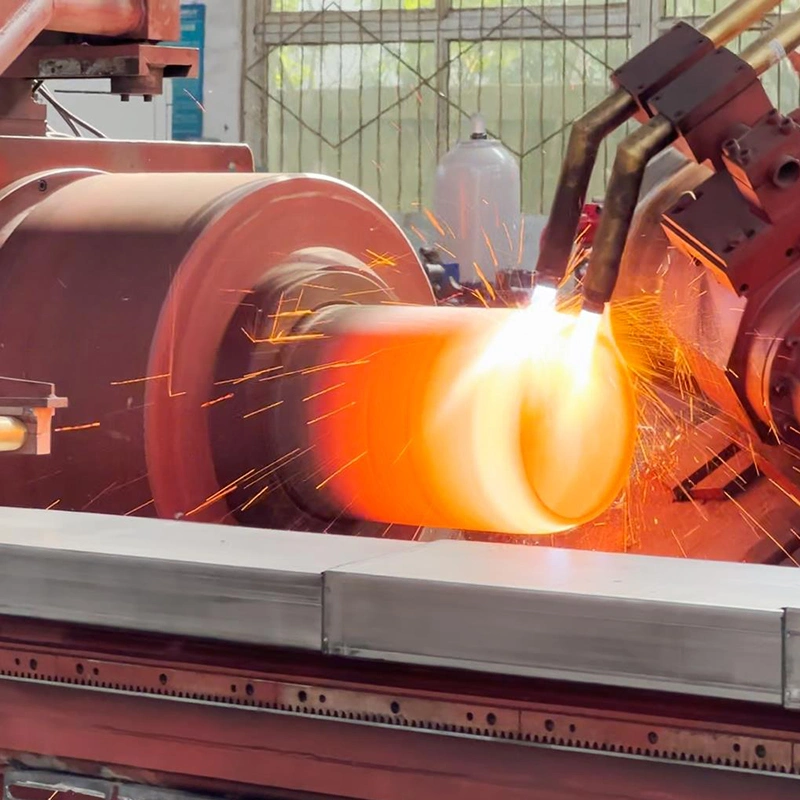
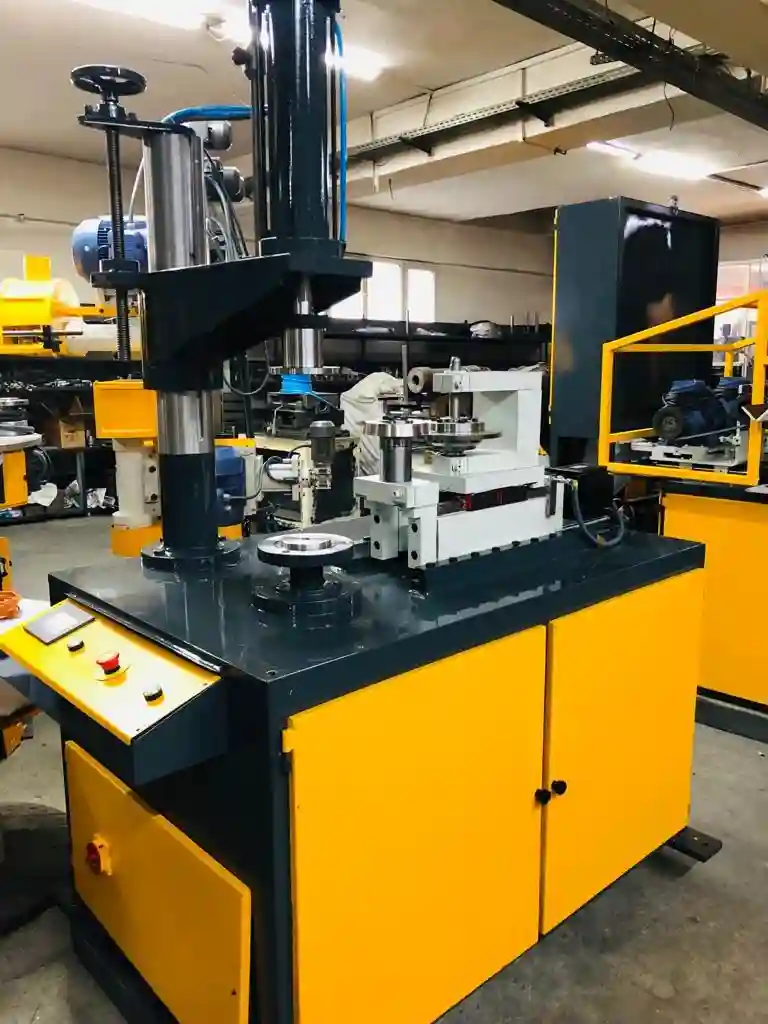
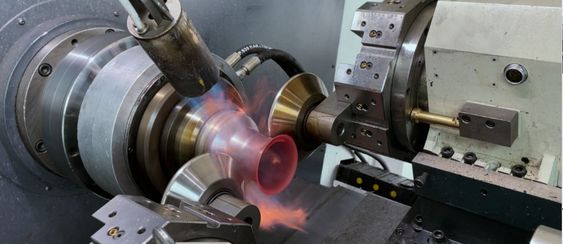
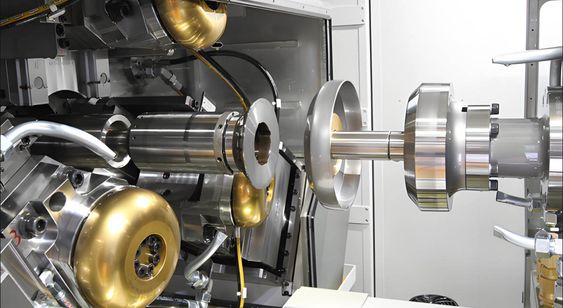
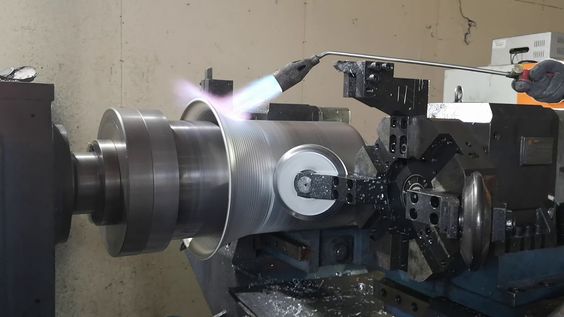
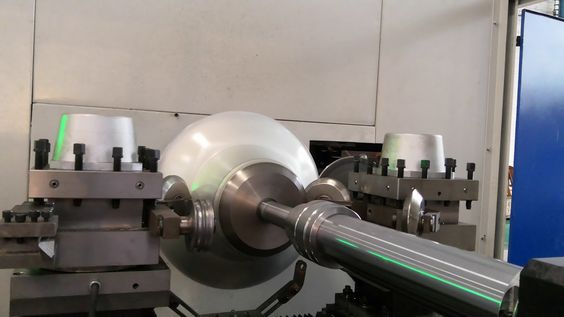
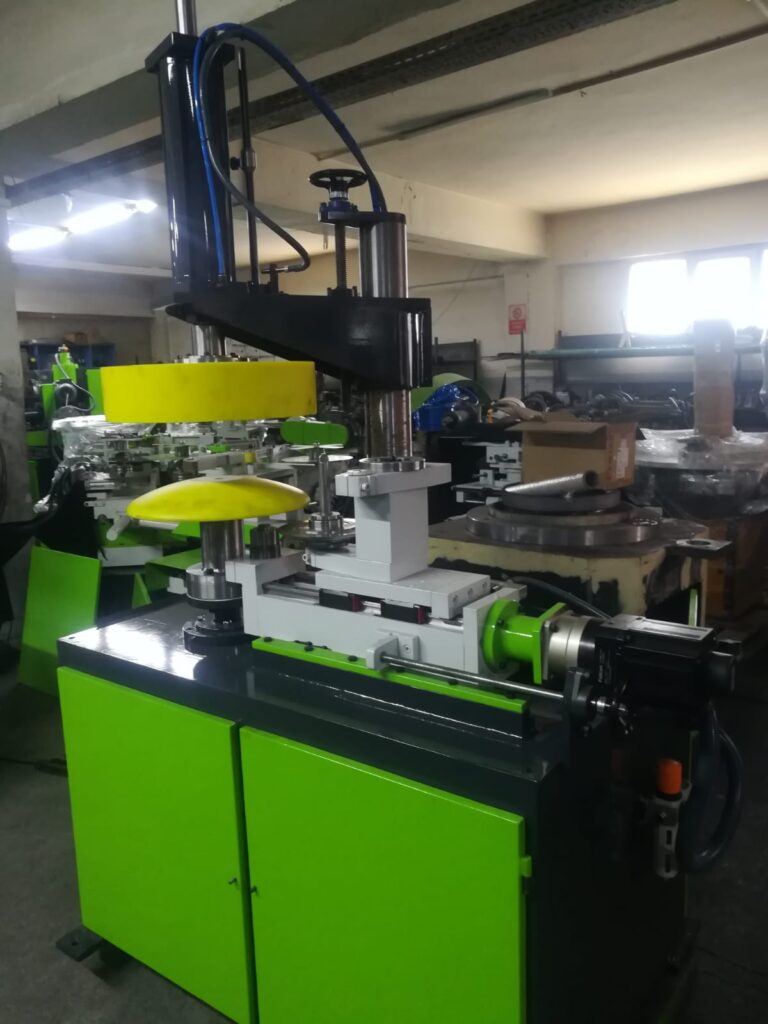
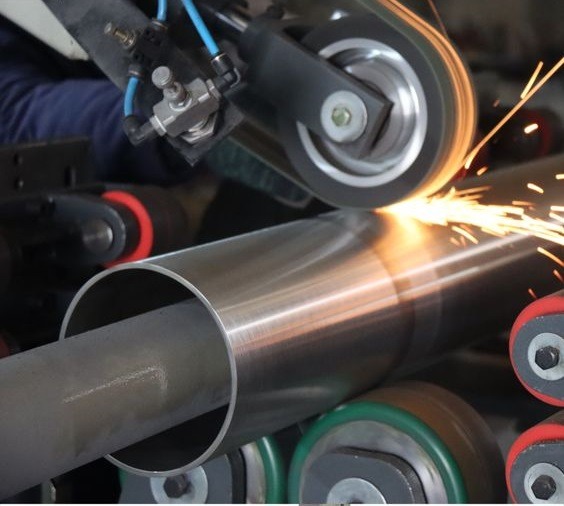
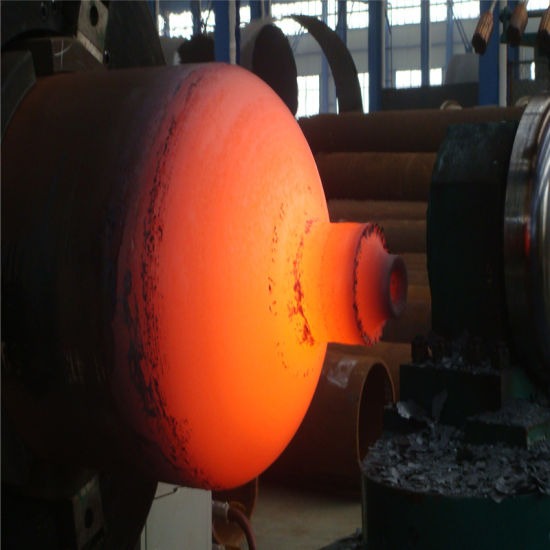
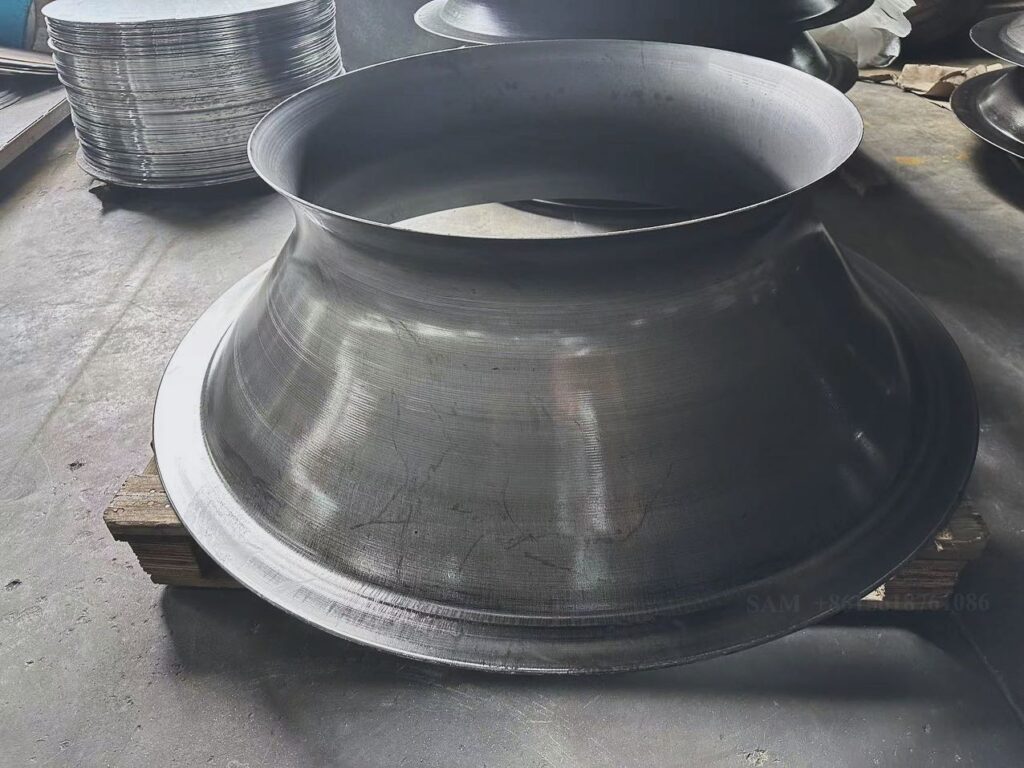
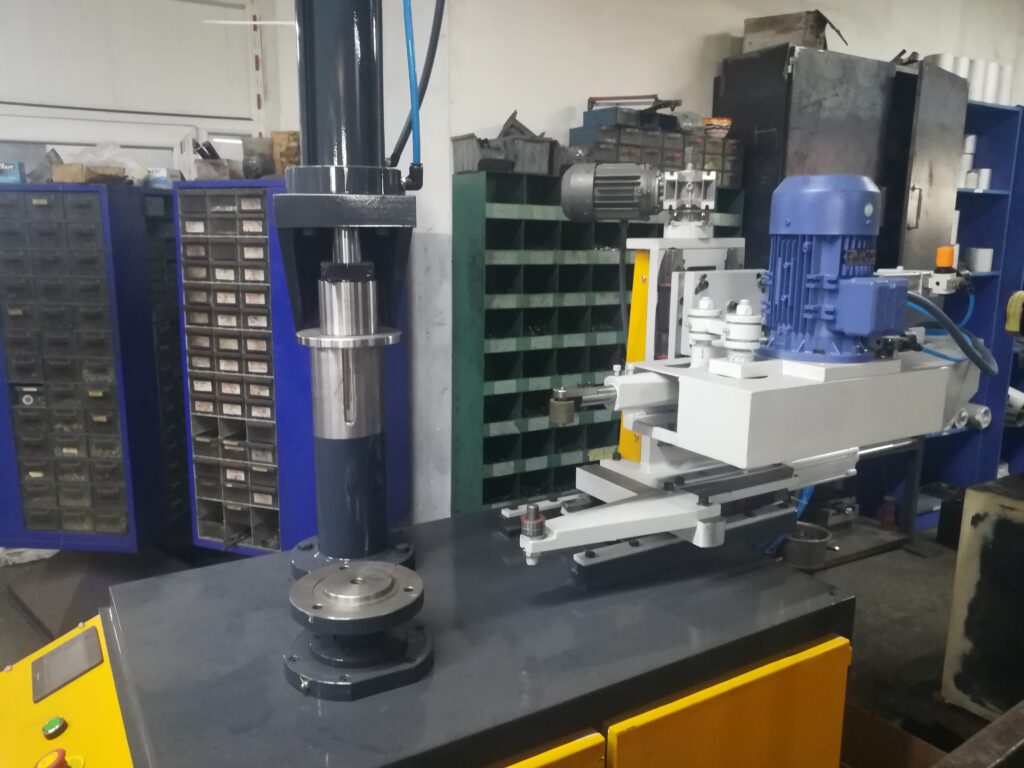
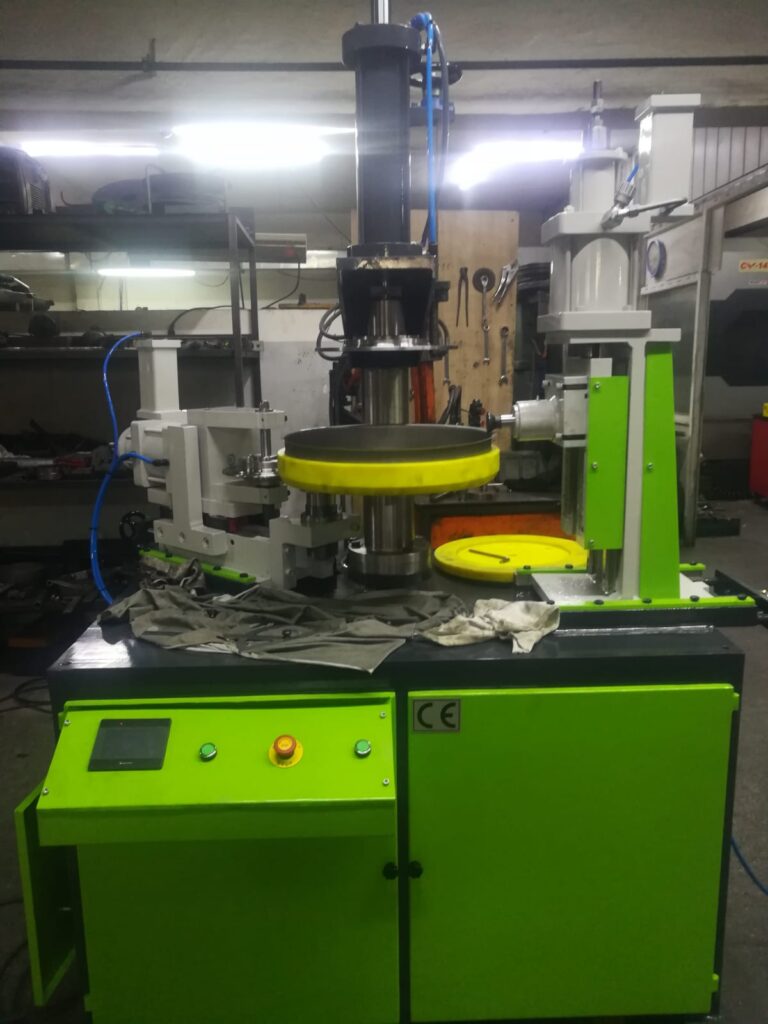
Horizontal Flow Forming Machine: A flow forming machine is a type of metalworking equipment used to shape and form thin-walled tubular or conical parts, usually from sheet metal or metal billets. The process, known as flow forming (or rotary swaging), involves rotating a workpiece at high speeds while applying radial forces to the material through rollers or tools. These forces cause the material to “flow” and shape into the desired form.

Key Features and Uses of Flow Forming Machines

  1. Precision and Strength: The flow forming process allows for the creation of complex, high-strength, and precise components, often used in industries such as aerospace, automotive, and energy.
  2. Applications:
    • Aerospace: Flow forming is commonly used to produce parts like turbine blades, engine components, and lightweight structural elements.
    • Automotive: It’s used for making precision components such as wheels, hubs, and parts for high-performance vehicles.
    • Energy: Components such as pressure vessels, heat exchangers, and other parts for energy systems may also be made using flow forming.
  3. Process Steps:
    • The machine typically uses rollers or dies that apply radial pressure to the rotating workpiece, thinning and elongating the material while it moves along its axis.
    • The workpiece is usually clamped at both ends while rotating, and the material flows into the desired shape through repeated cycles.
  4. Advantages:
    • Material Conservation: Since the material flows into shape rather than being cut away, waste is minimized.
    • High Strength and Quality: The process improves material properties, especially in the case of metals, by aligning the grain structure in the direction of the forming.
    • Cost-Effectiveness for High-Volume Production: Once set up, flow forming machines are well-suited for mass production, particularly for cylindrical or tubular components.
  5. Common Materials:
    • Flow forming is used with a variety of metals including aluminumtitaniumsteel, and nickel-based alloys, making it versatile for many industries.

Flow forming machines are highly versatile and efficient tools used for producing complex, thin-walled metal components. The process begins with a workpiece, often in the form of a tube or billet, which is mounted onto a rotating spindle. The machine uses rollers or dies to apply radial pressure to the material, causing it to deform and gradually take on the desired shape. This shaping process can result in parts that are not only precise in their dimensions but also exhibit enhanced material strength, thanks to the realignment of the metal’s grain structure during deformation.

One of the standout features of flow forming is its ability to create parts with uniform wall thickness and high structural integrity, making it ideal for industries that require high-performance materials. For example, aerospace companies use flow forming to produce turbine blades and structural components that need to withstand extreme forces and temperatures. The automotive industry also benefits from this process, especially in the production of lightweight, strong components such as wheels, hubs, and fuel tanks. In the energy sector, flow forming machines are used to make components for power plants, including pressure vessels and heat exchangers, where both strength and durability are crucial.

The machine’s operation is relatively straightforward. Once the workpiece is securely mounted, the rollers move radially toward the center, applying pressure as the piece rotates. As the material flows, it elongates and thins, with the machine operator adjusting the rollers to control the final shape and dimensions of the piece. The precision of the machine allows for a high degree of control, which is vital for creating parts with exacting tolerances.

This process is particularly beneficial for producing parts from high-performance metals, such as titanium or nickel alloys, which are difficult to work with using traditional machining methods. By using flow forming, manufacturers can conserve material, as the process is highly efficient and generates minimal waste. Additionally, because the material is being shaped rather than cut away, it reduces the risk of material defects like cracking or warping.

While flow forming is a great choice for mass production, it is also flexible enough to handle custom, one-off components. The machine’s adaptability allows for changes in part size and shape during production, making it ideal for industries that require a range of sizes or specialized shapes.

Flow forming continues to be an important manufacturing process, especially as industries push for higher material efficiency and performance. The technology behind these machines has evolved significantly, and today’s flow forming equipment is designed to handle a broader range of materials, including advanced alloys and composites. The core principles of the process remain the same, but innovations in automation, control systems, and tooling have made the machines even more precise and versatile.

Modern flow forming machines typically feature advanced CNC (computer numerical control) systems, which allow for highly accurate control over the forming process. These systems enable operators to input detailed specifications for the part being produced, and the machine adjusts its settings accordingly, ensuring each part meets the desired specifications with minimal human intervention. This reduces the potential for error and makes it possible to maintain high-quality output over long production runs.

One of the key advancements in flow forming is the integration of multi-roll forming. Traditional flow forming machines might use two or three rollers to apply force to the workpiece, but newer designs often incorporate more rollers, which can simultaneously apply pressure from different angles. This results in more consistent deformation and can be particularly helpful when producing parts with complex geometries or varying thicknesses.

Additionally, advances in material handling have made flow forming machines capable of processing larger or more difficult-to-handle workpieces. For example, some systems can automatically load and unload material from the machine, reducing manual labor and improving throughput. This automation is especially useful in high-volume production environments, where speed and efficiency are key.

Another trend is the integration of real-time monitoring systems. These systems allow for continuous observation of the forming process, checking for variables like temperature, pressure, and material strain. By tracking these metrics in real-time, manufacturers can adjust the process on the fly to prevent defects and ensure the final product meets stringent requirements.

Flow forming also has applications in the production of parts with specialized surface finishes. The material flow during the forming process can lead to a smooth, defect-free surface, which is particularly beneficial for parts that will be exposed to harsh environments or need to meet strict aesthetic standards. In industries like aerospace, where surface integrity is critical, this can save significant time and cost compared to secondary finishing processes.

Despite its numerous advantages, flow forming isn’t suitable for every application. The process is primarily used for parts that are cylindrical, conical, or have other rotational symmetries. Non-rotational geometries or highly irregular shapes are less suitable for flow forming, as the process relies on the rotational movement of the workpiece to create the desired form. In such cases, traditional machining techniques like CNC milling or casting might be more appropriate.

Additionally, while flow forming can create parts with uniform thickness and enhanced material properties, there are limits to the complexity of shapes that can be achieved without additional tooling or processing. Some designs may require hybrid manufacturing approaches, combining flow forming with other methods such as welding or machining to achieve the final product.

For companies looking to integrate flow forming into their operations, the key considerations typically include the upfront investment in the machine, tooling costs, and the training required to operate the equipment efficiently. However, once established, the process offers significant cost savings in material waste, labor, and post-production finishing.

Horizontal Flow Forming Machine

Hydraulic Rotary Forging Machine

horizontal flow forming machine is a specific type of flow forming equipment where the workpiece is rotated horizontally during the forming process, as opposed to the traditional vertical setup. This type of machine is typically used for creating long, cylindrical, or conical parts where the piece is rotated around its horizontal axis while radial pressure is applied through rollers or dies.

Key Features of Horizontal Flow Forming Machines:

  1. Horizontal Setup: In a horizontal flow forming machine, the workpiece is horizontally mounted, and the rollers are positioned to apply radial pressure as the workpiece rotates. The horizontal orientation can provide better handling for certain workpiece shapes and is often more stable when dealing with larger, heavier parts.
  2. Process Flexibility: Horizontal machines are often better suited for larger or longer components compared to vertical machines. This makes them ideal for manufacturing items like pipes, tubes, or aerospace components that require precision shaping over longer lengths.
  3. Enhanced Material Control: The horizontal position of the workpiece allows for more effective control over material flow, particularly when producing long or thin-walled components. This orientation can help to reduce the risk of material sagging or misalignment, which can sometimes occur in vertical machines with longer pieces.
  4. Automated Systems: Many modern horizontal flow forming machines are equipped with advanced CNC controls, which allow for precise adjustments to the rollers and tooling. Automation helps optimize the forming process and reduces the chance of operator error, leading to higher consistency and quality in production.
  5. Larger Workpieces: Horizontal flow forming machines are often chosen for applications where the workpieces are larger or need to maintain a uniform thickness over a longer length. Parts like cylindrical structures for aerospace or energy industries can be effectively produced using this setup.
  6. Versatile Rollers: Horizontal flow forming machines often use multi-roll setups (three or more rollers) that work in tandem to apply pressure at various angles to ensure that the material is evenly shaped. This helps in reducing material distortion and ensures that the final part is within tight tolerances.

Common Applications:

  • Aerospace: Horizontal flow forming is used for producing larger components such as turbine casings, compressor housings, or other structural elements. These parts often need to maintain a consistent shape and strength, which is achievable through the flow forming process.
  • Automotive: Parts like wheel rims, hubs, and other high-performance components are produced using horizontal flow forming machines, especially in high-volume manufacturing.
  • Energy: Large, high-pressure components like pressure vessels, heat exchangers, and even parts used in nuclear or hydroelectric power plants are made using horizontal flow forming, where material integrity and strength are key.
  • Heavy Industry: Horizontal flow forming is also used in manufacturing components that require high precision and strength, like pipes and large industrial bearings.

Advantages:

  • Greater Stability and Precision: The horizontal configuration provides stability, especially for larger, heavier parts, which minimizes deflection and improves dimensional accuracy during the forming process.
  • Higher Throughput: Horizontal machines are often designed to handle larger workpieces in a more efficient manner, leading to higher throughput in production runs.
  • Reduced Material Waste: Like other flow forming processes, horizontal flow forming is highly efficient in material usage, reducing scrap and making it a cost-effective option for producing large quantities of parts.
  • Enhanced Part Quality: The ability to use multiple rollers ensures a smoother surface finish and more uniform material properties, which are crucial for high-performance parts that undergo extreme stresses.

Challenges:

  • Size Limitations: While horizontal flow forming machines excel with larger and longer parts, there are still size limits based on the machine’s capacity. Extremely large or heavy components may require custom solutions or specialized equipment.
  • Setup Complexity: Due to the larger scale of the parts being formed, horizontal flow forming setups can be more complex to calibrate and maintain, requiring skilled operators and potentially longer setup times.
  • Tooling Wear: With larger parts and longer production runs, tooling wear can become more pronounced, leading to increased maintenance needs and the potential for more frequent tool replacement.

Horizontal flow forming is especially valuable when dealing with larger parts that require high precision and uniformity, making it ideal for industries like aerospace, automotive, and energy. If you’re interested in specific models or technical considerations for a particular application, let me know, and I can help further!

A horizontal flow forming machine is designed to rotate workpieces horizontally, providing a stable setup for forming larger or longer components. This orientation allows for precise control of material flow, especially useful for cylindrical, tubular, or conical parts that need to maintain consistent thickness and shape over extended lengths. The machine uses rollers positioned to apply radial pressure to the rotating workpiece, which causes the material to elongate and thin in the desired shape. The horizontal positioning provides advantages in terms of stability, as it helps prevent sagging or misalignment in longer pieces, ensuring the production of high-precision parts. Horizontal flow forming is commonly used in industries like aerospace, automotive, and energy for manufacturing large components, such as turbine casings, pipes, pressure vessels, and structural elements. The machine setup often includes automated systems, such as CNC controls, for precise adjustments, enhancing production efficiency and part quality. In some advanced machines, multiple rollers may be used to apply force from various angles, allowing for smoother surface finishes and reducing material defects. The process is material-efficient, reducing waste compared to traditional machining methods, which is particularly beneficial for high-performance materials like titanium, aluminum, and nickel alloys. Horizontal flow forming machines are ideal for parts that require both strength and precision, such as aerospace components subjected to extreme forces. However, these machines can be complex to set up and maintain, particularly when handling very large or heavy workpieces. Tooling wear is also a consideration for long production runs, requiring periodic maintenance and replacement. Despite these challenges, the horizontal configuration offers higher throughput and more stable production for large-scale manufacturing runs, making it a go-to solution for industries where size and precision are key factors.

Horizontal flow forming continues to be an important method for the production of large, high-precision components. One of the main advantages is its ability to handle larger and heavier workpieces with greater stability. The horizontal orientation reduces the risk of part distortion, which can sometimes occur in vertical machines when dealing with long, thin-walled parts. The ability to apply uniform radial pressure across a longer workpiece also ensures that material flow is more consistent, resulting in more uniform wall thickness and better part integrity.

In addition to handling larger parts, horizontal flow forming machines offer improved efficiency in certain applications. For example, the process is well-suited for making cylindrical or conical components, where the material is continually shaped without excessive material removal. This results in less waste compared to traditional machining techniques that rely on cutting or milling. By eliminating much of the material removal process, flow forming can produce components faster and with greater material conservation, making it cost-effective for large production volumes.

Horizontal flow forming also allows for high levels of customization. With advanced CNC systems and adjustable tooling, manufacturers can produce parts with varying wall thicknesses, diameters, or taper angles, providing the flexibility to meet specific design requirements. This adaptability makes horizontal flow forming suitable for industries where part geometries are not standard and require precise, customized solutions. Furthermore, because the process allows for continuous shaping and thinning of the material, parts can often be produced with enhanced mechanical properties, such as improved strength and resistance to fatigue, due to the alignment of the grain structure in the material.

As technology continues to advance, modern horizontal flow forming machines are becoming more automated and integrated with real-time monitoring systems. These systems track key process parameters such as temperature, pressure, and material strain, ensuring that the part meets strict quality standards. This capability reduces the likelihood of defects and ensures that any issues can be detected and addressed during production, improving both product quality and operational efficiency.

Despite these advantages, horizontal flow forming isn’t suitable for every type of part. The process is most effective for parts with rotational symmetry or simple geometries. Complex or irregular shapes may still require additional manufacturing processes, such as machining or welding, to complete the part. Additionally, while horizontal flow forming machines can handle larger workpieces, they may still have size limitations based on the machine’s capacity. For extremely large parts, customized machines may be required.

Overall, horizontal flow forming represents a highly efficient and versatile solution for producing large, precise, and strong components in industries where material efficiency, part strength, and quality are paramount.

Multi-Spindle Flow Forming Machine

Multiple Roller Flow Forming Center

multi-spindle flow forming machine is an advanced variation of the traditional flow forming equipment that utilizes multiple spindles or rollers to apply radial pressure to the rotating workpiece. This configuration allows for greater control over the forming process and enhances the machine’s ability to produce parts with more complex shapes, tighter tolerances, and higher efficiency in production. In essence, the use of multiple spindles enables simultaneous shaping from multiple directions, providing a more uniform distribution of forces and improving the overall quality and consistency of the parts.

Multi-spindle flow forming machines typically involve several rollers positioned around the workpiece, all of which rotate at different speeds or apply pressure from different angles. This multi-point application of force leads to several key benefits:

  1. Enhanced Precision and Uniformity: The simultaneous application of pressure from multiple spindles ensures that the material flows evenly in all directions, resulting in parts with consistent wall thickness and better mechanical properties. This is particularly beneficial when creating parts that need to meet stringent dimensional tolerances and strength requirements.
  2. Increased Production Efficiency: Because multiple spindles can be used to shape a part simultaneously, the forming process is often faster than single-spindle systems, which typically require more cycles to achieve the same result. This increased efficiency can significantly reduce production time and costs, especially for high-volume manufacturing.
  3. Ability to Form Complex Shapes: Multi-spindle flow forming allows for greater flexibility in terms of part design. The ability to apply pressure from different directions makes it possible to form more complex shapes that would be difficult or time-consuming to achieve with traditional flow forming machines. This makes the machine suitable for a wider range of industries, including aerospace, automotive, and energy, where components often have intricate geometries or require non-uniform wall thicknesses.
  4. Higher Strength and Material Integrity: The uniform application of pressure and the ability to adjust the roller settings in multi-spindle systems improve the material flow, reducing the likelihood of defects such as cracking or uneven wall thickness. Additionally, the process helps to align the metal grain structure in the direction of the material flow, resulting in parts that are stronger and more durable.
  5. Increased Flexibility and Adaptability: Multi-spindle flow forming machines are often equipped with CNC controls, which allow for precise adjustments to the rollers, spindles, and process parameters. This makes the machines adaptable to a wide range of part sizes, materials, and designs, increasing their usefulness for manufacturers that produce a diverse set of components.

Applications:

  • Aerospace Industry: Multi-spindle flow forming machines are ideal for producing complex aerospace components like turbine casings, compressor housings, and structural elements, which require both strength and precision. The ability to form large, thin-walled parts with uniform thickness makes these machines a good fit for such high-performance applications.
  • Automotive Industry: These machines can be used for creating lightweight, high-strength parts such as wheels, hubs, and suspension components, where precise control over the material’s properties is crucial.
  • Energy Industry: Large parts used in power generation, such as pressure vessels, heat exchangers, and reactor components, benefit from the material conservation and strength-enhancing properties of multi-spindle flow forming.

Advantages:

  • Faster Cycle Times: With multiple spindles working at once, the forming process becomes quicker, reducing cycle times and increasing overall production throughput.
  • Better Quality Control: The simultaneous application of forces from multiple directions reduces the risk of defects and inconsistencies, ensuring that parts meet strict quality standards.
  • Flexibility in Design: The ability to shape parts with more complex geometries makes the machine adaptable for a wider range of applications.
  • Material Efficiency: Like traditional flow forming, multi-spindle machines minimize material waste, making them highly efficient and cost-effective, particularly in high-volume production.

Challenges:

  • Higher Initial Investment: Multi-spindle flow forming machines typically require a higher initial investment than single-spindle systems due to the additional components and complexity.
  • Maintenance and Tooling: With multiple spindles and rollers in operation, there may be more wear and tear on the tooling, leading to higher maintenance costs and more frequent tool replacements.
  • Complex Setup and Calibration: Multi-spindle systems require precise calibration and setup to ensure that all spindles are working in sync and applying the correct amount of pressure. This can require skilled operators and may lead to longer setup times.

Overall, multi-spindle flow forming machines offer significant advantages in terms of efficiency, precision, and flexibility, particularly for industries that require high-performance parts with complex geometries. Their ability to produce parts with uniform thickness and enhanced material properties makes them a valuable tool in fields like aerospace, automotive, and energy.

A multi-spindle flow forming machine offers an advanced approach to the flow forming process by utilizing multiple spindles or rollers to apply radial pressure to a rotating workpiece simultaneously. This setup enhances the forming process, allowing for greater precision, efficiency, and the ability to produce more complex shapes compared to traditional single-spindle systems. The use of multiple spindles enables a more uniform distribution of force around the workpiece, leading to consistent wall thickness, stronger mechanical properties, and reduced material defects such as cracking or uneven deformation. The increased production speed is one of the key advantages, as multiple spindles can shape the part at once, reducing cycle times and increasing throughput for high-volume manufacturing. This increased efficiency makes multi-spindle flow forming particularly beneficial in industries like aerospace, automotive, and energy, where precision, part complexity, and material strength are critical. The ability to create parts with intricate geometries or varying wall thicknesses also makes multi-spindle systems highly versatile, allowing manufacturers to tackle a wider range of designs. The machines are often equipped with advanced CNC controls, which allow for fine adjustments to the rollers and spindles, improving adaptability to different materials, part sizes, and production requirements. While the initial investment in a multi-spindle system may be higher, the long-term benefits, such as faster production times, reduced material waste, and the ability to produce high-quality parts, make it a valuable addition to many manufacturing operations. However, the complexity of these machines can lead to higher maintenance costs, as the increased number of spindles and tooling requires more attention to prevent wear and tear, as well as careful calibration to ensure consistent operation. Despite these challenges, the multi-spindle flow forming machine remains a powerful tool for producing high-performance, precision parts across a range of industries.

The versatility of multi-spindle flow forming machines is further highlighted by their ability to handle a wide variety of materials. These machines are often used to form metals like titanium, aluminum, steel, and other high-performance alloys, which are essential in industries that require materials with specific mechanical properties. The ability to work with such materials, combined with the multi-point application of pressure, ensures that the final parts maintain high strength and durability, making them suitable for high-stress environments, such as aerospace engine components or automotive suspension parts.

The process also benefits from the material’s ability to flow in a controlled manner, which not only reduces waste but also ensures that the material’s grain structure is aligned in the direction of forming. This alignment enhances the mechanical properties of the finished part, improving its resistance to fatigue and extending its service life. These properties are particularly valuable when producing components that must withstand cyclical loading or harsh conditions, such as parts for gas turbines, compressors, or pressure vessels.

Moreover, multi-spindle flow forming machines excel at creating parts that need precise surface finishes. The process tends to produce smooth, defect-free surfaces due to the gradual and controlled deformation of the material. This is an advantage in industries like aerospace, where surface integrity is critical for part performance. It can also minimize the need for secondary finishing processes, reducing costs and lead times.

While the process offers numerous advantages, it’s important to note that the complexity of multi-spindle systems requires a high level of expertise in machine operation and maintenance. The setup, calibration, and operation of these machines demand skilled technicians to ensure that all spindles are synchronized and applying the correct amount of pressure. This ensures the machine runs optimally and minimizes the risk of defects.

Another challenge is the tooling wear, especially in high-volume production settings. With multiple spindles working on the part simultaneously, the wear on the rollers or spindles can be higher, necessitating regular inspection and maintenance. This is a consideration for manufacturers when evaluating the long-term costs of operating a multi-spindle flow forming system. However, the overall benefits, including the reduction in material waste, increased production speed, and enhanced part quality, often outweigh these challenges.

For companies seeking to remain competitive in industries where performance and precision are non-negotiable, multi-spindle flow forming represents a powerful manufacturing solution. The ability to produce complex, high-strength components with minimal material waste and a high level of precision makes these machines indispensable in fields where part integrity and production efficiency are paramount. As technology advances, we may see further refinements in multi-spindle flow forming systems, allowing for even greater control over the process, improved automation, and the ability to handle an even broader range of materials and part geometries.

Single-Spindle Flow Forming Machine

Metal Spinning Lathe for Sale

single-spindle flow forming machine is a more traditional form of flow forming equipment where a single rotating spindle or roller is used to apply radial pressure to a rotating workpiece. This machine setup is typically used for producing cylindrical, conical, or other rotationally symmetric parts. The spindle rotates the workpiece, while the roller applies controlled pressure, gradually forming the material into the desired shape. The process involves a combination of high-speed rotation and localized deformation, which causes the material to elongate and thin while maintaining a uniform structure.

Single-spindle flow forming machines are ideal for producing parts that do not require the complexities of multiple-directional pressure or intricate geometries. They are especially suitable for creating parts with consistent wall thickness and smooth surface finishes. The simplicity of the design makes single-spindle systems easier to operate and maintain compared to multi-spindle machines, which often require more precise calibration and synchronization between rollers.

These machines are commonly used in industries such as aerospace, automotive, and energy for producing components like turbine blades, wheels, cylinders, hubs, and other parts that need to be lightweight yet strong. The process allows for high material efficiency, minimizing waste and reducing costs associated with material handling. The single-spindle machine is effective for producing parts from high-performance alloys, such as titanium, aluminum, and steel, which require precise control over material flow to achieve the desired mechanical properties.

One of the advantages of single-spindle flow forming is that it can handle a wide variety of materials with relative ease, offering flexibility in terms of material selection. The process is less complex than multi-spindle systems, which can make it more cost-effective for smaller production runs or custom parts. The process also generates less heat than traditional forging or casting methods, reducing the risk of material defects related to thermal stress.

However, single-spindle flow forming is generally better suited for parts with simpler geometries or those that need to be uniform in shape. The limitation of a single spindle means that the system may be less effective for parts with complex or intricate features that require shaping from multiple directions. Additionally, while the machine is capable of producing high-quality parts, it may not achieve the same level of efficiency and precision as a multi-spindle machine when producing high volumes of parts with varying shapes.

Despite these limitations, single-spindle flow forming remains an essential tool in the manufacturing of high-precision, strong, and lightweight parts, particularly for applications that do not require the additional complexity of multiple spindles. The simplicity of the system, combined with its ability to produce high-quality parts with minimal material waste, makes it an effective solution for a range of industries, particularly where part volume is moderate, and cost efficiency is a key factor.

Single-spindle flow forming machines are ideal for producing parts where simplicity and cost-effectiveness are prioritized. While these machines may not have the versatility or speed of multi-spindle systems, they excel in creating parts with consistent shapes and uniform material distribution, especially for cylindrical or conical components. The process involves applying pressure from a single roller, which gradually deforms the material as the workpiece rotates, allowing it to achieve the desired geometry. This method is highly effective for parts like tubes, wheels, and structural components in the aerospace, automotive, and energy sectors. The main advantage of single-spindle flow forming lies in its ability to produce high-quality parts with minimal material waste. This is especially beneficial for expensive materials like titanium or high-strength alloys, where conserving material is crucial. The simplicity of the system also translates to easier setup, operation, and maintenance, which makes it a more cost-effective option for low- to medium-volume production. Though it lacks the multi-directional shaping capabilities of more advanced machines, the single-spindle system is highly efficient for parts that require uniform thickness and high mechanical integrity. Furthermore, this machine type is adaptable to a range of materials, allowing manufacturers to process a variety of alloys and composites with precision. While single-spindle flow forming machines are not ideal for highly complex shapes, they are widely used in applications that demand reliability, strength, and high dimensional accuracy.

Despite its more straightforward design, single-spindle flow forming can still produce parts with impressive mechanical properties due to the way the material is formed. The controlled radial pressure applied during the process aligns the material’s grain structure in the direction of flow, which can enhance the part’s strength and resistance to fatigue. This is particularly beneficial in applications where the component will undergo repeated stresses or high-impact loads, such as turbine casings or automotive wheels. Additionally, because the material is progressively shaped rather than cut or machined, the flow forming process can reduce the likelihood of internal defects, like porosity or cracks, which can sometimes occur in casting or traditional machining.

While the system is best suited for parts with simpler geometries, it is also capable of producing parts with good surface finishes. The smooth, consistent deformation of the material during forming minimizes the need for additional finishing steps, which can reduce both the time and cost associated with post-processing. In cases where the surface finish is critical, some post-forming processes, like light machining or polishing, can still be applied, but the need for these steps is typically reduced compared to traditional manufacturing methods.

Another benefit of single-spindle flow forming is its material efficiency. Since the process involves minimal material waste, manufacturers can maximize the usage of expensive materials, reducing production costs over time. This is particularly important for industries dealing with rare or costly alloys, where material cost plays a significant role in the overall production cost. The process can also accommodate materials that are difficult to machine or shape using other methods, further increasing its value in certain high-performance applications.

However, the limitations of single-spindle flow forming should not be overlooked. The inability to apply pressure from multiple angles means that the machine might struggle with parts that require non-uniform thicknesses or highly complex shapes. Parts that feature intricate geometries or require specific features that are difficult to achieve with radial pressure alone may need additional processes such as welding or machining, which adds to the overall cost and complexity of the manufacturing process. Additionally, while the single-spindle system is capable of high precision, it may not be as suitable for mass production compared to multi-spindle systems, which can handle larger volumes and more complex part requirements at a faster rate.

Overall, single-spindle flow forming remains a valuable process for manufacturers producing medium to large quantities of relatively simple parts where material strength, precision, and cost-effectiveness are key priorities. Its ability to deliver high-quality, consistent parts with minimal waste and reduced finishing requirements makes it an ideal choice for many industries, even though it may not be suitable for all types of geometries or highly complex components.

Single-spindle flow forming machines, while simpler in design than their multi-spindle counterparts, are a highly effective tool in many industrial applications where part geometry is relatively straightforward, and material efficiency is a priority. These machines apply radial pressure from a single rotating spindle to shape a workpiece that is also rotating. As the spindle pushes the material outward, the metal gradually thins and elongates to form the desired shape. One of the most significant advantages of this process is its ability to maintain precise control over the material, ensuring uniformity in wall thickness and a consistent final shape.

The simplicity of the single-spindle design makes these machines relatively easy to operate and maintain. With fewer moving parts compared to multi-spindle systems, single-spindle flow forming is less complex to set up and calibrate. This characteristic makes it an appealing choice for smaller manufacturers or those with lower production volumes. Additionally, these machines tend to have lower capital costs than multi-spindle systems, making them a more accessible option for companies looking to adopt flow forming without a large upfront investment.

One of the standout features of single-spindle flow forming is its ability to produce components with excellent material efficiency. Since the process works by gradually deforming the material rather than cutting or machining it, much less material is wasted. This makes it an ideal method for working with expensive materials, such as titanium, high-strength alloys, or specialty metals, which are commonly used in aerospace, automotive, and energy industries. In these sectors, where material costs are often a significant portion of overall manufacturing expenses, the ability to minimize waste is an essential benefit. The reduction in material waste also means that manufacturers can reduce overall production costs and improve their bottom line.

The process also offers benefits in terms of the mechanical properties of the finished parts. As the material is deformed in a controlled manner, the grain structure is aligned along the direction of flow. This alignment typically results in improved material strength and fatigue resistance, particularly in high-stress applications. Parts such as turbine blades, pressure vessels, and automotive wheels often require excellent strength-to-weight ratios, and single-spindle flow forming can provide these characteristics. The gradual deformation process helps to avoid the introduction of internal defects, such as porosity, cracks, or other flaws that might arise from traditional casting or forging methods. As a result, parts made through flow forming are often stronger and more reliable in their intended applications.

Additionally, single-spindle flow forming machines are well-suited for applications that require parts with consistent surface finishes. The material is shaped in a smooth and continuous flow, which can reduce the need for extensive post-processing or finishing work. While some parts may still require light machining or polishing to meet precise surface finish specifications, the flow forming process reduces the amount of additional labor and time required, which can be a significant advantage in a production environment.

Despite these benefits, single-spindle flow forming is not without its limitations. The main restriction of this method is its suitability for producing relatively simple, symmetrical parts. The process is most effective for components that have a cylindrical or conical shape, as these parts allow for the most efficient use of radial pressure. When it comes to more complex shapes, such as parts with highly irregular geometries, deep recesses, or non-symmetrical features, the single-spindle machine may struggle to achieve the desired results. In such cases, the part may require secondary operations, such as welding or additional machining, to complete its final shape, which can increase production time and costs.

Furthermore, while single-spindle flow forming is efficient for parts with uniform wall thickness, it may not be as effective for parts with varying thicknesses or complex internal features. In cases where parts need to have a tapered or varying wall thickness, a multi-spindle system, or additional post-forming processes may be necessary. Multi-spindle machines, with their ability to apply pressure from multiple directions, are better suited to handling parts with these types of geometries, but they come at a higher cost.

Another consideration is the machine’s speed. While single-spindle flow forming machines can produce parts at a relatively fast rate compared to traditional machining methods, they may not be as quick as multi-spindle systems, which can work on multiple areas of the part simultaneously. For high-volume production environments, the speed of a single-spindle system may limit its ability to compete with more complex, multi-spindle machines.

Despite these limitations, single-spindle flow forming remains an invaluable tool for many industries. The process is especially useful when manufacturing high-precision, lightweight components with excellent mechanical properties, such as those found in aerospace, automotive, and energy applications. Its material efficiency, ease of use, and cost-effectiveness make it particularly attractive for manufacturers that produce parts in moderate volumes or those that require high-performance materials but do not need the complexity or speed of multi-spindle systems. Furthermore, the ability to create parts with excellent strength-to-weight ratios and minimal internal defects positions single-spindle flow forming as a leading solution for producing robust, reliable components in critical industries.

In conclusion, single-spindle flow forming continues to play a crucial role in modern manufacturing, offering a balance of precision, efficiency, and material savings. It is particularly valuable in industries where strength, durability, and cost control are paramount. While its capabilities are best suited to simpler geometries, it remains a powerful tool for producing high-quality, lightweight components. As manufacturing technologies evolve, single-spindle flow forming machines will likely continue to see advancements, offering even greater precision, flexibility, and efficiency for manufacturers.

Vertical Flow Forming Machine

Vertical Rotary Forging Machine

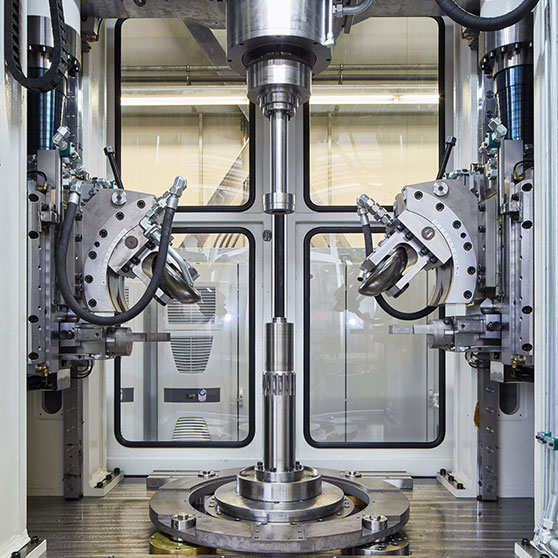
vertical flow forming machine is a type of flow forming equipment that employs a vertical orientation of the workpiece and forming tools to apply radial pressure during the material shaping process. In contrast to horizontal flow forming machines, which position the workpiece horizontally, the vertical configuration offers distinct advantages in certain applications, especially in the handling of large, heavy, or vertically oriented components.

In a vertical flow forming system, the workpiece is typically mounted on a rotating spindle that is aligned vertically. The forming rollers or tools apply radial pressure to the rotating part, gradually shaping it into the desired geometry. This method can be used to create cylindrical, conical, or other rotationally symmetric shapes, similar to other types of flow forming, but with the added benefit of the vertical setup.

One of the primary advantages of a vertical flow forming machine is its ability to handle large, heavy workpieces more effectively. The vertical orientation provides greater stability and control during the forming process, especially when working with large-diameter parts. In a vertical setup, the forces are distributed more evenly across the workpiece, reducing the risk of distortion or deflection during the forming process. This stability is particularly important when working with materials that require high precision and strength, such as titanium or high-strength steel, which are commonly used in aerospace, automotive, and energy applications.

The vertical orientation also facilitates the handling of longer workpieces or parts with greater lengths. When parts need to be formed along their length, such as tubes, pipes, or other elongated shapes, the vertical setup ensures better alignment and more consistent shaping, as gravity helps to stabilize the part during the process. This configuration is particularly useful when working with parts that have a long axial direction, as it minimizes the risk of sagging or misalignment that can occur with horizontal machines, especially for heavier or larger components.

Vertical flow forming machines are particularly effective in applications where the workpieces need to be formed in a vertical direction due to their natural shape or end-use. For example, when creating large cylindrical or conical components like pressure vessels, turbine casings, and other high-performance parts, the vertical orientation allows for smoother material flow and easier material management. The process also benefits from gravity, as it assists in the natural downward flow of the material, reducing the chance of material buildup or deformation at the part’s top.

Additionally, vertical flow forming machines can be more compact in terms of their footprint. The vertical setup allows for a more efficient use of floor space, which is particularly beneficial in manufacturing environments where space is limited. This can result in better layout optimization within production facilities, especially in large-scale manufacturing operations where maximizing floor space is a priority.

However, like all flow forming systems, vertical machines are primarily suited for parts that are rotationally symmetric or have relatively simple geometries. While they can achieve impressive results in forming cylindrical and conical shapes, more complex parts with irregular geometries may require additional processing or a different type of machine. Moreover, the vertical design can introduce challenges in terms of tool accessibility and part handling, especially for very large or heavy components. Additional equipment, such as cranes or specialized fixtures, may be required to load and unload workpieces efficiently.

Another consideration with vertical flow forming is the initial investment and maintenance costs. While the machine’s compact footprint may offer cost benefits in terms of space utilization, vertical flow forming systems may still require significant investment due to the precision and complexity involved in manufacturing large, high-quality parts. Additionally, maintenance can be more challenging compared to horizontal systems, as the vertical setup may necessitate specific maintenance procedures for proper machine operation and tool alignment.

Despite these considerations, vertical flow forming remains a powerful tool for producing high-precision, large-scale components with excellent mechanical properties. The combination of material efficiency, precision, and the ability to handle large workpieces makes vertical flow forming particularly valuable in industries such as aerospace, energy, and heavy equipment manufacturing. As with other types of flow forming, the process also results in reduced material waste, helping manufacturers improve both sustainability and cost-effectiveness.

In conclusion, vertical flow forming machines offer several advantages in terms of handling large, heavy workpieces, improving stability and precision during the forming process. Their ability to create high-strength, uniform parts with minimal material waste makes them essential for applications that require high performance and reliability. While their primary use is for parts with simple, rotationally symmetric geometries, vertical flow forming is an invaluable technique in industries that demand large, high-quality components with specific material properties. As manufacturing technologies continue to evolve, the vertical flow forming machine is likely to remain a key tool in the production of precision-engineered parts.

Vertical flow forming machines provide a unique advantage in producing large, heavy, or long parts that require high precision and strength. The vertical orientation of the machine allows for better distribution of forces across the workpiece, which minimizes the risk of distortion and deflection, especially for large-diameter or heavy components. This setup is particularly beneficial in industries such as aerospace, energy, and automotive, where components need to maintain their integrity under high stress and in demanding environments. The ability to work with large parts, such as turbine casings, pressure vessels, or large pipes, is another key benefit. Since gravity assists in the downward flow of material, it helps to stabilize the part and ensures a smoother and more consistent deformation process. In cases where workpieces are long or require shaping along their length, like tubes or pipes, the vertical configuration ensures better alignment and reduces the chances of misalignment or sagging that can occur with horizontal machines. Moreover, vertical machines are often more compact in terms of their footprint. This allows for a more efficient use of space in manufacturing environments, which is an important consideration in large-scale operations where floor space is at a premium. Despite the advantages, vertical flow forming machines are primarily suitable for simpler, rotationally symmetric shapes, as more complex geometries may require additional post-processing or other manufacturing techniques. The complexity of handling large or heavy workpieces also means that additional equipment, such as specialized fixtures or cranes, may be needed for loading and unloading, adding another layer of logistical consideration. While vertical machines are advantageous in some cases, they can also have higher initial investment costs, particularly when the machines are designed for high precision and large parts. Maintenance of these systems can also be more complex, requiring specific procedures to ensure proper alignment and tool maintenance. However, the benefits of vertical flow forming—such as material efficiency, part quality, and the ability to handle large-scale components—make it an invaluable technique in industries where high-strength, precision-engineered parts are required.

The vertical flow forming machine’s design inherently offers improved material handling, especially when dealing with larger and heavier components. Its orientation allows for easier gravity-assisted alignment, ensuring the part is stable throughout the forming process, which is crucial for parts that need to maintain precise tolerances and structural integrity under load. This is particularly important in the aerospace and energy industries, where components like large turbine casings, pressure vessels, or structural supports require flawless mechanical properties, uniform wall thickness, and strength-to-weight ratios.

Another key benefit of vertical flow forming is its ability to produce complex parts without the need for extensive secondary operations. Since the material is deformed gradually and uniformly, the need for further machining or finishing steps is often minimized. This can significantly reduce production time and cost. For manufacturers producing components with long lead times or high-performance material requirements, vertical flow forming presents a compelling alternative to traditional methods like forging, casting, or machining, all of which can be more resource-intensive and slower.

Vertical machines also shine in applications where part orientation is crucial. Certain components, such as pipes, tubes, and cylindrical structures, benefit from being formed vertically as they naturally align with the forming direction. This minimizes the potential for material distortion that might occur if formed horizontally, where the gravitational pull could affect the part’s stability, especially when dealing with long or heavy workpieces.

In terms of operational flexibility, vertical flow forming machines can be equipped with advanced CNC (Computer Numerical Control) systems that allow for fine-tuned adjustments in pressure, speed, and roller positioning. This level of precision ensures that each part meets exact specifications, which is crucial for industries where tolerances are tight, and the cost of failure is high. For example, in the aerospace industry, where every component must meet stringent quality standards to ensure safety and performance, vertical flow forming’s ability to produce high-strength, defect-free parts with minimal material waste is invaluable.

While vertical flow forming machines have many advantages, they also come with certain challenges. The complexity of handling large, heavy parts requires a more sophisticated approach to workpiece loading and unloading, which often necessitates the use of specialized cranes, automated loaders, or robotic systems. This can add to the overall system complexity and cost. Additionally, vertical systems may require custom tooling or fixtures to ensure the part is properly secured and oriented during the process. Maintenance of the machine also requires careful attention to ensure that the vertical alignment is preserved and that all components are functioning smoothly.

Moreover, as with any flow forming machine, the suitability of vertical flow forming is primarily for parts that are rotationally symmetric or have simple, linear geometries. While it excels in forming cylindrical or conical components, more intricate designs may require additional processing or a different manufacturing approach. As industries continue to evolve and demand more complex and diverse parts, manufacturers may need to consider hybrid approaches that integrate flow forming with other methods, such as additive manufacturing, to meet these needs.

Despite these challenges, vertical flow forming remains an essential process for industries that require large, high-performance components. Its ability to efficiently form large, heavy parts with high precision and minimal material waste makes it a valuable tool in production environments focused on quality, efficiency, and material conservation. With continued advancements in automation, tooling, and machine design, vertical flow forming is likely to remain at the forefront of manufacturing technologies, particularly in sectors where component integrity and strength are non-negotiable. As manufacturers increasingly look for ways to streamline production while reducing costs, vertical flow forming will continue to be a key player in producing complex, high-strength components for a variety of applications.

Mechanical Flow Forming Machine

Automated Line for Sheet Forming

mechanical flow forming machine is a type of flow forming equipment that uses mechanical force to shape metal workpieces into specific geometries. Unlike other flow forming machines that may use hydraulic or electrical drives, mechanical flow forming machines rely on mechanical drives, often involving gears, levers, or cams to transfer force to the workpiece. This method provides precise control over the forming process and is widely used for producing cylindrical, conical, and rotationally symmetric components.

In mechanical flow forming, the workpiece is placed on a rotating spindle, and rollers are used to apply pressure to the material. As the workpiece rotates, the rollers gradually shape the material, causing it to elongate and thin while maintaining its structural integrity. This process allows for the creation of parts with consistent wall thicknesses and high-dimensional accuracy, making it ideal for applications in industries like aerospace, automotive, and energy, where precision and material performance are critical.

One of the significant advantages of mechanical flow forming machines is their ability to deliver high precision and repeatability, which is essential when manufacturing parts with tight tolerances. The mechanical systems used in these machines allow for fine control over the applied force, rotational speed, and roller position, ensuring that each part is formed according to the required specifications. This control also minimizes material waste, as the metal is shaped rather than cut away, which can be particularly beneficial when working with high-cost materials like titanium, aluminum, or specialty alloys.

Mechanical flow forming machines are also known for their durability and reliability. Because they do not rely on hydraulic fluid systems or complex electrical components, they tend to have fewer maintenance requirements and can operate in harsh environments with less risk of breakdown. This makes them suitable for high-volume manufacturing or for operations in industries where downtime must be minimized.

Another benefit is that mechanical flow forming is highly efficient in terms of energy consumption. Since the mechanical system operates based on physical force, it typically consumes less energy than hydraulic systems, which require high-pressure pumps to generate force. This energy efficiency can translate into lower operational costs, making mechanical flow forming machines more cost-effective over the long term, particularly for manufacturers producing parts at scale.

Mechanical flow forming is especially beneficial when producing parts with consistent wall thickness and high strength. Since the material is continuously deformed, the grain structure of the metal is aligned in the direction of the flow, improving the strength of the final component. This is particularly advantageous for parts that need to withstand high stresses or impacts, such as turbine casings, automotive wheels, and pressure vessels. The mechanical flow forming process enhances the material’s fatigue resistance, which is critical in applications where components are subject to repeated loading or harsh operational conditions.

While mechanical flow forming machines offer numerous advantages, they do have limitations. The primary drawback is that they are best suited for parts with simple, rotationally symmetric geometries. More complex shapes with varying thicknesses or intricate features may require additional processing or a different type of machine. For example, parts with non-circular cross-sections or those that require features like internal threads or irregular surfaces may not be ideal candidates for mechanical flow forming.

Additionally, while mechanical systems are generally more durable and require less maintenance than hydraulic or electrical systems, they can still be subject to wear and tear, particularly in the gears, rollers, and other moving parts. Regular maintenance is essential to ensure the machine continues to operate at peak efficiency, and excessive wear could lead to issues with part quality or consistency.

Mechanical flow forming is also typically slower than some other flow forming methods, especially when compared to high-speed hydraulic systems. While this may not be an issue for certain applications or lower-volume production runs, it could limit the machine’s efficiency in high-volume manufacturing environments, where rapid cycle times are essential.

Despite these limitations, mechanical flow forming machines remain a valuable tool for producing high-quality, high-precision components. Their durability, energy efficiency, and ability to create strong, lightweight parts make them a popular choice in industries such as aerospace, automotive, and heavy machinery. The versatility and reliability of mechanical flow forming machines continue to make them an integral part of modern manufacturing, particularly in applications that prioritize precision, material conservation, and long-term operational efficiency.

Mechanical flow forming machines are a cornerstone of modern manufacturing for industries that demand precision, durability, and material efficiency. The mechanical drive systems, often consisting of gears, cams, or levers, offer a reliable and cost-effective method of shaping materials without the complexity of hydraulic systems. This simplicity leads to a more durable system that can operate in environments with less risk of mechanical failure due to the absence of complex hydraulic or electrical components. These machines excel in creating high-precision, rotationally symmetric parts, which makes them ideal for industries like aerospace, automotive, and energy, where tolerances and material performance are critical.

The use of mechanical force in flow forming allows for better control over the shaping process, ensuring consistent wall thickness and tight tolerances throughout the entire production run. This precision is particularly important when dealing with high-performance materials like titanium or advanced alloys, which are commonly used in high-stress applications. The inherent energy efficiency of mechanical flow forming systems is another advantage. Compared to hydraulic machines, which consume significant amounts of energy due to high-pressure systems, mechanical machines require less power to operate, reducing operational costs. This lower energy consumption translates into cost savings, especially in environments where large quantities of parts need to be produced. However, the trade-off is that mechanical flow forming is not ideal for parts with complex, non-symmetrical geometries. The process is primarily suited for simple shapes such as cylindrical, conical, or spherical parts.

Complex features like internal threads, irregular cross-sections, or intricate surface details might require additional post-processing or a different manufacturing method. While these machines provide reliable, high-quality results for standard parts, their limitations become evident when parts need features that extend beyond the capabilities of a simple radial deformation. Furthermore, while the mechanical drive systems are robust and require less maintenance than their hydraulic counterparts, regular care is still necessary to prevent excessive wear on gears, rollers, and other moving parts. Over time, these components can experience wear that affects the machine’s performance, leading to potential inconsistencies in part quality or operational slowdowns.

Despite these challenges, mechanical flow forming machines remain invaluable for industries that require large quantities of precise, strong, and lightweight components. Their ability to reduce material waste by gradually forming the part rather than cutting away excess material makes them highly efficient, especially when working with expensive or high-performance materials. The consistent, uniform parts produced by mechanical flow forming are crucial for applications where the structural integrity and fatigue resistance of the part are paramount, such as turbine casings, pressure vessels, and certain automotive components. In conclusion, mechanical flow forming machines provide an excellent balance of precision, efficiency, and durability, making them an ideal choice for producing high-quality, high-performance parts in industries where material integrity and cost-effectiveness are critical. While they are best suited for simpler, rotationally symmetric parts, their ability to produce strong, lightweight components with minimal material waste makes them a valuable asset to modern manufacturing processes.

The versatility of mechanical flow forming machines extends beyond their efficiency and durability, especially when considering their role in the production of critical components in various high-demand industries. For example, in aerospace, these machines are used to produce turbine components, compressor casings, and aerospace structural elements that must meet the highest safety and performance standards. The ability of mechanical flow forming machines to create these parts with excellent fatigue resistance and uniform strength across the material is a vital factor in ensuring the reliability of components that are exposed to extreme conditions, such as high temperatures, pressure fluctuations, and mechanical stresses.

In the automotive industry, mechanical flow forming is similarly valuable for manufacturing components like wheel rims, brake drums, and other high-performance parts that require a combination of strength, lightweight properties, and precise dimensional accuracy. The cost-effective material conservation of the process is particularly beneficial here, as it reduces waste while ensuring that the parts can endure the demanding mechanical loads they face during their service life. The consistent thickness and enhanced mechanical properties offered by mechanical flow forming are also essential for components that need to be lightweight yet strong to contribute to overall vehicle efficiency and performance.

Another application where mechanical flow forming proves beneficial is in the energy sector, particularly in the production of pressure vessels, turbine housings, and casing components used in power generation, including gas and steam turbines. The process is well-suited for creating parts with high resistance to fatigue and stress, which is essential for the long-term operation of turbines that experience constant mechanical loads and thermal cycles. As energy production demands increasingly focus on high-efficiency and low-waste methods, the use of mechanical flow forming contributes to the reduction of raw material consumption and minimizes part failure risks in these critical systems.

Despite these advantages, the limitations of mechanical flow forming cannot be overlooked. As mentioned earlier, the process is most effective for simpler geometries—typically rotationally symmetric parts—limiting its flexibility in creating more complex or intricate shapes. Manufacturers looking to create parts with intricate internal features, varying thicknesses, or multi-axis deformations might need to explore alternative methods, such as additive manufacturing, casting, or more advanced multi-axis machining. The need for these alternative processes may result in a hybrid approach, combining flow forming with other manufacturing techniques to meet the exact specifications of more complex parts.

Furthermore, the speed of mechanical flow forming can be a limiting factor in high-volume production environments. Although the process is relatively efficient for small to medium-sized production runs, it might not match the throughput capabilities of other methods, such as high-speed stamping or casting, especially when used for simpler parts. However, for manufacturers focused on producing high-quality, low-to-medium-volume parts that require high material strength and precision, mechanical flow forming continues to be a reliable and efficient solution.

In addition, although mechanical flow forming systems are less maintenance-intensive compared to hydraulic systems, they still require careful attention to ensure long-term reliability. Regular maintenance schedules are necessary to ensure that moving components like gears, rollers, and spindles remain in optimal condition. Monitoring system performance, checking for wear on critical parts, and ensuring proper lubrication are all essential for maintaining the precision and consistency of the process. Any failure in these components could potentially result in part defects, delayed production timelines, and increased operational costs.

Despite these drawbacks, mechanical flow forming remains a key technology in manufacturing, especially in industries where precision, material efficiency, and part performance are paramount. As manufacturing technologies continue to evolve, the integration of automation, advanced sensors, and computer-controlled systems may further enhance the capabilities of mechanical flow forming machines. The addition of these technologies can improve real-time process monitoring, allow for better quality control, and potentially address some of the limitations in speed and part complexity.

In conclusion, mechanical flow forming is a reliable and efficient method for producing high-strength, precision-engineered parts, particularly in industries like aerospace, automotive, and energy. While its primary application is for simpler, rotationally symmetric components, the benefits of material efficiency, reduced waste, and enhanced mechanical properties make it an indispensable tool in modern manufacturing. As the demands for more complex and high-performance parts increase, mechanical flow forming is likely to evolve and integrate with other manufacturing technologies, further cementing its role in the production of high-quality, durable components for a wide range of applications.

Hydraulic Flow Forming Machine

Flow Forming Process

hydraulic flow forming machine utilizes hydraulic power to apply force to a rotating workpiece, deforming it into a desired shape through radial pressure. This type of flow forming machine is distinct from mechanical flow forming machines, which use mechanical drives, by relying on hydraulic cylinders and fluid systems to exert high levels of force, allowing for the formation of more complex shapes or larger parts with greater precision.

In hydraulic flow forming, the process begins with the workpiece being mounted on a rotating spindle. As the spindle turns, hydraulic cylinders with forming rollers are positioned around the workpiece. These rollers apply pressure to the material, gradually stretching and thinning it, creating cylindrical, conical, or other rotationally symmetric shapes. The force exerted by the hydraulic system can be finely controlled, enabling the production of parts with consistent wall thicknesses and tight tolerances.

The primary advantage of hydraulic flow forming machines is their ability to generate significantly higher forces than mechanical systems, making them well-suited for larger and more complex parts. Because the hydraulic system allows for precise control of the force and speed applied during the forming process, hydraulic flow forming is ideal for materials that require high deformation forces to shape, such as titanium, high-strength steels, and aluminum alloys. This makes hydraulic flow forming a go-to method for producing parts used in demanding applications, such as aerospace, automotive, and energy.

One of the most notable benefits of hydraulic flow forming is its versatility. Unlike mechanical systems, which may be limited by the force that can be applied through mechanical means, hydraulic systems can achieve much higher forces, making them more effective for forming large and thick-walled parts. This capability enables hydraulic flow forming to be used for a wide range of applications, from smaller, high-precision components like aerospace turbine casings and wheel rims to larger, thicker components like pressure vessels or large-diameter pipes.

The precision offered by hydraulic flow forming is also a significant advantage. By carefully controlling the force and speed of the rollers, manufacturers can achieve high levels of accuracy in the final product. The wall thickness can be maintained consistently throughout the part, and the geometry can be shaped to precise tolerances. This is particularly important in industries where the components need to meet stringent safety and performance standards, such as aerospace, energy, and defense.

Another advantage is the ability to work with a variety of materials. Hydraulic flow forming machines can handle a broader range of metals, including hard-to-form materials that require significant force for shaping. In addition, the process can be used to create parts with complex geometries, such as tapered or conical shapes, that might be difficult or impossible to achieve using mechanical flow forming methods. This flexibility allows for the production of more sophisticated parts without the need for additional tooling or processing.

However, hydraulic flow forming machines come with some challenges. The primary concern is the complexity of the hydraulic systems. These systems require regular maintenance to ensure that the fluid pressures remain stable and the cylinders are functioning properly. Hydraulic fluid leakage or contamination can also cause performance issues, so proper monitoring and maintenance procedures are critical. Additionally, the need for a hydraulic fluid reservoir and other associated components adds to the overall system’s complexity and maintenance requirements.

Another limitation is that hydraulic systems can be less energy-efficient than mechanical systems, particularly in high-speed production environments. The pumps and fluid systems used to generate hydraulic force consume significant energy, which can result in higher operational costs, especially if the machine is running at full capacity for long periods. However, for manufacturers that prioritize the ability to form large, complex parts with high precision, this trade-off may be worthwhile.

In addition, hydraulic flow forming machines can be larger and more expensive than mechanical systems, which may limit their use in smaller operations or for companies with limited space. The larger size of these machines often requires specialized facilities with sufficient floor space to accommodate them. The increased complexity of hydraulic systems can also result in higher initial investment and maintenance costs, making them more suitable for high-volume or high-performance manufacturing environments where the benefits of increased force and precision outweigh the costs.

Despite these challenges, hydraulic flow forming remains an essential technology in manufacturing, especially for high-performance industries where precision and material properties are crucial. The ability to create complex, high-strength components with minimal material waste makes hydraulic flow forming highly desirable for applications like aerospace turbine casings, pressure vessels, automotive wheels, and energy sector components. As technology advances, improvements in energy efficiency, system reliability, and automation will continue to make hydraulic flow forming more cost-effective and accessible for a broader range of manufacturers. The combination of high-force capabilities, precision, and material versatility ensures that hydraulic flow forming will remain a key process in the production of critical, high-quality components across various industries.

Hydraulic flow forming machines stand out for their ability to generate substantial force and handle more complex parts compared to mechanical flow forming machines. This makes them particularly advantageous for industries that demand precision and strength in large or thick-walled components. With the ability to exert significant pressure, hydraulic systems can shape materials that are difficult to form by other methods, such as high-strength alloys or specialized metals used in the aerospace, automotive, and energy industries. The versatility of hydraulic flow forming allows it to create parts with a variety of geometries, from simple cylinders to more intricate shapes like tapered and conical components. These machines also allow for greater flexibility in adjusting the forming force and speed, which is essential when working with different materials or creating parts with specific mechanical properties.

One of the major benefits of hydraulic flow forming is the precision it offers. Since the hydraulic system allows for fine control of the applied force, it enables manufacturers to produce parts with consistent wall thickness and dimensional accuracy. This precision is crucial in industries like aerospace, where parts like turbine casings, structural components, and engine parts need to meet extremely tight tolerances and withstand harsh operational conditions. Additionally, hydraulic flow forming is an energy-efficient process when compared to other high-force manufacturing methods like forging, as it avoids the need for high-speed operations while maintaining consistent force application throughout the forming process.

This energy efficiency helps reduce operational costs, especially in industries where the need for high-volume production of robust, precision-engineered parts is critical. Despite these advantages, hydraulic flow forming machines do require significant maintenance. Hydraulic systems are prone to wear and tear due to the high-pressure fluid dynamics involved, which means the system’s components must be monitored regularly for issues like fluid contamination, leaks, or pressure imbalances. Maintaining the hydraulic fluid at optimal levels and ensuring the seals and cylinders are functioning properly are essential for long-term operation. Additionally, the initial investment for hydraulic flow forming machines is typically higher than for mechanical systems.

This makes hydraulic machines more suitable for large-scale manufacturing operations where the demand for high-performance, high-precision components justifies the upfront cost and maintenance requirements. While the complexity of hydraulic systems may seem daunting, advancements in automation and monitoring technologies are helping to streamline maintenance processes, making it easier for manufacturers to maintain these machines efficiently. Furthermore, the energy consumption of hydraulic machines, while higher than mechanical systems, is justifiable for manufacturers focused on producing parts that require the kind of force and precision that only hydraulic systems can offer.

As the manufacturing industry continues to evolve, hydraulic flow forming machines are likely to become even more advanced. The integration of modern control systems, energy-efficient pumps, and advanced diagnostics will further enhance their capabilities. These improvements will help make hydraulic flow forming more cost-effective and accessible, even for smaller operations, while continuing to meet the high standards of precision and material strength required in critical industries. With the continued development of hydraulic technology, these machines will remain a cornerstone of production for industries that prioritize part performance, structural integrity, and manufacturing flexibility.

As the demand for more complex, high-performance parts grows, the role of hydraulic flow forming machines becomes even more critical. In sectors such as aerospace, energy, and defense, the ability to produce large, durable, and precisely shaped components is not just a matter of convenience but a necessity. Hydraulic flow forming enables manufacturers to produce components that are not only lightweight but also capable of withstanding extreme stresses, temperatures, and environments. For example, in the aerospace industry, components like jet engine casings, landing gear, and pressure vessels need to meet stringent strength-to-weight ratios while maintaining impeccable quality and dimensional precision. Hydraulic flow forming is capable of meeting these demands by applying controlled, uniform pressure to the material, allowing for high-strength parts with reduced material waste.

The versatility of hydraulic flow forming machines in terms of materials is another significant advantage. These machines can handle a wide range of materials, from traditional metals like steel and aluminum to advanced alloys, titanium, and even composite materials. Hydraulic forming allows manufacturers to work with high-performance materials that would typically be difficult or expensive to shape using conventional methods. This flexibility is especially important as industries push toward the use of more specialized and advanced materials that offer superior mechanical properties, but may require higher forces to shape correctly.

The combination of high-force capabilities and precision makes hydraulic flow forming particularly effective for producing parts that need to be both structurally sound and light in weight. For example, in the automotive industry, where the push for lightweight but strong components is constant to improve fuel efficiency and performance, hydraulic flow forming offers a clear advantage. Parts like wheel rims, structural frames, and high-performance engine components can be made using this process, benefiting from its ability to ensure uniform material distribution and strength.

Moreover, hydraulic flow forming’s ability to minimize material waste through a near-net-shape process is an essential factor for companies that focus on sustainability and reducing production costs. Unlike traditional subtractive methods, such as machining or casting, where significant portions of the material are often removed, hydraulic flow forming deforms the material rather than cutting it away, meaning less material is lost in the process. This reduction in material waste not only leads to cost savings but also reduces the environmental impact, an increasingly important consideration for manufacturers focused on eco-friendly practices.

Despite the many advantages, there are still challenges to be addressed, particularly in terms of the machine’s size and cost. Hydraulic flow forming machines are generally larger and more expensive than their mechanical counterparts, making them less accessible for smaller manufacturers or those with limited capital. Additionally, the complexity of hydraulic systems can create barriers to entry for companies that lack the expertise or infrastructure to support such machines. However, as automation technology improves and the industry focuses more on improving the energy efficiency and reliability of hydraulic systems, the barriers to adopting hydraulic flow forming are likely to decrease.

The continued evolution of hydraulic flow forming machines, particularly with advancements in computer numerical control (CNC) and real-time monitoring systems, will further enhance their capability to meet increasingly complex production needs. With integrated software, manufacturers can program precise forming sequences, adjust pressures and speeds dynamically, and continuously monitor part quality throughout the process. This level of automation improves both the speed and accuracy of production runs, making hydraulic flow forming machines more competitive with other manufacturing methods, even in high-volume settings.

Furthermore, the trend toward Industry 4.0, with its focus on smart manufacturing, is pushing hydraulic flow forming to new levels of efficiency. Through the use of IoT (Internet of Things) sensors and predictive maintenance technologies, manufacturers can optimize the performance of their hydraulic flow forming machines. Sensors can monitor factors like fluid temperature, pressure levels, and component wear in real time, providing valuable data that can be used to predict when maintenance is required before a failure occurs, reducing downtime and extending the life of the machine. This predictive maintenance approach is increasingly becoming a standard in industries that rely on high-precision machines, ensuring that hydraulic flow forming remains a reliable, long-term solution for complex manufacturing needs.

In conclusion, hydraulic flow forming continues to be an essential technology for manufacturing high-precision, high-performance components across various industries. Its ability to generate substantial force, handle diverse materials, and create complex geometries makes it a valuable tool in sectors that demand the highest levels of material performance and part integrity. While challenges such as cost and maintenance complexity remain, ongoing advancements in automation, energy efficiency, and smart technologies are making hydraulic flow forming more accessible and cost-effective. As manufacturing processes continue to evolve, hydraulic flow forming will remain a vital component in producing components that meet the demanding requirements of industries like aerospace, automotive, energy, and beyond.

CNC Flow Forming Machine

Hydraulic Rotary Forging Machine

CNC flow forming machines represent the most advanced and precise form of flow forming technology available today. These machines combine the mechanical or hydraulic fundamentals of traditional flow forming with computer numerical control (CNC), allowing for highly automated, programmable, and repeatable manufacturing processes. CNC flow forming machines provide unmatched control over every parameter of the forming operation—roller position, speed, feed rate, force application, and rotation—ensuring that even the most complex geometries and demanding tolerances can be achieved with consistency. This level of control is critical in industries where even minute deviations can lead to part failure or underperformance, such as aerospace, defense, nuclear, and high-performance automotive manufacturing.

In a CNC flow forming machine, the forming process is governed by a digital program that defines the precise movements of the rollers and the spindle. Once the parameters are set and the machine is programmed, the forming process can be executed automatically with minimal human intervention. This not only reduces the potential for operator error but also allows for extremely high repeatability, essential in the production of large batches of identical components. Moreover, CNC systems enable rapid changeover between different parts or specifications, improving flexibility in a manufacturing setting where multiple product variants or custom components are required.

A significant advantage of CNC flow forming machines is their ability to produce complex profiles and tapered sections with exact dimensions. Unlike manual or semi-automatic systems, which are limited in the complexity of shapes they can produce, CNC flow forming machines can perform multi-pass operations with synchronized roller movements to gradually shape the material into intricate, high-performance geometries. This capability is particularly valuable for parts like rocket motor casings, gas turbine engine components, military-grade tubes, and medical-grade cylindrical parts where both geometry and material properties must be tightly controlled.

CNC flow forming also enhances process efficiency through real-time monitoring and adaptive feedback systems. These machines often integrate advanced sensors that measure torque, forming force, temperature, vibration, and roller position throughout the process. This data can be used not only to ensure quality during production but also to make immediate corrections if deviations are detected. This type of adaptive control allows for greater material savings, improved part accuracy, and reduced scrap rates, all of which are crucial in high-cost, high-performance manufacturing environments.

Furthermore, CNC flow forming machines are designed to work with a wide variety of metals and alloys, including aluminum, steel, stainless steel, titanium, and nickel-based superalloys. These materials are often used in critical applications where strength-to-weight ratio, fatigue resistance, and dimensional precision are essential. The CNC system ensures that regardless of the material, the forming parameters can be precisely tailored to achieve the optimal mechanical properties in the final part. The process induces favorable grain flow and enhances tensile strength and fatigue resistance without the need for extensive post-processing.

Despite their many advantages, CNC flow forming machines come with significant capital investment costs. These machines are highly specialized and require skilled programming and setup. The initial purchase, installation, and training expenses can be substantial, making them most suitable for manufacturers with high-performance demands and long-term production goals. However, the long-term return on investment is often justified by the increased productivity, reduced waste, and consistently high part quality. Additionally, as technology continues to advance and CNC systems become more user-friendly and widely adopted, the cost of entry is gradually decreasing, making this technology more accessible to a broader range of manufacturers.

CNC flow forming also supports the principles of smart manufacturing and Industry 4.0 by allowing full integration into digital manufacturing environments. Machines can be linked into larger networks where data from each forming operation can be collected, analyzed, and used to optimize future processes. This interconnected approach improves not only product quality but also operational efficiency across the entire production chain. Predictive maintenance, remote diagnostics, and digital twin modeling are just some of the capabilities that become possible when CNC flow forming machines are integrated into a smart factory ecosystem.

In summary, CNC flow forming machines offer the highest level of precision, control, and efficiency in modern metal forming technology. They are ideally suited for producing complex, high-strength components with minimal material waste and maximum process control. Although the investment is higher compared to mechanical or even standard hydraulic flow forming machines, the benefits in terms of repeatability, flexibility, and product performance are unmatched. As industries continue to demand stronger, lighter, and more precise components, CNC flow forming will remain at the forefront of advanced manufacturing solutions.

CNC flow forming machines continue to shape the future of precision manufacturing by offering unparalleled consistency and adaptability in the production of rotationally symmetrical parts. Their ability to precisely replicate complex shapes at high volumes without sacrificing dimensional integrity makes them indispensable in applications where safety, performance, and longevity are non-negotiable. In sectors like aerospace, for instance, the stakes are extraordinarily high—jet engine components, rocket shells, and structural fuselage parts must adhere to exacting standards. CNC flow forming provides the level of repeatable accuracy needed to meet these requirements, forming parts that are not only geometrically precise but also possess superior mechanical properties due to the aligned grain structure produced during the forming process. Unlike casting or forging, which can introduce material inconsistencies, flow forming realigns the grain flow in a favorable direction, enhancing strength and fatigue resistance while minimizing residual stresses.

This technology also significantly reduces production time compared to traditional forming or machining methods. Once a part is programmed and the system is calibrated, CNC flow forming machines can operate autonomously, forming components quickly with minimal human intervention. Because material removal is virtually nonexistent in flow forming—unlike subtractive manufacturing—there is little to no need for finishing or secondary operations. This makes it highly efficient and cost-effective over time, especially in high-volume production environments. Additionally, the closed-loop control systems in CNC machines make real-time adjustments during forming to maintain exact specifications, ensuring that each part conforms perfectly to design tolerances regardless of minor material inconsistencies or external conditions.

CNC flow forming is particularly beneficial when it comes to manufacturing thin-walled, high-strength components. These parts often pose a challenge for other manufacturing methods because maintaining wall thickness uniformity while preserving structural integrity can be difficult. Flow forming, however, excels in this area, and CNC control allows for dynamic adjustments to roller position and pressure to maintain uniformity throughout the forming cycle. This makes CNC flow forming the preferred choice for manufacturing parts like aerospace flanges, gas cylinders, missile casings, and drive shafts that require a balance between reduced weight and high load-bearing capacity. Moreover, the adaptability of CNC programming makes it easy to tweak part geometries and produce multiple component variations using the same machine platform, enhancing flexibility and reducing the need for costly retooling.

Another advantage is the reduction in overall material waste. Since flow forming reshapes the original blank with minimal cutting or trimming, nearly all of the input material becomes part of the final product. This high material efficiency is crucial for expensive materials like titanium or nickel-based alloys, where minimizing scrap directly correlates to lower production costs. The tight control over deformation also reduces the likelihood of defects like wrinkling, tearing, or dimensional drift, resulting in higher yields and less rework. Furthermore, CNC systems can be integrated with simulation tools and virtual modeling software to test forming parameters before production begins. This capability allows engineers to anticipate challenges, optimize tool paths, and minimize trial-and-error iterations, which saves time and resources during prototyping and design changes.

The evolution of CNC flow forming technology also intersects with growing trends in digital manufacturing and the push toward zero-defect production environments. These machines are increasingly equipped with advanced software and communication protocols that enable full connectivity with enterprise systems for traceability, quality management, and production analytics. By linking real-time sensor data with digital twins or manufacturing execution systems (MES), manufacturers can gain insight into every aspect of the forming process, from roller loads to thermal expansion, and use this data to continuously refine processes or even predict part behavior in service. This kind of data-rich environment not only improves part quality but also enhances operational efficiency and decision-making across the organization.

As the demand for stronger, lighter, and more complex components continues to rise in critical industries, CNC flow forming machines will play a pivotal role in meeting those needs. Their ability to deliver high-performance, high-precision parts with minimal waste and maximum reliability makes them indispensable tools in modern manufacturing. While the cost of entry remains high, ongoing improvements in software, automation, and sensor technology are making these machines more intuitive to use and more accessible to a broader range of manufacturers. As innovation continues, CNC flow forming will likely expand into new areas, supporting the development of next-generation components in electric mobility, renewable energy systems, defense technologies, and space exploration. With each advancement, these machines are redefining the boundaries of what is possible in metal forming and establishing new standards for manufacturing excellence.

The continued development of CNC flow forming machines is tightly linked to advancements in both material science and manufacturing automation. As new, high-performance materials become more widely adopted—such as high-strength titanium alloys, nickel-based superalloys, and corrosion-resistant stainless steels—CNC flow forming systems are being refined to handle the unique properties of these materials, including their high strength, low ductility, and sensitivity to heat and strain. The programmable nature of CNC machines allows for fine-tuned control over the forming parameters, making it possible to work with materials that were once considered too difficult or too expensive to shape using traditional methods. This has opened the door for innovation in industries that require highly customized or mission-critical parts, particularly in the fields of aerospace propulsion, nuclear energy containment, and advanced military systems.

Another important dimension of CNC flow forming’s growth is its ability to integrate seamlessly with upstream and downstream manufacturing processes. Because the parts formed on CNC machines typically require minimal post-processing, they can move quickly into finishing operations like heat treatment, non-destructive testing, and assembly without bottlenecks. Additionally, CNC machines can be programmed for multiple forming operations within the same cycle, such as producing stepped diameters, internal tapers, or transition zones, thereby reducing the need for multiple machines or forming stations. This consolidation not only reduces floor space requirements but also simplifies material handling and logistics across the production line.

CNC flow forming also supports increased innovation in product design. Engineers are no longer restricted to simplified geometries to meet forming or machining limitations; instead, they can now design components based on optimal performance characteristics and rely on CNC flow forming to replicate even the most complex designs. This design freedom is particularly valuable in lightweighting efforts, where the ability to reduce wall thickness in non-load-bearing areas while reinforcing critical sections can result in dramatic weight reductions without compromising structural integrity. In automotive and aerospace sectors, where every gram matters, CNC flow forming becomes a strategic advantage.

Training and workforce development are also evolving in tandem with CNC technology. With user-friendly interfaces, simulation software, and even AI-assisted parameter tuning, today’s CNC flow forming machines are becoming more accessible to operators without years of specialized experience. Instead of manually adjusting rollers or relying on trial-and-error, technicians can now use digital interfaces to model the forming process, simulate the outcome, and optimize the sequence before a single part is made. This shortens the learning curve, reduces errors, and allows organizations to scale up their production with fewer risks and lower training overhead.

CNC flow forming machines are increasingly being equipped with hybrid capabilities, integrating additive manufacturing technologies such as wire arc additive manufacturing (WAAM) or direct energy deposition (DED) with flow forming heads to create multifunctional machines capable of both building and shaping parts in a single setup. This hybridization brings together the advantages of additive manufacturing—such as rapid prototyping and complex part creation—with the superior mechanical properties provided by flow forming’s grain alignment and strain hardening. Such combinations are pushing the boundaries of what can be manufactured in terms of both geometry and material performance, setting the stage for entirely new classes of components.

In environmental terms, CNC flow forming supports the broader sustainability goals of modern manufacturing. The near-net-shape forming process greatly reduces raw material waste and lowers the carbon footprint associated with machining and remelting scrap. Because CNC systems are highly efficient and precise, energy usage is minimized through optimal roller paths and reduced rework. Additionally, with the advent of eco-efficient hydraulic and servo-electric systems, even the power demands of high-force forming machines are being reduced without compromising performance. Manufacturers seeking to align with stricter environmental standards or green certification programs increasingly see CNC flow forming as part of their long-term sustainability strategy.

In the long term, CNC flow forming is poised to take on an even more transformative role in the global manufacturing ecosystem. As digital twins, real-time monitoring, and AI-based decision support become standard, flow forming machines will be able to self-optimize, adapt to minor fluctuations in material properties, and detect anomalies before they result in defective parts. This shift from reactive to predictive and ultimately prescriptive manufacturing will significantly boost overall equipment effectiveness (OEE) and reduce waste, downtime, and quality costs. With increased integration into digital supply chains, CNC flow forming machines will become critical nodes in connected, intelligent factories that deliver not just parts, but real-time insights and production flexibility.

Ultimately, CNC flow forming combines the strengths of traditional forming processes with the precision and power of modern control systems, providing an ideal solution for manufacturers seeking to meet the complex demands of tomorrow’s engineering challenges. Whether producing spacecraft fuel tanks, lightweight vehicle chassis, ultra-high-pressure vessels, or specialized industrial rollers, CNC flow forming offers the control, repeatability, and performance necessary for success in an increasingly competitive and demanding global market.

Customizable Shear Forming Machine

Rotary Tube Necking Machine

A customizable shear forming machine is a highly flexible tool designed to create precision-formed parts from sheet metal or other flat materials using a combination of shear force and controlled deformation. This type of machine is particularly useful in industries where parts require specific geometric shapes and dimensions, with applications ranging from aerospace and automotive to heavy equipment and industrial manufacturing.

The primary function of a shear forming machine is to apply a shear force to the material, gradually shaping it into the desired form. In contrast to traditional forming methods that rely primarily on compressive forces, shear forming uses a combination of cutting and stretching forces to form the material, which allows for the creation of complex geometries, including those with asymmetric or tapered features. The customizable aspect of the machine lies in its ability to adjust key forming parameters, such as force, tool speed, angle of attack, and tooling configurations, enabling it to accommodate a wide variety of part designs and material types.

One of the significant benefits of a customizable shear forming machine is its versatility. By adjusting the machine’s parameters, it can handle a range of materials with varying thicknesses and properties, including metals like aluminum, steel, titanium, and even some advanced alloys. For example, in the aerospace industry, shear forming machines can be used to create parts with complex curves or contoured surfaces, such as aircraft fuselages, structural components, and turbine blades. The ability to work with different materials and create intricate forms makes these machines a valuable asset in industries that require high precision and performance.

In addition to its flexibility, the customizable shear forming machine also offers improved material efficiency. Since shear forming is a cold-working process, it can significantly reduce material waste when compared to traditional cutting methods, such as stamping or machining, which typically result in higher scrap rates. The precision of the machine allows for parts to be formed to near-net shapes, reducing the need for secondary operations like machining or welding. This helps to lower overall production costs, particularly in industries where material costs are high.

The adaptability of a customizable shear forming machine also makes it suitable for both low- and high-volume production runs. For low-volume runs or prototype development, manufacturers can easily modify machine settings to accommodate different part designs, ensuring that the process remains cost-effective and efficient. For high-volume production, the machine can be set up to form parts with minimal supervision, allowing for continuous production with reduced cycle times and high consistency across batches. The automated nature of many shear forming machines also contributes to higher throughput, ensuring that production quotas are met without sacrificing quality.

In terms of customization, modern shear forming machines can be equipped with various features to meet the specific needs of different applications. These include adjustable tooling systems, programmable control interfaces, and real-time monitoring capabilities. Adjustable tooling allows for the use of different dies, molds, and rollers to accommodate various part shapes, while programmable control interfaces enable precise control over the forming process. Real-time monitoring ensures that the machine is operating within the desired parameters, which helps maintain product consistency and quality throughout the production cycle. These features make shear forming machines highly adaptable to specific part designs and manufacturing processes.

For manufacturers seeking to maximize the capabilities of their shear forming machines, incorporating advanced features like CNC (computer numerical control) systems and robotic integration is increasingly common. CNC systems provide precise control over the forming process, ensuring that even complex geometries are replicated with high accuracy. Robotic systems can be integrated to automate material handling and part manipulation, reducing the need for manual intervention and further improving process efficiency. This integration of automation and control systems enables shear forming machines to operate seamlessly within larger, more complex manufacturing ecosystems, contributing to overall production optimization.

Furthermore, customizable shear forming machines can be utilized in the creation of parts with unique shapes and structures that would be difficult or costly to achieve with other manufacturing methods. For example, shear forming can be used to produce cylindrical, conical, or tapered shapes with varying wall thicknesses, as well as parts with intricate internal features. This capability is invaluable in industries where custom, highly specialized parts are required. Examples include turbine blades with cooling channels for the power generation sector or complex frame structures in the automotive and aerospace industries.

The overall cost-effectiveness of customizable shear forming machines also makes them a compelling choice for manufacturers looking to streamline their production processes. Since they can handle multiple part designs with minimal adjustments, they eliminate the need for costly tooling changes or retooling during production runs. The reduced cycle times, coupled with the high degree of automation, help lower labor costs and improve overall productivity. Additionally, the ability to form parts with minimal material waste not only reduces production costs but also aligns with sustainability goals by minimizing environmental impact.

In summary, a customizable shear forming machine offers a highly adaptable and efficient solution for manufacturers needing precision-formed parts with complex geometries. Its flexibility, material efficiency, and cost-effectiveness make it suitable for a wide range of industries, from aerospace to automotive and heavy machinery. The combination of shear forming with advanced control systems, adjustable tooling, and automation allows manufacturers to create parts that meet the highest standards of quality and performance. Whether for low-volume prototyping or high-volume production, customizable shear forming machines play a critical role in modern manufacturing processes, helping companies achieve both economic and technological advancements.

Customizable shear forming machines provide a unique solution for manufacturers looking to produce parts with complex shapes, high precision, and minimal waste. These machines are ideal for situations where the geometry of the parts requires gradual, controlled deformation rather than abrupt changes in shape. The process of shear forming allows the material to be progressively stretched, bent, or cut, ensuring that the end product maintains its structural integrity while achieving the desired shape. This capability is particularly valuable in industries like aerospace, automotive, and defense, where both the performance of the parts and the efficiency of the manufacturing process are critical.

The flexibility of customizable shear forming machines extends beyond just the types of materials they can handle. These machines are designed to accommodate a wide range of thicknesses and alloys, from soft metals like aluminum to tougher materials like high-strength steel and titanium. The adaptability to work with different materials and thicknesses enables manufacturers to create a variety of components, from thin-walled structural elements to more substantial, heavy-duty parts. In the aerospace sector, for instance, shear forming machines are used to produce parts that must withstand extreme conditions while maintaining lightweight properties, such as fuselage skins, wing spars, or structural frames. Similarly, in automotive manufacturing, parts like wheel rims, chassis components, and structural beams are formed with high precision to meet both strength and weight reduction targets.

A key advantage of customizable shear forming is its ability to produce parts with minimal waste, especially when compared to traditional cutting or stamping methods. The near-net-shape capabilities of shear forming mean that the material is used more efficiently, with fewer offcuts or scrap produced during the process. This results in significant cost savings, particularly when working with expensive materials like titanium or specialized alloys. Additionally, because shear forming involves cold working the material rather than removing material through cutting or machining, the process tends to produce fewer defects related to heat or thermal distortion, making it ideal for precision applications.

Another important factor is the speed and efficiency with which customizable shear forming machines can operate. These machines are designed to maximize throughput by incorporating advanced automation and control features, which allow for rapid setup and adjustment. For low-volume production runs or custom parts, the machine can be quickly reprogrammed to accommodate different part designs, reducing the need for time-consuming retooling. For high-volume production, the machine’s ability to run with minimal human intervention and continuous, automated forming makes it highly productive, capable of producing large quantities of parts with high repeatability and consistency. This efficiency is particularly valuable in industries where demand for parts is high and lead times are critical, such as in the production of automotive components or large industrial machinery.

Customization is at the core of these machines, offering the ability to adjust a wide variety of parameters to meet the specific needs of a part design. The machine’s settings can be programmed to change factors such as the shear force, tool speed, and material feed rate, allowing for precise control over the deformation process. This flexibility is crucial in producing parts with complex features, such as variable thicknesses, intricate curves, or tapered sections, which may not be easily achieved using traditional forming methods. Additionally, the machine can be equipped with adjustable tooling systems that enable different molds or dies to be used for various parts, further enhancing its versatility.

One of the most significant advancements in customizable shear forming machines is the integration of CNC (computer numerical control) technology, which offers fine-tuned control over the forming process. By utilizing digital programs, manufacturers can optimize the machine’s performance for each part, ensuring that the forming parameters are precisely aligned with the part’s specifications. This digital approach also allows for real-time monitoring and feedback, enabling operators to make immediate adjustments if the machine is not operating within the desired parameters. CNC technology also enhances repeatability, ensuring that each part produced meets the same high-quality standards with minimal variation, even across large production runs.

In addition to CNC, many customizable shear forming machines are being integrated with other advanced technologies, such as robotics and AI-powered control systems. Robotic arms can be used to handle materials, load parts, or even manipulate components during the forming process, reducing the need for manual labor and increasing automation in the production cycle. AI algorithms can analyze real-time data from the machine and automatically adjust forming parameters to optimize part quality and reduce defects, making the process more efficient and reliable. These technologies not only improve productivity but also contribute to reducing the likelihood of human error, ensuring that the process remains consistent and highly controlled.

Environmental considerations are also an important aspect of customizable shear forming machines. By reducing material waste and optimizing energy use, these machines align with the broader goals of sustainability in manufacturing. The reduction in scrap material is especially important in industries where the raw materials used are expensive or resource-intensive. Moreover, because the shear forming process does not involve heat, there is less risk of damaging the material’s properties due to thermal stresses. This also means that the process is more environmentally friendly than traditional methods like forging or casting, which can produce harmful emissions or require significant energy input.

Furthermore, customizable shear forming machines can be used in combination with other manufacturing techniques, such as additive manufacturing, to create hybrid production processes that take advantage of the strengths of both methods. For example, a shear forming machine could be used to produce a base structure, while additive manufacturing could be employed to build up additional material in specific areas of the part. This hybrid approach allows manufacturers to produce highly complex, customized components that are both lightweight and strong, meeting the increasingly stringent demands of modern engineering.

In conclusion, customizable shear forming machines offer a highly flexible, efficient, and cost-effective solution for producing high-precision, complex parts across a wide range of industries. Their ability to handle various materials, produce near-net-shape parts with minimal waste, and offer advanced automation and control makes them indispensable tools in modern manufacturing. Whether used for low-volume, custom parts or high-volume production, these machines are transforming the way manufacturers approach precision forming, offering improved efficiency, reduced costs, and enhanced product quality. As technologies continue to evolve, customizable shear forming machines will play an even more critical role in helping manufacturers meet the challenges of tomorrow’s production needs.

As industries continue to push the boundaries of innovation, the role of customizable shear forming machines will only expand. One of the most exciting future developments lies in the integration of digital twins and predictive maintenance technologies. Digital twins are virtual replicas of physical systems that can simulate real-time conditions and behaviors of a machine. By using sensors and data analytics, manufacturers can monitor every aspect of the shear forming machine’s performance, from material behavior to tooling wear. This real-time data not only helps identify potential issues before they arise but also provides insights into how to optimize the process for better part quality and reduced downtime.

Predictive maintenance, powered by AI and machine learning, will further enhance the reliability and efficiency of shear forming machines. Instead of following a traditional, scheduled maintenance approach, predictive systems can forecast when parts of the machine are likely to fail or require service based on usage patterns and sensor data. This minimizes unscheduled downtime, extends the machine’s lifespan, and ensures that the production line runs smoothly without interruptions. Over time, this will lead to a more cost-effective operation and greater productivity.

As part of the broader trend of automation and Industry 4.0, customizable shear forming machines are also expected to become more interconnected. This means that the machines could integrate with other systems within the factory, such as enterprise resource planning (ERP) software, production planning systems, and inventory management tools. Such integration would enable real-time communication between machines, optimizing the flow of materials, parts, and data throughout the entire manufacturing process. This interconnectedness also supports just-in-time manufacturing strategies, where parts are produced and delivered exactly when needed, reducing inventory costs and increasing overall production efficiency.

Another area of growth for customizable shear forming machines is in the realm of additive manufacturing (3D printing). While shear forming traditionally works with flat materials like sheet metal, the growing popularity of hybrid manufacturing methods—where additive techniques are combined with traditional forming—will offer new possibilities. For example, shear forming could be used to create a base structure or initial shape, while 3D printing adds intricate features or material layers in targeted areas to achieve a part with enhanced functionality or performance. This hybrid approach allows for the optimization of both material properties and design complexity, expanding the potential for customized parts in industries like medical devices, aerospace, and automotive engineering.

The continuous improvement in materials science will also influence the future of customizable shear forming machines. As new, high-performance materials—such as composite alloys, ultra-lightweight metals, and advanced polymers—become more widely available, shear forming machines will evolve to process these new materials effectively. For example, high-temperature alloys used in turbine engines, or super-strength composites designed for lightweight automotive applications, will require specific shear forming parameters. Advanced modeling and simulation software can be employed to determine the optimal forming conditions for these materials, ensuring that the machine can be quickly reprogrammed to adapt to new material specifications without extensive downtime.

On the sustainability front, the increasing demand for eco-friendly manufacturing processes will drive further innovations in customizable shear forming machines. The ability to reduce waste by working with near-net-shape parts, minimizing scrap material, and optimizing energy consumption will be key factors in meeting stricter environmental regulations. Additionally, as more manufacturers look to reduce their carbon footprint, the use of renewable energy sources and energy-efficient technologies will become standard features in new shear forming systems. This aligns with broader global trends toward greener manufacturing practices and is particularly relevant as industries like automotive and aerospace are increasingly focused on reducing their environmental impact.

As the technology continues to evolve, it is also likely that customizable shear forming machines will become more user-friendly, requiring less specialized training to operate. The integration of AI-driven interfaces, augmented reality (AR), and virtual reality (VR) could simplify the operation and setup of these machines, allowing operators to virtually “see” the forming process, make adjustments, and troubleshoot in real-time. This level of accessibility and intuitive design could lower barriers to entry for smaller manufacturers and open up new opportunities for innovation across various industries.

Another potential area for innovation is in the creation of even more specialized machines tailored to specific manufacturing needs. While current customizable shear forming machines are highly versatile, the demand for specific part types could lead to the development of machines with even more targeted capabilities, such as machines designed for the formation of ultra-thin metal foils or high-strength, corrosion-resistant components for extreme environments. These machines would combine the same principles of shear forming with specialized features or tooling to meet the growing demand for highly specific parts in niche industries.

Finally, as the world continues to move toward more complex and interconnected production systems, the role of customizable shear forming machines in the larger manufacturing ecosystem will become even more critical. These machines, with their ability to form precision parts quickly and efficiently, will support industries that are at the forefront of technological advancements, such as renewable energy, electric vehicles (EVs), and 3D printed products. As these sectors continue to expand, the need for specialized, high-performance components will grow, and customizable shear forming machines will be at the center of this shift, enabling the production of parts that meet the demands of future technologies.

In summary, customizable shear forming machines are poised to remain a cornerstone of precision manufacturing. With their flexibility, efficiency, and ability to produce high-quality parts with minimal waste, they will continue to evolve in response to new technological advancements, materials, and industry requirements. As automation, digitalization, and sustainability drive future manufacturing practices, these machines will become even more integrated into the larger production ecosystem, helping manufacturers stay competitive in an increasingly complex and demanding global market. Their role in producing custom, high-performance components will be indispensable, making them a key enabler of innovation in a variety of industries.

Spinning and Shear Forming Machine

CNC Sheet Metal Spinning Machine

A spinning and shear forming machine combines two distinct metalworking processes—spinning and shear forming—into a single, versatile piece of equipment. This type of machine is designed to handle a wide range of materials, shapes, and production requirements, allowing manufacturers to produce complex, high-precision parts with reduced waste and increased efficiency.

Spinning is a process in which a flat metal disc or sheet is rotated at high speed while a forming tool is used to shape the material against a mold or die. As the material is spun, it is progressively deformed into a desired shape, typically cylindrical or conical. Spinning is often used to create parts with symmetrical shapes, such as containers, cones, and tanks. This process allows for high material utilization, with minimal scrap generated, and it is particularly well-suited for thin-walled parts.

Shear forming, on the other hand, involves applying a shear force to the material to gradually deform it into the desired shape. This process is often used to form parts with more complex geometries, such as those with varying wall thicknesses, tapered sections, or asymmetric features. The shear force is applied via a set of rollers or dies that progressively shape the material, making shear forming ideal for creating intricate and customized designs.

By integrating both spinning and shear forming into one machine, manufacturers can take advantage of the strengths of both processes, enabling them to produce a wider variety of parts with different geometries and material requirements. This combination allows for greater flexibility, as the machine can be easily reconfigured to produce both simple, symmetric shapes and more complex, asymmetrical designs.

The machine typically operates by spinning the material at high speeds while simultaneously applying shear forces to progressively shape it. In some configurations, the spinning tool and shear forming rollers may be controlled independently, allowing for precise control over the forming process. This capability enables manufacturers to create parts with varying wall thicknesses, contours, and complex features while maintaining high precision and surface finish quality.

One of the key advantages of a spinning and shear forming machine is its ability to work with a wide range of materials, including metals like aluminum, steel, titanium, and high-strength alloys. These materials are commonly used in industries such as aerospace, automotive, and defense, where both the strength and lightweight nature of the parts are crucial. The combined process allows manufacturers to achieve near-net shapes, reducing the amount of material that needs to be machined or welded later in the production process.

In aerospace applications, spinning and shear forming machines are particularly valuable for producing parts like aircraft fuselages, pressure vessels, or turbine casings, where high strength-to-weight ratios are essential. Similarly, in the automotive industry, the process can be used to form parts like wheel rims, fuel tanks, or structural components that require a balance of strength, durability, and lightweight performance.

The integration of spinning and shear forming also contributes to increased material efficiency. Since the machine can produce parts with minimal waste, manufacturers can significantly reduce raw material consumption, which is particularly important when working with expensive or high-performance materials. The ability to form near-net shapes means less material is lost to scrap, and the parts can often be used without requiring extensive post-processing, which helps lower production costs.

Customization is another significant benefit of spinning and shear forming machines. The machine’s parameters—such as speed, pressure, and tooling configurations—can be easily adjusted to accommodate different part designs, material types, and production volumes. For example, when working with thicker materials or more intricate designs, the machine can be fine-tuned to ensure that the shear forces applied are optimal for the specific material and geometry. This adaptability makes the machine suitable for both low-volume prototype production and high-volume manufacturing.

Another advantage of these machines is their ability to handle parts with asymmetric shapes. Traditional spinning is typically limited to creating parts with radial symmetry, but by incorporating shear forming into the process, manufacturers can produce parts with more complex geometries. This includes parts with varying wall thicknesses, complex internal features, or non-circular cross-sections, which would be challenging or impossible to produce using spinning alone.

The use of advanced control systems, such as CNC (computer numerical control) and robotics, has further enhanced the capabilities of spinning and shear forming machines. CNC systems allow for precise control over the forming process, enabling operators to adjust machine parameters with high accuracy. This ensures that each part meets the required specifications, with minimal variation between parts. Additionally, robotic arms can be integrated into the machine to automate material handling, loading, and unloading, further improving efficiency and reducing labor costs.

Another area where spinning and shear forming machines have shown promise is in the integration with additive manufacturing (3D printing). As manufacturers seek to create even more complex geometries or hybrid parts, combining spinning and shear forming with additive manufacturing offers the potential to produce parts that are both lightweight and highly functional. For example, shear forming could be used to create the base shape of a part, and 3D printing could be used to add specific features or internal structures to improve strength or reduce weight.

As sustainability becomes an increasingly important consideration in manufacturing, the material efficiency offered by spinning and shear forming machines aligns well with green manufacturing practices. By reducing scrap and waste, the machine helps minimize the environmental impact of the production process. Furthermore, the ability to work with a wide range of materials, including those with high strength and corrosion resistance, supports the growing demand for parts that can withstand harsh environments while maintaining long service lives.

The combination of spinning and shear forming will continue to evolve as new materials and technologies emerge. The versatility and efficiency of these machines make them an essential tool for manufacturers looking to stay competitive in industries that require high-precision, custom parts. With ongoing advancements in automation, digital control systems, and hybrid manufacturing, spinning and shear forming machines will remain central to the production of complex, high-performance components across a variety of sectors.

In summary, the spinning and shear forming machine represents a powerful solution for producing complex, high-precision parts with minimal material waste. By combining the strengths of spinning and shear forming, these machines enable manufacturers to create a wide range of geometries and material types, making them ideal for industries like aerospace, automotive, and heavy machinery. With advanced control systems, robotics, and customization capabilities, spinning and shear forming machines are poised to play a key role in the future of precision manufacturing.

Spinning and shear forming machines are becoming increasingly vital in modern manufacturing due to their versatility and efficiency. By combining spinning, which is ideal for creating rotationally symmetric parts, with shear forming, which allows for more complex, non-symmetric geometries, these machines enable the production of a broader range of components with varying material properties and shapes. This integration provides significant advantages in terms of part quality, material utilization, and the ability to produce intricate designs that may be difficult to achieve with traditional methods alone.

The capability to handle various metals and alloys, including lightweight materials like aluminum, durable metals such as titanium, and high-strength steels, makes these machines valuable across multiple industries. In the aerospace sector, for instance, the combination of spinning and shear forming is used to produce high-performance parts, such as turbine components, fuselage sections, and pressure vessels. The need for parts with excellent strength-to-weight ratios in these applications demands the precision and efficiency that spinning and shear forming machines can provide. Additionally, the automotive industry also benefits from this technology, especially in the production of components like structural beams, wheel rims, and fuel tanks, where both strength and weight considerations are crucial.

One of the key benefits of using a spinning and shear forming machine is the reduction in material waste. Traditional methods like machining or stamping often produce significant amounts of scrap, which increases costs and environmental impact. In contrast, the near-net-shape capability of spinning and shear forming means that less material is wasted, and parts can often be produced with minimal post-processing. This is particularly valuable when working with expensive materials or materials that require special handling, as the reduction in scrap material can result in significant cost savings over the long term.

Another advantage is the machine’s flexibility in handling complex geometries. While spinning is traditionally limited to symmetric shapes, the integration of shear forming allows for the production of parts with varying wall thicknesses, tapered sections, or more intricate, asymmetric features. This makes the process suitable for a wide variety of applications, including the creation of parts that are not feasible with traditional spinning alone. The ability to form parts with more complex shapes also opens up possibilities for producing highly customized products in lower volumes, which is beneficial for industries like medical device manufacturing or custom automotive components.

The ability to adjust machine parameters such as speed, pressure, and tooling configurations further enhances the machine’s adaptability. For different material types and geometries, operators can fine-tune the settings to ensure the material is formed correctly and without defects. This level of control is particularly important for maintaining high part quality across production runs, whether in low-volume or high-volume manufacturing.

Incorporating advanced technologies, such as CNC (computer numerical control), robotics, and AI-powered feedback systems, further optimizes the performance of spinning and shear forming machines. CNC allows for precise control of the forming process, enabling high repeatability and accuracy. Robotics can automate tasks such as material handling, part loading and unloading, reducing human intervention and improving cycle times. AI and machine learning algorithms can analyze real-time data from the forming process, adjusting parameters to optimize quality and minimize defects. These technologies enhance the overall efficiency and consistency of the machine, making it ideal for both large-scale production and customized runs.

Furthermore, the integration of spinning and shear forming with other manufacturing techniques, such as additive manufacturing (3D printing), is becoming more common. This hybrid approach combines the strengths of both methods, where spinning and shear forming create the base structure of a part, and additive manufacturing is used to add intricate features or structures. This could be particularly useful for creating highly complex parts with internal geometries or specific functional attributes, such as lightweight lattice structures or integrated cooling channels in aerospace components.

Sustainability continues to be a driving force in manufacturing, and the material efficiency offered by spinning and shear forming machines plays a key role in reducing the environmental impact of production. By minimizing scrap and optimizing material usage, these machines contribute to a more sustainable manufacturing process. In addition, the ability to form parts without generating significant heat reduces energy consumption compared to other methods like casting or forging, further contributing to a reduction in the carbon footprint of production.

As manufacturing technologies evolve, spinning and shear forming machines will continue to play a crucial role in meeting the growing demands for high-performance, precision parts across various sectors. With their ability to handle a wide range of materials, produce complex shapes, and minimize waste, these machines provide manufacturers with a competitive edge in industries that require both efficiency and quality. The future of spinning and shear forming will likely see even more advanced automation, increased integration with digital technologies, and the continued development of hybrid manufacturing processes that combine the best of traditional and additive techniques. These advancements will further enhance the machine’s capabilities, making it an even more essential tool in the production of complex, high-performance components.

As the demand for more advanced and high-performance components increases, the role of spinning and shear forming machines will expand even further. One of the key areas where this technology is poised for growth is in the production of lightweight, yet high-strength components. The aerospace, automotive, and energy sectors, in particular, are pushing the envelope when it comes to developing parts that need to be both structurally robust and as light as possible to improve fuel efficiency and performance. By enabling manufacturers to create parts with complex, customized geometries and excellent strength-to-weight ratios, spinning and shear forming machines will continue to meet these stringent demands.

In industries such as aerospace, for example, parts like turbine blades, nacelles, and structural frames require not only high strength but also the ability to withstand extreme operating conditions, including high temperatures and mechanical stresses. Spinning and shear forming machines offer the precise control required to produce such parts with exceptional strength properties, making them a preferred choice for producing critical components. With the integration of advanced materials, like composites and high-strength alloys, these machines will continue to evolve to meet the changing demands of the aerospace industry. The potential to form highly specialized components—such as lightweight yet durable housing for electronic systems, propulsion components, and wing spars—will be vital for supporting next-generation aircraft and spacecraft designs.

The automotive industry also stands to benefit greatly from the advancements in spinning and shear forming technologies. The push for electric vehicles (EVs) and autonomous cars requires the production of parts that are both lightweight and strong, enabling the overall vehicle to be more efficient and capable of meeting safety standards. Parts such as battery casings, lightweight chassis components, and even intricate designs for interior structures can be efficiently produced using spinning and shear forming machines. These machines also enable manufacturers to create complex geometries like hollow structures, which reduce weight while maintaining the required strength.

In the energy sector, particularly in the production of renewable energy components, spinning and shear forming machines can be used to manufacture parts like wind turbine housings, high-pressure containment vessels, and heat exchangers. These components often need to withstand extreme environmental conditions while maintaining high performance and durability. The ability to produce these parts with minimal material waste and high precision ensures they are both cost-effective and capable of performing optimally for extended periods.

Another area where spinning and shear forming machines will play an important role is in additive manufacturing. While 3D printing has revolutionized the production of intricate, customized parts, there are still limitations related to the speed and material properties of printed components. The combination of spinning and shear forming with additive manufacturing processes allows for the creation of hybrid parts, where the basic structure is spun or shear-formed, and specific features or internal structures are built up using additive techniques. This hybrid approach allows manufacturers to produce parts with optimized material distribution, reduced weight, and enhanced functionality, while still being able to produce them in a more time-efficient and cost-effective manner.

The use of digital technologies, such as Artificial Intelligence (AI) and the Internet of Things (IoT), will also continue to advance the capabilities of spinning and shear forming machines. For example, AI-powered predictive analytics can be integrated into the machine’s operation to anticipate and prevent issues, such as tooling wear or material inconsistencies, before they become problems. This predictive capability not only improves the machine’s efficiency but also extends its operational lifespan and reduces downtime, which is crucial for high-volume production environments. IoT integration allows for real-time monitoring of machine parameters, enabling operators to make adjustments or troubleshoot remotely, leading to faster and more responsive manufacturing processes.

Additionally, the ongoing trend towards automation will continue to shape the development of spinning and shear forming machines. As manufacturers seek to improve productivity and reduce labor costs, the integration of robotic systems for tasks like loading, unloading, and part handling will become more common. Robots can also be used for precision tasks like tool changes or component inspection, ensuring that the parts being produced meet the required specifications. Automation will allow these machines to run continuously with minimal human intervention, increasing throughput and reducing the risk of human error.

As the world continues to focus on sustainability, the importance of reducing the environmental impact of manufacturing processes grows. Spinning and shear forming machines are inherently more sustainable than many traditional methods, as they generate less waste, require less energy, and can utilize a wide range of materials, including those that are recycled or recyclable. The reduced material waste associated with these processes contributes to a more sustainable approach to manufacturing, and the potential for using eco-friendly materials like biodegradable composites or recycled metals will further enhance the environmental benefits of these machines.

Looking ahead, the evolution of spinning and shear forming machines will likely involve even more advanced materials and processes. The ability to process advanced composites, such as carbon fiber-reinforced polymers, alongside metals will be increasingly important as industries move towards lighter, more durable materials for parts that experience high stress or thermal conditions. These advanced materials often require highly specialized processing, and the combination of spinning and shear forming, with its precision and ability to handle different material properties, will be an essential tool for creating parts that meet the rigorous demands of modern engineering.

Furthermore, as industries continue to demand more customized products, the role of spinning and shear forming machines in producing low-volume, high-precision parts will only become more prominent. Customization in industries like medical device manufacturing, consumer electronics, and even fashion (for custom-fit components) is becoming more prevalent, and these machines offer the flexibility needed to meet those demands. Whether it’s creating a one-off part or producing a small batch of highly specialized components, the adaptability of spinning and shear forming machines makes them an ideal solution for a broad range of applications.

In conclusion, the future of spinning and shear forming machines is bright. Their combination of precision, material efficiency, and adaptability positions them as a key player in the manufacturing of complex, high-performance parts across a wide range of industries. As automation, digital technologies, and advanced materials continue to shape the manufacturing landscape, these machines will play an integral role in meeting the evolving demands of modern production. Their ability to reduce waste, work with advanced materials, and produce both high-volume and custom parts will ensure that they remain an essential part of the manufacturing process for years to come.

Cylindrical Shear Forming Machine

Sheet Metal Shear Spinning Machine

Cylindrical Shear Forming Machine is a specialized piece of equipment used in the metalworking industry for forming cylindrical parts through the application of shear forces. This machine is designed to process metal sheets, tubes, or pre-formed components by gradually shaping them into cylindrical or tubular forms. The process involves the material being subjected to rotational forces while being deformed by shear forces applied via rollers or dies. This method allows manufacturers to create parts with complex geometries, including varying wall thicknesses, tapered sections, or cylindrical components with asymmetric features.

The cylindrical shear forming process is highly effective for producing parts that require high precision and minimal waste. The machine works by rotating the workpiece while a forming tool applies pressure, causing the material to stretch and reshape into the desired cylindrical form. The process is well-suited for creating components such as tubes, rings, housings, and sleeves, which are common in industries like aerospace, automotive, energy, and heavy machinery.

Key Features and Benefits:

  1. Precision Forming: Cylindrical shear forming machines provide excellent control over the material’s deformation, allowing for the production of parts with consistent wall thicknesses, smooth surfaces, and tight tolerances. The process is ideal for creating cylindrical components that must meet stringent engineering requirements.
  2. Material Efficiency: This machine is capable of producing near-net shapes, meaning that parts are formed to their final dimensions with minimal need for additional machining. This results in significant material savings, as less waste is generated during the forming process.
  3. Flexibility in Material Types: Cylindrical shear forming machines can work with a wide variety of materials, including metals like steel, aluminum, titanium, and high-strength alloys. These materials are often used in industries that demand high-performance components that can withstand extreme conditions such as high pressure, temperature, or mechanical stress.
  4. Complex Geometries: While traditional forming methods may be limited to simpler, symmetric shapes, cylindrical shear forming allows for the creation of parts with varying wall thicknesses, tapered sections, or even asymmetrical profiles. This makes it suitable for producing complex designs that require precision but may not be achievable with conventional processes like casting or forging.
  5. Reduced Post-Processing: Because cylindrical shear forming machines create near-net shapes, they often reduce the need for extensive post-processing, such as machining or welding. This not only saves time but also lowers overall production costs.
  6. Customization: With the right adjustments to speed, pressure, and tooling configurations, the machine can be tailored to form parts of various sizes, wall thicknesses, and geometries. This adaptability makes it ideal for both low-volume and high-volume production runs.
  7. High-Volume Production: While the process allows for customized parts, cylindrical shear forming machines are also highly efficient for high-volume manufacturing. The machines can operate continuously with minimal downtime, making them suitable for industries that require large quantities of identical parts, such as automotive or heavy machinery manufacturing.

Applications:

  • Aerospace: In the aerospace industry, cylindrical shear forming machines are used to produce turbine components, pressure vessels, housings, and other critical parts that require both high strength and lightweight properties. These parts are typically exposed to high stress and extreme temperatures, which necessitates precise forming and the use of advanced materials.
  • Automotive: The automotive sector uses cylindrical shear forming machines to produce components such as wheel rims, fuel tanks, and structural parts that need to be both lightweight and durable. The process ensures that these parts can withstand the mechanical demands of the automotive environment.
  • Energy: In energy applications, especially in the production of pressure vessels, heat exchangers, and nuclear reactor components, cylindrical shear forming machines help create parts that must endure high pressure and thermal stresses. The ability to produce parts with uniform wall thicknesses and smooth surfaces ensures that these critical components meet stringent safety and performance standards.
  • Heavy Machinery: Cylindrical parts used in construction equipment, mining machinery, and other industrial applications often require the precision and durability that cylindrical shear forming can provide. The ability to produce large, complex parts with minimal material waste is especially beneficial in these industries.
  • General Manufacturing: Cylindrical shear forming machines can also be used to produce a wide variety of general manufacturing components, such as metal rings, bushings, sleeves, and other cylindrical parts. These machines offer a flexible and cost-effective solution for manufacturers that need to create cylindrical components in a variety of sizes and materials.

Technological Advancements:

As with other metalworking machines, advancements in automationCNC control, and robotics are increasingly being integrated into cylindrical shear forming machines. CNC systems allow for precise control of the forming process, enabling operators to program specific parameters for different part designs. Automation, including robotic arms for loading and unloading parts, reduces labor requirements and improves production efficiency.

The integration of real-time monitoring systems that use sensors and AI-based analytics can optimize machine performance by detecting potential issues, such as material inconsistencies or tool wear, before they lead to defects. These systems can also adjust parameters on the fly, ensuring that the parts are consistently produced to the desired specifications.

Future Trends:

The development of new, high-performance materials, including advanced composites and lightweight alloys, is likely to drive further innovation in cylindrical shear forming machines. These machines will need to adapt to handle materials with varying properties, ensuring that manufacturers can produce the next generation of lightweight, high-strength parts for industries like aerospace and automotive.

In addition, the increasing demand for customization and low-volume production will likely lead to more flexible and adaptable machines capable of processing a wide range of geometries and materials. The continued integration of smart manufacturing technologies, including the Industrial Internet of Things (IIoT) and artificial intelligence, will further enhance the capabilities of cylindrical shear forming machines, enabling them to operate autonomously and make real-time adjustments for optimal performance.

In conclusion, a cylindrical shear forming machine offers a highly efficient, precise, and flexible solution for manufacturing cylindrical parts with complex geometries and minimal material waste. Its versatility makes it suitable for a wide range of industries, from aerospace and automotive to energy and general manufacturing. As technological advancements continue to enhance these machines’ capabilities, they will play an increasingly vital role in the production of high-performance components for critical applications.

Cylindrical shear forming machines are a key component in the manufacturing industry, particularly in sectors requiring the production of cylindrical components with high precision and material efficiency. These machines allow manufacturers to produce parts such as tubes, rings, and casings with varying wall thicknesses, tapered sections, and even complex geometries that would be difficult to achieve with traditional forming methods. The shear forming process works by applying pressure to the material, causing it to stretch and form into a cylindrical shape as the workpiece rotates. This technique can be applied to a variety of metals, including steel, aluminum, and titanium, and is well-suited for industries that require durable, high-performance components.

The main advantage of cylindrical shear forming is its ability to produce near-net shapes, which minimizes the amount of material waste compared to traditional machining processes. By utilizing less material, manufacturers can lower production costs and reduce their environmental impact. The process also reduces the need for extensive post-processing, as the formed parts are already close to their final shape, reducing the need for machining, welding, or other finishing steps. This leads to significant time and cost savings in production.

One of the key features of cylindrical shear forming machines is their versatility. They are capable of handling a wide range of materials, from common metals like steel and aluminum to more specialized alloys and composites. This adaptability makes them suitable for industries such as aerospace, automotive, energy, and heavy machinery, where components must meet specific performance criteria such as high strength, resistance to extreme temperatures, and durability. For example, in the aerospace sector, cylindrical shear forming machines can be used to produce turbine housings, engine components, and pressure vessels, all of which need to withstand high mechanical stresses and temperature extremes.

The automotive industry also benefits from cylindrical shear forming technology. With the increasing demand for lightweight, fuel-efficient vehicles, manufacturers rely on these machines to produce components like wheel rims, fuel tanks, and structural parts. By forming these parts with minimal material waste and tight tolerances, cylindrical shear forming machines help manufacturers meet the need for high-strength, lightweight components that contribute to overall vehicle performance. Additionally, the process can be used to create parts with complex shapes, such as tapered tubes or rings with varying wall thicknesses, which are often required for automotive designs.

In the energy sector, cylindrical shear forming machines play a crucial role in producing components used in power plants, nuclear reactors, and renewable energy systems. Parts like pressure vessels, heat exchangers, and reactor casings are subjected to extreme conditions, and the precision and strength required for these components make cylindrical shear forming an ideal solution. The ability to form these parts with consistent wall thicknesses and high-quality surfaces ensures that they meet stringent safety standards while maintaining their strength and durability under high-pressure and high-temperature environments.

Another significant advantage of cylindrical shear forming machines is their ability to handle low to medium production runs with high efficiency. Traditional manufacturing methods, such as casting or forging, may not be suitable for small-batch production due to the costs associated with tooling and setup. However, cylindrical shear forming machines can be adjusted to produce small quantities of parts with minimal waste, making them an excellent choice for custom or low-volume production. This flexibility also allows manufacturers to experiment with new designs and materials without incurring excessive costs, enabling them to bring innovative products to market more quickly.

Technological advancements continue to enhance the capabilities of cylindrical shear forming machines. The integration of computer numerical control (CNC) systems allows for precise control of the forming process, ensuring that parts are produced to exact specifications. CNC technology enables the machine to automatically adjust parameters such as pressure, speed, and tool position, resulting in highly accurate and repeatable production. In addition, robotics and automation systems are increasingly being used to handle tasks such as loading and unloading parts, reducing the need for manual labor and improving overall production efficiency. These automation systems can work around the clock, allowing manufacturers to maximize throughput and reduce downtime, which is essential for high-volume production environments.

The implementation of real-time monitoring systems and advanced sensors is also transforming the way cylindrical shear forming machines operate. These systems provide valuable data on parameters such as material temperature, tool wear, and pressure distribution during the forming process. By analyzing this data, manufacturers can optimize machine settings in real-time to improve part quality and reduce the likelihood of defects. Additionally, predictive analytics can be used to anticipate potential issues, such as tool failures or material inconsistencies, allowing operators to make adjustments before problems arise. This predictive capability not only increases the quality of the parts being produced but also reduces downtime and maintenance costs.

As industries move toward more sustainable manufacturing practices, cylindrical shear forming machines offer significant environmental benefits. The reduction in material waste and the efficiency of the forming process contribute to lower overall energy consumption and reduced environmental impact. In addition, the ability to use recycled metals and advanced materials further enhances the sustainability of this manufacturing process. As manufacturers continue to focus on reducing their carbon footprint and improving material efficiency, cylindrical shear forming machines will play an important role in achieving these goals.

Looking to the future, cylindrical shear forming machines are expected to evolve with advancements in materials science and manufacturing technology. The development of new materials, including lightweight alloys and advanced composites, will require machines that can adapt to handle a broader range of materials with varying properties. The continued integration of artificial intelligence (AI) and machine learning into the forming process will enable machines to become even more autonomous, capable of learning from past production runs and optimizing the process for each new part design. As manufacturers demand greater flexibility and customization, cylindrical shear forming machines will become more adaptable to produce a wide range of parts, from small, intricate components to large, complex assemblies.

In conclusion, cylindrical shear forming machines offer manufacturers a powerful and efficient solution for producing high-precision cylindrical components. The process provides a range of benefits, including material efficiency, flexibility, and the ability to handle complex geometries. As industries continue to demand lightweight, high-performance parts with reduced environmental impact, cylindrical shear forming machines will remain an essential tool in the production of critical components for aerospace, automotive, energy, and other high-demand industries. The integration of advanced technologies, such as CNC control, automation, and real-time monitoring, will further enhance the capabilities of these machines, allowing manufacturers to meet the ever-evolving demands of modern manufacturing.

As we look to the future of cylindrical shear forming machines, several exciting trends and developments are likely to further shape their role in modern manufacturing. One such trend is the growing integration of additive manufacturing (AM) technologies. While additive manufacturing, or 3D printing, is primarily known for its ability to create complex geometries and customized parts layer by layer, its combination with traditional forming methods like cylindrical shear forming can create hybrid production systems. This hybrid approach can optimize material use and production speed by forming the basic geometry through shear forming and then using additive manufacturing to build up intricate details or internal features. Such advancements are expected to expand the capabilities of cylindrical shear forming machines, enabling them to produce even more specialized, high-performance parts.

Moreover, smart manufacturing is becoming increasingly important, with digital technologies revolutionizing the entire production process. The integration of IoT (Internet of Things) devices into cylindrical shear forming machines will enable real-time communication between the machine, operators, and other production equipment. This interconnected network will provide insights into machine performance, material conditions, and production workflows, offering a more efficient and data-driven approach to manufacturing. The collected data can be used to analyze production trends, predict maintenance needs, and continuously optimize the machine settings to enhance overall efficiency.

In addition to improving the machines themselves, the materials used in cylindrical shear forming are also evolving. As industries push for greater material performance in applications such as lightweight, high-strength alloys and composites, manufacturers will need shear forming machines that can process these advanced materials effectively. For example, aerospace manufacturers are increasingly using titanium alloys and carbon fiber composites, both of which pose challenges in forming due to their unique properties. Cylindrical shear forming machines will need to adapt to accommodate these materials while maintaining precision and efficiency, potentially incorporating new tool designs or heating methods to facilitate the forming process.

Another noteworthy development is the trend towards eco-friendly and sustainable manufacturing. With a heightened focus on reducing carbon footprints and minimizing waste, cylindrical shear forming presents an excellent opportunity for manufacturers to meet sustainability goals. The inherent material efficiency of shear forming, which reduces the need for excess raw materials and minimizes scrap, aligns with industry efforts to lower environmental impacts. Furthermore, with increasing regulations surrounding the environmental impact of manufacturing processes, companies are turning to more energy-efficient and waste-minimizing techniques. Cylindrical shear forming fits well into this shift, offering manufacturers a method that inherently supports sustainability by using fewer resources and generating less waste compared to traditional processes like casting or forging.

At the same time, globalization and the push for on-demand, localized production will continue to influence the design and use of cylindrical shear forming machines. With supply chains becoming more complex and customers demanding faster production times, the need for machines capable of producing components on-demand will grow. Flexible, versatile machines that can produce both high volumes and low volumes of customized parts with rapid setup and adjustment capabilities will be in high demand. The ability to rapidly switch between different part types, materials, and sizes without significant retooling or delays will be crucial to meet the needs of industries like automotive, aerospace, and medical device manufacturing, which require quick turnaround times for prototypes and small-batch production.

The trend toward lightweighting in industries such as automotive and aerospace will continue to be a driving force behind the adoption of cylindrical shear forming machines. By reducing the weight of components without sacrificing strength or safety, manufacturers can improve fuel efficiency, reduce emissions, and enhance the overall performance of vehicles and aircraft. Cylindrical shear forming offers a way to produce lightweight yet strong parts, such as structural components for cars and planes, which often require both high strength and reduced weight. The process’s ability to form parts with optimized material distribution will make it an ideal solution for lightweighting applications.

Additionally, cylindrical shear forming machines are likely to become more user-friendly and accessible, with increased automation and intuitive software interfaces. This will make it easier for operators to use the machines and reduce the skill gap required to run such complex systems. The evolution of operator interfaces, integrating touchscreens and advanced software, will make setup and operation more intuitive. Manufacturers will be able to quickly program machine parameters and make adjustments without requiring deep technical expertise. The ease of use combined with the increasing automation and intelligent systems will further improve efficiency and lower the barrier for small and medium-sized enterprises (SMEs) to access advanced manufacturing technology.

Furthermore, the growing importance of quality assurance in the manufacturing process is expected to lead to more integrated inspection systems. Advanced in-line inspection technologies, such as laser scanning and X-ray imaging, can be incorporated into cylindrical shear forming machines to ensure that each part meets the required specifications during the production process. These technologies allow for real-time quality control, reducing the need for separate quality inspection stages and improving overall product consistency. Continuous monitoring during the forming process can also help identify defects early in the production cycle, reducing waste and improving efficiency.

Finally, as demand for customized products grows, cylindrical shear forming machines are likely to become more adept at producing unique, low-volume parts. This ability to rapidly produce customized or small-batch components will be a significant advantage in markets where personalized or specialized products are required. From bespoke automotive parts to custom industrial components, the ability to quickly adjust machine settings and tooling to meet specific customer needs will make cylindrical shear forming machines indispensable in industries that require high levels of product differentiation.

In summary, cylindrical shear forming machines are set to play an increasingly important role in modern manufacturing. Their ability to produce high-precision, complex cylindrical components efficiently and with minimal waste is essential to industries such as aerospace, automotive, energy, and heavy machinery. As technological advancements continue to drive innovation, these machines will become even more versatile, efficient, and adaptable, making them an essential tool for manufacturers looking to stay competitive in an ever-evolving market. The integration of smart technologies, automation, and sustainable practices will shape the future of cylindrical shear forming, ensuring its continued relevance in the production of high-performance components.

Deep Drawing and Shear Forming Machine

Shear Forming Machine

Deep Drawing and Shear Forming Machine is a versatile piece of equipment used in the manufacturing process to shape metal sheets into complex, three-dimensional parts. This machine combines the principles of both deep drawing and shear forming, making it highly effective for producing a wide variety of parts with deep or intricate geometries, such as automotive body panels, appliances, containers, and other precision components.

Deep Drawing Process

The deep drawing process involves transforming a flat metal sheet into a hollow shape by drawing it through a die using a punch. This method is typically used to produce parts with a significant depth-to-diameter ratio, such as cups, cylinders, or enclosures. The material undergoes plastic deformation as the punch forces it into the die cavity, creating a desired shape. In deep drawing, the material is stretched and compressed, and the metal flows from the center of the sheet towards the edges to create a uniform thickness.

This process can be performed in multiple stages, with each stage drawing the material deeper into the die. The deep drawing process is widely used in industries such as automotive manufacturing for producing body panels, kitchenware for making pots or pans, and aerospace for components that require strength and durability.

Shear Forming Process

On the other hand, shear forming is a process that uses rotational forces combined with pressure to shape material. It involves the application of shear forces by rotating a workpiece while a forming tool applies pressure, causing the material to deform and take shape. Shear forming is typically used for producing cylindrical or conical parts and is highly effective for achieving smooth surfaces and precise geometries. This technique can be used to create parts like rings, tubes, and cylindrical housings with varying wall thicknesses and tapered features.

Combining Deep Drawing and Shear Forming

When combined, deep drawing and shear forming techniques allow manufacturers to produce parts with complex geometries that require both deep, hollow shapes and specific surface qualities or variable thicknesses. For example, a deep drawing and shear forming machine could be used to produce a part that has a deep, cylindrical body with a tapered neck or varying thickness along different sections of the part.

This hybrid machine is particularly beneficial in industries where precision, strength, and surface quality are essential. The machine can handle both the stretching and deformation of materials through deep drawing, as well as the shaping and thinning or thickening of parts through shear forming.

Key Benefits and Features

  1. Complex Geometries: The combination of deep drawing and shear forming allows the production of parts with both deep, hollow sections and complex, shaped surfaces. This versatility makes the machine ideal for a wide range of applications, including producing parts with varying wall thicknesses or tapered sections.
  2. Material Efficiency: Both deep drawing and shear forming are material-efficient processes. Deep drawing can produce parts from flat sheets with minimal material waste, and shear forming reduces the need for additional machining, further improving material utilization. These processes can also be used to form parts close to their final dimensions, reducing the need for post-processing.
  3. Versatility in Materials: This type of machine can work with a wide variety of metals and alloys, such as steel, aluminum, brass, copper, and high-strength materials like titanium. This adaptability is particularly important in industries such as aerospace, automotive, and energy, where parts need to be strong, durable, and lightweight.
  4. Precision and Consistency: The use of advanced controls and automated systems ensures that deep drawing and shear forming processes can be repeated with high precision. Parts are formed consistently within tight tolerances, reducing the likelihood of defects and ensuring high-quality finished products.
  5. Cost-Effective for High-Volume Production: The efficiency of these processes makes them ideal for high-volume production runs, where consistent quality and low production costs are essential. The ability to form parts close to their final shape reduces the need for expensive post-machining, making this combination of processes cost-effective for mass production.
  6. Improved Surface Finish: Shear forming, when combined with deep drawing, often results in parts with superior surface finishes. The material is deformed evenly, reducing the occurrence of surface defects, which is especially important in industries where aesthetics or smoothness are critical, such as in the production of consumer goods or automotive parts.
  7. Customization and Flexibility: Deep drawing and shear forming machines can be customized to meet specific requirements for different industries. The tooling can be adjusted to produce parts with various shapes, sizes, and material thicknesses, making these machines highly flexible for both small and large production runs.

Applications

  • Automotive Industry: In the automotive sector, deep drawing and shear forming machines are used to create body panels, fuel tanks, and other structural components. These parts need to meet strict performance standards for safety, strength, and lightweight design, and this combination of processes allows for both the complex shaping and material optimization needed in the production of automotive components.
  • Aerospace: Aerospace parts, such as aircraft fuselages, engine components, and pressure vessels, often require a combination of deep drawing and shear forming to achieve the necessary strength-to-weight ratio. The ability to handle materials like titanium and high-strength steel makes this hybrid machine valuable for producing aerospace components.
  • Consumer Goods: Kitchenware, such as pots, pans, and other household appliances, are often manufactured using deep drawing techniques. When combined with shear forming, these machines can produce parts with intricate designs and varying thicknesses, all while maintaining high material efficiency and a smooth finish.
  • Energy Sector: In energy production, particularly for wind and nuclear power, deep drawing and shear forming machines can be used to produce large, high-strength components like housings, flanges, and pressure vessels. These parts often need to withstand extreme pressure and temperature conditions, making the precision and material integrity ensured by these processes critical.
  • Medical Devices: Medical components that require intricate geometries, high precision, and biocompatible materials can benefit from the deep drawing and shear forming process. This is especially relevant for parts used in surgical instruments, implants, and diagnostic equipment.

Technological Advancements

Modern CNC controls and robotic automation are increasingly integrated into deep drawing and shear forming machines. These technological advancements help to improve the consistency and accuracy of the forming process, while also reducing human error and increasing production speed. Additionally, real-time monitoring systems provide valuable insights into the forming process, ensuring that parts are produced to specification without defects.

Furthermore, the use of advanced materials is pushing the development of specialized dies, tools, and machine settings to accommodate new materials such as composites or ultra-high-strength alloys. The ongoing development of smart manufacturing techniques will also enhance the ability to fine-tune the deep drawing and shear forming processes, ensuring that manufacturers can meet the demands of increasingly complex part designs.

Conclusion

Deep Drawing and Shear Forming Machine is an advanced piece of equipment that combines the strengths of two distinct forming techniques to create complex, high-precision parts. By integrating both processes, manufacturers can produce parts with varying thicknesses, deep geometries, and intricate shapes, while maintaining material efficiency and reducing waste. The versatility of this hybrid machine makes it suitable for a wide range of industries, including automotive, aerospace, energy, and consumer goods. With continuous advancements in automation, control systems, and materials science, the capabilities of these machines will only continue to expand, ensuring they remain essential tools for modern manufacturing.

Deep Drawing and Shear Forming Machine integrates two distinct processes to offer a highly efficient solution for producing complex, high-precision components. Combining deep drawing and shear forming allows manufacturers to create parts that require both deep geometries and specific shaping features, offering unparalleled versatility for industries such as automotive, aerospace, and energy. Deep drawing forms deep, hollow shapes by drawing metal sheets through a die, while shear forming applies rotational forces to shape materials into cylindrical or conical parts with precise wall thicknesses. By combining these processes, manufacturers can produce parts with intricate shapes and varying material thicknesses, reducing waste and improving material efficiency.

This hybrid process ensures material efficiency by reducing scrap and minimizing the need for post-processing, which leads to cost savings and higher productivity. The use of both deep drawing and shear forming allows manufacturers to handle a wide range of materials, including metals like steel, aluminum, and high-strength alloys. These materials are often used in industries requiring strength and durability, such as aerospace, automotive, and energy, where parts need to withstand harsh conditions. The hybrid machine is designed to produce consistent, high-quality parts within tight tolerances, making it ideal for mass production while maintaining product quality.

By combining deep drawing with shear forming, manufacturers can produce parts with features such as tapered sections, varying wall thicknesses, and smooth surface finishes. This versatility is critical in industries where complex parts are required, such as for automotive body panels, aerospace engine components, or pressure vessels used in power plants. In automotive manufacturing, for example, the machine can produce body panels with smooth surfaces while also forming the part into the required depth, all while maintaining material integrity. The aerospace industry benefits from the machine’s ability to create components that need to be lightweight yet strong, such as turbine casings or aircraft fuselages.

The hybrid machine also offers flexibility in terms of production volumes. It is suitable for both high-volume mass production as well as smaller, custom production runs. This makes it valuable in industries where customization is important, such as in medical device manufacturing, where parts often need to be tailored to specific specifications. The adaptability of these machines allows manufacturers to quickly change tooling and machine settings to produce a variety of parts without extensive reconfiguration or downtime.

As with many modern manufacturing processes, automation and advanced control systems are integral to optimizing the performance of deep drawing and shear forming machines. The integration of CNC controls and robotic automation helps ensure that the process is efficient, consistent, and precise. Real-time monitoring systems also play a critical role by providing operators with data on the forming process, enabling them to make adjustments as needed to optimize the production process and reduce defects. The ability to monitor the machine in real-time also helps predict maintenance needs and minimize downtime, contributing to overall productivity.

Looking forward, the continued development of smart manufacturing technologies will further enhance the capabilities of deep drawing and shear forming machines. By incorporating AI and machine learning, these machines can automatically adjust settings based on real-time feedback, optimizing the forming process and improving the quality of the finished parts. The integration of IoT technologies will allow for better communication between the machine and other production equipment, improving the overall efficiency of the manufacturing process.

In terms of material innovation, the need for advanced materials in industries such as aerospace and automotive is pushing the development of new tooling and techniques to handle materials like compositestitanium alloys, and other high-strength alloys. These materials present challenges in terms of formability, but advancements in machine design and tool technology are making it possible to process them with deep drawing and shear forming methods, ensuring that the components retain their strength while being lightweight.

Environmental sustainability is another key area where deep drawing and shear forming machines excel. These processes inherently reduce material waste, making them more eco-friendly compared to other traditional manufacturing methods. As companies continue to focus on sustainability and reducing their carbon footprints, the ability to minimize waste and improve energy efficiency will be a significant driver in the adoption of these hybrid machines. With the potential to use recycled materials and advanced alloys that require less energy to process, deep drawing and shear forming machines support the transition to greener manufacturing practices.

Finally, the growing demand for customized products is set to increase the importance of machines that can handle low-volume production with high precision. Deep drawing and shear forming machines are well-suited for this purpose, as they allow manufacturers to quickly adapt to different production requirements. Whether it’s producing a small batch of custom parts for a specific application or scaling up to mass production, these hybrid machines provide the flexibility and efficiency needed to meet the demands of modern manufacturing.

In conclusion, Deep Drawing and Shear Forming Machines offer significant advantages in terms of flexibility, material efficiency, and precision. By combining two powerful forming techniques, manufacturers can produce a wide variety of parts with complex geometries, reduced material waste, and a high degree of consistency. With the ongoing advancements in automation, control systems, and material science, these machines will continue to play a crucial role in industries such as automotive, aerospace, energy, and consumer goods. As manufacturing processes evolve and adapt to the demands of a rapidly changing market, the deep drawing and shear forming machine will remain an essential tool for producing high-performance, cost-effective components.

The future of Deep Drawing and Shear Forming Machines is increasingly intertwined with the evolution of Industry 4.0 and smart manufacturing technologies. With the ongoing push toward automation and real-time data integration, these machines are expected to become even more intelligent and efficient. The integration of AI-driven algorithms and predictive maintenance systems will enable these machines to detect subtle variations in material behavior and automatically adjust parameters to maintain optimal production quality. For example, sensors can monitor the pressure, temperature, and material flow during the forming process, allowing for proactive adjustments that prevent defects and reduce the likelihood of scrap material.

Increased robotic automation will also play a significant role in improving the efficiency of deep drawing and shear forming machines. Robots can assist with the handling of materials, parts, and tooling, reducing manual labor and human error. Automated systems can replace traditional human tasks, such as loading and unloading materials or positioning dies and tooling, resulting in shorter cycle times and more consistent results. Additionally, robots can work alongside these machines to perform post-processing tasks such as trimming, welding, or assembling components, further enhancing the overall production process.

The development of more advanced material-handling systems will enable the efficient processing of new, non-metallic materials like composites and plastics, which are becoming increasingly common in automotive and aerospace manufacturing due to their lightweight and high-strength properties. As industries continue to move toward lightweighting to meet fuel efficiency and performance targets, the ability to process these advanced materials with deep drawing and shear forming machines will become essential. These systems will also likely incorporate advanced feeding and alignment mechanisms to handle materials with varying thicknesses, textures, and properties, ensuring that the material flows smoothly through the forming process.

One of the most exciting developments in the future of deep drawing and shear forming machines will be the continued integration of augmented reality (AR) and virtual reality (VR) technologies. These technologies will allow operators to visualize the entire production process before it begins, simulating different tool paths and material behavior under various conditions. Operators can then optimize tooling setups and machine parameters before production starts, saving time on adjustments and improving production efficiency. In the event of a machine malfunction or failure, AR and VR can also be used for remote diagnostics, allowing technicians to troubleshoot and fix problems quickly without being physically present on the shop floor.

Furthermore, the concept of digital twins—virtual replicas of physical machines—will likely become more prevalent. These digital twins will provide manufacturers with real-time data on the performance of their deep drawing and shear forming machines, offering insights into everything from wear and tear on components to production efficiency. By continuously monitoring and analyzing machine performance, manufacturers can predict when components need maintenance or replacement, preventing unexpected downtime and reducing the likelihood of costly repairs.

As the demand for customization and shorter production runs continues to grow, deep drawing and shear forming machines will need to become even more flexible and adaptable. Modular systems that allow for easy reconfiguration will become increasingly popular. For example, tooling and dies could be easily swapped out or adjusted to accommodate different material types or part geometries, enabling manufacturers to quickly switch from one product design to another without significant retooling or downtime. This flexibility will be particularly valuable for industries such as medical device manufacturing, where customization is often required for each individual product.

The sustainability trend will continue to shape the development of deep drawing and shear forming technologies. With increasing global awareness of environmental issues and stricter regulations around manufacturing emissions and waste, there will be even more emphasis on reducing energy consumption, minimizing waste, and improving the recyclability of materials. This may lead to the use of green technologies such as electro-mechanical actuators and energy-efficient motors, which use less power while delivering the same performance. Additionally, the ability to process recycled materials more efficiently with deep drawing and shear forming machines will be a critical factor in meeting the sustainability goals of many manufacturers. The growth of the circular economy—where materials are continuously reused and recycled—will drive the need for these machines to handle a wider variety of materials, including those that have been previously used and need to be reformed into new products.

The importance of quality control in deep drawing and shear forming processes will only increase as part complexity rises. In response, inline inspection systems will become more advanced, offering real-time feedback on part quality throughout the production process. These systems will utilize machine visionlaser scanning, and X-ray technology to detect defects such as cracks, warping, and inconsistencies in material thickness, ensuring that only high-quality parts are produced. The integration of AI into quality control systems will further enhance defect detection by recognizing patterns and anomalies that may be difficult for human operators to identify.

As more industries adopt smart factory concepts, where machines and systems are interconnected and work autonomously, deep drawing and shear forming machines will become increasingly integrated into broader production ecosystems. These machines will communicate with other equipment in the factory, exchanging data and adjusting operations to optimize the entire production process. For example, they may coordinate with other forming machines, material handling systems, and even the supply chain management system to ensure that materials arrive on time and are processed efficiently, reducing production delays and enhancing overall throughput.

The growing emphasis on globalization and the need for on-demand production will drive the adoption of deep drawing and shear forming machines that are highly customizable and scalable. The ability to quickly produce low-volume, high-mix parts in response to shifting market demands will become increasingly important. As a result, manufacturers will require machines that can handle a wide range of part types, materials, and production volumes without compromising on quality or efficiency.

In conclusion, the future of Deep Drawing and Shear Forming Machines looks incredibly promising. With advancements in automation, digital technologies, smart manufacturing, and sustainability, these machines will become even more efficient, adaptable, and capable of meeting the demands of modern manufacturing. By continuing to evolve with technological developments and market needs, these machines will remain at the forefront of the manufacturing industry, offering solutions for a wide range of applications, from automotive and aerospace to consumer goods and medical devices. The ongoing innovation in these technologies will ensure that deep drawing and shear forming machines continue to play a vital role in shaping the future of high-performance manufacturing.

Rotary Bending Shear Forming Machine

Mechanical Tube Necking Machine

Rotary Bending Shear Forming Machine is an advanced piece of equipment that combines rotary bending and shear forming processes to create high-precision parts with specific geometric features. This machine is designed to work with sheet metals and other materials to produce components with smooth, continuous curves, varying thicknesses, and complex shapes. It is commonly used in industries like automotive, aerospace, and manufacturing where precision and material efficiency are critical.

Rotary Bending Process

The rotary bending process is a type of bend forming in which the material is bent around a rotating tool or mandrel. In this process, the material is fed into the machine, and a bending tool rotates around a fixed axis. This rotation allows the material to be bent without the risk of kinking, wrinkling, or damaging the material, which can occur in traditional bending methods. Rotary bending is ideal for producing smooth, controlled curves, especially in large or thick materials.

The rotation allows for better control over the bending radius and can accommodate a wider range of material thicknesses compared to other bending methods. It is particularly useful for bending sheets into large radii or even complex 3D shapes, such as cylindrical or conical parts. The process ensures that the material maintains its structural integrity and reduces the need for post-processing, such as straightening or welding.

Shear Forming Process

The shear forming process is used to shape metal by applying rotational forces combined with axial pressure. The workpiece is rotated while a tool, usually a forming roller or die, applies pressure to the material. This pressure causes the material to deform along the tool’s shape, forming the desired geometry. Shear forming is often used to produce cylindrical or conical parts, such as tubes, rings, or housings, by thinning or thickening specific areas of the workpiece.

Shear forming provides several advantages, including the ability to produce smooth surfaces and precise shapes while maintaining material strength. The material is stretched evenly during the process, leading to reduced defects and improved dimensional consistency. The process is also highly efficient, as it eliminates the need for significant material removal or secondary operations like machining.

Combining Rotary Bending and Shear Forming

When combined, rotary bending and shear forming offer a powerful solution for creating parts with both complex curves and precise dimensional characteristics. The Rotary Bending Shear Forming Machine leverages both processes to produce parts that require both the ability to bend metal into controlled curves and shear it into specific shapes. The machine can create parts with smooth, flowing curves, while also allowing for specific thickness variations, such as thicker rims or tapered walls, depending on the part’s requirements.

This combination of processes is particularly advantageous when working with materials that are difficult to form using traditional methods, such as high-strength steels, alloys, and composites. The ability to both bend and shear the material with high precision ensures that the final product meets strict tolerances and performance standards.

Key Benefits and Features

  1. Precision and Quality: The combination of rotary bending and shear forming allows for precise control over part geometry and surface finish. This ensures that the final product meets high-quality standards without the need for post-processing.
  2. Material Efficiency: These processes minimize material waste and energy consumption by shaping the material close to its final form, reducing the need for additional machining or material removal.
  3. Complex Geometries: The rotary bending shear forming machine can create parts with complex geometries that would be difficult or impossible to achieve using traditional forming methods. This is particularly beneficial for industries requiring intricate or non-linear shapes.
  4. High-Strength Materials: The process is well-suited for handling high-strength materials, such as titanium, aluminum alloys, and advanced composites, making it ideal for aerospace, automotive, and other high-performance applications.
  5. Versatility: The machine can be adapted for a wide range of applications, from small-scale custom parts to large-volume production. It is highly flexible and can handle various material types and part designs, allowing manufacturers to produce a wide array of components.
  6. Reduced Tooling Costs: Since the machine combines two processes into one, the need for multiple sets of tooling and dies is reduced, lowering overall tooling costs. This is especially beneficial for manufacturers working with a variety of part designs or materials.
  7. Improved Production Efficiency: The integrated processes reduce the need for multiple machines and steps, streamlining production and reducing overall cycle times. This results in higher throughput and reduced lead times for manufacturing.

Applications

  • Automotive Industry: Rotary bending shear forming machines are used in the production of automotive parts that require complex shapes, such as chassis components, brackets, and frames. The ability to form high-strength materials while maintaining precision makes these machines ideal for creating lightweight yet durable automotive components.
  • Aerospace: In aerospace, the machine is used to create components such as engine parts, turbine casings, and structural components for aircraft. These parts must meet strict performance standards, including lightweight design and high strength, which makes the precision and material handling capabilities of the rotary bending shear forming machine invaluable.
  • Energy Sector: For energy-related industries, including wind, nuclear, and oil and gas, rotary bending shear forming machines can produce large, high-strength components like flanges, pressure vessels, and housings. These parts need to withstand extreme pressure and temperature conditions, and the machine’s ability to handle such requirements is critical.
  • Medical Devices: Rotary bending shear forming machines are also used in the production of medical components, including surgical tools, implants, and housings for medical devices. The precision and ability to form complex shapes are essential in the production of these high-precision parts.
  • Consumer Goods: In the consumer goods sector, machines are used to form parts for kitchen appliances, household goods, and decorative items that require specific shapes, thicknesses, or curves. The ability to produce these parts efficiently and cost-effectively is important for manufacturers in this sector.

Technological Advancements

The integration of CNC controls into rotary bending shear forming machines has significantly improved their performance. CNC systems enable highly accurate control of the bending and shear processes, ensuring that each part is formed to the desired specifications. Advanced sensors and feedback loops monitor the material’s behavior in real time, automatically adjusting parameters to optimize the forming process.

In addition, the integration of robotic automation allows for faster and more consistent handling of materials, reducing human error and improving efficiency. Robots can assist in tasks such as loading and unloading materials, positioning workpieces, and even performing secondary operations like trimming and inspection.

The use of AI and machine learning is also expanding, providing the machine with the ability to predict and optimize forming processes based on real-time data. These technologies can help minimize defects and ensure that parts are consistently produced to exacting standards.

Conclusion

The Rotary Bending Shear Forming Machine is a highly advanced piece of equipment that combines two powerful forming processes to produce parts with intricate geometries, high precision, and minimal material waste. Its ability to handle high-strength materials and create complex shapes makes it invaluable in industries like automotive, aerospace, energy, and medical manufacturing. As technology continues to evolve, the integration of automation, AI, and CNC controls will further enhance the capabilities of these machines, improving efficiency, reducing costs, and expanding their range of applications.

The Rotary Bending Shear Forming Machine continues to evolve, incorporating innovative technologies to increase productivity and enhance its capability in producing complex, high-precision parts. One of the key advancements is the integration of smart manufacturing techniques, which enable the machine to adapt dynamically to different materials, designs, and production conditions. This adaptation is achieved through advanced sensors and monitoring systems that track the material properties during the forming process, such as strain, temperature, and thickness variations. The data collected can be analyzed in real-time, enabling the machine to make adjustments to maintain optimal forming conditions.

Incorporating artificial intelligence (AI) into these machines is also making a significant impact. AI algorithms can analyze large amounts of production data to optimize the bending and shear processes, improving consistency and minimizing defects. For instance, AI systems can predict when tooling might need maintenance or when material changes might affect the forming process, reducing the risk of downtime. This predictive capability is especially useful in high-volume production environments where even minor interruptions can cause significant delays and costs.

The customization aspect of rotary bending shear forming machines is also expanding, with more advanced modular design features. Manufacturers can now adjust the machine configuration quickly to accommodate different material types, sizes, and part shapes. This modularity allows for faster transitions between different production runs, making it ideal for industries where small batches of customized parts are frequently required. This feature is particularly valuable in industries like aerospace, where custom parts are often needed for different models or configurations of aircraft.

Additionally, robotic integration has enabled more efficient material handling and automation of secondary processes. Robots can assist in loading and unloading workpieces, moving them between different stages of production, or even performing quality control checks. The use of robots reduces manual labor, minimizes human error, and accelerates production times, all of which contribute to overall operational efficiency.

Energy efficiency is another area where rotary bending shear forming machines have seen improvements. Manufacturers are increasingly focused on sustainable production practices, and these machines have been designed to operate with lower energy consumption compared to traditional machines. The ability to recycle materials more effectively, combined with reduced material waste, not only benefits the environment but also helps manufacturers reduce costs.

The future of rotary bending shear forming machines will likely see even more advancements in material science. As industries continue to push the boundaries of what is possible with new materials, such as lightweight alloys and advanced composites, these machines will need to be able to handle a wider range of materials with different properties. For example, the ability to form composites while maintaining structural integrity and dimensional accuracy will be a critical feature for future machines in sectors like aerospace, where composite materials are becoming more common due to their lightweight and high-strength properties.

As global supply chains continue to shift and production requirements become more flexible, manufacturers will require machines that can rapidly adapt to changing conditions. The combination of rotary bending and shear forming provides a highly adaptable solution that can be tailored to a wide range of applications, from small-scale, custom production to large-scale, mass manufacturing.

Another trend is the increased focus on data-driven decision-making within production environments. With more connected devices and systems, manufacturers will be able to collect and analyze data from the rotary bending shear forming machine, other machines in the factory, and even supply chain logistics. This comprehensive view of the entire production process enables manufacturers to make informed decisions on everything from maintenance schedules to production workflows, further increasing efficiency and reducing costs.

Furthermore, the growing demand for on-demand production and mass customization is pushing rotary bending shear forming machines to become even more versatile. The ability to produce small batches of customized parts, whether for automotive applications, medical devices, or consumer products, requires machines that can quickly switch between different production runs while maintaining high precision and low scrap rates.

With ongoing advancements in IoT (Internet of Things), the future rotary bending shear forming machine will likely be fully integrated into a network of machines and systems that can communicate with each other. This connectivity will allow for real-time data exchange between machines, enabling them to optimize their operations autonomously. For example, a machine could adjust its forming parameters based on the real-time data received from another machine in the production line, further enhancing overall efficiency and product quality.

Ultimately, the ongoing development of rotary bending shear forming technology will continue to push the boundaries of manufacturing capabilities. These machines will play a vital role in producing highly complex, high-performance parts across various industries, contributing to the creation of products that are not only functional and durable but also lightweight and environmentally friendly. As manufacturers demand greater flexibility, precision, and sustainability, the rotary bending shear forming machine will remain a cornerstone of modern manufacturing processes.

As the demands of the modern manufacturing landscape evolve, Rotary Bending Shear Forming Machines are becoming even more sophisticated and capable. One key trend is the integration of Industry 4.0 principles. The concept of a smart factory, where machines are interconnected and capable of autonomously sharing data and adjusting their operations in real-time, is becoming increasingly important. For rotary bending shear forming machines, this could mean not only greater precision and efficiency but also an improvement in predictive maintenance. With real-time monitoring and data analysis, the machine can detect potential issues before they become serious, significantly reducing downtime and maintenance costs.

The digital twin technology is another significant advancement, where a virtual model of the rotary bending shear forming machine is created to simulate its performance in a virtual environment. By using this digital twin, manufacturers can test different material properties, adjust the machine settings, and optimize the forming process virtually before making physical adjustments. This simulation allows for quick and cost-effective iterations, ensuring that the machine is always operating at peak performance, even as part designs change.

Additionally, the growth of advanced materials in industries such as aerospace and automotive is influencing the development of rotary bending shear forming machines. These materials often require specialized processes to achieve the necessary strength-to-weight ratios or performance characteristics. Materials like carbon fiber compositestitanium alloys, and superalloys present unique challenges due to their distinct forming characteristics, and rotary bending shear forming machines are evolving to address these challenges. The machines will need more adaptable tooling, stronger forming forces, and advanced heating and cooling capabilities to handle the specific demands of these materials.

The need for increased production flexibility is another factor driving innovation. Modern rotary bending shear forming machines are being designed to process a wide variety of materials and part designs with minimal downtime. Advanced modular tooling systems allow operators to quickly change tooling and adjust settings to suit different production runs. This flexibility is particularly important for industries that produce a large number of parts with varying geometries, such as automotive suppliers or aerospace manufacturers, where rapid prototyping and low-volume, high-mix production are becoming more common.

To further improve operational efficiency, manufacturers are also adopting automated loading and unloading systems. These systems can integrate seamlessly with rotary bending shear forming machines, improving the speed and consistency of material handling while reducing the potential for errors. Automation can help streamline workflows, shorten cycle times, and reduce labor costs. The ability to integrate these machines with robotic arms or automated guided vehicles (AGVs) enhances the machine’s capability to operate in a fully automated, lights-out production environment.

In the realm of sustainability, there is increasing pressure for manufacturing processes to be more energy-efficient and environmentally friendly. Rotary bending shear forming machines are no exception. Manufacturers are focusing on reducing energy consumption by incorporating energy-efficient motors and actuators that use less power while still delivering optimal performance. Additionally, there is a growing interest in using more sustainable materials and reducing material waste in the forming process. By carefully controlling the material deformation during bending and shear forming, manufacturers can minimize the amount of scrap material produced, improving both cost-efficiency and environmental impact.

One other important aspect of the future development of rotary bending shear forming machines is their ability to handle more complex, multi-functional parts. As industries strive for higher levels of product integration, parts that combine multiple functions (such as structural and aesthetic components) are becoming increasingly common. Rotary bending shear forming machines will need to produce these parts efficiently, ensuring that both the functional and design requirements are met. This could mean not only bending and shearing the material but also incorporating features such as holesslots, or textured surfaces into the same operation, which traditionally may have required multiple machines or processes.

The role of advanced software in managing and optimizing the rotary bending shear forming process cannot be overstated. Sophisticated CAD/CAM systems allow engineers to design and simulate parts with high precision, ensuring that they can predict how the material will behave during forming. These systems can also generate tool paths and machine settings that minimize errors and optimize cycle times. The integration of simulation software further enhances this process, allowing manufacturers to simulate the entire forming process before actual production begins. This reduces the risk of defects and improves overall product quality.

Looking ahead, data analytics will play a central role in improving machine performance and part quality. By collecting vast amounts of data from machine sensors, operators will be able to track the behavior of both the machine and the material in real time. This data will not only provide insights into the overall performance but also allow for in-depth analysis of the forming process itself. By correlating data on material flow, tool wear, temperature, and pressure, manufacturers can identify subtle patterns and make continuous improvements to the process, reducing scrap rates, improving part consistency, and enhancing overall machine efficiency.

The concept of collaborative robots (cobots) is also gaining traction in the rotary bending shear forming machine landscape. Cobots are designed to work alongside human operators in a shared workspace. These robots can assist with tasks such as part inspection, material handling, or even light assembly work, enhancing both the speed and precision of operations. By integrating cobots into the workflow, operators can focus on higher-value tasks while the cobots handle repetitive, time-consuming processes, creating a more efficient and safer production environment.

In conclusion, the future of Rotary Bending Shear Forming Machines is extremely promising, with ongoing developments in automationsmart manufacturingsustainability, and advanced materials. The machines are becoming increasingly capable of handling a wider range of materials and part designs, all while improving production efficiency, reducing waste, and minimizing energy consumption. As manufacturers continue to adapt to evolving market demands, these machines will play an integral role in producing high-precision, high-performance parts across a variety of industries. By integrating AIIoTrobotics, and advanced data analytics, rotary bending shear forming machines will not only become more efficient but will also be key enablers of the next generation of manufacturing.

Multi-Station Shear Forming Machine

Large-Diameter CNC Spinning Machine

Multi-Station Shear Forming Machine is a highly advanced piece of equipment used for producing complex, high-precision components through a shear forming process. This machine operates with multiple stations, each performing a specific function, to shape the material into its desired form in one continuous process. The multi-station approach increases efficiency by allowing multiple forming steps to occur simultaneously or sequentially, reducing cycle times and improving production throughput. It is widely used in industries such as automotive, aerospace, and heavy equipment manufacturing, where components require high precision, complex geometries, and consistent material properties.

Functionality

The core principle behind a multi-station shear forming machine is to apply rotational forces combined with axial pressure to a workpiece. The material is typically fed through several stations, where it undergoes incremental deformation. Each station performs a specific task in the forming process, such as preliminary shapingthinningstretching, or thickening of certain sections of the material, depending on the component’s design.

The shear forming process involves the workpiece rotating while a forming tool, such as a roller or die, applies pressure to the material. As the workpiece moves through the different stations, each tool progressively shapes the material, often in a controlled manner to produce a final part with the desired dimensions and characteristics. This process allows for the creation of parts with complex geometries, including conical, cylindrical, or even non-linear forms.

Key Features of Multi-Station Shear Forming Machines

  1. Multiple Stations: The defining feature of this machine is its ability to perform several steps of the forming process in a series of stations. Each station typically has a different tool or die that performs a specific forming task, such as bending, stretching, or thinning the material. This multi-step process minimizes the need for multiple machines or reloading the material, leading to increased efficiency.
  2. High Precision: Each station in the machine is designed for high precision. The forming tools and dies are often custom-designed to meet the specific requirements of the part being produced. Advanced CNC (Computer Numerical Control) systems are used to control the motion of the machine, ensuring that each forming operation is performed with accuracy and consistency.
  3. Increased Throughput: Because the machine operates multiple forming stations in sequence or simultaneously, the overall production time for each part is significantly reduced. This leads to higher throughput, making it ideal for high-volume production.
  4. Complex Geometries: Multi-station shear forming machines excel in producing components with intricate or complex shapes. They can form parts with varying wall thicknesses, tapered sections, or specific geometric features that would be difficult or impossible to achieve with single-station machines.
  5. Material Handling: The workpiece is typically rotated throughout the stations, allowing for uniform deformation across the material. Some systems incorporate robotic automation for loading and unloading workpieces, which helps reduce human error and further optimizes production flow.
  6. Customizable Tooling: The ability to change or customize tooling at each station allows manufacturers to create a wide range of parts, from small, precise components to large, heavy-duty parts. Tooling can be designed to accommodate different materials, sizes, and shapes, providing manufacturers with the flexibility to meet diverse production needs.
  7. Reduced Scrap and Material Waste: By utilizing shear forming, which controls the material flow in a controlled manner, the machine minimizes material waste. This is especially important when working with high-cost materials like aluminum alloys, titanium, or advanced composites, where material efficiency is crucial.

Process Overview

In a typical multi-station shear forming machine, the process proceeds as follows:

  1. Loading: The material, usually in the form of a flat sheet or blank, is loaded into the machine. Some systems incorporate automated material handling to reduce manual labor and improve efficiency.
  2. Initial Shaping: The first station typically involves the initial forming of the workpiece, where basic shaping is done. This may involve simple bending or stretching operations to prepare the workpiece for more detailed shaping in subsequent stations.
  3. Intermediate Forming: In the following stations, the workpiece undergoes more specific shaping. For example, material may be stretched, thinned, or thickened in certain areas, depending on the design requirements. These stations use specialized tools that can apply varying amounts of force to achieve the desired part geometry.
  4. Fine-Tuning: The final stations refine the part’s shape and dimensions, achieving the final form with tight tolerances. In some cases, these stations may also include processes like trimming, deburring, or surface finishing to ensure the part meets aesthetic or functional requirements.
  5. Unload and Inspection: After the part has passed through all the stations, it is unloaded, and typically subjected to final quality control inspections to ensure it meets all the necessary specifications. Some systems integrate automated inspection stations to check dimensions and surface finish automatically.

Applications

Multi-station shear forming machines are used across a wide range of industries, including:

  • Automotive: In automotive manufacturing, multi-station shear forming machines are used to produce components like wheel rimsbrackets, and structural parts. These parts require high strength, precision, and complex shapes, all of which can be achieved through shear forming.
  • Aerospace: Aerospace manufacturers use multi-station shear forming machines to produce parts such as turbine casingsaircraft fuselage components, and engine parts. These parts often need to meet stringent weight and strength requirements, and the precision offered by multi-station forming machines ensures they meet these standards.
  • Energy: In the energy sector, components such as flangespressure vessels, and turbine blades are often formed using this method. The ability to handle high-strength materials and create parts with specific dimensions is critical in these applications.
  • Heavy Equipment: For industries producing heavy machinery or structural components, multi-station shear forming machines are used to form heavy-duty parts like frameschassis, and hydraulic components. The machines can handle large workpieces and apply the necessary forces to shape them accurately.
  • Medical Devices: In the medical device industry, where high precision and strict tolerances are required, multi-station shear forming machines can create parts like surgical toolsimplants, and medical instrument housings.

Advantages

  • Efficiency: Multi-station shear forming machines can reduce the need for additional forming, trimming, or machining operations, cutting down the overall production time for complex parts.
  • Versatility: These machines can accommodate a wide range of material types and sizes, making them ideal for custom or low-volume production runs in addition to high-volume manufacturing.
  • Precision: The combination of multiple forming steps ensures high-quality results, even for parts with complex geometries and tight tolerances.
  • Automation: Automated systems for part handling and inspection enhance the overall production flow, reducing labor costs and human error.
  • Material Savings: By minimizing material waste and controlling the flow of the material during forming, manufacturers can achieve significant cost savings, especially when working with high-value materials.

Challenges

  • Tooling Costs: While the machines provide flexibility, the initial investment in custom tooling for each station can be significant. Manufacturers must ensure that the benefits of the machine outweigh the tooling costs, especially for low-volume production.
  • Complexity: The complexity of these machines may require highly skilled operators and advanced training, as managing multiple stations requires careful attention to the machine settings and part specifications.
  • Maintenance: With the increased number of moving parts and tooling involved, maintenance requirements can be higher, and downtime due to maintenance may be costly.

Conclusion

The Multi-Station Shear Forming Machine is a vital tool in industries that require high-precision parts with complex geometries. By performing multiple forming steps in sequence, it significantly improves efficiency, reduces cycle times, and ensures consistent part quality. With its ability to work with a wide range of materials and produce intricate designs, it plays a critical role in sectors like automotive, aerospace, energy, and medical device manufacturing. While it requires significant investment in tooling and maintenance, the advantages in terms of precision, material efficiency, and production flexibility make it an essential asset for modern manufacturers.

A Multi-Station Shear Forming Machine is highly beneficial in industries that demand high-precision components with complex shapes and minimal material waste. The versatility of these machines is evident in their ability to handle various materials, from metals like aluminum and steel to more advanced alloys and composites, which require precise control during the forming process. In industries such as aerospace, automotive, and energy, where part complexity and performance are critical, multi-station machines are indispensable.

As the need for customization and precision increases, these machines are evolving to meet the challenges of modern manufacturing. For example, advanced simulation software integrated with the machine can predict the behavior of materials during the forming process. This software helps optimize parameters such as pressure, temperature, and material flow, ensuring that parts meet stringent specifications before the physical forming even begins. The implementation of real-time feedback systems has further enhanced the machines’ capabilities, allowing for dynamic adjustments to tooling or process parameters based on in-process monitoring.

Another driving force behind the evolution of multi-station shear forming machines is the integration of automation. As manufacturers increasingly adopt smart factory concepts, these machines are becoming more automated and integrated into the broader production system. For example, robotic systems are often used for part handling, including loading, unloading, and transferring parts between stations. This reduces cycle time, minimizes human error, and allows for faster transitions between production runs. Additionally, automated systems can inspect parts during production, ensuring that they meet the required standards without the need for manual intervention.

The customization of tooling at each station further enhances the flexibility of the multi-station shear forming machine. Tooling can be adjusted to accommodate a wide range of material types and part designs, making it possible to quickly switch between different production runs without major downtime. This adaptability is especially important in industries where low-volume, high-mix production is common, such as in the aerospace sector, where parts are often produced in small batches with highly specific requirements.

These machines are designed to maximize material efficiency. Traditional forming processes may produce significant waste, especially when working with expensive materials. However, multi-station shear forming allows for better material utilization by applying force more efficiently, controlling material flow, and producing parts with minimal scrap. This results in cost savings, particularly when working with materials such as titaniumsuperalloys, or carbon fiber composites, which have high material costs.

The growing emphasis on sustainability in manufacturing processes has led to the development of machines that consume less energy while maintaining performance. By incorporating energy-efficient motors, reducing cycle times, and minimizing scrap material, multi-station shear forming machines contribute to eco-friendly production practices. In addition to energy savings, the ability to recycle scrap materials generated during the process can reduce the environmental impact of manufacturing operations.

As industries continue to push the boundaries of part design, the need for advanced forming technologies will only grow. Multi-station shear forming machines are well-positioned to address the increasing complexity and demand for lightweight, high-performance components. Whether producing aerospace parts that need to withstand extreme conditions or automotive components that must meet stringent safety and performance standards, these machines provide the accuracy, speed, and material efficiency that modern manufacturing requires.

Looking ahead, Industry 4.0 technologies will further enhance the functionality of multi-station shear forming machines. The integration of artificial intelligence and machine learning will allow these machines to autonomously adjust their operations based on real-time data, improving the overall production process. These technologies will enable machines to detect potential issues early, predict maintenance needs, and optimize production without human intervention.

Furthermore, connected devices and IoT systems will enable seamless communication between machines and other parts of the production line, creating a fully integrated and intelligent manufacturing system. This will not only improve efficiency but also allow manufacturers to track production metrics in real-time, ensuring that parts are made to the highest standards and on schedule.

In summary, the evolution of multi-station shear forming machines is being driven by a need for greater precision, flexibility, and efficiency in modern manufacturing. As technologies like automationAI, and smart manufacturing become more prevalent, these machines will continue to evolve to meet the demands of industries that require high-quality, complex components. By improving material efficiency, reducing cycle times, and minimizing scrap, they help manufacturers produce parts that meet the highest standards while maintaining cost-effectiveness. As manufacturers strive for greater sustainabilitycustomization, and automation, multi-station shear forming machines will play a central role in the future of precision manufacturing.

As industries demand faster production times and higher precision, multi-station shear forming machines are becoming integral to achieving these goals. These machines allow for the simultaneous execution of multiple forming operations, significantly reducing the overall time required to produce complex parts. The use of advanced sensors and feedback systems in these machines enables constant monitoring of critical parameters like temperature, pressure, and material flow, ensuring consistent part quality and minimizing the risk of defects.

Furthermore, the integration of robotic automation in multi-station machines is changing the way parts are handled. Robots can take over repetitive tasks like part loading, unloading, and transportation between stations, reducing the need for manual labor. This not only enhances productivity but also reduces the chances of human error. By allowing the machine to operate continuously without interruption, manufacturers can achieve higher production volumes and lower unit costs.

In addition, additive manufacturing (3D printing) is influencing how parts are designed for shear forming processes. While additive manufacturing is typically used for producing parts layer by layer, its integration with traditional forming methods like shear forming is gaining momentum. This hybrid approach can be particularly useful when designing tools or even producing complex geometries for low-volume or prototyping runs. For example, tools or dies for shear forming machines can be optimized through 3D printing, making them lighter, stronger, and more efficient at producing the desired shapes. This combination of technologies allows manufacturers to take advantage of both the high-speed production of shear forming and the flexibility of additive manufacturing.

Another key advancement in multi-station shear forming machines is the development of adaptive forming techniques. These techniques allow machines to adjust their forming parameters based on the specific material properties and geometry of each workpiece. Materials can be unpredictable, especially when dealing with composites or advanced alloys that respond differently to forming forces. Adaptive forming techniques, coupled with AI-driven algorithms, allow the machine to continuously optimize the process, ensuring the highest levels of precision and quality, even with variations in material properties.

The machine’s flexibility extends to its ability to handle not only standard metal alloys but also advanced composites and other high-performance materials that require more specialized forming processes. With an increasing demand for lightweight and strong components, such as those used in the aerospace and automotive industries, the ability to handle advanced materials effectively is crucial. Fiber-reinforced composites, for instance, require careful control of pressure and temperature during forming to prevent fiber breakage or delamination, making multi-station shear forming an ideal solution.

Energy-efficient designs are also a significant trend in the development of multi-station shear forming machines. Manufacturers are increasingly focused on reducing energy consumption throughout the production process. The integration of variable speed drives and more efficient hydraulic systems helps reduce power usage during the forming process, making the machine more environmentally friendly and cost-effective. Additionally, the energy saved can be reinvested into the production line, further boosting operational efficiency.

As industries face tighter regulations around sustainability and environmental impact, multi-station shear forming machines are evolving to meet these challenges. The ability to produce parts with minimal material wasteefficient energy use, and the potential for recycling scrap materials is becoming an essential feature for modern manufacturing. With these capabilities, manufacturers can produce high-quality components while simultaneously reducing their environmental footprint.

The integration of big data and cloud computing is another trend that is shaping the future of multi-station shear forming machines. By collecting vast amounts of data from the machine’s sensors and other connected devices, manufacturers can gain deeper insights into the performance of the machine and the quality of the parts being produced. Data analytics can help identify patterns in machine performance, predict potential failures before they occur, and suggest adjustments to the forming parameters to enhance part quality or optimize production rates. The ability to store and analyze this data in the cloud allows manufacturers to make data-driven decisions that improve long-term efficiency and reduce operational costs.

As more companies embrace the digitalization of their manufacturing processes, the role of digital twins is becoming more prominent in multi-station shear forming. A digital twin is a virtual model of the machine that simulates its operations in real-time. Using data from sensors, the digital twin can mimic the machine’s behavior during production, allowing for virtual testing of new processes, tooling, or materials before making physical changes to the machine. This reduces the risk of errors and improves the overall speed of design and development for new parts.

As the demand for customized products grows, multi-station shear forming machines are becoming more flexible and adaptable. They are now capable of producing parts in a wider range of sizes, shapes, and materials. By using modular tooling systems and adjustable machine configurations, manufacturers can quickly adapt the machine to produce a variety of components without needing significant retooling or setup time. This makes multi-station machines an ideal choice for industries with changing customer demands, such as automotive suppliers and aerospace manufacturers.

The future of multi-station shear forming is not only about improving machine capabilities but also about enhancing the user experience. Operators will benefit from intuitive touchscreen interfacesaugmented reality (AR), and virtual reality (VR) training programs that allow them to interact with the machine in more immersive and intuitive ways. These technologies will provide operators with real-time feedback and performance monitoring, enabling them to adjust machine settings quickly and effectively.

In conclusion, multi-station shear forming machines are at the forefront of precision manufacturing, offering unmatched versatility, efficiency, and precision. With continued advancements in automationsmart manufacturingAI, and sustainability, these machines will continue to evolve to meet the demands of industries that require complex, high-performance components. As manufacturers push for greater speed, flexibility, and environmental responsibility, multi-station shear forming machines will remain an essential part of the modern manufacturing landscape, helping companies meet both market and regulatory challenges while producing high-quality products.

Tool-Changing Shear Forming Machine

Multiple Roller Flow Forming Center

Tool-Changing Shear Forming Machine is a highly specialized piece of manufacturing equipment designed to improve flexibility and efficiency in the shear forming process. It is equipped with an automatic or semi-automatic tool-changing mechanism that allows the machine to switch between different tools quickly and seamlessly. This capability is particularly important in industries where a wide variety of parts are produced, requiring different tooling configurations to achieve specific shapes and tolerances.

The primary function of a tool-changing shear forming machine is to apply rotational forces and axial pressure to deform a workpiece. It combines both rotational and axial motion, utilizing tools such as rollers, dies, or mandrels to shape the material. With the tool-changing feature, this machine offers greater versatility, enabling manufacturers to perform a variety of forming operations without needing to manually swap tools or reset the machine for each different part. This not only speeds up production but also improves overall operational efficiency, especially in high-mix, low-volume manufacturing environments.

Key Features

  1. Automatic Tool-Changing System: One of the most important aspects of this machine is its automatic tool-changing system, which allows for fast and precise switching between tools. This system minimizes downtime by eliminating the need for manual tool swaps, which can often take considerable time and effort. The tool-changing system is typically controlled via the machine’s CNC (Computer Numerical Control) interface, allowing operators to input the required tool configuration for the specific part being produced.
  2. Increased Flexibility: Tool-changing shear forming machines can accommodate a wide variety of forming tools, enabling manufacturers to produce components with different geometries, sizes, and material types without extensive retooling or reconfiguration. This flexibility makes these machines ideal for industries with diverse product lines, such as aerospaceautomotivemedical devices, and energy, where part specifications can change frequently.
  3. Enhanced Efficiency: The ability to change tools automatically and quickly reduces the need for manual intervention, which in turn minimizes machine downtime. The tool-changing process can occur in parallel with other machine functions, such as rotating or feeding the workpiece, allowing the machine to keep running while the tool change takes place. This greatly improves overall throughput, especially in high-volume production scenarios.
  4. Precision Tooling: These machines are designed with high precision in mind, ensuring that tools are securely and accurately positioned during the forming process. CNC control systems not only manage tool changes but also allow operators to fine-tune tool parameters, such as pressure and speed, based on the specific requirements of the part being produced.
  5. Versatile Tooling Options: Depending on the application, a wide variety of tools can be used with a tool-changing shear forming machine. These include rollersmandrelsdiescutting tools, and trimming tools. The ability to easily swap between tools allows manufacturers to handle complex parts that require multiple forming steps or different tool geometries to achieve the desired result.
  6. Reduced Setup Time: The automatic tool-changing feature significantly reduces setup time compared to traditional machines, where the operator has to manually change the tooling between production runs. This is especially beneficial for manufacturers that produce small batches or custom components, where tooling changes are frequent.
  7. Improved Accuracy and Repeatability: By automating the tool change process, the risk of human error is minimized. This leads to better consistency and repeatability of the formed parts. The machine can also monitor the condition of the tools, ensuring that any wear or damage is detected early, which helps maintain consistent part quality over time.

Process Overview

In a typical tool-changing shear forming machine, the process proceeds as follows:

  1. Part Setup: The workpiece is positioned on the machine, often using an automated loading system. The machine may have a rotating spindle or mandrel to hold the part in place while the tool performs the forming operation.
  2. Tool Selection: Based on the part’s specifications, the operator selects the appropriate tools through the CNC control system. The machine’s automatic tool changer selects the necessary tool and positions it in the working area.
  3. Shear Forming Operation: The machine applies rotational and axial forces to the material, gradually shaping it according to the design. This may involve stretchingbendingthinning, or thickening certain sections of the workpiece, depending on the design requirements.
  4. Tool Change: If the part requires multiple forming steps, the machine can automatically change tools without stopping production. The tool changer removes the current tool and replaces it with the next tool in the sequence. This can be done swiftly, allowing the machine to continue its operation with minimal delay.
  5. Final Shaping and Inspection: Once the forming process is complete, the part is removed from the machine. Some machines may incorporate an inspection station to verify the part’s dimensions and quality. If necessary, the part may undergo additional post-processing steps such as trimming or surface finishing.

Applications

Tool-changing shear forming machines are used in various industries where precision and efficiency are crucial. Key applications include:

  • Aerospace: In the aerospace industry, where components are required to meet stringent quality standards and complex geometries, tool-changing shear forming machines can produce parts such as turbine bladesfuselage components, and engine casings. These parts often need multiple forming operations, and the tool-changing capability ensures that the machine can handle the various requirements without significant downtime.
  • Automotive: In automotive manufacturing, tool-changing shear forming machines are ideal for producing parts like wheel rimsbracketschassis components, and exterior body panels. These parts often require multiple forming steps and varying tool configurations, which makes the tool-changing feature essential for high-volume production.
  • Medical Devices: For the medical industry, tool-changing shear forming machines are used to create precision parts like surgical toolsimplants, and medical device housings. These components require high accuracy and often need different forming tools to achieve the desired features, such as complex internal structures or smooth external surfaces.
  • Energy: In energy sectors, particularly for producing turbine componentsflanges, and pressure vessels, tool-changing shear forming machines help reduce production times and ensure parts meet the necessary performance standards. These components are often large and complex, requiring different tooling for each stage of the forming process.
  • Heavy Equipment: For industries involved in manufacturing heavy machinery or structural components, tool-changing shear forming machines are essential for producing machine frameshydraulic components, and structural steel parts. The ability to handle large, complex parts with varying geometries and sizes makes these machines invaluable in heavy-duty manufacturing.

Advantages

  • Reduced Downtime: The tool-changing feature eliminates the need for manual tool changes, reducing downtime between production runs. This is particularly beneficial in high-mix, low-volume production environments.
  • Increased Flexibility: Manufacturers can quickly switch between different parts and tooling configurations, allowing for the production of a wide range of components without needing to set up new machines.
  • Improved Efficiency: The automatic tool change process enhances overall production efficiency by keeping the machine running without interruptions. This results in higher throughput and more consistent production rates.
  • Cost-Effectiveness: Although the initial investment in a tool-changing shear forming machine may be higher, the reduced downtime, improved throughput, and ability to handle complex parts more efficiently lead to cost savings in the long term.

Challenges

  • Tooling Costs: The cost of acquiring a wide range of tools for different forming operations can be high. Manufacturers must carefully assess the cost-benefit ratio to ensure that the investment in tooling is justified by the savings in production time and flexibility.
  • Machine Complexity: Tool-changing systems add complexity to the machine, which may require more advanced maintenance and operation skills. Operators need specialized training to manage and maintain the tool-changing system effectively.
  • Maintenance: The automatic tool changer mechanism itself may require regular maintenance to ensure it functions correctly. Failures in the tool changer can lead to downtime, affecting production schedules.

Conclusion

Tool-Changing Shear Forming Machine offers significant advantages in terms of flexibilityefficiency, and precision in the manufacturing process. Its ability to automatically change tools allows manufacturers to produce a variety of parts with different geometries and sizes without significant setup time or manual intervention. This is particularly valuable in industries with high-mix, low-volume production, where parts require frequent tooling changes. While the upfront investment may be higher than traditional machines, the long-term benefits in terms of productivity, cost savings, and the ability to handle complex parts make it an essential tool in modern manufacturing operations. As industries continue to demand higher precisiongreater customization, and faster production times, tool-changing shear forming machines will play an increasingly important role in meeting these challenges.

Tool-Changing Shear Forming Machines are becoming increasingly essential in industries where the need for flexibility, high precision, and efficiency are critical. The automatic tool-changing feature of these machines significantly enhances productivity by reducing downtime between production runs. In traditional manufacturing setups, the time taken to change tools manually can be substantial, especially when different tooling configurations are required for various components. By automating this process, the tool-changing shear forming machine eliminates the need for operators to stop production, thus minimizing interruption and maximizing machine uptime.

One of the key benefits of these machines is the ability to seamlessly transition between multiple tooling options. This feature is particularly valuable for industries that need to produce a variety of parts with complex geometries. For example, in the aerospace and automotive sectors, where parts like turbine blades, engine components, and body panels need different tooling for forming operations, a tool-changing shear forming machine can handle the task without requiring an entire reconfiguration. As industries shift towards low-volume, high-mix production, this flexibility becomes even more important. Manufacturers can quickly switch between different part designs, ensuring they meet customer demands without excessive delays.

Another significant advantage of tool-changing shear forming machines is their ability to optimize production cycles. Since the tool changes are quick and automated, the machines can continue their operations without human intervention, allowing for smoother, uninterrupted production runs. This leads to a higher production rate, which is especially important in mass production environments where meeting tight deadlines is crucial. By enhancing operational efficiency, manufacturers can lower production costs per part and improve profitability over time.

Additionally, these machines offer improved consistency and quality. When tools are automatically changed by the system, there is a reduced chance of human error in tool placement or calibration, ensuring that the parts produced maintain the required tolerances and quality standards. This is particularly important for industries like medical device manufacturing, where even minor defects can lead to serious consequences. Tool-changing shear forming machines ensure that every part is formed with the same level of precision, even when producing high volumes of varied components.

The ability to quickly change tools also leads to significant reductions in setup time, which has a direct impact on overall manufacturing throughput. In traditional manufacturing settings, setups and tool changes can account for a large percentage of downtime, especially if there are frequent changes in production runs. In contrast, a tool-changing shear forming machine minimizes this downtime by rapidly switching to the correct tooling. This helps meet the demands of modern manufacturing, where customers expect shorter lead times and more tailored solutions. Furthermore, the ability to reduce setup time ensures that machines are utilized more effectively, leading to better return on investment (ROI) for manufacturers.

In terms of material usage, tool-changing shear forming machines can contribute to improved material efficiency. By minimizing scrap and waste during the forming process, these machines help manufacturers make the most of their raw materials. Advanced tooling can apply forces more precisely, reducing material waste while still achieving the desired part geometry. This is particularly important in industries dealing with high-cost materials like titanium or composites, where the price per unit can be significantly high. Lower material waste contributes directly to cost savings and supports sustainability initiatives by reducing overall material consumption.

The evolving integration of smart technologies also plays a key role in enhancing the functionality of tool-changing shear forming machines. Artificial intelligence (AI) and machine learning can be employed to monitor machine performance in real-time, making adjustments to tooling and process parameters as needed. For instance, if a particular tool starts to show signs of wear, the system can automatically alert operators, preventing defects in the final product. Additionally, predictive maintenance models can forecast potential failures, allowing manufacturers to perform maintenance activities proactively rather than reactively, which reduces downtime and enhances the overall reliability of the machine.

The integration of Industry 4.0 concepts further elevates the capabilities of tool-changing shear forming machines. With IoT (Internet of Things) connectivity, these machines can be integrated into a wider smart manufacturing network, enabling seamless data flow between machines, production lines, and even supply chain management systems. Manufacturers can monitor machine status remotely, gather data on production efficiency, and identify areas for process improvement. Real-time data collection also helps track part performance and quality, providing valuable insights into how the process can be optimized further.

Another factor contributing to the popularity of tool-changing shear forming machines is their ability to produce complex, high-performance components. With the increasing demand for lightweight materials and complex geometries in sectors like aerospace, automotive, and energy, these machines provide the flexibility to create parts that would be challenging or impossible to produce with traditional manufacturing methods. For example, advanced composite materials or metal alloys that require special forming processes can be easily handled by these machines. The automatic tool-changing mechanism ensures that the appropriate tools are always in place, regardless of the complexity of the material or design.

As manufacturers continue to focus on sustainability and cost-effectiveness, tool-changing shear forming machines will likely become even more important. By reducing material waste, enhancing energy efficiency, and shortening production cycles, these machines align well with the growing demand for eco-friendly manufacturing practices. Additionally, the ability to quickly switch tools means that machines can handle a wider variety of materials, helping manufacturers reduce the need for multiple machines dedicated to specific tasks.

Despite these advantages, the use of tool-changing shear forming machines does come with some challenges. The initial investment for such equipment is typically higher than that of traditional forming machines, and the complexity of the automated tool-changing system may require additional maintenance and operator training. However, the long-term benefits—such as increased production speed, reduced waste, and improved flexibility—often outweigh the initial costs. As the technology continues to evolve, manufacturers can expect even more user-friendly features, further enhancing their value proposition.

Overall, tool-changing shear forming machines represent a significant leap forward in precision manufacturing. Their ability to automate the tool-changing process, combined with their flexibility, speed, and precision, makes them an invaluable asset in industries that require high-quality, complex components. As manufacturing demands continue to evolve, these machines will play a critical role in helping manufacturers meet the challenges of today’s fast-paced and ever-changing production environment. By reducing downtime, improving efficiency, and enhancing the ability to produce a variety of parts, tool-changing shear forming machines are setting the standard for the future of advanced manufacturing.

As the manufacturing landscape continues to shift towards more dynamic and complex production needs, the role of tool-changing shear forming machines is becoming increasingly pivotal. The growing demand for customizationprecision, and speed in manufacturing processes necessitates advanced machinery that can handle diverse production requirements without compromising on quality. Tool-changing shear forming machines offer the flexibility and adaptability to meet these demands, making them highly sought after in industries that prioritize high-mix, low-volume production.

One of the significant trends driving the adoption of tool-changing shear forming machines is the emphasis on digitalization and automation in manufacturing. As part of the broader movement toward smart factories, these machines can be integrated with other automated systems and connected to centralized production management software. This level of integration allows for real-time monitoring of machine performance, predictive maintenance, and supply chain coordination, creating a seamless workflow that minimizes delays and maximizes operational efficiency.

The incorporation of robotics into tool-changing shear forming machines is another advancement that enhances their versatility and productivity. Robotics can be employed to handle tasks such as part loading, unloading, and transportation between different stations in the manufacturing process. By automating these tasks, manufacturers can reduce the need for manual labor, minimize the risk of human error, and ensure that parts are consistently handled with the utmost precision. Furthermore, robots can work in tandem with the machine’s tool-changing system, performing auxiliary functions during tool transitions, further reducing downtime.

In terms of sustainability, tool-changing shear forming machines also contribute to green manufacturing initiatives. These machines help reduce energy consumption through more efficient tool management and forming processes. As many of these machines are designed with energy-efficient features, such as variable speed drives and advanced hydraulic systems, they use less power while maintaining high levels of productivity. Additionally, the reduction in material waste, as a result of more precise forming operations, supports manufacturers’ goals of minimizing their environmental impact.

Moreover, the integration of machine learning algorithms into tool-changing shear forming machines is enhancing their ability to adapt and optimize performance in real-time. These algorithms can analyze vast amounts of data from machine sensors and adjust parameters such as pressure, speed, and temperature based on the specific requirements of each part. This dynamic adjustment ensures that the forming process is always running at its most efficient, regardless of changes in material properties or part complexity. Machine learning also plays a significant role in predictive maintenance, enabling the system to detect early signs of wear or malfunction before they lead to machine downtime. By reducing the need for reactive maintenance, manufacturers can ensure higher uptime and longer machine lifecycles.

The ongoing evolution of material science is also pushing the capabilities of tool-changing shear forming machines. As new, more advanced materials are developed—such as high-strength compositesalloy steels, and lightweight metals—the need for more specialized tooling increases. Tool-changing machines are perfectly suited to this challenge, as they can accommodate a wide range of tools designed for different materials, ensuring that the machine can handle various materials without sacrificing performance or quality. These advancements make tool-changing shear forming machines particularly valuable in industries like aerospace, where lightweight materials are critical for reducing fuel consumption and improving performance.

In addition to improving material efficiency and precision, tool-changing shear forming machines can also enhance the aesthetic quality of the parts produced. In sectors such as consumer electronics and luxury goods, where visual appeal is paramount, these machines can produce parts with smooth, consistent surfaces, free from defects such as surface waviness or tool marks. By using the right tool for each step of the forming process, manufacturers can achieve superior surface finishes that meet the strictest aesthetic standards.

Another area where tool-changing shear forming machines are proving valuable is in the realm of rapid prototyping and small-batch production. In industries like automotive and medical device manufacturing, where the demand for prototypes and customized parts is growing, these machines provide a fast and cost-effective solution. The ability to switch tools quickly means manufacturers can easily adjust to the demands of prototype production or produce low volumes of specialized parts without the need for extensive retooling or reconfiguration. This capability is especially important in industries where design changes are frequent, and speed-to-market is critical for gaining a competitive advantage.

Despite the numerous benefits, the adoption of tool-changing shear forming machines does come with some considerations. The initial investment in such advanced equipment can be significant, and manufacturers must ensure that the long-term savings in efficiency and reduced downtime justify the cost. Additionally, the increased complexity of these machines requires skilled operators and maintenance personnel who are trained to manage and troubleshoot the tool-changing mechanisms, CNC systems, and other advanced features. While these machines are highly automated, having a skilled workforce is crucial to ensuring smooth operation and minimizing potential issues.

The future of tool-changing shear forming machines is bright, with ongoing research and development focused on making them even more efficient, flexible, and intelligent. Advanced sensor technologies, such as machine vision systems and force feedback sensors, will further enhance the machine’s ability to adapt to various material properties and part geometries in real time. Cloud-based data storage and big data analytics will also play a larger role in optimizing the manufacturing process, providing manufacturers with deeper insights into production trends and areas for improvement.

In conclusion, tool-changing shear forming machines represent a significant leap forward in precision manufacturing. With their ability to automate tool changes, adapt to diverse material requirements, and improve production efficiency, these machines are becoming indispensable in industries where customization, speed, and quality are paramount. As manufacturers continue to embrace digitalizationautomation, and sustainability, tool-changing shear forming machines will play an increasingly critical role in meeting the demands of modern production. By reducing downtime, improving part quality, and enhancing flexibility, these machines help manufacturers stay competitive in a rapidly evolving marketplace. As technology continues to advance, the capabilities of tool-changing shear forming machines will expand, allowing them to tackle even more complex production challenges and contribute to the development of new, high-performance materials and components.

Horizontal Shear Forming Machine

Metal Flow Control on a Flowforming Machine

Horizontal Shear Forming Machine is a type of forming equipment used in manufacturing processes where materials, such as metal, are reshaped using shear forces. These machines are specifically designed to provide horizontal movement for the workpiece during the forming process. In this type of machine, the part is typically rotated while being subjected to force by tools like rollers, mandrels, or dies. The horizontal configuration of the machine offers specific advantages when dealing with large or heavy parts, particularly in industries that require precision in reshaping, bending, or thinning materials.

Features of a Horizontal Shear Forming Machine:

  1. Horizontal Setup: The defining characteristic of a horizontal shear forming machine is its alignment, where the material is fed horizontally into the machine, often via a rotating spindle or mandrel. This allows for consistent force application over a large part or material, ensuring smooth and even shaping.
  2. Rotational and Axial Movement: The machine typically combines both rotational and axial motion. The workpiece rotates around its axis while the tools exert forces along the axis of the part, allowing it to change shape, typically in a controlled, incremental manner. This type of motion is critical for producing components that have complex geometries or require significant deformation.
  3. Multiple Tooling Options: Horizontal shear forming machines are often capable of using a variety of tools, including rollersdiescutting tools, and mandrels, depending on the desired outcome. The tools are typically designed to work together in a sequence of forming operations, with different tools being used for different stages of the process.
  4. Material Handling: These machines often come with specialized material handling systems that allow for the easy loading and unloading of workpieces, especially in high-volume production environments. The horizontal configuration may also make it easier to manage large, bulky parts that would be difficult to handle in vertical or other configurations.
  5. Customization of Forming Process: Horizontal shear forming machines can be programmed and adjusted to suit a wide range of materials, including metals, composites, and plastics. The machine’s control system can adjust parameters like speed, pressure, and tool position, allowing it to produce components with varying thicknesses, shapes, and dimensions.
  6. CNC Integration: Many horizontal shear forming machines are equipped with CNC (Computer Numerical Control) systems. This allows for high levels of automation, repeatability, and precision in the forming process. Operators can input specific part designs, and the CNC system ensures that the tools follow the exact instructions to create the desired part.
  7. High Precision and Surface Quality: The horizontal configuration, combined with controlled shear forces, results in high-precision parts with smooth, defect-free surfaces. This makes horizontal shear forming machines ideal for industries where tight tolerances and superior surface finishes are required, such as aerospace, automotive, and medical device manufacturing.

Advantages:

  1. Improved Efficiency in Large-Scale Production: Horizontal shear forming machines are particularly effective in producing large quantities of parts that require complex geometries. Their ability to handle larger, heavier parts makes them suitable for industries like aerospace, automotive, and energy, where parts may have large diameters or significant material thickness.
  2. Greater Control Over Material Deformation: The horizontal shear forming process offers more control over the deformation of the material, ensuring that the material is consistently shaped with minimal waste or scrap. This makes the process more cost-effective and material-efficient, which is especially important when dealing with high-cost materials such as titanium or specialized alloys.
  3. Versatility: Horizontal shear forming machines are versatile and can be used for various forming operations, including stretchingbendingthinning, and cutting. They are suitable for creating parts like turbine bladeswheel rimsflanges, and chassis components, among many others.
  4. Improved Safety: The horizontal setup provides a more stable and ergonomic working environment for operators. Larger parts can be safely handled, reducing the risk of accidents or injuries that might occur with vertical machines, where parts can be difficult to position and manipulate.
  5. Space Efficiency: The horizontal configuration often requires less vertical space than other types of machines, which is particularly beneficial in facilities with limited height clearance or where floor space is a premium. It allows manufacturers to maximize their shop floor usage and reduce overall space requirements.
  6. Better Heat Dissipation: Horizontal machines tend to have better heat dissipation properties. This is especially beneficial when forming parts made from materials that are sensitive to high temperatures, such as alloys or composites. The machine’s design allows for more efficient cooling and temperature control, which contributes to better part quality.

Applications:

  1. Aerospace: In aerospace manufacturing, horizontal shear forming machines are used to create complex, high-performance parts, such as turbine bladeswing spars, and engine components. The ability to form large parts with precise tolerances makes these machines ideal for this industry, where safety and performance are paramount.
  2. Automotive: Automotive manufacturers use horizontal shear forming machines to produce parts like wheel rimssuspension components, and body panels. The machine’s ability to work with various materials and produce complex shapes efficiently makes it an essential tool for automotive production.
  3. Energy: In the energy sector, horizontal shear forming machines are used to produce parts for turbinespressure vessels, and piping systems. The ability to form large and heavy components with high precision is crucial in this industry, where the performance and safety of the parts are critical.
  4. Heavy Equipment: Manufacturers of heavy machinery use horizontal shear forming machines to produce machine frameshydraulic components, and other structural parts. The machine’s ability to handle large parts with varying thicknesses and materials makes it perfect for producing durable, high-strength components used in heavy equipment.
  5. Medical Devices: The medical device industry benefits from horizontal shear forming machines when producing parts like implantssurgical tools, and prosthetics. The precision offered by these machines ensures that critical components meet stringent safety and quality standards.

Challenges:

  1. Initial Investment: Horizontal shear forming machines are typically more expensive than conventional forming machines due to their advanced features, including CNC controltooling variety, and automated material handling systems. However, the return on investment can be significant for manufacturers who require high-volume, high-precision production capabilities.
  2. Complexity in Operation: Although CNC-controlled, horizontal shear forming machines require skilled operators to ensure the machine runs efficiently and safely. Operators must have a deep understanding of the machine’s capabilities, tooling options, and material properties to achieve the best results. Training and experience are key factors in maximizing machine performance.
  3. Maintenance: Horizontal shear forming machines have a higher number of moving parts and tools, which can increase maintenance needs. Regular checks and servicing are required to maintain the machine’s performance, especially when dealing with heavy or abrasive materials that can wear out tools more quickly.
  4. Tooling Costs: The tooling for horizontal shear forming machines can be expensive, particularly when working with specialized materials or complex part geometries. Manufacturers must carefully manage their tooling inventory to ensure cost-effectiveness over the long term.

Conclusion:

Horizontal shear forming machines are essential for industries that require high-precision forming of large, complex parts. Their ability to handle large workpiecesapply consistent shear forces, and offer flexibility in tooling and forming operations makes them an invaluable tool in aerospaceautomotiveenergy, and other sectors. While they come with a higher upfront cost and may require specialized training to operate effectively, the benefits they offer in terms of material efficiencyproduction speed, and quality make them a worthwhile investment. As the demand for more customized, high-performance components increases, horizontal shear forming machines will continue to play a vital role in modern manufacturing processes.

Horizontal shear forming machines are integral to a wide variety of industries, especially those that require the production of large, complex, and high-performance components. The horizontal setup allows these machines to handle large and heavy parts that would be difficult to manage with vertical or other configurations. By offering a stable and consistent forming process, these machines provide the precision and versatility needed to meet modern manufacturing demands.

The primary advantage of horizontal shear forming machines is their ability to apply uniform shear forces to materials, ensuring even deformation and high-quality output. This capability is crucial in sectors like aerospace, automotive, and energy, where the need for precision and tight tolerances is paramount. The horizontal design ensures that heavy or bulky parts are easier to handle and process, reducing the risk of accidents or mishandling during production. Additionally, the machine’s ergonomic design provides better working conditions for operators, as the workpieces are positioned horizontally, making it easier to load and unload without the need for lifting large parts.

Beyond just handling large parts, these machines are also known for their material efficiency. Horizontal shear forming machines can handle a wide range of materials, including metals, alloys, composites, and plastics. The ability to apply controlled forces to shape the material reduces the amount of waste and scrap that is typically generated in traditional forming processes. This not only contributes to significant cost savings but also aligns with sustainability goals by minimizing material consumption and waste. In industries dealing with high-cost materials like titaniumcarbon fiber, or stainless steel, reducing waste and improving material yield is a critical benefit.

Another key feature of horizontal shear forming machines is their adaptability to varied production needs. They can easily switch between different tooling configurations to handle multiple product types. The CNC integration in these machines allows for greater automation and precision. By inputting specific part designs and parameters, the machine can automatically adjust tool positions, pressure, and speed, reducing human error and ensuring that each part is formed according to the exact specifications. This capability makes these machines ideal for high-mix, low-volume production, where frequent changes in part design are required without sacrificing efficiency.

In industries such as aerospace and automotive, the demand for lightweight, high-strength materials is growing. Horizontal shear forming machines are designed to work with such materials, creating parts like turbine bladesengine components, and chassis parts with intricate geometries and precise tolerances. These machines offer the flexibility to form a variety of part shapes, including curved surfaceshollow sections, and complex contours, all of which are common in these high-performance sectors.

The ability to manage these diverse materials and complex shapes also extends to medical device manufacturing. Parts such as implantssurgical tools, and prosthetics require not only precision but also a smooth surface finish, which horizontal shear forming machines can provide. The quality and precision of the formed parts are critical in the medical industry, where even minor defects can have serious consequences.

As industries continue to adopt advanced manufacturing techniques, the role of horizontal shear forming machines becomes even more important. With the integration of roboticsmachine vision, and AI-driven optimization, these machines are poised to become even more efficient and intelligent. Machine vision, for example, can help monitor the forming process in real time, identifying any deviations or defects during production and making adjustments accordingly. AI algorithms can analyze large amounts of data to optimize process parameters, predict potential issues before they arise, and ensure the highest quality in production.

Despite these benefits, the initial investment for horizontal shear forming machines can be high, especially for small or medium-sized manufacturers. The technology required for such advanced machinery, including CNC controls, tooling systems, and automation features, can add to the upfront cost. However, as production volumes increase and the need for flexibility and precision becomes more critical, the long-term benefits of reduced waste, faster production cycles, and higher-quality parts often outweigh the initial investment. Moreover, the potential for reduced downtime and the ability to handle complex, high-value parts means that manufacturers can achieve a quicker return on investment.

Horizontal shear forming machines also require a skilled workforce to operate and maintain the equipment. While CNC programming can help automate many of the machine’s functions, operators still need to have an understanding of material properties, tooling configurations, and machine operations to ensure the machine runs at peak efficiency. Proper training and ongoing skill development are crucial for manufacturers to maximize the value derived from these machines.

Additionally, regular maintenance is essential to keep the machines in good working condition, especially when producing high volumes of parts or working with materials that are particularly abrasive or hard. Maintenance schedules must be adhered to, with attention paid to key components like toolinghydraulic systemsspindles, and CNC control units. Proper maintenance helps prevent breakdowns, extend machine life, and ensure consistent production quality.

The increasing trend toward smart manufacturing and Industry 4.0 will further enhance the role of horizontal shear forming machines. With features like predictive analytics and remote monitoring, manufacturers will be able to gather and analyze data from multiple machines on the shop floor, improving overall decision-making and efficiency. This kind of connectivity allows for real-time monitoring and feedback, enabling manufacturers to quickly identify and address any production bottlenecks or quality issues before they escalate into larger problems.

As more companies strive to meet the growing demand for customized, high-performance parts, the horizontal shear forming machine will continue to be an indispensable tool in the modern manufacturing process. Whether producing complex parts for aerospace, automotive, energy, or medical industries, these machines offer the precision, flexibility, and efficiency needed to meet the challenges of today’s fast-paced and competitive marketplace. As technological advancements continue to evolve, these machines will become even more intelligent, autonomous, and integrated, further elevating their role in precision manufacturing.

The future of horizontal shear forming machines looks promising as they continue to evolve with emerging technologies and trends in manufacturing. The ongoing integration of smart factory concepts and digital twins is expected to enhance the capabilities of these machines, enabling them to become even more responsive to real-time data and adaptive to dynamic production needs. Digital twins, a virtual replica of a physical machine or system, will allow manufacturers to simulate, test, and optimize machine operations before executing them on the physical machine. This reduces trial-and-error in the production process and improves both efficiency and quality.

With the integration of cloud computing, manufacturers will be able to leverage vast amounts of data from their horizontal shear forming machines and other connected systems across the factory floor. Cloud-based systems allow for remote diagnosticspredictive maintenance, and data-driven decision-making, which will enhance the overall productivity and reliability of these machines. Machine operators and production managers will have access to real-time analytics and insights, allowing them to adjust parameters, optimize workflows, and anticipate issues before they occur, reducing costly downtime.

Furthermore, the use of additive manufacturing in conjunction with horizontal shear forming machines is another exciting development. In certain applications, 3D printing can be used to create intricate parts or tool inserts that can then be used in the forming process. This hybrid manufacturing approach enables manufacturers to produce highly customized, complex components that may have been impossible or cost-prohibitive to make using traditional methods. The combination of subtractive forming techniques with additive technologies offers unparalleled flexibility and creativity in part design.

The continued push for energy efficiency in manufacturing will also drive further improvements in horizontal shear forming machines. As energy costs rise and environmental concerns grow, manufacturers are under increasing pressure to reduce their energy consumption. These machines will increasingly incorporate energy-efficient features such as low-power motorsregenerative braking systems, and advanced cooling mechanisms. The goal is to optimize energy usage while maintaining performance, which will help manufacturers reduce operating costs and meet sustainability goals.

Moreover, advanced materials such as composite materialsgraphene-based alloys, and superalloys are poised to become more common in industries such as aerospace, automotive, and medical device manufacturing. Horizontal shear forming machines will need to be capable of handling these advanced materials, which often have unique properties such as higher strength-to-weight ratios, corrosion resistance, and thermal stability. The ability to adapt to these new materials without compromising the forming process will be key for manufacturers that need to keep pace with technological advancements.

As industries demand more complex geometrieshigher precision, and faster production cycles, the role of horizontal shear forming machines will become even more essential. These machines will continue to provide solutions for producing parts with complex curvestapered profiles, and hollow sections. Additionally, the machines’ ability to handle large-scale production while maintaining tight tolerances ensures that they will remain at the forefront of industries where quality, performance, and precision are critical.

In the context of supply chain optimization, horizontal shear forming machines will also play a crucial role in creating flexible, agile manufacturing systems. With more emphasis being placed on localized production and on-demand manufacturing, these machines will enable manufacturers to quickly switch between part designs and production runs, minimizing the need for extensive lead times and inventories. This adaptability will allow companies to meet just-in-time manufacturing demands and respond to market changes more efficiently.

The ability to quickly retool horizontal shear forming machines will also be enhanced with more advanced tool-changing systems. These systems will allow for faster and more efficient tool swaps, making it easier to switch between different materials or part designs without causing significant delays in the production process. This flexibility is especially important in industries where the production of multiple variants or configurations is common, such as automotive or consumer electronics.

As manufacturers face increased competition, horizontal shear forming machines will help provide a competitive edge by offering cost-effective, high-quality production. Manufacturers that adopt these machines will be better equipped to meet customer demands for customizationprecision, and rapid turnaround times. The ability to scale production based on demand and maintain high levels of quality control will ensure these machines remain a key asset in any modern manufacturing facility.

In addition to these technological advancements, horizontal shear forming machines will continue to evolve in terms of ergonomics and user-friendliness. As part of the broader trend toward more operator-centric manufacturing, these machines will feature more intuitive interfaces, augmented reality (AR) support for training, and collaborative robots (cobots) that can assist operators in handling parts and tooling. This will improve safety, reduce operator fatigue, and ensure that operators can work efficiently and comfortably.

Cybersecurity will also be a growing concern as these machines become increasingly connected. Manufacturers will need to implement robust security measures to protect their machines, data, and intellectual property from cyber threats. Ensuring that horizontal shear forming machines are protected from hacking and unauthorized access will be a key part of the ongoing digital transformation of manufacturing.

Finally, as global supply chains become more interconnected and as manufacturers look to tap into emerging markets, the versatility and adaptability of horizontal shear forming machines will be crucial. The ability to produce parts quickly and with high precision will allow manufacturers to serve a global customer base and meet diverse production requirements, all while maintaining cost-effectiveness and operational efficiency.

In summary, the future of horizontal shear forming machines is driven by advancements in automation, energy efficiency, material science, and digital technologies. As industries continue to push for greater precisionshorter lead times, and sustainable production practices, these machines will play an increasingly central role in meeting those demands. Manufacturers that leverage the full potential of horizontal shear forming machines will be better positioned to remain competitive in an ever-evolving global marketplace. With continued innovations in roboticsAI, and smart manufacturing, the possibilities for these machines are vast, making them an essential tool for precision manufacturing well into the future.

Vertical Shear Forming Machine

Vertical Rotary Forging Machine

Vertical Shear Forming Machine is a type of forming equipment where the workpiece is processed while positioned in a vertical orientation. Similar to horizontal shear forming machines, vertical shear forming machines use shear forces to reshape materials such as metals, plastics, or composites. The key difference lies in the machine’s configuration, where the material is held vertically, allowing for different types of forces to be applied during the process. This configuration is suitable for specific applications that require more control over material deformation or when working with smaller or lighter parts.

Features and Operation of Vertical Shear Forming Machines

  1. Vertical Setup: The most defining feature of this machine is its vertical configuration. In vertical shear forming, the workpiece is generally rotated about its axis or held in place while tools apply forces in a vertical plane. This allows for the reshaping of the material in specific directions, which is useful for applications where precision and specific geometry control are required.
  2. Rotational and Vertical Forces: The vertical shear forming machine utilizes both rotational and vertical forces to manipulate the material. Typically, the workpiece is mounted on a rotating spindle or mandrel, and tools like rollers or dies apply vertical pressure to form the material into the desired shape. The force applied is precisely controlled to ensure minimal material wastage and deformation while achieving the desired specifications.
  3. Versatile Tooling: Vertical shear forming machines often feature a variety of tooling options, including rollerscutting toolspresses, and mandrels. These tools are typically used in stages, and the machine is designed to change tooling configurations as needed to perform various forming operations, such as bendingstretchingsizing, and cutting.
  4. Automated and Manual Controls: Many vertical shear forming machines incorporate CNC (Computer Numerical Control) systems for automated control of the machine. These controls allow precise adjustments to be made in real-time, ensuring that the parts meet the exact specifications. In some cases, manual controls may also be used, depending on the complexity and volume of production.
  5. Material Handling: Vertical shear forming machines are often equipped with automated material handling systems, especially in high-production environments. These systems ensure that the workpieces are correctly positioned and fed into the machine without the need for manual intervention, reducing the risk of errors and increasing throughput.
  6. High Precision and Quality: The vertical orientation of the machine allows for precise alignment of the tools and workpiece, which can result in superior surface finish and tolerances. The machine is well-suited for parts that require tight dimensional accuracy, making it ideal for industries that demand high-quality components.

Advantages of Vertical Shear Forming Machines

  1. Space Efficiency: Vertical machines typically require less horizontal space than their horizontal counterparts. This is advantageous in manufacturing environments where floor space is limited. It also allows for the production of taller parts without the need for excessive floor area.
  2. Stability and Precision: The vertical orientation offers more stability when working with smaller, lighter parts. Since the tools and workpiece are typically in a more upright position, the forces applied can be more evenly distributed, which helps prevent deformation and improves overall precision.
  3. Improved Accessibility: Vertical shear forming machines provide easier access to the workpiece, especially when parts are vertically oriented. This can improve the ergonomic design of the machine, as operators can position themselves more comfortably while loading or unloading parts.
  4. Efficient for Smaller Parts: These machines are ideal for forming smaller components or parts that require significant deformation. The vertical setup provides a better vantage point for handling small parts, making them more suitable for precision machining and fine-tuning.
  5. Suitable for Specific Material Types: Certain materials that require specific force application or orientation to avoid deformation can be processed more effectively in a vertical shear forming machine. These materials may include alloyscomposites, or softer metals, where controlling the direction of the forces can enhance the quality of the finished product.

Applications

  1. Automotive Industry: Vertical shear forming machines are used to create components such as brake componentsbushings, and small structural parts. These machines offer high precision and efficiency in creating automotive parts that require minimal material wastage and tight dimensional tolerances.
  2. Aerospace: In the aerospace sector, vertical shear forming machines are often used for parts such as landing gear componentsturbine blades, and small engine parts. These machines can handle the complex geometries and demanding tolerances required in the aerospace industry.
  3. Electronics and Consumer Goods: Vertical shear forming is used in producing small, intricate parts for the electronics industry. Enclosuresconnectors, and heat sinks can be efficiently manufactured with high accuracy in vertical shear forming machines.
  4. Medical Devices: In the medical device sector, where parts need to be extremely precise and meet regulatory standards, vertical shear forming machines can be used to create surgical toolsimplants, and other precision components.
  5. Heavy Equipment: Vertical shear forming is applied in the production of machine componentshydraulic parts, and other structural parts in the heavy equipment industry. The ability to work with larger, more durable materials while maintaining precision makes these machines useful in this sector.

Challenges and Considerations

  1. Initial Investment and Maintenance: As with most advanced forming technologies, vertical shear forming machines come with significant initial investment costs. These machines often require specialized tooling and skilled operators to maintain and optimize performance. Ongoing maintenance is also critical to ensuring that the machine performs reliably over time.
  2. Tooling and Material Costs: Tooling for vertical shear forming can be expensive, especially if the machine needs to handle a wide range of materials and part designs. Specialized tooling may also be required for certain applications, which can drive up costs.
  3. Limited Size Range: Vertical shear forming machines are generally better suited for smaller to medium-sized parts. For larger components, horizontal shear forming machines may be more effective, as they provide better handling and force application over larger surfaces.
  4. Complexity in Operations: While vertical shear forming machines can be highly efficient, their complexity in setup and operation may require specialized training for operators. Ensuring proper alignment, controlling force application, and adjusting machine parameters all require a high level of expertise to achieve optimal results.

Future Trends

The future of vertical shear forming machines will likely see advancements in automationCNC programming, and machine learning. These technologies will make it easier to integrate vertical shear forming machines into Industry 4.0-based smart factories, where machines can communicate with one another, adjust parameters autonomously, and predict maintenance needs.

Additionally, energy-efficient designs and eco-friendly materials will continue to drive innovations in machine technology. As manufacturers strive to reduce their environmental impact, vertical shear forming machines will evolve to offer better energy management and the ability to work with more sustainable materials.

The integration of additive manufacturing and hybrid technologies will also provide new opportunities for vertical shear forming machines. Combining traditional shear forming with 3D printing will enable manufacturers to produce parts with complex geometries that may be difficult or impossible to achieve with conventional forming techniques alone.

Conclusion

Vertical shear forming machines offer a high level of precision, efficiency, and versatility, making them ideal for industries that require detailed and high-quality parts. Their ability to handle smaller parts, precise tolerances, and specialized materials gives them a unique edge in sectors such as aerospace, automotive, medical, and electronics. As technology continues to evolve, vertical shear forming machines will remain an essential tool for manufacturers, offering increasingly sophisticated capabilities to meet the demands of modern production environments.

Vertical shear forming machines are highly specialized tools used in the manufacturing industry to shape materials by applying shear forces while the workpiece is positioned vertically. These machines play a key role in precision forming, offering the ability to create intricate shapes and parts that demand high accuracy. The vertical setup of these machines provides several advantages, including better accessibility for operators, especially for smaller or lighter parts. The arrangement also ensures that the forces are applied more evenly, enhancing the overall quality of the formed parts.

One of the primary benefits of vertical shear forming machines is their ability to work with high precision. The vertical positioning of the workpiece allows for more direct control over material deformation, leading to reduced material waste and improved surface finishes. The ability to apply consistent pressure ensures that the parts meet the exact specifications required by industries such as aerospace, automotive, and medical manufacturing, where precision is critical. The vertical machine configuration also offers improved ergonomics for operators, as it allows easier access to the workpieces without the need for excessive bending or lifting.

In terms of versatility, vertical shear forming machines are capable of handling a wide range of materials, from metals and alloys to plastics and composites. This makes them highly adaptable to different industries. For instance, in the automotive industry, they are used to manufacture smaller components like brake parts, bushings, and engine components. These machines are also employed in aerospace for producing parts such as turbine blades, brackets, and small structural components. Their ability to handle lighter, smaller parts also extends to the electronics sector, where precise, small-scale components are needed for devices such as connectors, housings, and heat sinks.

The technological integration in vertical shear forming machines is another area where significant advances have been made. Modern machines often feature CNC controls, which allow for greater precision and automation. These machines can be programmed to perform a variety of operations, such as bendingcutting, and sizing, with minimal intervention from operators. The automation reduces the likelihood of human error, improves consistency across batches, and enhances the speed of production, all while maintaining high levels of precision.

Despite the numerous advantages, vertical shear forming machines also come with challenges. Their initial investment cost can be substantial, particularly for machines equipped with advanced CNC controls and automated features. Additionally, the tooling required for these machines can be expensive and might need to be changed frequently depending on the materials and parts being processed. Moreover, operators require specialized training to ensure that the machines are set up and run correctly, especially when working with materials that have specific forming requirements. Regular maintenance is also essential to keep the machines in optimal working condition, ensuring that production schedules are met without delays due to machine downtime.

Looking ahead, the future of vertical shear forming machines seems promising. As industries move toward smart manufacturing and Industry 4.0, these machines will become increasingly integrated with digital technologies. The use of machine learningpredictive maintenance, and real-time monitoring will further improve their efficiency and reduce operational costs. By analyzing data from the machines, manufacturers can anticipate wear and tear, optimize machine settings, and predict potential issues before they lead to costly downtime. This shift toward smarter machines will allow manufacturers to stay competitive by reducing waste, improving production speeds, and ensuring consistent product quality.

Another trend in vertical shear forming machines is their potential integration with additive manufacturing. Hybrid machines that combine shear forming with 3D printing capabilities could revolutionize part production, allowing for more complex geometries and reducing the need for traditional tooling. These hybrid systems could enable manufacturers to produce intricate parts in a single step, bypassing the limitations of conventional forming methods.

Moreover, as sustainability continues to be a key concern for manufacturers, vertical shear forming machines will be expected to adopt energy-efficient features, such as regenerative braking systems and low-energy motors. These innovations will help reduce the environmental impact of manufacturing processes while cutting down on operating costs. Additionally, the ability to work with recycled materials or more eco-friendly materials will align with the growing demand for sustainable production practices across industries.

As the demand for customization and rapid prototyping increases, the flexibility of vertical shear forming machines will become even more valuable. Manufacturers will need to be able to quickly switch between different part designs and configurations without sacrificing quality or production efficiency. Vertical shear forming machines, particularly those with advanced automation and tool-changing capabilities, will be crucial in meeting these demands. Their ability to handle smaller, intricate parts while maintaining high accuracy positions them as essential tools in industries that require quick turnarounds and customized solutions.

In summary, vertical shear forming machines are an integral part of modern manufacturing, offering advantages in precision, material handling, and adaptability. As technology continues to advance, these machines will become even more efficient and versatile, helping manufacturers meet the growing demands for high-quality, cost-effective, and sustainable parts. With the integration of smart technologies, hybrid manufacturing, and energy-efficient features, the future of vertical shear forming machines holds significant potential for revolutionizing precision manufacturing across various industries.

As the industry progresses, the role of vertical shear forming machines will continue to expand, influenced by key technological developments and shifting market demands. The ability to create high-quality, precision-engineered parts remains a cornerstone of vertical shear forming, and these machines are increasingly being incorporated into environments where speedflexibility, and quality control are paramount. These machines will likely evolve to integrate more advanced features that drive productivity and streamline manufacturing processes.

Automation and robotics will play an even larger role in the future of vertical shear forming. The incorporation of robotic arms to handle parts and tools during the forming process will improve safety, reduce operator fatigue, and speed up the production cycle. For example, robotic arms can automate the loading and unloading of parts, as well as tool changes, minimizing downtime between production cycles. This automation also supports the trend of lights-out manufacturing, where machines can operate autonomously with minimal human supervision, optimizing operational efficiency, and reducing labor costs.

Moreover, the rise of adaptive manufacturing systems means that vertical shear forming machines will become more responsive to variations in materials and part designs. The machines could incorporate sensors and machine vision to continuously monitor the forming process and adjust parameters in real-time. This capability could significantly improve consistency and reduce the likelihood of defects in complex parts. For example, if a workpiece begins to deform unexpectedly due to an issue with material properties, the system could automatically adjust the force applied by the machine to maintain the desired shape, ensuring minimal material waste.

Another aspect of the future of vertical shear forming machines is the continued development of advanced materials. As industries demand more durable and lightweight components, these machines will be required to work with innovative materials such as compositesgraphene, and titanium alloys. These materials often present unique challenges in terms of forming, as they can be more rigid, heat-resistant, or difficult to manipulate compared to traditional metals. Vertical shear forming machines, with their precision control over force application, will need to evolve to handle these materials without compromising quality or production efficiency.

The data-driven aspect of manufacturing will also have a significant impact on vertical shear forming machines. In a connected factory, where machines are linked to centralized control systems and each machine’s performance is continuously monitored, operators will be able to gather real-time data on every aspect of the forming process. This information can be used for predictive analytics to foresee potential failures or inefficiencies, allowing for adjustments to be made before issues arise. For example, a drop in machine performance or an abnormal reading in force application can trigger maintenance protocols before a machine malfunctions, preventing costly downtime.

One key challenge in the continued adoption of vertical shear forming machines will be their integration with existing manufacturing systems. Many manufacturers still operate with older equipment, and the transition to machines with advanced CNC controlsautomation, and data integration may require significant investment and training. However, as more companies embrace Industry 4.0, the benefits of interconnected systems, real-time data exchange, and adaptive manufacturing will far outweigh the initial challenges. The long-term gains in efficiency, flexibility, and production capabilities will be crucial for companies aiming to remain competitive in fast-paced global markets.

The demand for customized parts is also shaping the future of vertical shear forming. Small-batch manufacturing and on-demand production will require machines that can quickly adapt to new part designs without long setup times or expensive tooling changes. Vertical shear forming machines that feature tool-changing automation, combined with adaptive forming techniques, will allow manufacturers to produce a diverse range of components efficiently. This is particularly relevant in industries like aerospace, where parts are often highly specialized and require frequent design changes. Additionally, in sectors such as consumer electronics, where fast iterations of new products are common, vertical shear forming machines will be critical to producing prototypes and limited runs with speed and precision.

Looking toward sustainability in manufacturing, vertical shear forming machines will need to contribute to the growing focus on energy efficiency and eco-friendly production. Advanced motor technologies, regenerative braking systems, and systems designed to minimize carbon emissions will help reduce the environmental footprint of vertical shear forming processes. Furthermore, as the demand for recycled materials grows, these machines will increasingly be required to process reclaimed metals, plastics, and composites without sacrificing part quality or consistency. The ability to handle recycled materials effectively will help manufacturers align with global sustainability initiatives and reduce reliance on virgin resources.

Additionally, with global supply chain disruptions becoming more frequent, the ability to localize production and manufacture parts on demand will become more critical. Vertical shear forming machines, with their ability to produce precise parts quickly, are well-suited to support decentralized manufacturing hubs that serve local markets. By reducing the dependence on large-scale overseas production and long shipping times, vertical shear forming can help companies better respond to local demand while also reducing their carbon footprint.

Another promising trend is the use of augmented reality (AR) in conjunction with vertical shear forming machines. By integrating AR technology, operators can receive real-time guidance on machine setup, part alignment, and adjustments during the forming process. This could help streamline machine operation, reduce the learning curve for new operators, and provide real-time troubleshooting to address issues as they arise. With AR, operators will be able to visualize the part in its forming stages, monitor the performance of different processes, and receive immediate feedback on how to adjust parameters for optimal results.

Moreover, smart tooling will become an increasingly important feature in vertical shear forming machines. Tools embedded with sensors that track wear and deformation can provide real-time data to the machine control system, alerting operators when tools need to be replaced or adjusted. This predictive tool management will minimize downtime and prevent the production of defective parts due to worn or damaged tooling.

As industries continue to demand higher quality, lower costs, and shorter lead times, the evolution of vertical shear forming machines will be essential to meeting these demands. With ongoing advancements in automation, material handling, and digitalization, these machines will not only continue to deliver high-precision components but will also enable manufacturers to embrace more sustainable, adaptable, and efficient production practices. The continued development of vertical shear forming machines will undoubtedly shape the future of precision manufacturing, driving innovation and maintaining the competitiveness of manufacturers in a rapidly changing global marketplace.

Heavy-Duty Shear Forming Machine

Large-Diameter CNC Spinning Machine

Heavy-duty shear forming machines are specialized industrial machines designed to handle the most demanding forming applications, particularly those involving thick-walled or high-strength materials. These machines are built with reinforced frames, powerful drives, and robust forming tools to ensure consistent and accurate deformation of tough metals and alloys under extreme loads. They are commonly used in industries such as aerospace, defense, heavy machinery, and energy, where components often require high structural integrity, large dimensions, and complex geometries.

Unlike standard shear forming machines, heavy-duty versions are engineered to deliver exceptionally high torque and axial force, enabling them to shape large-diameter components or parts with considerable wall thickness. These machines are often equipped with custom hydraulic or servo-driven systems capable of generating the immense forming forces necessary to maintain dimensional accuracy without inducing defects like wrinkling, tearing, or thinning beyond tolerance. The rigidity of their construction allows them to operate continuously under stress, which is crucial for meeting high-volume production demands in sectors where downtime is costly.

One of the most notable advantages of heavy-duty shear forming machines is their versatility in forming hard-to-work materials, such as titanium, Inconel, stainless steel, and high-carbon steels. These materials are typically used in applications that require resistance to extreme temperatures, pressures, or corrosive environments. The machines’ powerful systems make it possible to shear form these materials with high fidelity to design specifications, even when the parts must meet strict aerospace or nuclear industry standards. In turbine or pressure vessel manufacturing, for example, heavy-duty shear forming ensures uniform material distribution and maintains the mechanical properties critical to safety and performance.

Precision is a defining feature of modern heavy-duty shear forming machines. Despite their size and capacity, these machines often come equipped with advanced control systems, including CNC and PLC-based automation, to ensure that every component is formed to tight tolerances. These systems enable precise adjustments to feed rate, rotation speed, tool position, and force application, which is vital when forming parts that are both large and intricate. Operators can program the machine for multi-stage forming processes, allowing complex geometries to be created in a single setup with minimal manual intervention.

Furthermore, heavy-duty shear forming machines often integrate auxiliary technologies such as temperature control systems, lubrication units, and real-time monitoring sensors. In high-friction forming processes, localized heating can be applied to reduce material resistance and improve flow characteristics. Real-time sensors help track tool wear, material deformation, and forming pressures, feeding data into predictive maintenance systems that alert operators to potential issues before they lead to failure or quality deviations.

Given the scale and complexity of parts processed on heavy-duty shear forming machines, safety and ergonomics are also key considerations in their design. Enclosures, emergency shutoffs, interlock systems, and operator assistance technologies are standard features to ensure safe operation. For instance, automatic material handling systems can load and position large workpieces, reducing the need for manual lifting and minimizing the risk of injury. These features are especially important in heavy manufacturing environments where component weight and machine size present unique challenges.

The cost of ownership of heavy-duty shear forming machines is significant, but so are the long-term returns. Their ability to process challenging materials and large components with repeatable accuracy makes them indispensable for mission-critical industries. Companies investing in these machines benefit from faster cycle times, reduced reliance on secondary processes, and greater control over product quality. In sectors like defense and aerospace, where failure is not an option, the reliability and precision offered by these machines are not just valuable—they’re essential.

As manufacturing evolves, heavy-duty shear forming machines are also expected to keep pace with trends in digitalization and sustainability. Future models will likely include enhanced data connectivity for seamless integration into smart factories, supporting initiatives like real-time quality tracking, remote diagnostics, and process optimization. Energy-efficient drives, low-friction bearings, and eco-friendly lubrication systems will also become more prevalent, helping manufacturers meet environmental regulations and reduce their carbon footprint.

In summary, heavy-duty shear forming machines are the backbone of advanced metal forming operations where strength, size, and accuracy converge. Their role is critical in shaping the components that power industries and infrastructure around the world. As demands grow for stronger, lighter, and more complex parts, these machines will continue to be refined and expanded in capability, maintaining their status as indispensable assets in high-performance manufacturing.

Heavy-duty shear forming machines continue to evolve alongside the industries they serve, becoming more intelligent, more efficient, and more versatile in response to rising expectations for precision and productivity. Their role is expanding in complex fabrication environments where parts must meet not only mechanical specifications but also strict regulatory, environmental, and cost constraints. As these machines are increasingly integrated into digitally connected manufacturing ecosystems, their capabilities are enhanced by real-time data feedback, adaptive control systems, and advanced modeling algorithms that can predict material behavior during the forming process. This digital intelligence allows for fine-tuned process control, reduced trial-and-error cycles, and greater confidence in part consistency, particularly in aerospace, energy, and defense sectors where tolerances are unforgiving and certifications are stringent.

At the same time, heavy-duty shear forming machines are helping manufacturers address the growing need for material and energy efficiency. These machines are being redesigned to consume less power without compromising performance by using servo-hydraulic systems, energy recovery technologies, and improved thermal management. With rising material costs and a global push toward sustainability, minimizing waste is more important than ever. Shear forming inherently reduces scrap by shaping near-net parts from preforms, and heavy-duty machines amplify that advantage by accommodating thicker or more expensive materials in a single, controlled process. This efficiency translates into significant cost savings over time, especially when the machines are used in high-throughput operations or for forming exotic metals with high raw material value.

In terms of versatility, heavy-duty shear forming machines are increasingly being adapted to support hybrid manufacturing models. Some systems are being paired with additive manufacturing capabilities or downstream finishing stations to enable end-to-end component production within a compact footprint. This is especially useful in facilities focused on rapid prototyping, just-in-time production, or manufacturing for customized applications. The integration of such functions enables more agile operations where large-scale components can be designed, formed, finished, and inspected with minimal setup time or material handling. This aligns with the broader industry shift toward flexible manufacturing systems that can quickly switch between different product types or batch sizes with minimal downtime.

The machines’ growing interoperability also contributes to their strategic value. As part of a smart factory, a heavy-duty shear forming machine doesn’t function in isolation; it communicates with upstream and downstream systems, from raw material inventory to quality assurance databases. Operators can remotely monitor machine health, receive alerts about tool wear or forming anomalies, and even initiate batch runs or diagnostic routines from centralized control rooms. These capabilities not only reduce unplanned downtime but also enhance traceability and compliance, especially in industries where documentation and accountability are critical.

Training and workforce development are also being transformed by the digital interfaces and simulation tools that now accompany heavy-duty shear forming machines. Through virtual setups, operators can simulate forming operations, adjust process parameters, and analyze outcomes without committing resources or occupying machine time. This supports faster onboarding of new personnel, reduces training-related errors, and improves overall operational readiness. With the skilled labor shortage affecting manufacturing sectors worldwide, such innovations are vital to maintaining production quality and output levels.

Looking ahead, heavy-duty shear forming machines are expected to become even more autonomous and predictive in nature. As machine learning algorithms continue to develop, future systems will be capable of dynamically adjusting forming parameters in real time based on subtle changes in material behavior, tool condition, or environmental factors. This would allow the machines to self-correct mid-process, ensuring that each part meets quality specifications without manual intervention. Such advancements will be especially valuable in unmanned or remote manufacturing operations, including those associated with aerospace or defense applications where reliability and consistency must be guaranteed in even the harshest environments.

Overall, heavy-duty shear forming machines represent a convergence of brute strength and refined intelligence, uniquely positioned to meet the challenges of modern industrial manufacturing. Their evolution mirrors the industry’s drive toward smarter, leaner, and more sustainable production methods. As technology continues to advance, these machines will play a foundational role in reshaping how large-scale, high-integrity components are produced, providing manufacturers with the tools they need to remain competitive, responsive, and innovative in a global marketplace.

As the demands on heavy-duty shear forming machines continue to escalate, their design and application are increasingly informed by both performance-driven innovation and operational economics. Manufacturers are now placing more emphasis on lifecycle cost rather than just upfront investment, pushing machine builders to deliver systems that not only meet technical expectations but also excel in durability, maintainability, and ease of integration. To that end, many modern machines are constructed with modular designs, allowing users to upgrade specific components—such as control systems, drives, or forming heads—without replacing the entire machine. This modularity also facilitates easier customization, letting end users tailor machines to unique application needs or industry standards without compromising structural integrity or long-term reliability.

The importance of reliability in these systems cannot be overstated, especially when dealing with parts for critical infrastructure, aviation, or nuclear power. One mechanical failure or dimensional deviation could compromise entire systems downstream. Consequently, machine builders are integrating redundant monitoring systems that use vibration analysis, thermographic inspection, and even acoustic signature analysis to detect early signs of wear or malfunction. These features enable true predictive maintenance strategies, drastically reducing the likelihood of catastrophic failures and extending machine uptime. Coupled with cloud-based analytics platforms, the data collected can be synthesized and analyzed across entire production networks, allowing fleet-wide optimization and benchmarking across facilities.

The growing sophistication of heavy-duty shear forming machines is also paralleled by changes in tooling technology. Advanced tool steels, surface coatings such as titanium nitride or diamond-like carbon, and even the incorporation of sensor-equipped “smart tools” are becoming commonplace. These developments not only prolong tool life and enhance surface finish quality but also provide real-time data on stress distribution and wear patterns during the forming process. This level of insight allows for closed-loop control where the machine continuously adjusts forming parameters in response to tool feedback, maximizing both efficiency and part quality. For parts requiring high surface integrity, such as those used in pressurized systems or rotating equipment, this capability is particularly valuable.

Despite their heavy-duty designation, these machines are also becoming more precise in motion and control. Thanks to developments in CNC motion systems, backlash-free drives, and high-resolution encoders, the forming heads on these machines can now perform multi-axis movements with exceptional accuracy. This makes it possible to perform complex, multi-feature forming operations in a single pass, which not only reduces cycle time but also minimizes the risk of handling damage or geometric misalignment between stages. For example, a large aerospace part that previously required three separate forming operations with repositioning can now often be produced in one uninterrupted cycle.

The materials landscape is also pushing the limits of what these machines must handle. With the increasing use of hybrid structures combining metals and composites, as well as emerging metallic foams or laminated structures, machines must be able to form these materials without delamination, excessive stress risers, or distortion. Heavy-duty shear forming machines are adapting by incorporating intelligent clamping and support systems that dynamically conform to the shape and stiffness of the workpiece, allowing even pressure distribution and precise material control throughout the forming path.

Regulatory and environmental considerations are also shaping machine development. As regulations around industrial emissions and energy use become more stringent, manufacturers are demanding machines that comply with standards such as ISO 50001 (energy management systems) and those enforced by regional authorities like the EU or U.S. EPA. Machine builders are responding with features like power factor correction, idle power reduction systems, and closed-loop hydraulic systems that recycle fluid to reduce waste heat. For many organizations, these efficiencies are not just about environmental compliance—they’re about competitiveness, as energy costs and environmental impact now directly affect procurement decisions, especially in government and defense contracts.

Another important area of development is the integration of artificial intelligence and digital twins. By creating digital replicas of the shear forming process, engineers can simulate and optimize everything from material flow and tool path to thermal effects and residual stresses before any physical forming takes place. These digital twins, when linked with AI-driven analytics platforms, can even suggest design improvements or machine settings that were previously overlooked by human operators. Over time, these simulations can be fine-tuned with actual production data, making them increasingly accurate and enabling near-perfect first-run parts.

In the context of global supply chains, the reliability and self-sufficiency enabled by heavy-duty shear forming machines are more valuable than ever. With disruptions to overseas manufacturing and shipping delays, domestic or nearshore production has become a strategic priority for many industries. Machines that can handle multiple materials, form varied geometries, and operate autonomously with minimal oversight are critical enablers of this shift. They reduce dependence on complex supply chains by allowing companies to bring more manufacturing in-house and rapidly respond to changes in demand or product design.

As we look ahead, it’s evident that the next generation of heavy-duty shear forming machines will not just be bigger or stronger—they will be smarter, more responsive, and more adaptable than ever before. These machines will continue to set the standard for high-force forming while also redefining what’s possible in terms of speed, accuracy, and integration with the digital factory. Their presence on a shop floor will signal not just capability but also a commitment to excellence, resilience, and forward-looking production strategy.

High-Speed Shear Forming Machine

Small Spinning Machine Price

High-speed shear forming machines represent the fusion of traditional shear forming techniques with cutting-edge engineering focused on speed, precision, and efficiency. These machines are specifically designed to operate at significantly higher rotational and feed rates than standard shear forming equipment, enabling faster cycle times without compromising the dimensional accuracy or structural integrity of the final product. They are particularly useful in high-volume production environments such as the automotive, aerospace, and consumer goods industries, where throughput is just as critical as part quality. The primary appeal of high-speed machines lies in their ability to form complex, thin-walled, or lightweight components rapidly while maintaining exceptional consistency and repeatability.

To achieve such high operational speeds, every aspect of the machine—from spindle design and forming head mechanics to material clamping and tool control—must be engineered for stability and dynamic balance. These machines typically incorporate lightweight, high-strength materials in their rotating components to reduce inertia and vibration, and they use direct-drive motors or high-torque servomotors that offer rapid acceleration and deceleration. This allows the forming tools to move swiftly while maintaining a stable contact with the workpiece, preventing defects such as chatter, galling, or uneven wall thinning. Sophisticated damping systems and structural reinforcements ensure that the increased speed does not translate into reduced accuracy or mechanical wear, which is especially important in continuous production lines.

The control systems of high-speed shear forming machines are another critical differentiator. Advanced CNC platforms with real-time feedback loops, high-speed data processing, and adaptive motion control algorithms enable precise manipulation of forming parameters on the fly. These systems are often integrated with sensors that monitor material flow, temperature, and tool load in real time, automatically adjusting tool paths and forces to maintain optimal forming conditions. This high degree of process control allows manufacturers to produce parts with very tight tolerances—even at elevated speeds—and helps reduce the need for downstream inspection or rework.

In addition to speed and precision, these machines also offer enhanced material efficiency. Because they can maintain more consistent forming pressure and deformation rates, high-speed shear forming machines tend to produce less scrap and more uniform wall thicknesses across parts. This is particularly valuable when working with expensive or exotic materials such as titanium or high-grade aluminum alloys, where even minor waste can lead to significant cost increases. Furthermore, the reduced processing time helps lower energy consumption per part, aligning with broader efforts to improve sustainability in industrial operations.

Another advantage of high-speed shear forming machines is their compatibility with automation and Industry 4.0 frameworks. Many models are designed to integrate seamlessly into fully automated lines with robotic loading/unloading systems, in-line inspection equipment, and centralized manufacturing execution systems (MES). This makes them ideal for smart factories aiming to optimize labor efficiency, reduce lead times, and ensure consistent quality at scale. In applications such as automotive wheel or structural part production, where demand is constant and variation is limited, these machines enable lean manufacturing with minimal downtime or manual intervention.

Despite their sophistication, high-speed shear forming machines are also designed with operator usability in mind. Modern interfaces, touchscreens, and intuitive programming environments reduce the learning curve for new operators while allowing experienced users to push the machines’ capabilities even further. Integrated diagnostics and maintenance alerts also help keep machines running smoothly and prevent unexpected breakdowns, which is critical in high-throughput environments where even brief downtime can result in significant production losses.

As production demands continue to evolve, high-speed shear forming machines will likely grow in importance across a range of industries. Their combination of speed, precision, and adaptability positions them as essential tools for meeting the modern manufacturing challenges of cost efficiency, product performance, and rapid market response. Whether producing aerospace ducting, automotive structural components, or precision housings for electronics, these machines enable manufacturers to deliver complex metal parts faster and more reliably than ever before, solidifying their place at the forefront of advanced metal forming technology.

As high-speed shear forming machines continue to gain traction across advanced manufacturing sectors, their design is becoming increasingly refined to support ultra-fast yet highly stable operation over long production runs. The demand for near-perfect surface finishes, complex contours, and ultra-consistent wall thicknesses is driving the adoption of even tighter control systems and mechatronic integration. To maintain precision at high speeds, these machines rely on synchronized servo axes and intelligent real-time correction mechanisms that adjust tool pressure, rotational velocity, and forming trajectory within milliseconds of detecting deviation. These capabilities are not only essential for maintaining part geometry but also critical for ensuring uniform material flow, especially when dealing with anisotropic or thermally sensitive metals.

Because the shear forming process generates significant localized heat through deformation—especially at elevated speeds—thermal management is a growing focus. High-speed machines often incorporate advanced cooling systems that regulate both tooling and workpiece temperatures to prevent thermal distortion or premature tool degradation. In some cases, integrated temperature sensors enable predictive modeling of heat buildup, allowing the machine to modulate feed rate or apply intermittent cooling cycles. This dynamic thermal compensation enhances dimensional accuracy and extends tool life, supporting consistent operation even during long-duration, high-intensity runs.

The durability and performance of the forming tools themselves are also a critical factor in high-speed shear forming. These tools must not only resist wear and fatigue but also maintain sharp, consistent profiles at high rotational speeds and under cyclic loading conditions. To meet these challenges, manufacturers employ ultra-hard tool materials such as tungsten carbide, high-speed steels with cryogenic treatments, or ceramics for specific applications. Advanced coatings—like titanium aluminum nitride or chromium nitride—are applied to further reduce friction, enhance hardness, and protect against thermal and chemical degradation. Tool geometry is optimized for specific materials and part shapes, with simulation software used to predict material flow and stress concentrations before any physical tooling is produced.

In addition to physical performance, software plays an increasingly important role in optimizing high-speed shear forming processes. Many machines now include simulation modules that allow users to visualize and refine tool paths, predict thinning patterns, and evaluate potential defect zones before the first part is formed. These simulations are often based on finite element analysis (FEA) models and can be fed with live production data to improve accuracy over time. With AI-driven pattern recognition, machines can even detect trends in material behavior or tool wear and preemptively adjust forming conditions to maintain output quality. This level of intelligence reduces reliance on operator experience alone and supports more autonomous, lights-out manufacturing operations.

In industries like aerospace and automotive, where lightweighting is a constant priority, high-speed shear forming offers a reliable method for producing high-strength, thin-walled components with minimal material waste. The process is particularly well-suited to the forming of axisymmetric parts—such as cones, domes, or cylinders—that require precise contour control and a smooth surface finish. Compared to traditional machining or multi-stage forming techniques, shear forming can achieve comparable or superior results in fewer steps and with less raw material input. This not only reduces direct costs but also shortens development cycles and lead times, which are key metrics in competitive manufacturing environments.

The speed advantage also allows manufacturers to scale up production without proportionally increasing floor space or labor. A single high-speed shear forming machine, running efficiently with minimal downtime, can replace multiple conventional machines or manual forming operations. Combined with automated material handling systems, such machines become integral components of high-output production cells capable of running 24/7. These cells can be remotely monitored and maintained using industrial IoT technologies, providing visibility into everything from cycle efficiency and energy usage to tool wear and machine health. As the data pool grows, predictive models become more accurate, supporting proactive decision-making and continual process improvement.

Ultimately, high-speed shear forming machines represent the convergence of mechanical power, digital intelligence, and materials science. They reflect a broader shift in manufacturing toward integrated, data-driven systems that offer not just better performance, but also smarter, more sustainable operations. As materials continue to evolve—particularly with the introduction of ultra-high-strength steels, advanced aluminum alloys, and temperature-resistant superalloys—these machines will adapt with enhanced forming strategies, more robust structures, and deeper automation integration. Their contribution to industries requiring high-precision, high-volume metal forming will only grow, making them an essential tool in the next generation of advanced manufacturing ecosystems.

The ongoing evolution of high-speed shear forming machines is increasingly intertwined with broader manufacturing trends such as digital twins, augmented reality (AR) for maintenance, and full-factory synchronization under Industry 4.0 frameworks. By integrating with digital twin environments, these machines can simulate and optimize production scenarios with remarkable fidelity. Engineers and operators are able to test how different tool paths, forming speeds, and material characteristics will affect a part’s quality—virtually—before initiating the actual forming process. This reduces setup time, avoids costly trial-and-error runs, and ensures that only validated process parameters are used in production. As the simulation is continuously refined using real-world sensor data from the machine itself, it becomes a self-correcting system that delivers increasing accuracy over time.

Augmented reality is beginning to play a role in both operator training and maintenance for high-speed machines. With AR headsets or tablets, technicians can view layered visualizations of machine internals, receive step-by-step repair guidance, or access real-time diagnostic information overlaid on physical components. This reduces machine downtime, improves service precision, and helps less experienced staff carry out complex procedures under remote supervision. For facilities operating multiple machines with limited technical personnel, AR tools offer a scalable solution to skill gaps and maintenance delays, especially when combined with machine learning algorithms that preemptively identify potential issues before they escalate into critical failures.

As manufacturers seek to improve their environmental footprint, high-speed shear forming machines are also being evaluated for their sustainability. These machines tend to use material more efficiently than subtractive processes and generate significantly less waste, which aligns with green manufacturing goals. Furthermore, innovations such as energy-recovery systems in braking mechanisms, smart power distribution, and cooling systems that recycle process heat into facility-wide heating networks are being integrated into new designs. By minimizing waste, energy consumption, and resource intensity, high-speed machines help companies meet ESG (Environmental, Social, and Governance) criteria without sacrificing productivity or quality.

A crucial frontier in this development is adaptability—machines that can not only produce parts quickly and accurately, but also switch between product types with minimal downtime. Quick-change tooling systems, automatic tool recognition, and machine-learning-enhanced setup protocols now allow high-speed shear forming machines to shift from one production run to another with a level of flexibility once thought impossible in high-throughput operations. This is particularly valuable in contract manufacturing or sectors where product life cycles are short and variant complexity is high. The ability to retool rapidly without reprogramming or extensive calibration translates to greater responsiveness to market demand and reduced inventory costs.

In terms of market expansion, we are also seeing increased application of these machines in non-traditional industries. For example, high-speed shear forming is now used in the medical device sector to produce lightweight and high-strength surgical housings or structural components for imaging systems. In renewable energy, components for wind turbine hubs, hydrogen storage tanks, and even parts for next-gen nuclear reactors are now being formed using this technique. As industries converge in their need for precision, speed, and structural performance, the versatility of shear forming makes it a viable choice far beyond its traditional aerospace and automotive roots.

Looking ahead, the future of high-speed shear forming machines lies in even deeper integration with AI and advanced sensing. Machines will not only respond to in-process feedback but predict material behavior at a granular level—accounting for grain orientation, inclusions, or microstructural anomalies. With AI managing the balance between force application, feed rate, and thermal control, the result will be a virtually autonomous forming process that requires minimal operator oversight. This “cognitive forming” paradigm will drive consistent quality even across variable input material lots, ensuring zero-defect manufacturing becomes a realistic and sustainable target.

In sum, the high-speed shear forming machine stands as a flagship of modern manufacturing capabilities—combining brute force and delicate precision, analog forming techniques and digital intelligence, all in one continuously evolving system. As the manufacturing landscape shifts toward greater customization, agility, and efficiency, the role of these machines will not only remain vital but become emblematic of what high-performance, future-ready production truly looks like.

Automated Shear Forming Machine

Hydraulic Rotary Forging Machine

An automated shear forming machine represents a significant leap in manufacturing efficiency, precision, and repeatability, combining the mechanical advantages of shear forming with sophisticated automation systems that reduce human intervention, increase throughput, and ensure consistent product quality. These machines are designed to autonomously perform the entire forming cycle—from material loading and alignment to forming, unloading, and quality control—using programmable logic controllers (PLCs), CNC systems, and often robotic arms. The integration of automation transforms the traditional forming process into a smart, highly responsive production cell that is ideal for mass production and for environments where downtime and variability must be minimized.

At the heart of an automated shear forming machine is a robust CNC system capable of executing complex tool paths and adjusting forming parameters in real time based on input from integrated sensors. These sensors monitor variables such as forming force, spindle speed, temperature, and material deformation, allowing the machine to make continuous adjustments to maintain dimensional accuracy and prevent material defects like tearing or wrinkling. This feedback loop not only improves process reliability but also supports predictive maintenance and adaptive control, which are critical in high-volume, lights-out manufacturing environments.

Material handling is fully automated in these machines, often utilizing conveyors, robotic loaders, or gantry systems to move workpieces into and out of the forming zone. These systems are precisely synchronized with the forming cycle to eliminate idle time and ensure a steady flow of parts. In some configurations, the machine may be integrated into a larger production line, seamlessly handing off formed components to subsequent processes such as trimming, heat treating, or surface finishing. This modularity makes automated shear forming machines ideal for integrated manufacturing systems that prioritize lean operation and traceability.

Tooling changes and machine setup are also automated in advanced models. Quick-change tool heads with automatic tool recognition systems enable the machine to switch between different part geometries or materials with minimal downtime. This is especially beneficial in facilities that produce a variety of components on the same equipment. Machine vision systems can verify tool condition and alignment before and after each run, ensuring consistent results and reducing the risk of operator error or equipment damage. Combined with recipe-based control systems, this makes switching production between parts nearly instantaneous and highly reliable.

In addition to mechanical and control advancements, automated shear forming machines are built with connectivity in mind. They can be integrated into enterprise resource planning (ERP) and manufacturing execution systems (MES), providing real-time production data for scheduling, inventory management, and performance monitoring. This connectivity enables data-driven decision-making and supports Industry 4.0 strategies such as digital twin modeling, process simulation, and AI-assisted optimization. As a result, manufacturers gain better insight into their operations and can quickly respond to issues such as tool wear, process drift, or material inconsistencies before they impact final product quality.

Energy efficiency is another hallmark of automated shear forming systems. Because the forming process is tightly controlled and optimized for each operation, these machines tend to use only the energy necessary for precise deformation, minimizing waste heat and excess load. Some systems incorporate regenerative braking or power management modules that return unused energy to the grid or distribute it across other equipment. This helps reduce the overall environmental footprint of the operation while also lowering operating costs, a win-win for sustainability and profitability.

Safety and ergonomics are improved in automated setups as well. With robots and enclosed forming areas handling the bulk of the process, operators are no longer exposed to the physical demands or hazards of manual forming. Instead, human oversight shifts to system monitoring and decision support, which can often be performed remotely. This allows for a safer, more efficient workforce deployment while supporting higher levels of machine uptime and availability.

In applications such as aerospace, defense, high-end automotive, and energy infrastructure, the demand for precise, repeatable, and cost-efficient metal forming continues to rise. Automated shear forming machines meet these demands head-on, offering unmatched control over complex geometries, high-strength materials, and stringent tolerances. Their ability to operate continuously, self-correct in real time, and produce with near-zero waste makes them an essential component of the next generation of smart factories. As automation technologies continue to evolve, these machines will only become more intelligent, adaptable, and indispensable in advanced manufacturing ecosystems.

The evolution of automated shear forming machines continues to accelerate as manufacturers seek greater efficiency, flexibility, and precision in metal forming operations. These machines are increasingly designed to perform not just as isolated production units but as interconnected nodes in fully automated manufacturing environments. The level of intelligence embedded in their systems allows for continuous adaptation to varying production conditions, such as changes in material properties, ambient temperatures, or production speed demands. Through machine learning algorithms, they can detect subtle shifts in forming behavior and autonomously recalibrate parameters like tool pressure, rotational velocity, and feed rates, ensuring uniform part quality over extended runs without human intervention. This capability is particularly valuable when working with materials that are prone to inconsistency, such as certain aluminum or high-strength steel alloys, where manual correction would otherwise slow production or introduce error.

Automated shear forming machines also benefit from advancements in artificial vision and laser-based metrology. Inline inspection systems are now standard in many models, allowing for the immediate measurement of formed parts for diameter, wall thickness, and surface finish before they leave the forming station. These measurements can be compared with digital specifications in real time, and any deviation beyond tolerance thresholds will automatically trigger adjustments or flag the component for rework. This immediate feedback loop reduces waste and virtually eliminates the need for post-process inspection, helping to streamline quality assurance in high-volume environments. Furthermore, the captured data can be logged into central databases to support traceability, audit readiness, and compliance with industry standards in fields like aerospace or medical device manufacturing.

As customer demands shift toward shorter product life cycles and greater customization, automated shear forming machines are evolving to offer not only speed and precision but also unparalleled flexibility. Newer generations of these machines feature multi-axis forming heads capable of manipulating the tool path in more dynamic ways, enabling the production of parts with non-traditional profiles or variable wall thicknesses in a single pass. These machines can interpret complex CAD models directly, converting digital design files into real-world components without the need for intermediate programming. Combined with tool libraries and automated tool changers, this allows rapid switching between product variants, making small-batch or just-in-time production not only possible but economically viable.

Another critical area of development is predictive maintenance. Modern automated machines are equipped with an array of sensors that constantly monitor vibration levels, temperature gradients, motor loads, and wear characteristics. This data is analyzed in real time to identify patterns that precede mechanical failures or process degradation. Maintenance is then scheduled proactively, avoiding unexpected downtime and extending the overall life of the equipment. This predictive approach contrasts sharply with traditional reactive or time-based maintenance models and has become essential in facilities that operate continuously or under strict uptime constraints.

Connectivity is key to the expanding role of automated shear forming machines in larger industrial ecosystems. Through industrial Ethernet or wireless protocols, these machines can communicate directly with upstream and downstream equipment, as well as with supervisory control systems. For example, they can receive material property data from upstream quality scanners and automatically adjust forming parameters, or they can notify robotic arms when parts are ready for transfer. This synchronization enables tightly integrated production lines where material moves seamlessly from one operation to the next without manual handling or data entry, minimizing latency and maximizing throughput.

The environmental advantages of automation extend beyond energy efficiency. Because these machines produce less scrap, operate with optimized force application, and run with fewer human-induced errors, they support broader sustainability goals while also improving the economic efficiency of production. Water-based lubrication systems, enclosed coolant cycles, and recyclable tool components further reduce the environmental impact of the forming process. In regions where regulatory pressure is increasing, and in industries where ESG reporting is now a competitive differentiator, these features contribute to a cleaner, leaner, and more accountable operation.

Ultimately, automated shear forming machines are reshaping the landscape of metal forming by enabling a shift from operator-dependent, batch-based manufacturing to intelligent, continuous, and adaptable production. Their ability to learn, self-correct, and integrate into broader digital infrastructure makes them central to the next generation of manufacturing systems—ones that are not only faster and more accurate, but also more responsive to the complex demands of global supply chains. As these machines continue to evolve, driven by advancements in AI, robotics, and edge computing, they will further blur the lines between physical machinery and digital intelligence, embodying the principles of smart manufacturing in their most advanced form.

The integration of digital intelligence into automated shear forming machines is enabling new paradigms of autonomous decision-making, where machines are not just following pre-programmed sequences but actively interpreting sensor inputs, historical data, and contextual variables to make informed adjustments mid-process. This convergence of hardware and artificial intelligence transforms the forming operation into a living system that adapts continuously to both internal and external stimuli. For example, if the machine detects a pattern of minor fluctuations in wall thickness across successive parts, it can automatically recalibrate feed rates, pressure, or tool engagement angles to correct the deviation before it impacts quality. These kinds of micro-adjustments, once reliant on operator judgment and experience, are now handled in milliseconds by algorithms that evaluate thousands of data points in real time.

Such autonomy also supports advanced forms of process validation and certification, particularly important in aerospace, medical, and defense sectors where traceability and compliance are paramount. Each component formed can be assigned a digital birth certificate that includes a complete profile of its production parameters—tool settings, machine temperatures, forming forces, inspection results, and even ambient environmental data at the time of production. This information can be stored in decentralized ledgers or cloud-based databases for secure, tamper-resistant auditing. The ability to instantly retrieve a digital trail for any part greatly simplifies quality assurance and regulatory compliance while also offering new capabilities for root-cause analysis if defects are discovered in service.

Moreover, as additive manufacturing continues to mature and blend with traditional subtractive and forming technologies, we are beginning to see hybrid production cells where shear forming machines are paired with 3D printers or CNC machining centers. These hybrid lines allow for the creation of preforms or intermediate shapes via additive methods, which are then shear formed to final dimensions with superior strength and precision. Alternatively, formed components can be machined or coated post-forming in a fully automated workflow. Such integration maximizes the strengths of each process and opens the door to manufacturing parts that were previously impossible or uneconomical to produce using a single technique.

Human-machine interaction is also becoming more intuitive and efficient. Rather than relying solely on complex HMI panels, operators can now interact with machines via natural language commands, touchscreen interfaces, or even gesture-based controls in augmented reality environments. This not only reduces training time but also democratizes machine operation, making it easier for less experienced workers to manage sophisticated equipment safely and effectively. With cloud-based support systems, remote experts can log into machines anywhere in the world to assist with setup, diagnostics, or process optimization, creating a distributed knowledge network that helps bridge skill gaps across the workforce.

The influence of automated shear forming machines is extending into supply chain strategy as well. Because these machines can rapidly switch between parts, operate with minimal oversight, and maintain high quality across different materials and geometries, they are ideal for decentralized or on-demand manufacturing models. Instead of relying on large, centralized facilities with long lead times and inflexible production schedules, companies can deploy smaller, agile manufacturing hubs closer to end markets. This reduces shipping costs, shortens delivery timelines, and enables localized customization—strategies that are increasingly critical in a global economy marked by volatility and shifting demand patterns.

As the technology matures, we can also expect further miniaturization and modularity in shear forming machines. Portable or compact units, possibly mounted on mobile platforms or within containerized factories, could bring high-precision forming to field operations or disaster zones. This would be particularly valuable in military or space applications, where the ability to fabricate critical components on-site, on-demand, without full-scale infrastructure could be a game changer. Additionally, modular components could allow users to reconfigure machines for specific applications, such as switching between aluminum and titanium forming with minimal hardware changes.

All these developments underscore the transition of automated shear forming from a niche high-speed process into a cornerstone of modern, intelligent manufacturing. No longer constrained by static capabilities or limited flexibility, these machines represent a dynamic, evolving class of equipment that aligns with broader industrial trends toward agility, resilience, and digital integration. Their future lies not just in mechanical enhancement but in becoming adaptive, collaborative systems that work in concert with humans and other machines to deliver faster, smarter, and more sustainable production across virtually every sector.

Multi-Spindle Shear Forming Machine

Large-Diameter CNC Spinning Machine

A multi-spindle shear forming machine is an advanced version of the traditional shear forming technology, designed to enhance production efficiency by using multiple spindles or forming heads simultaneously. This configuration allows for the processing of several workpieces or different sections of a single part in parallel, significantly increasing throughput and reducing cycle times. Multi-spindle systems are particularly useful in high-volume manufacturing environments, where the ability to maintain consistent quality while increasing production speed is a critical factor.

In a typical multi-spindle shear forming machine, each spindle is equipped with its own set of tools, which can operate independently of each other. This independence enables the machine to perform multiple operations at once, such as forming, trimming, or deburring, on different areas of a workpiece or on different parts. The simultaneous processing of multiple parts reduces the need for downtime associated with tool changes, loading, and unloading, and can make the entire process more streamlined and efficient. The reduction in cycle time allows for a faster return on investment, as the system can produce more parts in a given time frame.

These machines are often fully automated, integrating with robotic loading and unloading systems that handle parts without requiring operator intervention. The automation also extends to tool changes, where quick-change systems or automated tool presetting mechanisms enable the machine to switch between different forming tools based on the specific requirements of the part being processed. This flexibility makes multi-spindle shear forming machines adaptable to a wide range of components, from small, intricate parts to larger, heavier workpieces, all within the same production run.

The precision of multi-spindle shear forming machines is crucial. Each spindle operates under the same exacting tolerances, and any deviation in one of the spindles can lead to quality issues across all processed parts. To prevent this, advanced control systems are used to synchronize the movements of each spindle, ensuring uniformity in the forces applied and maintaining tight tolerances across multiple parts. Furthermore, integrated feedback loops using sensors and vision systems monitor key parameters, such as material thickness, deformation, and tool wear, allowing for real-time adjustments and maintaining part quality throughout the run.

One of the major benefits of a multi-spindle setup is its ability to form parts with complex geometries or features in a single pass. For example, when producing a component with multiple flanges or indentations, a multi-spindle machine can form all of these features simultaneously, ensuring uniformity and precision across the entire part. This is particularly valuable in industries like aerospace, automotive, and heavy machinery, where parts often require multiple, precise features that must be formed in a single, coordinated process.

In terms of applications, multi-spindle shear forming machines are particularly well-suited for industries that require large quantities of components with high precision, such as automotive, where they are used to form parts like wheels, rims, and structural components, and aerospace, where they are used for lightweight but durable parts like turbine housings and pressure vessels. The ability to scale production while maintaining accuracy is one of the defining characteristics of these systems.

In addition to their use in high-volume production, multi-spindle shear forming machines also play a role in reducing operational costs. The efficient use of tooling, combined with reduced cycle times and automated operations, minimizes labor costs and material waste. This is crucial in industries where profit margins are tightly controlled, and operational efficiency is a key driver of competitiveness.

Energy consumption is another area where these machines excel. By distributing the load across multiple spindles, the system can operate at higher speeds without overloading any single spindle, which can help optimize power usage. Some systems are equipped with regenerative energy recovery, where energy generated during braking or deceleration phases is recaptured and fed back into the system, reducing overall energy consumption.

Overall, multi-spindle shear forming machines represent a significant advancement in metal forming technology, offering improved production efficiency, reduced cycle times, and enhanced flexibility. As manufacturing continues to evolve, these machines are becoming integral components of automated production lines that demand both high precision and high output, helping to meet the needs of modern manufacturing while maintaining the strict quality standards required by industries like aerospace, automotive, and defense. Their ability to simultaneously process multiple parts with tight tolerances makes them an invaluable asset for manufacturers looking to optimize production and meet increasing global demand for complex, high-quality components.

The multi-spindle shear forming machine’s ability to operate with precision and high throughput is further enhanced by its integration with advanced manufacturing technologies. These machines are increasingly equipped with IoT sensors and data analytics capabilities that enable them to communicate with other machines and systems within a smart factory environment. By collecting real-time data on parameters such as tool wear, vibration, and material properties, the machine can make automatic adjustments or send alerts for maintenance needs, further improving uptime and reducing the likelihood of defects. This integration into a broader digital ecosystem allows for predictive analytics, where potential issues are identified before they can impact production, enabling manufacturers to take corrective action without interrupting the workflow.

The adaptability of multi-spindle shear forming machines also plays a pivotal role in enhancing their usefulness across a range of industries. As manufacturing demands shift towards smaller batches of customized products, these machines can accommodate variations in part geometry or material type by reconfiguring tools and adjusting settings on the fly. For instance, a system that previously produced a series of components with similar geometries can quickly pivot to handle parts with entirely different shapes or sizes, all while maintaining the same level of efficiency and precision. This ability to switch between different part configurations quickly without compromising production speed is essential in industries where fast time-to-market and flexibility are crucial competitive advantages.

In terms of scalability, multi-spindle machines also offer significant benefits. As demand for a particular product or component increases, manufacturers can scale production by adding additional spindles or integrating more machines into the production line, thus maintaining production speed while ensuring that quality control standards are upheld. This scalability is especially useful for businesses that experience fluctuations in production volume or are entering new markets with different product requirements. Furthermore, many multi-spindle shear forming machines can operate in tandem with other automated manufacturing processes, such as CNC machining, additive manufacturing, or robotic assembly systems, forming a fully integrated, end-to-end production line.

When it comes to material versatility, multi-spindle shear forming machines are designed to handle a wide range of metals, including high-strength alloys, titanium, aluminum, and more. The ability to process materials that are difficult to form using traditional methods gives manufacturers the flexibility to produce components for highly specialized industries such as aerospace, defense, and medical devices. These materials often require the highest levels of precision and care during processing to avoid defects, and the multi-spindle system’s ability to maintain uniformity across multiple parts at once ensures that even the most demanding material properties can be managed efficiently.

The environmental benefits of multi-spindle shear forming machines are also notable. These systems, with their ability to minimize waste and optimize material usage, help reduce the environmental impact of manufacturing. By forming multiple parts simultaneously, the overall material utilization rate is higher, and the amount of scrap material produced is minimized. Additionally, the machines’ automated nature allows for tighter control of the forming process, reducing energy consumption and ensuring that only the necessary amount of power is used. Advanced cooling and lubrication systems, which are often integrated into multi-spindle machines, also contribute to their efficiency by maintaining optimal operating temperatures, preventing overheating and reducing the need for excessive cooling fluids, further lowering the environmental footprint.

These machines are also paving the way for the future of decentralized manufacturing. The ability to operate with minimal human intervention and handle complex tasks efficiently makes multi-spindle shear forming machines ideal candidates for remote or distributed manufacturing operations. Whether in a factory with limited space or in a facility located in a region with fewer resources, these machines offer manufacturers the ability to produce high-quality parts with a lean, automated workforce. As remote monitoring and control technologies continue to improve, operators can oversee the production process from anywhere in the world, ensuring continuous production with minimal disruptions.

In summary, multi-spindle shear forming machines represent a significant evolution in metal forming technology, offering unprecedented levels of speed, precision, and flexibility. By integrating advanced sensors, data analytics, and IoT capabilities, these machines provide manufacturers with a level of control and adaptability that was previously unattainable. Whether for high-volume production, customized part manufacturing, or environmentally conscious production processes, multi-spindle shear forming machines are poised to play an increasingly vital role in the future of manufacturing, driving efficiency, reducing costs, and improving the overall quality of formed components.

The future of multi-spindle shear forming machines is closely tied to the ongoing evolution of industry 4.0 principles, where automation, data exchange, and digital integration play pivotal roles in reshaping manufacturing landscapes. As factories transition to more interconnected, autonomous systems, multi-spindle shear forming machines will continue to become more intelligent, responsive, and adaptable. Advanced machine learning algorithms will enable these systems to learn from past production runs, optimizing not only machine settings but also material handling and tooling strategies for improved efficiency. These self-optimizing systems will be capable of adjusting the forming process in real time based on sensor data, feedback from downstream processes, and even predictive analytics about future production requirements.

Furthermore, as sustainability becomes an increasingly pressing concern, multi-spindle shear forming machines will incorporate more advanced energy-saving features. Some of these machines are already incorporating regenerative braking systems, where energy generated during certain movements is captured and used to power other parts of the system or returned to the power grid. This energy-efficient design reduces the overall energy consumption of the machine and helps manufacturers meet sustainability targets. Additionally, as materials like lightweight metals, composites, and advanced alloys become more common in industries like aerospace and automotive, multi-spindle shear forming machines will be further optimized to handle these materials with minimal waste and superior precision.

The increased use of robotics within these systems also contributes to efficiency and precision. Automated robotic arms can be integrated to perform tasks such as part loading and unloading, tool changing, or even inline inspection, reducing the need for human intervention and ensuring a more consistent, error-free production process. These robotic systems can be programmed to handle a variety of tasks at different stages of production, allowing multi-spindle shear forming machines to operate with greater autonomy and flexibility. This robotic integration not only speeds up production but also minimizes human exposure to dangerous or high-risk environments, enhancing workplace safety.

In addition to automation and robotics, the use of artificial intelligence (AI) and machine learning will further advance the capabilities of multi-spindle shear forming machines. AI-driven predictive maintenance algorithms, for instance, will monitor machine health and detect early signs of wear or potential failures, prompting preventive maintenance before significant issues occur. By analyzing historical machine data and detecting patterns of abnormal behavior, AI can predict failures with remarkable accuracy, reducing downtime and unplanned maintenance events. This predictive approach not only increases the reliability of the system but also optimizes the lifecycle of machine components, reducing the frequency and cost of repairs.

Another area where multi-spindle shear forming machines are evolving is in their capability to handle more complex geometries and demanding part features. As industries demand more intricate and customized components, multi-spindle machines will incorporate advanced forming techniques, such as multi-axis forming, which allows the tool to move along more than just the standard axes. These machines can produce parts with features that would have been impossible or impractical using traditional shear forming methods. The integration of hybrid manufacturing technologies, where additive manufacturing (3D printing) is used in conjunction with shear forming, also expands the scope of what these machines can create, enabling the production of parts that combine the strengths of both additive and subtractive processes.

The rise of digital twins is also an important trend influencing multi-spindle shear forming machines. A digital twin is a virtual representation of a physical machine that simulates its real-world performance. Manufacturers can use digital twins to model different production scenarios, test new settings or configurations, and even simulate the effects of varying environmental conditions before they are implemented in the real machine. This predictive modeling capability allows for better planning, fewer trial-and-error approaches, and improved production outcomes, as manufacturers can optimize machine operations based on virtual simulations before making changes to the physical system.

The continued improvement in human-machine interfaces (HMIs) will also make it easier for operators to interact with and manage these advanced machines. While traditional HMIs have relied on physical buttons and complex screens, future systems will likely incorporate intuitive interfaces such as voice commands, augmented reality (AR) displays, or gesture recognition. This will allow operators to interact with machines in a more natural, user-friendly manner, making it easier for them to monitor production processes, adjust settings, and troubleshoot potential issues with minimal training. AR could also be used for real-time guidance and remote troubleshooting, where field technicians or engineers could visually guide operators through complex procedures without being physically present at the machine.

As regulatory requirements continue to evolve, multi-spindle shear forming machines will play an essential role in ensuring compliance with stricter quality standards, especially in industries such as aerospace, medical devices, and automotive. The ability to collect and store data on every aspect of the forming process—from material properties to machine settings and final part dimensions—ensures that manufacturers can provide full traceability and prove compliance with industry regulations. This data also serves as a valuable tool for continuous improvement, as manufacturers can analyze trends over time to identify areas for process optimization and quality enhancement.

With all these advancements, multi-spindle shear forming machines are becoming a cornerstone of modern manufacturing. Their adaptability, precision, and integration with the latest technologies make them essential for industries looking to remain competitive in a rapidly changing global market. As the demand for high-quality, complex components continues to grow, these machines will be pivotal in enabling faster, more efficient production while maintaining the highest standards of quality, precision, and sustainability. The future of multi-spindle shear forming technology is bright, as it evolves to meet the increasingly sophisticated needs of manufacturers across various industries, from automotive to aerospace to medical devices and beyond.

EMS Metalworking Machines

We design, manufacture and assembly metalworking machinery such as:

  • Hydraulic transfer press
  • Glass mosaic press
  • Hydraulic deep drawing press
  • Casting press
  • Hydraulic cold forming press
  • Hydroforming press
  • Composite press
  • Silicone rubber moulding press
  • Brake pad press
  • Melamine press
  • SMC & BMC Press
  • Labrotaroy press
  • Edge cutting trimming machine
  • Edge curling machine
  • Trimming beading machine
  • Trimming joggling machine
  • Cookware production line
  • Pipe bending machine
  • Profile bending machine
  • Bandsaw for metal
  • Cylindrical welding machine
  • Horizontal pres and cookware
  • Kitchenware, hotelware
  • Bakeware and cuttlery production machinery

as a complete line as well as an individual machine such as:

  • Edge cutting trimming beading machines
  • Polishing and grinding machines for pot and pans
  • Hydraulic drawing presses
  • Circle blanking machines
  • Riveting machine
  • Hole punching machines
  • Press feeding machine

You can check our machinery at work at: EMS Metalworking Machinery – YouTube

Applications:

Flange-punching

Beading and ribbing

Flanging

Trimming

Curling

Lock-seaming

Ribbing
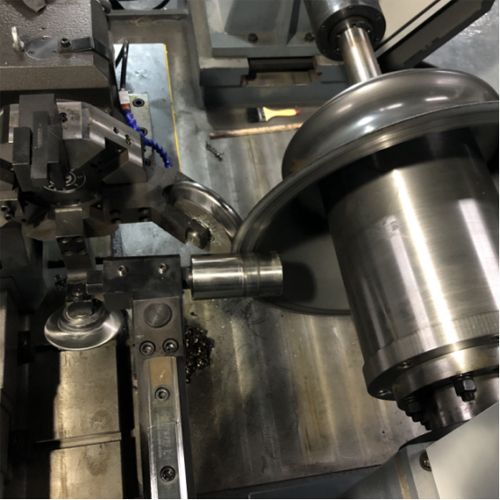
Categories
Machinery

Single-Spindle Flow Forming Machine

Flow Forming Machine

Single-Spindle Flow Forming Machine: A flow forming machine is a type of metalworking equipment used to shape and form thin-walled tubular or conical parts, usually from sheet metal or metal billets. The process, known as flow forming (or rotary swaging), involves rotating a workpiece at high speeds while applying radial forces to the material through rollers or tools. These forces cause the material to “flow” and shape into the desired form.

Key Features and Uses of Flow Forming Machines

  1. Precision and Strength: The flow forming process allows for the creation of complex, high-strength, and precise components, often used in industries such as aerospace, automotive, and energy.
  2. Applications:
    • Aerospace: Flow forming is commonly used to produce parts like turbine blades, engine components, and lightweight structural elements.
    • Automotive: It’s used for making precision components such as wheels, hubs, and parts for high-performance vehicles.
    • Energy: Components such as pressure vessels, heat exchangers, and other parts for energy systems may also be made using flow forming.
  3. Process Steps:
    • The machine typically uses rollers or dies that apply radial pressure to the rotating workpiece, thinning and elongating the material while it moves along its axis.
    • The workpiece is usually clamped at both ends while rotating, and the material flows into the desired shape through repeated cycles.
  4. Advantages:
    • Material Conservation: Since the material flows into shape rather than being cut away, waste is minimized.
    • High Strength and Quality: The process improves material properties, especially in the case of metals, by aligning the grain structure in the direction of the forming.
    • Cost-Effectiveness for High-Volume Production: Once set up, flow forming machines are well-suited for mass production, particularly for cylindrical or tubular components.
  5. Common Materials:
    • Flow forming is used with a variety of metals including aluminumtitaniumsteel, and nickel-based alloys, making it versatile for many industries.

Flow forming machines are highly versatile and efficient tools used for producing complex, thin-walled metal components. The process begins with a workpiece, often in the form of a tube or billet, which is mounted onto a rotating spindle. The machine uses rollers or dies to apply radial pressure to the material, causing it to deform and gradually take on the desired shape. This shaping process can result in parts that are not only precise in their dimensions but also exhibit enhanced material strength, thanks to the realignment of the metal’s grain structure during deformation.

One of the standout features of flow forming is its ability to create parts with uniform wall thickness and high structural integrity, making it ideal for industries that require high-performance materials. For example, aerospace companies use flow forming to produce turbine blades and structural components that need to withstand extreme forces and temperatures. The automotive industry also benefits from this process, especially in the production of lightweight, strong components such as wheels, hubs, and fuel tanks. In the energy sector, flow forming machines are used to make components for power plants, including pressure vessels and heat exchangers, where both strength and durability are crucial.

The machine’s operation is relatively straightforward. Once the workpiece is securely mounted, the rollers move radially toward the center, applying pressure as the piece rotates. As the material flows, it elongates and thins, with the machine operator adjusting the rollers to control the final shape and dimensions of the piece. The precision of the machine allows for a high degree of control, which is vital for creating parts with exacting tolerances.

This process is particularly beneficial for producing parts from high-performance metals, such as titanium or nickel alloys, which are difficult to work with using traditional machining methods. By using flow forming, manufacturers can conserve material, as the process is highly efficient and generates minimal waste. Additionally, because the material is being shaped rather than cut away, it reduces the risk of material defects like cracking or warping.

While flow forming is a great choice for mass production, it is also flexible enough to handle custom, one-off components. The machine’s adaptability allows for changes in part size and shape during production, making it ideal for industries that require a range of sizes or specialized shapes.

Flow forming continues to be an important manufacturing process, especially as industries push for higher material efficiency and performance. The technology behind these machines has evolved significantly, and today’s flow forming equipment is designed to handle a broader range of materials, including advanced alloys and composites. The core principles of the process remain the same, but innovations in automation, control systems, and tooling have made the machines even more precise and versatile.

Modern flow forming machines typically feature advanced CNC (computer numerical control) systems, which allow for highly accurate control over the forming process. These systems enable operators to input detailed specifications for the part being produced, and the machine adjusts its settings accordingly, ensuring each part meets the desired specifications with minimal human intervention. This reduces the potential for error and makes it possible to maintain high-quality output over long production runs.

One of the key advancements in flow forming is the integration of multi-roll forming. Traditional flow forming machines might use two or three rollers to apply force to the workpiece, but newer designs often incorporate more rollers, which can simultaneously apply pressure from different angles. This results in more consistent deformation and can be particularly helpful when producing parts with complex geometries or varying thicknesses.

Additionally, advances in material handling have made flow forming machines capable of processing larger or more difficult-to-handle workpieces. For example, some systems can automatically load and unload material from the machine, reducing manual labor and improving throughput. This automation is especially useful in high-volume production environments, where speed and efficiency are key.

Another trend is the integration of real-time monitoring systems. These systems allow for continuous observation of the forming process, checking for variables like temperature, pressure, and material strain. By tracking these metrics in real-time, manufacturers can adjust the process on the fly to prevent defects and ensure the final product meets stringent requirements.

Flow forming also has applications in the production of parts with specialized surface finishes. The material flow during the forming process can lead to a smooth, defect-free surface, which is particularly beneficial for parts that will be exposed to harsh environments or need to meet strict aesthetic standards. In industries like aerospace, where surface integrity is critical, this can save significant time and cost compared to secondary finishing processes.

Despite its numerous advantages, flow forming isn’t suitable for every application. The process is primarily used for parts that are cylindrical, conical, or have other rotational symmetries. Non-rotational geometries or highly irregular shapes are less suitable for flow forming, as the process relies on the rotational movement of the workpiece to create the desired form. In such cases, traditional machining techniques like CNC milling or casting might be more appropriate.

Additionally, while flow forming can create parts with uniform thickness and enhanced material properties, there are limits to the complexity of shapes that can be achieved without additional tooling or processing. Some designs may require hybrid manufacturing approaches, combining flow forming with other methods such as welding or machining to achieve the final product.

For companies looking to integrate flow forming into their operations, the key considerations typically include the upfront investment in the machine, tooling costs, and the training required to operate the equipment efficiently. However, once established, the process offers significant cost savings in material waste, labor, and post-production finishing.

Horizontal Flow Forming Machine

Hydraulic Rotary Forging Machine

horizontal flow forming machine is a specific type of flow forming equipment where the workpiece is rotated horizontally during the forming process, as opposed to the traditional vertical setup. This type of machine is typically used for creating long, cylindrical, or conical parts where the piece is rotated around its horizontal axis while radial pressure is applied through rollers or dies.

Key Features of Horizontal Flow Forming Machines:

  1. Horizontal Setup: In a horizontal flow forming machine, the workpiece is horizontally mounted, and the rollers are positioned to apply radial pressure as the workpiece rotates. The horizontal orientation can provide better handling for certain workpiece shapes and is often more stable when dealing with larger, heavier parts.
  2. Process Flexibility: Horizontal machines are often better suited for larger or longer components compared to vertical machines. This makes them ideal for manufacturing items like pipes, tubes, or aerospace components that require precision shaping over longer lengths.
  3. Enhanced Material Control: The horizontal position of the workpiece allows for more effective control over material flow, particularly when producing long or thin-walled components. This orientation can help to reduce the risk of material sagging or misalignment, which can sometimes occur in vertical machines with longer pieces.
  4. Automated Systems: Many modern horizontal flow forming machines are equipped with advanced CNC controls, which allow for precise adjustments to the rollers and tooling. Automation helps optimize the forming process and reduces the chance of operator error, leading to higher consistency and quality in production.
  5. Larger Workpieces: Horizontal flow forming machines are often chosen for applications where the workpieces are larger or need to maintain a uniform thickness over a longer length. Parts like cylindrical structures for aerospace or energy industries can be effectively produced using this setup.
  6. Versatile Rollers: Horizontal flow forming machines often use multi-roll setups (three or more rollers) that work in tandem to apply pressure at various angles to ensure that the material is evenly shaped. This helps in reducing material distortion and ensures that the final part is within tight tolerances.

Common Applications:

  • Aerospace: Horizontal flow forming is used for producing larger components such as turbine casings, compressor housings, or other structural elements. These parts often need to maintain a consistent shape and strength, which is achievable through the flow forming process.
  • Automotive: Parts like wheel rims, hubs, and other high-performance components are produced using horizontal flow forming machines, especially in high-volume manufacturing.
  • Energy: Large, high-pressure components like pressure vessels, heat exchangers, and even parts used in nuclear or hydroelectric power plants are made using horizontal flow forming, where material integrity and strength are key.
  • Heavy Industry: Horizontal flow forming is also used in manufacturing components that require high precision and strength, like pipes and large industrial bearings.

Advantages:

  • Greater Stability and Precision: The horizontal configuration provides stability, especially for larger, heavier parts, which minimizes deflection and improves dimensional accuracy during the forming process.
  • Higher Throughput: Horizontal machines are often designed to handle larger workpieces in a more efficient manner, leading to higher throughput in production runs.
  • Reduced Material Waste: Like other flow forming processes, horizontal flow forming is highly efficient in material usage, reducing scrap and making it a cost-effective option for producing large quantities of parts.
  • Enhanced Part Quality: The ability to use multiple rollers ensures a smoother surface finish and more uniform material properties, which are crucial for high-performance parts that undergo extreme stresses.

Challenges:

  • Size Limitations: While horizontal flow forming machines excel with larger and longer parts, there are still size limits based on the machine’s capacity. Extremely large or heavy components may require custom solutions or specialized equipment.
  • Setup Complexity: Due to the larger scale of the parts being formed, horizontal flow forming setups can be more complex to calibrate and maintain, requiring skilled operators and potentially longer setup times.
  • Tooling Wear: With larger parts and longer production runs, tooling wear can become more pronounced, leading to increased maintenance needs and the potential for more frequent tool replacement.

Horizontal flow forming is especially valuable when dealing with larger parts that require high precision and uniformity, making it ideal for industries like aerospace, automotive, and energy. If you’re interested in specific models or technical considerations for a particular application, let me know, and I can help further!

A horizontal flow forming machine is designed to rotate workpieces horizontally, providing a stable setup for forming larger or longer components. This orientation allows for precise control of material flow, especially useful for cylindrical, tubular, or conical parts that need to maintain consistent thickness and shape over extended lengths. The machine uses rollers positioned to apply radial pressure to the rotating workpiece, which causes the material to elongate and thin in the desired shape. The horizontal positioning provides advantages in terms of stability, as it helps prevent sagging or misalignment in longer pieces, ensuring the production of high-precision parts. Horizontal flow forming is commonly used in industries like aerospace, automotive, and energy for manufacturing large components, such as turbine casings, pipes, pressure vessels, and structural elements. The machine setup often includes automated systems, such as CNC controls, for precise adjustments, enhancing production efficiency and part quality. In some advanced machines, multiple rollers may be used to apply force from various angles, allowing for smoother surface finishes and reducing material defects. The process is material-efficient, reducing waste compared to traditional machining methods, which is particularly beneficial for high-performance materials like titanium, aluminum, and nickel alloys. Horizontal flow forming machines are ideal for parts that require both strength and precision, such as aerospace components subjected to extreme forces. However, these machines can be complex to set up and maintain, particularly when handling very large or heavy workpieces. Tooling wear is also a consideration for long production runs, requiring periodic maintenance and replacement. Despite these challenges, the horizontal configuration offers higher throughput and more stable production for large-scale manufacturing runs, making it a go-to solution for industries where size and precision are key factors.

Horizontal flow forming continues to be an important method for the production of large, high-precision components. One of the main advantages is its ability to handle larger and heavier workpieces with greater stability. The horizontal orientation reduces the risk of part distortion, which can sometimes occur in vertical machines when dealing with long, thin-walled parts. The ability to apply uniform radial pressure across a longer workpiece also ensures that material flow is more consistent, resulting in more uniform wall thickness and better part integrity.

In addition to handling larger parts, horizontal flow forming machines offer improved efficiency in certain applications. For example, the process is well-suited for making cylindrical or conical components, where the material is continually shaped without excessive material removal. This results in less waste compared to traditional machining techniques that rely on cutting or milling. By eliminating much of the material removal process, flow forming can produce components faster and with greater material conservation, making it cost-effective for large production volumes.

Horizontal flow forming also allows for high levels of customization. With advanced CNC systems and adjustable tooling, manufacturers can produce parts with varying wall thicknesses, diameters, or taper angles, providing the flexibility to meet specific design requirements. This adaptability makes horizontal flow forming suitable for industries where part geometries are not standard and require precise, customized solutions. Furthermore, because the process allows for continuous shaping and thinning of the material, parts can often be produced with enhanced mechanical properties, such as improved strength and resistance to fatigue, due to the alignment of the grain structure in the material.

As technology continues to advance, modern horizontal flow forming machines are becoming more automated and integrated with real-time monitoring systems. These systems track key process parameters such as temperature, pressure, and material strain, ensuring that the part meets strict quality standards. This capability reduces the likelihood of defects and ensures that any issues can be detected and addressed during production, improving both product quality and operational efficiency.

Despite these advantages, horizontal flow forming isn’t suitable for every type of part. The process is most effective for parts with rotational symmetry or simple geometries. Complex or irregular shapes may still require additional manufacturing processes, such as machining or welding, to complete the part. Additionally, while horizontal flow forming machines can handle larger workpieces, they may still have size limitations based on the machine’s capacity. For extremely large parts, customized machines may be required.

Overall, horizontal flow forming represents a highly efficient and versatile solution for producing large, precise, and strong components in industries where material efficiency, part strength, and quality are paramount.

Multi-Spindle Flow Forming Machine

Multiple Roller Flow Forming Center

multi-spindle flow forming machine is an advanced variation of the traditional flow forming equipment that utilizes multiple spindles or rollers to apply radial pressure to the rotating workpiece. This configuration allows for greater control over the forming process and enhances the machine’s ability to produce parts with more complex shapes, tighter tolerances, and higher efficiency in production. In essence, the use of multiple spindles enables simultaneous shaping from multiple directions, providing a more uniform distribution of forces and improving the overall quality and consistency of the parts.

Multi-spindle flow forming machines typically involve several rollers positioned around the workpiece, all of which rotate at different speeds or apply pressure from different angles. This multi-point application of force leads to several key benefits:

  1. Enhanced Precision and Uniformity: The simultaneous application of pressure from multiple spindles ensures that the material flows evenly in all directions, resulting in parts with consistent wall thickness and better mechanical properties. This is particularly beneficial when creating parts that need to meet stringent dimensional tolerances and strength requirements.
  2. Increased Production Efficiency: Because multiple spindles can be used to shape a part simultaneously, the forming process is often faster than single-spindle systems, which typically require more cycles to achieve the same result. This increased efficiency can significantly reduce production time and costs, especially for high-volume manufacturing.
  3. Ability to Form Complex Shapes: Multi-spindle flow forming allows for greater flexibility in terms of part design. The ability to apply pressure from different directions makes it possible to form more complex shapes that would be difficult or time-consuming to achieve with traditional flow forming machines. This makes the machine suitable for a wider range of industries, including aerospace, automotive, and energy, where components often have intricate geometries or require non-uniform wall thicknesses.
  4. Higher Strength and Material Integrity: The uniform application of pressure and the ability to adjust the roller settings in multi-spindle systems improve the material flow, reducing the likelihood of defects such as cracking or uneven wall thickness. Additionally, the process helps to align the metal grain structure in the direction of the material flow, resulting in parts that are stronger and more durable.
  5. Increased Flexibility and Adaptability: Multi-spindle flow forming machines are often equipped with CNC controls, which allow for precise adjustments to the rollers, spindles, and process parameters. This makes the machines adaptable to a wide range of part sizes, materials, and designs, increasing their usefulness for manufacturers that produce a diverse set of components.

Applications:

  • Aerospace Industry: Multi-spindle flow forming machines are ideal for producing complex aerospace components like turbine casings, compressor housings, and structural elements, which require both strength and precision. The ability to form large, thin-walled parts with uniform thickness makes these machines a good fit for such high-performance applications.
  • Automotive Industry: These machines can be used for creating lightweight, high-strength parts such as wheels, hubs, and suspension components, where precise control over the material’s properties is crucial.
  • Energy Industry: Large parts used in power generation, such as pressure vessels, heat exchangers, and reactor components, benefit from the material conservation and strength-enhancing properties of multi-spindle flow forming.

Advantages:

  • Faster Cycle Times: With multiple spindles working at once, the forming process becomes quicker, reducing cycle times and increasing overall production throughput.
  • Better Quality Control: The simultaneous application of forces from multiple directions reduces the risk of defects and inconsistencies, ensuring that parts meet strict quality standards.
  • Flexibility in Design: The ability to shape parts with more complex geometries makes the machine adaptable for a wider range of applications.
  • Material Efficiency: Like traditional flow forming, multi-spindle machines minimize material waste, making them highly efficient and cost-effective, particularly in high-volume production.

Challenges:

  • Higher Initial Investment: Multi-spindle flow forming machines typically require a higher initial investment than single-spindle systems due to the additional components and complexity.
  • Maintenance and Tooling: With multiple spindles and rollers in operation, there may be more wear and tear on the tooling, leading to higher maintenance costs and more frequent tool replacements.
  • Complex Setup and Calibration: Multi-spindle systems require precise calibration and setup to ensure that all spindles are working in sync and applying the correct amount of pressure. This can require skilled operators and may lead to longer setup times.

Overall, multi-spindle flow forming machines offer significant advantages in terms of efficiency, precision, and flexibility, particularly for industries that require high-performance parts with complex geometries. Their ability to produce parts with uniform thickness and enhanced material properties makes them a valuable tool in fields like aerospace, automotive, and energy.

A multi-spindle flow forming machine offers an advanced approach to the flow forming process by utilizing multiple spindles or rollers to apply radial pressure to a rotating workpiece simultaneously. This setup enhances the forming process, allowing for greater precision, efficiency, and the ability to produce more complex shapes compared to traditional single-spindle systems. The use of multiple spindles enables a more uniform distribution of force around the workpiece, leading to consistent wall thickness, stronger mechanical properties, and reduced material defects such as cracking or uneven deformation. The increased production speed is one of the key advantages, as multiple spindles can shape the part at once, reducing cycle times and increasing throughput for high-volume manufacturing. This increased efficiency makes multi-spindle flow forming particularly beneficial in industries like aerospace, automotive, and energy, where precision, part complexity, and material strength are critical. The ability to create parts with intricate geometries or varying wall thicknesses also makes multi-spindle systems highly versatile, allowing manufacturers to tackle a wider range of designs. The machines are often equipped with advanced CNC controls, which allow for fine adjustments to the rollers and spindles, improving adaptability to different materials, part sizes, and production requirements. While the initial investment in a multi-spindle system may be higher, the long-term benefits, such as faster production times, reduced material waste, and the ability to produce high-quality parts, make it a valuable addition to many manufacturing operations. However, the complexity of these machines can lead to higher maintenance costs, as the increased number of spindles and tooling requires more attention to prevent wear and tear, as well as careful calibration to ensure consistent operation. Despite these challenges, the multi-spindle flow forming machine remains a powerful tool for producing high-performance, precision parts across a range of industries.

The versatility of multi-spindle flow forming machines is further highlighted by their ability to handle a wide variety of materials. These machines are often used to form metals like titanium, aluminum, steel, and other high-performance alloys, which are essential in industries that require materials with specific mechanical properties. The ability to work with such materials, combined with the multi-point application of pressure, ensures that the final parts maintain high strength and durability, making them suitable for high-stress environments, such as aerospace engine components or automotive suspension parts.

The process also benefits from the material’s ability to flow in a controlled manner, which not only reduces waste but also ensures that the material’s grain structure is aligned in the direction of forming. This alignment enhances the mechanical properties of the finished part, improving its resistance to fatigue and extending its service life. These properties are particularly valuable when producing components that must withstand cyclical loading or harsh conditions, such as parts for gas turbines, compressors, or pressure vessels.

Moreover, multi-spindle flow forming machines excel at creating parts that need precise surface finishes. The process tends to produce smooth, defect-free surfaces due to the gradual and controlled deformation of the material. This is an advantage in industries like aerospace, where surface integrity is critical for part performance. It can also minimize the need for secondary finishing processes, reducing costs and lead times.

While the process offers numerous advantages, it’s important to note that the complexity of multi-spindle systems requires a high level of expertise in machine operation and maintenance. The setup, calibration, and operation of these machines demand skilled technicians to ensure that all spindles are synchronized and applying the correct amount of pressure. This ensures the machine runs optimally and minimizes the risk of defects.

Another challenge is the tooling wear, especially in high-volume production settings. With multiple spindles working on the part simultaneously, the wear on the rollers or spindles can be higher, necessitating regular inspection and maintenance. This is a consideration for manufacturers when evaluating the long-term costs of operating a multi-spindle flow forming system. However, the overall benefits, including the reduction in material waste, increased production speed, and enhanced part quality, often outweigh these challenges.

For companies seeking to remain competitive in industries where performance and precision are non-negotiable, multi-spindle flow forming represents a powerful manufacturing solution. The ability to produce complex, high-strength components with minimal material waste and a high level of precision makes these machines indispensable in fields where part integrity and production efficiency are paramount. As technology advances, we may see further refinements in multi-spindle flow forming systems, allowing for even greater control over the process, improved automation, and the ability to handle an even broader range of materials and part geometries.

Single-Spindle Flow Forming Machine

Metal Spinning Lathe for Sale

single-spindle flow forming machine is a more traditional form of flow forming equipment where a single rotating spindle or roller is used to apply radial pressure to a rotating workpiece. This machine setup is typically used for producing cylindrical, conical, or other rotationally symmetric parts. The spindle rotates the workpiece, while the roller applies controlled pressure, gradually forming the material into the desired shape. The process involves a combination of high-speed rotation and localized deformation, which causes the material to elongate and thin while maintaining a uniform structure.

Single-spindle flow forming machines are ideal for producing parts that do not require the complexities of multiple-directional pressure or intricate geometries. They are especially suitable for creating parts with consistent wall thickness and smooth surface finishes. The simplicity of the design makes single-spindle systems easier to operate and maintain compared to multi-spindle machines, which often require more precise calibration and synchronization between rollers.

These machines are commonly used in industries such as aerospace, automotive, and energy for producing components like turbine blades, wheels, cylinders, hubs, and other parts that need to be lightweight yet strong. The process allows for high material efficiency, minimizing waste and reducing costs associated with material handling. The single-spindle machine is effective for producing parts from high-performance alloys, such as titanium, aluminum, and steel, which require precise control over material flow to achieve the desired mechanical properties.

One of the advantages of single-spindle flow forming is that it can handle a wide variety of materials with relative ease, offering flexibility in terms of material selection. The process is less complex than multi-spindle systems, which can make it more cost-effective for smaller production runs or custom parts. The process also generates less heat than traditional forging or casting methods, reducing the risk of material defects related to thermal stress.

However, single-spindle flow forming is generally better suited for parts with simpler geometries or those that need to be uniform in shape. The limitation of a single spindle means that the system may be less effective for parts with complex or intricate features that require shaping from multiple directions. Additionally, while the machine is capable of producing high-quality parts, it may not achieve the same level of efficiency and precision as a multi-spindle machine when producing high volumes of parts with varying shapes.

Despite these limitations, single-spindle flow forming remains an essential tool in the manufacturing of high-precision, strong, and lightweight parts, particularly for applications that do not require the additional complexity of multiple spindles. The simplicity of the system, combined with its ability to produce high-quality parts with minimal material waste, makes it an effective solution for a range of industries, particularly where part volume is moderate, and cost efficiency is a key factor.

Single-spindle flow forming machines are ideal for producing parts where simplicity and cost-effectiveness are prioritized. While these machines may not have the versatility or speed of multi-spindle systems, they excel in creating parts with consistent shapes and uniform material distribution, especially for cylindrical or conical components. The process involves applying pressure from a single roller, which gradually deforms the material as the workpiece rotates, allowing it to achieve the desired geometry. This method is highly effective for parts like tubes, wheels, and structural components in the aerospace, automotive, and energy sectors. The main advantage of single-spindle flow forming lies in its ability to produce high-quality parts with minimal material waste. This is especially beneficial for expensive materials like titanium or high-strength alloys, where conserving material is crucial. The simplicity of the system also translates to easier setup, operation, and maintenance, which makes it a more cost-effective option for low- to medium-volume production. Though it lacks the multi-directional shaping capabilities of more advanced machines, the single-spindle system is highly efficient for parts that require uniform thickness and high mechanical integrity. Furthermore, this machine type is adaptable to a range of materials, allowing manufacturers to process a variety of alloys and composites with precision. While single-spindle flow forming machines are not ideal for highly complex shapes, they are widely used in applications that demand reliability, strength, and high dimensional accuracy.

Despite its more straightforward design, single-spindle flow forming can still produce parts with impressive mechanical properties due to the way the material is formed. The controlled radial pressure applied during the process aligns the material’s grain structure in the direction of flow, which can enhance the part’s strength and resistance to fatigue. This is particularly beneficial in applications where the component will undergo repeated stresses or high-impact loads, such as turbine casings or automotive wheels. Additionally, because the material is progressively shaped rather than cut or machined, the flow forming process can reduce the likelihood of internal defects, like porosity or cracks, which can sometimes occur in casting or traditional machining.

While the system is best suited for parts with simpler geometries, it is also capable of producing parts with good surface finishes. The smooth, consistent deformation of the material during forming minimizes the need for additional finishing steps, which can reduce both the time and cost associated with post-processing. In cases where the surface finish is critical, some post-forming processes, like light machining or polishing, can still be applied, but the need for these steps is typically reduced compared to traditional manufacturing methods.

Another benefit of single-spindle flow forming is its material efficiency. Since the process involves minimal material waste, manufacturers can maximize the usage of expensive materials, reducing production costs over time. This is particularly important for industries dealing with rare or costly alloys, where material cost plays a significant role in the overall production cost. The process can also accommodate materials that are difficult to machine or shape using other methods, further increasing its value in certain high-performance applications.

However, the limitations of single-spindle flow forming should not be overlooked. The inability to apply pressure from multiple angles means that the machine might struggle with parts that require non-uniform thicknesses or highly complex shapes. Parts that feature intricate geometries or require specific features that are difficult to achieve with radial pressure alone may need additional processes such as welding or machining, which adds to the overall cost and complexity of the manufacturing process. Additionally, while the single-spindle system is capable of high precision, it may not be as suitable for mass production compared to multi-spindle systems, which can handle larger volumes and more complex part requirements at a faster rate.

Overall, single-spindle flow forming remains a valuable process for manufacturers producing medium to large quantities of relatively simple parts where material strength, precision, and cost-effectiveness are key priorities. Its ability to deliver high-quality, consistent parts with minimal waste and reduced finishing requirements makes it an ideal choice for many industries, even though it may not be suitable for all types of geometries or highly complex components.

Single-spindle flow forming machines, while simpler in design than their multi-spindle counterparts, are a highly effective tool in many industrial applications where part geometry is relatively straightforward, and material efficiency is a priority. These machines apply radial pressure from a single rotating spindle to shape a workpiece that is also rotating. As the spindle pushes the material outward, the metal gradually thins and elongates to form the desired shape. One of the most significant advantages of this process is its ability to maintain precise control over the material, ensuring uniformity in wall thickness and a consistent final shape.

The simplicity of the single-spindle design makes these machines relatively easy to operate and maintain. With fewer moving parts compared to multi-spindle systems, single-spindle flow forming is less complex to set up and calibrate. This characteristic makes it an appealing choice for smaller manufacturers or those with lower production volumes. Additionally, these machines tend to have lower capital costs than multi-spindle systems, making them a more accessible option for companies looking to adopt flow forming without a large upfront investment.

One of the standout features of single-spindle flow forming is its ability to produce components with excellent material efficiency. Since the process works by gradually deforming the material rather than cutting or machining it, much less material is wasted. This makes it an ideal method for working with expensive materials, such as titanium, high-strength alloys, or specialty metals, which are commonly used in aerospace, automotive, and energy industries. In these sectors, where material costs are often a significant portion of overall manufacturing expenses, the ability to minimize waste is an essential benefit. The reduction in material waste also means that manufacturers can reduce overall production costs and improve their bottom line.

The process also offers benefits in terms of the mechanical properties of the finished parts. As the material is deformed in a controlled manner, the grain structure is aligned along the direction of flow. This alignment typically results in improved material strength and fatigue resistance, particularly in high-stress applications. Parts such as turbine blades, pressure vessels, and automotive wheels often require excellent strength-to-weight ratios, and single-spindle flow forming can provide these characteristics. The gradual deformation process helps to avoid the introduction of internal defects, such as porosity, cracks, or other flaws that might arise from traditional casting or forging methods. As a result, parts made through flow forming are often stronger and more reliable in their intended applications.

Additionally, single-spindle flow forming machines are well-suited for applications that require parts with consistent surface finishes. The material is shaped in a smooth and continuous flow, which can reduce the need for extensive post-processing or finishing work. While some parts may still require light machining or polishing to meet precise surface finish specifications, the flow forming process reduces the amount of additional labor and time required, which can be a significant advantage in a production environment.

Despite these benefits, single-spindle flow forming is not without its limitations. The main restriction of this method is its suitability for producing relatively simple, symmetrical parts. The process is most effective for components that have a cylindrical or conical shape, as these parts allow for the most efficient use of radial pressure. When it comes to more complex shapes, such as parts with highly irregular geometries, deep recesses, or non-symmetrical features, the single-spindle machine may struggle to achieve the desired results. In such cases, the part may require secondary operations, such as welding or additional machining, to complete its final shape, which can increase production time and costs.

Furthermore, while single-spindle flow forming is efficient for parts with uniform wall thickness, it may not be as effective for parts with varying thicknesses or complex internal features. In cases where parts need to have a tapered or varying wall thickness, a multi-spindle system, or additional post-forming processes may be necessary. Multi-spindle machines, with their ability to apply pressure from multiple directions, are better suited to handling parts with these types of geometries, but they come at a higher cost.

Another consideration is the machine’s speed. While single-spindle flow forming machines can produce parts at a relatively fast rate compared to traditional machining methods, they may not be as quick as multi-spindle systems, which can work on multiple areas of the part simultaneously. For high-volume production environments, the speed of a single-spindle system may limit its ability to compete with more complex, multi-spindle machines.

Despite these limitations, single-spindle flow forming remains an invaluable tool for many industries. The process is especially useful when manufacturing high-precision, lightweight components with excellent mechanical properties, such as those found in aerospace, automotive, and energy applications. Its material efficiency, ease of use, and cost-effectiveness make it particularly attractive for manufacturers that produce parts in moderate volumes or those that require high-performance materials but do not need the complexity or speed of multi-spindle systems. Furthermore, the ability to create parts with excellent strength-to-weight ratios and minimal internal defects positions single-spindle flow forming as a leading solution for producing robust, reliable components in critical industries.

In conclusion, single-spindle flow forming continues to play a crucial role in modern manufacturing, offering a balance of precision, efficiency, and material savings. It is particularly valuable in industries where strength, durability, and cost control are paramount. While its capabilities are best suited to simpler geometries, it remains a powerful tool for producing high-quality, lightweight components. As manufacturing technologies evolve, single-spindle flow forming machines will likely continue to see advancements, offering even greater precision, flexibility, and efficiency for manufacturers.

Vertical Flow Forming Machine

Vertical Rotary Forging Machine

vertical flow forming machine is a type of flow forming equipment that employs a vertical orientation of the workpiece and forming tools to apply radial pressure during the material shaping process. In contrast to horizontal flow forming machines, which position the workpiece horizontally, the vertical configuration offers distinct advantages in certain applications, especially in the handling of large, heavy, or vertically oriented components.

In a vertical flow forming system, the workpiece is typically mounted on a rotating spindle that is aligned vertically. The forming rollers or tools apply radial pressure to the rotating part, gradually shaping it into the desired geometry. This method can be used to create cylindrical, conical, or other rotationally symmetric shapes, similar to other types of flow forming, but with the added benefit of the vertical setup.

One of the primary advantages of a vertical flow forming machine is its ability to handle large, heavy workpieces more effectively. The vertical orientation provides greater stability and control during the forming process, especially when working with large-diameter parts. In a vertical setup, the forces are distributed more evenly across the workpiece, reducing the risk of distortion or deflection during the forming process. This stability is particularly important when working with materials that require high precision and strength, such as titanium or high-strength steel, which are commonly used in aerospace, automotive, and energy applications.

The vertical orientation also facilitates the handling of longer workpieces or parts with greater lengths. When parts need to be formed along their length, such as tubes, pipes, or other elongated shapes, the vertical setup ensures better alignment and more consistent shaping, as gravity helps to stabilize the part during the process. This configuration is particularly useful when working with parts that have a long axial direction, as it minimizes the risk of sagging or misalignment that can occur with horizontal machines, especially for heavier or larger components.

Vertical flow forming machines are particularly effective in applications where the workpieces need to be formed in a vertical direction due to their natural shape or end-use. For example, when creating large cylindrical or conical components like pressure vessels, turbine casings, and other high-performance parts, the vertical orientation allows for smoother material flow and easier material management. The process also benefits from gravity, as it assists in the natural downward flow of the material, reducing the chance of material buildup or deformation at the part’s top.

Additionally, vertical flow forming machines can be more compact in terms of their footprint. The vertical setup allows for a more efficient use of floor space, which is particularly beneficial in manufacturing environments where space is limited. This can result in better layout optimization within production facilities, especially in large-scale manufacturing operations where maximizing floor space is a priority.

However, like all flow forming systems, vertical machines are primarily suited for parts that are rotationally symmetric or have relatively simple geometries. While they can achieve impressive results in forming cylindrical and conical shapes, more complex parts with irregular geometries may require additional processing or a different type of machine. Moreover, the vertical design can introduce challenges in terms of tool accessibility and part handling, especially for very large or heavy components. Additional equipment, such as cranes or specialized fixtures, may be required to load and unload workpieces efficiently.

Another consideration with vertical flow forming is the initial investment and maintenance costs. While the machine’s compact footprint may offer cost benefits in terms of space utilization, vertical flow forming systems may still require significant investment due to the precision and complexity involved in manufacturing large, high-quality parts. Additionally, maintenance can be more challenging compared to horizontal systems, as the vertical setup may necessitate specific maintenance procedures for proper machine operation and tool alignment.

Despite these considerations, vertical flow forming remains a powerful tool for producing high-precision, large-scale components with excellent mechanical properties. The combination of material efficiency, precision, and the ability to handle large workpieces makes vertical flow forming particularly valuable in industries such as aerospace, energy, and heavy equipment manufacturing. As with other types of flow forming, the process also results in reduced material waste, helping manufacturers improve both sustainability and cost-effectiveness.

In conclusion, vertical flow forming machines offer several advantages in terms of handling large, heavy workpieces, improving stability and precision during the forming process. Their ability to create high-strength, uniform parts with minimal material waste makes them essential for applications that require high performance and reliability. While their primary use is for parts with simple, rotationally symmetric geometries, vertical flow forming is an invaluable technique in industries that demand large, high-quality components with specific material properties. As manufacturing technologies continue to evolve, the vertical flow forming machine is likely to remain a key tool in the production of precision-engineered parts.

Vertical flow forming machines provide a unique advantage in producing large, heavy, or long parts that require high precision and strength. The vertical orientation of the machine allows for better distribution of forces across the workpiece, which minimizes the risk of distortion and deflection, especially for large-diameter or heavy components. This setup is particularly beneficial in industries such as aerospace, energy, and automotive, where components need to maintain their integrity under high stress and in demanding environments. The ability to work with large parts, such as turbine casings, pressure vessels, or large pipes, is another key benefit. Since gravity assists in the downward flow of material, it helps to stabilize the part and ensures a smoother and more consistent deformation process. In cases where workpieces are long or require shaping along their length, like tubes or pipes, the vertical configuration ensures better alignment and reduces the chances of misalignment or sagging that can occur with horizontal machines. Moreover, vertical machines are often more compact in terms of their footprint. This allows for a more efficient use of space in manufacturing environments, which is an important consideration in large-scale operations where floor space is at a premium. Despite the advantages, vertical flow forming machines are primarily suitable for simpler, rotationally symmetric shapes, as more complex geometries may require additional post-processing or other manufacturing techniques. The complexity of handling large or heavy workpieces also means that additional equipment, such as specialized fixtures or cranes, may be needed for loading and unloading, adding another layer of logistical consideration. While vertical machines are advantageous in some cases, they can also have higher initial investment costs, particularly when the machines are designed for high precision and large parts. Maintenance of these systems can also be more complex, requiring specific procedures to ensure proper alignment and tool maintenance. However, the benefits of vertical flow forming—such as material efficiency, part quality, and the ability to handle large-scale components—make it an invaluable technique in industries where high-strength, precision-engineered parts are required.

The vertical flow forming machine’s design inherently offers improved material handling, especially when dealing with larger and heavier components. Its orientation allows for easier gravity-assisted alignment, ensuring the part is stable throughout the forming process, which is crucial for parts that need to maintain precise tolerances and structural integrity under load. This is particularly important in the aerospace and energy industries, where components like large turbine casings, pressure vessels, or structural supports require flawless mechanical properties, uniform wall thickness, and strength-to-weight ratios.

Another key benefit of vertical flow forming is its ability to produce complex parts without the need for extensive secondary operations. Since the material is deformed gradually and uniformly, the need for further machining or finishing steps is often minimized. This can significantly reduce production time and cost. For manufacturers producing components with long lead times or high-performance material requirements, vertical flow forming presents a compelling alternative to traditional methods like forging, casting, or machining, all of which can be more resource-intensive and slower.

Vertical machines also shine in applications where part orientation is crucial. Certain components, such as pipes, tubes, and cylindrical structures, benefit from being formed vertically as they naturally align with the forming direction. This minimizes the potential for material distortion that might occur if formed horizontally, where the gravitational pull could affect the part’s stability, especially when dealing with long or heavy workpieces.

In terms of operational flexibility, vertical flow forming machines can be equipped with advanced CNC (Computer Numerical Control) systems that allow for fine-tuned adjustments in pressure, speed, and roller positioning. This level of precision ensures that each part meets exact specifications, which is crucial for industries where tolerances are tight, and the cost of failure is high. For example, in the aerospace industry, where every component must meet stringent quality standards to ensure safety and performance, vertical flow forming’s ability to produce high-strength, defect-free parts with minimal material waste is invaluable.

While vertical flow forming machines have many advantages, they also come with certain challenges. The complexity of handling large, heavy parts requires a more sophisticated approach to workpiece loading and unloading, which often necessitates the use of specialized cranes, automated loaders, or robotic systems. This can add to the overall system complexity and cost. Additionally, vertical systems may require custom tooling or fixtures to ensure the part is properly secured and oriented during the process. Maintenance of the machine also requires careful attention to ensure that the vertical alignment is preserved and that all components are functioning smoothly.

Moreover, as with any flow forming machine, the suitability of vertical flow forming is primarily for parts that are rotationally symmetric or have simple, linear geometries. While it excels in forming cylindrical or conical components, more intricate designs may require additional processing or a different manufacturing approach. As industries continue to evolve and demand more complex and diverse parts, manufacturers may need to consider hybrid approaches that integrate flow forming with other methods, such as additive manufacturing, to meet these needs.

Despite these challenges, vertical flow forming remains an essential process for industries that require large, high-performance components. Its ability to efficiently form large, heavy parts with high precision and minimal material waste makes it a valuable tool in production environments focused on quality, efficiency, and material conservation. With continued advancements in automation, tooling, and machine design, vertical flow forming is likely to remain at the forefront of manufacturing technologies, particularly in sectors where component integrity and strength are non-negotiable. As manufacturers increasingly look for ways to streamline production while reducing costs, vertical flow forming will continue to be a key player in producing complex, high-strength components for a variety of applications.

Mechanical Flow Forming Machine

Automated Line for Sheet Forming

mechanical flow forming machine is a type of flow forming equipment that uses mechanical force to shape metal workpieces into specific geometries. Unlike other flow forming machines that may use hydraulic or electrical drives, mechanical flow forming machines rely on mechanical drives, often involving gears, levers, or cams to transfer force to the workpiece. This method provides precise control over the forming process and is widely used for producing cylindrical, conical, and rotationally symmetric components.

In mechanical flow forming, the workpiece is placed on a rotating spindle, and rollers are used to apply pressure to the material. As the workpiece rotates, the rollers gradually shape the material, causing it to elongate and thin while maintaining its structural integrity. This process allows for the creation of parts with consistent wall thicknesses and high-dimensional accuracy, making it ideal for applications in industries like aerospace, automotive, and energy, where precision and material performance are critical.

One of the significant advantages of mechanical flow forming machines is their ability to deliver high precision and repeatability, which is essential when manufacturing parts with tight tolerances. The mechanical systems used in these machines allow for fine control over the applied force, rotational speed, and roller position, ensuring that each part is formed according to the required specifications. This control also minimizes material waste, as the metal is shaped rather than cut away, which can be particularly beneficial when working with high-cost materials like titanium, aluminum, or specialty alloys.

Mechanical flow forming machines are also known for their durability and reliability. Because they do not rely on hydraulic fluid systems or complex electrical components, they tend to have fewer maintenance requirements and can operate in harsh environments with less risk of breakdown. This makes them suitable for high-volume manufacturing or for operations in industries where downtime must be minimized.

Another benefit is that mechanical flow forming is highly efficient in terms of energy consumption. Since the mechanical system operates based on physical force, it typically consumes less energy than hydraulic systems, which require high-pressure pumps to generate force. This energy efficiency can translate into lower operational costs, making mechanical flow forming machines more cost-effective over the long term, particularly for manufacturers producing parts at scale.

Mechanical flow forming is especially beneficial when producing parts with consistent wall thickness and high strength. Since the material is continuously deformed, the grain structure of the metal is aligned in the direction of the flow, improving the strength of the final component. This is particularly advantageous for parts that need to withstand high stresses or impacts, such as turbine casings, automotive wheels, and pressure vessels. The mechanical flow forming process enhances the material’s fatigue resistance, which is critical in applications where components are subject to repeated loading or harsh operational conditions.

While mechanical flow forming machines offer numerous advantages, they do have limitations. The primary drawback is that they are best suited for parts with simple, rotationally symmetric geometries. More complex shapes with varying thicknesses or intricate features may require additional processing or a different type of machine. For example, parts with non-circular cross-sections or those that require features like internal threads or irregular surfaces may not be ideal candidates for mechanical flow forming.

Additionally, while mechanical systems are generally more durable and require less maintenance than hydraulic or electrical systems, they can still be subject to wear and tear, particularly in the gears, rollers, and other moving parts. Regular maintenance is essential to ensure the machine continues to operate at peak efficiency, and excessive wear could lead to issues with part quality or consistency.

Mechanical flow forming is also typically slower than some other flow forming methods, especially when compared to high-speed hydraulic systems. While this may not be an issue for certain applications or lower-volume production runs, it could limit the machine’s efficiency in high-volume manufacturing environments, where rapid cycle times are essential.

Despite these limitations, mechanical flow forming machines remain a valuable tool for producing high-quality, high-precision components. Their durability, energy efficiency, and ability to create strong, lightweight parts make them a popular choice in industries such as aerospace, automotive, and heavy machinery. The versatility and reliability of mechanical flow forming machines continue to make them an integral part of modern manufacturing, particularly in applications that prioritize precision, material conservation, and long-term operational efficiency.

Mechanical flow forming machines are a cornerstone of modern manufacturing for industries that demand precision, durability, and material efficiency. The mechanical drive systems, often consisting of gears, cams, or levers, offer a reliable and cost-effective method of shaping materials without the complexity of hydraulic systems. This simplicity leads to a more durable system that can operate in environments with less risk of mechanical failure due to the absence of complex hydraulic or electrical components. These machines excel in creating high-precision, rotationally symmetric parts, which makes them ideal for industries like aerospace, automotive, and energy, where tolerances and material performance are critical.

The use of mechanical force in flow forming allows for better control over the shaping process, ensuring consistent wall thickness and tight tolerances throughout the entire production run. This precision is particularly important when dealing with high-performance materials like titanium or advanced alloys, which are commonly used in high-stress applications. The inherent energy efficiency of mechanical flow forming systems is another advantage. Compared to hydraulic machines, which consume significant amounts of energy due to high-pressure systems, mechanical machines require less power to operate, reducing operational costs. This lower energy consumption translates into cost savings, especially in environments where large quantities of parts need to be produced. However, the trade-off is that mechanical flow forming is not ideal for parts with complex, non-symmetrical geometries. The process is primarily suited for simple shapes such as cylindrical, conical, or spherical parts.

Complex features like internal threads, irregular cross-sections, or intricate surface details might require additional post-processing or a different manufacturing method. While these machines provide reliable, high-quality results for standard parts, their limitations become evident when parts need features that extend beyond the capabilities of a simple radial deformation. Furthermore, while the mechanical drive systems are robust and require less maintenance than their hydraulic counterparts, regular care is still necessary to prevent excessive wear on gears, rollers, and other moving parts. Over time, these components can experience wear that affects the machine’s performance, leading to potential inconsistencies in part quality or operational slowdowns.

Despite these challenges, mechanical flow forming machines remain invaluable for industries that require large quantities of precise, strong, and lightweight components. Their ability to reduce material waste by gradually forming the part rather than cutting away excess material makes them highly efficient, especially when working with expensive or high-performance materials. The consistent, uniform parts produced by mechanical flow forming are crucial for applications where the structural integrity and fatigue resistance of the part are paramount, such as turbine casings, pressure vessels, and certain automotive components. In conclusion, mechanical flow forming machines provide an excellent balance of precision, efficiency, and durability, making them an ideal choice for producing high-quality, high-performance parts in industries where material integrity and cost-effectiveness are critical. While they are best suited for simpler, rotationally symmetric parts, their ability to produce strong, lightweight components with minimal material waste makes them a valuable asset to modern manufacturing processes.

The versatility of mechanical flow forming machines extends beyond their efficiency and durability, especially when considering their role in the production of critical components in various high-demand industries. For example, in aerospace, these machines are used to produce turbine components, compressor casings, and aerospace structural elements that must meet the highest safety and performance standards. The ability of mechanical flow forming machines to create these parts with excellent fatigue resistance and uniform strength across the material is a vital factor in ensuring the reliability of components that are exposed to extreme conditions, such as high temperatures, pressure fluctuations, and mechanical stresses.

In the automotive industry, mechanical flow forming is similarly valuable for manufacturing components like wheel rims, brake drums, and other high-performance parts that require a combination of strength, lightweight properties, and precise dimensional accuracy. The cost-effective material conservation of the process is particularly beneficial here, as it reduces waste while ensuring that the parts can endure the demanding mechanical loads they face during their service life. The consistent thickness and enhanced mechanical properties offered by mechanical flow forming are also essential for components that need to be lightweight yet strong to contribute to overall vehicle efficiency and performance.

Another application where mechanical flow forming proves beneficial is in the energy sector, particularly in the production of pressure vessels, turbine housings, and casing components used in power generation, including gas and steam turbines. The process is well-suited for creating parts with high resistance to fatigue and stress, which is essential for the long-term operation of turbines that experience constant mechanical loads and thermal cycles. As energy production demands increasingly focus on high-efficiency and low-waste methods, the use of mechanical flow forming contributes to the reduction of raw material consumption and minimizes part failure risks in these critical systems.

Despite these advantages, the limitations of mechanical flow forming cannot be overlooked. As mentioned earlier, the process is most effective for simpler geometries—typically rotationally symmetric parts—limiting its flexibility in creating more complex or intricate shapes. Manufacturers looking to create parts with intricate internal features, varying thicknesses, or multi-axis deformations might need to explore alternative methods, such as additive manufacturing, casting, or more advanced multi-axis machining. The need for these alternative processes may result in a hybrid approach, combining flow forming with other manufacturing techniques to meet the exact specifications of more complex parts.

Furthermore, the speed of mechanical flow forming can be a limiting factor in high-volume production environments. Although the process is relatively efficient for small to medium-sized production runs, it might not match the throughput capabilities of other methods, such as high-speed stamping or casting, especially when used for simpler parts. However, for manufacturers focused on producing high-quality, low-to-medium-volume parts that require high material strength and precision, mechanical flow forming continues to be a reliable and efficient solution.

In addition, although mechanical flow forming systems are less maintenance-intensive compared to hydraulic systems, they still require careful attention to ensure long-term reliability. Regular maintenance schedules are necessary to ensure that moving components like gears, rollers, and spindles remain in optimal condition. Monitoring system performance, checking for wear on critical parts, and ensuring proper lubrication are all essential for maintaining the precision and consistency of the process. Any failure in these components could potentially result in part defects, delayed production timelines, and increased operational costs.

Despite these drawbacks, mechanical flow forming remains a key technology in manufacturing, especially in industries where precision, material efficiency, and part performance are paramount. As manufacturing technologies continue to evolve, the integration of automation, advanced sensors, and computer-controlled systems may further enhance the capabilities of mechanical flow forming machines. The addition of these technologies can improve real-time process monitoring, allow for better quality control, and potentially address some of the limitations in speed and part complexity.

In conclusion, mechanical flow forming is a reliable and efficient method for producing high-strength, precision-engineered parts, particularly in industries like aerospace, automotive, and energy. While its primary application is for simpler, rotationally symmetric components, the benefits of material efficiency, reduced waste, and enhanced mechanical properties make it an indispensable tool in modern manufacturing. As the demands for more complex and high-performance parts increase, mechanical flow forming is likely to evolve and integrate with other manufacturing technologies, further cementing its role in the production of high-quality, durable components for a wide range of applications.

Hydraulic Flow Forming Machine

Flow Forming Process

hydraulic flow forming machine utilizes hydraulic power to apply force to a rotating workpiece, deforming it into a desired shape through radial pressure. This type of flow forming machine is distinct from mechanical flow forming machines, which use mechanical drives, by relying on hydraulic cylinders and fluid systems to exert high levels of force, allowing for the formation of more complex shapes or larger parts with greater precision.

In hydraulic flow forming, the process begins with the workpiece being mounted on a rotating spindle. As the spindle turns, hydraulic cylinders with forming rollers are positioned around the workpiece. These rollers apply pressure to the material, gradually stretching and thinning it, creating cylindrical, conical, or other rotationally symmetric shapes. The force exerted by the hydraulic system can be finely controlled, enabling the production of parts with consistent wall thicknesses and tight tolerances.

The primary advantage of hydraulic flow forming machines is their ability to generate significantly higher forces than mechanical systems, making them well-suited for larger and more complex parts. Because the hydraulic system allows for precise control of the force and speed applied during the forming process, hydraulic flow forming is ideal for materials that require high deformation forces to shape, such as titanium, high-strength steels, and aluminum alloys. This makes hydraulic flow forming a go-to method for producing parts used in demanding applications, such as aerospace, automotive, and energy.

One of the most notable benefits of hydraulic flow forming is its versatility. Unlike mechanical systems, which may be limited by the force that can be applied through mechanical means, hydraulic systems can achieve much higher forces, making them more effective for forming large and thick-walled parts. This capability enables hydraulic flow forming to be used for a wide range of applications, from smaller, high-precision components like aerospace turbine casings and wheel rims to larger, thicker components like pressure vessels or large-diameter pipes.

The precision offered by hydraulic flow forming is also a significant advantage. By carefully controlling the force and speed of the rollers, manufacturers can achieve high levels of accuracy in the final product. The wall thickness can be maintained consistently throughout the part, and the geometry can be shaped to precise tolerances. This is particularly important in industries where the components need to meet stringent safety and performance standards, such as aerospace, energy, and defense.

Another advantage is the ability to work with a variety of materials. Hydraulic flow forming machines can handle a broader range of metals, including hard-to-form materials that require significant force for shaping. In addition, the process can be used to create parts with complex geometries, such as tapered or conical shapes, that might be difficult or impossible to achieve using mechanical flow forming methods. This flexibility allows for the production of more sophisticated parts without the need for additional tooling or processing.

However, hydraulic flow forming machines come with some challenges. The primary concern is the complexity of the hydraulic systems. These systems require regular maintenance to ensure that the fluid pressures remain stable and the cylinders are functioning properly. Hydraulic fluid leakage or contamination can also cause performance issues, so proper monitoring and maintenance procedures are critical. Additionally, the need for a hydraulic fluid reservoir and other associated components adds to the overall system’s complexity and maintenance requirements.

Another limitation is that hydraulic systems can be less energy-efficient than mechanical systems, particularly in high-speed production environments. The pumps and fluid systems used to generate hydraulic force consume significant energy, which can result in higher operational costs, especially if the machine is running at full capacity for long periods. However, for manufacturers that prioritize the ability to form large, complex parts with high precision, this trade-off may be worthwhile.

In addition, hydraulic flow forming machines can be larger and more expensive than mechanical systems, which may limit their use in smaller operations or for companies with limited space. The larger size of these machines often requires specialized facilities with sufficient floor space to accommodate them. The increased complexity of hydraulic systems can also result in higher initial investment and maintenance costs, making them more suitable for high-volume or high-performance manufacturing environments where the benefits of increased force and precision outweigh the costs.

Despite these challenges, hydraulic flow forming remains an essential technology in manufacturing, especially for high-performance industries where precision and material properties are crucial. The ability to create complex, high-strength components with minimal material waste makes hydraulic flow forming highly desirable for applications like aerospace turbine casings, pressure vessels, automotive wheels, and energy sector components. As technology advances, improvements in energy efficiency, system reliability, and automation will continue to make hydraulic flow forming more cost-effective and accessible for a broader range of manufacturers. The combination of high-force capabilities, precision, and material versatility ensures that hydraulic flow forming will remain a key process in the production of critical, high-quality components across various industries.

Hydraulic flow forming machines stand out for their ability to generate substantial force and handle more complex parts compared to mechanical flow forming machines. This makes them particularly advantageous for industries that demand precision and strength in large or thick-walled components. With the ability to exert significant pressure, hydraulic systems can shape materials that are difficult to form by other methods, such as high-strength alloys or specialized metals used in the aerospace, automotive, and energy industries. The versatility of hydraulic flow forming allows it to create parts with a variety of geometries, from simple cylinders to more intricate shapes like tapered and conical components. These machines also allow for greater flexibility in adjusting the forming force and speed, which is essential when working with different materials or creating parts with specific mechanical properties.

One of the major benefits of hydraulic flow forming is the precision it offers. Since the hydraulic system allows for fine control of the applied force, it enables manufacturers to produce parts with consistent wall thickness and dimensional accuracy. This precision is crucial in industries like aerospace, where parts like turbine casings, structural components, and engine parts need to meet extremely tight tolerances and withstand harsh operational conditions. Additionally, hydraulic flow forming is an energy-efficient process when compared to other high-force manufacturing methods like forging, as it avoids the need for high-speed operations while maintaining consistent force application throughout the forming process.

This energy efficiency helps reduce operational costs, especially in industries where the need for high-volume production of robust, precision-engineered parts is critical. Despite these advantages, hydraulic flow forming machines do require significant maintenance. Hydraulic systems are prone to wear and tear due to the high-pressure fluid dynamics involved, which means the system’s components must be monitored regularly for issues like fluid contamination, leaks, or pressure imbalances. Maintaining the hydraulic fluid at optimal levels and ensuring the seals and cylinders are functioning properly are essential for long-term operation. Additionally, the initial investment for hydraulic flow forming machines is typically higher than for mechanical systems.

This makes hydraulic machines more suitable for large-scale manufacturing operations where the demand for high-performance, high-precision components justifies the upfront cost and maintenance requirements. While the complexity of hydraulic systems may seem daunting, advancements in automation and monitoring technologies are helping to streamline maintenance processes, making it easier for manufacturers to maintain these machines efficiently. Furthermore, the energy consumption of hydraulic machines, while higher than mechanical systems, is justifiable for manufacturers focused on producing parts that require the kind of force and precision that only hydraulic systems can offer.

As the manufacturing industry continues to evolve, hydraulic flow forming machines are likely to become even more advanced. The integration of modern control systems, energy-efficient pumps, and advanced diagnostics will further enhance their capabilities. These improvements will help make hydraulic flow forming more cost-effective and accessible, even for smaller operations, while continuing to meet the high standards of precision and material strength required in critical industries. With the continued development of hydraulic technology, these machines will remain a cornerstone of production for industries that prioritize part performance, structural integrity, and manufacturing flexibility.

As the demand for more complex, high-performance parts grows, the role of hydraulic flow forming machines becomes even more critical. In sectors such as aerospace, energy, and defense, the ability to produce large, durable, and precisely shaped components is not just a matter of convenience but a necessity. Hydraulic flow forming enables manufacturers to produce components that are not only lightweight but also capable of withstanding extreme stresses, temperatures, and environments. For example, in the aerospace industry, components like jet engine casings, landing gear, and pressure vessels need to meet stringent strength-to-weight ratios while maintaining impeccable quality and dimensional precision. Hydraulic flow forming is capable of meeting these demands by applying controlled, uniform pressure to the material, allowing for high-strength parts with reduced material waste.

The versatility of hydraulic flow forming machines in terms of materials is another significant advantage. These machines can handle a wide range of materials, from traditional metals like steel and aluminum to advanced alloys, titanium, and even composite materials. Hydraulic forming allows manufacturers to work with high-performance materials that would typically be difficult or expensive to shape using conventional methods. This flexibility is especially important as industries push toward the use of more specialized and advanced materials that offer superior mechanical properties, but may require higher forces to shape correctly.

The combination of high-force capabilities and precision makes hydraulic flow forming particularly effective for producing parts that need to be both structurally sound and light in weight. For example, in the automotive industry, where the push for lightweight but strong components is constant to improve fuel efficiency and performance, hydraulic flow forming offers a clear advantage. Parts like wheel rims, structural frames, and high-performance engine components can be made using this process, benefiting from its ability to ensure uniform material distribution and strength.

Moreover, hydraulic flow forming’s ability to minimize material waste through a near-net-shape process is an essential factor for companies that focus on sustainability and reducing production costs. Unlike traditional subtractive methods, such as machining or casting, where significant portions of the material are often removed, hydraulic flow forming deforms the material rather than cutting it away, meaning less material is lost in the process. This reduction in material waste not only leads to cost savings but also reduces the environmental impact, an increasingly important consideration for manufacturers focused on eco-friendly practices.

Despite the many advantages, there are still challenges to be addressed, particularly in terms of the machine’s size and cost. Hydraulic flow forming machines are generally larger and more expensive than their mechanical counterparts, making them less accessible for smaller manufacturers or those with limited capital. Additionally, the complexity of hydraulic systems can create barriers to entry for companies that lack the expertise or infrastructure to support such machines. However, as automation technology improves and the industry focuses more on improving the energy efficiency and reliability of hydraulic systems, the barriers to adopting hydraulic flow forming are likely to decrease.

The continued evolution of hydraulic flow forming machines, particularly with advancements in computer numerical control (CNC) and real-time monitoring systems, will further enhance their capability to meet increasingly complex production needs. With integrated software, manufacturers can program precise forming sequences, adjust pressures and speeds dynamically, and continuously monitor part quality throughout the process. This level of automation improves both the speed and accuracy of production runs, making hydraulic flow forming machines more competitive with other manufacturing methods, even in high-volume settings.

Furthermore, the trend toward Industry 4.0, with its focus on smart manufacturing, is pushing hydraulic flow forming to new levels of efficiency. Through the use of IoT (Internet of Things) sensors and predictive maintenance technologies, manufacturers can optimize the performance of their hydraulic flow forming machines. Sensors can monitor factors like fluid temperature, pressure levels, and component wear in real time, providing valuable data that can be used to predict when maintenance is required before a failure occurs, reducing downtime and extending the life of the machine. This predictive maintenance approach is increasingly becoming a standard in industries that rely on high-precision machines, ensuring that hydraulic flow forming remains a reliable, long-term solution for complex manufacturing needs.

In conclusion, hydraulic flow forming continues to be an essential technology for manufacturing high-precision, high-performance components across various industries. Its ability to generate substantial force, handle diverse materials, and create complex geometries makes it a valuable tool in sectors that demand the highest levels of material performance and part integrity. While challenges such as cost and maintenance complexity remain, ongoing advancements in automation, energy efficiency, and smart technologies are making hydraulic flow forming more accessible and cost-effective. As manufacturing processes continue to evolve, hydraulic flow forming will remain a vital component in producing components that meet the demanding requirements of industries like aerospace, automotive, energy, and beyond.

CNC Flow Forming Machine

Hydraulic Rotary Forging Machine

CNC flow forming machines represent the most advanced and precise form of flow forming technology available today. These machines combine the mechanical or hydraulic fundamentals of traditional flow forming with computer numerical control (CNC), allowing for highly automated, programmable, and repeatable manufacturing processes. CNC flow forming machines provide unmatched control over every parameter of the forming operation—roller position, speed, feed rate, force application, and rotation—ensuring that even the most complex geometries and demanding tolerances can be achieved with consistency. This level of control is critical in industries where even minute deviations can lead to part failure or underperformance, such as aerospace, defense, nuclear, and high-performance automotive manufacturing.

In a CNC flow forming machine, the forming process is governed by a digital program that defines the precise movements of the rollers and the spindle. Once the parameters are set and the machine is programmed, the forming process can be executed automatically with minimal human intervention. This not only reduces the potential for operator error but also allows for extremely high repeatability, essential in the production of large batches of identical components. Moreover, CNC systems enable rapid changeover between different parts or specifications, improving flexibility in a manufacturing setting where multiple product variants or custom components are required.

A significant advantage of CNC flow forming machines is their ability to produce complex profiles and tapered sections with exact dimensions. Unlike manual or semi-automatic systems, which are limited in the complexity of shapes they can produce, CNC flow forming machines can perform multi-pass operations with synchronized roller movements to gradually shape the material into intricate, high-performance geometries. This capability is particularly valuable for parts like rocket motor casings, gas turbine engine components, military-grade tubes, and medical-grade cylindrical parts where both geometry and material properties must be tightly controlled.

CNC flow forming also enhances process efficiency through real-time monitoring and adaptive feedback systems. These machines often integrate advanced sensors that measure torque, forming force, temperature, vibration, and roller position throughout the process. This data can be used not only to ensure quality during production but also to make immediate corrections if deviations are detected. This type of adaptive control allows for greater material savings, improved part accuracy, and reduced scrap rates, all of which are crucial in high-cost, high-performance manufacturing environments.

Furthermore, CNC flow forming machines are designed to work with a wide variety of metals and alloys, including aluminum, steel, stainless steel, titanium, and nickel-based superalloys. These materials are often used in critical applications where strength-to-weight ratio, fatigue resistance, and dimensional precision are essential. The CNC system ensures that regardless of the material, the forming parameters can be precisely tailored to achieve the optimal mechanical properties in the final part. The process induces favorable grain flow and enhances tensile strength and fatigue resistance without the need for extensive post-processing.

Despite their many advantages, CNC flow forming machines come with significant capital investment costs. These machines are highly specialized and require skilled programming and setup. The initial purchase, installation, and training expenses can be substantial, making them most suitable for manufacturers with high-performance demands and long-term production goals. However, the long-term return on investment is often justified by the increased productivity, reduced waste, and consistently high part quality. Additionally, as technology continues to advance and CNC systems become more user-friendly and widely adopted, the cost of entry is gradually decreasing, making this technology more accessible to a broader range of manufacturers.

CNC flow forming also supports the principles of smart manufacturing and Industry 4.0 by allowing full integration into digital manufacturing environments. Machines can be linked into larger networks where data from each forming operation can be collected, analyzed, and used to optimize future processes. This interconnected approach improves not only product quality but also operational efficiency across the entire production chain. Predictive maintenance, remote diagnostics, and digital twin modeling are just some of the capabilities that become possible when CNC flow forming machines are integrated into a smart factory ecosystem.

In summary, CNC flow forming machines offer the highest level of precision, control, and efficiency in modern metal forming technology. They are ideally suited for producing complex, high-strength components with minimal material waste and maximum process control. Although the investment is higher compared to mechanical or even standard hydraulic flow forming machines, the benefits in terms of repeatability, flexibility, and product performance are unmatched. As industries continue to demand stronger, lighter, and more precise components, CNC flow forming will remain at the forefront of advanced manufacturing solutions.

CNC flow forming machines continue to shape the future of precision manufacturing by offering unparalleled consistency and adaptability in the production of rotationally symmetrical parts. Their ability to precisely replicate complex shapes at high volumes without sacrificing dimensional integrity makes them indispensable in applications where safety, performance, and longevity are non-negotiable. In sectors like aerospace, for instance, the stakes are extraordinarily high—jet engine components, rocket shells, and structural fuselage parts must adhere to exacting standards. CNC flow forming provides the level of repeatable accuracy needed to meet these requirements, forming parts that are not only geometrically precise but also possess superior mechanical properties due to the aligned grain structure produced during the forming process. Unlike casting or forging, which can introduce material inconsistencies, flow forming realigns the grain flow in a favorable direction, enhancing strength and fatigue resistance while minimizing residual stresses.

This technology also significantly reduces production time compared to traditional forming or machining methods. Once a part is programmed and the system is calibrated, CNC flow forming machines can operate autonomously, forming components quickly with minimal human intervention. Because material removal is virtually nonexistent in flow forming—unlike subtractive manufacturing—there is little to no need for finishing or secondary operations. This makes it highly efficient and cost-effective over time, especially in high-volume production environments. Additionally, the closed-loop control systems in CNC machines make real-time adjustments during forming to maintain exact specifications, ensuring that each part conforms perfectly to design tolerances regardless of minor material inconsistencies or external conditions.

CNC flow forming is particularly beneficial when it comes to manufacturing thin-walled, high-strength components. These parts often pose a challenge for other manufacturing methods because maintaining wall thickness uniformity while preserving structural integrity can be difficult. Flow forming, however, excels in this area, and CNC control allows for dynamic adjustments to roller position and pressure to maintain uniformity throughout the forming cycle. This makes CNC flow forming the preferred choice for manufacturing parts like aerospace flanges, gas cylinders, missile casings, and drive shafts that require a balance between reduced weight and high load-bearing capacity. Moreover, the adaptability of CNC programming makes it easy to tweak part geometries and produce multiple component variations using the same machine platform, enhancing flexibility and reducing the need for costly retooling.

Another advantage is the reduction in overall material waste. Since flow forming reshapes the original blank with minimal cutting or trimming, nearly all of the input material becomes part of the final product. This high material efficiency is crucial for expensive materials like titanium or nickel-based alloys, where minimizing scrap directly correlates to lower production costs. The tight control over deformation also reduces the likelihood of defects like wrinkling, tearing, or dimensional drift, resulting in higher yields and less rework. Furthermore, CNC systems can be integrated with simulation tools and virtual modeling software to test forming parameters before production begins. This capability allows engineers to anticipate challenges, optimize tool paths, and minimize trial-and-error iterations, which saves time and resources during prototyping and design changes.

The evolution of CNC flow forming technology also intersects with growing trends in digital manufacturing and the push toward zero-defect production environments. These machines are increasingly equipped with advanced software and communication protocols that enable full connectivity with enterprise systems for traceability, quality management, and production analytics. By linking real-time sensor data with digital twins or manufacturing execution systems (MES), manufacturers can gain insight into every aspect of the forming process, from roller loads to thermal expansion, and use this data to continuously refine processes or even predict part behavior in service. This kind of data-rich environment not only improves part quality but also enhances operational efficiency and decision-making across the organization.

As the demand for stronger, lighter, and more complex components continues to rise in critical industries, CNC flow forming machines will play a pivotal role in meeting those needs. Their ability to deliver high-performance, high-precision parts with minimal waste and maximum reliability makes them indispensable tools in modern manufacturing. While the cost of entry remains high, ongoing improvements in software, automation, and sensor technology are making these machines more intuitive to use and more accessible to a broader range of manufacturers. As innovation continues, CNC flow forming will likely expand into new areas, supporting the development of next-generation components in electric mobility, renewable energy systems, defense technologies, and space exploration. With each advancement, these machines are redefining the boundaries of what is possible in metal forming and establishing new standards for manufacturing excellence.

The continued development of CNC flow forming machines is tightly linked to advancements in both material science and manufacturing automation. As new, high-performance materials become more widely adopted—such as high-strength titanium alloys, nickel-based superalloys, and corrosion-resistant stainless steels—CNC flow forming systems are being refined to handle the unique properties of these materials, including their high strength, low ductility, and sensitivity to heat and strain. The programmable nature of CNC machines allows for fine-tuned control over the forming parameters, making it possible to work with materials that were once considered too difficult or too expensive to shape using traditional methods. This has opened the door for innovation in industries that require highly customized or mission-critical parts, particularly in the fields of aerospace propulsion, nuclear energy containment, and advanced military systems.

Another important dimension of CNC flow forming’s growth is its ability to integrate seamlessly with upstream and downstream manufacturing processes. Because the parts formed on CNC machines typically require minimal post-processing, they can move quickly into finishing operations like heat treatment, non-destructive testing, and assembly without bottlenecks. Additionally, CNC machines can be programmed for multiple forming operations within the same cycle, such as producing stepped diameters, internal tapers, or transition zones, thereby reducing the need for multiple machines or forming stations. This consolidation not only reduces floor space requirements but also simplifies material handling and logistics across the production line.

CNC flow forming also supports increased innovation in product design. Engineers are no longer restricted to simplified geometries to meet forming or machining limitations; instead, they can now design components based on optimal performance characteristics and rely on CNC flow forming to replicate even the most complex designs. This design freedom is particularly valuable in lightweighting efforts, where the ability to reduce wall thickness in non-load-bearing areas while reinforcing critical sections can result in dramatic weight reductions without compromising structural integrity. In automotive and aerospace sectors, where every gram matters, CNC flow forming becomes a strategic advantage.

Training and workforce development are also evolving in tandem with CNC technology. With user-friendly interfaces, simulation software, and even AI-assisted parameter tuning, today’s CNC flow forming machines are becoming more accessible to operators without years of specialized experience. Instead of manually adjusting rollers or relying on trial-and-error, technicians can now use digital interfaces to model the forming process, simulate the outcome, and optimize the sequence before a single part is made. This shortens the learning curve, reduces errors, and allows organizations to scale up their production with fewer risks and lower training overhead.

CNC flow forming machines are increasingly being equipped with hybrid capabilities, integrating additive manufacturing technologies such as wire arc additive manufacturing (WAAM) or direct energy deposition (DED) with flow forming heads to create multifunctional machines capable of both building and shaping parts in a single setup. This hybridization brings together the advantages of additive manufacturing—such as rapid prototyping and complex part creation—with the superior mechanical properties provided by flow forming’s grain alignment and strain hardening. Such combinations are pushing the boundaries of what can be manufactured in terms of both geometry and material performance, setting the stage for entirely new classes of components.

In environmental terms, CNC flow forming supports the broader sustainability goals of modern manufacturing. The near-net-shape forming process greatly reduces raw material waste and lowers the carbon footprint associated with machining and remelting scrap. Because CNC systems are highly efficient and precise, energy usage is minimized through optimal roller paths and reduced rework. Additionally, with the advent of eco-efficient hydraulic and servo-electric systems, even the power demands of high-force forming machines are being reduced without compromising performance. Manufacturers seeking to align with stricter environmental standards or green certification programs increasingly see CNC flow forming as part of their long-term sustainability strategy.

In the long term, CNC flow forming is poised to take on an even more transformative role in the global manufacturing ecosystem. As digital twins, real-time monitoring, and AI-based decision support become standard, flow forming machines will be able to self-optimize, adapt to minor fluctuations in material properties, and detect anomalies before they result in defective parts. This shift from reactive to predictive and ultimately prescriptive manufacturing will significantly boost overall equipment effectiveness (OEE) and reduce waste, downtime, and quality costs. With increased integration into digital supply chains, CNC flow forming machines will become critical nodes in connected, intelligent factories that deliver not just parts, but real-time insights and production flexibility.

Ultimately, CNC flow forming combines the strengths of traditional forming processes with the precision and power of modern control systems, providing an ideal solution for manufacturers seeking to meet the complex demands of tomorrow’s engineering challenges. Whether producing spacecraft fuel tanks, lightweight vehicle chassis, ultra-high-pressure vessels, or specialized industrial rollers, CNC flow forming offers the control, repeatability, and performance necessary for success in an increasingly competitive and demanding global market.

Customizable Shear Forming Machine

Rotary Tube Necking Machine

A customizable shear forming machine is a highly flexible tool designed to create precision-formed parts from sheet metal or other flat materials using a combination of shear force and controlled deformation. This type of machine is particularly useful in industries where parts require specific geometric shapes and dimensions, with applications ranging from aerospace and automotive to heavy equipment and industrial manufacturing.

The primary function of a shear forming machine is to apply a shear force to the material, gradually shaping it into the desired form. In contrast to traditional forming methods that rely primarily on compressive forces, shear forming uses a combination of cutting and stretching forces to form the material, which allows for the creation of complex geometries, including those with asymmetric or tapered features. The customizable aspect of the machine lies in its ability to adjust key forming parameters, such as force, tool speed, angle of attack, and tooling configurations, enabling it to accommodate a wide variety of part designs and material types.

One of the significant benefits of a customizable shear forming machine is its versatility. By adjusting the machine’s parameters, it can handle a range of materials with varying thicknesses and properties, including metals like aluminum, steel, titanium, and even some advanced alloys. For example, in the aerospace industry, shear forming machines can be used to create parts with complex curves or contoured surfaces, such as aircraft fuselages, structural components, and turbine blades. The ability to work with different materials and create intricate forms makes these machines a valuable asset in industries that require high precision and performance.

In addition to its flexibility, the customizable shear forming machine also offers improved material efficiency. Since shear forming is a cold-working process, it can significantly reduce material waste when compared to traditional cutting methods, such as stamping or machining, which typically result in higher scrap rates. The precision of the machine allows for parts to be formed to near-net shapes, reducing the need for secondary operations like machining or welding. This helps to lower overall production costs, particularly in industries where material costs are high.

The adaptability of a customizable shear forming machine also makes it suitable for both low- and high-volume production runs. For low-volume runs or prototype development, manufacturers can easily modify machine settings to accommodate different part designs, ensuring that the process remains cost-effective and efficient. For high-volume production, the machine can be set up to form parts with minimal supervision, allowing for continuous production with reduced cycle times and high consistency across batches. The automated nature of many shear forming machines also contributes to higher throughput, ensuring that production quotas are met without sacrificing quality.

In terms of customization, modern shear forming machines can be equipped with various features to meet the specific needs of different applications. These include adjustable tooling systems, programmable control interfaces, and real-time monitoring capabilities. Adjustable tooling allows for the use of different dies, molds, and rollers to accommodate various part shapes, while programmable control interfaces enable precise control over the forming process. Real-time monitoring ensures that the machine is operating within the desired parameters, which helps maintain product consistency and quality throughout the production cycle. These features make shear forming machines highly adaptable to specific part designs and manufacturing processes.

For manufacturers seeking to maximize the capabilities of their shear forming machines, incorporating advanced features like CNC (computer numerical control) systems and robotic integration is increasingly common. CNC systems provide precise control over the forming process, ensuring that even complex geometries are replicated with high accuracy. Robotic systems can be integrated to automate material handling and part manipulation, reducing the need for manual intervention and further improving process efficiency. This integration of automation and control systems enables shear forming machines to operate seamlessly within larger, more complex manufacturing ecosystems, contributing to overall production optimization.

Furthermore, customizable shear forming machines can be utilized in the creation of parts with unique shapes and structures that would be difficult or costly to achieve with other manufacturing methods. For example, shear forming can be used to produce cylindrical, conical, or tapered shapes with varying wall thicknesses, as well as parts with intricate internal features. This capability is invaluable in industries where custom, highly specialized parts are required. Examples include turbine blades with cooling channels for the power generation sector or complex frame structures in the automotive and aerospace industries.

The overall cost-effectiveness of customizable shear forming machines also makes them a compelling choice for manufacturers looking to streamline their production processes. Since they can handle multiple part designs with minimal adjustments, they eliminate the need for costly tooling changes or retooling during production runs. The reduced cycle times, coupled with the high degree of automation, help lower labor costs and improve overall productivity. Additionally, the ability to form parts with minimal material waste not only reduces production costs but also aligns with sustainability goals by minimizing environmental impact.

In summary, a customizable shear forming machine offers a highly adaptable and efficient solution for manufacturers needing precision-formed parts with complex geometries. Its flexibility, material efficiency, and cost-effectiveness make it suitable for a wide range of industries, from aerospace to automotive and heavy machinery. The combination of shear forming with advanced control systems, adjustable tooling, and automation allows manufacturers to create parts that meet the highest standards of quality and performance. Whether for low-volume prototyping or high-volume production, customizable shear forming machines play a critical role in modern manufacturing processes, helping companies achieve both economic and technological advancements.

Customizable shear forming machines provide a unique solution for manufacturers looking to produce parts with complex shapes, high precision, and minimal waste. These machines are ideal for situations where the geometry of the parts requires gradual, controlled deformation rather than abrupt changes in shape. The process of shear forming allows the material to be progressively stretched, bent, or cut, ensuring that the end product maintains its structural integrity while achieving the desired shape. This capability is particularly valuable in industries like aerospace, automotive, and defense, where both the performance of the parts and the efficiency of the manufacturing process are critical.

The flexibility of customizable shear forming machines extends beyond just the types of materials they can handle. These machines are designed to accommodate a wide range of thicknesses and alloys, from soft metals like aluminum to tougher materials like high-strength steel and titanium. The adaptability to work with different materials and thicknesses enables manufacturers to create a variety of components, from thin-walled structural elements to more substantial, heavy-duty parts. In the aerospace sector, for instance, shear forming machines are used to produce parts that must withstand extreme conditions while maintaining lightweight properties, such as fuselage skins, wing spars, or structural frames. Similarly, in automotive manufacturing, parts like wheel rims, chassis components, and structural beams are formed with high precision to meet both strength and weight reduction targets.

A key advantage of customizable shear forming is its ability to produce parts with minimal waste, especially when compared to traditional cutting or stamping methods. The near-net-shape capabilities of shear forming mean that the material is used more efficiently, with fewer offcuts or scrap produced during the process. This results in significant cost savings, particularly when working with expensive materials like titanium or specialized alloys. Additionally, because shear forming involves cold working the material rather than removing material through cutting or machining, the process tends to produce fewer defects related to heat or thermal distortion, making it ideal for precision applications.

Another important factor is the speed and efficiency with which customizable shear forming machines can operate. These machines are designed to maximize throughput by incorporating advanced automation and control features, which allow for rapid setup and adjustment. For low-volume production runs or custom parts, the machine can be quickly reprogrammed to accommodate different part designs, reducing the need for time-consuming retooling. For high-volume production, the machine’s ability to run with minimal human intervention and continuous, automated forming makes it highly productive, capable of producing large quantities of parts with high repeatability and consistency. This efficiency is particularly valuable in industries where demand for parts is high and lead times are critical, such as in the production of automotive components or large industrial machinery.

Customization is at the core of these machines, offering the ability to adjust a wide variety of parameters to meet the specific needs of a part design. The machine’s settings can be programmed to change factors such as the shear force, tool speed, and material feed rate, allowing for precise control over the deformation process. This flexibility is crucial in producing parts with complex features, such as variable thicknesses, intricate curves, or tapered sections, which may not be easily achieved using traditional forming methods. Additionally, the machine can be equipped with adjustable tooling systems that enable different molds or dies to be used for various parts, further enhancing its versatility.

One of the most significant advancements in customizable shear forming machines is the integration of CNC (computer numerical control) technology, which offers fine-tuned control over the forming process. By utilizing digital programs, manufacturers can optimize the machine’s performance for each part, ensuring that the forming parameters are precisely aligned with the part’s specifications. This digital approach also allows for real-time monitoring and feedback, enabling operators to make immediate adjustments if the machine is not operating within the desired parameters. CNC technology also enhances repeatability, ensuring that each part produced meets the same high-quality standards with minimal variation, even across large production runs.

In addition to CNC, many customizable shear forming machines are being integrated with other advanced technologies, such as robotics and AI-powered control systems. Robotic arms can be used to handle materials, load parts, or even manipulate components during the forming process, reducing the need for manual labor and increasing automation in the production cycle. AI algorithms can analyze real-time data from the machine and automatically adjust forming parameters to optimize part quality and reduce defects, making the process more efficient and reliable. These technologies not only improve productivity but also contribute to reducing the likelihood of human error, ensuring that the process remains consistent and highly controlled.

Environmental considerations are also an important aspect of customizable shear forming machines. By reducing material waste and optimizing energy use, these machines align with the broader goals of sustainability in manufacturing. The reduction in scrap material is especially important in industries where the raw materials used are expensive or resource-intensive. Moreover, because the shear forming process does not involve heat, there is less risk of damaging the material’s properties due to thermal stresses. This also means that the process is more environmentally friendly than traditional methods like forging or casting, which can produce harmful emissions or require significant energy input.

Furthermore, customizable shear forming machines can be used in combination with other manufacturing techniques, such as additive manufacturing, to create hybrid production processes that take advantage of the strengths of both methods. For example, a shear forming machine could be used to produce a base structure, while additive manufacturing could be employed to build up additional material in specific areas of the part. This hybrid approach allows manufacturers to produce highly complex, customized components that are both lightweight and strong, meeting the increasingly stringent demands of modern engineering.

In conclusion, customizable shear forming machines offer a highly flexible, efficient, and cost-effective solution for producing high-precision, complex parts across a wide range of industries. Their ability to handle various materials, produce near-net-shape parts with minimal waste, and offer advanced automation and control makes them indispensable tools in modern manufacturing. Whether used for low-volume, custom parts or high-volume production, these machines are transforming the way manufacturers approach precision forming, offering improved efficiency, reduced costs, and enhanced product quality. As technologies continue to evolve, customizable shear forming machines will play an even more critical role in helping manufacturers meet the challenges of tomorrow’s production needs.

As industries continue to push the boundaries of innovation, the role of customizable shear forming machines will only expand. One of the most exciting future developments lies in the integration of digital twins and predictive maintenance technologies. Digital twins are virtual replicas of physical systems that can simulate real-time conditions and behaviors of a machine. By using sensors and data analytics, manufacturers can monitor every aspect of the shear forming machine’s performance, from material behavior to tooling wear. This real-time data not only helps identify potential issues before they arise but also provides insights into how to optimize the process for better part quality and reduced downtime.

Predictive maintenance, powered by AI and machine learning, will further enhance the reliability and efficiency of shear forming machines. Instead of following a traditional, scheduled maintenance approach, predictive systems can forecast when parts of the machine are likely to fail or require service based on usage patterns and sensor data. This minimizes unscheduled downtime, extends the machine’s lifespan, and ensures that the production line runs smoothly without interruptions. Over time, this will lead to a more cost-effective operation and greater productivity.

As part of the broader trend of automation and Industry 4.0, customizable shear forming machines are also expected to become more interconnected. This means that the machines could integrate with other systems within the factory, such as enterprise resource planning (ERP) software, production planning systems, and inventory management tools. Such integration would enable real-time communication between machines, optimizing the flow of materials, parts, and data throughout the entire manufacturing process. This interconnectedness also supports just-in-time manufacturing strategies, where parts are produced and delivered exactly when needed, reducing inventory costs and increasing overall production efficiency.

Another area of growth for customizable shear forming machines is in the realm of additive manufacturing (3D printing). While shear forming traditionally works with flat materials like sheet metal, the growing popularity of hybrid manufacturing methods—where additive techniques are combined with traditional forming—will offer new possibilities. For example, shear forming could be used to create a base structure or initial shape, while 3D printing adds intricate features or material layers in targeted areas to achieve a part with enhanced functionality or performance. This hybrid approach allows for the optimization of both material properties and design complexity, expanding the potential for customized parts in industries like medical devices, aerospace, and automotive engineering.

The continuous improvement in materials science will also influence the future of customizable shear forming machines. As new, high-performance materials—such as composite alloys, ultra-lightweight metals, and advanced polymers—become more widely available, shear forming machines will evolve to process these new materials effectively. For example, high-temperature alloys used in turbine engines, or super-strength composites designed for lightweight automotive applications, will require specific shear forming parameters. Advanced modeling and simulation software can be employed to determine the optimal forming conditions for these materials, ensuring that the machine can be quickly reprogrammed to adapt to new material specifications without extensive downtime.

On the sustainability front, the increasing demand for eco-friendly manufacturing processes will drive further innovations in customizable shear forming machines. The ability to reduce waste by working with near-net-shape parts, minimizing scrap material, and optimizing energy consumption will be key factors in meeting stricter environmental regulations. Additionally, as more manufacturers look to reduce their carbon footprint, the use of renewable energy sources and energy-efficient technologies will become standard features in new shear forming systems. This aligns with broader global trends toward greener manufacturing practices and is particularly relevant as industries like automotive and aerospace are increasingly focused on reducing their environmental impact.

As the technology continues to evolve, it is also likely that customizable shear forming machines will become more user-friendly, requiring less specialized training to operate. The integration of AI-driven interfaces, augmented reality (AR), and virtual reality (VR) could simplify the operation and setup of these machines, allowing operators to virtually “see” the forming process, make adjustments, and troubleshoot in real-time. This level of accessibility and intuitive design could lower barriers to entry for smaller manufacturers and open up new opportunities for innovation across various industries.

Another potential area for innovation is in the creation of even more specialized machines tailored to specific manufacturing needs. While current customizable shear forming machines are highly versatile, the demand for specific part types could lead to the development of machines with even more targeted capabilities, such as machines designed for the formation of ultra-thin metal foils or high-strength, corrosion-resistant components for extreme environments. These machines would combine the same principles of shear forming with specialized features or tooling to meet the growing demand for highly specific parts in niche industries.

Finally, as the world continues to move toward more complex and interconnected production systems, the role of customizable shear forming machines in the larger manufacturing ecosystem will become even more critical. These machines, with their ability to form precision parts quickly and efficiently, will support industries that are at the forefront of technological advancements, such as renewable energy, electric vehicles (EVs), and 3D printed products. As these sectors continue to expand, the need for specialized, high-performance components will grow, and customizable shear forming machines will be at the center of this shift, enabling the production of parts that meet the demands of future technologies.

In summary, customizable shear forming machines are poised to remain a cornerstone of precision manufacturing. With their flexibility, efficiency, and ability to produce high-quality parts with minimal waste, they will continue to evolve in response to new technological advancements, materials, and industry requirements. As automation, digitalization, and sustainability drive future manufacturing practices, these machines will become even more integrated into the larger production ecosystem, helping manufacturers stay competitive in an increasingly complex and demanding global market. Their role in producing custom, high-performance components will be indispensable, making them a key enabler of innovation in a variety of industries.

Spinning and Shear Forming Machine

CNC Sheet Metal Spinning Machine

A spinning and shear forming machine combines two distinct metalworking processes—spinning and shear forming—into a single, versatile piece of equipment. This type of machine is designed to handle a wide range of materials, shapes, and production requirements, allowing manufacturers to produce complex, high-precision parts with reduced waste and increased efficiency.

Spinning is a process in which a flat metal disc or sheet is rotated at high speed while a forming tool is used to shape the material against a mold or die. As the material is spun, it is progressively deformed into a desired shape, typically cylindrical or conical. Spinning is often used to create parts with symmetrical shapes, such as containers, cones, and tanks. This process allows for high material utilization, with minimal scrap generated, and it is particularly well-suited for thin-walled parts.

Shear forming, on the other hand, involves applying a shear force to the material to gradually deform it into the desired shape. This process is often used to form parts with more complex geometries, such as those with varying wall thicknesses, tapered sections, or asymmetric features. The shear force is applied via a set of rollers or dies that progressively shape the material, making shear forming ideal for creating intricate and customized designs.

By integrating both spinning and shear forming into one machine, manufacturers can take advantage of the strengths of both processes, enabling them to produce a wider variety of parts with different geometries and material requirements. This combination allows for greater flexibility, as the machine can be easily reconfigured to produce both simple, symmetric shapes and more complex, asymmetrical designs.

The machine typically operates by spinning the material at high speeds while simultaneously applying shear forces to progressively shape it. In some configurations, the spinning tool and shear forming rollers may be controlled independently, allowing for precise control over the forming process. This capability enables manufacturers to create parts with varying wall thicknesses, contours, and complex features while maintaining high precision and surface finish quality.

One of the key advantages of a spinning and shear forming machine is its ability to work with a wide range of materials, including metals like aluminum, steel, titanium, and high-strength alloys. These materials are commonly used in industries such as aerospace, automotive, and defense, where both the strength and lightweight nature of the parts are crucial. The combined process allows manufacturers to achieve near-net shapes, reducing the amount of material that needs to be machined or welded later in the production process.

In aerospace applications, spinning and shear forming machines are particularly valuable for producing parts like aircraft fuselages, pressure vessels, or turbine casings, where high strength-to-weight ratios are essential. Similarly, in the automotive industry, the process can be used to form parts like wheel rims, fuel tanks, or structural components that require a balance of strength, durability, and lightweight performance.

The integration of spinning and shear forming also contributes to increased material efficiency. Since the machine can produce parts with minimal waste, manufacturers can significantly reduce raw material consumption, which is particularly important when working with expensive or high-performance materials. The ability to form near-net shapes means less material is lost to scrap, and the parts can often be used without requiring extensive post-processing, which helps lower production costs.

Customization is another significant benefit of spinning and shear forming machines. The machine’s parameters—such as speed, pressure, and tooling configurations—can be easily adjusted to accommodate different part designs, material types, and production volumes. For example, when working with thicker materials or more intricate designs, the machine can be fine-tuned to ensure that the shear forces applied are optimal for the specific material and geometry. This adaptability makes the machine suitable for both low-volume prototype production and high-volume manufacturing.

Another advantage of these machines is their ability to handle parts with asymmetric shapes. Traditional spinning is typically limited to creating parts with radial symmetry, but by incorporating shear forming into the process, manufacturers can produce parts with more complex geometries. This includes parts with varying wall thicknesses, complex internal features, or non-circular cross-sections, which would be challenging or impossible to produce using spinning alone.

The use of advanced control systems, such as CNC (computer numerical control) and robotics, has further enhanced the capabilities of spinning and shear forming machines. CNC systems allow for precise control over the forming process, enabling operators to adjust machine parameters with high accuracy. This ensures that each part meets the required specifications, with minimal variation between parts. Additionally, robotic arms can be integrated into the machine to automate material handling, loading, and unloading, further improving efficiency and reducing labor costs.

Another area where spinning and shear forming machines have shown promise is in the integration with additive manufacturing (3D printing). As manufacturers seek to create even more complex geometries or hybrid parts, combining spinning and shear forming with additive manufacturing offers the potential to produce parts that are both lightweight and highly functional. For example, shear forming could be used to create the base shape of a part, and 3D printing could be used to add specific features or internal structures to improve strength or reduce weight.

As sustainability becomes an increasingly important consideration in manufacturing, the material efficiency offered by spinning and shear forming machines aligns well with green manufacturing practices. By reducing scrap and waste, the machine helps minimize the environmental impact of the production process. Furthermore, the ability to work with a wide range of materials, including those with high strength and corrosion resistance, supports the growing demand for parts that can withstand harsh environments while maintaining long service lives.

The combination of spinning and shear forming will continue to evolve as new materials and technologies emerge. The versatility and efficiency of these machines make them an essential tool for manufacturers looking to stay competitive in industries that require high-precision, custom parts. With ongoing advancements in automation, digital control systems, and hybrid manufacturing, spinning and shear forming machines will remain central to the production of complex, high-performance components across a variety of sectors.

In summary, the spinning and shear forming machine represents a powerful solution for producing complex, high-precision parts with minimal material waste. By combining the strengths of spinning and shear forming, these machines enable manufacturers to create a wide range of geometries and material types, making them ideal for industries like aerospace, automotive, and heavy machinery. With advanced control systems, robotics, and customization capabilities, spinning and shear forming machines are poised to play a key role in the future of precision manufacturing.

Spinning and shear forming machines are becoming increasingly vital in modern manufacturing due to their versatility and efficiency. By combining spinning, which is ideal for creating rotationally symmetric parts, with shear forming, which allows for more complex, non-symmetric geometries, these machines enable the production of a broader range of components with varying material properties and shapes. This integration provides significant advantages in terms of part quality, material utilization, and the ability to produce intricate designs that may be difficult to achieve with traditional methods alone.

The capability to handle various metals and alloys, including lightweight materials like aluminum, durable metals such as titanium, and high-strength steels, makes these machines valuable across multiple industries. In the aerospace sector, for instance, the combination of spinning and shear forming is used to produce high-performance parts, such as turbine components, fuselage sections, and pressure vessels. The need for parts with excellent strength-to-weight ratios in these applications demands the precision and efficiency that spinning and shear forming machines can provide. Additionally, the automotive industry also benefits from this technology, especially in the production of components like structural beams, wheel rims, and fuel tanks, where both strength and weight considerations are crucial.

One of the key benefits of using a spinning and shear forming machine is the reduction in material waste. Traditional methods like machining or stamping often produce significant amounts of scrap, which increases costs and environmental impact. In contrast, the near-net-shape capability of spinning and shear forming means that less material is wasted, and parts can often be produced with minimal post-processing. This is particularly valuable when working with expensive materials or materials that require special handling, as the reduction in scrap material can result in significant cost savings over the long term.

Another advantage is the machine’s flexibility in handling complex geometries. While spinning is traditionally limited to symmetric shapes, the integration of shear forming allows for the production of parts with varying wall thicknesses, tapered sections, or more intricate, asymmetric features. This makes the process suitable for a wide variety of applications, including the creation of parts that are not feasible with traditional spinning alone. The ability to form parts with more complex shapes also opens up possibilities for producing highly customized products in lower volumes, which is beneficial for industries like medical device manufacturing or custom automotive components.

The ability to adjust machine parameters such as speed, pressure, and tooling configurations further enhances the machine’s adaptability. For different material types and geometries, operators can fine-tune the settings to ensure the material is formed correctly and without defects. This level of control is particularly important for maintaining high part quality across production runs, whether in low-volume or high-volume manufacturing.

Incorporating advanced technologies, such as CNC (computer numerical control), robotics, and AI-powered feedback systems, further optimizes the performance of spinning and shear forming machines. CNC allows for precise control of the forming process, enabling high repeatability and accuracy. Robotics can automate tasks such as material handling, part loading and unloading, reducing human intervention and improving cycle times. AI and machine learning algorithms can analyze real-time data from the forming process, adjusting parameters to optimize quality and minimize defects. These technologies enhance the overall efficiency and consistency of the machine, making it ideal for both large-scale production and customized runs.

Furthermore, the integration of spinning and shear forming with other manufacturing techniques, such as additive manufacturing (3D printing), is becoming more common. This hybrid approach combines the strengths of both methods, where spinning and shear forming create the base structure of a part, and additive manufacturing is used to add intricate features or structures. This could be particularly useful for creating highly complex parts with internal geometries or specific functional attributes, such as lightweight lattice structures or integrated cooling channels in aerospace components.

Sustainability continues to be a driving force in manufacturing, and the material efficiency offered by spinning and shear forming machines plays a key role in reducing the environmental impact of production. By minimizing scrap and optimizing material usage, these machines contribute to a more sustainable manufacturing process. In addition, the ability to form parts without generating significant heat reduces energy consumption compared to other methods like casting or forging, further contributing to a reduction in the carbon footprint of production.

As manufacturing technologies evolve, spinning and shear forming machines will continue to play a crucial role in meeting the growing demands for high-performance, precision parts across various sectors. With their ability to handle a wide range of materials, produce complex shapes, and minimize waste, these machines provide manufacturers with a competitive edge in industries that require both efficiency and quality. The future of spinning and shear forming will likely see even more advanced automation, increased integration with digital technologies, and the continued development of hybrid manufacturing processes that combine the best of traditional and additive techniques. These advancements will further enhance the machine’s capabilities, making it an even more essential tool in the production of complex, high-performance components.

As the demand for more advanced and high-performance components increases, the role of spinning and shear forming machines will expand even further. One of the key areas where this technology is poised for growth is in the production of lightweight, yet high-strength components. The aerospace, automotive, and energy sectors, in particular, are pushing the envelope when it comes to developing parts that need to be both structurally robust and as light as possible to improve fuel efficiency and performance. By enabling manufacturers to create parts with complex, customized geometries and excellent strength-to-weight ratios, spinning and shear forming machines will continue to meet these stringent demands.

In industries such as aerospace, for example, parts like turbine blades, nacelles, and structural frames require not only high strength but also the ability to withstand extreme operating conditions, including high temperatures and mechanical stresses. Spinning and shear forming machines offer the precise control required to produce such parts with exceptional strength properties, making them a preferred choice for producing critical components. With the integration of advanced materials, like composites and high-strength alloys, these machines will continue to evolve to meet the changing demands of the aerospace industry. The potential to form highly specialized components—such as lightweight yet durable housing for electronic systems, propulsion components, and wing spars—will be vital for supporting next-generation aircraft and spacecraft designs.

The automotive industry also stands to benefit greatly from the advancements in spinning and shear forming technologies. The push for electric vehicles (EVs) and autonomous cars requires the production of parts that are both lightweight and strong, enabling the overall vehicle to be more efficient and capable of meeting safety standards. Parts such as battery casings, lightweight chassis components, and even intricate designs for interior structures can be efficiently produced using spinning and shear forming machines. These machines also enable manufacturers to create complex geometries like hollow structures, which reduce weight while maintaining the required strength.

In the energy sector, particularly in the production of renewable energy components, spinning and shear forming machines can be used to manufacture parts like wind turbine housings, high-pressure containment vessels, and heat exchangers. These components often need to withstand extreme environmental conditions while maintaining high performance and durability. The ability to produce these parts with minimal material waste and high precision ensures they are both cost-effective and capable of performing optimally for extended periods.

Another area where spinning and shear forming machines will play an important role is in additive manufacturing. While 3D printing has revolutionized the production of intricate, customized parts, there are still limitations related to the speed and material properties of printed components. The combination of spinning and shear forming with additive manufacturing processes allows for the creation of hybrid parts, where the basic structure is spun or shear-formed, and specific features or internal structures are built up using additive techniques. This hybrid approach allows manufacturers to produce parts with optimized material distribution, reduced weight, and enhanced functionality, while still being able to produce them in a more time-efficient and cost-effective manner.

The use of digital technologies, such as Artificial Intelligence (AI) and the Internet of Things (IoT), will also continue to advance the capabilities of spinning and shear forming machines. For example, AI-powered predictive analytics can be integrated into the machine’s operation to anticipate and prevent issues, such as tooling wear or material inconsistencies, before they become problems. This predictive capability not only improves the machine’s efficiency but also extends its operational lifespan and reduces downtime, which is crucial for high-volume production environments. IoT integration allows for real-time monitoring of machine parameters, enabling operators to make adjustments or troubleshoot remotely, leading to faster and more responsive manufacturing processes.

Additionally, the ongoing trend towards automation will continue to shape the development of spinning and shear forming machines. As manufacturers seek to improve productivity and reduce labor costs, the integration of robotic systems for tasks like loading, unloading, and part handling will become more common. Robots can also be used for precision tasks like tool changes or component inspection, ensuring that the parts being produced meet the required specifications. Automation will allow these machines to run continuously with minimal human intervention, increasing throughput and reducing the risk of human error.

As the world continues to focus on sustainability, the importance of reducing the environmental impact of manufacturing processes grows. Spinning and shear forming machines are inherently more sustainable than many traditional methods, as they generate less waste, require less energy, and can utilize a wide range of materials, including those that are recycled or recyclable. The reduced material waste associated with these processes contributes to a more sustainable approach to manufacturing, and the potential for using eco-friendly materials like biodegradable composites or recycled metals will further enhance the environmental benefits of these machines.

Looking ahead, the evolution of spinning and shear forming machines will likely involve even more advanced materials and processes. The ability to process advanced composites, such as carbon fiber-reinforced polymers, alongside metals will be increasingly important as industries move towards lighter, more durable materials for parts that experience high stress or thermal conditions. These advanced materials often require highly specialized processing, and the combination of spinning and shear forming, with its precision and ability to handle different material properties, will be an essential tool for creating parts that meet the rigorous demands of modern engineering.

Furthermore, as industries continue to demand more customized products, the role of spinning and shear forming machines in producing low-volume, high-precision parts will only become more prominent. Customization in industries like medical device manufacturing, consumer electronics, and even fashion (for custom-fit components) is becoming more prevalent, and these machines offer the flexibility needed to meet those demands. Whether it’s creating a one-off part or producing a small batch of highly specialized components, the adaptability of spinning and shear forming machines makes them an ideal solution for a broad range of applications.

In conclusion, the future of spinning and shear forming machines is bright. Their combination of precision, material efficiency, and adaptability positions them as a key player in the manufacturing of complex, high-performance parts across a wide range of industries. As automation, digital technologies, and advanced materials continue to shape the manufacturing landscape, these machines will play an integral role in meeting the evolving demands of modern production. Their ability to reduce waste, work with advanced materials, and produce both high-volume and custom parts will ensure that they remain an essential part of the manufacturing process for years to come.

Cylindrical Shear Forming Machine

Sheet Metal Shear Spinning Machine

Cylindrical Shear Forming Machine is a specialized piece of equipment used in the metalworking industry for forming cylindrical parts through the application of shear forces. This machine is designed to process metal sheets, tubes, or pre-formed components by gradually shaping them into cylindrical or tubular forms. The process involves the material being subjected to rotational forces while being deformed by shear forces applied via rollers or dies. This method allows manufacturers to create parts with complex geometries, including varying wall thicknesses, tapered sections, or cylindrical components with asymmetric features.

The cylindrical shear forming process is highly effective for producing parts that require high precision and minimal waste. The machine works by rotating the workpiece while a forming tool applies pressure, causing the material to stretch and reshape into the desired cylindrical form. The process is well-suited for creating components such as tubes, rings, housings, and sleeves, which are common in industries like aerospace, automotive, energy, and heavy machinery.

Key Features and Benefits:

  1. Precision Forming: Cylindrical shear forming machines provide excellent control over the material’s deformation, allowing for the production of parts with consistent wall thicknesses, smooth surfaces, and tight tolerances. The process is ideal for creating cylindrical components that must meet stringent engineering requirements.
  2. Material Efficiency: This machine is capable of producing near-net shapes, meaning that parts are formed to their final dimensions with minimal need for additional machining. This results in significant material savings, as less waste is generated during the forming process.
  3. Flexibility in Material Types: Cylindrical shear forming machines can work with a wide variety of materials, including metals like steel, aluminum, titanium, and high-strength alloys. These materials are often used in industries that demand high-performance components that can withstand extreme conditions such as high pressure, temperature, or mechanical stress.
  4. Complex Geometries: While traditional forming methods may be limited to simpler, symmetric shapes, cylindrical shear forming allows for the creation of parts with varying wall thicknesses, tapered sections, or even asymmetrical profiles. This makes it suitable for producing complex designs that require precision but may not be achievable with conventional processes like casting or forging.
  5. Reduced Post-Processing: Because cylindrical shear forming machines create near-net shapes, they often reduce the need for extensive post-processing, such as machining or welding. This not only saves time but also lowers overall production costs.
  6. Customization: With the right adjustments to speed, pressure, and tooling configurations, the machine can be tailored to form parts of various sizes, wall thicknesses, and geometries. This adaptability makes it ideal for both low-volume and high-volume production runs.
  7. High-Volume Production: While the process allows for customized parts, cylindrical shear forming machines are also highly efficient for high-volume manufacturing. The machines can operate continuously with minimal downtime, making them suitable for industries that require large quantities of identical parts, such as automotive or heavy machinery manufacturing.

Applications:

  • Aerospace: In the aerospace industry, cylindrical shear forming machines are used to produce turbine components, pressure vessels, housings, and other critical parts that require both high strength and lightweight properties. These parts are typically exposed to high stress and extreme temperatures, which necessitates precise forming and the use of advanced materials.
  • Automotive: The automotive sector uses cylindrical shear forming machines to produce components such as wheel rims, fuel tanks, and structural parts that need to be both lightweight and durable. The process ensures that these parts can withstand the mechanical demands of the automotive environment.
  • Energy: In energy applications, especially in the production of pressure vessels, heat exchangers, and nuclear reactor components, cylindrical shear forming machines help create parts that must endure high pressure and thermal stresses. The ability to produce parts with uniform wall thicknesses and smooth surfaces ensures that these critical components meet stringent safety and performance standards.
  • Heavy Machinery: Cylindrical parts used in construction equipment, mining machinery, and other industrial applications often require the precision and durability that cylindrical shear forming can provide. The ability to produce large, complex parts with minimal material waste is especially beneficial in these industries.
  • General Manufacturing: Cylindrical shear forming machines can also be used to produce a wide variety of general manufacturing components, such as metal rings, bushings, sleeves, and other cylindrical parts. These machines offer a flexible and cost-effective solution for manufacturers that need to create cylindrical components in a variety of sizes and materials.

Technological Advancements:

As with other metalworking machines, advancements in automationCNC control, and robotics are increasingly being integrated into cylindrical shear forming machines. CNC systems allow for precise control of the forming process, enabling operators to program specific parameters for different part designs. Automation, including robotic arms for loading and unloading parts, reduces labor requirements and improves production efficiency.

The integration of real-time monitoring systems that use sensors and AI-based analytics can optimize machine performance by detecting potential issues, such as material inconsistencies or tool wear, before they lead to defects. These systems can also adjust parameters on the fly, ensuring that the parts are consistently produced to the desired specifications.

Future Trends:

The development of new, high-performance materials, including advanced composites and lightweight alloys, is likely to drive further innovation in cylindrical shear forming machines. These machines will need to adapt to handle materials with varying properties, ensuring that manufacturers can produce the next generation of lightweight, high-strength parts for industries like aerospace and automotive.

In addition, the increasing demand for customization and low-volume production will likely lead to more flexible and adaptable machines capable of processing a wide range of geometries and materials. The continued integration of smart manufacturing technologies, including the Industrial Internet of Things (IIoT) and artificial intelligence, will further enhance the capabilities of cylindrical shear forming machines, enabling them to operate autonomously and make real-time adjustments for optimal performance.

In conclusion, a cylindrical shear forming machine offers a highly efficient, precise, and flexible solution for manufacturing cylindrical parts with complex geometries and minimal material waste. Its versatility makes it suitable for a wide range of industries, from aerospace and automotive to energy and general manufacturing. As technological advancements continue to enhance these machines’ capabilities, they will play an increasingly vital role in the production of high-performance components for critical applications.

Cylindrical shear forming machines are a key component in the manufacturing industry, particularly in sectors requiring the production of cylindrical components with high precision and material efficiency. These machines allow manufacturers to produce parts such as tubes, rings, and casings with varying wall thicknesses, tapered sections, and even complex geometries that would be difficult to achieve with traditional forming methods. The shear forming process works by applying pressure to the material, causing it to stretch and form into a cylindrical shape as the workpiece rotates. This technique can be applied to a variety of metals, including steel, aluminum, and titanium, and is well-suited for industries that require durable, high-performance components.

The main advantage of cylindrical shear forming is its ability to produce near-net shapes, which minimizes the amount of material waste compared to traditional machining processes. By utilizing less material, manufacturers can lower production costs and reduce their environmental impact. The process also reduces the need for extensive post-processing, as the formed parts are already close to their final shape, reducing the need for machining, welding, or other finishing steps. This leads to significant time and cost savings in production.

One of the key features of cylindrical shear forming machines is their versatility. They are capable of handling a wide range of materials, from common metals like steel and aluminum to more specialized alloys and composites. This adaptability makes them suitable for industries such as aerospace, automotive, energy, and heavy machinery, where components must meet specific performance criteria such as high strength, resistance to extreme temperatures, and durability. For example, in the aerospace sector, cylindrical shear forming machines can be used to produce turbine housings, engine components, and pressure vessels, all of which need to withstand high mechanical stresses and temperature extremes.

The automotive industry also benefits from cylindrical shear forming technology. With the increasing demand for lightweight, fuel-efficient vehicles, manufacturers rely on these machines to produce components like wheel rims, fuel tanks, and structural parts. By forming these parts with minimal material waste and tight tolerances, cylindrical shear forming machines help manufacturers meet the need for high-strength, lightweight components that contribute to overall vehicle performance. Additionally, the process can be used to create parts with complex shapes, such as tapered tubes or rings with varying wall thicknesses, which are often required for automotive designs.

In the energy sector, cylindrical shear forming machines play a crucial role in producing components used in power plants, nuclear reactors, and renewable energy systems. Parts like pressure vessels, heat exchangers, and reactor casings are subjected to extreme conditions, and the precision and strength required for these components make cylindrical shear forming an ideal solution. The ability to form these parts with consistent wall thicknesses and high-quality surfaces ensures that they meet stringent safety standards while maintaining their strength and durability under high-pressure and high-temperature environments.

Another significant advantage of cylindrical shear forming machines is their ability to handle low to medium production runs with high efficiency. Traditional manufacturing methods, such as casting or forging, may not be suitable for small-batch production due to the costs associated with tooling and setup. However, cylindrical shear forming machines can be adjusted to produce small quantities of parts with minimal waste, making them an excellent choice for custom or low-volume production. This flexibility also allows manufacturers to experiment with new designs and materials without incurring excessive costs, enabling them to bring innovative products to market more quickly.

Technological advancements continue to enhance the capabilities of cylindrical shear forming machines. The integration of computer numerical control (CNC) systems allows for precise control of the forming process, ensuring that parts are produced to exact specifications. CNC technology enables the machine to automatically adjust parameters such as pressure, speed, and tool position, resulting in highly accurate and repeatable production. In addition, robotics and automation systems are increasingly being used to handle tasks such as loading and unloading parts, reducing the need for manual labor and improving overall production efficiency. These automation systems can work around the clock, allowing manufacturers to maximize throughput and reduce downtime, which is essential for high-volume production environments.

The implementation of real-time monitoring systems and advanced sensors is also transforming the way cylindrical shear forming machines operate. These systems provide valuable data on parameters such as material temperature, tool wear, and pressure distribution during the forming process. By analyzing this data, manufacturers can optimize machine settings in real-time to improve part quality and reduce the likelihood of defects. Additionally, predictive analytics can be used to anticipate potential issues, such as tool failures or material inconsistencies, allowing operators to make adjustments before problems arise. This predictive capability not only increases the quality of the parts being produced but also reduces downtime and maintenance costs.

As industries move toward more sustainable manufacturing practices, cylindrical shear forming machines offer significant environmental benefits. The reduction in material waste and the efficiency of the forming process contribute to lower overall energy consumption and reduced environmental impact. In addition, the ability to use recycled metals and advanced materials further enhances the sustainability of this manufacturing process. As manufacturers continue to focus on reducing their carbon footprint and improving material efficiency, cylindrical shear forming machines will play an important role in achieving these goals.

Looking to the future, cylindrical shear forming machines are expected to evolve with advancements in materials science and manufacturing technology. The development of new materials, including lightweight alloys and advanced composites, will require machines that can adapt to handle a broader range of materials with varying properties. The continued integration of artificial intelligence (AI) and machine learning into the forming process will enable machines to become even more autonomous, capable of learning from past production runs and optimizing the process for each new part design. As manufacturers demand greater flexibility and customization, cylindrical shear forming machines will become more adaptable to produce a wide range of parts, from small, intricate components to large, complex assemblies.

In conclusion, cylindrical shear forming machines offer manufacturers a powerful and efficient solution for producing high-precision cylindrical components. The process provides a range of benefits, including material efficiency, flexibility, and the ability to handle complex geometries. As industries continue to demand lightweight, high-performance parts with reduced environmental impact, cylindrical shear forming machines will remain an essential tool in the production of critical components for aerospace, automotive, energy, and other high-demand industries. The integration of advanced technologies, such as CNC control, automation, and real-time monitoring, will further enhance the capabilities of these machines, allowing manufacturers to meet the ever-evolving demands of modern manufacturing.

As we look to the future of cylindrical shear forming machines, several exciting trends and developments are likely to further shape their role in modern manufacturing. One such trend is the growing integration of additive manufacturing (AM) technologies. While additive manufacturing, or 3D printing, is primarily known for its ability to create complex geometries and customized parts layer by layer, its combination with traditional forming methods like cylindrical shear forming can create hybrid production systems. This hybrid approach can optimize material use and production speed by forming the basic geometry through shear forming and then using additive manufacturing to build up intricate details or internal features. Such advancements are expected to expand the capabilities of cylindrical shear forming machines, enabling them to produce even more specialized, high-performance parts.

Moreover, smart manufacturing is becoming increasingly important, with digital technologies revolutionizing the entire production process. The integration of IoT (Internet of Things) devices into cylindrical shear forming machines will enable real-time communication between the machine, operators, and other production equipment. This interconnected network will provide insights into machine performance, material conditions, and production workflows, offering a more efficient and data-driven approach to manufacturing. The collected data can be used to analyze production trends, predict maintenance needs, and continuously optimize the machine settings to enhance overall efficiency.

In addition to improving the machines themselves, the materials used in cylindrical shear forming are also evolving. As industries push for greater material performance in applications such as lightweight, high-strength alloys and composites, manufacturers will need shear forming machines that can process these advanced materials effectively. For example, aerospace manufacturers are increasingly using titanium alloys and carbon fiber composites, both of which pose challenges in forming due to their unique properties. Cylindrical shear forming machines will need to adapt to accommodate these materials while maintaining precision and efficiency, potentially incorporating new tool designs or heating methods to facilitate the forming process.

Another noteworthy development is the trend towards eco-friendly and sustainable manufacturing. With a heightened focus on reducing carbon footprints and minimizing waste, cylindrical shear forming presents an excellent opportunity for manufacturers to meet sustainability goals. The inherent material efficiency of shear forming, which reduces the need for excess raw materials and minimizes scrap, aligns with industry efforts to lower environmental impacts. Furthermore, with increasing regulations surrounding the environmental impact of manufacturing processes, companies are turning to more energy-efficient and waste-minimizing techniques. Cylindrical shear forming fits well into this shift, offering manufacturers a method that inherently supports sustainability by using fewer resources and generating less waste compared to traditional processes like casting or forging.

At the same time, globalization and the push for on-demand, localized production will continue to influence the design and use of cylindrical shear forming machines. With supply chains becoming more complex and customers demanding faster production times, the need for machines capable of producing components on-demand will grow. Flexible, versatile machines that can produce both high volumes and low volumes of customized parts with rapid setup and adjustment capabilities will be in high demand. The ability to rapidly switch between different part types, materials, and sizes without significant retooling or delays will be crucial to meet the needs of industries like automotive, aerospace, and medical device manufacturing, which require quick turnaround times for prototypes and small-batch production.

The trend toward lightweighting in industries such as automotive and aerospace will continue to be a driving force behind the adoption of cylindrical shear forming machines. By reducing the weight of components without sacrificing strength or safety, manufacturers can improve fuel efficiency, reduce emissions, and enhance the overall performance of vehicles and aircraft. Cylindrical shear forming offers a way to produce lightweight yet strong parts, such as structural components for cars and planes, which often require both high strength and reduced weight. The process’s ability to form parts with optimized material distribution will make it an ideal solution for lightweighting applications.

Additionally, cylindrical shear forming machines are likely to become more user-friendly and accessible, with increased automation and intuitive software interfaces. This will make it easier for operators to use the machines and reduce the skill gap required to run such complex systems. The evolution of operator interfaces, integrating touchscreens and advanced software, will make setup and operation more intuitive. Manufacturers will be able to quickly program machine parameters and make adjustments without requiring deep technical expertise. The ease of use combined with the increasing automation and intelligent systems will further improve efficiency and lower the barrier for small and medium-sized enterprises (SMEs) to access advanced manufacturing technology.

Furthermore, the growing importance of quality assurance in the manufacturing process is expected to lead to more integrated inspection systems. Advanced in-line inspection technologies, such as laser scanning and X-ray imaging, can be incorporated into cylindrical shear forming machines to ensure that each part meets the required specifications during the production process. These technologies allow for real-time quality control, reducing the need for separate quality inspection stages and improving overall product consistency. Continuous monitoring during the forming process can also help identify defects early in the production cycle, reducing waste and improving efficiency.

Finally, as demand for customized products grows, cylindrical shear forming machines are likely to become more adept at producing unique, low-volume parts. This ability to rapidly produce customized or small-batch components will be a significant advantage in markets where personalized or specialized products are required. From bespoke automotive parts to custom industrial components, the ability to quickly adjust machine settings and tooling to meet specific customer needs will make cylindrical shear forming machines indispensable in industries that require high levels of product differentiation.

In summary, cylindrical shear forming machines are set to play an increasingly important role in modern manufacturing. Their ability to produce high-precision, complex cylindrical components efficiently and with minimal waste is essential to industries such as aerospace, automotive, energy, and heavy machinery. As technological advancements continue to drive innovation, these machines will become even more versatile, efficient, and adaptable, making them an essential tool for manufacturers looking to stay competitive in an ever-evolving market. The integration of smart technologies, automation, and sustainable practices will shape the future of cylindrical shear forming, ensuring its continued relevance in the production of high-performance components.

Deep Drawing and Shear Forming Machine

Shear Forming Machine

Deep Drawing and Shear Forming Machine is a versatile piece of equipment used in the manufacturing process to shape metal sheets into complex, three-dimensional parts. This machine combines the principles of both deep drawing and shear forming, making it highly effective for producing a wide variety of parts with deep or intricate geometries, such as automotive body panels, appliances, containers, and other precision components.

Deep Drawing Process

The deep drawing process involves transforming a flat metal sheet into a hollow shape by drawing it through a die using a punch. This method is typically used to produce parts with a significant depth-to-diameter ratio, such as cups, cylinders, or enclosures. The material undergoes plastic deformation as the punch forces it into the die cavity, creating a desired shape. In deep drawing, the material is stretched and compressed, and the metal flows from the center of the sheet towards the edges to create a uniform thickness.

This process can be performed in multiple stages, with each stage drawing the material deeper into the die. The deep drawing process is widely used in industries such as automotive manufacturing for producing body panels, kitchenware for making pots or pans, and aerospace for components that require strength and durability.

Shear Forming Process

On the other hand, shear forming is a process that uses rotational forces combined with pressure to shape material. It involves the application of shear forces by rotating a workpiece while a forming tool applies pressure, causing the material to deform and take shape. Shear forming is typically used for producing cylindrical or conical parts and is highly effective for achieving smooth surfaces and precise geometries. This technique can be used to create parts like rings, tubes, and cylindrical housings with varying wall thicknesses and tapered features.

Combining Deep Drawing and Shear Forming

When combined, deep drawing and shear forming techniques allow manufacturers to produce parts with complex geometries that require both deep, hollow shapes and specific surface qualities or variable thicknesses. For example, a deep drawing and shear forming machine could be used to produce a part that has a deep, cylindrical body with a tapered neck or varying thickness along different sections of the part.

This hybrid machine is particularly beneficial in industries where precision, strength, and surface quality are essential. The machine can handle both the stretching and deformation of materials through deep drawing, as well as the shaping and thinning or thickening of parts through shear forming.

Key Benefits and Features

  1. Complex Geometries: The combination of deep drawing and shear forming allows the production of parts with both deep, hollow sections and complex, shaped surfaces. This versatility makes the machine ideal for a wide range of applications, including producing parts with varying wall thicknesses or tapered sections.
  2. Material Efficiency: Both deep drawing and shear forming are material-efficient processes. Deep drawing can produce parts from flat sheets with minimal material waste, and shear forming reduces the need for additional machining, further improving material utilization. These processes can also be used to form parts close to their final dimensions, reducing the need for post-processing.
  3. Versatility in Materials: This type of machine can work with a wide variety of metals and alloys, such as steel, aluminum, brass, copper, and high-strength materials like titanium. This adaptability is particularly important in industries such as aerospace, automotive, and energy, where parts need to be strong, durable, and lightweight.
  4. Precision and Consistency: The use of advanced controls and automated systems ensures that deep drawing and shear forming processes can be repeated with high precision. Parts are formed consistently within tight tolerances, reducing the likelihood of defects and ensuring high-quality finished products.
  5. Cost-Effective for High-Volume Production: The efficiency of these processes makes them ideal for high-volume production runs, where consistent quality and low production costs are essential. The ability to form parts close to their final shape reduces the need for expensive post-machining, making this combination of processes cost-effective for mass production.
  6. Improved Surface Finish: Shear forming, when combined with deep drawing, often results in parts with superior surface finishes. The material is deformed evenly, reducing the occurrence of surface defects, which is especially important in industries where aesthetics or smoothness are critical, such as in the production of consumer goods or automotive parts.
  7. Customization and Flexibility: Deep drawing and shear forming machines can be customized to meet specific requirements for different industries. The tooling can be adjusted to produce parts with various shapes, sizes, and material thicknesses, making these machines highly flexible for both small and large production runs.

Applications

  • Automotive Industry: In the automotive sector, deep drawing and shear forming machines are used to create body panels, fuel tanks, and other structural components. These parts need to meet strict performance standards for safety, strength, and lightweight design, and this combination of processes allows for both the complex shaping and material optimization needed in the production of automotive components.
  • Aerospace: Aerospace parts, such as aircraft fuselages, engine components, and pressure vessels, often require a combination of deep drawing and shear forming to achieve the necessary strength-to-weight ratio. The ability to handle materials like titanium and high-strength steel makes this hybrid machine valuable for producing aerospace components.
  • Consumer Goods: Kitchenware, such as pots, pans, and other household appliances, are often manufactured using deep drawing techniques. When combined with shear forming, these machines can produce parts with intricate designs and varying thicknesses, all while maintaining high material efficiency and a smooth finish.
  • Energy Sector: In energy production, particularly for wind and nuclear power, deep drawing and shear forming machines can be used to produce large, high-strength components like housings, flanges, and pressure vessels. These parts often need to withstand extreme pressure and temperature conditions, making the precision and material integrity ensured by these processes critical.
  • Medical Devices: Medical components that require intricate geometries, high precision, and biocompatible materials can benefit from the deep drawing and shear forming process. This is especially relevant for parts used in surgical instruments, implants, and diagnostic equipment.

Technological Advancements

Modern CNC controls and robotic automation are increasingly integrated into deep drawing and shear forming machines. These technological advancements help to improve the consistency and accuracy of the forming process, while also reducing human error and increasing production speed. Additionally, real-time monitoring systems provide valuable insights into the forming process, ensuring that parts are produced to specification without defects.

Furthermore, the use of advanced materials is pushing the development of specialized dies, tools, and machine settings to accommodate new materials such as composites or ultra-high-strength alloys. The ongoing development of smart manufacturing techniques will also enhance the ability to fine-tune the deep drawing and shear forming processes, ensuring that manufacturers can meet the demands of increasingly complex part designs.

Conclusion

Deep Drawing and Shear Forming Machine is an advanced piece of equipment that combines the strengths of two distinct forming techniques to create complex, high-precision parts. By integrating both processes, manufacturers can produce parts with varying thicknesses, deep geometries, and intricate shapes, while maintaining material efficiency and reducing waste. The versatility of this hybrid machine makes it suitable for a wide range of industries, including automotive, aerospace, energy, and consumer goods. With continuous advancements in automation, control systems, and materials science, the capabilities of these machines will only continue to expand, ensuring they remain essential tools for modern manufacturing.

Deep Drawing and Shear Forming Machine integrates two distinct processes to offer a highly efficient solution for producing complex, high-precision components. Combining deep drawing and shear forming allows manufacturers to create parts that require both deep geometries and specific shaping features, offering unparalleled versatility for industries such as automotive, aerospace, and energy. Deep drawing forms deep, hollow shapes by drawing metal sheets through a die, while shear forming applies rotational forces to shape materials into cylindrical or conical parts with precise wall thicknesses. By combining these processes, manufacturers can produce parts with intricate shapes and varying material thicknesses, reducing waste and improving material efficiency.

This hybrid process ensures material efficiency by reducing scrap and minimizing the need for post-processing, which leads to cost savings and higher productivity. The use of both deep drawing and shear forming allows manufacturers to handle a wide range of materials, including metals like steel, aluminum, and high-strength alloys. These materials are often used in industries requiring strength and durability, such as aerospace, automotive, and energy, where parts need to withstand harsh conditions. The hybrid machine is designed to produce consistent, high-quality parts within tight tolerances, making it ideal for mass production while maintaining product quality.

By combining deep drawing with shear forming, manufacturers can produce parts with features such as tapered sections, varying wall thicknesses, and smooth surface finishes. This versatility is critical in industries where complex parts are required, such as for automotive body panels, aerospace engine components, or pressure vessels used in power plants. In automotive manufacturing, for example, the machine can produce body panels with smooth surfaces while also forming the part into the required depth, all while maintaining material integrity. The aerospace industry benefits from the machine’s ability to create components that need to be lightweight yet strong, such as turbine casings or aircraft fuselages.

The hybrid machine also offers flexibility in terms of production volumes. It is suitable for both high-volume mass production as well as smaller, custom production runs. This makes it valuable in industries where customization is important, such as in medical device manufacturing, where parts often need to be tailored to specific specifications. The adaptability of these machines allows manufacturers to quickly change tooling and machine settings to produce a variety of parts without extensive reconfiguration or downtime.

As with many modern manufacturing processes, automation and advanced control systems are integral to optimizing the performance of deep drawing and shear forming machines. The integration of CNC controls and robotic automation helps ensure that the process is efficient, consistent, and precise. Real-time monitoring systems also play a critical role by providing operators with data on the forming process, enabling them to make adjustments as needed to optimize the production process and reduce defects. The ability to monitor the machine in real-time also helps predict maintenance needs and minimize downtime, contributing to overall productivity.

Looking forward, the continued development of smart manufacturing technologies will further enhance the capabilities of deep drawing and shear forming machines. By incorporating AI and machine learning, these machines can automatically adjust settings based on real-time feedback, optimizing the forming process and improving the quality of the finished parts. The integration of IoT technologies will allow for better communication between the machine and other production equipment, improving the overall efficiency of the manufacturing process.

In terms of material innovation, the need for advanced materials in industries such as aerospace and automotive is pushing the development of new tooling and techniques to handle materials like compositestitanium alloys, and other high-strength alloys. These materials present challenges in terms of formability, but advancements in machine design and tool technology are making it possible to process them with deep drawing and shear forming methods, ensuring that the components retain their strength while being lightweight.

Environmental sustainability is another key area where deep drawing and shear forming machines excel. These processes inherently reduce material waste, making them more eco-friendly compared to other traditional manufacturing methods. As companies continue to focus on sustainability and reducing their carbon footprints, the ability to minimize waste and improve energy efficiency will be a significant driver in the adoption of these hybrid machines. With the potential to use recycled materials and advanced alloys that require less energy to process, deep drawing and shear forming machines support the transition to greener manufacturing practices.

Finally, the growing demand for customized products is set to increase the importance of machines that can handle low-volume production with high precision. Deep drawing and shear forming machines are well-suited for this purpose, as they allow manufacturers to quickly adapt to different production requirements. Whether it’s producing a small batch of custom parts for a specific application or scaling up to mass production, these hybrid machines provide the flexibility and efficiency needed to meet the demands of modern manufacturing.

In conclusion, Deep Drawing and Shear Forming Machines offer significant advantages in terms of flexibility, material efficiency, and precision. By combining two powerful forming techniques, manufacturers can produce a wide variety of parts with complex geometries, reduced material waste, and a high degree of consistency. With the ongoing advancements in automation, control systems, and material science, these machines will continue to play a crucial role in industries such as automotive, aerospace, energy, and consumer goods. As manufacturing processes evolve and adapt to the demands of a rapidly changing market, the deep drawing and shear forming machine will remain an essential tool for producing high-performance, cost-effective components.

The future of Deep Drawing and Shear Forming Machines is increasingly intertwined with the evolution of Industry 4.0 and smart manufacturing technologies. With the ongoing push toward automation and real-time data integration, these machines are expected to become even more intelligent and efficient. The integration of AI-driven algorithms and predictive maintenance systems will enable these machines to detect subtle variations in material behavior and automatically adjust parameters to maintain optimal production quality. For example, sensors can monitor the pressure, temperature, and material flow during the forming process, allowing for proactive adjustments that prevent defects and reduce the likelihood of scrap material.

Increased robotic automation will also play a significant role in improving the efficiency of deep drawing and shear forming machines. Robots can assist with the handling of materials, parts, and tooling, reducing manual labor and human error. Automated systems can replace traditional human tasks, such as loading and unloading materials or positioning dies and tooling, resulting in shorter cycle times and more consistent results. Additionally, robots can work alongside these machines to perform post-processing tasks such as trimming, welding, or assembling components, further enhancing the overall production process.

The development of more advanced material-handling systems will enable the efficient processing of new, non-metallic materials like composites and plastics, which are becoming increasingly common in automotive and aerospace manufacturing due to their lightweight and high-strength properties. As industries continue to move toward lightweighting to meet fuel efficiency and performance targets, the ability to process these advanced materials with deep drawing and shear forming machines will become essential. These systems will also likely incorporate advanced feeding and alignment mechanisms to handle materials with varying thicknesses, textures, and properties, ensuring that the material flows smoothly through the forming process.

One of the most exciting developments in the future of deep drawing and shear forming machines will be the continued integration of augmented reality (AR) and virtual reality (VR) technologies. These technologies will allow operators to visualize the entire production process before it begins, simulating different tool paths and material behavior under various conditions. Operators can then optimize tooling setups and machine parameters before production starts, saving time on adjustments and improving production efficiency. In the event of a machine malfunction or failure, AR and VR can also be used for remote diagnostics, allowing technicians to troubleshoot and fix problems quickly without being physically present on the shop floor.

Furthermore, the concept of digital twins—virtual replicas of physical machines—will likely become more prevalent. These digital twins will provide manufacturers with real-time data on the performance of their deep drawing and shear forming machines, offering insights into everything from wear and tear on components to production efficiency. By continuously monitoring and analyzing machine performance, manufacturers can predict when components need maintenance or replacement, preventing unexpected downtime and reducing the likelihood of costly repairs.

As the demand for customization and shorter production runs continues to grow, deep drawing and shear forming machines will need to become even more flexible and adaptable. Modular systems that allow for easy reconfiguration will become increasingly popular. For example, tooling and dies could be easily swapped out or adjusted to accommodate different material types or part geometries, enabling manufacturers to quickly switch from one product design to another without significant retooling or downtime. This flexibility will be particularly valuable for industries such as medical device manufacturing, where customization is often required for each individual product.

The sustainability trend will continue to shape the development of deep drawing and shear forming technologies. With increasing global awareness of environmental issues and stricter regulations around manufacturing emissions and waste, there will be even more emphasis on reducing energy consumption, minimizing waste, and improving the recyclability of materials. This may lead to the use of green technologies such as electro-mechanical actuators and energy-efficient motors, which use less power while delivering the same performance. Additionally, the ability to process recycled materials more efficiently with deep drawing and shear forming machines will be a critical factor in meeting the sustainability goals of many manufacturers. The growth of the circular economy—where materials are continuously reused and recycled—will drive the need for these machines to handle a wider variety of materials, including those that have been previously used and need to be reformed into new products.

The importance of quality control in deep drawing and shear forming processes will only increase as part complexity rises. In response, inline inspection systems will become more advanced, offering real-time feedback on part quality throughout the production process. These systems will utilize machine visionlaser scanning, and X-ray technology to detect defects such as cracks, warping, and inconsistencies in material thickness, ensuring that only high-quality parts are produced. The integration of AI into quality control systems will further enhance defect detection by recognizing patterns and anomalies that may be difficult for human operators to identify.

As more industries adopt smart factory concepts, where machines and systems are interconnected and work autonomously, deep drawing and shear forming machines will become increasingly integrated into broader production ecosystems. These machines will communicate with other equipment in the factory, exchanging data and adjusting operations to optimize the entire production process. For example, they may coordinate with other forming machines, material handling systems, and even the supply chain management system to ensure that materials arrive on time and are processed efficiently, reducing production delays and enhancing overall throughput.

The growing emphasis on globalization and the need for on-demand production will drive the adoption of deep drawing and shear forming machines that are highly customizable and scalable. The ability to quickly produce low-volume, high-mix parts in response to shifting market demands will become increasingly important. As a result, manufacturers will require machines that can handle a wide range of part types, materials, and production volumes without compromising on quality or efficiency.

In conclusion, the future of Deep Drawing and Shear Forming Machines looks incredibly promising. With advancements in automation, digital technologies, smart manufacturing, and sustainability, these machines will become even more efficient, adaptable, and capable of meeting the demands of modern manufacturing. By continuing to evolve with technological developments and market needs, these machines will remain at the forefront of the manufacturing industry, offering solutions for a wide range of applications, from automotive and aerospace to consumer goods and medical devices. The ongoing innovation in these technologies will ensure that deep drawing and shear forming machines continue to play a vital role in shaping the future of high-performance manufacturing.

Rotary Bending Shear Forming Machine

Mechanical Tube Necking Machine

Rotary Bending Shear Forming Machine is an advanced piece of equipment that combines rotary bending and shear forming processes to create high-precision parts with specific geometric features. This machine is designed to work with sheet metals and other materials to produce components with smooth, continuous curves, varying thicknesses, and complex shapes. It is commonly used in industries like automotive, aerospace, and manufacturing where precision and material efficiency are critical.

Rotary Bending Process

The rotary bending process is a type of bend forming in which the material is bent around a rotating tool or mandrel. In this process, the material is fed into the machine, and a bending tool rotates around a fixed axis. This rotation allows the material to be bent without the risk of kinking, wrinkling, or damaging the material, which can occur in traditional bending methods. Rotary bending is ideal for producing smooth, controlled curves, especially in large or thick materials.

The rotation allows for better control over the bending radius and can accommodate a wider range of material thicknesses compared to other bending methods. It is particularly useful for bending sheets into large radii or even complex 3D shapes, such as cylindrical or conical parts. The process ensures that the material maintains its structural integrity and reduces the need for post-processing, such as straightening or welding.

Shear Forming Process

The shear forming process is used to shape metal by applying rotational forces combined with axial pressure. The workpiece is rotated while a tool, usually a forming roller or die, applies pressure to the material. This pressure causes the material to deform along the tool’s shape, forming the desired geometry. Shear forming is often used to produce cylindrical or conical parts, such as tubes, rings, or housings, by thinning or thickening specific areas of the workpiece.

Shear forming provides several advantages, including the ability to produce smooth surfaces and precise shapes while maintaining material strength. The material is stretched evenly during the process, leading to reduced defects and improved dimensional consistency. The process is also highly efficient, as it eliminates the need for significant material removal or secondary operations like machining.

Combining Rotary Bending and Shear Forming

When combined, rotary bending and shear forming offer a powerful solution for creating parts with both complex curves and precise dimensional characteristics. The Rotary Bending Shear Forming Machine leverages both processes to produce parts that require both the ability to bend metal into controlled curves and shear it into specific shapes. The machine can create parts with smooth, flowing curves, while also allowing for specific thickness variations, such as thicker rims or tapered walls, depending on the part’s requirements.

This combination of processes is particularly advantageous when working with materials that are difficult to form using traditional methods, such as high-strength steels, alloys, and composites. The ability to both bend and shear the material with high precision ensures that the final product meets strict tolerances and performance standards.

Key Benefits and Features

  1. Precision and Quality: The combination of rotary bending and shear forming allows for precise control over part geometry and surface finish. This ensures that the final product meets high-quality standards without the need for post-processing.
  2. Material Efficiency: These processes minimize material waste and energy consumption by shaping the material close to its final form, reducing the need for additional machining or material removal.
  3. Complex Geometries: The rotary bending shear forming machine can create parts with complex geometries that would be difficult or impossible to achieve using traditional forming methods. This is particularly beneficial for industries requiring intricate or non-linear shapes.
  4. High-Strength Materials: The process is well-suited for handling high-strength materials, such as titanium, aluminum alloys, and advanced composites, making it ideal for aerospace, automotive, and other high-performance applications.
  5. Versatility: The machine can be adapted for a wide range of applications, from small-scale custom parts to large-volume production. It is highly flexible and can handle various material types and part designs, allowing manufacturers to produce a wide array of components.
  6. Reduced Tooling Costs: Since the machine combines two processes into one, the need for multiple sets of tooling and dies is reduced, lowering overall tooling costs. This is especially beneficial for manufacturers working with a variety of part designs or materials.
  7. Improved Production Efficiency: The integrated processes reduce the need for multiple machines and steps, streamlining production and reducing overall cycle times. This results in higher throughput and reduced lead times for manufacturing.

Applications

  • Automotive Industry: Rotary bending shear forming machines are used in the production of automotive parts that require complex shapes, such as chassis components, brackets, and frames. The ability to form high-strength materials while maintaining precision makes these machines ideal for creating lightweight yet durable automotive components.
  • Aerospace: In aerospace, the machine is used to create components such as engine parts, turbine casings, and structural components for aircraft. These parts must meet strict performance standards, including lightweight design and high strength, which makes the precision and material handling capabilities of the rotary bending shear forming machine invaluable.
  • Energy Sector: For energy-related industries, including wind, nuclear, and oil and gas, rotary bending shear forming machines can produce large, high-strength components like flanges, pressure vessels, and housings. These parts need to withstand extreme pressure and temperature conditions, and the machine’s ability to handle such requirements is critical.
  • Medical Devices: Rotary bending shear forming machines are also used in the production of medical components, including surgical tools, implants, and housings for medical devices. The precision and ability to form complex shapes are essential in the production of these high-precision parts.
  • Consumer Goods: In the consumer goods sector, machines are used to form parts for kitchen appliances, household goods, and decorative items that require specific shapes, thicknesses, or curves. The ability to produce these parts efficiently and cost-effectively is important for manufacturers in this sector.

Technological Advancements

The integration of CNC controls into rotary bending shear forming machines has significantly improved their performance. CNC systems enable highly accurate control of the bending and shear processes, ensuring that each part is formed to the desired specifications. Advanced sensors and feedback loops monitor the material’s behavior in real time, automatically adjusting parameters to optimize the forming process.

In addition, the integration of robotic automation allows for faster and more consistent handling of materials, reducing human error and improving efficiency. Robots can assist in tasks such as loading and unloading materials, positioning workpieces, and even performing secondary operations like trimming and inspection.

The use of AI and machine learning is also expanding, providing the machine with the ability to predict and optimize forming processes based on real-time data. These technologies can help minimize defects and ensure that parts are consistently produced to exacting standards.

Conclusion

The Rotary Bending Shear Forming Machine is a highly advanced piece of equipment that combines two powerful forming processes to produce parts with intricate geometries, high precision, and minimal material waste. Its ability to handle high-strength materials and create complex shapes makes it invaluable in industries like automotive, aerospace, energy, and medical manufacturing. As technology continues to evolve, the integration of automation, AI, and CNC controls will further enhance the capabilities of these machines, improving efficiency, reducing costs, and expanding their range of applications.

The Rotary Bending Shear Forming Machine continues to evolve, incorporating innovative technologies to increase productivity and enhance its capability in producing complex, high-precision parts. One of the key advancements is the integration of smart manufacturing techniques, which enable the machine to adapt dynamically to different materials, designs, and production conditions. This adaptation is achieved through advanced sensors and monitoring systems that track the material properties during the forming process, such as strain, temperature, and thickness variations. The data collected can be analyzed in real-time, enabling the machine to make adjustments to maintain optimal forming conditions.

Incorporating artificial intelligence (AI) into these machines is also making a significant impact. AI algorithms can analyze large amounts of production data to optimize the bending and shear processes, improving consistency and minimizing defects. For instance, AI systems can predict when tooling might need maintenance or when material changes might affect the forming process, reducing the risk of downtime. This predictive capability is especially useful in high-volume production environments where even minor interruptions can cause significant delays and costs.

The customization aspect of rotary bending shear forming machines is also expanding, with more advanced modular design features. Manufacturers can now adjust the machine configuration quickly to accommodate different material types, sizes, and part shapes. This modularity allows for faster transitions between different production runs, making it ideal for industries where small batches of customized parts are frequently required. This feature is particularly valuable in industries like aerospace, where custom parts are often needed for different models or configurations of aircraft.

Additionally, robotic integration has enabled more efficient material handling and automation of secondary processes. Robots can assist in loading and unloading workpieces, moving them between different stages of production, or even performing quality control checks. The use of robots reduces manual labor, minimizes human error, and accelerates production times, all of which contribute to overall operational efficiency.

Energy efficiency is another area where rotary bending shear forming machines have seen improvements. Manufacturers are increasingly focused on sustainable production practices, and these machines have been designed to operate with lower energy consumption compared to traditional machines. The ability to recycle materials more effectively, combined with reduced material waste, not only benefits the environment but also helps manufacturers reduce costs.

The future of rotary bending shear forming machines will likely see even more advancements in material science. As industries continue to push the boundaries of what is possible with new materials, such as lightweight alloys and advanced composites, these machines will need to be able to handle a wider range of materials with different properties. For example, the ability to form composites while maintaining structural integrity and dimensional accuracy will be a critical feature for future machines in sectors like aerospace, where composite materials are becoming more common due to their lightweight and high-strength properties.

As global supply chains continue to shift and production requirements become more flexible, manufacturers will require machines that can rapidly adapt to changing conditions. The combination of rotary bending and shear forming provides a highly adaptable solution that can be tailored to a wide range of applications, from small-scale, custom production to large-scale, mass manufacturing.

Another trend is the increased focus on data-driven decision-making within production environments. With more connected devices and systems, manufacturers will be able to collect and analyze data from the rotary bending shear forming machine, other machines in the factory, and even supply chain logistics. This comprehensive view of the entire production process enables manufacturers to make informed decisions on everything from maintenance schedules to production workflows, further increasing efficiency and reducing costs.

Furthermore, the growing demand for on-demand production and mass customization is pushing rotary bending shear forming machines to become even more versatile. The ability to produce small batches of customized parts, whether for automotive applications, medical devices, or consumer products, requires machines that can quickly switch between different production runs while maintaining high precision and low scrap rates.

With ongoing advancements in IoT (Internet of Things), the future rotary bending shear forming machine will likely be fully integrated into a network of machines and systems that can communicate with each other. This connectivity will allow for real-time data exchange between machines, enabling them to optimize their operations autonomously. For example, a machine could adjust its forming parameters based on the real-time data received from another machine in the production line, further enhancing overall efficiency and product quality.

Ultimately, the ongoing development of rotary bending shear forming technology will continue to push the boundaries of manufacturing capabilities. These machines will play a vital role in producing highly complex, high-performance parts across various industries, contributing to the creation of products that are not only functional and durable but also lightweight and environmentally friendly. As manufacturers demand greater flexibility, precision, and sustainability, the rotary bending shear forming machine will remain a cornerstone of modern manufacturing processes.

As the demands of the modern manufacturing landscape evolve, Rotary Bending Shear Forming Machines are becoming even more sophisticated and capable. One key trend is the integration of Industry 4.0 principles. The concept of a smart factory, where machines are interconnected and capable of autonomously sharing data and adjusting their operations in real-time, is becoming increasingly important. For rotary bending shear forming machines, this could mean not only greater precision and efficiency but also an improvement in predictive maintenance. With real-time monitoring and data analysis, the machine can detect potential issues before they become serious, significantly reducing downtime and maintenance costs.

The digital twin technology is another significant advancement, where a virtual model of the rotary bending shear forming machine is created to simulate its performance in a virtual environment. By using this digital twin, manufacturers can test different material properties, adjust the machine settings, and optimize the forming process virtually before making physical adjustments. This simulation allows for quick and cost-effective iterations, ensuring that the machine is always operating at peak performance, even as part designs change.

Additionally, the growth of advanced materials in industries such as aerospace and automotive is influencing the development of rotary bending shear forming machines. These materials often require specialized processes to achieve the necessary strength-to-weight ratios or performance characteristics. Materials like carbon fiber compositestitanium alloys, and superalloys present unique challenges due to their distinct forming characteristics, and rotary bending shear forming machines are evolving to address these challenges. The machines will need more adaptable tooling, stronger forming forces, and advanced heating and cooling capabilities to handle the specific demands of these materials.

The need for increased production flexibility is another factor driving innovation. Modern rotary bending shear forming machines are being designed to process a wide variety of materials and part designs with minimal downtime. Advanced modular tooling systems allow operators to quickly change tooling and adjust settings to suit different production runs. This flexibility is particularly important for industries that produce a large number of parts with varying geometries, such as automotive suppliers or aerospace manufacturers, where rapid prototyping and low-volume, high-mix production are becoming more common.

To further improve operational efficiency, manufacturers are also adopting automated loading and unloading systems. These systems can integrate seamlessly with rotary bending shear forming machines, improving the speed and consistency of material handling while reducing the potential for errors. Automation can help streamline workflows, shorten cycle times, and reduce labor costs. The ability to integrate these machines with robotic arms or automated guided vehicles (AGVs) enhances the machine’s capability to operate in a fully automated, lights-out production environment.

In the realm of sustainability, there is increasing pressure for manufacturing processes to be more energy-efficient and environmentally friendly. Rotary bending shear forming machines are no exception. Manufacturers are focusing on reducing energy consumption by incorporating energy-efficient motors and actuators that use less power while still delivering optimal performance. Additionally, there is a growing interest in using more sustainable materials and reducing material waste in the forming process. By carefully controlling the material deformation during bending and shear forming, manufacturers can minimize the amount of scrap material produced, improving both cost-efficiency and environmental impact.

One other important aspect of the future development of rotary bending shear forming machines is their ability to handle more complex, multi-functional parts. As industries strive for higher levels of product integration, parts that combine multiple functions (such as structural and aesthetic components) are becoming increasingly common. Rotary bending shear forming machines will need to produce these parts efficiently, ensuring that both the functional and design requirements are met. This could mean not only bending and shearing the material but also incorporating features such as holesslots, or textured surfaces into the same operation, which traditionally may have required multiple machines or processes.

The role of advanced software in managing and optimizing the rotary bending shear forming process cannot be overstated. Sophisticated CAD/CAM systems allow engineers to design and simulate parts with high precision, ensuring that they can predict how the material will behave during forming. These systems can also generate tool paths and machine settings that minimize errors and optimize cycle times. The integration of simulation software further enhances this process, allowing manufacturers to simulate the entire forming process before actual production begins. This reduces the risk of defects and improves overall product quality.

Looking ahead, data analytics will play a central role in improving machine performance and part quality. By collecting vast amounts of data from machine sensors, operators will be able to track the behavior of both the machine and the material in real time. This data will not only provide insights into the overall performance but also allow for in-depth analysis of the forming process itself. By correlating data on material flow, tool wear, temperature, and pressure, manufacturers can identify subtle patterns and make continuous improvements to the process, reducing scrap rates, improving part consistency, and enhancing overall machine efficiency.

The concept of collaborative robots (cobots) is also gaining traction in the rotary bending shear forming machine landscape. Cobots are designed to work alongside human operators in a shared workspace. These robots can assist with tasks such as part inspection, material handling, or even light assembly work, enhancing both the speed and precision of operations. By integrating cobots into the workflow, operators can focus on higher-value tasks while the cobots handle repetitive, time-consuming processes, creating a more efficient and safer production environment.

In conclusion, the future of Rotary Bending Shear Forming Machines is extremely promising, with ongoing developments in automationsmart manufacturingsustainability, and advanced materials. The machines are becoming increasingly capable of handling a wider range of materials and part designs, all while improving production efficiency, reducing waste, and minimizing energy consumption. As manufacturers continue to adapt to evolving market demands, these machines will play an integral role in producing high-precision, high-performance parts across a variety of industries. By integrating AIIoTrobotics, and advanced data analytics, rotary bending shear forming machines will not only become more efficient but will also be key enablers of the next generation of manufacturing.

Multi-Station Shear Forming Machine

Large-Diameter CNC Spinning Machine

Multi-Station Shear Forming Machine is a highly advanced piece of equipment used for producing complex, high-precision components through a shear forming process. This machine operates with multiple stations, each performing a specific function, to shape the material into its desired form in one continuous process. The multi-station approach increases efficiency by allowing multiple forming steps to occur simultaneously or sequentially, reducing cycle times and improving production throughput. It is widely used in industries such as automotive, aerospace, and heavy equipment manufacturing, where components require high precision, complex geometries, and consistent material properties.

Functionality

The core principle behind a multi-station shear forming machine is to apply rotational forces combined with axial pressure to a workpiece. The material is typically fed through several stations, where it undergoes incremental deformation. Each station performs a specific task in the forming process, such as preliminary shapingthinningstretching, or thickening of certain sections of the material, depending on the component’s design.

The shear forming process involves the workpiece rotating while a forming tool, such as a roller or die, applies pressure to the material. As the workpiece moves through the different stations, each tool progressively shapes the material, often in a controlled manner to produce a final part with the desired dimensions and characteristics. This process allows for the creation of parts with complex geometries, including conical, cylindrical, or even non-linear forms.

Key Features of Multi-Station Shear Forming Machines

  1. Multiple Stations: The defining feature of this machine is its ability to perform several steps of the forming process in a series of stations. Each station typically has a different tool or die that performs a specific forming task, such as bending, stretching, or thinning the material. This multi-step process minimizes the need for multiple machines or reloading the material, leading to increased efficiency.
  2. High Precision: Each station in the machine is designed for high precision. The forming tools and dies are often custom-designed to meet the specific requirements of the part being produced. Advanced CNC (Computer Numerical Control) systems are used to control the motion of the machine, ensuring that each forming operation is performed with accuracy and consistency.
  3. Increased Throughput: Because the machine operates multiple forming stations in sequence or simultaneously, the overall production time for each part is significantly reduced. This leads to higher throughput, making it ideal for high-volume production.
  4. Complex Geometries: Multi-station shear forming machines excel in producing components with intricate or complex shapes. They can form parts with varying wall thicknesses, tapered sections, or specific geometric features that would be difficult or impossible to achieve with single-station machines.
  5. Material Handling: The workpiece is typically rotated throughout the stations, allowing for uniform deformation across the material. Some systems incorporate robotic automation for loading and unloading workpieces, which helps reduce human error and further optimizes production flow.
  6. Customizable Tooling: The ability to change or customize tooling at each station allows manufacturers to create a wide range of parts, from small, precise components to large, heavy-duty parts. Tooling can be designed to accommodate different materials, sizes, and shapes, providing manufacturers with the flexibility to meet diverse production needs.
  7. Reduced Scrap and Material Waste: By utilizing shear forming, which controls the material flow in a controlled manner, the machine minimizes material waste. This is especially important when working with high-cost materials like aluminum alloys, titanium, or advanced composites, where material efficiency is crucial.

Process Overview

In a typical multi-station shear forming machine, the process proceeds as follows:

  1. Loading: The material, usually in the form of a flat sheet or blank, is loaded into the machine. Some systems incorporate automated material handling to reduce manual labor and improve efficiency.
  2. Initial Shaping: The first station typically involves the initial forming of the workpiece, where basic shaping is done. This may involve simple bending or stretching operations to prepare the workpiece for more detailed shaping in subsequent stations.
  3. Intermediate Forming: In the following stations, the workpiece undergoes more specific shaping. For example, material may be stretched, thinned, or thickened in certain areas, depending on the design requirements. These stations use specialized tools that can apply varying amounts of force to achieve the desired part geometry.
  4. Fine-Tuning: The final stations refine the part’s shape and dimensions, achieving the final form with tight tolerances. In some cases, these stations may also include processes like trimming, deburring, or surface finishing to ensure the part meets aesthetic or functional requirements.
  5. Unload and Inspection: After the part has passed through all the stations, it is unloaded, and typically subjected to final quality control inspections to ensure it meets all the necessary specifications. Some systems integrate automated inspection stations to check dimensions and surface finish automatically.

Applications

Multi-station shear forming machines are used across a wide range of industries, including:

  • Automotive: In automotive manufacturing, multi-station shear forming machines are used to produce components like wheel rimsbrackets, and structural parts. These parts require high strength, precision, and complex shapes, all of which can be achieved through shear forming.
  • Aerospace: Aerospace manufacturers use multi-station shear forming machines to produce parts such as turbine casingsaircraft fuselage components, and engine parts. These parts often need to meet stringent weight and strength requirements, and the precision offered by multi-station forming machines ensures they meet these standards.
  • Energy: In the energy sector, components such as flangespressure vessels, and turbine blades are often formed using this method. The ability to handle high-strength materials and create parts with specific dimensions is critical in these applications.
  • Heavy Equipment: For industries producing heavy machinery or structural components, multi-station shear forming machines are used to form heavy-duty parts like frameschassis, and hydraulic components. The machines can handle large workpieces and apply the necessary forces to shape them accurately.
  • Medical Devices: In the medical device industry, where high precision and strict tolerances are required, multi-station shear forming machines can create parts like surgical toolsimplants, and medical instrument housings.

Advantages

  • Efficiency: Multi-station shear forming machines can reduce the need for additional forming, trimming, or machining operations, cutting down the overall production time for complex parts.
  • Versatility: These machines can accommodate a wide range of material types and sizes, making them ideal for custom or low-volume production runs in addition to high-volume manufacturing.
  • Precision: The combination of multiple forming steps ensures high-quality results, even for parts with complex geometries and tight tolerances.
  • Automation: Automated systems for part handling and inspection enhance the overall production flow, reducing labor costs and human error.
  • Material Savings: By minimizing material waste and controlling the flow of the material during forming, manufacturers can achieve significant cost savings, especially when working with high-value materials.

Challenges

  • Tooling Costs: While the machines provide flexibility, the initial investment in custom tooling for each station can be significant. Manufacturers must ensure that the benefits of the machine outweigh the tooling costs, especially for low-volume production.
  • Complexity: The complexity of these machines may require highly skilled operators and advanced training, as managing multiple stations requires careful attention to the machine settings and part specifications.
  • Maintenance: With the increased number of moving parts and tooling involved, maintenance requirements can be higher, and downtime due to maintenance may be costly.

Conclusion

The Multi-Station Shear Forming Machine is a vital tool in industries that require high-precision parts with complex geometries. By performing multiple forming steps in sequence, it significantly improves efficiency, reduces cycle times, and ensures consistent part quality. With its ability to work with a wide range of materials and produce intricate designs, it plays a critical role in sectors like automotive, aerospace, energy, and medical device manufacturing. While it requires significant investment in tooling and maintenance, the advantages in terms of precision, material efficiency, and production flexibility make it an essential asset for modern manufacturers.

A Multi-Station Shear Forming Machine is highly beneficial in industries that demand high-precision components with complex shapes and minimal material waste. The versatility of these machines is evident in their ability to handle various materials, from metals like aluminum and steel to more advanced alloys and composites, which require precise control during the forming process. In industries such as aerospace, automotive, and energy, where part complexity and performance are critical, multi-station machines are indispensable.

As the need for customization and precision increases, these machines are evolving to meet the challenges of modern manufacturing. For example, advanced simulation software integrated with the machine can predict the behavior of materials during the forming process. This software helps optimize parameters such as pressure, temperature, and material flow, ensuring that parts meet stringent specifications before the physical forming even begins. The implementation of real-time feedback systems has further enhanced the machines’ capabilities, allowing for dynamic adjustments to tooling or process parameters based on in-process monitoring.

Another driving force behind the evolution of multi-station shear forming machines is the integration of automation. As manufacturers increasingly adopt smart factory concepts, these machines are becoming more automated and integrated into the broader production system. For example, robotic systems are often used for part handling, including loading, unloading, and transferring parts between stations. This reduces cycle time, minimizes human error, and allows for faster transitions between production runs. Additionally, automated systems can inspect parts during production, ensuring that they meet the required standards without the need for manual intervention.

The customization of tooling at each station further enhances the flexibility of the multi-station shear forming machine. Tooling can be adjusted to accommodate a wide range of material types and part designs, making it possible to quickly switch between different production runs without major downtime. This adaptability is especially important in industries where low-volume, high-mix production is common, such as in the aerospace sector, where parts are often produced in small batches with highly specific requirements.

These machines are designed to maximize material efficiency. Traditional forming processes may produce significant waste, especially when working with expensive materials. However, multi-station shear forming allows for better material utilization by applying force more efficiently, controlling material flow, and producing parts with minimal scrap. This results in cost savings, particularly when working with materials such as titaniumsuperalloys, or carbon fiber composites, which have high material costs.

The growing emphasis on sustainability in manufacturing processes has led to the development of machines that consume less energy while maintaining performance. By incorporating energy-efficient motors, reducing cycle times, and minimizing scrap material, multi-station shear forming machines contribute to eco-friendly production practices. In addition to energy savings, the ability to recycle scrap materials generated during the process can reduce the environmental impact of manufacturing operations.

As industries continue to push the boundaries of part design, the need for advanced forming technologies will only grow. Multi-station shear forming machines are well-positioned to address the increasing complexity and demand for lightweight, high-performance components. Whether producing aerospace parts that need to withstand extreme conditions or automotive components that must meet stringent safety and performance standards, these machines provide the accuracy, speed, and material efficiency that modern manufacturing requires.

Looking ahead, Industry 4.0 technologies will further enhance the functionality of multi-station shear forming machines. The integration of artificial intelligence and machine learning will allow these machines to autonomously adjust their operations based on real-time data, improving the overall production process. These technologies will enable machines to detect potential issues early, predict maintenance needs, and optimize production without human intervention.

Furthermore, connected devices and IoT systems will enable seamless communication between machines and other parts of the production line, creating a fully integrated and intelligent manufacturing system. This will not only improve efficiency but also allow manufacturers to track production metrics in real-time, ensuring that parts are made to the highest standards and on schedule.

In summary, the evolution of multi-station shear forming machines is being driven by a need for greater precision, flexibility, and efficiency in modern manufacturing. As technologies like automationAI, and smart manufacturing become more prevalent, these machines will continue to evolve to meet the demands of industries that require high-quality, complex components. By improving material efficiency, reducing cycle times, and minimizing scrap, they help manufacturers produce parts that meet the highest standards while maintaining cost-effectiveness. As manufacturers strive for greater sustainabilitycustomization, and automation, multi-station shear forming machines will play a central role in the future of precision manufacturing.

As industries demand faster production times and higher precision, multi-station shear forming machines are becoming integral to achieving these goals. These machines allow for the simultaneous execution of multiple forming operations, significantly reducing the overall time required to produce complex parts. The use of advanced sensors and feedback systems in these machines enables constant monitoring of critical parameters like temperature, pressure, and material flow, ensuring consistent part quality and minimizing the risk of defects.

Furthermore, the integration of robotic automation in multi-station machines is changing the way parts are handled. Robots can take over repetitive tasks like part loading, unloading, and transportation between stations, reducing the need for manual labor. This not only enhances productivity but also reduces the chances of human error. By allowing the machine to operate continuously without interruption, manufacturers can achieve higher production volumes and lower unit costs.

In addition, additive manufacturing (3D printing) is influencing how parts are designed for shear forming processes. While additive manufacturing is typically used for producing parts layer by layer, its integration with traditional forming methods like shear forming is gaining momentum. This hybrid approach can be particularly useful when designing tools or even producing complex geometries for low-volume or prototyping runs. For example, tools or dies for shear forming machines can be optimized through 3D printing, making them lighter, stronger, and more efficient at producing the desired shapes. This combination of technologies allows manufacturers to take advantage of both the high-speed production of shear forming and the flexibility of additive manufacturing.

Another key advancement in multi-station shear forming machines is the development of adaptive forming techniques. These techniques allow machines to adjust their forming parameters based on the specific material properties and geometry of each workpiece. Materials can be unpredictable, especially when dealing with composites or advanced alloys that respond differently to forming forces. Adaptive forming techniques, coupled with AI-driven algorithms, allow the machine to continuously optimize the process, ensuring the highest levels of precision and quality, even with variations in material properties.

The machine’s flexibility extends to its ability to handle not only standard metal alloys but also advanced composites and other high-performance materials that require more specialized forming processes. With an increasing demand for lightweight and strong components, such as those used in the aerospace and automotive industries, the ability to handle advanced materials effectively is crucial. Fiber-reinforced composites, for instance, require careful control of pressure and temperature during forming to prevent fiber breakage or delamination, making multi-station shear forming an ideal solution.

Energy-efficient designs are also a significant trend in the development of multi-station shear forming machines. Manufacturers are increasingly focused on reducing energy consumption throughout the production process. The integration of variable speed drives and more efficient hydraulic systems helps reduce power usage during the forming process, making the machine more environmentally friendly and cost-effective. Additionally, the energy saved can be reinvested into the production line, further boosting operational efficiency.

As industries face tighter regulations around sustainability and environmental impact, multi-station shear forming machines are evolving to meet these challenges. The ability to produce parts with minimal material wasteefficient energy use, and the potential for recycling scrap materials is becoming an essential feature for modern manufacturing. With these capabilities, manufacturers can produce high-quality components while simultaneously reducing their environmental footprint.

The integration of big data and cloud computing is another trend that is shaping the future of multi-station shear forming machines. By collecting vast amounts of data from the machine’s sensors and other connected devices, manufacturers can gain deeper insights into the performance of the machine and the quality of the parts being produced. Data analytics can help identify patterns in machine performance, predict potential failures before they occur, and suggest adjustments to the forming parameters to enhance part quality or optimize production rates. The ability to store and analyze this data in the cloud allows manufacturers to make data-driven decisions that improve long-term efficiency and reduce operational costs.

As more companies embrace the digitalization of their manufacturing processes, the role of digital twins is becoming more prominent in multi-station shear forming. A digital twin is a virtual model of the machine that simulates its operations in real-time. Using data from sensors, the digital twin can mimic the machine’s behavior during production, allowing for virtual testing of new processes, tooling, or materials before making physical changes to the machine. This reduces the risk of errors and improves the overall speed of design and development for new parts.

As the demand for customized products grows, multi-station shear forming machines are becoming more flexible and adaptable. They are now capable of producing parts in a wider range of sizes, shapes, and materials. By using modular tooling systems and adjustable machine configurations, manufacturers can quickly adapt the machine to produce a variety of components without needing significant retooling or setup time. This makes multi-station machines an ideal choice for industries with changing customer demands, such as automotive suppliers and aerospace manufacturers.

The future of multi-station shear forming is not only about improving machine capabilities but also about enhancing the user experience. Operators will benefit from intuitive touchscreen interfacesaugmented reality (AR), and virtual reality (VR) training programs that allow them to interact with the machine in more immersive and intuitive ways. These technologies will provide operators with real-time feedback and performance monitoring, enabling them to adjust machine settings quickly and effectively.

In conclusion, multi-station shear forming machines are at the forefront of precision manufacturing, offering unmatched versatility, efficiency, and precision. With continued advancements in automationsmart manufacturingAI, and sustainability, these machines will continue to evolve to meet the demands of industries that require complex, high-performance components. As manufacturers push for greater speed, flexibility, and environmental responsibility, multi-station shear forming machines will remain an essential part of the modern manufacturing landscape, helping companies meet both market and regulatory challenges while producing high-quality products.

Tool-Changing Shear Forming Machine

Multiple Roller Flow Forming Center

Tool-Changing Shear Forming Machine is a highly specialized piece of manufacturing equipment designed to improve flexibility and efficiency in the shear forming process. It is equipped with an automatic or semi-automatic tool-changing mechanism that allows the machine to switch between different tools quickly and seamlessly. This capability is particularly important in industries where a wide variety of parts are produced, requiring different tooling configurations to achieve specific shapes and tolerances.

The primary function of a tool-changing shear forming machine is to apply rotational forces and axial pressure to deform a workpiece. It combines both rotational and axial motion, utilizing tools such as rollers, dies, or mandrels to shape the material. With the tool-changing feature, this machine offers greater versatility, enabling manufacturers to perform a variety of forming operations without needing to manually swap tools or reset the machine for each different part. This not only speeds up production but also improves overall operational efficiency, especially in high-mix, low-volume manufacturing environments.

Key Features

  1. Automatic Tool-Changing System: One of the most important aspects of this machine is its automatic tool-changing system, which allows for fast and precise switching between tools. This system minimizes downtime by eliminating the need for manual tool swaps, which can often take considerable time and effort. The tool-changing system is typically controlled via the machine’s CNC (Computer Numerical Control) interface, allowing operators to input the required tool configuration for the specific part being produced.
  2. Increased Flexibility: Tool-changing shear forming machines can accommodate a wide variety of forming tools, enabling manufacturers to produce components with different geometries, sizes, and material types without extensive retooling or reconfiguration. This flexibility makes these machines ideal for industries with diverse product lines, such as aerospaceautomotivemedical devices, and energy, where part specifications can change frequently.
  3. Enhanced Efficiency: The ability to change tools automatically and quickly reduces the need for manual intervention, which in turn minimizes machine downtime. The tool-changing process can occur in parallel with other machine functions, such as rotating or feeding the workpiece, allowing the machine to keep running while the tool change takes place. This greatly improves overall throughput, especially in high-volume production scenarios.
  4. Precision Tooling: These machines are designed with high precision in mind, ensuring that tools are securely and accurately positioned during the forming process. CNC control systems not only manage tool changes but also allow operators to fine-tune tool parameters, such as pressure and speed, based on the specific requirements of the part being produced.
  5. Versatile Tooling Options: Depending on the application, a wide variety of tools can be used with a tool-changing shear forming machine. These include rollersmandrelsdiescutting tools, and trimming tools. The ability to easily swap between tools allows manufacturers to handle complex parts that require multiple forming steps or different tool geometries to achieve the desired result.
  6. Reduced Setup Time: The automatic tool-changing feature significantly reduces setup time compared to traditional machines, where the operator has to manually change the tooling between production runs. This is especially beneficial for manufacturers that produce small batches or custom components, where tooling changes are frequent.
  7. Improved Accuracy and Repeatability: By automating the tool change process, the risk of human error is minimized. This leads to better consistency and repeatability of the formed parts. The machine can also monitor the condition of the tools, ensuring that any wear or damage is detected early, which helps maintain consistent part quality over time.

Process Overview

In a typical tool-changing shear forming machine, the process proceeds as follows:

  1. Part Setup: The workpiece is positioned on the machine, often using an automated loading system. The machine may have a rotating spindle or mandrel to hold the part in place while the tool performs the forming operation.
  2. Tool Selection: Based on the part’s specifications, the operator selects the appropriate tools through the CNC control system. The machine’s automatic tool changer selects the necessary tool and positions it in the working area.
  3. Shear Forming Operation: The machine applies rotational and axial forces to the material, gradually shaping it according to the design. This may involve stretchingbendingthinning, or thickening certain sections of the workpiece, depending on the design requirements.
  4. Tool Change: If the part requires multiple forming steps, the machine can automatically change tools without stopping production. The tool changer removes the current tool and replaces it with the next tool in the sequence. This can be done swiftly, allowing the machine to continue its operation with minimal delay.
  5. Final Shaping and Inspection: Once the forming process is complete, the part is removed from the machine. Some machines may incorporate an inspection station to verify the part’s dimensions and quality. If necessary, the part may undergo additional post-processing steps such as trimming or surface finishing.

Applications

Tool-changing shear forming machines are used in various industries where precision and efficiency are crucial. Key applications include:

  • Aerospace: In the aerospace industry, where components are required to meet stringent quality standards and complex geometries, tool-changing shear forming machines can produce parts such as turbine bladesfuselage components, and engine casings. These parts often need multiple forming operations, and the tool-changing capability ensures that the machine can handle the various requirements without significant downtime.
  • Automotive: In automotive manufacturing, tool-changing shear forming machines are ideal for producing parts like wheel rimsbracketschassis components, and exterior body panels. These parts often require multiple forming steps and varying tool configurations, which makes the tool-changing feature essential for high-volume production.
  • Medical Devices: For the medical industry, tool-changing shear forming machines are used to create precision parts like surgical toolsimplants, and medical device housings. These components require high accuracy and often need different forming tools to achieve the desired features, such as complex internal structures or smooth external surfaces.
  • Energy: In energy sectors, particularly for producing turbine componentsflanges, and pressure vessels, tool-changing shear forming machines help reduce production times and ensure parts meet the necessary performance standards. These components are often large and complex, requiring different tooling for each stage of the forming process.
  • Heavy Equipment: For industries involved in manufacturing heavy machinery or structural components, tool-changing shear forming machines are essential for producing machine frameshydraulic components, and structural steel parts. The ability to handle large, complex parts with varying geometries and sizes makes these machines invaluable in heavy-duty manufacturing.

Advantages

  • Reduced Downtime: The tool-changing feature eliminates the need for manual tool changes, reducing downtime between production runs. This is particularly beneficial in high-mix, low-volume production environments.
  • Increased Flexibility: Manufacturers can quickly switch between different parts and tooling configurations, allowing for the production of a wide range of components without needing to set up new machines.
  • Improved Efficiency: The automatic tool change process enhances overall production efficiency by keeping the machine running without interruptions. This results in higher throughput and more consistent production rates.
  • Cost-Effectiveness: Although the initial investment in a tool-changing shear forming machine may be higher, the reduced downtime, improved throughput, and ability to handle complex parts more efficiently lead to cost savings in the long term.

Challenges

  • Tooling Costs: The cost of acquiring a wide range of tools for different forming operations can be high. Manufacturers must carefully assess the cost-benefit ratio to ensure that the investment in tooling is justified by the savings in production time and flexibility.
  • Machine Complexity: Tool-changing systems add complexity to the machine, which may require more advanced maintenance and operation skills. Operators need specialized training to manage and maintain the tool-changing system effectively.
  • Maintenance: The automatic tool changer mechanism itself may require regular maintenance to ensure it functions correctly. Failures in the tool changer can lead to downtime, affecting production schedules.

Conclusion

Tool-Changing Shear Forming Machine offers significant advantages in terms of flexibilityefficiency, and precision in the manufacturing process. Its ability to automatically change tools allows manufacturers to produce a variety of parts with different geometries and sizes without significant setup time or manual intervention. This is particularly valuable in industries with high-mix, low-volume production, where parts require frequent tooling changes. While the upfront investment may be higher than traditional machines, the long-term benefits in terms of productivity, cost savings, and the ability to handle complex parts make it an essential tool in modern manufacturing operations. As industries continue to demand higher precisiongreater customization, and faster production times, tool-changing shear forming machines will play an increasingly important role in meeting these challenges.

Tool-Changing Shear Forming Machines are becoming increasingly essential in industries where the need for flexibility, high precision, and efficiency are critical. The automatic tool-changing feature of these machines significantly enhances productivity by reducing downtime between production runs. In traditional manufacturing setups, the time taken to change tools manually can be substantial, especially when different tooling configurations are required for various components. By automating this process, the tool-changing shear forming machine eliminates the need for operators to stop production, thus minimizing interruption and maximizing machine uptime.

One of the key benefits of these machines is the ability to seamlessly transition between multiple tooling options. This feature is particularly valuable for industries that need to produce a variety of parts with complex geometries. For example, in the aerospace and automotive sectors, where parts like turbine blades, engine components, and body panels need different tooling for forming operations, a tool-changing shear forming machine can handle the task without requiring an entire reconfiguration. As industries shift towards low-volume, high-mix production, this flexibility becomes even more important. Manufacturers can quickly switch between different part designs, ensuring they meet customer demands without excessive delays.

Another significant advantage of tool-changing shear forming machines is their ability to optimize production cycles. Since the tool changes are quick and automated, the machines can continue their operations without human intervention, allowing for smoother, uninterrupted production runs. This leads to a higher production rate, which is especially important in mass production environments where meeting tight deadlines is crucial. By enhancing operational efficiency, manufacturers can lower production costs per part and improve profitability over time.

Additionally, these machines offer improved consistency and quality. When tools are automatically changed by the system, there is a reduced chance of human error in tool placement or calibration, ensuring that the parts produced maintain the required tolerances and quality standards. This is particularly important for industries like medical device manufacturing, where even minor defects can lead to serious consequences. Tool-changing shear forming machines ensure that every part is formed with the same level of precision, even when producing high volumes of varied components.

The ability to quickly change tools also leads to significant reductions in setup time, which has a direct impact on overall manufacturing throughput. In traditional manufacturing settings, setups and tool changes can account for a large percentage of downtime, especially if there are frequent changes in production runs. In contrast, a tool-changing shear forming machine minimizes this downtime by rapidly switching to the correct tooling. This helps meet the demands of modern manufacturing, where customers expect shorter lead times and more tailored solutions. Furthermore, the ability to reduce setup time ensures that machines are utilized more effectively, leading to better return on investment (ROI) for manufacturers.

In terms of material usage, tool-changing shear forming machines can contribute to improved material efficiency. By minimizing scrap and waste during the forming process, these machines help manufacturers make the most of their raw materials. Advanced tooling can apply forces more precisely, reducing material waste while still achieving the desired part geometry. This is particularly important in industries dealing with high-cost materials like titanium or composites, where the price per unit can be significantly high. Lower material waste contributes directly to cost savings and supports sustainability initiatives by reducing overall material consumption.

The evolving integration of smart technologies also plays a key role in enhancing the functionality of tool-changing shear forming machines. Artificial intelligence (AI) and machine learning can be employed to monitor machine performance in real-time, making adjustments to tooling and process parameters as needed. For instance, if a particular tool starts to show signs of wear, the system can automatically alert operators, preventing defects in the final product. Additionally, predictive maintenance models can forecast potential failures, allowing manufacturers to perform maintenance activities proactively rather than reactively, which reduces downtime and enhances the overall reliability of the machine.

The integration of Industry 4.0 concepts further elevates the capabilities of tool-changing shear forming machines. With IoT (Internet of Things) connectivity, these machines can be integrated into a wider smart manufacturing network, enabling seamless data flow between machines, production lines, and even supply chain management systems. Manufacturers can monitor machine status remotely, gather data on production efficiency, and identify areas for process improvement. Real-time data collection also helps track part performance and quality, providing valuable insights into how the process can be optimized further.

Another factor contributing to the popularity of tool-changing shear forming machines is their ability to produce complex, high-performance components. With the increasing demand for lightweight materials and complex geometries in sectors like aerospace, automotive, and energy, these machines provide the flexibility to create parts that would be challenging or impossible to produce with traditional manufacturing methods. For example, advanced composite materials or metal alloys that require special forming processes can be easily handled by these machines. The automatic tool-changing mechanism ensures that the appropriate tools are always in place, regardless of the complexity of the material or design.

As manufacturers continue to focus on sustainability and cost-effectiveness, tool-changing shear forming machines will likely become even more important. By reducing material waste, enhancing energy efficiency, and shortening production cycles, these machines align well with the growing demand for eco-friendly manufacturing practices. Additionally, the ability to quickly switch tools means that machines can handle a wider variety of materials, helping manufacturers reduce the need for multiple machines dedicated to specific tasks.

Despite these advantages, the use of tool-changing shear forming machines does come with some challenges. The initial investment for such equipment is typically higher than that of traditional forming machines, and the complexity of the automated tool-changing system may require additional maintenance and operator training. However, the long-term benefits—such as increased production speed, reduced waste, and improved flexibility—often outweigh the initial costs. As the technology continues to evolve, manufacturers can expect even more user-friendly features, further enhancing their value proposition.

Overall, tool-changing shear forming machines represent a significant leap forward in precision manufacturing. Their ability to automate the tool-changing process, combined with their flexibility, speed, and precision, makes them an invaluable asset in industries that require high-quality, complex components. As manufacturing demands continue to evolve, these machines will play a critical role in helping manufacturers meet the challenges of today’s fast-paced and ever-changing production environment. By reducing downtime, improving efficiency, and enhancing the ability to produce a variety of parts, tool-changing shear forming machines are setting the standard for the future of advanced manufacturing.

As the manufacturing landscape continues to shift towards more dynamic and complex production needs, the role of tool-changing shear forming machines is becoming increasingly pivotal. The growing demand for customizationprecision, and speed in manufacturing processes necessitates advanced machinery that can handle diverse production requirements without compromising on quality. Tool-changing shear forming machines offer the flexibility and adaptability to meet these demands, making them highly sought after in industries that prioritize high-mix, low-volume production.

One of the significant trends driving the adoption of tool-changing shear forming machines is the emphasis on digitalization and automation in manufacturing. As part of the broader movement toward smart factories, these machines can be integrated with other automated systems and connected to centralized production management software. This level of integration allows for real-time monitoring of machine performance, predictive maintenance, and supply chain coordination, creating a seamless workflow that minimizes delays and maximizes operational efficiency.

The incorporation of robotics into tool-changing shear forming machines is another advancement that enhances their versatility and productivity. Robotics can be employed to handle tasks such as part loading, unloading, and transportation between different stations in the manufacturing process. By automating these tasks, manufacturers can reduce the need for manual labor, minimize the risk of human error, and ensure that parts are consistently handled with the utmost precision. Furthermore, robots can work in tandem with the machine’s tool-changing system, performing auxiliary functions during tool transitions, further reducing downtime.

In terms of sustainability, tool-changing shear forming machines also contribute to green manufacturing initiatives. These machines help reduce energy consumption through more efficient tool management and forming processes. As many of these machines are designed with energy-efficient features, such as variable speed drives and advanced hydraulic systems, they use less power while maintaining high levels of productivity. Additionally, the reduction in material waste, as a result of more precise forming operations, supports manufacturers’ goals of minimizing their environmental impact.

Moreover, the integration of machine learning algorithms into tool-changing shear forming machines is enhancing their ability to adapt and optimize performance in real-time. These algorithms can analyze vast amounts of data from machine sensors and adjust parameters such as pressure, speed, and temperature based on the specific requirements of each part. This dynamic adjustment ensures that the forming process is always running at its most efficient, regardless of changes in material properties or part complexity. Machine learning also plays a significant role in predictive maintenance, enabling the system to detect early signs of wear or malfunction before they lead to machine downtime. By reducing the need for reactive maintenance, manufacturers can ensure higher uptime and longer machine lifecycles.

The ongoing evolution of material science is also pushing the capabilities of tool-changing shear forming machines. As new, more advanced materials are developed—such as high-strength compositesalloy steels, and lightweight metals—the need for more specialized tooling increases. Tool-changing machines are perfectly suited to this challenge, as they can accommodate a wide range of tools designed for different materials, ensuring that the machine can handle various materials without sacrificing performance or quality. These advancements make tool-changing shear forming machines particularly valuable in industries like aerospace, where lightweight materials are critical for reducing fuel consumption and improving performance.

In addition to improving material efficiency and precision, tool-changing shear forming machines can also enhance the aesthetic quality of the parts produced. In sectors such as consumer electronics and luxury goods, where visual appeal is paramount, these machines can produce parts with smooth, consistent surfaces, free from defects such as surface waviness or tool marks. By using the right tool for each step of the forming process, manufacturers can achieve superior surface finishes that meet the strictest aesthetic standards.

Another area where tool-changing shear forming machines are proving valuable is in the realm of rapid prototyping and small-batch production. In industries like automotive and medical device manufacturing, where the demand for prototypes and customized parts is growing, these machines provide a fast and cost-effective solution. The ability to switch tools quickly means manufacturers can easily adjust to the demands of prototype production or produce low volumes of specialized parts without the need for extensive retooling or reconfiguration. This capability is especially important in industries where design changes are frequent, and speed-to-market is critical for gaining a competitive advantage.

Despite the numerous benefits, the adoption of tool-changing shear forming machines does come with some considerations. The initial investment in such advanced equipment can be significant, and manufacturers must ensure that the long-term savings in efficiency and reduced downtime justify the cost. Additionally, the increased complexity of these machines requires skilled operators and maintenance personnel who are trained to manage and troubleshoot the tool-changing mechanisms, CNC systems, and other advanced features. While these machines are highly automated, having a skilled workforce is crucial to ensuring smooth operation and minimizing potential issues.

The future of tool-changing shear forming machines is bright, with ongoing research and development focused on making them even more efficient, flexible, and intelligent. Advanced sensor technologies, such as machine vision systems and force feedback sensors, will further enhance the machine’s ability to adapt to various material properties and part geometries in real time. Cloud-based data storage and big data analytics will also play a larger role in optimizing the manufacturing process, providing manufacturers with deeper insights into production trends and areas for improvement.

In conclusion, tool-changing shear forming machines represent a significant leap forward in precision manufacturing. With their ability to automate tool changes, adapt to diverse material requirements, and improve production efficiency, these machines are becoming indispensable in industries where customization, speed, and quality are paramount. As manufacturers continue to embrace digitalizationautomation, and sustainability, tool-changing shear forming machines will play an increasingly critical role in meeting the demands of modern production. By reducing downtime, improving part quality, and enhancing flexibility, these machines help manufacturers stay competitive in a rapidly evolving marketplace. As technology continues to advance, the capabilities of tool-changing shear forming machines will expand, allowing them to tackle even more complex production challenges and contribute to the development of new, high-performance materials and components.

Horizontal Shear Forming Machine

Metal Flow Control on a Flowforming Machine

Horizontal Shear Forming Machine is a type of forming equipment used in manufacturing processes where materials, such as metal, are reshaped using shear forces. These machines are specifically designed to provide horizontal movement for the workpiece during the forming process. In this type of machine, the part is typically rotated while being subjected to force by tools like rollers, mandrels, or dies. The horizontal configuration of the machine offers specific advantages when dealing with large or heavy parts, particularly in industries that require precision in reshaping, bending, or thinning materials.

Features of a Horizontal Shear Forming Machine:

  1. Horizontal Setup: The defining characteristic of a horizontal shear forming machine is its alignment, where the material is fed horizontally into the machine, often via a rotating spindle or mandrel. This allows for consistent force application over a large part or material, ensuring smooth and even shaping.
  2. Rotational and Axial Movement: The machine typically combines both rotational and axial motion. The workpiece rotates around its axis while the tools exert forces along the axis of the part, allowing it to change shape, typically in a controlled, incremental manner. This type of motion is critical for producing components that have complex geometries or require significant deformation.
  3. Multiple Tooling Options: Horizontal shear forming machines are often capable of using a variety of tools, including rollersdiescutting tools, and mandrels, depending on the desired outcome. The tools are typically designed to work together in a sequence of forming operations, with different tools being used for different stages of the process.
  4. Material Handling: These machines often come with specialized material handling systems that allow for the easy loading and unloading of workpieces, especially in high-volume production environments. The horizontal configuration may also make it easier to manage large, bulky parts that would be difficult to handle in vertical or other configurations.
  5. Customization of Forming Process: Horizontal shear forming machines can be programmed and adjusted to suit a wide range of materials, including metals, composites, and plastics. The machine’s control system can adjust parameters like speed, pressure, and tool position, allowing it to produce components with varying thicknesses, shapes, and dimensions.
  6. CNC Integration: Many horizontal shear forming machines are equipped with CNC (Computer Numerical Control) systems. This allows for high levels of automation, repeatability, and precision in the forming process. Operators can input specific part designs, and the CNC system ensures that the tools follow the exact instructions to create the desired part.
  7. High Precision and Surface Quality: The horizontal configuration, combined with controlled shear forces, results in high-precision parts with smooth, defect-free surfaces. This makes horizontal shear forming machines ideal for industries where tight tolerances and superior surface finishes are required, such as aerospace, automotive, and medical device manufacturing.

Advantages:

  1. Improved Efficiency in Large-Scale Production: Horizontal shear forming machines are particularly effective in producing large quantities of parts that require complex geometries. Their ability to handle larger, heavier parts makes them suitable for industries like aerospace, automotive, and energy, where parts may have large diameters or significant material thickness.
  2. Greater Control Over Material Deformation: The horizontal shear forming process offers more control over the deformation of the material, ensuring that the material is consistently shaped with minimal waste or scrap. This makes the process more cost-effective and material-efficient, which is especially important when dealing with high-cost materials such as titanium or specialized alloys.
  3. Versatility: Horizontal shear forming machines are versatile and can be used for various forming operations, including stretchingbendingthinning, and cutting. They are suitable for creating parts like turbine bladeswheel rimsflanges, and chassis components, among many others.
  4. Improved Safety: The horizontal setup provides a more stable and ergonomic working environment for operators. Larger parts can be safely handled, reducing the risk of accidents or injuries that might occur with vertical machines, where parts can be difficult to position and manipulate.
  5. Space Efficiency: The horizontal configuration often requires less vertical space than other types of machines, which is particularly beneficial in facilities with limited height clearance or where floor space is a premium. It allows manufacturers to maximize their shop floor usage and reduce overall space requirements.
  6. Better Heat Dissipation: Horizontal machines tend to have better heat dissipation properties. This is especially beneficial when forming parts made from materials that are sensitive to high temperatures, such as alloys or composites. The machine’s design allows for more efficient cooling and temperature control, which contributes to better part quality.

Applications:

  1. Aerospace: In aerospace manufacturing, horizontal shear forming machines are used to create complex, high-performance parts, such as turbine bladeswing spars, and engine components. The ability to form large parts with precise tolerances makes these machines ideal for this industry, where safety and performance are paramount.
  2. Automotive: Automotive manufacturers use horizontal shear forming machines to produce parts like wheel rimssuspension components, and body panels. The machine’s ability to work with various materials and produce complex shapes efficiently makes it an essential tool for automotive production.
  3. Energy: In the energy sector, horizontal shear forming machines are used to produce parts for turbinespressure vessels, and piping systems. The ability to form large and heavy components with high precision is crucial in this industry, where the performance and safety of the parts are critical.
  4. Heavy Equipment: Manufacturers of heavy machinery use horizontal shear forming machines to produce machine frameshydraulic components, and other structural parts. The machine’s ability to handle large parts with varying thicknesses and materials makes it perfect for producing durable, high-strength components used in heavy equipment.
  5. Medical Devices: The medical device industry benefits from horizontal shear forming machines when producing parts like implantssurgical tools, and prosthetics. The precision offered by these machines ensures that critical components meet stringent safety and quality standards.

Challenges:

  1. Initial Investment: Horizontal shear forming machines are typically more expensive than conventional forming machines due to their advanced features, including CNC controltooling variety, and automated material handling systems. However, the return on investment can be significant for manufacturers who require high-volume, high-precision production capabilities.
  2. Complexity in Operation: Although CNC-controlled, horizontal shear forming machines require skilled operators to ensure the machine runs efficiently and safely. Operators must have a deep understanding of the machine’s capabilities, tooling options, and material properties to achieve the best results. Training and experience are key factors in maximizing machine performance.
  3. Maintenance: Horizontal shear forming machines have a higher number of moving parts and tools, which can increase maintenance needs. Regular checks and servicing are required to maintain the machine’s performance, especially when dealing with heavy or abrasive materials that can wear out tools more quickly.
  4. Tooling Costs: The tooling for horizontal shear forming machines can be expensive, particularly when working with specialized materials or complex part geometries. Manufacturers must carefully manage their tooling inventory to ensure cost-effectiveness over the long term.

Conclusion:

Horizontal shear forming machines are essential for industries that require high-precision forming of large, complex parts. Their ability to handle large workpiecesapply consistent shear forces, and offer flexibility in tooling and forming operations makes them an invaluable tool in aerospaceautomotiveenergy, and other sectors. While they come with a higher upfront cost and may require specialized training to operate effectively, the benefits they offer in terms of material efficiencyproduction speed, and quality make them a worthwhile investment. As the demand for more customized, high-performance components increases, horizontal shear forming machines will continue to play a vital role in modern manufacturing processes.

Horizontal shear forming machines are integral to a wide variety of industries, especially those that require the production of large, complex, and high-performance components. The horizontal setup allows these machines to handle large and heavy parts that would be difficult to manage with vertical or other configurations. By offering a stable and consistent forming process, these machines provide the precision and versatility needed to meet modern manufacturing demands.

The primary advantage of horizontal shear forming machines is their ability to apply uniform shear forces to materials, ensuring even deformation and high-quality output. This capability is crucial in sectors like aerospace, automotive, and energy, where the need for precision and tight tolerances is paramount. The horizontal design ensures that heavy or bulky parts are easier to handle and process, reducing the risk of accidents or mishandling during production. Additionally, the machine’s ergonomic design provides better working conditions for operators, as the workpieces are positioned horizontally, making it easier to load and unload without the need for lifting large parts.

Beyond just handling large parts, these machines are also known for their material efficiency. Horizontal shear forming machines can handle a wide range of materials, including metals, alloys, composites, and plastics. The ability to apply controlled forces to shape the material reduces the amount of waste and scrap that is typically generated in traditional forming processes. This not only contributes to significant cost savings but also aligns with sustainability goals by minimizing material consumption and waste. In industries dealing with high-cost materials like titaniumcarbon fiber, or stainless steel, reducing waste and improving material yield is a critical benefit.

Another key feature of horizontal shear forming machines is their adaptability to varied production needs. They can easily switch between different tooling configurations to handle multiple product types. The CNC integration in these machines allows for greater automation and precision. By inputting specific part designs and parameters, the machine can automatically adjust tool positions, pressure, and speed, reducing human error and ensuring that each part is formed according to the exact specifications. This capability makes these machines ideal for high-mix, low-volume production, where frequent changes in part design are required without sacrificing efficiency.

In industries such as aerospace and automotive, the demand for lightweight, high-strength materials is growing. Horizontal shear forming machines are designed to work with such materials, creating parts like turbine bladesengine components, and chassis parts with intricate geometries and precise tolerances. These machines offer the flexibility to form a variety of part shapes, including curved surfaceshollow sections, and complex contours, all of which are common in these high-performance sectors.

The ability to manage these diverse materials and complex shapes also extends to medical device manufacturing. Parts such as implantssurgical tools, and prosthetics require not only precision but also a smooth surface finish, which horizontal shear forming machines can provide. The quality and precision of the formed parts are critical in the medical industry, where even minor defects can have serious consequences.

As industries continue to adopt advanced manufacturing techniques, the role of horizontal shear forming machines becomes even more important. With the integration of roboticsmachine vision, and AI-driven optimization, these machines are poised to become even more efficient and intelligent. Machine vision, for example, can help monitor the forming process in real time, identifying any deviations or defects during production and making adjustments accordingly. AI algorithms can analyze large amounts of data to optimize process parameters, predict potential issues before they arise, and ensure the highest quality in production.

Despite these benefits, the initial investment for horizontal shear forming machines can be high, especially for small or medium-sized manufacturers. The technology required for such advanced machinery, including CNC controls, tooling systems, and automation features, can add to the upfront cost. However, as production volumes increase and the need for flexibility and precision becomes more critical, the long-term benefits of reduced waste, faster production cycles, and higher-quality parts often outweigh the initial investment. Moreover, the potential for reduced downtime and the ability to handle complex, high-value parts means that manufacturers can achieve a quicker return on investment.

Horizontal shear forming machines also require a skilled workforce to operate and maintain the equipment. While CNC programming can help automate many of the machine’s functions, operators still need to have an understanding of material properties, tooling configurations, and machine operations to ensure the machine runs at peak efficiency. Proper training and ongoing skill development are crucial for manufacturers to maximize the value derived from these machines.

Additionally, regular maintenance is essential to keep the machines in good working condition, especially when producing high volumes of parts or working with materials that are particularly abrasive or hard. Maintenance schedules must be adhered to, with attention paid to key components like toolinghydraulic systemsspindles, and CNC control units. Proper maintenance helps prevent breakdowns, extend machine life, and ensure consistent production quality.

The increasing trend toward smart manufacturing and Industry 4.0 will further enhance the role of horizontal shear forming machines. With features like predictive analytics and remote monitoring, manufacturers will be able to gather and analyze data from multiple machines on the shop floor, improving overall decision-making and efficiency. This kind of connectivity allows for real-time monitoring and feedback, enabling manufacturers to quickly identify and address any production bottlenecks or quality issues before they escalate into larger problems.

As more companies strive to meet the growing demand for customized, high-performance parts, the horizontal shear forming machine will continue to be an indispensable tool in the modern manufacturing process. Whether producing complex parts for aerospace, automotive, energy, or medical industries, these machines offer the precision, flexibility, and efficiency needed to meet the challenges of today’s fast-paced and competitive marketplace. As technological advancements continue to evolve, these machines will become even more intelligent, autonomous, and integrated, further elevating their role in precision manufacturing.

The future of horizontal shear forming machines looks promising as they continue to evolve with emerging technologies and trends in manufacturing. The ongoing integration of smart factory concepts and digital twins is expected to enhance the capabilities of these machines, enabling them to become even more responsive to real-time data and adaptive to dynamic production needs. Digital twins, a virtual replica of a physical machine or system, will allow manufacturers to simulate, test, and optimize machine operations before executing them on the physical machine. This reduces trial-and-error in the production process and improves both efficiency and quality.

With the integration of cloud computing, manufacturers will be able to leverage vast amounts of data from their horizontal shear forming machines and other connected systems across the factory floor. Cloud-based systems allow for remote diagnosticspredictive maintenance, and data-driven decision-making, which will enhance the overall productivity and reliability of these machines. Machine operators and production managers will have access to real-time analytics and insights, allowing them to adjust parameters, optimize workflows, and anticipate issues before they occur, reducing costly downtime.

Furthermore, the use of additive manufacturing in conjunction with horizontal shear forming machines is another exciting development. In certain applications, 3D printing can be used to create intricate parts or tool inserts that can then be used in the forming process. This hybrid manufacturing approach enables manufacturers to produce highly customized, complex components that may have been impossible or cost-prohibitive to make using traditional methods. The combination of subtractive forming techniques with additive technologies offers unparalleled flexibility and creativity in part design.

The continued push for energy efficiency in manufacturing will also drive further improvements in horizontal shear forming machines. As energy costs rise and environmental concerns grow, manufacturers are under increasing pressure to reduce their energy consumption. These machines will increasingly incorporate energy-efficient features such as low-power motorsregenerative braking systems, and advanced cooling mechanisms. The goal is to optimize energy usage while maintaining performance, which will help manufacturers reduce operating costs and meet sustainability goals.

Moreover, advanced materials such as composite materialsgraphene-based alloys, and superalloys are poised to become more common in industries such as aerospace, automotive, and medical device manufacturing. Horizontal shear forming machines will need to be capable of handling these advanced materials, which often have unique properties such as higher strength-to-weight ratios, corrosion resistance, and thermal stability. The ability to adapt to these new materials without compromising the forming process will be key for manufacturers that need to keep pace with technological advancements.

As industries demand more complex geometrieshigher precision, and faster production cycles, the role of horizontal shear forming machines will become even more essential. These machines will continue to provide solutions for producing parts with complex curvestapered profiles, and hollow sections. Additionally, the machines’ ability to handle large-scale production while maintaining tight tolerances ensures that they will remain at the forefront of industries where quality, performance, and precision are critical.

In the context of supply chain optimization, horizontal shear forming machines will also play a crucial role in creating flexible, agile manufacturing systems. With more emphasis being placed on localized production and on-demand manufacturing, these machines will enable manufacturers to quickly switch between part designs and production runs, minimizing the need for extensive lead times and inventories. This adaptability will allow companies to meet just-in-time manufacturing demands and respond to market changes more efficiently.

The ability to quickly retool horizontal shear forming machines will also be enhanced with more advanced tool-changing systems. These systems will allow for faster and more efficient tool swaps, making it easier to switch between different materials or part designs without causing significant delays in the production process. This flexibility is especially important in industries where the production of multiple variants or configurations is common, such as automotive or consumer electronics.

As manufacturers face increased competition, horizontal shear forming machines will help provide a competitive edge by offering cost-effective, high-quality production. Manufacturers that adopt these machines will be better equipped to meet customer demands for customizationprecision, and rapid turnaround times. The ability to scale production based on demand and maintain high levels of quality control will ensure these machines remain a key asset in any modern manufacturing facility.

In addition to these technological advancements, horizontal shear forming machines will continue to evolve in terms of ergonomics and user-friendliness. As part of the broader trend toward more operator-centric manufacturing, these machines will feature more intuitive interfaces, augmented reality (AR) support for training, and collaborative robots (cobots) that can assist operators in handling parts and tooling. This will improve safety, reduce operator fatigue, and ensure that operators can work efficiently and comfortably.

Cybersecurity will also be a growing concern as these machines become increasingly connected. Manufacturers will need to implement robust security measures to protect their machines, data, and intellectual property from cyber threats. Ensuring that horizontal shear forming machines are protected from hacking and unauthorized access will be a key part of the ongoing digital transformation of manufacturing.

Finally, as global supply chains become more interconnected and as manufacturers look to tap into emerging markets, the versatility and adaptability of horizontal shear forming machines will be crucial. The ability to produce parts quickly and with high precision will allow manufacturers to serve a global customer base and meet diverse production requirements, all while maintaining cost-effectiveness and operational efficiency.

In summary, the future of horizontal shear forming machines is driven by advancements in automation, energy efficiency, material science, and digital technologies. As industries continue to push for greater precisionshorter lead times, and sustainable production practices, these machines will play an increasingly central role in meeting those demands. Manufacturers that leverage the full potential of horizontal shear forming machines will be better positioned to remain competitive in an ever-evolving global marketplace. With continued innovations in roboticsAI, and smart manufacturing, the possibilities for these machines are vast, making them an essential tool for precision manufacturing well into the future.

Vertical Shear Forming Machine

Vertical Rotary Forging Machine

Vertical Shear Forming Machine is a type of forming equipment where the workpiece is processed while positioned in a vertical orientation. Similar to horizontal shear forming machines, vertical shear forming machines use shear forces to reshape materials such as metals, plastics, or composites. The key difference lies in the machine’s configuration, where the material is held vertically, allowing for different types of forces to be applied during the process. This configuration is suitable for specific applications that require more control over material deformation or when working with smaller or lighter parts.

Features and Operation of Vertical Shear Forming Machines

  1. Vertical Setup: The most defining feature of this machine is its vertical configuration. In vertical shear forming, the workpiece is generally rotated about its axis or held in place while tools apply forces in a vertical plane. This allows for the reshaping of the material in specific directions, which is useful for applications where precision and specific geometry control are required.
  2. Rotational and Vertical Forces: The vertical shear forming machine utilizes both rotational and vertical forces to manipulate the material. Typically, the workpiece is mounted on a rotating spindle or mandrel, and tools like rollers or dies apply vertical pressure to form the material into the desired shape. The force applied is precisely controlled to ensure minimal material wastage and deformation while achieving the desired specifications.
  3. Versatile Tooling: Vertical shear forming machines often feature a variety of tooling options, including rollerscutting toolspresses, and mandrels. These tools are typically used in stages, and the machine is designed to change tooling configurations as needed to perform various forming operations, such as bendingstretchingsizing, and cutting.
  4. Automated and Manual Controls: Many vertical shear forming machines incorporate CNC (Computer Numerical Control) systems for automated control of the machine. These controls allow precise adjustments to be made in real-time, ensuring that the parts meet the exact specifications. In some cases, manual controls may also be used, depending on the complexity and volume of production.
  5. Material Handling: Vertical shear forming machines are often equipped with automated material handling systems, especially in high-production environments. These systems ensure that the workpieces are correctly positioned and fed into the machine without the need for manual intervention, reducing the risk of errors and increasing throughput.
  6. High Precision and Quality: The vertical orientation of the machine allows for precise alignment of the tools and workpiece, which can result in superior surface finish and tolerances. The machine is well-suited for parts that require tight dimensional accuracy, making it ideal for industries that demand high-quality components.

Advantages of Vertical Shear Forming Machines

  1. Space Efficiency: Vertical machines typically require less horizontal space than their horizontal counterparts. This is advantageous in manufacturing environments where floor space is limited. It also allows for the production of taller parts without the need for excessive floor area.
  2. Stability and Precision: The vertical orientation offers more stability when working with smaller, lighter parts. Since the tools and workpiece are typically in a more upright position, the forces applied can be more evenly distributed, which helps prevent deformation and improves overall precision.
  3. Improved Accessibility: Vertical shear forming machines provide easier access to the workpiece, especially when parts are vertically oriented. This can improve the ergonomic design of the machine, as operators can position themselves more comfortably while loading or unloading parts.
  4. Efficient for Smaller Parts: These machines are ideal for forming smaller components or parts that require significant deformation. The vertical setup provides a better vantage point for handling small parts, making them more suitable for precision machining and fine-tuning.
  5. Suitable for Specific Material Types: Certain materials that require specific force application or orientation to avoid deformation can be processed more effectively in a vertical shear forming machine. These materials may include alloyscomposites, or softer metals, where controlling the direction of the forces can enhance the quality of the finished product.

Applications

  1. Automotive Industry: Vertical shear forming machines are used to create components such as brake componentsbushings, and small structural parts. These machines offer high precision and efficiency in creating automotive parts that require minimal material wastage and tight dimensional tolerances.
  2. Aerospace: In the aerospace sector, vertical shear forming machines are often used for parts such as landing gear componentsturbine blades, and small engine parts. These machines can handle the complex geometries and demanding tolerances required in the aerospace industry.
  3. Electronics and Consumer Goods: Vertical shear forming is used in producing small, intricate parts for the electronics industry. Enclosuresconnectors, and heat sinks can be efficiently manufactured with high accuracy in vertical shear forming machines.
  4. Medical Devices: In the medical device sector, where parts need to be extremely precise and meet regulatory standards, vertical shear forming machines can be used to create surgical toolsimplants, and other precision components.
  5. Heavy Equipment: Vertical shear forming is applied in the production of machine componentshydraulic parts, and other structural parts in the heavy equipment industry. The ability to work with larger, more durable materials while maintaining precision makes these machines useful in this sector.

Challenges and Considerations

  1. Initial Investment and Maintenance: As with most advanced forming technologies, vertical shear forming machines come with significant initial investment costs. These machines often require specialized tooling and skilled operators to maintain and optimize performance. Ongoing maintenance is also critical to ensuring that the machine performs reliably over time.
  2. Tooling and Material Costs: Tooling for vertical shear forming can be expensive, especially if the machine needs to handle a wide range of materials and part designs. Specialized tooling may also be required for certain applications, which can drive up costs.
  3. Limited Size Range: Vertical shear forming machines are generally better suited for smaller to medium-sized parts. For larger components, horizontal shear forming machines may be more effective, as they provide better handling and force application over larger surfaces.
  4. Complexity in Operations: While vertical shear forming machines can be highly efficient, their complexity in setup and operation may require specialized training for operators. Ensuring proper alignment, controlling force application, and adjusting machine parameters all require a high level of expertise to achieve optimal results.

Future Trends

The future of vertical shear forming machines will likely see advancements in automationCNC programming, and machine learning. These technologies will make it easier to integrate vertical shear forming machines into Industry 4.0-based smart factories, where machines can communicate with one another, adjust parameters autonomously, and predict maintenance needs.

Additionally, energy-efficient designs and eco-friendly materials will continue to drive innovations in machine technology. As manufacturers strive to reduce their environmental impact, vertical shear forming machines will evolve to offer better energy management and the ability to work with more sustainable materials.

The integration of additive manufacturing and hybrid technologies will also provide new opportunities for vertical shear forming machines. Combining traditional shear forming with 3D printing will enable manufacturers to produce parts with complex geometries that may be difficult or impossible to achieve with conventional forming techniques alone.

Conclusion

Vertical shear forming machines offer a high level of precision, efficiency, and versatility, making them ideal for industries that require detailed and high-quality parts. Their ability to handle smaller parts, precise tolerances, and specialized materials gives them a unique edge in sectors such as aerospace, automotive, medical, and electronics. As technology continues to evolve, vertical shear forming machines will remain an essential tool for manufacturers, offering increasingly sophisticated capabilities to meet the demands of modern production environments.

Vertical shear forming machines are highly specialized tools used in the manufacturing industry to shape materials by applying shear forces while the workpiece is positioned vertically. These machines play a key role in precision forming, offering the ability to create intricate shapes and parts that demand high accuracy. The vertical setup of these machines provides several advantages, including better accessibility for operators, especially for smaller or lighter parts. The arrangement also ensures that the forces are applied more evenly, enhancing the overall quality of the formed parts.

One of the primary benefits of vertical shear forming machines is their ability to work with high precision. The vertical positioning of the workpiece allows for more direct control over material deformation, leading to reduced material waste and improved surface finishes. The ability to apply consistent pressure ensures that the parts meet the exact specifications required by industries such as aerospace, automotive, and medical manufacturing, where precision is critical. The vertical machine configuration also offers improved ergonomics for operators, as it allows easier access to the workpieces without the need for excessive bending or lifting.

In terms of versatility, vertical shear forming machines are capable of handling a wide range of materials, from metals and alloys to plastics and composites. This makes them highly adaptable to different industries. For instance, in the automotive industry, they are used to manufacture smaller components like brake parts, bushings, and engine components. These machines are also employed in aerospace for producing parts such as turbine blades, brackets, and small structural components. Their ability to handle lighter, smaller parts also extends to the electronics sector, where precise, small-scale components are needed for devices such as connectors, housings, and heat sinks.

The technological integration in vertical shear forming machines is another area where significant advances have been made. Modern machines often feature CNC controls, which allow for greater precision and automation. These machines can be programmed to perform a variety of operations, such as bendingcutting, and sizing, with minimal intervention from operators. The automation reduces the likelihood of human error, improves consistency across batches, and enhances the speed of production, all while maintaining high levels of precision.

Despite the numerous advantages, vertical shear forming machines also come with challenges. Their initial investment cost can be substantial, particularly for machines equipped with advanced CNC controls and automated features. Additionally, the tooling required for these machines can be expensive and might need to be changed frequently depending on the materials and parts being processed. Moreover, operators require specialized training to ensure that the machines are set up and run correctly, especially when working with materials that have specific forming requirements. Regular maintenance is also essential to keep the machines in optimal working condition, ensuring that production schedules are met without delays due to machine downtime.

Looking ahead, the future of vertical shear forming machines seems promising. As industries move toward smart manufacturing and Industry 4.0, these machines will become increasingly integrated with digital technologies. The use of machine learningpredictive maintenance, and real-time monitoring will further improve their efficiency and reduce operational costs. By analyzing data from the machines, manufacturers can anticipate wear and tear, optimize machine settings, and predict potential issues before they lead to costly downtime. This shift toward smarter machines will allow manufacturers to stay competitive by reducing waste, improving production speeds, and ensuring consistent product quality.

Another trend in vertical shear forming machines is their potential integration with additive manufacturing. Hybrid machines that combine shear forming with 3D printing capabilities could revolutionize part production, allowing for more complex geometries and reducing the need for traditional tooling. These hybrid systems could enable manufacturers to produce intricate parts in a single step, bypassing the limitations of conventional forming methods.

Moreover, as sustainability continues to be a key concern for manufacturers, vertical shear forming machines will be expected to adopt energy-efficient features, such as regenerative braking systems and low-energy motors. These innovations will help reduce the environmental impact of manufacturing processes while cutting down on operating costs. Additionally, the ability to work with recycled materials or more eco-friendly materials will align with the growing demand for sustainable production practices across industries.

As the demand for customization and rapid prototyping increases, the flexibility of vertical shear forming machines will become even more valuable. Manufacturers will need to be able to quickly switch between different part designs and configurations without sacrificing quality or production efficiency. Vertical shear forming machines, particularly those with advanced automation and tool-changing capabilities, will be crucial in meeting these demands. Their ability to handle smaller, intricate parts while maintaining high accuracy positions them as essential tools in industries that require quick turnarounds and customized solutions.

In summary, vertical shear forming machines are an integral part of modern manufacturing, offering advantages in precision, material handling, and adaptability. As technology continues to advance, these machines will become even more efficient and versatile, helping manufacturers meet the growing demands for high-quality, cost-effective, and sustainable parts. With the integration of smart technologies, hybrid manufacturing, and energy-efficient features, the future of vertical shear forming machines holds significant potential for revolutionizing precision manufacturing across various industries.

As the industry progresses, the role of vertical shear forming machines will continue to expand, influenced by key technological developments and shifting market demands. The ability to create high-quality, precision-engineered parts remains a cornerstone of vertical shear forming, and these machines are increasingly being incorporated into environments where speedflexibility, and quality control are paramount. These machines will likely evolve to integrate more advanced features that drive productivity and streamline manufacturing processes.

Automation and robotics will play an even larger role in the future of vertical shear forming. The incorporation of robotic arms to handle parts and tools during the forming process will improve safety, reduce operator fatigue, and speed up the production cycle. For example, robotic arms can automate the loading and unloading of parts, as well as tool changes, minimizing downtime between production cycles. This automation also supports the trend of lights-out manufacturing, where machines can operate autonomously with minimal human supervision, optimizing operational efficiency, and reducing labor costs.

Moreover, the rise of adaptive manufacturing systems means that vertical shear forming machines will become more responsive to variations in materials and part designs. The machines could incorporate sensors and machine vision to continuously monitor the forming process and adjust parameters in real-time. This capability could significantly improve consistency and reduce the likelihood of defects in complex parts. For example, if a workpiece begins to deform unexpectedly due to an issue with material properties, the system could automatically adjust the force applied by the machine to maintain the desired shape, ensuring minimal material waste.

Another aspect of the future of vertical shear forming machines is the continued development of advanced materials. As industries demand more durable and lightweight components, these machines will be required to work with innovative materials such as compositesgraphene, and titanium alloys. These materials often present unique challenges in terms of forming, as they can be more rigid, heat-resistant, or difficult to manipulate compared to traditional metals. Vertical shear forming machines, with their precision control over force application, will need to evolve to handle these materials without compromising quality or production efficiency.

The data-driven aspect of manufacturing will also have a significant impact on vertical shear forming machines. In a connected factory, where machines are linked to centralized control systems and each machine’s performance is continuously monitored, operators will be able to gather real-time data on every aspect of the forming process. This information can be used for predictive analytics to foresee potential failures or inefficiencies, allowing for adjustments to be made before issues arise. For example, a drop in machine performance or an abnormal reading in force application can trigger maintenance protocols before a machine malfunctions, preventing costly downtime.

One key challenge in the continued adoption of vertical shear forming machines will be their integration with existing manufacturing systems. Many manufacturers still operate with older equipment, and the transition to machines with advanced CNC controlsautomation, and data integration may require significant investment and training. However, as more companies embrace Industry 4.0, the benefits of interconnected systems, real-time data exchange, and adaptive manufacturing will far outweigh the initial challenges. The long-term gains in efficiency, flexibility, and production capabilities will be crucial for companies aiming to remain competitive in fast-paced global markets.

The demand for customized parts is also shaping the future of vertical shear forming. Small-batch manufacturing and on-demand production will require machines that can quickly adapt to new part designs without long setup times or expensive tooling changes. Vertical shear forming machines that feature tool-changing automation, combined with adaptive forming techniques, will allow manufacturers to produce a diverse range of components efficiently. This is particularly relevant in industries like aerospace, where parts are often highly specialized and require frequent design changes. Additionally, in sectors such as consumer electronics, where fast iterations of new products are common, vertical shear forming machines will be critical to producing prototypes and limited runs with speed and precision.

Looking toward sustainability in manufacturing, vertical shear forming machines will need to contribute to the growing focus on energy efficiency and eco-friendly production. Advanced motor technologies, regenerative braking systems, and systems designed to minimize carbon emissions will help reduce the environmental footprint of vertical shear forming processes. Furthermore, as the demand for recycled materials grows, these machines will increasingly be required to process reclaimed metals, plastics, and composites without sacrificing part quality or consistency. The ability to handle recycled materials effectively will help manufacturers align with global sustainability initiatives and reduce reliance on virgin resources.

Additionally, with global supply chain disruptions becoming more frequent, the ability to localize production and manufacture parts on demand will become more critical. Vertical shear forming machines, with their ability to produce precise parts quickly, are well-suited to support decentralized manufacturing hubs that serve local markets. By reducing the dependence on large-scale overseas production and long shipping times, vertical shear forming can help companies better respond to local demand while also reducing their carbon footprint.

Another promising trend is the use of augmented reality (AR) in conjunction with vertical shear forming machines. By integrating AR technology, operators can receive real-time guidance on machine setup, part alignment, and adjustments during the forming process. This could help streamline machine operation, reduce the learning curve for new operators, and provide real-time troubleshooting to address issues as they arise. With AR, operators will be able to visualize the part in its forming stages, monitor the performance of different processes, and receive immediate feedback on how to adjust parameters for optimal results.

Moreover, smart tooling will become an increasingly important feature in vertical shear forming machines. Tools embedded with sensors that track wear and deformation can provide real-time data to the machine control system, alerting operators when tools need to be replaced or adjusted. This predictive tool management will minimize downtime and prevent the production of defective parts due to worn or damaged tooling.

As industries continue to demand higher quality, lower costs, and shorter lead times, the evolution of vertical shear forming machines will be essential to meeting these demands. With ongoing advancements in automation, material handling, and digitalization, these machines will not only continue to deliver high-precision components but will also enable manufacturers to embrace more sustainable, adaptable, and efficient production practices. The continued development of vertical shear forming machines will undoubtedly shape the future of precision manufacturing, driving innovation and maintaining the competitiveness of manufacturers in a rapidly changing global marketplace.

Heavy-Duty Shear Forming Machine

Large-Diameter CNC Spinning Machine

Heavy-duty shear forming machines are specialized industrial machines designed to handle the most demanding forming applications, particularly those involving thick-walled or high-strength materials. These machines are built with reinforced frames, powerful drives, and robust forming tools to ensure consistent and accurate deformation of tough metals and alloys under extreme loads. They are commonly used in industries such as aerospace, defense, heavy machinery, and energy, where components often require high structural integrity, large dimensions, and complex geometries.

Unlike standard shear forming machines, heavy-duty versions are engineered to deliver exceptionally high torque and axial force, enabling them to shape large-diameter components or parts with considerable wall thickness. These machines are often equipped with custom hydraulic or servo-driven systems capable of generating the immense forming forces necessary to maintain dimensional accuracy without inducing defects like wrinkling, tearing, or thinning beyond tolerance. The rigidity of their construction allows them to operate continuously under stress, which is crucial for meeting high-volume production demands in sectors where downtime is costly.

One of the most notable advantages of heavy-duty shear forming machines is their versatility in forming hard-to-work materials, such as titanium, Inconel, stainless steel, and high-carbon steels. These materials are typically used in applications that require resistance to extreme temperatures, pressures, or corrosive environments. The machines’ powerful systems make it possible to shear form these materials with high fidelity to design specifications, even when the parts must meet strict aerospace or nuclear industry standards. In turbine or pressure vessel manufacturing, for example, heavy-duty shear forming ensures uniform material distribution and maintains the mechanical properties critical to safety and performance.

Precision is a defining feature of modern heavy-duty shear forming machines. Despite their size and capacity, these machines often come equipped with advanced control systems, including CNC and PLC-based automation, to ensure that every component is formed to tight tolerances. These systems enable precise adjustments to feed rate, rotation speed, tool position, and force application, which is vital when forming parts that are both large and intricate. Operators can program the machine for multi-stage forming processes, allowing complex geometries to be created in a single setup with minimal manual intervention.

Furthermore, heavy-duty shear forming machines often integrate auxiliary technologies such as temperature control systems, lubrication units, and real-time monitoring sensors. In high-friction forming processes, localized heating can be applied to reduce material resistance and improve flow characteristics. Real-time sensors help track tool wear, material deformation, and forming pressures, feeding data into predictive maintenance systems that alert operators to potential issues before they lead to failure or quality deviations.

Given the scale and complexity of parts processed on heavy-duty shear forming machines, safety and ergonomics are also key considerations in their design. Enclosures, emergency shutoffs, interlock systems, and operator assistance technologies are standard features to ensure safe operation. For instance, automatic material handling systems can load and position large workpieces, reducing the need for manual lifting and minimizing the risk of injury. These features are especially important in heavy manufacturing environments where component weight and machine size present unique challenges.

The cost of ownership of heavy-duty shear forming machines is significant, but so are the long-term returns. Their ability to process challenging materials and large components with repeatable accuracy makes them indispensable for mission-critical industries. Companies investing in these machines benefit from faster cycle times, reduced reliance on secondary processes, and greater control over product quality. In sectors like defense and aerospace, where failure is not an option, the reliability and precision offered by these machines are not just valuable—they’re essential.

As manufacturing evolves, heavy-duty shear forming machines are also expected to keep pace with trends in digitalization and sustainability. Future models will likely include enhanced data connectivity for seamless integration into smart factories, supporting initiatives like real-time quality tracking, remote diagnostics, and process optimization. Energy-efficient drives, low-friction bearings, and eco-friendly lubrication systems will also become more prevalent, helping manufacturers meet environmental regulations and reduce their carbon footprint.

In summary, heavy-duty shear forming machines are the backbone of advanced metal forming operations where strength, size, and accuracy converge. Their role is critical in shaping the components that power industries and infrastructure around the world. As demands grow for stronger, lighter, and more complex parts, these machines will continue to be refined and expanded in capability, maintaining their status as indispensable assets in high-performance manufacturing.

Heavy-duty shear forming machines continue to evolve alongside the industries they serve, becoming more intelligent, more efficient, and more versatile in response to rising expectations for precision and productivity. Their role is expanding in complex fabrication environments where parts must meet not only mechanical specifications but also strict regulatory, environmental, and cost constraints. As these machines are increasingly integrated into digitally connected manufacturing ecosystems, their capabilities are enhanced by real-time data feedback, adaptive control systems, and advanced modeling algorithms that can predict material behavior during the forming process. This digital intelligence allows for fine-tuned process control, reduced trial-and-error cycles, and greater confidence in part consistency, particularly in aerospace, energy, and defense sectors where tolerances are unforgiving and certifications are stringent.

At the same time, heavy-duty shear forming machines are helping manufacturers address the growing need for material and energy efficiency. These machines are being redesigned to consume less power without compromising performance by using servo-hydraulic systems, energy recovery technologies, and improved thermal management. With rising material costs and a global push toward sustainability, minimizing waste is more important than ever. Shear forming inherently reduces scrap by shaping near-net parts from preforms, and heavy-duty machines amplify that advantage by accommodating thicker or more expensive materials in a single, controlled process. This efficiency translates into significant cost savings over time, especially when the machines are used in high-throughput operations or for forming exotic metals with high raw material value.

In terms of versatility, heavy-duty shear forming machines are increasingly being adapted to support hybrid manufacturing models. Some systems are being paired with additive manufacturing capabilities or downstream finishing stations to enable end-to-end component production within a compact footprint. This is especially useful in facilities focused on rapid prototyping, just-in-time production, or manufacturing for customized applications. The integration of such functions enables more agile operations where large-scale components can be designed, formed, finished, and inspected with minimal setup time or material handling. This aligns with the broader industry shift toward flexible manufacturing systems that can quickly switch between different product types or batch sizes with minimal downtime.

The machines’ growing interoperability also contributes to their strategic value. As part of a smart factory, a heavy-duty shear forming machine doesn’t function in isolation; it communicates with upstream and downstream systems, from raw material inventory to quality assurance databases. Operators can remotely monitor machine health, receive alerts about tool wear or forming anomalies, and even initiate batch runs or diagnostic routines from centralized control rooms. These capabilities not only reduce unplanned downtime but also enhance traceability and compliance, especially in industries where documentation and accountability are critical.

Training and workforce development are also being transformed by the digital interfaces and simulation tools that now accompany heavy-duty shear forming machines. Through virtual setups, operators can simulate forming operations, adjust process parameters, and analyze outcomes without committing resources or occupying machine time. This supports faster onboarding of new personnel, reduces training-related errors, and improves overall operational readiness. With the skilled labor shortage affecting manufacturing sectors worldwide, such innovations are vital to maintaining production quality and output levels.

Looking ahead, heavy-duty shear forming machines are expected to become even more autonomous and predictive in nature. As machine learning algorithms continue to develop, future systems will be capable of dynamically adjusting forming parameters in real time based on subtle changes in material behavior, tool condition, or environmental factors. This would allow the machines to self-correct mid-process, ensuring that each part meets quality specifications without manual intervention. Such advancements will be especially valuable in unmanned or remote manufacturing operations, including those associated with aerospace or defense applications where reliability and consistency must be guaranteed in even the harshest environments.

Overall, heavy-duty shear forming machines represent a convergence of brute strength and refined intelligence, uniquely positioned to meet the challenges of modern industrial manufacturing. Their evolution mirrors the industry’s drive toward smarter, leaner, and more sustainable production methods. As technology continues to advance, these machines will play a foundational role in reshaping how large-scale, high-integrity components are produced, providing manufacturers with the tools they need to remain competitive, responsive, and innovative in a global marketplace.

As the demands on heavy-duty shear forming machines continue to escalate, their design and application are increasingly informed by both performance-driven innovation and operational economics. Manufacturers are now placing more emphasis on lifecycle cost rather than just upfront investment, pushing machine builders to deliver systems that not only meet technical expectations but also excel in durability, maintainability, and ease of integration. To that end, many modern machines are constructed with modular designs, allowing users to upgrade specific components—such as control systems, drives, or forming heads—without replacing the entire machine. This modularity also facilitates easier customization, letting end users tailor machines to unique application needs or industry standards without compromising structural integrity or long-term reliability.

The importance of reliability in these systems cannot be overstated, especially when dealing with parts for critical infrastructure, aviation, or nuclear power. One mechanical failure or dimensional deviation could compromise entire systems downstream. Consequently, machine builders are integrating redundant monitoring systems that use vibration analysis, thermographic inspection, and even acoustic signature analysis to detect early signs of wear or malfunction. These features enable true predictive maintenance strategies, drastically reducing the likelihood of catastrophic failures and extending machine uptime. Coupled with cloud-based analytics platforms, the data collected can be synthesized and analyzed across entire production networks, allowing fleet-wide optimization and benchmarking across facilities.

The growing sophistication of heavy-duty shear forming machines is also paralleled by changes in tooling technology. Advanced tool steels, surface coatings such as titanium nitride or diamond-like carbon, and even the incorporation of sensor-equipped “smart tools” are becoming commonplace. These developments not only prolong tool life and enhance surface finish quality but also provide real-time data on stress distribution and wear patterns during the forming process. This level of insight allows for closed-loop control where the machine continuously adjusts forming parameters in response to tool feedback, maximizing both efficiency and part quality. For parts requiring high surface integrity, such as those used in pressurized systems or rotating equipment, this capability is particularly valuable.

Despite their heavy-duty designation, these machines are also becoming more precise in motion and control. Thanks to developments in CNC motion systems, backlash-free drives, and high-resolution encoders, the forming heads on these machines can now perform multi-axis movements with exceptional accuracy. This makes it possible to perform complex, multi-feature forming operations in a single pass, which not only reduces cycle time but also minimizes the risk of handling damage or geometric misalignment between stages. For example, a large aerospace part that previously required three separate forming operations with repositioning can now often be produced in one uninterrupted cycle.

The materials landscape is also pushing the limits of what these machines must handle. With the increasing use of hybrid structures combining metals and composites, as well as emerging metallic foams or laminated structures, machines must be able to form these materials without delamination, excessive stress risers, or distortion. Heavy-duty shear forming machines are adapting by incorporating intelligent clamping and support systems that dynamically conform to the shape and stiffness of the workpiece, allowing even pressure distribution and precise material control throughout the forming path.

Regulatory and environmental considerations are also shaping machine development. As regulations around industrial emissions and energy use become more stringent, manufacturers are demanding machines that comply with standards such as ISO 50001 (energy management systems) and those enforced by regional authorities like the EU or U.S. EPA. Machine builders are responding with features like power factor correction, idle power reduction systems, and closed-loop hydraulic systems that recycle fluid to reduce waste heat. For many organizations, these efficiencies are not just about environmental compliance—they’re about competitiveness, as energy costs and environmental impact now directly affect procurement decisions, especially in government and defense contracts.

Another important area of development is the integration of artificial intelligence and digital twins. By creating digital replicas of the shear forming process, engineers can simulate and optimize everything from material flow and tool path to thermal effects and residual stresses before any physical forming takes place. These digital twins, when linked with AI-driven analytics platforms, can even suggest design improvements or machine settings that were previously overlooked by human operators. Over time, these simulations can be fine-tuned with actual production data, making them increasingly accurate and enabling near-perfect first-run parts.

In the context of global supply chains, the reliability and self-sufficiency enabled by heavy-duty shear forming machines are more valuable than ever. With disruptions to overseas manufacturing and shipping delays, domestic or nearshore production has become a strategic priority for many industries. Machines that can handle multiple materials, form varied geometries, and operate autonomously with minimal oversight are critical enablers of this shift. They reduce dependence on complex supply chains by allowing companies to bring more manufacturing in-house and rapidly respond to changes in demand or product design.

As we look ahead, it’s evident that the next generation of heavy-duty shear forming machines will not just be bigger or stronger—they will be smarter, more responsive, and more adaptable than ever before. These machines will continue to set the standard for high-force forming while also redefining what’s possible in terms of speed, accuracy, and integration with the digital factory. Their presence on a shop floor will signal not just capability but also a commitment to excellence, resilience, and forward-looking production strategy.

High-Speed Shear Forming Machine

Small Spinning Machine Price

High-speed shear forming machines represent the fusion of traditional shear forming techniques with cutting-edge engineering focused on speed, precision, and efficiency. These machines are specifically designed to operate at significantly higher rotational and feed rates than standard shear forming equipment, enabling faster cycle times without compromising the dimensional accuracy or structural integrity of the final product. They are particularly useful in high-volume production environments such as the automotive, aerospace, and consumer goods industries, where throughput is just as critical as part quality. The primary appeal of high-speed machines lies in their ability to form complex, thin-walled, or lightweight components rapidly while maintaining exceptional consistency and repeatability.

To achieve such high operational speeds, every aspect of the machine—from spindle design and forming head mechanics to material clamping and tool control—must be engineered for stability and dynamic balance. These machines typically incorporate lightweight, high-strength materials in their rotating components to reduce inertia and vibration, and they use direct-drive motors or high-torque servomotors that offer rapid acceleration and deceleration. This allows the forming tools to move swiftly while maintaining a stable contact with the workpiece, preventing defects such as chatter, galling, or uneven wall thinning. Sophisticated damping systems and structural reinforcements ensure that the increased speed does not translate into reduced accuracy or mechanical wear, which is especially important in continuous production lines.

The control systems of high-speed shear forming machines are another critical differentiator. Advanced CNC platforms with real-time feedback loops, high-speed data processing, and adaptive motion control algorithms enable precise manipulation of forming parameters on the fly. These systems are often integrated with sensors that monitor material flow, temperature, and tool load in real time, automatically adjusting tool paths and forces to maintain optimal forming conditions. This high degree of process control allows manufacturers to produce parts with very tight tolerances—even at elevated speeds—and helps reduce the need for downstream inspection or rework.

In addition to speed and precision, these machines also offer enhanced material efficiency. Because they can maintain more consistent forming pressure and deformation rates, high-speed shear forming machines tend to produce less scrap and more uniform wall thicknesses across parts. This is particularly valuable when working with expensive or exotic materials such as titanium or high-grade aluminum alloys, where even minor waste can lead to significant cost increases. Furthermore, the reduced processing time helps lower energy consumption per part, aligning with broader efforts to improve sustainability in industrial operations.

Another advantage of high-speed shear forming machines is their compatibility with automation and Industry 4.0 frameworks. Many models are designed to integrate seamlessly into fully automated lines with robotic loading/unloading systems, in-line inspection equipment, and centralized manufacturing execution systems (MES). This makes them ideal for smart factories aiming to optimize labor efficiency, reduce lead times, and ensure consistent quality at scale. In applications such as automotive wheel or structural part production, where demand is constant and variation is limited, these machines enable lean manufacturing with minimal downtime or manual intervention.

Despite their sophistication, high-speed shear forming machines are also designed with operator usability in mind. Modern interfaces, touchscreens, and intuitive programming environments reduce the learning curve for new operators while allowing experienced users to push the machines’ capabilities even further. Integrated diagnostics and maintenance alerts also help keep machines running smoothly and prevent unexpected breakdowns, which is critical in high-throughput environments where even brief downtime can result in significant production losses.

As production demands continue to evolve, high-speed shear forming machines will likely grow in importance across a range of industries. Their combination of speed, precision, and adaptability positions them as essential tools for meeting the modern manufacturing challenges of cost efficiency, product performance, and rapid market response. Whether producing aerospace ducting, automotive structural components, or precision housings for electronics, these machines enable manufacturers to deliver complex metal parts faster and more reliably than ever before, solidifying their place at the forefront of advanced metal forming technology.

As high-speed shear forming machines continue to gain traction across advanced manufacturing sectors, their design is becoming increasingly refined to support ultra-fast yet highly stable operation over long production runs. The demand for near-perfect surface finishes, complex contours, and ultra-consistent wall thicknesses is driving the adoption of even tighter control systems and mechatronic integration. To maintain precision at high speeds, these machines rely on synchronized servo axes and intelligent real-time correction mechanisms that adjust tool pressure, rotational velocity, and forming trajectory within milliseconds of detecting deviation. These capabilities are not only essential for maintaining part geometry but also critical for ensuring uniform material flow, especially when dealing with anisotropic or thermally sensitive metals.

Because the shear forming process generates significant localized heat through deformation—especially at elevated speeds—thermal management is a growing focus. High-speed machines often incorporate advanced cooling systems that regulate both tooling and workpiece temperatures to prevent thermal distortion or premature tool degradation. In some cases, integrated temperature sensors enable predictive modeling of heat buildup, allowing the machine to modulate feed rate or apply intermittent cooling cycles. This dynamic thermal compensation enhances dimensional accuracy and extends tool life, supporting consistent operation even during long-duration, high-intensity runs.

The durability and performance of the forming tools themselves are also a critical factor in high-speed shear forming. These tools must not only resist wear and fatigue but also maintain sharp, consistent profiles at high rotational speeds and under cyclic loading conditions. To meet these challenges, manufacturers employ ultra-hard tool materials such as tungsten carbide, high-speed steels with cryogenic treatments, or ceramics for specific applications. Advanced coatings—like titanium aluminum nitride or chromium nitride—are applied to further reduce friction, enhance hardness, and protect against thermal and chemical degradation. Tool geometry is optimized for specific materials and part shapes, with simulation software used to predict material flow and stress concentrations before any physical tooling is produced.

In addition to physical performance, software plays an increasingly important role in optimizing high-speed shear forming processes. Many machines now include simulation modules that allow users to visualize and refine tool paths, predict thinning patterns, and evaluate potential defect zones before the first part is formed. These simulations are often based on finite element analysis (FEA) models and can be fed with live production data to improve accuracy over time. With AI-driven pattern recognition, machines can even detect trends in material behavior or tool wear and preemptively adjust forming conditions to maintain output quality. This level of intelligence reduces reliance on operator experience alone and supports more autonomous, lights-out manufacturing operations.

In industries like aerospace and automotive, where lightweighting is a constant priority, high-speed shear forming offers a reliable method for producing high-strength, thin-walled components with minimal material waste. The process is particularly well-suited to the forming of axisymmetric parts—such as cones, domes, or cylinders—that require precise contour control and a smooth surface finish. Compared to traditional machining or multi-stage forming techniques, shear forming can achieve comparable or superior results in fewer steps and with less raw material input. This not only reduces direct costs but also shortens development cycles and lead times, which are key metrics in competitive manufacturing environments.

The speed advantage also allows manufacturers to scale up production without proportionally increasing floor space or labor. A single high-speed shear forming machine, running efficiently with minimal downtime, can replace multiple conventional machines or manual forming operations. Combined with automated material handling systems, such machines become integral components of high-output production cells capable of running 24/7. These cells can be remotely monitored and maintained using industrial IoT technologies, providing visibility into everything from cycle efficiency and energy usage to tool wear and machine health. As the data pool grows, predictive models become more accurate, supporting proactive decision-making and continual process improvement.

Ultimately, high-speed shear forming machines represent the convergence of mechanical power, digital intelligence, and materials science. They reflect a broader shift in manufacturing toward integrated, data-driven systems that offer not just better performance, but also smarter, more sustainable operations. As materials continue to evolve—particularly with the introduction of ultra-high-strength steels, advanced aluminum alloys, and temperature-resistant superalloys—these machines will adapt with enhanced forming strategies, more robust structures, and deeper automation integration. Their contribution to industries requiring high-precision, high-volume metal forming will only grow, making them an essential tool in the next generation of advanced manufacturing ecosystems.

The ongoing evolution of high-speed shear forming machines is increasingly intertwined with broader manufacturing trends such as digital twins, augmented reality (AR) for maintenance, and full-factory synchronization under Industry 4.0 frameworks. By integrating with digital twin environments, these machines can simulate and optimize production scenarios with remarkable fidelity. Engineers and operators are able to test how different tool paths, forming speeds, and material characteristics will affect a part’s quality—virtually—before initiating the actual forming process. This reduces setup time, avoids costly trial-and-error runs, and ensures that only validated process parameters are used in production. As the simulation is continuously refined using real-world sensor data from the machine itself, it becomes a self-correcting system that delivers increasing accuracy over time.

Augmented reality is beginning to play a role in both operator training and maintenance for high-speed machines. With AR headsets or tablets, technicians can view layered visualizations of machine internals, receive step-by-step repair guidance, or access real-time diagnostic information overlaid on physical components. This reduces machine downtime, improves service precision, and helps less experienced staff carry out complex procedures under remote supervision. For facilities operating multiple machines with limited technical personnel, AR tools offer a scalable solution to skill gaps and maintenance delays, especially when combined with machine learning algorithms that preemptively identify potential issues before they escalate into critical failures.

As manufacturers seek to improve their environmental footprint, high-speed shear forming machines are also being evaluated for their sustainability. These machines tend to use material more efficiently than subtractive processes and generate significantly less waste, which aligns with green manufacturing goals. Furthermore, innovations such as energy-recovery systems in braking mechanisms, smart power distribution, and cooling systems that recycle process heat into facility-wide heating networks are being integrated into new designs. By minimizing waste, energy consumption, and resource intensity, high-speed machines help companies meet ESG (Environmental, Social, and Governance) criteria without sacrificing productivity or quality.

A crucial frontier in this development is adaptability—machines that can not only produce parts quickly and accurately, but also switch between product types with minimal downtime. Quick-change tooling systems, automatic tool recognition, and machine-learning-enhanced setup protocols now allow high-speed shear forming machines to shift from one production run to another with a level of flexibility once thought impossible in high-throughput operations. This is particularly valuable in contract manufacturing or sectors where product life cycles are short and variant complexity is high. The ability to retool rapidly without reprogramming or extensive calibration translates to greater responsiveness to market demand and reduced inventory costs.

In terms of market expansion, we are also seeing increased application of these machines in non-traditional industries. For example, high-speed shear forming is now used in the medical device sector to produce lightweight and high-strength surgical housings or structural components for imaging systems. In renewable energy, components for wind turbine hubs, hydrogen storage tanks, and even parts for next-gen nuclear reactors are now being formed using this technique. As industries converge in their need for precision, speed, and structural performance, the versatility of shear forming makes it a viable choice far beyond its traditional aerospace and automotive roots.

Looking ahead, the future of high-speed shear forming machines lies in even deeper integration with AI and advanced sensing. Machines will not only respond to in-process feedback but predict material behavior at a granular level—accounting for grain orientation, inclusions, or microstructural anomalies. With AI managing the balance between force application, feed rate, and thermal control, the result will be a virtually autonomous forming process that requires minimal operator oversight. This “cognitive forming” paradigm will drive consistent quality even across variable input material lots, ensuring zero-defect manufacturing becomes a realistic and sustainable target.

In sum, the high-speed shear forming machine stands as a flagship of modern manufacturing capabilities—combining brute force and delicate precision, analog forming techniques and digital intelligence, all in one continuously evolving system. As the manufacturing landscape shifts toward greater customization, agility, and efficiency, the role of these machines will not only remain vital but become emblematic of what high-performance, future-ready production truly looks like.

Automated Shear Forming Machine

Hydraulic Rotary Forging Machine

An automated shear forming machine represents a significant leap in manufacturing efficiency, precision, and repeatability, combining the mechanical advantages of shear forming with sophisticated automation systems that reduce human intervention, increase throughput, and ensure consistent product quality. These machines are designed to autonomously perform the entire forming cycle—from material loading and alignment to forming, unloading, and quality control—using programmable logic controllers (PLCs), CNC systems, and often robotic arms. The integration of automation transforms the traditional forming process into a smart, highly responsive production cell that is ideal for mass production and for environments where downtime and variability must be minimized.

At the heart of an automated shear forming machine is a robust CNC system capable of executing complex tool paths and adjusting forming parameters in real time based on input from integrated sensors. These sensors monitor variables such as forming force, spindle speed, temperature, and material deformation, allowing the machine to make continuous adjustments to maintain dimensional accuracy and prevent material defects like tearing or wrinkling. This feedback loop not only improves process reliability but also supports predictive maintenance and adaptive control, which are critical in high-volume, lights-out manufacturing environments.

Material handling is fully automated in these machines, often utilizing conveyors, robotic loaders, or gantry systems to move workpieces into and out of the forming zone. These systems are precisely synchronized with the forming cycle to eliminate idle time and ensure a steady flow of parts. In some configurations, the machine may be integrated into a larger production line, seamlessly handing off formed components to subsequent processes such as trimming, heat treating, or surface finishing. This modularity makes automated shear forming machines ideal for integrated manufacturing systems that prioritize lean operation and traceability.

Tooling changes and machine setup are also automated in advanced models. Quick-change tool heads with automatic tool recognition systems enable the machine to switch between different part geometries or materials with minimal downtime. This is especially beneficial in facilities that produce a variety of components on the same equipment. Machine vision systems can verify tool condition and alignment before and after each run, ensuring consistent results and reducing the risk of operator error or equipment damage. Combined with recipe-based control systems, this makes switching production between parts nearly instantaneous and highly reliable.

In addition to mechanical and control advancements, automated shear forming machines are built with connectivity in mind. They can be integrated into enterprise resource planning (ERP) and manufacturing execution systems (MES), providing real-time production data for scheduling, inventory management, and performance monitoring. This connectivity enables data-driven decision-making and supports Industry 4.0 strategies such as digital twin modeling, process simulation, and AI-assisted optimization. As a result, manufacturers gain better insight into their operations and can quickly respond to issues such as tool wear, process drift, or material inconsistencies before they impact final product quality.

Energy efficiency is another hallmark of automated shear forming systems. Because the forming process is tightly controlled and optimized for each operation, these machines tend to use only the energy necessary for precise deformation, minimizing waste heat and excess load. Some systems incorporate regenerative braking or power management modules that return unused energy to the grid or distribute it across other equipment. This helps reduce the overall environmental footprint of the operation while also lowering operating costs, a win-win for sustainability and profitability.

Safety and ergonomics are improved in automated setups as well. With robots and enclosed forming areas handling the bulk of the process, operators are no longer exposed to the physical demands or hazards of manual forming. Instead, human oversight shifts to system monitoring and decision support, which can often be performed remotely. This allows for a safer, more efficient workforce deployment while supporting higher levels of machine uptime and availability.

In applications such as aerospace, defense, high-end automotive, and energy infrastructure, the demand for precise, repeatable, and cost-efficient metal forming continues to rise. Automated shear forming machines meet these demands head-on, offering unmatched control over complex geometries, high-strength materials, and stringent tolerances. Their ability to operate continuously, self-correct in real time, and produce with near-zero waste makes them an essential component of the next generation of smart factories. As automation technologies continue to evolve, these machines will only become more intelligent, adaptable, and indispensable in advanced manufacturing ecosystems.

The evolution of automated shear forming machines continues to accelerate as manufacturers seek greater efficiency, flexibility, and precision in metal forming operations. These machines are increasingly designed to perform not just as isolated production units but as interconnected nodes in fully automated manufacturing environments. The level of intelligence embedded in their systems allows for continuous adaptation to varying production conditions, such as changes in material properties, ambient temperatures, or production speed demands. Through machine learning algorithms, they can detect subtle shifts in forming behavior and autonomously recalibrate parameters like tool pressure, rotational velocity, and feed rates, ensuring uniform part quality over extended runs without human intervention. This capability is particularly valuable when working with materials that are prone to inconsistency, such as certain aluminum or high-strength steel alloys, where manual correction would otherwise slow production or introduce error.

Automated shear forming machines also benefit from advancements in artificial vision and laser-based metrology. Inline inspection systems are now standard in many models, allowing for the immediate measurement of formed parts for diameter, wall thickness, and surface finish before they leave the forming station. These measurements can be compared with digital specifications in real time, and any deviation beyond tolerance thresholds will automatically trigger adjustments or flag the component for rework. This immediate feedback loop reduces waste and virtually eliminates the need for post-process inspection, helping to streamline quality assurance in high-volume environments. Furthermore, the captured data can be logged into central databases to support traceability, audit readiness, and compliance with industry standards in fields like aerospace or medical device manufacturing.

As customer demands shift toward shorter product life cycles and greater customization, automated shear forming machines are evolving to offer not only speed and precision but also unparalleled flexibility. Newer generations of these machines feature multi-axis forming heads capable of manipulating the tool path in more dynamic ways, enabling the production of parts with non-traditional profiles or variable wall thicknesses in a single pass. These machines can interpret complex CAD models directly, converting digital design files into real-world components without the need for intermediate programming. Combined with tool libraries and automated tool changers, this allows rapid switching between product variants, making small-batch or just-in-time production not only possible but economically viable.

Another critical area of development is predictive maintenance. Modern automated machines are equipped with an array of sensors that constantly monitor vibration levels, temperature gradients, motor loads, and wear characteristics. This data is analyzed in real time to identify patterns that precede mechanical failures or process degradation. Maintenance is then scheduled proactively, avoiding unexpected downtime and extending the overall life of the equipment. This predictive approach contrasts sharply with traditional reactive or time-based maintenance models and has become essential in facilities that operate continuously or under strict uptime constraints.

Connectivity is key to the expanding role of automated shear forming machines in larger industrial ecosystems. Through industrial Ethernet or wireless protocols, these machines can communicate directly with upstream and downstream equipment, as well as with supervisory control systems. For example, they can receive material property data from upstream quality scanners and automatically adjust forming parameters, or they can notify robotic arms when parts are ready for transfer. This synchronization enables tightly integrated production lines where material moves seamlessly from one operation to the next without manual handling or data entry, minimizing latency and maximizing throughput.

The environmental advantages of automation extend beyond energy efficiency. Because these machines produce less scrap, operate with optimized force application, and run with fewer human-induced errors, they support broader sustainability goals while also improving the economic efficiency of production. Water-based lubrication systems, enclosed coolant cycles, and recyclable tool components further reduce the environmental impact of the forming process. In regions where regulatory pressure is increasing, and in industries where ESG reporting is now a competitive differentiator, these features contribute to a cleaner, leaner, and more accountable operation.

Ultimately, automated shear forming machines are reshaping the landscape of metal forming by enabling a shift from operator-dependent, batch-based manufacturing to intelligent, continuous, and adaptable production. Their ability to learn, self-correct, and integrate into broader digital infrastructure makes them central to the next generation of manufacturing systems—ones that are not only faster and more accurate, but also more responsive to the complex demands of global supply chains. As these machines continue to evolve, driven by advancements in AI, robotics, and edge computing, they will further blur the lines between physical machinery and digital intelligence, embodying the principles of smart manufacturing in their most advanced form.

The integration of digital intelligence into automated shear forming machines is enabling new paradigms of autonomous decision-making, where machines are not just following pre-programmed sequences but actively interpreting sensor inputs, historical data, and contextual variables to make informed adjustments mid-process. This convergence of hardware and artificial intelligence transforms the forming operation into a living system that adapts continuously to both internal and external stimuli. For example, if the machine detects a pattern of minor fluctuations in wall thickness across successive parts, it can automatically recalibrate feed rates, pressure, or tool engagement angles to correct the deviation before it impacts quality. These kinds of micro-adjustments, once reliant on operator judgment and experience, are now handled in milliseconds by algorithms that evaluate thousands of data points in real time.

Such autonomy also supports advanced forms of process validation and certification, particularly important in aerospace, medical, and defense sectors where traceability and compliance are paramount. Each component formed can be assigned a digital birth certificate that includes a complete profile of its production parameters—tool settings, machine temperatures, forming forces, inspection results, and even ambient environmental data at the time of production. This information can be stored in decentralized ledgers or cloud-based databases for secure, tamper-resistant auditing. The ability to instantly retrieve a digital trail for any part greatly simplifies quality assurance and regulatory compliance while also offering new capabilities for root-cause analysis if defects are discovered in service.

Moreover, as additive manufacturing continues to mature and blend with traditional subtractive and forming technologies, we are beginning to see hybrid production cells where shear forming machines are paired with 3D printers or CNC machining centers. These hybrid lines allow for the creation of preforms or intermediate shapes via additive methods, which are then shear formed to final dimensions with superior strength and precision. Alternatively, formed components can be machined or coated post-forming in a fully automated workflow. Such integration maximizes the strengths of each process and opens the door to manufacturing parts that were previously impossible or uneconomical to produce using a single technique.

Human-machine interaction is also becoming more intuitive and efficient. Rather than relying solely on complex HMI panels, operators can now interact with machines via natural language commands, touchscreen interfaces, or even gesture-based controls in augmented reality environments. This not only reduces training time but also democratizes machine operation, making it easier for less experienced workers to manage sophisticated equipment safely and effectively. With cloud-based support systems, remote experts can log into machines anywhere in the world to assist with setup, diagnostics, or process optimization, creating a distributed knowledge network that helps bridge skill gaps across the workforce.

The influence of automated shear forming machines is extending into supply chain strategy as well. Because these machines can rapidly switch between parts, operate with minimal oversight, and maintain high quality across different materials and geometries, they are ideal for decentralized or on-demand manufacturing models. Instead of relying on large, centralized facilities with long lead times and inflexible production schedules, companies can deploy smaller, agile manufacturing hubs closer to end markets. This reduces shipping costs, shortens delivery timelines, and enables localized customization—strategies that are increasingly critical in a global economy marked by volatility and shifting demand patterns.

As the technology matures, we can also expect further miniaturization and modularity in shear forming machines. Portable or compact units, possibly mounted on mobile platforms or within containerized factories, could bring high-precision forming to field operations or disaster zones. This would be particularly valuable in military or space applications, where the ability to fabricate critical components on-site, on-demand, without full-scale infrastructure could be a game changer. Additionally, modular components could allow users to reconfigure machines for specific applications, such as switching between aluminum and titanium forming with minimal hardware changes.

All these developments underscore the transition of automated shear forming from a niche high-speed process into a cornerstone of modern, intelligent manufacturing. No longer constrained by static capabilities or limited flexibility, these machines represent a dynamic, evolving class of equipment that aligns with broader industrial trends toward agility, resilience, and digital integration. Their future lies not just in mechanical enhancement but in becoming adaptive, collaborative systems that work in concert with humans and other machines to deliver faster, smarter, and more sustainable production across virtually every sector.

Multi-Spindle Shear Forming Machine

Large-Diameter CNC Spinning Machine

A multi-spindle shear forming machine is an advanced version of the traditional shear forming technology, designed to enhance production efficiency by using multiple spindles or forming heads simultaneously. This configuration allows for the processing of several workpieces or different sections of a single part in parallel, significantly increasing throughput and reducing cycle times. Multi-spindle systems are particularly useful in high-volume manufacturing environments, where the ability to maintain consistent quality while increasing production speed is a critical factor.

In a typical multi-spindle shear forming machine, each spindle is equipped with its own set of tools, which can operate independently of each other. This independence enables the machine to perform multiple operations at once, such as forming, trimming, or deburring, on different areas of a workpiece or on different parts. The simultaneous processing of multiple parts reduces the need for downtime associated with tool changes, loading, and unloading, and can make the entire process more streamlined and efficient. The reduction in cycle time allows for a faster return on investment, as the system can produce more parts in a given time frame.

These machines are often fully automated, integrating with robotic loading and unloading systems that handle parts without requiring operator intervention. The automation also extends to tool changes, where quick-change systems or automated tool presetting mechanisms enable the machine to switch between different forming tools based on the specific requirements of the part being processed. This flexibility makes multi-spindle shear forming machines adaptable to a wide range of components, from small, intricate parts to larger, heavier workpieces, all within the same production run.

The precision of multi-spindle shear forming machines is crucial. Each spindle operates under the same exacting tolerances, and any deviation in one of the spindles can lead to quality issues across all processed parts. To prevent this, advanced control systems are used to synchronize the movements of each spindle, ensuring uniformity in the forces applied and maintaining tight tolerances across multiple parts. Furthermore, integrated feedback loops using sensors and vision systems monitor key parameters, such as material thickness, deformation, and tool wear, allowing for real-time adjustments and maintaining part quality throughout the run.

One of the major benefits of a multi-spindle setup is its ability to form parts with complex geometries or features in a single pass. For example, when producing a component with multiple flanges or indentations, a multi-spindle machine can form all of these features simultaneously, ensuring uniformity and precision across the entire part. This is particularly valuable in industries like aerospace, automotive, and heavy machinery, where parts often require multiple, precise features that must be formed in a single, coordinated process.

In terms of applications, multi-spindle shear forming machines are particularly well-suited for industries that require large quantities of components with high precision, such as automotive, where they are used to form parts like wheels, rims, and structural components, and aerospace, where they are used for lightweight but durable parts like turbine housings and pressure vessels. The ability to scale production while maintaining accuracy is one of the defining characteristics of these systems.

In addition to their use in high-volume production, multi-spindle shear forming machines also play a role in reducing operational costs. The efficient use of tooling, combined with reduced cycle times and automated operations, minimizes labor costs and material waste. This is crucial in industries where profit margins are tightly controlled, and operational efficiency is a key driver of competitiveness.

Energy consumption is another area where these machines excel. By distributing the load across multiple spindles, the system can operate at higher speeds without overloading any single spindle, which can help optimize power usage. Some systems are equipped with regenerative energy recovery, where energy generated during braking or deceleration phases is recaptured and fed back into the system, reducing overall energy consumption.

Overall, multi-spindle shear forming machines represent a significant advancement in metal forming technology, offering improved production efficiency, reduced cycle times, and enhanced flexibility. As manufacturing continues to evolve, these machines are becoming integral components of automated production lines that demand both high precision and high output, helping to meet the needs of modern manufacturing while maintaining the strict quality standards required by industries like aerospace, automotive, and defense. Their ability to simultaneously process multiple parts with tight tolerances makes them an invaluable asset for manufacturers looking to optimize production and meet increasing global demand for complex, high-quality components.

The multi-spindle shear forming machine’s ability to operate with precision and high throughput is further enhanced by its integration with advanced manufacturing technologies. These machines are increasingly equipped with IoT sensors and data analytics capabilities that enable them to communicate with other machines and systems within a smart factory environment. By collecting real-time data on parameters such as tool wear, vibration, and material properties, the machine can make automatic adjustments or send alerts for maintenance needs, further improving uptime and reducing the likelihood of defects. This integration into a broader digital ecosystem allows for predictive analytics, where potential issues are identified before they can impact production, enabling manufacturers to take corrective action without interrupting the workflow.

The adaptability of multi-spindle shear forming machines also plays a pivotal role in enhancing their usefulness across a range of industries. As manufacturing demands shift towards smaller batches of customized products, these machines can accommodate variations in part geometry or material type by reconfiguring tools and adjusting settings on the fly. For instance, a system that previously produced a series of components with similar geometries can quickly pivot to handle parts with entirely different shapes or sizes, all while maintaining the same level of efficiency and precision. This ability to switch between different part configurations quickly without compromising production speed is essential in industries where fast time-to-market and flexibility are crucial competitive advantages.

In terms of scalability, multi-spindle machines also offer significant benefits. As demand for a particular product or component increases, manufacturers can scale production by adding additional spindles or integrating more machines into the production line, thus maintaining production speed while ensuring that quality control standards are upheld. This scalability is especially useful for businesses that experience fluctuations in production volume or are entering new markets with different product requirements. Furthermore, many multi-spindle shear forming machines can operate in tandem with other automated manufacturing processes, such as CNC machining, additive manufacturing, or robotic assembly systems, forming a fully integrated, end-to-end production line.

When it comes to material versatility, multi-spindle shear forming machines are designed to handle a wide range of metals, including high-strength alloys, titanium, aluminum, and more. The ability to process materials that are difficult to form using traditional methods gives manufacturers the flexibility to produce components for highly specialized industries such as aerospace, defense, and medical devices. These materials often require the highest levels of precision and care during processing to avoid defects, and the multi-spindle system’s ability to maintain uniformity across multiple parts at once ensures that even the most demanding material properties can be managed efficiently.

The environmental benefits of multi-spindle shear forming machines are also notable. These systems, with their ability to minimize waste and optimize material usage, help reduce the environmental impact of manufacturing. By forming multiple parts simultaneously, the overall material utilization rate is higher, and the amount of scrap material produced is minimized. Additionally, the machines’ automated nature allows for tighter control of the forming process, reducing energy consumption and ensuring that only the necessary amount of power is used. Advanced cooling and lubrication systems, which are often integrated into multi-spindle machines, also contribute to their efficiency by maintaining optimal operating temperatures, preventing overheating and reducing the need for excessive cooling fluids, further lowering the environmental footprint.

These machines are also paving the way for the future of decentralized manufacturing. The ability to operate with minimal human intervention and handle complex tasks efficiently makes multi-spindle shear forming machines ideal candidates for remote or distributed manufacturing operations. Whether in a factory with limited space or in a facility located in a region with fewer resources, these machines offer manufacturers the ability to produce high-quality parts with a lean, automated workforce. As remote monitoring and control technologies continue to improve, operators can oversee the production process from anywhere in the world, ensuring continuous production with minimal disruptions.

In summary, multi-spindle shear forming machines represent a significant evolution in metal forming technology, offering unprecedented levels of speed, precision, and flexibility. By integrating advanced sensors, data analytics, and IoT capabilities, these machines provide manufacturers with a level of control and adaptability that was previously unattainable. Whether for high-volume production, customized part manufacturing, or environmentally conscious production processes, multi-spindle shear forming machines are poised to play an increasingly vital role in the future of manufacturing, driving efficiency, reducing costs, and improving the overall quality of formed components.

The future of multi-spindle shear forming machines is closely tied to the ongoing evolution of industry 4.0 principles, where automation, data exchange, and digital integration play pivotal roles in reshaping manufacturing landscapes. As factories transition to more interconnected, autonomous systems, multi-spindle shear forming machines will continue to become more intelligent, responsive, and adaptable. Advanced machine learning algorithms will enable these systems to learn from past production runs, optimizing not only machine settings but also material handling and tooling strategies for improved efficiency. These self-optimizing systems will be capable of adjusting the forming process in real time based on sensor data, feedback from downstream processes, and even predictive analytics about future production requirements.

Furthermore, as sustainability becomes an increasingly pressing concern, multi-spindle shear forming machines will incorporate more advanced energy-saving features. Some of these machines are already incorporating regenerative braking systems, where energy generated during certain movements is captured and used to power other parts of the system or returned to the power grid. This energy-efficient design reduces the overall energy consumption of the machine and helps manufacturers meet sustainability targets. Additionally, as materials like lightweight metals, composites, and advanced alloys become more common in industries like aerospace and automotive, multi-spindle shear forming machines will be further optimized to handle these materials with minimal waste and superior precision.

The increased use of robotics within these systems also contributes to efficiency and precision. Automated robotic arms can be integrated to perform tasks such as part loading and unloading, tool changing, or even inline inspection, reducing the need for human intervention and ensuring a more consistent, error-free production process. These robotic systems can be programmed to handle a variety of tasks at different stages of production, allowing multi-spindle shear forming machines to operate with greater autonomy and flexibility. This robotic integration not only speeds up production but also minimizes human exposure to dangerous or high-risk environments, enhancing workplace safety.

In addition to automation and robotics, the use of artificial intelligence (AI) and machine learning will further advance the capabilities of multi-spindle shear forming machines. AI-driven predictive maintenance algorithms, for instance, will monitor machine health and detect early signs of wear or potential failures, prompting preventive maintenance before significant issues occur. By analyzing historical machine data and detecting patterns of abnormal behavior, AI can predict failures with remarkable accuracy, reducing downtime and unplanned maintenance events. This predictive approach not only increases the reliability of the system but also optimizes the lifecycle of machine components, reducing the frequency and cost of repairs.

Another area where multi-spindle shear forming machines are evolving is in their capability to handle more complex geometries and demanding part features. As industries demand more intricate and customized components, multi-spindle machines will incorporate advanced forming techniques, such as multi-axis forming, which allows the tool to move along more than just the standard axes. These machines can produce parts with features that would have been impossible or impractical using traditional shear forming methods. The integration of hybrid manufacturing technologies, where additive manufacturing (3D printing) is used in conjunction with shear forming, also expands the scope of what these machines can create, enabling the production of parts that combine the strengths of both additive and subtractive processes.

The rise of digital twins is also an important trend influencing multi-spindle shear forming machines. A digital twin is a virtual representation of a physical machine that simulates its real-world performance. Manufacturers can use digital twins to model different production scenarios, test new settings or configurations, and even simulate the effects of varying environmental conditions before they are implemented in the real machine. This predictive modeling capability allows for better planning, fewer trial-and-error approaches, and improved production outcomes, as manufacturers can optimize machine operations based on virtual simulations before making changes to the physical system.

The continued improvement in human-machine interfaces (HMIs) will also make it easier for operators to interact with and manage these advanced machines. While traditional HMIs have relied on physical buttons and complex screens, future systems will likely incorporate intuitive interfaces such as voice commands, augmented reality (AR) displays, or gesture recognition. This will allow operators to interact with machines in a more natural, user-friendly manner, making it easier for them to monitor production processes, adjust settings, and troubleshoot potential issues with minimal training. AR could also be used for real-time guidance and remote troubleshooting, where field technicians or engineers could visually guide operators through complex procedures without being physically present at the machine.

As regulatory requirements continue to evolve, multi-spindle shear forming machines will play an essential role in ensuring compliance with stricter quality standards, especially in industries such as aerospace, medical devices, and automotive. The ability to collect and store data on every aspect of the forming process—from material properties to machine settings and final part dimensions—ensures that manufacturers can provide full traceability and prove compliance with industry regulations. This data also serves as a valuable tool for continuous improvement, as manufacturers can analyze trends over time to identify areas for process optimization and quality enhancement.

With all these advancements, multi-spindle shear forming machines are becoming a cornerstone of modern manufacturing. Their adaptability, precision, and integration with the latest technologies make them essential for industries looking to remain competitive in a rapidly changing global market. As the demand for high-quality, complex components continues to grow, these machines will be pivotal in enabling faster, more efficient production while maintaining the highest standards of quality, precision, and sustainability. The future of multi-spindle shear forming technology is bright, as it evolves to meet the increasingly sophisticated needs of manufacturers across various industries, from automotive to aerospace to medical devices and beyond.

EMS Metalworking Machines

We design, manufacture and assembly metalworking machinery such as:

  • Hydraulic transfer press
  • Glass mosaic press
  • Hydraulic deep drawing press
  • Casting press
  • Hydraulic cold forming press
  • Hydroforming press
  • Composite press
  • Silicone rubber moulding press
  • Brake pad press
  • Melamine press
  • SMC & BMC Press
  • Labrotaroy press
  • Edge cutting trimming machine
  • Edge curling machine
  • Trimming beading machine
  • Trimming joggling machine
  • Cookware production line
  • Pipe bending machine
  • Profile bending machine
  • Bandsaw for metal
  • Cylindrical welding machine
  • Horizontal pres and cookware
  • Kitchenware, hotelware
  • Bakeware and cuttlery production machinery

as a complete line as well as an individual machine such as:

  • Edge cutting trimming beading machines
  • Polishing and grinding machines for pot and pans
  • Hydraulic drawing presses
  • Circle blanking machines
  • Riveting machine
  • Hole punching machines
  • Press feeding machine

You can check our machinery at work at: EMS Metalworking Machinery – YouTube

Applications:

Flange-punching

Beading and ribbing

Flanging

Trimming

Curling

Lock-seaming

Ribbing
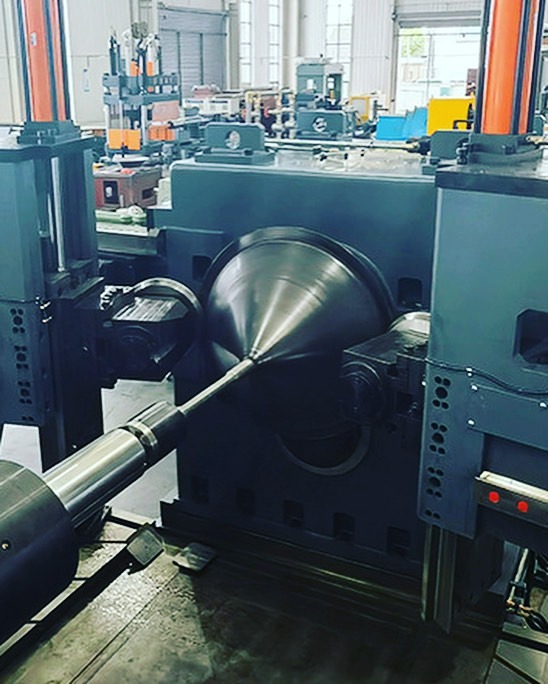
Categories
Machinery

Multi-Spindle Flow Forming Machine

Multi-Spindle Flow Forming Machine

Multi-Spindle Flow Forming Machine: A flow forming machine is a type of metalworking equipment used to shape and form thin-walled tubular or conical parts, usually from sheet metal or metal billets. The process, known as flow forming (or rotary swaging), involves rotating a workpiece at high speeds while applying radial forces to the material through rollers or tools. These forces cause the material to “flow” and shape into the desired form.

Key Features and Uses of Flow Forming Machines

  1. Precision and Strength: The flow forming process allows for the creation of complex, high-strength, and precise components, often used in industries such as aerospace, automotive, and energy.
  2. Applications:
    • Aerospace: Flow forming is commonly used to produce parts like turbine blades, engine components, and lightweight structural elements.
    • Automotive: It’s used for making precision components such as wheels, hubs, and parts for high-performance vehicles.
    • Energy: Components such as pressure vessels, heat exchangers, and other parts for energy systems may also be made using flow forming.
  3. Process Steps:
    • The machine typically uses rollers or dies that apply radial pressure to the rotating workpiece, thinning and elongating the material while it moves along its axis.
    • The workpiece is usually clamped at both ends while rotating, and the material flows into the desired shape through repeated cycles.
  4. Advantages:
    • Material Conservation: Since the material flows into shape rather than being cut away, waste is minimized.
    • High Strength and Quality: The process improves material properties, especially in the case of metals, by aligning the grain structure in the direction of the forming.
    • Cost-Effectiveness for High-Volume Production: Once set up, flow forming machines are well-suited for mass production, particularly for cylindrical or tubular components.
  5. Common Materials:
    • Flow forming is used with a variety of metals including aluminum, titanium, steel, and nickel-based alloys, making it versatile for many industries.

Flow forming machines are highly versatile and efficient tools used for producing complex, thin-walled metal components. The process begins with a workpiece, often in the form of a tube or billet, which is mounted onto a rotating spindle. The machine uses rollers or dies to apply radial pressure to the material, causing it to deform and gradually take on the desired shape. This shaping process can result in parts that are not only precise in their dimensions but also exhibit enhanced material strength, thanks to the realignment of the metal’s grain structure during deformation.

One of the standout features of flow forming is its ability to create parts with uniform wall thickness and high structural integrity, making it ideal for industries that require high-performance materials. For example, aerospace companies use flow forming to produce turbine blades and structural components that need to withstand extreme forces and temperatures. The automotive industry also benefits from this process, especially in the production of lightweight, strong components such as wheels, hubs, and fuel tanks. In the energy sector, flow forming machines are used to make components for power plants, including pressure vessels and heat exchangers, where both strength and durability are crucial.

The machine’s operation is relatively straightforward. Once the workpiece is securely mounted, the rollers move radially toward the center, applying pressure as the piece rotates. As the material flows, it elongates and thins, with the machine operator adjusting the rollers to control the final shape and dimensions of the piece. The precision of the machine allows for a high degree of control, which is vital for creating parts with exacting tolerances.

This process is particularly beneficial for producing parts from high-performance metals, such as titanium or nickel alloys, which are difficult to work with using traditional machining methods. By using flow forming, manufacturers can conserve material, as the process is highly efficient and generates minimal waste. Additionally, because the material is being shaped rather than cut away, it reduces the risk of material defects like cracking or warping.

While flow forming is a great choice for mass production, it is also flexible enough to handle custom, one-off components. The machine’s adaptability allows for changes in part size and shape during production, making it ideal for industries that require a range of sizes or specialized shapes.

Flow forming continues to be an important manufacturing process, especially as industries push for higher material efficiency and performance. The technology behind these machines has evolved significantly, and today’s flow forming equipment is designed to handle a broader range of materials, including advanced alloys and composites. The core principles of the process remain the same, but innovations in automation, control systems, and tooling have made the machines even more precise and versatile.

Modern flow forming machines typically feature advanced CNC (computer numerical control) systems, which allow for highly accurate control over the forming process. These systems enable operators to input detailed specifications for the part being produced, and the machine adjusts its settings accordingly, ensuring each part meets the desired specifications with minimal human intervention. This reduces the potential for error and makes it possible to maintain high-quality output over long production runs.

One of the key advancements in flow forming is the integration of multi-roll forming. Traditional flow forming machines might use two or three rollers to apply force to the workpiece, but newer designs often incorporate more rollers, which can simultaneously apply pressure from different angles. This results in more consistent deformation and can be particularly helpful when producing parts with complex geometries or varying thicknesses.

Additionally, advances in material handling have made flow forming machines capable of processing larger or more difficult-to-handle workpieces. For example, some systems can automatically load and unload material from the machine, reducing manual labor and improving throughput. This automation is especially useful in high-volume production environments, where speed and efficiency are key.

Another trend is the integration of real-time monitoring systems. These systems allow for continuous observation of the forming process, checking for variables like temperature, pressure, and material strain. By tracking these metrics in real-time, manufacturers can adjust the process on the fly to prevent defects and ensure the final product meets stringent requirements.

Flow forming also has applications in the production of parts with specialized surface finishes. The material flow during the forming process can lead to a smooth, defect-free surface, which is particularly beneficial for parts that will be exposed to harsh environments or need to meet strict aesthetic standards. In industries like aerospace, where surface integrity is critical, this can save significant time and cost compared to secondary finishing processes.

Despite its numerous advantages, flow forming isn’t suitable for every application. The process is primarily used for parts that are cylindrical, conical, or have other rotational symmetries. Non-rotational geometries or highly irregular shapes are less suitable for flow forming, as the process relies on the rotational movement of the workpiece to create the desired form. In such cases, traditional machining techniques like CNC milling or casting might be more appropriate.

Additionally, while flow forming can create parts with uniform thickness and enhanced material properties, there are limits to the complexity of shapes that can be achieved without additional tooling or processing. Some designs may require hybrid manufacturing approaches, combining flow forming with other methods such as welding or machining to achieve the final product.

For companies looking to integrate flow forming into their operations, the key considerations typically include the upfront investment in the machine, tooling costs, and the training required to operate the equipment efficiently. However, once established, the process offers significant cost savings in material waste, labor, and post-production finishing.

Horizontal Flow Forming Machine

Hydraulic Rotary Forging Machine

A horizontal flow forming machine is a specific type of flow forming equipment where the workpiece is rotated horizontally during the forming process, as opposed to the traditional vertical setup. This type of machine is typically used for creating long, cylindrical, or conical parts where the piece is rotated around its horizontal axis while radial pressure is applied through rollers or dies.

Key Features of Horizontal Flow Forming Machines:

  1. Horizontal Setup: In a horizontal flow forming machine, the workpiece is horizontally mounted, and the rollers are positioned to apply radial pressure as the workpiece rotates. The horizontal orientation can provide better handling for certain workpiece shapes and is often more stable when dealing with larger, heavier parts.
  2. Process Flexibility: Horizontal machines are often better suited for larger or longer components compared to vertical machines. This makes them ideal for manufacturing items like pipes, tubes, or aerospace components that require precision shaping over longer lengths.
  3. Enhanced Material Control: The horizontal position of the workpiece allows for more effective control over material flow, particularly when producing long or thin-walled components. This orientation can help to reduce the risk of material sagging or misalignment, which can sometimes occur in vertical machines with longer pieces.
  4. Automated Systems: Many modern horizontal flow forming machines are equipped with advanced CNC controls, which allow for precise adjustments to the rollers and tooling. Automation helps optimize the forming process and reduces the chance of operator error, leading to higher consistency and quality in production.
  5. Larger Workpieces: Horizontal flow forming machines are often chosen for applications where the workpieces are larger or need to maintain a uniform thickness over a longer length. Parts like cylindrical structures for aerospace or energy industries can be effectively produced using this setup.
  6. Versatile Rollers: Horizontal flow forming machines often use multi-roll setups (three or more rollers) that work in tandem to apply pressure at various angles to ensure that the material is evenly shaped. This helps in reducing material distortion and ensures that the final part is within tight tolerances.

Common Applications:

  • Aerospace: Horizontal flow forming is used for producing larger components such as turbine casings, compressor housings, or other structural elements. These parts often need to maintain a consistent shape and strength, which is achievable through the flow forming process.
  • Automotive: Parts like wheel rims, hubs, and other high-performance components are produced using horizontal flow forming machines, especially in high-volume manufacturing.
  • Energy: Large, high-pressure components like pressure vessels, heat exchangers, and even parts used in nuclear or hydroelectric power plants are made using horizontal flow forming, where material integrity and strength are key.
  • Heavy Industry: Horizontal flow forming is also used in manufacturing components that require high precision and strength, like pipes and large industrial bearings.

Advantages:

  • Greater Stability and Precision: The horizontal configuration provides stability, especially for larger, heavier parts, which minimizes deflection and improves dimensional accuracy during the forming process.
  • Higher Throughput: Horizontal machines are often designed to handle larger workpieces in a more efficient manner, leading to higher throughput in production runs.
  • Reduced Material Waste: Like other flow forming processes, horizontal flow forming is highly efficient in material usage, reducing scrap and making it a cost-effective option for producing large quantities of parts.
  • Enhanced Part Quality: The ability to use multiple rollers ensures a smoother surface finish and more uniform material properties, which are crucial for high-performance parts that undergo extreme stresses.

Challenges:

  • Size Limitations: While horizontal flow forming machines excel with larger and longer parts, there are still size limits based on the machine’s capacity. Extremely large or heavy components may require custom solutions or specialized equipment.
  • Setup Complexity: Due to the larger scale of the parts being formed, horizontal flow forming setups can be more complex to calibrate and maintain, requiring skilled operators and potentially longer setup times.
  • Tooling Wear: With larger parts and longer production runs, tooling wear can become more pronounced, leading to increased maintenance needs and the potential for more frequent tool replacement.

Horizontal flow forming is especially valuable when dealing with larger parts that require high precision and uniformity, making it ideal for industries like aerospace, automotive, and energy. If you’re interested in specific models or technical considerations for a particular application, let me know, and I can help further!

A horizontal flow forming machine is designed to rotate workpieces horizontally, providing a stable setup for forming larger or longer components. This orientation allows for precise control of material flow, especially useful for cylindrical, tubular, or conical parts that need to maintain consistent thickness and shape over extended lengths. The machine uses rollers positioned to apply radial pressure to the rotating workpiece, which causes the material to elongate and thin in the desired shape. The horizontal positioning provides advantages in terms of stability, as it helps prevent sagging or misalignment in longer pieces, ensuring the production of high-precision parts. Horizontal flow forming is commonly used in industries like aerospace, automotive, and energy for manufacturing large components, such as turbine casings, pipes, pressure vessels, and structural elements. The machine setup often includes automated systems, such as CNC controls, for precise adjustments, enhancing production efficiency and part quality. In some advanced machines, multiple rollers may be used to apply force from various angles, allowing for smoother surface finishes and reducing material defects. The process is material-efficient, reducing waste compared to traditional machining methods, which is particularly beneficial for high-performance materials like titanium, aluminum, and nickel alloys. Horizontal flow forming machines are ideal for parts that require both strength and precision, such as aerospace components subjected to extreme forces. However, these machines can be complex to set up and maintain, particularly when handling very large or heavy workpieces. Tooling wear is also a consideration for long production runs, requiring periodic maintenance and replacement. Despite these challenges, the horizontal configuration offers higher throughput and more stable production for large-scale manufacturing runs, making it a go-to solution for industries where size and precision are key factors.

Horizontal flow forming continues to be an important method for the production of large, high-precision components. One of the main advantages is its ability to handle larger and heavier workpieces with greater stability. The horizontal orientation reduces the risk of part distortion, which can sometimes occur in vertical machines when dealing with long, thin-walled parts. The ability to apply uniform radial pressure across a longer workpiece also ensures that material flow is more consistent, resulting in more uniform wall thickness and better part integrity.

In addition to handling larger parts, horizontal flow forming machines offer improved efficiency in certain applications. For example, the process is well-suited for making cylindrical or conical components, where the material is continually shaped without excessive material removal. This results in less waste compared to traditional machining techniques that rely on cutting or milling. By eliminating much of the material removal process, flow forming can produce components faster and with greater material conservation, making it cost-effective for large production volumes.

Horizontal flow forming also allows for high levels of customization. With advanced CNC systems and adjustable tooling, manufacturers can produce parts with varying wall thicknesses, diameters, or taper angles, providing the flexibility to meet specific design requirements. This adaptability makes horizontal flow forming suitable for industries where part geometries are not standard and require precise, customized solutions. Furthermore, because the process allows for continuous shaping and thinning of the material, parts can often be produced with enhanced mechanical properties, such as improved strength and resistance to fatigue, due to the alignment of the grain structure in the material.

As technology continues to advance, modern horizontal flow forming machines are becoming more automated and integrated with real-time monitoring systems. These systems track key process parameters such as temperature, pressure, and material strain, ensuring that the part meets strict quality standards. This capability reduces the likelihood of defects and ensures that any issues can be detected and addressed during production, improving both product quality and operational efficiency.

Despite these advantages, horizontal flow forming isn’t suitable for every type of part. The process is most effective for parts with rotational symmetry or simple geometries. Complex or irregular shapes may still require additional manufacturing processes, such as machining or welding, to complete the part. Additionally, while horizontal flow forming machines can handle larger workpieces, they may still have size limitations based on the machine’s capacity. For extremely large parts, customized machines may be required.

Overall, horizontal flow forming represents a highly efficient and versatile solution for producing large, precise, and strong components in industries where material efficiency, part strength, and quality are paramount.

Multi-Spindle Flow Forming Machine

Multiple Roller Flow Forming Center

A multi-spindle flow forming machine is an advanced variation of the traditional flow forming equipment that utilizes multiple spindles or rollers to apply radial pressure to the rotating workpiece. This configuration allows for greater control over the forming process and enhances the machine’s ability to produce parts with more complex shapes, tighter tolerances, and higher efficiency in production. In essence, the use of multiple spindles enables simultaneous shaping from multiple directions, providing a more uniform distribution of forces and improving the overall quality and consistency of the parts.

Multi-spindle flow forming machines typically involve several rollers positioned around the workpiece, all of which rotate at different speeds or apply pressure from different angles. This multi-point application of force leads to several key benefits:

  1. Enhanced Precision and Uniformity: The simultaneous application of pressure from multiple spindles ensures that the material flows evenly in all directions, resulting in parts with consistent wall thickness and better mechanical properties. This is particularly beneficial when creating parts that need to meet stringent dimensional tolerances and strength requirements.
  2. Increased Production Efficiency: Because multiple spindles can be used to shape a part simultaneously, the forming process is often faster than single-spindle systems, which typically require more cycles to achieve the same result. This increased efficiency can significantly reduce production time and costs, especially for high-volume manufacturing.
  3. Ability to Form Complex Shapes: Multi-spindle flow forming allows for greater flexibility in terms of part design. The ability to apply pressure from different directions makes it possible to form more complex shapes that would be difficult or time-consuming to achieve with traditional flow forming machines. This makes the machine suitable for a wider range of industries, including aerospace, automotive, and energy, where components often have intricate geometries or require non-uniform wall thicknesses.
  4. Higher Strength and Material Integrity: The uniform application of pressure and the ability to adjust the roller settings in multi-spindle systems improve the material flow, reducing the likelihood of defects such as cracking or uneven wall thickness. Additionally, the process helps to align the metal grain structure in the direction of the material flow, resulting in parts that are stronger and more durable.
  5. Increased Flexibility and Adaptability: Multi-spindle flow forming machines are often equipped with CNC controls, which allow for precise adjustments to the rollers, spindles, and process parameters. This makes the machines adaptable to a wide range of part sizes, materials, and designs, increasing their usefulness for manufacturers that produce a diverse set of components.

Applications:

  • Aerospace Industry: Multi-spindle flow forming machines are ideal for producing complex aerospace components like turbine casings, compressor housings, and structural elements, which require both strength and precision. The ability to form large, thin-walled parts with uniform thickness makes these machines a good fit for such high-performance applications.
  • Automotive Industry: These machines can be used for creating lightweight, high-strength parts such as wheels, hubs, and suspension components, where precise control over the material’s properties is crucial.
  • Energy Industry: Large parts used in power generation, such as pressure vessels, heat exchangers, and reactor components, benefit from the material conservation and strength-enhancing properties of multi-spindle flow forming.

Advantages:

  • Faster Cycle Times: With multiple spindles working at once, the forming process becomes quicker, reducing cycle times and increasing overall production throughput.
  • Better Quality Control: The simultaneous application of forces from multiple directions reduces the risk of defects and inconsistencies, ensuring that parts meet strict quality standards.
  • Flexibility in Design: The ability to shape parts with more complex geometries makes the machine adaptable for a wider range of applications.
  • Material Efficiency: Like traditional flow forming, multi-spindle machines minimize material waste, making them highly efficient and cost-effective, particularly in high-volume production.

Challenges:

  • Higher Initial Investment: Multi-spindle flow forming machines typically require a higher initial investment than single-spindle systems due to the additional components and complexity.
  • Maintenance and Tooling: With multiple spindles and rollers in operation, there may be more wear and tear on the tooling, leading to higher maintenance costs and more frequent tool replacements.
  • Complex Setup and Calibration: Multi-spindle systems require precise calibration and setup to ensure that all spindles are working in sync and applying the correct amount of pressure. This can require skilled operators and may lead to longer setup times.

Overall, multi-spindle flow forming machines offer significant advantages in terms of efficiency, precision, and flexibility, particularly for industries that require high-performance parts with complex geometries. Their ability to produce parts with uniform thickness and enhanced material properties makes them a valuable tool in fields like aerospace, automotive, and energy.

A multi-spindle flow forming machine offers an advanced approach to the flow forming process by utilizing multiple spindles or rollers to apply radial pressure to a rotating workpiece simultaneously. This setup enhances the forming process, allowing for greater precision, efficiency, and the ability to produce more complex shapes compared to traditional single-spindle systems. The use of multiple spindles enables a more uniform distribution of force around the workpiece, leading to consistent wall thickness, stronger mechanical properties, and reduced material defects such as cracking or uneven deformation. The increased production speed is one of the key advantages, as multiple spindles can shape the part at once, reducing cycle times and increasing throughput for high-volume manufacturing. This increased efficiency makes multi-spindle flow forming particularly beneficial in industries like aerospace, automotive, and energy, where precision, part complexity, and material strength are critical. The ability to create parts with intricate geometries or varying wall thicknesses also makes multi-spindle systems highly versatile, allowing manufacturers to tackle a wider range of designs. The machines are often equipped with advanced CNC controls, which allow for fine adjustments to the rollers and spindles, improving adaptability to different materials, part sizes, and production requirements. While the initial investment in a multi-spindle system may be higher, the long-term benefits, such as faster production times, reduced material waste, and the ability to produce high-quality parts, make it a valuable addition to many manufacturing operations. However, the complexity of these machines can lead to higher maintenance costs, as the increased number of spindles and tooling requires more attention to prevent wear and tear, as well as careful calibration to ensure consistent operation. Despite these challenges, the multi-spindle flow forming machine remains a powerful tool for producing high-performance, precision parts across a range of industries.

The versatility of multi-spindle flow forming machines is further highlighted by their ability to handle a wide variety of materials. These machines are often used to form metals like titanium, aluminum, steel, and other high-performance alloys, which are essential in industries that require materials with specific mechanical properties. The ability to work with such materials, combined with the multi-point application of pressure, ensures that the final parts maintain high strength and durability, making them suitable for high-stress environments, such as aerospace engine components or automotive suspension parts.

The process also benefits from the material’s ability to flow in a controlled manner, which not only reduces waste but also ensures that the material’s grain structure is aligned in the direction of forming. This alignment enhances the mechanical properties of the finished part, improving its resistance to fatigue and extending its service life. These properties are particularly valuable when producing components that must withstand cyclical loading or harsh conditions, such as parts for gas turbines, compressors, or pressure vessels.

Moreover, multi-spindle flow forming machines excel at creating parts that need precise surface finishes. The process tends to produce smooth, defect-free surfaces due to the gradual and controlled deformation of the material. This is an advantage in industries like aerospace, where surface integrity is critical for part performance. It can also minimize the need for secondary finishing processes, reducing costs and lead times.

While the process offers numerous advantages, it’s important to note that the complexity of multi-spindle systems requires a high level of expertise in machine operation and maintenance. The setup, calibration, and operation of these machines demand skilled technicians to ensure that all spindles are synchronized and applying the correct amount of pressure. This ensures the machine runs optimally and minimizes the risk of defects.

Another challenge is the tooling wear, especially in high-volume production settings. With multiple spindles working on the part simultaneously, the wear on the rollers or spindles can be higher, necessitating regular inspection and maintenance. This is a consideration for manufacturers when evaluating the long-term costs of operating a multi-spindle flow forming system. However, the overall benefits, including the reduction in material waste, increased production speed, and enhanced part quality, often outweigh these challenges.

For companies seeking to remain competitive in industries where performance and precision are non-negotiable, multi-spindle flow forming represents a powerful manufacturing solution. The ability to produce complex, high-strength components with minimal material waste and a high level of precision makes these machines indispensable in fields where part integrity and production efficiency are paramount. As technology advances, we may see further refinements in multi-spindle flow forming systems, allowing for even greater control over the process, improved automation, and the ability to handle an even broader range of materials and part geometries.

Single-Spindle Flow Forming Machine

Metal Spinning Lathe for Sale

A single-spindle flow forming machine is a more traditional form of flow forming equipment where a single rotating spindle or roller is used to apply radial pressure to a rotating workpiece. This machine setup is typically used for producing cylindrical, conical, or other rotationally symmetric parts. The spindle rotates the workpiece, while the roller applies controlled pressure, gradually forming the material into the desired shape. The process involves a combination of high-speed rotation and localized deformation, which causes the material to elongate and thin while maintaining a uniform structure.

Single-spindle flow forming machines are ideal for producing parts that do not require the complexities of multiple-directional pressure or intricate geometries. They are especially suitable for creating parts with consistent wall thickness and smooth surface finishes. The simplicity of the design makes single-spindle systems easier to operate and maintain compared to multi-spindle machines, which often require more precise calibration and synchronization between rollers.

These machines are commonly used in industries such as aerospace, automotive, and energy for producing components like turbine blades, wheels, cylinders, hubs, and other parts that need to be lightweight yet strong. The process allows for high material efficiency, minimizing waste and reducing costs associated with material handling. The single-spindle machine is effective for producing parts from high-performance alloys, such as titanium, aluminum, and steel, which require precise control over material flow to achieve the desired mechanical properties.

One of the advantages of single-spindle flow forming is that it can handle a wide variety of materials with relative ease, offering flexibility in terms of material selection. The process is less complex than multi-spindle systems, which can make it more cost-effective for smaller production runs or custom parts. The process also generates less heat than traditional forging or casting methods, reducing the risk of material defects related to thermal stress.

However, single-spindle flow forming is generally better suited for parts with simpler geometries or those that need to be uniform in shape. The limitation of a single spindle means that the system may be less effective for parts with complex or intricate features that require shaping from multiple directions. Additionally, while the machine is capable of producing high-quality parts, it may not achieve the same level of efficiency and precision as a multi-spindle machine when producing high volumes of parts with varying shapes.

Despite these limitations, single-spindle flow forming remains an essential tool in the manufacturing of high-precision, strong, and lightweight parts, particularly for applications that do not require the additional complexity of multiple spindles. The simplicity of the system, combined with its ability to produce high-quality parts with minimal material waste, makes it an effective solution for a range of industries, particularly where part volume is moderate, and cost efficiency is a key factor.

Single-spindle flow forming machines are ideal for producing parts where simplicity and cost-effectiveness are prioritized. While these machines may not have the versatility or speed of multi-spindle systems, they excel in creating parts with consistent shapes and uniform material distribution, especially for cylindrical or conical components. The process involves applying pressure from a single roller, which gradually deforms the material as the workpiece rotates, allowing it to achieve the desired geometry. This method is highly effective for parts like tubes, wheels, and structural components in the aerospace, automotive, and energy sectors. The main advantage of single-spindle flow forming lies in its ability to produce high-quality parts with minimal material waste. This is especially beneficial for expensive materials like titanium or high-strength alloys, where conserving material is crucial. The simplicity of the system also translates to easier setup, operation, and maintenance, which makes it a more cost-effective option for low- to medium-volume production. Though it lacks the multi-directional shaping capabilities of more advanced machines, the single-spindle system is highly efficient for parts that require uniform thickness and high mechanical integrity. Furthermore, this machine type is adaptable to a range of materials, allowing manufacturers to process a variety of alloys and composites with precision. While single-spindle flow forming machines are not ideal for highly complex shapes, they are widely used in applications that demand reliability, strength, and high dimensional accuracy.

Despite its more straightforward design, single-spindle flow forming can still produce parts with impressive mechanical properties due to the way the material is formed. The controlled radial pressure applied during the process aligns the material’s grain structure in the direction of flow, which can enhance the part’s strength and resistance to fatigue. This is particularly beneficial in applications where the component will undergo repeated stresses or high-impact loads, such as turbine casings or automotive wheels. Additionally, because the material is progressively shaped rather than cut or machined, the flow forming process can reduce the likelihood of internal defects, like porosity or cracks, which can sometimes occur in casting or traditional machining.

While the system is best suited for parts with simpler geometries, it is also capable of producing parts with good surface finishes. The smooth, consistent deformation of the material during forming minimizes the need for additional finishing steps, which can reduce both the time and cost associated with post-processing. In cases where the surface finish is critical, some post-forming processes, like light machining or polishing, can still be applied, but the need for these steps is typically reduced compared to traditional manufacturing methods.

Another benefit of single-spindle flow forming is its material efficiency. Since the process involves minimal material waste, manufacturers can maximize the usage of expensive materials, reducing production costs over time. This is particularly important for industries dealing with rare or costly alloys, where material cost plays a significant role in the overall production cost. The process can also accommodate materials that are difficult to machine or shape using other methods, further increasing its value in certain high-performance applications.

However, the limitations of single-spindle flow forming should not be overlooked. The inability to apply pressure from multiple angles means that the machine might struggle with parts that require non-uniform thicknesses or highly complex shapes. Parts that feature intricate geometries or require specific features that are difficult to achieve with radial pressure alone may need additional processes such as welding or machining, which adds to the overall cost and complexity of the manufacturing process. Additionally, while the single-spindle system is capable of high precision, it may not be as suitable for mass production compared to multi-spindle systems, which can handle larger volumes and more complex part requirements at a faster rate.

Overall, single-spindle flow forming remains a valuable process for manufacturers producing medium to large quantities of relatively simple parts where material strength, precision, and cost-effectiveness are key priorities. Its ability to deliver high-quality, consistent parts with minimal waste and reduced finishing requirements makes it an ideal choice for many industries, even though it may not be suitable for all types of geometries or highly complex components.

Single-spindle flow forming machines, while simpler in design than their multi-spindle counterparts, are a highly effective tool in many industrial applications where part geometry is relatively straightforward, and material efficiency is a priority. These machines apply radial pressure from a single rotating spindle to shape a workpiece that is also rotating. As the spindle pushes the material outward, the metal gradually thins and elongates to form the desired shape. One of the most significant advantages of this process is its ability to maintain precise control over the material, ensuring uniformity in wall thickness and a consistent final shape.

The simplicity of the single-spindle design makes these machines relatively easy to operate and maintain. With fewer moving parts compared to multi-spindle systems, single-spindle flow forming is less complex to set up and calibrate. This characteristic makes it an appealing choice for smaller manufacturers or those with lower production volumes. Additionally, these machines tend to have lower capital costs than multi-spindle systems, making them a more accessible option for companies looking to adopt flow forming without a large upfront investment.

One of the standout features of single-spindle flow forming is its ability to produce components with excellent material efficiency. Since the process works by gradually deforming the material rather than cutting or machining it, much less material is wasted. This makes it an ideal method for working with expensive materials, such as titanium, high-strength alloys, or specialty metals, which are commonly used in aerospace, automotive, and energy industries. In these sectors, where material costs are often a significant portion of overall manufacturing expenses, the ability to minimize waste is an essential benefit. The reduction in material waste also means that manufacturers can reduce overall production costs and improve their bottom line.

The process also offers benefits in terms of the mechanical properties of the finished parts. As the material is deformed in a controlled manner, the grain structure is aligned along the direction of flow. This alignment typically results in improved material strength and fatigue resistance, particularly in high-stress applications. Parts such as turbine blades, pressure vessels, and automotive wheels often require excellent strength-to-weight ratios, and single-spindle flow forming can provide these characteristics. The gradual deformation process helps to avoid the introduction of internal defects, such as porosity, cracks, or other flaws that might arise from traditional casting or forging methods. As a result, parts made through flow forming are often stronger and more reliable in their intended applications.

Additionally, single-spindle flow forming machines are well-suited for applications that require parts with consistent surface finishes. The material is shaped in a smooth and continuous flow, which can reduce the need for extensive post-processing or finishing work. While some parts may still require light machining or polishing to meet precise surface finish specifications, the flow forming process reduces the amount of additional labor and time required, which can be a significant advantage in a production environment.

Despite these benefits, single-spindle flow forming is not without its limitations. The main restriction of this method is its suitability for producing relatively simple, symmetrical parts. The process is most effective for components that have a cylindrical or conical shape, as these parts allow for the most efficient use of radial pressure. When it comes to more complex shapes, such as parts with highly irregular geometries, deep recesses, or non-symmetrical features, the single-spindle machine may struggle to achieve the desired results. In such cases, the part may require secondary operations, such as welding or additional machining, to complete its final shape, which can increase production time and costs.

Furthermore, while single-spindle flow forming is efficient for parts with uniform wall thickness, it may not be as effective for parts with varying thicknesses or complex internal features. In cases where parts need to have a tapered or varying wall thickness, a multi-spindle system, or additional post-forming processes may be necessary. Multi-spindle machines, with their ability to apply pressure from multiple directions, are better suited to handling parts with these types of geometries, but they come at a higher cost.

Another consideration is the machine’s speed. While single-spindle flow forming machines can produce parts at a relatively fast rate compared to traditional machining methods, they may not be as quick as multi-spindle systems, which can work on multiple areas of the part simultaneously. For high-volume production environments, the speed of a single-spindle system may limit its ability to compete with more complex, multi-spindle machines.

Despite these limitations, single-spindle flow forming remains an invaluable tool for many industries. The process is especially useful when manufacturing high-precision, lightweight components with excellent mechanical properties, such as those found in aerospace, automotive, and energy applications. Its material efficiency, ease of use, and cost-effectiveness make it particularly attractive for manufacturers that produce parts in moderate volumes or those that require high-performance materials but do not need the complexity or speed of multi-spindle systems. Furthermore, the ability to create parts with excellent strength-to-weight ratios and minimal internal defects positions single-spindle flow forming as a leading solution for producing robust, reliable components in critical industries.

In conclusion, single-spindle flow forming continues to play a crucial role in modern manufacturing, offering a balance of precision, efficiency, and material savings. It is particularly valuable in industries where strength, durability, and cost control are paramount. While its capabilities are best suited to simpler geometries, it remains a powerful tool for producing high-quality, lightweight components. As manufacturing technologies evolve, single-spindle flow forming machines will likely continue to see advancements, offering even greater precision, flexibility, and efficiency for manufacturers.

Vertical Flow Forming Machine

Vertical Rotary Forging Machine

A vertical flow forming machine is a type of flow forming equipment that employs a vertical orientation of the workpiece and forming tools to apply radial pressure during the material shaping process. In contrast to horizontal flow forming machines, which position the workpiece horizontally, the vertical configuration offers distinct advantages in certain applications, especially in the handling of large, heavy, or vertically oriented components.

In a vertical flow forming system, the workpiece is typically mounted on a rotating spindle that is aligned vertically. The forming rollers or tools apply radial pressure to the rotating part, gradually shaping it into the desired geometry. This method can be used to create cylindrical, conical, or other rotationally symmetric shapes, similar to other types of flow forming, but with the added benefit of the vertical setup.

One of the primary advantages of a vertical flow forming machine is its ability to handle large, heavy workpieces more effectively. The vertical orientation provides greater stability and control during the forming process, especially when working with large-diameter parts. In a vertical setup, the forces are distributed more evenly across the workpiece, reducing the risk of distortion or deflection during the forming process. This stability is particularly important when working with materials that require high precision and strength, such as titanium or high-strength steel, which are commonly used in aerospace, automotive, and energy applications.

The vertical orientation also facilitates the handling of longer workpieces or parts with greater lengths. When parts need to be formed along their length, such as tubes, pipes, or other elongated shapes, the vertical setup ensures better alignment and more consistent shaping, as gravity helps to stabilize the part during the process. This configuration is particularly useful when working with parts that have a long axial direction, as it minimizes the risk of sagging or misalignment that can occur with horizontal machines, especially for heavier or larger components.

Vertical flow forming machines are particularly effective in applications where the workpieces need to be formed in a vertical direction due to their natural shape or end-use. For example, when creating large cylindrical or conical components like pressure vessels, turbine casings, and other high-performance parts, the vertical orientation allows for smoother material flow and easier material management. The process also benefits from gravity, as it assists in the natural downward flow of the material, reducing the chance of material buildup or deformation at the part’s top.

Additionally, vertical flow forming machines can be more compact in terms of their footprint. The vertical setup allows for a more efficient use of floor space, which is particularly beneficial in manufacturing environments where space is limited. This can result in better layout optimization within production facilities, especially in large-scale manufacturing operations where maximizing floor space is a priority.

However, like all flow forming systems, vertical machines are primarily suited for parts that are rotationally symmetric or have relatively simple geometries. While they can achieve impressive results in forming cylindrical and conical shapes, more complex parts with irregular geometries may require additional processing or a different type of machine. Moreover, the vertical design can introduce challenges in terms of tool accessibility and part handling, especially for very large or heavy components. Additional equipment, such as cranes or specialized fixtures, may be required to load and unload workpieces efficiently.

Another consideration with vertical flow forming is the initial investment and maintenance costs. While the machine’s compact footprint may offer cost benefits in terms of space utilization, vertical flow forming systems may still require significant investment due to the precision and complexity involved in manufacturing large, high-quality parts. Additionally, maintenance can be more challenging compared to horizontal systems, as the vertical setup may necessitate specific maintenance procedures for proper machine operation and tool alignment.

Despite these considerations, vertical flow forming remains a powerful tool for producing high-precision, large-scale components with excellent mechanical properties. The combination of material efficiency, precision, and the ability to handle large workpieces makes vertical flow forming particularly valuable in industries such as aerospace, energy, and heavy equipment manufacturing. As with other types of flow forming, the process also results in reduced material waste, helping manufacturers improve both sustainability and cost-effectiveness.

In conclusion, vertical flow forming machines offer several advantages in terms of handling large, heavy workpieces, improving stability and precision during the forming process. Their ability to create high-strength, uniform parts with minimal material waste makes them essential for applications that require high performance and reliability. While their primary use is for parts with simple, rotationally symmetric geometries, vertical flow forming is an invaluable technique in industries that demand large, high-quality components with specific material properties. As manufacturing technologies continue to evolve, the vertical flow forming machine is likely to remain a key tool in the production of precision-engineered parts.

Vertical flow forming machines provide a unique advantage in producing large, heavy, or long parts that require high precision and strength. The vertical orientation of the machine allows for better distribution of forces across the workpiece, which minimizes the risk of distortion and deflection, especially for large-diameter or heavy components. This setup is particularly beneficial in industries such as aerospace, energy, and automotive, where components need to maintain their integrity under high stress and in demanding environments. The ability to work with large parts, such as turbine casings, pressure vessels, or large pipes, is another key benefit. Since gravity assists in the downward flow of material, it helps to stabilize the part and ensures a smoother and more consistent deformation process. In cases where workpieces are long or require shaping along their length, like tubes or pipes, the vertical configuration ensures better alignment and reduces the chances of misalignment or sagging that can occur with horizontal machines. Moreover, vertical machines are often more compact in terms of their footprint. This allows for a more efficient use of space in manufacturing environments, which is an important consideration in large-scale operations where floor space is at a premium. Despite the advantages, vertical flow forming machines are primarily suitable for simpler, rotationally symmetric shapes, as more complex geometries may require additional post-processing or other manufacturing techniques. The complexity of handling large or heavy workpieces also means that additional equipment, such as specialized fixtures or cranes, may be needed for loading and unloading, adding another layer of logistical consideration. While vertical machines are advantageous in some cases, they can also have higher initial investment costs, particularly when the machines are designed for high precision and large parts. Maintenance of these systems can also be more complex, requiring specific procedures to ensure proper alignment and tool maintenance. However, the benefits of vertical flow forming—such as material efficiency, part quality, and the ability to handle large-scale components—make it an invaluable technique in industries where high-strength, precision-engineered parts are required.

The vertical flow forming machine’s design inherently offers improved material handling, especially when dealing with larger and heavier components. Its orientation allows for easier gravity-assisted alignment, ensuring the part is stable throughout the forming process, which is crucial for parts that need to maintain precise tolerances and structural integrity under load. This is particularly important in the aerospace and energy industries, where components like large turbine casings, pressure vessels, or structural supports require flawless mechanical properties, uniform wall thickness, and strength-to-weight ratios.

Another key benefit of vertical flow forming is its ability to produce complex parts without the need for extensive secondary operations. Since the material is deformed gradually and uniformly, the need for further machining or finishing steps is often minimized. This can significantly reduce production time and cost. For manufacturers producing components with long lead times or high-performance material requirements, vertical flow forming presents a compelling alternative to traditional methods like forging, casting, or machining, all of which can be more resource-intensive and slower.

Vertical machines also shine in applications where part orientation is crucial. Certain components, such as pipes, tubes, and cylindrical structures, benefit from being formed vertically as they naturally align with the forming direction. This minimizes the potential for material distortion that might occur if formed horizontally, where the gravitational pull could affect the part’s stability, especially when dealing with long or heavy workpieces.

In terms of operational flexibility, vertical flow forming machines can be equipped with advanced CNC (Computer Numerical Control) systems that allow for fine-tuned adjustments in pressure, speed, and roller positioning. This level of precision ensures that each part meets exact specifications, which is crucial for industries where tolerances are tight, and the cost of failure is high. For example, in the aerospace industry, where every component must meet stringent quality standards to ensure safety and performance, vertical flow forming’s ability to produce high-strength, defect-free parts with minimal material waste is invaluable.

While vertical flow forming machines have many advantages, they also come with certain challenges. The complexity of handling large, heavy parts requires a more sophisticated approach to workpiece loading and unloading, which often necessitates the use of specialized cranes, automated loaders, or robotic systems. This can add to the overall system complexity and cost. Additionally, vertical systems may require custom tooling or fixtures to ensure the part is properly secured and oriented during the process. Maintenance of the machine also requires careful attention to ensure that the vertical alignment is preserved and that all components are functioning smoothly.

Moreover, as with any flow forming machine, the suitability of vertical flow forming is primarily for parts that are rotationally symmetric or have simple, linear geometries. While it excels in forming cylindrical or conical components, more intricate designs may require additional processing or a different manufacturing approach. As industries continue to evolve and demand more complex and diverse parts, manufacturers may need to consider hybrid approaches that integrate flow forming with other methods, such as additive manufacturing, to meet these needs.

Despite these challenges, vertical flow forming remains an essential process for industries that require large, high-performance components. Its ability to efficiently form large, heavy parts with high precision and minimal material waste makes it a valuable tool in production environments focused on quality, efficiency, and material conservation. With continued advancements in automation, tooling, and machine design, vertical flow forming is likely to remain at the forefront of manufacturing technologies, particularly in sectors where component integrity and strength are non-negotiable. As manufacturers increasingly look for ways to streamline production while reducing costs, vertical flow forming will continue to be a key player in producing complex, high-strength components for a variety of applications.

Mechanical Flow Forming Machine

Automated Line for Sheet Forming

A mechanical flow forming machine is a type of flow forming equipment that uses mechanical force to shape metal workpieces into specific geometries. Unlike other flow forming machines that may use hydraulic or electrical drives, mechanical flow forming machines rely on mechanical drives, often involving gears, levers, or cams to transfer force to the workpiece. This method provides precise control over the forming process and is widely used for producing cylindrical, conical, and rotationally symmetric components.

In mechanical flow forming, the workpiece is placed on a rotating spindle, and rollers are used to apply pressure to the material. As the workpiece rotates, the rollers gradually shape the material, causing it to elongate and thin while maintaining its structural integrity. This process allows for the creation of parts with consistent wall thicknesses and high-dimensional accuracy, making it ideal for applications in industries like aerospace, automotive, and energy, where precision and material performance are critical.

One of the significant advantages of mechanical flow forming machines is their ability to deliver high precision and repeatability, which is essential when manufacturing parts with tight tolerances. The mechanical systems used in these machines allow for fine control over the applied force, rotational speed, and roller position, ensuring that each part is formed according to the required specifications. This control also minimizes material waste, as the metal is shaped rather than cut away, which can be particularly beneficial when working with high-cost materials like titanium, aluminum, or specialty alloys.

Mechanical flow forming machines are also known for their durability and reliability. Because they do not rely on hydraulic fluid systems or complex electrical components, they tend to have fewer maintenance requirements and can operate in harsh environments with less risk of breakdown. This makes them suitable for high-volume manufacturing or for operations in industries where downtime must be minimized.

Another benefit is that mechanical flow forming is highly efficient in terms of energy consumption. Since the mechanical system operates based on physical force, it typically consumes less energy than hydraulic systems, which require high-pressure pumps to generate force. This energy efficiency can translate into lower operational costs, making mechanical flow forming machines more cost-effective over the long term, particularly for manufacturers producing parts at scale.

Mechanical flow forming is especially beneficial when producing parts with consistent wall thickness and high strength. Since the material is continuously deformed, the grain structure of the metal is aligned in the direction of the flow, improving the strength of the final component. This is particularly advantageous for parts that need to withstand high stresses or impacts, such as turbine casings, automotive wheels, and pressure vessels. The mechanical flow forming process enhances the material’s fatigue resistance, which is critical in applications where components are subject to repeated loading or harsh operational conditions.

While mechanical flow forming machines offer numerous advantages, they do have limitations. The primary drawback is that they are best suited for parts with simple, rotationally symmetric geometries. More complex shapes with varying thicknesses or intricate features may require additional processing or a different type of machine. For example, parts with non-circular cross-sections or those that require features like internal threads or irregular surfaces may not be ideal candidates for mechanical flow forming.

Additionally, while mechanical systems are generally more durable and require less maintenance than hydraulic or electrical systems, they can still be subject to wear and tear, particularly in the gears, rollers, and other moving parts. Regular maintenance is essential to ensure the machine continues to operate at peak efficiency, and excessive wear could lead to issues with part quality or consistency.

Mechanical flow forming is also typically slower than some other flow forming methods, especially when compared to high-speed hydraulic systems. While this may not be an issue for certain applications or lower-volume production runs, it could limit the machine’s efficiency in high-volume manufacturing environments, where rapid cycle times are essential.

Despite these limitations, mechanical flow forming machines remain a valuable tool for producing high-quality, high-precision components. Their durability, energy efficiency, and ability to create strong, lightweight parts make them a popular choice in industries such as aerospace, automotive, and heavy machinery. The versatility and reliability of mechanical flow forming machines continue to make them an integral part of modern manufacturing, particularly in applications that prioritize precision, material conservation, and long-term operational efficiency.

Mechanical flow forming machines are a cornerstone of modern manufacturing for industries that demand precision, durability, and material efficiency. The mechanical drive systems, often consisting of gears, cams, or levers, offer a reliable and cost-effective method of shaping materials without the complexity of hydraulic systems. This simplicity leads to a more durable system that can operate in environments with less risk of mechanical failure due to the absence of complex hydraulic or electrical components. These machines excel in creating high-precision, rotationally symmetric parts, which makes them ideal for industries like aerospace, automotive, and energy, where tolerances and material performance are critical.

The use of mechanical force in flow forming allows for better control over the shaping process, ensuring consistent wall thickness and tight tolerances throughout the entire production run. This precision is particularly important when dealing with high-performance materials like titanium or advanced alloys, which are commonly used in high-stress applications. The inherent energy efficiency of mechanical flow forming systems is another advantage. Compared to hydraulic machines, which consume significant amounts of energy due to high-pressure systems, mechanical machines require less power to operate, reducing operational costs. This lower energy consumption translates into cost savings, especially in environments where large quantities of parts need to be produced. However, the trade-off is that mechanical flow forming is not ideal for parts with complex, non-symmetrical geometries. The process is primarily suited for simple shapes such as cylindrical, conical, or spherical parts.

Complex features like internal threads, irregular cross-sections, or intricate surface details might require additional post-processing or a different manufacturing method. While these machines provide reliable, high-quality results for standard parts, their limitations become evident when parts need features that extend beyond the capabilities of a simple radial deformation. Furthermore, while the mechanical drive systems are robust and require less maintenance than their hydraulic counterparts, regular care is still necessary to prevent excessive wear on gears, rollers, and other moving parts. Over time, these components can experience wear that affects the machine’s performance, leading to potential inconsistencies in part quality or operational slowdowns.

Despite these challenges, mechanical flow forming machines remain invaluable for industries that require large quantities of precise, strong, and lightweight components. Their ability to reduce material waste by gradually forming the part rather than cutting away excess material makes them highly efficient, especially when working with expensive or high-performance materials. The consistent, uniform parts produced by mechanical flow forming are crucial for applications where the structural integrity and fatigue resistance of the part are paramount, such as turbine casings, pressure vessels, and certain automotive components. In conclusion, mechanical flow forming machines provide an excellent balance of precision, efficiency, and durability, making them an ideal choice for producing high-quality, high-performance parts in industries where material integrity and cost-effectiveness are critical. While they are best suited for simpler, rotationally symmetric parts, their ability to produce strong, lightweight components with minimal material waste makes them a valuable asset to modern manufacturing processes.

The versatility of mechanical flow forming machines extends beyond their efficiency and durability, especially when considering their role in the production of critical components in various high-demand industries. For example, in aerospace, these machines are used to produce turbine components, compressor casings, and aerospace structural elements that must meet the highest safety and performance standards. The ability of mechanical flow forming machines to create these parts with excellent fatigue resistance and uniform strength across the material is a vital factor in ensuring the reliability of components that are exposed to extreme conditions, such as high temperatures, pressure fluctuations, and mechanical stresses.

In the automotive industry, mechanical flow forming is similarly valuable for manufacturing components like wheel rims, brake drums, and other high-performance parts that require a combination of strength, lightweight properties, and precise dimensional accuracy. The cost-effective material conservation of the process is particularly beneficial here, as it reduces waste while ensuring that the parts can endure the demanding mechanical loads they face during their service life. The consistent thickness and enhanced mechanical properties offered by mechanical flow forming are also essential for components that need to be lightweight yet strong to contribute to overall vehicle efficiency and performance.

Another application where mechanical flow forming proves beneficial is in the energy sector, particularly in the production of pressure vessels, turbine housings, and casing components used in power generation, including gas and steam turbines. The process is well-suited for creating parts with high resistance to fatigue and stress, which is essential for the long-term operation of turbines that experience constant mechanical loads and thermal cycles. As energy production demands increasingly focus on high-efficiency and low-waste methods, the use of mechanical flow forming contributes to the reduction of raw material consumption and minimizes part failure risks in these critical systems.

Despite these advantages, the limitations of mechanical flow forming cannot be overlooked. As mentioned earlier, the process is most effective for simpler geometries—typically rotationally symmetric parts—limiting its flexibility in creating more complex or intricate shapes. Manufacturers looking to create parts with intricate internal features, varying thicknesses, or multi-axis deformations might need to explore alternative methods, such as additive manufacturing, casting, or more advanced multi-axis machining. The need for these alternative processes may result in a hybrid approach, combining flow forming with other manufacturing techniques to meet the exact specifications of more complex parts.

Furthermore, the speed of mechanical flow forming can be a limiting factor in high-volume production environments. Although the process is relatively efficient for small to medium-sized production runs, it might not match the throughput capabilities of other methods, such as high-speed stamping or casting, especially when used for simpler parts. However, for manufacturers focused on producing high-quality, low-to-medium-volume parts that require high material strength and precision, mechanical flow forming continues to be a reliable and efficient solution.

In addition, although mechanical flow forming systems are less maintenance-intensive compared to hydraulic systems, they still require careful attention to ensure long-term reliability. Regular maintenance schedules are necessary to ensure that moving components like gears, rollers, and spindles remain in optimal condition. Monitoring system performance, checking for wear on critical parts, and ensuring proper lubrication are all essential for maintaining the precision and consistency of the process. Any failure in these components could potentially result in part defects, delayed production timelines, and increased operational costs.

Despite these drawbacks, mechanical flow forming remains a key technology in manufacturing, especially in industries where precision, material efficiency, and part performance are paramount. As manufacturing technologies continue to evolve, the integration of automation, advanced sensors, and computer-controlled systems may further enhance the capabilities of mechanical flow forming machines. The addition of these technologies can improve real-time process monitoring, allow for better quality control, and potentially address some of the limitations in speed and part complexity.

In conclusion, mechanical flow forming is a reliable and efficient method for producing high-strength, precision-engineered parts, particularly in industries like aerospace, automotive, and energy. While its primary application is for simpler, rotationally symmetric components, the benefits of material efficiency, reduced waste, and enhanced mechanical properties make it an indispensable tool in modern manufacturing. As the demands for more complex and high-performance parts increase, mechanical flow forming is likely to evolve and integrate with other manufacturing technologies, further cementing its role in the production of high-quality, durable components for a wide range of applications.

Hydraulic Flow Forming Machine

Flow Forming Process

A hydraulic flow forming machine utilizes hydraulic power to apply force to a rotating workpiece, deforming it into a desired shape through radial pressure. This type of flow forming machine is distinct from mechanical flow forming machines, which use mechanical drives, by relying on hydraulic cylinders and fluid systems to exert high levels of force, allowing for the formation of more complex shapes or larger parts with greater precision.

In hydraulic flow forming, the process begins with the workpiece being mounted on a rotating spindle. As the spindle turns, hydraulic cylinders with forming rollers are positioned around the workpiece. These rollers apply pressure to the material, gradually stretching and thinning it, creating cylindrical, conical, or other rotationally symmetric shapes. The force exerted by the hydraulic system can be finely controlled, enabling the production of parts with consistent wall thicknesses and tight tolerances.

The primary advantage of hydraulic flow forming machines is their ability to generate significantly higher forces than mechanical systems, making them well-suited for larger and more complex parts. Because the hydraulic system allows for precise control of the force and speed applied during the forming process, hydraulic flow forming is ideal for materials that require high deformation forces to shape, such as titanium, high-strength steels, and aluminum alloys. This makes hydraulic flow forming a go-to method for producing parts used in demanding applications, such as aerospace, automotive, and energy.

One of the most notable benefits of hydraulic flow forming is its versatility. Unlike mechanical systems, which may be limited by the force that can be applied through mechanical means, hydraulic systems can achieve much higher forces, making them more effective for forming large and thick-walled parts. This capability enables hydraulic flow forming to be used for a wide range of applications, from smaller, high-precision components like aerospace turbine casings and wheel rims to larger, thicker components like pressure vessels or large-diameter pipes.

The precision offered by hydraulic flow forming is also a significant advantage. By carefully controlling the force and speed of the rollers, manufacturers can achieve high levels of accuracy in the final product. The wall thickness can be maintained consistently throughout the part, and the geometry can be shaped to precise tolerances. This is particularly important in industries where the components need to meet stringent safety and performance standards, such as aerospace, energy, and defense.

Another advantage is the ability to work with a variety of materials. Hydraulic flow forming machines can handle a broader range of metals, including hard-to-form materials that require significant force for shaping. In addition, the process can be used to create parts with complex geometries, such as tapered or conical shapes, that might be difficult or impossible to achieve using mechanical flow forming methods. This flexibility allows for the production of more sophisticated parts without the need for additional tooling or processing.

However, hydraulic flow forming machines come with some challenges. The primary concern is the complexity of the hydraulic systems. These systems require regular maintenance to ensure that the fluid pressures remain stable and the cylinders are functioning properly. Hydraulic fluid leakage or contamination can also cause performance issues, so proper monitoring and maintenance procedures are critical. Additionally, the need for a hydraulic fluid reservoir and other associated components adds to the overall system’s complexity and maintenance requirements.

Another limitation is that hydraulic systems can be less energy-efficient than mechanical systems, particularly in high-speed production environments. The pumps and fluid systems used to generate hydraulic force consume significant energy, which can result in higher operational costs, especially if the machine is running at full capacity for long periods. However, for manufacturers that prioritize the ability to form large, complex parts with high precision, this trade-off may be worthwhile.

In addition, hydraulic flow forming machines can be larger and more expensive than mechanical systems, which may limit their use in smaller operations or for companies with limited space. The larger size of these machines often requires specialized facilities with sufficient floor space to accommodate them. The increased complexity of hydraulic systems can also result in higher initial investment and maintenance costs, making them more suitable for high-volume or high-performance manufacturing environments where the benefits of increased force and precision outweigh the costs.

Despite these challenges, hydraulic flow forming remains an essential technology in manufacturing, especially for high-performance industries where precision and material properties are crucial. The ability to create complex, high-strength components with minimal material waste makes hydraulic flow forming highly desirable for applications like aerospace turbine casings, pressure vessels, automotive wheels, and energy sector components. As technology advances, improvements in energy efficiency, system reliability, and automation will continue to make hydraulic flow forming more cost-effective and accessible for a broader range of manufacturers. The combination of high-force capabilities, precision, and material versatility ensures that hydraulic flow forming will remain a key process in the production of critical, high-quality components across various industries.

Hydraulic flow forming machines stand out for their ability to generate substantial force and handle more complex parts compared to mechanical flow forming machines. This makes them particularly advantageous for industries that demand precision and strength in large or thick-walled components. With the ability to exert significant pressure, hydraulic systems can shape materials that are difficult to form by other methods, such as high-strength alloys or specialized metals used in the aerospace, automotive, and energy industries. The versatility of hydraulic flow forming allows it to create parts with a variety of geometries, from simple cylinders to more intricate shapes like tapered and conical components. These machines also allow for greater flexibility in adjusting the forming force and speed, which is essential when working with different materials or creating parts with specific mechanical properties.

One of the major benefits of hydraulic flow forming is the precision it offers. Since the hydraulic system allows for fine control of the applied force, it enables manufacturers to produce parts with consistent wall thickness and dimensional accuracy. This precision is crucial in industries like aerospace, where parts like turbine casings, structural components, and engine parts need to meet extremely tight tolerances and withstand harsh operational conditions. Additionally, hydraulic flow forming is an energy-efficient process when compared to other high-force manufacturing methods like forging, as it avoids the need for high-speed operations while maintaining consistent force application throughout the forming process.

This energy efficiency helps reduce operational costs, especially in industries where the need for high-volume production of robust, precision-engineered parts is critical. Despite these advantages, hydraulic flow forming machines do require significant maintenance. Hydraulic systems are prone to wear and tear due to the high-pressure fluid dynamics involved, which means the system’s components must be monitored regularly for issues like fluid contamination, leaks, or pressure imbalances. Maintaining the hydraulic fluid at optimal levels and ensuring the seals and cylinders are functioning properly are essential for long-term operation. Additionally, the initial investment for hydraulic flow forming machines is typically higher than for mechanical systems.

This makes hydraulic machines more suitable for large-scale manufacturing operations where the demand for high-performance, high-precision components justifies the upfront cost and maintenance requirements. While the complexity of hydraulic systems may seem daunting, advancements in automation and monitoring technologies are helping to streamline maintenance processes, making it easier for manufacturers to maintain these machines efficiently. Furthermore, the energy consumption of hydraulic machines, while higher than mechanical systems, is justifiable for manufacturers focused on producing parts that require the kind of force and precision that only hydraulic systems can offer.

As the manufacturing industry continues to evolve, hydraulic flow forming machines are likely to become even more advanced. The integration of modern control systems, energy-efficient pumps, and advanced diagnostics will further enhance their capabilities. These improvements will help make hydraulic flow forming more cost-effective and accessible, even for smaller operations, while continuing to meet the high standards of precision and material strength required in critical industries. With the continued development of hydraulic technology, these machines will remain a cornerstone of production for industries that prioritize part performance, structural integrity, and manufacturing flexibility.

As the demand for more complex, high-performance parts grows, the role of hydraulic flow forming machines becomes even more critical. In sectors such as aerospace, energy, and defense, the ability to produce large, durable, and precisely shaped components is not just a matter of convenience but a necessity. Hydraulic flow forming enables manufacturers to produce components that are not only lightweight but also capable of withstanding extreme stresses, temperatures, and environments. For example, in the aerospace industry, components like jet engine casings, landing gear, and pressure vessels need to meet stringent strength-to-weight ratios while maintaining impeccable quality and dimensional precision. Hydraulic flow forming is capable of meeting these demands by applying controlled, uniform pressure to the material, allowing for high-strength parts with reduced material waste.

The versatility of hydraulic flow forming machines in terms of materials is another significant advantage. These machines can handle a wide range of materials, from traditional metals like steel and aluminum to advanced alloys, titanium, and even composite materials. Hydraulic forming allows manufacturers to work with high-performance materials that would typically be difficult or expensive to shape using conventional methods. This flexibility is especially important as industries push toward the use of more specialized and advanced materials that offer superior mechanical properties, but may require higher forces to shape correctly.

The combination of high-force capabilities and precision makes hydraulic flow forming particularly effective for producing parts that need to be both structurally sound and light in weight. For example, in the automotive industry, where the push for lightweight but strong components is constant to improve fuel efficiency and performance, hydraulic flow forming offers a clear advantage. Parts like wheel rims, structural frames, and high-performance engine components can be made using this process, benefiting from its ability to ensure uniform material distribution and strength.

Moreover, hydraulic flow forming’s ability to minimize material waste through a near-net-shape process is an essential factor for companies that focus on sustainability and reducing production costs. Unlike traditional subtractive methods, such as machining or casting, where significant portions of the material are often removed, hydraulic flow forming deforms the material rather than cutting it away, meaning less material is lost in the process. This reduction in material waste not only leads to cost savings but also reduces the environmental impact, an increasingly important consideration for manufacturers focused on eco-friendly practices.

Despite the many advantages, there are still challenges to be addressed, particularly in terms of the machine’s size and cost. Hydraulic flow forming machines are generally larger and more expensive than their mechanical counterparts, making them less accessible for smaller manufacturers or those with limited capital. Additionally, the complexity of hydraulic systems can create barriers to entry for companies that lack the expertise or infrastructure to support such machines. However, as automation technology improves and the industry focuses more on improving the energy efficiency and reliability of hydraulic systems, the barriers to adopting hydraulic flow forming are likely to decrease.

The continued evolution of hydraulic flow forming machines, particularly with advancements in computer numerical control (CNC) and real-time monitoring systems, will further enhance their capability to meet increasingly complex production needs. With integrated software, manufacturers can program precise forming sequences, adjust pressures and speeds dynamically, and continuously monitor part quality throughout the process. This level of automation improves both the speed and accuracy of production runs, making hydraulic flow forming machines more competitive with other manufacturing methods, even in high-volume settings.

Furthermore, the trend toward Industry 4.0, with its focus on smart manufacturing, is pushing hydraulic flow forming to new levels of efficiency. Through the use of IoT (Internet of Things) sensors and predictive maintenance technologies, manufacturers can optimize the performance of their hydraulic flow forming machines. Sensors can monitor factors like fluid temperature, pressure levels, and component wear in real time, providing valuable data that can be used to predict when maintenance is required before a failure occurs, reducing downtime and extending the life of the machine. This predictive maintenance approach is increasingly becoming a standard in industries that rely on high-precision machines, ensuring that hydraulic flow forming remains a reliable, long-term solution for complex manufacturing needs.

In conclusion, hydraulic flow forming continues to be an essential technology for manufacturing high-precision, high-performance components across various industries. Its ability to generate substantial force, handle diverse materials, and create complex geometries makes it a valuable tool in sectors that demand the highest levels of material performance and part integrity. While challenges such as cost and maintenance complexity remain, ongoing advancements in automation, energy efficiency, and smart technologies are making hydraulic flow forming more accessible and cost-effective. As manufacturing processes continue to evolve, hydraulic flow forming will remain a vital component in producing components that meet the demanding requirements of industries like aerospace, automotive, energy, and beyond.

CNC Flow Forming Machine

Hydraulic Rotary Forging Machine

CNC flow forming machines represent the most advanced and precise form of flow forming technology available today. These machines combine the mechanical or hydraulic fundamentals of traditional flow forming with computer numerical control (CNC), allowing for highly automated, programmable, and repeatable manufacturing processes. CNC flow forming machines provide unmatched control over every parameter of the forming operation—roller position, speed, feed rate, force application, and rotation—ensuring that even the most complex geometries and demanding tolerances can be achieved with consistency. This level of control is critical in industries where even minute deviations can lead to part failure or underperformance, such as aerospace, defense, nuclear, and high-performance automotive manufacturing.

In a CNC flow forming machine, the forming process is governed by a digital program that defines the precise movements of the rollers and the spindle. Once the parameters are set and the machine is programmed, the forming process can be executed automatically with minimal human intervention. This not only reduces the potential for operator error but also allows for extremely high repeatability, essential in the production of large batches of identical components. Moreover, CNC systems enable rapid changeover between different parts or specifications, improving flexibility in a manufacturing setting where multiple product variants or custom components are required.

A significant advantage of CNC flow forming machines is their ability to produce complex profiles and tapered sections with exact dimensions. Unlike manual or semi-automatic systems, which are limited in the complexity of shapes they can produce, CNC flow forming machines can perform multi-pass operations with synchronized roller movements to gradually shape the material into intricate, high-performance geometries. This capability is particularly valuable for parts like rocket motor casings, gas turbine engine components, military-grade tubes, and medical-grade cylindrical parts where both geometry and material properties must be tightly controlled.

CNC flow forming also enhances process efficiency through real-time monitoring and adaptive feedback systems. These machines often integrate advanced sensors that measure torque, forming force, temperature, vibration, and roller position throughout the process. This data can be used not only to ensure quality during production but also to make immediate corrections if deviations are detected. This type of adaptive control allows for greater material savings, improved part accuracy, and reduced scrap rates, all of which are crucial in high-cost, high-performance manufacturing environments.

Furthermore, CNC flow forming machines are designed to work with a wide variety of metals and alloys, including aluminum, steel, stainless steel, titanium, and nickel-based superalloys. These materials are often used in critical applications where strength-to-weight ratio, fatigue resistance, and dimensional precision are essential. The CNC system ensures that regardless of the material, the forming parameters can be precisely tailored to achieve the optimal mechanical properties in the final part. The process induces favorable grain flow and enhances tensile strength and fatigue resistance without the need for extensive post-processing.

Despite their many advantages, CNC flow forming machines come with significant capital investment costs. These machines are highly specialized and require skilled programming and setup. The initial purchase, installation, and training expenses can be substantial, making them most suitable for manufacturers with high-performance demands and long-term production goals. However, the long-term return on investment is often justified by the increased productivity, reduced waste, and consistently high part quality. Additionally, as technology continues to advance and CNC systems become more user-friendly and widely adopted, the cost of entry is gradually decreasing, making this technology more accessible to a broader range of manufacturers.

CNC flow forming also supports the principles of smart manufacturing and Industry 4.0 by allowing full integration into digital manufacturing environments. Machines can be linked into larger networks where data from each forming operation can be collected, analyzed, and used to optimize future processes. This interconnected approach improves not only product quality but also operational efficiency across the entire production chain. Predictive maintenance, remote diagnostics, and digital twin modeling are just some of the capabilities that become possible when CNC flow forming machines are integrated into a smart factory ecosystem.

In summary, CNC flow forming machines offer the highest level of precision, control, and efficiency in modern metal forming technology. They are ideally suited for producing complex, high-strength components with minimal material waste and maximum process control. Although the investment is higher compared to mechanical or even standard hydraulic flow forming machines, the benefits in terms of repeatability, flexibility, and product performance are unmatched. As industries continue to demand stronger, lighter, and more precise components, CNC flow forming will remain at the forefront of advanced manufacturing solutions.

CNC flow forming machines continue to shape the future of precision manufacturing by offering unparalleled consistency and adaptability in the production of rotationally symmetrical parts. Their ability to precisely replicate complex shapes at high volumes without sacrificing dimensional integrity makes them indispensable in applications where safety, performance, and longevity are non-negotiable. In sectors like aerospace, for instance, the stakes are extraordinarily high—jet engine components, rocket shells, and structural fuselage parts must adhere to exacting standards. CNC flow forming provides the level of repeatable accuracy needed to meet these requirements, forming parts that are not only geometrically precise but also possess superior mechanical properties due to the aligned grain structure produced during the forming process. Unlike casting or forging, which can introduce material inconsistencies, flow forming realigns the grain flow in a favorable direction, enhancing strength and fatigue resistance while minimizing residual stresses.

This technology also significantly reduces production time compared to traditional forming or machining methods. Once a part is programmed and the system is calibrated, CNC flow forming machines can operate autonomously, forming components quickly with minimal human intervention. Because material removal is virtually nonexistent in flow forming—unlike subtractive manufacturing—there is little to no need for finishing or secondary operations. This makes it highly efficient and cost-effective over time, especially in high-volume production environments. Additionally, the closed-loop control systems in CNC machines make real-time adjustments during forming to maintain exact specifications, ensuring that each part conforms perfectly to design tolerances regardless of minor material inconsistencies or external conditions.

CNC flow forming is particularly beneficial when it comes to manufacturing thin-walled, high-strength components. These parts often pose a challenge for other manufacturing methods because maintaining wall thickness uniformity while preserving structural integrity can be difficult. Flow forming, however, excels in this area, and CNC control allows for dynamic adjustments to roller position and pressure to maintain uniformity throughout the forming cycle. This makes CNC flow forming the preferred choice for manufacturing parts like aerospace flanges, gas cylinders, missile casings, and drive shafts that require a balance between reduced weight and high load-bearing capacity. Moreover, the adaptability of CNC programming makes it easy to tweak part geometries and produce multiple component variations using the same machine platform, enhancing flexibility and reducing the need for costly retooling.

Another advantage is the reduction in overall material waste. Since flow forming reshapes the original blank with minimal cutting or trimming, nearly all of the input material becomes part of the final product. This high material efficiency is crucial for expensive materials like titanium or nickel-based alloys, where minimizing scrap directly correlates to lower production costs. The tight control over deformation also reduces the likelihood of defects like wrinkling, tearing, or dimensional drift, resulting in higher yields and less rework. Furthermore, CNC systems can be integrated with simulation tools and virtual modeling software to test forming parameters before production begins. This capability allows engineers to anticipate challenges, optimize tool paths, and minimize trial-and-error iterations, which saves time and resources during prototyping and design changes.

The evolution of CNC flow forming technology also intersects with growing trends in digital manufacturing and the push toward zero-defect production environments. These machines are increasingly equipped with advanced software and communication protocols that enable full connectivity with enterprise systems for traceability, quality management, and production analytics. By linking real-time sensor data with digital twins or manufacturing execution systems (MES), manufacturers can gain insight into every aspect of the forming process, from roller loads to thermal expansion, and use this data to continuously refine processes or even predict part behavior in service. This kind of data-rich environment not only improves part quality but also enhances operational efficiency and decision-making across the organization.

As the demand for stronger, lighter, and more complex components continues to rise in critical industries, CNC flow forming machines will play a pivotal role in meeting those needs. Their ability to deliver high-performance, high-precision parts with minimal waste and maximum reliability makes them indispensable tools in modern manufacturing. While the cost of entry remains high, ongoing improvements in software, automation, and sensor technology are making these machines more intuitive to use and more accessible to a broader range of manufacturers. As innovation continues, CNC flow forming will likely expand into new areas, supporting the development of next-generation components in electric mobility, renewable energy systems, defense technologies, and space exploration. With each advancement, these machines are redefining the boundaries of what is possible in metal forming and establishing new standards for manufacturing excellence.

The continued development of CNC flow forming machines is tightly linked to advancements in both material science and manufacturing automation. As new, high-performance materials become more widely adopted—such as high-strength titanium alloys, nickel-based superalloys, and corrosion-resistant stainless steels—CNC flow forming systems are being refined to handle the unique properties of these materials, including their high strength, low ductility, and sensitivity to heat and strain. The programmable nature of CNC machines allows for fine-tuned control over the forming parameters, making it possible to work with materials that were once considered too difficult or too expensive to shape using traditional methods. This has opened the door for innovation in industries that require highly customized or mission-critical parts, particularly in the fields of aerospace propulsion, nuclear energy containment, and advanced military systems.

Another important dimension of CNC flow forming’s growth is its ability to integrate seamlessly with upstream and downstream manufacturing processes. Because the parts formed on CNC machines typically require minimal post-processing, they can move quickly into finishing operations like heat treatment, non-destructive testing, and assembly without bottlenecks. Additionally, CNC machines can be programmed for multiple forming operations within the same cycle, such as producing stepped diameters, internal tapers, or transition zones, thereby reducing the need for multiple machines or forming stations. This consolidation not only reduces floor space requirements but also simplifies material handling and logistics across the production line.

CNC flow forming also supports increased innovation in product design. Engineers are no longer restricted to simplified geometries to meet forming or machining limitations; instead, they can now design components based on optimal performance characteristics and rely on CNC flow forming to replicate even the most complex designs. This design freedom is particularly valuable in lightweighting efforts, where the ability to reduce wall thickness in non-load-bearing areas while reinforcing critical sections can result in dramatic weight reductions without compromising structural integrity. In automotive and aerospace sectors, where every gram matters, CNC flow forming becomes a strategic advantage.

Training and workforce development are also evolving in tandem with CNC technology. With user-friendly interfaces, simulation software, and even AI-assisted parameter tuning, today’s CNC flow forming machines are becoming more accessible to operators without years of specialized experience. Instead of manually adjusting rollers or relying on trial-and-error, technicians can now use digital interfaces to model the forming process, simulate the outcome, and optimize the sequence before a single part is made. This shortens the learning curve, reduces errors, and allows organizations to scale up their production with fewer risks and lower training overhead.

CNC flow forming machines are increasingly being equipped with hybrid capabilities, integrating additive manufacturing technologies such as wire arc additive manufacturing (WAAM) or direct energy deposition (DED) with flow forming heads to create multifunctional machines capable of both building and shaping parts in a single setup. This hybridization brings together the advantages of additive manufacturing—such as rapid prototyping and complex part creation—with the superior mechanical properties provided by flow forming’s grain alignment and strain hardening. Such combinations are pushing the boundaries of what can be manufactured in terms of both geometry and material performance, setting the stage for entirely new classes of components.

In environmental terms, CNC flow forming supports the broader sustainability goals of modern manufacturing. The near-net-shape forming process greatly reduces raw material waste and lowers the carbon footprint associated with machining and remelting scrap. Because CNC systems are highly efficient and precise, energy usage is minimized through optimal roller paths and reduced rework. Additionally, with the advent of eco-efficient hydraulic and servo-electric systems, even the power demands of high-force forming machines are being reduced without compromising performance. Manufacturers seeking to align with stricter environmental standards or green certification programs increasingly see CNC flow forming as part of their long-term sustainability strategy.

In the long term, CNC flow forming is poised to take on an even more transformative role in the global manufacturing ecosystem. As digital twins, real-time monitoring, and AI-based decision support become standard, flow forming machines will be able to self-optimize, adapt to minor fluctuations in material properties, and detect anomalies before they result in defective parts. This shift from reactive to predictive and ultimately prescriptive manufacturing will significantly boost overall equipment effectiveness (OEE) and reduce waste, downtime, and quality costs. With increased integration into digital supply chains, CNC flow forming machines will become critical nodes in connected, intelligent factories that deliver not just parts, but real-time insights and production flexibility.

Ultimately, CNC flow forming combines the strengths of traditional forming processes with the precision and power of modern control systems, providing an ideal solution for manufacturers seeking to meet the complex demands of tomorrow’s engineering challenges. Whether producing spacecraft fuel tanks, lightweight vehicle chassis, ultra-high-pressure vessels, or specialized industrial rollers, CNC flow forming offers the control, repeatability, and performance necessary for success in an increasingly competitive and demanding global market.

Customizable Shear Forming Machine

Rotary Tube Necking Machine

A customizable shear forming machine is a highly flexible tool designed to create precision-formed parts from sheet metal or other flat materials using a combination of shear force and controlled deformation. This type of machine is particularly useful in industries where parts require specific geometric shapes and dimensions, with applications ranging from aerospace and automotive to heavy equipment and industrial manufacturing.

The primary function of a shear forming machine is to apply a shear force to the material, gradually shaping it into the desired form. In contrast to traditional forming methods that rely primarily on compressive forces, shear forming uses a combination of cutting and stretching forces to form the material, which allows for the creation of complex geometries, including those with asymmetric or tapered features. The customizable aspect of the machine lies in its ability to adjust key forming parameters, such as force, tool speed, angle of attack, and tooling configurations, enabling it to accommodate a wide variety of part designs and material types.

One of the significant benefits of a customizable shear forming machine is its versatility. By adjusting the machine’s parameters, it can handle a range of materials with varying thicknesses and properties, including metals like aluminum, steel, titanium, and even some advanced alloys. For example, in the aerospace industry, shear forming machines can be used to create parts with complex curves or contoured surfaces, such as aircraft fuselages, structural components, and turbine blades. The ability to work with different materials and create intricate forms makes these machines a valuable asset in industries that require high precision and performance.

In addition to its flexibility, the customizable shear forming machine also offers improved material efficiency. Since shear forming is a cold-working process, it can significantly reduce material waste when compared to traditional cutting methods, such as stamping or machining, which typically result in higher scrap rates. The precision of the machine allows for parts to be formed to near-net shapes, reducing the need for secondary operations like machining or welding. This helps to lower overall production costs, particularly in industries where material costs are high.

The adaptability of a customizable shear forming machine also makes it suitable for both low- and high-volume production runs. For low-volume runs or prototype development, manufacturers can easily modify machine settings to accommodate different part designs, ensuring that the process remains cost-effective and efficient. For high-volume production, the machine can be set up to form parts with minimal supervision, allowing for continuous production with reduced cycle times and high consistency across batches. The automated nature of many shear forming machines also contributes to higher throughput, ensuring that production quotas are met without sacrificing quality.

In terms of customization, modern shear forming machines can be equipped with various features to meet the specific needs of different applications. These include adjustable tooling systems, programmable control interfaces, and real-time monitoring capabilities. Adjustable tooling allows for the use of different dies, molds, and rollers to accommodate various part shapes, while programmable control interfaces enable precise control over the forming process. Real-time monitoring ensures that the machine is operating within the desired parameters, which helps maintain product consistency and quality throughout the production cycle. These features make shear forming machines highly adaptable to specific part designs and manufacturing processes.

For manufacturers seeking to maximize the capabilities of their shear forming machines, incorporating advanced features like CNC (computer numerical control) systems and robotic integration is increasingly common. CNC systems provide precise control over the forming process, ensuring that even complex geometries are replicated with high accuracy. Robotic systems can be integrated to automate material handling and part manipulation, reducing the need for manual intervention and further improving process efficiency. This integration of automation and control systems enables shear forming machines to operate seamlessly within larger, more complex manufacturing ecosystems, contributing to overall production optimization.

Furthermore, customizable shear forming machines can be utilized in the creation of parts with unique shapes and structures that would be difficult or costly to achieve with other manufacturing methods. For example, shear forming can be used to produce cylindrical, conical, or tapered shapes with varying wall thicknesses, as well as parts with intricate internal features. This capability is invaluable in industries where custom, highly specialized parts are required. Examples include turbine blades with cooling channels for the power generation sector or complex frame structures in the automotive and aerospace industries.

The overall cost-effectiveness of customizable shear forming machines also makes them a compelling choice for manufacturers looking to streamline their production processes. Since they can handle multiple part designs with minimal adjustments, they eliminate the need for costly tooling changes or retooling during production runs. The reduced cycle times, coupled with the high degree of automation, help lower labor costs and improve overall productivity. Additionally, the ability to form parts with minimal material waste not only reduces production costs but also aligns with sustainability goals by minimizing environmental impact.

In summary, a customizable shear forming machine offers a highly adaptable and efficient solution for manufacturers needing precision-formed parts with complex geometries. Its flexibility, material efficiency, and cost-effectiveness make it suitable for a wide range of industries, from aerospace to automotive and heavy machinery. The combination of shear forming with advanced control systems, adjustable tooling, and automation allows manufacturers to create parts that meet the highest standards of quality and performance. Whether for low-volume prototyping or high-volume production, customizable shear forming machines play a critical role in modern manufacturing processes, helping companies achieve both economic and technological advancements.

Customizable shear forming machines provide a unique solution for manufacturers looking to produce parts with complex shapes, high precision, and minimal waste. These machines are ideal for situations where the geometry of the parts requires gradual, controlled deformation rather than abrupt changes in shape. The process of shear forming allows the material to be progressively stretched, bent, or cut, ensuring that the end product maintains its structural integrity while achieving the desired shape. This capability is particularly valuable in industries like aerospace, automotive, and defense, where both the performance of the parts and the efficiency of the manufacturing process are critical.

The flexibility of customizable shear forming machines extends beyond just the types of materials they can handle. These machines are designed to accommodate a wide range of thicknesses and alloys, from soft metals like aluminum to tougher materials like high-strength steel and titanium. The adaptability to work with different materials and thicknesses enables manufacturers to create a variety of components, from thin-walled structural elements to more substantial, heavy-duty parts. In the aerospace sector, for instance, shear forming machines are used to produce parts that must withstand extreme conditions while maintaining lightweight properties, such as fuselage skins, wing spars, or structural frames. Similarly, in automotive manufacturing, parts like wheel rims, chassis components, and structural beams are formed with high precision to meet both strength and weight reduction targets.

A key advantage of customizable shear forming is its ability to produce parts with minimal waste, especially when compared to traditional cutting or stamping methods. The near-net-shape capabilities of shear forming mean that the material is used more efficiently, with fewer offcuts or scrap produced during the process. This results in significant cost savings, particularly when working with expensive materials like titanium or specialized alloys. Additionally, because shear forming involves cold working the material rather than removing material through cutting or machining, the process tends to produce fewer defects related to heat or thermal distortion, making it ideal for precision applications.

Another important factor is the speed and efficiency with which customizable shear forming machines can operate. These machines are designed to maximize throughput by incorporating advanced automation and control features, which allow for rapid setup and adjustment. For low-volume production runs or custom parts, the machine can be quickly reprogrammed to accommodate different part designs, reducing the need for time-consuming retooling. For high-volume production, the machine’s ability to run with minimal human intervention and continuous, automated forming makes it highly productive, capable of producing large quantities of parts with high repeatability and consistency. This efficiency is particularly valuable in industries where demand for parts is high and lead times are critical, such as in the production of automotive components or large industrial machinery.

Customization is at the core of these machines, offering the ability to adjust a wide variety of parameters to meet the specific needs of a part design. The machine’s settings can be programmed to change factors such as the shear force, tool speed, and material feed rate, allowing for precise control over the deformation process. This flexibility is crucial in producing parts with complex features, such as variable thicknesses, intricate curves, or tapered sections, which may not be easily achieved using traditional forming methods. Additionally, the machine can be equipped with adjustable tooling systems that enable different molds or dies to be used for various parts, further enhancing its versatility.

One of the most significant advancements in customizable shear forming machines is the integration of CNC (computer numerical control) technology, which offers fine-tuned control over the forming process. By utilizing digital programs, manufacturers can optimize the machine’s performance for each part, ensuring that the forming parameters are precisely aligned with the part’s specifications. This digital approach also allows for real-time monitoring and feedback, enabling operators to make immediate adjustments if the machine is not operating within the desired parameters. CNC technology also enhances repeatability, ensuring that each part produced meets the same high-quality standards with minimal variation, even across large production runs.

In addition to CNC, many customizable shear forming machines are being integrated with other advanced technologies, such as robotics and AI-powered control systems. Robotic arms can be used to handle materials, load parts, or even manipulate components during the forming process, reducing the need for manual labor and increasing automation in the production cycle. AI algorithms can analyze real-time data from the machine and automatically adjust forming parameters to optimize part quality and reduce defects, making the process more efficient and reliable. These technologies not only improve productivity but also contribute to reducing the likelihood of human error, ensuring that the process remains consistent and highly controlled.

Environmental considerations are also an important aspect of customizable shear forming machines. By reducing material waste and optimizing energy use, these machines align with the broader goals of sustainability in manufacturing. The reduction in scrap material is especially important in industries where the raw materials used are expensive or resource-intensive. Moreover, because the shear forming process does not involve heat, there is less risk of damaging the material’s properties due to thermal stresses. This also means that the process is more environmentally friendly than traditional methods like forging or casting, which can produce harmful emissions or require significant energy input.

Furthermore, customizable shear forming machines can be used in combination with other manufacturing techniques, such as additive manufacturing, to create hybrid production processes that take advantage of the strengths of both methods. For example, a shear forming machine could be used to produce a base structure, while additive manufacturing could be employed to build up additional material in specific areas of the part. This hybrid approach allows manufacturers to produce highly complex, customized components that are both lightweight and strong, meeting the increasingly stringent demands of modern engineering.

In conclusion, customizable shear forming machines offer a highly flexible, efficient, and cost-effective solution for producing high-precision, complex parts across a wide range of industries. Their ability to handle various materials, produce near-net-shape parts with minimal waste, and offer advanced automation and control makes them indispensable tools in modern manufacturing. Whether used for low-volume, custom parts or high-volume production, these machines are transforming the way manufacturers approach precision forming, offering improved efficiency, reduced costs, and enhanced product quality. As technologies continue to evolve, customizable shear forming machines will play an even more critical role in helping manufacturers meet the challenges of tomorrow’s production needs.

As industries continue to push the boundaries of innovation, the role of customizable shear forming machines will only expand. One of the most exciting future developments lies in the integration of digital twins and predictive maintenance technologies. Digital twins are virtual replicas of physical systems that can simulate real-time conditions and behaviors of a machine. By using sensors and data analytics, manufacturers can monitor every aspect of the shear forming machine’s performance, from material behavior to tooling wear. This real-time data not only helps identify potential issues before they arise but also provides insights into how to optimize the process for better part quality and reduced downtime.

Predictive maintenance, powered by AI and machine learning, will further enhance the reliability and efficiency of shear forming machines. Instead of following a traditional, scheduled maintenance approach, predictive systems can forecast when parts of the machine are likely to fail or require service based on usage patterns and sensor data. This minimizes unscheduled downtime, extends the machine’s lifespan, and ensures that the production line runs smoothly without interruptions. Over time, this will lead to a more cost-effective operation and greater productivity.

As part of the broader trend of automation and Industry 4.0, customizable shear forming machines are also expected to become more interconnected. This means that the machines could integrate with other systems within the factory, such as enterprise resource planning (ERP) software, production planning systems, and inventory management tools. Such integration would enable real-time communication between machines, optimizing the flow of materials, parts, and data throughout the entire manufacturing process. This interconnectedness also supports just-in-time manufacturing strategies, where parts are produced and delivered exactly when needed, reducing inventory costs and increasing overall production efficiency.

Another area of growth for customizable shear forming machines is in the realm of additive manufacturing (3D printing). While shear forming traditionally works with flat materials like sheet metal, the growing popularity of hybrid manufacturing methods—where additive techniques are combined with traditional forming—will offer new possibilities. For example, shear forming could be used to create a base structure or initial shape, while 3D printing adds intricate features or material layers in targeted areas to achieve a part with enhanced functionality or performance. This hybrid approach allows for the optimization of both material properties and design complexity, expanding the potential for customized parts in industries like medical devices, aerospace, and automotive engineering.

The continuous improvement in materials science will also influence the future of customizable shear forming machines. As new, high-performance materials—such as composite alloys, ultra-lightweight metals, and advanced polymers—become more widely available, shear forming machines will evolve to process these new materials effectively. For example, high-temperature alloys used in turbine engines, or super-strength composites designed for lightweight automotive applications, will require specific shear forming parameters. Advanced modeling and simulation software can be employed to determine the optimal forming conditions for these materials, ensuring that the machine can be quickly reprogrammed to adapt to new material specifications without extensive downtime.

On the sustainability front, the increasing demand for eco-friendly manufacturing processes will drive further innovations in customizable shear forming machines. The ability to reduce waste by working with near-net-shape parts, minimizing scrap material, and optimizing energy consumption will be key factors in meeting stricter environmental regulations. Additionally, as more manufacturers look to reduce their carbon footprint, the use of renewable energy sources and energy-efficient technologies will become standard features in new shear forming systems. This aligns with broader global trends toward greener manufacturing practices and is particularly relevant as industries like automotive and aerospace are increasingly focused on reducing their environmental impact.

As the technology continues to evolve, it is also likely that customizable shear forming machines will become more user-friendly, requiring less specialized training to operate. The integration of AI-driven interfaces, augmented reality (AR), and virtual reality (VR) could simplify the operation and setup of these machines, allowing operators to virtually “see” the forming process, make adjustments, and troubleshoot in real-time. This level of accessibility and intuitive design could lower barriers to entry for smaller manufacturers and open up new opportunities for innovation across various industries.

Another potential area for innovation is in the creation of even more specialized machines tailored to specific manufacturing needs. While current customizable shear forming machines are highly versatile, the demand for specific part types could lead to the development of machines with even more targeted capabilities, such as machines designed for the formation of ultra-thin metal foils or high-strength, corrosion-resistant components for extreme environments. These machines would combine the same principles of shear forming with specialized features or tooling to meet the growing demand for highly specific parts in niche industries.

Finally, as the world continues to move toward more complex and interconnected production systems, the role of customizable shear forming machines in the larger manufacturing ecosystem will become even more critical. These machines, with their ability to form precision parts quickly and efficiently, will support industries that are at the forefront of technological advancements, such as renewable energy, electric vehicles (EVs), and 3D printed products. As these sectors continue to expand, the need for specialized, high-performance components will grow, and customizable shear forming machines will be at the center of this shift, enabling the production of parts that meet the demands of future technologies.

In summary, customizable shear forming machines are poised to remain a cornerstone of precision manufacturing. With their flexibility, efficiency, and ability to produce high-quality parts with minimal waste, they will continue to evolve in response to new technological advancements, materials, and industry requirements. As automation, digitalization, and sustainability drive future manufacturing practices, these machines will become even more integrated into the larger production ecosystem, helping manufacturers stay competitive in an increasingly complex and demanding global market. Their role in producing custom, high-performance components will be indispensable, making them a key enabler of innovation in a variety of industries.

Spinning and Shear Forming Machine

CNC Sheet Metal Spinning Machine

A spinning and shear forming machine combines two distinct metalworking processes—spinning and shear forming—into a single, versatile piece of equipment. This type of machine is designed to handle a wide range of materials, shapes, and production requirements, allowing manufacturers to produce complex, high-precision parts with reduced waste and increased efficiency.

Spinning is a process in which a flat metal disc or sheet is rotated at high speed while a forming tool is used to shape the material against a mold or die. As the material is spun, it is progressively deformed into a desired shape, typically cylindrical or conical. Spinning is often used to create parts with symmetrical shapes, such as containers, cones, and tanks. This process allows for high material utilization, with minimal scrap generated, and it is particularly well-suited for thin-walled parts.

Shear forming, on the other hand, involves applying a shear force to the material to gradually deform it into the desired shape. This process is often used to form parts with more complex geometries, such as those with varying wall thicknesses, tapered sections, or asymmetric features. The shear force is applied via a set of rollers or dies that progressively shape the material, making shear forming ideal for creating intricate and customized designs.

By integrating both spinning and shear forming into one machine, manufacturers can take advantage of the strengths of both processes, enabling them to produce a wider variety of parts with different geometries and material requirements. This combination allows for greater flexibility, as the machine can be easily reconfigured to produce both simple, symmetric shapes and more complex, asymmetrical designs.

The machine typically operates by spinning the material at high speeds while simultaneously applying shear forces to progressively shape it. In some configurations, the spinning tool and shear forming rollers may be controlled independently, allowing for precise control over the forming process. This capability enables manufacturers to create parts with varying wall thicknesses, contours, and complex features while maintaining high precision and surface finish quality.

One of the key advantages of a spinning and shear forming machine is its ability to work with a wide range of materials, including metals like aluminum, steel, titanium, and high-strength alloys. These materials are commonly used in industries such as aerospace, automotive, and defense, where both the strength and lightweight nature of the parts are crucial. The combined process allows manufacturers to achieve near-net shapes, reducing the amount of material that needs to be machined or welded later in the production process.

In aerospace applications, spinning and shear forming machines are particularly valuable for producing parts like aircraft fuselages, pressure vessels, or turbine casings, where high strength-to-weight ratios are essential. Similarly, in the automotive industry, the process can be used to form parts like wheel rims, fuel tanks, or structural components that require a balance of strength, durability, and lightweight performance.

The integration of spinning and shear forming also contributes to increased material efficiency. Since the machine can produce parts with minimal waste, manufacturers can significantly reduce raw material consumption, which is particularly important when working with expensive or high-performance materials. The ability to form near-net shapes means less material is lost to scrap, and the parts can often be used without requiring extensive post-processing, which helps lower production costs.

Customization is another significant benefit of spinning and shear forming machines. The machine’s parameters—such as speed, pressure, and tooling configurations—can be easily adjusted to accommodate different part designs, material types, and production volumes. For example, when working with thicker materials or more intricate designs, the machine can be fine-tuned to ensure that the shear forces applied are optimal for the specific material and geometry. This adaptability makes the machine suitable for both low-volume prototype production and high-volume manufacturing.

Another advantage of these machines is their ability to handle parts with asymmetric shapes. Traditional spinning is typically limited to creating parts with radial symmetry, but by incorporating shear forming into the process, manufacturers can produce parts with more complex geometries. This includes parts with varying wall thicknesses, complex internal features, or non-circular cross-sections, which would be challenging or impossible to produce using spinning alone.

The use of advanced control systems, such as CNC (computer numerical control) and robotics, has further enhanced the capabilities of spinning and shear forming machines. CNC systems allow for precise control over the forming process, enabling operators to adjust machine parameters with high accuracy. This ensures that each part meets the required specifications, with minimal variation between parts. Additionally, robotic arms can be integrated into the machine to automate material handling, loading, and unloading, further improving efficiency and reducing labor costs.

Another area where spinning and shear forming machines have shown promise is in the integration with additive manufacturing (3D printing). As manufacturers seek to create even more complex geometries or hybrid parts, combining spinning and shear forming with additive manufacturing offers the potential to produce parts that are both lightweight and highly functional. For example, shear forming could be used to create the base shape of a part, and 3D printing could be used to add specific features or internal structures to improve strength or reduce weight.

As sustainability becomes an increasingly important consideration in manufacturing, the material efficiency offered by spinning and shear forming machines aligns well with green manufacturing practices. By reducing scrap and waste, the machine helps minimize the environmental impact of the production process. Furthermore, the ability to work with a wide range of materials, including those with high strength and corrosion resistance, supports the growing demand for parts that can withstand harsh environments while maintaining long service lives.

The combination of spinning and shear forming will continue to evolve as new materials and technologies emerge. The versatility and efficiency of these machines make them an essential tool for manufacturers looking to stay competitive in industries that require high-precision, custom parts. With ongoing advancements in automation, digital control systems, and hybrid manufacturing, spinning and shear forming machines will remain central to the production of complex, high-performance components across a variety of sectors.

In summary, the spinning and shear forming machine represents a powerful solution for producing complex, high-precision parts with minimal material waste. By combining the strengths of spinning and shear forming, these machines enable manufacturers to create a wide range of geometries and material types, making them ideal for industries like aerospace, automotive, and heavy machinery. With advanced control systems, robotics, and customization capabilities, spinning and shear forming machines are poised to play a key role in the future of precision manufacturing.

Spinning and shear forming machines are becoming increasingly vital in modern manufacturing due to their versatility and efficiency. By combining spinning, which is ideal for creating rotationally symmetric parts, with shear forming, which allows for more complex, non-symmetric geometries, these machines enable the production of a broader range of components with varying material properties and shapes. This integration provides significant advantages in terms of part quality, material utilization, and the ability to produce intricate designs that may be difficult to achieve with traditional methods alone.

The capability to handle various metals and alloys, including lightweight materials like aluminum, durable metals such as titanium, and high-strength steels, makes these machines valuable across multiple industries. In the aerospace sector, for instance, the combination of spinning and shear forming is used to produce high-performance parts, such as turbine components, fuselage sections, and pressure vessels. The need for parts with excellent strength-to-weight ratios in these applications demands the precision and efficiency that spinning and shear forming machines can provide. Additionally, the automotive industry also benefits from this technology, especially in the production of components like structural beams, wheel rims, and fuel tanks, where both strength and weight considerations are crucial.

One of the key benefits of using a spinning and shear forming machine is the reduction in material waste. Traditional methods like machining or stamping often produce significant amounts of scrap, which increases costs and environmental impact. In contrast, the near-net-shape capability of spinning and shear forming means that less material is wasted, and parts can often be produced with minimal post-processing. This is particularly valuable when working with expensive materials or materials that require special handling, as the reduction in scrap material can result in significant cost savings over the long term.

Another advantage is the machine’s flexibility in handling complex geometries. While spinning is traditionally limited to symmetric shapes, the integration of shear forming allows for the production of parts with varying wall thicknesses, tapered sections, or more intricate, asymmetric features. This makes the process suitable for a wide variety of applications, including the creation of parts that are not feasible with traditional spinning alone. The ability to form parts with more complex shapes also opens up possibilities for producing highly customized products in lower volumes, which is beneficial for industries like medical device manufacturing or custom automotive components.

The ability to adjust machine parameters such as speed, pressure, and tooling configurations further enhances the machine’s adaptability. For different material types and geometries, operators can fine-tune the settings to ensure the material is formed correctly and without defects. This level of control is particularly important for maintaining high part quality across production runs, whether in low-volume or high-volume manufacturing.

Incorporating advanced technologies, such as CNC (computer numerical control), robotics, and AI-powered feedback systems, further optimizes the performance of spinning and shear forming machines. CNC allows for precise control of the forming process, enabling high repeatability and accuracy. Robotics can automate tasks such as material handling, part loading and unloading, reducing human intervention and improving cycle times. AI and machine learning algorithms can analyze real-time data from the forming process, adjusting parameters to optimize quality and minimize defects. These technologies enhance the overall efficiency and consistency of the machine, making it ideal for both large-scale production and customized runs.

Furthermore, the integration of spinning and shear forming with other manufacturing techniques, such as additive manufacturing (3D printing), is becoming more common. This hybrid approach combines the strengths of both methods, where spinning and shear forming create the base structure of a part, and additive manufacturing is used to add intricate features or structures. This could be particularly useful for creating highly complex parts with internal geometries or specific functional attributes, such as lightweight lattice structures or integrated cooling channels in aerospace components.

Sustainability continues to be a driving force in manufacturing, and the material efficiency offered by spinning and shear forming machines plays a key role in reducing the environmental impact of production. By minimizing scrap and optimizing material usage, these machines contribute to a more sustainable manufacturing process. In addition, the ability to form parts without generating significant heat reduces energy consumption compared to other methods like casting or forging, further contributing to a reduction in the carbon footprint of production.

As manufacturing technologies evolve, spinning and shear forming machines will continue to play a crucial role in meeting the growing demands for high-performance, precision parts across various sectors. With their ability to handle a wide range of materials, produce complex shapes, and minimize waste, these machines provide manufacturers with a competitive edge in industries that require both efficiency and quality. The future of spinning and shear forming will likely see even more advanced automation, increased integration with digital technologies, and the continued development of hybrid manufacturing processes that combine the best of traditional and additive techniques. These advancements will further enhance the machine’s capabilities, making it an even more essential tool in the production of complex, high-performance components.

As the demand for more advanced and high-performance components increases, the role of spinning and shear forming machines will expand even further. One of the key areas where this technology is poised for growth is in the production of lightweight, yet high-strength components. The aerospace, automotive, and energy sectors, in particular, are pushing the envelope when it comes to developing parts that need to be both structurally robust and as light as possible to improve fuel efficiency and performance. By enabling manufacturers to create parts with complex, customized geometries and excellent strength-to-weight ratios, spinning and shear forming machines will continue to meet these stringent demands.

In industries such as aerospace, for example, parts like turbine blades, nacelles, and structural frames require not only high strength but also the ability to withstand extreme operating conditions, including high temperatures and mechanical stresses. Spinning and shear forming machines offer the precise control required to produce such parts with exceptional strength properties, making them a preferred choice for producing critical components. With the integration of advanced materials, like composites and high-strength alloys, these machines will continue to evolve to meet the changing demands of the aerospace industry. The potential to form highly specialized components—such as lightweight yet durable housing for electronic systems, propulsion components, and wing spars—will be vital for supporting next-generation aircraft and spacecraft designs.

The automotive industry also stands to benefit greatly from the advancements in spinning and shear forming technologies. The push for electric vehicles (EVs) and autonomous cars requires the production of parts that are both lightweight and strong, enabling the overall vehicle to be more efficient and capable of meeting safety standards. Parts such as battery casings, lightweight chassis components, and even intricate designs for interior structures can be efficiently produced using spinning and shear forming machines. These machines also enable manufacturers to create complex geometries like hollow structures, which reduce weight while maintaining the required strength.

In the energy sector, particularly in the production of renewable energy components, spinning and shear forming machines can be used to manufacture parts like wind turbine housings, high-pressure containment vessels, and heat exchangers. These components often need to withstand extreme environmental conditions while maintaining high performance and durability. The ability to produce these parts with minimal material waste and high precision ensures they are both cost-effective and capable of performing optimally for extended periods.

Another area where spinning and shear forming machines will play an important role is in additive manufacturing. While 3D printing has revolutionized the production of intricate, customized parts, there are still limitations related to the speed and material properties of printed components. The combination of spinning and shear forming with additive manufacturing processes allows for the creation of hybrid parts, where the basic structure is spun or shear-formed, and specific features or internal structures are built up using additive techniques. This hybrid approach allows manufacturers to produce parts with optimized material distribution, reduced weight, and enhanced functionality, while still being able to produce them in a more time-efficient and cost-effective manner.

The use of digital technologies, such as Artificial Intelligence (AI) and the Internet of Things (IoT), will also continue to advance the capabilities of spinning and shear forming machines. For example, AI-powered predictive analytics can be integrated into the machine’s operation to anticipate and prevent issues, such as tooling wear or material inconsistencies, before they become problems. This predictive capability not only improves the machine’s efficiency but also extends its operational lifespan and reduces downtime, which is crucial for high-volume production environments. IoT integration allows for real-time monitoring of machine parameters, enabling operators to make adjustments or troubleshoot remotely, leading to faster and more responsive manufacturing processes.

Additionally, the ongoing trend towards automation will continue to shape the development of spinning and shear forming machines. As manufacturers seek to improve productivity and reduce labor costs, the integration of robotic systems for tasks like loading, unloading, and part handling will become more common. Robots can also be used for precision tasks like tool changes or component inspection, ensuring that the parts being produced meet the required specifications. Automation will allow these machines to run continuously with minimal human intervention, increasing throughput and reducing the risk of human error.

As the world continues to focus on sustainability, the importance of reducing the environmental impact of manufacturing processes grows. Spinning and shear forming machines are inherently more sustainable than many traditional methods, as they generate less waste, require less energy, and can utilize a wide range of materials, including those that are recycled or recyclable. The reduced material waste associated with these processes contributes to a more sustainable approach to manufacturing, and the potential for using eco-friendly materials like biodegradable composites or recycled metals will further enhance the environmental benefits of these machines.

Looking ahead, the evolution of spinning and shear forming machines will likely involve even more advanced materials and processes. The ability to process advanced composites, such as carbon fiber-reinforced polymers, alongside metals will be increasingly important as industries move towards lighter, more durable materials for parts that experience high stress or thermal conditions. These advanced materials often require highly specialized processing, and the combination of spinning and shear forming, with its precision and ability to handle different material properties, will be an essential tool for creating parts that meet the rigorous demands of modern engineering.

Furthermore, as industries continue to demand more customized products, the role of spinning and shear forming machines in producing low-volume, high-precision parts will only become more prominent. Customization in industries like medical device manufacturing, consumer electronics, and even fashion (for custom-fit components) is becoming more prevalent, and these machines offer the flexibility needed to meet those demands. Whether it’s creating a one-off part or producing a small batch of highly specialized components, the adaptability of spinning and shear forming machines makes them an ideal solution for a broad range of applications.

In conclusion, the future of spinning and shear forming machines is bright. Their combination of precision, material efficiency, and adaptability positions them as a key player in the manufacturing of complex, high-performance parts across a wide range of industries. As automation, digital technologies, and advanced materials continue to shape the manufacturing landscape, these machines will play an integral role in meeting the evolving demands of modern production. Their ability to reduce waste, work with advanced materials, and produce both high-volume and custom parts will ensure that they remain an essential part of the manufacturing process for years to come.

Cylindrical Shear Forming Machine

Sheet Metal Shear Spinning Machine

A Cylindrical Shear Forming Machine is a specialized piece of equipment used in the metalworking industry for forming cylindrical parts through the application of shear forces. This machine is designed to process metal sheets, tubes, or pre-formed components by gradually shaping them into cylindrical or tubular forms. The process involves the material being subjected to rotational forces while being deformed by shear forces applied via rollers or dies. This method allows manufacturers to create parts with complex geometries, including varying wall thicknesses, tapered sections, or cylindrical components with asymmetric features.

The cylindrical shear forming process is highly effective for producing parts that require high precision and minimal waste. The machine works by rotating the workpiece while a forming tool applies pressure, causing the material to stretch and reshape into the desired cylindrical form. The process is well-suited for creating components such as tubes, rings, housings, and sleeves, which are common in industries like aerospace, automotive, energy, and heavy machinery.

Key Features and Benefits:

  1. Precision Forming: Cylindrical shear forming machines provide excellent control over the material’s deformation, allowing for the production of parts with consistent wall thicknesses, smooth surfaces, and tight tolerances. The process is ideal for creating cylindrical components that must meet stringent engineering requirements.
  2. Material Efficiency: This machine is capable of producing near-net shapes, meaning that parts are formed to their final dimensions with minimal need for additional machining. This results in significant material savings, as less waste is generated during the forming process.
  3. Flexibility in Material Types: Cylindrical shear forming machines can work with a wide variety of materials, including metals like steel, aluminum, titanium, and high-strength alloys. These materials are often used in industries that demand high-performance components that can withstand extreme conditions such as high pressure, temperature, or mechanical stress.
  4. Complex Geometries: While traditional forming methods may be limited to simpler, symmetric shapes, cylindrical shear forming allows for the creation of parts with varying wall thicknesses, tapered sections, or even asymmetrical profiles. This makes it suitable for producing complex designs that require precision but may not be achievable with conventional processes like casting or forging.
  5. Reduced Post-Processing: Because cylindrical shear forming machines create near-net shapes, they often reduce the need for extensive post-processing, such as machining or welding. This not only saves time but also lowers overall production costs.
  6. Customization: With the right adjustments to speed, pressure, and tooling configurations, the machine can be tailored to form parts of various sizes, wall thicknesses, and geometries. This adaptability makes it ideal for both low-volume and high-volume production runs.
  7. High-Volume Production: While the process allows for customized parts, cylindrical shear forming machines are also highly efficient for high-volume manufacturing. The machines can operate continuously with minimal downtime, making them suitable for industries that require large quantities of identical parts, such as automotive or heavy machinery manufacturing.

Applications:

  • Aerospace: In the aerospace industry, cylindrical shear forming machines are used to produce turbine components, pressure vessels, housings, and other critical parts that require both high strength and lightweight properties. These parts are typically exposed to high stress and extreme temperatures, which necessitates precise forming and the use of advanced materials.
  • Automotive: The automotive sector uses cylindrical shear forming machines to produce components such as wheel rims, fuel tanks, and structural parts that need to be both lightweight and durable. The process ensures that these parts can withstand the mechanical demands of the automotive environment.
  • Energy: In energy applications, especially in the production of pressure vessels, heat exchangers, and nuclear reactor components, cylindrical shear forming machines help create parts that must endure high pressure and thermal stresses. The ability to produce parts with uniform wall thicknesses and smooth surfaces ensures that these critical components meet stringent safety and performance standards.
  • Heavy Machinery: Cylindrical parts used in construction equipment, mining machinery, and other industrial applications often require the precision and durability that cylindrical shear forming can provide. The ability to produce large, complex parts with minimal material waste is especially beneficial in these industries.
  • General Manufacturing: Cylindrical shear forming machines can also be used to produce a wide variety of general manufacturing components, such as metal rings, bushings, sleeves, and other cylindrical parts. These machines offer a flexible and cost-effective solution for manufacturers that need to create cylindrical components in a variety of sizes and materials.

Technological Advancements:

As with other metalworking machines, advancements in automation, CNC control, and robotics are increasingly being integrated into cylindrical shear forming machines. CNC systems allow for precise control of the forming process, enabling operators to program specific parameters for different part designs. Automation, including robotic arms for loading and unloading parts, reduces labor requirements and improves production efficiency.

The integration of real-time monitoring systems that use sensors and AI-based analytics can optimize machine performance by detecting potential issues, such as material inconsistencies or tool wear, before they lead to defects. These systems can also adjust parameters on the fly, ensuring that the parts are consistently produced to the desired specifications.

Future Trends:

The development of new, high-performance materials, including advanced composites and lightweight alloys, is likely to drive further innovation in cylindrical shear forming machines. These machines will need to adapt to handle materials with varying properties, ensuring that manufacturers can produce the next generation of lightweight, high-strength parts for industries like aerospace and automotive.

In addition, the increasing demand for customization and low-volume production will likely lead to more flexible and adaptable machines capable of processing a wide range of geometries and materials. The continued integration of smart manufacturing technologies, including the Industrial Internet of Things (IIoT) and artificial intelligence, will further enhance the capabilities of cylindrical shear forming machines, enabling them to operate autonomously and make real-time adjustments for optimal performance.

In conclusion, a cylindrical shear forming machine offers a highly efficient, precise, and flexible solution for manufacturing cylindrical parts with complex geometries and minimal material waste. Its versatility makes it suitable for a wide range of industries, from aerospace and automotive to energy and general manufacturing. As technological advancements continue to enhance these machines’ capabilities, they will play an increasingly vital role in the production of high-performance components for critical applications.

Cylindrical shear forming machines are a key component in the manufacturing industry, particularly in sectors requiring the production of cylindrical components with high precision and material efficiency. These machines allow manufacturers to produce parts such as tubes, rings, and casings with varying wall thicknesses, tapered sections, and even complex geometries that would be difficult to achieve with traditional forming methods. The shear forming process works by applying pressure to the material, causing it to stretch and form into a cylindrical shape as the workpiece rotates. This technique can be applied to a variety of metals, including steel, aluminum, and titanium, and is well-suited for industries that require durable, high-performance components.

The main advantage of cylindrical shear forming is its ability to produce near-net shapes, which minimizes the amount of material waste compared to traditional machining processes. By utilizing less material, manufacturers can lower production costs and reduce their environmental impact. The process also reduces the need for extensive post-processing, as the formed parts are already close to their final shape, reducing the need for machining, welding, or other finishing steps. This leads to significant time and cost savings in production.

One of the key features of cylindrical shear forming machines is their versatility. They are capable of handling a wide range of materials, from common metals like steel and aluminum to more specialized alloys and composites. This adaptability makes them suitable for industries such as aerospace, automotive, energy, and heavy machinery, where components must meet specific performance criteria such as high strength, resistance to extreme temperatures, and durability. For example, in the aerospace sector, cylindrical shear forming machines can be used to produce turbine housings, engine components, and pressure vessels, all of which need to withstand high mechanical stresses and temperature extremes.

The automotive industry also benefits from cylindrical shear forming technology. With the increasing demand for lightweight, fuel-efficient vehicles, manufacturers rely on these machines to produce components like wheel rims, fuel tanks, and structural parts. By forming these parts with minimal material waste and tight tolerances, cylindrical shear forming machines help manufacturers meet the need for high-strength, lightweight components that contribute to overall vehicle performance. Additionally, the process can be used to create parts with complex shapes, such as tapered tubes or rings with varying wall thicknesses, which are often required for automotive designs.

In the energy sector, cylindrical shear forming machines play a crucial role in producing components used in power plants, nuclear reactors, and renewable energy systems. Parts like pressure vessels, heat exchangers, and reactor casings are subjected to extreme conditions, and the precision and strength required for these components make cylindrical shear forming an ideal solution. The ability to form these parts with consistent wall thicknesses and high-quality surfaces ensures that they meet stringent safety standards while maintaining their strength and durability under high-pressure and high-temperature environments.

Another significant advantage of cylindrical shear forming machines is their ability to handle low to medium production runs with high efficiency. Traditional manufacturing methods, such as casting or forging, may not be suitable for small-batch production due to the costs associated with tooling and setup. However, cylindrical shear forming machines can be adjusted to produce small quantities of parts with minimal waste, making them an excellent choice for custom or low-volume production. This flexibility also allows manufacturers to experiment with new designs and materials without incurring excessive costs, enabling them to bring innovative products to market more quickly.

Technological advancements continue to enhance the capabilities of cylindrical shear forming machines. The integration of computer numerical control (CNC) systems allows for precise control of the forming process, ensuring that parts are produced to exact specifications. CNC technology enables the machine to automatically adjust parameters such as pressure, speed, and tool position, resulting in highly accurate and repeatable production. In addition, robotics and automation systems are increasingly being used to handle tasks such as loading and unloading parts, reducing the need for manual labor and improving overall production efficiency. These automation systems can work around the clock, allowing manufacturers to maximize throughput and reduce downtime, which is essential for high-volume production environments.

The implementation of real-time monitoring systems and advanced sensors is also transforming the way cylindrical shear forming machines operate. These systems provide valuable data on parameters such as material temperature, tool wear, and pressure distribution during the forming process. By analyzing this data, manufacturers can optimize machine settings in real-time to improve part quality and reduce the likelihood of defects. Additionally, predictive analytics can be used to anticipate potential issues, such as tool failures or material inconsistencies, allowing operators to make adjustments before problems arise. This predictive capability not only increases the quality of the parts being produced but also reduces downtime and maintenance costs.

As industries move toward more sustainable manufacturing practices, cylindrical shear forming machines offer significant environmental benefits. The reduction in material waste and the efficiency of the forming process contribute to lower overall energy consumption and reduced environmental impact. In addition, the ability to use recycled metals and advanced materials further enhances the sustainability of this manufacturing process. As manufacturers continue to focus on reducing their carbon footprint and improving material efficiency, cylindrical shear forming machines will play an important role in achieving these goals.

Looking to the future, cylindrical shear forming machines are expected to evolve with advancements in materials science and manufacturing technology. The development of new materials, including lightweight alloys and advanced composites, will require machines that can adapt to handle a broader range of materials with varying properties. The continued integration of artificial intelligence (AI) and machine learning into the forming process will enable machines to become even more autonomous, capable of learning from past production runs and optimizing the process for each new part design. As manufacturers demand greater flexibility and customization, cylindrical shear forming machines will become more adaptable to produce a wide range of parts, from small, intricate components to large, complex assemblies.

In conclusion, cylindrical shear forming machines offer manufacturers a powerful and efficient solution for producing high-precision cylindrical components. The process provides a range of benefits, including material efficiency, flexibility, and the ability to handle complex geometries. As industries continue to demand lightweight, high-performance parts with reduced environmental impact, cylindrical shear forming machines will remain an essential tool in the production of critical components for aerospace, automotive, energy, and other high-demand industries. The integration of advanced technologies, such as CNC control, automation, and real-time monitoring, will further enhance the capabilities of these machines, allowing manufacturers to meet the ever-evolving demands of modern manufacturing.

As we look to the future of cylindrical shear forming machines, several exciting trends and developments are likely to further shape their role in modern manufacturing. One such trend is the growing integration of additive manufacturing (AM) technologies. While additive manufacturing, or 3D printing, is primarily known for its ability to create complex geometries and customized parts layer by layer, its combination with traditional forming methods like cylindrical shear forming can create hybrid production systems. This hybrid approach can optimize material use and production speed by forming the basic geometry through shear forming and then using additive manufacturing to build up intricate details or internal features. Such advancements are expected to expand the capabilities of cylindrical shear forming machines, enabling them to produce even more specialized, high-performance parts.

Moreover, smart manufacturing is becoming increasingly important, with digital technologies revolutionizing the entire production process. The integration of IoT (Internet of Things) devices into cylindrical shear forming machines will enable real-time communication between the machine, operators, and other production equipment. This interconnected network will provide insights into machine performance, material conditions, and production workflows, offering a more efficient and data-driven approach to manufacturing. The collected data can be used to analyze production trends, predict maintenance needs, and continuously optimize the machine settings to enhance overall efficiency.

In addition to improving the machines themselves, the materials used in cylindrical shear forming are also evolving. As industries push for greater material performance in applications such as lightweight, high-strength alloys and composites, manufacturers will need shear forming machines that can process these advanced materials effectively. For example, aerospace manufacturers are increasingly using titanium alloys and carbon fiber composites, both of which pose challenges in forming due to their unique properties. Cylindrical shear forming machines will need to adapt to accommodate these materials while maintaining precision and efficiency, potentially incorporating new tool designs or heating methods to facilitate the forming process.

Another noteworthy development is the trend towards eco-friendly and sustainable manufacturing. With a heightened focus on reducing carbon footprints and minimizing waste, cylindrical shear forming presents an excellent opportunity for manufacturers to meet sustainability goals. The inherent material efficiency of shear forming, which reduces the need for excess raw materials and minimizes scrap, aligns with industry efforts to lower environmental impacts. Furthermore, with increasing regulations surrounding the environmental impact of manufacturing processes, companies are turning to more energy-efficient and waste-minimizing techniques. Cylindrical shear forming fits well into this shift, offering manufacturers a method that inherently supports sustainability by using fewer resources and generating less waste compared to traditional processes like casting or forging.

At the same time, globalization and the push for on-demand, localized production will continue to influence the design and use of cylindrical shear forming machines. With supply chains becoming more complex and customers demanding faster production times, the need for machines capable of producing components on-demand will grow. Flexible, versatile machines that can produce both high volumes and low volumes of customized parts with rapid setup and adjustment capabilities will be in high demand. The ability to rapidly switch between different part types, materials, and sizes without significant retooling or delays will be crucial to meet the needs of industries like automotive, aerospace, and medical device manufacturing, which require quick turnaround times for prototypes and small-batch production.

The trend toward lightweighting in industries such as automotive and aerospace will continue to be a driving force behind the adoption of cylindrical shear forming machines. By reducing the weight of components without sacrificing strength or safety, manufacturers can improve fuel efficiency, reduce emissions, and enhance the overall performance of vehicles and aircraft. Cylindrical shear forming offers a way to produce lightweight yet strong parts, such as structural components for cars and planes, which often require both high strength and reduced weight. The process’s ability to form parts with optimized material distribution will make it an ideal solution for lightweighting applications.

Additionally, cylindrical shear forming machines are likely to become more user-friendly and accessible, with increased automation and intuitive software interfaces. This will make it easier for operators to use the machines and reduce the skill gap required to run such complex systems. The evolution of operator interfaces, integrating touchscreens and advanced software, will make setup and operation more intuitive. Manufacturers will be able to quickly program machine parameters and make adjustments without requiring deep technical expertise. The ease of use combined with the increasing automation and intelligent systems will further improve efficiency and lower the barrier for small and medium-sized enterprises (SMEs) to access advanced manufacturing technology.

Furthermore, the growing importance of quality assurance in the manufacturing process is expected to lead to more integrated inspection systems. Advanced in-line inspection technologies, such as laser scanning and X-ray imaging, can be incorporated into cylindrical shear forming machines to ensure that each part meets the required specifications during the production process. These technologies allow for real-time quality control, reducing the need for separate quality inspection stages and improving overall product consistency. Continuous monitoring during the forming process can also help identify defects early in the production cycle, reducing waste and improving efficiency.

Finally, as demand for customized products grows, cylindrical shear forming machines are likely to become more adept at producing unique, low-volume parts. This ability to rapidly produce customized or small-batch components will be a significant advantage in markets where personalized or specialized products are required. From bespoke automotive parts to custom industrial components, the ability to quickly adjust machine settings and tooling to meet specific customer needs will make cylindrical shear forming machines indispensable in industries that require high levels of product differentiation.

In summary, cylindrical shear forming machines are set to play an increasingly important role in modern manufacturing. Their ability to produce high-precision, complex cylindrical components efficiently and with minimal waste is essential to industries such as aerospace, automotive, energy, and heavy machinery. As technological advancements continue to drive innovation, these machines will become even more versatile, efficient, and adaptable, making them an essential tool for manufacturers looking to stay competitive in an ever-evolving market. The integration of smart technologies, automation, and sustainable practices will shape the future of cylindrical shear forming, ensuring its continued relevance in the production of high-performance components.

Deep Drawing and Shear Forming Machine

Shear Forming Machine

A Deep Drawing and Shear Forming Machine is a versatile piece of equipment used in the manufacturing process to shape metal sheets into complex, three-dimensional parts. This machine combines the principles of both deep drawing and shear forming, making it highly effective for producing a wide variety of parts with deep or intricate geometries, such as automotive body panels, appliances, containers, and other precision components.

Deep Drawing Process

The deep drawing process involves transforming a flat metal sheet into a hollow shape by drawing it through a die using a punch. This method is typically used to produce parts with a significant depth-to-diameter ratio, such as cups, cylinders, or enclosures. The material undergoes plastic deformation as the punch forces it into the die cavity, creating a desired shape. In deep drawing, the material is stretched and compressed, and the metal flows from the center of the sheet towards the edges to create a uniform thickness.

This process can be performed in multiple stages, with each stage drawing the material deeper into the die. The deep drawing process is widely used in industries such as automotive manufacturing for producing body panels, kitchenware for making pots or pans, and aerospace for components that require strength and durability.

Shear Forming Process

On the other hand, shear forming is a process that uses rotational forces combined with pressure to shape material. It involves the application of shear forces by rotating a workpiece while a forming tool applies pressure, causing the material to deform and take shape. Shear forming is typically used for producing cylindrical or conical parts and is highly effective for achieving smooth surfaces and precise geometries. This technique can be used to create parts like rings, tubes, and cylindrical housings with varying wall thicknesses and tapered features.

Combining Deep Drawing and Shear Forming

When combined, deep drawing and shear forming techniques allow manufacturers to produce parts with complex geometries that require both deep, hollow shapes and specific surface qualities or variable thicknesses. For example, a deep drawing and shear forming machine could be used to produce a part that has a deep, cylindrical body with a tapered neck or varying thickness along different sections of the part.

This hybrid machine is particularly beneficial in industries where precision, strength, and surface quality are essential. The machine can handle both the stretching and deformation of materials through deep drawing, as well as the shaping and thinning or thickening of parts through shear forming.

Key Benefits and Features

  1. Complex Geometries: The combination of deep drawing and shear forming allows the production of parts with both deep, hollow sections and complex, shaped surfaces. This versatility makes the machine ideal for a wide range of applications, including producing parts with varying wall thicknesses or tapered sections.
  2. Material Efficiency: Both deep drawing and shear forming are material-efficient processes. Deep drawing can produce parts from flat sheets with minimal material waste, and shear forming reduces the need for additional machining, further improving material utilization. These processes can also be used to form parts close to their final dimensions, reducing the need for post-processing.
  3. Versatility in Materials: This type of machine can work with a wide variety of metals and alloys, such as steel, aluminum, brass, copper, and high-strength materials like titanium. This adaptability is particularly important in industries such as aerospace, automotive, and energy, where parts need to be strong, durable, and lightweight.
  4. Precision and Consistency: The use of advanced controls and automated systems ensures that deep drawing and shear forming processes can be repeated with high precision. Parts are formed consistently within tight tolerances, reducing the likelihood of defects and ensuring high-quality finished products.
  5. Cost-Effective for High-Volume Production: The efficiency of these processes makes them ideal for high-volume production runs, where consistent quality and low production costs are essential. The ability to form parts close to their final shape reduces the need for expensive post-machining, making this combination of processes cost-effective for mass production.
  6. Improved Surface Finish: Shear forming, when combined with deep drawing, often results in parts with superior surface finishes. The material is deformed evenly, reducing the occurrence of surface defects, which is especially important in industries where aesthetics or smoothness are critical, such as in the production of consumer goods or automotive parts.
  7. Customization and Flexibility: Deep drawing and shear forming machines can be customized to meet specific requirements for different industries. The tooling can be adjusted to produce parts with various shapes, sizes, and material thicknesses, making these machines highly flexible for both small and large production runs.

Applications

  • Automotive Industry: In the automotive sector, deep drawing and shear forming machines are used to create body panels, fuel tanks, and other structural components. These parts need to meet strict performance standards for safety, strength, and lightweight design, and this combination of processes allows for both the complex shaping and material optimization needed in the production of automotive components.
  • Aerospace: Aerospace parts, such as aircraft fuselages, engine components, and pressure vessels, often require a combination of deep drawing and shear forming to achieve the necessary strength-to-weight ratio. The ability to handle materials like titanium and high-strength steel makes this hybrid machine valuable for producing aerospace components.
  • Consumer Goods: Kitchenware, such as pots, pans, and other household appliances, are often manufactured using deep drawing techniques. When combined with shear forming, these machines can produce parts with intricate designs and varying thicknesses, all while maintaining high material efficiency and a smooth finish.
  • Energy Sector: In energy production, particularly for wind and nuclear power, deep drawing and shear forming machines can be used to produce large, high-strength components like housings, flanges, and pressure vessels. These parts often need to withstand extreme pressure and temperature conditions, making the precision and material integrity ensured by these processes critical.
  • Medical Devices: Medical components that require intricate geometries, high precision, and biocompatible materials can benefit from the deep drawing and shear forming process. This is especially relevant for parts used in surgical instruments, implants, and diagnostic equipment.

Technological Advancements

Modern CNC controls and robotic automation are increasingly integrated into deep drawing and shear forming machines. These technological advancements help to improve the consistency and accuracy of the forming process, while also reducing human error and increasing production speed. Additionally, real-time monitoring systems provide valuable insights into the forming process, ensuring that parts are produced to specification without defects.

Furthermore, the use of advanced materials is pushing the development of specialized dies, tools, and machine settings to accommodate new materials such as composites or ultra-high-strength alloys. The ongoing development of smart manufacturing techniques will also enhance the ability to fine-tune the deep drawing and shear forming processes, ensuring that manufacturers can meet the demands of increasingly complex part designs.

Conclusion

A Deep Drawing and Shear Forming Machine is an advanced piece of equipment that combines the strengths of two distinct forming techniques to create complex, high-precision parts. By integrating both processes, manufacturers can produce parts with varying thicknesses, deep geometries, and intricate shapes, while maintaining material efficiency and reducing waste. The versatility of this hybrid machine makes it suitable for a wide range of industries, including automotive, aerospace, energy, and consumer goods. With continuous advancements in automation, control systems, and materials science, the capabilities of these machines will only continue to expand, ensuring they remain essential tools for modern manufacturing.

A Deep Drawing and Shear Forming Machine integrates two distinct processes to offer a highly efficient solution for producing complex, high-precision components. Combining deep drawing and shear forming allows manufacturers to create parts that require both deep geometries and specific shaping features, offering unparalleled versatility for industries such as automotive, aerospace, and energy. Deep drawing forms deep, hollow shapes by drawing metal sheets through a die, while shear forming applies rotational forces to shape materials into cylindrical or conical parts with precise wall thicknesses. By combining these processes, manufacturers can produce parts with intricate shapes and varying material thicknesses, reducing waste and improving material efficiency.

This hybrid process ensures material efficiency by reducing scrap and minimizing the need for post-processing, which leads to cost savings and higher productivity. The use of both deep drawing and shear forming allows manufacturers to handle a wide range of materials, including metals like steel, aluminum, and high-strength alloys. These materials are often used in industries requiring strength and durability, such as aerospace, automotive, and energy, where parts need to withstand harsh conditions. The hybrid machine is designed to produce consistent, high-quality parts within tight tolerances, making it ideal for mass production while maintaining product quality.

By combining deep drawing with shear forming, manufacturers can produce parts with features such as tapered sections, varying wall thicknesses, and smooth surface finishes. This versatility is critical in industries where complex parts are required, such as for automotive body panels, aerospace engine components, or pressure vessels used in power plants. In automotive manufacturing, for example, the machine can produce body panels with smooth surfaces while also forming the part into the required depth, all while maintaining material integrity. The aerospace industry benefits from the machine’s ability to create components that need to be lightweight yet strong, such as turbine casings or aircraft fuselages.

The hybrid machine also offers flexibility in terms of production volumes. It is suitable for both high-volume mass production as well as smaller, custom production runs. This makes it valuable in industries where customization is important, such as in medical device manufacturing, where parts often need to be tailored to specific specifications. The adaptability of these machines allows manufacturers to quickly change tooling and machine settings to produce a variety of parts without extensive reconfiguration or downtime.

As with many modern manufacturing processes, automation and advanced control systems are integral to optimizing the performance of deep drawing and shear forming machines. The integration of CNC controls and robotic automation helps ensure that the process is efficient, consistent, and precise. Real-time monitoring systems also play a critical role by providing operators with data on the forming process, enabling them to make adjustments as needed to optimize the production process and reduce defects. The ability to monitor the machine in real-time also helps predict maintenance needs and minimize downtime, contributing to overall productivity.

Looking forward, the continued development of smart manufacturing technologies will further enhance the capabilities of deep drawing and shear forming machines. By incorporating AI and machine learning, these machines can automatically adjust settings based on real-time feedback, optimizing the forming process and improving the quality of the finished parts. The integration of IoT technologies will allow for better communication between the machine and other production equipment, improving the overall efficiency of the manufacturing process.

In terms of material innovation, the need for advanced materials in industries such as aerospace and automotive is pushing the development of new tooling and techniques to handle materials like composites, titanium alloys, and other high-strength alloys. These materials present challenges in terms of formability, but advancements in machine design and tool technology are making it possible to process them with deep drawing and shear forming methods, ensuring that the components retain their strength while being lightweight.

Environmental sustainability is another key area where deep drawing and shear forming machines excel. These processes inherently reduce material waste, making them more eco-friendly compared to other traditional manufacturing methods. As companies continue to focus on sustainability and reducing their carbon footprints, the ability to minimize waste and improve energy efficiency will be a significant driver in the adoption of these hybrid machines. With the potential to use recycled materials and advanced alloys that require less energy to process, deep drawing and shear forming machines support the transition to greener manufacturing practices.

Finally, the growing demand for customized products is set to increase the importance of machines that can handle low-volume production with high precision. Deep drawing and shear forming machines are well-suited for this purpose, as they allow manufacturers to quickly adapt to different production requirements. Whether it’s producing a small batch of custom parts for a specific application or scaling up to mass production, these hybrid machines provide the flexibility and efficiency needed to meet the demands of modern manufacturing.

In conclusion, Deep Drawing and Shear Forming Machines offer significant advantages in terms of flexibility, material efficiency, and precision. By combining two powerful forming techniques, manufacturers can produce a wide variety of parts with complex geometries, reduced material waste, and a high degree of consistency. With the ongoing advancements in automation, control systems, and material science, these machines will continue to play a crucial role in industries such as automotive, aerospace, energy, and consumer goods. As manufacturing processes evolve and adapt to the demands of a rapidly changing market, the deep drawing and shear forming machine will remain an essential tool for producing high-performance, cost-effective components.

The future of Deep Drawing and Shear Forming Machines is increasingly intertwined with the evolution of Industry 4.0 and smart manufacturing technologies. With the ongoing push toward automation and real-time data integration, these machines are expected to become even more intelligent and efficient. The integration of AI-driven algorithms and predictive maintenance systems will enable these machines to detect subtle variations in material behavior and automatically adjust parameters to maintain optimal production quality. For example, sensors can monitor the pressure, temperature, and material flow during the forming process, allowing for proactive adjustments that prevent defects and reduce the likelihood of scrap material.

Increased robotic automation will also play a significant role in improving the efficiency of deep drawing and shear forming machines. Robots can assist with the handling of materials, parts, and tooling, reducing manual labor and human error. Automated systems can replace traditional human tasks, such as loading and unloading materials or positioning dies and tooling, resulting in shorter cycle times and more consistent results. Additionally, robots can work alongside these machines to perform post-processing tasks such as trimming, welding, or assembling components, further enhancing the overall production process.

The development of more advanced material-handling systems will enable the efficient processing of new, non-metallic materials like composites and plastics, which are becoming increasingly common in automotive and aerospace manufacturing due to their lightweight and high-strength properties. As industries continue to move toward lightweighting to meet fuel efficiency and performance targets, the ability to process these advanced materials with deep drawing and shear forming machines will become essential. These systems will also likely incorporate advanced feeding and alignment mechanisms to handle materials with varying thicknesses, textures, and properties, ensuring that the material flows smoothly through the forming process.

One of the most exciting developments in the future of deep drawing and shear forming machines will be the continued integration of augmented reality (AR) and virtual reality (VR) technologies. These technologies will allow operators to visualize the entire production process before it begins, simulating different tool paths and material behavior under various conditions. Operators can then optimize tooling setups and machine parameters before production starts, saving time on adjustments and improving production efficiency. In the event of a machine malfunction or failure, AR and VR can also be used for remote diagnostics, allowing technicians to troubleshoot and fix problems quickly without being physically present on the shop floor.

Furthermore, the concept of digital twins—virtual replicas of physical machines—will likely become more prevalent. These digital twins will provide manufacturers with real-time data on the performance of their deep drawing and shear forming machines, offering insights into everything from wear and tear on components to production efficiency. By continuously monitoring and analyzing machine performance, manufacturers can predict when components need maintenance or replacement, preventing unexpected downtime and reducing the likelihood of costly repairs.

As the demand for customization and shorter production runs continues to grow, deep drawing and shear forming machines will need to become even more flexible and adaptable. Modular systems that allow for easy reconfiguration will become increasingly popular. For example, tooling and dies could be easily swapped out or adjusted to accommodate different material types or part geometries, enabling manufacturers to quickly switch from one product design to another without significant retooling or downtime. This flexibility will be particularly valuable for industries such as medical device manufacturing, where customization is often required for each individual product.

The sustainability trend will continue to shape the development of deep drawing and shear forming technologies. With increasing global awareness of environmental issues and stricter regulations around manufacturing emissions and waste, there will be even more emphasis on reducing energy consumption, minimizing waste, and improving the recyclability of materials. This may lead to the use of green technologies such as electro-mechanical actuators and energy-efficient motors, which use less power while delivering the same performance. Additionally, the ability to process recycled materials more efficiently with deep drawing and shear forming machines will be a critical factor in meeting the sustainability goals of many manufacturers. The growth of the circular economy—where materials are continuously reused and recycled—will drive the need for these machines to handle a wider variety of materials, including those that have been previously used and need to be reformed into new products.

The importance of quality control in deep drawing and shear forming processes will only increase as part complexity rises. In response, inline inspection systems will become more advanced, offering real-time feedback on part quality throughout the production process. These systems will utilize machine vision, laser scanning, and X-ray technology to detect defects such as cracks, warping, and inconsistencies in material thickness, ensuring that only high-quality parts are produced. The integration of AI into quality control systems will further enhance defect detection by recognizing patterns and anomalies that may be difficult for human operators to identify.

As more industries adopt smart factory concepts, where machines and systems are interconnected and work autonomously, deep drawing and shear forming machines will become increasingly integrated into broader production ecosystems. These machines will communicate with other equipment in the factory, exchanging data and adjusting operations to optimize the entire production process. For example, they may coordinate with other forming machines, material handling systems, and even the supply chain management system to ensure that materials arrive on time and are processed efficiently, reducing production delays and enhancing overall throughput.

The growing emphasis on globalization and the need for on-demand production will drive the adoption of deep drawing and shear forming machines that are highly customizable and scalable. The ability to quickly produce low-volume, high-mix parts in response to shifting market demands will become increasingly important. As a result, manufacturers will require machines that can handle a wide range of part types, materials, and production volumes without compromising on quality or efficiency.

In conclusion, the future of Deep Drawing and Shear Forming Machines looks incredibly promising. With advancements in automation, digital technologies, smart manufacturing, and sustainability, these machines will become even more efficient, adaptable, and capable of meeting the demands of modern manufacturing. By continuing to evolve with technological developments and market needs, these machines will remain at the forefront of the manufacturing industry, offering solutions for a wide range of applications, from automotive and aerospace to consumer goods and medical devices. The ongoing innovation in these technologies will ensure that deep drawing and shear forming machines continue to play a vital role in shaping the future of high-performance manufacturing.

Rotary Bending Shear Forming Machine

Mechanical Tube Necking Machine

A Rotary Bending Shear Forming Machine is an advanced piece of equipment that combines rotary bending and shear forming processes to create high-precision parts with specific geometric features. This machine is designed to work with sheet metals and other materials to produce components with smooth, continuous curves, varying thicknesses, and complex shapes. It is commonly used in industries like automotive, aerospace, and manufacturing where precision and material efficiency are critical.

Rotary Bending Process

The rotary bending process is a type of bend forming in which the material is bent around a rotating tool or mandrel. In this process, the material is fed into the machine, and a bending tool rotates around a fixed axis. This rotation allows the material to be bent without the risk of kinking, wrinkling, or damaging the material, which can occur in traditional bending methods. Rotary bending is ideal for producing smooth, controlled curves, especially in large or thick materials.

The rotation allows for better control over the bending radius and can accommodate a wider range of material thicknesses compared to other bending methods. It is particularly useful for bending sheets into large radii or even complex 3D shapes, such as cylindrical or conical parts. The process ensures that the material maintains its structural integrity and reduces the need for post-processing, such as straightening or welding.

Shear Forming Process

The shear forming process is used to shape metal by applying rotational forces combined with axial pressure. The workpiece is rotated while a tool, usually a forming roller or die, applies pressure to the material. This pressure causes the material to deform along the tool’s shape, forming the desired geometry. Shear forming is often used to produce cylindrical or conical parts, such as tubes, rings, or housings, by thinning or thickening specific areas of the workpiece.

Shear forming provides several advantages, including the ability to produce smooth surfaces and precise shapes while maintaining material strength. The material is stretched evenly during the process, leading to reduced defects and improved dimensional consistency. The process is also highly efficient, as it eliminates the need for significant material removal or secondary operations like machining.

Combining Rotary Bending and Shear Forming

When combined, rotary bending and shear forming offer a powerful solution for creating parts with both complex curves and precise dimensional characteristics. The Rotary Bending Shear Forming Machine leverages both processes to produce parts that require both the ability to bend metal into controlled curves and shear it into specific shapes. The machine can create parts with smooth, flowing curves, while also allowing for specific thickness variations, such as thicker rims or tapered walls, depending on the part’s requirements.

This combination of processes is particularly advantageous when working with materials that are difficult to form using traditional methods, such as high-strength steels, alloys, and composites. The ability to both bend and shear the material with high precision ensures that the final product meets strict tolerances and performance standards.

Key Benefits and Features

  1. Precision and Quality: The combination of rotary bending and shear forming allows for precise control over part geometry and surface finish. This ensures that the final product meets high-quality standards without the need for post-processing.
  2. Material Efficiency: These processes minimize material waste and energy consumption by shaping the material close to its final form, reducing the need for additional machining or material removal.
  3. Complex Geometries: The rotary bending shear forming machine can create parts with complex geometries that would be difficult or impossible to achieve using traditional forming methods. This is particularly beneficial for industries requiring intricate or non-linear shapes.
  4. High-Strength Materials: The process is well-suited for handling high-strength materials, such as titanium, aluminum alloys, and advanced composites, making it ideal for aerospace, automotive, and other high-performance applications.
  5. Versatility: The machine can be adapted for a wide range of applications, from small-scale custom parts to large-volume production. It is highly flexible and can handle various material types and part designs, allowing manufacturers to produce a wide array of components.
  6. Reduced Tooling Costs: Since the machine combines two processes into one, the need for multiple sets of tooling and dies is reduced, lowering overall tooling costs. This is especially beneficial for manufacturers working with a variety of part designs or materials.
  7. Improved Production Efficiency: The integrated processes reduce the need for multiple machines and steps, streamlining production and reducing overall cycle times. This results in higher throughput and reduced lead times for manufacturing.

Applications

  • Automotive Industry: Rotary bending shear forming machines are used in the production of automotive parts that require complex shapes, such as chassis components, brackets, and frames. The ability to form high-strength materials while maintaining precision makes these machines ideal for creating lightweight yet durable automotive components.
  • Aerospace: In aerospace, the machine is used to create components such as engine parts, turbine casings, and structural components for aircraft. These parts must meet strict performance standards, including lightweight design and high strength, which makes the precision and material handling capabilities of the rotary bending shear forming machine invaluable.
  • Energy Sector: For energy-related industries, including wind, nuclear, and oil and gas, rotary bending shear forming machines can produce large, high-strength components like flanges, pressure vessels, and housings. These parts need to withstand extreme pressure and temperature conditions, and the machine’s ability to handle such requirements is critical.
  • Medical Devices: Rotary bending shear forming machines are also used in the production of medical components, including surgical tools, implants, and housings for medical devices. The precision and ability to form complex shapes are essential in the production of these high-precision parts.
  • Consumer Goods: In the consumer goods sector, machines are used to form parts for kitchen appliances, household goods, and decorative items that require specific shapes, thicknesses, or curves. The ability to produce these parts efficiently and cost-effectively is important for manufacturers in this sector.

Technological Advancements

The integration of CNC controls into rotary bending shear forming machines has significantly improved their performance. CNC systems enable highly accurate control of the bending and shear processes, ensuring that each part is formed to the desired specifications. Advanced sensors and feedback loops monitor the material’s behavior in real time, automatically adjusting parameters to optimize the forming process.

In addition, the integration of robotic automation allows for faster and more consistent handling of materials, reducing human error and improving efficiency. Robots can assist in tasks such as loading and unloading materials, positioning workpieces, and even performing secondary operations like trimming and inspection.

The use of AI and machine learning is also expanding, providing the machine with the ability to predict and optimize forming processes based on real-time data. These technologies can help minimize defects and ensure that parts are consistently produced to exacting standards.

Conclusion

The Rotary Bending Shear Forming Machine is a highly advanced piece of equipment that combines two powerful forming processes to produce parts with intricate geometries, high precision, and minimal material waste. Its ability to handle high-strength materials and create complex shapes makes it invaluable in industries like automotive, aerospace, energy, and medical manufacturing. As technology continues to evolve, the integration of automation, AI, and CNC controls will further enhance the capabilities of these machines, improving efficiency, reducing costs, and expanding their range of applications.

The Rotary Bending Shear Forming Machine continues to evolve, incorporating innovative technologies to increase productivity and enhance its capability in producing complex, high-precision parts. One of the key advancements is the integration of smart manufacturing techniques, which enable the machine to adapt dynamically to different materials, designs, and production conditions. This adaptation is achieved through advanced sensors and monitoring systems that track the material properties during the forming process, such as strain, temperature, and thickness variations. The data collected can be analyzed in real-time, enabling the machine to make adjustments to maintain optimal forming conditions.

Incorporating artificial intelligence (AI) into these machines is also making a significant impact. AI algorithms can analyze large amounts of production data to optimize the bending and shear processes, improving consistency and minimizing defects. For instance, AI systems can predict when tooling might need maintenance or when material changes might affect the forming process, reducing the risk of downtime. This predictive capability is especially useful in high-volume production environments where even minor interruptions can cause significant delays and costs.

The customization aspect of rotary bending shear forming machines is also expanding, with more advanced modular design features. Manufacturers can now adjust the machine configuration quickly to accommodate different material types, sizes, and part shapes. This modularity allows for faster transitions between different production runs, making it ideal for industries where small batches of customized parts are frequently required. This feature is particularly valuable in industries like aerospace, where custom parts are often needed for different models or configurations of aircraft.

Additionally, robotic integration has enabled more efficient material handling and automation of secondary processes. Robots can assist in loading and unloading workpieces, moving them between different stages of production, or even performing quality control checks. The use of robots reduces manual labor, minimizes human error, and accelerates production times, all of which contribute to overall operational efficiency.

Energy efficiency is another area where rotary bending shear forming machines have seen improvements. Manufacturers are increasingly focused on sustainable production practices, and these machines have been designed to operate with lower energy consumption compared to traditional machines. The ability to recycle materials more effectively, combined with reduced material waste, not only benefits the environment but also helps manufacturers reduce costs.

The future of rotary bending shear forming machines will likely see even more advancements in material science. As industries continue to push the boundaries of what is possible with new materials, such as lightweight alloys and advanced composites, these machines will need to be able to handle a wider range of materials with different properties. For example, the ability to form composites while maintaining structural integrity and dimensional accuracy will be a critical feature for future machines in sectors like aerospace, where composite materials are becoming more common due to their lightweight and high-strength properties.

As global supply chains continue to shift and production requirements become more flexible, manufacturers will require machines that can rapidly adapt to changing conditions. The combination of rotary bending and shear forming provides a highly adaptable solution that can be tailored to a wide range of applications, from small-scale, custom production to large-scale, mass manufacturing.

Another trend is the increased focus on data-driven decision-making within production environments. With more connected devices and systems, manufacturers will be able to collect and analyze data from the rotary bending shear forming machine, other machines in the factory, and even supply chain logistics. This comprehensive view of the entire production process enables manufacturers to make informed decisions on everything from maintenance schedules to production workflows, further increasing efficiency and reducing costs.

Furthermore, the growing demand for on-demand production and mass customization is pushing rotary bending shear forming machines to become even more versatile. The ability to produce small batches of customized parts, whether for automotive applications, medical devices, or consumer products, requires machines that can quickly switch between different production runs while maintaining high precision and low scrap rates.

With ongoing advancements in IoT (Internet of Things), the future rotary bending shear forming machine will likely be fully integrated into a network of machines and systems that can communicate with each other. This connectivity will allow for real-time data exchange between machines, enabling them to optimize their operations autonomously. For example, a machine could adjust its forming parameters based on the real-time data received from another machine in the production line, further enhancing overall efficiency and product quality.

Ultimately, the ongoing development of rotary bending shear forming technology will continue to push the boundaries of manufacturing capabilities. These machines will play a vital role in producing highly complex, high-performance parts across various industries, contributing to the creation of products that are not only functional and durable but also lightweight and environmentally friendly. As manufacturers demand greater flexibility, precision, and sustainability, the rotary bending shear forming machine will remain a cornerstone of modern manufacturing processes.

As the demands of the modern manufacturing landscape evolve, Rotary Bending Shear Forming Machines are becoming even more sophisticated and capable. One key trend is the integration of Industry 4.0 principles. The concept of a smart factory, where machines are interconnected and capable of autonomously sharing data and adjusting their operations in real-time, is becoming increasingly important. For rotary bending shear forming machines, this could mean not only greater precision and efficiency but also an improvement in predictive maintenance. With real-time monitoring and data analysis, the machine can detect potential issues before they become serious, significantly reducing downtime and maintenance costs.

The digital twin technology is another significant advancement, where a virtual model of the rotary bending shear forming machine is created to simulate its performance in a virtual environment. By using this digital twin, manufacturers can test different material properties, adjust the machine settings, and optimize the forming process virtually before making physical adjustments. This simulation allows for quick and cost-effective iterations, ensuring that the machine is always operating at peak performance, even as part designs change.

Additionally, the growth of advanced materials in industries such as aerospace and automotive is influencing the development of rotary bending shear forming machines. These materials often require specialized processes to achieve the necessary strength-to-weight ratios or performance characteristics. Materials like carbon fiber composites, titanium alloys, and superalloys present unique challenges due to their distinct forming characteristics, and rotary bending shear forming machines are evolving to address these challenges. The machines will need more adaptable tooling, stronger forming forces, and advanced heating and cooling capabilities to handle the specific demands of these materials.

The need for increased production flexibility is another factor driving innovation. Modern rotary bending shear forming machines are being designed to process a wide variety of materials and part designs with minimal downtime. Advanced modular tooling systems allow operators to quickly change tooling and adjust settings to suit different production runs. This flexibility is particularly important for industries that produce a large number of parts with varying geometries, such as automotive suppliers or aerospace manufacturers, where rapid prototyping and low-volume, high-mix production are becoming more common.

To further improve operational efficiency, manufacturers are also adopting automated loading and unloading systems. These systems can integrate seamlessly with rotary bending shear forming machines, improving the speed and consistency of material handling while reducing the potential for errors. Automation can help streamline workflows, shorten cycle times, and reduce labor costs. The ability to integrate these machines with robotic arms or automated guided vehicles (AGVs) enhances the machine’s capability to operate in a fully automated, lights-out production environment.

In the realm of sustainability, there is increasing pressure for manufacturing processes to be more energy-efficient and environmentally friendly. Rotary bending shear forming machines are no exception. Manufacturers are focusing on reducing energy consumption by incorporating energy-efficient motors and actuators that use less power while still delivering optimal performance. Additionally, there is a growing interest in using more sustainable materials and reducing material waste in the forming process. By carefully controlling the material deformation during bending and shear forming, manufacturers can minimize the amount of scrap material produced, improving both cost-efficiency and environmental impact.

One other important aspect of the future development of rotary bending shear forming machines is their ability to handle more complex, multi-functional parts. As industries strive for higher levels of product integration, parts that combine multiple functions (such as structural and aesthetic components) are becoming increasingly common. Rotary bending shear forming machines will need to produce these parts efficiently, ensuring that both the functional and design requirements are met. This could mean not only bending and shearing the material but also incorporating features such as holes, slots, or textured surfaces into the same operation, which traditionally may have required multiple machines or processes.

The role of advanced software in managing and optimizing the rotary bending shear forming process cannot be overstated. Sophisticated CAD/CAM systems allow engineers to design and simulate parts with high precision, ensuring that they can predict how the material will behave during forming. These systems can also generate tool paths and machine settings that minimize errors and optimize cycle times. The integration of simulation software further enhances this process, allowing manufacturers to simulate the entire forming process before actual production begins. This reduces the risk of defects and improves overall product quality.

Looking ahead, data analytics will play a central role in improving machine performance and part quality. By collecting vast amounts of data from machine sensors, operators will be able to track the behavior of both the machine and the material in real time. This data will not only provide insights into the overall performance but also allow for in-depth analysis of the forming process itself. By correlating data on material flow, tool wear, temperature, and pressure, manufacturers can identify subtle patterns and make continuous improvements to the process, reducing scrap rates, improving part consistency, and enhancing overall machine efficiency.

The concept of collaborative robots (cobots) is also gaining traction in the rotary bending shear forming machine landscape. Cobots are designed to work alongside human operators in a shared workspace. These robots can assist with tasks such as part inspection, material handling, or even light assembly work, enhancing both the speed and precision of operations. By integrating cobots into the workflow, operators can focus on higher-value tasks while the cobots handle repetitive, time-consuming processes, creating a more efficient and safer production environment.

In conclusion, the future of Rotary Bending Shear Forming Machines is extremely promising, with ongoing developments in automation, smart manufacturing, sustainability, and advanced materials. The machines are becoming increasingly capable of handling a wider range of materials and part designs, all while improving production efficiency, reducing waste, and minimizing energy consumption. As manufacturers continue to adapt to evolving market demands, these machines will play an integral role in producing high-precision, high-performance parts across a variety of industries. By integrating AI, IoT, robotics, and advanced data analytics, rotary bending shear forming machines will not only become more efficient but will also be key enablers of the next generation of manufacturing.

Multi-Station Shear Forming Machine

Large-Diameter CNC Spinning Machine

A Multi-Station Shear Forming Machine is a highly advanced piece of equipment used for producing complex, high-precision components through a shear forming process. This machine operates with multiple stations, each performing a specific function, to shape the material into its desired form in one continuous process. The multi-station approach increases efficiency by allowing multiple forming steps to occur simultaneously or sequentially, reducing cycle times and improving production throughput. It is widely used in industries such as automotive, aerospace, and heavy equipment manufacturing, where components require high precision, complex geometries, and consistent material properties.

Functionality

The core principle behind a multi-station shear forming machine is to apply rotational forces combined with axial pressure to a workpiece. The material is typically fed through several stations, where it undergoes incremental deformation. Each station performs a specific task in the forming process, such as preliminary shaping, thinning, stretching, or thickening of certain sections of the material, depending on the component’s design.

The shear forming process involves the workpiece rotating while a forming tool, such as a roller or die, applies pressure to the material. As the workpiece moves through the different stations, each tool progressively shapes the material, often in a controlled manner to produce a final part with the desired dimensions and characteristics. This process allows for the creation of parts with complex geometries, including conical, cylindrical, or even non-linear forms.

Key Features of Multi-Station Shear Forming Machines

  1. Multiple Stations: The defining feature of this machine is its ability to perform several steps of the forming process in a series of stations. Each station typically has a different tool or die that performs a specific forming task, such as bending, stretching, or thinning the material. This multi-step process minimizes the need for multiple machines or reloading the material, leading to increased efficiency.
  2. High Precision: Each station in the machine is designed for high precision. The forming tools and dies are often custom-designed to meet the specific requirements of the part being produced. Advanced CNC (Computer Numerical Control) systems are used to control the motion of the machine, ensuring that each forming operation is performed with accuracy and consistency.
  3. Increased Throughput: Because the machine operates multiple forming stations in sequence or simultaneously, the overall production time for each part is significantly reduced. This leads to higher throughput, making it ideal for high-volume production.
  4. Complex Geometries: Multi-station shear forming machines excel in producing components with intricate or complex shapes. They can form parts with varying wall thicknesses, tapered sections, or specific geometric features that would be difficult or impossible to achieve with single-station machines.
  5. Material Handling: The workpiece is typically rotated throughout the stations, allowing for uniform deformation across the material. Some systems incorporate robotic automation for loading and unloading workpieces, which helps reduce human error and further optimizes production flow.
  6. Customizable Tooling: The ability to change or customize tooling at each station allows manufacturers to create a wide range of parts, from small, precise components to large, heavy-duty parts. Tooling can be designed to accommodate different materials, sizes, and shapes, providing manufacturers with the flexibility to meet diverse production needs.
  7. Reduced Scrap and Material Waste: By utilizing shear forming, which controls the material flow in a controlled manner, the machine minimizes material waste. This is especially important when working with high-cost materials like aluminum alloys, titanium, or advanced composites, where material efficiency is crucial.

Process Overview

In a typical multi-station shear forming machine, the process proceeds as follows:

  1. Loading: The material, usually in the form of a flat sheet or blank, is loaded into the machine. Some systems incorporate automated material handling to reduce manual labor and improve efficiency.
  2. Initial Shaping: The first station typically involves the initial forming of the workpiece, where basic shaping is done. This may involve simple bending or stretching operations to prepare the workpiece for more detailed shaping in subsequent stations.
  3. Intermediate Forming: In the following stations, the workpiece undergoes more specific shaping. For example, material may be stretched, thinned, or thickened in certain areas, depending on the design requirements. These stations use specialized tools that can apply varying amounts of force to achieve the desired part geometry.
  4. Fine-Tuning: The final stations refine the part’s shape and dimensions, achieving the final form with tight tolerances. In some cases, these stations may also include processes like trimming, deburring, or surface finishing to ensure the part meets aesthetic or functional requirements.
  5. Unload and Inspection: After the part has passed through all the stations, it is unloaded, and typically subjected to final quality control inspections to ensure it meets all the necessary specifications. Some systems integrate automated inspection stations to check dimensions and surface finish automatically.

Applications

Multi-station shear forming machines are used across a wide range of industries, including:

  • Automotive: In automotive manufacturing, multi-station shear forming machines are used to produce components like wheel rims, brackets, and structural parts. These parts require high strength, precision, and complex shapes, all of which can be achieved through shear forming.
  • Aerospace: Aerospace manufacturers use multi-station shear forming machines to produce parts such as turbine casings, aircraft fuselage components, and engine parts. These parts often need to meet stringent weight and strength requirements, and the precision offered by multi-station forming machines ensures they meet these standards.
  • Energy: In the energy sector, components such as flanges, pressure vessels, and turbine blades are often formed using this method. The ability to handle high-strength materials and create parts with specific dimensions is critical in these applications.
  • Heavy Equipment: For industries producing heavy machinery or structural components, multi-station shear forming machines are used to form heavy-duty parts like frames, chassis, and hydraulic components. The machines can handle large workpieces and apply the necessary forces to shape them accurately.
  • Medical Devices: In the medical device industry, where high precision and strict tolerances are required, multi-station shear forming machines can create parts like surgical tools, implants, and medical instrument housings.

Advantages

  • Efficiency: Multi-station shear forming machines can reduce the need for additional forming, trimming, or machining operations, cutting down the overall production time for complex parts.
  • Versatility: These machines can accommodate a wide range of material types and sizes, making them ideal for custom or low-volume production runs in addition to high-volume manufacturing.
  • Precision: The combination of multiple forming steps ensures high-quality results, even for parts with complex geometries and tight tolerances.
  • Automation: Automated systems for part handling and inspection enhance the overall production flow, reducing labor costs and human error.
  • Material Savings: By minimizing material waste and controlling the flow of the material during forming, manufacturers can achieve significant cost savings, especially when working with high-value materials.

Challenges

  • Tooling Costs: While the machines provide flexibility, the initial investment in custom tooling for each station can be significant. Manufacturers must ensure that the benefits of the machine outweigh the tooling costs, especially for low-volume production.
  • Complexity: The complexity of these machines may require highly skilled operators and advanced training, as managing multiple stations requires careful attention to the machine settings and part specifications.
  • Maintenance: With the increased number of moving parts and tooling involved, maintenance requirements can be higher, and downtime due to maintenance may be costly.

Conclusion

The Multi-Station Shear Forming Machine is a vital tool in industries that require high-precision parts with complex geometries. By performing multiple forming steps in sequence, it significantly improves efficiency, reduces cycle times, and ensures consistent part quality. With its ability to work with a wide range of materials and produce intricate designs, it plays a critical role in sectors like automotive, aerospace, energy, and medical device manufacturing. While it requires significant investment in tooling and maintenance, the advantages in terms of precision, material efficiency, and production flexibility make it an essential asset for modern manufacturers.

A Multi-Station Shear Forming Machine is highly beneficial in industries that demand high-precision components with complex shapes and minimal material waste. The versatility of these machines is evident in their ability to handle various materials, from metals like aluminum and steel to more advanced alloys and composites, which require precise control during the forming process. In industries such as aerospace, automotive, and energy, where part complexity and performance are critical, multi-station machines are indispensable.

As the need for customization and precision increases, these machines are evolving to meet the challenges of modern manufacturing. For example, advanced simulation software integrated with the machine can predict the behavior of materials during the forming process. This software helps optimize parameters such as pressure, temperature, and material flow, ensuring that parts meet stringent specifications before the physical forming even begins. The implementation of real-time feedback systems has further enhanced the machines’ capabilities, allowing for dynamic adjustments to tooling or process parameters based on in-process monitoring.

Another driving force behind the evolution of multi-station shear forming machines is the integration of automation. As manufacturers increasingly adopt smart factory concepts, these machines are becoming more automated and integrated into the broader production system. For example, robotic systems are often used for part handling, including loading, unloading, and transferring parts between stations. This reduces cycle time, minimizes human error, and allows for faster transitions between production runs. Additionally, automated systems can inspect parts during production, ensuring that they meet the required standards without the need for manual intervention.

The customization of tooling at each station further enhances the flexibility of the multi-station shear forming machine. Tooling can be adjusted to accommodate a wide range of material types and part designs, making it possible to quickly switch between different production runs without major downtime. This adaptability is especially important in industries where low-volume, high-mix production is common, such as in the aerospace sector, where parts are often produced in small batches with highly specific requirements.

These machines are designed to maximize material efficiency. Traditional forming processes may produce significant waste, especially when working with expensive materials. However, multi-station shear forming allows for better material utilization by applying force more efficiently, controlling material flow, and producing parts with minimal scrap. This results in cost savings, particularly when working with materials such as titanium, superalloys, or carbon fiber composites, which have high material costs.

The growing emphasis on sustainability in manufacturing processes has led to the development of machines that consume less energy while maintaining performance. By incorporating energy-efficient motors, reducing cycle times, and minimizing scrap material, multi-station shear forming machines contribute to eco-friendly production practices. In addition to energy savings, the ability to recycle scrap materials generated during the process can reduce the environmental impact of manufacturing operations.

As industries continue to push the boundaries of part design, the need for advanced forming technologies will only grow. Multi-station shear forming machines are well-positioned to address the increasing complexity and demand for lightweight, high-performance components. Whether producing aerospace parts that need to withstand extreme conditions or automotive components that must meet stringent safety and performance standards, these machines provide the accuracy, speed, and material efficiency that modern manufacturing requires.

Looking ahead, Industry 4.0 technologies will further enhance the functionality of multi-station shear forming machines. The integration of artificial intelligence and machine learning will allow these machines to autonomously adjust their operations based on real-time data, improving the overall production process. These technologies will enable machines to detect potential issues early, predict maintenance needs, and optimize production without human intervention.

Furthermore, connected devices and IoT systems will enable seamless communication between machines and other parts of the production line, creating a fully integrated and intelligent manufacturing system. This will not only improve efficiency but also allow manufacturers to track production metrics in real-time, ensuring that parts are made to the highest standards and on schedule.

In summary, the evolution of multi-station shear forming machines is being driven by a need for greater precision, flexibility, and efficiency in modern manufacturing. As technologies like automation, AI, and smart manufacturing become more prevalent, these machines will continue to evolve to meet the demands of industries that require high-quality, complex components. By improving material efficiency, reducing cycle times, and minimizing scrap, they help manufacturers produce parts that meet the highest standards while maintaining cost-effectiveness. As manufacturers strive for greater sustainability, customization, and automation, multi-station shear forming machines will play a central role in the future of precision manufacturing.

As industries demand faster production times and higher precision, multi-station shear forming machines are becoming integral to achieving these goals. These machines allow for the simultaneous execution of multiple forming operations, significantly reducing the overall time required to produce complex parts. The use of advanced sensors and feedback systems in these machines enables constant monitoring of critical parameters like temperature, pressure, and material flow, ensuring consistent part quality and minimizing the risk of defects.

Furthermore, the integration of robotic automation in multi-station machines is changing the way parts are handled. Robots can take over repetitive tasks like part loading, unloading, and transportation between stations, reducing the need for manual labor. This not only enhances productivity but also reduces the chances of human error. By allowing the machine to operate continuously without interruption, manufacturers can achieve higher production volumes and lower unit costs.

In addition, additive manufacturing (3D printing) is influencing how parts are designed for shear forming processes. While additive manufacturing is typically used for producing parts layer by layer, its integration with traditional forming methods like shear forming is gaining momentum. This hybrid approach can be particularly useful when designing tools or even producing complex geometries for low-volume or prototyping runs. For example, tools or dies for shear forming machines can be optimized through 3D printing, making them lighter, stronger, and more efficient at producing the desired shapes. This combination of technologies allows manufacturers to take advantage of both the high-speed production of shear forming and the flexibility of additive manufacturing.

Another key advancement in multi-station shear forming machines is the development of adaptive forming techniques. These techniques allow machines to adjust their forming parameters based on the specific material properties and geometry of each workpiece. Materials can be unpredictable, especially when dealing with composites or advanced alloys that respond differently to forming forces. Adaptive forming techniques, coupled with AI-driven algorithms, allow the machine to continuously optimize the process, ensuring the highest levels of precision and quality, even with variations in material properties.

The machine’s flexibility extends to its ability to handle not only standard metal alloys but also advanced composites and other high-performance materials that require more specialized forming processes. With an increasing demand for lightweight and strong components, such as those used in the aerospace and automotive industries, the ability to handle advanced materials effectively is crucial. Fiber-reinforced composites, for instance, require careful control of pressure and temperature during forming to prevent fiber breakage or delamination, making multi-station shear forming an ideal solution.

Energy-efficient designs are also a significant trend in the development of multi-station shear forming machines. Manufacturers are increasingly focused on reducing energy consumption throughout the production process. The integration of variable speed drives and more efficient hydraulic systems helps reduce power usage during the forming process, making the machine more environmentally friendly and cost-effective. Additionally, the energy saved can be reinvested into the production line, further boosting operational efficiency.

As industries face tighter regulations around sustainability and environmental impact, multi-station shear forming machines are evolving to meet these challenges. The ability to produce parts with minimal material waste, efficient energy use, and the potential for recycling scrap materials is becoming an essential feature for modern manufacturing. With these capabilities, manufacturers can produce high-quality components while simultaneously reducing their environmental footprint.

The integration of big data and cloud computing is another trend that is shaping the future of multi-station shear forming machines. By collecting vast amounts of data from the machine’s sensors and other connected devices, manufacturers can gain deeper insights into the performance of the machine and the quality of the parts being produced. Data analytics can help identify patterns in machine performance, predict potential failures before they occur, and suggest adjustments to the forming parameters to enhance part quality or optimize production rates. The ability to store and analyze this data in the cloud allows manufacturers to make data-driven decisions that improve long-term efficiency and reduce operational costs.

As more companies embrace the digitalization of their manufacturing processes, the role of digital twins is becoming more prominent in multi-station shear forming. A digital twin is a virtual model of the machine that simulates its operations in real-time. Using data from sensors, the digital twin can mimic the machine’s behavior during production, allowing for virtual testing of new processes, tooling, or materials before making physical changes to the machine. This reduces the risk of errors and improves the overall speed of design and development for new parts.

As the demand for customized products grows, multi-station shear forming machines are becoming more flexible and adaptable. They are now capable of producing parts in a wider range of sizes, shapes, and materials. By using modular tooling systems and adjustable machine configurations, manufacturers can quickly adapt the machine to produce a variety of components without needing significant retooling or setup time. This makes multi-station machines an ideal choice for industries with changing customer demands, such as automotive suppliers and aerospace manufacturers.

The future of multi-station shear forming is not only about improving machine capabilities but also about enhancing the user experience. Operators will benefit from intuitive touchscreen interfaces, augmented reality (AR), and virtual reality (VR) training programs that allow them to interact with the machine in more immersive and intuitive ways. These technologies will provide operators with real-time feedback and performance monitoring, enabling them to adjust machine settings quickly and effectively.

In conclusion, multi-station shear forming machines are at the forefront of precision manufacturing, offering unmatched versatility, efficiency, and precision. With continued advancements in automation, smart manufacturing, AI, and sustainability, these machines will continue to evolve to meet the demands of industries that require complex, high-performance components. As manufacturers push for greater speed, flexibility, and environmental responsibility, multi-station shear forming machines will remain an essential part of the modern manufacturing landscape, helping companies meet both market and regulatory challenges while producing high-quality products.

Tool-Changing Shear Forming Machine

Multiple Roller Flow Forming Center

A Tool-Changing Shear Forming Machine is a highly specialized piece of manufacturing equipment designed to improve flexibility and efficiency in the shear forming process. It is equipped with an automatic or semi-automatic tool-changing mechanism that allows the machine to switch between different tools quickly and seamlessly. This capability is particularly important in industries where a wide variety of parts are produced, requiring different tooling configurations to achieve specific shapes and tolerances.

The primary function of a tool-changing shear forming machine is to apply rotational forces and axial pressure to deform a workpiece. It combines both rotational and axial motion, utilizing tools such as rollers, dies, or mandrels to shape the material. With the tool-changing feature, this machine offers greater versatility, enabling manufacturers to perform a variety of forming operations without needing to manually swap tools or reset the machine for each different part. This not only speeds up production but also improves overall operational efficiency, especially in high-mix, low-volume manufacturing environments.

Key Features

  1. Automatic Tool-Changing System: One of the most important aspects of this machine is its automatic tool-changing system, which allows for fast and precise switching between tools. This system minimizes downtime by eliminating the need for manual tool swaps, which can often take considerable time and effort. The tool-changing system is typically controlled via the machine’s CNC (Computer Numerical Control) interface, allowing operators to input the required tool configuration for the specific part being produced.
  2. Increased Flexibility: Tool-changing shear forming machines can accommodate a wide variety of forming tools, enabling manufacturers to produce components with different geometries, sizes, and material types without extensive retooling or reconfiguration. This flexibility makes these machines ideal for industries with diverse product lines, such as aerospace, automotive, medical devices, and energy, where part specifications can change frequently.
  3. Enhanced Efficiency: The ability to change tools automatically and quickly reduces the need for manual intervention, which in turn minimizes machine downtime. The tool-changing process can occur in parallel with other machine functions, such as rotating or feeding the workpiece, allowing the machine to keep running while the tool change takes place. This greatly improves overall throughput, especially in high-volume production scenarios.
  4. Precision Tooling: These machines are designed with high precision in mind, ensuring that tools are securely and accurately positioned during the forming process. CNC control systems not only manage tool changes but also allow operators to fine-tune tool parameters, such as pressure and speed, based on the specific requirements of the part being produced.
  5. Versatile Tooling Options: Depending on the application, a wide variety of tools can be used with a tool-changing shear forming machine. These include rollers, mandrels, dies, cutting tools, and trimming tools. The ability to easily swap between tools allows manufacturers to handle complex parts that require multiple forming steps or different tool geometries to achieve the desired result.
  6. Reduced Setup Time: The automatic tool-changing feature significantly reduces setup time compared to traditional machines, where the operator has to manually change the tooling between production runs. This is especially beneficial for manufacturers that produce small batches or custom components, where tooling changes are frequent.
  7. Improved Accuracy and Repeatability: By automating the tool change process, the risk of human error is minimized. This leads to better consistency and repeatability of the formed parts. The machine can also monitor the condition of the tools, ensuring that any wear or damage is detected early, which helps maintain consistent part quality over time.

Process Overview

In a typical tool-changing shear forming machine, the process proceeds as follows:

  1. Part Setup: The workpiece is positioned on the machine, often using an automated loading system. The machine may have a rotating spindle or mandrel to hold the part in place while the tool performs the forming operation.
  2. Tool Selection: Based on the part’s specifications, the operator selects the appropriate tools through the CNC control system. The machine’s automatic tool changer selects the necessary tool and positions it in the working area.
  3. Shear Forming Operation: The machine applies rotational and axial forces to the material, gradually shaping it according to the design. This may involve stretching, bending, thinning, or thickening certain sections of the workpiece, depending on the design requirements.
  4. Tool Change: If the part requires multiple forming steps, the machine can automatically change tools without stopping production. The tool changer removes the current tool and replaces it with the next tool in the sequence. This can be done swiftly, allowing the machine to continue its operation with minimal delay.
  5. Final Shaping and Inspection: Once the forming process is complete, the part is removed from the machine. Some machines may incorporate an inspection station to verify the part’s dimensions and quality. If necessary, the part may undergo additional post-processing steps such as trimming or surface finishing.

Applications

Tool-changing shear forming machines are used in various industries where precision and efficiency are crucial. Key applications include:

  • Aerospace: In the aerospace industry, where components are required to meet stringent quality standards and complex geometries, tool-changing shear forming machines can produce parts such as turbine blades, fuselage components, and engine casings. These parts often need multiple forming operations, and the tool-changing capability ensures that the machine can handle the various requirements without significant downtime.
  • Automotive: In automotive manufacturing, tool-changing shear forming machines are ideal for producing parts like wheel rims, brackets, chassis components, and exterior body panels. These parts often require multiple forming steps and varying tool configurations, which makes the tool-changing feature essential for high-volume production.
  • Medical Devices: For the medical industry, tool-changing shear forming machines are used to create precision parts like surgical tools, implants, and medical device housings. These components require high accuracy and often need different forming tools to achieve the desired features, such as complex internal structures or smooth external surfaces.
  • Energy: In energy sectors, particularly for producing turbine components, flanges, and pressure vessels, tool-changing shear forming machines help reduce production times and ensure parts meet the necessary performance standards. These components are often large and complex, requiring different tooling for each stage of the forming process.
  • Heavy Equipment: For industries involved in manufacturing heavy machinery or structural components, tool-changing shear forming machines are essential for producing machine frames, hydraulic components, and structural steel parts. The ability to handle large, complex parts with varying geometries and sizes makes these machines invaluable in heavy-duty manufacturing.

Advantages

  • Reduced Downtime: The tool-changing feature eliminates the need for manual tool changes, reducing downtime between production runs. This is particularly beneficial in high-mix, low-volume production environments.
  • Increased Flexibility: Manufacturers can quickly switch between different parts and tooling configurations, allowing for the production of a wide range of components without needing to set up new machines.
  • Improved Efficiency: The automatic tool change process enhances overall production efficiency by keeping the machine running without interruptions. This results in higher throughput and more consistent production rates.
  • Cost-Effectiveness: Although the initial investment in a tool-changing shear forming machine may be higher, the reduced downtime, improved throughput, and ability to handle complex parts more efficiently lead to cost savings in the long term.

Challenges

  • Tooling Costs: The cost of acquiring a wide range of tools for different forming operations can be high. Manufacturers must carefully assess the cost-benefit ratio to ensure that the investment in tooling is justified by the savings in production time and flexibility.
  • Machine Complexity: Tool-changing systems add complexity to the machine, which may require more advanced maintenance and operation skills. Operators need specialized training to manage and maintain the tool-changing system effectively.
  • Maintenance: The automatic tool changer mechanism itself may require regular maintenance to ensure it functions correctly. Failures in the tool changer can lead to downtime, affecting production schedules.

Conclusion

A Tool-Changing Shear Forming Machine offers significant advantages in terms of flexibility, efficiency, and precision in the manufacturing process. Its ability to automatically change tools allows manufacturers to produce a variety of parts with different geometries and sizes without significant setup time or manual intervention. This is particularly valuable in industries with high-mix, low-volume production, where parts require frequent tooling changes. While the upfront investment may be higher than traditional machines, the long-term benefits in terms of productivity, cost savings, and the ability to handle complex parts make it an essential tool in modern manufacturing operations. As industries continue to demand higher precision, greater customization, and faster production times, tool-changing shear forming machines will play an increasingly important role in meeting these challenges.

Tool-Changing Shear Forming Machines are becoming increasingly essential in industries where the need for flexibility, high precision, and efficiency are critical. The automatic tool-changing feature of these machines significantly enhances productivity by reducing downtime between production runs. In traditional manufacturing setups, the time taken to change tools manually can be substantial, especially when different tooling configurations are required for various components. By automating this process, the tool-changing shear forming machine eliminates the need for operators to stop production, thus minimizing interruption and maximizing machine uptime.

One of the key benefits of these machines is the ability to seamlessly transition between multiple tooling options. This feature is particularly valuable for industries that need to produce a variety of parts with complex geometries. For example, in the aerospace and automotive sectors, where parts like turbine blades, engine components, and body panels need different tooling for forming operations, a tool-changing shear forming machine can handle the task without requiring an entire reconfiguration. As industries shift towards low-volume, high-mix production, this flexibility becomes even more important. Manufacturers can quickly switch between different part designs, ensuring they meet customer demands without excessive delays.

Another significant advantage of tool-changing shear forming machines is their ability to optimize production cycles. Since the tool changes are quick and automated, the machines can continue their operations without human intervention, allowing for smoother, uninterrupted production runs. This leads to a higher production rate, which is especially important in mass production environments where meeting tight deadlines is crucial. By enhancing operational efficiency, manufacturers can lower production costs per part and improve profitability over time.

Additionally, these machines offer improved consistency and quality. When tools are automatically changed by the system, there is a reduced chance of human error in tool placement or calibration, ensuring that the parts produced maintain the required tolerances and quality standards. This is particularly important for industries like medical device manufacturing, where even minor defects can lead to serious consequences. Tool-changing shear forming machines ensure that every part is formed with the same level of precision, even when producing high volumes of varied components.

The ability to quickly change tools also leads to significant reductions in setup time, which has a direct impact on overall manufacturing throughput. In traditional manufacturing settings, setups and tool changes can account for a large percentage of downtime, especially if there are frequent changes in production runs. In contrast, a tool-changing shear forming machine minimizes this downtime by rapidly switching to the correct tooling. This helps meet the demands of modern manufacturing, where customers expect shorter lead times and more tailored solutions. Furthermore, the ability to reduce setup time ensures that machines are utilized more effectively, leading to better return on investment (ROI) for manufacturers.

In terms of material usage, tool-changing shear forming machines can contribute to improved material efficiency. By minimizing scrap and waste during the forming process, these machines help manufacturers make the most of their raw materials. Advanced tooling can apply forces more precisely, reducing material waste while still achieving the desired part geometry. This is particularly important in industries dealing with high-cost materials like titanium or composites, where the price per unit can be significantly high. Lower material waste contributes directly to cost savings and supports sustainability initiatives by reducing overall material consumption.

The evolving integration of smart technologies also plays a key role in enhancing the functionality of tool-changing shear forming machines. Artificial intelligence (AI) and machine learning can be employed to monitor machine performance in real-time, making adjustments to tooling and process parameters as needed. For instance, if a particular tool starts to show signs of wear, the system can automatically alert operators, preventing defects in the final product. Additionally, predictive maintenance models can forecast potential failures, allowing manufacturers to perform maintenance activities proactively rather than reactively, which reduces downtime and enhances the overall reliability of the machine.

The integration of Industry 4.0 concepts further elevates the capabilities of tool-changing shear forming machines. With IoT (Internet of Things) connectivity, these machines can be integrated into a wider smart manufacturing network, enabling seamless data flow between machines, production lines, and even supply chain management systems. Manufacturers can monitor machine status remotely, gather data on production efficiency, and identify areas for process improvement. Real-time data collection also helps track part performance and quality, providing valuable insights into how the process can be optimized further.

Another factor contributing to the popularity of tool-changing shear forming machines is their ability to produce complex, high-performance components. With the increasing demand for lightweight materials and complex geometries in sectors like aerospace, automotive, and energy, these machines provide the flexibility to create parts that would be challenging or impossible to produce with traditional manufacturing methods. For example, advanced composite materials or metal alloys that require special forming processes can be easily handled by these machines. The automatic tool-changing mechanism ensures that the appropriate tools are always in place, regardless of the complexity of the material or design.

As manufacturers continue to focus on sustainability and cost-effectiveness, tool-changing shear forming machines will likely become even more important. By reducing material waste, enhancing energy efficiency, and shortening production cycles, these machines align well with the growing demand for eco-friendly manufacturing practices. Additionally, the ability to quickly switch tools means that machines can handle a wider variety of materials, helping manufacturers reduce the need for multiple machines dedicated to specific tasks.

Despite these advantages, the use of tool-changing shear forming machines does come with some challenges. The initial investment for such equipment is typically higher than that of traditional forming machines, and the complexity of the automated tool-changing system may require additional maintenance and operator training. However, the long-term benefits—such as increased production speed, reduced waste, and improved flexibility—often outweigh the initial costs. As the technology continues to evolve, manufacturers can expect even more user-friendly features, further enhancing their value proposition.

Overall, tool-changing shear forming machines represent a significant leap forward in precision manufacturing. Their ability to automate the tool-changing process, combined with their flexibility, speed, and precision, makes them an invaluable asset in industries that require high-quality, complex components. As manufacturing demands continue to evolve, these machines will play a critical role in helping manufacturers meet the challenges of today’s fast-paced and ever-changing production environment. By reducing downtime, improving efficiency, and enhancing the ability to produce a variety of parts, tool-changing shear forming machines are setting the standard for the future of advanced manufacturing.

As the manufacturing landscape continues to shift towards more dynamic and complex production needs, the role of tool-changing shear forming machines is becoming increasingly pivotal. The growing demand for customization, precision, and speed in manufacturing processes necessitates advanced machinery that can handle diverse production requirements without compromising on quality. Tool-changing shear forming machines offer the flexibility and adaptability to meet these demands, making them highly sought after in industries that prioritize high-mix, low-volume production.

One of the significant trends driving the adoption of tool-changing shear forming machines is the emphasis on digitalization and automation in manufacturing. As part of the broader movement toward smart factories, these machines can be integrated with other automated systems and connected to centralized production management software. This level of integration allows for real-time monitoring of machine performance, predictive maintenance, and supply chain coordination, creating a seamless workflow that minimizes delays and maximizes operational efficiency.

The incorporation of robotics into tool-changing shear forming machines is another advancement that enhances their versatility and productivity. Robotics can be employed to handle tasks such as part loading, unloading, and transportation between different stations in the manufacturing process. By automating these tasks, manufacturers can reduce the need for manual labor, minimize the risk of human error, and ensure that parts are consistently handled with the utmost precision. Furthermore, robots can work in tandem with the machine’s tool-changing system, performing auxiliary functions during tool transitions, further reducing downtime.

In terms of sustainability, tool-changing shear forming machines also contribute to green manufacturing initiatives. These machines help reduce energy consumption through more efficient tool management and forming processes. As many of these machines are designed with energy-efficient features, such as variable speed drives and advanced hydraulic systems, they use less power while maintaining high levels of productivity. Additionally, the reduction in material waste, as a result of more precise forming operations, supports manufacturers’ goals of minimizing their environmental impact.

Moreover, the integration of machine learning algorithms into tool-changing shear forming machines is enhancing their ability to adapt and optimize performance in real-time. These algorithms can analyze vast amounts of data from machine sensors and adjust parameters such as pressure, speed, and temperature based on the specific requirements of each part. This dynamic adjustment ensures that the forming process is always running at its most efficient, regardless of changes in material properties or part complexity. Machine learning also plays a significant role in predictive maintenance, enabling the system to detect early signs of wear or malfunction before they lead to machine downtime. By reducing the need for reactive maintenance, manufacturers can ensure higher uptime and longer machine lifecycles.

The ongoing evolution of material science is also pushing the capabilities of tool-changing shear forming machines. As new, more advanced materials are developed—such as high-strength composites, alloy steels, and lightweight metals—the need for more specialized tooling increases. Tool-changing machines are perfectly suited to this challenge, as they can accommodate a wide range of tools designed for different materials, ensuring that the machine can handle various materials without sacrificing performance or quality. These advancements make tool-changing shear forming machines particularly valuable in industries like aerospace, where lightweight materials are critical for reducing fuel consumption and improving performance.

In addition to improving material efficiency and precision, tool-changing shear forming machines can also enhance the aesthetic quality of the parts produced. In sectors such as consumer electronics and luxury goods, where visual appeal is paramount, these machines can produce parts with smooth, consistent surfaces, free from defects such as surface waviness or tool marks. By using the right tool for each step of the forming process, manufacturers can achieve superior surface finishes that meet the strictest aesthetic standards.

Another area where tool-changing shear forming machines are proving valuable is in the realm of rapid prototyping and small-batch production. In industries like automotive and medical device manufacturing, where the demand for prototypes and customized parts is growing, these machines provide a fast and cost-effective solution. The ability to switch tools quickly means manufacturers can easily adjust to the demands of prototype production or produce low volumes of specialized parts without the need for extensive retooling or reconfiguration. This capability is especially important in industries where design changes are frequent, and speed-to-market is critical for gaining a competitive advantage.

Despite the numerous benefits, the adoption of tool-changing shear forming machines does come with some considerations. The initial investment in such advanced equipment can be significant, and manufacturers must ensure that the long-term savings in efficiency and reduced downtime justify the cost. Additionally, the increased complexity of these machines requires skilled operators and maintenance personnel who are trained to manage and troubleshoot the tool-changing mechanisms, CNC systems, and other advanced features. While these machines are highly automated, having a skilled workforce is crucial to ensuring smooth operation and minimizing potential issues.

The future of tool-changing shear forming machines is bright, with ongoing research and development focused on making them even more efficient, flexible, and intelligent. Advanced sensor technologies, such as machine vision systems and force feedback sensors, will further enhance the machine’s ability to adapt to various material properties and part geometries in real time. Cloud-based data storage and big data analytics will also play a larger role in optimizing the manufacturing process, providing manufacturers with deeper insights into production trends and areas for improvement.

In conclusion, tool-changing shear forming machines represent a significant leap forward in precision manufacturing. With their ability to automate tool changes, adapt to diverse material requirements, and improve production efficiency, these machines are becoming indispensable in industries where customization, speed, and quality are paramount. As manufacturers continue to embrace digitalization, automation, and sustainability, tool-changing shear forming machines will play an increasingly critical role in meeting the demands of modern production. By reducing downtime, improving part quality, and enhancing flexibility, these machines help manufacturers stay competitive in a rapidly evolving marketplace. As technology continues to advance, the capabilities of tool-changing shear forming machines will expand, allowing them to tackle even more complex production challenges and contribute to the development of new, high-performance materials and components.

Horizontal Shear Forming Machine

Metal Flow Control on a Flowforming Machine

A Horizontal Shear Forming Machine is a type of forming equipment used in manufacturing processes where materials, such as metal, are reshaped using shear forces. These machines are specifically designed to provide horizontal movement for the workpiece during the forming process. In this type of machine, the part is typically rotated while being subjected to force by tools like rollers, mandrels, or dies. The horizontal configuration of the machine offers specific advantages when dealing with large or heavy parts, particularly in industries that require precision in reshaping, bending, or thinning materials.

Features of a Horizontal Shear Forming Machine:

  1. Horizontal Setup: The defining characteristic of a horizontal shear forming machine is its alignment, where the material is fed horizontally into the machine, often via a rotating spindle or mandrel. This allows for consistent force application over a large part or material, ensuring smooth and even shaping.
  2. Rotational and Axial Movement: The machine typically combines both rotational and axial motion. The workpiece rotates around its axis while the tools exert forces along the axis of the part, allowing it to change shape, typically in a controlled, incremental manner. This type of motion is critical for producing components that have complex geometries or require significant deformation.
  3. Multiple Tooling Options: Horizontal shear forming machines are often capable of using a variety of tools, including rollers, dies, cutting tools, and mandrels, depending on the desired outcome. The tools are typically designed to work together in a sequence of forming operations, with different tools being used for different stages of the process.
  4. Material Handling: These machines often come with specialized material handling systems that allow for the easy loading and unloading of workpieces, especially in high-volume production environments. The horizontal configuration may also make it easier to manage large, bulky parts that would be difficult to handle in vertical or other configurations.
  5. Customization of Forming Process: Horizontal shear forming machines can be programmed and adjusted to suit a wide range of materials, including metals, composites, and plastics. The machine’s control system can adjust parameters like speed, pressure, and tool position, allowing it to produce components with varying thicknesses, shapes, and dimensions.
  6. CNC Integration: Many horizontal shear forming machines are equipped with CNC (Computer Numerical Control) systems. This allows for high levels of automation, repeatability, and precision in the forming process. Operators can input specific part designs, and the CNC system ensures that the tools follow the exact instructions to create the desired part.
  7. High Precision and Surface Quality: The horizontal configuration, combined with controlled shear forces, results in high-precision parts with smooth, defect-free surfaces. This makes horizontal shear forming machines ideal for industries where tight tolerances and superior surface finishes are required, such as aerospace, automotive, and medical device manufacturing.

Advantages:

  1. Improved Efficiency in Large-Scale Production: Horizontal shear forming machines are particularly effective in producing large quantities of parts that require complex geometries. Their ability to handle larger, heavier parts makes them suitable for industries like aerospace, automotive, and energy, where parts may have large diameters or significant material thickness.
  2. Greater Control Over Material Deformation: The horizontal shear forming process offers more control over the deformation of the material, ensuring that the material is consistently shaped with minimal waste or scrap. This makes the process more cost-effective and material-efficient, which is especially important when dealing with high-cost materials such as titanium or specialized alloys.
  3. Versatility: Horizontal shear forming machines are versatile and can be used for various forming operations, including stretching, bending, thinning, and cutting. They are suitable for creating parts like turbine blades, wheel rims, flanges, and chassis components, among many others.
  4. Improved Safety: The horizontal setup provides a more stable and ergonomic working environment for operators. Larger parts can be safely handled, reducing the risk of accidents or injuries that might occur with vertical machines, where parts can be difficult to position and manipulate.
  5. Space Efficiency: The horizontal configuration often requires less vertical space than other types of machines, which is particularly beneficial in facilities with limited height clearance or where floor space is a premium. It allows manufacturers to maximize their shop floor usage and reduce overall space requirements.
  6. Better Heat Dissipation: Horizontal machines tend to have better heat dissipation properties. This is especially beneficial when forming parts made from materials that are sensitive to high temperatures, such as alloys or composites. The machine’s design allows for more efficient cooling and temperature control, which contributes to better part quality.

Applications:

  1. Aerospace: In aerospace manufacturing, horizontal shear forming machines are used to create complex, high-performance parts, such as turbine blades, wing spars, and engine components. The ability to form large parts with precise tolerances makes these machines ideal for this industry, where safety and performance are paramount.
  2. Automotive: Automotive manufacturers use horizontal shear forming machines to produce parts like wheel rims, suspension components, and body panels. The machine’s ability to work with various materials and produce complex shapes efficiently makes it an essential tool for automotive production.
  3. Energy: In the energy sector, horizontal shear forming machines are used to produce parts for turbines, pressure vessels, and piping systems. The ability to form large and heavy components with high precision is crucial in this industry, where the performance and safety of the parts are critical.
  4. Heavy Equipment: Manufacturers of heavy machinery use horizontal shear forming machines to produce machine frames, hydraulic components, and other structural parts. The machine’s ability to handle large parts with varying thicknesses and materials makes it perfect for producing durable, high-strength components used in heavy equipment.
  5. Medical Devices: The medical device industry benefits from horizontal shear forming machines when producing parts like implants, surgical tools, and prosthetics. The precision offered by these machines ensures that critical components meet stringent safety and quality standards.

Challenges:

  1. Initial Investment: Horizontal shear forming machines are typically more expensive than conventional forming machines due to their advanced features, including CNC control, tooling variety, and automated material handling systems. However, the return on investment can be significant for manufacturers who require high-volume, high-precision production capabilities.
  2. Complexity in Operation: Although CNC-controlled, horizontal shear forming machines require skilled operators to ensure the machine runs efficiently and safely. Operators must have a deep understanding of the machine’s capabilities, tooling options, and material properties to achieve the best results. Training and experience are key factors in maximizing machine performance.
  3. Maintenance: Horizontal shear forming machines have a higher number of moving parts and tools, which can increase maintenance needs. Regular checks and servicing are required to maintain the machine’s performance, especially when dealing with heavy or abrasive materials that can wear out tools more quickly.
  4. Tooling Costs: The tooling for horizontal shear forming machines can be expensive, particularly when working with specialized materials or complex part geometries. Manufacturers must carefully manage their tooling inventory to ensure cost-effectiveness over the long term.

Conclusion:

Horizontal shear forming machines are essential for industries that require high-precision forming of large, complex parts. Their ability to handle large workpieces, apply consistent shear forces, and offer flexibility in tooling and forming operations makes them an invaluable tool in aerospace, automotive, energy, and other sectors. While they come with a higher upfront cost and may require specialized training to operate effectively, the benefits they offer in terms of material efficiency, production speed, and quality make them a worthwhile investment. As the demand for more customized, high-performance components increases, horizontal shear forming machines will continue to play a vital role in modern manufacturing processes.

Horizontal shear forming machines are integral to a wide variety of industries, especially those that require the production of large, complex, and high-performance components. The horizontal setup allows these machines to handle large and heavy parts that would be difficult to manage with vertical or other configurations. By offering a stable and consistent forming process, these machines provide the precision and versatility needed to meet modern manufacturing demands.

The primary advantage of horizontal shear forming machines is their ability to apply uniform shear forces to materials, ensuring even deformation and high-quality output. This capability is crucial in sectors like aerospace, automotive, and energy, where the need for precision and tight tolerances is paramount. The horizontal design ensures that heavy or bulky parts are easier to handle and process, reducing the risk of accidents or mishandling during production. Additionally, the machine’s ergonomic design provides better working conditions for operators, as the workpieces are positioned horizontally, making it easier to load and unload without the need for lifting large parts.

Beyond just handling large parts, these machines are also known for their material efficiency. Horizontal shear forming machines can handle a wide range of materials, including metals, alloys, composites, and plastics. The ability to apply controlled forces to shape the material reduces the amount of waste and scrap that is typically generated in traditional forming processes. This not only contributes to significant cost savings but also aligns with sustainability goals by minimizing material consumption and waste. In industries dealing with high-cost materials like titanium, carbon fiber, or stainless steel, reducing waste and improving material yield is a critical benefit.

Another key feature of horizontal shear forming machines is their adaptability to varied production needs. They can easily switch between different tooling configurations to handle multiple product types. The CNC integration in these machines allows for greater automation and precision. By inputting specific part designs and parameters, the machine can automatically adjust tool positions, pressure, and speed, reducing human error and ensuring that each part is formed according to the exact specifications. This capability makes these machines ideal for high-mix, low-volume production, where frequent changes in part design are required without sacrificing efficiency.

In industries such as aerospace and automotive, the demand for lightweight, high-strength materials is growing. Horizontal shear forming machines are designed to work with such materials, creating parts like turbine blades, engine components, and chassis parts with intricate geometries and precise tolerances. These machines offer the flexibility to form a variety of part shapes, including curved surfaces, hollow sections, and complex contours, all of which are common in these high-performance sectors.

The ability to manage these diverse materials and complex shapes also extends to medical device manufacturing. Parts such as implants, surgical tools, and prosthetics require not only precision but also a smooth surface finish, which horizontal shear forming machines can provide. The quality and precision of the formed parts are critical in the medical industry, where even minor defects can have serious consequences.

As industries continue to adopt advanced manufacturing techniques, the role of horizontal shear forming machines becomes even more important. With the integration of robotics, machine vision, and AI-driven optimization, these machines are poised to become even more efficient and intelligent. Machine vision, for example, can help monitor the forming process in real time, identifying any deviations or defects during production and making adjustments accordingly. AI algorithms can analyze large amounts of data to optimize process parameters, predict potential issues before they arise, and ensure the highest quality in production.

Despite these benefits, the initial investment for horizontal shear forming machines can be high, especially for small or medium-sized manufacturers. The technology required for such advanced machinery, including CNC controls, tooling systems, and automation features, can add to the upfront cost. However, as production volumes increase and the need for flexibility and precision becomes more critical, the long-term benefits of reduced waste, faster production cycles, and higher-quality parts often outweigh the initial investment. Moreover, the potential for reduced downtime and the ability to handle complex, high-value parts means that manufacturers can achieve a quicker return on investment.

Horizontal shear forming machines also require a skilled workforce to operate and maintain the equipment. While CNC programming can help automate many of the machine’s functions, operators still need to have an understanding of material properties, tooling configurations, and machine operations to ensure the machine runs at peak efficiency. Proper training and ongoing skill development are crucial for manufacturers to maximize the value derived from these machines.

Additionally, regular maintenance is essential to keep the machines in good working condition, especially when producing high volumes of parts or working with materials that are particularly abrasive or hard. Maintenance schedules must be adhered to, with attention paid to key components like tooling, hydraulic systems, spindles, and CNC control units. Proper maintenance helps prevent breakdowns, extend machine life, and ensure consistent production quality.

The increasing trend toward smart manufacturing and Industry 4.0 will further enhance the role of horizontal shear forming machines. With features like predictive analytics and remote monitoring, manufacturers will be able to gather and analyze data from multiple machines on the shop floor, improving overall decision-making and efficiency. This kind of connectivity allows for real-time monitoring and feedback, enabling manufacturers to quickly identify and address any production bottlenecks or quality issues before they escalate into larger problems.

As more companies strive to meet the growing demand for customized, high-performance parts, the horizontal shear forming machine will continue to be an indispensable tool in the modern manufacturing process. Whether producing complex parts for aerospace, automotive, energy, or medical industries, these machines offer the precision, flexibility, and efficiency needed to meet the challenges of today’s fast-paced and competitive marketplace. As technological advancements continue to evolve, these machines will become even more intelligent, autonomous, and integrated, further elevating their role in precision manufacturing.

The future of horizontal shear forming machines looks promising as they continue to evolve with emerging technologies and trends in manufacturing. The ongoing integration of smart factory concepts and digital twins is expected to enhance the capabilities of these machines, enabling them to become even more responsive to real-time data and adaptive to dynamic production needs. Digital twins, a virtual replica of a physical machine or system, will allow manufacturers to simulate, test, and optimize machine operations before executing them on the physical machine. This reduces trial-and-error in the production process and improves both efficiency and quality.

With the integration of cloud computing, manufacturers will be able to leverage vast amounts of data from their horizontal shear forming machines and other connected systems across the factory floor. Cloud-based systems allow for remote diagnostics, predictive maintenance, and data-driven decision-making, which will enhance the overall productivity and reliability of these machines. Machine operators and production managers will have access to real-time analytics and insights, allowing them to adjust parameters, optimize workflows, and anticipate issues before they occur, reducing costly downtime.

Furthermore, the use of additive manufacturing in conjunction with horizontal shear forming machines is another exciting development. In certain applications, 3D printing can be used to create intricate parts or tool inserts that can then be used in the forming process. This hybrid manufacturing approach enables manufacturers to produce highly customized, complex components that may have been impossible or cost-prohibitive to make using traditional methods. The combination of subtractive forming techniques with additive technologies offers unparalleled flexibility and creativity in part design.

The continued push for energy efficiency in manufacturing will also drive further improvements in horizontal shear forming machines. As energy costs rise and environmental concerns grow, manufacturers are under increasing pressure to reduce their energy consumption. These machines will increasingly incorporate energy-efficient features such as low-power motors, regenerative braking systems, and advanced cooling mechanisms. The goal is to optimize energy usage while maintaining performance, which will help manufacturers reduce operating costs and meet sustainability goals.

Moreover, advanced materials such as composite materials, graphene-based alloys, and superalloys are poised to become more common in industries such as aerospace, automotive, and medical device manufacturing. Horizontal shear forming machines will need to be capable of handling these advanced materials, which often have unique properties such as higher strength-to-weight ratios, corrosion resistance, and thermal stability. The ability to adapt to these new materials without compromising the forming process will be key for manufacturers that need to keep pace with technological advancements.

As industries demand more complex geometries, higher precision, and faster production cycles, the role of horizontal shear forming machines will become even more essential. These machines will continue to provide solutions for producing parts with complex curves, tapered profiles, and hollow sections. Additionally, the machines’ ability to handle large-scale production while maintaining tight tolerances ensures that they will remain at the forefront of industries where quality, performance, and precision are critical.

In the context of supply chain optimization, horizontal shear forming machines will also play a crucial role in creating flexible, agile manufacturing systems. With more emphasis being placed on localized production and on-demand manufacturing, these machines will enable manufacturers to quickly switch between part designs and production runs, minimizing the need for extensive lead times and inventories. This adaptability will allow companies to meet just-in-time manufacturing demands and respond to market changes more efficiently.

The ability to quickly retool horizontal shear forming machines will also be enhanced with more advanced tool-changing systems. These systems will allow for faster and more efficient tool swaps, making it easier to switch between different materials or part designs without causing significant delays in the production process. This flexibility is especially important in industries where the production of multiple variants or configurations is common, such as automotive or consumer electronics.

As manufacturers face increased competition, horizontal shear forming machines will help provide a competitive edge by offering cost-effective, high-quality production. Manufacturers that adopt these machines will be better equipped to meet customer demands for customization, precision, and rapid turnaround times. The ability to scale production based on demand and maintain high levels of quality control will ensure these machines remain a key asset in any modern manufacturing facility.

In addition to these technological advancements, horizontal shear forming machines will continue to evolve in terms of ergonomics and user-friendliness. As part of the broader trend toward more operator-centric manufacturing, these machines will feature more intuitive interfaces, augmented reality (AR) support for training, and collaborative robots (cobots) that can assist operators in handling parts and tooling. This will improve safety, reduce operator fatigue, and ensure that operators can work efficiently and comfortably.

Cybersecurity will also be a growing concern as these machines become increasingly connected. Manufacturers will need to implement robust security measures to protect their machines, data, and intellectual property from cyber threats. Ensuring that horizontal shear forming machines are protected from hacking and unauthorized access will be a key part of the ongoing digital transformation of manufacturing.

Finally, as global supply chains become more interconnected and as manufacturers look to tap into emerging markets, the versatility and adaptability of horizontal shear forming machines will be crucial. The ability to produce parts quickly and with high precision will allow manufacturers to serve a global customer base and meet diverse production requirements, all while maintaining cost-effectiveness and operational efficiency.

In summary, the future of horizontal shear forming machines is driven by advancements in automation, energy efficiency, material science, and digital technologies. As industries continue to push for greater precision, shorter lead times, and sustainable production practices, these machines will play an increasingly central role in meeting those demands. Manufacturers that leverage the full potential of horizontal shear forming machines will be better positioned to remain competitive in an ever-evolving global marketplace. With continued innovations in robotics, AI, and smart manufacturing, the possibilities for these machines are vast, making them an essential tool for precision manufacturing well into the future.

Vertical Shear Forming Machine

Vertical Rotary Forging Machine

A Vertical Shear Forming Machine is a type of forming equipment where the workpiece is processed while positioned in a vertical orientation. Similar to horizontal shear forming machines, vertical shear forming machines use shear forces to reshape materials such as metals, plastics, or composites. The key difference lies in the machine’s configuration, where the material is held vertically, allowing for different types of forces to be applied during the process. This configuration is suitable for specific applications that require more control over material deformation or when working with smaller or lighter parts.

Features and Operation of Vertical Shear Forming Machines

  1. Vertical Setup: The most defining feature of this machine is its vertical configuration. In vertical shear forming, the workpiece is generally rotated about its axis or held in place while tools apply forces in a vertical plane. This allows for the reshaping of the material in specific directions, which is useful for applications where precision and specific geometry control are required.
  2. Rotational and Vertical Forces: The vertical shear forming machine utilizes both rotational and vertical forces to manipulate the material. Typically, the workpiece is mounted on a rotating spindle or mandrel, and tools like rollers or dies apply vertical pressure to form the material into the desired shape. The force applied is precisely controlled to ensure minimal material wastage and deformation while achieving the desired specifications.
  3. Versatile Tooling: Vertical shear forming machines often feature a variety of tooling options, including rollers, cutting tools, presses, and mandrels. These tools are typically used in stages, and the machine is designed to change tooling configurations as needed to perform various forming operations, such as bending, stretching, sizing, and cutting.
  4. Automated and Manual Controls: Many vertical shear forming machines incorporate CNC (Computer Numerical Control) systems for automated control of the machine. These controls allow precise adjustments to be made in real-time, ensuring that the parts meet the exact specifications. In some cases, manual controls may also be used, depending on the complexity and volume of production.
  5. Material Handling: Vertical shear forming machines are often equipped with automated material handling systems, especially in high-production environments. These systems ensure that the workpieces are correctly positioned and fed into the machine without the need for manual intervention, reducing the risk of errors and increasing throughput.
  6. High Precision and Quality: The vertical orientation of the machine allows for precise alignment of the tools and workpiece, which can result in superior surface finish and tolerances. The machine is well-suited for parts that require tight dimensional accuracy, making it ideal for industries that demand high-quality components.

Advantages of Vertical Shear Forming Machines

  1. Space Efficiency: Vertical machines typically require less horizontal space than their horizontal counterparts. This is advantageous in manufacturing environments where floor space is limited. It also allows for the production of taller parts without the need for excessive floor area.
  2. Stability and Precision: The vertical orientation offers more stability when working with smaller, lighter parts. Since the tools and workpiece are typically in a more upright position, the forces applied can be more evenly distributed, which helps prevent deformation and improves overall precision.
  3. Improved Accessibility: Vertical shear forming machines provide easier access to the workpiece, especially when parts are vertically oriented. This can improve the ergonomic design of the machine, as operators can position themselves more comfortably while loading or unloading parts.
  4. Efficient for Smaller Parts: These machines are ideal for forming smaller components or parts that require significant deformation. The vertical setup provides a better vantage point for handling small parts, making them more suitable for precision machining and fine-tuning.
  5. Suitable for Specific Material Types: Certain materials that require specific force application or orientation to avoid deformation can be processed more effectively in a vertical shear forming machine. These materials may include alloys, composites, or softer metals, where controlling the direction of the forces can enhance the quality of the finished product.

Applications

  1. Automotive Industry: Vertical shear forming machines are used to create components such as brake components, bushings, and small structural parts. These machines offer high precision and efficiency in creating automotive parts that require minimal material wastage and tight dimensional tolerances.
  2. Aerospace: In the aerospace sector, vertical shear forming machines are often used for parts such as landing gear components, turbine blades, and small engine parts. These machines can handle the complex geometries and demanding tolerances required in the aerospace industry.
  3. Electronics and Consumer Goods: Vertical shear forming is used in producing small, intricate parts for the electronics industry. Enclosures, connectors, and heat sinks can be efficiently manufactured with high accuracy in vertical shear forming machines.
  4. Medical Devices: In the medical device sector, where parts need to be extremely precise and meet regulatory standards, vertical shear forming machines can be used to create surgical tools, implants, and other precision components.
  5. Heavy Equipment: Vertical shear forming is applied in the production of machine components, hydraulic parts, and other structural parts in the heavy equipment industry. The ability to work with larger, more durable materials while maintaining precision makes these machines useful in this sector.

Challenges and Considerations

  1. Initial Investment and Maintenance: As with most advanced forming technologies, vertical shear forming machines come with significant initial investment costs. These machines often require specialized tooling and skilled operators to maintain and optimize performance. Ongoing maintenance is also critical to ensuring that the machine performs reliably over time.
  2. Tooling and Material Costs: Tooling for vertical shear forming can be expensive, especially if the machine needs to handle a wide range of materials and part designs. Specialized tooling may also be required for certain applications, which can drive up costs.
  3. Limited Size Range: Vertical shear forming machines are generally better suited for smaller to medium-sized parts. For larger components, horizontal shear forming machines may be more effective, as they provide better handling and force application over larger surfaces.
  4. Complexity in Operations: While vertical shear forming machines can be highly efficient, their complexity in setup and operation may require specialized training for operators. Ensuring proper alignment, controlling force application, and adjusting machine parameters all require a high level of expertise to achieve optimal results.

Future Trends

The future of vertical shear forming machines will likely see advancements in automation, CNC programming, and machine learning. These technologies will make it easier to integrate vertical shear forming machines into Industry 4.0-based smart factories, where machines can communicate with one another, adjust parameters autonomously, and predict maintenance needs.

Additionally, energy-efficient designs and eco-friendly materials will continue to drive innovations in machine technology. As manufacturers strive to reduce their environmental impact, vertical shear forming machines will evolve to offer better energy management and the ability to work with more sustainable materials.

The integration of additive manufacturing and hybrid technologies will also provide new opportunities for vertical shear forming machines. Combining traditional shear forming with 3D printing will enable manufacturers to produce parts with complex geometries that may be difficult or impossible to achieve with conventional forming techniques alone.

Conclusion

Vertical shear forming machines offer a high level of precision, efficiency, and versatility, making them ideal for industries that require detailed and high-quality parts. Their ability to handle smaller parts, precise tolerances, and specialized materials gives them a unique edge in sectors such as aerospace, automotive, medical, and electronics. As technology continues to evolve, vertical shear forming machines will remain an essential tool for manufacturers, offering increasingly sophisticated capabilities to meet the demands of modern production environments.

Vertical shear forming machines are highly specialized tools used in the manufacturing industry to shape materials by applying shear forces while the workpiece is positioned vertically. These machines play a key role in precision forming, offering the ability to create intricate shapes and parts that demand high accuracy. The vertical setup of these machines provides several advantages, including better accessibility for operators, especially for smaller or lighter parts. The arrangement also ensures that the forces are applied more evenly, enhancing the overall quality of the formed parts.

One of the primary benefits of vertical shear forming machines is their ability to work with high precision. The vertical positioning of the workpiece allows for more direct control over material deformation, leading to reduced material waste and improved surface finishes. The ability to apply consistent pressure ensures that the parts meet the exact specifications required by industries such as aerospace, automotive, and medical manufacturing, where precision is critical. The vertical machine configuration also offers improved ergonomics for operators, as it allows easier access to the workpieces without the need for excessive bending or lifting.

In terms of versatility, vertical shear forming machines are capable of handling a wide range of materials, from metals and alloys to plastics and composites. This makes them highly adaptable to different industries. For instance, in the automotive industry, they are used to manufacture smaller components like brake parts, bushings, and engine components. These machines are also employed in aerospace for producing parts such as turbine blades, brackets, and small structural components. Their ability to handle lighter, smaller parts also extends to the electronics sector, where precise, small-scale components are needed for devices such as connectors, housings, and heat sinks.

The technological integration in vertical shear forming machines is another area where significant advances have been made. Modern machines often feature CNC controls, which allow for greater precision and automation. These machines can be programmed to perform a variety of operations, such as bending, cutting, and sizing, with minimal intervention from operators. The automation reduces the likelihood of human error, improves consistency across batches, and enhances the speed of production, all while maintaining high levels of precision.

Despite the numerous advantages, vertical shear forming machines also come with challenges. Their initial investment cost can be substantial, particularly for machines equipped with advanced CNC controls and automated features. Additionally, the tooling required for these machines can be expensive and might need to be changed frequently depending on the materials and parts being processed. Moreover, operators require specialized training to ensure that the machines are set up and run correctly, especially when working with materials that have specific forming requirements. Regular maintenance is also essential to keep the machines in optimal working condition, ensuring that production schedules are met without delays due to machine downtime.

Looking ahead, the future of vertical shear forming machines seems promising. As industries move toward smart manufacturing and Industry 4.0, these machines will become increasingly integrated with digital technologies. The use of machine learning, predictive maintenance, and real-time monitoring will further improve their efficiency and reduce operational costs. By analyzing data from the machines, manufacturers can anticipate wear and tear, optimize machine settings, and predict potential issues before they lead to costly downtime. This shift toward smarter machines will allow manufacturers to stay competitive by reducing waste, improving production speeds, and ensuring consistent product quality.

Another trend in vertical shear forming machines is their potential integration with additive manufacturing. Hybrid machines that combine shear forming with 3D printing capabilities could revolutionize part production, allowing for more complex geometries and reducing the need for traditional tooling. These hybrid systems could enable manufacturers to produce intricate parts in a single step, bypassing the limitations of conventional forming methods.

Moreover, as sustainability continues to be a key concern for manufacturers, vertical shear forming machines will be expected to adopt energy-efficient features, such as regenerative braking systems and low-energy motors. These innovations will help reduce the environmental impact of manufacturing processes while cutting down on operating costs. Additionally, the ability to work with recycled materials or more eco-friendly materials will align with the growing demand for sustainable production practices across industries.

As the demand for customization and rapid prototyping increases, the flexibility of vertical shear forming machines will become even more valuable. Manufacturers will need to be able to quickly switch between different part designs and configurations without sacrificing quality or production efficiency. Vertical shear forming machines, particularly those with advanced automation and tool-changing capabilities, will be crucial in meeting these demands. Their ability to handle smaller, intricate parts while maintaining high accuracy positions them as essential tools in industries that require quick turnarounds and customized solutions.

In summary, vertical shear forming machines are an integral part of modern manufacturing, offering advantages in precision, material handling, and adaptability. As technology continues to advance, these machines will become even more efficient and versatile, helping manufacturers meet the growing demands for high-quality, cost-effective, and sustainable parts. With the integration of smart technologies, hybrid manufacturing, and energy-efficient features, the future of vertical shear forming machines holds significant potential for revolutionizing precision manufacturing across various industries.

As the industry progresses, the role of vertical shear forming machines will continue to expand, influenced by key technological developments and shifting market demands. The ability to create high-quality, precision-engineered parts remains a cornerstone of vertical shear forming, and these machines are increasingly being incorporated into environments where speed, flexibility, and quality control are paramount. These machines will likely evolve to integrate more advanced features that drive productivity and streamline manufacturing processes.

Automation and robotics will play an even larger role in the future of vertical shear forming. The incorporation of robotic arms to handle parts and tools during the forming process will improve safety, reduce operator fatigue, and speed up the production cycle. For example, robotic arms can automate the loading and unloading of parts, as well as tool changes, minimizing downtime between production cycles. This automation also supports the trend of lights-out manufacturing, where machines can operate autonomously with minimal human supervision, optimizing operational efficiency, and reducing labor costs.

Moreover, the rise of adaptive manufacturing systems means that vertical shear forming machines will become more responsive to variations in materials and part designs. The machines could incorporate sensors and machine vision to continuously monitor the forming process and adjust parameters in real-time. This capability could significantly improve consistency and reduce the likelihood of defects in complex parts. For example, if a workpiece begins to deform unexpectedly due to an issue with material properties, the system could automatically adjust the force applied by the machine to maintain the desired shape, ensuring minimal material waste.

Another aspect of the future of vertical shear forming machines is the continued development of advanced materials. As industries demand more durable and lightweight components, these machines will be required to work with innovative materials such as composites, graphene, and titanium alloys. These materials often present unique challenges in terms of forming, as they can be more rigid, heat-resistant, or difficult to manipulate compared to traditional metals. Vertical shear forming machines, with their precision control over force application, will need to evolve to handle these materials without compromising quality or production efficiency.

The data-driven aspect of manufacturing will also have a significant impact on vertical shear forming machines. In a connected factory, where machines are linked to centralized control systems and each machine’s performance is continuously monitored, operators will be able to gather real-time data on every aspect of the forming process. This information can be used for predictive analytics to foresee potential failures or inefficiencies, allowing for adjustments to be made before issues arise. For example, a drop in machine performance or an abnormal reading in force application can trigger maintenance protocols before a machine malfunctions, preventing costly downtime.

One key challenge in the continued adoption of vertical shear forming machines will be their integration with existing manufacturing systems. Many manufacturers still operate with older equipment, and the transition to machines with advanced CNC controls, automation, and data integration may require significant investment and training. However, as more companies embrace Industry 4.0, the benefits of interconnected systems, real-time data exchange, and adaptive manufacturing will far outweigh the initial challenges. The long-term gains in efficiency, flexibility, and production capabilities will be crucial for companies aiming to remain competitive in fast-paced global markets.

The demand for customized parts is also shaping the future of vertical shear forming. Small-batch manufacturing and on-demand production will require machines that can quickly adapt to new part designs without long setup times or expensive tooling changes. Vertical shear forming machines that feature tool-changing automation, combined with adaptive forming techniques, will allow manufacturers to produce a diverse range of components efficiently. This is particularly relevant in industries like aerospace, where parts are often highly specialized and require frequent design changes. Additionally, in sectors such as consumer electronics, where fast iterations of new products are common, vertical shear forming machines will be critical to producing prototypes and limited runs with speed and precision.

Looking toward sustainability in manufacturing, vertical shear forming machines will need to contribute to the growing focus on energy efficiency and eco-friendly production. Advanced motor technologies, regenerative braking systems, and systems designed to minimize carbon emissions will help reduce the environmental footprint of vertical shear forming processes. Furthermore, as the demand for recycled materials grows, these machines will increasingly be required to process reclaimed metals, plastics, and composites without sacrificing part quality or consistency. The ability to handle recycled materials effectively will help manufacturers align with global sustainability initiatives and reduce reliance on virgin resources.

Additionally, with global supply chain disruptions becoming more frequent, the ability to localize production and manufacture parts on demand will become more critical. Vertical shear forming machines, with their ability to produce precise parts quickly, are well-suited to support decentralized manufacturing hubs that serve local markets. By reducing the dependence on large-scale overseas production and long shipping times, vertical shear forming can help companies better respond to local demand while also reducing their carbon footprint.

Another promising trend is the use of augmented reality (AR) in conjunction with vertical shear forming machines. By integrating AR technology, operators can receive real-time guidance on machine setup, part alignment, and adjustments during the forming process. This could help streamline machine operation, reduce the learning curve for new operators, and provide real-time troubleshooting to address issues as they arise. With AR, operators will be able to visualize the part in its forming stages, monitor the performance of different processes, and receive immediate feedback on how to adjust parameters for optimal results.

Moreover, smart tooling will become an increasingly important feature in vertical shear forming machines. Tools embedded with sensors that track wear and deformation can provide real-time data to the machine control system, alerting operators when tools need to be replaced or adjusted. This predictive tool management will minimize downtime and prevent the production of defective parts due to worn or damaged tooling.

As industries continue to demand higher quality, lower costs, and shorter lead times, the evolution of vertical shear forming machines will be essential to meeting these demands. With ongoing advancements in automation, material handling, and digitalization, these machines will not only continue to deliver high-precision components but will also enable manufacturers to embrace more sustainable, adaptable, and efficient production practices. The continued development of vertical shear forming machines will undoubtedly shape the future of precision manufacturing, driving innovation and maintaining the competitiveness of manufacturers in a rapidly changing global marketplace.

Heavy-Duty Shear Forming Machine

Large-Diameter CNC Spinning Machine

Heavy-duty shear forming machines are specialized industrial machines designed to handle the most demanding forming applications, particularly those involving thick-walled or high-strength materials. These machines are built with reinforced frames, powerful drives, and robust forming tools to ensure consistent and accurate deformation of tough metals and alloys under extreme loads. They are commonly used in industries such as aerospace, defense, heavy machinery, and energy, where components often require high structural integrity, large dimensions, and complex geometries.

Unlike standard shear forming machines, heavy-duty versions are engineered to deliver exceptionally high torque and axial force, enabling them to shape large-diameter components or parts with considerable wall thickness. These machines are often equipped with custom hydraulic or servo-driven systems capable of generating the immense forming forces necessary to maintain dimensional accuracy without inducing defects like wrinkling, tearing, or thinning beyond tolerance. The rigidity of their construction allows them to operate continuously under stress, which is crucial for meeting high-volume production demands in sectors where downtime is costly.

One of the most notable advantages of heavy-duty shear forming machines is their versatility in forming hard-to-work materials, such as titanium, Inconel, stainless steel, and high-carbon steels. These materials are typically used in applications that require resistance to extreme temperatures, pressures, or corrosive environments. The machines’ powerful systems make it possible to shear form these materials with high fidelity to design specifications, even when the parts must meet strict aerospace or nuclear industry standards. In turbine or pressure vessel manufacturing, for example, heavy-duty shear forming ensures uniform material distribution and maintains the mechanical properties critical to safety and performance.

Precision is a defining feature of modern heavy-duty shear forming machines. Despite their size and capacity, these machines often come equipped with advanced control systems, including CNC and PLC-based automation, to ensure that every component is formed to tight tolerances. These systems enable precise adjustments to feed rate, rotation speed, tool position, and force application, which is vital when forming parts that are both large and intricate. Operators can program the machine for multi-stage forming processes, allowing complex geometries to be created in a single setup with minimal manual intervention.

Furthermore, heavy-duty shear forming machines often integrate auxiliary technologies such as temperature control systems, lubrication units, and real-time monitoring sensors. In high-friction forming processes, localized heating can be applied to reduce material resistance and improve flow characteristics. Real-time sensors help track tool wear, material deformation, and forming pressures, feeding data into predictive maintenance systems that alert operators to potential issues before they lead to failure or quality deviations.

Given the scale and complexity of parts processed on heavy-duty shear forming machines, safety and ergonomics are also key considerations in their design. Enclosures, emergency shutoffs, interlock systems, and operator assistance technologies are standard features to ensure safe operation. For instance, automatic material handling systems can load and position large workpieces, reducing the need for manual lifting and minimizing the risk of injury. These features are especially important in heavy manufacturing environments where component weight and machine size present unique challenges.

The cost of ownership of heavy-duty shear forming machines is significant, but so are the long-term returns. Their ability to process challenging materials and large components with repeatable accuracy makes them indispensable for mission-critical industries. Companies investing in these machines benefit from faster cycle times, reduced reliance on secondary processes, and greater control over product quality. In sectors like defense and aerospace, where failure is not an option, the reliability and precision offered by these machines are not just valuable—they’re essential.

As manufacturing evolves, heavy-duty shear forming machines are also expected to keep pace with trends in digitalization and sustainability. Future models will likely include enhanced data connectivity for seamless integration into smart factories, supporting initiatives like real-time quality tracking, remote diagnostics, and process optimization. Energy-efficient drives, low-friction bearings, and eco-friendly lubrication systems will also become more prevalent, helping manufacturers meet environmental regulations and reduce their carbon footprint.

In summary, heavy-duty shear forming machines are the backbone of advanced metal forming operations where strength, size, and accuracy converge. Their role is critical in shaping the components that power industries and infrastructure around the world. As demands grow for stronger, lighter, and more complex parts, these machines will continue to be refined and expanded in capability, maintaining their status as indispensable assets in high-performance manufacturing.

Heavy-duty shear forming machines continue to evolve alongside the industries they serve, becoming more intelligent, more efficient, and more versatile in response to rising expectations for precision and productivity. Their role is expanding in complex fabrication environments where parts must meet not only mechanical specifications but also strict regulatory, environmental, and cost constraints. As these machines are increasingly integrated into digitally connected manufacturing ecosystems, their capabilities are enhanced by real-time data feedback, adaptive control systems, and advanced modeling algorithms that can predict material behavior during the forming process. This digital intelligence allows for fine-tuned process control, reduced trial-and-error cycles, and greater confidence in part consistency, particularly in aerospace, energy, and defense sectors where tolerances are unforgiving and certifications are stringent.

At the same time, heavy-duty shear forming machines are helping manufacturers address the growing need for material and energy efficiency. These machines are being redesigned to consume less power without compromising performance by using servo-hydraulic systems, energy recovery technologies, and improved thermal management. With rising material costs and a global push toward sustainability, minimizing waste is more important than ever. Shear forming inherently reduces scrap by shaping near-net parts from preforms, and heavy-duty machines amplify that advantage by accommodating thicker or more expensive materials in a single, controlled process. This efficiency translates into significant cost savings over time, especially when the machines are used in high-throughput operations or for forming exotic metals with high raw material value.

In terms of versatility, heavy-duty shear forming machines are increasingly being adapted to support hybrid manufacturing models. Some systems are being paired with additive manufacturing capabilities or downstream finishing stations to enable end-to-end component production within a compact footprint. This is especially useful in facilities focused on rapid prototyping, just-in-time production, or manufacturing for customized applications. The integration of such functions enables more agile operations where large-scale components can be designed, formed, finished, and inspected with minimal setup time or material handling. This aligns with the broader industry shift toward flexible manufacturing systems that can quickly switch between different product types or batch sizes with minimal downtime.

The machines’ growing interoperability also contributes to their strategic value. As part of a smart factory, a heavy-duty shear forming machine doesn’t function in isolation; it communicates with upstream and downstream systems, from raw material inventory to quality assurance databases. Operators can remotely monitor machine health, receive alerts about tool wear or forming anomalies, and even initiate batch runs or diagnostic routines from centralized control rooms. These capabilities not only reduce unplanned downtime but also enhance traceability and compliance, especially in industries where documentation and accountability are critical.

Training and workforce development are also being transformed by the digital interfaces and simulation tools that now accompany heavy-duty shear forming machines. Through virtual setups, operators can simulate forming operations, adjust process parameters, and analyze outcomes without committing resources or occupying machine time. This supports faster onboarding of new personnel, reduces training-related errors, and improves overall operational readiness. With the skilled labor shortage affecting manufacturing sectors worldwide, such innovations are vital to maintaining production quality and output levels.

Looking ahead, heavy-duty shear forming machines are expected to become even more autonomous and predictive in nature. As machine learning algorithms continue to develop, future systems will be capable of dynamically adjusting forming parameters in real time based on subtle changes in material behavior, tool condition, or environmental factors. This would allow the machines to self-correct mid-process, ensuring that each part meets quality specifications without manual intervention. Such advancements will be especially valuable in unmanned or remote manufacturing operations, including those associated with aerospace or defense applications where reliability and consistency must be guaranteed in even the harshest environments.

Overall, heavy-duty shear forming machines represent a convergence of brute strength and refined intelligence, uniquely positioned to meet the challenges of modern industrial manufacturing. Their evolution mirrors the industry’s drive toward smarter, leaner, and more sustainable production methods. As technology continues to advance, these machines will play a foundational role in reshaping how large-scale, high-integrity components are produced, providing manufacturers with the tools they need to remain competitive, responsive, and innovative in a global marketplace.

As the demands on heavy-duty shear forming machines continue to escalate, their design and application are increasingly informed by both performance-driven innovation and operational economics. Manufacturers are now placing more emphasis on lifecycle cost rather than just upfront investment, pushing machine builders to deliver systems that not only meet technical expectations but also excel in durability, maintainability, and ease of integration. To that end, many modern machines are constructed with modular designs, allowing users to upgrade specific components—such as control systems, drives, or forming heads—without replacing the entire machine. This modularity also facilitates easier customization, letting end users tailor machines to unique application needs or industry standards without compromising structural integrity or long-term reliability.

The importance of reliability in these systems cannot be overstated, especially when dealing with parts for critical infrastructure, aviation, or nuclear power. One mechanical failure or dimensional deviation could compromise entire systems downstream. Consequently, machine builders are integrating redundant monitoring systems that use vibration analysis, thermographic inspection, and even acoustic signature analysis to detect early signs of wear or malfunction. These features enable true predictive maintenance strategies, drastically reducing the likelihood of catastrophic failures and extending machine uptime. Coupled with cloud-based analytics platforms, the data collected can be synthesized and analyzed across entire production networks, allowing fleet-wide optimization and benchmarking across facilities.

The growing sophistication of heavy-duty shear forming machines is also paralleled by changes in tooling technology. Advanced tool steels, surface coatings such as titanium nitride or diamond-like carbon, and even the incorporation of sensor-equipped “smart tools” are becoming commonplace. These developments not only prolong tool life and enhance surface finish quality but also provide real-time data on stress distribution and wear patterns during the forming process. This level of insight allows for closed-loop control where the machine continuously adjusts forming parameters in response to tool feedback, maximizing both efficiency and part quality. For parts requiring high surface integrity, such as those used in pressurized systems or rotating equipment, this capability is particularly valuable.

Despite their heavy-duty designation, these machines are also becoming more precise in motion and control. Thanks to developments in CNC motion systems, backlash-free drives, and high-resolution encoders, the forming heads on these machines can now perform multi-axis movements with exceptional accuracy. This makes it possible to perform complex, multi-feature forming operations in a single pass, which not only reduces cycle time but also minimizes the risk of handling damage or geometric misalignment between stages. For example, a large aerospace part that previously required three separate forming operations with repositioning can now often be produced in one uninterrupted cycle.

The materials landscape is also pushing the limits of what these machines must handle. With the increasing use of hybrid structures combining metals and composites, as well as emerging metallic foams or laminated structures, machines must be able to form these materials without delamination, excessive stress risers, or distortion. Heavy-duty shear forming machines are adapting by incorporating intelligent clamping and support systems that dynamically conform to the shape and stiffness of the workpiece, allowing even pressure distribution and precise material control throughout the forming path.

Regulatory and environmental considerations are also shaping machine development. As regulations around industrial emissions and energy use become more stringent, manufacturers are demanding machines that comply with standards such as ISO 50001 (energy management systems) and those enforced by regional authorities like the EU or U.S. EPA. Machine builders are responding with features like power factor correction, idle power reduction systems, and closed-loop hydraulic systems that recycle fluid to reduce waste heat. For many organizations, these efficiencies are not just about environmental compliance—they’re about competitiveness, as energy costs and environmental impact now directly affect procurement decisions, especially in government and defense contracts.

Another important area of development is the integration of artificial intelligence and digital twins. By creating digital replicas of the shear forming process, engineers can simulate and optimize everything from material flow and tool path to thermal effects and residual stresses before any physical forming takes place. These digital twins, when linked with AI-driven analytics platforms, can even suggest design improvements or machine settings that were previously overlooked by human operators. Over time, these simulations can be fine-tuned with actual production data, making them increasingly accurate and enabling near-perfect first-run parts.

In the context of global supply chains, the reliability and self-sufficiency enabled by heavy-duty shear forming machines are more valuable than ever. With disruptions to overseas manufacturing and shipping delays, domestic or nearshore production has become a strategic priority for many industries. Machines that can handle multiple materials, form varied geometries, and operate autonomously with minimal oversight are critical enablers of this shift. They reduce dependence on complex supply chains by allowing companies to bring more manufacturing in-house and rapidly respond to changes in demand or product design.

As we look ahead, it’s evident that the next generation of heavy-duty shear forming machines will not just be bigger or stronger—they will be smarter, more responsive, and more adaptable than ever before. These machines will continue to set the standard for high-force forming while also redefining what’s possible in terms of speed, accuracy, and integration with the digital factory. Their presence on a shop floor will signal not just capability but also a commitment to excellence, resilience, and forward-looking production strategy.

High-Speed Shear Forming Machine

Small Spinning Machine Price

High-speed shear forming machines represent the fusion of traditional shear forming techniques with cutting-edge engineering focused on speed, precision, and efficiency. These machines are specifically designed to operate at significantly higher rotational and feed rates than standard shear forming equipment, enabling faster cycle times without compromising the dimensional accuracy or structural integrity of the final product. They are particularly useful in high-volume production environments such as the automotive, aerospace, and consumer goods industries, where throughput is just as critical as part quality. The primary appeal of high-speed machines lies in their ability to form complex, thin-walled, or lightweight components rapidly while maintaining exceptional consistency and repeatability.

To achieve such high operational speeds, every aspect of the machine—from spindle design and forming head mechanics to material clamping and tool control—must be engineered for stability and dynamic balance. These machines typically incorporate lightweight, high-strength materials in their rotating components to reduce inertia and vibration, and they use direct-drive motors or high-torque servomotors that offer rapid acceleration and deceleration. This allows the forming tools to move swiftly while maintaining a stable contact with the workpiece, preventing defects such as chatter, galling, or uneven wall thinning. Sophisticated damping systems and structural reinforcements ensure that the increased speed does not translate into reduced accuracy or mechanical wear, which is especially important in continuous production lines.

The control systems of high-speed shear forming machines are another critical differentiator. Advanced CNC platforms with real-time feedback loops, high-speed data processing, and adaptive motion control algorithms enable precise manipulation of forming parameters on the fly. These systems are often integrated with sensors that monitor material flow, temperature, and tool load in real time, automatically adjusting tool paths and forces to maintain optimal forming conditions. This high degree of process control allows manufacturers to produce parts with very tight tolerances—even at elevated speeds—and helps reduce the need for downstream inspection or rework.

In addition to speed and precision, these machines also offer enhanced material efficiency. Because they can maintain more consistent forming pressure and deformation rates, high-speed shear forming machines tend to produce less scrap and more uniform wall thicknesses across parts. This is particularly valuable when working with expensive or exotic materials such as titanium or high-grade aluminum alloys, where even minor waste can lead to significant cost increases. Furthermore, the reduced processing time helps lower energy consumption per part, aligning with broader efforts to improve sustainability in industrial operations.

Another advantage of high-speed shear forming machines is their compatibility with automation and Industry 4.0 frameworks. Many models are designed to integrate seamlessly into fully automated lines with robotic loading/unloading systems, in-line inspection equipment, and centralized manufacturing execution systems (MES). This makes them ideal for smart factories aiming to optimize labor efficiency, reduce lead times, and ensure consistent quality at scale. In applications such as automotive wheel or structural part production, where demand is constant and variation is limited, these machines enable lean manufacturing with minimal downtime or manual intervention.

Despite their sophistication, high-speed shear forming machines are also designed with operator usability in mind. Modern interfaces, touchscreens, and intuitive programming environments reduce the learning curve for new operators while allowing experienced users to push the machines’ capabilities even further. Integrated diagnostics and maintenance alerts also help keep machines running smoothly and prevent unexpected breakdowns, which is critical in high-throughput environments where even brief downtime can result in significant production losses.

As production demands continue to evolve, high-speed shear forming machines will likely grow in importance across a range of industries. Their combination of speed, precision, and adaptability positions them as essential tools for meeting the modern manufacturing challenges of cost efficiency, product performance, and rapid market response. Whether producing aerospace ducting, automotive structural components, or precision housings for electronics, these machines enable manufacturers to deliver complex metal parts faster and more reliably than ever before, solidifying their place at the forefront of advanced metal forming technology.

As high-speed shear forming machines continue to gain traction across advanced manufacturing sectors, their design is becoming increasingly refined to support ultra-fast yet highly stable operation over long production runs. The demand for near-perfect surface finishes, complex contours, and ultra-consistent wall thicknesses is driving the adoption of even tighter control systems and mechatronic integration. To maintain precision at high speeds, these machines rely on synchronized servo axes and intelligent real-time correction mechanisms that adjust tool pressure, rotational velocity, and forming trajectory within milliseconds of detecting deviation. These capabilities are not only essential for maintaining part geometry but also critical for ensuring uniform material flow, especially when dealing with anisotropic or thermally sensitive metals.

Because the shear forming process generates significant localized heat through deformation—especially at elevated speeds—thermal management is a growing focus. High-speed machines often incorporate advanced cooling systems that regulate both tooling and workpiece temperatures to prevent thermal distortion or premature tool degradation. In some cases, integrated temperature sensors enable predictive modeling of heat buildup, allowing the machine to modulate feed rate or apply intermittent cooling cycles. This dynamic thermal compensation enhances dimensional accuracy and extends tool life, supporting consistent operation even during long-duration, high-intensity runs.

The durability and performance of the forming tools themselves are also a critical factor in high-speed shear forming. These tools must not only resist wear and fatigue but also maintain sharp, consistent profiles at high rotational speeds and under cyclic loading conditions. To meet these challenges, manufacturers employ ultra-hard tool materials such as tungsten carbide, high-speed steels with cryogenic treatments, or ceramics for specific applications. Advanced coatings—like titanium aluminum nitride or chromium nitride—are applied to further reduce friction, enhance hardness, and protect against thermal and chemical degradation. Tool geometry is optimized for specific materials and part shapes, with simulation software used to predict material flow and stress concentrations before any physical tooling is produced.

In addition to physical performance, software plays an increasingly important role in optimizing high-speed shear forming processes. Many machines now include simulation modules that allow users to visualize and refine tool paths, predict thinning patterns, and evaluate potential defect zones before the first part is formed. These simulations are often based on finite element analysis (FEA) models and can be fed with live production data to improve accuracy over time. With AI-driven pattern recognition, machines can even detect trends in material behavior or tool wear and preemptively adjust forming conditions to maintain output quality. This level of intelligence reduces reliance on operator experience alone and supports more autonomous, lights-out manufacturing operations.

In industries like aerospace and automotive, where lightweighting is a constant priority, high-speed shear forming offers a reliable method for producing high-strength, thin-walled components with minimal material waste. The process is particularly well-suited to the forming of axisymmetric parts—such as cones, domes, or cylinders—that require precise contour control and a smooth surface finish. Compared to traditional machining or multi-stage forming techniques, shear forming can achieve comparable or superior results in fewer steps and with less raw material input. This not only reduces direct costs but also shortens development cycles and lead times, which are key metrics in competitive manufacturing environments.

The speed advantage also allows manufacturers to scale up production without proportionally increasing floor space or labor. A single high-speed shear forming machine, running efficiently with minimal downtime, can replace multiple conventional machines or manual forming operations. Combined with automated material handling systems, such machines become integral components of high-output production cells capable of running 24/7. These cells can be remotely monitored and maintained using industrial IoT technologies, providing visibility into everything from cycle efficiency and energy usage to tool wear and machine health. As the data pool grows, predictive models become more accurate, supporting proactive decision-making and continual process improvement.

Ultimately, high-speed shear forming machines represent the convergence of mechanical power, digital intelligence, and materials science. They reflect a broader shift in manufacturing toward integrated, data-driven systems that offer not just better performance, but also smarter, more sustainable operations. As materials continue to evolve—particularly with the introduction of ultra-high-strength steels, advanced aluminum alloys, and temperature-resistant superalloys—these machines will adapt with enhanced forming strategies, more robust structures, and deeper automation integration. Their contribution to industries requiring high-precision, high-volume metal forming will only grow, making them an essential tool in the next generation of advanced manufacturing ecosystems.

The ongoing evolution of high-speed shear forming machines is increasingly intertwined with broader manufacturing trends such as digital twins, augmented reality (AR) for maintenance, and full-factory synchronization under Industry 4.0 frameworks. By integrating with digital twin environments, these machines can simulate and optimize production scenarios with remarkable fidelity. Engineers and operators are able to test how different tool paths, forming speeds, and material characteristics will affect a part’s quality—virtually—before initiating the actual forming process. This reduces setup time, avoids costly trial-and-error runs, and ensures that only validated process parameters are used in production. As the simulation is continuously refined using real-world sensor data from the machine itself, it becomes a self-correcting system that delivers increasing accuracy over time.

Augmented reality is beginning to play a role in both operator training and maintenance for high-speed machines. With AR headsets or tablets, technicians can view layered visualizations of machine internals, receive step-by-step repair guidance, or access real-time diagnostic information overlaid on physical components. This reduces machine downtime, improves service precision, and helps less experienced staff carry out complex procedures under remote supervision. For facilities operating multiple machines with limited technical personnel, AR tools offer a scalable solution to skill gaps and maintenance delays, especially when combined with machine learning algorithms that preemptively identify potential issues before they escalate into critical failures.

As manufacturers seek to improve their environmental footprint, high-speed shear forming machines are also being evaluated for their sustainability. These machines tend to use material more efficiently than subtractive processes and generate significantly less waste, which aligns with green manufacturing goals. Furthermore, innovations such as energy-recovery systems in braking mechanisms, smart power distribution, and cooling systems that recycle process heat into facility-wide heating networks are being integrated into new designs. By minimizing waste, energy consumption, and resource intensity, high-speed machines help companies meet ESG (Environmental, Social, and Governance) criteria without sacrificing productivity or quality.

A crucial frontier in this development is adaptability—machines that can not only produce parts quickly and accurately, but also switch between product types with minimal downtime. Quick-change tooling systems, automatic tool recognition, and machine-learning-enhanced setup protocols now allow high-speed shear forming machines to shift from one production run to another with a level of flexibility once thought impossible in high-throughput operations. This is particularly valuable in contract manufacturing or sectors where product life cycles are short and variant complexity is high. The ability to retool rapidly without reprogramming or extensive calibration translates to greater responsiveness to market demand and reduced inventory costs.

In terms of market expansion, we are also seeing increased application of these machines in non-traditional industries. For example, high-speed shear forming is now used in the medical device sector to produce lightweight and high-strength surgical housings or structural components for imaging systems. In renewable energy, components for wind turbine hubs, hydrogen storage tanks, and even parts for next-gen nuclear reactors are now being formed using this technique. As industries converge in their need for precision, speed, and structural performance, the versatility of shear forming makes it a viable choice far beyond its traditional aerospace and automotive roots.

Looking ahead, the future of high-speed shear forming machines lies in even deeper integration with AI and advanced sensing. Machines will not only respond to in-process feedback but predict material behavior at a granular level—accounting for grain orientation, inclusions, or microstructural anomalies. With AI managing the balance between force application, feed rate, and thermal control, the result will be a virtually autonomous forming process that requires minimal operator oversight. This “cognitive forming” paradigm will drive consistent quality even across variable input material lots, ensuring zero-defect manufacturing becomes a realistic and sustainable target.

In sum, the high-speed shear forming machine stands as a flagship of modern manufacturing capabilities—combining brute force and delicate precision, analog forming techniques and digital intelligence, all in one continuously evolving system. As the manufacturing landscape shifts toward greater customization, agility, and efficiency, the role of these machines will not only remain vital but become emblematic of what high-performance, future-ready production truly looks like.

Automated Shear Forming Machine

Hydraulic Rotary Forging Machine

An automated shear forming machine represents a significant leap in manufacturing efficiency, precision, and repeatability, combining the mechanical advantages of shear forming with sophisticated automation systems that reduce human intervention, increase throughput, and ensure consistent product quality. These machines are designed to autonomously perform the entire forming cycle—from material loading and alignment to forming, unloading, and quality control—using programmable logic controllers (PLCs), CNC systems, and often robotic arms. The integration of automation transforms the traditional forming process into a smart, highly responsive production cell that is ideal for mass production and for environments where downtime and variability must be minimized.

At the heart of an automated shear forming machine is a robust CNC system capable of executing complex tool paths and adjusting forming parameters in real time based on input from integrated sensors. These sensors monitor variables such as forming force, spindle speed, temperature, and material deformation, allowing the machine to make continuous adjustments to maintain dimensional accuracy and prevent material defects like tearing or wrinkling. This feedback loop not only improves process reliability but also supports predictive maintenance and adaptive control, which are critical in high-volume, lights-out manufacturing environments.

Material handling is fully automated in these machines, often utilizing conveyors, robotic loaders, or gantry systems to move workpieces into and out of the forming zone. These systems are precisely synchronized with the forming cycle to eliminate idle time and ensure a steady flow of parts. In some configurations, the machine may be integrated into a larger production line, seamlessly handing off formed components to subsequent processes such as trimming, heat treating, or surface finishing. This modularity makes automated shear forming machines ideal for integrated manufacturing systems that prioritize lean operation and traceability.

Tooling changes and machine setup are also automated in advanced models. Quick-change tool heads with automatic tool recognition systems enable the machine to switch between different part geometries or materials with minimal downtime. This is especially beneficial in facilities that produce a variety of components on the same equipment. Machine vision systems can verify tool condition and alignment before and after each run, ensuring consistent results and reducing the risk of operator error or equipment damage. Combined with recipe-based control systems, this makes switching production between parts nearly instantaneous and highly reliable.

In addition to mechanical and control advancements, automated shear forming machines are built with connectivity in mind. They can be integrated into enterprise resource planning (ERP) and manufacturing execution systems (MES), providing real-time production data for scheduling, inventory management, and performance monitoring. This connectivity enables data-driven decision-making and supports Industry 4.0 strategies such as digital twin modeling, process simulation, and AI-assisted optimization. As a result, manufacturers gain better insight into their operations and can quickly respond to issues such as tool wear, process drift, or material inconsistencies before they impact final product quality.

Energy efficiency is another hallmark of automated shear forming systems. Because the forming process is tightly controlled and optimized for each operation, these machines tend to use only the energy necessary for precise deformation, minimizing waste heat and excess load. Some systems incorporate regenerative braking or power management modules that return unused energy to the grid or distribute it across other equipment. This helps reduce the overall environmental footprint of the operation while also lowering operating costs, a win-win for sustainability and profitability.

Safety and ergonomics are improved in automated setups as well. With robots and enclosed forming areas handling the bulk of the process, operators are no longer exposed to the physical demands or hazards of manual forming. Instead, human oversight shifts to system monitoring and decision support, which can often be performed remotely. This allows for a safer, more efficient workforce deployment while supporting higher levels of machine uptime and availability.

In applications such as aerospace, defense, high-end automotive, and energy infrastructure, the demand for precise, repeatable, and cost-efficient metal forming continues to rise. Automated shear forming machines meet these demands head-on, offering unmatched control over complex geometries, high-strength materials, and stringent tolerances. Their ability to operate continuously, self-correct in real time, and produce with near-zero waste makes them an essential component of the next generation of smart factories. As automation technologies continue to evolve, these machines will only become more intelligent, adaptable, and indispensable in advanced manufacturing ecosystems.

The evolution of automated shear forming machines continues to accelerate as manufacturers seek greater efficiency, flexibility, and precision in metal forming operations. These machines are increasingly designed to perform not just as isolated production units but as interconnected nodes in fully automated manufacturing environments. The level of intelligence embedded in their systems allows for continuous adaptation to varying production conditions, such as changes in material properties, ambient temperatures, or production speed demands. Through machine learning algorithms, they can detect subtle shifts in forming behavior and autonomously recalibrate parameters like tool pressure, rotational velocity, and feed rates, ensuring uniform part quality over extended runs without human intervention. This capability is particularly valuable when working with materials that are prone to inconsistency, such as certain aluminum or high-strength steel alloys, where manual correction would otherwise slow production or introduce error.

Automated shear forming machines also benefit from advancements in artificial vision and laser-based metrology. Inline inspection systems are now standard in many models, allowing for the immediate measurement of formed parts for diameter, wall thickness, and surface finish before they leave the forming station. These measurements can be compared with digital specifications in real time, and any deviation beyond tolerance thresholds will automatically trigger adjustments or flag the component for rework. This immediate feedback loop reduces waste and virtually eliminates the need for post-process inspection, helping to streamline quality assurance in high-volume environments. Furthermore, the captured data can be logged into central databases to support traceability, audit readiness, and compliance with industry standards in fields like aerospace or medical device manufacturing.

As customer demands shift toward shorter product life cycles and greater customization, automated shear forming machines are evolving to offer not only speed and precision but also unparalleled flexibility. Newer generations of these machines feature multi-axis forming heads capable of manipulating the tool path in more dynamic ways, enabling the production of parts with non-traditional profiles or variable wall thicknesses in a single pass. These machines can interpret complex CAD models directly, converting digital design files into real-world components without the need for intermediate programming. Combined with tool libraries and automated tool changers, this allows rapid switching between product variants, making small-batch or just-in-time production not only possible but economically viable.

Another critical area of development is predictive maintenance. Modern automated machines are equipped with an array of sensors that constantly monitor vibration levels, temperature gradients, motor loads, and wear characteristics. This data is analyzed in real time to identify patterns that precede mechanical failures or process degradation. Maintenance is then scheduled proactively, avoiding unexpected downtime and extending the overall life of the equipment. This predictive approach contrasts sharply with traditional reactive or time-based maintenance models and has become essential in facilities that operate continuously or under strict uptime constraints.

Connectivity is key to the expanding role of automated shear forming machines in larger industrial ecosystems. Through industrial Ethernet or wireless protocols, these machines can communicate directly with upstream and downstream equipment, as well as with supervisory control systems. For example, they can receive material property data from upstream quality scanners and automatically adjust forming parameters, or they can notify robotic arms when parts are ready for transfer. This synchronization enables tightly integrated production lines where material moves seamlessly from one operation to the next without manual handling or data entry, minimizing latency and maximizing throughput.

The environmental advantages of automation extend beyond energy efficiency. Because these machines produce less scrap, operate with optimized force application, and run with fewer human-induced errors, they support broader sustainability goals while also improving the economic efficiency of production. Water-based lubrication systems, enclosed coolant cycles, and recyclable tool components further reduce the environmental impact of the forming process. In regions where regulatory pressure is increasing, and in industries where ESG reporting is now a competitive differentiator, these features contribute to a cleaner, leaner, and more accountable operation.

Ultimately, automated shear forming machines are reshaping the landscape of metal forming by enabling a shift from operator-dependent, batch-based manufacturing to intelligent, continuous, and adaptable production. Their ability to learn, self-correct, and integrate into broader digital infrastructure makes them central to the next generation of manufacturing systems—ones that are not only faster and more accurate, but also more responsive to the complex demands of global supply chains. As these machines continue to evolve, driven by advancements in AI, robotics, and edge computing, they will further blur the lines between physical machinery and digital intelligence, embodying the principles of smart manufacturing in their most advanced form.

The integration of digital intelligence into automated shear forming machines is enabling new paradigms of autonomous decision-making, where machines are not just following pre-programmed sequences but actively interpreting sensor inputs, historical data, and contextual variables to make informed adjustments mid-process. This convergence of hardware and artificial intelligence transforms the forming operation into a living system that adapts continuously to both internal and external stimuli. For example, if the machine detects a pattern of minor fluctuations in wall thickness across successive parts, it can automatically recalibrate feed rates, pressure, or tool engagement angles to correct the deviation before it impacts quality. These kinds of micro-adjustments, once reliant on operator judgment and experience, are now handled in milliseconds by algorithms that evaluate thousands of data points in real time.

Such autonomy also supports advanced forms of process validation and certification, particularly important in aerospace, medical, and defense sectors where traceability and compliance are paramount. Each component formed can be assigned a digital birth certificate that includes a complete profile of its production parameters—tool settings, machine temperatures, forming forces, inspection results, and even ambient environmental data at the time of production. This information can be stored in decentralized ledgers or cloud-based databases for secure, tamper-resistant auditing. The ability to instantly retrieve a digital trail for any part greatly simplifies quality assurance and regulatory compliance while also offering new capabilities for root-cause analysis if defects are discovered in service.

Moreover, as additive manufacturing continues to mature and blend with traditional subtractive and forming technologies, we are beginning to see hybrid production cells where shear forming machines are paired with 3D printers or CNC machining centers. These hybrid lines allow for the creation of preforms or intermediate shapes via additive methods, which are then shear formed to final dimensions with superior strength and precision. Alternatively, formed components can be machined or coated post-forming in a fully automated workflow. Such integration maximizes the strengths of each process and opens the door to manufacturing parts that were previously impossible or uneconomical to produce using a single technique.

Human-machine interaction is also becoming more intuitive and efficient. Rather than relying solely on complex HMI panels, operators can now interact with machines via natural language commands, touchscreen interfaces, or even gesture-based controls in augmented reality environments. This not only reduces training time but also democratizes machine operation, making it easier for less experienced workers to manage sophisticated equipment safely and effectively. With cloud-based support systems, remote experts can log into machines anywhere in the world to assist with setup, diagnostics, or process optimization, creating a distributed knowledge network that helps bridge skill gaps across the workforce.

The influence of automated shear forming machines is extending into supply chain strategy as well. Because these machines can rapidly switch between parts, operate with minimal oversight, and maintain high quality across different materials and geometries, they are ideal for decentralized or on-demand manufacturing models. Instead of relying on large, centralized facilities with long lead times and inflexible production schedules, companies can deploy smaller, agile manufacturing hubs closer to end markets. This reduces shipping costs, shortens delivery timelines, and enables localized customization—strategies that are increasingly critical in a global economy marked by volatility and shifting demand patterns.

As the technology matures, we can also expect further miniaturization and modularity in shear forming machines. Portable or compact units, possibly mounted on mobile platforms or within containerized factories, could bring high-precision forming to field operations or disaster zones. This would be particularly valuable in military or space applications, where the ability to fabricate critical components on-site, on-demand, without full-scale infrastructure could be a game changer. Additionally, modular components could allow users to reconfigure machines for specific applications, such as switching between aluminum and titanium forming with minimal hardware changes.

All these developments underscore the transition of automated shear forming from a niche high-speed process into a cornerstone of modern, intelligent manufacturing. No longer constrained by static capabilities or limited flexibility, these machines represent a dynamic, evolving class of equipment that aligns with broader industrial trends toward agility, resilience, and digital integration. Their future lies not just in mechanical enhancement but in becoming adaptive, collaborative systems that work in concert with humans and other machines to deliver faster, smarter, and more sustainable production across virtually every sector.

Multi-Spindle Shear Forming Machine

Large-Diameter CNC Spinning Machine

A multi-spindle shear forming machine is an advanced version of the traditional shear forming technology, designed to enhance production efficiency by using multiple spindles or forming heads simultaneously. This configuration allows for the processing of several workpieces or different sections of a single part in parallel, significantly increasing throughput and reducing cycle times. Multi-spindle systems are particularly useful in high-volume manufacturing environments, where the ability to maintain consistent quality while increasing production speed is a critical factor.

In a typical multi-spindle shear forming machine, each spindle is equipped with its own set of tools, which can operate independently of each other. This independence enables the machine to perform multiple operations at once, such as forming, trimming, or deburring, on different areas of a workpiece or on different parts. The simultaneous processing of multiple parts reduces the need for downtime associated with tool changes, loading, and unloading, and can make the entire process more streamlined and efficient. The reduction in cycle time allows for a faster return on investment, as the system can produce more parts in a given time frame.

These machines are often fully automated, integrating with robotic loading and unloading systems that handle parts without requiring operator intervention. The automation also extends to tool changes, where quick-change systems or automated tool presetting mechanisms enable the machine to switch between different forming tools based on the specific requirements of the part being processed. This flexibility makes multi-spindle shear forming machines adaptable to a wide range of components, from small, intricate parts to larger, heavier workpieces, all within the same production run.

The precision of multi-spindle shear forming machines is crucial. Each spindle operates under the same exacting tolerances, and any deviation in one of the spindles can lead to quality issues across all processed parts. To prevent this, advanced control systems are used to synchronize the movements of each spindle, ensuring uniformity in the forces applied and maintaining tight tolerances across multiple parts. Furthermore, integrated feedback loops using sensors and vision systems monitor key parameters, such as material thickness, deformation, and tool wear, allowing for real-time adjustments and maintaining part quality throughout the run.

One of the major benefits of a multi-spindle setup is its ability to form parts with complex geometries or features in a single pass. For example, when producing a component with multiple flanges or indentations, a multi-spindle machine can form all of these features simultaneously, ensuring uniformity and precision across the entire part. This is particularly valuable in industries like aerospace, automotive, and heavy machinery, where parts often require multiple, precise features that must be formed in a single, coordinated process.

In terms of applications, multi-spindle shear forming machines are particularly well-suited for industries that require large quantities of components with high precision, such as automotive, where they are used to form parts like wheels, rims, and structural components, and aerospace, where they are used for lightweight but durable parts like turbine housings and pressure vessels. The ability to scale production while maintaining accuracy is one of the defining characteristics of these systems.

In addition to their use in high-volume production, multi-spindle shear forming machines also play a role in reducing operational costs. The efficient use of tooling, combined with reduced cycle times and automated operations, minimizes labor costs and material waste. This is crucial in industries where profit margins are tightly controlled, and operational efficiency is a key driver of competitiveness.

Energy consumption is another area where these machines excel. By distributing the load across multiple spindles, the system can operate at higher speeds without overloading any single spindle, which can help optimize power usage. Some systems are equipped with regenerative energy recovery, where energy generated during braking or deceleration phases is recaptured and fed back into the system, reducing overall energy consumption.

Overall, multi-spindle shear forming machines represent a significant advancement in metal forming technology, offering improved production efficiency, reduced cycle times, and enhanced flexibility. As manufacturing continues to evolve, these machines are becoming integral components of automated production lines that demand both high precision and high output, helping to meet the needs of modern manufacturing while maintaining the strict quality standards required by industries like aerospace, automotive, and defense. Their ability to simultaneously process multiple parts with tight tolerances makes them an invaluable asset for manufacturers looking to optimize production and meet increasing global demand for complex, high-quality components.

The multi-spindle shear forming machine’s ability to operate with precision and high throughput is further enhanced by its integration with advanced manufacturing technologies. These machines are increasingly equipped with IoT sensors and data analytics capabilities that enable them to communicate with other machines and systems within a smart factory environment. By collecting real-time data on parameters such as tool wear, vibration, and material properties, the machine can make automatic adjustments or send alerts for maintenance needs, further improving uptime and reducing the likelihood of defects. This integration into a broader digital ecosystem allows for predictive analytics, where potential issues are identified before they can impact production, enabling manufacturers to take corrective action without interrupting the workflow.

The adaptability of multi-spindle shear forming machines also plays a pivotal role in enhancing their usefulness across a range of industries. As manufacturing demands shift towards smaller batches of customized products, these machines can accommodate variations in part geometry or material type by reconfiguring tools and adjusting settings on the fly. For instance, a system that previously produced a series of components with similar geometries can quickly pivot to handle parts with entirely different shapes or sizes, all while maintaining the same level of efficiency and precision. This ability to switch between different part configurations quickly without compromising production speed is essential in industries where fast time-to-market and flexibility are crucial competitive advantages.

In terms of scalability, multi-spindle machines also offer significant benefits. As demand for a particular product or component increases, manufacturers can scale production by adding additional spindles or integrating more machines into the production line, thus maintaining production speed while ensuring that quality control standards are upheld. This scalability is especially useful for businesses that experience fluctuations in production volume or are entering new markets with different product requirements. Furthermore, many multi-spindle shear forming machines can operate in tandem with other automated manufacturing processes, such as CNC machining, additive manufacturing, or robotic assembly systems, forming a fully integrated, end-to-end production line.

When it comes to material versatility, multi-spindle shear forming machines are designed to handle a wide range of metals, including high-strength alloys, titanium, aluminum, and more. The ability to process materials that are difficult to form using traditional methods gives manufacturers the flexibility to produce components for highly specialized industries such as aerospace, defense, and medical devices. These materials often require the highest levels of precision and care during processing to avoid defects, and the multi-spindle system’s ability to maintain uniformity across multiple parts at once ensures that even the most demanding material properties can be managed efficiently.

The environmental benefits of multi-spindle shear forming machines are also notable. These systems, with their ability to minimize waste and optimize material usage, help reduce the environmental impact of manufacturing. By forming multiple parts simultaneously, the overall material utilization rate is higher, and the amount of scrap material produced is minimized. Additionally, the machines’ automated nature allows for tighter control of the forming process, reducing energy consumption and ensuring that only the necessary amount of power is used. Advanced cooling and lubrication systems, which are often integrated into multi-spindle machines, also contribute to their efficiency by maintaining optimal operating temperatures, preventing overheating and reducing the need for excessive cooling fluids, further lowering the environmental footprint.

These machines are also paving the way for the future of decentralized manufacturing. The ability to operate with minimal human intervention and handle complex tasks efficiently makes multi-spindle shear forming machines ideal candidates for remote or distributed manufacturing operations. Whether in a factory with limited space or in a facility located in a region with fewer resources, these machines offer manufacturers the ability to produce high-quality parts with a lean, automated workforce. As remote monitoring and control technologies continue to improve, operators can oversee the production process from anywhere in the world, ensuring continuous production with minimal disruptions.

In summary, multi-spindle shear forming machines represent a significant evolution in metal forming technology, offering unprecedented levels of speed, precision, and flexibility. By integrating advanced sensors, data analytics, and IoT capabilities, these machines provide manufacturers with a level of control and adaptability that was previously unattainable. Whether for high-volume production, customized part manufacturing, or environmentally conscious production processes, multi-spindle shear forming machines are poised to play an increasingly vital role in the future of manufacturing, driving efficiency, reducing costs, and improving the overall quality of formed components.

The future of multi-spindle shear forming machines is closely tied to the ongoing evolution of industry 4.0 principles, where automation, data exchange, and digital integration play pivotal roles in reshaping manufacturing landscapes. As factories transition to more interconnected, autonomous systems, multi-spindle shear forming machines will continue to become more intelligent, responsive, and adaptable. Advanced machine learning algorithms will enable these systems to learn from past production runs, optimizing not only machine settings but also material handling and tooling strategies for improved efficiency. These self-optimizing systems will be capable of adjusting the forming process in real time based on sensor data, feedback from downstream processes, and even predictive analytics about future production requirements.

Furthermore, as sustainability becomes an increasingly pressing concern, multi-spindle shear forming machines will incorporate more advanced energy-saving features. Some of these machines are already incorporating regenerative braking systems, where energy generated during certain movements is captured and used to power other parts of the system or returned to the power grid. This energy-efficient design reduces the overall energy consumption of the machine and helps manufacturers meet sustainability targets. Additionally, as materials like lightweight metals, composites, and advanced alloys become more common in industries like aerospace and automotive, multi-spindle shear forming machines will be further optimized to handle these materials with minimal waste and superior precision.

The increased use of robotics within these systems also contributes to efficiency and precision. Automated robotic arms can be integrated to perform tasks such as part loading and unloading, tool changing, or even inline inspection, reducing the need for human intervention and ensuring a more consistent, error-free production process. These robotic systems can be programmed to handle a variety of tasks at different stages of production, allowing multi-spindle shear forming machines to operate with greater autonomy and flexibility. This robotic integration not only speeds up production but also minimizes human exposure to dangerous or high-risk environments, enhancing workplace safety.

In addition to automation and robotics, the use of artificial intelligence (AI) and machine learning will further advance the capabilities of multi-spindle shear forming machines. AI-driven predictive maintenance algorithms, for instance, will monitor machine health and detect early signs of wear or potential failures, prompting preventive maintenance before significant issues occur. By analyzing historical machine data and detecting patterns of abnormal behavior, AI can predict failures with remarkable accuracy, reducing downtime and unplanned maintenance events. This predictive approach not only increases the reliability of the system but also optimizes the lifecycle of machine components, reducing the frequency and cost of repairs.

Another area where multi-spindle shear forming machines are evolving is in their capability to handle more complex geometries and demanding part features. As industries demand more intricate and customized components, multi-spindle machines will incorporate advanced forming techniques, such as multi-axis forming, which allows the tool to move along more than just the standard axes. These machines can produce parts with features that would have been impossible or impractical using traditional shear forming methods. The integration of hybrid manufacturing technologies, where additive manufacturing (3D printing) is used in conjunction with shear forming, also expands the scope of what these machines can create, enabling the production of parts that combine the strengths of both additive and subtractive processes.

The rise of digital twins is also an important trend influencing multi-spindle shear forming machines. A digital twin is a virtual representation of a physical machine that simulates its real-world performance. Manufacturers can use digital twins to model different production scenarios, test new settings or configurations, and even simulate the effects of varying environmental conditions before they are implemented in the real machine. This predictive modeling capability allows for better planning, fewer trial-and-error approaches, and improved production outcomes, as manufacturers can optimize machine operations based on virtual simulations before making changes to the physical system.

The continued improvement in human-machine interfaces (HMIs) will also make it easier for operators to interact with and manage these advanced machines. While traditional HMIs have relied on physical buttons and complex screens, future systems will likely incorporate intuitive interfaces such as voice commands, augmented reality (AR) displays, or gesture recognition. This will allow operators to interact with machines in a more natural, user-friendly manner, making it easier for them to monitor production processes, adjust settings, and troubleshoot potential issues with minimal training. AR could also be used for real-time guidance and remote troubleshooting, where field technicians or engineers could visually guide operators through complex procedures without being physically present at the machine.

As regulatory requirements continue to evolve, multi-spindle shear forming machines will play an essential role in ensuring compliance with stricter quality standards, especially in industries such as aerospace, medical devices, and automotive. The ability to collect and store data on every aspect of the forming process—from material properties to machine settings and final part dimensions—ensures that manufacturers can provide full traceability and prove compliance with industry regulations. This data also serves as a valuable tool for continuous improvement, as manufacturers can analyze trends over time to identify areas for process optimization and quality enhancement.

With all these advancements, multi-spindle shear forming machines are becoming a cornerstone of modern manufacturing. Their adaptability, precision, and integration with the latest technologies make them essential for industries looking to remain competitive in a rapidly changing global market. As the demand for high-quality, complex components continues to grow, these machines will be pivotal in enabling faster, more efficient production while maintaining the highest standards of quality, precision, and sustainability. The future of multi-spindle shear forming technology is bright, as it evolves to meet the increasingly sophisticated needs of manufacturers across various industries, from automotive to aerospace to medical devices and beyond.

EMS Metalworking Machines

We design, manufacture and assembly metalworking machinery such as:

  • Hydraulic transfer press
  • Glass mosaic press
  • Hydraulic deep drawing press
  • Casting press
  • Hydraulic cold forming press
  • Hydroforming press
  • Composite press
  • Silicone rubber moulding press
  • Brake pad press
  • Melamine press
  • SMC & BMC Press
  • Labrotaroy press
  • Edge cutting trimming machine
  • Edge curling machine
  • Trimming beading machine
  • Trimming joggling machine
  • Cookware production line
  • Pipe bending machine
  • Profile bending machine
  • Bandsaw for metal
  • Cylindrical welding machine
  • Horizontal pres and cookware
  • Kitchenware, hotelware
  • Bakeware and cuttlery production machinery

as a complete line as well as an individual machine such as:

  • Edge cutting trimming beading machines
  • Polishing and grinding machines for pot and pans
  • Hydraulic drawing presses
  • Circle blanking machines
  • Riveting machine
  • Hole punching machines
  • Press feeding machine

You can check our machinery at work at: EMS Metalworking Machinery – YouTube

Applications:

Flange-punching

Beading and ribbing

Flanging

Trimming

Curling

Lock-seaming

Ribbing
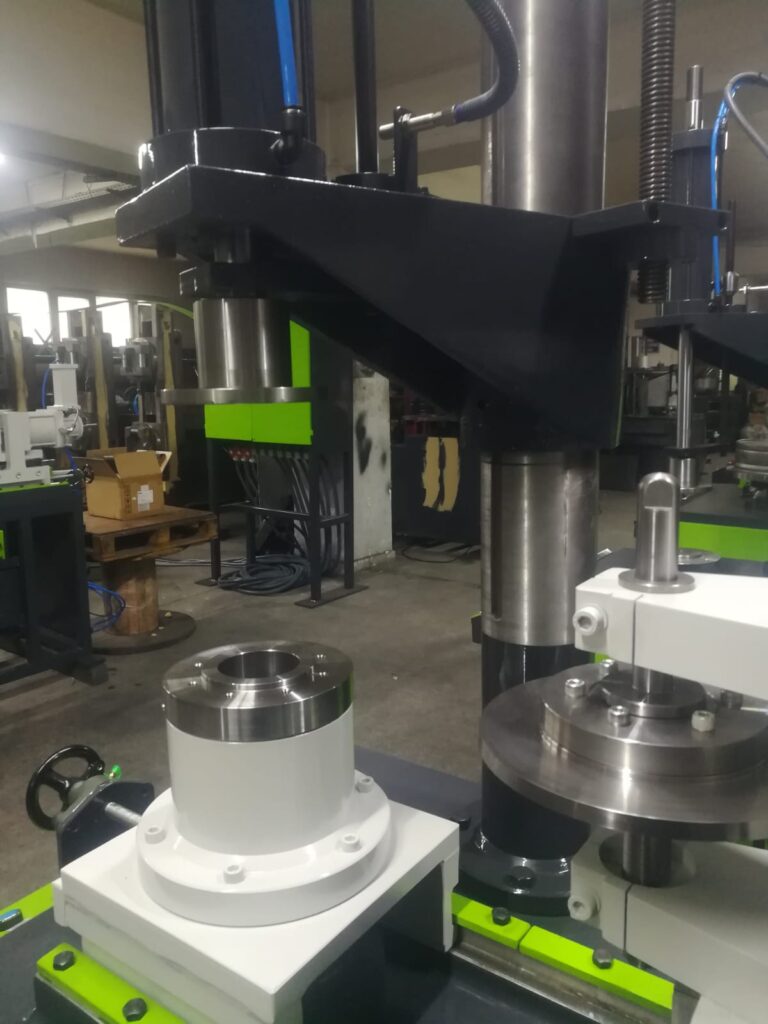
Categories
Machinery

Sheet Metal Water Heater Tank Manufacturing Machine

Sheet Metal Water Heater Tank Manufacturing Machine

Sheet Metal Water Heater Tank Manufacturing Machine: An Automated Machining Line is a highly integrated manufacturing system designed to produce parts with minimal human intervention. It typically consists of a series of machine tools (e.g., CNC lathes, milling machines, drilling machines) that are connected by material handling systems and controlled by a central computer or PLC (Programmable Logic Controller).

Key Components of the Automated Machining Line

  1. CNC Machines – Perform operations like turning, milling, drilling, etc.
  2. Robotic Arms / Gantry Systems – Load and unload parts between stations.
  3. Conveyors / Transfer Lines – Move parts through the line.
  4. Inspection Stations – Use vision systems or sensors for quality control.
  5. Tool Management Systems – Monitor and change tools automatically.
  6. Centralized Control System – Coordinates all operations and collects data for monitoring and optimization.

Advantages:

  • High Productivity: Continuous, 24/7 operation.
  • Consistency & Precision: Reduced human error.
  • Reduced Labor Costs: Fewer operators required.
  • Better Data Collection: Enables predictive maintenance and real-time quality tracking.

Applications:

  • Automotive components
  • Aerospace parts
  • Consumer electronics
  • Industrial equipment

An automated machining line is a production system where multiple machine tools and handling devices are connected to perform sequential operations on workpieces with minimal human intervention. These lines are typically controlled by centralized computer systems or PLCs that coordinate each stage of the process, from raw material input to finished product output. The core of the system includes CNC machines such as lathes, milling machines, or grinders, which are programmed to carry out precise machining operations. Between these machines, automated material handling systems—such as robotic arms, gantry loaders, or conveyors—transport parts, ensuring smooth workflow and minimal downtime.

The system may also integrate inspection stations equipped with sensors, vision systems, or coordinate measuring machines (CMMs) that verify dimensional accuracy and surface quality during or after machining. This ensures defective parts are identified early and reduces waste. Automated tool changers and tool monitoring systems help keep the line running by switching out worn tools and maintaining machining precision.

Automated machining lines are especially beneficial in high-volume production environments where consistency, speed, and cost-efficiency are critical. Industries such as automotive, aerospace, and electronics rely heavily on such systems to produce complex parts at scale. While the initial investment is high, the long-term benefits include reduced labor costs, improved product quality, faster turnaround times, and better use of manufacturing data for process optimization and predictive maintenance.

In a typical real-world scenario, such as an automotive engine component production line, the automated machining process starts with raw forgings or castings being loaded into the system—often by robotic arms or palletized feeders. The first CNC station might perform rough turning to shape the basic geometry. After this, the part is transferred—usually via a conveyor or robotic gripper—to the next station, where more detailed operations like milling, drilling, or threading take place.

Each machine is pre-programmed with the exact machining instructions and tolerances, ensuring that every part meets the same specifications. Sensors on the machines track cutting forces, spindle speed, vibration, and tool wear. If any parameter deviates from its threshold, the system either compensates automatically or triggers a maintenance alert. Some lines include adaptive machining, where minor real-time adjustments are made based on part variability or tool conditions.

Inspection and quality control are often embedded into the line itself. For example, a vision system might scan the part for surface defects immediately after milling. Later, a contact probe or laser scanner might verify critical dimensions. If a defect is detected, the part can be ejected from the line automatically and logged in a database for traceability and root cause analysis.

Finished parts are either collected in bins, stacked on pallets, or automatically transferred to an assembly line or packing station. Throughout the entire cycle, the central control system logs data from every operation, enabling detailed reporting, traceability, and continuous process improvement through machine learning or statistical process control techniques.

This kind of integration enables not only high-volume output but also flexibility for batch-size variations and product changeovers. With Industry 4.0 and IoT technologies, modern automated machining lines can also be remotely monitored and adjusted, further reducing the need for on-site personnel and enabling centralized control over multiple production facilities.

In traditional automated machining lines without AI or modern digital technologies, the system still relies heavily on mechanical and electrical automation controlled by programmable logic controllers (PLCs), relay-based logic, or basic numerical control (NC) systems. These setups are robust and reliable, often built for longevity and consistent performance in high-volume production environments.

The process begins with manual or semi-automated loading of raw materials into the first machine tool. These machines—typically NC lathes, milling machines, or drills—perform specific operations based on preset programs stored in the machine’s memory. The workpiece is clamped in place, and machining proceeds according to fixed cycle parameters. Once the operation is complete, mechanical transfer systems such as linear tracks, pneumatic pushers, or rotary indexing tables move the part to the next station.

Tool changes are usually scheduled at regular intervals based on time or part count rather than real-time tool condition. Operators may be responsible for monitoring tool life and performing manual replacements when necessary. Likewise, quality checks are typically carried out at regular intervals by human inspectors using gauges, micrometers, or dedicated checking fixtures. In some systems, dial indicators or hard stops are used to maintain dimensional control.

Despite the absence of sensors or real-time feedback, such systems are remarkably effective in stable production conditions where the material and part design do not vary significantly. Maintenance is preventive or breakdown-based, relying on routine inspections, lubrication schedules, and experience-based troubleshooting.

These older automated lines are often found in long-established manufacturing plants, particularly in the automotive, heavy equipment, and appliance industries. They are less flexible than modern systems but are valued for their simplicity, mechanical reliability, and the skill-based approach of their operators and technicians.

In older automated machining lines, the transfer mechanisms are a critical part of the system and are designed for mechanical simplicity and reliability. Common types include chain conveyors, roller conveyors, overhead trolleys, rotary index tables, and linear shuttles. Each is chosen based on the type and size of the part, the required throughput, and the physical layout of the shop floor.

One widely used method is the rotary indexing table, especially in compact setups. It positions the workpiece at different machining stations arranged in a circular configuration. After each operation, the table indexes to the next position, allowing simultaneous machining at multiple stations. This results in high efficiency for parts that require several short, sequential operations.

For heavier parts or larger operations, linear transfer systems are more suitable. These include rigid rails or tracks along which pallets or fixtures holding the parts are mechanically advanced using cams, gears, or pneumatic cylinders. The indexing is precise and repeatable, ensuring each part is aligned correctly at each station. This system may include lifting and rotating units for reorienting parts as needed for subsequent machining.

Another key feature in these systems is dedicated tooling and fixturing. Each station typically has fixed-purpose jigs that precisely position and clamp the workpiece. These fixtures are often hard-mounted to the machine base and require manual adjustment during setup changes. For repeat production of a single part or family of parts, this system works efficiently and minimizes the need for frequent calibration.

Control is handled by relay logic or early PLCs with ladder diagrams programmed to execute sequences such as machine start/stop, indexing, tool changes, and coolant flow. These controls are robust, easy to troubleshoot with basic electrical knowledge, and designed for long-term operation. They don’t adapt in real-time but can reliably run for decades with minimal issues if maintained properly.

Coolant systems in traditional lines are also basic—usually centralized coolant tanks with pumps directing fluid to the tools. Filtration may be rudimentary, involving mesh filters or magnetic separators to remove chips and swarf.

Chip handling is mechanical too—often using screw conveyors or belt-driven systems to move chips away from the machining area to collection bins. Operators are typically responsible for emptying these bins and ensuring the system stays clear to prevent machine stoppage.

Overall, older automated machining lines are engineered for reliability and long production runs of identical parts. Changeovers are time-consuming, and flexibility is limited, but their mechanical simplicity, low software dependence, and proven durability make them well-suited for dedicated manufacturing tasks.

Automated Machining and Grinding Line

Automated Machining and Grinding Line

An Automated Machining and Grinding Line is a production system that combines cutting operations (like turning, milling, or drilling) with grinding processes in a continuous, integrated workflow. This setup is commonly used in industries that demand high precision and surface finish, such as automotive, aerospace, and heavy machinery manufacturing. Unlike purely machining lines, these systems can handle parts that require both dimensional accuracy and fine surface quality.

In traditional implementations without modern AI or smart sensors, these lines are built around a sequence of machine tools and grinders, connected via mechanical transfer systems such as conveyors, indexing tables, or robotic arms. Each station is dedicated to a specific operation. For example, a component may first be rough-machined in a CNC lathe, transferred to a milling machine for slots or holes, and finally moved to a grinding station for precision finishing. Grinding is typically done with cylindrical, surface, or centerless grinders, depending on the part geometry.

Parts are usually mounted on dedicated fixtures or pallets designed to maintain consistent orientation and minimize setup time at each station. Fixtures are clamped pneumatically or hydraulically, and the systems are aligned mechanically to ensure accurate positioning. Transfer between stations is timed and controlled by PLCs, which follow a strict logic sequence. These lines often incorporate automated tool changers in the machining stations and fixed grinding wheels in the grinding units.

Grinding stations are equipped with cooling systems and basic wheel dressing mechanisms. In older systems, dressing cycles are timed rather than sensor-driven, and operators rely on scheduled maintenance or visual inspection to identify wear or wheel damage. Coolant filtration may use magnetic separators, paper bed filters, or basic settling tanks to remove fine grinding debris.

Quality control is mostly manual or semi-automated. For high-tolerance parts, operators may use dial indicators, micrometers, or air gauges at designated inspection stations. Some lines include mechanical go/no-go gauges between stages to detect out-of-spec parts before they move to the next operation.

The major advantage of combining machining and grinding in one line is process integration: fewer setups, faster cycle times, and reduced handling between operations. This is particularly beneficial when producing hardened or high-strength materials where post-machining grinding is necessary for tolerance and finish. However, because of the heat, dust, and precision requirements of grinding, these stations are often physically isolated within the line and require more frequent maintenance.

Older automated machining and grinding lines are designed for long runs of standardized parts, with little flexibility for frequent part changes. Changeovers involve manual fixture replacement, program switching, and careful realignment, typically performed by skilled technicians. Despite their limitations, such systems remain in use where durability, consistency, and cost-per-part are more critical than flexibility.

Let’s consider a typical crankshaft production line as an example of an automated machining and grinding line. Crankshafts are complex components that require a combination of heavy material removal and ultra-precise finishing. The line is usually designed for high-volume output, such as in automotive engine manufacturing.

The process begins with forged steel blanks being loaded—either manually or by robot—onto palletized fixtures. These fixtures travel through the line and maintain precise orientation of the crankshaft throughout each station. The first few machines perform rough machining using CNC lathes and milling machines to establish key features like journals, counterweights, and oil passages. Operations at this stage include turning, milling of flat faces, and drilling of oil holes.

Next, the part is transferred—usually by a chain conveyor or robotic arm—to semi-finish machining stations, where closer tolerances are achieved. Here, operations such as journal and pin turning to near-final dimensions are performed. The control is typically PLC-based, with set cycle times and limited part detection logic. Tool changes are pre-programmed based on part count, not real-time monitoring.

After semi-machining, the crankshaft undergoes heat treatment, often offline. It is then reintroduced to the line for hard machining or pre-grinding, depending on the material hardness and required tolerances. The hard surfaces—especially the main and pin journals—now require precise size and surface quality, which is where grinding becomes critical.

The part is now transferred to grinding stations, typically including:

  • Cylindrical grinders for the main journals.
  • Orbital or crankpin grinders for the offset crank pins.
  • Face grinders for end faces and thrust surfaces.

These grinders are built for high rigidity and thermal stability, often with cast-iron beds and hydraulic or electric infeed systems. The grinding wheels are fixed and dressed periodically using diamond dressers. The dressing cycles are scheduled either by time or number of parts, depending on the line’s setup. The grinding process produces significant heat and fine particles, so coolant systems with filtration tanks and magnetic separators are essential.

To maintain accuracy, the line may include mechanical gauging stations after critical grinding operations. These use air gauges or contact probes to measure diameter, roundness, and taper. In some lines, go/no-go fixtures are positioned at intervals to catch out-of-spec parts. If a part fails, it is diverted off the line to a rework or scrap area.

At the end of the line, the crankshaft is washed in a cleaning station to remove residual grinding swarf and oil. It may then be subjected to manual final inspection, including magnetic particle inspection for cracks, followed by balancing and marking before packing.

Older systems like this are not designed for quick changeovers. A model change requires downtime to switch fixtures, adjust machine positions, update programs, and possibly modify transfer settings. But once running, these lines can produce thousands of identical crankshafts with minimal variation, making them ideal for large-scale manufacturing.

Let’s continue with a focus on bearing race production in an automated machining and grinding line. Bearing races require extremely tight tolerances and mirror-like surface finishes, especially on the inner and outer diameters that mate with rolling elements. This makes them ideal candidates for combined machining and grinding lines, particularly where large volumes are involved, such as in automotive wheel hubs or industrial motors.

The process starts with raw steel tubes or forged rings that are cut to approximate length and then loaded onto the line—often using a gravity chute, lift-and-place system, or vibratory bowl feeder for small races. The first station is usually a facing and centering lathe, which squares both ends and generates a center bore or reference surface. The part is then transferred via linear shuttle or rotary table to the next machine, typically a rough-turning lathe, which machines the basic internal and external diameters.

After this, the part might move to a groove turning machine, where the raceways are cut to near-net shape. These operations use fixed tooling and follow numerical control commands via early CNC or PLC systems. At this stage, tolerances are relatively loose, as the final precision will come from grinding.

Following turning, the rings go through a heat treatment process (carburizing or hardening) offline, and are then reintroduced to the line for grinding. This is the critical stage where the inner and outer raceways are ground to final dimension and finish. Here’s how grinding is typically handled in such a line:

  • Centerless grinding is used for the external diameters of the outer races. It provides high throughput and good roundness, as the part is supported between a regulating wheel and a grinding wheel without chucks.
  • Internal grinding machines are used for the inner diameters of inner races, requiring high spindle speed and careful coolant delivery due to heat buildup in confined spaces.
  • Raceway grinding, which may use plunge grinding or oscillating (swiveling) methods depending on the bearing type and production strategy. These machines often have fixed grinding wheels mounted on precision spindles, dressed periodically by a mechanical dresser.

Coolant is heavily used at this stage, delivered through nozzles aimed directly at the contact zone. Coolant systems are relatively basic in older lines, using central tanks with gravity return lines and magnetic or paper bed filters. Since grinding creates very fine swarf and heat, keeping the coolant clean and the grinding wheels dressed is essential to avoid burning or dimensional deviation.

After grinding, the races move to inspection and superfinishing. This may include:

  • Lapping or honing to achieve mirror finish and final geometry.
  • Air gauging or mechanical comparators to check roundness, diameter, and taper.
  • Crack detection using magnetic particle inspection or eddy current testing.

Some lines may also include marking stations where part numbers, batch codes, or hardness zones are engraved using dot-peen or laser systems. In older lines, this is sometimes done manually or semi-automatically.

The final steps involve cleaningrust prevention coating, and packaging. Rings are passed through a washing tunnel with heated solution and then dried using air blowers. Anti-rust oil is applied via spray or dip tanks before packaging into trays or cartons.

This kind of line, though mechanically complex, operates with high reliability and repeatability over long periods. It’s engineered for mass production with minimal flexibility, but its robustness and mechanical design make it a strong choice where digital technologies are not required or available.

Automated Deep Drawing Production Line

Sheet Metal Condiment Holder Manufacturing Machine

An Automated Deep Drawing Production Line is a high-precision manufacturing system designed for producing complex, hollow metal parts from flat sheets, typically using a process called deep drawing. Deep drawing involves forming a sheet metal blank into a three-dimensional shape, like automotive body panels, kitchen sinks, or pressure vessels, by pulling the sheet over a die with a punch.

In an automated deep drawing production line, the entire process is integrated, often with robotic arms, conveyors, and automated presses working together to form, inspect, and finish the parts with minimal human intervention. The key focus of these lines is to ensure high throughput, precision, and consistent part quality, while reducing labor costs and cycle time.

Key Stages of an Automated Deep Drawing Production Line:

  1. Blanking and Feeding:
    • The process begins with blanking, where flat metal sheets (typically aluminum, steel, or brass) are cut into precise blanks of the required size and shape. In some automated lines, automated blank feeders are used to move the blanks from a material stack to the first forming station.
    • coil-fed system can also be used where a continuous strip of material is unspooled and fed into the line.
    • For high-volume production, this stage may involve robotic arms or automatic conveyors to precisely position the blanks into the press.
  2. Pre-forming/Pre-heating (if necessary):
    • Some materials, especially tougher metals, may require pre-heating to make them more malleable before deep drawing.
    • heated die or induction heating system may be employed to soften the metal blank, making it easier to form without cracking or wrinkling.
  3. Deep Drawing (Forming):
    • The core operation of the line is deep drawing, where the metal blank is placed in a die and pressed into the desired shape using a punch.
    • In the traditional process, the sheet metal is drawn through a die using a mechanical press, while the punch pulls the metal into the die cavity. The metal may go through several stages of drawing, especially for complex shapes.
    • Automated presses are often used in these systems, typically hydraulic or mechanical presses, which provide consistent force and speed. The press may be equipped with automatic stroke adjustments, controlling the drawing depth and force depending on the material and part geometry.
    • Multiple drawing stations can be used sequentially, with each one progressively drawing the part deeper and shaping it closer to the final form.
  4. Lubrication and Cooling:
    • A key aspect of deep drawing is the lubrication of the metal blank to reduce friction between the punch and die, and to prevent the metal from sticking or cracking.
    • Automated lubrication systems are used, which spray or flood the blank with a lubricant before it enters the die. This ensures consistent application and reduces the need for manual intervention.
    • Cooling systems may also be integrated into the die to regulate temperature and prevent overheating of the metal during drawing.
  5. Ejection and Part Handling:
    • Once the part is formed, it is ejected from the die. This is often done using automated ejectors, robotic arms, or mechanical pushers that remove the part from the die without damaging its shape.
    • Conveyors are used to transport the ejected parts to the next station for quality inspection, trimming, or other finishing operations.
    • If needed, parts may be automatically stacked or placed into containers for downstream processing or shipping.
  6. Inspection and Quality Control:
    • After the drawing process, the parts are automatically inspected for defects such as wrinkles, cracks, or dimensional deviations.
    • Vision systems may be employed to inspect the parts for visual defects, while coordinate measuring machines (CMMs) or other contact sensors can check critical dimensions like wall thickness, depth, or diameter.
    • Some lines incorporate automatic rejection systems, where defective parts are immediately removed from the line to avoid further processing.
  7. Trimming and Finishing:
    • If the drawn part has excess material (such as a flange or edge), it is sent to a trimming station. This is typically done with automated cutting tools, which trim away the excess metal.
    • Parts may then undergo additional processes such as deburred edgespunching, or flange forming as needed for the final design.
  8. Cleaning and Coating (if required):
    • After trimming, the parts may need to be cleaned, either manually or automatically using ultrasonic cleaners or industrial washing systems, to remove oils, lubricants, or other residues from the drawing process.
    • Some parts may also require surface coating, such as painting, galvanizing, or coating with protective films. This can be done automatically via spray booths or robotic systems for precise application.
  9. Packaging and Shipping:
    • Finally, the formed and finished parts are ready for packaging and shipment. Automated systems can handle packaging, whether it’s wrapping parts individually, placing them in bulk containers, or preparing them for palletization.

Key Advantages of Automated Deep Drawing Lines:

  • High Throughput: With minimal human intervention, the system can operate at high speeds, producing large volumes of parts quickly.
  • Consistency and Quality: Automated systems ensure that each part meets the required specifications with minimal variation, reducing scrap and rework.
  • Reduced Labor Costs: Many manual steps (such as blank handling, lubrication, and inspection) are automated, reducing the need for operators.
  • Flexibility in Material Handling: While deep drawing typically involves metals, automated systems can adapt to different material types, thicknesses, and shapes.
  • Process Integration: The entire production process, from blanking to shipping, can be seamlessly integrated into one automated system, reducing downtime and improving efficiency.

Applications:

  • Automotive Industry: For parts like car body panels, fuel tanks, or engine components.
  • Aerospace: For lightweight, high-strength parts like fuselage panels or wing skins.
  • Household Goods: For items such as sinks, tubs, and other kitchen or bathroom products.
  • Industrial Equipment: For parts like pressure vessels or enclosures for machinery.

In essence, automated deep drawing lines are highly efficient systems optimized for mass production, especially when complex parts with tight tolerances need to be formed quickly and consistently.

An automated deep drawing production line is designed to streamline the process of forming complex metal parts by transforming flat sheets of material into three-dimensional shapes. The process begins with blanking, where flat metal sheets are precisely cut into blanks, which are then fed into the first stage of the forming process. Depending on the system, blanks may be fed manually or automatically using robotic arms or conveyor belts. After this, the blanks are placed in a die, and a punch is used to draw the material into the die, shaping it into a desired part.

The deep drawing process often occurs in multiple stages, each progressively drawing the part deeper to create the final shape. As the material is drawn, it can be lubricated to reduce friction between the punch and die, helping prevent the material from cracking or sticking. Automated lubrication systems spray or flood the blanks with lubricant, ensuring consistent application and eliminating the need for manual intervention. The metal may also be pre-heated in certain cases to make it more malleable, especially when forming tougher metals that require additional care.

Once the part is formed, it’s ejected from the die using automated ejectors, robotic arms, or mechanical pushers. The parts are then transported via conveyors to the next stages of the process. Automated inspection systems, such as vision systems and coordinate measuring machines, check the parts for defects like cracks, wrinkles, or dimensional inconsistencies. Parts that don’t meet specifications are automatically rejected, ensuring that only quality parts proceed to the next step.

For parts with excess material, an automated trimming station removes the excess through cutting or punching, shaping the part further. Some parts may also go through additional finishing processes like deburring or edge rounding, all carried out by automated systems to maintain precision and reduce manual labor. After trimming, parts are often cleaned in ultrasonic cleaning systems or industrial washing stations to remove lubricants and other residues before any surface coatings are applied. The final step typically involves packaging the parts for shipment, which is often automated, ensuring that the finished products are packaged efficiently for delivery.

The key benefits of automated deep drawing production lines include high throughput, consistent quality, and reduced labor costs. With the entire process integrated, from blank feeding to packaging, these systems minimize downtime and improve efficiency. By automating the handling, lubrication, inspection, and finishing stages, manufacturers can maintain high-quality standards while reducing manual intervention, making the process ideal for high-volume production.

Continuing from where we left off, an automated deep drawing production line offers significant benefits in terms of efficiency, cost-effectiveness, and scalability. The integration of robotics and automated systems minimizes human error and improves consistency across large production runs. For example, robotic arms in these systems can handle the delicate task of positioning blanks into dies with high precision and speed, eliminating the risk of misalignment and improving cycle time.

In addition to handling blanks, robotic systems can be used for automated lubrication application, ensuring even coverage and reducing wastage of lubricant. The lubrication not only helps to reduce friction but also minimizes wear on the dies and punches, extending their lifespan and reducing downtime for maintenance. Some systems even have automatic lubrication management that adjusts based on the type of material being processed or the drawing process stage, optimizing both lubrication quality and cost.

The automation of part inspection through vision systems and sensor technology is another significant advancement in deep drawing lines. Automated inspection not only checks for visual defects such as cracks or scratches but also measures critical dimensions of the drawn parts. This includes evaluating wall thickness, roundness, and overall dimensional tolerance. If a part fails inspection, it is automatically diverted off the line for rejection, saving time and materials compared to manual inspection methods. In some advanced systems, in-line quality control using X-ray or ultrasonic testing can be implemented to detect internal defects that would be invisible to traditional inspection methods.

Once the part has passed inspection and trimming, finishing operations like deburring (removal of sharp edges or small metal fragments) and polishing are automated. Automated machines can perform these tasks at high speeds while maintaining tight tolerances, ensuring the parts are smooth and ready for final application or coating.

Surface coating, such as painting, galvanizing, or anodizing, is also a key part of the automated deep drawing production line, especially for parts that require additional protection or a finished appearance. These lines often integrate spray boothsrobotic arms, or dipping tanks to apply coatings consistently. For example, if the parts are to be coated with a corrosion-resistant layer, an automated system can ensure even coating thickness and proper drying time, reducing the need for human labor and enhancing the quality of the final product.

The final stage of an automated deep drawing line involves packaging and shipping, where finished parts are automatically stacked, boxed, or palletized for shipment. Conveyor systems guide the parts to automated packaging stations, where the parts are grouped, labeled, and wrapped for shipping. These systems often include robotic pick-and-place units for precise placement into shipping containers, ensuring that the parts are well-protected during transportation.

By automating these stages, manufacturers can significantly reduce the labor required for each part of the production process, improve overall cycle time, and increase throughput. The use of integrated systems allows for quicker adjustments to production runs, meaning that the line can handle a range of products with minimal setup time. This is especially beneficial in industries that require both flexibility and high volume, such as the automotive, aerospace, and consumer goods sectors.

The integration of real-time data monitoring and predictive maintenance technologies can further enhance the efficiency of the production line. Sensors embedded in machines can track parameters like temperature, pressure, and vibration, alerting operators to potential issues before they cause significant downtime. This predictive maintenance reduces unexpected failures and extends the life of expensive equipment like presses and dies.

Building on the previous discussion, let’s dive into some of the more advanced technologies and systems that are commonly found in automated deep drawing production lines to ensure maximum efficiency, product quality, and reliability.

One of the key technologies that enhances the functionality of an automated deep drawing line is the use of advanced press technologies. These presses are typically hydraulic or mechanical presses that provide the high force necessary for deep drawing operations. Hydraulic presses are known for their versatility, as they offer variable speed and force control, making them ideal for different types of materials and drawing depths. On the other hand, mechanical presses are faster and more suitable for high-speed production lines, as they can deliver a consistent force with less variation.

In many modern systems, presses are coupled with servo-driven actuators for greater control over the stroke, speed, and force applied during the drawing process. Servo presses allow for real-time adjustments during the drawing operation, optimizing the forming process to reduce defects such as wrinkles, cracks, or tearing, which are common challenges in deep drawing. This precision leads to better material usage, minimizing waste, and ensuring parts meet stringent quality standards.

In-line sensors are another critical element of advanced automated deep drawing systems. These sensors monitor the entire process in real time and provide feedback to the system. For instance, force sensors installed on the punch and die can monitor the amount of force being applied during the deep drawing process. This feedback can be used to adjust the press’s force, preventing damage to the material and die. Additionally, thickness sensors help monitor wall thickness throughout the drawing process, ensuring that the part maintains uniformity and quality across its entire surface.

In material handlingvision systems are commonly used to automatically position blanks and ensure they are accurately aligned in the die before the press cycle begins. These systems can also detect misfeeds or any material defects that could lead to production delays or defective parts. If a problem is detected, the system can either reject the part automatically or alert operators to take corrective action.

Coolant and lubrication management is another area where automation plays a crucial role. In older systems, lubrication may have been a manual process or simply a routine spray, but in modern lines, lubrication is highly controlled through automated systems. This includes centralized lubrication systems, which deliver precise amounts of lubricant to different parts of the machine, especially in the punch-die interface. The correct application of lubricant reduces wear and tear on the tooling, extends the life of the press, and ensures a smoother forming process. Moreover, the lubrication system can be linked to real-time monitoring systems, which adjust lubrication based on the materials being processed and the specific needs of the drawing stage.

In terms of maintenance, predictive technologies are revolutionizing how downtime is managed. Condition-based monitoring systems equipped with sensors provide real-time data on the health of critical equipment like punches, dies, and presses. These systems can track parameters like temperature, vibration, and pressure, which are often the first indicators of potential failure. Using this data, the system can predict when a component is likely to fail, allowing operators to replace or service the equipment before a failure occurs. This approach, often called predictive maintenance, significantly reduces unplanned downtime and maintenance costs, ensuring the line remains in operation for longer periods.

Moreover, data collected from sensors throughout the process can be sent to a central Manufacturing Execution System (MES), which provides an overview of the entire production line. The MES collects data on machine performance, part quality, cycle times, and material usage, and provides operators with actionable insights. These insights can help optimize the workflow, reduce bottlenecks, and improve overall line efficiency.

One significant advantage of automated deep drawing production lines is their ability to easily accommodate small batch production runs or variations in part designs. While traditional deep drawing lines require substantial downtime and manual intervention to adjust for new part designs, automated systems allow for quick changeovers. This flexibility is achieved through the use of robotic part loading systemsquick-change tooling setups, and programmable presses that can automatically adjust stroke and force parameters depending on the new part being produced. In many cases, automated lines can even handle multiple different part sizes and designs within a single production run, making them highly adaptable.

Energy efficiency is also a focus in modern automated deep drawing systems. Hydraulic presses, while energy-intensive, have become more efficient thanks to variable displacement pumps and energy recovery systems that capture and reuse energy during the press cycle. Similarly, automated lubrication systems and cooling systems help ensure that energy consumption is kept in check by only operating when needed, further contributing to sustainability in manufacturing.

Finally, integrated robotics and AI-based control systems allow the deep drawing line to operate with minimal human oversight. These systems can autonomously adjust to changes in material properties, detect part defects, and even optimize the drawing process in real time. Artificial intelligence algorithms can analyze historical production data to predict the best settings for new material batches, optimizing each part of the process for efficiency and quality.

Overall, an automated deep drawing production line is designed to ensure that manufacturers can produce complex, high-quality parts at high volume with minimal human intervention. The integration of robotics, AI, advanced sensors, and predictive maintenance technologies ensures that the production process is more efficient, consistent, and adaptable, while also reducing costs and improving product quality.

Four-Column Deep Drawing Press

Four-Column Deep Drawing Press

Four-Column Deep Drawing Press is a type of mechanical or hydraulic press specifically designed for deep drawing operations, where metal sheets are formed into deep, hollow shapes. This type of press gets its name from the four vertical columns that support the press structure, providing stability, strength, and precision during the deep drawing process.

Key Features and Components of a Four-Column Deep Drawing Press:

  1. Four-Column Frame Structure:
    • The press’s four-column design provides a stable and rigid framework that supports the ram (punch), die, and other components. These columns help distribute the load evenly, making the press suitable for high-force applications, such as deep drawing.
    • The structure ensures that the vertical movement of the ram is aligned and stable, minimizing any deviations in the part geometry.
  2. Pressing Mechanism (Hydraulic or Mechanical):
    • The pressing action is typically provided by hydraulic cylinders or mechanical systems. In a hydraulic four-column press, hydraulic cylinders are used to apply force to the ram. The advantage of a hydraulic system is its ability to offer precise force control over the entire stroke, making it ideal for deep drawing, which requires varying force levels throughout the forming process.
    • Mechanical presses, while faster and more rigid, are less flexible when it comes to force adjustments and are generally used in high-speed stamping rather than deep drawing.
  3. Die and Punch Setup:
    • The die set is positioned on the lower portion of the press and forms the cavity into which the blank is drawn. The punch (ram) is mounted above the die and moves downward to pull the material into the die, forming the part.
    • In four-column presses, both the die and punch are aligned vertically with precision, ensuring that the material is drawn consistently without warping or damage.
  4. Stroke and Force Control:
    • The press allows for adjustable stroke length and force settings, which is essential for deep drawing processes that involve materials of varying thicknesses or hardness. By adjusting the stroke, the operator can control how deeply the material is drawn and how much force is applied during each step of the process.
    • In hydraulic presses, the stroke can be finely controlled by adjusting hydraulic pressure. In mechanical presses, stroke control is usually limited to pre-set options, but force control can still be achieved by adjusting the ram speed and ram displacement.
  5. Guiding Mechanism:
    • Guides are used to ensure the ram (punch) moves vertically along the four columns without lateral deviations. This precision is crucial, as even minor misalignment can result in defects like wrinkles, uneven thickness, or part failure during drawing.
    • Linear guides or roller guides are often employed to reduce friction and ensure smooth, precise motion of the punch.
  6. Safety and Monitoring Systems:
    • Four-column deep drawing presses are typically equipped with safety features such as light curtains, pressure sensors, and emergency stop buttons to protect operators and prevent accidents during operation.
    • Force and position sensors can also be incorporated into the system to monitor the press’s operation, ensuring that the correct amount of force is applied at each stage of the forming process.
  7. Automation Integration:
    • Four-column presses can be integrated with automation systems, including robotic arms for part loading and unloading, and conveyor systems for part handling throughout the production line. Automated blank feeders and die changers can also be used to improve efficiency and reduce manual intervention.
    • Computer Numerical Control (CNC) or PLC-based control systems enable the press to follow precise part specifications, adjust parameters automatically based on material properties, and even adjust for different part designs without requiring manual retooling.
  8. Applications of Four-Column Deep Drawing Presses:
    • These presses are often used in industries that require high-quality, precision-formed parts, such as automotiveaerospaceappliance manufacturing, and industrial equipment. Common parts include automotive body panelsmetal canspressure vesselskitchen sinks, and electrical enclosures.
    • Four-column presses are particularly suitable for large, complex parts that require high forming force and precision. They excel in situations where parts have relatively deep profiles, requiring a press capable of applying a large, consistent force over the entire stroke.

Advantages of Four-Column Deep Drawing Presses:

  1. High Force Capability:
    • The four-column structure provides enhanced strength and stability, allowing the press to apply the necessary high force required for deep drawing operations. This makes it suitable for thick materials and larger parts.
  2. Precision and Alignment:
    • The four-column setup ensures precise alignment of the die and punch, leading to consistent quality and uniform part formation.
  3. Flexibility:
    • The adjustable stroke length and force control make the four-column deep drawing press versatile for different materials and part designs. It can handle various thicknesses and hardness levels of materials without the need for retooling or major adjustments.
  4. Customization and Automation:
    • The press can be easily integrated into automated production lines, which increases throughput, reduces human error, and improves overall efficiency. Automation systems can handle part feeding, lubrication, inspection, and part unloading, leading to faster cycle times and lower labor costs.
  5. Durability and Longevity:
    • Due to their robust construction, four-column presses are designed for long-term use, even under the intense pressure of deep drawing. This durability reduces the need for frequent maintenance or replacement, providing a solid investment for high-volume manufacturers.

Potential Drawbacks:

  1. High Initial Investment:
    • Four-column deep drawing presses can be costly to purchase and set up, especially when integrating advanced features like automation or hydraulic systems. However, this is often offset by the high throughput and reduced labor costs over time.
  2. Space Requirements:
    • The four-column frame design requires a significant amount of space to accommodate the press, especially when used in larger configurations for producing big parts. This might require specialized facilities or larger production floors.
  3. Maintenance Complexity:
    • The press’s intricate components, such as the hydraulic systems, guides, and sensors, require regular maintenance to ensure optimal performance. However, predictive maintenance systems can help mitigate unexpected downtime.

Conclusion:

The Four-Column Deep Drawing Press is an advanced, reliable machine that plays a vital role in the production of complex, high-quality formed metal parts. Its ability to provide consistent force, precision, and adaptability makes it a staple in high-performance manufacturing environments, particularly in industries that require intricate metal forming. The press’s ability to integrate with automation systems further enhances its efficiency and flexibility, making it an ideal choice for manufacturers looking to increase production speed and minimize human error.

A Four-Column Deep Drawing Press is built to handle the intense forces required to transform flat metal sheets into deep, intricate shapes, commonly used in industries like automotive, aerospace, and appliance manufacturing. The press operates by using four vertical columns to support and stabilize the press frame, ensuring precise alignment and minimal distortion during operation. This robust design allows for high-tonnage applications, ideal for forming thicker materials or producing larger parts. The frame supports a punch (ram) that applies force to a metal blank, pulling it into a die to form the desired part. The ability to adjust force and stroke length makes this press highly adaptable to different materials, thicknesses, and shapes.

One of the standout features of the Four-Column Deep Drawing Press is its versatility, as it can handle a wide range of part geometries, including deep and complex profiles. The system can be customized to accommodate varying part sizes, and hydraulic or mechanical systems provide the necessary force to ensure high-quality, consistent output. In addition, precise control over the drawing force is possible, which is essential for preventing material defects such as cracks or wrinkles. Furthermore, automation plays a significant role in enhancing efficiency, as robotic arms and conveyor systems can feed, transfer, and unload parts, reducing human labor and improving cycle times.

These presses are typically equipped with sensors and monitoring systems to ensure optimal operation. Force and position sensors monitor the punch’s movement, providing real-time data that helps prevent overloading or misalignment. This data can also be integrated with predictive maintenance systems, which alert operators to potential issues before they lead to unplanned downtime. Automated lubrication systems ensure that the die and punch are consistently lubricated, reducing friction and wear, which prolongs the life of the tooling and helps maintain part quality.

Although the Four-Column Deep Drawing Press offers significant advantages in terms of force, precision, and flexibility, there are some drawbacks to consider. The initial investment can be high, particularly if you incorporate advanced automation or hydraulic systems. The press also requires a considerable amount of space due to its large frame, making it less suitable for smaller production areas. Regular maintenance is crucial for maintaining performance, as components such as hydraulic systems, guides, and sensors need to be serviced to prevent breakdowns. However, these challenges can be mitigated with proper planning and investment in predictive maintenance technologies.

In summary, the Four-Column Deep Drawing Press is an essential piece of equipment for manufacturers who need to produce high-quality, complex metal parts at high volumes. Its combination of force, precision, and adaptability makes it ideal for industries where part integrity and consistency are critical. The integration of automation, monitoring systems, and predictive maintenance further enhances its efficiency, making it a valuable asset in modern manufacturing lines.

As the demand for more complex, high-quality metal parts continues to rise, the Four-Column Deep Drawing Press stands out as an essential tool for manufacturers aiming to keep up with production demands while maintaining high standards of precision and efficiency. The press’s ability to handle deep, intricate forming with uniform quality makes it an ideal choice for industries such as automotive, aerospace, and even the production of consumer goods.

While the Four-Column press excels at deep drawing, it also offers flexibility in terms of part design. It can handle a variety of materials, from soft metals like aluminum to harder materials like stainless steel. The press can be adjusted to accommodate different material properties, thicknesses, and hardness, making it versatile across a range of applications. This adaptability is particularly beneficial in industries where product designs constantly evolve, and flexibility is crucial to staying competitive.

One of the emerging trends in Four-Column Deep Drawing Presses is the integration of smart manufacturing technologies. These presses are increasingly equipped with real-time data analytics, allowing operators to monitor key performance indicators such as force application, stroke length, material flow, and even tool wear. These systems use sensors and cameras to collect data, which is then analyzed using AI and machine learning algorithms. By processing this data, the system can identify patterns, predict potential issues, and suggest adjustments to optimize the production process.

Machine learning algorithms can also help improve part quality by learning from previous drawing cycles. These algorithms can detect subtle changes in material properties and adjust the press parameters in real time to avoid defects, such as wrinkling or tearing. The incorporation of these AI-driven tools enhances the press’s ability to adapt to different conditions and materials, improving both efficiency and product quality. This level of automation and intelligence leads to fewer defects, reduced waste, and increased overall productivity.

Additionally, the trend of energy efficiency has become increasingly important in modern manufacturing. The energy consumption of a Four-Column Deep Drawing Press can be significant, especially when operating at full capacity. However, modern hydraulic systems and advanced control mechanisms have made significant strides in reducing energy usage. Many new systems are equipped with energy recovery features, such as regenerative drives, which capture and reuse energy during the press cycle. This not only helps reduce operational costs but also aligns with sustainability goals by lowering the environmental impact of manufacturing processes.

Another key consideration is the maintenance of the press. Predictive maintenance technologies, already embedded in many modern presses, continuously monitor the condition of the press and its components. By collecting data on things like vibration, temperature, and hydraulic pressure, these systems can predict when maintenance is required, preventing unscheduled downtime. This is a major advantage for manufacturers, as it allows them to plan maintenance around production schedules, reducing costly disruptions and ensuring the press operates at optimal efficiency.

Moreover, the safety features on Four-Column Deep Drawing Presses have evolved significantly over the years. In addition to traditional safety guards and emergency stop buttons, many presses now feature robotic safety systems such as light curtains and laser scanners. These systems can detect the presence of operators or obstacles within the press area, automatically stopping the press before any harm can occur. These innovations not only improve safety but also contribute to a more streamlined, automated production process by reducing human intervention.

In terms of flexibility, some Four-Column presses are now equipped with quick-change tooling systems, allowing manufacturers to switch between different part designs with minimal downtime. The tooling can be swapped automatically, and the press can adjust to the new design parameters, such as stroke length and force, with little to no manual input. This makes it easier to transition between different production runs, which is particularly beneficial in industries that produce a variety of parts in small to medium batches.

Lastly, the integration of robotic automation into the deep drawing process is helping improve both production efficiency and quality. Robotic arms are used to load and unload parts, position blanks accurately in the die, and remove finished parts from the press. These systems can also assist with secondary operations such as part cleaning or sorting. The use of robots minimizes human handling, reducing the risk of part contamination, misalignment, and injury, while also speeding up production cycles.

In conclusion, the Four-Column Deep Drawing Press is a critical piece of equipment in modern manufacturing, offering precision, adaptability, and high force capabilities for forming complex metal parts. As technology advances, these presses continue to evolve, integrating smart technologies, automation, and energy-saving features that optimize production processes. With the added benefits of predictive maintenance and enhanced safety systems, Four-Column presses are now more efficient, reliable, and capable than ever before, making them an indispensable asset for high-volume, high-precision manufacturing operations.

H-Frame Deep Drawing Press

H-Frame Deep Drawing Press

An H-Frame Deep Drawing Press is another type of press used in metal forming, specifically for deep drawing operations, where flat metal sheets are transformed into deep, hollow shapes. The primary difference between the H-Frame press and the more commonly used Four-Column press lies in the frame structure. As the name suggests, the H-Frame press features a frame shaped like the letter “H,” where two vertical columns are connected by horizontal cross members. This design provides the press with a strong and stable frame capable of withstanding high forces during the drawing process.

Key Characteristics of an H-Frame Deep Drawing Press:

  1. H-Frame Design:
    • The H-Frame design consists of two vertical columns connected by a crossbeam or bridge, forming an “H” shape. This configuration provides a robust, rigid structure that distributes the load evenly during the drawing operation.
    • The H-Frame press tends to have a more open design compared to the Four-Column press, which can offer better accessibility to the tooling area and facilitate easier maintenance and part handling.
  2. Hydraulic or Mechanical Drive:
    • Similar to the Four-Column press, H-Frame presses are usually powered by either hydraulic systems or mechanical drives.
      • Hydraulic systems offer flexibility by providing adjustable force and stroke length, which is essential for handling varying material types, thicknesses, and drawing depths.
      • Mechanical systems, typically used for high-speed operations, deliver constant force and are more efficient for quicker, repetitive drawing cycles.
    • The hydraulic version, in particular, provides the versatility needed for deep drawing processes where varying force levels are necessary throughout the cycle.
  3. Force Application:
    • The press uses a ram (punch) that moves vertically, pushing the material into the die to form the desired part. The H-Frame design ensures that the punch remains aligned and that force is applied uniformly to prevent material defects such as cracking or tearing.
    • Force control in an H-Frame press can be adjusted to suit the specific material being processed. Some advanced systems include variable displacement pumps or servo-controlled hydraulics to provide precise control of the force, which is vital for the consistency and quality of the formed parts.
  4. Open Frame Design:
    • The H-Frame’s open structure makes it particularly well-suited for large and heavy parts. Its design allows for easier loading and unloading of parts, especially for applications requiring large metal blanks. The open structure also facilitates tool changeover and maintenance access, allowing operators to reach the die and punch areas more easily.
    • The lower part of the frame provides additional space for handling equipment or auxiliary machinery such as automatic blank feeders or part stacking systems, enhancing the press’s ability to integrate into a fully automated production line.
  5. Precision and Alignment:
    • H-Frame presses are equipped with guides and alignment mechanisms that ensure the punch and die remain aligned during operation. This helps prevent defects like misformed parts, uneven wall thickness, and material wrinkling.
    • In some models, linear guides or roller guides are used to reduce friction and ensure smooth, precise movement of the punch. The rigidity of the frame ensures that the punch applies force in a straight, uniform motion, contributing to the consistent quality of the drawn parts.
  6. Customization and Flexibility:
    • One of the major advantages of the H-Frame design is its customizability. The press can be tailored to accommodate different die sizes, material thicknesses, and part geometries. Adjustments to stroke length, force, and speed can be made quickly to adapt to different production runs, making H-Frame presses suitable for both high-volume and small-batch production.
    • The ability to quickly swap tooling and adjust press settings makes H-Frame presses well-suited for industries where part designs frequently change or where there is a need for flexible manufacturing.
  7. Automation and Integration:
    • H-Frame presses can be easily integrated into automated production lines with robotic arms, conveyor systems, and automatic die changers. This integration improves production efficiency, reduces human error, and minimizes downtime between different production runs.
    • The press can be equipped with vision systems for automatic part inspection, ensuring that only quality parts move through the production process. Additionally, automated part handling systems can load and unload parts, reducing manual labor and increasing throughput.
  8. Energy Efficiency and Cost Considerations:
    • The energy efficiency of an H-Frame press depends on the hydraulic or mechanical system in use. Hydraulic presses can be optimized for energy use with features like energy recovery systems, which capture and reuse energy during the pressing cycle.
    • Servo-driven hydraulic systems are becoming increasingly common in modern H-Frame presses. These systems offer energy savings by using only the energy required for each specific operation, adjusting the force and stroke length dynamically based on the material being processed.

Advantages of an H-Frame Deep Drawing Press:

  • Strong Structural Design: The H-Frame press provides excellent support and load distribution during deep drawing, ensuring uniform force application and preventing deflection that could lead to defects.
  • Ease of Maintenance and Tooling Changeover: The open frame structure provides easy access to tooling, reducing downtime and maintenance costs. The large space underneath the frame also allows for the addition of auxiliary systems, like automated part handling equipment.
  • Customizability and Flexibility: H-Frame presses can handle a wide range of material types and part designs, making them adaptable to different production needs. The quick changeover of tools and settings allows for efficient switching between different jobs or products.
  • Higher Production Speed: With the integration of automation systems and fast cycle times in mechanical models, H-Frame presses can produce high volumes of parts at a faster pace, reducing overall production costs and increasing throughput.

Disadvantages:

  • Space Requirements: Like other large presses, the H-Frame design requires considerable floor space. The open frame structure, while beneficial for maintenance and part handling, can be cumbersome in smaller production environments.
  • Initial Investment: The cost of purchasing and setting up an H-Frame press can be substantial, especially if the press is equipped with advanced features like automated systems, servo-driven hydraulics, and smart monitoring systems. However, this is often offset by the long-term efficiency gains and lower operational costs.
  • Energy Consumption in Hydraulic Models: While energy-saving features can be added, traditional hydraulic presses tend to be more energy-intensive compared to mechanical systems, especially when running high-force operations.

Applications of H-Frame Deep Drawing Presses:

H-Frame Deep Drawing Presses are widely used in industries where large, complex metal parts are required. These include:

  • Automotive Manufacturing: For producing parts like car body panelschassis components, and engine parts that require precise forming under high force.
  • Aerospace Industry: For parts such as fuel tanksaircraft panels, and structural components, where precision and material strength are critical.
  • Consumer Goods: For the production of kitchenwaremetal cans, and appliances, which require deep drawing of thin-gauge metals into precise, uniform shapes.
  • Heavy Equipment Manufacturing: For forming large parts like hydraulic cylinders and pressure vessels, where high forces are needed.

Conclusion:

The H-Frame Deep Drawing Press is a versatile and robust piece of equipment well-suited for deep drawing operations that require high force and precision. Its open, customizable design, ease of maintenance, and ability to integrate with automated systems make it a valuable tool in industries producing large, complex metal parts. While there are some drawbacks, such as space requirements and initial investment costs, the benefits of improved flexibility, efficiency, and production speed make the H-Frame press a strong choice for manufacturers looking to optimize their deep drawing processes.

The H-Frame Deep Drawing Press stands out for its versatility in metal forming, particularly in deep drawing applications where large, complex parts need to be created. The “H” frame design, characterized by two vertical columns connected by horizontal cross members, provides a stable and rigid structure capable of handling high forces during the drawing process. This makes it ideal for industries requiring precision in forming thick materials or parts with intricate shapes, such as automotive, aerospace, and appliance manufacturing.

The press operates by using a ram (punch) that moves vertically, pushing the material into a die. The H-Frame’s design ensures that the punch stays aligned, and the force applied to the material is evenly distributed, preventing issues such as wrinkles or material tearing. Its ability to accommodate high-tonnage applications allows it to handle tough, thick materials or parts that demand substantial forming forces. The hydraulic system, in particular, offers great flexibility, as the force and stroke length can be adjusted depending on the material and the specific part requirements. This ensures that the press can adapt to different part geometries and material properties, making it suitable for both high-volume production and smaller batch runs.

One of the major advantages of the H-Frame press is its open structure. Unlike the Four-Column press, which may have a more enclosed design, the H-Frame press offers easier access to tooling, making maintenance and tool changes more efficient. The ability to swap tools quickly is a significant benefit, especially for operations that require frequent adjustments between different part designs. This open frame also facilitates the integration of automated systems, such as robotic arms or conveyor belts, which can improve overall production efficiency by reducing manual labor, enhancing speed, and reducing the chances of human error.

The flexibility in the H-Frame design also extends to energy efficiency. Although hydraulic presses typically consume more energy than mechanical presses, modern H-Frame presses can incorporate energy-saving features like regenerative drives. These systems recover and reuse energy during the pressing cycle, helping to lower operational costs and make the press more environmentally friendly. The integration of servo-driven hydraulic systems further boosts energy efficiency by adjusting the amount of energy used depending on the specific operation, which reduces unnecessary energy consumption.

The automation potential of the H-Frame press can significantly increase throughput. Automated material handling systems, such as robotic feeders and stackers, can load blanks into the die, unload finished parts, and even perform secondary operations such as cleaning or inspection. This reduces the need for human intervention and speeds up the production cycle. Additionally, advanced monitoring and diagnostic tools can be integrated into the system, offering real-time feedback on the press’s performance. This allows operators to make adjustments on the fly, improving both product quality and machine efficiency.

However, the H-Frame press does come with some considerations. Due to its larger frame, it requires significant space, which may not be ideal for smaller production facilities. The cost of acquiring and setting up the press can also be considerable, particularly when equipped with advanced automation or servo-controlled systems. Despite these challenges, the long-term benefits of higher production speeds, reduced downtime, and improved part quality make the H-Frame press a worthwhile investment for manufacturers.

In terms of applications, the H-Frame press excels in sectors like automotive and aerospace, where parts need to be formed with high precision and strength. Components such as automotive body panelsfuel tanks, and structural parts are commonly produced using H-Frame presses. The open design of the press also makes it suitable for larger components, such as pressure vessels and industrial enclosures, where accessibility and tool changeover are critical for maintaining efficiency.

The continued evolution of H-Frame Deep Drawing Press technology, with smart features, energy-saving systems, and integration with automation, further enhances their role in modern manufacturing. Manufacturers are increasingly looking for ways to maximize productivity while maintaining high quality and minimizing environmental impact, and the H-Frame press delivers on all these fronts. The press offers the strength, adaptability, and efficiency required to keep pace with the ever-evolving demands of high-volume, precision manufacturing, making it a crucial asset in industries that rely on deep drawing processes.

The H-Frame Deep Drawing Press continues to be an essential tool in the production of high-quality metal components, particularly in industries that require precision and large-scale production. Its design, offering both robustness and flexibility, ensures it remains a reliable choice for complex, high-tolerance parts. The ability to handle large sheets of metal and apply substantial force while maintaining precise control over the drawing process makes it indispensable for creating parts with deep, intricate shapes.

Moreover, the integration of advanced sensors and monitoring systems is increasingly enhancing the capabilities of the H-Frame press. These systems provide real-time feedback on critical parameters such as force, stroke, material flow, and die condition. This continuous monitoring ensures that the press is running at peak efficiency, helps detect any anomalies in the drawing process, and can prevent part defects before they occur. It also allows for quicker adjustments in force and stroke, which can reduce scrap and improve overall quality. This predictive capability also leads to better quality control, ensuring that each part meets the exact specifications required.

The increased use of robotics in H-Frame presses further increases their efficiency. In addition to loading and unloading parts, robotic systems can now be used for more advanced tasks such as real-time inspection, sorting, and even post-forming operations like trimming or cleaning. The reduced reliance on human operators minimizes the risk of errors or injuries and speeds up the overall production process. The ability to automate these tasks also ensures consistency and repeatability, crucial for high-volume operations.

Furthermore, customization remains a key benefit of the H-Frame press. Different industries often require unique configurations of the press based on the specific materials they are working with or the types of parts they need to produce. The open design of the H-Frame allows for easy modifications and adjustments, such as varying the stroke length, force, or die configuration. These modifications can often be made quickly, improving flexibility and reducing downtime when switching between production runs.

As manufacturers strive for sustainability, the H-Frame press’s energy efficiency becomes increasingly important. The integration of energy-saving technologies, such as servo-driven systems and regenerative drives, ensures that the press operates more efficiently, consuming only the power required for each specific operation. This not only reduces the energy footprint but also lowers operational costs, making the press more cost-effective over time. Additionally, energy recovery systems can be used to harness and reuse energy during the operation, which further reduces waste and maximizes efficiency.

Safety is also a growing concern in modern manufacturing, and the H-Frame press incorporates a variety of safety features to protect operators and prevent accidents. In addition to traditional safety guards and emergency stop buttons, the press may include laser sensorslight curtains, and safety mats that detect the presence of operators or objects in the danger zone. If an obstruction is detected, the press can automatically stop or slow down, preventing injury or damage to the press itself. This high level of safety enhances both productivity and worker confidence in the production environment.

Another important consideration is maintenance. As with any large machine, the H-Frame press requires regular upkeep to ensure it continues to perform optimally. Predictive maintenance systems, which use real-time data to predict when a component might fail, are becoming increasingly common. By analyzing data from sensors monitoring vibration, temperature, pressure, and other metrics, these systems can forecast potential issues and notify operators in advance. This allows for proactive maintenance, reducing downtime and extending the life of the press.

With the ongoing demand for more efficient, sustainable, and customizable manufacturing processes, the H-Frame Deep Drawing Press continues to be an important solution for manufacturers. The combination of strength, precision, and flexibility, coupled with the integration of smart technologies, automation, and energy-saving features, ensures that this press will remain a key asset for years to come. It is particularly effective in industries like automotive, aerospace, and heavy machinery, where high-quality metal parts are critical and where production volumes require both speed and consistency.

In summary, the H-Frame Deep Drawing Press represents a robust, flexible, and efficient solution for the forming of deep-drawn metal parts. Its design ensures it can handle large, complex parts while maintaining precision, and its adaptability to automation, energy efficiency, and predictive maintenance technologies allows manufacturers to stay competitive in an increasingly demanding marketplace.

As industries continue to push for higher production rates, improved quality, and greater sustainability, the H-Frame Deep Drawing Press remains a crucial tool in the evolution of manufacturing. One area where the H-Frame press is particularly making an impact is in smart manufacturing. The shift toward digitalization and Industry 4.0 has led to the integration of advanced data analytics, machine learning, and the Internet of Things (IoT) into production processes. In the context of H-Frame presses, this means real-time monitoring and control over every aspect of the operation.

By utilizing IoT sensors, manufacturers can collect valuable data from the press’s various components. These sensors can monitor the condition of the hydraulic system, detect irregularities in pressure or temperature, and track the wear on dies or punches. This constant flow of data is fed into a central control system where it can be analyzed. If any issues are detected—such as excessive wear on a die or an anomaly in the material flow—the system can automatically adjust parameters to correct the problem or notify the operator of the need for maintenance. This level of real-time feedback enhances not only the efficiency of the press but also the overall quality of the parts being produced, reducing scrap and rework.

Additionally, machine learning algorithms can be applied to the collected data to identify trends and patterns. For example, an algorithm might learn the optimal settings for a given material type, thickness, or geometry based on previous production runs. Over time, the system can refine these settings to achieve even better outcomes, automatically adjusting the press’s parameters without the need for human intervention. This can lead to more consistent part quality and a reduction in defects, as the press continuously adapts to changing production conditions.

The predictive maintenance capabilities of modern H-Frame presses are another critical aspect of their efficiency. As the press operates, it generates wear and tear on components like hydraulic valves, seals, and dies. Traditional maintenance schedules often rely on fixed intervals, which can lead to unnecessary maintenance or unplanned downtime. With predictive maintenance, however, the press can monitor its own condition and alert operators to potential issues before they cause a failure. For example, if the vibration level of a hydraulic pump exceeds a certain threshold, the system can flag this as a potential problem and recommend maintenance before the pump fails completely. This approach minimizes downtime and maximizes the lifespan of critical components, leading to a more reliable and cost-effective operation.

In addition to predictive maintenance, remote monitoring has become an essential feature of modern H-Frame presses. Operators and managers can access data on the press’s performance from virtually anywhere, using cloud-based systems or mobile apps. This enables real-time performance tracking and troubleshooting from remote locations, allowing for quick intervention if necessary. This also facilitates centralized control for manufacturers with multiple facilities, allowing them to monitor the status of presses across different plants from a single location. With this level of connectivity, manufacturers can optimize their operations even more effectively and respond quickly to any issues that arise, improving both uptime and productivity.

The integration of robotic automation continues to complement the performance of the H-Frame press. As robotic systems evolve, they are increasingly capable of performing complex tasks such as precise material placementpost-forming operations, and quality inspection. These robots work alongside the press, enhancing its capabilities and reducing the need for human involvement in repetitive or dangerous tasks. For example, after a part is drawn, a robotic system might inspect the part for defects using high-resolution cameras and AI-driven vision systems. If defects are detected, the part can be automatically sorted out for rework, ensuring only the highest-quality products move through the production line.

Energy efficiency continues to be a major consideration for manufacturers seeking to reduce operational costs and meet environmental standards. The integration of servo-driven hydraulic systems into the H-Frame press is a key innovation in this area. Servo drives allow for precise control over the press’s force and stroke, delivering only the required amount of energy for each specific task. This is in stark contrast to traditional hydraulic systems, which may use constant energy flow regardless of the task. By reducing unnecessary energy consumption, servo-driven systems help manufacturers save on operating costs and reduce their carbon footprint, aligning with broader sustainability goals.

The push for sustainability is not just limited to energy savings but also extends to material usage. H-Frame presses, with their ability to form complex shapes with minimal material waste, are an excellent tool for industries that are working toward zero-waste or reduced-material usage goals. The precision offered by these presses minimizes the amount of scrap generated during the forming process, which not only reduces material costs but also helps in recycling efforts by making it easier to recover and reuse metal scrap.

On a global scale, manufacturers are increasingly seeking ways to optimize supply chains. The H-Frame press, when integrated into a smart manufacturing system, can contribute to this optimization. With the help of digital twins (virtual replicas of the press and production process), manufacturers can simulate various production scenarios, predict supply chain disruptions, and optimize production schedules. This capability allows manufacturers to respond swiftly to changes in demand or material availability, ensuring that production stays on track and resources are used efficiently.

In conclusion, the H-Frame Deep Drawing Press is a highly capable, adaptable, and reliable tool that plays a central role in the future of metal forming. Its ability to handle large, complex parts with precision and speed is crucial in industries like automotive, aerospace, and heavy machinery. With the ongoing integration of smart technologiesrobotic automationpredictive maintenance, and energy-saving features, the H-Frame press is becoming even more efficient, flexible, and sustainable. As the manufacturing landscape continues to evolve toward greater automation, digitalization, and sustainability, the H-Frame press will remain a key asset, driving productivity, reducing costs, and ensuring high-quality production for years to come.

The continuous advancements in technology further amplify the potential of the H-Frame Deep Drawing Press, allowing manufacturers to push the boundaries of precision and efficiency in ways that were previously unimaginable. As manufacturing becomes more data-driven and connected, these presses are increasingly capable of performing self-optimization through machine learning algorithms, which assess the process parameters in real-time and adjust them dynamically to ensure optimal performance. This not only increases throughput but also minimizes scrap and downtime by ensuring that the press operates within the best conditions at all times.

A key factor in this evolution is the increasing importance of digital integration across the entire production line. H-Frame presses are no longer standalone machines but are being incorporated into larger, more sophisticated digital ecosystems. These ecosystems connect machines, tools, sensors, and operators through centralized control systems, where everything is monitored and optimized simultaneously. The use of cloud computing allows for the aggregation and analysis of data across multiple machines and even multiple plants, leading to better decision-making, predictive analytics, and supply chain optimization.

Cloud-based platforms also enable manufacturers to perform more accurate production forecasting, helping them better predict when maintenance should be performed or when a machine might experience a failure. In an ideal setup, an operator or manager can receive alerts in advance, allowing them to schedule maintenance before any serious issues arise, thus reducing unscheduled downtime and increasing machine availability. These platforms also facilitate real-time collaboration between engineers, operators, and management, fostering a more agile and responsive production environment.

As Industry 4.0 continues to reshape manufacturing, the role of artificial intelligence (AI) in optimizing the H-Frame Deep Drawing Press’s operations grows increasingly important. AI can be used to analyze historical data to predict the behavior of the press under different operational conditions, such as varying material types, thicknesses, or environmental factors. This allows the press to adjust itself intelligently, reducing human intervention and ensuring that optimal force is applied at every stage of the drawing process. This capability is critical in industries where consistent, high-quality parts are crucial, such as aerospace or medical device manufacturing, where tolerances are strict, and failure can have serious consequences.

One of the most exciting prospects for the future of H-Frame presses is the integration of augmented reality (AR) for both maintenance and operational support. With AR, operators could wear smart glasses or use tablets to get real-time guidance on the press’s performance or to troubleshoot issues. By overlaying relevant data—such as force readings, stroke lengths, or maintenance history—on the operator’s field of view, AR technology can streamline troubleshooting and reduce downtime. It can also be used for training new employees by showing them how to perform maintenance tasks or adjust the settings on the press without needing a physical instructor present.

Another emerging trend is the integration of sustainability initiatives into the H-Frame press’s lifecycle. Manufacturers are increasingly focusing on reducing the environmental impact of their operations, and the H-Frame press is no exception. Beyond energy-efficient features like servo-driven hydraulics, there is a growing emphasis on reducing material waste. The precise force control and accurate part handling of modern presses help minimize material scrap during the forming process. This is particularly important in industries like automotive manufacturing, where lightweight materials such as aluminum and high-strength steel are used. The ability to minimize waste not only reduces costs but also supports the push for more sustainable, circular manufacturing processes.

As materials science continues to evolve, the H-Frame press is poised to handle an even wider array of materials, including advanced composites and high-performance alloys. The press’s adaptability to different material properties and geometries is crucial as industries push the limits of material innovation. For example, with the rise of electric vehicles (EVs), the demand for high-performance, lightweight components—such as battery enclosures and chassis components—has surged. H-Frame presses equipped with the right tooling can form these advanced materials with high precision, enabling manufacturers to meet these new demands.

The future of automation in the H-Frame press looks toward even more seamless integration into smart factories. In these environments, the H-Frame press would be just one component of a fully automated, self-adjusting production line. The press could communicate with other machines, share information with inventory systems, and receive instructions from central management systems that track customer orders and production schedules. This would enable highly flexible manufacturing systems, capable of producing small batches of customized parts at mass-production speeds. As customer demand for personalized products increases, this level of flexibility becomes essential for remaining competitive in the marketplace.

Moreover, the rise of 3D printing technology is influencing the design of press tooling and components. Tooling that is optimized through additive manufacturing could potentially reduce weight, enhance heat dissipation, and improve the efficiency of the drawing process. The combination of 3D-printed tooling and the precision of H-Frame presses may open up new possibilities for innovative part designs, especially in industries that require intricate, complex geometries that are difficult to achieve with traditional methods.

In summary, the H-Frame Deep Drawing Press is evolving alongside the latest advancements in automation, digitalization, and sustainable manufacturing. Its role in the future of industrial manufacturing will likely become even more integral as smart technologies, such as IoT, AI, and robotics, continue to integrate into its operations. These advancements will further enhance its capabilities, enabling manufacturers to produce high-quality, complex parts more efficiently and sustainably. As the press adapts to emerging materials, environmental goals, and production requirements, it will remain an essential tool in industries ranging from automotive and aerospace to electronics and beyond. The combination of force, precision, and adaptability positions the H-Frame press as a cornerstone of modern metal forming, ensuring that it continues to meet the evolving demands of high-tech manufacturing.

C-Frame Deep Drawing Press

C-Frame Deep Drawing Press

The C-Frame Deep Drawing Press is another important type of mechanical press used in the metal-forming industry, particularly for deep drawing operations. It is named for its distinctive C-shaped frame, which offers several advantages over other press configurations, such as four-column or H-frame presses. This design provides structural support while allowing for easier access to the workpiece, making it especially suitable for a wide range of applications.

Structure and Design

The C-Frame press is characterized by its single vertical frame, which forms a “C” shape. The press has a ram that moves vertically within the frame, pushing the material into a die below. The open nature of the C-frame design provides a significant advantage in terms of accessibility to both the workpiece and the tooling. This allows for easier installation and maintenance of dies, which is an important consideration in high-volume production.

The ram stroke (the distance the ram moves) and the press tonnage (the force exerted by the press) can be adjusted based on the requirements of the part being formed. This adaptability makes C-Frame presses versatile and capable of handling a wide variety of part sizes and material types. C-Frame presses are typically operated using hydraulic or mechanical systems, with hydraulic being more common due to its better control over force application and flexibility.

Advantages of the C-Frame Press

  1. Accessibility: One of the biggest advantages of the C-Frame design is the easy access to tooling. Since the press’s frame is open, operators can quickly swap dies, load materials, or inspect parts. This is especially beneficial in operations requiring quick tool changeovers or for smaller-scale production runs, where efficiency is key.
  2. Compactness: The C-Frame press is generally more compact compared to larger frame presses, making it ideal for environments where space is limited. Its design also allows it to fit into smaller factory layouts or even smaller production lines, particularly in operations that do not require the large, heavy presses found in other configurations.
  3. Cost-effectiveness: Compared to four-column or H-frame presses, C-Frame presses are often more affordable, both in terms of initial investment and maintenance costs. This makes them an attractive option for smaller manufacturers or those looking to expand their production without making a large financial commitment.
  4. Simplicity and Reliability: The C-Frame press’s simpler design makes it easy to operate and maintain. Fewer components mean less potential for breakdowns, and when issues do occur, repairs are typically straightforward. This simplicity also contributes to its reliability, making it a good option for operations that require consistent performance over time.

Applications of C-Frame Presses

C-Frame presses are typically used in medium to high-tonnage applications, particularly for deep drawingpunchingblanking, and bending operations. They are often seen in industries that require precision forming, such as:

  • Automotive: C-Frame presses are used to form body panels, components like bracketspanelsframes, and chassis parts.
  • Aerospace: The aerospace industry uses these presses for the production of aluminum or titanium components, such as aircraft panels or structural parts.
  • Electronics: Components like casingsbrackets, and connectors for electronic devices and appliances can also be produced using C-Frame presses.
  • Appliances: Household appliance components, such as washing machine partsmicrowave housings, and refrigerator panels, often rely on C-Frame presses for efficient forming.

Hydraulic vs. Mechanical C-Frame Presses

C-Frame presses can be categorized based on their operating mechanisms:

  1. Hydraulic C-Frame Presses: These presses use hydraulic cylinders to generate the force necessary for the deep drawing process. The hydraulic system allows for a more precise control over force and speed, which is beneficial when forming materials with varying thicknesses or hardness. Additionally, hydraulic systems can be designed to offer adjustable speeds, making them versatile for various forming applications.
  2. Mechanical C-Frame Presses: These presses use mechanical linkages, cranks, or cams to generate force. While they may not offer the same level of force control as hydraulic presses, they are often faster and more efficient for certain applications. Mechanical presses are generally more durable and better suited for high-speed operations where force consistency is less critical.

Limitations of C-Frame Presses

While C-Frame presses offer many benefits, they also have some limitations:

  1. Limited Tonnage Capacity: Although C-Frame presses can handle substantial tonnage, they generally cannot achieve the same high tonnage levels as larger H-Frame or four-column presses. As a result, C-Frame presses may not be suitable for extremely heavy or large-forming tasks.
  2. Deformation Risk: The C-shape design, while offering accessibility, can sometimes lead to structural flexibility issues, especially under high-pressure conditions. This flexibility may cause slight deformations in the press frame, potentially affecting the quality of the formed part. However, this is typically only a concern in extreme cases where the press is operating at or near its maximum tonnage capacity.
  3. Tooling Restrictions: While C-Frame presses are adaptable, their open structure may not be able to accommodate some larger or more complex tooling configurations compared to larger frame presses. In these cases, manufacturers might need to consider a different press design or adjust the tooling setup.

Recent Developments and Trends

  1. Energy Efficiency: Modern C-Frame presses are increasingly incorporating servo-driven hydraulic systems that allow for more efficient energy use. These systems only apply the required amount of force at the right time, improving the press’s energy efficiency and reducing operational costs. Regenerative braking and energy recovery features are also becoming more common, allowing energy to be recovered and reused during certain parts of the cycle.
  2. Automation Integration: The push for greater efficiency and productivity has led to the integration of robotic automation and material handling systems with C-Frame presses. Automated robots can handle the loading and unloading of parts, tool changes, and even quality control inspections, reducing manual labor and enhancing production speeds.
  3. Advanced Control Systems: C-Frame presses are increasingly being equipped with advanced control systems that provide real-time feedback on the operation, enabling data collectionremote diagnostics, and predictive maintenance. These features help improve uptime, reduce operational costs, and enhance overall product quality.

Conclusion

The C-Frame Deep Drawing Press is a versatile, cost-effective, and reliable option for manufacturers that need precision in metal forming, especially when ease of access and compactness are important factors. While it may not be suitable for the largest, most demanding forming applications, its advantages—such as accessibilitycompact design, and lower operational costs—make it an excellent choice for many industries. The adaptability of C-Frame presses to automation, smart technology, and energy efficiency continues to enhance their performance, ensuring they remain a critical tool in the metal-forming industry for years to come.

C-Frame Deep Drawing Press

C-Frame Deep Drawing Press

The C-Frame Deep Drawing Press is a specialized mechanical press designed for deep drawing operations, which are commonly used in metal forming, particularly for producing parts with deep, complex shapes from sheet metal. The press is characterized by its distinctive C-shaped frame, which gives it its name. This configuration offers several advantages over other types of presses, especially when access to the workpiece and tooling is crucial. Below is an in-depth look at the key features, benefits, and applications of the C-Frame Deep Drawing Press:

Structure and Design

The C-Frame Deep Drawing Press is designed with a vertical frame shaped like the letter “C.” This frame houses the press mechanism and provides a stable structure for the machine. The ram, which moves vertically, applies pressure to the material placed between a die and a punch. The C-frame’s open design provides several advantages:

  • Access to Tooling: The open frame allows easy access to the tooling, which makes setup, maintenance, and adjustments easier compared to more enclosed press designs like the four-column or H-frame presses. Operators can easily load the workpiece, change dies, and perform inspections.
  • Space Efficiency: The C-frame design is typically more compact than other press types, which makes it ideal for environments with limited space. Its ability to be used in smaller layouts is a significant advantage for factories with limited room.
  • Cost-Effective: Due to the simpler design and lower material requirements, C-Frame presses are generally more cost-effective than their larger counterparts, making them suitable for smaller manufacturers or companies that want to reduce their capital expenditure.

Advantages

  1. Enhanced Accessibility: The C-shape frame provides superior accessibility to both the die and workpiece. This feature is especially useful for rapid tool changes or for applications where operators need easy access to the parts being formed.
  2. Compact and Robust: The C-Frame press’s compact nature makes it ideal for areas where space is at a premium. Despite being smaller, it still delivers the necessary force for many deep drawing applications.
  3. Versatility: The C-Frame press can handle a variety of materials, including steelaluminum, and copper, and is suitable for medium-tonnage applications. This versatility makes it appropriate for industries such as automotive, aerospace, electronics, and appliances.
  4. Ease of Maintenance: The open-frame design and simpler mechanics allow for quick and easy maintenance. This reduces downtime and ensures better uptime for high-volume operations.
  5. Lower Operational Costs: C-Frame presses are known for their lower operating costs, as they require less maintenance and use fewer materials than larger presses. Their energy-efficient designs, particularly in hydraulic versions, also contribute to cost savings.

Types of C-Frame Deep Drawing Presses

  1. Hydraulic C-Frame Presses: These are the most common type of C-Frame press. They utilize a hydraulic cylinder to exert force, offering better control over the speed and tonnage, which is ideal for deep drawing operations. Hydraulic presses allow for adjustments in force, making them more adaptable to varying material thicknesses and properties.
  2. Mechanical C-Frame Presses: Mechanical presses use a flywheel and crankshaft to generate force, making them faster and more efficient for high-speed production. While they don’t offer the same level of force control as hydraulic presses, they are well-suited for applications where speed and consistency are key, such as in large-scale stamping or blanking.

Applications

The C-Frame Deep Drawing Press is commonly used in industries that require high precision and quality in the production of metal parts, such as:

  • Automotive Industry: For forming components like car body panelsbrackets, and structural parts. The high precision needed for these parts makes the C-Frame press ideal.
  • Aerospace: The aerospace industry demands parts that meet strict tolerances, such as aircraft skinsaluminum panels, and engine components. The C-Frame press can handle the specialized tooling and high-quality demands of this industry.
  • Electronics: C-Frame presses are also used to produce metal casings and connectors for consumer electronics, where precision is critical.
  • Appliance Manufacturing: Household appliance parts like refrigerator panelswashing machine components, and microwave casings are commonly produced with the help of C-Frame presses.

Hydraulic vs. Mechanical C-Frame Presses

  1. Hydraulic C-Frame Presses: These presses are favored for their precise control over force, which is important for deep drawing. They offer flexibility by allowing adjustments to tonnage and stroke speed, making them well-suited for forming materials of varying thicknesses. Hydraulics also offer better force distribution, which is crucial for complex deep drawing operations.
  2. Mechanical C-Frame Presses: Mechanical presses are typically faster and more efficient, as they generate force through a flywheel system. They are ideal for high-speed operations but may not offer the same degree of force control as hydraulic presses. Mechanical presses are often used when high-speed stamping is required, and the material being processed is consistent in thickness and properties.

Limitations

While the C-Frame press has many advantages, it does have a few limitations:

  1. Limited Tonnage: The C-Frame design is typically limited in terms of tonnage compared to larger presses, such as four-column or H-frame presses. This makes them less suitable for very heavy-duty applications or for forming extremely large parts.
  2. Structural Flexibility: The open-frame design, while beneficial for accessibility, can sometimes lead to structural flexibility under high tonnage, potentially causing slight deformations in the frame. This is a consideration when working with very thick or high-strength materials.
  3. Tooling Compatibility: Although C-Frame presses can be adapted to a wide range of tooling, the open structure might not be suitable for extremely large or complex dies that are needed for certain applications.

Recent Advancements

  1. Energy-Efficient Designs: Newer models of hydraulic C-Frame presses often incorporate servo-driven hydraulic systems, which use less energy by only applying the necessary force at the right time. This improves efficiency and reduces operational costs.
  2. Automation Integration: C-Frame presses are increasingly being equipped with automated material handling systems, including robotic arms for loading and unloading parts, which increases throughput and reduces the need for manual labor. Automation also helps maintain consistent part quality and reduce cycle time.
  3. Intelligent Control Systems: Modern C-Frame presses are incorporating smart control systems that allow real-time monitoring and adjustments. These systems can track the performance of the press, provide data analytics, and predict maintenance needs, improving productivity and reducing downtime.

Conclusion

The C-Frame Deep Drawing Press is a versatile, reliable, and cost-effective solution for deep drawing operations in a variety of industries. Its accessibilitycompact design, and lower operating costs make it an attractive choice for manufacturers who need precision and flexibility. While it may have limitations in terms of tonnage capacity and structural rigidity, its overall advantages make it an excellent choice for medium-tonnage, high-precision applications. With continued advancements in automation, energy efficiency, and smart technologies, the C-Frame press is likely to remain a key player in the metal forming industry for years to come.

The C-Frame Deep Drawing Press is a highly versatile and efficient piece of machinery used for metal forming, specifically in applications like deep drawing where precision and access to tooling are crucial. Its design, featuring an open “C” shape, provides easier access to both the workpiece and the tooling, making it highly effective for tasks such as die changes, material handling, and maintenance. This open frame structure ensures that operators can quickly interact with the press, which is a key factor in industries where rapid tool changes or troubleshooting are often required.

Its compact design allows the C-Frame press to be installed in facilities with limited space, making it ideal for manufacturers that need to maximize the use of available floor area. The press is often chosen for its cost-effectiveness, as the simpler design reduces the overall cost of production compared to more robust, multi-column presses. Additionally, the ability to access the components easily contributes to lower maintenance costs, as repairs or adjustments can be made more swiftly.

The C-Frame press can be equipped with either hydraulic or mechanical drives. Hydraulic presses are particularly favored for deep drawing operations because they offer precise control over the tonnage applied, allowing for more flexible handling of different material thicknesses. The force can be adjusted, providing the flexibility needed for a variety of tasks, including high-precision work with complex geometries. Mechanical presses, on the other hand, are often used in high-speed operations, where the rapid application of force is required, such as in stamping or blanking processes. These presses are generally faster than hydraulic presses but might not offer the same level of control over the force applied, which can be a disadvantage in some deep drawing applications.

The C-Frame press is a popular choice in industries such as automotive, aerospace, and electronics due to its ability to produce high-quality parts with a great deal of accuracy. For example, in the automotive industry, C-Frame presses are used to create body panels, brackets, and other components that require deep drawing. These parts must meet strict quality standards, making the C-Frame press an ideal choice due to its ability to consistently produce parts to precise specifications. Similarly, in aerospace, where parts need to meet high standards of precision and strength, the C-Frame press plays a key role in producing structural components, engine parts, and other critical pieces.

In addition to their versatility, C-Frame presses are also being adapted to modern manufacturing needs through automation and digital technologies. The integration of robotic systems for material handling, tool changes, and quality inspection is becoming increasingly common, as manufacturers look to improve productivity while reducing human error and operational costs. This automation not only enhances throughput but also helps maintain consistent quality throughout production runs. Advanced monitoring systems, enabled by sensors and data analytics, allow real-time adjustments to the press settings, improving process efficiency and ensuring that parts are produced to exacting standards.

In terms of energy efficiency, newer models of C-Frame presses incorporate servo-driven hydraulic systems, which only use energy when necessary, making them more sustainable and cost-effective. These systems reduce energy consumption during idle times and contribute to a lower overall environmental footprint for the manufacturing process. Additionally, innovations in material science and tool design are allowing C-Frame presses to work with a wider range of materials, including advanced alloys and composite materials, which are increasingly used in industries like aerospace and electronics.

Despite these advances, the C-Frame press has some limitations. Its capacity is generally lower than other press types, such as four-column or H-frame presses, which means that it might not be suitable for very heavy-duty operations or extremely large parts. The open-frame structure, while advantageous for accessibility, can also result in some structural flexibility, especially when dealing with higher tonnage applications. However, for medium-tonnage tasks that require flexibility and precision, the C-Frame press remains an excellent choice.

Looking to the future, the C-Frame Deep Drawing Press is likely to continue evolving, particularly in its integration with smart manufacturing technologies. The rise of Industry 4.0, with its focus on interconnected systems, real-time data collection, and machine learning, will enable even more sophisticated control of the deep drawing process. Presses will become more autonomous, with systems that predict maintenance needs, optimize production processes, and enhance quality control. As the manufacturing industry continues to shift towards sustainable and highly efficient production methods, the C-Frame press will likely play a key role in meeting the demands of modern industry.

As the manufacturing landscape continues to evolve, the C-Frame Deep Drawing Press is likely to see further enhancements aimed at increasing its versatility, precision, and efficiency. One of the most notable developments in recent years is the integration of smart technologies into the press systems. These advances are not only improving the performance of individual presses but also reshaping entire production lines. The concept of Industry 4.0 is gaining ground in the manufacturing sector, where machines are no longer standalone entities but are interconnected within a broader system that communicates and shares data in real time.

Through IoT (Internet of Things) sensors and data analytics, modern C-Frame presses can now be monitored remotely. These sensors collect valuable data during the forming process, including information on force distribution, material behavior, and machine conditions. This data is then analyzed by machine learning algorithms to identify potential issues before they become serious problems. For instance, predictive maintenance systems can notify operators when parts are wearing out or when a failure is imminent, which helps avoid costly downtime and extends the lifespan of the press. This predictive capability ensures that the press remains in peak condition, thereby improving both productivity and reliability.

The automation of setup and tooling changes is also becoming increasingly sophisticated. Automated tool-changing systems reduce the time required to switch between different die sets, which is particularly useful for manufacturers that need to handle multiple part designs. This reduces the need for manual intervention and minimizes human error, ensuring that parts are produced with high consistency and within tight tolerances. Automation is also improving the material handling processes, with robotic arms now commonly used to load and unload workpieces. This not only speeds up the process but also improves worker safety by reducing the amount of manual labor required in potentially hazardous environments.

Another major area of innovation is in the field of energy efficiency. With rising energy costs and increasing environmental concerns, manufacturers are under pressure to reduce their energy consumption. The introduction of servo-driven hydraulic systems in C-Frame presses has made a significant impact in this regard. These systems are more energy-efficient than traditional hydraulic systems because they only use power when necessary, adjusting the force dynamically to meet the specific needs of each operation. This approach leads to a substantial reduction in energy consumption, lowering operating costs and reducing the environmental footprint of the manufacturing process.

Advanced materials are also playing a role in the ongoing development of C-Frame presses. The increasing demand for lighter and stronger materials, such as high-strength steelsaluminum alloys, and composite materials, is pushing the capabilities of traditional presses. Manufacturers need presses that can handle these advanced materials without compromising on precision or productivity. In response, C-Frame presses are being adapted to accommodate these new materials, often by incorporating specialized tooling and advanced control systems that can adjust to the material’s unique properties.

The versatility of the C-Frame press is also being enhanced with the development of multi-functional tooling systems. These systems allow manufacturers to switch between different types of operations—such as deep drawing, blanking, and punching—without needing to change the entire die set. This further streamlines the production process, saving time and money while increasing the flexibility of the press to handle a wide range of applications.

In addition to these technological advances, there is a growing emphasis on sustainability in the design and operation of C-Frame presses. Many manufacturers are exploring the use of recycled materials and incorporating closed-loop systems that reduce waste and make more efficient use of resources. For instance, some systems can capture and reuse heat generated during the forming process, further reducing energy consumption. The focus on reducing waste and emissions is becoming a significant driver for innovation, as companies strive to meet environmental regulations and respond to the demand for more eco-friendly manufacturing processes.

The increasing trend toward customization and shorter product lifecycles is another factor influencing the future of C-Frame presses. As customers demand more personalized products and rapid prototyping becomes more common, C-Frame presses will need to adapt to quickly changing production runs. This will require machines that can easily be reconfigured for different tasks, allowing manufacturers to stay competitive in a fast-paced market.

As the C-Frame press continues to evolve, it will likely become more integrated into a broader, digitally connected manufacturing ecosystem. This will allow manufacturers to optimize their entire production process, from material procurement to final quality inspection. The continued development of AI-driven optimization algorithms will further enhance the ability to fine-tune the press’s performance, ensuring the highest quality and efficiency.

The future of the C-Frame Deep Drawing Press looks promising, with continued advancements in automation, energy efficiency, and integration with smart manufacturing technologies. These innovations will help manufacturers meet the growing demand for high-quality, customized parts while reducing costs and minimizing environmental impacts. As the industry embraces these changes, the C-Frame press will remain a crucial component in achieving precision, flexibility, and sustainability in modern manufacturing.

Looking ahead, the C-Frame Deep Drawing Press will continue to evolve in several key areas to meet the challenges of the modern manufacturing world. The integration of advanced sensing and monitoring systems will play a critical role in further improving the performance and capabilities of these presses. By equipping presses with advanced sensors that monitor critical parameters such as temperature, pressure, and vibration in real-time, manufacturers will be able to gain deeper insights into the press’s operation. These insights can be used to optimize production, reduce defects, and ensure that the press is operating within ideal parameters at all times.

One of the most promising developments is the use of artificial intelligence (AI) in conjunction with deep learning algorithms. These systems will be able to analyze the data collected from sensors and other connected devices to make real-time adjustments to the press’s operations. For example, the AI could adjust the tonnage or speed of the press based on the material being formed, the thickness of the sheet, or other specific production requirements. This would result in dynamic optimization, where the press is continually improving its performance, adapting to changes in real-time without human intervention.

Another area where we will see significant advancements is in material science. As the demand for lighter, stronger, and more durable materials continues to rise, C-Frame presses will be required to process a broader range of advanced materials. These could include high-strength alloys, new composite materials, or advanced polymers that require highly precise handling. New tool coatings and tooling materials will also be developed to handle the stress and wear associated with forming these tougher materials. Innovations in laser hardeningcoating technologies, and tool design will ensure that presses can perform high-quality forming on a wide variety of materials.

The future of C-Frame presses will also be heavily influenced by the trend toward flexible manufacturing systems. As manufacturers are increasingly asked to produce smaller batches of customized parts in shorter timeframes, traditional mass production methods may not be feasible. To meet this demand, C-Frame presses will need to become even more adaptable and modular. This could involve the development of presses with interchangeable components, allowing for rapid reconfiguration to accommodate different part designs. Modular press designs may allow manufacturers to swap out different tool sets, dies, or even entire press components quickly, enabling faster transitions between production runs with minimal downtime.

Additionally, supply chain integration will become a critical component of C-Frame press operations. As manufacturers seek to improve lead times and reduce costs, integrating the press with a digital supply chain network will be essential. This could involve connecting the press to an intelligent inventory management system, enabling it to receive real-time data about available materials, part demand, and other variables. By aligning production schedules with the availability of raw materials and other factors, manufacturers can reduce waste and improve efficiency across the entire production process.

A key area where sustainability will drive change in C-Frame presses is in the optimization of energy use. Green technologies and renewable energy sources will increasingly be integrated into manufacturing facilities, with presses potentially being powered by solarwind, or other renewable energy sources. The goal will be to reduce the carbon footprint of production while maintaining high productivity and quality. Energy-efficient drives and low-emission systems will be crucial for meeting both economic and environmental goals.

Another aspect of sustainability is circular manufacturing. Manufacturers are beginning to embrace circular economy principles, where products and materials are designed for reuse, repair, and recycling. C-Frame presses will likely play a role in this transition, especially in industries like automotive and electronics, where parts are regularly recycled and repurposed. Presses will be adapted to handle not only virgin materials but also recycled metals and reprocessed composites, requiring presses to be more flexible in terms of material handling and tuning for the specific properties of recycled materials.

As the global market continues to shift, particularly with the growing demand for smaller, custom parts from industries like medical deviceselectronics, and aerospace, the need for precision and flexibility in manufacturing will only grow. C-Frame presses, with their ability to form intricate shapes and fine details from a wide range of materials, are poised to meet these demands. As technology progresses, the C-Frame press will remain a versatile, reliable tool that supports high-precision manufacturing for a broad range of industries, from automotive to consumer electronics.

Finally, global competition will drive continuous innovation in C-Frame presses. Manufacturers will look for ways to reduce costsimprove throughput, and enhance product quality to stay competitive in an increasingly globalized marketplace. The adaptation of advanced automationAI-driven optimization, and data analytics will be key to remaining competitive in the fast-paced world of manufacturing. The C-Frame press, therefore, will remain a cornerstone of modern metal forming, evolving with each new technological breakthrough and expanding its capabilities to meet the ever-growing challenges of the manufacturing sector.

In conclusion, the future of the C-Frame Deep Drawing Press is promising, with ongoing advancements in technology, materials, automation, and sustainability shaping its evolution. By adapting to these changes and embracing the new challenges of modern manufacturing, C-Frame presses will continue to play an essential role in producing high-quality, efficient, and sustainable products for industries across the globe.

Water tank covers Manufacturing Machine

Water Tank Covers Manufacturing Machine

Water Tank Covers Manufacturing Machine is a specialized piece of equipment designed for the production of covers for water tanks, typically used in various industrial, agricultural, and residential applications. These covers are critical in protecting water from contamination, preventing evaporation, and maintaining temperature regulation. Depending on the type of tank and cover required, the manufacturing process for these covers can vary widely in complexity and the materials used.

The machine designed for manufacturing water tank covers can be fully automated or semi-automated, depending on the production needs and volume. Below is an outline of the different stages and key components of a typical Water Tank Covers Manufacturing Machine:

Key Components of the Manufacturing Machine

  1. Material Feeding System: The machine is designed to accept raw material, typically metal sheets (e.g., steel, aluminum, or stainless steel), plastic sheets (e.g., polyethylene or PVC), or composite materials, depending on the desired properties of the tank cover. The material is fed into the machine via a feeding system, ensuring consistent material flow.
  2. Cutting Section: The material is first cut into the required shapes and sizes. For metal coverslaser cutting or plasma cutting might be used to achieve precise dimensions. For plastic or composite covers, the machine might use die cutting or CNC routers. The cutting section ensures that each cover fits the tank it’s intended for, and the cuts are precise to avoid gaps and ensure a proper seal.
  3. Forming/Stamping Section: The forming section is used to shape the material into the desired cover profile. For metal covers, this may involve deep drawingpress forming, or stamping. In some cases, CNC bending machines or hydraulic presses are used to form the tank cover to the required shape, whether it’s flat or domed. For plastic covers, vacuum forming might be used to create the cover shape, with the material being heated and then drawn into a mold under vacuum pressure.
  4. Seaming and Welding: For some tank covers, especially those made of metal, the edges may need to be seamedwelded, or riveted to provide a secure, leak-proof cover. This could involve spot weldingTIG welding, or laser welding, depending on the material. In the case of plastic covers, plastic welding methods, such as ultrasonic welding or hot plate welding, may be used to ensure the edges are sealed securely.
  5. Surface Treatment: After the cover has been formed, the next step is often surface treatment. This ensures the material is durable and resistant to corrosion, particularly important for metal covers used in outdoor environments. Galvanizingpowder coating, or painting might be applied to metal tank covers to protect them from rust and other environmental factors. For plastic covers, a UV-resistant coating might be applied to prevent degradation from exposure to sunlight.
  6. Inspection and Quality Control: After forming and surface treatment, each cover is carefully inspected to ensure it meets quality standards. The dimensional accuracyfinish quality, and sealing performance (especially for watertight applications) are checked. Automated vision systems or manual checks may be used to inspect the covers for defects, such as cracks, dents, or uneven surfaces.
  7. Assembly: In some cases, additional components like latcheshandles, or gaskets may need to be added to the tank cover. This assembly process can be automated with the help of robotic arms or manual labor, depending on the complexity of the part. Gaskets made of rubber or foam are often placed along the edges of the cover to ensure a tight, waterproof seal when the cover is placed on the tank.
  8. Packaging: Finally, once the covers are completed and fully inspected, they are packaged for shipment. This step often involves automated packaging systems that wrap, box, or palletize the covers to ensure they are ready for delivery. In high-volume production settings, this can be done quickly and efficiently to prepare for distribution.

Types of Materials Used

  1. Metal: Metal covers are often used for large industrial water tanks due to their strength and durability. Galvanized steelstainless steel, and aluminum are commonly used materials because they are resistant to corrosion, have high tensile strength, and provide a long-lasting solution for water storage.
  2. PlasticPolyethylene (PE), polypropylene (PP), and PVC are common materials for residential water tank covers, offering a lightweight and cost-effective option. These materials are often preferred in environments where rust or corrosion is a concern.
  3. Composite Materials: Composite covers, often made from fiberglass or carbon fiber, are used for high-performance applications, where strength-to-weight ratio, resistance to environmental factors, and durability are critical. These materials are more expensive but provide superior protection and longevity.

Types of Water Tank Covers

  1. Flat Covers: These are the simplest type of covers and are commonly used in both residential and industrial applications. They are typically circular or square, depending on the tank shape, and can be made from metal, plastic, or composite materials.
  2. Dome-Shaped Covers: These are often used for larger water tanks, especially for those that need to allow for pressure relief or ventilation. Dome-shaped covers are more complex to manufacture due to their curvature and are typically made from metal or fiberglass.
  3. Vented Covers: These covers are equipped with ventilation holes or valves to allow gases to escape from the water tank. This is common for tanks storing wastewaterchemicals, or other fluids that produce gases. Vented covers can be produced from metal or plastic, depending on the tank’s application.
  4. Secure or Locking Covers: In some cases, covers are designed with locks or latches to ensure the tank is secure, especially in industrial or commercial settings. These covers are often used for chemical or hazardous material tanks, where tampering or unauthorized access must be prevented.

Automation and Production Efficiency

Modern Water Tank Covers Manufacturing Machines often incorporate automation and advanced manufacturing technologies to increase productivity and reduce costs. Features of automated systems may include:

  • Robotic arms for loading, unloading, and assembly of components.
  • Automated quality inspection systems that use machine vision and AI to detect defects.
  • Servo-driven drives that offer precise control over the forming and cutting processes, ensuring consistency and reducing waste.
  • Data collection and analytics to monitor performance in real-time and optimize production.

These machines not only improve efficiency but also reduce human error, ensure higher precision in the manufacturing process, and allow for quicker production cycles. The use of CAD/CAM systems allows for the design of highly complex covers that can be fabricated to meet specific customer requirements.

Applications of Water Tank Covers

  • Agriculture: Protecting water storage tanks used in irrigation and livestock water management.
  • Residential: Covers for water tanks in homes, both for rainwater harvesting and general water storage.
  • Industrial: Water tanks in factories, chemical plants, and cooling towers often require specialized covers for safety, environmental, or functional reasons.
  • Municipal: Large water treatment facilities and reservoirs require robust and secure covers to prevent contamination and maintain water quality.

Conclusion

The Water Tank Covers Manufacturing Machine plays an essential role in producing durable, reliable, and safe covers for various water storage applications. These machines incorporate cutting-edge technology, from automated forming and cutting to sophisticated quality control systems, ensuring high-quality end products that meet both functional and regulatory requirements. The flexibility to work with various materials like metal, plastic, and composites allows manufacturers to produce a wide range of tank covers tailored to specific industry needs. As the demand for sustainable and secure water storage solutions continues to grow, innovations in manufacturing technology will likely continue to enhance the efficiency and capabilities of these machines.

The production of water tank covers is increasingly becoming more efficient as manufacturers integrate advanced automation, robotics, and smart technologies into the process. These innovations are not just about improving speed but also about enhancing the quality and precision of the covers being produced. For instance, automation in the cutting and forming processes helps reduce human error and ensures that each cover meets the exact specifications required for different types of water tanks.

Another significant trend in water tank cover manufacturing is the customization of covers for different tank sizes, shapes, and materials. The ability to quickly switch between different types of production tasks without long downtimes has become crucial, especially as industries require specialized covers for specific environments, such as industrial, agricultural, or residential tanks. This trend is often supported by modular production lines, where different sets of tools can be swapped in and out, allowing manufacturers to respond quickly to changing demands.

In addition, smart technologies such as IoT sensors and machine learning algorithms are enhancing the capabilities of water tank cover manufacturing. These systems can monitor the condition of the machines in real-time, providing data on factors like wear and tear, temperature fluctuations, and force distribution during the production process. By analyzing this data, manufacturers can optimize machine performance, predict maintenance needs before breakdowns occur, and improve overall production efficiency.

Energy efficiency is another growing consideration. As manufacturing facilities face increasing pressure to reduce their carbon footprint and operational costs, the introduction of energy-efficient systems in the production of water tank covers has become a priority. This includes the use of servo-driven motors for greater precision and less energy consumption, as well as the integration of renewable energy sources like solar or wind power to drive parts of the manufacturing process.

The choice of materials is also a critical factor in the design and manufacturing of water tank covers. Metals like stainless steel and aluminum remain popular for industrial-grade applications, especially due to their durability and corrosion resistance. However, as environmental concerns grow, there is an increasing shift toward using more sustainable materials, such as recycled plastics or biodegradable composites, for residential and agricultural water tank covers. These materials offer a balance between strength, environmental impact, and cost-effectiveness.

The market for water tank covers is expanding in line with the growing need for water conservation and sustainable water management solutions across the world. In particular, rainwater harvesting systems are gaining traction, requiring custom-made covers that ensure the collected water remains clean and safe for use. These covers also need to be designed to withstand harsh weather conditions, such as extreme heat, cold, or heavy rainfall, which may lead to innovations in both material science and design to meet these demands.

As the demand for high-qualitylong-lasting water tank covers continues to rise, the manufacturers that adapt to these technological advancements and sustainability goals will have a competitive advantage. The ongoing development of more intelligent systems, coupled with robotic automation and data-driven optimization, will help push the boundaries of what’s possible in water tank cover manufacturing, ensuring that products not only meet today’s standards but also future-proof the industry.

The future of water tank cover manufacturing will likely see increased collaboration between material scientists, engineers, and software developers to create products that are both functionally superior and environmentally friendly. These advancements will allow manufacturers to meet evolving customer needs while addressing global challenges related to water conservation and environmental sustainability.

The future of water tank cover manufacturing is poised to see further innovations driven by the integration of artificial intelligence (AI) and advanced robotics. AI can play a pivotal role in optimizing the production process by analyzing vast amounts of data from various sensors embedded in the machines and the materials. For instance, AI algorithms could predict material behavior during the forming process, fine-tune machine parameters in real-time, and automatically adjust the production line for maximum efficiency. This would not only reduce waste but also ensure that the covers meet strict quality control standards with minimal human intervention.

Robotic systems will continue to enhance automation, particularly in areas such as loading and unloading raw materials, assembling parts, and packaging finished covers. With the development of collaborative robots (cobots), human operators and robots will work side by side on tasks, allowing for flexibility in the production environment. These robots are designed to be easily programmable and adaptable, making them suitable for smaller production runs or even bespoke manufacturing, which could be crucial for customers who require custom tank covers for specialized applications.

The digital twin technology could also be incorporated into the manufacturing process. A digital twin is a virtual replica of a physical system that can be used to simulate the entire production process. This allows manufacturers to optimize the manufacturing line before any actual production begins. By simulating the process in a virtual environment, manufacturers can identify potential bottlenecks, optimize workflows, and test various production scenarios without disrupting actual production. This can be especially useful when introducing new materials or design changes, allowing manufacturers to test and validate changes more quickly.

Moreover, the supply chain aspect of water tank cover production is also evolving. Blockchain technology could play a role in ensuring transparency and traceability throughout the manufacturing process. It could help track the journey of raw materials from their source to the factory and ensure that the materials used in manufacturing meet sustainability standards. Additionally, blockchain could improve inventory management by providing real-time visibility into material availability and demand, allowing for better resource allocation and reducing production delays.

Sustainability will continue to be a major focus for the water tank cover industry. The trend toward circular manufacturing, where materials are reused, recycled, or repurposed, is expected to grow. For instance, some manufacturers might design water tank covers with modular components, making it easier to replace parts of the cover rather than discarding the entire unit. This modularity could help reduce waste and ensure longer product life cycles. As regulations around waste and recycling become stricter, manufacturers will need to ensure that their products can be easily disassembled for recycling at the end of their life.

Additionally, the focus on eco-friendly materials will likely drive further development in the field. Researchers are already working on more sustainable alternatives to traditional plastic and metal, such as bio-based plastics and recycled composites. These materials would not only help reduce the environmental impact of water tank cover production but also appeal to customers looking for greener solutions. The development of eco-friendly coatings that are both durable and biodegradable could also reduce the environmental footprint of manufacturing processes, especially in applications where covers are exposed to harsh weather conditions.

In terms of smart features, water tank covers may increasingly integrate sensors that can monitor the condition of the water tank and cover itself. These sensors could detect changes in pressure, temperature, or moisture levels, providing early warnings about potential issues such as contamination, leaks, or pressure buildup. Some smart covers may even have remote monitoring capabilities, where the tank owner can access data on their mobile device or computer to ensure the water quality is maintained and the cover is secure. This connectivity will align with the broader Internet of Things (IoT) trend in manufacturing and enable more proactive maintenance.

Another interesting avenue for innovation is the design of the water tank covers themselves. Custom-designed covers, tailored to the specific needs of the tank or the environment it’s in, could become more prevalent. With the rise of 3D printing technologies, manufacturers could begin offering covers with highly specialized features or unique shapes, customized for individual customer needs. This could allow for rapid prototyping and smaller production runs without the need for expensive molds or tooling. As 3D printing technologies improve, even more complex and optimized designs could become feasible.

The increasing demand for high-quality, durable, and safe water storage solutions will also fuel further innovation in water tank cover manufacturing. With a growing global emphasis on water conservation and safe water storage, the role of water tank covers will become even more critical. The covers not only need to perform functional roles such as protection from contamination and evaporation, but they must also meet strict safety standards, particularly in industrial and commercial applications. As such, manufacturers will focus on ensuring the reliability and strength of the covers, using advanced materials, designs, and production techniques.

In conclusion, the future of water tank cover manufacturing is moving toward a more automated, connected, and sustainable production process. The integration of advanced technologies such as AI, robotics, and smart sensors will improve efficiency, reduce costs, and ensure higher-quality products. As sustainability continues to be a primary concern, manufacturers will explore eco-friendly materials, energy-efficient systems, and circular production models. This evolution will not only enhance manufacturing processes but also provide end-users with more durable, reliable, and environmentally conscious water tank covers for a variety of applications. With these innovations, the industry will be well-positioned to meet the growing demand for high-performance water storage solutions.

As water tank cover manufacturing continues to evolve, the industry will increasingly embrace data-driven decision-making. This shift toward data-centric production will enable manufacturers to fine-tune processes, optimize performance, and predict potential failures before they occur. The integration of big data analytics will empower manufacturers to track every aspect of the production line—from raw material sourcing to the final packaging—ensuring maximum efficiency and quality control.

With the continued rise of cloud computing, manufacturers can access real-time data from production facilities globally. This cloud-based data sharing will allow for easier collaboration between factories, suppliers, and even customers, enabling a more transparent and coordinated manufacturing process. This can lead to better supply chain management, reduced lead times, and enhanced customer service, as clients will have access to updates on their orders and products at all stages of production.

One key aspect of this data integration will be predictive maintenance. By analyzing historical data from machines and equipment, manufacturers can predict when maintenance or repairs are necessary before a failure occurs. Predictive maintenance systems use machine learning algorithms to detect anomalies in machine behavior and alert operators in advance. This can drastically reduce unplanned downtime, increase the lifespan of manufacturing equipment, and ultimately save costs for the manufacturer. Over time, as more machines are connected and data is collected, the system will become more accurate in predicting when specific parts or machines need attention.

Moreover, with the integration of augmented reality (AR) and virtual reality (VR) in manufacturing, operators and engineers can interact with the production line in more intuitive ways. For example, AR glasses could provide real-time visualizations of machine performance, guiding technicians through troubleshooting or repairs. VR could be used for virtual training of operators, allowing them to simulate manufacturing scenarios without any risk to equipment or materials. This technology could also be leveraged for design verification, where engineers use VR to interact with digital models of the water tank covers, identifying potential design flaws before the physical manufacturing process begins.

The importance of sustainability will continue to be a driving force in the manufacturing of water tank covers. As consumers and industries demand more eco-friendly products, manufacturers will explore alternative materials that reduce the environmental impact of their production. In addition to recycled plastics and bioplastics, innovations in 3D printing could enable more sustainable production methods. 3D printing could reduce material waste by building water tank covers layer by layer, using only the amount of material required. This could be particularly beneficial in producing low-volume, high-customization covers that may otherwise be costly and wasteful to produce using traditional methods.

At the same time, energy consumption will be a key consideration. Manufacturers will increasingly adopt energy-efficient equipment and renewable energy sources to reduce the carbon footprint of production processes. Advanced systems that regulate energy usage based on real-time demand, such as smart grids, will allow factories to optimize power consumption. For example, during non-peak hours, excess energy from solar panels or wind turbines could be stored and used to power operations when electricity demand is higher. This will not only reduce energy costs but also align with global efforts to combat climate change.

The rise of customization in the production of water tank covers will further influence manufacturing practices. With advancements in additive manufacturing and digital fabrication techniques, it will be possible to create covers that are tailored to the specific needs of individual customers. These customized covers could feature specialized ventilation systemslocking mechanisms, or reinforced designs for particular applications. For instance, certain industries, like agriculture, might need covers that allow for water drainage, while industrial applications may require covers that can withstand extreme environmental conditions, such as high pressure or exposure to chemicals. Customization will also be driven by the growing trend of on-demand manufacturing, where covers are produced only when needed, reducing waste and improving resource allocation.

The global market for water tank covers is also set to expand, especially in regions experiencing rapid urbanization and industrialization. As more people move into cities, the demand for reliable water storage solutions in both residential and industrial settings will grow. Developing countries, in particular, may see increased demand for affordable and durable water tank covers as they expand their water infrastructure. These regions will benefit from the ongoing improvements in production efficiency and cost-effectiveness, ensuring that high-quality covers are available at competitive prices.

Moreover, as climate change continues to impact weather patterns globally, the need for resilient and adaptable water tank covers will grow. In areas experiencing increased rainfall or longer periods of drought, water storage systems must be equipped to handle extreme conditions. Manufacturers will need to design covers that are more weather-resistant, capable of withstanding high winds, heavy rainfall, or freezing temperatures. Waterproofing and UV resistance will continue to be critical features, especially for covers exposed to direct sunlight or harsh outdoor conditions.

Another critical factor influencing the future of water tank cover manufacturing will be the increasing emphasis on regulatory compliance. As governments around the world implement stricter environmental regulations and product safety standards, manufacturers will need to ensure their products meet a variety of compliance requirements. These regulations could address issues such as chemical resistanceflammability, or recyclability. Ensuring that tank covers meet these standards will require continuous testing and certification, which can be streamlined with the use of automated quality control systems and certification databases.

In summary, the future of water tank cover manufacturing is deeply intertwined with technological advancements, sustainability initiatives, and a growing demand for customizable, resilient products. Automationsmart technologiesdata analytics, and sustainable materials will play central roles in shaping the industry, enabling manufacturers to meet the evolving needs of their customers while reducing environmental impact. The ability to produce high-quality, durable, and cost-effective covers at scale will position the industry to meet the growing global demand for water storage solutions in both urban and rural environments. As the market continues to expand, manufacturers will need to stay agile, embracing new technologies and market trends to stay competitive and fulfill the needs of a water-conscious world.

Metal Door frames Manufacturing Machine

Metal Door Frames Manufacturing Machine

The manufacturing of metal door frames typically involves a combination of precision engineering, automation, and robust materials handling. As with many industries, advancements in technology have led to the development of highly specialized machines and automated systems that streamline the production of metal door frames, reducing labor costs, improving precision, and increasing production efficiency.

Here’s an overview of the process and equipment involved in the manufacturing of metal door frames:

1. Material Selection and Preparation

The process starts with the selection of appropriate metal materials, typically mild steelstainless steelaluminum, or galvanized steel. These materials are chosen for their durability, strength, and resistance to corrosion. The raw metal sheets are often delivered in large coils or flat sheets.

The material preparation stage involves uncoilingshearing, and cutting the metal sheets into the required sizes for the door frame components. This is typically done using automated shearing machines or laser cutting systems. The sheets are then flattened and checked for any defects before proceeding.

2. Cutting and Shaping

The metal door frame components typically include vertical jambs (sides), horizontal rails (top and bottom), and the frame’s support brackets or reinforcements. CNC (Computer Numerical Control) punching or laser cutting machines are often used in this stage to ensure precision cutting. These machines can also cut holes for hinges, locks, and other hardware features, all with tight tolerances.

After cutting, the metal parts may undergo bending or forming to shape the door frame. This process involves using CNC press brakes or rolling machines to bend the metal parts into the correct angles. Automated systems ensure uniformity across large production runs.

3. Welding and Assembly

Once the individual parts are cut and shaped, the next step is welding to join them together. This is where the actual door frame starts to take shape. Depending on the complexity and requirements of the design, various welding methods can be used:

  • MIG welding (Metal Inert Gas) or TIG welding (Tungsten Inert Gas) are the most commonly used techniques in the production of door frames, particularly for steel or aluminum frames.
  • Spot welding or resistance welding may be used for certain designs, especially when connecting smaller components or reinforcement plates.

Robotic arms equipped with automated welding systems often take over this stage for high-volume production. These robots can work with high precision and at faster speeds, ensuring high-quality welds with minimal human intervention.

4. Surface Finishing

After welding, the frames often undergo various surface treatments to enhance their durability and appearance. Depending on the material and intended use, these treatments may include:

  • Powder coating for a smooth, uniform finish that enhances the frame’s aesthetic appeal and provides corrosion resistance. This is often done with automated powder coating machines that apply a layer of powder paint, which is then cured in an oven.
  • Galvanizing, where the frames are dipped in molten zinc to create a protective layer against rust.
  • Electroplating for metals like steel, where a thin layer of another metal (such as zinc or chrome) is applied to protect against corrosion.

The automated spray booths and drying ovens used in these processes ensure consistent coating and curing.

5. Quality Control and Inspection

At this stage, the metal door frames undergo rigorous quality control checks to ensure that they meet the required specifications and industry standards. Automated vision systems equipped with cameras and sensors can inspect the door frames for defects like cracks, warping, or uneven welds.

Additionally, frames may be tested for dimensional accuracystrength, and stabilityLaser measuring systems or coordinate measuring machines (CMM) are used to verify that the dimensions are within the specified tolerances.

6. Final Assembly and Packaging

After the frames pass inspection, they are ready for final assembly. This may include attaching additional hardware, such as hingeslock fittingsreinforcements, or weather seals. In many cases, automated assembly lines handle the final steps of attaching these components.

The completed door frames are then packaged using automated packaging systems, such as stretch wrapping machines or cardboard box packers, ready for shipping. Packaging is often designed to ensure that the frames are protected from damage during transportation.

Key Machines Involved in Metal Door Frame Manufacturing:

  1. Uncoiling and Slitting Machines: These machines uncoil and cut the metal sheets into smaller, manageable strips that are sized for the door frame components.
  2. Laser Cutting Machines: Used to cut parts to the required shapes, including holes for hinges, locks, and other fittings.
  3. CNC Punching Machines: These machines punch out holes and slots in the frame components, often for hardware mounting or reinforcement.
  4. Press Brakes: CNC-controlled machines that bend and shape metal parts with high precision.
  5. Welding Robots: Automated robots that carry out precise welding operations on the metal frame components, reducing labor and improving consistency.
  6. Powder Coating Machines: Used for the application of a protective and aesthetic powder coating to the frame surfaces.
  7. Vision Systems: Automated systems that use cameras and sensors to perform quality inspections on the frames.
  8. CMM (Coordinate Measuring Machines): High-precision machines used to measure the geometry of the parts and ensure dimensional accuracy.
  9. Automated Packaging Systems: These machines handle the final stage of packaging the completed door frames for shipment.

Emerging Trends in Metal Door Frame Manufacturing:

  • Robotic Automation: The use of robots for welding, assembly, and quality control is significantly increasing in metal door frame manufacturing, as it reduces costs and improves efficiency.
  • Customization and Flexibility: With advancements in 3D modeling and CNC technologies, manufacturers are able to offer more customized door frame designs to meet the specific requirements of clients. This allows for shorter lead times for custom orders and small batch production.
  • Sustainability: As with many industries, the focus on sustainability is growing. Manufacturers are incorporating recyclable materials, such as recycled steel or aluminum, into their production processes. Additionally, companies are adopting more energy-efficient machinery and eco-friendly coatings.
  • Smart Manufacturing: The integration of IoT (Internet of Things) technologies enables real-time monitoring of the production process, allowing for predictive maintenance, real-time adjustments, and optimization of machine performance.

In conclusion, metal door frame manufacturing has become an increasingly sophisticated process, relying on cutting-edge technologies to enhance production efficiency, quality, and customization. The future of this industry lies in the continued adoption of automation, robotics, and data-driven manufacturing processes, all while ensuring sustainability and environmental responsibility.

The evolution of metal door frame manufacturing is heavily influenced by advancements in automation and precision engineering. Modern production systems are designed to streamline the entire process, from raw material handling to final product packaging, allowing manufacturers to increase throughput, reduce costs, and improve consistency across large production volumes.

One of the key innovations is the integration of robotic systems that handle multiple tasks such as welding, cutting, and assembly. These robots work with high precision and speed, ensuring uniformity in the products while reducing the risk of human error. The use of vision systems and machine learning algorithms allows these robots to detect imperfections, identify the right welding points, and even adjust their actions in real time based on the feedback from sensors, which helps ensure the durability and strength of the door frames.

Smart manufacturing technologies have also become a cornerstone of modern production lines. Using IoT (Internet of Things), manufacturers can monitor the health of machines, track the usage of raw materials, and optimize the flow of operations across the factory. Sensors embedded in the production equipment feed data to centralized systems, enabling manufacturers to make data-driven decisions about maintenance schedules and production adjustments. This technology helps in predicting machine breakdowns before they occur, leading to fewer production stoppages and more efficient use of resources.

Sustainability continues to be a growing concern in the industry, leading manufacturers to adopt eco-friendly materials and processes. More manufacturers are turning to recycled metals like steel and aluminum for their production processes, reducing the demand for virgin raw materials. Powder coating is another environmentally friendly option compared to traditional painting methods, as it produces fewer emissions and waste. These practices align with global sustainability goals and appeal to eco-conscious consumers, particularly in sectors like construction and industrial manufacturing, where environmental impact is a key consideration.

With the increasing demand for customization, especially in residential and commercial building projects, manufacturers are investing in technologies that allow for on-demand production and tailored designs. CNC machines and laser cutting systems allow for high levels of precision, enabling manufacturers to produce door frames with specialized features such as custom dimensions, hardware fittings, and even aesthetic elements. This flexibility is becoming a significant competitive advantage, especially as more customers seek personalized solutions for their door frame needs.

As production systems become more automated, labor costs decrease, and manufacturers can focus on quality control and innovation. In the past, much of the manufacturing process required significant human labor, particularly in the welding and finishing stages. Today, however, automated welding systems are capable of completing these tasks with far greater speed and consistency. Additionally, automated packaging systems are now standard, ensuring that the finished door frames are securely packaged and ready for shipment with minimal human intervention.

Another area of focus is the integration of digital technologies in manufacturing. Manufacturers are using 3D modeling and simulation tools to prototype and test door frame designs virtually before committing to physical production. This reduces the risk of design flaws and helps speed up the process of bringing new products to market. It also allows for rapid prototyping, where small batches of new designs can be produced and tested quickly before scaling up to full production.

The use of data analytics is also transforming the industry. Manufacturers can track everything from machine performance to raw material usage, gaining insights into the most efficient ways to operate. Data-driven insights enable manufacturers to optimize production schedules, manage inventory, and ensure that orders are completed on time. This level of visibility across the production process also enhances traceability, making it easier to identify and resolve issues quickly if problems arise.

As the demand for metal door frames continues to rise in sectors like constructioncommercial building, and industrial applications, manufacturers are finding ways to meet this demand with higher-quality, more affordable products. Advanced manufacturing techniques are helping to make the production of metal door frames more efficient, flexible, and sustainable, meeting the needs of a modern, fast-paced market. With these advancements, manufacturers are well-positioned to respond to growing consumer expectations for durability, design, and environmental responsibility, ensuring that the industry remains competitive well into the future.

As the metal door frame manufacturing industry continues to evolve, advanced materials are becoming more integrated into production processes. Innovations in alloys and coatings are making it possible to produce frames that are not only stronger but also more resistant to harsh environmental conditions. For instance, the use of corrosion-resistant metals and composite materials ensures that door frames remain durable, even in the most extreme weather conditions, such as coastal regions with high humidity or areas prone to heavy rainfall. The use of galvanized steel and powder-coated finishes provides an additional layer of protection, extending the lifespan of door frames significantly.

Alongside materials innovation, the emphasis on energy-efficient manufacturing has been growing. Companies are increasingly adopting energy-efficient machinery to reduce their carbon footprint. This includes the use of smart sensors and automation to optimize power consumption, ensuring that machinery only uses energy when necessary. Additionally, renewable energy sources, such as solar panels or wind turbines, are being incorporated into manufacturing plants to reduce dependence on fossil fuels and further lower environmental impact.

In terms of global supply chains, the demand for metal door frames in developing markets is increasing. Countries experiencing rapid urbanization are seeing a significant rise in the construction of residential and commercial buildings, thereby driving the demand for metal door frames. These regions often require cost-effective, high-quality door frames for large-scale construction projects. Manufacturers are responding by expanding their production capacities and ensuring that their supply chains are flexible enough to meet global demand, using just-in-time manufacturing to reduce costs and inventory while maintaining production efficiency.

As customer preferences evolve, the demand for smarter and more integrated products in door frame manufacturing is also increasing. Smart door frames, for example, are beginning to emerge in the market, equipped with features like integrated sensorsRFID systems, or electronic locks. These frames are designed to offer enhanced security and convenience for both residential and commercial buildings. As technology continues to advance, door frame manufacturers are exploring how to integrate features like IoT connectivity, enabling real-time monitoring of security systems, access controls, or even the structural integrity of the door frame itself.

The use of AI (Artificial Intelligence) and machine learning algorithms in production is also making strides. These technologies allow for continuous improvement in production lines, helping manufacturers predict failures and optimize processes in ways that were previously not possible. AI-driven systems can analyze production data and suggest modifications to improve output quality, machine performance, and overall efficiency. Machine learning models can also help in demand forecasting, allowing companies to better align production schedules with market requirements.

Additionally, the logistics and distribution aspects of the industry are undergoing changes as well. With increasing demand for fast delivery, manufacturers are leveraging automated warehousing and drone technology to expedite shipping processes. Autonomous vehicles are being used for large-scale transportation, further reducing delivery times and ensuring timely product availability across wide geographical areas. In regions with logistical challenges, these technologies can offer more reliable and efficient transportation solutions.

Customer engagement is another area seeing significant change. The rise of e-commerce platforms has allowed manufacturers to directly reach customers, offering door frames and related products online. Some manufacturers are now offering virtual consultations and online configurators, allowing customers to select, customize, and order metal door frames to their specific requirements without leaving their homes or offices. This seamless, customer-driven approach is reshaping how the manufacturing process is perceived, making it more accessible and convenient for end-users.

Moreover, the shift towards sustainability is creating a demand for door frames that not only meet high-performance standards but are also environmentally friendly. Consumers are increasingly looking for products that are energy-efficientrecyclable, or have a lower overall environmental impact. Metal door frames, when produced with sustainable practices in mind, can offer a significant advantage in environmentally conscious markets. Manufacturers that prioritize eco-design and the use of sustainable materials will be better positioned to cater to this growing segment of the market.

Lastly, there is an increased focus on safety and security in the design of metal door frames. Given the increasing concerns around security in both residential and commercial properties, there is a rising demand for door frames that provide superior intrusion resistance, especially in high-risk areas. Advanced locking mechanisms, reinforced frames, and bulletproof or fire-resistant materials are becoming standard offerings for security-conscious consumers. Manufacturers are responding to these needs by incorporating high-strength alloys and innovative locking systems that enhance the safety and durability of the frames.

In conclusion, the metal door frame manufacturing industry is undergoing a technological transformation, driven by advancements in automation, smart technologies, sustainable practices, and customer-centric innovations. As manufacturers continue to adopt more advanced production techniques and respond to growing demand for customizable, secure, and eco-friendly products, the industry is poised for even greater efficiency, innovation, and global reach.

As the metal door frame manufacturing industry continues to evolve, the integration of advanced materials and innovative manufacturing processes will only deepen. One notable trend is the use of smart materials such as self-healing coatings, which can automatically repair minor scratches or damage over time, improving the durability and lifespan of the door frames. These materials could significantly reduce maintenance costs and increase the overall service life of the frames, particularly in environments prone to wear and tear.

The push towards modular construction is also gaining momentum. Metal door frames are increasingly being designed to be part of a larger modular building system. This allows for faster construction times, as the frames are pre-assembled or pre-fabricated off-site and then quickly integrated into the overall structure. The use of standardized components across projects leads to greater cost-efficiency and speed while maintaining high levels of quality control. This approach not only makes it easier to scale production but also allows manufacturers to better respond to the needs of the construction industry, which is often subject to fluctuating demands.

In terms of manufacturing processesadditive manufacturing (commonly known as 3D printing) is beginning to make its mark in metal door frame production. While the technology is still in its early stages for large-scale manufacturing, it has shown great potential for prototyping and customization. With 3D printing, manufacturers can create highly complex frame components or fittings that would be difficult, if not impossible, to produce with traditional methods. This opens up opportunities for bespoke designs or low-volume production runs that were previously cost-prohibitive.

The role of artificial intelligence (AI) in optimizing production scheduling and quality control cannot be understated. AI-powered systems can predict and manage fluctuations in demand, ensuring that manufacturers can maintain optimal stock levels while avoiding overproduction. AI can also analyze data from the production process to detect anomalies in real-time, triggering corrective actions that improve product quality and reduce waste. Furthermore, AI-assisted robots are capable of adaptive learning, meaning they improve their performance over time as they interact with the production environment.

In response to the growing focus on building codes and regulations, manufacturers are adapting their production lines to comply with new safety and environmental standards. This includes meeting higher standards for fire resistancesecurity features, and energy efficiency in metal door frames. Manufacturers are investing in testing and certification processes to ensure that their frames meet the increasingly stringent requirements of various markets. Some regions have adopted regulations that mandate the use of fire-rated or blast-resistant door frames, pushing the industry to innovate in material science and engineering to meet these challenges.

The demand for integrated building solutions is another driver of change. Builders and contractors are looking for turnkey solutions that include everything from the frame and door to the locking mechanism, hardware, and finish. Manufacturers who can provide a comprehensive solution that meets these requirements are becoming more competitive in the market. Additionally, the integration of advanced locking systems and electronic access controls is increasingly seen as a value-added feature, especially for commercial and high-security applications.

The role of big data and analytics is continuing to grow, particularly in managing the supply chain and production processes. Through real-time data monitoring and predictive analytics, manufacturers can anticipate potential disruptions, such as supply shortages or machine downtime, and take proactive measures to mitigate them. By analyzing data from the entire production cycle—starting from the procurement of raw materials to the final delivery—manufacturers can make more informed decisions and continuously improve their operations.

In addition, the industry is embracing collaborative platforms where manufacturers, contractors, and even end customers can work together more effectively. Through cloud-based platforms or BIM (Building Information Modeling) systems, all stakeholders in the construction process can have access to real-time data about the door frames, including design specifications, production progress, and delivery timelines. This improves communication, reduces errors, and speeds up the overall construction process.

Globalization continues to shape the industry, as manufacturers are expanding their reach into emerging markets. The construction boom in countries like China, India, and Brazil is driving demand for high-quality and cost-effective metal door frames. Manufacturers are adapting to local market conditions by either establishing manufacturing facilities in these regions or partnering with local distributors to meet the needs of the growing construction sectors. These global partnerships help manufacturers mitigate the risks of fluctuating exchange rates, transportation costs, and regional trade policies.

At the same time, localization is becoming increasingly important. Many markets now demand products that are tailored to local tastes, building codes, and environmental conditions. Manufacturers are adjusting their designs to meet these needs, offering greater flexibility in size, shape, and finish. This trend toward localization also aligns with the desire for more sustainable practices, as local production reduces the carbon footprint associated with shipping and transportation.

In the long term, robotic process automation (RPA) is likely to play an even more significant role in the metal door frame industry. RPA technologies are already being used to automate repetitive tasks such as parts handling, packaging, and inventory management. As technology advances, manufacturers will increasingly turn to RPA for more complex processes like material sortingquality inspection, and even adaptive production scheduling. This will allow for even more efficient and flexible manufacturing systems, capable of responding to rapidly changing market demands.

As the industry continues to evolve, the customer experience is becoming a more important focus. Manufacturers are enhancing their digital presence by offering virtual consultationsonline design tools, and interactive product configurators. These tools allow customers to visualize how different door frame styles and finishes will look in their specific spaces, providing a more engaging and personalized experience. Manufacturers are also leveraging augmented reality (AR) to allow customers to virtually “install” door frames in their homes or offices, helping them make more informed purchasing decisions.

In conclusion, the future of metal door frame manufacturing is marked by rapid advancements in technology, sustainability, and customer-centric innovations. As manufacturers embrace automation, robotics, AI, and smart technologies, they will be able to offer more efficient, customized, and sustainable products. At the same time, they will need to stay agile in a rapidly changing global market, responding to evolving customer demands, regulatory requirements, and technological developments. The ongoing integration of digital tools, eco-friendly materials, and advanced manufacturing processes will shape the next generation of metal door frames, driving further growth and innovation in the industry.

White Goods Outer Casing Panels Manufacturing Machine

White Goods Outer Casing Panels Manufacturing Machine

The manufacturing of white goods outer casing panels—which are the external enclosures of appliances like refrigerators, washing machines, and dishwashers—requires specialized equipment designed to meet both aesthetic and functional demands. These outer casings serve not only as protective covers but also contribute to the durability and visual appeal of the appliance. Modern manufacturing machines for white goods casing panels integrate advanced technologies to ensure precision, speed, and flexibility in the production process.

Key Aspects of White Goods Outer Casing Panels Manufacturing Machines:

1. Material Handling and Pre-Treatment

White goods outer casing panels are typically made from sheet metal (commonly steel or aluminum) or plastic materials. The material handling system is designed to efficiently load, unroll, and feed the raw material into the manufacturing line. Some key features of these systems include:

  • Coil unwinders to feed sheet metal or plastic film into the production line.
  • Surface pre-treatment stations, such as cleaningdegreasing, or priming, which are crucial for ensuring good paint adhesion and long-term corrosion resistance. These pre-treatment systems often include chemical baths or plasma treatment.

2. Stamping and Forming Machines

Once the material is properly prepped, the next step is shaping the outer casings. Stamping and forming machines are used to cut, bend, and shape the panels into their desired form. Common processes involved here include:

  • Deep drawing: For forming complex curves, like the body of a refrigerator or washing machine.
  • Hydraulic or mechanical presses: For stamping and cutting the sheet metal to create precise shapes.
  • Roll forming: Used for producing continuous parts, such as the sides or frames of the panels.

The stamping process is usually highly automated and may include robotic arms to load and unload materials, improving efficiency and reducing human error.

3. Welding and Joining

For many white goods applications, the outer casings are assembled from multiple parts, such as the top, bottom, and sides. Welding or riveting systems are often used to join these parts. Key welding techniques include:

  • Spot welding: Often used for joining steel panels together at specific points.
  • Laser welding: For high-precision, low-distortion welding of thin sheets.
  • TIG (Tungsten Inert Gas) welding: For delicate or highly visible seams, particularly when the casings need to maintain an aesthetic standard.
  • Riveting and clinching: In some cases, mechanical fastening techniques like rivets or clinching are used for joining non-weldable materials or creating removable panels.

4. Surface Treatment and Coating

The finished panels undergo surface treatments to enhance their appearance and protect them from rust, corrosion, and wear:

  • Powder coating: A popular choice for applying a durable, smooth finish to metal casings. It is applied electrostatically and cured under heat.
  • Spray painting: In some cases, traditional liquid paints are used for a specific aesthetic finish.
  • Electroplating or galvanizing: For providing a corrosion-resistant coating, especially in environments with higher humidity or exposure to chemicals.
  • UV coating: For plastic panels, UV-resistant coatings may be applied to maintain appearance and prevent fading under prolonged exposure to sunlight.

5. Automated Assembly Lines

After surface treatment, the panels are often integrated into automated assembly lines. These lines can handle multiple stages of the assembly process, which includes:

  • Panel insertion into frame structures.
  • Fastening of internal components such as insulation, electric wiring, or metal supports.
  • Attachment of functional components, such as hinges, latches, or ventilation grills.

At this stage, robots or automated arms may assist with part handling and installation, minimizing manual labor and improving consistency. These assembly lines often integrate vision systems to ensure precise alignment and correct assembly.

6. Quality Control and Inspection

Throughout the manufacturing process, quality control systems are critical to ensuring that the panels meet industry standards. These may include:

  • Dimensional checks: Automated inspection systems using lasers or cameras to measure the size and shape of the panels.
  • Visual inspection: For detecting cosmetic defects such as scratches, dents, or uneven finishes.
  • Strength testing: Some machines are equipped with load-testing stations to ensure the structural integrity of the panels.
  • Corrosion resistance tests: Ensuring that the coatings and materials used meet durability standards.

7. Packaging and Distribution

Once the panels are fully assembled and inspected, they are typically ready for packaging. Automated packaging systems ensure that each panel is carefully wrapped and prepared for shipment. This includes:

  • Stacking and wrapping: Panels may be stacked in pallets and wrapped to prevent damage during transport.
  • Labeling: Automated labeling machines print and apply shipping information and barcodes for easy tracking.
  • Storage and dispatching: The finished goods are sent to warehousing systems or directly to distributors.

Trends in White Goods Outer Casing Panel Manufacturing

1. Customization and Flexibility

As consumer preferences for color, texture, and style evolve, manufacturers are increasingly focused on customization. The machinery used for panel manufacturing now often includes capabilities for batch production and on-demand customization. This allows for the production of panels with varying finishes, textures, and even integrated design features that can align with a wide range of product aesthetics.

2. Sustainability

Sustainability is becoming a key focus in the manufacturing of white goods. The adoption of recyclable materials and the reduction of waste during production is increasingly important. Newer technologies are designed to minimize energy consumption, reduce water usage, and enhance material recycling capabilities. For example, water-based paints and low-emission welding techniques are being integrated into production lines to reduce environmental impact.

3. Smart Manufacturing

The shift towards smart manufacturing means that more white goods casing panel factories are utilizing IoT (Internet of Things) devices to monitor and optimize production in real-time. Sensors embedded within machines can provide data on performance, downtime, and maintenance needs. Predictive maintenance algorithms help prevent unplanned downtime, which can improve operational efficiency and lower maintenance costs.

4. Automation and Robotics

Increasing automation with robotic arms is streamlining production processes, particularly in material handling, welding, and assembly. These robots are programmed to perform complex tasks with high precision, reducing the reliance on human labor and minimizing potential errors. Automation is also driving the production of high-mix, low-volume products without compromising on speed.

Conclusion

The manufacturing of white goods outer casing panels has evolved into a highly automated, flexible, and sustainable process. By integrating advanced materialsautomationsmart technologies, and eco-friendly practices, manufacturers can meet the growing demands for high-quality, customized, and environmentally responsible products. These innovations not only improve the manufacturing process but also ensure that the end products align with modern consumer preferences for design, durability, and sustainability.

As the manufacturing of white goods outer casing panels continues to evolve, several emerging technologies and trends are further reshaping the production process. The integration of Industry 4.0 principles—such as cyber-physical systemsdata analytics, and artificial intelligence—is enhancing the flexibility, efficiency, and intelligence of manufacturing lines. Here’s a deeper look into the ongoing advancements and their potential impact on the industry.

1. Industry 4.0 Integration

The shift toward Industry 4.0 is accelerating across manufacturing sectors, and the white goods industry is no exception. By incorporating cyber-physical systems, which combine physical manufacturing processes with digital technologies, white goods manufacturers can achieve higher levels of automation and data integration. Key components of Industry 4.0 in panel manufacturing include:

  • Smart Sensors and IoT: Sensors embedded in production machines can continuously monitor machine performance, material quality, and even environmental conditions. This data can be sent to cloud-based platforms for real-time analysis, allowing for predictive maintenance, process optimization, and quality control.
  • Big Data Analytics: With the continuous collection of data from manufacturing lines, manufacturers can use advanced analytics to identify patterns, predict demand fluctuations, and optimize production schedules. This data-driven approach enhances decision-making across all stages of production.
  • Digital Twin Technology: Digital twins are virtual representations of physical machines and processes. In the context of casing panel manufacturing, digital twins can simulate the entire production process, helping to identify potential bottlenecks or inefficiencies before they occur in the physical world.

2. Robotics and Automated Systems

The application of robotics in white goods panel manufacturing is expanding beyond material handling to include more complex processes such as weldingassembly, and even quality inspection. Here are some specific applications:

  • Robotic Welding: Robotic systems are being increasingly employed in welding processes, such as spot welding and laser welding, to ensure consistency and precision. These robots can perform repetitive welding tasks with high accuracy, reducing the likelihood of defects.
  • Collaborative Robots (Cobots): Unlike traditional industrial robots that operate in isolation, cobots are designed to work alongside human workers in a shared space. They are ideal for tasks that require flexibility, such as loading and unloading materials, assembling parts, or applying coatings. Cobots enhance productivity without compromising safety.
  • Automated Quality Inspection: Robots equipped with advanced vision systems can inspect finished panels for defects such as scratches, dents, or misalignments. These robotic systems can perform inspections faster and more consistently than human workers, ensuring that only flawless panels proceed to the next stages of production or packaging.

3. Advanced Materials and Coatings

The use of advanced materials and innovative coatings is a growing trend in the manufacturing of white goods outer casing panels. These materials provide better performance in terms of durability, appearance, and environmental impact.

  • High-Strength Steels: Manufacturers are increasingly turning to high-strength steels for casings, which offer greater durability without adding weight. These materials can withstand harsh environments, making them particularly useful for outdoor appliances or regions with extreme weather conditions.
  • Polymer Coatings and Laminates: For plastic panels, the use of polymer coatings and laminates is becoming more popular. These coatings provide a high-quality finish while improving scratch resistance, UV protection, and overall appearance. Advances in nanocoatings and self-healing materials also contribute to a more durable and aesthetically pleasing product.
  • Recycled and Sustainable Materials: With an increasing focus on sustainability, manufacturers are exploring the use of recycled materials or biodegradable plastics for white goods panels. Using recycled steel, aluminum, or plastics not only reduces costs but also minimizes the environmental impact of production.

4. Sustainability and Circular Economy

The concept of sustainability is at the forefront of white goods manufacturing, and manufacturers are looking for ways to reduce energy consumption, minimize waste, and improve the recyclability of their products. Key initiatives include:

  • Energy-Efficient Manufacturing: Advanced energy recovery systems and energy-efficient machinery are being adopted to reduce power consumption during the production of metal and plastic panels. Manufacturers are also integrating solar panels or other renewable energy sources into their production facilities to reduce their reliance on traditional energy grids.
  • Zero-Waste Production: By optimizing material usage and implementing more efficient cutting and forming processes, manufacturers are striving to eliminate material waste. Techniques like nesting (optimizing part layouts) and advanced cutting methods (such as laser cutting) allow for minimal material loss.
  • End-of-Life Recycling: As part of a circular economy, manufacturers are focusing on designing panels that can be easily disassembled and recycled at the end of their lifecycle. Using recyclable materials and creating products with less mixed-material construction allows for easier separation and recycling when the appliance reaches the end of its life.

5. Customization and Modular Design

As consumer preferences shift towards personalization and greater variety, manufacturers are offering more customization options for the outer casing panels of white goods. These include:

  • Color and Texture Customization: Consumers now expect to be able to choose their appliance’s exterior finish. The introduction of advanced color-matching systems and automated coating lines has made it easier for manufacturers to offer a wide range of colors and textures, catering to different tastes and interior designs.
  • Modular Design: Modular manufacturing systems allow for quicker adaptation to changing market trends or customer demands. Instead of producing large volumes of a single design, manufacturers can adapt their production lines to produce various panel designs using interchangeable components. This reduces production time and costs while providing greater flexibility.
  • Integrated Features: Some manufacturers are adding functional features directly into the panels, such as integrated ventilation systemslighting, or smart technology interfaces. These innovations can help differentiate brands and provide added value to consumers.

6. Digitalization and Consumer-Centric Solutions

With the rise of digital platforms, manufacturers are increasingly turning to online tools and technologies to connect directly with consumers, improve engagement, and streamline the purchasing process. This includes:

  • Online Customization Tools: Consumers can design their own white goods panel finishes, upload custom logos, or even choose specific materials and coatings through easy-to-use online configurators.
  • Virtual Reality (VR) and Augmented Reality (AR): These technologies are being used in showrooms or e-commerce platforms to allow customers to visualize how appliances with custom-designed outer casing panels will look in their homes. VR and AR can also assist with remote maintenance and repair by guiding technicians through troubleshooting processes.
  • Smart Appliances: Manufacturers are integrating IoT technology into the casing itself, allowing consumers to monitor and control their appliances remotely via smartphone apps. This trend is especially important for white goods like refrigerators, washing machines, and dishwashers, where smart features can help optimize performance, maintenance, and energy use.

Conclusion

The future of white goods outer casing panel manufacturing lies in the convergence of advanced materialssmart technologies, and sustainable practices. Manufacturers are increasingly adopting robotic automationdata-driven manufacturing, and customization tools to improve efficiency, product quality, and customer satisfaction. At the same time, growing demand for environmentally friendly products is driving innovation in materials and processes, pushing manufacturers to reduce waste and enhance recyclability. As technology continues to evolve, the white goods manufacturing industry will remain at the forefront of efficiency, innovation, and sustainability, creating products that meet the needs of both consumers and the environment.

As we look ahead, the white goods outer casing panels manufacturing sector will continue to embrace new technological innovations that not only enhance production efficiency but also improve the quality of the final product. Some of the key developments in the near future include:

1. Artificial Intelligence and Machine Learning in Production Optimization

The integration of artificial intelligence (AI) and machine learning (ML) is poised to revolutionize the manufacturing of white goods outer casing panels. These technologies enable the automation of decision-making processes that were once dependent on human intervention. AI and ML can significantly improve several areas of production, including:

  • Predictive Maintenance: AI algorithms can predict when a machine or equipment will likely fail by analyzing historical data and real-time sensor readings. This allows for preventative maintenance, reducing downtime and increasing overall efficiency.
  • Process Optimization: Machine learning models can analyze vast amounts of production data to identify inefficiencies in the manufacturing process. By optimizing material flow, cutting patterns, and energy use, manufacturers can significantly reduce waste and improve throughput.
  • Defect Detection: AI-powered vision systems, combined with deep learning techniques, can improve the accuracy of defect detection in real-time during the production process. This means that surface imperfections, misalignments, or dimensional inconsistencies can be flagged immediately, improving product quality.

2. 3D Printing and Additive Manufacturing

The role of 3D printing (or additive manufacturing) is gradually expanding within the white goods manufacturing industry, particularly in the development of prototype parts and small-volume production. While the technology is still emerging for large-scale production, it holds immense potential for:

  • Rapid Prototyping: 3D printing enables designers to quickly produce prototypes of new outer casing designs or specific components, reducing the time it takes to go from concept to production.
  • Customized Components: For highly specialized or niche product requirements, 3D printing could allow manufacturers to produce custom-shaped panels, integrated features, or brackets that would be difficult or expensive to make with traditional manufacturing methods.
  • Low-Volume Production: In cases where only a limited number of white goods are required (for example, customized appliances for specific markets or customers), additive manufacturing can offer a cost-effective and flexible alternative to traditional injection molding or stamping.

3. Sustainability and Closed-Loop Manufacturing

The push for sustainable production will only grow stronger as regulations become stricter and consumers demand more eco-friendly products. The concept of closed-loop manufacturing is one that is gaining traction across industries, including white goods manufacturing. This approach seeks to minimize waste, energy consumption, and raw material usage by recycling products back into the production process.

  • Recycling and Reuse: Manufacturers are increasingly implementing systems to recycle the metal and plastic materials used in the outer casing panels, either by reusing the raw material in the production of new panels or by refining the scrap metal/plastic to be used in other parts of the production process.
  • Eco-Friendly Materials: The industry is moving toward using biodegradable materials or recycled plastics for panel production. Additionally, companies are exploring bio-based coatings that are both durable and non-toxic, contributing to the overall sustainability of the product.
  • Energy-Efficient Production: Implementing energy-efficient technologies such as heat recovery systems and using solar or wind energy in manufacturing plants will reduce the carbon footprint of production processes. This includes not only powering the machinery but also implementing green building designs in manufacturing facilities.

4. Smart Manufacturing and the Role of IoT

The concept of smart manufacturing, powered by the Internet of Things (IoT), is fundamentally changing how white goods manufacturers operate. By embedding IoT sensors in both machines and products, manufacturers can collect a wealth of data to monitor, optimize, and control every aspect of production. IoT will enable manufacturers to:

  • Real-Time Monitoring: IoT sensors can track the performance of machines, energy usage, and material consumption in real time. This data allows manufacturers to monitor production closely, detect anomalies, and make real-time adjustments to optimize performance.
  • Smart Factory Integration: In a fully connected smart factory, all machines, robots, and systems can communicate with each other, enabling seamless integration across the production line. This level of interconnectivity improves workflow, reduces errors, and ensures consistent product quality.
  • Supply Chain Efficiency: IoT can also extend to the supply chain, where sensors can monitor inventory levels, track material deliveries, and even forecast demand. This helps prevent delays, reduce excess inventory, and streamline logistics, ensuring that production is not hampered by supply chain disruptions.

5. Flexible and Modular Manufacturing Systems

As market demands become more dynamic, the need for flexible and modular production systems is becoming increasingly evident. Traditional manufacturing lines were often designed for high-volume, single-product runs. However, with the rising demand for customization and shorter production cycles, manufacturers are adopting more flexible production methods that allow them to switch between different panel designs and configurations quickly.

  • Modular Equipment: Modular production systems are designed to be easily reconfigured, allowing for adjustments in production volume or product type without extensive downtime or retooling.
  • Flexible Workforce: Alongside flexible production lines, there is a growing need for a more adaptable workforce. With more robots, cobots, and automated systems, human workers are shifting roles toward overseeing, programming, and maintaining the machines, while ensuring the overall production system remains agile and responsive to market shifts.
  • Batch Production: The ability to produce smaller batch quantities of customized panels, or even limited edition designs, will allow manufacturers to meet specific customer demands and target niche markets.

6. Enhanced Customer Experience Through Digital Tools

The focus on customer-centric manufacturing continues to shape the white goods sector. As customer preferences become more diverse, offering personalized experiences in product selection and design is increasingly important. Manufacturers are leveraging digital tools to provide a more interactive, transparent, and engaging process for consumers, which could include:

  • Virtual Product Customization: Online platforms enable consumers to visualize and select custom designs, materials, colors, and finishes for white goods panels. These tools often incorporate 3D rendering to allow customers to see how different panel styles will look in their home environment.
  • Augmented Reality (AR) for Product Testing: Consumers can use AR to virtually place a model of an appliance with custom casing in their home, helping them make purchasing decisions with more confidence.
  • E-Commerce and Direct-to-Consumer Models: Some manufacturers are embracing direct-to-consumer (DTC) models, cutting out traditional distribution channels and allowing customers to design and order their appliances directly from the manufacturer. This model enables brands to offer unique product lines, provide greater transparency, and ensure faster delivery times.

7. Global Expansion and Localization

The globalization of the white goods industry has opened up new markets, especially in developing regions where rising disposable incomes and urbanization are driving demand for household appliances. However, as manufacturers expand into these new markets, they are increasingly adopting localization strategies to cater to the specific needs, preferences, and regulations of each region.

  • Localized Manufacturing: Establishing manufacturing plants closer to key markets reduces shipping costs, allows for faster delivery, and helps manufacturers better understand and serve local customer demands.
  • Tailored Product Features: Local market preferences can affect design, materials, and functionality. For instance, certain regions may prioritize energy efficiency, specific aesthetic styles, or adapt to regional climates, prompting manufacturers to customize their panel designs accordingly.

Conclusion

The future of white goods outer casing panel manufacturing is characterized by innovation, efficiency, and sustainability. Through the adoption of Industry 4.0 technologiesAIrobotics, and smart manufacturing systems, manufacturers will continue to enhance the production process, allowing for greater customization, higher quality, and lower environmental impact. At the same time, the shift towards eco-friendly materials and circular economy practices will ensure that the industry can meet both consumer demand for sustainability and the need for cost-effective, high-quality products. Ultimately, by staying at the forefront of technological advancements and embracing evolving market demands, manufacturers can secure their position in a highly competitive and ever-changing global market.

As we continue exploring the future of white goods outer casing panels manufacturing, several key factors and trends are driving transformation in the industry, further impacting product quality, production efficiency, and customer engagement.

1. Digital Supply Chains and Blockchain Technology

With the growing complexity of global supply chains, digital supply chains powered by blockchain technology are becoming more critical for enhancing transparency, traceability, and efficiency in white goods manufacturing.

  • Blockchain for Traceability: Blockchain allows for the secure, transparent tracking of materials as they move through the supply chain, from raw material suppliers to manufacturers. This can help verify the authenticity of sustainable sourcing practices (such as the use of recycled materials) and ensure compliance with environmental and labor standards.
  • Smart Contracts and Automated Payments: Blockchain-based smart contracts can automate transactions between suppliers, manufacturers, and customers, reducing administrative overhead and speeding up the supply chain process. This can lead to faster procurement, better inventory management, and smoother delivery schedules.
  • Enhanced Inventory Management: Digital supply chains, combined with IoT and real-time data analytics, allow manufacturers to track and manage inventory in real-time. This minimizes overproduction, prevents stockouts, and improves the efficiency of the manufacturing process.

2. Automation and Industry 5.0

While Industry 4.0 focuses on integrating advanced technologies to enhance automation and data-driven decision-making, Industry 5.0 is emerging as a concept that brings humans and machines into even closer collaboration.

  • Human-Machine Collaboration: Industry 5.0 emphasizes the importance of human creativity, intuition, and flexibility alongside increasingly capable robots and AI systems. In the white goods manufacturing context, this means workers might focus more on overseeing complex tasks, programming robots, and solving problems that machines cannot handle, while robots handle repetitive, high-precision tasks.
  • Personalized Production: Industry 5.0 enables more mass customization through the use of advanced robotics, flexible automation, and human expertise. Consumers will increasingly be able to design and specify their own white goods products with more options, all while ensuring the production line can quickly switch between personalized products without losing efficiency.

3. Augmented Reality (AR) in Training and Maintenance

The adoption of augmented reality (AR) technologies is improving both training and maintenance processes in white goods manufacturing. AR is enabling manufacturers to train workers more effectively and provide real-time assistance for complex repairs and maintenance tasks.

  • Training and Skill Development: AR headsets and applications can superimpose instructions and visual aids onto real-world objects, enabling employees to learn and practice tasks in a hands-on, interactive environment. This is particularly useful for training operators on complex equipment or systems, like robotic arms, welding machines, or automated quality inspection systems.
  • Remote Maintenance Support: AR is also useful for remote assistance. Maintenance technicians can wear AR glasses while working on machines, and experts from across the world can guide them through repairs or troubleshooting steps without being physically present. This reduces downtime and improves the efficiency of machine servicing.

4. Sustainability: Carbon Footprint Reduction and Eco-friendly Materials

As climate change concerns continue to rise, the white goods manufacturing industry is increasingly pressured to reduce its carbon footprint and adopt more sustainable practices. In addition to energy-efficient production processes, manufacturers are considering the full lifecycle impact of their products, from material sourcing to disposal.

  • Low Carbon Manufacturing: Manufacturers are looking for ways to reduce emissions across the entire production process. This includes the use of green energy sources such as wind, solar, and hydroelectric power to run production facilities. Energy-efficient machinery, along with advanced energy management systems, helps optimize power consumption throughout the manufacturing process.
  • Sustainable Materials: Companies are exploring the use of eco-friendly materials such as bio-based plasticsrecycled steel, and composite materials that are not only durable but also biodegradable or recyclable at the end of the product’s life. These materials can replace traditional metals and plastics, contributing to a more circular economy.
  • Product Take-Back Programs: Many manufacturers are implementing take-back programs that encourage customers to return their old appliances. These products are then disassembled, and the materials are reused, which further reduces the need for virgin raw materials and promotes recycling.

5. Advanced Packaging Solutions

Packaging is another area in which manufacturers of white goods outer casing panels are innovating. With sustainability becoming more of a consumer priority, packaging solutions must be environmentally friendly while maintaining product protection and transportation efficiency.

  • Eco-Friendly Packaging: Companies are shifting away from single-use plastics and opting for biodegradable or recyclable packaging materials. This includes cardboardcorrugated paper, and plant-based plastics, which can all be recycled or composted.
  • Protective and Lightweight Packaging: Advanced foam technologies and customized packaging reduce material usage and weight while still ensuring products are protected during shipping. Additionally, innovations like air-filled cushioning can replace traditional, heavier packaging materials.
  • Smart Packaging: Some manufacturers are also integrating smart packaging that includes sensors to track product conditions during transportation. These sensors can measure temperaturehumidity, or shock levels, ensuring that the outer casing panels arrive at their destination in perfect condition.

6. Robotics and Automation in Post-Production

In post-production, robotic systems are playing an increasingly important role in automating the final stages of manufacturing, such as sortingpackaging, and quality control. The use of robotics can help reduce human labor in these areas and improve speed and consistency.

  • Automated Sorting and Handling: Robotic systems equipped with vision sensors can inspect and sort finished panels based on quality, size, or finish. These systems can also handle panels carefully to avoid any damage, ensuring that only products meeting the required standards proceed to the next stage.
  • Automated Packaging Lines: Once the panels pass quality inspection, automated systems can quickly package them for shipment. These systems can wrap, box, and label products with minimal human intervention, speeding up the process and reducing errors.
  • Integrated Testing: Before products are shipped, they are subjected to various tests to ensure their durability, finish, and dimensional accuracy. Robotics can be integrated with testing stations to automatically conduct tests such as impact resistanceUV exposure, and dimensional checks, streamlining the quality assurance process.

7. Global Competitiveness and Emerging Markets

As the global white goods market continues to grow, particularly in emerging markets, manufacturers are facing increased competition. To maintain a competitive edge, companies must look beyond cost-cutting measures and focus on innovationproduct differentiation, and customer satisfaction.

  • Regional Adaptation: As manufacturers expand into new markets, especially in AsiaAfrica, and South America, they must adapt their product offerings to meet local preferences, cultural factors, and environmental conditions. For instance, some regions may favor appliances that are more energy-efficient due to higher electricity costs, while others may prioritize durability in harsh climates.
  • Technology Leapfrogging: Many emerging markets are adopting new manufacturing technologies faster than developed nations due to their ability to bypass legacy systems. This is allowing companies to build more efficient and advanced manufacturing operations in these regions, helping to close the technological gap with traditional manufacturing powerhouses.

8. Consumer Preferences and Product Differentiation

To maintain market leadership, white goods manufacturers are becoming more customer-centric, focusing on understanding evolving consumer needs and offering tailored products that meet those expectations.

  • Smart Appliances: Consumers are increasingly looking for appliances with integrated smart technology, such as connectivity with home automation systemsvoice control, or energy-monitoring features. Manufacturers are adding IoT features into the panels, allowing customers to monitor and control their appliances remotely through smartphone apps.
  • Aesthetics and Design Customization: As consumers place more importance on the look and feel of their appliances, there is greater demand for personalized design options. Offering a wide range of customizable finishes, colors, and textures for outer casing panels allows manufacturers to cater to various interior styles and preferences.
  • Energy Efficiency and Eco-Consciousness: With growing environmental awareness, consumers are increasingly prioritizing energy-efficient appliances. Manufacturers must meet higher standards for energy ratings and eco-friendly certifications to appeal to eco-conscious buyers.

Conclusion

The future of white goods outer casing panel manufacturing is driven by a combination of advanced manufacturing technologies, sustainability, customer-centric innovation, and globalization. Manufacturers who embrace digitalization, automation, and eco-friendly practices will be better positioned to thrive in the competitive global market. By integrating AIroboticssustainable materials, and smart manufacturing systems, the industry is on track to not only improve the efficiency and quality of its products but also to create more personalized, sustainable, and consumer-focused solutions.

As we continue to look at the evolving landscape of white goods outer casing panel manufacturing, it’s clear that new innovations and shifts in industry dynamics will shape the future of production, quality, and customer experience. Let’s explore further some critical areas where this transformation is taking place.

1. Circular Economy and the Rise of Recycling Innovation

The circular economy model is quickly becoming a cornerstone of the manufacturing industry, particularly in sectors like white goods manufacturing, where product lifecycle management and recycling are critical for reducing waste and environmental impact.

  • Closed-Loop Recycling Systems: Manufacturers are increasingly adopting closed-loop recycling to repurpose materials from end-of-life products back into the production cycle. This reduces the need for virgin raw materials and supports the movement toward more sustainable manufacturing practices. The focus is on designing products that are easier to disassemble, reuse, and recycle, ensuring that materials can be recovered and reused efficiently.
  • Innovative Recycling Technologies: Companies are investing in cutting-edge material recycling technologies, such as advanced sorting systems and chemical recycling methods, that can handle a wider variety of materials used in white goods panels (e.g., plastics, metals). These technologies allow for higher purity and quality in the recycled materials, which can then be used in the manufacturing of new products, creating a more sustainable closed-loop system.
  • Design for Disassembly: To facilitate better recycling and reuse, manufacturers are focusing on designing products with disassembly in mind. This ensures that components, like metal frames or plastics, can be easily separated and processed at the end of the product’s life, making it easier to recycle materials without contamination.

2. Energy-Efficient Manufacturing Processes

As part of the broader push for sustainability, energy efficiency has become a critical focus in the production of white goods panels. Manufacturers are incorporating technologies that help reduce the energy consumed during production, which in turn reduces costs and the environmental impact.

  • Energy Recovery Systems: Some manufacturers are integrating energy recovery systems into their production lines, such as heat recovery systems, which capture excess heat generated during manufacturing processes and reuse it for heating or powering other parts of the facility. This reduces overall energy consumption and lowers operational costs.
  • Low-Energy Manufacturing Equipment: Advanced machinery and equipment that consume less energy are being adopted across manufacturing plants. Variable frequency drives (VFDs) for motors, energy-efficient compressors, and LED lighting systems are just a few examples of how manufacturing operations can reduce energy usage while maintaining high levels of productivity.
  • Smart Grids and Sustainable Energy: Many manufacturers are transitioning to smart grids that integrate renewable energy sources, such as solar or wind power. These grids allow manufacturing plants to source energy more sustainably, manage energy usage more efficiently, and even sell excess energy back to the grid, improving the overall sustainability of the manufacturing process.

3. Advanced Data Analytics for Production Efficiency

The role of data analytics in modern manufacturing cannot be overstated. With the availability of big data and powerful analytics tools, manufacturers are optimizing nearly every aspect of production to increase efficiency and reduce waste.

  • Predictive Analytics for Maintenance: By using predictive analytics, manufacturers can foresee potential equipment failures before they happen. This helps in scheduling maintenance at optimal times, thus preventing unexpected breakdowns, reducing downtime, and maximizing machine uptime.
  • Data-Driven Process Improvements: The use of data from machines and sensors enables manufacturers to gain real-time insights into production lines. By analyzing this data, manufacturers can optimize processes such as machine calibrationtemperature control, and material flow, leading to reduced waste and improved quality.
  • Supply Chain Visibility: Data analytics can also be applied to manage the supply chain more effectively. By tracking materials in real time, forecasting demand, and optimizing inventory levels, manufacturers can avoid stockouts or overproduction, ensuring smooth production schedules and reducing costs associated with inventory management.

4. Customization and Personalization at Scale

The growing demand for customized products is reshaping how white goods manufacturers approach production. As customers increasingly seek personalized solutions that meet their specific needs, manufacturers are exploring ways to efficiently produce customized outer casing panels without sacrificing speed or quality.

  • Flexible Manufacturing SystemsFlexible manufacturing systems (FMS) allow manufacturers to produce different versions of the same product without extensive downtime for retooling. By incorporating automation, robotics, and digital technologies, manufacturers can rapidly adjust production to meet changing customer preferences and market demands.
  • Mass Customization: Using modular production techniques and 3D printing, manufacturers can offer consumers a variety of customizable options, such as color, finish, and panel design, all while maintaining mass production efficiency. This approach enables manufacturers to meet the growing desire for personalized products without the cost and time penalties typically associated with bespoke manufacturing.
  • Smart Configurators: Online tools, such as product configurators, allow consumers to design their own appliances by selecting from various customization options for the outer casing panels. These digital interfaces simplify the design process and give manufacturers a clear view of demand trends, which can be used to adjust production accordingly.

5. Global Supply Chain Resilience and Risk Management

In an increasingly interconnected world, supply chain resilience has become a top priority for manufacturers. Disruptions like the COVID-19 pandemic, geopolitical tensions, and environmental disasters have highlighted the vulnerability of global supply chains.

  • Diversified Sourcing: Manufacturers are diversifying their supply chains to mitigate risks associated with over-reliance on a single source or region. By sourcing raw materials and components from different suppliers and geographic regions, companies can maintain production continuity in the face of disruptions.
  • Localizing Production: To reduce dependency on global supply chains, some manufacturers are opting to localize production closer to key markets. This helps lower transportation costs, reduce lead times, and minimize the risk of delays caused by supply chain bottlenecks.
  • Advanced Risk ModelingPredictive analytics and AI-based modeling are increasingly used to assess and manage supply chain risks. By analyzing historical data and simulating different disruption scenarios, manufacturers can proactively prepare for potential supply chain challenges and respond quickly to minimize impact.

6. Collaborative Industry Ecosystems

In the future, the white goods manufacturing industry is likely to see increased collaboration among manufacturers, suppliers, technology providers, and even competitors. The idea of collaborative ecosystems is gaining momentum, with companies joining forces to drive innovation and create more efficient solutions across the supply chain.

  • Partnerships with Tech Companies: White goods manufacturers are increasingly partnering with technology companies to integrate cutting-edge technologies into their production processes. These partnerships enable manufacturers to access expertise in AI, IoT, machine learning, and robotics, speeding up the adoption of advanced manufacturing technologies.
  • Joint Ventures for Sustainable Practices: To meet sustainability targets, manufacturers are forming joint ventures with materials suppliers, recyclers, and waste management companies to create more efficient and sustainable processes. These partnerships focus on reducing waste, enhancing recycling capabilities, and advancing the circular economy.
  • Industry Consortia and Shared R&D: Manufacturers are also collaborating within industry consortia to share research and development costs, innovate jointly, and influence industry-wide standards. This collaboration accelerates the adoption of new technologies and drives collective progress in improving manufacturing processes, materials, and product sustainability.

7. Consumer-Centric Innovations

As the market for white goods continues to evolve, consumer preferences are playing a central role in shaping product designs and manufacturing approaches. Manufacturers are focusing more on delivering value-added features that meet the expectations of modern consumers.

  • Enhanced User Experience: Manufacturers are increasingly integrating user-centric features into appliances. For instance, the design of outer casing panels is no longer just about aesthetics; it also includes functionality, such as ease of cleaning, reduced noise, and improved ergonomics.
  • Integration with Smart Home Systems: Many consumers now expect their appliances to be connected to their smart home systems, enabling remote monitoring and control. Manufacturers are designing panels that accommodate the installation of IoT sensors and connectivity features, facilitating integration with other household devices.
  • Increased Durability and Sustainability: Consumers are becoming more focused on the durability and sustainability of their products. Manufacturers are responding by developing long-lastingenergy-efficient, and eco-friendly white goods that are built to last and minimize their environmental footprint over time.

Conclusion

The future of white goods outer casing panels manufacturing will be defined by a complex interplay of technological advancements, environmental concerns, evolving consumer demands, and global competition. Manufacturers that embrace digital transformationsustainability, and innovation in their production processes will be better positioned to meet the challenges of a rapidly changing industry landscape.

By leveraging cutting-edge technologies such as AIIoTrobotics3D printing, and sustainability-driven innovations, manufacturers can create products that not only meet the needs of consumers but also contribute to a more efficient, circular, and eco-friendly industry. As the pace of change accelerates, staying ahead of these trends will be crucial for ensuring long-term success and competitiveness in the global market.

Sheet Metal Coffee Pot Manufacturing Machine

Sheet Metal Water Heater Tank Manufacturing Machine

Sheet Metal Coffee Pot Manufacturing Machine is designed to automate the process of creating coffee pots or other similar kitchenware from sheet metal. The manufacturing process for these coffee pots typically involves several key steps, such as cutting, forming, welding, assembling, and finishing. Let’s explore the different processes and technology involved in the production of sheet metal coffee pots using specialized machinery.

1. Material Preparation

  • Sheet Metal Selection: The process begins with selecting the appropriate metal sheet, typically stainless steel, aluminum, or copper, depending on the desired characteristics of the final product, such as durability, appearance, and heat resistance. Stainless steel is a common choice due to its resistance to corrosion and its aesthetic appeal.
  • Sheet Metal Cutting: The metal sheet is cut into the required shapes (such as circular blanks for the pot’s body and lid) using a laser cutting machine or punching press. The cuts need to be precise to ensure smooth edges and to minimize waste.

2. Forming and Shaping

  • Deep Drawing or Stamping: The cut metal sheets are placed into a deep drawing press or hydraulic stamping machine, which is used to form the main body of the coffee pot. This process involves pushing the sheet metal into a die to create the curved, cylindrical shape of the pot. The depth and form of the drawing are carefully controlled to prevent cracking or deformation.
  • Spinning or Stretch Forming: For more intricate shapes, some manufacturers may use spinning or stretch forming techniques, where the metal is rotated at high speed and shaped over a mandrel or die to form the required contours of the pot.

3. Assembly

  • Joining Components: The coffee pot typically consists of multiple parts: the body, lid, handle, spout, and sometimes a base. The assembly process involves joining these components together. Common joining methods include:
    • Welding: Parts like the handle or spout are welded onto the main body using TIG welding (Tungsten Inert Gas) or MIG welding (Metal Inert Gas) to ensure a strong bond without compromising the metal’s integrity.
    • Riveting: Riveting can be used for joining parts where welding may not be suitable or desired.
    • Soldering: For smaller or delicate components, soldering may be used for joining parts like the spout to the pot.

4. Finishing

  • Surface Polishing and Buffing: Once the parts are assembled, the surface of the coffee pot is usually polished to a smooth, glossy finish. This is typically done using polishing machines or buffing wheels to give the product a high-quality appearance.
  • Cleaning and Degreasing: The coffee pot goes through a cleaning and degreasing process to remove any oils, dirt, or residues from the manufacturing process. This ensures that the metal surface is free of contaminants before coating or packaging.
  • Electroplating or Coating: If the design calls for it, the coffee pot may undergo electroplating (e.g., for a shiny chrome finish) or powder coating for added durability and an aesthetic finish.

5. Handle and Lid Attachment

  • Handle Fabrication and Attachment: The handle is typically made of metal but may also incorporate other materials, such as plastic or wood, for a more ergonomic grip. It is attached securely to the pot using rivetswelding, or screws, depending on the design.
  • Lid Attachment: The lid of the coffee pot is often attached using hinges or a snap-fit design. If necessary, a seal may be incorporated to prevent spillage.

6. Quality Control and Inspection

Before the coffee pots are packaged, each unit undergoes a rigorous quality control process. This may include:

  • Dimensional Inspection: Ensuring that all components are correctly sized and aligned.
  • Leak Testing: For coffee pots that require holding liquids, leak testing may be performed by filling the pot with water and checking for any leaks.
  • Visual Inspection: Checking the exterior for any scratches, dents, or other surface imperfections.

7. Packaging and Shipping

Once the coffee pots have passed the final inspection, they are cleaned, packaged, and prepared for shipping. Packaging ensures that the pots are protected during transportation and arrive at the retailer or customer in perfect condition.

Automation in Sheet Metal Coffee Pot Manufacturing

Many modern Sheet Metal Coffee Pot Manufacturing Machines incorporate automation to improve production speed and consistency. Key automation features include:

  • Robotic Welding: Robots equipped with welding arms can precisely weld components, reducing human error and increasing production speed.
  • Automated Assembly Lines: Conveyors and automated assembly systems are used to move parts through various stages of the production process without manual handling, ensuring a continuous workflow.
  • CNC MachinesComputer Numerical Control (CNC) machines can be used to perform precision cutting, forming, and drilling operations with high accuracy.
  • Quality Control Automation: Automated systems using vision sensors and AI-based defect detection can ensure high standards in terms of quality and consistency across all products.

By integrating these automation technologies, manufacturers can reduce labor costs, minimize production errors, and increase throughput while maintaining high-quality standards.

This process can be customized depending on the design and features of the coffee pot. For example, some manufacturers may focus on premium handcrafted designs with more manual involvement, while others may prioritize speed and volume through full automation. The right approach depends on the target market and the specific needs of the consumer.

In addition to the primary manufacturing steps already covered, there are several auxiliary processes and considerations that further refine the production of sheet metal coffee pots, enhance efficiency, and ensure regulatory compliance and market readiness.

8. Tooling and Die Maintenance

A critical part of maintaining consistent quality in deep drawing and stamping operations is ensuring that dies and molds are well-maintained:

  • Precision Tooling: Dies used in forming the body and lids of the pots must be manufactured with high precision and made from hardened steel to resist wear.
  • Regular Maintenance: Scheduled regrinding, polishing, and alignment of tooling components help prevent defects like wrinkling, tearing, or thinning of the sheet metal.
  • Quick Die Change (QDC) Systems: For high-mix, low-volume production, many facilities implement QDC systems that reduce downtime during tooling changes, improving flexibility and productivity.

9. Production Line Layout and Workflow Optimization

An efficient layout ensures smooth movement of materials and components, reducing cycle times and minimizing manual handling:

  • U-shaped Cells: These are often used for compact coffee pot lines where an operator can monitor and intervene in several stations.
  • Inline Buffering and Staging: Between forming, assembly, and finishing stations, buffer zones prevent bottlenecks and allow one section to continue operating even if another is momentarily paused.
  • Ergonomics: For semi-automated lines, workstations are designed to reduce operator fatigue and injury, especially in processes like handle assembly or final packaging.

10. Compliance with Food Contact Regulations

Since coffee pots are used for preparing consumable liquids, they must meet stringent health and safety standards:

  • Material Compliance: Metals used, particularly stainless steel, must meet FDA or EU (e.g., EC No. 1935/2004) regulations regarding food contact safety.
  • Surface Treatments: Any coatings or platings must be non-toxic, non-reactive, and resistant to leaching or degradation under heat and cleaning conditions.
  • Traceability: Manufacturers often maintain lot tracking systems to ensure traceability of materials and parts for quality assurance and recalls, if necessary.

11. Product Testing and Endurance Validation

In addition to basic inspections, coffee pots may undergo advanced testing:

  • Thermal Shock Testing: Simulating rapid temperature changes to ensure that the pot can handle real-world conditions without deformation or cracking.
  • Handle Load Testing: The strength of the handle is tested under static and dynamic loads to prevent failure during use.
  • Drop Tests: Simulating common accidents in domestic use to verify product durability.

12. Variants and Product Line Diversification

Modern coffee pot lines may be designed to support multiple product types:

  • Espresso Makers and Percolators: Variants with additional features like valves, chambers, or built-in heating elements require extra machining or assembly stations.
  • Size Variants: The same base machine line can often accommodate different volumes (e.g., single-cup, 4-cup, 8-cup) by using interchangeable dies and fixtures.
  • Design Features: Embossed logos, decorative patterns, or multi-color finishes can be added via stamping, engraving, or laser marking stations downstream.

13. Sustainability and Waste Management

Efficiency in manufacturing today also includes minimizing environmental impact:

  • Scrap Recovery Systems: Sheet metal offcuts from blanking operations are collected and either reused or sent for recycling.
  • Water and Coolant Recycling: In operations like polishing or cutting, closed-loop water systems filter and reuse water and coolant, reducing both cost and discharge.
  • Energy Monitoring: Sensors and smart systems track energy consumption by machine, allowing operators to identify inefficiencies or overuse.

14. Packaging and Branding

Before final shipment, the coffee pots go through:

  • Automated Packaging Machines: Machines fold cartons, insert user manuals, and package the coffee pot automatically.
  • Laser Engraving or Screen Printing: For brand identity, machines may apply logos, barcodes, or compliance labels directly to the product or packaging.
  • Barcode/QR Coding: Used for product tracking, warranty management, and in some cases, digital manuals or promotional materials.

With the integration of these additional systems and best practices, a Sheet Metal Coffee Pot Manufacturing Machine or production line becomes a highly coordinated and efficient operation. It combines precision formingautomated assembly, and rigorous quality control to meet the demands of global markets—balancing speed, safety, aesthetics, and compliance.

Another important dimension of the Sheet Metal Coffee Pot Manufacturing Line involves process integration, digital monitoring (non-AI), operator safety, and global adaptability, which are often implemented even in traditionally automated, non-AI production environments.

15. Integrated Line Control Systems (PLC-Based)

Though AI is excluded, programmable logic controllers (PLCs) remain central in classic automated lines:

  • Sequential Control: PLCs manage step-by-step sequences — from sheet feeding to forming, trimming, and welding — ensuring coordination without manual intervention.
  • Sensor Feedback Loops: Sensors (e.g., proximity, pressure, and temperature) provide real-time feedback to the PLC, helping control actuator motion and machine timing.
  • Human-Machine Interfaces (HMIs): Operators use basic touch panels to adjust press stroke, speed, or perform diagnostics, offering user control without AI-based decision-making.

16. Tool and Die Changeover Efficiency

For high-variety manufacturing, minimizing downtime during changeover is essential:

  • Manual Quick-Lock Fixtures: These systems allow tooling to be swapped in minutes using standardized mounting points.
  • Color-Coded Tool Sets: Simplifies identification and setup for operators managing multiple part variants.
  • Dedicated Storage Racks: Tooling is organized in racks adjacent to the line to reduce tool retrieval time and potential damage.

17. Operator Safety and Ergonomics

In legacy-style manufacturing lines, robust mechanical safety systems remain vital:

  • Two-Hand Press Controls: Prevent accidental activation of drawing presses or forming equipment, ensuring hands are clear of the working area.
  • Mechanical Interlocks and Light Curtains: Stop the press when operators inadvertently enter guarded zones.
  • Fume and Dust Extraction: Grinding and welding processes often generate fine particulates and fumes, requiring localized extraction systems for a clean and compliant work environment.

18. Mechanical Transport Systems

Without robotic arms or AGVs, movement between stations is handled by:

  • Roller Conveyors and Chain Drives: Simple and reliable transport systems to move semi-finished pots from one station to another.
  • Pneumatic Lifts and Pushers: These raise, align, or transfer components between vertical and horizontal process positions.
  • Rotary Indexing Tables: Often used in multi-stage assembly for spout attachment, handle welding, and lid placement.

19. Global Supply Chain Compatibility

Manufacturers catering to multiple markets must adapt to:

  • Regional Material Standards: Adjusting to varying grades of stainless steel (e.g., 304 vs. 430) depending on price and customer requirements.
  • Electrical Compatibility: Machines are designed to work on both 50Hz and 60Hz grids and with variable voltage inputs to match international standards.
  • Modular Production Layouts: Enables lines to be replicated or modified easily for factories across different countries without needing total redesign.

20. Service and Maintenance Simplicity

Traditional systems prioritize ease of maintenance over smart diagnostics:

  • Manual Lubrication Points: Clearly labeled lube points simplify preventive maintenance.
  • Interchangeable Spare Parts: Fast access to replacement parts like belts, pulleys, valves, and sensors minimizes downtime.
  • Printed Maintenance Schedules: Checklists and charts posted near the machines keep the service routine simple and consistent.

By combining precision engineeringdurable mechanical systems, and classic automation logic, these legacy-style production lines maintain high throughput and repeatability without relying on AI or digital optimization. They are particularly valuable in settings where:

  • Labor is semi-skilled but well-trained
  • Production volumes are stable
  • Investment budgets prioritize robustness over digital sophistication

Sheet Metal Water Heater Tank Manufacturing Machine is a specialized production system designed to fabricate the cylindrical tanks used in residential, commercial, or industrial water heaters. These machines and integrated lines handle processes from raw sheet metal to fully formed and sealed pressure vessels, typically made from steel (often stainless or galvanized) and sometimes coated internally with enamel or polymer layers for corrosion resistance.

Here’s how such a manufacturing system operates, focusing purely on traditional automation and mechanical processes, without the use of AI.

1. Sheet Metal Blanking and Preparation

The process begins with coil-fed or sheet-fed decoilers, where flat steel sheets are prepared:

  • Decoiling and Straightening Units: Unwind steel coils and straighten the material.
  • Blanking Press: Cuts the sheets into rectangular or circular blanks based on tank dimensions.
  • Edge Trimming: Ensures smooth, straight edges to aid in consistent rolling and welding.

2. Rolling and Seam Welding

The cut sheets are passed through a plate rolling machine:

  • Cylindrical Forming: Three or four-roll bending machines shape the sheet into a cylindrical tube.
  • Longitudinal Seam Welding: Typically using MIG/MAG or submerged arc welding, the open edge is welded longitudinally to form a pressure-resistant shell.
  • Weld Bead Grinding: Internal and external welds are smoothed for aesthetic and functional quality.

3. End Cap Forming and Assembly

  • Dished Head Pressing: Hydraulic presses form the tank’s end caps (heads) using deep drawing or stamping dies.
  • Edge Flanging: The edges of the dished heads are flanged to match the cylindrical shell diameter.
  • Circumferential Welding (Seam Welding): The ends are joined to the shell using rotary positioners and circumferential welders, ensuring a leak-proof seal.

4. Nozzle and Fitting Installation

  • Hole Punching or Drilling: Dedicated fixtures locate and cut holes for nozzles (inlet, outlet, T&P relief valve, drain, etc.).
  • Stub Welding: Threaded or flanged pipe stubs are manually or automatically inserted and welded.
  • Reinforcement Collars: Reinforcing rings are added at openings if pressure regulations require.

5. Internal Coating or Lining (If Applicable)

  • Enamel Coating (common for domestic tanks): Tanks are cleaned, pre-heated, and sprayed internally with a vitreous enamel layer.
  • Curing Ovens: The enamel is fused to the steel at high temperatures in gas or electric ovens.
  • Polymer Lining: Some tanks use drop-in polymer bags or sprayed-on epoxy for corrosion resistance.

6. Insulation and Outer Shell Application

  • Foam Injection or Wrapping: Polyurethane foam is injected between the tank and an outer jacket, or fiberglass is wrapped around the tank.
  • Outer Casing Installation: Sheet metal jackets (usually color-coated steel or aluminum) are wrapped and crimped around the insulation, completing the exterior.

7. Leak Testing and Inspection

  • Hydrostatic Testing: Tanks are filled with water and pressurized to check for leaks or weld failures.
  • Air Pressure Testing: In some cases, air under pressure is used along with submersion for visual leak detection.
  • Visual and Dimensional Inspection: Operators inspect welds, seams, and overall dimensions for compliance.

8. Final Assembly and Packaging

  • Labeling and Fitting Installation: Thermowells, anode rods, or control fittings are inserted.
  • Packaging Line: Tanks are shrink-wrapped, palletized, and labeled for shipment.

Line Characteristics (Non-AI, Legacy Style)

  • PLC-Driven Automation: Process logic is handled by programmable logic controllers, ensuring repeatability and sequence integrity.
  • Manual Loading and Unloading Stations: Though semi-automated, operators handle some transitions and monitor stations.
  • Mechanical Interlocks and Safety Barriers: Protect personnel without requiring smart sensors.
  • Tooling and Die Changeover Systems: Modular dies and welding fixtures allow changeovers for different tank sizes.

This type of machine line can be customized based on whether the tanks are pressurized or non-pressurizedvertical or horizontal, and for gas, electric, or solar water heaters. It’s a robust and efficient approach for mass production with proven reliability in global markets.

Once the water heater tanks have passed hydrostatic or air pressure testing, they proceed to the finishing and assembly stages. In traditional non-AI manufacturing lines, this includes processes like anode rod insertion, port thread cleaning, and in some designs, thermostat pocket welding. These steps are executed using manually adjustable jigs or pneumatic tools to maintain consistency without digital automation. Following this, tanks are dried internally if any moisture remains from leak testing. Drying is often achieved by hot air blowers or heat tunnels that maintain internal tank temperature for a set period.

If the tank is enamel-coated internally, a high-voltage spark test may be performed to detect pinholes or coating discontinuities that could lead to corrosion. Operators use handheld testing wands that arc across the internal surface, and any insulation breach is visibly or audibly detected. These are low-tech but highly effective in ensuring long-term tank durability.

On the exterior, insulation foam is injected through ports at set fill volumes, often timed pneumatically. The polyurethane expands and hardens in a matter of minutes inside the outer casing, which was previously clamped into place with a mechanical roller system. Older-style wrap insulation may still be used, in which glass wool or synthetic batts are manually fitted between the tank and outer jacket. Once the insulation is in place, the outer shell—typically pre-painted steel—is closed and crimped or spot welded shut using standard mechanical presses or roller seamers.

At the end of the production line, the water heaters are moved by conveyor or roller tracks to the labeling and accessory station. Here, control panels, user manuals, warning stickers, and electrical covers are applied. Depending on market destination, units may be fitted with specific voltage elements, gas burner assemblies, or solar coil connections. These variants are addressed through manual sub-assembly stations positioned adjacent to the main line. Cartoning and palletizing are done with semi-automatic equipment, where tanks are lowered into custom cardboard sleeves and either strapped or shrink-wrapped for distribution.

Maintenance of the machines used in the line is carried out through scheduled routines: grease points are serviced weekly, weld tips are replaced based on duty cycles, and die alignment is manually verified using gauges. The overall reliability of this setup lies in its mechanical simplicity, rugged construction, and reliance on skilled human oversight rather than predictive digital controls. Quality assurance relies heavily on checklists, gauge blocks, and operator experience, making the system ideal for regions with stable production demand and consistent tank specifications.

Additional auxiliary equipment plays a crucial role in completing the sheet metal water heater tank production process and enhancing line efficiency without relying on AI systems. For example, pipe nipple threaders are typically stand-alone machines that use hardened dies and motor-driven spindles to thread short pipe sections that will be welded onto the tank body as inlets, outlets, or relief valve ports. These machines operate with mechanical stops, foot pedals, and manual oilers to maintain thread quality and longevity of tooling. The threaded nipples are later inserted into pre-punched holes in the tank body and joined using MIG or TIG welding equipment, usually mounted on a rotary positioning table or a fixed jig setup to ensure alignment and seal integrity.

For the outer jacket, jacket seamers are essential. These are often roller-based mechanical presses that use overlapping or locking seam profiles to wrap and fasten the outer metal skin around the insulated tank. Operators feed the pre-cut and rolled jacket sheet into the seamer, and the machine mechanically locks the longitudinal seam by folding or crimping it shut. The base and top edge of the jacket are then either rolled over or riveted using rotary crimping tools to form a neat finish that secures the insulation and provides a weather-resistant barrier.

In enamel-lined tank production, the enamel furnace is a key piece of infrastructure. These high-temperature kilns, often gas-fired, operate in the range of 850–900°C. Tanks that have been sprayed internally with enamel slurry are placed onto steel racks or mandrels and conveyed into the furnace chamber. The heating cycle is precisely timed using traditional thermocouple feedback and relay-based temperature controllers. The enamel vitrifies and bonds to the steel surface, forming a hard, glass-like interior coating. After the enamel is cured, tanks exit the furnace and are air-cooled before further processing. These furnaces are built with ceramic insulation and zone-based burners to manage heat uniformity.

Also integral are hydraulic test benches, which use manually operated pressure pumps or PLC-timed cycles to fill the tanks with water and apply pressure through high-pressure hoses. The tank is held for a set duration at test pressure (typically 1.5 to 2 times the rated pressure), and the operator visually checks for leaks or deformation. These test benches are simple, robust units with analog pressure gauges and safety relief valves, suited for batch testing and field-serviceable environments.

Lastly, manual jig welding stations or turntables are used to mount tanks for tasks like element flange welding, base ring attachment, or decorative trim application. These stations rotate the tank slowly while the operator applies welds or fasteners. Because these are manual or semi-automatic, they are highly adaptable to different tank sizes and product variants without needing robotic programming or reconfiguration.

This configuration allows a single line to produce thousands of tanks per month with a relatively low level of automation, favoring durability, mechanical simplicity, and operator oversight. Would you like to include packaging line integration or storage and logistics layout for this type of production environment?

Following the final welding and assembly stages, the completed water heater tanks are transferred to the packaging and dispatch line, which in traditional manufacturing setups is designed for high throughput with minimal digital automation. Tanks typically exit the main line via gravity-fed rollers or low-speed conveyors, then proceed to a manual or semi-automatic packaging station.

At this station, each unit is manually inspected one last time for cosmetic defects, label accuracy, and correct accessory installation. Labels are applied using thermal transfer or inkjet printers mounted on simple adjustable brackets. Barcodes, serial numbers, model information, and safety warnings are affixed based on a reference list or product run sheet, which operators follow using printed checklists.

The next step is protective wrapping. Tanks are enclosed in plastic film using manual or semi-automatic shrink tunnels, where low-level infrared heaters contract the film tightly around the tank for protection during shipping. In some factories, foam or cardboard corner protectors are inserted before wrapping to prevent denting during transport. Alternatively, in bulk shipment formats, units may be bagged and stacked on pallets without shrink wrap but secured with plastic strapping using tensioners and buckles.

Palletizing is done either manually with pallet jacks or by using lift tables to adjust the working height as units are placed in layers. Edge protectors and top boards are sometimes added to stabilize the stack before it is strapped. Tags indicating batch numbers, destination, and production date are stapled or tied to each pallet. In high-volume setups, a rotary stretch wrapper might be used to secure the entire pallet automatically, but the wrapping process itself is still mechanically controlled without sensor feedback or AI integration.

Once secured, pallets are moved to a staging area or temporary warehouse using forklifts. The warehouse layout is typically organized with painted floor zones or simple paper logs indicating batch number, order status, or shipment route. Inventory tracking may be done with printed ledgers or basic terminal entries into a legacy MRP (Material Requirements Planning) system, sometimes using barcode scanners but without smart stock prediction or autonomous coordination.

Maintenance crews handle daily inspections of packaging equipment—checking tension rollers, blade sharpness on film cutters, and heating elements in shrink tunnels. Preventive maintenance is managed through wall charts or logbooks that list inspection tasks by shift, not by predictive algorithms. Spare parts for these systems (such as strapping heads, film rolls, motors, and casters) are stored in a centralized toolroom and are ordered by technicians through paper-based requisition slips.

This final stage completes a fully traditional manufacturing flow: sheet metal enters as coil or blanks at one end, and a sealed, insulated, and palletized water heater tank exits the other, all accomplished through mechanically automated but operator-supervised processes. Despite lacking AI, such a line is highly efficient when maintained and staffed by experienced workers. Would you like to continue into the tooling standards or process time estimates for each production step?

Continuing further, once the water heater tanks have been packaged and prepared for shipment, we can focus on tooling standards and process time estimates that ensure smooth operation of the line. These factors are crucial in maintaining consistent quality, minimizing downtime, and optimizing production efficiency in a non-AI-driven setup.

Tooling Standards

Tooling plays a central role in shaping, joining, and finishing the components. Since this manufacturing process is mechanical and non-AI-driven, it’s essential that all tooling is built to precise specifications and regularly maintained for optimal performance. Here are the main tool types and their standards:

  1. Blanking Dies: These are used in the initial cutting of sheet metal. The dies are typically made of high-carbon steel or tool steel and are designed to produce consistent, burr-free cuts. They are sharpened and tested regularly for wear to maintain dimensional accuracy.
  2. Forming Dies: For rolling the sheet metal into cylindrical shapes, forming dies must have a durable surface and be calibrated to the required radius for each tank size. These dies are typically made from hardened steel, and regular inspection is required to ensure that the formed metal fits the welding seam precisely.
  3. Welding Fixtures: Fixtures that hold parts in place during welding, whether MIG or TIG welding, are built for specific tank sizes and configurations. They are designed to maintain the correct alignment between the cylindrical shell and dished heads to ensure high-quality, leak-proof welds. These fixtures must be checked for deformation after frequent use.
  4. Nozzle Dies: These dies are used to punch or drill holes for inlet and outlet nozzles. They are custom-designed for each model based on required dimensions, and maintaining sharp edges is crucial to avoid distortion in the tank body.
  5. Seam Rollers and Crimping Tools: Used in the jacket assembly process, these tools ensure a tight and secure seal of the outer casing. They must be calibrated for different thicknesses of metal and ensure the seam is sealed without causing damage to the tank’s insulation layer.
  6. Spray Nozzles (for Enamel Coating): The nozzles used to apply the enamel coating must be maintained regularly to avoid clogging. These are typically made of stainless steel and should be cleaned after each batch to maintain coating consistency and prevent defects.
  7. Threading Tools (for Pipe Stubs): These tools are used to thread the pipe nipples for the inlet, outlet, and valve stubs. They must be carefully aligned to ensure threads are consistent and precise, as improper threading could cause leaks or difficulty in installation.
  8. Grinders and Polishing Tools: For finishing and smoothing welds, grinders with adjustable speeds are essential. These are used to eliminate sharp edges and imperfections and ensure that the welds are smooth and consistent.

Process Time Estimates

Efficient management of cycle times for each operation helps ensure optimal throughput in traditional, mechanically driven manufacturing lines. Here’s a rough estimate of process times for each key stage:

  1. Blanking and Preparation:
    • Cycle Time: ~10-15 minutes per sheet.
    • Description: The coil is unspooled, and sheets are blanked, then trimmed. The cutting and preparation process involves both the decoiling and blanking machines, with material handling time factored in.
  2. Rolling and Seam Welding:
    • Cycle Time: ~20-30 minutes per tank (depending on tank size).
    • Description: The sheet is rolled into a cylinder, and the longitudinal seam is welded. This process involves the coordination between the rolling machine and welding robot or operator.
  3. End Cap Forming and Assembly:
    • Cycle Time: ~15-25 minutes per set of caps.
    • Description: Dished caps are stamped or pressed, then aligned with the tank body for welding. Time varies depending on the complexity of the end caps and the ease of aligning the parts.
  4. Internal Coating (if applicable):
    • Cycle Time: ~30 minutes to 1 hour per tank (depending on the furnace size and coating type).
    • Description: Enamel or polymer coating is applied and cured in a furnace. The drying and curing cycles vary based on the materials used, but each tank typically spends several minutes in the furnace.
  5. Insulation and Outer Shell Application:
    • Cycle Time: ~20-30 minutes per unit.
    • Description: Foam insulation is injected, and the outer shell is wrapped and sealed. The time needed for this process depends on whether foam or fiberglass is used and the speed of the wrapping equipment.
  6. Welding and Fitting Installation:
    • Cycle Time: ~10-15 minutes per fitting.
    • Description: Inlets, outlets, and other pipe fittings are welded into place. The cycle time is dependent on the type of weld being applied and whether fittings are pre-threaded.
  7. Leak Testing:
    • Cycle Time: ~10-20 minutes per tank.
    • Description: Tanks are hydrostatically or air-pressure tested for leaks. This process includes filling the tank with water or air, pressurizing it, and visually inspecting for leaks.
  8. Packaging and Palletizing:
    • Cycle Time: ~5-10 minutes per unit.
    • Description: After final inspection, tanks are wrapped, labeled, and placed on pallets. Packaging can be done manually or with semi-automated systems, depending on the factory layout.

Maintenance and Downtime Considerations

Even in non-AI lines, maintenance is a key factor in minimizing downtime and ensuring consistent production rates. The primary equipment that requires regular attention includes:

  • Welding Machines: These require regular inspections of electrodes, nozzle tips, and cooling systems. Maintenance can be scheduled monthly or after a set number of hours of use.
  • Rolling and Forming Dies: Regular lubrication and alignment checks ensure smooth metal flow and reduce wear. Dies are typically serviced or replaced every 2-3 months, depending on usage.
  • Conveyors and Material Handling Equipment: Regular checks for jams, broken chains, or misalignment help keep the line moving smoothly.
  • Furnaces and Curing Ovens: These should be cleaned and calibrated regularly to ensure consistent heating and optimal curing of enamel or coatings.

By maintaining tooling to precise standards and managing process times efficiently, this non-AI, mechanical production line can produce water heater tanks in high volumes while minimizing defects and maintaining cost-effectiveness.

EMS Metalworking Machines

We design, manufacture and assembly metalworking machinery such as:

  • Hydraulic transfer press
  • Glass mosaic press
  • Hydraulic deep drawing press
  • Casting press
  • Hydraulic cold forming press
  • Hydroforming press
  • Composite press
  • Silicone rubber moulding press
  • Brake pad press
  • Melamine press
  • SMC & BMC Press
  • Labrotaroy press
  • Edge cutting trimming machine
  • Edge curling machine
  • Trimming beading machine
  • Trimming joggling machine
  • Cookware production line
  • Pipe bending machine
  • Profile bending machine
  • Bandsaw for metal
  • Cylindrical welding machine
  • Horizontal pres and cookware
  • Kitchenware, hotelware
  • Bakeware and cuttlery production machinery

as a complete line as well as an individual machine such as:

  • Edge cutting trimming beading machines
  • Polishing and grinding machines for pot and pans
  • Hydraulic drawing presses
  • Circle blanking machines
  • Riveting machine
  • Hole punching machines
  • Press feeding machine

You can check our machinery at work at: EMS Metalworking Machinery – YouTube

Applications:

Flange-punching

Beading and ribbing

Flanging

Trimming

Curling

Lock-seaming

Ribbing
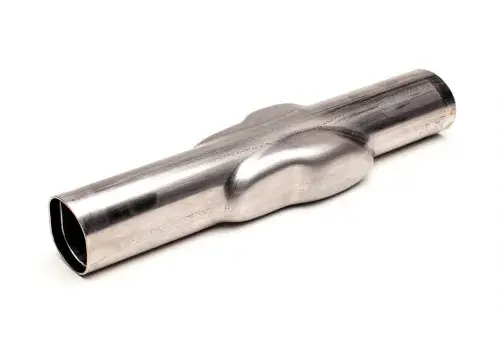
Categories
Machinery

Sheet Metal Coffee Pot Manufacturing Machine

Sheet Metal Coffee Pot Manufacturing Machine

Sheet Metal Coffee Pot Manufacturing Machine: An Automated Machining Line is a highly integrated manufacturing system designed to produce parts with minimal human intervention. It typically consists of a series of machine tools (e.g., CNC lathes, milling machines, drilling machines) that are connected by material handling systems and controlled by a central computer or PLC (Programmable Logic Controller).

Key Components of the Automated Machining Line

  1. CNC Machines – Perform operations like turning, milling, drilling, etc.
  2. Robotic Arms / Gantry Systems – Load and unload parts between stations.
  3. Conveyors / Transfer Lines – Move parts through the line.
  4. Inspection Stations – Use vision systems or sensors for quality control.
  5. Tool Management Systems – Monitor and change tools automatically.
  6. Centralized Control System – Coordinates all operations and collects data for monitoring and optimization.

Advantages:

  • High Productivity: Continuous, 24/7 operation.
  • Consistency & Precision: Reduced human error.
  • Reduced Labor Costs: Fewer operators required.
  • Better Data Collection: Enables predictive maintenance and real-time quality tracking.

Applications:

  • Automotive components
  • Aerospace parts
  • Consumer electronics
  • Industrial equipment

An automated machining line is a production system where multiple machine tools and handling devices are connected to perform sequential operations on workpieces with minimal human intervention. These lines are typically controlled by centralized computer systems or PLCs that coordinate each stage of the process, from raw material input to finished product output. The core of the system includes CNC machines such as lathes, milling machines, or grinders, which are programmed to carry out precise machining operations. Between these machines, automated material handling systems—such as robotic arms, gantry loaders, or conveyors—transport parts, ensuring smooth workflow and minimal downtime.

The system may also integrate inspection stations equipped with sensors, vision systems, or coordinate measuring machines (CMMs) that verify dimensional accuracy and surface quality during or after machining. This ensures defective parts are identified early and reduces waste. Automated tool changers and tool monitoring systems help keep the line running by switching out worn tools and maintaining machining precision.

Automated machining lines are especially beneficial in high-volume production environments where consistency, speed, and cost-efficiency are critical. Industries such as automotive, aerospace, and electronics rely heavily on such systems to produce complex parts at scale. While the initial investment is high, the long-term benefits include reduced labor costs, improved product quality, faster turnaround times, and better use of manufacturing data for process optimization and predictive maintenance.

In a typical real-world scenario, such as an automotive engine component production line, the automated machining process starts with raw forgings or castings being loaded into the system—often by robotic arms or palletized feeders. The first CNC station might perform rough turning to shape the basic geometry. After this, the part is transferred—usually via a conveyor or robotic gripper—to the next station, where more detailed operations like milling, drilling, or threading take place.

Each machine is pre-programmed with the exact machining instructions and tolerances, ensuring that every part meets the same specifications. Sensors on the machines track cutting forces, spindle speed, vibration, and tool wear. If any parameter deviates from its threshold, the system either compensates automatically or triggers a maintenance alert. Some lines include adaptive machining, where minor real-time adjustments are made based on part variability or tool conditions.

Inspection and quality control are often embedded into the line itself. For example, a vision system might scan the part for surface defects immediately after milling. Later, a contact probe or laser scanner might verify critical dimensions. If a defect is detected, the part can be ejected from the line automatically and logged in a database for traceability and root cause analysis.

Finished parts are either collected in bins, stacked on pallets, or automatically transferred to an assembly line or packing station. Throughout the entire cycle, the central control system logs data from every operation, enabling detailed reporting, traceability, and continuous process improvement through machine learning or statistical process control techniques.

This kind of integration enables not only high-volume output but also flexibility for batch-size variations and product changeovers. With Industry 4.0 and IoT technologies, modern automated machining lines can also be remotely monitored and adjusted, further reducing the need for on-site personnel and enabling centralized control over multiple production facilities.

In traditional automated machining lines without AI or modern digital technologies, the system still relies heavily on mechanical and electrical automation controlled by programmable logic controllers (PLCs), relay-based logic, or basic numerical control (NC) systems. These setups are robust and reliable, often built for longevity and consistent performance in high-volume production environments.

The process begins with manual or semi-automated loading of raw materials into the first machine tool. These machines—typically NC lathes, milling machines, or drills—perform specific operations based on preset programs stored in the machine’s memory. The workpiece is clamped in place, and machining proceeds according to fixed cycle parameters. Once the operation is complete, mechanical transfer systems such as linear tracks, pneumatic pushers, or rotary indexing tables move the part to the next station.

Tool changes are usually scheduled at regular intervals based on time or part count rather than real-time tool condition. Operators may be responsible for monitoring tool life and performing manual replacements when necessary. Likewise, quality checks are typically carried out at regular intervals by human inspectors using gauges, micrometers, or dedicated checking fixtures. In some systems, dial indicators or hard stops are used to maintain dimensional control.

Despite the absence of sensors or real-time feedback, such systems are remarkably effective in stable production conditions where the material and part design do not vary significantly. Maintenance is preventive or breakdown-based, relying on routine inspections, lubrication schedules, and experience-based troubleshooting.

These older automated lines are often found in long-established manufacturing plants, particularly in the automotive, heavy equipment, and appliance industries. They are less flexible than modern systems but are valued for their simplicity, mechanical reliability, and the skill-based approach of their operators and technicians.

In older automated machining lines, the transfer mechanisms are a critical part of the system and are designed for mechanical simplicity and reliability. Common types include chain conveyors, roller conveyors, overhead trolleys, rotary index tables, and linear shuttles. Each is chosen based on the type and size of the part, the required throughput, and the physical layout of the shop floor.

One widely used method is the rotary indexing table, especially in compact setups. It positions the workpiece at different machining stations arranged in a circular configuration. After each operation, the table indexes to the next position, allowing simultaneous machining at multiple stations. This results in high efficiency for parts that require several short, sequential operations.

For heavier parts or larger operations, linear transfer systems are more suitable. These include rigid rails or tracks along which pallets or fixtures holding the parts are mechanically advanced using cams, gears, or pneumatic cylinders. The indexing is precise and repeatable, ensuring each part is aligned correctly at each station. This system may include lifting and rotating units for reorienting parts as needed for subsequent machining.

Another key feature in these systems is dedicated tooling and fixturing. Each station typically has fixed-purpose jigs that precisely position and clamp the workpiece. These fixtures are often hard-mounted to the machine base and require manual adjustment during setup changes. For repeat production of a single part or family of parts, this system works efficiently and minimizes the need for frequent calibration.

Control is handled by relay logic or early PLCs with ladder diagrams programmed to execute sequences such as machine start/stop, indexing, tool changes, and coolant flow. These controls are robust, easy to troubleshoot with basic electrical knowledge, and designed for long-term operation. They don’t adapt in real-time but can reliably run for decades with minimal issues if maintained properly.

Coolant systems in traditional lines are also basic—usually centralized coolant tanks with pumps directing fluid to the tools. Filtration may be rudimentary, involving mesh filters or magnetic separators to remove chips and swarf.

Chip handling is mechanical too—often using screw conveyors or belt-driven systems to move chips away from the machining area to collection bins. Operators are typically responsible for emptying these bins and ensuring the system stays clear to prevent machine stoppage.

Overall, older automated machining lines are engineered for reliability and long production runs of identical parts. Changeovers are time-consuming, and flexibility is limited, but their mechanical simplicity, low software dependence, and proven durability make them well-suited for dedicated manufacturing tasks.

Automated Machining and Grinding Line

Automated Machining and Grinding Line

An Automated Machining and Grinding Line is a production system that combines cutting operations (like turning, milling, or drilling) with grinding processes in a continuous, integrated workflow. This setup is commonly used in industries that demand high precision and surface finish, such as automotive, aerospace, and heavy machinery manufacturing. Unlike purely machining lines, these systems can handle parts that require both dimensional accuracy and fine surface quality.

In traditional implementations without modern AI or smart sensors, these lines are built around a sequence of machine tools and grinders, connected via mechanical transfer systems such as conveyors, indexing tables, or robotic arms. Each station is dedicated to a specific operation. For example, a component may first be rough-machined in a CNC lathe, transferred to a milling machine for slots or holes, and finally moved to a grinding station for precision finishing. Grinding is typically done with cylindrical, surface, or centerless grinders, depending on the part geometry.

Parts are usually mounted on dedicated fixtures or pallets designed to maintain consistent orientation and minimize setup time at each station. Fixtures are clamped pneumatically or hydraulically, and the systems are aligned mechanically to ensure accurate positioning. Transfer between stations is timed and controlled by PLCs, which follow a strict logic sequence. These lines often incorporate automated tool changers in the machining stations and fixed grinding wheels in the grinding units.

Grinding stations are equipped with cooling systems and basic wheel dressing mechanisms. In older systems, dressing cycles are timed rather than sensor-driven, and operators rely on scheduled maintenance or visual inspection to identify wear or wheel damage. Coolant filtration may use magnetic separators, paper bed filters, or basic settling tanks to remove fine grinding debris.

Quality control is mostly manual or semi-automated. For high-tolerance parts, operators may use dial indicators, micrometers, or air gauges at designated inspection stations. Some lines include mechanical go/no-go gauges between stages to detect out-of-spec parts before they move to the next operation.

The major advantage of combining machining and grinding in one line is process integration: fewer setups, faster cycle times, and reduced handling between operations. This is particularly beneficial when producing hardened or high-strength materials where post-machining grinding is necessary for tolerance and finish. However, because of the heat, dust, and precision requirements of grinding, these stations are often physically isolated within the line and require more frequent maintenance.

Older automated machining and grinding lines are designed for long runs of standardized parts, with little flexibility for frequent part changes. Changeovers involve manual fixture replacement, program switching, and careful realignment, typically performed by skilled technicians. Despite their limitations, such systems remain in use where durability, consistency, and cost-per-part are more critical than flexibility.

Let’s consider a typical crankshaft production line as an example of an automated machining and grinding line. Crankshafts are complex components that require a combination of heavy material removal and ultra-precise finishing. The line is usually designed for high-volume output, such as in automotive engine manufacturing.

The process begins with forged steel blanks being loaded—either manually or by robot—onto palletized fixtures. These fixtures travel through the line and maintain precise orientation of the crankshaft throughout each station. The first few machines perform rough machining using CNC lathes and milling machines to establish key features like journals, counterweights, and oil passages. Operations at this stage include turning, milling of flat faces, and drilling of oil holes.

Next, the part is transferred—usually by a chain conveyor or robotic arm—to semi-finish machining stations, where closer tolerances are achieved. Here, operations such as journal and pin turning to near-final dimensions are performed. The control is typically PLC-based, with set cycle times and limited part detection logic. Tool changes are pre-programmed based on part count, not real-time monitoring.

After semi-machining, the crankshaft undergoes heat treatment, often offline. It is then reintroduced to the line for hard machining or pre-grinding, depending on the material hardness and required tolerances. The hard surfaces—especially the main and pin journals—now require precise size and surface quality, which is where grinding becomes critical.

The part is now transferred to grinding stations, typically including:

  • Cylindrical grinders for the main journals.
  • Orbital or crankpin grinders for the offset crank pins.
  • Face grinders for end faces and thrust surfaces.

These grinders are built for high rigidity and thermal stability, often with cast-iron beds and hydraulic or electric infeed systems. The grinding wheels are fixed and dressed periodically using diamond dressers. The dressing cycles are scheduled either by time or number of parts, depending on the line’s setup. The grinding process produces significant heat and fine particles, so coolant systems with filtration tanks and magnetic separators are essential.

To maintain accuracy, the line may include mechanical gauging stations after critical grinding operations. These use air gauges or contact probes to measure diameter, roundness, and taper. In some lines, go/no-go fixtures are positioned at intervals to catch out-of-spec parts. If a part fails, it is diverted off the line to a rework or scrap area.

At the end of the line, the crankshaft is washed in a cleaning station to remove residual grinding swarf and oil. It may then be subjected to manual final inspection, including magnetic particle inspection for cracks, followed by balancing and marking before packing.

Older systems like this are not designed for quick changeovers. A model change requires downtime to switch fixtures, adjust machine positions, update programs, and possibly modify transfer settings. But once running, these lines can produce thousands of identical crankshafts with minimal variation, making them ideal for large-scale manufacturing.

Let’s continue with a focus on bearing race production in an automated machining and grinding line. Bearing races require extremely tight tolerances and mirror-like surface finishes, especially on the inner and outer diameters that mate with rolling elements. This makes them ideal candidates for combined machining and grinding lines, particularly where large volumes are involved, such as in automotive wheel hubs or industrial motors.

The process starts with raw steel tubes or forged rings that are cut to approximate length and then loaded onto the line—often using a gravity chute, lift-and-place system, or vibratory bowl feeder for small races. The first station is usually a facing and centering lathe, which squares both ends and generates a center bore or reference surface. The part is then transferred via linear shuttle or rotary table to the next machine, typically a rough-turning lathe, which machines the basic internal and external diameters.

After this, the part might move to a groove turning machine, where the raceways are cut to near-net shape. These operations use fixed tooling and follow numerical control commands via early CNC or PLC systems. At this stage, tolerances are relatively loose, as the final precision will come from grinding.

Following turning, the rings go through a heat treatment process (carburizing or hardening) offline, and are then reintroduced to the line for grinding. This is the critical stage where the inner and outer raceways are ground to final dimension and finish. Here’s how grinding is typically handled in such a line:

  • Centerless grinding is used for the external diameters of the outer races. It provides high throughput and good roundness, as the part is supported between a regulating wheel and a grinding wheel without chucks.
  • Internal grinding machines are used for the inner diameters of inner races, requiring high spindle speed and careful coolant delivery due to heat buildup in confined spaces.
  • Raceway grinding, which may use plunge grinding or oscillating (swiveling) methods depending on the bearing type and production strategy. These machines often have fixed grinding wheels mounted on precision spindles, dressed periodically by a mechanical dresser.

Coolant is heavily used at this stage, delivered through nozzles aimed directly at the contact zone. Coolant systems are relatively basic in older lines, using central tanks with gravity return lines and magnetic or paper bed filters. Since grinding creates very fine swarf and heat, keeping the coolant clean and the grinding wheels dressed is essential to avoid burning or dimensional deviation.

After grinding, the races move to inspection and superfinishing. This may include:

  • Lapping or honing to achieve mirror finish and final geometry.
  • Air gauging or mechanical comparators to check roundness, diameter, and taper.
  • Crack detection using magnetic particle inspection or eddy current testing.

Some lines may also include marking stations where part numbers, batch codes, or hardness zones are engraved using dot-peen or laser systems. In older lines, this is sometimes done manually or semi-automatically.

The final steps involve cleaningrust prevention coating, and packaging. Rings are passed through a washing tunnel with heated solution and then dried using air blowers. Anti-rust oil is applied via spray or dip tanks before packaging into trays or cartons.

This kind of line, though mechanically complex, operates with high reliability and repeatability over long periods. It’s engineered for mass production with minimal flexibility, but its robustness and mechanical design make it a strong choice where digital technologies are not required or available.

Automated Deep Drawing Production Line

Sheet Metal Condiment Holder Manufacturing Machine

An Automated Deep Drawing Production Line is a high-precision manufacturing system designed for producing complex, hollow metal parts from flat sheets, typically using a process called deep drawing. Deep drawing involves forming a sheet metal blank into a three-dimensional shape, like automotive body panels, kitchen sinks, or pressure vessels, by pulling the sheet over a die with a punch.

In an automated deep drawing production line, the entire process is integrated, often with robotic arms, conveyors, and automated presses working together to form, inspect, and finish the parts with minimal human intervention. The key focus of these lines is to ensure high throughput, precision, and consistent part quality, while reducing labor costs and cycle time.

Key Stages of an Automated Deep Drawing Production Line:

  1. Blanking and Feeding:
    • The process begins with blanking, where flat metal sheets (typically aluminum, steel, or brass) are cut into precise blanks of the required size and shape. In some automated lines, automated blank feeders are used to move the blanks from a material stack to the first forming station.
    • coil-fed system can also be used where a continuous strip of material is unspooled and fed into the line.
    • For high-volume production, this stage may involve robotic arms or automatic conveyors to precisely position the blanks into the press.
  2. Pre-forming/Pre-heating (if necessary):
    • Some materials, especially tougher metals, may require pre-heating to make them more malleable before deep drawing.
    • heated die or induction heating system may be employed to soften the metal blank, making it easier to form without cracking or wrinkling.
  3. Deep Drawing (Forming):
    • The core operation of the line is deep drawing, where the metal blank is placed in a die and pressed into the desired shape using a punch.
    • In the traditional process, the sheet metal is drawn through a die using a mechanical press, while the punch pulls the metal into the die cavity. The metal may go through several stages of drawing, especially for complex shapes.
    • Automated presses are often used in these systems, typically hydraulic or mechanical presses, which provide consistent force and speed. The press may be equipped with automatic stroke adjustments, controlling the drawing depth and force depending on the material and part geometry.
    • Multiple drawing stations can be used sequentially, with each one progressively drawing the part deeper and shaping it closer to the final form.
  4. Lubrication and Cooling:
    • A key aspect of deep drawing is the lubrication of the metal blank to reduce friction between the punch and die, and to prevent the metal from sticking or cracking.
    • Automated lubrication systems are used, which spray or flood the blank with a lubricant before it enters the die. This ensures consistent application and reduces the need for manual intervention.
    • Cooling systems may also be integrated into the die to regulate temperature and prevent overheating of the metal during drawing.
  5. Ejection and Part Handling:
    • Once the part is formed, it is ejected from the die. This is often done using automated ejectors, robotic arms, or mechanical pushers that remove the part from the die without damaging its shape.
    • Conveyors are used to transport the ejected parts to the next station for quality inspection, trimming, or other finishing operations.
    • If needed, parts may be automatically stacked or placed into containers for downstream processing or shipping.
  6. Inspection and Quality Control:
    • After the drawing process, the parts are automatically inspected for defects such as wrinkles, cracks, or dimensional deviations.
    • Vision systems may be employed to inspect the parts for visual defects, while coordinate measuring machines (CMMs) or other contact sensors can check critical dimensions like wall thickness, depth, or diameter.
    • Some lines incorporate automatic rejection systems, where defective parts are immediately removed from the line to avoid further processing.
  7. Trimming and Finishing:
    • If the drawn part has excess material (such as a flange or edge), it is sent to a trimming station. This is typically done with automated cutting tools, which trim away the excess metal.
    • Parts may then undergo additional processes such as deburred edgespunching, or flange forming as needed for the final design.
  8. Cleaning and Coating (if required):
    • After trimming, the parts may need to be cleaned, either manually or automatically using ultrasonic cleaners or industrial washing systems, to remove oils, lubricants, or other residues from the drawing process.
    • Some parts may also require surface coating, such as painting, galvanizing, or coating with protective films. This can be done automatically via spray booths or robotic systems for precise application.
  9. Packaging and Shipping:
    • Finally, the formed and finished parts are ready for packaging and shipment. Automated systems can handle packaging, whether it’s wrapping parts individually, placing them in bulk containers, or preparing them for palletization.

Key Advantages of Automated Deep Drawing Lines:

  • High Throughput: With minimal human intervention, the system can operate at high speeds, producing large volumes of parts quickly.
  • Consistency and Quality: Automated systems ensure that each part meets the required specifications with minimal variation, reducing scrap and rework.
  • Reduced Labor Costs: Many manual steps (such as blank handling, lubrication, and inspection) are automated, reducing the need for operators.
  • Flexibility in Material Handling: While deep drawing typically involves metals, automated systems can adapt to different material types, thicknesses, and shapes.
  • Process Integration: The entire production process, from blanking to shipping, can be seamlessly integrated into one automated system, reducing downtime and improving efficiency.

Applications:

  • Automotive Industry: For parts like car body panels, fuel tanks, or engine components.
  • Aerospace: For lightweight, high-strength parts like fuselage panels or wing skins.
  • Household Goods: For items such as sinks, tubs, and other kitchen or bathroom products.
  • Industrial Equipment: For parts like pressure vessels or enclosures for machinery.

In essence, automated deep drawing lines are highly efficient systems optimized for mass production, especially when complex parts with tight tolerances need to be formed quickly and consistently.

An automated deep drawing production line is designed to streamline the process of forming complex metal parts by transforming flat sheets of material into three-dimensional shapes. The process begins with blanking, where flat metal sheets are precisely cut into blanks, which are then fed into the first stage of the forming process. Depending on the system, blanks may be fed manually or automatically using robotic arms or conveyor belts. After this, the blanks are placed in a die, and a punch is used to draw the material into the die, shaping it into a desired part.

The deep drawing process often occurs in multiple stages, each progressively drawing the part deeper to create the final shape. As the material is drawn, it can be lubricated to reduce friction between the punch and die, helping prevent the material from cracking or sticking. Automated lubrication systems spray or flood the blanks with lubricant, ensuring consistent application and eliminating the need for manual intervention. The metal may also be pre-heated in certain cases to make it more malleable, especially when forming tougher metals that require additional care.

Once the part is formed, it’s ejected from the die using automated ejectors, robotic arms, or mechanical pushers. The parts are then transported via conveyors to the next stages of the process. Automated inspection systems, such as vision systems and coordinate measuring machines, check the parts for defects like cracks, wrinkles, or dimensional inconsistencies. Parts that don’t meet specifications are automatically rejected, ensuring that only quality parts proceed to the next step.

For parts with excess material, an automated trimming station removes the excess through cutting or punching, shaping the part further. Some parts may also go through additional finishing processes like deburring or edge rounding, all carried out by automated systems to maintain precision and reduce manual labor. After trimming, parts are often cleaned in ultrasonic cleaning systems or industrial washing stations to remove lubricants and other residues before any surface coatings are applied. The final step typically involves packaging the parts for shipment, which is often automated, ensuring that the finished products are packaged efficiently for delivery.

The key benefits of automated deep drawing production lines include high throughput, consistent quality, and reduced labor costs. With the entire process integrated, from blank feeding to packaging, these systems minimize downtime and improve efficiency. By automating the handling, lubrication, inspection, and finishing stages, manufacturers can maintain high-quality standards while reducing manual intervention, making the process ideal for high-volume production.

Continuing from where we left off, an automated deep drawing production line offers significant benefits in terms of efficiency, cost-effectiveness, and scalability. The integration of robotics and automated systems minimizes human error and improves consistency across large production runs. For example, robotic arms in these systems can handle the delicate task of positioning blanks into dies with high precision and speed, eliminating the risk of misalignment and improving cycle time.

In addition to handling blanks, robotic systems can be used for automated lubrication application, ensuring even coverage and reducing wastage of lubricant. The lubrication not only helps to reduce friction but also minimizes wear on the dies and punches, extending their lifespan and reducing downtime for maintenance. Some systems even have automatic lubrication management that adjusts based on the type of material being processed or the drawing process stage, optimizing both lubrication quality and cost.

The automation of part inspection through vision systems and sensor technology is another significant advancement in deep drawing lines. Automated inspection not only checks for visual defects such as cracks or scratches but also measures critical dimensions of the drawn parts. This includes evaluating wall thickness, roundness, and overall dimensional tolerance. If a part fails inspection, it is automatically diverted off the line for rejection, saving time and materials compared to manual inspection methods. In some advanced systems, in-line quality control using X-ray or ultrasonic testing can be implemented to detect internal defects that would be invisible to traditional inspection methods.

Once the part has passed inspection and trimming, finishing operations like deburring (removal of sharp edges or small metal fragments) and polishing are automated. Automated machines can perform these tasks at high speeds while maintaining tight tolerances, ensuring the parts are smooth and ready for final application or coating.

Surface coating, such as painting, galvanizing, or anodizing, is also a key part of the automated deep drawing production line, especially for parts that require additional protection or a finished appearance. These lines often integrate spray boothsrobotic arms, or dipping tanks to apply coatings consistently. For example, if the parts are to be coated with a corrosion-resistant layer, an automated system can ensure even coating thickness and proper drying time, reducing the need for human labor and enhancing the quality of the final product.

The final stage of an automated deep drawing line involves packaging and shipping, where finished parts are automatically stacked, boxed, or palletized for shipment. Conveyor systems guide the parts to automated packaging stations, where the parts are grouped, labeled, and wrapped for shipping. These systems often include robotic pick-and-place units for precise placement into shipping containers, ensuring that the parts are well-protected during transportation.

By automating these stages, manufacturers can significantly reduce the labor required for each part of the production process, improve overall cycle time, and increase throughput. The use of integrated systems allows for quicker adjustments to production runs, meaning that the line can handle a range of products with minimal setup time. This is especially beneficial in industries that require both flexibility and high volume, such as the automotive, aerospace, and consumer goods sectors.

The integration of real-time data monitoring and predictive maintenance technologies can further enhance the efficiency of the production line. Sensors embedded in machines can track parameters like temperature, pressure, and vibration, alerting operators to potential issues before they cause significant downtime. This predictive maintenance reduces unexpected failures and extends the life of expensive equipment like presses and dies.

Building on the previous discussion, let’s dive into some of the more advanced technologies and systems that are commonly found in automated deep drawing production lines to ensure maximum efficiency, product quality, and reliability.

One of the key technologies that enhances the functionality of an automated deep drawing line is the use of advanced press technologies. These presses are typically hydraulic or mechanical presses that provide the high force necessary for deep drawing operations. Hydraulic presses are known for their versatility, as they offer variable speed and force control, making them ideal for different types of materials and drawing depths. On the other hand, mechanical presses are faster and more suitable for high-speed production lines, as they can deliver a consistent force with less variation.

In many modern systems, presses are coupled with servo-driven actuators for greater control over the stroke, speed, and force applied during the drawing process. Servo presses allow for real-time adjustments during the drawing operation, optimizing the forming process to reduce defects such as wrinkles, cracks, or tearing, which are common challenges in deep drawing. This precision leads to better material usage, minimizing waste, and ensuring parts meet stringent quality standards.

In-line sensors are another critical element of advanced automated deep drawing systems. These sensors monitor the entire process in real time and provide feedback to the system. For instance, force sensors installed on the punch and die can monitor the amount of force being applied during the deep drawing process. This feedback can be used to adjust the press’s force, preventing damage to the material and die. Additionally, thickness sensors help monitor wall thickness throughout the drawing process, ensuring that the part maintains uniformity and quality across its entire surface.

In material handlingvision systems are commonly used to automatically position blanks and ensure they are accurately aligned in the die before the press cycle begins. These systems can also detect misfeeds or any material defects that could lead to production delays or defective parts. If a problem is detected, the system can either reject the part automatically or alert operators to take corrective action.

Coolant and lubrication management is another area where automation plays a crucial role. In older systems, lubrication may have been a manual process or simply a routine spray, but in modern lines, lubrication is highly controlled through automated systems. This includes centralized lubrication systems, which deliver precise amounts of lubricant to different parts of the machine, especially in the punch-die interface. The correct application of lubricant reduces wear and tear on the tooling, extends the life of the press, and ensures a smoother forming process. Moreover, the lubrication system can be linked to real-time monitoring systems, which adjust lubrication based on the materials being processed and the specific needs of the drawing stage.

In terms of maintenance, predictive technologies are revolutionizing how downtime is managed. Condition-based monitoring systems equipped with sensors provide real-time data on the health of critical equipment like punches, dies, and presses. These systems can track parameters like temperature, vibration, and pressure, which are often the first indicators of potential failure. Using this data, the system can predict when a component is likely to fail, allowing operators to replace or service the equipment before a failure occurs. This approach, often called predictive maintenance, significantly reduces unplanned downtime and maintenance costs, ensuring the line remains in operation for longer periods.

Moreover, data collected from sensors throughout the process can be sent to a central Manufacturing Execution System (MES), which provides an overview of the entire production line. The MES collects data on machine performance, part quality, cycle times, and material usage, and provides operators with actionable insights. These insights can help optimize the workflow, reduce bottlenecks, and improve overall line efficiency.

One significant advantage of automated deep drawing production lines is their ability to easily accommodate small batch production runs or variations in part designs. While traditional deep drawing lines require substantial downtime and manual intervention to adjust for new part designs, automated systems allow for quick changeovers. This flexibility is achieved through the use of robotic part loading systemsquick-change tooling setups, and programmable presses that can automatically adjust stroke and force parameters depending on the new part being produced. In many cases, automated lines can even handle multiple different part sizes and designs within a single production run, making them highly adaptable.

Energy efficiency is also a focus in modern automated deep drawing systems. Hydraulic presses, while energy-intensive, have become more efficient thanks to variable displacement pumps and energy recovery systems that capture and reuse energy during the press cycle. Similarly, automated lubrication systems and cooling systems help ensure that energy consumption is kept in check by only operating when needed, further contributing to sustainability in manufacturing.

Finally, integrated robotics and AI-based control systems allow the deep drawing line to operate with minimal human oversight. These systems can autonomously adjust to changes in material properties, detect part defects, and even optimize the drawing process in real time. Artificial intelligence algorithms can analyze historical production data to predict the best settings for new material batches, optimizing each part of the process for efficiency and quality.

Overall, an automated deep drawing production line is designed to ensure that manufacturers can produce complex, high-quality parts at high volume with minimal human intervention. The integration of robotics, AI, advanced sensors, and predictive maintenance technologies ensures that the production process is more efficient, consistent, and adaptable, while also reducing costs and improving product quality.

Four-Column Deep Drawing Press

Four-Column Deep Drawing Press

Four-Column Deep Drawing Press is a type of mechanical or hydraulic press specifically designed for deep drawing operations, where metal sheets are formed into deep, hollow shapes. This type of press gets its name from the four vertical columns that support the press structure, providing stability, strength, and precision during the deep drawing process.

Key Features and Components of a Four-Column Deep Drawing Press:

  1. Four-Column Frame Structure:
    • The press’s four-column design provides a stable and rigid framework that supports the ram (punch), die, and other components. These columns help distribute the load evenly, making the press suitable for high-force applications, such as deep drawing.
    • The structure ensures that the vertical movement of the ram is aligned and stable, minimizing any deviations in the part geometry.
  2. Pressing Mechanism (Hydraulic or Mechanical):
    • The pressing action is typically provided by hydraulic cylinders or mechanical systems. In a hydraulic four-column press, hydraulic cylinders are used to apply force to the ram. The advantage of a hydraulic system is its ability to offer precise force control over the entire stroke, making it ideal for deep drawing, which requires varying force levels throughout the forming process.
    • Mechanical presses, while faster and more rigid, are less flexible when it comes to force adjustments and are generally used in high-speed stamping rather than deep drawing.
  3. Die and Punch Setup:
    • The die set is positioned on the lower portion of the press and forms the cavity into which the blank is drawn. The punch (ram) is mounted above the die and moves downward to pull the material into the die, forming the part.
    • In four-column presses, both the die and punch are aligned vertically with precision, ensuring that the material is drawn consistently without warping or damage.
  4. Stroke and Force Control:
    • The press allows for adjustable stroke length and force settings, which is essential for deep drawing processes that involve materials of varying thicknesses or hardness. By adjusting the stroke, the operator can control how deeply the material is drawn and how much force is applied during each step of the process.
    • In hydraulic presses, the stroke can be finely controlled by adjusting hydraulic pressure. In mechanical presses, stroke control is usually limited to pre-set options, but force control can still be achieved by adjusting the ram speed and ram displacement.
  5. Guiding Mechanism:
    • Guides are used to ensure the ram (punch) moves vertically along the four columns without lateral deviations. This precision is crucial, as even minor misalignment can result in defects like wrinkles, uneven thickness, or part failure during drawing.
    • Linear guides or roller guides are often employed to reduce friction and ensure smooth, precise motion of the punch.
  6. Safety and Monitoring Systems:
    • Four-column deep drawing presses are typically equipped with safety features such as light curtains, pressure sensors, and emergency stop buttons to protect operators and prevent accidents during operation.
    • Force and position sensors can also be incorporated into the system to monitor the press’s operation, ensuring that the correct amount of force is applied at each stage of the forming process.
  7. Automation Integration:
    • Four-column presses can be integrated with automation systems, including robotic arms for part loading and unloading, and conveyor systems for part handling throughout the production line. Automated blank feeders and die changers can also be used to improve efficiency and reduce manual intervention.
    • Computer Numerical Control (CNC) or PLC-based control systems enable the press to follow precise part specifications, adjust parameters automatically based on material properties, and even adjust for different part designs without requiring manual retooling.
  8. Applications of Four-Column Deep Drawing Presses:
    • These presses are often used in industries that require high-quality, precision-formed parts, such as automotiveaerospaceappliance manufacturing, and industrial equipment. Common parts include automotive body panelsmetal canspressure vesselskitchen sinks, and electrical enclosures.
    • Four-column presses are particularly suitable for large, complex parts that require high forming force and precision. They excel in situations where parts have relatively deep profiles, requiring a press capable of applying a large, consistent force over the entire stroke.

Advantages of Four-Column Deep Drawing Presses:

  1. High Force Capability:
    • The four-column structure provides enhanced strength and stability, allowing the press to apply the necessary high force required for deep drawing operations. This makes it suitable for thick materials and larger parts.
  2. Precision and Alignment:
    • The four-column setup ensures precise alignment of the die and punch, leading to consistent quality and uniform part formation.
  3. Flexibility:
    • The adjustable stroke length and force control make the four-column deep drawing press versatile for different materials and part designs. It can handle various thicknesses and hardness levels of materials without the need for retooling or major adjustments.
  4. Customization and Automation:
    • The press can be easily integrated into automated production lines, which increases throughput, reduces human error, and improves overall efficiency. Automation systems can handle part feeding, lubrication, inspection, and part unloading, leading to faster cycle times and lower labor costs.
  5. Durability and Longevity:
    • Due to their robust construction, four-column presses are designed for long-term use, even under the intense pressure of deep drawing. This durability reduces the need for frequent maintenance or replacement, providing a solid investment for high-volume manufacturers.

Potential Drawbacks:

  1. High Initial Investment:
    • Four-column deep drawing presses can be costly to purchase and set up, especially when integrating advanced features like automation or hydraulic systems. However, this is often offset by the high throughput and reduced labor costs over time.
  2. Space Requirements:
    • The four-column frame design requires a significant amount of space to accommodate the press, especially when used in larger configurations for producing big parts. This might require specialized facilities or larger production floors.
  3. Maintenance Complexity:
    • The press’s intricate components, such as the hydraulic systems, guides, and sensors, require regular maintenance to ensure optimal performance. However, predictive maintenance systems can help mitigate unexpected downtime.

Conclusion:

The Four-Column Deep Drawing Press is an advanced, reliable machine that plays a vital role in the production of complex, high-quality formed metal parts. Its ability to provide consistent force, precision, and adaptability makes it a staple in high-performance manufacturing environments, particularly in industries that require intricate metal forming. The press’s ability to integrate with automation systems further enhances its efficiency and flexibility, making it an ideal choice for manufacturers looking to increase production speed and minimize human error.

A Four-Column Deep Drawing Press is built to handle the intense forces required to transform flat metal sheets into deep, intricate shapes, commonly used in industries like automotive, aerospace, and appliance manufacturing. The press operates by using four vertical columns to support and stabilize the press frame, ensuring precise alignment and minimal distortion during operation. This robust design allows for high-tonnage applications, ideal for forming thicker materials or producing larger parts. The frame supports a punch (ram) that applies force to a metal blank, pulling it into a die to form the desired part. The ability to adjust force and stroke length makes this press highly adaptable to different materials, thicknesses, and shapes.

One of the standout features of the Four-Column Deep Drawing Press is its versatility, as it can handle a wide range of part geometries, including deep and complex profiles. The system can be customized to accommodate varying part sizes, and hydraulic or mechanical systems provide the necessary force to ensure high-quality, consistent output. In addition, precise control over the drawing force is possible, which is essential for preventing material defects such as cracks or wrinkles. Furthermore, automation plays a significant role in enhancing efficiency, as robotic arms and conveyor systems can feed, transfer, and unload parts, reducing human labor and improving cycle times.

These presses are typically equipped with sensors and monitoring systems to ensure optimal operation. Force and position sensors monitor the punch’s movement, providing real-time data that helps prevent overloading or misalignment. This data can also be integrated with predictive maintenance systems, which alert operators to potential issues before they lead to unplanned downtime. Automated lubrication systems ensure that the die and punch are consistently lubricated, reducing friction and wear, which prolongs the life of the tooling and helps maintain part quality.

Although the Four-Column Deep Drawing Press offers significant advantages in terms of force, precision, and flexibility, there are some drawbacks to consider. The initial investment can be high, particularly if you incorporate advanced automation or hydraulic systems. The press also requires a considerable amount of space due to its large frame, making it less suitable for smaller production areas. Regular maintenance is crucial for maintaining performance, as components such as hydraulic systems, guides, and sensors need to be serviced to prevent breakdowns. However, these challenges can be mitigated with proper planning and investment in predictive maintenance technologies.

In summary, the Four-Column Deep Drawing Press is an essential piece of equipment for manufacturers who need to produce high-quality, complex metal parts at high volumes. Its combination of force, precision, and adaptability makes it ideal for industries where part integrity and consistency are critical. The integration of automation, monitoring systems, and predictive maintenance further enhances its efficiency, making it a valuable asset in modern manufacturing lines.

As the demand for more complex, high-quality metal parts continues to rise, the Four-Column Deep Drawing Press stands out as an essential tool for manufacturers aiming to keep up with production demands while maintaining high standards of precision and efficiency. The press’s ability to handle deep, intricate forming with uniform quality makes it an ideal choice for industries such as automotive, aerospace, and even the production of consumer goods.

While the Four-Column press excels at deep drawing, it also offers flexibility in terms of part design. It can handle a variety of materials, from soft metals like aluminum to harder materials like stainless steel. The press can be adjusted to accommodate different material properties, thicknesses, and hardness, making it versatile across a range of applications. This adaptability is particularly beneficial in industries where product designs constantly evolve, and flexibility is crucial to staying competitive.

One of the emerging trends in Four-Column Deep Drawing Presses is the integration of smart manufacturing technologies. These presses are increasingly equipped with real-time data analytics, allowing operators to monitor key performance indicators such as force application, stroke length, material flow, and even tool wear. These systems use sensors and cameras to collect data, which is then analyzed using AI and machine learning algorithms. By processing this data, the system can identify patterns, predict potential issues, and suggest adjustments to optimize the production process.

Machine learning algorithms can also help improve part quality by learning from previous drawing cycles. These algorithms can detect subtle changes in material properties and adjust the press parameters in real time to avoid defects, such as wrinkling or tearing. The incorporation of these AI-driven tools enhances the press’s ability to adapt to different conditions and materials, improving both efficiency and product quality. This level of automation and intelligence leads to fewer defects, reduced waste, and increased overall productivity.

Additionally, the trend of energy efficiency has become increasingly important in modern manufacturing. The energy consumption of a Four-Column Deep Drawing Press can be significant, especially when operating at full capacity. However, modern hydraulic systems and advanced control mechanisms have made significant strides in reducing energy usage. Many new systems are equipped with energy recovery features, such as regenerative drives, which capture and reuse energy during the press cycle. This not only helps reduce operational costs but also aligns with sustainability goals by lowering the environmental impact of manufacturing processes.

Another key consideration is the maintenance of the press. Predictive maintenance technologies, already embedded in many modern presses, continuously monitor the condition of the press and its components. By collecting data on things like vibration, temperature, and hydraulic pressure, these systems can predict when maintenance is required, preventing unscheduled downtime. This is a major advantage for manufacturers, as it allows them to plan maintenance around production schedules, reducing costly disruptions and ensuring the press operates at optimal efficiency.

Moreover, the safety features on Four-Column Deep Drawing Presses have evolved significantly over the years. In addition to traditional safety guards and emergency stop buttons, many presses now feature robotic safety systems such as light curtains and laser scanners. These systems can detect the presence of operators or obstacles within the press area, automatically stopping the press before any harm can occur. These innovations not only improve safety but also contribute to a more streamlined, automated production process by reducing human intervention.

In terms of flexibility, some Four-Column presses are now equipped with quick-change tooling systems, allowing manufacturers to switch between different part designs with minimal downtime. The tooling can be swapped automatically, and the press can adjust to the new design parameters, such as stroke length and force, with little to no manual input. This makes it easier to transition between different production runs, which is particularly beneficial in industries that produce a variety of parts in small to medium batches.

Lastly, the integration of robotic automation into the deep drawing process is helping improve both production efficiency and quality. Robotic arms are used to load and unload parts, position blanks accurately in the die, and remove finished parts from the press. These systems can also assist with secondary operations such as part cleaning or sorting. The use of robots minimizes human handling, reducing the risk of part contamination, misalignment, and injury, while also speeding up production cycles.

In conclusion, the Four-Column Deep Drawing Press is a critical piece of equipment in modern manufacturing, offering precision, adaptability, and high force capabilities for forming complex metal parts. As technology advances, these presses continue to evolve, integrating smart technologies, automation, and energy-saving features that optimize production processes. With the added benefits of predictive maintenance and enhanced safety systems, Four-Column presses are now more efficient, reliable, and capable than ever before, making them an indispensable asset for high-volume, high-precision manufacturing operations.

H-Frame Deep Drawing Press

H-Frame Deep Drawing Press

An H-Frame Deep Drawing Press is another type of press used in metal forming, specifically for deep drawing operations, where flat metal sheets are transformed into deep, hollow shapes. The primary difference between the H-Frame press and the more commonly used Four-Column press lies in the frame structure. As the name suggests, the H-Frame press features a frame shaped like the letter “H,” where two vertical columns are connected by horizontal cross members. This design provides the press with a strong and stable frame capable of withstanding high forces during the drawing process.

Key Characteristics of an H-Frame Deep Drawing Press:

  1. H-Frame Design:
    • The H-Frame design consists of two vertical columns connected by a crossbeam or bridge, forming an “H” shape. This configuration provides a robust, rigid structure that distributes the load evenly during the drawing operation.
    • The H-Frame press tends to have a more open design compared to the Four-Column press, which can offer better accessibility to the tooling area and facilitate easier maintenance and part handling.
  2. Hydraulic or Mechanical Drive:
    • Similar to the Four-Column press, H-Frame presses are usually powered by either hydraulic systems or mechanical drives.
      • Hydraulic systems offer flexibility by providing adjustable force and stroke length, which is essential for handling varying material types, thicknesses, and drawing depths.
      • Mechanical systems, typically used for high-speed operations, deliver constant force and are more efficient for quicker, repetitive drawing cycles.
    • The hydraulic version, in particular, provides the versatility needed for deep drawing processes where varying force levels are necessary throughout the cycle.
  3. Force Application:
    • The press uses a ram (punch) that moves vertically, pushing the material into the die to form the desired part. The H-Frame design ensures that the punch remains aligned and that force is applied uniformly to prevent material defects such as cracking or tearing.
    • Force control in an H-Frame press can be adjusted to suit the specific material being processed. Some advanced systems include variable displacement pumps or servo-controlled hydraulics to provide precise control of the force, which is vital for the consistency and quality of the formed parts.
  4. Open Frame Design:
    • The H-Frame’s open structure makes it particularly well-suited for large and heavy parts. Its design allows for easier loading and unloading of parts, especially for applications requiring large metal blanks. The open structure also facilitates tool changeover and maintenance access, allowing operators to reach the die and punch areas more easily.
    • The lower part of the frame provides additional space for handling equipment or auxiliary machinery such as automatic blank feeders or part stacking systems, enhancing the press’s ability to integrate into a fully automated production line.
  5. Precision and Alignment:
    • H-Frame presses are equipped with guides and alignment mechanisms that ensure the punch and die remain aligned during operation. This helps prevent defects like misformed parts, uneven wall thickness, and material wrinkling.
    • In some models, linear guides or roller guides are used to reduce friction and ensure smooth, precise movement of the punch. The rigidity of the frame ensures that the punch applies force in a straight, uniform motion, contributing to the consistent quality of the drawn parts.
  6. Customization and Flexibility:
    • One of the major advantages of the H-Frame design is its customizability. The press can be tailored to accommodate different die sizes, material thicknesses, and part geometries. Adjustments to stroke length, force, and speed can be made quickly to adapt to different production runs, making H-Frame presses suitable for both high-volume and small-batch production.
    • The ability to quickly swap tooling and adjust press settings makes H-Frame presses well-suited for industries where part designs frequently change or where there is a need for flexible manufacturing.
  7. Automation and Integration:
    • H-Frame presses can be easily integrated into automated production lines with robotic arms, conveyor systems, and automatic die changers. This integration improves production efficiency, reduces human error, and minimizes downtime between different production runs.
    • The press can be equipped with vision systems for automatic part inspection, ensuring that only quality parts move through the production process. Additionally, automated part handling systems can load and unload parts, reducing manual labor and increasing throughput.
  8. Energy Efficiency and Cost Considerations:
    • The energy efficiency of an H-Frame press depends on the hydraulic or mechanical system in use. Hydraulic presses can be optimized for energy use with features like energy recovery systems, which capture and reuse energy during the pressing cycle.
    • Servo-driven hydraulic systems are becoming increasingly common in modern H-Frame presses. These systems offer energy savings by using only the energy required for each specific operation, adjusting the force and stroke length dynamically based on the material being processed.

Advantages of an H-Frame Deep Drawing Press:

  • Strong Structural Design: The H-Frame press provides excellent support and load distribution during deep drawing, ensuring uniform force application and preventing deflection that could lead to defects.
  • Ease of Maintenance and Tooling Changeover: The open frame structure provides easy access to tooling, reducing downtime and maintenance costs. The large space underneath the frame also allows for the addition of auxiliary systems, like automated part handling equipment.
  • Customizability and Flexibility: H-Frame presses can handle a wide range of material types and part designs, making them adaptable to different production needs. The quick changeover of tools and settings allows for efficient switching between different jobs or products.
  • Higher Production Speed: With the integration of automation systems and fast cycle times in mechanical models, H-Frame presses can produce high volumes of parts at a faster pace, reducing overall production costs and increasing throughput.

Disadvantages:

  • Space Requirements: Like other large presses, the H-Frame design requires considerable floor space. The open frame structure, while beneficial for maintenance and part handling, can be cumbersome in smaller production environments.
  • Initial Investment: The cost of purchasing and setting up an H-Frame press can be substantial, especially if the press is equipped with advanced features like automated systems, servo-driven hydraulics, and smart monitoring systems. However, this is often offset by the long-term efficiency gains and lower operational costs.
  • Energy Consumption in Hydraulic Models: While energy-saving features can be added, traditional hydraulic presses tend to be more energy-intensive compared to mechanical systems, especially when running high-force operations.

Applications of H-Frame Deep Drawing Presses:

H-Frame Deep Drawing Presses are widely used in industries where large, complex metal parts are required. These include:

  • Automotive Manufacturing: For producing parts like car body panelschassis components, and engine parts that require precise forming under high force.
  • Aerospace Industry: For parts such as fuel tanksaircraft panels, and structural components, where precision and material strength are critical.
  • Consumer Goods: For the production of kitchenwaremetal cans, and appliances, which require deep drawing of thin-gauge metals into precise, uniform shapes.
  • Heavy Equipment Manufacturing: For forming large parts like hydraulic cylinders and pressure vessels, where high forces are needed.

Conclusion:

The H-Frame Deep Drawing Press is a versatile and robust piece of equipment well-suited for deep drawing operations that require high force and precision. Its open, customizable design, ease of maintenance, and ability to integrate with automated systems make it a valuable tool in industries producing large, complex metal parts. While there are some drawbacks, such as space requirements and initial investment costs, the benefits of improved flexibility, efficiency, and production speed make the H-Frame press a strong choice for manufacturers looking to optimize their deep drawing processes.

The H-Frame Deep Drawing Press stands out for its versatility in metal forming, particularly in deep drawing applications where large, complex parts need to be created. The “H” frame design, characterized by two vertical columns connected by horizontal cross members, provides a stable and rigid structure capable of handling high forces during the drawing process. This makes it ideal for industries requiring precision in forming thick materials or parts with intricate shapes, such as automotive, aerospace, and appliance manufacturing.

The press operates by using a ram (punch) that moves vertically, pushing the material into a die. The H-Frame’s design ensures that the punch stays aligned, and the force applied to the material is evenly distributed, preventing issues such as wrinkles or material tearing. Its ability to accommodate high-tonnage applications allows it to handle tough, thick materials or parts that demand substantial forming forces. The hydraulic system, in particular, offers great flexibility, as the force and stroke length can be adjusted depending on the material and the specific part requirements. This ensures that the press can adapt to different part geometries and material properties, making it suitable for both high-volume production and smaller batch runs.

One of the major advantages of the H-Frame press is its open structure. Unlike the Four-Column press, which may have a more enclosed design, the H-Frame press offers easier access to tooling, making maintenance and tool changes more efficient. The ability to swap tools quickly is a significant benefit, especially for operations that require frequent adjustments between different part designs. This open frame also facilitates the integration of automated systems, such as robotic arms or conveyor belts, which can improve overall production efficiency by reducing manual labor, enhancing speed, and reducing the chances of human error.

The flexibility in the H-Frame design also extends to energy efficiency. Although hydraulic presses typically consume more energy than mechanical presses, modern H-Frame presses can incorporate energy-saving features like regenerative drives. These systems recover and reuse energy during the pressing cycle, helping to lower operational costs and make the press more environmentally friendly. The integration of servo-driven hydraulic systems further boosts energy efficiency by adjusting the amount of energy used depending on the specific operation, which reduces unnecessary energy consumption.

The automation potential of the H-Frame press can significantly increase throughput. Automated material handling systems, such as robotic feeders and stackers, can load blanks into the die, unload finished parts, and even perform secondary operations such as cleaning or inspection. This reduces the need for human intervention and speeds up the production cycle. Additionally, advanced monitoring and diagnostic tools can be integrated into the system, offering real-time feedback on the press’s performance. This allows operators to make adjustments on the fly, improving both product quality and machine efficiency.

However, the H-Frame press does come with some considerations. Due to its larger frame, it requires significant space, which may not be ideal for smaller production facilities. The cost of acquiring and setting up the press can also be considerable, particularly when equipped with advanced automation or servo-controlled systems. Despite these challenges, the long-term benefits of higher production speeds, reduced downtime, and improved part quality make the H-Frame press a worthwhile investment for manufacturers.

In terms of applications, the H-Frame press excels in sectors like automotive and aerospace, where parts need to be formed with high precision and strength. Components such as automotive body panelsfuel tanks, and structural parts are commonly produced using H-Frame presses. The open design of the press also makes it suitable for larger components, such as pressure vessels and industrial enclosures, where accessibility and tool changeover are critical for maintaining efficiency.

The continued evolution of H-Frame Deep Drawing Press technology, with smart features, energy-saving systems, and integration with automation, further enhances their role in modern manufacturing. Manufacturers are increasingly looking for ways to maximize productivity while maintaining high quality and minimizing environmental impact, and the H-Frame press delivers on all these fronts. The press offers the strength, adaptability, and efficiency required to keep pace with the ever-evolving demands of high-volume, precision manufacturing, making it a crucial asset in industries that rely on deep drawing processes.

The H-Frame Deep Drawing Press continues to be an essential tool in the production of high-quality metal components, particularly in industries that require precision and large-scale production. Its design, offering both robustness and flexibility, ensures it remains a reliable choice for complex, high-tolerance parts. The ability to handle large sheets of metal and apply substantial force while maintaining precise control over the drawing process makes it indispensable for creating parts with deep, intricate shapes.

Moreover, the integration of advanced sensors and monitoring systems is increasingly enhancing the capabilities of the H-Frame press. These systems provide real-time feedback on critical parameters such as force, stroke, material flow, and die condition. This continuous monitoring ensures that the press is running at peak efficiency, helps detect any anomalies in the drawing process, and can prevent part defects before they occur. It also allows for quicker adjustments in force and stroke, which can reduce scrap and improve overall quality. This predictive capability also leads to better quality control, ensuring that each part meets the exact specifications required.

The increased use of robotics in H-Frame presses further increases their efficiency. In addition to loading and unloading parts, robotic systems can now be used for more advanced tasks such as real-time inspection, sorting, and even post-forming operations like trimming or cleaning. The reduced reliance on human operators minimizes the risk of errors or injuries and speeds up the overall production process. The ability to automate these tasks also ensures consistency and repeatability, crucial for high-volume operations.

Furthermore, customization remains a key benefit of the H-Frame press. Different industries often require unique configurations of the press based on the specific materials they are working with or the types of parts they need to produce. The open design of the H-Frame allows for easy modifications and adjustments, such as varying the stroke length, force, or die configuration. These modifications can often be made quickly, improving flexibility and reducing downtime when switching between production runs.

As manufacturers strive for sustainability, the H-Frame press’s energy efficiency becomes increasingly important. The integration of energy-saving technologies, such as servo-driven systems and regenerative drives, ensures that the press operates more efficiently, consuming only the power required for each specific operation. This not only reduces the energy footprint but also lowers operational costs, making the press more cost-effective over time. Additionally, energy recovery systems can be used to harness and reuse energy during the operation, which further reduces waste and maximizes efficiency.

Safety is also a growing concern in modern manufacturing, and the H-Frame press incorporates a variety of safety features to protect operators and prevent accidents. In addition to traditional safety guards and emergency stop buttons, the press may include laser sensorslight curtains, and safety mats that detect the presence of operators or objects in the danger zone. If an obstruction is detected, the press can automatically stop or slow down, preventing injury or damage to the press itself. This high level of safety enhances both productivity and worker confidence in the production environment.

Another important consideration is maintenance. As with any large machine, the H-Frame press requires regular upkeep to ensure it continues to perform optimally. Predictive maintenance systems, which use real-time data to predict when a component might fail, are becoming increasingly common. By analyzing data from sensors monitoring vibration, temperature, pressure, and other metrics, these systems can forecast potential issues and notify operators in advance. This allows for proactive maintenance, reducing downtime and extending the life of the press.

With the ongoing demand for more efficient, sustainable, and customizable manufacturing processes, the H-Frame Deep Drawing Press continues to be an important solution for manufacturers. The combination of strength, precision, and flexibility, coupled with the integration of smart technologies, automation, and energy-saving features, ensures that this press will remain a key asset for years to come. It is particularly effective in industries like automotive, aerospace, and heavy machinery, where high-quality metal parts are critical and where production volumes require both speed and consistency.

In summary, the H-Frame Deep Drawing Press represents a robust, flexible, and efficient solution for the forming of deep-drawn metal parts. Its design ensures it can handle large, complex parts while maintaining precision, and its adaptability to automation, energy efficiency, and predictive maintenance technologies allows manufacturers to stay competitive in an increasingly demanding marketplace.

As industries continue to push for higher production rates, improved quality, and greater sustainability, the H-Frame Deep Drawing Press remains a crucial tool in the evolution of manufacturing. One area where the H-Frame press is particularly making an impact is in smart manufacturing. The shift toward digitalization and Industry 4.0 has led to the integration of advanced data analytics, machine learning, and the Internet of Things (IoT) into production processes. In the context of H-Frame presses, this means real-time monitoring and control over every aspect of the operation.

By utilizing IoT sensors, manufacturers can collect valuable data from the press’s various components. These sensors can monitor the condition of the hydraulic system, detect irregularities in pressure or temperature, and track the wear on dies or punches. This constant flow of data is fed into a central control system where it can be analyzed. If any issues are detected—such as excessive wear on a die or an anomaly in the material flow—the system can automatically adjust parameters to correct the problem or notify the operator of the need for maintenance. This level of real-time feedback enhances not only the efficiency of the press but also the overall quality of the parts being produced, reducing scrap and rework.

Additionally, machine learning algorithms can be applied to the collected data to identify trends and patterns. For example, an algorithm might learn the optimal settings for a given material type, thickness, or geometry based on previous production runs. Over time, the system can refine these settings to achieve even better outcomes, automatically adjusting the press’s parameters without the need for human intervention. This can lead to more consistent part quality and a reduction in defects, as the press continuously adapts to changing production conditions.

The predictive maintenance capabilities of modern H-Frame presses are another critical aspect of their efficiency. As the press operates, it generates wear and tear on components like hydraulic valves, seals, and dies. Traditional maintenance schedules often rely on fixed intervals, which can lead to unnecessary maintenance or unplanned downtime. With predictive maintenance, however, the press can monitor its own condition and alert operators to potential issues before they cause a failure. For example, if the vibration level of a hydraulic pump exceeds a certain threshold, the system can flag this as a potential problem and recommend maintenance before the pump fails completely. This approach minimizes downtime and maximizes the lifespan of critical components, leading to a more reliable and cost-effective operation.

In addition to predictive maintenance, remote monitoring has become an essential feature of modern H-Frame presses. Operators and managers can access data on the press’s performance from virtually anywhere, using cloud-based systems or mobile apps. This enables real-time performance tracking and troubleshooting from remote locations, allowing for quick intervention if necessary. This also facilitates centralized control for manufacturers with multiple facilities, allowing them to monitor the status of presses across different plants from a single location. With this level of connectivity, manufacturers can optimize their operations even more effectively and respond quickly to any issues that arise, improving both uptime and productivity.

The integration of robotic automation continues to complement the performance of the H-Frame press. As robotic systems evolve, they are increasingly capable of performing complex tasks such as precise material placementpost-forming operations, and quality inspection. These robots work alongside the press, enhancing its capabilities and reducing the need for human involvement in repetitive or dangerous tasks. For example, after a part is drawn, a robotic system might inspect the part for defects using high-resolution cameras and AI-driven vision systems. If defects are detected, the part can be automatically sorted out for rework, ensuring only the highest-quality products move through the production line.

Energy efficiency continues to be a major consideration for manufacturers seeking to reduce operational costs and meet environmental standards. The integration of servo-driven hydraulic systems into the H-Frame press is a key innovation in this area. Servo drives allow for precise control over the press’s force and stroke, delivering only the required amount of energy for each specific task. This is in stark contrast to traditional hydraulic systems, which may use constant energy flow regardless of the task. By reducing unnecessary energy consumption, servo-driven systems help manufacturers save on operating costs and reduce their carbon footprint, aligning with broader sustainability goals.

The push for sustainability is not just limited to energy savings but also extends to material usage. H-Frame presses, with their ability to form complex shapes with minimal material waste, are an excellent tool for industries that are working toward zero-waste or reduced-material usage goals. The precision offered by these presses minimizes the amount of scrap generated during the forming process, which not only reduces material costs but also helps in recycling efforts by making it easier to recover and reuse metal scrap.

On a global scale, manufacturers are increasingly seeking ways to optimize supply chains. The H-Frame press, when integrated into a smart manufacturing system, can contribute to this optimization. With the help of digital twins (virtual replicas of the press and production process), manufacturers can simulate various production scenarios, predict supply chain disruptions, and optimize production schedules. This capability allows manufacturers to respond swiftly to changes in demand or material availability, ensuring that production stays on track and resources are used efficiently.

In conclusion, the H-Frame Deep Drawing Press is a highly capable, adaptable, and reliable tool that plays a central role in the future of metal forming. Its ability to handle large, complex parts with precision and speed is crucial in industries like automotive, aerospace, and heavy machinery. With the ongoing integration of smart technologiesrobotic automationpredictive maintenance, and energy-saving features, the H-Frame press is becoming even more efficient, flexible, and sustainable. As the manufacturing landscape continues to evolve toward greater automation, digitalization, and sustainability, the H-Frame press will remain a key asset, driving productivity, reducing costs, and ensuring high-quality production for years to come.

The continuous advancements in technology further amplify the potential of the H-Frame Deep Drawing Press, allowing manufacturers to push the boundaries of precision and efficiency in ways that were previously unimaginable. As manufacturing becomes more data-driven and connected, these presses are increasingly capable of performing self-optimization through machine learning algorithms, which assess the process parameters in real-time and adjust them dynamically to ensure optimal performance. This not only increases throughput but also minimizes scrap and downtime by ensuring that the press operates within the best conditions at all times.

A key factor in this evolution is the increasing importance of digital integration across the entire production line. H-Frame presses are no longer standalone machines but are being incorporated into larger, more sophisticated digital ecosystems. These ecosystems connect machines, tools, sensors, and operators through centralized control systems, where everything is monitored and optimized simultaneously. The use of cloud computing allows for the aggregation and analysis of data across multiple machines and even multiple plants, leading to better decision-making, predictive analytics, and supply chain optimization.

Cloud-based platforms also enable manufacturers to perform more accurate production forecasting, helping them better predict when maintenance should be performed or when a machine might experience a failure. In an ideal setup, an operator or manager can receive alerts in advance, allowing them to schedule maintenance before any serious issues arise, thus reducing unscheduled downtime and increasing machine availability. These platforms also facilitate real-time collaboration between engineers, operators, and management, fostering a more agile and responsive production environment.

As Industry 4.0 continues to reshape manufacturing, the role of artificial intelligence (AI) in optimizing the H-Frame Deep Drawing Press’s operations grows increasingly important. AI can be used to analyze historical data to predict the behavior of the press under different operational conditions, such as varying material types, thicknesses, or environmental factors. This allows the press to adjust itself intelligently, reducing human intervention and ensuring that optimal force is applied at every stage of the drawing process. This capability is critical in industries where consistent, high-quality parts are crucial, such as aerospace or medical device manufacturing, where tolerances are strict, and failure can have serious consequences.

One of the most exciting prospects for the future of H-Frame presses is the integration of augmented reality (AR) for both maintenance and operational support. With AR, operators could wear smart glasses or use tablets to get real-time guidance on the press’s performance or to troubleshoot issues. By overlaying relevant data—such as force readings, stroke lengths, or maintenance history—on the operator’s field of view, AR technology can streamline troubleshooting and reduce downtime. It can also be used for training new employees by showing them how to perform maintenance tasks or adjust the settings on the press without needing a physical instructor present.

Another emerging trend is the integration of sustainability initiatives into the H-Frame press’s lifecycle. Manufacturers are increasingly focusing on reducing the environmental impact of their operations, and the H-Frame press is no exception. Beyond energy-efficient features like servo-driven hydraulics, there is a growing emphasis on reducing material waste. The precise force control and accurate part handling of modern presses help minimize material scrap during the forming process. This is particularly important in industries like automotive manufacturing, where lightweight materials such as aluminum and high-strength steel are used. The ability to minimize waste not only reduces costs but also supports the push for more sustainable, circular manufacturing processes.

As materials science continues to evolve, the H-Frame press is poised to handle an even wider array of materials, including advanced composites and high-performance alloys. The press’s adaptability to different material properties and geometries is crucial as industries push the limits of material innovation. For example, with the rise of electric vehicles (EVs), the demand for high-performance, lightweight components—such as battery enclosures and chassis components—has surged. H-Frame presses equipped with the right tooling can form these advanced materials with high precision, enabling manufacturers to meet these new demands.

The future of automation in the H-Frame press looks toward even more seamless integration into smart factories. In these environments, the H-Frame press would be just one component of a fully automated, self-adjusting production line. The press could communicate with other machines, share information with inventory systems, and receive instructions from central management systems that track customer orders and production schedules. This would enable highly flexible manufacturing systems, capable of producing small batches of customized parts at mass-production speeds. As customer demand for personalized products increases, this level of flexibility becomes essential for remaining competitive in the marketplace.

Moreover, the rise of 3D printing technology is influencing the design of press tooling and components. Tooling that is optimized through additive manufacturing could potentially reduce weight, enhance heat dissipation, and improve the efficiency of the drawing process. The combination of 3D-printed tooling and the precision of H-Frame presses may open up new possibilities for innovative part designs, especially in industries that require intricate, complex geometries that are difficult to achieve with traditional methods.

In summary, the H-Frame Deep Drawing Press is evolving alongside the latest advancements in automation, digitalization, and sustainable manufacturing. Its role in the future of industrial manufacturing will likely become even more integral as smart technologies, such as IoT, AI, and robotics, continue to integrate into its operations. These advancements will further enhance its capabilities, enabling manufacturers to produce high-quality, complex parts more efficiently and sustainably. As the press adapts to emerging materials, environmental goals, and production requirements, it will remain an essential tool in industries ranging from automotive and aerospace to electronics and beyond. The combination of force, precision, and adaptability positions the H-Frame press as a cornerstone of modern metal forming, ensuring that it continues to meet the evolving demands of high-tech manufacturing.

C-Frame Deep Drawing Press

C-Frame Deep Drawing Press

The C-Frame Deep Drawing Press is another important type of mechanical press used in the metal-forming industry, particularly for deep drawing operations. It is named for its distinctive C-shaped frame, which offers several advantages over other press configurations, such as four-column or H-frame presses. This design provides structural support while allowing for easier access to the workpiece, making it especially suitable for a wide range of applications.

Structure and Design

The C-Frame press is characterized by its single vertical frame, which forms a “C” shape. The press has a ram that moves vertically within the frame, pushing the material into a die below. The open nature of the C-frame design provides a significant advantage in terms of accessibility to both the workpiece and the tooling. This allows for easier installation and maintenance of dies, which is an important consideration in high-volume production.

The ram stroke (the distance the ram moves) and the press tonnage (the force exerted by the press) can be adjusted based on the requirements of the part being formed. This adaptability makes C-Frame presses versatile and capable of handling a wide variety of part sizes and material types. C-Frame presses are typically operated using hydraulic or mechanical systems, with hydraulic being more common due to its better control over force application and flexibility.

Advantages of the C-Frame Press

  1. Accessibility: One of the biggest advantages of the C-Frame design is the easy access to tooling. Since the press’s frame is open, operators can quickly swap dies, load materials, or inspect parts. This is especially beneficial in operations requiring quick tool changeovers or for smaller-scale production runs, where efficiency is key.
  2. Compactness: The C-Frame press is generally more compact compared to larger frame presses, making it ideal for environments where space is limited. Its design also allows it to fit into smaller factory layouts or even smaller production lines, particularly in operations that do not require the large, heavy presses found in other configurations.
  3. Cost-effectiveness: Compared to four-column or H-frame presses, C-Frame presses are often more affordable, both in terms of initial investment and maintenance costs. This makes them an attractive option for smaller manufacturers or those looking to expand their production without making a large financial commitment.
  4. Simplicity and Reliability: The C-Frame press’s simpler design makes it easy to operate and maintain. Fewer components mean less potential for breakdowns, and when issues do occur, repairs are typically straightforward. This simplicity also contributes to its reliability, making it a good option for operations that require consistent performance over time.

Applications of C-Frame Presses

C-Frame presses are typically used in medium to high-tonnage applications, particularly for deep drawingpunchingblanking, and bending operations. They are often seen in industries that require precision forming, such as:

  • Automotive: C-Frame presses are used to form body panels, components like bracketspanelsframes, and chassis parts.
  • Aerospace: The aerospace industry uses these presses for the production of aluminum or titanium components, such as aircraft panels or structural parts.
  • Electronics: Components like casingsbrackets, and connectors for electronic devices and appliances can also be produced using C-Frame presses.
  • Appliances: Household appliance components, such as washing machine partsmicrowave housings, and refrigerator panels, often rely on C-Frame presses for efficient forming.

Hydraulic vs. Mechanical C-Frame Presses

C-Frame presses can be categorized based on their operating mechanisms:

  1. Hydraulic C-Frame Presses: These presses use hydraulic cylinders to generate the force necessary for the deep drawing process. The hydraulic system allows for a more precise control over force and speed, which is beneficial when forming materials with varying thicknesses or hardness. Additionally, hydraulic systems can be designed to offer adjustable speeds, making them versatile for various forming applications.
  2. Mechanical C-Frame Presses: These presses use mechanical linkages, cranks, or cams to generate force. While they may not offer the same level of force control as hydraulic presses, they are often faster and more efficient for certain applications. Mechanical presses are generally more durable and better suited for high-speed operations where force consistency is less critical.

Limitations of C-Frame Presses

While C-Frame presses offer many benefits, they also have some limitations:

  1. Limited Tonnage Capacity: Although C-Frame presses can handle substantial tonnage, they generally cannot achieve the same high tonnage levels as larger H-Frame or four-column presses. As a result, C-Frame presses may not be suitable for extremely heavy or large-forming tasks.
  2. Deformation Risk: The C-shape design, while offering accessibility, can sometimes lead to structural flexibility issues, especially under high-pressure conditions. This flexibility may cause slight deformations in the press frame, potentially affecting the quality of the formed part. However, this is typically only a concern in extreme cases where the press is operating at or near its maximum tonnage capacity.
  3. Tooling Restrictions: While C-Frame presses are adaptable, their open structure may not be able to accommodate some larger or more complex tooling configurations compared to larger frame presses. In these cases, manufacturers might need to consider a different press design or adjust the tooling setup.

Recent Developments and Trends

  1. Energy Efficiency: Modern C-Frame presses are increasingly incorporating servo-driven hydraulic systems that allow for more efficient energy use. These systems only apply the required amount of force at the right time, improving the press’s energy efficiency and reducing operational costs. Regenerative braking and energy recovery features are also becoming more common, allowing energy to be recovered and reused during certain parts of the cycle.
  2. Automation Integration: The push for greater efficiency and productivity has led to the integration of robotic automation and material handling systems with C-Frame presses. Automated robots can handle the loading and unloading of parts, tool changes, and even quality control inspections, reducing manual labor and enhancing production speeds.
  3. Advanced Control Systems: C-Frame presses are increasingly being equipped with advanced control systems that provide real-time feedback on the operation, enabling data collectionremote diagnostics, and predictive maintenance. These features help improve uptime, reduce operational costs, and enhance overall product quality.

Conclusion

The C-Frame Deep Drawing Press is a versatile, cost-effective, and reliable option for manufacturers that need precision in metal forming, especially when ease of access and compactness are important factors. While it may not be suitable for the largest, most demanding forming applications, its advantages—such as accessibilitycompact design, and lower operational costs—make it an excellent choice for many industries. The adaptability of C-Frame presses to automation, smart technology, and energy efficiency continues to enhance their performance, ensuring they remain a critical tool in the metal-forming industry for years to come.

C-Frame Deep Drawing Press

C-Frame Deep Drawing Press

The C-Frame Deep Drawing Press is a specialized mechanical press designed for deep drawing operations, which are commonly used in metal forming, particularly for producing parts with deep, complex shapes from sheet metal. The press is characterized by its distinctive C-shaped frame, which gives it its name. This configuration offers several advantages over other types of presses, especially when access to the workpiece and tooling is crucial. Below is an in-depth look at the key features, benefits, and applications of the C-Frame Deep Drawing Press:

Structure and Design

The C-Frame Deep Drawing Press is designed with a vertical frame shaped like the letter “C.” This frame houses the press mechanism and provides a stable structure for the machine. The ram, which moves vertically, applies pressure to the material placed between a die and a punch. The C-frame’s open design provides several advantages:

  • Access to Tooling: The open frame allows easy access to the tooling, which makes setup, maintenance, and adjustments easier compared to more enclosed press designs like the four-column or H-frame presses. Operators can easily load the workpiece, change dies, and perform inspections.
  • Space Efficiency: The C-frame design is typically more compact than other press types, which makes it ideal for environments with limited space. Its ability to be used in smaller layouts is a significant advantage for factories with limited room.
  • Cost-Effective: Due to the simpler design and lower material requirements, C-Frame presses are generally more cost-effective than their larger counterparts, making them suitable for smaller manufacturers or companies that want to reduce their capital expenditure.

Advantages

  1. Enhanced Accessibility: The C-shape frame provides superior accessibility to both the die and workpiece. This feature is especially useful for rapid tool changes or for applications where operators need easy access to the parts being formed.
  2. Compact and Robust: The C-Frame press’s compact nature makes it ideal for areas where space is at a premium. Despite being smaller, it still delivers the necessary force for many deep drawing applications.
  3. Versatility: The C-Frame press can handle a variety of materials, including steelaluminum, and copper, and is suitable for medium-tonnage applications. This versatility makes it appropriate for industries such as automotive, aerospace, electronics, and appliances.
  4. Ease of Maintenance: The open-frame design and simpler mechanics allow for quick and easy maintenance. This reduces downtime and ensures better uptime for high-volume operations.
  5. Lower Operational Costs: C-Frame presses are known for their lower operating costs, as they require less maintenance and use fewer materials than larger presses. Their energy-efficient designs, particularly in hydraulic versions, also contribute to cost savings.

Types of C-Frame Deep Drawing Presses

  1. Hydraulic C-Frame Presses: These are the most common type of C-Frame press. They utilize a hydraulic cylinder to exert force, offering better control over the speed and tonnage, which is ideal for deep drawing operations. Hydraulic presses allow for adjustments in force, making them more adaptable to varying material thicknesses and properties.
  2. Mechanical C-Frame Presses: Mechanical presses use a flywheel and crankshaft to generate force, making them faster and more efficient for high-speed production. While they don’t offer the same level of force control as hydraulic presses, they are well-suited for applications where speed and consistency are key, such as in large-scale stamping or blanking.

Applications

The C-Frame Deep Drawing Press is commonly used in industries that require high precision and quality in the production of metal parts, such as:

  • Automotive Industry: For forming components like car body panelsbrackets, and structural parts. The high precision needed for these parts makes the C-Frame press ideal.
  • Aerospace: The aerospace industry demands parts that meet strict tolerances, such as aircraft skinsaluminum panels, and engine components. The C-Frame press can handle the specialized tooling and high-quality demands of this industry.
  • Electronics: C-Frame presses are also used to produce metal casings and connectors for consumer electronics, where precision is critical.
  • Appliance Manufacturing: Household appliance parts like refrigerator panelswashing machine components, and microwave casings are commonly produced with the help of C-Frame presses.

Hydraulic vs. Mechanical C-Frame Presses

  1. Hydraulic C-Frame Presses: These presses are favored for their precise control over force, which is important for deep drawing. They offer flexibility by allowing adjustments to tonnage and stroke speed, making them well-suited for forming materials of varying thicknesses. Hydraulics also offer better force distribution, which is crucial for complex deep drawing operations.
  2. Mechanical C-Frame Presses: Mechanical presses are typically faster and more efficient, as they generate force through a flywheel system. They are ideal for high-speed operations but may not offer the same degree of force control as hydraulic presses. Mechanical presses are often used when high-speed stamping is required, and the material being processed is consistent in thickness and properties.

Limitations

While the C-Frame press has many advantages, it does have a few limitations:

  1. Limited Tonnage: The C-Frame design is typically limited in terms of tonnage compared to larger presses, such as four-column or H-frame presses. This makes them less suitable for very heavy-duty applications or for forming extremely large parts.
  2. Structural Flexibility: The open-frame design, while beneficial for accessibility, can sometimes lead to structural flexibility under high tonnage, potentially causing slight deformations in the frame. This is a consideration when working with very thick or high-strength materials.
  3. Tooling Compatibility: Although C-Frame presses can be adapted to a wide range of tooling, the open structure might not be suitable for extremely large or complex dies that are needed for certain applications.

Recent Advancements

  1. Energy-Efficient Designs: Newer models of hydraulic C-Frame presses often incorporate servo-driven hydraulic systems, which use less energy by only applying the necessary force at the right time. This improves efficiency and reduces operational costs.
  2. Automation Integration: C-Frame presses are increasingly being equipped with automated material handling systems, including robotic arms for loading and unloading parts, which increases throughput and reduces the need for manual labor. Automation also helps maintain consistent part quality and reduce cycle time.
  3. Intelligent Control Systems: Modern C-Frame presses are incorporating smart control systems that allow real-time monitoring and adjustments. These systems can track the performance of the press, provide data analytics, and predict maintenance needs, improving productivity and reducing downtime.

Conclusion

The C-Frame Deep Drawing Press is a versatile, reliable, and cost-effective solution for deep drawing operations in a variety of industries. Its accessibilitycompact design, and lower operating costs make it an attractive choice for manufacturers who need precision and flexibility. While it may have limitations in terms of tonnage capacity and structural rigidity, its overall advantages make it an excellent choice for medium-tonnage, high-precision applications. With continued advancements in automation, energy efficiency, and smart technologies, the C-Frame press is likely to remain a key player in the metal forming industry for years to come.

The C-Frame Deep Drawing Press is a highly versatile and efficient piece of machinery used for metal forming, specifically in applications like deep drawing where precision and access to tooling are crucial. Its design, featuring an open “C” shape, provides easier access to both the workpiece and the tooling, making it highly effective for tasks such as die changes, material handling, and maintenance. This open frame structure ensures that operators can quickly interact with the press, which is a key factor in industries where rapid tool changes or troubleshooting are often required.

Its compact design allows the C-Frame press to be installed in facilities with limited space, making it ideal for manufacturers that need to maximize the use of available floor area. The press is often chosen for its cost-effectiveness, as the simpler design reduces the overall cost of production compared to more robust, multi-column presses. Additionally, the ability to access the components easily contributes to lower maintenance costs, as repairs or adjustments can be made more swiftly.

The C-Frame press can be equipped with either hydraulic or mechanical drives. Hydraulic presses are particularly favored for deep drawing operations because they offer precise control over the tonnage applied, allowing for more flexible handling of different material thicknesses. The force can be adjusted, providing the flexibility needed for a variety of tasks, including high-precision work with complex geometries. Mechanical presses, on the other hand, are often used in high-speed operations, where the rapid application of force is required, such as in stamping or blanking processes. These presses are generally faster than hydraulic presses but might not offer the same level of control over the force applied, which can be a disadvantage in some deep drawing applications.

The C-Frame press is a popular choice in industries such as automotive, aerospace, and electronics due to its ability to produce high-quality parts with a great deal of accuracy. For example, in the automotive industry, C-Frame presses are used to create body panels, brackets, and other components that require deep drawing. These parts must meet strict quality standards, making the C-Frame press an ideal choice due to its ability to consistently produce parts to precise specifications. Similarly, in aerospace, where parts need to meet high standards of precision and strength, the C-Frame press plays a key role in producing structural components, engine parts, and other critical pieces.

In addition to their versatility, C-Frame presses are also being adapted to modern manufacturing needs through automation and digital technologies. The integration of robotic systems for material handling, tool changes, and quality inspection is becoming increasingly common, as manufacturers look to improve productivity while reducing human error and operational costs. This automation not only enhances throughput but also helps maintain consistent quality throughout production runs. Advanced monitoring systems, enabled by sensors and data analytics, allow real-time adjustments to the press settings, improving process efficiency and ensuring that parts are produced to exacting standards.

In terms of energy efficiency, newer models of C-Frame presses incorporate servo-driven hydraulic systems, which only use energy when necessary, making them more sustainable and cost-effective. These systems reduce energy consumption during idle times and contribute to a lower overall environmental footprint for the manufacturing process. Additionally, innovations in material science and tool design are allowing C-Frame presses to work with a wider range of materials, including advanced alloys and composite materials, which are increasingly used in industries like aerospace and electronics.

Despite these advances, the C-Frame press has some limitations. Its capacity is generally lower than other press types, such as four-column or H-frame presses, which means that it might not be suitable for very heavy-duty operations or extremely large parts. The open-frame structure, while advantageous for accessibility, can also result in some structural flexibility, especially when dealing with higher tonnage applications. However, for medium-tonnage tasks that require flexibility and precision, the C-Frame press remains an excellent choice.

Looking to the future, the C-Frame Deep Drawing Press is likely to continue evolving, particularly in its integration with smart manufacturing technologies. The rise of Industry 4.0, with its focus on interconnected systems, real-time data collection, and machine learning, will enable even more sophisticated control of the deep drawing process. Presses will become more autonomous, with systems that predict maintenance needs, optimize production processes, and enhance quality control. As the manufacturing industry continues to shift towards sustainable and highly efficient production methods, the C-Frame press will likely play a key role in meeting the demands of modern industry.

As the manufacturing landscape continues to evolve, the C-Frame Deep Drawing Press is likely to see further enhancements aimed at increasing its versatility, precision, and efficiency. One of the most notable developments in recent years is the integration of smart technologies into the press systems. These advances are not only improving the performance of individual presses but also reshaping entire production lines. The concept of Industry 4.0 is gaining ground in the manufacturing sector, where machines are no longer standalone entities but are interconnected within a broader system that communicates and shares data in real time.

Through IoT (Internet of Things) sensors and data analytics, modern C-Frame presses can now be monitored remotely. These sensors collect valuable data during the forming process, including information on force distribution, material behavior, and machine conditions. This data is then analyzed by machine learning algorithms to identify potential issues before they become serious problems. For instance, predictive maintenance systems can notify operators when parts are wearing out or when a failure is imminent, which helps avoid costly downtime and extends the lifespan of the press. This predictive capability ensures that the press remains in peak condition, thereby improving both productivity and reliability.

The automation of setup and tooling changes is also becoming increasingly sophisticated. Automated tool-changing systems reduce the time required to switch between different die sets, which is particularly useful for manufacturers that need to handle multiple part designs. This reduces the need for manual intervention and minimizes human error, ensuring that parts are produced with high consistency and within tight tolerances. Automation is also improving the material handling processes, with robotic arms now commonly used to load and unload workpieces. This not only speeds up the process but also improves worker safety by reducing the amount of manual labor required in potentially hazardous environments.

Another major area of innovation is in the field of energy efficiency. With rising energy costs and increasing environmental concerns, manufacturers are under pressure to reduce their energy consumption. The introduction of servo-driven hydraulic systems in C-Frame presses has made a significant impact in this regard. These systems are more energy-efficient than traditional hydraulic systems because they only use power when necessary, adjusting the force dynamically to meet the specific needs of each operation. This approach leads to a substantial reduction in energy consumption, lowering operating costs and reducing the environmental footprint of the manufacturing process.

Advanced materials are also playing a role in the ongoing development of C-Frame presses. The increasing demand for lighter and stronger materials, such as high-strength steelsaluminum alloys, and composite materials, is pushing the capabilities of traditional presses. Manufacturers need presses that can handle these advanced materials without compromising on precision or productivity. In response, C-Frame presses are being adapted to accommodate these new materials, often by incorporating specialized tooling and advanced control systems that can adjust to the material’s unique properties.

The versatility of the C-Frame press is also being enhanced with the development of multi-functional tooling systems. These systems allow manufacturers to switch between different types of operations—such as deep drawing, blanking, and punching—without needing to change the entire die set. This further streamlines the production process, saving time and money while increasing the flexibility of the press to handle a wide range of applications.

In addition to these technological advances, there is a growing emphasis on sustainability in the design and operation of C-Frame presses. Many manufacturers are exploring the use of recycled materials and incorporating closed-loop systems that reduce waste and make more efficient use of resources. For instance, some systems can capture and reuse heat generated during the forming process, further reducing energy consumption. The focus on reducing waste and emissions is becoming a significant driver for innovation, as companies strive to meet environmental regulations and respond to the demand for more eco-friendly manufacturing processes.

The increasing trend toward customization and shorter product lifecycles is another factor influencing the future of C-Frame presses. As customers demand more personalized products and rapid prototyping becomes more common, C-Frame presses will need to adapt to quickly changing production runs. This will require machines that can easily be reconfigured for different tasks, allowing manufacturers to stay competitive in a fast-paced market.

As the C-Frame press continues to evolve, it will likely become more integrated into a broader, digitally connected manufacturing ecosystem. This will allow manufacturers to optimize their entire production process, from material procurement to final quality inspection. The continued development of AI-driven optimization algorithms will further enhance the ability to fine-tune the press’s performance, ensuring the highest quality and efficiency.

The future of the C-Frame Deep Drawing Press looks promising, with continued advancements in automation, energy efficiency, and integration with smart manufacturing technologies. These innovations will help manufacturers meet the growing demand for high-quality, customized parts while reducing costs and minimizing environmental impacts. As the industry embraces these changes, the C-Frame press will remain a crucial component in achieving precision, flexibility, and sustainability in modern manufacturing.

Looking ahead, the C-Frame Deep Drawing Press will continue to evolve in several key areas to meet the challenges of the modern manufacturing world. The integration of advanced sensing and monitoring systems will play a critical role in further improving the performance and capabilities of these presses. By equipping presses with advanced sensors that monitor critical parameters such as temperature, pressure, and vibration in real-time, manufacturers will be able to gain deeper insights into the press’s operation. These insights can be used to optimize production, reduce defects, and ensure that the press is operating within ideal parameters at all times.

One of the most promising developments is the use of artificial intelligence (AI) in conjunction with deep learning algorithms. These systems will be able to analyze the data collected from sensors and other connected devices to make real-time adjustments to the press’s operations. For example, the AI could adjust the tonnage or speed of the press based on the material being formed, the thickness of the sheet, or other specific production requirements. This would result in dynamic optimization, where the press is continually improving its performance, adapting to changes in real-time without human intervention.

Another area where we will see significant advancements is in material science. As the demand for lighter, stronger, and more durable materials continues to rise, C-Frame presses will be required to process a broader range of advanced materials. These could include high-strength alloys, new composite materials, or advanced polymers that require highly precise handling. New tool coatings and tooling materials will also be developed to handle the stress and wear associated with forming these tougher materials. Innovations in laser hardeningcoating technologies, and tool design will ensure that presses can perform high-quality forming on a wide variety of materials.

The future of C-Frame presses will also be heavily influenced by the trend toward flexible manufacturing systems. As manufacturers are increasingly asked to produce smaller batches of customized parts in shorter timeframes, traditional mass production methods may not be feasible. To meet this demand, C-Frame presses will need to become even more adaptable and modular. This could involve the development of presses with interchangeable components, allowing for rapid reconfiguration to accommodate different part designs. Modular press designs may allow manufacturers to swap out different tool sets, dies, or even entire press components quickly, enabling faster transitions between production runs with minimal downtime.

Additionally, supply chain integration will become a critical component of C-Frame press operations. As manufacturers seek to improve lead times and reduce costs, integrating the press with a digital supply chain network will be essential. This could involve connecting the press to an intelligent inventory management system, enabling it to receive real-time data about available materials, part demand, and other variables. By aligning production schedules with the availability of raw materials and other factors, manufacturers can reduce waste and improve efficiency across the entire production process.

A key area where sustainability will drive change in C-Frame presses is in the optimization of energy use. Green technologies and renewable energy sources will increasingly be integrated into manufacturing facilities, with presses potentially being powered by solarwind, or other renewable energy sources. The goal will be to reduce the carbon footprint of production while maintaining high productivity and quality. Energy-efficient drives and low-emission systems will be crucial for meeting both economic and environmental goals.

Another aspect of sustainability is circular manufacturing. Manufacturers are beginning to embrace circular economy principles, where products and materials are designed for reuse, repair, and recycling. C-Frame presses will likely play a role in this transition, especially in industries like automotive and electronics, where parts are regularly recycled and repurposed. Presses will be adapted to handle not only virgin materials but also recycled metals and reprocessed composites, requiring presses to be more flexible in terms of material handling and tuning for the specific properties of recycled materials.

As the global market continues to shift, particularly with the growing demand for smaller, custom parts from industries like medical deviceselectronics, and aerospace, the need for precision and flexibility in manufacturing will only grow. C-Frame presses, with their ability to form intricate shapes and fine details from a wide range of materials, are poised to meet these demands. As technology progresses, the C-Frame press will remain a versatile, reliable tool that supports high-precision manufacturing for a broad range of industries, from automotive to consumer electronics.

Finally, global competition will drive continuous innovation in C-Frame presses. Manufacturers will look for ways to reduce costsimprove throughput, and enhance product quality to stay competitive in an increasingly globalized marketplace. The adaptation of advanced automationAI-driven optimization, and data analytics will be key to remaining competitive in the fast-paced world of manufacturing. The C-Frame press, therefore, will remain a cornerstone of modern metal forming, evolving with each new technological breakthrough and expanding its capabilities to meet the ever-growing challenges of the manufacturing sector.

In conclusion, the future of the C-Frame Deep Drawing Press is promising, with ongoing advancements in technology, materials, automation, and sustainability shaping its evolution. By adapting to these changes and embracing the new challenges of modern manufacturing, C-Frame presses will continue to play an essential role in producing high-quality, efficient, and sustainable products for industries across the globe.

Water tank covers Manufacturing Machine

Water Tank Covers Manufacturing Machine

Water Tank Covers Manufacturing Machine is a specialized piece of equipment designed for the production of covers for water tanks, typically used in various industrial, agricultural, and residential applications. These covers are critical in protecting water from contamination, preventing evaporation, and maintaining temperature regulation. Depending on the type of tank and cover required, the manufacturing process for these covers can vary widely in complexity and the materials used.

The machine designed for manufacturing water tank covers can be fully automated or semi-automated, depending on the production needs and volume. Below is an outline of the different stages and key components of a typical Water Tank Covers Manufacturing Machine:

Key Components of the Manufacturing Machine

  1. Material Feeding System: The machine is designed to accept raw material, typically metal sheets (e.g., steel, aluminum, or stainless steel), plastic sheets (e.g., polyethylene or PVC), or composite materials, depending on the desired properties of the tank cover. The material is fed into the machine via a feeding system, ensuring consistent material flow.
  2. Cutting Section: The material is first cut into the required shapes and sizes. For metal coverslaser cutting or plasma cutting might be used to achieve precise dimensions. For plastic or composite covers, the machine might use die cutting or CNC routers. The cutting section ensures that each cover fits the tank it’s intended for, and the cuts are precise to avoid gaps and ensure a proper seal.
  3. Forming/Stamping Section: The forming section is used to shape the material into the desired cover profile. For metal covers, this may involve deep drawingpress forming, or stamping. In some cases, CNC bending machines or hydraulic presses are used to form the tank cover to the required shape, whether it’s flat or domed. For plastic covers, vacuum forming might be used to create the cover shape, with the material being heated and then drawn into a mold under vacuum pressure.
  4. Seaming and Welding: For some tank covers, especially those made of metal, the edges may need to be seamedwelded, or riveted to provide a secure, leak-proof cover. This could involve spot weldingTIG welding, or laser welding, depending on the material. In the case of plastic covers, plastic welding methods, such as ultrasonic welding or hot plate welding, may be used to ensure the edges are sealed securely.
  5. Surface Treatment: After the cover has been formed, the next step is often surface treatment. This ensures the material is durable and resistant to corrosion, particularly important for metal covers used in outdoor environments. Galvanizingpowder coating, or painting might be applied to metal tank covers to protect them from rust and other environmental factors. For plastic covers, a UV-resistant coating might be applied to prevent degradation from exposure to sunlight.
  6. Inspection and Quality Control: After forming and surface treatment, each cover is carefully inspected to ensure it meets quality standards. The dimensional accuracyfinish quality, and sealing performance (especially for watertight applications) are checked. Automated vision systems or manual checks may be used to inspect the covers for defects, such as cracks, dents, or uneven surfaces.
  7. Assembly: In some cases, additional components like latcheshandles, or gaskets may need to be added to the tank cover. This assembly process can be automated with the help of robotic arms or manual labor, depending on the complexity of the part. Gaskets made of rubber or foam are often placed along the edges of the cover to ensure a tight, waterproof seal when the cover is placed on the tank.
  8. Packaging: Finally, once the covers are completed and fully inspected, they are packaged for shipment. This step often involves automated packaging systems that wrap, box, or palletize the covers to ensure they are ready for delivery. In high-volume production settings, this can be done quickly and efficiently to prepare for distribution.

Types of Materials Used

  1. Metal: Metal covers are often used for large industrial water tanks due to their strength and durability. Galvanized steelstainless steel, and aluminum are commonly used materials because they are resistant to corrosion, have high tensile strength, and provide a long-lasting solution for water storage.
  2. PlasticPolyethylene (PE), polypropylene (PP), and PVC are common materials for residential water tank covers, offering a lightweight and cost-effective option. These materials are often preferred in environments where rust or corrosion is a concern.
  3. Composite Materials: Composite covers, often made from fiberglass or carbon fiber, are used for high-performance applications, where strength-to-weight ratio, resistance to environmental factors, and durability are critical. These materials are more expensive but provide superior protection and longevity.

Types of Water Tank Covers

  1. Flat Covers: These are the simplest type of covers and are commonly used in both residential and industrial applications. They are typically circular or square, depending on the tank shape, and can be made from metal, plastic, or composite materials.
  2. Dome-Shaped Covers: These are often used for larger water tanks, especially for those that need to allow for pressure relief or ventilation. Dome-shaped covers are more complex to manufacture due to their curvature and are typically made from metal or fiberglass.
  3. Vented Covers: These covers are equipped with ventilation holes or valves to allow gases to escape from the water tank. This is common for tanks storing wastewaterchemicals, or other fluids that produce gases. Vented covers can be produced from metal or plastic, depending on the tank’s application.
  4. Secure or Locking Covers: In some cases, covers are designed with locks or latches to ensure the tank is secure, especially in industrial or commercial settings. These covers are often used for chemical or hazardous material tanks, where tampering or unauthorized access must be prevented.

Automation and Production Efficiency

Modern Water Tank Covers Manufacturing Machines often incorporate automation and advanced manufacturing technologies to increase productivity and reduce costs. Features of automated systems may include:

  • Robotic arms for loading, unloading, and assembly of components.
  • Automated quality inspection systems that use machine vision and AI to detect defects.
  • Servo-driven drives that offer precise control over the forming and cutting processes, ensuring consistency and reducing waste.
  • Data collection and analytics to monitor performance in real-time and optimize production.

These machines not only improve efficiency but also reduce human error, ensure higher precision in the manufacturing process, and allow for quicker production cycles. The use of CAD/CAM systems allows for the design of highly complex covers that can be fabricated to meet specific customer requirements.

Applications of Water Tank Covers

  • Agriculture: Protecting water storage tanks used in irrigation and livestock water management.
  • Residential: Covers for water tanks in homes, both for rainwater harvesting and general water storage.
  • Industrial: Water tanks in factories, chemical plants, and cooling towers often require specialized covers for safety, environmental, or functional reasons.
  • Municipal: Large water treatment facilities and reservoirs require robust and secure covers to prevent contamination and maintain water quality.

Conclusion

The Water Tank Covers Manufacturing Machine plays an essential role in producing durable, reliable, and safe covers for various water storage applications. These machines incorporate cutting-edge technology, from automated forming and cutting to sophisticated quality control systems, ensuring high-quality end products that meet both functional and regulatory requirements. The flexibility to work with various materials like metal, plastic, and composites allows manufacturers to produce a wide range of tank covers tailored to specific industry needs. As the demand for sustainable and secure water storage solutions continues to grow, innovations in manufacturing technology will likely continue to enhance the efficiency and capabilities of these machines.

The production of water tank covers is increasingly becoming more efficient as manufacturers integrate advanced automation, robotics, and smart technologies into the process. These innovations are not just about improving speed but also about enhancing the quality and precision of the covers being produced. For instance, automation in the cutting and forming processes helps reduce human error and ensures that each cover meets the exact specifications required for different types of water tanks.

Another significant trend in water tank cover manufacturing is the customization of covers for different tank sizes, shapes, and materials. The ability to quickly switch between different types of production tasks without long downtimes has become crucial, especially as industries require specialized covers for specific environments, such as industrial, agricultural, or residential tanks. This trend is often supported by modular production lines, where different sets of tools can be swapped in and out, allowing manufacturers to respond quickly to changing demands.

In addition, smart technologies such as IoT sensors and machine learning algorithms are enhancing the capabilities of water tank cover manufacturing. These systems can monitor the condition of the machines in real-time, providing data on factors like wear and tear, temperature fluctuations, and force distribution during the production process. By analyzing this data, manufacturers can optimize machine performance, predict maintenance needs before breakdowns occur, and improve overall production efficiency.

Energy efficiency is another growing consideration. As manufacturing facilities face increasing pressure to reduce their carbon footprint and operational costs, the introduction of energy-efficient systems in the production of water tank covers has become a priority. This includes the use of servo-driven motors for greater precision and less energy consumption, as well as the integration of renewable energy sources like solar or wind power to drive parts of the manufacturing process.

The choice of materials is also a critical factor in the design and manufacturing of water tank covers. Metals like stainless steel and aluminum remain popular for industrial-grade applications, especially due to their durability and corrosion resistance. However, as environmental concerns grow, there is an increasing shift toward using more sustainable materials, such as recycled plastics or biodegradable composites, for residential and agricultural water tank covers. These materials offer a balance between strength, environmental impact, and cost-effectiveness.

The market for water tank covers is expanding in line with the growing need for water conservation and sustainable water management solutions across the world. In particular, rainwater harvesting systems are gaining traction, requiring custom-made covers that ensure the collected water remains clean and safe for use. These covers also need to be designed to withstand harsh weather conditions, such as extreme heat, cold, or heavy rainfall, which may lead to innovations in both material science and design to meet these demands.

As the demand for high-qualitylong-lasting water tank covers continues to rise, the manufacturers that adapt to these technological advancements and sustainability goals will have a competitive advantage. The ongoing development of more intelligent systems, coupled with robotic automation and data-driven optimization, will help push the boundaries of what’s possible in water tank cover manufacturing, ensuring that products not only meet today’s standards but also future-proof the industry.

The future of water tank cover manufacturing will likely see increased collaboration between material scientists, engineers, and software developers to create products that are both functionally superior and environmentally friendly. These advancements will allow manufacturers to meet evolving customer needs while addressing global challenges related to water conservation and environmental sustainability.

The future of water tank cover manufacturing is poised to see further innovations driven by the integration of artificial intelligence (AI) and advanced robotics. AI can play a pivotal role in optimizing the production process by analyzing vast amounts of data from various sensors embedded in the machines and the materials. For instance, AI algorithms could predict material behavior during the forming process, fine-tune machine parameters in real-time, and automatically adjust the production line for maximum efficiency. This would not only reduce waste but also ensure that the covers meet strict quality control standards with minimal human intervention.

Robotic systems will continue to enhance automation, particularly in areas such as loading and unloading raw materials, assembling parts, and packaging finished covers. With the development of collaborative robots (cobots), human operators and robots will work side by side on tasks, allowing for flexibility in the production environment. These robots are designed to be easily programmable and adaptable, making them suitable for smaller production runs or even bespoke manufacturing, which could be crucial for customers who require custom tank covers for specialized applications.

The digital twin technology could also be incorporated into the manufacturing process. A digital twin is a virtual replica of a physical system that can be used to simulate the entire production process. This allows manufacturers to optimize the manufacturing line before any actual production begins. By simulating the process in a virtual environment, manufacturers can identify potential bottlenecks, optimize workflows, and test various production scenarios without disrupting actual production. This can be especially useful when introducing new materials or design changes, allowing manufacturers to test and validate changes more quickly.

Moreover, the supply chain aspect of water tank cover production is also evolving. Blockchain technology could play a role in ensuring transparency and traceability throughout the manufacturing process. It could help track the journey of raw materials from their source to the factory and ensure that the materials used in manufacturing meet sustainability standards. Additionally, blockchain could improve inventory management by providing real-time visibility into material availability and demand, allowing for better resource allocation and reducing production delays.

Sustainability will continue to be a major focus for the water tank cover industry. The trend toward circular manufacturing, where materials are reused, recycled, or repurposed, is expected to grow. For instance, some manufacturers might design water tank covers with modular components, making it easier to replace parts of the cover rather than discarding the entire unit. This modularity could help reduce waste and ensure longer product life cycles. As regulations around waste and recycling become stricter, manufacturers will need to ensure that their products can be easily disassembled for recycling at the end of their life.

Additionally, the focus on eco-friendly materials will likely drive further development in the field. Researchers are already working on more sustainable alternatives to traditional plastic and metal, such as bio-based plastics and recycled composites. These materials would not only help reduce the environmental impact of water tank cover production but also appeal to customers looking for greener solutions. The development of eco-friendly coatings that are both durable and biodegradable could also reduce the environmental footprint of manufacturing processes, especially in applications where covers are exposed to harsh weather conditions.

In terms of smart features, water tank covers may increasingly integrate sensors that can monitor the condition of the water tank and cover itself. These sensors could detect changes in pressure, temperature, or moisture levels, providing early warnings about potential issues such as contamination, leaks, or pressure buildup. Some smart covers may even have remote monitoring capabilities, where the tank owner can access data on their mobile device or computer to ensure the water quality is maintained and the cover is secure. This connectivity will align with the broader Internet of Things (IoT) trend in manufacturing and enable more proactive maintenance.

Another interesting avenue for innovation is the design of the water tank covers themselves. Custom-designed covers, tailored to the specific needs of the tank or the environment it’s in, could become more prevalent. With the rise of 3D printing technologies, manufacturers could begin offering covers with highly specialized features or unique shapes, customized for individual customer needs. This could allow for rapid prototyping and smaller production runs without the need for expensive molds or tooling. As 3D printing technologies improve, even more complex and optimized designs could become feasible.

The increasing demand for high-quality, durable, and safe water storage solutions will also fuel further innovation in water tank cover manufacturing. With a growing global emphasis on water conservation and safe water storage, the role of water tank covers will become even more critical. The covers not only need to perform functional roles such as protection from contamination and evaporation, but they must also meet strict safety standards, particularly in industrial and commercial applications. As such, manufacturers will focus on ensuring the reliability and strength of the covers, using advanced materials, designs, and production techniques.

In conclusion, the future of water tank cover manufacturing is moving toward a more automated, connected, and sustainable production process. The integration of advanced technologies such as AI, robotics, and smart sensors will improve efficiency, reduce costs, and ensure higher-quality products. As sustainability continues to be a primary concern, manufacturers will explore eco-friendly materials, energy-efficient systems, and circular production models. This evolution will not only enhance manufacturing processes but also provide end-users with more durable, reliable, and environmentally conscious water tank covers for a variety of applications. With these innovations, the industry will be well-positioned to meet the growing demand for high-performance water storage solutions.

As water tank cover manufacturing continues to evolve, the industry will increasingly embrace data-driven decision-making. This shift toward data-centric production will enable manufacturers to fine-tune processes, optimize performance, and predict potential failures before they occur. The integration of big data analytics will empower manufacturers to track every aspect of the production line—from raw material sourcing to the final packaging—ensuring maximum efficiency and quality control.

With the continued rise of cloud computing, manufacturers can access real-time data from production facilities globally. This cloud-based data sharing will allow for easier collaboration between factories, suppliers, and even customers, enabling a more transparent and coordinated manufacturing process. This can lead to better supply chain management, reduced lead times, and enhanced customer service, as clients will have access to updates on their orders and products at all stages of production.

One key aspect of this data integration will be predictive maintenance. By analyzing historical data from machines and equipment, manufacturers can predict when maintenance or repairs are necessary before a failure occurs. Predictive maintenance systems use machine learning algorithms to detect anomalies in machine behavior and alert operators in advance. This can drastically reduce unplanned downtime, increase the lifespan of manufacturing equipment, and ultimately save costs for the manufacturer. Over time, as more machines are connected and data is collected, the system will become more accurate in predicting when specific parts or machines need attention.

Moreover, with the integration of augmented reality (AR) and virtual reality (VR) in manufacturing, operators and engineers can interact with the production line in more intuitive ways. For example, AR glasses could provide real-time visualizations of machine performance, guiding technicians through troubleshooting or repairs. VR could be used for virtual training of operators, allowing them to simulate manufacturing scenarios without any risk to equipment or materials. This technology could also be leveraged for design verification, where engineers use VR to interact with digital models of the water tank covers, identifying potential design flaws before the physical manufacturing process begins.

The importance of sustainability will continue to be a driving force in the manufacturing of water tank covers. As consumers and industries demand more eco-friendly products, manufacturers will explore alternative materials that reduce the environmental impact of their production. In addition to recycled plastics and bioplastics, innovations in 3D printing could enable more sustainable production methods. 3D printing could reduce material waste by building water tank covers layer by layer, using only the amount of material required. This could be particularly beneficial in producing low-volume, high-customization covers that may otherwise be costly and wasteful to produce using traditional methods.

At the same time, energy consumption will be a key consideration. Manufacturers will increasingly adopt energy-efficient equipment and renewable energy sources to reduce the carbon footprint of production processes. Advanced systems that regulate energy usage based on real-time demand, such as smart grids, will allow factories to optimize power consumption. For example, during non-peak hours, excess energy from solar panels or wind turbines could be stored and used to power operations when electricity demand is higher. This will not only reduce energy costs but also align with global efforts to combat climate change.

The rise of customization in the production of water tank covers will further influence manufacturing practices. With advancements in additive manufacturing and digital fabrication techniques, it will be possible to create covers that are tailored to the specific needs of individual customers. These customized covers could feature specialized ventilation systemslocking mechanisms, or reinforced designs for particular applications. For instance, certain industries, like agriculture, might need covers that allow for water drainage, while industrial applications may require covers that can withstand extreme environmental conditions, such as high pressure or exposure to chemicals. Customization will also be driven by the growing trend of on-demand manufacturing, where covers are produced only when needed, reducing waste and improving resource allocation.

The global market for water tank covers is also set to expand, especially in regions experiencing rapid urbanization and industrialization. As more people move into cities, the demand for reliable water storage solutions in both residential and industrial settings will grow. Developing countries, in particular, may see increased demand for affordable and durable water tank covers as they expand their water infrastructure. These regions will benefit from the ongoing improvements in production efficiency and cost-effectiveness, ensuring that high-quality covers are available at competitive prices.

Moreover, as climate change continues to impact weather patterns globally, the need for resilient and adaptable water tank covers will grow. In areas experiencing increased rainfall or longer periods of drought, water storage systems must be equipped to handle extreme conditions. Manufacturers will need to design covers that are more weather-resistant, capable of withstanding high winds, heavy rainfall, or freezing temperatures. Waterproofing and UV resistance will continue to be critical features, especially for covers exposed to direct sunlight or harsh outdoor conditions.

Another critical factor influencing the future of water tank cover manufacturing will be the increasing emphasis on regulatory compliance. As governments around the world implement stricter environmental regulations and product safety standards, manufacturers will need to ensure their products meet a variety of compliance requirements. These regulations could address issues such as chemical resistanceflammability, or recyclability. Ensuring that tank covers meet these standards will require continuous testing and certification, which can be streamlined with the use of automated quality control systems and certification databases.

In summary, the future of water tank cover manufacturing is deeply intertwined with technological advancements, sustainability initiatives, and a growing demand for customizable, resilient products. Automationsmart technologiesdata analytics, and sustainable materials will play central roles in shaping the industry, enabling manufacturers to meet the evolving needs of their customers while reducing environmental impact. The ability to produce high-quality, durable, and cost-effective covers at scale will position the industry to meet the growing global demand for water storage solutions in both urban and rural environments. As the market continues to expand, manufacturers will need to stay agile, embracing new technologies and market trends to stay competitive and fulfill the needs of a water-conscious world.

Metal Door frames Manufacturing Machine

Metal Door Frames Manufacturing Machine

The manufacturing of metal door frames typically involves a combination of precision engineering, automation, and robust materials handling. As with many industries, advancements in technology have led to the development of highly specialized machines and automated systems that streamline the production of metal door frames, reducing labor costs, improving precision, and increasing production efficiency.

Here’s an overview of the process and equipment involved in the manufacturing of metal door frames:

1. Material Selection and Preparation

The process starts with the selection of appropriate metal materials, typically mild steelstainless steelaluminum, or galvanized steel. These materials are chosen for their durability, strength, and resistance to corrosion. The raw metal sheets are often delivered in large coils or flat sheets.

The material preparation stage involves uncoilingshearing, and cutting the metal sheets into the required sizes for the door frame components. This is typically done using automated shearing machines or laser cutting systems. The sheets are then flattened and checked for any defects before proceeding.

2. Cutting and Shaping

The metal door frame components typically include vertical jambs (sides), horizontal rails (top and bottom), and the frame’s support brackets or reinforcements. CNC (Computer Numerical Control) punching or laser cutting machines are often used in this stage to ensure precision cutting. These machines can also cut holes for hinges, locks, and other hardware features, all with tight tolerances.

After cutting, the metal parts may undergo bending or forming to shape the door frame. This process involves using CNC press brakes or rolling machines to bend the metal parts into the correct angles. Automated systems ensure uniformity across large production runs.

3. Welding and Assembly

Once the individual parts are cut and shaped, the next step is welding to join them together. This is where the actual door frame starts to take shape. Depending on the complexity and requirements of the design, various welding methods can be used:

  • MIG welding (Metal Inert Gas) or TIG welding (Tungsten Inert Gas) are the most commonly used techniques in the production of door frames, particularly for steel or aluminum frames.
  • Spot welding or resistance welding may be used for certain designs, especially when connecting smaller components or reinforcement plates.

Robotic arms equipped with automated welding systems often take over this stage for high-volume production. These robots can work with high precision and at faster speeds, ensuring high-quality welds with minimal human intervention.

4. Surface Finishing

After welding, the frames often undergo various surface treatments to enhance their durability and appearance. Depending on the material and intended use, these treatments may include:

  • Powder coating for a smooth, uniform finish that enhances the frame’s aesthetic appeal and provides corrosion resistance. This is often done with automated powder coating machines that apply a layer of powder paint, which is then cured in an oven.
  • Galvanizing, where the frames are dipped in molten zinc to create a protective layer against rust.
  • Electroplating for metals like steel, where a thin layer of another metal (such as zinc or chrome) is applied to protect against corrosion.

The automated spray booths and drying ovens used in these processes ensure consistent coating and curing.

5. Quality Control and Inspection

At this stage, the metal door frames undergo rigorous quality control checks to ensure that they meet the required specifications and industry standards. Automated vision systems equipped with cameras and sensors can inspect the door frames for defects like cracks, warping, or uneven welds.

Additionally, frames may be tested for dimensional accuracystrength, and stabilityLaser measuring systems or coordinate measuring machines (CMM) are used to verify that the dimensions are within the specified tolerances.

6. Final Assembly and Packaging

After the frames pass inspection, they are ready for final assembly. This may include attaching additional hardware, such as hingeslock fittingsreinforcements, or weather seals. In many cases, automated assembly lines handle the final steps of attaching these components.

The completed door frames are then packaged using automated packaging systems, such as stretch wrapping machines or cardboard box packers, ready for shipping. Packaging is often designed to ensure that the frames are protected from damage during transportation.

Key Machines Involved in Metal Door Frame Manufacturing:

  1. Uncoiling and Slitting Machines: These machines uncoil and cut the metal sheets into smaller, manageable strips that are sized for the door frame components.
  2. Laser Cutting Machines: Used to cut parts to the required shapes, including holes for hinges, locks, and other fittings.
  3. CNC Punching Machines: These machines punch out holes and slots in the frame components, often for hardware mounting or reinforcement.
  4. Press Brakes: CNC-controlled machines that bend and shape metal parts with high precision.
  5. Welding Robots: Automated robots that carry out precise welding operations on the metal frame components, reducing labor and improving consistency.
  6. Powder Coating Machines: Used for the application of a protective and aesthetic powder coating to the frame surfaces.
  7. Vision Systems: Automated systems that use cameras and sensors to perform quality inspections on the frames.
  8. CMM (Coordinate Measuring Machines): High-precision machines used to measure the geometry of the parts and ensure dimensional accuracy.
  9. Automated Packaging Systems: These machines handle the final stage of packaging the completed door frames for shipment.

Emerging Trends in Metal Door Frame Manufacturing:

  • Robotic Automation: The use of robots for welding, assembly, and quality control is significantly increasing in metal door frame manufacturing, as it reduces costs and improves efficiency.
  • Customization and Flexibility: With advancements in 3D modeling and CNC technologies, manufacturers are able to offer more customized door frame designs to meet the specific requirements of clients. This allows for shorter lead times for custom orders and small batch production.
  • Sustainability: As with many industries, the focus on sustainability is growing. Manufacturers are incorporating recyclable materials, such as recycled steel or aluminum, into their production processes. Additionally, companies are adopting more energy-efficient machinery and eco-friendly coatings.
  • Smart Manufacturing: The integration of IoT (Internet of Things) technologies enables real-time monitoring of the production process, allowing for predictive maintenance, real-time adjustments, and optimization of machine performance.

In conclusion, metal door frame manufacturing has become an increasingly sophisticated process, relying on cutting-edge technologies to enhance production efficiency, quality, and customization. The future of this industry lies in the continued adoption of automation, robotics, and data-driven manufacturing processes, all while ensuring sustainability and environmental responsibility.

The evolution of metal door frame manufacturing is heavily influenced by advancements in automation and precision engineering. Modern production systems are designed to streamline the entire process, from raw material handling to final product packaging, allowing manufacturers to increase throughput, reduce costs, and improve consistency across large production volumes.

One of the key innovations is the integration of robotic systems that handle multiple tasks such as welding, cutting, and assembly. These robots work with high precision and speed, ensuring uniformity in the products while reducing the risk of human error. The use of vision systems and machine learning algorithms allows these robots to detect imperfections, identify the right welding points, and even adjust their actions in real time based on the feedback from sensors, which helps ensure the durability and strength of the door frames.

Smart manufacturing technologies have also become a cornerstone of modern production lines. Using IoT (Internet of Things), manufacturers can monitor the health of machines, track the usage of raw materials, and optimize the flow of operations across the factory. Sensors embedded in the production equipment feed data to centralized systems, enabling manufacturers to make data-driven decisions about maintenance schedules and production adjustments. This technology helps in predicting machine breakdowns before they occur, leading to fewer production stoppages and more efficient use of resources.

Sustainability continues to be a growing concern in the industry, leading manufacturers to adopt eco-friendly materials and processes. More manufacturers are turning to recycled metals like steel and aluminum for their production processes, reducing the demand for virgin raw materials. Powder coating is another environmentally friendly option compared to traditional painting methods, as it produces fewer emissions and waste. These practices align with global sustainability goals and appeal to eco-conscious consumers, particularly in sectors like construction and industrial manufacturing, where environmental impact is a key consideration.

With the increasing demand for customization, especially in residential and commercial building projects, manufacturers are investing in technologies that allow for on-demand production and tailored designs. CNC machines and laser cutting systems allow for high levels of precision, enabling manufacturers to produce door frames with specialized features such as custom dimensions, hardware fittings, and even aesthetic elements. This flexibility is becoming a significant competitive advantage, especially as more customers seek personalized solutions for their door frame needs.

As production systems become more automated, labor costs decrease, and manufacturers can focus on quality control and innovation. In the past, much of the manufacturing process required significant human labor, particularly in the welding and finishing stages. Today, however, automated welding systems are capable of completing these tasks with far greater speed and consistency. Additionally, automated packaging systems are now standard, ensuring that the finished door frames are securely packaged and ready for shipment with minimal human intervention.

Another area of focus is the integration of digital technologies in manufacturing. Manufacturers are using 3D modeling and simulation tools to prototype and test door frame designs virtually before committing to physical production. This reduces the risk of design flaws and helps speed up the process of bringing new products to market. It also allows for rapid prototyping, where small batches of new designs can be produced and tested quickly before scaling up to full production.

The use of data analytics is also transforming the industry. Manufacturers can track everything from machine performance to raw material usage, gaining insights into the most efficient ways to operate. Data-driven insights enable manufacturers to optimize production schedules, manage inventory, and ensure that orders are completed on time. This level of visibility across the production process also enhances traceability, making it easier to identify and resolve issues quickly if problems arise.

As the demand for metal door frames continues to rise in sectors like constructioncommercial building, and industrial applications, manufacturers are finding ways to meet this demand with higher-quality, more affordable products. Advanced manufacturing techniques are helping to make the production of metal door frames more efficient, flexible, and sustainable, meeting the needs of a modern, fast-paced market. With these advancements, manufacturers are well-positioned to respond to growing consumer expectations for durability, design, and environmental responsibility, ensuring that the industry remains competitive well into the future.

As the metal door frame manufacturing industry continues to evolve, advanced materials are becoming more integrated into production processes. Innovations in alloys and coatings are making it possible to produce frames that are not only stronger but also more resistant to harsh environmental conditions. For instance, the use of corrosion-resistant metals and composite materials ensures that door frames remain durable, even in the most extreme weather conditions, such as coastal regions with high humidity or areas prone to heavy rainfall. The use of galvanized steel and powder-coated finishes provides an additional layer of protection, extending the lifespan of door frames significantly.

Alongside materials innovation, the emphasis on energy-efficient manufacturing has been growing. Companies are increasingly adopting energy-efficient machinery to reduce their carbon footprint. This includes the use of smart sensors and automation to optimize power consumption, ensuring that machinery only uses energy when necessary. Additionally, renewable energy sources, such as solar panels or wind turbines, are being incorporated into manufacturing plants to reduce dependence on fossil fuels and further lower environmental impact.

In terms of global supply chains, the demand for metal door frames in developing markets is increasing. Countries experiencing rapid urbanization are seeing a significant rise in the construction of residential and commercial buildings, thereby driving the demand for metal door frames. These regions often require cost-effective, high-quality door frames for large-scale construction projects. Manufacturers are responding by expanding their production capacities and ensuring that their supply chains are flexible enough to meet global demand, using just-in-time manufacturing to reduce costs and inventory while maintaining production efficiency.

As customer preferences evolve, the demand for smarter and more integrated products in door frame manufacturing is also increasing. Smart door frames, for example, are beginning to emerge in the market, equipped with features like integrated sensorsRFID systems, or electronic locks. These frames are designed to offer enhanced security and convenience for both residential and commercial buildings. As technology continues to advance, door frame manufacturers are exploring how to integrate features like IoT connectivity, enabling real-time monitoring of security systems, access controls, or even the structural integrity of the door frame itself.

The use of AI (Artificial Intelligence) and machine learning algorithms in production is also making strides. These technologies allow for continuous improvement in production lines, helping manufacturers predict failures and optimize processes in ways that were previously not possible. AI-driven systems can analyze production data and suggest modifications to improve output quality, machine performance, and overall efficiency. Machine learning models can also help in demand forecasting, allowing companies to better align production schedules with market requirements.

Additionally, the logistics and distribution aspects of the industry are undergoing changes as well. With increasing demand for fast delivery, manufacturers are leveraging automated warehousing and drone technology to expedite shipping processes. Autonomous vehicles are being used for large-scale transportation, further reducing delivery times and ensuring timely product availability across wide geographical areas. In regions with logistical challenges, these technologies can offer more reliable and efficient transportation solutions.

Customer engagement is another area seeing significant change. The rise of e-commerce platforms has allowed manufacturers to directly reach customers, offering door frames and related products online. Some manufacturers are now offering virtual consultations and online configurators, allowing customers to select, customize, and order metal door frames to their specific requirements without leaving their homes or offices. This seamless, customer-driven approach is reshaping how the manufacturing process is perceived, making it more accessible and convenient for end-users.

Moreover, the shift towards sustainability is creating a demand for door frames that not only meet high-performance standards but are also environmentally friendly. Consumers are increasingly looking for products that are energy-efficientrecyclable, or have a lower overall environmental impact. Metal door frames, when produced with sustainable practices in mind, can offer a significant advantage in environmentally conscious markets. Manufacturers that prioritize eco-design and the use of sustainable materials will be better positioned to cater to this growing segment of the market.

Lastly, there is an increased focus on safety and security in the design of metal door frames. Given the increasing concerns around security in both residential and commercial properties, there is a rising demand for door frames that provide superior intrusion resistance, especially in high-risk areas. Advanced locking mechanisms, reinforced frames, and bulletproof or fire-resistant materials are becoming standard offerings for security-conscious consumers. Manufacturers are responding to these needs by incorporating high-strength alloys and innovative locking systems that enhance the safety and durability of the frames.

In conclusion, the metal door frame manufacturing industry is undergoing a technological transformation, driven by advancements in automation, smart technologies, sustainable practices, and customer-centric innovations. As manufacturers continue to adopt more advanced production techniques and respond to growing demand for customizable, secure, and eco-friendly products, the industry is poised for even greater efficiency, innovation, and global reach.

As the metal door frame manufacturing industry continues to evolve, the integration of advanced materials and innovative manufacturing processes will only deepen. One notable trend is the use of smart materials such as self-healing coatings, which can automatically repair minor scratches or damage over time, improving the durability and lifespan of the door frames. These materials could significantly reduce maintenance costs and increase the overall service life of the frames, particularly in environments prone to wear and tear.

The push towards modular construction is also gaining momentum. Metal door frames are increasingly being designed to be part of a larger modular building system. This allows for faster construction times, as the frames are pre-assembled or pre-fabricated off-site and then quickly integrated into the overall structure. The use of standardized components across projects leads to greater cost-efficiency and speed while maintaining high levels of quality control. This approach not only makes it easier to scale production but also allows manufacturers to better respond to the needs of the construction industry, which is often subject to fluctuating demands.

In terms of manufacturing processesadditive manufacturing (commonly known as 3D printing) is beginning to make its mark in metal door frame production. While the technology is still in its early stages for large-scale manufacturing, it has shown great potential for prototyping and customization. With 3D printing, manufacturers can create highly complex frame components or fittings that would be difficult, if not impossible, to produce with traditional methods. This opens up opportunities for bespoke designs or low-volume production runs that were previously cost-prohibitive.

The role of artificial intelligence (AI) in optimizing production scheduling and quality control cannot be understated. AI-powered systems can predict and manage fluctuations in demand, ensuring that manufacturers can maintain optimal stock levels while avoiding overproduction. AI can also analyze data from the production process to detect anomalies in real-time, triggering corrective actions that improve product quality and reduce waste. Furthermore, AI-assisted robots are capable of adaptive learning, meaning they improve their performance over time as they interact with the production environment.

In response to the growing focus on building codes and regulations, manufacturers are adapting their production lines to comply with new safety and environmental standards. This includes meeting higher standards for fire resistancesecurity features, and energy efficiency in metal door frames. Manufacturers are investing in testing and certification processes to ensure that their frames meet the increasingly stringent requirements of various markets. Some regions have adopted regulations that mandate the use of fire-rated or blast-resistant door frames, pushing the industry to innovate in material science and engineering to meet these challenges.

The demand for integrated building solutions is another driver of change. Builders and contractors are looking for turnkey solutions that include everything from the frame and door to the locking mechanism, hardware, and finish. Manufacturers who can provide a comprehensive solution that meets these requirements are becoming more competitive in the market. Additionally, the integration of advanced locking systems and electronic access controls is increasingly seen as a value-added feature, especially for commercial and high-security applications.

The role of big data and analytics is continuing to grow, particularly in managing the supply chain and production processes. Through real-time data monitoring and predictive analytics, manufacturers can anticipate potential disruptions, such as supply shortages or machine downtime, and take proactive measures to mitigate them. By analyzing data from the entire production cycle—starting from the procurement of raw materials to the final delivery—manufacturers can make more informed decisions and continuously improve their operations.

In addition, the industry is embracing collaborative platforms where manufacturers, contractors, and even end customers can work together more effectively. Through cloud-based platforms or BIM (Building Information Modeling) systems, all stakeholders in the construction process can have access to real-time data about the door frames, including design specifications, production progress, and delivery timelines. This improves communication, reduces errors, and speeds up the overall construction process.

Globalization continues to shape the industry, as manufacturers are expanding their reach into emerging markets. The construction boom in countries like China, India, and Brazil is driving demand for high-quality and cost-effective metal door frames. Manufacturers are adapting to local market conditions by either establishing manufacturing facilities in these regions or partnering with local distributors to meet the needs of the growing construction sectors. These global partnerships help manufacturers mitigate the risks of fluctuating exchange rates, transportation costs, and regional trade policies.

At the same time, localization is becoming increasingly important. Many markets now demand products that are tailored to local tastes, building codes, and environmental conditions. Manufacturers are adjusting their designs to meet these needs, offering greater flexibility in size, shape, and finish. This trend toward localization also aligns with the desire for more sustainable practices, as local production reduces the carbon footprint associated with shipping and transportation.

In the long term, robotic process automation (RPA) is likely to play an even more significant role in the metal door frame industry. RPA technologies are already being used to automate repetitive tasks such as parts handling, packaging, and inventory management. As technology advances, manufacturers will increasingly turn to RPA for more complex processes like material sortingquality inspection, and even adaptive production scheduling. This will allow for even more efficient and flexible manufacturing systems, capable of responding to rapidly changing market demands.

As the industry continues to evolve, the customer experience is becoming a more important focus. Manufacturers are enhancing their digital presence by offering virtual consultationsonline design tools, and interactive product configurators. These tools allow customers to visualize how different door frame styles and finishes will look in their specific spaces, providing a more engaging and personalized experience. Manufacturers are also leveraging augmented reality (AR) to allow customers to virtually “install” door frames in their homes or offices, helping them make more informed purchasing decisions.

In conclusion, the future of metal door frame manufacturing is marked by rapid advancements in technology, sustainability, and customer-centric innovations. As manufacturers embrace automation, robotics, AI, and smart technologies, they will be able to offer more efficient, customized, and sustainable products. At the same time, they will need to stay agile in a rapidly changing global market, responding to evolving customer demands, regulatory requirements, and technological developments. The ongoing integration of digital tools, eco-friendly materials, and advanced manufacturing processes will shape the next generation of metal door frames, driving further growth and innovation in the industry.

White Goods Outer Casing Panels Manufacturing Machine

White Goods Outer Casing Panels Manufacturing Machine

The manufacturing of white goods outer casing panels—which are the external enclosures of appliances like refrigerators, washing machines, and dishwashers—requires specialized equipment designed to meet both aesthetic and functional demands. These outer casings serve not only as protective covers but also contribute to the durability and visual appeal of the appliance. Modern manufacturing machines for white goods casing panels integrate advanced technologies to ensure precision, speed, and flexibility in the production process.

Key Aspects of White Goods Outer Casing Panels Manufacturing Machines:

1. Material Handling and Pre-Treatment

White goods outer casing panels are typically made from sheet metal (commonly steel or aluminum) or plastic materials. The material handling system is designed to efficiently load, unroll, and feed the raw material into the manufacturing line. Some key features of these systems include:

  • Coil unwinders to feed sheet metal or plastic film into the production line.
  • Surface pre-treatment stations, such as cleaningdegreasing, or priming, which are crucial for ensuring good paint adhesion and long-term corrosion resistance. These pre-treatment systems often include chemical baths or plasma treatment.

2. Stamping and Forming Machines

Once the material is properly prepped, the next step is shaping the outer casings. Stamping and forming machines are used to cut, bend, and shape the panels into their desired form. Common processes involved here include:

  • Deep drawing: For forming complex curves, like the body of a refrigerator or washing machine.
  • Hydraulic or mechanical presses: For stamping and cutting the sheet metal to create precise shapes.
  • Roll forming: Used for producing continuous parts, such as the sides or frames of the panels.

The stamping process is usually highly automated and may include robotic arms to load and unload materials, improving efficiency and reducing human error.

3. Welding and Joining

For many white goods applications, the outer casings are assembled from multiple parts, such as the top, bottom, and sides. Welding or riveting systems are often used to join these parts. Key welding techniques include:

  • Spot welding: Often used for joining steel panels together at specific points.
  • Laser welding: For high-precision, low-distortion welding of thin sheets.
  • TIG (Tungsten Inert Gas) welding: For delicate or highly visible seams, particularly when the casings need to maintain an aesthetic standard.
  • Riveting and clinching: In some cases, mechanical fastening techniques like rivets or clinching are used for joining non-weldable materials or creating removable panels.

4. Surface Treatment and Coating

The finished panels undergo surface treatments to enhance their appearance and protect them from rust, corrosion, and wear:

  • Powder coating: A popular choice for applying a durable, smooth finish to metal casings. It is applied electrostatically and cured under heat.
  • Spray painting: In some cases, traditional liquid paints are used for a specific aesthetic finish.
  • Electroplating or galvanizing: For providing a corrosion-resistant coating, especially in environments with higher humidity or exposure to chemicals.
  • UV coating: For plastic panels, UV-resistant coatings may be applied to maintain appearance and prevent fading under prolonged exposure to sunlight.

5. Automated Assembly Lines

After surface treatment, the panels are often integrated into automated assembly lines. These lines can handle multiple stages of the assembly process, which includes:

  • Panel insertion into frame structures.
  • Fastening of internal components such as insulation, electric wiring, or metal supports.
  • Attachment of functional components, such as hinges, latches, or ventilation grills.

At this stage, robots or automated arms may assist with part handling and installation, minimizing manual labor and improving consistency. These assembly lines often integrate vision systems to ensure precise alignment and correct assembly.

6. Quality Control and Inspection

Throughout the manufacturing process, quality control systems are critical to ensuring that the panels meet industry standards. These may include:

  • Dimensional checks: Automated inspection systems using lasers or cameras to measure the size and shape of the panels.
  • Visual inspection: For detecting cosmetic defects such as scratches, dents, or uneven finishes.
  • Strength testing: Some machines are equipped with load-testing stations to ensure the structural integrity of the panels.
  • Corrosion resistance tests: Ensuring that the coatings and materials used meet durability standards.

7. Packaging and Distribution

Once the panels are fully assembled and inspected, they are typically ready for packaging. Automated packaging systems ensure that each panel is carefully wrapped and prepared for shipment. This includes:

  • Stacking and wrapping: Panels may be stacked in pallets and wrapped to prevent damage during transport.
  • Labeling: Automated labeling machines print and apply shipping information and barcodes for easy tracking.
  • Storage and dispatching: The finished goods are sent to warehousing systems or directly to distributors.

Trends in White Goods Outer Casing Panel Manufacturing

1. Customization and Flexibility

As consumer preferences for color, texture, and style evolve, manufacturers are increasingly focused on customization. The machinery used for panel manufacturing now often includes capabilities for batch production and on-demand customization. This allows for the production of panels with varying finishes, textures, and even integrated design features that can align with a wide range of product aesthetics.

2. Sustainability

Sustainability is becoming a key focus in the manufacturing of white goods. The adoption of recyclable materials and the reduction of waste during production is increasingly important. Newer technologies are designed to minimize energy consumption, reduce water usage, and enhance material recycling capabilities. For example, water-based paints and low-emission welding techniques are being integrated into production lines to reduce environmental impact.

3. Smart Manufacturing

The shift towards smart manufacturing means that more white goods casing panel factories are utilizing IoT (Internet of Things) devices to monitor and optimize production in real-time. Sensors embedded within machines can provide data on performance, downtime, and maintenance needs. Predictive maintenance algorithms help prevent unplanned downtime, which can improve operational efficiency and lower maintenance costs.

4. Automation and Robotics

Increasing automation with robotic arms is streamlining production processes, particularly in material handling, welding, and assembly. These robots are programmed to perform complex tasks with high precision, reducing the reliance on human labor and minimizing potential errors. Automation is also driving the production of high-mix, low-volume products without compromising on speed.

Conclusion

The manufacturing of white goods outer casing panels has evolved into a highly automated, flexible, and sustainable process. By integrating advanced materialsautomationsmart technologies, and eco-friendly practices, manufacturers can meet the growing demands for high-quality, customized, and environmentally responsible products. These innovations not only improve the manufacturing process but also ensure that the end products align with modern consumer preferences for design, durability, and sustainability.

As the manufacturing of white goods outer casing panels continues to evolve, several emerging technologies and trends are further reshaping the production process. The integration of Industry 4.0 principles—such as cyber-physical systemsdata analytics, and artificial intelligence—is enhancing the flexibility, efficiency, and intelligence of manufacturing lines. Here’s a deeper look into the ongoing advancements and their potential impact on the industry.

1. Industry 4.0 Integration

The shift toward Industry 4.0 is accelerating across manufacturing sectors, and the white goods industry is no exception. By incorporating cyber-physical systems, which combine physical manufacturing processes with digital technologies, white goods manufacturers can achieve higher levels of automation and data integration. Key components of Industry 4.0 in panel manufacturing include:

  • Smart Sensors and IoT: Sensors embedded in production machines can continuously monitor machine performance, material quality, and even environmental conditions. This data can be sent to cloud-based platforms for real-time analysis, allowing for predictive maintenance, process optimization, and quality control.
  • Big Data Analytics: With the continuous collection of data from manufacturing lines, manufacturers can use advanced analytics to identify patterns, predict demand fluctuations, and optimize production schedules. This data-driven approach enhances decision-making across all stages of production.
  • Digital Twin Technology: Digital twins are virtual representations of physical machines and processes. In the context of casing panel manufacturing, digital twins can simulate the entire production process, helping to identify potential bottlenecks or inefficiencies before they occur in the physical world.

2. Robotics and Automated Systems

The application of robotics in white goods panel manufacturing is expanding beyond material handling to include more complex processes such as weldingassembly, and even quality inspection. Here are some specific applications:

  • Robotic Welding: Robotic systems are being increasingly employed in welding processes, such as spot welding and laser welding, to ensure consistency and precision. These robots can perform repetitive welding tasks with high accuracy, reducing the likelihood of defects.
  • Collaborative Robots (Cobots): Unlike traditional industrial robots that operate in isolation, cobots are designed to work alongside human workers in a shared space. They are ideal for tasks that require flexibility, such as loading and unloading materials, assembling parts, or applying coatings. Cobots enhance productivity without compromising safety.
  • Automated Quality Inspection: Robots equipped with advanced vision systems can inspect finished panels for defects such as scratches, dents, or misalignments. These robotic systems can perform inspections faster and more consistently than human workers, ensuring that only flawless panels proceed to the next stages of production or packaging.

3. Advanced Materials and Coatings

The use of advanced materials and innovative coatings is a growing trend in the manufacturing of white goods outer casing panels. These materials provide better performance in terms of durability, appearance, and environmental impact.

  • High-Strength Steels: Manufacturers are increasingly turning to high-strength steels for casings, which offer greater durability without adding weight. These materials can withstand harsh environments, making them particularly useful for outdoor appliances or regions with extreme weather conditions.
  • Polymer Coatings and Laminates: For plastic panels, the use of polymer coatings and laminates is becoming more popular. These coatings provide a high-quality finish while improving scratch resistance, UV protection, and overall appearance. Advances in nanocoatings and self-healing materials also contribute to a more durable and aesthetically pleasing product.
  • Recycled and Sustainable Materials: With an increasing focus on sustainability, manufacturers are exploring the use of recycled materials or biodegradable plastics for white goods panels. Using recycled steel, aluminum, or plastics not only reduces costs but also minimizes the environmental impact of production.

4. Sustainability and Circular Economy

The concept of sustainability is at the forefront of white goods manufacturing, and manufacturers are looking for ways to reduce energy consumption, minimize waste, and improve the recyclability of their products. Key initiatives include:

  • Energy-Efficient Manufacturing: Advanced energy recovery systems and energy-efficient machinery are being adopted to reduce power consumption during the production of metal and plastic panels. Manufacturers are also integrating solar panels or other renewable energy sources into their production facilities to reduce their reliance on traditional energy grids.
  • Zero-Waste Production: By optimizing material usage and implementing more efficient cutting and forming processes, manufacturers are striving to eliminate material waste. Techniques like nesting (optimizing part layouts) and advanced cutting methods (such as laser cutting) allow for minimal material loss.
  • End-of-Life Recycling: As part of a circular economy, manufacturers are focusing on designing panels that can be easily disassembled and recycled at the end of their lifecycle. Using recyclable materials and creating products with less mixed-material construction allows for easier separation and recycling when the appliance reaches the end of its life.

5. Customization and Modular Design

As consumer preferences shift towards personalization and greater variety, manufacturers are offering more customization options for the outer casing panels of white goods. These include:

  • Color and Texture Customization: Consumers now expect to be able to choose their appliance’s exterior finish. The introduction of advanced color-matching systems and automated coating lines has made it easier for manufacturers to offer a wide range of colors and textures, catering to different tastes and interior designs.
  • Modular Design: Modular manufacturing systems allow for quicker adaptation to changing market trends or customer demands. Instead of producing large volumes of a single design, manufacturers can adapt their production lines to produce various panel designs using interchangeable components. This reduces production time and costs while providing greater flexibility.
  • Integrated Features: Some manufacturers are adding functional features directly into the panels, such as integrated ventilation systemslighting, or smart technology interfaces. These innovations can help differentiate brands and provide added value to consumers.

6. Digitalization and Consumer-Centric Solutions

With the rise of digital platforms, manufacturers are increasingly turning to online tools and technologies to connect directly with consumers, improve engagement, and streamline the purchasing process. This includes:

  • Online Customization Tools: Consumers can design their own white goods panel finishes, upload custom logos, or even choose specific materials and coatings through easy-to-use online configurators.
  • Virtual Reality (VR) and Augmented Reality (AR): These technologies are being used in showrooms or e-commerce platforms to allow customers to visualize how appliances with custom-designed outer casing panels will look in their homes. VR and AR can also assist with remote maintenance and repair by guiding technicians through troubleshooting processes.
  • Smart Appliances: Manufacturers are integrating IoT technology into the casing itself, allowing consumers to monitor and control their appliances remotely via smartphone apps. This trend is especially important for white goods like refrigerators, washing machines, and dishwashers, where smart features can help optimize performance, maintenance, and energy use.

Conclusion

The future of white goods outer casing panel manufacturing lies in the convergence of advanced materialssmart technologies, and sustainable practices. Manufacturers are increasingly adopting robotic automationdata-driven manufacturing, and customization tools to improve efficiency, product quality, and customer satisfaction. At the same time, growing demand for environmentally friendly products is driving innovation in materials and processes, pushing manufacturers to reduce waste and enhance recyclability. As technology continues to evolve, the white goods manufacturing industry will remain at the forefront of efficiency, innovation, and sustainability, creating products that meet the needs of both consumers and the environment.

As we look ahead, the white goods outer casing panels manufacturing sector will continue to embrace new technological innovations that not only enhance production efficiency but also improve the quality of the final product. Some of the key developments in the near future include:

1. Artificial Intelligence and Machine Learning in Production Optimization

The integration of artificial intelligence (AI) and machine learning (ML) is poised to revolutionize the manufacturing of white goods outer casing panels. These technologies enable the automation of decision-making processes that were once dependent on human intervention. AI and ML can significantly improve several areas of production, including:

  • Predictive Maintenance: AI algorithms can predict when a machine or equipment will likely fail by analyzing historical data and real-time sensor readings. This allows for preventative maintenance, reducing downtime and increasing overall efficiency.
  • Process Optimization: Machine learning models can analyze vast amounts of production data to identify inefficiencies in the manufacturing process. By optimizing material flow, cutting patterns, and energy use, manufacturers can significantly reduce waste and improve throughput.
  • Defect Detection: AI-powered vision systems, combined with deep learning techniques, can improve the accuracy of defect detection in real-time during the production process. This means that surface imperfections, misalignments, or dimensional inconsistencies can be flagged immediately, improving product quality.

2. 3D Printing and Additive Manufacturing

The role of 3D printing (or additive manufacturing) is gradually expanding within the white goods manufacturing industry, particularly in the development of prototype parts and small-volume production. While the technology is still emerging for large-scale production, it holds immense potential for:

  • Rapid Prototyping: 3D printing enables designers to quickly produce prototypes of new outer casing designs or specific components, reducing the time it takes to go from concept to production.
  • Customized Components: For highly specialized or niche product requirements, 3D printing could allow manufacturers to produce custom-shaped panels, integrated features, or brackets that would be difficult or expensive to make with traditional manufacturing methods.
  • Low-Volume Production: In cases where only a limited number of white goods are required (for example, customized appliances for specific markets or customers), additive manufacturing can offer a cost-effective and flexible alternative to traditional injection molding or stamping.

3. Sustainability and Closed-Loop Manufacturing

The push for sustainable production will only grow stronger as regulations become stricter and consumers demand more eco-friendly products. The concept of closed-loop manufacturing is one that is gaining traction across industries, including white goods manufacturing. This approach seeks to minimize waste, energy consumption, and raw material usage by recycling products back into the production process.

  • Recycling and Reuse: Manufacturers are increasingly implementing systems to recycle the metal and plastic materials used in the outer casing panels, either by reusing the raw material in the production of new panels or by refining the scrap metal/plastic to be used in other parts of the production process.
  • Eco-Friendly Materials: The industry is moving toward using biodegradable materials or recycled plastics for panel production. Additionally, companies are exploring bio-based coatings that are both durable and non-toxic, contributing to the overall sustainability of the product.
  • Energy-Efficient Production: Implementing energy-efficient technologies such as heat recovery systems and using solar or wind energy in manufacturing plants will reduce the carbon footprint of production processes. This includes not only powering the machinery but also implementing green building designs in manufacturing facilities.

4. Smart Manufacturing and the Role of IoT

The concept of smart manufacturing, powered by the Internet of Things (IoT), is fundamentally changing how white goods manufacturers operate. By embedding IoT sensors in both machines and products, manufacturers can collect a wealth of data to monitor, optimize, and control every aspect of production. IoT will enable manufacturers to:

  • Real-Time Monitoring: IoT sensors can track the performance of machines, energy usage, and material consumption in real time. This data allows manufacturers to monitor production closely, detect anomalies, and make real-time adjustments to optimize performance.
  • Smart Factory Integration: In a fully connected smart factory, all machines, robots, and systems can communicate with each other, enabling seamless integration across the production line. This level of interconnectivity improves workflow, reduces errors, and ensures consistent product quality.
  • Supply Chain Efficiency: IoT can also extend to the supply chain, where sensors can monitor inventory levels, track material deliveries, and even forecast demand. This helps prevent delays, reduce excess inventory, and streamline logistics, ensuring that production is not hampered by supply chain disruptions.

5. Flexible and Modular Manufacturing Systems

As market demands become more dynamic, the need for flexible and modular production systems is becoming increasingly evident. Traditional manufacturing lines were often designed for high-volume, single-product runs. However, with the rising demand for customization and shorter production cycles, manufacturers are adopting more flexible production methods that allow them to switch between different panel designs and configurations quickly.

  • Modular Equipment: Modular production systems are designed to be easily reconfigured, allowing for adjustments in production volume or product type without extensive downtime or retooling.
  • Flexible Workforce: Alongside flexible production lines, there is a growing need for a more adaptable workforce. With more robots, cobots, and automated systems, human workers are shifting roles toward overseeing, programming, and maintaining the machines, while ensuring the overall production system remains agile and responsive to market shifts.
  • Batch Production: The ability to produce smaller batch quantities of customized panels, or even limited edition designs, will allow manufacturers to meet specific customer demands and target niche markets.

6. Enhanced Customer Experience Through Digital Tools

The focus on customer-centric manufacturing continues to shape the white goods sector. As customer preferences become more diverse, offering personalized experiences in product selection and design is increasingly important. Manufacturers are leveraging digital tools to provide a more interactive, transparent, and engaging process for consumers, which could include:

  • Virtual Product Customization: Online platforms enable consumers to visualize and select custom designs, materials, colors, and finishes for white goods panels. These tools often incorporate 3D rendering to allow customers to see how different panel styles will look in their home environment.
  • Augmented Reality (AR) for Product Testing: Consumers can use AR to virtually place a model of an appliance with custom casing in their home, helping them make purchasing decisions with more confidence.
  • E-Commerce and Direct-to-Consumer Models: Some manufacturers are embracing direct-to-consumer (DTC) models, cutting out traditional distribution channels and allowing customers to design and order their appliances directly from the manufacturer. This model enables brands to offer unique product lines, provide greater transparency, and ensure faster delivery times.

7. Global Expansion and Localization

The globalization of the white goods industry has opened up new markets, especially in developing regions where rising disposable incomes and urbanization are driving demand for household appliances. However, as manufacturers expand into these new markets, they are increasingly adopting localization strategies to cater to the specific needs, preferences, and regulations of each region.

  • Localized Manufacturing: Establishing manufacturing plants closer to key markets reduces shipping costs, allows for faster delivery, and helps manufacturers better understand and serve local customer demands.
  • Tailored Product Features: Local market preferences can affect design, materials, and functionality. For instance, certain regions may prioritize energy efficiency, specific aesthetic styles, or adapt to regional climates, prompting manufacturers to customize their panel designs accordingly.

Conclusion

The future of white goods outer casing panel manufacturing is characterized by innovation, efficiency, and sustainability. Through the adoption of Industry 4.0 technologiesAIrobotics, and smart manufacturing systems, manufacturers will continue to enhance the production process, allowing for greater customization, higher quality, and lower environmental impact. At the same time, the shift towards eco-friendly materials and circular economy practices will ensure that the industry can meet both consumer demand for sustainability and the need for cost-effective, high-quality products. Ultimately, by staying at the forefront of technological advancements and embracing evolving market demands, manufacturers can secure their position in a highly competitive and ever-changing global market.

As we continue exploring the future of white goods outer casing panels manufacturing, several key factors and trends are driving transformation in the industry, further impacting product quality, production efficiency, and customer engagement.

1. Digital Supply Chains and Blockchain Technology

With the growing complexity of global supply chains, digital supply chains powered by blockchain technology are becoming more critical for enhancing transparency, traceability, and efficiency in white goods manufacturing.

  • Blockchain for Traceability: Blockchain allows for the secure, transparent tracking of materials as they move through the supply chain, from raw material suppliers to manufacturers. This can help verify the authenticity of sustainable sourcing practices (such as the use of recycled materials) and ensure compliance with environmental and labor standards.
  • Smart Contracts and Automated Payments: Blockchain-based smart contracts can automate transactions between suppliers, manufacturers, and customers, reducing administrative overhead and speeding up the supply chain process. This can lead to faster procurement, better inventory management, and smoother delivery schedules.
  • Enhanced Inventory Management: Digital supply chains, combined with IoT and real-time data analytics, allow manufacturers to track and manage inventory in real-time. This minimizes overproduction, prevents stockouts, and improves the efficiency of the manufacturing process.

2. Automation and Industry 5.0

While Industry 4.0 focuses on integrating advanced technologies to enhance automation and data-driven decision-making, Industry 5.0 is emerging as a concept that brings humans and machines into even closer collaboration.

  • Human-Machine Collaboration: Industry 5.0 emphasizes the importance of human creativity, intuition, and flexibility alongside increasingly capable robots and AI systems. In the white goods manufacturing context, this means workers might focus more on overseeing complex tasks, programming robots, and solving problems that machines cannot handle, while robots handle repetitive, high-precision tasks.
  • Personalized Production: Industry 5.0 enables more mass customization through the use of advanced robotics, flexible automation, and human expertise. Consumers will increasingly be able to design and specify their own white goods products with more options, all while ensuring the production line can quickly switch between personalized products without losing efficiency.

3. Augmented Reality (AR) in Training and Maintenance

The adoption of augmented reality (AR) technologies is improving both training and maintenance processes in white goods manufacturing. AR is enabling manufacturers to train workers more effectively and provide real-time assistance for complex repairs and maintenance tasks.

  • Training and Skill Development: AR headsets and applications can superimpose instructions and visual aids onto real-world objects, enabling employees to learn and practice tasks in a hands-on, interactive environment. This is particularly useful for training operators on complex equipment or systems, like robotic arms, welding machines, or automated quality inspection systems.
  • Remote Maintenance Support: AR is also useful for remote assistance. Maintenance technicians can wear AR glasses while working on machines, and experts from across the world can guide them through repairs or troubleshooting steps without being physically present. This reduces downtime and improves the efficiency of machine servicing.

4. Sustainability: Carbon Footprint Reduction and Eco-friendly Materials

As climate change concerns continue to rise, the white goods manufacturing industry is increasingly pressured to reduce its carbon footprint and adopt more sustainable practices. In addition to energy-efficient production processes, manufacturers are considering the full lifecycle impact of their products, from material sourcing to disposal.

  • Low Carbon Manufacturing: Manufacturers are looking for ways to reduce emissions across the entire production process. This includes the use of green energy sources such as wind, solar, and hydroelectric power to run production facilities. Energy-efficient machinery, along with advanced energy management systems, helps optimize power consumption throughout the manufacturing process.
  • Sustainable Materials: Companies are exploring the use of eco-friendly materials such as bio-based plasticsrecycled steel, and composite materials that are not only durable but also biodegradable or recyclable at the end of the product’s life. These materials can replace traditional metals and plastics, contributing to a more circular economy.
  • Product Take-Back Programs: Many manufacturers are implementing take-back programs that encourage customers to return their old appliances. These products are then disassembled, and the materials are reused, which further reduces the need for virgin raw materials and promotes recycling.

5. Advanced Packaging Solutions

Packaging is another area in which manufacturers of white goods outer casing panels are innovating. With sustainability becoming more of a consumer priority, packaging solutions must be environmentally friendly while maintaining product protection and transportation efficiency.

  • Eco-Friendly Packaging: Companies are shifting away from single-use plastics and opting for biodegradable or recyclable packaging materials. This includes cardboardcorrugated paper, and plant-based plastics, which can all be recycled or composted.
  • Protective and Lightweight Packaging: Advanced foam technologies and customized packaging reduce material usage and weight while still ensuring products are protected during shipping. Additionally, innovations like air-filled cushioning can replace traditional, heavier packaging materials.
  • Smart Packaging: Some manufacturers are also integrating smart packaging that includes sensors to track product conditions during transportation. These sensors can measure temperaturehumidity, or shock levels, ensuring that the outer casing panels arrive at their destination in perfect condition.

6. Robotics and Automation in Post-Production

In post-production, robotic systems are playing an increasingly important role in automating the final stages of manufacturing, such as sortingpackaging, and quality control. The use of robotics can help reduce human labor in these areas and improve speed and consistency.

  • Automated Sorting and Handling: Robotic systems equipped with vision sensors can inspect and sort finished panels based on quality, size, or finish. These systems can also handle panels carefully to avoid any damage, ensuring that only products meeting the required standards proceed to the next stage.
  • Automated Packaging Lines: Once the panels pass quality inspection, automated systems can quickly package them for shipment. These systems can wrap, box, and label products with minimal human intervention, speeding up the process and reducing errors.
  • Integrated Testing: Before products are shipped, they are subjected to various tests to ensure their durability, finish, and dimensional accuracy. Robotics can be integrated with testing stations to automatically conduct tests such as impact resistanceUV exposure, and dimensional checks, streamlining the quality assurance process.

7. Global Competitiveness and Emerging Markets

As the global white goods market continues to grow, particularly in emerging markets, manufacturers are facing increased competition. To maintain a competitive edge, companies must look beyond cost-cutting measures and focus on innovationproduct differentiation, and customer satisfaction.

  • Regional Adaptation: As manufacturers expand into new markets, especially in AsiaAfrica, and South America, they must adapt their product offerings to meet local preferences, cultural factors, and environmental conditions. For instance, some regions may favor appliances that are more energy-efficient due to higher electricity costs, while others may prioritize durability in harsh climates.
  • Technology Leapfrogging: Many emerging markets are adopting new manufacturing technologies faster than developed nations due to their ability to bypass legacy systems. This is allowing companies to build more efficient and advanced manufacturing operations in these regions, helping to close the technological gap with traditional manufacturing powerhouses.

8. Consumer Preferences and Product Differentiation

To maintain market leadership, white goods manufacturers are becoming more customer-centric, focusing on understanding evolving consumer needs and offering tailored products that meet those expectations.

  • Smart Appliances: Consumers are increasingly looking for appliances with integrated smart technology, such as connectivity with home automation systemsvoice control, or energy-monitoring features. Manufacturers are adding IoT features into the panels, allowing customers to monitor and control their appliances remotely through smartphone apps.
  • Aesthetics and Design Customization: As consumers place more importance on the look and feel of their appliances, there is greater demand for personalized design options. Offering a wide range of customizable finishes, colors, and textures for outer casing panels allows manufacturers to cater to various interior styles and preferences.
  • Energy Efficiency and Eco-Consciousness: With growing environmental awareness, consumers are increasingly prioritizing energy-efficient appliances. Manufacturers must meet higher standards for energy ratings and eco-friendly certifications to appeal to eco-conscious buyers.

Conclusion

The future of white goods outer casing panel manufacturing is driven by a combination of advanced manufacturing technologies, sustainability, customer-centric innovation, and globalization. Manufacturers who embrace digitalization, automation, and eco-friendly practices will be better positioned to thrive in the competitive global market. By integrating AIroboticssustainable materials, and smart manufacturing systems, the industry is on track to not only improve the efficiency and quality of its products but also to create more personalized, sustainable, and consumer-focused solutions.

As we continue to look at the evolving landscape of white goods outer casing panel manufacturing, it’s clear that new innovations and shifts in industry dynamics will shape the future of production, quality, and customer experience. Let’s explore further some critical areas where this transformation is taking place.

1. Circular Economy and the Rise of Recycling Innovation

The circular economy model is quickly becoming a cornerstone of the manufacturing industry, particularly in sectors like white goods manufacturing, where product lifecycle management and recycling are critical for reducing waste and environmental impact.

  • Closed-Loop Recycling Systems: Manufacturers are increasingly adopting closed-loop recycling to repurpose materials from end-of-life products back into the production cycle. This reduces the need for virgin raw materials and supports the movement toward more sustainable manufacturing practices. The focus is on designing products that are easier to disassemble, reuse, and recycle, ensuring that materials can be recovered and reused efficiently.
  • Innovative Recycling Technologies: Companies are investing in cutting-edge material recycling technologies, such as advanced sorting systems and chemical recycling methods, that can handle a wider variety of materials used in white goods panels (e.g., plastics, metals). These technologies allow for higher purity and quality in the recycled materials, which can then be used in the manufacturing of new products, creating a more sustainable closed-loop system.
  • Design for Disassembly: To facilitate better recycling and reuse, manufacturers are focusing on designing products with disassembly in mind. This ensures that components, like metal frames or plastics, can be easily separated and processed at the end of the product’s life, making it easier to recycle materials without contamination.

2. Energy-Efficient Manufacturing Processes

As part of the broader push for sustainability, energy efficiency has become a critical focus in the production of white goods panels. Manufacturers are incorporating technologies that help reduce the energy consumed during production, which in turn reduces costs and the environmental impact.

  • Energy Recovery Systems: Some manufacturers are integrating energy recovery systems into their production lines, such as heat recovery systems, which capture excess heat generated during manufacturing processes and reuse it for heating or powering other parts of the facility. This reduces overall energy consumption and lowers operational costs.
  • Low-Energy Manufacturing Equipment: Advanced machinery and equipment that consume less energy are being adopted across manufacturing plants. Variable frequency drives (VFDs) for motors, energy-efficient compressors, and LED lighting systems are just a few examples of how manufacturing operations can reduce energy usage while maintaining high levels of productivity.
  • Smart Grids and Sustainable Energy: Many manufacturers are transitioning to smart grids that integrate renewable energy sources, such as solar or wind power. These grids allow manufacturing plants to source energy more sustainably, manage energy usage more efficiently, and even sell excess energy back to the grid, improving the overall sustainability of the manufacturing process.

3. Advanced Data Analytics for Production Efficiency

The role of data analytics in modern manufacturing cannot be overstated. With the availability of big data and powerful analytics tools, manufacturers are optimizing nearly every aspect of production to increase efficiency and reduce waste.

  • Predictive Analytics for Maintenance: By using predictive analytics, manufacturers can foresee potential equipment failures before they happen. This helps in scheduling maintenance at optimal times, thus preventing unexpected breakdowns, reducing downtime, and maximizing machine uptime.
  • Data-Driven Process Improvements: The use of data from machines and sensors enables manufacturers to gain real-time insights into production lines. By analyzing this data, manufacturers can optimize processes such as machine calibrationtemperature control, and material flow, leading to reduced waste and improved quality.
  • Supply Chain Visibility: Data analytics can also be applied to manage the supply chain more effectively. By tracking materials in real time, forecasting demand, and optimizing inventory levels, manufacturers can avoid stockouts or overproduction, ensuring smooth production schedules and reducing costs associated with inventory management.

4. Customization and Personalization at Scale

The growing demand for customized products is reshaping how white goods manufacturers approach production. As customers increasingly seek personalized solutions that meet their specific needs, manufacturers are exploring ways to efficiently produce customized outer casing panels without sacrificing speed or quality.

  • Flexible Manufacturing SystemsFlexible manufacturing systems (FMS) allow manufacturers to produce different versions of the same product without extensive downtime for retooling. By incorporating automation, robotics, and digital technologies, manufacturers can rapidly adjust production to meet changing customer preferences and market demands.
  • Mass Customization: Using modular production techniques and 3D printing, manufacturers can offer consumers a variety of customizable options, such as color, finish, and panel design, all while maintaining mass production efficiency. This approach enables manufacturers to meet the growing desire for personalized products without the cost and time penalties typically associated with bespoke manufacturing.
  • Smart Configurators: Online tools, such as product configurators, allow consumers to design their own appliances by selecting from various customization options for the outer casing panels. These digital interfaces simplify the design process and give manufacturers a clear view of demand trends, which can be used to adjust production accordingly.

5. Global Supply Chain Resilience and Risk Management

In an increasingly interconnected world, supply chain resilience has become a top priority for manufacturers. Disruptions like the COVID-19 pandemic, geopolitical tensions, and environmental disasters have highlighted the vulnerability of global supply chains.

  • Diversified Sourcing: Manufacturers are diversifying their supply chains to mitigate risks associated with over-reliance on a single source or region. By sourcing raw materials and components from different suppliers and geographic regions, companies can maintain production continuity in the face of disruptions.
  • Localizing Production: To reduce dependency on global supply chains, some manufacturers are opting to localize production closer to key markets. This helps lower transportation costs, reduce lead times, and minimize the risk of delays caused by supply chain bottlenecks.
  • Advanced Risk ModelingPredictive analytics and AI-based modeling are increasingly used to assess and manage supply chain risks. By analyzing historical data and simulating different disruption scenarios, manufacturers can proactively prepare for potential supply chain challenges and respond quickly to minimize impact.

6. Collaborative Industry Ecosystems

In the future, the white goods manufacturing industry is likely to see increased collaboration among manufacturers, suppliers, technology providers, and even competitors. The idea of collaborative ecosystems is gaining momentum, with companies joining forces to drive innovation and create more efficient solutions across the supply chain.

  • Partnerships with Tech Companies: White goods manufacturers are increasingly partnering with technology companies to integrate cutting-edge technologies into their production processes. These partnerships enable manufacturers to access expertise in AI, IoT, machine learning, and robotics, speeding up the adoption of advanced manufacturing technologies.
  • Joint Ventures for Sustainable Practices: To meet sustainability targets, manufacturers are forming joint ventures with materials suppliers, recyclers, and waste management companies to create more efficient and sustainable processes. These partnerships focus on reducing waste, enhancing recycling capabilities, and advancing the circular economy.
  • Industry Consortia and Shared R&D: Manufacturers are also collaborating within industry consortia to share research and development costs, innovate jointly, and influence industry-wide standards. This collaboration accelerates the adoption of new technologies and drives collective progress in improving manufacturing processes, materials, and product sustainability.

7. Consumer-Centric Innovations

As the market for white goods continues to evolve, consumer preferences are playing a central role in shaping product designs and manufacturing approaches. Manufacturers are focusing more on delivering value-added features that meet the expectations of modern consumers.

  • Enhanced User Experience: Manufacturers are increasingly integrating user-centric features into appliances. For instance, the design of outer casing panels is no longer just about aesthetics; it also includes functionality, such as ease of cleaning, reduced noise, and improved ergonomics.
  • Integration with Smart Home Systems: Many consumers now expect their appliances to be connected to their smart home systems, enabling remote monitoring and control. Manufacturers are designing panels that accommodate the installation of IoT sensors and connectivity features, facilitating integration with other household devices.
  • Increased Durability and Sustainability: Consumers are becoming more focused on the durability and sustainability of their products. Manufacturers are responding by developing long-lastingenergy-efficient, and eco-friendly white goods that are built to last and minimize their environmental footprint over time.

Conclusion

The future of white goods outer casing panels manufacturing will be defined by a complex interplay of technological advancements, environmental concerns, evolving consumer demands, and global competition. Manufacturers that embrace digital transformationsustainability, and innovation in their production processes will be better positioned to meet the challenges of a rapidly changing industry landscape.

By leveraging cutting-edge technologies such as AIIoTrobotics3D printing, and sustainability-driven innovations, manufacturers can create products that not only meet the needs of consumers but also contribute to a more efficient, circular, and eco-friendly industry. As the pace of change accelerates, staying ahead of these trends will be crucial for ensuring long-term success and competitiveness in the global market.

Sheet Metal Coffee Pot Manufacturing Machine

Sheet Metal Water Heater Tank Manufacturing Machine

Sheet Metal Coffee Pot Manufacturing Machine is designed to automate the process of creating coffee pots or other similar kitchenware from sheet metal. The manufacturing process for these coffee pots typically involves several key steps, such as cutting, forming, welding, assembling, and finishing. Let’s explore the different processes and technology involved in the production of sheet metal coffee pots using specialized machinery.

1. Material Preparation

  • Sheet Metal Selection: The process begins with selecting the appropriate metal sheet, typically stainless steel, aluminum, or copper, depending on the desired characteristics of the final product, such as durability, appearance, and heat resistance. Stainless steel is a common choice due to its resistance to corrosion and its aesthetic appeal.
  • Sheet Metal Cutting: The metal sheet is cut into the required shapes (such as circular blanks for the pot’s body and lid) using a laser cutting machine or punching press. The cuts need to be precise to ensure smooth edges and to minimize waste.

2. Forming and Shaping

  • Deep Drawing or Stamping: The cut metal sheets are placed into a deep drawing press or hydraulic stamping machine, which is used to form the main body of the coffee pot. This process involves pushing the sheet metal into a die to create the curved, cylindrical shape of the pot. The depth and form of the drawing are carefully controlled to prevent cracking or deformation.
  • Spinning or Stretch Forming: For more intricate shapes, some manufacturers may use spinning or stretch forming techniques, where the metal is rotated at high speed and shaped over a mandrel or die to form the required contours of the pot.

3. Assembly

  • Joining Components: The coffee pot typically consists of multiple parts: the body, lid, handle, spout, and sometimes a base. The assembly process involves joining these components together. Common joining methods include:
    • Welding: Parts like the handle or spout are welded onto the main body using TIG welding (Tungsten Inert Gas) or MIG welding (Metal Inert Gas) to ensure a strong bond without compromising the metal’s integrity.
    • Riveting: Riveting can be used for joining parts where welding may not be suitable or desired.
    • Soldering: For smaller or delicate components, soldering may be used for joining parts like the spout to the pot.

4. Finishing

  • Surface Polishing and Buffing: Once the parts are assembled, the surface of the coffee pot is usually polished to a smooth, glossy finish. This is typically done using polishing machines or buffing wheels to give the product a high-quality appearance.
  • Cleaning and Degreasing: The coffee pot goes through a cleaning and degreasing process to remove any oils, dirt, or residues from the manufacturing process. This ensures that the metal surface is free of contaminants before coating or packaging.
  • Electroplating or Coating: If the design calls for it, the coffee pot may undergo electroplating (e.g., for a shiny chrome finish) or powder coating for added durability and an aesthetic finish.

5. Handle and Lid Attachment

  • Handle Fabrication and Attachment: The handle is typically made of metal but may also incorporate other materials, such as plastic or wood, for a more ergonomic grip. It is attached securely to the pot using rivetswelding, or screws, depending on the design.
  • Lid Attachment: The lid of the coffee pot is often attached using hinges or a snap-fit design. If necessary, a seal may be incorporated to prevent spillage.

6. Quality Control and Inspection

Before the coffee pots are packaged, each unit undergoes a rigorous quality control process. This may include:

  • Dimensional Inspection: Ensuring that all components are correctly sized and aligned.
  • Leak Testing: For coffee pots that require holding liquids, leak testing may be performed by filling the pot with water and checking for any leaks.
  • Visual Inspection: Checking the exterior for any scratches, dents, or other surface imperfections.

7. Packaging and Shipping

Once the coffee pots have passed the final inspection, they are cleaned, packaged, and prepared for shipping. Packaging ensures that the pots are protected during transportation and arrive at the retailer or customer in perfect condition.

Automation in Sheet Metal Coffee Pot Manufacturing

Many modern Sheet Metal Coffee Pot Manufacturing Machines incorporate automation to improve production speed and consistency. Key automation features include:

  • Robotic Welding: Robots equipped with welding arms can precisely weld components, reducing human error and increasing production speed.
  • Automated Assembly Lines: Conveyors and automated assembly systems are used to move parts through various stages of the production process without manual handling, ensuring a continuous workflow.
  • CNC MachinesComputer Numerical Control (CNC) machines can be used to perform precision cutting, forming, and drilling operations with high accuracy.
  • Quality Control Automation: Automated systems using vision sensors and AI-based defect detection can ensure high standards in terms of quality and consistency across all products.

By integrating these automation technologies, manufacturers can reduce labor costs, minimize production errors, and increase throughput while maintaining high-quality standards.

This process can be customized depending on the design and features of the coffee pot. For example, some manufacturers may focus on premium handcrafted designs with more manual involvement, while others may prioritize speed and volume through full automation. The right approach depends on the target market and the specific needs of the consumer.

In addition to the primary manufacturing steps already covered, there are several auxiliary processes and considerations that further refine the production of sheet metal coffee pots, enhance efficiency, and ensure regulatory compliance and market readiness.

8. Tooling and Die Maintenance

A critical part of maintaining consistent quality in deep drawing and stamping operations is ensuring that dies and molds are well-maintained:

  • Precision Tooling: Dies used in forming the body and lids of the pots must be manufactured with high precision and made from hardened steel to resist wear.
  • Regular Maintenance: Scheduled regrinding, polishing, and alignment of tooling components help prevent defects like wrinkling, tearing, or thinning of the sheet metal.
  • Quick Die Change (QDC) Systems: For high-mix, low-volume production, many facilities implement QDC systems that reduce downtime during tooling changes, improving flexibility and productivity.

9. Production Line Layout and Workflow Optimization

An efficient layout ensures smooth movement of materials and components, reducing cycle times and minimizing manual handling:

  • U-shaped Cells: These are often used for compact coffee pot lines where an operator can monitor and intervene in several stations.
  • Inline Buffering and Staging: Between forming, assembly, and finishing stations, buffer zones prevent bottlenecks and allow one section to continue operating even if another is momentarily paused.
  • Ergonomics: For semi-automated lines, workstations are designed to reduce operator fatigue and injury, especially in processes like handle assembly or final packaging.

10. Compliance with Food Contact Regulations

Since coffee pots are used for preparing consumable liquids, they must meet stringent health and safety standards:

  • Material Compliance: Metals used, particularly stainless steel, must meet FDA or EU (e.g., EC No. 1935/2004) regulations regarding food contact safety.
  • Surface Treatments: Any coatings or platings must be non-toxic, non-reactive, and resistant to leaching or degradation under heat and cleaning conditions.
  • Traceability: Manufacturers often maintain lot tracking systems to ensure traceability of materials and parts for quality assurance and recalls, if necessary.

11. Product Testing and Endurance Validation

In addition to basic inspections, coffee pots may undergo advanced testing:

  • Thermal Shock Testing: Simulating rapid temperature changes to ensure that the pot can handle real-world conditions without deformation or cracking.
  • Handle Load Testing: The strength of the handle is tested under static and dynamic loads to prevent failure during use.
  • Drop Tests: Simulating common accidents in domestic use to verify product durability.

12. Variants and Product Line Diversification

Modern coffee pot lines may be designed to support multiple product types:

  • Espresso Makers and Percolators: Variants with additional features like valves, chambers, or built-in heating elements require extra machining or assembly stations.
  • Size Variants: The same base machine line can often accommodate different volumes (e.g., single-cup, 4-cup, 8-cup) by using interchangeable dies and fixtures.
  • Design Features: Embossed logos, decorative patterns, or multi-color finishes can be added via stamping, engraving, or laser marking stations downstream.

13. Sustainability and Waste Management

Efficiency in manufacturing today also includes minimizing environmental impact:

  • Scrap Recovery Systems: Sheet metal offcuts from blanking operations are collected and either reused or sent for recycling.
  • Water and Coolant Recycling: In operations like polishing or cutting, closed-loop water systems filter and reuse water and coolant, reducing both cost and discharge.
  • Energy Monitoring: Sensors and smart systems track energy consumption by machine, allowing operators to identify inefficiencies or overuse.

14. Packaging and Branding

Before final shipment, the coffee pots go through:

  • Automated Packaging Machines: Machines fold cartons, insert user manuals, and package the coffee pot automatically.
  • Laser Engraving or Screen Printing: For brand identity, machines may apply logos, barcodes, or compliance labels directly to the product or packaging.
  • Barcode/QR Coding: Used for product tracking, warranty management, and in some cases, digital manuals or promotional materials.

With the integration of these additional systems and best practices, a Sheet Metal Coffee Pot Manufacturing Machine or production line becomes a highly coordinated and efficient operation. It combines precision formingautomated assembly, and rigorous quality control to meet the demands of global markets—balancing speed, safety, aesthetics, and compliance.

Another important dimension of the Sheet Metal Coffee Pot Manufacturing Line involves process integration, digital monitoring (non-AI), operator safety, and global adaptability, which are often implemented even in traditionally automated, non-AI production environments.

15. Integrated Line Control Systems (PLC-Based)

Though AI is excluded, programmable logic controllers (PLCs) remain central in classic automated lines:

  • Sequential Control: PLCs manage step-by-step sequences — from sheet feeding to forming, trimming, and welding — ensuring coordination without manual intervention.
  • Sensor Feedback Loops: Sensors (e.g., proximity, pressure, and temperature) provide real-time feedback to the PLC, helping control actuator motion and machine timing.
  • Human-Machine Interfaces (HMIs): Operators use basic touch panels to adjust press stroke, speed, or perform diagnostics, offering user control without AI-based decision-making.

16. Tool and Die Changeover Efficiency

For high-variety manufacturing, minimizing downtime during changeover is essential:

  • Manual Quick-Lock Fixtures: These systems allow tooling to be swapped in minutes using standardized mounting points.
  • Color-Coded Tool Sets: Simplifies identification and setup for operators managing multiple part variants.
  • Dedicated Storage Racks: Tooling is organized in racks adjacent to the line to reduce tool retrieval time and potential damage.

17. Operator Safety and Ergonomics

In legacy-style manufacturing lines, robust mechanical safety systems remain vital:

  • Two-Hand Press Controls: Prevent accidental activation of drawing presses or forming equipment, ensuring hands are clear of the working area.
  • Mechanical Interlocks and Light Curtains: Stop the press when operators inadvertently enter guarded zones.
  • Fume and Dust Extraction: Grinding and welding processes often generate fine particulates and fumes, requiring localized extraction systems for a clean and compliant work environment.

18. Mechanical Transport Systems

Without robotic arms or AGVs, movement between stations is handled by:

  • Roller Conveyors and Chain Drives: Simple and reliable transport systems to move semi-finished pots from one station to another.
  • Pneumatic Lifts and Pushers: These raise, align, or transfer components between vertical and horizontal process positions.
  • Rotary Indexing Tables: Often used in multi-stage assembly for spout attachment, handle welding, and lid placement.

19. Global Supply Chain Compatibility

Manufacturers catering to multiple markets must adapt to:

  • Regional Material Standards: Adjusting to varying grades of stainless steel (e.g., 304 vs. 430) depending on price and customer requirements.
  • Electrical Compatibility: Machines are designed to work on both 50Hz and 60Hz grids and with variable voltage inputs to match international standards.
  • Modular Production Layouts: Enables lines to be replicated or modified easily for factories across different countries without needing total redesign.

20. Service and Maintenance Simplicity

Traditional systems prioritize ease of maintenance over smart diagnostics:

  • Manual Lubrication Points: Clearly labeled lube points simplify preventive maintenance.
  • Interchangeable Spare Parts: Fast access to replacement parts like belts, pulleys, valves, and sensors minimizes downtime.
  • Printed Maintenance Schedules: Checklists and charts posted near the machines keep the service routine simple and consistent.

By combining precision engineeringdurable mechanical systems, and classic automation logic, these legacy-style production lines maintain high throughput and repeatability without relying on AI or digital optimization. They are particularly valuable in settings where:

  • Labor is semi-skilled but well-trained
  • Production volumes are stable
  • Investment budgets prioritize robustness over digital sophistication

Sheet Metal Water Heater Tank Manufacturing Machine is a specialized production system designed to fabricate the cylindrical tanks used in residential, commercial, or industrial water heaters. These machines and integrated lines handle processes from raw sheet metal to fully formed and sealed pressure vessels, typically made from steel (often stainless or galvanized) and sometimes coated internally with enamel or polymer layers for corrosion resistance.

Here’s how such a manufacturing system operates, focusing purely on traditional automation and mechanical processes, without the use of AI.

1. Sheet Metal Blanking and Preparation

The process begins with coil-fed or sheet-fed decoilers, where flat steel sheets are prepared:

  • Decoiling and Straightening Units: Unwind steel coils and straighten the material.
  • Blanking Press: Cuts the sheets into rectangular or circular blanks based on tank dimensions.
  • Edge Trimming: Ensures smooth, straight edges to aid in consistent rolling and welding.

2. Rolling and Seam Welding

The cut sheets are passed through a plate rolling machine:

  • Cylindrical Forming: Three or four-roll bending machines shape the sheet into a cylindrical tube.
  • Longitudinal Seam Welding: Typically using MIG/MAG or submerged arc welding, the open edge is welded longitudinally to form a pressure-resistant shell.
  • Weld Bead Grinding: Internal and external welds are smoothed for aesthetic and functional quality.

3. End Cap Forming and Assembly

  • Dished Head Pressing: Hydraulic presses form the tank’s end caps (heads) using deep drawing or stamping dies.
  • Edge Flanging: The edges of the dished heads are flanged to match the cylindrical shell diameter.
  • Circumferential Welding (Seam Welding): The ends are joined to the shell using rotary positioners and circumferential welders, ensuring a leak-proof seal.

4. Nozzle and Fitting Installation

  • Hole Punching or Drilling: Dedicated fixtures locate and cut holes for nozzles (inlet, outlet, T&P relief valve, drain, etc.).
  • Stub Welding: Threaded or flanged pipe stubs are manually or automatically inserted and welded.
  • Reinforcement Collars: Reinforcing rings are added at openings if pressure regulations require.

5. Internal Coating or Lining (If Applicable)

  • Enamel Coating (common for domestic tanks): Tanks are cleaned, pre-heated, and sprayed internally with a vitreous enamel layer.
  • Curing Ovens: The enamel is fused to the steel at high temperatures in gas or electric ovens.
  • Polymer Lining: Some tanks use drop-in polymer bags or sprayed-on epoxy for corrosion resistance.

6. Insulation and Outer Shell Application

  • Foam Injection or Wrapping: Polyurethane foam is injected between the tank and an outer jacket, or fiberglass is wrapped around the tank.
  • Outer Casing Installation: Sheet metal jackets (usually color-coated steel or aluminum) are wrapped and crimped around the insulation, completing the exterior.

7. Leak Testing and Inspection

  • Hydrostatic Testing: Tanks are filled with water and pressurized to check for leaks or weld failures.
  • Air Pressure Testing: In some cases, air under pressure is used along with submersion for visual leak detection.
  • Visual and Dimensional Inspection: Operators inspect welds, seams, and overall dimensions for compliance.

8. Final Assembly and Packaging

  • Labeling and Fitting Installation: Thermowells, anode rods, or control fittings are inserted.
  • Packaging Line: Tanks are shrink-wrapped, palletized, and labeled for shipment.

Line Characteristics (Non-AI, Legacy Style)

  • PLC-Driven Automation: Process logic is handled by programmable logic controllers, ensuring repeatability and sequence integrity.
  • Manual Loading and Unloading Stations: Though semi-automated, operators handle some transitions and monitor stations.
  • Mechanical Interlocks and Safety Barriers: Protect personnel without requiring smart sensors.
  • Tooling and Die Changeover Systems: Modular dies and welding fixtures allow changeovers for different tank sizes.

This type of machine line can be customized based on whether the tanks are pressurized or non-pressurizedvertical or horizontal, and for gas, electric, or solar water heaters. It’s a robust and efficient approach for mass production with proven reliability in global markets.

Once the water heater tanks have passed hydrostatic or air pressure testing, they proceed to the finishing and assembly stages. In traditional non-AI manufacturing lines, this includes processes like anode rod insertion, port thread cleaning, and in some designs, thermostat pocket welding. These steps are executed using manually adjustable jigs or pneumatic tools to maintain consistency without digital automation. Following this, tanks are dried internally if any moisture remains from leak testing. Drying is often achieved by hot air blowers or heat tunnels that maintain internal tank temperature for a set period.

If the tank is enamel-coated internally, a high-voltage spark test may be performed to detect pinholes or coating discontinuities that could lead to corrosion. Operators use handheld testing wands that arc across the internal surface, and any insulation breach is visibly or audibly detected. These are low-tech but highly effective in ensuring long-term tank durability.

On the exterior, insulation foam is injected through ports at set fill volumes, often timed pneumatically. The polyurethane expands and hardens in a matter of minutes inside the outer casing, which was previously clamped into place with a mechanical roller system. Older-style wrap insulation may still be used, in which glass wool or synthetic batts are manually fitted between the tank and outer jacket. Once the insulation is in place, the outer shell—typically pre-painted steel—is closed and crimped or spot welded shut using standard mechanical presses or roller seamers.

At the end of the production line, the water heaters are moved by conveyor or roller tracks to the labeling and accessory station. Here, control panels, user manuals, warning stickers, and electrical covers are applied. Depending on market destination, units may be fitted with specific voltage elements, gas burner assemblies, or solar coil connections. These variants are addressed through manual sub-assembly stations positioned adjacent to the main line. Cartoning and palletizing are done with semi-automatic equipment, where tanks are lowered into custom cardboard sleeves and either strapped or shrink-wrapped for distribution.

Maintenance of the machines used in the line is carried out through scheduled routines: grease points are serviced weekly, weld tips are replaced based on duty cycles, and die alignment is manually verified using gauges. The overall reliability of this setup lies in its mechanical simplicity, rugged construction, and reliance on skilled human oversight rather than predictive digital controls. Quality assurance relies heavily on checklists, gauge blocks, and operator experience, making the system ideal for regions with stable production demand and consistent tank specifications.

Additional auxiliary equipment plays a crucial role in completing the sheet metal water heater tank production process and enhancing line efficiency without relying on AI systems. For example, pipe nipple threaders are typically stand-alone machines that use hardened dies and motor-driven spindles to thread short pipe sections that will be welded onto the tank body as inlets, outlets, or relief valve ports. These machines operate with mechanical stops, foot pedals, and manual oilers to maintain thread quality and longevity of tooling. The threaded nipples are later inserted into pre-punched holes in the tank body and joined using MIG or TIG welding equipment, usually mounted on a rotary positioning table or a fixed jig setup to ensure alignment and seal integrity.

For the outer jacket, jacket seamers are essential. These are often roller-based mechanical presses that use overlapping or locking seam profiles to wrap and fasten the outer metal skin around the insulated tank. Operators feed the pre-cut and rolled jacket sheet into the seamer, and the machine mechanically locks the longitudinal seam by folding or crimping it shut. The base and top edge of the jacket are then either rolled over or riveted using rotary crimping tools to form a neat finish that secures the insulation and provides a weather-resistant barrier.

In enamel-lined tank production, the enamel furnace is a key piece of infrastructure. These high-temperature kilns, often gas-fired, operate in the range of 850–900°C. Tanks that have been sprayed internally with enamel slurry are placed onto steel racks or mandrels and conveyed into the furnace chamber. The heating cycle is precisely timed using traditional thermocouple feedback and relay-based temperature controllers. The enamel vitrifies and bonds to the steel surface, forming a hard, glass-like interior coating. After the enamel is cured, tanks exit the furnace and are air-cooled before further processing. These furnaces are built with ceramic insulation and zone-based burners to manage heat uniformity.

Also integral are hydraulic test benches, which use manually operated pressure pumps or PLC-timed cycles to fill the tanks with water and apply pressure through high-pressure hoses. The tank is held for a set duration at test pressure (typically 1.5 to 2 times the rated pressure), and the operator visually checks for leaks or deformation. These test benches are simple, robust units with analog pressure gauges and safety relief valves, suited for batch testing and field-serviceable environments.

Lastly, manual jig welding stations or turntables are used to mount tanks for tasks like element flange welding, base ring attachment, or decorative trim application. These stations rotate the tank slowly while the operator applies welds or fasteners. Because these are manual or semi-automatic, they are highly adaptable to different tank sizes and product variants without needing robotic programming or reconfiguration.

This configuration allows a single line to produce thousands of tanks per month with a relatively low level of automation, favoring durability, mechanical simplicity, and operator oversight. Would you like to include packaging line integration or storage and logistics layout for this type of production environment?

Following the final welding and assembly stages, the completed water heater tanks are transferred to the packaging and dispatch line, which in traditional manufacturing setups is designed for high throughput with minimal digital automation. Tanks typically exit the main line via gravity-fed rollers or low-speed conveyors, then proceed to a manual or semi-automatic packaging station.

At this station, each unit is manually inspected one last time for cosmetic defects, label accuracy, and correct accessory installation. Labels are applied using thermal transfer or inkjet printers mounted on simple adjustable brackets. Barcodes, serial numbers, model information, and safety warnings are affixed based on a reference list or product run sheet, which operators follow using printed checklists.

The next step is protective wrapping. Tanks are enclosed in plastic film using manual or semi-automatic shrink tunnels, where low-level infrared heaters contract the film tightly around the tank for protection during shipping. In some factories, foam or cardboard corner protectors are inserted before wrapping to prevent denting during transport. Alternatively, in bulk shipment formats, units may be bagged and stacked on pallets without shrink wrap but secured with plastic strapping using tensioners and buckles.

Palletizing is done either manually with pallet jacks or by using lift tables to adjust the working height as units are placed in layers. Edge protectors and top boards are sometimes added to stabilize the stack before it is strapped. Tags indicating batch numbers, destination, and production date are stapled or tied to each pallet. In high-volume setups, a rotary stretch wrapper might be used to secure the entire pallet automatically, but the wrapping process itself is still mechanically controlled without sensor feedback or AI integration.

Once secured, pallets are moved to a staging area or temporary warehouse using forklifts. The warehouse layout is typically organized with painted floor zones or simple paper logs indicating batch number, order status, or shipment route. Inventory tracking may be done with printed ledgers or basic terminal entries into a legacy MRP (Material Requirements Planning) system, sometimes using barcode scanners but without smart stock prediction or autonomous coordination.

Maintenance crews handle daily inspections of packaging equipment—checking tension rollers, blade sharpness on film cutters, and heating elements in shrink tunnels. Preventive maintenance is managed through wall charts or logbooks that list inspection tasks by shift, not by predictive algorithms. Spare parts for these systems (such as strapping heads, film rolls, motors, and casters) are stored in a centralized toolroom and are ordered by technicians through paper-based requisition slips.

This final stage completes a fully traditional manufacturing flow: sheet metal enters as coil or blanks at one end, and a sealed, insulated, and palletized water heater tank exits the other, all accomplished through mechanically automated but operator-supervised processes. Despite lacking AI, such a line is highly efficient when maintained and staffed by experienced workers. Would you like to continue into the tooling standards or process time estimates for each production step?

Continuing further, once the water heater tanks have been packaged and prepared for shipment, we can focus on tooling standards and process time estimates that ensure smooth operation of the line. These factors are crucial in maintaining consistent quality, minimizing downtime, and optimizing production efficiency in a non-AI-driven setup.

Tooling Standards

Tooling plays a central role in shaping, joining, and finishing the components. Since this manufacturing process is mechanical and non-AI-driven, it’s essential that all tooling is built to precise specifications and regularly maintained for optimal performance. Here are the main tool types and their standards:

  1. Blanking Dies: These are used in the initial cutting of sheet metal. The dies are typically made of high-carbon steel or tool steel and are designed to produce consistent, burr-free cuts. They are sharpened and tested regularly for wear to maintain dimensional accuracy.
  2. Forming Dies: For rolling the sheet metal into cylindrical shapes, forming dies must have a durable surface and be calibrated to the required radius for each tank size. These dies are typically made from hardened steel, and regular inspection is required to ensure that the formed metal fits the welding seam precisely.
  3. Welding Fixtures: Fixtures that hold parts in place during welding, whether MIG or TIG welding, are built for specific tank sizes and configurations. They are designed to maintain the correct alignment between the cylindrical shell and dished heads to ensure high-quality, leak-proof welds. These fixtures must be checked for deformation after frequent use.
  4. Nozzle Dies: These dies are used to punch or drill holes for inlet and outlet nozzles. They are custom-designed for each model based on required dimensions, and maintaining sharp edges is crucial to avoid distortion in the tank body.
  5. Seam Rollers and Crimping Tools: Used in the jacket assembly process, these tools ensure a tight and secure seal of the outer casing. They must be calibrated for different thicknesses of metal and ensure the seam is sealed without causing damage to the tank’s insulation layer.
  6. Spray Nozzles (for Enamel Coating): The nozzles used to apply the enamel coating must be maintained regularly to avoid clogging. These are typically made of stainless steel and should be cleaned after each batch to maintain coating consistency and prevent defects.
  7. Threading Tools (for Pipe Stubs): These tools are used to thread the pipe nipples for the inlet, outlet, and valve stubs. They must be carefully aligned to ensure threads are consistent and precise, as improper threading could cause leaks or difficulty in installation.
  8. Grinders and Polishing Tools: For finishing and smoothing welds, grinders with adjustable speeds are essential. These are used to eliminate sharp edges and imperfections and ensure that the welds are smooth and consistent.

Process Time Estimates

Efficient management of cycle times for each operation helps ensure optimal throughput in traditional, mechanically driven manufacturing lines. Here’s a rough estimate of process times for each key stage:

  1. Blanking and Preparation:
    • Cycle Time: ~10-15 minutes per sheet.
    • Description: The coil is unspooled, and sheets are blanked, then trimmed. The cutting and preparation process involves both the decoiling and blanking machines, with material handling time factored in.
  2. Rolling and Seam Welding:
    • Cycle Time: ~20-30 minutes per tank (depending on tank size).
    • Description: The sheet is rolled into a cylinder, and the longitudinal seam is welded. This process involves the coordination between the rolling machine and welding robot or operator.
  3. End Cap Forming and Assembly:
    • Cycle Time: ~15-25 minutes per set of caps.
    • Description: Dished caps are stamped or pressed, then aligned with the tank body for welding. Time varies depending on the complexity of the end caps and the ease of aligning the parts.
  4. Internal Coating (if applicable):
    • Cycle Time: ~30 minutes to 1 hour per tank (depending on the furnace size and coating type).
    • Description: Enamel or polymer coating is applied and cured in a furnace. The drying and curing cycles vary based on the materials used, but each tank typically spends several minutes in the furnace.
  5. Insulation and Outer Shell Application:
    • Cycle Time: ~20-30 minutes per unit.
    • Description: Foam insulation is injected, and the outer shell is wrapped and sealed. The time needed for this process depends on whether foam or fiberglass is used and the speed of the wrapping equipment.
  6. Welding and Fitting Installation:
    • Cycle Time: ~10-15 minutes per fitting.
    • Description: Inlets, outlets, and other pipe fittings are welded into place. The cycle time is dependent on the type of weld being applied and whether fittings are pre-threaded.
  7. Leak Testing:
    • Cycle Time: ~10-20 minutes per tank.
    • Description: Tanks are hydrostatically or air-pressure tested for leaks. This process includes filling the tank with water or air, pressurizing it, and visually inspecting for leaks.
  8. Packaging and Palletizing:
    • Cycle Time: ~5-10 minutes per unit.
    • Description: After final inspection, tanks are wrapped, labeled, and placed on pallets. Packaging can be done manually or with semi-automated systems, depending on the factory layout.

Maintenance and Downtime Considerations

Even in non-AI lines, maintenance is a key factor in minimizing downtime and ensuring consistent production rates. The primary equipment that requires regular attention includes:

  • Welding Machines: These require regular inspections of electrodes, nozzle tips, and cooling systems. Maintenance can be scheduled monthly or after a set number of hours of use.
  • Rolling and Forming Dies: Regular lubrication and alignment checks ensure smooth metal flow and reduce wear. Dies are typically serviced or replaced every 2-3 months, depending on usage.
  • Conveyors and Material Handling Equipment: Regular checks for jams, broken chains, or misalignment help keep the line moving smoothly.
  • Furnaces and Curing Ovens: These should be cleaned and calibrated regularly to ensure consistent heating and optimal curing of enamel or coatings.

By maintaining tooling to precise standards and managing process times efficiently, this non-AI, mechanical production line can produce water heater tanks in high volumes while minimizing defects and maintaining cost-effectiveness.

EMS Metalworking Machines

We design, manufacture and assembly metalworking machinery such as:

  • Hydraulic transfer press
  • Glass mosaic press
  • Hydraulic deep drawing press
  • Casting press
  • Hydraulic cold forming press
  • Hydroforming press
  • Composite press
  • Silicone rubber moulding press
  • Brake pad press
  • Melamine press
  • SMC & BMC Press
  • Labrotaroy press
  • Edge cutting trimming machine
  • Edge curling machine
  • Trimming beading machine
  • Trimming joggling machine
  • Cookware production line
  • Pipe bending machine
  • Profile bending machine
  • Bandsaw for metal
  • Cylindrical welding machine
  • Horizontal pres and cookware
  • Kitchenware, hotelware
  • Bakeware and cuttlery production machinery

as a complete line as well as an individual machine such as:

  • Edge cutting trimming beading machines
  • Polishing and grinding machines for pot and pans
  • Hydraulic drawing presses
  • Circle blanking machines
  • Riveting machine
  • Hole punching machines
  • Press feeding machine

You can check our machinery at work at: EMS Metalworking Machinery – YouTube

Applications:

Flange-punching

Beading and ribbing

Flanging

Trimming

Curling

Lock-seaming

Ribbing
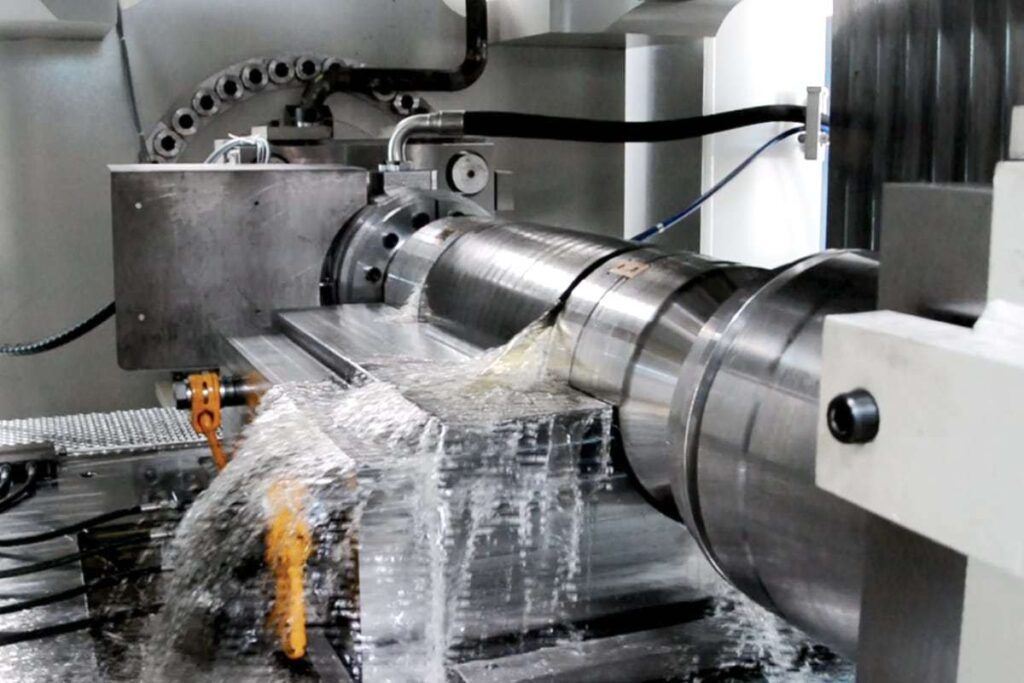
Categories
Machinery

White Goods Outer Casing Panels Manufacturing Machine

White Goods Outer Casing Panels Manufacturing Machine

White Goods Outer Casing Panels Manufacturing Machine: An Automated Machining Line is a highly integrated manufacturing system designed to produce parts with minimal human intervention. It typically consists of a series of machine tools (e.g., CNC lathes, milling machines, drilling machines) that are connected by material handling systems and controlled by a central computer or PLC (Programmable Logic Controller).

Key Components of the Automated Machining Line

  1. CNC Machines – Perform operations like turning, milling, drilling, etc.
  2. Robotic Arms / Gantry Systems – Load and unload parts between stations.
  3. Conveyors / Transfer Lines – Move parts through the line.
  4. Inspection Stations – Use vision systems or sensors for quality control.
  5. Tool Management Systems – Monitor and change tools automatically.
  6. Centralized Control System – Coordinates all operations and collects data for monitoring and optimization.

Advantages:

  • High Productivity: Continuous, 24/7 operation.
  • Consistency & Precision: Reduced human error.
  • Reduced Labor Costs: Fewer operators required.
  • Better Data Collection: Enables predictive maintenance and real-time quality tracking.

Applications:

  • Automotive components
  • Aerospace parts
  • Consumer electronics
  • Industrial equipment

An automated machining line is a production system where multiple machine tools and handling devices are connected to perform sequential operations on workpieces with minimal human intervention. These lines are typically controlled by centralized computer systems or PLCs that coordinate each stage of the process, from raw material input to finished product output. The core of the system includes CNC machines such as lathes, milling machines, or grinders, which are programmed to carry out precise machining operations. Between these machines, automated material handling systems—such as robotic arms, gantry loaders, or conveyors—transport parts, ensuring smooth workflow and minimal downtime.

The system may also integrate inspection stations equipped with sensors, vision systems, or coordinate measuring machines (CMMs) that verify dimensional accuracy and surface quality during or after machining. This ensures defective parts are identified early and reduces waste. Automated tool changers and tool monitoring systems help keep the line running by switching out worn tools and maintaining machining precision.

Automated machining lines are especially beneficial in high-volume production environments where consistency, speed, and cost-efficiency are critical. Industries such as automotive, aerospace, and electronics rely heavily on such systems to produce complex parts at scale. While the initial investment is high, the long-term benefits include reduced labor costs, improved product quality, faster turnaround times, and better use of manufacturing data for process optimization and predictive maintenance.

In a typical real-world scenario, such as an automotive engine component production line, the automated machining process starts with raw forgings or castings being loaded into the system—often by robotic arms or palletized feeders. The first CNC station might perform rough turning to shape the basic geometry. After this, the part is transferred—usually via a conveyor or robotic gripper—to the next station, where more detailed operations like milling, drilling, or threading take place.

Each machine is pre-programmed with the exact machining instructions and tolerances, ensuring that every part meets the same specifications. Sensors on the machines track cutting forces, spindle speed, vibration, and tool wear. If any parameter deviates from its threshold, the system either compensates automatically or triggers a maintenance alert. Some lines include adaptive machining, where minor real-time adjustments are made based on part variability or tool conditions.

Inspection and quality control are often embedded into the line itself. For example, a vision system might scan the part for surface defects immediately after milling. Later, a contact probe or laser scanner might verify critical dimensions. If a defect is detected, the part can be ejected from the line automatically and logged in a database for traceability and root cause analysis.

Finished parts are either collected in bins, stacked on pallets, or automatically transferred to an assembly line or packing station. Throughout the entire cycle, the central control system logs data from every operation, enabling detailed reporting, traceability, and continuous process improvement through machine learning or statistical process control techniques.

This kind of integration enables not only high-volume output but also flexibility for batch-size variations and product changeovers. With Industry 4.0 and IoT technologies, modern automated machining lines can also be remotely monitored and adjusted, further reducing the need for on-site personnel and enabling centralized control over multiple production facilities.

In traditional automated machining lines without AI or modern digital technologies, the system still relies heavily on mechanical and electrical automation controlled by programmable logic controllers (PLCs), relay-based logic, or basic numerical control (NC) systems. These setups are robust and reliable, often built for longevity and consistent performance in high-volume production environments.

The process begins with manual or semi-automated loading of raw materials into the first machine tool. These machines—typically NC lathes, milling machines, or drills—perform specific operations based on preset programs stored in the machine’s memory. The workpiece is clamped in place, and machining proceeds according to fixed cycle parameters. Once the operation is complete, mechanical transfer systems such as linear tracks, pneumatic pushers, or rotary indexing tables move the part to the next station.

Tool changes are usually scheduled at regular intervals based on time or part count rather than real-time tool condition. Operators may be responsible for monitoring tool life and performing manual replacements when necessary. Likewise, quality checks are typically carried out at regular intervals by human inspectors using gauges, micrometers, or dedicated checking fixtures. In some systems, dial indicators or hard stops are used to maintain dimensional control.

Despite the absence of sensors or real-time feedback, such systems are remarkably effective in stable production conditions where the material and part design do not vary significantly. Maintenance is preventive or breakdown-based, relying on routine inspections, lubrication schedules, and experience-based troubleshooting.

These older automated lines are often found in long-established manufacturing plants, particularly in the automotive, heavy equipment, and appliance industries. They are less flexible than modern systems but are valued for their simplicity, mechanical reliability, and the skill-based approach of their operators and technicians.

In older automated machining lines, the transfer mechanisms are a critical part of the system and are designed for mechanical simplicity and reliability. Common types include chain conveyors, roller conveyors, overhead trolleys, rotary index tables, and linear shuttles. Each is chosen based on the type and size of the part, the required throughput, and the physical layout of the shop floor.

One widely used method is the rotary indexing table, especially in compact setups. It positions the workpiece at different machining stations arranged in a circular configuration. After each operation, the table indexes to the next position, allowing simultaneous machining at multiple stations. This results in high efficiency for parts that require several short, sequential operations.

For heavier parts or larger operations, linear transfer systems are more suitable. These include rigid rails or tracks along which pallets or fixtures holding the parts are mechanically advanced using cams, gears, or pneumatic cylinders. The indexing is precise and repeatable, ensuring each part is aligned correctly at each station. This system may include lifting and rotating units for reorienting parts as needed for subsequent machining.

Another key feature in these systems is dedicated tooling and fixturing. Each station typically has fixed-purpose jigs that precisely position and clamp the workpiece. These fixtures are often hard-mounted to the machine base and require manual adjustment during setup changes. For repeat production of a single part or family of parts, this system works efficiently and minimizes the need for frequent calibration.

Control is handled by relay logic or early PLCs with ladder diagrams programmed to execute sequences such as machine start/stop, indexing, tool changes, and coolant flow. These controls are robust, easy to troubleshoot with basic electrical knowledge, and designed for long-term operation. They don’t adapt in real-time but can reliably run for decades with minimal issues if maintained properly.

Coolant systems in traditional lines are also basic—usually centralized coolant tanks with pumps directing fluid to the tools. Filtration may be rudimentary, involving mesh filters or magnetic separators to remove chips and swarf.

Chip handling is mechanical too—often using screw conveyors or belt-driven systems to move chips away from the machining area to collection bins. Operators are typically responsible for emptying these bins and ensuring the system stays clear to prevent machine stoppage.

Overall, older automated machining lines are engineered for reliability and long production runs of identical parts. Changeovers are time-consuming, and flexibility is limited, but their mechanical simplicity, low software dependence, and proven durability make them well-suited for dedicated manufacturing tasks.

Automated Machining and Grinding Line

Automated Machining and Grinding Line

An Automated Machining and Grinding Line is a production system that combines cutting operations (like turning, milling, or drilling) with grinding processes in a continuous, integrated workflow. This setup is commonly used in industries that demand high precision and surface finish, such as automotive, aerospace, and heavy machinery manufacturing. Unlike purely machining lines, these systems can handle parts that require both dimensional accuracy and fine surface quality.

In traditional implementations without modern AI or smart sensors, these lines are built around a sequence of machine tools and grinders, connected via mechanical transfer systems such as conveyors, indexing tables, or robotic arms. Each station is dedicated to a specific operation. For example, a component may first be rough-machined in a CNC lathe, transferred to a milling machine for slots or holes, and finally moved to a grinding station for precision finishing. Grinding is typically done with cylindrical, surface, or centerless grinders, depending on the part geometry.

Parts are usually mounted on dedicated fixtures or pallets designed to maintain consistent orientation and minimize setup time at each station. Fixtures are clamped pneumatically or hydraulically, and the systems are aligned mechanically to ensure accurate positioning. Transfer between stations is timed and controlled by PLCs, which follow a strict logic sequence. These lines often incorporate automated tool changers in the machining stations and fixed grinding wheels in the grinding units.

Grinding stations are equipped with cooling systems and basic wheel dressing mechanisms. In older systems, dressing cycles are timed rather than sensor-driven, and operators rely on scheduled maintenance or visual inspection to identify wear or wheel damage. Coolant filtration may use magnetic separators, paper bed filters, or basic settling tanks to remove fine grinding debris.

Quality control is mostly manual or semi-automated. For high-tolerance parts, operators may use dial indicators, micrometers, or air gauges at designated inspection stations. Some lines include mechanical go/no-go gauges between stages to detect out-of-spec parts before they move to the next operation.

The major advantage of combining machining and grinding in one line is process integration: fewer setups, faster cycle times, and reduced handling between operations. This is particularly beneficial when producing hardened or high-strength materials where post-machining grinding is necessary for tolerance and finish. However, because of the heat, dust, and precision requirements of grinding, these stations are often physically isolated within the line and require more frequent maintenance.

Older automated machining and grinding lines are designed for long runs of standardized parts, with little flexibility for frequent part changes. Changeovers involve manual fixture replacement, program switching, and careful realignment, typically performed by skilled technicians. Despite their limitations, such systems remain in use where durability, consistency, and cost-per-part are more critical than flexibility.

Let’s consider a typical crankshaft production line as an example of an automated machining and grinding line. Crankshafts are complex components that require a combination of heavy material removal and ultra-precise finishing. The line is usually designed for high-volume output, such as in automotive engine manufacturing.

The process begins with forged steel blanks being loaded—either manually or by robot—onto palletized fixtures. These fixtures travel through the line and maintain precise orientation of the crankshaft throughout each station. The first few machines perform rough machining using CNC lathes and milling machines to establish key features like journals, counterweights, and oil passages. Operations at this stage include turning, milling of flat faces, and drilling of oil holes.

Next, the part is transferred—usually by a chain conveyor or robotic arm—to semi-finish machining stations, where closer tolerances are achieved. Here, operations such as journal and pin turning to near-final dimensions are performed. The control is typically PLC-based, with set cycle times and limited part detection logic. Tool changes are pre-programmed based on part count, not real-time monitoring.

After semi-machining, the crankshaft undergoes heat treatment, often offline. It is then reintroduced to the line for hard machining or pre-grinding, depending on the material hardness and required tolerances. The hard surfaces—especially the main and pin journals—now require precise size and surface quality, which is where grinding becomes critical.

The part is now transferred to grinding stations, typically including:

  • Cylindrical grinders for the main journals.
  • Orbital or crankpin grinders for the offset crank pins.
  • Face grinders for end faces and thrust surfaces.

These grinders are built for high rigidity and thermal stability, often with cast-iron beds and hydraulic or electric infeed systems. The grinding wheels are fixed and dressed periodically using diamond dressers. The dressing cycles are scheduled either by time or number of parts, depending on the line’s setup. The grinding process produces significant heat and fine particles, so coolant systems with filtration tanks and magnetic separators are essential.

To maintain accuracy, the line may include mechanical gauging stations after critical grinding operations. These use air gauges or contact probes to measure diameter, roundness, and taper. In some lines, go/no-go fixtures are positioned at intervals to catch out-of-spec parts. If a part fails, it is diverted off the line to a rework or scrap area.

At the end of the line, the crankshaft is washed in a cleaning station to remove residual grinding swarf and oil. It may then be subjected to manual final inspection, including magnetic particle inspection for cracks, followed by balancing and marking before packing.

Older systems like this are not designed for quick changeovers. A model change requires downtime to switch fixtures, adjust machine positions, update programs, and possibly modify transfer settings. But once running, these lines can produce thousands of identical crankshafts with minimal variation, making them ideal for large-scale manufacturing.

Let’s continue with a focus on bearing race production in an automated machining and grinding line. Bearing races require extremely tight tolerances and mirror-like surface finishes, especially on the inner and outer diameters that mate with rolling elements. This makes them ideal candidates for combined machining and grinding lines, particularly where large volumes are involved, such as in automotive wheel hubs or industrial motors.

The process starts with raw steel tubes or forged rings that are cut to approximate length and then loaded onto the line—often using a gravity chute, lift-and-place system, or vibratory bowl feeder for small races. The first station is usually a facing and centering lathe, which squares both ends and generates a center bore or reference surface. The part is then transferred via linear shuttle or rotary table to the next machine, typically a rough-turning lathe, which machines the basic internal and external diameters.

After this, the part might move to a groove turning machine, where the raceways are cut to near-net shape. These operations use fixed tooling and follow numerical control commands via early CNC or PLC systems. At this stage, tolerances are relatively loose, as the final precision will come from grinding.

Following turning, the rings go through a heat treatment process (carburizing or hardening) offline, and are then reintroduced to the line for grinding. This is the critical stage where the inner and outer raceways are ground to final dimension and finish. Here’s how grinding is typically handled in such a line:

  • Centerless grinding is used for the external diameters of the outer races. It provides high throughput and good roundness, as the part is supported between a regulating wheel and a grinding wheel without chucks.
  • Internal grinding machines are used for the inner diameters of inner races, requiring high spindle speed and careful coolant delivery due to heat buildup in confined spaces.
  • Raceway grinding, which may use plunge grinding or oscillating (swiveling) methods depending on the bearing type and production strategy. These machines often have fixed grinding wheels mounted on precision spindles, dressed periodically by a mechanical dresser.

Coolant is heavily used at this stage, delivered through nozzles aimed directly at the contact zone. Coolant systems are relatively basic in older lines, using central tanks with gravity return lines and magnetic or paper bed filters. Since grinding creates very fine swarf and heat, keeping the coolant clean and the grinding wheels dressed is essential to avoid burning or dimensional deviation.

After grinding, the races move to inspection and superfinishing. This may include:

  • Lapping or honing to achieve mirror finish and final geometry.
  • Air gauging or mechanical comparators to check roundness, diameter, and taper.
  • Crack detection using magnetic particle inspection or eddy current testing.

Some lines may also include marking stations where part numbers, batch codes, or hardness zones are engraved using dot-peen or laser systems. In older lines, this is sometimes done manually or semi-automatically.

The final steps involve cleaningrust prevention coating, and packaging. Rings are passed through a washing tunnel with heated solution and then dried using air blowers. Anti-rust oil is applied via spray or dip tanks before packaging into trays or cartons.

This kind of line, though mechanically complex, operates with high reliability and repeatability over long periods. It’s engineered for mass production with minimal flexibility, but its robustness and mechanical design make it a strong choice where digital technologies are not required or available.

Automated Deep Drawing Production Line

Sheet Metal Condiment Holder Manufacturing Machine

An Automated Deep Drawing Production Line is a high-precision manufacturing system designed for producing complex, hollow metal parts from flat sheets, typically using a process called deep drawing. Deep drawing involves forming a sheet metal blank into a three-dimensional shape, like automotive body panels, kitchen sinks, or pressure vessels, by pulling the sheet over a die with a punch.

In an automated deep drawing production line, the entire process is integrated, often with robotic arms, conveyors, and automated presses working together to form, inspect, and finish the parts with minimal human intervention. The key focus of these lines is to ensure high throughput, precision, and consistent part quality, while reducing labor costs and cycle time.

Key Stages of an Automated Deep Drawing Production Line:

  1. Blanking and Feeding:
    • The process begins with blanking, where flat metal sheets (typically aluminum, steel, or brass) are cut into precise blanks of the required size and shape. In some automated lines, automated blank feeders are used to move the blanks from a material stack to the first forming station.
    • coil-fed system can also be used where a continuous strip of material is unspooled and fed into the line.
    • For high-volume production, this stage may involve robotic arms or automatic conveyors to precisely position the blanks into the press.
  2. Pre-forming/Pre-heating (if necessary):
    • Some materials, especially tougher metals, may require pre-heating to make them more malleable before deep drawing.
    • heated die or induction heating system may be employed to soften the metal blank, making it easier to form without cracking or wrinkling.
  3. Deep Drawing (Forming):
    • The core operation of the line is deep drawing, where the metal blank is placed in a die and pressed into the desired shape using a punch.
    • In the traditional process, the sheet metal is drawn through a die using a mechanical press, while the punch pulls the metal into the die cavity. The metal may go through several stages of drawing, especially for complex shapes.
    • Automated presses are often used in these systems, typically hydraulic or mechanical presses, which provide consistent force and speed. The press may be equipped with automatic stroke adjustments, controlling the drawing depth and force depending on the material and part geometry.
    • Multiple drawing stations can be used sequentially, with each one progressively drawing the part deeper and shaping it closer to the final form.
  4. Lubrication and Cooling:
    • A key aspect of deep drawing is the lubrication of the metal blank to reduce friction between the punch and die, and to prevent the metal from sticking or cracking.
    • Automated lubrication systems are used, which spray or flood the blank with a lubricant before it enters the die. This ensures consistent application and reduces the need for manual intervention.
    • Cooling systems may also be integrated into the die to regulate temperature and prevent overheating of the metal during drawing.
  5. Ejection and Part Handling:
    • Once the part is formed, it is ejected from the die. This is often done using automated ejectors, robotic arms, or mechanical pushers that remove the part from the die without damaging its shape.
    • Conveyors are used to transport the ejected parts to the next station for quality inspection, trimming, or other finishing operations.
    • If needed, parts may be automatically stacked or placed into containers for downstream processing or shipping.
  6. Inspection and Quality Control:
    • After the drawing process, the parts are automatically inspected for defects such as wrinkles, cracks, or dimensional deviations.
    • Vision systems may be employed to inspect the parts for visual defects, while coordinate measuring machines (CMMs) or other contact sensors can check critical dimensions like wall thickness, depth, or diameter.
    • Some lines incorporate automatic rejection systems, where defective parts are immediately removed from the line to avoid further processing.
  7. Trimming and Finishing:
    • If the drawn part has excess material (such as a flange or edge), it is sent to a trimming station. This is typically done with automated cutting tools, which trim away the excess metal.
    • Parts may then undergo additional processes such as deburred edgespunching, or flange forming as needed for the final design.
  8. Cleaning and Coating (if required):
    • After trimming, the parts may need to be cleaned, either manually or automatically using ultrasonic cleaners or industrial washing systems, to remove oils, lubricants, or other residues from the drawing process.
    • Some parts may also require surface coating, such as painting, galvanizing, or coating with protective films. This can be done automatically via spray booths or robotic systems for precise application.
  9. Packaging and Shipping:
    • Finally, the formed and finished parts are ready for packaging and shipment. Automated systems can handle packaging, whether it’s wrapping parts individually, placing them in bulk containers, or preparing them for palletization.

Key Advantages of Automated Deep Drawing Lines:

  • High Throughput: With minimal human intervention, the system can operate at high speeds, producing large volumes of parts quickly.
  • Consistency and Quality: Automated systems ensure that each part meets the required specifications with minimal variation, reducing scrap and rework.
  • Reduced Labor Costs: Many manual steps (such as blank handling, lubrication, and inspection) are automated, reducing the need for operators.
  • Flexibility in Material Handling: While deep drawing typically involves metals, automated systems can adapt to different material types, thicknesses, and shapes.
  • Process Integration: The entire production process, from blanking to shipping, can be seamlessly integrated into one automated system, reducing downtime and improving efficiency.

Applications:

  • Automotive Industry: For parts like car body panels, fuel tanks, or engine components.
  • Aerospace: For lightweight, high-strength parts like fuselage panels or wing skins.
  • Household Goods: For items such as sinks, tubs, and other kitchen or bathroom products.
  • Industrial Equipment: For parts like pressure vessels or enclosures for machinery.

In essence, automated deep drawing lines are highly efficient systems optimized for mass production, especially when complex parts with tight tolerances need to be formed quickly and consistently.

An automated deep drawing production line is designed to streamline the process of forming complex metal parts by transforming flat sheets of material into three-dimensional shapes. The process begins with blanking, where flat metal sheets are precisely cut into blanks, which are then fed into the first stage of the forming process. Depending on the system, blanks may be fed manually or automatically using robotic arms or conveyor belts. After this, the blanks are placed in a die, and a punch is used to draw the material into the die, shaping it into a desired part.

The deep drawing process often occurs in multiple stages, each progressively drawing the part deeper to create the final shape. As the material is drawn, it can be lubricated to reduce friction between the punch and die, helping prevent the material from cracking or sticking. Automated lubrication systems spray or flood the blanks with lubricant, ensuring consistent application and eliminating the need for manual intervention. The metal may also be pre-heated in certain cases to make it more malleable, especially when forming tougher metals that require additional care.

Once the part is formed, it’s ejected from the die using automated ejectors, robotic arms, or mechanical pushers. The parts are then transported via conveyors to the next stages of the process. Automated inspection systems, such as vision systems and coordinate measuring machines, check the parts for defects like cracks, wrinkles, or dimensional inconsistencies. Parts that don’t meet specifications are automatically rejected, ensuring that only quality parts proceed to the next step.

For parts with excess material, an automated trimming station removes the excess through cutting or punching, shaping the part further. Some parts may also go through additional finishing processes like deburring or edge rounding, all carried out by automated systems to maintain precision and reduce manual labor. After trimming, parts are often cleaned in ultrasonic cleaning systems or industrial washing stations to remove lubricants and other residues before any surface coatings are applied. The final step typically involves packaging the parts for shipment, which is often automated, ensuring that the finished products are packaged efficiently for delivery.

The key benefits of automated deep drawing production lines include high throughput, consistent quality, and reduced labor costs. With the entire process integrated, from blank feeding to packaging, these systems minimize downtime and improve efficiency. By automating the handling, lubrication, inspection, and finishing stages, manufacturers can maintain high-quality standards while reducing manual intervention, making the process ideal for high-volume production.

Continuing from where we left off, an automated deep drawing production line offers significant benefits in terms of efficiency, cost-effectiveness, and scalability. The integration of robotics and automated systems minimizes human error and improves consistency across large production runs. For example, robotic arms in these systems can handle the delicate task of positioning blanks into dies with high precision and speed, eliminating the risk of misalignment and improving cycle time.

In addition to handling blanks, robotic systems can be used for automated lubrication application, ensuring even coverage and reducing wastage of lubricant. The lubrication not only helps to reduce friction but also minimizes wear on the dies and punches, extending their lifespan and reducing downtime for maintenance. Some systems even have automatic lubrication management that adjusts based on the type of material being processed or the drawing process stage, optimizing both lubrication quality and cost.

The automation of part inspection through vision systems and sensor technology is another significant advancement in deep drawing lines. Automated inspection not only checks for visual defects such as cracks or scratches but also measures critical dimensions of the drawn parts. This includes evaluating wall thickness, roundness, and overall dimensional tolerance. If a part fails inspection, it is automatically diverted off the line for rejection, saving time and materials compared to manual inspection methods. In some advanced systems, in-line quality control using X-ray or ultrasonic testing can be implemented to detect internal defects that would be invisible to traditional inspection methods.

Once the part has passed inspection and trimming, finishing operations like deburring (removal of sharp edges or small metal fragments) and polishing are automated. Automated machines can perform these tasks at high speeds while maintaining tight tolerances, ensuring the parts are smooth and ready for final application or coating.

Surface coating, such as painting, galvanizing, or anodizing, is also a key part of the automated deep drawing production line, especially for parts that require additional protection or a finished appearance. These lines often integrate spray boothsrobotic arms, or dipping tanks to apply coatings consistently. For example, if the parts are to be coated with a corrosion-resistant layer, an automated system can ensure even coating thickness and proper drying time, reducing the need for human labor and enhancing the quality of the final product.

The final stage of an automated deep drawing line involves packaging and shipping, where finished parts are automatically stacked, boxed, or palletized for shipment. Conveyor systems guide the parts to automated packaging stations, where the parts are grouped, labeled, and wrapped for shipping. These systems often include robotic pick-and-place units for precise placement into shipping containers, ensuring that the parts are well-protected during transportation.

By automating these stages, manufacturers can significantly reduce the labor required for each part of the production process, improve overall cycle time, and increase throughput. The use of integrated systems allows for quicker adjustments to production runs, meaning that the line can handle a range of products with minimal setup time. This is especially beneficial in industries that require both flexibility and high volume, such as the automotive, aerospace, and consumer goods sectors.

The integration of real-time data monitoring and predictive maintenance technologies can further enhance the efficiency of the production line. Sensors embedded in machines can track parameters like temperature, pressure, and vibration, alerting operators to potential issues before they cause significant downtime. This predictive maintenance reduces unexpected failures and extends the life of expensive equipment like presses and dies.

Building on the previous discussion, let’s dive into some of the more advanced technologies and systems that are commonly found in automated deep drawing production lines to ensure maximum efficiency, product quality, and reliability.

One of the key technologies that enhances the functionality of an automated deep drawing line is the use of advanced press technologies. These presses are typically hydraulic or mechanical presses that provide the high force necessary for deep drawing operations. Hydraulic presses are known for their versatility, as they offer variable speed and force control, making them ideal for different types of materials and drawing depths. On the other hand, mechanical presses are faster and more suitable for high-speed production lines, as they can deliver a consistent force with less variation.

In many modern systems, presses are coupled with servo-driven actuators for greater control over the stroke, speed, and force applied during the drawing process. Servo presses allow for real-time adjustments during the drawing operation, optimizing the forming process to reduce defects such as wrinkles, cracks, or tearing, which are common challenges in deep drawing. This precision leads to better material usage, minimizing waste, and ensuring parts meet stringent quality standards.

In-line sensors are another critical element of advanced automated deep drawing systems. These sensors monitor the entire process in real time and provide feedback to the system. For instance, force sensors installed on the punch and die can monitor the amount of force being applied during the deep drawing process. This feedback can be used to adjust the press’s force, preventing damage to the material and die. Additionally, thickness sensors help monitor wall thickness throughout the drawing process, ensuring that the part maintains uniformity and quality across its entire surface.

In material handlingvision systems are commonly used to automatically position blanks and ensure they are accurately aligned in the die before the press cycle begins. These systems can also detect misfeeds or any material defects that could lead to production delays or defective parts. If a problem is detected, the system can either reject the part automatically or alert operators to take corrective action.

Coolant and lubrication management is another area where automation plays a crucial role. In older systems, lubrication may have been a manual process or simply a routine spray, but in modern lines, lubrication is highly controlled through automated systems. This includes centralized lubrication systems, which deliver precise amounts of lubricant to different parts of the machine, especially in the punch-die interface. The correct application of lubricant reduces wear and tear on the tooling, extends the life of the press, and ensures a smoother forming process. Moreover, the lubrication system can be linked to real-time monitoring systems, which adjust lubrication based on the materials being processed and the specific needs of the drawing stage.

In terms of maintenance, predictive technologies are revolutionizing how downtime is managed. Condition-based monitoring systems equipped with sensors provide real-time data on the health of critical equipment like punches, dies, and presses. These systems can track parameters like temperature, vibration, and pressure, which are often the first indicators of potential failure. Using this data, the system can predict when a component is likely to fail, allowing operators to replace or service the equipment before a failure occurs. This approach, often called predictive maintenance, significantly reduces unplanned downtime and maintenance costs, ensuring the line remains in operation for longer periods.

Moreover, data collected from sensors throughout the process can be sent to a central Manufacturing Execution System (MES), which provides an overview of the entire production line. The MES collects data on machine performance, part quality, cycle times, and material usage, and provides operators with actionable insights. These insights can help optimize the workflow, reduce bottlenecks, and improve overall line efficiency.

One significant advantage of automated deep drawing production lines is their ability to easily accommodate small batch production runs or variations in part designs. While traditional deep drawing lines require substantial downtime and manual intervention to adjust for new part designs, automated systems allow for quick changeovers. This flexibility is achieved through the use of robotic part loading systemsquick-change tooling setups, and programmable presses that can automatically adjust stroke and force parameters depending on the new part being produced. In many cases, automated lines can even handle multiple different part sizes and designs within a single production run, making them highly adaptable.

Energy efficiency is also a focus in modern automated deep drawing systems. Hydraulic presses, while energy-intensive, have become more efficient thanks to variable displacement pumps and energy recovery systems that capture and reuse energy during the press cycle. Similarly, automated lubrication systems and cooling systems help ensure that energy consumption is kept in check by only operating when needed, further contributing to sustainability in manufacturing.

Finally, integrated robotics and AI-based control systems allow the deep drawing line to operate with minimal human oversight. These systems can autonomously adjust to changes in material properties, detect part defects, and even optimize the drawing process in real time. Artificial intelligence algorithms can analyze historical production data to predict the best settings for new material batches, optimizing each part of the process for efficiency and quality.

Overall, an automated deep drawing production line is designed to ensure that manufacturers can produce complex, high-quality parts at high volume with minimal human intervention. The integration of robotics, AI, advanced sensors, and predictive maintenance technologies ensures that the production process is more efficient, consistent, and adaptable, while also reducing costs and improving product quality.

Four-Column Deep Drawing Press

Four-Column Deep Drawing Press

Four-Column Deep Drawing Press is a type of mechanical or hydraulic press specifically designed for deep drawing operations, where metal sheets are formed into deep, hollow shapes. This type of press gets its name from the four vertical columns that support the press structure, providing stability, strength, and precision during the deep drawing process.

Key Features and Components of a Four-Column Deep Drawing Press:

  1. Four-Column Frame Structure:
    • The press’s four-column design provides a stable and rigid framework that supports the ram (punch), die, and other components. These columns help distribute the load evenly, making the press suitable for high-force applications, such as deep drawing.
    • The structure ensures that the vertical movement of the ram is aligned and stable, minimizing any deviations in the part geometry.
  2. Pressing Mechanism (Hydraulic or Mechanical):
    • The pressing action is typically provided by hydraulic cylinders or mechanical systems. In a hydraulic four-column press, hydraulic cylinders are used to apply force to the ram. The advantage of a hydraulic system is its ability to offer precise force control over the entire stroke, making it ideal for deep drawing, which requires varying force levels throughout the forming process.
    • Mechanical presses, while faster and more rigid, are less flexible when it comes to force adjustments and are generally used in high-speed stamping rather than deep drawing.
  3. Die and Punch Setup:
    • The die set is positioned on the lower portion of the press and forms the cavity into which the blank is drawn. The punch (ram) is mounted above the die and moves downward to pull the material into the die, forming the part.
    • In four-column presses, both the die and punch are aligned vertically with precision, ensuring that the material is drawn consistently without warping or damage.
  4. Stroke and Force Control:
    • The press allows for adjustable stroke length and force settings, which is essential for deep drawing processes that involve materials of varying thicknesses or hardness. By adjusting the stroke, the operator can control how deeply the material is drawn and how much force is applied during each step of the process.
    • In hydraulic presses, the stroke can be finely controlled by adjusting hydraulic pressure. In mechanical presses, stroke control is usually limited to pre-set options, but force control can still be achieved by adjusting the ram speed and ram displacement.
  5. Guiding Mechanism:
    • Guides are used to ensure the ram (punch) moves vertically along the four columns without lateral deviations. This precision is crucial, as even minor misalignment can result in defects like wrinkles, uneven thickness, or part failure during drawing.
    • Linear guides or roller guides are often employed to reduce friction and ensure smooth, precise motion of the punch.
  6. Safety and Monitoring Systems:
    • Four-column deep drawing presses are typically equipped with safety features such as light curtains, pressure sensors, and emergency stop buttons to protect operators and prevent accidents during operation.
    • Force and position sensors can also be incorporated into the system to monitor the press’s operation, ensuring that the correct amount of force is applied at each stage of the forming process.
  7. Automation Integration:
    • Four-column presses can be integrated with automation systems, including robotic arms for part loading and unloading, and conveyor systems for part handling throughout the production line. Automated blank feeders and die changers can also be used to improve efficiency and reduce manual intervention.
    • Computer Numerical Control (CNC) or PLC-based control systems enable the press to follow precise part specifications, adjust parameters automatically based on material properties, and even adjust for different part designs without requiring manual retooling.
  8. Applications of Four-Column Deep Drawing Presses:
    • These presses are often used in industries that require high-quality, precision-formed parts, such as automotiveaerospaceappliance manufacturing, and industrial equipment. Common parts include automotive body panelsmetal canspressure vesselskitchen sinks, and electrical enclosures.
    • Four-column presses are particularly suitable for large, complex parts that require high forming force and precision. They excel in situations where parts have relatively deep profiles, requiring a press capable of applying a large, consistent force over the entire stroke.

Advantages of Four-Column Deep Drawing Presses:

  1. High Force Capability:
    • The four-column structure provides enhanced strength and stability, allowing the press to apply the necessary high force required for deep drawing operations. This makes it suitable for thick materials and larger parts.
  2. Precision and Alignment:
    • The four-column setup ensures precise alignment of the die and punch, leading to consistent quality and uniform part formation.
  3. Flexibility:
    • The adjustable stroke length and force control make the four-column deep drawing press versatile for different materials and part designs. It can handle various thicknesses and hardness levels of materials without the need for retooling or major adjustments.
  4. Customization and Automation:
    • The press can be easily integrated into automated production lines, which increases throughput, reduces human error, and improves overall efficiency. Automation systems can handle part feeding, lubrication, inspection, and part unloading, leading to faster cycle times and lower labor costs.
  5. Durability and Longevity:
    • Due to their robust construction, four-column presses are designed for long-term use, even under the intense pressure of deep drawing. This durability reduces the need for frequent maintenance or replacement, providing a solid investment for high-volume manufacturers.

Potential Drawbacks:

  1. High Initial Investment:
    • Four-column deep drawing presses can be costly to purchase and set up, especially when integrating advanced features like automation or hydraulic systems. However, this is often offset by the high throughput and reduced labor costs over time.
  2. Space Requirements:
    • The four-column frame design requires a significant amount of space to accommodate the press, especially when used in larger configurations for producing big parts. This might require specialized facilities or larger production floors.
  3. Maintenance Complexity:
    • The press’s intricate components, such as the hydraulic systems, guides, and sensors, require regular maintenance to ensure optimal performance. However, predictive maintenance systems can help mitigate unexpected downtime.

Conclusion:

The Four-Column Deep Drawing Press is an advanced, reliable machine that plays a vital role in the production of complex, high-quality formed metal parts. Its ability to provide consistent force, precision, and adaptability makes it a staple in high-performance manufacturing environments, particularly in industries that require intricate metal forming. The press’s ability to integrate with automation systems further enhances its efficiency and flexibility, making it an ideal choice for manufacturers looking to increase production speed and minimize human error.

A Four-Column Deep Drawing Press is built to handle the intense forces required to transform flat metal sheets into deep, intricate shapes, commonly used in industries like automotive, aerospace, and appliance manufacturing. The press operates by using four vertical columns to support and stabilize the press frame, ensuring precise alignment and minimal distortion during operation. This robust design allows for high-tonnage applications, ideal for forming thicker materials or producing larger parts. The frame supports a punch (ram) that applies force to a metal blank, pulling it into a die to form the desired part. The ability to adjust force and stroke length makes this press highly adaptable to different materials, thicknesses, and shapes.

One of the standout features of the Four-Column Deep Drawing Press is its versatility, as it can handle a wide range of part geometries, including deep and complex profiles. The system can be customized to accommodate varying part sizes, and hydraulic or mechanical systems provide the necessary force to ensure high-quality, consistent output. In addition, precise control over the drawing force is possible, which is essential for preventing material defects such as cracks or wrinkles. Furthermore, automation plays a significant role in enhancing efficiency, as robotic arms and conveyor systems can feed, transfer, and unload parts, reducing human labor and improving cycle times.

These presses are typically equipped with sensors and monitoring systems to ensure optimal operation. Force and position sensors monitor the punch’s movement, providing real-time data that helps prevent overloading or misalignment. This data can also be integrated with predictive maintenance systems, which alert operators to potential issues before they lead to unplanned downtime. Automated lubrication systems ensure that the die and punch are consistently lubricated, reducing friction and wear, which prolongs the life of the tooling and helps maintain part quality.

Although the Four-Column Deep Drawing Press offers significant advantages in terms of force, precision, and flexibility, there are some drawbacks to consider. The initial investment can be high, particularly if you incorporate advanced automation or hydraulic systems. The press also requires a considerable amount of space due to its large frame, making it less suitable for smaller production areas. Regular maintenance is crucial for maintaining performance, as components such as hydraulic systems, guides, and sensors need to be serviced to prevent breakdowns. However, these challenges can be mitigated with proper planning and investment in predictive maintenance technologies.

In summary, the Four-Column Deep Drawing Press is an essential piece of equipment for manufacturers who need to produce high-quality, complex metal parts at high volumes. Its combination of force, precision, and adaptability makes it ideal for industries where part integrity and consistency are critical. The integration of automation, monitoring systems, and predictive maintenance further enhances its efficiency, making it a valuable asset in modern manufacturing lines.

As the demand for more complex, high-quality metal parts continues to rise, the Four-Column Deep Drawing Press stands out as an essential tool for manufacturers aiming to keep up with production demands while maintaining high standards of precision and efficiency. The press’s ability to handle deep, intricate forming with uniform quality makes it an ideal choice for industries such as automotive, aerospace, and even the production of consumer goods.

While the Four-Column press excels at deep drawing, it also offers flexibility in terms of part design. It can handle a variety of materials, from soft metals like aluminum to harder materials like stainless steel. The press can be adjusted to accommodate different material properties, thicknesses, and hardness, making it versatile across a range of applications. This adaptability is particularly beneficial in industries where product designs constantly evolve, and flexibility is crucial to staying competitive.

One of the emerging trends in Four-Column Deep Drawing Presses is the integration of smart manufacturing technologies. These presses are increasingly equipped with real-time data analytics, allowing operators to monitor key performance indicators such as force application, stroke length, material flow, and even tool wear. These systems use sensors and cameras to collect data, which is then analyzed using AI and machine learning algorithms. By processing this data, the system can identify patterns, predict potential issues, and suggest adjustments to optimize the production process.

Machine learning algorithms can also help improve part quality by learning from previous drawing cycles. These algorithms can detect subtle changes in material properties and adjust the press parameters in real time to avoid defects, such as wrinkling or tearing. The incorporation of these AI-driven tools enhances the press’s ability to adapt to different conditions and materials, improving both efficiency and product quality. This level of automation and intelligence leads to fewer defects, reduced waste, and increased overall productivity.

Additionally, the trend of energy efficiency has become increasingly important in modern manufacturing. The energy consumption of a Four-Column Deep Drawing Press can be significant, especially when operating at full capacity. However, modern hydraulic systems and advanced control mechanisms have made significant strides in reducing energy usage. Many new systems are equipped with energy recovery features, such as regenerative drives, which capture and reuse energy during the press cycle. This not only helps reduce operational costs but also aligns with sustainability goals by lowering the environmental impact of manufacturing processes.

Another key consideration is the maintenance of the press. Predictive maintenance technologies, already embedded in many modern presses, continuously monitor the condition of the press and its components. By collecting data on things like vibration, temperature, and hydraulic pressure, these systems can predict when maintenance is required, preventing unscheduled downtime. This is a major advantage for manufacturers, as it allows them to plan maintenance around production schedules, reducing costly disruptions and ensuring the press operates at optimal efficiency.

Moreover, the safety features on Four-Column Deep Drawing Presses have evolved significantly over the years. In addition to traditional safety guards and emergency stop buttons, many presses now feature robotic safety systems such as light curtains and laser scanners. These systems can detect the presence of operators or obstacles within the press area, automatically stopping the press before any harm can occur. These innovations not only improve safety but also contribute to a more streamlined, automated production process by reducing human intervention.

In terms of flexibility, some Four-Column presses are now equipped with quick-change tooling systems, allowing manufacturers to switch between different part designs with minimal downtime. The tooling can be swapped automatically, and the press can adjust to the new design parameters, such as stroke length and force, with little to no manual input. This makes it easier to transition between different production runs, which is particularly beneficial in industries that produce a variety of parts in small to medium batches.

Lastly, the integration of robotic automation into the deep drawing process is helping improve both production efficiency and quality. Robotic arms are used to load and unload parts, position blanks accurately in the die, and remove finished parts from the press. These systems can also assist with secondary operations such as part cleaning or sorting. The use of robots minimizes human handling, reducing the risk of part contamination, misalignment, and injury, while also speeding up production cycles.

In conclusion, the Four-Column Deep Drawing Press is a critical piece of equipment in modern manufacturing, offering precision, adaptability, and high force capabilities for forming complex metal parts. As technology advances, these presses continue to evolve, integrating smart technologies, automation, and energy-saving features that optimize production processes. With the added benefits of predictive maintenance and enhanced safety systems, Four-Column presses are now more efficient, reliable, and capable than ever before, making them an indispensable asset for high-volume, high-precision manufacturing operations.

H-Frame Deep Drawing Press

H-Frame Deep Drawing Press

An H-Frame Deep Drawing Press is another type of press used in metal forming, specifically for deep drawing operations, where flat metal sheets are transformed into deep, hollow shapes. The primary difference between the H-Frame press and the more commonly used Four-Column press lies in the frame structure. As the name suggests, the H-Frame press features a frame shaped like the letter “H,” where two vertical columns are connected by horizontal cross members. This design provides the press with a strong and stable frame capable of withstanding high forces during the drawing process.

Key Characteristics of an H-Frame Deep Drawing Press:

  1. H-Frame Design:
    • The H-Frame design consists of two vertical columns connected by a crossbeam or bridge, forming an “H” shape. This configuration provides a robust, rigid structure that distributes the load evenly during the drawing operation.
    • The H-Frame press tends to have a more open design compared to the Four-Column press, which can offer better accessibility to the tooling area and facilitate easier maintenance and part handling.
  2. Hydraulic or Mechanical Drive:
    • Similar to the Four-Column press, H-Frame presses are usually powered by either hydraulic systems or mechanical drives.
      • Hydraulic systems offer flexibility by providing adjustable force and stroke length, which is essential for handling varying material types, thicknesses, and drawing depths.
      • Mechanical systems, typically used for high-speed operations, deliver constant force and are more efficient for quicker, repetitive drawing cycles.
    • The hydraulic version, in particular, provides the versatility needed for deep drawing processes where varying force levels are necessary throughout the cycle.
  3. Force Application:
    • The press uses a ram (punch) that moves vertically, pushing the material into the die to form the desired part. The H-Frame design ensures that the punch remains aligned and that force is applied uniformly to prevent material defects such as cracking or tearing.
    • Force control in an H-Frame press can be adjusted to suit the specific material being processed. Some advanced systems include variable displacement pumps or servo-controlled hydraulics to provide precise control of the force, which is vital for the consistency and quality of the formed parts.
  4. Open Frame Design:
    • The H-Frame’s open structure makes it particularly well-suited for large and heavy parts. Its design allows for easier loading and unloading of parts, especially for applications requiring large metal blanks. The open structure also facilitates tool changeover and maintenance access, allowing operators to reach the die and punch areas more easily.
    • The lower part of the frame provides additional space for handling equipment or auxiliary machinery such as automatic blank feeders or part stacking systems, enhancing the press’s ability to integrate into a fully automated production line.
  5. Precision and Alignment:
    • H-Frame presses are equipped with guides and alignment mechanisms that ensure the punch and die remain aligned during operation. This helps prevent defects like misformed parts, uneven wall thickness, and material wrinkling.
    • In some models, linear guides or roller guides are used to reduce friction and ensure smooth, precise movement of the punch. The rigidity of the frame ensures that the punch applies force in a straight, uniform motion, contributing to the consistent quality of the drawn parts.
  6. Customization and Flexibility:
    • One of the major advantages of the H-Frame design is its customizability. The press can be tailored to accommodate different die sizes, material thicknesses, and part geometries. Adjustments to stroke length, force, and speed can be made quickly to adapt to different production runs, making H-Frame presses suitable for both high-volume and small-batch production.
    • The ability to quickly swap tooling and adjust press settings makes H-Frame presses well-suited for industries where part designs frequently change or where there is a need for flexible manufacturing.
  7. Automation and Integration:
    • H-Frame presses can be easily integrated into automated production lines with robotic arms, conveyor systems, and automatic die changers. This integration improves production efficiency, reduces human error, and minimizes downtime between different production runs.
    • The press can be equipped with vision systems for automatic part inspection, ensuring that only quality parts move through the production process. Additionally, automated part handling systems can load and unload parts, reducing manual labor and increasing throughput.
  8. Energy Efficiency and Cost Considerations:
    • The energy efficiency of an H-Frame press depends on the hydraulic or mechanical system in use. Hydraulic presses can be optimized for energy use with features like energy recovery systems, which capture and reuse energy during the pressing cycle.
    • Servo-driven hydraulic systems are becoming increasingly common in modern H-Frame presses. These systems offer energy savings by using only the energy required for each specific operation, adjusting the force and stroke length dynamically based on the material being processed.

Advantages of an H-Frame Deep Drawing Press:

  • Strong Structural Design: The H-Frame press provides excellent support and load distribution during deep drawing, ensuring uniform force application and preventing deflection that could lead to defects.
  • Ease of Maintenance and Tooling Changeover: The open frame structure provides easy access to tooling, reducing downtime and maintenance costs. The large space underneath the frame also allows for the addition of auxiliary systems, like automated part handling equipment.
  • Customizability and Flexibility: H-Frame presses can handle a wide range of material types and part designs, making them adaptable to different production needs. The quick changeover of tools and settings allows for efficient switching between different jobs or products.
  • Higher Production Speed: With the integration of automation systems and fast cycle times in mechanical models, H-Frame presses can produce high volumes of parts at a faster pace, reducing overall production costs and increasing throughput.

Disadvantages:

  • Space Requirements: Like other large presses, the H-Frame design requires considerable floor space. The open frame structure, while beneficial for maintenance and part handling, can be cumbersome in smaller production environments.
  • Initial Investment: The cost of purchasing and setting up an H-Frame press can be substantial, especially if the press is equipped with advanced features like automated systems, servo-driven hydraulics, and smart monitoring systems. However, this is often offset by the long-term efficiency gains and lower operational costs.
  • Energy Consumption in Hydraulic Models: While energy-saving features can be added, traditional hydraulic presses tend to be more energy-intensive compared to mechanical systems, especially when running high-force operations.

Applications of H-Frame Deep Drawing Presses:

H-Frame Deep Drawing Presses are widely used in industries where large, complex metal parts are required. These include:

  • Automotive Manufacturing: For producing parts like car body panelschassis components, and engine parts that require precise forming under high force.
  • Aerospace Industry: For parts such as fuel tanksaircraft panels, and structural components, where precision and material strength are critical.
  • Consumer Goods: For the production of kitchenwaremetal cans, and appliances, which require deep drawing of thin-gauge metals into precise, uniform shapes.
  • Heavy Equipment Manufacturing: For forming large parts like hydraulic cylinders and pressure vessels, where high forces are needed.

Conclusion:

The H-Frame Deep Drawing Press is a versatile and robust piece of equipment well-suited for deep drawing operations that require high force and precision. Its open, customizable design, ease of maintenance, and ability to integrate with automated systems make it a valuable tool in industries producing large, complex metal parts. While there are some drawbacks, such as space requirements and initial investment costs, the benefits of improved flexibility, efficiency, and production speed make the H-Frame press a strong choice for manufacturers looking to optimize their deep drawing processes.

The H-Frame Deep Drawing Press stands out for its versatility in metal forming, particularly in deep drawing applications where large, complex parts need to be created. The “H” frame design, characterized by two vertical columns connected by horizontal cross members, provides a stable and rigid structure capable of handling high forces during the drawing process. This makes it ideal for industries requiring precision in forming thick materials or parts with intricate shapes, such as automotive, aerospace, and appliance manufacturing.

The press operates by using a ram (punch) that moves vertically, pushing the material into a die. The H-Frame’s design ensures that the punch stays aligned, and the force applied to the material is evenly distributed, preventing issues such as wrinkles or material tearing. Its ability to accommodate high-tonnage applications allows it to handle tough, thick materials or parts that demand substantial forming forces. The hydraulic system, in particular, offers great flexibility, as the force and stroke length can be adjusted depending on the material and the specific part requirements. This ensures that the press can adapt to different part geometries and material properties, making it suitable for both high-volume production and smaller batch runs.

One of the major advantages of the H-Frame press is its open structure. Unlike the Four-Column press, which may have a more enclosed design, the H-Frame press offers easier access to tooling, making maintenance and tool changes more efficient. The ability to swap tools quickly is a significant benefit, especially for operations that require frequent adjustments between different part designs. This open frame also facilitates the integration of automated systems, such as robotic arms or conveyor belts, which can improve overall production efficiency by reducing manual labor, enhancing speed, and reducing the chances of human error.

The flexibility in the H-Frame design also extends to energy efficiency. Although hydraulic presses typically consume more energy than mechanical presses, modern H-Frame presses can incorporate energy-saving features like regenerative drives. These systems recover and reuse energy during the pressing cycle, helping to lower operational costs and make the press more environmentally friendly. The integration of servo-driven hydraulic systems further boosts energy efficiency by adjusting the amount of energy used depending on the specific operation, which reduces unnecessary energy consumption.

The automation potential of the H-Frame press can significantly increase throughput. Automated material handling systems, such as robotic feeders and stackers, can load blanks into the die, unload finished parts, and even perform secondary operations such as cleaning or inspection. This reduces the need for human intervention and speeds up the production cycle. Additionally, advanced monitoring and diagnostic tools can be integrated into the system, offering real-time feedback on the press’s performance. This allows operators to make adjustments on the fly, improving both product quality and machine efficiency.

However, the H-Frame press does come with some considerations. Due to its larger frame, it requires significant space, which may not be ideal for smaller production facilities. The cost of acquiring and setting up the press can also be considerable, particularly when equipped with advanced automation or servo-controlled systems. Despite these challenges, the long-term benefits of higher production speeds, reduced downtime, and improved part quality make the H-Frame press a worthwhile investment for manufacturers.

In terms of applications, the H-Frame press excels in sectors like automotive and aerospace, where parts need to be formed with high precision and strength. Components such as automotive body panelsfuel tanks, and structural parts are commonly produced using H-Frame presses. The open design of the press also makes it suitable for larger components, such as pressure vessels and industrial enclosures, where accessibility and tool changeover are critical for maintaining efficiency.

The continued evolution of H-Frame Deep Drawing Press technology, with smart features, energy-saving systems, and integration with automation, further enhances their role in modern manufacturing. Manufacturers are increasingly looking for ways to maximize productivity while maintaining high quality and minimizing environmental impact, and the H-Frame press delivers on all these fronts. The press offers the strength, adaptability, and efficiency required to keep pace with the ever-evolving demands of high-volume, precision manufacturing, making it a crucial asset in industries that rely on deep drawing processes.

The H-Frame Deep Drawing Press continues to be an essential tool in the production of high-quality metal components, particularly in industries that require precision and large-scale production. Its design, offering both robustness and flexibility, ensures it remains a reliable choice for complex, high-tolerance parts. The ability to handle large sheets of metal and apply substantial force while maintaining precise control over the drawing process makes it indispensable for creating parts with deep, intricate shapes.

Moreover, the integration of advanced sensors and monitoring systems is increasingly enhancing the capabilities of the H-Frame press. These systems provide real-time feedback on critical parameters such as force, stroke, material flow, and die condition. This continuous monitoring ensures that the press is running at peak efficiency, helps detect any anomalies in the drawing process, and can prevent part defects before they occur. It also allows for quicker adjustments in force and stroke, which can reduce scrap and improve overall quality. This predictive capability also leads to better quality control, ensuring that each part meets the exact specifications required.

The increased use of robotics in H-Frame presses further increases their efficiency. In addition to loading and unloading parts, robotic systems can now be used for more advanced tasks such as real-time inspection, sorting, and even post-forming operations like trimming or cleaning. The reduced reliance on human operators minimizes the risk of errors or injuries and speeds up the overall production process. The ability to automate these tasks also ensures consistency and repeatability, crucial for high-volume operations.

Furthermore, customization remains a key benefit of the H-Frame press. Different industries often require unique configurations of the press based on the specific materials they are working with or the types of parts they need to produce. The open design of the H-Frame allows for easy modifications and adjustments, such as varying the stroke length, force, or die configuration. These modifications can often be made quickly, improving flexibility and reducing downtime when switching between production runs.

As manufacturers strive for sustainability, the H-Frame press’s energy efficiency becomes increasingly important. The integration of energy-saving technologies, such as servo-driven systems and regenerative drives, ensures that the press operates more efficiently, consuming only the power required for each specific operation. This not only reduces the energy footprint but also lowers operational costs, making the press more cost-effective over time. Additionally, energy recovery systems can be used to harness and reuse energy during the operation, which further reduces waste and maximizes efficiency.

Safety is also a growing concern in modern manufacturing, and the H-Frame press incorporates a variety of safety features to protect operators and prevent accidents. In addition to traditional safety guards and emergency stop buttons, the press may include laser sensorslight curtains, and safety mats that detect the presence of operators or objects in the danger zone. If an obstruction is detected, the press can automatically stop or slow down, preventing injury or damage to the press itself. This high level of safety enhances both productivity and worker confidence in the production environment.

Another important consideration is maintenance. As with any large machine, the H-Frame press requires regular upkeep to ensure it continues to perform optimally. Predictive maintenance systems, which use real-time data to predict when a component might fail, are becoming increasingly common. By analyzing data from sensors monitoring vibration, temperature, pressure, and other metrics, these systems can forecast potential issues and notify operators in advance. This allows for proactive maintenance, reducing downtime and extending the life of the press.

With the ongoing demand for more efficient, sustainable, and customizable manufacturing processes, the H-Frame Deep Drawing Press continues to be an important solution for manufacturers. The combination of strength, precision, and flexibility, coupled with the integration of smart technologies, automation, and energy-saving features, ensures that this press will remain a key asset for years to come. It is particularly effective in industries like automotive, aerospace, and heavy machinery, where high-quality metal parts are critical and where production volumes require both speed and consistency.

In summary, the H-Frame Deep Drawing Press represents a robust, flexible, and efficient solution for the forming of deep-drawn metal parts. Its design ensures it can handle large, complex parts while maintaining precision, and its adaptability to automation, energy efficiency, and predictive maintenance technologies allows manufacturers to stay competitive in an increasingly demanding marketplace.

As industries continue to push for higher production rates, improved quality, and greater sustainability, the H-Frame Deep Drawing Press remains a crucial tool in the evolution of manufacturing. One area where the H-Frame press is particularly making an impact is in smart manufacturing. The shift toward digitalization and Industry 4.0 has led to the integration of advanced data analytics, machine learning, and the Internet of Things (IoT) into production processes. In the context of H-Frame presses, this means real-time monitoring and control over every aspect of the operation.

By utilizing IoT sensors, manufacturers can collect valuable data from the press’s various components. These sensors can monitor the condition of the hydraulic system, detect irregularities in pressure or temperature, and track the wear on dies or punches. This constant flow of data is fed into a central control system where it can be analyzed. If any issues are detected—such as excessive wear on a die or an anomaly in the material flow—the system can automatically adjust parameters to correct the problem or notify the operator of the need for maintenance. This level of real-time feedback enhances not only the efficiency of the press but also the overall quality of the parts being produced, reducing scrap and rework.

Additionally, machine learning algorithms can be applied to the collected data to identify trends and patterns. For example, an algorithm might learn the optimal settings for a given material type, thickness, or geometry based on previous production runs. Over time, the system can refine these settings to achieve even better outcomes, automatically adjusting the press’s parameters without the need for human intervention. This can lead to more consistent part quality and a reduction in defects, as the press continuously adapts to changing production conditions.

The predictive maintenance capabilities of modern H-Frame presses are another critical aspect of their efficiency. As the press operates, it generates wear and tear on components like hydraulic valves, seals, and dies. Traditional maintenance schedules often rely on fixed intervals, which can lead to unnecessary maintenance or unplanned downtime. With predictive maintenance, however, the press can monitor its own condition and alert operators to potential issues before they cause a failure. For example, if the vibration level of a hydraulic pump exceeds a certain threshold, the system can flag this as a potential problem and recommend maintenance before the pump fails completely. This approach minimizes downtime and maximizes the lifespan of critical components, leading to a more reliable and cost-effective operation.

In addition to predictive maintenance, remote monitoring has become an essential feature of modern H-Frame presses. Operators and managers can access data on the press’s performance from virtually anywhere, using cloud-based systems or mobile apps. This enables real-time performance tracking and troubleshooting from remote locations, allowing for quick intervention if necessary. This also facilitates centralized control for manufacturers with multiple facilities, allowing them to monitor the status of presses across different plants from a single location. With this level of connectivity, manufacturers can optimize their operations even more effectively and respond quickly to any issues that arise, improving both uptime and productivity.

The integration of robotic automation continues to complement the performance of the H-Frame press. As robotic systems evolve, they are increasingly capable of performing complex tasks such as precise material placementpost-forming operations, and quality inspection. These robots work alongside the press, enhancing its capabilities and reducing the need for human involvement in repetitive or dangerous tasks. For example, after a part is drawn, a robotic system might inspect the part for defects using high-resolution cameras and AI-driven vision systems. If defects are detected, the part can be automatically sorted out for rework, ensuring only the highest-quality products move through the production line.

Energy efficiency continues to be a major consideration for manufacturers seeking to reduce operational costs and meet environmental standards. The integration of servo-driven hydraulic systems into the H-Frame press is a key innovation in this area. Servo drives allow for precise control over the press’s force and stroke, delivering only the required amount of energy for each specific task. This is in stark contrast to traditional hydraulic systems, which may use constant energy flow regardless of the task. By reducing unnecessary energy consumption, servo-driven systems help manufacturers save on operating costs and reduce their carbon footprint, aligning with broader sustainability goals.

The push for sustainability is not just limited to energy savings but also extends to material usage. H-Frame presses, with their ability to form complex shapes with minimal material waste, are an excellent tool for industries that are working toward zero-waste or reduced-material usage goals. The precision offered by these presses minimizes the amount of scrap generated during the forming process, which not only reduces material costs but also helps in recycling efforts by making it easier to recover and reuse metal scrap.

On a global scale, manufacturers are increasingly seeking ways to optimize supply chains. The H-Frame press, when integrated into a smart manufacturing system, can contribute to this optimization. With the help of digital twins (virtual replicas of the press and production process), manufacturers can simulate various production scenarios, predict supply chain disruptions, and optimize production schedules. This capability allows manufacturers to respond swiftly to changes in demand or material availability, ensuring that production stays on track and resources are used efficiently.

In conclusion, the H-Frame Deep Drawing Press is a highly capable, adaptable, and reliable tool that plays a central role in the future of metal forming. Its ability to handle large, complex parts with precision and speed is crucial in industries like automotive, aerospace, and heavy machinery. With the ongoing integration of smart technologiesrobotic automationpredictive maintenance, and energy-saving features, the H-Frame press is becoming even more efficient, flexible, and sustainable. As the manufacturing landscape continues to evolve toward greater automation, digitalization, and sustainability, the H-Frame press will remain a key asset, driving productivity, reducing costs, and ensuring high-quality production for years to come.

The continuous advancements in technology further amplify the potential of the H-Frame Deep Drawing Press, allowing manufacturers to push the boundaries of precision and efficiency in ways that were previously unimaginable. As manufacturing becomes more data-driven and connected, these presses are increasingly capable of performing self-optimization through machine learning algorithms, which assess the process parameters in real-time and adjust them dynamically to ensure optimal performance. This not only increases throughput but also minimizes scrap and downtime by ensuring that the press operates within the best conditions at all times.

A key factor in this evolution is the increasing importance of digital integration across the entire production line. H-Frame presses are no longer standalone machines but are being incorporated into larger, more sophisticated digital ecosystems. These ecosystems connect machines, tools, sensors, and operators through centralized control systems, where everything is monitored and optimized simultaneously. The use of cloud computing allows for the aggregation and analysis of data across multiple machines and even multiple plants, leading to better decision-making, predictive analytics, and supply chain optimization.

Cloud-based platforms also enable manufacturers to perform more accurate production forecasting, helping them better predict when maintenance should be performed or when a machine might experience a failure. In an ideal setup, an operator or manager can receive alerts in advance, allowing them to schedule maintenance before any serious issues arise, thus reducing unscheduled downtime and increasing machine availability. These platforms also facilitate real-time collaboration between engineers, operators, and management, fostering a more agile and responsive production environment.

As Industry 4.0 continues to reshape manufacturing, the role of artificial intelligence (AI) in optimizing the H-Frame Deep Drawing Press’s operations grows increasingly important. AI can be used to analyze historical data to predict the behavior of the press under different operational conditions, such as varying material types, thicknesses, or environmental factors. This allows the press to adjust itself intelligently, reducing human intervention and ensuring that optimal force is applied at every stage of the drawing process. This capability is critical in industries where consistent, high-quality parts are crucial, such as aerospace or medical device manufacturing, where tolerances are strict, and failure can have serious consequences.

One of the most exciting prospects for the future of H-Frame presses is the integration of augmented reality (AR) for both maintenance and operational support. With AR, operators could wear smart glasses or use tablets to get real-time guidance on the press’s performance or to troubleshoot issues. By overlaying relevant data—such as force readings, stroke lengths, or maintenance history—on the operator’s field of view, AR technology can streamline troubleshooting and reduce downtime. It can also be used for training new employees by showing them how to perform maintenance tasks or adjust the settings on the press without needing a physical instructor present.

Another emerging trend is the integration of sustainability initiatives into the H-Frame press’s lifecycle. Manufacturers are increasingly focusing on reducing the environmental impact of their operations, and the H-Frame press is no exception. Beyond energy-efficient features like servo-driven hydraulics, there is a growing emphasis on reducing material waste. The precise force control and accurate part handling of modern presses help minimize material scrap during the forming process. This is particularly important in industries like automotive manufacturing, where lightweight materials such as aluminum and high-strength steel are used. The ability to minimize waste not only reduces costs but also supports the push for more sustainable, circular manufacturing processes.

As materials science continues to evolve, the H-Frame press is poised to handle an even wider array of materials, including advanced composites and high-performance alloys. The press’s adaptability to different material properties and geometries is crucial as industries push the limits of material innovation. For example, with the rise of electric vehicles (EVs), the demand for high-performance, lightweight components—such as battery enclosures and chassis components—has surged. H-Frame presses equipped with the right tooling can form these advanced materials with high precision, enabling manufacturers to meet these new demands.

The future of automation in the H-Frame press looks toward even more seamless integration into smart factories. In these environments, the H-Frame press would be just one component of a fully automated, self-adjusting production line. The press could communicate with other machines, share information with inventory systems, and receive instructions from central management systems that track customer orders and production schedules. This would enable highly flexible manufacturing systems, capable of producing small batches of customized parts at mass-production speeds. As customer demand for personalized products increases, this level of flexibility becomes essential for remaining competitive in the marketplace.

Moreover, the rise of 3D printing technology is influencing the design of press tooling and components. Tooling that is optimized through additive manufacturing could potentially reduce weight, enhance heat dissipation, and improve the efficiency of the drawing process. The combination of 3D-printed tooling and the precision of H-Frame presses may open up new possibilities for innovative part designs, especially in industries that require intricate, complex geometries that are difficult to achieve with traditional methods.

In summary, the H-Frame Deep Drawing Press is evolving alongside the latest advancements in automation, digitalization, and sustainable manufacturing. Its role in the future of industrial manufacturing will likely become even more integral as smart technologies, such as IoT, AI, and robotics, continue to integrate into its operations. These advancements will further enhance its capabilities, enabling manufacturers to produce high-quality, complex parts more efficiently and sustainably. As the press adapts to emerging materials, environmental goals, and production requirements, it will remain an essential tool in industries ranging from automotive and aerospace to electronics and beyond. The combination of force, precision, and adaptability positions the H-Frame press as a cornerstone of modern metal forming, ensuring that it continues to meet the evolving demands of high-tech manufacturing.

C-Frame Deep Drawing Press

C-Frame Deep Drawing Press

The C-Frame Deep Drawing Press is another important type of mechanical press used in the metal-forming industry, particularly for deep drawing operations. It is named for its distinctive C-shaped frame, which offers several advantages over other press configurations, such as four-column or H-frame presses. This design provides structural support while allowing for easier access to the workpiece, making it especially suitable for a wide range of applications.

Structure and Design

The C-Frame press is characterized by its single vertical frame, which forms a “C” shape. The press has a ram that moves vertically within the frame, pushing the material into a die below. The open nature of the C-frame design provides a significant advantage in terms of accessibility to both the workpiece and the tooling. This allows for easier installation and maintenance of dies, which is an important consideration in high-volume production.

The ram stroke (the distance the ram moves) and the press tonnage (the force exerted by the press) can be adjusted based on the requirements of the part being formed. This adaptability makes C-Frame presses versatile and capable of handling a wide variety of part sizes and material types. C-Frame presses are typically operated using hydraulic or mechanical systems, with hydraulic being more common due to its better control over force application and flexibility.

Advantages of the C-Frame Press

  1. Accessibility: One of the biggest advantages of the C-Frame design is the easy access to tooling. Since the press’s frame is open, operators can quickly swap dies, load materials, or inspect parts. This is especially beneficial in operations requiring quick tool changeovers or for smaller-scale production runs, where efficiency is key.
  2. Compactness: The C-Frame press is generally more compact compared to larger frame presses, making it ideal for environments where space is limited. Its design also allows it to fit into smaller factory layouts or even smaller production lines, particularly in operations that do not require the large, heavy presses found in other configurations.
  3. Cost-effectiveness: Compared to four-column or H-frame presses, C-Frame presses are often more affordable, both in terms of initial investment and maintenance costs. This makes them an attractive option for smaller manufacturers or those looking to expand their production without making a large financial commitment.
  4. Simplicity and Reliability: The C-Frame press’s simpler design makes it easy to operate and maintain. Fewer components mean less potential for breakdowns, and when issues do occur, repairs are typically straightforward. This simplicity also contributes to its reliability, making it a good option for operations that require consistent performance over time.

Applications of C-Frame Presses

C-Frame presses are typically used in medium to high-tonnage applications, particularly for deep drawingpunchingblanking, and bending operations. They are often seen in industries that require precision forming, such as:

  • Automotive: C-Frame presses are used to form body panels, components like bracketspanelsframes, and chassis parts.
  • Aerospace: The aerospace industry uses these presses for the production of aluminum or titanium components, such as aircraft panels or structural parts.
  • Electronics: Components like casingsbrackets, and connectors for electronic devices and appliances can also be produced using C-Frame presses.
  • Appliances: Household appliance components, such as washing machine partsmicrowave housings, and refrigerator panels, often rely on C-Frame presses for efficient forming.

Hydraulic vs. Mechanical C-Frame Presses

C-Frame presses can be categorized based on their operating mechanisms:

  1. Hydraulic C-Frame Presses: These presses use hydraulic cylinders to generate the force necessary for the deep drawing process. The hydraulic system allows for a more precise control over force and speed, which is beneficial when forming materials with varying thicknesses or hardness. Additionally, hydraulic systems can be designed to offer adjustable speeds, making them versatile for various forming applications.
  2. Mechanical C-Frame Presses: These presses use mechanical linkages, cranks, or cams to generate force. While they may not offer the same level of force control as hydraulic presses, they are often faster and more efficient for certain applications. Mechanical presses are generally more durable and better suited for high-speed operations where force consistency is less critical.

Limitations of C-Frame Presses

While C-Frame presses offer many benefits, they also have some limitations:

  1. Limited Tonnage Capacity: Although C-Frame presses can handle substantial tonnage, they generally cannot achieve the same high tonnage levels as larger H-Frame or four-column presses. As a result, C-Frame presses may not be suitable for extremely heavy or large-forming tasks.
  2. Deformation Risk: The C-shape design, while offering accessibility, can sometimes lead to structural flexibility issues, especially under high-pressure conditions. This flexibility may cause slight deformations in the press frame, potentially affecting the quality of the formed part. However, this is typically only a concern in extreme cases where the press is operating at or near its maximum tonnage capacity.
  3. Tooling Restrictions: While C-Frame presses are adaptable, their open structure may not be able to accommodate some larger or more complex tooling configurations compared to larger frame presses. In these cases, manufacturers might need to consider a different press design or adjust the tooling setup.

Recent Developments and Trends

  1. Energy Efficiency: Modern C-Frame presses are increasingly incorporating servo-driven hydraulic systems that allow for more efficient energy use. These systems only apply the required amount of force at the right time, improving the press’s energy efficiency and reducing operational costs. Regenerative braking and energy recovery features are also becoming more common, allowing energy to be recovered and reused during certain parts of the cycle.
  2. Automation Integration: The push for greater efficiency and productivity has led to the integration of robotic automation and material handling systems with C-Frame presses. Automated robots can handle the loading and unloading of parts, tool changes, and even quality control inspections, reducing manual labor and enhancing production speeds.
  3. Advanced Control Systems: C-Frame presses are increasingly being equipped with advanced control systems that provide real-time feedback on the operation, enabling data collectionremote diagnostics, and predictive maintenance. These features help improve uptime, reduce operational costs, and enhance overall product quality.

Conclusion

The C-Frame Deep Drawing Press is a versatile, cost-effective, and reliable option for manufacturers that need precision in metal forming, especially when ease of access and compactness are important factors. While it may not be suitable for the largest, most demanding forming applications, its advantages—such as accessibilitycompact design, and lower operational costs—make it an excellent choice for many industries. The adaptability of C-Frame presses to automation, smart technology, and energy efficiency continues to enhance their performance, ensuring they remain a critical tool in the metal-forming industry for years to come.

C-Frame Deep Drawing Press

C-Frame Deep Drawing Press

The C-Frame Deep Drawing Press is a specialized mechanical press designed for deep drawing operations, which are commonly used in metal forming, particularly for producing parts with deep, complex shapes from sheet metal. The press is characterized by its distinctive C-shaped frame, which gives it its name. This configuration offers several advantages over other types of presses, especially when access to the workpiece and tooling is crucial. Below is an in-depth look at the key features, benefits, and applications of the C-Frame Deep Drawing Press:

Structure and Design

The C-Frame Deep Drawing Press is designed with a vertical frame shaped like the letter “C.” This frame houses the press mechanism and provides a stable structure for the machine. The ram, which moves vertically, applies pressure to the material placed between a die and a punch. The C-frame’s open design provides several advantages:

  • Access to Tooling: The open frame allows easy access to the tooling, which makes setup, maintenance, and adjustments easier compared to more enclosed press designs like the four-column or H-frame presses. Operators can easily load the workpiece, change dies, and perform inspections.
  • Space Efficiency: The C-frame design is typically more compact than other press types, which makes it ideal for environments with limited space. Its ability to be used in smaller layouts is a significant advantage for factories with limited room.
  • Cost-Effective: Due to the simpler design and lower material requirements, C-Frame presses are generally more cost-effective than their larger counterparts, making them suitable for smaller manufacturers or companies that want to reduce their capital expenditure.

Advantages

  1. Enhanced Accessibility: The C-shape frame provides superior accessibility to both the die and workpiece. This feature is especially useful for rapid tool changes or for applications where operators need easy access to the parts being formed.
  2. Compact and Robust: The C-Frame press’s compact nature makes it ideal for areas where space is at a premium. Despite being smaller, it still delivers the necessary force for many deep drawing applications.
  3. Versatility: The C-Frame press can handle a variety of materials, including steelaluminum, and copper, and is suitable for medium-tonnage applications. This versatility makes it appropriate for industries such as automotive, aerospace, electronics, and appliances.
  4. Ease of Maintenance: The open-frame design and simpler mechanics allow for quick and easy maintenance. This reduces downtime and ensures better uptime for high-volume operations.
  5. Lower Operational Costs: C-Frame presses are known for their lower operating costs, as they require less maintenance and use fewer materials than larger presses. Their energy-efficient designs, particularly in hydraulic versions, also contribute to cost savings.

Types of C-Frame Deep Drawing Presses

  1. Hydraulic C-Frame Presses: These are the most common type of C-Frame press. They utilize a hydraulic cylinder to exert force, offering better control over the speed and tonnage, which is ideal for deep drawing operations. Hydraulic presses allow for adjustments in force, making them more adaptable to varying material thicknesses and properties.
  2. Mechanical C-Frame Presses: Mechanical presses use a flywheel and crankshaft to generate force, making them faster and more efficient for high-speed production. While they don’t offer the same level of force control as hydraulic presses, they are well-suited for applications where speed and consistency are key, such as in large-scale stamping or blanking.

Applications

The C-Frame Deep Drawing Press is commonly used in industries that require high precision and quality in the production of metal parts, such as:

  • Automotive Industry: For forming components like car body panelsbrackets, and structural parts. The high precision needed for these parts makes the C-Frame press ideal.
  • Aerospace: The aerospace industry demands parts that meet strict tolerances, such as aircraft skinsaluminum panels, and engine components. The C-Frame press can handle the specialized tooling and high-quality demands of this industry.
  • Electronics: C-Frame presses are also used to produce metal casings and connectors for consumer electronics, where precision is critical.
  • Appliance Manufacturing: Household appliance parts like refrigerator panelswashing machine components, and microwave casings are commonly produced with the help of C-Frame presses.

Hydraulic vs. Mechanical C-Frame Presses

  1. Hydraulic C-Frame Presses: These presses are favored for their precise control over force, which is important for deep drawing. They offer flexibility by allowing adjustments to tonnage and stroke speed, making them well-suited for forming materials of varying thicknesses. Hydraulics also offer better force distribution, which is crucial for complex deep drawing operations.
  2. Mechanical C-Frame Presses: Mechanical presses are typically faster and more efficient, as they generate force through a flywheel system. They are ideal for high-speed operations but may not offer the same degree of force control as hydraulic presses. Mechanical presses are often used when high-speed stamping is required, and the material being processed is consistent in thickness and properties.

Limitations

While the C-Frame press has many advantages, it does have a few limitations:

  1. Limited Tonnage: The C-Frame design is typically limited in terms of tonnage compared to larger presses, such as four-column or H-frame presses. This makes them less suitable for very heavy-duty applications or for forming extremely large parts.
  2. Structural Flexibility: The open-frame design, while beneficial for accessibility, can sometimes lead to structural flexibility under high tonnage, potentially causing slight deformations in the frame. This is a consideration when working with very thick or high-strength materials.
  3. Tooling Compatibility: Although C-Frame presses can be adapted to a wide range of tooling, the open structure might not be suitable for extremely large or complex dies that are needed for certain applications.

Recent Advancements

  1. Energy-Efficient Designs: Newer models of hydraulic C-Frame presses often incorporate servo-driven hydraulic systems, which use less energy by only applying the necessary force at the right time. This improves efficiency and reduces operational costs.
  2. Automation Integration: C-Frame presses are increasingly being equipped with automated material handling systems, including robotic arms for loading and unloading parts, which increases throughput and reduces the need for manual labor. Automation also helps maintain consistent part quality and reduce cycle time.
  3. Intelligent Control Systems: Modern C-Frame presses are incorporating smart control systems that allow real-time monitoring and adjustments. These systems can track the performance of the press, provide data analytics, and predict maintenance needs, improving productivity and reducing downtime.

Conclusion

The C-Frame Deep Drawing Press is a versatile, reliable, and cost-effective solution for deep drawing operations in a variety of industries. Its accessibilitycompact design, and lower operating costs make it an attractive choice for manufacturers who need precision and flexibility. While it may have limitations in terms of tonnage capacity and structural rigidity, its overall advantages make it an excellent choice for medium-tonnage, high-precision applications. With continued advancements in automation, energy efficiency, and smart technologies, the C-Frame press is likely to remain a key player in the metal forming industry for years to come.

The C-Frame Deep Drawing Press is a highly versatile and efficient piece of machinery used for metal forming, specifically in applications like deep drawing where precision and access to tooling are crucial. Its design, featuring an open “C” shape, provides easier access to both the workpiece and the tooling, making it highly effective for tasks such as die changes, material handling, and maintenance. This open frame structure ensures that operators can quickly interact with the press, which is a key factor in industries where rapid tool changes or troubleshooting are often required.

Its compact design allows the C-Frame press to be installed in facilities with limited space, making it ideal for manufacturers that need to maximize the use of available floor area. The press is often chosen for its cost-effectiveness, as the simpler design reduces the overall cost of production compared to more robust, multi-column presses. Additionally, the ability to access the components easily contributes to lower maintenance costs, as repairs or adjustments can be made more swiftly.

The C-Frame press can be equipped with either hydraulic or mechanical drives. Hydraulic presses are particularly favored for deep drawing operations because they offer precise control over the tonnage applied, allowing for more flexible handling of different material thicknesses. The force can be adjusted, providing the flexibility needed for a variety of tasks, including high-precision work with complex geometries. Mechanical presses, on the other hand, are often used in high-speed operations, where the rapid application of force is required, such as in stamping or blanking processes. These presses are generally faster than hydraulic presses but might not offer the same level of control over the force applied, which can be a disadvantage in some deep drawing applications.

The C-Frame press is a popular choice in industries such as automotive, aerospace, and electronics due to its ability to produce high-quality parts with a great deal of accuracy. For example, in the automotive industry, C-Frame presses are used to create body panels, brackets, and other components that require deep drawing. These parts must meet strict quality standards, making the C-Frame press an ideal choice due to its ability to consistently produce parts to precise specifications. Similarly, in aerospace, where parts need to meet high standards of precision and strength, the C-Frame press plays a key role in producing structural components, engine parts, and other critical pieces.

In addition to their versatility, C-Frame presses are also being adapted to modern manufacturing needs through automation and digital technologies. The integration of robotic systems for material handling, tool changes, and quality inspection is becoming increasingly common, as manufacturers look to improve productivity while reducing human error and operational costs. This automation not only enhances throughput but also helps maintain consistent quality throughout production runs. Advanced monitoring systems, enabled by sensors and data analytics, allow real-time adjustments to the press settings, improving process efficiency and ensuring that parts are produced to exacting standards.

In terms of energy efficiency, newer models of C-Frame presses incorporate servo-driven hydraulic systems, which only use energy when necessary, making them more sustainable and cost-effective. These systems reduce energy consumption during idle times and contribute to a lower overall environmental footprint for the manufacturing process. Additionally, innovations in material science and tool design are allowing C-Frame presses to work with a wider range of materials, including advanced alloys and composite materials, which are increasingly used in industries like aerospace and electronics.

Despite these advances, the C-Frame press has some limitations. Its capacity is generally lower than other press types, such as four-column or H-frame presses, which means that it might not be suitable for very heavy-duty operations or extremely large parts. The open-frame structure, while advantageous for accessibility, can also result in some structural flexibility, especially when dealing with higher tonnage applications. However, for medium-tonnage tasks that require flexibility and precision, the C-Frame press remains an excellent choice.

Looking to the future, the C-Frame Deep Drawing Press is likely to continue evolving, particularly in its integration with smart manufacturing technologies. The rise of Industry 4.0, with its focus on interconnected systems, real-time data collection, and machine learning, will enable even more sophisticated control of the deep drawing process. Presses will become more autonomous, with systems that predict maintenance needs, optimize production processes, and enhance quality control. As the manufacturing industry continues to shift towards sustainable and highly efficient production methods, the C-Frame press will likely play a key role in meeting the demands of modern industry.

As the manufacturing landscape continues to evolve, the C-Frame Deep Drawing Press is likely to see further enhancements aimed at increasing its versatility, precision, and efficiency. One of the most notable developments in recent years is the integration of smart technologies into the press systems. These advances are not only improving the performance of individual presses but also reshaping entire production lines. The concept of Industry 4.0 is gaining ground in the manufacturing sector, where machines are no longer standalone entities but are interconnected within a broader system that communicates and shares data in real time.

Through IoT (Internet of Things) sensors and data analytics, modern C-Frame presses can now be monitored remotely. These sensors collect valuable data during the forming process, including information on force distribution, material behavior, and machine conditions. This data is then analyzed by machine learning algorithms to identify potential issues before they become serious problems. For instance, predictive maintenance systems can notify operators when parts are wearing out or when a failure is imminent, which helps avoid costly downtime and extends the lifespan of the press. This predictive capability ensures that the press remains in peak condition, thereby improving both productivity and reliability.

The automation of setup and tooling changes is also becoming increasingly sophisticated. Automated tool-changing systems reduce the time required to switch between different die sets, which is particularly useful for manufacturers that need to handle multiple part designs. This reduces the need for manual intervention and minimizes human error, ensuring that parts are produced with high consistency and within tight tolerances. Automation is also improving the material handling processes, with robotic arms now commonly used to load and unload workpieces. This not only speeds up the process but also improves worker safety by reducing the amount of manual labor required in potentially hazardous environments.

Another major area of innovation is in the field of energy efficiency. With rising energy costs and increasing environmental concerns, manufacturers are under pressure to reduce their energy consumption. The introduction of servo-driven hydraulic systems in C-Frame presses has made a significant impact in this regard. These systems are more energy-efficient than traditional hydraulic systems because they only use power when necessary, adjusting the force dynamically to meet the specific needs of each operation. This approach leads to a substantial reduction in energy consumption, lowering operating costs and reducing the environmental footprint of the manufacturing process.

Advanced materials are also playing a role in the ongoing development of C-Frame presses. The increasing demand for lighter and stronger materials, such as high-strength steelsaluminum alloys, and composite materials, is pushing the capabilities of traditional presses. Manufacturers need presses that can handle these advanced materials without compromising on precision or productivity. In response, C-Frame presses are being adapted to accommodate these new materials, often by incorporating specialized tooling and advanced control systems that can adjust to the material’s unique properties.

The versatility of the C-Frame press is also being enhanced with the development of multi-functional tooling systems. These systems allow manufacturers to switch between different types of operations—such as deep drawing, blanking, and punching—without needing to change the entire die set. This further streamlines the production process, saving time and money while increasing the flexibility of the press to handle a wide range of applications.

In addition to these technological advances, there is a growing emphasis on sustainability in the design and operation of C-Frame presses. Many manufacturers are exploring the use of recycled materials and incorporating closed-loop systems that reduce waste and make more efficient use of resources. For instance, some systems can capture and reuse heat generated during the forming process, further reducing energy consumption. The focus on reducing waste and emissions is becoming a significant driver for innovation, as companies strive to meet environmental regulations and respond to the demand for more eco-friendly manufacturing processes.

The increasing trend toward customization and shorter product lifecycles is another factor influencing the future of C-Frame presses. As customers demand more personalized products and rapid prototyping becomes more common, C-Frame presses will need to adapt to quickly changing production runs. This will require machines that can easily be reconfigured for different tasks, allowing manufacturers to stay competitive in a fast-paced market.

As the C-Frame press continues to evolve, it will likely become more integrated into a broader, digitally connected manufacturing ecosystem. This will allow manufacturers to optimize their entire production process, from material procurement to final quality inspection. The continued development of AI-driven optimization algorithms will further enhance the ability to fine-tune the press’s performance, ensuring the highest quality and efficiency.

The future of the C-Frame Deep Drawing Press looks promising, with continued advancements in automation, energy efficiency, and integration with smart manufacturing technologies. These innovations will help manufacturers meet the growing demand for high-quality, customized parts while reducing costs and minimizing environmental impacts. As the industry embraces these changes, the C-Frame press will remain a crucial component in achieving precision, flexibility, and sustainability in modern manufacturing.

Looking ahead, the C-Frame Deep Drawing Press will continue to evolve in several key areas to meet the challenges of the modern manufacturing world. The integration of advanced sensing and monitoring systems will play a critical role in further improving the performance and capabilities of these presses. By equipping presses with advanced sensors that monitor critical parameters such as temperature, pressure, and vibration in real-time, manufacturers will be able to gain deeper insights into the press’s operation. These insights can be used to optimize production, reduce defects, and ensure that the press is operating within ideal parameters at all times.

One of the most promising developments is the use of artificial intelligence (AI) in conjunction with deep learning algorithms. These systems will be able to analyze the data collected from sensors and other connected devices to make real-time adjustments to the press’s operations. For example, the AI could adjust the tonnage or speed of the press based on the material being formed, the thickness of the sheet, or other specific production requirements. This would result in dynamic optimization, where the press is continually improving its performance, adapting to changes in real-time without human intervention.

Another area where we will see significant advancements is in material science. As the demand for lighter, stronger, and more durable materials continues to rise, C-Frame presses will be required to process a broader range of advanced materials. These could include high-strength alloys, new composite materials, or advanced polymers that require highly precise handling. New tool coatings and tooling materials will also be developed to handle the stress and wear associated with forming these tougher materials. Innovations in laser hardeningcoating technologies, and tool design will ensure that presses can perform high-quality forming on a wide variety of materials.

The future of C-Frame presses will also be heavily influenced by the trend toward flexible manufacturing systems. As manufacturers are increasingly asked to produce smaller batches of customized parts in shorter timeframes, traditional mass production methods may not be feasible. To meet this demand, C-Frame presses will need to become even more adaptable and modular. This could involve the development of presses with interchangeable components, allowing for rapid reconfiguration to accommodate different part designs. Modular press designs may allow manufacturers to swap out different tool sets, dies, or even entire press components quickly, enabling faster transitions between production runs with minimal downtime.

Additionally, supply chain integration will become a critical component of C-Frame press operations. As manufacturers seek to improve lead times and reduce costs, integrating the press with a digital supply chain network will be essential. This could involve connecting the press to an intelligent inventory management system, enabling it to receive real-time data about available materials, part demand, and other variables. By aligning production schedules with the availability of raw materials and other factors, manufacturers can reduce waste and improve efficiency across the entire production process.

A key area where sustainability will drive change in C-Frame presses is in the optimization of energy use. Green technologies and renewable energy sources will increasingly be integrated into manufacturing facilities, with presses potentially being powered by solarwind, or other renewable energy sources. The goal will be to reduce the carbon footprint of production while maintaining high productivity and quality. Energy-efficient drives and low-emission systems will be crucial for meeting both economic and environmental goals.

Another aspect of sustainability is circular manufacturing. Manufacturers are beginning to embrace circular economy principles, where products and materials are designed for reuse, repair, and recycling. C-Frame presses will likely play a role in this transition, especially in industries like automotive and electronics, where parts are regularly recycled and repurposed. Presses will be adapted to handle not only virgin materials but also recycled metals and reprocessed composites, requiring presses to be more flexible in terms of material handling and tuning for the specific properties of recycled materials.

As the global market continues to shift, particularly with the growing demand for smaller, custom parts from industries like medical deviceselectronics, and aerospace, the need for precision and flexibility in manufacturing will only grow. C-Frame presses, with their ability to form intricate shapes and fine details from a wide range of materials, are poised to meet these demands. As technology progresses, the C-Frame press will remain a versatile, reliable tool that supports high-precision manufacturing for a broad range of industries, from automotive to consumer electronics.

Finally, global competition will drive continuous innovation in C-Frame presses. Manufacturers will look for ways to reduce costsimprove throughput, and enhance product quality to stay competitive in an increasingly globalized marketplace. The adaptation of advanced automationAI-driven optimization, and data analytics will be key to remaining competitive in the fast-paced world of manufacturing. The C-Frame press, therefore, will remain a cornerstone of modern metal forming, evolving with each new technological breakthrough and expanding its capabilities to meet the ever-growing challenges of the manufacturing sector.

In conclusion, the future of the C-Frame Deep Drawing Press is promising, with ongoing advancements in technology, materials, automation, and sustainability shaping its evolution. By adapting to these changes and embracing the new challenges of modern manufacturing, C-Frame presses will continue to play an essential role in producing high-quality, efficient, and sustainable products for industries across the globe.

Water tank covers Manufacturing Machine

Water Tank Covers Manufacturing Machine

Water Tank Covers Manufacturing Machine is a specialized piece of equipment designed for the production of covers for water tanks, typically used in various industrial, agricultural, and residential applications. These covers are critical in protecting water from contamination, preventing evaporation, and maintaining temperature regulation. Depending on the type of tank and cover required, the manufacturing process for these covers can vary widely in complexity and the materials used.

The machine designed for manufacturing water tank covers can be fully automated or semi-automated, depending on the production needs and volume. Below is an outline of the different stages and key components of a typical Water Tank Covers Manufacturing Machine:

Key Components of the Manufacturing Machine

  1. Material Feeding System: The machine is designed to accept raw material, typically metal sheets (e.g., steel, aluminum, or stainless steel), plastic sheets (e.g., polyethylene or PVC), or composite materials, depending on the desired properties of the tank cover. The material is fed into the machine via a feeding system, ensuring consistent material flow.
  2. Cutting Section: The material is first cut into the required shapes and sizes. For metal coverslaser cutting or plasma cutting might be used to achieve precise dimensions. For plastic or composite covers, the machine might use die cutting or CNC routers. The cutting section ensures that each cover fits the tank it’s intended for, and the cuts are precise to avoid gaps and ensure a proper seal.
  3. Forming/Stamping Section: The forming section is used to shape the material into the desired cover profile. For metal covers, this may involve deep drawingpress forming, or stamping. In some cases, CNC bending machines or hydraulic presses are used to form the tank cover to the required shape, whether it’s flat or domed. For plastic covers, vacuum forming might be used to create the cover shape, with the material being heated and then drawn into a mold under vacuum pressure.
  4. Seaming and Welding: For some tank covers, especially those made of metal, the edges may need to be seamedwelded, or riveted to provide a secure, leak-proof cover. This could involve spot weldingTIG welding, or laser welding, depending on the material. In the case of plastic covers, plastic welding methods, such as ultrasonic welding or hot plate welding, may be used to ensure the edges are sealed securely.
  5. Surface Treatment: After the cover has been formed, the next step is often surface treatment. This ensures the material is durable and resistant to corrosion, particularly important for metal covers used in outdoor environments. Galvanizingpowder coating, or painting might be applied to metal tank covers to protect them from rust and other environmental factors. For plastic covers, a UV-resistant coating might be applied to prevent degradation from exposure to sunlight.
  6. Inspection and Quality Control: After forming and surface treatment, each cover is carefully inspected to ensure it meets quality standards. The dimensional accuracyfinish quality, and sealing performance (especially for watertight applications) are checked. Automated vision systems or manual checks may be used to inspect the covers for defects, such as cracks, dents, or uneven surfaces.
  7. Assembly: In some cases, additional components like latcheshandles, or gaskets may need to be added to the tank cover. This assembly process can be automated with the help of robotic arms or manual labor, depending on the complexity of the part. Gaskets made of rubber or foam are often placed along the edges of the cover to ensure a tight, waterproof seal when the cover is placed on the tank.
  8. Packaging: Finally, once the covers are completed and fully inspected, they are packaged for shipment. This step often involves automated packaging systems that wrap, box, or palletize the covers to ensure they are ready for delivery. In high-volume production settings, this can be done quickly and efficiently to prepare for distribution.

Types of Materials Used

  1. Metal: Metal covers are often used for large industrial water tanks due to their strength and durability. Galvanized steelstainless steel, and aluminum are commonly used materials because they are resistant to corrosion, have high tensile strength, and provide a long-lasting solution for water storage.
  2. PlasticPolyethylene (PE), polypropylene (PP), and PVC are common materials for residential water tank covers, offering a lightweight and cost-effective option. These materials are often preferred in environments where rust or corrosion is a concern.
  3. Composite Materials: Composite covers, often made from fiberglass or carbon fiber, are used for high-performance applications, where strength-to-weight ratio, resistance to environmental factors, and durability are critical. These materials are more expensive but provide superior protection and longevity.

Types of Water Tank Covers

  1. Flat Covers: These are the simplest type of covers and are commonly used in both residential and industrial applications. They are typically circular or square, depending on the tank shape, and can be made from metal, plastic, or composite materials.
  2. Dome-Shaped Covers: These are often used for larger water tanks, especially for those that need to allow for pressure relief or ventilation. Dome-shaped covers are more complex to manufacture due to their curvature and are typically made from metal or fiberglass.
  3. Vented Covers: These covers are equipped with ventilation holes or valves to allow gases to escape from the water tank. This is common for tanks storing wastewaterchemicals, or other fluids that produce gases. Vented covers can be produced from metal or plastic, depending on the tank’s application.
  4. Secure or Locking Covers: In some cases, covers are designed with locks or latches to ensure the tank is secure, especially in industrial or commercial settings. These covers are often used for chemical or hazardous material tanks, where tampering or unauthorized access must be prevented.

Automation and Production Efficiency

Modern Water Tank Covers Manufacturing Machines often incorporate automation and advanced manufacturing technologies to increase productivity and reduce costs. Features of automated systems may include:

  • Robotic arms for loading, unloading, and assembly of components.
  • Automated quality inspection systems that use machine vision and AI to detect defects.
  • Servo-driven drives that offer precise control over the forming and cutting processes, ensuring consistency and reducing waste.
  • Data collection and analytics to monitor performance in real-time and optimize production.

These machines not only improve efficiency but also reduce human error, ensure higher precision in the manufacturing process, and allow for quicker production cycles. The use of CAD/CAM systems allows for the design of highly complex covers that can be fabricated to meet specific customer requirements.

Applications of Water Tank Covers

  • Agriculture: Protecting water storage tanks used in irrigation and livestock water management.
  • Residential: Covers for water tanks in homes, both for rainwater harvesting and general water storage.
  • Industrial: Water tanks in factories, chemical plants, and cooling towers often require specialized covers for safety, environmental, or functional reasons.
  • Municipal: Large water treatment facilities and reservoirs require robust and secure covers to prevent contamination and maintain water quality.

Conclusion

The Water Tank Covers Manufacturing Machine plays an essential role in producing durable, reliable, and safe covers for various water storage applications. These machines incorporate cutting-edge technology, from automated forming and cutting to sophisticated quality control systems, ensuring high-quality end products that meet both functional and regulatory requirements. The flexibility to work with various materials like metal, plastic, and composites allows manufacturers to produce a wide range of tank covers tailored to specific industry needs. As the demand for sustainable and secure water storage solutions continues to grow, innovations in manufacturing technology will likely continue to enhance the efficiency and capabilities of these machines.

The production of water tank covers is increasingly becoming more efficient as manufacturers integrate advanced automation, robotics, and smart technologies into the process. These innovations are not just about improving speed but also about enhancing the quality and precision of the covers being produced. For instance, automation in the cutting and forming processes helps reduce human error and ensures that each cover meets the exact specifications required for different types of water tanks.

Another significant trend in water tank cover manufacturing is the customization of covers for different tank sizes, shapes, and materials. The ability to quickly switch between different types of production tasks without long downtimes has become crucial, especially as industries require specialized covers for specific environments, such as industrial, agricultural, or residential tanks. This trend is often supported by modular production lines, where different sets of tools can be swapped in and out, allowing manufacturers to respond quickly to changing demands.

In addition, smart technologies such as IoT sensors and machine learning algorithms are enhancing the capabilities of water tank cover manufacturing. These systems can monitor the condition of the machines in real-time, providing data on factors like wear and tear, temperature fluctuations, and force distribution during the production process. By analyzing this data, manufacturers can optimize machine performance, predict maintenance needs before breakdowns occur, and improve overall production efficiency.

Energy efficiency is another growing consideration. As manufacturing facilities face increasing pressure to reduce their carbon footprint and operational costs, the introduction of energy-efficient systems in the production of water tank covers has become a priority. This includes the use of servo-driven motors for greater precision and less energy consumption, as well as the integration of renewable energy sources like solar or wind power to drive parts of the manufacturing process.

The choice of materials is also a critical factor in the design and manufacturing of water tank covers. Metals like stainless steel and aluminum remain popular for industrial-grade applications, especially due to their durability and corrosion resistance. However, as environmental concerns grow, there is an increasing shift toward using more sustainable materials, such as recycled plastics or biodegradable composites, for residential and agricultural water tank covers. These materials offer a balance between strength, environmental impact, and cost-effectiveness.

The market for water tank covers is expanding in line with the growing need for water conservation and sustainable water management solutions across the world. In particular, rainwater harvesting systems are gaining traction, requiring custom-made covers that ensure the collected water remains clean and safe for use. These covers also need to be designed to withstand harsh weather conditions, such as extreme heat, cold, or heavy rainfall, which may lead to innovations in both material science and design to meet these demands.

As the demand for high-qualitylong-lasting water tank covers continues to rise, the manufacturers that adapt to these technological advancements and sustainability goals will have a competitive advantage. The ongoing development of more intelligent systems, coupled with robotic automation and data-driven optimization, will help push the boundaries of what’s possible in water tank cover manufacturing, ensuring that products not only meet today’s standards but also future-proof the industry.

The future of water tank cover manufacturing will likely see increased collaboration between material scientists, engineers, and software developers to create products that are both functionally superior and environmentally friendly. These advancements will allow manufacturers to meet evolving customer needs while addressing global challenges related to water conservation and environmental sustainability.

The future of water tank cover manufacturing is poised to see further innovations driven by the integration of artificial intelligence (AI) and advanced robotics. AI can play a pivotal role in optimizing the production process by analyzing vast amounts of data from various sensors embedded in the machines and the materials. For instance, AI algorithms could predict material behavior during the forming process, fine-tune machine parameters in real-time, and automatically adjust the production line for maximum efficiency. This would not only reduce waste but also ensure that the covers meet strict quality control standards with minimal human intervention.

Robotic systems will continue to enhance automation, particularly in areas such as loading and unloading raw materials, assembling parts, and packaging finished covers. With the development of collaborative robots (cobots), human operators and robots will work side by side on tasks, allowing for flexibility in the production environment. These robots are designed to be easily programmable and adaptable, making them suitable for smaller production runs or even bespoke manufacturing, which could be crucial for customers who require custom tank covers for specialized applications.

The digital twin technology could also be incorporated into the manufacturing process. A digital twin is a virtual replica of a physical system that can be used to simulate the entire production process. This allows manufacturers to optimize the manufacturing line before any actual production begins. By simulating the process in a virtual environment, manufacturers can identify potential bottlenecks, optimize workflows, and test various production scenarios without disrupting actual production. This can be especially useful when introducing new materials or design changes, allowing manufacturers to test and validate changes more quickly.

Moreover, the supply chain aspect of water tank cover production is also evolving. Blockchain technology could play a role in ensuring transparency and traceability throughout the manufacturing process. It could help track the journey of raw materials from their source to the factory and ensure that the materials used in manufacturing meet sustainability standards. Additionally, blockchain could improve inventory management by providing real-time visibility into material availability and demand, allowing for better resource allocation and reducing production delays.

Sustainability will continue to be a major focus for the water tank cover industry. The trend toward circular manufacturing, where materials are reused, recycled, or repurposed, is expected to grow. For instance, some manufacturers might design water tank covers with modular components, making it easier to replace parts of the cover rather than discarding the entire unit. This modularity could help reduce waste and ensure longer product life cycles. As regulations around waste and recycling become stricter, manufacturers will need to ensure that their products can be easily disassembled for recycling at the end of their life.

Additionally, the focus on eco-friendly materials will likely drive further development in the field. Researchers are already working on more sustainable alternatives to traditional plastic and metal, such as bio-based plastics and recycled composites. These materials would not only help reduce the environmental impact of water tank cover production but also appeal to customers looking for greener solutions. The development of eco-friendly coatings that are both durable and biodegradable could also reduce the environmental footprint of manufacturing processes, especially in applications where covers are exposed to harsh weather conditions.

In terms of smart features, water tank covers may increasingly integrate sensors that can monitor the condition of the water tank and cover itself. These sensors could detect changes in pressure, temperature, or moisture levels, providing early warnings about potential issues such as contamination, leaks, or pressure buildup. Some smart covers may even have remote monitoring capabilities, where the tank owner can access data on their mobile device or computer to ensure the water quality is maintained and the cover is secure. This connectivity will align with the broader Internet of Things (IoT) trend in manufacturing and enable more proactive maintenance.

Another interesting avenue for innovation is the design of the water tank covers themselves. Custom-designed covers, tailored to the specific needs of the tank or the environment it’s in, could become more prevalent. With the rise of 3D printing technologies, manufacturers could begin offering covers with highly specialized features or unique shapes, customized for individual customer needs. This could allow for rapid prototyping and smaller production runs without the need for expensive molds or tooling. As 3D printing technologies improve, even more complex and optimized designs could become feasible.

The increasing demand for high-quality, durable, and safe water storage solutions will also fuel further innovation in water tank cover manufacturing. With a growing global emphasis on water conservation and safe water storage, the role of water tank covers will become even more critical. The covers not only need to perform functional roles such as protection from contamination and evaporation, but they must also meet strict safety standards, particularly in industrial and commercial applications. As such, manufacturers will focus on ensuring the reliability and strength of the covers, using advanced materials, designs, and production techniques.

In conclusion, the future of water tank cover manufacturing is moving toward a more automated, connected, and sustainable production process. The integration of advanced technologies such as AI, robotics, and smart sensors will improve efficiency, reduce costs, and ensure higher-quality products. As sustainability continues to be a primary concern, manufacturers will explore eco-friendly materials, energy-efficient systems, and circular production models. This evolution will not only enhance manufacturing processes but also provide end-users with more durable, reliable, and environmentally conscious water tank covers for a variety of applications. With these innovations, the industry will be well-positioned to meet the growing demand for high-performance water storage solutions.

As water tank cover manufacturing continues to evolve, the industry will increasingly embrace data-driven decision-making. This shift toward data-centric production will enable manufacturers to fine-tune processes, optimize performance, and predict potential failures before they occur. The integration of big data analytics will empower manufacturers to track every aspect of the production line—from raw material sourcing to the final packaging—ensuring maximum efficiency and quality control.

With the continued rise of cloud computing, manufacturers can access real-time data from production facilities globally. This cloud-based data sharing will allow for easier collaboration between factories, suppliers, and even customers, enabling a more transparent and coordinated manufacturing process. This can lead to better supply chain management, reduced lead times, and enhanced customer service, as clients will have access to updates on their orders and products at all stages of production.

One key aspect of this data integration will be predictive maintenance. By analyzing historical data from machines and equipment, manufacturers can predict when maintenance or repairs are necessary before a failure occurs. Predictive maintenance systems use machine learning algorithms to detect anomalies in machine behavior and alert operators in advance. This can drastically reduce unplanned downtime, increase the lifespan of manufacturing equipment, and ultimately save costs for the manufacturer. Over time, as more machines are connected and data is collected, the system will become more accurate in predicting when specific parts or machines need attention.

Moreover, with the integration of augmented reality (AR) and virtual reality (VR) in manufacturing, operators and engineers can interact with the production line in more intuitive ways. For example, AR glasses could provide real-time visualizations of machine performance, guiding technicians through troubleshooting or repairs. VR could be used for virtual training of operators, allowing them to simulate manufacturing scenarios without any risk to equipment or materials. This technology could also be leveraged for design verification, where engineers use VR to interact with digital models of the water tank covers, identifying potential design flaws before the physical manufacturing process begins.

The importance of sustainability will continue to be a driving force in the manufacturing of water tank covers. As consumers and industries demand more eco-friendly products, manufacturers will explore alternative materials that reduce the environmental impact of their production. In addition to recycled plastics and bioplastics, innovations in 3D printing could enable more sustainable production methods. 3D printing could reduce material waste by building water tank covers layer by layer, using only the amount of material required. This could be particularly beneficial in producing low-volume, high-customization covers that may otherwise be costly and wasteful to produce using traditional methods.

At the same time, energy consumption will be a key consideration. Manufacturers will increasingly adopt energy-efficient equipment and renewable energy sources to reduce the carbon footprint of production processes. Advanced systems that regulate energy usage based on real-time demand, such as smart grids, will allow factories to optimize power consumption. For example, during non-peak hours, excess energy from solar panels or wind turbines could be stored and used to power operations when electricity demand is higher. This will not only reduce energy costs but also align with global efforts to combat climate change.

The rise of customization in the production of water tank covers will further influence manufacturing practices. With advancements in additive manufacturing and digital fabrication techniques, it will be possible to create covers that are tailored to the specific needs of individual customers. These customized covers could feature specialized ventilation systemslocking mechanisms, or reinforced designs for particular applications. For instance, certain industries, like agriculture, might need covers that allow for water drainage, while industrial applications may require covers that can withstand extreme environmental conditions, such as high pressure or exposure to chemicals. Customization will also be driven by the growing trend of on-demand manufacturing, where covers are produced only when needed, reducing waste and improving resource allocation.

The global market for water tank covers is also set to expand, especially in regions experiencing rapid urbanization and industrialization. As more people move into cities, the demand for reliable water storage solutions in both residential and industrial settings will grow. Developing countries, in particular, may see increased demand for affordable and durable water tank covers as they expand their water infrastructure. These regions will benefit from the ongoing improvements in production efficiency and cost-effectiveness, ensuring that high-quality covers are available at competitive prices.

Moreover, as climate change continues to impact weather patterns globally, the need for resilient and adaptable water tank covers will grow. In areas experiencing increased rainfall or longer periods of drought, water storage systems must be equipped to handle extreme conditions. Manufacturers will need to design covers that are more weather-resistant, capable of withstanding high winds, heavy rainfall, or freezing temperatures. Waterproofing and UV resistance will continue to be critical features, especially for covers exposed to direct sunlight or harsh outdoor conditions.

Another critical factor influencing the future of water tank cover manufacturing will be the increasing emphasis on regulatory compliance. As governments around the world implement stricter environmental regulations and product safety standards, manufacturers will need to ensure their products meet a variety of compliance requirements. These regulations could address issues such as chemical resistanceflammability, or recyclability. Ensuring that tank covers meet these standards will require continuous testing and certification, which can be streamlined with the use of automated quality control systems and certification databases.

In summary, the future of water tank cover manufacturing is deeply intertwined with technological advancements, sustainability initiatives, and a growing demand for customizable, resilient products. Automationsmart technologiesdata analytics, and sustainable materials will play central roles in shaping the industry, enabling manufacturers to meet the evolving needs of their customers while reducing environmental impact. The ability to produce high-quality, durable, and cost-effective covers at scale will position the industry to meet the growing global demand for water storage solutions in both urban and rural environments. As the market continues to expand, manufacturers will need to stay agile, embracing new technologies and market trends to stay competitive and fulfill the needs of a water-conscious world.

Metal Door frames Manufacturing Machine

Metal Door Frames Manufacturing Machine

The manufacturing of metal door frames typically involves a combination of precision engineering, automation, and robust materials handling. As with many industries, advancements in technology have led to the development of highly specialized machines and automated systems that streamline the production of metal door frames, reducing labor costs, improving precision, and increasing production efficiency.

Here’s an overview of the process and equipment involved in the manufacturing of metal door frames:

1. Material Selection and Preparation

The process starts with the selection of appropriate metal materials, typically mild steelstainless steelaluminum, or galvanized steel. These materials are chosen for their durability, strength, and resistance to corrosion. The raw metal sheets are often delivered in large coils or flat sheets.

The material preparation stage involves uncoilingshearing, and cutting the metal sheets into the required sizes for the door frame components. This is typically done using automated shearing machines or laser cutting systems. The sheets are then flattened and checked for any defects before proceeding.

2. Cutting and Shaping

The metal door frame components typically include vertical jambs (sides), horizontal rails (top and bottom), and the frame’s support brackets or reinforcements. CNC (Computer Numerical Control) punching or laser cutting machines are often used in this stage to ensure precision cutting. These machines can also cut holes for hinges, locks, and other hardware features, all with tight tolerances.

After cutting, the metal parts may undergo bending or forming to shape the door frame. This process involves using CNC press brakes or rolling machines to bend the metal parts into the correct angles. Automated systems ensure uniformity across large production runs.

3. Welding and Assembly

Once the individual parts are cut and shaped, the next step is welding to join them together. This is where the actual door frame starts to take shape. Depending on the complexity and requirements of the design, various welding methods can be used:

  • MIG welding (Metal Inert Gas) or TIG welding (Tungsten Inert Gas) are the most commonly used techniques in the production of door frames, particularly for steel or aluminum frames.
  • Spot welding or resistance welding may be used for certain designs, especially when connecting smaller components or reinforcement plates.

Robotic arms equipped with automated welding systems often take over this stage for high-volume production. These robots can work with high precision and at faster speeds, ensuring high-quality welds with minimal human intervention.

4. Surface Finishing

After welding, the frames often undergo various surface treatments to enhance their durability and appearance. Depending on the material and intended use, these treatments may include:

  • Powder coating for a smooth, uniform finish that enhances the frame’s aesthetic appeal and provides corrosion resistance. This is often done with automated powder coating machines that apply a layer of powder paint, which is then cured in an oven.
  • Galvanizing, where the frames are dipped in molten zinc to create a protective layer against rust.
  • Electroplating for metals like steel, where a thin layer of another metal (such as zinc or chrome) is applied to protect against corrosion.

The automated spray booths and drying ovens used in these processes ensure consistent coating and curing.

5. Quality Control and Inspection

At this stage, the metal door frames undergo rigorous quality control checks to ensure that they meet the required specifications and industry standards. Automated vision systems equipped with cameras and sensors can inspect the door frames for defects like cracks, warping, or uneven welds.

Additionally, frames may be tested for dimensional accuracystrength, and stabilityLaser measuring systems or coordinate measuring machines (CMM) are used to verify that the dimensions are within the specified tolerances.

6. Final Assembly and Packaging

After the frames pass inspection, they are ready for final assembly. This may include attaching additional hardware, such as hingeslock fittingsreinforcements, or weather seals. In many cases, automated assembly lines handle the final steps of attaching these components.

The completed door frames are then packaged using automated packaging systems, such as stretch wrapping machines or cardboard box packers, ready for shipping. Packaging is often designed to ensure that the frames are protected from damage during transportation.

Key Machines Involved in Metal Door Frame Manufacturing:

  1. Uncoiling and Slitting Machines: These machines uncoil and cut the metal sheets into smaller, manageable strips that are sized for the door frame components.
  2. Laser Cutting Machines: Used to cut parts to the required shapes, including holes for hinges, locks, and other fittings.
  3. CNC Punching Machines: These machines punch out holes and slots in the frame components, often for hardware mounting or reinforcement.
  4. Press Brakes: CNC-controlled machines that bend and shape metal parts with high precision.
  5. Welding Robots: Automated robots that carry out precise welding operations on the metal frame components, reducing labor and improving consistency.
  6. Powder Coating Machines: Used for the application of a protective and aesthetic powder coating to the frame surfaces.
  7. Vision Systems: Automated systems that use cameras and sensors to perform quality inspections on the frames.
  8. CMM (Coordinate Measuring Machines): High-precision machines used to measure the geometry of the parts and ensure dimensional accuracy.
  9. Automated Packaging Systems: These machines handle the final stage of packaging the completed door frames for shipment.

Emerging Trends in Metal Door Frame Manufacturing:

  • Robotic Automation: The use of robots for welding, assembly, and quality control is significantly increasing in metal door frame manufacturing, as it reduces costs and improves efficiency.
  • Customization and Flexibility: With advancements in 3D modeling and CNC technologies, manufacturers are able to offer more customized door frame designs to meet the specific requirements of clients. This allows for shorter lead times for custom orders and small batch production.
  • Sustainability: As with many industries, the focus on sustainability is growing. Manufacturers are incorporating recyclable materials, such as recycled steel or aluminum, into their production processes. Additionally, companies are adopting more energy-efficient machinery and eco-friendly coatings.
  • Smart Manufacturing: The integration of IoT (Internet of Things) technologies enables real-time monitoring of the production process, allowing for predictive maintenance, real-time adjustments, and optimization of machine performance.

In conclusion, metal door frame manufacturing has become an increasingly sophisticated process, relying on cutting-edge technologies to enhance production efficiency, quality, and customization. The future of this industry lies in the continued adoption of automation, robotics, and data-driven manufacturing processes, all while ensuring sustainability and environmental responsibility.

The evolution of metal door frame manufacturing is heavily influenced by advancements in automation and precision engineering. Modern production systems are designed to streamline the entire process, from raw material handling to final product packaging, allowing manufacturers to increase throughput, reduce costs, and improve consistency across large production volumes.

One of the key innovations is the integration of robotic systems that handle multiple tasks such as welding, cutting, and assembly. These robots work with high precision and speed, ensuring uniformity in the products while reducing the risk of human error. The use of vision systems and machine learning algorithms allows these robots to detect imperfections, identify the right welding points, and even adjust their actions in real time based on the feedback from sensors, which helps ensure the durability and strength of the door frames.

Smart manufacturing technologies have also become a cornerstone of modern production lines. Using IoT (Internet of Things), manufacturers can monitor the health of machines, track the usage of raw materials, and optimize the flow of operations across the factory. Sensors embedded in the production equipment feed data to centralized systems, enabling manufacturers to make data-driven decisions about maintenance schedules and production adjustments. This technology helps in predicting machine breakdowns before they occur, leading to fewer production stoppages and more efficient use of resources.

Sustainability continues to be a growing concern in the industry, leading manufacturers to adopt eco-friendly materials and processes. More manufacturers are turning to recycled metals like steel and aluminum for their production processes, reducing the demand for virgin raw materials. Powder coating is another environmentally friendly option compared to traditional painting methods, as it produces fewer emissions and waste. These practices align with global sustainability goals and appeal to eco-conscious consumers, particularly in sectors like construction and industrial manufacturing, where environmental impact is a key consideration.

With the increasing demand for customization, especially in residential and commercial building projects, manufacturers are investing in technologies that allow for on-demand production and tailored designs. CNC machines and laser cutting systems allow for high levels of precision, enabling manufacturers to produce door frames with specialized features such as custom dimensions, hardware fittings, and even aesthetic elements. This flexibility is becoming a significant competitive advantage, especially as more customers seek personalized solutions for their door frame needs.

As production systems become more automated, labor costs decrease, and manufacturers can focus on quality control and innovation. In the past, much of the manufacturing process required significant human labor, particularly in the welding and finishing stages. Today, however, automated welding systems are capable of completing these tasks with far greater speed and consistency. Additionally, automated packaging systems are now standard, ensuring that the finished door frames are securely packaged and ready for shipment with minimal human intervention.

Another area of focus is the integration of digital technologies in manufacturing. Manufacturers are using 3D modeling and simulation tools to prototype and test door frame designs virtually before committing to physical production. This reduces the risk of design flaws and helps speed up the process of bringing new products to market. It also allows for rapid prototyping, where small batches of new designs can be produced and tested quickly before scaling up to full production.

The use of data analytics is also transforming the industry. Manufacturers can track everything from machine performance to raw material usage, gaining insights into the most efficient ways to operate. Data-driven insights enable manufacturers to optimize production schedules, manage inventory, and ensure that orders are completed on time. This level of visibility across the production process also enhances traceability, making it easier to identify and resolve issues quickly if problems arise.

As the demand for metal door frames continues to rise in sectors like constructioncommercial building, and industrial applications, manufacturers are finding ways to meet this demand with higher-quality, more affordable products. Advanced manufacturing techniques are helping to make the production of metal door frames more efficient, flexible, and sustainable, meeting the needs of a modern, fast-paced market. With these advancements, manufacturers are well-positioned to respond to growing consumer expectations for durability, design, and environmental responsibility, ensuring that the industry remains competitive well into the future.

As the metal door frame manufacturing industry continues to evolve, advanced materials are becoming more integrated into production processes. Innovations in alloys and coatings are making it possible to produce frames that are not only stronger but also more resistant to harsh environmental conditions. For instance, the use of corrosion-resistant metals and composite materials ensures that door frames remain durable, even in the most extreme weather conditions, such as coastal regions with high humidity or areas prone to heavy rainfall. The use of galvanized steel and powder-coated finishes provides an additional layer of protection, extending the lifespan of door frames significantly.

Alongside materials innovation, the emphasis on energy-efficient manufacturing has been growing. Companies are increasingly adopting energy-efficient machinery to reduce their carbon footprint. This includes the use of smart sensors and automation to optimize power consumption, ensuring that machinery only uses energy when necessary. Additionally, renewable energy sources, such as solar panels or wind turbines, are being incorporated into manufacturing plants to reduce dependence on fossil fuels and further lower environmental impact.

In terms of global supply chains, the demand for metal door frames in developing markets is increasing. Countries experiencing rapid urbanization are seeing a significant rise in the construction of residential and commercial buildings, thereby driving the demand for metal door frames. These regions often require cost-effective, high-quality door frames for large-scale construction projects. Manufacturers are responding by expanding their production capacities and ensuring that their supply chains are flexible enough to meet global demand, using just-in-time manufacturing to reduce costs and inventory while maintaining production efficiency.

As customer preferences evolve, the demand for smarter and more integrated products in door frame manufacturing is also increasing. Smart door frames, for example, are beginning to emerge in the market, equipped with features like integrated sensorsRFID systems, or electronic locks. These frames are designed to offer enhanced security and convenience for both residential and commercial buildings. As technology continues to advance, door frame manufacturers are exploring how to integrate features like IoT connectivity, enabling real-time monitoring of security systems, access controls, or even the structural integrity of the door frame itself.

The use of AI (Artificial Intelligence) and machine learning algorithms in production is also making strides. These technologies allow for continuous improvement in production lines, helping manufacturers predict failures and optimize processes in ways that were previously not possible. AI-driven systems can analyze production data and suggest modifications to improve output quality, machine performance, and overall efficiency. Machine learning models can also help in demand forecasting, allowing companies to better align production schedules with market requirements.

Additionally, the logistics and distribution aspects of the industry are undergoing changes as well. With increasing demand for fast delivery, manufacturers are leveraging automated warehousing and drone technology to expedite shipping processes. Autonomous vehicles are being used for large-scale transportation, further reducing delivery times and ensuring timely product availability across wide geographical areas. In regions with logistical challenges, these technologies can offer more reliable and efficient transportation solutions.

Customer engagement is another area seeing significant change. The rise of e-commerce platforms has allowed manufacturers to directly reach customers, offering door frames and related products online. Some manufacturers are now offering virtual consultations and online configurators, allowing customers to select, customize, and order metal door frames to their specific requirements without leaving their homes or offices. This seamless, customer-driven approach is reshaping how the manufacturing process is perceived, making it more accessible and convenient for end-users.

Moreover, the shift towards sustainability is creating a demand for door frames that not only meet high-performance standards but are also environmentally friendly. Consumers are increasingly looking for products that are energy-efficientrecyclable, or have a lower overall environmental impact. Metal door frames, when produced with sustainable practices in mind, can offer a significant advantage in environmentally conscious markets. Manufacturers that prioritize eco-design and the use of sustainable materials will be better positioned to cater to this growing segment of the market.

Lastly, there is an increased focus on safety and security in the design of metal door frames. Given the increasing concerns around security in both residential and commercial properties, there is a rising demand for door frames that provide superior intrusion resistance, especially in high-risk areas. Advanced locking mechanisms, reinforced frames, and bulletproof or fire-resistant materials are becoming standard offerings for security-conscious consumers. Manufacturers are responding to these needs by incorporating high-strength alloys and innovative locking systems that enhance the safety and durability of the frames.

In conclusion, the metal door frame manufacturing industry is undergoing a technological transformation, driven by advancements in automation, smart technologies, sustainable practices, and customer-centric innovations. As manufacturers continue to adopt more advanced production techniques and respond to growing demand for customizable, secure, and eco-friendly products, the industry is poised for even greater efficiency, innovation, and global reach.

As the metal door frame manufacturing industry continues to evolve, the integration of advanced materials and innovative manufacturing processes will only deepen. One notable trend is the use of smart materials such as self-healing coatings, which can automatically repair minor scratches or damage over time, improving the durability and lifespan of the door frames. These materials could significantly reduce maintenance costs and increase the overall service life of the frames, particularly in environments prone to wear and tear.

The push towards modular construction is also gaining momentum. Metal door frames are increasingly being designed to be part of a larger modular building system. This allows for faster construction times, as the frames are pre-assembled or pre-fabricated off-site and then quickly integrated into the overall structure. The use of standardized components across projects leads to greater cost-efficiency and speed while maintaining high levels of quality control. This approach not only makes it easier to scale production but also allows manufacturers to better respond to the needs of the construction industry, which is often subject to fluctuating demands.

In terms of manufacturing processesadditive manufacturing (commonly known as 3D printing) is beginning to make its mark in metal door frame production. While the technology is still in its early stages for large-scale manufacturing, it has shown great potential for prototyping and customization. With 3D printing, manufacturers can create highly complex frame components or fittings that would be difficult, if not impossible, to produce with traditional methods. This opens up opportunities for bespoke designs or low-volume production runs that were previously cost-prohibitive.

The role of artificial intelligence (AI) in optimizing production scheduling and quality control cannot be understated. AI-powered systems can predict and manage fluctuations in demand, ensuring that manufacturers can maintain optimal stock levels while avoiding overproduction. AI can also analyze data from the production process to detect anomalies in real-time, triggering corrective actions that improve product quality and reduce waste. Furthermore, AI-assisted robots are capable of adaptive learning, meaning they improve their performance over time as they interact with the production environment.

In response to the growing focus on building codes and regulations, manufacturers are adapting their production lines to comply with new safety and environmental standards. This includes meeting higher standards for fire resistancesecurity features, and energy efficiency in metal door frames. Manufacturers are investing in testing and certification processes to ensure that their frames meet the increasingly stringent requirements of various markets. Some regions have adopted regulations that mandate the use of fire-rated or blast-resistant door frames, pushing the industry to innovate in material science and engineering to meet these challenges.

The demand for integrated building solutions is another driver of change. Builders and contractors are looking for turnkey solutions that include everything from the frame and door to the locking mechanism, hardware, and finish. Manufacturers who can provide a comprehensive solution that meets these requirements are becoming more competitive in the market. Additionally, the integration of advanced locking systems and electronic access controls is increasingly seen as a value-added feature, especially for commercial and high-security applications.

The role of big data and analytics is continuing to grow, particularly in managing the supply chain and production processes. Through real-time data monitoring and predictive analytics, manufacturers can anticipate potential disruptions, such as supply shortages or machine downtime, and take proactive measures to mitigate them. By analyzing data from the entire production cycle—starting from the procurement of raw materials to the final delivery—manufacturers can make more informed decisions and continuously improve their operations.

In addition, the industry is embracing collaborative platforms where manufacturers, contractors, and even end customers can work together more effectively. Through cloud-based platforms or BIM (Building Information Modeling) systems, all stakeholders in the construction process can have access to real-time data about the door frames, including design specifications, production progress, and delivery timelines. This improves communication, reduces errors, and speeds up the overall construction process.

Globalization continues to shape the industry, as manufacturers are expanding their reach into emerging markets. The construction boom in countries like China, India, and Brazil is driving demand for high-quality and cost-effective metal door frames. Manufacturers are adapting to local market conditions by either establishing manufacturing facilities in these regions or partnering with local distributors to meet the needs of the growing construction sectors. These global partnerships help manufacturers mitigate the risks of fluctuating exchange rates, transportation costs, and regional trade policies.

At the same time, localization is becoming increasingly important. Many markets now demand products that are tailored to local tastes, building codes, and environmental conditions. Manufacturers are adjusting their designs to meet these needs, offering greater flexibility in size, shape, and finish. This trend toward localization also aligns with the desire for more sustainable practices, as local production reduces the carbon footprint associated with shipping and transportation.

In the long term, robotic process automation (RPA) is likely to play an even more significant role in the metal door frame industry. RPA technologies are already being used to automate repetitive tasks such as parts handling, packaging, and inventory management. As technology advances, manufacturers will increasingly turn to RPA for more complex processes like material sortingquality inspection, and even adaptive production scheduling. This will allow for even more efficient and flexible manufacturing systems, capable of responding to rapidly changing market demands.

As the industry continues to evolve, the customer experience is becoming a more important focus. Manufacturers are enhancing their digital presence by offering virtual consultationsonline design tools, and interactive product configurators. These tools allow customers to visualize how different door frame styles and finishes will look in their specific spaces, providing a more engaging and personalized experience. Manufacturers are also leveraging augmented reality (AR) to allow customers to virtually “install” door frames in their homes or offices, helping them make more informed purchasing decisions.

In conclusion, the future of metal door frame manufacturing is marked by rapid advancements in technology, sustainability, and customer-centric innovations. As manufacturers embrace automation, robotics, AI, and smart technologies, they will be able to offer more efficient, customized, and sustainable products. At the same time, they will need to stay agile in a rapidly changing global market, responding to evolving customer demands, regulatory requirements, and technological developments. The ongoing integration of digital tools, eco-friendly materials, and advanced manufacturing processes will shape the next generation of metal door frames, driving further growth and innovation in the industry.

White Goods Outer Casing Panels Manufacturing Machine

White Goods Outer Casing Panels Manufacturing Machine

The manufacturing of white goods outer casing panels—which are the external enclosures of appliances like refrigerators, washing machines, and dishwashers—requires specialized equipment designed to meet both aesthetic and functional demands. These outer casings serve not only as protective covers but also contribute to the durability and visual appeal of the appliance. Modern manufacturing machines for white goods casing panels integrate advanced technologies to ensure precision, speed, and flexibility in the production process.

Key Aspects of White Goods Outer Casing Panels Manufacturing Machines:

1. Material Handling and Pre-Treatment

White goods outer casing panels are typically made from sheet metal (commonly steel or aluminum) or plastic materials. The material handling system is designed to efficiently load, unroll, and feed the raw material into the manufacturing line. Some key features of these systems include:

  • Coil unwinders to feed sheet metal or plastic film into the production line.
  • Surface pre-treatment stations, such as cleaningdegreasing, or priming, which are crucial for ensuring good paint adhesion and long-term corrosion resistance. These pre-treatment systems often include chemical baths or plasma treatment.

2. Stamping and Forming Machines

Once the material is properly prepped, the next step is shaping the outer casings. Stamping and forming machines are used to cut, bend, and shape the panels into their desired form. Common processes involved here include:

  • Deep drawing: For forming complex curves, like the body of a refrigerator or washing machine.
  • Hydraulic or mechanical presses: For stamping and cutting the sheet metal to create precise shapes.
  • Roll forming: Used for producing continuous parts, such as the sides or frames of the panels.

The stamping process is usually highly automated and may include robotic arms to load and unload materials, improving efficiency and reducing human error.

3. Welding and Joining

For many white goods applications, the outer casings are assembled from multiple parts, such as the top, bottom, and sides. Welding or riveting systems are often used to join these parts. Key welding techniques include:

  • Spot welding: Often used for joining steel panels together at specific points.
  • Laser welding: For high-precision, low-distortion welding of thin sheets.
  • TIG (Tungsten Inert Gas) welding: For delicate or highly visible seams, particularly when the casings need to maintain an aesthetic standard.
  • Riveting and clinching: In some cases, mechanical fastening techniques like rivets or clinching are used for joining non-weldable materials or creating removable panels.

4. Surface Treatment and Coating

The finished panels undergo surface treatments to enhance their appearance and protect them from rust, corrosion, and wear:

  • Powder coating: A popular choice for applying a durable, smooth finish to metal casings. It is applied electrostatically and cured under heat.
  • Spray painting: In some cases, traditional liquid paints are used for a specific aesthetic finish.
  • Electroplating or galvanizing: For providing a corrosion-resistant coating, especially in environments with higher humidity or exposure to chemicals.
  • UV coating: For plastic panels, UV-resistant coatings may be applied to maintain appearance and prevent fading under prolonged exposure to sunlight.

5. Automated Assembly Lines

After surface treatment, the panels are often integrated into automated assembly lines. These lines can handle multiple stages of the assembly process, which includes:

  • Panel insertion into frame structures.
  • Fastening of internal components such as insulation, electric wiring, or metal supports.
  • Attachment of functional components, such as hinges, latches, or ventilation grills.

At this stage, robots or automated arms may assist with part handling and installation, minimizing manual labor and improving consistency. These assembly lines often integrate vision systems to ensure precise alignment and correct assembly.

6. Quality Control and Inspection

Throughout the manufacturing process, quality control systems are critical to ensuring that the panels meet industry standards. These may include:

  • Dimensional checks: Automated inspection systems using lasers or cameras to measure the size and shape of the panels.
  • Visual inspection: For detecting cosmetic defects such as scratches, dents, or uneven finishes.
  • Strength testing: Some machines are equipped with load-testing stations to ensure the structural integrity of the panels.
  • Corrosion resistance tests: Ensuring that the coatings and materials used meet durability standards.

7. Packaging and Distribution

Once the panels are fully assembled and inspected, they are typically ready for packaging. Automated packaging systems ensure that each panel is carefully wrapped and prepared for shipment. This includes:

  • Stacking and wrapping: Panels may be stacked in pallets and wrapped to prevent damage during transport.
  • Labeling: Automated labeling machines print and apply shipping information and barcodes for easy tracking.
  • Storage and dispatching: The finished goods are sent to warehousing systems or directly to distributors.

Trends in White Goods Outer Casing Panel Manufacturing

1. Customization and Flexibility

As consumer preferences for color, texture, and style evolve, manufacturers are increasingly focused on customization. The machinery used for panel manufacturing now often includes capabilities for batch production and on-demand customization. This allows for the production of panels with varying finishes, textures, and even integrated design features that can align with a wide range of product aesthetics.

2. Sustainability

Sustainability is becoming a key focus in the manufacturing of white goods. The adoption of recyclable materials and the reduction of waste during production is increasingly important. Newer technologies are designed to minimize energy consumption, reduce water usage, and enhance material recycling capabilities. For example, water-based paints and low-emission welding techniques are being integrated into production lines to reduce environmental impact.

3. Smart Manufacturing

The shift towards smart manufacturing means that more white goods casing panel factories are utilizing IoT (Internet of Things) devices to monitor and optimize production in real-time. Sensors embedded within machines can provide data on performance, downtime, and maintenance needs. Predictive maintenance algorithms help prevent unplanned downtime, which can improve operational efficiency and lower maintenance costs.

4. Automation and Robotics

Increasing automation with robotic arms is streamlining production processes, particularly in material handling, welding, and assembly. These robots are programmed to perform complex tasks with high precision, reducing the reliance on human labor and minimizing potential errors. Automation is also driving the production of high-mix, low-volume products without compromising on speed.

Conclusion

The manufacturing of white goods outer casing panels has evolved into a highly automated, flexible, and sustainable process. By integrating advanced materialsautomationsmart technologies, and eco-friendly practices, manufacturers can meet the growing demands for high-quality, customized, and environmentally responsible products. These innovations not only improve the manufacturing process but also ensure that the end products align with modern consumer preferences for design, durability, and sustainability.

As the manufacturing of white goods outer casing panels continues to evolve, several emerging technologies and trends are further reshaping the production process. The integration of Industry 4.0 principles—such as cyber-physical systemsdata analytics, and artificial intelligence—is enhancing the flexibility, efficiency, and intelligence of manufacturing lines. Here’s a deeper look into the ongoing advancements and their potential impact on the industry.

1. Industry 4.0 Integration

The shift toward Industry 4.0 is accelerating across manufacturing sectors, and the white goods industry is no exception. By incorporating cyber-physical systems, which combine physical manufacturing processes with digital technologies, white goods manufacturers can achieve higher levels of automation and data integration. Key components of Industry 4.0 in panel manufacturing include:

  • Smart Sensors and IoT: Sensors embedded in production machines can continuously monitor machine performance, material quality, and even environmental conditions. This data can be sent to cloud-based platforms for real-time analysis, allowing for predictive maintenance, process optimization, and quality control.
  • Big Data Analytics: With the continuous collection of data from manufacturing lines, manufacturers can use advanced analytics to identify patterns, predict demand fluctuations, and optimize production schedules. This data-driven approach enhances decision-making across all stages of production.
  • Digital Twin Technology: Digital twins are virtual representations of physical machines and processes. In the context of casing panel manufacturing, digital twins can simulate the entire production process, helping to identify potential bottlenecks or inefficiencies before they occur in the physical world.

2. Robotics and Automated Systems

The application of robotics in white goods panel manufacturing is expanding beyond material handling to include more complex processes such as weldingassembly, and even quality inspection. Here are some specific applications:

  • Robotic Welding: Robotic systems are being increasingly employed in welding processes, such as spot welding and laser welding, to ensure consistency and precision. These robots can perform repetitive welding tasks with high accuracy, reducing the likelihood of defects.
  • Collaborative Robots (Cobots): Unlike traditional industrial robots that operate in isolation, cobots are designed to work alongside human workers in a shared space. They are ideal for tasks that require flexibility, such as loading and unloading materials, assembling parts, or applying coatings. Cobots enhance productivity without compromising safety.
  • Automated Quality Inspection: Robots equipped with advanced vision systems can inspect finished panels for defects such as scratches, dents, or misalignments. These robotic systems can perform inspections faster and more consistently than human workers, ensuring that only flawless panels proceed to the next stages of production or packaging.

3. Advanced Materials and Coatings

The use of advanced materials and innovative coatings is a growing trend in the manufacturing of white goods outer casing panels. These materials provide better performance in terms of durability, appearance, and environmental impact.

  • High-Strength Steels: Manufacturers are increasingly turning to high-strength steels for casings, which offer greater durability without adding weight. These materials can withstand harsh environments, making them particularly useful for outdoor appliances or regions with extreme weather conditions.
  • Polymer Coatings and Laminates: For plastic panels, the use of polymer coatings and laminates is becoming more popular. These coatings provide a high-quality finish while improving scratch resistance, UV protection, and overall appearance. Advances in nanocoatings and self-healing materials also contribute to a more durable and aesthetically pleasing product.
  • Recycled and Sustainable Materials: With an increasing focus on sustainability, manufacturers are exploring the use of recycled materials or biodegradable plastics for white goods panels. Using recycled steel, aluminum, or plastics not only reduces costs but also minimizes the environmental impact of production.

4. Sustainability and Circular Economy

The concept of sustainability is at the forefront of white goods manufacturing, and manufacturers are looking for ways to reduce energy consumption, minimize waste, and improve the recyclability of their products. Key initiatives include:

  • Energy-Efficient Manufacturing: Advanced energy recovery systems and energy-efficient machinery are being adopted to reduce power consumption during the production of metal and plastic panels. Manufacturers are also integrating solar panels or other renewable energy sources into their production facilities to reduce their reliance on traditional energy grids.
  • Zero-Waste Production: By optimizing material usage and implementing more efficient cutting and forming processes, manufacturers are striving to eliminate material waste. Techniques like nesting (optimizing part layouts) and advanced cutting methods (such as laser cutting) allow for minimal material loss.
  • End-of-Life Recycling: As part of a circular economy, manufacturers are focusing on designing panels that can be easily disassembled and recycled at the end of their lifecycle. Using recyclable materials and creating products with less mixed-material construction allows for easier separation and recycling when the appliance reaches the end of its life.

5. Customization and Modular Design

As consumer preferences shift towards personalization and greater variety, manufacturers are offering more customization options for the outer casing panels of white goods. These include:

  • Color and Texture Customization: Consumers now expect to be able to choose their appliance’s exterior finish. The introduction of advanced color-matching systems and automated coating lines has made it easier for manufacturers to offer a wide range of colors and textures, catering to different tastes and interior designs.
  • Modular Design: Modular manufacturing systems allow for quicker adaptation to changing market trends or customer demands. Instead of producing large volumes of a single design, manufacturers can adapt their production lines to produce various panel designs using interchangeable components. This reduces production time and costs while providing greater flexibility.
  • Integrated Features: Some manufacturers are adding functional features directly into the panels, such as integrated ventilation systemslighting, or smart technology interfaces. These innovations can help differentiate brands and provide added value to consumers.

6. Digitalization and Consumer-Centric Solutions

With the rise of digital platforms, manufacturers are increasingly turning to online tools and technologies to connect directly with consumers, improve engagement, and streamline the purchasing process. This includes:

  • Online Customization Tools: Consumers can design their own white goods panel finishes, upload custom logos, or even choose specific materials and coatings through easy-to-use online configurators.
  • Virtual Reality (VR) and Augmented Reality (AR): These technologies are being used in showrooms or e-commerce platforms to allow customers to visualize how appliances with custom-designed outer casing panels will look in their homes. VR and AR can also assist with remote maintenance and repair by guiding technicians through troubleshooting processes.
  • Smart Appliances: Manufacturers are integrating IoT technology into the casing itself, allowing consumers to monitor and control their appliances remotely via smartphone apps. This trend is especially important for white goods like refrigerators, washing machines, and dishwashers, where smart features can help optimize performance, maintenance, and energy use.

Conclusion

The future of white goods outer casing panel manufacturing lies in the convergence of advanced materialssmart technologies, and sustainable practices. Manufacturers are increasingly adopting robotic automationdata-driven manufacturing, and customization tools to improve efficiency, product quality, and customer satisfaction. At the same time, growing demand for environmentally friendly products is driving innovation in materials and processes, pushing manufacturers to reduce waste and enhance recyclability. As technology continues to evolve, the white goods manufacturing industry will remain at the forefront of efficiency, innovation, and sustainability, creating products that meet the needs of both consumers and the environment.

As we look ahead, the white goods outer casing panels manufacturing sector will continue to embrace new technological innovations that not only enhance production efficiency but also improve the quality of the final product. Some of the key developments in the near future include:

1. Artificial Intelligence and Machine Learning in Production Optimization

The integration of artificial intelligence (AI) and machine learning (ML) is poised to revolutionize the manufacturing of white goods outer casing panels. These technologies enable the automation of decision-making processes that were once dependent on human intervention. AI and ML can significantly improve several areas of production, including:

  • Predictive Maintenance: AI algorithms can predict when a machine or equipment will likely fail by analyzing historical data and real-time sensor readings. This allows for preventative maintenance, reducing downtime and increasing overall efficiency.
  • Process Optimization: Machine learning models can analyze vast amounts of production data to identify inefficiencies in the manufacturing process. By optimizing material flow, cutting patterns, and energy use, manufacturers can significantly reduce waste and improve throughput.
  • Defect Detection: AI-powered vision systems, combined with deep learning techniques, can improve the accuracy of defect detection in real-time during the production process. This means that surface imperfections, misalignments, or dimensional inconsistencies can be flagged immediately, improving product quality.

2. 3D Printing and Additive Manufacturing

The role of 3D printing (or additive manufacturing) is gradually expanding within the white goods manufacturing industry, particularly in the development of prototype parts and small-volume production. While the technology is still emerging for large-scale production, it holds immense potential for:

  • Rapid Prototyping: 3D printing enables designers to quickly produce prototypes of new outer casing designs or specific components, reducing the time it takes to go from concept to production.
  • Customized Components: For highly specialized or niche product requirements, 3D printing could allow manufacturers to produce custom-shaped panels, integrated features, or brackets that would be difficult or expensive to make with traditional manufacturing methods.
  • Low-Volume Production: In cases where only a limited number of white goods are required (for example, customized appliances for specific markets or customers), additive manufacturing can offer a cost-effective and flexible alternative to traditional injection molding or stamping.

3. Sustainability and Closed-Loop Manufacturing

The push for sustainable production will only grow stronger as regulations become stricter and consumers demand more eco-friendly products. The concept of closed-loop manufacturing is one that is gaining traction across industries, including white goods manufacturing. This approach seeks to minimize waste, energy consumption, and raw material usage by recycling products back into the production process.

  • Recycling and Reuse: Manufacturers are increasingly implementing systems to recycle the metal and plastic materials used in the outer casing panels, either by reusing the raw material in the production of new panels or by refining the scrap metal/plastic to be used in other parts of the production process.
  • Eco-Friendly Materials: The industry is moving toward using biodegradable materials or recycled plastics for panel production. Additionally, companies are exploring bio-based coatings that are both durable and non-toxic, contributing to the overall sustainability of the product.
  • Energy-Efficient Production: Implementing energy-efficient technologies such as heat recovery systems and using solar or wind energy in manufacturing plants will reduce the carbon footprint of production processes. This includes not only powering the machinery but also implementing green building designs in manufacturing facilities.

4. Smart Manufacturing and the Role of IoT

The concept of smart manufacturing, powered by the Internet of Things (IoT), is fundamentally changing how white goods manufacturers operate. By embedding IoT sensors in both machines and products, manufacturers can collect a wealth of data to monitor, optimize, and control every aspect of production. IoT will enable manufacturers to:

  • Real-Time Monitoring: IoT sensors can track the performance of machines, energy usage, and material consumption in real time. This data allows manufacturers to monitor production closely, detect anomalies, and make real-time adjustments to optimize performance.
  • Smart Factory Integration: In a fully connected smart factory, all machines, robots, and systems can communicate with each other, enabling seamless integration across the production line. This level of interconnectivity improves workflow, reduces errors, and ensures consistent product quality.
  • Supply Chain Efficiency: IoT can also extend to the supply chain, where sensors can monitor inventory levels, track material deliveries, and even forecast demand. This helps prevent delays, reduce excess inventory, and streamline logistics, ensuring that production is not hampered by supply chain disruptions.

5. Flexible and Modular Manufacturing Systems

As market demands become more dynamic, the need for flexible and modular production systems is becoming increasingly evident. Traditional manufacturing lines were often designed for high-volume, single-product runs. However, with the rising demand for customization and shorter production cycles, manufacturers are adopting more flexible production methods that allow them to switch between different panel designs and configurations quickly.

  • Modular Equipment: Modular production systems are designed to be easily reconfigured, allowing for adjustments in production volume or product type without extensive downtime or retooling.
  • Flexible Workforce: Alongside flexible production lines, there is a growing need for a more adaptable workforce. With more robots, cobots, and automated systems, human workers are shifting roles toward overseeing, programming, and maintaining the machines, while ensuring the overall production system remains agile and responsive to market shifts.
  • Batch Production: The ability to produce smaller batch quantities of customized panels, or even limited edition designs, will allow manufacturers to meet specific customer demands and target niche markets.

6. Enhanced Customer Experience Through Digital Tools

The focus on customer-centric manufacturing continues to shape the white goods sector. As customer preferences become more diverse, offering personalized experiences in product selection and design is increasingly important. Manufacturers are leveraging digital tools to provide a more interactive, transparent, and engaging process for consumers, which could include:

  • Virtual Product Customization: Online platforms enable consumers to visualize and select custom designs, materials, colors, and finishes for white goods panels. These tools often incorporate 3D rendering to allow customers to see how different panel styles will look in their home environment.
  • Augmented Reality (AR) for Product Testing: Consumers can use AR to virtually place a model of an appliance with custom casing in their home, helping them make purchasing decisions with more confidence.
  • E-Commerce and Direct-to-Consumer Models: Some manufacturers are embracing direct-to-consumer (DTC) models, cutting out traditional distribution channels and allowing customers to design and order their appliances directly from the manufacturer. This model enables brands to offer unique product lines, provide greater transparency, and ensure faster delivery times.

7. Global Expansion and Localization

The globalization of the white goods industry has opened up new markets, especially in developing regions where rising disposable incomes and urbanization are driving demand for household appliances. However, as manufacturers expand into these new markets, they are increasingly adopting localization strategies to cater to the specific needs, preferences, and regulations of each region.

  • Localized Manufacturing: Establishing manufacturing plants closer to key markets reduces shipping costs, allows for faster delivery, and helps manufacturers better understand and serve local customer demands.
  • Tailored Product Features: Local market preferences can affect design, materials, and functionality. For instance, certain regions may prioritize energy efficiency, specific aesthetic styles, or adapt to regional climates, prompting manufacturers to customize their panel designs accordingly.

Conclusion

The future of white goods outer casing panel manufacturing is characterized by innovation, efficiency, and sustainability. Through the adoption of Industry 4.0 technologiesAIrobotics, and smart manufacturing systems, manufacturers will continue to enhance the production process, allowing for greater customization, higher quality, and lower environmental impact. At the same time, the shift towards eco-friendly materials and circular economy practices will ensure that the industry can meet both consumer demand for sustainability and the need for cost-effective, high-quality products. Ultimately, by staying at the forefront of technological advancements and embracing evolving market demands, manufacturers can secure their position in a highly competitive and ever-changing global market.

As we continue exploring the future of white goods outer casing panels manufacturing, several key factors and trends are driving transformation in the industry, further impacting product quality, production efficiency, and customer engagement.

1. Digital Supply Chains and Blockchain Technology

With the growing complexity of global supply chains, digital supply chains powered by blockchain technology are becoming more critical for enhancing transparency, traceability, and efficiency in white goods manufacturing.

  • Blockchain for Traceability: Blockchain allows for the secure, transparent tracking of materials as they move through the supply chain, from raw material suppliers to manufacturers. This can help verify the authenticity of sustainable sourcing practices (such as the use of recycled materials) and ensure compliance with environmental and labor standards.
  • Smart Contracts and Automated Payments: Blockchain-based smart contracts can automate transactions between suppliers, manufacturers, and customers, reducing administrative overhead and speeding up the supply chain process. This can lead to faster procurement, better inventory management, and smoother delivery schedules.
  • Enhanced Inventory Management: Digital supply chains, combined with IoT and real-time data analytics, allow manufacturers to track and manage inventory in real-time. This minimizes overproduction, prevents stockouts, and improves the efficiency of the manufacturing process.

2. Automation and Industry 5.0

While Industry 4.0 focuses on integrating advanced technologies to enhance automation and data-driven decision-making, Industry 5.0 is emerging as a concept that brings humans and machines into even closer collaboration.

  • Human-Machine Collaboration: Industry 5.0 emphasizes the importance of human creativity, intuition, and flexibility alongside increasingly capable robots and AI systems. In the white goods manufacturing context, this means workers might focus more on overseeing complex tasks, programming robots, and solving problems that machines cannot handle, while robots handle repetitive, high-precision tasks.
  • Personalized Production: Industry 5.0 enables more mass customization through the use of advanced robotics, flexible automation, and human expertise. Consumers will increasingly be able to design and specify their own white goods products with more options, all while ensuring the production line can quickly switch between personalized products without losing efficiency.

3. Augmented Reality (AR) in Training and Maintenance

The adoption of augmented reality (AR) technologies is improving both training and maintenance processes in white goods manufacturing. AR is enabling manufacturers to train workers more effectively and provide real-time assistance for complex repairs and maintenance tasks.

  • Training and Skill Development: AR headsets and applications can superimpose instructions and visual aids onto real-world objects, enabling employees to learn and practice tasks in a hands-on, interactive environment. This is particularly useful for training operators on complex equipment or systems, like robotic arms, welding machines, or automated quality inspection systems.
  • Remote Maintenance Support: AR is also useful for remote assistance. Maintenance technicians can wear AR glasses while working on machines, and experts from across the world can guide them through repairs or troubleshooting steps without being physically present. This reduces downtime and improves the efficiency of machine servicing.

4. Sustainability: Carbon Footprint Reduction and Eco-friendly Materials

As climate change concerns continue to rise, the white goods manufacturing industry is increasingly pressured to reduce its carbon footprint and adopt more sustainable practices. In addition to energy-efficient production processes, manufacturers are considering the full lifecycle impact of their products, from material sourcing to disposal.

  • Low Carbon Manufacturing: Manufacturers are looking for ways to reduce emissions across the entire production process. This includes the use of green energy sources such as wind, solar, and hydroelectric power to run production facilities. Energy-efficient machinery, along with advanced energy management systems, helps optimize power consumption throughout the manufacturing process.
  • Sustainable Materials: Companies are exploring the use of eco-friendly materials such as bio-based plasticsrecycled steel, and composite materials that are not only durable but also biodegradable or recyclable at the end of the product’s life. These materials can replace traditional metals and plastics, contributing to a more circular economy.
  • Product Take-Back Programs: Many manufacturers are implementing take-back programs that encourage customers to return their old appliances. These products are then disassembled, and the materials are reused, which further reduces the need for virgin raw materials and promotes recycling.

5. Advanced Packaging Solutions

Packaging is another area in which manufacturers of white goods outer casing panels are innovating. With sustainability becoming more of a consumer priority, packaging solutions must be environmentally friendly while maintaining product protection and transportation efficiency.

  • Eco-Friendly Packaging: Companies are shifting away from single-use plastics and opting for biodegradable or recyclable packaging materials. This includes cardboardcorrugated paper, and plant-based plastics, which can all be recycled or composted.
  • Protective and Lightweight Packaging: Advanced foam technologies and customized packaging reduce material usage and weight while still ensuring products are protected during shipping. Additionally, innovations like air-filled cushioning can replace traditional, heavier packaging materials.
  • Smart Packaging: Some manufacturers are also integrating smart packaging that includes sensors to track product conditions during transportation. These sensors can measure temperaturehumidity, or shock levels, ensuring that the outer casing panels arrive at their destination in perfect condition.

6. Robotics and Automation in Post-Production

In post-production, robotic systems are playing an increasingly important role in automating the final stages of manufacturing, such as sortingpackaging, and quality control. The use of robotics can help reduce human labor in these areas and improve speed and consistency.

  • Automated Sorting and Handling: Robotic systems equipped with vision sensors can inspect and sort finished panels based on quality, size, or finish. These systems can also handle panels carefully to avoid any damage, ensuring that only products meeting the required standards proceed to the next stage.
  • Automated Packaging Lines: Once the panels pass quality inspection, automated systems can quickly package them for shipment. These systems can wrap, box, and label products with minimal human intervention, speeding up the process and reducing errors.
  • Integrated Testing: Before products are shipped, they are subjected to various tests to ensure their durability, finish, and dimensional accuracy. Robotics can be integrated with testing stations to automatically conduct tests such as impact resistanceUV exposure, and dimensional checks, streamlining the quality assurance process.

7. Global Competitiveness and Emerging Markets

As the global white goods market continues to grow, particularly in emerging markets, manufacturers are facing increased competition. To maintain a competitive edge, companies must look beyond cost-cutting measures and focus on innovationproduct differentiation, and customer satisfaction.

  • Regional Adaptation: As manufacturers expand into new markets, especially in AsiaAfrica, and South America, they must adapt their product offerings to meet local preferences, cultural factors, and environmental conditions. For instance, some regions may favor appliances that are more energy-efficient due to higher electricity costs, while others may prioritize durability in harsh climates.
  • Technology Leapfrogging: Many emerging markets are adopting new manufacturing technologies faster than developed nations due to their ability to bypass legacy systems. This is allowing companies to build more efficient and advanced manufacturing operations in these regions, helping to close the technological gap with traditional manufacturing powerhouses.

8. Consumer Preferences and Product Differentiation

To maintain market leadership, white goods manufacturers are becoming more customer-centric, focusing on understanding evolving consumer needs and offering tailored products that meet those expectations.

  • Smart Appliances: Consumers are increasingly looking for appliances with integrated smart technology, such as connectivity with home automation systemsvoice control, or energy-monitoring features. Manufacturers are adding IoT features into the panels, allowing customers to monitor and control their appliances remotely through smartphone apps.
  • Aesthetics and Design Customization: As consumers place more importance on the look and feel of their appliances, there is greater demand for personalized design options. Offering a wide range of customizable finishes, colors, and textures for outer casing panels allows manufacturers to cater to various interior styles and preferences.
  • Energy Efficiency and Eco-Consciousness: With growing environmental awareness, consumers are increasingly prioritizing energy-efficient appliances. Manufacturers must meet higher standards for energy ratings and eco-friendly certifications to appeal to eco-conscious buyers.

Conclusion

The future of white goods outer casing panel manufacturing is driven by a combination of advanced manufacturing technologies, sustainability, customer-centric innovation, and globalization. Manufacturers who embrace digitalization, automation, and eco-friendly practices will be better positioned to thrive in the competitive global market. By integrating AIroboticssustainable materials, and smart manufacturing systems, the industry is on track to not only improve the efficiency and quality of its products but also to create more personalized, sustainable, and consumer-focused solutions.

As we continue to look at the evolving landscape of white goods outer casing panel manufacturing, it’s clear that new innovations and shifts in industry dynamics will shape the future of production, quality, and customer experience. Let’s explore further some critical areas where this transformation is taking place.

1. Circular Economy and the Rise of Recycling Innovation

The circular economy model is quickly becoming a cornerstone of the manufacturing industry, particularly in sectors like white goods manufacturing, where product lifecycle management and recycling are critical for reducing waste and environmental impact.

  • Closed-Loop Recycling Systems: Manufacturers are increasingly adopting closed-loop recycling to repurpose materials from end-of-life products back into the production cycle. This reduces the need for virgin raw materials and supports the movement toward more sustainable manufacturing practices. The focus is on designing products that are easier to disassemble, reuse, and recycle, ensuring that materials can be recovered and reused efficiently.
  • Innovative Recycling Technologies: Companies are investing in cutting-edge material recycling technologies, such as advanced sorting systems and chemical recycling methods, that can handle a wider variety of materials used in white goods panels (e.g., plastics, metals). These technologies allow for higher purity and quality in the recycled materials, which can then be used in the manufacturing of new products, creating a more sustainable closed-loop system.
  • Design for Disassembly: To facilitate better recycling and reuse, manufacturers are focusing on designing products with disassembly in mind. This ensures that components, like metal frames or plastics, can be easily separated and processed at the end of the product’s life, making it easier to recycle materials without contamination.

2. Energy-Efficient Manufacturing Processes

As part of the broader push for sustainability, energy efficiency has become a critical focus in the production of white goods panels. Manufacturers are incorporating technologies that help reduce the energy consumed during production, which in turn reduces costs and the environmental impact.

  • Energy Recovery Systems: Some manufacturers are integrating energy recovery systems into their production lines, such as heat recovery systems, which capture excess heat generated during manufacturing processes and reuse it for heating or powering other parts of the facility. This reduces overall energy consumption and lowers operational costs.
  • Low-Energy Manufacturing Equipment: Advanced machinery and equipment that consume less energy are being adopted across manufacturing plants. Variable frequency drives (VFDs) for motors, energy-efficient compressors, and LED lighting systems are just a few examples of how manufacturing operations can reduce energy usage while maintaining high levels of productivity.
  • Smart Grids and Sustainable Energy: Many manufacturers are transitioning to smart grids that integrate renewable energy sources, such as solar or wind power. These grids allow manufacturing plants to source energy more sustainably, manage energy usage more efficiently, and even sell excess energy back to the grid, improving the overall sustainability of the manufacturing process.

3. Advanced Data Analytics for Production Efficiency

The role of data analytics in modern manufacturing cannot be overstated. With the availability of big data and powerful analytics tools, manufacturers are optimizing nearly every aspect of production to increase efficiency and reduce waste.

  • Predictive Analytics for Maintenance: By using predictive analytics, manufacturers can foresee potential equipment failures before they happen. This helps in scheduling maintenance at optimal times, thus preventing unexpected breakdowns, reducing downtime, and maximizing machine uptime.
  • Data-Driven Process Improvements: The use of data from machines and sensors enables manufacturers to gain real-time insights into production lines. By analyzing this data, manufacturers can optimize processes such as machine calibrationtemperature control, and material flow, leading to reduced waste and improved quality.
  • Supply Chain Visibility: Data analytics can also be applied to manage the supply chain more effectively. By tracking materials in real time, forecasting demand, and optimizing inventory levels, manufacturers can avoid stockouts or overproduction, ensuring smooth production schedules and reducing costs associated with inventory management.

4. Customization and Personalization at Scale

The growing demand for customized products is reshaping how white goods manufacturers approach production. As customers increasingly seek personalized solutions that meet their specific needs, manufacturers are exploring ways to efficiently produce customized outer casing panels without sacrificing speed or quality.

  • Flexible Manufacturing SystemsFlexible manufacturing systems (FMS) allow manufacturers to produce different versions of the same product without extensive downtime for retooling. By incorporating automation, robotics, and digital technologies, manufacturers can rapidly adjust production to meet changing customer preferences and market demands.
  • Mass Customization: Using modular production techniques and 3D printing, manufacturers can offer consumers a variety of customizable options, such as color, finish, and panel design, all while maintaining mass production efficiency. This approach enables manufacturers to meet the growing desire for personalized products without the cost and time penalties typically associated with bespoke manufacturing.
  • Smart Configurators: Online tools, such as product configurators, allow consumers to design their own appliances by selecting from various customization options for the outer casing panels. These digital interfaces simplify the design process and give manufacturers a clear view of demand trends, which can be used to adjust production accordingly.

5. Global Supply Chain Resilience and Risk Management

In an increasingly interconnected world, supply chain resilience has become a top priority for manufacturers. Disruptions like the COVID-19 pandemic, geopolitical tensions, and environmental disasters have highlighted the vulnerability of global supply chains.

  • Diversified Sourcing: Manufacturers are diversifying their supply chains to mitigate risks associated with over-reliance on a single source or region. By sourcing raw materials and components from different suppliers and geographic regions, companies can maintain production continuity in the face of disruptions.
  • Localizing Production: To reduce dependency on global supply chains, some manufacturers are opting to localize production closer to key markets. This helps lower transportation costs, reduce lead times, and minimize the risk of delays caused by supply chain bottlenecks.
  • Advanced Risk ModelingPredictive analytics and AI-based modeling are increasingly used to assess and manage supply chain risks. By analyzing historical data and simulating different disruption scenarios, manufacturers can proactively prepare for potential supply chain challenges and respond quickly to minimize impact.

6. Collaborative Industry Ecosystems

In the future, the white goods manufacturing industry is likely to see increased collaboration among manufacturers, suppliers, technology providers, and even competitors. The idea of collaborative ecosystems is gaining momentum, with companies joining forces to drive innovation and create more efficient solutions across the supply chain.

  • Partnerships with Tech Companies: White goods manufacturers are increasingly partnering with technology companies to integrate cutting-edge technologies into their production processes. These partnerships enable manufacturers to access expertise in AI, IoT, machine learning, and robotics, speeding up the adoption of advanced manufacturing technologies.
  • Joint Ventures for Sustainable Practices: To meet sustainability targets, manufacturers are forming joint ventures with materials suppliers, recyclers, and waste management companies to create more efficient and sustainable processes. These partnerships focus on reducing waste, enhancing recycling capabilities, and advancing the circular economy.
  • Industry Consortia and Shared R&D: Manufacturers are also collaborating within industry consortia to share research and development costs, innovate jointly, and influence industry-wide standards. This collaboration accelerates the adoption of new technologies and drives collective progress in improving manufacturing processes, materials, and product sustainability.

7. Consumer-Centric Innovations

As the market for white goods continues to evolve, consumer preferences are playing a central role in shaping product designs and manufacturing approaches. Manufacturers are focusing more on delivering value-added features that meet the expectations of modern consumers.

  • Enhanced User Experience: Manufacturers are increasingly integrating user-centric features into appliances. For instance, the design of outer casing panels is no longer just about aesthetics; it also includes functionality, such as ease of cleaning, reduced noise, and improved ergonomics.
  • Integration with Smart Home Systems: Many consumers now expect their appliances to be connected to their smart home systems, enabling remote monitoring and control. Manufacturers are designing panels that accommodate the installation of IoT sensors and connectivity features, facilitating integration with other household devices.
  • Increased Durability and Sustainability: Consumers are becoming more focused on the durability and sustainability of their products. Manufacturers are responding by developing long-lastingenergy-efficient, and eco-friendly white goods that are built to last and minimize their environmental footprint over time.

Conclusion

The future of white goods outer casing panels manufacturing will be defined by a complex interplay of technological advancements, environmental concerns, evolving consumer demands, and global competition. Manufacturers that embrace digital transformationsustainability, and innovation in their production processes will be better positioned to meet the challenges of a rapidly changing industry landscape.

By leveraging cutting-edge technologies such as AIIoTrobotics3D printing, and sustainability-driven innovations, manufacturers can create products that not only meet the needs of consumers but also contribute to a more efficient, circular, and eco-friendly industry. As the pace of change accelerates, staying ahead of these trends will be crucial for ensuring long-term success and competitiveness in the global market.

Sheet Metal Coffee Pot Manufacturing Machine

Sheet Metal Water Heater Tank Manufacturing Machine

Sheet Metal Coffee Pot Manufacturing Machine is designed to automate the process of creating coffee pots or other similar kitchenware from sheet metal. The manufacturing process for these coffee pots typically involves several key steps, such as cutting, forming, welding, assembling, and finishing. Let’s explore the different processes and technology involved in the production of sheet metal coffee pots using specialized machinery.

1. Material Preparation

  • Sheet Metal Selection: The process begins with selecting the appropriate metal sheet, typically stainless steel, aluminum, or copper, depending on the desired characteristics of the final product, such as durability, appearance, and heat resistance. Stainless steel is a common choice due to its resistance to corrosion and its aesthetic appeal.
  • Sheet Metal Cutting: The metal sheet is cut into the required shapes (such as circular blanks for the pot’s body and lid) using a laser cutting machine or punching press. The cuts need to be precise to ensure smooth edges and to minimize waste.

2. Forming and Shaping

  • Deep Drawing or Stamping: The cut metal sheets are placed into a deep drawing press or hydraulic stamping machine, which is used to form the main body of the coffee pot. This process involves pushing the sheet metal into a die to create the curved, cylindrical shape of the pot. The depth and form of the drawing are carefully controlled to prevent cracking or deformation.
  • Spinning or Stretch Forming: For more intricate shapes, some manufacturers may use spinning or stretch forming techniques, where the metal is rotated at high speed and shaped over a mandrel or die to form the required contours of the pot.

3. Assembly

  • Joining Components: The coffee pot typically consists of multiple parts: the body, lid, handle, spout, and sometimes a base. The assembly process involves joining these components together. Common joining methods include:
    • Welding: Parts like the handle or spout are welded onto the main body using TIG welding (Tungsten Inert Gas) or MIG welding (Metal Inert Gas) to ensure a strong bond without compromising the metal’s integrity.
    • Riveting: Riveting can be used for joining parts where welding may not be suitable or desired.
    • Soldering: For smaller or delicate components, soldering may be used for joining parts like the spout to the pot.

4. Finishing

  • Surface Polishing and Buffing: Once the parts are assembled, the surface of the coffee pot is usually polished to a smooth, glossy finish. This is typically done using polishing machines or buffing wheels to give the product a high-quality appearance.
  • Cleaning and Degreasing: The coffee pot goes through a cleaning and degreasing process to remove any oils, dirt, or residues from the manufacturing process. This ensures that the metal surface is free of contaminants before coating or packaging.
  • Electroplating or Coating: If the design calls for it, the coffee pot may undergo electroplating (e.g., for a shiny chrome finish) or powder coating for added durability and an aesthetic finish.

5. Handle and Lid Attachment

  • Handle Fabrication and Attachment: The handle is typically made of metal but may also incorporate other materials, such as plastic or wood, for a more ergonomic grip. It is attached securely to the pot using rivetswelding, or screws, depending on the design.
  • Lid Attachment: The lid of the coffee pot is often attached using hinges or a snap-fit design. If necessary, a seal may be incorporated to prevent spillage.

6. Quality Control and Inspection

Before the coffee pots are packaged, each unit undergoes a rigorous quality control process. This may include:

  • Dimensional Inspection: Ensuring that all components are correctly sized and aligned.
  • Leak Testing: For coffee pots that require holding liquids, leak testing may be performed by filling the pot with water and checking for any leaks.
  • Visual Inspection: Checking the exterior for any scratches, dents, or other surface imperfections.

7. Packaging and Shipping

Once the coffee pots have passed the final inspection, they are cleaned, packaged, and prepared for shipping. Packaging ensures that the pots are protected during transportation and arrive at the retailer or customer in perfect condition.

Automation in Sheet Metal Coffee Pot Manufacturing

Many modern Sheet Metal Coffee Pot Manufacturing Machines incorporate automation to improve production speed and consistency. Key automation features include:

  • Robotic Welding: Robots equipped with welding arms can precisely weld components, reducing human error and increasing production speed.
  • Automated Assembly Lines: Conveyors and automated assembly systems are used to move parts through various stages of the production process without manual handling, ensuring a continuous workflow.
  • CNC MachinesComputer Numerical Control (CNC) machines can be used to perform precision cutting, forming, and drilling operations with high accuracy.
  • Quality Control Automation: Automated systems using vision sensors and AI-based defect detection can ensure high standards in terms of quality and consistency across all products.

By integrating these automation technologies, manufacturers can reduce labor costs, minimize production errors, and increase throughput while maintaining high-quality standards.

This process can be customized depending on the design and features of the coffee pot. For example, some manufacturers may focus on premium handcrafted designs with more manual involvement, while others may prioritize speed and volume through full automation. The right approach depends on the target market and the specific needs of the consumer.

In addition to the primary manufacturing steps already covered, there are several auxiliary processes and considerations that further refine the production of sheet metal coffee pots, enhance efficiency, and ensure regulatory compliance and market readiness.

8. Tooling and Die Maintenance

A critical part of maintaining consistent quality in deep drawing and stamping operations is ensuring that dies and molds are well-maintained:

  • Precision Tooling: Dies used in forming the body and lids of the pots must be manufactured with high precision and made from hardened steel to resist wear.
  • Regular Maintenance: Scheduled regrinding, polishing, and alignment of tooling components help prevent defects like wrinkling, tearing, or thinning of the sheet metal.
  • Quick Die Change (QDC) Systems: For high-mix, low-volume production, many facilities implement QDC systems that reduce downtime during tooling changes, improving flexibility and productivity.

9. Production Line Layout and Workflow Optimization

An efficient layout ensures smooth movement of materials and components, reducing cycle times and minimizing manual handling:

  • U-shaped Cells: These are often used for compact coffee pot lines where an operator can monitor and intervene in several stations.
  • Inline Buffering and Staging: Between forming, assembly, and finishing stations, buffer zones prevent bottlenecks and allow one section to continue operating even if another is momentarily paused.
  • Ergonomics: For semi-automated lines, workstations are designed to reduce operator fatigue and injury, especially in processes like handle assembly or final packaging.

10. Compliance with Food Contact Regulations

Since coffee pots are used for preparing consumable liquids, they must meet stringent health and safety standards:

  • Material Compliance: Metals used, particularly stainless steel, must meet FDA or EU (e.g., EC No. 1935/2004) regulations regarding food contact safety.
  • Surface Treatments: Any coatings or platings must be non-toxic, non-reactive, and resistant to leaching or degradation under heat and cleaning conditions.
  • Traceability: Manufacturers often maintain lot tracking systems to ensure traceability of materials and parts for quality assurance and recalls, if necessary.

11. Product Testing and Endurance Validation

In addition to basic inspections, coffee pots may undergo advanced testing:

  • Thermal Shock Testing: Simulating rapid temperature changes to ensure that the pot can handle real-world conditions without deformation or cracking.
  • Handle Load Testing: The strength of the handle is tested under static and dynamic loads to prevent failure during use.
  • Drop Tests: Simulating common accidents in domestic use to verify product durability.

12. Variants and Product Line Diversification

Modern coffee pot lines may be designed to support multiple product types:

  • Espresso Makers and Percolators: Variants with additional features like valves, chambers, or built-in heating elements require extra machining or assembly stations.
  • Size Variants: The same base machine line can often accommodate different volumes (e.g., single-cup, 4-cup, 8-cup) by using interchangeable dies and fixtures.
  • Design Features: Embossed logos, decorative patterns, or multi-color finishes can be added via stamping, engraving, or laser marking stations downstream.

13. Sustainability and Waste Management

Efficiency in manufacturing today also includes minimizing environmental impact:

  • Scrap Recovery Systems: Sheet metal offcuts from blanking operations are collected and either reused or sent for recycling.
  • Water and Coolant Recycling: In operations like polishing or cutting, closed-loop water systems filter and reuse water and coolant, reducing both cost and discharge.
  • Energy Monitoring: Sensors and smart systems track energy consumption by machine, allowing operators to identify inefficiencies or overuse.

14. Packaging and Branding

Before final shipment, the coffee pots go through:

  • Automated Packaging Machines: Machines fold cartons, insert user manuals, and package the coffee pot automatically.
  • Laser Engraving or Screen Printing: For brand identity, machines may apply logos, barcodes, or compliance labels directly to the product or packaging.
  • Barcode/QR Coding: Used for product tracking, warranty management, and in some cases, digital manuals or promotional materials.

With the integration of these additional systems and best practices, a Sheet Metal Coffee Pot Manufacturing Machine or production line becomes a highly coordinated and efficient operation. It combines precision formingautomated assembly, and rigorous quality control to meet the demands of global markets—balancing speed, safety, aesthetics, and compliance.

Another important dimension of the Sheet Metal Coffee Pot Manufacturing Line involves process integration, digital monitoring (non-AI), operator safety, and global adaptability, which are often implemented even in traditionally automated, non-AI production environments.

15. Integrated Line Control Systems (PLC-Based)

Though AI is excluded, programmable logic controllers (PLCs) remain central in classic automated lines:

  • Sequential Control: PLCs manage step-by-step sequences — from sheet feeding to forming, trimming, and welding — ensuring coordination without manual intervention.
  • Sensor Feedback Loops: Sensors (e.g., proximity, pressure, and temperature) provide real-time feedback to the PLC, helping control actuator motion and machine timing.
  • Human-Machine Interfaces (HMIs): Operators use basic touch panels to adjust press stroke, speed, or perform diagnostics, offering user control without AI-based decision-making.

16. Tool and Die Changeover Efficiency

For high-variety manufacturing, minimizing downtime during changeover is essential:

  • Manual Quick-Lock Fixtures: These systems allow tooling to be swapped in minutes using standardized mounting points.
  • Color-Coded Tool Sets: Simplifies identification and setup for operators managing multiple part variants.
  • Dedicated Storage Racks: Tooling is organized in racks adjacent to the line to reduce tool retrieval time and potential damage.

17. Operator Safety and Ergonomics

In legacy-style manufacturing lines, robust mechanical safety systems remain vital:

  • Two-Hand Press Controls: Prevent accidental activation of drawing presses or forming equipment, ensuring hands are clear of the working area.
  • Mechanical Interlocks and Light Curtains: Stop the press when operators inadvertently enter guarded zones.
  • Fume and Dust Extraction: Grinding and welding processes often generate fine particulates and fumes, requiring localized extraction systems for a clean and compliant work environment.

18. Mechanical Transport Systems

Without robotic arms or AGVs, movement between stations is handled by:

  • Roller Conveyors and Chain Drives: Simple and reliable transport systems to move semi-finished pots from one station to another.
  • Pneumatic Lifts and Pushers: These raise, align, or transfer components between vertical and horizontal process positions.
  • Rotary Indexing Tables: Often used in multi-stage assembly for spout attachment, handle welding, and lid placement.

19. Global Supply Chain Compatibility

Manufacturers catering to multiple markets must adapt to:

  • Regional Material Standards: Adjusting to varying grades of stainless steel (e.g., 304 vs. 430) depending on price and customer requirements.
  • Electrical Compatibility: Machines are designed to work on both 50Hz and 60Hz grids and with variable voltage inputs to match international standards.
  • Modular Production Layouts: Enables lines to be replicated or modified easily for factories across different countries without needing total redesign.

20. Service and Maintenance Simplicity

Traditional systems prioritize ease of maintenance over smart diagnostics:

  • Manual Lubrication Points: Clearly labeled lube points simplify preventive maintenance.
  • Interchangeable Spare Parts: Fast access to replacement parts like belts, pulleys, valves, and sensors minimizes downtime.
  • Printed Maintenance Schedules: Checklists and charts posted near the machines keep the service routine simple and consistent.

By combining precision engineeringdurable mechanical systems, and classic automation logic, these legacy-style production lines maintain high throughput and repeatability without relying on AI or digital optimization. They are particularly valuable in settings where:

  • Labor is semi-skilled but well-trained
  • Production volumes are stable
  • Investment budgets prioritize robustness over digital sophistication

Sheet Metal Water Heater Tank Manufacturing Machine is a specialized production system designed to fabricate the cylindrical tanks used in residential, commercial, or industrial water heaters. These machines and integrated lines handle processes from raw sheet metal to fully formed and sealed pressure vessels, typically made from steel (often stainless or galvanized) and sometimes coated internally with enamel or polymer layers for corrosion resistance.

Here’s how such a manufacturing system operates, focusing purely on traditional automation and mechanical processes, without the use of AI.

1. Sheet Metal Blanking and Preparation

The process begins with coil-fed or sheet-fed decoilers, where flat steel sheets are prepared:

  • Decoiling and Straightening Units: Unwind steel coils and straighten the material.
  • Blanking Press: Cuts the sheets into rectangular or circular blanks based on tank dimensions.
  • Edge Trimming: Ensures smooth, straight edges to aid in consistent rolling and welding.

2. Rolling and Seam Welding

The cut sheets are passed through a plate rolling machine:

  • Cylindrical Forming: Three or four-roll bending machines shape the sheet into a cylindrical tube.
  • Longitudinal Seam Welding: Typically using MIG/MAG or submerged arc welding, the open edge is welded longitudinally to form a pressure-resistant shell.
  • Weld Bead Grinding: Internal and external welds are smoothed for aesthetic and functional quality.

3. End Cap Forming and Assembly

  • Dished Head Pressing: Hydraulic presses form the tank’s end caps (heads) using deep drawing or stamping dies.
  • Edge Flanging: The edges of the dished heads are flanged to match the cylindrical shell diameter.
  • Circumferential Welding (Seam Welding): The ends are joined to the shell using rotary positioners and circumferential welders, ensuring a leak-proof seal.

4. Nozzle and Fitting Installation

  • Hole Punching or Drilling: Dedicated fixtures locate and cut holes for nozzles (inlet, outlet, T&P relief valve, drain, etc.).
  • Stub Welding: Threaded or flanged pipe stubs are manually or automatically inserted and welded.
  • Reinforcement Collars: Reinforcing rings are added at openings if pressure regulations require.

5. Internal Coating or Lining (If Applicable)

  • Enamel Coating (common for domestic tanks): Tanks are cleaned, pre-heated, and sprayed internally with a vitreous enamel layer.
  • Curing Ovens: The enamel is fused to the steel at high temperatures in gas or electric ovens.
  • Polymer Lining: Some tanks use drop-in polymer bags or sprayed-on epoxy for corrosion resistance.

6. Insulation and Outer Shell Application

  • Foam Injection or Wrapping: Polyurethane foam is injected between the tank and an outer jacket, or fiberglass is wrapped around the tank.
  • Outer Casing Installation: Sheet metal jackets (usually color-coated steel or aluminum) are wrapped and crimped around the insulation, completing the exterior.

7. Leak Testing and Inspection

  • Hydrostatic Testing: Tanks are filled with water and pressurized to check for leaks or weld failures.
  • Air Pressure Testing: In some cases, air under pressure is used along with submersion for visual leak detection.
  • Visual and Dimensional Inspection: Operators inspect welds, seams, and overall dimensions for compliance.

8. Final Assembly and Packaging

  • Labeling and Fitting Installation: Thermowells, anode rods, or control fittings are inserted.
  • Packaging Line: Tanks are shrink-wrapped, palletized, and labeled for shipment.

Line Characteristics (Non-AI, Legacy Style)

  • PLC-Driven Automation: Process logic is handled by programmable logic controllers, ensuring repeatability and sequence integrity.
  • Manual Loading and Unloading Stations: Though semi-automated, operators handle some transitions and monitor stations.
  • Mechanical Interlocks and Safety Barriers: Protect personnel without requiring smart sensors.
  • Tooling and Die Changeover Systems: Modular dies and welding fixtures allow changeovers for different tank sizes.

This type of machine line can be customized based on whether the tanks are pressurized or non-pressurizedvertical or horizontal, and for gas, electric, or solar water heaters. It’s a robust and efficient approach for mass production with proven reliability in global markets.

Once the water heater tanks have passed hydrostatic or air pressure testing, they proceed to the finishing and assembly stages. In traditional non-AI manufacturing lines, this includes processes like anode rod insertion, port thread cleaning, and in some designs, thermostat pocket welding. These steps are executed using manually adjustable jigs or pneumatic tools to maintain consistency without digital automation. Following this, tanks are dried internally if any moisture remains from leak testing. Drying is often achieved by hot air blowers or heat tunnels that maintain internal tank temperature for a set period.

If the tank is enamel-coated internally, a high-voltage spark test may be performed to detect pinholes or coating discontinuities that could lead to corrosion. Operators use handheld testing wands that arc across the internal surface, and any insulation breach is visibly or audibly detected. These are low-tech but highly effective in ensuring long-term tank durability.

On the exterior, insulation foam is injected through ports at set fill volumes, often timed pneumatically. The polyurethane expands and hardens in a matter of minutes inside the outer casing, which was previously clamped into place with a mechanical roller system. Older-style wrap insulation may still be used, in which glass wool or synthetic batts are manually fitted between the tank and outer jacket. Once the insulation is in place, the outer shell—typically pre-painted steel—is closed and crimped or spot welded shut using standard mechanical presses or roller seamers.

At the end of the production line, the water heaters are moved by conveyor or roller tracks to the labeling and accessory station. Here, control panels, user manuals, warning stickers, and electrical covers are applied. Depending on market destination, units may be fitted with specific voltage elements, gas burner assemblies, or solar coil connections. These variants are addressed through manual sub-assembly stations positioned adjacent to the main line. Cartoning and palletizing are done with semi-automatic equipment, where tanks are lowered into custom cardboard sleeves and either strapped or shrink-wrapped for distribution.

Maintenance of the machines used in the line is carried out through scheduled routines: grease points are serviced weekly, weld tips are replaced based on duty cycles, and die alignment is manually verified using gauges. The overall reliability of this setup lies in its mechanical simplicity, rugged construction, and reliance on skilled human oversight rather than predictive digital controls. Quality assurance relies heavily on checklists, gauge blocks, and operator experience, making the system ideal for regions with stable production demand and consistent tank specifications.

Additional auxiliary equipment plays a crucial role in completing the sheet metal water heater tank production process and enhancing line efficiency without relying on AI systems. For example, pipe nipple threaders are typically stand-alone machines that use hardened dies and motor-driven spindles to thread short pipe sections that will be welded onto the tank body as inlets, outlets, or relief valve ports. These machines operate with mechanical stops, foot pedals, and manual oilers to maintain thread quality and longevity of tooling. The threaded nipples are later inserted into pre-punched holes in the tank body and joined using MIG or TIG welding equipment, usually mounted on a rotary positioning table or a fixed jig setup to ensure alignment and seal integrity.

For the outer jacket, jacket seamers are essential. These are often roller-based mechanical presses that use overlapping or locking seam profiles to wrap and fasten the outer metal skin around the insulated tank. Operators feed the pre-cut and rolled jacket sheet into the seamer, and the machine mechanically locks the longitudinal seam by folding or crimping it shut. The base and top edge of the jacket are then either rolled over or riveted using rotary crimping tools to form a neat finish that secures the insulation and provides a weather-resistant barrier.

In enamel-lined tank production, the enamel furnace is a key piece of infrastructure. These high-temperature kilns, often gas-fired, operate in the range of 850–900°C. Tanks that have been sprayed internally with enamel slurry are placed onto steel racks or mandrels and conveyed into the furnace chamber. The heating cycle is precisely timed using traditional thermocouple feedback and relay-based temperature controllers. The enamel vitrifies and bonds to the steel surface, forming a hard, glass-like interior coating. After the enamel is cured, tanks exit the furnace and are air-cooled before further processing. These furnaces are built with ceramic insulation and zone-based burners to manage heat uniformity.

Also integral are hydraulic test benches, which use manually operated pressure pumps or PLC-timed cycles to fill the tanks with water and apply pressure through high-pressure hoses. The tank is held for a set duration at test pressure (typically 1.5 to 2 times the rated pressure), and the operator visually checks for leaks or deformation. These test benches are simple, robust units with analog pressure gauges and safety relief valves, suited for batch testing and field-serviceable environments.

Lastly, manual jig welding stations or turntables are used to mount tanks for tasks like element flange welding, base ring attachment, or decorative trim application. These stations rotate the tank slowly while the operator applies welds or fasteners. Because these are manual or semi-automatic, they are highly adaptable to different tank sizes and product variants without needing robotic programming or reconfiguration.

This configuration allows a single line to produce thousands of tanks per month with a relatively low level of automation, favoring durability, mechanical simplicity, and operator oversight. Would you like to include packaging line integration or storage and logistics layout for this type of production environment?

Following the final welding and assembly stages, the completed water heater tanks are transferred to the packaging and dispatch line, which in traditional manufacturing setups is designed for high throughput with minimal digital automation. Tanks typically exit the main line via gravity-fed rollers or low-speed conveyors, then proceed to a manual or semi-automatic packaging station.

At this station, each unit is manually inspected one last time for cosmetic defects, label accuracy, and correct accessory installation. Labels are applied using thermal transfer or inkjet printers mounted on simple adjustable brackets. Barcodes, serial numbers, model information, and safety warnings are affixed based on a reference list or product run sheet, which operators follow using printed checklists.

The next step is protective wrapping. Tanks are enclosed in plastic film using manual or semi-automatic shrink tunnels, where low-level infrared heaters contract the film tightly around the tank for protection during shipping. In some factories, foam or cardboard corner protectors are inserted before wrapping to prevent denting during transport. Alternatively, in bulk shipment formats, units may be bagged and stacked on pallets without shrink wrap but secured with plastic strapping using tensioners and buckles.

Palletizing is done either manually with pallet jacks or by using lift tables to adjust the working height as units are placed in layers. Edge protectors and top boards are sometimes added to stabilize the stack before it is strapped. Tags indicating batch numbers, destination, and production date are stapled or tied to each pallet. In high-volume setups, a rotary stretch wrapper might be used to secure the entire pallet automatically, but the wrapping process itself is still mechanically controlled without sensor feedback or AI integration.

Once secured, pallets are moved to a staging area or temporary warehouse using forklifts. The warehouse layout is typically organized with painted floor zones or simple paper logs indicating batch number, order status, or shipment route. Inventory tracking may be done with printed ledgers or basic terminal entries into a legacy MRP (Material Requirements Planning) system, sometimes using barcode scanners but without smart stock prediction or autonomous coordination.

Maintenance crews handle daily inspections of packaging equipment—checking tension rollers, blade sharpness on film cutters, and heating elements in shrink tunnels. Preventive maintenance is managed through wall charts or logbooks that list inspection tasks by shift, not by predictive algorithms. Spare parts for these systems (such as strapping heads, film rolls, motors, and casters) are stored in a centralized toolroom and are ordered by technicians through paper-based requisition slips.

This final stage completes a fully traditional manufacturing flow: sheet metal enters as coil or blanks at one end, and a sealed, insulated, and palletized water heater tank exits the other, all accomplished through mechanically automated but operator-supervised processes. Despite lacking AI, such a line is highly efficient when maintained and staffed by experienced workers. Would you like to continue into the tooling standards or process time estimates for each production step?

Continuing further, once the water heater tanks have been packaged and prepared for shipment, we can focus on tooling standards and process time estimates that ensure smooth operation of the line. These factors are crucial in maintaining consistent quality, minimizing downtime, and optimizing production efficiency in a non-AI-driven setup.

Tooling Standards

Tooling plays a central role in shaping, joining, and finishing the components. Since this manufacturing process is mechanical and non-AI-driven, it’s essential that all tooling is built to precise specifications and regularly maintained for optimal performance. Here are the main tool types and their standards:

  1. Blanking Dies: These are used in the initial cutting of sheet metal. The dies are typically made of high-carbon steel or tool steel and are designed to produce consistent, burr-free cuts. They are sharpened and tested regularly for wear to maintain dimensional accuracy.
  2. Forming Dies: For rolling the sheet metal into cylindrical shapes, forming dies must have a durable surface and be calibrated to the required radius for each tank size. These dies are typically made from hardened steel, and regular inspection is required to ensure that the formed metal fits the welding seam precisely.
  3. Welding Fixtures: Fixtures that hold parts in place during welding, whether MIG or TIG welding, are built for specific tank sizes and configurations. They are designed to maintain the correct alignment between the cylindrical shell and dished heads to ensure high-quality, leak-proof welds. These fixtures must be checked for deformation after frequent use.
  4. Nozzle Dies: These dies are used to punch or drill holes for inlet and outlet nozzles. They are custom-designed for each model based on required dimensions, and maintaining sharp edges is crucial to avoid distortion in the tank body.
  5. Seam Rollers and Crimping Tools: Used in the jacket assembly process, these tools ensure a tight and secure seal of the outer casing. They must be calibrated for different thicknesses of metal and ensure the seam is sealed without causing damage to the tank’s insulation layer.
  6. Spray Nozzles (for Enamel Coating): The nozzles used to apply the enamel coating must be maintained regularly to avoid clogging. These are typically made of stainless steel and should be cleaned after each batch to maintain coating consistency and prevent defects.
  7. Threading Tools (for Pipe Stubs): These tools are used to thread the pipe nipples for the inlet, outlet, and valve stubs. They must be carefully aligned to ensure threads are consistent and precise, as improper threading could cause leaks or difficulty in installation.
  8. Grinders and Polishing Tools: For finishing and smoothing welds, grinders with adjustable speeds are essential. These are used to eliminate sharp edges and imperfections and ensure that the welds are smooth and consistent.

Process Time Estimates

Efficient management of cycle times for each operation helps ensure optimal throughput in traditional, mechanically driven manufacturing lines. Here’s a rough estimate of process times for each key stage:

  1. Blanking and Preparation:
    • Cycle Time: ~10-15 minutes per sheet.
    • Description: The coil is unspooled, and sheets are blanked, then trimmed. The cutting and preparation process involves both the decoiling and blanking machines, with material handling time factored in.
  2. Rolling and Seam Welding:
    • Cycle Time: ~20-30 minutes per tank (depending on tank size).
    • Description: The sheet is rolled into a cylinder, and the longitudinal seam is welded. This process involves the coordination between the rolling machine and welding robot or operator.
  3. End Cap Forming and Assembly:
    • Cycle Time: ~15-25 minutes per set of caps.
    • Description: Dished caps are stamped or pressed, then aligned with the tank body for welding. Time varies depending on the complexity of the end caps and the ease of aligning the parts.
  4. Internal Coating (if applicable):
    • Cycle Time: ~30 minutes to 1 hour per tank (depending on the furnace size and coating type).
    • Description: Enamel or polymer coating is applied and cured in a furnace. The drying and curing cycles vary based on the materials used, but each tank typically spends several minutes in the furnace.
  5. Insulation and Outer Shell Application:
    • Cycle Time: ~20-30 minutes per unit.
    • Description: Foam insulation is injected, and the outer shell is wrapped and sealed. The time needed for this process depends on whether foam or fiberglass is used and the speed of the wrapping equipment.
  6. Welding and Fitting Installation:
    • Cycle Time: ~10-15 minutes per fitting.
    • Description: Inlets, outlets, and other pipe fittings are welded into place. The cycle time is dependent on the type of weld being applied and whether fittings are pre-threaded.
  7. Leak Testing:
    • Cycle Time: ~10-20 minutes per tank.
    • Description: Tanks are hydrostatically or air-pressure tested for leaks. This process includes filling the tank with water or air, pressurizing it, and visually inspecting for leaks.
  8. Packaging and Palletizing:
    • Cycle Time: ~5-10 minutes per unit.
    • Description: After final inspection, tanks are wrapped, labeled, and placed on pallets. Packaging can be done manually or with semi-automated systems, depending on the factory layout.

Maintenance and Downtime Considerations

Even in non-AI lines, maintenance is a key factor in minimizing downtime and ensuring consistent production rates. The primary equipment that requires regular attention includes:

  • Welding Machines: These require regular inspections of electrodes, nozzle tips, and cooling systems. Maintenance can be scheduled monthly or after a set number of hours of use.
  • Rolling and Forming Dies: Regular lubrication and alignment checks ensure smooth metal flow and reduce wear. Dies are typically serviced or replaced every 2-3 months, depending on usage.
  • Conveyors and Material Handling Equipment: Regular checks for jams, broken chains, or misalignment help keep the line moving smoothly.
  • Furnaces and Curing Ovens: These should be cleaned and calibrated regularly to ensure consistent heating and optimal curing of enamel or coatings.

By maintaining tooling to precise standards and managing process times efficiently, this non-AI, mechanical production line can produce water heater tanks in high volumes while minimizing defects and maintaining cost-effectiveness.

EMS Metalworking Machines

We design, manufacture and assembly metalworking machinery such as:

  • Hydraulic transfer press
  • Glass mosaic press
  • Hydraulic deep drawing press
  • Casting press
  • Hydraulic cold forming press
  • Hydroforming press
  • Composite press
  • Silicone rubber moulding press
  • Brake pad press
  • Melamine press
  • SMC & BMC Press
  • Labrotaroy press
  • Edge cutting trimming machine
  • Edge curling machine
  • Trimming beading machine
  • Trimming joggling machine
  • Cookware production line
  • Pipe bending machine
  • Profile bending machine
  • Bandsaw for metal
  • Cylindrical welding machine
  • Horizontal pres and cookware
  • Kitchenware, hotelware
  • Bakeware and cuttlery production machinery

as a complete line as well as an individual machine such as:

  • Edge cutting trimming beading machines
  • Polishing and grinding machines for pot and pans
  • Hydraulic drawing presses
  • Circle blanking machines
  • Riveting machine
  • Hole punching machines
  • Press feeding machine

You can check our machinery at work at: EMS Metalworking Machinery – YouTube

Applications:

Flange-punching

Beading and ribbing

Flanging

Trimming

Curling

Lock-seaming

Ribbing
Categories
Machinery

Metal Door Frames Manufacturing Machine

Metal Door Frames Manufacturing Machine

Metal Door Frames Manufacturing Machine: An Automated Machining Line is a highly integrated manufacturing system designed to produce parts with minimal human intervention. It typically consists of a series of machine tools (e.g., CNC lathes, milling machines, drilling machines) that are connected by material handling systems and controlled by a central computer or PLC (Programmable Logic Controller).

Key Components of the Automated Machining Line

  1. CNC Machines – Perform operations like turning, milling, drilling, etc.
  2. Robotic Arms / Gantry Systems – Load and unload parts between stations.
  3. Conveyors / Transfer Lines – Move parts through the line.
  4. Inspection Stations – Use vision systems or sensors for quality control.
  5. Tool Management Systems – Monitor and change tools automatically.
  6. Centralized Control System – Coordinates all operations and collects data for monitoring and optimization.

Advantages:

  • High Productivity: Continuous, 24/7 operation.
  • Consistency & Precision: Reduced human error.
  • Reduced Labor Costs: Fewer operators required.
  • Better Data Collection: Enables predictive maintenance and real-time quality tracking.

Applications:

  • Automotive components
  • Aerospace parts
  • Consumer electronics
  • Industrial equipment

An automated machining line is a production system where multiple machine tools and handling devices are connected to perform sequential operations on workpieces with minimal human intervention. These lines are typically controlled by centralized computer systems or PLCs that coordinate each stage of the process, from raw material input to finished product output. The core of the system includes CNC machines such as lathes, milling machines, or grinders, which are programmed to carry out precise machining operations. Between these machines, automated material handling systems—such as robotic arms, gantry loaders, or conveyors—transport parts, ensuring smooth workflow and minimal downtime.

The system may also integrate inspection stations equipped with sensors, vision systems, or coordinate measuring machines (CMMs) that verify dimensional accuracy and surface quality during or after machining. This ensures defective parts are identified early and reduces waste. Automated tool changers and tool monitoring systems help keep the line running by switching out worn tools and maintaining machining precision.

Automated machining lines are especially beneficial in high-volume production environments where consistency, speed, and cost-efficiency are critical. Industries such as automotive, aerospace, and electronics rely heavily on such systems to produce complex parts at scale. While the initial investment is high, the long-term benefits include reduced labor costs, improved product quality, faster turnaround times, and better use of manufacturing data for process optimization and predictive maintenance.

In a typical real-world scenario, such as an automotive engine component production line, the automated machining process starts with raw forgings or castings being loaded into the system—often by robotic arms or palletized feeders. The first CNC station might perform rough turning to shape the basic geometry. After this, the part is transferred—usually via a conveyor or robotic gripper—to the next station, where more detailed operations like milling, drilling, or threading take place.

Each machine is pre-programmed with the exact machining instructions and tolerances, ensuring that every part meets the same specifications. Sensors on the machines track cutting forces, spindle speed, vibration, and tool wear. If any parameter deviates from its threshold, the system either compensates automatically or triggers a maintenance alert. Some lines include adaptive machining, where minor real-time adjustments are made based on part variability or tool conditions.

Inspection and quality control are often embedded into the line itself. For example, a vision system might scan the part for surface defects immediately after milling. Later, a contact probe or laser scanner might verify critical dimensions. If a defect is detected, the part can be ejected from the line automatically and logged in a database for traceability and root cause analysis.

Finished parts are either collected in bins, stacked on pallets, or automatically transferred to an assembly line or packing station. Throughout the entire cycle, the central control system logs data from every operation, enabling detailed reporting, traceability, and continuous process improvement through machine learning or statistical process control techniques.

This kind of integration enables not only high-volume output but also flexibility for batch-size variations and product changeovers. With Industry 4.0 and IoT technologies, modern automated machining lines can also be remotely monitored and adjusted, further reducing the need for on-site personnel and enabling centralized control over multiple production facilities.

In traditional automated machining lines without AI or modern digital technologies, the system still relies heavily on mechanical and electrical automation controlled by programmable logic controllers (PLCs), relay-based logic, or basic numerical control (NC) systems. These setups are robust and reliable, often built for longevity and consistent performance in high-volume production environments.

The process begins with manual or semi-automated loading of raw materials into the first machine tool. These machines—typically NC lathes, milling machines, or drills—perform specific operations based on preset programs stored in the machine’s memory. The workpiece is clamped in place, and machining proceeds according to fixed cycle parameters. Once the operation is complete, mechanical transfer systems such as linear tracks, pneumatic pushers, or rotary indexing tables move the part to the next station.

Tool changes are usually scheduled at regular intervals based on time or part count rather than real-time tool condition. Operators may be responsible for monitoring tool life and performing manual replacements when necessary. Likewise, quality checks are typically carried out at regular intervals by human inspectors using gauges, micrometers, or dedicated checking fixtures. In some systems, dial indicators or hard stops are used to maintain dimensional control.

Despite the absence of sensors or real-time feedback, such systems are remarkably effective in stable production conditions where the material and part design do not vary significantly. Maintenance is preventive or breakdown-based, relying on routine inspections, lubrication schedules, and experience-based troubleshooting.

These older automated lines are often found in long-established manufacturing plants, particularly in the automotive, heavy equipment, and appliance industries. They are less flexible than modern systems but are valued for their simplicity, mechanical reliability, and the skill-based approach of their operators and technicians.

In older automated machining lines, the transfer mechanisms are a critical part of the system and are designed for mechanical simplicity and reliability. Common types include chain conveyors, roller conveyors, overhead trolleys, rotary index tables, and linear shuttles. Each is chosen based on the type and size of the part, the required throughput, and the physical layout of the shop floor.

One widely used method is the rotary indexing table, especially in compact setups. It positions the workpiece at different machining stations arranged in a circular configuration. After each operation, the table indexes to the next position, allowing simultaneous machining at multiple stations. This results in high efficiency for parts that require several short, sequential operations.

For heavier parts or larger operations, linear transfer systems are more suitable. These include rigid rails or tracks along which pallets or fixtures holding the parts are mechanically advanced using cams, gears, or pneumatic cylinders. The indexing is precise and repeatable, ensuring each part is aligned correctly at each station. This system may include lifting and rotating units for reorienting parts as needed for subsequent machining.

Another key feature in these systems is dedicated tooling and fixturing. Each station typically has fixed-purpose jigs that precisely position and clamp the workpiece. These fixtures are often hard-mounted to the machine base and require manual adjustment during setup changes. For repeat production of a single part or family of parts, this system works efficiently and minimizes the need for frequent calibration.

Control is handled by relay logic or early PLCs with ladder diagrams programmed to execute sequences such as machine start/stop, indexing, tool changes, and coolant flow. These controls are robust, easy to troubleshoot with basic electrical knowledge, and designed for long-term operation. They don’t adapt in real-time but can reliably run for decades with minimal issues if maintained properly.

Coolant systems in traditional lines are also basic—usually centralized coolant tanks with pumps directing fluid to the tools. Filtration may be rudimentary, involving mesh filters or magnetic separators to remove chips and swarf.

Chip handling is mechanical too—often using screw conveyors or belt-driven systems to move chips away from the machining area to collection bins. Operators are typically responsible for emptying these bins and ensuring the system stays clear to prevent machine stoppage.

Overall, older automated machining lines are engineered for reliability and long production runs of identical parts. Changeovers are time-consuming, and flexibility is limited, but their mechanical simplicity, low software dependence, and proven durability make them well-suited for dedicated manufacturing tasks.

Automated Machining and Grinding Line

Automated Machining and Grinding Line

An Automated Machining and Grinding Line is a production system that combines cutting operations (like turning, milling, or drilling) with grinding processes in a continuous, integrated workflow. This setup is commonly used in industries that demand high precision and surface finish, such as automotive, aerospace, and heavy machinery manufacturing. Unlike purely machining lines, these systems can handle parts that require both dimensional accuracy and fine surface quality.

In traditional implementations without modern AI or smart sensors, these lines are built around a sequence of machine tools and grinders, connected via mechanical transfer systems such as conveyors, indexing tables, or robotic arms. Each station is dedicated to a specific operation. For example, a component may first be rough-machined in a CNC lathe, transferred to a milling machine for slots or holes, and finally moved to a grinding station for precision finishing. Grinding is typically done with cylindrical, surface, or centerless grinders, depending on the part geometry.

Parts are usually mounted on dedicated fixtures or pallets designed to maintain consistent orientation and minimize setup time at each station. Fixtures are clamped pneumatically or hydraulically, and the systems are aligned mechanically to ensure accurate positioning. Transfer between stations is timed and controlled by PLCs, which follow a strict logic sequence. These lines often incorporate automated tool changers in the machining stations and fixed grinding wheels in the grinding units.

Grinding stations are equipped with cooling systems and basic wheel dressing mechanisms. In older systems, dressing cycles are timed rather than sensor-driven, and operators rely on scheduled maintenance or visual inspection to identify wear or wheel damage. Coolant filtration may use magnetic separators, paper bed filters, or basic settling tanks to remove fine grinding debris.

Quality control is mostly manual or semi-automated. For high-tolerance parts, operators may use dial indicators, micrometers, or air gauges at designated inspection stations. Some lines include mechanical go/no-go gauges between stages to detect out-of-spec parts before they move to the next operation.

The major advantage of combining machining and grinding in one line is process integration: fewer setups, faster cycle times, and reduced handling between operations. This is particularly beneficial when producing hardened or high-strength materials where post-machining grinding is necessary for tolerance and finish. However, because of the heat, dust, and precision requirements of grinding, these stations are often physically isolated within the line and require more frequent maintenance.

Older automated machining and grinding lines are designed for long runs of standardized parts, with little flexibility for frequent part changes. Changeovers involve manual fixture replacement, program switching, and careful realignment, typically performed by skilled technicians. Despite their limitations, such systems remain in use where durability, consistency, and cost-per-part are more critical than flexibility.

Let’s consider a typical crankshaft production line as an example of an automated machining and grinding line. Crankshafts are complex components that require a combination of heavy material removal and ultra-precise finishing. The line is usually designed for high-volume output, such as in automotive engine manufacturing.

The process begins with forged steel blanks being loaded—either manually or by robot—onto palletized fixtures. These fixtures travel through the line and maintain precise orientation of the crankshaft throughout each station. The first few machines perform rough machining using CNC lathes and milling machines to establish key features like journals, counterweights, and oil passages. Operations at this stage include turning, milling of flat faces, and drilling of oil holes.

Next, the part is transferred—usually by a chain conveyor or robotic arm—to semi-finish machining stations, where closer tolerances are achieved. Here, operations such as journal and pin turning to near-final dimensions are performed. The control is typically PLC-based, with set cycle times and limited part detection logic. Tool changes are pre-programmed based on part count, not real-time monitoring.

After semi-machining, the crankshaft undergoes heat treatment, often offline. It is then reintroduced to the line for hard machining or pre-grinding, depending on the material hardness and required tolerances. The hard surfaces—especially the main and pin journals—now require precise size and surface quality, which is where grinding becomes critical.

The part is now transferred to grinding stations, typically including:

  • Cylindrical grinders for the main journals.
  • Orbital or crankpin grinders for the offset crank pins.
  • Face grinders for end faces and thrust surfaces.

These grinders are built for high rigidity and thermal stability, often with cast-iron beds and hydraulic or electric infeed systems. The grinding wheels are fixed and dressed periodically using diamond dressers. The dressing cycles are scheduled either by time or number of parts, depending on the line’s setup. The grinding process produces significant heat and fine particles, so coolant systems with filtration tanks and magnetic separators are essential.

To maintain accuracy, the line may include mechanical gauging stations after critical grinding operations. These use air gauges or contact probes to measure diameter, roundness, and taper. In some lines, go/no-go fixtures are positioned at intervals to catch out-of-spec parts. If a part fails, it is diverted off the line to a rework or scrap area.

At the end of the line, the crankshaft is washed in a cleaning station to remove residual grinding swarf and oil. It may then be subjected to manual final inspection, including magnetic particle inspection for cracks, followed by balancing and marking before packing.

Older systems like this are not designed for quick changeovers. A model change requires downtime to switch fixtures, adjust machine positions, update programs, and possibly modify transfer settings. But once running, these lines can produce thousands of identical crankshafts with minimal variation, making them ideal for large-scale manufacturing.

Let’s continue with a focus on bearing race production in an automated machining and grinding line. Bearing races require extremely tight tolerances and mirror-like surface finishes, especially on the inner and outer diameters that mate with rolling elements. This makes them ideal candidates for combined machining and grinding lines, particularly where large volumes are involved, such as in automotive wheel hubs or industrial motors.

The process starts with raw steel tubes or forged rings that are cut to approximate length and then loaded onto the line—often using a gravity chute, lift-and-place system, or vibratory bowl feeder for small races. The first station is usually a facing and centering lathe, which squares both ends and generates a center bore or reference surface. The part is then transferred via linear shuttle or rotary table to the next machine, typically a rough-turning lathe, which machines the basic internal and external diameters.

After this, the part might move to a groove turning machine, where the raceways are cut to near-net shape. These operations use fixed tooling and follow numerical control commands via early CNC or PLC systems. At this stage, tolerances are relatively loose, as the final precision will come from grinding.

Following turning, the rings go through a heat treatment process (carburizing or hardening) offline, and are then reintroduced to the line for grinding. This is the critical stage where the inner and outer raceways are ground to final dimension and finish. Here’s how grinding is typically handled in such a line:

  • Centerless grinding is used for the external diameters of the outer races. It provides high throughput and good roundness, as the part is supported between a regulating wheel and a grinding wheel without chucks.
  • Internal grinding machines are used for the inner diameters of inner races, requiring high spindle speed and careful coolant delivery due to heat buildup in confined spaces.
  • Raceway grinding, which may use plunge grinding or oscillating (swiveling) methods depending on the bearing type and production strategy. These machines often have fixed grinding wheels mounted on precision spindles, dressed periodically by a mechanical dresser.

Coolant is heavily used at this stage, delivered through nozzles aimed directly at the contact zone. Coolant systems are relatively basic in older lines, using central tanks with gravity return lines and magnetic or paper bed filters. Since grinding creates very fine swarf and heat, keeping the coolant clean and the grinding wheels dressed is essential to avoid burning or dimensional deviation.

After grinding, the races move to inspection and superfinishing. This may include:

  • Lapping or honing to achieve mirror finish and final geometry.
  • Air gauging or mechanical comparators to check roundness, diameter, and taper.
  • Crack detection using magnetic particle inspection or eddy current testing.

Some lines may also include marking stations where part numbers, batch codes, or hardness zones are engraved using dot-peen or laser systems. In older lines, this is sometimes done manually or semi-automatically.

The final steps involve cleaningrust prevention coating, and packaging. Rings are passed through a washing tunnel with heated solution and then dried using air blowers. Anti-rust oil is applied via spray or dip tanks before packaging into trays or cartons.

This kind of line, though mechanically complex, operates with high reliability and repeatability over long periods. It’s engineered for mass production with minimal flexibility, but its robustness and mechanical design make it a strong choice where digital technologies are not required or available.

Automated Deep Drawing Production Line

Sheet Metal Condiment Holder Manufacturing Machine

An Automated Deep Drawing Production Line is a high-precision manufacturing system designed for producing complex, hollow metal parts from flat sheets, typically using a process called deep drawing. Deep drawing involves forming a sheet metal blank into a three-dimensional shape, like automotive body panels, kitchen sinks, or pressure vessels, by pulling the sheet over a die with a punch.

In an automated deep drawing production line, the entire process is integrated, often with robotic arms, conveyors, and automated presses working together to form, inspect, and finish the parts with minimal human intervention. The key focus of these lines is to ensure high throughput, precision, and consistent part quality, while reducing labor costs and cycle time.

Key Stages of an Automated Deep Drawing Production Line:

  1. Blanking and Feeding:
    • The process begins with blanking, where flat metal sheets (typically aluminum, steel, or brass) are cut into precise blanks of the required size and shape. In some automated lines, automated blank feeders are used to move the blanks from a material stack to the first forming station.
    • coil-fed system can also be used where a continuous strip of material is unspooled and fed into the line.
    • For high-volume production, this stage may involve robotic arms or automatic conveyors to precisely position the blanks into the press.
  2. Pre-forming/Pre-heating (if necessary):
    • Some materials, especially tougher metals, may require pre-heating to make them more malleable before deep drawing.
    • heated die or induction heating system may be employed to soften the metal blank, making it easier to form without cracking or wrinkling.
  3. Deep Drawing (Forming):
    • The core operation of the line is deep drawing, where the metal blank is placed in a die and pressed into the desired shape using a punch.
    • In the traditional process, the sheet metal is drawn through a die using a mechanical press, while the punch pulls the metal into the die cavity. The metal may go through several stages of drawing, especially for complex shapes.
    • Automated presses are often used in these systems, typically hydraulic or mechanical presses, which provide consistent force and speed. The press may be equipped with automatic stroke adjustments, controlling the drawing depth and force depending on the material and part geometry.
    • Multiple drawing stations can be used sequentially, with each one progressively drawing the part deeper and shaping it closer to the final form.
  4. Lubrication and Cooling:
    • A key aspect of deep drawing is the lubrication of the metal blank to reduce friction between the punch and die, and to prevent the metal from sticking or cracking.
    • Automated lubrication systems are used, which spray or flood the blank with a lubricant before it enters the die. This ensures consistent application and reduces the need for manual intervention.
    • Cooling systems may also be integrated into the die to regulate temperature and prevent overheating of the metal during drawing.
  5. Ejection and Part Handling:
    • Once the part is formed, it is ejected from the die. This is often done using automated ejectors, robotic arms, or mechanical pushers that remove the part from the die without damaging its shape.
    • Conveyors are used to transport the ejected parts to the next station for quality inspection, trimming, or other finishing operations.
    • If needed, parts may be automatically stacked or placed into containers for downstream processing or shipping.
  6. Inspection and Quality Control:
    • After the drawing process, the parts are automatically inspected for defects such as wrinkles, cracks, or dimensional deviations.
    • Vision systems may be employed to inspect the parts for visual defects, while coordinate measuring machines (CMMs) or other contact sensors can check critical dimensions like wall thickness, depth, or diameter.
    • Some lines incorporate automatic rejection systems, where defective parts are immediately removed from the line to avoid further processing.
  7. Trimming and Finishing:
    • If the drawn part has excess material (such as a flange or edge), it is sent to a trimming station. This is typically done with automated cutting tools, which trim away the excess metal.
    • Parts may then undergo additional processes such as deburred edgespunching, or flange forming as needed for the final design.
  8. Cleaning and Coating (if required):
    • After trimming, the parts may need to be cleaned, either manually or automatically using ultrasonic cleaners or industrial washing systems, to remove oils, lubricants, or other residues from the drawing process.
    • Some parts may also require surface coating, such as painting, galvanizing, or coating with protective films. This can be done automatically via spray booths or robotic systems for precise application.
  9. Packaging and Shipping:
    • Finally, the formed and finished parts are ready for packaging and shipment. Automated systems can handle packaging, whether it’s wrapping parts individually, placing them in bulk containers, or preparing them for palletization.

Key Advantages of Automated Deep Drawing Lines:

  • High Throughput: With minimal human intervention, the system can operate at high speeds, producing large volumes of parts quickly.
  • Consistency and Quality: Automated systems ensure that each part meets the required specifications with minimal variation, reducing scrap and rework.
  • Reduced Labor Costs: Many manual steps (such as blank handling, lubrication, and inspection) are automated, reducing the need for operators.
  • Flexibility in Material Handling: While deep drawing typically involves metals, automated systems can adapt to different material types, thicknesses, and shapes.
  • Process Integration: The entire production process, from blanking to shipping, can be seamlessly integrated into one automated system, reducing downtime and improving efficiency.

Applications:

  • Automotive Industry: For parts like car body panels, fuel tanks, or engine components.
  • Aerospace: For lightweight, high-strength parts like fuselage panels or wing skins.
  • Household Goods: For items such as sinks, tubs, and other kitchen or bathroom products.
  • Industrial Equipment: For parts like pressure vessels or enclosures for machinery.

In essence, automated deep drawing lines are highly efficient systems optimized for mass production, especially when complex parts with tight tolerances need to be formed quickly and consistently.

An automated deep drawing production line is designed to streamline the process of forming complex metal parts by transforming flat sheets of material into three-dimensional shapes. The process begins with blanking, where flat metal sheets are precisely cut into blanks, which are then fed into the first stage of the forming process. Depending on the system, blanks may be fed manually or automatically using robotic arms or conveyor belts. After this, the blanks are placed in a die, and a punch is used to draw the material into the die, shaping it into a desired part.

The deep drawing process often occurs in multiple stages, each progressively drawing the part deeper to create the final shape. As the material is drawn, it can be lubricated to reduce friction between the punch and die, helping prevent the material from cracking or sticking. Automated lubrication systems spray or flood the blanks with lubricant, ensuring consistent application and eliminating the need for manual intervention. The metal may also be pre-heated in certain cases to make it more malleable, especially when forming tougher metals that require additional care.

Once the part is formed, it’s ejected from the die using automated ejectors, robotic arms, or mechanical pushers. The parts are then transported via conveyors to the next stages of the process. Automated inspection systems, such as vision systems and coordinate measuring machines, check the parts for defects like cracks, wrinkles, or dimensional inconsistencies. Parts that don’t meet specifications are automatically rejected, ensuring that only quality parts proceed to the next step.

For parts with excess material, an automated trimming station removes the excess through cutting or punching, shaping the part further. Some parts may also go through additional finishing processes like deburring or edge rounding, all carried out by automated systems to maintain precision and reduce manual labor. After trimming, parts are often cleaned in ultrasonic cleaning systems or industrial washing stations to remove lubricants and other residues before any surface coatings are applied. The final step typically involves packaging the parts for shipment, which is often automated, ensuring that the finished products are packaged efficiently for delivery.

The key benefits of automated deep drawing production lines include high throughput, consistent quality, and reduced labor costs. With the entire process integrated, from blank feeding to packaging, these systems minimize downtime and improve efficiency. By automating the handling, lubrication, inspection, and finishing stages, manufacturers can maintain high-quality standards while reducing manual intervention, making the process ideal for high-volume production.

Continuing from where we left off, an automated deep drawing production line offers significant benefits in terms of efficiency, cost-effectiveness, and scalability. The integration of robotics and automated systems minimizes human error and improves consistency across large production runs. For example, robotic arms in these systems can handle the delicate task of positioning blanks into dies with high precision and speed, eliminating the risk of misalignment and improving cycle time.

In addition to handling blanks, robotic systems can be used for automated lubrication application, ensuring even coverage and reducing wastage of lubricant. The lubrication not only helps to reduce friction but also minimizes wear on the dies and punches, extending their lifespan and reducing downtime for maintenance. Some systems even have automatic lubrication management that adjusts based on the type of material being processed or the drawing process stage, optimizing both lubrication quality and cost.

The automation of part inspection through vision systems and sensor technology is another significant advancement in deep drawing lines. Automated inspection not only checks for visual defects such as cracks or scratches but also measures critical dimensions of the drawn parts. This includes evaluating wall thickness, roundness, and overall dimensional tolerance. If a part fails inspection, it is automatically diverted off the line for rejection, saving time and materials compared to manual inspection methods. In some advanced systems, in-line quality control using X-ray or ultrasonic testing can be implemented to detect internal defects that would be invisible to traditional inspection methods.

Once the part has passed inspection and trimming, finishing operations like deburring (removal of sharp edges or small metal fragments) and polishing are automated. Automated machines can perform these tasks at high speeds while maintaining tight tolerances, ensuring the parts are smooth and ready for final application or coating.

Surface coating, such as painting, galvanizing, or anodizing, is also a key part of the automated deep drawing production line, especially for parts that require additional protection or a finished appearance. These lines often integrate spray boothsrobotic arms, or dipping tanks to apply coatings consistently. For example, if the parts are to be coated with a corrosion-resistant layer, an automated system can ensure even coating thickness and proper drying time, reducing the need for human labor and enhancing the quality of the final product.

The final stage of an automated deep drawing line involves packaging and shipping, where finished parts are automatically stacked, boxed, or palletized for shipment. Conveyor systems guide the parts to automated packaging stations, where the parts are grouped, labeled, and wrapped for shipping. These systems often include robotic pick-and-place units for precise placement into shipping containers, ensuring that the parts are well-protected during transportation.

By automating these stages, manufacturers can significantly reduce the labor required for each part of the production process, improve overall cycle time, and increase throughput. The use of integrated systems allows for quicker adjustments to production runs, meaning that the line can handle a range of products with minimal setup time. This is especially beneficial in industries that require both flexibility and high volume, such as the automotive, aerospace, and consumer goods sectors.

The integration of real-time data monitoring and predictive maintenance technologies can further enhance the efficiency of the production line. Sensors embedded in machines can track parameters like temperature, pressure, and vibration, alerting operators to potential issues before they cause significant downtime. This predictive maintenance reduces unexpected failures and extends the life of expensive equipment like presses and dies.

Building on the previous discussion, let’s dive into some of the more advanced technologies and systems that are commonly found in automated deep drawing production lines to ensure maximum efficiency, product quality, and reliability.

One of the key technologies that enhances the functionality of an automated deep drawing line is the use of advanced press technologies. These presses are typically hydraulic or mechanical presses that provide the high force necessary for deep drawing operations. Hydraulic presses are known for their versatility, as they offer variable speed and force control, making them ideal for different types of materials and drawing depths. On the other hand, mechanical presses are faster and more suitable for high-speed production lines, as they can deliver a consistent force with less variation.

In many modern systems, presses are coupled with servo-driven actuators for greater control over the stroke, speed, and force applied during the drawing process. Servo presses allow for real-time adjustments during the drawing operation, optimizing the forming process to reduce defects such as wrinkles, cracks, or tearing, which are common challenges in deep drawing. This precision leads to better material usage, minimizing waste, and ensuring parts meet stringent quality standards.

In-line sensors are another critical element of advanced automated deep drawing systems. These sensors monitor the entire process in real time and provide feedback to the system. For instance, force sensors installed on the punch and die can monitor the amount of force being applied during the deep drawing process. This feedback can be used to adjust the press’s force, preventing damage to the material and die. Additionally, thickness sensors help monitor wall thickness throughout the drawing process, ensuring that the part maintains uniformity and quality across its entire surface.

In material handlingvision systems are commonly used to automatically position blanks and ensure they are accurately aligned in the die before the press cycle begins. These systems can also detect misfeeds or any material defects that could lead to production delays or defective parts. If a problem is detected, the system can either reject the part automatically or alert operators to take corrective action.

Coolant and lubrication management is another area where automation plays a crucial role. In older systems, lubrication may have been a manual process or simply a routine spray, but in modern lines, lubrication is highly controlled through automated systems. This includes centralized lubrication systems, which deliver precise amounts of lubricant to different parts of the machine, especially in the punch-die interface. The correct application of lubricant reduces wear and tear on the tooling, extends the life of the press, and ensures a smoother forming process. Moreover, the lubrication system can be linked to real-time monitoring systems, which adjust lubrication based on the materials being processed and the specific needs of the drawing stage.

In terms of maintenance, predictive technologies are revolutionizing how downtime is managed. Condition-based monitoring systems equipped with sensors provide real-time data on the health of critical equipment like punches, dies, and presses. These systems can track parameters like temperature, vibration, and pressure, which are often the first indicators of potential failure. Using this data, the system can predict when a component is likely to fail, allowing operators to replace or service the equipment before a failure occurs. This approach, often called predictive maintenance, significantly reduces unplanned downtime and maintenance costs, ensuring the line remains in operation for longer periods.

Moreover, data collected from sensors throughout the process can be sent to a central Manufacturing Execution System (MES), which provides an overview of the entire production line. The MES collects data on machine performance, part quality, cycle times, and material usage, and provides operators with actionable insights. These insights can help optimize the workflow, reduce bottlenecks, and improve overall line efficiency.

One significant advantage of automated deep drawing production lines is their ability to easily accommodate small batch production runs or variations in part designs. While traditional deep drawing lines require substantial downtime and manual intervention to adjust for new part designs, automated systems allow for quick changeovers. This flexibility is achieved through the use of robotic part loading systemsquick-change tooling setups, and programmable presses that can automatically adjust stroke and force parameters depending on the new part being produced. In many cases, automated lines can even handle multiple different part sizes and designs within a single production run, making them highly adaptable.

Energy efficiency is also a focus in modern automated deep drawing systems. Hydraulic presses, while energy-intensive, have become more efficient thanks to variable displacement pumps and energy recovery systems that capture and reuse energy during the press cycle. Similarly, automated lubrication systems and cooling systems help ensure that energy consumption is kept in check by only operating when needed, further contributing to sustainability in manufacturing.

Finally, integrated robotics and AI-based control systems allow the deep drawing line to operate with minimal human oversight. These systems can autonomously adjust to changes in material properties, detect part defects, and even optimize the drawing process in real time. Artificial intelligence algorithms can analyze historical production data to predict the best settings for new material batches, optimizing each part of the process for efficiency and quality.

Overall, an automated deep drawing production line is designed to ensure that manufacturers can produce complex, high-quality parts at high volume with minimal human intervention. The integration of robotics, AI, advanced sensors, and predictive maintenance technologies ensures that the production process is more efficient, consistent, and adaptable, while also reducing costs and improving product quality.

Four-Column Deep Drawing Press

Four-Column Deep Drawing Press

Four-Column Deep Drawing Press is a type of mechanical or hydraulic press specifically designed for deep drawing operations, where metal sheets are formed into deep, hollow shapes. This type of press gets its name from the four vertical columns that support the press structure, providing stability, strength, and precision during the deep drawing process.

Key Features and Components of a Four-Column Deep Drawing Press:

  1. Four-Column Frame Structure:
    • The press’s four-column design provides a stable and rigid framework that supports the ram (punch), die, and other components. These columns help distribute the load evenly, making the press suitable for high-force applications, such as deep drawing.
    • The structure ensures that the vertical movement of the ram is aligned and stable, minimizing any deviations in the part geometry.
  2. Pressing Mechanism (Hydraulic or Mechanical):
    • The pressing action is typically provided by hydraulic cylinders or mechanical systems. In a hydraulic four-column press, hydraulic cylinders are used to apply force to the ram. The advantage of a hydraulic system is its ability to offer precise force control over the entire stroke, making it ideal for deep drawing, which requires varying force levels throughout the forming process.
    • Mechanical presses, while faster and more rigid, are less flexible when it comes to force adjustments and are generally used in high-speed stamping rather than deep drawing.
  3. Die and Punch Setup:
    • The die set is positioned on the lower portion of the press and forms the cavity into which the blank is drawn. The punch (ram) is mounted above the die and moves downward to pull the material into the die, forming the part.
    • In four-column presses, both the die and punch are aligned vertically with precision, ensuring that the material is drawn consistently without warping or damage.
  4. Stroke and Force Control:
    • The press allows for adjustable stroke length and force settings, which is essential for deep drawing processes that involve materials of varying thicknesses or hardness. By adjusting the stroke, the operator can control how deeply the material is drawn and how much force is applied during each step of the process.
    • In hydraulic presses, the stroke can be finely controlled by adjusting hydraulic pressure. In mechanical presses, stroke control is usually limited to pre-set options, but force control can still be achieved by adjusting the ram speed and ram displacement.
  5. Guiding Mechanism:
    • Guides are used to ensure the ram (punch) moves vertically along the four columns without lateral deviations. This precision is crucial, as even minor misalignment can result in defects like wrinkles, uneven thickness, or part failure during drawing.
    • Linear guides or roller guides are often employed to reduce friction and ensure smooth, precise motion of the punch.
  6. Safety and Monitoring Systems:
    • Four-column deep drawing presses are typically equipped with safety features such as light curtains, pressure sensors, and emergency stop buttons to protect operators and prevent accidents during operation.
    • Force and position sensors can also be incorporated into the system to monitor the press’s operation, ensuring that the correct amount of force is applied at each stage of the forming process.
  7. Automation Integration:
    • Four-column presses can be integrated with automation systems, including robotic arms for part loading and unloading, and conveyor systems for part handling throughout the production line. Automated blank feeders and die changers can also be used to improve efficiency and reduce manual intervention.
    • Computer Numerical Control (CNC) or PLC-based control systems enable the press to follow precise part specifications, adjust parameters automatically based on material properties, and even adjust for different part designs without requiring manual retooling.
  8. Applications of Four-Column Deep Drawing Presses:
    • These presses are often used in industries that require high-quality, precision-formed parts, such as automotiveaerospaceappliance manufacturing, and industrial equipment. Common parts include automotive body panelsmetal canspressure vesselskitchen sinks, and electrical enclosures.
    • Four-column presses are particularly suitable for large, complex parts that require high forming force and precision. They excel in situations where parts have relatively deep profiles, requiring a press capable of applying a large, consistent force over the entire stroke.

Advantages of Four-Column Deep Drawing Presses:

  1. High Force Capability:
    • The four-column structure provides enhanced strength and stability, allowing the press to apply the necessary high force required for deep drawing operations. This makes it suitable for thick materials and larger parts.
  2. Precision and Alignment:
    • The four-column setup ensures precise alignment of the die and punch, leading to consistent quality and uniform part formation.
  3. Flexibility:
    • The adjustable stroke length and force control make the four-column deep drawing press versatile for different materials and part designs. It can handle various thicknesses and hardness levels of materials without the need for retooling or major adjustments.
  4. Customization and Automation:
    • The press can be easily integrated into automated production lines, which increases throughput, reduces human error, and improves overall efficiency. Automation systems can handle part feeding, lubrication, inspection, and part unloading, leading to faster cycle times and lower labor costs.
  5. Durability and Longevity:
    • Due to their robust construction, four-column presses are designed for long-term use, even under the intense pressure of deep drawing. This durability reduces the need for frequent maintenance or replacement, providing a solid investment for high-volume manufacturers.

Potential Drawbacks:

  1. High Initial Investment:
    • Four-column deep drawing presses can be costly to purchase and set up, especially when integrating advanced features like automation or hydraulic systems. However, this is often offset by the high throughput and reduced labor costs over time.
  2. Space Requirements:
    • The four-column frame design requires a significant amount of space to accommodate the press, especially when used in larger configurations for producing big parts. This might require specialized facilities or larger production floors.
  3. Maintenance Complexity:
    • The press’s intricate components, such as the hydraulic systems, guides, and sensors, require regular maintenance to ensure optimal performance. However, predictive maintenance systems can help mitigate unexpected downtime.

Conclusion:

The Four-Column Deep Drawing Press is an advanced, reliable machine that plays a vital role in the production of complex, high-quality formed metal parts. Its ability to provide consistent force, precision, and adaptability makes it a staple in high-performance manufacturing environments, particularly in industries that require intricate metal forming. The press’s ability to integrate with automation systems further enhances its efficiency and flexibility, making it an ideal choice for manufacturers looking to increase production speed and minimize human error.

A Four-Column Deep Drawing Press is built to handle the intense forces required to transform flat metal sheets into deep, intricate shapes, commonly used in industries like automotive, aerospace, and appliance manufacturing. The press operates by using four vertical columns to support and stabilize the press frame, ensuring precise alignment and minimal distortion during operation. This robust design allows for high-tonnage applications, ideal for forming thicker materials or producing larger parts. The frame supports a punch (ram) that applies force to a metal blank, pulling it into a die to form the desired part. The ability to adjust force and stroke length makes this press highly adaptable to different materials, thicknesses, and shapes.

One of the standout features of the Four-Column Deep Drawing Press is its versatility, as it can handle a wide range of part geometries, including deep and complex profiles. The system can be customized to accommodate varying part sizes, and hydraulic or mechanical systems provide the necessary force to ensure high-quality, consistent output. In addition, precise control over the drawing force is possible, which is essential for preventing material defects such as cracks or wrinkles. Furthermore, automation plays a significant role in enhancing efficiency, as robotic arms and conveyor systems can feed, transfer, and unload parts, reducing human labor and improving cycle times.

These presses are typically equipped with sensors and monitoring systems to ensure optimal operation. Force and position sensors monitor the punch’s movement, providing real-time data that helps prevent overloading or misalignment. This data can also be integrated with predictive maintenance systems, which alert operators to potential issues before they lead to unplanned downtime. Automated lubrication systems ensure that the die and punch are consistently lubricated, reducing friction and wear, which prolongs the life of the tooling and helps maintain part quality.

Although the Four-Column Deep Drawing Press offers significant advantages in terms of force, precision, and flexibility, there are some drawbacks to consider. The initial investment can be high, particularly if you incorporate advanced automation or hydraulic systems. The press also requires a considerable amount of space due to its large frame, making it less suitable for smaller production areas. Regular maintenance is crucial for maintaining performance, as components such as hydraulic systems, guides, and sensors need to be serviced to prevent breakdowns. However, these challenges can be mitigated with proper planning and investment in predictive maintenance technologies.

In summary, the Four-Column Deep Drawing Press is an essential piece of equipment for manufacturers who need to produce high-quality, complex metal parts at high volumes. Its combination of force, precision, and adaptability makes it ideal for industries where part integrity and consistency are critical. The integration of automation, monitoring systems, and predictive maintenance further enhances its efficiency, making it a valuable asset in modern manufacturing lines.

As the demand for more complex, high-quality metal parts continues to rise, the Four-Column Deep Drawing Press stands out as an essential tool for manufacturers aiming to keep up with production demands while maintaining high standards of precision and efficiency. The press’s ability to handle deep, intricate forming with uniform quality makes it an ideal choice for industries such as automotive, aerospace, and even the production of consumer goods.

While the Four-Column press excels at deep drawing, it also offers flexibility in terms of part design. It can handle a variety of materials, from soft metals like aluminum to harder materials like stainless steel. The press can be adjusted to accommodate different material properties, thicknesses, and hardness, making it versatile across a range of applications. This adaptability is particularly beneficial in industries where product designs constantly evolve, and flexibility is crucial to staying competitive.

One of the emerging trends in Four-Column Deep Drawing Presses is the integration of smart manufacturing technologies. These presses are increasingly equipped with real-time data analytics, allowing operators to monitor key performance indicators such as force application, stroke length, material flow, and even tool wear. These systems use sensors and cameras to collect data, which is then analyzed using AI and machine learning algorithms. By processing this data, the system can identify patterns, predict potential issues, and suggest adjustments to optimize the production process.

Machine learning algorithms can also help improve part quality by learning from previous drawing cycles. These algorithms can detect subtle changes in material properties and adjust the press parameters in real time to avoid defects, such as wrinkling or tearing. The incorporation of these AI-driven tools enhances the press’s ability to adapt to different conditions and materials, improving both efficiency and product quality. This level of automation and intelligence leads to fewer defects, reduced waste, and increased overall productivity.

Additionally, the trend of energy efficiency has become increasingly important in modern manufacturing. The energy consumption of a Four-Column Deep Drawing Press can be significant, especially when operating at full capacity. However, modern hydraulic systems and advanced control mechanisms have made significant strides in reducing energy usage. Many new systems are equipped with energy recovery features, such as regenerative drives, which capture and reuse energy during the press cycle. This not only helps reduce operational costs but also aligns with sustainability goals by lowering the environmental impact of manufacturing processes.

Another key consideration is the maintenance of the press. Predictive maintenance technologies, already embedded in many modern presses, continuously monitor the condition of the press and its components. By collecting data on things like vibration, temperature, and hydraulic pressure, these systems can predict when maintenance is required, preventing unscheduled downtime. This is a major advantage for manufacturers, as it allows them to plan maintenance around production schedules, reducing costly disruptions and ensuring the press operates at optimal efficiency.

Moreover, the safety features on Four-Column Deep Drawing Presses have evolved significantly over the years. In addition to traditional safety guards and emergency stop buttons, many presses now feature robotic safety systems such as light curtains and laser scanners. These systems can detect the presence of operators or obstacles within the press area, automatically stopping the press before any harm can occur. These innovations not only improve safety but also contribute to a more streamlined, automated production process by reducing human intervention.

In terms of flexibility, some Four-Column presses are now equipped with quick-change tooling systems, allowing manufacturers to switch between different part designs with minimal downtime. The tooling can be swapped automatically, and the press can adjust to the new design parameters, such as stroke length and force, with little to no manual input. This makes it easier to transition between different production runs, which is particularly beneficial in industries that produce a variety of parts in small to medium batches.

Lastly, the integration of robotic automation into the deep drawing process is helping improve both production efficiency and quality. Robotic arms are used to load and unload parts, position blanks accurately in the die, and remove finished parts from the press. These systems can also assist with secondary operations such as part cleaning or sorting. The use of robots minimizes human handling, reducing the risk of part contamination, misalignment, and injury, while also speeding up production cycles.

In conclusion, the Four-Column Deep Drawing Press is a critical piece of equipment in modern manufacturing, offering precision, adaptability, and high force capabilities for forming complex metal parts. As technology advances, these presses continue to evolve, integrating smart technologies, automation, and energy-saving features that optimize production processes. With the added benefits of predictive maintenance and enhanced safety systems, Four-Column presses are now more efficient, reliable, and capable than ever before, making them an indispensable asset for high-volume, high-precision manufacturing operations.

H-Frame Deep Drawing Press

H-Frame Deep Drawing Press

An H-Frame Deep Drawing Press is another type of press used in metal forming, specifically for deep drawing operations, where flat metal sheets are transformed into deep, hollow shapes. The primary difference between the H-Frame press and the more commonly used Four-Column press lies in the frame structure. As the name suggests, the H-Frame press features a frame shaped like the letter “H,” where two vertical columns are connected by horizontal cross members. This design provides the press with a strong and stable frame capable of withstanding high forces during the drawing process.

Key Characteristics of an H-Frame Deep Drawing Press:

  1. H-Frame Design:
    • The H-Frame design consists of two vertical columns connected by a crossbeam or bridge, forming an “H” shape. This configuration provides a robust, rigid structure that distributes the load evenly during the drawing operation.
    • The H-Frame press tends to have a more open design compared to the Four-Column press, which can offer better accessibility to the tooling area and facilitate easier maintenance and part handling.
  2. Hydraulic or Mechanical Drive:
    • Similar to the Four-Column press, H-Frame presses are usually powered by either hydraulic systems or mechanical drives.
      • Hydraulic systems offer flexibility by providing adjustable force and stroke length, which is essential for handling varying material types, thicknesses, and drawing depths.
      • Mechanical systems, typically used for high-speed operations, deliver constant force and are more efficient for quicker, repetitive drawing cycles.
    • The hydraulic version, in particular, provides the versatility needed for deep drawing processes where varying force levels are necessary throughout the cycle.
  3. Force Application:
    • The press uses a ram (punch) that moves vertically, pushing the material into the die to form the desired part. The H-Frame design ensures that the punch remains aligned and that force is applied uniformly to prevent material defects such as cracking or tearing.
    • Force control in an H-Frame press can be adjusted to suit the specific material being processed. Some advanced systems include variable displacement pumps or servo-controlled hydraulics to provide precise control of the force, which is vital for the consistency and quality of the formed parts.
  4. Open Frame Design:
    • The H-Frame’s open structure makes it particularly well-suited for large and heavy parts. Its design allows for easier loading and unloading of parts, especially for applications requiring large metal blanks. The open structure also facilitates tool changeover and maintenance access, allowing operators to reach the die and punch areas more easily.
    • The lower part of the frame provides additional space for handling equipment or auxiliary machinery such as automatic blank feeders or part stacking systems, enhancing the press’s ability to integrate into a fully automated production line.
  5. Precision and Alignment:
    • H-Frame presses are equipped with guides and alignment mechanisms that ensure the punch and die remain aligned during operation. This helps prevent defects like misformed parts, uneven wall thickness, and material wrinkling.
    • In some models, linear guides or roller guides are used to reduce friction and ensure smooth, precise movement of the punch. The rigidity of the frame ensures that the punch applies force in a straight, uniform motion, contributing to the consistent quality of the drawn parts.
  6. Customization and Flexibility:
    • One of the major advantages of the H-Frame design is its customizability. The press can be tailored to accommodate different die sizes, material thicknesses, and part geometries. Adjustments to stroke length, force, and speed can be made quickly to adapt to different production runs, making H-Frame presses suitable for both high-volume and small-batch production.
    • The ability to quickly swap tooling and adjust press settings makes H-Frame presses well-suited for industries where part designs frequently change or where there is a need for flexible manufacturing.
  7. Automation and Integration:
    • H-Frame presses can be easily integrated into automated production lines with robotic arms, conveyor systems, and automatic die changers. This integration improves production efficiency, reduces human error, and minimizes downtime between different production runs.
    • The press can be equipped with vision systems for automatic part inspection, ensuring that only quality parts move through the production process. Additionally, automated part handling systems can load and unload parts, reducing manual labor and increasing throughput.
  8. Energy Efficiency and Cost Considerations:
    • The energy efficiency of an H-Frame press depends on the hydraulic or mechanical system in use. Hydraulic presses can be optimized for energy use with features like energy recovery systems, which capture and reuse energy during the pressing cycle.
    • Servo-driven hydraulic systems are becoming increasingly common in modern H-Frame presses. These systems offer energy savings by using only the energy required for each specific operation, adjusting the force and stroke length dynamically based on the material being processed.

Advantages of an H-Frame Deep Drawing Press:

  • Strong Structural Design: The H-Frame press provides excellent support and load distribution during deep drawing, ensuring uniform force application and preventing deflection that could lead to defects.
  • Ease of Maintenance and Tooling Changeover: The open frame structure provides easy access to tooling, reducing downtime and maintenance costs. The large space underneath the frame also allows for the addition of auxiliary systems, like automated part handling equipment.
  • Customizability and Flexibility: H-Frame presses can handle a wide range of material types and part designs, making them adaptable to different production needs. The quick changeover of tools and settings allows for efficient switching between different jobs or products.
  • Higher Production Speed: With the integration of automation systems and fast cycle times in mechanical models, H-Frame presses can produce high volumes of parts at a faster pace, reducing overall production costs and increasing throughput.

Disadvantages:

  • Space Requirements: Like other large presses, the H-Frame design requires considerable floor space. The open frame structure, while beneficial for maintenance and part handling, can be cumbersome in smaller production environments.
  • Initial Investment: The cost of purchasing and setting up an H-Frame press can be substantial, especially if the press is equipped with advanced features like automated systems, servo-driven hydraulics, and smart monitoring systems. However, this is often offset by the long-term efficiency gains and lower operational costs.
  • Energy Consumption in Hydraulic Models: While energy-saving features can be added, traditional hydraulic presses tend to be more energy-intensive compared to mechanical systems, especially when running high-force operations.

Applications of H-Frame Deep Drawing Presses:

H-Frame Deep Drawing Presses are widely used in industries where large, complex metal parts are required. These include:

  • Automotive Manufacturing: For producing parts like car body panelschassis components, and engine parts that require precise forming under high force.
  • Aerospace Industry: For parts such as fuel tanksaircraft panels, and structural components, where precision and material strength are critical.
  • Consumer Goods: For the production of kitchenwaremetal cans, and appliances, which require deep drawing of thin-gauge metals into precise, uniform shapes.
  • Heavy Equipment Manufacturing: For forming large parts like hydraulic cylinders and pressure vessels, where high forces are needed.

Conclusion:

The H-Frame Deep Drawing Press is a versatile and robust piece of equipment well-suited for deep drawing operations that require high force and precision. Its open, customizable design, ease of maintenance, and ability to integrate with automated systems make it a valuable tool in industries producing large, complex metal parts. While there are some drawbacks, such as space requirements and initial investment costs, the benefits of improved flexibility, efficiency, and production speed make the H-Frame press a strong choice for manufacturers looking to optimize their deep drawing processes.

The H-Frame Deep Drawing Press stands out for its versatility in metal forming, particularly in deep drawing applications where large, complex parts need to be created. The “H” frame design, characterized by two vertical columns connected by horizontal cross members, provides a stable and rigid structure capable of handling high forces during the drawing process. This makes it ideal for industries requiring precision in forming thick materials or parts with intricate shapes, such as automotive, aerospace, and appliance manufacturing.

The press operates by using a ram (punch) that moves vertically, pushing the material into a die. The H-Frame’s design ensures that the punch stays aligned, and the force applied to the material is evenly distributed, preventing issues such as wrinkles or material tearing. Its ability to accommodate high-tonnage applications allows it to handle tough, thick materials or parts that demand substantial forming forces. The hydraulic system, in particular, offers great flexibility, as the force and stroke length can be adjusted depending on the material and the specific part requirements. This ensures that the press can adapt to different part geometries and material properties, making it suitable for both high-volume production and smaller batch runs.

One of the major advantages of the H-Frame press is its open structure. Unlike the Four-Column press, which may have a more enclosed design, the H-Frame press offers easier access to tooling, making maintenance and tool changes more efficient. The ability to swap tools quickly is a significant benefit, especially for operations that require frequent adjustments between different part designs. This open frame also facilitates the integration of automated systems, such as robotic arms or conveyor belts, which can improve overall production efficiency by reducing manual labor, enhancing speed, and reducing the chances of human error.

The flexibility in the H-Frame design also extends to energy efficiency. Although hydraulic presses typically consume more energy than mechanical presses, modern H-Frame presses can incorporate energy-saving features like regenerative drives. These systems recover and reuse energy during the pressing cycle, helping to lower operational costs and make the press more environmentally friendly. The integration of servo-driven hydraulic systems further boosts energy efficiency by adjusting the amount of energy used depending on the specific operation, which reduces unnecessary energy consumption.

The automation potential of the H-Frame press can significantly increase throughput. Automated material handling systems, such as robotic feeders and stackers, can load blanks into the die, unload finished parts, and even perform secondary operations such as cleaning or inspection. This reduces the need for human intervention and speeds up the production cycle. Additionally, advanced monitoring and diagnostic tools can be integrated into the system, offering real-time feedback on the press’s performance. This allows operators to make adjustments on the fly, improving both product quality and machine efficiency.

However, the H-Frame press does come with some considerations. Due to its larger frame, it requires significant space, which may not be ideal for smaller production facilities. The cost of acquiring and setting up the press can also be considerable, particularly when equipped with advanced automation or servo-controlled systems. Despite these challenges, the long-term benefits of higher production speeds, reduced downtime, and improved part quality make the H-Frame press a worthwhile investment for manufacturers.

In terms of applications, the H-Frame press excels in sectors like automotive and aerospace, where parts need to be formed with high precision and strength. Components such as automotive body panelsfuel tanks, and structural parts are commonly produced using H-Frame presses. The open design of the press also makes it suitable for larger components, such as pressure vessels and industrial enclosures, where accessibility and tool changeover are critical for maintaining efficiency.

The continued evolution of H-Frame Deep Drawing Press technology, with smart features, energy-saving systems, and integration with automation, further enhances their role in modern manufacturing. Manufacturers are increasingly looking for ways to maximize productivity while maintaining high quality and minimizing environmental impact, and the H-Frame press delivers on all these fronts. The press offers the strength, adaptability, and efficiency required to keep pace with the ever-evolving demands of high-volume, precision manufacturing, making it a crucial asset in industries that rely on deep drawing processes.

The H-Frame Deep Drawing Press continues to be an essential tool in the production of high-quality metal components, particularly in industries that require precision and large-scale production. Its design, offering both robustness and flexibility, ensures it remains a reliable choice for complex, high-tolerance parts. The ability to handle large sheets of metal and apply substantial force while maintaining precise control over the drawing process makes it indispensable for creating parts with deep, intricate shapes.

Moreover, the integration of advanced sensors and monitoring systems is increasingly enhancing the capabilities of the H-Frame press. These systems provide real-time feedback on critical parameters such as force, stroke, material flow, and die condition. This continuous monitoring ensures that the press is running at peak efficiency, helps detect any anomalies in the drawing process, and can prevent part defects before they occur. It also allows for quicker adjustments in force and stroke, which can reduce scrap and improve overall quality. This predictive capability also leads to better quality control, ensuring that each part meets the exact specifications required.

The increased use of robotics in H-Frame presses further increases their efficiency. In addition to loading and unloading parts, robotic systems can now be used for more advanced tasks such as real-time inspection, sorting, and even post-forming operations like trimming or cleaning. The reduced reliance on human operators minimizes the risk of errors or injuries and speeds up the overall production process. The ability to automate these tasks also ensures consistency and repeatability, crucial for high-volume operations.

Furthermore, customization remains a key benefit of the H-Frame press. Different industries often require unique configurations of the press based on the specific materials they are working with or the types of parts they need to produce. The open design of the H-Frame allows for easy modifications and adjustments, such as varying the stroke length, force, or die configuration. These modifications can often be made quickly, improving flexibility and reducing downtime when switching between production runs.

As manufacturers strive for sustainability, the H-Frame press’s energy efficiency becomes increasingly important. The integration of energy-saving technologies, such as servo-driven systems and regenerative drives, ensures that the press operates more efficiently, consuming only the power required for each specific operation. This not only reduces the energy footprint but also lowers operational costs, making the press more cost-effective over time. Additionally, energy recovery systems can be used to harness and reuse energy during the operation, which further reduces waste and maximizes efficiency.

Safety is also a growing concern in modern manufacturing, and the H-Frame press incorporates a variety of safety features to protect operators and prevent accidents. In addition to traditional safety guards and emergency stop buttons, the press may include laser sensorslight curtains, and safety mats that detect the presence of operators or objects in the danger zone. If an obstruction is detected, the press can automatically stop or slow down, preventing injury or damage to the press itself. This high level of safety enhances both productivity and worker confidence in the production environment.

Another important consideration is maintenance. As with any large machine, the H-Frame press requires regular upkeep to ensure it continues to perform optimally. Predictive maintenance systems, which use real-time data to predict when a component might fail, are becoming increasingly common. By analyzing data from sensors monitoring vibration, temperature, pressure, and other metrics, these systems can forecast potential issues and notify operators in advance. This allows for proactive maintenance, reducing downtime and extending the life of the press.

With the ongoing demand for more efficient, sustainable, and customizable manufacturing processes, the H-Frame Deep Drawing Press continues to be an important solution for manufacturers. The combination of strength, precision, and flexibility, coupled with the integration of smart technologies, automation, and energy-saving features, ensures that this press will remain a key asset for years to come. It is particularly effective in industries like automotive, aerospace, and heavy machinery, where high-quality metal parts are critical and where production volumes require both speed and consistency.

In summary, the H-Frame Deep Drawing Press represents a robust, flexible, and efficient solution for the forming of deep-drawn metal parts. Its design ensures it can handle large, complex parts while maintaining precision, and its adaptability to automation, energy efficiency, and predictive maintenance technologies allows manufacturers to stay competitive in an increasingly demanding marketplace.

As industries continue to push for higher production rates, improved quality, and greater sustainability, the H-Frame Deep Drawing Press remains a crucial tool in the evolution of manufacturing. One area where the H-Frame press is particularly making an impact is in smart manufacturing. The shift toward digitalization and Industry 4.0 has led to the integration of advanced data analytics, machine learning, and the Internet of Things (IoT) into production processes. In the context of H-Frame presses, this means real-time monitoring and control over every aspect of the operation.

By utilizing IoT sensors, manufacturers can collect valuable data from the press’s various components. These sensors can monitor the condition of the hydraulic system, detect irregularities in pressure or temperature, and track the wear on dies or punches. This constant flow of data is fed into a central control system where it can be analyzed. If any issues are detected—such as excessive wear on a die or an anomaly in the material flow—the system can automatically adjust parameters to correct the problem or notify the operator of the need for maintenance. This level of real-time feedback enhances not only the efficiency of the press but also the overall quality of the parts being produced, reducing scrap and rework.

Additionally, machine learning algorithms can be applied to the collected data to identify trends and patterns. For example, an algorithm might learn the optimal settings for a given material type, thickness, or geometry based on previous production runs. Over time, the system can refine these settings to achieve even better outcomes, automatically adjusting the press’s parameters without the need for human intervention. This can lead to more consistent part quality and a reduction in defects, as the press continuously adapts to changing production conditions.

The predictive maintenance capabilities of modern H-Frame presses are another critical aspect of their efficiency. As the press operates, it generates wear and tear on components like hydraulic valves, seals, and dies. Traditional maintenance schedules often rely on fixed intervals, which can lead to unnecessary maintenance or unplanned downtime. With predictive maintenance, however, the press can monitor its own condition and alert operators to potential issues before they cause a failure. For example, if the vibration level of a hydraulic pump exceeds a certain threshold, the system can flag this as a potential problem and recommend maintenance before the pump fails completely. This approach minimizes downtime and maximizes the lifespan of critical components, leading to a more reliable and cost-effective operation.

In addition to predictive maintenance, remote monitoring has become an essential feature of modern H-Frame presses. Operators and managers can access data on the press’s performance from virtually anywhere, using cloud-based systems or mobile apps. This enables real-time performance tracking and troubleshooting from remote locations, allowing for quick intervention if necessary. This also facilitates centralized control for manufacturers with multiple facilities, allowing them to monitor the status of presses across different plants from a single location. With this level of connectivity, manufacturers can optimize their operations even more effectively and respond quickly to any issues that arise, improving both uptime and productivity.

The integration of robotic automation continues to complement the performance of the H-Frame press. As robotic systems evolve, they are increasingly capable of performing complex tasks such as precise material placementpost-forming operations, and quality inspection. These robots work alongside the press, enhancing its capabilities and reducing the need for human involvement in repetitive or dangerous tasks. For example, after a part is drawn, a robotic system might inspect the part for defects using high-resolution cameras and AI-driven vision systems. If defects are detected, the part can be automatically sorted out for rework, ensuring only the highest-quality products move through the production line.

Energy efficiency continues to be a major consideration for manufacturers seeking to reduce operational costs and meet environmental standards. The integration of servo-driven hydraulic systems into the H-Frame press is a key innovation in this area. Servo drives allow for precise control over the press’s force and stroke, delivering only the required amount of energy for each specific task. This is in stark contrast to traditional hydraulic systems, which may use constant energy flow regardless of the task. By reducing unnecessary energy consumption, servo-driven systems help manufacturers save on operating costs and reduce their carbon footprint, aligning with broader sustainability goals.

The push for sustainability is not just limited to energy savings but also extends to material usage. H-Frame presses, with their ability to form complex shapes with minimal material waste, are an excellent tool for industries that are working toward zero-waste or reduced-material usage goals. The precision offered by these presses minimizes the amount of scrap generated during the forming process, which not only reduces material costs but also helps in recycling efforts by making it easier to recover and reuse metal scrap.

On a global scale, manufacturers are increasingly seeking ways to optimize supply chains. The H-Frame press, when integrated into a smart manufacturing system, can contribute to this optimization. With the help of digital twins (virtual replicas of the press and production process), manufacturers can simulate various production scenarios, predict supply chain disruptions, and optimize production schedules. This capability allows manufacturers to respond swiftly to changes in demand or material availability, ensuring that production stays on track and resources are used efficiently.

In conclusion, the H-Frame Deep Drawing Press is a highly capable, adaptable, and reliable tool that plays a central role in the future of metal forming. Its ability to handle large, complex parts with precision and speed is crucial in industries like automotive, aerospace, and heavy machinery. With the ongoing integration of smart technologiesrobotic automationpredictive maintenance, and energy-saving features, the H-Frame press is becoming even more efficient, flexible, and sustainable. As the manufacturing landscape continues to evolve toward greater automation, digitalization, and sustainability, the H-Frame press will remain a key asset, driving productivity, reducing costs, and ensuring high-quality production for years to come.

The continuous advancements in technology further amplify the potential of the H-Frame Deep Drawing Press, allowing manufacturers to push the boundaries of precision and efficiency in ways that were previously unimaginable. As manufacturing becomes more data-driven and connected, these presses are increasingly capable of performing self-optimization through machine learning algorithms, which assess the process parameters in real-time and adjust them dynamically to ensure optimal performance. This not only increases throughput but also minimizes scrap and downtime by ensuring that the press operates within the best conditions at all times.

A key factor in this evolution is the increasing importance of digital integration across the entire production line. H-Frame presses are no longer standalone machines but are being incorporated into larger, more sophisticated digital ecosystems. These ecosystems connect machines, tools, sensors, and operators through centralized control systems, where everything is monitored and optimized simultaneously. The use of cloud computing allows for the aggregation and analysis of data across multiple machines and even multiple plants, leading to better decision-making, predictive analytics, and supply chain optimization.

Cloud-based platforms also enable manufacturers to perform more accurate production forecasting, helping them better predict when maintenance should be performed or when a machine might experience a failure. In an ideal setup, an operator or manager can receive alerts in advance, allowing them to schedule maintenance before any serious issues arise, thus reducing unscheduled downtime and increasing machine availability. These platforms also facilitate real-time collaboration between engineers, operators, and management, fostering a more agile and responsive production environment.

As Industry 4.0 continues to reshape manufacturing, the role of artificial intelligence (AI) in optimizing the H-Frame Deep Drawing Press’s operations grows increasingly important. AI can be used to analyze historical data to predict the behavior of the press under different operational conditions, such as varying material types, thicknesses, or environmental factors. This allows the press to adjust itself intelligently, reducing human intervention and ensuring that optimal force is applied at every stage of the drawing process. This capability is critical in industries where consistent, high-quality parts are crucial, such as aerospace or medical device manufacturing, where tolerances are strict, and failure can have serious consequences.

One of the most exciting prospects for the future of H-Frame presses is the integration of augmented reality (AR) for both maintenance and operational support. With AR, operators could wear smart glasses or use tablets to get real-time guidance on the press’s performance or to troubleshoot issues. By overlaying relevant data—such as force readings, stroke lengths, or maintenance history—on the operator’s field of view, AR technology can streamline troubleshooting and reduce downtime. It can also be used for training new employees by showing them how to perform maintenance tasks or adjust the settings on the press without needing a physical instructor present.

Another emerging trend is the integration of sustainability initiatives into the H-Frame press’s lifecycle. Manufacturers are increasingly focusing on reducing the environmental impact of their operations, and the H-Frame press is no exception. Beyond energy-efficient features like servo-driven hydraulics, there is a growing emphasis on reducing material waste. The precise force control and accurate part handling of modern presses help minimize material scrap during the forming process. This is particularly important in industries like automotive manufacturing, where lightweight materials such as aluminum and high-strength steel are used. The ability to minimize waste not only reduces costs but also supports the push for more sustainable, circular manufacturing processes.

As materials science continues to evolve, the H-Frame press is poised to handle an even wider array of materials, including advanced composites and high-performance alloys. The press’s adaptability to different material properties and geometries is crucial as industries push the limits of material innovation. For example, with the rise of electric vehicles (EVs), the demand for high-performance, lightweight components—such as battery enclosures and chassis components—has surged. H-Frame presses equipped with the right tooling can form these advanced materials with high precision, enabling manufacturers to meet these new demands.

The future of automation in the H-Frame press looks toward even more seamless integration into smart factories. In these environments, the H-Frame press would be just one component of a fully automated, self-adjusting production line. The press could communicate with other machines, share information with inventory systems, and receive instructions from central management systems that track customer orders and production schedules. This would enable highly flexible manufacturing systems, capable of producing small batches of customized parts at mass-production speeds. As customer demand for personalized products increases, this level of flexibility becomes essential for remaining competitive in the marketplace.

Moreover, the rise of 3D printing technology is influencing the design of press tooling and components. Tooling that is optimized through additive manufacturing could potentially reduce weight, enhance heat dissipation, and improve the efficiency of the drawing process. The combination of 3D-printed tooling and the precision of H-Frame presses may open up new possibilities for innovative part designs, especially in industries that require intricate, complex geometries that are difficult to achieve with traditional methods.

In summary, the H-Frame Deep Drawing Press is evolving alongside the latest advancements in automation, digitalization, and sustainable manufacturing. Its role in the future of industrial manufacturing will likely become even more integral as smart technologies, such as IoT, AI, and robotics, continue to integrate into its operations. These advancements will further enhance its capabilities, enabling manufacturers to produce high-quality, complex parts more efficiently and sustainably. As the press adapts to emerging materials, environmental goals, and production requirements, it will remain an essential tool in industries ranging from automotive and aerospace to electronics and beyond. The combination of force, precision, and adaptability positions the H-Frame press as a cornerstone of modern metal forming, ensuring that it continues to meet the evolving demands of high-tech manufacturing.

C-Frame Deep Drawing Press

C-Frame Deep Drawing Press

The C-Frame Deep Drawing Press is another important type of mechanical press used in the metal-forming industry, particularly for deep drawing operations. It is named for its distinctive C-shaped frame, which offers several advantages over other press configurations, such as four-column or H-frame presses. This design provides structural support while allowing for easier access to the workpiece, making it especially suitable for a wide range of applications.

Structure and Design

The C-Frame press is characterized by its single vertical frame, which forms a “C” shape. The press has a ram that moves vertically within the frame, pushing the material into a die below. The open nature of the C-frame design provides a significant advantage in terms of accessibility to both the workpiece and the tooling. This allows for easier installation and maintenance of dies, which is an important consideration in high-volume production.

The ram stroke (the distance the ram moves) and the press tonnage (the force exerted by the press) can be adjusted based on the requirements of the part being formed. This adaptability makes C-Frame presses versatile and capable of handling a wide variety of part sizes and material types. C-Frame presses are typically operated using hydraulic or mechanical systems, with hydraulic being more common due to its better control over force application and flexibility.

Advantages of the C-Frame Press

  1. Accessibility: One of the biggest advantages of the C-Frame design is the easy access to tooling. Since the press’s frame is open, operators can quickly swap dies, load materials, or inspect parts. This is especially beneficial in operations requiring quick tool changeovers or for smaller-scale production runs, where efficiency is key.
  2. Compactness: The C-Frame press is generally more compact compared to larger frame presses, making it ideal for environments where space is limited. Its design also allows it to fit into smaller factory layouts or even smaller production lines, particularly in operations that do not require the large, heavy presses found in other configurations.
  3. Cost-effectiveness: Compared to four-column or H-frame presses, C-Frame presses are often more affordable, both in terms of initial investment and maintenance costs. This makes them an attractive option for smaller manufacturers or those looking to expand their production without making a large financial commitment.
  4. Simplicity and Reliability: The C-Frame press’s simpler design makes it easy to operate and maintain. Fewer components mean less potential for breakdowns, and when issues do occur, repairs are typically straightforward. This simplicity also contributes to its reliability, making it a good option for operations that require consistent performance over time.

Applications of C-Frame Presses

C-Frame presses are typically used in medium to high-tonnage applications, particularly for deep drawingpunchingblanking, and bending operations. They are often seen in industries that require precision forming, such as:

  • Automotive: C-Frame presses are used to form body panels, components like bracketspanelsframes, and chassis parts.
  • Aerospace: The aerospace industry uses these presses for the production of aluminum or titanium components, such as aircraft panels or structural parts.
  • Electronics: Components like casingsbrackets, and connectors for electronic devices and appliances can also be produced using C-Frame presses.
  • Appliances: Household appliance components, such as washing machine partsmicrowave housings, and refrigerator panels, often rely on C-Frame presses for efficient forming.

Hydraulic vs. Mechanical C-Frame Presses

C-Frame presses can be categorized based on their operating mechanisms:

  1. Hydraulic C-Frame Presses: These presses use hydraulic cylinders to generate the force necessary for the deep drawing process. The hydraulic system allows for a more precise control over force and speed, which is beneficial when forming materials with varying thicknesses or hardness. Additionally, hydraulic systems can be designed to offer adjustable speeds, making them versatile for various forming applications.
  2. Mechanical C-Frame Presses: These presses use mechanical linkages, cranks, or cams to generate force. While they may not offer the same level of force control as hydraulic presses, they are often faster and more efficient for certain applications. Mechanical presses are generally more durable and better suited for high-speed operations where force consistency is less critical.

Limitations of C-Frame Presses

While C-Frame presses offer many benefits, they also have some limitations:

  1. Limited Tonnage Capacity: Although C-Frame presses can handle substantial tonnage, they generally cannot achieve the same high tonnage levels as larger H-Frame or four-column presses. As a result, C-Frame presses may not be suitable for extremely heavy or large-forming tasks.
  2. Deformation Risk: The C-shape design, while offering accessibility, can sometimes lead to structural flexibility issues, especially under high-pressure conditions. This flexibility may cause slight deformations in the press frame, potentially affecting the quality of the formed part. However, this is typically only a concern in extreme cases where the press is operating at or near its maximum tonnage capacity.
  3. Tooling Restrictions: While C-Frame presses are adaptable, their open structure may not be able to accommodate some larger or more complex tooling configurations compared to larger frame presses. In these cases, manufacturers might need to consider a different press design or adjust the tooling setup.

Recent Developments and Trends

  1. Energy Efficiency: Modern C-Frame presses are increasingly incorporating servo-driven hydraulic systems that allow for more efficient energy use. These systems only apply the required amount of force at the right time, improving the press’s energy efficiency and reducing operational costs. Regenerative braking and energy recovery features are also becoming more common, allowing energy to be recovered and reused during certain parts of the cycle.
  2. Automation Integration: The push for greater efficiency and productivity has led to the integration of robotic automation and material handling systems with C-Frame presses. Automated robots can handle the loading and unloading of parts, tool changes, and even quality control inspections, reducing manual labor and enhancing production speeds.
  3. Advanced Control Systems: C-Frame presses are increasingly being equipped with advanced control systems that provide real-time feedback on the operation, enabling data collectionremote diagnostics, and predictive maintenance. These features help improve uptime, reduce operational costs, and enhance overall product quality.

Conclusion

The C-Frame Deep Drawing Press is a versatile, cost-effective, and reliable option for manufacturers that need precision in metal forming, especially when ease of access and compactness are important factors. While it may not be suitable for the largest, most demanding forming applications, its advantages—such as accessibilitycompact design, and lower operational costs—make it an excellent choice for many industries. The adaptability of C-Frame presses to automation, smart technology, and energy efficiency continues to enhance their performance, ensuring they remain a critical tool in the metal-forming industry for years to come.

C-Frame Deep Drawing Press

C-Frame Deep Drawing Press

The C-Frame Deep Drawing Press is a specialized mechanical press designed for deep drawing operations, which are commonly used in metal forming, particularly for producing parts with deep, complex shapes from sheet metal. The press is characterized by its distinctive C-shaped frame, which gives it its name. This configuration offers several advantages over other types of presses, especially when access to the workpiece and tooling is crucial. Below is an in-depth look at the key features, benefits, and applications of the C-Frame Deep Drawing Press:

Structure and Design

The C-Frame Deep Drawing Press is designed with a vertical frame shaped like the letter “C.” This frame houses the press mechanism and provides a stable structure for the machine. The ram, which moves vertically, applies pressure to the material placed between a die and a punch. The C-frame’s open design provides several advantages:

  • Access to Tooling: The open frame allows easy access to the tooling, which makes setup, maintenance, and adjustments easier compared to more enclosed press designs like the four-column or H-frame presses. Operators can easily load the workpiece, change dies, and perform inspections.
  • Space Efficiency: The C-frame design is typically more compact than other press types, which makes it ideal for environments with limited space. Its ability to be used in smaller layouts is a significant advantage for factories with limited room.
  • Cost-Effective: Due to the simpler design and lower material requirements, C-Frame presses are generally more cost-effective than their larger counterparts, making them suitable for smaller manufacturers or companies that want to reduce their capital expenditure.

Advantages

  1. Enhanced Accessibility: The C-shape frame provides superior accessibility to both the die and workpiece. This feature is especially useful for rapid tool changes or for applications where operators need easy access to the parts being formed.
  2. Compact and Robust: The C-Frame press’s compact nature makes it ideal for areas where space is at a premium. Despite being smaller, it still delivers the necessary force for many deep drawing applications.
  3. Versatility: The C-Frame press can handle a variety of materials, including steelaluminum, and copper, and is suitable for medium-tonnage applications. This versatility makes it appropriate for industries such as automotive, aerospace, electronics, and appliances.
  4. Ease of Maintenance: The open-frame design and simpler mechanics allow for quick and easy maintenance. This reduces downtime and ensures better uptime for high-volume operations.
  5. Lower Operational Costs: C-Frame presses are known for their lower operating costs, as they require less maintenance and use fewer materials than larger presses. Their energy-efficient designs, particularly in hydraulic versions, also contribute to cost savings.

Types of C-Frame Deep Drawing Presses

  1. Hydraulic C-Frame Presses: These are the most common type of C-Frame press. They utilize a hydraulic cylinder to exert force, offering better control over the speed and tonnage, which is ideal for deep drawing operations. Hydraulic presses allow for adjustments in force, making them more adaptable to varying material thicknesses and properties.
  2. Mechanical C-Frame Presses: Mechanical presses use a flywheel and crankshaft to generate force, making them faster and more efficient for high-speed production. While they don’t offer the same level of force control as hydraulic presses, they are well-suited for applications where speed and consistency are key, such as in large-scale stamping or blanking.

Applications

The C-Frame Deep Drawing Press is commonly used in industries that require high precision and quality in the production of metal parts, such as:

  • Automotive Industry: For forming components like car body panelsbrackets, and structural parts. The high precision needed for these parts makes the C-Frame press ideal.
  • Aerospace: The aerospace industry demands parts that meet strict tolerances, such as aircraft skinsaluminum panels, and engine components. The C-Frame press can handle the specialized tooling and high-quality demands of this industry.
  • Electronics: C-Frame presses are also used to produce metal casings and connectors for consumer electronics, where precision is critical.
  • Appliance Manufacturing: Household appliance parts like refrigerator panelswashing machine components, and microwave casings are commonly produced with the help of C-Frame presses.

Hydraulic vs. Mechanical C-Frame Presses

  1. Hydraulic C-Frame Presses: These presses are favored for their precise control over force, which is important for deep drawing. They offer flexibility by allowing adjustments to tonnage and stroke speed, making them well-suited for forming materials of varying thicknesses. Hydraulics also offer better force distribution, which is crucial for complex deep drawing operations.
  2. Mechanical C-Frame Presses: Mechanical presses are typically faster and more efficient, as they generate force through a flywheel system. They are ideal for high-speed operations but may not offer the same degree of force control as hydraulic presses. Mechanical presses are often used when high-speed stamping is required, and the material being processed is consistent in thickness and properties.

Limitations

While the C-Frame press has many advantages, it does have a few limitations:

  1. Limited Tonnage: The C-Frame design is typically limited in terms of tonnage compared to larger presses, such as four-column or H-frame presses. This makes them less suitable for very heavy-duty applications or for forming extremely large parts.
  2. Structural Flexibility: The open-frame design, while beneficial for accessibility, can sometimes lead to structural flexibility under high tonnage, potentially causing slight deformations in the frame. This is a consideration when working with very thick or high-strength materials.
  3. Tooling Compatibility: Although C-Frame presses can be adapted to a wide range of tooling, the open structure might not be suitable for extremely large or complex dies that are needed for certain applications.

Recent Advancements

  1. Energy-Efficient Designs: Newer models of hydraulic C-Frame presses often incorporate servo-driven hydraulic systems, which use less energy by only applying the necessary force at the right time. This improves efficiency and reduces operational costs.
  2. Automation Integration: C-Frame presses are increasingly being equipped with automated material handling systems, including robotic arms for loading and unloading parts, which increases throughput and reduces the need for manual labor. Automation also helps maintain consistent part quality and reduce cycle time.
  3. Intelligent Control Systems: Modern C-Frame presses are incorporating smart control systems that allow real-time monitoring and adjustments. These systems can track the performance of the press, provide data analytics, and predict maintenance needs, improving productivity and reducing downtime.

Conclusion

The C-Frame Deep Drawing Press is a versatile, reliable, and cost-effective solution for deep drawing operations in a variety of industries. Its accessibilitycompact design, and lower operating costs make it an attractive choice for manufacturers who need precision and flexibility. While it may have limitations in terms of tonnage capacity and structural rigidity, its overall advantages make it an excellent choice for medium-tonnage, high-precision applications. With continued advancements in automation, energy efficiency, and smart technologies, the C-Frame press is likely to remain a key player in the metal forming industry for years to come.

The C-Frame Deep Drawing Press is a highly versatile and efficient piece of machinery used for metal forming, specifically in applications like deep drawing where precision and access to tooling are crucial. Its design, featuring an open “C” shape, provides easier access to both the workpiece and the tooling, making it highly effective for tasks such as die changes, material handling, and maintenance. This open frame structure ensures that operators can quickly interact with the press, which is a key factor in industries where rapid tool changes or troubleshooting are often required.

Its compact design allows the C-Frame press to be installed in facilities with limited space, making it ideal for manufacturers that need to maximize the use of available floor area. The press is often chosen for its cost-effectiveness, as the simpler design reduces the overall cost of production compared to more robust, multi-column presses. Additionally, the ability to access the components easily contributes to lower maintenance costs, as repairs or adjustments can be made more swiftly.

The C-Frame press can be equipped with either hydraulic or mechanical drives. Hydraulic presses are particularly favored for deep drawing operations because they offer precise control over the tonnage applied, allowing for more flexible handling of different material thicknesses. The force can be adjusted, providing the flexibility needed for a variety of tasks, including high-precision work with complex geometries. Mechanical presses, on the other hand, are often used in high-speed operations, where the rapid application of force is required, such as in stamping or blanking processes. These presses are generally faster than hydraulic presses but might not offer the same level of control over the force applied, which can be a disadvantage in some deep drawing applications.

The C-Frame press is a popular choice in industries such as automotive, aerospace, and electronics due to its ability to produce high-quality parts with a great deal of accuracy. For example, in the automotive industry, C-Frame presses are used to create body panels, brackets, and other components that require deep drawing. These parts must meet strict quality standards, making the C-Frame press an ideal choice due to its ability to consistently produce parts to precise specifications. Similarly, in aerospace, where parts need to meet high standards of precision and strength, the C-Frame press plays a key role in producing structural components, engine parts, and other critical pieces.

In addition to their versatility, C-Frame presses are also being adapted to modern manufacturing needs through automation and digital technologies. The integration of robotic systems for material handling, tool changes, and quality inspection is becoming increasingly common, as manufacturers look to improve productivity while reducing human error and operational costs. This automation not only enhances throughput but also helps maintain consistent quality throughout production runs. Advanced monitoring systems, enabled by sensors and data analytics, allow real-time adjustments to the press settings, improving process efficiency and ensuring that parts are produced to exacting standards.

In terms of energy efficiency, newer models of C-Frame presses incorporate servo-driven hydraulic systems, which only use energy when necessary, making them more sustainable and cost-effective. These systems reduce energy consumption during idle times and contribute to a lower overall environmental footprint for the manufacturing process. Additionally, innovations in material science and tool design are allowing C-Frame presses to work with a wider range of materials, including advanced alloys and composite materials, which are increasingly used in industries like aerospace and electronics.

Despite these advances, the C-Frame press has some limitations. Its capacity is generally lower than other press types, such as four-column or H-frame presses, which means that it might not be suitable for very heavy-duty operations or extremely large parts. The open-frame structure, while advantageous for accessibility, can also result in some structural flexibility, especially when dealing with higher tonnage applications. However, for medium-tonnage tasks that require flexibility and precision, the C-Frame press remains an excellent choice.

Looking to the future, the C-Frame Deep Drawing Press is likely to continue evolving, particularly in its integration with smart manufacturing technologies. The rise of Industry 4.0, with its focus on interconnected systems, real-time data collection, and machine learning, will enable even more sophisticated control of the deep drawing process. Presses will become more autonomous, with systems that predict maintenance needs, optimize production processes, and enhance quality control. As the manufacturing industry continues to shift towards sustainable and highly efficient production methods, the C-Frame press will likely play a key role in meeting the demands of modern industry.

As the manufacturing landscape continues to evolve, the C-Frame Deep Drawing Press is likely to see further enhancements aimed at increasing its versatility, precision, and efficiency. One of the most notable developments in recent years is the integration of smart technologies into the press systems. These advances are not only improving the performance of individual presses but also reshaping entire production lines. The concept of Industry 4.0 is gaining ground in the manufacturing sector, where machines are no longer standalone entities but are interconnected within a broader system that communicates and shares data in real time.

Through IoT (Internet of Things) sensors and data analytics, modern C-Frame presses can now be monitored remotely. These sensors collect valuable data during the forming process, including information on force distribution, material behavior, and machine conditions. This data is then analyzed by machine learning algorithms to identify potential issues before they become serious problems. For instance, predictive maintenance systems can notify operators when parts are wearing out or when a failure is imminent, which helps avoid costly downtime and extends the lifespan of the press. This predictive capability ensures that the press remains in peak condition, thereby improving both productivity and reliability.

The automation of setup and tooling changes is also becoming increasingly sophisticated. Automated tool-changing systems reduce the time required to switch between different die sets, which is particularly useful for manufacturers that need to handle multiple part designs. This reduces the need for manual intervention and minimizes human error, ensuring that parts are produced with high consistency and within tight tolerances. Automation is also improving the material handling processes, with robotic arms now commonly used to load and unload workpieces. This not only speeds up the process but also improves worker safety by reducing the amount of manual labor required in potentially hazardous environments.

Another major area of innovation is in the field of energy efficiency. With rising energy costs and increasing environmental concerns, manufacturers are under pressure to reduce their energy consumption. The introduction of servo-driven hydraulic systems in C-Frame presses has made a significant impact in this regard. These systems are more energy-efficient than traditional hydraulic systems because they only use power when necessary, adjusting the force dynamically to meet the specific needs of each operation. This approach leads to a substantial reduction in energy consumption, lowering operating costs and reducing the environmental footprint of the manufacturing process.

Advanced materials are also playing a role in the ongoing development of C-Frame presses. The increasing demand for lighter and stronger materials, such as high-strength steelsaluminum alloys, and composite materials, is pushing the capabilities of traditional presses. Manufacturers need presses that can handle these advanced materials without compromising on precision or productivity. In response, C-Frame presses are being adapted to accommodate these new materials, often by incorporating specialized tooling and advanced control systems that can adjust to the material’s unique properties.

The versatility of the C-Frame press is also being enhanced with the development of multi-functional tooling systems. These systems allow manufacturers to switch between different types of operations—such as deep drawing, blanking, and punching—without needing to change the entire die set. This further streamlines the production process, saving time and money while increasing the flexibility of the press to handle a wide range of applications.

In addition to these technological advances, there is a growing emphasis on sustainability in the design and operation of C-Frame presses. Many manufacturers are exploring the use of recycled materials and incorporating closed-loop systems that reduce waste and make more efficient use of resources. For instance, some systems can capture and reuse heat generated during the forming process, further reducing energy consumption. The focus on reducing waste and emissions is becoming a significant driver for innovation, as companies strive to meet environmental regulations and respond to the demand for more eco-friendly manufacturing processes.

The increasing trend toward customization and shorter product lifecycles is another factor influencing the future of C-Frame presses. As customers demand more personalized products and rapid prototyping becomes more common, C-Frame presses will need to adapt to quickly changing production runs. This will require machines that can easily be reconfigured for different tasks, allowing manufacturers to stay competitive in a fast-paced market.

As the C-Frame press continues to evolve, it will likely become more integrated into a broader, digitally connected manufacturing ecosystem. This will allow manufacturers to optimize their entire production process, from material procurement to final quality inspection. The continued development of AI-driven optimization algorithms will further enhance the ability to fine-tune the press’s performance, ensuring the highest quality and efficiency.

The future of the C-Frame Deep Drawing Press looks promising, with continued advancements in automation, energy efficiency, and integration with smart manufacturing technologies. These innovations will help manufacturers meet the growing demand for high-quality, customized parts while reducing costs and minimizing environmental impacts. As the industry embraces these changes, the C-Frame press will remain a crucial component in achieving precision, flexibility, and sustainability in modern manufacturing.

Looking ahead, the C-Frame Deep Drawing Press will continue to evolve in several key areas to meet the challenges of the modern manufacturing world. The integration of advanced sensing and monitoring systems will play a critical role in further improving the performance and capabilities of these presses. By equipping presses with advanced sensors that monitor critical parameters such as temperature, pressure, and vibration in real-time, manufacturers will be able to gain deeper insights into the press’s operation. These insights can be used to optimize production, reduce defects, and ensure that the press is operating within ideal parameters at all times.

One of the most promising developments is the use of artificial intelligence (AI) in conjunction with deep learning algorithms. These systems will be able to analyze the data collected from sensors and other connected devices to make real-time adjustments to the press’s operations. For example, the AI could adjust the tonnage or speed of the press based on the material being formed, the thickness of the sheet, or other specific production requirements. This would result in dynamic optimization, where the press is continually improving its performance, adapting to changes in real-time without human intervention.

Another area where we will see significant advancements is in material science. As the demand for lighter, stronger, and more durable materials continues to rise, C-Frame presses will be required to process a broader range of advanced materials. These could include high-strength alloys, new composite materials, or advanced polymers that require highly precise handling. New tool coatings and tooling materials will also be developed to handle the stress and wear associated with forming these tougher materials. Innovations in laser hardeningcoating technologies, and tool design will ensure that presses can perform high-quality forming on a wide variety of materials.

The future of C-Frame presses will also be heavily influenced by the trend toward flexible manufacturing systems. As manufacturers are increasingly asked to produce smaller batches of customized parts in shorter timeframes, traditional mass production methods may not be feasible. To meet this demand, C-Frame presses will need to become even more adaptable and modular. This could involve the development of presses with interchangeable components, allowing for rapid reconfiguration to accommodate different part designs. Modular press designs may allow manufacturers to swap out different tool sets, dies, or even entire press components quickly, enabling faster transitions between production runs with minimal downtime.

Additionally, supply chain integration will become a critical component of C-Frame press operations. As manufacturers seek to improve lead times and reduce costs, integrating the press with a digital supply chain network will be essential. This could involve connecting the press to an intelligent inventory management system, enabling it to receive real-time data about available materials, part demand, and other variables. By aligning production schedules with the availability of raw materials and other factors, manufacturers can reduce waste and improve efficiency across the entire production process.

A key area where sustainability will drive change in C-Frame presses is in the optimization of energy use. Green technologies and renewable energy sources will increasingly be integrated into manufacturing facilities, with presses potentially being powered by solarwind, or other renewable energy sources. The goal will be to reduce the carbon footprint of production while maintaining high productivity and quality. Energy-efficient drives and low-emission systems will be crucial for meeting both economic and environmental goals.

Another aspect of sustainability is circular manufacturing. Manufacturers are beginning to embrace circular economy principles, where products and materials are designed for reuse, repair, and recycling. C-Frame presses will likely play a role in this transition, especially in industries like automotive and electronics, where parts are regularly recycled and repurposed. Presses will be adapted to handle not only virgin materials but also recycled metals and reprocessed composites, requiring presses to be more flexible in terms of material handling and tuning for the specific properties of recycled materials.

As the global market continues to shift, particularly with the growing demand for smaller, custom parts from industries like medical deviceselectronics, and aerospace, the need for precision and flexibility in manufacturing will only grow. C-Frame presses, with their ability to form intricate shapes and fine details from a wide range of materials, are poised to meet these demands. As technology progresses, the C-Frame press will remain a versatile, reliable tool that supports high-precision manufacturing for a broad range of industries, from automotive to consumer electronics.

Finally, global competition will drive continuous innovation in C-Frame presses. Manufacturers will look for ways to reduce costsimprove throughput, and enhance product quality to stay competitive in an increasingly globalized marketplace. The adaptation of advanced automationAI-driven optimization, and data analytics will be key to remaining competitive in the fast-paced world of manufacturing. The C-Frame press, therefore, will remain a cornerstone of modern metal forming, evolving with each new technological breakthrough and expanding its capabilities to meet the ever-growing challenges of the manufacturing sector.

In conclusion, the future of the C-Frame Deep Drawing Press is promising, with ongoing advancements in technology, materials, automation, and sustainability shaping its evolution. By adapting to these changes and embracing the new challenges of modern manufacturing, C-Frame presses will continue to play an essential role in producing high-quality, efficient, and sustainable products for industries across the globe.

Water tank covers Manufacturing Machine

Water Tank Covers Manufacturing Machine

Water Tank Covers Manufacturing Machine is a specialized piece of equipment designed for the production of covers for water tanks, typically used in various industrial, agricultural, and residential applications. These covers are critical in protecting water from contamination, preventing evaporation, and maintaining temperature regulation. Depending on the type of tank and cover required, the manufacturing process for these covers can vary widely in complexity and the materials used.

The machine designed for manufacturing water tank covers can be fully automated or semi-automated, depending on the production needs and volume. Below is an outline of the different stages and key components of a typical Water Tank Covers Manufacturing Machine:

Key Components of the Manufacturing Machine

  1. Material Feeding System: The machine is designed to accept raw material, typically metal sheets (e.g., steel, aluminum, or stainless steel), plastic sheets (e.g., polyethylene or PVC), or composite materials, depending on the desired properties of the tank cover. The material is fed into the machine via a feeding system, ensuring consistent material flow.
  2. Cutting Section: The material is first cut into the required shapes and sizes. For metal coverslaser cutting or plasma cutting might be used to achieve precise dimensions. For plastic or composite covers, the machine might use die cutting or CNC routers. The cutting section ensures that each cover fits the tank it’s intended for, and the cuts are precise to avoid gaps and ensure a proper seal.
  3. Forming/Stamping Section: The forming section is used to shape the material into the desired cover profile. For metal covers, this may involve deep drawingpress forming, or stamping. In some cases, CNC bending machines or hydraulic presses are used to form the tank cover to the required shape, whether it’s flat or domed. For plastic covers, vacuum forming might be used to create the cover shape, with the material being heated and then drawn into a mold under vacuum pressure.
  4. Seaming and Welding: For some tank covers, especially those made of metal, the edges may need to be seamedwelded, or riveted to provide a secure, leak-proof cover. This could involve spot weldingTIG welding, or laser welding, depending on the material. In the case of plastic covers, plastic welding methods, such as ultrasonic welding or hot plate welding, may be used to ensure the edges are sealed securely.
  5. Surface Treatment: After the cover has been formed, the next step is often surface treatment. This ensures the material is durable and resistant to corrosion, particularly important for metal covers used in outdoor environments. Galvanizingpowder coating, or painting might be applied to metal tank covers to protect them from rust and other environmental factors. For plastic covers, a UV-resistant coating might be applied to prevent degradation from exposure to sunlight.
  6. Inspection and Quality Control: After forming and surface treatment, each cover is carefully inspected to ensure it meets quality standards. The dimensional accuracyfinish quality, and sealing performance (especially for watertight applications) are checked. Automated vision systems or manual checks may be used to inspect the covers for defects, such as cracks, dents, or uneven surfaces.
  7. Assembly: In some cases, additional components like latcheshandles, or gaskets may need to be added to the tank cover. This assembly process can be automated with the help of robotic arms or manual labor, depending on the complexity of the part. Gaskets made of rubber or foam are often placed along the edges of the cover to ensure a tight, waterproof seal when the cover is placed on the tank.
  8. Packaging: Finally, once the covers are completed and fully inspected, they are packaged for shipment. This step often involves automated packaging systems that wrap, box, or palletize the covers to ensure they are ready for delivery. In high-volume production settings, this can be done quickly and efficiently to prepare for distribution.

Types of Materials Used

  1. Metal: Metal covers are often used for large industrial water tanks due to their strength and durability. Galvanized steelstainless steel, and aluminum are commonly used materials because they are resistant to corrosion, have high tensile strength, and provide a long-lasting solution for water storage.
  2. PlasticPolyethylene (PE), polypropylene (PP), and PVC are common materials for residential water tank covers, offering a lightweight and cost-effective option. These materials are often preferred in environments where rust or corrosion is a concern.
  3. Composite Materials: Composite covers, often made from fiberglass or carbon fiber, are used for high-performance applications, where strength-to-weight ratio, resistance to environmental factors, and durability are critical. These materials are more expensive but provide superior protection and longevity.

Types of Water Tank Covers

  1. Flat Covers: These are the simplest type of covers and are commonly used in both residential and industrial applications. They are typically circular or square, depending on the tank shape, and can be made from metal, plastic, or composite materials.
  2. Dome-Shaped Covers: These are often used for larger water tanks, especially for those that need to allow for pressure relief or ventilation. Dome-shaped covers are more complex to manufacture due to their curvature and are typically made from metal or fiberglass.
  3. Vented Covers: These covers are equipped with ventilation holes or valves to allow gases to escape from the water tank. This is common for tanks storing wastewaterchemicals, or other fluids that produce gases. Vented covers can be produced from metal or plastic, depending on the tank’s application.
  4. Secure or Locking Covers: In some cases, covers are designed with locks or latches to ensure the tank is secure, especially in industrial or commercial settings. These covers are often used for chemical or hazardous material tanks, where tampering or unauthorized access must be prevented.

Automation and Production Efficiency

Modern Water Tank Covers Manufacturing Machines often incorporate automation and advanced manufacturing technologies to increase productivity and reduce costs. Features of automated systems may include:

  • Robotic arms for loading, unloading, and assembly of components.
  • Automated quality inspection systems that use machine vision and AI to detect defects.
  • Servo-driven drives that offer precise control over the forming and cutting processes, ensuring consistency and reducing waste.
  • Data collection and analytics to monitor performance in real-time and optimize production.

These machines not only improve efficiency but also reduce human error, ensure higher precision in the manufacturing process, and allow for quicker production cycles. The use of CAD/CAM systems allows for the design of highly complex covers that can be fabricated to meet specific customer requirements.

Applications of Water Tank Covers

  • Agriculture: Protecting water storage tanks used in irrigation and livestock water management.
  • Residential: Covers for water tanks in homes, both for rainwater harvesting and general water storage.
  • Industrial: Water tanks in factories, chemical plants, and cooling towers often require specialized covers for safety, environmental, or functional reasons.
  • Municipal: Large water treatment facilities and reservoirs require robust and secure covers to prevent contamination and maintain water quality.

Conclusion

The Water Tank Covers Manufacturing Machine plays an essential role in producing durable, reliable, and safe covers for various water storage applications. These machines incorporate cutting-edge technology, from automated forming and cutting to sophisticated quality control systems, ensuring high-quality end products that meet both functional and regulatory requirements. The flexibility to work with various materials like metal, plastic, and composites allows manufacturers to produce a wide range of tank covers tailored to specific industry needs. As the demand for sustainable and secure water storage solutions continues to grow, innovations in manufacturing technology will likely continue to enhance the efficiency and capabilities of these machines.

The production of water tank covers is increasingly becoming more efficient as manufacturers integrate advanced automation, robotics, and smart technologies into the process. These innovations are not just about improving speed but also about enhancing the quality and precision of the covers being produced. For instance, automation in the cutting and forming processes helps reduce human error and ensures that each cover meets the exact specifications required for different types of water tanks.

Another significant trend in water tank cover manufacturing is the customization of covers for different tank sizes, shapes, and materials. The ability to quickly switch between different types of production tasks without long downtimes has become crucial, especially as industries require specialized covers for specific environments, such as industrial, agricultural, or residential tanks. This trend is often supported by modular production lines, where different sets of tools can be swapped in and out, allowing manufacturers to respond quickly to changing demands.

In addition, smart technologies such as IoT sensors and machine learning algorithms are enhancing the capabilities of water tank cover manufacturing. These systems can monitor the condition of the machines in real-time, providing data on factors like wear and tear, temperature fluctuations, and force distribution during the production process. By analyzing this data, manufacturers can optimize machine performance, predict maintenance needs before breakdowns occur, and improve overall production efficiency.

Energy efficiency is another growing consideration. As manufacturing facilities face increasing pressure to reduce their carbon footprint and operational costs, the introduction of energy-efficient systems in the production of water tank covers has become a priority. This includes the use of servo-driven motors for greater precision and less energy consumption, as well as the integration of renewable energy sources like solar or wind power to drive parts of the manufacturing process.

The choice of materials is also a critical factor in the design and manufacturing of water tank covers. Metals like stainless steel and aluminum remain popular for industrial-grade applications, especially due to their durability and corrosion resistance. However, as environmental concerns grow, there is an increasing shift toward using more sustainable materials, such as recycled plastics or biodegradable composites, for residential and agricultural water tank covers. These materials offer a balance between strength, environmental impact, and cost-effectiveness.

The market for water tank covers is expanding in line with the growing need for water conservation and sustainable water management solutions across the world. In particular, rainwater harvesting systems are gaining traction, requiring custom-made covers that ensure the collected water remains clean and safe for use. These covers also need to be designed to withstand harsh weather conditions, such as extreme heat, cold, or heavy rainfall, which may lead to innovations in both material science and design to meet these demands.

As the demand for high-qualitylong-lasting water tank covers continues to rise, the manufacturers that adapt to these technological advancements and sustainability goals will have a competitive advantage. The ongoing development of more intelligent systems, coupled with robotic automation and data-driven optimization, will help push the boundaries of what’s possible in water tank cover manufacturing, ensuring that products not only meet today’s standards but also future-proof the industry.

The future of water tank cover manufacturing will likely see increased collaboration between material scientists, engineers, and software developers to create products that are both functionally superior and environmentally friendly. These advancements will allow manufacturers to meet evolving customer needs while addressing global challenges related to water conservation and environmental sustainability.

The future of water tank cover manufacturing is poised to see further innovations driven by the integration of artificial intelligence (AI) and advanced robotics. AI can play a pivotal role in optimizing the production process by analyzing vast amounts of data from various sensors embedded in the machines and the materials. For instance, AI algorithms could predict material behavior during the forming process, fine-tune machine parameters in real-time, and automatically adjust the production line for maximum efficiency. This would not only reduce waste but also ensure that the covers meet strict quality control standards with minimal human intervention.

Robotic systems will continue to enhance automation, particularly in areas such as loading and unloading raw materials, assembling parts, and packaging finished covers. With the development of collaborative robots (cobots), human operators and robots will work side by side on tasks, allowing for flexibility in the production environment. These robots are designed to be easily programmable and adaptable, making them suitable for smaller production runs or even bespoke manufacturing, which could be crucial for customers who require custom tank covers for specialized applications.

The digital twin technology could also be incorporated into the manufacturing process. A digital twin is a virtual replica of a physical system that can be used to simulate the entire production process. This allows manufacturers to optimize the manufacturing line before any actual production begins. By simulating the process in a virtual environment, manufacturers can identify potential bottlenecks, optimize workflows, and test various production scenarios without disrupting actual production. This can be especially useful when introducing new materials or design changes, allowing manufacturers to test and validate changes more quickly.

Moreover, the supply chain aspect of water tank cover production is also evolving. Blockchain technology could play a role in ensuring transparency and traceability throughout the manufacturing process. It could help track the journey of raw materials from their source to the factory and ensure that the materials used in manufacturing meet sustainability standards. Additionally, blockchain could improve inventory management by providing real-time visibility into material availability and demand, allowing for better resource allocation and reducing production delays.

Sustainability will continue to be a major focus for the water tank cover industry. The trend toward circular manufacturing, where materials are reused, recycled, or repurposed, is expected to grow. For instance, some manufacturers might design water tank covers with modular components, making it easier to replace parts of the cover rather than discarding the entire unit. This modularity could help reduce waste and ensure longer product life cycles. As regulations around waste and recycling become stricter, manufacturers will need to ensure that their products can be easily disassembled for recycling at the end of their life.

Additionally, the focus on eco-friendly materials will likely drive further development in the field. Researchers are already working on more sustainable alternatives to traditional plastic and metal, such as bio-based plastics and recycled composites. These materials would not only help reduce the environmental impact of water tank cover production but also appeal to customers looking for greener solutions. The development of eco-friendly coatings that are both durable and biodegradable could also reduce the environmental footprint of manufacturing processes, especially in applications where covers are exposed to harsh weather conditions.

In terms of smart features, water tank covers may increasingly integrate sensors that can monitor the condition of the water tank and cover itself. These sensors could detect changes in pressure, temperature, or moisture levels, providing early warnings about potential issues such as contamination, leaks, or pressure buildup. Some smart covers may even have remote monitoring capabilities, where the tank owner can access data on their mobile device or computer to ensure the water quality is maintained and the cover is secure. This connectivity will align with the broader Internet of Things (IoT) trend in manufacturing and enable more proactive maintenance.

Another interesting avenue for innovation is the design of the water tank covers themselves. Custom-designed covers, tailored to the specific needs of the tank or the environment it’s in, could become more prevalent. With the rise of 3D printing technologies, manufacturers could begin offering covers with highly specialized features or unique shapes, customized for individual customer needs. This could allow for rapid prototyping and smaller production runs without the need for expensive molds or tooling. As 3D printing technologies improve, even more complex and optimized designs could become feasible.

The increasing demand for high-quality, durable, and safe water storage solutions will also fuel further innovation in water tank cover manufacturing. With a growing global emphasis on water conservation and safe water storage, the role of water tank covers will become even more critical. The covers not only need to perform functional roles such as protection from contamination and evaporation, but they must also meet strict safety standards, particularly in industrial and commercial applications. As such, manufacturers will focus on ensuring the reliability and strength of the covers, using advanced materials, designs, and production techniques.

In conclusion, the future of water tank cover manufacturing is moving toward a more automated, connected, and sustainable production process. The integration of advanced technologies such as AI, robotics, and smart sensors will improve efficiency, reduce costs, and ensure higher-quality products. As sustainability continues to be a primary concern, manufacturers will explore eco-friendly materials, energy-efficient systems, and circular production models. This evolution will not only enhance manufacturing processes but also provide end-users with more durable, reliable, and environmentally conscious water tank covers for a variety of applications. With these innovations, the industry will be well-positioned to meet the growing demand for high-performance water storage solutions.

As water tank cover manufacturing continues to evolve, the industry will increasingly embrace data-driven decision-making. This shift toward data-centric production will enable manufacturers to fine-tune processes, optimize performance, and predict potential failures before they occur. The integration of big data analytics will empower manufacturers to track every aspect of the production line—from raw material sourcing to the final packaging—ensuring maximum efficiency and quality control.

With the continued rise of cloud computing, manufacturers can access real-time data from production facilities globally. This cloud-based data sharing will allow for easier collaboration between factories, suppliers, and even customers, enabling a more transparent and coordinated manufacturing process. This can lead to better supply chain management, reduced lead times, and enhanced customer service, as clients will have access to updates on their orders and products at all stages of production.

One key aspect of this data integration will be predictive maintenance. By analyzing historical data from machines and equipment, manufacturers can predict when maintenance or repairs are necessary before a failure occurs. Predictive maintenance systems use machine learning algorithms to detect anomalies in machine behavior and alert operators in advance. This can drastically reduce unplanned downtime, increase the lifespan of manufacturing equipment, and ultimately save costs for the manufacturer. Over time, as more machines are connected and data is collected, the system will become more accurate in predicting when specific parts or machines need attention.

Moreover, with the integration of augmented reality (AR) and virtual reality (VR) in manufacturing, operators and engineers can interact with the production line in more intuitive ways. For example, AR glasses could provide real-time visualizations of machine performance, guiding technicians through troubleshooting or repairs. VR could be used for virtual training of operators, allowing them to simulate manufacturing scenarios without any risk to equipment or materials. This technology could also be leveraged for design verification, where engineers use VR to interact with digital models of the water tank covers, identifying potential design flaws before the physical manufacturing process begins.

The importance of sustainability will continue to be a driving force in the manufacturing of water tank covers. As consumers and industries demand more eco-friendly products, manufacturers will explore alternative materials that reduce the environmental impact of their production. In addition to recycled plastics and bioplastics, innovations in 3D printing could enable more sustainable production methods. 3D printing could reduce material waste by building water tank covers layer by layer, using only the amount of material required. This could be particularly beneficial in producing low-volume, high-customization covers that may otherwise be costly and wasteful to produce using traditional methods.

At the same time, energy consumption will be a key consideration. Manufacturers will increasingly adopt energy-efficient equipment and renewable energy sources to reduce the carbon footprint of production processes. Advanced systems that regulate energy usage based on real-time demand, such as smart grids, will allow factories to optimize power consumption. For example, during non-peak hours, excess energy from solar panels or wind turbines could be stored and used to power operations when electricity demand is higher. This will not only reduce energy costs but also align with global efforts to combat climate change.

The rise of customization in the production of water tank covers will further influence manufacturing practices. With advancements in additive manufacturing and digital fabrication techniques, it will be possible to create covers that are tailored to the specific needs of individual customers. These customized covers could feature specialized ventilation systemslocking mechanisms, or reinforced designs for particular applications. For instance, certain industries, like agriculture, might need covers that allow for water drainage, while industrial applications may require covers that can withstand extreme environmental conditions, such as high pressure or exposure to chemicals. Customization will also be driven by the growing trend of on-demand manufacturing, where covers are produced only when needed, reducing waste and improving resource allocation.

The global market for water tank covers is also set to expand, especially in regions experiencing rapid urbanization and industrialization. As more people move into cities, the demand for reliable water storage solutions in both residential and industrial settings will grow. Developing countries, in particular, may see increased demand for affordable and durable water tank covers as they expand their water infrastructure. These regions will benefit from the ongoing improvements in production efficiency and cost-effectiveness, ensuring that high-quality covers are available at competitive prices.

Moreover, as climate change continues to impact weather patterns globally, the need for resilient and adaptable water tank covers will grow. In areas experiencing increased rainfall or longer periods of drought, water storage systems must be equipped to handle extreme conditions. Manufacturers will need to design covers that are more weather-resistant, capable of withstanding high winds, heavy rainfall, or freezing temperatures. Waterproofing and UV resistance will continue to be critical features, especially for covers exposed to direct sunlight or harsh outdoor conditions.

Another critical factor influencing the future of water tank cover manufacturing will be the increasing emphasis on regulatory compliance. As governments around the world implement stricter environmental regulations and product safety standards, manufacturers will need to ensure their products meet a variety of compliance requirements. These regulations could address issues such as chemical resistanceflammability, or recyclability. Ensuring that tank covers meet these standards will require continuous testing and certification, which can be streamlined with the use of automated quality control systems and certification databases.

In summary, the future of water tank cover manufacturing is deeply intertwined with technological advancements, sustainability initiatives, and a growing demand for customizable, resilient products. Automationsmart technologiesdata analytics, and sustainable materials will play central roles in shaping the industry, enabling manufacturers to meet the evolving needs of their customers while reducing environmental impact. The ability to produce high-quality, durable, and cost-effective covers at scale will position the industry to meet the growing global demand for water storage solutions in both urban and rural environments. As the market continues to expand, manufacturers will need to stay agile, embracing new technologies and market trends to stay competitive and fulfill the needs of a water-conscious world.

Metal Door frames Manufacturing Machine

Metal Door Frames Manufacturing Machine

The manufacturing of metal door frames typically involves a combination of precision engineering, automation, and robust materials handling. As with many industries, advancements in technology have led to the development of highly specialized machines and automated systems that streamline the production of metal door frames, reducing labor costs, improving precision, and increasing production efficiency.

Here’s an overview of the process and equipment involved in the manufacturing of metal door frames:

1. Material Selection and Preparation

The process starts with the selection of appropriate metal materials, typically mild steelstainless steelaluminum, or galvanized steel. These materials are chosen for their durability, strength, and resistance to corrosion. The raw metal sheets are often delivered in large coils or flat sheets.

The material preparation stage involves uncoilingshearing, and cutting the metal sheets into the required sizes for the door frame components. This is typically done using automated shearing machines or laser cutting systems. The sheets are then flattened and checked for any defects before proceeding.

2. Cutting and Shaping

The metal door frame components typically include vertical jambs (sides), horizontal rails (top and bottom), and the frame’s support brackets or reinforcements. CNC (Computer Numerical Control) punching or laser cutting machines are often used in this stage to ensure precision cutting. These machines can also cut holes for hinges, locks, and other hardware features, all with tight tolerances.

After cutting, the metal parts may undergo bending or forming to shape the door frame. This process involves using CNC press brakes or rolling machines to bend the metal parts into the correct angles. Automated systems ensure uniformity across large production runs.

3. Welding and Assembly

Once the individual parts are cut and shaped, the next step is welding to join them together. This is where the actual door frame starts to take shape. Depending on the complexity and requirements of the design, various welding methods can be used:

  • MIG welding (Metal Inert Gas) or TIG welding (Tungsten Inert Gas) are the most commonly used techniques in the production of door frames, particularly for steel or aluminum frames.
  • Spot welding or resistance welding may be used for certain designs, especially when connecting smaller components or reinforcement plates.

Robotic arms equipped with automated welding systems often take over this stage for high-volume production. These robots can work with high precision and at faster speeds, ensuring high-quality welds with minimal human intervention.

4. Surface Finishing

After welding, the frames often undergo various surface treatments to enhance their durability and appearance. Depending on the material and intended use, these treatments may include:

  • Powder coating for a smooth, uniform finish that enhances the frame’s aesthetic appeal and provides corrosion resistance. This is often done with automated powder coating machines that apply a layer of powder paint, which is then cured in an oven.
  • Galvanizing, where the frames are dipped in molten zinc to create a protective layer against rust.
  • Electroplating for metals like steel, where a thin layer of another metal (such as zinc or chrome) is applied to protect against corrosion.

The automated spray booths and drying ovens used in these processes ensure consistent coating and curing.

5. Quality Control and Inspection

At this stage, the metal door frames undergo rigorous quality control checks to ensure that they meet the required specifications and industry standards. Automated vision systems equipped with cameras and sensors can inspect the door frames for defects like cracks, warping, or uneven welds.

Additionally, frames may be tested for dimensional accuracystrength, and stabilityLaser measuring systems or coordinate measuring machines (CMM) are used to verify that the dimensions are within the specified tolerances.

6. Final Assembly and Packaging

After the frames pass inspection, they are ready for final assembly. This may include attaching additional hardware, such as hingeslock fittingsreinforcements, or weather seals. In many cases, automated assembly lines handle the final steps of attaching these components.

The completed door frames are then packaged using automated packaging systems, such as stretch wrapping machines or cardboard box packers, ready for shipping. Packaging is often designed to ensure that the frames are protected from damage during transportation.

Key Machines Involved in Metal Door Frame Manufacturing:

  1. Uncoiling and Slitting Machines: These machines uncoil and cut the metal sheets into smaller, manageable strips that are sized for the door frame components.
  2. Laser Cutting Machines: Used to cut parts to the required shapes, including holes for hinges, locks, and other fittings.
  3. CNC Punching Machines: These machines punch out holes and slots in the frame components, often for hardware mounting or reinforcement.
  4. Press Brakes: CNC-controlled machines that bend and shape metal parts with high precision.
  5. Welding Robots: Automated robots that carry out precise welding operations on the metal frame components, reducing labor and improving consistency.
  6. Powder Coating Machines: Used for the application of a protective and aesthetic powder coating to the frame surfaces.
  7. Vision Systems: Automated systems that use cameras and sensors to perform quality inspections on the frames.
  8. CMM (Coordinate Measuring Machines): High-precision machines used to measure the geometry of the parts and ensure dimensional accuracy.
  9. Automated Packaging Systems: These machines handle the final stage of packaging the completed door frames for shipment.

Emerging Trends in Metal Door Frame Manufacturing:

  • Robotic Automation: The use of robots for welding, assembly, and quality control is significantly increasing in metal door frame manufacturing, as it reduces costs and improves efficiency.
  • Customization and Flexibility: With advancements in 3D modeling and CNC technologies, manufacturers are able to offer more customized door frame designs to meet the specific requirements of clients. This allows for shorter lead times for custom orders and small batch production.
  • Sustainability: As with many industries, the focus on sustainability is growing. Manufacturers are incorporating recyclable materials, such as recycled steel or aluminum, into their production processes. Additionally, companies are adopting more energy-efficient machinery and eco-friendly coatings.
  • Smart Manufacturing: The integration of IoT (Internet of Things) technologies enables real-time monitoring of the production process, allowing for predictive maintenance, real-time adjustments, and optimization of machine performance.

In conclusion, metal door frame manufacturing has become an increasingly sophisticated process, relying on cutting-edge technologies to enhance production efficiency, quality, and customization. The future of this industry lies in the continued adoption of automation, robotics, and data-driven manufacturing processes, all while ensuring sustainability and environmental responsibility.

The evolution of metal door frame manufacturing is heavily influenced by advancements in automation and precision engineering. Modern production systems are designed to streamline the entire process, from raw material handling to final product packaging, allowing manufacturers to increase throughput, reduce costs, and improve consistency across large production volumes.

One of the key innovations is the integration of robotic systems that handle multiple tasks such as welding, cutting, and assembly. These robots work with high precision and speed, ensuring uniformity in the products while reducing the risk of human error. The use of vision systems and machine learning algorithms allows these robots to detect imperfections, identify the right welding points, and even adjust their actions in real time based on the feedback from sensors, which helps ensure the durability and strength of the door frames.

Smart manufacturing technologies have also become a cornerstone of modern production lines. Using IoT (Internet of Things), manufacturers can monitor the health of machines, track the usage of raw materials, and optimize the flow of operations across the factory. Sensors embedded in the production equipment feed data to centralized systems, enabling manufacturers to make data-driven decisions about maintenance schedules and production adjustments. This technology helps in predicting machine breakdowns before they occur, leading to fewer production stoppages and more efficient use of resources.

Sustainability continues to be a growing concern in the industry, leading manufacturers to adopt eco-friendly materials and processes. More manufacturers are turning to recycled metals like steel and aluminum for their production processes, reducing the demand for virgin raw materials. Powder coating is another environmentally friendly option compared to traditional painting methods, as it produces fewer emissions and waste. These practices align with global sustainability goals and appeal to eco-conscious consumers, particularly in sectors like construction and industrial manufacturing, where environmental impact is a key consideration.

With the increasing demand for customization, especially in residential and commercial building projects, manufacturers are investing in technologies that allow for on-demand production and tailored designs. CNC machines and laser cutting systems allow for high levels of precision, enabling manufacturers to produce door frames with specialized features such as custom dimensions, hardware fittings, and even aesthetic elements. This flexibility is becoming a significant competitive advantage, especially as more customers seek personalized solutions for their door frame needs.

As production systems become more automated, labor costs decrease, and manufacturers can focus on quality control and innovation. In the past, much of the manufacturing process required significant human labor, particularly in the welding and finishing stages. Today, however, automated welding systems are capable of completing these tasks with far greater speed and consistency. Additionally, automated packaging systems are now standard, ensuring that the finished door frames are securely packaged and ready for shipment with minimal human intervention.

Another area of focus is the integration of digital technologies in manufacturing. Manufacturers are using 3D modeling and simulation tools to prototype and test door frame designs virtually before committing to physical production. This reduces the risk of design flaws and helps speed up the process of bringing new products to market. It also allows for rapid prototyping, where small batches of new designs can be produced and tested quickly before scaling up to full production.

The use of data analytics is also transforming the industry. Manufacturers can track everything from machine performance to raw material usage, gaining insights into the most efficient ways to operate. Data-driven insights enable manufacturers to optimize production schedules, manage inventory, and ensure that orders are completed on time. This level of visibility across the production process also enhances traceability, making it easier to identify and resolve issues quickly if problems arise.

As the demand for metal door frames continues to rise in sectors like constructioncommercial building, and industrial applications, manufacturers are finding ways to meet this demand with higher-quality, more affordable products. Advanced manufacturing techniques are helping to make the production of metal door frames more efficient, flexible, and sustainable, meeting the needs of a modern, fast-paced market. With these advancements, manufacturers are well-positioned to respond to growing consumer expectations for durability, design, and environmental responsibility, ensuring that the industry remains competitive well into the future.

As the metal door frame manufacturing industry continues to evolve, advanced materials are becoming more integrated into production processes. Innovations in alloys and coatings are making it possible to produce frames that are not only stronger but also more resistant to harsh environmental conditions. For instance, the use of corrosion-resistant metals and composite materials ensures that door frames remain durable, even in the most extreme weather conditions, such as coastal regions with high humidity or areas prone to heavy rainfall. The use of galvanized steel and powder-coated finishes provides an additional layer of protection, extending the lifespan of door frames significantly.

Alongside materials innovation, the emphasis on energy-efficient manufacturing has been growing. Companies are increasingly adopting energy-efficient machinery to reduce their carbon footprint. This includes the use of smart sensors and automation to optimize power consumption, ensuring that machinery only uses energy when necessary. Additionally, renewable energy sources, such as solar panels or wind turbines, are being incorporated into manufacturing plants to reduce dependence on fossil fuels and further lower environmental impact.

In terms of global supply chains, the demand for metal door frames in developing markets is increasing. Countries experiencing rapid urbanization are seeing a significant rise in the construction of residential and commercial buildings, thereby driving the demand for metal door frames. These regions often require cost-effective, high-quality door frames for large-scale construction projects. Manufacturers are responding by expanding their production capacities and ensuring that their supply chains are flexible enough to meet global demand, using just-in-time manufacturing to reduce costs and inventory while maintaining production efficiency.

As customer preferences evolve, the demand for smarter and more integrated products in door frame manufacturing is also increasing. Smart door frames, for example, are beginning to emerge in the market, equipped with features like integrated sensorsRFID systems, or electronic locks. These frames are designed to offer enhanced security and convenience for both residential and commercial buildings. As technology continues to advance, door frame manufacturers are exploring how to integrate features like IoT connectivity, enabling real-time monitoring of security systems, access controls, or even the structural integrity of the door frame itself.

The use of AI (Artificial Intelligence) and machine learning algorithms in production is also making strides. These technologies allow for continuous improvement in production lines, helping manufacturers predict failures and optimize processes in ways that were previously not possible. AI-driven systems can analyze production data and suggest modifications to improve output quality, machine performance, and overall efficiency. Machine learning models can also help in demand forecasting, allowing companies to better align production schedules with market requirements.

Additionally, the logistics and distribution aspects of the industry are undergoing changes as well. With increasing demand for fast delivery, manufacturers are leveraging automated warehousing and drone technology to expedite shipping processes. Autonomous vehicles are being used for large-scale transportation, further reducing delivery times and ensuring timely product availability across wide geographical areas. In regions with logistical challenges, these technologies can offer more reliable and efficient transportation solutions.

Customer engagement is another area seeing significant change. The rise of e-commerce platforms has allowed manufacturers to directly reach customers, offering door frames and related products online. Some manufacturers are now offering virtual consultations and online configurators, allowing customers to select, customize, and order metal door frames to their specific requirements without leaving their homes or offices. This seamless, customer-driven approach is reshaping how the manufacturing process is perceived, making it more accessible and convenient for end-users.

Moreover, the shift towards sustainability is creating a demand for door frames that not only meet high-performance standards but are also environmentally friendly. Consumers are increasingly looking for products that are energy-efficientrecyclable, or have a lower overall environmental impact. Metal door frames, when produced with sustainable practices in mind, can offer a significant advantage in environmentally conscious markets. Manufacturers that prioritize eco-design and the use of sustainable materials will be better positioned to cater to this growing segment of the market.

Lastly, there is an increased focus on safety and security in the design of metal door frames. Given the increasing concerns around security in both residential and commercial properties, there is a rising demand for door frames that provide superior intrusion resistance, especially in high-risk areas. Advanced locking mechanisms, reinforced frames, and bulletproof or fire-resistant materials are becoming standard offerings for security-conscious consumers. Manufacturers are responding to these needs by incorporating high-strength alloys and innovative locking systems that enhance the safety and durability of the frames.

In conclusion, the metal door frame manufacturing industry is undergoing a technological transformation, driven by advancements in automation, smart technologies, sustainable practices, and customer-centric innovations. As manufacturers continue to adopt more advanced production techniques and respond to growing demand for customizable, secure, and eco-friendly products, the industry is poised for even greater efficiency, innovation, and global reach.

As the metal door frame manufacturing industry continues to evolve, the integration of advanced materials and innovative manufacturing processes will only deepen. One notable trend is the use of smart materials such as self-healing coatings, which can automatically repair minor scratches or damage over time, improving the durability and lifespan of the door frames. These materials could significantly reduce maintenance costs and increase the overall service life of the frames, particularly in environments prone to wear and tear.

The push towards modular construction is also gaining momentum. Metal door frames are increasingly being designed to be part of a larger modular building system. This allows for faster construction times, as the frames are pre-assembled or pre-fabricated off-site and then quickly integrated into the overall structure. The use of standardized components across projects leads to greater cost-efficiency and speed while maintaining high levels of quality control. This approach not only makes it easier to scale production but also allows manufacturers to better respond to the needs of the construction industry, which is often subject to fluctuating demands.

In terms of manufacturing processesadditive manufacturing (commonly known as 3D printing) is beginning to make its mark in metal door frame production. While the technology is still in its early stages for large-scale manufacturing, it has shown great potential for prototyping and customization. With 3D printing, manufacturers can create highly complex frame components or fittings that would be difficult, if not impossible, to produce with traditional methods. This opens up opportunities for bespoke designs or low-volume production runs that were previously cost-prohibitive.

The role of artificial intelligence (AI) in optimizing production scheduling and quality control cannot be understated. AI-powered systems can predict and manage fluctuations in demand, ensuring that manufacturers can maintain optimal stock levels while avoiding overproduction. AI can also analyze data from the production process to detect anomalies in real-time, triggering corrective actions that improve product quality and reduce waste. Furthermore, AI-assisted robots are capable of adaptive learning, meaning they improve their performance over time as they interact with the production environment.

In response to the growing focus on building codes and regulations, manufacturers are adapting their production lines to comply with new safety and environmental standards. This includes meeting higher standards for fire resistancesecurity features, and energy efficiency in metal door frames. Manufacturers are investing in testing and certification processes to ensure that their frames meet the increasingly stringent requirements of various markets. Some regions have adopted regulations that mandate the use of fire-rated or blast-resistant door frames, pushing the industry to innovate in material science and engineering to meet these challenges.

The demand for integrated building solutions is another driver of change. Builders and contractors are looking for turnkey solutions that include everything from the frame and door to the locking mechanism, hardware, and finish. Manufacturers who can provide a comprehensive solution that meets these requirements are becoming more competitive in the market. Additionally, the integration of advanced locking systems and electronic access controls is increasingly seen as a value-added feature, especially for commercial and high-security applications.

The role of big data and analytics is continuing to grow, particularly in managing the supply chain and production processes. Through real-time data monitoring and predictive analytics, manufacturers can anticipate potential disruptions, such as supply shortages or machine downtime, and take proactive measures to mitigate them. By analyzing data from the entire production cycle—starting from the procurement of raw materials to the final delivery—manufacturers can make more informed decisions and continuously improve their operations.

In addition, the industry is embracing collaborative platforms where manufacturers, contractors, and even end customers can work together more effectively. Through cloud-based platforms or BIM (Building Information Modeling) systems, all stakeholders in the construction process can have access to real-time data about the door frames, including design specifications, production progress, and delivery timelines. This improves communication, reduces errors, and speeds up the overall construction process.

Globalization continues to shape the industry, as manufacturers are expanding their reach into emerging markets. The construction boom in countries like China, India, and Brazil is driving demand for high-quality and cost-effective metal door frames. Manufacturers are adapting to local market conditions by either establishing manufacturing facilities in these regions or partnering with local distributors to meet the needs of the growing construction sectors. These global partnerships help manufacturers mitigate the risks of fluctuating exchange rates, transportation costs, and regional trade policies.

At the same time, localization is becoming increasingly important. Many markets now demand products that are tailored to local tastes, building codes, and environmental conditions. Manufacturers are adjusting their designs to meet these needs, offering greater flexibility in size, shape, and finish. This trend toward localization also aligns with the desire for more sustainable practices, as local production reduces the carbon footprint associated with shipping and transportation.

In the long term, robotic process automation (RPA) is likely to play an even more significant role in the metal door frame industry. RPA technologies are already being used to automate repetitive tasks such as parts handling, packaging, and inventory management. As technology advances, manufacturers will increasingly turn to RPA for more complex processes like material sortingquality inspection, and even adaptive production scheduling. This will allow for even more efficient and flexible manufacturing systems, capable of responding to rapidly changing market demands.

As the industry continues to evolve, the customer experience is becoming a more important focus. Manufacturers are enhancing their digital presence by offering virtual consultationsonline design tools, and interactive product configurators. These tools allow customers to visualize how different door frame styles and finishes will look in their specific spaces, providing a more engaging and personalized experience. Manufacturers are also leveraging augmented reality (AR) to allow customers to virtually “install” door frames in their homes or offices, helping them make more informed purchasing decisions.

In conclusion, the future of metal door frame manufacturing is marked by rapid advancements in technology, sustainability, and customer-centric innovations. As manufacturers embrace automation, robotics, AI, and smart technologies, they will be able to offer more efficient, customized, and sustainable products. At the same time, they will need to stay agile in a rapidly changing global market, responding to evolving customer demands, regulatory requirements, and technological developments. The ongoing integration of digital tools, eco-friendly materials, and advanced manufacturing processes will shape the next generation of metal door frames, driving further growth and innovation in the industry.

White Goods Outer Casing Panels Manufacturing Machine

White Goods Outer Casing Panels Manufacturing Machine

The manufacturing of white goods outer casing panels—which are the external enclosures of appliances like refrigerators, washing machines, and dishwashers—requires specialized equipment designed to meet both aesthetic and functional demands. These outer casings serve not only as protective covers but also contribute to the durability and visual appeal of the appliance. Modern manufacturing machines for white goods casing panels integrate advanced technologies to ensure precision, speed, and flexibility in the production process.

Key Aspects of White Goods Outer Casing Panels Manufacturing Machines:

1. Material Handling and Pre-Treatment

White goods outer casing panels are typically made from sheet metal (commonly steel or aluminum) or plastic materials. The material handling system is designed to efficiently load, unroll, and feed the raw material into the manufacturing line. Some key features of these systems include:

  • Coil unwinders to feed sheet metal or plastic film into the production line.
  • Surface pre-treatment stations, such as cleaningdegreasing, or priming, which are crucial for ensuring good paint adhesion and long-term corrosion resistance. These pre-treatment systems often include chemical baths or plasma treatment.

2. Stamping and Forming Machines

Once the material is properly prepped, the next step is shaping the outer casings. Stamping and forming machines are used to cut, bend, and shape the panels into their desired form. Common processes involved here include:

  • Deep drawing: For forming complex curves, like the body of a refrigerator or washing machine.
  • Hydraulic or mechanical presses: For stamping and cutting the sheet metal to create precise shapes.
  • Roll forming: Used for producing continuous parts, such as the sides or frames of the panels.

The stamping process is usually highly automated and may include robotic arms to load and unload materials, improving efficiency and reducing human error.

3. Welding and Joining

For many white goods applications, the outer casings are assembled from multiple parts, such as the top, bottom, and sides. Welding or riveting systems are often used to join these parts. Key welding techniques include:

  • Spot welding: Often used for joining steel panels together at specific points.
  • Laser welding: For high-precision, low-distortion welding of thin sheets.
  • TIG (Tungsten Inert Gas) welding: For delicate or highly visible seams, particularly when the casings need to maintain an aesthetic standard.
  • Riveting and clinching: In some cases, mechanical fastening techniques like rivets or clinching are used for joining non-weldable materials or creating removable panels.

4. Surface Treatment and Coating

The finished panels undergo surface treatments to enhance their appearance and protect them from rust, corrosion, and wear:

  • Powder coating: A popular choice for applying a durable, smooth finish to metal casings. It is applied electrostatically and cured under heat.
  • Spray painting: In some cases, traditional liquid paints are used for a specific aesthetic finish.
  • Electroplating or galvanizing: For providing a corrosion-resistant coating, especially in environments with higher humidity or exposure to chemicals.
  • UV coating: For plastic panels, UV-resistant coatings may be applied to maintain appearance and prevent fading under prolonged exposure to sunlight.

5. Automated Assembly Lines

After surface treatment, the panels are often integrated into automated assembly lines. These lines can handle multiple stages of the assembly process, which includes:

  • Panel insertion into frame structures.
  • Fastening of internal components such as insulation, electric wiring, or metal supports.
  • Attachment of functional components, such as hinges, latches, or ventilation grills.

At this stage, robots or automated arms may assist with part handling and installation, minimizing manual labor and improving consistency. These assembly lines often integrate vision systems to ensure precise alignment and correct assembly.

6. Quality Control and Inspection

Throughout the manufacturing process, quality control systems are critical to ensuring that the panels meet industry standards. These may include:

  • Dimensional checks: Automated inspection systems using lasers or cameras to measure the size and shape of the panels.
  • Visual inspection: For detecting cosmetic defects such as scratches, dents, or uneven finishes.
  • Strength testing: Some machines are equipped with load-testing stations to ensure the structural integrity of the panels.
  • Corrosion resistance tests: Ensuring that the coatings and materials used meet durability standards.

7. Packaging and Distribution

Once the panels are fully assembled and inspected, they are typically ready for packaging. Automated packaging systems ensure that each panel is carefully wrapped and prepared for shipment. This includes:

  • Stacking and wrapping: Panels may be stacked in pallets and wrapped to prevent damage during transport.
  • Labeling: Automated labeling machines print and apply shipping information and barcodes for easy tracking.
  • Storage and dispatching: The finished goods are sent to warehousing systems or directly to distributors.

Trends in White Goods Outer Casing Panel Manufacturing

1. Customization and Flexibility

As consumer preferences for color, texture, and style evolve, manufacturers are increasingly focused on customization. The machinery used for panel manufacturing now often includes capabilities for batch production and on-demand customization. This allows for the production of panels with varying finishes, textures, and even integrated design features that can align with a wide range of product aesthetics.

2. Sustainability

Sustainability is becoming a key focus in the manufacturing of white goods. The adoption of recyclable materials and the reduction of waste during production is increasingly important. Newer technologies are designed to minimize energy consumption, reduce water usage, and enhance material recycling capabilities. For example, water-based paints and low-emission welding techniques are being integrated into production lines to reduce environmental impact.

3. Smart Manufacturing

The shift towards smart manufacturing means that more white goods casing panel factories are utilizing IoT (Internet of Things) devices to monitor and optimize production in real-time. Sensors embedded within machines can provide data on performance, downtime, and maintenance needs. Predictive maintenance algorithms help prevent unplanned downtime, which can improve operational efficiency and lower maintenance costs.

4. Automation and Robotics

Increasing automation with robotic arms is streamlining production processes, particularly in material handling, welding, and assembly. These robots are programmed to perform complex tasks with high precision, reducing the reliance on human labor and minimizing potential errors. Automation is also driving the production of high-mix, low-volume products without compromising on speed.

Conclusion

The manufacturing of white goods outer casing panels has evolved into a highly automated, flexible, and sustainable process. By integrating advanced materialsautomationsmart technologies, and eco-friendly practices, manufacturers can meet the growing demands for high-quality, customized, and environmentally responsible products. These innovations not only improve the manufacturing process but also ensure that the end products align with modern consumer preferences for design, durability, and sustainability.

As the manufacturing of white goods outer casing panels continues to evolve, several emerging technologies and trends are further reshaping the production process. The integration of Industry 4.0 principles—such as cyber-physical systemsdata analytics, and artificial intelligence—is enhancing the flexibility, efficiency, and intelligence of manufacturing lines. Here’s a deeper look into the ongoing advancements and their potential impact on the industry.

1. Industry 4.0 Integration

The shift toward Industry 4.0 is accelerating across manufacturing sectors, and the white goods industry is no exception. By incorporating cyber-physical systems, which combine physical manufacturing processes with digital technologies, white goods manufacturers can achieve higher levels of automation and data integration. Key components of Industry 4.0 in panel manufacturing include:

  • Smart Sensors and IoT: Sensors embedded in production machines can continuously monitor machine performance, material quality, and even environmental conditions. This data can be sent to cloud-based platforms for real-time analysis, allowing for predictive maintenance, process optimization, and quality control.
  • Big Data Analytics: With the continuous collection of data from manufacturing lines, manufacturers can use advanced analytics to identify patterns, predict demand fluctuations, and optimize production schedules. This data-driven approach enhances decision-making across all stages of production.
  • Digital Twin Technology: Digital twins are virtual representations of physical machines and processes. In the context of casing panel manufacturing, digital twins can simulate the entire production process, helping to identify potential bottlenecks or inefficiencies before they occur in the physical world.

2. Robotics and Automated Systems

The application of robotics in white goods panel manufacturing is expanding beyond material handling to include more complex processes such as weldingassembly, and even quality inspection. Here are some specific applications:

  • Robotic Welding: Robotic systems are being increasingly employed in welding processes, such as spot welding and laser welding, to ensure consistency and precision. These robots can perform repetitive welding tasks with high accuracy, reducing the likelihood of defects.
  • Collaborative Robots (Cobots): Unlike traditional industrial robots that operate in isolation, cobots are designed to work alongside human workers in a shared space. They are ideal for tasks that require flexibility, such as loading and unloading materials, assembling parts, or applying coatings. Cobots enhance productivity without compromising safety.
  • Automated Quality Inspection: Robots equipped with advanced vision systems can inspect finished panels for defects such as scratches, dents, or misalignments. These robotic systems can perform inspections faster and more consistently than human workers, ensuring that only flawless panels proceed to the next stages of production or packaging.

3. Advanced Materials and Coatings

The use of advanced materials and innovative coatings is a growing trend in the manufacturing of white goods outer casing panels. These materials provide better performance in terms of durability, appearance, and environmental impact.

  • High-Strength Steels: Manufacturers are increasingly turning to high-strength steels for casings, which offer greater durability without adding weight. These materials can withstand harsh environments, making them particularly useful for outdoor appliances or regions with extreme weather conditions.
  • Polymer Coatings and Laminates: For plastic panels, the use of polymer coatings and laminates is becoming more popular. These coatings provide a high-quality finish while improving scratch resistance, UV protection, and overall appearance. Advances in nanocoatings and self-healing materials also contribute to a more durable and aesthetically pleasing product.
  • Recycled and Sustainable Materials: With an increasing focus on sustainability, manufacturers are exploring the use of recycled materials or biodegradable plastics for white goods panels. Using recycled steel, aluminum, or plastics not only reduces costs but also minimizes the environmental impact of production.

4. Sustainability and Circular Economy

The concept of sustainability is at the forefront of white goods manufacturing, and manufacturers are looking for ways to reduce energy consumption, minimize waste, and improve the recyclability of their products. Key initiatives include:

  • Energy-Efficient Manufacturing: Advanced energy recovery systems and energy-efficient machinery are being adopted to reduce power consumption during the production of metal and plastic panels. Manufacturers are also integrating solar panels or other renewable energy sources into their production facilities to reduce their reliance on traditional energy grids.
  • Zero-Waste Production: By optimizing material usage and implementing more efficient cutting and forming processes, manufacturers are striving to eliminate material waste. Techniques like nesting (optimizing part layouts) and advanced cutting methods (such as laser cutting) allow for minimal material loss.
  • End-of-Life Recycling: As part of a circular economy, manufacturers are focusing on designing panels that can be easily disassembled and recycled at the end of their lifecycle. Using recyclable materials and creating products with less mixed-material construction allows for easier separation and recycling when the appliance reaches the end of its life.

5. Customization and Modular Design

As consumer preferences shift towards personalization and greater variety, manufacturers are offering more customization options for the outer casing panels of white goods. These include:

  • Color and Texture Customization: Consumers now expect to be able to choose their appliance’s exterior finish. The introduction of advanced color-matching systems and automated coating lines has made it easier for manufacturers to offer a wide range of colors and textures, catering to different tastes and interior designs.
  • Modular Design: Modular manufacturing systems allow for quicker adaptation to changing market trends or customer demands. Instead of producing large volumes of a single design, manufacturers can adapt their production lines to produce various panel designs using interchangeable components. This reduces production time and costs while providing greater flexibility.
  • Integrated Features: Some manufacturers are adding functional features directly into the panels, such as integrated ventilation systemslighting, or smart technology interfaces. These innovations can help differentiate brands and provide added value to consumers.

6. Digitalization and Consumer-Centric Solutions

With the rise of digital platforms, manufacturers are increasingly turning to online tools and technologies to connect directly with consumers, improve engagement, and streamline the purchasing process. This includes:

  • Online Customization Tools: Consumers can design their own white goods panel finishes, upload custom logos, or even choose specific materials and coatings through easy-to-use online configurators.
  • Virtual Reality (VR) and Augmented Reality (AR): These technologies are being used in showrooms or e-commerce platforms to allow customers to visualize how appliances with custom-designed outer casing panels will look in their homes. VR and AR can also assist with remote maintenance and repair by guiding technicians through troubleshooting processes.
  • Smart Appliances: Manufacturers are integrating IoT technology into the casing itself, allowing consumers to monitor and control their appliances remotely via smartphone apps. This trend is especially important for white goods like refrigerators, washing machines, and dishwashers, where smart features can help optimize performance, maintenance, and energy use.

Conclusion

The future of white goods outer casing panel manufacturing lies in the convergence of advanced materialssmart technologies, and sustainable practices. Manufacturers are increasingly adopting robotic automationdata-driven manufacturing, and customization tools to improve efficiency, product quality, and customer satisfaction. At the same time, growing demand for environmentally friendly products is driving innovation in materials and processes, pushing manufacturers to reduce waste and enhance recyclability. As technology continues to evolve, the white goods manufacturing industry will remain at the forefront of efficiency, innovation, and sustainability, creating products that meet the needs of both consumers and the environment.

As we look ahead, the white goods outer casing panels manufacturing sector will continue to embrace new technological innovations that not only enhance production efficiency but also improve the quality of the final product. Some of the key developments in the near future include:

1. Artificial Intelligence and Machine Learning in Production Optimization

The integration of artificial intelligence (AI) and machine learning (ML) is poised to revolutionize the manufacturing of white goods outer casing panels. These technologies enable the automation of decision-making processes that were once dependent on human intervention. AI and ML can significantly improve several areas of production, including:

  • Predictive Maintenance: AI algorithms can predict when a machine or equipment will likely fail by analyzing historical data and real-time sensor readings. This allows for preventative maintenance, reducing downtime and increasing overall efficiency.
  • Process Optimization: Machine learning models can analyze vast amounts of production data to identify inefficiencies in the manufacturing process. By optimizing material flow, cutting patterns, and energy use, manufacturers can significantly reduce waste and improve throughput.
  • Defect Detection: AI-powered vision systems, combined with deep learning techniques, can improve the accuracy of defect detection in real-time during the production process. This means that surface imperfections, misalignments, or dimensional inconsistencies can be flagged immediately, improving product quality.

2. 3D Printing and Additive Manufacturing

The role of 3D printing (or additive manufacturing) is gradually expanding within the white goods manufacturing industry, particularly in the development of prototype parts and small-volume production. While the technology is still emerging for large-scale production, it holds immense potential for:

  • Rapid Prototyping: 3D printing enables designers to quickly produce prototypes of new outer casing designs or specific components, reducing the time it takes to go from concept to production.
  • Customized Components: For highly specialized or niche product requirements, 3D printing could allow manufacturers to produce custom-shaped panels, integrated features, or brackets that would be difficult or expensive to make with traditional manufacturing methods.
  • Low-Volume Production: In cases where only a limited number of white goods are required (for example, customized appliances for specific markets or customers), additive manufacturing can offer a cost-effective and flexible alternative to traditional injection molding or stamping.

3. Sustainability and Closed-Loop Manufacturing

The push for sustainable production will only grow stronger as regulations become stricter and consumers demand more eco-friendly products. The concept of closed-loop manufacturing is one that is gaining traction across industries, including white goods manufacturing. This approach seeks to minimize waste, energy consumption, and raw material usage by recycling products back into the production process.

  • Recycling and Reuse: Manufacturers are increasingly implementing systems to recycle the metal and plastic materials used in the outer casing panels, either by reusing the raw material in the production of new panels or by refining the scrap metal/plastic to be used in other parts of the production process.
  • Eco-Friendly Materials: The industry is moving toward using biodegradable materials or recycled plastics for panel production. Additionally, companies are exploring bio-based coatings that are both durable and non-toxic, contributing to the overall sustainability of the product.
  • Energy-Efficient Production: Implementing energy-efficient technologies such as heat recovery systems and using solar or wind energy in manufacturing plants will reduce the carbon footprint of production processes. This includes not only powering the machinery but also implementing green building designs in manufacturing facilities.

4. Smart Manufacturing and the Role of IoT

The concept of smart manufacturing, powered by the Internet of Things (IoT), is fundamentally changing how white goods manufacturers operate. By embedding IoT sensors in both machines and products, manufacturers can collect a wealth of data to monitor, optimize, and control every aspect of production. IoT will enable manufacturers to:

  • Real-Time Monitoring: IoT sensors can track the performance of machines, energy usage, and material consumption in real time. This data allows manufacturers to monitor production closely, detect anomalies, and make real-time adjustments to optimize performance.
  • Smart Factory Integration: In a fully connected smart factory, all machines, robots, and systems can communicate with each other, enabling seamless integration across the production line. This level of interconnectivity improves workflow, reduces errors, and ensures consistent product quality.
  • Supply Chain Efficiency: IoT can also extend to the supply chain, where sensors can monitor inventory levels, track material deliveries, and even forecast demand. This helps prevent delays, reduce excess inventory, and streamline logistics, ensuring that production is not hampered by supply chain disruptions.

5. Flexible and Modular Manufacturing Systems

As market demands become more dynamic, the need for flexible and modular production systems is becoming increasingly evident. Traditional manufacturing lines were often designed for high-volume, single-product runs. However, with the rising demand for customization and shorter production cycles, manufacturers are adopting more flexible production methods that allow them to switch between different panel designs and configurations quickly.

  • Modular Equipment: Modular production systems are designed to be easily reconfigured, allowing for adjustments in production volume or product type without extensive downtime or retooling.
  • Flexible Workforce: Alongside flexible production lines, there is a growing need for a more adaptable workforce. With more robots, cobots, and automated systems, human workers are shifting roles toward overseeing, programming, and maintaining the machines, while ensuring the overall production system remains agile and responsive to market shifts.
  • Batch Production: The ability to produce smaller batch quantities of customized panels, or even limited edition designs, will allow manufacturers to meet specific customer demands and target niche markets.

6. Enhanced Customer Experience Through Digital Tools

The focus on customer-centric manufacturing continues to shape the white goods sector. As customer preferences become more diverse, offering personalized experiences in product selection and design is increasingly important. Manufacturers are leveraging digital tools to provide a more interactive, transparent, and engaging process for consumers, which could include:

  • Virtual Product Customization: Online platforms enable consumers to visualize and select custom designs, materials, colors, and finishes for white goods panels. These tools often incorporate 3D rendering to allow customers to see how different panel styles will look in their home environment.
  • Augmented Reality (AR) for Product Testing: Consumers can use AR to virtually place a model of an appliance with custom casing in their home, helping them make purchasing decisions with more confidence.
  • E-Commerce and Direct-to-Consumer Models: Some manufacturers are embracing direct-to-consumer (DTC) models, cutting out traditional distribution channels and allowing customers to design and order their appliances directly from the manufacturer. This model enables brands to offer unique product lines, provide greater transparency, and ensure faster delivery times.

7. Global Expansion and Localization

The globalization of the white goods industry has opened up new markets, especially in developing regions where rising disposable incomes and urbanization are driving demand for household appliances. However, as manufacturers expand into these new markets, they are increasingly adopting localization strategies to cater to the specific needs, preferences, and regulations of each region.

  • Localized Manufacturing: Establishing manufacturing plants closer to key markets reduces shipping costs, allows for faster delivery, and helps manufacturers better understand and serve local customer demands.
  • Tailored Product Features: Local market preferences can affect design, materials, and functionality. For instance, certain regions may prioritize energy efficiency, specific aesthetic styles, or adapt to regional climates, prompting manufacturers to customize their panel designs accordingly.

Conclusion

The future of white goods outer casing panel manufacturing is characterized by innovation, efficiency, and sustainability. Through the adoption of Industry 4.0 technologiesAIrobotics, and smart manufacturing systems, manufacturers will continue to enhance the production process, allowing for greater customization, higher quality, and lower environmental impact. At the same time, the shift towards eco-friendly materials and circular economy practices will ensure that the industry can meet both consumer demand for sustainability and the need for cost-effective, high-quality products. Ultimately, by staying at the forefront of technological advancements and embracing evolving market demands, manufacturers can secure their position in a highly competitive and ever-changing global market.

As we continue exploring the future of white goods outer casing panels manufacturing, several key factors and trends are driving transformation in the industry, further impacting product quality, production efficiency, and customer engagement.

1. Digital Supply Chains and Blockchain Technology

With the growing complexity of global supply chains, digital supply chains powered by blockchain technology are becoming more critical for enhancing transparency, traceability, and efficiency in white goods manufacturing.

  • Blockchain for Traceability: Blockchain allows for the secure, transparent tracking of materials as they move through the supply chain, from raw material suppliers to manufacturers. This can help verify the authenticity of sustainable sourcing practices (such as the use of recycled materials) and ensure compliance with environmental and labor standards.
  • Smart Contracts and Automated Payments: Blockchain-based smart contracts can automate transactions between suppliers, manufacturers, and customers, reducing administrative overhead and speeding up the supply chain process. This can lead to faster procurement, better inventory management, and smoother delivery schedules.
  • Enhanced Inventory Management: Digital supply chains, combined with IoT and real-time data analytics, allow manufacturers to track and manage inventory in real-time. This minimizes overproduction, prevents stockouts, and improves the efficiency of the manufacturing process.

2. Automation and Industry 5.0

While Industry 4.0 focuses on integrating advanced technologies to enhance automation and data-driven decision-making, Industry 5.0 is emerging as a concept that brings humans and machines into even closer collaboration.

  • Human-Machine Collaboration: Industry 5.0 emphasizes the importance of human creativity, intuition, and flexibility alongside increasingly capable robots and AI systems. In the white goods manufacturing context, this means workers might focus more on overseeing complex tasks, programming robots, and solving problems that machines cannot handle, while robots handle repetitive, high-precision tasks.
  • Personalized Production: Industry 5.0 enables more mass customization through the use of advanced robotics, flexible automation, and human expertise. Consumers will increasingly be able to design and specify their own white goods products with more options, all while ensuring the production line can quickly switch between personalized products without losing efficiency.

3. Augmented Reality (AR) in Training and Maintenance

The adoption of augmented reality (AR) technologies is improving both training and maintenance processes in white goods manufacturing. AR is enabling manufacturers to train workers more effectively and provide real-time assistance for complex repairs and maintenance tasks.

  • Training and Skill Development: AR headsets and applications can superimpose instructions and visual aids onto real-world objects, enabling employees to learn and practice tasks in a hands-on, interactive environment. This is particularly useful for training operators on complex equipment or systems, like robotic arms, welding machines, or automated quality inspection systems.
  • Remote Maintenance Support: AR is also useful for remote assistance. Maintenance technicians can wear AR glasses while working on machines, and experts from across the world can guide them through repairs or troubleshooting steps without being physically present. This reduces downtime and improves the efficiency of machine servicing.

4. Sustainability: Carbon Footprint Reduction and Eco-friendly Materials

As climate change concerns continue to rise, the white goods manufacturing industry is increasingly pressured to reduce its carbon footprint and adopt more sustainable practices. In addition to energy-efficient production processes, manufacturers are considering the full lifecycle impact of their products, from material sourcing to disposal.

  • Low Carbon Manufacturing: Manufacturers are looking for ways to reduce emissions across the entire production process. This includes the use of green energy sources such as wind, solar, and hydroelectric power to run production facilities. Energy-efficient machinery, along with advanced energy management systems, helps optimize power consumption throughout the manufacturing process.
  • Sustainable Materials: Companies are exploring the use of eco-friendly materials such as bio-based plasticsrecycled steel, and composite materials that are not only durable but also biodegradable or recyclable at the end of the product’s life. These materials can replace traditional metals and plastics, contributing to a more circular economy.
  • Product Take-Back Programs: Many manufacturers are implementing take-back programs that encourage customers to return their old appliances. These products are then disassembled, and the materials are reused, which further reduces the need for virgin raw materials and promotes recycling.

5. Advanced Packaging Solutions

Packaging is another area in which manufacturers of white goods outer casing panels are innovating. With sustainability becoming more of a consumer priority, packaging solutions must be environmentally friendly while maintaining product protection and transportation efficiency.

  • Eco-Friendly Packaging: Companies are shifting away from single-use plastics and opting for biodegradable or recyclable packaging materials. This includes cardboardcorrugated paper, and plant-based plastics, which can all be recycled or composted.
  • Protective and Lightweight Packaging: Advanced foam technologies and customized packaging reduce material usage and weight while still ensuring products are protected during shipping. Additionally, innovations like air-filled cushioning can replace traditional, heavier packaging materials.
  • Smart Packaging: Some manufacturers are also integrating smart packaging that includes sensors to track product conditions during transportation. These sensors can measure temperaturehumidity, or shock levels, ensuring that the outer casing panels arrive at their destination in perfect condition.

6. Robotics and Automation in Post-Production

In post-production, robotic systems are playing an increasingly important role in automating the final stages of manufacturing, such as sortingpackaging, and quality control. The use of robotics can help reduce human labor in these areas and improve speed and consistency.

  • Automated Sorting and Handling: Robotic systems equipped with vision sensors can inspect and sort finished panels based on quality, size, or finish. These systems can also handle panels carefully to avoid any damage, ensuring that only products meeting the required standards proceed to the next stage.
  • Automated Packaging Lines: Once the panels pass quality inspection, automated systems can quickly package them for shipment. These systems can wrap, box, and label products with minimal human intervention, speeding up the process and reducing errors.
  • Integrated Testing: Before products are shipped, they are subjected to various tests to ensure their durability, finish, and dimensional accuracy. Robotics can be integrated with testing stations to automatically conduct tests such as impact resistanceUV exposure, and dimensional checks, streamlining the quality assurance process.

7. Global Competitiveness and Emerging Markets

As the global white goods market continues to grow, particularly in emerging markets, manufacturers are facing increased competition. To maintain a competitive edge, companies must look beyond cost-cutting measures and focus on innovationproduct differentiation, and customer satisfaction.

  • Regional Adaptation: As manufacturers expand into new markets, especially in AsiaAfrica, and South America, they must adapt their product offerings to meet local preferences, cultural factors, and environmental conditions. For instance, some regions may favor appliances that are more energy-efficient due to higher electricity costs, while others may prioritize durability in harsh climates.
  • Technology Leapfrogging: Many emerging markets are adopting new manufacturing technologies faster than developed nations due to their ability to bypass legacy systems. This is allowing companies to build more efficient and advanced manufacturing operations in these regions, helping to close the technological gap with traditional manufacturing powerhouses.

8. Consumer Preferences and Product Differentiation

To maintain market leadership, white goods manufacturers are becoming more customer-centric, focusing on understanding evolving consumer needs and offering tailored products that meet those expectations.

  • Smart Appliances: Consumers are increasingly looking for appliances with integrated smart technology, such as connectivity with home automation systemsvoice control, or energy-monitoring features. Manufacturers are adding IoT features into the panels, allowing customers to monitor and control their appliances remotely through smartphone apps.
  • Aesthetics and Design Customization: As consumers place more importance on the look and feel of their appliances, there is greater demand for personalized design options. Offering a wide range of customizable finishes, colors, and textures for outer casing panels allows manufacturers to cater to various interior styles and preferences.
  • Energy Efficiency and Eco-Consciousness: With growing environmental awareness, consumers are increasingly prioritizing energy-efficient appliances. Manufacturers must meet higher standards for energy ratings and eco-friendly certifications to appeal to eco-conscious buyers.

Conclusion

The future of white goods outer casing panel manufacturing is driven by a combination of advanced manufacturing technologies, sustainability, customer-centric innovation, and globalization. Manufacturers who embrace digitalization, automation, and eco-friendly practices will be better positioned to thrive in the competitive global market. By integrating AIroboticssustainable materials, and smart manufacturing systems, the industry is on track to not only improve the efficiency and quality of its products but also to create more personalized, sustainable, and consumer-focused solutions.

As we continue to look at the evolving landscape of white goods outer casing panel manufacturing, it’s clear that new innovations and shifts in industry dynamics will shape the future of production, quality, and customer experience. Let’s explore further some critical areas where this transformation is taking place.

1. Circular Economy and the Rise of Recycling Innovation

The circular economy model is quickly becoming a cornerstone of the manufacturing industry, particularly in sectors like white goods manufacturing, where product lifecycle management and recycling are critical for reducing waste and environmental impact.

  • Closed-Loop Recycling Systems: Manufacturers are increasingly adopting closed-loop recycling to repurpose materials from end-of-life products back into the production cycle. This reduces the need for virgin raw materials and supports the movement toward more sustainable manufacturing practices. The focus is on designing products that are easier to disassemble, reuse, and recycle, ensuring that materials can be recovered and reused efficiently.
  • Innovative Recycling Technologies: Companies are investing in cutting-edge material recycling technologies, such as advanced sorting systems and chemical recycling methods, that can handle a wider variety of materials used in white goods panels (e.g., plastics, metals). These technologies allow for higher purity and quality in the recycled materials, which can then be used in the manufacturing of new products, creating a more sustainable closed-loop system.
  • Design for Disassembly: To facilitate better recycling and reuse, manufacturers are focusing on designing products with disassembly in mind. This ensures that components, like metal frames or plastics, can be easily separated and processed at the end of the product’s life, making it easier to recycle materials without contamination.

2. Energy-Efficient Manufacturing Processes

As part of the broader push for sustainability, energy efficiency has become a critical focus in the production of white goods panels. Manufacturers are incorporating technologies that help reduce the energy consumed during production, which in turn reduces costs and the environmental impact.

  • Energy Recovery Systems: Some manufacturers are integrating energy recovery systems into their production lines, such as heat recovery systems, which capture excess heat generated during manufacturing processes and reuse it for heating or powering other parts of the facility. This reduces overall energy consumption and lowers operational costs.
  • Low-Energy Manufacturing Equipment: Advanced machinery and equipment that consume less energy are being adopted across manufacturing plants. Variable frequency drives (VFDs) for motors, energy-efficient compressors, and LED lighting systems are just a few examples of how manufacturing operations can reduce energy usage while maintaining high levels of productivity.
  • Smart Grids and Sustainable Energy: Many manufacturers are transitioning to smart grids that integrate renewable energy sources, such as solar or wind power. These grids allow manufacturing plants to source energy more sustainably, manage energy usage more efficiently, and even sell excess energy back to the grid, improving the overall sustainability of the manufacturing process.

3. Advanced Data Analytics for Production Efficiency

The role of data analytics in modern manufacturing cannot be overstated. With the availability of big data and powerful analytics tools, manufacturers are optimizing nearly every aspect of production to increase efficiency and reduce waste.

  • Predictive Analytics for Maintenance: By using predictive analytics, manufacturers can foresee potential equipment failures before they happen. This helps in scheduling maintenance at optimal times, thus preventing unexpected breakdowns, reducing downtime, and maximizing machine uptime.
  • Data-Driven Process Improvements: The use of data from machines and sensors enables manufacturers to gain real-time insights into production lines. By analyzing this data, manufacturers can optimize processes such as machine calibrationtemperature control, and material flow, leading to reduced waste and improved quality.
  • Supply Chain Visibility: Data analytics can also be applied to manage the supply chain more effectively. By tracking materials in real time, forecasting demand, and optimizing inventory levels, manufacturers can avoid stockouts or overproduction, ensuring smooth production schedules and reducing costs associated with inventory management.

4. Customization and Personalization at Scale

The growing demand for customized products is reshaping how white goods manufacturers approach production. As customers increasingly seek personalized solutions that meet their specific needs, manufacturers are exploring ways to efficiently produce customized outer casing panels without sacrificing speed or quality.

  • Flexible Manufacturing SystemsFlexible manufacturing systems (FMS) allow manufacturers to produce different versions of the same product without extensive downtime for retooling. By incorporating automation, robotics, and digital technologies, manufacturers can rapidly adjust production to meet changing customer preferences and market demands.
  • Mass Customization: Using modular production techniques and 3D printing, manufacturers can offer consumers a variety of customizable options, such as color, finish, and panel design, all while maintaining mass production efficiency. This approach enables manufacturers to meet the growing desire for personalized products without the cost and time penalties typically associated with bespoke manufacturing.
  • Smart Configurators: Online tools, such as product configurators, allow consumers to design their own appliances by selecting from various customization options for the outer casing panels. These digital interfaces simplify the design process and give manufacturers a clear view of demand trends, which can be used to adjust production accordingly.

5. Global Supply Chain Resilience and Risk Management

In an increasingly interconnected world, supply chain resilience has become a top priority for manufacturers. Disruptions like the COVID-19 pandemic, geopolitical tensions, and environmental disasters have highlighted the vulnerability of global supply chains.

  • Diversified Sourcing: Manufacturers are diversifying their supply chains to mitigate risks associated with over-reliance on a single source or region. By sourcing raw materials and components from different suppliers and geographic regions, companies can maintain production continuity in the face of disruptions.
  • Localizing Production: To reduce dependency on global supply chains, some manufacturers are opting to localize production closer to key markets. This helps lower transportation costs, reduce lead times, and minimize the risk of delays caused by supply chain bottlenecks.
  • Advanced Risk ModelingPredictive analytics and AI-based modeling are increasingly used to assess and manage supply chain risks. By analyzing historical data and simulating different disruption scenarios, manufacturers can proactively prepare for potential supply chain challenges and respond quickly to minimize impact.

6. Collaborative Industry Ecosystems

In the future, the white goods manufacturing industry is likely to see increased collaboration among manufacturers, suppliers, technology providers, and even competitors. The idea of collaborative ecosystems is gaining momentum, with companies joining forces to drive innovation and create more efficient solutions across the supply chain.

  • Partnerships with Tech Companies: White goods manufacturers are increasingly partnering with technology companies to integrate cutting-edge technologies into their production processes. These partnerships enable manufacturers to access expertise in AI, IoT, machine learning, and robotics, speeding up the adoption of advanced manufacturing technologies.
  • Joint Ventures for Sustainable Practices: To meet sustainability targets, manufacturers are forming joint ventures with materials suppliers, recyclers, and waste management companies to create more efficient and sustainable processes. These partnerships focus on reducing waste, enhancing recycling capabilities, and advancing the circular economy.
  • Industry Consortia and Shared R&D: Manufacturers are also collaborating within industry consortia to share research and development costs, innovate jointly, and influence industry-wide standards. This collaboration accelerates the adoption of new technologies and drives collective progress in improving manufacturing processes, materials, and product sustainability.

7. Consumer-Centric Innovations

As the market for white goods continues to evolve, consumer preferences are playing a central role in shaping product designs and manufacturing approaches. Manufacturers are focusing more on delivering value-added features that meet the expectations of modern consumers.

  • Enhanced User Experience: Manufacturers are increasingly integrating user-centric features into appliances. For instance, the design of outer casing panels is no longer just about aesthetics; it also includes functionality, such as ease of cleaning, reduced noise, and improved ergonomics.
  • Integration with Smart Home Systems: Many consumers now expect their appliances to be connected to their smart home systems, enabling remote monitoring and control. Manufacturers are designing panels that accommodate the installation of IoT sensors and connectivity features, facilitating integration with other household devices.
  • Increased Durability and Sustainability: Consumers are becoming more focused on the durability and sustainability of their products. Manufacturers are responding by developing long-lastingenergy-efficient, and eco-friendly white goods that are built to last and minimize their environmental footprint over time.

Conclusion

The future of white goods outer casing panels manufacturing will be defined by a complex interplay of technological advancements, environmental concerns, evolving consumer demands, and global competition. Manufacturers that embrace digital transformationsustainability, and innovation in their production processes will be better positioned to meet the challenges of a rapidly changing industry landscape.

By leveraging cutting-edge technologies such as AIIoTrobotics3D printing, and sustainability-driven innovations, manufacturers can create products that not only meet the needs of consumers but also contribute to a more efficient, circular, and eco-friendly industry. As the pace of change accelerates, staying ahead of these trends will be crucial for ensuring long-term success and competitiveness in the global market.

Sheet Metal Coffee Pot Manufacturing Machine

Sheet Metal Water Heater Tank Manufacturing Machine

Sheet Metal Coffee Pot Manufacturing Machine is designed to automate the process of creating coffee pots or other similar kitchenware from sheet metal. The manufacturing process for these coffee pots typically involves several key steps, such as cutting, forming, welding, assembling, and finishing. Let’s explore the different processes and technology involved in the production of sheet metal coffee pots using specialized machinery.

1. Material Preparation

  • Sheet Metal Selection: The process begins with selecting the appropriate metal sheet, typically stainless steel, aluminum, or copper, depending on the desired characteristics of the final product, such as durability, appearance, and heat resistance. Stainless steel is a common choice due to its resistance to corrosion and its aesthetic appeal.
  • Sheet Metal Cutting: The metal sheet is cut into the required shapes (such as circular blanks for the pot’s body and lid) using a laser cutting machine or punching press. The cuts need to be precise to ensure smooth edges and to minimize waste.

2. Forming and Shaping

  • Deep Drawing or Stamping: The cut metal sheets are placed into a deep drawing press or hydraulic stamping machine, which is used to form the main body of the coffee pot. This process involves pushing the sheet metal into a die to create the curved, cylindrical shape of the pot. The depth and form of the drawing are carefully controlled to prevent cracking or deformation.
  • Spinning or Stretch Forming: For more intricate shapes, some manufacturers may use spinning or stretch forming techniques, where the metal is rotated at high speed and shaped over a mandrel or die to form the required contours of the pot.

3. Assembly

  • Joining Components: The coffee pot typically consists of multiple parts: the body, lid, handle, spout, and sometimes a base. The assembly process involves joining these components together. Common joining methods include:
    • Welding: Parts like the handle or spout are welded onto the main body using TIG welding (Tungsten Inert Gas) or MIG welding (Metal Inert Gas) to ensure a strong bond without compromising the metal’s integrity.
    • Riveting: Riveting can be used for joining parts where welding may not be suitable or desired.
    • Soldering: For smaller or delicate components, soldering may be used for joining parts like the spout to the pot.

4. Finishing

  • Surface Polishing and Buffing: Once the parts are assembled, the surface of the coffee pot is usually polished to a smooth, glossy finish. This is typically done using polishing machines or buffing wheels to give the product a high-quality appearance.
  • Cleaning and Degreasing: The coffee pot goes through a cleaning and degreasing process to remove any oils, dirt, or residues from the manufacturing process. This ensures that the metal surface is free of contaminants before coating or packaging.
  • Electroplating or Coating: If the design calls for it, the coffee pot may undergo electroplating (e.g., for a shiny chrome finish) or powder coating for added durability and an aesthetic finish.

5. Handle and Lid Attachment

  • Handle Fabrication and Attachment: The handle is typically made of metal but may also incorporate other materials, such as plastic or wood, for a more ergonomic grip. It is attached securely to the pot using rivetswelding, or screws, depending on the design.
  • Lid Attachment: The lid of the coffee pot is often attached using hinges or a snap-fit design. If necessary, a seal may be incorporated to prevent spillage.

6. Quality Control and Inspection

Before the coffee pots are packaged, each unit undergoes a rigorous quality control process. This may include:

  • Dimensional Inspection: Ensuring that all components are correctly sized and aligned.
  • Leak Testing: For coffee pots that require holding liquids, leak testing may be performed by filling the pot with water and checking for any leaks.
  • Visual Inspection: Checking the exterior for any scratches, dents, or other surface imperfections.

7. Packaging and Shipping

Once the coffee pots have passed the final inspection, they are cleaned, packaged, and prepared for shipping. Packaging ensures that the pots are protected during transportation and arrive at the retailer or customer in perfect condition.

Automation in Sheet Metal Coffee Pot Manufacturing

Many modern Sheet Metal Coffee Pot Manufacturing Machines incorporate automation to improve production speed and consistency. Key automation features include:

  • Robotic Welding: Robots equipped with welding arms can precisely weld components, reducing human error and increasing production speed.
  • Automated Assembly Lines: Conveyors and automated assembly systems are used to move parts through various stages of the production process without manual handling, ensuring a continuous workflow.
  • CNC MachinesComputer Numerical Control (CNC) machines can be used to perform precision cutting, forming, and drilling operations with high accuracy.
  • Quality Control Automation: Automated systems using vision sensors and AI-based defect detection can ensure high standards in terms of quality and consistency across all products.

By integrating these automation technologies, manufacturers can reduce labor costs, minimize production errors, and increase throughput while maintaining high-quality standards.

This process can be customized depending on the design and features of the coffee pot. For example, some manufacturers may focus on premium handcrafted designs with more manual involvement, while others may prioritize speed and volume through full automation. The right approach depends on the target market and the specific needs of the consumer.

In addition to the primary manufacturing steps already covered, there are several auxiliary processes and considerations that further refine the production of sheet metal coffee pots, enhance efficiency, and ensure regulatory compliance and market readiness.

8. Tooling and Die Maintenance

A critical part of maintaining consistent quality in deep drawing and stamping operations is ensuring that dies and molds are well-maintained:

  • Precision Tooling: Dies used in forming the body and lids of the pots must be manufactured with high precision and made from hardened steel to resist wear.
  • Regular Maintenance: Scheduled regrinding, polishing, and alignment of tooling components help prevent defects like wrinkling, tearing, or thinning of the sheet metal.
  • Quick Die Change (QDC) Systems: For high-mix, low-volume production, many facilities implement QDC systems that reduce downtime during tooling changes, improving flexibility and productivity.

9. Production Line Layout and Workflow Optimization

An efficient layout ensures smooth movement of materials and components, reducing cycle times and minimizing manual handling:

  • U-shaped Cells: These are often used for compact coffee pot lines where an operator can monitor and intervene in several stations.
  • Inline Buffering and Staging: Between forming, assembly, and finishing stations, buffer zones prevent bottlenecks and allow one section to continue operating even if another is momentarily paused.
  • Ergonomics: For semi-automated lines, workstations are designed to reduce operator fatigue and injury, especially in processes like handle assembly or final packaging.

10. Compliance with Food Contact Regulations

Since coffee pots are used for preparing consumable liquids, they must meet stringent health and safety standards:

  • Material Compliance: Metals used, particularly stainless steel, must meet FDA or EU (e.g., EC No. 1935/2004) regulations regarding food contact safety.
  • Surface Treatments: Any coatings or platings must be non-toxic, non-reactive, and resistant to leaching or degradation under heat and cleaning conditions.
  • Traceability: Manufacturers often maintain lot tracking systems to ensure traceability of materials and parts for quality assurance and recalls, if necessary.

11. Product Testing and Endurance Validation

In addition to basic inspections, coffee pots may undergo advanced testing:

  • Thermal Shock Testing: Simulating rapid temperature changes to ensure that the pot can handle real-world conditions without deformation or cracking.
  • Handle Load Testing: The strength of the handle is tested under static and dynamic loads to prevent failure during use.
  • Drop Tests: Simulating common accidents in domestic use to verify product durability.

12. Variants and Product Line Diversification

Modern coffee pot lines may be designed to support multiple product types:

  • Espresso Makers and Percolators: Variants with additional features like valves, chambers, or built-in heating elements require extra machining or assembly stations.
  • Size Variants: The same base machine line can often accommodate different volumes (e.g., single-cup, 4-cup, 8-cup) by using interchangeable dies and fixtures.
  • Design Features: Embossed logos, decorative patterns, or multi-color finishes can be added via stamping, engraving, or laser marking stations downstream.

13. Sustainability and Waste Management

Efficiency in manufacturing today also includes minimizing environmental impact:

  • Scrap Recovery Systems: Sheet metal offcuts from blanking operations are collected and either reused or sent for recycling.
  • Water and Coolant Recycling: In operations like polishing or cutting, closed-loop water systems filter and reuse water and coolant, reducing both cost and discharge.
  • Energy Monitoring: Sensors and smart systems track energy consumption by machine, allowing operators to identify inefficiencies or overuse.

14. Packaging and Branding

Before final shipment, the coffee pots go through:

  • Automated Packaging Machines: Machines fold cartons, insert user manuals, and package the coffee pot automatically.
  • Laser Engraving or Screen Printing: For brand identity, machines may apply logos, barcodes, or compliance labels directly to the product or packaging.
  • Barcode/QR Coding: Used for product tracking, warranty management, and in some cases, digital manuals or promotional materials.

With the integration of these additional systems and best practices, a Sheet Metal Coffee Pot Manufacturing Machine or production line becomes a highly coordinated and efficient operation. It combines precision formingautomated assembly, and rigorous quality control to meet the demands of global markets—balancing speed, safety, aesthetics, and compliance.

Another important dimension of the Sheet Metal Coffee Pot Manufacturing Line involves process integration, digital monitoring (non-AI), operator safety, and global adaptability, which are often implemented even in traditionally automated, non-AI production environments.

15. Integrated Line Control Systems (PLC-Based)

Though AI is excluded, programmable logic controllers (PLCs) remain central in classic automated lines:

  • Sequential Control: PLCs manage step-by-step sequences — from sheet feeding to forming, trimming, and welding — ensuring coordination without manual intervention.
  • Sensor Feedback Loops: Sensors (e.g., proximity, pressure, and temperature) provide real-time feedback to the PLC, helping control actuator motion and machine timing.
  • Human-Machine Interfaces (HMIs): Operators use basic touch panels to adjust press stroke, speed, or perform diagnostics, offering user control without AI-based decision-making.

16. Tool and Die Changeover Efficiency

For high-variety manufacturing, minimizing downtime during changeover is essential:

  • Manual Quick-Lock Fixtures: These systems allow tooling to be swapped in minutes using standardized mounting points.
  • Color-Coded Tool Sets: Simplifies identification and setup for operators managing multiple part variants.
  • Dedicated Storage Racks: Tooling is organized in racks adjacent to the line to reduce tool retrieval time and potential damage.

17. Operator Safety and Ergonomics

In legacy-style manufacturing lines, robust mechanical safety systems remain vital:

  • Two-Hand Press Controls: Prevent accidental activation of drawing presses or forming equipment, ensuring hands are clear of the working area.
  • Mechanical Interlocks and Light Curtains: Stop the press when operators inadvertently enter guarded zones.
  • Fume and Dust Extraction: Grinding and welding processes often generate fine particulates and fumes, requiring localized extraction systems for a clean and compliant work environment.

18. Mechanical Transport Systems

Without robotic arms or AGVs, movement between stations is handled by:

  • Roller Conveyors and Chain Drives: Simple and reliable transport systems to move semi-finished pots from one station to another.
  • Pneumatic Lifts and Pushers: These raise, align, or transfer components between vertical and horizontal process positions.
  • Rotary Indexing Tables: Often used in multi-stage assembly for spout attachment, handle welding, and lid placement.

19. Global Supply Chain Compatibility

Manufacturers catering to multiple markets must adapt to:

  • Regional Material Standards: Adjusting to varying grades of stainless steel (e.g., 304 vs. 430) depending on price and customer requirements.
  • Electrical Compatibility: Machines are designed to work on both 50Hz and 60Hz grids and with variable voltage inputs to match international standards.
  • Modular Production Layouts: Enables lines to be replicated or modified easily for factories across different countries without needing total redesign.

20. Service and Maintenance Simplicity

Traditional systems prioritize ease of maintenance over smart diagnostics:

  • Manual Lubrication Points: Clearly labeled lube points simplify preventive maintenance.
  • Interchangeable Spare Parts: Fast access to replacement parts like belts, pulleys, valves, and sensors minimizes downtime.
  • Printed Maintenance Schedules: Checklists and charts posted near the machines keep the service routine simple and consistent.

By combining precision engineeringdurable mechanical systems, and classic automation logic, these legacy-style production lines maintain high throughput and repeatability without relying on AI or digital optimization. They are particularly valuable in settings where:

  • Labor is semi-skilled but well-trained
  • Production volumes are stable
  • Investment budgets prioritize robustness over digital sophistication

Sheet Metal Water Heater Tank Manufacturing Machine is a specialized production system designed to fabricate the cylindrical tanks used in residential, commercial, or industrial water heaters. These machines and integrated lines handle processes from raw sheet metal to fully formed and sealed pressure vessels, typically made from steel (often stainless or galvanized) and sometimes coated internally with enamel or polymer layers for corrosion resistance.

Here’s how such a manufacturing system operates, focusing purely on traditional automation and mechanical processes, without the use of AI.

1. Sheet Metal Blanking and Preparation

The process begins with coil-fed or sheet-fed decoilers, where flat steel sheets are prepared:

  • Decoiling and Straightening Units: Unwind steel coils and straighten the material.
  • Blanking Press: Cuts the sheets into rectangular or circular blanks based on tank dimensions.
  • Edge Trimming: Ensures smooth, straight edges to aid in consistent rolling and welding.

2. Rolling and Seam Welding

The cut sheets are passed through a plate rolling machine:

  • Cylindrical Forming: Three or four-roll bending machines shape the sheet into a cylindrical tube.
  • Longitudinal Seam Welding: Typically using MIG/MAG or submerged arc welding, the open edge is welded longitudinally to form a pressure-resistant shell.
  • Weld Bead Grinding: Internal and external welds are smoothed for aesthetic and functional quality.

3. End Cap Forming and Assembly

  • Dished Head Pressing: Hydraulic presses form the tank’s end caps (heads) using deep drawing or stamping dies.
  • Edge Flanging: The edges of the dished heads are flanged to match the cylindrical shell diameter.
  • Circumferential Welding (Seam Welding): The ends are joined to the shell using rotary positioners and circumferential welders, ensuring a leak-proof seal.

4. Nozzle and Fitting Installation

  • Hole Punching or Drilling: Dedicated fixtures locate and cut holes for nozzles (inlet, outlet, T&P relief valve, drain, etc.).
  • Stub Welding: Threaded or flanged pipe stubs are manually or automatically inserted and welded.
  • Reinforcement Collars: Reinforcing rings are added at openings if pressure regulations require.

5. Internal Coating or Lining (If Applicable)

  • Enamel Coating (common for domestic tanks): Tanks are cleaned, pre-heated, and sprayed internally with a vitreous enamel layer.
  • Curing Ovens: The enamel is fused to the steel at high temperatures in gas or electric ovens.
  • Polymer Lining: Some tanks use drop-in polymer bags or sprayed-on epoxy for corrosion resistance.

6. Insulation and Outer Shell Application

  • Foam Injection or Wrapping: Polyurethane foam is injected between the tank and an outer jacket, or fiberglass is wrapped around the tank.
  • Outer Casing Installation: Sheet metal jackets (usually color-coated steel or aluminum) are wrapped and crimped around the insulation, completing the exterior.

7. Leak Testing and Inspection

  • Hydrostatic Testing: Tanks are filled with water and pressurized to check for leaks or weld failures.
  • Air Pressure Testing: In some cases, air under pressure is used along with submersion for visual leak detection.
  • Visual and Dimensional Inspection: Operators inspect welds, seams, and overall dimensions for compliance.

8. Final Assembly and Packaging

  • Labeling and Fitting Installation: Thermowells, anode rods, or control fittings are inserted.
  • Packaging Line: Tanks are shrink-wrapped, palletized, and labeled for shipment.

Line Characteristics (Non-AI, Legacy Style)

  • PLC-Driven Automation: Process logic is handled by programmable logic controllers, ensuring repeatability and sequence integrity.
  • Manual Loading and Unloading Stations: Though semi-automated, operators handle some transitions and monitor stations.
  • Mechanical Interlocks and Safety Barriers: Protect personnel without requiring smart sensors.
  • Tooling and Die Changeover Systems: Modular dies and welding fixtures allow changeovers for different tank sizes.

This type of machine line can be customized based on whether the tanks are pressurized or non-pressurizedvertical or horizontal, and for gas, electric, or solar water heaters. It’s a robust and efficient approach for mass production with proven reliability in global markets.

Once the water heater tanks have passed hydrostatic or air pressure testing, they proceed to the finishing and assembly stages. In traditional non-AI manufacturing lines, this includes processes like anode rod insertion, port thread cleaning, and in some designs, thermostat pocket welding. These steps are executed using manually adjustable jigs or pneumatic tools to maintain consistency without digital automation. Following this, tanks are dried internally if any moisture remains from leak testing. Drying is often achieved by hot air blowers or heat tunnels that maintain internal tank temperature for a set period.

If the tank is enamel-coated internally, a high-voltage spark test may be performed to detect pinholes or coating discontinuities that could lead to corrosion. Operators use handheld testing wands that arc across the internal surface, and any insulation breach is visibly or audibly detected. These are low-tech but highly effective in ensuring long-term tank durability.

On the exterior, insulation foam is injected through ports at set fill volumes, often timed pneumatically. The polyurethane expands and hardens in a matter of minutes inside the outer casing, which was previously clamped into place with a mechanical roller system. Older-style wrap insulation may still be used, in which glass wool or synthetic batts are manually fitted between the tank and outer jacket. Once the insulation is in place, the outer shell—typically pre-painted steel—is closed and crimped or spot welded shut using standard mechanical presses or roller seamers.

At the end of the production line, the water heaters are moved by conveyor or roller tracks to the labeling and accessory station. Here, control panels, user manuals, warning stickers, and electrical covers are applied. Depending on market destination, units may be fitted with specific voltage elements, gas burner assemblies, or solar coil connections. These variants are addressed through manual sub-assembly stations positioned adjacent to the main line. Cartoning and palletizing are done with semi-automatic equipment, where tanks are lowered into custom cardboard sleeves and either strapped or shrink-wrapped for distribution.

Maintenance of the machines used in the line is carried out through scheduled routines: grease points are serviced weekly, weld tips are replaced based on duty cycles, and die alignment is manually verified using gauges. The overall reliability of this setup lies in its mechanical simplicity, rugged construction, and reliance on skilled human oversight rather than predictive digital controls. Quality assurance relies heavily on checklists, gauge blocks, and operator experience, making the system ideal for regions with stable production demand and consistent tank specifications.

Additional auxiliary equipment plays a crucial role in completing the sheet metal water heater tank production process and enhancing line efficiency without relying on AI systems. For example, pipe nipple threaders are typically stand-alone machines that use hardened dies and motor-driven spindles to thread short pipe sections that will be welded onto the tank body as inlets, outlets, or relief valve ports. These machines operate with mechanical stops, foot pedals, and manual oilers to maintain thread quality and longevity of tooling. The threaded nipples are later inserted into pre-punched holes in the tank body and joined using MIG or TIG welding equipment, usually mounted on a rotary positioning table or a fixed jig setup to ensure alignment and seal integrity.

For the outer jacket, jacket seamers are essential. These are often roller-based mechanical presses that use overlapping or locking seam profiles to wrap and fasten the outer metal skin around the insulated tank. Operators feed the pre-cut and rolled jacket sheet into the seamer, and the machine mechanically locks the longitudinal seam by folding or crimping it shut. The base and top edge of the jacket are then either rolled over or riveted using rotary crimping tools to form a neat finish that secures the insulation and provides a weather-resistant barrier.

In enamel-lined tank production, the enamel furnace is a key piece of infrastructure. These high-temperature kilns, often gas-fired, operate in the range of 850–900°C. Tanks that have been sprayed internally with enamel slurry are placed onto steel racks or mandrels and conveyed into the furnace chamber. The heating cycle is precisely timed using traditional thermocouple feedback and relay-based temperature controllers. The enamel vitrifies and bonds to the steel surface, forming a hard, glass-like interior coating. After the enamel is cured, tanks exit the furnace and are air-cooled before further processing. These furnaces are built with ceramic insulation and zone-based burners to manage heat uniformity.

Also integral are hydraulic test benches, which use manually operated pressure pumps or PLC-timed cycles to fill the tanks with water and apply pressure through high-pressure hoses. The tank is held for a set duration at test pressure (typically 1.5 to 2 times the rated pressure), and the operator visually checks for leaks or deformation. These test benches are simple, robust units with analog pressure gauges and safety relief valves, suited for batch testing and field-serviceable environments.

Lastly, manual jig welding stations or turntables are used to mount tanks for tasks like element flange welding, base ring attachment, or decorative trim application. These stations rotate the tank slowly while the operator applies welds or fasteners. Because these are manual or semi-automatic, they are highly adaptable to different tank sizes and product variants without needing robotic programming or reconfiguration.

This configuration allows a single line to produce thousands of tanks per month with a relatively low level of automation, favoring durability, mechanical simplicity, and operator oversight. Would you like to include packaging line integration or storage and logistics layout for this type of production environment?

Following the final welding and assembly stages, the completed water heater tanks are transferred to the packaging and dispatch line, which in traditional manufacturing setups is designed for high throughput with minimal digital automation. Tanks typically exit the main line via gravity-fed rollers or low-speed conveyors, then proceed to a manual or semi-automatic packaging station.

At this station, each unit is manually inspected one last time for cosmetic defects, label accuracy, and correct accessory installation. Labels are applied using thermal transfer or inkjet printers mounted on simple adjustable brackets. Barcodes, serial numbers, model information, and safety warnings are affixed based on a reference list or product run sheet, which operators follow using printed checklists.

The next step is protective wrapping. Tanks are enclosed in plastic film using manual or semi-automatic shrink tunnels, where low-level infrared heaters contract the film tightly around the tank for protection during shipping. In some factories, foam or cardboard corner protectors are inserted before wrapping to prevent denting during transport. Alternatively, in bulk shipment formats, units may be bagged and stacked on pallets without shrink wrap but secured with plastic strapping using tensioners and buckles.

Palletizing is done either manually with pallet jacks or by using lift tables to adjust the working height as units are placed in layers. Edge protectors and top boards are sometimes added to stabilize the stack before it is strapped. Tags indicating batch numbers, destination, and production date are stapled or tied to each pallet. In high-volume setups, a rotary stretch wrapper might be used to secure the entire pallet automatically, but the wrapping process itself is still mechanically controlled without sensor feedback or AI integration.

Once secured, pallets are moved to a staging area or temporary warehouse using forklifts. The warehouse layout is typically organized with painted floor zones or simple paper logs indicating batch number, order status, or shipment route. Inventory tracking may be done with printed ledgers or basic terminal entries into a legacy MRP (Material Requirements Planning) system, sometimes using barcode scanners but without smart stock prediction or autonomous coordination.

Maintenance crews handle daily inspections of packaging equipment—checking tension rollers, blade sharpness on film cutters, and heating elements in shrink tunnels. Preventive maintenance is managed through wall charts or logbooks that list inspection tasks by shift, not by predictive algorithms. Spare parts for these systems (such as strapping heads, film rolls, motors, and casters) are stored in a centralized toolroom and are ordered by technicians through paper-based requisition slips.

This final stage completes a fully traditional manufacturing flow: sheet metal enters as coil or blanks at one end, and a sealed, insulated, and palletized water heater tank exits the other, all accomplished through mechanically automated but operator-supervised processes. Despite lacking AI, such a line is highly efficient when maintained and staffed by experienced workers. Would you like to continue into the tooling standards or process time estimates for each production step?

Continuing further, once the water heater tanks have been packaged and prepared for shipment, we can focus on tooling standards and process time estimates that ensure smooth operation of the line. These factors are crucial in maintaining consistent quality, minimizing downtime, and optimizing production efficiency in a non-AI-driven setup.

Tooling Standards

Tooling plays a central role in shaping, joining, and finishing the components. Since this manufacturing process is mechanical and non-AI-driven, it’s essential that all tooling is built to precise specifications and regularly maintained for optimal performance. Here are the main tool types and their standards:

  1. Blanking Dies: These are used in the initial cutting of sheet metal. The dies are typically made of high-carbon steel or tool steel and are designed to produce consistent, burr-free cuts. They are sharpened and tested regularly for wear to maintain dimensional accuracy.
  2. Forming Dies: For rolling the sheet metal into cylindrical shapes, forming dies must have a durable surface and be calibrated to the required radius for each tank size. These dies are typically made from hardened steel, and regular inspection is required to ensure that the formed metal fits the welding seam precisely.
  3. Welding Fixtures: Fixtures that hold parts in place during welding, whether MIG or TIG welding, are built for specific tank sizes and configurations. They are designed to maintain the correct alignment between the cylindrical shell and dished heads to ensure high-quality, leak-proof welds. These fixtures must be checked for deformation after frequent use.
  4. Nozzle Dies: These dies are used to punch or drill holes for inlet and outlet nozzles. They are custom-designed for each model based on required dimensions, and maintaining sharp edges is crucial to avoid distortion in the tank body.
  5. Seam Rollers and Crimping Tools: Used in the jacket assembly process, these tools ensure a tight and secure seal of the outer casing. They must be calibrated for different thicknesses of metal and ensure the seam is sealed without causing damage to the tank’s insulation layer.
  6. Spray Nozzles (for Enamel Coating): The nozzles used to apply the enamel coating must be maintained regularly to avoid clogging. These are typically made of stainless steel and should be cleaned after each batch to maintain coating consistency and prevent defects.
  7. Threading Tools (for Pipe Stubs): These tools are used to thread the pipe nipples for the inlet, outlet, and valve stubs. They must be carefully aligned to ensure threads are consistent and precise, as improper threading could cause leaks or difficulty in installation.
  8. Grinders and Polishing Tools: For finishing and smoothing welds, grinders with adjustable speeds are essential. These are used to eliminate sharp edges and imperfections and ensure that the welds are smooth and consistent.

Process Time Estimates

Efficient management of cycle times for each operation helps ensure optimal throughput in traditional, mechanically driven manufacturing lines. Here’s a rough estimate of process times for each key stage:

  1. Blanking and Preparation:
    • Cycle Time: ~10-15 minutes per sheet.
    • Description: The coil is unspooled, and sheets are blanked, then trimmed. The cutting and preparation process involves both the decoiling and blanking machines, with material handling time factored in.
  2. Rolling and Seam Welding:
    • Cycle Time: ~20-30 minutes per tank (depending on tank size).
    • Description: The sheet is rolled into a cylinder, and the longitudinal seam is welded. This process involves the coordination between the rolling machine and welding robot or operator.
  3. End Cap Forming and Assembly:
    • Cycle Time: ~15-25 minutes per set of caps.
    • Description: Dished caps are stamped or pressed, then aligned with the tank body for welding. Time varies depending on the complexity of the end caps and the ease of aligning the parts.
  4. Internal Coating (if applicable):
    • Cycle Time: ~30 minutes to 1 hour per tank (depending on the furnace size and coating type).
    • Description: Enamel or polymer coating is applied and cured in a furnace. The drying and curing cycles vary based on the materials used, but each tank typically spends several minutes in the furnace.
  5. Insulation and Outer Shell Application:
    • Cycle Time: ~20-30 minutes per unit.
    • Description: Foam insulation is injected, and the outer shell is wrapped and sealed. The time needed for this process depends on whether foam or fiberglass is used and the speed of the wrapping equipment.
  6. Welding and Fitting Installation:
    • Cycle Time: ~10-15 minutes per fitting.
    • Description: Inlets, outlets, and other pipe fittings are welded into place. The cycle time is dependent on the type of weld being applied and whether fittings are pre-threaded.
  7. Leak Testing:
    • Cycle Time: ~10-20 minutes per tank.
    • Description: Tanks are hydrostatically or air-pressure tested for leaks. This process includes filling the tank with water or air, pressurizing it, and visually inspecting for leaks.
  8. Packaging and Palletizing:
    • Cycle Time: ~5-10 minutes per unit.
    • Description: After final inspection, tanks are wrapped, labeled, and placed on pallets. Packaging can be done manually or with semi-automated systems, depending on the factory layout.

Maintenance and Downtime Considerations

Even in non-AI lines, maintenance is a key factor in minimizing downtime and ensuring consistent production rates. The primary equipment that requires regular attention includes:

  • Welding Machines: These require regular inspections of electrodes, nozzle tips, and cooling systems. Maintenance can be scheduled monthly or after a set number of hours of use.
  • Rolling and Forming Dies: Regular lubrication and alignment checks ensure smooth metal flow and reduce wear. Dies are typically serviced or replaced every 2-3 months, depending on usage.
  • Conveyors and Material Handling Equipment: Regular checks for jams, broken chains, or misalignment help keep the line moving smoothly.
  • Furnaces and Curing Ovens: These should be cleaned and calibrated regularly to ensure consistent heating and optimal curing of enamel or coatings.

By maintaining tooling to precise standards and managing process times efficiently, this non-AI, mechanical production line can produce water heater tanks in high volumes while minimizing defects and maintaining cost-effectiveness.

EMS Metalworking Machines

We design, manufacture and assembly metalworking machinery such as:

  • Hydraulic transfer press
  • Glass mosaic press
  • Hydraulic deep drawing press
  • Casting press
  • Hydraulic cold forming press
  • Hydroforming press
  • Composite press
  • Silicone rubber moulding press
  • Brake pad press
  • Melamine press
  • SMC & BMC Press
  • Labrotaroy press
  • Edge cutting trimming machine
  • Edge curling machine
  • Trimming beading machine
  • Trimming joggling machine
  • Cookware production line
  • Pipe bending machine
  • Profile bending machine
  • Bandsaw for metal
  • Cylindrical welding machine
  • Horizontal pres and cookware
  • Kitchenware, hotelware
  • Bakeware and cuttlery production machinery

as a complete line as well as an individual machine such as:

  • Edge cutting trimming beading machines
  • Polishing and grinding machines for pot and pans
  • Hydraulic drawing presses
  • Circle blanking machines
  • Riveting machine
  • Hole punching machines
  • Press feeding machine

You can check our machinery at work at: EMS Metalworking Machinery – YouTube

Applications:

Flange-punching

Beading and ribbing

Flanging

Trimming

Curling

Lock-seaming

Ribbing
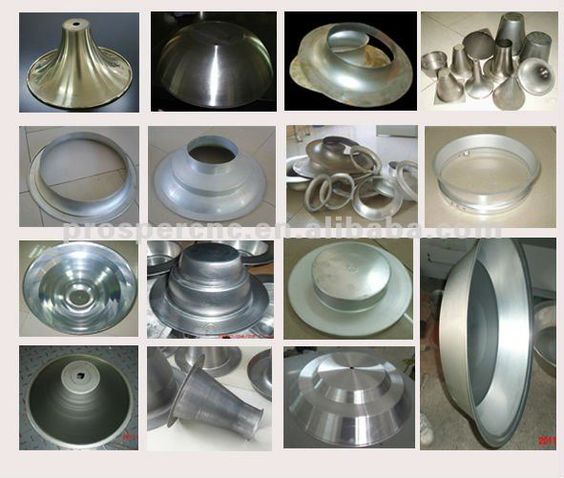
Categories
Machinery

Water Tank Covers Manufacturing Machine

Water Tank Covers Manufacturing Machine

Water Tank Covers Manufacturing Machine: An Automated Machining Line is a highly integrated manufacturing system designed to produce parts with minimal human intervention. It typically consists of a series of machine tools (e.g., CNC lathes, milling machines, drilling machines) that are connected by material handling systems and controlled by a central computer or PLC (Programmable Logic Controller).

Key Components of the Automated Machining Line

  1. CNC Machines – Perform operations like turning, milling, drilling, etc.
  2. Robotic Arms / Gantry Systems – Load and unload parts between stations.
  3. Conveyors / Transfer Lines – Move parts through the line.
  4. Inspection Stations – Use vision systems or sensors for quality control.
  5. Tool Management Systems – Monitor and change tools automatically.
  6. Centralized Control System – Coordinates all operations and collects data for monitoring and optimization.

Advantages:

  • High Productivity: Continuous, 24/7 operation.
  • Consistency & Precision: Reduced human error.
  • Reduced Labor Costs: Fewer operators required.
  • Better Data Collection: Enables predictive maintenance and real-time quality tracking.

Applications:

  • Automotive components
  • Aerospace parts
  • Consumer electronics
  • Industrial equipment

An automated machining line is a production system where multiple machine tools and handling devices are connected to perform sequential operations on workpieces with minimal human intervention. These lines are typically controlled by centralized computer systems or PLCs that coordinate each stage of the process, from raw material input to finished product output. The core of the system includes CNC machines such as lathes, milling machines, or grinders, which are programmed to carry out precise machining operations. Between these machines, automated material handling systems—such as robotic arms, gantry loaders, or conveyors—transport parts, ensuring smooth workflow and minimal downtime.

The system may also integrate inspection stations equipped with sensors, vision systems, or coordinate measuring machines (CMMs) that verify dimensional accuracy and surface quality during or after machining. This ensures defective parts are identified early and reduces waste. Automated tool changers and tool monitoring systems help keep the line running by switching out worn tools and maintaining machining precision.

Automated machining lines are especially beneficial in high-volume production environments where consistency, speed, and cost-efficiency are critical. Industries such as automotive, aerospace, and electronics rely heavily on such systems to produce complex parts at scale. While the initial investment is high, the long-term benefits include reduced labor costs, improved product quality, faster turnaround times, and better use of manufacturing data for process optimization and predictive maintenance.

In a typical real-world scenario, such as an automotive engine component production line, the automated machining process starts with raw forgings or castings being loaded into the system—often by robotic arms or palletized feeders. The first CNC station might perform rough turning to shape the basic geometry. After this, the part is transferred—usually via a conveyor or robotic gripper—to the next station, where more detailed operations like milling, drilling, or threading take place.

Each machine is pre-programmed with the exact machining instructions and tolerances, ensuring that every part meets the same specifications. Sensors on the machines track cutting forces, spindle speed, vibration, and tool wear. If any parameter deviates from its threshold, the system either compensates automatically or triggers a maintenance alert. Some lines include adaptive machining, where minor real-time adjustments are made based on part variability or tool conditions.

Inspection and quality control are often embedded into the line itself. For example, a vision system might scan the part for surface defects immediately after milling. Later, a contact probe or laser scanner might verify critical dimensions. If a defect is detected, the part can be ejected from the line automatically and logged in a database for traceability and root cause analysis.

Finished parts are either collected in bins, stacked on pallets, or automatically transferred to an assembly line or packing station. Throughout the entire cycle, the central control system logs data from every operation, enabling detailed reporting, traceability, and continuous process improvement through machine learning or statistical process control techniques.

This kind of integration enables not only high-volume output but also flexibility for batch-size variations and product changeovers. With Industry 4.0 and IoT technologies, modern automated machining lines can also be remotely monitored and adjusted, further reducing the need for on-site personnel and enabling centralized control over multiple production facilities.

In traditional automated machining lines without AI or modern digital technologies, the system still relies heavily on mechanical and electrical automation controlled by programmable logic controllers (PLCs), relay-based logic, or basic numerical control (NC) systems. These setups are robust and reliable, often built for longevity and consistent performance in high-volume production environments.

The process begins with manual or semi-automated loading of raw materials into the first machine tool. These machines—typically NC lathes, milling machines, or drills—perform specific operations based on preset programs stored in the machine’s memory. The workpiece is clamped in place, and machining proceeds according to fixed cycle parameters. Once the operation is complete, mechanical transfer systems such as linear tracks, pneumatic pushers, or rotary indexing tables move the part to the next station.

Tool changes are usually scheduled at regular intervals based on time or part count rather than real-time tool condition. Operators may be responsible for monitoring tool life and performing manual replacements when necessary. Likewise, quality checks are typically carried out at regular intervals by human inspectors using gauges, micrometers, or dedicated checking fixtures. In some systems, dial indicators or hard stops are used to maintain dimensional control.

Despite the absence of sensors or real-time feedback, such systems are remarkably effective in stable production conditions where the material and part design do not vary significantly. Maintenance is preventive or breakdown-based, relying on routine inspections, lubrication schedules, and experience-based troubleshooting.

These older automated lines are often found in long-established manufacturing plants, particularly in the automotive, heavy equipment, and appliance industries. They are less flexible than modern systems but are valued for their simplicity, mechanical reliability, and the skill-based approach of their operators and technicians.

In older automated machining lines, the transfer mechanisms are a critical part of the system and are designed for mechanical simplicity and reliability. Common types include chain conveyors, roller conveyors, overhead trolleys, rotary index tables, and linear shuttles. Each is chosen based on the type and size of the part, the required throughput, and the physical layout of the shop floor.

One widely used method is the rotary indexing table, especially in compact setups. It positions the workpiece at different machining stations arranged in a circular configuration. After each operation, the table indexes to the next position, allowing simultaneous machining at multiple stations. This results in high efficiency for parts that require several short, sequential operations.

For heavier parts or larger operations, linear transfer systems are more suitable. These include rigid rails or tracks along which pallets or fixtures holding the parts are mechanically advanced using cams, gears, or pneumatic cylinders. The indexing is precise and repeatable, ensuring each part is aligned correctly at each station. This system may include lifting and rotating units for reorienting parts as needed for subsequent machining.

Another key feature in these systems is dedicated tooling and fixturing. Each station typically has fixed-purpose jigs that precisely position and clamp the workpiece. These fixtures are often hard-mounted to the machine base and require manual adjustment during setup changes. For repeat production of a single part or family of parts, this system works efficiently and minimizes the need for frequent calibration.

Control is handled by relay logic or early PLCs with ladder diagrams programmed to execute sequences such as machine start/stop, indexing, tool changes, and coolant flow. These controls are robust, easy to troubleshoot with basic electrical knowledge, and designed for long-term operation. They don’t adapt in real-time but can reliably run for decades with minimal issues if maintained properly.

Coolant systems in traditional lines are also basic—usually centralized coolant tanks with pumps directing fluid to the tools. Filtration may be rudimentary, involving mesh filters or magnetic separators to remove chips and swarf.

Chip handling is mechanical too—often using screw conveyors or belt-driven systems to move chips away from the machining area to collection bins. Operators are typically responsible for emptying these bins and ensuring the system stays clear to prevent machine stoppage.

Overall, older automated machining lines are engineered for reliability and long production runs of identical parts. Changeovers are time-consuming, and flexibility is limited, but their mechanical simplicity, low software dependence, and proven durability make them well-suited for dedicated manufacturing tasks.

Automated Machining and Grinding Line

Automated Machining and Grinding Line

An Automated Machining and Grinding Line is a production system that combines cutting operations (like turning, milling, or drilling) with grinding processes in a continuous, integrated workflow. This setup is commonly used in industries that demand high precision and surface finish, such as automotive, aerospace, and heavy machinery manufacturing. Unlike purely machining lines, these systems can handle parts that require both dimensional accuracy and fine surface quality.

In traditional implementations without modern AI or smart sensors, these lines are built around a sequence of machine tools and grinders, connected via mechanical transfer systems such as conveyors, indexing tables, or robotic arms. Each station is dedicated to a specific operation. For example, a component may first be rough-machined in a CNC lathe, transferred to a milling machine for slots or holes, and finally moved to a grinding station for precision finishing. Grinding is typically done with cylindrical, surface, or centerless grinders, depending on the part geometry.

Parts are usually mounted on dedicated fixtures or pallets designed to maintain consistent orientation and minimize setup time at each station. Fixtures are clamped pneumatically or hydraulically, and the systems are aligned mechanically to ensure accurate positioning. Transfer between stations is timed and controlled by PLCs, which follow a strict logic sequence. These lines often incorporate automated tool changers in the machining stations and fixed grinding wheels in the grinding units.

Grinding stations are equipped with cooling systems and basic wheel dressing mechanisms. In older systems, dressing cycles are timed rather than sensor-driven, and operators rely on scheduled maintenance or visual inspection to identify wear or wheel damage. Coolant filtration may use magnetic separators, paper bed filters, or basic settling tanks to remove fine grinding debris.

Quality control is mostly manual or semi-automated. For high-tolerance parts, operators may use dial indicators, micrometers, or air gauges at designated inspection stations. Some lines include mechanical go/no-go gauges between stages to detect out-of-spec parts before they move to the next operation.

The major advantage of combining machining and grinding in one line is process integration: fewer setups, faster cycle times, and reduced handling between operations. This is particularly beneficial when producing hardened or high-strength materials where post-machining grinding is necessary for tolerance and finish. However, because of the heat, dust, and precision requirements of grinding, these stations are often physically isolated within the line and require more frequent maintenance.

Older automated machining and grinding lines are designed for long runs of standardized parts, with little flexibility for frequent part changes. Changeovers involve manual fixture replacement, program switching, and careful realignment, typically performed by skilled technicians. Despite their limitations, such systems remain in use where durability, consistency, and cost-per-part are more critical than flexibility.

Let’s consider a typical crankshaft production line as an example of an automated machining and grinding line. Crankshafts are complex components that require a combination of heavy material removal and ultra-precise finishing. The line is usually designed for high-volume output, such as in automotive engine manufacturing.

The process begins with forged steel blanks being loaded—either manually or by robot—onto palletized fixtures. These fixtures travel through the line and maintain precise orientation of the crankshaft throughout each station. The first few machines perform rough machining using CNC lathes and milling machines to establish key features like journals, counterweights, and oil passages. Operations at this stage include turning, milling of flat faces, and drilling of oil holes.

Next, the part is transferred—usually by a chain conveyor or robotic arm—to semi-finish machining stations, where closer tolerances are achieved. Here, operations such as journal and pin turning to near-final dimensions are performed. The control is typically PLC-based, with set cycle times and limited part detection logic. Tool changes are pre-programmed based on part count, not real-time monitoring.

After semi-machining, the crankshaft undergoes heat treatment, often offline. It is then reintroduced to the line for hard machining or pre-grinding, depending on the material hardness and required tolerances. The hard surfaces—especially the main and pin journals—now require precise size and surface quality, which is where grinding becomes critical.

The part is now transferred to grinding stations, typically including:

  • Cylindrical grinders for the main journals.
  • Orbital or crankpin grinders for the offset crank pins.
  • Face grinders for end faces and thrust surfaces.

These grinders are built for high rigidity and thermal stability, often with cast-iron beds and hydraulic or electric infeed systems. The grinding wheels are fixed and dressed periodically using diamond dressers. The dressing cycles are scheduled either by time or number of parts, depending on the line’s setup. The grinding process produces significant heat and fine particles, so coolant systems with filtration tanks and magnetic separators are essential.

To maintain accuracy, the line may include mechanical gauging stations after critical grinding operations. These use air gauges or contact probes to measure diameter, roundness, and taper. In some lines, go/no-go fixtures are positioned at intervals to catch out-of-spec parts. If a part fails, it is diverted off the line to a rework or scrap area.

At the end of the line, the crankshaft is washed in a cleaning station to remove residual grinding swarf and oil. It may then be subjected to manual final inspection, including magnetic particle inspection for cracks, followed by balancing and marking before packing.

Older systems like this are not designed for quick changeovers. A model change requires downtime to switch fixtures, adjust machine positions, update programs, and possibly modify transfer settings. But once running, these lines can produce thousands of identical crankshafts with minimal variation, making them ideal for large-scale manufacturing.

Let’s continue with a focus on bearing race production in an automated machining and grinding line. Bearing races require extremely tight tolerances and mirror-like surface finishes, especially on the inner and outer diameters that mate with rolling elements. This makes them ideal candidates for combined machining and grinding lines, particularly where large volumes are involved, such as in automotive wheel hubs or industrial motors.

The process starts with raw steel tubes or forged rings that are cut to approximate length and then loaded onto the line—often using a gravity chute, lift-and-place system, or vibratory bowl feeder for small races. The first station is usually a facing and centering lathe, which squares both ends and generates a center bore or reference surface. The part is then transferred via linear shuttle or rotary table to the next machine, typically a rough-turning lathe, which machines the basic internal and external diameters.

After this, the part might move to a groove turning machine, where the raceways are cut to near-net shape. These operations use fixed tooling and follow numerical control commands via early CNC or PLC systems. At this stage, tolerances are relatively loose, as the final precision will come from grinding.

Following turning, the rings go through a heat treatment process (carburizing or hardening) offline, and are then reintroduced to the line for grinding. This is the critical stage where the inner and outer raceways are ground to final dimension and finish. Here’s how grinding is typically handled in such a line:

  • Centerless grinding is used for the external diameters of the outer races. It provides high throughput and good roundness, as the part is supported between a regulating wheel and a grinding wheel without chucks.
  • Internal grinding machines are used for the inner diameters of inner races, requiring high spindle speed and careful coolant delivery due to heat buildup in confined spaces.
  • Raceway grinding, which may use plunge grinding or oscillating (swiveling) methods depending on the bearing type and production strategy. These machines often have fixed grinding wheels mounted on precision spindles, dressed periodically by a mechanical dresser.

Coolant is heavily used at this stage, delivered through nozzles aimed directly at the contact zone. Coolant systems are relatively basic in older lines, using central tanks with gravity return lines and magnetic or paper bed filters. Since grinding creates very fine swarf and heat, keeping the coolant clean and the grinding wheels dressed is essential to avoid burning or dimensional deviation.

After grinding, the races move to inspection and superfinishing. This may include:

  • Lapping or honing to achieve mirror finish and final geometry.
  • Air gauging or mechanical comparators to check roundness, diameter, and taper.
  • Crack detection using magnetic particle inspection or eddy current testing.

Some lines may also include marking stations where part numbers, batch codes, or hardness zones are engraved using dot-peen or laser systems. In older lines, this is sometimes done manually or semi-automatically.

The final steps involve cleaningrust prevention coating, and packaging. Rings are passed through a washing tunnel with heated solution and then dried using air blowers. Anti-rust oil is applied via spray or dip tanks before packaging into trays or cartons.

This kind of line, though mechanically complex, operates with high reliability and repeatability over long periods. It’s engineered for mass production with minimal flexibility, but its robustness and mechanical design make it a strong choice where digital technologies are not required or available.

Automated Deep Drawing Production Line

Sheet Metal Condiment Holder Manufacturing Machine

An Automated Deep Drawing Production Line is a high-precision manufacturing system designed for producing complex, hollow metal parts from flat sheets, typically using a process called deep drawing. Deep drawing involves forming a sheet metal blank into a three-dimensional shape, like automotive body panels, kitchen sinks, or pressure vessels, by pulling the sheet over a die with a punch.

In an automated deep drawing production line, the entire process is integrated, often with robotic arms, conveyors, and automated presses working together to form, inspect, and finish the parts with minimal human intervention. The key focus of these lines is to ensure high throughput, precision, and consistent part quality, while reducing labor costs and cycle time.

Key Stages of an Automated Deep Drawing Production Line:

  1. Blanking and Feeding:
    • The process begins with blanking, where flat metal sheets (typically aluminum, steel, or brass) are cut into precise blanks of the required size and shape. In some automated lines, automated blank feeders are used to move the blanks from a material stack to the first forming station.
    • coil-fed system can also be used where a continuous strip of material is unspooled and fed into the line.
    • For high-volume production, this stage may involve robotic arms or automatic conveyors to precisely position the blanks into the press.
  2. Pre-forming/Pre-heating (if necessary):
    • Some materials, especially tougher metals, may require pre-heating to make them more malleable before deep drawing.
    • heated die or induction heating system may be employed to soften the metal blank, making it easier to form without cracking or wrinkling.
  3. Deep Drawing (Forming):
    • The core operation of the line is deep drawing, where the metal blank is placed in a die and pressed into the desired shape using a punch.
    • In the traditional process, the sheet metal is drawn through a die using a mechanical press, while the punch pulls the metal into the die cavity. The metal may go through several stages of drawing, especially for complex shapes.
    • Automated presses are often used in these systems, typically hydraulic or mechanical presses, which provide consistent force and speed. The press may be equipped with automatic stroke adjustments, controlling the drawing depth and force depending on the material and part geometry.
    • Multiple drawing stations can be used sequentially, with each one progressively drawing the part deeper and shaping it closer to the final form.
  4. Lubrication and Cooling:
    • A key aspect of deep drawing is the lubrication of the metal blank to reduce friction between the punch and die, and to prevent the metal from sticking or cracking.
    • Automated lubrication systems are used, which spray or flood the blank with a lubricant before it enters the die. This ensures consistent application and reduces the need for manual intervention.
    • Cooling systems may also be integrated into the die to regulate temperature and prevent overheating of the metal during drawing.
  5. Ejection and Part Handling:
    • Once the part is formed, it is ejected from the die. This is often done using automated ejectors, robotic arms, or mechanical pushers that remove the part from the die without damaging its shape.
    • Conveyors are used to transport the ejected parts to the next station for quality inspection, trimming, or other finishing operations.
    • If needed, parts may be automatically stacked or placed into containers for downstream processing or shipping.
  6. Inspection and Quality Control:
    • After the drawing process, the parts are automatically inspected for defects such as wrinkles, cracks, or dimensional deviations.
    • Vision systems may be employed to inspect the parts for visual defects, while coordinate measuring machines (CMMs) or other contact sensors can check critical dimensions like wall thickness, depth, or diameter.
    • Some lines incorporate automatic rejection systems, where defective parts are immediately removed from the line to avoid further processing.
  7. Trimming and Finishing:
    • If the drawn part has excess material (such as a flange or edge), it is sent to a trimming station. This is typically done with automated cutting tools, which trim away the excess metal.
    • Parts may then undergo additional processes such as deburred edgespunching, or flange forming as needed for the final design.
  8. Cleaning and Coating (if required):
    • After trimming, the parts may need to be cleaned, either manually or automatically using ultrasonic cleaners or industrial washing systems, to remove oils, lubricants, or other residues from the drawing process.
    • Some parts may also require surface coating, such as painting, galvanizing, or coating with protective films. This can be done automatically via spray booths or robotic systems for precise application.
  9. Packaging and Shipping:
    • Finally, the formed and finished parts are ready for packaging and shipment. Automated systems can handle packaging, whether it’s wrapping parts individually, placing them in bulk containers, or preparing them for palletization.

Key Advantages of Automated Deep Drawing Lines:

  • High Throughput: With minimal human intervention, the system can operate at high speeds, producing large volumes of parts quickly.
  • Consistency and Quality: Automated systems ensure that each part meets the required specifications with minimal variation, reducing scrap and rework.
  • Reduced Labor Costs: Many manual steps (such as blank handling, lubrication, and inspection) are automated, reducing the need for operators.
  • Flexibility in Material Handling: While deep drawing typically involves metals, automated systems can adapt to different material types, thicknesses, and shapes.
  • Process Integration: The entire production process, from blanking to shipping, can be seamlessly integrated into one automated system, reducing downtime and improving efficiency.

Applications:

  • Automotive Industry: For parts like car body panels, fuel tanks, or engine components.
  • Aerospace: For lightweight, high-strength parts like fuselage panels or wing skins.
  • Household Goods: For items such as sinks, tubs, and other kitchen or bathroom products.
  • Industrial Equipment: For parts like pressure vessels or enclosures for machinery.

In essence, automated deep drawing lines are highly efficient systems optimized for mass production, especially when complex parts with tight tolerances need to be formed quickly and consistently.

An automated deep drawing production line is designed to streamline the process of forming complex metal parts by transforming flat sheets of material into three-dimensional shapes. The process begins with blanking, where flat metal sheets are precisely cut into blanks, which are then fed into the first stage of the forming process. Depending on the system, blanks may be fed manually or automatically using robotic arms or conveyor belts. After this, the blanks are placed in a die, and a punch is used to draw the material into the die, shaping it into a desired part.

The deep drawing process often occurs in multiple stages, each progressively drawing the part deeper to create the final shape. As the material is drawn, it can be lubricated to reduce friction between the punch and die, helping prevent the material from cracking or sticking. Automated lubrication systems spray or flood the blanks with lubricant, ensuring consistent application and eliminating the need for manual intervention. The metal may also be pre-heated in certain cases to make it more malleable, especially when forming tougher metals that require additional care.

Once the part is formed, it’s ejected from the die using automated ejectors, robotic arms, or mechanical pushers. The parts are then transported via conveyors to the next stages of the process. Automated inspection systems, such as vision systems and coordinate measuring machines, check the parts for defects like cracks, wrinkles, or dimensional inconsistencies. Parts that don’t meet specifications are automatically rejected, ensuring that only quality parts proceed to the next step.

For parts with excess material, an automated trimming station removes the excess through cutting or punching, shaping the part further. Some parts may also go through additional finishing processes like deburring or edge rounding, all carried out by automated systems to maintain precision and reduce manual labor. After trimming, parts are often cleaned in ultrasonic cleaning systems or industrial washing stations to remove lubricants and other residues before any surface coatings are applied. The final step typically involves packaging the parts for shipment, which is often automated, ensuring that the finished products are packaged efficiently for delivery.

The key benefits of automated deep drawing production lines include high throughput, consistent quality, and reduced labor costs. With the entire process integrated, from blank feeding to packaging, these systems minimize downtime and improve efficiency. By automating the handling, lubrication, inspection, and finishing stages, manufacturers can maintain high-quality standards while reducing manual intervention, making the process ideal for high-volume production.

Continuing from where we left off, an automated deep drawing production line offers significant benefits in terms of efficiency, cost-effectiveness, and scalability. The integration of robotics and automated systems minimizes human error and improves consistency across large production runs. For example, robotic arms in these systems can handle the delicate task of positioning blanks into dies with high precision and speed, eliminating the risk of misalignment and improving cycle time.

In addition to handling blanks, robotic systems can be used for automated lubrication application, ensuring even coverage and reducing wastage of lubricant. The lubrication not only helps to reduce friction but also minimizes wear on the dies and punches, extending their lifespan and reducing downtime for maintenance. Some systems even have automatic lubrication management that adjusts based on the type of material being processed or the drawing process stage, optimizing both lubrication quality and cost.

The automation of part inspection through vision systems and sensor technology is another significant advancement in deep drawing lines. Automated inspection not only checks for visual defects such as cracks or scratches but also measures critical dimensions of the drawn parts. This includes evaluating wall thickness, roundness, and overall dimensional tolerance. If a part fails inspection, it is automatically diverted off the line for rejection, saving time and materials compared to manual inspection methods. In some advanced systems, in-line quality control using X-ray or ultrasonic testing can be implemented to detect internal defects that would be invisible to traditional inspection methods.

Once the part has passed inspection and trimming, finishing operations like deburring (removal of sharp edges or small metal fragments) and polishing are automated. Automated machines can perform these tasks at high speeds while maintaining tight tolerances, ensuring the parts are smooth and ready for final application or coating.

Surface coating, such as painting, galvanizing, or anodizing, is also a key part of the automated deep drawing production line, especially for parts that require additional protection or a finished appearance. These lines often integrate spray boothsrobotic arms, or dipping tanks to apply coatings consistently. For example, if the parts are to be coated with a corrosion-resistant layer, an automated system can ensure even coating thickness and proper drying time, reducing the need for human labor and enhancing the quality of the final product.

The final stage of an automated deep drawing line involves packaging and shipping, where finished parts are automatically stacked, boxed, or palletized for shipment. Conveyor systems guide the parts to automated packaging stations, where the parts are grouped, labeled, and wrapped for shipping. These systems often include robotic pick-and-place units for precise placement into shipping containers, ensuring that the parts are well-protected during transportation.

By automating these stages, manufacturers can significantly reduce the labor required for each part of the production process, improve overall cycle time, and increase throughput. The use of integrated systems allows for quicker adjustments to production runs, meaning that the line can handle a range of products with minimal setup time. This is especially beneficial in industries that require both flexibility and high volume, such as the automotive, aerospace, and consumer goods sectors.

The integration of real-time data monitoring and predictive maintenance technologies can further enhance the efficiency of the production line. Sensors embedded in machines can track parameters like temperature, pressure, and vibration, alerting operators to potential issues before they cause significant downtime. This predictive maintenance reduces unexpected failures and extends the life of expensive equipment like presses and dies.

Building on the previous discussion, let’s dive into some of the more advanced technologies and systems that are commonly found in automated deep drawing production lines to ensure maximum efficiency, product quality, and reliability.

One of the key technologies that enhances the functionality of an automated deep drawing line is the use of advanced press technologies. These presses are typically hydraulic or mechanical presses that provide the high force necessary for deep drawing operations. Hydraulic presses are known for their versatility, as they offer variable speed and force control, making them ideal for different types of materials and drawing depths. On the other hand, mechanical presses are faster and more suitable for high-speed production lines, as they can deliver a consistent force with less variation.

In many modern systems, presses are coupled with servo-driven actuators for greater control over the stroke, speed, and force applied during the drawing process. Servo presses allow for real-time adjustments during the drawing operation, optimizing the forming process to reduce defects such as wrinkles, cracks, or tearing, which are common challenges in deep drawing. This precision leads to better material usage, minimizing waste, and ensuring parts meet stringent quality standards.

In-line sensors are another critical element of advanced automated deep drawing systems. These sensors monitor the entire process in real time and provide feedback to the system. For instance, force sensors installed on the punch and die can monitor the amount of force being applied during the deep drawing process. This feedback can be used to adjust the press’s force, preventing damage to the material and die. Additionally, thickness sensors help monitor wall thickness throughout the drawing process, ensuring that the part maintains uniformity and quality across its entire surface.

In material handlingvision systems are commonly used to automatically position blanks and ensure they are accurately aligned in the die before the press cycle begins. These systems can also detect misfeeds or any material defects that could lead to production delays or defective parts. If a problem is detected, the system can either reject the part automatically or alert operators to take corrective action.

Coolant and lubrication management is another area where automation plays a crucial role. In older systems, lubrication may have been a manual process or simply a routine spray, but in modern lines, lubrication is highly controlled through automated systems. This includes centralized lubrication systems, which deliver precise amounts of lubricant to different parts of the machine, especially in the punch-die interface. The correct application of lubricant reduces wear and tear on the tooling, extends the life of the press, and ensures a smoother forming process. Moreover, the lubrication system can be linked to real-time monitoring systems, which adjust lubrication based on the materials being processed and the specific needs of the drawing stage.

In terms of maintenance, predictive technologies are revolutionizing how downtime is managed. Condition-based monitoring systems equipped with sensors provide real-time data on the health of critical equipment like punches, dies, and presses. These systems can track parameters like temperature, vibration, and pressure, which are often the first indicators of potential failure. Using this data, the system can predict when a component is likely to fail, allowing operators to replace or service the equipment before a failure occurs. This approach, often called predictive maintenance, significantly reduces unplanned downtime and maintenance costs, ensuring the line remains in operation for longer periods.

Moreover, data collected from sensors throughout the process can be sent to a central Manufacturing Execution System (MES), which provides an overview of the entire production line. The MES collects data on machine performance, part quality, cycle times, and material usage, and provides operators with actionable insights. These insights can help optimize the workflow, reduce bottlenecks, and improve overall line efficiency.

One significant advantage of automated deep drawing production lines is their ability to easily accommodate small batch production runs or variations in part designs. While traditional deep drawing lines require substantial downtime and manual intervention to adjust for new part designs, automated systems allow for quick changeovers. This flexibility is achieved through the use of robotic part loading systemsquick-change tooling setups, and programmable presses that can automatically adjust stroke and force parameters depending on the new part being produced. In many cases, automated lines can even handle multiple different part sizes and designs within a single production run, making them highly adaptable.

Energy efficiency is also a focus in modern automated deep drawing systems. Hydraulic presses, while energy-intensive, have become more efficient thanks to variable displacement pumps and energy recovery systems that capture and reuse energy during the press cycle. Similarly, automated lubrication systems and cooling systems help ensure that energy consumption is kept in check by only operating when needed, further contributing to sustainability in manufacturing.

Finally, integrated robotics and AI-based control systems allow the deep drawing line to operate with minimal human oversight. These systems can autonomously adjust to changes in material properties, detect part defects, and even optimize the drawing process in real time. Artificial intelligence algorithms can analyze historical production data to predict the best settings for new material batches, optimizing each part of the process for efficiency and quality.

Overall, an automated deep drawing production line is designed to ensure that manufacturers can produce complex, high-quality parts at high volume with minimal human intervention. The integration of robotics, AI, advanced sensors, and predictive maintenance technologies ensures that the production process is more efficient, consistent, and adaptable, while also reducing costs and improving product quality.

Four-Column Deep Drawing Press

Four-Column Deep Drawing Press

Four-Column Deep Drawing Press is a type of mechanical or hydraulic press specifically designed for deep drawing operations, where metal sheets are formed into deep, hollow shapes. This type of press gets its name from the four vertical columns that support the press structure, providing stability, strength, and precision during the deep drawing process.

Key Features and Components of a Four-Column Deep Drawing Press:

  1. Four-Column Frame Structure:
    • The press’s four-column design provides a stable and rigid framework that supports the ram (punch), die, and other components. These columns help distribute the load evenly, making the press suitable for high-force applications, such as deep drawing.
    • The structure ensures that the vertical movement of the ram is aligned and stable, minimizing any deviations in the part geometry.
  2. Pressing Mechanism (Hydraulic or Mechanical):
    • The pressing action is typically provided by hydraulic cylinders or mechanical systems. In a hydraulic four-column press, hydraulic cylinders are used to apply force to the ram. The advantage of a hydraulic system is its ability to offer precise force control over the entire stroke, making it ideal for deep drawing, which requires varying force levels throughout the forming process.
    • Mechanical presses, while faster and more rigid, are less flexible when it comes to force adjustments and are generally used in high-speed stamping rather than deep drawing.
  3. Die and Punch Setup:
    • The die set is positioned on the lower portion of the press and forms the cavity into which the blank is drawn. The punch (ram) is mounted above the die and moves downward to pull the material into the die, forming the part.
    • In four-column presses, both the die and punch are aligned vertically with precision, ensuring that the material is drawn consistently without warping or damage.
  4. Stroke and Force Control:
    • The press allows for adjustable stroke length and force settings, which is essential for deep drawing processes that involve materials of varying thicknesses or hardness. By adjusting the stroke, the operator can control how deeply the material is drawn and how much force is applied during each step of the process.
    • In hydraulic presses, the stroke can be finely controlled by adjusting hydraulic pressure. In mechanical presses, stroke control is usually limited to pre-set options, but force control can still be achieved by adjusting the ram speed and ram displacement.
  5. Guiding Mechanism:
    • Guides are used to ensure the ram (punch) moves vertically along the four columns without lateral deviations. This precision is crucial, as even minor misalignment can result in defects like wrinkles, uneven thickness, or part failure during drawing.
    • Linear guides or roller guides are often employed to reduce friction and ensure smooth, precise motion of the punch.
  6. Safety and Monitoring Systems:
    • Four-column deep drawing presses are typically equipped with safety features such as light curtains, pressure sensors, and emergency stop buttons to protect operators and prevent accidents during operation.
    • Force and position sensors can also be incorporated into the system to monitor the press’s operation, ensuring that the correct amount of force is applied at each stage of the forming process.
  7. Automation Integration:
    • Four-column presses can be integrated with automation systems, including robotic arms for part loading and unloading, and conveyor systems for part handling throughout the production line. Automated blank feeders and die changers can also be used to improve efficiency and reduce manual intervention.
    • Computer Numerical Control (CNC) or PLC-based control systems enable the press to follow precise part specifications, adjust parameters automatically based on material properties, and even adjust for different part designs without requiring manual retooling.
  8. Applications of Four-Column Deep Drawing Presses:
    • These presses are often used in industries that require high-quality, precision-formed parts, such as automotiveaerospaceappliance manufacturing, and industrial equipment. Common parts include automotive body panelsmetal canspressure vesselskitchen sinks, and electrical enclosures.
    • Four-column presses are particularly suitable for large, complex parts that require high forming force and precision. They excel in situations where parts have relatively deep profiles, requiring a press capable of applying a large, consistent force over the entire stroke.

Advantages of Four-Column Deep Drawing Presses:

  1. High Force Capability:
    • The four-column structure provides enhanced strength and stability, allowing the press to apply the necessary high force required for deep drawing operations. This makes it suitable for thick materials and larger parts.
  2. Precision and Alignment:
    • The four-column setup ensures precise alignment of the die and punch, leading to consistent quality and uniform part formation.
  3. Flexibility:
    • The adjustable stroke length and force control make the four-column deep drawing press versatile for different materials and part designs. It can handle various thicknesses and hardness levels of materials without the need for retooling or major adjustments.
  4. Customization and Automation:
    • The press can be easily integrated into automated production lines, which increases throughput, reduces human error, and improves overall efficiency. Automation systems can handle part feeding, lubrication, inspection, and part unloading, leading to faster cycle times and lower labor costs.
  5. Durability and Longevity:
    • Due to their robust construction, four-column presses are designed for long-term use, even under the intense pressure of deep drawing. This durability reduces the need for frequent maintenance or replacement, providing a solid investment for high-volume manufacturers.

Potential Drawbacks:

  1. High Initial Investment:
    • Four-column deep drawing presses can be costly to purchase and set up, especially when integrating advanced features like automation or hydraulic systems. However, this is often offset by the high throughput and reduced labor costs over time.
  2. Space Requirements:
    • The four-column frame design requires a significant amount of space to accommodate the press, especially when used in larger configurations for producing big parts. This might require specialized facilities or larger production floors.
  3. Maintenance Complexity:
    • The press’s intricate components, such as the hydraulic systems, guides, and sensors, require regular maintenance to ensure optimal performance. However, predictive maintenance systems can help mitigate unexpected downtime.

Conclusion:

The Four-Column Deep Drawing Press is an advanced, reliable machine that plays a vital role in the production of complex, high-quality formed metal parts. Its ability to provide consistent force, precision, and adaptability makes it a staple in high-performance manufacturing environments, particularly in industries that require intricate metal forming. The press’s ability to integrate with automation systems further enhances its efficiency and flexibility, making it an ideal choice for manufacturers looking to increase production speed and minimize human error.

A Four-Column Deep Drawing Press is built to handle the intense forces required to transform flat metal sheets into deep, intricate shapes, commonly used in industries like automotive, aerospace, and appliance manufacturing. The press operates by using four vertical columns to support and stabilize the press frame, ensuring precise alignment and minimal distortion during operation. This robust design allows for high-tonnage applications, ideal for forming thicker materials or producing larger parts. The frame supports a punch (ram) that applies force to a metal blank, pulling it into a die to form the desired part. The ability to adjust force and stroke length makes this press highly adaptable to different materials, thicknesses, and shapes.

One of the standout features of the Four-Column Deep Drawing Press is its versatility, as it can handle a wide range of part geometries, including deep and complex profiles. The system can be customized to accommodate varying part sizes, and hydraulic or mechanical systems provide the necessary force to ensure high-quality, consistent output. In addition, precise control over the drawing force is possible, which is essential for preventing material defects such as cracks or wrinkles. Furthermore, automation plays a significant role in enhancing efficiency, as robotic arms and conveyor systems can feed, transfer, and unload parts, reducing human labor and improving cycle times.

These presses are typically equipped with sensors and monitoring systems to ensure optimal operation. Force and position sensors monitor the punch’s movement, providing real-time data that helps prevent overloading or misalignment. This data can also be integrated with predictive maintenance systems, which alert operators to potential issues before they lead to unplanned downtime. Automated lubrication systems ensure that the die and punch are consistently lubricated, reducing friction and wear, which prolongs the life of the tooling and helps maintain part quality.

Although the Four-Column Deep Drawing Press offers significant advantages in terms of force, precision, and flexibility, there are some drawbacks to consider. The initial investment can be high, particularly if you incorporate advanced automation or hydraulic systems. The press also requires a considerable amount of space due to its large frame, making it less suitable for smaller production areas. Regular maintenance is crucial for maintaining performance, as components such as hydraulic systems, guides, and sensors need to be serviced to prevent breakdowns. However, these challenges can be mitigated with proper planning and investment in predictive maintenance technologies.

In summary, the Four-Column Deep Drawing Press is an essential piece of equipment for manufacturers who need to produce high-quality, complex metal parts at high volumes. Its combination of force, precision, and adaptability makes it ideal for industries where part integrity and consistency are critical. The integration of automation, monitoring systems, and predictive maintenance further enhances its efficiency, making it a valuable asset in modern manufacturing lines.

As the demand for more complex, high-quality metal parts continues to rise, the Four-Column Deep Drawing Press stands out as an essential tool for manufacturers aiming to keep up with production demands while maintaining high standards of precision and efficiency. The press’s ability to handle deep, intricate forming with uniform quality makes it an ideal choice for industries such as automotive, aerospace, and even the production of consumer goods.

While the Four-Column press excels at deep drawing, it also offers flexibility in terms of part design. It can handle a variety of materials, from soft metals like aluminum to harder materials like stainless steel. The press can be adjusted to accommodate different material properties, thicknesses, and hardness, making it versatile across a range of applications. This adaptability is particularly beneficial in industries where product designs constantly evolve, and flexibility is crucial to staying competitive.

One of the emerging trends in Four-Column Deep Drawing Presses is the integration of smart manufacturing technologies. These presses are increasingly equipped with real-time data analytics, allowing operators to monitor key performance indicators such as force application, stroke length, material flow, and even tool wear. These systems use sensors and cameras to collect data, which is then analyzed using AI and machine learning algorithms. By processing this data, the system can identify patterns, predict potential issues, and suggest adjustments to optimize the production process.

Machine learning algorithms can also help improve part quality by learning from previous drawing cycles. These algorithms can detect subtle changes in material properties and adjust the press parameters in real time to avoid defects, such as wrinkling or tearing. The incorporation of these AI-driven tools enhances the press’s ability to adapt to different conditions and materials, improving both efficiency and product quality. This level of automation and intelligence leads to fewer defects, reduced waste, and increased overall productivity.

Additionally, the trend of energy efficiency has become increasingly important in modern manufacturing. The energy consumption of a Four-Column Deep Drawing Press can be significant, especially when operating at full capacity. However, modern hydraulic systems and advanced control mechanisms have made significant strides in reducing energy usage. Many new systems are equipped with energy recovery features, such as regenerative drives, which capture and reuse energy during the press cycle. This not only helps reduce operational costs but also aligns with sustainability goals by lowering the environmental impact of manufacturing processes.

Another key consideration is the maintenance of the press. Predictive maintenance technologies, already embedded in many modern presses, continuously monitor the condition of the press and its components. By collecting data on things like vibration, temperature, and hydraulic pressure, these systems can predict when maintenance is required, preventing unscheduled downtime. This is a major advantage for manufacturers, as it allows them to plan maintenance around production schedules, reducing costly disruptions and ensuring the press operates at optimal efficiency.

Moreover, the safety features on Four-Column Deep Drawing Presses have evolved significantly over the years. In addition to traditional safety guards and emergency stop buttons, many presses now feature robotic safety systems such as light curtains and laser scanners. These systems can detect the presence of operators or obstacles within the press area, automatically stopping the press before any harm can occur. These innovations not only improve safety but also contribute to a more streamlined, automated production process by reducing human intervention.

In terms of flexibility, some Four-Column presses are now equipped with quick-change tooling systems, allowing manufacturers to switch between different part designs with minimal downtime. The tooling can be swapped automatically, and the press can adjust to the new design parameters, such as stroke length and force, with little to no manual input. This makes it easier to transition between different production runs, which is particularly beneficial in industries that produce a variety of parts in small to medium batches.

Lastly, the integration of robotic automation into the deep drawing process is helping improve both production efficiency and quality. Robotic arms are used to load and unload parts, position blanks accurately in the die, and remove finished parts from the press. These systems can also assist with secondary operations such as part cleaning or sorting. The use of robots minimizes human handling, reducing the risk of part contamination, misalignment, and injury, while also speeding up production cycles.

In conclusion, the Four-Column Deep Drawing Press is a critical piece of equipment in modern manufacturing, offering precision, adaptability, and high force capabilities for forming complex metal parts. As technology advances, these presses continue to evolve, integrating smart technologies, automation, and energy-saving features that optimize production processes. With the added benefits of predictive maintenance and enhanced safety systems, Four-Column presses are now more efficient, reliable, and capable than ever before, making them an indispensable asset for high-volume, high-precision manufacturing operations.

H-Frame Deep Drawing Press

H-Frame Deep Drawing Press

An H-Frame Deep Drawing Press is another type of press used in metal forming, specifically for deep drawing operations, where flat metal sheets are transformed into deep, hollow shapes. The primary difference between the H-Frame press and the more commonly used Four-Column press lies in the frame structure. As the name suggests, the H-Frame press features a frame shaped like the letter “H,” where two vertical columns are connected by horizontal cross members. This design provides the press with a strong and stable frame capable of withstanding high forces during the drawing process.

Key Characteristics of an H-Frame Deep Drawing Press:

  1. H-Frame Design:
    • The H-Frame design consists of two vertical columns connected by a crossbeam or bridge, forming an “H” shape. This configuration provides a robust, rigid structure that distributes the load evenly during the drawing operation.
    • The H-Frame press tends to have a more open design compared to the Four-Column press, which can offer better accessibility to the tooling area and facilitate easier maintenance and part handling.
  2. Hydraulic or Mechanical Drive:
    • Similar to the Four-Column press, H-Frame presses are usually powered by either hydraulic systems or mechanical drives.
      • Hydraulic systems offer flexibility by providing adjustable force and stroke length, which is essential for handling varying material types, thicknesses, and drawing depths.
      • Mechanical systems, typically used for high-speed operations, deliver constant force and are more efficient for quicker, repetitive drawing cycles.
    • The hydraulic version, in particular, provides the versatility needed for deep drawing processes where varying force levels are necessary throughout the cycle.
  3. Force Application:
    • The press uses a ram (punch) that moves vertically, pushing the material into the die to form the desired part. The H-Frame design ensures that the punch remains aligned and that force is applied uniformly to prevent material defects such as cracking or tearing.
    • Force control in an H-Frame press can be adjusted to suit the specific material being processed. Some advanced systems include variable displacement pumps or servo-controlled hydraulics to provide precise control of the force, which is vital for the consistency and quality of the formed parts.
  4. Open Frame Design:
    • The H-Frame’s open structure makes it particularly well-suited for large and heavy parts. Its design allows for easier loading and unloading of parts, especially for applications requiring large metal blanks. The open structure also facilitates tool changeover and maintenance access, allowing operators to reach the die and punch areas more easily.
    • The lower part of the frame provides additional space for handling equipment or auxiliary machinery such as automatic blank feeders or part stacking systems, enhancing the press’s ability to integrate into a fully automated production line.
  5. Precision and Alignment:
    • H-Frame presses are equipped with guides and alignment mechanisms that ensure the punch and die remain aligned during operation. This helps prevent defects like misformed parts, uneven wall thickness, and material wrinkling.
    • In some models, linear guides or roller guides are used to reduce friction and ensure smooth, precise movement of the punch. The rigidity of the frame ensures that the punch applies force in a straight, uniform motion, contributing to the consistent quality of the drawn parts.
  6. Customization and Flexibility:
    • One of the major advantages of the H-Frame design is its customizability. The press can be tailored to accommodate different die sizes, material thicknesses, and part geometries. Adjustments to stroke length, force, and speed can be made quickly to adapt to different production runs, making H-Frame presses suitable for both high-volume and small-batch production.
    • The ability to quickly swap tooling and adjust press settings makes H-Frame presses well-suited for industries where part designs frequently change or where there is a need for flexible manufacturing.
  7. Automation and Integration:
    • H-Frame presses can be easily integrated into automated production lines with robotic arms, conveyor systems, and automatic die changers. This integration improves production efficiency, reduces human error, and minimizes downtime between different production runs.
    • The press can be equipped with vision systems for automatic part inspection, ensuring that only quality parts move through the production process. Additionally, automated part handling systems can load and unload parts, reducing manual labor and increasing throughput.
  8. Energy Efficiency and Cost Considerations:
    • The energy efficiency of an H-Frame press depends on the hydraulic or mechanical system in use. Hydraulic presses can be optimized for energy use with features like energy recovery systems, which capture and reuse energy during the pressing cycle.
    • Servo-driven hydraulic systems are becoming increasingly common in modern H-Frame presses. These systems offer energy savings by using only the energy required for each specific operation, adjusting the force and stroke length dynamically based on the material being processed.

Advantages of an H-Frame Deep Drawing Press:

  • Strong Structural Design: The H-Frame press provides excellent support and load distribution during deep drawing, ensuring uniform force application and preventing deflection that could lead to defects.
  • Ease of Maintenance and Tooling Changeover: The open frame structure provides easy access to tooling, reducing downtime and maintenance costs. The large space underneath the frame also allows for the addition of auxiliary systems, like automated part handling equipment.
  • Customizability and Flexibility: H-Frame presses can handle a wide range of material types and part designs, making them adaptable to different production needs. The quick changeover of tools and settings allows for efficient switching between different jobs or products.
  • Higher Production Speed: With the integration of automation systems and fast cycle times in mechanical models, H-Frame presses can produce high volumes of parts at a faster pace, reducing overall production costs and increasing throughput.

Disadvantages:

  • Space Requirements: Like other large presses, the H-Frame design requires considerable floor space. The open frame structure, while beneficial for maintenance and part handling, can be cumbersome in smaller production environments.
  • Initial Investment: The cost of purchasing and setting up an H-Frame press can be substantial, especially if the press is equipped with advanced features like automated systems, servo-driven hydraulics, and smart monitoring systems. However, this is often offset by the long-term efficiency gains and lower operational costs.
  • Energy Consumption in Hydraulic Models: While energy-saving features can be added, traditional hydraulic presses tend to be more energy-intensive compared to mechanical systems, especially when running high-force operations.

Applications of H-Frame Deep Drawing Presses:

H-Frame Deep Drawing Presses are widely used in industries where large, complex metal parts are required. These include:

  • Automotive Manufacturing: For producing parts like car body panelschassis components, and engine parts that require precise forming under high force.
  • Aerospace Industry: For parts such as fuel tanksaircraft panels, and structural components, where precision and material strength are critical.
  • Consumer Goods: For the production of kitchenwaremetal cans, and appliances, which require deep drawing of thin-gauge metals into precise, uniform shapes.
  • Heavy Equipment Manufacturing: For forming large parts like hydraulic cylinders and pressure vessels, where high forces are needed.

Conclusion:

The H-Frame Deep Drawing Press is a versatile and robust piece of equipment well-suited for deep drawing operations that require high force and precision. Its open, customizable design, ease of maintenance, and ability to integrate with automated systems make it a valuable tool in industries producing large, complex metal parts. While there are some drawbacks, such as space requirements and initial investment costs, the benefits of improved flexibility, efficiency, and production speed make the H-Frame press a strong choice for manufacturers looking to optimize their deep drawing processes.

The H-Frame Deep Drawing Press stands out for its versatility in metal forming, particularly in deep drawing applications where large, complex parts need to be created. The “H” frame design, characterized by two vertical columns connected by horizontal cross members, provides a stable and rigid structure capable of handling high forces during the drawing process. This makes it ideal for industries requiring precision in forming thick materials or parts with intricate shapes, such as automotive, aerospace, and appliance manufacturing.

The press operates by using a ram (punch) that moves vertically, pushing the material into a die. The H-Frame’s design ensures that the punch stays aligned, and the force applied to the material is evenly distributed, preventing issues such as wrinkles or material tearing. Its ability to accommodate high-tonnage applications allows it to handle tough, thick materials or parts that demand substantial forming forces. The hydraulic system, in particular, offers great flexibility, as the force and stroke length can be adjusted depending on the material and the specific part requirements. This ensures that the press can adapt to different part geometries and material properties, making it suitable for both high-volume production and smaller batch runs.

One of the major advantages of the H-Frame press is its open structure. Unlike the Four-Column press, which may have a more enclosed design, the H-Frame press offers easier access to tooling, making maintenance and tool changes more efficient. The ability to swap tools quickly is a significant benefit, especially for operations that require frequent adjustments between different part designs. This open frame also facilitates the integration of automated systems, such as robotic arms or conveyor belts, which can improve overall production efficiency by reducing manual labor, enhancing speed, and reducing the chances of human error.

The flexibility in the H-Frame design also extends to energy efficiency. Although hydraulic presses typically consume more energy than mechanical presses, modern H-Frame presses can incorporate energy-saving features like regenerative drives. These systems recover and reuse energy during the pressing cycle, helping to lower operational costs and make the press more environmentally friendly. The integration of servo-driven hydraulic systems further boosts energy efficiency by adjusting the amount of energy used depending on the specific operation, which reduces unnecessary energy consumption.

The automation potential of the H-Frame press can significantly increase throughput. Automated material handling systems, such as robotic feeders and stackers, can load blanks into the die, unload finished parts, and even perform secondary operations such as cleaning or inspection. This reduces the need for human intervention and speeds up the production cycle. Additionally, advanced monitoring and diagnostic tools can be integrated into the system, offering real-time feedback on the press’s performance. This allows operators to make adjustments on the fly, improving both product quality and machine efficiency.

However, the H-Frame press does come with some considerations. Due to its larger frame, it requires significant space, which may not be ideal for smaller production facilities. The cost of acquiring and setting up the press can also be considerable, particularly when equipped with advanced automation or servo-controlled systems. Despite these challenges, the long-term benefits of higher production speeds, reduced downtime, and improved part quality make the H-Frame press a worthwhile investment for manufacturers.

In terms of applications, the H-Frame press excels in sectors like automotive and aerospace, where parts need to be formed with high precision and strength. Components such as automotive body panelsfuel tanks, and structural parts are commonly produced using H-Frame presses. The open design of the press also makes it suitable for larger components, such as pressure vessels and industrial enclosures, where accessibility and tool changeover are critical for maintaining efficiency.

The continued evolution of H-Frame Deep Drawing Press technology, with smart features, energy-saving systems, and integration with automation, further enhances their role in modern manufacturing. Manufacturers are increasingly looking for ways to maximize productivity while maintaining high quality and minimizing environmental impact, and the H-Frame press delivers on all these fronts. The press offers the strength, adaptability, and efficiency required to keep pace with the ever-evolving demands of high-volume, precision manufacturing, making it a crucial asset in industries that rely on deep drawing processes.

The H-Frame Deep Drawing Press continues to be an essential tool in the production of high-quality metal components, particularly in industries that require precision and large-scale production. Its design, offering both robustness and flexibility, ensures it remains a reliable choice for complex, high-tolerance parts. The ability to handle large sheets of metal and apply substantial force while maintaining precise control over the drawing process makes it indispensable for creating parts with deep, intricate shapes.

Moreover, the integration of advanced sensors and monitoring systems is increasingly enhancing the capabilities of the H-Frame press. These systems provide real-time feedback on critical parameters such as force, stroke, material flow, and die condition. This continuous monitoring ensures that the press is running at peak efficiency, helps detect any anomalies in the drawing process, and can prevent part defects before they occur. It also allows for quicker adjustments in force and stroke, which can reduce scrap and improve overall quality. This predictive capability also leads to better quality control, ensuring that each part meets the exact specifications required.

The increased use of robotics in H-Frame presses further increases their efficiency. In addition to loading and unloading parts, robotic systems can now be used for more advanced tasks such as real-time inspection, sorting, and even post-forming operations like trimming or cleaning. The reduced reliance on human operators minimizes the risk of errors or injuries and speeds up the overall production process. The ability to automate these tasks also ensures consistency and repeatability, crucial for high-volume operations.

Furthermore, customization remains a key benefit of the H-Frame press. Different industries often require unique configurations of the press based on the specific materials they are working with or the types of parts they need to produce. The open design of the H-Frame allows for easy modifications and adjustments, such as varying the stroke length, force, or die configuration. These modifications can often be made quickly, improving flexibility and reducing downtime when switching between production runs.

As manufacturers strive for sustainability, the H-Frame press’s energy efficiency becomes increasingly important. The integration of energy-saving technologies, such as servo-driven systems and regenerative drives, ensures that the press operates more efficiently, consuming only the power required for each specific operation. This not only reduces the energy footprint but also lowers operational costs, making the press more cost-effective over time. Additionally, energy recovery systems can be used to harness and reuse energy during the operation, which further reduces waste and maximizes efficiency.

Safety is also a growing concern in modern manufacturing, and the H-Frame press incorporates a variety of safety features to protect operators and prevent accidents. In addition to traditional safety guards and emergency stop buttons, the press may include laser sensorslight curtains, and safety mats that detect the presence of operators or objects in the danger zone. If an obstruction is detected, the press can automatically stop or slow down, preventing injury or damage to the press itself. This high level of safety enhances both productivity and worker confidence in the production environment.

Another important consideration is maintenance. As with any large machine, the H-Frame press requires regular upkeep to ensure it continues to perform optimally. Predictive maintenance systems, which use real-time data to predict when a component might fail, are becoming increasingly common. By analyzing data from sensors monitoring vibration, temperature, pressure, and other metrics, these systems can forecast potential issues and notify operators in advance. This allows for proactive maintenance, reducing downtime and extending the life of the press.

With the ongoing demand for more efficient, sustainable, and customizable manufacturing processes, the H-Frame Deep Drawing Press continues to be an important solution for manufacturers. The combination of strength, precision, and flexibility, coupled with the integration of smart technologies, automation, and energy-saving features, ensures that this press will remain a key asset for years to come. It is particularly effective in industries like automotive, aerospace, and heavy machinery, where high-quality metal parts are critical and where production volumes require both speed and consistency.

In summary, the H-Frame Deep Drawing Press represents a robust, flexible, and efficient solution for the forming of deep-drawn metal parts. Its design ensures it can handle large, complex parts while maintaining precision, and its adaptability to automation, energy efficiency, and predictive maintenance technologies allows manufacturers to stay competitive in an increasingly demanding marketplace.

As industries continue to push for higher production rates, improved quality, and greater sustainability, the H-Frame Deep Drawing Press remains a crucial tool in the evolution of manufacturing. One area where the H-Frame press is particularly making an impact is in smart manufacturing. The shift toward digitalization and Industry 4.0 has led to the integration of advanced data analytics, machine learning, and the Internet of Things (IoT) into production processes. In the context of H-Frame presses, this means real-time monitoring and control over every aspect of the operation.

By utilizing IoT sensors, manufacturers can collect valuable data from the press’s various components. These sensors can monitor the condition of the hydraulic system, detect irregularities in pressure or temperature, and track the wear on dies or punches. This constant flow of data is fed into a central control system where it can be analyzed. If any issues are detected—such as excessive wear on a die or an anomaly in the material flow—the system can automatically adjust parameters to correct the problem or notify the operator of the need for maintenance. This level of real-time feedback enhances not only the efficiency of the press but also the overall quality of the parts being produced, reducing scrap and rework.

Additionally, machine learning algorithms can be applied to the collected data to identify trends and patterns. For example, an algorithm might learn the optimal settings for a given material type, thickness, or geometry based on previous production runs. Over time, the system can refine these settings to achieve even better outcomes, automatically adjusting the press’s parameters without the need for human intervention. This can lead to more consistent part quality and a reduction in defects, as the press continuously adapts to changing production conditions.

The predictive maintenance capabilities of modern H-Frame presses are another critical aspect of their efficiency. As the press operates, it generates wear and tear on components like hydraulic valves, seals, and dies. Traditional maintenance schedules often rely on fixed intervals, which can lead to unnecessary maintenance or unplanned downtime. With predictive maintenance, however, the press can monitor its own condition and alert operators to potential issues before they cause a failure. For example, if the vibration level of a hydraulic pump exceeds a certain threshold, the system can flag this as a potential problem and recommend maintenance before the pump fails completely. This approach minimizes downtime and maximizes the lifespan of critical components, leading to a more reliable and cost-effective operation.

In addition to predictive maintenance, remote monitoring has become an essential feature of modern H-Frame presses. Operators and managers can access data on the press’s performance from virtually anywhere, using cloud-based systems or mobile apps. This enables real-time performance tracking and troubleshooting from remote locations, allowing for quick intervention if necessary. This also facilitates centralized control for manufacturers with multiple facilities, allowing them to monitor the status of presses across different plants from a single location. With this level of connectivity, manufacturers can optimize their operations even more effectively and respond quickly to any issues that arise, improving both uptime and productivity.

The integration of robotic automation continues to complement the performance of the H-Frame press. As robotic systems evolve, they are increasingly capable of performing complex tasks such as precise material placementpost-forming operations, and quality inspection. These robots work alongside the press, enhancing its capabilities and reducing the need for human involvement in repetitive or dangerous tasks. For example, after a part is drawn, a robotic system might inspect the part for defects using high-resolution cameras and AI-driven vision systems. If defects are detected, the part can be automatically sorted out for rework, ensuring only the highest-quality products move through the production line.

Energy efficiency continues to be a major consideration for manufacturers seeking to reduce operational costs and meet environmental standards. The integration of servo-driven hydraulic systems into the H-Frame press is a key innovation in this area. Servo drives allow for precise control over the press’s force and stroke, delivering only the required amount of energy for each specific task. This is in stark contrast to traditional hydraulic systems, which may use constant energy flow regardless of the task. By reducing unnecessary energy consumption, servo-driven systems help manufacturers save on operating costs and reduce their carbon footprint, aligning with broader sustainability goals.

The push for sustainability is not just limited to energy savings but also extends to material usage. H-Frame presses, with their ability to form complex shapes with minimal material waste, are an excellent tool for industries that are working toward zero-waste or reduced-material usage goals. The precision offered by these presses minimizes the amount of scrap generated during the forming process, which not only reduces material costs but also helps in recycling efforts by making it easier to recover and reuse metal scrap.

On a global scale, manufacturers are increasingly seeking ways to optimize supply chains. The H-Frame press, when integrated into a smart manufacturing system, can contribute to this optimization. With the help of digital twins (virtual replicas of the press and production process), manufacturers can simulate various production scenarios, predict supply chain disruptions, and optimize production schedules. This capability allows manufacturers to respond swiftly to changes in demand or material availability, ensuring that production stays on track and resources are used efficiently.

In conclusion, the H-Frame Deep Drawing Press is a highly capable, adaptable, and reliable tool that plays a central role in the future of metal forming. Its ability to handle large, complex parts with precision and speed is crucial in industries like automotive, aerospace, and heavy machinery. With the ongoing integration of smart technologiesrobotic automationpredictive maintenance, and energy-saving features, the H-Frame press is becoming even more efficient, flexible, and sustainable. As the manufacturing landscape continues to evolve toward greater automation, digitalization, and sustainability, the H-Frame press will remain a key asset, driving productivity, reducing costs, and ensuring high-quality production for years to come.

The continuous advancements in technology further amplify the potential of the H-Frame Deep Drawing Press, allowing manufacturers to push the boundaries of precision and efficiency in ways that were previously unimaginable. As manufacturing becomes more data-driven and connected, these presses are increasingly capable of performing self-optimization through machine learning algorithms, which assess the process parameters in real-time and adjust them dynamically to ensure optimal performance. This not only increases throughput but also minimizes scrap and downtime by ensuring that the press operates within the best conditions at all times.

A key factor in this evolution is the increasing importance of digital integration across the entire production line. H-Frame presses are no longer standalone machines but are being incorporated into larger, more sophisticated digital ecosystems. These ecosystems connect machines, tools, sensors, and operators through centralized control systems, where everything is monitored and optimized simultaneously. The use of cloud computing allows for the aggregation and analysis of data across multiple machines and even multiple plants, leading to better decision-making, predictive analytics, and supply chain optimization.

Cloud-based platforms also enable manufacturers to perform more accurate production forecasting, helping them better predict when maintenance should be performed or when a machine might experience a failure. In an ideal setup, an operator or manager can receive alerts in advance, allowing them to schedule maintenance before any serious issues arise, thus reducing unscheduled downtime and increasing machine availability. These platforms also facilitate real-time collaboration between engineers, operators, and management, fostering a more agile and responsive production environment.

As Industry 4.0 continues to reshape manufacturing, the role of artificial intelligence (AI) in optimizing the H-Frame Deep Drawing Press’s operations grows increasingly important. AI can be used to analyze historical data to predict the behavior of the press under different operational conditions, such as varying material types, thicknesses, or environmental factors. This allows the press to adjust itself intelligently, reducing human intervention and ensuring that optimal force is applied at every stage of the drawing process. This capability is critical in industries where consistent, high-quality parts are crucial, such as aerospace or medical device manufacturing, where tolerances are strict, and failure can have serious consequences.

One of the most exciting prospects for the future of H-Frame presses is the integration of augmented reality (AR) for both maintenance and operational support. With AR, operators could wear smart glasses or use tablets to get real-time guidance on the press’s performance or to troubleshoot issues. By overlaying relevant data—such as force readings, stroke lengths, or maintenance history—on the operator’s field of view, AR technology can streamline troubleshooting and reduce downtime. It can also be used for training new employees by showing them how to perform maintenance tasks or adjust the settings on the press without needing a physical instructor present.

Another emerging trend is the integration of sustainability initiatives into the H-Frame press’s lifecycle. Manufacturers are increasingly focusing on reducing the environmental impact of their operations, and the H-Frame press is no exception. Beyond energy-efficient features like servo-driven hydraulics, there is a growing emphasis on reducing material waste. The precise force control and accurate part handling of modern presses help minimize material scrap during the forming process. This is particularly important in industries like automotive manufacturing, where lightweight materials such as aluminum and high-strength steel are used. The ability to minimize waste not only reduces costs but also supports the push for more sustainable, circular manufacturing processes.

As materials science continues to evolve, the H-Frame press is poised to handle an even wider array of materials, including advanced composites and high-performance alloys. The press’s adaptability to different material properties and geometries is crucial as industries push the limits of material innovation. For example, with the rise of electric vehicles (EVs), the demand for high-performance, lightweight components—such as battery enclosures and chassis components—has surged. H-Frame presses equipped with the right tooling can form these advanced materials with high precision, enabling manufacturers to meet these new demands.

The future of automation in the H-Frame press looks toward even more seamless integration into smart factories. In these environments, the H-Frame press would be just one component of a fully automated, self-adjusting production line. The press could communicate with other machines, share information with inventory systems, and receive instructions from central management systems that track customer orders and production schedules. This would enable highly flexible manufacturing systems, capable of producing small batches of customized parts at mass-production speeds. As customer demand for personalized products increases, this level of flexibility becomes essential for remaining competitive in the marketplace.

Moreover, the rise of 3D printing technology is influencing the design of press tooling and components. Tooling that is optimized through additive manufacturing could potentially reduce weight, enhance heat dissipation, and improve the efficiency of the drawing process. The combination of 3D-printed tooling and the precision of H-Frame presses may open up new possibilities for innovative part designs, especially in industries that require intricate, complex geometries that are difficult to achieve with traditional methods.

In summary, the H-Frame Deep Drawing Press is evolving alongside the latest advancements in automation, digitalization, and sustainable manufacturing. Its role in the future of industrial manufacturing will likely become even more integral as smart technologies, such as IoT, AI, and robotics, continue to integrate into its operations. These advancements will further enhance its capabilities, enabling manufacturers to produce high-quality, complex parts more efficiently and sustainably. As the press adapts to emerging materials, environmental goals, and production requirements, it will remain an essential tool in industries ranging from automotive and aerospace to electronics and beyond. The combination of force, precision, and adaptability positions the H-Frame press as a cornerstone of modern metal forming, ensuring that it continues to meet the evolving demands of high-tech manufacturing.

C-Frame Deep Drawing Press

C-Frame Deep Drawing Press

The C-Frame Deep Drawing Press is another important type of mechanical press used in the metal-forming industry, particularly for deep drawing operations. It is named for its distinctive C-shaped frame, which offers several advantages over other press configurations, such as four-column or H-frame presses. This design provides structural support while allowing for easier access to the workpiece, making it especially suitable for a wide range of applications.

Structure and Design

The C-Frame press is characterized by its single vertical frame, which forms a “C” shape. The press has a ram that moves vertically within the frame, pushing the material into a die below. The open nature of the C-frame design provides a significant advantage in terms of accessibility to both the workpiece and the tooling. This allows for easier installation and maintenance of dies, which is an important consideration in high-volume production.

The ram stroke (the distance the ram moves) and the press tonnage (the force exerted by the press) can be adjusted based on the requirements of the part being formed. This adaptability makes C-Frame presses versatile and capable of handling a wide variety of part sizes and material types. C-Frame presses are typically operated using hydraulic or mechanical systems, with hydraulic being more common due to its better control over force application and flexibility.

Advantages of the C-Frame Press

  1. Accessibility: One of the biggest advantages of the C-Frame design is the easy access to tooling. Since the press’s frame is open, operators can quickly swap dies, load materials, or inspect parts. This is especially beneficial in operations requiring quick tool changeovers or for smaller-scale production runs, where efficiency is key.
  2. Compactness: The C-Frame press is generally more compact compared to larger frame presses, making it ideal for environments where space is limited. Its design also allows it to fit into smaller factory layouts or even smaller production lines, particularly in operations that do not require the large, heavy presses found in other configurations.
  3. Cost-effectiveness: Compared to four-column or H-frame presses, C-Frame presses are often more affordable, both in terms of initial investment and maintenance costs. This makes them an attractive option for smaller manufacturers or those looking to expand their production without making a large financial commitment.
  4. Simplicity and Reliability: The C-Frame press’s simpler design makes it easy to operate and maintain. Fewer components mean less potential for breakdowns, and when issues do occur, repairs are typically straightforward. This simplicity also contributes to its reliability, making it a good option for operations that require consistent performance over time.

Applications of C-Frame Presses

C-Frame presses are typically used in medium to high-tonnage applications, particularly for deep drawingpunchingblanking, and bending operations. They are often seen in industries that require precision forming, such as:

  • Automotive: C-Frame presses are used to form body panels, components like bracketspanelsframes, and chassis parts.
  • Aerospace: The aerospace industry uses these presses for the production of aluminum or titanium components, such as aircraft panels or structural parts.
  • Electronics: Components like casingsbrackets, and connectors for electronic devices and appliances can also be produced using C-Frame presses.
  • Appliances: Household appliance components, such as washing machine partsmicrowave housings, and refrigerator panels, often rely on C-Frame presses for efficient forming.

Hydraulic vs. Mechanical C-Frame Presses

C-Frame presses can be categorized based on their operating mechanisms:

  1. Hydraulic C-Frame Presses: These presses use hydraulic cylinders to generate the force necessary for the deep drawing process. The hydraulic system allows for a more precise control over force and speed, which is beneficial when forming materials with varying thicknesses or hardness. Additionally, hydraulic systems can be designed to offer adjustable speeds, making them versatile for various forming applications.
  2. Mechanical C-Frame Presses: These presses use mechanical linkages, cranks, or cams to generate force. While they may not offer the same level of force control as hydraulic presses, they are often faster and more efficient for certain applications. Mechanical presses are generally more durable and better suited for high-speed operations where force consistency is less critical.

Limitations of C-Frame Presses

While C-Frame presses offer many benefits, they also have some limitations:

  1. Limited Tonnage Capacity: Although C-Frame presses can handle substantial tonnage, they generally cannot achieve the same high tonnage levels as larger H-Frame or four-column presses. As a result, C-Frame presses may not be suitable for extremely heavy or large-forming tasks.
  2. Deformation Risk: The C-shape design, while offering accessibility, can sometimes lead to structural flexibility issues, especially under high-pressure conditions. This flexibility may cause slight deformations in the press frame, potentially affecting the quality of the formed part. However, this is typically only a concern in extreme cases where the press is operating at or near its maximum tonnage capacity.
  3. Tooling Restrictions: While C-Frame presses are adaptable, their open structure may not be able to accommodate some larger or more complex tooling configurations compared to larger frame presses. In these cases, manufacturers might need to consider a different press design or adjust the tooling setup.

Recent Developments and Trends

  1. Energy Efficiency: Modern C-Frame presses are increasingly incorporating servo-driven hydraulic systems that allow for more efficient energy use. These systems only apply the required amount of force at the right time, improving the press’s energy efficiency and reducing operational costs. Regenerative braking and energy recovery features are also becoming more common, allowing energy to be recovered and reused during certain parts of the cycle.
  2. Automation Integration: The push for greater efficiency and productivity has led to the integration of robotic automation and material handling systems with C-Frame presses. Automated robots can handle the loading and unloading of parts, tool changes, and even quality control inspections, reducing manual labor and enhancing production speeds.
  3. Advanced Control Systems: C-Frame presses are increasingly being equipped with advanced control systems that provide real-time feedback on the operation, enabling data collectionremote diagnostics, and predictive maintenance. These features help improve uptime, reduce operational costs, and enhance overall product quality.

Conclusion

The C-Frame Deep Drawing Press is a versatile, cost-effective, and reliable option for manufacturers that need precision in metal forming, especially when ease of access and compactness are important factors. While it may not be suitable for the largest, most demanding forming applications, its advantages—such as accessibilitycompact design, and lower operational costs—make it an excellent choice for many industries. The adaptability of C-Frame presses to automation, smart technology, and energy efficiency continues to enhance their performance, ensuring they remain a critical tool in the metal-forming industry for years to come.

C-Frame Deep Drawing Press

C-Frame Deep Drawing Press

The C-Frame Deep Drawing Press is a specialized mechanical press designed for deep drawing operations, which are commonly used in metal forming, particularly for producing parts with deep, complex shapes from sheet metal. The press is characterized by its distinctive C-shaped frame, which gives it its name. This configuration offers several advantages over other types of presses, especially when access to the workpiece and tooling is crucial. Below is an in-depth look at the key features, benefits, and applications of the C-Frame Deep Drawing Press:

Structure and Design

The C-Frame Deep Drawing Press is designed with a vertical frame shaped like the letter “C.” This frame houses the press mechanism and provides a stable structure for the machine. The ram, which moves vertically, applies pressure to the material placed between a die and a punch. The C-frame’s open design provides several advantages:

  • Access to Tooling: The open frame allows easy access to the tooling, which makes setup, maintenance, and adjustments easier compared to more enclosed press designs like the four-column or H-frame presses. Operators can easily load the workpiece, change dies, and perform inspections.
  • Space Efficiency: The C-frame design is typically more compact than other press types, which makes it ideal for environments with limited space. Its ability to be used in smaller layouts is a significant advantage for factories with limited room.
  • Cost-Effective: Due to the simpler design and lower material requirements, C-Frame presses are generally more cost-effective than their larger counterparts, making them suitable for smaller manufacturers or companies that want to reduce their capital expenditure.

Advantages

  1. Enhanced Accessibility: The C-shape frame provides superior accessibility to both the die and workpiece. This feature is especially useful for rapid tool changes or for applications where operators need easy access to the parts being formed.
  2. Compact and Robust: The C-Frame press’s compact nature makes it ideal for areas where space is at a premium. Despite being smaller, it still delivers the necessary force for many deep drawing applications.
  3. Versatility: The C-Frame press can handle a variety of materials, including steelaluminum, and copper, and is suitable for medium-tonnage applications. This versatility makes it appropriate for industries such as automotive, aerospace, electronics, and appliances.
  4. Ease of Maintenance: The open-frame design and simpler mechanics allow for quick and easy maintenance. This reduces downtime and ensures better uptime for high-volume operations.
  5. Lower Operational Costs: C-Frame presses are known for their lower operating costs, as they require less maintenance and use fewer materials than larger presses. Their energy-efficient designs, particularly in hydraulic versions, also contribute to cost savings.

Types of C-Frame Deep Drawing Presses

  1. Hydraulic C-Frame Presses: These are the most common type of C-Frame press. They utilize a hydraulic cylinder to exert force, offering better control over the speed and tonnage, which is ideal for deep drawing operations. Hydraulic presses allow for adjustments in force, making them more adaptable to varying material thicknesses and properties.
  2. Mechanical C-Frame Presses: Mechanical presses use a flywheel and crankshaft to generate force, making them faster and more efficient for high-speed production. While they don’t offer the same level of force control as hydraulic presses, they are well-suited for applications where speed and consistency are key, such as in large-scale stamping or blanking.

Applications

The C-Frame Deep Drawing Press is commonly used in industries that require high precision and quality in the production of metal parts, such as:

  • Automotive Industry: For forming components like car body panelsbrackets, and structural parts. The high precision needed for these parts makes the C-Frame press ideal.
  • Aerospace: The aerospace industry demands parts that meet strict tolerances, such as aircraft skinsaluminum panels, and engine components. The C-Frame press can handle the specialized tooling and high-quality demands of this industry.
  • Electronics: C-Frame presses are also used to produce metal casings and connectors for consumer electronics, where precision is critical.
  • Appliance Manufacturing: Household appliance parts like refrigerator panelswashing machine components, and microwave casings are commonly produced with the help of C-Frame presses.

Hydraulic vs. Mechanical C-Frame Presses

  1. Hydraulic C-Frame Presses: These presses are favored for their precise control over force, which is important for deep drawing. They offer flexibility by allowing adjustments to tonnage and stroke speed, making them well-suited for forming materials of varying thicknesses. Hydraulics also offer better force distribution, which is crucial for complex deep drawing operations.
  2. Mechanical C-Frame Presses: Mechanical presses are typically faster and more efficient, as they generate force through a flywheel system. They are ideal for high-speed operations but may not offer the same degree of force control as hydraulic presses. Mechanical presses are often used when high-speed stamping is required, and the material being processed is consistent in thickness and properties.

Limitations

While the C-Frame press has many advantages, it does have a few limitations:

  1. Limited Tonnage: The C-Frame design is typically limited in terms of tonnage compared to larger presses, such as four-column or H-frame presses. This makes them less suitable for very heavy-duty applications or for forming extremely large parts.
  2. Structural Flexibility: The open-frame design, while beneficial for accessibility, can sometimes lead to structural flexibility under high tonnage, potentially causing slight deformations in the frame. This is a consideration when working with very thick or high-strength materials.
  3. Tooling Compatibility: Although C-Frame presses can be adapted to a wide range of tooling, the open structure might not be suitable for extremely large or complex dies that are needed for certain applications.

Recent Advancements

  1. Energy-Efficient Designs: Newer models of hydraulic C-Frame presses often incorporate servo-driven hydraulic systems, which use less energy by only applying the necessary force at the right time. This improves efficiency and reduces operational costs.
  2. Automation Integration: C-Frame presses are increasingly being equipped with automated material handling systems, including robotic arms for loading and unloading parts, which increases throughput and reduces the need for manual labor. Automation also helps maintain consistent part quality and reduce cycle time.
  3. Intelligent Control Systems: Modern C-Frame presses are incorporating smart control systems that allow real-time monitoring and adjustments. These systems can track the performance of the press, provide data analytics, and predict maintenance needs, improving productivity and reducing downtime.

Conclusion

The C-Frame Deep Drawing Press is a versatile, reliable, and cost-effective solution for deep drawing operations in a variety of industries. Its accessibilitycompact design, and lower operating costs make it an attractive choice for manufacturers who need precision and flexibility. While it may have limitations in terms of tonnage capacity and structural rigidity, its overall advantages make it an excellent choice for medium-tonnage, high-precision applications. With continued advancements in automation, energy efficiency, and smart technologies, the C-Frame press is likely to remain a key player in the metal forming industry for years to come.

The C-Frame Deep Drawing Press is a highly versatile and efficient piece of machinery used for metal forming, specifically in applications like deep drawing where precision and access to tooling are crucial. Its design, featuring an open “C” shape, provides easier access to both the workpiece and the tooling, making it highly effective for tasks such as die changes, material handling, and maintenance. This open frame structure ensures that operators can quickly interact with the press, which is a key factor in industries where rapid tool changes or troubleshooting are often required.

Its compact design allows the C-Frame press to be installed in facilities with limited space, making it ideal for manufacturers that need to maximize the use of available floor area. The press is often chosen for its cost-effectiveness, as the simpler design reduces the overall cost of production compared to more robust, multi-column presses. Additionally, the ability to access the components easily contributes to lower maintenance costs, as repairs or adjustments can be made more swiftly.

The C-Frame press can be equipped with either hydraulic or mechanical drives. Hydraulic presses are particularly favored for deep drawing operations because they offer precise control over the tonnage applied, allowing for more flexible handling of different material thicknesses. The force can be adjusted, providing the flexibility needed for a variety of tasks, including high-precision work with complex geometries. Mechanical presses, on the other hand, are often used in high-speed operations, where the rapid application of force is required, such as in stamping or blanking processes. These presses are generally faster than hydraulic presses but might not offer the same level of control over the force applied, which can be a disadvantage in some deep drawing applications.

The C-Frame press is a popular choice in industries such as automotive, aerospace, and electronics due to its ability to produce high-quality parts with a great deal of accuracy. For example, in the automotive industry, C-Frame presses are used to create body panels, brackets, and other components that require deep drawing. These parts must meet strict quality standards, making the C-Frame press an ideal choice due to its ability to consistently produce parts to precise specifications. Similarly, in aerospace, where parts need to meet high standards of precision and strength, the C-Frame press plays a key role in producing structural components, engine parts, and other critical pieces.

In addition to their versatility, C-Frame presses are also being adapted to modern manufacturing needs through automation and digital technologies. The integration of robotic systems for material handling, tool changes, and quality inspection is becoming increasingly common, as manufacturers look to improve productivity while reducing human error and operational costs. This automation not only enhances throughput but also helps maintain consistent quality throughout production runs. Advanced monitoring systems, enabled by sensors and data analytics, allow real-time adjustments to the press settings, improving process efficiency and ensuring that parts are produced to exacting standards.

In terms of energy efficiency, newer models of C-Frame presses incorporate servo-driven hydraulic systems, which only use energy when necessary, making them more sustainable and cost-effective. These systems reduce energy consumption during idle times and contribute to a lower overall environmental footprint for the manufacturing process. Additionally, innovations in material science and tool design are allowing C-Frame presses to work with a wider range of materials, including advanced alloys and composite materials, which are increasingly used in industries like aerospace and electronics.

Despite these advances, the C-Frame press has some limitations. Its capacity is generally lower than other press types, such as four-column or H-frame presses, which means that it might not be suitable for very heavy-duty operations or extremely large parts. The open-frame structure, while advantageous for accessibility, can also result in some structural flexibility, especially when dealing with higher tonnage applications. However, for medium-tonnage tasks that require flexibility and precision, the C-Frame press remains an excellent choice.

Looking to the future, the C-Frame Deep Drawing Press is likely to continue evolving, particularly in its integration with smart manufacturing technologies. The rise of Industry 4.0, with its focus on interconnected systems, real-time data collection, and machine learning, will enable even more sophisticated control of the deep drawing process. Presses will become more autonomous, with systems that predict maintenance needs, optimize production processes, and enhance quality control. As the manufacturing industry continues to shift towards sustainable and highly efficient production methods, the C-Frame press will likely play a key role in meeting the demands of modern industry.

As the manufacturing landscape continues to evolve, the C-Frame Deep Drawing Press is likely to see further enhancements aimed at increasing its versatility, precision, and efficiency. One of the most notable developments in recent years is the integration of smart technologies into the press systems. These advances are not only improving the performance of individual presses but also reshaping entire production lines. The concept of Industry 4.0 is gaining ground in the manufacturing sector, where machines are no longer standalone entities but are interconnected within a broader system that communicates and shares data in real time.

Through IoT (Internet of Things) sensors and data analytics, modern C-Frame presses can now be monitored remotely. These sensors collect valuable data during the forming process, including information on force distribution, material behavior, and machine conditions. This data is then analyzed by machine learning algorithms to identify potential issues before they become serious problems. For instance, predictive maintenance systems can notify operators when parts are wearing out or when a failure is imminent, which helps avoid costly downtime and extends the lifespan of the press. This predictive capability ensures that the press remains in peak condition, thereby improving both productivity and reliability.

The automation of setup and tooling changes is also becoming increasingly sophisticated. Automated tool-changing systems reduce the time required to switch between different die sets, which is particularly useful for manufacturers that need to handle multiple part designs. This reduces the need for manual intervention and minimizes human error, ensuring that parts are produced with high consistency and within tight tolerances. Automation is also improving the material handling processes, with robotic arms now commonly used to load and unload workpieces. This not only speeds up the process but also improves worker safety by reducing the amount of manual labor required in potentially hazardous environments.

Another major area of innovation is in the field of energy efficiency. With rising energy costs and increasing environmental concerns, manufacturers are under pressure to reduce their energy consumption. The introduction of servo-driven hydraulic systems in C-Frame presses has made a significant impact in this regard. These systems are more energy-efficient than traditional hydraulic systems because they only use power when necessary, adjusting the force dynamically to meet the specific needs of each operation. This approach leads to a substantial reduction in energy consumption, lowering operating costs and reducing the environmental footprint of the manufacturing process.

Advanced materials are also playing a role in the ongoing development of C-Frame presses. The increasing demand for lighter and stronger materials, such as high-strength steelsaluminum alloys, and composite materials, is pushing the capabilities of traditional presses. Manufacturers need presses that can handle these advanced materials without compromising on precision or productivity. In response, C-Frame presses are being adapted to accommodate these new materials, often by incorporating specialized tooling and advanced control systems that can adjust to the material’s unique properties.

The versatility of the C-Frame press is also being enhanced with the development of multi-functional tooling systems. These systems allow manufacturers to switch between different types of operations—such as deep drawing, blanking, and punching—without needing to change the entire die set. This further streamlines the production process, saving time and money while increasing the flexibility of the press to handle a wide range of applications.

In addition to these technological advances, there is a growing emphasis on sustainability in the design and operation of C-Frame presses. Many manufacturers are exploring the use of recycled materials and incorporating closed-loop systems that reduce waste and make more efficient use of resources. For instance, some systems can capture and reuse heat generated during the forming process, further reducing energy consumption. The focus on reducing waste and emissions is becoming a significant driver for innovation, as companies strive to meet environmental regulations and respond to the demand for more eco-friendly manufacturing processes.

The increasing trend toward customization and shorter product lifecycles is another factor influencing the future of C-Frame presses. As customers demand more personalized products and rapid prototyping becomes more common, C-Frame presses will need to adapt to quickly changing production runs. This will require machines that can easily be reconfigured for different tasks, allowing manufacturers to stay competitive in a fast-paced market.

As the C-Frame press continues to evolve, it will likely become more integrated into a broader, digitally connected manufacturing ecosystem. This will allow manufacturers to optimize their entire production process, from material procurement to final quality inspection. The continued development of AI-driven optimization algorithms will further enhance the ability to fine-tune the press’s performance, ensuring the highest quality and efficiency.

The future of the C-Frame Deep Drawing Press looks promising, with continued advancements in automation, energy efficiency, and integration with smart manufacturing technologies. These innovations will help manufacturers meet the growing demand for high-quality, customized parts while reducing costs and minimizing environmental impacts. As the industry embraces these changes, the C-Frame press will remain a crucial component in achieving precision, flexibility, and sustainability in modern manufacturing.

Looking ahead, the C-Frame Deep Drawing Press will continue to evolve in several key areas to meet the challenges of the modern manufacturing world. The integration of advanced sensing and monitoring systems will play a critical role in further improving the performance and capabilities of these presses. By equipping presses with advanced sensors that monitor critical parameters such as temperature, pressure, and vibration in real-time, manufacturers will be able to gain deeper insights into the press’s operation. These insights can be used to optimize production, reduce defects, and ensure that the press is operating within ideal parameters at all times.

One of the most promising developments is the use of artificial intelligence (AI) in conjunction with deep learning algorithms. These systems will be able to analyze the data collected from sensors and other connected devices to make real-time adjustments to the press’s operations. For example, the AI could adjust the tonnage or speed of the press based on the material being formed, the thickness of the sheet, or other specific production requirements. This would result in dynamic optimization, where the press is continually improving its performance, adapting to changes in real-time without human intervention.

Another area where we will see significant advancements is in material science. As the demand for lighter, stronger, and more durable materials continues to rise, C-Frame presses will be required to process a broader range of advanced materials. These could include high-strength alloys, new composite materials, or advanced polymers that require highly precise handling. New tool coatings and tooling materials will also be developed to handle the stress and wear associated with forming these tougher materials. Innovations in laser hardeningcoating technologies, and tool design will ensure that presses can perform high-quality forming on a wide variety of materials.

The future of C-Frame presses will also be heavily influenced by the trend toward flexible manufacturing systems. As manufacturers are increasingly asked to produce smaller batches of customized parts in shorter timeframes, traditional mass production methods may not be feasible. To meet this demand, C-Frame presses will need to become even more adaptable and modular. This could involve the development of presses with interchangeable components, allowing for rapid reconfiguration to accommodate different part designs. Modular press designs may allow manufacturers to swap out different tool sets, dies, or even entire press components quickly, enabling faster transitions between production runs with minimal downtime.

Additionally, supply chain integration will become a critical component of C-Frame press operations. As manufacturers seek to improve lead times and reduce costs, integrating the press with a digital supply chain network will be essential. This could involve connecting the press to an intelligent inventory management system, enabling it to receive real-time data about available materials, part demand, and other variables. By aligning production schedules with the availability of raw materials and other factors, manufacturers can reduce waste and improve efficiency across the entire production process.

A key area where sustainability will drive change in C-Frame presses is in the optimization of energy use. Green technologies and renewable energy sources will increasingly be integrated into manufacturing facilities, with presses potentially being powered by solarwind, or other renewable energy sources. The goal will be to reduce the carbon footprint of production while maintaining high productivity and quality. Energy-efficient drives and low-emission systems will be crucial for meeting both economic and environmental goals.

Another aspect of sustainability is circular manufacturing. Manufacturers are beginning to embrace circular economy principles, where products and materials are designed for reuse, repair, and recycling. C-Frame presses will likely play a role in this transition, especially in industries like automotive and electronics, where parts are regularly recycled and repurposed. Presses will be adapted to handle not only virgin materials but also recycled metals and reprocessed composites, requiring presses to be more flexible in terms of material handling and tuning for the specific properties of recycled materials.

As the global market continues to shift, particularly with the growing demand for smaller, custom parts from industries like medical deviceselectronics, and aerospace, the need for precision and flexibility in manufacturing will only grow. C-Frame presses, with their ability to form intricate shapes and fine details from a wide range of materials, are poised to meet these demands. As technology progresses, the C-Frame press will remain a versatile, reliable tool that supports high-precision manufacturing for a broad range of industries, from automotive to consumer electronics.

Finally, global competition will drive continuous innovation in C-Frame presses. Manufacturers will look for ways to reduce costsimprove throughput, and enhance product quality to stay competitive in an increasingly globalized marketplace. The adaptation of advanced automationAI-driven optimization, and data analytics will be key to remaining competitive in the fast-paced world of manufacturing. The C-Frame press, therefore, will remain a cornerstone of modern metal forming, evolving with each new technological breakthrough and expanding its capabilities to meet the ever-growing challenges of the manufacturing sector.

In conclusion, the future of the C-Frame Deep Drawing Press is promising, with ongoing advancements in technology, materials, automation, and sustainability shaping its evolution. By adapting to these changes and embracing the new challenges of modern manufacturing, C-Frame presses will continue to play an essential role in producing high-quality, efficient, and sustainable products for industries across the globe.

Water tank covers Manufacturing Machine

Water Tank Covers Manufacturing Machine

Water Tank Covers Manufacturing Machine is a specialized piece of equipment designed for the production of covers for water tanks, typically used in various industrial, agricultural, and residential applications. These covers are critical in protecting water from contamination, preventing evaporation, and maintaining temperature regulation. Depending on the type of tank and cover required, the manufacturing process for these covers can vary widely in complexity and the materials used.

The machine designed for manufacturing water tank covers can be fully automated or semi-automated, depending on the production needs and volume. Below is an outline of the different stages and key components of a typical Water Tank Covers Manufacturing Machine:

Key Components of the Manufacturing Machine

  1. Material Feeding System: The machine is designed to accept raw material, typically metal sheets (e.g., steel, aluminum, or stainless steel), plastic sheets (e.g., polyethylene or PVC), or composite materials, depending on the desired properties of the tank cover. The material is fed into the machine via a feeding system, ensuring consistent material flow.
  2. Cutting Section: The material is first cut into the required shapes and sizes. For metal coverslaser cutting or plasma cutting might be used to achieve precise dimensions. For plastic or composite covers, the machine might use die cutting or CNC routers. The cutting section ensures that each cover fits the tank it’s intended for, and the cuts are precise to avoid gaps and ensure a proper seal.
  3. Forming/Stamping Section: The forming section is used to shape the material into the desired cover profile. For metal covers, this may involve deep drawingpress forming, or stamping. In some cases, CNC bending machines or hydraulic presses are used to form the tank cover to the required shape, whether it’s flat or domed. For plastic covers, vacuum forming might be used to create the cover shape, with the material being heated and then drawn into a mold under vacuum pressure.
  4. Seaming and Welding: For some tank covers, especially those made of metal, the edges may need to be seamedwelded, or riveted to provide a secure, leak-proof cover. This could involve spot weldingTIG welding, or laser welding, depending on the material. In the case of plastic covers, plastic welding methods, such as ultrasonic welding or hot plate welding, may be used to ensure the edges are sealed securely.
  5. Surface Treatment: After the cover has been formed, the next step is often surface treatment. This ensures the material is durable and resistant to corrosion, particularly important for metal covers used in outdoor environments. Galvanizingpowder coating, or painting might be applied to metal tank covers to protect them from rust and other environmental factors. For plastic covers, a UV-resistant coating might be applied to prevent degradation from exposure to sunlight.
  6. Inspection and Quality Control: After forming and surface treatment, each cover is carefully inspected to ensure it meets quality standards. The dimensional accuracyfinish quality, and sealing performance (especially for watertight applications) are checked. Automated vision systems or manual checks may be used to inspect the covers for defects, such as cracks, dents, or uneven surfaces.
  7. Assembly: In some cases, additional components like latcheshandles, or gaskets may need to be added to the tank cover. This assembly process can be automated with the help of robotic arms or manual labor, depending on the complexity of the part. Gaskets made of rubber or foam are often placed along the edges of the cover to ensure a tight, waterproof seal when the cover is placed on the tank.
  8. Packaging: Finally, once the covers are completed and fully inspected, they are packaged for shipment. This step often involves automated packaging systems that wrap, box, or palletize the covers to ensure they are ready for delivery. In high-volume production settings, this can be done quickly and efficiently to prepare for distribution.

Types of Materials Used

  1. Metal: Metal covers are often used for large industrial water tanks due to their strength and durability. Galvanized steelstainless steel, and aluminum are commonly used materials because they are resistant to corrosion, have high tensile strength, and provide a long-lasting solution for water storage.
  2. PlasticPolyethylene (PE), polypropylene (PP), and PVC are common materials for residential water tank covers, offering a lightweight and cost-effective option. These materials are often preferred in environments where rust or corrosion is a concern.
  3. Composite Materials: Composite covers, often made from fiberglass or carbon fiber, are used for high-performance applications, where strength-to-weight ratio, resistance to environmental factors, and durability are critical. These materials are more expensive but provide superior protection and longevity.

Types of Water Tank Covers

  1. Flat Covers: These are the simplest type of covers and are commonly used in both residential and industrial applications. They are typically circular or square, depending on the tank shape, and can be made from metal, plastic, or composite materials.
  2. Dome-Shaped Covers: These are often used for larger water tanks, especially for those that need to allow for pressure relief or ventilation. Dome-shaped covers are more complex to manufacture due to their curvature and are typically made from metal or fiberglass.
  3. Vented Covers: These covers are equipped with ventilation holes or valves to allow gases to escape from the water tank. This is common for tanks storing wastewaterchemicals, or other fluids that produce gases. Vented covers can be produced from metal or plastic, depending on the tank’s application.
  4. Secure or Locking Covers: In some cases, covers are designed with locks or latches to ensure the tank is secure, especially in industrial or commercial settings. These covers are often used for chemical or hazardous material tanks, where tampering or unauthorized access must be prevented.

Automation and Production Efficiency

Modern Water Tank Covers Manufacturing Machines often incorporate automation and advanced manufacturing technologies to increase productivity and reduce costs. Features of automated systems may include:

  • Robotic arms for loading, unloading, and assembly of components.
  • Automated quality inspection systems that use machine vision and AI to detect defects.
  • Servo-driven drives that offer precise control over the forming and cutting processes, ensuring consistency and reducing waste.
  • Data collection and analytics to monitor performance in real-time and optimize production.

These machines not only improve efficiency but also reduce human error, ensure higher precision in the manufacturing process, and allow for quicker production cycles. The use of CAD/CAM systems allows for the design of highly complex covers that can be fabricated to meet specific customer requirements.

Applications of Water Tank Covers

  • Agriculture: Protecting water storage tanks used in irrigation and livestock water management.
  • Residential: Covers for water tanks in homes, both for rainwater harvesting and general water storage.
  • Industrial: Water tanks in factories, chemical plants, and cooling towers often require specialized covers for safety, environmental, or functional reasons.
  • Municipal: Large water treatment facilities and reservoirs require robust and secure covers to prevent contamination and maintain water quality.

Conclusion

The Water Tank Covers Manufacturing Machine plays an essential role in producing durable, reliable, and safe covers for various water storage applications. These machines incorporate cutting-edge technology, from automated forming and cutting to sophisticated quality control systems, ensuring high-quality end products that meet both functional and regulatory requirements. The flexibility to work with various materials like metal, plastic, and composites allows manufacturers to produce a wide range of tank covers tailored to specific industry needs. As the demand for sustainable and secure water storage solutions continues to grow, innovations in manufacturing technology will likely continue to enhance the efficiency and capabilities of these machines.

The production of water tank covers is increasingly becoming more efficient as manufacturers integrate advanced automation, robotics, and smart technologies into the process. These innovations are not just about improving speed but also about enhancing the quality and precision of the covers being produced. For instance, automation in the cutting and forming processes helps reduce human error and ensures that each cover meets the exact specifications required for different types of water tanks.

Another significant trend in water tank cover manufacturing is the customization of covers for different tank sizes, shapes, and materials. The ability to quickly switch between different types of production tasks without long downtimes has become crucial, especially as industries require specialized covers for specific environments, such as industrial, agricultural, or residential tanks. This trend is often supported by modular production lines, where different sets of tools can be swapped in and out, allowing manufacturers to respond quickly to changing demands.

In addition, smart technologies such as IoT sensors and machine learning algorithms are enhancing the capabilities of water tank cover manufacturing. These systems can monitor the condition of the machines in real-time, providing data on factors like wear and tear, temperature fluctuations, and force distribution during the production process. By analyzing this data, manufacturers can optimize machine performance, predict maintenance needs before breakdowns occur, and improve overall production efficiency.

Energy efficiency is another growing consideration. As manufacturing facilities face increasing pressure to reduce their carbon footprint and operational costs, the introduction of energy-efficient systems in the production of water tank covers has become a priority. This includes the use of servo-driven motors for greater precision and less energy consumption, as well as the integration of renewable energy sources like solar or wind power to drive parts of the manufacturing process.

The choice of materials is also a critical factor in the design and manufacturing of water tank covers. Metals like stainless steel and aluminum remain popular for industrial-grade applications, especially due to their durability and corrosion resistance. However, as environmental concerns grow, there is an increasing shift toward using more sustainable materials, such as recycled plastics or biodegradable composites, for residential and agricultural water tank covers. These materials offer a balance between strength, environmental impact, and cost-effectiveness.

The market for water tank covers is expanding in line with the growing need for water conservation and sustainable water management solutions across the world. In particular, rainwater harvesting systems are gaining traction, requiring custom-made covers that ensure the collected water remains clean and safe for use. These covers also need to be designed to withstand harsh weather conditions, such as extreme heat, cold, or heavy rainfall, which may lead to innovations in both material science and design to meet these demands.

As the demand for high-qualitylong-lasting water tank covers continues to rise, the manufacturers that adapt to these technological advancements and sustainability goals will have a competitive advantage. The ongoing development of more intelligent systems, coupled with robotic automation and data-driven optimization, will help push the boundaries of what’s possible in water tank cover manufacturing, ensuring that products not only meet today’s standards but also future-proof the industry.

The future of water tank cover manufacturing will likely see increased collaboration between material scientists, engineers, and software developers to create products that are both functionally superior and environmentally friendly. These advancements will allow manufacturers to meet evolving customer needs while addressing global challenges related to water conservation and environmental sustainability.

The future of water tank cover manufacturing is poised to see further innovations driven by the integration of artificial intelligence (AI) and advanced robotics. AI can play a pivotal role in optimizing the production process by analyzing vast amounts of data from various sensors embedded in the machines and the materials. For instance, AI algorithms could predict material behavior during the forming process, fine-tune machine parameters in real-time, and automatically adjust the production line for maximum efficiency. This would not only reduce waste but also ensure that the covers meet strict quality control standards with minimal human intervention.

Robotic systems will continue to enhance automation, particularly in areas such as loading and unloading raw materials, assembling parts, and packaging finished covers. With the development of collaborative robots (cobots), human operators and robots will work side by side on tasks, allowing for flexibility in the production environment. These robots are designed to be easily programmable and adaptable, making them suitable for smaller production runs or even bespoke manufacturing, which could be crucial for customers who require custom tank covers for specialized applications.

The digital twin technology could also be incorporated into the manufacturing process. A digital twin is a virtual replica of a physical system that can be used to simulate the entire production process. This allows manufacturers to optimize the manufacturing line before any actual production begins. By simulating the process in a virtual environment, manufacturers can identify potential bottlenecks, optimize workflows, and test various production scenarios without disrupting actual production. This can be especially useful when introducing new materials or design changes, allowing manufacturers to test and validate changes more quickly.

Moreover, the supply chain aspect of water tank cover production is also evolving. Blockchain technology could play a role in ensuring transparency and traceability throughout the manufacturing process. It could help track the journey of raw materials from their source to the factory and ensure that the materials used in manufacturing meet sustainability standards. Additionally, blockchain could improve inventory management by providing real-time visibility into material availability and demand, allowing for better resource allocation and reducing production delays.

Sustainability will continue to be a major focus for the water tank cover industry. The trend toward circular manufacturing, where materials are reused, recycled, or repurposed, is expected to grow. For instance, some manufacturers might design water tank covers with modular components, making it easier to replace parts of the cover rather than discarding the entire unit. This modularity could help reduce waste and ensure longer product life cycles. As regulations around waste and recycling become stricter, manufacturers will need to ensure that their products can be easily disassembled for recycling at the end of their life.

Additionally, the focus on eco-friendly materials will likely drive further development in the field. Researchers are already working on more sustainable alternatives to traditional plastic and metal, such as bio-based plastics and recycled composites. These materials would not only help reduce the environmental impact of water tank cover production but also appeal to customers looking for greener solutions. The development of eco-friendly coatings that are both durable and biodegradable could also reduce the environmental footprint of manufacturing processes, especially in applications where covers are exposed to harsh weather conditions.

In terms of smart features, water tank covers may increasingly integrate sensors that can monitor the condition of the water tank and cover itself. These sensors could detect changes in pressure, temperature, or moisture levels, providing early warnings about potential issues such as contamination, leaks, or pressure buildup. Some smart covers may even have remote monitoring capabilities, where the tank owner can access data on their mobile device or computer to ensure the water quality is maintained and the cover is secure. This connectivity will align with the broader Internet of Things (IoT) trend in manufacturing and enable more proactive maintenance.

Another interesting avenue for innovation is the design of the water tank covers themselves. Custom-designed covers, tailored to the specific needs of the tank or the environment it’s in, could become more prevalent. With the rise of 3D printing technologies, manufacturers could begin offering covers with highly specialized features or unique shapes, customized for individual customer needs. This could allow for rapid prototyping and smaller production runs without the need for expensive molds or tooling. As 3D printing technologies improve, even more complex and optimized designs could become feasible.

The increasing demand for high-quality, durable, and safe water storage solutions will also fuel further innovation in water tank cover manufacturing. With a growing global emphasis on water conservation and safe water storage, the role of water tank covers will become even more critical. The covers not only need to perform functional roles such as protection from contamination and evaporation, but they must also meet strict safety standards, particularly in industrial and commercial applications. As such, manufacturers will focus on ensuring the reliability and strength of the covers, using advanced materials, designs, and production techniques.

In conclusion, the future of water tank cover manufacturing is moving toward a more automated, connected, and sustainable production process. The integration of advanced technologies such as AI, robotics, and smart sensors will improve efficiency, reduce costs, and ensure higher-quality products. As sustainability continues to be a primary concern, manufacturers will explore eco-friendly materials, energy-efficient systems, and circular production models. This evolution will not only enhance manufacturing processes but also provide end-users with more durable, reliable, and environmentally conscious water tank covers for a variety of applications. With these innovations, the industry will be well-positioned to meet the growing demand for high-performance water storage solutions.

As water tank cover manufacturing continues to evolve, the industry will increasingly embrace data-driven decision-making. This shift toward data-centric production will enable manufacturers to fine-tune processes, optimize performance, and predict potential failures before they occur. The integration of big data analytics will empower manufacturers to track every aspect of the production line—from raw material sourcing to the final packaging—ensuring maximum efficiency and quality control.

With the continued rise of cloud computing, manufacturers can access real-time data from production facilities globally. This cloud-based data sharing will allow for easier collaboration between factories, suppliers, and even customers, enabling a more transparent and coordinated manufacturing process. This can lead to better supply chain management, reduced lead times, and enhanced customer service, as clients will have access to updates on their orders and products at all stages of production.

One key aspect of this data integration will be predictive maintenance. By analyzing historical data from machines and equipment, manufacturers can predict when maintenance or repairs are necessary before a failure occurs. Predictive maintenance systems use machine learning algorithms to detect anomalies in machine behavior and alert operators in advance. This can drastically reduce unplanned downtime, increase the lifespan of manufacturing equipment, and ultimately save costs for the manufacturer. Over time, as more machines are connected and data is collected, the system will become more accurate in predicting when specific parts or machines need attention.

Moreover, with the integration of augmented reality (AR) and virtual reality (VR) in manufacturing, operators and engineers can interact with the production line in more intuitive ways. For example, AR glasses could provide real-time visualizations of machine performance, guiding technicians through troubleshooting or repairs. VR could be used for virtual training of operators, allowing them to simulate manufacturing scenarios without any risk to equipment or materials. This technology could also be leveraged for design verification, where engineers use VR to interact with digital models of the water tank covers, identifying potential design flaws before the physical manufacturing process begins.

The importance of sustainability will continue to be a driving force in the manufacturing of water tank covers. As consumers and industries demand more eco-friendly products, manufacturers will explore alternative materials that reduce the environmental impact of their production. In addition to recycled plastics and bioplastics, innovations in 3D printing could enable more sustainable production methods. 3D printing could reduce material waste by building water tank covers layer by layer, using only the amount of material required. This could be particularly beneficial in producing low-volume, high-customization covers that may otherwise be costly and wasteful to produce using traditional methods.

At the same time, energy consumption will be a key consideration. Manufacturers will increasingly adopt energy-efficient equipment and renewable energy sources to reduce the carbon footprint of production processes. Advanced systems that regulate energy usage based on real-time demand, such as smart grids, will allow factories to optimize power consumption. For example, during non-peak hours, excess energy from solar panels or wind turbines could be stored and used to power operations when electricity demand is higher. This will not only reduce energy costs but also align with global efforts to combat climate change.

The rise of customization in the production of water tank covers will further influence manufacturing practices. With advancements in additive manufacturing and digital fabrication techniques, it will be possible to create covers that are tailored to the specific needs of individual customers. These customized covers could feature specialized ventilation systemslocking mechanisms, or reinforced designs for particular applications. For instance, certain industries, like agriculture, might need covers that allow for water drainage, while industrial applications may require covers that can withstand extreme environmental conditions, such as high pressure or exposure to chemicals. Customization will also be driven by the growing trend of on-demand manufacturing, where covers are produced only when needed, reducing waste and improving resource allocation.

The global market for water tank covers is also set to expand, especially in regions experiencing rapid urbanization and industrialization. As more people move into cities, the demand for reliable water storage solutions in both residential and industrial settings will grow. Developing countries, in particular, may see increased demand for affordable and durable water tank covers as they expand their water infrastructure. These regions will benefit from the ongoing improvements in production efficiency and cost-effectiveness, ensuring that high-quality covers are available at competitive prices.

Moreover, as climate change continues to impact weather patterns globally, the need for resilient and adaptable water tank covers will grow. In areas experiencing increased rainfall or longer periods of drought, water storage systems must be equipped to handle extreme conditions. Manufacturers will need to design covers that are more weather-resistant, capable of withstanding high winds, heavy rainfall, or freezing temperatures. Waterproofing and UV resistance will continue to be critical features, especially for covers exposed to direct sunlight or harsh outdoor conditions.

Another critical factor influencing the future of water tank cover manufacturing will be the increasing emphasis on regulatory compliance. As governments around the world implement stricter environmental regulations and product safety standards, manufacturers will need to ensure their products meet a variety of compliance requirements. These regulations could address issues such as chemical resistanceflammability, or recyclability. Ensuring that tank covers meet these standards will require continuous testing and certification, which can be streamlined with the use of automated quality control systems and certification databases.

In summary, the future of water tank cover manufacturing is deeply intertwined with technological advancements, sustainability initiatives, and a growing demand for customizable, resilient products. Automationsmart technologiesdata analytics, and sustainable materials will play central roles in shaping the industry, enabling manufacturers to meet the evolving needs of their customers while reducing environmental impact. The ability to produce high-quality, durable, and cost-effective covers at scale will position the industry to meet the growing global demand for water storage solutions in both urban and rural environments. As the market continues to expand, manufacturers will need to stay agile, embracing new technologies and market trends to stay competitive and fulfill the needs of a water-conscious world.

Metal Door frames Manufacturing Machine

Metal Door Frames Manufacturing Machine

The manufacturing of metal door frames typically involves a combination of precision engineering, automation, and robust materials handling. As with many industries, advancements in technology have led to the development of highly specialized machines and automated systems that streamline the production of metal door frames, reducing labor costs, improving precision, and increasing production efficiency.

Here’s an overview of the process and equipment involved in the manufacturing of metal door frames:

1. Material Selection and Preparation

The process starts with the selection of appropriate metal materials, typically mild steelstainless steelaluminum, or galvanized steel. These materials are chosen for their durability, strength, and resistance to corrosion. The raw metal sheets are often delivered in large coils or flat sheets.

The material preparation stage involves uncoilingshearing, and cutting the metal sheets into the required sizes for the door frame components. This is typically done using automated shearing machines or laser cutting systems. The sheets are then flattened and checked for any defects before proceeding.

2. Cutting and Shaping

The metal door frame components typically include vertical jambs (sides), horizontal rails (top and bottom), and the frame’s support brackets or reinforcements. CNC (Computer Numerical Control) punching or laser cutting machines are often used in this stage to ensure precision cutting. These machines can also cut holes for hinges, locks, and other hardware features, all with tight tolerances.

After cutting, the metal parts may undergo bending or forming to shape the door frame. This process involves using CNC press brakes or rolling machines to bend the metal parts into the correct angles. Automated systems ensure uniformity across large production runs.

3. Welding and Assembly

Once the individual parts are cut and shaped, the next step is welding to join them together. This is where the actual door frame starts to take shape. Depending on the complexity and requirements of the design, various welding methods can be used:

  • MIG welding (Metal Inert Gas) or TIG welding (Tungsten Inert Gas) are the most commonly used techniques in the production of door frames, particularly for steel or aluminum frames.
  • Spot welding or resistance welding may be used for certain designs, especially when connecting smaller components or reinforcement plates.

Robotic arms equipped with automated welding systems often take over this stage for high-volume production. These robots can work with high precision and at faster speeds, ensuring high-quality welds with minimal human intervention.

4. Surface Finishing

After welding, the frames often undergo various surface treatments to enhance their durability and appearance. Depending on the material and intended use, these treatments may include:

  • Powder coating for a smooth, uniform finish that enhances the frame’s aesthetic appeal and provides corrosion resistance. This is often done with automated powder coating machines that apply a layer of powder paint, which is then cured in an oven.
  • Galvanizing, where the frames are dipped in molten zinc to create a protective layer against rust.
  • Electroplating for metals like steel, where a thin layer of another metal (such as zinc or chrome) is applied to protect against corrosion.

The automated spray booths and drying ovens used in these processes ensure consistent coating and curing.

5. Quality Control and Inspection

At this stage, the metal door frames undergo rigorous quality control checks to ensure that they meet the required specifications and industry standards. Automated vision systems equipped with cameras and sensors can inspect the door frames for defects like cracks, warping, or uneven welds.

Additionally, frames may be tested for dimensional accuracystrength, and stabilityLaser measuring systems or coordinate measuring machines (CMM) are used to verify that the dimensions are within the specified tolerances.

6. Final Assembly and Packaging

After the frames pass inspection, they are ready for final assembly. This may include attaching additional hardware, such as hingeslock fittingsreinforcements, or weather seals. In many cases, automated assembly lines handle the final steps of attaching these components.

The completed door frames are then packaged using automated packaging systems, such as stretch wrapping machines or cardboard box packers, ready for shipping. Packaging is often designed to ensure that the frames are protected from damage during transportation.

Key Machines Involved in Metal Door Frame Manufacturing:

  1. Uncoiling and Slitting Machines: These machines uncoil and cut the metal sheets into smaller, manageable strips that are sized for the door frame components.
  2. Laser Cutting Machines: Used to cut parts to the required shapes, including holes for hinges, locks, and other fittings.
  3. CNC Punching Machines: These machines punch out holes and slots in the frame components, often for hardware mounting or reinforcement.
  4. Press Brakes: CNC-controlled machines that bend and shape metal parts with high precision.
  5. Welding Robots: Automated robots that carry out precise welding operations on the metal frame components, reducing labor and improving consistency.
  6. Powder Coating Machines: Used for the application of a protective and aesthetic powder coating to the frame surfaces.
  7. Vision Systems: Automated systems that use cameras and sensors to perform quality inspections on the frames.
  8. CMM (Coordinate Measuring Machines): High-precision machines used to measure the geometry of the parts and ensure dimensional accuracy.
  9. Automated Packaging Systems: These machines handle the final stage of packaging the completed door frames for shipment.

Emerging Trends in Metal Door Frame Manufacturing:

  • Robotic Automation: The use of robots for welding, assembly, and quality control is significantly increasing in metal door frame manufacturing, as it reduces costs and improves efficiency.
  • Customization and Flexibility: With advancements in 3D modeling and CNC technologies, manufacturers are able to offer more customized door frame designs to meet the specific requirements of clients. This allows for shorter lead times for custom orders and small batch production.
  • Sustainability: As with many industries, the focus on sustainability is growing. Manufacturers are incorporating recyclable materials, such as recycled steel or aluminum, into their production processes. Additionally, companies are adopting more energy-efficient machinery and eco-friendly coatings.
  • Smart Manufacturing: The integration of IoT (Internet of Things) technologies enables real-time monitoring of the production process, allowing for predictive maintenance, real-time adjustments, and optimization of machine performance.

In conclusion, metal door frame manufacturing has become an increasingly sophisticated process, relying on cutting-edge technologies to enhance production efficiency, quality, and customization. The future of this industry lies in the continued adoption of automation, robotics, and data-driven manufacturing processes, all while ensuring sustainability and environmental responsibility.

The evolution of metal door frame manufacturing is heavily influenced by advancements in automation and precision engineering. Modern production systems are designed to streamline the entire process, from raw material handling to final product packaging, allowing manufacturers to increase throughput, reduce costs, and improve consistency across large production volumes.

One of the key innovations is the integration of robotic systems that handle multiple tasks such as welding, cutting, and assembly. These robots work with high precision and speed, ensuring uniformity in the products while reducing the risk of human error. The use of vision systems and machine learning algorithms allows these robots to detect imperfections, identify the right welding points, and even adjust their actions in real time based on the feedback from sensors, which helps ensure the durability and strength of the door frames.

Smart manufacturing technologies have also become a cornerstone of modern production lines. Using IoT (Internet of Things), manufacturers can monitor the health of machines, track the usage of raw materials, and optimize the flow of operations across the factory. Sensors embedded in the production equipment feed data to centralized systems, enabling manufacturers to make data-driven decisions about maintenance schedules and production adjustments. This technology helps in predicting machine breakdowns before they occur, leading to fewer production stoppages and more efficient use of resources.

Sustainability continues to be a growing concern in the industry, leading manufacturers to adopt eco-friendly materials and processes. More manufacturers are turning to recycled metals like steel and aluminum for their production processes, reducing the demand for virgin raw materials. Powder coating is another environmentally friendly option compared to traditional painting methods, as it produces fewer emissions and waste. These practices align with global sustainability goals and appeal to eco-conscious consumers, particularly in sectors like construction and industrial manufacturing, where environmental impact is a key consideration.

With the increasing demand for customization, especially in residential and commercial building projects, manufacturers are investing in technologies that allow for on-demand production and tailored designs. CNC machines and laser cutting systems allow for high levels of precision, enabling manufacturers to produce door frames with specialized features such as custom dimensions, hardware fittings, and even aesthetic elements. This flexibility is becoming a significant competitive advantage, especially as more customers seek personalized solutions for their door frame needs.

As production systems become more automated, labor costs decrease, and manufacturers can focus on quality control and innovation. In the past, much of the manufacturing process required significant human labor, particularly in the welding and finishing stages. Today, however, automated welding systems are capable of completing these tasks with far greater speed and consistency. Additionally, automated packaging systems are now standard, ensuring that the finished door frames are securely packaged and ready for shipment with minimal human intervention.

Another area of focus is the integration of digital technologies in manufacturing. Manufacturers are using 3D modeling and simulation tools to prototype and test door frame designs virtually before committing to physical production. This reduces the risk of design flaws and helps speed up the process of bringing new products to market. It also allows for rapid prototyping, where small batches of new designs can be produced and tested quickly before scaling up to full production.

The use of data analytics is also transforming the industry. Manufacturers can track everything from machine performance to raw material usage, gaining insights into the most efficient ways to operate. Data-driven insights enable manufacturers to optimize production schedules, manage inventory, and ensure that orders are completed on time. This level of visibility across the production process also enhances traceability, making it easier to identify and resolve issues quickly if problems arise.

As the demand for metal door frames continues to rise in sectors like constructioncommercial building, and industrial applications, manufacturers are finding ways to meet this demand with higher-quality, more affordable products. Advanced manufacturing techniques are helping to make the production of metal door frames more efficient, flexible, and sustainable, meeting the needs of a modern, fast-paced market. With these advancements, manufacturers are well-positioned to respond to growing consumer expectations for durability, design, and environmental responsibility, ensuring that the industry remains competitive well into the future.

As the metal door frame manufacturing industry continues to evolve, advanced materials are becoming more integrated into production processes. Innovations in alloys and coatings are making it possible to produce frames that are not only stronger but also more resistant to harsh environmental conditions. For instance, the use of corrosion-resistant metals and composite materials ensures that door frames remain durable, even in the most extreme weather conditions, such as coastal regions with high humidity or areas prone to heavy rainfall. The use of galvanized steel and powder-coated finishes provides an additional layer of protection, extending the lifespan of door frames significantly.

Alongside materials innovation, the emphasis on energy-efficient manufacturing has been growing. Companies are increasingly adopting energy-efficient machinery to reduce their carbon footprint. This includes the use of smart sensors and automation to optimize power consumption, ensuring that machinery only uses energy when necessary. Additionally, renewable energy sources, such as solar panels or wind turbines, are being incorporated into manufacturing plants to reduce dependence on fossil fuels and further lower environmental impact.

In terms of global supply chains, the demand for metal door frames in developing markets is increasing. Countries experiencing rapid urbanization are seeing a significant rise in the construction of residential and commercial buildings, thereby driving the demand for metal door frames. These regions often require cost-effective, high-quality door frames for large-scale construction projects. Manufacturers are responding by expanding their production capacities and ensuring that their supply chains are flexible enough to meet global demand, using just-in-time manufacturing to reduce costs and inventory while maintaining production efficiency.

As customer preferences evolve, the demand for smarter and more integrated products in door frame manufacturing is also increasing. Smart door frames, for example, are beginning to emerge in the market, equipped with features like integrated sensorsRFID systems, or electronic locks. These frames are designed to offer enhanced security and convenience for both residential and commercial buildings. As technology continues to advance, door frame manufacturers are exploring how to integrate features like IoT connectivity, enabling real-time monitoring of security systems, access controls, or even the structural integrity of the door frame itself.

The use of AI (Artificial Intelligence) and machine learning algorithms in production is also making strides. These technologies allow for continuous improvement in production lines, helping manufacturers predict failures and optimize processes in ways that were previously not possible. AI-driven systems can analyze production data and suggest modifications to improve output quality, machine performance, and overall efficiency. Machine learning models can also help in demand forecasting, allowing companies to better align production schedules with market requirements.

Additionally, the logistics and distribution aspects of the industry are undergoing changes as well. With increasing demand for fast delivery, manufacturers are leveraging automated warehousing and drone technology to expedite shipping processes. Autonomous vehicles are being used for large-scale transportation, further reducing delivery times and ensuring timely product availability across wide geographical areas. In regions with logistical challenges, these technologies can offer more reliable and efficient transportation solutions.

Customer engagement is another area seeing significant change. The rise of e-commerce platforms has allowed manufacturers to directly reach customers, offering door frames and related products online. Some manufacturers are now offering virtual consultations and online configurators, allowing customers to select, customize, and order metal door frames to their specific requirements without leaving their homes or offices. This seamless, customer-driven approach is reshaping how the manufacturing process is perceived, making it more accessible and convenient for end-users.

Moreover, the shift towards sustainability is creating a demand for door frames that not only meet high-performance standards but are also environmentally friendly. Consumers are increasingly looking for products that are energy-efficientrecyclable, or have a lower overall environmental impact. Metal door frames, when produced with sustainable practices in mind, can offer a significant advantage in environmentally conscious markets. Manufacturers that prioritize eco-design and the use of sustainable materials will be better positioned to cater to this growing segment of the market.

Lastly, there is an increased focus on safety and security in the design of metal door frames. Given the increasing concerns around security in both residential and commercial properties, there is a rising demand for door frames that provide superior intrusion resistance, especially in high-risk areas. Advanced locking mechanisms, reinforced frames, and bulletproof or fire-resistant materials are becoming standard offerings for security-conscious consumers. Manufacturers are responding to these needs by incorporating high-strength alloys and innovative locking systems that enhance the safety and durability of the frames.

In conclusion, the metal door frame manufacturing industry is undergoing a technological transformation, driven by advancements in automation, smart technologies, sustainable practices, and customer-centric innovations. As manufacturers continue to adopt more advanced production techniques and respond to growing demand for customizable, secure, and eco-friendly products, the industry is poised for even greater efficiency, innovation, and global reach.

As the metal door frame manufacturing industry continues to evolve, the integration of advanced materials and innovative manufacturing processes will only deepen. One notable trend is the use of smart materials such as self-healing coatings, which can automatically repair minor scratches or damage over time, improving the durability and lifespan of the door frames. These materials could significantly reduce maintenance costs and increase the overall service life of the frames, particularly in environments prone to wear and tear.

The push towards modular construction is also gaining momentum. Metal door frames are increasingly being designed to be part of a larger modular building system. This allows for faster construction times, as the frames are pre-assembled or pre-fabricated off-site and then quickly integrated into the overall structure. The use of standardized components across projects leads to greater cost-efficiency and speed while maintaining high levels of quality control. This approach not only makes it easier to scale production but also allows manufacturers to better respond to the needs of the construction industry, which is often subject to fluctuating demands.

In terms of manufacturing processesadditive manufacturing (commonly known as 3D printing) is beginning to make its mark in metal door frame production. While the technology is still in its early stages for large-scale manufacturing, it has shown great potential for prototyping and customization. With 3D printing, manufacturers can create highly complex frame components or fittings that would be difficult, if not impossible, to produce with traditional methods. This opens up opportunities for bespoke designs or low-volume production runs that were previously cost-prohibitive.

The role of artificial intelligence (AI) in optimizing production scheduling and quality control cannot be understated. AI-powered systems can predict and manage fluctuations in demand, ensuring that manufacturers can maintain optimal stock levels while avoiding overproduction. AI can also analyze data from the production process to detect anomalies in real-time, triggering corrective actions that improve product quality and reduce waste. Furthermore, AI-assisted robots are capable of adaptive learning, meaning they improve their performance over time as they interact with the production environment.

In response to the growing focus on building codes and regulations, manufacturers are adapting their production lines to comply with new safety and environmental standards. This includes meeting higher standards for fire resistancesecurity features, and energy efficiency in metal door frames. Manufacturers are investing in testing and certification processes to ensure that their frames meet the increasingly stringent requirements of various markets. Some regions have adopted regulations that mandate the use of fire-rated or blast-resistant door frames, pushing the industry to innovate in material science and engineering to meet these challenges.

The demand for integrated building solutions is another driver of change. Builders and contractors are looking for turnkey solutions that include everything from the frame and door to the locking mechanism, hardware, and finish. Manufacturers who can provide a comprehensive solution that meets these requirements are becoming more competitive in the market. Additionally, the integration of advanced locking systems and electronic access controls is increasingly seen as a value-added feature, especially for commercial and high-security applications.

The role of big data and analytics is continuing to grow, particularly in managing the supply chain and production processes. Through real-time data monitoring and predictive analytics, manufacturers can anticipate potential disruptions, such as supply shortages or machine downtime, and take proactive measures to mitigate them. By analyzing data from the entire production cycle—starting from the procurement of raw materials to the final delivery—manufacturers can make more informed decisions and continuously improve their operations.

In addition, the industry is embracing collaborative platforms where manufacturers, contractors, and even end customers can work together more effectively. Through cloud-based platforms or BIM (Building Information Modeling) systems, all stakeholders in the construction process can have access to real-time data about the door frames, including design specifications, production progress, and delivery timelines. This improves communication, reduces errors, and speeds up the overall construction process.

Globalization continues to shape the industry, as manufacturers are expanding their reach into emerging markets. The construction boom in countries like China, India, and Brazil is driving demand for high-quality and cost-effective metal door frames. Manufacturers are adapting to local market conditions by either establishing manufacturing facilities in these regions or partnering with local distributors to meet the needs of the growing construction sectors. These global partnerships help manufacturers mitigate the risks of fluctuating exchange rates, transportation costs, and regional trade policies.

At the same time, localization is becoming increasingly important. Many markets now demand products that are tailored to local tastes, building codes, and environmental conditions. Manufacturers are adjusting their designs to meet these needs, offering greater flexibility in size, shape, and finish. This trend toward localization also aligns with the desire for more sustainable practices, as local production reduces the carbon footprint associated with shipping and transportation.

In the long term, robotic process automation (RPA) is likely to play an even more significant role in the metal door frame industry. RPA technologies are already being used to automate repetitive tasks such as parts handling, packaging, and inventory management. As technology advances, manufacturers will increasingly turn to RPA for more complex processes like material sortingquality inspection, and even adaptive production scheduling. This will allow for even more efficient and flexible manufacturing systems, capable of responding to rapidly changing market demands.

As the industry continues to evolve, the customer experience is becoming a more important focus. Manufacturers are enhancing their digital presence by offering virtual consultationsonline design tools, and interactive product configurators. These tools allow customers to visualize how different door frame styles and finishes will look in their specific spaces, providing a more engaging and personalized experience. Manufacturers are also leveraging augmented reality (AR) to allow customers to virtually “install” door frames in their homes or offices, helping them make more informed purchasing decisions.

In conclusion, the future of metal door frame manufacturing is marked by rapid advancements in technology, sustainability, and customer-centric innovations. As manufacturers embrace automation, robotics, AI, and smart technologies, they will be able to offer more efficient, customized, and sustainable products. At the same time, they will need to stay agile in a rapidly changing global market, responding to evolving customer demands, regulatory requirements, and technological developments. The ongoing integration of digital tools, eco-friendly materials, and advanced manufacturing processes will shape the next generation of metal door frames, driving further growth and innovation in the industry.

White Goods Outer Casing Panels Manufacturing Machine

White Goods Outer Casing Panels Manufacturing Machine

The manufacturing of white goods outer casing panels—which are the external enclosures of appliances like refrigerators, washing machines, and dishwashers—requires specialized equipment designed to meet both aesthetic and functional demands. These outer casings serve not only as protective covers but also contribute to the durability and visual appeal of the appliance. Modern manufacturing machines for white goods casing panels integrate advanced technologies to ensure precision, speed, and flexibility in the production process.

Key Aspects of White Goods Outer Casing Panels Manufacturing Machines:

1. Material Handling and Pre-Treatment

White goods outer casing panels are typically made from sheet metal (commonly steel or aluminum) or plastic materials. The material handling system is designed to efficiently load, unroll, and feed the raw material into the manufacturing line. Some key features of these systems include:

  • Coil unwinders to feed sheet metal or plastic film into the production line.
  • Surface pre-treatment stations, such as cleaningdegreasing, or priming, which are crucial for ensuring good paint adhesion and long-term corrosion resistance. These pre-treatment systems often include chemical baths or plasma treatment.

2. Stamping and Forming Machines

Once the material is properly prepped, the next step is shaping the outer casings. Stamping and forming machines are used to cut, bend, and shape the panels into their desired form. Common processes involved here include:

  • Deep drawing: For forming complex curves, like the body of a refrigerator or washing machine.
  • Hydraulic or mechanical presses: For stamping and cutting the sheet metal to create precise shapes.
  • Roll forming: Used for producing continuous parts, such as the sides or frames of the panels.

The stamping process is usually highly automated and may include robotic arms to load and unload materials, improving efficiency and reducing human error.

3. Welding and Joining

For many white goods applications, the outer casings are assembled from multiple parts, such as the top, bottom, and sides. Welding or riveting systems are often used to join these parts. Key welding techniques include:

  • Spot welding: Often used for joining steel panels together at specific points.
  • Laser welding: For high-precision, low-distortion welding of thin sheets.
  • TIG (Tungsten Inert Gas) welding: For delicate or highly visible seams, particularly when the casings need to maintain an aesthetic standard.
  • Riveting and clinching: In some cases, mechanical fastening techniques like rivets or clinching are used for joining non-weldable materials or creating removable panels.

4. Surface Treatment and Coating

The finished panels undergo surface treatments to enhance their appearance and protect them from rust, corrosion, and wear:

  • Powder coating: A popular choice for applying a durable, smooth finish to metal casings. It is applied electrostatically and cured under heat.
  • Spray painting: In some cases, traditional liquid paints are used for a specific aesthetic finish.
  • Electroplating or galvanizing: For providing a corrosion-resistant coating, especially in environments with higher humidity or exposure to chemicals.
  • UV coating: For plastic panels, UV-resistant coatings may be applied to maintain appearance and prevent fading under prolonged exposure to sunlight.

5. Automated Assembly Lines

After surface treatment, the panels are often integrated into automated assembly lines. These lines can handle multiple stages of the assembly process, which includes:

  • Panel insertion into frame structures.
  • Fastening of internal components such as insulation, electric wiring, or metal supports.
  • Attachment of functional components, such as hinges, latches, or ventilation grills.

At this stage, robots or automated arms may assist with part handling and installation, minimizing manual labor and improving consistency. These assembly lines often integrate vision systems to ensure precise alignment and correct assembly.

6. Quality Control and Inspection

Throughout the manufacturing process, quality control systems are critical to ensuring that the panels meet industry standards. These may include:

  • Dimensional checks: Automated inspection systems using lasers or cameras to measure the size and shape of the panels.
  • Visual inspection: For detecting cosmetic defects such as scratches, dents, or uneven finishes.
  • Strength testing: Some machines are equipped with load-testing stations to ensure the structural integrity of the panels.
  • Corrosion resistance tests: Ensuring that the coatings and materials used meet durability standards.

7. Packaging and Distribution

Once the panels are fully assembled and inspected, they are typically ready for packaging. Automated packaging systems ensure that each panel is carefully wrapped and prepared for shipment. This includes:

  • Stacking and wrapping: Panels may be stacked in pallets and wrapped to prevent damage during transport.
  • Labeling: Automated labeling machines print and apply shipping information and barcodes for easy tracking.
  • Storage and dispatching: The finished goods are sent to warehousing systems or directly to distributors.

Trends in White Goods Outer Casing Panel Manufacturing

1. Customization and Flexibility

As consumer preferences for color, texture, and style evolve, manufacturers are increasingly focused on customization. The machinery used for panel manufacturing now often includes capabilities for batch production and on-demand customization. This allows for the production of panels with varying finishes, textures, and even integrated design features that can align with a wide range of product aesthetics.

2. Sustainability

Sustainability is becoming a key focus in the manufacturing of white goods. The adoption of recyclable materials and the reduction of waste during production is increasingly important. Newer technologies are designed to minimize energy consumption, reduce water usage, and enhance material recycling capabilities. For example, water-based paints and low-emission welding techniques are being integrated into production lines to reduce environmental impact.

3. Smart Manufacturing

The shift towards smart manufacturing means that more white goods casing panel factories are utilizing IoT (Internet of Things) devices to monitor and optimize production in real-time. Sensors embedded within machines can provide data on performance, downtime, and maintenance needs. Predictive maintenance algorithms help prevent unplanned downtime, which can improve operational efficiency and lower maintenance costs.

4. Automation and Robotics

Increasing automation with robotic arms is streamlining production processes, particularly in material handling, welding, and assembly. These robots are programmed to perform complex tasks with high precision, reducing the reliance on human labor and minimizing potential errors. Automation is also driving the production of high-mix, low-volume products without compromising on speed.

Conclusion

The manufacturing of white goods outer casing panels has evolved into a highly automated, flexible, and sustainable process. By integrating advanced materialsautomationsmart technologies, and eco-friendly practices, manufacturers can meet the growing demands for high-quality, customized, and environmentally responsible products. These innovations not only improve the manufacturing process but also ensure that the end products align with modern consumer preferences for design, durability, and sustainability.

As the manufacturing of white goods outer casing panels continues to evolve, several emerging technologies and trends are further reshaping the production process. The integration of Industry 4.0 principles—such as cyber-physical systemsdata analytics, and artificial intelligence—is enhancing the flexibility, efficiency, and intelligence of manufacturing lines. Here’s a deeper look into the ongoing advancements and their potential impact on the industry.

1. Industry 4.0 Integration

The shift toward Industry 4.0 is accelerating across manufacturing sectors, and the white goods industry is no exception. By incorporating cyber-physical systems, which combine physical manufacturing processes with digital technologies, white goods manufacturers can achieve higher levels of automation and data integration. Key components of Industry 4.0 in panel manufacturing include:

  • Smart Sensors and IoT: Sensors embedded in production machines can continuously monitor machine performance, material quality, and even environmental conditions. This data can be sent to cloud-based platforms for real-time analysis, allowing for predictive maintenance, process optimization, and quality control.
  • Big Data Analytics: With the continuous collection of data from manufacturing lines, manufacturers can use advanced analytics to identify patterns, predict demand fluctuations, and optimize production schedules. This data-driven approach enhances decision-making across all stages of production.
  • Digital Twin Technology: Digital twins are virtual representations of physical machines and processes. In the context of casing panel manufacturing, digital twins can simulate the entire production process, helping to identify potential bottlenecks or inefficiencies before they occur in the physical world.

2. Robotics and Automated Systems

The application of robotics in white goods panel manufacturing is expanding beyond material handling to include more complex processes such as weldingassembly, and even quality inspection. Here are some specific applications:

  • Robotic Welding: Robotic systems are being increasingly employed in welding processes, such as spot welding and laser welding, to ensure consistency and precision. These robots can perform repetitive welding tasks with high accuracy, reducing the likelihood of defects.
  • Collaborative Robots (Cobots): Unlike traditional industrial robots that operate in isolation, cobots are designed to work alongside human workers in a shared space. They are ideal for tasks that require flexibility, such as loading and unloading materials, assembling parts, or applying coatings. Cobots enhance productivity without compromising safety.
  • Automated Quality Inspection: Robots equipped with advanced vision systems can inspect finished panels for defects such as scratches, dents, or misalignments. These robotic systems can perform inspections faster and more consistently than human workers, ensuring that only flawless panels proceed to the next stages of production or packaging.

3. Advanced Materials and Coatings

The use of advanced materials and innovative coatings is a growing trend in the manufacturing of white goods outer casing panels. These materials provide better performance in terms of durability, appearance, and environmental impact.

  • High-Strength Steels: Manufacturers are increasingly turning to high-strength steels for casings, which offer greater durability without adding weight. These materials can withstand harsh environments, making them particularly useful for outdoor appliances or regions with extreme weather conditions.
  • Polymer Coatings and Laminates: For plastic panels, the use of polymer coatings and laminates is becoming more popular. These coatings provide a high-quality finish while improving scratch resistance, UV protection, and overall appearance. Advances in nanocoatings and self-healing materials also contribute to a more durable and aesthetically pleasing product.
  • Recycled and Sustainable Materials: With an increasing focus on sustainability, manufacturers are exploring the use of recycled materials or biodegradable plastics for white goods panels. Using recycled steel, aluminum, or plastics not only reduces costs but also minimizes the environmental impact of production.

4. Sustainability and Circular Economy

The concept of sustainability is at the forefront of white goods manufacturing, and manufacturers are looking for ways to reduce energy consumption, minimize waste, and improve the recyclability of their products. Key initiatives include:

  • Energy-Efficient Manufacturing: Advanced energy recovery systems and energy-efficient machinery are being adopted to reduce power consumption during the production of metal and plastic panels. Manufacturers are also integrating solar panels or other renewable energy sources into their production facilities to reduce their reliance on traditional energy grids.
  • Zero-Waste Production: By optimizing material usage and implementing more efficient cutting and forming processes, manufacturers are striving to eliminate material waste. Techniques like nesting (optimizing part layouts) and advanced cutting methods (such as laser cutting) allow for minimal material loss.
  • End-of-Life Recycling: As part of a circular economy, manufacturers are focusing on designing panels that can be easily disassembled and recycled at the end of their lifecycle. Using recyclable materials and creating products with less mixed-material construction allows for easier separation and recycling when the appliance reaches the end of its life.

5. Customization and Modular Design

As consumer preferences shift towards personalization and greater variety, manufacturers are offering more customization options for the outer casing panels of white goods. These include:

  • Color and Texture Customization: Consumers now expect to be able to choose their appliance’s exterior finish. The introduction of advanced color-matching systems and automated coating lines has made it easier for manufacturers to offer a wide range of colors and textures, catering to different tastes and interior designs.
  • Modular Design: Modular manufacturing systems allow for quicker adaptation to changing market trends or customer demands. Instead of producing large volumes of a single design, manufacturers can adapt their production lines to produce various panel designs using interchangeable components. This reduces production time and costs while providing greater flexibility.
  • Integrated Features: Some manufacturers are adding functional features directly into the panels, such as integrated ventilation systemslighting, or smart technology interfaces. These innovations can help differentiate brands and provide added value to consumers.

6. Digitalization and Consumer-Centric Solutions

With the rise of digital platforms, manufacturers are increasingly turning to online tools and technologies to connect directly with consumers, improve engagement, and streamline the purchasing process. This includes:

  • Online Customization Tools: Consumers can design their own white goods panel finishes, upload custom logos, or even choose specific materials and coatings through easy-to-use online configurators.
  • Virtual Reality (VR) and Augmented Reality (AR): These technologies are being used in showrooms or e-commerce platforms to allow customers to visualize how appliances with custom-designed outer casing panels will look in their homes. VR and AR can also assist with remote maintenance and repair by guiding technicians through troubleshooting processes.
  • Smart Appliances: Manufacturers are integrating IoT technology into the casing itself, allowing consumers to monitor and control their appliances remotely via smartphone apps. This trend is especially important for white goods like refrigerators, washing machines, and dishwashers, where smart features can help optimize performance, maintenance, and energy use.

Conclusion

The future of white goods outer casing panel manufacturing lies in the convergence of advanced materialssmart technologies, and sustainable practices. Manufacturers are increasingly adopting robotic automationdata-driven manufacturing, and customization tools to improve efficiency, product quality, and customer satisfaction. At the same time, growing demand for environmentally friendly products is driving innovation in materials and processes, pushing manufacturers to reduce waste and enhance recyclability. As technology continues to evolve, the white goods manufacturing industry will remain at the forefront of efficiency, innovation, and sustainability, creating products that meet the needs of both consumers and the environment.

As we look ahead, the white goods outer casing panels manufacturing sector will continue to embrace new technological innovations that not only enhance production efficiency but also improve the quality of the final product. Some of the key developments in the near future include:

1. Artificial Intelligence and Machine Learning in Production Optimization

The integration of artificial intelligence (AI) and machine learning (ML) is poised to revolutionize the manufacturing of white goods outer casing panels. These technologies enable the automation of decision-making processes that were once dependent on human intervention. AI and ML can significantly improve several areas of production, including:

  • Predictive Maintenance: AI algorithms can predict when a machine or equipment will likely fail by analyzing historical data and real-time sensor readings. This allows for preventative maintenance, reducing downtime and increasing overall efficiency.
  • Process Optimization: Machine learning models can analyze vast amounts of production data to identify inefficiencies in the manufacturing process. By optimizing material flow, cutting patterns, and energy use, manufacturers can significantly reduce waste and improve throughput.
  • Defect Detection: AI-powered vision systems, combined with deep learning techniques, can improve the accuracy of defect detection in real-time during the production process. This means that surface imperfections, misalignments, or dimensional inconsistencies can be flagged immediately, improving product quality.

2. 3D Printing and Additive Manufacturing

The role of 3D printing (or additive manufacturing) is gradually expanding within the white goods manufacturing industry, particularly in the development of prototype parts and small-volume production. While the technology is still emerging for large-scale production, it holds immense potential for:

  • Rapid Prototyping: 3D printing enables designers to quickly produce prototypes of new outer casing designs or specific components, reducing the time it takes to go from concept to production.
  • Customized Components: For highly specialized or niche product requirements, 3D printing could allow manufacturers to produce custom-shaped panels, integrated features, or brackets that would be difficult or expensive to make with traditional manufacturing methods.
  • Low-Volume Production: In cases where only a limited number of white goods are required (for example, customized appliances for specific markets or customers), additive manufacturing can offer a cost-effective and flexible alternative to traditional injection molding or stamping.

3. Sustainability and Closed-Loop Manufacturing

The push for sustainable production will only grow stronger as regulations become stricter and consumers demand more eco-friendly products. The concept of closed-loop manufacturing is one that is gaining traction across industries, including white goods manufacturing. This approach seeks to minimize waste, energy consumption, and raw material usage by recycling products back into the production process.

  • Recycling and Reuse: Manufacturers are increasingly implementing systems to recycle the metal and plastic materials used in the outer casing panels, either by reusing the raw material in the production of new panels or by refining the scrap metal/plastic to be used in other parts of the production process.
  • Eco-Friendly Materials: The industry is moving toward using biodegradable materials or recycled plastics for panel production. Additionally, companies are exploring bio-based coatings that are both durable and non-toxic, contributing to the overall sustainability of the product.
  • Energy-Efficient Production: Implementing energy-efficient technologies such as heat recovery systems and using solar or wind energy in manufacturing plants will reduce the carbon footprint of production processes. This includes not only powering the machinery but also implementing green building designs in manufacturing facilities.

4. Smart Manufacturing and the Role of IoT

The concept of smart manufacturing, powered by the Internet of Things (IoT), is fundamentally changing how white goods manufacturers operate. By embedding IoT sensors in both machines and products, manufacturers can collect a wealth of data to monitor, optimize, and control every aspect of production. IoT will enable manufacturers to:

  • Real-Time Monitoring: IoT sensors can track the performance of machines, energy usage, and material consumption in real time. This data allows manufacturers to monitor production closely, detect anomalies, and make real-time adjustments to optimize performance.
  • Smart Factory Integration: In a fully connected smart factory, all machines, robots, and systems can communicate with each other, enabling seamless integration across the production line. This level of interconnectivity improves workflow, reduces errors, and ensures consistent product quality.
  • Supply Chain Efficiency: IoT can also extend to the supply chain, where sensors can monitor inventory levels, track material deliveries, and even forecast demand. This helps prevent delays, reduce excess inventory, and streamline logistics, ensuring that production is not hampered by supply chain disruptions.

5. Flexible and Modular Manufacturing Systems

As market demands become more dynamic, the need for flexible and modular production systems is becoming increasingly evident. Traditional manufacturing lines were often designed for high-volume, single-product runs. However, with the rising demand for customization and shorter production cycles, manufacturers are adopting more flexible production methods that allow them to switch between different panel designs and configurations quickly.

  • Modular Equipment: Modular production systems are designed to be easily reconfigured, allowing for adjustments in production volume or product type without extensive downtime or retooling.
  • Flexible Workforce: Alongside flexible production lines, there is a growing need for a more adaptable workforce. With more robots, cobots, and automated systems, human workers are shifting roles toward overseeing, programming, and maintaining the machines, while ensuring the overall production system remains agile and responsive to market shifts.
  • Batch Production: The ability to produce smaller batch quantities of customized panels, or even limited edition designs, will allow manufacturers to meet specific customer demands and target niche markets.

6. Enhanced Customer Experience Through Digital Tools

The focus on customer-centric manufacturing continues to shape the white goods sector. As customer preferences become more diverse, offering personalized experiences in product selection and design is increasingly important. Manufacturers are leveraging digital tools to provide a more interactive, transparent, and engaging process for consumers, which could include:

  • Virtual Product Customization: Online platforms enable consumers to visualize and select custom designs, materials, colors, and finishes for white goods panels. These tools often incorporate 3D rendering to allow customers to see how different panel styles will look in their home environment.
  • Augmented Reality (AR) for Product Testing: Consumers can use AR to virtually place a model of an appliance with custom casing in their home, helping them make purchasing decisions with more confidence.
  • E-Commerce and Direct-to-Consumer Models: Some manufacturers are embracing direct-to-consumer (DTC) models, cutting out traditional distribution channels and allowing customers to design and order their appliances directly from the manufacturer. This model enables brands to offer unique product lines, provide greater transparency, and ensure faster delivery times.

7. Global Expansion and Localization

The globalization of the white goods industry has opened up new markets, especially in developing regions where rising disposable incomes and urbanization are driving demand for household appliances. However, as manufacturers expand into these new markets, they are increasingly adopting localization strategies to cater to the specific needs, preferences, and regulations of each region.

  • Localized Manufacturing: Establishing manufacturing plants closer to key markets reduces shipping costs, allows for faster delivery, and helps manufacturers better understand and serve local customer demands.
  • Tailored Product Features: Local market preferences can affect design, materials, and functionality. For instance, certain regions may prioritize energy efficiency, specific aesthetic styles, or adapt to regional climates, prompting manufacturers to customize their panel designs accordingly.

Conclusion

The future of white goods outer casing panel manufacturing is characterized by innovation, efficiency, and sustainability. Through the adoption of Industry 4.0 technologiesAIrobotics, and smart manufacturing systems, manufacturers will continue to enhance the production process, allowing for greater customization, higher quality, and lower environmental impact. At the same time, the shift towards eco-friendly materials and circular economy practices will ensure that the industry can meet both consumer demand for sustainability and the need for cost-effective, high-quality products. Ultimately, by staying at the forefront of technological advancements and embracing evolving market demands, manufacturers can secure their position in a highly competitive and ever-changing global market.

As we continue exploring the future of white goods outer casing panels manufacturing, several key factors and trends are driving transformation in the industry, further impacting product quality, production efficiency, and customer engagement.

1. Digital Supply Chains and Blockchain Technology

With the growing complexity of global supply chains, digital supply chains powered by blockchain technology are becoming more critical for enhancing transparency, traceability, and efficiency in white goods manufacturing.

  • Blockchain for Traceability: Blockchain allows for the secure, transparent tracking of materials as they move through the supply chain, from raw material suppliers to manufacturers. This can help verify the authenticity of sustainable sourcing practices (such as the use of recycled materials) and ensure compliance with environmental and labor standards.
  • Smart Contracts and Automated Payments: Blockchain-based smart contracts can automate transactions between suppliers, manufacturers, and customers, reducing administrative overhead and speeding up the supply chain process. This can lead to faster procurement, better inventory management, and smoother delivery schedules.
  • Enhanced Inventory Management: Digital supply chains, combined with IoT and real-time data analytics, allow manufacturers to track and manage inventory in real-time. This minimizes overproduction, prevents stockouts, and improves the efficiency of the manufacturing process.

2. Automation and Industry 5.0

While Industry 4.0 focuses on integrating advanced technologies to enhance automation and data-driven decision-making, Industry 5.0 is emerging as a concept that brings humans and machines into even closer collaboration.

  • Human-Machine Collaboration: Industry 5.0 emphasizes the importance of human creativity, intuition, and flexibility alongside increasingly capable robots and AI systems. In the white goods manufacturing context, this means workers might focus more on overseeing complex tasks, programming robots, and solving problems that machines cannot handle, while robots handle repetitive, high-precision tasks.
  • Personalized Production: Industry 5.0 enables more mass customization through the use of advanced robotics, flexible automation, and human expertise. Consumers will increasingly be able to design and specify their own white goods products with more options, all while ensuring the production line can quickly switch between personalized products without losing efficiency.

3. Augmented Reality (AR) in Training and Maintenance

The adoption of augmented reality (AR) technologies is improving both training and maintenance processes in white goods manufacturing. AR is enabling manufacturers to train workers more effectively and provide real-time assistance for complex repairs and maintenance tasks.

  • Training and Skill Development: AR headsets and applications can superimpose instructions and visual aids onto real-world objects, enabling employees to learn and practice tasks in a hands-on, interactive environment. This is particularly useful for training operators on complex equipment or systems, like robotic arms, welding machines, or automated quality inspection systems.
  • Remote Maintenance Support: AR is also useful for remote assistance. Maintenance technicians can wear AR glasses while working on machines, and experts from across the world can guide them through repairs or troubleshooting steps without being physically present. This reduces downtime and improves the efficiency of machine servicing.

4. Sustainability: Carbon Footprint Reduction and Eco-friendly Materials

As climate change concerns continue to rise, the white goods manufacturing industry is increasingly pressured to reduce its carbon footprint and adopt more sustainable practices. In addition to energy-efficient production processes, manufacturers are considering the full lifecycle impact of their products, from material sourcing to disposal.

  • Low Carbon Manufacturing: Manufacturers are looking for ways to reduce emissions across the entire production process. This includes the use of green energy sources such as wind, solar, and hydroelectric power to run production facilities. Energy-efficient machinery, along with advanced energy management systems, helps optimize power consumption throughout the manufacturing process.
  • Sustainable Materials: Companies are exploring the use of eco-friendly materials such as bio-based plasticsrecycled steel, and composite materials that are not only durable but also biodegradable or recyclable at the end of the product’s life. These materials can replace traditional metals and plastics, contributing to a more circular economy.
  • Product Take-Back Programs: Many manufacturers are implementing take-back programs that encourage customers to return their old appliances. These products are then disassembled, and the materials are reused, which further reduces the need for virgin raw materials and promotes recycling.

5. Advanced Packaging Solutions

Packaging is another area in which manufacturers of white goods outer casing panels are innovating. With sustainability becoming more of a consumer priority, packaging solutions must be environmentally friendly while maintaining product protection and transportation efficiency.

  • Eco-Friendly Packaging: Companies are shifting away from single-use plastics and opting for biodegradable or recyclable packaging materials. This includes cardboardcorrugated paper, and plant-based plastics, which can all be recycled or composted.
  • Protective and Lightweight Packaging: Advanced foam technologies and customized packaging reduce material usage and weight while still ensuring products are protected during shipping. Additionally, innovations like air-filled cushioning can replace traditional, heavier packaging materials.
  • Smart Packaging: Some manufacturers are also integrating smart packaging that includes sensors to track product conditions during transportation. These sensors can measure temperaturehumidity, or shock levels, ensuring that the outer casing panels arrive at their destination in perfect condition.

6. Robotics and Automation in Post-Production

In post-production, robotic systems are playing an increasingly important role in automating the final stages of manufacturing, such as sortingpackaging, and quality control. The use of robotics can help reduce human labor in these areas and improve speed and consistency.

  • Automated Sorting and Handling: Robotic systems equipped with vision sensors can inspect and sort finished panels based on quality, size, or finish. These systems can also handle panels carefully to avoid any damage, ensuring that only products meeting the required standards proceed to the next stage.
  • Automated Packaging Lines: Once the panels pass quality inspection, automated systems can quickly package them for shipment. These systems can wrap, box, and label products with minimal human intervention, speeding up the process and reducing errors.
  • Integrated Testing: Before products are shipped, they are subjected to various tests to ensure their durability, finish, and dimensional accuracy. Robotics can be integrated with testing stations to automatically conduct tests such as impact resistanceUV exposure, and dimensional checks, streamlining the quality assurance process.

7. Global Competitiveness and Emerging Markets

As the global white goods market continues to grow, particularly in emerging markets, manufacturers are facing increased competition. To maintain a competitive edge, companies must look beyond cost-cutting measures and focus on innovationproduct differentiation, and customer satisfaction.

  • Regional Adaptation: As manufacturers expand into new markets, especially in AsiaAfrica, and South America, they must adapt their product offerings to meet local preferences, cultural factors, and environmental conditions. For instance, some regions may favor appliances that are more energy-efficient due to higher electricity costs, while others may prioritize durability in harsh climates.
  • Technology Leapfrogging: Many emerging markets are adopting new manufacturing technologies faster than developed nations due to their ability to bypass legacy systems. This is allowing companies to build more efficient and advanced manufacturing operations in these regions, helping to close the technological gap with traditional manufacturing powerhouses.

8. Consumer Preferences and Product Differentiation

To maintain market leadership, white goods manufacturers are becoming more customer-centric, focusing on understanding evolving consumer needs and offering tailored products that meet those expectations.

  • Smart Appliances: Consumers are increasingly looking for appliances with integrated smart technology, such as connectivity with home automation systemsvoice control, or energy-monitoring features. Manufacturers are adding IoT features into the panels, allowing customers to monitor and control their appliances remotely through smartphone apps.
  • Aesthetics and Design Customization: As consumers place more importance on the look and feel of their appliances, there is greater demand for personalized design options. Offering a wide range of customizable finishes, colors, and textures for outer casing panels allows manufacturers to cater to various interior styles and preferences.
  • Energy Efficiency and Eco-Consciousness: With growing environmental awareness, consumers are increasingly prioritizing energy-efficient appliances. Manufacturers must meet higher standards for energy ratings and eco-friendly certifications to appeal to eco-conscious buyers.

Conclusion

The future of white goods outer casing panel manufacturing is driven by a combination of advanced manufacturing technologies, sustainability, customer-centric innovation, and globalization. Manufacturers who embrace digitalization, automation, and eco-friendly practices will be better positioned to thrive in the competitive global market. By integrating AIroboticssustainable materials, and smart manufacturing systems, the industry is on track to not only improve the efficiency and quality of its products but also to create more personalized, sustainable, and consumer-focused solutions.

As we continue to look at the evolving landscape of white goods outer casing panel manufacturing, it’s clear that new innovations and shifts in industry dynamics will shape the future of production, quality, and customer experience. Let’s explore further some critical areas where this transformation is taking place.

1. Circular Economy and the Rise of Recycling Innovation

The circular economy model is quickly becoming a cornerstone of the manufacturing industry, particularly in sectors like white goods manufacturing, where product lifecycle management and recycling are critical for reducing waste and environmental impact.

  • Closed-Loop Recycling Systems: Manufacturers are increasingly adopting closed-loop recycling to repurpose materials from end-of-life products back into the production cycle. This reduces the need for virgin raw materials and supports the movement toward more sustainable manufacturing practices. The focus is on designing products that are easier to disassemble, reuse, and recycle, ensuring that materials can be recovered and reused efficiently.
  • Innovative Recycling Technologies: Companies are investing in cutting-edge material recycling technologies, such as advanced sorting systems and chemical recycling methods, that can handle a wider variety of materials used in white goods panels (e.g., plastics, metals). These technologies allow for higher purity and quality in the recycled materials, which can then be used in the manufacturing of new products, creating a more sustainable closed-loop system.
  • Design for Disassembly: To facilitate better recycling and reuse, manufacturers are focusing on designing products with disassembly in mind. This ensures that components, like metal frames or plastics, can be easily separated and processed at the end of the product’s life, making it easier to recycle materials without contamination.

2. Energy-Efficient Manufacturing Processes

As part of the broader push for sustainability, energy efficiency has become a critical focus in the production of white goods panels. Manufacturers are incorporating technologies that help reduce the energy consumed during production, which in turn reduces costs and the environmental impact.

  • Energy Recovery Systems: Some manufacturers are integrating energy recovery systems into their production lines, such as heat recovery systems, which capture excess heat generated during manufacturing processes and reuse it for heating or powering other parts of the facility. This reduces overall energy consumption and lowers operational costs.
  • Low-Energy Manufacturing Equipment: Advanced machinery and equipment that consume less energy are being adopted across manufacturing plants. Variable frequency drives (VFDs) for motors, energy-efficient compressors, and LED lighting systems are just a few examples of how manufacturing operations can reduce energy usage while maintaining high levels of productivity.
  • Smart Grids and Sustainable Energy: Many manufacturers are transitioning to smart grids that integrate renewable energy sources, such as solar or wind power. These grids allow manufacturing plants to source energy more sustainably, manage energy usage more efficiently, and even sell excess energy back to the grid, improving the overall sustainability of the manufacturing process.

3. Advanced Data Analytics for Production Efficiency

The role of data analytics in modern manufacturing cannot be overstated. With the availability of big data and powerful analytics tools, manufacturers are optimizing nearly every aspect of production to increase efficiency and reduce waste.

  • Predictive Analytics for Maintenance: By using predictive analytics, manufacturers can foresee potential equipment failures before they happen. This helps in scheduling maintenance at optimal times, thus preventing unexpected breakdowns, reducing downtime, and maximizing machine uptime.
  • Data-Driven Process Improvements: The use of data from machines and sensors enables manufacturers to gain real-time insights into production lines. By analyzing this data, manufacturers can optimize processes such as machine calibrationtemperature control, and material flow, leading to reduced waste and improved quality.
  • Supply Chain Visibility: Data analytics can also be applied to manage the supply chain more effectively. By tracking materials in real time, forecasting demand, and optimizing inventory levels, manufacturers can avoid stockouts or overproduction, ensuring smooth production schedules and reducing costs associated with inventory management.

4. Customization and Personalization at Scale

The growing demand for customized products is reshaping how white goods manufacturers approach production. As customers increasingly seek personalized solutions that meet their specific needs, manufacturers are exploring ways to efficiently produce customized outer casing panels without sacrificing speed or quality.

  • Flexible Manufacturing SystemsFlexible manufacturing systems (FMS) allow manufacturers to produce different versions of the same product without extensive downtime for retooling. By incorporating automation, robotics, and digital technologies, manufacturers can rapidly adjust production to meet changing customer preferences and market demands.
  • Mass Customization: Using modular production techniques and 3D printing, manufacturers can offer consumers a variety of customizable options, such as color, finish, and panel design, all while maintaining mass production efficiency. This approach enables manufacturers to meet the growing desire for personalized products without the cost and time penalties typically associated with bespoke manufacturing.
  • Smart Configurators: Online tools, such as product configurators, allow consumers to design their own appliances by selecting from various customization options for the outer casing panels. These digital interfaces simplify the design process and give manufacturers a clear view of demand trends, which can be used to adjust production accordingly.

5. Global Supply Chain Resilience and Risk Management

In an increasingly interconnected world, supply chain resilience has become a top priority for manufacturers. Disruptions like the COVID-19 pandemic, geopolitical tensions, and environmental disasters have highlighted the vulnerability of global supply chains.

  • Diversified Sourcing: Manufacturers are diversifying their supply chains to mitigate risks associated with over-reliance on a single source or region. By sourcing raw materials and components from different suppliers and geographic regions, companies can maintain production continuity in the face of disruptions.
  • Localizing Production: To reduce dependency on global supply chains, some manufacturers are opting to localize production closer to key markets. This helps lower transportation costs, reduce lead times, and minimize the risk of delays caused by supply chain bottlenecks.
  • Advanced Risk ModelingPredictive analytics and AI-based modeling are increasingly used to assess and manage supply chain risks. By analyzing historical data and simulating different disruption scenarios, manufacturers can proactively prepare for potential supply chain challenges and respond quickly to minimize impact.

6. Collaborative Industry Ecosystems

In the future, the white goods manufacturing industry is likely to see increased collaboration among manufacturers, suppliers, technology providers, and even competitors. The idea of collaborative ecosystems is gaining momentum, with companies joining forces to drive innovation and create more efficient solutions across the supply chain.

  • Partnerships with Tech Companies: White goods manufacturers are increasingly partnering with technology companies to integrate cutting-edge technologies into their production processes. These partnerships enable manufacturers to access expertise in AI, IoT, machine learning, and robotics, speeding up the adoption of advanced manufacturing technologies.
  • Joint Ventures for Sustainable Practices: To meet sustainability targets, manufacturers are forming joint ventures with materials suppliers, recyclers, and waste management companies to create more efficient and sustainable processes. These partnerships focus on reducing waste, enhancing recycling capabilities, and advancing the circular economy.
  • Industry Consortia and Shared R&D: Manufacturers are also collaborating within industry consortia to share research and development costs, innovate jointly, and influence industry-wide standards. This collaboration accelerates the adoption of new technologies and drives collective progress in improving manufacturing processes, materials, and product sustainability.

7. Consumer-Centric Innovations

As the market for white goods continues to evolve, consumer preferences are playing a central role in shaping product designs and manufacturing approaches. Manufacturers are focusing more on delivering value-added features that meet the expectations of modern consumers.

  • Enhanced User Experience: Manufacturers are increasingly integrating user-centric features into appliances. For instance, the design of outer casing panels is no longer just about aesthetics; it also includes functionality, such as ease of cleaning, reduced noise, and improved ergonomics.
  • Integration with Smart Home Systems: Many consumers now expect their appliances to be connected to their smart home systems, enabling remote monitoring and control. Manufacturers are designing panels that accommodate the installation of IoT sensors and connectivity features, facilitating integration with other household devices.
  • Increased Durability and Sustainability: Consumers are becoming more focused on the durability and sustainability of their products. Manufacturers are responding by developing long-lastingenergy-efficient, and eco-friendly white goods that are built to last and minimize their environmental footprint over time.

Conclusion

The future of white goods outer casing panels manufacturing will be defined by a complex interplay of technological advancements, environmental concerns, evolving consumer demands, and global competition. Manufacturers that embrace digital transformationsustainability, and innovation in their production processes will be better positioned to meet the challenges of a rapidly changing industry landscape.

By leveraging cutting-edge technologies such as AIIoTrobotics3D printing, and sustainability-driven innovations, manufacturers can create products that not only meet the needs of consumers but also contribute to a more efficient, circular, and eco-friendly industry. As the pace of change accelerates, staying ahead of these trends will be crucial for ensuring long-term success and competitiveness in the global market.

Sheet Metal Coffee Pot Manufacturing Machine

Sheet Metal Water Heater Tank Manufacturing Machine

Sheet Metal Coffee Pot Manufacturing Machine is designed to automate the process of creating coffee pots or other similar kitchenware from sheet metal. The manufacturing process for these coffee pots typically involves several key steps, such as cutting, forming, welding, assembling, and finishing. Let’s explore the different processes and technology involved in the production of sheet metal coffee pots using specialized machinery.

1. Material Preparation

  • Sheet Metal Selection: The process begins with selecting the appropriate metal sheet, typically stainless steel, aluminum, or copper, depending on the desired characteristics of the final product, such as durability, appearance, and heat resistance. Stainless steel is a common choice due to its resistance to corrosion and its aesthetic appeal.
  • Sheet Metal Cutting: The metal sheet is cut into the required shapes (such as circular blanks for the pot’s body and lid) using a laser cutting machine or punching press. The cuts need to be precise to ensure smooth edges and to minimize waste.

2. Forming and Shaping

  • Deep Drawing or Stamping: The cut metal sheets are placed into a deep drawing press or hydraulic stamping machine, which is used to form the main body of the coffee pot. This process involves pushing the sheet metal into a die to create the curved, cylindrical shape of the pot. The depth and form of the drawing are carefully controlled to prevent cracking or deformation.
  • Spinning or Stretch Forming: For more intricate shapes, some manufacturers may use spinning or stretch forming techniques, where the metal is rotated at high speed and shaped over a mandrel or die to form the required contours of the pot.

3. Assembly

  • Joining Components: The coffee pot typically consists of multiple parts: the body, lid, handle, spout, and sometimes a base. The assembly process involves joining these components together. Common joining methods include:
    • Welding: Parts like the handle or spout are welded onto the main body using TIG welding (Tungsten Inert Gas) or MIG welding (Metal Inert Gas) to ensure a strong bond without compromising the metal’s integrity.
    • Riveting: Riveting can be used for joining parts where welding may not be suitable or desired.
    • Soldering: For smaller or delicate components, soldering may be used for joining parts like the spout to the pot.

4. Finishing

  • Surface Polishing and Buffing: Once the parts are assembled, the surface of the coffee pot is usually polished to a smooth, glossy finish. This is typically done using polishing machines or buffing wheels to give the product a high-quality appearance.
  • Cleaning and Degreasing: The coffee pot goes through a cleaning and degreasing process to remove any oils, dirt, or residues from the manufacturing process. This ensures that the metal surface is free of contaminants before coating or packaging.
  • Electroplating or Coating: If the design calls for it, the coffee pot may undergo electroplating (e.g., for a shiny chrome finish) or powder coating for added durability and an aesthetic finish.

5. Handle and Lid Attachment

  • Handle Fabrication and Attachment: The handle is typically made of metal but may also incorporate other materials, such as plastic or wood, for a more ergonomic grip. It is attached securely to the pot using rivetswelding, or screws, depending on the design.
  • Lid Attachment: The lid of the coffee pot is often attached using hinges or a snap-fit design. If necessary, a seal may be incorporated to prevent spillage.

6. Quality Control and Inspection

Before the coffee pots are packaged, each unit undergoes a rigorous quality control process. This may include:

  • Dimensional Inspection: Ensuring that all components are correctly sized and aligned.
  • Leak Testing: For coffee pots that require holding liquids, leak testing may be performed by filling the pot with water and checking for any leaks.
  • Visual Inspection: Checking the exterior for any scratches, dents, or other surface imperfections.

7. Packaging and Shipping

Once the coffee pots have passed the final inspection, they are cleaned, packaged, and prepared for shipping. Packaging ensures that the pots are protected during transportation and arrive at the retailer or customer in perfect condition.

Automation in Sheet Metal Coffee Pot Manufacturing

Many modern Sheet Metal Coffee Pot Manufacturing Machines incorporate automation to improve production speed and consistency. Key automation features include:

  • Robotic Welding: Robots equipped with welding arms can precisely weld components, reducing human error and increasing production speed.
  • Automated Assembly Lines: Conveyors and automated assembly systems are used to move parts through various stages of the production process without manual handling, ensuring a continuous workflow.
  • CNC MachinesComputer Numerical Control (CNC) machines can be used to perform precision cutting, forming, and drilling operations with high accuracy.
  • Quality Control Automation: Automated systems using vision sensors and AI-based defect detection can ensure high standards in terms of quality and consistency across all products.

By integrating these automation technologies, manufacturers can reduce labor costs, minimize production errors, and increase throughput while maintaining high-quality standards.

This process can be customized depending on the design and features of the coffee pot. For example, some manufacturers may focus on premium handcrafted designs with more manual involvement, while others may prioritize speed and volume through full automation. The right approach depends on the target market and the specific needs of the consumer.

In addition to the primary manufacturing steps already covered, there are several auxiliary processes and considerations that further refine the production of sheet metal coffee pots, enhance efficiency, and ensure regulatory compliance and market readiness.

8. Tooling and Die Maintenance

A critical part of maintaining consistent quality in deep drawing and stamping operations is ensuring that dies and molds are well-maintained:

  • Precision Tooling: Dies used in forming the body and lids of the pots must be manufactured with high precision and made from hardened steel to resist wear.
  • Regular Maintenance: Scheduled regrinding, polishing, and alignment of tooling components help prevent defects like wrinkling, tearing, or thinning of the sheet metal.
  • Quick Die Change (QDC) Systems: For high-mix, low-volume production, many facilities implement QDC systems that reduce downtime during tooling changes, improving flexibility and productivity.

9. Production Line Layout and Workflow Optimization

An efficient layout ensures smooth movement of materials and components, reducing cycle times and minimizing manual handling:

  • U-shaped Cells: These are often used for compact coffee pot lines where an operator can monitor and intervene in several stations.
  • Inline Buffering and Staging: Between forming, assembly, and finishing stations, buffer zones prevent bottlenecks and allow one section to continue operating even if another is momentarily paused.
  • Ergonomics: For semi-automated lines, workstations are designed to reduce operator fatigue and injury, especially in processes like handle assembly or final packaging.

10. Compliance with Food Contact Regulations

Since coffee pots are used for preparing consumable liquids, they must meet stringent health and safety standards:

  • Material Compliance: Metals used, particularly stainless steel, must meet FDA or EU (e.g., EC No. 1935/2004) regulations regarding food contact safety.
  • Surface Treatments: Any coatings or platings must be non-toxic, non-reactive, and resistant to leaching or degradation under heat and cleaning conditions.
  • Traceability: Manufacturers often maintain lot tracking systems to ensure traceability of materials and parts for quality assurance and recalls, if necessary.

11. Product Testing and Endurance Validation

In addition to basic inspections, coffee pots may undergo advanced testing:

  • Thermal Shock Testing: Simulating rapid temperature changes to ensure that the pot can handle real-world conditions without deformation or cracking.
  • Handle Load Testing: The strength of the handle is tested under static and dynamic loads to prevent failure during use.
  • Drop Tests: Simulating common accidents in domestic use to verify product durability.

12. Variants and Product Line Diversification

Modern coffee pot lines may be designed to support multiple product types:

  • Espresso Makers and Percolators: Variants with additional features like valves, chambers, or built-in heating elements require extra machining or assembly stations.
  • Size Variants: The same base machine line can often accommodate different volumes (e.g., single-cup, 4-cup, 8-cup) by using interchangeable dies and fixtures.
  • Design Features: Embossed logos, decorative patterns, or multi-color finishes can be added via stamping, engraving, or laser marking stations downstream.

13. Sustainability and Waste Management

Efficiency in manufacturing today also includes minimizing environmental impact:

  • Scrap Recovery Systems: Sheet metal offcuts from blanking operations are collected and either reused or sent for recycling.
  • Water and Coolant Recycling: In operations like polishing or cutting, closed-loop water systems filter and reuse water and coolant, reducing both cost and discharge.
  • Energy Monitoring: Sensors and smart systems track energy consumption by machine, allowing operators to identify inefficiencies or overuse.

14. Packaging and Branding

Before final shipment, the coffee pots go through:

  • Automated Packaging Machines: Machines fold cartons, insert user manuals, and package the coffee pot automatically.
  • Laser Engraving or Screen Printing: For brand identity, machines may apply logos, barcodes, or compliance labels directly to the product or packaging.
  • Barcode/QR Coding: Used for product tracking, warranty management, and in some cases, digital manuals or promotional materials.

With the integration of these additional systems and best practices, a Sheet Metal Coffee Pot Manufacturing Machine or production line becomes a highly coordinated and efficient operation. It combines precision formingautomated assembly, and rigorous quality control to meet the demands of global markets—balancing speed, safety, aesthetics, and compliance.

Another important dimension of the Sheet Metal Coffee Pot Manufacturing Line involves process integration, digital monitoring (non-AI), operator safety, and global adaptability, which are often implemented even in traditionally automated, non-AI production environments.

15. Integrated Line Control Systems (PLC-Based)

Though AI is excluded, programmable logic controllers (PLCs) remain central in classic automated lines:

  • Sequential Control: PLCs manage step-by-step sequences — from sheet feeding to forming, trimming, and welding — ensuring coordination without manual intervention.
  • Sensor Feedback Loops: Sensors (e.g., proximity, pressure, and temperature) provide real-time feedback to the PLC, helping control actuator motion and machine timing.
  • Human-Machine Interfaces (HMIs): Operators use basic touch panels to adjust press stroke, speed, or perform diagnostics, offering user control without AI-based decision-making.

16. Tool and Die Changeover Efficiency

For high-variety manufacturing, minimizing downtime during changeover is essential:

  • Manual Quick-Lock Fixtures: These systems allow tooling to be swapped in minutes using standardized mounting points.
  • Color-Coded Tool Sets: Simplifies identification and setup for operators managing multiple part variants.
  • Dedicated Storage Racks: Tooling is organized in racks adjacent to the line to reduce tool retrieval time and potential damage.

17. Operator Safety and Ergonomics

In legacy-style manufacturing lines, robust mechanical safety systems remain vital:

  • Two-Hand Press Controls: Prevent accidental activation of drawing presses or forming equipment, ensuring hands are clear of the working area.
  • Mechanical Interlocks and Light Curtains: Stop the press when operators inadvertently enter guarded zones.
  • Fume and Dust Extraction: Grinding and welding processes often generate fine particulates and fumes, requiring localized extraction systems for a clean and compliant work environment.

18. Mechanical Transport Systems

Without robotic arms or AGVs, movement between stations is handled by:

  • Roller Conveyors and Chain Drives: Simple and reliable transport systems to move semi-finished pots from one station to another.
  • Pneumatic Lifts and Pushers: These raise, align, or transfer components between vertical and horizontal process positions.
  • Rotary Indexing Tables: Often used in multi-stage assembly for spout attachment, handle welding, and lid placement.

19. Global Supply Chain Compatibility

Manufacturers catering to multiple markets must adapt to:

  • Regional Material Standards: Adjusting to varying grades of stainless steel (e.g., 304 vs. 430) depending on price and customer requirements.
  • Electrical Compatibility: Machines are designed to work on both 50Hz and 60Hz grids and with variable voltage inputs to match international standards.
  • Modular Production Layouts: Enables lines to be replicated or modified easily for factories across different countries without needing total redesign.

20. Service and Maintenance Simplicity

Traditional systems prioritize ease of maintenance over smart diagnostics:

  • Manual Lubrication Points: Clearly labeled lube points simplify preventive maintenance.
  • Interchangeable Spare Parts: Fast access to replacement parts like belts, pulleys, valves, and sensors minimizes downtime.
  • Printed Maintenance Schedules: Checklists and charts posted near the machines keep the service routine simple and consistent.

By combining precision engineeringdurable mechanical systems, and classic automation logic, these legacy-style production lines maintain high throughput and repeatability without relying on AI or digital optimization. They are particularly valuable in settings where:

  • Labor is semi-skilled but well-trained
  • Production volumes are stable
  • Investment budgets prioritize robustness over digital sophistication

Sheet Metal Water Heater Tank Manufacturing Machine is a specialized production system designed to fabricate the cylindrical tanks used in residential, commercial, or industrial water heaters. These machines and integrated lines handle processes from raw sheet metal to fully formed and sealed pressure vessels, typically made from steel (often stainless or galvanized) and sometimes coated internally with enamel or polymer layers for corrosion resistance.

Here’s how such a manufacturing system operates, focusing purely on traditional automation and mechanical processes, without the use of AI.

1. Sheet Metal Blanking and Preparation

The process begins with coil-fed or sheet-fed decoilers, where flat steel sheets are prepared:

  • Decoiling and Straightening Units: Unwind steel coils and straighten the material.
  • Blanking Press: Cuts the sheets into rectangular or circular blanks based on tank dimensions.
  • Edge Trimming: Ensures smooth, straight edges to aid in consistent rolling and welding.

2. Rolling and Seam Welding

The cut sheets are passed through a plate rolling machine:

  • Cylindrical Forming: Three or four-roll bending machines shape the sheet into a cylindrical tube.
  • Longitudinal Seam Welding: Typically using MIG/MAG or submerged arc welding, the open edge is welded longitudinally to form a pressure-resistant shell.
  • Weld Bead Grinding: Internal and external welds are smoothed for aesthetic and functional quality.

3. End Cap Forming and Assembly

  • Dished Head Pressing: Hydraulic presses form the tank’s end caps (heads) using deep drawing or stamping dies.
  • Edge Flanging: The edges of the dished heads are flanged to match the cylindrical shell diameter.
  • Circumferential Welding (Seam Welding): The ends are joined to the shell using rotary positioners and circumferential welders, ensuring a leak-proof seal.

4. Nozzle and Fitting Installation

  • Hole Punching or Drilling: Dedicated fixtures locate and cut holes for nozzles (inlet, outlet, T&P relief valve, drain, etc.).
  • Stub Welding: Threaded or flanged pipe stubs are manually or automatically inserted and welded.
  • Reinforcement Collars: Reinforcing rings are added at openings if pressure regulations require.

5. Internal Coating or Lining (If Applicable)

  • Enamel Coating (common for domestic tanks): Tanks are cleaned, pre-heated, and sprayed internally with a vitreous enamel layer.
  • Curing Ovens: The enamel is fused to the steel at high temperatures in gas or electric ovens.
  • Polymer Lining: Some tanks use drop-in polymer bags or sprayed-on epoxy for corrosion resistance.

6. Insulation and Outer Shell Application

  • Foam Injection or Wrapping: Polyurethane foam is injected between the tank and an outer jacket, or fiberglass is wrapped around the tank.
  • Outer Casing Installation: Sheet metal jackets (usually color-coated steel or aluminum) are wrapped and crimped around the insulation, completing the exterior.

7. Leak Testing and Inspection

  • Hydrostatic Testing: Tanks are filled with water and pressurized to check for leaks or weld failures.
  • Air Pressure Testing: In some cases, air under pressure is used along with submersion for visual leak detection.
  • Visual and Dimensional Inspection: Operators inspect welds, seams, and overall dimensions for compliance.

8. Final Assembly and Packaging

  • Labeling and Fitting Installation: Thermowells, anode rods, or control fittings are inserted.
  • Packaging Line: Tanks are shrink-wrapped, palletized, and labeled for shipment.

Line Characteristics (Non-AI, Legacy Style)

  • PLC-Driven Automation: Process logic is handled by programmable logic controllers, ensuring repeatability and sequence integrity.
  • Manual Loading and Unloading Stations: Though semi-automated, operators handle some transitions and monitor stations.
  • Mechanical Interlocks and Safety Barriers: Protect personnel without requiring smart sensors.
  • Tooling and Die Changeover Systems: Modular dies and welding fixtures allow changeovers for different tank sizes.

This type of machine line can be customized based on whether the tanks are pressurized or non-pressurizedvertical or horizontal, and for gas, electric, or solar water heaters. It’s a robust and efficient approach for mass production with proven reliability in global markets.

Once the water heater tanks have passed hydrostatic or air pressure testing, they proceed to the finishing and assembly stages. In traditional non-AI manufacturing lines, this includes processes like anode rod insertion, port thread cleaning, and in some designs, thermostat pocket welding. These steps are executed using manually adjustable jigs or pneumatic tools to maintain consistency without digital automation. Following this, tanks are dried internally if any moisture remains from leak testing. Drying is often achieved by hot air blowers or heat tunnels that maintain internal tank temperature for a set period.

If the tank is enamel-coated internally, a high-voltage spark test may be performed to detect pinholes or coating discontinuities that could lead to corrosion. Operators use handheld testing wands that arc across the internal surface, and any insulation breach is visibly or audibly detected. These are low-tech but highly effective in ensuring long-term tank durability.

On the exterior, insulation foam is injected through ports at set fill volumes, often timed pneumatically. The polyurethane expands and hardens in a matter of minutes inside the outer casing, which was previously clamped into place with a mechanical roller system. Older-style wrap insulation may still be used, in which glass wool or synthetic batts are manually fitted between the tank and outer jacket. Once the insulation is in place, the outer shell—typically pre-painted steel—is closed and crimped or spot welded shut using standard mechanical presses or roller seamers.

At the end of the production line, the water heaters are moved by conveyor or roller tracks to the labeling and accessory station. Here, control panels, user manuals, warning stickers, and electrical covers are applied. Depending on market destination, units may be fitted with specific voltage elements, gas burner assemblies, or solar coil connections. These variants are addressed through manual sub-assembly stations positioned adjacent to the main line. Cartoning and palletizing are done with semi-automatic equipment, where tanks are lowered into custom cardboard sleeves and either strapped or shrink-wrapped for distribution.

Maintenance of the machines used in the line is carried out through scheduled routines: grease points are serviced weekly, weld tips are replaced based on duty cycles, and die alignment is manually verified using gauges. The overall reliability of this setup lies in its mechanical simplicity, rugged construction, and reliance on skilled human oversight rather than predictive digital controls. Quality assurance relies heavily on checklists, gauge blocks, and operator experience, making the system ideal for regions with stable production demand and consistent tank specifications.

Additional auxiliary equipment plays a crucial role in completing the sheet metal water heater tank production process and enhancing line efficiency without relying on AI systems. For example, pipe nipple threaders are typically stand-alone machines that use hardened dies and motor-driven spindles to thread short pipe sections that will be welded onto the tank body as inlets, outlets, or relief valve ports. These machines operate with mechanical stops, foot pedals, and manual oilers to maintain thread quality and longevity of tooling. The threaded nipples are later inserted into pre-punched holes in the tank body and joined using MIG or TIG welding equipment, usually mounted on a rotary positioning table or a fixed jig setup to ensure alignment and seal integrity.

For the outer jacket, jacket seamers are essential. These are often roller-based mechanical presses that use overlapping or locking seam profiles to wrap and fasten the outer metal skin around the insulated tank. Operators feed the pre-cut and rolled jacket sheet into the seamer, and the machine mechanically locks the longitudinal seam by folding or crimping it shut. The base and top edge of the jacket are then either rolled over or riveted using rotary crimping tools to form a neat finish that secures the insulation and provides a weather-resistant barrier.

In enamel-lined tank production, the enamel furnace is a key piece of infrastructure. These high-temperature kilns, often gas-fired, operate in the range of 850–900°C. Tanks that have been sprayed internally with enamel slurry are placed onto steel racks or mandrels and conveyed into the furnace chamber. The heating cycle is precisely timed using traditional thermocouple feedback and relay-based temperature controllers. The enamel vitrifies and bonds to the steel surface, forming a hard, glass-like interior coating. After the enamel is cured, tanks exit the furnace and are air-cooled before further processing. These furnaces are built with ceramic insulation and zone-based burners to manage heat uniformity.

Also integral are hydraulic test benches, which use manually operated pressure pumps or PLC-timed cycles to fill the tanks with water and apply pressure through high-pressure hoses. The tank is held for a set duration at test pressure (typically 1.5 to 2 times the rated pressure), and the operator visually checks for leaks or deformation. These test benches are simple, robust units with analog pressure gauges and safety relief valves, suited for batch testing and field-serviceable environments.

Lastly, manual jig welding stations or turntables are used to mount tanks for tasks like element flange welding, base ring attachment, or decorative trim application. These stations rotate the tank slowly while the operator applies welds or fasteners. Because these are manual or semi-automatic, they are highly adaptable to different tank sizes and product variants without needing robotic programming or reconfiguration.

This configuration allows a single line to produce thousands of tanks per month with a relatively low level of automation, favoring durability, mechanical simplicity, and operator oversight. Would you like to include packaging line integration or storage and logistics layout for this type of production environment?

Following the final welding and assembly stages, the completed water heater tanks are transferred to the packaging and dispatch line, which in traditional manufacturing setups is designed for high throughput with minimal digital automation. Tanks typically exit the main line via gravity-fed rollers or low-speed conveyors, then proceed to a manual or semi-automatic packaging station.

At this station, each unit is manually inspected one last time for cosmetic defects, label accuracy, and correct accessory installation. Labels are applied using thermal transfer or inkjet printers mounted on simple adjustable brackets. Barcodes, serial numbers, model information, and safety warnings are affixed based on a reference list or product run sheet, which operators follow using printed checklists.

The next step is protective wrapping. Tanks are enclosed in plastic film using manual or semi-automatic shrink tunnels, where low-level infrared heaters contract the film tightly around the tank for protection during shipping. In some factories, foam or cardboard corner protectors are inserted before wrapping to prevent denting during transport. Alternatively, in bulk shipment formats, units may be bagged and stacked on pallets without shrink wrap but secured with plastic strapping using tensioners and buckles.

Palletizing is done either manually with pallet jacks or by using lift tables to adjust the working height as units are placed in layers. Edge protectors and top boards are sometimes added to stabilize the stack before it is strapped. Tags indicating batch numbers, destination, and production date are stapled or tied to each pallet. In high-volume setups, a rotary stretch wrapper might be used to secure the entire pallet automatically, but the wrapping process itself is still mechanically controlled without sensor feedback or AI integration.

Once secured, pallets are moved to a staging area or temporary warehouse using forklifts. The warehouse layout is typically organized with painted floor zones or simple paper logs indicating batch number, order status, or shipment route. Inventory tracking may be done with printed ledgers or basic terminal entries into a legacy MRP (Material Requirements Planning) system, sometimes using barcode scanners but without smart stock prediction or autonomous coordination.

Maintenance crews handle daily inspections of packaging equipment—checking tension rollers, blade sharpness on film cutters, and heating elements in shrink tunnels. Preventive maintenance is managed through wall charts or logbooks that list inspection tasks by shift, not by predictive algorithms. Spare parts for these systems (such as strapping heads, film rolls, motors, and casters) are stored in a centralized toolroom and are ordered by technicians through paper-based requisition slips.

This final stage completes a fully traditional manufacturing flow: sheet metal enters as coil or blanks at one end, and a sealed, insulated, and palletized water heater tank exits the other, all accomplished through mechanically automated but operator-supervised processes. Despite lacking AI, such a line is highly efficient when maintained and staffed by experienced workers. Would you like to continue into the tooling standards or process time estimates for each production step?

Continuing further, once the water heater tanks have been packaged and prepared for shipment, we can focus on tooling standards and process time estimates that ensure smooth operation of the line. These factors are crucial in maintaining consistent quality, minimizing downtime, and optimizing production efficiency in a non-AI-driven setup.

Tooling Standards

Tooling plays a central role in shaping, joining, and finishing the components. Since this manufacturing process is mechanical and non-AI-driven, it’s essential that all tooling is built to precise specifications and regularly maintained for optimal performance. Here are the main tool types and their standards:

  1. Blanking Dies: These are used in the initial cutting of sheet metal. The dies are typically made of high-carbon steel or tool steel and are designed to produce consistent, burr-free cuts. They are sharpened and tested regularly for wear to maintain dimensional accuracy.
  2. Forming Dies: For rolling the sheet metal into cylindrical shapes, forming dies must have a durable surface and be calibrated to the required radius for each tank size. These dies are typically made from hardened steel, and regular inspection is required to ensure that the formed metal fits the welding seam precisely.
  3. Welding Fixtures: Fixtures that hold parts in place during welding, whether MIG or TIG welding, are built for specific tank sizes and configurations. They are designed to maintain the correct alignment between the cylindrical shell and dished heads to ensure high-quality, leak-proof welds. These fixtures must be checked for deformation after frequent use.
  4. Nozzle Dies: These dies are used to punch or drill holes for inlet and outlet nozzles. They are custom-designed for each model based on required dimensions, and maintaining sharp edges is crucial to avoid distortion in the tank body.
  5. Seam Rollers and Crimping Tools: Used in the jacket assembly process, these tools ensure a tight and secure seal of the outer casing. They must be calibrated for different thicknesses of metal and ensure the seam is sealed without causing damage to the tank’s insulation layer.
  6. Spray Nozzles (for Enamel Coating): The nozzles used to apply the enamel coating must be maintained regularly to avoid clogging. These are typically made of stainless steel and should be cleaned after each batch to maintain coating consistency and prevent defects.
  7. Threading Tools (for Pipe Stubs): These tools are used to thread the pipe nipples for the inlet, outlet, and valve stubs. They must be carefully aligned to ensure threads are consistent and precise, as improper threading could cause leaks or difficulty in installation.
  8. Grinders and Polishing Tools: For finishing and smoothing welds, grinders with adjustable speeds are essential. These are used to eliminate sharp edges and imperfections and ensure that the welds are smooth and consistent.

Process Time Estimates

Efficient management of cycle times for each operation helps ensure optimal throughput in traditional, mechanically driven manufacturing lines. Here’s a rough estimate of process times for each key stage:

  1. Blanking and Preparation:
    • Cycle Time: ~10-15 minutes per sheet.
    • Description: The coil is unspooled, and sheets are blanked, then trimmed. The cutting and preparation process involves both the decoiling and blanking machines, with material handling time factored in.
  2. Rolling and Seam Welding:
    • Cycle Time: ~20-30 minutes per tank (depending on tank size).
    • Description: The sheet is rolled into a cylinder, and the longitudinal seam is welded. This process involves the coordination between the rolling machine and welding robot or operator.
  3. End Cap Forming and Assembly:
    • Cycle Time: ~15-25 minutes per set of caps.
    • Description: Dished caps are stamped or pressed, then aligned with the tank body for welding. Time varies depending on the complexity of the end caps and the ease of aligning the parts.
  4. Internal Coating (if applicable):
    • Cycle Time: ~30 minutes to 1 hour per tank (depending on the furnace size and coating type).
    • Description: Enamel or polymer coating is applied and cured in a furnace. The drying and curing cycles vary based on the materials used, but each tank typically spends several minutes in the furnace.
  5. Insulation and Outer Shell Application:
    • Cycle Time: ~20-30 minutes per unit.
    • Description: Foam insulation is injected, and the outer shell is wrapped and sealed. The time needed for this process depends on whether foam or fiberglass is used and the speed of the wrapping equipment.
  6. Welding and Fitting Installation:
    • Cycle Time: ~10-15 minutes per fitting.
    • Description: Inlets, outlets, and other pipe fittings are welded into place. The cycle time is dependent on the type of weld being applied and whether fittings are pre-threaded.
  7. Leak Testing:
    • Cycle Time: ~10-20 minutes per tank.
    • Description: Tanks are hydrostatically or air-pressure tested for leaks. This process includes filling the tank with water or air, pressurizing it, and visually inspecting for leaks.
  8. Packaging and Palletizing:
    • Cycle Time: ~5-10 minutes per unit.
    • Description: After final inspection, tanks are wrapped, labeled, and placed on pallets. Packaging can be done manually or with semi-automated systems, depending on the factory layout.

Maintenance and Downtime Considerations

Even in non-AI lines, maintenance is a key factor in minimizing downtime and ensuring consistent production rates. The primary equipment that requires regular attention includes:

  • Welding Machines: These require regular inspections of electrodes, nozzle tips, and cooling systems. Maintenance can be scheduled monthly or after a set number of hours of use.
  • Rolling and Forming Dies: Regular lubrication and alignment checks ensure smooth metal flow and reduce wear. Dies are typically serviced or replaced every 2-3 months, depending on usage.
  • Conveyors and Material Handling Equipment: Regular checks for jams, broken chains, or misalignment help keep the line moving smoothly.
  • Furnaces and Curing Ovens: These should be cleaned and calibrated regularly to ensure consistent heating and optimal curing of enamel or coatings.

By maintaining tooling to precise standards and managing process times efficiently, this non-AI, mechanical production line can produce water heater tanks in high volumes while minimizing defects and maintaining cost-effectiveness.

EMS Metalworking Machines

We design, manufacture and assembly metalworking machinery such as:

  • Hydraulic transfer press
  • Glass mosaic press
  • Hydraulic deep drawing press
  • Casting press
  • Hydraulic cold forming press
  • Hydroforming press
  • Composite press
  • Silicone rubber moulding press
  • Brake pad press
  • Melamine press
  • SMC & BMC Press
  • Labrotaroy press
  • Edge cutting trimming machine
  • Edge curling machine
  • Trimming beading machine
  • Trimming joggling machine
  • Cookware production line
  • Pipe bending machine
  • Profile bending machine
  • Bandsaw for metal
  • Cylindrical welding machine
  • Horizontal pres and cookware
  • Kitchenware, hotelware
  • Bakeware and cuttlery production machinery

as a complete line as well as an individual machine such as:

  • Edge cutting trimming beading machines
  • Polishing and grinding machines for pot and pans
  • Hydraulic drawing presses
  • Circle blanking machines
  • Riveting machine
  • Hole punching machines
  • Press feeding machine

You can check our machinery at work at: EMS Metalworking Machinery – YouTube

Applications:

Flange-punching

Beading and ribbing

Flanging

Trimming

Curling

Lock-seaming

Ribbing
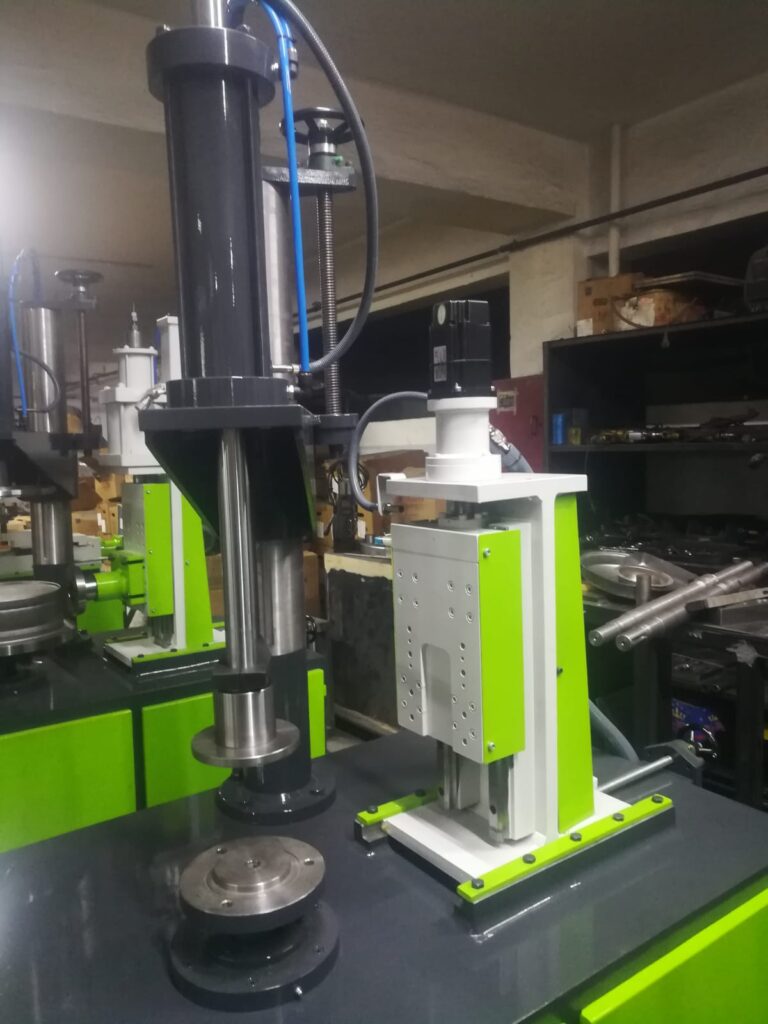
Categories
Machinery

C-Frame Deep Drawing Press

C-Frame Deep Drawing Press

C-Frame Deep Drawing Press: An Automated Machining Line is a highly integrated manufacturing system designed to produce parts with minimal human intervention. It typically consists of a series of machine tools (e.g., CNC lathes, milling machines, drilling machines) that are connected by material handling systems and controlled by a central computer or PLC (Programmable Logic Controller).

Key Components of the Automated Machining Line

  1. CNC Machines – Perform operations like turning, milling, drilling, etc.
  2. Robotic Arms / Gantry Systems – Load and unload parts between stations.
  3. Conveyors / Transfer Lines – Move parts through the line.
  4. Inspection Stations – Use vision systems or sensors for quality control.
  5. Tool Management Systems – Monitor and change tools automatically.
  6. Centralized Control System – Coordinates all operations and collects data for monitoring and optimization.

Advantages:

  • High Productivity: Continuous, 24/7 operation.
  • Consistency & Precision: Reduced human error.
  • Reduced Labor Costs: Fewer operators required.
  • Better Data Collection: Enables predictive maintenance and real-time quality tracking.

Applications:

  • Automotive components
  • Aerospace parts
  • Consumer electronics
  • Industrial equipment

An automated machining line is a production system where multiple machine tools and handling devices are connected to perform sequential operations on workpieces with minimal human intervention. These lines are typically controlled by centralized computer systems or PLCs that coordinate each stage of the process, from raw material input to finished product output. The core of the system includes CNC machines such as lathes, milling machines, or grinders, which are programmed to carry out precise machining operations. Between these machines, automated material handling systems—such as robotic arms, gantry loaders, or conveyors—transport parts, ensuring smooth workflow and minimal downtime.

The system may also integrate inspection stations equipped with sensors, vision systems, or coordinate measuring machines (CMMs) that verify dimensional accuracy and surface quality during or after machining. This ensures defective parts are identified early and reduces waste. Automated tool changers and tool monitoring systems help keep the line running by switching out worn tools and maintaining machining precision.

Automated machining lines are especially beneficial in high-volume production environments where consistency, speed, and cost-efficiency are critical. Industries such as automotive, aerospace, and electronics rely heavily on such systems to produce complex parts at scale. While the initial investment is high, the long-term benefits include reduced labor costs, improved product quality, faster turnaround times, and better use of manufacturing data for process optimization and predictive maintenance.

In a typical real-world scenario, such as an automotive engine component production line, the automated machining process starts with raw forgings or castings being loaded into the system—often by robotic arms or palletized feeders. The first CNC station might perform rough turning to shape the basic geometry. After this, the part is transferred—usually via a conveyor or robotic gripper—to the next station, where more detailed operations like milling, drilling, or threading take place.

Each machine is pre-programmed with the exact machining instructions and tolerances, ensuring that every part meets the same specifications. Sensors on the machines track cutting forces, spindle speed, vibration, and tool wear. If any parameter deviates from its threshold, the system either compensates automatically or triggers a maintenance alert. Some lines include adaptive machining, where minor real-time adjustments are made based on part variability or tool conditions.

Inspection and quality control are often embedded into the line itself. For example, a vision system might scan the part for surface defects immediately after milling. Later, a contact probe or laser scanner might verify critical dimensions. If a defect is detected, the part can be ejected from the line automatically and logged in a database for traceability and root cause analysis.

Finished parts are either collected in bins, stacked on pallets, or automatically transferred to an assembly line or packing station. Throughout the entire cycle, the central control system logs data from every operation, enabling detailed reporting, traceability, and continuous process improvement through machine learning or statistical process control techniques.

This kind of integration enables not only high-volume output but also flexibility for batch-size variations and product changeovers. With Industry 4.0 and IoT technologies, modern automated machining lines can also be remotely monitored and adjusted, further reducing the need for on-site personnel and enabling centralized control over multiple production facilities.

In traditional automated machining lines without AI or modern digital technologies, the system still relies heavily on mechanical and electrical automation controlled by programmable logic controllers (PLCs), relay-based logic, or basic numerical control (NC) systems. These setups are robust and reliable, often built for longevity and consistent performance in high-volume production environments.

The process begins with manual or semi-automated loading of raw materials into the first machine tool. These machines—typically NC lathes, milling machines, or drills—perform specific operations based on preset programs stored in the machine’s memory. The workpiece is clamped in place, and machining proceeds according to fixed cycle parameters. Once the operation is complete, mechanical transfer systems such as linear tracks, pneumatic pushers, or rotary indexing tables move the part to the next station.

Tool changes are usually scheduled at regular intervals based on time or part count rather than real-time tool condition. Operators may be responsible for monitoring tool life and performing manual replacements when necessary. Likewise, quality checks are typically carried out at regular intervals by human inspectors using gauges, micrometers, or dedicated checking fixtures. In some systems, dial indicators or hard stops are used to maintain dimensional control.

Despite the absence of sensors or real-time feedback, such systems are remarkably effective in stable production conditions where the material and part design do not vary significantly. Maintenance is preventive or breakdown-based, relying on routine inspections, lubrication schedules, and experience-based troubleshooting.

These older automated lines are often found in long-established manufacturing plants, particularly in the automotive, heavy equipment, and appliance industries. They are less flexible than modern systems but are valued for their simplicity, mechanical reliability, and the skill-based approach of their operators and technicians.

In older automated machining lines, the transfer mechanisms are a critical part of the system and are designed for mechanical simplicity and reliability. Common types include chain conveyors, roller conveyors, overhead trolleys, rotary index tables, and linear shuttles. Each is chosen based on the type and size of the part, the required throughput, and the physical layout of the shop floor.

One widely used method is the rotary indexing table, especially in compact setups. It positions the workpiece at different machining stations arranged in a circular configuration. After each operation, the table indexes to the next position, allowing simultaneous machining at multiple stations. This results in high efficiency for parts that require several short, sequential operations.

For heavier parts or larger operations, linear transfer systems are more suitable. These include rigid rails or tracks along which pallets or fixtures holding the parts are mechanically advanced using cams, gears, or pneumatic cylinders. The indexing is precise and repeatable, ensuring each part is aligned correctly at each station. This system may include lifting and rotating units for reorienting parts as needed for subsequent machining.

Another key feature in these systems is dedicated tooling and fixturing. Each station typically has fixed-purpose jigs that precisely position and clamp the workpiece. These fixtures are often hard-mounted to the machine base and require manual adjustment during setup changes. For repeat production of a single part or family of parts, this system works efficiently and minimizes the need for frequent calibration.

Control is handled by relay logic or early PLCs with ladder diagrams programmed to execute sequences such as machine start/stop, indexing, tool changes, and coolant flow. These controls are robust, easy to troubleshoot with basic electrical knowledge, and designed for long-term operation. They don’t adapt in real-time but can reliably run for decades with minimal issues if maintained properly.

Coolant systems in traditional lines are also basic—usually centralized coolant tanks with pumps directing fluid to the tools. Filtration may be rudimentary, involving mesh filters or magnetic separators to remove chips and swarf.

Chip handling is mechanical too—often using screw conveyors or belt-driven systems to move chips away from the machining area to collection bins. Operators are typically responsible for emptying these bins and ensuring the system stays clear to prevent machine stoppage.

Overall, older automated machining lines are engineered for reliability and long production runs of identical parts. Changeovers are time-consuming, and flexibility is limited, but their mechanical simplicity, low software dependence, and proven durability make them well-suited for dedicated manufacturing tasks.

Automated Machining and Grinding Line

Automated Machining and Grinding Line

An Automated Machining and Grinding Line is a production system that combines cutting operations (like turning, milling, or drilling) with grinding processes in a continuous, integrated workflow. This setup is commonly used in industries that demand high precision and surface finish, such as automotive, aerospace, and heavy machinery manufacturing. Unlike purely machining lines, these systems can handle parts that require both dimensional accuracy and fine surface quality.

In traditional implementations without modern AI or smart sensors, these lines are built around a sequence of machine tools and grinders, connected via mechanical transfer systems such as conveyors, indexing tables, or robotic arms. Each station is dedicated to a specific operation. For example, a component may first be rough-machined in a CNC lathe, transferred to a milling machine for slots or holes, and finally moved to a grinding station for precision finishing. Grinding is typically done with cylindrical, surface, or centerless grinders, depending on the part geometry.

Parts are usually mounted on dedicated fixtures or pallets designed to maintain consistent orientation and minimize setup time at each station. Fixtures are clamped pneumatically or hydraulically, and the systems are aligned mechanically to ensure accurate positioning. Transfer between stations is timed and controlled by PLCs, which follow a strict logic sequence. These lines often incorporate automated tool changers in the machining stations and fixed grinding wheels in the grinding units.

Grinding stations are equipped with cooling systems and basic wheel dressing mechanisms. In older systems, dressing cycles are timed rather than sensor-driven, and operators rely on scheduled maintenance or visual inspection to identify wear or wheel damage. Coolant filtration may use magnetic separators, paper bed filters, or basic settling tanks to remove fine grinding debris.

Quality control is mostly manual or semi-automated. For high-tolerance parts, operators may use dial indicators, micrometers, or air gauges at designated inspection stations. Some lines include mechanical go/no-go gauges between stages to detect out-of-spec parts before they move to the next operation.

The major advantage of combining machining and grinding in one line is process integration: fewer setups, faster cycle times, and reduced handling between operations. This is particularly beneficial when producing hardened or high-strength materials where post-machining grinding is necessary for tolerance and finish. However, because of the heat, dust, and precision requirements of grinding, these stations are often physically isolated within the line and require more frequent maintenance.

Older automated machining and grinding lines are designed for long runs of standardized parts, with little flexibility for frequent part changes. Changeovers involve manual fixture replacement, program switching, and careful realignment, typically performed by skilled technicians. Despite their limitations, such systems remain in use where durability, consistency, and cost-per-part are more critical than flexibility.

Let’s consider a typical crankshaft production line as an example of an automated machining and grinding line. Crankshafts are complex components that require a combination of heavy material removal and ultra-precise finishing. The line is usually designed for high-volume output, such as in automotive engine manufacturing.

The process begins with forged steel blanks being loaded—either manually or by robot—onto palletized fixtures. These fixtures travel through the line and maintain precise orientation of the crankshaft throughout each station. The first few machines perform rough machining using CNC lathes and milling machines to establish key features like journals, counterweights, and oil passages. Operations at this stage include turning, milling of flat faces, and drilling of oil holes.

Next, the part is transferred—usually by a chain conveyor or robotic arm—to semi-finish machining stations, where closer tolerances are achieved. Here, operations such as journal and pin turning to near-final dimensions are performed. The control is typically PLC-based, with set cycle times and limited part detection logic. Tool changes are pre-programmed based on part count, not real-time monitoring.

After semi-machining, the crankshaft undergoes heat treatment, often offline. It is then reintroduced to the line for hard machining or pre-grinding, depending on the material hardness and required tolerances. The hard surfaces—especially the main and pin journals—now require precise size and surface quality, which is where grinding becomes critical.

The part is now transferred to grinding stations, typically including:

  • Cylindrical grinders for the main journals.
  • Orbital or crankpin grinders for the offset crank pins.
  • Face grinders for end faces and thrust surfaces.

These grinders are built for high rigidity and thermal stability, often with cast-iron beds and hydraulic or electric infeed systems. The grinding wheels are fixed and dressed periodically using diamond dressers. The dressing cycles are scheduled either by time or number of parts, depending on the line’s setup. The grinding process produces significant heat and fine particles, so coolant systems with filtration tanks and magnetic separators are essential.

To maintain accuracy, the line may include mechanical gauging stations after critical grinding operations. These use air gauges or contact probes to measure diameter, roundness, and taper. In some lines, go/no-go fixtures are positioned at intervals to catch out-of-spec parts. If a part fails, it is diverted off the line to a rework or scrap area.

At the end of the line, the crankshaft is washed in a cleaning station to remove residual grinding swarf and oil. It may then be subjected to manual final inspection, including magnetic particle inspection for cracks, followed by balancing and marking before packing.

Older systems like this are not designed for quick changeovers. A model change requires downtime to switch fixtures, adjust machine positions, update programs, and possibly modify transfer settings. But once running, these lines can produce thousands of identical crankshafts with minimal variation, making them ideal for large-scale manufacturing.

Let’s continue with a focus on bearing race production in an automated machining and grinding line. Bearing races require extremely tight tolerances and mirror-like surface finishes, especially on the inner and outer diameters that mate with rolling elements. This makes them ideal candidates for combined machining and grinding lines, particularly where large volumes are involved, such as in automotive wheel hubs or industrial motors.

The process starts with raw steel tubes or forged rings that are cut to approximate length and then loaded onto the line—often using a gravity chute, lift-and-place system, or vibratory bowl feeder for small races. The first station is usually a facing and centering lathe, which squares both ends and generates a center bore or reference surface. The part is then transferred via linear shuttle or rotary table to the next machine, typically a rough-turning lathe, which machines the basic internal and external diameters.

After this, the part might move to a groove turning machine, where the raceways are cut to near-net shape. These operations use fixed tooling and follow numerical control commands via early CNC or PLC systems. At this stage, tolerances are relatively loose, as the final precision will come from grinding.

Following turning, the rings go through a heat treatment process (carburizing or hardening) offline, and are then reintroduced to the line for grinding. This is the critical stage where the inner and outer raceways are ground to final dimension and finish. Here’s how grinding is typically handled in such a line:

  • Centerless grinding is used for the external diameters of the outer races. It provides high throughput and good roundness, as the part is supported between a regulating wheel and a grinding wheel without chucks.
  • Internal grinding machines are used for the inner diameters of inner races, requiring high spindle speed and careful coolant delivery due to heat buildup in confined spaces.
  • Raceway grinding, which may use plunge grinding or oscillating (swiveling) methods depending on the bearing type and production strategy. These machines often have fixed grinding wheels mounted on precision spindles, dressed periodically by a mechanical dresser.

Coolant is heavily used at this stage, delivered through nozzles aimed directly at the contact zone. Coolant systems are relatively basic in older lines, using central tanks with gravity return lines and magnetic or paper bed filters. Since grinding creates very fine swarf and heat, keeping the coolant clean and the grinding wheels dressed is essential to avoid burning or dimensional deviation.

After grinding, the races move to inspection and superfinishing. This may include:

  • Lapping or honing to achieve mirror finish and final geometry.
  • Air gauging or mechanical comparators to check roundness, diameter, and taper.
  • Crack detection using magnetic particle inspection or eddy current testing.

Some lines may also include marking stations where part numbers, batch codes, or hardness zones are engraved using dot-peen or laser systems. In older lines, this is sometimes done manually or semi-automatically.

The final steps involve cleaningrust prevention coating, and packaging. Rings are passed through a washing tunnel with heated solution and then dried using air blowers. Anti-rust oil is applied via spray or dip tanks before packaging into trays or cartons.

This kind of line, though mechanically complex, operates with high reliability and repeatability over long periods. It’s engineered for mass production with minimal flexibility, but its robustness and mechanical design make it a strong choice where digital technologies are not required or available.

Automated Deep Drawing Production Line

Sheet Metal Condiment Holder Manufacturing Machine

An Automated Deep Drawing Production Line is a high-precision manufacturing system designed for producing complex, hollow metal parts from flat sheets, typically using a process called deep drawing. Deep drawing involves forming a sheet metal blank into a three-dimensional shape, like automotive body panels, kitchen sinks, or pressure vessels, by pulling the sheet over a die with a punch.

In an automated deep drawing production line, the entire process is integrated, often with robotic arms, conveyors, and automated presses working together to form, inspect, and finish the parts with minimal human intervention. The key focus of these lines is to ensure high throughput, precision, and consistent part quality, while reducing labor costs and cycle time.

Key Stages of an Automated Deep Drawing Production Line:

  1. Blanking and Feeding:
    • The process begins with blanking, where flat metal sheets (typically aluminum, steel, or brass) are cut into precise blanks of the required size and shape. In some automated lines, automated blank feeders are used to move the blanks from a material stack to the first forming station.
    • coil-fed system can also be used where a continuous strip of material is unspooled and fed into the line.
    • For high-volume production, this stage may involve robotic arms or automatic conveyors to precisely position the blanks into the press.
  2. Pre-forming/Pre-heating (if necessary):
    • Some materials, especially tougher metals, may require pre-heating to make them more malleable before deep drawing.
    • heated die or induction heating system may be employed to soften the metal blank, making it easier to form without cracking or wrinkling.
  3. Deep Drawing (Forming):
    • The core operation of the line is deep drawing, where the metal blank is placed in a die and pressed into the desired shape using a punch.
    • In the traditional process, the sheet metal is drawn through a die using a mechanical press, while the punch pulls the metal into the die cavity. The metal may go through several stages of drawing, especially for complex shapes.
    • Automated presses are often used in these systems, typically hydraulic or mechanical presses, which provide consistent force and speed. The press may be equipped with automatic stroke adjustments, controlling the drawing depth and force depending on the material and part geometry.
    • Multiple drawing stations can be used sequentially, with each one progressively drawing the part deeper and shaping it closer to the final form.
  4. Lubrication and Cooling:
    • A key aspect of deep drawing is the lubrication of the metal blank to reduce friction between the punch and die, and to prevent the metal from sticking or cracking.
    • Automated lubrication systems are used, which spray or flood the blank with a lubricant before it enters the die. This ensures consistent application and reduces the need for manual intervention.
    • Cooling systems may also be integrated into the die to regulate temperature and prevent overheating of the metal during drawing.
  5. Ejection and Part Handling:
    • Once the part is formed, it is ejected from the die. This is often done using automated ejectors, robotic arms, or mechanical pushers that remove the part from the die without damaging its shape.
    • Conveyors are used to transport the ejected parts to the next station for quality inspection, trimming, or other finishing operations.
    • If needed, parts may be automatically stacked or placed into containers for downstream processing or shipping.
  6. Inspection and Quality Control:
    • After the drawing process, the parts are automatically inspected for defects such as wrinkles, cracks, or dimensional deviations.
    • Vision systems may be employed to inspect the parts for visual defects, while coordinate measuring machines (CMMs) or other contact sensors can check critical dimensions like wall thickness, depth, or diameter.
    • Some lines incorporate automatic rejection systems, where defective parts are immediately removed from the line to avoid further processing.
  7. Trimming and Finishing:
    • If the drawn part has excess material (such as a flange or edge), it is sent to a trimming station. This is typically done with automated cutting tools, which trim away the excess metal.
    • Parts may then undergo additional processes such as deburred edgespunching, or flange forming as needed for the final design.
  8. Cleaning and Coating (if required):
    • After trimming, the parts may need to be cleaned, either manually or automatically using ultrasonic cleaners or industrial washing systems, to remove oils, lubricants, or other residues from the drawing process.
    • Some parts may also require surface coating, such as painting, galvanizing, or coating with protective films. This can be done automatically via spray booths or robotic systems for precise application.
  9. Packaging and Shipping:
    • Finally, the formed and finished parts are ready for packaging and shipment. Automated systems can handle packaging, whether it’s wrapping parts individually, placing them in bulk containers, or preparing them for palletization.

Key Advantages of Automated Deep Drawing Lines:

  • High Throughput: With minimal human intervention, the system can operate at high speeds, producing large volumes of parts quickly.
  • Consistency and Quality: Automated systems ensure that each part meets the required specifications with minimal variation, reducing scrap and rework.
  • Reduced Labor Costs: Many manual steps (such as blank handling, lubrication, and inspection) are automated, reducing the need for operators.
  • Flexibility in Material Handling: While deep drawing typically involves metals, automated systems can adapt to different material types, thicknesses, and shapes.
  • Process Integration: The entire production process, from blanking to shipping, can be seamlessly integrated into one automated system, reducing downtime and improving efficiency.

Applications:

  • Automotive Industry: For parts like car body panels, fuel tanks, or engine components.
  • Aerospace: For lightweight, high-strength parts like fuselage panels or wing skins.
  • Household Goods: For items such as sinks, tubs, and other kitchen or bathroom products.
  • Industrial Equipment: For parts like pressure vessels or enclosures for machinery.

In essence, automated deep drawing lines are highly efficient systems optimized for mass production, especially when complex parts with tight tolerances need to be formed quickly and consistently.

An automated deep drawing production line is designed to streamline the process of forming complex metal parts by transforming flat sheets of material into three-dimensional shapes. The process begins with blanking, where flat metal sheets are precisely cut into blanks, which are then fed into the first stage of the forming process. Depending on the system, blanks may be fed manually or automatically using robotic arms or conveyor belts. After this, the blanks are placed in a die, and a punch is used to draw the material into the die, shaping it into a desired part.

The deep drawing process often occurs in multiple stages, each progressively drawing the part deeper to create the final shape. As the material is drawn, it can be lubricated to reduce friction between the punch and die, helping prevent the material from cracking or sticking. Automated lubrication systems spray or flood the blanks with lubricant, ensuring consistent application and eliminating the need for manual intervention. The metal may also be pre-heated in certain cases to make it more malleable, especially when forming tougher metals that require additional care.

Once the part is formed, it’s ejected from the die using automated ejectors, robotic arms, or mechanical pushers. The parts are then transported via conveyors to the next stages of the process. Automated inspection systems, such as vision systems and coordinate measuring machines, check the parts for defects like cracks, wrinkles, or dimensional inconsistencies. Parts that don’t meet specifications are automatically rejected, ensuring that only quality parts proceed to the next step.

For parts with excess material, an automated trimming station removes the excess through cutting or punching, shaping the part further. Some parts may also go through additional finishing processes like deburring or edge rounding, all carried out by automated systems to maintain precision and reduce manual labor. After trimming, parts are often cleaned in ultrasonic cleaning systems or industrial washing stations to remove lubricants and other residues before any surface coatings are applied. The final step typically involves packaging the parts for shipment, which is often automated, ensuring that the finished products are packaged efficiently for delivery.

The key benefits of automated deep drawing production lines include high throughput, consistent quality, and reduced labor costs. With the entire process integrated, from blank feeding to packaging, these systems minimize downtime and improve efficiency. By automating the handling, lubrication, inspection, and finishing stages, manufacturers can maintain high-quality standards while reducing manual intervention, making the process ideal for high-volume production.

Continuing from where we left off, an automated deep drawing production line offers significant benefits in terms of efficiency, cost-effectiveness, and scalability. The integration of robotics and automated systems minimizes human error and improves consistency across large production runs. For example, robotic arms in these systems can handle the delicate task of positioning blanks into dies with high precision and speed, eliminating the risk of misalignment and improving cycle time.

In addition to handling blanks, robotic systems can be used for automated lubrication application, ensuring even coverage and reducing wastage of lubricant. The lubrication not only helps to reduce friction but also minimizes wear on the dies and punches, extending their lifespan and reducing downtime for maintenance. Some systems even have automatic lubrication management that adjusts based on the type of material being processed or the drawing process stage, optimizing both lubrication quality and cost.

The automation of part inspection through vision systems and sensor technology is another significant advancement in deep drawing lines. Automated inspection not only checks for visual defects such as cracks or scratches but also measures critical dimensions of the drawn parts. This includes evaluating wall thickness, roundness, and overall dimensional tolerance. If a part fails inspection, it is automatically diverted off the line for rejection, saving time and materials compared to manual inspection methods. In some advanced systems, in-line quality control using X-ray or ultrasonic testing can be implemented to detect internal defects that would be invisible to traditional inspection methods.

Once the part has passed inspection and trimming, finishing operations like deburring (removal of sharp edges or small metal fragments) and polishing are automated. Automated machines can perform these tasks at high speeds while maintaining tight tolerances, ensuring the parts are smooth and ready for final application or coating.

Surface coating, such as painting, galvanizing, or anodizing, is also a key part of the automated deep drawing production line, especially for parts that require additional protection or a finished appearance. These lines often integrate spray boothsrobotic arms, or dipping tanks to apply coatings consistently. For example, if the parts are to be coated with a corrosion-resistant layer, an automated system can ensure even coating thickness and proper drying time, reducing the need for human labor and enhancing the quality of the final product.

The final stage of an automated deep drawing line involves packaging and shipping, where finished parts are automatically stacked, boxed, or palletized for shipment. Conveyor systems guide the parts to automated packaging stations, where the parts are grouped, labeled, and wrapped for shipping. These systems often include robotic pick-and-place units for precise placement into shipping containers, ensuring that the parts are well-protected during transportation.

By automating these stages, manufacturers can significantly reduce the labor required for each part of the production process, improve overall cycle time, and increase throughput. The use of integrated systems allows for quicker adjustments to production runs, meaning that the line can handle a range of products with minimal setup time. This is especially beneficial in industries that require both flexibility and high volume, such as the automotive, aerospace, and consumer goods sectors.

The integration of real-time data monitoring and predictive maintenance technologies can further enhance the efficiency of the production line. Sensors embedded in machines can track parameters like temperature, pressure, and vibration, alerting operators to potential issues before they cause significant downtime. This predictive maintenance reduces unexpected failures and extends the life of expensive equipment like presses and dies.

Building on the previous discussion, let’s dive into some of the more advanced technologies and systems that are commonly found in automated deep drawing production lines to ensure maximum efficiency, product quality, and reliability.

One of the key technologies that enhances the functionality of an automated deep drawing line is the use of advanced press technologies. These presses are typically hydraulic or mechanical presses that provide the high force necessary for deep drawing operations. Hydraulic presses are known for their versatility, as they offer variable speed and force control, making them ideal for different types of materials and drawing depths. On the other hand, mechanical presses are faster and more suitable for high-speed production lines, as they can deliver a consistent force with less variation.

In many modern systems, presses are coupled with servo-driven actuators for greater control over the stroke, speed, and force applied during the drawing process. Servo presses allow for real-time adjustments during the drawing operation, optimizing the forming process to reduce defects such as wrinkles, cracks, or tearing, which are common challenges in deep drawing. This precision leads to better material usage, minimizing waste, and ensuring parts meet stringent quality standards.

In-line sensors are another critical element of advanced automated deep drawing systems. These sensors monitor the entire process in real time and provide feedback to the system. For instance, force sensors installed on the punch and die can monitor the amount of force being applied during the deep drawing process. This feedback can be used to adjust the press’s force, preventing damage to the material and die. Additionally, thickness sensors help monitor wall thickness throughout the drawing process, ensuring that the part maintains uniformity and quality across its entire surface.

In material handlingvision systems are commonly used to automatically position blanks and ensure they are accurately aligned in the die before the press cycle begins. These systems can also detect misfeeds or any material defects that could lead to production delays or defective parts. If a problem is detected, the system can either reject the part automatically or alert operators to take corrective action.

Coolant and lubrication management is another area where automation plays a crucial role. In older systems, lubrication may have been a manual process or simply a routine spray, but in modern lines, lubrication is highly controlled through automated systems. This includes centralized lubrication systems, which deliver precise amounts of lubricant to different parts of the machine, especially in the punch-die interface. The correct application of lubricant reduces wear and tear on the tooling, extends the life of the press, and ensures a smoother forming process. Moreover, the lubrication system can be linked to real-time monitoring systems, which adjust lubrication based on the materials being processed and the specific needs of the drawing stage.

In terms of maintenance, predictive technologies are revolutionizing how downtime is managed. Condition-based monitoring systems equipped with sensors provide real-time data on the health of critical equipment like punches, dies, and presses. These systems can track parameters like temperature, vibration, and pressure, which are often the first indicators of potential failure. Using this data, the system can predict when a component is likely to fail, allowing operators to replace or service the equipment before a failure occurs. This approach, often called predictive maintenance, significantly reduces unplanned downtime and maintenance costs, ensuring the line remains in operation for longer periods.

Moreover, data collected from sensors throughout the process can be sent to a central Manufacturing Execution System (MES), which provides an overview of the entire production line. The MES collects data on machine performance, part quality, cycle times, and material usage, and provides operators with actionable insights. These insights can help optimize the workflow, reduce bottlenecks, and improve overall line efficiency.

One significant advantage of automated deep drawing production lines is their ability to easily accommodate small batch production runs or variations in part designs. While traditional deep drawing lines require substantial downtime and manual intervention to adjust for new part designs, automated systems allow for quick changeovers. This flexibility is achieved through the use of robotic part loading systemsquick-change tooling setups, and programmable presses that can automatically adjust stroke and force parameters depending on the new part being produced. In many cases, automated lines can even handle multiple different part sizes and designs within a single production run, making them highly adaptable.

Energy efficiency is also a focus in modern automated deep drawing systems. Hydraulic presses, while energy-intensive, have become more efficient thanks to variable displacement pumps and energy recovery systems that capture and reuse energy during the press cycle. Similarly, automated lubrication systems and cooling systems help ensure that energy consumption is kept in check by only operating when needed, further contributing to sustainability in manufacturing.

Finally, integrated robotics and AI-based control systems allow the deep drawing line to operate with minimal human oversight. These systems can autonomously adjust to changes in material properties, detect part defects, and even optimize the drawing process in real time. Artificial intelligence algorithms can analyze historical production data to predict the best settings for new material batches, optimizing each part of the process for efficiency and quality.

Overall, an automated deep drawing production line is designed to ensure that manufacturers can produce complex, high-quality parts at high volume with minimal human intervention. The integration of robotics, AI, advanced sensors, and predictive maintenance technologies ensures that the production process is more efficient, consistent, and adaptable, while also reducing costs and improving product quality.

Four-Column Deep Drawing Press

Four-Column Deep Drawing Press

Four-Column Deep Drawing Press is a type of mechanical or hydraulic press specifically designed for deep drawing operations, where metal sheets are formed into deep, hollow shapes. This type of press gets its name from the four vertical columns that support the press structure, providing stability, strength, and precision during the deep drawing process.

Key Features and Components of a Four-Column Deep Drawing Press:

  1. Four-Column Frame Structure:
    • The press’s four-column design provides a stable and rigid framework that supports the ram (punch), die, and other components. These columns help distribute the load evenly, making the press suitable for high-force applications, such as deep drawing.
    • The structure ensures that the vertical movement of the ram is aligned and stable, minimizing any deviations in the part geometry.
  2. Pressing Mechanism (Hydraulic or Mechanical):
    • The pressing action is typically provided by hydraulic cylinders or mechanical systems. In a hydraulic four-column press, hydraulic cylinders are used to apply force to the ram. The advantage of a hydraulic system is its ability to offer precise force control over the entire stroke, making it ideal for deep drawing, which requires varying force levels throughout the forming process.
    • Mechanical presses, while faster and more rigid, are less flexible when it comes to force adjustments and are generally used in high-speed stamping rather than deep drawing.
  3. Die and Punch Setup:
    • The die set is positioned on the lower portion of the press and forms the cavity into which the blank is drawn. The punch (ram) is mounted above the die and moves downward to pull the material into the die, forming the part.
    • In four-column presses, both the die and punch are aligned vertically with precision, ensuring that the material is drawn consistently without warping or damage.
  4. Stroke and Force Control:
    • The press allows for adjustable stroke length and force settings, which is essential for deep drawing processes that involve materials of varying thicknesses or hardness. By adjusting the stroke, the operator can control how deeply the material is drawn and how much force is applied during each step of the process.
    • In hydraulic presses, the stroke can be finely controlled by adjusting hydraulic pressure. In mechanical presses, stroke control is usually limited to pre-set options, but force control can still be achieved by adjusting the ram speed and ram displacement.
  5. Guiding Mechanism:
    • Guides are used to ensure the ram (punch) moves vertically along the four columns without lateral deviations. This precision is crucial, as even minor misalignment can result in defects like wrinkles, uneven thickness, or part failure during drawing.
    • Linear guides or roller guides are often employed to reduce friction and ensure smooth, precise motion of the punch.
  6. Safety and Monitoring Systems:
    • Four-column deep drawing presses are typically equipped with safety features such as light curtains, pressure sensors, and emergency stop buttons to protect operators and prevent accidents during operation.
    • Force and position sensors can also be incorporated into the system to monitor the press’s operation, ensuring that the correct amount of force is applied at each stage of the forming process.
  7. Automation Integration:
    • Four-column presses can be integrated with automation systems, including robotic arms for part loading and unloading, and conveyor systems for part handling throughout the production line. Automated blank feeders and die changers can also be used to improve efficiency and reduce manual intervention.
    • Computer Numerical Control (CNC) or PLC-based control systems enable the press to follow precise part specifications, adjust parameters automatically based on material properties, and even adjust for different part designs without requiring manual retooling.
  8. Applications of Four-Column Deep Drawing Presses:
    • These presses are often used in industries that require high-quality, precision-formed parts, such as automotiveaerospaceappliance manufacturing, and industrial equipment. Common parts include automotive body panelsmetal canspressure vesselskitchen sinks, and electrical enclosures.
    • Four-column presses are particularly suitable for large, complex parts that require high forming force and precision. They excel in situations where parts have relatively deep profiles, requiring a press capable of applying a large, consistent force over the entire stroke.

Advantages of Four-Column Deep Drawing Presses:

  1. High Force Capability:
    • The four-column structure provides enhanced strength and stability, allowing the press to apply the necessary high force required for deep drawing operations. This makes it suitable for thick materials and larger parts.
  2. Precision and Alignment:
    • The four-column setup ensures precise alignment of the die and punch, leading to consistent quality and uniform part formation.
  3. Flexibility:
    • The adjustable stroke length and force control make the four-column deep drawing press versatile for different materials and part designs. It can handle various thicknesses and hardness levels of materials without the need for retooling or major adjustments.
  4. Customization and Automation:
    • The press can be easily integrated into automated production lines, which increases throughput, reduces human error, and improves overall efficiency. Automation systems can handle part feeding, lubrication, inspection, and part unloading, leading to faster cycle times and lower labor costs.
  5. Durability and Longevity:
    • Due to their robust construction, four-column presses are designed for long-term use, even under the intense pressure of deep drawing. This durability reduces the need for frequent maintenance or replacement, providing a solid investment for high-volume manufacturers.

Potential Drawbacks:

  1. High Initial Investment:
    • Four-column deep drawing presses can be costly to purchase and set up, especially when integrating advanced features like automation or hydraulic systems. However, this is often offset by the high throughput and reduced labor costs over time.
  2. Space Requirements:
    • The four-column frame design requires a significant amount of space to accommodate the press, especially when used in larger configurations for producing big parts. This might require specialized facilities or larger production floors.
  3. Maintenance Complexity:
    • The press’s intricate components, such as the hydraulic systems, guides, and sensors, require regular maintenance to ensure optimal performance. However, predictive maintenance systems can help mitigate unexpected downtime.

Conclusion:

The Four-Column Deep Drawing Press is an advanced, reliable machine that plays a vital role in the production of complex, high-quality formed metal parts. Its ability to provide consistent force, precision, and adaptability makes it a staple in high-performance manufacturing environments, particularly in industries that require intricate metal forming. The press’s ability to integrate with automation systems further enhances its efficiency and flexibility, making it an ideal choice for manufacturers looking to increase production speed and minimize human error.

A Four-Column Deep Drawing Press is built to handle the intense forces required to transform flat metal sheets into deep, intricate shapes, commonly used in industries like automotive, aerospace, and appliance manufacturing. The press operates by using four vertical columns to support and stabilize the press frame, ensuring precise alignment and minimal distortion during operation. This robust design allows for high-tonnage applications, ideal for forming thicker materials or producing larger parts. The frame supports a punch (ram) that applies force to a metal blank, pulling it into a die to form the desired part. The ability to adjust force and stroke length makes this press highly adaptable to different materials, thicknesses, and shapes.

One of the standout features of the Four-Column Deep Drawing Press is its versatility, as it can handle a wide range of part geometries, including deep and complex profiles. The system can be customized to accommodate varying part sizes, and hydraulic or mechanical systems provide the necessary force to ensure high-quality, consistent output. In addition, precise control over the drawing force is possible, which is essential for preventing material defects such as cracks or wrinkles. Furthermore, automation plays a significant role in enhancing efficiency, as robotic arms and conveyor systems can feed, transfer, and unload parts, reducing human labor and improving cycle times.

These presses are typically equipped with sensors and monitoring systems to ensure optimal operation. Force and position sensors monitor the punch’s movement, providing real-time data that helps prevent overloading or misalignment. This data can also be integrated with predictive maintenance systems, which alert operators to potential issues before they lead to unplanned downtime. Automated lubrication systems ensure that the die and punch are consistently lubricated, reducing friction and wear, which prolongs the life of the tooling and helps maintain part quality.

Although the Four-Column Deep Drawing Press offers significant advantages in terms of force, precision, and flexibility, there are some drawbacks to consider. The initial investment can be high, particularly if you incorporate advanced automation or hydraulic systems. The press also requires a considerable amount of space due to its large frame, making it less suitable for smaller production areas. Regular maintenance is crucial for maintaining performance, as components such as hydraulic systems, guides, and sensors need to be serviced to prevent breakdowns. However, these challenges can be mitigated with proper planning and investment in predictive maintenance technologies.

In summary, the Four-Column Deep Drawing Press is an essential piece of equipment for manufacturers who need to produce high-quality, complex metal parts at high volumes. Its combination of force, precision, and adaptability makes it ideal for industries where part integrity and consistency are critical. The integration of automation, monitoring systems, and predictive maintenance further enhances its efficiency, making it a valuable asset in modern manufacturing lines.

As the demand for more complex, high-quality metal parts continues to rise, the Four-Column Deep Drawing Press stands out as an essential tool for manufacturers aiming to keep up with production demands while maintaining high standards of precision and efficiency. The press’s ability to handle deep, intricate forming with uniform quality makes it an ideal choice for industries such as automotive, aerospace, and even the production of consumer goods.

While the Four-Column press excels at deep drawing, it also offers flexibility in terms of part design. It can handle a variety of materials, from soft metals like aluminum to harder materials like stainless steel. The press can be adjusted to accommodate different material properties, thicknesses, and hardness, making it versatile across a range of applications. This adaptability is particularly beneficial in industries where product designs constantly evolve, and flexibility is crucial to staying competitive.

One of the emerging trends in Four-Column Deep Drawing Presses is the integration of smart manufacturing technologies. These presses are increasingly equipped with real-time data analytics, allowing operators to monitor key performance indicators such as force application, stroke length, material flow, and even tool wear. These systems use sensors and cameras to collect data, which is then analyzed using AI and machine learning algorithms. By processing this data, the system can identify patterns, predict potential issues, and suggest adjustments to optimize the production process.

Machine learning algorithms can also help improve part quality by learning from previous drawing cycles. These algorithms can detect subtle changes in material properties and adjust the press parameters in real time to avoid defects, such as wrinkling or tearing. The incorporation of these AI-driven tools enhances the press’s ability to adapt to different conditions and materials, improving both efficiency and product quality. This level of automation and intelligence leads to fewer defects, reduced waste, and increased overall productivity.

Additionally, the trend of energy efficiency has become increasingly important in modern manufacturing. The energy consumption of a Four-Column Deep Drawing Press can be significant, especially when operating at full capacity. However, modern hydraulic systems and advanced control mechanisms have made significant strides in reducing energy usage. Many new systems are equipped with energy recovery features, such as regenerative drives, which capture and reuse energy during the press cycle. This not only helps reduce operational costs but also aligns with sustainability goals by lowering the environmental impact of manufacturing processes.

Another key consideration is the maintenance of the press. Predictive maintenance technologies, already embedded in many modern presses, continuously monitor the condition of the press and its components. By collecting data on things like vibration, temperature, and hydraulic pressure, these systems can predict when maintenance is required, preventing unscheduled downtime. This is a major advantage for manufacturers, as it allows them to plan maintenance around production schedules, reducing costly disruptions and ensuring the press operates at optimal efficiency.

Moreover, the safety features on Four-Column Deep Drawing Presses have evolved significantly over the years. In addition to traditional safety guards and emergency stop buttons, many presses now feature robotic safety systems such as light curtains and laser scanners. These systems can detect the presence of operators or obstacles within the press area, automatically stopping the press before any harm can occur. These innovations not only improve safety but also contribute to a more streamlined, automated production process by reducing human intervention.

In terms of flexibility, some Four-Column presses are now equipped with quick-change tooling systems, allowing manufacturers to switch between different part designs with minimal downtime. The tooling can be swapped automatically, and the press can adjust to the new design parameters, such as stroke length and force, with little to no manual input. This makes it easier to transition between different production runs, which is particularly beneficial in industries that produce a variety of parts in small to medium batches.

Lastly, the integration of robotic automation into the deep drawing process is helping improve both production efficiency and quality. Robotic arms are used to load and unload parts, position blanks accurately in the die, and remove finished parts from the press. These systems can also assist with secondary operations such as part cleaning or sorting. The use of robots minimizes human handling, reducing the risk of part contamination, misalignment, and injury, while also speeding up production cycles.

In conclusion, the Four-Column Deep Drawing Press is a critical piece of equipment in modern manufacturing, offering precision, adaptability, and high force capabilities for forming complex metal parts. As technology advances, these presses continue to evolve, integrating smart technologies, automation, and energy-saving features that optimize production processes. With the added benefits of predictive maintenance and enhanced safety systems, Four-Column presses are now more efficient, reliable, and capable than ever before, making them an indispensable asset for high-volume, high-precision manufacturing operations.

H-Frame Deep Drawing Press

H-Frame Deep Drawing Press

An H-Frame Deep Drawing Press is another type of press used in metal forming, specifically for deep drawing operations, where flat metal sheets are transformed into deep, hollow shapes. The primary difference between the H-Frame press and the more commonly used Four-Column press lies in the frame structure. As the name suggests, the H-Frame press features a frame shaped like the letter “H,” where two vertical columns are connected by horizontal cross members. This design provides the press with a strong and stable frame capable of withstanding high forces during the drawing process.

Key Characteristics of an H-Frame Deep Drawing Press:

  1. H-Frame Design:
    • The H-Frame design consists of two vertical columns connected by a crossbeam or bridge, forming an “H” shape. This configuration provides a robust, rigid structure that distributes the load evenly during the drawing operation.
    • The H-Frame press tends to have a more open design compared to the Four-Column press, which can offer better accessibility to the tooling area and facilitate easier maintenance and part handling.
  2. Hydraulic or Mechanical Drive:
    • Similar to the Four-Column press, H-Frame presses are usually powered by either hydraulic systems or mechanical drives.
      • Hydraulic systems offer flexibility by providing adjustable force and stroke length, which is essential for handling varying material types, thicknesses, and drawing depths.
      • Mechanical systems, typically used for high-speed operations, deliver constant force and are more efficient for quicker, repetitive drawing cycles.
    • The hydraulic version, in particular, provides the versatility needed for deep drawing processes where varying force levels are necessary throughout the cycle.
  3. Force Application:
    • The press uses a ram (punch) that moves vertically, pushing the material into the die to form the desired part. The H-Frame design ensures that the punch remains aligned and that force is applied uniformly to prevent material defects such as cracking or tearing.
    • Force control in an H-Frame press can be adjusted to suit the specific material being processed. Some advanced systems include variable displacement pumps or servo-controlled hydraulics to provide precise control of the force, which is vital for the consistency and quality of the formed parts.
  4. Open Frame Design:
    • The H-Frame’s open structure makes it particularly well-suited for large and heavy parts. Its design allows for easier loading and unloading of parts, especially for applications requiring large metal blanks. The open structure also facilitates tool changeover and maintenance access, allowing operators to reach the die and punch areas more easily.
    • The lower part of the frame provides additional space for handling equipment or auxiliary machinery such as automatic blank feeders or part stacking systems, enhancing the press’s ability to integrate into a fully automated production line.
  5. Precision and Alignment:
    • H-Frame presses are equipped with guides and alignment mechanisms that ensure the punch and die remain aligned during operation. This helps prevent defects like misformed parts, uneven wall thickness, and material wrinkling.
    • In some models, linear guides or roller guides are used to reduce friction and ensure smooth, precise movement of the punch. The rigidity of the frame ensures that the punch applies force in a straight, uniform motion, contributing to the consistent quality of the drawn parts.
  6. Customization and Flexibility:
    • One of the major advantages of the H-Frame design is its customizability. The press can be tailored to accommodate different die sizes, material thicknesses, and part geometries. Adjustments to stroke length, force, and speed can be made quickly to adapt to different production runs, making H-Frame presses suitable for both high-volume and small-batch production.
    • The ability to quickly swap tooling and adjust press settings makes H-Frame presses well-suited for industries where part designs frequently change or where there is a need for flexible manufacturing.
  7. Automation and Integration:
    • H-Frame presses can be easily integrated into automated production lines with robotic arms, conveyor systems, and automatic die changers. This integration improves production efficiency, reduces human error, and minimizes downtime between different production runs.
    • The press can be equipped with vision systems for automatic part inspection, ensuring that only quality parts move through the production process. Additionally, automated part handling systems can load and unload parts, reducing manual labor and increasing throughput.
  8. Energy Efficiency and Cost Considerations:
    • The energy efficiency of an H-Frame press depends on the hydraulic or mechanical system in use. Hydraulic presses can be optimized for energy use with features like energy recovery systems, which capture and reuse energy during the pressing cycle.
    • Servo-driven hydraulic systems are becoming increasingly common in modern H-Frame presses. These systems offer energy savings by using only the energy required for each specific operation, adjusting the force and stroke length dynamically based on the material being processed.

Advantages of an H-Frame Deep Drawing Press:

  • Strong Structural Design: The H-Frame press provides excellent support and load distribution during deep drawing, ensuring uniform force application and preventing deflection that could lead to defects.
  • Ease of Maintenance and Tooling Changeover: The open frame structure provides easy access to tooling, reducing downtime and maintenance costs. The large space underneath the frame also allows for the addition of auxiliary systems, like automated part handling equipment.
  • Customizability and Flexibility: H-Frame presses can handle a wide range of material types and part designs, making them adaptable to different production needs. The quick changeover of tools and settings allows for efficient switching between different jobs or products.
  • Higher Production Speed: With the integration of automation systems and fast cycle times in mechanical models, H-Frame presses can produce high volumes of parts at a faster pace, reducing overall production costs and increasing throughput.

Disadvantages:

  • Space Requirements: Like other large presses, the H-Frame design requires considerable floor space. The open frame structure, while beneficial for maintenance and part handling, can be cumbersome in smaller production environments.
  • Initial Investment: The cost of purchasing and setting up an H-Frame press can be substantial, especially if the press is equipped with advanced features like automated systems, servo-driven hydraulics, and smart monitoring systems. However, this is often offset by the long-term efficiency gains and lower operational costs.
  • Energy Consumption in Hydraulic Models: While energy-saving features can be added, traditional hydraulic presses tend to be more energy-intensive compared to mechanical systems, especially when running high-force operations.

Applications of H-Frame Deep Drawing Presses:

H-Frame Deep Drawing Presses are widely used in industries where large, complex metal parts are required. These include:

  • Automotive Manufacturing: For producing parts like car body panelschassis components, and engine parts that require precise forming under high force.
  • Aerospace Industry: For parts such as fuel tanksaircraft panels, and structural components, where precision and material strength are critical.
  • Consumer Goods: For the production of kitchenwaremetal cans, and appliances, which require deep drawing of thin-gauge metals into precise, uniform shapes.
  • Heavy Equipment Manufacturing: For forming large parts like hydraulic cylinders and pressure vessels, where high forces are needed.

Conclusion:

The H-Frame Deep Drawing Press is a versatile and robust piece of equipment well-suited for deep drawing operations that require high force and precision. Its open, customizable design, ease of maintenance, and ability to integrate with automated systems make it a valuable tool in industries producing large, complex metal parts. While there are some drawbacks, such as space requirements and initial investment costs, the benefits of improved flexibility, efficiency, and production speed make the H-Frame press a strong choice for manufacturers looking to optimize their deep drawing processes.

The H-Frame Deep Drawing Press stands out for its versatility in metal forming, particularly in deep drawing applications where large, complex parts need to be created. The “H” frame design, characterized by two vertical columns connected by horizontal cross members, provides a stable and rigid structure capable of handling high forces during the drawing process. This makes it ideal for industries requiring precision in forming thick materials or parts with intricate shapes, such as automotive, aerospace, and appliance manufacturing.

The press operates by using a ram (punch) that moves vertically, pushing the material into a die. The H-Frame’s design ensures that the punch stays aligned, and the force applied to the material is evenly distributed, preventing issues such as wrinkles or material tearing. Its ability to accommodate high-tonnage applications allows it to handle tough, thick materials or parts that demand substantial forming forces. The hydraulic system, in particular, offers great flexibility, as the force and stroke length can be adjusted depending on the material and the specific part requirements. This ensures that the press can adapt to different part geometries and material properties, making it suitable for both high-volume production and smaller batch runs.

One of the major advantages of the H-Frame press is its open structure. Unlike the Four-Column press, which may have a more enclosed design, the H-Frame press offers easier access to tooling, making maintenance and tool changes more efficient. The ability to swap tools quickly is a significant benefit, especially for operations that require frequent adjustments between different part designs. This open frame also facilitates the integration of automated systems, such as robotic arms or conveyor belts, which can improve overall production efficiency by reducing manual labor, enhancing speed, and reducing the chances of human error.

The flexibility in the H-Frame design also extends to energy efficiency. Although hydraulic presses typically consume more energy than mechanical presses, modern H-Frame presses can incorporate energy-saving features like regenerative drives. These systems recover and reuse energy during the pressing cycle, helping to lower operational costs and make the press more environmentally friendly. The integration of servo-driven hydraulic systems further boosts energy efficiency by adjusting the amount of energy used depending on the specific operation, which reduces unnecessary energy consumption.

The automation potential of the H-Frame press can significantly increase throughput. Automated material handling systems, such as robotic feeders and stackers, can load blanks into the die, unload finished parts, and even perform secondary operations such as cleaning or inspection. This reduces the need for human intervention and speeds up the production cycle. Additionally, advanced monitoring and diagnostic tools can be integrated into the system, offering real-time feedback on the press’s performance. This allows operators to make adjustments on the fly, improving both product quality and machine efficiency.

However, the H-Frame press does come with some considerations. Due to its larger frame, it requires significant space, which may not be ideal for smaller production facilities. The cost of acquiring and setting up the press can also be considerable, particularly when equipped with advanced automation or servo-controlled systems. Despite these challenges, the long-term benefits of higher production speeds, reduced downtime, and improved part quality make the H-Frame press a worthwhile investment for manufacturers.

In terms of applications, the H-Frame press excels in sectors like automotive and aerospace, where parts need to be formed with high precision and strength. Components such as automotive body panelsfuel tanks, and structural parts are commonly produced using H-Frame presses. The open design of the press also makes it suitable for larger components, such as pressure vessels and industrial enclosures, where accessibility and tool changeover are critical for maintaining efficiency.

The continued evolution of H-Frame Deep Drawing Press technology, with smart features, energy-saving systems, and integration with automation, further enhances their role in modern manufacturing. Manufacturers are increasingly looking for ways to maximize productivity while maintaining high quality and minimizing environmental impact, and the H-Frame press delivers on all these fronts. The press offers the strength, adaptability, and efficiency required to keep pace with the ever-evolving demands of high-volume, precision manufacturing, making it a crucial asset in industries that rely on deep drawing processes.

The H-Frame Deep Drawing Press continues to be an essential tool in the production of high-quality metal components, particularly in industries that require precision and large-scale production. Its design, offering both robustness and flexibility, ensures it remains a reliable choice for complex, high-tolerance parts. The ability to handle large sheets of metal and apply substantial force while maintaining precise control over the drawing process makes it indispensable for creating parts with deep, intricate shapes.

Moreover, the integration of advanced sensors and monitoring systems is increasingly enhancing the capabilities of the H-Frame press. These systems provide real-time feedback on critical parameters such as force, stroke, material flow, and die condition. This continuous monitoring ensures that the press is running at peak efficiency, helps detect any anomalies in the drawing process, and can prevent part defects before they occur. It also allows for quicker adjustments in force and stroke, which can reduce scrap and improve overall quality. This predictive capability also leads to better quality control, ensuring that each part meets the exact specifications required.

The increased use of robotics in H-Frame presses further increases their efficiency. In addition to loading and unloading parts, robotic systems can now be used for more advanced tasks such as real-time inspection, sorting, and even post-forming operations like trimming or cleaning. The reduced reliance on human operators minimizes the risk of errors or injuries and speeds up the overall production process. The ability to automate these tasks also ensures consistency and repeatability, crucial for high-volume operations.

Furthermore, customization remains a key benefit of the H-Frame press. Different industries often require unique configurations of the press based on the specific materials they are working with or the types of parts they need to produce. The open design of the H-Frame allows for easy modifications and adjustments, such as varying the stroke length, force, or die configuration. These modifications can often be made quickly, improving flexibility and reducing downtime when switching between production runs.

As manufacturers strive for sustainability, the H-Frame press’s energy efficiency becomes increasingly important. The integration of energy-saving technologies, such as servo-driven systems and regenerative drives, ensures that the press operates more efficiently, consuming only the power required for each specific operation. This not only reduces the energy footprint but also lowers operational costs, making the press more cost-effective over time. Additionally, energy recovery systems can be used to harness and reuse energy during the operation, which further reduces waste and maximizes efficiency.

Safety is also a growing concern in modern manufacturing, and the H-Frame press incorporates a variety of safety features to protect operators and prevent accidents. In addition to traditional safety guards and emergency stop buttons, the press may include laser sensorslight curtains, and safety mats that detect the presence of operators or objects in the danger zone. If an obstruction is detected, the press can automatically stop or slow down, preventing injury or damage to the press itself. This high level of safety enhances both productivity and worker confidence in the production environment.

Another important consideration is maintenance. As with any large machine, the H-Frame press requires regular upkeep to ensure it continues to perform optimally. Predictive maintenance systems, which use real-time data to predict when a component might fail, are becoming increasingly common. By analyzing data from sensors monitoring vibration, temperature, pressure, and other metrics, these systems can forecast potential issues and notify operators in advance. This allows for proactive maintenance, reducing downtime and extending the life of the press.

With the ongoing demand for more efficient, sustainable, and customizable manufacturing processes, the H-Frame Deep Drawing Press continues to be an important solution for manufacturers. The combination of strength, precision, and flexibility, coupled with the integration of smart technologies, automation, and energy-saving features, ensures that this press will remain a key asset for years to come. It is particularly effective in industries like automotive, aerospace, and heavy machinery, where high-quality metal parts are critical and where production volumes require both speed and consistency.

In summary, the H-Frame Deep Drawing Press represents a robust, flexible, and efficient solution for the forming of deep-drawn metal parts. Its design ensures it can handle large, complex parts while maintaining precision, and its adaptability to automation, energy efficiency, and predictive maintenance technologies allows manufacturers to stay competitive in an increasingly demanding marketplace.

As industries continue to push for higher production rates, improved quality, and greater sustainability, the H-Frame Deep Drawing Press remains a crucial tool in the evolution of manufacturing. One area where the H-Frame press is particularly making an impact is in smart manufacturing. The shift toward digitalization and Industry 4.0 has led to the integration of advanced data analytics, machine learning, and the Internet of Things (IoT) into production processes. In the context of H-Frame presses, this means real-time monitoring and control over every aspect of the operation.

By utilizing IoT sensors, manufacturers can collect valuable data from the press’s various components. These sensors can monitor the condition of the hydraulic system, detect irregularities in pressure or temperature, and track the wear on dies or punches. This constant flow of data is fed into a central control system where it can be analyzed. If any issues are detected—such as excessive wear on a die or an anomaly in the material flow—the system can automatically adjust parameters to correct the problem or notify the operator of the need for maintenance. This level of real-time feedback enhances not only the efficiency of the press but also the overall quality of the parts being produced, reducing scrap and rework.

Additionally, machine learning algorithms can be applied to the collected data to identify trends and patterns. For example, an algorithm might learn the optimal settings for a given material type, thickness, or geometry based on previous production runs. Over time, the system can refine these settings to achieve even better outcomes, automatically adjusting the press’s parameters without the need for human intervention. This can lead to more consistent part quality and a reduction in defects, as the press continuously adapts to changing production conditions.

The predictive maintenance capabilities of modern H-Frame presses are another critical aspect of their efficiency. As the press operates, it generates wear and tear on components like hydraulic valves, seals, and dies. Traditional maintenance schedules often rely on fixed intervals, which can lead to unnecessary maintenance or unplanned downtime. With predictive maintenance, however, the press can monitor its own condition and alert operators to potential issues before they cause a failure. For example, if the vibration level of a hydraulic pump exceeds a certain threshold, the system can flag this as a potential problem and recommend maintenance before the pump fails completely. This approach minimizes downtime and maximizes the lifespan of critical components, leading to a more reliable and cost-effective operation.

In addition to predictive maintenance, remote monitoring has become an essential feature of modern H-Frame presses. Operators and managers can access data on the press’s performance from virtually anywhere, using cloud-based systems or mobile apps. This enables real-time performance tracking and troubleshooting from remote locations, allowing for quick intervention if necessary. This also facilitates centralized control for manufacturers with multiple facilities, allowing them to monitor the status of presses across different plants from a single location. With this level of connectivity, manufacturers can optimize their operations even more effectively and respond quickly to any issues that arise, improving both uptime and productivity.

The integration of robotic automation continues to complement the performance of the H-Frame press. As robotic systems evolve, they are increasingly capable of performing complex tasks such as precise material placementpost-forming operations, and quality inspection. These robots work alongside the press, enhancing its capabilities and reducing the need for human involvement in repetitive or dangerous tasks. For example, after a part is drawn, a robotic system might inspect the part for defects using high-resolution cameras and AI-driven vision systems. If defects are detected, the part can be automatically sorted out for rework, ensuring only the highest-quality products move through the production line.

Energy efficiency continues to be a major consideration for manufacturers seeking to reduce operational costs and meet environmental standards. The integration of servo-driven hydraulic systems into the H-Frame press is a key innovation in this area. Servo drives allow for precise control over the press’s force and stroke, delivering only the required amount of energy for each specific task. This is in stark contrast to traditional hydraulic systems, which may use constant energy flow regardless of the task. By reducing unnecessary energy consumption, servo-driven systems help manufacturers save on operating costs and reduce their carbon footprint, aligning with broader sustainability goals.

The push for sustainability is not just limited to energy savings but also extends to material usage. H-Frame presses, with their ability to form complex shapes with minimal material waste, are an excellent tool for industries that are working toward zero-waste or reduced-material usage goals. The precision offered by these presses minimizes the amount of scrap generated during the forming process, which not only reduces material costs but also helps in recycling efforts by making it easier to recover and reuse metal scrap.

On a global scale, manufacturers are increasingly seeking ways to optimize supply chains. The H-Frame press, when integrated into a smart manufacturing system, can contribute to this optimization. With the help of digital twins (virtual replicas of the press and production process), manufacturers can simulate various production scenarios, predict supply chain disruptions, and optimize production schedules. This capability allows manufacturers to respond swiftly to changes in demand or material availability, ensuring that production stays on track and resources are used efficiently.

In conclusion, the H-Frame Deep Drawing Press is a highly capable, adaptable, and reliable tool that plays a central role in the future of metal forming. Its ability to handle large, complex parts with precision and speed is crucial in industries like automotive, aerospace, and heavy machinery. With the ongoing integration of smart technologiesrobotic automationpredictive maintenance, and energy-saving features, the H-Frame press is becoming even more efficient, flexible, and sustainable. As the manufacturing landscape continues to evolve toward greater automation, digitalization, and sustainability, the H-Frame press will remain a key asset, driving productivity, reducing costs, and ensuring high-quality production for years to come.

The continuous advancements in technology further amplify the potential of the H-Frame Deep Drawing Press, allowing manufacturers to push the boundaries of precision and efficiency in ways that were previously unimaginable. As manufacturing becomes more data-driven and connected, these presses are increasingly capable of performing self-optimization through machine learning algorithms, which assess the process parameters in real-time and adjust them dynamically to ensure optimal performance. This not only increases throughput but also minimizes scrap and downtime by ensuring that the press operates within the best conditions at all times.

A key factor in this evolution is the increasing importance of digital integration across the entire production line. H-Frame presses are no longer standalone machines but are being incorporated into larger, more sophisticated digital ecosystems. These ecosystems connect machines, tools, sensors, and operators through centralized control systems, where everything is monitored and optimized simultaneously. The use of cloud computing allows for the aggregation and analysis of data across multiple machines and even multiple plants, leading to better decision-making, predictive analytics, and supply chain optimization.

Cloud-based platforms also enable manufacturers to perform more accurate production forecasting, helping them better predict when maintenance should be performed or when a machine might experience a failure. In an ideal setup, an operator or manager can receive alerts in advance, allowing them to schedule maintenance before any serious issues arise, thus reducing unscheduled downtime and increasing machine availability. These platforms also facilitate real-time collaboration between engineers, operators, and management, fostering a more agile and responsive production environment.

As Industry 4.0 continues to reshape manufacturing, the role of artificial intelligence (AI) in optimizing the H-Frame Deep Drawing Press’s operations grows increasingly important. AI can be used to analyze historical data to predict the behavior of the press under different operational conditions, such as varying material types, thicknesses, or environmental factors. This allows the press to adjust itself intelligently, reducing human intervention and ensuring that optimal force is applied at every stage of the drawing process. This capability is critical in industries where consistent, high-quality parts are crucial, such as aerospace or medical device manufacturing, where tolerances are strict, and failure can have serious consequences.

One of the most exciting prospects for the future of H-Frame presses is the integration of augmented reality (AR) for both maintenance and operational support. With AR, operators could wear smart glasses or use tablets to get real-time guidance on the press’s performance or to troubleshoot issues. By overlaying relevant data—such as force readings, stroke lengths, or maintenance history—on the operator’s field of view, AR technology can streamline troubleshooting and reduce downtime. It can also be used for training new employees by showing them how to perform maintenance tasks or adjust the settings on the press without needing a physical instructor present.

Another emerging trend is the integration of sustainability initiatives into the H-Frame press’s lifecycle. Manufacturers are increasingly focusing on reducing the environmental impact of their operations, and the H-Frame press is no exception. Beyond energy-efficient features like servo-driven hydraulics, there is a growing emphasis on reducing material waste. The precise force control and accurate part handling of modern presses help minimize material scrap during the forming process. This is particularly important in industries like automotive manufacturing, where lightweight materials such as aluminum and high-strength steel are used. The ability to minimize waste not only reduces costs but also supports the push for more sustainable, circular manufacturing processes.

As materials science continues to evolve, the H-Frame press is poised to handle an even wider array of materials, including advanced composites and high-performance alloys. The press’s adaptability to different material properties and geometries is crucial as industries push the limits of material innovation. For example, with the rise of electric vehicles (EVs), the demand for high-performance, lightweight components—such as battery enclosures and chassis components—has surged. H-Frame presses equipped with the right tooling can form these advanced materials with high precision, enabling manufacturers to meet these new demands.

The future of automation in the H-Frame press looks toward even more seamless integration into smart factories. In these environments, the H-Frame press would be just one component of a fully automated, self-adjusting production line. The press could communicate with other machines, share information with inventory systems, and receive instructions from central management systems that track customer orders and production schedules. This would enable highly flexible manufacturing systems, capable of producing small batches of customized parts at mass-production speeds. As customer demand for personalized products increases, this level of flexibility becomes essential for remaining competitive in the marketplace.

Moreover, the rise of 3D printing technology is influencing the design of press tooling and components. Tooling that is optimized through additive manufacturing could potentially reduce weight, enhance heat dissipation, and improve the efficiency of the drawing process. The combination of 3D-printed tooling and the precision of H-Frame presses may open up new possibilities for innovative part designs, especially in industries that require intricate, complex geometries that are difficult to achieve with traditional methods.

In summary, the H-Frame Deep Drawing Press is evolving alongside the latest advancements in automation, digitalization, and sustainable manufacturing. Its role in the future of industrial manufacturing will likely become even more integral as smart technologies, such as IoT, AI, and robotics, continue to integrate into its operations. These advancements will further enhance its capabilities, enabling manufacturers to produce high-quality, complex parts more efficiently and sustainably. As the press adapts to emerging materials, environmental goals, and production requirements, it will remain an essential tool in industries ranging from automotive and aerospace to electronics and beyond. The combination of force, precision, and adaptability positions the H-Frame press as a cornerstone of modern metal forming, ensuring that it continues to meet the evolving demands of high-tech manufacturing.

C-Frame Deep Drawing Press

C-Frame Deep Drawing Press

The C-Frame Deep Drawing Press is another important type of mechanical press used in the metal-forming industry, particularly for deep drawing operations. It is named for its distinctive C-shaped frame, which offers several advantages over other press configurations, such as four-column or H-frame presses. This design provides structural support while allowing for easier access to the workpiece, making it especially suitable for a wide range of applications.

Structure and Design

The C-Frame press is characterized by its single vertical frame, which forms a “C” shape. The press has a ram that moves vertically within the frame, pushing the material into a die below. The open nature of the C-frame design provides a significant advantage in terms of accessibility to both the workpiece and the tooling. This allows for easier installation and maintenance of dies, which is an important consideration in high-volume production.

The ram stroke (the distance the ram moves) and the press tonnage (the force exerted by the press) can be adjusted based on the requirements of the part being formed. This adaptability makes C-Frame presses versatile and capable of handling a wide variety of part sizes and material types. C-Frame presses are typically operated using hydraulic or mechanical systems, with hydraulic being more common due to its better control over force application and flexibility.

Advantages of the C-Frame Press

  1. Accessibility: One of the biggest advantages of the C-Frame design is the easy access to tooling. Since the press’s frame is open, operators can quickly swap dies, load materials, or inspect parts. This is especially beneficial in operations requiring quick tool changeovers or for smaller-scale production runs, where efficiency is key.
  2. Compactness: The C-Frame press is generally more compact compared to larger frame presses, making it ideal for environments where space is limited. Its design also allows it to fit into smaller factory layouts or even smaller production lines, particularly in operations that do not require the large, heavy presses found in other configurations.
  3. Cost-effectiveness: Compared to four-column or H-frame presses, C-Frame presses are often more affordable, both in terms of initial investment and maintenance costs. This makes them an attractive option for smaller manufacturers or those looking to expand their production without making a large financial commitment.
  4. Simplicity and Reliability: The C-Frame press’s simpler design makes it easy to operate and maintain. Fewer components mean less potential for breakdowns, and when issues do occur, repairs are typically straightforward. This simplicity also contributes to its reliability, making it a good option for operations that require consistent performance over time.

Applications of C-Frame Presses

C-Frame presses are typically used in medium to high-tonnage applications, particularly for deep drawingpunchingblanking, and bending operations. They are often seen in industries that require precision forming, such as:

  • Automotive: C-Frame presses are used to form body panels, components like bracketspanelsframes, and chassis parts.
  • Aerospace: The aerospace industry uses these presses for the production of aluminum or titanium components, such as aircraft panels or structural parts.
  • Electronics: Components like casingsbrackets, and connectors for electronic devices and appliances can also be produced using C-Frame presses.
  • Appliances: Household appliance components, such as washing machine partsmicrowave housings, and refrigerator panels, often rely on C-Frame presses for efficient forming.

Hydraulic vs. Mechanical C-Frame Presses

C-Frame presses can be categorized based on their operating mechanisms:

  1. Hydraulic C-Frame Presses: These presses use hydraulic cylinders to generate the force necessary for the deep drawing process. The hydraulic system allows for a more precise control over force and speed, which is beneficial when forming materials with varying thicknesses or hardness. Additionally, hydraulic systems can be designed to offer adjustable speeds, making them versatile for various forming applications.
  2. Mechanical C-Frame Presses: These presses use mechanical linkages, cranks, or cams to generate force. While they may not offer the same level of force control as hydraulic presses, they are often faster and more efficient for certain applications. Mechanical presses are generally more durable and better suited for high-speed operations where force consistency is less critical.

Limitations of C-Frame Presses

While C-Frame presses offer many benefits, they also have some limitations:

  1. Limited Tonnage Capacity: Although C-Frame presses can handle substantial tonnage, they generally cannot achieve the same high tonnage levels as larger H-Frame or four-column presses. As a result, C-Frame presses may not be suitable for extremely heavy or large-forming tasks.
  2. Deformation Risk: The C-shape design, while offering accessibility, can sometimes lead to structural flexibility issues, especially under high-pressure conditions. This flexibility may cause slight deformations in the press frame, potentially affecting the quality of the formed part. However, this is typically only a concern in extreme cases where the press is operating at or near its maximum tonnage capacity.
  3. Tooling Restrictions: While C-Frame presses are adaptable, their open structure may not be able to accommodate some larger or more complex tooling configurations compared to larger frame presses. In these cases, manufacturers might need to consider a different press design or adjust the tooling setup.

Recent Developments and Trends

  1. Energy Efficiency: Modern C-Frame presses are increasingly incorporating servo-driven hydraulic systems that allow for more efficient energy use. These systems only apply the required amount of force at the right time, improving the press’s energy efficiency and reducing operational costs. Regenerative braking and energy recovery features are also becoming more common, allowing energy to be recovered and reused during certain parts of the cycle.
  2. Automation Integration: The push for greater efficiency and productivity has led to the integration of robotic automation and material handling systems with C-Frame presses. Automated robots can handle the loading and unloading of parts, tool changes, and even quality control inspections, reducing manual labor and enhancing production speeds.
  3. Advanced Control Systems: C-Frame presses are increasingly being equipped with advanced control systems that provide real-time feedback on the operation, enabling data collectionremote diagnostics, and predictive maintenance. These features help improve uptime, reduce operational costs, and enhance overall product quality.

Conclusion

The C-Frame Deep Drawing Press is a versatile, cost-effective, and reliable option for manufacturers that need precision in metal forming, especially when ease of access and compactness are important factors. While it may not be suitable for the largest, most demanding forming applications, its advantages—such as accessibilitycompact design, and lower operational costs—make it an excellent choice for many industries. The adaptability of C-Frame presses to automation, smart technology, and energy efficiency continues to enhance their performance, ensuring they remain a critical tool in the metal-forming industry for years to come.

C-Frame Deep Drawing Press

C-Frame Deep Drawing Press

The C-Frame Deep Drawing Press is a specialized mechanical press designed for deep drawing operations, which are commonly used in metal forming, particularly for producing parts with deep, complex shapes from sheet metal. The press is characterized by its distinctive C-shaped frame, which gives it its name. This configuration offers several advantages over other types of presses, especially when access to the workpiece and tooling is crucial. Below is an in-depth look at the key features, benefits, and applications of the C-Frame Deep Drawing Press:

Structure and Design

The C-Frame Deep Drawing Press is designed with a vertical frame shaped like the letter “C.” This frame houses the press mechanism and provides a stable structure for the machine. The ram, which moves vertically, applies pressure to the material placed between a die and a punch. The C-frame’s open design provides several advantages:

  • Access to Tooling: The open frame allows easy access to the tooling, which makes setup, maintenance, and adjustments easier compared to more enclosed press designs like the four-column or H-frame presses. Operators can easily load the workpiece, change dies, and perform inspections.
  • Space Efficiency: The C-frame design is typically more compact than other press types, which makes it ideal for environments with limited space. Its ability to be used in smaller layouts is a significant advantage for factories with limited room.
  • Cost-Effective: Due to the simpler design and lower material requirements, C-Frame presses are generally more cost-effective than their larger counterparts, making them suitable for smaller manufacturers or companies that want to reduce their capital expenditure.

Advantages

  1. Enhanced Accessibility: The C-shape frame provides superior accessibility to both the die and workpiece. This feature is especially useful for rapid tool changes or for applications where operators need easy access to the parts being formed.
  2. Compact and Robust: The C-Frame press’s compact nature makes it ideal for areas where space is at a premium. Despite being smaller, it still delivers the necessary force for many deep drawing applications.
  3. Versatility: The C-Frame press can handle a variety of materials, including steelaluminum, and copper, and is suitable for medium-tonnage applications. This versatility makes it appropriate for industries such as automotive, aerospace, electronics, and appliances.
  4. Ease of Maintenance: The open-frame design and simpler mechanics allow for quick and easy maintenance. This reduces downtime and ensures better uptime for high-volume operations.
  5. Lower Operational Costs: C-Frame presses are known for their lower operating costs, as they require less maintenance and use fewer materials than larger presses. Their energy-efficient designs, particularly in hydraulic versions, also contribute to cost savings.

Types of C-Frame Deep Drawing Presses

  1. Hydraulic C-Frame Presses: These are the most common type of C-Frame press. They utilize a hydraulic cylinder to exert force, offering better control over the speed and tonnage, which is ideal for deep drawing operations. Hydraulic presses allow for adjustments in force, making them more adaptable to varying material thicknesses and properties.
  2. Mechanical C-Frame Presses: Mechanical presses use a flywheel and crankshaft to generate force, making them faster and more efficient for high-speed production. While they don’t offer the same level of force control as hydraulic presses, they are well-suited for applications where speed and consistency are key, such as in large-scale stamping or blanking.

Applications

The C-Frame Deep Drawing Press is commonly used in industries that require high precision and quality in the production of metal parts, such as:

  • Automotive Industry: For forming components like car body panelsbrackets, and structural parts. The high precision needed for these parts makes the C-Frame press ideal.
  • Aerospace: The aerospace industry demands parts that meet strict tolerances, such as aircraft skinsaluminum panels, and engine components. The C-Frame press can handle the specialized tooling and high-quality demands of this industry.
  • Electronics: C-Frame presses are also used to produce metal casings and connectors for consumer electronics, where precision is critical.
  • Appliance Manufacturing: Household appliance parts like refrigerator panelswashing machine components, and microwave casings are commonly produced with the help of C-Frame presses.

Hydraulic vs. Mechanical C-Frame Presses

  1. Hydraulic C-Frame Presses: These presses are favored for their precise control over force, which is important for deep drawing. They offer flexibility by allowing adjustments to tonnage and stroke speed, making them well-suited for forming materials of varying thicknesses. Hydraulics also offer better force distribution, which is crucial for complex deep drawing operations.
  2. Mechanical C-Frame Presses: Mechanical presses are typically faster and more efficient, as they generate force through a flywheel system. They are ideal for high-speed operations but may not offer the same degree of force control as hydraulic presses. Mechanical presses are often used when high-speed stamping is required, and the material being processed is consistent in thickness and properties.

Limitations

While the C-Frame press has many advantages, it does have a few limitations:

  1. Limited Tonnage: The C-Frame design is typically limited in terms of tonnage compared to larger presses, such as four-column or H-frame presses. This makes them less suitable for very heavy-duty applications or for forming extremely large parts.
  2. Structural Flexibility: The open-frame design, while beneficial for accessibility, can sometimes lead to structural flexibility under high tonnage, potentially causing slight deformations in the frame. This is a consideration when working with very thick or high-strength materials.
  3. Tooling Compatibility: Although C-Frame presses can be adapted to a wide range of tooling, the open structure might not be suitable for extremely large or complex dies that are needed for certain applications.

Recent Advancements

  1. Energy-Efficient Designs: Newer models of hydraulic C-Frame presses often incorporate servo-driven hydraulic systems, which use less energy by only applying the necessary force at the right time. This improves efficiency and reduces operational costs.
  2. Automation Integration: C-Frame presses are increasingly being equipped with automated material handling systems, including robotic arms for loading and unloading parts, which increases throughput and reduces the need for manual labor. Automation also helps maintain consistent part quality and reduce cycle time.
  3. Intelligent Control Systems: Modern C-Frame presses are incorporating smart control systems that allow real-time monitoring and adjustments. These systems can track the performance of the press, provide data analytics, and predict maintenance needs, improving productivity and reducing downtime.

Conclusion

The C-Frame Deep Drawing Press is a versatile, reliable, and cost-effective solution for deep drawing operations in a variety of industries. Its accessibilitycompact design, and lower operating costs make it an attractive choice for manufacturers who need precision and flexibility. While it may have limitations in terms of tonnage capacity and structural rigidity, its overall advantages make it an excellent choice for medium-tonnage, high-precision applications. With continued advancements in automation, energy efficiency, and smart technologies, the C-Frame press is likely to remain a key player in the metal forming industry for years to come.

The C-Frame Deep Drawing Press is a highly versatile and efficient piece of machinery used for metal forming, specifically in applications like deep drawing where precision and access to tooling are crucial. Its design, featuring an open “C” shape, provides easier access to both the workpiece and the tooling, making it highly effective for tasks such as die changes, material handling, and maintenance. This open frame structure ensures that operators can quickly interact with the press, which is a key factor in industries where rapid tool changes or troubleshooting are often required.

Its compact design allows the C-Frame press to be installed in facilities with limited space, making it ideal for manufacturers that need to maximize the use of available floor area. The press is often chosen for its cost-effectiveness, as the simpler design reduces the overall cost of production compared to more robust, multi-column presses. Additionally, the ability to access the components easily contributes to lower maintenance costs, as repairs or adjustments can be made more swiftly.

The C-Frame press can be equipped with either hydraulic or mechanical drives. Hydraulic presses are particularly favored for deep drawing operations because they offer precise control over the tonnage applied, allowing for more flexible handling of different material thicknesses. The force can be adjusted, providing the flexibility needed for a variety of tasks, including high-precision work with complex geometries. Mechanical presses, on the other hand, are often used in high-speed operations, where the rapid application of force is required, such as in stamping or blanking processes. These presses are generally faster than hydraulic presses but might not offer the same level of control over the force applied, which can be a disadvantage in some deep drawing applications.

The C-Frame press is a popular choice in industries such as automotive, aerospace, and electronics due to its ability to produce high-quality parts with a great deal of accuracy. For example, in the automotive industry, C-Frame presses are used to create body panels, brackets, and other components that require deep drawing. These parts must meet strict quality standards, making the C-Frame press an ideal choice due to its ability to consistently produce parts to precise specifications. Similarly, in aerospace, where parts need to meet high standards of precision and strength, the C-Frame press plays a key role in producing structural components, engine parts, and other critical pieces.

In addition to their versatility, C-Frame presses are also being adapted to modern manufacturing needs through automation and digital technologies. The integration of robotic systems for material handling, tool changes, and quality inspection is becoming increasingly common, as manufacturers look to improve productivity while reducing human error and operational costs. This automation not only enhances throughput but also helps maintain consistent quality throughout production runs. Advanced monitoring systems, enabled by sensors and data analytics, allow real-time adjustments to the press settings, improving process efficiency and ensuring that parts are produced to exacting standards.

In terms of energy efficiency, newer models of C-Frame presses incorporate servo-driven hydraulic systems, which only use energy when necessary, making them more sustainable and cost-effective. These systems reduce energy consumption during idle times and contribute to a lower overall environmental footprint for the manufacturing process. Additionally, innovations in material science and tool design are allowing C-Frame presses to work with a wider range of materials, including advanced alloys and composite materials, which are increasingly used in industries like aerospace and electronics.

Despite these advances, the C-Frame press has some limitations. Its capacity is generally lower than other press types, such as four-column or H-frame presses, which means that it might not be suitable for very heavy-duty operations or extremely large parts. The open-frame structure, while advantageous for accessibility, can also result in some structural flexibility, especially when dealing with higher tonnage applications. However, for medium-tonnage tasks that require flexibility and precision, the C-Frame press remains an excellent choice.

Looking to the future, the C-Frame Deep Drawing Press is likely to continue evolving, particularly in its integration with smart manufacturing technologies. The rise of Industry 4.0, with its focus on interconnected systems, real-time data collection, and machine learning, will enable even more sophisticated control of the deep drawing process. Presses will become more autonomous, with systems that predict maintenance needs, optimize production processes, and enhance quality control. As the manufacturing industry continues to shift towards sustainable and highly efficient production methods, the C-Frame press will likely play a key role in meeting the demands of modern industry.

As the manufacturing landscape continues to evolve, the C-Frame Deep Drawing Press is likely to see further enhancements aimed at increasing its versatility, precision, and efficiency. One of the most notable developments in recent years is the integration of smart technologies into the press systems. These advances are not only improving the performance of individual presses but also reshaping entire production lines. The concept of Industry 4.0 is gaining ground in the manufacturing sector, where machines are no longer standalone entities but are interconnected within a broader system that communicates and shares data in real time.

Through IoT (Internet of Things) sensors and data analytics, modern C-Frame presses can now be monitored remotely. These sensors collect valuable data during the forming process, including information on force distribution, material behavior, and machine conditions. This data is then analyzed by machine learning algorithms to identify potential issues before they become serious problems. For instance, predictive maintenance systems can notify operators when parts are wearing out or when a failure is imminent, which helps avoid costly downtime and extends the lifespan of the press. This predictive capability ensures that the press remains in peak condition, thereby improving both productivity and reliability.

The automation of setup and tooling changes is also becoming increasingly sophisticated. Automated tool-changing systems reduce the time required to switch between different die sets, which is particularly useful for manufacturers that need to handle multiple part designs. This reduces the need for manual intervention and minimizes human error, ensuring that parts are produced with high consistency and within tight tolerances. Automation is also improving the material handling processes, with robotic arms now commonly used to load and unload workpieces. This not only speeds up the process but also improves worker safety by reducing the amount of manual labor required in potentially hazardous environments.

Another major area of innovation is in the field of energy efficiency. With rising energy costs and increasing environmental concerns, manufacturers are under pressure to reduce their energy consumption. The introduction of servo-driven hydraulic systems in C-Frame presses has made a significant impact in this regard. These systems are more energy-efficient than traditional hydraulic systems because they only use power when necessary, adjusting the force dynamically to meet the specific needs of each operation. This approach leads to a substantial reduction in energy consumption, lowering operating costs and reducing the environmental footprint of the manufacturing process.

Advanced materials are also playing a role in the ongoing development of C-Frame presses. The increasing demand for lighter and stronger materials, such as high-strength steelsaluminum alloys, and composite materials, is pushing the capabilities of traditional presses. Manufacturers need presses that can handle these advanced materials without compromising on precision or productivity. In response, C-Frame presses are being adapted to accommodate these new materials, often by incorporating specialized tooling and advanced control systems that can adjust to the material’s unique properties.

The versatility of the C-Frame press is also being enhanced with the development of multi-functional tooling systems. These systems allow manufacturers to switch between different types of operations—such as deep drawing, blanking, and punching—without needing to change the entire die set. This further streamlines the production process, saving time and money while increasing the flexibility of the press to handle a wide range of applications.

In addition to these technological advances, there is a growing emphasis on sustainability in the design and operation of C-Frame presses. Many manufacturers are exploring the use of recycled materials and incorporating closed-loop systems that reduce waste and make more efficient use of resources. For instance, some systems can capture and reuse heat generated during the forming process, further reducing energy consumption. The focus on reducing waste and emissions is becoming a significant driver for innovation, as companies strive to meet environmental regulations and respond to the demand for more eco-friendly manufacturing processes.

The increasing trend toward customization and shorter product lifecycles is another factor influencing the future of C-Frame presses. As customers demand more personalized products and rapid prototyping becomes more common, C-Frame presses will need to adapt to quickly changing production runs. This will require machines that can easily be reconfigured for different tasks, allowing manufacturers to stay competitive in a fast-paced market.

As the C-Frame press continues to evolve, it will likely become more integrated into a broader, digitally connected manufacturing ecosystem. This will allow manufacturers to optimize their entire production process, from material procurement to final quality inspection. The continued development of AI-driven optimization algorithms will further enhance the ability to fine-tune the press’s performance, ensuring the highest quality and efficiency.

The future of the C-Frame Deep Drawing Press looks promising, with continued advancements in automation, energy efficiency, and integration with smart manufacturing technologies. These innovations will help manufacturers meet the growing demand for high-quality, customized parts while reducing costs and minimizing environmental impacts. As the industry embraces these changes, the C-Frame press will remain a crucial component in achieving precision, flexibility, and sustainability in modern manufacturing.

Looking ahead, the C-Frame Deep Drawing Press will continue to evolve in several key areas to meet the challenges of the modern manufacturing world. The integration of advanced sensing and monitoring systems will play a critical role in further improving the performance and capabilities of these presses. By equipping presses with advanced sensors that monitor critical parameters such as temperature, pressure, and vibration in real-time, manufacturers will be able to gain deeper insights into the press’s operation. These insights can be used to optimize production, reduce defects, and ensure that the press is operating within ideal parameters at all times.

One of the most promising developments is the use of artificial intelligence (AI) in conjunction with deep learning algorithms. These systems will be able to analyze the data collected from sensors and other connected devices to make real-time adjustments to the press’s operations. For example, the AI could adjust the tonnage or speed of the press based on the material being formed, the thickness of the sheet, or other specific production requirements. This would result in dynamic optimization, where the press is continually improving its performance, adapting to changes in real-time without human intervention.

Another area where we will see significant advancements is in material science. As the demand for lighter, stronger, and more durable materials continues to rise, C-Frame presses will be required to process a broader range of advanced materials. These could include high-strength alloys, new composite materials, or advanced polymers that require highly precise handling. New tool coatings and tooling materials will also be developed to handle the stress and wear associated with forming these tougher materials. Innovations in laser hardeningcoating technologies, and tool design will ensure that presses can perform high-quality forming on a wide variety of materials.

The future of C-Frame presses will also be heavily influenced by the trend toward flexible manufacturing systems. As manufacturers are increasingly asked to produce smaller batches of customized parts in shorter timeframes, traditional mass production methods may not be feasible. To meet this demand, C-Frame presses will need to become even more adaptable and modular. This could involve the development of presses with interchangeable components, allowing for rapid reconfiguration to accommodate different part designs. Modular press designs may allow manufacturers to swap out different tool sets, dies, or even entire press components quickly, enabling faster transitions between production runs with minimal downtime.

Additionally, supply chain integration will become a critical component of C-Frame press operations. As manufacturers seek to improve lead times and reduce costs, integrating the press with a digital supply chain network will be essential. This could involve connecting the press to an intelligent inventory management system, enabling it to receive real-time data about available materials, part demand, and other variables. By aligning production schedules with the availability of raw materials and other factors, manufacturers can reduce waste and improve efficiency across the entire production process.

A key area where sustainability will drive change in C-Frame presses is in the optimization of energy use. Green technologies and renewable energy sources will increasingly be integrated into manufacturing facilities, with presses potentially being powered by solarwind, or other renewable energy sources. The goal will be to reduce the carbon footprint of production while maintaining high productivity and quality. Energy-efficient drives and low-emission systems will be crucial for meeting both economic and environmental goals.

Another aspect of sustainability is circular manufacturing. Manufacturers are beginning to embrace circular economy principles, where products and materials are designed for reuse, repair, and recycling. C-Frame presses will likely play a role in this transition, especially in industries like automotive and electronics, where parts are regularly recycled and repurposed. Presses will be adapted to handle not only virgin materials but also recycled metals and reprocessed composites, requiring presses to be more flexible in terms of material handling and tuning for the specific properties of recycled materials.

As the global market continues to shift, particularly with the growing demand for smaller, custom parts from industries like medical deviceselectronics, and aerospace, the need for precision and flexibility in manufacturing will only grow. C-Frame presses, with their ability to form intricate shapes and fine details from a wide range of materials, are poised to meet these demands. As technology progresses, the C-Frame press will remain a versatile, reliable tool that supports high-precision manufacturing for a broad range of industries, from automotive to consumer electronics.

Finally, global competition will drive continuous innovation in C-Frame presses. Manufacturers will look for ways to reduce costsimprove throughput, and enhance product quality to stay competitive in an increasingly globalized marketplace. The adaptation of advanced automationAI-driven optimization, and data analytics will be key to remaining competitive in the fast-paced world of manufacturing. The C-Frame press, therefore, will remain a cornerstone of modern metal forming, evolving with each new technological breakthrough and expanding its capabilities to meet the ever-growing challenges of the manufacturing sector.

In conclusion, the future of the C-Frame Deep Drawing Press is promising, with ongoing advancements in technology, materials, automation, and sustainability shaping its evolution. By adapting to these changes and embracing the new challenges of modern manufacturing, C-Frame presses will continue to play an essential role in producing high-quality, efficient, and sustainable products for industries across the globe.

Water tank covers Manufacturing Machine

Water Tank Covers Manufacturing Machine

Water Tank Covers Manufacturing Machine is a specialized piece of equipment designed for the production of covers for water tanks, typically used in various industrial, agricultural, and residential applications. These covers are critical in protecting water from contamination, preventing evaporation, and maintaining temperature regulation. Depending on the type of tank and cover required, the manufacturing process for these covers can vary widely in complexity and the materials used.

The machine designed for manufacturing water tank covers can be fully automated or semi-automated, depending on the production needs and volume. Below is an outline of the different stages and key components of a typical Water Tank Covers Manufacturing Machine:

Key Components of the Manufacturing Machine

  1. Material Feeding System: The machine is designed to accept raw material, typically metal sheets (e.g., steel, aluminum, or stainless steel), plastic sheets (e.g., polyethylene or PVC), or composite materials, depending on the desired properties of the tank cover. The material is fed into the machine via a feeding system, ensuring consistent material flow.
  2. Cutting Section: The material is first cut into the required shapes and sizes. For metal coverslaser cutting or plasma cutting might be used to achieve precise dimensions. For plastic or composite covers, the machine might use die cutting or CNC routers. The cutting section ensures that each cover fits the tank it’s intended for, and the cuts are precise to avoid gaps and ensure a proper seal.
  3. Forming/Stamping Section: The forming section is used to shape the material into the desired cover profile. For metal covers, this may involve deep drawingpress forming, or stamping. In some cases, CNC bending machines or hydraulic presses are used to form the tank cover to the required shape, whether it’s flat or domed. For plastic covers, vacuum forming might be used to create the cover shape, with the material being heated and then drawn into a mold under vacuum pressure.
  4. Seaming and Welding: For some tank covers, especially those made of metal, the edges may need to be seamedwelded, or riveted to provide a secure, leak-proof cover. This could involve spot weldingTIG welding, or laser welding, depending on the material. In the case of plastic covers, plastic welding methods, such as ultrasonic welding or hot plate welding, may be used to ensure the edges are sealed securely.
  5. Surface Treatment: After the cover has been formed, the next step is often surface treatment. This ensures the material is durable and resistant to corrosion, particularly important for metal covers used in outdoor environments. Galvanizingpowder coating, or painting might be applied to metal tank covers to protect them from rust and other environmental factors. For plastic covers, a UV-resistant coating might be applied to prevent degradation from exposure to sunlight.
  6. Inspection and Quality Control: After forming and surface treatment, each cover is carefully inspected to ensure it meets quality standards. The dimensional accuracyfinish quality, and sealing performance (especially for watertight applications) are checked. Automated vision systems or manual checks may be used to inspect the covers for defects, such as cracks, dents, or uneven surfaces.
  7. Assembly: In some cases, additional components like latcheshandles, or gaskets may need to be added to the tank cover. This assembly process can be automated with the help of robotic arms or manual labor, depending on the complexity of the part. Gaskets made of rubber or foam are often placed along the edges of the cover to ensure a tight, waterproof seal when the cover is placed on the tank.
  8. Packaging: Finally, once the covers are completed and fully inspected, they are packaged for shipment. This step often involves automated packaging systems that wrap, box, or palletize the covers to ensure they are ready for delivery. In high-volume production settings, this can be done quickly and efficiently to prepare for distribution.

Types of Materials Used

  1. Metal: Metal covers are often used for large industrial water tanks due to their strength and durability. Galvanized steelstainless steel, and aluminum are commonly used materials because they are resistant to corrosion, have high tensile strength, and provide a long-lasting solution for water storage.
  2. PlasticPolyethylene (PE), polypropylene (PP), and PVC are common materials for residential water tank covers, offering a lightweight and cost-effective option. These materials are often preferred in environments where rust or corrosion is a concern.
  3. Composite Materials: Composite covers, often made from fiberglass or carbon fiber, are used for high-performance applications, where strength-to-weight ratio, resistance to environmental factors, and durability are critical. These materials are more expensive but provide superior protection and longevity.

Types of Water Tank Covers

  1. Flat Covers: These are the simplest type of covers and are commonly used in both residential and industrial applications. They are typically circular or square, depending on the tank shape, and can be made from metal, plastic, or composite materials.
  2. Dome-Shaped Covers: These are often used for larger water tanks, especially for those that need to allow for pressure relief or ventilation. Dome-shaped covers are more complex to manufacture due to their curvature and are typically made from metal or fiberglass.
  3. Vented Covers: These covers are equipped with ventilation holes or valves to allow gases to escape from the water tank. This is common for tanks storing wastewaterchemicals, or other fluids that produce gases. Vented covers can be produced from metal or plastic, depending on the tank’s application.
  4. Secure or Locking Covers: In some cases, covers are designed with locks or latches to ensure the tank is secure, especially in industrial or commercial settings. These covers are often used for chemical or hazardous material tanks, where tampering or unauthorized access must be prevented.

Automation and Production Efficiency

Modern Water Tank Covers Manufacturing Machines often incorporate automation and advanced manufacturing technologies to increase productivity and reduce costs. Features of automated systems may include:

  • Robotic arms for loading, unloading, and assembly of components.
  • Automated quality inspection systems that use machine vision and AI to detect defects.
  • Servo-driven drives that offer precise control over the forming and cutting processes, ensuring consistency and reducing waste.
  • Data collection and analytics to monitor performance in real-time and optimize production.

These machines not only improve efficiency but also reduce human error, ensure higher precision in the manufacturing process, and allow for quicker production cycles. The use of CAD/CAM systems allows for the design of highly complex covers that can be fabricated to meet specific customer requirements.

Applications of Water Tank Covers

  • Agriculture: Protecting water storage tanks used in irrigation and livestock water management.
  • Residential: Covers for water tanks in homes, both for rainwater harvesting and general water storage.
  • Industrial: Water tanks in factories, chemical plants, and cooling towers often require specialized covers for safety, environmental, or functional reasons.
  • Municipal: Large water treatment facilities and reservoirs require robust and secure covers to prevent contamination and maintain water quality.

Conclusion

The Water Tank Covers Manufacturing Machine plays an essential role in producing durable, reliable, and safe covers for various water storage applications. These machines incorporate cutting-edge technology, from automated forming and cutting to sophisticated quality control systems, ensuring high-quality end products that meet both functional and regulatory requirements. The flexibility to work with various materials like metal, plastic, and composites allows manufacturers to produce a wide range of tank covers tailored to specific industry needs. As the demand for sustainable and secure water storage solutions continues to grow, innovations in manufacturing technology will likely continue to enhance the efficiency and capabilities of these machines.

The production of water tank covers is increasingly becoming more efficient as manufacturers integrate advanced automation, robotics, and smart technologies into the process. These innovations are not just about improving speed but also about enhancing the quality and precision of the covers being produced. For instance, automation in the cutting and forming processes helps reduce human error and ensures that each cover meets the exact specifications required for different types of water tanks.

Another significant trend in water tank cover manufacturing is the customization of covers for different tank sizes, shapes, and materials. The ability to quickly switch between different types of production tasks without long downtimes has become crucial, especially as industries require specialized covers for specific environments, such as industrial, agricultural, or residential tanks. This trend is often supported by modular production lines, where different sets of tools can be swapped in and out, allowing manufacturers to respond quickly to changing demands.

In addition, smart technologies such as IoT sensors and machine learning algorithms are enhancing the capabilities of water tank cover manufacturing. These systems can monitor the condition of the machines in real-time, providing data on factors like wear and tear, temperature fluctuations, and force distribution during the production process. By analyzing this data, manufacturers can optimize machine performance, predict maintenance needs before breakdowns occur, and improve overall production efficiency.

Energy efficiency is another growing consideration. As manufacturing facilities face increasing pressure to reduce their carbon footprint and operational costs, the introduction of energy-efficient systems in the production of water tank covers has become a priority. This includes the use of servo-driven motors for greater precision and less energy consumption, as well as the integration of renewable energy sources like solar or wind power to drive parts of the manufacturing process.

The choice of materials is also a critical factor in the design and manufacturing of water tank covers. Metals like stainless steel and aluminum remain popular for industrial-grade applications, especially due to their durability and corrosion resistance. However, as environmental concerns grow, there is an increasing shift toward using more sustainable materials, such as recycled plastics or biodegradable composites, for residential and agricultural water tank covers. These materials offer a balance between strength, environmental impact, and cost-effectiveness.

The market for water tank covers is expanding in line with the growing need for water conservation and sustainable water management solutions across the world. In particular, rainwater harvesting systems are gaining traction, requiring custom-made covers that ensure the collected water remains clean and safe for use. These covers also need to be designed to withstand harsh weather conditions, such as extreme heat, cold, or heavy rainfall, which may lead to innovations in both material science and design to meet these demands.

As the demand for high-qualitylong-lasting water tank covers continues to rise, the manufacturers that adapt to these technological advancements and sustainability goals will have a competitive advantage. The ongoing development of more intelligent systems, coupled with robotic automation and data-driven optimization, will help push the boundaries of what’s possible in water tank cover manufacturing, ensuring that products not only meet today’s standards but also future-proof the industry.

The future of water tank cover manufacturing will likely see increased collaboration between material scientists, engineers, and software developers to create products that are both functionally superior and environmentally friendly. These advancements will allow manufacturers to meet evolving customer needs while addressing global challenges related to water conservation and environmental sustainability.

The future of water tank cover manufacturing is poised to see further innovations driven by the integration of artificial intelligence (AI) and advanced robotics. AI can play a pivotal role in optimizing the production process by analyzing vast amounts of data from various sensors embedded in the machines and the materials. For instance, AI algorithms could predict material behavior during the forming process, fine-tune machine parameters in real-time, and automatically adjust the production line for maximum efficiency. This would not only reduce waste but also ensure that the covers meet strict quality control standards with minimal human intervention.

Robotic systems will continue to enhance automation, particularly in areas such as loading and unloading raw materials, assembling parts, and packaging finished covers. With the development of collaborative robots (cobots), human operators and robots will work side by side on tasks, allowing for flexibility in the production environment. These robots are designed to be easily programmable and adaptable, making them suitable for smaller production runs or even bespoke manufacturing, which could be crucial for customers who require custom tank covers for specialized applications.

The digital twin technology could also be incorporated into the manufacturing process. A digital twin is a virtual replica of a physical system that can be used to simulate the entire production process. This allows manufacturers to optimize the manufacturing line before any actual production begins. By simulating the process in a virtual environment, manufacturers can identify potential bottlenecks, optimize workflows, and test various production scenarios without disrupting actual production. This can be especially useful when introducing new materials or design changes, allowing manufacturers to test and validate changes more quickly.

Moreover, the supply chain aspect of water tank cover production is also evolving. Blockchain technology could play a role in ensuring transparency and traceability throughout the manufacturing process. It could help track the journey of raw materials from their source to the factory and ensure that the materials used in manufacturing meet sustainability standards. Additionally, blockchain could improve inventory management by providing real-time visibility into material availability and demand, allowing for better resource allocation and reducing production delays.

Sustainability will continue to be a major focus for the water tank cover industry. The trend toward circular manufacturing, where materials are reused, recycled, or repurposed, is expected to grow. For instance, some manufacturers might design water tank covers with modular components, making it easier to replace parts of the cover rather than discarding the entire unit. This modularity could help reduce waste and ensure longer product life cycles. As regulations around waste and recycling become stricter, manufacturers will need to ensure that their products can be easily disassembled for recycling at the end of their life.

Additionally, the focus on eco-friendly materials will likely drive further development in the field. Researchers are already working on more sustainable alternatives to traditional plastic and metal, such as bio-based plastics and recycled composites. These materials would not only help reduce the environmental impact of water tank cover production but also appeal to customers looking for greener solutions. The development of eco-friendly coatings that are both durable and biodegradable could also reduce the environmental footprint of manufacturing processes, especially in applications where covers are exposed to harsh weather conditions.

In terms of smart features, water tank covers may increasingly integrate sensors that can monitor the condition of the water tank and cover itself. These sensors could detect changes in pressure, temperature, or moisture levels, providing early warnings about potential issues such as contamination, leaks, or pressure buildup. Some smart covers may even have remote monitoring capabilities, where the tank owner can access data on their mobile device or computer to ensure the water quality is maintained and the cover is secure. This connectivity will align with the broader Internet of Things (IoT) trend in manufacturing and enable more proactive maintenance.

Another interesting avenue for innovation is the design of the water tank covers themselves. Custom-designed covers, tailored to the specific needs of the tank or the environment it’s in, could become more prevalent. With the rise of 3D printing technologies, manufacturers could begin offering covers with highly specialized features or unique shapes, customized for individual customer needs. This could allow for rapid prototyping and smaller production runs without the need for expensive molds or tooling. As 3D printing technologies improve, even more complex and optimized designs could become feasible.

The increasing demand for high-quality, durable, and safe water storage solutions will also fuel further innovation in water tank cover manufacturing. With a growing global emphasis on water conservation and safe water storage, the role of water tank covers will become even more critical. The covers not only need to perform functional roles such as protection from contamination and evaporation, but they must also meet strict safety standards, particularly in industrial and commercial applications. As such, manufacturers will focus on ensuring the reliability and strength of the covers, using advanced materials, designs, and production techniques.

In conclusion, the future of water tank cover manufacturing is moving toward a more automated, connected, and sustainable production process. The integration of advanced technologies such as AI, robotics, and smart sensors will improve efficiency, reduce costs, and ensure higher-quality products. As sustainability continues to be a primary concern, manufacturers will explore eco-friendly materials, energy-efficient systems, and circular production models. This evolution will not only enhance manufacturing processes but also provide end-users with more durable, reliable, and environmentally conscious water tank covers for a variety of applications. With these innovations, the industry will be well-positioned to meet the growing demand for high-performance water storage solutions.

As water tank cover manufacturing continues to evolve, the industry will increasingly embrace data-driven decision-making. This shift toward data-centric production will enable manufacturers to fine-tune processes, optimize performance, and predict potential failures before they occur. The integration of big data analytics will empower manufacturers to track every aspect of the production line—from raw material sourcing to the final packaging—ensuring maximum efficiency and quality control.

With the continued rise of cloud computing, manufacturers can access real-time data from production facilities globally. This cloud-based data sharing will allow for easier collaboration between factories, suppliers, and even customers, enabling a more transparent and coordinated manufacturing process. This can lead to better supply chain management, reduced lead times, and enhanced customer service, as clients will have access to updates on their orders and products at all stages of production.

One key aspect of this data integration will be predictive maintenance. By analyzing historical data from machines and equipment, manufacturers can predict when maintenance or repairs are necessary before a failure occurs. Predictive maintenance systems use machine learning algorithms to detect anomalies in machine behavior and alert operators in advance. This can drastically reduce unplanned downtime, increase the lifespan of manufacturing equipment, and ultimately save costs for the manufacturer. Over time, as more machines are connected and data is collected, the system will become more accurate in predicting when specific parts or machines need attention.

Moreover, with the integration of augmented reality (AR) and virtual reality (VR) in manufacturing, operators and engineers can interact with the production line in more intuitive ways. For example, AR glasses could provide real-time visualizations of machine performance, guiding technicians through troubleshooting or repairs. VR could be used for virtual training of operators, allowing them to simulate manufacturing scenarios without any risk to equipment or materials. This technology could also be leveraged for design verification, where engineers use VR to interact with digital models of the water tank covers, identifying potential design flaws before the physical manufacturing process begins.

The importance of sustainability will continue to be a driving force in the manufacturing of water tank covers. As consumers and industries demand more eco-friendly products, manufacturers will explore alternative materials that reduce the environmental impact of their production. In addition to recycled plastics and bioplastics, innovations in 3D printing could enable more sustainable production methods. 3D printing could reduce material waste by building water tank covers layer by layer, using only the amount of material required. This could be particularly beneficial in producing low-volume, high-customization covers that may otherwise be costly and wasteful to produce using traditional methods.

At the same time, energy consumption will be a key consideration. Manufacturers will increasingly adopt energy-efficient equipment and renewable energy sources to reduce the carbon footprint of production processes. Advanced systems that regulate energy usage based on real-time demand, such as smart grids, will allow factories to optimize power consumption. For example, during non-peak hours, excess energy from solar panels or wind turbines could be stored and used to power operations when electricity demand is higher. This will not only reduce energy costs but also align with global efforts to combat climate change.

The rise of customization in the production of water tank covers will further influence manufacturing practices. With advancements in additive manufacturing and digital fabrication techniques, it will be possible to create covers that are tailored to the specific needs of individual customers. These customized covers could feature specialized ventilation systemslocking mechanisms, or reinforced designs for particular applications. For instance, certain industries, like agriculture, might need covers that allow for water drainage, while industrial applications may require covers that can withstand extreme environmental conditions, such as high pressure or exposure to chemicals. Customization will also be driven by the growing trend of on-demand manufacturing, where covers are produced only when needed, reducing waste and improving resource allocation.

The global market for water tank covers is also set to expand, especially in regions experiencing rapid urbanization and industrialization. As more people move into cities, the demand for reliable water storage solutions in both residential and industrial settings will grow. Developing countries, in particular, may see increased demand for affordable and durable water tank covers as they expand their water infrastructure. These regions will benefit from the ongoing improvements in production efficiency and cost-effectiveness, ensuring that high-quality covers are available at competitive prices.

Moreover, as climate change continues to impact weather patterns globally, the need for resilient and adaptable water tank covers will grow. In areas experiencing increased rainfall or longer periods of drought, water storage systems must be equipped to handle extreme conditions. Manufacturers will need to design covers that are more weather-resistant, capable of withstanding high winds, heavy rainfall, or freezing temperatures. Waterproofing and UV resistance will continue to be critical features, especially for covers exposed to direct sunlight or harsh outdoor conditions.

Another critical factor influencing the future of water tank cover manufacturing will be the increasing emphasis on regulatory compliance. As governments around the world implement stricter environmental regulations and product safety standards, manufacturers will need to ensure their products meet a variety of compliance requirements. These regulations could address issues such as chemical resistanceflammability, or recyclability. Ensuring that tank covers meet these standards will require continuous testing and certification, which can be streamlined with the use of automated quality control systems and certification databases.

In summary, the future of water tank cover manufacturing is deeply intertwined with technological advancements, sustainability initiatives, and a growing demand for customizable, resilient products. Automationsmart technologiesdata analytics, and sustainable materials will play central roles in shaping the industry, enabling manufacturers to meet the evolving needs of their customers while reducing environmental impact. The ability to produce high-quality, durable, and cost-effective covers at scale will position the industry to meet the growing global demand for water storage solutions in both urban and rural environments. As the market continues to expand, manufacturers will need to stay agile, embracing new technologies and market trends to stay competitive and fulfill the needs of a water-conscious world.

Metal Door frames Manufacturing Machine

Metal Door Frames Manufacturing Machine

The manufacturing of metal door frames typically involves a combination of precision engineering, automation, and robust materials handling. As with many industries, advancements in technology have led to the development of highly specialized machines and automated systems that streamline the production of metal door frames, reducing labor costs, improving precision, and increasing production efficiency.

Here’s an overview of the process and equipment involved in the manufacturing of metal door frames:

1. Material Selection and Preparation

The process starts with the selection of appropriate metal materials, typically mild steelstainless steelaluminum, or galvanized steel. These materials are chosen for their durability, strength, and resistance to corrosion. The raw metal sheets are often delivered in large coils or flat sheets.

The material preparation stage involves uncoilingshearing, and cutting the metal sheets into the required sizes for the door frame components. This is typically done using automated shearing machines or laser cutting systems. The sheets are then flattened and checked for any defects before proceeding.

2. Cutting and Shaping

The metal door frame components typically include vertical jambs (sides), horizontal rails (top and bottom), and the frame’s support brackets or reinforcements. CNC (Computer Numerical Control) punching or laser cutting machines are often used in this stage to ensure precision cutting. These machines can also cut holes for hinges, locks, and other hardware features, all with tight tolerances.

After cutting, the metal parts may undergo bending or forming to shape the door frame. This process involves using CNC press brakes or rolling machines to bend the metal parts into the correct angles. Automated systems ensure uniformity across large production runs.

3. Welding and Assembly

Once the individual parts are cut and shaped, the next step is welding to join them together. This is where the actual door frame starts to take shape. Depending on the complexity and requirements of the design, various welding methods can be used:

  • MIG welding (Metal Inert Gas) or TIG welding (Tungsten Inert Gas) are the most commonly used techniques in the production of door frames, particularly for steel or aluminum frames.
  • Spot welding or resistance welding may be used for certain designs, especially when connecting smaller components or reinforcement plates.

Robotic arms equipped with automated welding systems often take over this stage for high-volume production. These robots can work with high precision and at faster speeds, ensuring high-quality welds with minimal human intervention.

4. Surface Finishing

After welding, the frames often undergo various surface treatments to enhance their durability and appearance. Depending on the material and intended use, these treatments may include:

  • Powder coating for a smooth, uniform finish that enhances the frame’s aesthetic appeal and provides corrosion resistance. This is often done with automated powder coating machines that apply a layer of powder paint, which is then cured in an oven.
  • Galvanizing, where the frames are dipped in molten zinc to create a protective layer against rust.
  • Electroplating for metals like steel, where a thin layer of another metal (such as zinc or chrome) is applied to protect against corrosion.

The automated spray booths and drying ovens used in these processes ensure consistent coating and curing.

5. Quality Control and Inspection

At this stage, the metal door frames undergo rigorous quality control checks to ensure that they meet the required specifications and industry standards. Automated vision systems equipped with cameras and sensors can inspect the door frames for defects like cracks, warping, or uneven welds.

Additionally, frames may be tested for dimensional accuracystrength, and stabilityLaser measuring systems or coordinate measuring machines (CMM) are used to verify that the dimensions are within the specified tolerances.

6. Final Assembly and Packaging

After the frames pass inspection, they are ready for final assembly. This may include attaching additional hardware, such as hingeslock fittingsreinforcements, or weather seals. In many cases, automated assembly lines handle the final steps of attaching these components.

The completed door frames are then packaged using automated packaging systems, such as stretch wrapping machines or cardboard box packers, ready for shipping. Packaging is often designed to ensure that the frames are protected from damage during transportation.

Key Machines Involved in Metal Door Frame Manufacturing:

  1. Uncoiling and Slitting Machines: These machines uncoil and cut the metal sheets into smaller, manageable strips that are sized for the door frame components.
  2. Laser Cutting Machines: Used to cut parts to the required shapes, including holes for hinges, locks, and other fittings.
  3. CNC Punching Machines: These machines punch out holes and slots in the frame components, often for hardware mounting or reinforcement.
  4. Press Brakes: CNC-controlled machines that bend and shape metal parts with high precision.
  5. Welding Robots: Automated robots that carry out precise welding operations on the metal frame components, reducing labor and improving consistency.
  6. Powder Coating Machines: Used for the application of a protective and aesthetic powder coating to the frame surfaces.
  7. Vision Systems: Automated systems that use cameras and sensors to perform quality inspections on the frames.
  8. CMM (Coordinate Measuring Machines): High-precision machines used to measure the geometry of the parts and ensure dimensional accuracy.
  9. Automated Packaging Systems: These machines handle the final stage of packaging the completed door frames for shipment.

Emerging Trends in Metal Door Frame Manufacturing:

  • Robotic Automation: The use of robots for welding, assembly, and quality control is significantly increasing in metal door frame manufacturing, as it reduces costs and improves efficiency.
  • Customization and Flexibility: With advancements in 3D modeling and CNC technologies, manufacturers are able to offer more customized door frame designs to meet the specific requirements of clients. This allows for shorter lead times for custom orders and small batch production.
  • Sustainability: As with many industries, the focus on sustainability is growing. Manufacturers are incorporating recyclable materials, such as recycled steel or aluminum, into their production processes. Additionally, companies are adopting more energy-efficient machinery and eco-friendly coatings.
  • Smart Manufacturing: The integration of IoT (Internet of Things) technologies enables real-time monitoring of the production process, allowing for predictive maintenance, real-time adjustments, and optimization of machine performance.

In conclusion, metal door frame manufacturing has become an increasingly sophisticated process, relying on cutting-edge technologies to enhance production efficiency, quality, and customization. The future of this industry lies in the continued adoption of automation, robotics, and data-driven manufacturing processes, all while ensuring sustainability and environmental responsibility.

The evolution of metal door frame manufacturing is heavily influenced by advancements in automation and precision engineering. Modern production systems are designed to streamline the entire process, from raw material handling to final product packaging, allowing manufacturers to increase throughput, reduce costs, and improve consistency across large production volumes.

One of the key innovations is the integration of robotic systems that handle multiple tasks such as welding, cutting, and assembly. These robots work with high precision and speed, ensuring uniformity in the products while reducing the risk of human error. The use of vision systems and machine learning algorithms allows these robots to detect imperfections, identify the right welding points, and even adjust their actions in real time based on the feedback from sensors, which helps ensure the durability and strength of the door frames.

Smart manufacturing technologies have also become a cornerstone of modern production lines. Using IoT (Internet of Things), manufacturers can monitor the health of machines, track the usage of raw materials, and optimize the flow of operations across the factory. Sensors embedded in the production equipment feed data to centralized systems, enabling manufacturers to make data-driven decisions about maintenance schedules and production adjustments. This technology helps in predicting machine breakdowns before they occur, leading to fewer production stoppages and more efficient use of resources.

Sustainability continues to be a growing concern in the industry, leading manufacturers to adopt eco-friendly materials and processes. More manufacturers are turning to recycled metals like steel and aluminum for their production processes, reducing the demand for virgin raw materials. Powder coating is another environmentally friendly option compared to traditional painting methods, as it produces fewer emissions and waste. These practices align with global sustainability goals and appeal to eco-conscious consumers, particularly in sectors like construction and industrial manufacturing, where environmental impact is a key consideration.

With the increasing demand for customization, especially in residential and commercial building projects, manufacturers are investing in technologies that allow for on-demand production and tailored designs. CNC machines and laser cutting systems allow for high levels of precision, enabling manufacturers to produce door frames with specialized features such as custom dimensions, hardware fittings, and even aesthetic elements. This flexibility is becoming a significant competitive advantage, especially as more customers seek personalized solutions for their door frame needs.

As production systems become more automated, labor costs decrease, and manufacturers can focus on quality control and innovation. In the past, much of the manufacturing process required significant human labor, particularly in the welding and finishing stages. Today, however, automated welding systems are capable of completing these tasks with far greater speed and consistency. Additionally, automated packaging systems are now standard, ensuring that the finished door frames are securely packaged and ready for shipment with minimal human intervention.

Another area of focus is the integration of digital technologies in manufacturing. Manufacturers are using 3D modeling and simulation tools to prototype and test door frame designs virtually before committing to physical production. This reduces the risk of design flaws and helps speed up the process of bringing new products to market. It also allows for rapid prototyping, where small batches of new designs can be produced and tested quickly before scaling up to full production.

The use of data analytics is also transforming the industry. Manufacturers can track everything from machine performance to raw material usage, gaining insights into the most efficient ways to operate. Data-driven insights enable manufacturers to optimize production schedules, manage inventory, and ensure that orders are completed on time. This level of visibility across the production process also enhances traceability, making it easier to identify and resolve issues quickly if problems arise.

As the demand for metal door frames continues to rise in sectors like constructioncommercial building, and industrial applications, manufacturers are finding ways to meet this demand with higher-quality, more affordable products. Advanced manufacturing techniques are helping to make the production of metal door frames more efficient, flexible, and sustainable, meeting the needs of a modern, fast-paced market. With these advancements, manufacturers are well-positioned to respond to growing consumer expectations for durability, design, and environmental responsibility, ensuring that the industry remains competitive well into the future.

As the metal door frame manufacturing industry continues to evolve, advanced materials are becoming more integrated into production processes. Innovations in alloys and coatings are making it possible to produce frames that are not only stronger but also more resistant to harsh environmental conditions. For instance, the use of corrosion-resistant metals and composite materials ensures that door frames remain durable, even in the most extreme weather conditions, such as coastal regions with high humidity or areas prone to heavy rainfall. The use of galvanized steel and powder-coated finishes provides an additional layer of protection, extending the lifespan of door frames significantly.

Alongside materials innovation, the emphasis on energy-efficient manufacturing has been growing. Companies are increasingly adopting energy-efficient machinery to reduce their carbon footprint. This includes the use of smart sensors and automation to optimize power consumption, ensuring that machinery only uses energy when necessary. Additionally, renewable energy sources, such as solar panels or wind turbines, are being incorporated into manufacturing plants to reduce dependence on fossil fuels and further lower environmental impact.

In terms of global supply chains, the demand for metal door frames in developing markets is increasing. Countries experiencing rapid urbanization are seeing a significant rise in the construction of residential and commercial buildings, thereby driving the demand for metal door frames. These regions often require cost-effective, high-quality door frames for large-scale construction projects. Manufacturers are responding by expanding their production capacities and ensuring that their supply chains are flexible enough to meet global demand, using just-in-time manufacturing to reduce costs and inventory while maintaining production efficiency.

As customer preferences evolve, the demand for smarter and more integrated products in door frame manufacturing is also increasing. Smart door frames, for example, are beginning to emerge in the market, equipped with features like integrated sensorsRFID systems, or electronic locks. These frames are designed to offer enhanced security and convenience for both residential and commercial buildings. As technology continues to advance, door frame manufacturers are exploring how to integrate features like IoT connectivity, enabling real-time monitoring of security systems, access controls, or even the structural integrity of the door frame itself.

The use of AI (Artificial Intelligence) and machine learning algorithms in production is also making strides. These technologies allow for continuous improvement in production lines, helping manufacturers predict failures and optimize processes in ways that were previously not possible. AI-driven systems can analyze production data and suggest modifications to improve output quality, machine performance, and overall efficiency. Machine learning models can also help in demand forecasting, allowing companies to better align production schedules with market requirements.

Additionally, the logistics and distribution aspects of the industry are undergoing changes as well. With increasing demand for fast delivery, manufacturers are leveraging automated warehousing and drone technology to expedite shipping processes. Autonomous vehicles are being used for large-scale transportation, further reducing delivery times and ensuring timely product availability across wide geographical areas. In regions with logistical challenges, these technologies can offer more reliable and efficient transportation solutions.

Customer engagement is another area seeing significant change. The rise of e-commerce platforms has allowed manufacturers to directly reach customers, offering door frames and related products online. Some manufacturers are now offering virtual consultations and online configurators, allowing customers to select, customize, and order metal door frames to their specific requirements without leaving their homes or offices. This seamless, customer-driven approach is reshaping how the manufacturing process is perceived, making it more accessible and convenient for end-users.

Moreover, the shift towards sustainability is creating a demand for door frames that not only meet high-performance standards but are also environmentally friendly. Consumers are increasingly looking for products that are energy-efficientrecyclable, or have a lower overall environmental impact. Metal door frames, when produced with sustainable practices in mind, can offer a significant advantage in environmentally conscious markets. Manufacturers that prioritize eco-design and the use of sustainable materials will be better positioned to cater to this growing segment of the market.

Lastly, there is an increased focus on safety and security in the design of metal door frames. Given the increasing concerns around security in both residential and commercial properties, there is a rising demand for door frames that provide superior intrusion resistance, especially in high-risk areas. Advanced locking mechanisms, reinforced frames, and bulletproof or fire-resistant materials are becoming standard offerings for security-conscious consumers. Manufacturers are responding to these needs by incorporating high-strength alloys and innovative locking systems that enhance the safety and durability of the frames.

In conclusion, the metal door frame manufacturing industry is undergoing a technological transformation, driven by advancements in automation, smart technologies, sustainable practices, and customer-centric innovations. As manufacturers continue to adopt more advanced production techniques and respond to growing demand for customizable, secure, and eco-friendly products, the industry is poised for even greater efficiency, innovation, and global reach.

As the metal door frame manufacturing industry continues to evolve, the integration of advanced materials and innovative manufacturing processes will only deepen. One notable trend is the use of smart materials such as self-healing coatings, which can automatically repair minor scratches or damage over time, improving the durability and lifespan of the door frames. These materials could significantly reduce maintenance costs and increase the overall service life of the frames, particularly in environments prone to wear and tear.

The push towards modular construction is also gaining momentum. Metal door frames are increasingly being designed to be part of a larger modular building system. This allows for faster construction times, as the frames are pre-assembled or pre-fabricated off-site and then quickly integrated into the overall structure. The use of standardized components across projects leads to greater cost-efficiency and speed while maintaining high levels of quality control. This approach not only makes it easier to scale production but also allows manufacturers to better respond to the needs of the construction industry, which is often subject to fluctuating demands.

In terms of manufacturing processesadditive manufacturing (commonly known as 3D printing) is beginning to make its mark in metal door frame production. While the technology is still in its early stages for large-scale manufacturing, it has shown great potential for prototyping and customization. With 3D printing, manufacturers can create highly complex frame components or fittings that would be difficult, if not impossible, to produce with traditional methods. This opens up opportunities for bespoke designs or low-volume production runs that were previously cost-prohibitive.

The role of artificial intelligence (AI) in optimizing production scheduling and quality control cannot be understated. AI-powered systems can predict and manage fluctuations in demand, ensuring that manufacturers can maintain optimal stock levels while avoiding overproduction. AI can also analyze data from the production process to detect anomalies in real-time, triggering corrective actions that improve product quality and reduce waste. Furthermore, AI-assisted robots are capable of adaptive learning, meaning they improve their performance over time as they interact with the production environment.

In response to the growing focus on building codes and regulations, manufacturers are adapting their production lines to comply with new safety and environmental standards. This includes meeting higher standards for fire resistancesecurity features, and energy efficiency in metal door frames. Manufacturers are investing in testing and certification processes to ensure that their frames meet the increasingly stringent requirements of various markets. Some regions have adopted regulations that mandate the use of fire-rated or blast-resistant door frames, pushing the industry to innovate in material science and engineering to meet these challenges.

The demand for integrated building solutions is another driver of change. Builders and contractors are looking for turnkey solutions that include everything from the frame and door to the locking mechanism, hardware, and finish. Manufacturers who can provide a comprehensive solution that meets these requirements are becoming more competitive in the market. Additionally, the integration of advanced locking systems and electronic access controls is increasingly seen as a value-added feature, especially for commercial and high-security applications.

The role of big data and analytics is continuing to grow, particularly in managing the supply chain and production processes. Through real-time data monitoring and predictive analytics, manufacturers can anticipate potential disruptions, such as supply shortages or machine downtime, and take proactive measures to mitigate them. By analyzing data from the entire production cycle—starting from the procurement of raw materials to the final delivery—manufacturers can make more informed decisions and continuously improve their operations.

In addition, the industry is embracing collaborative platforms where manufacturers, contractors, and even end customers can work together more effectively. Through cloud-based platforms or BIM (Building Information Modeling) systems, all stakeholders in the construction process can have access to real-time data about the door frames, including design specifications, production progress, and delivery timelines. This improves communication, reduces errors, and speeds up the overall construction process.

Globalization continues to shape the industry, as manufacturers are expanding their reach into emerging markets. The construction boom in countries like China, India, and Brazil is driving demand for high-quality and cost-effective metal door frames. Manufacturers are adapting to local market conditions by either establishing manufacturing facilities in these regions or partnering with local distributors to meet the needs of the growing construction sectors. These global partnerships help manufacturers mitigate the risks of fluctuating exchange rates, transportation costs, and regional trade policies.

At the same time, localization is becoming increasingly important. Many markets now demand products that are tailored to local tastes, building codes, and environmental conditions. Manufacturers are adjusting their designs to meet these needs, offering greater flexibility in size, shape, and finish. This trend toward localization also aligns with the desire for more sustainable practices, as local production reduces the carbon footprint associated with shipping and transportation.

In the long term, robotic process automation (RPA) is likely to play an even more significant role in the metal door frame industry. RPA technologies are already being used to automate repetitive tasks such as parts handling, packaging, and inventory management. As technology advances, manufacturers will increasingly turn to RPA for more complex processes like material sortingquality inspection, and even adaptive production scheduling. This will allow for even more efficient and flexible manufacturing systems, capable of responding to rapidly changing market demands.

As the industry continues to evolve, the customer experience is becoming a more important focus. Manufacturers are enhancing their digital presence by offering virtual consultationsonline design tools, and interactive product configurators. These tools allow customers to visualize how different door frame styles and finishes will look in their specific spaces, providing a more engaging and personalized experience. Manufacturers are also leveraging augmented reality (AR) to allow customers to virtually “install” door frames in their homes or offices, helping them make more informed purchasing decisions.

In conclusion, the future of metal door frame manufacturing is marked by rapid advancements in technology, sustainability, and customer-centric innovations. As manufacturers embrace automation, robotics, AI, and smart technologies, they will be able to offer more efficient, customized, and sustainable products. At the same time, they will need to stay agile in a rapidly changing global market, responding to evolving customer demands, regulatory requirements, and technological developments. The ongoing integration of digital tools, eco-friendly materials, and advanced manufacturing processes will shape the next generation of metal door frames, driving further growth and innovation in the industry.

White Goods Outer Casing Panels Manufacturing Machine

White Goods Outer Casing Panels Manufacturing Machine

The manufacturing of white goods outer casing panels—which are the external enclosures of appliances like refrigerators, washing machines, and dishwashers—requires specialized equipment designed to meet both aesthetic and functional demands. These outer casings serve not only as protective covers but also contribute to the durability and visual appeal of the appliance. Modern manufacturing machines for white goods casing panels integrate advanced technologies to ensure precision, speed, and flexibility in the production process.

Key Aspects of White Goods Outer Casing Panels Manufacturing Machines:

1. Material Handling and Pre-Treatment

White goods outer casing panels are typically made from sheet metal (commonly steel or aluminum) or plastic materials. The material handling system is designed to efficiently load, unroll, and feed the raw material into the manufacturing line. Some key features of these systems include:

  • Coil unwinders to feed sheet metal or plastic film into the production line.
  • Surface pre-treatment stations, such as cleaningdegreasing, or priming, which are crucial for ensuring good paint adhesion and long-term corrosion resistance. These pre-treatment systems often include chemical baths or plasma treatment.

2. Stamping and Forming Machines

Once the material is properly prepped, the next step is shaping the outer casings. Stamping and forming machines are used to cut, bend, and shape the panels into their desired form. Common processes involved here include:

  • Deep drawing: For forming complex curves, like the body of a refrigerator or washing machine.
  • Hydraulic or mechanical presses: For stamping and cutting the sheet metal to create precise shapes.
  • Roll forming: Used for producing continuous parts, such as the sides or frames of the panels.

The stamping process is usually highly automated and may include robotic arms to load and unload materials, improving efficiency and reducing human error.

3. Welding and Joining

For many white goods applications, the outer casings are assembled from multiple parts, such as the top, bottom, and sides. Welding or riveting systems are often used to join these parts. Key welding techniques include:

  • Spot welding: Often used for joining steel panels together at specific points.
  • Laser welding: For high-precision, low-distortion welding of thin sheets.
  • TIG (Tungsten Inert Gas) welding: For delicate or highly visible seams, particularly when the casings need to maintain an aesthetic standard.
  • Riveting and clinching: In some cases, mechanical fastening techniques like rivets or clinching are used for joining non-weldable materials or creating removable panels.

4. Surface Treatment and Coating

The finished panels undergo surface treatments to enhance their appearance and protect them from rust, corrosion, and wear:

  • Powder coating: A popular choice for applying a durable, smooth finish to metal casings. It is applied electrostatically and cured under heat.
  • Spray painting: In some cases, traditional liquid paints are used for a specific aesthetic finish.
  • Electroplating or galvanizing: For providing a corrosion-resistant coating, especially in environments with higher humidity or exposure to chemicals.
  • UV coating: For plastic panels, UV-resistant coatings may be applied to maintain appearance and prevent fading under prolonged exposure to sunlight.

5. Automated Assembly Lines

After surface treatment, the panels are often integrated into automated assembly lines. These lines can handle multiple stages of the assembly process, which includes:

  • Panel insertion into frame structures.
  • Fastening of internal components such as insulation, electric wiring, or metal supports.
  • Attachment of functional components, such as hinges, latches, or ventilation grills.

At this stage, robots or automated arms may assist with part handling and installation, minimizing manual labor and improving consistency. These assembly lines often integrate vision systems to ensure precise alignment and correct assembly.

6. Quality Control and Inspection

Throughout the manufacturing process, quality control systems are critical to ensuring that the panels meet industry standards. These may include:

  • Dimensional checks: Automated inspection systems using lasers or cameras to measure the size and shape of the panels.
  • Visual inspection: For detecting cosmetic defects such as scratches, dents, or uneven finishes.
  • Strength testing: Some machines are equipped with load-testing stations to ensure the structural integrity of the panels.
  • Corrosion resistance tests: Ensuring that the coatings and materials used meet durability standards.

7. Packaging and Distribution

Once the panels are fully assembled and inspected, they are typically ready for packaging. Automated packaging systems ensure that each panel is carefully wrapped and prepared for shipment. This includes:

  • Stacking and wrapping: Panels may be stacked in pallets and wrapped to prevent damage during transport.
  • Labeling: Automated labeling machines print and apply shipping information and barcodes for easy tracking.
  • Storage and dispatching: The finished goods are sent to warehousing systems or directly to distributors.

Trends in White Goods Outer Casing Panel Manufacturing

1. Customization and Flexibility

As consumer preferences for color, texture, and style evolve, manufacturers are increasingly focused on customization. The machinery used for panel manufacturing now often includes capabilities for batch production and on-demand customization. This allows for the production of panels with varying finishes, textures, and even integrated design features that can align with a wide range of product aesthetics.

2. Sustainability

Sustainability is becoming a key focus in the manufacturing of white goods. The adoption of recyclable materials and the reduction of waste during production is increasingly important. Newer technologies are designed to minimize energy consumption, reduce water usage, and enhance material recycling capabilities. For example, water-based paints and low-emission welding techniques are being integrated into production lines to reduce environmental impact.

3. Smart Manufacturing

The shift towards smart manufacturing means that more white goods casing panel factories are utilizing IoT (Internet of Things) devices to monitor and optimize production in real-time. Sensors embedded within machines can provide data on performance, downtime, and maintenance needs. Predictive maintenance algorithms help prevent unplanned downtime, which can improve operational efficiency and lower maintenance costs.

4. Automation and Robotics

Increasing automation with robotic arms is streamlining production processes, particularly in material handling, welding, and assembly. These robots are programmed to perform complex tasks with high precision, reducing the reliance on human labor and minimizing potential errors. Automation is also driving the production of high-mix, low-volume products without compromising on speed.

Conclusion

The manufacturing of white goods outer casing panels has evolved into a highly automated, flexible, and sustainable process. By integrating advanced materialsautomationsmart technologies, and eco-friendly practices, manufacturers can meet the growing demands for high-quality, customized, and environmentally responsible products. These innovations not only improve the manufacturing process but also ensure that the end products align with modern consumer preferences for design, durability, and sustainability.

As the manufacturing of white goods outer casing panels continues to evolve, several emerging technologies and trends are further reshaping the production process. The integration of Industry 4.0 principles—such as cyber-physical systemsdata analytics, and artificial intelligence—is enhancing the flexibility, efficiency, and intelligence of manufacturing lines. Here’s a deeper look into the ongoing advancements and their potential impact on the industry.

1. Industry 4.0 Integration

The shift toward Industry 4.0 is accelerating across manufacturing sectors, and the white goods industry is no exception. By incorporating cyber-physical systems, which combine physical manufacturing processes with digital technologies, white goods manufacturers can achieve higher levels of automation and data integration. Key components of Industry 4.0 in panel manufacturing include:

  • Smart Sensors and IoT: Sensors embedded in production machines can continuously monitor machine performance, material quality, and even environmental conditions. This data can be sent to cloud-based platforms for real-time analysis, allowing for predictive maintenance, process optimization, and quality control.
  • Big Data Analytics: With the continuous collection of data from manufacturing lines, manufacturers can use advanced analytics to identify patterns, predict demand fluctuations, and optimize production schedules. This data-driven approach enhances decision-making across all stages of production.
  • Digital Twin Technology: Digital twins are virtual representations of physical machines and processes. In the context of casing panel manufacturing, digital twins can simulate the entire production process, helping to identify potential bottlenecks or inefficiencies before they occur in the physical world.

2. Robotics and Automated Systems

The application of robotics in white goods panel manufacturing is expanding beyond material handling to include more complex processes such as weldingassembly, and even quality inspection. Here are some specific applications:

  • Robotic Welding: Robotic systems are being increasingly employed in welding processes, such as spot welding and laser welding, to ensure consistency and precision. These robots can perform repetitive welding tasks with high accuracy, reducing the likelihood of defects.
  • Collaborative Robots (Cobots): Unlike traditional industrial robots that operate in isolation, cobots are designed to work alongside human workers in a shared space. They are ideal for tasks that require flexibility, such as loading and unloading materials, assembling parts, or applying coatings. Cobots enhance productivity without compromising safety.
  • Automated Quality Inspection: Robots equipped with advanced vision systems can inspect finished panels for defects such as scratches, dents, or misalignments. These robotic systems can perform inspections faster and more consistently than human workers, ensuring that only flawless panels proceed to the next stages of production or packaging.

3. Advanced Materials and Coatings

The use of advanced materials and innovative coatings is a growing trend in the manufacturing of white goods outer casing panels. These materials provide better performance in terms of durability, appearance, and environmental impact.

  • High-Strength Steels: Manufacturers are increasingly turning to high-strength steels for casings, which offer greater durability without adding weight. These materials can withstand harsh environments, making them particularly useful for outdoor appliances or regions with extreme weather conditions.
  • Polymer Coatings and Laminates: For plastic panels, the use of polymer coatings and laminates is becoming more popular. These coatings provide a high-quality finish while improving scratch resistance, UV protection, and overall appearance. Advances in nanocoatings and self-healing materials also contribute to a more durable and aesthetically pleasing product.
  • Recycled and Sustainable Materials: With an increasing focus on sustainability, manufacturers are exploring the use of recycled materials or biodegradable plastics for white goods panels. Using recycled steel, aluminum, or plastics not only reduces costs but also minimizes the environmental impact of production.

4. Sustainability and Circular Economy

The concept of sustainability is at the forefront of white goods manufacturing, and manufacturers are looking for ways to reduce energy consumption, minimize waste, and improve the recyclability of their products. Key initiatives include:

  • Energy-Efficient Manufacturing: Advanced energy recovery systems and energy-efficient machinery are being adopted to reduce power consumption during the production of metal and plastic panels. Manufacturers are also integrating solar panels or other renewable energy sources into their production facilities to reduce their reliance on traditional energy grids.
  • Zero-Waste Production: By optimizing material usage and implementing more efficient cutting and forming processes, manufacturers are striving to eliminate material waste. Techniques like nesting (optimizing part layouts) and advanced cutting methods (such as laser cutting) allow for minimal material loss.
  • End-of-Life Recycling: As part of a circular economy, manufacturers are focusing on designing panels that can be easily disassembled and recycled at the end of their lifecycle. Using recyclable materials and creating products with less mixed-material construction allows for easier separation and recycling when the appliance reaches the end of its life.

5. Customization and Modular Design

As consumer preferences shift towards personalization and greater variety, manufacturers are offering more customization options for the outer casing panels of white goods. These include:

  • Color and Texture Customization: Consumers now expect to be able to choose their appliance’s exterior finish. The introduction of advanced color-matching systems and automated coating lines has made it easier for manufacturers to offer a wide range of colors and textures, catering to different tastes and interior designs.
  • Modular Design: Modular manufacturing systems allow for quicker adaptation to changing market trends or customer demands. Instead of producing large volumes of a single design, manufacturers can adapt their production lines to produce various panel designs using interchangeable components. This reduces production time and costs while providing greater flexibility.
  • Integrated Features: Some manufacturers are adding functional features directly into the panels, such as integrated ventilation systemslighting, or smart technology interfaces. These innovations can help differentiate brands and provide added value to consumers.

6. Digitalization and Consumer-Centric Solutions

With the rise of digital platforms, manufacturers are increasingly turning to online tools and technologies to connect directly with consumers, improve engagement, and streamline the purchasing process. This includes:

  • Online Customization Tools: Consumers can design their own white goods panel finishes, upload custom logos, or even choose specific materials and coatings through easy-to-use online configurators.
  • Virtual Reality (VR) and Augmented Reality (AR): These technologies are being used in showrooms or e-commerce platforms to allow customers to visualize how appliances with custom-designed outer casing panels will look in their homes. VR and AR can also assist with remote maintenance and repair by guiding technicians through troubleshooting processes.
  • Smart Appliances: Manufacturers are integrating IoT technology into the casing itself, allowing consumers to monitor and control their appliances remotely via smartphone apps. This trend is especially important for white goods like refrigerators, washing machines, and dishwashers, where smart features can help optimize performance, maintenance, and energy use.

Conclusion

The future of white goods outer casing panel manufacturing lies in the convergence of advanced materialssmart technologies, and sustainable practices. Manufacturers are increasingly adopting robotic automationdata-driven manufacturing, and customization tools to improve efficiency, product quality, and customer satisfaction. At the same time, growing demand for environmentally friendly products is driving innovation in materials and processes, pushing manufacturers to reduce waste and enhance recyclability. As technology continues to evolve, the white goods manufacturing industry will remain at the forefront of efficiency, innovation, and sustainability, creating products that meet the needs of both consumers and the environment.

As we look ahead, the white goods outer casing panels manufacturing sector will continue to embrace new technological innovations that not only enhance production efficiency but also improve the quality of the final product. Some of the key developments in the near future include:

1. Artificial Intelligence and Machine Learning in Production Optimization

The integration of artificial intelligence (AI) and machine learning (ML) is poised to revolutionize the manufacturing of white goods outer casing panels. These technologies enable the automation of decision-making processes that were once dependent on human intervention. AI and ML can significantly improve several areas of production, including:

  • Predictive Maintenance: AI algorithms can predict when a machine or equipment will likely fail by analyzing historical data and real-time sensor readings. This allows for preventative maintenance, reducing downtime and increasing overall efficiency.
  • Process Optimization: Machine learning models can analyze vast amounts of production data to identify inefficiencies in the manufacturing process. By optimizing material flow, cutting patterns, and energy use, manufacturers can significantly reduce waste and improve throughput.
  • Defect Detection: AI-powered vision systems, combined with deep learning techniques, can improve the accuracy of defect detection in real-time during the production process. This means that surface imperfections, misalignments, or dimensional inconsistencies can be flagged immediately, improving product quality.

2. 3D Printing and Additive Manufacturing

The role of 3D printing (or additive manufacturing) is gradually expanding within the white goods manufacturing industry, particularly in the development of prototype parts and small-volume production. While the technology is still emerging for large-scale production, it holds immense potential for:

  • Rapid Prototyping: 3D printing enables designers to quickly produce prototypes of new outer casing designs or specific components, reducing the time it takes to go from concept to production.
  • Customized Components: For highly specialized or niche product requirements, 3D printing could allow manufacturers to produce custom-shaped panels, integrated features, or brackets that would be difficult or expensive to make with traditional manufacturing methods.
  • Low-Volume Production: In cases where only a limited number of white goods are required (for example, customized appliances for specific markets or customers), additive manufacturing can offer a cost-effective and flexible alternative to traditional injection molding or stamping.

3. Sustainability and Closed-Loop Manufacturing

The push for sustainable production will only grow stronger as regulations become stricter and consumers demand more eco-friendly products. The concept of closed-loop manufacturing is one that is gaining traction across industries, including white goods manufacturing. This approach seeks to minimize waste, energy consumption, and raw material usage by recycling products back into the production process.

  • Recycling and Reuse: Manufacturers are increasingly implementing systems to recycle the metal and plastic materials used in the outer casing panels, either by reusing the raw material in the production of new panels or by refining the scrap metal/plastic to be used in other parts of the production process.
  • Eco-Friendly Materials: The industry is moving toward using biodegradable materials or recycled plastics for panel production. Additionally, companies are exploring bio-based coatings that are both durable and non-toxic, contributing to the overall sustainability of the product.
  • Energy-Efficient Production: Implementing energy-efficient technologies such as heat recovery systems and using solar or wind energy in manufacturing plants will reduce the carbon footprint of production processes. This includes not only powering the machinery but also implementing green building designs in manufacturing facilities.

4. Smart Manufacturing and the Role of IoT

The concept of smart manufacturing, powered by the Internet of Things (IoT), is fundamentally changing how white goods manufacturers operate. By embedding IoT sensors in both machines and products, manufacturers can collect a wealth of data to monitor, optimize, and control every aspect of production. IoT will enable manufacturers to:

  • Real-Time Monitoring: IoT sensors can track the performance of machines, energy usage, and material consumption in real time. This data allows manufacturers to monitor production closely, detect anomalies, and make real-time adjustments to optimize performance.
  • Smart Factory Integration: In a fully connected smart factory, all machines, robots, and systems can communicate with each other, enabling seamless integration across the production line. This level of interconnectivity improves workflow, reduces errors, and ensures consistent product quality.
  • Supply Chain Efficiency: IoT can also extend to the supply chain, where sensors can monitor inventory levels, track material deliveries, and even forecast demand. This helps prevent delays, reduce excess inventory, and streamline logistics, ensuring that production is not hampered by supply chain disruptions.

5. Flexible and Modular Manufacturing Systems

As market demands become more dynamic, the need for flexible and modular production systems is becoming increasingly evident. Traditional manufacturing lines were often designed for high-volume, single-product runs. However, with the rising demand for customization and shorter production cycles, manufacturers are adopting more flexible production methods that allow them to switch between different panel designs and configurations quickly.

  • Modular Equipment: Modular production systems are designed to be easily reconfigured, allowing for adjustments in production volume or product type without extensive downtime or retooling.
  • Flexible Workforce: Alongside flexible production lines, there is a growing need for a more adaptable workforce. With more robots, cobots, and automated systems, human workers are shifting roles toward overseeing, programming, and maintaining the machines, while ensuring the overall production system remains agile and responsive to market shifts.
  • Batch Production: The ability to produce smaller batch quantities of customized panels, or even limited edition designs, will allow manufacturers to meet specific customer demands and target niche markets.

6. Enhanced Customer Experience Through Digital Tools

The focus on customer-centric manufacturing continues to shape the white goods sector. As customer preferences become more diverse, offering personalized experiences in product selection and design is increasingly important. Manufacturers are leveraging digital tools to provide a more interactive, transparent, and engaging process for consumers, which could include:

  • Virtual Product Customization: Online platforms enable consumers to visualize and select custom designs, materials, colors, and finishes for white goods panels. These tools often incorporate 3D rendering to allow customers to see how different panel styles will look in their home environment.
  • Augmented Reality (AR) for Product Testing: Consumers can use AR to virtually place a model of an appliance with custom casing in their home, helping them make purchasing decisions with more confidence.
  • E-Commerce and Direct-to-Consumer Models: Some manufacturers are embracing direct-to-consumer (DTC) models, cutting out traditional distribution channels and allowing customers to design and order their appliances directly from the manufacturer. This model enables brands to offer unique product lines, provide greater transparency, and ensure faster delivery times.

7. Global Expansion and Localization

The globalization of the white goods industry has opened up new markets, especially in developing regions where rising disposable incomes and urbanization are driving demand for household appliances. However, as manufacturers expand into these new markets, they are increasingly adopting localization strategies to cater to the specific needs, preferences, and regulations of each region.

  • Localized Manufacturing: Establishing manufacturing plants closer to key markets reduces shipping costs, allows for faster delivery, and helps manufacturers better understand and serve local customer demands.
  • Tailored Product Features: Local market preferences can affect design, materials, and functionality. For instance, certain regions may prioritize energy efficiency, specific aesthetic styles, or adapt to regional climates, prompting manufacturers to customize their panel designs accordingly.

Conclusion

The future of white goods outer casing panel manufacturing is characterized by innovation, efficiency, and sustainability. Through the adoption of Industry 4.0 technologiesAIrobotics, and smart manufacturing systems, manufacturers will continue to enhance the production process, allowing for greater customization, higher quality, and lower environmental impact. At the same time, the shift towards eco-friendly materials and circular economy practices will ensure that the industry can meet both consumer demand for sustainability and the need for cost-effective, high-quality products. Ultimately, by staying at the forefront of technological advancements and embracing evolving market demands, manufacturers can secure their position in a highly competitive and ever-changing global market.

As we continue exploring the future of white goods outer casing panels manufacturing, several key factors and trends are driving transformation in the industry, further impacting product quality, production efficiency, and customer engagement.

1. Digital Supply Chains and Blockchain Technology

With the growing complexity of global supply chains, digital supply chains powered by blockchain technology are becoming more critical for enhancing transparency, traceability, and efficiency in white goods manufacturing.

  • Blockchain for Traceability: Blockchain allows for the secure, transparent tracking of materials as they move through the supply chain, from raw material suppliers to manufacturers. This can help verify the authenticity of sustainable sourcing practices (such as the use of recycled materials) and ensure compliance with environmental and labor standards.
  • Smart Contracts and Automated Payments: Blockchain-based smart contracts can automate transactions between suppliers, manufacturers, and customers, reducing administrative overhead and speeding up the supply chain process. This can lead to faster procurement, better inventory management, and smoother delivery schedules.
  • Enhanced Inventory Management: Digital supply chains, combined with IoT and real-time data analytics, allow manufacturers to track and manage inventory in real-time. This minimizes overproduction, prevents stockouts, and improves the efficiency of the manufacturing process.

2. Automation and Industry 5.0

While Industry 4.0 focuses on integrating advanced technologies to enhance automation and data-driven decision-making, Industry 5.0 is emerging as a concept that brings humans and machines into even closer collaboration.

  • Human-Machine Collaboration: Industry 5.0 emphasizes the importance of human creativity, intuition, and flexibility alongside increasingly capable robots and AI systems. In the white goods manufacturing context, this means workers might focus more on overseeing complex tasks, programming robots, and solving problems that machines cannot handle, while robots handle repetitive, high-precision tasks.
  • Personalized Production: Industry 5.0 enables more mass customization through the use of advanced robotics, flexible automation, and human expertise. Consumers will increasingly be able to design and specify their own white goods products with more options, all while ensuring the production line can quickly switch between personalized products without losing efficiency.

3. Augmented Reality (AR) in Training and Maintenance

The adoption of augmented reality (AR) technologies is improving both training and maintenance processes in white goods manufacturing. AR is enabling manufacturers to train workers more effectively and provide real-time assistance for complex repairs and maintenance tasks.

  • Training and Skill Development: AR headsets and applications can superimpose instructions and visual aids onto real-world objects, enabling employees to learn and practice tasks in a hands-on, interactive environment. This is particularly useful for training operators on complex equipment or systems, like robotic arms, welding machines, or automated quality inspection systems.
  • Remote Maintenance Support: AR is also useful for remote assistance. Maintenance technicians can wear AR glasses while working on machines, and experts from across the world can guide them through repairs or troubleshooting steps without being physically present. This reduces downtime and improves the efficiency of machine servicing.

4. Sustainability: Carbon Footprint Reduction and Eco-friendly Materials

As climate change concerns continue to rise, the white goods manufacturing industry is increasingly pressured to reduce its carbon footprint and adopt more sustainable practices. In addition to energy-efficient production processes, manufacturers are considering the full lifecycle impact of their products, from material sourcing to disposal.

  • Low Carbon Manufacturing: Manufacturers are looking for ways to reduce emissions across the entire production process. This includes the use of green energy sources such as wind, solar, and hydroelectric power to run production facilities. Energy-efficient machinery, along with advanced energy management systems, helps optimize power consumption throughout the manufacturing process.
  • Sustainable Materials: Companies are exploring the use of eco-friendly materials such as bio-based plasticsrecycled steel, and composite materials that are not only durable but also biodegradable or recyclable at the end of the product’s life. These materials can replace traditional metals and plastics, contributing to a more circular economy.
  • Product Take-Back Programs: Many manufacturers are implementing take-back programs that encourage customers to return their old appliances. These products are then disassembled, and the materials are reused, which further reduces the need for virgin raw materials and promotes recycling.

5. Advanced Packaging Solutions

Packaging is another area in which manufacturers of white goods outer casing panels are innovating. With sustainability becoming more of a consumer priority, packaging solutions must be environmentally friendly while maintaining product protection and transportation efficiency.

  • Eco-Friendly Packaging: Companies are shifting away from single-use plastics and opting for biodegradable or recyclable packaging materials. This includes cardboardcorrugated paper, and plant-based plastics, which can all be recycled or composted.
  • Protective and Lightweight Packaging: Advanced foam technologies and customized packaging reduce material usage and weight while still ensuring products are protected during shipping. Additionally, innovations like air-filled cushioning can replace traditional, heavier packaging materials.
  • Smart Packaging: Some manufacturers are also integrating smart packaging that includes sensors to track product conditions during transportation. These sensors can measure temperaturehumidity, or shock levels, ensuring that the outer casing panels arrive at their destination in perfect condition.

6. Robotics and Automation in Post-Production

In post-production, robotic systems are playing an increasingly important role in automating the final stages of manufacturing, such as sortingpackaging, and quality control. The use of robotics can help reduce human labor in these areas and improve speed and consistency.

  • Automated Sorting and Handling: Robotic systems equipped with vision sensors can inspect and sort finished panels based on quality, size, or finish. These systems can also handle panels carefully to avoid any damage, ensuring that only products meeting the required standards proceed to the next stage.
  • Automated Packaging Lines: Once the panels pass quality inspection, automated systems can quickly package them for shipment. These systems can wrap, box, and label products with minimal human intervention, speeding up the process and reducing errors.
  • Integrated Testing: Before products are shipped, they are subjected to various tests to ensure their durability, finish, and dimensional accuracy. Robotics can be integrated with testing stations to automatically conduct tests such as impact resistanceUV exposure, and dimensional checks, streamlining the quality assurance process.

7. Global Competitiveness and Emerging Markets

As the global white goods market continues to grow, particularly in emerging markets, manufacturers are facing increased competition. To maintain a competitive edge, companies must look beyond cost-cutting measures and focus on innovationproduct differentiation, and customer satisfaction.

  • Regional Adaptation: As manufacturers expand into new markets, especially in AsiaAfrica, and South America, they must adapt their product offerings to meet local preferences, cultural factors, and environmental conditions. For instance, some regions may favor appliances that are more energy-efficient due to higher electricity costs, while others may prioritize durability in harsh climates.
  • Technology Leapfrogging: Many emerging markets are adopting new manufacturing technologies faster than developed nations due to their ability to bypass legacy systems. This is allowing companies to build more efficient and advanced manufacturing operations in these regions, helping to close the technological gap with traditional manufacturing powerhouses.

8. Consumer Preferences and Product Differentiation

To maintain market leadership, white goods manufacturers are becoming more customer-centric, focusing on understanding evolving consumer needs and offering tailored products that meet those expectations.

  • Smart Appliances: Consumers are increasingly looking for appliances with integrated smart technology, such as connectivity with home automation systemsvoice control, or energy-monitoring features. Manufacturers are adding IoT features into the panels, allowing customers to monitor and control their appliances remotely through smartphone apps.
  • Aesthetics and Design Customization: As consumers place more importance on the look and feel of their appliances, there is greater demand for personalized design options. Offering a wide range of customizable finishes, colors, and textures for outer casing panels allows manufacturers to cater to various interior styles and preferences.
  • Energy Efficiency and Eco-Consciousness: With growing environmental awareness, consumers are increasingly prioritizing energy-efficient appliances. Manufacturers must meet higher standards for energy ratings and eco-friendly certifications to appeal to eco-conscious buyers.

Conclusion

The future of white goods outer casing panel manufacturing is driven by a combination of advanced manufacturing technologies, sustainability, customer-centric innovation, and globalization. Manufacturers who embrace digitalization, automation, and eco-friendly practices will be better positioned to thrive in the competitive global market. By integrating AIroboticssustainable materials, and smart manufacturing systems, the industry is on track to not only improve the efficiency and quality of its products but also to create more personalized, sustainable, and consumer-focused solutions.

As we continue to look at the evolving landscape of white goods outer casing panel manufacturing, it’s clear that new innovations and shifts in industry dynamics will shape the future of production, quality, and customer experience. Let’s explore further some critical areas where this transformation is taking place.

1. Circular Economy and the Rise of Recycling Innovation

The circular economy model is quickly becoming a cornerstone of the manufacturing industry, particularly in sectors like white goods manufacturing, where product lifecycle management and recycling are critical for reducing waste and environmental impact.

  • Closed-Loop Recycling Systems: Manufacturers are increasingly adopting closed-loop recycling to repurpose materials from end-of-life products back into the production cycle. This reduces the need for virgin raw materials and supports the movement toward more sustainable manufacturing practices. The focus is on designing products that are easier to disassemble, reuse, and recycle, ensuring that materials can be recovered and reused efficiently.
  • Innovative Recycling Technologies: Companies are investing in cutting-edge material recycling technologies, such as advanced sorting systems and chemical recycling methods, that can handle a wider variety of materials used in white goods panels (e.g., plastics, metals). These technologies allow for higher purity and quality in the recycled materials, which can then be used in the manufacturing of new products, creating a more sustainable closed-loop system.
  • Design for Disassembly: To facilitate better recycling and reuse, manufacturers are focusing on designing products with disassembly in mind. This ensures that components, like metal frames or plastics, can be easily separated and processed at the end of the product’s life, making it easier to recycle materials without contamination.

2. Energy-Efficient Manufacturing Processes

As part of the broader push for sustainability, energy efficiency has become a critical focus in the production of white goods panels. Manufacturers are incorporating technologies that help reduce the energy consumed during production, which in turn reduces costs and the environmental impact.

  • Energy Recovery Systems: Some manufacturers are integrating energy recovery systems into their production lines, such as heat recovery systems, which capture excess heat generated during manufacturing processes and reuse it for heating or powering other parts of the facility. This reduces overall energy consumption and lowers operational costs.
  • Low-Energy Manufacturing Equipment: Advanced machinery and equipment that consume less energy are being adopted across manufacturing plants. Variable frequency drives (VFDs) for motors, energy-efficient compressors, and LED lighting systems are just a few examples of how manufacturing operations can reduce energy usage while maintaining high levels of productivity.
  • Smart Grids and Sustainable Energy: Many manufacturers are transitioning to smart grids that integrate renewable energy sources, such as solar or wind power. These grids allow manufacturing plants to source energy more sustainably, manage energy usage more efficiently, and even sell excess energy back to the grid, improving the overall sustainability of the manufacturing process.

3. Advanced Data Analytics for Production Efficiency

The role of data analytics in modern manufacturing cannot be overstated. With the availability of big data and powerful analytics tools, manufacturers are optimizing nearly every aspect of production to increase efficiency and reduce waste.

  • Predictive Analytics for Maintenance: By using predictive analytics, manufacturers can foresee potential equipment failures before they happen. This helps in scheduling maintenance at optimal times, thus preventing unexpected breakdowns, reducing downtime, and maximizing machine uptime.
  • Data-Driven Process Improvements: The use of data from machines and sensors enables manufacturers to gain real-time insights into production lines. By analyzing this data, manufacturers can optimize processes such as machine calibrationtemperature control, and material flow, leading to reduced waste and improved quality.
  • Supply Chain Visibility: Data analytics can also be applied to manage the supply chain more effectively. By tracking materials in real time, forecasting demand, and optimizing inventory levels, manufacturers can avoid stockouts or overproduction, ensuring smooth production schedules and reducing costs associated with inventory management.

4. Customization and Personalization at Scale

The growing demand for customized products is reshaping how white goods manufacturers approach production. As customers increasingly seek personalized solutions that meet their specific needs, manufacturers are exploring ways to efficiently produce customized outer casing panels without sacrificing speed or quality.

  • Flexible Manufacturing SystemsFlexible manufacturing systems (FMS) allow manufacturers to produce different versions of the same product without extensive downtime for retooling. By incorporating automation, robotics, and digital technologies, manufacturers can rapidly adjust production to meet changing customer preferences and market demands.
  • Mass Customization: Using modular production techniques and 3D printing, manufacturers can offer consumers a variety of customizable options, such as color, finish, and panel design, all while maintaining mass production efficiency. This approach enables manufacturers to meet the growing desire for personalized products without the cost and time penalties typically associated with bespoke manufacturing.
  • Smart Configurators: Online tools, such as product configurators, allow consumers to design their own appliances by selecting from various customization options for the outer casing panels. These digital interfaces simplify the design process and give manufacturers a clear view of demand trends, which can be used to adjust production accordingly.

5. Global Supply Chain Resilience and Risk Management

In an increasingly interconnected world, supply chain resilience has become a top priority for manufacturers. Disruptions like the COVID-19 pandemic, geopolitical tensions, and environmental disasters have highlighted the vulnerability of global supply chains.

  • Diversified Sourcing: Manufacturers are diversifying their supply chains to mitigate risks associated with over-reliance on a single source or region. By sourcing raw materials and components from different suppliers and geographic regions, companies can maintain production continuity in the face of disruptions.
  • Localizing Production: To reduce dependency on global supply chains, some manufacturers are opting to localize production closer to key markets. This helps lower transportation costs, reduce lead times, and minimize the risk of delays caused by supply chain bottlenecks.
  • Advanced Risk ModelingPredictive analytics and AI-based modeling are increasingly used to assess and manage supply chain risks. By analyzing historical data and simulating different disruption scenarios, manufacturers can proactively prepare for potential supply chain challenges and respond quickly to minimize impact.

6. Collaborative Industry Ecosystems

In the future, the white goods manufacturing industry is likely to see increased collaboration among manufacturers, suppliers, technology providers, and even competitors. The idea of collaborative ecosystems is gaining momentum, with companies joining forces to drive innovation and create more efficient solutions across the supply chain.

  • Partnerships with Tech Companies: White goods manufacturers are increasingly partnering with technology companies to integrate cutting-edge technologies into their production processes. These partnerships enable manufacturers to access expertise in AI, IoT, machine learning, and robotics, speeding up the adoption of advanced manufacturing technologies.
  • Joint Ventures for Sustainable Practices: To meet sustainability targets, manufacturers are forming joint ventures with materials suppliers, recyclers, and waste management companies to create more efficient and sustainable processes. These partnerships focus on reducing waste, enhancing recycling capabilities, and advancing the circular economy.
  • Industry Consortia and Shared R&D: Manufacturers are also collaborating within industry consortia to share research and development costs, innovate jointly, and influence industry-wide standards. This collaboration accelerates the adoption of new technologies and drives collective progress in improving manufacturing processes, materials, and product sustainability.

7. Consumer-Centric Innovations

As the market for white goods continues to evolve, consumer preferences are playing a central role in shaping product designs and manufacturing approaches. Manufacturers are focusing more on delivering value-added features that meet the expectations of modern consumers.

  • Enhanced User Experience: Manufacturers are increasingly integrating user-centric features into appliances. For instance, the design of outer casing panels is no longer just about aesthetics; it also includes functionality, such as ease of cleaning, reduced noise, and improved ergonomics.
  • Integration with Smart Home Systems: Many consumers now expect their appliances to be connected to their smart home systems, enabling remote monitoring and control. Manufacturers are designing panels that accommodate the installation of IoT sensors and connectivity features, facilitating integration with other household devices.
  • Increased Durability and Sustainability: Consumers are becoming more focused on the durability and sustainability of their products. Manufacturers are responding by developing long-lastingenergy-efficient, and eco-friendly white goods that are built to last and minimize their environmental footprint over time.

Conclusion

The future of white goods outer casing panels manufacturing will be defined by a complex interplay of technological advancements, environmental concerns, evolving consumer demands, and global competition. Manufacturers that embrace digital transformationsustainability, and innovation in their production processes will be better positioned to meet the challenges of a rapidly changing industry landscape.

By leveraging cutting-edge technologies such as AIIoTrobotics3D printing, and sustainability-driven innovations, manufacturers can create products that not only meet the needs of consumers but also contribute to a more efficient, circular, and eco-friendly industry. As the pace of change accelerates, staying ahead of these trends will be crucial for ensuring long-term success and competitiveness in the global market.

Sheet Metal Coffee Pot Manufacturing Machine

Sheet Metal Water Heater Tank Manufacturing Machine

Sheet Metal Coffee Pot Manufacturing Machine is designed to automate the process of creating coffee pots or other similar kitchenware from sheet metal. The manufacturing process for these coffee pots typically involves several key steps, such as cutting, forming, welding, assembling, and finishing. Let’s explore the different processes and technology involved in the production of sheet metal coffee pots using specialized machinery.

1. Material Preparation

  • Sheet Metal Selection: The process begins with selecting the appropriate metal sheet, typically stainless steel, aluminum, or copper, depending on the desired characteristics of the final product, such as durability, appearance, and heat resistance. Stainless steel is a common choice due to its resistance to corrosion and its aesthetic appeal.
  • Sheet Metal Cutting: The metal sheet is cut into the required shapes (such as circular blanks for the pot’s body and lid) using a laser cutting machine or punching press. The cuts need to be precise to ensure smooth edges and to minimize waste.

2. Forming and Shaping

  • Deep Drawing or Stamping: The cut metal sheets are placed into a deep drawing press or hydraulic stamping machine, which is used to form the main body of the coffee pot. This process involves pushing the sheet metal into a die to create the curved, cylindrical shape of the pot. The depth and form of the drawing are carefully controlled to prevent cracking or deformation.
  • Spinning or Stretch Forming: For more intricate shapes, some manufacturers may use spinning or stretch forming techniques, where the metal is rotated at high speed and shaped over a mandrel or die to form the required contours of the pot.

3. Assembly

  • Joining Components: The coffee pot typically consists of multiple parts: the body, lid, handle, spout, and sometimes a base. The assembly process involves joining these components together. Common joining methods include:
    • Welding: Parts like the handle or spout are welded onto the main body using TIG welding (Tungsten Inert Gas) or MIG welding (Metal Inert Gas) to ensure a strong bond without compromising the metal’s integrity.
    • Riveting: Riveting can be used for joining parts where welding may not be suitable or desired.
    • Soldering: For smaller or delicate components, soldering may be used for joining parts like the spout to the pot.

4. Finishing

  • Surface Polishing and Buffing: Once the parts are assembled, the surface of the coffee pot is usually polished to a smooth, glossy finish. This is typically done using polishing machines or buffing wheels to give the product a high-quality appearance.
  • Cleaning and Degreasing: The coffee pot goes through a cleaning and degreasing process to remove any oils, dirt, or residues from the manufacturing process. This ensures that the metal surface is free of contaminants before coating or packaging.
  • Electroplating or Coating: If the design calls for it, the coffee pot may undergo electroplating (e.g., for a shiny chrome finish) or powder coating for added durability and an aesthetic finish.

5. Handle and Lid Attachment

  • Handle Fabrication and Attachment: The handle is typically made of metal but may also incorporate other materials, such as plastic or wood, for a more ergonomic grip. It is attached securely to the pot using rivetswelding, or screws, depending on the design.
  • Lid Attachment: The lid of the coffee pot is often attached using hinges or a snap-fit design. If necessary, a seal may be incorporated to prevent spillage.

6. Quality Control and Inspection

Before the coffee pots are packaged, each unit undergoes a rigorous quality control process. This may include:

  • Dimensional Inspection: Ensuring that all components are correctly sized and aligned.
  • Leak Testing: For coffee pots that require holding liquids, leak testing may be performed by filling the pot with water and checking for any leaks.
  • Visual Inspection: Checking the exterior for any scratches, dents, or other surface imperfections.

7. Packaging and Shipping

Once the coffee pots have passed the final inspection, they are cleaned, packaged, and prepared for shipping. Packaging ensures that the pots are protected during transportation and arrive at the retailer or customer in perfect condition.

Automation in Sheet Metal Coffee Pot Manufacturing

Many modern Sheet Metal Coffee Pot Manufacturing Machines incorporate automation to improve production speed and consistency. Key automation features include:

  • Robotic Welding: Robots equipped with welding arms can precisely weld components, reducing human error and increasing production speed.
  • Automated Assembly Lines: Conveyors and automated assembly systems are used to move parts through various stages of the production process without manual handling, ensuring a continuous workflow.
  • CNC MachinesComputer Numerical Control (CNC) machines can be used to perform precision cutting, forming, and drilling operations with high accuracy.
  • Quality Control Automation: Automated systems using vision sensors and AI-based defect detection can ensure high standards in terms of quality and consistency across all products.

By integrating these automation technologies, manufacturers can reduce labor costs, minimize production errors, and increase throughput while maintaining high-quality standards.

This process can be customized depending on the design and features of the coffee pot. For example, some manufacturers may focus on premium handcrafted designs with more manual involvement, while others may prioritize speed and volume through full automation. The right approach depends on the target market and the specific needs of the consumer.

In addition to the primary manufacturing steps already covered, there are several auxiliary processes and considerations that further refine the production of sheet metal coffee pots, enhance efficiency, and ensure regulatory compliance and market readiness.

8. Tooling and Die Maintenance

A critical part of maintaining consistent quality in deep drawing and stamping operations is ensuring that dies and molds are well-maintained:

  • Precision Tooling: Dies used in forming the body and lids of the pots must be manufactured with high precision and made from hardened steel to resist wear.
  • Regular Maintenance: Scheduled regrinding, polishing, and alignment of tooling components help prevent defects like wrinkling, tearing, or thinning of the sheet metal.
  • Quick Die Change (QDC) Systems: For high-mix, low-volume production, many facilities implement QDC systems that reduce downtime during tooling changes, improving flexibility and productivity.

9. Production Line Layout and Workflow Optimization

An efficient layout ensures smooth movement of materials and components, reducing cycle times and minimizing manual handling:

  • U-shaped Cells: These are often used for compact coffee pot lines where an operator can monitor and intervene in several stations.
  • Inline Buffering and Staging: Between forming, assembly, and finishing stations, buffer zones prevent bottlenecks and allow one section to continue operating even if another is momentarily paused.
  • Ergonomics: For semi-automated lines, workstations are designed to reduce operator fatigue and injury, especially in processes like handle assembly or final packaging.

10. Compliance with Food Contact Regulations

Since coffee pots are used for preparing consumable liquids, they must meet stringent health and safety standards:

  • Material Compliance: Metals used, particularly stainless steel, must meet FDA or EU (e.g., EC No. 1935/2004) regulations regarding food contact safety.
  • Surface Treatments: Any coatings or platings must be non-toxic, non-reactive, and resistant to leaching or degradation under heat and cleaning conditions.
  • Traceability: Manufacturers often maintain lot tracking systems to ensure traceability of materials and parts for quality assurance and recalls, if necessary.

11. Product Testing and Endurance Validation

In addition to basic inspections, coffee pots may undergo advanced testing:

  • Thermal Shock Testing: Simulating rapid temperature changes to ensure that the pot can handle real-world conditions without deformation or cracking.
  • Handle Load Testing: The strength of the handle is tested under static and dynamic loads to prevent failure during use.
  • Drop Tests: Simulating common accidents in domestic use to verify product durability.

12. Variants and Product Line Diversification

Modern coffee pot lines may be designed to support multiple product types:

  • Espresso Makers and Percolators: Variants with additional features like valves, chambers, or built-in heating elements require extra machining or assembly stations.
  • Size Variants: The same base machine line can often accommodate different volumes (e.g., single-cup, 4-cup, 8-cup) by using interchangeable dies and fixtures.
  • Design Features: Embossed logos, decorative patterns, or multi-color finishes can be added via stamping, engraving, or laser marking stations downstream.

13. Sustainability and Waste Management

Efficiency in manufacturing today also includes minimizing environmental impact:

  • Scrap Recovery Systems: Sheet metal offcuts from blanking operations are collected and either reused or sent for recycling.
  • Water and Coolant Recycling: In operations like polishing or cutting, closed-loop water systems filter and reuse water and coolant, reducing both cost and discharge.
  • Energy Monitoring: Sensors and smart systems track energy consumption by machine, allowing operators to identify inefficiencies or overuse.

14. Packaging and Branding

Before final shipment, the coffee pots go through:

  • Automated Packaging Machines: Machines fold cartons, insert user manuals, and package the coffee pot automatically.
  • Laser Engraving or Screen Printing: For brand identity, machines may apply logos, barcodes, or compliance labels directly to the product or packaging.
  • Barcode/QR Coding: Used for product tracking, warranty management, and in some cases, digital manuals or promotional materials.

With the integration of these additional systems and best practices, a Sheet Metal Coffee Pot Manufacturing Machine or production line becomes a highly coordinated and efficient operation. It combines precision formingautomated assembly, and rigorous quality control to meet the demands of global markets—balancing speed, safety, aesthetics, and compliance.

Another important dimension of the Sheet Metal Coffee Pot Manufacturing Line involves process integration, digital monitoring (non-AI), operator safety, and global adaptability, which are often implemented even in traditionally automated, non-AI production environments.

15. Integrated Line Control Systems (PLC-Based)

Though AI is excluded, programmable logic controllers (PLCs) remain central in classic automated lines:

  • Sequential Control: PLCs manage step-by-step sequences — from sheet feeding to forming, trimming, and welding — ensuring coordination without manual intervention.
  • Sensor Feedback Loops: Sensors (e.g., proximity, pressure, and temperature) provide real-time feedback to the PLC, helping control actuator motion and machine timing.
  • Human-Machine Interfaces (HMIs): Operators use basic touch panels to adjust press stroke, speed, or perform diagnostics, offering user control without AI-based decision-making.

16. Tool and Die Changeover Efficiency

For high-variety manufacturing, minimizing downtime during changeover is essential:

  • Manual Quick-Lock Fixtures: These systems allow tooling to be swapped in minutes using standardized mounting points.
  • Color-Coded Tool Sets: Simplifies identification and setup for operators managing multiple part variants.
  • Dedicated Storage Racks: Tooling is organized in racks adjacent to the line to reduce tool retrieval time and potential damage.

17. Operator Safety and Ergonomics

In legacy-style manufacturing lines, robust mechanical safety systems remain vital:

  • Two-Hand Press Controls: Prevent accidental activation of drawing presses or forming equipment, ensuring hands are clear of the working area.
  • Mechanical Interlocks and Light Curtains: Stop the press when operators inadvertently enter guarded zones.
  • Fume and Dust Extraction: Grinding and welding processes often generate fine particulates and fumes, requiring localized extraction systems for a clean and compliant work environment.

18. Mechanical Transport Systems

Without robotic arms or AGVs, movement between stations is handled by:

  • Roller Conveyors and Chain Drives: Simple and reliable transport systems to move semi-finished pots from one station to another.
  • Pneumatic Lifts and Pushers: These raise, align, or transfer components between vertical and horizontal process positions.
  • Rotary Indexing Tables: Often used in multi-stage assembly for spout attachment, handle welding, and lid placement.

19. Global Supply Chain Compatibility

Manufacturers catering to multiple markets must adapt to:

  • Regional Material Standards: Adjusting to varying grades of stainless steel (e.g., 304 vs. 430) depending on price and customer requirements.
  • Electrical Compatibility: Machines are designed to work on both 50Hz and 60Hz grids and with variable voltage inputs to match international standards.
  • Modular Production Layouts: Enables lines to be replicated or modified easily for factories across different countries without needing total redesign.

20. Service and Maintenance Simplicity

Traditional systems prioritize ease of maintenance over smart diagnostics:

  • Manual Lubrication Points: Clearly labeled lube points simplify preventive maintenance.
  • Interchangeable Spare Parts: Fast access to replacement parts like belts, pulleys, valves, and sensors minimizes downtime.
  • Printed Maintenance Schedules: Checklists and charts posted near the machines keep the service routine simple and consistent.

By combining precision engineeringdurable mechanical systems, and classic automation logic, these legacy-style production lines maintain high throughput and repeatability without relying on AI or digital optimization. They are particularly valuable in settings where:

  • Labor is semi-skilled but well-trained
  • Production volumes are stable
  • Investment budgets prioritize robustness over digital sophistication

Sheet Metal Water Heater Tank Manufacturing Machine is a specialized production system designed to fabricate the cylindrical tanks used in residential, commercial, or industrial water heaters. These machines and integrated lines handle processes from raw sheet metal to fully formed and sealed pressure vessels, typically made from steel (often stainless or galvanized) and sometimes coated internally with enamel or polymer layers for corrosion resistance.

Here’s how such a manufacturing system operates, focusing purely on traditional automation and mechanical processes, without the use of AI.

1. Sheet Metal Blanking and Preparation

The process begins with coil-fed or sheet-fed decoilers, where flat steel sheets are prepared:

  • Decoiling and Straightening Units: Unwind steel coils and straighten the material.
  • Blanking Press: Cuts the sheets into rectangular or circular blanks based on tank dimensions.
  • Edge Trimming: Ensures smooth, straight edges to aid in consistent rolling and welding.

2. Rolling and Seam Welding

The cut sheets are passed through a plate rolling machine:

  • Cylindrical Forming: Three or four-roll bending machines shape the sheet into a cylindrical tube.
  • Longitudinal Seam Welding: Typically using MIG/MAG or submerged arc welding, the open edge is welded longitudinally to form a pressure-resistant shell.
  • Weld Bead Grinding: Internal and external welds are smoothed for aesthetic and functional quality.

3. End Cap Forming and Assembly

  • Dished Head Pressing: Hydraulic presses form the tank’s end caps (heads) using deep drawing or stamping dies.
  • Edge Flanging: The edges of the dished heads are flanged to match the cylindrical shell diameter.
  • Circumferential Welding (Seam Welding): The ends are joined to the shell using rotary positioners and circumferential welders, ensuring a leak-proof seal.

4. Nozzle and Fitting Installation

  • Hole Punching or Drilling: Dedicated fixtures locate and cut holes for nozzles (inlet, outlet, T&P relief valve, drain, etc.).
  • Stub Welding: Threaded or flanged pipe stubs are manually or automatically inserted and welded.
  • Reinforcement Collars: Reinforcing rings are added at openings if pressure regulations require.

5. Internal Coating or Lining (If Applicable)

  • Enamel Coating (common for domestic tanks): Tanks are cleaned, pre-heated, and sprayed internally with a vitreous enamel layer.
  • Curing Ovens: The enamel is fused to the steel at high temperatures in gas or electric ovens.
  • Polymer Lining: Some tanks use drop-in polymer bags or sprayed-on epoxy for corrosion resistance.

6. Insulation and Outer Shell Application

  • Foam Injection or Wrapping: Polyurethane foam is injected between the tank and an outer jacket, or fiberglass is wrapped around the tank.
  • Outer Casing Installation: Sheet metal jackets (usually color-coated steel or aluminum) are wrapped and crimped around the insulation, completing the exterior.

7. Leak Testing and Inspection

  • Hydrostatic Testing: Tanks are filled with water and pressurized to check for leaks or weld failures.
  • Air Pressure Testing: In some cases, air under pressure is used along with submersion for visual leak detection.
  • Visual and Dimensional Inspection: Operators inspect welds, seams, and overall dimensions for compliance.

8. Final Assembly and Packaging

  • Labeling and Fitting Installation: Thermowells, anode rods, or control fittings are inserted.
  • Packaging Line: Tanks are shrink-wrapped, palletized, and labeled for shipment.

Line Characteristics (Non-AI, Legacy Style)

  • PLC-Driven Automation: Process logic is handled by programmable logic controllers, ensuring repeatability and sequence integrity.
  • Manual Loading and Unloading Stations: Though semi-automated, operators handle some transitions and monitor stations.
  • Mechanical Interlocks and Safety Barriers: Protect personnel without requiring smart sensors.
  • Tooling and Die Changeover Systems: Modular dies and welding fixtures allow changeovers for different tank sizes.

This type of machine line can be customized based on whether the tanks are pressurized or non-pressurizedvertical or horizontal, and for gas, electric, or solar water heaters. It’s a robust and efficient approach for mass production with proven reliability in global markets.

Once the water heater tanks have passed hydrostatic or air pressure testing, they proceed to the finishing and assembly stages. In traditional non-AI manufacturing lines, this includes processes like anode rod insertion, port thread cleaning, and in some designs, thermostat pocket welding. These steps are executed using manually adjustable jigs or pneumatic tools to maintain consistency without digital automation. Following this, tanks are dried internally if any moisture remains from leak testing. Drying is often achieved by hot air blowers or heat tunnels that maintain internal tank temperature for a set period.

If the tank is enamel-coated internally, a high-voltage spark test may be performed to detect pinholes or coating discontinuities that could lead to corrosion. Operators use handheld testing wands that arc across the internal surface, and any insulation breach is visibly or audibly detected. These are low-tech but highly effective in ensuring long-term tank durability.

On the exterior, insulation foam is injected through ports at set fill volumes, often timed pneumatically. The polyurethane expands and hardens in a matter of minutes inside the outer casing, which was previously clamped into place with a mechanical roller system. Older-style wrap insulation may still be used, in which glass wool or synthetic batts are manually fitted between the tank and outer jacket. Once the insulation is in place, the outer shell—typically pre-painted steel—is closed and crimped or spot welded shut using standard mechanical presses or roller seamers.

At the end of the production line, the water heaters are moved by conveyor or roller tracks to the labeling and accessory station. Here, control panels, user manuals, warning stickers, and electrical covers are applied. Depending on market destination, units may be fitted with specific voltage elements, gas burner assemblies, or solar coil connections. These variants are addressed through manual sub-assembly stations positioned adjacent to the main line. Cartoning and palletizing are done with semi-automatic equipment, where tanks are lowered into custom cardboard sleeves and either strapped or shrink-wrapped for distribution.

Maintenance of the machines used in the line is carried out through scheduled routines: grease points are serviced weekly, weld tips are replaced based on duty cycles, and die alignment is manually verified using gauges. The overall reliability of this setup lies in its mechanical simplicity, rugged construction, and reliance on skilled human oversight rather than predictive digital controls. Quality assurance relies heavily on checklists, gauge blocks, and operator experience, making the system ideal for regions with stable production demand and consistent tank specifications.

Additional auxiliary equipment plays a crucial role in completing the sheet metal water heater tank production process and enhancing line efficiency without relying on AI systems. For example, pipe nipple threaders are typically stand-alone machines that use hardened dies and motor-driven spindles to thread short pipe sections that will be welded onto the tank body as inlets, outlets, or relief valve ports. These machines operate with mechanical stops, foot pedals, and manual oilers to maintain thread quality and longevity of tooling. The threaded nipples are later inserted into pre-punched holes in the tank body and joined using MIG or TIG welding equipment, usually mounted on a rotary positioning table or a fixed jig setup to ensure alignment and seal integrity.

For the outer jacket, jacket seamers are essential. These are often roller-based mechanical presses that use overlapping or locking seam profiles to wrap and fasten the outer metal skin around the insulated tank. Operators feed the pre-cut and rolled jacket sheet into the seamer, and the machine mechanically locks the longitudinal seam by folding or crimping it shut. The base and top edge of the jacket are then either rolled over or riveted using rotary crimping tools to form a neat finish that secures the insulation and provides a weather-resistant barrier.

In enamel-lined tank production, the enamel furnace is a key piece of infrastructure. These high-temperature kilns, often gas-fired, operate in the range of 850–900°C. Tanks that have been sprayed internally with enamel slurry are placed onto steel racks or mandrels and conveyed into the furnace chamber. The heating cycle is precisely timed using traditional thermocouple feedback and relay-based temperature controllers. The enamel vitrifies and bonds to the steel surface, forming a hard, glass-like interior coating. After the enamel is cured, tanks exit the furnace and are air-cooled before further processing. These furnaces are built with ceramic insulation and zone-based burners to manage heat uniformity.

Also integral are hydraulic test benches, which use manually operated pressure pumps or PLC-timed cycles to fill the tanks with water and apply pressure through high-pressure hoses. The tank is held for a set duration at test pressure (typically 1.5 to 2 times the rated pressure), and the operator visually checks for leaks or deformation. These test benches are simple, robust units with analog pressure gauges and safety relief valves, suited for batch testing and field-serviceable environments.

Lastly, manual jig welding stations or turntables are used to mount tanks for tasks like element flange welding, base ring attachment, or decorative trim application. These stations rotate the tank slowly while the operator applies welds or fasteners. Because these are manual or semi-automatic, they are highly adaptable to different tank sizes and product variants without needing robotic programming or reconfiguration.

This configuration allows a single line to produce thousands of tanks per month with a relatively low level of automation, favoring durability, mechanical simplicity, and operator oversight. Would you like to include packaging line integration or storage and logistics layout for this type of production environment?

Following the final welding and assembly stages, the completed water heater tanks are transferred to the packaging and dispatch line, which in traditional manufacturing setups is designed for high throughput with minimal digital automation. Tanks typically exit the main line via gravity-fed rollers or low-speed conveyors, then proceed to a manual or semi-automatic packaging station.

At this station, each unit is manually inspected one last time for cosmetic defects, label accuracy, and correct accessory installation. Labels are applied using thermal transfer or inkjet printers mounted on simple adjustable brackets. Barcodes, serial numbers, model information, and safety warnings are affixed based on a reference list or product run sheet, which operators follow using printed checklists.

The next step is protective wrapping. Tanks are enclosed in plastic film using manual or semi-automatic shrink tunnels, where low-level infrared heaters contract the film tightly around the tank for protection during shipping. In some factories, foam or cardboard corner protectors are inserted before wrapping to prevent denting during transport. Alternatively, in bulk shipment formats, units may be bagged and stacked on pallets without shrink wrap but secured with plastic strapping using tensioners and buckles.

Palletizing is done either manually with pallet jacks or by using lift tables to adjust the working height as units are placed in layers. Edge protectors and top boards are sometimes added to stabilize the stack before it is strapped. Tags indicating batch numbers, destination, and production date are stapled or tied to each pallet. In high-volume setups, a rotary stretch wrapper might be used to secure the entire pallet automatically, but the wrapping process itself is still mechanically controlled without sensor feedback or AI integration.

Once secured, pallets are moved to a staging area or temporary warehouse using forklifts. The warehouse layout is typically organized with painted floor zones or simple paper logs indicating batch number, order status, or shipment route. Inventory tracking may be done with printed ledgers or basic terminal entries into a legacy MRP (Material Requirements Planning) system, sometimes using barcode scanners but without smart stock prediction or autonomous coordination.

Maintenance crews handle daily inspections of packaging equipment—checking tension rollers, blade sharpness on film cutters, and heating elements in shrink tunnels. Preventive maintenance is managed through wall charts or logbooks that list inspection tasks by shift, not by predictive algorithms. Spare parts for these systems (such as strapping heads, film rolls, motors, and casters) are stored in a centralized toolroom and are ordered by technicians through paper-based requisition slips.

This final stage completes a fully traditional manufacturing flow: sheet metal enters as coil or blanks at one end, and a sealed, insulated, and palletized water heater tank exits the other, all accomplished through mechanically automated but operator-supervised processes. Despite lacking AI, such a line is highly efficient when maintained and staffed by experienced workers. Would you like to continue into the tooling standards or process time estimates for each production step?

Continuing further, once the water heater tanks have been packaged and prepared for shipment, we can focus on tooling standards and process time estimates that ensure smooth operation of the line. These factors are crucial in maintaining consistent quality, minimizing downtime, and optimizing production efficiency in a non-AI-driven setup.

Tooling Standards

Tooling plays a central role in shaping, joining, and finishing the components. Since this manufacturing process is mechanical and non-AI-driven, it’s essential that all tooling is built to precise specifications and regularly maintained for optimal performance. Here are the main tool types and their standards:

  1. Blanking Dies: These are used in the initial cutting of sheet metal. The dies are typically made of high-carbon steel or tool steel and are designed to produce consistent, burr-free cuts. They are sharpened and tested regularly for wear to maintain dimensional accuracy.
  2. Forming Dies: For rolling the sheet metal into cylindrical shapes, forming dies must have a durable surface and be calibrated to the required radius for each tank size. These dies are typically made from hardened steel, and regular inspection is required to ensure that the formed metal fits the welding seam precisely.
  3. Welding Fixtures: Fixtures that hold parts in place during welding, whether MIG or TIG welding, are built for specific tank sizes and configurations. They are designed to maintain the correct alignment between the cylindrical shell and dished heads to ensure high-quality, leak-proof welds. These fixtures must be checked for deformation after frequent use.
  4. Nozzle Dies: These dies are used to punch or drill holes for inlet and outlet nozzles. They are custom-designed for each model based on required dimensions, and maintaining sharp edges is crucial to avoid distortion in the tank body.
  5. Seam Rollers and Crimping Tools: Used in the jacket assembly process, these tools ensure a tight and secure seal of the outer casing. They must be calibrated for different thicknesses of metal and ensure the seam is sealed without causing damage to the tank’s insulation layer.
  6. Spray Nozzles (for Enamel Coating): The nozzles used to apply the enamel coating must be maintained regularly to avoid clogging. These are typically made of stainless steel and should be cleaned after each batch to maintain coating consistency and prevent defects.
  7. Threading Tools (for Pipe Stubs): These tools are used to thread the pipe nipples for the inlet, outlet, and valve stubs. They must be carefully aligned to ensure threads are consistent and precise, as improper threading could cause leaks or difficulty in installation.
  8. Grinders and Polishing Tools: For finishing and smoothing welds, grinders with adjustable speeds are essential. These are used to eliminate sharp edges and imperfections and ensure that the welds are smooth and consistent.

Process Time Estimates

Efficient management of cycle times for each operation helps ensure optimal throughput in traditional, mechanically driven manufacturing lines. Here’s a rough estimate of process times for each key stage:

  1. Blanking and Preparation:
    • Cycle Time: ~10-15 minutes per sheet.
    • Description: The coil is unspooled, and sheets are blanked, then trimmed. The cutting and preparation process involves both the decoiling and blanking machines, with material handling time factored in.
  2. Rolling and Seam Welding:
    • Cycle Time: ~20-30 minutes per tank (depending on tank size).
    • Description: The sheet is rolled into a cylinder, and the longitudinal seam is welded. This process involves the coordination between the rolling machine and welding robot or operator.
  3. End Cap Forming and Assembly:
    • Cycle Time: ~15-25 minutes per set of caps.
    • Description: Dished caps are stamped or pressed, then aligned with the tank body for welding. Time varies depending on the complexity of the end caps and the ease of aligning the parts.
  4. Internal Coating (if applicable):
    • Cycle Time: ~30 minutes to 1 hour per tank (depending on the furnace size and coating type).
    • Description: Enamel or polymer coating is applied and cured in a furnace. The drying and curing cycles vary based on the materials used, but each tank typically spends several minutes in the furnace.
  5. Insulation and Outer Shell Application:
    • Cycle Time: ~20-30 minutes per unit.
    • Description: Foam insulation is injected, and the outer shell is wrapped and sealed. The time needed for this process depends on whether foam or fiberglass is used and the speed of the wrapping equipment.
  6. Welding and Fitting Installation:
    • Cycle Time: ~10-15 minutes per fitting.
    • Description: Inlets, outlets, and other pipe fittings are welded into place. The cycle time is dependent on the type of weld being applied and whether fittings are pre-threaded.
  7. Leak Testing:
    • Cycle Time: ~10-20 minutes per tank.
    • Description: Tanks are hydrostatically or air-pressure tested for leaks. This process includes filling the tank with water or air, pressurizing it, and visually inspecting for leaks.
  8. Packaging and Palletizing:
    • Cycle Time: ~5-10 minutes per unit.
    • Description: After final inspection, tanks are wrapped, labeled, and placed on pallets. Packaging can be done manually or with semi-automated systems, depending on the factory layout.

Maintenance and Downtime Considerations

Even in non-AI lines, maintenance is a key factor in minimizing downtime and ensuring consistent production rates. The primary equipment that requires regular attention includes:

  • Welding Machines: These require regular inspections of electrodes, nozzle tips, and cooling systems. Maintenance can be scheduled monthly or after a set number of hours of use.
  • Rolling and Forming Dies: Regular lubrication and alignment checks ensure smooth metal flow and reduce wear. Dies are typically serviced or replaced every 2-3 months, depending on usage.
  • Conveyors and Material Handling Equipment: Regular checks for jams, broken chains, or misalignment help keep the line moving smoothly.
  • Furnaces and Curing Ovens: These should be cleaned and calibrated regularly to ensure consistent heating and optimal curing of enamel or coatings.

By maintaining tooling to precise standards and managing process times efficiently, this non-AI, mechanical production line can produce water heater tanks in high volumes while minimizing defects and maintaining cost-effectiveness.

EMS Metalworking Machines

We design, manufacture and assembly metalworking machinery such as:

  • Hydraulic transfer press
  • Glass mosaic press
  • Hydraulic deep drawing press
  • Casting press
  • Hydraulic cold forming press
  • Hydroforming press
  • Composite press
  • Silicone rubber moulding press
  • Brake pad press
  • Melamine press
  • SMC & BMC Press
  • Labrotaroy press
  • Edge cutting trimming machine
  • Edge curling machine
  • Trimming beading machine
  • Trimming joggling machine
  • Cookware production line
  • Pipe bending machine
  • Profile bending machine
  • Bandsaw for metal
  • Cylindrical welding machine
  • Horizontal pres and cookware
  • Kitchenware, hotelware
  • Bakeware and cuttlery production machinery

as a complete line as well as an individual machine such as:

  • Edge cutting trimming beading machines
  • Polishing and grinding machines for pot and pans
  • Hydraulic drawing presses
  • Circle blanking machines
  • Riveting machine
  • Hole punching machines
  • Press feeding machine

You can check our machinery at work at: EMS Metalworking Machinery – YouTube

Applications:

Flange-punching

Beading and ribbing

Flanging

Trimming

Curling

Lock-seaming

Ribbing
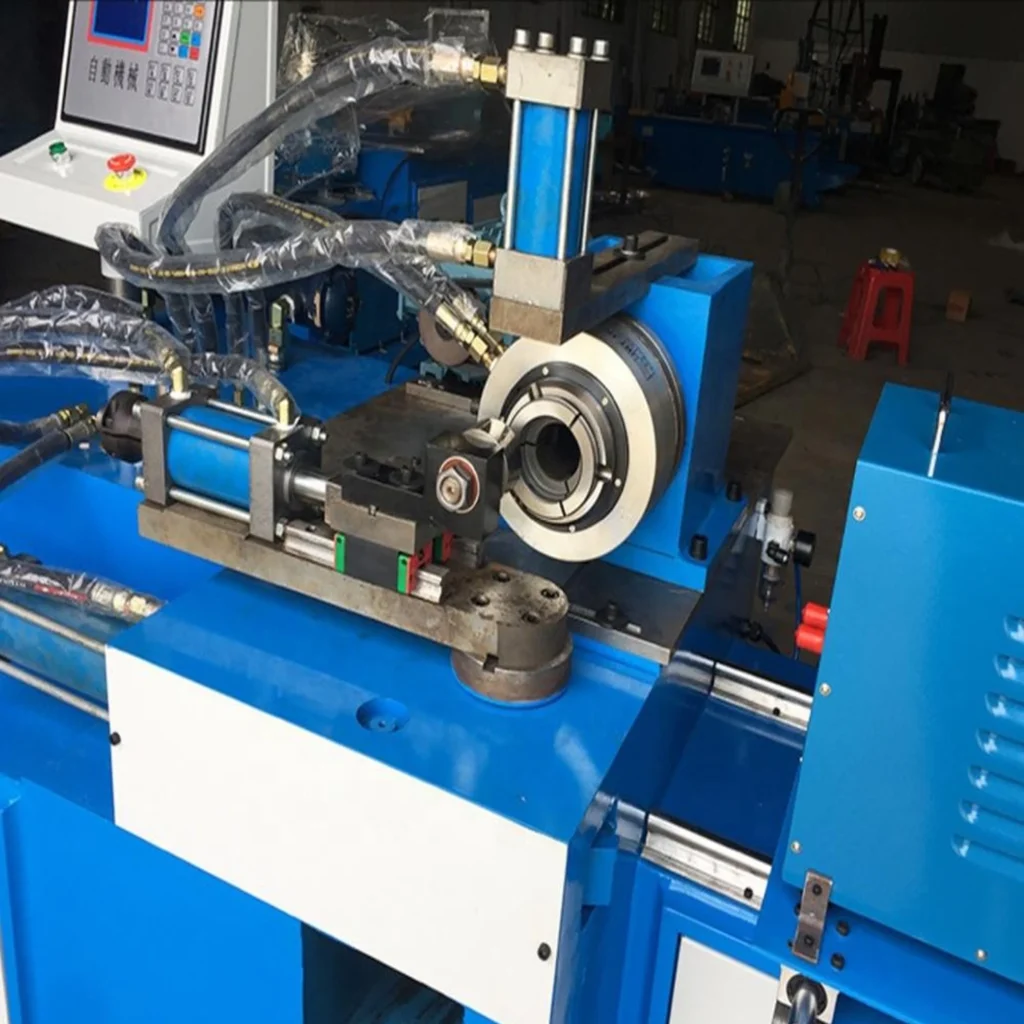
Categories
Machinery

H-Frame Deep Drawing Press

H-Frame Deep Drawing Press

H-Frame Deep Drawing Press: An Automated Machining Line is a highly integrated manufacturing system designed to produce parts with minimal human intervention. It typically consists of a series of machine tools (e.g., CNC lathes, milling machines, drilling machines) that are connected by material handling systems and controlled by a central computer or PLC (Programmable Logic Controller).

Key Components of the Automated Machining Line

  1. CNC Machines – Perform operations like turning, milling, drilling, etc.
  2. Robotic Arms / Gantry Systems – Load and unload parts between stations.
  3. Conveyors / Transfer Lines – Move parts through the line.
  4. Inspection Stations – Use vision systems or sensors for quality control.
  5. Tool Management Systems – Monitor and change tools automatically.
  6. Centralized Control System – Coordinates all operations and collects data for monitoring and optimization.

Advantages:

  • High Productivity: Continuous, 24/7 operation.
  • Consistency & Precision: Reduced human error.
  • Reduced Labor Costs: Fewer operators required.
  • Better Data Collection: Enables predictive maintenance and real-time quality tracking.

Applications:

  • Automotive components
  • Aerospace parts
  • Consumer electronics
  • Industrial equipment

An automated machining line is a production system where multiple machine tools and handling devices are connected to perform sequential operations on workpieces with minimal human intervention. These lines are typically controlled by centralized computer systems or PLCs that coordinate each stage of the process, from raw material input to finished product output. The core of the system includes CNC machines such as lathes, milling machines, or grinders, which are programmed to carry out precise machining operations. Between these machines, automated material handling systems—such as robotic arms, gantry loaders, or conveyors—transport parts, ensuring smooth workflow and minimal downtime.

The system may also integrate inspection stations equipped with sensors, vision systems, or coordinate measuring machines (CMMs) that verify dimensional accuracy and surface quality during or after machining. This ensures defective parts are identified early and reduces waste. Automated tool changers and tool monitoring systems help keep the line running by switching out worn tools and maintaining machining precision.

Automated machining lines are especially beneficial in high-volume production environments where consistency, speed, and cost-efficiency are critical. Industries such as automotive, aerospace, and electronics rely heavily on such systems to produce complex parts at scale. While the initial investment is high, the long-term benefits include reduced labor costs, improved product quality, faster turnaround times, and better use of manufacturing data for process optimization and predictive maintenance.

In a typical real-world scenario, such as an automotive engine component production line, the automated machining process starts with raw forgings or castings being loaded into the system—often by robotic arms or palletized feeders. The first CNC station might perform rough turning to shape the basic geometry. After this, the part is transferred—usually via a conveyor or robotic gripper—to the next station, where more detailed operations like milling, drilling, or threading take place.

Each machine is pre-programmed with the exact machining instructions and tolerances, ensuring that every part meets the same specifications. Sensors on the machines track cutting forces, spindle speed, vibration, and tool wear. If any parameter deviates from its threshold, the system either compensates automatically or triggers a maintenance alert. Some lines include adaptive machining, where minor real-time adjustments are made based on part variability or tool conditions.

Inspection and quality control are often embedded into the line itself. For example, a vision system might scan the part for surface defects immediately after milling. Later, a contact probe or laser scanner might verify critical dimensions. If a defect is detected, the part can be ejected from the line automatically and logged in a database for traceability and root cause analysis.

Finished parts are either collected in bins, stacked on pallets, or automatically transferred to an assembly line or packing station. Throughout the entire cycle, the central control system logs data from every operation, enabling detailed reporting, traceability, and continuous process improvement through machine learning or statistical process control techniques.

This kind of integration enables not only high-volume output but also flexibility for batch-size variations and product changeovers. With Industry 4.0 and IoT technologies, modern automated machining lines can also be remotely monitored and adjusted, further reducing the need for on-site personnel and enabling centralized control over multiple production facilities.

In traditional automated machining lines without AI or modern digital technologies, the system still relies heavily on mechanical and electrical automation controlled by programmable logic controllers (PLCs), relay-based logic, or basic numerical control (NC) systems. These setups are robust and reliable, often built for longevity and consistent performance in high-volume production environments.

The process begins with manual or semi-automated loading of raw materials into the first machine tool. These machines—typically NC lathes, milling machines, or drills—perform specific operations based on preset programs stored in the machine’s memory. The workpiece is clamped in place, and machining proceeds according to fixed cycle parameters. Once the operation is complete, mechanical transfer systems such as linear tracks, pneumatic pushers, or rotary indexing tables move the part to the next station.

Tool changes are usually scheduled at regular intervals based on time or part count rather than real-time tool condition. Operators may be responsible for monitoring tool life and performing manual replacements when necessary. Likewise, quality checks are typically carried out at regular intervals by human inspectors using gauges, micrometers, or dedicated checking fixtures. In some systems, dial indicators or hard stops are used to maintain dimensional control.

Despite the absence of sensors or real-time feedback, such systems are remarkably effective in stable production conditions where the material and part design do not vary significantly. Maintenance is preventive or breakdown-based, relying on routine inspections, lubrication schedules, and experience-based troubleshooting.

These older automated lines are often found in long-established manufacturing plants, particularly in the automotive, heavy equipment, and appliance industries. They are less flexible than modern systems but are valued for their simplicity, mechanical reliability, and the skill-based approach of their operators and technicians.

In older automated machining lines, the transfer mechanisms are a critical part of the system and are designed for mechanical simplicity and reliability. Common types include chain conveyors, roller conveyors, overhead trolleys, rotary index tables, and linear shuttles. Each is chosen based on the type and size of the part, the required throughput, and the physical layout of the shop floor.

One widely used method is the rotary indexing table, especially in compact setups. It positions the workpiece at different machining stations arranged in a circular configuration. After each operation, the table indexes to the next position, allowing simultaneous machining at multiple stations. This results in high efficiency for parts that require several short, sequential operations.

For heavier parts or larger operations, linear transfer systems are more suitable. These include rigid rails or tracks along which pallets or fixtures holding the parts are mechanically advanced using cams, gears, or pneumatic cylinders. The indexing is precise and repeatable, ensuring each part is aligned correctly at each station. This system may include lifting and rotating units for reorienting parts as needed for subsequent machining.

Another key feature in these systems is dedicated tooling and fixturing. Each station typically has fixed-purpose jigs that precisely position and clamp the workpiece. These fixtures are often hard-mounted to the machine base and require manual adjustment during setup changes. For repeat production of a single part or family of parts, this system works efficiently and minimizes the need for frequent calibration.

Control is handled by relay logic or early PLCs with ladder diagrams programmed to execute sequences such as machine start/stop, indexing, tool changes, and coolant flow. These controls are robust, easy to troubleshoot with basic electrical knowledge, and designed for long-term operation. They don’t adapt in real-time but can reliably run for decades with minimal issues if maintained properly.

Coolant systems in traditional lines are also basic—usually centralized coolant tanks with pumps directing fluid to the tools. Filtration may be rudimentary, involving mesh filters or magnetic separators to remove chips and swarf.

Chip handling is mechanical too—often using screw conveyors or belt-driven systems to move chips away from the machining area to collection bins. Operators are typically responsible for emptying these bins and ensuring the system stays clear to prevent machine stoppage.

Overall, older automated machining lines are engineered for reliability and long production runs of identical parts. Changeovers are time-consuming, and flexibility is limited, but their mechanical simplicity, low software dependence, and proven durability make them well-suited for dedicated manufacturing tasks.

Automated Machining and Grinding Line

Automated Machining and Grinding Line

An Automated Machining and Grinding Line is a production system that combines cutting operations (like turning, milling, or drilling) with grinding processes in a continuous, integrated workflow. This setup is commonly used in industries that demand high precision and surface finish, such as automotive, aerospace, and heavy machinery manufacturing. Unlike purely machining lines, these systems can handle parts that require both dimensional accuracy and fine surface quality.

In traditional implementations without modern AI or smart sensors, these lines are built around a sequence of machine tools and grinders, connected via mechanical transfer systems such as conveyors, indexing tables, or robotic arms. Each station is dedicated to a specific operation. For example, a component may first be rough-machined in a CNC lathe, transferred to a milling machine for slots or holes, and finally moved to a grinding station for precision finishing. Grinding is typically done with cylindrical, surface, or centerless grinders, depending on the part geometry.

Parts are usually mounted on dedicated fixtures or pallets designed to maintain consistent orientation and minimize setup time at each station. Fixtures are clamped pneumatically or hydraulically, and the systems are aligned mechanically to ensure accurate positioning. Transfer between stations is timed and controlled by PLCs, which follow a strict logic sequence. These lines often incorporate automated tool changers in the machining stations and fixed grinding wheels in the grinding units.

Grinding stations are equipped with cooling systems and basic wheel dressing mechanisms. In older systems, dressing cycles are timed rather than sensor-driven, and operators rely on scheduled maintenance or visual inspection to identify wear or wheel damage. Coolant filtration may use magnetic separators, paper bed filters, or basic settling tanks to remove fine grinding debris.

Quality control is mostly manual or semi-automated. For high-tolerance parts, operators may use dial indicators, micrometers, or air gauges at designated inspection stations. Some lines include mechanical go/no-go gauges between stages to detect out-of-spec parts before they move to the next operation.

The major advantage of combining machining and grinding in one line is process integration: fewer setups, faster cycle times, and reduced handling between operations. This is particularly beneficial when producing hardened or high-strength materials where post-machining grinding is necessary for tolerance and finish. However, because of the heat, dust, and precision requirements of grinding, these stations are often physically isolated within the line and require more frequent maintenance.

Older automated machining and grinding lines are designed for long runs of standardized parts, with little flexibility for frequent part changes. Changeovers involve manual fixture replacement, program switching, and careful realignment, typically performed by skilled technicians. Despite their limitations, such systems remain in use where durability, consistency, and cost-per-part are more critical than flexibility.

Let’s consider a typical crankshaft production line as an example of an automated machining and grinding line. Crankshafts are complex components that require a combination of heavy material removal and ultra-precise finishing. The line is usually designed for high-volume output, such as in automotive engine manufacturing.

The process begins with forged steel blanks being loaded—either manually or by robot—onto palletized fixtures. These fixtures travel through the line and maintain precise orientation of the crankshaft throughout each station. The first few machines perform rough machining using CNC lathes and milling machines to establish key features like journals, counterweights, and oil passages. Operations at this stage include turning, milling of flat faces, and drilling of oil holes.

Next, the part is transferred—usually by a chain conveyor or robotic arm—to semi-finish machining stations, where closer tolerances are achieved. Here, operations such as journal and pin turning to near-final dimensions are performed. The control is typically PLC-based, with set cycle times and limited part detection logic. Tool changes are pre-programmed based on part count, not real-time monitoring.

After semi-machining, the crankshaft undergoes heat treatment, often offline. It is then reintroduced to the line for hard machining or pre-grinding, depending on the material hardness and required tolerances. The hard surfaces—especially the main and pin journals—now require precise size and surface quality, which is where grinding becomes critical.

The part is now transferred to grinding stations, typically including:

  • Cylindrical grinders for the main journals.
  • Orbital or crankpin grinders for the offset crank pins.
  • Face grinders for end faces and thrust surfaces.

These grinders are built for high rigidity and thermal stability, often with cast-iron beds and hydraulic or electric infeed systems. The grinding wheels are fixed and dressed periodically using diamond dressers. The dressing cycles are scheduled either by time or number of parts, depending on the line’s setup. The grinding process produces significant heat and fine particles, so coolant systems with filtration tanks and magnetic separators are essential.

To maintain accuracy, the line may include mechanical gauging stations after critical grinding operations. These use air gauges or contact probes to measure diameter, roundness, and taper. In some lines, go/no-go fixtures are positioned at intervals to catch out-of-spec parts. If a part fails, it is diverted off the line to a rework or scrap area.

At the end of the line, the crankshaft is washed in a cleaning station to remove residual grinding swarf and oil. It may then be subjected to manual final inspection, including magnetic particle inspection for cracks, followed by balancing and marking before packing.

Older systems like this are not designed for quick changeovers. A model change requires downtime to switch fixtures, adjust machine positions, update programs, and possibly modify transfer settings. But once running, these lines can produce thousands of identical crankshafts with minimal variation, making them ideal for large-scale manufacturing.

Let’s continue with a focus on bearing race production in an automated machining and grinding line. Bearing races require extremely tight tolerances and mirror-like surface finishes, especially on the inner and outer diameters that mate with rolling elements. This makes them ideal candidates for combined machining and grinding lines, particularly where large volumes are involved, such as in automotive wheel hubs or industrial motors.

The process starts with raw steel tubes or forged rings that are cut to approximate length and then loaded onto the line—often using a gravity chute, lift-and-place system, or vibratory bowl feeder for small races. The first station is usually a facing and centering lathe, which squares both ends and generates a center bore or reference surface. The part is then transferred via linear shuttle or rotary table to the next machine, typically a rough-turning lathe, which machines the basic internal and external diameters.

After this, the part might move to a groove turning machine, where the raceways are cut to near-net shape. These operations use fixed tooling and follow numerical control commands via early CNC or PLC systems. At this stage, tolerances are relatively loose, as the final precision will come from grinding.

Following turning, the rings go through a heat treatment process (carburizing or hardening) offline, and are then reintroduced to the line for grinding. This is the critical stage where the inner and outer raceways are ground to final dimension and finish. Here’s how grinding is typically handled in such a line:

  • Centerless grinding is used for the external diameters of the outer races. It provides high throughput and good roundness, as the part is supported between a regulating wheel and a grinding wheel without chucks.
  • Internal grinding machines are used for the inner diameters of inner races, requiring high spindle speed and careful coolant delivery due to heat buildup in confined spaces.
  • Raceway grinding, which may use plunge grinding or oscillating (swiveling) methods depending on the bearing type and production strategy. These machines often have fixed grinding wheels mounted on precision spindles, dressed periodically by a mechanical dresser.

Coolant is heavily used at this stage, delivered through nozzles aimed directly at the contact zone. Coolant systems are relatively basic in older lines, using central tanks with gravity return lines and magnetic or paper bed filters. Since grinding creates very fine swarf and heat, keeping the coolant clean and the grinding wheels dressed is essential to avoid burning or dimensional deviation.

After grinding, the races move to inspection and superfinishing. This may include:

  • Lapping or honing to achieve mirror finish and final geometry.
  • Air gauging or mechanical comparators to check roundness, diameter, and taper.
  • Crack detection using magnetic particle inspection or eddy current testing.

Some lines may also include marking stations where part numbers, batch codes, or hardness zones are engraved using dot-peen or laser systems. In older lines, this is sometimes done manually or semi-automatically.

The final steps involve cleaningrust prevention coating, and packaging. Rings are passed through a washing tunnel with heated solution and then dried using air blowers. Anti-rust oil is applied via spray or dip tanks before packaging into trays or cartons.

This kind of line, though mechanically complex, operates with high reliability and repeatability over long periods. It’s engineered for mass production with minimal flexibility, but its robustness and mechanical design make it a strong choice where digital technologies are not required or available.

Automated Deep Drawing Production Line

Sheet Metal Condiment Holder Manufacturing Machine

An Automated Deep Drawing Production Line is a high-precision manufacturing system designed for producing complex, hollow metal parts from flat sheets, typically using a process called deep drawing. Deep drawing involves forming a sheet metal blank into a three-dimensional shape, like automotive body panels, kitchen sinks, or pressure vessels, by pulling the sheet over a die with a punch.

In an automated deep drawing production line, the entire process is integrated, often with robotic arms, conveyors, and automated presses working together to form, inspect, and finish the parts with minimal human intervention. The key focus of these lines is to ensure high throughput, precision, and consistent part quality, while reducing labor costs and cycle time.

Key Stages of an Automated Deep Drawing Production Line:

  1. Blanking and Feeding:
    • The process begins with blanking, where flat metal sheets (typically aluminum, steel, or brass) are cut into precise blanks of the required size and shape. In some automated lines, automated blank feeders are used to move the blanks from a material stack to the first forming station.
    • coil-fed system can also be used where a continuous strip of material is unspooled and fed into the line.
    • For high-volume production, this stage may involve robotic arms or automatic conveyors to precisely position the blanks into the press.
  2. Pre-forming/Pre-heating (if necessary):
    • Some materials, especially tougher metals, may require pre-heating to make them more malleable before deep drawing.
    • heated die or induction heating system may be employed to soften the metal blank, making it easier to form without cracking or wrinkling.
  3. Deep Drawing (Forming):
    • The core operation of the line is deep drawing, where the metal blank is placed in a die and pressed into the desired shape using a punch.
    • In the traditional process, the sheet metal is drawn through a die using a mechanical press, while the punch pulls the metal into the die cavity. The metal may go through several stages of drawing, especially for complex shapes.
    • Automated presses are often used in these systems, typically hydraulic or mechanical presses, which provide consistent force and speed. The press may be equipped with automatic stroke adjustments, controlling the drawing depth and force depending on the material and part geometry.
    • Multiple drawing stations can be used sequentially, with each one progressively drawing the part deeper and shaping it closer to the final form.
  4. Lubrication and Cooling:
    • A key aspect of deep drawing is the lubrication of the metal blank to reduce friction between the punch and die, and to prevent the metal from sticking or cracking.
    • Automated lubrication systems are used, which spray or flood the blank with a lubricant before it enters the die. This ensures consistent application and reduces the need for manual intervention.
    • Cooling systems may also be integrated into the die to regulate temperature and prevent overheating of the metal during drawing.
  5. Ejection and Part Handling:
    • Once the part is formed, it is ejected from the die. This is often done using automated ejectors, robotic arms, or mechanical pushers that remove the part from the die without damaging its shape.
    • Conveyors are used to transport the ejected parts to the next station for quality inspection, trimming, or other finishing operations.
    • If needed, parts may be automatically stacked or placed into containers for downstream processing or shipping.
  6. Inspection and Quality Control:
    • After the drawing process, the parts are automatically inspected for defects such as wrinkles, cracks, or dimensional deviations.
    • Vision systems may be employed to inspect the parts for visual defects, while coordinate measuring machines (CMMs) or other contact sensors can check critical dimensions like wall thickness, depth, or diameter.
    • Some lines incorporate automatic rejection systems, where defective parts are immediately removed from the line to avoid further processing.
  7. Trimming and Finishing:
    • If the drawn part has excess material (such as a flange or edge), it is sent to a trimming station. This is typically done with automated cutting tools, which trim away the excess metal.
    • Parts may then undergo additional processes such as deburred edgespunching, or flange forming as needed for the final design.
  8. Cleaning and Coating (if required):
    • After trimming, the parts may need to be cleaned, either manually or automatically using ultrasonic cleaners or industrial washing systems, to remove oils, lubricants, or other residues from the drawing process.
    • Some parts may also require surface coating, such as painting, galvanizing, or coating with protective films. This can be done automatically via spray booths or robotic systems for precise application.
  9. Packaging and Shipping:
    • Finally, the formed and finished parts are ready for packaging and shipment. Automated systems can handle packaging, whether it’s wrapping parts individually, placing them in bulk containers, or preparing them for palletization.

Key Advantages of Automated Deep Drawing Lines:

  • High Throughput: With minimal human intervention, the system can operate at high speeds, producing large volumes of parts quickly.
  • Consistency and Quality: Automated systems ensure that each part meets the required specifications with minimal variation, reducing scrap and rework.
  • Reduced Labor Costs: Many manual steps (such as blank handling, lubrication, and inspection) are automated, reducing the need for operators.
  • Flexibility in Material Handling: While deep drawing typically involves metals, automated systems can adapt to different material types, thicknesses, and shapes.
  • Process Integration: The entire production process, from blanking to shipping, can be seamlessly integrated into one automated system, reducing downtime and improving efficiency.

Applications:

  • Automotive Industry: For parts like car body panels, fuel tanks, or engine components.
  • Aerospace: For lightweight, high-strength parts like fuselage panels or wing skins.
  • Household Goods: For items such as sinks, tubs, and other kitchen or bathroom products.
  • Industrial Equipment: For parts like pressure vessels or enclosures for machinery.

In essence, automated deep drawing lines are highly efficient systems optimized for mass production, especially when complex parts with tight tolerances need to be formed quickly and consistently.

An automated deep drawing production line is designed to streamline the process of forming complex metal parts by transforming flat sheets of material into three-dimensional shapes. The process begins with blanking, where flat metal sheets are precisely cut into blanks, which are then fed into the first stage of the forming process. Depending on the system, blanks may be fed manually or automatically using robotic arms or conveyor belts. After this, the blanks are placed in a die, and a punch is used to draw the material into the die, shaping it into a desired part.

The deep drawing process often occurs in multiple stages, each progressively drawing the part deeper to create the final shape. As the material is drawn, it can be lubricated to reduce friction between the punch and die, helping prevent the material from cracking or sticking. Automated lubrication systems spray or flood the blanks with lubricant, ensuring consistent application and eliminating the need for manual intervention. The metal may also be pre-heated in certain cases to make it more malleable, especially when forming tougher metals that require additional care.

Once the part is formed, it’s ejected from the die using automated ejectors, robotic arms, or mechanical pushers. The parts are then transported via conveyors to the next stages of the process. Automated inspection systems, such as vision systems and coordinate measuring machines, check the parts for defects like cracks, wrinkles, or dimensional inconsistencies. Parts that don’t meet specifications are automatically rejected, ensuring that only quality parts proceed to the next step.

For parts with excess material, an automated trimming station removes the excess through cutting or punching, shaping the part further. Some parts may also go through additional finishing processes like deburring or edge rounding, all carried out by automated systems to maintain precision and reduce manual labor. After trimming, parts are often cleaned in ultrasonic cleaning systems or industrial washing stations to remove lubricants and other residues before any surface coatings are applied. The final step typically involves packaging the parts for shipment, which is often automated, ensuring that the finished products are packaged efficiently for delivery.

The key benefits of automated deep drawing production lines include high throughput, consistent quality, and reduced labor costs. With the entire process integrated, from blank feeding to packaging, these systems minimize downtime and improve efficiency. By automating the handling, lubrication, inspection, and finishing stages, manufacturers can maintain high-quality standards while reducing manual intervention, making the process ideal for high-volume production.

Continuing from where we left off, an automated deep drawing production line offers significant benefits in terms of efficiency, cost-effectiveness, and scalability. The integration of robotics and automated systems minimizes human error and improves consistency across large production runs. For example, robotic arms in these systems can handle the delicate task of positioning blanks into dies with high precision and speed, eliminating the risk of misalignment and improving cycle time.

In addition to handling blanks, robotic systems can be used for automated lubrication application, ensuring even coverage and reducing wastage of lubricant. The lubrication not only helps to reduce friction but also minimizes wear on the dies and punches, extending their lifespan and reducing downtime for maintenance. Some systems even have automatic lubrication management that adjusts based on the type of material being processed or the drawing process stage, optimizing both lubrication quality and cost.

The automation of part inspection through vision systems and sensor technology is another significant advancement in deep drawing lines. Automated inspection not only checks for visual defects such as cracks or scratches but also measures critical dimensions of the drawn parts. This includes evaluating wall thickness, roundness, and overall dimensional tolerance. If a part fails inspection, it is automatically diverted off the line for rejection, saving time and materials compared to manual inspection methods. In some advanced systems, in-line quality control using X-ray or ultrasonic testing can be implemented to detect internal defects that would be invisible to traditional inspection methods.

Once the part has passed inspection and trimming, finishing operations like deburring (removal of sharp edges or small metal fragments) and polishing are automated. Automated machines can perform these tasks at high speeds while maintaining tight tolerances, ensuring the parts are smooth and ready for final application or coating.

Surface coating, such as painting, galvanizing, or anodizing, is also a key part of the automated deep drawing production line, especially for parts that require additional protection or a finished appearance. These lines often integrate spray boothsrobotic arms, or dipping tanks to apply coatings consistently. For example, if the parts are to be coated with a corrosion-resistant layer, an automated system can ensure even coating thickness and proper drying time, reducing the need for human labor and enhancing the quality of the final product.

The final stage of an automated deep drawing line involves packaging and shipping, where finished parts are automatically stacked, boxed, or palletized for shipment. Conveyor systems guide the parts to automated packaging stations, where the parts are grouped, labeled, and wrapped for shipping. These systems often include robotic pick-and-place units for precise placement into shipping containers, ensuring that the parts are well-protected during transportation.

By automating these stages, manufacturers can significantly reduce the labor required for each part of the production process, improve overall cycle time, and increase throughput. The use of integrated systems allows for quicker adjustments to production runs, meaning that the line can handle a range of products with minimal setup time. This is especially beneficial in industries that require both flexibility and high volume, such as the automotive, aerospace, and consumer goods sectors.

The integration of real-time data monitoring and predictive maintenance technologies can further enhance the efficiency of the production line. Sensors embedded in machines can track parameters like temperature, pressure, and vibration, alerting operators to potential issues before they cause significant downtime. This predictive maintenance reduces unexpected failures and extends the life of expensive equipment like presses and dies.

Building on the previous discussion, let’s dive into some of the more advanced technologies and systems that are commonly found in automated deep drawing production lines to ensure maximum efficiency, product quality, and reliability.

One of the key technologies that enhances the functionality of an automated deep drawing line is the use of advanced press technologies. These presses are typically hydraulic or mechanical presses that provide the high force necessary for deep drawing operations. Hydraulic presses are known for their versatility, as they offer variable speed and force control, making them ideal for different types of materials and drawing depths. On the other hand, mechanical presses are faster and more suitable for high-speed production lines, as they can deliver a consistent force with less variation.

In many modern systems, presses are coupled with servo-driven actuators for greater control over the stroke, speed, and force applied during the drawing process. Servo presses allow for real-time adjustments during the drawing operation, optimizing the forming process to reduce defects such as wrinkles, cracks, or tearing, which are common challenges in deep drawing. This precision leads to better material usage, minimizing waste, and ensuring parts meet stringent quality standards.

In-line sensors are another critical element of advanced automated deep drawing systems. These sensors monitor the entire process in real time and provide feedback to the system. For instance, force sensors installed on the punch and die can monitor the amount of force being applied during the deep drawing process. This feedback can be used to adjust the press’s force, preventing damage to the material and die. Additionally, thickness sensors help monitor wall thickness throughout the drawing process, ensuring that the part maintains uniformity and quality across its entire surface.

In material handlingvision systems are commonly used to automatically position blanks and ensure they are accurately aligned in the die before the press cycle begins. These systems can also detect misfeeds or any material defects that could lead to production delays or defective parts. If a problem is detected, the system can either reject the part automatically or alert operators to take corrective action.

Coolant and lubrication management is another area where automation plays a crucial role. In older systems, lubrication may have been a manual process or simply a routine spray, but in modern lines, lubrication is highly controlled through automated systems. This includes centralized lubrication systems, which deliver precise amounts of lubricant to different parts of the machine, especially in the punch-die interface. The correct application of lubricant reduces wear and tear on the tooling, extends the life of the press, and ensures a smoother forming process. Moreover, the lubrication system can be linked to real-time monitoring systems, which adjust lubrication based on the materials being processed and the specific needs of the drawing stage.

In terms of maintenance, predictive technologies are revolutionizing how downtime is managed. Condition-based monitoring systems equipped with sensors provide real-time data on the health of critical equipment like punches, dies, and presses. These systems can track parameters like temperature, vibration, and pressure, which are often the first indicators of potential failure. Using this data, the system can predict when a component is likely to fail, allowing operators to replace or service the equipment before a failure occurs. This approach, often called predictive maintenance, significantly reduces unplanned downtime and maintenance costs, ensuring the line remains in operation for longer periods.

Moreover, data collected from sensors throughout the process can be sent to a central Manufacturing Execution System (MES), which provides an overview of the entire production line. The MES collects data on machine performance, part quality, cycle times, and material usage, and provides operators with actionable insights. These insights can help optimize the workflow, reduce bottlenecks, and improve overall line efficiency.

One significant advantage of automated deep drawing production lines is their ability to easily accommodate small batch production runs or variations in part designs. While traditional deep drawing lines require substantial downtime and manual intervention to adjust for new part designs, automated systems allow for quick changeovers. This flexibility is achieved through the use of robotic part loading systemsquick-change tooling setups, and programmable presses that can automatically adjust stroke and force parameters depending on the new part being produced. In many cases, automated lines can even handle multiple different part sizes and designs within a single production run, making them highly adaptable.

Energy efficiency is also a focus in modern automated deep drawing systems. Hydraulic presses, while energy-intensive, have become more efficient thanks to variable displacement pumps and energy recovery systems that capture and reuse energy during the press cycle. Similarly, automated lubrication systems and cooling systems help ensure that energy consumption is kept in check by only operating when needed, further contributing to sustainability in manufacturing.

Finally, integrated robotics and AI-based control systems allow the deep drawing line to operate with minimal human oversight. These systems can autonomously adjust to changes in material properties, detect part defects, and even optimize the drawing process in real time. Artificial intelligence algorithms can analyze historical production data to predict the best settings for new material batches, optimizing each part of the process for efficiency and quality.

Overall, an automated deep drawing production line is designed to ensure that manufacturers can produce complex, high-quality parts at high volume with minimal human intervention. The integration of robotics, AI, advanced sensors, and predictive maintenance technologies ensures that the production process is more efficient, consistent, and adaptable, while also reducing costs and improving product quality.

Four-Column Deep Drawing Press

Four-Column Deep Drawing Press

Four-Column Deep Drawing Press is a type of mechanical or hydraulic press specifically designed for deep drawing operations, where metal sheets are formed into deep, hollow shapes. This type of press gets its name from the four vertical columns that support the press structure, providing stability, strength, and precision during the deep drawing process.

Key Features and Components of a Four-Column Deep Drawing Press:

  1. Four-Column Frame Structure:
    • The press’s four-column design provides a stable and rigid framework that supports the ram (punch), die, and other components. These columns help distribute the load evenly, making the press suitable for high-force applications, such as deep drawing.
    • The structure ensures that the vertical movement of the ram is aligned and stable, minimizing any deviations in the part geometry.
  2. Pressing Mechanism (Hydraulic or Mechanical):
    • The pressing action is typically provided by hydraulic cylinders or mechanical systems. In a hydraulic four-column press, hydraulic cylinders are used to apply force to the ram. The advantage of a hydraulic system is its ability to offer precise force control over the entire stroke, making it ideal for deep drawing, which requires varying force levels throughout the forming process.
    • Mechanical presses, while faster and more rigid, are less flexible when it comes to force adjustments and are generally used in high-speed stamping rather than deep drawing.
  3. Die and Punch Setup:
    • The die set is positioned on the lower portion of the press and forms the cavity into which the blank is drawn. The punch (ram) is mounted above the die and moves downward to pull the material into the die, forming the part.
    • In four-column presses, both the die and punch are aligned vertically with precision, ensuring that the material is drawn consistently without warping or damage.
  4. Stroke and Force Control:
    • The press allows for adjustable stroke length and force settings, which is essential for deep drawing processes that involve materials of varying thicknesses or hardness. By adjusting the stroke, the operator can control how deeply the material is drawn and how much force is applied during each step of the process.
    • In hydraulic presses, the stroke can be finely controlled by adjusting hydraulic pressure. In mechanical presses, stroke control is usually limited to pre-set options, but force control can still be achieved by adjusting the ram speed and ram displacement.
  5. Guiding Mechanism:
    • Guides are used to ensure the ram (punch) moves vertically along the four columns without lateral deviations. This precision is crucial, as even minor misalignment can result in defects like wrinkles, uneven thickness, or part failure during drawing.
    • Linear guides or roller guides are often employed to reduce friction and ensure smooth, precise motion of the punch.
  6. Safety and Monitoring Systems:
    • Four-column deep drawing presses are typically equipped with safety features such as light curtains, pressure sensors, and emergency stop buttons to protect operators and prevent accidents during operation.
    • Force and position sensors can also be incorporated into the system to monitor the press’s operation, ensuring that the correct amount of force is applied at each stage of the forming process.
  7. Automation Integration:
    • Four-column presses can be integrated with automation systems, including robotic arms for part loading and unloading, and conveyor systems for part handling throughout the production line. Automated blank feeders and die changers can also be used to improve efficiency and reduce manual intervention.
    • Computer Numerical Control (CNC) or PLC-based control systems enable the press to follow precise part specifications, adjust parameters automatically based on material properties, and even adjust for different part designs without requiring manual retooling.
  8. Applications of Four-Column Deep Drawing Presses:
    • These presses are often used in industries that require high-quality, precision-formed parts, such as automotiveaerospaceappliance manufacturing, and industrial equipment. Common parts include automotive body panelsmetal canspressure vesselskitchen sinks, and electrical enclosures.
    • Four-column presses are particularly suitable for large, complex parts that require high forming force and precision. They excel in situations where parts have relatively deep profiles, requiring a press capable of applying a large, consistent force over the entire stroke.

Advantages of Four-Column Deep Drawing Presses:

  1. High Force Capability:
    • The four-column structure provides enhanced strength and stability, allowing the press to apply the necessary high force required for deep drawing operations. This makes it suitable for thick materials and larger parts.
  2. Precision and Alignment:
    • The four-column setup ensures precise alignment of the die and punch, leading to consistent quality and uniform part formation.
  3. Flexibility:
    • The adjustable stroke length and force control make the four-column deep drawing press versatile for different materials and part designs. It can handle various thicknesses and hardness levels of materials without the need for retooling or major adjustments.
  4. Customization and Automation:
    • The press can be easily integrated into automated production lines, which increases throughput, reduces human error, and improves overall efficiency. Automation systems can handle part feeding, lubrication, inspection, and part unloading, leading to faster cycle times and lower labor costs.
  5. Durability and Longevity:
    • Due to their robust construction, four-column presses are designed for long-term use, even under the intense pressure of deep drawing. This durability reduces the need for frequent maintenance or replacement, providing a solid investment for high-volume manufacturers.

Potential Drawbacks:

  1. High Initial Investment:
    • Four-column deep drawing presses can be costly to purchase and set up, especially when integrating advanced features like automation or hydraulic systems. However, this is often offset by the high throughput and reduced labor costs over time.
  2. Space Requirements:
    • The four-column frame design requires a significant amount of space to accommodate the press, especially when used in larger configurations for producing big parts. This might require specialized facilities or larger production floors.
  3. Maintenance Complexity:
    • The press’s intricate components, such as the hydraulic systems, guides, and sensors, require regular maintenance to ensure optimal performance. However, predictive maintenance systems can help mitigate unexpected downtime.

Conclusion:

The Four-Column Deep Drawing Press is an advanced, reliable machine that plays a vital role in the production of complex, high-quality formed metal parts. Its ability to provide consistent force, precision, and adaptability makes it a staple in high-performance manufacturing environments, particularly in industries that require intricate metal forming. The press’s ability to integrate with automation systems further enhances its efficiency and flexibility, making it an ideal choice for manufacturers looking to increase production speed and minimize human error.

A Four-Column Deep Drawing Press is built to handle the intense forces required to transform flat metal sheets into deep, intricate shapes, commonly used in industries like automotive, aerospace, and appliance manufacturing. The press operates by using four vertical columns to support and stabilize the press frame, ensuring precise alignment and minimal distortion during operation. This robust design allows for high-tonnage applications, ideal for forming thicker materials or producing larger parts. The frame supports a punch (ram) that applies force to a metal blank, pulling it into a die to form the desired part. The ability to adjust force and stroke length makes this press highly adaptable to different materials, thicknesses, and shapes.

One of the standout features of the Four-Column Deep Drawing Press is its versatility, as it can handle a wide range of part geometries, including deep and complex profiles. The system can be customized to accommodate varying part sizes, and hydraulic or mechanical systems provide the necessary force to ensure high-quality, consistent output. In addition, precise control over the drawing force is possible, which is essential for preventing material defects such as cracks or wrinkles. Furthermore, automation plays a significant role in enhancing efficiency, as robotic arms and conveyor systems can feed, transfer, and unload parts, reducing human labor and improving cycle times.

These presses are typically equipped with sensors and monitoring systems to ensure optimal operation. Force and position sensors monitor the punch’s movement, providing real-time data that helps prevent overloading or misalignment. This data can also be integrated with predictive maintenance systems, which alert operators to potential issues before they lead to unplanned downtime. Automated lubrication systems ensure that the die and punch are consistently lubricated, reducing friction and wear, which prolongs the life of the tooling and helps maintain part quality.

Although the Four-Column Deep Drawing Press offers significant advantages in terms of force, precision, and flexibility, there are some drawbacks to consider. The initial investment can be high, particularly if you incorporate advanced automation or hydraulic systems. The press also requires a considerable amount of space due to its large frame, making it less suitable for smaller production areas. Regular maintenance is crucial for maintaining performance, as components such as hydraulic systems, guides, and sensors need to be serviced to prevent breakdowns. However, these challenges can be mitigated with proper planning and investment in predictive maintenance technologies.

In summary, the Four-Column Deep Drawing Press is an essential piece of equipment for manufacturers who need to produce high-quality, complex metal parts at high volumes. Its combination of force, precision, and adaptability makes it ideal for industries where part integrity and consistency are critical. The integration of automation, monitoring systems, and predictive maintenance further enhances its efficiency, making it a valuable asset in modern manufacturing lines.

As the demand for more complex, high-quality metal parts continues to rise, the Four-Column Deep Drawing Press stands out as an essential tool for manufacturers aiming to keep up with production demands while maintaining high standards of precision and efficiency. The press’s ability to handle deep, intricate forming with uniform quality makes it an ideal choice for industries such as automotive, aerospace, and even the production of consumer goods.

While the Four-Column press excels at deep drawing, it also offers flexibility in terms of part design. It can handle a variety of materials, from soft metals like aluminum to harder materials like stainless steel. The press can be adjusted to accommodate different material properties, thicknesses, and hardness, making it versatile across a range of applications. This adaptability is particularly beneficial in industries where product designs constantly evolve, and flexibility is crucial to staying competitive.

One of the emerging trends in Four-Column Deep Drawing Presses is the integration of smart manufacturing technologies. These presses are increasingly equipped with real-time data analytics, allowing operators to monitor key performance indicators such as force application, stroke length, material flow, and even tool wear. These systems use sensors and cameras to collect data, which is then analyzed using AI and machine learning algorithms. By processing this data, the system can identify patterns, predict potential issues, and suggest adjustments to optimize the production process.

Machine learning algorithms can also help improve part quality by learning from previous drawing cycles. These algorithms can detect subtle changes in material properties and adjust the press parameters in real time to avoid defects, such as wrinkling or tearing. The incorporation of these AI-driven tools enhances the press’s ability to adapt to different conditions and materials, improving both efficiency and product quality. This level of automation and intelligence leads to fewer defects, reduced waste, and increased overall productivity.

Additionally, the trend of energy efficiency has become increasingly important in modern manufacturing. The energy consumption of a Four-Column Deep Drawing Press can be significant, especially when operating at full capacity. However, modern hydraulic systems and advanced control mechanisms have made significant strides in reducing energy usage. Many new systems are equipped with energy recovery features, such as regenerative drives, which capture and reuse energy during the press cycle. This not only helps reduce operational costs but also aligns with sustainability goals by lowering the environmental impact of manufacturing processes.

Another key consideration is the maintenance of the press. Predictive maintenance technologies, already embedded in many modern presses, continuously monitor the condition of the press and its components. By collecting data on things like vibration, temperature, and hydraulic pressure, these systems can predict when maintenance is required, preventing unscheduled downtime. This is a major advantage for manufacturers, as it allows them to plan maintenance around production schedules, reducing costly disruptions and ensuring the press operates at optimal efficiency.

Moreover, the safety features on Four-Column Deep Drawing Presses have evolved significantly over the years. In addition to traditional safety guards and emergency stop buttons, many presses now feature robotic safety systems such as light curtains and laser scanners. These systems can detect the presence of operators or obstacles within the press area, automatically stopping the press before any harm can occur. These innovations not only improve safety but also contribute to a more streamlined, automated production process by reducing human intervention.

In terms of flexibility, some Four-Column presses are now equipped with quick-change tooling systems, allowing manufacturers to switch between different part designs with minimal downtime. The tooling can be swapped automatically, and the press can adjust to the new design parameters, such as stroke length and force, with little to no manual input. This makes it easier to transition between different production runs, which is particularly beneficial in industries that produce a variety of parts in small to medium batches.

Lastly, the integration of robotic automation into the deep drawing process is helping improve both production efficiency and quality. Robotic arms are used to load and unload parts, position blanks accurately in the die, and remove finished parts from the press. These systems can also assist with secondary operations such as part cleaning or sorting. The use of robots minimizes human handling, reducing the risk of part contamination, misalignment, and injury, while also speeding up production cycles.

In conclusion, the Four-Column Deep Drawing Press is a critical piece of equipment in modern manufacturing, offering precision, adaptability, and high force capabilities for forming complex metal parts. As technology advances, these presses continue to evolve, integrating smart technologies, automation, and energy-saving features that optimize production processes. With the added benefits of predictive maintenance and enhanced safety systems, Four-Column presses are now more efficient, reliable, and capable than ever before, making them an indispensable asset for high-volume, high-precision manufacturing operations.

H-Frame Deep Drawing Press

H-Frame Deep Drawing Press

An H-Frame Deep Drawing Press is another type of press used in metal forming, specifically for deep drawing operations, where flat metal sheets are transformed into deep, hollow shapes. The primary difference between the H-Frame press and the more commonly used Four-Column press lies in the frame structure. As the name suggests, the H-Frame press features a frame shaped like the letter “H,” where two vertical columns are connected by horizontal cross members. This design provides the press with a strong and stable frame capable of withstanding high forces during the drawing process.

Key Characteristics of an H-Frame Deep Drawing Press:

  1. H-Frame Design:
    • The H-Frame design consists of two vertical columns connected by a crossbeam or bridge, forming an “H” shape. This configuration provides a robust, rigid structure that distributes the load evenly during the drawing operation.
    • The H-Frame press tends to have a more open design compared to the Four-Column press, which can offer better accessibility to the tooling area and facilitate easier maintenance and part handling.
  2. Hydraulic or Mechanical Drive:
    • Similar to the Four-Column press, H-Frame presses are usually powered by either hydraulic systems or mechanical drives.
      • Hydraulic systems offer flexibility by providing adjustable force and stroke length, which is essential for handling varying material types, thicknesses, and drawing depths.
      • Mechanical systems, typically used for high-speed operations, deliver constant force and are more efficient for quicker, repetitive drawing cycles.
    • The hydraulic version, in particular, provides the versatility needed for deep drawing processes where varying force levels are necessary throughout the cycle.
  3. Force Application:
    • The press uses a ram (punch) that moves vertically, pushing the material into the die to form the desired part. The H-Frame design ensures that the punch remains aligned and that force is applied uniformly to prevent material defects such as cracking or tearing.
    • Force control in an H-Frame press can be adjusted to suit the specific material being processed. Some advanced systems include variable displacement pumps or servo-controlled hydraulics to provide precise control of the force, which is vital for the consistency and quality of the formed parts.
  4. Open Frame Design:
    • The H-Frame’s open structure makes it particularly well-suited for large and heavy parts. Its design allows for easier loading and unloading of parts, especially for applications requiring large metal blanks. The open structure also facilitates tool changeover and maintenance access, allowing operators to reach the die and punch areas more easily.
    • The lower part of the frame provides additional space for handling equipment or auxiliary machinery such as automatic blank feeders or part stacking systems, enhancing the press’s ability to integrate into a fully automated production line.
  5. Precision and Alignment:
    • H-Frame presses are equipped with guides and alignment mechanisms that ensure the punch and die remain aligned during operation. This helps prevent defects like misformed parts, uneven wall thickness, and material wrinkling.
    • In some models, linear guides or roller guides are used to reduce friction and ensure smooth, precise movement of the punch. The rigidity of the frame ensures that the punch applies force in a straight, uniform motion, contributing to the consistent quality of the drawn parts.
  6. Customization and Flexibility:
    • One of the major advantages of the H-Frame design is its customizability. The press can be tailored to accommodate different die sizes, material thicknesses, and part geometries. Adjustments to stroke length, force, and speed can be made quickly to adapt to different production runs, making H-Frame presses suitable for both high-volume and small-batch production.
    • The ability to quickly swap tooling and adjust press settings makes H-Frame presses well-suited for industries where part designs frequently change or where there is a need for flexible manufacturing.
  7. Automation and Integration:
    • H-Frame presses can be easily integrated into automated production lines with robotic arms, conveyor systems, and automatic die changers. This integration improves production efficiency, reduces human error, and minimizes downtime between different production runs.
    • The press can be equipped with vision systems for automatic part inspection, ensuring that only quality parts move through the production process. Additionally, automated part handling systems can load and unload parts, reducing manual labor and increasing throughput.
  8. Energy Efficiency and Cost Considerations:
    • The energy efficiency of an H-Frame press depends on the hydraulic or mechanical system in use. Hydraulic presses can be optimized for energy use with features like energy recovery systems, which capture and reuse energy during the pressing cycle.
    • Servo-driven hydraulic systems are becoming increasingly common in modern H-Frame presses. These systems offer energy savings by using only the energy required for each specific operation, adjusting the force and stroke length dynamically based on the material being processed.

Advantages of an H-Frame Deep Drawing Press:

  • Strong Structural Design: The H-Frame press provides excellent support and load distribution during deep drawing, ensuring uniform force application and preventing deflection that could lead to defects.
  • Ease of Maintenance and Tooling Changeover: The open frame structure provides easy access to tooling, reducing downtime and maintenance costs. The large space underneath the frame also allows for the addition of auxiliary systems, like automated part handling equipment.
  • Customizability and Flexibility: H-Frame presses can handle a wide range of material types and part designs, making them adaptable to different production needs. The quick changeover of tools and settings allows for efficient switching between different jobs or products.
  • Higher Production Speed: With the integration of automation systems and fast cycle times in mechanical models, H-Frame presses can produce high volumes of parts at a faster pace, reducing overall production costs and increasing throughput.

Disadvantages:

  • Space Requirements: Like other large presses, the H-Frame design requires considerable floor space. The open frame structure, while beneficial for maintenance and part handling, can be cumbersome in smaller production environments.
  • Initial Investment: The cost of purchasing and setting up an H-Frame press can be substantial, especially if the press is equipped with advanced features like automated systems, servo-driven hydraulics, and smart monitoring systems. However, this is often offset by the long-term efficiency gains and lower operational costs.
  • Energy Consumption in Hydraulic Models: While energy-saving features can be added, traditional hydraulic presses tend to be more energy-intensive compared to mechanical systems, especially when running high-force operations.

Applications of H-Frame Deep Drawing Presses:

H-Frame Deep Drawing Presses are widely used in industries where large, complex metal parts are required. These include:

  • Automotive Manufacturing: For producing parts like car body panelschassis components, and engine parts that require precise forming under high force.
  • Aerospace Industry: For parts such as fuel tanksaircraft panels, and structural components, where precision and material strength are critical.
  • Consumer Goods: For the production of kitchenwaremetal cans, and appliances, which require deep drawing of thin-gauge metals into precise, uniform shapes.
  • Heavy Equipment Manufacturing: For forming large parts like hydraulic cylinders and pressure vessels, where high forces are needed.

Conclusion:

The H-Frame Deep Drawing Press is a versatile and robust piece of equipment well-suited for deep drawing operations that require high force and precision. Its open, customizable design, ease of maintenance, and ability to integrate with automated systems make it a valuable tool in industries producing large, complex metal parts. While there are some drawbacks, such as space requirements and initial investment costs, the benefits of improved flexibility, efficiency, and production speed make the H-Frame press a strong choice for manufacturers looking to optimize their deep drawing processes.

The H-Frame Deep Drawing Press stands out for its versatility in metal forming, particularly in deep drawing applications where large, complex parts need to be created. The “H” frame design, characterized by two vertical columns connected by horizontal cross members, provides a stable and rigid structure capable of handling high forces during the drawing process. This makes it ideal for industries requiring precision in forming thick materials or parts with intricate shapes, such as automotive, aerospace, and appliance manufacturing.

The press operates by using a ram (punch) that moves vertically, pushing the material into a die. The H-Frame’s design ensures that the punch stays aligned, and the force applied to the material is evenly distributed, preventing issues such as wrinkles or material tearing. Its ability to accommodate high-tonnage applications allows it to handle tough, thick materials or parts that demand substantial forming forces. The hydraulic system, in particular, offers great flexibility, as the force and stroke length can be adjusted depending on the material and the specific part requirements. This ensures that the press can adapt to different part geometries and material properties, making it suitable for both high-volume production and smaller batch runs.

One of the major advantages of the H-Frame press is its open structure. Unlike the Four-Column press, which may have a more enclosed design, the H-Frame press offers easier access to tooling, making maintenance and tool changes more efficient. The ability to swap tools quickly is a significant benefit, especially for operations that require frequent adjustments between different part designs. This open frame also facilitates the integration of automated systems, such as robotic arms or conveyor belts, which can improve overall production efficiency by reducing manual labor, enhancing speed, and reducing the chances of human error.

The flexibility in the H-Frame design also extends to energy efficiency. Although hydraulic presses typically consume more energy than mechanical presses, modern H-Frame presses can incorporate energy-saving features like regenerative drives. These systems recover and reuse energy during the pressing cycle, helping to lower operational costs and make the press more environmentally friendly. The integration of servo-driven hydraulic systems further boosts energy efficiency by adjusting the amount of energy used depending on the specific operation, which reduces unnecessary energy consumption.

The automation potential of the H-Frame press can significantly increase throughput. Automated material handling systems, such as robotic feeders and stackers, can load blanks into the die, unload finished parts, and even perform secondary operations such as cleaning or inspection. This reduces the need for human intervention and speeds up the production cycle. Additionally, advanced monitoring and diagnostic tools can be integrated into the system, offering real-time feedback on the press’s performance. This allows operators to make adjustments on the fly, improving both product quality and machine efficiency.

However, the H-Frame press does come with some considerations. Due to its larger frame, it requires significant space, which may not be ideal for smaller production facilities. The cost of acquiring and setting up the press can also be considerable, particularly when equipped with advanced automation or servo-controlled systems. Despite these challenges, the long-term benefits of higher production speeds, reduced downtime, and improved part quality make the H-Frame press a worthwhile investment for manufacturers.

In terms of applications, the H-Frame press excels in sectors like automotive and aerospace, where parts need to be formed with high precision and strength. Components such as automotive body panelsfuel tanks, and structural parts are commonly produced using H-Frame presses. The open design of the press also makes it suitable for larger components, such as pressure vessels and industrial enclosures, where accessibility and tool changeover are critical for maintaining efficiency.

The continued evolution of H-Frame Deep Drawing Press technology, with smart features, energy-saving systems, and integration with automation, further enhances their role in modern manufacturing. Manufacturers are increasingly looking for ways to maximize productivity while maintaining high quality and minimizing environmental impact, and the H-Frame press delivers on all these fronts. The press offers the strength, adaptability, and efficiency required to keep pace with the ever-evolving demands of high-volume, precision manufacturing, making it a crucial asset in industries that rely on deep drawing processes.

The H-Frame Deep Drawing Press continues to be an essential tool in the production of high-quality metal components, particularly in industries that require precision and large-scale production. Its design, offering both robustness and flexibility, ensures it remains a reliable choice for complex, high-tolerance parts. The ability to handle large sheets of metal and apply substantial force while maintaining precise control over the drawing process makes it indispensable for creating parts with deep, intricate shapes.

Moreover, the integration of advanced sensors and monitoring systems is increasingly enhancing the capabilities of the H-Frame press. These systems provide real-time feedback on critical parameters such as force, stroke, material flow, and die condition. This continuous monitoring ensures that the press is running at peak efficiency, helps detect any anomalies in the drawing process, and can prevent part defects before they occur. It also allows for quicker adjustments in force and stroke, which can reduce scrap and improve overall quality. This predictive capability also leads to better quality control, ensuring that each part meets the exact specifications required.

The increased use of robotics in H-Frame presses further increases their efficiency. In addition to loading and unloading parts, robotic systems can now be used for more advanced tasks such as real-time inspection, sorting, and even post-forming operations like trimming or cleaning. The reduced reliance on human operators minimizes the risk of errors or injuries and speeds up the overall production process. The ability to automate these tasks also ensures consistency and repeatability, crucial for high-volume operations.

Furthermore, customization remains a key benefit of the H-Frame press. Different industries often require unique configurations of the press based on the specific materials they are working with or the types of parts they need to produce. The open design of the H-Frame allows for easy modifications and adjustments, such as varying the stroke length, force, or die configuration. These modifications can often be made quickly, improving flexibility and reducing downtime when switching between production runs.

As manufacturers strive for sustainability, the H-Frame press’s energy efficiency becomes increasingly important. The integration of energy-saving technologies, such as servo-driven systems and regenerative drives, ensures that the press operates more efficiently, consuming only the power required for each specific operation. This not only reduces the energy footprint but also lowers operational costs, making the press more cost-effective over time. Additionally, energy recovery systems can be used to harness and reuse energy during the operation, which further reduces waste and maximizes efficiency.

Safety is also a growing concern in modern manufacturing, and the H-Frame press incorporates a variety of safety features to protect operators and prevent accidents. In addition to traditional safety guards and emergency stop buttons, the press may include laser sensorslight curtains, and safety mats that detect the presence of operators or objects in the danger zone. If an obstruction is detected, the press can automatically stop or slow down, preventing injury or damage to the press itself. This high level of safety enhances both productivity and worker confidence in the production environment.

Another important consideration is maintenance. As with any large machine, the H-Frame press requires regular upkeep to ensure it continues to perform optimally. Predictive maintenance systems, which use real-time data to predict when a component might fail, are becoming increasingly common. By analyzing data from sensors monitoring vibration, temperature, pressure, and other metrics, these systems can forecast potential issues and notify operators in advance. This allows for proactive maintenance, reducing downtime and extending the life of the press.

With the ongoing demand for more efficient, sustainable, and customizable manufacturing processes, the H-Frame Deep Drawing Press continues to be an important solution for manufacturers. The combination of strength, precision, and flexibility, coupled with the integration of smart technologies, automation, and energy-saving features, ensures that this press will remain a key asset for years to come. It is particularly effective in industries like automotive, aerospace, and heavy machinery, where high-quality metal parts are critical and where production volumes require both speed and consistency.

In summary, the H-Frame Deep Drawing Press represents a robust, flexible, and efficient solution for the forming of deep-drawn metal parts. Its design ensures it can handle large, complex parts while maintaining precision, and its adaptability to automation, energy efficiency, and predictive maintenance technologies allows manufacturers to stay competitive in an increasingly demanding marketplace.

As industries continue to push for higher production rates, improved quality, and greater sustainability, the H-Frame Deep Drawing Press remains a crucial tool in the evolution of manufacturing. One area where the H-Frame press is particularly making an impact is in smart manufacturing. The shift toward digitalization and Industry 4.0 has led to the integration of advanced data analytics, machine learning, and the Internet of Things (IoT) into production processes. In the context of H-Frame presses, this means real-time monitoring and control over every aspect of the operation.

By utilizing IoT sensors, manufacturers can collect valuable data from the press’s various components. These sensors can monitor the condition of the hydraulic system, detect irregularities in pressure or temperature, and track the wear on dies or punches. This constant flow of data is fed into a central control system where it can be analyzed. If any issues are detected—such as excessive wear on a die or an anomaly in the material flow—the system can automatically adjust parameters to correct the problem or notify the operator of the need for maintenance. This level of real-time feedback enhances not only the efficiency of the press but also the overall quality of the parts being produced, reducing scrap and rework.

Additionally, machine learning algorithms can be applied to the collected data to identify trends and patterns. For example, an algorithm might learn the optimal settings for a given material type, thickness, or geometry based on previous production runs. Over time, the system can refine these settings to achieve even better outcomes, automatically adjusting the press’s parameters without the need for human intervention. This can lead to more consistent part quality and a reduction in defects, as the press continuously adapts to changing production conditions.

The predictive maintenance capabilities of modern H-Frame presses are another critical aspect of their efficiency. As the press operates, it generates wear and tear on components like hydraulic valves, seals, and dies. Traditional maintenance schedules often rely on fixed intervals, which can lead to unnecessary maintenance or unplanned downtime. With predictive maintenance, however, the press can monitor its own condition and alert operators to potential issues before they cause a failure. For example, if the vibration level of a hydraulic pump exceeds a certain threshold, the system can flag this as a potential problem and recommend maintenance before the pump fails completely. This approach minimizes downtime and maximizes the lifespan of critical components, leading to a more reliable and cost-effective operation.

In addition to predictive maintenance, remote monitoring has become an essential feature of modern H-Frame presses. Operators and managers can access data on the press’s performance from virtually anywhere, using cloud-based systems or mobile apps. This enables real-time performance tracking and troubleshooting from remote locations, allowing for quick intervention if necessary. This also facilitates centralized control for manufacturers with multiple facilities, allowing them to monitor the status of presses across different plants from a single location. With this level of connectivity, manufacturers can optimize their operations even more effectively and respond quickly to any issues that arise, improving both uptime and productivity.

The integration of robotic automation continues to complement the performance of the H-Frame press. As robotic systems evolve, they are increasingly capable of performing complex tasks such as precise material placementpost-forming operations, and quality inspection. These robots work alongside the press, enhancing its capabilities and reducing the need for human involvement in repetitive or dangerous tasks. For example, after a part is drawn, a robotic system might inspect the part for defects using high-resolution cameras and AI-driven vision systems. If defects are detected, the part can be automatically sorted out for rework, ensuring only the highest-quality products move through the production line.

Energy efficiency continues to be a major consideration for manufacturers seeking to reduce operational costs and meet environmental standards. The integration of servo-driven hydraulic systems into the H-Frame press is a key innovation in this area. Servo drives allow for precise control over the press’s force and stroke, delivering only the required amount of energy for each specific task. This is in stark contrast to traditional hydraulic systems, which may use constant energy flow regardless of the task. By reducing unnecessary energy consumption, servo-driven systems help manufacturers save on operating costs and reduce their carbon footprint, aligning with broader sustainability goals.

The push for sustainability is not just limited to energy savings but also extends to material usage. H-Frame presses, with their ability to form complex shapes with minimal material waste, are an excellent tool for industries that are working toward zero-waste or reduced-material usage goals. The precision offered by these presses minimizes the amount of scrap generated during the forming process, which not only reduces material costs but also helps in recycling efforts by making it easier to recover and reuse metal scrap.

On a global scale, manufacturers are increasingly seeking ways to optimize supply chains. The H-Frame press, when integrated into a smart manufacturing system, can contribute to this optimization. With the help of digital twins (virtual replicas of the press and production process), manufacturers can simulate various production scenarios, predict supply chain disruptions, and optimize production schedules. This capability allows manufacturers to respond swiftly to changes in demand or material availability, ensuring that production stays on track and resources are used efficiently.

In conclusion, the H-Frame Deep Drawing Press is a highly capable, adaptable, and reliable tool that plays a central role in the future of metal forming. Its ability to handle large, complex parts with precision and speed is crucial in industries like automotive, aerospace, and heavy machinery. With the ongoing integration of smart technologiesrobotic automationpredictive maintenance, and energy-saving features, the H-Frame press is becoming even more efficient, flexible, and sustainable. As the manufacturing landscape continues to evolve toward greater automation, digitalization, and sustainability, the H-Frame press will remain a key asset, driving productivity, reducing costs, and ensuring high-quality production for years to come.

The continuous advancements in technology further amplify the potential of the H-Frame Deep Drawing Press, allowing manufacturers to push the boundaries of precision and efficiency in ways that were previously unimaginable. As manufacturing becomes more data-driven and connected, these presses are increasingly capable of performing self-optimization through machine learning algorithms, which assess the process parameters in real-time and adjust them dynamically to ensure optimal performance. This not only increases throughput but also minimizes scrap and downtime by ensuring that the press operates within the best conditions at all times.

A key factor in this evolution is the increasing importance of digital integration across the entire production line. H-Frame presses are no longer standalone machines but are being incorporated into larger, more sophisticated digital ecosystems. These ecosystems connect machines, tools, sensors, and operators through centralized control systems, where everything is monitored and optimized simultaneously. The use of cloud computing allows for the aggregation and analysis of data across multiple machines and even multiple plants, leading to better decision-making, predictive analytics, and supply chain optimization.

Cloud-based platforms also enable manufacturers to perform more accurate production forecasting, helping them better predict when maintenance should be performed or when a machine might experience a failure. In an ideal setup, an operator or manager can receive alerts in advance, allowing them to schedule maintenance before any serious issues arise, thus reducing unscheduled downtime and increasing machine availability. These platforms also facilitate real-time collaboration between engineers, operators, and management, fostering a more agile and responsive production environment.

As Industry 4.0 continues to reshape manufacturing, the role of artificial intelligence (AI) in optimizing the H-Frame Deep Drawing Press’s operations grows increasingly important. AI can be used to analyze historical data to predict the behavior of the press under different operational conditions, such as varying material types, thicknesses, or environmental factors. This allows the press to adjust itself intelligently, reducing human intervention and ensuring that optimal force is applied at every stage of the drawing process. This capability is critical in industries where consistent, high-quality parts are crucial, such as aerospace or medical device manufacturing, where tolerances are strict, and failure can have serious consequences.

One of the most exciting prospects for the future of H-Frame presses is the integration of augmented reality (AR) for both maintenance and operational support. With AR, operators could wear smart glasses or use tablets to get real-time guidance on the press’s performance or to troubleshoot issues. By overlaying relevant data—such as force readings, stroke lengths, or maintenance history—on the operator’s field of view, AR technology can streamline troubleshooting and reduce downtime. It can also be used for training new employees by showing them how to perform maintenance tasks or adjust the settings on the press without needing a physical instructor present.

Another emerging trend is the integration of sustainability initiatives into the H-Frame press’s lifecycle. Manufacturers are increasingly focusing on reducing the environmental impact of their operations, and the H-Frame press is no exception. Beyond energy-efficient features like servo-driven hydraulics, there is a growing emphasis on reducing material waste. The precise force control and accurate part handling of modern presses help minimize material scrap during the forming process. This is particularly important in industries like automotive manufacturing, where lightweight materials such as aluminum and high-strength steel are used. The ability to minimize waste not only reduces costs but also supports the push for more sustainable, circular manufacturing processes.

As materials science continues to evolve, the H-Frame press is poised to handle an even wider array of materials, including advanced composites and high-performance alloys. The press’s adaptability to different material properties and geometries is crucial as industries push the limits of material innovation. For example, with the rise of electric vehicles (EVs), the demand for high-performance, lightweight components—such as battery enclosures and chassis components—has surged. H-Frame presses equipped with the right tooling can form these advanced materials with high precision, enabling manufacturers to meet these new demands.

The future of automation in the H-Frame press looks toward even more seamless integration into smart factories. In these environments, the H-Frame press would be just one component of a fully automated, self-adjusting production line. The press could communicate with other machines, share information with inventory systems, and receive instructions from central management systems that track customer orders and production schedules. This would enable highly flexible manufacturing systems, capable of producing small batches of customized parts at mass-production speeds. As customer demand for personalized products increases, this level of flexibility becomes essential for remaining competitive in the marketplace.

Moreover, the rise of 3D printing technology is influencing the design of press tooling and components. Tooling that is optimized through additive manufacturing could potentially reduce weight, enhance heat dissipation, and improve the efficiency of the drawing process. The combination of 3D-printed tooling and the precision of H-Frame presses may open up new possibilities for innovative part designs, especially in industries that require intricate, complex geometries that are difficult to achieve with traditional methods.

In summary, the H-Frame Deep Drawing Press is evolving alongside the latest advancements in automation, digitalization, and sustainable manufacturing. Its role in the future of industrial manufacturing will likely become even more integral as smart technologies, such as IoT, AI, and robotics, continue to integrate into its operations. These advancements will further enhance its capabilities, enabling manufacturers to produce high-quality, complex parts more efficiently and sustainably. As the press adapts to emerging materials, environmental goals, and production requirements, it will remain an essential tool in industries ranging from automotive and aerospace to electronics and beyond. The combination of force, precision, and adaptability positions the H-Frame press as a cornerstone of modern metal forming, ensuring that it continues to meet the evolving demands of high-tech manufacturing.

C-Frame Deep Drawing Press

C-Frame Deep Drawing Press

The C-Frame Deep Drawing Press is another important type of mechanical press used in the metal-forming industry, particularly for deep drawing operations. It is named for its distinctive C-shaped frame, which offers several advantages over other press configurations, such as four-column or H-frame presses. This design provides structural support while allowing for easier access to the workpiece, making it especially suitable for a wide range of applications.

Structure and Design

The C-Frame press is characterized by its single vertical frame, which forms a “C” shape. The press has a ram that moves vertically within the frame, pushing the material into a die below. The open nature of the C-frame design provides a significant advantage in terms of accessibility to both the workpiece and the tooling. This allows for easier installation and maintenance of dies, which is an important consideration in high-volume production.

The ram stroke (the distance the ram moves) and the press tonnage (the force exerted by the press) can be adjusted based on the requirements of the part being formed. This adaptability makes C-Frame presses versatile and capable of handling a wide variety of part sizes and material types. C-Frame presses are typically operated using hydraulic or mechanical systems, with hydraulic being more common due to its better control over force application and flexibility.

Advantages of the C-Frame Press

  1. Accessibility: One of the biggest advantages of the C-Frame design is the easy access to tooling. Since the press’s frame is open, operators can quickly swap dies, load materials, or inspect parts. This is especially beneficial in operations requiring quick tool changeovers or for smaller-scale production runs, where efficiency is key.
  2. Compactness: The C-Frame press is generally more compact compared to larger frame presses, making it ideal for environments where space is limited. Its design also allows it to fit into smaller factory layouts or even smaller production lines, particularly in operations that do not require the large, heavy presses found in other configurations.
  3. Cost-effectiveness: Compared to four-column or H-frame presses, C-Frame presses are often more affordable, both in terms of initial investment and maintenance costs. This makes them an attractive option for smaller manufacturers or those looking to expand their production without making a large financial commitment.
  4. Simplicity and Reliability: The C-Frame press’s simpler design makes it easy to operate and maintain. Fewer components mean less potential for breakdowns, and when issues do occur, repairs are typically straightforward. This simplicity also contributes to its reliability, making it a good option for operations that require consistent performance over time.

Applications of C-Frame Presses

C-Frame presses are typically used in medium to high-tonnage applications, particularly for deep drawingpunchingblanking, and bending operations. They are often seen in industries that require precision forming, such as:

  • Automotive: C-Frame presses are used to form body panels, components like bracketspanelsframes, and chassis parts.
  • Aerospace: The aerospace industry uses these presses for the production of aluminum or titanium components, such as aircraft panels or structural parts.
  • Electronics: Components like casingsbrackets, and connectors for electronic devices and appliances can also be produced using C-Frame presses.
  • Appliances: Household appliance components, such as washing machine partsmicrowave housings, and refrigerator panels, often rely on C-Frame presses for efficient forming.

Hydraulic vs. Mechanical C-Frame Presses

C-Frame presses can be categorized based on their operating mechanisms:

  1. Hydraulic C-Frame Presses: These presses use hydraulic cylinders to generate the force necessary for the deep drawing process. The hydraulic system allows for a more precise control over force and speed, which is beneficial when forming materials with varying thicknesses or hardness. Additionally, hydraulic systems can be designed to offer adjustable speeds, making them versatile for various forming applications.
  2. Mechanical C-Frame Presses: These presses use mechanical linkages, cranks, or cams to generate force. While they may not offer the same level of force control as hydraulic presses, they are often faster and more efficient for certain applications. Mechanical presses are generally more durable and better suited for high-speed operations where force consistency is less critical.

Limitations of C-Frame Presses

While C-Frame presses offer many benefits, they also have some limitations:

  1. Limited Tonnage Capacity: Although C-Frame presses can handle substantial tonnage, they generally cannot achieve the same high tonnage levels as larger H-Frame or four-column presses. As a result, C-Frame presses may not be suitable for extremely heavy or large-forming tasks.
  2. Deformation Risk: The C-shape design, while offering accessibility, can sometimes lead to structural flexibility issues, especially under high-pressure conditions. This flexibility may cause slight deformations in the press frame, potentially affecting the quality of the formed part. However, this is typically only a concern in extreme cases where the press is operating at or near its maximum tonnage capacity.
  3. Tooling Restrictions: While C-Frame presses are adaptable, their open structure may not be able to accommodate some larger or more complex tooling configurations compared to larger frame presses. In these cases, manufacturers might need to consider a different press design or adjust the tooling setup.

Recent Developments and Trends

  1. Energy Efficiency: Modern C-Frame presses are increasingly incorporating servo-driven hydraulic systems that allow for more efficient energy use. These systems only apply the required amount of force at the right time, improving the press’s energy efficiency and reducing operational costs. Regenerative braking and energy recovery features are also becoming more common, allowing energy to be recovered and reused during certain parts of the cycle.
  2. Automation Integration: The push for greater efficiency and productivity has led to the integration of robotic automation and material handling systems with C-Frame presses. Automated robots can handle the loading and unloading of parts, tool changes, and even quality control inspections, reducing manual labor and enhancing production speeds.
  3. Advanced Control Systems: C-Frame presses are increasingly being equipped with advanced control systems that provide real-time feedback on the operation, enabling data collectionremote diagnostics, and predictive maintenance. These features help improve uptime, reduce operational costs, and enhance overall product quality.

Conclusion

The C-Frame Deep Drawing Press is a versatile, cost-effective, and reliable option for manufacturers that need precision in metal forming, especially when ease of access and compactness are important factors. While it may not be suitable for the largest, most demanding forming applications, its advantages—such as accessibilitycompact design, and lower operational costs—make it an excellent choice for many industries. The adaptability of C-Frame presses to automation, smart technology, and energy efficiency continues to enhance their performance, ensuring they remain a critical tool in the metal-forming industry for years to come.

C-Frame Deep Drawing Press

C-Frame Deep Drawing Press

The C-Frame Deep Drawing Press is a specialized mechanical press designed for deep drawing operations, which are commonly used in metal forming, particularly for producing parts with deep, complex shapes from sheet metal. The press is characterized by its distinctive C-shaped frame, which gives it its name. This configuration offers several advantages over other types of presses, especially when access to the workpiece and tooling is crucial. Below is an in-depth look at the key features, benefits, and applications of the C-Frame Deep Drawing Press:

Structure and Design

The C-Frame Deep Drawing Press is designed with a vertical frame shaped like the letter “C.” This frame houses the press mechanism and provides a stable structure for the machine. The ram, which moves vertically, applies pressure to the material placed between a die and a punch. The C-frame’s open design provides several advantages:

  • Access to Tooling: The open frame allows easy access to the tooling, which makes setup, maintenance, and adjustments easier compared to more enclosed press designs like the four-column or H-frame presses. Operators can easily load the workpiece, change dies, and perform inspections.
  • Space Efficiency: The C-frame design is typically more compact than other press types, which makes it ideal for environments with limited space. Its ability to be used in smaller layouts is a significant advantage for factories with limited room.
  • Cost-Effective: Due to the simpler design and lower material requirements, C-Frame presses are generally more cost-effective than their larger counterparts, making them suitable for smaller manufacturers or companies that want to reduce their capital expenditure.

Advantages

  1. Enhanced Accessibility: The C-shape frame provides superior accessibility to both the die and workpiece. This feature is especially useful for rapid tool changes or for applications where operators need easy access to the parts being formed.
  2. Compact and Robust: The C-Frame press’s compact nature makes it ideal for areas where space is at a premium. Despite being smaller, it still delivers the necessary force for many deep drawing applications.
  3. Versatility: The C-Frame press can handle a variety of materials, including steelaluminum, and copper, and is suitable for medium-tonnage applications. This versatility makes it appropriate for industries such as automotive, aerospace, electronics, and appliances.
  4. Ease of Maintenance: The open-frame design and simpler mechanics allow for quick and easy maintenance. This reduces downtime and ensures better uptime for high-volume operations.
  5. Lower Operational Costs: C-Frame presses are known for their lower operating costs, as they require less maintenance and use fewer materials than larger presses. Their energy-efficient designs, particularly in hydraulic versions, also contribute to cost savings.

Types of C-Frame Deep Drawing Presses

  1. Hydraulic C-Frame Presses: These are the most common type of C-Frame press. They utilize a hydraulic cylinder to exert force, offering better control over the speed and tonnage, which is ideal for deep drawing operations. Hydraulic presses allow for adjustments in force, making them more adaptable to varying material thicknesses and properties.
  2. Mechanical C-Frame Presses: Mechanical presses use a flywheel and crankshaft to generate force, making them faster and more efficient for high-speed production. While they don’t offer the same level of force control as hydraulic presses, they are well-suited for applications where speed and consistency are key, such as in large-scale stamping or blanking.

Applications

The C-Frame Deep Drawing Press is commonly used in industries that require high precision and quality in the production of metal parts, such as:

  • Automotive Industry: For forming components like car body panelsbrackets, and structural parts. The high precision needed for these parts makes the C-Frame press ideal.
  • Aerospace: The aerospace industry demands parts that meet strict tolerances, such as aircraft skinsaluminum panels, and engine components. The C-Frame press can handle the specialized tooling and high-quality demands of this industry.
  • Electronics: C-Frame presses are also used to produce metal casings and connectors for consumer electronics, where precision is critical.
  • Appliance Manufacturing: Household appliance parts like refrigerator panelswashing machine components, and microwave casings are commonly produced with the help of C-Frame presses.

Hydraulic vs. Mechanical C-Frame Presses

  1. Hydraulic C-Frame Presses: These presses are favored for their precise control over force, which is important for deep drawing. They offer flexibility by allowing adjustments to tonnage and stroke speed, making them well-suited for forming materials of varying thicknesses. Hydraulics also offer better force distribution, which is crucial for complex deep drawing operations.
  2. Mechanical C-Frame Presses: Mechanical presses are typically faster and more efficient, as they generate force through a flywheel system. They are ideal for high-speed operations but may not offer the same degree of force control as hydraulic presses. Mechanical presses are often used when high-speed stamping is required, and the material being processed is consistent in thickness and properties.

Limitations

While the C-Frame press has many advantages, it does have a few limitations:

  1. Limited Tonnage: The C-Frame design is typically limited in terms of tonnage compared to larger presses, such as four-column or H-frame presses. This makes them less suitable for very heavy-duty applications or for forming extremely large parts.
  2. Structural Flexibility: The open-frame design, while beneficial for accessibility, can sometimes lead to structural flexibility under high tonnage, potentially causing slight deformations in the frame. This is a consideration when working with very thick or high-strength materials.
  3. Tooling Compatibility: Although C-Frame presses can be adapted to a wide range of tooling, the open structure might not be suitable for extremely large or complex dies that are needed for certain applications.

Recent Advancements

  1. Energy-Efficient Designs: Newer models of hydraulic C-Frame presses often incorporate servo-driven hydraulic systems, which use less energy by only applying the necessary force at the right time. This improves efficiency and reduces operational costs.
  2. Automation Integration: C-Frame presses are increasingly being equipped with automated material handling systems, including robotic arms for loading and unloading parts, which increases throughput and reduces the need for manual labor. Automation also helps maintain consistent part quality and reduce cycle time.
  3. Intelligent Control Systems: Modern C-Frame presses are incorporating smart control systems that allow real-time monitoring and adjustments. These systems can track the performance of the press, provide data analytics, and predict maintenance needs, improving productivity and reducing downtime.

Conclusion

The C-Frame Deep Drawing Press is a versatile, reliable, and cost-effective solution for deep drawing operations in a variety of industries. Its accessibilitycompact design, and lower operating costs make it an attractive choice for manufacturers who need precision and flexibility. While it may have limitations in terms of tonnage capacity and structural rigidity, its overall advantages make it an excellent choice for medium-tonnage, high-precision applications. With continued advancements in automation, energy efficiency, and smart technologies, the C-Frame press is likely to remain a key player in the metal forming industry for years to come.

The C-Frame Deep Drawing Press is a highly versatile and efficient piece of machinery used for metal forming, specifically in applications like deep drawing where precision and access to tooling are crucial. Its design, featuring an open “C” shape, provides easier access to both the workpiece and the tooling, making it highly effective for tasks such as die changes, material handling, and maintenance. This open frame structure ensures that operators can quickly interact with the press, which is a key factor in industries where rapid tool changes or troubleshooting are often required.

Its compact design allows the C-Frame press to be installed in facilities with limited space, making it ideal for manufacturers that need to maximize the use of available floor area. The press is often chosen for its cost-effectiveness, as the simpler design reduces the overall cost of production compared to more robust, multi-column presses. Additionally, the ability to access the components easily contributes to lower maintenance costs, as repairs or adjustments can be made more swiftly.

The C-Frame press can be equipped with either hydraulic or mechanical drives. Hydraulic presses are particularly favored for deep drawing operations because they offer precise control over the tonnage applied, allowing for more flexible handling of different material thicknesses. The force can be adjusted, providing the flexibility needed for a variety of tasks, including high-precision work with complex geometries. Mechanical presses, on the other hand, are often used in high-speed operations, where the rapid application of force is required, such as in stamping or blanking processes. These presses are generally faster than hydraulic presses but might not offer the same level of control over the force applied, which can be a disadvantage in some deep drawing applications.

The C-Frame press is a popular choice in industries such as automotive, aerospace, and electronics due to its ability to produce high-quality parts with a great deal of accuracy. For example, in the automotive industry, C-Frame presses are used to create body panels, brackets, and other components that require deep drawing. These parts must meet strict quality standards, making the C-Frame press an ideal choice due to its ability to consistently produce parts to precise specifications. Similarly, in aerospace, where parts need to meet high standards of precision and strength, the C-Frame press plays a key role in producing structural components, engine parts, and other critical pieces.

In addition to their versatility, C-Frame presses are also being adapted to modern manufacturing needs through automation and digital technologies. The integration of robotic systems for material handling, tool changes, and quality inspection is becoming increasingly common, as manufacturers look to improve productivity while reducing human error and operational costs. This automation not only enhances throughput but also helps maintain consistent quality throughout production runs. Advanced monitoring systems, enabled by sensors and data analytics, allow real-time adjustments to the press settings, improving process efficiency and ensuring that parts are produced to exacting standards.

In terms of energy efficiency, newer models of C-Frame presses incorporate servo-driven hydraulic systems, which only use energy when necessary, making them more sustainable and cost-effective. These systems reduce energy consumption during idle times and contribute to a lower overall environmental footprint for the manufacturing process. Additionally, innovations in material science and tool design are allowing C-Frame presses to work with a wider range of materials, including advanced alloys and composite materials, which are increasingly used in industries like aerospace and electronics.

Despite these advances, the C-Frame press has some limitations. Its capacity is generally lower than other press types, such as four-column or H-frame presses, which means that it might not be suitable for very heavy-duty operations or extremely large parts. The open-frame structure, while advantageous for accessibility, can also result in some structural flexibility, especially when dealing with higher tonnage applications. However, for medium-tonnage tasks that require flexibility and precision, the C-Frame press remains an excellent choice.

Looking to the future, the C-Frame Deep Drawing Press is likely to continue evolving, particularly in its integration with smart manufacturing technologies. The rise of Industry 4.0, with its focus on interconnected systems, real-time data collection, and machine learning, will enable even more sophisticated control of the deep drawing process. Presses will become more autonomous, with systems that predict maintenance needs, optimize production processes, and enhance quality control. As the manufacturing industry continues to shift towards sustainable and highly efficient production methods, the C-Frame press will likely play a key role in meeting the demands of modern industry.

As the manufacturing landscape continues to evolve, the C-Frame Deep Drawing Press is likely to see further enhancements aimed at increasing its versatility, precision, and efficiency. One of the most notable developments in recent years is the integration of smart technologies into the press systems. These advances are not only improving the performance of individual presses but also reshaping entire production lines. The concept of Industry 4.0 is gaining ground in the manufacturing sector, where machines are no longer standalone entities but are interconnected within a broader system that communicates and shares data in real time.

Through IoT (Internet of Things) sensors and data analytics, modern C-Frame presses can now be monitored remotely. These sensors collect valuable data during the forming process, including information on force distribution, material behavior, and machine conditions. This data is then analyzed by machine learning algorithms to identify potential issues before they become serious problems. For instance, predictive maintenance systems can notify operators when parts are wearing out or when a failure is imminent, which helps avoid costly downtime and extends the lifespan of the press. This predictive capability ensures that the press remains in peak condition, thereby improving both productivity and reliability.

The automation of setup and tooling changes is also becoming increasingly sophisticated. Automated tool-changing systems reduce the time required to switch between different die sets, which is particularly useful for manufacturers that need to handle multiple part designs. This reduces the need for manual intervention and minimizes human error, ensuring that parts are produced with high consistency and within tight tolerances. Automation is also improving the material handling processes, with robotic arms now commonly used to load and unload workpieces. This not only speeds up the process but also improves worker safety by reducing the amount of manual labor required in potentially hazardous environments.

Another major area of innovation is in the field of energy efficiency. With rising energy costs and increasing environmental concerns, manufacturers are under pressure to reduce their energy consumption. The introduction of servo-driven hydraulic systems in C-Frame presses has made a significant impact in this regard. These systems are more energy-efficient than traditional hydraulic systems because they only use power when necessary, adjusting the force dynamically to meet the specific needs of each operation. This approach leads to a substantial reduction in energy consumption, lowering operating costs and reducing the environmental footprint of the manufacturing process.

Advanced materials are also playing a role in the ongoing development of C-Frame presses. The increasing demand for lighter and stronger materials, such as high-strength steelsaluminum alloys, and composite materials, is pushing the capabilities of traditional presses. Manufacturers need presses that can handle these advanced materials without compromising on precision or productivity. In response, C-Frame presses are being adapted to accommodate these new materials, often by incorporating specialized tooling and advanced control systems that can adjust to the material’s unique properties.

The versatility of the C-Frame press is also being enhanced with the development of multi-functional tooling systems. These systems allow manufacturers to switch between different types of operations—such as deep drawing, blanking, and punching—without needing to change the entire die set. This further streamlines the production process, saving time and money while increasing the flexibility of the press to handle a wide range of applications.

In addition to these technological advances, there is a growing emphasis on sustainability in the design and operation of C-Frame presses. Many manufacturers are exploring the use of recycled materials and incorporating closed-loop systems that reduce waste and make more efficient use of resources. For instance, some systems can capture and reuse heat generated during the forming process, further reducing energy consumption. The focus on reducing waste and emissions is becoming a significant driver for innovation, as companies strive to meet environmental regulations and respond to the demand for more eco-friendly manufacturing processes.

The increasing trend toward customization and shorter product lifecycles is another factor influencing the future of C-Frame presses. As customers demand more personalized products and rapid prototyping becomes more common, C-Frame presses will need to adapt to quickly changing production runs. This will require machines that can easily be reconfigured for different tasks, allowing manufacturers to stay competitive in a fast-paced market.

As the C-Frame press continues to evolve, it will likely become more integrated into a broader, digitally connected manufacturing ecosystem. This will allow manufacturers to optimize their entire production process, from material procurement to final quality inspection. The continued development of AI-driven optimization algorithms will further enhance the ability to fine-tune the press’s performance, ensuring the highest quality and efficiency.

The future of the C-Frame Deep Drawing Press looks promising, with continued advancements in automation, energy efficiency, and integration with smart manufacturing technologies. These innovations will help manufacturers meet the growing demand for high-quality, customized parts while reducing costs and minimizing environmental impacts. As the industry embraces these changes, the C-Frame press will remain a crucial component in achieving precision, flexibility, and sustainability in modern manufacturing.

Looking ahead, the C-Frame Deep Drawing Press will continue to evolve in several key areas to meet the challenges of the modern manufacturing world. The integration of advanced sensing and monitoring systems will play a critical role in further improving the performance and capabilities of these presses. By equipping presses with advanced sensors that monitor critical parameters such as temperature, pressure, and vibration in real-time, manufacturers will be able to gain deeper insights into the press’s operation. These insights can be used to optimize production, reduce defects, and ensure that the press is operating within ideal parameters at all times.

One of the most promising developments is the use of artificial intelligence (AI) in conjunction with deep learning algorithms. These systems will be able to analyze the data collected from sensors and other connected devices to make real-time adjustments to the press’s operations. For example, the AI could adjust the tonnage or speed of the press based on the material being formed, the thickness of the sheet, or other specific production requirements. This would result in dynamic optimization, where the press is continually improving its performance, adapting to changes in real-time without human intervention.

Another area where we will see significant advancements is in material science. As the demand for lighter, stronger, and more durable materials continues to rise, C-Frame presses will be required to process a broader range of advanced materials. These could include high-strength alloys, new composite materials, or advanced polymers that require highly precise handling. New tool coatings and tooling materials will also be developed to handle the stress and wear associated with forming these tougher materials. Innovations in laser hardeningcoating technologies, and tool design will ensure that presses can perform high-quality forming on a wide variety of materials.

The future of C-Frame presses will also be heavily influenced by the trend toward flexible manufacturing systems. As manufacturers are increasingly asked to produce smaller batches of customized parts in shorter timeframes, traditional mass production methods may not be feasible. To meet this demand, C-Frame presses will need to become even more adaptable and modular. This could involve the development of presses with interchangeable components, allowing for rapid reconfiguration to accommodate different part designs. Modular press designs may allow manufacturers to swap out different tool sets, dies, or even entire press components quickly, enabling faster transitions between production runs with minimal downtime.

Additionally, supply chain integration will become a critical component of C-Frame press operations. As manufacturers seek to improve lead times and reduce costs, integrating the press with a digital supply chain network will be essential. This could involve connecting the press to an intelligent inventory management system, enabling it to receive real-time data about available materials, part demand, and other variables. By aligning production schedules with the availability of raw materials and other factors, manufacturers can reduce waste and improve efficiency across the entire production process.

A key area where sustainability will drive change in C-Frame presses is in the optimization of energy use. Green technologies and renewable energy sources will increasingly be integrated into manufacturing facilities, with presses potentially being powered by solarwind, or other renewable energy sources. The goal will be to reduce the carbon footprint of production while maintaining high productivity and quality. Energy-efficient drives and low-emission systems will be crucial for meeting both economic and environmental goals.

Another aspect of sustainability is circular manufacturing. Manufacturers are beginning to embrace circular economy principles, where products and materials are designed for reuse, repair, and recycling. C-Frame presses will likely play a role in this transition, especially in industries like automotive and electronics, where parts are regularly recycled and repurposed. Presses will be adapted to handle not only virgin materials but also recycled metals and reprocessed composites, requiring presses to be more flexible in terms of material handling and tuning for the specific properties of recycled materials.

As the global market continues to shift, particularly with the growing demand for smaller, custom parts from industries like medical deviceselectronics, and aerospace, the need for precision and flexibility in manufacturing will only grow. C-Frame presses, with their ability to form intricate shapes and fine details from a wide range of materials, are poised to meet these demands. As technology progresses, the C-Frame press will remain a versatile, reliable tool that supports high-precision manufacturing for a broad range of industries, from automotive to consumer electronics.

Finally, global competition will drive continuous innovation in C-Frame presses. Manufacturers will look for ways to reduce costsimprove throughput, and enhance product quality to stay competitive in an increasingly globalized marketplace. The adaptation of advanced automationAI-driven optimization, and data analytics will be key to remaining competitive in the fast-paced world of manufacturing. The C-Frame press, therefore, will remain a cornerstone of modern metal forming, evolving with each new technological breakthrough and expanding its capabilities to meet the ever-growing challenges of the manufacturing sector.

In conclusion, the future of the C-Frame Deep Drawing Press is promising, with ongoing advancements in technology, materials, automation, and sustainability shaping its evolution. By adapting to these changes and embracing the new challenges of modern manufacturing, C-Frame presses will continue to play an essential role in producing high-quality, efficient, and sustainable products for industries across the globe.

Water tank covers Manufacturing Machine

Water Tank Covers Manufacturing Machine

Water Tank Covers Manufacturing Machine is a specialized piece of equipment designed for the production of covers for water tanks, typically used in various industrial, agricultural, and residential applications. These covers are critical in protecting water from contamination, preventing evaporation, and maintaining temperature regulation. Depending on the type of tank and cover required, the manufacturing process for these covers can vary widely in complexity and the materials used.

The machine designed for manufacturing water tank covers can be fully automated or semi-automated, depending on the production needs and volume. Below is an outline of the different stages and key components of a typical Water Tank Covers Manufacturing Machine:

Key Components of the Manufacturing Machine

  1. Material Feeding System: The machine is designed to accept raw material, typically metal sheets (e.g., steel, aluminum, or stainless steel), plastic sheets (e.g., polyethylene or PVC), or composite materials, depending on the desired properties of the tank cover. The material is fed into the machine via a feeding system, ensuring consistent material flow.
  2. Cutting Section: The material is first cut into the required shapes and sizes. For metal coverslaser cutting or plasma cutting might be used to achieve precise dimensions. For plastic or composite covers, the machine might use die cutting or CNC routers. The cutting section ensures that each cover fits the tank it’s intended for, and the cuts are precise to avoid gaps and ensure a proper seal.
  3. Forming/Stamping Section: The forming section is used to shape the material into the desired cover profile. For metal covers, this may involve deep drawingpress forming, or stamping. In some cases, CNC bending machines or hydraulic presses are used to form the tank cover to the required shape, whether it’s flat or domed. For plastic covers, vacuum forming might be used to create the cover shape, with the material being heated and then drawn into a mold under vacuum pressure.
  4. Seaming and Welding: For some tank covers, especially those made of metal, the edges may need to be seamedwelded, or riveted to provide a secure, leak-proof cover. This could involve spot weldingTIG welding, or laser welding, depending on the material. In the case of plastic covers, plastic welding methods, such as ultrasonic welding or hot plate welding, may be used to ensure the edges are sealed securely.
  5. Surface Treatment: After the cover has been formed, the next step is often surface treatment. This ensures the material is durable and resistant to corrosion, particularly important for metal covers used in outdoor environments. Galvanizingpowder coating, or painting might be applied to metal tank covers to protect them from rust and other environmental factors. For plastic covers, a UV-resistant coating might be applied to prevent degradation from exposure to sunlight.
  6. Inspection and Quality Control: After forming and surface treatment, each cover is carefully inspected to ensure it meets quality standards. The dimensional accuracyfinish quality, and sealing performance (especially for watertight applications) are checked. Automated vision systems or manual checks may be used to inspect the covers for defects, such as cracks, dents, or uneven surfaces.
  7. Assembly: In some cases, additional components like latcheshandles, or gaskets may need to be added to the tank cover. This assembly process can be automated with the help of robotic arms or manual labor, depending on the complexity of the part. Gaskets made of rubber or foam are often placed along the edges of the cover to ensure a tight, waterproof seal when the cover is placed on the tank.
  8. Packaging: Finally, once the covers are completed and fully inspected, they are packaged for shipment. This step often involves automated packaging systems that wrap, box, or palletize the covers to ensure they are ready for delivery. In high-volume production settings, this can be done quickly and efficiently to prepare for distribution.

Types of Materials Used

  1. Metal: Metal covers are often used for large industrial water tanks due to their strength and durability. Galvanized steelstainless steel, and aluminum are commonly used materials because they are resistant to corrosion, have high tensile strength, and provide a long-lasting solution for water storage.
  2. PlasticPolyethylene (PE), polypropylene (PP), and PVC are common materials for residential water tank covers, offering a lightweight and cost-effective option. These materials are often preferred in environments where rust or corrosion is a concern.
  3. Composite Materials: Composite covers, often made from fiberglass or carbon fiber, are used for high-performance applications, where strength-to-weight ratio, resistance to environmental factors, and durability are critical. These materials are more expensive but provide superior protection and longevity.

Types of Water Tank Covers

  1. Flat Covers: These are the simplest type of covers and are commonly used in both residential and industrial applications. They are typically circular or square, depending on the tank shape, and can be made from metal, plastic, or composite materials.
  2. Dome-Shaped Covers: These are often used for larger water tanks, especially for those that need to allow for pressure relief or ventilation. Dome-shaped covers are more complex to manufacture due to their curvature and are typically made from metal or fiberglass.
  3. Vented Covers: These covers are equipped with ventilation holes or valves to allow gases to escape from the water tank. This is common for tanks storing wastewaterchemicals, or other fluids that produce gases. Vented covers can be produced from metal or plastic, depending on the tank’s application.
  4. Secure or Locking Covers: In some cases, covers are designed with locks or latches to ensure the tank is secure, especially in industrial or commercial settings. These covers are often used for chemical or hazardous material tanks, where tampering or unauthorized access must be prevented.

Automation and Production Efficiency

Modern Water Tank Covers Manufacturing Machines often incorporate automation and advanced manufacturing technologies to increase productivity and reduce costs. Features of automated systems may include:

  • Robotic arms for loading, unloading, and assembly of components.
  • Automated quality inspection systems that use machine vision and AI to detect defects.
  • Servo-driven drives that offer precise control over the forming and cutting processes, ensuring consistency and reducing waste.
  • Data collection and analytics to monitor performance in real-time and optimize production.

These machines not only improve efficiency but also reduce human error, ensure higher precision in the manufacturing process, and allow for quicker production cycles. The use of CAD/CAM systems allows for the design of highly complex covers that can be fabricated to meet specific customer requirements.

Applications of Water Tank Covers

  • Agriculture: Protecting water storage tanks used in irrigation and livestock water management.
  • Residential: Covers for water tanks in homes, both for rainwater harvesting and general water storage.
  • Industrial: Water tanks in factories, chemical plants, and cooling towers often require specialized covers for safety, environmental, or functional reasons.
  • Municipal: Large water treatment facilities and reservoirs require robust and secure covers to prevent contamination and maintain water quality.

Conclusion

The Water Tank Covers Manufacturing Machine plays an essential role in producing durable, reliable, and safe covers for various water storage applications. These machines incorporate cutting-edge technology, from automated forming and cutting to sophisticated quality control systems, ensuring high-quality end products that meet both functional and regulatory requirements. The flexibility to work with various materials like metal, plastic, and composites allows manufacturers to produce a wide range of tank covers tailored to specific industry needs. As the demand for sustainable and secure water storage solutions continues to grow, innovations in manufacturing technology will likely continue to enhance the efficiency and capabilities of these machines.

The production of water tank covers is increasingly becoming more efficient as manufacturers integrate advanced automation, robotics, and smart technologies into the process. These innovations are not just about improving speed but also about enhancing the quality and precision of the covers being produced. For instance, automation in the cutting and forming processes helps reduce human error and ensures that each cover meets the exact specifications required for different types of water tanks.

Another significant trend in water tank cover manufacturing is the customization of covers for different tank sizes, shapes, and materials. The ability to quickly switch between different types of production tasks without long downtimes has become crucial, especially as industries require specialized covers for specific environments, such as industrial, agricultural, or residential tanks. This trend is often supported by modular production lines, where different sets of tools can be swapped in and out, allowing manufacturers to respond quickly to changing demands.

In addition, smart technologies such as IoT sensors and machine learning algorithms are enhancing the capabilities of water tank cover manufacturing. These systems can monitor the condition of the machines in real-time, providing data on factors like wear and tear, temperature fluctuations, and force distribution during the production process. By analyzing this data, manufacturers can optimize machine performance, predict maintenance needs before breakdowns occur, and improve overall production efficiency.

Energy efficiency is another growing consideration. As manufacturing facilities face increasing pressure to reduce their carbon footprint and operational costs, the introduction of energy-efficient systems in the production of water tank covers has become a priority. This includes the use of servo-driven motors for greater precision and less energy consumption, as well as the integration of renewable energy sources like solar or wind power to drive parts of the manufacturing process.

The choice of materials is also a critical factor in the design and manufacturing of water tank covers. Metals like stainless steel and aluminum remain popular for industrial-grade applications, especially due to their durability and corrosion resistance. However, as environmental concerns grow, there is an increasing shift toward using more sustainable materials, such as recycled plastics or biodegradable composites, for residential and agricultural water tank covers. These materials offer a balance between strength, environmental impact, and cost-effectiveness.

The market for water tank covers is expanding in line with the growing need for water conservation and sustainable water management solutions across the world. In particular, rainwater harvesting systems are gaining traction, requiring custom-made covers that ensure the collected water remains clean and safe for use. These covers also need to be designed to withstand harsh weather conditions, such as extreme heat, cold, or heavy rainfall, which may lead to innovations in both material science and design to meet these demands.

As the demand for high-qualitylong-lasting water tank covers continues to rise, the manufacturers that adapt to these technological advancements and sustainability goals will have a competitive advantage. The ongoing development of more intelligent systems, coupled with robotic automation and data-driven optimization, will help push the boundaries of what’s possible in water tank cover manufacturing, ensuring that products not only meet today’s standards but also future-proof the industry.

The future of water tank cover manufacturing will likely see increased collaboration between material scientists, engineers, and software developers to create products that are both functionally superior and environmentally friendly. These advancements will allow manufacturers to meet evolving customer needs while addressing global challenges related to water conservation and environmental sustainability.

The future of water tank cover manufacturing is poised to see further innovations driven by the integration of artificial intelligence (AI) and advanced robotics. AI can play a pivotal role in optimizing the production process by analyzing vast amounts of data from various sensors embedded in the machines and the materials. For instance, AI algorithms could predict material behavior during the forming process, fine-tune machine parameters in real-time, and automatically adjust the production line for maximum efficiency. This would not only reduce waste but also ensure that the covers meet strict quality control standards with minimal human intervention.

Robotic systems will continue to enhance automation, particularly in areas such as loading and unloading raw materials, assembling parts, and packaging finished covers. With the development of collaborative robots (cobots), human operators and robots will work side by side on tasks, allowing for flexibility in the production environment. These robots are designed to be easily programmable and adaptable, making them suitable for smaller production runs or even bespoke manufacturing, which could be crucial for customers who require custom tank covers for specialized applications.

The digital twin technology could also be incorporated into the manufacturing process. A digital twin is a virtual replica of a physical system that can be used to simulate the entire production process. This allows manufacturers to optimize the manufacturing line before any actual production begins. By simulating the process in a virtual environment, manufacturers can identify potential bottlenecks, optimize workflows, and test various production scenarios without disrupting actual production. This can be especially useful when introducing new materials or design changes, allowing manufacturers to test and validate changes more quickly.

Moreover, the supply chain aspect of water tank cover production is also evolving. Blockchain technology could play a role in ensuring transparency and traceability throughout the manufacturing process. It could help track the journey of raw materials from their source to the factory and ensure that the materials used in manufacturing meet sustainability standards. Additionally, blockchain could improve inventory management by providing real-time visibility into material availability and demand, allowing for better resource allocation and reducing production delays.

Sustainability will continue to be a major focus for the water tank cover industry. The trend toward circular manufacturing, where materials are reused, recycled, or repurposed, is expected to grow. For instance, some manufacturers might design water tank covers with modular components, making it easier to replace parts of the cover rather than discarding the entire unit. This modularity could help reduce waste and ensure longer product life cycles. As regulations around waste and recycling become stricter, manufacturers will need to ensure that their products can be easily disassembled for recycling at the end of their life.

Additionally, the focus on eco-friendly materials will likely drive further development in the field. Researchers are already working on more sustainable alternatives to traditional plastic and metal, such as bio-based plastics and recycled composites. These materials would not only help reduce the environmental impact of water tank cover production but also appeal to customers looking for greener solutions. The development of eco-friendly coatings that are both durable and biodegradable could also reduce the environmental footprint of manufacturing processes, especially in applications where covers are exposed to harsh weather conditions.

In terms of smart features, water tank covers may increasingly integrate sensors that can monitor the condition of the water tank and cover itself. These sensors could detect changes in pressure, temperature, or moisture levels, providing early warnings about potential issues such as contamination, leaks, or pressure buildup. Some smart covers may even have remote monitoring capabilities, where the tank owner can access data on their mobile device or computer to ensure the water quality is maintained and the cover is secure. This connectivity will align with the broader Internet of Things (IoT) trend in manufacturing and enable more proactive maintenance.

Another interesting avenue for innovation is the design of the water tank covers themselves. Custom-designed covers, tailored to the specific needs of the tank or the environment it’s in, could become more prevalent. With the rise of 3D printing technologies, manufacturers could begin offering covers with highly specialized features or unique shapes, customized for individual customer needs. This could allow for rapid prototyping and smaller production runs without the need for expensive molds or tooling. As 3D printing technologies improve, even more complex and optimized designs could become feasible.

The increasing demand for high-quality, durable, and safe water storage solutions will also fuel further innovation in water tank cover manufacturing. With a growing global emphasis on water conservation and safe water storage, the role of water tank covers will become even more critical. The covers not only need to perform functional roles such as protection from contamination and evaporation, but they must also meet strict safety standards, particularly in industrial and commercial applications. As such, manufacturers will focus on ensuring the reliability and strength of the covers, using advanced materials, designs, and production techniques.

In conclusion, the future of water tank cover manufacturing is moving toward a more automated, connected, and sustainable production process. The integration of advanced technologies such as AI, robotics, and smart sensors will improve efficiency, reduce costs, and ensure higher-quality products. As sustainability continues to be a primary concern, manufacturers will explore eco-friendly materials, energy-efficient systems, and circular production models. This evolution will not only enhance manufacturing processes but also provide end-users with more durable, reliable, and environmentally conscious water tank covers for a variety of applications. With these innovations, the industry will be well-positioned to meet the growing demand for high-performance water storage solutions.

As water tank cover manufacturing continues to evolve, the industry will increasingly embrace data-driven decision-making. This shift toward data-centric production will enable manufacturers to fine-tune processes, optimize performance, and predict potential failures before they occur. The integration of big data analytics will empower manufacturers to track every aspect of the production line—from raw material sourcing to the final packaging—ensuring maximum efficiency and quality control.

With the continued rise of cloud computing, manufacturers can access real-time data from production facilities globally. This cloud-based data sharing will allow for easier collaboration between factories, suppliers, and even customers, enabling a more transparent and coordinated manufacturing process. This can lead to better supply chain management, reduced lead times, and enhanced customer service, as clients will have access to updates on their orders and products at all stages of production.

One key aspect of this data integration will be predictive maintenance. By analyzing historical data from machines and equipment, manufacturers can predict when maintenance or repairs are necessary before a failure occurs. Predictive maintenance systems use machine learning algorithms to detect anomalies in machine behavior and alert operators in advance. This can drastically reduce unplanned downtime, increase the lifespan of manufacturing equipment, and ultimately save costs for the manufacturer. Over time, as more machines are connected and data is collected, the system will become more accurate in predicting when specific parts or machines need attention.

Moreover, with the integration of augmented reality (AR) and virtual reality (VR) in manufacturing, operators and engineers can interact with the production line in more intuitive ways. For example, AR glasses could provide real-time visualizations of machine performance, guiding technicians through troubleshooting or repairs. VR could be used for virtual training of operators, allowing them to simulate manufacturing scenarios without any risk to equipment or materials. This technology could also be leveraged for design verification, where engineers use VR to interact with digital models of the water tank covers, identifying potential design flaws before the physical manufacturing process begins.

The importance of sustainability will continue to be a driving force in the manufacturing of water tank covers. As consumers and industries demand more eco-friendly products, manufacturers will explore alternative materials that reduce the environmental impact of their production. In addition to recycled plastics and bioplastics, innovations in 3D printing could enable more sustainable production methods. 3D printing could reduce material waste by building water tank covers layer by layer, using only the amount of material required. This could be particularly beneficial in producing low-volume, high-customization covers that may otherwise be costly and wasteful to produce using traditional methods.

At the same time, energy consumption will be a key consideration. Manufacturers will increasingly adopt energy-efficient equipment and renewable energy sources to reduce the carbon footprint of production processes. Advanced systems that regulate energy usage based on real-time demand, such as smart grids, will allow factories to optimize power consumption. For example, during non-peak hours, excess energy from solar panels or wind turbines could be stored and used to power operations when electricity demand is higher. This will not only reduce energy costs but also align with global efforts to combat climate change.

The rise of customization in the production of water tank covers will further influence manufacturing practices. With advancements in additive manufacturing and digital fabrication techniques, it will be possible to create covers that are tailored to the specific needs of individual customers. These customized covers could feature specialized ventilation systemslocking mechanisms, or reinforced designs for particular applications. For instance, certain industries, like agriculture, might need covers that allow for water drainage, while industrial applications may require covers that can withstand extreme environmental conditions, such as high pressure or exposure to chemicals. Customization will also be driven by the growing trend of on-demand manufacturing, where covers are produced only when needed, reducing waste and improving resource allocation.

The global market for water tank covers is also set to expand, especially in regions experiencing rapid urbanization and industrialization. As more people move into cities, the demand for reliable water storage solutions in both residential and industrial settings will grow. Developing countries, in particular, may see increased demand for affordable and durable water tank covers as they expand their water infrastructure. These regions will benefit from the ongoing improvements in production efficiency and cost-effectiveness, ensuring that high-quality covers are available at competitive prices.

Moreover, as climate change continues to impact weather patterns globally, the need for resilient and adaptable water tank covers will grow. In areas experiencing increased rainfall or longer periods of drought, water storage systems must be equipped to handle extreme conditions. Manufacturers will need to design covers that are more weather-resistant, capable of withstanding high winds, heavy rainfall, or freezing temperatures. Waterproofing and UV resistance will continue to be critical features, especially for covers exposed to direct sunlight or harsh outdoor conditions.

Another critical factor influencing the future of water tank cover manufacturing will be the increasing emphasis on regulatory compliance. As governments around the world implement stricter environmental regulations and product safety standards, manufacturers will need to ensure their products meet a variety of compliance requirements. These regulations could address issues such as chemical resistanceflammability, or recyclability. Ensuring that tank covers meet these standards will require continuous testing and certification, which can be streamlined with the use of automated quality control systems and certification databases.

In summary, the future of water tank cover manufacturing is deeply intertwined with technological advancements, sustainability initiatives, and a growing demand for customizable, resilient products. Automationsmart technologiesdata analytics, and sustainable materials will play central roles in shaping the industry, enabling manufacturers to meet the evolving needs of their customers while reducing environmental impact. The ability to produce high-quality, durable, and cost-effective covers at scale will position the industry to meet the growing global demand for water storage solutions in both urban and rural environments. As the market continues to expand, manufacturers will need to stay agile, embracing new technologies and market trends to stay competitive and fulfill the needs of a water-conscious world.

Metal Door frames Manufacturing Machine

Metal Door Frames Manufacturing Machine

The manufacturing of metal door frames typically involves a combination of precision engineering, automation, and robust materials handling. As with many industries, advancements in technology have led to the development of highly specialized machines and automated systems that streamline the production of metal door frames, reducing labor costs, improving precision, and increasing production efficiency.

Here’s an overview of the process and equipment involved in the manufacturing of metal door frames:

1. Material Selection and Preparation

The process starts with the selection of appropriate metal materials, typically mild steelstainless steelaluminum, or galvanized steel. These materials are chosen for their durability, strength, and resistance to corrosion. The raw metal sheets are often delivered in large coils or flat sheets.

The material preparation stage involves uncoilingshearing, and cutting the metal sheets into the required sizes for the door frame components. This is typically done using automated shearing machines or laser cutting systems. The sheets are then flattened and checked for any defects before proceeding.

2. Cutting and Shaping

The metal door frame components typically include vertical jambs (sides), horizontal rails (top and bottom), and the frame’s support brackets or reinforcements. CNC (Computer Numerical Control) punching or laser cutting machines are often used in this stage to ensure precision cutting. These machines can also cut holes for hinges, locks, and other hardware features, all with tight tolerances.

After cutting, the metal parts may undergo bending or forming to shape the door frame. This process involves using CNC press brakes or rolling machines to bend the metal parts into the correct angles. Automated systems ensure uniformity across large production runs.

3. Welding and Assembly

Once the individual parts are cut and shaped, the next step is welding to join them together. This is where the actual door frame starts to take shape. Depending on the complexity and requirements of the design, various welding methods can be used:

  • MIG welding (Metal Inert Gas) or TIG welding (Tungsten Inert Gas) are the most commonly used techniques in the production of door frames, particularly for steel or aluminum frames.
  • Spot welding or resistance welding may be used for certain designs, especially when connecting smaller components or reinforcement plates.

Robotic arms equipped with automated welding systems often take over this stage for high-volume production. These robots can work with high precision and at faster speeds, ensuring high-quality welds with minimal human intervention.

4. Surface Finishing

After welding, the frames often undergo various surface treatments to enhance their durability and appearance. Depending on the material and intended use, these treatments may include:

  • Powder coating for a smooth, uniform finish that enhances the frame’s aesthetic appeal and provides corrosion resistance. This is often done with automated powder coating machines that apply a layer of powder paint, which is then cured in an oven.
  • Galvanizing, where the frames are dipped in molten zinc to create a protective layer against rust.
  • Electroplating for metals like steel, where a thin layer of another metal (such as zinc or chrome) is applied to protect against corrosion.

The automated spray booths and drying ovens used in these processes ensure consistent coating and curing.

5. Quality Control and Inspection

At this stage, the metal door frames undergo rigorous quality control checks to ensure that they meet the required specifications and industry standards. Automated vision systems equipped with cameras and sensors can inspect the door frames for defects like cracks, warping, or uneven welds.

Additionally, frames may be tested for dimensional accuracystrength, and stabilityLaser measuring systems or coordinate measuring machines (CMM) are used to verify that the dimensions are within the specified tolerances.

6. Final Assembly and Packaging

After the frames pass inspection, they are ready for final assembly. This may include attaching additional hardware, such as hingeslock fittingsreinforcements, or weather seals. In many cases, automated assembly lines handle the final steps of attaching these components.

The completed door frames are then packaged using automated packaging systems, such as stretch wrapping machines or cardboard box packers, ready for shipping. Packaging is often designed to ensure that the frames are protected from damage during transportation.

Key Machines Involved in Metal Door Frame Manufacturing:

  1. Uncoiling and Slitting Machines: These machines uncoil and cut the metal sheets into smaller, manageable strips that are sized for the door frame components.
  2. Laser Cutting Machines: Used to cut parts to the required shapes, including holes for hinges, locks, and other fittings.
  3. CNC Punching Machines: These machines punch out holes and slots in the frame components, often for hardware mounting or reinforcement.
  4. Press Brakes: CNC-controlled machines that bend and shape metal parts with high precision.
  5. Welding Robots: Automated robots that carry out precise welding operations on the metal frame components, reducing labor and improving consistency.
  6. Powder Coating Machines: Used for the application of a protective and aesthetic powder coating to the frame surfaces.
  7. Vision Systems: Automated systems that use cameras and sensors to perform quality inspections on the frames.
  8. CMM (Coordinate Measuring Machines): High-precision machines used to measure the geometry of the parts and ensure dimensional accuracy.
  9. Automated Packaging Systems: These machines handle the final stage of packaging the completed door frames for shipment.

Emerging Trends in Metal Door Frame Manufacturing:

  • Robotic Automation: The use of robots for welding, assembly, and quality control is significantly increasing in metal door frame manufacturing, as it reduces costs and improves efficiency.
  • Customization and Flexibility: With advancements in 3D modeling and CNC technologies, manufacturers are able to offer more customized door frame designs to meet the specific requirements of clients. This allows for shorter lead times for custom orders and small batch production.
  • Sustainability: As with many industries, the focus on sustainability is growing. Manufacturers are incorporating recyclable materials, such as recycled steel or aluminum, into their production processes. Additionally, companies are adopting more energy-efficient machinery and eco-friendly coatings.
  • Smart Manufacturing: The integration of IoT (Internet of Things) technologies enables real-time monitoring of the production process, allowing for predictive maintenance, real-time adjustments, and optimization of machine performance.

In conclusion, metal door frame manufacturing has become an increasingly sophisticated process, relying on cutting-edge technologies to enhance production efficiency, quality, and customization. The future of this industry lies in the continued adoption of automation, robotics, and data-driven manufacturing processes, all while ensuring sustainability and environmental responsibility.

The evolution of metal door frame manufacturing is heavily influenced by advancements in automation and precision engineering. Modern production systems are designed to streamline the entire process, from raw material handling to final product packaging, allowing manufacturers to increase throughput, reduce costs, and improve consistency across large production volumes.

One of the key innovations is the integration of robotic systems that handle multiple tasks such as welding, cutting, and assembly. These robots work with high precision and speed, ensuring uniformity in the products while reducing the risk of human error. The use of vision systems and machine learning algorithms allows these robots to detect imperfections, identify the right welding points, and even adjust their actions in real time based on the feedback from sensors, which helps ensure the durability and strength of the door frames.

Smart manufacturing technologies have also become a cornerstone of modern production lines. Using IoT (Internet of Things), manufacturers can monitor the health of machines, track the usage of raw materials, and optimize the flow of operations across the factory. Sensors embedded in the production equipment feed data to centralized systems, enabling manufacturers to make data-driven decisions about maintenance schedules and production adjustments. This technology helps in predicting machine breakdowns before they occur, leading to fewer production stoppages and more efficient use of resources.

Sustainability continues to be a growing concern in the industry, leading manufacturers to adopt eco-friendly materials and processes. More manufacturers are turning to recycled metals like steel and aluminum for their production processes, reducing the demand for virgin raw materials. Powder coating is another environmentally friendly option compared to traditional painting methods, as it produces fewer emissions and waste. These practices align with global sustainability goals and appeal to eco-conscious consumers, particularly in sectors like construction and industrial manufacturing, where environmental impact is a key consideration.

With the increasing demand for customization, especially in residential and commercial building projects, manufacturers are investing in technologies that allow for on-demand production and tailored designs. CNC machines and laser cutting systems allow for high levels of precision, enabling manufacturers to produce door frames with specialized features such as custom dimensions, hardware fittings, and even aesthetic elements. This flexibility is becoming a significant competitive advantage, especially as more customers seek personalized solutions for their door frame needs.

As production systems become more automated, labor costs decrease, and manufacturers can focus on quality control and innovation. In the past, much of the manufacturing process required significant human labor, particularly in the welding and finishing stages. Today, however, automated welding systems are capable of completing these tasks with far greater speed and consistency. Additionally, automated packaging systems are now standard, ensuring that the finished door frames are securely packaged and ready for shipment with minimal human intervention.

Another area of focus is the integration of digital technologies in manufacturing. Manufacturers are using 3D modeling and simulation tools to prototype and test door frame designs virtually before committing to physical production. This reduces the risk of design flaws and helps speed up the process of bringing new products to market. It also allows for rapid prototyping, where small batches of new designs can be produced and tested quickly before scaling up to full production.

The use of data analytics is also transforming the industry. Manufacturers can track everything from machine performance to raw material usage, gaining insights into the most efficient ways to operate. Data-driven insights enable manufacturers to optimize production schedules, manage inventory, and ensure that orders are completed on time. This level of visibility across the production process also enhances traceability, making it easier to identify and resolve issues quickly if problems arise.

As the demand for metal door frames continues to rise in sectors like constructioncommercial building, and industrial applications, manufacturers are finding ways to meet this demand with higher-quality, more affordable products. Advanced manufacturing techniques are helping to make the production of metal door frames more efficient, flexible, and sustainable, meeting the needs of a modern, fast-paced market. With these advancements, manufacturers are well-positioned to respond to growing consumer expectations for durability, design, and environmental responsibility, ensuring that the industry remains competitive well into the future.

As the metal door frame manufacturing industry continues to evolve, advanced materials are becoming more integrated into production processes. Innovations in alloys and coatings are making it possible to produce frames that are not only stronger but also more resistant to harsh environmental conditions. For instance, the use of corrosion-resistant metals and composite materials ensures that door frames remain durable, even in the most extreme weather conditions, such as coastal regions with high humidity or areas prone to heavy rainfall. The use of galvanized steel and powder-coated finishes provides an additional layer of protection, extending the lifespan of door frames significantly.

Alongside materials innovation, the emphasis on energy-efficient manufacturing has been growing. Companies are increasingly adopting energy-efficient machinery to reduce their carbon footprint. This includes the use of smart sensors and automation to optimize power consumption, ensuring that machinery only uses energy when necessary. Additionally, renewable energy sources, such as solar panels or wind turbines, are being incorporated into manufacturing plants to reduce dependence on fossil fuels and further lower environmental impact.

In terms of global supply chains, the demand for metal door frames in developing markets is increasing. Countries experiencing rapid urbanization are seeing a significant rise in the construction of residential and commercial buildings, thereby driving the demand for metal door frames. These regions often require cost-effective, high-quality door frames for large-scale construction projects. Manufacturers are responding by expanding their production capacities and ensuring that their supply chains are flexible enough to meet global demand, using just-in-time manufacturing to reduce costs and inventory while maintaining production efficiency.

As customer preferences evolve, the demand for smarter and more integrated products in door frame manufacturing is also increasing. Smart door frames, for example, are beginning to emerge in the market, equipped with features like integrated sensorsRFID systems, or electronic locks. These frames are designed to offer enhanced security and convenience for both residential and commercial buildings. As technology continues to advance, door frame manufacturers are exploring how to integrate features like IoT connectivity, enabling real-time monitoring of security systems, access controls, or even the structural integrity of the door frame itself.

The use of AI (Artificial Intelligence) and machine learning algorithms in production is also making strides. These technologies allow for continuous improvement in production lines, helping manufacturers predict failures and optimize processes in ways that were previously not possible. AI-driven systems can analyze production data and suggest modifications to improve output quality, machine performance, and overall efficiency. Machine learning models can also help in demand forecasting, allowing companies to better align production schedules with market requirements.

Additionally, the logistics and distribution aspects of the industry are undergoing changes as well. With increasing demand for fast delivery, manufacturers are leveraging automated warehousing and drone technology to expedite shipping processes. Autonomous vehicles are being used for large-scale transportation, further reducing delivery times and ensuring timely product availability across wide geographical areas. In regions with logistical challenges, these technologies can offer more reliable and efficient transportation solutions.

Customer engagement is another area seeing significant change. The rise of e-commerce platforms has allowed manufacturers to directly reach customers, offering door frames and related products online. Some manufacturers are now offering virtual consultations and online configurators, allowing customers to select, customize, and order metal door frames to their specific requirements without leaving their homes or offices. This seamless, customer-driven approach is reshaping how the manufacturing process is perceived, making it more accessible and convenient for end-users.

Moreover, the shift towards sustainability is creating a demand for door frames that not only meet high-performance standards but are also environmentally friendly. Consumers are increasingly looking for products that are energy-efficientrecyclable, or have a lower overall environmental impact. Metal door frames, when produced with sustainable practices in mind, can offer a significant advantage in environmentally conscious markets. Manufacturers that prioritize eco-design and the use of sustainable materials will be better positioned to cater to this growing segment of the market.

Lastly, there is an increased focus on safety and security in the design of metal door frames. Given the increasing concerns around security in both residential and commercial properties, there is a rising demand for door frames that provide superior intrusion resistance, especially in high-risk areas. Advanced locking mechanisms, reinforced frames, and bulletproof or fire-resistant materials are becoming standard offerings for security-conscious consumers. Manufacturers are responding to these needs by incorporating high-strength alloys and innovative locking systems that enhance the safety and durability of the frames.

In conclusion, the metal door frame manufacturing industry is undergoing a technological transformation, driven by advancements in automation, smart technologies, sustainable practices, and customer-centric innovations. As manufacturers continue to adopt more advanced production techniques and respond to growing demand for customizable, secure, and eco-friendly products, the industry is poised for even greater efficiency, innovation, and global reach.

As the metal door frame manufacturing industry continues to evolve, the integration of advanced materials and innovative manufacturing processes will only deepen. One notable trend is the use of smart materials such as self-healing coatings, which can automatically repair minor scratches or damage over time, improving the durability and lifespan of the door frames. These materials could significantly reduce maintenance costs and increase the overall service life of the frames, particularly in environments prone to wear and tear.

The push towards modular construction is also gaining momentum. Metal door frames are increasingly being designed to be part of a larger modular building system. This allows for faster construction times, as the frames are pre-assembled or pre-fabricated off-site and then quickly integrated into the overall structure. The use of standardized components across projects leads to greater cost-efficiency and speed while maintaining high levels of quality control. This approach not only makes it easier to scale production but also allows manufacturers to better respond to the needs of the construction industry, which is often subject to fluctuating demands.

In terms of manufacturing processesadditive manufacturing (commonly known as 3D printing) is beginning to make its mark in metal door frame production. While the technology is still in its early stages for large-scale manufacturing, it has shown great potential for prototyping and customization. With 3D printing, manufacturers can create highly complex frame components or fittings that would be difficult, if not impossible, to produce with traditional methods. This opens up opportunities for bespoke designs or low-volume production runs that were previously cost-prohibitive.

The role of artificial intelligence (AI) in optimizing production scheduling and quality control cannot be understated. AI-powered systems can predict and manage fluctuations in demand, ensuring that manufacturers can maintain optimal stock levels while avoiding overproduction. AI can also analyze data from the production process to detect anomalies in real-time, triggering corrective actions that improve product quality and reduce waste. Furthermore, AI-assisted robots are capable of adaptive learning, meaning they improve their performance over time as they interact with the production environment.

In response to the growing focus on building codes and regulations, manufacturers are adapting their production lines to comply with new safety and environmental standards. This includes meeting higher standards for fire resistancesecurity features, and energy efficiency in metal door frames. Manufacturers are investing in testing and certification processes to ensure that their frames meet the increasingly stringent requirements of various markets. Some regions have adopted regulations that mandate the use of fire-rated or blast-resistant door frames, pushing the industry to innovate in material science and engineering to meet these challenges.

The demand for integrated building solutions is another driver of change. Builders and contractors are looking for turnkey solutions that include everything from the frame and door to the locking mechanism, hardware, and finish. Manufacturers who can provide a comprehensive solution that meets these requirements are becoming more competitive in the market. Additionally, the integration of advanced locking systems and electronic access controls is increasingly seen as a value-added feature, especially for commercial and high-security applications.

The role of big data and analytics is continuing to grow, particularly in managing the supply chain and production processes. Through real-time data monitoring and predictive analytics, manufacturers can anticipate potential disruptions, such as supply shortages or machine downtime, and take proactive measures to mitigate them. By analyzing data from the entire production cycle—starting from the procurement of raw materials to the final delivery—manufacturers can make more informed decisions and continuously improve their operations.

In addition, the industry is embracing collaborative platforms where manufacturers, contractors, and even end customers can work together more effectively. Through cloud-based platforms or BIM (Building Information Modeling) systems, all stakeholders in the construction process can have access to real-time data about the door frames, including design specifications, production progress, and delivery timelines. This improves communication, reduces errors, and speeds up the overall construction process.

Globalization continues to shape the industry, as manufacturers are expanding their reach into emerging markets. The construction boom in countries like China, India, and Brazil is driving demand for high-quality and cost-effective metal door frames. Manufacturers are adapting to local market conditions by either establishing manufacturing facilities in these regions or partnering with local distributors to meet the needs of the growing construction sectors. These global partnerships help manufacturers mitigate the risks of fluctuating exchange rates, transportation costs, and regional trade policies.

At the same time, localization is becoming increasingly important. Many markets now demand products that are tailored to local tastes, building codes, and environmental conditions. Manufacturers are adjusting their designs to meet these needs, offering greater flexibility in size, shape, and finish. This trend toward localization also aligns with the desire for more sustainable practices, as local production reduces the carbon footprint associated with shipping and transportation.

In the long term, robotic process automation (RPA) is likely to play an even more significant role in the metal door frame industry. RPA technologies are already being used to automate repetitive tasks such as parts handling, packaging, and inventory management. As technology advances, manufacturers will increasingly turn to RPA for more complex processes like material sortingquality inspection, and even adaptive production scheduling. This will allow for even more efficient and flexible manufacturing systems, capable of responding to rapidly changing market demands.

As the industry continues to evolve, the customer experience is becoming a more important focus. Manufacturers are enhancing their digital presence by offering virtual consultationsonline design tools, and interactive product configurators. These tools allow customers to visualize how different door frame styles and finishes will look in their specific spaces, providing a more engaging and personalized experience. Manufacturers are also leveraging augmented reality (AR) to allow customers to virtually “install” door frames in their homes or offices, helping them make more informed purchasing decisions.

In conclusion, the future of metal door frame manufacturing is marked by rapid advancements in technology, sustainability, and customer-centric innovations. As manufacturers embrace automation, robotics, AI, and smart technologies, they will be able to offer more efficient, customized, and sustainable products. At the same time, they will need to stay agile in a rapidly changing global market, responding to evolving customer demands, regulatory requirements, and technological developments. The ongoing integration of digital tools, eco-friendly materials, and advanced manufacturing processes will shape the next generation of metal door frames, driving further growth and innovation in the industry.

White Goods Outer Casing Panels Manufacturing Machine

White Goods Outer Casing Panels Manufacturing Machine

The manufacturing of white goods outer casing panels—which are the external enclosures of appliances like refrigerators, washing machines, and dishwashers—requires specialized equipment designed to meet both aesthetic and functional demands. These outer casings serve not only as protective covers but also contribute to the durability and visual appeal of the appliance. Modern manufacturing machines for white goods casing panels integrate advanced technologies to ensure precision, speed, and flexibility in the production process.

Key Aspects of White Goods Outer Casing Panels Manufacturing Machines:

1. Material Handling and Pre-Treatment

White goods outer casing panels are typically made from sheet metal (commonly steel or aluminum) or plastic materials. The material handling system is designed to efficiently load, unroll, and feed the raw material into the manufacturing line. Some key features of these systems include:

  • Coil unwinders to feed sheet metal or plastic film into the production line.
  • Surface pre-treatment stations, such as cleaningdegreasing, or priming, which are crucial for ensuring good paint adhesion and long-term corrosion resistance. These pre-treatment systems often include chemical baths or plasma treatment.

2. Stamping and Forming Machines

Once the material is properly prepped, the next step is shaping the outer casings. Stamping and forming machines are used to cut, bend, and shape the panels into their desired form. Common processes involved here include:

  • Deep drawing: For forming complex curves, like the body of a refrigerator or washing machine.
  • Hydraulic or mechanical presses: For stamping and cutting the sheet metal to create precise shapes.
  • Roll forming: Used for producing continuous parts, such as the sides or frames of the panels.

The stamping process is usually highly automated and may include robotic arms to load and unload materials, improving efficiency and reducing human error.

3. Welding and Joining

For many white goods applications, the outer casings are assembled from multiple parts, such as the top, bottom, and sides. Welding or riveting systems are often used to join these parts. Key welding techniques include:

  • Spot welding: Often used for joining steel panels together at specific points.
  • Laser welding: For high-precision, low-distortion welding of thin sheets.
  • TIG (Tungsten Inert Gas) welding: For delicate or highly visible seams, particularly when the casings need to maintain an aesthetic standard.
  • Riveting and clinching: In some cases, mechanical fastening techniques like rivets or clinching are used for joining non-weldable materials or creating removable panels.

4. Surface Treatment and Coating

The finished panels undergo surface treatments to enhance their appearance and protect them from rust, corrosion, and wear:

  • Powder coating: A popular choice for applying a durable, smooth finish to metal casings. It is applied electrostatically and cured under heat.
  • Spray painting: In some cases, traditional liquid paints are used for a specific aesthetic finish.
  • Electroplating or galvanizing: For providing a corrosion-resistant coating, especially in environments with higher humidity or exposure to chemicals.
  • UV coating: For plastic panels, UV-resistant coatings may be applied to maintain appearance and prevent fading under prolonged exposure to sunlight.

5. Automated Assembly Lines

After surface treatment, the panels are often integrated into automated assembly lines. These lines can handle multiple stages of the assembly process, which includes:

  • Panel insertion into frame structures.
  • Fastening of internal components such as insulation, electric wiring, or metal supports.
  • Attachment of functional components, such as hinges, latches, or ventilation grills.

At this stage, robots or automated arms may assist with part handling and installation, minimizing manual labor and improving consistency. These assembly lines often integrate vision systems to ensure precise alignment and correct assembly.

6. Quality Control and Inspection

Throughout the manufacturing process, quality control systems are critical to ensuring that the panels meet industry standards. These may include:

  • Dimensional checks: Automated inspection systems using lasers or cameras to measure the size and shape of the panels.
  • Visual inspection: For detecting cosmetic defects such as scratches, dents, or uneven finishes.
  • Strength testing: Some machines are equipped with load-testing stations to ensure the structural integrity of the panels.
  • Corrosion resistance tests: Ensuring that the coatings and materials used meet durability standards.

7. Packaging and Distribution

Once the panels are fully assembled and inspected, they are typically ready for packaging. Automated packaging systems ensure that each panel is carefully wrapped and prepared for shipment. This includes:

  • Stacking and wrapping: Panels may be stacked in pallets and wrapped to prevent damage during transport.
  • Labeling: Automated labeling machines print and apply shipping information and barcodes for easy tracking.
  • Storage and dispatching: The finished goods are sent to warehousing systems or directly to distributors.

Trends in White Goods Outer Casing Panel Manufacturing

1. Customization and Flexibility

As consumer preferences for color, texture, and style evolve, manufacturers are increasingly focused on customization. The machinery used for panel manufacturing now often includes capabilities for batch production and on-demand customization. This allows for the production of panels with varying finishes, textures, and even integrated design features that can align with a wide range of product aesthetics.

2. Sustainability

Sustainability is becoming a key focus in the manufacturing of white goods. The adoption of recyclable materials and the reduction of waste during production is increasingly important. Newer technologies are designed to minimize energy consumption, reduce water usage, and enhance material recycling capabilities. For example, water-based paints and low-emission welding techniques are being integrated into production lines to reduce environmental impact.

3. Smart Manufacturing

The shift towards smart manufacturing means that more white goods casing panel factories are utilizing IoT (Internet of Things) devices to monitor and optimize production in real-time. Sensors embedded within machines can provide data on performance, downtime, and maintenance needs. Predictive maintenance algorithms help prevent unplanned downtime, which can improve operational efficiency and lower maintenance costs.

4. Automation and Robotics

Increasing automation with robotic arms is streamlining production processes, particularly in material handling, welding, and assembly. These robots are programmed to perform complex tasks with high precision, reducing the reliance on human labor and minimizing potential errors. Automation is also driving the production of high-mix, low-volume products without compromising on speed.

Conclusion

The manufacturing of white goods outer casing panels has evolved into a highly automated, flexible, and sustainable process. By integrating advanced materialsautomationsmart technologies, and eco-friendly practices, manufacturers can meet the growing demands for high-quality, customized, and environmentally responsible products. These innovations not only improve the manufacturing process but also ensure that the end products align with modern consumer preferences for design, durability, and sustainability.

As the manufacturing of white goods outer casing panels continues to evolve, several emerging technologies and trends are further reshaping the production process. The integration of Industry 4.0 principles—such as cyber-physical systemsdata analytics, and artificial intelligence—is enhancing the flexibility, efficiency, and intelligence of manufacturing lines. Here’s a deeper look into the ongoing advancements and their potential impact on the industry.

1. Industry 4.0 Integration

The shift toward Industry 4.0 is accelerating across manufacturing sectors, and the white goods industry is no exception. By incorporating cyber-physical systems, which combine physical manufacturing processes with digital technologies, white goods manufacturers can achieve higher levels of automation and data integration. Key components of Industry 4.0 in panel manufacturing include:

  • Smart Sensors and IoT: Sensors embedded in production machines can continuously monitor machine performance, material quality, and even environmental conditions. This data can be sent to cloud-based platforms for real-time analysis, allowing for predictive maintenance, process optimization, and quality control.
  • Big Data Analytics: With the continuous collection of data from manufacturing lines, manufacturers can use advanced analytics to identify patterns, predict demand fluctuations, and optimize production schedules. This data-driven approach enhances decision-making across all stages of production.
  • Digital Twin Technology: Digital twins are virtual representations of physical machines and processes. In the context of casing panel manufacturing, digital twins can simulate the entire production process, helping to identify potential bottlenecks or inefficiencies before they occur in the physical world.

2. Robotics and Automated Systems

The application of robotics in white goods panel manufacturing is expanding beyond material handling to include more complex processes such as weldingassembly, and even quality inspection. Here are some specific applications:

  • Robotic Welding: Robotic systems are being increasingly employed in welding processes, such as spot welding and laser welding, to ensure consistency and precision. These robots can perform repetitive welding tasks with high accuracy, reducing the likelihood of defects.
  • Collaborative Robots (Cobots): Unlike traditional industrial robots that operate in isolation, cobots are designed to work alongside human workers in a shared space. They are ideal for tasks that require flexibility, such as loading and unloading materials, assembling parts, or applying coatings. Cobots enhance productivity without compromising safety.
  • Automated Quality Inspection: Robots equipped with advanced vision systems can inspect finished panels for defects such as scratches, dents, or misalignments. These robotic systems can perform inspections faster and more consistently than human workers, ensuring that only flawless panels proceed to the next stages of production or packaging.

3. Advanced Materials and Coatings

The use of advanced materials and innovative coatings is a growing trend in the manufacturing of white goods outer casing panels. These materials provide better performance in terms of durability, appearance, and environmental impact.

  • High-Strength Steels: Manufacturers are increasingly turning to high-strength steels for casings, which offer greater durability without adding weight. These materials can withstand harsh environments, making them particularly useful for outdoor appliances or regions with extreme weather conditions.
  • Polymer Coatings and Laminates: For plastic panels, the use of polymer coatings and laminates is becoming more popular. These coatings provide a high-quality finish while improving scratch resistance, UV protection, and overall appearance. Advances in nanocoatings and self-healing materials also contribute to a more durable and aesthetically pleasing product.
  • Recycled and Sustainable Materials: With an increasing focus on sustainability, manufacturers are exploring the use of recycled materials or biodegradable plastics for white goods panels. Using recycled steel, aluminum, or plastics not only reduces costs but also minimizes the environmental impact of production.

4. Sustainability and Circular Economy

The concept of sustainability is at the forefront of white goods manufacturing, and manufacturers are looking for ways to reduce energy consumption, minimize waste, and improve the recyclability of their products. Key initiatives include:

  • Energy-Efficient Manufacturing: Advanced energy recovery systems and energy-efficient machinery are being adopted to reduce power consumption during the production of metal and plastic panels. Manufacturers are also integrating solar panels or other renewable energy sources into their production facilities to reduce their reliance on traditional energy grids.
  • Zero-Waste Production: By optimizing material usage and implementing more efficient cutting and forming processes, manufacturers are striving to eliminate material waste. Techniques like nesting (optimizing part layouts) and advanced cutting methods (such as laser cutting) allow for minimal material loss.
  • End-of-Life Recycling: As part of a circular economy, manufacturers are focusing on designing panels that can be easily disassembled and recycled at the end of their lifecycle. Using recyclable materials and creating products with less mixed-material construction allows for easier separation and recycling when the appliance reaches the end of its life.

5. Customization and Modular Design

As consumer preferences shift towards personalization and greater variety, manufacturers are offering more customization options for the outer casing panels of white goods. These include:

  • Color and Texture Customization: Consumers now expect to be able to choose their appliance’s exterior finish. The introduction of advanced color-matching systems and automated coating lines has made it easier for manufacturers to offer a wide range of colors and textures, catering to different tastes and interior designs.
  • Modular Design: Modular manufacturing systems allow for quicker adaptation to changing market trends or customer demands. Instead of producing large volumes of a single design, manufacturers can adapt their production lines to produce various panel designs using interchangeable components. This reduces production time and costs while providing greater flexibility.
  • Integrated Features: Some manufacturers are adding functional features directly into the panels, such as integrated ventilation systemslighting, or smart technology interfaces. These innovations can help differentiate brands and provide added value to consumers.

6. Digitalization and Consumer-Centric Solutions

With the rise of digital platforms, manufacturers are increasingly turning to online tools and technologies to connect directly with consumers, improve engagement, and streamline the purchasing process. This includes:

  • Online Customization Tools: Consumers can design their own white goods panel finishes, upload custom logos, or even choose specific materials and coatings through easy-to-use online configurators.
  • Virtual Reality (VR) and Augmented Reality (AR): These technologies are being used in showrooms or e-commerce platforms to allow customers to visualize how appliances with custom-designed outer casing panels will look in their homes. VR and AR can also assist with remote maintenance and repair by guiding technicians through troubleshooting processes.
  • Smart Appliances: Manufacturers are integrating IoT technology into the casing itself, allowing consumers to monitor and control their appliances remotely via smartphone apps. This trend is especially important for white goods like refrigerators, washing machines, and dishwashers, where smart features can help optimize performance, maintenance, and energy use.

Conclusion

The future of white goods outer casing panel manufacturing lies in the convergence of advanced materialssmart technologies, and sustainable practices. Manufacturers are increasingly adopting robotic automationdata-driven manufacturing, and customization tools to improve efficiency, product quality, and customer satisfaction. At the same time, growing demand for environmentally friendly products is driving innovation in materials and processes, pushing manufacturers to reduce waste and enhance recyclability. As technology continues to evolve, the white goods manufacturing industry will remain at the forefront of efficiency, innovation, and sustainability, creating products that meet the needs of both consumers and the environment.

As we look ahead, the white goods outer casing panels manufacturing sector will continue to embrace new technological innovations that not only enhance production efficiency but also improve the quality of the final product. Some of the key developments in the near future include:

1. Artificial Intelligence and Machine Learning in Production Optimization

The integration of artificial intelligence (AI) and machine learning (ML) is poised to revolutionize the manufacturing of white goods outer casing panels. These technologies enable the automation of decision-making processes that were once dependent on human intervention. AI and ML can significantly improve several areas of production, including:

  • Predictive Maintenance: AI algorithms can predict when a machine or equipment will likely fail by analyzing historical data and real-time sensor readings. This allows for preventative maintenance, reducing downtime and increasing overall efficiency.
  • Process Optimization: Machine learning models can analyze vast amounts of production data to identify inefficiencies in the manufacturing process. By optimizing material flow, cutting patterns, and energy use, manufacturers can significantly reduce waste and improve throughput.
  • Defect Detection: AI-powered vision systems, combined with deep learning techniques, can improve the accuracy of defect detection in real-time during the production process. This means that surface imperfections, misalignments, or dimensional inconsistencies can be flagged immediately, improving product quality.

2. 3D Printing and Additive Manufacturing

The role of 3D printing (or additive manufacturing) is gradually expanding within the white goods manufacturing industry, particularly in the development of prototype parts and small-volume production. While the technology is still emerging for large-scale production, it holds immense potential for:

  • Rapid Prototyping: 3D printing enables designers to quickly produce prototypes of new outer casing designs or specific components, reducing the time it takes to go from concept to production.
  • Customized Components: For highly specialized or niche product requirements, 3D printing could allow manufacturers to produce custom-shaped panels, integrated features, or brackets that would be difficult or expensive to make with traditional manufacturing methods.
  • Low-Volume Production: In cases where only a limited number of white goods are required (for example, customized appliances for specific markets or customers), additive manufacturing can offer a cost-effective and flexible alternative to traditional injection molding or stamping.

3. Sustainability and Closed-Loop Manufacturing

The push for sustainable production will only grow stronger as regulations become stricter and consumers demand more eco-friendly products. The concept of closed-loop manufacturing is one that is gaining traction across industries, including white goods manufacturing. This approach seeks to minimize waste, energy consumption, and raw material usage by recycling products back into the production process.

  • Recycling and Reuse: Manufacturers are increasingly implementing systems to recycle the metal and plastic materials used in the outer casing panels, either by reusing the raw material in the production of new panels or by refining the scrap metal/plastic to be used in other parts of the production process.
  • Eco-Friendly Materials: The industry is moving toward using biodegradable materials or recycled plastics for panel production. Additionally, companies are exploring bio-based coatings that are both durable and non-toxic, contributing to the overall sustainability of the product.
  • Energy-Efficient Production: Implementing energy-efficient technologies such as heat recovery systems and using solar or wind energy in manufacturing plants will reduce the carbon footprint of production processes. This includes not only powering the machinery but also implementing green building designs in manufacturing facilities.

4. Smart Manufacturing and the Role of IoT

The concept of smart manufacturing, powered by the Internet of Things (IoT), is fundamentally changing how white goods manufacturers operate. By embedding IoT sensors in both machines and products, manufacturers can collect a wealth of data to monitor, optimize, and control every aspect of production. IoT will enable manufacturers to:

  • Real-Time Monitoring: IoT sensors can track the performance of machines, energy usage, and material consumption in real time. This data allows manufacturers to monitor production closely, detect anomalies, and make real-time adjustments to optimize performance.
  • Smart Factory Integration: In a fully connected smart factory, all machines, robots, and systems can communicate with each other, enabling seamless integration across the production line. This level of interconnectivity improves workflow, reduces errors, and ensures consistent product quality.
  • Supply Chain Efficiency: IoT can also extend to the supply chain, where sensors can monitor inventory levels, track material deliveries, and even forecast demand. This helps prevent delays, reduce excess inventory, and streamline logistics, ensuring that production is not hampered by supply chain disruptions.

5. Flexible and Modular Manufacturing Systems

As market demands become more dynamic, the need for flexible and modular production systems is becoming increasingly evident. Traditional manufacturing lines were often designed for high-volume, single-product runs. However, with the rising demand for customization and shorter production cycles, manufacturers are adopting more flexible production methods that allow them to switch between different panel designs and configurations quickly.

  • Modular Equipment: Modular production systems are designed to be easily reconfigured, allowing for adjustments in production volume or product type without extensive downtime or retooling.
  • Flexible Workforce: Alongside flexible production lines, there is a growing need for a more adaptable workforce. With more robots, cobots, and automated systems, human workers are shifting roles toward overseeing, programming, and maintaining the machines, while ensuring the overall production system remains agile and responsive to market shifts.
  • Batch Production: The ability to produce smaller batch quantities of customized panels, or even limited edition designs, will allow manufacturers to meet specific customer demands and target niche markets.

6. Enhanced Customer Experience Through Digital Tools

The focus on customer-centric manufacturing continues to shape the white goods sector. As customer preferences become more diverse, offering personalized experiences in product selection and design is increasingly important. Manufacturers are leveraging digital tools to provide a more interactive, transparent, and engaging process for consumers, which could include:

  • Virtual Product Customization: Online platforms enable consumers to visualize and select custom designs, materials, colors, and finishes for white goods panels. These tools often incorporate 3D rendering to allow customers to see how different panel styles will look in their home environment.
  • Augmented Reality (AR) for Product Testing: Consumers can use AR to virtually place a model of an appliance with custom casing in their home, helping them make purchasing decisions with more confidence.
  • E-Commerce and Direct-to-Consumer Models: Some manufacturers are embracing direct-to-consumer (DTC) models, cutting out traditional distribution channels and allowing customers to design and order their appliances directly from the manufacturer. This model enables brands to offer unique product lines, provide greater transparency, and ensure faster delivery times.

7. Global Expansion and Localization

The globalization of the white goods industry has opened up new markets, especially in developing regions where rising disposable incomes and urbanization are driving demand for household appliances. However, as manufacturers expand into these new markets, they are increasingly adopting localization strategies to cater to the specific needs, preferences, and regulations of each region.

  • Localized Manufacturing: Establishing manufacturing plants closer to key markets reduces shipping costs, allows for faster delivery, and helps manufacturers better understand and serve local customer demands.
  • Tailored Product Features: Local market preferences can affect design, materials, and functionality. For instance, certain regions may prioritize energy efficiency, specific aesthetic styles, or adapt to regional climates, prompting manufacturers to customize their panel designs accordingly.

Conclusion

The future of white goods outer casing panel manufacturing is characterized by innovation, efficiency, and sustainability. Through the adoption of Industry 4.0 technologiesAIrobotics, and smart manufacturing systems, manufacturers will continue to enhance the production process, allowing for greater customization, higher quality, and lower environmental impact. At the same time, the shift towards eco-friendly materials and circular economy practices will ensure that the industry can meet both consumer demand for sustainability and the need for cost-effective, high-quality products. Ultimately, by staying at the forefront of technological advancements and embracing evolving market demands, manufacturers can secure their position in a highly competitive and ever-changing global market.

As we continue exploring the future of white goods outer casing panels manufacturing, several key factors and trends are driving transformation in the industry, further impacting product quality, production efficiency, and customer engagement.

1. Digital Supply Chains and Blockchain Technology

With the growing complexity of global supply chains, digital supply chains powered by blockchain technology are becoming more critical for enhancing transparency, traceability, and efficiency in white goods manufacturing.

  • Blockchain for Traceability: Blockchain allows for the secure, transparent tracking of materials as they move through the supply chain, from raw material suppliers to manufacturers. This can help verify the authenticity of sustainable sourcing practices (such as the use of recycled materials) and ensure compliance with environmental and labor standards.
  • Smart Contracts and Automated Payments: Blockchain-based smart contracts can automate transactions between suppliers, manufacturers, and customers, reducing administrative overhead and speeding up the supply chain process. This can lead to faster procurement, better inventory management, and smoother delivery schedules.
  • Enhanced Inventory Management: Digital supply chains, combined with IoT and real-time data analytics, allow manufacturers to track and manage inventory in real-time. This minimizes overproduction, prevents stockouts, and improves the efficiency of the manufacturing process.

2. Automation and Industry 5.0

While Industry 4.0 focuses on integrating advanced technologies to enhance automation and data-driven decision-making, Industry 5.0 is emerging as a concept that brings humans and machines into even closer collaboration.

  • Human-Machine Collaboration: Industry 5.0 emphasizes the importance of human creativity, intuition, and flexibility alongside increasingly capable robots and AI systems. In the white goods manufacturing context, this means workers might focus more on overseeing complex tasks, programming robots, and solving problems that machines cannot handle, while robots handle repetitive, high-precision tasks.
  • Personalized Production: Industry 5.0 enables more mass customization through the use of advanced robotics, flexible automation, and human expertise. Consumers will increasingly be able to design and specify their own white goods products with more options, all while ensuring the production line can quickly switch between personalized products without losing efficiency.

3. Augmented Reality (AR) in Training and Maintenance

The adoption of augmented reality (AR) technologies is improving both training and maintenance processes in white goods manufacturing. AR is enabling manufacturers to train workers more effectively and provide real-time assistance for complex repairs and maintenance tasks.

  • Training and Skill Development: AR headsets and applications can superimpose instructions and visual aids onto real-world objects, enabling employees to learn and practice tasks in a hands-on, interactive environment. This is particularly useful for training operators on complex equipment or systems, like robotic arms, welding machines, or automated quality inspection systems.
  • Remote Maintenance Support: AR is also useful for remote assistance. Maintenance technicians can wear AR glasses while working on machines, and experts from across the world can guide them through repairs or troubleshooting steps without being physically present. This reduces downtime and improves the efficiency of machine servicing.

4. Sustainability: Carbon Footprint Reduction and Eco-friendly Materials

As climate change concerns continue to rise, the white goods manufacturing industry is increasingly pressured to reduce its carbon footprint and adopt more sustainable practices. In addition to energy-efficient production processes, manufacturers are considering the full lifecycle impact of their products, from material sourcing to disposal.

  • Low Carbon Manufacturing: Manufacturers are looking for ways to reduce emissions across the entire production process. This includes the use of green energy sources such as wind, solar, and hydroelectric power to run production facilities. Energy-efficient machinery, along with advanced energy management systems, helps optimize power consumption throughout the manufacturing process.
  • Sustainable Materials: Companies are exploring the use of eco-friendly materials such as bio-based plasticsrecycled steel, and composite materials that are not only durable but also biodegradable or recyclable at the end of the product’s life. These materials can replace traditional metals and plastics, contributing to a more circular economy.
  • Product Take-Back Programs: Many manufacturers are implementing take-back programs that encourage customers to return their old appliances. These products are then disassembled, and the materials are reused, which further reduces the need for virgin raw materials and promotes recycling.

5. Advanced Packaging Solutions

Packaging is another area in which manufacturers of white goods outer casing panels are innovating. With sustainability becoming more of a consumer priority, packaging solutions must be environmentally friendly while maintaining product protection and transportation efficiency.

  • Eco-Friendly Packaging: Companies are shifting away from single-use plastics and opting for biodegradable or recyclable packaging materials. This includes cardboardcorrugated paper, and plant-based plastics, which can all be recycled or composted.
  • Protective and Lightweight Packaging: Advanced foam technologies and customized packaging reduce material usage and weight while still ensuring products are protected during shipping. Additionally, innovations like air-filled cushioning can replace traditional, heavier packaging materials.
  • Smart Packaging: Some manufacturers are also integrating smart packaging that includes sensors to track product conditions during transportation. These sensors can measure temperaturehumidity, or shock levels, ensuring that the outer casing panels arrive at their destination in perfect condition.

6. Robotics and Automation in Post-Production

In post-production, robotic systems are playing an increasingly important role in automating the final stages of manufacturing, such as sortingpackaging, and quality control. The use of robotics can help reduce human labor in these areas and improve speed and consistency.

  • Automated Sorting and Handling: Robotic systems equipped with vision sensors can inspect and sort finished panels based on quality, size, or finish. These systems can also handle panels carefully to avoid any damage, ensuring that only products meeting the required standards proceed to the next stage.
  • Automated Packaging Lines: Once the panels pass quality inspection, automated systems can quickly package them for shipment. These systems can wrap, box, and label products with minimal human intervention, speeding up the process and reducing errors.
  • Integrated Testing: Before products are shipped, they are subjected to various tests to ensure their durability, finish, and dimensional accuracy. Robotics can be integrated with testing stations to automatically conduct tests such as impact resistanceUV exposure, and dimensional checks, streamlining the quality assurance process.

7. Global Competitiveness and Emerging Markets

As the global white goods market continues to grow, particularly in emerging markets, manufacturers are facing increased competition. To maintain a competitive edge, companies must look beyond cost-cutting measures and focus on innovationproduct differentiation, and customer satisfaction.

  • Regional Adaptation: As manufacturers expand into new markets, especially in AsiaAfrica, and South America, they must adapt their product offerings to meet local preferences, cultural factors, and environmental conditions. For instance, some regions may favor appliances that are more energy-efficient due to higher electricity costs, while others may prioritize durability in harsh climates.
  • Technology Leapfrogging: Many emerging markets are adopting new manufacturing technologies faster than developed nations due to their ability to bypass legacy systems. This is allowing companies to build more efficient and advanced manufacturing operations in these regions, helping to close the technological gap with traditional manufacturing powerhouses.

8. Consumer Preferences and Product Differentiation

To maintain market leadership, white goods manufacturers are becoming more customer-centric, focusing on understanding evolving consumer needs and offering tailored products that meet those expectations.

  • Smart Appliances: Consumers are increasingly looking for appliances with integrated smart technology, such as connectivity with home automation systemsvoice control, or energy-monitoring features. Manufacturers are adding IoT features into the panels, allowing customers to monitor and control their appliances remotely through smartphone apps.
  • Aesthetics and Design Customization: As consumers place more importance on the look and feel of their appliances, there is greater demand for personalized design options. Offering a wide range of customizable finishes, colors, and textures for outer casing panels allows manufacturers to cater to various interior styles and preferences.
  • Energy Efficiency and Eco-Consciousness: With growing environmental awareness, consumers are increasingly prioritizing energy-efficient appliances. Manufacturers must meet higher standards for energy ratings and eco-friendly certifications to appeal to eco-conscious buyers.

Conclusion

The future of white goods outer casing panel manufacturing is driven by a combination of advanced manufacturing technologies, sustainability, customer-centric innovation, and globalization. Manufacturers who embrace digitalization, automation, and eco-friendly practices will be better positioned to thrive in the competitive global market. By integrating AIroboticssustainable materials, and smart manufacturing systems, the industry is on track to not only improve the efficiency and quality of its products but also to create more personalized, sustainable, and consumer-focused solutions.

As we continue to look at the evolving landscape of white goods outer casing panel manufacturing, it’s clear that new innovations and shifts in industry dynamics will shape the future of production, quality, and customer experience. Let’s explore further some critical areas where this transformation is taking place.

1. Circular Economy and the Rise of Recycling Innovation

The circular economy model is quickly becoming a cornerstone of the manufacturing industry, particularly in sectors like white goods manufacturing, where product lifecycle management and recycling are critical for reducing waste and environmental impact.

  • Closed-Loop Recycling Systems: Manufacturers are increasingly adopting closed-loop recycling to repurpose materials from end-of-life products back into the production cycle. This reduces the need for virgin raw materials and supports the movement toward more sustainable manufacturing practices. The focus is on designing products that are easier to disassemble, reuse, and recycle, ensuring that materials can be recovered and reused efficiently.
  • Innovative Recycling Technologies: Companies are investing in cutting-edge material recycling technologies, such as advanced sorting systems and chemical recycling methods, that can handle a wider variety of materials used in white goods panels (e.g., plastics, metals). These technologies allow for higher purity and quality in the recycled materials, which can then be used in the manufacturing of new products, creating a more sustainable closed-loop system.
  • Design for Disassembly: To facilitate better recycling and reuse, manufacturers are focusing on designing products with disassembly in mind. This ensures that components, like metal frames or plastics, can be easily separated and processed at the end of the product’s life, making it easier to recycle materials without contamination.

2. Energy-Efficient Manufacturing Processes

As part of the broader push for sustainability, energy efficiency has become a critical focus in the production of white goods panels. Manufacturers are incorporating technologies that help reduce the energy consumed during production, which in turn reduces costs and the environmental impact.

  • Energy Recovery Systems: Some manufacturers are integrating energy recovery systems into their production lines, such as heat recovery systems, which capture excess heat generated during manufacturing processes and reuse it for heating or powering other parts of the facility. This reduces overall energy consumption and lowers operational costs.
  • Low-Energy Manufacturing Equipment: Advanced machinery and equipment that consume less energy are being adopted across manufacturing plants. Variable frequency drives (VFDs) for motors, energy-efficient compressors, and LED lighting systems are just a few examples of how manufacturing operations can reduce energy usage while maintaining high levels of productivity.
  • Smart Grids and Sustainable Energy: Many manufacturers are transitioning to smart grids that integrate renewable energy sources, such as solar or wind power. These grids allow manufacturing plants to source energy more sustainably, manage energy usage more efficiently, and even sell excess energy back to the grid, improving the overall sustainability of the manufacturing process.

3. Advanced Data Analytics for Production Efficiency

The role of data analytics in modern manufacturing cannot be overstated. With the availability of big data and powerful analytics tools, manufacturers are optimizing nearly every aspect of production to increase efficiency and reduce waste.

  • Predictive Analytics for Maintenance: By using predictive analytics, manufacturers can foresee potential equipment failures before they happen. This helps in scheduling maintenance at optimal times, thus preventing unexpected breakdowns, reducing downtime, and maximizing machine uptime.
  • Data-Driven Process Improvements: The use of data from machines and sensors enables manufacturers to gain real-time insights into production lines. By analyzing this data, manufacturers can optimize processes such as machine calibrationtemperature control, and material flow, leading to reduced waste and improved quality.
  • Supply Chain Visibility: Data analytics can also be applied to manage the supply chain more effectively. By tracking materials in real time, forecasting demand, and optimizing inventory levels, manufacturers can avoid stockouts or overproduction, ensuring smooth production schedules and reducing costs associated with inventory management.

4. Customization and Personalization at Scale

The growing demand for customized products is reshaping how white goods manufacturers approach production. As customers increasingly seek personalized solutions that meet their specific needs, manufacturers are exploring ways to efficiently produce customized outer casing panels without sacrificing speed or quality.

  • Flexible Manufacturing SystemsFlexible manufacturing systems (FMS) allow manufacturers to produce different versions of the same product without extensive downtime for retooling. By incorporating automation, robotics, and digital technologies, manufacturers can rapidly adjust production to meet changing customer preferences and market demands.
  • Mass Customization: Using modular production techniques and 3D printing, manufacturers can offer consumers a variety of customizable options, such as color, finish, and panel design, all while maintaining mass production efficiency. This approach enables manufacturers to meet the growing desire for personalized products without the cost and time penalties typically associated with bespoke manufacturing.
  • Smart Configurators: Online tools, such as product configurators, allow consumers to design their own appliances by selecting from various customization options for the outer casing panels. These digital interfaces simplify the design process and give manufacturers a clear view of demand trends, which can be used to adjust production accordingly.

5. Global Supply Chain Resilience and Risk Management

In an increasingly interconnected world, supply chain resilience has become a top priority for manufacturers. Disruptions like the COVID-19 pandemic, geopolitical tensions, and environmental disasters have highlighted the vulnerability of global supply chains.

  • Diversified Sourcing: Manufacturers are diversifying their supply chains to mitigate risks associated with over-reliance on a single source or region. By sourcing raw materials and components from different suppliers and geographic regions, companies can maintain production continuity in the face of disruptions.
  • Localizing Production: To reduce dependency on global supply chains, some manufacturers are opting to localize production closer to key markets. This helps lower transportation costs, reduce lead times, and minimize the risk of delays caused by supply chain bottlenecks.
  • Advanced Risk ModelingPredictive analytics and AI-based modeling are increasingly used to assess and manage supply chain risks. By analyzing historical data and simulating different disruption scenarios, manufacturers can proactively prepare for potential supply chain challenges and respond quickly to minimize impact.

6. Collaborative Industry Ecosystems

In the future, the white goods manufacturing industry is likely to see increased collaboration among manufacturers, suppliers, technology providers, and even competitors. The idea of collaborative ecosystems is gaining momentum, with companies joining forces to drive innovation and create more efficient solutions across the supply chain.

  • Partnerships with Tech Companies: White goods manufacturers are increasingly partnering with technology companies to integrate cutting-edge technologies into their production processes. These partnerships enable manufacturers to access expertise in AI, IoT, machine learning, and robotics, speeding up the adoption of advanced manufacturing technologies.
  • Joint Ventures for Sustainable Practices: To meet sustainability targets, manufacturers are forming joint ventures with materials suppliers, recyclers, and waste management companies to create more efficient and sustainable processes. These partnerships focus on reducing waste, enhancing recycling capabilities, and advancing the circular economy.
  • Industry Consortia and Shared R&D: Manufacturers are also collaborating within industry consortia to share research and development costs, innovate jointly, and influence industry-wide standards. This collaboration accelerates the adoption of new technologies and drives collective progress in improving manufacturing processes, materials, and product sustainability.

7. Consumer-Centric Innovations

As the market for white goods continues to evolve, consumer preferences are playing a central role in shaping product designs and manufacturing approaches. Manufacturers are focusing more on delivering value-added features that meet the expectations of modern consumers.

  • Enhanced User Experience: Manufacturers are increasingly integrating user-centric features into appliances. For instance, the design of outer casing panels is no longer just about aesthetics; it also includes functionality, such as ease of cleaning, reduced noise, and improved ergonomics.
  • Integration with Smart Home Systems: Many consumers now expect their appliances to be connected to their smart home systems, enabling remote monitoring and control. Manufacturers are designing panels that accommodate the installation of IoT sensors and connectivity features, facilitating integration with other household devices.
  • Increased Durability and Sustainability: Consumers are becoming more focused on the durability and sustainability of their products. Manufacturers are responding by developing long-lastingenergy-efficient, and eco-friendly white goods that are built to last and minimize their environmental footprint over time.

Conclusion

The future of white goods outer casing panels manufacturing will be defined by a complex interplay of technological advancements, environmental concerns, evolving consumer demands, and global competition. Manufacturers that embrace digital transformationsustainability, and innovation in their production processes will be better positioned to meet the challenges of a rapidly changing industry landscape.

By leveraging cutting-edge technologies such as AIIoTrobotics3D printing, and sustainability-driven innovations, manufacturers can create products that not only meet the needs of consumers but also contribute to a more efficient, circular, and eco-friendly industry. As the pace of change accelerates, staying ahead of these trends will be crucial for ensuring long-term success and competitiveness in the global market.

Sheet Metal Coffee Pot Manufacturing Machine

Sheet Metal Water Heater Tank Manufacturing Machine

Sheet Metal Coffee Pot Manufacturing Machine is designed to automate the process of creating coffee pots or other similar kitchenware from sheet metal. The manufacturing process for these coffee pots typically involves several key steps, such as cutting, forming, welding, assembling, and finishing. Let’s explore the different processes and technology involved in the production of sheet metal coffee pots using specialized machinery.

1. Material Preparation

  • Sheet Metal Selection: The process begins with selecting the appropriate metal sheet, typically stainless steel, aluminum, or copper, depending on the desired characteristics of the final product, such as durability, appearance, and heat resistance. Stainless steel is a common choice due to its resistance to corrosion and its aesthetic appeal.
  • Sheet Metal Cutting: The metal sheet is cut into the required shapes (such as circular blanks for the pot’s body and lid) using a laser cutting machine or punching press. The cuts need to be precise to ensure smooth edges and to minimize waste.

2. Forming and Shaping

  • Deep Drawing or Stamping: The cut metal sheets are placed into a deep drawing press or hydraulic stamping machine, which is used to form the main body of the coffee pot. This process involves pushing the sheet metal into a die to create the curved, cylindrical shape of the pot. The depth and form of the drawing are carefully controlled to prevent cracking or deformation.
  • Spinning or Stretch Forming: For more intricate shapes, some manufacturers may use spinning or stretch forming techniques, where the metal is rotated at high speed and shaped over a mandrel or die to form the required contours of the pot.

3. Assembly

  • Joining Components: The coffee pot typically consists of multiple parts: the body, lid, handle, spout, and sometimes a base. The assembly process involves joining these components together. Common joining methods include:
    • Welding: Parts like the handle or spout are welded onto the main body using TIG welding (Tungsten Inert Gas) or MIG welding (Metal Inert Gas) to ensure a strong bond without compromising the metal’s integrity.
    • Riveting: Riveting can be used for joining parts where welding may not be suitable or desired.
    • Soldering: For smaller or delicate components, soldering may be used for joining parts like the spout to the pot.

4. Finishing

  • Surface Polishing and Buffing: Once the parts are assembled, the surface of the coffee pot is usually polished to a smooth, glossy finish. This is typically done using polishing machines or buffing wheels to give the product a high-quality appearance.
  • Cleaning and Degreasing: The coffee pot goes through a cleaning and degreasing process to remove any oils, dirt, or residues from the manufacturing process. This ensures that the metal surface is free of contaminants before coating or packaging.
  • Electroplating or Coating: If the design calls for it, the coffee pot may undergo electroplating (e.g., for a shiny chrome finish) or powder coating for added durability and an aesthetic finish.

5. Handle and Lid Attachment

  • Handle Fabrication and Attachment: The handle is typically made of metal but may also incorporate other materials, such as plastic or wood, for a more ergonomic grip. It is attached securely to the pot using rivetswelding, or screws, depending on the design.
  • Lid Attachment: The lid of the coffee pot is often attached using hinges or a snap-fit design. If necessary, a seal may be incorporated to prevent spillage.

6. Quality Control and Inspection

Before the coffee pots are packaged, each unit undergoes a rigorous quality control process. This may include:

  • Dimensional Inspection: Ensuring that all components are correctly sized and aligned.
  • Leak Testing: For coffee pots that require holding liquids, leak testing may be performed by filling the pot with water and checking for any leaks.
  • Visual Inspection: Checking the exterior for any scratches, dents, or other surface imperfections.

7. Packaging and Shipping

Once the coffee pots have passed the final inspection, they are cleaned, packaged, and prepared for shipping. Packaging ensures that the pots are protected during transportation and arrive at the retailer or customer in perfect condition.

Automation in Sheet Metal Coffee Pot Manufacturing

Many modern Sheet Metal Coffee Pot Manufacturing Machines incorporate automation to improve production speed and consistency. Key automation features include:

  • Robotic Welding: Robots equipped with welding arms can precisely weld components, reducing human error and increasing production speed.
  • Automated Assembly Lines: Conveyors and automated assembly systems are used to move parts through various stages of the production process without manual handling, ensuring a continuous workflow.
  • CNC MachinesComputer Numerical Control (CNC) machines can be used to perform precision cutting, forming, and drilling operations with high accuracy.
  • Quality Control Automation: Automated systems using vision sensors and AI-based defect detection can ensure high standards in terms of quality and consistency across all products.

By integrating these automation technologies, manufacturers can reduce labor costs, minimize production errors, and increase throughput while maintaining high-quality standards.

This process can be customized depending on the design and features of the coffee pot. For example, some manufacturers may focus on premium handcrafted designs with more manual involvement, while others may prioritize speed and volume through full automation. The right approach depends on the target market and the specific needs of the consumer.

In addition to the primary manufacturing steps already covered, there are several auxiliary processes and considerations that further refine the production of sheet metal coffee pots, enhance efficiency, and ensure regulatory compliance and market readiness.

8. Tooling and Die Maintenance

A critical part of maintaining consistent quality in deep drawing and stamping operations is ensuring that dies and molds are well-maintained:

  • Precision Tooling: Dies used in forming the body and lids of the pots must be manufactured with high precision and made from hardened steel to resist wear.
  • Regular Maintenance: Scheduled regrinding, polishing, and alignment of tooling components help prevent defects like wrinkling, tearing, or thinning of the sheet metal.
  • Quick Die Change (QDC) Systems: For high-mix, low-volume production, many facilities implement QDC systems that reduce downtime during tooling changes, improving flexibility and productivity.

9. Production Line Layout and Workflow Optimization

An efficient layout ensures smooth movement of materials and components, reducing cycle times and minimizing manual handling:

  • U-shaped Cells: These are often used for compact coffee pot lines where an operator can monitor and intervene in several stations.
  • Inline Buffering and Staging: Between forming, assembly, and finishing stations, buffer zones prevent bottlenecks and allow one section to continue operating even if another is momentarily paused.
  • Ergonomics: For semi-automated lines, workstations are designed to reduce operator fatigue and injury, especially in processes like handle assembly or final packaging.

10. Compliance with Food Contact Regulations

Since coffee pots are used for preparing consumable liquids, they must meet stringent health and safety standards:

  • Material Compliance: Metals used, particularly stainless steel, must meet FDA or EU (e.g., EC No. 1935/2004) regulations regarding food contact safety.
  • Surface Treatments: Any coatings or platings must be non-toxic, non-reactive, and resistant to leaching or degradation under heat and cleaning conditions.
  • Traceability: Manufacturers often maintain lot tracking systems to ensure traceability of materials and parts for quality assurance and recalls, if necessary.

11. Product Testing and Endurance Validation

In addition to basic inspections, coffee pots may undergo advanced testing:

  • Thermal Shock Testing: Simulating rapid temperature changes to ensure that the pot can handle real-world conditions without deformation or cracking.
  • Handle Load Testing: The strength of the handle is tested under static and dynamic loads to prevent failure during use.
  • Drop Tests: Simulating common accidents in domestic use to verify product durability.

12. Variants and Product Line Diversification

Modern coffee pot lines may be designed to support multiple product types:

  • Espresso Makers and Percolators: Variants with additional features like valves, chambers, or built-in heating elements require extra machining or assembly stations.
  • Size Variants: The same base machine line can often accommodate different volumes (e.g., single-cup, 4-cup, 8-cup) by using interchangeable dies and fixtures.
  • Design Features: Embossed logos, decorative patterns, or multi-color finishes can be added via stamping, engraving, or laser marking stations downstream.

13. Sustainability and Waste Management

Efficiency in manufacturing today also includes minimizing environmental impact:

  • Scrap Recovery Systems: Sheet metal offcuts from blanking operations are collected and either reused or sent for recycling.
  • Water and Coolant Recycling: In operations like polishing or cutting, closed-loop water systems filter and reuse water and coolant, reducing both cost and discharge.
  • Energy Monitoring: Sensors and smart systems track energy consumption by machine, allowing operators to identify inefficiencies or overuse.

14. Packaging and Branding

Before final shipment, the coffee pots go through:

  • Automated Packaging Machines: Machines fold cartons, insert user manuals, and package the coffee pot automatically.
  • Laser Engraving or Screen Printing: For brand identity, machines may apply logos, barcodes, or compliance labels directly to the product or packaging.
  • Barcode/QR Coding: Used for product tracking, warranty management, and in some cases, digital manuals or promotional materials.

With the integration of these additional systems and best practices, a Sheet Metal Coffee Pot Manufacturing Machine or production line becomes a highly coordinated and efficient operation. It combines precision formingautomated assembly, and rigorous quality control to meet the demands of global markets—balancing speed, safety, aesthetics, and compliance.

Another important dimension of the Sheet Metal Coffee Pot Manufacturing Line involves process integration, digital monitoring (non-AI), operator safety, and global adaptability, which are often implemented even in traditionally automated, non-AI production environments.

15. Integrated Line Control Systems (PLC-Based)

Though AI is excluded, programmable logic controllers (PLCs) remain central in classic automated lines:

  • Sequential Control: PLCs manage step-by-step sequences — from sheet feeding to forming, trimming, and welding — ensuring coordination without manual intervention.
  • Sensor Feedback Loops: Sensors (e.g., proximity, pressure, and temperature) provide real-time feedback to the PLC, helping control actuator motion and machine timing.
  • Human-Machine Interfaces (HMIs): Operators use basic touch panels to adjust press stroke, speed, or perform diagnostics, offering user control without AI-based decision-making.

16. Tool and Die Changeover Efficiency

For high-variety manufacturing, minimizing downtime during changeover is essential:

  • Manual Quick-Lock Fixtures: These systems allow tooling to be swapped in minutes using standardized mounting points.
  • Color-Coded Tool Sets: Simplifies identification and setup for operators managing multiple part variants.
  • Dedicated Storage Racks: Tooling is organized in racks adjacent to the line to reduce tool retrieval time and potential damage.

17. Operator Safety and Ergonomics

In legacy-style manufacturing lines, robust mechanical safety systems remain vital:

  • Two-Hand Press Controls: Prevent accidental activation of drawing presses or forming equipment, ensuring hands are clear of the working area.
  • Mechanical Interlocks and Light Curtains: Stop the press when operators inadvertently enter guarded zones.
  • Fume and Dust Extraction: Grinding and welding processes often generate fine particulates and fumes, requiring localized extraction systems for a clean and compliant work environment.

18. Mechanical Transport Systems

Without robotic arms or AGVs, movement between stations is handled by:

  • Roller Conveyors and Chain Drives: Simple and reliable transport systems to move semi-finished pots from one station to another.
  • Pneumatic Lifts and Pushers: These raise, align, or transfer components between vertical and horizontal process positions.
  • Rotary Indexing Tables: Often used in multi-stage assembly for spout attachment, handle welding, and lid placement.

19. Global Supply Chain Compatibility

Manufacturers catering to multiple markets must adapt to:

  • Regional Material Standards: Adjusting to varying grades of stainless steel (e.g., 304 vs. 430) depending on price and customer requirements.
  • Electrical Compatibility: Machines are designed to work on both 50Hz and 60Hz grids and with variable voltage inputs to match international standards.
  • Modular Production Layouts: Enables lines to be replicated or modified easily for factories across different countries without needing total redesign.

20. Service and Maintenance Simplicity

Traditional systems prioritize ease of maintenance over smart diagnostics:

  • Manual Lubrication Points: Clearly labeled lube points simplify preventive maintenance.
  • Interchangeable Spare Parts: Fast access to replacement parts like belts, pulleys, valves, and sensors minimizes downtime.
  • Printed Maintenance Schedules: Checklists and charts posted near the machines keep the service routine simple and consistent.

By combining precision engineeringdurable mechanical systems, and classic automation logic, these legacy-style production lines maintain high throughput and repeatability without relying on AI or digital optimization. They are particularly valuable in settings where:

  • Labor is semi-skilled but well-trained
  • Production volumes are stable
  • Investment budgets prioritize robustness over digital sophistication

Sheet Metal Water Heater Tank Manufacturing Machine is a specialized production system designed to fabricate the cylindrical tanks used in residential, commercial, or industrial water heaters. These machines and integrated lines handle processes from raw sheet metal to fully formed and sealed pressure vessels, typically made from steel (often stainless or galvanized) and sometimes coated internally with enamel or polymer layers for corrosion resistance.

Here’s how such a manufacturing system operates, focusing purely on traditional automation and mechanical processes, without the use of AI.

1. Sheet Metal Blanking and Preparation

The process begins with coil-fed or sheet-fed decoilers, where flat steel sheets are prepared:

  • Decoiling and Straightening Units: Unwind steel coils and straighten the material.
  • Blanking Press: Cuts the sheets into rectangular or circular blanks based on tank dimensions.
  • Edge Trimming: Ensures smooth, straight edges to aid in consistent rolling and welding.

2. Rolling and Seam Welding

The cut sheets are passed through a plate rolling machine:

  • Cylindrical Forming: Three or four-roll bending machines shape the sheet into a cylindrical tube.
  • Longitudinal Seam Welding: Typically using MIG/MAG or submerged arc welding, the open edge is welded longitudinally to form a pressure-resistant shell.
  • Weld Bead Grinding: Internal and external welds are smoothed for aesthetic and functional quality.

3. End Cap Forming and Assembly

  • Dished Head Pressing: Hydraulic presses form the tank’s end caps (heads) using deep drawing or stamping dies.
  • Edge Flanging: The edges of the dished heads are flanged to match the cylindrical shell diameter.
  • Circumferential Welding (Seam Welding): The ends are joined to the shell using rotary positioners and circumferential welders, ensuring a leak-proof seal.

4. Nozzle and Fitting Installation

  • Hole Punching or Drilling: Dedicated fixtures locate and cut holes for nozzles (inlet, outlet, T&P relief valve, drain, etc.).
  • Stub Welding: Threaded or flanged pipe stubs are manually or automatically inserted and welded.
  • Reinforcement Collars: Reinforcing rings are added at openings if pressure regulations require.

5. Internal Coating or Lining (If Applicable)

  • Enamel Coating (common for domestic tanks): Tanks are cleaned, pre-heated, and sprayed internally with a vitreous enamel layer.
  • Curing Ovens: The enamel is fused to the steel at high temperatures in gas or electric ovens.
  • Polymer Lining: Some tanks use drop-in polymer bags or sprayed-on epoxy for corrosion resistance.

6. Insulation and Outer Shell Application

  • Foam Injection or Wrapping: Polyurethane foam is injected between the tank and an outer jacket, or fiberglass is wrapped around the tank.
  • Outer Casing Installation: Sheet metal jackets (usually color-coated steel or aluminum) are wrapped and crimped around the insulation, completing the exterior.

7. Leak Testing and Inspection

  • Hydrostatic Testing: Tanks are filled with water and pressurized to check for leaks or weld failures.
  • Air Pressure Testing: In some cases, air under pressure is used along with submersion for visual leak detection.
  • Visual and Dimensional Inspection: Operators inspect welds, seams, and overall dimensions for compliance.

8. Final Assembly and Packaging

  • Labeling and Fitting Installation: Thermowells, anode rods, or control fittings are inserted.
  • Packaging Line: Tanks are shrink-wrapped, palletized, and labeled for shipment.

Line Characteristics (Non-AI, Legacy Style)

  • PLC-Driven Automation: Process logic is handled by programmable logic controllers, ensuring repeatability and sequence integrity.
  • Manual Loading and Unloading Stations: Though semi-automated, operators handle some transitions and monitor stations.
  • Mechanical Interlocks and Safety Barriers: Protect personnel without requiring smart sensors.
  • Tooling and Die Changeover Systems: Modular dies and welding fixtures allow changeovers for different tank sizes.

This type of machine line can be customized based on whether the tanks are pressurized or non-pressurizedvertical or horizontal, and for gas, electric, or solar water heaters. It’s a robust and efficient approach for mass production with proven reliability in global markets.

Once the water heater tanks have passed hydrostatic or air pressure testing, they proceed to the finishing and assembly stages. In traditional non-AI manufacturing lines, this includes processes like anode rod insertion, port thread cleaning, and in some designs, thermostat pocket welding. These steps are executed using manually adjustable jigs or pneumatic tools to maintain consistency without digital automation. Following this, tanks are dried internally if any moisture remains from leak testing. Drying is often achieved by hot air blowers or heat tunnels that maintain internal tank temperature for a set period.

If the tank is enamel-coated internally, a high-voltage spark test may be performed to detect pinholes or coating discontinuities that could lead to corrosion. Operators use handheld testing wands that arc across the internal surface, and any insulation breach is visibly or audibly detected. These are low-tech but highly effective in ensuring long-term tank durability.

On the exterior, insulation foam is injected through ports at set fill volumes, often timed pneumatically. The polyurethane expands and hardens in a matter of minutes inside the outer casing, which was previously clamped into place with a mechanical roller system. Older-style wrap insulation may still be used, in which glass wool or synthetic batts are manually fitted between the tank and outer jacket. Once the insulation is in place, the outer shell—typically pre-painted steel—is closed and crimped or spot welded shut using standard mechanical presses or roller seamers.

At the end of the production line, the water heaters are moved by conveyor or roller tracks to the labeling and accessory station. Here, control panels, user manuals, warning stickers, and electrical covers are applied. Depending on market destination, units may be fitted with specific voltage elements, gas burner assemblies, or solar coil connections. These variants are addressed through manual sub-assembly stations positioned adjacent to the main line. Cartoning and palletizing are done with semi-automatic equipment, where tanks are lowered into custom cardboard sleeves and either strapped or shrink-wrapped for distribution.

Maintenance of the machines used in the line is carried out through scheduled routines: grease points are serviced weekly, weld tips are replaced based on duty cycles, and die alignment is manually verified using gauges. The overall reliability of this setup lies in its mechanical simplicity, rugged construction, and reliance on skilled human oversight rather than predictive digital controls. Quality assurance relies heavily on checklists, gauge blocks, and operator experience, making the system ideal for regions with stable production demand and consistent tank specifications.

Additional auxiliary equipment plays a crucial role in completing the sheet metal water heater tank production process and enhancing line efficiency without relying on AI systems. For example, pipe nipple threaders are typically stand-alone machines that use hardened dies and motor-driven spindles to thread short pipe sections that will be welded onto the tank body as inlets, outlets, or relief valve ports. These machines operate with mechanical stops, foot pedals, and manual oilers to maintain thread quality and longevity of tooling. The threaded nipples are later inserted into pre-punched holes in the tank body and joined using MIG or TIG welding equipment, usually mounted on a rotary positioning table or a fixed jig setup to ensure alignment and seal integrity.

For the outer jacket, jacket seamers are essential. These are often roller-based mechanical presses that use overlapping or locking seam profiles to wrap and fasten the outer metal skin around the insulated tank. Operators feed the pre-cut and rolled jacket sheet into the seamer, and the machine mechanically locks the longitudinal seam by folding or crimping it shut. The base and top edge of the jacket are then either rolled over or riveted using rotary crimping tools to form a neat finish that secures the insulation and provides a weather-resistant barrier.

In enamel-lined tank production, the enamel furnace is a key piece of infrastructure. These high-temperature kilns, often gas-fired, operate in the range of 850–900°C. Tanks that have been sprayed internally with enamel slurry are placed onto steel racks or mandrels and conveyed into the furnace chamber. The heating cycle is precisely timed using traditional thermocouple feedback and relay-based temperature controllers. The enamel vitrifies and bonds to the steel surface, forming a hard, glass-like interior coating. After the enamel is cured, tanks exit the furnace and are air-cooled before further processing. These furnaces are built with ceramic insulation and zone-based burners to manage heat uniformity.

Also integral are hydraulic test benches, which use manually operated pressure pumps or PLC-timed cycles to fill the tanks with water and apply pressure through high-pressure hoses. The tank is held for a set duration at test pressure (typically 1.5 to 2 times the rated pressure), and the operator visually checks for leaks or deformation. These test benches are simple, robust units with analog pressure gauges and safety relief valves, suited for batch testing and field-serviceable environments.

Lastly, manual jig welding stations or turntables are used to mount tanks for tasks like element flange welding, base ring attachment, or decorative trim application. These stations rotate the tank slowly while the operator applies welds or fasteners. Because these are manual or semi-automatic, they are highly adaptable to different tank sizes and product variants without needing robotic programming or reconfiguration.

This configuration allows a single line to produce thousands of tanks per month with a relatively low level of automation, favoring durability, mechanical simplicity, and operator oversight. Would you like to include packaging line integration or storage and logistics layout for this type of production environment?

Following the final welding and assembly stages, the completed water heater tanks are transferred to the packaging and dispatch line, which in traditional manufacturing setups is designed for high throughput with minimal digital automation. Tanks typically exit the main line via gravity-fed rollers or low-speed conveyors, then proceed to a manual or semi-automatic packaging station.

At this station, each unit is manually inspected one last time for cosmetic defects, label accuracy, and correct accessory installation. Labels are applied using thermal transfer or inkjet printers mounted on simple adjustable brackets. Barcodes, serial numbers, model information, and safety warnings are affixed based on a reference list or product run sheet, which operators follow using printed checklists.

The next step is protective wrapping. Tanks are enclosed in plastic film using manual or semi-automatic shrink tunnels, where low-level infrared heaters contract the film tightly around the tank for protection during shipping. In some factories, foam or cardboard corner protectors are inserted before wrapping to prevent denting during transport. Alternatively, in bulk shipment formats, units may be bagged and stacked on pallets without shrink wrap but secured with plastic strapping using tensioners and buckles.

Palletizing is done either manually with pallet jacks or by using lift tables to adjust the working height as units are placed in layers. Edge protectors and top boards are sometimes added to stabilize the stack before it is strapped. Tags indicating batch numbers, destination, and production date are stapled or tied to each pallet. In high-volume setups, a rotary stretch wrapper might be used to secure the entire pallet automatically, but the wrapping process itself is still mechanically controlled without sensor feedback or AI integration.

Once secured, pallets are moved to a staging area or temporary warehouse using forklifts. The warehouse layout is typically organized with painted floor zones or simple paper logs indicating batch number, order status, or shipment route. Inventory tracking may be done with printed ledgers or basic terminal entries into a legacy MRP (Material Requirements Planning) system, sometimes using barcode scanners but without smart stock prediction or autonomous coordination.

Maintenance crews handle daily inspections of packaging equipment—checking tension rollers, blade sharpness on film cutters, and heating elements in shrink tunnels. Preventive maintenance is managed through wall charts or logbooks that list inspection tasks by shift, not by predictive algorithms. Spare parts for these systems (such as strapping heads, film rolls, motors, and casters) are stored in a centralized toolroom and are ordered by technicians through paper-based requisition slips.

This final stage completes a fully traditional manufacturing flow: sheet metal enters as coil or blanks at one end, and a sealed, insulated, and palletized water heater tank exits the other, all accomplished through mechanically automated but operator-supervised processes. Despite lacking AI, such a line is highly efficient when maintained and staffed by experienced workers. Would you like to continue into the tooling standards or process time estimates for each production step?

Continuing further, once the water heater tanks have been packaged and prepared for shipment, we can focus on tooling standards and process time estimates that ensure smooth operation of the line. These factors are crucial in maintaining consistent quality, minimizing downtime, and optimizing production efficiency in a non-AI-driven setup.

Tooling Standards

Tooling plays a central role in shaping, joining, and finishing the components. Since this manufacturing process is mechanical and non-AI-driven, it’s essential that all tooling is built to precise specifications and regularly maintained for optimal performance. Here are the main tool types and their standards:

  1. Blanking Dies: These are used in the initial cutting of sheet metal. The dies are typically made of high-carbon steel or tool steel and are designed to produce consistent, burr-free cuts. They are sharpened and tested regularly for wear to maintain dimensional accuracy.
  2. Forming Dies: For rolling the sheet metal into cylindrical shapes, forming dies must have a durable surface and be calibrated to the required radius for each tank size. These dies are typically made from hardened steel, and regular inspection is required to ensure that the formed metal fits the welding seam precisely.
  3. Welding Fixtures: Fixtures that hold parts in place during welding, whether MIG or TIG welding, are built for specific tank sizes and configurations. They are designed to maintain the correct alignment between the cylindrical shell and dished heads to ensure high-quality, leak-proof welds. These fixtures must be checked for deformation after frequent use.
  4. Nozzle Dies: These dies are used to punch or drill holes for inlet and outlet nozzles. They are custom-designed for each model based on required dimensions, and maintaining sharp edges is crucial to avoid distortion in the tank body.
  5. Seam Rollers and Crimping Tools: Used in the jacket assembly process, these tools ensure a tight and secure seal of the outer casing. They must be calibrated for different thicknesses of metal and ensure the seam is sealed without causing damage to the tank’s insulation layer.
  6. Spray Nozzles (for Enamel Coating): The nozzles used to apply the enamel coating must be maintained regularly to avoid clogging. These are typically made of stainless steel and should be cleaned after each batch to maintain coating consistency and prevent defects.
  7. Threading Tools (for Pipe Stubs): These tools are used to thread the pipe nipples for the inlet, outlet, and valve stubs. They must be carefully aligned to ensure threads are consistent and precise, as improper threading could cause leaks or difficulty in installation.
  8. Grinders and Polishing Tools: For finishing and smoothing welds, grinders with adjustable speeds are essential. These are used to eliminate sharp edges and imperfections and ensure that the welds are smooth and consistent.

Process Time Estimates

Efficient management of cycle times for each operation helps ensure optimal throughput in traditional, mechanically driven manufacturing lines. Here’s a rough estimate of process times for each key stage:

  1. Blanking and Preparation:
    • Cycle Time: ~10-15 minutes per sheet.
    • Description: The coil is unspooled, and sheets are blanked, then trimmed. The cutting and preparation process involves both the decoiling and blanking machines, with material handling time factored in.
  2. Rolling and Seam Welding:
    • Cycle Time: ~20-30 minutes per tank (depending on tank size).
    • Description: The sheet is rolled into a cylinder, and the longitudinal seam is welded. This process involves the coordination between the rolling machine and welding robot or operator.
  3. End Cap Forming and Assembly:
    • Cycle Time: ~15-25 minutes per set of caps.
    • Description: Dished caps are stamped or pressed, then aligned with the tank body for welding. Time varies depending on the complexity of the end caps and the ease of aligning the parts.
  4. Internal Coating (if applicable):
    • Cycle Time: ~30 minutes to 1 hour per tank (depending on the furnace size and coating type).
    • Description: Enamel or polymer coating is applied and cured in a furnace. The drying and curing cycles vary based on the materials used, but each tank typically spends several minutes in the furnace.
  5. Insulation and Outer Shell Application:
    • Cycle Time: ~20-30 minutes per unit.
    • Description: Foam insulation is injected, and the outer shell is wrapped and sealed. The time needed for this process depends on whether foam or fiberglass is used and the speed of the wrapping equipment.
  6. Welding and Fitting Installation:
    • Cycle Time: ~10-15 minutes per fitting.
    • Description: Inlets, outlets, and other pipe fittings are welded into place. The cycle time is dependent on the type of weld being applied and whether fittings are pre-threaded.
  7. Leak Testing:
    • Cycle Time: ~10-20 minutes per tank.
    • Description: Tanks are hydrostatically or air-pressure tested for leaks. This process includes filling the tank with water or air, pressurizing it, and visually inspecting for leaks.
  8. Packaging and Palletizing:
    • Cycle Time: ~5-10 minutes per unit.
    • Description: After final inspection, tanks are wrapped, labeled, and placed on pallets. Packaging can be done manually or with semi-automated systems, depending on the factory layout.

Maintenance and Downtime Considerations

Even in non-AI lines, maintenance is a key factor in minimizing downtime and ensuring consistent production rates. The primary equipment that requires regular attention includes:

  • Welding Machines: These require regular inspections of electrodes, nozzle tips, and cooling systems. Maintenance can be scheduled monthly or after a set number of hours of use.
  • Rolling and Forming Dies: Regular lubrication and alignment checks ensure smooth metal flow and reduce wear. Dies are typically serviced or replaced every 2-3 months, depending on usage.
  • Conveyors and Material Handling Equipment: Regular checks for jams, broken chains, or misalignment help keep the line moving smoothly.
  • Furnaces and Curing Ovens: These should be cleaned and calibrated regularly to ensure consistent heating and optimal curing of enamel or coatings.

By maintaining tooling to precise standards and managing process times efficiently, this non-AI, mechanical production line can produce water heater tanks in high volumes while minimizing defects and maintaining cost-effectiveness.

EMS Metalworking Machines

We design, manufacture and assembly metalworking machinery such as:

  • Hydraulic transfer press
  • Glass mosaic press
  • Hydraulic deep drawing press
  • Casting press
  • Hydraulic cold forming press
  • Hydroforming press
  • Composite press
  • Silicone rubber moulding press
  • Brake pad press
  • Melamine press
  • SMC & BMC Press
  • Labrotaroy press
  • Edge cutting trimming machine
  • Edge curling machine
  • Trimming beading machine
  • Trimming joggling machine
  • Cookware production line
  • Pipe bending machine
  • Profile bending machine
  • Bandsaw for metal
  • Cylindrical welding machine
  • Horizontal pres and cookware
  • Kitchenware, hotelware
  • Bakeware and cuttlery production machinery

as a complete line as well as an individual machine such as:

  • Edge cutting trimming beading machines
  • Polishing and grinding machines for pot and pans
  • Hydraulic drawing presses
  • Circle blanking machines
  • Riveting machine
  • Hole punching machines
  • Press feeding machine

You can check our machinery at work at: EMS Metalworking Machinery – YouTube

Applications:

Flange-punching

Beading and ribbing

Flanging

Trimming

Curling

Lock-seaming

Ribbing