Categories
Machinery

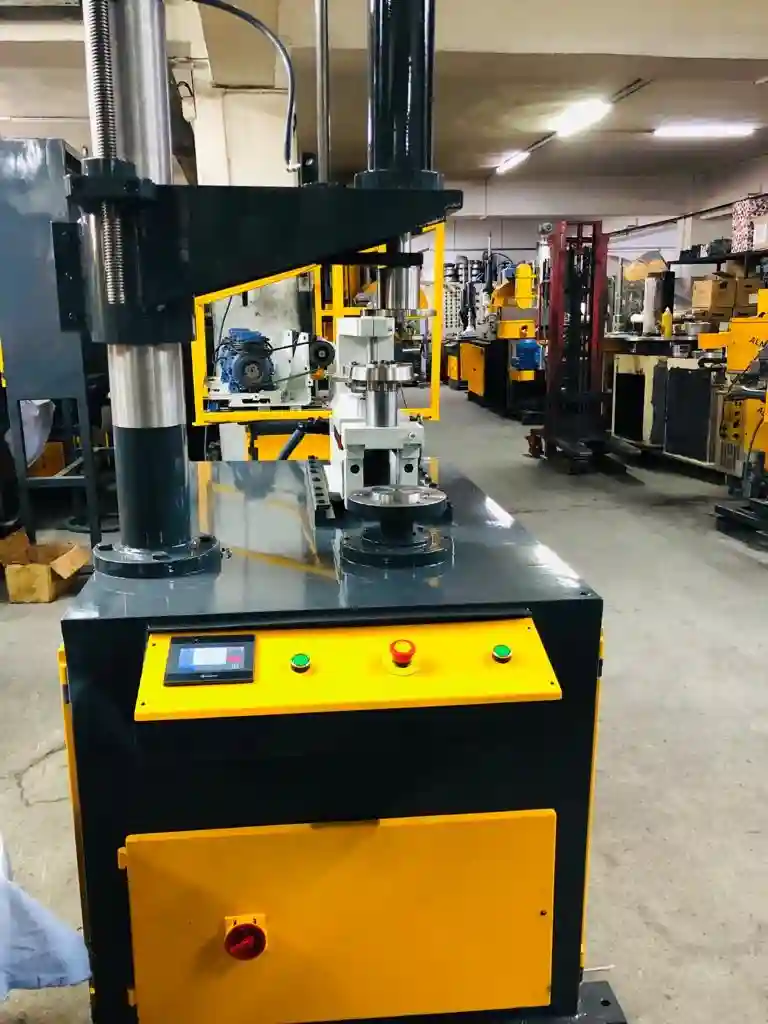
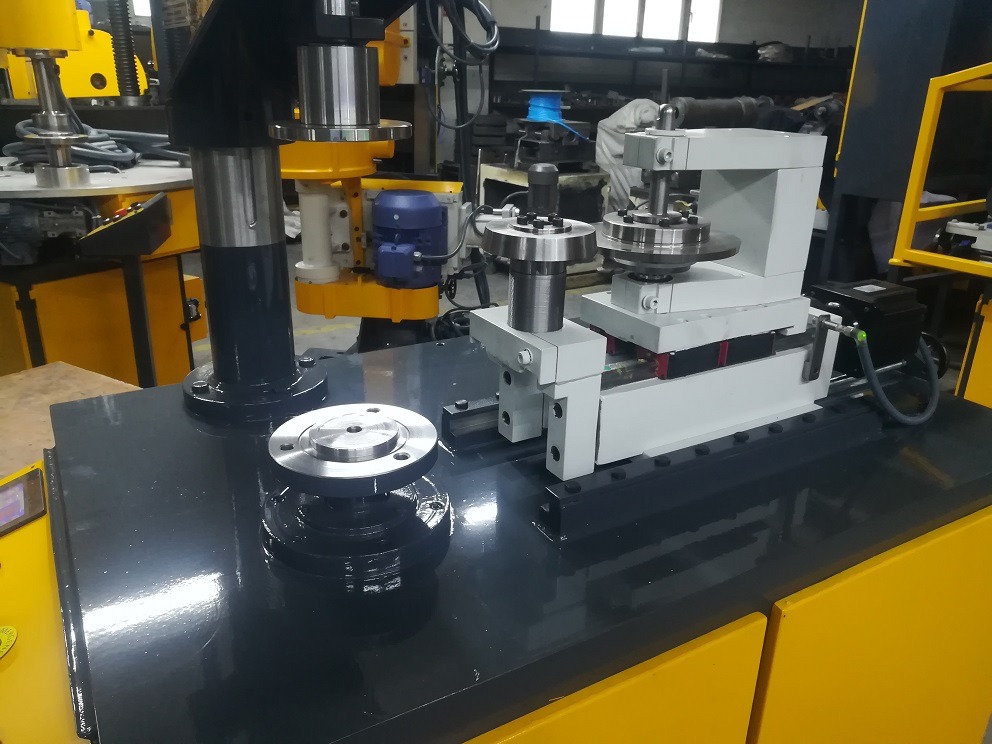
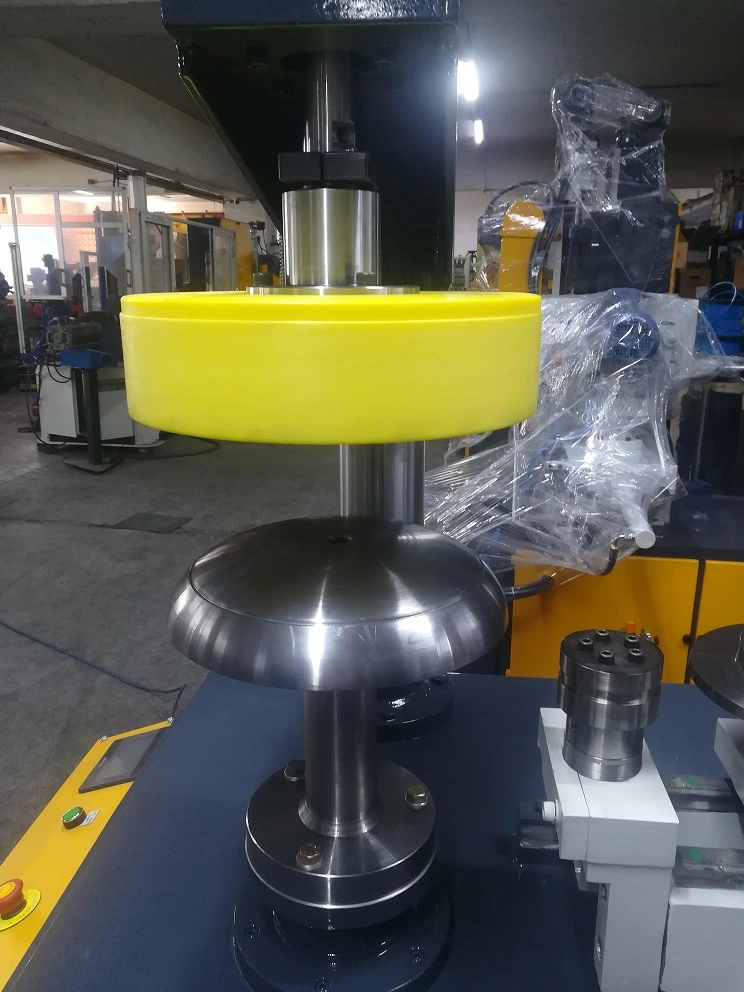
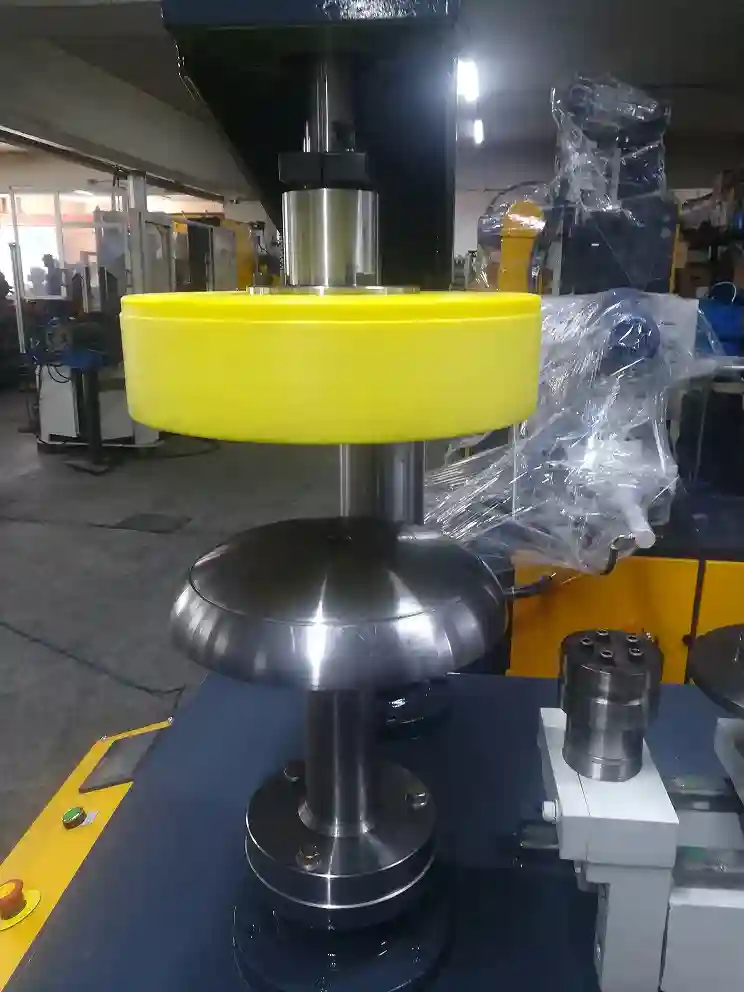
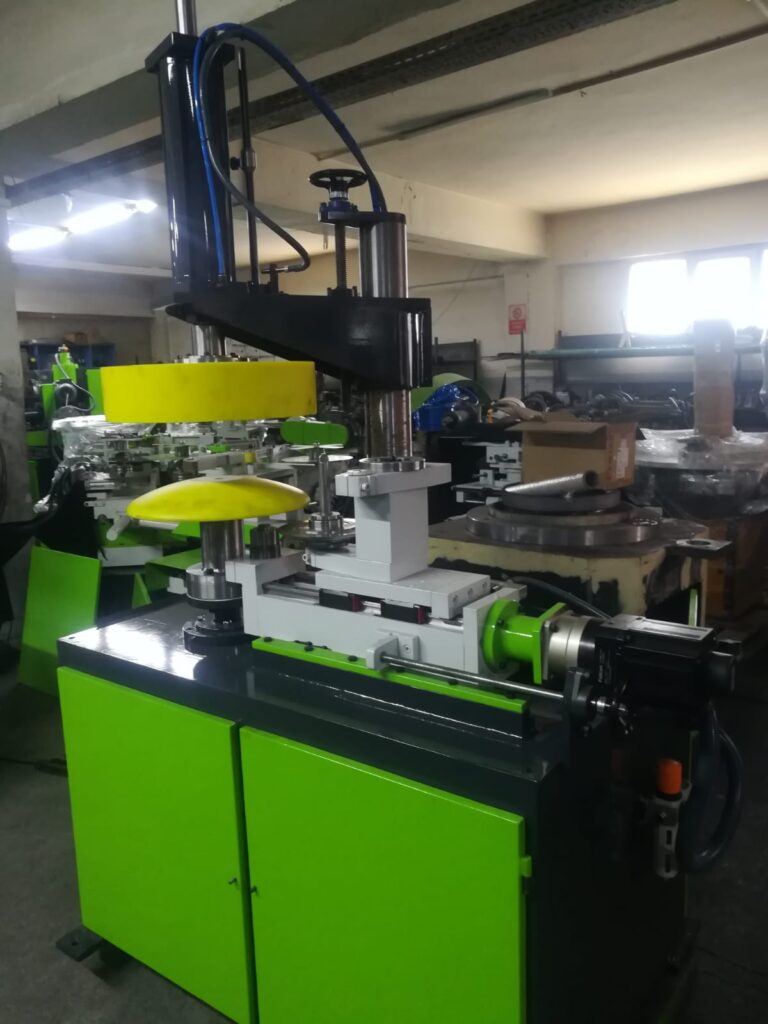
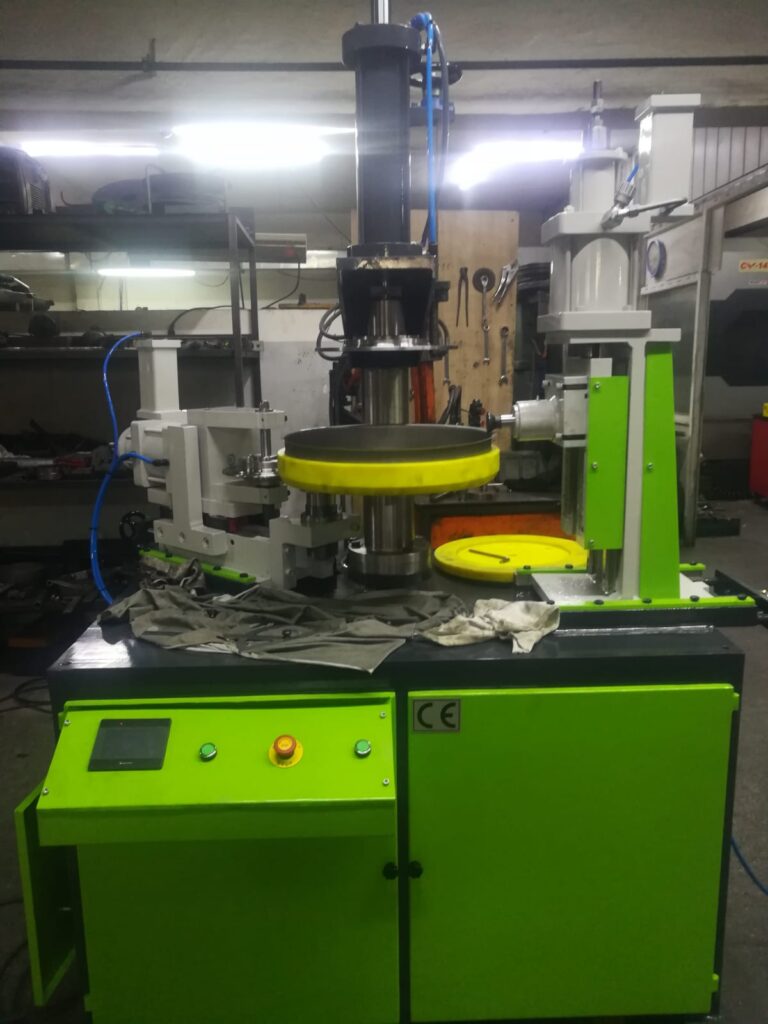
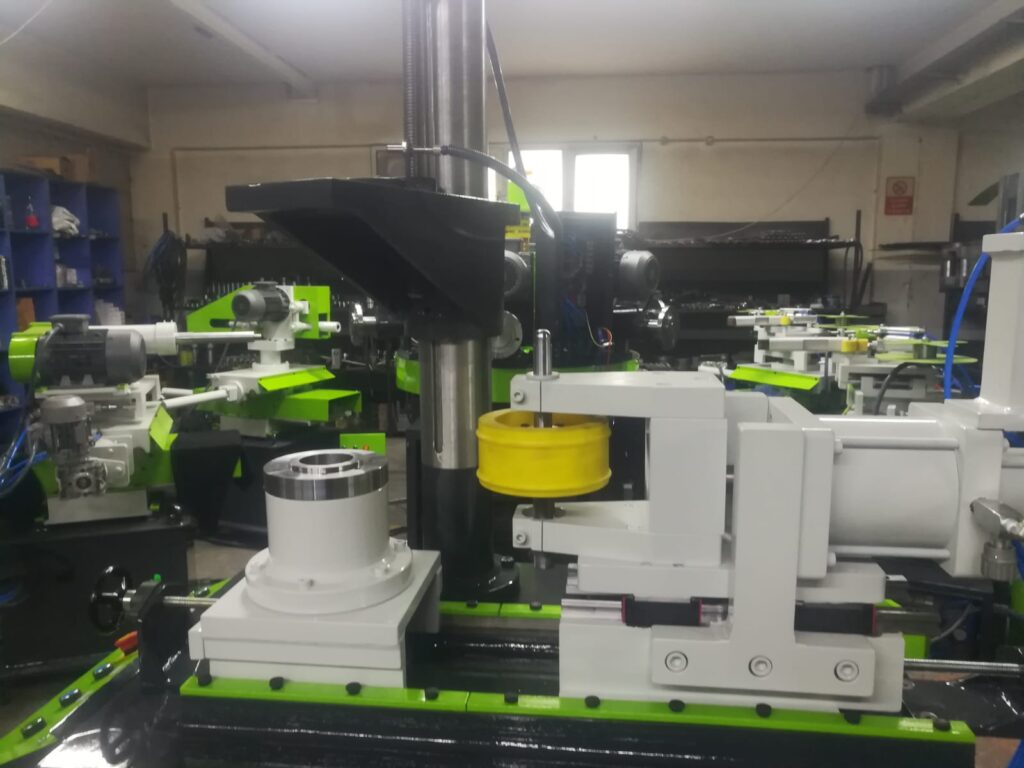
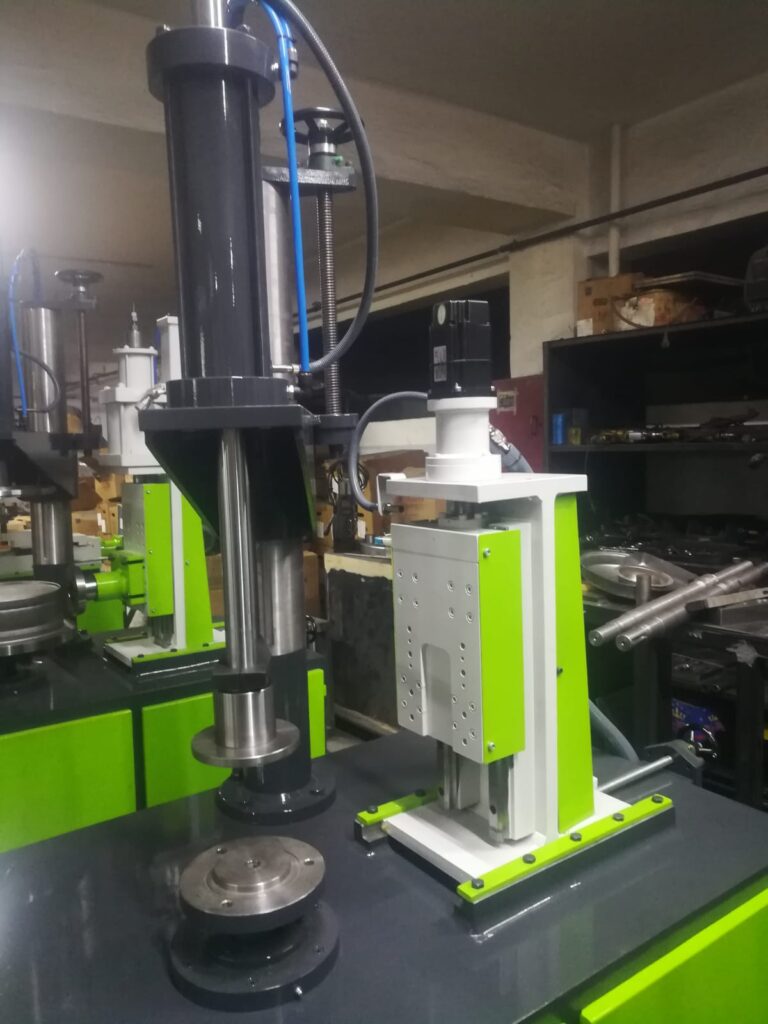
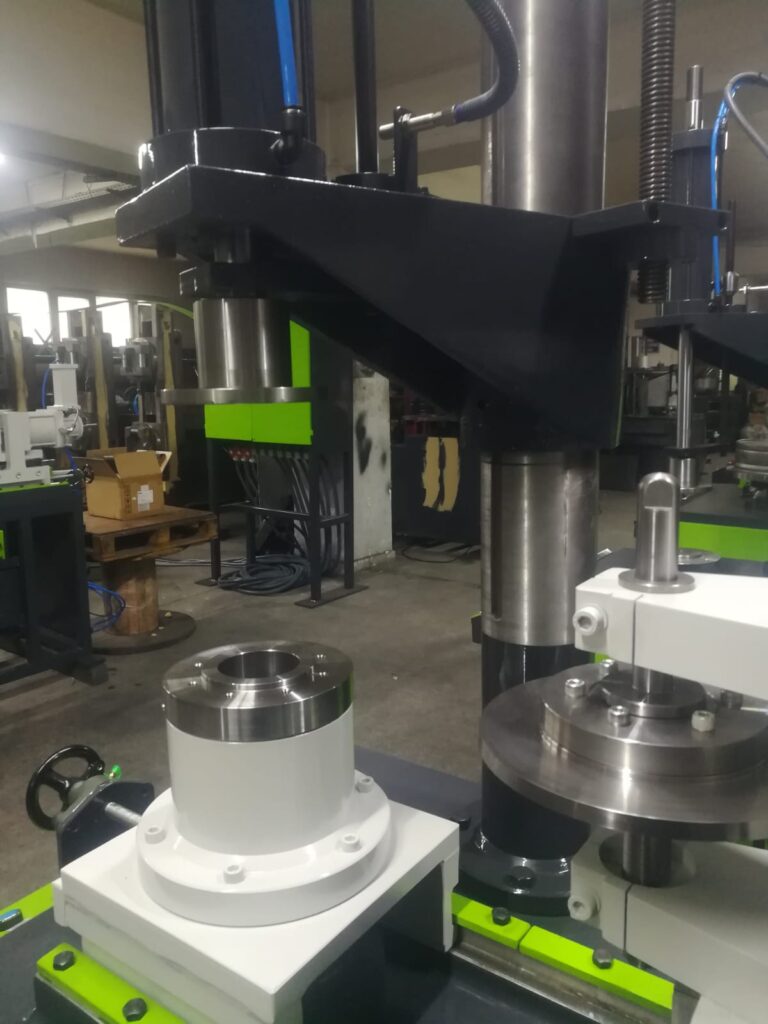
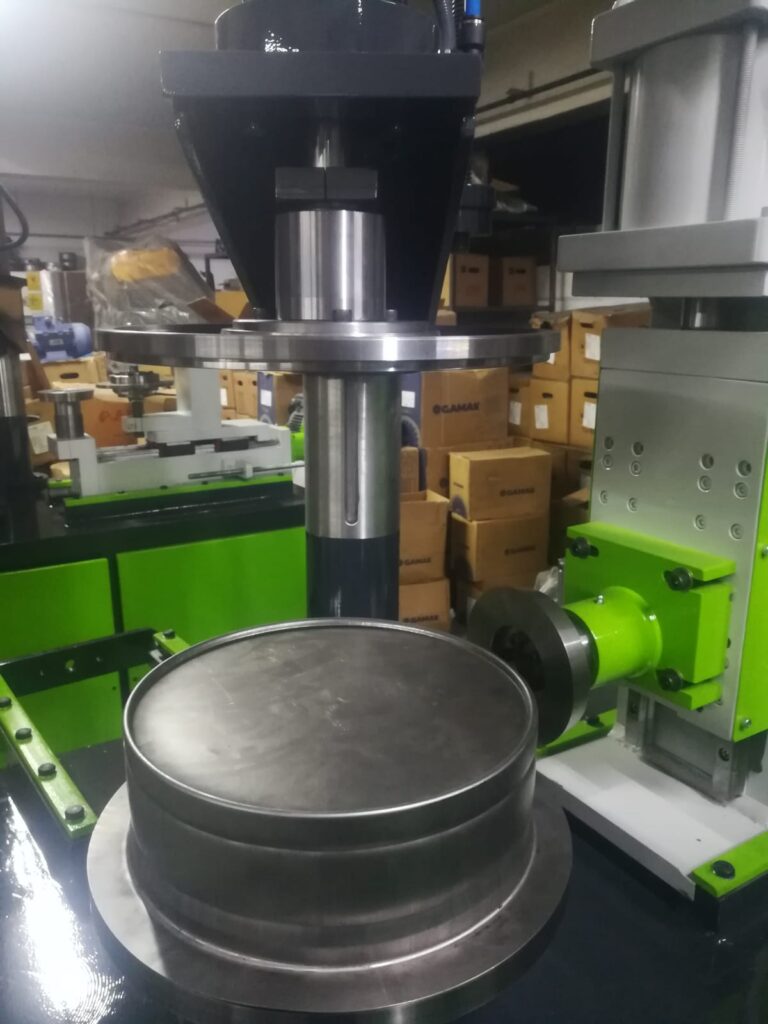
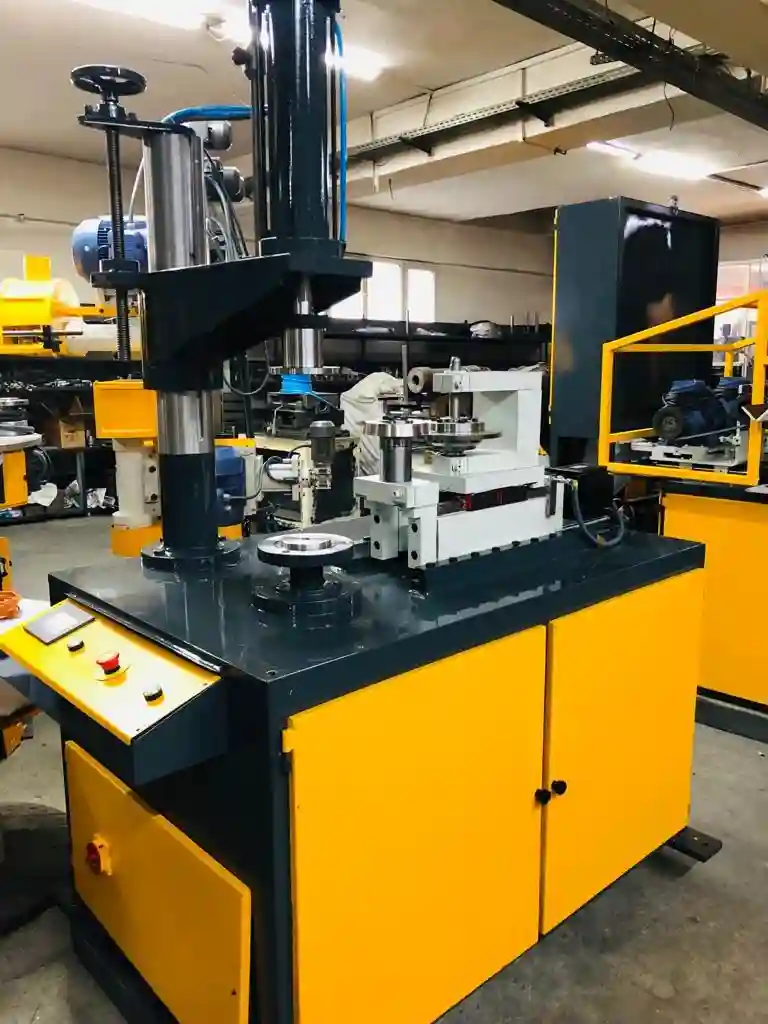
Rotary Submerged Arc Welding Machine

Rotary Submerged Arc Welding Machine

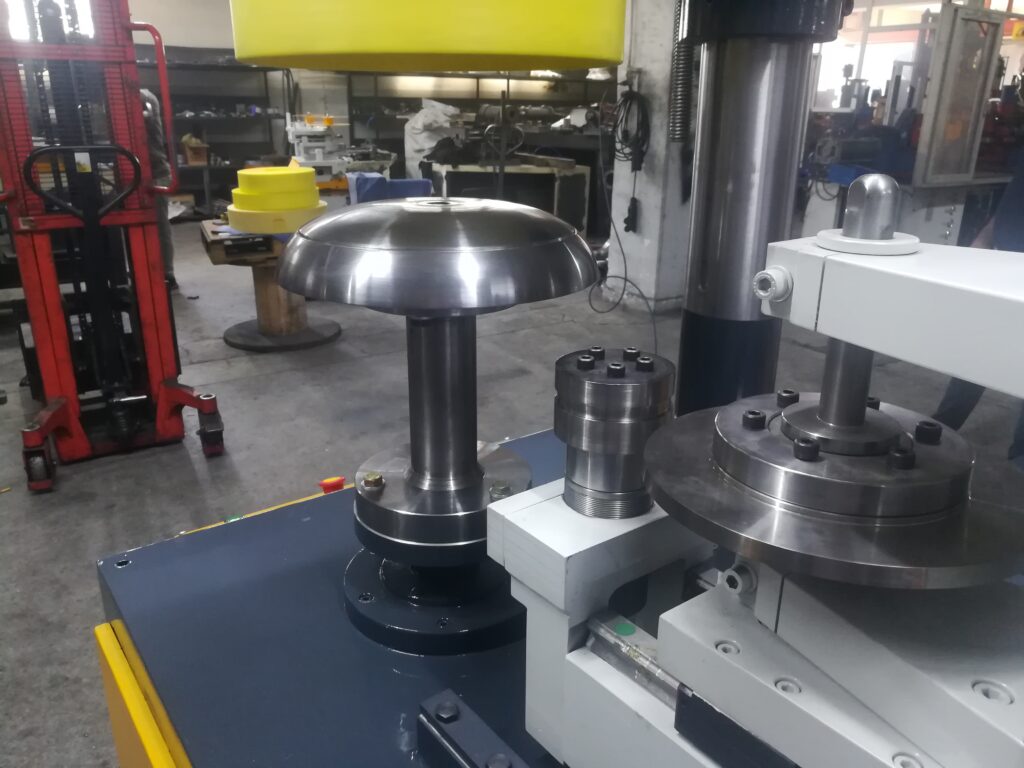
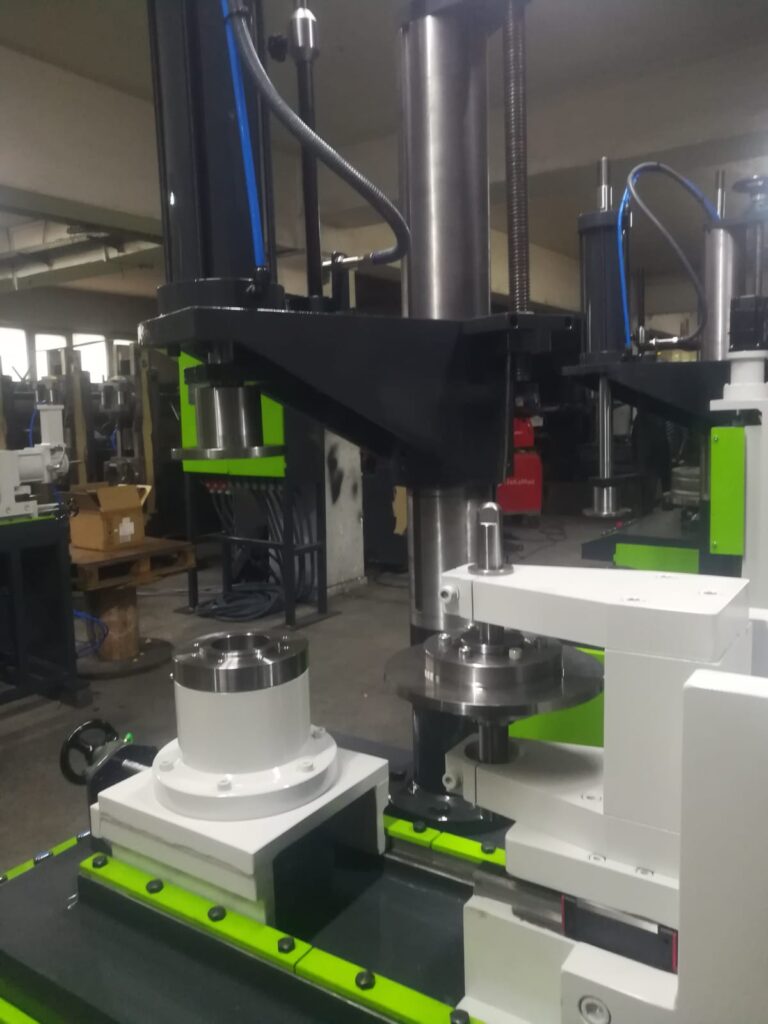
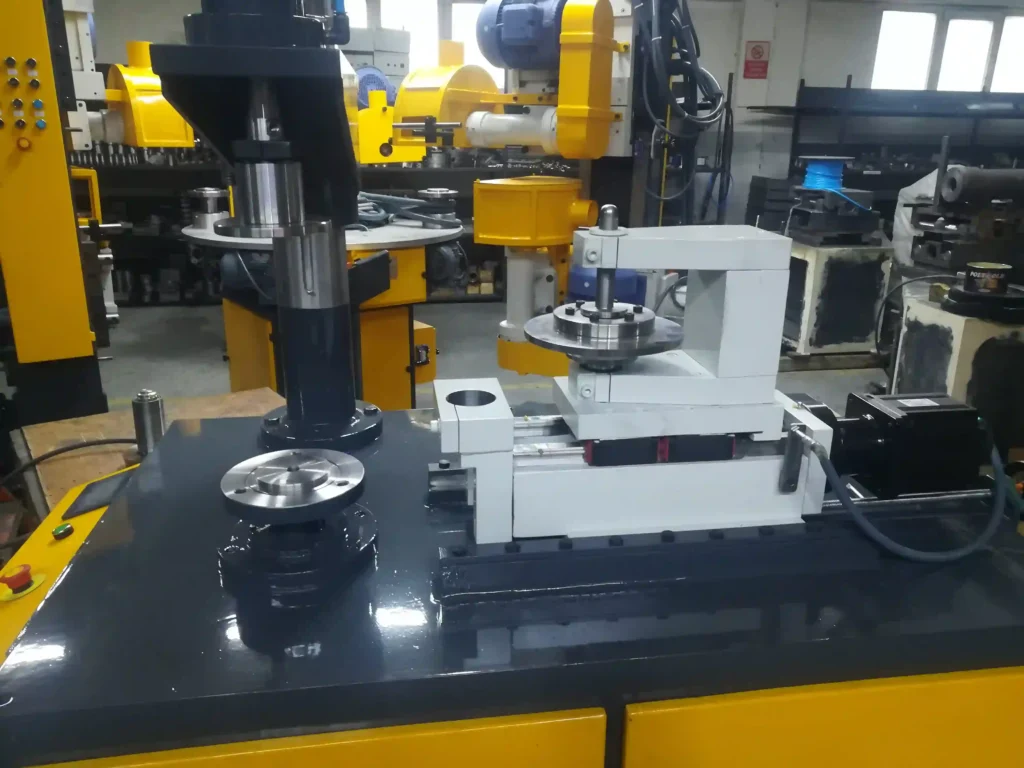
Rotary Submerged Arc Welding Machine: A circular welding machine is a specialized piece of equipment designed to automate and perform circular (or circumferential) welds on round or cylindrical components. These machines are commonly used in industries like pressure vessel manufacturing, pipe fabrication, automotive, and aerospace, where high precision and repeatability are critical.

Circular Welding Machines

  1. Rotary Chuck or Turntable
    • Holds and rotates the workpiece (pipe, cylinder, etc.) around its axis during welding.
  2. Welding Head/Arm
    • Stays stationary or moves along a programmed path, depending on the design.
    • Supports various welding processes: MIG, TIG, plasma, SAW, etc.
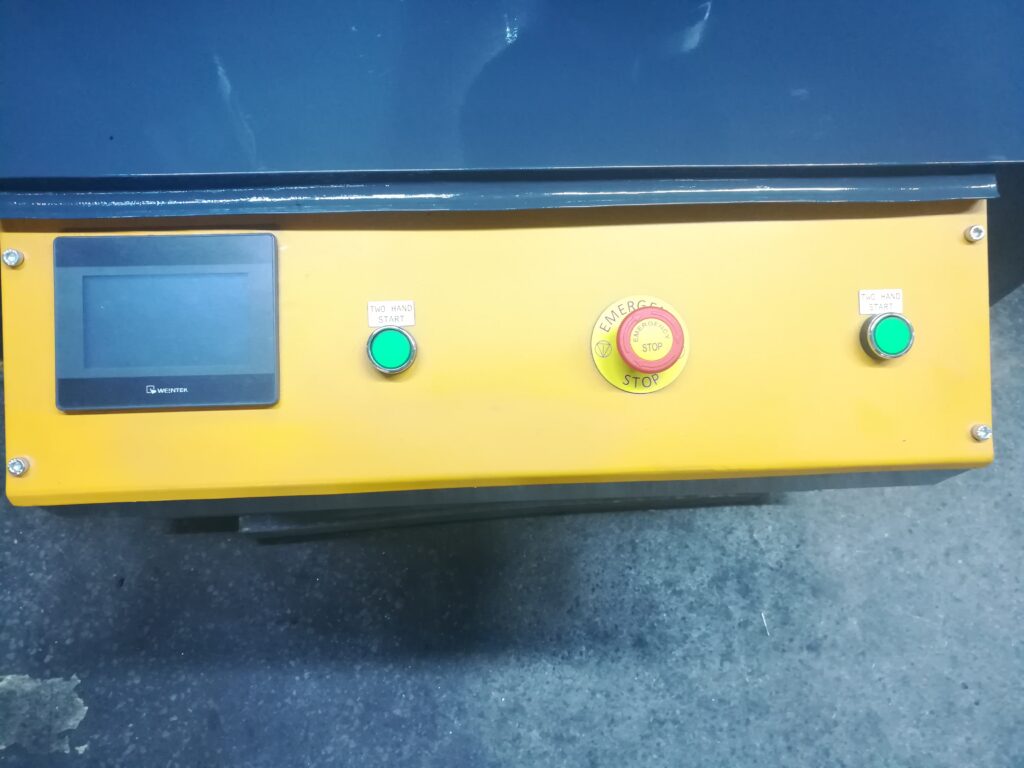
  3. Controller System (CNC or PLC)
    • Controls the rotation speed, welding speed, current, voltage, and travel of the torch.
    • Enables programmable multi-pass or stitch welding.
  4. Torch Oscillation (optional)
    • Allows the welding torch to move side-to-side for wider weld beads or multiple layers.
  5. Clamping System
    • Ensures the part is securely held during welding to maintain precision.

Common Applications:

  • Welding of cylindrical tankspressure vesselsflanges, and rings
  • Pipe-to-pipe or pipe-to-flange joints
  • Fabrication of drumsboiler shells, and round structural components

Advantages:

  • Consistent weld quality (less human error)
  • High production rates
  • Precision and repeatability
  • Reduces labor costs and increases safety

Types of Circular Welding Machines:

  1. Manual Rotation with Fixed Torch – Basic and cost-effective
  2. Automatic Circumferential Welding Machines – Fully automated, CNC-controlled
  3. Orbital Welding Machines – Used for high-purity applications like pharmaceutical and semiconductor piping

A circular welding machine is designed to automate the process of welding around cylindrical or round objects. These machines are particularly useful for applications such as welding pipes, pressure vessels, tanks, and other circular components. The basic principle behind them involves a rotary mechanism that holds the workpiece in place and rotates it while the welding torch remains fixed or moves along the circumference. This allows for continuous and uniform welds around the entire piece.

The workpiece is typically placed on a rotating turntable or chuck that ensures it spins while the welding head, often mounted on a robotic arm or fixed position, delivers the weld. Some circular welding machines are controlled via a Computer Numerical Control (CNC) system or Programmable Logic Controller (PLC), allowing operators to set parameters such as rotation speed, welding speed, and pass rates, which are crucial for precise welds.

Depending on the design, these machines can support a variety of welding methods like MIG, TIG, or submerged arc welding (SAW). One key feature of more advanced machines is the option for the welding torch to oscillate, enabling broader weld beads or multiple layers of welding. In some systems, the machine can be fully automated, reducing the need for manual labor while enhancing consistency and repeatability in the weld quality.

Circular welding machines are particularly advantageous in high-volume production environments. They provide uniform welds with minimal human intervention, improving safety and reducing the risk of errors. Additionally, they can weld various materials, including metals like steel, aluminum, and stainless steel, making them highly versatile for a range of industries, including automotive, aerospace, and manufacturing of large cylindrical components like tanks or drums.

These machines vary in complexity, from simpler manual setups where the workpiece is rotated by hand to fully automated machines with advanced control systems for highly intricate and precise welding operations.

Circular welding machines are particularly beneficial when working with large, round components that require consistent and precise welds along their circumference. This makes them ideal for industries such as pressure vessel manufacturing, pipe fabrication, and the automotive sector, where the integrity of welded joints is crucial. The rotating mechanism ensures that the weld is evenly distributed, reducing the risk of weak spots, and offering a high-quality finish that is both visually appealing and structurally sound.

In more advanced circular welding machines, the ability to program and control parameters like the welding speed, voltage, and current allows for flexibility in handling various materials and thicknesses. This precision is important, especially when dealing with metals that are sensitive to heat input or when producing components that must meet stringent industry standards. Automated machines can also accommodate different welding processes, including pulsed TIG for high-precision welds or submerged arc welding (SAW) for deep penetration and high deposition rates, which can be beneficial for thicker materials.

Another important aspect is the automation of multi-pass welding. In many applications, especially in thicker materials, multiple passes are required to achieve the desired weld strength. Circular welding machines can be programmed to make multiple passes, ensuring a uniform buildup of the weld bead with controlled heat input, which prevents overheating and warping of the material.

For more complex applications, some circular welding machines incorporate feedback systems like vision systems or laser sensors that monitor the weld pool and adjust parameters in real-time. This ensures that the weld quality remains consistent throughout the entire process, even if the workpiece or environment changes.

In terms of operator involvement, modern machines often reduce the need for constant supervision. While an operator may need to set up the machine, load the workpiece, and check the final output, the machine’s automated features significantly reduce the risk of errors that can occur with manual welding. Additionally, the reduced need for manual labor enhances safety in the workplace, as it minimizes the operator’s exposure to hazardous environments, such as intense heat and fumes.

Circular welding machines are also scalable, meaning they can be used for both small-scale, high-precision jobs as well as large-scale industrial production. The adaptability of these machines to different materials and thicknesses, combined with their ability to automate complex processes, makes them an essential tool in many modern fabrication shops.

Rotary Welding Machine

Welding Automation Equipment

rotary welding machine is a type of welding equipment used to perform welds on circular or cylindrical workpieces by rotating them during the welding process. It is commonly used in industries like pipe manufacturing, automotive, aerospace, and the production of pressure vessels, where welding needs to be performed around the circumference of the component. The rotation of the workpiece ensures that a continuous and uniform weld is applied around the entire circumference, providing strong, consistent welds with minimal distortion.

In a rotary welding machine, the workpiece is usually mounted on a rotating chuck or turntable, and the welding torch or electrode is either stationary or mounted on a movable arm that follows the rotation. This allows the welding process to be applied evenly along the circular joint or seam. The rotation speed and welding parameters can be controlled to ensure that the weld quality is consistent and the heat distribution is optimal for the material being welded.

Rotary welding machines can be designed for various welding methods, such as MIG (Metal Inert Gas)TIG (Tungsten Inert Gas)submerged arc welding (SAW), and more. The choice of welding process depends on the type of material, thickness, and the requirements of the final weld.

One of the significant advantages of rotary welding machines is their ability to achieve high production rates while maintaining high precision. Since the workpiece is rotated, the machine can perform circumferential welds continuously without requiring the welder to move the torch around the part manually, reducing operator fatigue and increasing efficiency.

These machines can be either manually operated or fully automated, with some models featuring CNC (Computer Numerical Control) systems that allow operators to program the welding parameters for a specific job. This ensures that the process is repeatable and consistent across multiple pieces, reducing the risk of human error and increasing overall productivity.

Some rotary welding machines also include additional features like oscillation, which moves the welding torch back and forth across the weld joint to ensure a broader, more consistent weld bead. The machine may also include automatic height control for maintaining the proper distance between the torch and the workpiece, further ensuring the quality and consistency of the weld.

Rotary welding machines are often used for projects requiring high-quality, long-lasting welds, such as welding pipes and tanks in industries like oil and gas, power generation, and construction. The ability to achieve clean, strong welds around the entire circumference makes these machines essential for producing robust and reliable welded components.

A rotary welding machine is designed to perform consistent, high-quality welds on cylindrical or circular workpieces by rotating them during the welding process. This rotation allows the welding torch or electrode to apply an even bead around the circumference of the piece, which is especially important when working with components like pipes, tanks, and pressure vessels. The rotating action of the machine ensures that the weld is uniform and precise, which is difficult to achieve with manual welding, especially for large-diameter components.

The workpiece is typically mounted on a chuck or turntable, which rotates it around its axis while the welding torch remains stationary or moves along a programmed path. The machine can be configured for various welding processes like MIG, TIG, or submerged arc welding (SAW), depending on the material, thickness, and the specific requirements of the weld. The rotation speed of the workpiece and the welding parameters can be precisely controlled to ensure a consistent weld every time.

Rotary welding machines are often used in high-volume production environments because they offer significant advantages in speed and consistency over manual welding. The machine’s ability to automate the process reduces the need for human intervention, improving efficiency and reducing the risk of error. As the workpiece is continuously rotated, the machine can achieve high production rates, making it ideal for industries that require repeated, high-quality circumferential welds.

Some advanced rotary welding machines feature automated controls, allowing operators to set parameters such as the rotation speed, welding current, and travel speed. This makes the machine versatile enough to handle different materials and thicknesses, while still maintaining precision. In more complex setups, the welding torch might even oscillate across the weld bead, which helps ensure a wider, more even weld or allows for multi-pass welding when necessary.

While these machines can be used in both manual and automated modes, many modern versions are equipped with CNC controls that allow for high levels of automation. The flexibility of these systems means that they can handle a range of applications, from small-scale, high-precision jobs to large-scale industrial production runs. The use of such automated systems reduces operator fatigue, increases safety, and improves the overall quality and consistency of the welds.

In addition to the consistent weld quality, rotary welding machines also improve efficiency by reducing the need for rework and minimizing the chances of defects. The continuous, uniform application of heat ensures that the weld is strong and reliable, making rotary welding machines indispensable in industries that require durable, high-strength joints, such as in the oil and gas, aerospace, and pressure vessel manufacturing sectors.

The key benefit of a rotary welding machine lies in its ability to automate and speed up the welding process without compromising on quality. As the workpiece rotates, the welding machine can apply a consistent weld bead around the entire circumference, ensuring strong and uniform joints. This is particularly important when dealing with cylindrical or round components, where precision is critical for both structural integrity and aesthetic quality.

The automation also brings down labor costs and reduces the need for skilled welders to manually move the welding torch around the workpiece, which can be time-consuming and prone to human error. With automated systems, the machine can consistently follow a programmed path, achieving repeatable results that are difficult to match with manual welding techniques.

These machines can be particularly beneficial in industries where large volumes of welded components are required, such as pipe manufacturing, tank production, and pressure vessel fabrication. The consistency and high throughput make rotary welding machines essential for manufacturers that need to meet tight production deadlines while maintaining strict quality control standards.

In addition, the ability to integrate various welding techniques, such as TIG, MIG, or even laser welding, offers a high degree of flexibility. Depending on the material being welded and the application, the appropriate welding process can be selected to achieve the desired results. For example, TIG welding may be chosen for its precision on thin-walled pipes, while MIG or SAW may be better suited for thicker materials that require deeper penetration and faster deposition rates.

The integration of advanced technology also enhances the performance of rotary welding machines. Some models come equipped with sensors that monitor the weld pool, adjusting the welding parameters in real-time to optimize the quality of the weld. This feedback loop allows for precise control over the welding process, ensuring that the weld bead is uniform and free from defects like porosity or cracking.

Another significant advantage of rotary welding machines is their scalability. They can be used for both small-scale projects requiring high precision and large-scale industrial production where speed and efficiency are paramount. This versatility makes them suitable for a wide range of applications, from small custom parts to mass production of components like cylindrical tanks, pipes, and other structural elements that require circumferential welding.

Overall, rotary welding machines are a vital tool in modern manufacturing, offering a blend of automation, precision, and high production rates. By reducing human error, enhancing weld quality, and increasing throughput, these machines play a crucial role in industries that rely on the consistent production of circular and cylindrical welded components.

Circumferential Welding Machine

Weld Controller for Welding Machines

A circumferential welding machine is a specialized piece of equipment used to perform welds around the circumference of cylindrical or round workpieces. These machines are commonly employed in industries such as pipe manufacturing, pressure vessel production, automotive, and aerospace, where welding is required along the entire circumference of a component to ensure strong, reliable joints.

The key feature of a circumferential welding machine is the rotation of the workpiece, which is typically mounted on a chuck or turntable. As the workpiece rotates, the welding torch or electrode moves either in a fixed path or along a programmed route to apply the weld around the circumference. This method ensures that the weld is applied evenly and consistently, offering precise control over factors such as bead size, penetration, and heat distribution.

Circumferential welding machines can be designed to work with various welding processes, including TIG (Tungsten Inert Gas)MIG (Metal Inert Gas)submerged arc welding (SAW), and others. The choice of welding process depends on the material being welded, its thickness, and the specific requirements of the job. For instance, TIG welding is often used for thin-walled materials requiring high precision, while MIG or SAW may be preferred for thicker materials requiring deeper penetration and faster welding speeds.

These machines are often automated, allowing for precise control over welding parameters such as rotation speed, welding current, voltage, and torch movement. Automated systems, often using CNC (Computer Numerical Control) or PLC (Programmable Logic Controllers), enable the machine to follow exact programming, ensuring consistency and repeatability across multiple welds. This reduces the chance of human error and enhances the overall quality and uniformity of the weld.

Circumferential welding machines are particularly advantageous in high-volume production environments where consistency, speed, and weld quality are critical. In industries like pipeline construction, tank fabrication, and pressure vessel manufacturing, the ability to create uniform, high-strength welds around large cylindrical components is essential for safety and durability. These machines can handle a wide range of pipe sizes, from small diameter tubes to large, thick-walled pipes.

In addition to their precision and efficiency, circumferential welding machines also reduce operator fatigue and improve safety. With the workpiece rotating automatically, operators can focus on monitoring the process rather than manually moving the torch. This not only speeds up the operation but also helps avoid human error, such as inconsistent torch movement or misalignment, which can lead to defective welds.

Some advanced circumferential welding machines also include features such as oscillating torches to create wider or multi-pass welds, automatic height control to maintain consistent distance between the torch and workpiece, and in-process monitoring systems that can detect and adjust welding parameters in real-time for optimal results.

Overall, circumferential welding machines are essential for producing high-quality, strong, and consistent welds around circular or cylindrical components, making them invaluable in industries that require precise, reliable welds on large-scale or complex projects.

Circumferential welding machines excel in environments where high-quality welds need to be made around the entire circumference of a workpiece. These machines are indispensable for tasks that require precise control over the welding process to ensure the structural integrity and reliability of the final product. They are especially useful when working with large-diameter pipes, pressure vessels, tanks, and other cylindrical structures that need to be joined in a way that can withstand high pressure or demanding operational conditions.

The ability to consistently apply a strong, uniform weld bead around the circumference not only improves the structural strength of the welded piece but also enhances its appearance and minimizes defects such as undercutting, porosity, or inconsistent bead size. These machines offer a significant advantage over manual welding methods, which can introduce variations in speed, heat input, and weld quality due to human factors.

For instance, in industries like pipeline construction or the production of storage tanks, the weld quality is directly tied to the safety and functionality of the entire system. In such critical applications, circumferential welding machines ensure that each weld is reliable and repeatable, reducing the risk of failure during operation. Whether it’s for gas or oil pipelines, chemical storage tanks, or reactors, the machine provides the necessary precision and strength that manual methods might not be able to consistently deliver.

Automation and advanced control systems in these machines, like CNC programming, make them highly adaptable to various welding requirements. The precise control over parameters such as the welding speed, travel path, and heat input is especially important when working with different materials and thicknesses. For example, some components may require faster welding speeds to prevent overheating and distortion, while others may need slower speeds to ensure proper fusion and penetration.

Additionally, many circumferential welding machines come equipped with feedback mechanisms that continuously monitor the weld pool and adjust welding parameters on-the-fly. This level of automation ensures that the weld pool remains stable, and the process stays within optimal parameters throughout the operation. Such systems improve the overall quality of the welds, particularly when dealing with challenging materials, like high-strength alloys or corrosion-resistant metals.

Another advantage of using circumferential welding machines is the reduction in material waste. The consistency of the welding process ensures that the heat is applied efficiently, minimizing excessive spatter, underfill, or overfill, which could otherwise lead to rework and material wastage. This efficiency contributes to both cost savings and sustainability in production processes.

These machines can be found in several configurations, from basic models that are manually operated to highly sophisticated systems that are completely automated. In some setups, the machine is able to synchronize the speed of the workpiece rotation with the movement of the torch, optimizing the weld bead size and reducing the likelihood of defects. In more advanced models, multi-axis motion control allows the welding torch to move in multiple directions, enhancing the flexibility of the welding process and providing better control over the weld’s depth and width.

In summary, circumferential welding machines are vital tools in modern manufacturing, providing speed, precision, and repeatability that manual welding cannot match. Their ability to consistently produce high-quality, strong welds around cylindrical components ensures their importance in industries where safety, reliability, and efficiency are paramount. By automating the process, these machines reduce human error, increase productivity, and maintain a high standard of weld quality, which is essential for the durability and performance of the welded components.

The continuous advancements in circumferential welding machine technology have made these machines even more efficient and versatile, allowing them to handle an even broader range of applications. Modern models integrate features that improve both the welding process and the operator experience. For instance, some machines include real-time weld monitoring systems, which provide feedback to ensure that the weld is proceeding according to set parameters. This feature helps detect any potential issues, such as changes in material behavior or discrepancies in the weld bead, enabling the operator to correct them before defects occur.

Moreover, the ability to automatically adjust welding parameters based on real-time data, such as changes in material thickness or temperature, further enhances the quality of the welds. These systems are particularly beneficial when working with materials that are sensitive to heat, such as high-strength steels or alloys used in aerospace and automotive applications, as they reduce the risk of material degradation during the welding process.

For manufacturers working in industries like oil and gaspower generation, or chemical processing, where equipment is subjected to high-pressure environments, the importance of consistently producing strong and reliable circumferential welds cannot be overstated. The long-term durability and safety of pipelines, storage tanks, and pressure vessels depend on the integrity of the welded joints. Circumferential welding machines are designed to meet these high standards, ensuring that each weld can withstand the stresses it will face in operation.

Another feature that has gained popularity in newer models is flexible tooling. Many machines now offer adjustable fixtures that allow the operator to handle a variety of workpiece sizes and shapes, making it possible to switch between different projects with minimal downtime. This flexibility is particularly valuable for manufacturers that need to produce a wide range of welded components on the same equipment, reducing the need for multiple machines and cutting down on space and capital expenditure.

The reduced need for manual intervention also leads to increased safety. Circumferential welding machines are often enclosed or equipped with safety features to prevent accidents, such as automatic shutoff systems if a malfunction is detected. This makes the workplace safer by reducing the risk of exposure to hazards like intense heat, UV radiation, and welding fumes. Additionally, the automated nature of the machine means that workers are not required to handle or manipulate the welding torch directly, decreasing the chances of burns, electric shocks, or repetitive strain injuries.

Another important consideration is maintenance. While circumferential welding machines are designed for high reliability, regular maintenance is still necessary to ensure they continue to operate at peak efficiency. The integration of diagnostic tools in modern machines allows for easy monitoring of machine health, helping to identify potential issues before they lead to costly downtime. Automated maintenance alerts can notify operators when a part needs replacement or when calibration is required, further enhancing the efficiency and longevity of the machine.

From an environmental perspective, circumferential welding machines can also contribute to sustainability. With their precise control over the welding process, these machines can reduce energy consumption by minimizing over-welding, excessive heat input, and wasted materials. Additionally, by improving the overall efficiency of the welding process, manufacturers can produce high-quality products with less waste, contributing to a reduction in material usage and minimizing the environmental footprint.

In conclusion, the evolution of circumferential welding machines has revolutionized the way industries approach the welding of cylindrical and round components. These machines continue to offer better automation, higher precision, and greater flexibility, making them essential tools for achieving strong, reliable welds on components that require high strength and safety. As manufacturing processes become increasingly efficient and automated, the role of circumferential welding machines in ensuring the quality and reliability of welded components will only continue to grow, making them indispensable in a variety of industries.

Orbital Welding Machine

Welding Automation Equipment

An orbital welding machine is a specialized type of welding equipment designed to weld pipes and tubes in a continuous, circumferential motion. Unlike traditional welding methods, where the welder moves the torch around the workpiece, orbital welding machines automate the welding process by rotating the welding torch around a stationary workpiece, ensuring precision and consistency.

The key feature of orbital welding is the use of a rotating welding head, which moves in a circular motion around the circumference of the pipe or tube, creating a continuous weld. This is particularly beneficial in applications where high-quality, defect-free welds are critical, such as in industries like pharmaceuticalssemiconductorsaerospace, and food and beverage. These industries often require precise, sterile, and reliable welds, and orbital welding ensures that each weld is made to exact specifications, minimizing the risk of defects and contamination.

Orbital welding machines are typically used for welding stainless steel and other high-purity materials, particularly in pipe joints and tubing systems. The process is highly automated, with most machines being controlled by a CNC (Computer Numerical Control) system, which allows operators to set precise welding parameters, such as speed, current, voltage, and gas flow. This level of control ensures that each weld is performed consistently, even across large production runs or during complex multi-pass welding jobs.

The machines work by securing the workpiece in place and rotating it, while the welding head, which is mounted on a mechanized arm, moves along the pipe’s circumference. This creates a perfect, uniform weld around the pipe or tube. The process can be adapted to different pipe sizes, wall thicknesses, and materials, making orbital welding machines highly versatile.

One of the primary advantages of orbital welding is its ability to create clean, high-quality welds in challenging applications. For example, in the pharmaceutical or semiconductor industries, contamination is a significant concern, and orbital welding helps ensure that no foreign particles are introduced during the welding process. The enclosed nature of the welding head can also minimize the exposure of the weld pool to contaminants, further ensuring a clean, high-integrity joint.

Orbital welding is also much faster and more consistent than manual welding, particularly in situations where long, continuous welds are required. Because the welding process is automated, the risk of human error is minimized, and each weld can be completed to precise specifications without variation in heat input or weld bead size. This increased repeatability is critical in industries where reliability and precision are paramount.

Modern orbital welding machines often feature additional capabilities, such as data logging and tracking. These systems record welding parameters throughout the process, ensuring full traceability and compliance with industry standards. This is particularly valuable in highly regulated industries, where documentation of welding procedures and results is necessary for quality assurance and certification.

In terms of maintenance, orbital welding machines are generally robust, but they do require regular cleaning and inspection to ensure the integrity of the welding head, as well as the calibration of the control systems. Many machines are designed for ease of maintenance, with accessible parts and clear diagnostic tools to help identify issues before they affect the welding process.

Overall, orbital welding machines are essential for applications where precision, consistency, and high-quality welds are required. Their ability to create clean, reliable welds with minimal human intervention makes them indispensable in industries that demand stringent standards for their welded components, such as in high-purity pipingchemical reactorspressure vessels, and other critical infrastructure systems.

The benefits of orbital welding machines extend beyond just precision and cleanliness; they also bring about significant improvements in productivity and efficiency. Since the process is automated, it requires less direct supervision compared to manual welding, freeing up operators to focus on other critical tasks. This also reduces the overall labor cost and minimizes the potential for human error, which is a common challenge in manual welding operations. The repeatability of orbital welding means that each weld is produced with the same high quality, which is crucial in applications where consistency is key, such as in the aerospace and nuclear industries.

Orbital welding is particularly useful for welding thin-walled materials and components with small diameters, where maintaining a consistent weld bead can be challenging. The controlled heat input from orbital welding machines ensures that the weld pool is stable, preventing issues like overheatingdistortion, or warping, which can be common when welding thin materials manually. This makes orbital welding an ideal choice for high-precision work on medical tubingbiotech applications, or semiconductor manufacturing, where even the smallest deviations in weld quality can lead to failure or contamination.

One of the features that make orbital welding so effective is the ability to control the welding environment. Most orbital welding machines use inert gas (such as argon) shielding, which protects the weld from contamination by oxygen or other atmospheric gases. The gas is fed directly into the welding zone, ensuring that the area remains protected from oxidation or other adverse effects, further increasing the integrity of the weld. This is particularly important in industries such as pharmaceuticals and food processing, where any contamination could compromise the entire production process or the product’s safety.

In addition to the standard capabilities, some advanced orbital welding machines come equipped with multi-pass capabilities, which allow operators to make more complex welds, particularly in thicker materials or larger pipe diameters. These systems allow for sequential passes, ensuring deep penetration and strong fusion between the layers, while still maintaining precision and avoiding the issues that come with manual multi-pass welding, such as inconsistent heat distribution or bead overlap.

Another notable advantage is automation flexibility. Orbital welding machines can be programmed to perform different types of welds on various geometries and material types, making them adaptable for a wide range of applications. The CNC systems used in these machines allow for highly precise control of welding parameters such as current, voltage, travel speed, and rotation speed, ensuring that the weld is performed in the most optimal conditions. The ability to adjust settings for specific materials and wall thicknesses allows orbital welding to accommodate a variety of projects, from small-scale manufacturing to large-scale industrial production.

As for the operator experience, modern orbital welding machines are designed to be intuitive and user-friendly, with advanced touchscreen interfaces, diagnostic tools, and automated error detection systems. These features make it easier for operators to monitor and control the welding process, and they help minimize the learning curve for new users. The data logging capabilities of these machines also ensure that operators can keep detailed records of each weld, ensuring compliance with industry standards and regulatory requirements.

Orbital welding machines can be used in a variety of settings, from large factories to cleanroom environments. Their ability to perform high-precision, continuous welds is valuable in industries that require sterile, high-integrity systems, such as the biotechpharmaceutical, and food and beverage industries. These industries rely on orbital welding not only for the mechanical strength of the welds but also for maintaining the cleanliness of the system, ensuring that no contamination occurs during the manufacturing or production process.

In field applications, orbital welding machines are increasingly becoming portable, allowing technicians to carry out precise welds directly on-site. These portable machines are particularly beneficial in industries such as oil and gas, where welding needs to be done in remote or difficult-to-access locations. The portability and ease of use of modern orbital welding systems make them versatile tools that can be employed across a wide range of industries and job sites.

Overall, orbital welding machines offer significant advantages over traditional welding methods. They provide unmatched precisionrepeatability, and cleanliness for welding cylindrical components, particularly in industries where high-quality welds are essential. Their automated features, control over welding parameters, and ability to produce consistent results make them indispensable for high-purity applications. As technology continues to evolve, orbital welding machines will likely become even more advanced, offering improved performance, greater flexibility, and enhanced ease of use for operators in a wide variety of industries.

Horizontal Rotary Welder

Horizontal Rotary Welder

horizontal rotary welder is a type of welding machine used to perform automated welding on cylindrical or circular workpieces that are rotated horizontally. This machine is particularly suitable for welding large-diameter pipes, tanks, pressure vessels, or other cylindrical components. It is commonly employed in industries that require high-precision, consistent welds around the entire circumference of a workpiece, such as pipeline constructionpressure vessel manufacturingtank fabrication, and aerospace.

The main feature of a horizontal rotary welder is its ability to rotate the workpiece around its horizontal axis, allowing the welding machine’s torch or electrode to apply a consistent weld bead around the circumference of the component. The workpiece is securely mounted on a rotating fixture (usually a turntable or chuck), while the welding head or torch follows a programmed path, ensuring that the weld is uniform and precise.

Key Features and Advantages of Horizontal Rotary Welders:

  1. Automated Rotation: The horizontal rotation of the workpiece provides uniform access to the welding torch, ensuring that the weld bead is applied consistently around the entire circumference. This is especially important when welding pipes or cylindrical parts that require strong, uniform joints for safety and durability.
  2. High Precision and Consistency: Since the welding process is automated, horizontal rotary welders can produce repeatable, high-quality welds with minimal human error. This makes them ideal for mass production environments where uniformity and precision are critical. The machine’s ability to consistently apply the weld without variations in heat input or welding speed results in strong, reliable joints that meet strict quality standards.
  3. Versatility: Horizontal rotary welders can be used with various welding techniques such as MIG (Metal Inert Gas)TIG (Tungsten Inert Gas)submerged arc welding (SAW), or flux-cored arc welding (FCAW), depending on the material, thickness, and application. This versatility allows them to accommodate a wide range of projects, from thin-walled tubing to thick pipes and pressure vessels.
  4. Improved Efficiency: By automating the welding process, horizontal rotary welders help reduce the time required for manual welding. This increases the overall efficiency of the operation and allows for faster production rates. The machine can weld continuously around the workpiece, reducing downtime and ensuring that each weld is made at a consistent speed and quality.
  5. Reduced Operator Fatigue and Safety Risks: Since the machine automates the welding process, operators do not need to manually move the welding torch around the workpiece, reducing the risk of operator fatigue and errors. Furthermore, automated systems reduce the need for manual handling, which can help improve safety in the workplace by minimizing the exposure of workers to heat, UV radiation, and welding fumes.
  6. Ideal for Large Workpieces: Horizontal rotary welders are particularly effective for large workpieces such as pipespressure vessels, and storage tanks. Their ability to rotate these heavy components and weld around their entire circumference at once reduces the need for repositioning and repositioning time.
  7. Customizable Welding Parameters: These machines typically feature advanced control systems that allow operators to adjust various welding parameters, including welding speed, arc voltage, current, and shielding gas flow. This level of customization helps to achieve optimal welds for different materials and thicknesses.
  8. High Productivity in High-Volume Environments: Horizontal rotary welders excel in high-volume production environments because they can produce welds much faster and with greater consistency than manual welding. This makes them essential in industries where mass production of welded components is required, such as in pipe manufacturingautomotiveoil and gas, and chemical processing.

Applications of Horizontal Rotary Welders:

  1. Pipeline Construction: For welding pipes used in oil and gas pipelines, horizontal rotary welders ensure that the welds are strong, uniform, and able to withstand high-pressure conditions.
  2. Pressure Vessel Manufacturing: In industries like power generation and chemical processing, pressure vessels need to be welded with precision to ensure safety and reliability under high pressure. Horizontal rotary welders provide a consistent and reliable way to weld the joints around these large components.
  3. Storage Tank Fabrication: Horizontal rotary welders are ideal for welding the circumferential seams of large storage tanks, particularly when they are made from metals like stainless steel or carbon steel. These tanks require precise welds to prevent leaks and ensure structural integrity.
  4. Aerospace and Aircraft Manufacturing: In the aerospace industry, where parts are often cylindrical or round, horizontal rotary welders are used for welding engine components, structural parts, and other cylindrical sections that must meet high-strength and safety requirements.
  5. Automotive Industry: Horizontal rotary welders are also employed in the automotive industry for welding exhaust pipes, fuel tanks, and other cylindrical components that require consistent and reliable welds.

Conclusion:

Horizontal rotary welders are indispensable in many industries where consistent, high-quality circumferential welds are needed. They offer the advantages of automationprecision, and efficiency, making them ideal for large-scale manufacturing environments where speed, uniformity, and safety are crucial. With the ability to work with various welding processes and handle large, heavy workpieces, these machines are essential for achieving high-quality, durable welds on cylindrical components.

Horizontal rotary welders are essential tools in industries that require consistent and high-quality circumferential welds. The automation of the welding process ensures that the welds are uniform and repeatable, which is crucial for applications where safety and structural integrity are paramount. These machines excel at handling large workpieces, such as pipes, pressure vessels, and tanks, ensuring that each weld is applied efficiently and accurately without the need for manual intervention or repositioning of the workpiece.

One of the key benefits of horizontal rotary welders is their ability to create strong, reliable welds on materials that are difficult to handle manually, such as thick-walled pipes or large-diameter components. The rotating mechanism allows for precise control over the welding parameters, reducing the risk of defects like poor penetration, undercuts, or weld porosity. With the workpiece rotating uniformly, the welder can apply a continuous, uniform bead along the entire circumference, reducing the likelihood of imperfections that might occur with manual or less controlled processes.

The ability to adjust welding parameters such as speed, arc voltage, and shielding gas flow allows operators to fine-tune the welding process to suit a wide variety of materials and thicknesses. This versatility is particularly valuable when working with different alloys, such as carbon steel, stainless steel, or high-strength materials. The machine’s flexibility means that it can handle a broad range of welding requirements, from delicate, thin-walled tubes to heavy, thick-walled pipes used in high-pressure systems.

Additionally, the automated nature of horizontal rotary welders minimizes the need for skilled manual labor, reducing the risk of human error and increasing productivity. By allowing the machine to handle the repetitive tasks involved in the welding process, operators can focus on monitoring and controlling the system, ensuring that the welding quality remains consistent throughout the production cycle. This is particularly beneficial in high-volume production environments, where speed and precision are essential to meeting tight deadlines and maintaining high-quality standards.

Another advantage is the reduction in operator fatigue and safety risks. Traditional manual welding requires the welder to maneuver the torch around the workpiece, which can be physically demanding, especially when working with large or heavy components. Horizontal rotary welders eliminate this need, as the machine takes over the welding task, ensuring that the weld is applied without subjecting the operator to excessive strain or exposure to hazardous conditions such as intense heat, fumes, or UV radiation. This leads to a safer working environment and helps protect the health and well-being of workers.

Horizontal rotary welders are also equipped with advanced features like real-time monitoring and diagnostics, which ensure that the welding process is continuously tracked and adjusted for optimal performance. This data can be used to make real-time adjustments, helping to maintain weld quality and avoid potential issues before they become problems. Additionally, these systems often offer data logging and tracking capabilities, which allow for full traceability of the welding process, an important feature in industries that require strict quality assurance and regulatory compliance.

In high-demand sectors such as aerospace, automotive, and oil and gas, the ability to maintain strict control over the welding process is crucial for meeting industry standards. Horizontal rotary welders can be customized with a variety of welding processes, including MIG, TIG, or submerged arc welding, depending on the material and the specific application requirements. Their ability to consistently produce high-quality welds at a faster rate than manual welding methods helps companies meet production quotas while maintaining the necessary standards for safety and durability.

As industries continue to evolve and demand more efficient and reliable welding solutions, horizontal rotary welders remain a vital part of manufacturing operations. The machines’ ability to produce consistent, high-strength welds, combined with their versatility and efficiency, makes them indispensable in a wide range of industries. With their ability to handle large components, improve productivity, and ensure weld quality, horizontal rotary welders will continue to play a central role in modern manufacturing processes.

As the demands for precision and quality in welding continue to grow, horizontal rotary welders are expected to evolve further with advancements in technology. The integration of smart systems into these machines is already starting to revolutionize the way welding is performed. These systems can monitor and control various aspects of the welding process, from temperature control to material analysis, ensuring that every weld meets the exact specifications. This real-time feedback helps operators fine-tune parameters like heat input, travel speed, and torch position, allowing for even more precise and accurate welds.

Another major development in the evolution of horizontal rotary welders is the use of robotic automation. By combining rotary welding with robotic arms, these machines can automatically adjust to different workpiece sizes, shapes, and material types. This kind of integration brings additional flexibility and scalability to production processes, making it easier to switch between different projects or accommodate custom designs. The robotic systems also enable enhanced control of the welding process, which further reduces the likelihood of defects and increases the overall efficiency of the operation.

Additionally, remote monitoring and diagnostics are becoming an integral part of modern horizontal rotary welders. Through wireless connectivity, these systems allow operators or maintenance personnel to monitor the status of the machine from a distance, receive real-time updates on performance, and perform troubleshooting without being physically present. This feature can significantly reduce downtime and increase operational efficiency, particularly in large manufacturing plants or remote field locations.

Horizontal rotary welders also benefit from the growing use of artificial intelligence (AI) and machine learning to predict and optimize welding parameters. AI algorithms can analyze data collected from previous welds and recommend adjustments to parameters to improve the weld quality or speed. Over time, the system learns from the data and improves the welding process, resulting in even greater efficiency and precision with less human input.

With these innovations, horizontal rotary welders are not only becoming more efficient and precise but also more adaptable to a broader range of industries and applications. The ability to handle complex geometries, thicker materials, and different welding processes makes them incredibly versatile tools for a wide variety of industries, including nuclearmarinechemicalpharmaceutical, and energy production.

As the welding industry continues to move toward more automated and digitally integrated processes, horizontal rotary welders will likely become a key component in the shift toward Industry 4.0. The combination of advanced automationdata analytics, and intelligent systems will help manufacturers achieve the next level of productivity, consistency, and quality in their welding operations. These machines will play a critical role in industries that demand high-precision welds with minimal defects, such as aerospace, oil and gas, and power generation.

Moreover, the increasing focus on sustainability in manufacturing processes is likely to drive further innovation in horizontal rotary welders. New technologies could be developed to make the welding process more energy-efficient, reduce material waste, and lower the environmental impact of welding operations. This could include better control of welding heat, more precise gas usage, and the development of eco-friendly materials that reduce the need for excessive power consumption.

In summary, horizontal rotary welders are continuously evolving to meet the needs of modern manufacturing. With innovations in automation, connectivity, and AI, these machines are poised to become even more efficient, precise, and adaptable in handling complex welding tasks. As industries continue to demand higher quality, speed, and cost efficiency, the role of horizontal rotary welders in achieving these goals will only continue to grow.

As horizontal rotary welders evolve, manufacturers are likely to see further improvements in the ease of integration with other production systems. For instance, the seamless integration of these welders with computer-aided design (CAD) software, enterprise resource planning (ERP) systems, and manufacturing execution systems (MES) could provide real-time tracking of the entire production process. This would allow for better coordination across departments, efficient resource allocation, and easier compliance with quality standards. Such integrations are particularly advantageous in large-scale operations where consistent monitoring, quality assurance, and inventory management are critical.

Furthermore, advancements in material handling technology could further enhance the efficiency of horizontal rotary welders. For example, robotic arms or automated conveyor systems could be used to feed the workpieces directly into the machine, reducing human intervention and minimizing the risk of contamination or errors. This automation could significantly reduce the cycle time and improve the overall throughput of welding operations.

With the integration of augmented reality (AR) and virtual reality (VR), operators can receive on-site guidance and support, either remotely or directly within their work environment. This allows for quicker training, real-time troubleshooting, and better visualization of the welding process, helping operators make better decisions in challenging situations. It also opens up the possibility for remote operation, where an expert can control and adjust the welding parameters without being physically present in the facility. This level of remote capability is particularly useful in the case of offshore oil rigs or remote mining operations, where specialized expertise may be required on a 24/7 basis.

Additionally, additive manufacturing (3D printing) could intersect with horizontal rotary welding in the future. For instance, as additive manufacturing becomes more prevalent in industries like aerospace and automotive, the need for welding parts that have been created using 3D printing technologies will rise. Horizontal rotary welders, with their ability to precisely control the welding process, could be used to join these 3D-printed components, further expanding their role in advanced manufacturing.

One of the more immediate trends involves the increasing focus on weld quality monitoring. With the use of non-destructive testing (NDT) integrated directly into the welding process, horizontal rotary welders can ensure the structural integrity of the welds in real-time. Techniques like ultrasonic testing or X-ray inspection could be applied without interrupting the welding process, ensuring that every weld is up to standard and eliminating the need for extensive post-weld testing. This combination of real-time monitoring and integrated quality control can greatly improve the efficiency and reliability of the welding process.

In the long term, energy efficiency is expected to become a more prominent consideration for horizontal rotary welders. As sustainability and cost-effectiveness become central to industrial processes, manufacturers will look for ways to reduce energy consumption while maintaining weld quality. Innovations could include low-energy arc welding technologiesimproved heat management systems, and enhanced shielding gas usage to minimize waste and improve the overall energy balance during the welding process.

Finally, user interface (UI) improvements are likely to enhance operator experience. With intuitive touchscreensvoice commands, and gesture controls, operators can have more convenient and seamless interactions with the machine. Simplifying the interface and making the system more user-friendly can help to reduce training time, decrease human error, and streamline the welding process.

In conclusion, the future of horizontal rotary welders lies in continuous improvements in automation, connectivity, efficiency, and precision. As industries evolve and the demands for higher qualityfaster production, and greater sustainability increase, horizontal rotary welders will continue to be at the forefront of welding technology, providing vital solutions to an ever-expanding range of manufacturing challenges. With smarter, more adaptable machines, the future of welding looks poised to drive industry standards to new heights.

Vertical Welding Machine

Vertical Welding Machine

vertical welding machine is a specialized type of welding equipment designed for welding components positioned vertically, rather than horizontally. It is particularly useful for working on long, vertical workpieces or when welding in applications where the workpiece needs to be rotated or tilted to accommodate a vertical position. These machines are typically employed in industries such as pipe weldingtank fabricationautomotive manufacturing, and structural steel fabrication.

Vertical welding machines are typically equipped with mechanisms that allow the welding head or torch to move vertically along the workpiece. Some vertical welders are designed to allow for adjustable positions or can be mounted in such a way that the welder can change the orientation of the workpiece for better access and convenience during the welding process. The machine’s versatility allows operators to weld in tight spaces or perform welds on tall, standing structures without the need to reposition them, saving time and labor.

The main feature of vertical welding machines is their ability to handle vertical joints efficiently. The gravitational effects on the molten weld pool are less significant in vertical welding compared to overhead welding, but they still require careful control. The vertical welding position, especially when using processes like MIG (Metal Inert Gas) or TIG (Tungsten Inert Gas) welding, can present challenges related to controlling the flow of molten material, minimizing spatter, and ensuring proper penetration.

Key Features and Advantages of Vertical Welding Machines:

  1. Precision and Control: Vertical welding machines are designed for high precision, providing operators with full control over the welding process. They typically offer adjustable settings for parameters such as voltage, amperage, and speed to achieve optimal results for different materials and joint configurations. This level of control ensures that vertical welds meet the required quality standards, even for challenging applications.
  2. Efficiency: These machines can increase efficiency by allowing operators to weld vertically without repositioning the workpiece. This reduces the time needed for setup and handling, leading to faster production times. Furthermore, the automated nature of many vertical welding machines helps reduce the need for manual labor, minimizing operator fatigue and improving safety.
  3. Flexibility: Vertical welding machines can be used for a variety of welding processes, including MIGTIGstick welding, or flux-cored arc welding (FCAW), depending on the application. This flexibility allows the machine to be adapted to different materials, thicknesses, and joint types. For example, in pipe welding, vertical welding machines can be used to create strong, consistent welds along the length of a pipe, whether for longitudinal or circumferential seams.
  4. Overhead Welding Capability: Vertical welding machines are often used for applications where overhead welding is required, such as in pipe installationtank construction, or bridge fabrication. In these cases, the machine can be set to position the welding head at the correct angle for optimal access to the weld area. This reduces the need for scaffolding or other supports and minimizes manual intervention.
  5. Improved Weld Quality: Since vertical welding machines often come equipped with advanced control features such as automatic wire feeding systemsoscillating torches, and heat control mechanisms, they can improve weld quality. These systems help minimize common vertical welding problems like poor penetration, slag inclusions, or uneven bead appearance. Additionally, the automatic settings help maintain a consistent welding arc and heat input, ensuring better-quality welds.
  6. Space-Saving: Vertical welders are particularly beneficial in environments with limited workspace. The design of these machines allows them to be used in confined spaces or when welding tall structures, such as the walls of pressure vessels or storage tanks, without the need for extensive floor space.
  7. Reduced Operator Strain: Unlike traditional welding, where the operator must move around large pieces or work in uncomfortable positions, vertical welding machines enable workers to weld while standing, often in a more ergonomic position. This reduces operator strain and fatigue, particularly in high-volume applications where welds need to be made continuously over extended periods.

Applications of Vertical Welding Machines:

  1. Pipe Welding: Vertical welding machines are commonly used for welding pipes in industries such as oil and gas, chemical processing, and power generation. The ability to weld vertically along the length of a pipe makes these machines ideal for creating reliable, high-quality joints for pipelines, both in terms of longitudinal and circumferential welds.
  2. Tank and Pressure Vessel Fabrication: In the fabrication of storage tanks or pressure vessels, vertical welding machines are used to weld vertical seams on tall, cylindrical structures. This application often requires high-quality welds to ensure the structural integrity and safety of the vessel under pressure.
  3. Structural Steel Welding: In the construction of buildingsbridges, and other large structures, vertical welding machines are employed to join steel beams, columns, and other structural elements. These machines can create strong, reliable vertical welds on steel components, ensuring that they meet engineering standards for load-bearing and stability.
  4. Automotive and Aerospace Manufacturing: In the automotive and aerospace industries, vertical welding machines are used for the precise assembly of components. For example, welding seams on large automotive framesaerospace parts, or chassis often requires vertical welding techniques due to the complex shapes and sizes of the parts being welded.
  5. Shipbuilding and Offshore Oil Rigs: Vertical welding is also a key process in shipbuilding and the construction of offshore oil rigs, where components like hulls, decks, and support structures are welded in a vertical position. These industries rely on vertical welding machines to ensure the strength and durability of parts that will face harsh environments, such as saltwater corrosion and high winds.

Conclusion:

Vertical welding machines are an indispensable tool in many manufacturing processes that require precision, efficiency, and versatility when welding vertical or tall components. Whether used for pipe weldingtank fabricationstructural steel welding, or more specialized applications, these machines offer advantages such as improved weld quality, faster production, and reduced operator fatigue. Their adaptability to different welding processes and materials, along with their ability to handle complex joint configurations, makes them an essential part of modern industrial welding operations. As technology continues to improve, vertical welding machines are likely to become even more advanced, offering greater automation, precision, and ease of use for operators in a wide variety of industries.

Vertical welding machines are invaluable for industries where vertical positioning is required, and they offer several advantages that make them highly sought after for both small-scale and large-scale operations. The ability to weld long, tall, or otherwise difficult-to-handle workpieces with precision significantly reduces setup time, increases productivity, and improves safety by minimizing operator strain and the need for manual repositioning of the workpiece.

These machines excel in environments where space is limited, such as in confined areas, or where the welding process needs to be automated for consistency and repeatability. With vertical welding, the welder can focus on maintaining optimal parameters like heat input, torch speed, and arc stability while the machine manages the motion along the workpiece, thus allowing for a smoother, more controlled operation. This is especially useful in high-precision applications where high-quality welds are required, such as pressure vessels, pipelines, or structural steel elements that need to be both durable and visually consistent.

In the welding of pipes, the vertical welding machine is particularly effective because it can handle longitudinal seams, which are often necessary in industries like oil and gas pipeline installation. These machines also allow for the efficient welding of circumferential joints on large cylindrical structures, a crucial task for industries that manufacture tanks, reactors, or large pipes. The ability to achieve consistent, high-quality vertical welds ensures that the components can withstand the stresses they will face during use, particularly in high-pressure environments such as those found in chemical plants or power plants.

The automation of the welding process significantly reduces human error and boosts throughput, which is important in high-volume environments. Automation not only speeds up the process but also improves consistency, as the system can replicate the welding parameters precisely with minimal variation, reducing the chances of defects or inconsistent penetration. Furthermore, these machines are capable of applying adaptive controls to adjust welding parameters in real time, optimizing the process based on the material, thickness, and joint geometry.

Another key benefit is the reduced need for scaffolding or additional supports in many applications. Vertical welding machines can easily handle tall components or workpieces, which would otherwise require manual handling or complex rigging. By enabling the welding of vertical seams from the ground level, the operator can reduce the risk of injury or discomfort, making the process safer and more ergonomic. The design of vertical welding machines also often allows for quick adjustments to the vertical position of the torch, accommodating the needs of various jobs with ease.

As automation and robotics continue to advance, vertical welding machines are becoming smarter, incorporating features like real-time monitoring, data logging, and even machine learning to improve welding efficiency and predict potential issues before they occur. This level of intelligence ensures that welding machines operate at peak efficiency with minimal human intervention, which ultimately leads to higher quality products with reduced error rates.

In industries where precision and quality control are paramount, vertical welding machines provide a reliable solution that meets the increasing demand for high-strength, high-quality welds. The ability to easily adjust settings and control the entire welding process through digital interfaces ensures that operators can tailor the machine’s performance to the specific requirements of each project, whether they’re working with thin materials or thick-walled components.

As manufacturing trends continue to push for higher efficiency, faster production, and better sustainability, vertical welding machines are likely to keep evolving. The incorporation of energy-saving technologieseco-friendly consumables, and more sophisticated control systems will help these machines continue to meet the growing demands of modern manufacturing environments. Moreover, the integration of Internet of Things (IoT) capabilities and remote monitoring will allow operators to oversee the welding process from virtually anywhere, further improving the flexibility, efficiency, and responsiveness of the system.

In the future, vertical welding machines could become integral to advanced manufacturing technologies, such as 3D printing or additive manufacturing, where precision welding is often needed to join complex parts or layers. As industries like aerospace, automotive, and renewable energy continue to innovate, the role of vertical welding machines will become increasingly essential, driving both productivity and quality in welding operations. Whether used in heavy industry, large-scale construction, or specialized fields like nuclear power and shipbuilding, vertical welding machines are an indispensable tool in the modern welding industry.

As technology progresses, vertical welding machines are poised to become even more advanced, with future developments focusing on enhancing their automation and intelligence. One key direction in this development is the increased use of robotics and artificial intelligence (AI). By integrating AI, vertical welding machines can analyze welding parameters in real-time, automatically adjusting variables like welding speed, torch angle, and heat input to ensure the optimal quality of each weld. This autonomous adjustment can reduce the likelihood of human error and ensure more consistent results across large batches or complex projects.

Another area of growth is the integration of augmented reality (AR) for training, setup, and troubleshooting. Through AR, operators can receive real-time visual overlays on the welding machine’s control interface or workpiece, allowing them to see exactly where adjustments need to be made or how the process is progressing. This can be particularly useful for new operators or during complicated welds, reducing the learning curve and making it easier to troubleshoot without the need for extensive downtime.

Vertical welding machines may also benefit from predictive maintenance capabilities, which are made possible by IoT (Internet of Things) integration. These systems will be able to monitor the machine’s condition in real-time and alert operators to any potential maintenance issues before they cause failures. By analyzing data from sensors embedded in the machine, predictive maintenance software can predict when parts like the welding torch, power supply, or motors will need attention, reducing unplanned downtime and lowering the cost of repairs.

In terms of energy efficiency, the future of vertical welding machines may see them adopting more sustainable technologies. New welding processes that use lower power consumption, combined with more efficient power sources, could significantly reduce the carbon footprint of welding operations. Machines may incorporate better heat management features, such as cooling systems that optimize energy use while keeping components at the right temperature, ensuring both energy efficiency and the durability of the machine.

The continued development of multi-process welding capabilities in vertical welding machines could also expand their versatility. Instead of being limited to one type of welding process (like MIG or TIG), future machines could allow operators to switch between multiple welding techniques depending on the material or application. For instance, a vertical welding machine could offer capabilities for MIGTIGflux-cored, and even submerged arc welding (SAW), giving operators more flexibility in how they approach different welding tasks and materials.

Additionally, with the growing demand for customized products and small batch manufacturing, vertical welding machines may evolve to become more adaptable to different sizes and configurations of workpieces. This adaptability would allow manufacturers to handle more intricate projects with complex geometry without compromising on speed or weld quality. The use of modular design and scalable features in vertical welding systems could cater to both large-scale industrial operations and smaller, specialized manufacturing needs.

The integration of wireless control and monitoring systems may also become more common in the next generation of vertical welding machines. This feature would allow operators to monitor and adjust welding parameters remotely via mobile apps or desktop interfaces, providing a more streamlined and flexible operation, especially in large or hazardous environments. Wireless connectivity could also enable better coordination between different stages of production, as data collected from the welding machine can be shared instantly across multiple workstations or even remotely.

Finally, the sustainability aspect of vertical welding machines will likely become more prominent as industries strive for greener manufacturing practices. These machines could be equipped with recyclable consumables, such as eco-friendly welding wires and less toxic shielding gases, to reduce environmental impact. The development of welding technologies that minimize the need for excessive heat and reduce energy consumption can also contribute to lower operational costs and improved sustainability.

In conclusion, vertical welding machines are set to become even more sophisticated in the coming years, with a focus on automationefficiencyflexibility, and sustainability. As industries demand higher precision and faster production times, these machines will continue to evolve, integrating cutting-edge technologies such as AIrobotics, and IoT to meet the challenges of modern manufacturing. Their ability to provide high-quality welds in a variety of applications, from pipe welding to tank construction and structural steel fabrication, ensures that vertical welding machines will remain a cornerstone of welding technology for years to come.

Seam Welding

Welding Positioner for Rotary Welding

Seam welding is a specialized type of resistance welding that is used to create continuous, uniform welds along the length of a joint, typically in the form of a continuous seam. This process is most commonly employed to join overlapping sheets of metal, creating a watertight, airtight, or gas-tight seal. Seam welding is widely used in industries such as automotive manufacturing, aerospace, appliance production, and food and beverage canning, where tight, reliable seals are critical.

In seam welding, two rollers or wheels, often copper or other conductive materials, are used to apply pressure and pass electrical current through the materials being joined. The electrical resistance between the materials causes localized heating, which melts the materials at the interface, creating a weld. The rollers rotate as the workpieces pass through them, allowing for a continuous welding seam to be formed.

Key Features of Seam Welding:

  1. Continuous Weld: The defining feature of seam welding is its ability to produce a continuous, overlapping weld along a length of metal. This makes it ideal for applications where a tight, uninterrupted seal is necessary, such as in tanks, pipes, or containers.
  2. Heat Generation: Similar to spot welding, seam welding relies on the application of heat through electrical resistance. The resistance between the two metal sheets causes heat to be generated at the point of contact, which melts the material and forms the weld. The rollers then press the molten materials together, forming a bond as the material cools.
  3. Electrode Wheels: In seam welding, instead of using individual electrodes like in spot welding, rotating electrode wheels (or rollers) are used. These wheels are often water-cooled to prevent overheating, and they provide the pressure required to form the weld as the workpieces move through them.
  4. Control Over Weld Parameters: The quality of the seam weld can be highly controlled by adjusting several parameters, including:
    • Welding current: The amount of electrical current passed through the material determines the amount of heat generated. Higher currents are used for thicker materials.
    • Welding pressure: The force applied by the rollers controls the size and penetration of the weld.
    • Welding speed: The speed at which the material moves through the machine affects the amount of time the material is exposed to heat, which in turn influences the weld’s quality.
  5. Application in Thin Materials: Seam welding is particularly effective for thin sheet materials, often under 2mm thick. It is ideal for continuous welding of thin metal strips or sheets without causing significant deformation or distortion of the workpieces.
  6. Water and Gas Tightness: The most common use for seam welding is in the creation of products that require a tight seal, such as fuel tanksaircraft fuselagescansbatteries, and heat exchangers. The continuous nature of the weld ensures there are no leaks along the joint, which is critical in applications where air or liquid tightness is required.

Types of Seam Welding:

  1. Spot Seam Welding: This type involves making welds at discrete points along the length of the joint, rather than a continuous weld. It is suitable for some applications, such as in the manufacture of metal cans or battery cases, where the exact appearance and uniformity of the weld are not as critical as the joint’s overall strength.
  2. Continuous Seam Welding: In continuous seam welding, the electrode wheels rotate continuously along the workpiece, creating an uninterrupted, uniform weld. This method is ideal for applications requiring long, consistent seams, such as in the automotive industry for welding fuel tanksexhaust systems, or automotive body panels.
  3. Overlap Seam Welding: In overlap seam welding, two pieces of metal are overlapped, and the welding process forms a continuous seam along the entire joint. This type of seam welding is commonly used for joining thin metal sheets in the production of food canschemical containers, and storage tanks.
  4. Double Seam Welding: Double seam welding is a more specialized application, where two welds are created to form an extra-tight seal. This method is often used in the production of two-piece cans (like beverage cans) to ensure a strong, leak-proof connection between the top and bottom parts of the can.

Advantages of Seam Welding:

  • High Speed: Seam welding is highly efficient and can be performed at high speeds, making it ideal for mass production environments. The continuous nature of the weld eliminates the need for multiple, separate welding cycles, reducing cycle times and increasing throughput.
  • Consistency and Reliability: Because the welding process is highly automated, seam welding ensures consistency and uniformity across the entire length of the joint, resulting in fewer defects or variations in the weld.
  • Minimal Distortion: The process generates relatively low heat compared to other welding methods, reducing the likelihood of thermal distortion or warping of the material. This is particularly important when working with thin materials, where distortion could compromise the final product.
  • Tight Seals: Seam welding produces highly reliable, airtight, and watertight welds, making it ideal for applications that require a strong seal, such as in containers, tanks, and pipes.

Applications of Seam Welding:

  1. Automotive Industry: Seam welding is extensively used in the automotive industry for manufacturing fuel tanks, exhaust systems, body panels, and other components. The need for strong, continuous welds in lightweight materials makes seam welding an ideal choice.
  2. Packaging Industry: In the packaging industry, seam welding is used for making cansfood containers, and other sealed packages. The continuous nature of the weld ensures a tight, leak-proof seal, which is essential for preserving the contents.
  3. Aerospace: In aerospace manufacturing, seam welding is used to create fuel tanks and other components that require strong, consistent seals to prevent leaks and ensure safety.
  4. Electronics and Batteries: Seam welding is employed in the production of battery cases and electronic enclosures where a tight, durable seal is required to protect sensitive components.
  5. Heat Exchanger Manufacturing: Seam welding is commonly used in the manufacturing of heat exchangers, where strong, continuous welds are needed to ensure the proper functioning and longevity of the equipment.

Conclusion:

Seam welding is a crucial process in industries where continuous, reliable seals are needed. Its ability to produce fast, consistent, and high-quality welds makes it ideal for applications in automotive, aerospace, packaging, and many other sectors. With the flexibility to accommodate different types of seam welding, such as spot, continuous, and double seam welding, this process remains one of the most effective methods for producing high-strength, leak-proof welds on thin sheet metal. The ongoing development of advanced control systems and automation is set to further improve the efficiency, precision, and flexibility of seam welding machines, ensuring their continued relevance in the manufacturing world.

Seam welding is a versatile and efficient welding process that plays a crucial role in industries requiring continuous, high-quality seals. It combines the principles of resistance welding with the need for a continuous, uninterrupted weld along a joint, making it especially effective for thin sheet metals. The process relies on the application of heat generated by electrical resistance, combined with pressure from rotating electrode wheels, to create a strong bond between two metal pieces. As the material moves through the machine, the electrodes apply pressure and pass an electrical current, which causes localized heating at the interface, melting the metal and forming the weld.

The seamless nature of the weld makes it ideal for applications where airtight, watertight, or gas-tight seals are required. Industries that produce products like fuel tanksaircraft componentsautomotive parts, and food and beverage cans rely on the ability of seam welding to provide these consistent, leak-proof joints. The process is well-suited for mass production due to its speed and efficiency, enabling manufacturers to meet high throughput demands while ensuring uniform weld quality across large batches of products.

One of the key benefits of seam welding is its speed. The continuous nature of the process eliminates the need for multiple individual welds, reducing cycle times and increasing production efficiency. This is especially important in high-volume manufacturing, where every second of cycle time counts. Additionally, seam welding minimizes the likelihood of defects such as porosity, cracks, or inconsistent bead size, leading to a higher-quality finished product. The low heat input compared to other welding processes also helps reduce the risk of material distortion, making it ideal for thin sheets where distortion could compromise the integrity of the weld.

Another advantage is the precision it offers. The ability to control the welding parameters, such as current, pressure, and speed, ensures that the weld is made under optimal conditions for the material being worked on. This is particularly important in applications like fuel tanks or electronic enclosures, where welds need to meet stringent standards for strength and reliability. Because the process is highly automated, there is also a reduced likelihood of human error, leading to consistent results even over long production runs.

The electrode wheels used in seam welding are designed to rotate continuously along the length of the joint, applying pressure and creating the necessary heat to form the weld. These wheels are typically made of copper or other highly conductive materials, and they often feature a water-cooling system to prevent overheating during extended use. The pressure applied by the wheels is also adjustable, allowing manufacturers to fine-tune the process to suit the specific needs of the job, ensuring a strong bond without over-compressing or under-pressing the material.

Seam welding is used in a wide range of industries, including automotiveaerospacefood and beverage packaging, and electronics. In the automotive sector, for example, it is used for the production of fuel tanksexhaust systems, and automotive body panels. In the aerospace industry, seam welding is employed in the manufacture of fuel tankswing structures, and other components that require durable, tight seals to withstand extreme conditions. For packaging, especially in the production of metal cans and containers, the continuous weld ensures that the contents remain sealed and preserved, while in electronics, seam welding is used for creating battery cases and protective enclosures.

As technology continues to evolve, seam welding machines are becoming more sophisticated, incorporating features like robotic automationadvanced controls, and real-time monitoring. These innovations allow manufacturers to increase production speed, reduce errors, and achieve even higher levels of precision. The integration of artificial intelligence (AI) and machine learning into seam welding machines is also a promising development, enabling systems to optimize parameters such as welding speed, pressure, and heat for each specific application. This could lead to even greater efficiency, reducing energy consumption and ensuring consistent, high-quality welds across a wide variety of materials and products.

In the future, seam welding may also see a shift toward greater sustainability. As industries become more focused on reducing their environmental impact, there may be greater emphasis on developing energy-efficient welding processes and minimizing waste. This could involve optimizing the design of seam welding machines to reduce energy consumption or the use of eco-friendly welding consumables, such as recyclable wires and gases. The continued development of predictive maintenance and remote monitoring capabilities could further enhance the efficiency of seam welding, helping to reduce downtime and keep machines running smoothly with minimal human intervention.

Seam welding is a critical process in the manufacturing of products that require continuous, reliable seals. It provides the precision, speed, and quality needed to meet the demands of industries that require airtight, watertight, or gas-tight joints. As technology continues to advance, seam welding is likely to become even more automated, efficient, and versatile, offering manufacturers a powerful tool for producing high-quality, consistent products at scale. Whether it’s in the automotive industry, aerospace, packaging, or electronics, seam welding will continue to play a key role in ensuring the durability and reliability of the products we use every day.

As seam welding continues to evolve, its applications are expanding, and new innovations in the process are becoming integral to many industries. One significant area of growth is in automated manufacturing, where robotic seam welding systems are becoming more common. These systems use advanced robot arms equipped with seam welding heads to perform precise, high-speed welding on a variety of materials. The ability to automate the process not only increases the speed of production but also improves safety by reducing operator exposure to potentially hazardous conditions, such as high-voltage or intense heat. These automated systems can run 24/7, further enhancing productivity and meeting the high demands of modern manufacturing.

The integration of sensors and smart technology is another key advancement in seam welding. Sensors embedded in the welding machine can monitor various parameters such as heat, pressure, and electrical current in real-time. This data can be used to dynamically adjust settings during the welding process to ensure the highest quality welds. Additionally, these systems can detect irregularities, such as temperature spikes or electrical inconsistencies, which might indicate potential issues with the weld, thus enabling predictive maintenance and preventing costly downtimes. By continuously collecting and analyzing data, these smart systems can make automatic adjustments to optimize the welding process for each specific part, improving both consistency and the overall quality of the finished product.

In line with the push for energy efficiency, future seam welding machines will likely incorporate more energy-saving technologies. One example is the use of high-efficiency transformers and rectifiers, which can reduce the overall power consumption of the system while still delivering the required current for effective welding. Another potential development is the adoption of low-energy welding techniques, where the amount of heat applied is minimized without compromising the strength of the weld. This can reduce the environmental impact of the welding process and lower operational costs for manufacturers.

Material diversity is also a growing trend in seam welding. While the process has traditionally been used on steel and aluminum, it is increasingly being applied to a broader range of materials, including coppertitanium, and specialty alloys. As manufacturers experiment with new, lightweight, or high-strength materials, seam welding processes are being adapted to handle the unique properties of these metals. Advances in welding electrodes, heat management systems, and current control technologies will enable the seam welding process to be more versatile and capable of welding more challenging materials.

Another exciting direction for seam welding technology is the potential for 3D printing integration. While 3D printing itself is often used for creating prototypes or small batches of parts, combining it with seam welding can be beneficial for industries where additive manufacturing is becoming more prevalent. For example, complex structures created through 3D printing might require seams to be welded in some areas to provide structural integrity. Seam welding could be used to join these parts together or to reinforce critical joints, offering greater flexibility in producing complex, customized products.

Seam welding is also becoming a key technology in the renewable energy sector. The manufacturing of components for solar panelswind turbines, and batteries requires high-quality, reliable welding to ensure the structural integrity and safety of the products. Seam welding’s ability to produce airtight and watertight seals is especially important in the production of battery enclosures and solar panel frames, where any imperfections in the weld could lead to product failure or compromised efficiency. As demand for renewable energy technologies grows, seam welding will continue to be a critical process in ensuring the performance and longevity of these products.

The increased focus on sustainability in manufacturing will likely drive the development of more eco-friendly welding solutions. In the future, seam welding machines may be designed to reduce emissions, minimize waste, and use fewer harmful materials. This could include the development of environmentally friendly electrode materials, the use of recyclable welding consumables, or the incorporation of advanced filtration systems that capture fumes and particulates produced during the welding process. Companies are also likely to explore using low-impact shielding gases to reduce the environmental footprint of welding operations.

Seam welding’s contribution to quality control in modern manufacturing is another area of ongoing development. The process can be integrated with machine vision systems that provide detailed inspections of weld quality during production. These systems use cameras and image recognition software to detect imperfections such as cracks, porosity, or misalignment in the welds. This enables manufacturers to catch defects early, improving product quality and reducing the need for rework or scrap. As machine vision and AI-driven inspection tools improve, the accuracy and efficiency of seam welding inspections will also increase.

In conclusion, seam welding is poised to continue its evolution with advancements in automation, energy efficiency, material capabilities, and environmental sustainability. The ongoing integration of smart technologiesrobotics, and data-driven systems will elevate seam welding to new levels of precision and adaptability, making it even more critical for industries such as automotiveaerospaceelectronics, and renewable energy. The future of seam welding will see even greater flexibility in its applications, improved quality control, and more sustainable practices that meet the growing demand for advanced manufacturing processes. Seam welding will remain a cornerstone of modern production, providing manufacturers with a reliable method for creating strong, consistent, and durable welds in a wide range of materials and industries.

Pipe Welding Machine

Welding Torch for Circular Welding Machine

pipe welding machine is designed to automate the process of welding pipes, ensuring high-quality, consistent welds in a variety of industrial applications. These machines are used for joining metal pipes together, typically in industries like oil and gaschemical processingconstructionshipbuilding, and water treatment. Pipe welding machines are specialized tools that offer precision, speed, and high reliability, especially for large-scale projects that require the joining of thick-walled pipes or materials in challenging environments.

There are several types of pipe welding machines, each designed to cater to different requirements, including rotary weldersorbital welders, and clamshell welders. These machines vary in design and operation, but they all share a focus on making the welding process easier, safer, and more efficient.

Key Features of Pipe Welding Machines:

  1. Precision and Consistency: One of the main advantages of using a pipe welding machine is the precision it offers. These machines provide uniform heat distribution and pressure, which results in consistent, high-quality welds. This is especially important in industries like oil and gas where the integrity of welds is critical for safety and reliability.
  2. Automation: Pipe welding machines are often automated or semi-automated, reducing the need for manual intervention. Automation allows for better repeatability and ensures high-quality results even with high-volume production. In some systems, robotic arms or rotating tables are used to hold and rotate pipes, providing a stable and precise welding environment.
  3. Capability to Weld Different Pipe Sizes: Pipe welding machines can be designed to handle a wide range of pipe sizes and thicknesses. Whether welding small-diameter pipes or large-diameter, thick-walled pipes, these machines offer flexibility in terms of pipe sizes, ensuring that manufacturers can handle various projects with ease.
  4. Advanced Control Systems: Modern pipe welding machines come equipped with advanced control systems, which allow for precise adjustments to welding parameters, such as currentvoltagespeed, and pressure. This allows operators to optimize the welding process for the material, pipe thickness, and application.
  5. Multiple Welding Processes: Pipe welding machines often support a variety of welding processes, such as TIG (Tungsten Inert Gas) welding, MIG (Metal Inert Gas) welding, Stick welding (SMAW), and submerged arc welding (SAW). This flexibility ensures that the welding machine can handle different materials, such as stainless steelcarbon steel, and aluminum, making them versatile for a wide range of applications.
  6. Portability: Some pipe welding machines are designed to be portable, which is essential for on-site work in construction or field applications. For instance, pipe-facing machines or pipe preparation machines can be used on-site to prepare pipes before welding and ensure the edges are smooth and properly aligned.

Types of Pipe Welding Machines:

  1. Rotary Pipe Welding Machine: A rotary pipe welding machine is commonly used for welding the circumferential seams of pipes. The pipe rotates while the welding torch moves along the joint. This machine is ideal for joining pipes of various sizes and thicknesses and is widely used in oil and gaschemical, and pipeline construction industries.
  2. Orbital Pipe Welding Machine: This machine uses an automated, circular welding process where the welding torch moves in an orbital motion around the pipe. Orbital welding is often used in high-precision applications where the highest quality welds are needed, such as in pharmaceutical and biotech industries, as well as in the nuclear power industry. The process ensures uniform welds and is ideal for stainless steel and high-alloy materials.
  3. Clamshell Pipe Welding Machine: Clamshell machines are versatile machines used for welding pipes with a diameter range from small to large. These machines typically use a mechanical arm or welding head that can rotate around the pipe, allowing the welding of both longitudinal and circumferential joints. They are commonly used in the construction of pipelines and maintenance of industrial piping systems.
  4. Automatic Pipe Welding Machines: These machines fully automate the process of pipe welding, from preparing the pipe to completing the weld. They often include welding headsfeed systems, and electrical controls that work in tandem to ensure a seamless, high-quality weld. These systems are designed for mass production in industries that need to weld a large number of pipes quickly and reliably, such as power plants or shipbuilding.
  5. Pipe Positioners and Rotators: While not technically “welding machines” themselves, pipe positioners and rotators are essential components in pipe welding setups. These machines help hold and rotate the pipe into the correct position for welding, reducing the need for manual handling and improving safety and efficiency. Pipe rotators are especially useful when welding pipes of significant length and weight.
  6. Pipeline Welding Machines: These machines are specifically designed for large-scale pipeline construction projects, such as the laying of oil and gas pipelines. They often feature robust designs and can handle long pipe sections. Pipeline welding machines are frequently used in conjunction with track welding systems, where the machine follows a set path along the pipeline while the welder operates the torch.

Applications of Pipe Welding Machines:

  1. Oil and Gas Industry: Pipe welding machines are critical in the oil and gas industry for constructing pipelines that transport petroleum and natural gas across long distances. The high pressure and harsh environments in which these pipelines operate demand high-quality, reliable welds to prevent leaks and ensure safety.
  2. Chemical and Petrochemical Industry: The chemical and petrochemical industries require precise welding of pipes that carry hazardous materials, such as chemicals, gas, or steam. Pipe welding machines are used to ensure that these pipes are securely sealed, preventing leaks and ensuring the safe transport of these materials.
  3. Construction and Infrastructure: In large-scale construction projects, such as water treatment plantspower plants, and heating systems, pipe welding machines are used to join pipes that carry water, steam, or other fluids. The ability to weld pipes quickly and consistently is essential in these projects to ensure timely completion and compliance with safety regulations.
  4. Shipbuilding: Shipbuilding requires extensive use of pipes for everything from fuel lines to water supply and drainage systems. Pipe welding machines are used to ensure that these critical systems are welded properly and function reliably under the harsh conditions at sea.
  5. Maintenance and Repair: In existing industrial facilities, pipe welding machines are often used for repairs and upgrades to aging infrastructure. They are especially useful for fixing leaks or reinforcing joints in pipes that may have deteriorated over time due to wear, corrosion, or fatigue.
  6. Food and Beverage Industry: In the food and beverage industry, pipes are used to transport liquids, such as milk, juices, and water. The pipes need to be welded in a way that ensures cleanliness and sanitary conditions, making pipe welding machines important for maintaining high hygiene standards in production environments.

Advantages of Pipe Welding Machines:

  • Increased Productivity: With the ability to automate the process, pipe welding machines can significantly reduce labor costs and increase the speed of production.
  • Improved Quality: Automation and precision control ensure high-quality welds with minimal defects, reducing the need for rework.
  • Versatility: Pipe welding machines can handle a wide range of materials and pipe sizes, making them adaptable to different industries and applications.
  • Safety: Automated machines reduce the need for workers to be exposed to dangerous conditions, improving safety on the job site.
  • Cost-Effective: Though the initial investment in pipe welding machines can be high, they often pay off by reducing labor costs, minimizing material waste, and increasing production efficiency.

In conclusion, pipe welding machines are essential tools in various industries where high-quality, durable welds are necessary. Their ability to automate, speed up the process, and maintain consistent quality makes them indispensable in applications such as pipeline constructionchemical processingshipbuilding, and construction projects. With advancements in automation, precision, and versatility, these machines are set to continue playing a vital role in the future of industrial welding.

Pipe welding machines are integral to modern industries that require the secure joining of pipes for various systems. These machines are highly specialized tools that provide precise and consistent welds, which is essential for ensuring the durability and safety of piping systems. Whether used in the oil and gas industry, construction, power generation, or chemical processing, these machines offer unmatched efficiency and quality. They are designed to automate the welding process, minimizing the need for manual labor and significantly improving the speed and reliability of pipe assembly. In addition, pipe welding machines can be adjusted to handle different materials and sizes of pipes, which is important in industries where multiple types of materials and pipe dimensions are used.

One of the significant benefits of using pipe welding machines is their ability to produce welds with high strength and reliability, which is crucial for systems that carry high-pressure fluids or gases. The automated nature of these machines reduces human error, which is a common cause of welding defects like porosity, cracks, or misalignment. Furthermore, with modern control systems, operators can fine-tune the welding parameters—such as the speed, current, and pressure—ensuring that each weld meets strict specifications, regardless of the complexity or material being welded.

Advanced technologies in pipe welding machines have led to more sophisticated features such as real-time monitoring and diagnostic systems. These systems monitor every aspect of the welding process, providing immediate feedback to ensure the welding conditions remain optimal. If any irregularities or defects are detected, the machine can make adjustments or alert the operator, preventing defective welds and the need for costly repairs or replacements. These monitoring systems not only ensure the quality of the welds but also help with predictive maintenance, allowing operators to know when a machine or part is due for servicing before it causes downtime.

Pipe welding machines are designed to handle a wide range of welding processes, including TIG (Tungsten Inert Gas) welding, MIG (Metal Inert Gas) welding, and stick welding (SMAW). This versatility allows manufacturers to choose the best process for the material being used, whether it’s stainless steel, aluminum, or high-strength alloys. In applications where high-precision welds are required, such as in the nuclear or pharmaceutical industries, pipe welding machines that use orbital welding techniques are often employed. These machines can create highly consistent, clean, and durable welds, ensuring the safety and integrity of the piping systems in these sensitive industries.

As the demand for automation and efficiency grows, the role of pipe welding machines continues to evolve. Automation not only increases the speed of production but also helps ensure that each weld is consistently high quality, reducing the risk of weld defects. The flexibility of these machines allows them to be used for a variety of pipe sizes and materials, making them suitable for industries ranging from energy to infrastructure, and even food processing where sanitary conditions are critical.

The future of pipe welding machines looks promising with continued advancements in technology. Artificial intelligence and machine learning are becoming more integrated into these systems, allowing them to learn and optimize the welding process based on real-time data. This could lead to even more precise welds and faster production times, which is a significant advantage in industries where time and quality are critical. As industries continue to push for sustainability and energy efficiency, the development of low-energy and eco-friendly welding techniques will also likely become more prominent. These innovations will not only improve the performance of pipe welding machines but will also help meet the increasing demand for environmentally conscious manufacturing practices.

Moreover, the need for durable, high-strength welds continues to rise, particularly in industries that involve extreme conditions like high pressures or corrosive environments. Pipe welding machines are essential in ensuring the integrity of pipelines that carry oilgaschemicals, or water, all of which must be tightly sealed to prevent leaks and avoid accidents. With the increasing complexity of projects and the growing demand for advanced piping systems, the ability to perform these welds quickly and reliably is more important than ever.

In addition to the technical capabilities of pipe welding machines, their portability and ability to function in challenging environments make them invaluable for on-site applications. For projects that involve the construction or maintenance of pipelines in remote or hard-to-reach areas, portable pipe welding machines can be used to complete the welds directly at the site, reducing transportation costs and time delays. These machines can be adapted to different working conditions, including harsh weather or extreme temperatures, ensuring that projects stay on schedule.

Overall, the development of pipe welding machines continues to push the boundaries of what is possible in industrial welding. As these machines become more advanced, they will play an even greater role in meeting the needs of industries that rely on strong, reliable welds to ensure the safety and functionality of their products. Whether it’s constructing pipelines, building infrastructure, or manufacturing components for specialized applications, pipe welding machines will remain a cornerstone of modern industrial manufacturing.

As the demand for high-quality welding increases across various industries, pipe welding machines are becoming more advanced in terms of precision, automation, and adaptability. This evolution has led to machines that not only offer faster production times but also provide greater control over the welding process, resulting in higher-quality welds and fewer defects. The integration of robotics and artificial intelligence (AI) into pipe welding machines is also contributing to this transformation, allowing for more flexible and efficient operations.

With the rise of robotic welding systems, pipe welding machines are now capable of performing intricate tasks with minimal human intervention. These robots can weld pipes in challenging positions or environments that may be difficult for a human to reach, enhancing both safety and accessibility. Robotic systems are also beneficial for improving the overall quality and consistency of welds. By employing robotic arms equipped with sophisticated sensors and cameras, the machines can detect variations in the weld pool or material composition, adjusting the welding parameters in real-time to ensure optimal results.

Another significant advancement is the use of augmented reality (AR) and virtual reality (VR) in pipe welding. These technologies provide operators with real-time data and visual feedback, guiding them through the welding process and allowing for more accurate weld placements. AR systems can display key information such as welding parameters, pipe dimensions, and current progress, all in the operator’s line of sight, reducing the risk of human error. Meanwhile, VR can be used for training welders, providing a safe and interactive environment where they can practice welding techniques and improve their skills without the risks associated with real-world practice.

In addition, the evolution of pipe welding machines has brought about significant improvements in energy efficiency. New designs for welding machines aim to reduce energy consumption, which is a key consideration in industries looking to cut costs and improve their environmental footprint. More efficient power suppliesenergy recovery systems, and heat management technologies are being integrated into these machines to minimize waste and optimize energy use. This shift toward energy-efficient machines aligns with the growing trend of sustainable manufacturing practices, where industries are increasingly focused on reducing their environmental impact.

The continuous development of smart technologies is also making pipe welding machines more intuitive. Modern machines can now collect and analyze vast amounts of data from the welding process, which can then be used to optimize the system. This includes adjusting parameters such as welding speedvoltage, and current to suit different materials or pipe sizes. Predictive analytics can even forecast potential maintenance needs based on usage patterns and wear and tear, helping to reduce downtime and avoid unexpected repairs. These innovations are helping companies reduce costs, improve operational efficiency, and enhance the overall quality of their welds.

Additionally, safety features in modern pipe welding machines have improved significantly. For example, automated shielding gas systems can adjust the flow of shielding gas in real-time, ensuring the integrity of the weld while preventing contamination. Safety interlocksemergency stop buttons, and protective barriers are often incorporated into these machines to reduce the risk of accidents in the workplace. Machines can also be equipped with welding fume extraction systems to protect operators from exposure to harmful gases and particles, enhancing the overall working environment.

Pipe welding machines are also becoming more modular, allowing them to be customized for specific needs. Operators can choose different components or accessories, such as different types of welding heads or material handling systems, to tailor the machine for particular applications. This customization makes it easier for industries to adapt to changing demands or specific project requirements without having to invest in entirely new equipment.

Another area of growth for pipe welding machines is their application in the growing renewable energy sector. As industries focus on sustainable and environmentally friendly technologies, pipe welding machines are being adapted to handle components for renewable energy systems, such as solar energy installationswind turbine manufacturing, and geothermal energy systems. For example, the precision offered by orbital welding is crucial for creating reliable, high-quality welds in the piping systems used in geothermal power plants. Similarly, pipe welding machines are used in the construction of offshore wind farms, where the welding of large-diameter pipes must meet stringent quality and safety standards to withstand harsh oceanic conditions.

With these advancements, pipe welding machines are becoming even more integral to industries that rely on the safe, reliable, and efficient construction of piping systems. Their ability to provide high-quality, durable welds in a variety of materials, sizes, and environments continues to make them indispensable. As industries continue to grow and evolve, pipe welding machines will likely play an even greater role in shaping the future of manufacturing, infrastructure, and energy production. Whether in traditional applications like oil and gas pipelines or in emerging sectors like renewable energy, the role of these machines in ensuring strong, secure, and efficient welds will continue to be vital.

As technology continues to advance, the role of pipe welding machines in modern industrial applications is only set to increase. Manufacturers and service providers are continually seeking ways to improve operational efficiency, quality, and safety, and pipe welding machines are central to achieving these goals. The ongoing integration of digital technologies, such as Internet of Things (IoT)data analytics, and cloud computing, is pushing the boundaries of what is possible in the pipe welding industry.

One of the most significant trends is the development of connected systems, where welding machines are integrated into larger manufacturing or project management networks. By utilizing IoT technology, these machines can share data with other systems, such as inventory management or maintenance scheduling, providing real-time insights into the status of a project. For example, a pipe welding machine could send alerts to operators when consumables like electrodes or shielding gas are running low, ensuring that the work isn’t delayed. Additionally, these systems can track the performance of the machine itself, allowing for predictive maintenance that can prevent unplanned downtime and extend the life of the equipment. This capability to gather and analyze data from multiple sources will continue to enhance productivity, reduce operational costs, and improve workflow across industries.

Artificial Intelligence (AI) also plays a growing role in optimizing the performance of pipe welding machines. AI algorithms can be used to analyze welding parameters and make real-time adjustments, ensuring that the welding process is always performed at its highest efficiency and quality. For example, an AI-powered welding system could predict the best welding technique based on the type of material, thickness, or environmental conditions. It could also adjust parameters such as welding speed or temperature to optimize for quality, reducing the likelihood of defects like porosity, cracks, or incomplete fusion.

The growing focus on quality control and traceability has also prompted the integration of digital weld monitoring systems. These systems track every step of the welding process, from start to finish, ensuring that the welding parameters are followed precisely. This is especially critical in industries where quality is paramount, such as aerospacenuclear power, and food processing. Digital records of welds can be stored and accessed remotely, providing a detailed audit trail that can help manufacturers comply with stringent industry regulations and provide proof of quality in case of inspections or audits.

In pipeline construction, where welding is a critical aspect of ensuring the structural integrity of long-distance pipes, automation and advanced robotics are leading to increased productivity and safety. Automated welding machines that can follow pre-programmed paths along long sections of pipeline are becoming increasingly common. These systems not only reduce the need for skilled human labor, which can be costly and in limited supply, but also help prevent safety incidents. Automated welding minimizes human exposure to hazardous environments, such as extreme temperatures, high pressures, or toxic fumes, making the work environment much safer.

One particularly exciting development is the use of laser welding technology in pipe welding machines. Laser welding, known for its precision and minimal heat input, is well-suited for welding pipes that require high-strength, narrow, or deep welds. This technology is used for welding materials like titanium and high-strength alloys, which are often found in the aerospacenuclear, and chemical industries. The focused laser beam allows for deep penetration with minimal heat-affected zones, which is critical for maintaining the integrity of the material. As laser welding technology continues to improve, its adoption in pipe welding is expected to grow, especially in industries where precision is paramount.

At the same time, advancements in 3D printing are impacting the way pipe welding is done. For instance, pipe components can be created using additive manufacturing techniques and then joined with traditional welding. In the future, 3D-printed pipes and components may be directly welded using automated pipe welding machines. The integration of 3D printing in pipe manufacturing enables the creation of highly complex, customized shapes and geometries that would otherwise be difficult to achieve with traditional manufacturing methods. This opens up new possibilities for innovation in piping systems, particularly in industries like oil and gaspharmaceuticals, and energy generation.

Sustainability continues to be a major driver of innovation in pipe welding machines. As industries face increasing pressure to reduce their carbon footprints, pipe welding machines are being designed to be more energy-efficient. Technologies that reduce power consumption and minimize material waste are becoming standard features in modern pipe welding machines. In addition, manufacturers are developing welding processes that produce fewer fumes and use eco-friendly shielding gases to mitigate environmental impact. In the future, we may see more widespread adoption of recyclable welding consumables and machines that use renewable energy sources, such as solar-powered welders, to further reduce the environmental footprint of pipe welding operations.

As industries continue to prioritize maintenance and repair of existing systems, pipe welding machines are becoming more versatile to accommodate these needs. Machines that can easily switch between different welding techniques or accommodate different pipe sizes and materials are increasingly in demand. In many cases, these machines are designed to be used both for new pipeline construction and for maintenance work in existing systems, offering flexibility for a wide range of applications.

In the shipbuilding industry, the ability to create strong, reliable welds on pipes that are part of complex structures is of paramount importance. Pipe welding machines used in this industry must be capable of handling large-diameter pipes and working in confined spaces. Innovations in compact and modular pipe welding systems have made it easier to work in cramped conditions without compromising the quality of the weld. These systems can be adjusted for different pipe configurations and are increasingly used for installing pipes in marine vesselsoffshore rigs, and subsea installations.

The continued integration of smart welding technologies is revolutionizing how pipe welding is performed. As pipe welding machines become increasingly connected and automated, the potential for improving efficiency, reducing defects, and lowering costs is immense. By leveraging real-time dataAI optimization, and robotic automation, the future of pipe welding looks more promising than ever before. With sustainability, quality, and efficiency at the forefront, these machines will continue to play a crucial role in industries that require the secure and reliable joining of pipes. Whether in oil and gasrenewable energyconstruction, or shipbuilding, pipe welding machines will remain at the core of many industrial processes, driving innovation and ensuring the safety and functionality of the critical infrastructure they help create.

Tank Welding Machine

Horizontal Rotary Welder

tank welding machine is a specialized welding system used to join metal parts in the construction or repair of tanks, typically large containers or vessels used in industries like oil and gaschemical processingfood and beverage, and water treatment. These machines are designed to handle the unique challenges associated with welding tank structures, which often require high-strength, durable welds due to the high-pressure, hazardous, or corrosive materials they store or transport.

Key Features of Tank Welding Machines:

  1. Large Workpieces Handling: Tank welding machines are designed to work with large and often cylindrical or spherical tank bodies, which may range in size from small tanks to giant industrial storage vessels. The machines are equipped with fixtures, supports, and turntables to securely hold the tank in place while the welding process is carried out.
  2. Rotary or Orbital Welding: Many tank welding machines use a rotary welding process, where the workpiece is rotated, and the welding head moves around the circumference of the tank. This process ensures that the weld is uniform and smooth, especially on cylindrical tanks. Orbital welding may also be used for applications requiring highly precise, consistent welds, such as in tanks that store hazardous or sensitive materials.
  3. Automated Welding: Tank welding machines often feature advanced automation systems that control welding parameters such as speed, heat, and voltage. This ensures consistent and high-quality welds across the entire circumference or surface of the tank. Automation reduces human error and improves the speed of production.
  4. Versatility: Tank welding machines are adaptable to various types of tanks, such as vertical tankshorizontal tanks, or spherical tanks. They can also handle different materials, including stainless steelcarbon steel, and aluminum, which are commonly used for tank construction due to their strength and resistance to corrosion.
  5. Increased Precision and Quality: Due to the large size of tanks, precise control over the welding process is essential to ensure the integrity of the structure. Tank welding machines are equipped with feedback systems and sensors that monitor parameters like heat input and weld penetration, ensuring high-quality and durable welds.
  6. Safety: Tank welding machines are designed with safety features to protect operators from the risks associated with welding, such as exposure to toxic fumes, high temperatures, and sparks. Many systems incorporate fume extraction systemsfireproof barriers, and automated shutdown mechanisms to ensure safe operation.

Types of Welding Methods Used:

  • TIG (Tungsten Inert Gas) Welding: This method is ideal for precise, high-quality welds, making it suitable for tanks that need to meet stringent quality standards. It is especially effective when welding thin-walled tanks or materials that require low heat input and minimal distortion.
  • MIG (Metal Inert Gas) Welding: MIG welding is often used for thicker materials in tank construction due to its faster welding speeds. It can be automated easily, making it a popular choice for high-volume tank fabrication.
  • Stick (SMAW) Welding: This method is commonly used for field repairs or when welding thicker materials that require robust, strong joints. It is often employed in situations where portability and versatility are important.
  • Submerged Arc Welding (SAW): For large, heavy-duty tanks, submerged arc welding is used due to its ability to provide deep penetration and high deposition rates, making it ideal for welding thick materials found in industrial tanks.

Applications:

  1. Oil and Gas Industry: Tank welding machines are used for fabricating storage tanks for crude oilpetroleum, and natural gas. These tanks must be extremely durable and able to withstand high pressures and harsh environmental conditions.
  2. Chemical and Pharmaceutical Industries: Tanks used to store or process chemicals or pharmaceuticals require precise welding to ensure leak-proof seams and maintain the integrity of the stored substances. Tank welding machines are designed to meet the stringent requirements of these industries, where contamination control is crucial.
  3. Water Treatment Plants: Welded tanks used for storing or treating water must be highly resistant to corrosion, and tank welding machines ensure that these tanks meet industry standards for safety and durability.
  4. Food and Beverage Industry: In the food and beverage industry, welding machines are used to create tanks that store ingredients, liquids, and finished products. The need for food-safe materials and precise welds that prevent contamination makes tank welding machines invaluable in this sector.

Benefits of Tank Welding Machines:

  • Improved Productivity: Automated tank welding machines can operate continuously, significantly increasing the speed of tank production and repair.
  • Cost Efficiency: The precision and consistency provided by these machines reduce material wastage and labor costs, making the process more cost-effective.
  • Enhanced Weld Quality: The use of advanced welding techniques ensures that the welds are strong, leak-proof, and able to withstand high stresses, which is critical in tank construction.
  • Reduced Human Error: Automation eliminates many of the common human errors that can occur in manual welding, such as inconsistent heat input or poor bead formation.

Challenges:

  • Initial Investment: The cost of acquiring a tank welding machine can be high, especially for fully automated or highly specialized models. However, this is often offset by the long-term benefits of increased production rates and reduced labor costs.
  • Complex Setup: Setting up the machine to work with large tanks requires careful calibration and proper machine setup, which can take time.
  • Skilled Operation: While automation has reduced the need for manual labor, operators still need to be trained to handle the equipment and troubleshoot issues that may arise.

In conclusion, tank welding machines are essential tools in industries that require large, durable, and high-quality welds on tanks. The automation, versatility, and precision offered by these machines make them invaluable in meeting the demanding requirements of industries such as oil and gas, chemical processing, water treatment, and food manufacturing. By improving weld quality and operational efficiency, tank welding machines are playing an increasingly important role in the construction and maintenance of vital industrial infrastructure.

Tank welding machines are vital in industries that require the fabrication or repair of large tanks that need strong, secure welds to store various substances. The machines are designed to handle large and often cumbersome workpieces, ensuring precise, reliable, and high-quality welds on tanks of all shapes and sizes. These machines can work with different materials, including stainless steel, carbon steel, and aluminum, all of which are common in tank construction due to their durability, resistance to corrosion, and ability to withstand various environmental conditions.

The welding process itself can involve various techniques depending on the tank’s material, thickness, and the specific requirements of the job. In many cases, TIG welding (Tungsten Inert Gas) is used for high-precision welds, especially when the tank requires a clean, strong, and aesthetically pleasing seam. For tanks that need to be produced quickly and efficiently, MIG welding (Metal Inert Gas) is often preferred due to its faster welding speed. When dealing with thicker materials or requiring greater penetration, stick welding (SMAW) might be the method of choice. Additionally, for heavy-duty industrial tanks, submerged arc welding (SAW) is employed for its ability to provide deep weld penetration and high deposition rates.

Tank welding machines are often equipped with advanced features like automated controls, real-time welding parameter adjustments, and feedback systems to ensure high-quality results. These features enable operators to monitor and adjust variables such as heat input, welding speed, and gas flow, ensuring a uniform, strong weld that meets the required standards. Automated systems also reduce human error, enhancing the consistency of the welding process, which is especially important when dealing with large tanks that must withstand high pressure or harsh conditions.

Safety is another critical consideration in tank welding. Given the size and weight of tanks, welding can involve working in challenging environments where handling heavy equipment or welding in tight spaces might present risks. To mitigate these risks, tank welding machines are often equipped with safety features such as fume extraction systems to protect the operator from harmful gases, fireproof barriers to prevent sparks from causing fires, and automated shutdown mechanisms to stop the machine in case of malfunction. Additionally, these machines can be designed to minimize human interaction, reducing the likelihood of operator accidents in hazardous conditions.

These machines are highly versatile and can be used in various sectors like oil and gas, where large tanks are needed to store petroleum products and other volatile chemicals. The durability of the welds is crucial in such applications to ensure safety and prevent leaks that could lead to catastrophic accidents. In the chemical industry, tanks often store reactive substances, and the welding process must ensure that there are no weak points in the tank structure. For water treatment facilities, tanks must be constructed with materials that resist corrosion from exposure to water, and the welding process must create a seamless, leak-free vessel.

The food and beverage industry also benefits from tank welding machines, as tanks used in food processing and beverage production need to be clean, hygienic, and free from contaminants. Tank welding machines used in this industry are designed to create smooth, clean welds that meet sanitary standards. Similarly, in pharmaceutical manufacturing, tanks that hold chemicals, medicines, or active ingredients must meet strict regulatory standards, which tank welding machines are well-equipped to meet.

Beyond the various welding techniques used, these machines are also designed to handle the varying dimensions of tanks. Whether it’s a vertical tankhorizontal tank, or even a spherical tank, the welding machine is adaptable enough to ensure that every weld is done precisely and efficiently. The machine may have specialized fixtures, clamps, and turntables to secure the tank and allow it to rotate while the welding head moves around it, ensuring the entire circumference is welded evenly.

One of the key advantages of tank welding machines is their ability to increase productivity. Automated welding systems can work continuously without the need for breaks, leading to faster production times. This is especially beneficial in industries where tanks are mass-produced or require frequent repairs. The ability to automate the welding process not only increases speed but also minimizes the labor required, which is particularly useful in high-demand industries.

The investment in a tank welding machine may be substantial, but the benefits it offers in terms of speed, precision, and long-term cost savings often outweigh the initial costs. With features such as predictive maintenance, which helps prevent downtime by alerting operators to potential issues before they cause significant problems, these machines provide substantial operational savings in the long run. Furthermore, automated processes reduce the number of errors that can result in wasted materials and costly rework.

In addition to increasing the operational efficiency of tank production, tank welding machines also contribute to higher product quality. The consistency provided by automated machines ensures that each weld is uniform and meets the required specifications, which is crucial for maintaining the structural integrity of tanks. Tanks used for industrial applications often face extreme pressures or corrosive environments, so it is vital that every weld is secure and free from defects.

As industries continue to grow and evolve, so too do the technologies behind tank welding machines. Future developments may see more advanced systems that integrate AI to optimize the welding process or improve safety and precision. As the demand for customized tank designs grows, machines will likely become even more adaptable, offering a higher level of flexibility for fabricators. In addition, the focus on sustainability and environmental impact is likely to drive innovations in energy-efficient machines and eco-friendly welding processes, further improving the role of tank welding machines in reducing environmental footprints.

In summary, tank welding machines are indispensable tools in a variety of industries where strong, reliable tanks are needed. Their automation, versatility, and advanced features make them essential for ensuring high-quality, durable welds that meet the demanding standards of industries like oil and gas, chemicals, food processing, and pharmaceuticals. With continued advancements in technology, these machines will remain central to the efficient, safe, and precise fabrication of tanks, meeting the growing demands of modern industry while ensuring safety and reliability in every weld.

As industries continue to expand and innovate, the demand for highly efficient and precise tank welding machines grows. The ongoing advancement in roboticsautomation, and smart technologies is making these machines even more powerful and adaptable to the changing needs of various sectors. Future tank welding systems are expected to incorporate even more cutting-edge features, further improving the quality, speed, and flexibility of the welding process.

For example, robotic welding arms are becoming increasingly integrated into tank welding systems. These robots can operate with high precision, executing welding tasks in tight spaces or on complex tank geometries that would otherwise be challenging for human welders. Robotic arms are capable of handling intricate welding patterns, maintaining consistent speed and heat control, ensuring a higher degree of accuracy in welds. Additionally, the ability of robots to work continuously without fatigue allows for longer operational hours, which significantly increases production efficiency.

Another trend that will likely play a crucial role in the future of tank welding is the incorporation of artificial intelligence (AI) and machine learning into welding machines. These technologies will enable the machines to continuously monitor welding parameters, such as speed, voltage, temperature, and wire feed, and adjust them in real time for optimal results. AI systems can also analyze weld quality using vision systems or ultrasonic testing, detecting any imperfections such as cracks or porosity during the welding process. This predictive capability can allow the machine to make instant adjustments, improving weld quality and reducing the chances of defects.

Moreover, augmented reality (AR) and virtual reality (VR) technologies are poised to transform the way operators interact with tank welding machines. By integrating AR into welding systems, operators can receive real-time feedback on the welding process, view welding parameters, and access critical information directly in their line of sight. This not only enhances operator efficiency but also helps in reducing errors during the welding process, ensuring that tanks are fabricated to the exact specifications required. VR can also be utilized for training purposes, providing operators with a safe, interactive environment where they can practice their welding skills without the need for actual materials or equipment.

The integration of Internet of Things (IoT) technology is also set to revolutionize tank welding machines. IoT-connected welding machines will allow operators and maintenance teams to monitor machine performance remotely, track usage data, and predict maintenance needs before a breakdown occurs. This connectivity can provide valuable insights into the performance of individual machines, as well as the entire production line, enabling businesses to optimize workflows and ensure continuous production with minimal downtime. Furthermore, IoT sensors can alert operators to any changes in the welding environment, such as temperature fluctuations or material defects, enabling immediate intervention to prevent issues before they escalate.

As sustainability becomes an ever-increasing priority for industries worldwide, the role of tank welding machines in promoting energy efficiency will continue to grow. Future welding machines are expected to be designed with more energy-efficient systems that reduce power consumption while maintaining high performance. These machines may incorporate solar energyregenerative braking systems, or other environmentally friendly solutions to minimize their carbon footprint. Additionally, eco-friendly welding consumables such as recyclable wires, low-emission shielding gases, and energy-efficient arc welding technologies will become more common, aligning with the global shift toward green manufacturing and sustainability.

The future of tank welding machines also lies in their ability to handle customized and complex designs. As industries like renewable energy and space exploration require highly specialized tanks and containers, the ability to precisely weld custom shapes, materials, and components will be more important than ever. Tank welding machines will be able to easily switch between various tank designs and welding techniques, providing flexibility for manufacturers to meet the increasingly diverse needs of their clients.

One emerging trend in the field of tank construction is the use of composite materials for tanks, particularly in industries like aerospace, marine engineering, and advanced manufacturing. These materials offer superior strength-to-weight ratios and resistance to corrosion. As such, tank welding machines will need to evolve to handle the unique characteristics of composite materials, employing specialized techniques that preserve the integrity of the tank while maintaining the required strength and durability.

As the global demand for storage tanks increases in emerging sectors such as hydrogen fuel storagebattery storage systems, and carbon capture technology, tank welding machines will be crucial in ensuring that these tanks are fabricated safely and efficiently. The complexity of these tanks, especially those used in high-pressure or hazardous environments, will require welding machines that offer extreme precision and high-quality welds, which is where advanced automation, robotics, and AI-based welding systems will shine.

The ongoing development of tank welding machines is ultimately about increasing their precisionefficiencyflexibility, and sustainability while reducing the cost and time required for fabrication. By embracing automation, intelligent systems, and advanced technologies, tank welding machines will continue to push the boundaries of what’s possible in industries that rely on these crucial vessels. Whether in the oil and gas sector, chemical storagewater treatment, or even emerging industries like clean energy, these machines will play a pivotal role in shaping the future of industrial infrastructure. As industries continue to innovate, tank welding machines will evolve alongside them, meeting the ever-growing need for high-quality, reliable tanks that meet the demands of a modern, sustainable world.

Rotational Welding Machine

Circular TIG Welding Machine

rotational welding machine is a specialized type of welding equipment used for joining materials, typically thermoplastics, by rotating one or both of the workpieces around a central axis while applying heat and pressure. This process creates strong, durable welds and is commonly used for manufacturing pipes, tanks, or other cylindrical objects. Rotational welding is ideal for creating seamless, uniform joints, particularly when dealing with larger diameter components.

In a typical rotational welding process, one part of the workpiece remains stationary, while the other is rotated. Heat is applied to the interface of the two parts via a heated tool or friction, causing the material to melt at the joint. Once the material reaches the proper temperature, the rotation is stopped, and pressure is applied to fuse the parts together. The process ensures a smooth, consistent weld around the circumference of the joint.

This type of welding is often used in industries where high-strength, leak-proof seals are required. It is particularly common in applications involving plastic pipesstorage tankschemical containers, and other rotationally symmetrical products. It is a highly effective process for creating joints on large cylindrical objects like fuel tanksstorage silosindustrial containers, and pressure vessels.

The advantages of rotational welding include:

  • Uniformity: The rotation of the parts ensures even heat distribution, which helps in forming uniform welds.
  • High Strength: The welds produced by rotational welding are typically very strong, making it suitable for applications requiring high structural integrity.
  • Minimal Distortion: Because heat is applied evenly around the workpieces, there is minimal distortion or warping, which is critical in applications where the shape and dimensions must be precise.
  • Seamless Joints: The process can create smooth, seamless joints that are ideal for applications requiring leak-proof seals, such as in the food, chemical, or pharmaceutical industries.
  • Efficiency: The automated nature of the process increases speed and consistency, allowing for higher production rates in certain manufacturing environments.

Rotational welding can be employed for different materials, but it is most commonly used for thermoplastics such as polyethylene (PE)polypropylene (PP), and PVC, due to their ability to melt and fuse together under heat and pressure. The process is highly adaptable and can be tailored to different material thicknesses, part sizes, and design specifications.

In summary, rotational welding machines are essential tools for industries that require high-quality, consistent, and durable welds on cylindrical or rounded objects. The versatility, precision, and strength of the welds produced by rotational welding make it ideal for a wide range of applications in various sectors, including pipe manufacturingtank constructionchemical storage, and plastics processing.

Rotational welding machines are typically equipped with several key features and technologies that ensure the welding process is precise, efficient, and produces high-quality results. Below are some of the important aspects and capabilities of these machines:

  1. Automated Rotation Mechanism:
    • The workpieces are rotated either by a motorized turntable or a rotary arm. The rotation speed and time are carefully controlled to ensure that the materials heat up evenly. A constant rotational speed is crucial for uniform melting, which leads to a stronger and more reliable joint.
    • The machine can be programmed to control the rotation speed, duration of rotation, and the application of heat, allowing for precision in the welding process.
  2. Heated Tool or Frictional Heating:
    • Frictional heating is a common method where one part of the workpiece is rotated while the other is stationary. The friction between the parts generates heat at the interface, which melts the material, allowing them to fuse.
    • External heated tools or heating bands can also be used to supply consistent heat to the workpiece during rotation. The heat source may be an electric resistance element, or it may come from a heated fluid or gas.
  3. Pressure Application:
    • After the parts have been sufficiently heated and the materials have reached a molten state, pressure is applied to join the two pieces. The amount of pressure is controlled carefully, and this is critical to ensure the molten material fuses together properly without causing deformation or excessive material flow.
    • The pressure is typically applied by a hydraulic or pneumatic system. The pressure is maintained during the cooling phase to ensure that the welded joint solidifies without any gaps or weaknesses.
  4. Cooling and Solidification:
    • After the heat is removed, the workpieces are cooled down while maintaining pressure. This cooling process is crucial for ensuring the integrity of the weld and for preventing warping or residual stresses.
    • Some rotational welding machines incorporate active cooling systems, where chilled air or water is used to cool the weld area quickly and evenly, which is especially important in high-precision applications.
  5. Process Monitoring and Control:
    • Modern rotational welding machines are often equipped with automated monitoring systems that track key parameters such as temperature, pressure, rotation speed, and time. These systems help ensure that the welding process remains consistent and that any issues can be identified and addressed in real-time.
    • Sensors and cameras may be integrated to check the weld quality during the process, including detecting potential defects like under-welding, poor alignment, or overheating.
  6. Programmable Control:
    • Many rotational welding machines come with programmable logic controllers (PLC), which allow operators to set up specific welding programs based on material types, part sizes, and required weld strengths. These programs automate the welding cycle, reducing the need for manual intervention and increasing consistency across production runs.
    • The machine may have an interface that allows operators to adjust welding parameters, monitor process data, and store welding recipes for repeatability in large-scale production.

Applications of Rotational Welding:

  1. Plastic Pipe Manufacturing:
    • One of the most common uses of rotational welding is in the production of plastic pipes, particularly in the manufacture of large-diameter pipes made from materials like polyethylene (PE) and polypropylene (PP). The process is used to join pipe sections and create smooth, seamless welds that can withstand the high pressures and stresses often encountered in industrial piping systems.
  2. Storage Tanks:
    • Rotational welding is widely used for creating plastic storage tanks and containers that are used in a variety of industries, including chemicalpharmaceutical, and food processing. The ability to create leak-proof, uniform welds is essential in ensuring that the tanks meet stringent quality and safety standards.
  3. Pressure Vessels:
    • The process is also employed in the fabrication of pressure vessels, which require precise, high-strength welds that can withstand significant internal pressure. Rotational welding helps ensure that these pressure vessels maintain their integrity and reliability over time.
  4. Automotive Parts:
    • Some automotive manufacturers use rotational welding to join components such as fuel tanksair intake manifolds, and other plastic parts that require robust, leak-proof joints. The ability to weld large plastic components without the need for adhesives or mechanical fasteners is a significant advantage in automotive assembly lines.
  5. Consumer Goods:
    • Rotational welding is also used in the manufacturing of certain consumer products, such as plastic containerstotescoolers, and other large molded parts. The strong, durable welds made by rotational welding are ideal for creating large, heavy-duty products that require long-lasting performance.
  6. Tanks for Hazardous Materials:
    • For industries dealing with hazardous or corrosive chemicals, the use of rotational welding ensures that storage tanks or containers have reliable, secure joints. The lack of seams or mechanical fasteners helps reduce the potential for leaks, which is critical when handling potentially dangerous substances.

Advantages of Rotational Welding:

  • High-Quality Welds: The heat is applied evenly and uniformly across the joint, which reduces the chances of defects such as cracks, weak spots, or leaks.
  • Seamless Joints: The rotational welding process creates seamless, smooth welds that are aesthetically pleasing and functionally superior, particularly for applications that require a leak-proof seal.
  • Versatility: This method can be used to weld a variety of thermoplastic materials and is adaptable to different sizes and shapes of workpieces. It’s especially suited for cylindrical or spherical objects.
  • Reduced Distortion: The even heat distribution during welding minimizes warping or distortion, ensuring that the parts maintain their shape and dimensions.
  • Automated and Consistent: The automation involved in rotational welding ensures that every weld meets the same high-quality standards, which is crucial for large-scale production or critical applications where consistency is key.

Challenges of Rotational Welding:

  • Material Limitations: While rotational welding is highly effective for thermoplastics, it is not suitable for all materials. For example, metals or composite materials may require alternative welding methods such as TIGMIG, or ultrasonic welding.
  • Equipment Costs: The initial investment in rotational welding machines can be high, especially for large-scale or specialized systems, which might be a consideration for smaller manufacturers.
  • Maintenance: The precision required for rotational welding means that the machines must be properly maintained to avoid issues with rotation speed, heating elements, or pressure systems. Regular calibration is necessary to ensure the welds remain consistent.

In conclusion, rotational welding machines are an essential tool in manufacturing high-quality welded joints, particularly for cylindrical plastic parts. They offer numerous benefits, including strength, precision, and the ability to create seamless, leak-proof welds. Industries such as pipe manufacturingchemical storage, and automotive parts all benefit from rotational welding, making it an indispensable process in creating reliable, high-performance products. The continuous improvements in automation, monitoring, and control technologies will only enhance the capabilities of these machines in the future, allowing for more efficient and precise welding applications.

Welding Automation

Welding Automation Equipment

Welding automation refers to the use of machines, robotics, and control systems to perform welding operations with minimal or no human intervention. It encompasses a wide range of technologies designed to increase precision, consistency, efficiency, and safety in welding tasks across various industries such as automotive, aerospace, shipbuilding, construction, oil & gas, and manufacturing. Automation in welding has revolutionized how components are fabricated, reducing labor costs, minimizing human error, and significantly enhancing productivity.

Automated welding systems can be categorized into two broad types: semi-automated and fully automated systems. In semi-automated systems, a human operator may load and position the workpiece while the welding machine performs the weld. In fully automated systems, everything from material handling to welding and quality inspection is handled without manual input, often using programmable logic controllers (PLCs), robotic arms, sensors, and vision systems.

One of the most widely adopted technologies in welding automation is the robotic welding arm. These systems are equipped with multi-axis joints, allowing them to maneuver and weld in complex geometries with high precision. They are particularly effective in repetitive tasks, such as those on automotive assembly lines, where thousands of identical welds need to be made with tight tolerances. Robotic welding systems can execute MIG, TIG, laser, spot, or arc welding processes with consistent accuracy, ensuring uniformity in mass production.

Programmable logic controllers (PLCs) and human-machine interfaces (HMIs) play a vital role in welding automation. These control systems manage all aspects of the welding cycle, from the torch movement and arc initiation to gas flow and wire feed speed. Operators can input welding parameters into the system and monitor the real-time status of each weld, making the entire process more streamlined and predictable.

Modern automated welding systems are increasingly integrating artificial intelligence (AI) and machine learning to enhance decision-making and adapt to changing conditions. These smart systems can analyze data from sensors and make adjustments on the fly, optimizing arc stability, heat input, and weld penetration based on the feedback. AI-powered visual inspection tools can also detect welding defects in real-time and flag inconsistencies before they become critical issues.

The adoption of vision systems and laser sensors in automated welding setups has added a layer of intelligence that allows machines to track weld joints with high accuracy. These systems can compensate for part misalignments or deformations by adjusting the welding path dynamically, improving the quality of the welds even when the components are not perfectly aligned. In industries where precision is non-negotiable, such as aerospace and medical device manufacturing, this capability is essential.

In addition to quality and precision, welding automation significantly enhances safety. Welding operations expose workers to intense heat, UV radiation, fumes, and the risk of electric shock. Automating these processes reduces direct human exposure to such hazards. Automated systems can operate in hazardous environments such as confined spaces, high altitudes, or contaminated areas where human intervention would be dangerous or inefficient.

Production efficiency is another compelling advantage of welding automation. Automated systems can run continuously with minimal downtime, increasing throughput and reducing cycle times. They also contribute to consistent weld quality, reducing the need for rework and post-weld inspection. This consistency is particularly valuable in industries governed by strict quality standards and regulatory requirements.

Despite its many benefits, implementing welding automation does come with certain challenges. High initial investment costs can be a barrier, especially for small and medium-sized enterprises. The integration of automation systems also requires skilled personnel to program, operate, and maintain the equipment. Furthermore, not all welding jobs are suited for automation—complex or highly customized parts may still require manual welding or hybrid solutions.

To overcome these challenges, manufacturers are now exploring modular and scalable automation systems. These systems allow companies to start with a basic setup and expand capabilities over time as production needs grow. Collaborative robots (cobots) are also becoming popular in the welding space. Cobots can work safely alongside human operators, assisting with repetitive tasks while still allowing human flexibility in complex operations. They offer a more accessible entry point into welding automation for smaller operations due to their relatively low cost and ease of use.

Another trend shaping the future of welding automation is the use of cloud-connected systems and data analytics. With Industry 4.0 principles in mind, smart welding machines can now collect and transmit data about their operations, enabling predictive maintenance, performance tracking, and process optimization. These insights help manufacturers make informed decisions, reduce downtime, and improve resource utilization.

In conclusion, welding automation represents a significant leap forward in modern manufacturing. It delivers high-quality, repeatable welds with improved safety and operational efficiency. From robotic arms and PLC-controlled welding systems to AI-driven quality control and cloud analytics, welding automation continues to evolve, driving innovation and setting new standards across industries. As technology becomes more accessible and adaptable, even small and medium-sized enterprises are beginning to adopt automated welding solutions, paving the way for a smarter, more productive, and safer future in fabrication and metalworking.

Welding automation continues to advance as manufacturers seek faster, safer, and more consistent ways to join materials in high-volume or high-precision applications. The integration of robotics and smart technologies has made it possible to handle a wide variety of welding tasks that once required skilled human labor. These systems can now automatically detect joint geometry, adjust travel speed, maintain arc length, and apply the correct amount of heat and filler material in real time. This level of control not only improves weld quality but also significantly reduces waste and rework.

Robotic welding cells are often used in production lines where repetitive welds are necessary. These systems include a robotic arm, a welding power source, a wire feeder, a fixture or positioner, and a control unit. They can be programmed to perform multiple types of welds on various components, and once set up, they can operate continuously with minimal supervision. In facilities where production speed is critical, such as automotive manufacturing, these cells drastically reduce cycle times while maintaining extremely tight tolerances.

Automated seam tracking systems further enhance the capabilities of welding robots. By using laser sensors or vision-based systems, the robot can follow the exact path of a weld seam, even if the component has shifted slightly or if there are minor dimensional inconsistencies. This feature is particularly useful in welding parts that vary slightly in size or shape from one to the next, which is common in industries that rely on large-scale metal fabrication or where parts are formed by bending or stamping.

Software plays a crucial role in the flexibility of modern welding automation. Advanced programming tools allow for offline simulation of welding processes, enabling engineers to test and optimize weld paths before running them on the actual equipment. This reduces downtime during setup and allows teams to prepare for new product runs while the machine is still producing other components. With digital twins and virtual commissioning, engineers can model and test the entire welding operation before anything is physically built.

Artificial intelligence and machine learning are starting to play a larger role in automated welding. AI can analyze past welding data to optimize parameters for new welds, predict potential defects, or adjust process settings on the fly based on sensor inputs. This level of adaptability is invaluable in high-mix, low-volume production environments where every part might be slightly different but still requires consistent quality.

In the realm of additive manufacturing, automation is also influencing welding. Wire Arc Additive Manufacturing (WAAM) and Directed Energy Deposition (DED) are processes that rely on automated welding techniques to build metal parts layer by layer. These processes, although still emerging, represent the future of manufacturing large metal components, especially for aerospace and defense applications where conventional subtractive manufacturing is inefficient or impossible.

The synergy between welding automation and Industry 4.0 technologies is transforming how data is used in the shop floor environment. Welding machines and robotic systems are now part of interconnected networks, where each machine can communicate its performance metrics, usage statistics, maintenance needs, and process data to centralized systems. This connectivity enables real-time monitoring and predictive maintenance, reducing unplanned downtime and optimizing resource allocation across the plant.

Human-machine collaboration is also becoming more prominent with the rise of collaborative robots. These robots are designed to work safely alongside human operators without the need for extensive safety guarding. They are ideal for small batch production or in applications where full automation is not cost-effective. Workers can guide the cobot through a task manually, and the robot will remember the motion for future repetition, drastically simplifying the programming process.

Training and workforce development are evolving in tandem with these technologies. As automation grows, there’s a greater need for technicians who understand both welding processes and robotic systems. Virtual reality and augmented reality training tools are being used to simulate welding environments, giving workers hands-on experience in programming, operating, and maintaining automated systems without the risks or costs of real-world mistakes.

Despite the transformative benefits, challenges remain. Customization, fixture design, and initial capital investment still require careful planning and engineering expertise. Automated systems must be tailored to specific products and welding processes, and that means considering joint accessibility, part variability, and material type. Moreover, the transition to automation often requires cultural shifts within an organization, as roles and responsibilities shift from manual tasks to oversight, programming, and quality assurance.

Nonetheless, the trajectory of welding automation is clear: as systems become smarter, more intuitive, and more flexible, their use will expand beyond high-volume industries and become standard even in job shops and smaller manufacturing operations. With increasing labor shortages in skilled trades and growing demand for consistent quality, automation offers a sustainable solution that blends precision engineering with scalable production capabilities, pushing the boundaries of what is possible in modern fabrication.

As welding automation continues to evolve, the integration of digital twins, real-time analytics, and cloud-based control systems is creating entirely new ways to manage and optimize welding operations. A digital twin is a virtual model of a physical system—in this case, the welding cell or production line—that mirrors real-time conditions through sensor feedback and system data. Engineers and operators can use the digital twin to simulate different welding scenarios, test changes in parameters, and predict the outcomes of adjustments without ever interrupting production. This not only enhances process control but also allows manufacturers to troubleshoot remotely, minimize trial-and-error, and speed up commissioning of new setups.

Another development pushing the frontiers of welding automation is adaptive control. Traditional systems follow pre-set programs, but adaptive control systems can react to environmental changes or irregularities in the workpiece. For example, if a weld seam is slightly off position due to thermal distortion or part variation, the system can use sensors to detect the deviation and dynamically adjust the path, heat input, or travel speed to compensate—ensuring consistent weld penetration and joint quality. These feedback-driven systems are becoming essential in complex industries like aerospace and energy, where the margin for error is extremely narrow.

With the rise of lightweight materials and composites in sectors like automotive and aviation, welding processes are also adapting. Automated laser welding and hybrid welding technologies are increasingly being used, offering high-speed and low-distortion solutions for joining thin-gauge materials. Laser welding automation requires ultra-precise control of beam focus, alignment, and timing, and robotics makes this precision possible at scale. Furthermore, hybrid systems that combine laser and arc welding or other methods are gaining popularity for their ability to combine deep penetration with gap-bridging capabilities, opening up new possibilities for automation in previously manual welding tasks.

Another area where automation is making a strong impact is quality assurance. Traditionally, welds would be manually inspected through visual examination or destructive testing. Now, in-line inspection systems using high-resolution cameras, ultrasonic sensors, or even X-ray technology can evaluate welds immediately after completion—detecting porosity, cracks, undercuts, and other defects with remarkable accuracy. This real-time data allows for automatic rejection of faulty parts, reducing waste and preventing defective components from moving further down the production line. In some systems, inspection data is even fed back into the welding controller to make on-the-spot process corrections, creating a closed-loop quality control system.

Cloud connectivity is also expanding the capabilities of welding automation. Cloud-based platforms allow manufacturers to monitor their welding systems across multiple sites, gather large-scale process data, and perform centralized updates and optimizations. Managers can review productivity, machine uptime, gas and filler consumption, or defect rates in real time from anywhere in the world. This data-driven approach helps uncover inefficiencies, plan maintenance schedules, and compare performance between machines, lines, or facilities—laying the groundwork for a more intelligent and interconnected manufacturing ecosystem.

As automation becomes more accessible, welding solutions are being tailored to fit a broader range of industries and production scales. Compact robotic welding cells with plug-and-play features are now available for small shops, offering automated capabilities without the need for major infrastructure changes. These systems often include simplified programming tools with intuitive interfaces, and some even support teach-and-repeat functionality, allowing operators with no coding experience to guide the robot by hand and have it replicate the motion. This democratization of automation is empowering smaller manufacturers to improve consistency and throughput while remaining competitive.

Meanwhile, service and maintenance in the era of automation are being reimagined through remote diagnostics and predictive tools. Machine learning algorithms analyze equipment behavior to predict component wear and schedule maintenance before breakdowns occur. In addition, remote support via augmented reality can guide on-site technicians through complex repairs or upgrades, reducing downtime and dependence on specialized personnel. These features are essential as automated systems become more integral to critical production processes and unplanned interruptions become costlier.

In this landscape, the role of the human worker is shifting from manual welder to automation specialist, programmer, and quality analyst. Training programs are evolving to include robotics, sensor technology, data interpretation, and system integration alongside traditional welding principles. Organizations are investing in upskilling and reskilling their workforce to bridge the gap between traditional fabrication expertise and the requirements of modern, automated production environments.

Looking ahead, the future of welding automation lies in even tighter integration with artificial intelligence, greater process autonomy, and enhanced flexibility. The goal is not only to weld faster and with better quality but to create systems that learn from every weld they make, adjust in real time, and continuously optimize themselves. As these technologies mature and become more affordable, welding automation will no longer be reserved for large corporations—it will become an indispensable part of manufacturing at every level.

Rotary Fixture for Welding Machine

GMAW for Circular Welding Machines

rotary fixture for a welding machine is a precision-engineered device used to hold and rotate workpieces during welding operations. Its primary function is to ensure consistent, uniform welds around circular or cylindrical components by enabling smooth, controlled rotation during the welding process. These fixtures are critical in automated and semi-automated welding systems, especially when working with pipes, tanks, flanges, drums, or any round geometry where circumferential welds are required. By rotating the workpiece instead of moving the welding head, rotary fixtures allow for more stable arc conditions and reduced mechanical complexity.

Rotary fixtures are typically integrated with positioners, manipulators, or welding turntables and can be either manually operatedmotor-driven, or fully automated with programmable controls. In motorized setups, the fixture is synchronized with the welding machine to match the torch travel speed with the rotation rate, ensuring a consistent heat input and weld bead. More advanced rotary fixtures may include servo motors and feedback systems to allow for variable speed control, precise indexing, and automated cycle programming, especially in robotic welding cells.

The structure of a rotary fixture is designed to be robust and stable, capable of withstanding the heat, spatter, and vibrations associated with welding. It usually consists of a heavy-duty base, a rotatable chuck or faceplate to clamp the workpiece, and often a tailstock or counter-support for longer parts. Fixtures may incorporate modular clamping systems to accommodate different diameters or component types, enabling quick changeover and flexibility in high-mix production environments.

In terms of safety and quality, rotary fixtures contribute significantly to repeatability and operator ergonomics. By eliminating the need for the welder to manually reposition heavy or awkward components, they reduce fatigue and the risk of human error. Furthermore, the continuous rotation enables smoother welds with fewer start-stop points, minimizing the occurrence of weld defects such as undercut, overlap, or inconsistent penetration.

These fixtures are used across various industries, including pressure vessel manufacturing, pipeline construction, automotive exhaust systems, wind tower production, and aerospace components. When integrated into a fully automated welding setup, such as a robotic TIG or MIG system, the rotary fixture becomes part of a closed-loop system where all parameters—rotation speed, arc voltage, wire feed rate, and travel speed—are finely tuned and repeatable.

As with other automation elements, rotary fixtures are becoming smarter, incorporating sensor-based feedback, digital torque controls, and integration with industrial networks for real-time monitoring and diagnostics. This allows for process optimization, easier maintenance scheduling, and traceability of every weld cycle—critical in regulated industries where quality documentation is essential.

In conclusion, a rotary fixture is not just a rotating platform—it’s a foundational element of modern welding automation. It enables high-quality, repeatable, and efficient welding of round components by reducing manual intervention, improving control over the process, and enhancing the adaptability of the overall welding system. As welding demands grow in complexity and volume, the role of such fixtures continues to expand, driving greater precision and productivity on the fabrication floor.

Rotary fixtures for welding machines are essential for ensuring that welding processes are performed with the utmost precision and consistency, particularly when dealing with cylindrical or round parts. These fixtures rotate the workpiece around its axis, allowing the welding torch to maintain a steady path around the circumference of the part, which is vital for producing high-quality, uniform circumferential welds. The main advantage of using rotary fixtures is their ability to reduce manual handling of the workpiece, ensuring that the welding machine can focus on the task of welding while the fixture handles the rotation and positioning.

In welding applications where precision is crucial, such as in the production of pressure vessels, pipes, tanks, and flanges, rotary fixtures are indispensable. They help maintain constant speed and rotation, which are necessary for achieving uniform heat distribution and consistent weld bead formation. By rotating the workpiece instead of moving the welding machine’s torch, rotary fixtures contribute to minimizing distortion and the possibility of defects like incomplete fusion or excessive penetration.

For advanced welding automation, rotary fixtures can be integrated with positioners and robotic arms. These systems allow for automated, continuous operation, reducing the need for human intervention. With these automated systems, the welding torch can be precisely controlled to follow the workpiece as it rotates, ensuring that all welds, whether they are fillet welds or butt welds, are executed to exact specifications. In some cases, robotic arms are equipped with sensors that monitor the position of the workpiece, adjusting the rotation and welding parameters accordingly.

Additionally, rotary fixtures can come equipped with features that support quick setup and versatility. Modular clamping systems allow the fixture to accommodate different part sizes or shapes, and adjustable chucks or mounts can be used to handle parts with varying diameters. This flexibility is essential for companies that deal with a wide range of workpieces and need to adapt quickly to new projects or product runs.

In welding environments that require high precision and repeatability, the ability to control the rotation speed of the fixture is important. Many rotary fixtures feature motorized systems with variable speed control, allowing operators to adjust the rotation rate depending on the welding process, material thickness, or specific part geometry. This is particularly important in high-volume manufacturing settings, where weld quality must be consistent across thousands of identical parts. Automated systems with feedback loops also ensure that the rotation speed matches the welding parameters set for optimal results.

For industries where quality control is paramount, such as aerospace or pressure vessel manufacturing, the rotary fixture’s integration with real-time monitoring systems provides an additional layer of reliability. Sensors can be embedded in the fixture to measure rotation speed, torque, and alignment, feeding data back to the machine’s control system. This allows for constant process adjustments and immediate identification of any issues, reducing the likelihood of defective welds making it further down the production line.

In terms of safety, rotary fixtures are designed to handle the intense conditions created by welding, such as heat and mechanical stress. The robust materials and engineering that go into constructing these fixtures ensure that they remain stable during high-speed rotations and resist the wear and tear associated with prolonged exposure to welding processes. This is particularly important in high-duty applications where continuous operation is required.

Rotary fixtures for welding machines also contribute to ergonomics by reducing the need for workers to manually reposition large or awkward parts during the welding process. This minimizes physical strain on operators and allows them to focus on the quality of the weld rather than the logistics of moving heavy components. Additionally, when combined with automated robotic systems, the need for human intervention is further reduced, enhancing safety by limiting exposure to welding hazards such as intense heat, fumes, and UV radiation.

The future of rotary fixtures in welding is closely tied to the ongoing advancements in automation and digitalization. With the integration of AI, machine learning, and real-time data analytics, future rotary fixtures may become even smarter, adapting to the specific needs of each part and optimizing the welding parameters on the fly. These smart systems could not only adjust rotation speeds but also monitor the condition of the workpiece, detect potential defects, and even make automatic corrections to ensure that the welding process remains flawless.

Moreover, the continued trend towards modular and scalable fixtures means that even smaller operations can take advantage of rotary fixture technology without having to invest in large-scale, specialized equipment. Compact, adaptable rotary fixtures can be used for various welding applications, from small batches to high-volume production, making automation accessible to a broader range of manufacturers.

In conclusion, rotary fixtures are a crucial component of modern welding automation, providing accuracy, repeatability, and flexibility across various industries. By improving the quality of welds, increasing production efficiency, and reducing operator fatigue, they play a key role in the ongoing evolution of automated welding technologies. With their ability to integrate with other automated systems and adapt to various part configurations, rotary fixtures will continue to be a driving force in enhancing the productivity and precision of welding operations for years to come.

As welding technology continues to advance, rotary fixtures are becoming more integrated with other high-tech systems that improve process efficiency, reduce downtime, and ensure higher-quality results. One of the growing trends is the use of sensor-based technology integrated into rotary fixtures. Sensors such as torque, temperature, and displacement sensors allow real-time monitoring of both the fixture’s performance and the welding process. This provides valuable feedback that can be used to adjust welding parameters automatically, ensuring the highest quality and consistency in every weld.

The role of adaptive control in rotary fixtures is also expanding. Adaptive control systems can monitor and modify the rotational speed in real-time, based on the welding process conditions. For instance, if the welding system detects that certain areas of the workpiece are overheating or if the arc is unstable, the rotary fixture can adjust the speed of rotation or even pause for the system to stabilize. This level of intelligent feedback helps prevent defects like burn-through or poor fusion, which could occur in traditional, less adaptive welding setups.

In industries like aerospace, automotive, and heavy machinery manufacturing, where precision is paramount, rotary fixtures are increasingly being paired with vision systems. These vision systems can track the welding joint as it moves along the circumference of the part, allowing for automatic adjustments to the welding path if the part shifts or is slightly out of alignment. Vision-guided robotic systems are particularly beneficial for achieving consistent welds in parts that are prone to geometric variability, such as stamped or cast components, where slight deviations may be inevitable but can still affect the quality of the weld if not properly accounted for.

Another development in rotary fixture technology is the increased use of automated calibration. In high-precision industries, it is crucial that the fixture holds the workpiece with exact positioning accuracy. Over time, fixtures may experience wear and tear, causing slight misalignments. Automated calibration systems can detect such misalignments and automatically adjust the fixture to maintain optimal welding conditions. This is particularly useful in environments with high production volumes, where minimizing downtime for manual recalibration is key to maintaining efficiency.

Further, modular rotary fixture systems are gaining traction in smaller and medium-sized manufacturing setups, allowing for more flexible and customizable operations. These modular systems can be quickly adapted to accommodate a variety of part sizes, reducing setup time and improving throughput. The ease of changeover from one part type to another makes modular rotary fixtures ideal for industries with a diverse product line or those that deal with smaller batch sizes. They offer an affordable entry point for companies looking to automate their welding processes without the need for major infrastructure changes.

The push towards sustainability and reducing waste in manufacturing has also influenced the design of rotary fixtures. By using energy-efficient motors and incorporating regenerative braking systems in rotary fixtures, manufacturers can reduce energy consumption while maintaining high-speed, high-quality welds. Additionally, innovations in welding consumables, such as automated wire feed systems that ensure the precise delivery of filler material, are often integrated with rotary fixtures to minimize material waste and improve weld consistency.

As welding processes become more interconnected and part of Industry 4.0, the ability to collect and analyze vast amounts of data becomes increasingly important. Data analytics systems can monitor the performance of rotary fixtures and the entire welding operation. These systems can track variables like rotational speed, torque, part positioning, and even wear patterns in real time, providing insights that allow manufacturers to optimize their operations. By analyzing this data over time, manufacturers can predict when parts of the rotary fixture will need maintenance or replacement, reducing unplanned downtime and preventing costly repairs.

The integration of cloud-based systems is also becoming more prevalent in welding automation. Cloud-connected fixtures allow manufacturers to monitor their systems remotely, enabling operators to troubleshoot issues from anywhere in the world. This can be especially helpful in global manufacturing operations where support teams are located in different regions, and quick problem resolution is crucial. Cloud systems can also store historical data for predictive maintenance purposes, improving the longevity and reliability of the rotary fixtures.

For industries that require extreme precision, such as the medical device or semiconductor manufacturing sectors, rotary fixtures are being designed to operate in ultra-clean environments. These fixtures are built with materials and coatings that prevent contamination and are designed for easy cleaning and maintenance, ensuring the quality of the welded components meets stringent industry standards. They also work in harmony with other cleanroom technologies, such as filtration systems and robotic arms, which provide further precision and control over the welding process.

Collaborative robots (cobots) are another development influencing rotary fixture use in welding automation. Unlike traditional industrial robots, cobots can work safely alongside human operators, assisting with tasks such as component loading or fine-tuning the position of the workpiece during the welding process. Rotary fixtures integrated with cobots can provide even more flexibility, combining the strengths of human dexterity with the precision of automated welding. Cobots can also adapt to changes in the workflow or environment, further enhancing the versatility of rotary fixture systems.

In conclusion, rotary fixtures for welding machines are evolving rapidly, becoming more intelligent, adaptable, and integrated with cutting-edge technologies like AI, cloud systems, vision-guided robotics, and data analytics. These advancements ensure that rotary fixtures not only increase the efficiency and quality of the welding process but also reduce downtime, material waste, and the need for manual labor. With continued innovation, rotary fixtures will remain a cornerstone of modern welding automation, supporting industries from aerospace to automotive, medical device manufacturing, and beyond. As these systems become more affordable and accessible, they will drive further improvements in production flexibility, process control, and overall cost efficiency across a wide array of manufacturing applications.

Welding Positioner for Rotary Welding

Welding Positioner for Rotary Welding

welding positioner for rotary welding is a specialized device used to hold and rotate a workpiece during the welding process. Its primary purpose is to automatically position the part in the optimal orientation for welding, enabling the welder or robotic system to perform the weld with greater ease and precision. These positioners are essential in rotary welding applications, particularly for components that are too large, heavy, or awkward to be manually rotated during the welding process.

Welding positioners can rotate the workpiece about a fixed axis, allowing the welding machine or robotic arm to move along the weld joint with consistency and accuracy. They are commonly used in industries that involve the fabrication of cylindrical or circular parts such as pipes, tanks, flanges, pressure vessels, and automotive parts. The ability to rotate the workpiece ensures that the welding process remains stable and that the weld bead is uniform, even in difficult-to-reach positions.

A typical welding positioner for rotary welding consists of a rotating base or turntable, a fixture or clamping mechanism to hold the workpiece, and often a tilt mechanism that enables the rotation of the workpiece at different angles. The combination of rotation and tilting allows for optimal welding access and arc control, ensuring high-quality, consistent welds. The fixture or clamping system is often adjustable to accommodate various part sizes and geometries, offering versatility in the types of workpieces it can handle.

In motorized welding positioners, a variable-speed drive system controls the speed of rotation, enabling precise adjustments to match the welding process. This ensures that the welding torch or electrode maintains a consistent travel speed relative to the part, which is crucial for achieving high-quality welds. Some positioners are designed to rotate at high speeds for fast production lines, while others may rotate more slowly for intricate or high-precision welding applications.

Positioners are commonly paired with robotic arms in automated welding systems. In these setups, the positioner holds the workpiece in the optimal orientation, while the robot moves the welding torch along the joint. The robot can adjust its movement based on the geometry of the part and the position of the weld seam, while the positioner keeps the part stable and properly oriented. This combination of automation allows for highly repeatable, high-quality welding in industries like aerospace, automotive, and shipbuilding.

Advanced positioners are now being designed with digital controls and feedback systems that allow for real-time monitoring and adjustments. These systems can detect issues such as misalignment or vibration, and adjust the rotation speed or tilt angle accordingly to ensure that the welding process remains optimal. Some welding positioners are equipped with servo motors that provide even more precise control over the part’s movement. These advanced systems can integrate with the machine’s central control system, enabling predictive maintenance and performance tracking.

One of the key benefits of using a welding positioner in rotary welding is increased safety and ergonomics. By positioning the workpiece at the ideal angle, the welder or robotic system can operate without excessive strain, reducing the risk of injury or fatigue. In manual or semi-automated welding processes, positioners help prevent the need for workers to lift or rotate heavy parts manually, thus minimizing the physical effort required.

Moreover, the use of welding positioners leads to improved weld quality and consistency. By ensuring that the part remains in the correct orientation throughout the welding process, the positioner helps avoid common welding defects such as inconsistent bead formation, undercuts, or spatter. This is especially important in industries that require high levels of weld integrity, such as in the production of pressure vessels, pipelines, and aerospace components.

The versatility of welding positioners is another major advantage. Many positioners can be adapted for different sizes, shapes, and weights of parts, and they can be used for a variety of welding processes, including TIGMIGstick welding, and submerged arc welding. This adaptability allows manufacturers to use positioners for a broad range of applications, making them an essential tool in custom fabrication as well as high-volume production environments.

For heavy-duty applications, high-capacity welding positioners are designed to support large, heavy components, such as those used in shipbuilding, construction, and large-scale industrial projects. These positioners are built with reinforced structures, powerful motors, and large rotating tables to accommodate the weight and size of the workpieces. They are also capable of handling the large forces generated during the welding process, maintaining stability throughout the operation.

In terms of maintenance, modern welding positioners often come with remote diagnostic capabilities. By integrating sensors and IoT (Internet of Things) technology, positioners can transmit performance data to a central monitoring system. This allows operators to identify wear patterns or potential issues before they become serious problems, reducing downtime and ensuring continuous operation. The ability to monitor and adjust welding parameters remotely helps improve operational efficiency, especially in large-scale production environments where uptime is critical.

In conclusion, a welding positioner for rotary welding is an essential component in achieving precision, efficiency, and safety in welding operations. By automating the rotation and positioning of workpieces, positioners allow for more consistent welds, reduce the risk of operator fatigue, and improve the overall quality of the finished product. Whether in high-volume production or custom fabrication, welding positioners offer flexibility, enhanced performance, and the ability to handle a wide range of materials and geometries. As welding automation continues to advance, welding positioners will remain a vital part of the industry, enabling manufacturers to meet the increasing demand for high-quality, reliable welded components.

As welding automation continues to evolve, the role of welding positioners will only become more integral to the process. The integration of advanced control systems and AI-driven technology is one of the exciting future trends for welding positioners. These systems can not only monitor the welding process in real time but also optimize the rotation speed and angle based on the material type, weld parameters, and even environmental factors. AI systems can analyze weld quality data and make autonomous adjustments to improve weld consistency and precision, ensuring that even complex geometries and hard-to-weld materials are handled with ease.

One notable advancement is the development of collaborative welding systems, where welding positioners work seamlessly alongside human operators or cobots (collaborative robots). These systems allow for greater flexibility and safety in manufacturing settings. The welding positioner may rotate the workpiece automatically, while the operator can focus on fine-tuning the torch position or other aspects of the welding process. With the introduction of safety protocols, such as force-sensing technology and collision avoidance, these systems can ensure a safe, efficient working environment.

Energy efficiency is another consideration that is shaping the future of welding positioners. Manufacturers are increasingly looking for ways to reduce energy consumption without sacrificing performance. Modern positioners are incorporating low-energy motors and energy-saving technologies like regenerative braking, which allows the positioner to recapture energy during rotation and store it for future use. These innovations not only reduce operational costs but also contribute to sustainability efforts by lowering the carbon footprint of manufacturing operations.

In terms of material handling, many positioners are evolving to offer automated loading and unloading systems that integrate with other automated machines in the production line. These systems can detect when a workpiece is ready to be welded, automatically load it onto the positioner, and begin the rotation process. Once the weld is completed, the workpiece can be unloaded automatically, reducing cycle times and enhancing overall productivity. This level of automation minimizes manual labor, reducing human error and increasing the throughput of the welding process.

Modular positioners are also becoming more popular, especially in industries that deal with a variety of workpieces or frequently change production runs. These modular systems can be reconfigured to accommodate different sizes and shapes of parts, making them adaptable to a wide range of welding applications. They can also be integrated with other modular automation equipment, such as turntables or manipulators, to create a fully customized solution for specific production needs.

Welding positioners are also embracing multi-axis capabilities, allowing them to tilt and rotate the workpiece along multiple axes simultaneously. This capability enhances the flexibility of welding positioners by enabling them to handle complex workpieces with intricate geometries that would otherwise require manual repositioning or multiple welding passes. Multi-axis positioners are particularly beneficial for parts like turbines, heavy machinery components, or welded assemblies that require precision welding in various orientations.

The application of smart sensors and IoT (Internet of Things) in welding positioners is expected to increase. These sensors allow positioners to continuously collect data on rotation speed, load, tilt angle, and other critical parameters. This data can be sent to a central control system, enabling manufacturers to monitor the health of their equipment in real time and predict maintenance needs before they result in failures. Predictive maintenance using IoT technology can reduce unplanned downtime, extend the lifespan of positioners, and ensure that the entire welding system operates optimally.

Another future direction for welding positioners is their use in hybrid welding processes, such as combining laser welding with traditional arc welding. In hybrid welding, precise positioning and control of the workpiece are critical. Welding positioners equipped with advanced control systems and high-precision feedback loops are crucial in ensuring that hybrid welding processes achieve their full potential, offering faster welding speeds, reduced heat input, and improved material properties.

3D printing (Additive Manufacturing) in conjunction with welding is also emerging as a complementary technique in some industries. In such setups, positioners are used to rotate and adjust parts during the deposition of material, providing precise control over the additive welding process. This synergy between traditional and additive manufacturing methods may open new avenues for producing complex parts that require both welding and 3D printing in a single production cycle.

The versatility of welding positioners will continue to be enhanced with the ability to handle a broader range of materials, from traditional metals like steel and aluminum to more exotic materials such as titanium, copper alloys, and even composites. For example, some positioners are designed to work with high-strength materials used in aerospace and defense industries, where precision and reliability are paramount. The ability to adapt the welding process to different material characteristics is an essential aspect of future welding positioners.

Lastly, integrating welding positioners with advanced manufacturing systems will lead to the creation of more comprehensive, fully automated production lines. These systems can operate with minimal human intervention and be controlled remotely or even autonomously. Automated welding cells, where positioners, robotic arms, and welding machines work in harmony, are already being used in industries such as automotive manufacturing, where high-volume production and consistent weld quality are crucial.

In summary, welding positioners for rotary welding are rapidly advancing in terms of automation, control, and efficiency. As technologies like AI, IoT, and robotics continue to shape the future of manufacturing, welding positioners will play a central role in enhancing the precision, quality, and productivity of welding processes. With their growing capabilities to handle a wider range of materials, adapt to various welding techniques, and operate in conjunction with advanced automation systems, welding positioners will remain indispensable in industries that require high-quality, high-precision welded components. Their continued development will further streamline welding operations, reduce costs, and enable new manufacturing possibilities.

As welding technology continues to advance, the role of welding positioners is expanding further, with even more sophisticated features and capabilities being integrated into modern designs. One significant trend is the integration of augmented reality (AR) and virtual reality (VR) technologies to aid operators in the setup and operation of welding positioners. This integration can provide real-time visual guidance to operators, showing the ideal positioning of the workpiece, the optimal angle for welding, and even the path that the welding torch should follow. In complex or high-precision welding jobs, this virtual guidance can significantly reduce human error, improve safety, and increase efficiency by providing a clear, visual representation of the welding process.

Furthermore, artificial intelligence (AI) and machine learning are being incorporated into welding positioners to enable adaptive and intelligent adjustments during the welding process. AI can analyze data from sensors embedded in the positioner to automatically adjust rotation speed, tilt angle, and other variables based on real-time feedback from the welding process. This helps ensure that the welding parameters remain optimal throughout the operation, reducing the likelihood of defects such as distortion, undercuts, or inconsistent bead formation.

One of the most exciting developments in welding positioner technology is the increasing use of cloud-based systems for centralized monitoring and control. Through cloud connectivity, welding positioners can be monitored and controlled remotely from any location. This allows for real-time adjustments, diagnostics, and troubleshooting, enabling operators and engineers to ensure that the system is running smoothly without needing to be physically present on the shop floor. Additionally, cloud-based systems can store large amounts of operational data, which can be analyzed for performance trends and predictive maintenance. This results in better equipment management, reduced downtime, and extended equipment lifespan.

As industries continue to prioritize sustainability, welding positioners are being designed with energy efficiency and waste reduction in mind. Manufacturers are developing energy-saving features such as regenerative braking, which captures excess energy generated during rotation and uses it for other functions or stores it for future use. By reducing energy consumption, welding positioners contribute to the overall greening of industrial operations, helping companies meet environmental goals and reduce operational costs.

Another significant focus in the development of welding positioners is modular and customizable solutions. Many manufacturers are opting for modular welding positioners that can be easily customized or scaled to meet specific production needs. These modular systems are flexible, allowing manufacturers to add components or make adjustments to the positioner’s size, weight capacity, or rotation speed. This flexibility is especially valuable in industries with diverse product lines or fluctuating production volumes. These modular positioners are ideal for applications ranging from low-volume, high-mix production to high-volume, repetitive welding tasks.

As the demand for complex welded assemblies increases in industries like aerospace, energy, and heavy equipment manufacturing, welding positioners are being engineered to handle larger and more intricate parts. Positioners for these industries often feature enhanced load capacities, greater stability, and the ability to handle larger rotational speeds. Some positioners even have dual-axis rotation, where they can rotate a part around both the horizontal and vertical axes simultaneously. This capability allows for greater flexibility in handling parts with complex shapes or multiple weld seams that need to be accessed from different angles. These dual-axis positioners are particularly useful for welding tasks such as turbine blade fabrication, where precise positioning is critical.

In heavy industrial applications, where workpieces can be massive and highly complex, welding positioners with high-load capacity are becoming essential. These positioners are designed with heavy-duty motors and reinforced structures to handle parts that can weigh several tons. These positioners are often equipped with high-precision drives and are capable of rotating large parts at low speeds to prevent damage or distortion while maintaining high accuracy. In such applications, heavy-duty rotary tables and high-torque motors are used to provide the necessary power to rotate and hold large, heavy workpieces securely during welding.

In addition to dual-axis rotation, some welding positioners are also incorporating multi-axis robotic control. This allows for greater flexibility and control when welding parts that need to be manipulated at various angles. These positioners are often integrated with robotic systems to adjust the position of the workpiece while the welding robot maintains precise torch movement. This allows manufacturers to produce complex welded assemblies in a single operation, significantly improving production efficiency.

As smart manufacturing continues to gain traction, the integration of welding positioners into larger, fully automated systems is becoming more common. In these systems, welding positioners work alongside robots, welding machines, and other automated equipment in a continuous workflow. These systems are equipped with advanced sensors and AI-powered diagnostics to optimize the entire welding process from start to finish. For instance, a positioner might feed data to a central control system that adjusts parameters for both the positioner and the welding machine, ensuring the perfect weld every time. This level of automation reduces the need for manual intervention, speeds up production, and reduces the likelihood of human error.

Industry 4.0 is another area where welding positioners are seeing advancements. By integrating positioners with IoT (Internet of Things) technology, manufacturers can create a fully connected and intelligent production environment. IoT-enabled positioners can send data to a central system about factors such as motor performance, load conditions, and welding parameters. This data can be used for real-time optimization, predictive maintenance, and process improvement. IoT integration also makes it easier to monitor multiple positioners on the same shop floor remotely, improving the overall management of production systems.

In terms of safety, welding positioners are evolving with the introduction of collision detection and emergency stop features. These features automatically detect when a part is incorrectly positioned or if there’s an obstruction that could cause a collision with the welding equipment. If an issue is detected, the system will automatically stop the operation and alert the operator, reducing the risk of accidents and equipment damage.

Finally, the integration of wireless controls in welding positioners is becoming more common. This allows operators to control and monitor positioners remotely, making adjustments on the fly without needing to be physically close to the machine. Wireless control is particularly useful in large-scale operations where the positioner may be situated far from the operator’s station or in environments with limited space.

In conclusion, the future of welding positioners is characterized by greater automation, flexibility, and integration with advanced technologies. As industries demand higher precision, efficiency, and safety in their welding processes, welding positioners will continue to evolve to meet these needs. From integrating AI, IoT, and cloud technology to enabling more complex welding operations, welding positioners will remain a critical component of modern manufacturing systems. Their ability to provide accurate, repeatable, and automated welding solutions will drive the continued advancement of welding technology, ensuring that manufacturers can meet the growing demands of industries across the globe.

Weld Turntable for Rotary Welding Machine

Vertical Welding Machine

weld turntable for a rotary welding machine is a vital piece of equipment used in many industrial welding applications, particularly for welding large or complex parts that require rotation during the welding process. A weld turntable rotates the workpiece to a specific position, which enhances the accessibility of the welding torch or electrode and ensures precise, high-quality welds. It is especially useful when welding large, heavy, or cylindrical components, such as tanks, pipes, flanges, pressure vessels, and similar parts.

Features of a Weld Turntable for Rotary Welding Machines:

  1. Rotation Mechanism:
    • The core function of a weld turntable is to rotate the workpiece, typically about a horizontal or vertical axis. This helps ensure that the welding machine can access the weld joint from the most suitable angle for effective welding.
    • Rotation is generally powered by an electric motor or a hydraulic system, and the turntable often includes a variable speed drive that allows the operator to adjust the rotation speed for different types of welds, from slow rotations for high-precision work to faster speeds for general welding tasks.
  2. Load Capacity:
    • Weld turntables are designed to handle heavy workpieces, and their load capacity varies depending on the size and type of turntable. Some can handle several tons of weight, making them suitable for welding large-scale industrial components.
    • The turntable’s rotating base or table is typically reinforced with a robust structure and high-torque motors to support the weight of the workpieces.
  3. Tilting or Adjustable Angles:
    • Many weld turntables are equipped with tilting capabilities to adjust the angle of the workpiece. The ability to tilt allows for more accessible welding of certain parts, such as those with angles or joints that are difficult to reach when positioned horizontally.
    • Some turntables feature manual or motorized tilt options, which further improve flexibility by providing a wide range of angles to accommodate different welding positions.
  4. Rotary Axis Control:
    • Advanced weld turntables often feature multi-axis control, enabling the rotation of the workpiece on both horizontal and vertical axes simultaneously. This capability is particularly useful when welding complex geometries or when it is necessary to maintain precise control over the position of the weld joint.
    • The multi-axis feature ensures that the workpiece is held at an optimal angle relative to the welding machine, reducing the risk of welding defects caused by improper alignment.
  5. Clamping and Fixturing:
    • To securely hold the workpiece in place during welding, turntables typically have clamping fixturesadjustable arms, or customized fixturing systems that can accommodate different shapes and sizes of parts. The clamping system ensures that the workpiece does not move during the welding process, which is critical for maintaining weld quality.
    • Some turntables also allow for quick-change fixture systems to swap out clamping mechanisms depending on the workpiece being welded.
  6. Control System:
    • Modern weld turntables are often equipped with advanced control systems that allow for precise adjustments. These systems can be integrated into the broader welding setup, allowing operators to control the turntable’s rotation speed, tilt angle, and other settings from a centralized control interface.
    • Many turntables also offer programmable settings, which means that once the setup is configured, the same parameters can be used repeatedly for high-volume production runs. This helps reduce human error and ensures consistency in the welding process.
  7. Integration with Robotic Welding Systems:
    • Weld turntables are often integrated into automated welding systems, where they work in conjunction with robotic arms or other automated welding equipment. The turntable positions the workpiece, while the robot or welding machine applies the weld. This synergy increases productivity and ensures high-quality, repeatable results.
    • The integration of position sensors and feedback systems in automated welding setups ensures that the workpiece is always positioned accurately for each welding pass.
  8. Safety Features:
    • Safety is a key consideration when working with welding turntables, particularly because they often handle heavy parts and operate at high speeds. Many weld turntables are designed with safety features such as emergency stop buttonsoverload protection, and safety shields to protect workers from accidental contact with rotating components.
    • Additionally, sensor-based safety systems can detect when a part is incorrectly positioned or when there is an obstruction that could result in a collision. In these cases, the system can automatically stop the turntable to prevent damage to the equipment or the workpiece.

Advantages of Using a Weld Turntable:

  1. Improved Weld Quality:
    • By rotating the workpiece during welding, the turntable ensures that the welding process is stable and controlled. This reduces the risk of common welding defects, such as inconsistent bead formation, undercuts, or porosity, and helps achieve uniform and high-quality welds.
  2. Reduced Operator Fatigue:
    • With the workpiece automatically positioned and rotated, the need for the welder to manually move or adjust large or heavy parts is eliminated. This reduces operator fatigue and the physical strain associated with manual manipulation of heavy workpieces, leading to a safer and more efficient work environment.
  3. Enhanced Efficiency:
    • Weld turntables contribute to greater efficiency by speeding up the welding process. When combined with automated welding systems, turntables reduce downtime between welding operations, as the workpiece can be rotated and positioned automatically for the next weld pass.
    • In high-volume manufacturing settings, using a turntable can significantly improve throughput, as parts are consistently welded with minimal human intervention.
  4. Increased Versatility:
    • Weld turntables can be customized to handle a wide variety of parts, from small components to large, complex assemblies. The ability to tilt, rotate, and adjust the workpiece makes them highly versatile, capable of supporting different welding processes such as TIGMIGsubmerged arc welding, and stick welding.
    • The modularity of many turntables also allows them to be adapted to different types of workpieces and welding requirements.
  5. Consistency in High-Volume Production:
    • For industries that require consistent and repeatable welds, such as automotive manufacturing or pipe welding, weld turntables help ensure that every weld is performed under the same conditions. By maintaining precise positioning and consistent rotation, the turntable ensures uniformity in the final product.

Applications of Weld Turntables:

Weld turntables are commonly used in industries such as:

  • Pipe and tank welding: For the production of large cylindrical parts like pipes, tanks, and pressure vessels, weld turntables are essential for ensuring consistent and accurate welds along long seams.
  • Automotive manufacturing: In automotive assembly lines, turntables are used to rotate and position vehicle parts for welding, especially for frames, chassis, and other structural components.
  • Aerospace and defense: Weld turntables are used to fabricate components with strict tolerance and high precision, such as those found in the aerospace and defense industries.
  • Heavy equipment manufacturing: For large machinery and industrial equipment, turntables provide the necessary rotational movement to position large components for welding.
  • Shipbuilding: In shipbuilding, large cylindrical parts like hull sections and tanks are frequently welded using turntables to rotate the components for various welding passes.

Conclusion:

weld turntable for rotary welding machines plays a crucial role in improving the accuracy, efficiency, and quality of welding processes, especially for large and complex parts. By automating the rotation and positioning of the workpiece, weld turntables reduce operator fatigue, enhance precision, and help ensure consistent, high-quality welds. Whether integrated into automated systems or used in manual setups, weld turntables offer significant advantages in industries such as automotive, aerospace, shipbuilding, and heavy equipment manufacturing. Their continued development, including integration with robotic systems, advanced controls, and safety features, makes them an essential tool in modern welding operations.

Weld turntables are a critical component in the world of industrial welding, offering versatility, efficiency, and precision. By rotating the workpiece, they allow welders to access various parts of a large or complex component without having to reposition it manually. This automated rotation reduces the likelihood of errors, improves consistency, and increases the overall speed of production. The integration of advanced control systems in these turntables makes them even more valuable. Operators can adjust the rotation speed and angle for different types of welding processes, ensuring the optimal welding conditions for each job.

The turntables also play a key role in enhancing safety on the shop floor. With heavy workpieces, manual handling can be risky. Using a turntable to rotate the part eliminates the need for manual lifting or repositioning, which reduces the risk of injuries. Furthermore, safety features like automatic stop functions, overload protection, and emergency shutdown systems ensure that the equipment operates safely, even in high-demand environments.

One of the significant advantages of using a weld turntable is the improvement in weld quality. Because the workpiece can be rotated into the ideal position, the welder has more control over the welding angle, reducing the chances of producing imperfect welds due to difficult angles or bad positioning. This can be especially important in industries where the quality of each weld is critical, such as aerospace, shipbuilding, and automotive manufacturing.

Another factor contributing to the success of weld turntables is their adaptability. Many modern turntables can handle a wide range of parts, from small components to large, heavy structures. They are equipped with adjustable clamping and fixturing systems that allow for quick changes in the setup to accommodate different part sizes or shapes. This flexibility makes them invaluable for high-mix, low-volume production as well as for large-scale manufacturing.

Weld turntables also offer increased productivity. The automation of the rotation process reduces the time spent on manual tasks, such as repositioning or adjusting the workpiece. When combined with automated welding machines or robotic systems, turntables allow for a continuous flow of work, increasing the throughput of the production line. This is particularly beneficial in industries that require high-volume production, where maximizing efficiency is essential to meeting tight deadlines and reducing costs.

In addition to their functionality, modern weld turntables are often designed with modularity in mind. This allows manufacturers to easily upgrade or modify their turntables to suit evolving production needs. Whether it’s adding more rotation axes, upgrading to a higher load capacity, or integrating with advanced automation systems, these customizable options ensure that weld turntables can keep up with the changing demands of the industry.

In conclusion, weld turntables for rotary welding machines are indispensable tools in many industrial applications. They help ensure precise and consistent welds, improve safety by reducing manual handling, and increase productivity by automating part rotation. With advancements in technology, such as improved control systems, multi-axis capabilities, and integration with robotic systems, weld turntables continue to evolve to meet the needs of modern manufacturing. Their versatility, adaptability, and efficiency make them a cornerstone of welding operations across a wide range of industries.

As industries evolve, weld turntables are continuously adapted and improved to meet the increasing demands of modern manufacturing. One of the key trends in this area is the growing integration with Industry 4.0 technologies. With the rise of connected systems, smart sensors, and cloud computing, weld turntables are becoming more intelligent and capable of self-diagnosis, performance monitoring, and remote control. Operators can now access real-time data regarding the rotation speed, load conditions, and even the health status of the turntable. This data can be stored and analyzed for predictive maintenance, allowing for proactive repairs before any failure occurs, thus minimizing downtime and extending the equipment’s lifespan.

Another important development is the growing use of robotic systems in conjunction with weld turntables. When combined with robotic arms, turntables can support complex welding operations that require precise control over the workpiece position. This synergy enhances the overall welding process by enabling precise path control, faster welding speeds, and reduced human error. Robots can seamlessly adjust their position or speed as the workpiece rotates, making it possible to perform multi-pass welds with high accuracy and efficiency.

Additionally, many manufacturers are focusing on energy-efficient solutions for their weld turntables. Power consumption can be a major concern in large-scale manufacturing settings, so engineers are designing turntables that incorporate energy-saving features. For example, regenerative braking systems can capture the energy produced during deceleration and use it to assist in the next rotation, reducing overall power consumption. This not only lowers operating costs but also contributes to sustainability goals by reducing the carbon footprint of the welding operation.

Another area of improvement is the increased precision and repeatability offered by modern turntables. With advancements in motor control technology, turntables now offer finer control over rotation speed and positioning, enabling manufacturers to achieve higher levels of accuracy in their welds. This is particularly useful in industries that require tight tolerances, such as aerospace, where even minor imperfections in the weld could lead to serious consequences. Advanced feedback mechanisms, including servo motors and closed-loop control systems, allow for adjustments in real time based on the workpiece’s position or the welding process itself, ensuring a high degree of repeatability across multiple welds.

Manufacturers are also emphasizing modular designs for weld turntables, making them more adaptable to a wide range of tasks. The modularity allows for quick upgrades and adjustments based on the specific needs of the project. Whether it’s adding additional rotation axes, increasing load capacity, or incorporating more advanced control features, these customizable systems enable manufacturers to future-proof their operations without the need for a complete overhaul of their equipment. This adaptability is particularly important for businesses that operate in industries with fluctuating production volumes or a high degree of variation in product designs.

For industries dealing with large-scale projects, weld turntables are becoming even more robust and capable of handling extremely heavy loads. Turntables with reinforced structures and heavy-duty motors are now available to rotate large, industrial components like turbine blades, ship hull sections, and massive pressure vessels. These specialized turntables are equipped with powerful motors and high-torque gears to ensure that even the largest workpieces can be rotated smoothly and with precision, preventing any distortion or misalignment during welding.

Additionally, multi-axis welding turntables are gaining popularity. These turntables can rotate workpieces on more than one axis simultaneously, enabling complex and highly accurate welds on parts with intricate geometries. By incorporating dual-axis or even tri-axis rotation, these turntables provide flexibility when welding parts that require multiple points of access or when welding seams on different surfaces. This ability to rotate and position workpieces in various orientations makes them ideal for industries such as aerospaceautomotive manufacturing, and turbine production, where multi-dimensional welds are often required.

The future of weld turntables also includes the integration of artificial intelligence (AI) to make welding processes even smarter. AI algorithms can analyze data from sensors embedded within the turntable and welding machine, adjusting parameters such as rotation speed, positioning, and welding technique in real-time based on the feedback. This level of automation ensures that the welding process is continuously optimized, leading to better results and less human intervention.

Moreover, advanced user interfaces are becoming standard in welding turntable technology. These interfaces allow operators to easily control and monitor the turntable’s settings via touchscreens, mobile apps, or even voice commands. The intuitive nature of these interfaces makes it simpler to adjust parameters, track machine health, and make real-time adjustments, even for operators with limited experience.

As the demand for sustainable manufacturing practices grows, weld turntables are also being designed with environmental considerations in mind. Features such as low-energy motorseco-friendly materials, and minimalistic designs that reduce waste during production are becoming more common. Additionally, incorporating real-time monitoring of energy consumption enables manufacturers to track the power used by the turntable and make adjustments to optimize energy efficiency, contributing to a greener manufacturing environment.

In summary, weld turntables for rotary welding machines are evolving rapidly to meet the increasing demands for precision, efficiency, and sustainability. With the integration of advanced technologies such as robotics, AI, IoT, and cloud connectivity, as well as a focus on energy efficiency and modularity, weld turntables are becoming smarter, more adaptable, and capable of handling a wider range of complex welding tasks. As industries continue to evolve and demand higher levels of automation and precision, the role of weld turntables in ensuring consistent, high-quality welds will remain indispensable. Their continuous development will help manufacturers increase productivity, reduce costs, and maintain the high standards required in today’s competitive and fast-paced industrial landscape.

Automated Rotary Welding System

Welding Automation Equipment

An Automated Rotary Welding System is a highly specialized welding setup designed to perform automated welding on rotating workpieces. It is commonly used in industrial applications where precision, repeatability, and high throughput are critical, such as in the manufacturing of cylindrical parts, pipes, tanks, and other rotationally symmetric components. These systems typically combine robotic arms or welding machines with rotary tables or turntables, enabling seamless, consistent welding as the workpiece rotates.

The automated rotary welding system offers significant advantages over manual welding, particularly in large-scale production environments, where speed, accuracy, and consistency are key factors. By automating both the welding process and the rotation of the workpiece, these systems ensure high-quality welds with reduced operator involvement, allowing for greater efficiency and fewer welding defects.

Key Features of an Automated Rotary Welding System:

  1. Rotary Mechanism:
    • The workpiece is mounted on a turntable or fixture that rotates around an axis, enabling continuous access to the weld joint from various angles. The rotation mechanism is powered by motors or hydraulic systems, and the speed of rotation can often be adjusted to suit the welding requirements.
    • The rotation ensures that the welding torch or electrode follows a consistent path around the workpiece, reducing the chances of irregularities or defects in the weld.
  2. Automation and Integration:
    • An automated rotary welding system integrates robotic arms or automated welding machines that work in conjunction with the rotary mechanism. The robotic arm or welding machine can be programmed to follow a specific path while the workpiece rotates.
    • The integration of automated controls enables precise programming of welding parameters, including the speed of rotation, welding speed, torch angles, and arc length. This setup allows for repeatable and consistent results in high-volume manufacturing.
  3. Precision Control:
    • These systems provide precise control over various aspects of the welding process. Parameters such as rotation speedwelding torch positioning, and heat input are tightly controlled and monitored. Many automated systems also incorporate closed-loop feedback systems, where sensors continuously monitor and adjust the welding process in real-time to ensure optimal conditions for each weld.
    • The use of servo motors and precise actuators ensures that the welding equipment moves smoothly and with minimal variation, ensuring high-quality welds across multiple passes.
  4. Versatility:
    • Automated rotary welding systems are highly versatile and can handle a range of welding processes, including TIGMIGStick, and submerged arc welding. Depending on the application, the system can be equipped with different types of welding torches or electrodes, enabling it to weld various materials such as steel, aluminum, or titanium.
    • These systems are suitable for welding parts with different diameters, lengths, and thicknesses, making them adaptable to a wide range of applications.
  5. Custom Fixtures and Clamping:
    • For optimal performance, the workpiece needs to be securely mounted and positioned during the welding process. Automated rotary welding systems often include customizable fixturing and clamping systems to hold the workpiece in place during rotation. These fixtures can be adjusted to accommodate different part sizes and shapes, ensuring that each part is held firmly in the correct position.
    • The ability to quickly change out fixtures is also important for high-mix, low-volume production environments, where different parts may be processed on the same system.
  6. Speed and Efficiency:
    • By combining automation with rotary motion, these systems significantly reduce the amount of manual labor involved in the welding process. The automated nature of the system ensures faster, more consistent welds, reducing production time and increasing throughput.
    • In high-volume manufacturing environments, this efficiency is crucial for meeting tight production deadlines and maintaining competitive pricing.
  7. Consistency and Quality:
    • One of the key benefits of an automated rotary welding system is the consistency and quality it ensures. Because the process is automated, there is less reliance on operator skill, reducing the potential for human error. The system can produce welds that meet strict quality standards with minimal variation.
    • These systems often come with monitoring and diagnostic tools that allow operators to continuously assess the quality of the welds in real time. If any issues are detected, the system can automatically adjust parameters or alert operators to take corrective action.
  8. Safety Features:
    • Safety is a critical aspect of any automated welding system. Automated rotary welding systems are typically equipped with safety features such as emergency stop buttonsprotective enclosures, and automated error detection systems.
    • The inclusion of shielding and fume extraction systems helps protect operators from exposure to harmful fumes and radiation during the welding process.
    • Automated systems also reduce the need for human interaction with the welding process, minimizing the risk of burns, exposure to hot surfaces, and other safety hazards associated with manual welding.
  9. Advanced Control Systems:
    • Modern automated rotary welding systems are equipped with advanced control systems that allow for intuitive operation and monitoring. These systems often feature touchscreen interfacesPLC controls, and programmable logic controllers that enable operators to easily configure welding parameters, monitor the system’s status, and troubleshoot issues.
    • Data logging and reporting features also allow manufacturers to track performance over time, analyze trends, and make adjustments to improve efficiency and weld quality.

Applications of Automated Rotary Welding Systems:

  • Pipe Welding: Automated rotary welding systems are widely used in the welding of pipes, especially in industries such as oil and gas, chemical processing, and power generation. The system can rotate the pipe, allowing for continuous welding along the seam.
  • Tank and Vessel Welding: In industries like tank manufacturing or pressure vessel production, automated rotary welding ensures consistent, high-quality welds along cylindrical tanks, reactors, and other large components.
  • Automotive Manufacturing: These systems are used in the automotive industry to weld various parts such as exhaust systems, chassis, and components that require precise, repeatable welds.
  • Aerospace: In aerospace manufacturing, automated rotary welding ensures the production of parts that meet the strict quality standards required for critical components like turbine blades and fuselage sections.
  • Shipbuilding: Shipyards use these systems to weld large sections of ship hulls and other cylindrical components that need to be welded in a continuous, automated manner.

Advantages of Automated Rotary Welding Systems:

  1. Increased Productivity: The automated nature of the system reduces downtime and improves throughput. The workpiece is consistently welded, which allows for faster production rates compared to manual welding methods.
  2. Improved Weld Quality: Automation ensures that welding parameters such as heat input, speed, and torch position are precisely controlled, resulting in higher-quality welds with fewer defects.
  3. Reduced Labor Costs: By automating the rotation of the workpiece and the welding process itself, manufacturers can reduce labor costs and minimize the need for skilled welders, allowing operators to focus on monitoring and maintaining the system.
  4. Consistency: Automated systems can produce identical welds with very little variation, ensuring uniformity across large production runs and reducing the need for rework.
  5. Enhanced Safety: Automation reduces the need for human involvement in the hazardous process of welding, which in turn reduces the risk of injury. The systems often include safety features such as automatic shutoff and protective enclosures to keep operators safe.
  6. Customization: The system can be tailored to suit specific production requirements, allowing manufacturers to adapt the rotary welding system to a wide range of part sizes and materials.

Conclusion:

Automated rotary welding systems are a valuable asset in modern manufacturing, providing significant benefits in terms of efficiency, quality, and safety. By combining automation with rotational motion, these systems ensure that welds are made consistently and quickly, all while minimizing human involvement. Industries ranging from aerospace to shipbuilding rely on these systems to produce high-quality, durable welds on large, complex components. With the integration of advanced control systems, robotic arms, and smart monitoring tools, automated rotary welding systems continue to evolve, offering increased precision, greater versatility, and higher productivity for manufacturers worldwide.

The continued evolution of Automated Rotary Welding Systems has introduced new technologies and features that make these systems even more versatile and efficient in modern manufacturing environments. As the demand for precision, speed, and cost-effectiveness grows, manufacturers have focused on several innovations that further enhance the capabilities of these systems.

Advanced Integration with Robotic Welding

One of the major advancements in automated rotary welding systems is the integration with robotic welding arms. These systems leverage the flexibility of robotic arms combined with the rotational capabilities of the turntable, enabling the welding of complex geometries with multiple seams or access points. Robotic arms can provide precise control over the welding torch or electrode, adjusting the welding parameters in real time based on sensor feedback. This integration enhances the system’s ability to handle intricate welds that would otherwise be difficult to achieve with traditional rotary setups.

The robotic welding arm’s ability to adjust its movement based on the rotating workpiece ensures continuous, accurate welds, reducing the need for rework and improving overall production efficiency. Moreover, the automation of both the welding process and the rotation eliminates the possibility of human error, ensuring that each part is welded to exact specifications, especially in industries with stringent quality control standards such as aerospace, automotive, and medical device manufacturing.

Enhanced AI and Machine Learning Capabilities

The incorporation of Artificial Intelligence (AI) and machine learning algorithms into automated rotary welding systems has further refined the process. These technologies enable the system to analyze vast amounts of data collected from sensors during the welding operation, such as temperature, arc stability, and speed of rotation. Based on this data, the system can predict optimal welding parameters and automatically adjust the settings to compensate for variables such as changes in material composition, thickness, or environmental conditions.

Machine learning capabilities allow the system to self-optimize over time by learning from past welding operations. This ensures that the system continues to improve, reducing the likelihood of defects and increasing overall process reliability. AI-based systems can also detect anomalies or deviations in the welding process, alerting operators to potential issues before they become significant problems, leading to reduced downtime and improved weld quality.

Integration with Industry 4.0

As part of the broader trend toward Industry 4.0 manufacturing, automated rotary welding systems are increasingly being connected to digital networks, allowing for seamless communication between various components in the production environment. This IoT (Internet of Things) connectivity enables operators to monitor system performance in real-time, regardless of their location, and allows for predictive maintenance, where the system can alert operators to potential mechanical failures or wear-and-tear before they disrupt the manufacturing process.

Integration with cloud-based platforms also enables data analytics and visualization, where manufacturers can track key performance indicators (KPIs) related to welding quality, machine efficiency, and energy usage. This data can then be used to make informed decisions about optimizing production processes, increasing energy efficiency, and improving overall operational performance. The ability to access real-time data and insights gives manufacturers a competitive edge by enabling faster decision-making and more efficient use of resources.

Energy Efficiency and Sustainability

In the face of increasing energy costs and a growing emphasis on sustainability, energy efficiency has become a key focus in the development of automated rotary welding systems. Manufacturers are increasingly adopting energy-efficient motorsregenerative braking systems, and power-saving controls to reduce the overall energy consumption of the welding process.

The ability to capture and reuse energy during the rotation process, such as through regenerative braking, helps lower power consumption. Additionally, many modern systems incorporate variable speed drives (VSDs) that adjust motor power according to load requirements, minimizing energy use during low-demand periods. These energy-saving measures not only reduce operating costs but also contribute to a more sustainable manufacturing process by lowering carbon emissions.

Furthermore, there is a growing trend toward the use of eco-friendly materials in the construction of welding systems. Manufacturers are opting for recyclable components, environmentally friendly coatings, and low-emission welding consumables to ensure that the welding process itself has a lower environmental impact.

Modular and Scalable Designs

In the pursuit of flexibility and adaptability, many automated rotary welding systems are designed with modularity in mind. Manufacturers can configure and upgrade their systems with interchangeable components to meet the specific needs of their production processes. For example, a system might be equipped with additional rotary axes, increased load capacity, or specialized welding heads to accommodate different parts and welding processes.

This scalability also allows for the expansion of the system as production demands increase. Manufacturers can integrate additional robotic arms, automation cells, or secondary turntables without needing to replace the entire welding system, making these systems a long-term investment that can grow with the company’s needs.

Additionally, modularity in design allows manufacturers to customize the system to handle a wide variety of parts with different geometries and sizes, providing a level of flexibility that is valuable in high-mix, low-volume production environments. It enables manufacturers to quickly adapt to new product lines or market demands while maintaining the same level of welding precision and quality.

Automation of Complex Welding Seams

The versatility of automated rotary welding systems has expanded to cover more complex welding requirements, such as multi-pass weldingbeveling, and welding on challenging geometries. Some systems are equipped with advanced tracking capabilities that follow the contour of the workpiece, enabling seamless welding of irregularly shaped parts. For example, in the aerospace industry, where parts often have complex curves or multiple seams, automated rotary welding systems can be programmed to adjust the welding path continuously to accommodate these unique shapes.

Systems are also able to perform multi-position welding by adjusting the welding torch’s angle as the workpiece rotates, ensuring optimal access to all sides of the part. This reduces the need for reorientation or repositioning of the workpiece, saving time and enhancing weld quality.

Applications in New and Emerging Industries

As automated rotary welding systems continue to evolve, they are finding new applications in emerging industries and advanced manufacturing processes. These systems are particularly valuable in sectors that require highly specialized, precise, and efficient welding, such as:

  • Battery Manufacturing: In the electric vehicle (EV) industry, automated rotary welding systems are used to weld components of battery packs and casings, ensuring that the welds are clean, precise, and structurally sound.
  • Additive Manufacturing Integration: With the growing popularity of additive manufacturing or 3D printing, automated rotary welding systems are being integrated with 3D printed components. These systems are capable of welding printed parts together with high accuracy, particularly in industries like medical device production and electronics manufacturing.
  • Renewable Energy: Automated rotary welding systems are also playing a significant role in the construction of renewable energy infrastructure, such as wind turbine blades, solar panel frames, and other large-scale energy components. Their ability to handle large, complex parts with high precision makes them ideal for such applications.

Conclusion

Automated rotary welding systems have become an essential part of modern manufacturing, offering high precision, efficiency, and flexibility across various industries. With the integration of robotics, AI, Industry 4.0 technologies, and energy-efficient solutions, these systems are well-equipped to handle the challenges of today’s fast-paced, high-demand production environments. The continuous development of advanced features and the ability to tailor systems to specific needs ensure that automated rotary welding systems will continue to evolve and provide long-term value in industries ranging from aerospace to renewable energy and beyond.

The future of these systems looks promising, with ongoing advancements in automation, connectivity, and sustainability making them even more adaptable and powerful for future manufacturing challenges.

As the landscape of industrial manufacturing continues to evolve, automated rotary welding systems are becoming increasingly sophisticated, and their application is expanding into a wide range of industries. Here’s a look at some additional emerging trends and advancements that are shaping the future of automated rotary welding systems:

Advanced Sensor Technologies and Real-Time Monitoring

One of the most significant developments in automated rotary welding systems is the use of advanced sensors that continuously monitor the welding process in real-time. These sensors track various parameters such as temperature, weld bead size, arc stability, and even the quality of the weld itself. The data collected by these sensors is sent to the control system, which uses it to adjust welding parameters on the fly to ensure optimal results.

These sensors can also monitor the condition of the workpiece and welding machine components, providing valuable feedback to the system for predictive maintenance. This type of real-time monitoring ensures that the welding process remains consistent and of the highest quality, with fewer defects and increased productivity.

Moreover, these sensors can alert operators to any abnormalities in the process, such as deviations in the welding arc, inconsistencies in the bead formation, or irregularities in the rotation speed. By identifying these issues early, operators can take corrective action, preventing costly rework and improving overall weld integrity.

Integration with Digital Twin Technology

An emerging trend is the use of digital twin technology, which involves creating a virtual replica of the entire welding system, including the turntable, robotic arms, and welding equipment. This virtual model is continuously updated in real time with data from the physical system, allowing manufacturers to simulate and predict welding outcomes before they happen in the real world.

Digital twin technology helps in various ways:

  • Simulating different welding scenarios: Manufacturers can simulate how the system will respond to different materials, welding speeds, or environmental conditions. This enables engineers to optimize the process and make adjustments before setting the system into motion.
  • Predictive maintenance: By analyzing historical data, digital twins can forecast when machine components are likely to wear out or need maintenance, helping prevent unexpected downtime and reducing maintenance costs.
  • Process optimization: Engineers can test different configurations, welding parameters, and system settings in the virtual environment, improving efficiency and quality before committing to physical changes on the factory floor.

This integration of digital twins provides manufacturers with a powerful tool to fine-tune their automated rotary welding systems, ensuring more precise control over the process and better outcomes.

Collaborative Robotics (Cobots)

The role of collaborative robots (cobots) in automated welding systems is also gaining prominence. While traditional robotic systems are typically designed to work in isolation, cobots are designed to work alongside human operators safely. These systems combine the precision and repeatability of robots with the flexibility and adaptability of human intervention.

In an automated rotary welding system, cobots can assist with tasks such as part handling, alignment, and even adjusting welding parameters. By working together, the cobot and the human operator can perform complex tasks that would otherwise be difficult or time-consuming. The cobot can also be used to assist with quality control or troubleshoot any issues that arise during the welding process.

The integration of cobots helps bridge the gap between full automation and manual intervention, providing manufacturers with the flexibility to adjust the level of automation based on their needs. For example, in industries that require high-mix, low-volume production, cobots allow operators to customize the welding setup more easily, enabling the system to handle a wide variety of parts.

Modular Welding Cells

As demand grows for flexibility in manufacturing, the concept of modular welding cells is becoming more prevalent. These cells are made up of individual components (such as welding robots, rotary turntables, and control units) that can be easily reconfigured to suit different production needs. Modular cells can be expanded or adapted by adding new units to the system, allowing manufacturers to scale operations based on production volume or specific product requirements.

These modular systems enable manufacturers to quickly adapt to changes in production schedules, part designs, or customer orders. For example, if a company needs to switch from welding one type of part to another, the modular system can be quickly reconfigured without needing a major overhaul of the entire setup. This adaptability is particularly important in industries with fluctuating demand or a need for custom solutions, such as the automotive and aerospace industries.

Human-Machine Interface (HMI) and Augmented Reality (AR)

The advancement of Human-Machine Interfaces (HMIs) and the integration of Augmented Reality (AR) are enhancing the operator experience in automated rotary welding systems. HMIs provide operators with an intuitive, user-friendly interface to control the system, adjust parameters, and monitor performance.

AR technology is being used to further enhance these interfaces by overlaying digital information onto the physical workspace. For example, operators can use AR glasses or a tablet interface to see virtual instructions, system statuses, or real-time feedback on the weld quality while working with the system. This feature improves operational efficiency and provides operators with instant insights, allowing them to make adjustments on the fly.

In welding operations, AR can also help reduce training time for new operators. By displaying step-by-step instructions, safety warnings, and guidance on proper welding techniques, AR can assist workers in learning the system and its processes quickly, leading to smoother integration into the production line.

Increased Use of Additive Manufacturing in Welding Systems

The integration of additive manufacturing (3D printing) with automated rotary welding systems is becoming more common, especially in industries like aerospace, automotive, and medical device manufacturing. Additive manufacturing enables the creation of complex part geometries that are difficult to achieve with traditional manufacturing methods.

In welding applications, 3D printing can be used to produce prototype parts, specialized fixtures, or even custom weld heads that can be integrated into the welding system. This allows manufacturers to rapidly produce parts tailored to specific needs without the high costs or lead times associated with traditional machining methods.

The fusion of additive manufacturing and welding technologies offers several benefits:

  • Customization: Parts and tooling can be custom-designed and rapidly produced for specific tasks, improving overall manufacturing flexibility.
  • Complex Geometries: Additive manufacturing enables the creation of parts with intricate designs that may not be possible using traditional welding methods alone.
  • Cost Reduction: The use of 3D printing for prototypes or tooling reduces the need for expensive and time-consuming traditional fabrication processes.

This combination of additive manufacturing and automated welding technology is expected to grow, particularly in industries where high precision and specialized parts are required.

Future Directions and Trends

The continued advancement of automated rotary welding systems is expected to bring further improvements in precision, speed, and cost-efficiency. Some of the key directions for future development include:

  1. Autonomous Welding: Full autonomy in welding, where the system can adapt to changing conditions without human intervention, is a significant goal. Autonomous systems could make decisions based on real-time data from sensors and digital twins, optimizing the welding process continuously for maximum efficiency and quality.
  2. Integration with Supply Chain Management: Automated welding systems could be integrated with broader enterprise resource planning (ERP) and supply chain management systems to optimize workflow. Real-time data about welding progress could be shared with inventory management, production scheduling, and delivery systems to streamline the entire manufacturing process.
  3. Advanced Material Handling Systems: The integration of automated material handling systems with rotary welding systems will make it easier to handle and position large or complex parts, reducing human labor and improving safety. These systems could include conveyors, robotic arms, and other automated machinery designed to load and unload parts with minimal human intervention.
  4. Smart Sensors and Data Analytics: As sensor technology continues to evolve, future automated rotary welding systems may include even more sophisticated sensors that can provide real-time feedback on factors such as material integrity, joint preparation, and environmental conditions. These sensors will be able to adjust welding parameters dynamically to ensure the highest quality welds in every cycle.

Conclusion

Automated rotary welding systems are at the forefront of modern industrial manufacturing, offering unparalleled precision, efficiency, and adaptability. From robotic integration and AI-powered optimization to modular designs and additive manufacturing, the technologies driving these systems are evolving rapidly, making them more intelligent, versatile, and capable of meeting the diverse needs of today’s industries.

As industries continue to embrace automation and advanced technologies, automated rotary welding systems will play a critical role in improving productivity, reducing costs, and ensuring consistent high-quality welds across a wide range of applications. The future of these systems looks promising, with innovations that will continue to drive efficiencies, reduce environmental impact, and improve safety, making them an indispensable part of the modern manufacturing landscape.

Circular MIG Welding Machine

Welding Torch for Circular Welding Machine

Circular MIG Welding Machine is a specialized welding system that uses the MIG (Metal Inert Gas) welding process for circular welding applications, where the workpiece is rotated, allowing the welder to perform high-quality, continuous welds around circular or cylindrical parts. These machines are typically used for welding pipes, tubes, tanks, or other cylindrical components in industries like automotive, aerospace, shipbuilding, and construction.

Key Features of a Circular MIG Welding Machine:

  1. Rotary Mechanism:
    • The core feature of a circular MIG welding machine is its rotating worktable or turntable, which holds the workpiece in place while it rotates. This allows the MIG welding torch to stay stationary and produce a continuous, uniform weld around the circumference of the part.
    • The rotation can be adjusted in terms of speed to optimize the welding process depending on the material thickness, type, and desired weld quality.
  2. MIG Welding Process:
    • MIG welding uses a continuous consumable wire electrode, fed through the welding torch. This wire serves as both the filler material and the electrode.
    • The process is shielded by an inert gas, often argon or a mixture of argon and CO2, which protects the weld from contamination and oxidation.
    • MIG welding is known for its speed and ability to produce clean, smooth, and high-quality welds with minimal spatter.
  3. Precision Welding:
    • Circular MIG welding machines are designed for precision, ensuring that the weld bead is uniform all the way around the circular component.
    • The stable rotation of the workpiece ensures that the welding torch maintains a consistent angle and distance from the weld pool, which helps achieve high-quality results.
  4. Automation:
    • Many circular MIG welding machines are automated, reducing the need for manual intervention and ensuring repeatability and consistency in the welding process.
    • The automation can include features like automatic wire feeding, pre-programmed welding parameters, and automatic adjustments based on feedback from sensors that monitor temperature, arc length, and weld pool characteristics.
  5. Applications:
    • Pipe and Tube Welding: Circular MIG welding machines are commonly used to weld pipes, tubes, and tanks. They can handle various pipe diameters and thicknesses, making them ideal for applications such as oil and gas pipelines, pressure vessels, and HVAC systems.
    • Automotive and Aerospace: These machines are used in the manufacturing and repair of cylindrical components such as exhaust systems, engine parts, and structural elements in aerospace applications.
    • Tanks and Cylindrical Containers: Industries that manufacture storage tanks or pressure vessels often use circular MIG welding machines to ensure the integrity and quality of the welds on these cylindrical shapes.
  6. Weld Quality and Efficiency:
    • MIG welding offers high deposition rates, meaning that a significant amount of filler material is added quickly, which is particularly advantageous when welding large circular components.
    • The consistent, continuous nature of the process also ensures minimal defects, such as porosity or undercutting, which can occur in manual welding.
    • The rotating mechanism reduces the chances of positional errors, resulting in more precise and consistent welds.

Advantages:

  1. High-Speed Welding: MIG welding is generally faster than other welding processes like TIG or stick welding, leading to increased productivity.
  2. Minimal Heat Distortion: The process allows for better control over heat input, reducing the chances of distortion in thin-walled parts.
  3. Versatility: It can be used for a wide range of materials, including stainless steel, aluminum, and mild steel.
  4. Ease of Operation: The MIG welding process is relatively easy to learn and is less dependent on operator skill compared to processes like TIG welding.

Limitations:

  1. Cost of Equipment: While MIG welding equipment is generally affordable, circular MIG welding machines with integrated rotary systems tend to be more expensive due to their specialized design.
  2. Limited to Certain Applications: Circular MIG welding machines are specifically designed for cylindrical workpieces, so they may not be suitable for welding flat or irregularly shaped parts.
  3. Power Supply and Setup: Proper setup is required to ensure optimal welding parameters, including adjustments for wire feed speed, voltage, and gas flow.

Conclusion:

Circular MIG welding machines offer a powerful solution for industries that require high-quality, continuous welding of cylindrical parts. Their ability to automate the welding process, maintain precision, and improve efficiency makes them an indispensable tool in modern manufacturing. While they require an initial investment, the benefits in terms of speed, quality, and cost-effectiveness over time often outweigh the initial cost, especially in high-volume production environments.

Advanced Features in Circular MIG Welding Machines

As welding technology continues to evolve, circular MIG welding machines are incorporating a variety of advanced features to enhance performance, automation, and quality. These innovations are designed to meet the demands of increasingly complex and high-precision applications.

  1. Integrated Laser Tracking and Adaptive Control
    • Some modern circular MIG welding machines now come with laser tracking systems that continuously monitor the position of the workpiece and adjust the torch positioning accordingly. This ensures the welding process is maintained within optimal parameters, even if the workpiece shifts slightly during rotation.
    • Adaptive control systems automatically adjust welding parameters, such as wire feed speed, voltage, and arc length, based on real-time feedback from sensors monitoring the weld pool and arc behavior. These adjustments improve weld consistency and quality, reducing the chances of defects.
  2. Dual or Multi-Torch Systems
    • Advanced circular MIG welding machines are increasingly incorporating dual-torch or multi-torch configurations. These setups allow for simultaneous welding on multiple parts or welding multiple seams on a single workpiece.
    • This capability is especially beneficial in industries that require high throughput and need to weld multiple points or circumferential joints simultaneously, such as in the automotive and pressure vessel industries. Multi-torch systems reduce cycle times and increase productivity.
  3. Enhanced Cooling and Heat Management
    • Circular MIG welding machines often require effective cooling systems due to the high thermal energy generated during the welding process. Many advanced machines come equipped with water-cooled torches and integrated cooling units to ensure that both the welding equipment and the workpiece remain at optimal temperatures.
    • Effective heat management reduces the risk of overheating the machine, prolonging its service life and improving welding consistency by minimizing thermal distortion in sensitive workpieces.
  4. Robotic Integration
    • Some circular MIG welding machines are designed to work in conjunction with robotic arms for automated handling and positioning of the workpiece. Robotic arms offer precise movement and can adjust the position of the workpiece in real-time to ensure that the MIG welding process is performed in the most efficient manner.
    • The integration of robots with circular MIG welding systems allows for high-mix, low-volume production by providing flexibility in handling different parts, sizes, and geometries, while maintaining consistency in weld quality.
  5. Incorporation of Real-Time Data Analytics
    • Real-time data collection is becoming a standard feature in circular MIG welding machines. Advanced systems are now equipped with sensors and monitoring devices that track key welding parameters such as voltage, current, wire feed speed, and gas flow.
    • This data can be stored and analyzed through a cloud-based system, giving manufacturers access to performance analytics and enabling predictive maintenance. By analyzing historical data, the system can predict when components need servicing or replacement, thus reducing unexpected downtime.
    • Additionally, manufacturers can use this data to optimize their welding process, identifying patterns and trends that help improve overall welding efficiency and quality.

Applications of Circular MIG Welding Machines

Circular MIG welding machines are crucial in a wide variety of industries and applications. Below are some of the main sectors where these machines are used:

  1. Piping and Pipeline Welding
    • Circular MIG welding machines are commonly used in the oil and gas industry for welding pipes and pipeline components. These machines allow for the efficient welding of long sections of pipe, ensuring strong and reliable welds that can withstand high pressures and extreme conditions.
    • The ability to produce high-quality circumferential welds around pipes ensures structural integrity and longevity in critical infrastructure like pipelines, pressure vessels, and gas storage tanks.
  2. Pressure Vessels and Tanks
    • In the chemical, petrochemical, and pharmaceutical industries, circular MIG welding machines are frequently used to weld the seams of pressure vessels and tanks. These vessels require precise and strong welds to safely contain hazardous materials or gases under high pressure.
    • The automated nature of these systems ensures that welds are consistent and meet rigorous safety standards, reducing the likelihood of leaks or failure during operation.
  3. Automotive and Aerospace Manufacturing
    • In automotive and aerospace manufacturing, circular MIG welding machines are used for welding exhaust systems, fuel tanks, and other cylindrical parts. These industries require lightweight yet strong welds, which MIG welding can provide, especially when using alloys like aluminum and stainless steel.
    • Automated circular MIG welding ensures that critical components are welded quickly and accurately, meeting tight tolerances required for performance and safety.
  4. HVAC Systems
    • Circular MIG welding machines are widely used in the HVAC (Heating, Ventilation, and Air Conditioning) industry for welding ducts, pipes, and other cylindrical components that carry air and refrigerants. These systems often require continuous, high-quality welds to prevent leaks and ensure that the components can withstand varying internal pressures.
  5. Marine Industry
    • In the marine industry, circular MIG welding machines are employed to weld large pipes, tanks, and cylindrical structural components found in ships, submarines, and offshore platforms. The marine environment demands high-quality welds that can withstand exposure to saltwater and high-pressure conditions.
  6. Food and Beverage Processing
    • The food and beverage industry also uses circular MIG welding machines for welding large tanks and pipes that are part of production lines. The ability to create clean, smooth welds is essential in this industry to maintain hygiene standards and ensure that welded joints do not harbor bacteria or contaminants.

Benefits of Using Circular MIG Welding Machines

  1. Improved Quality and Consistency:
    • Automated welding ensures that the weld bead is uniform and free from defects like porosity, cracks, and undercutting. The consistent rotation of the workpiece guarantees a uniform weld around the entire circumference, eliminating the variability that can occur in manual welding.
  2. Increased Productivity:
    • Circular MIG welding machines increase production speed by automating the welding process. The continuous rotation of the workpiece combined with high deposition rates offered by MIG welding ensures faster welding times compared to manual processes.
    • The reduction in cycle times translates to higher throughput, making circular MIG welding ideal for high-volume production environments.
  3. Reduced Labor Costs:
    • The automation of the welding process significantly reduces the need for manual labor, minimizing the number of operators required and the likelihood of human error. This also helps reduce labor costs in industries with high production demands.
    • Additionally, the automation improves worker safety by reducing their exposure to the high heat and radiation associated with welding.
  4. Versatility Across Materials:
    • MIG welding is effective for a wide range of materials, including mild steelstainless steelaluminum, and various alloys. This versatility makes circular MIG welding machines suitable for a variety of industries and applications, from automotive manufacturing to food processing.
  5. Reduced Material Waste:
    • The precision of the MIG welding process reduces material waste by minimizing defects like excessive spatter or poor-quality welds. This makes it a more efficient and cost-effective solution, as less material is wasted during the welding process.

Challenges and Considerations

  1. Initial Setup and Calibration:
    • While automated circular MIG welding systems offer significant benefits, proper setup and calibration are essential to ensure optimal weld quality. Incorrect settings, such as improper wire feed speed or gas flow, can lead to defects or weakened welds.
    • Proper training is necessary for operators to understand the machine’s capabilities, troubleshooting procedures, and when adjustments are required.
  2. Maintenance:
    • Like all automated systems, circular MIG welding machines require regular maintenance to ensure that components like the rotating mechanism, wire feed system, and cooling units continue to function optimally.
    • Scheduling routine maintenance and following manufacturer guidelines can help prevent equipment breakdowns and extend the machine’s lifespan.
  3. Cost Considerations:
    • The initial investment in a high-quality circular MIG welding machine can be significant, especially when integrating advanced features like multi-torch setups, robotic arms, or laser tracking. However, this cost is usually offset by the productivity gains, reduced labor costs, and consistent weld quality that the system provides.

Conclusion

Circular MIG welding machines offer a combination of speed, precision, and automation that makes them invaluable in modern manufacturing processes. By providing a continuous, uniform welding process for cylindrical and circular parts, these systems improve productivity, reduce defects, and ensure that welded components meet the highest quality standards. As technologies like adaptive control, robotic integration, and real-time data analytics continue to advance, the capabilities of circular MIG welding machines will keep improving, making them even more integral to industries that require efficient and high-quality welding solutions.

Future Developments in Circular MIG Welding Machines

As the field of automated welding continues to advance, circular MIG welding machines are expected to undergo several key developments that will further enhance their capabilities, efficiency, and versatility. Some of the potential future trends include:

  1. AI-Driven Welding Optimization
    • Artificial Intelligence (AI) and Machine Learning (ML) are poised to play a major role in the development of future circular MIG welding systems. These technologies could be used to monitor welding processes in real time, making adjustments based on data from sensors or feedback loops.
    • AI algorithms could predict the optimal welding parameters for various materials and geometries, reducing the need for manual adjustments and improving weld quality. Over time, the system would “learn” from previous welding data and become more efficient, minimizing defects and improving speed.
  2. Fully Autonomous Welding Systems
    • Fully autonomous systems are another major future trend. These systems would not require any human intervention during the welding process. With advanced sensors and self-correcting mechanisms, these machines could make real-time decisions to adjust parameters such as wire feed speed, voltage, and gas flow, based on the welding conditions and part geometry.
    • Autonomous systems would be able to analyze and optimize welding parameters for complex shapes or materials, providing greater flexibility in high-mix production environments. These systems would also be capable of handling more intricate welding tasks that would typically require skilled human operators.
  3. Integration with Industry 4.0 and IoT
    • The concept of Industry 4.0 involves integrating advanced technologies such as IoT (Internet of Things)cloud computing, and big data into manufacturing systems. Circular MIG welding machines will likely be an integral part of this shift, offering enhanced connectivity to other machines, robots, and control systems on the factory floor.
    • With IoT capabilities, welding machines can send and receive real-time data, allowing them to be remotely monitored and controlled. This data can be analyzed to predict maintenance needs, optimize welding parameters, and improve overall system performance. Additionally, factory managers could use centralized dashboards to monitor multiple machines simultaneously, improving operational efficiency.
  4. Welding for Advanced Materials
    • As industries continue to use more advanced materials, including composite materialslightweight alloys, and smart materials, circular MIG welding systems will need to adapt to these new challenges.
    • Research is already underway to develop MIG welding processes tailored for titanium alloyscarbon fiber composites, and high-strength steels, which are increasingly used in industries like aerospace, automotive, and defense. These materials often require specific welding techniques and equipment modifications to ensure quality and performance.
    • Advanced filler materials and protective gases are also being explored to improve the performance of MIG welding on these new materials. Circular MIG welding machines may be enhanced to handle more specialized applications, providing versatility across a broader range of materials and environments.
  5. Improved Weld Visualization and Monitoring Tools
    • The integration of advanced vision systems and 3D weld cameras will make it possible to inspect the welds in real time, ensuring consistent quality and minimizing the likelihood of defects.
    • These systems could be used to monitor the weld pool, the arc shape, and even spatter patterns, providing operators with visual feedback to adjust the process if needed. Such systems could also be used for post-weld inspection, ensuring that every weld meets quality standards before it leaves the production line.
    • By incorporating augmented reality (AR) into these systems, operators could have an immersive view of the welding process, displaying relevant data, welding parameters, or real-time feedback directly over the machine’s display. This would help operators visualize the quality of each weld and make adjustments without interrupting the workflow.
  6. Sustainability and Green Welding Technologies
    • As industries become more environmentally conscious, the development of green welding technologies is gaining importance. Circular MIG welding machines could incorporate energy-efficient technologies and sustainable practices, such as using less energy per weld, reducing the consumption of filler materials, and minimizing the amount of waste generated during the process.
    • Low-carbon shielding gases, such as carbon dioxide or hydrogen-based mixtures, may become more common in MIG welding. These gases reduce the environmental impact of the welding process and align with the growing demand for eco-friendly production methods.
    • Furthermore, automated systems that reduce energy waste and improve welding efficiency contribute to the overall goal of reducing the carbon footprint in manufacturing.
  7. Enhanced Automation with Multi-Tasking Capabilities
    • The future of circular MIG welding may involve even more advanced robotic integration, where the system not only handles the welding process but also assists with part handling, positioning, and quality control.
    • Collaborative robots (cobots) could be used to assist in tasks like loading and unloading parts, adjusting the rotation speed of the workpiece, or inspecting welds post-production. These robots would work alongside the welding machine to improve throughput and efficiency without the need for additional human labor.
    • In addition to welding, cobots could also assist with part alignment, ensuring that the cylindrical workpieces are properly positioned for optimal welds, and making adjustments in real time for parts that may be warped or out of alignment.
  8. Hybrid Welding Systems
    • One promising development is the creation of hybrid welding systems, which combine MIG welding with other welding technologies, such as laser weldingTIG welding, or plasma welding.
    • These hybrid systems would offer the best of both worlds, combining the speed and efficiency of MIG welding with the precision and quality of other welding processes. For example, a laser-MIG hybrid system could be used for high-precision welding in difficult-to-weld materials or components with very tight tolerances.
    • Hybrid welding systems offer flexibility and are ideal for industries where a combination of welding techniques is required for different parts of the same workpiece. For example, a pipe could be welded with MIG welding for the bulk of the material and laser welding for the more intricate sections, resulting in faster production times and superior weld quality.

Challenges and Considerations Moving Forward

As the technology for circular MIG welding machines continues to advance, manufacturers will need to be mindful of several challenges:

  1. Complexity in Programming and Integration:
    • As more features, such as AI optimization and robotics, are integrated into MIG welding machines, programming and system integration may become more complex. Manufacturers will need skilled operators and engineers who can handle the increasing sophistication of these systems.
    • Comprehensive training programs will be necessary to ensure that personnel can operate and troubleshoot these advanced systems, which could be a barrier for some smaller manufacturers.
  2. Cost of Implementation:
    • While the benefits of advanced features are clear, the initial cost of implementing these systems could be significant. Small to mid-sized businesses may struggle to justify the investment in highly automated welding systems, especially in industries where competition is fierce and margins are tight.
    • However, with the growing demand for high-quality, high-volume production, these systems are likely to become more accessible and cost-effective over time, as the technology matures and economies of scale kick in.
  3. Maintenance and Repair:
    • As circular MIG welding machines become more complex, the need for specialized maintenance and repair services will increase. Maintaining these systems will require highly trained technicians who understand the intricacies of automated welding processes and advanced features like robotic arms and AI-based control systems.
    • Manufacturers will need to plan for more frequent servicing and parts replacement to ensure that their systems remain operational and efficient over the long term.
  4. Integration with Existing Infrastructure:
    • Manufacturers who already have established welding systems may face challenges when integrating new circular MIG welding machines into their existing infrastructure. Ensuring that new systems are compatible with legacy equipment or that they can seamlessly connect with ERP and other management systems will require careful planning and investment in technology upgrades.

Conclusion

The future of circular MIG welding machines is bright, with continuous advancements in automation, AI, and robotics that promise to improve welding quality, efficiency, and versatility. These systems are becoming increasingly sophisticated, capable of adapting to new materials, complex geometries, and demanding production schedules.

As industries like automotive, aerospace, oil and gas, and marine continue to evolve, circular MIG welding machines will remain an essential tool for producing high-quality, precise welds in cylindrical parts. Despite the challenges of cost and complexity, the ongoing innovations in circular MIG welding systems will help manufacturers meet the growing demand for efficient, flexible, and high-performance welding solutions.

By staying ahead of technological trends and embracing the benefits of automation and smart technologies, manufacturers can maintain their competitive edge in an increasingly fast-paced, quality-driven market.

Circular TIG Welding Machine

Circular TIG Welding Machine

Circular TIG welding machines are specialized welding systems designed to efficiently weld around the circumference of cylindrical components, such as pipes, tanks, pressure vessels, and other circular workpieces. TIG (Tungsten Inert Gas) welding is known for producing high-quality, precise welds, making it ideal for applications that require clean, strong, and aesthetically pleasing seams. A circular TIG welding machine incorporates a rotating mechanism that allows the workpiece to be turned while the welding torch remains stationary or is controlled in a specific pattern to weld along the circumference.

Key Features of Circular TIG Welding Machines

  1. Rotational Mechanism for Workpiece Positioning
    • Circular TIG welding machines typically feature a rotating table or fixture that holds the workpiece in place while it rotates during the welding process. This rotation allows the operator to focus on a single welding torch or a set of torches that continuously weld around the circular seam.
    • The rotating mechanism can be powered by a motorized drive system that ensures precise and consistent rotation speed, which is essential for achieving uniform weld beads along the entire circumference.
  2. Tungsten Inert Gas (TIG) Welding Process
    • TIG welding uses a non-consumable tungsten electrode to create the weld arc. The arc is shielded by an inert gas, typically argon, which protects the molten weld pool from contamination by oxygen or nitrogen in the air. This results in clean, strong, and precise welds.
    • Circular TIG welding machines often use foot pedals or automated settings to control the arc length and heat input, ensuring that the welding process is consistent and efficient throughout the circular weld.
  3. Advanced Control Systems
    • Modern circular TIG welding machines are equipped with advanced control systems that allow precise adjustments of parameters like voltage, amperage, and travel speed. These systems can automatically adjust the welding parameters based on feedback from sensors, such as the arc voltage, current, and weld pool condition, to maintain optimal weld quality.
    • Many machines come with programmable logic controllers (PLCs) and touchscreen interfaces that make it easy to set up, monitor, and adjust the welding process. These controls help improve efficiency and reduce the potential for errors during the welding process.
  4. Automation and Robotics Integration
    • Some high-end circular TIG welding machines are integrated with robotic arms or automated welding heads that can adjust the position and angle of the welding torch during the rotation. This automation enhances the precision of the weld and reduces the need for manual intervention.
    • Robotic systems can also assist with complex welding tasks, such as multi-pass welding on thick materials, which requires the torch to weave back and forth to ensure full penetration.
  5. Cooling Systems
    • Circular TIG welding machines often incorporate water-cooled torches and cooling units to manage the heat generated during welding. These systems prevent overheating of the torch and other components, ensuring consistent performance and prolonging the life of the machine.
    • Effective cooling is essential for maintaining the precision of the welding arc, especially when working with materials like stainless steel and aluminum, which require specific heat management to prevent distortion and ensure strong, clean welds.
  6. Clamping and Support Fixtures
    • Circular TIG welding machines typically include clamping fixtures that securely hold the workpiece during the welding process. These fixtures may be adjustable to accommodate different sizes and shapes of cylindrical components.
    • Some machines also have adjustable rollers or supports that help stabilize larger or heavier workpieces, ensuring they remain centered and aligned during the welding process.

Applications of Circular TIG Welding Machines

Circular TIG welding machines are widely used in industries where precise, high-quality welds are required for cylindrical or circular parts. Some common applications include:

  1. Piping and Pipeline Construction
    • Oil and gas pipelineswater supply systems, and industrial piping require precise circumferential welds to ensure strength and leak-proof joints. Circular TIG welding machines provide the clean, high-quality welds necessary to meet these critical requirements.
    • The precision of TIG welding is especially important for piping systems in industries like nuclear power and pharmaceuticals, where the integrity of the weld is paramount for safety.
  2. Pressure Vessel and Tank Manufacturing
    • Circular TIG welding machines are often used in the production of pressure vessels and tanks used in industries like chemical processingfood and beverage, and pharmaceuticals. These parts often need to withstand high internal pressure, so strong, defect-free welds are essential.
    • The ability to weld around the entire circumference of cylindrical tanks ensures that no weak spots are present, contributing to the overall safety and performance of the vessel.
  3. Aerospace and Automotive
    • In the aerospace and automotive industries, circular TIG welding is commonly used for welding critical components, such as fuel tanksexhaust systems, and turbine engine parts. The high-quality welds produced by TIG welding are essential in these industries, where the structural integrity of welded joints is critical.
    • TIG welding is also ideal for welding lightweight alloys, such as titanium and aluminum, which are commonly used in aerospace and automotive applications.
  4. Marine Industry
    • In the marine industry, circular TIG welding machines are used to weld parts like ship hullspressure vessels, and submarine components. TIG welding provides the necessary strength and corrosion resistance required in the harsh marine environment.
    • The ability to perform high-quality circumferential welds ensures that these components can withstand the stresses of marine operations.
  5. HVAC Systems
    • Heating, Ventilation, and Air Conditioning (HVAC) systems often involve welding cylindrical components like ducts and pipes. Circular TIG welding machines are used to create precise, high-strength welds that ensure these systems function efficiently and without leakage.
    • The precision of TIG welding is important in HVAC applications where the flow of air or refrigerants must remain uncontaminated.

Advantages of Circular TIG Welding Machines

  1. High Precision and Quality
    • TIG welding is renowned for producing precise, high-quality welds with minimal distortion. This is especially important in industries where strength, appearance, and reliability are crucial, such as aerospace, automotive, and pressure vessel manufacturing.
    • The ability to weld continuously around a circular workpiece ensures uniform welds with minimal imperfections.
  2. Suitable for Thin Materials
    • TIG welding is particularly suitable for welding thin-walled materials, making it ideal for applications involving delicate components, such as medical devices, electronics, and precision instruments.
  3. Clean, Strong Welds
    • The TIG welding process produces clean, smooth welds with minimal spatter. This is especially important when working with stainless steel or aluminum, where a clean weld is required for aesthetic and functional purposes.
    • TIG welding also reduces the risk of contamination in the weld pool, ensuring that the material remains free from impurities.
  4. Versatility
    • Circular TIG welding machines can handle a variety of materials, including stainless steelaluminumcoppertitanium, and nickel alloys. This makes them versatile tools for a wide range of industries.
    • The process is also capable of welding a wide range of thicknesses, from thin sheet metal to thicker sections, with full penetration.
  5. Automation and Consistency
    • Automated circular TIG welding systems offer improved consistency and reduced variability in the welding process. This leads to higher-quality welds with fewer defects, which is particularly valuable in high-volume production environments.
    • The use of advanced control systems allows for precise management of welding parameters, ensuring that each weld is made to the same high standard.

Challenges and Considerations

  1. Slow Welding Speed
    • While TIG welding produces high-quality welds, it is generally slower than other processes like MIG welding or flux-cored arc welding (FCAW). This may not make it the best option for high-speed, mass-production environments.
    • However, the high precision of TIG welding often justifies the slower speeds, particularly for applications where weld quality is paramount.
  2. Operator Skill
    • While circular TIG welding machines automate many aspects of the welding process, operators still need to have a solid understanding of welding parameters and techniques. Improper settings or handling can result in defects such as porosity, undercutting, or weak welds.
    • Therefore, skilled operators are crucial to ensuring the quality of the welds produced by circular TIG welding machines.
  3. High Initial Cost
    • The upfront cost of circular TIG welding machines can be significant, especially for models with advanced automation, robotics, and control systems. However, this investment is often recouped over time through improved productivity, reduced labor costs, and better weld quality.
  4. Limited Material Thickness Range
    • TIG welding is less suitable for very thick materials compared to processes like MIG or flux-cored welding. While it can handle thin to moderately thick materials with high precision, it may require multi-pass welding on thicker materials to achieve the necessary penetration.

Conclusion

Circular TIG welding machines are essential tools for industries that require high-quality, precise circumferential welds. With their ability to weld around the full circumference of cylindrical components, these machines provide the accuracy, clean welds, and flexibility needed in demanding sectors like aerospace, automotive, marine, and pressure vessel manufacturing.

Despite some challenges, such as slower welding speeds and higher initial costs, the benefits of circular TIG welding machines — including weld quality, versatility, and automation — make them a valuable asset for many industrial applications. As technology continues to evolve, circular TIG welding machines will likely become even more automated, efficient, and adaptable to the needs of modern manufacturing.

Future Developments in Circular TIG Welding Machines

As technological advancements continue to influence the welding industry, circular TIG welding machines are expected to evolve to meet the growing demands of modern manufacturing. Here are some potential future developments:

  1. Integration with Advanced Robotics
    • The future of circular TIG welding machines is likely to see further integration with robotic systems. Automated robotic arms can be used to handle and position workpieces with precision, enhancing the efficiency of the welding process.
    • Collaborative robots (cobots) could also play a role in assisting operators by providing real-time feedback, adjusting settings, or even performing auxiliary tasks such as part loading or cleaning the workpiece, all while operating safely alongside human workers.
  2. Artificial Intelligence (AI) and Machine Learning (ML)
    • AI and ML are becoming increasingly integral in industrial manufacturing processes. In circular TIG welding, AI algorithms could analyze weld quality in real time, identifying defects such as porosity, cracks, or undercuts, and automatically adjusting parameters like speed, voltage, and arc length to compensate for variations in material or environmental conditions.
    • Over time, these systems could “learn” from past welding projects and improve the process automatically, reducing human error and optimizing weld quality.
  3. Enhanced Vision and Sensing Systems
    • Vision systems that incorporate 3D imaginginfrared sensors, or high-definition cameras could be used to monitor the welding process more closely. These systems can inspect the quality of the weld in real time, ensuring that the welding bead is uniform and the arc is stable.
    • Advanced machine vision can also help detect and correct potential issues like misalignment or material defects before they affect the final weld, enhancing both quality control and efficiency.
    • In the future, augmented reality (AR) may be used to display critical information, such as welding parameters, overlaid onto the machine or workpiece, enabling operators to easily assess the quality of the weld during the process.
  4. Hybrid Welding Technologies
    • As the demand for faster and more efficient welding grows, there may be an increase in hybrid welding technologies that combine the benefits of multiple welding methods. For instance, circular TIG welding machines could be integrated with laser weldingMIG welding, or plasma welding to offer a more versatile solution.
    • laser-TIG hybrid could potentially combine the precision of TIG with the speed of laser welding, making it ideal for applications where both quality and speed are critical. Hybrid systems would allow manufacturers to optimize the welding process based on material type, thickness, and geometry.
  5. Improved Material Compatibility
    • As materials continue to evolve, circular TIG welding machines will need to adapt. Future systems may be able to handle more advanced materials such as compositeshigh-strength steelsnickel alloys, and even 3D-printed components with precision and consistency.
    • The ability to weld more specialized and hard-to-weld materials could open up new opportunities in industries like aerospaceautomotive, and medical device manufacturing, where high-performance materials are often required.
  6. Energy Efficiency and Sustainability
    • As industries strive to reduce energy consumption and minimize their environmental footprint, future circular TIG welding machines are likely to incorporate energy-efficient technologies. This could involve lower power consumptionfaster welding times, and the use of low-carbon shielding gases.
    • Renewable energy sources, such as solar power or wind power, could be used to power some aspects of welding systems, reducing the overall carbon footprint of the manufacturing process.
    • Additionally, future machines may incorporate technologies that reduce waste, such as advanced recycling systems for filler materials or more efficient gas usage.
  7. Connectivity and Industry 4.0 Integration
    • As part of the Industry 4.0 movement, circular TIG welding machines are expected to become more connected. Integration with cloud computingIoT (Internet of Things) devices, and big data analytics will allow for real-time monitoring, predictive maintenance, and process optimization.
    • Data collected from welding machines could be shared across an entire manufacturing network, enabling managers to assess the performance of multiple machines, track efficiency, and identify bottlenecks in real-time. This data-driven approach could lead to continuous process improvement and better decision-making.
  8. Adaptive and Autonomous Welding
    • One of the future directions for circular TIG welding is the development of fully autonomous welding systems that require minimal human intervention. These systems could self-adjust based on sensor feedback, determining the optimal parameters for each weld in real-time, even for complex, non-standard parts.
    • Adaptive control systems would allow the welding process to adjust dynamically to variables such as material properties, workpiece geometry, or environmental conditions, ensuring consistent quality without manual recalibration.

Benefits of Future Innovations in Circular TIG Welding Machines

  1. Improved Welding Speed
    • With the integration of robotic systems, AI, and hybrid welding techniques, future circular TIG welding machines will be able to produce high-quality welds at faster speeds, improving overall production efficiency. These innovations will allow manufacturers to meet the increasing demand for faster production times without sacrificing weld quality.
  2. Higher Precision and Consistency
    • Advanced vision systems, AI-based optimization, and robotics will improve the precision and consistency of the welding process. This will reduce the likelihood of defects, minimize the need for rework, and ensure that welds meet the highest standards of quality.
  3. Reduced Operational Costs
    • The automation and AI-driven control systems will reduce the need for manual intervention, leading to lower labor costs and fewer errors. Additionally, predictive maintenance systems will reduce downtime by detecting issues before they cause machine failures, leading to more efficient operations and reduced maintenance costs.
  4. Greater Flexibility
    • With the ability to easily switch between different materials, welding techniques, and geometries, circular TIG welding machines of the future will offer greater flexibility. Manufacturers will be able to handle a broader range of welding applications with minimal setup time, allowing them to respond more quickly to changing production demands.
  5. Sustainability
    • The increased energy efficiency of future circular TIG welding systems, combined with the use of low-carbon gases and renewable energy sources, will help manufacturers reduce their environmental impact. These sustainability measures will also align with increasing regulatory requirements for energy use and emissions reductions in many industries.

Conclusion

Circular TIG welding machines will continue to be a key component of industries requiring high-quality, precise welds on cylindrical components. As manufacturing demands evolve, circular TIG welding systems are expected to become more automatedconnected, and efficient. Innovations such as AI-driven control systemsrobotic integrationhybrid welding technologies, and sustainability initiatives will make these machines more capable of handling increasingly complex materials and geometries.

The future of circular TIG welding machines is bright, with technology offering improvements in speed, precision, and cost-effectiveness. By embracing these advancements, manufacturers can stay competitive in a fast-evolving industry, improving both product quality and operational efficiency while reducing their environmental footprint. The continuous development of circular TIG welding machines will likely lead to even greater capabilities in achieving the perfect weld, making it a crucial tool in modern manufacturing.

Emerging Trends and Innovations in Circular TIG Welding

As we look toward the future of circular TIG welding machines, several key emerging trends and innovations will continue to shape the industry:

1. Multi-Process Welding Integration

  • Hybrid Welding Systems: We can expect to see more integration of different welding processes into a single machine. For instance, combining TIG welding with MIG or laser welding could allow for faster processing without sacrificing quality. Hybrid welding machines could adapt based on the material or the required thickness, optimizing for speed, cost, and weld quality.
  • This hybrid approach will be particularly useful for manufacturers who work with a diverse range of materials or require flexibility in welding different thicknesses without switching machines or settings.

2. Artificial Intelligence in Quality Control

  • AI-Powered Inspection: Circular TIG welding machines will increasingly employ real-time AI inspection systems that analyze welds as they are made. AI can detect common issues like porosity, undercuts, or incorrect penetration. AI-powered systems can not only detect defects but also predict potential failures before they occur based on historical data, material properties, and environmental conditions.
  • AI-Driven Learning: Over time, AI can “learn” from past welds, continuously improving the weld quality by adjusting parameters such as speed, current, and voltage on the fly. This will reduce human error, enhance consistency, and improve process efficiency.

3. Enhanced User Interfaces and Visualization

  • Augmented Reality (AR) and Virtual Reality (VR): AR and VR could revolutionize the way operators interact with circular TIG welding machines. Imagine an operator wearing AR glasses that overlay real-time data, such as weld temperature, arc stability, and machine parameters, onto their view of the weld.
  • For remote diagnostics and training, VR could simulate various welding scenarios and teach operators how to react to different conditions, reducing the need for hands-on training and minimizing downtime.

4. Smart Welding and IoT Integration

  • Internet of Things (IoT): Welding machines are already getting smarter, and the integration of IoT will only accelerate this trend. By connecting welding machines to the cloud, manufacturers can track performance, monitor usage, and collect data to optimize operations.
  • Remote Monitoring and Control: IoT-enabled circular TIG welding machines could allow for remote monitoring and adjustments. Operators or managers could access data from multiple machines at once, track progress, and troubleshoot issues without being physically present.
  • Predictive Maintenance: IoT sensors within the welding machine could predict when parts are likely to fail, enabling predictive maintenance. This would reduce unexpected downtime and improve overall efficiency by allowing for repairs or replacements before a failure occurs.

5. Energy-Efficient Welding Technologies

  • Low-Heat Input Welding: Research into low-heat input TIG welding methods is ongoing. Machines that can minimize heat input while still maintaining strong welds will reduce material distortion and thermal stress, which is especially important for thin-walled components or high-strength alloys.
  • Energy-Efficient Power Sources: Future circular TIG welding machines may incorporate more efficient power electronics that reduce energy consumption during the welding process. These power sources will make the process more sustainable and reduce overall operating costs.

6. Increased Customization and Flexibility

  • Modular Systems: Manufacturers may increasingly move towards modular circular TIG welding machines that allow customization based on the specific needs of the job. These modular systems would allow users to add or remove components like additional welding headsrotational fixtures, or even automated inspection tools, tailoring the machine to a wide range of tasks.
  • Automatic Adaptation to Different Materials: Future systems could also be equipped with auto-sensing technology that detects the type and thickness of the material being welded and automatically adjusts parameters such as gas flow, arc length, and travel speed. This adaptation would be particularly valuable in industries with diverse product requirements.

7. Advanced Material Handling and Automation

  • Automated Workpiece Handling: As part of automation trends, we may see robotic arms or automated conveyor systems integrated directly with circular TIG welding machines for material handling. These systems can automatically position, load, and unload workpieces, minimizing manual labor and increasing throughput.
  • Part Positioning and Clamping: Advanced vision systems combined with robotic arms will ensure that parts are always perfectly aligned before welding. This precise positioning will improve the consistency and quality of welds and reduce the need for rework.

8. Welding of Composite Materials

  • New Welding Techniques for Composites: With the rise of advanced materials such as composites in industries like aerospaceautomotive, and electronics, circular TIG welding machines may evolve to handle these materials effectively. TIG welding is typically used for metals, but with ongoing research, it may be adapted for composite materials or hybrid materials that combine metal and composite components.
  • The development of composite-friendly welding processes would be a game-changer for industries where weight reduction and material strength are paramount, such as in electric vehicles (EVs) and lightweight aerospace applications.

Considerations for Manufacturers

With these exciting advancements on the horizon, manufacturers need to carefully consider the following factors:

1. Skill Development and Training

  • As welding machines become more advanced, the skills required to operate them will evolve. Operators will need to be trained not only in traditional welding techniques but also in managing the new technologies such as AI systems, robotics, and advanced control panels.
  • Training programs will need to focus on automationmachine learning, and data analysis to ensure that the workforce can keep pace with these advancements.

2. Initial Investment and ROI

  • While the technological upgrades and automation in circular TIG welding machines are promising, they come with a significant initial investment. Manufacturers must carefully assess the return on investment (ROI) by evaluating factors such as increased production efficiencyreduced errorsimproved weld quality, and lower operational costs over time.
  • Some companies might start with smaller upgrades, such as adding AI-powered inspection systems or modular components, before fully embracing automated robotic welding systems.

3. Cybersecurity

  • As welding machines become more connected and integrated into the IoT ecosystem, manufacturers need to take cybersecurity seriously. Ensuring that machines and production data are protected from cyber threats is crucial to maintaining the integrity of the production process.
  • Manufacturers will need to implement secure networksdata encryption, and access controls to protect sensitive information from hacking, data breaches, or manipulation.

Final Thoughts

The future of circular TIG welding machines is bright and full of potential. With innovations in robotics, AI, IoT, hybrid welding technologies, and energy-efficient systems, these machines will become even more powerful and adaptable to the diverse needs of modern manufacturing.

As industries continue to demand higher-quality welds, faster production times, and more sustainable practices, circular TIG welding machines will play a critical role in meeting these expectations. By embracing these technological advancements, manufacturers can enhance their competitiveness, reduce operational costs, and improve product quality.

In summary, circular TIG welding machines are set to evolve into more automatedintelligent, and energy-efficient systems, providing manufacturers with the tools they need to succeed in an increasingly complex and fast-paced industrial landscape.

Rotary Submerged Arc Welding Machine

Rotary Submerged Arc Welding Machine

Rotary Submerged Arc Welding (SAW) Machine is a specialized equipment used in industrial welding processes, primarily for high-quality, high-strength welds on heavy and thick materials. The submerged arc welding (SAW) process involves the use of a continuously fed electrode and a blanket of flux that covers the arc zone, preventing spatter and contaminants from affecting the weld. When combined with rotary motion, the machine can provide enhanced precision and uniformity for welding circular or cylindrical parts.

The rotary feature of this machine is particularly beneficial in industries that require welding of pipes, tanks, pressure vessels, and other cylindrical components. The machine rotates the workpiece, allowing for consistent, continuous welds along the circumference of the part, making it ideal for large-scale manufacturing.

Key Features and Components

  1. Rotary Workpiece Positioning
    • The rotary feature allows the workpiece to be rotated during the welding process. This ensures a uniform weld around the circumference of the piece and eliminates the need for manual repositioning.
    • The rotation can be achieved through the use of a turntablerotating fixture, or rotary chuck, which provides stable and precise control of the workpiece.
  2. Submerged Arc Welding Process
    • Submerged Arc Welding (SAW) is a high-efficiency welding method that uses a flux covering the weld pool to protect the molten metal from atmospheric contamination. This process produces clean and strong welds with minimal spatter, reducing the need for post-weld cleaning.
    • The electrode is continuously fed into the weld pool, and the flux not only shields the weld but also serves as a heat sink, improving the heat distribution across the weld area.
  3. Welding Power Supply
    • Rotary submerged arc welding machines typically come equipped with a high-capacity power supply capable of delivering consistent current and voltage necessary for deep penetration welds, especially when working with thick materials.
    • The power supply controls the welding arc’s heat input, which is crucial for controlling the weld pool’s size and depth.
  4. Flux Recovery and Feeding System
    • The flux is an integral component in the SAW process, and most rotary submerged arc welding machines are designed with a flux recovery and feeding system. This system ensures that the flux is automatically replenished as needed, minimizing waste and maintaining consistent arc coverage.
  5. Automatic Control and Monitoring
    • Modern rotary SAW machines are equipped with automatic controls that adjust parameters such as travel speed, arc voltage, and wire feed speed to maintain consistent weld quality. These systems often integrate feedback loops that allow the machine to adjust in real-time based on sensor data, ensuring optimal performance throughout the process.
    • Real-time monitoring systems may be employed to track the weld’s quality and ensure uniformity along the entire circumference of the workpiece.

Applications of Rotary Submerged Arc Welding Machines

  1. Pipe and Tank Fabrication
    • Rotary submerged arc welding machines are commonly used for pipe welding, particularly in the oil, gas, and petrochemical industries, where high-strength, durable welds are essential for pressure containment.
    • They are also used in tank fabrication for manufacturing large storage tanks, pressure vessels, and other cylindrical structures.
  2. Heavy Equipment Manufacturing
    • These machines are ideal for welding large, thick components such as boiler tubessteel plates, and pressure vessel shells, where consistent, high-quality welds are required to withstand harsh conditions.
  3. Shipbuilding and Offshore Structures
    • The rotary SAW machine is widely used in shipbuilding and for the construction of offshore platforms, where large, cylindrical sections require strong, reliable welds. The continuous rotation allows for a smooth, uniform weld along the length of the vessel’s cylindrical sections.
  4. Structural Steel and Infrastructure Projects
    • For structural steel components that require high-strength joints, such as in bridges, large buildings, and industrial infrastructure, rotary submerged arc welding ensures tight, high-quality seams with minimal risk of defects.
  5. Pressure Vessels and Boilers
    • The high heat input capability of rotary submerged arc welding makes it well-suited for applications where high-strength, thick welds are necessary, such as in the manufacturing of pressure vesselsboilers, and reactors.

Benefits of Rotary Submerged Arc Welding Machines

  1. Enhanced Weld Quality and Strength
    • The submerged arc process produces clean, high-quality welds with minimal spatter and distortion. This is especially important for applications where the strength of the weld is critical, such as in pressure vessels and piping systems.
    • The use of flux ensures minimal contamination and porosity, contributing to a high-quality weld with excellent penetration and durability.
  2. Improved Efficiency and Productivity
    • The rotary motion of the workpiece enables a continuous welding process, reducing downtime between weld passes and increasing overall throughput.
    • The ability to achieve high deposition rates means that welding large components can be done more efficiently compared to other welding methods, significantly reducing processing time.
  3. Reduced Heat Distortion
    • Since the arc is submerged and the workpiece is rotated continuously, heat distribution is more uniform. This helps minimize the risk of thermal distortion or warping of the workpiece, which can be a common issue in welding thick materials.
  4. Automation and Reduced Labor
    • The use of automatic controls and monitoring systems allows for minimal manual intervention. This reduces labor costs, human error, and the likelihood of inconsistent welds.
    • Operator safety is also enhanced, as the automation ensures that fewer workers are exposed to dangerous welding environments.
  5. Suitable for Thick Materials
    • Submerged arc welding is particularly effective for welding thick materials. It allows for deep penetration without the need for multiple passes, making it ideal for industries where thick-walled components are commonplace.
  6. Cost-Effectiveness
    • The high deposition rates and minimal post-weld cleaning reduce overall welding costs. Additionally, the flux recovery system helps minimize waste, contributing to lower operating costs.

Challenges and Considerations

  1. Flux Handling and Waste Management
    • One of the challenges in using submerged arc welding is managing the flux, especially in large-scale applications. Ensuring that flux is replenished efficiently without waste is important for maintaining cost-effectiveness.
    • A well-designed flux recovery system is crucial for minimizing operational costs and ensuring consistent weld quality.
  2. Size and Complexity of Workpieces
    • Rotary submerged arc welding machines are best suited for cylindrical or circular workpieces. For more complex geometries or non-cylindrical components, other welding methods might be more appropriate.
    • Large components may also require custom tooling or fixtures to maintain optimal alignment during the welding process.
  3. Heat Input Control
    • While the high heat input of submerged arc welding is an advantage for thick materials, it must be carefully controlled. Excessive heat can lead to material distortion, weld cracking, or other defects, particularly in sensitive alloys or thin-walled components.
  4. Initial Setup and Calibration
    • Although automated, rotary submerged arc welding machines still require precise initial setup and calibration to ensure that welding parameters are properly adjusted. This may involve configuring settings like travel speed, voltage, wire feed rate, and rotational speed to suit the material and job requirements.

Conclusion

Rotary Submerged Arc Welding Machine is an advanced welding system designed for high-efficiency, high-strength welding of cylindrical components in industries such as pipe fabricationshipbuilding, and pressure vessel manufacturing. The rotary mechanism ensures uniform, continuous welds around the circumference of large workpieces, while the submerged arc process produces high-quality, deep penetration welds with minimal spatter.

The benefits of increased productivity, reduced labor costs, enhanced weld quality, and improved heat distribution make it an invaluable tool for industries requiring precision welding of thick materials. As automation and robotics continue to evolve, the rotary submerged arc welding machine will become an even more powerful solution for large-scale, high-strength welding applications.

Rotary Submerged Arc Welding (SAW) machines are highly specialized welding systems used for large-scale industrial applications. These machines combine the benefits of the submerged arc welding process with rotary motion, making them ideal for welding cylindrical and circular workpieces. The submerged arc welding process involves the use of a continuously fed electrode and a blanket of flux that protects the weld pool from atmospheric contamination, resulting in a clean and high-quality weld.

The rotary feature of these machines allows the workpiece to rotate during the welding process, ensuring consistent welds around the circumference of the piece. This is especially useful in industries such as pipe welding, tank manufacturing, and heavy equipment production, where precise, continuous welds are required on large, thick materials. The rotation ensures uniform heat distribution, which minimizes the risk of heat distortion and provides high-strength welds with deep penetration, even on thicker materials.

The machine typically includes a high-capacity power supply that provides stable current and voltage, necessary for maintaining the weld arc’s stability. It also features a flux recovery and feeding system, which automatically replenishes the flux as needed, reducing waste and maintaining consistent welding conditions. The automatic control system adjusts key parameters such as travel speed, arc voltage, and wire feed speed to ensure optimal welding conditions throughout the process.

Rotary Submerged Arc Welding is commonly used for welding pipes, pressure vessels, storage tanks, and other cylindrical components in industries like oil, gas, petrochemical, and shipbuilding. These machines are capable of producing high-quality, durable welds that meet the strict requirements of industries where safety and reliability are paramount. The use of submerged arc welding in these machines ensures that the weld pool is protected, reducing defects such as porosity and spatter, and leading to smoother, stronger welds.

One of the key advantages of rotary submerged arc welding machines is their high efficiency. The rotary motion allows for continuous welding, which significantly reduces downtime and increases throughput. The high deposition rates of submerged arc welding also enable faster welding of thick materials, cutting down the overall time required for manufacturing large components. This efficiency, combined with the high-quality welds produced, makes rotary submerged arc welding a cost-effective solution for many industries.

Moreover, the automation built into these machines reduces the need for manual intervention, leading to lower labor costs and fewer opportunities for human error. This automation also enhances operator safety, as the machine can be controlled remotely, minimizing exposure to potentially hazardous welding environments. The consistent, high-quality welds produced by these machines reduce the need for rework, further increasing efficiency and lowering overall production costs.

Despite these benefits, there are challenges associated with rotary submerged arc welding machines. The flux used in the process needs to be carefully managed, as improper handling or excessive use can lead to waste and increased costs. Additionally, large components may require specialized tooling or fixtures to ensure the proper alignment during the welding process. Furthermore, controlling the heat input is crucial, as excessive heat can cause distortion or defects in the weld, especially when working with sensitive materials or thin-walled components.

In conclusion, rotary submerged arc welding machines are powerful tools for producing high-quality, strong welds on large cylindrical workpieces. Their ability to combine the benefits of submerged arc welding with rotary motion makes them ideal for industries that require high-precision, continuous welding on thick materials. With advancements in automation and flux recovery systems, these machines are becoming even more efficient, cost-effective, and easy to use. As industries continue to demand higher quality and more durable welds, rotary submerged arc welding machines will play an increasingly important role in meeting these needs.

As industries continue to evolve, the future of Rotary Submerged Arc Welding (SAW) Machines looks even more promising, with technological advancements driving improvements in efficiency, quality, and flexibility. Innovations in automation, robotics, and materials handling are significantly enhancing the capabilities of these machines.

The integration of robotic arms or automated feeding systems into the rotary submerged arc welding machines will further streamline the production process, allowing for greater precision and consistency. Automation will enable operators to focus on overseeing the system rather than manual control, resulting in a more streamlined workflow and reduced labor costs. Robotic systems could automatically adjust welding parameters based on real-time data, optimizing the weld quality based on material properties, thickness, and environmental conditions.

In the near future, Artificial Intelligence (AI) is likely to play a crucial role in enhancing the performance of rotary submerged arc welding machines. By integrating AI into these systems, manufacturers can achieve predictive maintenance, where the system can forecast when components like the welding torch or power supply might fail. AI can also be used for real-time monitoring of the welding process, identifying issues such as arc stability, weld penetration, and flux usage. This would not only help in detecting defects early but also ensure that the welding process remains consistent across multiple production runs.

Moreover, data analytics will allow manufacturers to capture and analyze vast amounts of data from the welding process. This data can be used to refine production processes, optimize parameters, and predict future welding challenges. By using predictive algorithms, companies can improve the overall efficiency of their operations while simultaneously enhancing the quality control of their products.

The flux recovery system in rotary submerged arc welding machines is another area where advancements will continue. Manufacturers are focusing on developing more sophisticated flux management systems that can capture, filter, and reuse flux more efficiently, reducing waste and operational costs. These systems will help improve environmental sustainability by reducing the need for new flux and lowering the environmental impact of the welding process.

Additionally, energy efficiency will continue to be a focal point of innovation. As energy consumption becomes an increasing concern for industries worldwide, rotary submerged arc welding machines will likely incorporate more energy-efficient power supplies and advanced thermal management systems. These technologies will not only reduce operational costs but also make the welding process more environmentally friendly, contributing to global sustainability goals.

As materials science advances, we may also see rotary submerged arc welding systems adapted for new, advanced materials, such as high-strength alloyscomposite materials, and lightweight metals. These materials are becoming more prevalent in industries like aerospace, automotive, and energy, where the demand for stronger yet lighter components is increasing. Adapting rotary submerged arc welding systems to handle these materials will allow manufacturers to meet these new challenges, expanding the potential applications of this welding technology.

Lastly, the globalization of manufacturing will drive the demand for standardized yet customizable welding systems that can be deployed across various regions with different material specifications and quality standards. Rotary submerged arc welding machines will increasingly come with features that allow easy adaptation to various standards, ensuring that manufacturers can maintain consistency across different markets while still meeting local specifications.

In conclusion, the future of rotary submerged arc welding machines is bright and full of opportunities. Technological innovations, particularly in automation, AI, robotics, and energy efficiency, will enhance the capabilities of these machines, making them even more versatile, efficient, and capable of meeting the demanding requirements of modern industries. As these technologies evolve, rotary submerged arc welding will continue to be a key player in producing high-strength, high-quality welds for a wide range of applications, ensuring that it remains a cornerstone of heavy manufacturing for years to come.

GMAW for Circular Welding Machines

GMAW for Circular Welding Machines

Gas Metal Arc Welding (GMAW), commonly known as MIG welding, is widely used in circular welding machines due to its versatility, efficiency, and ability to produce high-quality welds. GMAW for circular welding machines involves using a continuous, consumable wire electrode and shielding gas to create a stable and efficient welding arc. The process is well-suited for automated and rotary applications, making it ideal for welding circular or cylindrical components.

In circular welding machines, the workpiece is often rotated, allowing for continuous, uniform welds around the circumference of pipes, tanks, and other cylindrical structures. GMAW offers several advantages in these applications, especially for industries like pipe fabrication, tank manufacturing, and structural steel welding, where the ability to maintain consistent welds over long runs is critical.

Key Features of GMAW for Circular Welding Machines:

  1. Continuous Wire Feed:
    • GMAW uses a consumable wire electrode that is continuously fed into the weld pool. This ensures a consistent arc, making it ideal for circular welding machines, where the workpiece can rotate while the wire is fed continuously to maintain a uniform weld.
    • The use of a wire feed mechanism allows for high deposition rates, making it efficient for welding thick materials and creating robust welds with minimal downtime for electrode changes.
  2. Shielding Gas:
    • GMAW requires a shielding gas (typically a mixture of argon, carbon dioxide, or a combination of both) to protect the weld pool from contamination by atmospheric gases like oxygen and nitrogen. This shielding is crucial for maintaining weld integrity, especially in automated environments.
    • The choice of shielding gas can influence the properties of the weld, including its appearance, strength, and susceptibility to defects. For circular welding machines, the proper selection of gas is essential to ensure clean, defect-free welds around the workpiece.
  3. Rotary Motion for Uniform Welds:
    • In circular welding machines, the workpiece is rotated, allowing the weld to be applied evenly around the circumference of the part. The rotary motion ensures that the welding arc remains stable, creating uniform bead placement, and reduces the chances of uneven heat distribution.
    • GMAW’s ability to maintain a stable arc while rotating makes it perfect for applications requiring precision, such as pipe weldingtank welding, and other cylindrical welds.
  4. Automation and Precision:
    • One of the significant advantages of GMAW in circular welding machines is the level of automation it allows. Automated systems can precisely control wire feed rates, travel speed, and voltage, ensuring consistent results across multiple welds.
    • The integration of sensors and real-time feedback systems can further enhance weld quality, providing operators with the ability to monitor and adjust parameters during the process for optimal results.
  5. Versatility and Adaptability:
    • GMAW is highly versatile and can be used for various materials, including carbon steelstainless steelaluminum, and other metals commonly used in pipe and tank fabrication. This adaptability makes GMAW well-suited for diverse welding applications in circular welding machines.
    • The process can be adjusted to accommodate different joint designs, thicknesses, and welding positions, providing flexibility for a wide range of industrial applications.

Applications of GMAW in Circular Welding Machines:

  1. Pipe Welding:
    • GMAW is often used for pipe welding in industries like oil and gasconstruction, and nuclear power. In a circular welding machine, the pipe can be rotated to ensure a continuous and uniform weld around the circumference of the pipe, ensuring strong, durable joints that meet industry standards for pressure containment and strength.
    • This process is essential for creating butt weldsfillet welds, and other joint configurations, which are commonly used in pipeline fabrication.
  2. Tank and Pressure Vessel Manufacturing:
    • Circular welding machines are widely used in the production of tankspressure vessels, and boilers. GMAW provides high-quality welds for tank seams, ensuring leak-proof and structurally sound components. The ability to rotate the workpiece while welding ensures consistent, high-quality welds with minimal distortion.
    • GMAW is particularly effective in high-pressure applications, where the integrity of the welds is critical to maintaining safety standards.
  3. Automated Welds for Structural Components:
    • GMAW is commonly used in structural steel fabrication, particularly for welding circular beamscolumns, and other components. The ability to automate the process in a circular welding machine increases productivity while maintaining high-quality welds, which is essential in large-scale construction and manufacturing projects.
  4. Tubes and Heat Exchangers:
    • In the manufacturing of tubes and heat exchangers, GMAW ensures consistent and strong welds for joints that need to withstand high temperatures and pressures. The circular motion allows for efficient welding of cylindrical tube sections, while GMAW provides a clean and precise bead that maintains the performance of these critical components.
  5. Automobile and Aerospace Applications:
    • GMAW in circular welding machines is also used in the automotive and aerospace industries to produce cylindrical parts such as exhaust systemsfuel tanks, and engine components. The high-speed capabilities of GMAW combined with the rotary motion of the machine improve efficiency and reduce cycle times while ensuring precise, high-quality welds.

Advantages of Using GMAW for Circular Welding Machines:

  1. High Welding Speed:
    • GMAW offers a high deposition rate, which means it can complete welds faster than many other welding processes. This is particularly advantageous in large-scale manufacturing, where speed and efficiency are crucial to meeting production deadlines.
  2. Minimal Post-Weld Cleaning:
    • Unlike other welding processes, GMAW produces welds with minimal spatter, which reduces the need for extensive post-weld cleaning. The clean welds produced by GMAW are particularly important in industries where the aesthetics and quality of the weld are critical.
  3. Better Control Over Heat Input:
    • GMAW allows for better control over the heat input compared to other welding methods. This is especially useful in circular welding machines, where consistent heat distribution is necessary to prevent distortion or warping of the workpiece.
  4. Reduced Operator Fatigue:
    • With automated circular welding machines, the need for manual intervention is minimized, reducing operator fatigue and allowing for continuous, consistent welds over extended periods.
  5. Excellent for Thin and Thick Materials:
    • GMAW is versatile and can handle both thin-gauge materials as well as thick sections, making it suitable for a wide range of applications, from lightweight structures to heavy-duty components.

Challenges of GMAW for Circular Welding Machines:

  1. Sensitivity to Contaminants:
    • The success of GMAW depends significantly on the cleanliness of the materials being welded. Contaminants such as rust, oil, or dirt can affect the weld quality, making pre-weld preparation essential.
  2. Shielding Gas Requirements:
    • GMAW requires a constant flow of shielding gas to protect the weld pool. In outdoor or drafty environments, maintaining a stable shielding gas coverage can be challenging, potentially leading to defects such as porosity.
  3. Cost of Consumables:
    • While GMAW is a highly efficient process, the cost of consumables, such as wire and shielding gas, can add up, particularly in high-volume production settings.
  4. Potential for Spatter:
    • Although GMAW produces less spatter compared to some other welding processes, spatter can still occur, especially in non-automated settings. This can increase post-weld cleanup time.

In conclusion, Gas Metal Arc Welding (GMAW) in circular welding machines provides an efficient, versatile solution for creating high-quality, consistent welds on cylindrical components. The ability to use continuous wire feed and shielding gas, combined with automated rotary motion, ensures smooth, reliable welds across various materials and applications. Whether used in pipe welding, tank fabrication, or other industrial applications, GMAW is an invaluable tool in modern welding technology, offering increased productivity, reduced operator intervention, and superior weld quality.

Continuing on the topic of Gas Metal Arc Welding (GMAW) for Circular Welding Machines, there are several key developments and considerations that can further enhance the application and performance of these systems in industrial settings.

Advanced Developments and Innovations in GMAW for Circular Welding Machines

  1. Advanced Control Systems and Robotics:
    • Robotic integration in circular welding machines is increasingly common, providing greater precision and the ability to automate complex welding patterns. Robots can be programmed to maintain perfect arc length and travel speed, adapting to subtle changes in the workpiece as it rotates. This leads to reduced operator errorsimproved repeatability, and consistent weld quality over large production runs.
    • Real-time monitoring systems embedded in these machines provide feedback loops that adjust parameters like travel speed, wire feed speed, and voltage in response to the ongoing welding process. This system optimization allows for the creation of high-quality welds even in challenging conditions, such as varying material thicknesses or inconsistent pipe diameters.
  2. Pulse MIG Welding for Enhanced Control:
    • Pulse MIG welding, a variant of GMAW, is gaining popularity for circular welding machines due to its ability to control heat input more precisely. With pulse welding, the welding power is modulated between peak and background values, reducing the likelihood of overheating and distortion, especially in thin-walled cylindrical parts. Pulse MIG also provides better control over the weld bead appearance, reducing spatter and providing smoother welds with fewer defects.
    • This process is especially useful when welding heat-sensitive materials or when precise bead geometry is required, such as in high-pressure vessels or aerospace components.
  3. Seamless Integration with Quality Control Systems:
    • With the rise of Industry 4.0 and smart manufacturing, circular welding machines using GMAW are increasingly being integrated with real-time quality control systems. These systems use sensors to measure key parameters such as arc voltageweld pool size, and heat input during the welding process.
    • Some systems can even use visual inspection technologies, such as machine vision, to identify potential weld defects such as porositycracks, or underfill. This feedback allows the welding process to be adjusted on the fly, ensuring optimal quality and minimizing the need for post-weld inspection and rework.
  4. Hybrid Welding Systems:
    • Some circular welding machines combine GMAW with other welding processes, such as TIG (Gas Tungsten Arc Welding) or Laser Welding, to create hybrid welding systems. These systems take advantage of the benefits of multiple processes—such as the speed and efficiency of GMAW combined with the precise control of TIG or the deep penetration of Laser Welding.
    • Hybrid systems are ideal for demanding applications where a combination of different weld characteristics (such as strength, appearance, and precision) is needed. For example, hybrid welding can be used in the aerospace or nuclear industries, where high-strength and low-defect welds are required.

Challenges and Solutions for GMAW in Circular Welding Machines

  1. Heat Management and Distortion:
    • Managing heat input is one of the primary challenges in circular welding, particularly in automated systems where multiple passes may be required to complete a weld. Excessive heat can lead to warping or distortion, especially in thin-walled pipes or delicate materials.
    • One solution to mitigate this is the controlled heat input provided by pulse welding, which reduces the heat accumulation in the workpiece. Additionally, using a rotating fixture that allows better control of the heat distribution throughout the weld zone can further reduce distortion.
    • Implementing multi-pass welding techniques (where multiple layers are welded with controlled heat input) is another approach that ensures consistent mechanical properties and reduces the risk of distortion.
  2. Shielding Gas Protection:
    • In GMAW, shielding gas plays a critical role in protecting the weld pool from atmospheric contamination. However, in automated rotary systems, ensuring consistent shielding gas coverage can be challenging, especially if the workpiece is large or the environment is drafty.
    • To address this, modern circular welding machines often use gas flow sensors and automatic gas flow control systems to maintain consistent gas coverage around the entire weld. Some systems even have enclosed or semi-enclosed chambers around the welding area to provide more controlled environments for the gas flow, ensuring that contaminants do not interfere with the weld.
  3. Consistent Wire Feed:
    • Wire feeding is another critical component in GMAW. For circular welding machines, the challenge is to maintain a smooth and consistent wire feed while the workpiece rotates. An irregular wire feed can lead to inconsistent welds with defects such as undercuts or porosity.
    • This issue is addressed through the use of advanced wire feed mechanisms that incorporate anti-jam systems and pressure regulators to ensure that the wire is consistently fed at the correct speed. Additionally, the integration of tension control helps maintain the right level of wire tension to prevent feed issues during the welding process.
  4. Spatter Control and Cleanup:
    • While GMAW produces less spatter compared to other processes like stick welding, spatter can still occur, especially when welding thicker materials or in non-ideal conditions. Spatter can lead to the need for post-weld cleanup, which can increase production costs and time.
    • Advances in spatter reduction technologies have been developed, including the use of spatter-reducing shielding gases and specialized nozzle designs that reduce the buildup of molten material around the weld pool. These technologies help in reducing the need for time-consuming post-weld cleanup, making GMAW more efficient and cost-effective.

Future Trends and Directions for GMAW in Circular Welding Machines

  1. Smart Welding Systems with AI Integration:
    • As the adoption of smart manufacturing continues, GMAW-based circular welding machines will incorporate Artificial Intelligence (AI) and machine learning algorithms to enhance the welding process. These systems will monitor various parameters in real-time and use AI to adjust the welding process for optimal results, predicting issues such as arc instability or spatter formation before they occur.
    • AI can also help in predictive maintenance, where sensors monitor the condition of key components like the welding torch, wire feeder, and power supply. By predicting when maintenance is needed, AI reduces downtime and ensures continuous operation without unexpected failures.
  2. Integration with Additive Manufacturing (3D Printing):
    • The combination of GMAW with additive manufacturing technologies is another emerging trend. In this approach, GMAW is used for 3D metal printing, where the welding system deposits material layer by layer to create parts directly from digital models.
    • This integration is particularly useful for industries that require customized parts or complex geometries that traditional manufacturing methods cannot easily produce. The combination of GMAW’s high deposition rate and additive manufacturing’s flexibility can revolutionize the production of high-performance, customized components in aerospace, automotive, and other advanced industries.
  3. Focus on Sustainability and Reduced Environmental Impact:
    • As environmental concerns grow, there is an increasing focus on sustainable welding practices. GMAW in circular welding machines is likely to evolve with a focus on energy efficiencylower consumable waste, and reduced emissions.
    • Efforts to optimize shielding gas use, implement closed-loop flux recovery systems, and adopt energy-efficient power supplies will make the process more environmentally friendly. Innovations in eco-friendly consumables and recyclable materials for welding processes will further reduce the ecological impact of industrial welding.
  4. Enhanced Material Compatibility:
    • As the range of materials used in industrial applications continues to diversify, GMAW for circular welding machines will evolve to weld newer materials such as advanced high-strength steelstitanium alloys, and composite metals. These materials require unique welding parameters, and GMAW systems will continue to adapt to meet these evolving needs.
    • For example, specialized welding wires and shielding gas mixtures will be developed to ensure optimal results when welding exotic materials, which require precise heat control and minimal distortion.

Conclusion

Gas Metal Arc Welding (GMAW) for circular welding machines remains one of the most efficient and widely used welding methods in industries that require high-quality, continuous welds on cylindrical or circular components. The combination of automationadvanced controls, and smart technologies has further enhanced the capabilities of GMAW, making it suitable for high-speed, large-scale production while maintaining excellent weld quality.

As innovations in roboticsAImaterial science, and sustainability continue, the future of GMAW for circular welding machines is poised to deliver even greater efficiency, flexibility, and precision. These advancements will ensure that GMAW remains a key technology in industries ranging from pipeline welding to aerospace manufacturing, meeting the evolving needs of modern production while offering improved safety, quality, and environmental performance.

Gas Metal Arc Welding (GMAW) for circular welding machines is a dynamic and highly versatile process that continues to evolve, offering significant advantages in a wide range of industrial applications. One of the key strengths of GMAW in circular welding machines is its ability to handle both manual and automated processes, which contributes to its widespread use in industries requiring high-precision, high-speed, and high-quality welds. The integration of automation, robotics, and advanced control systems has revolutionized the welding process, reducing human intervention, increasing consistency, and improving the overall quality of the welds produced.

By incorporating advanced technology such as pulse MIG welding, GMAW in circular welding machines can offer more controlled heat input, reducing the risk of distortion and ensuring a cleaner, more precise weld bead. Pulse welding also reduces the occurrence of spatter, which is beneficial for both the appearance of the weld and for minimizing post-weld cleanup. This is particularly advantageous in industries like aerospace and automotive manufacturing, where clean, aesthetically pleasing, and structurally sound welds are essential.

Additionally, the rise of smart welding systems that utilize real-time monitoring and machine learning algorithms has significantly enhanced the quality control aspect of GMAW in circular welding machines. These systems are able to continuously monitor and adjust key welding parameters such as voltage, wire feed speed, and travel speed, based on real-time feedback. This ensures that even in highly automated environments, the weld quality is maintained to the highest standards.

Circular welding machines equipped with GMAW can also take advantage of new innovations such as hybrid welding systems, which combine the benefits of multiple welding techniques. For instance, the combination of GMAW with TIG or laser welding provides even deeper penetration, superior weld quality, and greater control, making these systems ideal for specialized industries where a combination of different welding characteristics is required.

One of the most significant challenges in circular welding is managing heat input and preventing distortion, especially in applications involving thin materials or those subject to high stresses. GMAW offers several solutions to this problem, such as controlled pulse welding, which helps to regulate the amount of heat applied during the welding process. Additionally, the ability to incorporate advanced rotational fixtures or multi-pass welding techniques allows for better heat distribution, ensuring uniform welds with minimal distortion.

As industries continue to push the boundaries of material science, GMAW for circular welding machines is adapting to weld a broader range of materials, including advanced alloys, high-strength steels, and composite materials. This adaptability is critical in sectors like the aerospace, automotive, and energy industries, where the demand for strong, lightweight, and durable materials is ever-increasing.

Furthermore, sustainability is becoming a key focus in manufacturing processes, and GMAW is no exception. Efforts to minimize consumable waste, reduce energy consumption, and use eco-friendly shielding gases are all part of a growing trend toward more sustainable welding practices. As environmental regulations become stricter, GMAW systems are incorporating energy-efficient power supplies, closed-loop flux recovery systems, and recyclable consumables to reduce the overall environmental impact of welding operations.

The future of GMAW in circular welding machines is promising, with continual advancements in robotics, artificial intelligence, and material science driving innovation. The integration of these technologies will make GMAW systems more efficient, adaptable, and capable of meeting the evolving demands of industries that rely on high-quality, high-performance welds. Whether it’s through automated, high-speed production or the ability to handle increasingly complex and high-strength materials, GMAW remains a cornerstone technology in the welding industry.

The flexibility of GMAW in circular welding machines also means that it’s well-suited for a variety of applications, from small-scale operations requiring precise, custom welds to large-scale industrial productions that demand high-volume, consistent results. This versatility ensures that GMAW will continue to play a crucial role in industries as diverse as pipe fabrication, structural steel, automotive manufacturing, aerospace, and beyond.

As GMAW technology continues to evolve, its applications will only expand. The ongoing development of smart welding systemsadvanced wire feed technologies, and AI-driven feedback systems will make it easier to achieve flawless, high-quality welds with less downtime and increased efficiency. The combination of increased automation, precision, and quality control makes GMAW for circular welding machines a key component in the continued evolution of manufacturing technologies, ensuring that it remains an essential tool in a variety of high-demand industries.

GTAW for Circular Welding Machines

GTAW for Circular Welding Machines

Gas Tungsten Arc Welding (GTAW), also known as TIG (Tungsten Inert Gas) welding, is one of the most precise and high-quality welding methods available. In circular welding machines, GTAW is commonly used for applications where superior weld quality, precise control, and a clean finish are essential. GTAW for circular welding machines offers several advantages, particularly in industries that demand high-quality, durable, and aesthetically pleasing welds.

GTAW is particularly effective in circular welding machines due to its ability to produce clean, high-strength welds with minimal spatter. The process uses a tungsten electrode to create the arc, while an inert gas, typically argon, is used to shield the weld area from contamination. This process produces a stable, precise arc that is well-suited for welding a variety of metals, including stainless steel, aluminum, titanium, and nickel alloys, making it ideal for industries like aerospace, nuclear, automotive, and piping.

In circular welding machines, GTAW is often used for welding thin-walled materials or those requiring a high degree of precision. The ability to control heat input carefully is crucial when welding such materials, and GTAW excels in this regard. Unlike processes such as MIG or MAG welding, GTAW offers superior control over the heat affected zone (HAZ) and the weld bead. This makes it especially useful for critical applications where high-quality, defect-free welds are necessary.

Advantages of GTAW for Circular Welding Machines:

  1. Precision and Control:
    • The key advantage of GTAW is its precision and the level of control it offers over the welding process. The welder can control both the heat input and the filler material precisely, ensuring consistent and high-quality welds, even in challenging applications. This is particularly valuable in circular welding machines, where consistency is paramount, and the weld needs to be uniform around the entire circumference of the workpiece.
  2. Clean Welds with Minimal Spatter:
    • One of the defining characteristics of GTAW is its ability to produce extremely clean welds with minimal spatter. Since there is no flux involved in the welding process, there is less chance for contamination, and the welds typically require little to no post-weld cleanup. This is especially important in industries such as aerospace or pharmaceutical manufacturing, where clean welds are crucial for meeting regulatory standards.
  3. Versatility with Materials:
    • GTAW is highly versatile and can be used to weld a wide range of materials, from stainless steel to aluminum and titanium. This makes it a preferred choice for industries that work with diverse materials, ensuring that the welding machine can accommodate various applications without needing significant changes or special settings.
  4. No Spatter or Slag:
    • The inert gas shielding in GTAW prevents oxidation or contamination of the base material, and as a result, there is little to no spatter or slag formation. This makes the process particularly valuable for applications where the appearance of the weld is critical or where further processing, such as cleaning or painting, needs to be minimized.
  5. Precision in Thin-Walled Materials:
    • Circular welding machines often deal with thin-walled materials, especially in industries like piping or tank manufacturing. GTAW is particularly effective in these situations because of its ability to provide precise heat control. This reduces the risk of burn-through or distortion, which can be a significant problem when working with thin metals.

Applications of GTAW in Circular Welding Machines:

  1. Aerospace Industry:
    • In the aerospace industry, weld quality and strength are of the utmost importance. The ability of GTAW to produce clean, high-strength welds without contaminating the material makes it ideal for welding parts like fuel tanksturbine blades, and aircraft frames. Circular welding machines using GTAW are frequently used for welding cylindrical components, such as fuselage sections, engine casings, or exhaust pipes.
  2. Pipe and Tank Manufacturing:
    • GTAW is frequently used in industries where precision pipe welding is required, such as in the production of pressure vesselsnuclear reactors, or oil and gas pipelines. Circular welding machines with GTAW capabilities can create strong, durable welds that withstand extreme temperatures and pressures, making them essential for the construction of tank walls or piping systems that carry hazardous materials.
  3. Automotive Manufacturing:
    • In the automotive industry, GTAW is used to weld high-strength steelaluminum, and other materials that require precise heat control and excellent appearance. Circular welding machines equipped with GTAW are often used for components like exhaust systemschassis parts, or brake lines, where weld strength, appearance, and integrity are critical.
  4. Nuclear and Power Generation:
    • The need for high-precision welds in nuclear power plants makes GTAW the ideal process for certain components. Circular welding machines are used to weld parts of reactor vesselscooling pipes, and steam generators, where even a small defect in the weld can result in catastrophic failures. GTAW provides the high-quality, low-defect welds required for these critical applications.

Challenges and Solutions for GTAW in Circular Welding Machines:

  1. Operator Skill and Training:
    • GTAW requires a high degree of operator skill and experience, especially in automated environments where the process may need to be adjusted quickly. The operator must manage various aspects such as arc length, travel speed, and the addition of filler material to ensure high-quality welds. To address this, modern circular welding machines often come equipped with automated settings or programming options that can help control some of these variables, reducing the dependence on manual skill.
  2. Slower Welding Speed:
    • Compared to other welding processes such as MIG or Stick welding, GTAW tends to have a slower welding speed due to the need for meticulous control over the process. This can increase production times, particularly when working with thick materials or large workpieces. However, the trade-off is the exceptional weld quality, which is often required for specialized applications. Advanced robotic systems and automated travel speeds in modern circular welding machines can help mitigate this challenge by ensuring that the welding process is carried out efficiently while maintaining high quality.
  3. Heat Control in Thin-Walled Applications:
    • In thin-walled materials, controlling heat input is critical to avoid warping or burn-through. Although GTAW is excellent at controlling heat input, the nature of circular welding machines means that the part is constantly rotating, which can make maintaining consistent heat input difficult. To address this, advanced GTAW systems in circular machines use feedback loops that adjust the heat based on the rotational speed and material properties of the workpiece, ensuring consistent, high-quality results.

Future Trends in GTAW for Circular Welding Machines:

  1. Automation and Robotics Integration:
    • The future of GTAW in circular welding machines lies heavily in automation and robotics. As robotic welding cells become more sophisticated, the integration of advanced sensors and real-time feedback systems will further optimize the GTAW process, enabling faster production times and more consistent results. These automated systems will also be capable of adapting to various material types and thicknesses without significant operator intervention.
  2. Hybrid Welding Systems:
    • As with other welding processes, hybrid systems combining GTAW with other techniques, such as Laser Welding or MIG welding, are being explored. These systems can take advantage of the strengths of both processes—for instance, using laser welding for deep penetration and GTAW for precision and cleanliness in the final bead. Such systems are particularly beneficial in heavy-duty applications like shipbuilding or pressure vessel construction, where both depth and finish are important.
  3. Advanced Materials and Alloys:
    • With the development of new high-strength alloys and advanced materials, there is an increasing demand for welding techniques that can handle these materials without compromising their properties. GTAW is ideal for these materials, and future circular welding machines will be adapted to handle newer and more challenging materials, such as titanium alloyssuperalloys, and lightweight composites.
  4. Increased Focus on Sustainability:
    • As with other industrial processes, there is a growing emphasis on making welding more environmentally friendly. Future GTAW systems may incorporate recyclable materialseco-friendly shielding gases, and more efficient energy consumption. Circular welding machines will likely incorporate smart technologies to reduce energy waste and improve overall process efficiency, making the welding process more sustainable.

In conclusion, GTAW for circular welding machines offers an unparalleled level of precision and quality, making it ideal for industries requiring flawless, high-strength welds. From aerospace to pipe manufacturing, GTAW’s ability to work with a variety of metals while maintaining control over heat input and weld appearance makes it a go-to process for critical applications. With advancements in automation, robotics, and materials science, the future of GTAW in circular welding machines promises even greater precision, efficiency, and versatility.

Gas Tungsten Arc Welding (GTAW) in circular welding machines offers several distinct advantages that make it an ideal choice for high-precision, high-quality welds. GTAW is known for its ability to provide clean and consistent welds with minimal spatter, which is crucial for industries where the aesthetics of the weld and the integrity of the material are paramount. The process is commonly used in applications that require the highest levels of control, such as welding thin-walled materialsstainless steelaluminum, and other high-performance alloys.

A significant benefit of using GTAW for circular welding is the ability to produce high-quality welds with excellent control over the heat-affected zone (HAZ). This is essential when welding materials that are sensitive to heat or when working with thin sections where overheating or burn-through could compromise the weld. GTAW offers the precise heat input needed to maintain the integrity of these materials, preventing distortion and warping. The process also ensures that the weld bead is uniform and free from defects, reducing the need for post-weld cleaning or rework.

Circular welding machines are especially effective in applications like pipe welding, where the workpiece needs to be rotated for a continuous weld. GTAW’s ability to provide an arc that is stable and precise allows the welder or automated system to maintain consistent heat control throughout the welding process, resulting in a smooth, strong, and aesthetically pleasing weld. This is particularly important in industries like aerospace, where welds must meet strict structural and aesthetic standards. The control over heat and arc stability offered by GTAW is a key factor in ensuring these stringent requirements are met.

In addition to welding ferrous and non-ferrous metals, GTAW also provides an ideal solution for materials that are difficult to weld with other processes. For instance, titaniumnickel alloys, and certain high-strength steels can be welded with GTAW, producing strong joints without compromising material properties. The ability to work with these advanced materials expands the range of applications for circular welding machines and opens doors to high-tech industries such as aerospacenuclear energy, and medical device manufacturing.

Another advantage of GTAW is its ability to work with a variety of filler materials, including those that are compatible with a broad range of alloys. The welder or automated system can select the appropriate filler material based on the workpiece’s composition and the intended application, ensuring the weld is both strong and corrosion-resistant. For example, when welding stainless steel, a common filler material is ER308L, which provides a good match in terms of strength and corrosion resistance.

The precision of GTAW also plays a significant role in industries that require tightly controlled tolerances. This is especially beneficial when welding complex components like turbine bladespressure vessels, or aerospace parts. Circular welding machines using GTAW are ideal for these applications as they allow for continuous, high-precision welding without compromising the part’s integrity. The ability to adjust welding parameters in real time ensures the process remains consistent, even when dealing with complex geometries or varying material thicknesses.

While GTAW offers numerous advantages, it also presents challenges, particularly in terms of speed. The process can be slower than other methods like MIG welding due to the need for precise control, making it less ideal for high-volume production environments where speed is a priority. However, this slower speed is often offset by the superior quality of the welds, which can reduce the need for additional post-weld work, such as grinding or rework. Additionally, automation and robotic systems are increasingly being integrated into GTAW applications, improving the speed and efficiency of the process without compromising quality. Robotic circular welding machines can maintain consistent travel speed and arc stability, improving overall throughput while maintaining the precision GTAW is known for.

In automated systems, real-time feedback and closed-loop control systems are used to ensure the welding parameters remain within optimal ranges throughout the process. These technologies help improve weld consistency, reduce defects, and increase productivity by adjusting welding parameters like voltagewire feed speed, and arc length based on sensor inputs. This makes the process more reliable, reduces human error, and ensures that even complex or large-scale welding projects can be completed with high quality and consistency.

GTAW’s clean nature also makes it well-suited for environments where contamination could compromise the weld’s quality or the finished product’s safety. For example, in pharmaceutical or food processing industries, where cleanliness is a critical factor, GTAW’s ability to produce a weld without introducing contaminants like flux or spatter ensures that the welded parts meet the necessary hygienic standards. This is why it is commonly used for welding sanitary fittingstanks, and pipelines in these sectors.

The future of GTAW in circular welding machines lies in the continued development of smart welding systems that incorporate artificial intelligence and machine learning. These systems will be able to adjust welding parameters on the fly, optimizing the process for different materials, thicknesses, and environmental conditions. The integration of advanced sensors will allow circular welding machines to self-diagnose and self-optimize for better weld quality and reduced downtime. Additionally, wireless monitoring and remote control capabilities will make it easier for operators to oversee multiple systems at once, improving operational efficiency.

GTAW’s role in circular welding machines is critical in industries that prioritize precisionaesthetic quality, and weld strength. As the need for more advanced materials and alloys increases, GTAW will continue to be a preferred choice due to its ability to adapt to new materials and provide clean, high-quality welds that meet the most demanding specifications. With the ongoing integration of automation, robotics, and AI-driven technologies, the use of GTAW in circular welding machines is expected to expand, enabling even greater precision, efficiency, and versatility in the welding industry.

As welding technologies evolve, the role of Gas Tungsten Arc Welding (GTAW) in circular welding machines continues to grow, driven by the need for more advanced materials, precise welds, and increased automation. One of the emerging trends in GTAW for circular welding machines is the development of hybrid welding technologies, which combine the precision of GTAW with other processes such as laser welding or MIG welding. These hybrid systems allow for the advantages of deep penetration and high-speed welding to be combined with the fine control that GTAW provides, offering a unique solution for applications requiring both high-quality welds and faster production rates. For example, in industries like shipbuilding or heavy equipment manufacturing, where large, thick-walled materials are involved, hybrid systems can significantly increase productivity while maintaining the level of quality demanded by the industry.

In addition to hybrid technologies, the integration of multi-axis robotic systems in circular welding machines is becoming more prevalent. These robots can perform complex welds with greater precision and consistency than human operators, particularly in applications that involve intricate or large workpieces. The ability to automate the GTAW process in circular welding machines allows manufacturers to maintain high levels of quality while reducing labor costs and improving productivity. Automated systems can handle tasks such as adjusting welding parametersmonitoring weld pool conditions, and optimizing travel speed, ensuring that every weld is uniform and up to specification.

The advancements in welding sensors and monitoring systems are another key development that enhances the performance of GTAW in circular welding machines. These sensors can continuously monitor variables such as arc lengthvoltage, and wire feed speed, providing real-time feedback to the welding system. This data is then used to adjust parameters automatically, ensuring the weld is created with the correct heat input, arc stability, and filler material deposition. Such real-time adjustments reduce the risk of defects, such as porositycracking, or underfill, which can often occur when welding under less controlled conditions.

Another exciting trend is the development of advanced shielding gases for GTAW, which are specifically formulated to enhance the welding process. While argon remains the most commonly used shielding gas, newer gas mixtures that include helium or nitrogen are becoming more popular for specific applications. These advanced shielding gases can improve heat transfer, increase penetration, and allow for better weld bead aesthetics, especially when working with high-heat materials like stainless steel or aluminum. By customizing the shielding gas mixture, operators can optimize their GTAW process for different materials and joint configurations, ensuring superior weld quality across a wide range of applications.

As industries continue to embrace additive manufacturing or 3D printing, GTAW’s role in circular welding machines is expanding. Additive manufacturing uses welding or similar techniques to build up material layer by layer, creating complex geometries that would be impossible or prohibitively expensive to produce using traditional methods. Circular welding machines equipped with GTAW capabilities can be used in metal additive manufacturing, where they apply precise, controlled layers of material to create custom components for industries such as aerospacemedical devices, and automotive. The ability to weld with extreme accuracy and minimal heat distortion makes GTAW particularly well-suited for additive manufacturing applications, where part integrity is crucial.

In the realm of sustainability, GTAW is also gaining attention for its energy efficiency and the ability to minimize waste. Unlike some other welding processes that generate a significant amount of heat and energy consumption, GTAW’s precise nature means that energy is applied only where it is needed, reducing overall consumption. The process is also highly material-efficient, as it produces little to no spatter or slag, resulting in less material waste and minimizing the need for cleanup. Furthermore, as industries focus more on reducing their environmental impact, the use of eco-friendly shielding gases and recyclable filler materials is becoming more widespread, further improving the sustainability of GTAW.

Welding in the context of Industry 4.0 is another area where GTAW for circular welding machines is evolving. Industry 4.0 involves the integration of digital technologies, such as IoT (Internet of Things)artificial intelligence, and data analytics, into the manufacturing process. By equipping GTAW systems with smart technologies, manufacturers can collect and analyze large amounts of data to improve decision-making, optimize the welding process, and predict potential issues before they arise. For instance, AI algorithms can analyze sensor data to predict changes in material properties or detect early signs of weld defects, allowing operators to make adjustments before defects occur. This kind of predictive maintenance and quality control significantly reduces downtime and improves the overall efficiency of the welding process.

In addition, the ability to remotely monitor and control GTAW systems offers further flexibility in circular welding machines. This feature allows operators to oversee multiple systems from a central location, making it easier to manage large-scale operations and respond quickly to issues as they arise. Whether through cloud-based systems or smart mobile devices, remote access ensures that operators have full control over the welding process at all times, without having to be physically present at the welding station.

Training and skill development are also critical to the continued success of GTAW in circular welding machines. While automation and AI can improve consistency and productivity, the need for skilled welders and operators remains high. Specialized training programs are being developed to ensure workers are well-versed in the complexities of GTAW and the advanced technologies that support it. Additionally, virtual reality (VR) and augmented reality (AR) are being used as training tools, providing welders with immersive, hands-on experience in a simulated environment before they operate the actual machines. This allows for quicker skill development and enhances safety by reducing the likelihood of human error during the learning process.

Looking ahead, the future of GTAW in circular welding machines will likely continue to be shaped by the increasing need for precisionautomation, and efficiency. As industries push for more complex, higher-performance materials and components, the demand for GTAW’s clean, high-quality welds will only grow. The integration of cutting-edge technologies such as AIrobotics, and real-time monitoring systems will enable manufacturers to meet these demands while improving productivity and maintaining the high standards required for industries like aerospaceenergy, and automotive manufacturing.

In conclusion, GTAW for circular welding machines remains one of the most versatile and reliable welding processes available. Its precision, versatility, and ability to work with a wide range of materials make it indispensable for industries requiring high-quality, strong, and aesthetically pleasing welds. As the industry continues to innovate and integrate automation, smart technologies, and sustainability practices, GTAW’s role in circular welding machines will continue to expand, ensuring it remains at the forefront of advanced manufacturing processes for years to come.

Weld Controller for Welding Machines

weld controller is a critical component in modern welding machines, especially in automated systems. It is responsible for managing and controlling various aspects of the welding process, ensuring that the weld is of high quality and meets the required standards. Weld controllers provide a high level of precision and consistency by adjusting welding parameters in real-time based on the data from sensors and feedback mechanisms. They are often used in industries that require high-quality, repeatable welds, such as in aerospaceautomotiveshipbuildingmedical devices, and energy production.

Key Functions of a Weld Controller

  1. Welding Parameter Control: A weld controller regulates essential welding parameters such as:
    • Voltage
    • Current
    • Welding speed
    • Gas flow rate (for processes like MIG, TIG, and GMAW)
    • Wire feed speed (for processes like MIG and FCAW)
    • Pulse frequency (for pulse welding methods)
    By adjusting these parameters in real-time, the controller ensures the process remains within the optimal range for the material being welded, minimizing the risk of defects like porosity, cracks, or undercut.
  2. Real-Time Monitoring and Feedback: Weld controllers are typically integrated with sensors and feedback loops that constantly monitor variables such as arc length, temperature, and weld bead quality. These sensors help ensure that the welding conditions remain within the required limits. If any deviations occur, the weld controller can automatically adjust the parameters to maintain weld quality, often without the need for manual intervention. This ability to self-correct is a significant benefit, especially in automated or robotic welding systems.
  3. Data Logging and Reporting: Advanced weld controllers often come with the capability to log data about each welding session, creating detailed reports that document parameters such as weld timevoltagecurrent, and quality control checks. These logs can be essential for traceability, especially in highly regulated industries like aerospace or medical device manufacturing, where compliance with standards is critical. The data can also be used for predictive maintenance, as patterns in the data may indicate potential equipment issues before they cause significant problems.
  4. Program Memory and Storage: Many weld controllers are programmable, allowing operators to store and recall specific welding programs. These programs include pre-set parameters tailored for different materials, joint configurations, and welding processes. Storing these programs ensures consistency in production, as operators can quickly select the appropriate settings for each job. This is particularly valuable in high-volume production environments where different welding tasks need to be completed in succession, ensuring that each weld is performed with the same high level of precision.
  5. Integration with Automated Welding Systems: Weld controllers play a central role in automated and robotic welding systems. In these systems, they act as the “brain” that coordinates the movements of the robot and the welding process itself. The controller can communicate with other machines on the production line, synchronize with robotic arms or positioners, and adjust welding parameters in response to changes in material, part orientation, or welding position. This level of integration helps increase throughput while maintaining weld quality and consistency.
  6. Safety Features: Modern weld controllers are designed with built-in safety features that ensure the welding process is safe for operators and the equipment. These safety features may include:
    • Overcurrent protection to prevent electrical overloads
    • Overvoltage protection to protect sensitive components
    • Emergency stop functions that immediately halt the welding process if a fault is detected
    • Cooling system controls to ensure the equipment remains within safe operating temperatures
    These safety measures help protect both the operator and the welding machine, ensuring a safe working environment.
  7. User Interface and Control: Weld controllers typically feature user-friendly interfaces that allow operators to adjust welding parameters and monitor the welding process. These interfaces can be digital touch screenskeypads, or even wireless applications on mobile devices. The interface typically provides:
    • Real-time weld data such as voltage, current, and speed
    • Error messages and diagnostics
    • Weld quality indicators, showing if the weld is within specification
    Some advanced weld controllers even support remote monitoring, enabling supervisors or technicians to track weld quality and parameters from a distance, ensuring continuous production without the need for constant on-site supervision.
  8. Adaptive Control for Dynamic Conditions: In some welding processes, the conditions can change rapidly (e.g., when welding thin materials, or when the workpiece position fluctuates). Weld controllers with adaptive control features are capable of adjusting parameters in real-time based on these dynamic conditions. For example, in robotic TIG welding, if the robot’s arm shifts slightly during the welding process, the controller can adapt the welding parameters to compensate for the change in position, ensuring that the weld quality is unaffected.
  9. Multi-Process Capability: Many modern weld controllers can handle multiple welding processes simultaneously. A single weld controller can manage a system that switches between processes such as MIG, TIG, Stick, or even submerged arc welding (SAW). The flexibility of these controllers allows for seamless transitions between different processes in multi-tasking welding operations, making them suitable for industries that require a wide variety of welding techniques.

Types of Weld Controllers

  1. Manual Weld Controllers: These controllers are designed for less complex welding systems and typically allow operators to manually adjust welding parameters such as voltage, current, and speed. While they offer flexibility, they may not provide the automation and real-time monitoring features that more advanced systems offer.
  2. Automated Weld Controllers: These are used in more complex systems, such as robotic welding cells, automated welding stations, and systems requiring precise control over welding parameters. Automated weld controllers can adjust parameters based on real-time feedback, ensuring the weld remains consistent and of high quality. These systems are commonly used in high-volume production environments.
  3. Digital Weld Controllers: Digital weld controllers offer more advanced features than manual or analog systems. They often have built-in microprocessors, offering real-time adjustments, data storage, and the ability to work with various welding processes. The digital display allows for easy parameter adjustments and monitoring.
  4. Programmable Weld Controllers: Programmable controllers can store multiple welding programs for different materials, joint configurations, or welding processes. These controllers are ideal for operations that require flexibility and consistency across different welding tasks. They allow operators to switch easily between programs, minimizing downtime and improving productivity.

Advantages of Using Weld Controllers

  • Improved Consistency and Quality: By managing welding parameters automatically and in real time, weld controllers ensure consistent and high-quality welds, which is especially critical in industries with stringent quality standards.
  • Enhanced Efficiency: Automation of welding processes, combined with real-time monitoring and adjustments, allows for more efficient use of resources, reducing waste and improving productivity.
  • Data-Driven Decisions: The ability to log and analyze data provides insights into the welding process, enabling operators to make informed decisions that enhance process control and optimize performance.
  • Reduced Human Error: The automatic regulation of welding parameters reduces the likelihood of human error, such as incorrect settings or inconsistent welds, improving the overall reliability of the welding process.
  • Advanced Troubleshooting: With built-in diagnostics and error detection, weld controllers can identify problems early, allowing for quicker troubleshooting and minimizing downtime.

Conclusion

weld controller is an indispensable part of modern welding operations, especially when precision, consistency, and automation are required. By regulating welding parameters in real-time, providing feedback to ensure optimal welding conditions, and integrating seamlessly into automated systems, weld controllers ensure high-quality, repeatable welds with minimal defects. Their role in improving productivity, reducing downtime, and enhancing weld quality is particularly crucial in industries like aerospace, automotive, and energy, where the integrity of the weld is of utmost importance. With ongoing advancements in digital technology and automation, the functionality and capabilities of weld controllers will continue to evolve, further improving the efficiency and effectiveness of welding operations.

EMS Metalworking Machinery

We design, manufacture and assembly metalworking machinery such as:

  • Hydraulic transfer press
  • Glass mosaic press
  • Hydraulic deep drawing press
  • Casting press
  • Hydraulic cold forming press
  • Hydroforming press
  • Composite press
  • Silicone rubber moulding press
  • Brake pad press
  • Melamine press
  • SMC & BMC Press
  • Labrotaroy press
  • Edge cutting trimming machine
  • Edge curling machine
  • Trimming beading machine
  • Trimming joggling machine
  • Cookware production line
  • Pipe bending machine
  • Profile bending machine
  • Bandsaw for metal
  • Cylindrical welding machine
  • Horizontal pres and cookware
  • Kitchenware, hotelware
  • Bakeware and cuttlery production machinery

as a complete line as well as an individual machine such as:

  • Edge cutting trimming beading machines
  • Polishing and grinding machines for pot and pans
  • Hydraulic drawing presses
  • Circle blanking machines
  • Riveting machine
  • Hole punching machines
  • Press feeding machine

You can check our machinery at work at: EMS Metalworking Machinery – YouTube

Applications:

Flange-punching

Beading and ribbing

Flanging

Trimming

Curling

Lock-seaming

Ribbing

Categories
Machinery

GMAW for Circular Welding Machines

GMAW for Circular Welding Machines

GMAW for Circular Welding Machines: A circular welding machine is a specialized piece of equipment designed to automate and perform circular (or circumferential) welds on round or cylindrical components. These machines are commonly used in industries like pressure vessel manufacturing, pipe fabrication, automotive, and aerospace, where high precision and repeatability are critical.

Circular Welding Machines

  1. Rotary Chuck or Turntable
    • Holds and rotates the workpiece (pipe, cylinder, etc.) around its axis during welding.
  2. Welding Head/Arm
    • Stays stationary or moves along a programmed path, depending on the design.
    • Supports various welding processes: MIG, TIG, plasma, SAW, etc.
  3. Controller System (CNC or PLC)
    • Controls the rotation speed, welding speed, current, voltage, and travel of the torch.
    • Enables programmable multi-pass or stitch welding.
  4. Torch Oscillation (optional)
    • Allows the welding torch to move side-to-side for wider weld beads or multiple layers.
  5. Clamping System
    • Ensures the part is securely held during welding to maintain precision.

Common Applications:

  • Welding of cylindrical tankspressure vesselsflanges, and rings
  • Pipe-to-pipe or pipe-to-flange joints
  • Fabrication of drumsboiler shells, and round structural components

Advantages:

  • Consistent weld quality (less human error)
  • High production rates
  • Precision and repeatability
  • Reduces labor costs and increases safety

Types of Circular Welding Machines:

  1. Manual Rotation with Fixed Torch – Basic and cost-effective
  2. Automatic Circumferential Welding Machines – Fully automated, CNC-controlled
  3. Orbital Welding Machines – Used for high-purity applications like pharmaceutical and semiconductor piping

A circular welding machine is designed to automate the process of welding around cylindrical or round objects. These machines are particularly useful for applications such as welding pipes, pressure vessels, tanks, and other circular components. The basic principle behind them involves a rotary mechanism that holds the workpiece in place and rotates it while the welding torch remains fixed or moves along the circumference. This allows for continuous and uniform welds around the entire piece.

The workpiece is typically placed on a rotating turntable or chuck that ensures it spins while the welding head, often mounted on a robotic arm or fixed position, delivers the weld. Some circular welding machines are controlled via a Computer Numerical Control (CNC) system or Programmable Logic Controller (PLC), allowing operators to set parameters such as rotation speed, welding speed, and pass rates, which are crucial for precise welds.

Depending on the design, these machines can support a variety of welding methods like MIG, TIG, or submerged arc welding (SAW). One key feature of more advanced machines is the option for the welding torch to oscillate, enabling broader weld beads or multiple layers of welding. In some systems, the machine can be fully automated, reducing the need for manual labor while enhancing consistency and repeatability in the weld quality.

Circular welding machines are particularly advantageous in high-volume production environments. They provide uniform welds with minimal human intervention, improving safety and reducing the risk of errors. Additionally, they can weld various materials, including metals like steel, aluminum, and stainless steel, making them highly versatile for a range of industries, including automotive, aerospace, and manufacturing of large cylindrical components like tanks or drums.

These machines vary in complexity, from simpler manual setups where the workpiece is rotated by hand to fully automated machines with advanced control systems for highly intricate and precise welding operations.

Circular welding machines are particularly beneficial when working with large, round components that require consistent and precise welds along their circumference. This makes them ideal for industries such as pressure vessel manufacturing, pipe fabrication, and the automotive sector, where the integrity of welded joints is crucial. The rotating mechanism ensures that the weld is evenly distributed, reducing the risk of weak spots, and offering a high-quality finish that is both visually appealing and structurally sound.

In more advanced circular welding machines, the ability to program and control parameters like the welding speed, voltage, and current allows for flexibility in handling various materials and thicknesses. This precision is important, especially when dealing with metals that are sensitive to heat input or when producing components that must meet stringent industry standards. Automated machines can also accommodate different welding processes, including pulsed TIG for high-precision welds or submerged arc welding (SAW) for deep penetration and high deposition rates, which can be beneficial for thicker materials.

Another important aspect is the automation of multi-pass welding. In many applications, especially in thicker materials, multiple passes are required to achieve the desired weld strength. Circular welding machines can be programmed to make multiple passes, ensuring a uniform buildup of the weld bead with controlled heat input, which prevents overheating and warping of the material.

For more complex applications, some circular welding machines incorporate feedback systems like vision systems or laser sensors that monitor the weld pool and adjust parameters in real-time. This ensures that the weld quality remains consistent throughout the entire process, even if the workpiece or environment changes.

In terms of operator involvement, modern machines often reduce the need for constant supervision. While an operator may need to set up the machine, load the workpiece, and check the final output, the machine’s automated features significantly reduce the risk of errors that can occur with manual welding. Additionally, the reduced need for manual labor enhances safety in the workplace, as it minimizes the operator’s exposure to hazardous environments, such as intense heat and fumes.

Circular welding machines are also scalable, meaning they can be used for both small-scale, high-precision jobs as well as large-scale industrial production. The adaptability of these machines to different materials and thicknesses, combined with their ability to automate complex processes, makes them an essential tool in many modern fabrication shops.

Rotary Welding Machine

Welding Automation Equipment

rotary welding machine is a type of welding equipment used to perform welds on circular or cylindrical workpieces by rotating them during the welding process. It is commonly used in industries like pipe manufacturing, automotive, aerospace, and the production of pressure vessels, where welding needs to be performed around the circumference of the component. The rotation of the workpiece ensures that a continuous and uniform weld is applied around the entire circumference, providing strong, consistent welds with minimal distortion.

In a rotary welding machine, the workpiece is usually mounted on a rotating chuck or turntable, and the welding torch or electrode is either stationary or mounted on a movable arm that follows the rotation. This allows the welding process to be applied evenly along the circular joint or seam. The rotation speed and welding parameters can be controlled to ensure that the weld quality is consistent and the heat distribution is optimal for the material being welded.

Rotary welding machines can be designed for various welding methods, such as MIG (Metal Inert Gas)TIG (Tungsten Inert Gas)submerged arc welding (SAW), and more. The choice of welding process depends on the type of material, thickness, and the requirements of the final weld.

One of the significant advantages of rotary welding machines is their ability to achieve high production rates while maintaining high precision. Since the workpiece is rotated, the machine can perform circumferential welds continuously without requiring the welder to move the torch around the part manually, reducing operator fatigue and increasing efficiency.

These machines can be either manually operated or fully automated, with some models featuring CNC (Computer Numerical Control) systems that allow operators to program the welding parameters for a specific job. This ensures that the process is repeatable and consistent across multiple pieces, reducing the risk of human error and increasing overall productivity.

Some rotary welding machines also include additional features like oscillation, which moves the welding torch back and forth across the weld joint to ensure a broader, more consistent weld bead. The machine may also include automatic height control for maintaining the proper distance between the torch and the workpiece, further ensuring the quality and consistency of the weld.

Rotary welding machines are often used for projects requiring high-quality, long-lasting welds, such as welding pipes and tanks in industries like oil and gas, power generation, and construction. The ability to achieve clean, strong welds around the entire circumference makes these machines essential for producing robust and reliable welded components.

A rotary welding machine is designed to perform consistent, high-quality welds on cylindrical or circular workpieces by rotating them during the welding process. This rotation allows the welding torch or electrode to apply an even bead around the circumference of the piece, which is especially important when working with components like pipes, tanks, and pressure vessels. The rotating action of the machine ensures that the weld is uniform and precise, which is difficult to achieve with manual welding, especially for large-diameter components.

The workpiece is typically mounted on a chuck or turntable, which rotates it around its axis while the welding torch remains stationary or moves along a programmed path. The machine can be configured for various welding processes like MIG, TIG, or submerged arc welding (SAW), depending on the material, thickness, and the specific requirements of the weld. The rotation speed of the workpiece and the welding parameters can be precisely controlled to ensure a consistent weld every time.

Rotary welding machines are often used in high-volume production environments because they offer significant advantages in speed and consistency over manual welding. The machine’s ability to automate the process reduces the need for human intervention, improving efficiency and reducing the risk of error. As the workpiece is continuously rotated, the machine can achieve high production rates, making it ideal for industries that require repeated, high-quality circumferential welds.

Some advanced rotary welding machines feature automated controls, allowing operators to set parameters such as the rotation speed, welding current, and travel speed. This makes the machine versatile enough to handle different materials and thicknesses, while still maintaining precision. In more complex setups, the welding torch might even oscillate across the weld bead, which helps ensure a wider, more even weld or allows for multi-pass welding when necessary.

While these machines can be used in both manual and automated modes, many modern versions are equipped with CNC controls that allow for high levels of automation. The flexibility of these systems means that they can handle a range of applications, from small-scale, high-precision jobs to large-scale industrial production runs. The use of such automated systems reduces operator fatigue, increases safety, and improves the overall quality and consistency of the welds.

In addition to the consistent weld quality, rotary welding machines also improve efficiency by reducing the need for rework and minimizing the chances of defects. The continuous, uniform application of heat ensures that the weld is strong and reliable, making rotary welding machines indispensable in industries that require durable, high-strength joints, such as in the oil and gas, aerospace, and pressure vessel manufacturing sectors.

The key benefit of a rotary welding machine lies in its ability to automate and speed up the welding process without compromising on quality. As the workpiece rotates, the welding machine can apply a consistent weld bead around the entire circumference, ensuring strong and uniform joints. This is particularly important when dealing with cylindrical or round components, where precision is critical for both structural integrity and aesthetic quality.

The automation also brings down labor costs and reduces the need for skilled welders to manually move the welding torch around the workpiece, which can be time-consuming and prone to human error. With automated systems, the machine can consistently follow a programmed path, achieving repeatable results that are difficult to match with manual welding techniques.

These machines can be particularly beneficial in industries where large volumes of welded components are required, such as pipe manufacturing, tank production, and pressure vessel fabrication. The consistency and high throughput make rotary welding machines essential for manufacturers that need to meet tight production deadlines while maintaining strict quality control standards.

In addition, the ability to integrate various welding techniques, such as TIG, MIG, or even laser welding, offers a high degree of flexibility. Depending on the material being welded and the application, the appropriate welding process can be selected to achieve the desired results. For example, TIG welding may be chosen for its precision on thin-walled pipes, while MIG or SAW may be better suited for thicker materials that require deeper penetration and faster deposition rates.

The integration of advanced technology also enhances the performance of rotary welding machines. Some models come equipped with sensors that monitor the weld pool, adjusting the welding parameters in real-time to optimize the quality of the weld. This feedback loop allows for precise control over the welding process, ensuring that the weld bead is uniform and free from defects like porosity or cracking.

Another significant advantage of rotary welding machines is their scalability. They can be used for both small-scale projects requiring high precision and large-scale industrial production where speed and efficiency are paramount. This versatility makes them suitable for a wide range of applications, from small custom parts to mass production of components like cylindrical tanks, pipes, and other structural elements that require circumferential welding.

Overall, rotary welding machines are a vital tool in modern manufacturing, offering a blend of automation, precision, and high production rates. By reducing human error, enhancing weld quality, and increasing throughput, these machines play a crucial role in industries that rely on the consistent production of circular and cylindrical welded components.

Circumferential Welding Machine

Weld Controller for Welding Machines

A circumferential welding machine is a specialized piece of equipment used to perform welds around the circumference of cylindrical or round workpieces. These machines are commonly employed in industries such as pipe manufacturing, pressure vessel production, automotive, and aerospace, where welding is required along the entire circumference of a component to ensure strong, reliable joints.

The key feature of a circumferential welding machine is the rotation of the workpiece, which is typically mounted on a chuck or turntable. As the workpiece rotates, the welding torch or electrode moves either in a fixed path or along a programmed route to apply the weld around the circumference. This method ensures that the weld is applied evenly and consistently, offering precise control over factors such as bead size, penetration, and heat distribution.

Circumferential welding machines can be designed to work with various welding processes, including TIG (Tungsten Inert Gas)MIG (Metal Inert Gas)submerged arc welding (SAW), and others. The choice of welding process depends on the material being welded, its thickness, and the specific requirements of the job. For instance, TIG welding is often used for thin-walled materials requiring high precision, while MIG or SAW may be preferred for thicker materials requiring deeper penetration and faster welding speeds.

These machines are often automated, allowing for precise control over welding parameters such as rotation speed, welding current, voltage, and torch movement. Automated systems, often using CNC (Computer Numerical Control) or PLC (Programmable Logic Controllers), enable the machine to follow exact programming, ensuring consistency and repeatability across multiple welds. This reduces the chance of human error and enhances the overall quality and uniformity of the weld.

Circumferential welding machines are particularly advantageous in high-volume production environments where consistency, speed, and weld quality are critical. In industries like pipeline construction, tank fabrication, and pressure vessel manufacturing, the ability to create uniform, high-strength welds around large cylindrical components is essential for safety and durability. These machines can handle a wide range of pipe sizes, from small diameter tubes to large, thick-walled pipes.

In addition to their precision and efficiency, circumferential welding machines also reduce operator fatigue and improve safety. With the workpiece rotating automatically, operators can focus on monitoring the process rather than manually moving the torch. This not only speeds up the operation but also helps avoid human error, such as inconsistent torch movement or misalignment, which can lead to defective welds.

Some advanced circumferential welding machines also include features such as oscillating torches to create wider or multi-pass welds, automatic height control to maintain consistent distance between the torch and workpiece, and in-process monitoring systems that can detect and adjust welding parameters in real-time for optimal results.

Overall, circumferential welding machines are essential for producing high-quality, strong, and consistent welds around circular or cylindrical components, making them invaluable in industries that require precise, reliable welds on large-scale or complex projects.

Circumferential welding machines excel in environments where high-quality welds need to be made around the entire circumference of a workpiece. These machines are indispensable for tasks that require precise control over the welding process to ensure the structural integrity and reliability of the final product. They are especially useful when working with large-diameter pipes, pressure vessels, tanks, and other cylindrical structures that need to be joined in a way that can withstand high pressure or demanding operational conditions.

The ability to consistently apply a strong, uniform weld bead around the circumference not only improves the structural strength of the welded piece but also enhances its appearance and minimizes defects such as undercutting, porosity, or inconsistent bead size. These machines offer a significant advantage over manual welding methods, which can introduce variations in speed, heat input, and weld quality due to human factors.

For instance, in industries like pipeline construction or the production of storage tanks, the weld quality is directly tied to the safety and functionality of the entire system. In such critical applications, circumferential welding machines ensure that each weld is reliable and repeatable, reducing the risk of failure during operation. Whether it’s for gas or oil pipelines, chemical storage tanks, or reactors, the machine provides the necessary precision and strength that manual methods might not be able to consistently deliver.

Automation and advanced control systems in these machines, like CNC programming, make them highly adaptable to various welding requirements. The precise control over parameters such as the welding speed, travel path, and heat input is especially important when working with different materials and thicknesses. For example, some components may require faster welding speeds to prevent overheating and distortion, while others may need slower speeds to ensure proper fusion and penetration.

Additionally, many circumferential welding machines come equipped with feedback mechanisms that continuously monitor the weld pool and adjust welding parameters on-the-fly. This level of automation ensures that the weld pool remains stable, and the process stays within optimal parameters throughout the operation. Such systems improve the overall quality of the welds, particularly when dealing with challenging materials, like high-strength alloys or corrosion-resistant metals.

Another advantage of using circumferential welding machines is the reduction in material waste. The consistency of the welding process ensures that the heat is applied efficiently, minimizing excessive spatter, underfill, or overfill, which could otherwise lead to rework and material wastage. This efficiency contributes to both cost savings and sustainability in production processes.

These machines can be found in several configurations, from basic models that are manually operated to highly sophisticated systems that are completely automated. In some setups, the machine is able to synchronize the speed of the workpiece rotation with the movement of the torch, optimizing the weld bead size and reducing the likelihood of defects. In more advanced models, multi-axis motion control allows the welding torch to move in multiple directions, enhancing the flexibility of the welding process and providing better control over the weld’s depth and width.

In summary, circumferential welding machines are vital tools in modern manufacturing, providing speed, precision, and repeatability that manual welding cannot match. Their ability to consistently produce high-quality, strong welds around cylindrical components ensures their importance in industries where safety, reliability, and efficiency are paramount. By automating the process, these machines reduce human error, increase productivity, and maintain a high standard of weld quality, which is essential for the durability and performance of the welded components.

The continuous advancements in circumferential welding machine technology have made these machines even more efficient and versatile, allowing them to handle an even broader range of applications. Modern models integrate features that improve both the welding process and the operator experience. For instance, some machines include real-time weld monitoring systems, which provide feedback to ensure that the weld is proceeding according to set parameters. This feature helps detect any potential issues, such as changes in material behavior or discrepancies in the weld bead, enabling the operator to correct them before defects occur.

Moreover, the ability to automatically adjust welding parameters based on real-time data, such as changes in material thickness or temperature, further enhances the quality of the welds. These systems are particularly beneficial when working with materials that are sensitive to heat, such as high-strength steels or alloys used in aerospace and automotive applications, as they reduce the risk of material degradation during the welding process.

For manufacturers working in industries like oil and gaspower generation, or chemical processing, where equipment is subjected to high-pressure environments, the importance of consistently producing strong and reliable circumferential welds cannot be overstated. The long-term durability and safety of pipelines, storage tanks, and pressure vessels depend on the integrity of the welded joints. Circumferential welding machines are designed to meet these high standards, ensuring that each weld can withstand the stresses it will face in operation.

Another feature that has gained popularity in newer models is flexible tooling. Many machines now offer adjustable fixtures that allow the operator to handle a variety of workpiece sizes and shapes, making it possible to switch between different projects with minimal downtime. This flexibility is particularly valuable for manufacturers that need to produce a wide range of welded components on the same equipment, reducing the need for multiple machines and cutting down on space and capital expenditure.

The reduced need for manual intervention also leads to increased safety. Circumferential welding machines are often enclosed or equipped with safety features to prevent accidents, such as automatic shutoff systems if a malfunction is detected. This makes the workplace safer by reducing the risk of exposure to hazards like intense heat, UV radiation, and welding fumes. Additionally, the automated nature of the machine means that workers are not required to handle or manipulate the welding torch directly, decreasing the chances of burns, electric shocks, or repetitive strain injuries.

Another important consideration is maintenance. While circumferential welding machines are designed for high reliability, regular maintenance is still necessary to ensure they continue to operate at peak efficiency. The integration of diagnostic tools in modern machines allows for easy monitoring of machine health, helping to identify potential issues before they lead to costly downtime. Automated maintenance alerts can notify operators when a part needs replacement or when calibration is required, further enhancing the efficiency and longevity of the machine.

From an environmental perspective, circumferential welding machines can also contribute to sustainability. With their precise control over the welding process, these machines can reduce energy consumption by minimizing over-welding, excessive heat input, and wasted materials. Additionally, by improving the overall efficiency of the welding process, manufacturers can produce high-quality products with less waste, contributing to a reduction in material usage and minimizing the environmental footprint.

In conclusion, the evolution of circumferential welding machines has revolutionized the way industries approach the welding of cylindrical and round components. These machines continue to offer better automation, higher precision, and greater flexibility, making them essential tools for achieving strong, reliable welds on components that require high strength and safety. As manufacturing processes become increasingly efficient and automated, the role of circumferential welding machines in ensuring the quality and reliability of welded components will only continue to grow, making them indispensable in a variety of industries.

Orbital Welding Machine

Welding Automation Equipment

An orbital welding machine is a specialized type of welding equipment designed to weld pipes and tubes in a continuous, circumferential motion. Unlike traditional welding methods, where the welder moves the torch around the workpiece, orbital welding machines automate the welding process by rotating the welding torch around a stationary workpiece, ensuring precision and consistency.

The key feature of orbital welding is the use of a rotating welding head, which moves in a circular motion around the circumference of the pipe or tube, creating a continuous weld. This is particularly beneficial in applications where high-quality, defect-free welds are critical, such as in industries like pharmaceuticalssemiconductorsaerospace, and food and beverage. These industries often require precise, sterile, and reliable welds, and orbital welding ensures that each weld is made to exact specifications, minimizing the risk of defects and contamination.

Orbital welding machines are typically used for welding stainless steel and other high-purity materials, particularly in pipe joints and tubing systems. The process is highly automated, with most machines being controlled by a CNC (Computer Numerical Control) system, which allows operators to set precise welding parameters, such as speed, current, voltage, and gas flow. This level of control ensures that each weld is performed consistently, even across large production runs or during complex multi-pass welding jobs.

The machines work by securing the workpiece in place and rotating it, while the welding head, which is mounted on a mechanized arm, moves along the pipe’s circumference. This creates a perfect, uniform weld around the pipe or tube. The process can be adapted to different pipe sizes, wall thicknesses, and materials, making orbital welding machines highly versatile.

One of the primary advantages of orbital welding is its ability to create clean, high-quality welds in challenging applications. For example, in the pharmaceutical or semiconductor industries, contamination is a significant concern, and orbital welding helps ensure that no foreign particles are introduced during the welding process. The enclosed nature of the welding head can also minimize the exposure of the weld pool to contaminants, further ensuring a clean, high-integrity joint.

Orbital welding is also much faster and more consistent than manual welding, particularly in situations where long, continuous welds are required. Because the welding process is automated, the risk of human error is minimized, and each weld can be completed to precise specifications without variation in heat input or weld bead size. This increased repeatability is critical in industries where reliability and precision are paramount.

Modern orbital welding machines often feature additional capabilities, such as data logging and tracking. These systems record welding parameters throughout the process, ensuring full traceability and compliance with industry standards. This is particularly valuable in highly regulated industries, where documentation of welding procedures and results is necessary for quality assurance and certification.

In terms of maintenance, orbital welding machines are generally robust, but they do require regular cleaning and inspection to ensure the integrity of the welding head, as well as the calibration of the control systems. Many machines are designed for ease of maintenance, with accessible parts and clear diagnostic tools to help identify issues before they affect the welding process.

Overall, orbital welding machines are essential for applications where precision, consistency, and high-quality welds are required. Their ability to create clean, reliable welds with minimal human intervention makes them indispensable in industries that demand stringent standards for their welded components, such as in high-purity pipingchemical reactorspressure vessels, and other critical infrastructure systems.

The benefits of orbital welding machines extend beyond just precision and cleanliness; they also bring about significant improvements in productivity and efficiency. Since the process is automated, it requires less direct supervision compared to manual welding, freeing up operators to focus on other critical tasks. This also reduces the overall labor cost and minimizes the potential for human error, which is a common challenge in manual welding operations. The repeatability of orbital welding means that each weld is produced with the same high quality, which is crucial in applications where consistency is key, such as in the aerospace and nuclear industries.

Orbital welding is particularly useful for welding thin-walled materials and components with small diameters, where maintaining a consistent weld bead can be challenging. The controlled heat input from orbital welding machines ensures that the weld pool is stable, preventing issues like overheatingdistortion, or warping, which can be common when welding thin materials manually. This makes orbital welding an ideal choice for high-precision work on medical tubingbiotech applications, or semiconductor manufacturing, where even the smallest deviations in weld quality can lead to failure or contamination.

One of the features that make orbital welding so effective is the ability to control the welding environment. Most orbital welding machines use inert gas (such as argon) shielding, which protects the weld from contamination by oxygen or other atmospheric gases. The gas is fed directly into the welding zone, ensuring that the area remains protected from oxidation or other adverse effects, further increasing the integrity of the weld. This is particularly important in industries such as pharmaceuticals and food processing, where any contamination could compromise the entire production process or the product’s safety.

In addition to the standard capabilities, some advanced orbital welding machines come equipped with multi-pass capabilities, which allow operators to make more complex welds, particularly in thicker materials or larger pipe diameters. These systems allow for sequential passes, ensuring deep penetration and strong fusion between the layers, while still maintaining precision and avoiding the issues that come with manual multi-pass welding, such as inconsistent heat distribution or bead overlap.

Another notable advantage is automation flexibility. Orbital welding machines can be programmed to perform different types of welds on various geometries and material types, making them adaptable for a wide range of applications. The CNC systems used in these machines allow for highly precise control of welding parameters such as current, voltage, travel speed, and rotation speed, ensuring that the weld is performed in the most optimal conditions. The ability to adjust settings for specific materials and wall thicknesses allows orbital welding to accommodate a variety of projects, from small-scale manufacturing to large-scale industrial production.

As for the operator experience, modern orbital welding machines are designed to be intuitive and user-friendly, with advanced touchscreen interfaces, diagnostic tools, and automated error detection systems. These features make it easier for operators to monitor and control the welding process, and they help minimize the learning curve for new users. The data logging capabilities of these machines also ensure that operators can keep detailed records of each weld, ensuring compliance with industry standards and regulatory requirements.

Orbital welding machines can be used in a variety of settings, from large factories to cleanroom environments. Their ability to perform high-precision, continuous welds is valuable in industries that require sterile, high-integrity systems, such as the biotechpharmaceutical, and food and beverage industries. These industries rely on orbital welding not only for the mechanical strength of the welds but also for maintaining the cleanliness of the system, ensuring that no contamination occurs during the manufacturing or production process.

In field applications, orbital welding machines are increasingly becoming portable, allowing technicians to carry out precise welds directly on-site. These portable machines are particularly beneficial in industries such as oil and gas, where welding needs to be done in remote or difficult-to-access locations. The portability and ease of use of modern orbital welding systems make them versatile tools that can be employed across a wide range of industries and job sites.

Overall, orbital welding machines offer significant advantages over traditional welding methods. They provide unmatched precisionrepeatability, and cleanliness for welding cylindrical components, particularly in industries where high-quality welds are essential. Their automated features, control over welding parameters, and ability to produce consistent results make them indispensable for high-purity applications. As technology continues to evolve, orbital welding machines will likely become even more advanced, offering improved performance, greater flexibility, and enhanced ease of use for operators in a wide variety of industries.

Horizontal Rotary Welder

Horizontal Rotary Welder

horizontal rotary welder is a type of welding machine used to perform automated welding on cylindrical or circular workpieces that are rotated horizontally. This machine is particularly suitable for welding large-diameter pipes, tanks, pressure vessels, or other cylindrical components. It is commonly employed in industries that require high-precision, consistent welds around the entire circumference of a workpiece, such as pipeline constructionpressure vessel manufacturingtank fabrication, and aerospace.

The main feature of a horizontal rotary welder is its ability to rotate the workpiece around its horizontal axis, allowing the welding machine’s torch or electrode to apply a consistent weld bead around the circumference of the component. The workpiece is securely mounted on a rotating fixture (usually a turntable or chuck), while the welding head or torch follows a programmed path, ensuring that the weld is uniform and precise.

Key Features and Advantages of Horizontal Rotary Welders:

  1. Automated Rotation: The horizontal rotation of the workpiece provides uniform access to the welding torch, ensuring that the weld bead is applied consistently around the entire circumference. This is especially important when welding pipes or cylindrical parts that require strong, uniform joints for safety and durability.
  2. High Precision and Consistency: Since the welding process is automated, horizontal rotary welders can produce repeatable, high-quality welds with minimal human error. This makes them ideal for mass production environments where uniformity and precision are critical. The machine’s ability to consistently apply the weld without variations in heat input or welding speed results in strong, reliable joints that meet strict quality standards.
  3. Versatility: Horizontal rotary welders can be used with various welding techniques such as MIG (Metal Inert Gas)TIG (Tungsten Inert Gas)submerged arc welding (SAW), or flux-cored arc welding (FCAW), depending on the material, thickness, and application. This versatility allows them to accommodate a wide range of projects, from thin-walled tubing to thick pipes and pressure vessels.
  4. Improved Efficiency: By automating the welding process, horizontal rotary welders help reduce the time required for manual welding. This increases the overall efficiency of the operation and allows for faster production rates. The machine can weld continuously around the workpiece, reducing downtime and ensuring that each weld is made at a consistent speed and quality.
  5. Reduced Operator Fatigue and Safety Risks: Since the machine automates the welding process, operators do not need to manually move the welding torch around the workpiece, reducing the risk of operator fatigue and errors. Furthermore, automated systems reduce the need for manual handling, which can help improve safety in the workplace by minimizing the exposure of workers to heat, UV radiation, and welding fumes.
  6. Ideal for Large Workpieces: Horizontal rotary welders are particularly effective for large workpieces such as pipespressure vessels, and storage tanks. Their ability to rotate these heavy components and weld around their entire circumference at once reduces the need for repositioning and repositioning time.
  7. Customizable Welding Parameters: These machines typically feature advanced control systems that allow operators to adjust various welding parameters, including welding speed, arc voltage, current, and shielding gas flow. This level of customization helps to achieve optimal welds for different materials and thicknesses.
  8. High Productivity in High-Volume Environments: Horizontal rotary welders excel in high-volume production environments because they can produce welds much faster and with greater consistency than manual welding. This makes them essential in industries where mass production of welded components is required, such as in pipe manufacturingautomotiveoil and gas, and chemical processing.

Applications of Horizontal Rotary Welders:

  1. Pipeline Construction: For welding pipes used in oil and gas pipelines, horizontal rotary welders ensure that the welds are strong, uniform, and able to withstand high-pressure conditions.
  2. Pressure Vessel Manufacturing: In industries like power generation and chemical processing, pressure vessels need to be welded with precision to ensure safety and reliability under high pressure. Horizontal rotary welders provide a consistent and reliable way to weld the joints around these large components.
  3. Storage Tank Fabrication: Horizontal rotary welders are ideal for welding the circumferential seams of large storage tanks, particularly when they are made from metals like stainless steel or carbon steel. These tanks require precise welds to prevent leaks and ensure structural integrity.
  4. Aerospace and Aircraft Manufacturing: In the aerospace industry, where parts are often cylindrical or round, horizontal rotary welders are used for welding engine components, structural parts, and other cylindrical sections that must meet high-strength and safety requirements.
  5. Automotive Industry: Horizontal rotary welders are also employed in the automotive industry for welding exhaust pipes, fuel tanks, and other cylindrical components that require consistent and reliable welds.

Conclusion:

Horizontal rotary welders are indispensable in many industries where consistent, high-quality circumferential welds are needed. They offer the advantages of automationprecision, and efficiency, making them ideal for large-scale manufacturing environments where speed, uniformity, and safety are crucial. With the ability to work with various welding processes and handle large, heavy workpieces, these machines are essential for achieving high-quality, durable welds on cylindrical components.

Horizontal rotary welders are essential tools in industries that require consistent and high-quality circumferential welds. The automation of the welding process ensures that the welds are uniform and repeatable, which is crucial for applications where safety and structural integrity are paramount. These machines excel at handling large workpieces, such as pipes, pressure vessels, and tanks, ensuring that each weld is applied efficiently and accurately without the need for manual intervention or repositioning of the workpiece.

One of the key benefits of horizontal rotary welders is their ability to create strong, reliable welds on materials that are difficult to handle manually, such as thick-walled pipes or large-diameter components. The rotating mechanism allows for precise control over the welding parameters, reducing the risk of defects like poor penetration, undercuts, or weld porosity. With the workpiece rotating uniformly, the welder can apply a continuous, uniform bead along the entire circumference, reducing the likelihood of imperfections that might occur with manual or less controlled processes.

The ability to adjust welding parameters such as speed, arc voltage, and shielding gas flow allows operators to fine-tune the welding process to suit a wide variety of materials and thicknesses. This versatility is particularly valuable when working with different alloys, such as carbon steel, stainless steel, or high-strength materials. The machine’s flexibility means that it can handle a broad range of welding requirements, from delicate, thin-walled tubes to heavy, thick-walled pipes used in high-pressure systems.

Additionally, the automated nature of horizontal rotary welders minimizes the need for skilled manual labor, reducing the risk of human error and increasing productivity. By allowing the machine to handle the repetitive tasks involved in the welding process, operators can focus on monitoring and controlling the system, ensuring that the welding quality remains consistent throughout the production cycle. This is particularly beneficial in high-volume production environments, where speed and precision are essential to meeting tight deadlines and maintaining high-quality standards.

Another advantage is the reduction in operator fatigue and safety risks. Traditional manual welding requires the welder to maneuver the torch around the workpiece, which can be physically demanding, especially when working with large or heavy components. Horizontal rotary welders eliminate this need, as the machine takes over the welding task, ensuring that the weld is applied without subjecting the operator to excessive strain or exposure to hazardous conditions such as intense heat, fumes, or UV radiation. This leads to a safer working environment and helps protect the health and well-being of workers.

Horizontal rotary welders are also equipped with advanced features like real-time monitoring and diagnostics, which ensure that the welding process is continuously tracked and adjusted for optimal performance. This data can be used to make real-time adjustments, helping to maintain weld quality and avoid potential issues before they become problems. Additionally, these systems often offer data logging and tracking capabilities, which allow for full traceability of the welding process, an important feature in industries that require strict quality assurance and regulatory compliance.

In high-demand sectors such as aerospace, automotive, and oil and gas, the ability to maintain strict control over the welding process is crucial for meeting industry standards. Horizontal rotary welders can be customized with a variety of welding processes, including MIG, TIG, or submerged arc welding, depending on the material and the specific application requirements. Their ability to consistently produce high-quality welds at a faster rate than manual welding methods helps companies meet production quotas while maintaining the necessary standards for safety and durability.

As industries continue to evolve and demand more efficient and reliable welding solutions, horizontal rotary welders remain a vital part of manufacturing operations. The machines’ ability to produce consistent, high-strength welds, combined with their versatility and efficiency, makes them indispensable in a wide range of industries. With their ability to handle large components, improve productivity, and ensure weld quality, horizontal rotary welders will continue to play a central role in modern manufacturing processes.

As the demands for precision and quality in welding continue to grow, horizontal rotary welders are expected to evolve further with advancements in technology. The integration of smart systems into these machines is already starting to revolutionize the way welding is performed. These systems can monitor and control various aspects of the welding process, from temperature control to material analysis, ensuring that every weld meets the exact specifications. This real-time feedback helps operators fine-tune parameters like heat input, travel speed, and torch position, allowing for even more precise and accurate welds.

Another major development in the evolution of horizontal rotary welders is the use of robotic automation. By combining rotary welding with robotic arms, these machines can automatically adjust to different workpiece sizes, shapes, and material types. This kind of integration brings additional flexibility and scalability to production processes, making it easier to switch between different projects or accommodate custom designs. The robotic systems also enable enhanced control of the welding process, which further reduces the likelihood of defects and increases the overall efficiency of the operation.

Additionally, remote monitoring and diagnostics are becoming an integral part of modern horizontal rotary welders. Through wireless connectivity, these systems allow operators or maintenance personnel to monitor the status of the machine from a distance, receive real-time updates on performance, and perform troubleshooting without being physically present. This feature can significantly reduce downtime and increase operational efficiency, particularly in large manufacturing plants or remote field locations.

Horizontal rotary welders also benefit from the growing use of artificial intelligence (AI) and machine learning to predict and optimize welding parameters. AI algorithms can analyze data collected from previous welds and recommend adjustments to parameters to improve the weld quality or speed. Over time, the system learns from the data and improves the welding process, resulting in even greater efficiency and precision with less human input.

With these innovations, horizontal rotary welders are not only becoming more efficient and precise but also more adaptable to a broader range of industries and applications. The ability to handle complex geometries, thicker materials, and different welding processes makes them incredibly versatile tools for a wide variety of industries, including nuclearmarinechemicalpharmaceutical, and energy production.

As the welding industry continues to move toward more automated and digitally integrated processes, horizontal rotary welders will likely become a key component in the shift toward Industry 4.0. The combination of advanced automationdata analytics, and intelligent systems will help manufacturers achieve the next level of productivity, consistency, and quality in their welding operations. These machines will play a critical role in industries that demand high-precision welds with minimal defects, such as aerospace, oil and gas, and power generation.

Moreover, the increasing focus on sustainability in manufacturing processes is likely to drive further innovation in horizontal rotary welders. New technologies could be developed to make the welding process more energy-efficient, reduce material waste, and lower the environmental impact of welding operations. This could include better control of welding heat, more precise gas usage, and the development of eco-friendly materials that reduce the need for excessive power consumption.

In summary, horizontal rotary welders are continuously evolving to meet the needs of modern manufacturing. With innovations in automation, connectivity, and AI, these machines are poised to become even more efficient, precise, and adaptable in handling complex welding tasks. As industries continue to demand higher quality, speed, and cost efficiency, the role of horizontal rotary welders in achieving these goals will only continue to grow.

As horizontal rotary welders evolve, manufacturers are likely to see further improvements in the ease of integration with other production systems. For instance, the seamless integration of these welders with computer-aided design (CAD) software, enterprise resource planning (ERP) systems, and manufacturing execution systems (MES) could provide real-time tracking of the entire production process. This would allow for better coordination across departments, efficient resource allocation, and easier compliance with quality standards. Such integrations are particularly advantageous in large-scale operations where consistent monitoring, quality assurance, and inventory management are critical.

Furthermore, advancements in material handling technology could further enhance the efficiency of horizontal rotary welders. For example, robotic arms or automated conveyor systems could be used to feed the workpieces directly into the machine, reducing human intervention and minimizing the risk of contamination or errors. This automation could significantly reduce the cycle time and improve the overall throughput of welding operations.

With the integration of augmented reality (AR) and virtual reality (VR), operators can receive on-site guidance and support, either remotely or directly within their work environment. This allows for quicker training, real-time troubleshooting, and better visualization of the welding process, helping operators make better decisions in challenging situations. It also opens up the possibility for remote operation, where an expert can control and adjust the welding parameters without being physically present in the facility. This level of remote capability is particularly useful in the case of offshore oil rigs or remote mining operations, where specialized expertise may be required on a 24/7 basis.

Additionally, additive manufacturing (3D printing) could intersect with horizontal rotary welding in the future. For instance, as additive manufacturing becomes more prevalent in industries like aerospace and automotive, the need for welding parts that have been created using 3D printing technologies will rise. Horizontal rotary welders, with their ability to precisely control the welding process, could be used to join these 3D-printed components, further expanding their role in advanced manufacturing.

One of the more immediate trends involves the increasing focus on weld quality monitoring. With the use of non-destructive testing (NDT) integrated directly into the welding process, horizontal rotary welders can ensure the structural integrity of the welds in real-time. Techniques like ultrasonic testing or X-ray inspection could be applied without interrupting the welding process, ensuring that every weld is up to standard and eliminating the need for extensive post-weld testing. This combination of real-time monitoring and integrated quality control can greatly improve the efficiency and reliability of the welding process.

In the long term, energy efficiency is expected to become a more prominent consideration for horizontal rotary welders. As sustainability and cost-effectiveness become central to industrial processes, manufacturers will look for ways to reduce energy consumption while maintaining weld quality. Innovations could include low-energy arc welding technologiesimproved heat management systems, and enhanced shielding gas usage to minimize waste and improve the overall energy balance during the welding process.

Finally, user interface (UI) improvements are likely to enhance operator experience. With intuitive touchscreensvoice commands, and gesture controls, operators can have more convenient and seamless interactions with the machine. Simplifying the interface and making the system more user-friendly can help to reduce training time, decrease human error, and streamline the welding process.

In conclusion, the future of horizontal rotary welders lies in continuous improvements in automation, connectivity, efficiency, and precision. As industries evolve and the demands for higher qualityfaster production, and greater sustainability increase, horizontal rotary welders will continue to be at the forefront of welding technology, providing vital solutions to an ever-expanding range of manufacturing challenges. With smarter, more adaptable machines, the future of welding looks poised to drive industry standards to new heights.

Vertical Welding Machine

Vertical Welding Machine

vertical welding machine is a specialized type of welding equipment designed for welding components positioned vertically, rather than horizontally. It is particularly useful for working on long, vertical workpieces or when welding in applications where the workpiece needs to be rotated or tilted to accommodate a vertical position. These machines are typically employed in industries such as pipe weldingtank fabricationautomotive manufacturing, and structural steel fabrication.

Vertical welding machines are typically equipped with mechanisms that allow the welding head or torch to move vertically along the workpiece. Some vertical welders are designed to allow for adjustable positions or can be mounted in such a way that the welder can change the orientation of the workpiece for better access and convenience during the welding process. The machine’s versatility allows operators to weld in tight spaces or perform welds on tall, standing structures without the need to reposition them, saving time and labor.

The main feature of vertical welding machines is their ability to handle vertical joints efficiently. The gravitational effects on the molten weld pool are less significant in vertical welding compared to overhead welding, but they still require careful control. The vertical welding position, especially when using processes like MIG (Metal Inert Gas) or TIG (Tungsten Inert Gas) welding, can present challenges related to controlling the flow of molten material, minimizing spatter, and ensuring proper penetration.

Key Features and Advantages of Vertical Welding Machines:

  1. Precision and Control: Vertical welding machines are designed for high precision, providing operators with full control over the welding process. They typically offer adjustable settings for parameters such as voltage, amperage, and speed to achieve optimal results for different materials and joint configurations. This level of control ensures that vertical welds meet the required quality standards, even for challenging applications.
  2. Efficiency: These machines can increase efficiency by allowing operators to weld vertically without repositioning the workpiece. This reduces the time needed for setup and handling, leading to faster production times. Furthermore, the automated nature of many vertical welding machines helps reduce the need for manual labor, minimizing operator fatigue and improving safety.
  3. Flexibility: Vertical welding machines can be used for a variety of welding processes, including MIGTIGstick welding, or flux-cored arc welding (FCAW), depending on the application. This flexibility allows the machine to be adapted to different materials, thicknesses, and joint types. For example, in pipe welding, vertical welding machines can be used to create strong, consistent welds along the length of a pipe, whether for longitudinal or circumferential seams.
  4. Overhead Welding Capability: Vertical welding machines are often used for applications where overhead welding is required, such as in pipe installationtank construction, or bridge fabrication. In these cases, the machine can be set to position the welding head at the correct angle for optimal access to the weld area. This reduces the need for scaffolding or other supports and minimizes manual intervention.
  5. Improved Weld Quality: Since vertical welding machines often come equipped with advanced control features such as automatic wire feeding systemsoscillating torches, and heat control mechanisms, they can improve weld quality. These systems help minimize common vertical welding problems like poor penetration, slag inclusions, or uneven bead appearance. Additionally, the automatic settings help maintain a consistent welding arc and heat input, ensuring better-quality welds.
  6. Space-Saving: Vertical welders are particularly beneficial in environments with limited workspace. The design of these machines allows them to be used in confined spaces or when welding tall structures, such as the walls of pressure vessels or storage tanks, without the need for extensive floor space.
  7. Reduced Operator Strain: Unlike traditional welding, where the operator must move around large pieces or work in uncomfortable positions, vertical welding machines enable workers to weld while standing, often in a more ergonomic position. This reduces operator strain and fatigue, particularly in high-volume applications where welds need to be made continuously over extended periods.

Applications of Vertical Welding Machines:

  1. Pipe Welding: Vertical welding machines are commonly used for welding pipes in industries such as oil and gas, chemical processing, and power generation. The ability to weld vertically along the length of a pipe makes these machines ideal for creating reliable, high-quality joints for pipelines, both in terms of longitudinal and circumferential welds.
  2. Tank and Pressure Vessel Fabrication: In the fabrication of storage tanks or pressure vessels, vertical welding machines are used to weld vertical seams on tall, cylindrical structures. This application often requires high-quality welds to ensure the structural integrity and safety of the vessel under pressure.
  3. Structural Steel Welding: In the construction of buildingsbridges, and other large structures, vertical welding machines are employed to join steel beams, columns, and other structural elements. These machines can create strong, reliable vertical welds on steel components, ensuring that they meet engineering standards for load-bearing and stability.
  4. Automotive and Aerospace Manufacturing: In the automotive and aerospace industries, vertical welding machines are used for the precise assembly of components. For example, welding seams on large automotive framesaerospace parts, or chassis often requires vertical welding techniques due to the complex shapes and sizes of the parts being welded.
  5. Shipbuilding and Offshore Oil Rigs: Vertical welding is also a key process in shipbuilding and the construction of offshore oil rigs, where components like hulls, decks, and support structures are welded in a vertical position. These industries rely on vertical welding machines to ensure the strength and durability of parts that will face harsh environments, such as saltwater corrosion and high winds.

Conclusion:

Vertical welding machines are an indispensable tool in many manufacturing processes that require precision, efficiency, and versatility when welding vertical or tall components. Whether used for pipe weldingtank fabricationstructural steel welding, or more specialized applications, these machines offer advantages such as improved weld quality, faster production, and reduced operator fatigue. Their adaptability to different welding processes and materials, along with their ability to handle complex joint configurations, makes them an essential part of modern industrial welding operations. As technology continues to improve, vertical welding machines are likely to become even more advanced, offering greater automation, precision, and ease of use for operators in a wide variety of industries.

Vertical welding machines are invaluable for industries where vertical positioning is required, and they offer several advantages that make them highly sought after for both small-scale and large-scale operations. The ability to weld long, tall, or otherwise difficult-to-handle workpieces with precision significantly reduces setup time, increases productivity, and improves safety by minimizing operator strain and the need for manual repositioning of the workpiece.

These machines excel in environments where space is limited, such as in confined areas, or where the welding process needs to be automated for consistency and repeatability. With vertical welding, the welder can focus on maintaining optimal parameters like heat input, torch speed, and arc stability while the machine manages the motion along the workpiece, thus allowing for a smoother, more controlled operation. This is especially useful in high-precision applications where high-quality welds are required, such as pressure vessels, pipelines, or structural steel elements that need to be both durable and visually consistent.

In the welding of pipes, the vertical welding machine is particularly effective because it can handle longitudinal seams, which are often necessary in industries like oil and gas pipeline installation. These machines also allow for the efficient welding of circumferential joints on large cylindrical structures, a crucial task for industries that manufacture tanks, reactors, or large pipes. The ability to achieve consistent, high-quality vertical welds ensures that the components can withstand the stresses they will face during use, particularly in high-pressure environments such as those found in chemical plants or power plants.

The automation of the welding process significantly reduces human error and boosts throughput, which is important in high-volume environments. Automation not only speeds up the process but also improves consistency, as the system can replicate the welding parameters precisely with minimal variation, reducing the chances of defects or inconsistent penetration. Furthermore, these machines are capable of applying adaptive controls to adjust welding parameters in real time, optimizing the process based on the material, thickness, and joint geometry.

Another key benefit is the reduced need for scaffolding or additional supports in many applications. Vertical welding machines can easily handle tall components or workpieces, which would otherwise require manual handling or complex rigging. By enabling the welding of vertical seams from the ground level, the operator can reduce the risk of injury or discomfort, making the process safer and more ergonomic. The design of vertical welding machines also often allows for quick adjustments to the vertical position of the torch, accommodating the needs of various jobs with ease.

As automation and robotics continue to advance, vertical welding machines are becoming smarter, incorporating features like real-time monitoring, data logging, and even machine learning to improve welding efficiency and predict potential issues before they occur. This level of intelligence ensures that welding machines operate at peak efficiency with minimal human intervention, which ultimately leads to higher quality products with reduced error rates.

In industries where precision and quality control are paramount, vertical welding machines provide a reliable solution that meets the increasing demand for high-strength, high-quality welds. The ability to easily adjust settings and control the entire welding process through digital interfaces ensures that operators can tailor the machine’s performance to the specific requirements of each project, whether they’re working with thin materials or thick-walled components.

As manufacturing trends continue to push for higher efficiency, faster production, and better sustainability, vertical welding machines are likely to keep evolving. The incorporation of energy-saving technologieseco-friendly consumables, and more sophisticated control systems will help these machines continue to meet the growing demands of modern manufacturing environments. Moreover, the integration of Internet of Things (IoT) capabilities and remote monitoring will allow operators to oversee the welding process from virtually anywhere, further improving the flexibility, efficiency, and responsiveness of the system.

In the future, vertical welding machines could become integral to advanced manufacturing technologies, such as 3D printing or additive manufacturing, where precision welding is often needed to join complex parts or layers. As industries like aerospace, automotive, and renewable energy continue to innovate, the role of vertical welding machines will become increasingly essential, driving both productivity and quality in welding operations. Whether used in heavy industry, large-scale construction, or specialized fields like nuclear power and shipbuilding, vertical welding machines are an indispensable tool in the modern welding industry.

As technology progresses, vertical welding machines are poised to become even more advanced, with future developments focusing on enhancing their automation and intelligence. One key direction in this development is the increased use of robotics and artificial intelligence (AI). By integrating AI, vertical welding machines can analyze welding parameters in real-time, automatically adjusting variables like welding speed, torch angle, and heat input to ensure the optimal quality of each weld. This autonomous adjustment can reduce the likelihood of human error and ensure more consistent results across large batches or complex projects.

Another area of growth is the integration of augmented reality (AR) for training, setup, and troubleshooting. Through AR, operators can receive real-time visual overlays on the welding machine’s control interface or workpiece, allowing them to see exactly where adjustments need to be made or how the process is progressing. This can be particularly useful for new operators or during complicated welds, reducing the learning curve and making it easier to troubleshoot without the need for extensive downtime.

Vertical welding machines may also benefit from predictive maintenance capabilities, which are made possible by IoT (Internet of Things) integration. These systems will be able to monitor the machine’s condition in real-time and alert operators to any potential maintenance issues before they cause failures. By analyzing data from sensors embedded in the machine, predictive maintenance software can predict when parts like the welding torch, power supply, or motors will need attention, reducing unplanned downtime and lowering the cost of repairs.

In terms of energy efficiency, the future of vertical welding machines may see them adopting more sustainable technologies. New welding processes that use lower power consumption, combined with more efficient power sources, could significantly reduce the carbon footprint of welding operations. Machines may incorporate better heat management features, such as cooling systems that optimize energy use while keeping components at the right temperature, ensuring both energy efficiency and the durability of the machine.

The continued development of multi-process welding capabilities in vertical welding machines could also expand their versatility. Instead of being limited to one type of welding process (like MIG or TIG), future machines could allow operators to switch between multiple welding techniques depending on the material or application. For instance, a vertical welding machine could offer capabilities for MIGTIGflux-cored, and even submerged arc welding (SAW), giving operators more flexibility in how they approach different welding tasks and materials.

Additionally, with the growing demand for customized products and small batch manufacturing, vertical welding machines may evolve to become more adaptable to different sizes and configurations of workpieces. This adaptability would allow manufacturers to handle more intricate projects with complex geometry without compromising on speed or weld quality. The use of modular design and scalable features in vertical welding systems could cater to both large-scale industrial operations and smaller, specialized manufacturing needs.

The integration of wireless control and monitoring systems may also become more common in the next generation of vertical welding machines. This feature would allow operators to monitor and adjust welding parameters remotely via mobile apps or desktop interfaces, providing a more streamlined and flexible operation, especially in large or hazardous environments. Wireless connectivity could also enable better coordination between different stages of production, as data collected from the welding machine can be shared instantly across multiple workstations or even remotely.

Finally, the sustainability aspect of vertical welding machines will likely become more prominent as industries strive for greener manufacturing practices. These machines could be equipped with recyclable consumables, such as eco-friendly welding wires and less toxic shielding gases, to reduce environmental impact. The development of welding technologies that minimize the need for excessive heat and reduce energy consumption can also contribute to lower operational costs and improved sustainability.

In conclusion, vertical welding machines are set to become even more sophisticated in the coming years, with a focus on automationefficiencyflexibility, and sustainability. As industries demand higher precision and faster production times, these machines will continue to evolve, integrating cutting-edge technologies such as AIrobotics, and IoT to meet the challenges of modern manufacturing. Their ability to provide high-quality welds in a variety of applications, from pipe welding to tank construction and structural steel fabrication, ensures that vertical welding machines will remain a cornerstone of welding technology for years to come.

Seam Welding

Welding Positioner for Rotary Welding

Seam welding is a specialized type of resistance welding that is used to create continuous, uniform welds along the length of a joint, typically in the form of a continuous seam. This process is most commonly employed to join overlapping sheets of metal, creating a watertight, airtight, or gas-tight seal. Seam welding is widely used in industries such as automotive manufacturing, aerospace, appliance production, and food and beverage canning, where tight, reliable seals are critical.

In seam welding, two rollers or wheels, often copper or other conductive materials, are used to apply pressure and pass electrical current through the materials being joined. The electrical resistance between the materials causes localized heating, which melts the materials at the interface, creating a weld. The rollers rotate as the workpieces pass through them, allowing for a continuous welding seam to be formed.

Key Features of Seam Welding:

  1. Continuous Weld: The defining feature of seam welding is its ability to produce a continuous, overlapping weld along a length of metal. This makes it ideal for applications where a tight, uninterrupted seal is necessary, such as in tanks, pipes, or containers.
  2. Heat Generation: Similar to spot welding, seam welding relies on the application of heat through electrical resistance. The resistance between the two metal sheets causes heat to be generated at the point of contact, which melts the material and forms the weld. The rollers then press the molten materials together, forming a bond as the material cools.
  3. Electrode Wheels: In seam welding, instead of using individual electrodes like in spot welding, rotating electrode wheels (or rollers) are used. These wheels are often water-cooled to prevent overheating, and they provide the pressure required to form the weld as the workpieces move through them.
  4. Control Over Weld Parameters: The quality of the seam weld can be highly controlled by adjusting several parameters, including:
    • Welding current: The amount of electrical current passed through the material determines the amount of heat generated. Higher currents are used for thicker materials.
    • Welding pressure: The force applied by the rollers controls the size and penetration of the weld.
    • Welding speed: The speed at which the material moves through the machine affects the amount of time the material is exposed to heat, which in turn influences the weld’s quality.
  5. Application in Thin Materials: Seam welding is particularly effective for thin sheet materials, often under 2mm thick. It is ideal for continuous welding of thin metal strips or sheets without causing significant deformation or distortion of the workpieces.
  6. Water and Gas Tightness: The most common use for seam welding is in the creation of products that require a tight seal, such as fuel tanksaircraft fuselagescansbatteries, and heat exchangers. The continuous nature of the weld ensures there are no leaks along the joint, which is critical in applications where air or liquid tightness is required.

Types of Seam Welding:

  1. Spot Seam Welding: This type involves making welds at discrete points along the length of the joint, rather than a continuous weld. It is suitable for some applications, such as in the manufacture of metal cans or battery cases, where the exact appearance and uniformity of the weld are not as critical as the joint’s overall strength.
  2. Continuous Seam Welding: In continuous seam welding, the electrode wheels rotate continuously along the workpiece, creating an uninterrupted, uniform weld. This method is ideal for applications requiring long, consistent seams, such as in the automotive industry for welding fuel tanksexhaust systems, or automotive body panels.
  3. Overlap Seam Welding: In overlap seam welding, two pieces of metal are overlapped, and the welding process forms a continuous seam along the entire joint. This type of seam welding is commonly used for joining thin metal sheets in the production of food canschemical containers, and storage tanks.
  4. Double Seam Welding: Double seam welding is a more specialized application, where two welds are created to form an extra-tight seal. This method is often used in the production of two-piece cans (like beverage cans) to ensure a strong, leak-proof connection between the top and bottom parts of the can.

Advantages of Seam Welding:

  • High Speed: Seam welding is highly efficient and can be performed at high speeds, making it ideal for mass production environments. The continuous nature of the weld eliminates the need for multiple, separate welding cycles, reducing cycle times and increasing throughput.
  • Consistency and Reliability: Because the welding process is highly automated, seam welding ensures consistency and uniformity across the entire length of the joint, resulting in fewer defects or variations in the weld.
  • Minimal Distortion: The process generates relatively low heat compared to other welding methods, reducing the likelihood of thermal distortion or warping of the material. This is particularly important when working with thin materials, where distortion could compromise the final product.
  • Tight Seals: Seam welding produces highly reliable, airtight, and watertight welds, making it ideal for applications that require a strong seal, such as in containers, tanks, and pipes.

Applications of Seam Welding:

  1. Automotive Industry: Seam welding is extensively used in the automotive industry for manufacturing fuel tanks, exhaust systems, body panels, and other components. The need for strong, continuous welds in lightweight materials makes seam welding an ideal choice.
  2. Packaging Industry: In the packaging industry, seam welding is used for making cansfood containers, and other sealed packages. The continuous nature of the weld ensures a tight, leak-proof seal, which is essential for preserving the contents.
  3. Aerospace: In aerospace manufacturing, seam welding is used to create fuel tanks and other components that require strong, consistent seals to prevent leaks and ensure safety.
  4. Electronics and Batteries: Seam welding is employed in the production of battery cases and electronic enclosures where a tight, durable seal is required to protect sensitive components.
  5. Heat Exchanger Manufacturing: Seam welding is commonly used in the manufacturing of heat exchangers, where strong, continuous welds are needed to ensure the proper functioning and longevity of the equipment.

Conclusion:

Seam welding is a crucial process in industries where continuous, reliable seals are needed. Its ability to produce fast, consistent, and high-quality welds makes it ideal for applications in automotive, aerospace, packaging, and many other sectors. With the flexibility to accommodate different types of seam welding, such as spot, continuous, and double seam welding, this process remains one of the most effective methods for producing high-strength, leak-proof welds on thin sheet metal. The ongoing development of advanced control systems and automation is set to further improve the efficiency, precision, and flexibility of seam welding machines, ensuring their continued relevance in the manufacturing world.

Seam welding is a versatile and efficient welding process that plays a crucial role in industries requiring continuous, high-quality seals. It combines the principles of resistance welding with the need for a continuous, uninterrupted weld along a joint, making it especially effective for thin sheet metals. The process relies on the application of heat generated by electrical resistance, combined with pressure from rotating electrode wheels, to create a strong bond between two metal pieces. As the material moves through the machine, the electrodes apply pressure and pass an electrical current, which causes localized heating at the interface, melting the metal and forming the weld.

The seamless nature of the weld makes it ideal for applications where airtight, watertight, or gas-tight seals are required. Industries that produce products like fuel tanksaircraft componentsautomotive parts, and food and beverage cans rely on the ability of seam welding to provide these consistent, leak-proof joints. The process is well-suited for mass production due to its speed and efficiency, enabling manufacturers to meet high throughput demands while ensuring uniform weld quality across large batches of products.

One of the key benefits of seam welding is its speed. The continuous nature of the process eliminates the need for multiple individual welds, reducing cycle times and increasing production efficiency. This is especially important in high-volume manufacturing, where every second of cycle time counts. Additionally, seam welding minimizes the likelihood of defects such as porosity, cracks, or inconsistent bead size, leading to a higher-quality finished product. The low heat input compared to other welding processes also helps reduce the risk of material distortion, making it ideal for thin sheets where distortion could compromise the integrity of the weld.

Another advantage is the precision it offers. The ability to control the welding parameters, such as current, pressure, and speed, ensures that the weld is made under optimal conditions for the material being worked on. This is particularly important in applications like fuel tanks or electronic enclosures, where welds need to meet stringent standards for strength and reliability. Because the process is highly automated, there is also a reduced likelihood of human error, leading to consistent results even over long production runs.

The electrode wheels used in seam welding are designed to rotate continuously along the length of the joint, applying pressure and creating the necessary heat to form the weld. These wheels are typically made of copper or other highly conductive materials, and they often feature a water-cooling system to prevent overheating during extended use. The pressure applied by the wheels is also adjustable, allowing manufacturers to fine-tune the process to suit the specific needs of the job, ensuring a strong bond without over-compressing or under-pressing the material.

Seam welding is used in a wide range of industries, including automotiveaerospacefood and beverage packaging, and electronics. In the automotive sector, for example, it is used for the production of fuel tanksexhaust systems, and automotive body panels. In the aerospace industry, seam welding is employed in the manufacture of fuel tankswing structures, and other components that require durable, tight seals to withstand extreme conditions. For packaging, especially in the production of metal cans and containers, the continuous weld ensures that the contents remain sealed and preserved, while in electronics, seam welding is used for creating battery cases and protective enclosures.

As technology continues to evolve, seam welding machines are becoming more sophisticated, incorporating features like robotic automationadvanced controls, and real-time monitoring. These innovations allow manufacturers to increase production speed, reduce errors, and achieve even higher levels of precision. The integration of artificial intelligence (AI) and machine learning into seam welding machines is also a promising development, enabling systems to optimize parameters such as welding speed, pressure, and heat for each specific application. This could lead to even greater efficiency, reducing energy consumption and ensuring consistent, high-quality welds across a wide variety of materials and products.

In the future, seam welding may also see a shift toward greater sustainability. As industries become more focused on reducing their environmental impact, there may be greater emphasis on developing energy-efficient welding processes and minimizing waste. This could involve optimizing the design of seam welding machines to reduce energy consumption or the use of eco-friendly welding consumables, such as recyclable wires and gases. The continued development of predictive maintenance and remote monitoring capabilities could further enhance the efficiency of seam welding, helping to reduce downtime and keep machines running smoothly with minimal human intervention.

Seam welding is a critical process in the manufacturing of products that require continuous, reliable seals. It provides the precision, speed, and quality needed to meet the demands of industries that require airtight, watertight, or gas-tight joints. As technology continues to advance, seam welding is likely to become even more automated, efficient, and versatile, offering manufacturers a powerful tool for producing high-quality, consistent products at scale. Whether it’s in the automotive industry, aerospace, packaging, or electronics, seam welding will continue to play a key role in ensuring the durability and reliability of the products we use every day.

As seam welding continues to evolve, its applications are expanding, and new innovations in the process are becoming integral to many industries. One significant area of growth is in automated manufacturing, where robotic seam welding systems are becoming more common. These systems use advanced robot arms equipped with seam welding heads to perform precise, high-speed welding on a variety of materials. The ability to automate the process not only increases the speed of production but also improves safety by reducing operator exposure to potentially hazardous conditions, such as high-voltage or intense heat. These automated systems can run 24/7, further enhancing productivity and meeting the high demands of modern manufacturing.

The integration of sensors and smart technology is another key advancement in seam welding. Sensors embedded in the welding machine can monitor various parameters such as heat, pressure, and electrical current in real-time. This data can be used to dynamically adjust settings during the welding process to ensure the highest quality welds. Additionally, these systems can detect irregularities, such as temperature spikes or electrical inconsistencies, which might indicate potential issues with the weld, thus enabling predictive maintenance and preventing costly downtimes. By continuously collecting and analyzing data, these smart systems can make automatic adjustments to optimize the welding process for each specific part, improving both consistency and the overall quality of the finished product.

In line with the push for energy efficiency, future seam welding machines will likely incorporate more energy-saving technologies. One example is the use of high-efficiency transformers and rectifiers, which can reduce the overall power consumption of the system while still delivering the required current for effective welding. Another potential development is the adoption of low-energy welding techniques, where the amount of heat applied is minimized without compromising the strength of the weld. This can reduce the environmental impact of the welding process and lower operational costs for manufacturers.

Material diversity is also a growing trend in seam welding. While the process has traditionally been used on steel and aluminum, it is increasingly being applied to a broader range of materials, including coppertitanium, and specialty alloys. As manufacturers experiment with new, lightweight, or high-strength materials, seam welding processes are being adapted to handle the unique properties of these metals. Advances in welding electrodes, heat management systems, and current control technologies will enable the seam welding process to be more versatile and capable of welding more challenging materials.

Another exciting direction for seam welding technology is the potential for 3D printing integration. While 3D printing itself is often used for creating prototypes or small batches of parts, combining it with seam welding can be beneficial for industries where additive manufacturing is becoming more prevalent. For example, complex structures created through 3D printing might require seams to be welded in some areas to provide structural integrity. Seam welding could be used to join these parts together or to reinforce critical joints, offering greater flexibility in producing complex, customized products.

Seam welding is also becoming a key technology in the renewable energy sector. The manufacturing of components for solar panelswind turbines, and batteries requires high-quality, reliable welding to ensure the structural integrity and safety of the products. Seam welding’s ability to produce airtight and watertight seals is especially important in the production of battery enclosures and solar panel frames, where any imperfections in the weld could lead to product failure or compromised efficiency. As demand for renewable energy technologies grows, seam welding will continue to be a critical process in ensuring the performance and longevity of these products.

The increased focus on sustainability in manufacturing will likely drive the development of more eco-friendly welding solutions. In the future, seam welding machines may be designed to reduce emissions, minimize waste, and use fewer harmful materials. This could include the development of environmentally friendly electrode materials, the use of recyclable welding consumables, or the incorporation of advanced filtration systems that capture fumes and particulates produced during the welding process. Companies are also likely to explore using low-impact shielding gases to reduce the environmental footprint of welding operations.

Seam welding’s contribution to quality control in modern manufacturing is another area of ongoing development. The process can be integrated with machine vision systems that provide detailed inspections of weld quality during production. These systems use cameras and image recognition software to detect imperfections such as cracks, porosity, or misalignment in the welds. This enables manufacturers to catch defects early, improving product quality and reducing the need for rework or scrap. As machine vision and AI-driven inspection tools improve, the accuracy and efficiency of seam welding inspections will also increase.

In conclusion, seam welding is poised to continue its evolution with advancements in automation, energy efficiency, material capabilities, and environmental sustainability. The ongoing integration of smart technologiesrobotics, and data-driven systems will elevate seam welding to new levels of precision and adaptability, making it even more critical for industries such as automotiveaerospaceelectronics, and renewable energy. The future of seam welding will see even greater flexibility in its applications, improved quality control, and more sustainable practices that meet the growing demand for advanced manufacturing processes. Seam welding will remain a cornerstone of modern production, providing manufacturers with a reliable method for creating strong, consistent, and durable welds in a wide range of materials and industries.

Pipe Welding Machine

Welding Torch for Circular Welding Machine

pipe welding machine is designed to automate the process of welding pipes, ensuring high-quality, consistent welds in a variety of industrial applications. These machines are used for joining metal pipes together, typically in industries like oil and gaschemical processingconstructionshipbuilding, and water treatment. Pipe welding machines are specialized tools that offer precision, speed, and high reliability, especially for large-scale projects that require the joining of thick-walled pipes or materials in challenging environments.

There are several types of pipe welding machines, each designed to cater to different requirements, including rotary weldersorbital welders, and clamshell welders. These machines vary in design and operation, but they all share a focus on making the welding process easier, safer, and more efficient.

Key Features of Pipe Welding Machines:

  1. Precision and Consistency: One of the main advantages of using a pipe welding machine is the precision it offers. These machines provide uniform heat distribution and pressure, which results in consistent, high-quality welds. This is especially important in industries like oil and gas where the integrity of welds is critical for safety and reliability.
  2. Automation: Pipe welding machines are often automated or semi-automated, reducing the need for manual intervention. Automation allows for better repeatability and ensures high-quality results even with high-volume production. In some systems, robotic arms or rotating tables are used to hold and rotate pipes, providing a stable and precise welding environment.
  3. Capability to Weld Different Pipe Sizes: Pipe welding machines can be designed to handle a wide range of pipe sizes and thicknesses. Whether welding small-diameter pipes or large-diameter, thick-walled pipes, these machines offer flexibility in terms of pipe sizes, ensuring that manufacturers can handle various projects with ease.
  4. Advanced Control Systems: Modern pipe welding machines come equipped with advanced control systems, which allow for precise adjustments to welding parameters, such as currentvoltagespeed, and pressure. This allows operators to optimize the welding process for the material, pipe thickness, and application.
  5. Multiple Welding Processes: Pipe welding machines often support a variety of welding processes, such as TIG (Tungsten Inert Gas) welding, MIG (Metal Inert Gas) welding, Stick welding (SMAW), and submerged arc welding (SAW). This flexibility ensures that the welding machine can handle different materials, such as stainless steelcarbon steel, and aluminum, making them versatile for a wide range of applications.
  6. Portability: Some pipe welding machines are designed to be portable, which is essential for on-site work in construction or field applications. For instance, pipe-facing machines or pipe preparation machines can be used on-site to prepare pipes before welding and ensure the edges are smooth and properly aligned.

Types of Pipe Welding Machines:

  1. Rotary Pipe Welding Machine: A rotary pipe welding machine is commonly used for welding the circumferential seams of pipes. The pipe rotates while the welding torch moves along the joint. This machine is ideal for joining pipes of various sizes and thicknesses and is widely used in oil and gaschemical, and pipeline construction industries.
  2. Orbital Pipe Welding Machine: This machine uses an automated, circular welding process where the welding torch moves in an orbital motion around the pipe. Orbital welding is often used in high-precision applications where the highest quality welds are needed, such as in pharmaceutical and biotech industries, as well as in the nuclear power industry. The process ensures uniform welds and is ideal for stainless steel and high-alloy materials.
  3. Clamshell Pipe Welding Machine: Clamshell machines are versatile machines used for welding pipes with a diameter range from small to large. These machines typically use a mechanical arm or welding head that can rotate around the pipe, allowing the welding of both longitudinal and circumferential joints. They are commonly used in the construction of pipelines and maintenance of industrial piping systems.
  4. Automatic Pipe Welding Machines: These machines fully automate the process of pipe welding, from preparing the pipe to completing the weld. They often include welding headsfeed systems, and electrical controls that work in tandem to ensure a seamless, high-quality weld. These systems are designed for mass production in industries that need to weld a large number of pipes quickly and reliably, such as power plants or shipbuilding.
  5. Pipe Positioners and Rotators: While not technically “welding machines” themselves, pipe positioners and rotators are essential components in pipe welding setups. These machines help hold and rotate the pipe into the correct position for welding, reducing the need for manual handling and improving safety and efficiency. Pipe rotators are especially useful when welding pipes of significant length and weight.
  6. Pipeline Welding Machines: These machines are specifically designed for large-scale pipeline construction projects, such as the laying of oil and gas pipelines. They often feature robust designs and can handle long pipe sections. Pipeline welding machines are frequently used in conjunction with track welding systems, where the machine follows a set path along the pipeline while the welder operates the torch.

Applications of Pipe Welding Machines:

  1. Oil and Gas Industry: Pipe welding machines are critical in the oil and gas industry for constructing pipelines that transport petroleum and natural gas across long distances. The high pressure and harsh environments in which these pipelines operate demand high-quality, reliable welds to prevent leaks and ensure safety.
  2. Chemical and Petrochemical Industry: The chemical and petrochemical industries require precise welding of pipes that carry hazardous materials, such as chemicals, gas, or steam. Pipe welding machines are used to ensure that these pipes are securely sealed, preventing leaks and ensuring the safe transport of these materials.
  3. Construction and Infrastructure: In large-scale construction projects, such as water treatment plantspower plants, and heating systems, pipe welding machines are used to join pipes that carry water, steam, or other fluids. The ability to weld pipes quickly and consistently is essential in these projects to ensure timely completion and compliance with safety regulations.
  4. Shipbuilding: Shipbuilding requires extensive use of pipes for everything from fuel lines to water supply and drainage systems. Pipe welding machines are used to ensure that these critical systems are welded properly and function reliably under the harsh conditions at sea.
  5. Maintenance and Repair: In existing industrial facilities, pipe welding machines are often used for repairs and upgrades to aging infrastructure. They are especially useful for fixing leaks or reinforcing joints in pipes that may have deteriorated over time due to wear, corrosion, or fatigue.
  6. Food and Beverage Industry: In the food and beverage industry, pipes are used to transport liquids, such as milk, juices, and water. The pipes need to be welded in a way that ensures cleanliness and sanitary conditions, making pipe welding machines important for maintaining high hygiene standards in production environments.

Advantages of Pipe Welding Machines:

  • Increased Productivity: With the ability to automate the process, pipe welding machines can significantly reduce labor costs and increase the speed of production.
  • Improved Quality: Automation and precision control ensure high-quality welds with minimal defects, reducing the need for rework.
  • Versatility: Pipe welding machines can handle a wide range of materials and pipe sizes, making them adaptable to different industries and applications.
  • Safety: Automated machines reduce the need for workers to be exposed to dangerous conditions, improving safety on the job site.
  • Cost-Effective: Though the initial investment in pipe welding machines can be high, they often pay off by reducing labor costs, minimizing material waste, and increasing production efficiency.

In conclusion, pipe welding machines are essential tools in various industries where high-quality, durable welds are necessary. Their ability to automate, speed up the process, and maintain consistent quality makes them indispensable in applications such as pipeline constructionchemical processingshipbuilding, and construction projects. With advancements in automation, precision, and versatility, these machines are set to continue playing a vital role in the future of industrial welding.

Pipe welding machines are integral to modern industries that require the secure joining of pipes for various systems. These machines are highly specialized tools that provide precise and consistent welds, which is essential for ensuring the durability and safety of piping systems. Whether used in the oil and gas industry, construction, power generation, or chemical processing, these machines offer unmatched efficiency and quality. They are designed to automate the welding process, minimizing the need for manual labor and significantly improving the speed and reliability of pipe assembly. In addition, pipe welding machines can be adjusted to handle different materials and sizes of pipes, which is important in industries where multiple types of materials and pipe dimensions are used.

One of the significant benefits of using pipe welding machines is their ability to produce welds with high strength and reliability, which is crucial for systems that carry high-pressure fluids or gases. The automated nature of these machines reduces human error, which is a common cause of welding defects like porosity, cracks, or misalignment. Furthermore, with modern control systems, operators can fine-tune the welding parameters—such as the speed, current, and pressure—ensuring that each weld meets strict specifications, regardless of the complexity or material being welded.

Advanced technologies in pipe welding machines have led to more sophisticated features such as real-time monitoring and diagnostic systems. These systems monitor every aspect of the welding process, providing immediate feedback to ensure the welding conditions remain optimal. If any irregularities or defects are detected, the machine can make adjustments or alert the operator, preventing defective welds and the need for costly repairs or replacements. These monitoring systems not only ensure the quality of the welds but also help with predictive maintenance, allowing operators to know when a machine or part is due for servicing before it causes downtime.

Pipe welding machines are designed to handle a wide range of welding processes, including TIG (Tungsten Inert Gas) welding, MIG (Metal Inert Gas) welding, and stick welding (SMAW). This versatility allows manufacturers to choose the best process for the material being used, whether it’s stainless steel, aluminum, or high-strength alloys. In applications where high-precision welds are required, such as in the nuclear or pharmaceutical industries, pipe welding machines that use orbital welding techniques are often employed. These machines can create highly consistent, clean, and durable welds, ensuring the safety and integrity of the piping systems in these sensitive industries.

As the demand for automation and efficiency grows, the role of pipe welding machines continues to evolve. Automation not only increases the speed of production but also helps ensure that each weld is consistently high quality, reducing the risk of weld defects. The flexibility of these machines allows them to be used for a variety of pipe sizes and materials, making them suitable for industries ranging from energy to infrastructure, and even food processing where sanitary conditions are critical.

The future of pipe welding machines looks promising with continued advancements in technology. Artificial intelligence and machine learning are becoming more integrated into these systems, allowing them to learn and optimize the welding process based on real-time data. This could lead to even more precise welds and faster production times, which is a significant advantage in industries where time and quality are critical. As industries continue to push for sustainability and energy efficiency, the development of low-energy and eco-friendly welding techniques will also likely become more prominent. These innovations will not only improve the performance of pipe welding machines but will also help meet the increasing demand for environmentally conscious manufacturing practices.

Moreover, the need for durable, high-strength welds continues to rise, particularly in industries that involve extreme conditions like high pressures or corrosive environments. Pipe welding machines are essential in ensuring the integrity of pipelines that carry oilgaschemicals, or water, all of which must be tightly sealed to prevent leaks and avoid accidents. With the increasing complexity of projects and the growing demand for advanced piping systems, the ability to perform these welds quickly and reliably is more important than ever.

In addition to the technical capabilities of pipe welding machines, their portability and ability to function in challenging environments make them invaluable for on-site applications. For projects that involve the construction or maintenance of pipelines in remote or hard-to-reach areas, portable pipe welding machines can be used to complete the welds directly at the site, reducing transportation costs and time delays. These machines can be adapted to different working conditions, including harsh weather or extreme temperatures, ensuring that projects stay on schedule.

Overall, the development of pipe welding machines continues to push the boundaries of what is possible in industrial welding. As these machines become more advanced, they will play an even greater role in meeting the needs of industries that rely on strong, reliable welds to ensure the safety and functionality of their products. Whether it’s constructing pipelines, building infrastructure, or manufacturing components for specialized applications, pipe welding machines will remain a cornerstone of modern industrial manufacturing.

As the demand for high-quality welding increases across various industries, pipe welding machines are becoming more advanced in terms of precision, automation, and adaptability. This evolution has led to machines that not only offer faster production times but also provide greater control over the welding process, resulting in higher-quality welds and fewer defects. The integration of robotics and artificial intelligence (AI) into pipe welding machines is also contributing to this transformation, allowing for more flexible and efficient operations.

With the rise of robotic welding systems, pipe welding machines are now capable of performing intricate tasks with minimal human intervention. These robots can weld pipes in challenging positions or environments that may be difficult for a human to reach, enhancing both safety and accessibility. Robotic systems are also beneficial for improving the overall quality and consistency of welds. By employing robotic arms equipped with sophisticated sensors and cameras, the machines can detect variations in the weld pool or material composition, adjusting the welding parameters in real-time to ensure optimal results.

Another significant advancement is the use of augmented reality (AR) and virtual reality (VR) in pipe welding. These technologies provide operators with real-time data and visual feedback, guiding them through the welding process and allowing for more accurate weld placements. AR systems can display key information such as welding parameters, pipe dimensions, and current progress, all in the operator’s line of sight, reducing the risk of human error. Meanwhile, VR can be used for training welders, providing a safe and interactive environment where they can practice welding techniques and improve their skills without the risks associated with real-world practice.

In addition, the evolution of pipe welding machines has brought about significant improvements in energy efficiency. New designs for welding machines aim to reduce energy consumption, which is a key consideration in industries looking to cut costs and improve their environmental footprint. More efficient power suppliesenergy recovery systems, and heat management technologies are being integrated into these machines to minimize waste and optimize energy use. This shift toward energy-efficient machines aligns with the growing trend of sustainable manufacturing practices, where industries are increasingly focused on reducing their environmental impact.

The continuous development of smart technologies is also making pipe welding machines more intuitive. Modern machines can now collect and analyze vast amounts of data from the welding process, which can then be used to optimize the system. This includes adjusting parameters such as welding speedvoltage, and current to suit different materials or pipe sizes. Predictive analytics can even forecast potential maintenance needs based on usage patterns and wear and tear, helping to reduce downtime and avoid unexpected repairs. These innovations are helping companies reduce costs, improve operational efficiency, and enhance the overall quality of their welds.

Additionally, safety features in modern pipe welding machines have improved significantly. For example, automated shielding gas systems can adjust the flow of shielding gas in real-time, ensuring the integrity of the weld while preventing contamination. Safety interlocksemergency stop buttons, and protective barriers are often incorporated into these machines to reduce the risk of accidents in the workplace. Machines can also be equipped with welding fume extraction systems to protect operators from exposure to harmful gases and particles, enhancing the overall working environment.

Pipe welding machines are also becoming more modular, allowing them to be customized for specific needs. Operators can choose different components or accessories, such as different types of welding heads or material handling systems, to tailor the machine for particular applications. This customization makes it easier for industries to adapt to changing demands or specific project requirements without having to invest in entirely new equipment.

Another area of growth for pipe welding machines is their application in the growing renewable energy sector. As industries focus on sustainable and environmentally friendly technologies, pipe welding machines are being adapted to handle components for renewable energy systems, such as solar energy installationswind turbine manufacturing, and geothermal energy systems. For example, the precision offered by orbital welding is crucial for creating reliable, high-quality welds in the piping systems used in geothermal power plants. Similarly, pipe welding machines are used in the construction of offshore wind farms, where the welding of large-diameter pipes must meet stringent quality and safety standards to withstand harsh oceanic conditions.

With these advancements, pipe welding machines are becoming even more integral to industries that rely on the safe, reliable, and efficient construction of piping systems. Their ability to provide high-quality, durable welds in a variety of materials, sizes, and environments continues to make them indispensable. As industries continue to grow and evolve, pipe welding machines will likely play an even greater role in shaping the future of manufacturing, infrastructure, and energy production. Whether in traditional applications like oil and gas pipelines or in emerging sectors like renewable energy, the role of these machines in ensuring strong, secure, and efficient welds will continue to be vital.

As technology continues to advance, the role of pipe welding machines in modern industrial applications is only set to increase. Manufacturers and service providers are continually seeking ways to improve operational efficiency, quality, and safety, and pipe welding machines are central to achieving these goals. The ongoing integration of digital technologies, such as Internet of Things (IoT)data analytics, and cloud computing, is pushing the boundaries of what is possible in the pipe welding industry.

One of the most significant trends is the development of connected systems, where welding machines are integrated into larger manufacturing or project management networks. By utilizing IoT technology, these machines can share data with other systems, such as inventory management or maintenance scheduling, providing real-time insights into the status of a project. For example, a pipe welding machine could send alerts to operators when consumables like electrodes or shielding gas are running low, ensuring that the work isn’t delayed. Additionally, these systems can track the performance of the machine itself, allowing for predictive maintenance that can prevent unplanned downtime and extend the life of the equipment. This capability to gather and analyze data from multiple sources will continue to enhance productivity, reduce operational costs, and improve workflow across industries.

Artificial Intelligence (AI) also plays a growing role in optimizing the performance of pipe welding machines. AI algorithms can be used to analyze welding parameters and make real-time adjustments, ensuring that the welding process is always performed at its highest efficiency and quality. For example, an AI-powered welding system could predict the best welding technique based on the type of material, thickness, or environmental conditions. It could also adjust parameters such as welding speed or temperature to optimize for quality, reducing the likelihood of defects like porosity, cracks, or incomplete fusion.

The growing focus on quality control and traceability has also prompted the integration of digital weld monitoring systems. These systems track every step of the welding process, from start to finish, ensuring that the welding parameters are followed precisely. This is especially critical in industries where quality is paramount, such as aerospacenuclear power, and food processing. Digital records of welds can be stored and accessed remotely, providing a detailed audit trail that can help manufacturers comply with stringent industry regulations and provide proof of quality in case of inspections or audits.

In pipeline construction, where welding is a critical aspect of ensuring the structural integrity of long-distance pipes, automation and advanced robotics are leading to increased productivity and safety. Automated welding machines that can follow pre-programmed paths along long sections of pipeline are becoming increasingly common. These systems not only reduce the need for skilled human labor, which can be costly and in limited supply, but also help prevent safety incidents. Automated welding minimizes human exposure to hazardous environments, such as extreme temperatures, high pressures, or toxic fumes, making the work environment much safer.

One particularly exciting development is the use of laser welding technology in pipe welding machines. Laser welding, known for its precision and minimal heat input, is well-suited for welding pipes that require high-strength, narrow, or deep welds. This technology is used for welding materials like titanium and high-strength alloys, which are often found in the aerospacenuclear, and chemical industries. The focused laser beam allows for deep penetration with minimal heat-affected zones, which is critical for maintaining the integrity of the material. As laser welding technology continues to improve, its adoption in pipe welding is expected to grow, especially in industries where precision is paramount.

At the same time, advancements in 3D printing are impacting the way pipe welding is done. For instance, pipe components can be created using additive manufacturing techniques and then joined with traditional welding. In the future, 3D-printed pipes and components may be directly welded using automated pipe welding machines. The integration of 3D printing in pipe manufacturing enables the creation of highly complex, customized shapes and geometries that would otherwise be difficult to achieve with traditional manufacturing methods. This opens up new possibilities for innovation in piping systems, particularly in industries like oil and gaspharmaceuticals, and energy generation.

Sustainability continues to be a major driver of innovation in pipe welding machines. As industries face increasing pressure to reduce their carbon footprints, pipe welding machines are being designed to be more energy-efficient. Technologies that reduce power consumption and minimize material waste are becoming standard features in modern pipe welding machines. In addition, manufacturers are developing welding processes that produce fewer fumes and use eco-friendly shielding gases to mitigate environmental impact. In the future, we may see more widespread adoption of recyclable welding consumables and machines that use renewable energy sources, such as solar-powered welders, to further reduce the environmental footprint of pipe welding operations.

As industries continue to prioritize maintenance and repair of existing systems, pipe welding machines are becoming more versatile to accommodate these needs. Machines that can easily switch between different welding techniques or accommodate different pipe sizes and materials are increasingly in demand. In many cases, these machines are designed to be used both for new pipeline construction and for maintenance work in existing systems, offering flexibility for a wide range of applications.

In the shipbuilding industry, the ability to create strong, reliable welds on pipes that are part of complex structures is of paramount importance. Pipe welding machines used in this industry must be capable of handling large-diameter pipes and working in confined spaces. Innovations in compact and modular pipe welding systems have made it easier to work in cramped conditions without compromising the quality of the weld. These systems can be adjusted for different pipe configurations and are increasingly used for installing pipes in marine vesselsoffshore rigs, and subsea installations.

The continued integration of smart welding technologies is revolutionizing how pipe welding is performed. As pipe welding machines become increasingly connected and automated, the potential for improving efficiency, reducing defects, and lowering costs is immense. By leveraging real-time dataAI optimization, and robotic automation, the future of pipe welding looks more promising than ever before. With sustainability, quality, and efficiency at the forefront, these machines will continue to play a crucial role in industries that require the secure and reliable joining of pipes. Whether in oil and gasrenewable energyconstruction, or shipbuilding, pipe welding machines will remain at the core of many industrial processes, driving innovation and ensuring the safety and functionality of the critical infrastructure they help create.

Tank Welding Machine

Horizontal Rotary Welder

tank welding machine is a specialized welding system used to join metal parts in the construction or repair of tanks, typically large containers or vessels used in industries like oil and gaschemical processingfood and beverage, and water treatment. These machines are designed to handle the unique challenges associated with welding tank structures, which often require high-strength, durable welds due to the high-pressure, hazardous, or corrosive materials they store or transport.

Key Features of Tank Welding Machines:

  1. Large Workpieces Handling: Tank welding machines are designed to work with large and often cylindrical or spherical tank bodies, which may range in size from small tanks to giant industrial storage vessels. The machines are equipped with fixtures, supports, and turntables to securely hold the tank in place while the welding process is carried out.
  2. Rotary or Orbital Welding: Many tank welding machines use a rotary welding process, where the workpiece is rotated, and the welding head moves around the circumference of the tank. This process ensures that the weld is uniform and smooth, especially on cylindrical tanks. Orbital welding may also be used for applications requiring highly precise, consistent welds, such as in tanks that store hazardous or sensitive materials.
  3. Automated Welding: Tank welding machines often feature advanced automation systems that control welding parameters such as speed, heat, and voltage. This ensures consistent and high-quality welds across the entire circumference or surface of the tank. Automation reduces human error and improves the speed of production.
  4. Versatility: Tank welding machines are adaptable to various types of tanks, such as vertical tankshorizontal tanks, or spherical tanks. They can also handle different materials, including stainless steelcarbon steel, and aluminum, which are commonly used for tank construction due to their strength and resistance to corrosion.
  5. Increased Precision and Quality: Due to the large size of tanks, precise control over the welding process is essential to ensure the integrity of the structure. Tank welding machines are equipped with feedback systems and sensors that monitor parameters like heat input and weld penetration, ensuring high-quality and durable welds.
  6. Safety: Tank welding machines are designed with safety features to protect operators from the risks associated with welding, such as exposure to toxic fumes, high temperatures, and sparks. Many systems incorporate fume extraction systemsfireproof barriers, and automated shutdown mechanisms to ensure safe operation.

Types of Welding Methods Used:

  • TIG (Tungsten Inert Gas) Welding: This method is ideal for precise, high-quality welds, making it suitable for tanks that need to meet stringent quality standards. It is especially effective when welding thin-walled tanks or materials that require low heat input and minimal distortion.
  • MIG (Metal Inert Gas) Welding: MIG welding is often used for thicker materials in tank construction due to its faster welding speeds. It can be automated easily, making it a popular choice for high-volume tank fabrication.
  • Stick (SMAW) Welding: This method is commonly used for field repairs or when welding thicker materials that require robust, strong joints. It is often employed in situations where portability and versatility are important.
  • Submerged Arc Welding (SAW): For large, heavy-duty tanks, submerged arc welding is used due to its ability to provide deep penetration and high deposition rates, making it ideal for welding thick materials found in industrial tanks.

Applications:

  1. Oil and Gas Industry: Tank welding machines are used for fabricating storage tanks for crude oilpetroleum, and natural gas. These tanks must be extremely durable and able to withstand high pressures and harsh environmental conditions.
  2. Chemical and Pharmaceutical Industries: Tanks used to store or process chemicals or pharmaceuticals require precise welding to ensure leak-proof seams and maintain the integrity of the stored substances. Tank welding machines are designed to meet the stringent requirements of these industries, where contamination control is crucial.
  3. Water Treatment Plants: Welded tanks used for storing or treating water must be highly resistant to corrosion, and tank welding machines ensure that these tanks meet industry standards for safety and durability.
  4. Food and Beverage Industry: In the food and beverage industry, welding machines are used to create tanks that store ingredients, liquids, and finished products. The need for food-safe materials and precise welds that prevent contamination makes tank welding machines invaluable in this sector.

Benefits of Tank Welding Machines:

  • Improved Productivity: Automated tank welding machines can operate continuously, significantly increasing the speed of tank production and repair.
  • Cost Efficiency: The precision and consistency provided by these machines reduce material wastage and labor costs, making the process more cost-effective.
  • Enhanced Weld Quality: The use of advanced welding techniques ensures that the welds are strong, leak-proof, and able to withstand high stresses, which is critical in tank construction.
  • Reduced Human Error: Automation eliminates many of the common human errors that can occur in manual welding, such as inconsistent heat input or poor bead formation.

Challenges:

  • Initial Investment: The cost of acquiring a tank welding machine can be high, especially for fully automated or highly specialized models. However, this is often offset by the long-term benefits of increased production rates and reduced labor costs.
  • Complex Setup: Setting up the machine to work with large tanks requires careful calibration and proper machine setup, which can take time.
  • Skilled Operation: While automation has reduced the need for manual labor, operators still need to be trained to handle the equipment and troubleshoot issues that may arise.

In conclusion, tank welding machines are essential tools in industries that require large, durable, and high-quality welds on tanks. The automation, versatility, and precision offered by these machines make them invaluable in meeting the demanding requirements of industries such as oil and gas, chemical processing, water treatment, and food manufacturing. By improving weld quality and operational efficiency, tank welding machines are playing an increasingly important role in the construction and maintenance of vital industrial infrastructure.

Tank welding machines are vital in industries that require the fabrication or repair of large tanks that need strong, secure welds to store various substances. The machines are designed to handle large and often cumbersome workpieces, ensuring precise, reliable, and high-quality welds on tanks of all shapes and sizes. These machines can work with different materials, including stainless steel, carbon steel, and aluminum, all of which are common in tank construction due to their durability, resistance to corrosion, and ability to withstand various environmental conditions.

The welding process itself can involve various techniques depending on the tank’s material, thickness, and the specific requirements of the job. In many cases, TIG welding (Tungsten Inert Gas) is used for high-precision welds, especially when the tank requires a clean, strong, and aesthetically pleasing seam. For tanks that need to be produced quickly and efficiently, MIG welding (Metal Inert Gas) is often preferred due to its faster welding speed. When dealing with thicker materials or requiring greater penetration, stick welding (SMAW) might be the method of choice. Additionally, for heavy-duty industrial tanks, submerged arc welding (SAW) is employed for its ability to provide deep weld penetration and high deposition rates.

Tank welding machines are often equipped with advanced features like automated controls, real-time welding parameter adjustments, and feedback systems to ensure high-quality results. These features enable operators to monitor and adjust variables such as heat input, welding speed, and gas flow, ensuring a uniform, strong weld that meets the required standards. Automated systems also reduce human error, enhancing the consistency of the welding process, which is especially important when dealing with large tanks that must withstand high pressure or harsh conditions.

Safety is another critical consideration in tank welding. Given the size and weight of tanks, welding can involve working in challenging environments where handling heavy equipment or welding in tight spaces might present risks. To mitigate these risks, tank welding machines are often equipped with safety features such as fume extraction systems to protect the operator from harmful gases, fireproof barriers to prevent sparks from causing fires, and automated shutdown mechanisms to stop the machine in case of malfunction. Additionally, these machines can be designed to minimize human interaction, reducing the likelihood of operator accidents in hazardous conditions.

These machines are highly versatile and can be used in various sectors like oil and gas, where large tanks are needed to store petroleum products and other volatile chemicals. The durability of the welds is crucial in such applications to ensure safety and prevent leaks that could lead to catastrophic accidents. In the chemical industry, tanks often store reactive substances, and the welding process must ensure that there are no weak points in the tank structure. For water treatment facilities, tanks must be constructed with materials that resist corrosion from exposure to water, and the welding process must create a seamless, leak-free vessel.

The food and beverage industry also benefits from tank welding machines, as tanks used in food processing and beverage production need to be clean, hygienic, and free from contaminants. Tank welding machines used in this industry are designed to create smooth, clean welds that meet sanitary standards. Similarly, in pharmaceutical manufacturing, tanks that hold chemicals, medicines, or active ingredients must meet strict regulatory standards, which tank welding machines are well-equipped to meet.

Beyond the various welding techniques used, these machines are also designed to handle the varying dimensions of tanks. Whether it’s a vertical tankhorizontal tank, or even a spherical tank, the welding machine is adaptable enough to ensure that every weld is done precisely and efficiently. The machine may have specialized fixtures, clamps, and turntables to secure the tank and allow it to rotate while the welding head moves around it, ensuring the entire circumference is welded evenly.

One of the key advantages of tank welding machines is their ability to increase productivity. Automated welding systems can work continuously without the need for breaks, leading to faster production times. This is especially beneficial in industries where tanks are mass-produced or require frequent repairs. The ability to automate the welding process not only increases speed but also minimizes the labor required, which is particularly useful in high-demand industries.

The investment in a tank welding machine may be substantial, but the benefits it offers in terms of speed, precision, and long-term cost savings often outweigh the initial costs. With features such as predictive maintenance, which helps prevent downtime by alerting operators to potential issues before they cause significant problems, these machines provide substantial operational savings in the long run. Furthermore, automated processes reduce the number of errors that can result in wasted materials and costly rework.

In addition to increasing the operational efficiency of tank production, tank welding machines also contribute to higher product quality. The consistency provided by automated machines ensures that each weld is uniform and meets the required specifications, which is crucial for maintaining the structural integrity of tanks. Tanks used for industrial applications often face extreme pressures or corrosive environments, so it is vital that every weld is secure and free from defects.

As industries continue to grow and evolve, so too do the technologies behind tank welding machines. Future developments may see more advanced systems that integrate AI to optimize the welding process or improve safety and precision. As the demand for customized tank designs grows, machines will likely become even more adaptable, offering a higher level of flexibility for fabricators. In addition, the focus on sustainability and environmental impact is likely to drive innovations in energy-efficient machines and eco-friendly welding processes, further improving the role of tank welding machines in reducing environmental footprints.

In summary, tank welding machines are indispensable tools in a variety of industries where strong, reliable tanks are needed. Their automation, versatility, and advanced features make them essential for ensuring high-quality, durable welds that meet the demanding standards of industries like oil and gas, chemicals, food processing, and pharmaceuticals. With continued advancements in technology, these machines will remain central to the efficient, safe, and precise fabrication of tanks, meeting the growing demands of modern industry while ensuring safety and reliability in every weld.

As industries continue to expand and innovate, the demand for highly efficient and precise tank welding machines grows. The ongoing advancement in roboticsautomation, and smart technologies is making these machines even more powerful and adaptable to the changing needs of various sectors. Future tank welding systems are expected to incorporate even more cutting-edge features, further improving the quality, speed, and flexibility of the welding process.

For example, robotic welding arms are becoming increasingly integrated into tank welding systems. These robots can operate with high precision, executing welding tasks in tight spaces or on complex tank geometries that would otherwise be challenging for human welders. Robotic arms are capable of handling intricate welding patterns, maintaining consistent speed and heat control, ensuring a higher degree of accuracy in welds. Additionally, the ability of robots to work continuously without fatigue allows for longer operational hours, which significantly increases production efficiency.

Another trend that will likely play a crucial role in the future of tank welding is the incorporation of artificial intelligence (AI) and machine learning into welding machines. These technologies will enable the machines to continuously monitor welding parameters, such as speed, voltage, temperature, and wire feed, and adjust them in real time for optimal results. AI systems can also analyze weld quality using vision systems or ultrasonic testing, detecting any imperfections such as cracks or porosity during the welding process. This predictive capability can allow the machine to make instant adjustments, improving weld quality and reducing the chances of defects.

Moreover, augmented reality (AR) and virtual reality (VR) technologies are poised to transform the way operators interact with tank welding machines. By integrating AR into welding systems, operators can receive real-time feedback on the welding process, view welding parameters, and access critical information directly in their line of sight. This not only enhances operator efficiency but also helps in reducing errors during the welding process, ensuring that tanks are fabricated to the exact specifications required. VR can also be utilized for training purposes, providing operators with a safe, interactive environment where they can practice their welding skills without the need for actual materials or equipment.

The integration of Internet of Things (IoT) technology is also set to revolutionize tank welding machines. IoT-connected welding machines will allow operators and maintenance teams to monitor machine performance remotely, track usage data, and predict maintenance needs before a breakdown occurs. This connectivity can provide valuable insights into the performance of individual machines, as well as the entire production line, enabling businesses to optimize workflows and ensure continuous production with minimal downtime. Furthermore, IoT sensors can alert operators to any changes in the welding environment, such as temperature fluctuations or material defects, enabling immediate intervention to prevent issues before they escalate.

As sustainability becomes an ever-increasing priority for industries worldwide, the role of tank welding machines in promoting energy efficiency will continue to grow. Future welding machines are expected to be designed with more energy-efficient systems that reduce power consumption while maintaining high performance. These machines may incorporate solar energyregenerative braking systems, or other environmentally friendly solutions to minimize their carbon footprint. Additionally, eco-friendly welding consumables such as recyclable wires, low-emission shielding gases, and energy-efficient arc welding technologies will become more common, aligning with the global shift toward green manufacturing and sustainability.

The future of tank welding machines also lies in their ability to handle customized and complex designs. As industries like renewable energy and space exploration require highly specialized tanks and containers, the ability to precisely weld custom shapes, materials, and components will be more important than ever. Tank welding machines will be able to easily switch between various tank designs and welding techniques, providing flexibility for manufacturers to meet the increasingly diverse needs of their clients.

One emerging trend in the field of tank construction is the use of composite materials for tanks, particularly in industries like aerospace, marine engineering, and advanced manufacturing. These materials offer superior strength-to-weight ratios and resistance to corrosion. As such, tank welding machines will need to evolve to handle the unique characteristics of composite materials, employing specialized techniques that preserve the integrity of the tank while maintaining the required strength and durability.

As the global demand for storage tanks increases in emerging sectors such as hydrogen fuel storagebattery storage systems, and carbon capture technology, tank welding machines will be crucial in ensuring that these tanks are fabricated safely and efficiently. The complexity of these tanks, especially those used in high-pressure or hazardous environments, will require welding machines that offer extreme precision and high-quality welds, which is where advanced automation, robotics, and AI-based welding systems will shine.

The ongoing development of tank welding machines is ultimately about increasing their precisionefficiencyflexibility, and sustainability while reducing the cost and time required for fabrication. By embracing automation, intelligent systems, and advanced technologies, tank welding machines will continue to push the boundaries of what’s possible in industries that rely on these crucial vessels. Whether in the oil and gas sector, chemical storagewater treatment, or even emerging industries like clean energy, these machines will play a pivotal role in shaping the future of industrial infrastructure. As industries continue to innovate, tank welding machines will evolve alongside them, meeting the ever-growing need for high-quality, reliable tanks that meet the demands of a modern, sustainable world.

Rotational Welding Machine

Circular TIG Welding Machine

rotational welding machine is a specialized type of welding equipment used for joining materials, typically thermoplastics, by rotating one or both of the workpieces around a central axis while applying heat and pressure. This process creates strong, durable welds and is commonly used for manufacturing pipes, tanks, or other cylindrical objects. Rotational welding is ideal for creating seamless, uniform joints, particularly when dealing with larger diameter components.

In a typical rotational welding process, one part of the workpiece remains stationary, while the other is rotated. Heat is applied to the interface of the two parts via a heated tool or friction, causing the material to melt at the joint. Once the material reaches the proper temperature, the rotation is stopped, and pressure is applied to fuse the parts together. The process ensures a smooth, consistent weld around the circumference of the joint.

This type of welding is often used in industries where high-strength, leak-proof seals are required. It is particularly common in applications involving plastic pipesstorage tankschemical containers, and other rotationally symmetrical products. It is a highly effective process for creating joints on large cylindrical objects like fuel tanksstorage silosindustrial containers, and pressure vessels.

The advantages of rotational welding include:

  • Uniformity: The rotation of the parts ensures even heat distribution, which helps in forming uniform welds.
  • High Strength: The welds produced by rotational welding are typically very strong, making it suitable for applications requiring high structural integrity.
  • Minimal Distortion: Because heat is applied evenly around the workpieces, there is minimal distortion or warping, which is critical in applications where the shape and dimensions must be precise.
  • Seamless Joints: The process can create smooth, seamless joints that are ideal for applications requiring leak-proof seals, such as in the food, chemical, or pharmaceutical industries.
  • Efficiency: The automated nature of the process increases speed and consistency, allowing for higher production rates in certain manufacturing environments.

Rotational welding can be employed for different materials, but it is most commonly used for thermoplastics such as polyethylene (PE)polypropylene (PP), and PVC, due to their ability to melt and fuse together under heat and pressure. The process is highly adaptable and can be tailored to different material thicknesses, part sizes, and design specifications.

In summary, rotational welding machines are essential tools for industries that require high-quality, consistent, and durable welds on cylindrical or rounded objects. The versatility, precision, and strength of the welds produced by rotational welding make it ideal for a wide range of applications in various sectors, including pipe manufacturingtank constructionchemical storage, and plastics processing.

Rotational welding machines are typically equipped with several key features and technologies that ensure the welding process is precise, efficient, and produces high-quality results. Below are some of the important aspects and capabilities of these machines:

  1. Automated Rotation Mechanism:
    • The workpieces are rotated either by a motorized turntable or a rotary arm. The rotation speed and time are carefully controlled to ensure that the materials heat up evenly. A constant rotational speed is crucial for uniform melting, which leads to a stronger and more reliable joint.
    • The machine can be programmed to control the rotation speed, duration of rotation, and the application of heat, allowing for precision in the welding process.
  2. Heated Tool or Frictional Heating:
    • Frictional heating is a common method where one part of the workpiece is rotated while the other is stationary. The friction between the parts generates heat at the interface, which melts the material, allowing them to fuse.
    • External heated tools or heating bands can also be used to supply consistent heat to the workpiece during rotation. The heat source may be an electric resistance element, or it may come from a heated fluid or gas.
  3. Pressure Application:
    • After the parts have been sufficiently heated and the materials have reached a molten state, pressure is applied to join the two pieces. The amount of pressure is controlled carefully, and this is critical to ensure the molten material fuses together properly without causing deformation or excessive material flow.
    • The pressure is typically applied by a hydraulic or pneumatic system. The pressure is maintained during the cooling phase to ensure that the welded joint solidifies without any gaps or weaknesses.
  4. Cooling and Solidification:
    • After the heat is removed, the workpieces are cooled down while maintaining pressure. This cooling process is crucial for ensuring the integrity of the weld and for preventing warping or residual stresses.
    • Some rotational welding machines incorporate active cooling systems, where chilled air or water is used to cool the weld area quickly and evenly, which is especially important in high-precision applications.
  5. Process Monitoring and Control:
    • Modern rotational welding machines are often equipped with automated monitoring systems that track key parameters such as temperature, pressure, rotation speed, and time. These systems help ensure that the welding process remains consistent and that any issues can be identified and addressed in real-time.
    • Sensors and cameras may be integrated to check the weld quality during the process, including detecting potential defects like under-welding, poor alignment, or overheating.
  6. Programmable Control:
    • Many rotational welding machines come with programmable logic controllers (PLC), which allow operators to set up specific welding programs based on material types, part sizes, and required weld strengths. These programs automate the welding cycle, reducing the need for manual intervention and increasing consistency across production runs.
    • The machine may have an interface that allows operators to adjust welding parameters, monitor process data, and store welding recipes for repeatability in large-scale production.

Applications of Rotational Welding:

  1. Plastic Pipe Manufacturing:
    • One of the most common uses of rotational welding is in the production of plastic pipes, particularly in the manufacture of large-diameter pipes made from materials like polyethylene (PE) and polypropylene (PP). The process is used to join pipe sections and create smooth, seamless welds that can withstand the high pressures and stresses often encountered in industrial piping systems.
  2. Storage Tanks:
    • Rotational welding is widely used for creating plastic storage tanks and containers that are used in a variety of industries, including chemicalpharmaceutical, and food processing. The ability to create leak-proof, uniform welds is essential in ensuring that the tanks meet stringent quality and safety standards.
  3. Pressure Vessels:
    • The process is also employed in the fabrication of pressure vessels, which require precise, high-strength welds that can withstand significant internal pressure. Rotational welding helps ensure that these pressure vessels maintain their integrity and reliability over time.
  4. Automotive Parts:
    • Some automotive manufacturers use rotational welding to join components such as fuel tanksair intake manifolds, and other plastic parts that require robust, leak-proof joints. The ability to weld large plastic components without the need for adhesives or mechanical fasteners is a significant advantage in automotive assembly lines.
  5. Consumer Goods:
    • Rotational welding is also used in the manufacturing of certain consumer products, such as plastic containerstotescoolers, and other large molded parts. The strong, durable welds made by rotational welding are ideal for creating large, heavy-duty products that require long-lasting performance.
  6. Tanks for Hazardous Materials:
    • For industries dealing with hazardous or corrosive chemicals, the use of rotational welding ensures that storage tanks or containers have reliable, secure joints. The lack of seams or mechanical fasteners helps reduce the potential for leaks, which is critical when handling potentially dangerous substances.

Advantages of Rotational Welding:

  • High-Quality Welds: The heat is applied evenly and uniformly across the joint, which reduces the chances of defects such as cracks, weak spots, or leaks.
  • Seamless Joints: The rotational welding process creates seamless, smooth welds that are aesthetically pleasing and functionally superior, particularly for applications that require a leak-proof seal.
  • Versatility: This method can be used to weld a variety of thermoplastic materials and is adaptable to different sizes and shapes of workpieces. It’s especially suited for cylindrical or spherical objects.
  • Reduced Distortion: The even heat distribution during welding minimizes warping or distortion, ensuring that the parts maintain their shape and dimensions.
  • Automated and Consistent: The automation involved in rotational welding ensures that every weld meets the same high-quality standards, which is crucial for large-scale production or critical applications where consistency is key.

Challenges of Rotational Welding:

  • Material Limitations: While rotational welding is highly effective for thermoplastics, it is not suitable for all materials. For example, metals or composite materials may require alternative welding methods such as TIGMIG, or ultrasonic welding.
  • Equipment Costs: The initial investment in rotational welding machines can be high, especially for large-scale or specialized systems, which might be a consideration for smaller manufacturers.
  • Maintenance: The precision required for rotational welding means that the machines must be properly maintained to avoid issues with rotation speed, heating elements, or pressure systems. Regular calibration is necessary to ensure the welds remain consistent.

In conclusion, rotational welding machines are an essential tool in manufacturing high-quality welded joints, particularly for cylindrical plastic parts. They offer numerous benefits, including strength, precision, and the ability to create seamless, leak-proof welds. Industries such as pipe manufacturingchemical storage, and automotive parts all benefit from rotational welding, making it an indispensable process in creating reliable, high-performance products. The continuous improvements in automation, monitoring, and control technologies will only enhance the capabilities of these machines in the future, allowing for more efficient and precise welding applications.

Welding Automation

Welding Automation Equipment

Welding automation refers to the use of machines, robotics, and control systems to perform welding operations with minimal or no human intervention. It encompasses a wide range of technologies designed to increase precision, consistency, efficiency, and safety in welding tasks across various industries such as automotive, aerospace, shipbuilding, construction, oil & gas, and manufacturing. Automation in welding has revolutionized how components are fabricated, reducing labor costs, minimizing human error, and significantly enhancing productivity.

Automated welding systems can be categorized into two broad types: semi-automated and fully automated systems. In semi-automated systems, a human operator may load and position the workpiece while the welding machine performs the weld. In fully automated systems, everything from material handling to welding and quality inspection is handled without manual input, often using programmable logic controllers (PLCs), robotic arms, sensors, and vision systems.

One of the most widely adopted technologies in welding automation is the robotic welding arm. These systems are equipped with multi-axis joints, allowing them to maneuver and weld in complex geometries with high precision. They are particularly effective in repetitive tasks, such as those on automotive assembly lines, where thousands of identical welds need to be made with tight tolerances. Robotic welding systems can execute MIG, TIG, laser, spot, or arc welding processes with consistent accuracy, ensuring uniformity in mass production.

Programmable logic controllers (PLCs) and human-machine interfaces (HMIs) play a vital role in welding automation. These control systems manage all aspects of the welding cycle, from the torch movement and arc initiation to gas flow and wire feed speed. Operators can input welding parameters into the system and monitor the real-time status of each weld, making the entire process more streamlined and predictable.

Modern automated welding systems are increasingly integrating artificial intelligence (AI) and machine learning to enhance decision-making and adapt to changing conditions. These smart systems can analyze data from sensors and make adjustments on the fly, optimizing arc stability, heat input, and weld penetration based on the feedback. AI-powered visual inspection tools can also detect welding defects in real-time and flag inconsistencies before they become critical issues.

The adoption of vision systems and laser sensors in automated welding setups has added a layer of intelligence that allows machines to track weld joints with high accuracy. These systems can compensate for part misalignments or deformations by adjusting the welding path dynamically, improving the quality of the welds even when the components are not perfectly aligned. In industries where precision is non-negotiable, such as aerospace and medical device manufacturing, this capability is essential.

In addition to quality and precision, welding automation significantly enhances safety. Welding operations expose workers to intense heat, UV radiation, fumes, and the risk of electric shock. Automating these processes reduces direct human exposure to such hazards. Automated systems can operate in hazardous environments such as confined spaces, high altitudes, or contaminated areas where human intervention would be dangerous or inefficient.

Production efficiency is another compelling advantage of welding automation. Automated systems can run continuously with minimal downtime, increasing throughput and reducing cycle times. They also contribute to consistent weld quality, reducing the need for rework and post-weld inspection. This consistency is particularly valuable in industries governed by strict quality standards and regulatory requirements.

Despite its many benefits, implementing welding automation does come with certain challenges. High initial investment costs can be a barrier, especially for small and medium-sized enterprises. The integration of automation systems also requires skilled personnel to program, operate, and maintain the equipment. Furthermore, not all welding jobs are suited for automation—complex or highly customized parts may still require manual welding or hybrid solutions.

To overcome these challenges, manufacturers are now exploring modular and scalable automation systems. These systems allow companies to start with a basic setup and expand capabilities over time as production needs grow. Collaborative robots (cobots) are also becoming popular in the welding space. Cobots can work safely alongside human operators, assisting with repetitive tasks while still allowing human flexibility in complex operations. They offer a more accessible entry point into welding automation for smaller operations due to their relatively low cost and ease of use.

Another trend shaping the future of welding automation is the use of cloud-connected systems and data analytics. With Industry 4.0 principles in mind, smart welding machines can now collect and transmit data about their operations, enabling predictive maintenance, performance tracking, and process optimization. These insights help manufacturers make informed decisions, reduce downtime, and improve resource utilization.

In conclusion, welding automation represents a significant leap forward in modern manufacturing. It delivers high-quality, repeatable welds with improved safety and operational efficiency. From robotic arms and PLC-controlled welding systems to AI-driven quality control and cloud analytics, welding automation continues to evolve, driving innovation and setting new standards across industries. As technology becomes more accessible and adaptable, even small and medium-sized enterprises are beginning to adopt automated welding solutions, paving the way for a smarter, more productive, and safer future in fabrication and metalworking.

Welding automation continues to advance as manufacturers seek faster, safer, and more consistent ways to join materials in high-volume or high-precision applications. The integration of robotics and smart technologies has made it possible to handle a wide variety of welding tasks that once required skilled human labor. These systems can now automatically detect joint geometry, adjust travel speed, maintain arc length, and apply the correct amount of heat and filler material in real time. This level of control not only improves weld quality but also significantly reduces waste and rework.

Robotic welding cells are often used in production lines where repetitive welds are necessary. These systems include a robotic arm, a welding power source, a wire feeder, a fixture or positioner, and a control unit. They can be programmed to perform multiple types of welds on various components, and once set up, they can operate continuously with minimal supervision. In facilities where production speed is critical, such as automotive manufacturing, these cells drastically reduce cycle times while maintaining extremely tight tolerances.

Automated seam tracking systems further enhance the capabilities of welding robots. By using laser sensors or vision-based systems, the robot can follow the exact path of a weld seam, even if the component has shifted slightly or if there are minor dimensional inconsistencies. This feature is particularly useful in welding parts that vary slightly in size or shape from one to the next, which is common in industries that rely on large-scale metal fabrication or where parts are formed by bending or stamping.

Software plays a crucial role in the flexibility of modern welding automation. Advanced programming tools allow for offline simulation of welding processes, enabling engineers to test and optimize weld paths before running them on the actual equipment. This reduces downtime during setup and allows teams to prepare for new product runs while the machine is still producing other components. With digital twins and virtual commissioning, engineers can model and test the entire welding operation before anything is physically built.

Artificial intelligence and machine learning are starting to play a larger role in automated welding. AI can analyze past welding data to optimize parameters for new welds, predict potential defects, or adjust process settings on the fly based on sensor inputs. This level of adaptability is invaluable in high-mix, low-volume production environments where every part might be slightly different but still requires consistent quality.

In the realm of additive manufacturing, automation is also influencing welding. Wire Arc Additive Manufacturing (WAAM) and Directed Energy Deposition (DED) are processes that rely on automated welding techniques to build metal parts layer by layer. These processes, although still emerging, represent the future of manufacturing large metal components, especially for aerospace and defense applications where conventional subtractive manufacturing is inefficient or impossible.

The synergy between welding automation and Industry 4.0 technologies is transforming how data is used in the shop floor environment. Welding machines and robotic systems are now part of interconnected networks, where each machine can communicate its performance metrics, usage statistics, maintenance needs, and process data to centralized systems. This connectivity enables real-time monitoring and predictive maintenance, reducing unplanned downtime and optimizing resource allocation across the plant.

Human-machine collaboration is also becoming more prominent with the rise of collaborative robots. These robots are designed to work safely alongside human operators without the need for extensive safety guarding. They are ideal for small batch production or in applications where full automation is not cost-effective. Workers can guide the cobot through a task manually, and the robot will remember the motion for future repetition, drastically simplifying the programming process.

Training and workforce development are evolving in tandem with these technologies. As automation grows, there’s a greater need for technicians who understand both welding processes and robotic systems. Virtual reality and augmented reality training tools are being used to simulate welding environments, giving workers hands-on experience in programming, operating, and maintaining automated systems without the risks or costs of real-world mistakes.

Despite the transformative benefits, challenges remain. Customization, fixture design, and initial capital investment still require careful planning and engineering expertise. Automated systems must be tailored to specific products and welding processes, and that means considering joint accessibility, part variability, and material type. Moreover, the transition to automation often requires cultural shifts within an organization, as roles and responsibilities shift from manual tasks to oversight, programming, and quality assurance.

Nonetheless, the trajectory of welding automation is clear: as systems become smarter, more intuitive, and more flexible, their use will expand beyond high-volume industries and become standard even in job shops and smaller manufacturing operations. With increasing labor shortages in skilled trades and growing demand for consistent quality, automation offers a sustainable solution that blends precision engineering with scalable production capabilities, pushing the boundaries of what is possible in modern fabrication.

As welding automation continues to evolve, the integration of digital twins, real-time analytics, and cloud-based control systems is creating entirely new ways to manage and optimize welding operations. A digital twin is a virtual model of a physical system—in this case, the welding cell or production line—that mirrors real-time conditions through sensor feedback and system data. Engineers and operators can use the digital twin to simulate different welding scenarios, test changes in parameters, and predict the outcomes of adjustments without ever interrupting production. This not only enhances process control but also allows manufacturers to troubleshoot remotely, minimize trial-and-error, and speed up commissioning of new setups.

Another development pushing the frontiers of welding automation is adaptive control. Traditional systems follow pre-set programs, but adaptive control systems can react to environmental changes or irregularities in the workpiece. For example, if a weld seam is slightly off position due to thermal distortion or part variation, the system can use sensors to detect the deviation and dynamically adjust the path, heat input, or travel speed to compensate—ensuring consistent weld penetration and joint quality. These feedback-driven systems are becoming essential in complex industries like aerospace and energy, where the margin for error is extremely narrow.

With the rise of lightweight materials and composites in sectors like automotive and aviation, welding processes are also adapting. Automated laser welding and hybrid welding technologies are increasingly being used, offering high-speed and low-distortion solutions for joining thin-gauge materials. Laser welding automation requires ultra-precise control of beam focus, alignment, and timing, and robotics makes this precision possible at scale. Furthermore, hybrid systems that combine laser and arc welding or other methods are gaining popularity for their ability to combine deep penetration with gap-bridging capabilities, opening up new possibilities for automation in previously manual welding tasks.

Another area where automation is making a strong impact is quality assurance. Traditionally, welds would be manually inspected through visual examination or destructive testing. Now, in-line inspection systems using high-resolution cameras, ultrasonic sensors, or even X-ray technology can evaluate welds immediately after completion—detecting porosity, cracks, undercuts, and other defects with remarkable accuracy. This real-time data allows for automatic rejection of faulty parts, reducing waste and preventing defective components from moving further down the production line. In some systems, inspection data is even fed back into the welding controller to make on-the-spot process corrections, creating a closed-loop quality control system.

Cloud connectivity is also expanding the capabilities of welding automation. Cloud-based platforms allow manufacturers to monitor their welding systems across multiple sites, gather large-scale process data, and perform centralized updates and optimizations. Managers can review productivity, machine uptime, gas and filler consumption, or defect rates in real time from anywhere in the world. This data-driven approach helps uncover inefficiencies, plan maintenance schedules, and compare performance between machines, lines, or facilities—laying the groundwork for a more intelligent and interconnected manufacturing ecosystem.

As automation becomes more accessible, welding solutions are being tailored to fit a broader range of industries and production scales. Compact robotic welding cells with plug-and-play features are now available for small shops, offering automated capabilities without the need for major infrastructure changes. These systems often include simplified programming tools with intuitive interfaces, and some even support teach-and-repeat functionality, allowing operators with no coding experience to guide the robot by hand and have it replicate the motion. This democratization of automation is empowering smaller manufacturers to improve consistency and throughput while remaining competitive.

Meanwhile, service and maintenance in the era of automation are being reimagined through remote diagnostics and predictive tools. Machine learning algorithms analyze equipment behavior to predict component wear and schedule maintenance before breakdowns occur. In addition, remote support via augmented reality can guide on-site technicians through complex repairs or upgrades, reducing downtime and dependence on specialized personnel. These features are essential as automated systems become more integral to critical production processes and unplanned interruptions become costlier.

In this landscape, the role of the human worker is shifting from manual welder to automation specialist, programmer, and quality analyst. Training programs are evolving to include robotics, sensor technology, data interpretation, and system integration alongside traditional welding principles. Organizations are investing in upskilling and reskilling their workforce to bridge the gap between traditional fabrication expertise and the requirements of modern, automated production environments.

Looking ahead, the future of welding automation lies in even tighter integration with artificial intelligence, greater process autonomy, and enhanced flexibility. The goal is not only to weld faster and with better quality but to create systems that learn from every weld they make, adjust in real time, and continuously optimize themselves. As these technologies mature and become more affordable, welding automation will no longer be reserved for large corporations—it will become an indispensable part of manufacturing at every level.

Rotary Fixture for Welding Machine

GMAW for Circular Welding Machines

rotary fixture for a welding machine is a precision-engineered device used to hold and rotate workpieces during welding operations. Its primary function is to ensure consistent, uniform welds around circular or cylindrical components by enabling smooth, controlled rotation during the welding process. These fixtures are critical in automated and semi-automated welding systems, especially when working with pipes, tanks, flanges, drums, or any round geometry where circumferential welds are required. By rotating the workpiece instead of moving the welding head, rotary fixtures allow for more stable arc conditions and reduced mechanical complexity.

Rotary fixtures are typically integrated with positioners, manipulators, or welding turntables and can be either manually operatedmotor-driven, or fully automated with programmable controls. In motorized setups, the fixture is synchronized with the welding machine to match the torch travel speed with the rotation rate, ensuring a consistent heat input and weld bead. More advanced rotary fixtures may include servo motors and feedback systems to allow for variable speed control, precise indexing, and automated cycle programming, especially in robotic welding cells.

The structure of a rotary fixture is designed to be robust and stable, capable of withstanding the heat, spatter, and vibrations associated with welding. It usually consists of a heavy-duty base, a rotatable chuck or faceplate to clamp the workpiece, and often a tailstock or counter-support for longer parts. Fixtures may incorporate modular clamping systems to accommodate different diameters or component types, enabling quick changeover and flexibility in high-mix production environments.

In terms of safety and quality, rotary fixtures contribute significantly to repeatability and operator ergonomics. By eliminating the need for the welder to manually reposition heavy or awkward components, they reduce fatigue and the risk of human error. Furthermore, the continuous rotation enables smoother welds with fewer start-stop points, minimizing the occurrence of weld defects such as undercut, overlap, or inconsistent penetration.

These fixtures are used across various industries, including pressure vessel manufacturing, pipeline construction, automotive exhaust systems, wind tower production, and aerospace components. When integrated into a fully automated welding setup, such as a robotic TIG or MIG system, the rotary fixture becomes part of a closed-loop system where all parameters—rotation speed, arc voltage, wire feed rate, and travel speed—are finely tuned and repeatable.

As with other automation elements, rotary fixtures are becoming smarter, incorporating sensor-based feedback, digital torque controls, and integration with industrial networks for real-time monitoring and diagnostics. This allows for process optimization, easier maintenance scheduling, and traceability of every weld cycle—critical in regulated industries where quality documentation is essential.

In conclusion, a rotary fixture is not just a rotating platform—it’s a foundational element of modern welding automation. It enables high-quality, repeatable, and efficient welding of round components by reducing manual intervention, improving control over the process, and enhancing the adaptability of the overall welding system. As welding demands grow in complexity and volume, the role of such fixtures continues to expand, driving greater precision and productivity on the fabrication floor.

Rotary fixtures for welding machines are essential for ensuring that welding processes are performed with the utmost precision and consistency, particularly when dealing with cylindrical or round parts. These fixtures rotate the workpiece around its axis, allowing the welding torch to maintain a steady path around the circumference of the part, which is vital for producing high-quality, uniform circumferential welds. The main advantage of using rotary fixtures is their ability to reduce manual handling of the workpiece, ensuring that the welding machine can focus on the task of welding while the fixture handles the rotation and positioning.

In welding applications where precision is crucial, such as in the production of pressure vessels, pipes, tanks, and flanges, rotary fixtures are indispensable. They help maintain constant speed and rotation, which are necessary for achieving uniform heat distribution and consistent weld bead formation. By rotating the workpiece instead of moving the welding machine’s torch, rotary fixtures contribute to minimizing distortion and the possibility of defects like incomplete fusion or excessive penetration.

For advanced welding automation, rotary fixtures can be integrated with positioners and robotic arms. These systems allow for automated, continuous operation, reducing the need for human intervention. With these automated systems, the welding torch can be precisely controlled to follow the workpiece as it rotates, ensuring that all welds, whether they are fillet welds or butt welds, are executed to exact specifications. In some cases, robotic arms are equipped with sensors that monitor the position of the workpiece, adjusting the rotation and welding parameters accordingly.

Additionally, rotary fixtures can come equipped with features that support quick setup and versatility. Modular clamping systems allow the fixture to accommodate different part sizes or shapes, and adjustable chucks or mounts can be used to handle parts with varying diameters. This flexibility is essential for companies that deal with a wide range of workpieces and need to adapt quickly to new projects or product runs.

In welding environments that require high precision and repeatability, the ability to control the rotation speed of the fixture is important. Many rotary fixtures feature motorized systems with variable speed control, allowing operators to adjust the rotation rate depending on the welding process, material thickness, or specific part geometry. This is particularly important in high-volume manufacturing settings, where weld quality must be consistent across thousands of identical parts. Automated systems with feedback loops also ensure that the rotation speed matches the welding parameters set for optimal results.

For industries where quality control is paramount, such as aerospace or pressure vessel manufacturing, the rotary fixture’s integration with real-time monitoring systems provides an additional layer of reliability. Sensors can be embedded in the fixture to measure rotation speed, torque, and alignment, feeding data back to the machine’s control system. This allows for constant process adjustments and immediate identification of any issues, reducing the likelihood of defective welds making it further down the production line.

In terms of safety, rotary fixtures are designed to handle the intense conditions created by welding, such as heat and mechanical stress. The robust materials and engineering that go into constructing these fixtures ensure that they remain stable during high-speed rotations and resist the wear and tear associated with prolonged exposure to welding processes. This is particularly important in high-duty applications where continuous operation is required.

Rotary fixtures for welding machines also contribute to ergonomics by reducing the need for workers to manually reposition large or awkward parts during the welding process. This minimizes physical strain on operators and allows them to focus on the quality of the weld rather than the logistics of moving heavy components. Additionally, when combined with automated robotic systems, the need for human intervention is further reduced, enhancing safety by limiting exposure to welding hazards such as intense heat, fumes, and UV radiation.

The future of rotary fixtures in welding is closely tied to the ongoing advancements in automation and digitalization. With the integration of AI, machine learning, and real-time data analytics, future rotary fixtures may become even smarter, adapting to the specific needs of each part and optimizing the welding parameters on the fly. These smart systems could not only adjust rotation speeds but also monitor the condition of the workpiece, detect potential defects, and even make automatic corrections to ensure that the welding process remains flawless.

Moreover, the continued trend towards modular and scalable fixtures means that even smaller operations can take advantage of rotary fixture technology without having to invest in large-scale, specialized equipment. Compact, adaptable rotary fixtures can be used for various welding applications, from small batches to high-volume production, making automation accessible to a broader range of manufacturers.

In conclusion, rotary fixtures are a crucial component of modern welding automation, providing accuracy, repeatability, and flexibility across various industries. By improving the quality of welds, increasing production efficiency, and reducing operator fatigue, they play a key role in the ongoing evolution of automated welding technologies. With their ability to integrate with other automated systems and adapt to various part configurations, rotary fixtures will continue to be a driving force in enhancing the productivity and precision of welding operations for years to come.

As welding technology continues to advance, rotary fixtures are becoming more integrated with other high-tech systems that improve process efficiency, reduce downtime, and ensure higher-quality results. One of the growing trends is the use of sensor-based technology integrated into rotary fixtures. Sensors such as torque, temperature, and displacement sensors allow real-time monitoring of both the fixture’s performance and the welding process. This provides valuable feedback that can be used to adjust welding parameters automatically, ensuring the highest quality and consistency in every weld.

The role of adaptive control in rotary fixtures is also expanding. Adaptive control systems can monitor and modify the rotational speed in real-time, based on the welding process conditions. For instance, if the welding system detects that certain areas of the workpiece are overheating or if the arc is unstable, the rotary fixture can adjust the speed of rotation or even pause for the system to stabilize. This level of intelligent feedback helps prevent defects like burn-through or poor fusion, which could occur in traditional, less adaptive welding setups.

In industries like aerospace, automotive, and heavy machinery manufacturing, where precision is paramount, rotary fixtures are increasingly being paired with vision systems. These vision systems can track the welding joint as it moves along the circumference of the part, allowing for automatic adjustments to the welding path if the part shifts or is slightly out of alignment. Vision-guided robotic systems are particularly beneficial for achieving consistent welds in parts that are prone to geometric variability, such as stamped or cast components, where slight deviations may be inevitable but can still affect the quality of the weld if not properly accounted for.

Another development in rotary fixture technology is the increased use of automated calibration. In high-precision industries, it is crucial that the fixture holds the workpiece with exact positioning accuracy. Over time, fixtures may experience wear and tear, causing slight misalignments. Automated calibration systems can detect such misalignments and automatically adjust the fixture to maintain optimal welding conditions. This is particularly useful in environments with high production volumes, where minimizing downtime for manual recalibration is key to maintaining efficiency.

Further, modular rotary fixture systems are gaining traction in smaller and medium-sized manufacturing setups, allowing for more flexible and customizable operations. These modular systems can be quickly adapted to accommodate a variety of part sizes, reducing setup time and improving throughput. The ease of changeover from one part type to another makes modular rotary fixtures ideal for industries with a diverse product line or those that deal with smaller batch sizes. They offer an affordable entry point for companies looking to automate their welding processes without the need for major infrastructure changes.

The push towards sustainability and reducing waste in manufacturing has also influenced the design of rotary fixtures. By using energy-efficient motors and incorporating regenerative braking systems in rotary fixtures, manufacturers can reduce energy consumption while maintaining high-speed, high-quality welds. Additionally, innovations in welding consumables, such as automated wire feed systems that ensure the precise delivery of filler material, are often integrated with rotary fixtures to minimize material waste and improve weld consistency.

As welding processes become more interconnected and part of Industry 4.0, the ability to collect and analyze vast amounts of data becomes increasingly important. Data analytics systems can monitor the performance of rotary fixtures and the entire welding operation. These systems can track variables like rotational speed, torque, part positioning, and even wear patterns in real time, providing insights that allow manufacturers to optimize their operations. By analyzing this data over time, manufacturers can predict when parts of the rotary fixture will need maintenance or replacement, reducing unplanned downtime and preventing costly repairs.

The integration of cloud-based systems is also becoming more prevalent in welding automation. Cloud-connected fixtures allow manufacturers to monitor their systems remotely, enabling operators to troubleshoot issues from anywhere in the world. This can be especially helpful in global manufacturing operations where support teams are located in different regions, and quick problem resolution is crucial. Cloud systems can also store historical data for predictive maintenance purposes, improving the longevity and reliability of the rotary fixtures.

For industries that require extreme precision, such as the medical device or semiconductor manufacturing sectors, rotary fixtures are being designed to operate in ultra-clean environments. These fixtures are built with materials and coatings that prevent contamination and are designed for easy cleaning and maintenance, ensuring the quality of the welded components meets stringent industry standards. They also work in harmony with other cleanroom technologies, such as filtration systems and robotic arms, which provide further precision and control over the welding process.

Collaborative robots (cobots) are another development influencing rotary fixture use in welding automation. Unlike traditional industrial robots, cobots can work safely alongside human operators, assisting with tasks such as component loading or fine-tuning the position of the workpiece during the welding process. Rotary fixtures integrated with cobots can provide even more flexibility, combining the strengths of human dexterity with the precision of automated welding. Cobots can also adapt to changes in the workflow or environment, further enhancing the versatility of rotary fixture systems.

In conclusion, rotary fixtures for welding machines are evolving rapidly, becoming more intelligent, adaptable, and integrated with cutting-edge technologies like AI, cloud systems, vision-guided robotics, and data analytics. These advancements ensure that rotary fixtures not only increase the efficiency and quality of the welding process but also reduce downtime, material waste, and the need for manual labor. With continued innovation, rotary fixtures will remain a cornerstone of modern welding automation, supporting industries from aerospace to automotive, medical device manufacturing, and beyond. As these systems become more affordable and accessible, they will drive further improvements in production flexibility, process control, and overall cost efficiency across a wide array of manufacturing applications.

Welding Positioner for Rotary Welding

Welding Positioner for Rotary Welding

welding positioner for rotary welding is a specialized device used to hold and rotate a workpiece during the welding process. Its primary purpose is to automatically position the part in the optimal orientation for welding, enabling the welder or robotic system to perform the weld with greater ease and precision. These positioners are essential in rotary welding applications, particularly for components that are too large, heavy, or awkward to be manually rotated during the welding process.

Welding positioners can rotate the workpiece about a fixed axis, allowing the welding machine or robotic arm to move along the weld joint with consistency and accuracy. They are commonly used in industries that involve the fabrication of cylindrical or circular parts such as pipes, tanks, flanges, pressure vessels, and automotive parts. The ability to rotate the workpiece ensures that the welding process remains stable and that the weld bead is uniform, even in difficult-to-reach positions.

A typical welding positioner for rotary welding consists of a rotating base or turntable, a fixture or clamping mechanism to hold the workpiece, and often a tilt mechanism that enables the rotation of the workpiece at different angles. The combination of rotation and tilting allows for optimal welding access and arc control, ensuring high-quality, consistent welds. The fixture or clamping system is often adjustable to accommodate various part sizes and geometries, offering versatility in the types of workpieces it can handle.

In motorized welding positioners, a variable-speed drive system controls the speed of rotation, enabling precise adjustments to match the welding process. This ensures that the welding torch or electrode maintains a consistent travel speed relative to the part, which is crucial for achieving high-quality welds. Some positioners are designed to rotate at high speeds for fast production lines, while others may rotate more slowly for intricate or high-precision welding applications.

Positioners are commonly paired with robotic arms in automated welding systems. In these setups, the positioner holds the workpiece in the optimal orientation, while the robot moves the welding torch along the joint. The robot can adjust its movement based on the geometry of the part and the position of the weld seam, while the positioner keeps the part stable and properly oriented. This combination of automation allows for highly repeatable, high-quality welding in industries like aerospace, automotive, and shipbuilding.

Advanced positioners are now being designed with digital controls and feedback systems that allow for real-time monitoring and adjustments. These systems can detect issues such as misalignment or vibration, and adjust the rotation speed or tilt angle accordingly to ensure that the welding process remains optimal. Some welding positioners are equipped with servo motors that provide even more precise control over the part’s movement. These advanced systems can integrate with the machine’s central control system, enabling predictive maintenance and performance tracking.

One of the key benefits of using a welding positioner in rotary welding is increased safety and ergonomics. By positioning the workpiece at the ideal angle, the welder or robotic system can operate without excessive strain, reducing the risk of injury or fatigue. In manual or semi-automated welding processes, positioners help prevent the need for workers to lift or rotate heavy parts manually, thus minimizing the physical effort required.

Moreover, the use of welding positioners leads to improved weld quality and consistency. By ensuring that the part remains in the correct orientation throughout the welding process, the positioner helps avoid common welding defects such as inconsistent bead formation, undercuts, or spatter. This is especially important in industries that require high levels of weld integrity, such as in the production of pressure vessels, pipelines, and aerospace components.

The versatility of welding positioners is another major advantage. Many positioners can be adapted for different sizes, shapes, and weights of parts, and they can be used for a variety of welding processes, including TIGMIGstick welding, and submerged arc welding. This adaptability allows manufacturers to use positioners for a broad range of applications, making them an essential tool in custom fabrication as well as high-volume production environments.

For heavy-duty applications, high-capacity welding positioners are designed to support large, heavy components, such as those used in shipbuilding, construction, and large-scale industrial projects. These positioners are built with reinforced structures, powerful motors, and large rotating tables to accommodate the weight and size of the workpieces. They are also capable of handling the large forces generated during the welding process, maintaining stability throughout the operation.

In terms of maintenance, modern welding positioners often come with remote diagnostic capabilities. By integrating sensors and IoT (Internet of Things) technology, positioners can transmit performance data to a central monitoring system. This allows operators to identify wear patterns or potential issues before they become serious problems, reducing downtime and ensuring continuous operation. The ability to monitor and adjust welding parameters remotely helps improve operational efficiency, especially in large-scale production environments where uptime is critical.

In conclusion, a welding positioner for rotary welding is an essential component in achieving precision, efficiency, and safety in welding operations. By automating the rotation and positioning of workpieces, positioners allow for more consistent welds, reduce the risk of operator fatigue, and improve the overall quality of the finished product. Whether in high-volume production or custom fabrication, welding positioners offer flexibility, enhanced performance, and the ability to handle a wide range of materials and geometries. As welding automation continues to advance, welding positioners will remain a vital part of the industry, enabling manufacturers to meet the increasing demand for high-quality, reliable welded components.

As welding automation continues to evolve, the role of welding positioners will only become more integral to the process. The integration of advanced control systems and AI-driven technology is one of the exciting future trends for welding positioners. These systems can not only monitor the welding process in real time but also optimize the rotation speed and angle based on the material type, weld parameters, and even environmental factors. AI systems can analyze weld quality data and make autonomous adjustments to improve weld consistency and precision, ensuring that even complex geometries and hard-to-weld materials are handled with ease.

One notable advancement is the development of collaborative welding systems, where welding positioners work seamlessly alongside human operators or cobots (collaborative robots). These systems allow for greater flexibility and safety in manufacturing settings. The welding positioner may rotate the workpiece automatically, while the operator can focus on fine-tuning the torch position or other aspects of the welding process. With the introduction of safety protocols, such as force-sensing technology and collision avoidance, these systems can ensure a safe, efficient working environment.

Energy efficiency is another consideration that is shaping the future of welding positioners. Manufacturers are increasingly looking for ways to reduce energy consumption without sacrificing performance. Modern positioners are incorporating low-energy motors and energy-saving technologies like regenerative braking, which allows the positioner to recapture energy during rotation and store it for future use. These innovations not only reduce operational costs but also contribute to sustainability efforts by lowering the carbon footprint of manufacturing operations.

In terms of material handling, many positioners are evolving to offer automated loading and unloading systems that integrate with other automated machines in the production line. These systems can detect when a workpiece is ready to be welded, automatically load it onto the positioner, and begin the rotation process. Once the weld is completed, the workpiece can be unloaded automatically, reducing cycle times and enhancing overall productivity. This level of automation minimizes manual labor, reducing human error and increasing the throughput of the welding process.

Modular positioners are also becoming more popular, especially in industries that deal with a variety of workpieces or frequently change production runs. These modular systems can be reconfigured to accommodate different sizes and shapes of parts, making them adaptable to a wide range of welding applications. They can also be integrated with other modular automation equipment, such as turntables or manipulators, to create a fully customized solution for specific production needs.

Welding positioners are also embracing multi-axis capabilities, allowing them to tilt and rotate the workpiece along multiple axes simultaneously. This capability enhances the flexibility of welding positioners by enabling them to handle complex workpieces with intricate geometries that would otherwise require manual repositioning or multiple welding passes. Multi-axis positioners are particularly beneficial for parts like turbines, heavy machinery components, or welded assemblies that require precision welding in various orientations.

The application of smart sensors and IoT (Internet of Things) in welding positioners is expected to increase. These sensors allow positioners to continuously collect data on rotation speed, load, tilt angle, and other critical parameters. This data can be sent to a central control system, enabling manufacturers to monitor the health of their equipment in real time and predict maintenance needs before they result in failures. Predictive maintenance using IoT technology can reduce unplanned downtime, extend the lifespan of positioners, and ensure that the entire welding system operates optimally.

Another future direction for welding positioners is their use in hybrid welding processes, such as combining laser welding with traditional arc welding. In hybrid welding, precise positioning and control of the workpiece are critical. Welding positioners equipped with advanced control systems and high-precision feedback loops are crucial in ensuring that hybrid welding processes achieve their full potential, offering faster welding speeds, reduced heat input, and improved material properties.

3D printing (Additive Manufacturing) in conjunction with welding is also emerging as a complementary technique in some industries. In such setups, positioners are used to rotate and adjust parts during the deposition of material, providing precise control over the additive welding process. This synergy between traditional and additive manufacturing methods may open new avenues for producing complex parts that require both welding and 3D printing in a single production cycle.

The versatility of welding positioners will continue to be enhanced with the ability to handle a broader range of materials, from traditional metals like steel and aluminum to more exotic materials such as titanium, copper alloys, and even composites. For example, some positioners are designed to work with high-strength materials used in aerospace and defense industries, where precision and reliability are paramount. The ability to adapt the welding process to different material characteristics is an essential aspect of future welding positioners.

Lastly, integrating welding positioners with advanced manufacturing systems will lead to the creation of more comprehensive, fully automated production lines. These systems can operate with minimal human intervention and be controlled remotely or even autonomously. Automated welding cells, where positioners, robotic arms, and welding machines work in harmony, are already being used in industries such as automotive manufacturing, where high-volume production and consistent weld quality are crucial.

In summary, welding positioners for rotary welding are rapidly advancing in terms of automation, control, and efficiency. As technologies like AI, IoT, and robotics continue to shape the future of manufacturing, welding positioners will play a central role in enhancing the precision, quality, and productivity of welding processes. With their growing capabilities to handle a wider range of materials, adapt to various welding techniques, and operate in conjunction with advanced automation systems, welding positioners will remain indispensable in industries that require high-quality, high-precision welded components. Their continued development will further streamline welding operations, reduce costs, and enable new manufacturing possibilities.

As welding technology continues to advance, the role of welding positioners is expanding further, with even more sophisticated features and capabilities being integrated into modern designs. One significant trend is the integration of augmented reality (AR) and virtual reality (VR) technologies to aid operators in the setup and operation of welding positioners. This integration can provide real-time visual guidance to operators, showing the ideal positioning of the workpiece, the optimal angle for welding, and even the path that the welding torch should follow. In complex or high-precision welding jobs, this virtual guidance can significantly reduce human error, improve safety, and increase efficiency by providing a clear, visual representation of the welding process.

Furthermore, artificial intelligence (AI) and machine learning are being incorporated into welding positioners to enable adaptive and intelligent adjustments during the welding process. AI can analyze data from sensors embedded in the positioner to automatically adjust rotation speed, tilt angle, and other variables based on real-time feedback from the welding process. This helps ensure that the welding parameters remain optimal throughout the operation, reducing the likelihood of defects such as distortion, undercuts, or inconsistent bead formation.

One of the most exciting developments in welding positioner technology is the increasing use of cloud-based systems for centralized monitoring and control. Through cloud connectivity, welding positioners can be monitored and controlled remotely from any location. This allows for real-time adjustments, diagnostics, and troubleshooting, enabling operators and engineers to ensure that the system is running smoothly without needing to be physically present on the shop floor. Additionally, cloud-based systems can store large amounts of operational data, which can be analyzed for performance trends and predictive maintenance. This results in better equipment management, reduced downtime, and extended equipment lifespan.

As industries continue to prioritize sustainability, welding positioners are being designed with energy efficiency and waste reduction in mind. Manufacturers are developing energy-saving features such as regenerative braking, which captures excess energy generated during rotation and uses it for other functions or stores it for future use. By reducing energy consumption, welding positioners contribute to the overall greening of industrial operations, helping companies meet environmental goals and reduce operational costs.

Another significant focus in the development of welding positioners is modular and customizable solutions. Many manufacturers are opting for modular welding positioners that can be easily customized or scaled to meet specific production needs. These modular systems are flexible, allowing manufacturers to add components or make adjustments to the positioner’s size, weight capacity, or rotation speed. This flexibility is especially valuable in industries with diverse product lines or fluctuating production volumes. These modular positioners are ideal for applications ranging from low-volume, high-mix production to high-volume, repetitive welding tasks.

As the demand for complex welded assemblies increases in industries like aerospace, energy, and heavy equipment manufacturing, welding positioners are being engineered to handle larger and more intricate parts. Positioners for these industries often feature enhanced load capacities, greater stability, and the ability to handle larger rotational speeds. Some positioners even have dual-axis rotation, where they can rotate a part around both the horizontal and vertical axes simultaneously. This capability allows for greater flexibility in handling parts with complex shapes or multiple weld seams that need to be accessed from different angles. These dual-axis positioners are particularly useful for welding tasks such as turbine blade fabrication, where precise positioning is critical.

In heavy industrial applications, where workpieces can be massive and highly complex, welding positioners with high-load capacity are becoming essential. These positioners are designed with heavy-duty motors and reinforced structures to handle parts that can weigh several tons. These positioners are often equipped with high-precision drives and are capable of rotating large parts at low speeds to prevent damage or distortion while maintaining high accuracy. In such applications, heavy-duty rotary tables and high-torque motors are used to provide the necessary power to rotate and hold large, heavy workpieces securely during welding.

In addition to dual-axis rotation, some welding positioners are also incorporating multi-axis robotic control. This allows for greater flexibility and control when welding parts that need to be manipulated at various angles. These positioners are often integrated with robotic systems to adjust the position of the workpiece while the welding robot maintains precise torch movement. This allows manufacturers to produce complex welded assemblies in a single operation, significantly improving production efficiency.

As smart manufacturing continues to gain traction, the integration of welding positioners into larger, fully automated systems is becoming more common. In these systems, welding positioners work alongside robots, welding machines, and other automated equipment in a continuous workflow. These systems are equipped with advanced sensors and AI-powered diagnostics to optimize the entire welding process from start to finish. For instance, a positioner might feed data to a central control system that adjusts parameters for both the positioner and the welding machine, ensuring the perfect weld every time. This level of automation reduces the need for manual intervention, speeds up production, and reduces the likelihood of human error.

Industry 4.0 is another area where welding positioners are seeing advancements. By integrating positioners with IoT (Internet of Things) technology, manufacturers can create a fully connected and intelligent production environment. IoT-enabled positioners can send data to a central system about factors such as motor performance, load conditions, and welding parameters. This data can be used for real-time optimization, predictive maintenance, and process improvement. IoT integration also makes it easier to monitor multiple positioners on the same shop floor remotely, improving the overall management of production systems.

In terms of safety, welding positioners are evolving with the introduction of collision detection and emergency stop features. These features automatically detect when a part is incorrectly positioned or if there’s an obstruction that could cause a collision with the welding equipment. If an issue is detected, the system will automatically stop the operation and alert the operator, reducing the risk of accidents and equipment damage.

Finally, the integration of wireless controls in welding positioners is becoming more common. This allows operators to control and monitor positioners remotely, making adjustments on the fly without needing to be physically close to the machine. Wireless control is particularly useful in large-scale operations where the positioner may be situated far from the operator’s station or in environments with limited space.

In conclusion, the future of welding positioners is characterized by greater automation, flexibility, and integration with advanced technologies. As industries demand higher precision, efficiency, and safety in their welding processes, welding positioners will continue to evolve to meet these needs. From integrating AI, IoT, and cloud technology to enabling more complex welding operations, welding positioners will remain a critical component of modern manufacturing systems. Their ability to provide accurate, repeatable, and automated welding solutions will drive the continued advancement of welding technology, ensuring that manufacturers can meet the growing demands of industries across the globe.

Weld Turntable for Rotary Welding Machine

Vertical Welding Machine

weld turntable for a rotary welding machine is a vital piece of equipment used in many industrial welding applications, particularly for welding large or complex parts that require rotation during the welding process. A weld turntable rotates the workpiece to a specific position, which enhances the accessibility of the welding torch or electrode and ensures precise, high-quality welds. It is especially useful when welding large, heavy, or cylindrical components, such as tanks, pipes, flanges, pressure vessels, and similar parts.

Features of a Weld Turntable for Rotary Welding Machines:

  1. Rotation Mechanism:
    • The core function of a weld turntable is to rotate the workpiece, typically about a horizontal or vertical axis. This helps ensure that the welding machine can access the weld joint from the most suitable angle for effective welding.
    • Rotation is generally powered by an electric motor or a hydraulic system, and the turntable often includes a variable speed drive that allows the operator to adjust the rotation speed for different types of welds, from slow rotations for high-precision work to faster speeds for general welding tasks.
  2. Load Capacity:
    • Weld turntables are designed to handle heavy workpieces, and their load capacity varies depending on the size and type of turntable. Some can handle several tons of weight, making them suitable for welding large-scale industrial components.
    • The turntable’s rotating base or table is typically reinforced with a robust structure and high-torque motors to support the weight of the workpieces.
  3. Tilting or Adjustable Angles:
    • Many weld turntables are equipped with tilting capabilities to adjust the angle of the workpiece. The ability to tilt allows for more accessible welding of certain parts, such as those with angles or joints that are difficult to reach when positioned horizontally.
    • Some turntables feature manual or motorized tilt options, which further improve flexibility by providing a wide range of angles to accommodate different welding positions.
  4. Rotary Axis Control:
    • Advanced weld turntables often feature multi-axis control, enabling the rotation of the workpiece on both horizontal and vertical axes simultaneously. This capability is particularly useful when welding complex geometries or when it is necessary to maintain precise control over the position of the weld joint.
    • The multi-axis feature ensures that the workpiece is held at an optimal angle relative to the welding machine, reducing the risk of welding defects caused by improper alignment.
  5. Clamping and Fixturing:
    • To securely hold the workpiece in place during welding, turntables typically have clamping fixturesadjustable arms, or customized fixturing systems that can accommodate different shapes and sizes of parts. The clamping system ensures that the workpiece does not move during the welding process, which is critical for maintaining weld quality.
    • Some turntables also allow for quick-change fixture systems to swap out clamping mechanisms depending on the workpiece being welded.
  6. Control System:
    • Modern weld turntables are often equipped with advanced control systems that allow for precise adjustments. These systems can be integrated into the broader welding setup, allowing operators to control the turntable’s rotation speed, tilt angle, and other settings from a centralized control interface.
    • Many turntables also offer programmable settings, which means that once the setup is configured, the same parameters can be used repeatedly for high-volume production runs. This helps reduce human error and ensures consistency in the welding process.
  7. Integration with Robotic Welding Systems:
    • Weld turntables are often integrated into automated welding systems, where they work in conjunction with robotic arms or other automated welding equipment. The turntable positions the workpiece, while the robot or welding machine applies the weld. This synergy increases productivity and ensures high-quality, repeatable results.
    • The integration of position sensors and feedback systems in automated welding setups ensures that the workpiece is always positioned accurately for each welding pass.
  8. Safety Features:
    • Safety is a key consideration when working with welding turntables, particularly because they often handle heavy parts and operate at high speeds. Many weld turntables are designed with safety features such as emergency stop buttonsoverload protection, and safety shields to protect workers from accidental contact with rotating components.
    • Additionally, sensor-based safety systems can detect when a part is incorrectly positioned or when there is an obstruction that could result in a collision. In these cases, the system can automatically stop the turntable to prevent damage to the equipment or the workpiece.

Advantages of Using a Weld Turntable:

  1. Improved Weld Quality:
    • By rotating the workpiece during welding, the turntable ensures that the welding process is stable and controlled. This reduces the risk of common welding defects, such as inconsistent bead formation, undercuts, or porosity, and helps achieve uniform and high-quality welds.
  2. Reduced Operator Fatigue:
    • With the workpiece automatically positioned and rotated, the need for the welder to manually move or adjust large or heavy parts is eliminated. This reduces operator fatigue and the physical strain associated with manual manipulation of heavy workpieces, leading to a safer and more efficient work environment.
  3. Enhanced Efficiency:
    • Weld turntables contribute to greater efficiency by speeding up the welding process. When combined with automated welding systems, turntables reduce downtime between welding operations, as the workpiece can be rotated and positioned automatically for the next weld pass.
    • In high-volume manufacturing settings, using a turntable can significantly improve throughput, as parts are consistently welded with minimal human intervention.
  4. Increased Versatility:
    • Weld turntables can be customized to handle a wide variety of parts, from small components to large, complex assemblies. The ability to tilt, rotate, and adjust the workpiece makes them highly versatile, capable of supporting different welding processes such as TIGMIGsubmerged arc welding, and stick welding.
    • The modularity of many turntables also allows them to be adapted to different types of workpieces and welding requirements.
  5. Consistency in High-Volume Production:
    • For industries that require consistent and repeatable welds, such as automotive manufacturing or pipe welding, weld turntables help ensure that every weld is performed under the same conditions. By maintaining precise positioning and consistent rotation, the turntable ensures uniformity in the final product.

Applications of Weld Turntables:

Weld turntables are commonly used in industries such as:

  • Pipe and tank welding: For the production of large cylindrical parts like pipes, tanks, and pressure vessels, weld turntables are essential for ensuring consistent and accurate welds along long seams.
  • Automotive manufacturing: In automotive assembly lines, turntables are used to rotate and position vehicle parts for welding, especially for frames, chassis, and other structural components.
  • Aerospace and defense: Weld turntables are used to fabricate components with strict tolerance and high precision, such as those found in the aerospace and defense industries.
  • Heavy equipment manufacturing: For large machinery and industrial equipment, turntables provide the necessary rotational movement to position large components for welding.
  • Shipbuilding: In shipbuilding, large cylindrical parts like hull sections and tanks are frequently welded using turntables to rotate the components for various welding passes.

Conclusion:

weld turntable for rotary welding machines plays a crucial role in improving the accuracy, efficiency, and quality of welding processes, especially for large and complex parts. By automating the rotation and positioning of the workpiece, weld turntables reduce operator fatigue, enhance precision, and help ensure consistent, high-quality welds. Whether integrated into automated systems or used in manual setups, weld turntables offer significant advantages in industries such as automotive, aerospace, shipbuilding, and heavy equipment manufacturing. Their continued development, including integration with robotic systems, advanced controls, and safety features, makes them an essential tool in modern welding operations.

Weld turntables are a critical component in the world of industrial welding, offering versatility, efficiency, and precision. By rotating the workpiece, they allow welders to access various parts of a large or complex component without having to reposition it manually. This automated rotation reduces the likelihood of errors, improves consistency, and increases the overall speed of production. The integration of advanced control systems in these turntables makes them even more valuable. Operators can adjust the rotation speed and angle for different types of welding processes, ensuring the optimal welding conditions for each job.

The turntables also play a key role in enhancing safety on the shop floor. With heavy workpieces, manual handling can be risky. Using a turntable to rotate the part eliminates the need for manual lifting or repositioning, which reduces the risk of injuries. Furthermore, safety features like automatic stop functions, overload protection, and emergency shutdown systems ensure that the equipment operates safely, even in high-demand environments.

One of the significant advantages of using a weld turntable is the improvement in weld quality. Because the workpiece can be rotated into the ideal position, the welder has more control over the welding angle, reducing the chances of producing imperfect welds due to difficult angles or bad positioning. This can be especially important in industries where the quality of each weld is critical, such as aerospace, shipbuilding, and automotive manufacturing.

Another factor contributing to the success of weld turntables is their adaptability. Many modern turntables can handle a wide range of parts, from small components to large, heavy structures. They are equipped with adjustable clamping and fixturing systems that allow for quick changes in the setup to accommodate different part sizes or shapes. This flexibility makes them invaluable for high-mix, low-volume production as well as for large-scale manufacturing.

Weld turntables also offer increased productivity. The automation of the rotation process reduces the time spent on manual tasks, such as repositioning or adjusting the workpiece. When combined with automated welding machines or robotic systems, turntables allow for a continuous flow of work, increasing the throughput of the production line. This is particularly beneficial in industries that require high-volume production, where maximizing efficiency is essential to meeting tight deadlines and reducing costs.

In addition to their functionality, modern weld turntables are often designed with modularity in mind. This allows manufacturers to easily upgrade or modify their turntables to suit evolving production needs. Whether it’s adding more rotation axes, upgrading to a higher load capacity, or integrating with advanced automation systems, these customizable options ensure that weld turntables can keep up with the changing demands of the industry.

In conclusion, weld turntables for rotary welding machines are indispensable tools in many industrial applications. They help ensure precise and consistent welds, improve safety by reducing manual handling, and increase productivity by automating part rotation. With advancements in technology, such as improved control systems, multi-axis capabilities, and integration with robotic systems, weld turntables continue to evolve to meet the needs of modern manufacturing. Their versatility, adaptability, and efficiency make them a cornerstone of welding operations across a wide range of industries.

As industries evolve, weld turntables are continuously adapted and improved to meet the increasing demands of modern manufacturing. One of the key trends in this area is the growing integration with Industry 4.0 technologies. With the rise of connected systems, smart sensors, and cloud computing, weld turntables are becoming more intelligent and capable of self-diagnosis, performance monitoring, and remote control. Operators can now access real-time data regarding the rotation speed, load conditions, and even the health status of the turntable. This data can be stored and analyzed for predictive maintenance, allowing for proactive repairs before any failure occurs, thus minimizing downtime and extending the equipment’s lifespan.

Another important development is the growing use of robotic systems in conjunction with weld turntables. When combined with robotic arms, turntables can support complex welding operations that require precise control over the workpiece position. This synergy enhances the overall welding process by enabling precise path control, faster welding speeds, and reduced human error. Robots can seamlessly adjust their position or speed as the workpiece rotates, making it possible to perform multi-pass welds with high accuracy and efficiency.

Additionally, many manufacturers are focusing on energy-efficient solutions for their weld turntables. Power consumption can be a major concern in large-scale manufacturing settings, so engineers are designing turntables that incorporate energy-saving features. For example, regenerative braking systems can capture the energy produced during deceleration and use it to assist in the next rotation, reducing overall power consumption. This not only lowers operating costs but also contributes to sustainability goals by reducing the carbon footprint of the welding operation.

Another area of improvement is the increased precision and repeatability offered by modern turntables. With advancements in motor control technology, turntables now offer finer control over rotation speed and positioning, enabling manufacturers to achieve higher levels of accuracy in their welds. This is particularly useful in industries that require tight tolerances, such as aerospace, where even minor imperfections in the weld could lead to serious consequences. Advanced feedback mechanisms, including servo motors and closed-loop control systems, allow for adjustments in real time based on the workpiece’s position or the welding process itself, ensuring a high degree of repeatability across multiple welds.

Manufacturers are also emphasizing modular designs for weld turntables, making them more adaptable to a wide range of tasks. The modularity allows for quick upgrades and adjustments based on the specific needs of the project. Whether it’s adding additional rotation axes, increasing load capacity, or incorporating more advanced control features, these customizable systems enable manufacturers to future-proof their operations without the need for a complete overhaul of their equipment. This adaptability is particularly important for businesses that operate in industries with fluctuating production volumes or a high degree of variation in product designs.

For industries dealing with large-scale projects, weld turntables are becoming even more robust and capable of handling extremely heavy loads. Turntables with reinforced structures and heavy-duty motors are now available to rotate large, industrial components like turbine blades, ship hull sections, and massive pressure vessels. These specialized turntables are equipped with powerful motors and high-torque gears to ensure that even the largest workpieces can be rotated smoothly and with precision, preventing any distortion or misalignment during welding.

Additionally, multi-axis welding turntables are gaining popularity. These turntables can rotate workpieces on more than one axis simultaneously, enabling complex and highly accurate welds on parts with intricate geometries. By incorporating dual-axis or even tri-axis rotation, these turntables provide flexibility when welding parts that require multiple points of access or when welding seams on different surfaces. This ability to rotate and position workpieces in various orientations makes them ideal for industries such as aerospaceautomotive manufacturing, and turbine production, where multi-dimensional welds are often required.

The future of weld turntables also includes the integration of artificial intelligence (AI) to make welding processes even smarter. AI algorithms can analyze data from sensors embedded within the turntable and welding machine, adjusting parameters such as rotation speed, positioning, and welding technique in real-time based on the feedback. This level of automation ensures that the welding process is continuously optimized, leading to better results and less human intervention.

Moreover, advanced user interfaces are becoming standard in welding turntable technology. These interfaces allow operators to easily control and monitor the turntable’s settings via touchscreens, mobile apps, or even voice commands. The intuitive nature of these interfaces makes it simpler to adjust parameters, track machine health, and make real-time adjustments, even for operators with limited experience.

As the demand for sustainable manufacturing practices grows, weld turntables are also being designed with environmental considerations in mind. Features such as low-energy motorseco-friendly materials, and minimalistic designs that reduce waste during production are becoming more common. Additionally, incorporating real-time monitoring of energy consumption enables manufacturers to track the power used by the turntable and make adjustments to optimize energy efficiency, contributing to a greener manufacturing environment.

In summary, weld turntables for rotary welding machines are evolving rapidly to meet the increasing demands for precision, efficiency, and sustainability. With the integration of advanced technologies such as robotics, AI, IoT, and cloud connectivity, as well as a focus on energy efficiency and modularity, weld turntables are becoming smarter, more adaptable, and capable of handling a wider range of complex welding tasks. As industries continue to evolve and demand higher levels of automation and precision, the role of weld turntables in ensuring consistent, high-quality welds will remain indispensable. Their continuous development will help manufacturers increase productivity, reduce costs, and maintain the high standards required in today’s competitive and fast-paced industrial landscape.

Automated Rotary Welding System

Welding Automation Equipment

An Automated Rotary Welding System is a highly specialized welding setup designed to perform automated welding on rotating workpieces. It is commonly used in industrial applications where precision, repeatability, and high throughput are critical, such as in the manufacturing of cylindrical parts, pipes, tanks, and other rotationally symmetric components. These systems typically combine robotic arms or welding machines with rotary tables or turntables, enabling seamless, consistent welding as the workpiece rotates.

The automated rotary welding system offers significant advantages over manual welding, particularly in large-scale production environments, where speed, accuracy, and consistency are key factors. By automating both the welding process and the rotation of the workpiece, these systems ensure high-quality welds with reduced operator involvement, allowing for greater efficiency and fewer welding defects.

Key Features of an Automated Rotary Welding System:

  1. Rotary Mechanism:
    • The workpiece is mounted on a turntable or fixture that rotates around an axis, enabling continuous access to the weld joint from various angles. The rotation mechanism is powered by motors or hydraulic systems, and the speed of rotation can often be adjusted to suit the welding requirements.
    • The rotation ensures that the welding torch or electrode follows a consistent path around the workpiece, reducing the chances of irregularities or defects in the weld.
  2. Automation and Integration:
    • An automated rotary welding system integrates robotic arms or automated welding machines that work in conjunction with the rotary mechanism. The robotic arm or welding machine can be programmed to follow a specific path while the workpiece rotates.
    • The integration of automated controls enables precise programming of welding parameters, including the speed of rotation, welding speed, torch angles, and arc length. This setup allows for repeatable and consistent results in high-volume manufacturing.
  3. Precision Control:
    • These systems provide precise control over various aspects of the welding process. Parameters such as rotation speedwelding torch positioning, and heat input are tightly controlled and monitored. Many automated systems also incorporate closed-loop feedback systems, where sensors continuously monitor and adjust the welding process in real-time to ensure optimal conditions for each weld.
    • The use of servo motors and precise actuators ensures that the welding equipment moves smoothly and with minimal variation, ensuring high-quality welds across multiple passes.
  4. Versatility:
    • Automated rotary welding systems are highly versatile and can handle a range of welding processes, including TIGMIGStick, and submerged arc welding. Depending on the application, the system can be equipped with different types of welding torches or electrodes, enabling it to weld various materials such as steel, aluminum, or titanium.
    • These systems are suitable for welding parts with different diameters, lengths, and thicknesses, making them adaptable to a wide range of applications.
  5. Custom Fixtures and Clamping:
    • For optimal performance, the workpiece needs to be securely mounted and positioned during the welding process. Automated rotary welding systems often include customizable fixturing and clamping systems to hold the workpiece in place during rotation. These fixtures can be adjusted to accommodate different part sizes and shapes, ensuring that each part is held firmly in the correct position.
    • The ability to quickly change out fixtures is also important for high-mix, low-volume production environments, where different parts may be processed on the same system.
  6. Speed and Efficiency:
    • By combining automation with rotary motion, these systems significantly reduce the amount of manual labor involved in the welding process. The automated nature of the system ensures faster, more consistent welds, reducing production time and increasing throughput.
    • In high-volume manufacturing environments, this efficiency is crucial for meeting tight production deadlines and maintaining competitive pricing.
  7. Consistency and Quality:
    • One of the key benefits of an automated rotary welding system is the consistency and quality it ensures. Because the process is automated, there is less reliance on operator skill, reducing the potential for human error. The system can produce welds that meet strict quality standards with minimal variation.
    • These systems often come with monitoring and diagnostic tools that allow operators to continuously assess the quality of the welds in real time. If any issues are detected, the system can automatically adjust parameters or alert operators to take corrective action.
  8. Safety Features:
    • Safety is a critical aspect of any automated welding system. Automated rotary welding systems are typically equipped with safety features such as emergency stop buttonsprotective enclosures, and automated error detection systems.
    • The inclusion of shielding and fume extraction systems helps protect operators from exposure to harmful fumes and radiation during the welding process.
    • Automated systems also reduce the need for human interaction with the welding process, minimizing the risk of burns, exposure to hot surfaces, and other safety hazards associated with manual welding.
  9. Advanced Control Systems:
    • Modern automated rotary welding systems are equipped with advanced control systems that allow for intuitive operation and monitoring. These systems often feature touchscreen interfacesPLC controls, and programmable logic controllers that enable operators to easily configure welding parameters, monitor the system’s status, and troubleshoot issues.
    • Data logging and reporting features also allow manufacturers to track performance over time, analyze trends, and make adjustments to improve efficiency and weld quality.

Applications of Automated Rotary Welding Systems:

  • Pipe Welding: Automated rotary welding systems are widely used in the welding of pipes, especially in industries such as oil and gas, chemical processing, and power generation. The system can rotate the pipe, allowing for continuous welding along the seam.
  • Tank and Vessel Welding: In industries like tank manufacturing or pressure vessel production, automated rotary welding ensures consistent, high-quality welds along cylindrical tanks, reactors, and other large components.
  • Automotive Manufacturing: These systems are used in the automotive industry to weld various parts such as exhaust systems, chassis, and components that require precise, repeatable welds.
  • Aerospace: In aerospace manufacturing, automated rotary welding ensures the production of parts that meet the strict quality standards required for critical components like turbine blades and fuselage sections.
  • Shipbuilding: Shipyards use these systems to weld large sections of ship hulls and other cylindrical components that need to be welded in a continuous, automated manner.

Advantages of Automated Rotary Welding Systems:

  1. Increased Productivity: The automated nature of the system reduces downtime and improves throughput. The workpiece is consistently welded, which allows for faster production rates compared to manual welding methods.
  2. Improved Weld Quality: Automation ensures that welding parameters such as heat input, speed, and torch position are precisely controlled, resulting in higher-quality welds with fewer defects.
  3. Reduced Labor Costs: By automating the rotation of the workpiece and the welding process itself, manufacturers can reduce labor costs and minimize the need for skilled welders, allowing operators to focus on monitoring and maintaining the system.
  4. Consistency: Automated systems can produce identical welds with very little variation, ensuring uniformity across large production runs and reducing the need for rework.
  5. Enhanced Safety: Automation reduces the need for human involvement in the hazardous process of welding, which in turn reduces the risk of injury. The systems often include safety features such as automatic shutoff and protective enclosures to keep operators safe.
  6. Customization: The system can be tailored to suit specific production requirements, allowing manufacturers to adapt the rotary welding system to a wide range of part sizes and materials.

Conclusion:

Automated rotary welding systems are a valuable asset in modern manufacturing, providing significant benefits in terms of efficiency, quality, and safety. By combining automation with rotational motion, these systems ensure that welds are made consistently and quickly, all while minimizing human involvement. Industries ranging from aerospace to shipbuilding rely on these systems to produce high-quality, durable welds on large, complex components. With the integration of advanced control systems, robotic arms, and smart monitoring tools, automated rotary welding systems continue to evolve, offering increased precision, greater versatility, and higher productivity for manufacturers worldwide.

The continued evolution of Automated Rotary Welding Systems has introduced new technologies and features that make these systems even more versatile and efficient in modern manufacturing environments. As the demand for precision, speed, and cost-effectiveness grows, manufacturers have focused on several innovations that further enhance the capabilities of these systems.

Advanced Integration with Robotic Welding

One of the major advancements in automated rotary welding systems is the integration with robotic welding arms. These systems leverage the flexibility of robotic arms combined with the rotational capabilities of the turntable, enabling the welding of complex geometries with multiple seams or access points. Robotic arms can provide precise control over the welding torch or electrode, adjusting the welding parameters in real time based on sensor feedback. This integration enhances the system’s ability to handle intricate welds that would otherwise be difficult to achieve with traditional rotary setups.

The robotic welding arm’s ability to adjust its movement based on the rotating workpiece ensures continuous, accurate welds, reducing the need for rework and improving overall production efficiency. Moreover, the automation of both the welding process and the rotation eliminates the possibility of human error, ensuring that each part is welded to exact specifications, especially in industries with stringent quality control standards such as aerospace, automotive, and medical device manufacturing.

Enhanced AI and Machine Learning Capabilities

The incorporation of Artificial Intelligence (AI) and machine learning algorithms into automated rotary welding systems has further refined the process. These technologies enable the system to analyze vast amounts of data collected from sensors during the welding operation, such as temperature, arc stability, and speed of rotation. Based on this data, the system can predict optimal welding parameters and automatically adjust the settings to compensate for variables such as changes in material composition, thickness, or environmental conditions.

Machine learning capabilities allow the system to self-optimize over time by learning from past welding operations. This ensures that the system continues to improve, reducing the likelihood of defects and increasing overall process reliability. AI-based systems can also detect anomalies or deviations in the welding process, alerting operators to potential issues before they become significant problems, leading to reduced downtime and improved weld quality.

Integration with Industry 4.0

As part of the broader trend toward Industry 4.0 manufacturing, automated rotary welding systems are increasingly being connected to digital networks, allowing for seamless communication between various components in the production environment. This IoT (Internet of Things) connectivity enables operators to monitor system performance in real-time, regardless of their location, and allows for predictive maintenance, where the system can alert operators to potential mechanical failures or wear-and-tear before they disrupt the manufacturing process.

Integration with cloud-based platforms also enables data analytics and visualization, where manufacturers can track key performance indicators (KPIs) related to welding quality, machine efficiency, and energy usage. This data can then be used to make informed decisions about optimizing production processes, increasing energy efficiency, and improving overall operational performance. The ability to access real-time data and insights gives manufacturers a competitive edge by enabling faster decision-making and more efficient use of resources.

Energy Efficiency and Sustainability

In the face of increasing energy costs and a growing emphasis on sustainability, energy efficiency has become a key focus in the development of automated rotary welding systems. Manufacturers are increasingly adopting energy-efficient motorsregenerative braking systems, and power-saving controls to reduce the overall energy consumption of the welding process.

The ability to capture and reuse energy during the rotation process, such as through regenerative braking, helps lower power consumption. Additionally, many modern systems incorporate variable speed drives (VSDs) that adjust motor power according to load requirements, minimizing energy use during low-demand periods. These energy-saving measures not only reduce operating costs but also contribute to a more sustainable manufacturing process by lowering carbon emissions.

Furthermore, there is a growing trend toward the use of eco-friendly materials in the construction of welding systems. Manufacturers are opting for recyclable components, environmentally friendly coatings, and low-emission welding consumables to ensure that the welding process itself has a lower environmental impact.

Modular and Scalable Designs

In the pursuit of flexibility and adaptability, many automated rotary welding systems are designed with modularity in mind. Manufacturers can configure and upgrade their systems with interchangeable components to meet the specific needs of their production processes. For example, a system might be equipped with additional rotary axes, increased load capacity, or specialized welding heads to accommodate different parts and welding processes.

This scalability also allows for the expansion of the system as production demands increase. Manufacturers can integrate additional robotic arms, automation cells, or secondary turntables without needing to replace the entire welding system, making these systems a long-term investment that can grow with the company’s needs.

Additionally, modularity in design allows manufacturers to customize the system to handle a wide variety of parts with different geometries and sizes, providing a level of flexibility that is valuable in high-mix, low-volume production environments. It enables manufacturers to quickly adapt to new product lines or market demands while maintaining the same level of welding precision and quality.

Automation of Complex Welding Seams

The versatility of automated rotary welding systems has expanded to cover more complex welding requirements, such as multi-pass weldingbeveling, and welding on challenging geometries. Some systems are equipped with advanced tracking capabilities that follow the contour of the workpiece, enabling seamless welding of irregularly shaped parts. For example, in the aerospace industry, where parts often have complex curves or multiple seams, automated rotary welding systems can be programmed to adjust the welding path continuously to accommodate these unique shapes.

Systems are also able to perform multi-position welding by adjusting the welding torch’s angle as the workpiece rotates, ensuring optimal access to all sides of the part. This reduces the need for reorientation or repositioning of the workpiece, saving time and enhancing weld quality.

Applications in New and Emerging Industries

As automated rotary welding systems continue to evolve, they are finding new applications in emerging industries and advanced manufacturing processes. These systems are particularly valuable in sectors that require highly specialized, precise, and efficient welding, such as:

  • Battery Manufacturing: In the electric vehicle (EV) industry, automated rotary welding systems are used to weld components of battery packs and casings, ensuring that the welds are clean, precise, and structurally sound.
  • Additive Manufacturing Integration: With the growing popularity of additive manufacturing or 3D printing, automated rotary welding systems are being integrated with 3D printed components. These systems are capable of welding printed parts together with high accuracy, particularly in industries like medical device production and electronics manufacturing.
  • Renewable Energy: Automated rotary welding systems are also playing a significant role in the construction of renewable energy infrastructure, such as wind turbine blades, solar panel frames, and other large-scale energy components. Their ability to handle large, complex parts with high precision makes them ideal for such applications.

Conclusion

Automated rotary welding systems have become an essential part of modern manufacturing, offering high precision, efficiency, and flexibility across various industries. With the integration of robotics, AI, Industry 4.0 technologies, and energy-efficient solutions, these systems are well-equipped to handle the challenges of today’s fast-paced, high-demand production environments. The continuous development of advanced features and the ability to tailor systems to specific needs ensure that automated rotary welding systems will continue to evolve and provide long-term value in industries ranging from aerospace to renewable energy and beyond.

The future of these systems looks promising, with ongoing advancements in automation, connectivity, and sustainability making them even more adaptable and powerful for future manufacturing challenges.

As the landscape of industrial manufacturing continues to evolve, automated rotary welding systems are becoming increasingly sophisticated, and their application is expanding into a wide range of industries. Here’s a look at some additional emerging trends and advancements that are shaping the future of automated rotary welding systems:

Advanced Sensor Technologies and Real-Time Monitoring

One of the most significant developments in automated rotary welding systems is the use of advanced sensors that continuously monitor the welding process in real-time. These sensors track various parameters such as temperature, weld bead size, arc stability, and even the quality of the weld itself. The data collected by these sensors is sent to the control system, which uses it to adjust welding parameters on the fly to ensure optimal results.

These sensors can also monitor the condition of the workpiece and welding machine components, providing valuable feedback to the system for predictive maintenance. This type of real-time monitoring ensures that the welding process remains consistent and of the highest quality, with fewer defects and increased productivity.

Moreover, these sensors can alert operators to any abnormalities in the process, such as deviations in the welding arc, inconsistencies in the bead formation, or irregularities in the rotation speed. By identifying these issues early, operators can take corrective action, preventing costly rework and improving overall weld integrity.

Integration with Digital Twin Technology

An emerging trend is the use of digital twin technology, which involves creating a virtual replica of the entire welding system, including the turntable, robotic arms, and welding equipment. This virtual model is continuously updated in real time with data from the physical system, allowing manufacturers to simulate and predict welding outcomes before they happen in the real world.

Digital twin technology helps in various ways:

  • Simulating different welding scenarios: Manufacturers can simulate how the system will respond to different materials, welding speeds, or environmental conditions. This enables engineers to optimize the process and make adjustments before setting the system into motion.
  • Predictive maintenance: By analyzing historical data, digital twins can forecast when machine components are likely to wear out or need maintenance, helping prevent unexpected downtime and reducing maintenance costs.
  • Process optimization: Engineers can test different configurations, welding parameters, and system settings in the virtual environment, improving efficiency and quality before committing to physical changes on the factory floor.

This integration of digital twins provides manufacturers with a powerful tool to fine-tune their automated rotary welding systems, ensuring more precise control over the process and better outcomes.

Collaborative Robotics (Cobots)

The role of collaborative robots (cobots) in automated welding systems is also gaining prominence. While traditional robotic systems are typically designed to work in isolation, cobots are designed to work alongside human operators safely. These systems combine the precision and repeatability of robots with the flexibility and adaptability of human intervention.

In an automated rotary welding system, cobots can assist with tasks such as part handling, alignment, and even adjusting welding parameters. By working together, the cobot and the human operator can perform complex tasks that would otherwise be difficult or time-consuming. The cobot can also be used to assist with quality control or troubleshoot any issues that arise during the welding process.

The integration of cobots helps bridge the gap between full automation and manual intervention, providing manufacturers with the flexibility to adjust the level of automation based on their needs. For example, in industries that require high-mix, low-volume production, cobots allow operators to customize the welding setup more easily, enabling the system to handle a wide variety of parts.

Modular Welding Cells

As demand grows for flexibility in manufacturing, the concept of modular welding cells is becoming more prevalent. These cells are made up of individual components (such as welding robots, rotary turntables, and control units) that can be easily reconfigured to suit different production needs. Modular cells can be expanded or adapted by adding new units to the system, allowing manufacturers to scale operations based on production volume or specific product requirements.

These modular systems enable manufacturers to quickly adapt to changes in production schedules, part designs, or customer orders. For example, if a company needs to switch from welding one type of part to another, the modular system can be quickly reconfigured without needing a major overhaul of the entire setup. This adaptability is particularly important in industries with fluctuating demand or a need for custom solutions, such as the automotive and aerospace industries.

Human-Machine Interface (HMI) and Augmented Reality (AR)

The advancement of Human-Machine Interfaces (HMIs) and the integration of Augmented Reality (AR) are enhancing the operator experience in automated rotary welding systems. HMIs provide operators with an intuitive, user-friendly interface to control the system, adjust parameters, and monitor performance.

AR technology is being used to further enhance these interfaces by overlaying digital information onto the physical workspace. For example, operators can use AR glasses or a tablet interface to see virtual instructions, system statuses, or real-time feedback on the weld quality while working with the system. This feature improves operational efficiency and provides operators with instant insights, allowing them to make adjustments on the fly.

In welding operations, AR can also help reduce training time for new operators. By displaying step-by-step instructions, safety warnings, and guidance on proper welding techniques, AR can assist workers in learning the system and its processes quickly, leading to smoother integration into the production line.

Increased Use of Additive Manufacturing in Welding Systems

The integration of additive manufacturing (3D printing) with automated rotary welding systems is becoming more common, especially in industries like aerospace, automotive, and medical device manufacturing. Additive manufacturing enables the creation of complex part geometries that are difficult to achieve with traditional manufacturing methods.

In welding applications, 3D printing can be used to produce prototype parts, specialized fixtures, or even custom weld heads that can be integrated into the welding system. This allows manufacturers to rapidly produce parts tailored to specific needs without the high costs or lead times associated with traditional machining methods.

The fusion of additive manufacturing and welding technologies offers several benefits:

  • Customization: Parts and tooling can be custom-designed and rapidly produced for specific tasks, improving overall manufacturing flexibility.
  • Complex Geometries: Additive manufacturing enables the creation of parts with intricate designs that may not be possible using traditional welding methods alone.
  • Cost Reduction: The use of 3D printing for prototypes or tooling reduces the need for expensive and time-consuming traditional fabrication processes.

This combination of additive manufacturing and automated welding technology is expected to grow, particularly in industries where high precision and specialized parts are required.

Future Directions and Trends

The continued advancement of automated rotary welding systems is expected to bring further improvements in precision, speed, and cost-efficiency. Some of the key directions for future development include:

  1. Autonomous Welding: Full autonomy in welding, where the system can adapt to changing conditions without human intervention, is a significant goal. Autonomous systems could make decisions based on real-time data from sensors and digital twins, optimizing the welding process continuously for maximum efficiency and quality.
  2. Integration with Supply Chain Management: Automated welding systems could be integrated with broader enterprise resource planning (ERP) and supply chain management systems to optimize workflow. Real-time data about welding progress could be shared with inventory management, production scheduling, and delivery systems to streamline the entire manufacturing process.
  3. Advanced Material Handling Systems: The integration of automated material handling systems with rotary welding systems will make it easier to handle and position large or complex parts, reducing human labor and improving safety. These systems could include conveyors, robotic arms, and other automated machinery designed to load and unload parts with minimal human intervention.
  4. Smart Sensors and Data Analytics: As sensor technology continues to evolve, future automated rotary welding systems may include even more sophisticated sensors that can provide real-time feedback on factors such as material integrity, joint preparation, and environmental conditions. These sensors will be able to adjust welding parameters dynamically to ensure the highest quality welds in every cycle.

Conclusion

Automated rotary welding systems are at the forefront of modern industrial manufacturing, offering unparalleled precision, efficiency, and adaptability. From robotic integration and AI-powered optimization to modular designs and additive manufacturing, the technologies driving these systems are evolving rapidly, making them more intelligent, versatile, and capable of meeting the diverse needs of today’s industries.

As industries continue to embrace automation and advanced technologies, automated rotary welding systems will play a critical role in improving productivity, reducing costs, and ensuring consistent high-quality welds across a wide range of applications. The future of these systems looks promising, with innovations that will continue to drive efficiencies, reduce environmental impact, and improve safety, making them an indispensable part of the modern manufacturing landscape.

Circular MIG Welding Machine

Welding Torch for Circular Welding Machine

Circular MIG Welding Machine is a specialized welding system that uses the MIG (Metal Inert Gas) welding process for circular welding applications, where the workpiece is rotated, allowing the welder to perform high-quality, continuous welds around circular or cylindrical parts. These machines are typically used for welding pipes, tubes, tanks, or other cylindrical components in industries like automotive, aerospace, shipbuilding, and construction.

Key Features of a Circular MIG Welding Machine:

  1. Rotary Mechanism:
    • The core feature of a circular MIG welding machine is its rotating worktable or turntable, which holds the workpiece in place while it rotates. This allows the MIG welding torch to stay stationary and produce a continuous, uniform weld around the circumference of the part.
    • The rotation can be adjusted in terms of speed to optimize the welding process depending on the material thickness, type, and desired weld quality.
  2. MIG Welding Process:
    • MIG welding uses a continuous consumable wire electrode, fed through the welding torch. This wire serves as both the filler material and the electrode.
    • The process is shielded by an inert gas, often argon or a mixture of argon and CO2, which protects the weld from contamination and oxidation.
    • MIG welding is known for its speed and ability to produce clean, smooth, and high-quality welds with minimal spatter.
  3. Precision Welding:
    • Circular MIG welding machines are designed for precision, ensuring that the weld bead is uniform all the way around the circular component.
    • The stable rotation of the workpiece ensures that the welding torch maintains a consistent angle and distance from the weld pool, which helps achieve high-quality results.
  4. Automation:
    • Many circular MIG welding machines are automated, reducing the need for manual intervention and ensuring repeatability and consistency in the welding process.
    • The automation can include features like automatic wire feeding, pre-programmed welding parameters, and automatic adjustments based on feedback from sensors that monitor temperature, arc length, and weld pool characteristics.
  5. Applications:
    • Pipe and Tube Welding: Circular MIG welding machines are commonly used to weld pipes, tubes, and tanks. They can handle various pipe diameters and thicknesses, making them ideal for applications such as oil and gas pipelines, pressure vessels, and HVAC systems.
    • Automotive and Aerospace: These machines are used in the manufacturing and repair of cylindrical components such as exhaust systems, engine parts, and structural elements in aerospace applications.
    • Tanks and Cylindrical Containers: Industries that manufacture storage tanks or pressure vessels often use circular MIG welding machines to ensure the integrity and quality of the welds on these cylindrical shapes.
  6. Weld Quality and Efficiency:
    • MIG welding offers high deposition rates, meaning that a significant amount of filler material is added quickly, which is particularly advantageous when welding large circular components.
    • The consistent, continuous nature of the process also ensures minimal defects, such as porosity or undercutting, which can occur in manual welding.
    • The rotating mechanism reduces the chances of positional errors, resulting in more precise and consistent welds.

Advantages:

  1. High-Speed Welding: MIG welding is generally faster than other welding processes like TIG or stick welding, leading to increased productivity.
  2. Minimal Heat Distortion: The process allows for better control over heat input, reducing the chances of distortion in thin-walled parts.
  3. Versatility: It can be used for a wide range of materials, including stainless steel, aluminum, and mild steel.
  4. Ease of Operation: The MIG welding process is relatively easy to learn and is less dependent on operator skill compared to processes like TIG welding.

Limitations:

  1. Cost of Equipment: While MIG welding equipment is generally affordable, circular MIG welding machines with integrated rotary systems tend to be more expensive due to their specialized design.
  2. Limited to Certain Applications: Circular MIG welding machines are specifically designed for cylindrical workpieces, so they may not be suitable for welding flat or irregularly shaped parts.
  3. Power Supply and Setup: Proper setup is required to ensure optimal welding parameters, including adjustments for wire feed speed, voltage, and gas flow.

Conclusion:

Circular MIG welding machines offer a powerful solution for industries that require high-quality, continuous welding of cylindrical parts. Their ability to automate the welding process, maintain precision, and improve efficiency makes them an indispensable tool in modern manufacturing. While they require an initial investment, the benefits in terms of speed, quality, and cost-effectiveness over time often outweigh the initial cost, especially in high-volume production environments.

Advanced Features in Circular MIG Welding Machines

As welding technology continues to evolve, circular MIG welding machines are incorporating a variety of advanced features to enhance performance, automation, and quality. These innovations are designed to meet the demands of increasingly complex and high-precision applications.

  1. Integrated Laser Tracking and Adaptive Control
    • Some modern circular MIG welding machines now come with laser tracking systems that continuously monitor the position of the workpiece and adjust the torch positioning accordingly. This ensures the welding process is maintained within optimal parameters, even if the workpiece shifts slightly during rotation.
    • Adaptive control systems automatically adjust welding parameters, such as wire feed speed, voltage, and arc length, based on real-time feedback from sensors monitoring the weld pool and arc behavior. These adjustments improve weld consistency and quality, reducing the chances of defects.
  2. Dual or Multi-Torch Systems
    • Advanced circular MIG welding machines are increasingly incorporating dual-torch or multi-torch configurations. These setups allow for simultaneous welding on multiple parts or welding multiple seams on a single workpiece.
    • This capability is especially beneficial in industries that require high throughput and need to weld multiple points or circumferential joints simultaneously, such as in the automotive and pressure vessel industries. Multi-torch systems reduce cycle times and increase productivity.
  3. Enhanced Cooling and Heat Management
    • Circular MIG welding machines often require effective cooling systems due to the high thermal energy generated during the welding process. Many advanced machines come equipped with water-cooled torches and integrated cooling units to ensure that both the welding equipment and the workpiece remain at optimal temperatures.
    • Effective heat management reduces the risk of overheating the machine, prolonging its service life and improving welding consistency by minimizing thermal distortion in sensitive workpieces.
  4. Robotic Integration
    • Some circular MIG welding machines are designed to work in conjunction with robotic arms for automated handling and positioning of the workpiece. Robotic arms offer precise movement and can adjust the position of the workpiece in real-time to ensure that the MIG welding process is performed in the most efficient manner.
    • The integration of robots with circular MIG welding systems allows for high-mix, low-volume production by providing flexibility in handling different parts, sizes, and geometries, while maintaining consistency in weld quality.
  5. Incorporation of Real-Time Data Analytics
    • Real-time data collection is becoming a standard feature in circular MIG welding machines. Advanced systems are now equipped with sensors and monitoring devices that track key welding parameters such as voltage, current, wire feed speed, and gas flow.
    • This data can be stored and analyzed through a cloud-based system, giving manufacturers access to performance analytics and enabling predictive maintenance. By analyzing historical data, the system can predict when components need servicing or replacement, thus reducing unexpected downtime.
    • Additionally, manufacturers can use this data to optimize their welding process, identifying patterns and trends that help improve overall welding efficiency and quality.

Applications of Circular MIG Welding Machines

Circular MIG welding machines are crucial in a wide variety of industries and applications. Below are some of the main sectors where these machines are used:

  1. Piping and Pipeline Welding
    • Circular MIG welding machines are commonly used in the oil and gas industry for welding pipes and pipeline components. These machines allow for the efficient welding of long sections of pipe, ensuring strong and reliable welds that can withstand high pressures and extreme conditions.
    • The ability to produce high-quality circumferential welds around pipes ensures structural integrity and longevity in critical infrastructure like pipelines, pressure vessels, and gas storage tanks.
  2. Pressure Vessels and Tanks
    • In the chemical, petrochemical, and pharmaceutical industries, circular MIG welding machines are frequently used to weld the seams of pressure vessels and tanks. These vessels require precise and strong welds to safely contain hazardous materials or gases under high pressure.
    • The automated nature of these systems ensures that welds are consistent and meet rigorous safety standards, reducing the likelihood of leaks or failure during operation.
  3. Automotive and Aerospace Manufacturing
    • In automotive and aerospace manufacturing, circular MIG welding machines are used for welding exhaust systems, fuel tanks, and other cylindrical parts. These industries require lightweight yet strong welds, which MIG welding can provide, especially when using alloys like aluminum and stainless steel.
    • Automated circular MIG welding ensures that critical components are welded quickly and accurately, meeting tight tolerances required for performance and safety.
  4. HVAC Systems
    • Circular MIG welding machines are widely used in the HVAC (Heating, Ventilation, and Air Conditioning) industry for welding ducts, pipes, and other cylindrical components that carry air and refrigerants. These systems often require continuous, high-quality welds to prevent leaks and ensure that the components can withstand varying internal pressures.
  5. Marine Industry
    • In the marine industry, circular MIG welding machines are employed to weld large pipes, tanks, and cylindrical structural components found in ships, submarines, and offshore platforms. The marine environment demands high-quality welds that can withstand exposure to saltwater and high-pressure conditions.
  6. Food and Beverage Processing
    • The food and beverage industry also uses circular MIG welding machines for welding large tanks and pipes that are part of production lines. The ability to create clean, smooth welds is essential in this industry to maintain hygiene standards and ensure that welded joints do not harbor bacteria or contaminants.

Benefits of Using Circular MIG Welding Machines

  1. Improved Quality and Consistency:
    • Automated welding ensures that the weld bead is uniform and free from defects like porosity, cracks, and undercutting. The consistent rotation of the workpiece guarantees a uniform weld around the entire circumference, eliminating the variability that can occur in manual welding.
  2. Increased Productivity:
    • Circular MIG welding machines increase production speed by automating the welding process. The continuous rotation of the workpiece combined with high deposition rates offered by MIG welding ensures faster welding times compared to manual processes.
    • The reduction in cycle times translates to higher throughput, making circular MIG welding ideal for high-volume production environments.
  3. Reduced Labor Costs:
    • The automation of the welding process significantly reduces the need for manual labor, minimizing the number of operators required and the likelihood of human error. This also helps reduce labor costs in industries with high production demands.
    • Additionally, the automation improves worker safety by reducing their exposure to the high heat and radiation associated with welding.
  4. Versatility Across Materials:
    • MIG welding is effective for a wide range of materials, including mild steelstainless steelaluminum, and various alloys. This versatility makes circular MIG welding machines suitable for a variety of industries and applications, from automotive manufacturing to food processing.
  5. Reduced Material Waste:
    • The precision of the MIG welding process reduces material waste by minimizing defects like excessive spatter or poor-quality welds. This makes it a more efficient and cost-effective solution, as less material is wasted during the welding process.

Challenges and Considerations

  1. Initial Setup and Calibration:
    • While automated circular MIG welding systems offer significant benefits, proper setup and calibration are essential to ensure optimal weld quality. Incorrect settings, such as improper wire feed speed or gas flow, can lead to defects or weakened welds.
    • Proper training is necessary for operators to understand the machine’s capabilities, troubleshooting procedures, and when adjustments are required.
  2. Maintenance:
    • Like all automated systems, circular MIG welding machines require regular maintenance to ensure that components like the rotating mechanism, wire feed system, and cooling units continue to function optimally.
    • Scheduling routine maintenance and following manufacturer guidelines can help prevent equipment breakdowns and extend the machine’s lifespan.
  3. Cost Considerations:
    • The initial investment in a high-quality circular MIG welding machine can be significant, especially when integrating advanced features like multi-torch setups, robotic arms, or laser tracking. However, this cost is usually offset by the productivity gains, reduced labor costs, and consistent weld quality that the system provides.

Conclusion

Circular MIG welding machines offer a combination of speed, precision, and automation that makes them invaluable in modern manufacturing processes. By providing a continuous, uniform welding process for cylindrical and circular parts, these systems improve productivity, reduce defects, and ensure that welded components meet the highest quality standards. As technologies like adaptive control, robotic integration, and real-time data analytics continue to advance, the capabilities of circular MIG welding machines will keep improving, making them even more integral to industries that require efficient and high-quality welding solutions.

Future Developments in Circular MIG Welding Machines

As the field of automated welding continues to advance, circular MIG welding machines are expected to undergo several key developments that will further enhance their capabilities, efficiency, and versatility. Some of the potential future trends include:

  1. AI-Driven Welding Optimization
    • Artificial Intelligence (AI) and Machine Learning (ML) are poised to play a major role in the development of future circular MIG welding systems. These technologies could be used to monitor welding processes in real time, making adjustments based on data from sensors or feedback loops.
    • AI algorithms could predict the optimal welding parameters for various materials and geometries, reducing the need for manual adjustments and improving weld quality. Over time, the system would “learn” from previous welding data and become more efficient, minimizing defects and improving speed.
  2. Fully Autonomous Welding Systems
    • Fully autonomous systems are another major future trend. These systems would not require any human intervention during the welding process. With advanced sensors and self-correcting mechanisms, these machines could make real-time decisions to adjust parameters such as wire feed speed, voltage, and gas flow, based on the welding conditions and part geometry.
    • Autonomous systems would be able to analyze and optimize welding parameters for complex shapes or materials, providing greater flexibility in high-mix production environments. These systems would also be capable of handling more intricate welding tasks that would typically require skilled human operators.
  3. Integration with Industry 4.0 and IoT
    • The concept of Industry 4.0 involves integrating advanced technologies such as IoT (Internet of Things)cloud computing, and big data into manufacturing systems. Circular MIG welding machines will likely be an integral part of this shift, offering enhanced connectivity to other machines, robots, and control systems on the factory floor.
    • With IoT capabilities, welding machines can send and receive real-time data, allowing them to be remotely monitored and controlled. This data can be analyzed to predict maintenance needs, optimize welding parameters, and improve overall system performance. Additionally, factory managers could use centralized dashboards to monitor multiple machines simultaneously, improving operational efficiency.
  4. Welding for Advanced Materials
    • As industries continue to use more advanced materials, including composite materialslightweight alloys, and smart materials, circular MIG welding systems will need to adapt to these new challenges.
    • Research is already underway to develop MIG welding processes tailored for titanium alloyscarbon fiber composites, and high-strength steels, which are increasingly used in industries like aerospace, automotive, and defense. These materials often require specific welding techniques and equipment modifications to ensure quality and performance.
    • Advanced filler materials and protective gases are also being explored to improve the performance of MIG welding on these new materials. Circular MIG welding machines may be enhanced to handle more specialized applications, providing versatility across a broader range of materials and environments.
  5. Improved Weld Visualization and Monitoring Tools
    • The integration of advanced vision systems and 3D weld cameras will make it possible to inspect the welds in real time, ensuring consistent quality and minimizing the likelihood of defects.
    • These systems could be used to monitor the weld pool, the arc shape, and even spatter patterns, providing operators with visual feedback to adjust the process if needed. Such systems could also be used for post-weld inspection, ensuring that every weld meets quality standards before it leaves the production line.
    • By incorporating augmented reality (AR) into these systems, operators could have an immersive view of the welding process, displaying relevant data, welding parameters, or real-time feedback directly over the machine’s display. This would help operators visualize the quality of each weld and make adjustments without interrupting the workflow.
  6. Sustainability and Green Welding Technologies
    • As industries become more environmentally conscious, the development of green welding technologies is gaining importance. Circular MIG welding machines could incorporate energy-efficient technologies and sustainable practices, such as using less energy per weld, reducing the consumption of filler materials, and minimizing the amount of waste generated during the process.
    • Low-carbon shielding gases, such as carbon dioxide or hydrogen-based mixtures, may become more common in MIG welding. These gases reduce the environmental impact of the welding process and align with the growing demand for eco-friendly production methods.
    • Furthermore, automated systems that reduce energy waste and improve welding efficiency contribute to the overall goal of reducing the carbon footprint in manufacturing.
  7. Enhanced Automation with Multi-Tasking Capabilities
    • The future of circular MIG welding may involve even more advanced robotic integration, where the system not only handles the welding process but also assists with part handling, positioning, and quality control.
    • Collaborative robots (cobots) could be used to assist in tasks like loading and unloading parts, adjusting the rotation speed of the workpiece, or inspecting welds post-production. These robots would work alongside the welding machine to improve throughput and efficiency without the need for additional human labor.
    • In addition to welding, cobots could also assist with part alignment, ensuring that the cylindrical workpieces are properly positioned for optimal welds, and making adjustments in real time for parts that may be warped or out of alignment.
  8. Hybrid Welding Systems
    • One promising development is the creation of hybrid welding systems, which combine MIG welding with other welding technologies, such as laser weldingTIG welding, or plasma welding.
    • These hybrid systems would offer the best of both worlds, combining the speed and efficiency of MIG welding with the precision and quality of other welding processes. For example, a laser-MIG hybrid system could be used for high-precision welding in difficult-to-weld materials or components with very tight tolerances.
    • Hybrid welding systems offer flexibility and are ideal for industries where a combination of welding techniques is required for different parts of the same workpiece. For example, a pipe could be welded with MIG welding for the bulk of the material and laser welding for the more intricate sections, resulting in faster production times and superior weld quality.

Challenges and Considerations Moving Forward

As the technology for circular MIG welding machines continues to advance, manufacturers will need to be mindful of several challenges:

  1. Complexity in Programming and Integration:
    • As more features, such as AI optimization and robotics, are integrated into MIG welding machines, programming and system integration may become more complex. Manufacturers will need skilled operators and engineers who can handle the increasing sophistication of these systems.
    • Comprehensive training programs will be necessary to ensure that personnel can operate and troubleshoot these advanced systems, which could be a barrier for some smaller manufacturers.
  2. Cost of Implementation:
    • While the benefits of advanced features are clear, the initial cost of implementing these systems could be significant. Small to mid-sized businesses may struggle to justify the investment in highly automated welding systems, especially in industries where competition is fierce and margins are tight.
    • However, with the growing demand for high-quality, high-volume production, these systems are likely to become more accessible and cost-effective over time, as the technology matures and economies of scale kick in.
  3. Maintenance and Repair:
    • As circular MIG welding machines become more complex, the need for specialized maintenance and repair services will increase. Maintaining these systems will require highly trained technicians who understand the intricacies of automated welding processes and advanced features like robotic arms and AI-based control systems.
    • Manufacturers will need to plan for more frequent servicing and parts replacement to ensure that their systems remain operational and efficient over the long term.
  4. Integration with Existing Infrastructure:
    • Manufacturers who already have established welding systems may face challenges when integrating new circular MIG welding machines into their existing infrastructure. Ensuring that new systems are compatible with legacy equipment or that they can seamlessly connect with ERP and other management systems will require careful planning and investment in technology upgrades.

Conclusion

The future of circular MIG welding machines is bright, with continuous advancements in automation, AI, and robotics that promise to improve welding quality, efficiency, and versatility. These systems are becoming increasingly sophisticated, capable of adapting to new materials, complex geometries, and demanding production schedules.

As industries like automotive, aerospace, oil and gas, and marine continue to evolve, circular MIG welding machines will remain an essential tool for producing high-quality, precise welds in cylindrical parts. Despite the challenges of cost and complexity, the ongoing innovations in circular MIG welding systems will help manufacturers meet the growing demand for efficient, flexible, and high-performance welding solutions.

By staying ahead of technological trends and embracing the benefits of automation and smart technologies, manufacturers can maintain their competitive edge in an increasingly fast-paced, quality-driven market.

Circular TIG Welding Machine

Circular TIG Welding Machine

Circular TIG welding machines are specialized welding systems designed to efficiently weld around the circumference of cylindrical components, such as pipes, tanks, pressure vessels, and other circular workpieces. TIG (Tungsten Inert Gas) welding is known for producing high-quality, precise welds, making it ideal for applications that require clean, strong, and aesthetically pleasing seams. A circular TIG welding machine incorporates a rotating mechanism that allows the workpiece to be turned while the welding torch remains stationary or is controlled in a specific pattern to weld along the circumference.

Key Features of Circular TIG Welding Machines

  1. Rotational Mechanism for Workpiece Positioning
    • Circular TIG welding machines typically feature a rotating table or fixture that holds the workpiece in place while it rotates during the welding process. This rotation allows the operator to focus on a single welding torch or a set of torches that continuously weld around the circular seam.
    • The rotating mechanism can be powered by a motorized drive system that ensures precise and consistent rotation speed, which is essential for achieving uniform weld beads along the entire circumference.
  2. Tungsten Inert Gas (TIG) Welding Process
    • TIG welding uses a non-consumable tungsten electrode to create the weld arc. The arc is shielded by an inert gas, typically argon, which protects the molten weld pool from contamination by oxygen or nitrogen in the air. This results in clean, strong, and precise welds.
    • Circular TIG welding machines often use foot pedals or automated settings to control the arc length and heat input, ensuring that the welding process is consistent and efficient throughout the circular weld.
  3. Advanced Control Systems
    • Modern circular TIG welding machines are equipped with advanced control systems that allow precise adjustments of parameters like voltage, amperage, and travel speed. These systems can automatically adjust the welding parameters based on feedback from sensors, such as the arc voltage, current, and weld pool condition, to maintain optimal weld quality.
    • Many machines come with programmable logic controllers (PLCs) and touchscreen interfaces that make it easy to set up, monitor, and adjust the welding process. These controls help improve efficiency and reduce the potential for errors during the welding process.
  4. Automation and Robotics Integration
    • Some high-end circular TIG welding machines are integrated with robotic arms or automated welding heads that can adjust the position and angle of the welding torch during the rotation. This automation enhances the precision of the weld and reduces the need for manual intervention.
    • Robotic systems can also assist with complex welding tasks, such as multi-pass welding on thick materials, which requires the torch to weave back and forth to ensure full penetration.
  5. Cooling Systems
    • Circular TIG welding machines often incorporate water-cooled torches and cooling units to manage the heat generated during welding. These systems prevent overheating of the torch and other components, ensuring consistent performance and prolonging the life of the machine.
    • Effective cooling is essential for maintaining the precision of the welding arc, especially when working with materials like stainless steel and aluminum, which require specific heat management to prevent distortion and ensure strong, clean welds.
  6. Clamping and Support Fixtures
    • Circular TIG welding machines typically include clamping fixtures that securely hold the workpiece during the welding process. These fixtures may be adjustable to accommodate different sizes and shapes of cylindrical components.
    • Some machines also have adjustable rollers or supports that help stabilize larger or heavier workpieces, ensuring they remain centered and aligned during the welding process.

Applications of Circular TIG Welding Machines

Circular TIG welding machines are widely used in industries where precise, high-quality welds are required for cylindrical or circular parts. Some common applications include:

  1. Piping and Pipeline Construction
    • Oil and gas pipelineswater supply systems, and industrial piping require precise circumferential welds to ensure strength and leak-proof joints. Circular TIG welding machines provide the clean, high-quality welds necessary to meet these critical requirements.
    • The precision of TIG welding is especially important for piping systems in industries like nuclear power and pharmaceuticals, where the integrity of the weld is paramount for safety.
  2. Pressure Vessel and Tank Manufacturing
    • Circular TIG welding machines are often used in the production of pressure vessels and tanks used in industries like chemical processingfood and beverage, and pharmaceuticals. These parts often need to withstand high internal pressure, so strong, defect-free welds are essential.
    • The ability to weld around the entire circumference of cylindrical tanks ensures that no weak spots are present, contributing to the overall safety and performance of the vessel.
  3. Aerospace and Automotive
    • In the aerospace and automotive industries, circular TIG welding is commonly used for welding critical components, such as fuel tanksexhaust systems, and turbine engine parts. The high-quality welds produced by TIG welding are essential in these industries, where the structural integrity of welded joints is critical.
    • TIG welding is also ideal for welding lightweight alloys, such as titanium and aluminum, which are commonly used in aerospace and automotive applications.
  4. Marine Industry
    • In the marine industry, circular TIG welding machines are used to weld parts like ship hullspressure vessels, and submarine components. TIG welding provides the necessary strength and corrosion resistance required in the harsh marine environment.
    • The ability to perform high-quality circumferential welds ensures that these components can withstand the stresses of marine operations.
  5. HVAC Systems
    • Heating, Ventilation, and Air Conditioning (HVAC) systems often involve welding cylindrical components like ducts and pipes. Circular TIG welding machines are used to create precise, high-strength welds that ensure these systems function efficiently and without leakage.
    • The precision of TIG welding is important in HVAC applications where the flow of air or refrigerants must remain uncontaminated.

Advantages of Circular TIG Welding Machines

  1. High Precision and Quality
    • TIG welding is renowned for producing precise, high-quality welds with minimal distortion. This is especially important in industries where strength, appearance, and reliability are crucial, such as aerospace, automotive, and pressure vessel manufacturing.
    • The ability to weld continuously around a circular workpiece ensures uniform welds with minimal imperfections.
  2. Suitable for Thin Materials
    • TIG welding is particularly suitable for welding thin-walled materials, making it ideal for applications involving delicate components, such as medical devices, electronics, and precision instruments.
  3. Clean, Strong Welds
    • The TIG welding process produces clean, smooth welds with minimal spatter. This is especially important when working with stainless steel or aluminum, where a clean weld is required for aesthetic and functional purposes.
    • TIG welding also reduces the risk of contamination in the weld pool, ensuring that the material remains free from impurities.
  4. Versatility
    • Circular TIG welding machines can handle a variety of materials, including stainless steelaluminumcoppertitanium, and nickel alloys. This makes them versatile tools for a wide range of industries.
    • The process is also capable of welding a wide range of thicknesses, from thin sheet metal to thicker sections, with full penetration.
  5. Automation and Consistency
    • Automated circular TIG welding systems offer improved consistency and reduced variability in the welding process. This leads to higher-quality welds with fewer defects, which is particularly valuable in high-volume production environments.
    • The use of advanced control systems allows for precise management of welding parameters, ensuring that each weld is made to the same high standard.

Challenges and Considerations

  1. Slow Welding Speed
    • While TIG welding produces high-quality welds, it is generally slower than other processes like MIG welding or flux-cored arc welding (FCAW). This may not make it the best option for high-speed, mass-production environments.
    • However, the high precision of TIG welding often justifies the slower speeds, particularly for applications where weld quality is paramount.
  2. Operator Skill
    • While circular TIG welding machines automate many aspects of the welding process, operators still need to have a solid understanding of welding parameters and techniques. Improper settings or handling can result in defects such as porosity, undercutting, or weak welds.
    • Therefore, skilled operators are crucial to ensuring the quality of the welds produced by circular TIG welding machines.
  3. High Initial Cost
    • The upfront cost of circular TIG welding machines can be significant, especially for models with advanced automation, robotics, and control systems. However, this investment is often recouped over time through improved productivity, reduced labor costs, and better weld quality.
  4. Limited Material Thickness Range
    • TIG welding is less suitable for very thick materials compared to processes like MIG or flux-cored welding. While it can handle thin to moderately thick materials with high precision, it may require multi-pass welding on thicker materials to achieve the necessary penetration.

Conclusion

Circular TIG welding machines are essential tools for industries that require high-quality, precise circumferential welds. With their ability to weld around the full circumference of cylindrical components, these machines provide the accuracy, clean welds, and flexibility needed in demanding sectors like aerospace, automotive, marine, and pressure vessel manufacturing.

Despite some challenges, such as slower welding speeds and higher initial costs, the benefits of circular TIG welding machines — including weld quality, versatility, and automation — make them a valuable asset for many industrial applications. As technology continues to evolve, circular TIG welding machines will likely become even more automated, efficient, and adaptable to the needs of modern manufacturing.

Future Developments in Circular TIG Welding Machines

As technological advancements continue to influence the welding industry, circular TIG welding machines are expected to evolve to meet the growing demands of modern manufacturing. Here are some potential future developments:

  1. Integration with Advanced Robotics
    • The future of circular TIG welding machines is likely to see further integration with robotic systems. Automated robotic arms can be used to handle and position workpieces with precision, enhancing the efficiency of the welding process.
    • Collaborative robots (cobots) could also play a role in assisting operators by providing real-time feedback, adjusting settings, or even performing auxiliary tasks such as part loading or cleaning the workpiece, all while operating safely alongside human workers.
  2. Artificial Intelligence (AI) and Machine Learning (ML)
    • AI and ML are becoming increasingly integral in industrial manufacturing processes. In circular TIG welding, AI algorithms could analyze weld quality in real time, identifying defects such as porosity, cracks, or undercuts, and automatically adjusting parameters like speed, voltage, and arc length to compensate for variations in material or environmental conditions.
    • Over time, these systems could “learn” from past welding projects and improve the process automatically, reducing human error and optimizing weld quality.
  3. Enhanced Vision and Sensing Systems
    • Vision systems that incorporate 3D imaginginfrared sensors, or high-definition cameras could be used to monitor the welding process more closely. These systems can inspect the quality of the weld in real time, ensuring that the welding bead is uniform and the arc is stable.
    • Advanced machine vision can also help detect and correct potential issues like misalignment or material defects before they affect the final weld, enhancing both quality control and efficiency.
    • In the future, augmented reality (AR) may be used to display critical information, such as welding parameters, overlaid onto the machine or workpiece, enabling operators to easily assess the quality of the weld during the process.
  4. Hybrid Welding Technologies
    • As the demand for faster and more efficient welding grows, there may be an increase in hybrid welding technologies that combine the benefits of multiple welding methods. For instance, circular TIG welding machines could be integrated with laser weldingMIG welding, or plasma welding to offer a more versatile solution.
    • laser-TIG hybrid could potentially combine the precision of TIG with the speed of laser welding, making it ideal for applications where both quality and speed are critical. Hybrid systems would allow manufacturers to optimize the welding process based on material type, thickness, and geometry.
  5. Improved Material Compatibility
    • As materials continue to evolve, circular TIG welding machines will need to adapt. Future systems may be able to handle more advanced materials such as compositeshigh-strength steelsnickel alloys, and even 3D-printed components with precision and consistency.
    • The ability to weld more specialized and hard-to-weld materials could open up new opportunities in industries like aerospaceautomotive, and medical device manufacturing, where high-performance materials are often required.
  6. Energy Efficiency and Sustainability
    • As industries strive to reduce energy consumption and minimize their environmental footprint, future circular TIG welding machines are likely to incorporate energy-efficient technologies. This could involve lower power consumptionfaster welding times, and the use of low-carbon shielding gases.
    • Renewable energy sources, such as solar power or wind power, could be used to power some aspects of welding systems, reducing the overall carbon footprint of the manufacturing process.
    • Additionally, future machines may incorporate technologies that reduce waste, such as advanced recycling systems for filler materials or more efficient gas usage.
  7. Connectivity and Industry 4.0 Integration
    • As part of the Industry 4.0 movement, circular TIG welding machines are expected to become more connected. Integration with cloud computingIoT (Internet of Things) devices, and big data analytics will allow for real-time monitoring, predictive maintenance, and process optimization.
    • Data collected from welding machines could be shared across an entire manufacturing network, enabling managers to assess the performance of multiple machines, track efficiency, and identify bottlenecks in real-time. This data-driven approach could lead to continuous process improvement and better decision-making.
  8. Adaptive and Autonomous Welding
    • One of the future directions for circular TIG welding is the development of fully autonomous welding systems that require minimal human intervention. These systems could self-adjust based on sensor feedback, determining the optimal parameters for each weld in real-time, even for complex, non-standard parts.
    • Adaptive control systems would allow the welding process to adjust dynamically to variables such as material properties, workpiece geometry, or environmental conditions, ensuring consistent quality without manual recalibration.

Benefits of Future Innovations in Circular TIG Welding Machines

  1. Improved Welding Speed
    • With the integration of robotic systems, AI, and hybrid welding techniques, future circular TIG welding machines will be able to produce high-quality welds at faster speeds, improving overall production efficiency. These innovations will allow manufacturers to meet the increasing demand for faster production times without sacrificing weld quality.
  2. Higher Precision and Consistency
    • Advanced vision systems, AI-based optimization, and robotics will improve the precision and consistency of the welding process. This will reduce the likelihood of defects, minimize the need for rework, and ensure that welds meet the highest standards of quality.
  3. Reduced Operational Costs
    • The automation and AI-driven control systems will reduce the need for manual intervention, leading to lower labor costs and fewer errors. Additionally, predictive maintenance systems will reduce downtime by detecting issues before they cause machine failures, leading to more efficient operations and reduced maintenance costs.
  4. Greater Flexibility
    • With the ability to easily switch between different materials, welding techniques, and geometries, circular TIG welding machines of the future will offer greater flexibility. Manufacturers will be able to handle a broader range of welding applications with minimal setup time, allowing them to respond more quickly to changing production demands.
  5. Sustainability
    • The increased energy efficiency of future circular TIG welding systems, combined with the use of low-carbon gases and renewable energy sources, will help manufacturers reduce their environmental impact. These sustainability measures will also align with increasing regulatory requirements for energy use and emissions reductions in many industries.

Conclusion

Circular TIG welding machines will continue to be a key component of industries requiring high-quality, precise welds on cylindrical components. As manufacturing demands evolve, circular TIG welding systems are expected to become more automatedconnected, and efficient. Innovations such as AI-driven control systemsrobotic integrationhybrid welding technologies, and sustainability initiatives will make these machines more capable of handling increasingly complex materials and geometries.

The future of circular TIG welding machines is bright, with technology offering improvements in speed, precision, and cost-effectiveness. By embracing these advancements, manufacturers can stay competitive in a fast-evolving industry, improving both product quality and operational efficiency while reducing their environmental footprint. The continuous development of circular TIG welding machines will likely lead to even greater capabilities in achieving the perfect weld, making it a crucial tool in modern manufacturing.

Emerging Trends and Innovations in Circular TIG Welding

As we look toward the future of circular TIG welding machines, several key emerging trends and innovations will continue to shape the industry:

1. Multi-Process Welding Integration

  • Hybrid Welding Systems: We can expect to see more integration of different welding processes into a single machine. For instance, combining TIG welding with MIG or laser welding could allow for faster processing without sacrificing quality. Hybrid welding machines could adapt based on the material or the required thickness, optimizing for speed, cost, and weld quality.
  • This hybrid approach will be particularly useful for manufacturers who work with a diverse range of materials or require flexibility in welding different thicknesses without switching machines or settings.

2. Artificial Intelligence in Quality Control

  • AI-Powered Inspection: Circular TIG welding machines will increasingly employ real-time AI inspection systems that analyze welds as they are made. AI can detect common issues like porosity, undercuts, or incorrect penetration. AI-powered systems can not only detect defects but also predict potential failures before they occur based on historical data, material properties, and environmental conditions.
  • AI-Driven Learning: Over time, AI can “learn” from past welds, continuously improving the weld quality by adjusting parameters such as speed, current, and voltage on the fly. This will reduce human error, enhance consistency, and improve process efficiency.

3. Enhanced User Interfaces and Visualization

  • Augmented Reality (AR) and Virtual Reality (VR): AR and VR could revolutionize the way operators interact with circular TIG welding machines. Imagine an operator wearing AR glasses that overlay real-time data, such as weld temperature, arc stability, and machine parameters, onto their view of the weld.
  • For remote diagnostics and training, VR could simulate various welding scenarios and teach operators how to react to different conditions, reducing the need for hands-on training and minimizing downtime.

4. Smart Welding and IoT Integration

  • Internet of Things (IoT): Welding machines are already getting smarter, and the integration of IoT will only accelerate this trend. By connecting welding machines to the cloud, manufacturers can track performance, monitor usage, and collect data to optimize operations.
  • Remote Monitoring and Control: IoT-enabled circular TIG welding machines could allow for remote monitoring and adjustments. Operators or managers could access data from multiple machines at once, track progress, and troubleshoot issues without being physically present.
  • Predictive Maintenance: IoT sensors within the welding machine could predict when parts are likely to fail, enabling predictive maintenance. This would reduce unexpected downtime and improve overall efficiency by allowing for repairs or replacements before a failure occurs.

5. Energy-Efficient Welding Technologies

  • Low-Heat Input Welding: Research into low-heat input TIG welding methods is ongoing. Machines that can minimize heat input while still maintaining strong welds will reduce material distortion and thermal stress, which is especially important for thin-walled components or high-strength alloys.
  • Energy-Efficient Power Sources: Future circular TIG welding machines may incorporate more efficient power electronics that reduce energy consumption during the welding process. These power sources will make the process more sustainable and reduce overall operating costs.

6. Increased Customization and Flexibility

  • Modular Systems: Manufacturers may increasingly move towards modular circular TIG welding machines that allow customization based on the specific needs of the job. These modular systems would allow users to add or remove components like additional welding headsrotational fixtures, or even automated inspection tools, tailoring the machine to a wide range of tasks.
  • Automatic Adaptation to Different Materials: Future systems could also be equipped with auto-sensing technology that detects the type and thickness of the material being welded and automatically adjusts parameters such as gas flow, arc length, and travel speed. This adaptation would be particularly valuable in industries with diverse product requirements.

7. Advanced Material Handling and Automation

  • Automated Workpiece Handling: As part of automation trends, we may see robotic arms or automated conveyor systems integrated directly with circular TIG welding machines for material handling. These systems can automatically position, load, and unload workpieces, minimizing manual labor and increasing throughput.
  • Part Positioning and Clamping: Advanced vision systems combined with robotic arms will ensure that parts are always perfectly aligned before welding. This precise positioning will improve the consistency and quality of welds and reduce the need for rework.

8. Welding of Composite Materials

  • New Welding Techniques for Composites: With the rise of advanced materials such as composites in industries like aerospaceautomotive, and electronics, circular TIG welding machines may evolve to handle these materials effectively. TIG welding is typically used for metals, but with ongoing research, it may be adapted for composite materials or hybrid materials that combine metal and composite components.
  • The development of composite-friendly welding processes would be a game-changer for industries where weight reduction and material strength are paramount, such as in electric vehicles (EVs) and lightweight aerospace applications.

Considerations for Manufacturers

With these exciting advancements on the horizon, manufacturers need to carefully consider the following factors:

1. Skill Development and Training

  • As welding machines become more advanced, the skills required to operate them will evolve. Operators will need to be trained not only in traditional welding techniques but also in managing the new technologies such as AI systems, robotics, and advanced control panels.
  • Training programs will need to focus on automationmachine learning, and data analysis to ensure that the workforce can keep pace with these advancements.

2. Initial Investment and ROI

  • While the technological upgrades and automation in circular TIG welding machines are promising, they come with a significant initial investment. Manufacturers must carefully assess the return on investment (ROI) by evaluating factors such as increased production efficiencyreduced errorsimproved weld quality, and lower operational costs over time.
  • Some companies might start with smaller upgrades, such as adding AI-powered inspection systems or modular components, before fully embracing automated robotic welding systems.

3. Cybersecurity

  • As welding machines become more connected and integrated into the IoT ecosystem, manufacturers need to take cybersecurity seriously. Ensuring that machines and production data are protected from cyber threats is crucial to maintaining the integrity of the production process.
  • Manufacturers will need to implement secure networksdata encryption, and access controls to protect sensitive information from hacking, data breaches, or manipulation.

Final Thoughts

The future of circular TIG welding machines is bright and full of potential. With innovations in robotics, AI, IoT, hybrid welding technologies, and energy-efficient systems, these machines will become even more powerful and adaptable to the diverse needs of modern manufacturing.

As industries continue to demand higher-quality welds, faster production times, and more sustainable practices, circular TIG welding machines will play a critical role in meeting these expectations. By embracing these technological advancements, manufacturers can enhance their competitiveness, reduce operational costs, and improve product quality.

In summary, circular TIG welding machines are set to evolve into more automatedintelligent, and energy-efficient systems, providing manufacturers with the tools they need to succeed in an increasingly complex and fast-paced industrial landscape.

Rotary Submerged Arc Welding Machine

Rotary Submerged Arc Welding Machine

Rotary Submerged Arc Welding (SAW) Machine is a specialized equipment used in industrial welding processes, primarily for high-quality, high-strength welds on heavy and thick materials. The submerged arc welding (SAW) process involves the use of a continuously fed electrode and a blanket of flux that covers the arc zone, preventing spatter and contaminants from affecting the weld. When combined with rotary motion, the machine can provide enhanced precision and uniformity for welding circular or cylindrical parts.

The rotary feature of this machine is particularly beneficial in industries that require welding of pipes, tanks, pressure vessels, and other cylindrical components. The machine rotates the workpiece, allowing for consistent, continuous welds along the circumference of the part, making it ideal for large-scale manufacturing.

Key Features and Components

  1. Rotary Workpiece Positioning
    • The rotary feature allows the workpiece to be rotated during the welding process. This ensures a uniform weld around the circumference of the piece and eliminates the need for manual repositioning.
    • The rotation can be achieved through the use of a turntablerotating fixture, or rotary chuck, which provides stable and precise control of the workpiece.
  2. Submerged Arc Welding Process
    • Submerged Arc Welding (SAW) is a high-efficiency welding method that uses a flux covering the weld pool to protect the molten metal from atmospheric contamination. This process produces clean and strong welds with minimal spatter, reducing the need for post-weld cleaning.
    • The electrode is continuously fed into the weld pool, and the flux not only shields the weld but also serves as a heat sink, improving the heat distribution across the weld area.
  3. Welding Power Supply
    • Rotary submerged arc welding machines typically come equipped with a high-capacity power supply capable of delivering consistent current and voltage necessary for deep penetration welds, especially when working with thick materials.
    • The power supply controls the welding arc’s heat input, which is crucial for controlling the weld pool’s size and depth.
  4. Flux Recovery and Feeding System
    • The flux is an integral component in the SAW process, and most rotary submerged arc welding machines are designed with a flux recovery and feeding system. This system ensures that the flux is automatically replenished as needed, minimizing waste and maintaining consistent arc coverage.
  5. Automatic Control and Monitoring
    • Modern rotary SAW machines are equipped with automatic controls that adjust parameters such as travel speed, arc voltage, and wire feed speed to maintain consistent weld quality. These systems often integrate feedback loops that allow the machine to adjust in real-time based on sensor data, ensuring optimal performance throughout the process.
    • Real-time monitoring systems may be employed to track the weld’s quality and ensure uniformity along the entire circumference of the workpiece.

Applications of Rotary Submerged Arc Welding Machines

  1. Pipe and Tank Fabrication
    • Rotary submerged arc welding machines are commonly used for pipe welding, particularly in the oil, gas, and petrochemical industries, where high-strength, durable welds are essential for pressure containment.
    • They are also used in tank fabrication for manufacturing large storage tanks, pressure vessels, and other cylindrical structures.
  2. Heavy Equipment Manufacturing
    • These machines are ideal for welding large, thick components such as boiler tubessteel plates, and pressure vessel shells, where consistent, high-quality welds are required to withstand harsh conditions.
  3. Shipbuilding and Offshore Structures
    • The rotary SAW machine is widely used in shipbuilding and for the construction of offshore platforms, where large, cylindrical sections require strong, reliable welds. The continuous rotation allows for a smooth, uniform weld along the length of the vessel’s cylindrical sections.
  4. Structural Steel and Infrastructure Projects
    • For structural steel components that require high-strength joints, such as in bridges, large buildings, and industrial infrastructure, rotary submerged arc welding ensures tight, high-quality seams with minimal risk of defects.
  5. Pressure Vessels and Boilers
    • The high heat input capability of rotary submerged arc welding makes it well-suited for applications where high-strength, thick welds are necessary, such as in the manufacturing of pressure vesselsboilers, and reactors.

Benefits of Rotary Submerged Arc Welding Machines

  1. Enhanced Weld Quality and Strength
    • The submerged arc process produces clean, high-quality welds with minimal spatter and distortion. This is especially important for applications where the strength of the weld is critical, such as in pressure vessels and piping systems.
    • The use of flux ensures minimal contamination and porosity, contributing to a high-quality weld with excellent penetration and durability.
  2. Improved Efficiency and Productivity
    • The rotary motion of the workpiece enables a continuous welding process, reducing downtime between weld passes and increasing overall throughput.
    • The ability to achieve high deposition rates means that welding large components can be done more efficiently compared to other welding methods, significantly reducing processing time.
  3. Reduced Heat Distortion
    • Since the arc is submerged and the workpiece is rotated continuously, heat distribution is more uniform. This helps minimize the risk of thermal distortion or warping of the workpiece, which can be a common issue in welding thick materials.
  4. Automation and Reduced Labor
    • The use of automatic controls and monitoring systems allows for minimal manual intervention. This reduces labor costs, human error, and the likelihood of inconsistent welds.
    • Operator safety is also enhanced, as the automation ensures that fewer workers are exposed to dangerous welding environments.
  5. Suitable for Thick Materials
    • Submerged arc welding is particularly effective for welding thick materials. It allows for deep penetration without the need for multiple passes, making it ideal for industries where thick-walled components are commonplace.
  6. Cost-Effectiveness
    • The high deposition rates and minimal post-weld cleaning reduce overall welding costs. Additionally, the flux recovery system helps minimize waste, contributing to lower operating costs.

Challenges and Considerations

  1. Flux Handling and Waste Management
    • One of the challenges in using submerged arc welding is managing the flux, especially in large-scale applications. Ensuring that flux is replenished efficiently without waste is important for maintaining cost-effectiveness.
    • A well-designed flux recovery system is crucial for minimizing operational costs and ensuring consistent weld quality.
  2. Size and Complexity of Workpieces
    • Rotary submerged arc welding machines are best suited for cylindrical or circular workpieces. For more complex geometries or non-cylindrical components, other welding methods might be more appropriate.
    • Large components may also require custom tooling or fixtures to maintain optimal alignment during the welding process.
  3. Heat Input Control
    • While the high heat input of submerged arc welding is an advantage for thick materials, it must be carefully controlled. Excessive heat can lead to material distortion, weld cracking, or other defects, particularly in sensitive alloys or thin-walled components.
  4. Initial Setup and Calibration
    • Although automated, rotary submerged arc welding machines still require precise initial setup and calibration to ensure that welding parameters are properly adjusted. This may involve configuring settings like travel speed, voltage, wire feed rate, and rotational speed to suit the material and job requirements.

Conclusion

Rotary Submerged Arc Welding Machine is an advanced welding system designed for high-efficiency, high-strength welding of cylindrical components in industries such as pipe fabricationshipbuilding, and pressure vessel manufacturing. The rotary mechanism ensures uniform, continuous welds around the circumference of large workpieces, while the submerged arc process produces high-quality, deep penetration welds with minimal spatter.

The benefits of increased productivity, reduced labor costs, enhanced weld quality, and improved heat distribution make it an invaluable tool for industries requiring precision welding of thick materials. As automation and robotics continue to evolve, the rotary submerged arc welding machine will become an even more powerful solution for large-scale, high-strength welding applications.

Rotary Submerged Arc Welding (SAW) machines are highly specialized welding systems used for large-scale industrial applications. These machines combine the benefits of the submerged arc welding process with rotary motion, making them ideal for welding cylindrical and circular workpieces. The submerged arc welding process involves the use of a continuously fed electrode and a blanket of flux that protects the weld pool from atmospheric contamination, resulting in a clean and high-quality weld.

The rotary feature of these machines allows the workpiece to rotate during the welding process, ensuring consistent welds around the circumference of the piece. This is especially useful in industries such as pipe welding, tank manufacturing, and heavy equipment production, where precise, continuous welds are required on large, thick materials. The rotation ensures uniform heat distribution, which minimizes the risk of heat distortion and provides high-strength welds with deep penetration, even on thicker materials.

The machine typically includes a high-capacity power supply that provides stable current and voltage, necessary for maintaining the weld arc’s stability. It also features a flux recovery and feeding system, which automatically replenishes the flux as needed, reducing waste and maintaining consistent welding conditions. The automatic control system adjusts key parameters such as travel speed, arc voltage, and wire feed speed to ensure optimal welding conditions throughout the process.

Rotary Submerged Arc Welding is commonly used for welding pipes, pressure vessels, storage tanks, and other cylindrical components in industries like oil, gas, petrochemical, and shipbuilding. These machines are capable of producing high-quality, durable welds that meet the strict requirements of industries where safety and reliability are paramount. The use of submerged arc welding in these machines ensures that the weld pool is protected, reducing defects such as porosity and spatter, and leading to smoother, stronger welds.

One of the key advantages of rotary submerged arc welding machines is their high efficiency. The rotary motion allows for continuous welding, which significantly reduces downtime and increases throughput. The high deposition rates of submerged arc welding also enable faster welding of thick materials, cutting down the overall time required for manufacturing large components. This efficiency, combined with the high-quality welds produced, makes rotary submerged arc welding a cost-effective solution for many industries.

Moreover, the automation built into these machines reduces the need for manual intervention, leading to lower labor costs and fewer opportunities for human error. This automation also enhances operator safety, as the machine can be controlled remotely, minimizing exposure to potentially hazardous welding environments. The consistent, high-quality welds produced by these machines reduce the need for rework, further increasing efficiency and lowering overall production costs.

Despite these benefits, there are challenges associated with rotary submerged arc welding machines. The flux used in the process needs to be carefully managed, as improper handling or excessive use can lead to waste and increased costs. Additionally, large components may require specialized tooling or fixtures to ensure the proper alignment during the welding process. Furthermore, controlling the heat input is crucial, as excessive heat can cause distortion or defects in the weld, especially when working with sensitive materials or thin-walled components.

In conclusion, rotary submerged arc welding machines are powerful tools for producing high-quality, strong welds on large cylindrical workpieces. Their ability to combine the benefits of submerged arc welding with rotary motion makes them ideal for industries that require high-precision, continuous welding on thick materials. With advancements in automation and flux recovery systems, these machines are becoming even more efficient, cost-effective, and easy to use. As industries continue to demand higher quality and more durable welds, rotary submerged arc welding machines will play an increasingly important role in meeting these needs.

As industries continue to evolve, the future of Rotary Submerged Arc Welding (SAW) Machines looks even more promising, with technological advancements driving improvements in efficiency, quality, and flexibility. Innovations in automation, robotics, and materials handling are significantly enhancing the capabilities of these machines.

The integration of robotic arms or automated feeding systems into the rotary submerged arc welding machines will further streamline the production process, allowing for greater precision and consistency. Automation will enable operators to focus on overseeing the system rather than manual control, resulting in a more streamlined workflow and reduced labor costs. Robotic systems could automatically adjust welding parameters based on real-time data, optimizing the weld quality based on material properties, thickness, and environmental conditions.

In the near future, Artificial Intelligence (AI) is likely to play a crucial role in enhancing the performance of rotary submerged arc welding machines. By integrating AI into these systems, manufacturers can achieve predictive maintenance, where the system can forecast when components like the welding torch or power supply might fail. AI can also be used for real-time monitoring of the welding process, identifying issues such as arc stability, weld penetration, and flux usage. This would not only help in detecting defects early but also ensure that the welding process remains consistent across multiple production runs.

Moreover, data analytics will allow manufacturers to capture and analyze vast amounts of data from the welding process. This data can be used to refine production processes, optimize parameters, and predict future welding challenges. By using predictive algorithms, companies can improve the overall efficiency of their operations while simultaneously enhancing the quality control of their products.

The flux recovery system in rotary submerged arc welding machines is another area where advancements will continue. Manufacturers are focusing on developing more sophisticated flux management systems that can capture, filter, and reuse flux more efficiently, reducing waste and operational costs. These systems will help improve environmental sustainability by reducing the need for new flux and lowering the environmental impact of the welding process.

Additionally, energy efficiency will continue to be a focal point of innovation. As energy consumption becomes an increasing concern for industries worldwide, rotary submerged arc welding machines will likely incorporate more energy-efficient power supplies and advanced thermal management systems. These technologies will not only reduce operational costs but also make the welding process more environmentally friendly, contributing to global sustainability goals.

As materials science advances, we may also see rotary submerged arc welding systems adapted for new, advanced materials, such as high-strength alloyscomposite materials, and lightweight metals. These materials are becoming more prevalent in industries like aerospace, automotive, and energy, where the demand for stronger yet lighter components is increasing. Adapting rotary submerged arc welding systems to handle these materials will allow manufacturers to meet these new challenges, expanding the potential applications of this welding technology.

Lastly, the globalization of manufacturing will drive the demand for standardized yet customizable welding systems that can be deployed across various regions with different material specifications and quality standards. Rotary submerged arc welding machines will increasingly come with features that allow easy adaptation to various standards, ensuring that manufacturers can maintain consistency across different markets while still meeting local specifications.

In conclusion, the future of rotary submerged arc welding machines is bright and full of opportunities. Technological innovations, particularly in automation, AI, robotics, and energy efficiency, will enhance the capabilities of these machines, making them even more versatile, efficient, and capable of meeting the demanding requirements of modern industries. As these technologies evolve, rotary submerged arc welding will continue to be a key player in producing high-strength, high-quality welds for a wide range of applications, ensuring that it remains a cornerstone of heavy manufacturing for years to come.

GMAW for Circular Welding Machines

GMAW for Circular Welding Machines

Gas Metal Arc Welding (GMAW), commonly known as MIG welding, is widely used in circular welding machines due to its versatility, efficiency, and ability to produce high-quality welds. GMAW for circular welding machines involves using a continuous, consumable wire electrode and shielding gas to create a stable and efficient welding arc. The process is well-suited for automated and rotary applications, making it ideal for welding circular or cylindrical components.

In circular welding machines, the workpiece is often rotated, allowing for continuous, uniform welds around the circumference of pipes, tanks, and other cylindrical structures. GMAW offers several advantages in these applications, especially for industries like pipe fabrication, tank manufacturing, and structural steel welding, where the ability to maintain consistent welds over long runs is critical.

Key Features of GMAW for Circular Welding Machines:

  1. Continuous Wire Feed:
    • GMAW uses a consumable wire electrode that is continuously fed into the weld pool. This ensures a consistent arc, making it ideal for circular welding machines, where the workpiece can rotate while the wire is fed continuously to maintain a uniform weld.
    • The use of a wire feed mechanism allows for high deposition rates, making it efficient for welding thick materials and creating robust welds with minimal downtime for electrode changes.
  2. Shielding Gas:
    • GMAW requires a shielding gas (typically a mixture of argon, carbon dioxide, or a combination of both) to protect the weld pool from contamination by atmospheric gases like oxygen and nitrogen. This shielding is crucial for maintaining weld integrity, especially in automated environments.
    • The choice of shielding gas can influence the properties of the weld, including its appearance, strength, and susceptibility to defects. For circular welding machines, the proper selection of gas is essential to ensure clean, defect-free welds around the workpiece.
  3. Rotary Motion for Uniform Welds:
    • In circular welding machines, the workpiece is rotated, allowing the weld to be applied evenly around the circumference of the part. The rotary motion ensures that the welding arc remains stable, creating uniform bead placement, and reduces the chances of uneven heat distribution.
    • GMAW’s ability to maintain a stable arc while rotating makes it perfect for applications requiring precision, such as pipe weldingtank welding, and other cylindrical welds.
  4. Automation and Precision:
    • One of the significant advantages of GMAW in circular welding machines is the level of automation it allows. Automated systems can precisely control wire feed rates, travel speed, and voltage, ensuring consistent results across multiple welds.
    • The integration of sensors and real-time feedback systems can further enhance weld quality, providing operators with the ability to monitor and adjust parameters during the process for optimal results.
  5. Versatility and Adaptability:
    • GMAW is highly versatile and can be used for various materials, including carbon steelstainless steelaluminum, and other metals commonly used in pipe and tank fabrication. This adaptability makes GMAW well-suited for diverse welding applications in circular welding machines.
    • The process can be adjusted to accommodate different joint designs, thicknesses, and welding positions, providing flexibility for a wide range of industrial applications.

Applications of GMAW in Circular Welding Machines:

  1. Pipe Welding:
    • GMAW is often used for pipe welding in industries like oil and gasconstruction, and nuclear power. In a circular welding machine, the pipe can be rotated to ensure a continuous and uniform weld around the circumference of the pipe, ensuring strong, durable joints that meet industry standards for pressure containment and strength.
    • This process is essential for creating butt weldsfillet welds, and other joint configurations, which are commonly used in pipeline fabrication.
  2. Tank and Pressure Vessel Manufacturing:
    • Circular welding machines are widely used in the production of tankspressure vessels, and boilers. GMAW provides high-quality welds for tank seams, ensuring leak-proof and structurally sound components. The ability to rotate the workpiece while welding ensures consistent, high-quality welds with minimal distortion.
    • GMAW is particularly effective in high-pressure applications, where the integrity of the welds is critical to maintaining safety standards.
  3. Automated Welds for Structural Components:
    • GMAW is commonly used in structural steel fabrication, particularly for welding circular beamscolumns, and other components. The ability to automate the process in a circular welding machine increases productivity while maintaining high-quality welds, which is essential in large-scale construction and manufacturing projects.
  4. Tubes and Heat Exchangers:
    • In the manufacturing of tubes and heat exchangers, GMAW ensures consistent and strong welds for joints that need to withstand high temperatures and pressures. The circular motion allows for efficient welding of cylindrical tube sections, while GMAW provides a clean and precise bead that maintains the performance of these critical components.
  5. Automobile and Aerospace Applications:
    • GMAW in circular welding machines is also used in the automotive and aerospace industries to produce cylindrical parts such as exhaust systemsfuel tanks, and engine components. The high-speed capabilities of GMAW combined with the rotary motion of the machine improve efficiency and reduce cycle times while ensuring precise, high-quality welds.

Advantages of Using GMAW for Circular Welding Machines:

  1. High Welding Speed:
    • GMAW offers a high deposition rate, which means it can complete welds faster than many other welding processes. This is particularly advantageous in large-scale manufacturing, where speed and efficiency are crucial to meeting production deadlines.
  2. Minimal Post-Weld Cleaning:
    • Unlike other welding processes, GMAW produces welds with minimal spatter, which reduces the need for extensive post-weld cleaning. The clean welds produced by GMAW are particularly important in industries where the aesthetics and quality of the weld are critical.
  3. Better Control Over Heat Input:
    • GMAW allows for better control over the heat input compared to other welding methods. This is especially useful in circular welding machines, where consistent heat distribution is necessary to prevent distortion or warping of the workpiece.
  4. Reduced Operator Fatigue:
    • With automated circular welding machines, the need for manual intervention is minimized, reducing operator fatigue and allowing for continuous, consistent welds over extended periods.
  5. Excellent for Thin and Thick Materials:
    • GMAW is versatile and can handle both thin-gauge materials as well as thick sections, making it suitable for a wide range of applications, from lightweight structures to heavy-duty components.

Challenges of GMAW for Circular Welding Machines:

  1. Sensitivity to Contaminants:
    • The success of GMAW depends significantly on the cleanliness of the materials being welded. Contaminants such as rust, oil, or dirt can affect the weld quality, making pre-weld preparation essential.
  2. Shielding Gas Requirements:
    • GMAW requires a constant flow of shielding gas to protect the weld pool. In outdoor or drafty environments, maintaining a stable shielding gas coverage can be challenging, potentially leading to defects such as porosity.
  3. Cost of Consumables:
    • While GMAW is a highly efficient process, the cost of consumables, such as wire and shielding gas, can add up, particularly in high-volume production settings.
  4. Potential for Spatter:
    • Although GMAW produces less spatter compared to some other welding processes, spatter can still occur, especially in non-automated settings. This can increase post-weld cleanup time.

In conclusion, Gas Metal Arc Welding (GMAW) in circular welding machines provides an efficient, versatile solution for creating high-quality, consistent welds on cylindrical components. The ability to use continuous wire feed and shielding gas, combined with automated rotary motion, ensures smooth, reliable welds across various materials and applications. Whether used in pipe welding, tank fabrication, or other industrial applications, GMAW is an invaluable tool in modern welding technology, offering increased productivity, reduced operator intervention, and superior weld quality.

Continuing on the topic of Gas Metal Arc Welding (GMAW) for Circular Welding Machines, there are several key developments and considerations that can further enhance the application and performance of these systems in industrial settings.

Advanced Developments and Innovations in GMAW for Circular Welding Machines

  1. Advanced Control Systems and Robotics:
    • Robotic integration in circular welding machines is increasingly common, providing greater precision and the ability to automate complex welding patterns. Robots can be programmed to maintain perfect arc length and travel speed, adapting to subtle changes in the workpiece as it rotates. This leads to reduced operator errorsimproved repeatability, and consistent weld quality over large production runs.
    • Real-time monitoring systems embedded in these machines provide feedback loops that adjust parameters like travel speed, wire feed speed, and voltage in response to the ongoing welding process. This system optimization allows for the creation of high-quality welds even in challenging conditions, such as varying material thicknesses or inconsistent pipe diameters.
  2. Pulse MIG Welding for Enhanced Control:
    • Pulse MIG welding, a variant of GMAW, is gaining popularity for circular welding machines due to its ability to control heat input more precisely. With pulse welding, the welding power is modulated between peak and background values, reducing the likelihood of overheating and distortion, especially in thin-walled cylindrical parts. Pulse MIG also provides better control over the weld bead appearance, reducing spatter and providing smoother welds with fewer defects.
    • This process is especially useful when welding heat-sensitive materials or when precise bead geometry is required, such as in high-pressure vessels or aerospace components.
  3. Seamless Integration with Quality Control Systems:
    • With the rise of Industry 4.0 and smart manufacturing, circular welding machines using GMAW are increasingly being integrated with real-time quality control systems. These systems use sensors to measure key parameters such as arc voltageweld pool size, and heat input during the welding process.
    • Some systems can even use visual inspection technologies, such as machine vision, to identify potential weld defects such as porositycracks, or underfill. This feedback allows the welding process to be adjusted on the fly, ensuring optimal quality and minimizing the need for post-weld inspection and rework.
  4. Hybrid Welding Systems:
    • Some circular welding machines combine GMAW with other welding processes, such as TIG (Gas Tungsten Arc Welding) or Laser Welding, to create hybrid welding systems. These systems take advantage of the benefits of multiple processes—such as the speed and efficiency of GMAW combined with the precise control of TIG or the deep penetration of Laser Welding.
    • Hybrid systems are ideal for demanding applications where a combination of different weld characteristics (such as strength, appearance, and precision) is needed. For example, hybrid welding can be used in the aerospace or nuclear industries, where high-strength and low-defect welds are required.

Challenges and Solutions for GMAW in Circular Welding Machines

  1. Heat Management and Distortion:
    • Managing heat input is one of the primary challenges in circular welding, particularly in automated systems where multiple passes may be required to complete a weld. Excessive heat can lead to warping or distortion, especially in thin-walled pipes or delicate materials.
    • One solution to mitigate this is the controlled heat input provided by pulse welding, which reduces the heat accumulation in the workpiece. Additionally, using a rotating fixture that allows better control of the heat distribution throughout the weld zone can further reduce distortion.
    • Implementing multi-pass welding techniques (where multiple layers are welded with controlled heat input) is another approach that ensures consistent mechanical properties and reduces the risk of distortion.
  2. Shielding Gas Protection:
    • In GMAW, shielding gas plays a critical role in protecting the weld pool from atmospheric contamination. However, in automated rotary systems, ensuring consistent shielding gas coverage can be challenging, especially if the workpiece is large or the environment is drafty.
    • To address this, modern circular welding machines often use gas flow sensors and automatic gas flow control systems to maintain consistent gas coverage around the entire weld. Some systems even have enclosed or semi-enclosed chambers around the welding area to provide more controlled environments for the gas flow, ensuring that contaminants do not interfere with the weld.
  3. Consistent Wire Feed:
    • Wire feeding is another critical component in GMAW. For circular welding machines, the challenge is to maintain a smooth and consistent wire feed while the workpiece rotates. An irregular wire feed can lead to inconsistent welds with defects such as undercuts or porosity.
    • This issue is addressed through the use of advanced wire feed mechanisms that incorporate anti-jam systems and pressure regulators to ensure that the wire is consistently fed at the correct speed. Additionally, the integration of tension control helps maintain the right level of wire tension to prevent feed issues during the welding process.
  4. Spatter Control and Cleanup:
    • While GMAW produces less spatter compared to other processes like stick welding, spatter can still occur, especially when welding thicker materials or in non-ideal conditions. Spatter can lead to the need for post-weld cleanup, which can increase production costs and time.
    • Advances in spatter reduction technologies have been developed, including the use of spatter-reducing shielding gases and specialized nozzle designs that reduce the buildup of molten material around the weld pool. These technologies help in reducing the need for time-consuming post-weld cleanup, making GMAW more efficient and cost-effective.

Future Trends and Directions for GMAW in Circular Welding Machines

  1. Smart Welding Systems with AI Integration:
    • As the adoption of smart manufacturing continues, GMAW-based circular welding machines will incorporate Artificial Intelligence (AI) and machine learning algorithms to enhance the welding process. These systems will monitor various parameters in real-time and use AI to adjust the welding process for optimal results, predicting issues such as arc instability or spatter formation before they occur.
    • AI can also help in predictive maintenance, where sensors monitor the condition of key components like the welding torch, wire feeder, and power supply. By predicting when maintenance is needed, AI reduces downtime and ensures continuous operation without unexpected failures.
  2. Integration with Additive Manufacturing (3D Printing):
    • The combination of GMAW with additive manufacturing technologies is another emerging trend. In this approach, GMAW is used for 3D metal printing, where the welding system deposits material layer by layer to create parts directly from digital models.
    • This integration is particularly useful for industries that require customized parts or complex geometries that traditional manufacturing methods cannot easily produce. The combination of GMAW’s high deposition rate and additive manufacturing’s flexibility can revolutionize the production of high-performance, customized components in aerospace, automotive, and other advanced industries.
  3. Focus on Sustainability and Reduced Environmental Impact:
    • As environmental concerns grow, there is an increasing focus on sustainable welding practices. GMAW in circular welding machines is likely to evolve with a focus on energy efficiencylower consumable waste, and reduced emissions.
    • Efforts to optimize shielding gas use, implement closed-loop flux recovery systems, and adopt energy-efficient power supplies will make the process more environmentally friendly. Innovations in eco-friendly consumables and recyclable materials for welding processes will further reduce the ecological impact of industrial welding.
  4. Enhanced Material Compatibility:
    • As the range of materials used in industrial applications continues to diversify, GMAW for circular welding machines will evolve to weld newer materials such as advanced high-strength steelstitanium alloys, and composite metals. These materials require unique welding parameters, and GMAW systems will continue to adapt to meet these evolving needs.
    • For example, specialized welding wires and shielding gas mixtures will be developed to ensure optimal results when welding exotic materials, which require precise heat control and minimal distortion.

Conclusion

Gas Metal Arc Welding (GMAW) for circular welding machines remains one of the most efficient and widely used welding methods in industries that require high-quality, continuous welds on cylindrical or circular components. The combination of automationadvanced controls, and smart technologies has further enhanced the capabilities of GMAW, making it suitable for high-speed, large-scale production while maintaining excellent weld quality.

As innovations in roboticsAImaterial science, and sustainability continue, the future of GMAW for circular welding machines is poised to deliver even greater efficiency, flexibility, and precision. These advancements will ensure that GMAW remains a key technology in industries ranging from pipeline welding to aerospace manufacturing, meeting the evolving needs of modern production while offering improved safety, quality, and environmental performance.

Gas Metal Arc Welding (GMAW) for circular welding machines is a dynamic and highly versatile process that continues to evolve, offering significant advantages in a wide range of industrial applications. One of the key strengths of GMAW in circular welding machines is its ability to handle both manual and automated processes, which contributes to its widespread use in industries requiring high-precision, high-speed, and high-quality welds. The integration of automation, robotics, and advanced control systems has revolutionized the welding process, reducing human intervention, increasing consistency, and improving the overall quality of the welds produced.

By incorporating advanced technology such as pulse MIG welding, GMAW in circular welding machines can offer more controlled heat input, reducing the risk of distortion and ensuring a cleaner, more precise weld bead. Pulse welding also reduces the occurrence of spatter, which is beneficial for both the appearance of the weld and for minimizing post-weld cleanup. This is particularly advantageous in industries like aerospace and automotive manufacturing, where clean, aesthetically pleasing, and structurally sound welds are essential.

Additionally, the rise of smart welding systems that utilize real-time monitoring and machine learning algorithms has significantly enhanced the quality control aspect of GMAW in circular welding machines. These systems are able to continuously monitor and adjust key welding parameters such as voltage, wire feed speed, and travel speed, based on real-time feedback. This ensures that even in highly automated environments, the weld quality is maintained to the highest standards.

Circular welding machines equipped with GMAW can also take advantage of new innovations such as hybrid welding systems, which combine the benefits of multiple welding techniques. For instance, the combination of GMAW with TIG or laser welding provides even deeper penetration, superior weld quality, and greater control, making these systems ideal for specialized industries where a combination of different welding characteristics is required.

One of the most significant challenges in circular welding is managing heat input and preventing distortion, especially in applications involving thin materials or those subject to high stresses. GMAW offers several solutions to this problem, such as controlled pulse welding, which helps to regulate the amount of heat applied during the welding process. Additionally, the ability to incorporate advanced rotational fixtures or multi-pass welding techniques allows for better heat distribution, ensuring uniform welds with minimal distortion.

As industries continue to push the boundaries of material science, GMAW for circular welding machines is adapting to weld a broader range of materials, including advanced alloys, high-strength steels, and composite materials. This adaptability is critical in sectors like the aerospace, automotive, and energy industries, where the demand for strong, lightweight, and durable materials is ever-increasing.

Furthermore, sustainability is becoming a key focus in manufacturing processes, and GMAW is no exception. Efforts to minimize consumable waste, reduce energy consumption, and use eco-friendly shielding gases are all part of a growing trend toward more sustainable welding practices. As environmental regulations become stricter, GMAW systems are incorporating energy-efficient power supplies, closed-loop flux recovery systems, and recyclable consumables to reduce the overall environmental impact of welding operations.

The future of GMAW in circular welding machines is promising, with continual advancements in robotics, artificial intelligence, and material science driving innovation. The integration of these technologies will make GMAW systems more efficient, adaptable, and capable of meeting the evolving demands of industries that rely on high-quality, high-performance welds. Whether it’s through automated, high-speed production or the ability to handle increasingly complex and high-strength materials, GMAW remains a cornerstone technology in the welding industry.

The flexibility of GMAW in circular welding machines also means that it’s well-suited for a variety of applications, from small-scale operations requiring precise, custom welds to large-scale industrial productions that demand high-volume, consistent results. This versatility ensures that GMAW will continue to play a crucial role in industries as diverse as pipe fabrication, structural steel, automotive manufacturing, aerospace, and beyond.

As GMAW technology continues to evolve, its applications will only expand. The ongoing development of smart welding systemsadvanced wire feed technologies, and AI-driven feedback systems will make it easier to achieve flawless, high-quality welds with less downtime and increased efficiency. The combination of increased automation, precision, and quality control makes GMAW for circular welding machines a key component in the continued evolution of manufacturing technologies, ensuring that it remains an essential tool in a variety of high-demand industries.

GTAW for Circular Welding Machines

GTAW for Circular Welding Machines

Gas Tungsten Arc Welding (GTAW), also known as TIG (Tungsten Inert Gas) welding, is one of the most precise and high-quality welding methods available. In circular welding machines, GTAW is commonly used for applications where superior weld quality, precise control, and a clean finish are essential. GTAW for circular welding machines offers several advantages, particularly in industries that demand high-quality, durable, and aesthetically pleasing welds.

GTAW is particularly effective in circular welding machines due to its ability to produce clean, high-strength welds with minimal spatter. The process uses a tungsten electrode to create the arc, while an inert gas, typically argon, is used to shield the weld area from contamination. This process produces a stable, precise arc that is well-suited for welding a variety of metals, including stainless steel, aluminum, titanium, and nickel alloys, making it ideal for industries like aerospace, nuclear, automotive, and piping.

In circular welding machines, GTAW is often used for welding thin-walled materials or those requiring a high degree of precision. The ability to control heat input carefully is crucial when welding such materials, and GTAW excels in this regard. Unlike processes such as MIG or MAG welding, GTAW offers superior control over the heat affected zone (HAZ) and the weld bead. This makes it especially useful for critical applications where high-quality, defect-free welds are necessary.

Advantages of GTAW for Circular Welding Machines:

  1. Precision and Control:
    • The key advantage of GTAW is its precision and the level of control it offers over the welding process. The welder can control both the heat input and the filler material precisely, ensuring consistent and high-quality welds, even in challenging applications. This is particularly valuable in circular welding machines, where consistency is paramount, and the weld needs to be uniform around the entire circumference of the workpiece.
  2. Clean Welds with Minimal Spatter:
    • One of the defining characteristics of GTAW is its ability to produce extremely clean welds with minimal spatter. Since there is no flux involved in the welding process, there is less chance for contamination, and the welds typically require little to no post-weld cleanup. This is especially important in industries such as aerospace or pharmaceutical manufacturing, where clean welds are crucial for meeting regulatory standards.
  3. Versatility with Materials:
    • GTAW is highly versatile and can be used to weld a wide range of materials, from stainless steel to aluminum and titanium. This makes it a preferred choice for industries that work with diverse materials, ensuring that the welding machine can accommodate various applications without needing significant changes or special settings.
  4. No Spatter or Slag:
    • The inert gas shielding in GTAW prevents oxidation or contamination of the base material, and as a result, there is little to no spatter or slag formation. This makes the process particularly valuable for applications where the appearance of the weld is critical or where further processing, such as cleaning or painting, needs to be minimized.
  5. Precision in Thin-Walled Materials:
    • Circular welding machines often deal with thin-walled materials, especially in industries like piping or tank manufacturing. GTAW is particularly effective in these situations because of its ability to provide precise heat control. This reduces the risk of burn-through or distortion, which can be a significant problem when working with thin metals.

Applications of GTAW in Circular Welding Machines:

  1. Aerospace Industry:
    • In the aerospace industry, weld quality and strength are of the utmost importance. The ability of GTAW to produce clean, high-strength welds without contaminating the material makes it ideal for welding parts like fuel tanksturbine blades, and aircraft frames. Circular welding machines using GTAW are frequently used for welding cylindrical components, such as fuselage sections, engine casings, or exhaust pipes.
  2. Pipe and Tank Manufacturing:
    • GTAW is frequently used in industries where precision pipe welding is required, such as in the production of pressure vesselsnuclear reactors, or oil and gas pipelines. Circular welding machines with GTAW capabilities can create strong, durable welds that withstand extreme temperatures and pressures, making them essential for the construction of tank walls or piping systems that carry hazardous materials.
  3. Automotive Manufacturing:
    • In the automotive industry, GTAW is used to weld high-strength steelaluminum, and other materials that require precise heat control and excellent appearance. Circular welding machines equipped with GTAW are often used for components like exhaust systemschassis parts, or brake lines, where weld strength, appearance, and integrity are critical.
  4. Nuclear and Power Generation:
    • The need for high-precision welds in nuclear power plants makes GTAW the ideal process for certain components. Circular welding machines are used to weld parts of reactor vesselscooling pipes, and steam generators, where even a small defect in the weld can result in catastrophic failures. GTAW provides the high-quality, low-defect welds required for these critical applications.

Challenges and Solutions for GTAW in Circular Welding Machines:

  1. Operator Skill and Training:
    • GTAW requires a high degree of operator skill and experience, especially in automated environments where the process may need to be adjusted quickly. The operator must manage various aspects such as arc length, travel speed, and the addition of filler material to ensure high-quality welds. To address this, modern circular welding machines often come equipped with automated settings or programming options that can help control some of these variables, reducing the dependence on manual skill.
  2. Slower Welding Speed:
    • Compared to other welding processes such as MIG or Stick welding, GTAW tends to have a slower welding speed due to the need for meticulous control over the process. This can increase production times, particularly when working with thick materials or large workpieces. However, the trade-off is the exceptional weld quality, which is often required for specialized applications. Advanced robotic systems and automated travel speeds in modern circular welding machines can help mitigate this challenge by ensuring that the welding process is carried out efficiently while maintaining high quality.
  3. Heat Control in Thin-Walled Applications:
    • In thin-walled materials, controlling heat input is critical to avoid warping or burn-through. Although GTAW is excellent at controlling heat input, the nature of circular welding machines means that the part is constantly rotating, which can make maintaining consistent heat input difficult. To address this, advanced GTAW systems in circular machines use feedback loops that adjust the heat based on the rotational speed and material properties of the workpiece, ensuring consistent, high-quality results.

Future Trends in GTAW for Circular Welding Machines:

  1. Automation and Robotics Integration:
    • The future of GTAW in circular welding machines lies heavily in automation and robotics. As robotic welding cells become more sophisticated, the integration of advanced sensors and real-time feedback systems will further optimize the GTAW process, enabling faster production times and more consistent results. These automated systems will also be capable of adapting to various material types and thicknesses without significant operator intervention.
  2. Hybrid Welding Systems:
    • As with other welding processes, hybrid systems combining GTAW with other techniques, such as Laser Welding or MIG welding, are being explored. These systems can take advantage of the strengths of both processes—for instance, using laser welding for deep penetration and GTAW for precision and cleanliness in the final bead. Such systems are particularly beneficial in heavy-duty applications like shipbuilding or pressure vessel construction, where both depth and finish are important.
  3. Advanced Materials and Alloys:
    • With the development of new high-strength alloys and advanced materials, there is an increasing demand for welding techniques that can handle these materials without compromising their properties. GTAW is ideal for these materials, and future circular welding machines will be adapted to handle newer and more challenging materials, such as titanium alloyssuperalloys, and lightweight composites.
  4. Increased Focus on Sustainability:
    • As with other industrial processes, there is a growing emphasis on making welding more environmentally friendly. Future GTAW systems may incorporate recyclable materialseco-friendly shielding gases, and more efficient energy consumption. Circular welding machines will likely incorporate smart technologies to reduce energy waste and improve overall process efficiency, making the welding process more sustainable.

In conclusion, GTAW for circular welding machines offers an unparalleled level of precision and quality, making it ideal for industries requiring flawless, high-strength welds. From aerospace to pipe manufacturing, GTAW’s ability to work with a variety of metals while maintaining control over heat input and weld appearance makes it a go-to process for critical applications. With advancements in automation, robotics, and materials science, the future of GTAW in circular welding machines promises even greater precision, efficiency, and versatility.

Gas Tungsten Arc Welding (GTAW) in circular welding machines offers several distinct advantages that make it an ideal choice for high-precision, high-quality welds. GTAW is known for its ability to provide clean and consistent welds with minimal spatter, which is crucial for industries where the aesthetics of the weld and the integrity of the material are paramount. The process is commonly used in applications that require the highest levels of control, such as welding thin-walled materialsstainless steelaluminum, and other high-performance alloys.

A significant benefit of using GTAW for circular welding is the ability to produce high-quality welds with excellent control over the heat-affected zone (HAZ). This is essential when welding materials that are sensitive to heat or when working with thin sections where overheating or burn-through could compromise the weld. GTAW offers the precise heat input needed to maintain the integrity of these materials, preventing distortion and warping. The process also ensures that the weld bead is uniform and free from defects, reducing the need for post-weld cleaning or rework.

Circular welding machines are especially effective in applications like pipe welding, where the workpiece needs to be rotated for a continuous weld. GTAW’s ability to provide an arc that is stable and precise allows the welder or automated system to maintain consistent heat control throughout the welding process, resulting in a smooth, strong, and aesthetically pleasing weld. This is particularly important in industries like aerospace, where welds must meet strict structural and aesthetic standards. The control over heat and arc stability offered by GTAW is a key factor in ensuring these stringent requirements are met.

In addition to welding ferrous and non-ferrous metals, GTAW also provides an ideal solution for materials that are difficult to weld with other processes. For instance, titaniumnickel alloys, and certain high-strength steels can be welded with GTAW, producing strong joints without compromising material properties. The ability to work with these advanced materials expands the range of applications for circular welding machines and opens doors to high-tech industries such as aerospacenuclear energy, and medical device manufacturing.

Another advantage of GTAW is its ability to work with a variety of filler materials, including those that are compatible with a broad range of alloys. The welder or automated system can select the appropriate filler material based on the workpiece’s composition and the intended application, ensuring the weld is both strong and corrosion-resistant. For example, when welding stainless steel, a common filler material is ER308L, which provides a good match in terms of strength and corrosion resistance.

The precision of GTAW also plays a significant role in industries that require tightly controlled tolerances. This is especially beneficial when welding complex components like turbine bladespressure vessels, or aerospace parts. Circular welding machines using GTAW are ideal for these applications as they allow for continuous, high-precision welding without compromising the part’s integrity. The ability to adjust welding parameters in real time ensures the process remains consistent, even when dealing with complex geometries or varying material thicknesses.

While GTAW offers numerous advantages, it also presents challenges, particularly in terms of speed. The process can be slower than other methods like MIG welding due to the need for precise control, making it less ideal for high-volume production environments where speed is a priority. However, this slower speed is often offset by the superior quality of the welds, which can reduce the need for additional post-weld work, such as grinding or rework. Additionally, automation and robotic systems are increasingly being integrated into GTAW applications, improving the speed and efficiency of the process without compromising quality. Robotic circular welding machines can maintain consistent travel speed and arc stability, improving overall throughput while maintaining the precision GTAW is known for.

In automated systems, real-time feedback and closed-loop control systems are used to ensure the welding parameters remain within optimal ranges throughout the process. These technologies help improve weld consistency, reduce defects, and increase productivity by adjusting welding parameters like voltagewire feed speed, and arc length based on sensor inputs. This makes the process more reliable, reduces human error, and ensures that even complex or large-scale welding projects can be completed with high quality and consistency.

GTAW’s clean nature also makes it well-suited for environments where contamination could compromise the weld’s quality or the finished product’s safety. For example, in pharmaceutical or food processing industries, where cleanliness is a critical factor, GTAW’s ability to produce a weld without introducing contaminants like flux or spatter ensures that the welded parts meet the necessary hygienic standards. This is why it is commonly used for welding sanitary fittingstanks, and pipelines in these sectors.

The future of GTAW in circular welding machines lies in the continued development of smart welding systems that incorporate artificial intelligence and machine learning. These systems will be able to adjust welding parameters on the fly, optimizing the process for different materials, thicknesses, and environmental conditions. The integration of advanced sensors will allow circular welding machines to self-diagnose and self-optimize for better weld quality and reduced downtime. Additionally, wireless monitoring and remote control capabilities will make it easier for operators to oversee multiple systems at once, improving operational efficiency.

GTAW’s role in circular welding machines is critical in industries that prioritize precisionaesthetic quality, and weld strength. As the need for more advanced materials and alloys increases, GTAW will continue to be a preferred choice due to its ability to adapt to new materials and provide clean, high-quality welds that meet the most demanding specifications. With the ongoing integration of automation, robotics, and AI-driven technologies, the use of GTAW in circular welding machines is expected to expand, enabling even greater precision, efficiency, and versatility in the welding industry.

As welding technologies evolve, the role of Gas Tungsten Arc Welding (GTAW) in circular welding machines continues to grow, driven by the need for more advanced materials, precise welds, and increased automation. One of the emerging trends in GTAW for circular welding machines is the development of hybrid welding technologies, which combine the precision of GTAW with other processes such as laser welding or MIG welding. These hybrid systems allow for the advantages of deep penetration and high-speed welding to be combined with the fine control that GTAW provides, offering a unique solution for applications requiring both high-quality welds and faster production rates. For example, in industries like shipbuilding or heavy equipment manufacturing, where large, thick-walled materials are involved, hybrid systems can significantly increase productivity while maintaining the level of quality demanded by the industry.

In addition to hybrid technologies, the integration of multi-axis robotic systems in circular welding machines is becoming more prevalent. These robots can perform complex welds with greater precision and consistency than human operators, particularly in applications that involve intricate or large workpieces. The ability to automate the GTAW process in circular welding machines allows manufacturers to maintain high levels of quality while reducing labor costs and improving productivity. Automated systems can handle tasks such as adjusting welding parametersmonitoring weld pool conditions, and optimizing travel speed, ensuring that every weld is uniform and up to specification.

The advancements in welding sensors and monitoring systems are another key development that enhances the performance of GTAW in circular welding machines. These sensors can continuously monitor variables such as arc lengthvoltage, and wire feed speed, providing real-time feedback to the welding system. This data is then used to adjust parameters automatically, ensuring the weld is created with the correct heat input, arc stability, and filler material deposition. Such real-time adjustments reduce the risk of defects, such as porositycracking, or underfill, which can often occur when welding under less controlled conditions.

Another exciting trend is the development of advanced shielding gases for GTAW, which are specifically formulated to enhance the welding process. While argon remains the most commonly used shielding gas, newer gas mixtures that include helium or nitrogen are becoming more popular for specific applications. These advanced shielding gases can improve heat transfer, increase penetration, and allow for better weld bead aesthetics, especially when working with high-heat materials like stainless steel or aluminum. By customizing the shielding gas mixture, operators can optimize their GTAW process for different materials and joint configurations, ensuring superior weld quality across a wide range of applications.

As industries continue to embrace additive manufacturing or 3D printing, GTAW’s role in circular welding machines is expanding. Additive manufacturing uses welding or similar techniques to build up material layer by layer, creating complex geometries that would be impossible or prohibitively expensive to produce using traditional methods. Circular welding machines equipped with GTAW capabilities can be used in metal additive manufacturing, where they apply precise, controlled layers of material to create custom components for industries such as aerospacemedical devices, and automotive. The ability to weld with extreme accuracy and minimal heat distortion makes GTAW particularly well-suited for additive manufacturing applications, where part integrity is crucial.

In the realm of sustainability, GTAW is also gaining attention for its energy efficiency and the ability to minimize waste. Unlike some other welding processes that generate a significant amount of heat and energy consumption, GTAW’s precise nature means that energy is applied only where it is needed, reducing overall consumption. The process is also highly material-efficient, as it produces little to no spatter or slag, resulting in less material waste and minimizing the need for cleanup. Furthermore, as industries focus more on reducing their environmental impact, the use of eco-friendly shielding gases and recyclable filler materials is becoming more widespread, further improving the sustainability of GTAW.

Welding in the context of Industry 4.0 is another area where GTAW for circular welding machines is evolving. Industry 4.0 involves the integration of digital technologies, such as IoT (Internet of Things)artificial intelligence, and data analytics, into the manufacturing process. By equipping GTAW systems with smart technologies, manufacturers can collect and analyze large amounts of data to improve decision-making, optimize the welding process, and predict potential issues before they arise. For instance, AI algorithms can analyze sensor data to predict changes in material properties or detect early signs of weld defects, allowing operators to make adjustments before defects occur. This kind of predictive maintenance and quality control significantly reduces downtime and improves the overall efficiency of the welding process.

In addition, the ability to remotely monitor and control GTAW systems offers further flexibility in circular welding machines. This feature allows operators to oversee multiple systems from a central location, making it easier to manage large-scale operations and respond quickly to issues as they arise. Whether through cloud-based systems or smart mobile devices, remote access ensures that operators have full control over the welding process at all times, without having to be physically present at the welding station.

Training and skill development are also critical to the continued success of GTAW in circular welding machines. While automation and AI can improve consistency and productivity, the need for skilled welders and operators remains high. Specialized training programs are being developed to ensure workers are well-versed in the complexities of GTAW and the advanced technologies that support it. Additionally, virtual reality (VR) and augmented reality (AR) are being used as training tools, providing welders with immersive, hands-on experience in a simulated environment before they operate the actual machines. This allows for quicker skill development and enhances safety by reducing the likelihood of human error during the learning process.

Looking ahead, the future of GTAW in circular welding machines will likely continue to be shaped by the increasing need for precisionautomation, and efficiency. As industries push for more complex, higher-performance materials and components, the demand for GTAW’s clean, high-quality welds will only grow. The integration of cutting-edge technologies such as AIrobotics, and real-time monitoring systems will enable manufacturers to meet these demands while improving productivity and maintaining the high standards required for industries like aerospaceenergy, and automotive manufacturing.

In conclusion, GTAW for circular welding machines remains one of the most versatile and reliable welding processes available. Its precision, versatility, and ability to work with a wide range of materials make it indispensable for industries requiring high-quality, strong, and aesthetically pleasing welds. As the industry continues to innovate and integrate automation, smart technologies, and sustainability practices, GTAW’s role in circular welding machines will continue to expand, ensuring it remains at the forefront of advanced manufacturing processes for years to come.

Weld Controller for Welding Machines

weld controller is a critical component in modern welding machines, especially in automated systems. It is responsible for managing and controlling various aspects of the welding process, ensuring that the weld is of high quality and meets the required standards. Weld controllers provide a high level of precision and consistency by adjusting welding parameters in real-time based on the data from sensors and feedback mechanisms. They are often used in industries that require high-quality, repeatable welds, such as in aerospaceautomotiveshipbuildingmedical devices, and energy production.

Key Functions of a Weld Controller

  1. Welding Parameter Control: A weld controller regulates essential welding parameters such as:
    • Voltage
    • Current
    • Welding speed
    • Gas flow rate (for processes like MIG, TIG, and GMAW)
    • Wire feed speed (for processes like MIG and FCAW)
    • Pulse frequency (for pulse welding methods)
    By adjusting these parameters in real-time, the controller ensures the process remains within the optimal range for the material being welded, minimizing the risk of defects like porosity, cracks, or undercut.
  2. Real-Time Monitoring and Feedback: Weld controllers are typically integrated with sensors and feedback loops that constantly monitor variables such as arc length, temperature, and weld bead quality. These sensors help ensure that the welding conditions remain within the required limits. If any deviations occur, the weld controller can automatically adjust the parameters to maintain weld quality, often without the need for manual intervention. This ability to self-correct is a significant benefit, especially in automated or robotic welding systems.
  3. Data Logging and Reporting: Advanced weld controllers often come with the capability to log data about each welding session, creating detailed reports that document parameters such as weld timevoltagecurrent, and quality control checks. These logs can be essential for traceability, especially in highly regulated industries like aerospace or medical device manufacturing, where compliance with standards is critical. The data can also be used for predictive maintenance, as patterns in the data may indicate potential equipment issues before they cause significant problems.
  4. Program Memory and Storage: Many weld controllers are programmable, allowing operators to store and recall specific welding programs. These programs include pre-set parameters tailored for different materials, joint configurations, and welding processes. Storing these programs ensures consistency in production, as operators can quickly select the appropriate settings for each job. This is particularly valuable in high-volume production environments where different welding tasks need to be completed in succession, ensuring that each weld is performed with the same high level of precision.
  5. Integration with Automated Welding Systems: Weld controllers play a central role in automated and robotic welding systems. In these systems, they act as the “brain” that coordinates the movements of the robot and the welding process itself. The controller can communicate with other machines on the production line, synchronize with robotic arms or positioners, and adjust welding parameters in response to changes in material, part orientation, or welding position. This level of integration helps increase throughput while maintaining weld quality and consistency.
  6. Safety Features: Modern weld controllers are designed with built-in safety features that ensure the welding process is safe for operators and the equipment. These safety features may include:
    • Overcurrent protection to prevent electrical overloads
    • Overvoltage protection to protect sensitive components
    • Emergency stop functions that immediately halt the welding process if a fault is detected
    • Cooling system controls to ensure the equipment remains within safe operating temperatures
    These safety measures help protect both the operator and the welding machine, ensuring a safe working environment.
  7. User Interface and Control: Weld controllers typically feature user-friendly interfaces that allow operators to adjust welding parameters and monitor the welding process. These interfaces can be digital touch screenskeypads, or even wireless applications on mobile devices. The interface typically provides:
    • Real-time weld data such as voltage, current, and speed
    • Error messages and diagnostics
    • Weld quality indicators, showing if the weld is within specification
    Some advanced weld controllers even support remote monitoring, enabling supervisors or technicians to track weld quality and parameters from a distance, ensuring continuous production without the need for constant on-site supervision.
  8. Adaptive Control for Dynamic Conditions: In some welding processes, the conditions can change rapidly (e.g., when welding thin materials, or when the workpiece position fluctuates). Weld controllers with adaptive control features are capable of adjusting parameters in real-time based on these dynamic conditions. For example, in robotic TIG welding, if the robot’s arm shifts slightly during the welding process, the controller can adapt the welding parameters to compensate for the change in position, ensuring that the weld quality is unaffected.
  9. Multi-Process Capability: Many modern weld controllers can handle multiple welding processes simultaneously. A single weld controller can manage a system that switches between processes such as MIG, TIG, Stick, or even submerged arc welding (SAW). The flexibility of these controllers allows for seamless transitions between different processes in multi-tasking welding operations, making them suitable for industries that require a wide variety of welding techniques.

Types of Weld Controllers

  1. Manual Weld Controllers: These controllers are designed for less complex welding systems and typically allow operators to manually adjust welding parameters such as voltage, current, and speed. While they offer flexibility, they may not provide the automation and real-time monitoring features that more advanced systems offer.
  2. Automated Weld Controllers: These are used in more complex systems, such as robotic welding cells, automated welding stations, and systems requiring precise control over welding parameters. Automated weld controllers can adjust parameters based on real-time feedback, ensuring the weld remains consistent and of high quality. These systems are commonly used in high-volume production environments.
  3. Digital Weld Controllers: Digital weld controllers offer more advanced features than manual or analog systems. They often have built-in microprocessors, offering real-time adjustments, data storage, and the ability to work with various welding processes. The digital display allows for easy parameter adjustments and monitoring.
  4. Programmable Weld Controllers: Programmable controllers can store multiple welding programs for different materials, joint configurations, or welding processes. These controllers are ideal for operations that require flexibility and consistency across different welding tasks. They allow operators to switch easily between programs, minimizing downtime and improving productivity.

Advantages of Using Weld Controllers

  • Improved Consistency and Quality: By managing welding parameters automatically and in real time, weld controllers ensure consistent and high-quality welds, which is especially critical in industries with stringent quality standards.
  • Enhanced Efficiency: Automation of welding processes, combined with real-time monitoring and adjustments, allows for more efficient use of resources, reducing waste and improving productivity.
  • Data-Driven Decisions: The ability to log and analyze data provides insights into the welding process, enabling operators to make informed decisions that enhance process control and optimize performance.
  • Reduced Human Error: The automatic regulation of welding parameters reduces the likelihood of human error, such as incorrect settings or inconsistent welds, improving the overall reliability of the welding process.
  • Advanced Troubleshooting: With built-in diagnostics and error detection, weld controllers can identify problems early, allowing for quicker troubleshooting and minimizing downtime.

Conclusion

weld controller is an indispensable part of modern welding operations, especially when precision, consistency, and automation are required. By regulating welding parameters in real-time, providing feedback to ensure optimal welding conditions, and integrating seamlessly into automated systems, weld controllers ensure high-quality, repeatable welds with minimal defects. Their role in improving productivity, reducing downtime, and enhancing weld quality is particularly crucial in industries like aerospace, automotive, and energy, where the integrity of the weld is of utmost importance. With ongoing advancements in digital technology and automation, the functionality and capabilities of weld controllers will continue to evolve, further improving the efficiency and effectiveness of welding operations.

EMS Metalworking Machinery

We design, manufacture and assembly metalworking machinery such as:

  • Hydraulic transfer press
  • Glass mosaic press
  • Hydraulic deep drawing press
  • Casting press
  • Hydraulic cold forming press
  • Hydroforming press
  • Composite press
  • Silicone rubber moulding press
  • Brake pad press
  • Melamine press
  • SMC & BMC Press
  • Labrotaroy press
  • Edge cutting trimming machine
  • Edge curling machine
  • Trimming beading machine
  • Trimming joggling machine
  • Cookware production line
  • Pipe bending machine
  • Profile bending machine
  • Bandsaw for metal
  • Cylindrical welding machine
  • Horizontal pres and cookware
  • Kitchenware, hotelware
  • Bakeware and cuttlery production machinery

as a complete line as well as an individual machine such as:

  • Edge cutting trimming beading machines
  • Polishing and grinding machines for pot and pans
  • Hydraulic drawing presses
  • Circle blanking machines
  • Riveting machine
  • Hole punching machines
  • Press feeding machine

You can check our machinery at work at: EMS Metalworking Machinery – YouTube

Applications:

Flange-punching

Beading and ribbing

Flanging

Trimming

Curling

Lock-seaming

Ribbing

Categories
Machinery

GTAW for Circular Welding Machines

GTAW for Circular Welding Machines

GTAW for Circular Welding Machines: A circular welding machine is a specialized piece of equipment designed to automate and perform circular (or circumferential) welds on round or cylindrical components. These machines are commonly used in industries like pressure vessel manufacturing, pipe fabrication, automotive, and aerospace, where high precision and repeatability are critical.

Circular Welding Machines

  1. Rotary Chuck or Turntable
    • Holds and rotates the workpiece (pipe, cylinder, etc.) around its axis during welding.
  2. Welding Head/Arm
    • Stays stationary or moves along a programmed path, depending on the design.
    • Supports various welding processes: MIG, TIG, plasma, SAW, etc.
  3. Controller System (CNC or PLC)
    • Controls the rotation speed, welding speed, current, voltage, and travel of the torch.
    • Enables programmable multi-pass or stitch welding.
  4. Torch Oscillation (optional)
    • Allows the welding torch to move side-to-side for wider weld beads or multiple layers.
  5. Clamping System
    • Ensures the part is securely held during welding to maintain precision.

Common Applications:

  • Welding of cylindrical tankspressure vesselsflanges, and rings
  • Pipe-to-pipe or pipe-to-flange joints
  • Fabrication of drumsboiler shells, and round structural components

Advantages:

  • Consistent weld quality (less human error)
  • High production rates
  • Precision and repeatability
  • Reduces labor costs and increases safety

Types of Circular Welding Machines:

  1. Manual Rotation with Fixed Torch – Basic and cost-effective
  2. Automatic Circumferential Welding Machines – Fully automated, CNC-controlled
  3. Orbital Welding Machines – Used for high-purity applications like pharmaceutical and semiconductor piping

A circular welding machine is designed to automate the process of welding around cylindrical or round objects. These machines are particularly useful for applications such as welding pipes, pressure vessels, tanks, and other circular components. The basic principle behind them involves a rotary mechanism that holds the workpiece in place and rotates it while the welding torch remains fixed or moves along the circumference. This allows for continuous and uniform welds around the entire piece.

The workpiece is typically placed on a rotating turntable or chuck that ensures it spins while the welding head, often mounted on a robotic arm or fixed position, delivers the weld. Some circular welding machines are controlled via a Computer Numerical Control (CNC) system or Programmable Logic Controller (PLC), allowing operators to set parameters such as rotation speed, welding speed, and pass rates, which are crucial for precise welds.

Depending on the design, these machines can support a variety of welding methods like MIG, TIG, or submerged arc welding (SAW). One key feature of more advanced machines is the option for the welding torch to oscillate, enabling broader weld beads or multiple layers of welding. In some systems, the machine can be fully automated, reducing the need for manual labor while enhancing consistency and repeatability in the weld quality.

Circular welding machines are particularly advantageous in high-volume production environments. They provide uniform welds with minimal human intervention, improving safety and reducing the risk of errors. Additionally, they can weld various materials, including metals like steel, aluminum, and stainless steel, making them highly versatile for a range of industries, including automotive, aerospace, and manufacturing of large cylindrical components like tanks or drums.

These machines vary in complexity, from simpler manual setups where the workpiece is rotated by hand to fully automated machines with advanced control systems for highly intricate and precise welding operations.

Circular welding machines are particularly beneficial when working with large, round components that require consistent and precise welds along their circumference. This makes them ideal for industries such as pressure vessel manufacturing, pipe fabrication, and the automotive sector, where the integrity of welded joints is crucial. The rotating mechanism ensures that the weld is evenly distributed, reducing the risk of weak spots, and offering a high-quality finish that is both visually appealing and structurally sound.

In more advanced circular welding machines, the ability to program and control parameters like the welding speed, voltage, and current allows for flexibility in handling various materials and thicknesses. This precision is important, especially when dealing with metals that are sensitive to heat input or when producing components that must meet stringent industry standards. Automated machines can also accommodate different welding processes, including pulsed TIG for high-precision welds or submerged arc welding (SAW) for deep penetration and high deposition rates, which can be beneficial for thicker materials.

Another important aspect is the automation of multi-pass welding. In many applications, especially in thicker materials, multiple passes are required to achieve the desired weld strength. Circular welding machines can be programmed to make multiple passes, ensuring a uniform buildup of the weld bead with controlled heat input, which prevents overheating and warping of the material.

For more complex applications, some circular welding machines incorporate feedback systems like vision systems or laser sensors that monitor the weld pool and adjust parameters in real-time. This ensures that the weld quality remains consistent throughout the entire process, even if the workpiece or environment changes.

In terms of operator involvement, modern machines often reduce the need for constant supervision. While an operator may need to set up the machine, load the workpiece, and check the final output, the machine’s automated features significantly reduce the risk of errors that can occur with manual welding. Additionally, the reduced need for manual labor enhances safety in the workplace, as it minimizes the operator’s exposure to hazardous environments, such as intense heat and fumes.

Circular welding machines are also scalable, meaning they can be used for both small-scale, high-precision jobs as well as large-scale industrial production. The adaptability of these machines to different materials and thicknesses, combined with their ability to automate complex processes, makes them an essential tool in many modern fabrication shops.

Rotary Welding Machine

Welding Automation Equipment

rotary welding machine is a type of welding equipment used to perform welds on circular or cylindrical workpieces by rotating them during the welding process. It is commonly used in industries like pipe manufacturing, automotive, aerospace, and the production of pressure vessels, where welding needs to be performed around the circumference of the component. The rotation of the workpiece ensures that a continuous and uniform weld is applied around the entire circumference, providing strong, consistent welds with minimal distortion.

In a rotary welding machine, the workpiece is usually mounted on a rotating chuck or turntable, and the welding torch or electrode is either stationary or mounted on a movable arm that follows the rotation. This allows the welding process to be applied evenly along the circular joint or seam. The rotation speed and welding parameters can be controlled to ensure that the weld quality is consistent and the heat distribution is optimal for the material being welded.

Rotary welding machines can be designed for various welding methods, such as MIG (Metal Inert Gas)TIG (Tungsten Inert Gas)submerged arc welding (SAW), and more. The choice of welding process depends on the type of material, thickness, and the requirements of the final weld.

One of the significant advantages of rotary welding machines is their ability to achieve high production rates while maintaining high precision. Since the workpiece is rotated, the machine can perform circumferential welds continuously without requiring the welder to move the torch around the part manually, reducing operator fatigue and increasing efficiency.

These machines can be either manually operated or fully automated, with some models featuring CNC (Computer Numerical Control) systems that allow operators to program the welding parameters for a specific job. This ensures that the process is repeatable and consistent across multiple pieces, reducing the risk of human error and increasing overall productivity.

Some rotary welding machines also include additional features like oscillation, which moves the welding torch back and forth across the weld joint to ensure a broader, more consistent weld bead. The machine may also include automatic height control for maintaining the proper distance between the torch and the workpiece, further ensuring the quality and consistency of the weld.

Rotary welding machines are often used for projects requiring high-quality, long-lasting welds, such as welding pipes and tanks in industries like oil and gas, power generation, and construction. The ability to achieve clean, strong welds around the entire circumference makes these machines essential for producing robust and reliable welded components.

A rotary welding machine is designed to perform consistent, high-quality welds on cylindrical or circular workpieces by rotating them during the welding process. This rotation allows the welding torch or electrode to apply an even bead around the circumference of the piece, which is especially important when working with components like pipes, tanks, and pressure vessels. The rotating action of the machine ensures that the weld is uniform and precise, which is difficult to achieve with manual welding, especially for large-diameter components.

The workpiece is typically mounted on a chuck or turntable, which rotates it around its axis while the welding torch remains stationary or moves along a programmed path. The machine can be configured for various welding processes like MIG, TIG, or submerged arc welding (SAW), depending on the material, thickness, and the specific requirements of the weld. The rotation speed of the workpiece and the welding parameters can be precisely controlled to ensure a consistent weld every time.

Rotary welding machines are often used in high-volume production environments because they offer significant advantages in speed and consistency over manual welding. The machine’s ability to automate the process reduces the need for human intervention, improving efficiency and reducing the risk of error. As the workpiece is continuously rotated, the machine can achieve high production rates, making it ideal for industries that require repeated, high-quality circumferential welds.

Some advanced rotary welding machines feature automated controls, allowing operators to set parameters such as the rotation speed, welding current, and travel speed. This makes the machine versatile enough to handle different materials and thicknesses, while still maintaining precision. In more complex setups, the welding torch might even oscillate across the weld bead, which helps ensure a wider, more even weld or allows for multi-pass welding when necessary.

While these machines can be used in both manual and automated modes, many modern versions are equipped with CNC controls that allow for high levels of automation. The flexibility of these systems means that they can handle a range of applications, from small-scale, high-precision jobs to large-scale industrial production runs. The use of such automated systems reduces operator fatigue, increases safety, and improves the overall quality and consistency of the welds.

In addition to the consistent weld quality, rotary welding machines also improve efficiency by reducing the need for rework and minimizing the chances of defects. The continuous, uniform application of heat ensures that the weld is strong and reliable, making rotary welding machines indispensable in industries that require durable, high-strength joints, such as in the oil and gas, aerospace, and pressure vessel manufacturing sectors.

The key benefit of a rotary welding machine lies in its ability to automate and speed up the welding process without compromising on quality. As the workpiece rotates, the welding machine can apply a consistent weld bead around the entire circumference, ensuring strong and uniform joints. This is particularly important when dealing with cylindrical or round components, where precision is critical for both structural integrity and aesthetic quality.

The automation also brings down labor costs and reduces the need for skilled welders to manually move the welding torch around the workpiece, which can be time-consuming and prone to human error. With automated systems, the machine can consistently follow a programmed path, achieving repeatable results that are difficult to match with manual welding techniques.

These machines can be particularly beneficial in industries where large volumes of welded components are required, such as pipe manufacturing, tank production, and pressure vessel fabrication. The consistency and high throughput make rotary welding machines essential for manufacturers that need to meet tight production deadlines while maintaining strict quality control standards.

In addition, the ability to integrate various welding techniques, such as TIG, MIG, or even laser welding, offers a high degree of flexibility. Depending on the material being welded and the application, the appropriate welding process can be selected to achieve the desired results. For example, TIG welding may be chosen for its precision on thin-walled pipes, while MIG or SAW may be better suited for thicker materials that require deeper penetration and faster deposition rates.

The integration of advanced technology also enhances the performance of rotary welding machines. Some models come equipped with sensors that monitor the weld pool, adjusting the welding parameters in real-time to optimize the quality of the weld. This feedback loop allows for precise control over the welding process, ensuring that the weld bead is uniform and free from defects like porosity or cracking.

Another significant advantage of rotary welding machines is their scalability. They can be used for both small-scale projects requiring high precision and large-scale industrial production where speed and efficiency are paramount. This versatility makes them suitable for a wide range of applications, from small custom parts to mass production of components like cylindrical tanks, pipes, and other structural elements that require circumferential welding.

Overall, rotary welding machines are a vital tool in modern manufacturing, offering a blend of automation, precision, and high production rates. By reducing human error, enhancing weld quality, and increasing throughput, these machines play a crucial role in industries that rely on the consistent production of circular and cylindrical welded components.

Circumferential Welding Machine

Weld Controller for Welding Machines

A circumferential welding machine is a specialized piece of equipment used to perform welds around the circumference of cylindrical or round workpieces. These machines are commonly employed in industries such as pipe manufacturing, pressure vessel production, automotive, and aerospace, where welding is required along the entire circumference of a component to ensure strong, reliable joints.

The key feature of a circumferential welding machine is the rotation of the workpiece, which is typically mounted on a chuck or turntable. As the workpiece rotates, the welding torch or electrode moves either in a fixed path or along a programmed route to apply the weld around the circumference. This method ensures that the weld is applied evenly and consistently, offering precise control over factors such as bead size, penetration, and heat distribution.

Circumferential welding machines can be designed to work with various welding processes, including TIG (Tungsten Inert Gas)MIG (Metal Inert Gas)submerged arc welding (SAW), and others. The choice of welding process depends on the material being welded, its thickness, and the specific requirements of the job. For instance, TIG welding is often used for thin-walled materials requiring high precision, while MIG or SAW may be preferred for thicker materials requiring deeper penetration and faster welding speeds.

These machines are often automated, allowing for precise control over welding parameters such as rotation speed, welding current, voltage, and torch movement. Automated systems, often using CNC (Computer Numerical Control) or PLC (Programmable Logic Controllers), enable the machine to follow exact programming, ensuring consistency and repeatability across multiple welds. This reduces the chance of human error and enhances the overall quality and uniformity of the weld.

Circumferential welding machines are particularly advantageous in high-volume production environments where consistency, speed, and weld quality are critical. In industries like pipeline construction, tank fabrication, and pressure vessel manufacturing, the ability to create uniform, high-strength welds around large cylindrical components is essential for safety and durability. These machines can handle a wide range of pipe sizes, from small diameter tubes to large, thick-walled pipes.

In addition to their precision and efficiency, circumferential welding machines also reduce operator fatigue and improve safety. With the workpiece rotating automatically, operators can focus on monitoring the process rather than manually moving the torch. This not only speeds up the operation but also helps avoid human error, such as inconsistent torch movement or misalignment, which can lead to defective welds.

Some advanced circumferential welding machines also include features such as oscillating torches to create wider or multi-pass welds, automatic height control to maintain consistent distance between the torch and workpiece, and in-process monitoring systems that can detect and adjust welding parameters in real-time for optimal results.

Overall, circumferential welding machines are essential for producing high-quality, strong, and consistent welds around circular or cylindrical components, making them invaluable in industries that require precise, reliable welds on large-scale or complex projects.

Circumferential welding machines excel in environments where high-quality welds need to be made around the entire circumference of a workpiece. These machines are indispensable for tasks that require precise control over the welding process to ensure the structural integrity and reliability of the final product. They are especially useful when working with large-diameter pipes, pressure vessels, tanks, and other cylindrical structures that need to be joined in a way that can withstand high pressure or demanding operational conditions.

The ability to consistently apply a strong, uniform weld bead around the circumference not only improves the structural strength of the welded piece but also enhances its appearance and minimizes defects such as undercutting, porosity, or inconsistent bead size. These machines offer a significant advantage over manual welding methods, which can introduce variations in speed, heat input, and weld quality due to human factors.

For instance, in industries like pipeline construction or the production of storage tanks, the weld quality is directly tied to the safety and functionality of the entire system. In such critical applications, circumferential welding machines ensure that each weld is reliable and repeatable, reducing the risk of failure during operation. Whether it’s for gas or oil pipelines, chemical storage tanks, or reactors, the machine provides the necessary precision and strength that manual methods might not be able to consistently deliver.

Automation and advanced control systems in these machines, like CNC programming, make them highly adaptable to various welding requirements. The precise control over parameters such as the welding speed, travel path, and heat input is especially important when working with different materials and thicknesses. For example, some components may require faster welding speeds to prevent overheating and distortion, while others may need slower speeds to ensure proper fusion and penetration.

Additionally, many circumferential welding machines come equipped with feedback mechanisms that continuously monitor the weld pool and adjust welding parameters on-the-fly. This level of automation ensures that the weld pool remains stable, and the process stays within optimal parameters throughout the operation. Such systems improve the overall quality of the welds, particularly when dealing with challenging materials, like high-strength alloys or corrosion-resistant metals.

Another advantage of using circumferential welding machines is the reduction in material waste. The consistency of the welding process ensures that the heat is applied efficiently, minimizing excessive spatter, underfill, or overfill, which could otherwise lead to rework and material wastage. This efficiency contributes to both cost savings and sustainability in production processes.

These machines can be found in several configurations, from basic models that are manually operated to highly sophisticated systems that are completely automated. In some setups, the machine is able to synchronize the speed of the workpiece rotation with the movement of the torch, optimizing the weld bead size and reducing the likelihood of defects. In more advanced models, multi-axis motion control allows the welding torch to move in multiple directions, enhancing the flexibility of the welding process and providing better control over the weld’s depth and width.

In summary, circumferential welding machines are vital tools in modern manufacturing, providing speed, precision, and repeatability that manual welding cannot match. Their ability to consistently produce high-quality, strong welds around cylindrical components ensures their importance in industries where safety, reliability, and efficiency are paramount. By automating the process, these machines reduce human error, increase productivity, and maintain a high standard of weld quality, which is essential for the durability and performance of the welded components.

The continuous advancements in circumferential welding machine technology have made these machines even more efficient and versatile, allowing them to handle an even broader range of applications. Modern models integrate features that improve both the welding process and the operator experience. For instance, some machines include real-time weld monitoring systems, which provide feedback to ensure that the weld is proceeding according to set parameters. This feature helps detect any potential issues, such as changes in material behavior or discrepancies in the weld bead, enabling the operator to correct them before defects occur.

Moreover, the ability to automatically adjust welding parameters based on real-time data, such as changes in material thickness or temperature, further enhances the quality of the welds. These systems are particularly beneficial when working with materials that are sensitive to heat, such as high-strength steels or alloys used in aerospace and automotive applications, as they reduce the risk of material degradation during the welding process.

For manufacturers working in industries like oil and gaspower generation, or chemical processing, where equipment is subjected to high-pressure environments, the importance of consistently producing strong and reliable circumferential welds cannot be overstated. The long-term durability and safety of pipelines, storage tanks, and pressure vessels depend on the integrity of the welded joints. Circumferential welding machines are designed to meet these high standards, ensuring that each weld can withstand the stresses it will face in operation.

Another feature that has gained popularity in newer models is flexible tooling. Many machines now offer adjustable fixtures that allow the operator to handle a variety of workpiece sizes and shapes, making it possible to switch between different projects with minimal downtime. This flexibility is particularly valuable for manufacturers that need to produce a wide range of welded components on the same equipment, reducing the need for multiple machines and cutting down on space and capital expenditure.

The reduced need for manual intervention also leads to increased safety. Circumferential welding machines are often enclosed or equipped with safety features to prevent accidents, such as automatic shutoff systems if a malfunction is detected. This makes the workplace safer by reducing the risk of exposure to hazards like intense heat, UV radiation, and welding fumes. Additionally, the automated nature of the machine means that workers are not required to handle or manipulate the welding torch directly, decreasing the chances of burns, electric shocks, or repetitive strain injuries.

Another important consideration is maintenance. While circumferential welding machines are designed for high reliability, regular maintenance is still necessary to ensure they continue to operate at peak efficiency. The integration of diagnostic tools in modern machines allows for easy monitoring of machine health, helping to identify potential issues before they lead to costly downtime. Automated maintenance alerts can notify operators when a part needs replacement or when calibration is required, further enhancing the efficiency and longevity of the machine.

From an environmental perspective, circumferential welding machines can also contribute to sustainability. With their precise control over the welding process, these machines can reduce energy consumption by minimizing over-welding, excessive heat input, and wasted materials. Additionally, by improving the overall efficiency of the welding process, manufacturers can produce high-quality products with less waste, contributing to a reduction in material usage and minimizing the environmental footprint.

In conclusion, the evolution of circumferential welding machines has revolutionized the way industries approach the welding of cylindrical and round components. These machines continue to offer better automation, higher precision, and greater flexibility, making them essential tools for achieving strong, reliable welds on components that require high strength and safety. As manufacturing processes become increasingly efficient and automated, the role of circumferential welding machines in ensuring the quality and reliability of welded components will only continue to grow, making them indispensable in a variety of industries.

Orbital Welding Machine

Welding Automation Equipment

An orbital welding machine is a specialized type of welding equipment designed to weld pipes and tubes in a continuous, circumferential motion. Unlike traditional welding methods, where the welder moves the torch around the workpiece, orbital welding machines automate the welding process by rotating the welding torch around a stationary workpiece, ensuring precision and consistency.

The key feature of orbital welding is the use of a rotating welding head, which moves in a circular motion around the circumference of the pipe or tube, creating a continuous weld. This is particularly beneficial in applications where high-quality, defect-free welds are critical, such as in industries like pharmaceuticalssemiconductorsaerospace, and food and beverage. These industries often require precise, sterile, and reliable welds, and orbital welding ensures that each weld is made to exact specifications, minimizing the risk of defects and contamination.

Orbital welding machines are typically used for welding stainless steel and other high-purity materials, particularly in pipe joints and tubing systems. The process is highly automated, with most machines being controlled by a CNC (Computer Numerical Control) system, which allows operators to set precise welding parameters, such as speed, current, voltage, and gas flow. This level of control ensures that each weld is performed consistently, even across large production runs or during complex multi-pass welding jobs.

The machines work by securing the workpiece in place and rotating it, while the welding head, which is mounted on a mechanized arm, moves along the pipe’s circumference. This creates a perfect, uniform weld around the pipe or tube. The process can be adapted to different pipe sizes, wall thicknesses, and materials, making orbital welding machines highly versatile.

One of the primary advantages of orbital welding is its ability to create clean, high-quality welds in challenging applications. For example, in the pharmaceutical or semiconductor industries, contamination is a significant concern, and orbital welding helps ensure that no foreign particles are introduced during the welding process. The enclosed nature of the welding head can also minimize the exposure of the weld pool to contaminants, further ensuring a clean, high-integrity joint.

Orbital welding is also much faster and more consistent than manual welding, particularly in situations where long, continuous welds are required. Because the welding process is automated, the risk of human error is minimized, and each weld can be completed to precise specifications without variation in heat input or weld bead size. This increased repeatability is critical in industries where reliability and precision are paramount.

Modern orbital welding machines often feature additional capabilities, such as data logging and tracking. These systems record welding parameters throughout the process, ensuring full traceability and compliance with industry standards. This is particularly valuable in highly regulated industries, where documentation of welding procedures and results is necessary for quality assurance and certification.

In terms of maintenance, orbital welding machines are generally robust, but they do require regular cleaning and inspection to ensure the integrity of the welding head, as well as the calibration of the control systems. Many machines are designed for ease of maintenance, with accessible parts and clear diagnostic tools to help identify issues before they affect the welding process.

Overall, orbital welding machines are essential for applications where precision, consistency, and high-quality welds are required. Their ability to create clean, reliable welds with minimal human intervention makes them indispensable in industries that demand stringent standards for their welded components, such as in high-purity pipingchemical reactorspressure vessels, and other critical infrastructure systems.

The benefits of orbital welding machines extend beyond just precision and cleanliness; they also bring about significant improvements in productivity and efficiency. Since the process is automated, it requires less direct supervision compared to manual welding, freeing up operators to focus on other critical tasks. This also reduces the overall labor cost and minimizes the potential for human error, which is a common challenge in manual welding operations. The repeatability of orbital welding means that each weld is produced with the same high quality, which is crucial in applications where consistency is key, such as in the aerospace and nuclear industries.

Orbital welding is particularly useful for welding thin-walled materials and components with small diameters, where maintaining a consistent weld bead can be challenging. The controlled heat input from orbital welding machines ensures that the weld pool is stable, preventing issues like overheatingdistortion, or warping, which can be common when welding thin materials manually. This makes orbital welding an ideal choice for high-precision work on medical tubingbiotech applications, or semiconductor manufacturing, where even the smallest deviations in weld quality can lead to failure or contamination.

One of the features that make orbital welding so effective is the ability to control the welding environment. Most orbital welding machines use inert gas (such as argon) shielding, which protects the weld from contamination by oxygen or other atmospheric gases. The gas is fed directly into the welding zone, ensuring that the area remains protected from oxidation or other adverse effects, further increasing the integrity of the weld. This is particularly important in industries such as pharmaceuticals and food processing, where any contamination could compromise the entire production process or the product’s safety.

In addition to the standard capabilities, some advanced orbital welding machines come equipped with multi-pass capabilities, which allow operators to make more complex welds, particularly in thicker materials or larger pipe diameters. These systems allow for sequential passes, ensuring deep penetration and strong fusion between the layers, while still maintaining precision and avoiding the issues that come with manual multi-pass welding, such as inconsistent heat distribution or bead overlap.

Another notable advantage is automation flexibility. Orbital welding machines can be programmed to perform different types of welds on various geometries and material types, making them adaptable for a wide range of applications. The CNC systems used in these machines allow for highly precise control of welding parameters such as current, voltage, travel speed, and rotation speed, ensuring that the weld is performed in the most optimal conditions. The ability to adjust settings for specific materials and wall thicknesses allows orbital welding to accommodate a variety of projects, from small-scale manufacturing to large-scale industrial production.

As for the operator experience, modern orbital welding machines are designed to be intuitive and user-friendly, with advanced touchscreen interfaces, diagnostic tools, and automated error detection systems. These features make it easier for operators to monitor and control the welding process, and they help minimize the learning curve for new users. The data logging capabilities of these machines also ensure that operators can keep detailed records of each weld, ensuring compliance with industry standards and regulatory requirements.

Orbital welding machines can be used in a variety of settings, from large factories to cleanroom environments. Their ability to perform high-precision, continuous welds is valuable in industries that require sterile, high-integrity systems, such as the biotechpharmaceutical, and food and beverage industries. These industries rely on orbital welding not only for the mechanical strength of the welds but also for maintaining the cleanliness of the system, ensuring that no contamination occurs during the manufacturing or production process.

In field applications, orbital welding machines are increasingly becoming portable, allowing technicians to carry out precise welds directly on-site. These portable machines are particularly beneficial in industries such as oil and gas, where welding needs to be done in remote or difficult-to-access locations. The portability and ease of use of modern orbital welding systems make them versatile tools that can be employed across a wide range of industries and job sites.

Overall, orbital welding machines offer significant advantages over traditional welding methods. They provide unmatched precisionrepeatability, and cleanliness for welding cylindrical components, particularly in industries where high-quality welds are essential. Their automated features, control over welding parameters, and ability to produce consistent results make them indispensable for high-purity applications. As technology continues to evolve, orbital welding machines will likely become even more advanced, offering improved performance, greater flexibility, and enhanced ease of use for operators in a wide variety of industries.

Horizontal Rotary Welder

Horizontal Rotary Welder

horizontal rotary welder is a type of welding machine used to perform automated welding on cylindrical or circular workpieces that are rotated horizontally. This machine is particularly suitable for welding large-diameter pipes, tanks, pressure vessels, or other cylindrical components. It is commonly employed in industries that require high-precision, consistent welds around the entire circumference of a workpiece, such as pipeline constructionpressure vessel manufacturingtank fabrication, and aerospace.

The main feature of a horizontal rotary welder is its ability to rotate the workpiece around its horizontal axis, allowing the welding machine’s torch or electrode to apply a consistent weld bead around the circumference of the component. The workpiece is securely mounted on a rotating fixture (usually a turntable or chuck), while the welding head or torch follows a programmed path, ensuring that the weld is uniform and precise.

Key Features and Advantages of Horizontal Rotary Welders:

  1. Automated Rotation: The horizontal rotation of the workpiece provides uniform access to the welding torch, ensuring that the weld bead is applied consistently around the entire circumference. This is especially important when welding pipes or cylindrical parts that require strong, uniform joints for safety and durability.
  2. High Precision and Consistency: Since the welding process is automated, horizontal rotary welders can produce repeatable, high-quality welds with minimal human error. This makes them ideal for mass production environments where uniformity and precision are critical. The machine’s ability to consistently apply the weld without variations in heat input or welding speed results in strong, reliable joints that meet strict quality standards.
  3. Versatility: Horizontal rotary welders can be used with various welding techniques such as MIG (Metal Inert Gas)TIG (Tungsten Inert Gas)submerged arc welding (SAW), or flux-cored arc welding (FCAW), depending on the material, thickness, and application. This versatility allows them to accommodate a wide range of projects, from thin-walled tubing to thick pipes and pressure vessels.
  4. Improved Efficiency: By automating the welding process, horizontal rotary welders help reduce the time required for manual welding. This increases the overall efficiency of the operation and allows for faster production rates. The machine can weld continuously around the workpiece, reducing downtime and ensuring that each weld is made at a consistent speed and quality.
  5. Reduced Operator Fatigue and Safety Risks: Since the machine automates the welding process, operators do not need to manually move the welding torch around the workpiece, reducing the risk of operator fatigue and errors. Furthermore, automated systems reduce the need for manual handling, which can help improve safety in the workplace by minimizing the exposure of workers to heat, UV radiation, and welding fumes.
  6. Ideal for Large Workpieces: Horizontal rotary welders are particularly effective for large workpieces such as pipespressure vessels, and storage tanks. Their ability to rotate these heavy components and weld around their entire circumference at once reduces the need for repositioning and repositioning time.
  7. Customizable Welding Parameters: These machines typically feature advanced control systems that allow operators to adjust various welding parameters, including welding speed, arc voltage, current, and shielding gas flow. This level of customization helps to achieve optimal welds for different materials and thicknesses.
  8. High Productivity in High-Volume Environments: Horizontal rotary welders excel in high-volume production environments because they can produce welds much faster and with greater consistency than manual welding. This makes them essential in industries where mass production of welded components is required, such as in pipe manufacturingautomotiveoil and gas, and chemical processing.

Applications of Horizontal Rotary Welders:

  1. Pipeline Construction: For welding pipes used in oil and gas pipelines, horizontal rotary welders ensure that the welds are strong, uniform, and able to withstand high-pressure conditions.
  2. Pressure Vessel Manufacturing: In industries like power generation and chemical processing, pressure vessels need to be welded with precision to ensure safety and reliability under high pressure. Horizontal rotary welders provide a consistent and reliable way to weld the joints around these large components.
  3. Storage Tank Fabrication: Horizontal rotary welders are ideal for welding the circumferential seams of large storage tanks, particularly when they are made from metals like stainless steel or carbon steel. These tanks require precise welds to prevent leaks and ensure structural integrity.
  4. Aerospace and Aircraft Manufacturing: In the aerospace industry, where parts are often cylindrical or round, horizontal rotary welders are used for welding engine components, structural parts, and other cylindrical sections that must meet high-strength and safety requirements.
  5. Automotive Industry: Horizontal rotary welders are also employed in the automotive industry for welding exhaust pipes, fuel tanks, and other cylindrical components that require consistent and reliable welds.

Conclusion:

Horizontal rotary welders are indispensable in many industries where consistent, high-quality circumferential welds are needed. They offer the advantages of automationprecision, and efficiency, making them ideal for large-scale manufacturing environments where speed, uniformity, and safety are crucial. With the ability to work with various welding processes and handle large, heavy workpieces, these machines are essential for achieving high-quality, durable welds on cylindrical components.

Horizontal rotary welders are essential tools in industries that require consistent and high-quality circumferential welds. The automation of the welding process ensures that the welds are uniform and repeatable, which is crucial for applications where safety and structural integrity are paramount. These machines excel at handling large workpieces, such as pipes, pressure vessels, and tanks, ensuring that each weld is applied efficiently and accurately without the need for manual intervention or repositioning of the workpiece.

One of the key benefits of horizontal rotary welders is their ability to create strong, reliable welds on materials that are difficult to handle manually, such as thick-walled pipes or large-diameter components. The rotating mechanism allows for precise control over the welding parameters, reducing the risk of defects like poor penetration, undercuts, or weld porosity. With the workpiece rotating uniformly, the welder can apply a continuous, uniform bead along the entire circumference, reducing the likelihood of imperfections that might occur with manual or less controlled processes.

The ability to adjust welding parameters such as speed, arc voltage, and shielding gas flow allows operators to fine-tune the welding process to suit a wide variety of materials and thicknesses. This versatility is particularly valuable when working with different alloys, such as carbon steel, stainless steel, or high-strength materials. The machine’s flexibility means that it can handle a broad range of welding requirements, from delicate, thin-walled tubes to heavy, thick-walled pipes used in high-pressure systems.

Additionally, the automated nature of horizontal rotary welders minimizes the need for skilled manual labor, reducing the risk of human error and increasing productivity. By allowing the machine to handle the repetitive tasks involved in the welding process, operators can focus on monitoring and controlling the system, ensuring that the welding quality remains consistent throughout the production cycle. This is particularly beneficial in high-volume production environments, where speed and precision are essential to meeting tight deadlines and maintaining high-quality standards.

Another advantage is the reduction in operator fatigue and safety risks. Traditional manual welding requires the welder to maneuver the torch around the workpiece, which can be physically demanding, especially when working with large or heavy components. Horizontal rotary welders eliminate this need, as the machine takes over the welding task, ensuring that the weld is applied without subjecting the operator to excessive strain or exposure to hazardous conditions such as intense heat, fumes, or UV radiation. This leads to a safer working environment and helps protect the health and well-being of workers.

Horizontal rotary welders are also equipped with advanced features like real-time monitoring and diagnostics, which ensure that the welding process is continuously tracked and adjusted for optimal performance. This data can be used to make real-time adjustments, helping to maintain weld quality and avoid potential issues before they become problems. Additionally, these systems often offer data logging and tracking capabilities, which allow for full traceability of the welding process, an important feature in industries that require strict quality assurance and regulatory compliance.

In high-demand sectors such as aerospace, automotive, and oil and gas, the ability to maintain strict control over the welding process is crucial for meeting industry standards. Horizontal rotary welders can be customized with a variety of welding processes, including MIG, TIG, or submerged arc welding, depending on the material and the specific application requirements. Their ability to consistently produce high-quality welds at a faster rate than manual welding methods helps companies meet production quotas while maintaining the necessary standards for safety and durability.

As industries continue to evolve and demand more efficient and reliable welding solutions, horizontal rotary welders remain a vital part of manufacturing operations. The machines’ ability to produce consistent, high-strength welds, combined with their versatility and efficiency, makes them indispensable in a wide range of industries. With their ability to handle large components, improve productivity, and ensure weld quality, horizontal rotary welders will continue to play a central role in modern manufacturing processes.

As the demands for precision and quality in welding continue to grow, horizontal rotary welders are expected to evolve further with advancements in technology. The integration of smart systems into these machines is already starting to revolutionize the way welding is performed. These systems can monitor and control various aspects of the welding process, from temperature control to material analysis, ensuring that every weld meets the exact specifications. This real-time feedback helps operators fine-tune parameters like heat input, travel speed, and torch position, allowing for even more precise and accurate welds.

Another major development in the evolution of horizontal rotary welders is the use of robotic automation. By combining rotary welding with robotic arms, these machines can automatically adjust to different workpiece sizes, shapes, and material types. This kind of integration brings additional flexibility and scalability to production processes, making it easier to switch between different projects or accommodate custom designs. The robotic systems also enable enhanced control of the welding process, which further reduces the likelihood of defects and increases the overall efficiency of the operation.

Additionally, remote monitoring and diagnostics are becoming an integral part of modern horizontal rotary welders. Through wireless connectivity, these systems allow operators or maintenance personnel to monitor the status of the machine from a distance, receive real-time updates on performance, and perform troubleshooting without being physically present. This feature can significantly reduce downtime and increase operational efficiency, particularly in large manufacturing plants or remote field locations.

Horizontal rotary welders also benefit from the growing use of artificial intelligence (AI) and machine learning to predict and optimize welding parameters. AI algorithms can analyze data collected from previous welds and recommend adjustments to parameters to improve the weld quality or speed. Over time, the system learns from the data and improves the welding process, resulting in even greater efficiency and precision with less human input.

With these innovations, horizontal rotary welders are not only becoming more efficient and precise but also more adaptable to a broader range of industries and applications. The ability to handle complex geometries, thicker materials, and different welding processes makes them incredibly versatile tools for a wide variety of industries, including nuclearmarinechemicalpharmaceutical, and energy production.

As the welding industry continues to move toward more automated and digitally integrated processes, horizontal rotary welders will likely become a key component in the shift toward Industry 4.0. The combination of advanced automationdata analytics, and intelligent systems will help manufacturers achieve the next level of productivity, consistency, and quality in their welding operations. These machines will play a critical role in industries that demand high-precision welds with minimal defects, such as aerospace, oil and gas, and power generation.

Moreover, the increasing focus on sustainability in manufacturing processes is likely to drive further innovation in horizontal rotary welders. New technologies could be developed to make the welding process more energy-efficient, reduce material waste, and lower the environmental impact of welding operations. This could include better control of welding heat, more precise gas usage, and the development of eco-friendly materials that reduce the need for excessive power consumption.

In summary, horizontal rotary welders are continuously evolving to meet the needs of modern manufacturing. With innovations in automation, connectivity, and AI, these machines are poised to become even more efficient, precise, and adaptable in handling complex welding tasks. As industries continue to demand higher quality, speed, and cost efficiency, the role of horizontal rotary welders in achieving these goals will only continue to grow.

As horizontal rotary welders evolve, manufacturers are likely to see further improvements in the ease of integration with other production systems. For instance, the seamless integration of these welders with computer-aided design (CAD) software, enterprise resource planning (ERP) systems, and manufacturing execution systems (MES) could provide real-time tracking of the entire production process. This would allow for better coordination across departments, efficient resource allocation, and easier compliance with quality standards. Such integrations are particularly advantageous in large-scale operations where consistent monitoring, quality assurance, and inventory management are critical.

Furthermore, advancements in material handling technology could further enhance the efficiency of horizontal rotary welders. For example, robotic arms or automated conveyor systems could be used to feed the workpieces directly into the machine, reducing human intervention and minimizing the risk of contamination or errors. This automation could significantly reduce the cycle time and improve the overall throughput of welding operations.

With the integration of augmented reality (AR) and virtual reality (VR), operators can receive on-site guidance and support, either remotely or directly within their work environment. This allows for quicker training, real-time troubleshooting, and better visualization of the welding process, helping operators make better decisions in challenging situations. It also opens up the possibility for remote operation, where an expert can control and adjust the welding parameters without being physically present in the facility. This level of remote capability is particularly useful in the case of offshore oil rigs or remote mining operations, where specialized expertise may be required on a 24/7 basis.

Additionally, additive manufacturing (3D printing) could intersect with horizontal rotary welding in the future. For instance, as additive manufacturing becomes more prevalent in industries like aerospace and automotive, the need for welding parts that have been created using 3D printing technologies will rise. Horizontal rotary welders, with their ability to precisely control the welding process, could be used to join these 3D-printed components, further expanding their role in advanced manufacturing.

One of the more immediate trends involves the increasing focus on weld quality monitoring. With the use of non-destructive testing (NDT) integrated directly into the welding process, horizontal rotary welders can ensure the structural integrity of the welds in real-time. Techniques like ultrasonic testing or X-ray inspection could be applied without interrupting the welding process, ensuring that every weld is up to standard and eliminating the need for extensive post-weld testing. This combination of real-time monitoring and integrated quality control can greatly improve the efficiency and reliability of the welding process.

In the long term, energy efficiency is expected to become a more prominent consideration for horizontal rotary welders. As sustainability and cost-effectiveness become central to industrial processes, manufacturers will look for ways to reduce energy consumption while maintaining weld quality. Innovations could include low-energy arc welding technologiesimproved heat management systems, and enhanced shielding gas usage to minimize waste and improve the overall energy balance during the welding process.

Finally, user interface (UI) improvements are likely to enhance operator experience. With intuitive touchscreensvoice commands, and gesture controls, operators can have more convenient and seamless interactions with the machine. Simplifying the interface and making the system more user-friendly can help to reduce training time, decrease human error, and streamline the welding process.

In conclusion, the future of horizontal rotary welders lies in continuous improvements in automation, connectivity, efficiency, and precision. As industries evolve and the demands for higher qualityfaster production, and greater sustainability increase, horizontal rotary welders will continue to be at the forefront of welding technology, providing vital solutions to an ever-expanding range of manufacturing challenges. With smarter, more adaptable machines, the future of welding looks poised to drive industry standards to new heights.

Vertical Welding Machine

Vertical Welding Machine

vertical welding machine is a specialized type of welding equipment designed for welding components positioned vertically, rather than horizontally. It is particularly useful for working on long, vertical workpieces or when welding in applications where the workpiece needs to be rotated or tilted to accommodate a vertical position. These machines are typically employed in industries such as pipe weldingtank fabricationautomotive manufacturing, and structural steel fabrication.

Vertical welding machines are typically equipped with mechanisms that allow the welding head or torch to move vertically along the workpiece. Some vertical welders are designed to allow for adjustable positions or can be mounted in such a way that the welder can change the orientation of the workpiece for better access and convenience during the welding process. The machine’s versatility allows operators to weld in tight spaces or perform welds on tall, standing structures without the need to reposition them, saving time and labor.

The main feature of vertical welding machines is their ability to handle vertical joints efficiently. The gravitational effects on the molten weld pool are less significant in vertical welding compared to overhead welding, but they still require careful control. The vertical welding position, especially when using processes like MIG (Metal Inert Gas) or TIG (Tungsten Inert Gas) welding, can present challenges related to controlling the flow of molten material, minimizing spatter, and ensuring proper penetration.

Key Features and Advantages of Vertical Welding Machines:

  1. Precision and Control: Vertical welding machines are designed for high precision, providing operators with full control over the welding process. They typically offer adjustable settings for parameters such as voltage, amperage, and speed to achieve optimal results for different materials and joint configurations. This level of control ensures that vertical welds meet the required quality standards, even for challenging applications.
  2. Efficiency: These machines can increase efficiency by allowing operators to weld vertically without repositioning the workpiece. This reduces the time needed for setup and handling, leading to faster production times. Furthermore, the automated nature of many vertical welding machines helps reduce the need for manual labor, minimizing operator fatigue and improving safety.
  3. Flexibility: Vertical welding machines can be used for a variety of welding processes, including MIGTIGstick welding, or flux-cored arc welding (FCAW), depending on the application. This flexibility allows the machine to be adapted to different materials, thicknesses, and joint types. For example, in pipe welding, vertical welding machines can be used to create strong, consistent welds along the length of a pipe, whether for longitudinal or circumferential seams.
  4. Overhead Welding Capability: Vertical welding machines are often used for applications where overhead welding is required, such as in pipe installationtank construction, or bridge fabrication. In these cases, the machine can be set to position the welding head at the correct angle for optimal access to the weld area. This reduces the need for scaffolding or other supports and minimizes manual intervention.
  5. Improved Weld Quality: Since vertical welding machines often come equipped with advanced control features such as automatic wire feeding systemsoscillating torches, and heat control mechanisms, they can improve weld quality. These systems help minimize common vertical welding problems like poor penetration, slag inclusions, or uneven bead appearance. Additionally, the automatic settings help maintain a consistent welding arc and heat input, ensuring better-quality welds.
  6. Space-Saving: Vertical welders are particularly beneficial in environments with limited workspace. The design of these machines allows them to be used in confined spaces or when welding tall structures, such as the walls of pressure vessels or storage tanks, without the need for extensive floor space.
  7. Reduced Operator Strain: Unlike traditional welding, where the operator must move around large pieces or work in uncomfortable positions, vertical welding machines enable workers to weld while standing, often in a more ergonomic position. This reduces operator strain and fatigue, particularly in high-volume applications where welds need to be made continuously over extended periods.

Applications of Vertical Welding Machines:

  1. Pipe Welding: Vertical welding machines are commonly used for welding pipes in industries such as oil and gas, chemical processing, and power generation. The ability to weld vertically along the length of a pipe makes these machines ideal for creating reliable, high-quality joints for pipelines, both in terms of longitudinal and circumferential welds.
  2. Tank and Pressure Vessel Fabrication: In the fabrication of storage tanks or pressure vessels, vertical welding machines are used to weld vertical seams on tall, cylindrical structures. This application often requires high-quality welds to ensure the structural integrity and safety of the vessel under pressure.
  3. Structural Steel Welding: In the construction of buildingsbridges, and other large structures, vertical welding machines are employed to join steel beams, columns, and other structural elements. These machines can create strong, reliable vertical welds on steel components, ensuring that they meet engineering standards for load-bearing and stability.
  4. Automotive and Aerospace Manufacturing: In the automotive and aerospace industries, vertical welding machines are used for the precise assembly of components. For example, welding seams on large automotive framesaerospace parts, or chassis often requires vertical welding techniques due to the complex shapes and sizes of the parts being welded.
  5. Shipbuilding and Offshore Oil Rigs: Vertical welding is also a key process in shipbuilding and the construction of offshore oil rigs, where components like hulls, decks, and support structures are welded in a vertical position. These industries rely on vertical welding machines to ensure the strength and durability of parts that will face harsh environments, such as saltwater corrosion and high winds.

Conclusion:

Vertical welding machines are an indispensable tool in many manufacturing processes that require precision, efficiency, and versatility when welding vertical or tall components. Whether used for pipe weldingtank fabricationstructural steel welding, or more specialized applications, these machines offer advantages such as improved weld quality, faster production, and reduced operator fatigue. Their adaptability to different welding processes and materials, along with their ability to handle complex joint configurations, makes them an essential part of modern industrial welding operations. As technology continues to improve, vertical welding machines are likely to become even more advanced, offering greater automation, precision, and ease of use for operators in a wide variety of industries.

Vertical welding machines are invaluable for industries where vertical positioning is required, and they offer several advantages that make them highly sought after for both small-scale and large-scale operations. The ability to weld long, tall, or otherwise difficult-to-handle workpieces with precision significantly reduces setup time, increases productivity, and improves safety by minimizing operator strain and the need for manual repositioning of the workpiece.

These machines excel in environments where space is limited, such as in confined areas, or where the welding process needs to be automated for consistency and repeatability. With vertical welding, the welder can focus on maintaining optimal parameters like heat input, torch speed, and arc stability while the machine manages the motion along the workpiece, thus allowing for a smoother, more controlled operation. This is especially useful in high-precision applications where high-quality welds are required, such as pressure vessels, pipelines, or structural steel elements that need to be both durable and visually consistent.

In the welding of pipes, the vertical welding machine is particularly effective because it can handle longitudinal seams, which are often necessary in industries like oil and gas pipeline installation. These machines also allow for the efficient welding of circumferential joints on large cylindrical structures, a crucial task for industries that manufacture tanks, reactors, or large pipes. The ability to achieve consistent, high-quality vertical welds ensures that the components can withstand the stresses they will face during use, particularly in high-pressure environments such as those found in chemical plants or power plants.

The automation of the welding process significantly reduces human error and boosts throughput, which is important in high-volume environments. Automation not only speeds up the process but also improves consistency, as the system can replicate the welding parameters precisely with minimal variation, reducing the chances of defects or inconsistent penetration. Furthermore, these machines are capable of applying adaptive controls to adjust welding parameters in real time, optimizing the process based on the material, thickness, and joint geometry.

Another key benefit is the reduced need for scaffolding or additional supports in many applications. Vertical welding machines can easily handle tall components or workpieces, which would otherwise require manual handling or complex rigging. By enabling the welding of vertical seams from the ground level, the operator can reduce the risk of injury or discomfort, making the process safer and more ergonomic. The design of vertical welding machines also often allows for quick adjustments to the vertical position of the torch, accommodating the needs of various jobs with ease.

As automation and robotics continue to advance, vertical welding machines are becoming smarter, incorporating features like real-time monitoring, data logging, and even machine learning to improve welding efficiency and predict potential issues before they occur. This level of intelligence ensures that welding machines operate at peak efficiency with minimal human intervention, which ultimately leads to higher quality products with reduced error rates.

In industries where precision and quality control are paramount, vertical welding machines provide a reliable solution that meets the increasing demand for high-strength, high-quality welds. The ability to easily adjust settings and control the entire welding process through digital interfaces ensures that operators can tailor the machine’s performance to the specific requirements of each project, whether they’re working with thin materials or thick-walled components.

As manufacturing trends continue to push for higher efficiency, faster production, and better sustainability, vertical welding machines are likely to keep evolving. The incorporation of energy-saving technologieseco-friendly consumables, and more sophisticated control systems will help these machines continue to meet the growing demands of modern manufacturing environments. Moreover, the integration of Internet of Things (IoT) capabilities and remote monitoring will allow operators to oversee the welding process from virtually anywhere, further improving the flexibility, efficiency, and responsiveness of the system.

In the future, vertical welding machines could become integral to advanced manufacturing technologies, such as 3D printing or additive manufacturing, where precision welding is often needed to join complex parts or layers. As industries like aerospace, automotive, and renewable energy continue to innovate, the role of vertical welding machines will become increasingly essential, driving both productivity and quality in welding operations. Whether used in heavy industry, large-scale construction, or specialized fields like nuclear power and shipbuilding, vertical welding machines are an indispensable tool in the modern welding industry.

As technology progresses, vertical welding machines are poised to become even more advanced, with future developments focusing on enhancing their automation and intelligence. One key direction in this development is the increased use of robotics and artificial intelligence (AI). By integrating AI, vertical welding machines can analyze welding parameters in real-time, automatically adjusting variables like welding speed, torch angle, and heat input to ensure the optimal quality of each weld. This autonomous adjustment can reduce the likelihood of human error and ensure more consistent results across large batches or complex projects.

Another area of growth is the integration of augmented reality (AR) for training, setup, and troubleshooting. Through AR, operators can receive real-time visual overlays on the welding machine’s control interface or workpiece, allowing them to see exactly where adjustments need to be made or how the process is progressing. This can be particularly useful for new operators or during complicated welds, reducing the learning curve and making it easier to troubleshoot without the need for extensive downtime.

Vertical welding machines may also benefit from predictive maintenance capabilities, which are made possible by IoT (Internet of Things) integration. These systems will be able to monitor the machine’s condition in real-time and alert operators to any potential maintenance issues before they cause failures. By analyzing data from sensors embedded in the machine, predictive maintenance software can predict when parts like the welding torch, power supply, or motors will need attention, reducing unplanned downtime and lowering the cost of repairs.

In terms of energy efficiency, the future of vertical welding machines may see them adopting more sustainable technologies. New welding processes that use lower power consumption, combined with more efficient power sources, could significantly reduce the carbon footprint of welding operations. Machines may incorporate better heat management features, such as cooling systems that optimize energy use while keeping components at the right temperature, ensuring both energy efficiency and the durability of the machine.

The continued development of multi-process welding capabilities in vertical welding machines could also expand their versatility. Instead of being limited to one type of welding process (like MIG or TIG), future machines could allow operators to switch between multiple welding techniques depending on the material or application. For instance, a vertical welding machine could offer capabilities for MIGTIGflux-cored, and even submerged arc welding (SAW), giving operators more flexibility in how they approach different welding tasks and materials.

Additionally, with the growing demand for customized products and small batch manufacturing, vertical welding machines may evolve to become more adaptable to different sizes and configurations of workpieces. This adaptability would allow manufacturers to handle more intricate projects with complex geometry without compromising on speed or weld quality. The use of modular design and scalable features in vertical welding systems could cater to both large-scale industrial operations and smaller, specialized manufacturing needs.

The integration of wireless control and monitoring systems may also become more common in the next generation of vertical welding machines. This feature would allow operators to monitor and adjust welding parameters remotely via mobile apps or desktop interfaces, providing a more streamlined and flexible operation, especially in large or hazardous environments. Wireless connectivity could also enable better coordination between different stages of production, as data collected from the welding machine can be shared instantly across multiple workstations or even remotely.

Finally, the sustainability aspect of vertical welding machines will likely become more prominent as industries strive for greener manufacturing practices. These machines could be equipped with recyclable consumables, such as eco-friendly welding wires and less toxic shielding gases, to reduce environmental impact. The development of welding technologies that minimize the need for excessive heat and reduce energy consumption can also contribute to lower operational costs and improved sustainability.

In conclusion, vertical welding machines are set to become even more sophisticated in the coming years, with a focus on automationefficiencyflexibility, and sustainability. As industries demand higher precision and faster production times, these machines will continue to evolve, integrating cutting-edge technologies such as AIrobotics, and IoT to meet the challenges of modern manufacturing. Their ability to provide high-quality welds in a variety of applications, from pipe welding to tank construction and structural steel fabrication, ensures that vertical welding machines will remain a cornerstone of welding technology for years to come.

Seam Welding

Welding Positioner for Rotary Welding

Seam welding is a specialized type of resistance welding that is used to create continuous, uniform welds along the length of a joint, typically in the form of a continuous seam. This process is most commonly employed to join overlapping sheets of metal, creating a watertight, airtight, or gas-tight seal. Seam welding is widely used in industries such as automotive manufacturing, aerospace, appliance production, and food and beverage canning, where tight, reliable seals are critical.

In seam welding, two rollers or wheels, often copper or other conductive materials, are used to apply pressure and pass electrical current through the materials being joined. The electrical resistance between the materials causes localized heating, which melts the materials at the interface, creating a weld. The rollers rotate as the workpieces pass through them, allowing for a continuous welding seam to be formed.

Key Features of Seam Welding:

  1. Continuous Weld: The defining feature of seam welding is its ability to produce a continuous, overlapping weld along a length of metal. This makes it ideal for applications where a tight, uninterrupted seal is necessary, such as in tanks, pipes, or containers.
  2. Heat Generation: Similar to spot welding, seam welding relies on the application of heat through electrical resistance. The resistance between the two metal sheets causes heat to be generated at the point of contact, which melts the material and forms the weld. The rollers then press the molten materials together, forming a bond as the material cools.
  3. Electrode Wheels: In seam welding, instead of using individual electrodes like in spot welding, rotating electrode wheels (or rollers) are used. These wheels are often water-cooled to prevent overheating, and they provide the pressure required to form the weld as the workpieces move through them.
  4. Control Over Weld Parameters: The quality of the seam weld can be highly controlled by adjusting several parameters, including:
    • Welding current: The amount of electrical current passed through the material determines the amount of heat generated. Higher currents are used for thicker materials.
    • Welding pressure: The force applied by the rollers controls the size and penetration of the weld.
    • Welding speed: The speed at which the material moves through the machine affects the amount of time the material is exposed to heat, which in turn influences the weld’s quality.
  5. Application in Thin Materials: Seam welding is particularly effective for thin sheet materials, often under 2mm thick. It is ideal for continuous welding of thin metal strips or sheets without causing significant deformation or distortion of the workpieces.
  6. Water and Gas Tightness: The most common use for seam welding is in the creation of products that require a tight seal, such as fuel tanksaircraft fuselagescansbatteries, and heat exchangers. The continuous nature of the weld ensures there are no leaks along the joint, which is critical in applications where air or liquid tightness is required.

Types of Seam Welding:

  1. Spot Seam Welding: This type involves making welds at discrete points along the length of the joint, rather than a continuous weld. It is suitable for some applications, such as in the manufacture of metal cans or battery cases, where the exact appearance and uniformity of the weld are not as critical as the joint’s overall strength.
  2. Continuous Seam Welding: In continuous seam welding, the electrode wheels rotate continuously along the workpiece, creating an uninterrupted, uniform weld. This method is ideal for applications requiring long, consistent seams, such as in the automotive industry for welding fuel tanksexhaust systems, or automotive body panels.
  3. Overlap Seam Welding: In overlap seam welding, two pieces of metal are overlapped, and the welding process forms a continuous seam along the entire joint. This type of seam welding is commonly used for joining thin metal sheets in the production of food canschemical containers, and storage tanks.
  4. Double Seam Welding: Double seam welding is a more specialized application, where two welds are created to form an extra-tight seal. This method is often used in the production of two-piece cans (like beverage cans) to ensure a strong, leak-proof connection between the top and bottom parts of the can.

Advantages of Seam Welding:

  • High Speed: Seam welding is highly efficient and can be performed at high speeds, making it ideal for mass production environments. The continuous nature of the weld eliminates the need for multiple, separate welding cycles, reducing cycle times and increasing throughput.
  • Consistency and Reliability: Because the welding process is highly automated, seam welding ensures consistency and uniformity across the entire length of the joint, resulting in fewer defects or variations in the weld.
  • Minimal Distortion: The process generates relatively low heat compared to other welding methods, reducing the likelihood of thermal distortion or warping of the material. This is particularly important when working with thin materials, where distortion could compromise the final product.
  • Tight Seals: Seam welding produces highly reliable, airtight, and watertight welds, making it ideal for applications that require a strong seal, such as in containers, tanks, and pipes.

Applications of Seam Welding:

  1. Automotive Industry: Seam welding is extensively used in the automotive industry for manufacturing fuel tanks, exhaust systems, body panels, and other components. The need for strong, continuous welds in lightweight materials makes seam welding an ideal choice.
  2. Packaging Industry: In the packaging industry, seam welding is used for making cansfood containers, and other sealed packages. The continuous nature of the weld ensures a tight, leak-proof seal, which is essential for preserving the contents.
  3. Aerospace: In aerospace manufacturing, seam welding is used to create fuel tanks and other components that require strong, consistent seals to prevent leaks and ensure safety.
  4. Electronics and Batteries: Seam welding is employed in the production of battery cases and electronic enclosures where a tight, durable seal is required to protect sensitive components.
  5. Heat Exchanger Manufacturing: Seam welding is commonly used in the manufacturing of heat exchangers, where strong, continuous welds are needed to ensure the proper functioning and longevity of the equipment.

Conclusion:

Seam welding is a crucial process in industries where continuous, reliable seals are needed. Its ability to produce fast, consistent, and high-quality welds makes it ideal for applications in automotive, aerospace, packaging, and many other sectors. With the flexibility to accommodate different types of seam welding, such as spot, continuous, and double seam welding, this process remains one of the most effective methods for producing high-strength, leak-proof welds on thin sheet metal. The ongoing development of advanced control systems and automation is set to further improve the efficiency, precision, and flexibility of seam welding machines, ensuring their continued relevance in the manufacturing world.

Seam welding is a versatile and efficient welding process that plays a crucial role in industries requiring continuous, high-quality seals. It combines the principles of resistance welding with the need for a continuous, uninterrupted weld along a joint, making it especially effective for thin sheet metals. The process relies on the application of heat generated by electrical resistance, combined with pressure from rotating electrode wheels, to create a strong bond between two metal pieces. As the material moves through the machine, the electrodes apply pressure and pass an electrical current, which causes localized heating at the interface, melting the metal and forming the weld.

The seamless nature of the weld makes it ideal for applications where airtight, watertight, or gas-tight seals are required. Industries that produce products like fuel tanksaircraft componentsautomotive parts, and food and beverage cans rely on the ability of seam welding to provide these consistent, leak-proof joints. The process is well-suited for mass production due to its speed and efficiency, enabling manufacturers to meet high throughput demands while ensuring uniform weld quality across large batches of products.

One of the key benefits of seam welding is its speed. The continuous nature of the process eliminates the need for multiple individual welds, reducing cycle times and increasing production efficiency. This is especially important in high-volume manufacturing, where every second of cycle time counts. Additionally, seam welding minimizes the likelihood of defects such as porosity, cracks, or inconsistent bead size, leading to a higher-quality finished product. The low heat input compared to other welding processes also helps reduce the risk of material distortion, making it ideal for thin sheets where distortion could compromise the integrity of the weld.

Another advantage is the precision it offers. The ability to control the welding parameters, such as current, pressure, and speed, ensures that the weld is made under optimal conditions for the material being worked on. This is particularly important in applications like fuel tanks or electronic enclosures, where welds need to meet stringent standards for strength and reliability. Because the process is highly automated, there is also a reduced likelihood of human error, leading to consistent results even over long production runs.

The electrode wheels used in seam welding are designed to rotate continuously along the length of the joint, applying pressure and creating the necessary heat to form the weld. These wheels are typically made of copper or other highly conductive materials, and they often feature a water-cooling system to prevent overheating during extended use. The pressure applied by the wheels is also adjustable, allowing manufacturers to fine-tune the process to suit the specific needs of the job, ensuring a strong bond without over-compressing or under-pressing the material.

Seam welding is used in a wide range of industries, including automotiveaerospacefood and beverage packaging, and electronics. In the automotive sector, for example, it is used for the production of fuel tanksexhaust systems, and automotive body panels. In the aerospace industry, seam welding is employed in the manufacture of fuel tankswing structures, and other components that require durable, tight seals to withstand extreme conditions. For packaging, especially in the production of metal cans and containers, the continuous weld ensures that the contents remain sealed and preserved, while in electronics, seam welding is used for creating battery cases and protective enclosures.

As technology continues to evolve, seam welding machines are becoming more sophisticated, incorporating features like robotic automationadvanced controls, and real-time monitoring. These innovations allow manufacturers to increase production speed, reduce errors, and achieve even higher levels of precision. The integration of artificial intelligence (AI) and machine learning into seam welding machines is also a promising development, enabling systems to optimize parameters such as welding speed, pressure, and heat for each specific application. This could lead to even greater efficiency, reducing energy consumption and ensuring consistent, high-quality welds across a wide variety of materials and products.

In the future, seam welding may also see a shift toward greater sustainability. As industries become more focused on reducing their environmental impact, there may be greater emphasis on developing energy-efficient welding processes and minimizing waste. This could involve optimizing the design of seam welding machines to reduce energy consumption or the use of eco-friendly welding consumables, such as recyclable wires and gases. The continued development of predictive maintenance and remote monitoring capabilities could further enhance the efficiency of seam welding, helping to reduce downtime and keep machines running smoothly with minimal human intervention.

Seam welding is a critical process in the manufacturing of products that require continuous, reliable seals. It provides the precision, speed, and quality needed to meet the demands of industries that require airtight, watertight, or gas-tight joints. As technology continues to advance, seam welding is likely to become even more automated, efficient, and versatile, offering manufacturers a powerful tool for producing high-quality, consistent products at scale. Whether it’s in the automotive industry, aerospace, packaging, or electronics, seam welding will continue to play a key role in ensuring the durability and reliability of the products we use every day.

As seam welding continues to evolve, its applications are expanding, and new innovations in the process are becoming integral to many industries. One significant area of growth is in automated manufacturing, where robotic seam welding systems are becoming more common. These systems use advanced robot arms equipped with seam welding heads to perform precise, high-speed welding on a variety of materials. The ability to automate the process not only increases the speed of production but also improves safety by reducing operator exposure to potentially hazardous conditions, such as high-voltage or intense heat. These automated systems can run 24/7, further enhancing productivity and meeting the high demands of modern manufacturing.

The integration of sensors and smart technology is another key advancement in seam welding. Sensors embedded in the welding machine can monitor various parameters such as heat, pressure, and electrical current in real-time. This data can be used to dynamically adjust settings during the welding process to ensure the highest quality welds. Additionally, these systems can detect irregularities, such as temperature spikes or electrical inconsistencies, which might indicate potential issues with the weld, thus enabling predictive maintenance and preventing costly downtimes. By continuously collecting and analyzing data, these smart systems can make automatic adjustments to optimize the welding process for each specific part, improving both consistency and the overall quality of the finished product.

In line with the push for energy efficiency, future seam welding machines will likely incorporate more energy-saving technologies. One example is the use of high-efficiency transformers and rectifiers, which can reduce the overall power consumption of the system while still delivering the required current for effective welding. Another potential development is the adoption of low-energy welding techniques, where the amount of heat applied is minimized without compromising the strength of the weld. This can reduce the environmental impact of the welding process and lower operational costs for manufacturers.

Material diversity is also a growing trend in seam welding. While the process has traditionally been used on steel and aluminum, it is increasingly being applied to a broader range of materials, including coppertitanium, and specialty alloys. As manufacturers experiment with new, lightweight, or high-strength materials, seam welding processes are being adapted to handle the unique properties of these metals. Advances in welding electrodes, heat management systems, and current control technologies will enable the seam welding process to be more versatile and capable of welding more challenging materials.

Another exciting direction for seam welding technology is the potential for 3D printing integration. While 3D printing itself is often used for creating prototypes or small batches of parts, combining it with seam welding can be beneficial for industries where additive manufacturing is becoming more prevalent. For example, complex structures created through 3D printing might require seams to be welded in some areas to provide structural integrity. Seam welding could be used to join these parts together or to reinforce critical joints, offering greater flexibility in producing complex, customized products.

Seam welding is also becoming a key technology in the renewable energy sector. The manufacturing of components for solar panelswind turbines, and batteries requires high-quality, reliable welding to ensure the structural integrity and safety of the products. Seam welding’s ability to produce airtight and watertight seals is especially important in the production of battery enclosures and solar panel frames, where any imperfections in the weld could lead to product failure or compromised efficiency. As demand for renewable energy technologies grows, seam welding will continue to be a critical process in ensuring the performance and longevity of these products.

The increased focus on sustainability in manufacturing will likely drive the development of more eco-friendly welding solutions. In the future, seam welding machines may be designed to reduce emissions, minimize waste, and use fewer harmful materials. This could include the development of environmentally friendly electrode materials, the use of recyclable welding consumables, or the incorporation of advanced filtration systems that capture fumes and particulates produced during the welding process. Companies are also likely to explore using low-impact shielding gases to reduce the environmental footprint of welding operations.

Seam welding’s contribution to quality control in modern manufacturing is another area of ongoing development. The process can be integrated with machine vision systems that provide detailed inspections of weld quality during production. These systems use cameras and image recognition software to detect imperfections such as cracks, porosity, or misalignment in the welds. This enables manufacturers to catch defects early, improving product quality and reducing the need for rework or scrap. As machine vision and AI-driven inspection tools improve, the accuracy and efficiency of seam welding inspections will also increase.

In conclusion, seam welding is poised to continue its evolution with advancements in automation, energy efficiency, material capabilities, and environmental sustainability. The ongoing integration of smart technologiesrobotics, and data-driven systems will elevate seam welding to new levels of precision and adaptability, making it even more critical for industries such as automotiveaerospaceelectronics, and renewable energy. The future of seam welding will see even greater flexibility in its applications, improved quality control, and more sustainable practices that meet the growing demand for advanced manufacturing processes. Seam welding will remain a cornerstone of modern production, providing manufacturers with a reliable method for creating strong, consistent, and durable welds in a wide range of materials and industries.

Pipe Welding Machine

Welding Torch for Circular Welding Machine

pipe welding machine is designed to automate the process of welding pipes, ensuring high-quality, consistent welds in a variety of industrial applications. These machines are used for joining metal pipes together, typically in industries like oil and gaschemical processingconstructionshipbuilding, and water treatment. Pipe welding machines are specialized tools that offer precision, speed, and high reliability, especially for large-scale projects that require the joining of thick-walled pipes or materials in challenging environments.

There are several types of pipe welding machines, each designed to cater to different requirements, including rotary weldersorbital welders, and clamshell welders. These machines vary in design and operation, but they all share a focus on making the welding process easier, safer, and more efficient.

Key Features of Pipe Welding Machines:

  1. Precision and Consistency: One of the main advantages of using a pipe welding machine is the precision it offers. These machines provide uniform heat distribution and pressure, which results in consistent, high-quality welds. This is especially important in industries like oil and gas where the integrity of welds is critical for safety and reliability.
  2. Automation: Pipe welding machines are often automated or semi-automated, reducing the need for manual intervention. Automation allows for better repeatability and ensures high-quality results even with high-volume production. In some systems, robotic arms or rotating tables are used to hold and rotate pipes, providing a stable and precise welding environment.
  3. Capability to Weld Different Pipe Sizes: Pipe welding machines can be designed to handle a wide range of pipe sizes and thicknesses. Whether welding small-diameter pipes or large-diameter, thick-walled pipes, these machines offer flexibility in terms of pipe sizes, ensuring that manufacturers can handle various projects with ease.
  4. Advanced Control Systems: Modern pipe welding machines come equipped with advanced control systems, which allow for precise adjustments to welding parameters, such as currentvoltagespeed, and pressure. This allows operators to optimize the welding process for the material, pipe thickness, and application.
  5. Multiple Welding Processes: Pipe welding machines often support a variety of welding processes, such as TIG (Tungsten Inert Gas) welding, MIG (Metal Inert Gas) welding, Stick welding (SMAW), and submerged arc welding (SAW). This flexibility ensures that the welding machine can handle different materials, such as stainless steelcarbon steel, and aluminum, making them versatile for a wide range of applications.
  6. Portability: Some pipe welding machines are designed to be portable, which is essential for on-site work in construction or field applications. For instance, pipe-facing machines or pipe preparation machines can be used on-site to prepare pipes before welding and ensure the edges are smooth and properly aligned.

Types of Pipe Welding Machines:

  1. Rotary Pipe Welding Machine: A rotary pipe welding machine is commonly used for welding the circumferential seams of pipes. The pipe rotates while the welding torch moves along the joint. This machine is ideal for joining pipes of various sizes and thicknesses and is widely used in oil and gaschemical, and pipeline construction industries.
  2. Orbital Pipe Welding Machine: This machine uses an automated, circular welding process where the welding torch moves in an orbital motion around the pipe. Orbital welding is often used in high-precision applications where the highest quality welds are needed, such as in pharmaceutical and biotech industries, as well as in the nuclear power industry. The process ensures uniform welds and is ideal for stainless steel and high-alloy materials.
  3. Clamshell Pipe Welding Machine: Clamshell machines are versatile machines used for welding pipes with a diameter range from small to large. These machines typically use a mechanical arm or welding head that can rotate around the pipe, allowing the welding of both longitudinal and circumferential joints. They are commonly used in the construction of pipelines and maintenance of industrial piping systems.
  4. Automatic Pipe Welding Machines: These machines fully automate the process of pipe welding, from preparing the pipe to completing the weld. They often include welding headsfeed systems, and electrical controls that work in tandem to ensure a seamless, high-quality weld. These systems are designed for mass production in industries that need to weld a large number of pipes quickly and reliably, such as power plants or shipbuilding.
  5. Pipe Positioners and Rotators: While not technically “welding machines” themselves, pipe positioners and rotators are essential components in pipe welding setups. These machines help hold and rotate the pipe into the correct position for welding, reducing the need for manual handling and improving safety and efficiency. Pipe rotators are especially useful when welding pipes of significant length and weight.
  6. Pipeline Welding Machines: These machines are specifically designed for large-scale pipeline construction projects, such as the laying of oil and gas pipelines. They often feature robust designs and can handle long pipe sections. Pipeline welding machines are frequently used in conjunction with track welding systems, where the machine follows a set path along the pipeline while the welder operates the torch.

Applications of Pipe Welding Machines:

  1. Oil and Gas Industry: Pipe welding machines are critical in the oil and gas industry for constructing pipelines that transport petroleum and natural gas across long distances. The high pressure and harsh environments in which these pipelines operate demand high-quality, reliable welds to prevent leaks and ensure safety.
  2. Chemical and Petrochemical Industry: The chemical and petrochemical industries require precise welding of pipes that carry hazardous materials, such as chemicals, gas, or steam. Pipe welding machines are used to ensure that these pipes are securely sealed, preventing leaks and ensuring the safe transport of these materials.
  3. Construction and Infrastructure: In large-scale construction projects, such as water treatment plantspower plants, and heating systems, pipe welding machines are used to join pipes that carry water, steam, or other fluids. The ability to weld pipes quickly and consistently is essential in these projects to ensure timely completion and compliance with safety regulations.
  4. Shipbuilding: Shipbuilding requires extensive use of pipes for everything from fuel lines to water supply and drainage systems. Pipe welding machines are used to ensure that these critical systems are welded properly and function reliably under the harsh conditions at sea.
  5. Maintenance and Repair: In existing industrial facilities, pipe welding machines are often used for repairs and upgrades to aging infrastructure. They are especially useful for fixing leaks or reinforcing joints in pipes that may have deteriorated over time due to wear, corrosion, or fatigue.
  6. Food and Beverage Industry: In the food and beverage industry, pipes are used to transport liquids, such as milk, juices, and water. The pipes need to be welded in a way that ensures cleanliness and sanitary conditions, making pipe welding machines important for maintaining high hygiene standards in production environments.

Advantages of Pipe Welding Machines:

  • Increased Productivity: With the ability to automate the process, pipe welding machines can significantly reduce labor costs and increase the speed of production.
  • Improved Quality: Automation and precision control ensure high-quality welds with minimal defects, reducing the need for rework.
  • Versatility: Pipe welding machines can handle a wide range of materials and pipe sizes, making them adaptable to different industries and applications.
  • Safety: Automated machines reduce the need for workers to be exposed to dangerous conditions, improving safety on the job site.
  • Cost-Effective: Though the initial investment in pipe welding machines can be high, they often pay off by reducing labor costs, minimizing material waste, and increasing production efficiency.

In conclusion, pipe welding machines are essential tools in various industries where high-quality, durable welds are necessary. Their ability to automate, speed up the process, and maintain consistent quality makes them indispensable in applications such as pipeline constructionchemical processingshipbuilding, and construction projects. With advancements in automation, precision, and versatility, these machines are set to continue playing a vital role in the future of industrial welding.

Pipe welding machines are integral to modern industries that require the secure joining of pipes for various systems. These machines are highly specialized tools that provide precise and consistent welds, which is essential for ensuring the durability and safety of piping systems. Whether used in the oil and gas industry, construction, power generation, or chemical processing, these machines offer unmatched efficiency and quality. They are designed to automate the welding process, minimizing the need for manual labor and significantly improving the speed and reliability of pipe assembly. In addition, pipe welding machines can be adjusted to handle different materials and sizes of pipes, which is important in industries where multiple types of materials and pipe dimensions are used.

One of the significant benefits of using pipe welding machines is their ability to produce welds with high strength and reliability, which is crucial for systems that carry high-pressure fluids or gases. The automated nature of these machines reduces human error, which is a common cause of welding defects like porosity, cracks, or misalignment. Furthermore, with modern control systems, operators can fine-tune the welding parameters—such as the speed, current, and pressure—ensuring that each weld meets strict specifications, regardless of the complexity or material being welded.

Advanced technologies in pipe welding machines have led to more sophisticated features such as real-time monitoring and diagnostic systems. These systems monitor every aspect of the welding process, providing immediate feedback to ensure the welding conditions remain optimal. If any irregularities or defects are detected, the machine can make adjustments or alert the operator, preventing defective welds and the need for costly repairs or replacements. These monitoring systems not only ensure the quality of the welds but also help with predictive maintenance, allowing operators to know when a machine or part is due for servicing before it causes downtime.

Pipe welding machines are designed to handle a wide range of welding processes, including TIG (Tungsten Inert Gas) welding, MIG (Metal Inert Gas) welding, and stick welding (SMAW). This versatility allows manufacturers to choose the best process for the material being used, whether it’s stainless steel, aluminum, or high-strength alloys. In applications where high-precision welds are required, such as in the nuclear or pharmaceutical industries, pipe welding machines that use orbital welding techniques are often employed. These machines can create highly consistent, clean, and durable welds, ensuring the safety and integrity of the piping systems in these sensitive industries.

As the demand for automation and efficiency grows, the role of pipe welding machines continues to evolve. Automation not only increases the speed of production but also helps ensure that each weld is consistently high quality, reducing the risk of weld defects. The flexibility of these machines allows them to be used for a variety of pipe sizes and materials, making them suitable for industries ranging from energy to infrastructure, and even food processing where sanitary conditions are critical.

The future of pipe welding machines looks promising with continued advancements in technology. Artificial intelligence and machine learning are becoming more integrated into these systems, allowing them to learn and optimize the welding process based on real-time data. This could lead to even more precise welds and faster production times, which is a significant advantage in industries where time and quality are critical. As industries continue to push for sustainability and energy efficiency, the development of low-energy and eco-friendly welding techniques will also likely become more prominent. These innovations will not only improve the performance of pipe welding machines but will also help meet the increasing demand for environmentally conscious manufacturing practices.

Moreover, the need for durable, high-strength welds continues to rise, particularly in industries that involve extreme conditions like high pressures or corrosive environments. Pipe welding machines are essential in ensuring the integrity of pipelines that carry oilgaschemicals, or water, all of which must be tightly sealed to prevent leaks and avoid accidents. With the increasing complexity of projects and the growing demand for advanced piping systems, the ability to perform these welds quickly and reliably is more important than ever.

In addition to the technical capabilities of pipe welding machines, their portability and ability to function in challenging environments make them invaluable for on-site applications. For projects that involve the construction or maintenance of pipelines in remote or hard-to-reach areas, portable pipe welding machines can be used to complete the welds directly at the site, reducing transportation costs and time delays. These machines can be adapted to different working conditions, including harsh weather or extreme temperatures, ensuring that projects stay on schedule.

Overall, the development of pipe welding machines continues to push the boundaries of what is possible in industrial welding. As these machines become more advanced, they will play an even greater role in meeting the needs of industries that rely on strong, reliable welds to ensure the safety and functionality of their products. Whether it’s constructing pipelines, building infrastructure, or manufacturing components for specialized applications, pipe welding machines will remain a cornerstone of modern industrial manufacturing.

As the demand for high-quality welding increases across various industries, pipe welding machines are becoming more advanced in terms of precision, automation, and adaptability. This evolution has led to machines that not only offer faster production times but also provide greater control over the welding process, resulting in higher-quality welds and fewer defects. The integration of robotics and artificial intelligence (AI) into pipe welding machines is also contributing to this transformation, allowing for more flexible and efficient operations.

With the rise of robotic welding systems, pipe welding machines are now capable of performing intricate tasks with minimal human intervention. These robots can weld pipes in challenging positions or environments that may be difficult for a human to reach, enhancing both safety and accessibility. Robotic systems are also beneficial for improving the overall quality and consistency of welds. By employing robotic arms equipped with sophisticated sensors and cameras, the machines can detect variations in the weld pool or material composition, adjusting the welding parameters in real-time to ensure optimal results.

Another significant advancement is the use of augmented reality (AR) and virtual reality (VR) in pipe welding. These technologies provide operators with real-time data and visual feedback, guiding them through the welding process and allowing for more accurate weld placements. AR systems can display key information such as welding parameters, pipe dimensions, and current progress, all in the operator’s line of sight, reducing the risk of human error. Meanwhile, VR can be used for training welders, providing a safe and interactive environment where they can practice welding techniques and improve their skills without the risks associated with real-world practice.

In addition, the evolution of pipe welding machines has brought about significant improvements in energy efficiency. New designs for welding machines aim to reduce energy consumption, which is a key consideration in industries looking to cut costs and improve their environmental footprint. More efficient power suppliesenergy recovery systems, and heat management technologies are being integrated into these machines to minimize waste and optimize energy use. This shift toward energy-efficient machines aligns with the growing trend of sustainable manufacturing practices, where industries are increasingly focused on reducing their environmental impact.

The continuous development of smart technologies is also making pipe welding machines more intuitive. Modern machines can now collect and analyze vast amounts of data from the welding process, which can then be used to optimize the system. This includes adjusting parameters such as welding speedvoltage, and current to suit different materials or pipe sizes. Predictive analytics can even forecast potential maintenance needs based on usage patterns and wear and tear, helping to reduce downtime and avoid unexpected repairs. These innovations are helping companies reduce costs, improve operational efficiency, and enhance the overall quality of their welds.

Additionally, safety features in modern pipe welding machines have improved significantly. For example, automated shielding gas systems can adjust the flow of shielding gas in real-time, ensuring the integrity of the weld while preventing contamination. Safety interlocksemergency stop buttons, and protective barriers are often incorporated into these machines to reduce the risk of accidents in the workplace. Machines can also be equipped with welding fume extraction systems to protect operators from exposure to harmful gases and particles, enhancing the overall working environment.

Pipe welding machines are also becoming more modular, allowing them to be customized for specific needs. Operators can choose different components or accessories, such as different types of welding heads or material handling systems, to tailor the machine for particular applications. This customization makes it easier for industries to adapt to changing demands or specific project requirements without having to invest in entirely new equipment.

Another area of growth for pipe welding machines is their application in the growing renewable energy sector. As industries focus on sustainable and environmentally friendly technologies, pipe welding machines are being adapted to handle components for renewable energy systems, such as solar energy installationswind turbine manufacturing, and geothermal energy systems. For example, the precision offered by orbital welding is crucial for creating reliable, high-quality welds in the piping systems used in geothermal power plants. Similarly, pipe welding machines are used in the construction of offshore wind farms, where the welding of large-diameter pipes must meet stringent quality and safety standards to withstand harsh oceanic conditions.

With these advancements, pipe welding machines are becoming even more integral to industries that rely on the safe, reliable, and efficient construction of piping systems. Their ability to provide high-quality, durable welds in a variety of materials, sizes, and environments continues to make them indispensable. As industries continue to grow and evolve, pipe welding machines will likely play an even greater role in shaping the future of manufacturing, infrastructure, and energy production. Whether in traditional applications like oil and gas pipelines or in emerging sectors like renewable energy, the role of these machines in ensuring strong, secure, and efficient welds will continue to be vital.

As technology continues to advance, the role of pipe welding machines in modern industrial applications is only set to increase. Manufacturers and service providers are continually seeking ways to improve operational efficiency, quality, and safety, and pipe welding machines are central to achieving these goals. The ongoing integration of digital technologies, such as Internet of Things (IoT)data analytics, and cloud computing, is pushing the boundaries of what is possible in the pipe welding industry.

One of the most significant trends is the development of connected systems, where welding machines are integrated into larger manufacturing or project management networks. By utilizing IoT technology, these machines can share data with other systems, such as inventory management or maintenance scheduling, providing real-time insights into the status of a project. For example, a pipe welding machine could send alerts to operators when consumables like electrodes or shielding gas are running low, ensuring that the work isn’t delayed. Additionally, these systems can track the performance of the machine itself, allowing for predictive maintenance that can prevent unplanned downtime and extend the life of the equipment. This capability to gather and analyze data from multiple sources will continue to enhance productivity, reduce operational costs, and improve workflow across industries.

Artificial Intelligence (AI) also plays a growing role in optimizing the performance of pipe welding machines. AI algorithms can be used to analyze welding parameters and make real-time adjustments, ensuring that the welding process is always performed at its highest efficiency and quality. For example, an AI-powered welding system could predict the best welding technique based on the type of material, thickness, or environmental conditions. It could also adjust parameters such as welding speed or temperature to optimize for quality, reducing the likelihood of defects like porosity, cracks, or incomplete fusion.

The growing focus on quality control and traceability has also prompted the integration of digital weld monitoring systems. These systems track every step of the welding process, from start to finish, ensuring that the welding parameters are followed precisely. This is especially critical in industries where quality is paramount, such as aerospacenuclear power, and food processing. Digital records of welds can be stored and accessed remotely, providing a detailed audit trail that can help manufacturers comply with stringent industry regulations and provide proof of quality in case of inspections or audits.

In pipeline construction, where welding is a critical aspect of ensuring the structural integrity of long-distance pipes, automation and advanced robotics are leading to increased productivity and safety. Automated welding machines that can follow pre-programmed paths along long sections of pipeline are becoming increasingly common. These systems not only reduce the need for skilled human labor, which can be costly and in limited supply, but also help prevent safety incidents. Automated welding minimizes human exposure to hazardous environments, such as extreme temperatures, high pressures, or toxic fumes, making the work environment much safer.

One particularly exciting development is the use of laser welding technology in pipe welding machines. Laser welding, known for its precision and minimal heat input, is well-suited for welding pipes that require high-strength, narrow, or deep welds. This technology is used for welding materials like titanium and high-strength alloys, which are often found in the aerospacenuclear, and chemical industries. The focused laser beam allows for deep penetration with minimal heat-affected zones, which is critical for maintaining the integrity of the material. As laser welding technology continues to improve, its adoption in pipe welding is expected to grow, especially in industries where precision is paramount.

At the same time, advancements in 3D printing are impacting the way pipe welding is done. For instance, pipe components can be created using additive manufacturing techniques and then joined with traditional welding. In the future, 3D-printed pipes and components may be directly welded using automated pipe welding machines. The integration of 3D printing in pipe manufacturing enables the creation of highly complex, customized shapes and geometries that would otherwise be difficult to achieve with traditional manufacturing methods. This opens up new possibilities for innovation in piping systems, particularly in industries like oil and gaspharmaceuticals, and energy generation.

Sustainability continues to be a major driver of innovation in pipe welding machines. As industries face increasing pressure to reduce their carbon footprints, pipe welding machines are being designed to be more energy-efficient. Technologies that reduce power consumption and minimize material waste are becoming standard features in modern pipe welding machines. In addition, manufacturers are developing welding processes that produce fewer fumes and use eco-friendly shielding gases to mitigate environmental impact. In the future, we may see more widespread adoption of recyclable welding consumables and machines that use renewable energy sources, such as solar-powered welders, to further reduce the environmental footprint of pipe welding operations.

As industries continue to prioritize maintenance and repair of existing systems, pipe welding machines are becoming more versatile to accommodate these needs. Machines that can easily switch between different welding techniques or accommodate different pipe sizes and materials are increasingly in demand. In many cases, these machines are designed to be used both for new pipeline construction and for maintenance work in existing systems, offering flexibility for a wide range of applications.

In the shipbuilding industry, the ability to create strong, reliable welds on pipes that are part of complex structures is of paramount importance. Pipe welding machines used in this industry must be capable of handling large-diameter pipes and working in confined spaces. Innovations in compact and modular pipe welding systems have made it easier to work in cramped conditions without compromising the quality of the weld. These systems can be adjusted for different pipe configurations and are increasingly used for installing pipes in marine vesselsoffshore rigs, and subsea installations.

The continued integration of smart welding technologies is revolutionizing how pipe welding is performed. As pipe welding machines become increasingly connected and automated, the potential for improving efficiency, reducing defects, and lowering costs is immense. By leveraging real-time dataAI optimization, and robotic automation, the future of pipe welding looks more promising than ever before. With sustainability, quality, and efficiency at the forefront, these machines will continue to play a crucial role in industries that require the secure and reliable joining of pipes. Whether in oil and gasrenewable energyconstruction, or shipbuilding, pipe welding machines will remain at the core of many industrial processes, driving innovation and ensuring the safety and functionality of the critical infrastructure they help create.

Tank Welding Machine

Horizontal Rotary Welder

tank welding machine is a specialized welding system used to join metal parts in the construction or repair of tanks, typically large containers or vessels used in industries like oil and gaschemical processingfood and beverage, and water treatment. These machines are designed to handle the unique challenges associated with welding tank structures, which often require high-strength, durable welds due to the high-pressure, hazardous, or corrosive materials they store or transport.

Key Features of Tank Welding Machines:

  1. Large Workpieces Handling: Tank welding machines are designed to work with large and often cylindrical or spherical tank bodies, which may range in size from small tanks to giant industrial storage vessels. The machines are equipped with fixtures, supports, and turntables to securely hold the tank in place while the welding process is carried out.
  2. Rotary or Orbital Welding: Many tank welding machines use a rotary welding process, where the workpiece is rotated, and the welding head moves around the circumference of the tank. This process ensures that the weld is uniform and smooth, especially on cylindrical tanks. Orbital welding may also be used for applications requiring highly precise, consistent welds, such as in tanks that store hazardous or sensitive materials.
  3. Automated Welding: Tank welding machines often feature advanced automation systems that control welding parameters such as speed, heat, and voltage. This ensures consistent and high-quality welds across the entire circumference or surface of the tank. Automation reduces human error and improves the speed of production.
  4. Versatility: Tank welding machines are adaptable to various types of tanks, such as vertical tankshorizontal tanks, or spherical tanks. They can also handle different materials, including stainless steelcarbon steel, and aluminum, which are commonly used for tank construction due to their strength and resistance to corrosion.
  5. Increased Precision and Quality: Due to the large size of tanks, precise control over the welding process is essential to ensure the integrity of the structure. Tank welding machines are equipped with feedback systems and sensors that monitor parameters like heat input and weld penetration, ensuring high-quality and durable welds.
  6. Safety: Tank welding machines are designed with safety features to protect operators from the risks associated with welding, such as exposure to toxic fumes, high temperatures, and sparks. Many systems incorporate fume extraction systemsfireproof barriers, and automated shutdown mechanisms to ensure safe operation.

Types of Welding Methods Used:

  • TIG (Tungsten Inert Gas) Welding: This method is ideal for precise, high-quality welds, making it suitable for tanks that need to meet stringent quality standards. It is especially effective when welding thin-walled tanks or materials that require low heat input and minimal distortion.
  • MIG (Metal Inert Gas) Welding: MIG welding is often used for thicker materials in tank construction due to its faster welding speeds. It can be automated easily, making it a popular choice for high-volume tank fabrication.
  • Stick (SMAW) Welding: This method is commonly used for field repairs or when welding thicker materials that require robust, strong joints. It is often employed in situations where portability and versatility are important.
  • Submerged Arc Welding (SAW): For large, heavy-duty tanks, submerged arc welding is used due to its ability to provide deep penetration and high deposition rates, making it ideal for welding thick materials found in industrial tanks.

Applications:

  1. Oil and Gas Industry: Tank welding machines are used for fabricating storage tanks for crude oilpetroleum, and natural gas. These tanks must be extremely durable and able to withstand high pressures and harsh environmental conditions.
  2. Chemical and Pharmaceutical Industries: Tanks used to store or process chemicals or pharmaceuticals require precise welding to ensure leak-proof seams and maintain the integrity of the stored substances. Tank welding machines are designed to meet the stringent requirements of these industries, where contamination control is crucial.
  3. Water Treatment Plants: Welded tanks used for storing or treating water must be highly resistant to corrosion, and tank welding machines ensure that these tanks meet industry standards for safety and durability.
  4. Food and Beverage Industry: In the food and beverage industry, welding machines are used to create tanks that store ingredients, liquids, and finished products. The need for food-safe materials and precise welds that prevent contamination makes tank welding machines invaluable in this sector.

Benefits of Tank Welding Machines:

  • Improved Productivity: Automated tank welding machines can operate continuously, significantly increasing the speed of tank production and repair.
  • Cost Efficiency: The precision and consistency provided by these machines reduce material wastage and labor costs, making the process more cost-effective.
  • Enhanced Weld Quality: The use of advanced welding techniques ensures that the welds are strong, leak-proof, and able to withstand high stresses, which is critical in tank construction.
  • Reduced Human Error: Automation eliminates many of the common human errors that can occur in manual welding, such as inconsistent heat input or poor bead formation.

Challenges:

  • Initial Investment: The cost of acquiring a tank welding machine can be high, especially for fully automated or highly specialized models. However, this is often offset by the long-term benefits of increased production rates and reduced labor costs.
  • Complex Setup: Setting up the machine to work with large tanks requires careful calibration and proper machine setup, which can take time.
  • Skilled Operation: While automation has reduced the need for manual labor, operators still need to be trained to handle the equipment and troubleshoot issues that may arise.

In conclusion, tank welding machines are essential tools in industries that require large, durable, and high-quality welds on tanks. The automation, versatility, and precision offered by these machines make them invaluable in meeting the demanding requirements of industries such as oil and gas, chemical processing, water treatment, and food manufacturing. By improving weld quality and operational efficiency, tank welding machines are playing an increasingly important role in the construction and maintenance of vital industrial infrastructure.

Tank welding machines are vital in industries that require the fabrication or repair of large tanks that need strong, secure welds to store various substances. The machines are designed to handle large and often cumbersome workpieces, ensuring precise, reliable, and high-quality welds on tanks of all shapes and sizes. These machines can work with different materials, including stainless steel, carbon steel, and aluminum, all of which are common in tank construction due to their durability, resistance to corrosion, and ability to withstand various environmental conditions.

The welding process itself can involve various techniques depending on the tank’s material, thickness, and the specific requirements of the job. In many cases, TIG welding (Tungsten Inert Gas) is used for high-precision welds, especially when the tank requires a clean, strong, and aesthetically pleasing seam. For tanks that need to be produced quickly and efficiently, MIG welding (Metal Inert Gas) is often preferred due to its faster welding speed. When dealing with thicker materials or requiring greater penetration, stick welding (SMAW) might be the method of choice. Additionally, for heavy-duty industrial tanks, submerged arc welding (SAW) is employed for its ability to provide deep weld penetration and high deposition rates.

Tank welding machines are often equipped with advanced features like automated controls, real-time welding parameter adjustments, and feedback systems to ensure high-quality results. These features enable operators to monitor and adjust variables such as heat input, welding speed, and gas flow, ensuring a uniform, strong weld that meets the required standards. Automated systems also reduce human error, enhancing the consistency of the welding process, which is especially important when dealing with large tanks that must withstand high pressure or harsh conditions.

Safety is another critical consideration in tank welding. Given the size and weight of tanks, welding can involve working in challenging environments where handling heavy equipment or welding in tight spaces might present risks. To mitigate these risks, tank welding machines are often equipped with safety features such as fume extraction systems to protect the operator from harmful gases, fireproof barriers to prevent sparks from causing fires, and automated shutdown mechanisms to stop the machine in case of malfunction. Additionally, these machines can be designed to minimize human interaction, reducing the likelihood of operator accidents in hazardous conditions.

These machines are highly versatile and can be used in various sectors like oil and gas, where large tanks are needed to store petroleum products and other volatile chemicals. The durability of the welds is crucial in such applications to ensure safety and prevent leaks that could lead to catastrophic accidents. In the chemical industry, tanks often store reactive substances, and the welding process must ensure that there are no weak points in the tank structure. For water treatment facilities, tanks must be constructed with materials that resist corrosion from exposure to water, and the welding process must create a seamless, leak-free vessel.

The food and beverage industry also benefits from tank welding machines, as tanks used in food processing and beverage production need to be clean, hygienic, and free from contaminants. Tank welding machines used in this industry are designed to create smooth, clean welds that meet sanitary standards. Similarly, in pharmaceutical manufacturing, tanks that hold chemicals, medicines, or active ingredients must meet strict regulatory standards, which tank welding machines are well-equipped to meet.

Beyond the various welding techniques used, these machines are also designed to handle the varying dimensions of tanks. Whether it’s a vertical tankhorizontal tank, or even a spherical tank, the welding machine is adaptable enough to ensure that every weld is done precisely and efficiently. The machine may have specialized fixtures, clamps, and turntables to secure the tank and allow it to rotate while the welding head moves around it, ensuring the entire circumference is welded evenly.

One of the key advantages of tank welding machines is their ability to increase productivity. Automated welding systems can work continuously without the need for breaks, leading to faster production times. This is especially beneficial in industries where tanks are mass-produced or require frequent repairs. The ability to automate the welding process not only increases speed but also minimizes the labor required, which is particularly useful in high-demand industries.

The investment in a tank welding machine may be substantial, but the benefits it offers in terms of speed, precision, and long-term cost savings often outweigh the initial costs. With features such as predictive maintenance, which helps prevent downtime by alerting operators to potential issues before they cause significant problems, these machines provide substantial operational savings in the long run. Furthermore, automated processes reduce the number of errors that can result in wasted materials and costly rework.

In addition to increasing the operational efficiency of tank production, tank welding machines also contribute to higher product quality. The consistency provided by automated machines ensures that each weld is uniform and meets the required specifications, which is crucial for maintaining the structural integrity of tanks. Tanks used for industrial applications often face extreme pressures or corrosive environments, so it is vital that every weld is secure and free from defects.

As industries continue to grow and evolve, so too do the technologies behind tank welding machines. Future developments may see more advanced systems that integrate AI to optimize the welding process or improve safety and precision. As the demand for customized tank designs grows, machines will likely become even more adaptable, offering a higher level of flexibility for fabricators. In addition, the focus on sustainability and environmental impact is likely to drive innovations in energy-efficient machines and eco-friendly welding processes, further improving the role of tank welding machines in reducing environmental footprints.

In summary, tank welding machines are indispensable tools in a variety of industries where strong, reliable tanks are needed. Their automation, versatility, and advanced features make them essential for ensuring high-quality, durable welds that meet the demanding standards of industries like oil and gas, chemicals, food processing, and pharmaceuticals. With continued advancements in technology, these machines will remain central to the efficient, safe, and precise fabrication of tanks, meeting the growing demands of modern industry while ensuring safety and reliability in every weld.

As industries continue to expand and innovate, the demand for highly efficient and precise tank welding machines grows. The ongoing advancement in roboticsautomation, and smart technologies is making these machines even more powerful and adaptable to the changing needs of various sectors. Future tank welding systems are expected to incorporate even more cutting-edge features, further improving the quality, speed, and flexibility of the welding process.

For example, robotic welding arms are becoming increasingly integrated into tank welding systems. These robots can operate with high precision, executing welding tasks in tight spaces or on complex tank geometries that would otherwise be challenging for human welders. Robotic arms are capable of handling intricate welding patterns, maintaining consistent speed and heat control, ensuring a higher degree of accuracy in welds. Additionally, the ability of robots to work continuously without fatigue allows for longer operational hours, which significantly increases production efficiency.

Another trend that will likely play a crucial role in the future of tank welding is the incorporation of artificial intelligence (AI) and machine learning into welding machines. These technologies will enable the machines to continuously monitor welding parameters, such as speed, voltage, temperature, and wire feed, and adjust them in real time for optimal results. AI systems can also analyze weld quality using vision systems or ultrasonic testing, detecting any imperfections such as cracks or porosity during the welding process. This predictive capability can allow the machine to make instant adjustments, improving weld quality and reducing the chances of defects.

Moreover, augmented reality (AR) and virtual reality (VR) technologies are poised to transform the way operators interact with tank welding machines. By integrating AR into welding systems, operators can receive real-time feedback on the welding process, view welding parameters, and access critical information directly in their line of sight. This not only enhances operator efficiency but also helps in reducing errors during the welding process, ensuring that tanks are fabricated to the exact specifications required. VR can also be utilized for training purposes, providing operators with a safe, interactive environment where they can practice their welding skills without the need for actual materials or equipment.

The integration of Internet of Things (IoT) technology is also set to revolutionize tank welding machines. IoT-connected welding machines will allow operators and maintenance teams to monitor machine performance remotely, track usage data, and predict maintenance needs before a breakdown occurs. This connectivity can provide valuable insights into the performance of individual machines, as well as the entire production line, enabling businesses to optimize workflows and ensure continuous production with minimal downtime. Furthermore, IoT sensors can alert operators to any changes in the welding environment, such as temperature fluctuations or material defects, enabling immediate intervention to prevent issues before they escalate.

As sustainability becomes an ever-increasing priority for industries worldwide, the role of tank welding machines in promoting energy efficiency will continue to grow. Future welding machines are expected to be designed with more energy-efficient systems that reduce power consumption while maintaining high performance. These machines may incorporate solar energyregenerative braking systems, or other environmentally friendly solutions to minimize their carbon footprint. Additionally, eco-friendly welding consumables such as recyclable wires, low-emission shielding gases, and energy-efficient arc welding technologies will become more common, aligning with the global shift toward green manufacturing and sustainability.

The future of tank welding machines also lies in their ability to handle customized and complex designs. As industries like renewable energy and space exploration require highly specialized tanks and containers, the ability to precisely weld custom shapes, materials, and components will be more important than ever. Tank welding machines will be able to easily switch between various tank designs and welding techniques, providing flexibility for manufacturers to meet the increasingly diverse needs of their clients.

One emerging trend in the field of tank construction is the use of composite materials for tanks, particularly in industries like aerospace, marine engineering, and advanced manufacturing. These materials offer superior strength-to-weight ratios and resistance to corrosion. As such, tank welding machines will need to evolve to handle the unique characteristics of composite materials, employing specialized techniques that preserve the integrity of the tank while maintaining the required strength and durability.

As the global demand for storage tanks increases in emerging sectors such as hydrogen fuel storagebattery storage systems, and carbon capture technology, tank welding machines will be crucial in ensuring that these tanks are fabricated safely and efficiently. The complexity of these tanks, especially those used in high-pressure or hazardous environments, will require welding machines that offer extreme precision and high-quality welds, which is where advanced automation, robotics, and AI-based welding systems will shine.

The ongoing development of tank welding machines is ultimately about increasing their precisionefficiencyflexibility, and sustainability while reducing the cost and time required for fabrication. By embracing automation, intelligent systems, and advanced technologies, tank welding machines will continue to push the boundaries of what’s possible in industries that rely on these crucial vessels. Whether in the oil and gas sector, chemical storagewater treatment, or even emerging industries like clean energy, these machines will play a pivotal role in shaping the future of industrial infrastructure. As industries continue to innovate, tank welding machines will evolve alongside them, meeting the ever-growing need for high-quality, reliable tanks that meet the demands of a modern, sustainable world.

Rotational Welding Machine

Circular TIG Welding Machine

rotational welding machine is a specialized type of welding equipment used for joining materials, typically thermoplastics, by rotating one or both of the workpieces around a central axis while applying heat and pressure. This process creates strong, durable welds and is commonly used for manufacturing pipes, tanks, or other cylindrical objects. Rotational welding is ideal for creating seamless, uniform joints, particularly when dealing with larger diameter components.

In a typical rotational welding process, one part of the workpiece remains stationary, while the other is rotated. Heat is applied to the interface of the two parts via a heated tool or friction, causing the material to melt at the joint. Once the material reaches the proper temperature, the rotation is stopped, and pressure is applied to fuse the parts together. The process ensures a smooth, consistent weld around the circumference of the joint.

This type of welding is often used in industries where high-strength, leak-proof seals are required. It is particularly common in applications involving plastic pipesstorage tankschemical containers, and other rotationally symmetrical products. It is a highly effective process for creating joints on large cylindrical objects like fuel tanksstorage silosindustrial containers, and pressure vessels.

The advantages of rotational welding include:

  • Uniformity: The rotation of the parts ensures even heat distribution, which helps in forming uniform welds.
  • High Strength: The welds produced by rotational welding are typically very strong, making it suitable for applications requiring high structural integrity.
  • Minimal Distortion: Because heat is applied evenly around the workpieces, there is minimal distortion or warping, which is critical in applications where the shape and dimensions must be precise.
  • Seamless Joints: The process can create smooth, seamless joints that are ideal for applications requiring leak-proof seals, such as in the food, chemical, or pharmaceutical industries.
  • Efficiency: The automated nature of the process increases speed and consistency, allowing for higher production rates in certain manufacturing environments.

Rotational welding can be employed for different materials, but it is most commonly used for thermoplastics such as polyethylene (PE)polypropylene (PP), and PVC, due to their ability to melt and fuse together under heat and pressure. The process is highly adaptable and can be tailored to different material thicknesses, part sizes, and design specifications.

In summary, rotational welding machines are essential tools for industries that require high-quality, consistent, and durable welds on cylindrical or rounded objects. The versatility, precision, and strength of the welds produced by rotational welding make it ideal for a wide range of applications in various sectors, including pipe manufacturingtank constructionchemical storage, and plastics processing.

Rotational welding machines are typically equipped with several key features and technologies that ensure the welding process is precise, efficient, and produces high-quality results. Below are some of the important aspects and capabilities of these machines:

  1. Automated Rotation Mechanism:
    • The workpieces are rotated either by a motorized turntable or a rotary arm. The rotation speed and time are carefully controlled to ensure that the materials heat up evenly. A constant rotational speed is crucial for uniform melting, which leads to a stronger and more reliable joint.
    • The machine can be programmed to control the rotation speed, duration of rotation, and the application of heat, allowing for precision in the welding process.
  2. Heated Tool or Frictional Heating:
    • Frictional heating is a common method where one part of the workpiece is rotated while the other is stationary. The friction between the parts generates heat at the interface, which melts the material, allowing them to fuse.
    • External heated tools or heating bands can also be used to supply consistent heat to the workpiece during rotation. The heat source may be an electric resistance element, or it may come from a heated fluid or gas.
  3. Pressure Application:
    • After the parts have been sufficiently heated and the materials have reached a molten state, pressure is applied to join the two pieces. The amount of pressure is controlled carefully, and this is critical to ensure the molten material fuses together properly without causing deformation or excessive material flow.
    • The pressure is typically applied by a hydraulic or pneumatic system. The pressure is maintained during the cooling phase to ensure that the welded joint solidifies without any gaps or weaknesses.
  4. Cooling and Solidification:
    • After the heat is removed, the workpieces are cooled down while maintaining pressure. This cooling process is crucial for ensuring the integrity of the weld and for preventing warping or residual stresses.
    • Some rotational welding machines incorporate active cooling systems, where chilled air or water is used to cool the weld area quickly and evenly, which is especially important in high-precision applications.
  5. Process Monitoring and Control:
    • Modern rotational welding machines are often equipped with automated monitoring systems that track key parameters such as temperature, pressure, rotation speed, and time. These systems help ensure that the welding process remains consistent and that any issues can be identified and addressed in real-time.
    • Sensors and cameras may be integrated to check the weld quality during the process, including detecting potential defects like under-welding, poor alignment, or overheating.
  6. Programmable Control:
    • Many rotational welding machines come with programmable logic controllers (PLC), which allow operators to set up specific welding programs based on material types, part sizes, and required weld strengths. These programs automate the welding cycle, reducing the need for manual intervention and increasing consistency across production runs.
    • The machine may have an interface that allows operators to adjust welding parameters, monitor process data, and store welding recipes for repeatability in large-scale production.

Applications of Rotational Welding:

  1. Plastic Pipe Manufacturing:
    • One of the most common uses of rotational welding is in the production of plastic pipes, particularly in the manufacture of large-diameter pipes made from materials like polyethylene (PE) and polypropylene (PP). The process is used to join pipe sections and create smooth, seamless welds that can withstand the high pressures and stresses often encountered in industrial piping systems.
  2. Storage Tanks:
    • Rotational welding is widely used for creating plastic storage tanks and containers that are used in a variety of industries, including chemicalpharmaceutical, and food processing. The ability to create leak-proof, uniform welds is essential in ensuring that the tanks meet stringent quality and safety standards.
  3. Pressure Vessels:
    • The process is also employed in the fabrication of pressure vessels, which require precise, high-strength welds that can withstand significant internal pressure. Rotational welding helps ensure that these pressure vessels maintain their integrity and reliability over time.
  4. Automotive Parts:
    • Some automotive manufacturers use rotational welding to join components such as fuel tanksair intake manifolds, and other plastic parts that require robust, leak-proof joints. The ability to weld large plastic components without the need for adhesives or mechanical fasteners is a significant advantage in automotive assembly lines.
  5. Consumer Goods:
    • Rotational welding is also used in the manufacturing of certain consumer products, such as plastic containerstotescoolers, and other large molded parts. The strong, durable welds made by rotational welding are ideal for creating large, heavy-duty products that require long-lasting performance.
  6. Tanks for Hazardous Materials:
    • For industries dealing with hazardous or corrosive chemicals, the use of rotational welding ensures that storage tanks or containers have reliable, secure joints. The lack of seams or mechanical fasteners helps reduce the potential for leaks, which is critical when handling potentially dangerous substances.

Advantages of Rotational Welding:

  • High-Quality Welds: The heat is applied evenly and uniformly across the joint, which reduces the chances of defects such as cracks, weak spots, or leaks.
  • Seamless Joints: The rotational welding process creates seamless, smooth welds that are aesthetically pleasing and functionally superior, particularly for applications that require a leak-proof seal.
  • Versatility: This method can be used to weld a variety of thermoplastic materials and is adaptable to different sizes and shapes of workpieces. It’s especially suited for cylindrical or spherical objects.
  • Reduced Distortion: The even heat distribution during welding minimizes warping or distortion, ensuring that the parts maintain their shape and dimensions.
  • Automated and Consistent: The automation involved in rotational welding ensures that every weld meets the same high-quality standards, which is crucial for large-scale production or critical applications where consistency is key.

Challenges of Rotational Welding:

  • Material Limitations: While rotational welding is highly effective for thermoplastics, it is not suitable for all materials. For example, metals or composite materials may require alternative welding methods such as TIGMIG, or ultrasonic welding.
  • Equipment Costs: The initial investment in rotational welding machines can be high, especially for large-scale or specialized systems, which might be a consideration for smaller manufacturers.
  • Maintenance: The precision required for rotational welding means that the machines must be properly maintained to avoid issues with rotation speed, heating elements, or pressure systems. Regular calibration is necessary to ensure the welds remain consistent.

In conclusion, rotational welding machines are an essential tool in manufacturing high-quality welded joints, particularly for cylindrical plastic parts. They offer numerous benefits, including strength, precision, and the ability to create seamless, leak-proof welds. Industries such as pipe manufacturingchemical storage, and automotive parts all benefit from rotational welding, making it an indispensable process in creating reliable, high-performance products. The continuous improvements in automation, monitoring, and control technologies will only enhance the capabilities of these machines in the future, allowing for more efficient and precise welding applications.

Welding Automation

Welding Automation Equipment

Welding automation refers to the use of machines, robotics, and control systems to perform welding operations with minimal or no human intervention. It encompasses a wide range of technologies designed to increase precision, consistency, efficiency, and safety in welding tasks across various industries such as automotive, aerospace, shipbuilding, construction, oil & gas, and manufacturing. Automation in welding has revolutionized how components are fabricated, reducing labor costs, minimizing human error, and significantly enhancing productivity.

Automated welding systems can be categorized into two broad types: semi-automated and fully automated systems. In semi-automated systems, a human operator may load and position the workpiece while the welding machine performs the weld. In fully automated systems, everything from material handling to welding and quality inspection is handled without manual input, often using programmable logic controllers (PLCs), robotic arms, sensors, and vision systems.

One of the most widely adopted technologies in welding automation is the robotic welding arm. These systems are equipped with multi-axis joints, allowing them to maneuver and weld in complex geometries with high precision. They are particularly effective in repetitive tasks, such as those on automotive assembly lines, where thousands of identical welds need to be made with tight tolerances. Robotic welding systems can execute MIG, TIG, laser, spot, or arc welding processes with consistent accuracy, ensuring uniformity in mass production.

Programmable logic controllers (PLCs) and human-machine interfaces (HMIs) play a vital role in welding automation. These control systems manage all aspects of the welding cycle, from the torch movement and arc initiation to gas flow and wire feed speed. Operators can input welding parameters into the system and monitor the real-time status of each weld, making the entire process more streamlined and predictable.

Modern automated welding systems are increasingly integrating artificial intelligence (AI) and machine learning to enhance decision-making and adapt to changing conditions. These smart systems can analyze data from sensors and make adjustments on the fly, optimizing arc stability, heat input, and weld penetration based on the feedback. AI-powered visual inspection tools can also detect welding defects in real-time and flag inconsistencies before they become critical issues.

The adoption of vision systems and laser sensors in automated welding setups has added a layer of intelligence that allows machines to track weld joints with high accuracy. These systems can compensate for part misalignments or deformations by adjusting the welding path dynamically, improving the quality of the welds even when the components are not perfectly aligned. In industries where precision is non-negotiable, such as aerospace and medical device manufacturing, this capability is essential.

In addition to quality and precision, welding automation significantly enhances safety. Welding operations expose workers to intense heat, UV radiation, fumes, and the risk of electric shock. Automating these processes reduces direct human exposure to such hazards. Automated systems can operate in hazardous environments such as confined spaces, high altitudes, or contaminated areas where human intervention would be dangerous or inefficient.

Production efficiency is another compelling advantage of welding automation. Automated systems can run continuously with minimal downtime, increasing throughput and reducing cycle times. They also contribute to consistent weld quality, reducing the need for rework and post-weld inspection. This consistency is particularly valuable in industries governed by strict quality standards and regulatory requirements.

Despite its many benefits, implementing welding automation does come with certain challenges. High initial investment costs can be a barrier, especially for small and medium-sized enterprises. The integration of automation systems also requires skilled personnel to program, operate, and maintain the equipment. Furthermore, not all welding jobs are suited for automation—complex or highly customized parts may still require manual welding or hybrid solutions.

To overcome these challenges, manufacturers are now exploring modular and scalable automation systems. These systems allow companies to start with a basic setup and expand capabilities over time as production needs grow. Collaborative robots (cobots) are also becoming popular in the welding space. Cobots can work safely alongside human operators, assisting with repetitive tasks while still allowing human flexibility in complex operations. They offer a more accessible entry point into welding automation for smaller operations due to their relatively low cost and ease of use.

Another trend shaping the future of welding automation is the use of cloud-connected systems and data analytics. With Industry 4.0 principles in mind, smart welding machines can now collect and transmit data about their operations, enabling predictive maintenance, performance tracking, and process optimization. These insights help manufacturers make informed decisions, reduce downtime, and improve resource utilization.

In conclusion, welding automation represents a significant leap forward in modern manufacturing. It delivers high-quality, repeatable welds with improved safety and operational efficiency. From robotic arms and PLC-controlled welding systems to AI-driven quality control and cloud analytics, welding automation continues to evolve, driving innovation and setting new standards across industries. As technology becomes more accessible and adaptable, even small and medium-sized enterprises are beginning to adopt automated welding solutions, paving the way for a smarter, more productive, and safer future in fabrication and metalworking.

Welding automation continues to advance as manufacturers seek faster, safer, and more consistent ways to join materials in high-volume or high-precision applications. The integration of robotics and smart technologies has made it possible to handle a wide variety of welding tasks that once required skilled human labor. These systems can now automatically detect joint geometry, adjust travel speed, maintain arc length, and apply the correct amount of heat and filler material in real time. This level of control not only improves weld quality but also significantly reduces waste and rework.

Robotic welding cells are often used in production lines where repetitive welds are necessary. These systems include a robotic arm, a welding power source, a wire feeder, a fixture or positioner, and a control unit. They can be programmed to perform multiple types of welds on various components, and once set up, they can operate continuously with minimal supervision. In facilities where production speed is critical, such as automotive manufacturing, these cells drastically reduce cycle times while maintaining extremely tight tolerances.

Automated seam tracking systems further enhance the capabilities of welding robots. By using laser sensors or vision-based systems, the robot can follow the exact path of a weld seam, even if the component has shifted slightly or if there are minor dimensional inconsistencies. This feature is particularly useful in welding parts that vary slightly in size or shape from one to the next, which is common in industries that rely on large-scale metal fabrication or where parts are formed by bending or stamping.

Software plays a crucial role in the flexibility of modern welding automation. Advanced programming tools allow for offline simulation of welding processes, enabling engineers to test and optimize weld paths before running them on the actual equipment. This reduces downtime during setup and allows teams to prepare for new product runs while the machine is still producing other components. With digital twins and virtual commissioning, engineers can model and test the entire welding operation before anything is physically built.

Artificial intelligence and machine learning are starting to play a larger role in automated welding. AI can analyze past welding data to optimize parameters for new welds, predict potential defects, or adjust process settings on the fly based on sensor inputs. This level of adaptability is invaluable in high-mix, low-volume production environments where every part might be slightly different but still requires consistent quality.

In the realm of additive manufacturing, automation is also influencing welding. Wire Arc Additive Manufacturing (WAAM) and Directed Energy Deposition (DED) are processes that rely on automated welding techniques to build metal parts layer by layer. These processes, although still emerging, represent the future of manufacturing large metal components, especially for aerospace and defense applications where conventional subtractive manufacturing is inefficient or impossible.

The synergy between welding automation and Industry 4.0 technologies is transforming how data is used in the shop floor environment. Welding machines and robotic systems are now part of interconnected networks, where each machine can communicate its performance metrics, usage statistics, maintenance needs, and process data to centralized systems. This connectivity enables real-time monitoring and predictive maintenance, reducing unplanned downtime and optimizing resource allocation across the plant.

Human-machine collaboration is also becoming more prominent with the rise of collaborative robots. These robots are designed to work safely alongside human operators without the need for extensive safety guarding. They are ideal for small batch production or in applications where full automation is not cost-effective. Workers can guide the cobot through a task manually, and the robot will remember the motion for future repetition, drastically simplifying the programming process.

Training and workforce development are evolving in tandem with these technologies. As automation grows, there’s a greater need for technicians who understand both welding processes and robotic systems. Virtual reality and augmented reality training tools are being used to simulate welding environments, giving workers hands-on experience in programming, operating, and maintaining automated systems without the risks or costs of real-world mistakes.

Despite the transformative benefits, challenges remain. Customization, fixture design, and initial capital investment still require careful planning and engineering expertise. Automated systems must be tailored to specific products and welding processes, and that means considering joint accessibility, part variability, and material type. Moreover, the transition to automation often requires cultural shifts within an organization, as roles and responsibilities shift from manual tasks to oversight, programming, and quality assurance.

Nonetheless, the trajectory of welding automation is clear: as systems become smarter, more intuitive, and more flexible, their use will expand beyond high-volume industries and become standard even in job shops and smaller manufacturing operations. With increasing labor shortages in skilled trades and growing demand for consistent quality, automation offers a sustainable solution that blends precision engineering with scalable production capabilities, pushing the boundaries of what is possible in modern fabrication.

As welding automation continues to evolve, the integration of digital twins, real-time analytics, and cloud-based control systems is creating entirely new ways to manage and optimize welding operations. A digital twin is a virtual model of a physical system—in this case, the welding cell or production line—that mirrors real-time conditions through sensor feedback and system data. Engineers and operators can use the digital twin to simulate different welding scenarios, test changes in parameters, and predict the outcomes of adjustments without ever interrupting production. This not only enhances process control but also allows manufacturers to troubleshoot remotely, minimize trial-and-error, and speed up commissioning of new setups.

Another development pushing the frontiers of welding automation is adaptive control. Traditional systems follow pre-set programs, but adaptive control systems can react to environmental changes or irregularities in the workpiece. For example, if a weld seam is slightly off position due to thermal distortion or part variation, the system can use sensors to detect the deviation and dynamically adjust the path, heat input, or travel speed to compensate—ensuring consistent weld penetration and joint quality. These feedback-driven systems are becoming essential in complex industries like aerospace and energy, where the margin for error is extremely narrow.

With the rise of lightweight materials and composites in sectors like automotive and aviation, welding processes are also adapting. Automated laser welding and hybrid welding technologies are increasingly being used, offering high-speed and low-distortion solutions for joining thin-gauge materials. Laser welding automation requires ultra-precise control of beam focus, alignment, and timing, and robotics makes this precision possible at scale. Furthermore, hybrid systems that combine laser and arc welding or other methods are gaining popularity for their ability to combine deep penetration with gap-bridging capabilities, opening up new possibilities for automation in previously manual welding tasks.

Another area where automation is making a strong impact is quality assurance. Traditionally, welds would be manually inspected through visual examination or destructive testing. Now, in-line inspection systems using high-resolution cameras, ultrasonic sensors, or even X-ray technology can evaluate welds immediately after completion—detecting porosity, cracks, undercuts, and other defects with remarkable accuracy. This real-time data allows for automatic rejection of faulty parts, reducing waste and preventing defective components from moving further down the production line. In some systems, inspection data is even fed back into the welding controller to make on-the-spot process corrections, creating a closed-loop quality control system.

Cloud connectivity is also expanding the capabilities of welding automation. Cloud-based platforms allow manufacturers to monitor their welding systems across multiple sites, gather large-scale process data, and perform centralized updates and optimizations. Managers can review productivity, machine uptime, gas and filler consumption, or defect rates in real time from anywhere in the world. This data-driven approach helps uncover inefficiencies, plan maintenance schedules, and compare performance between machines, lines, or facilities—laying the groundwork for a more intelligent and interconnected manufacturing ecosystem.

As automation becomes more accessible, welding solutions are being tailored to fit a broader range of industries and production scales. Compact robotic welding cells with plug-and-play features are now available for small shops, offering automated capabilities without the need for major infrastructure changes. These systems often include simplified programming tools with intuitive interfaces, and some even support teach-and-repeat functionality, allowing operators with no coding experience to guide the robot by hand and have it replicate the motion. This democratization of automation is empowering smaller manufacturers to improve consistency and throughput while remaining competitive.

Meanwhile, service and maintenance in the era of automation are being reimagined through remote diagnostics and predictive tools. Machine learning algorithms analyze equipment behavior to predict component wear and schedule maintenance before breakdowns occur. In addition, remote support via augmented reality can guide on-site technicians through complex repairs or upgrades, reducing downtime and dependence on specialized personnel. These features are essential as automated systems become more integral to critical production processes and unplanned interruptions become costlier.

In this landscape, the role of the human worker is shifting from manual welder to automation specialist, programmer, and quality analyst. Training programs are evolving to include robotics, sensor technology, data interpretation, and system integration alongside traditional welding principles. Organizations are investing in upskilling and reskilling their workforce to bridge the gap between traditional fabrication expertise and the requirements of modern, automated production environments.

Looking ahead, the future of welding automation lies in even tighter integration with artificial intelligence, greater process autonomy, and enhanced flexibility. The goal is not only to weld faster and with better quality but to create systems that learn from every weld they make, adjust in real time, and continuously optimize themselves. As these technologies mature and become more affordable, welding automation will no longer be reserved for large corporations—it will become an indispensable part of manufacturing at every level.

Rotary Fixture for Welding Machine

GMAW for Circular Welding Machines

rotary fixture for a welding machine is a precision-engineered device used to hold and rotate workpieces during welding operations. Its primary function is to ensure consistent, uniform welds around circular or cylindrical components by enabling smooth, controlled rotation during the welding process. These fixtures are critical in automated and semi-automated welding systems, especially when working with pipes, tanks, flanges, drums, or any round geometry where circumferential welds are required. By rotating the workpiece instead of moving the welding head, rotary fixtures allow for more stable arc conditions and reduced mechanical complexity.

Rotary fixtures are typically integrated with positioners, manipulators, or welding turntables and can be either manually operatedmotor-driven, or fully automated with programmable controls. In motorized setups, the fixture is synchronized with the welding machine to match the torch travel speed with the rotation rate, ensuring a consistent heat input and weld bead. More advanced rotary fixtures may include servo motors and feedback systems to allow for variable speed control, precise indexing, and automated cycle programming, especially in robotic welding cells.

The structure of a rotary fixture is designed to be robust and stable, capable of withstanding the heat, spatter, and vibrations associated with welding. It usually consists of a heavy-duty base, a rotatable chuck or faceplate to clamp the workpiece, and often a tailstock or counter-support for longer parts. Fixtures may incorporate modular clamping systems to accommodate different diameters or component types, enabling quick changeover and flexibility in high-mix production environments.

In terms of safety and quality, rotary fixtures contribute significantly to repeatability and operator ergonomics. By eliminating the need for the welder to manually reposition heavy or awkward components, they reduce fatigue and the risk of human error. Furthermore, the continuous rotation enables smoother welds with fewer start-stop points, minimizing the occurrence of weld defects such as undercut, overlap, or inconsistent penetration.

These fixtures are used across various industries, including pressure vessel manufacturing, pipeline construction, automotive exhaust systems, wind tower production, and aerospace components. When integrated into a fully automated welding setup, such as a robotic TIG or MIG system, the rotary fixture becomes part of a closed-loop system where all parameters—rotation speed, arc voltage, wire feed rate, and travel speed—are finely tuned and repeatable.

As with other automation elements, rotary fixtures are becoming smarter, incorporating sensor-based feedback, digital torque controls, and integration with industrial networks for real-time monitoring and diagnostics. This allows for process optimization, easier maintenance scheduling, and traceability of every weld cycle—critical in regulated industries where quality documentation is essential.

In conclusion, a rotary fixture is not just a rotating platform—it’s a foundational element of modern welding automation. It enables high-quality, repeatable, and efficient welding of round components by reducing manual intervention, improving control over the process, and enhancing the adaptability of the overall welding system. As welding demands grow in complexity and volume, the role of such fixtures continues to expand, driving greater precision and productivity on the fabrication floor.

Rotary fixtures for welding machines are essential for ensuring that welding processes are performed with the utmost precision and consistency, particularly when dealing with cylindrical or round parts. These fixtures rotate the workpiece around its axis, allowing the welding torch to maintain a steady path around the circumference of the part, which is vital for producing high-quality, uniform circumferential welds. The main advantage of using rotary fixtures is their ability to reduce manual handling of the workpiece, ensuring that the welding machine can focus on the task of welding while the fixture handles the rotation and positioning.

In welding applications where precision is crucial, such as in the production of pressure vessels, pipes, tanks, and flanges, rotary fixtures are indispensable. They help maintain constant speed and rotation, which are necessary for achieving uniform heat distribution and consistent weld bead formation. By rotating the workpiece instead of moving the welding machine’s torch, rotary fixtures contribute to minimizing distortion and the possibility of defects like incomplete fusion or excessive penetration.

For advanced welding automation, rotary fixtures can be integrated with positioners and robotic arms. These systems allow for automated, continuous operation, reducing the need for human intervention. With these automated systems, the welding torch can be precisely controlled to follow the workpiece as it rotates, ensuring that all welds, whether they are fillet welds or butt welds, are executed to exact specifications. In some cases, robotic arms are equipped with sensors that monitor the position of the workpiece, adjusting the rotation and welding parameters accordingly.

Additionally, rotary fixtures can come equipped with features that support quick setup and versatility. Modular clamping systems allow the fixture to accommodate different part sizes or shapes, and adjustable chucks or mounts can be used to handle parts with varying diameters. This flexibility is essential for companies that deal with a wide range of workpieces and need to adapt quickly to new projects or product runs.

In welding environments that require high precision and repeatability, the ability to control the rotation speed of the fixture is important. Many rotary fixtures feature motorized systems with variable speed control, allowing operators to adjust the rotation rate depending on the welding process, material thickness, or specific part geometry. This is particularly important in high-volume manufacturing settings, where weld quality must be consistent across thousands of identical parts. Automated systems with feedback loops also ensure that the rotation speed matches the welding parameters set for optimal results.

For industries where quality control is paramount, such as aerospace or pressure vessel manufacturing, the rotary fixture’s integration with real-time monitoring systems provides an additional layer of reliability. Sensors can be embedded in the fixture to measure rotation speed, torque, and alignment, feeding data back to the machine’s control system. This allows for constant process adjustments and immediate identification of any issues, reducing the likelihood of defective welds making it further down the production line.

In terms of safety, rotary fixtures are designed to handle the intense conditions created by welding, such as heat and mechanical stress. The robust materials and engineering that go into constructing these fixtures ensure that they remain stable during high-speed rotations and resist the wear and tear associated with prolonged exposure to welding processes. This is particularly important in high-duty applications where continuous operation is required.

Rotary fixtures for welding machines also contribute to ergonomics by reducing the need for workers to manually reposition large or awkward parts during the welding process. This minimizes physical strain on operators and allows them to focus on the quality of the weld rather than the logistics of moving heavy components. Additionally, when combined with automated robotic systems, the need for human intervention is further reduced, enhancing safety by limiting exposure to welding hazards such as intense heat, fumes, and UV radiation.

The future of rotary fixtures in welding is closely tied to the ongoing advancements in automation and digitalization. With the integration of AI, machine learning, and real-time data analytics, future rotary fixtures may become even smarter, adapting to the specific needs of each part and optimizing the welding parameters on the fly. These smart systems could not only adjust rotation speeds but also monitor the condition of the workpiece, detect potential defects, and even make automatic corrections to ensure that the welding process remains flawless.

Moreover, the continued trend towards modular and scalable fixtures means that even smaller operations can take advantage of rotary fixture technology without having to invest in large-scale, specialized equipment. Compact, adaptable rotary fixtures can be used for various welding applications, from small batches to high-volume production, making automation accessible to a broader range of manufacturers.

In conclusion, rotary fixtures are a crucial component of modern welding automation, providing accuracy, repeatability, and flexibility across various industries. By improving the quality of welds, increasing production efficiency, and reducing operator fatigue, they play a key role in the ongoing evolution of automated welding technologies. With their ability to integrate with other automated systems and adapt to various part configurations, rotary fixtures will continue to be a driving force in enhancing the productivity and precision of welding operations for years to come.

As welding technology continues to advance, rotary fixtures are becoming more integrated with other high-tech systems that improve process efficiency, reduce downtime, and ensure higher-quality results. One of the growing trends is the use of sensor-based technology integrated into rotary fixtures. Sensors such as torque, temperature, and displacement sensors allow real-time monitoring of both the fixture’s performance and the welding process. This provides valuable feedback that can be used to adjust welding parameters automatically, ensuring the highest quality and consistency in every weld.

The role of adaptive control in rotary fixtures is also expanding. Adaptive control systems can monitor and modify the rotational speed in real-time, based on the welding process conditions. For instance, if the welding system detects that certain areas of the workpiece are overheating or if the arc is unstable, the rotary fixture can adjust the speed of rotation or even pause for the system to stabilize. This level of intelligent feedback helps prevent defects like burn-through or poor fusion, which could occur in traditional, less adaptive welding setups.

In industries like aerospace, automotive, and heavy machinery manufacturing, where precision is paramount, rotary fixtures are increasingly being paired with vision systems. These vision systems can track the welding joint as it moves along the circumference of the part, allowing for automatic adjustments to the welding path if the part shifts or is slightly out of alignment. Vision-guided robotic systems are particularly beneficial for achieving consistent welds in parts that are prone to geometric variability, such as stamped or cast components, where slight deviations may be inevitable but can still affect the quality of the weld if not properly accounted for.

Another development in rotary fixture technology is the increased use of automated calibration. In high-precision industries, it is crucial that the fixture holds the workpiece with exact positioning accuracy. Over time, fixtures may experience wear and tear, causing slight misalignments. Automated calibration systems can detect such misalignments and automatically adjust the fixture to maintain optimal welding conditions. This is particularly useful in environments with high production volumes, where minimizing downtime for manual recalibration is key to maintaining efficiency.

Further, modular rotary fixture systems are gaining traction in smaller and medium-sized manufacturing setups, allowing for more flexible and customizable operations. These modular systems can be quickly adapted to accommodate a variety of part sizes, reducing setup time and improving throughput. The ease of changeover from one part type to another makes modular rotary fixtures ideal for industries with a diverse product line or those that deal with smaller batch sizes. They offer an affordable entry point for companies looking to automate their welding processes without the need for major infrastructure changes.

The push towards sustainability and reducing waste in manufacturing has also influenced the design of rotary fixtures. By using energy-efficient motors and incorporating regenerative braking systems in rotary fixtures, manufacturers can reduce energy consumption while maintaining high-speed, high-quality welds. Additionally, innovations in welding consumables, such as automated wire feed systems that ensure the precise delivery of filler material, are often integrated with rotary fixtures to minimize material waste and improve weld consistency.

As welding processes become more interconnected and part of Industry 4.0, the ability to collect and analyze vast amounts of data becomes increasingly important. Data analytics systems can monitor the performance of rotary fixtures and the entire welding operation. These systems can track variables like rotational speed, torque, part positioning, and even wear patterns in real time, providing insights that allow manufacturers to optimize their operations. By analyzing this data over time, manufacturers can predict when parts of the rotary fixture will need maintenance or replacement, reducing unplanned downtime and preventing costly repairs.

The integration of cloud-based systems is also becoming more prevalent in welding automation. Cloud-connected fixtures allow manufacturers to monitor their systems remotely, enabling operators to troubleshoot issues from anywhere in the world. This can be especially helpful in global manufacturing operations where support teams are located in different regions, and quick problem resolution is crucial. Cloud systems can also store historical data for predictive maintenance purposes, improving the longevity and reliability of the rotary fixtures.

For industries that require extreme precision, such as the medical device or semiconductor manufacturing sectors, rotary fixtures are being designed to operate in ultra-clean environments. These fixtures are built with materials and coatings that prevent contamination and are designed for easy cleaning and maintenance, ensuring the quality of the welded components meets stringent industry standards. They also work in harmony with other cleanroom technologies, such as filtration systems and robotic arms, which provide further precision and control over the welding process.

Collaborative robots (cobots) are another development influencing rotary fixture use in welding automation. Unlike traditional industrial robots, cobots can work safely alongside human operators, assisting with tasks such as component loading or fine-tuning the position of the workpiece during the welding process. Rotary fixtures integrated with cobots can provide even more flexibility, combining the strengths of human dexterity with the precision of automated welding. Cobots can also adapt to changes in the workflow or environment, further enhancing the versatility of rotary fixture systems.

In conclusion, rotary fixtures for welding machines are evolving rapidly, becoming more intelligent, adaptable, and integrated with cutting-edge technologies like AI, cloud systems, vision-guided robotics, and data analytics. These advancements ensure that rotary fixtures not only increase the efficiency and quality of the welding process but also reduce downtime, material waste, and the need for manual labor. With continued innovation, rotary fixtures will remain a cornerstone of modern welding automation, supporting industries from aerospace to automotive, medical device manufacturing, and beyond. As these systems become more affordable and accessible, they will drive further improvements in production flexibility, process control, and overall cost efficiency across a wide array of manufacturing applications.

Welding Positioner for Rotary Welding

Welding Positioner for Rotary Welding

welding positioner for rotary welding is a specialized device used to hold and rotate a workpiece during the welding process. Its primary purpose is to automatically position the part in the optimal orientation for welding, enabling the welder or robotic system to perform the weld with greater ease and precision. These positioners are essential in rotary welding applications, particularly for components that are too large, heavy, or awkward to be manually rotated during the welding process.

Welding positioners can rotate the workpiece about a fixed axis, allowing the welding machine or robotic arm to move along the weld joint with consistency and accuracy. They are commonly used in industries that involve the fabrication of cylindrical or circular parts such as pipes, tanks, flanges, pressure vessels, and automotive parts. The ability to rotate the workpiece ensures that the welding process remains stable and that the weld bead is uniform, even in difficult-to-reach positions.

A typical welding positioner for rotary welding consists of a rotating base or turntable, a fixture or clamping mechanism to hold the workpiece, and often a tilt mechanism that enables the rotation of the workpiece at different angles. The combination of rotation and tilting allows for optimal welding access and arc control, ensuring high-quality, consistent welds. The fixture or clamping system is often adjustable to accommodate various part sizes and geometries, offering versatility in the types of workpieces it can handle.

In motorized welding positioners, a variable-speed drive system controls the speed of rotation, enabling precise adjustments to match the welding process. This ensures that the welding torch or electrode maintains a consistent travel speed relative to the part, which is crucial for achieving high-quality welds. Some positioners are designed to rotate at high speeds for fast production lines, while others may rotate more slowly for intricate or high-precision welding applications.

Positioners are commonly paired with robotic arms in automated welding systems. In these setups, the positioner holds the workpiece in the optimal orientation, while the robot moves the welding torch along the joint. The robot can adjust its movement based on the geometry of the part and the position of the weld seam, while the positioner keeps the part stable and properly oriented. This combination of automation allows for highly repeatable, high-quality welding in industries like aerospace, automotive, and shipbuilding.

Advanced positioners are now being designed with digital controls and feedback systems that allow for real-time monitoring and adjustments. These systems can detect issues such as misalignment or vibration, and adjust the rotation speed or tilt angle accordingly to ensure that the welding process remains optimal. Some welding positioners are equipped with servo motors that provide even more precise control over the part’s movement. These advanced systems can integrate with the machine’s central control system, enabling predictive maintenance and performance tracking.

One of the key benefits of using a welding positioner in rotary welding is increased safety and ergonomics. By positioning the workpiece at the ideal angle, the welder or robotic system can operate without excessive strain, reducing the risk of injury or fatigue. In manual or semi-automated welding processes, positioners help prevent the need for workers to lift or rotate heavy parts manually, thus minimizing the physical effort required.

Moreover, the use of welding positioners leads to improved weld quality and consistency. By ensuring that the part remains in the correct orientation throughout the welding process, the positioner helps avoid common welding defects such as inconsistent bead formation, undercuts, or spatter. This is especially important in industries that require high levels of weld integrity, such as in the production of pressure vessels, pipelines, and aerospace components.

The versatility of welding positioners is another major advantage. Many positioners can be adapted for different sizes, shapes, and weights of parts, and they can be used for a variety of welding processes, including TIGMIGstick welding, and submerged arc welding. This adaptability allows manufacturers to use positioners for a broad range of applications, making them an essential tool in custom fabrication as well as high-volume production environments.

For heavy-duty applications, high-capacity welding positioners are designed to support large, heavy components, such as those used in shipbuilding, construction, and large-scale industrial projects. These positioners are built with reinforced structures, powerful motors, and large rotating tables to accommodate the weight and size of the workpieces. They are also capable of handling the large forces generated during the welding process, maintaining stability throughout the operation.

In terms of maintenance, modern welding positioners often come with remote diagnostic capabilities. By integrating sensors and IoT (Internet of Things) technology, positioners can transmit performance data to a central monitoring system. This allows operators to identify wear patterns or potential issues before they become serious problems, reducing downtime and ensuring continuous operation. The ability to monitor and adjust welding parameters remotely helps improve operational efficiency, especially in large-scale production environments where uptime is critical.

In conclusion, a welding positioner for rotary welding is an essential component in achieving precision, efficiency, and safety in welding operations. By automating the rotation and positioning of workpieces, positioners allow for more consistent welds, reduce the risk of operator fatigue, and improve the overall quality of the finished product. Whether in high-volume production or custom fabrication, welding positioners offer flexibility, enhanced performance, and the ability to handle a wide range of materials and geometries. As welding automation continues to advance, welding positioners will remain a vital part of the industry, enabling manufacturers to meet the increasing demand for high-quality, reliable welded components.

As welding automation continues to evolve, the role of welding positioners will only become more integral to the process. The integration of advanced control systems and AI-driven technology is one of the exciting future trends for welding positioners. These systems can not only monitor the welding process in real time but also optimize the rotation speed and angle based on the material type, weld parameters, and even environmental factors. AI systems can analyze weld quality data and make autonomous adjustments to improve weld consistency and precision, ensuring that even complex geometries and hard-to-weld materials are handled with ease.

One notable advancement is the development of collaborative welding systems, where welding positioners work seamlessly alongside human operators or cobots (collaborative robots). These systems allow for greater flexibility and safety in manufacturing settings. The welding positioner may rotate the workpiece automatically, while the operator can focus on fine-tuning the torch position or other aspects of the welding process. With the introduction of safety protocols, such as force-sensing technology and collision avoidance, these systems can ensure a safe, efficient working environment.

Energy efficiency is another consideration that is shaping the future of welding positioners. Manufacturers are increasingly looking for ways to reduce energy consumption without sacrificing performance. Modern positioners are incorporating low-energy motors and energy-saving technologies like regenerative braking, which allows the positioner to recapture energy during rotation and store it for future use. These innovations not only reduce operational costs but also contribute to sustainability efforts by lowering the carbon footprint of manufacturing operations.

In terms of material handling, many positioners are evolving to offer automated loading and unloading systems that integrate with other automated machines in the production line. These systems can detect when a workpiece is ready to be welded, automatically load it onto the positioner, and begin the rotation process. Once the weld is completed, the workpiece can be unloaded automatically, reducing cycle times and enhancing overall productivity. This level of automation minimizes manual labor, reducing human error and increasing the throughput of the welding process.

Modular positioners are also becoming more popular, especially in industries that deal with a variety of workpieces or frequently change production runs. These modular systems can be reconfigured to accommodate different sizes and shapes of parts, making them adaptable to a wide range of welding applications. They can also be integrated with other modular automation equipment, such as turntables or manipulators, to create a fully customized solution for specific production needs.

Welding positioners are also embracing multi-axis capabilities, allowing them to tilt and rotate the workpiece along multiple axes simultaneously. This capability enhances the flexibility of welding positioners by enabling them to handle complex workpieces with intricate geometries that would otherwise require manual repositioning or multiple welding passes. Multi-axis positioners are particularly beneficial for parts like turbines, heavy machinery components, or welded assemblies that require precision welding in various orientations.

The application of smart sensors and IoT (Internet of Things) in welding positioners is expected to increase. These sensors allow positioners to continuously collect data on rotation speed, load, tilt angle, and other critical parameters. This data can be sent to a central control system, enabling manufacturers to monitor the health of their equipment in real time and predict maintenance needs before they result in failures. Predictive maintenance using IoT technology can reduce unplanned downtime, extend the lifespan of positioners, and ensure that the entire welding system operates optimally.

Another future direction for welding positioners is their use in hybrid welding processes, such as combining laser welding with traditional arc welding. In hybrid welding, precise positioning and control of the workpiece are critical. Welding positioners equipped with advanced control systems and high-precision feedback loops are crucial in ensuring that hybrid welding processes achieve their full potential, offering faster welding speeds, reduced heat input, and improved material properties.

3D printing (Additive Manufacturing) in conjunction with welding is also emerging as a complementary technique in some industries. In such setups, positioners are used to rotate and adjust parts during the deposition of material, providing precise control over the additive welding process. This synergy between traditional and additive manufacturing methods may open new avenues for producing complex parts that require both welding and 3D printing in a single production cycle.

The versatility of welding positioners will continue to be enhanced with the ability to handle a broader range of materials, from traditional metals like steel and aluminum to more exotic materials such as titanium, copper alloys, and even composites. For example, some positioners are designed to work with high-strength materials used in aerospace and defense industries, where precision and reliability are paramount. The ability to adapt the welding process to different material characteristics is an essential aspect of future welding positioners.

Lastly, integrating welding positioners with advanced manufacturing systems will lead to the creation of more comprehensive, fully automated production lines. These systems can operate with minimal human intervention and be controlled remotely or even autonomously. Automated welding cells, where positioners, robotic arms, and welding machines work in harmony, are already being used in industries such as automotive manufacturing, where high-volume production and consistent weld quality are crucial.

In summary, welding positioners for rotary welding are rapidly advancing in terms of automation, control, and efficiency. As technologies like AI, IoT, and robotics continue to shape the future of manufacturing, welding positioners will play a central role in enhancing the precision, quality, and productivity of welding processes. With their growing capabilities to handle a wider range of materials, adapt to various welding techniques, and operate in conjunction with advanced automation systems, welding positioners will remain indispensable in industries that require high-quality, high-precision welded components. Their continued development will further streamline welding operations, reduce costs, and enable new manufacturing possibilities.

As welding technology continues to advance, the role of welding positioners is expanding further, with even more sophisticated features and capabilities being integrated into modern designs. One significant trend is the integration of augmented reality (AR) and virtual reality (VR) technologies to aid operators in the setup and operation of welding positioners. This integration can provide real-time visual guidance to operators, showing the ideal positioning of the workpiece, the optimal angle for welding, and even the path that the welding torch should follow. In complex or high-precision welding jobs, this virtual guidance can significantly reduce human error, improve safety, and increase efficiency by providing a clear, visual representation of the welding process.

Furthermore, artificial intelligence (AI) and machine learning are being incorporated into welding positioners to enable adaptive and intelligent adjustments during the welding process. AI can analyze data from sensors embedded in the positioner to automatically adjust rotation speed, tilt angle, and other variables based on real-time feedback from the welding process. This helps ensure that the welding parameters remain optimal throughout the operation, reducing the likelihood of defects such as distortion, undercuts, or inconsistent bead formation.

One of the most exciting developments in welding positioner technology is the increasing use of cloud-based systems for centralized monitoring and control. Through cloud connectivity, welding positioners can be monitored and controlled remotely from any location. This allows for real-time adjustments, diagnostics, and troubleshooting, enabling operators and engineers to ensure that the system is running smoothly without needing to be physically present on the shop floor. Additionally, cloud-based systems can store large amounts of operational data, which can be analyzed for performance trends and predictive maintenance. This results in better equipment management, reduced downtime, and extended equipment lifespan.

As industries continue to prioritize sustainability, welding positioners are being designed with energy efficiency and waste reduction in mind. Manufacturers are developing energy-saving features such as regenerative braking, which captures excess energy generated during rotation and uses it for other functions or stores it for future use. By reducing energy consumption, welding positioners contribute to the overall greening of industrial operations, helping companies meet environmental goals and reduce operational costs.

Another significant focus in the development of welding positioners is modular and customizable solutions. Many manufacturers are opting for modular welding positioners that can be easily customized or scaled to meet specific production needs. These modular systems are flexible, allowing manufacturers to add components or make adjustments to the positioner’s size, weight capacity, or rotation speed. This flexibility is especially valuable in industries with diverse product lines or fluctuating production volumes. These modular positioners are ideal for applications ranging from low-volume, high-mix production to high-volume, repetitive welding tasks.

As the demand for complex welded assemblies increases in industries like aerospace, energy, and heavy equipment manufacturing, welding positioners are being engineered to handle larger and more intricate parts. Positioners for these industries often feature enhanced load capacities, greater stability, and the ability to handle larger rotational speeds. Some positioners even have dual-axis rotation, where they can rotate a part around both the horizontal and vertical axes simultaneously. This capability allows for greater flexibility in handling parts with complex shapes or multiple weld seams that need to be accessed from different angles. These dual-axis positioners are particularly useful for welding tasks such as turbine blade fabrication, where precise positioning is critical.

In heavy industrial applications, where workpieces can be massive and highly complex, welding positioners with high-load capacity are becoming essential. These positioners are designed with heavy-duty motors and reinforced structures to handle parts that can weigh several tons. These positioners are often equipped with high-precision drives and are capable of rotating large parts at low speeds to prevent damage or distortion while maintaining high accuracy. In such applications, heavy-duty rotary tables and high-torque motors are used to provide the necessary power to rotate and hold large, heavy workpieces securely during welding.

In addition to dual-axis rotation, some welding positioners are also incorporating multi-axis robotic control. This allows for greater flexibility and control when welding parts that need to be manipulated at various angles. These positioners are often integrated with robotic systems to adjust the position of the workpiece while the welding robot maintains precise torch movement. This allows manufacturers to produce complex welded assemblies in a single operation, significantly improving production efficiency.

As smart manufacturing continues to gain traction, the integration of welding positioners into larger, fully automated systems is becoming more common. In these systems, welding positioners work alongside robots, welding machines, and other automated equipment in a continuous workflow. These systems are equipped with advanced sensors and AI-powered diagnostics to optimize the entire welding process from start to finish. For instance, a positioner might feed data to a central control system that adjusts parameters for both the positioner and the welding machine, ensuring the perfect weld every time. This level of automation reduces the need for manual intervention, speeds up production, and reduces the likelihood of human error.

Industry 4.0 is another area where welding positioners are seeing advancements. By integrating positioners with IoT (Internet of Things) technology, manufacturers can create a fully connected and intelligent production environment. IoT-enabled positioners can send data to a central system about factors such as motor performance, load conditions, and welding parameters. This data can be used for real-time optimization, predictive maintenance, and process improvement. IoT integration also makes it easier to monitor multiple positioners on the same shop floor remotely, improving the overall management of production systems.

In terms of safety, welding positioners are evolving with the introduction of collision detection and emergency stop features. These features automatically detect when a part is incorrectly positioned or if there’s an obstruction that could cause a collision with the welding equipment. If an issue is detected, the system will automatically stop the operation and alert the operator, reducing the risk of accidents and equipment damage.

Finally, the integration of wireless controls in welding positioners is becoming more common. This allows operators to control and monitor positioners remotely, making adjustments on the fly without needing to be physically close to the machine. Wireless control is particularly useful in large-scale operations where the positioner may be situated far from the operator’s station or in environments with limited space.

In conclusion, the future of welding positioners is characterized by greater automation, flexibility, and integration with advanced technologies. As industries demand higher precision, efficiency, and safety in their welding processes, welding positioners will continue to evolve to meet these needs. From integrating AI, IoT, and cloud technology to enabling more complex welding operations, welding positioners will remain a critical component of modern manufacturing systems. Their ability to provide accurate, repeatable, and automated welding solutions will drive the continued advancement of welding technology, ensuring that manufacturers can meet the growing demands of industries across the globe.

Weld Turntable for Rotary Welding Machine

Vertical Welding Machine

weld turntable for a rotary welding machine is a vital piece of equipment used in many industrial welding applications, particularly for welding large or complex parts that require rotation during the welding process. A weld turntable rotates the workpiece to a specific position, which enhances the accessibility of the welding torch or electrode and ensures precise, high-quality welds. It is especially useful when welding large, heavy, or cylindrical components, such as tanks, pipes, flanges, pressure vessels, and similar parts.

Features of a Weld Turntable for Rotary Welding Machines:

  1. Rotation Mechanism:
    • The core function of a weld turntable is to rotate the workpiece, typically about a horizontal or vertical axis. This helps ensure that the welding machine can access the weld joint from the most suitable angle for effective welding.
    • Rotation is generally powered by an electric motor or a hydraulic system, and the turntable often includes a variable speed drive that allows the operator to adjust the rotation speed for different types of welds, from slow rotations for high-precision work to faster speeds for general welding tasks.
  2. Load Capacity:
    • Weld turntables are designed to handle heavy workpieces, and their load capacity varies depending on the size and type of turntable. Some can handle several tons of weight, making them suitable for welding large-scale industrial components.
    • The turntable’s rotating base or table is typically reinforced with a robust structure and high-torque motors to support the weight of the workpieces.
  3. Tilting or Adjustable Angles:
    • Many weld turntables are equipped with tilting capabilities to adjust the angle of the workpiece. The ability to tilt allows for more accessible welding of certain parts, such as those with angles or joints that are difficult to reach when positioned horizontally.
    • Some turntables feature manual or motorized tilt options, which further improve flexibility by providing a wide range of angles to accommodate different welding positions.
  4. Rotary Axis Control:
    • Advanced weld turntables often feature multi-axis control, enabling the rotation of the workpiece on both horizontal and vertical axes simultaneously. This capability is particularly useful when welding complex geometries or when it is necessary to maintain precise control over the position of the weld joint.
    • The multi-axis feature ensures that the workpiece is held at an optimal angle relative to the welding machine, reducing the risk of welding defects caused by improper alignment.
  5. Clamping and Fixturing:
    • To securely hold the workpiece in place during welding, turntables typically have clamping fixturesadjustable arms, or customized fixturing systems that can accommodate different shapes and sizes of parts. The clamping system ensures that the workpiece does not move during the welding process, which is critical for maintaining weld quality.
    • Some turntables also allow for quick-change fixture systems to swap out clamping mechanisms depending on the workpiece being welded.
  6. Control System:
    • Modern weld turntables are often equipped with advanced control systems that allow for precise adjustments. These systems can be integrated into the broader welding setup, allowing operators to control the turntable’s rotation speed, tilt angle, and other settings from a centralized control interface.
    • Many turntables also offer programmable settings, which means that once the setup is configured, the same parameters can be used repeatedly for high-volume production runs. This helps reduce human error and ensures consistency in the welding process.
  7. Integration with Robotic Welding Systems:
    • Weld turntables are often integrated into automated welding systems, where they work in conjunction with robotic arms or other automated welding equipment. The turntable positions the workpiece, while the robot or welding machine applies the weld. This synergy increases productivity and ensures high-quality, repeatable results.
    • The integration of position sensors and feedback systems in automated welding setups ensures that the workpiece is always positioned accurately for each welding pass.
  8. Safety Features:
    • Safety is a key consideration when working with welding turntables, particularly because they often handle heavy parts and operate at high speeds. Many weld turntables are designed with safety features such as emergency stop buttonsoverload protection, and safety shields to protect workers from accidental contact with rotating components.
    • Additionally, sensor-based safety systems can detect when a part is incorrectly positioned or when there is an obstruction that could result in a collision. In these cases, the system can automatically stop the turntable to prevent damage to the equipment or the workpiece.

Advantages of Using a Weld Turntable:

  1. Improved Weld Quality:
    • By rotating the workpiece during welding, the turntable ensures that the welding process is stable and controlled. This reduces the risk of common welding defects, such as inconsistent bead formation, undercuts, or porosity, and helps achieve uniform and high-quality welds.
  2. Reduced Operator Fatigue:
    • With the workpiece automatically positioned and rotated, the need for the welder to manually move or adjust large or heavy parts is eliminated. This reduces operator fatigue and the physical strain associated with manual manipulation of heavy workpieces, leading to a safer and more efficient work environment.
  3. Enhanced Efficiency:
    • Weld turntables contribute to greater efficiency by speeding up the welding process. When combined with automated welding systems, turntables reduce downtime between welding operations, as the workpiece can be rotated and positioned automatically for the next weld pass.
    • In high-volume manufacturing settings, using a turntable can significantly improve throughput, as parts are consistently welded with minimal human intervention.
  4. Increased Versatility:
    • Weld turntables can be customized to handle a wide variety of parts, from small components to large, complex assemblies. The ability to tilt, rotate, and adjust the workpiece makes them highly versatile, capable of supporting different welding processes such as TIGMIGsubmerged arc welding, and stick welding.
    • The modularity of many turntables also allows them to be adapted to different types of workpieces and welding requirements.
  5. Consistency in High-Volume Production:
    • For industries that require consistent and repeatable welds, such as automotive manufacturing or pipe welding, weld turntables help ensure that every weld is performed under the same conditions. By maintaining precise positioning and consistent rotation, the turntable ensures uniformity in the final product.

Applications of Weld Turntables:

Weld turntables are commonly used in industries such as:

  • Pipe and tank welding: For the production of large cylindrical parts like pipes, tanks, and pressure vessels, weld turntables are essential for ensuring consistent and accurate welds along long seams.
  • Automotive manufacturing: In automotive assembly lines, turntables are used to rotate and position vehicle parts for welding, especially for frames, chassis, and other structural components.
  • Aerospace and defense: Weld turntables are used to fabricate components with strict tolerance and high precision, such as those found in the aerospace and defense industries.
  • Heavy equipment manufacturing: For large machinery and industrial equipment, turntables provide the necessary rotational movement to position large components for welding.
  • Shipbuilding: In shipbuilding, large cylindrical parts like hull sections and tanks are frequently welded using turntables to rotate the components for various welding passes.

Conclusion:

weld turntable for rotary welding machines plays a crucial role in improving the accuracy, efficiency, and quality of welding processes, especially for large and complex parts. By automating the rotation and positioning of the workpiece, weld turntables reduce operator fatigue, enhance precision, and help ensure consistent, high-quality welds. Whether integrated into automated systems or used in manual setups, weld turntables offer significant advantages in industries such as automotive, aerospace, shipbuilding, and heavy equipment manufacturing. Their continued development, including integration with robotic systems, advanced controls, and safety features, makes them an essential tool in modern welding operations.

Weld turntables are a critical component in the world of industrial welding, offering versatility, efficiency, and precision. By rotating the workpiece, they allow welders to access various parts of a large or complex component without having to reposition it manually. This automated rotation reduces the likelihood of errors, improves consistency, and increases the overall speed of production. The integration of advanced control systems in these turntables makes them even more valuable. Operators can adjust the rotation speed and angle for different types of welding processes, ensuring the optimal welding conditions for each job.

The turntables also play a key role in enhancing safety on the shop floor. With heavy workpieces, manual handling can be risky. Using a turntable to rotate the part eliminates the need for manual lifting or repositioning, which reduces the risk of injuries. Furthermore, safety features like automatic stop functions, overload protection, and emergency shutdown systems ensure that the equipment operates safely, even in high-demand environments.

One of the significant advantages of using a weld turntable is the improvement in weld quality. Because the workpiece can be rotated into the ideal position, the welder has more control over the welding angle, reducing the chances of producing imperfect welds due to difficult angles or bad positioning. This can be especially important in industries where the quality of each weld is critical, such as aerospace, shipbuilding, and automotive manufacturing.

Another factor contributing to the success of weld turntables is their adaptability. Many modern turntables can handle a wide range of parts, from small components to large, heavy structures. They are equipped with adjustable clamping and fixturing systems that allow for quick changes in the setup to accommodate different part sizes or shapes. This flexibility makes them invaluable for high-mix, low-volume production as well as for large-scale manufacturing.

Weld turntables also offer increased productivity. The automation of the rotation process reduces the time spent on manual tasks, such as repositioning or adjusting the workpiece. When combined with automated welding machines or robotic systems, turntables allow for a continuous flow of work, increasing the throughput of the production line. This is particularly beneficial in industries that require high-volume production, where maximizing efficiency is essential to meeting tight deadlines and reducing costs.

In addition to their functionality, modern weld turntables are often designed with modularity in mind. This allows manufacturers to easily upgrade or modify their turntables to suit evolving production needs. Whether it’s adding more rotation axes, upgrading to a higher load capacity, or integrating with advanced automation systems, these customizable options ensure that weld turntables can keep up with the changing demands of the industry.

In conclusion, weld turntables for rotary welding machines are indispensable tools in many industrial applications. They help ensure precise and consistent welds, improve safety by reducing manual handling, and increase productivity by automating part rotation. With advancements in technology, such as improved control systems, multi-axis capabilities, and integration with robotic systems, weld turntables continue to evolve to meet the needs of modern manufacturing. Their versatility, adaptability, and efficiency make them a cornerstone of welding operations across a wide range of industries.

As industries evolve, weld turntables are continuously adapted and improved to meet the increasing demands of modern manufacturing. One of the key trends in this area is the growing integration with Industry 4.0 technologies. With the rise of connected systems, smart sensors, and cloud computing, weld turntables are becoming more intelligent and capable of self-diagnosis, performance monitoring, and remote control. Operators can now access real-time data regarding the rotation speed, load conditions, and even the health status of the turntable. This data can be stored and analyzed for predictive maintenance, allowing for proactive repairs before any failure occurs, thus minimizing downtime and extending the equipment’s lifespan.

Another important development is the growing use of robotic systems in conjunction with weld turntables. When combined with robotic arms, turntables can support complex welding operations that require precise control over the workpiece position. This synergy enhances the overall welding process by enabling precise path control, faster welding speeds, and reduced human error. Robots can seamlessly adjust their position or speed as the workpiece rotates, making it possible to perform multi-pass welds with high accuracy and efficiency.

Additionally, many manufacturers are focusing on energy-efficient solutions for their weld turntables. Power consumption can be a major concern in large-scale manufacturing settings, so engineers are designing turntables that incorporate energy-saving features. For example, regenerative braking systems can capture the energy produced during deceleration and use it to assist in the next rotation, reducing overall power consumption. This not only lowers operating costs but also contributes to sustainability goals by reducing the carbon footprint of the welding operation.

Another area of improvement is the increased precision and repeatability offered by modern turntables. With advancements in motor control technology, turntables now offer finer control over rotation speed and positioning, enabling manufacturers to achieve higher levels of accuracy in their welds. This is particularly useful in industries that require tight tolerances, such as aerospace, where even minor imperfections in the weld could lead to serious consequences. Advanced feedback mechanisms, including servo motors and closed-loop control systems, allow for adjustments in real time based on the workpiece’s position or the welding process itself, ensuring a high degree of repeatability across multiple welds.

Manufacturers are also emphasizing modular designs for weld turntables, making them more adaptable to a wide range of tasks. The modularity allows for quick upgrades and adjustments based on the specific needs of the project. Whether it’s adding additional rotation axes, increasing load capacity, or incorporating more advanced control features, these customizable systems enable manufacturers to future-proof their operations without the need for a complete overhaul of their equipment. This adaptability is particularly important for businesses that operate in industries with fluctuating production volumes or a high degree of variation in product designs.

For industries dealing with large-scale projects, weld turntables are becoming even more robust and capable of handling extremely heavy loads. Turntables with reinforced structures and heavy-duty motors are now available to rotate large, industrial components like turbine blades, ship hull sections, and massive pressure vessels. These specialized turntables are equipped with powerful motors and high-torque gears to ensure that even the largest workpieces can be rotated smoothly and with precision, preventing any distortion or misalignment during welding.

Additionally, multi-axis welding turntables are gaining popularity. These turntables can rotate workpieces on more than one axis simultaneously, enabling complex and highly accurate welds on parts with intricate geometries. By incorporating dual-axis or even tri-axis rotation, these turntables provide flexibility when welding parts that require multiple points of access or when welding seams on different surfaces. This ability to rotate and position workpieces in various orientations makes them ideal for industries such as aerospaceautomotive manufacturing, and turbine production, where multi-dimensional welds are often required.

The future of weld turntables also includes the integration of artificial intelligence (AI) to make welding processes even smarter. AI algorithms can analyze data from sensors embedded within the turntable and welding machine, adjusting parameters such as rotation speed, positioning, and welding technique in real-time based on the feedback. This level of automation ensures that the welding process is continuously optimized, leading to better results and less human intervention.

Moreover, advanced user interfaces are becoming standard in welding turntable technology. These interfaces allow operators to easily control and monitor the turntable’s settings via touchscreens, mobile apps, or even voice commands. The intuitive nature of these interfaces makes it simpler to adjust parameters, track machine health, and make real-time adjustments, even for operators with limited experience.

As the demand for sustainable manufacturing practices grows, weld turntables are also being designed with environmental considerations in mind. Features such as low-energy motorseco-friendly materials, and minimalistic designs that reduce waste during production are becoming more common. Additionally, incorporating real-time monitoring of energy consumption enables manufacturers to track the power used by the turntable and make adjustments to optimize energy efficiency, contributing to a greener manufacturing environment.

In summary, weld turntables for rotary welding machines are evolving rapidly to meet the increasing demands for precision, efficiency, and sustainability. With the integration of advanced technologies such as robotics, AI, IoT, and cloud connectivity, as well as a focus on energy efficiency and modularity, weld turntables are becoming smarter, more adaptable, and capable of handling a wider range of complex welding tasks. As industries continue to evolve and demand higher levels of automation and precision, the role of weld turntables in ensuring consistent, high-quality welds will remain indispensable. Their continuous development will help manufacturers increase productivity, reduce costs, and maintain the high standards required in today’s competitive and fast-paced industrial landscape.

Automated Rotary Welding System

Welding Automation Equipment

An Automated Rotary Welding System is a highly specialized welding setup designed to perform automated welding on rotating workpieces. It is commonly used in industrial applications where precision, repeatability, and high throughput are critical, such as in the manufacturing of cylindrical parts, pipes, tanks, and other rotationally symmetric components. These systems typically combine robotic arms or welding machines with rotary tables or turntables, enabling seamless, consistent welding as the workpiece rotates.

The automated rotary welding system offers significant advantages over manual welding, particularly in large-scale production environments, where speed, accuracy, and consistency are key factors. By automating both the welding process and the rotation of the workpiece, these systems ensure high-quality welds with reduced operator involvement, allowing for greater efficiency and fewer welding defects.

Key Features of an Automated Rotary Welding System:

  1. Rotary Mechanism:
    • The workpiece is mounted on a turntable or fixture that rotates around an axis, enabling continuous access to the weld joint from various angles. The rotation mechanism is powered by motors or hydraulic systems, and the speed of rotation can often be adjusted to suit the welding requirements.
    • The rotation ensures that the welding torch or electrode follows a consistent path around the workpiece, reducing the chances of irregularities or defects in the weld.
  2. Automation and Integration:
    • An automated rotary welding system integrates robotic arms or automated welding machines that work in conjunction with the rotary mechanism. The robotic arm or welding machine can be programmed to follow a specific path while the workpiece rotates.
    • The integration of automated controls enables precise programming of welding parameters, including the speed of rotation, welding speed, torch angles, and arc length. This setup allows for repeatable and consistent results in high-volume manufacturing.
  3. Precision Control:
    • These systems provide precise control over various aspects of the welding process. Parameters such as rotation speedwelding torch positioning, and heat input are tightly controlled and monitored. Many automated systems also incorporate closed-loop feedback systems, where sensors continuously monitor and adjust the welding process in real-time to ensure optimal conditions for each weld.
    • The use of servo motors and precise actuators ensures that the welding equipment moves smoothly and with minimal variation, ensuring high-quality welds across multiple passes.
  4. Versatility:
    • Automated rotary welding systems are highly versatile and can handle a range of welding processes, including TIGMIGStick, and submerged arc welding. Depending on the application, the system can be equipped with different types of welding torches or electrodes, enabling it to weld various materials such as steel, aluminum, or titanium.
    • These systems are suitable for welding parts with different diameters, lengths, and thicknesses, making them adaptable to a wide range of applications.
  5. Custom Fixtures and Clamping:
    • For optimal performance, the workpiece needs to be securely mounted and positioned during the welding process. Automated rotary welding systems often include customizable fixturing and clamping systems to hold the workpiece in place during rotation. These fixtures can be adjusted to accommodate different part sizes and shapes, ensuring that each part is held firmly in the correct position.
    • The ability to quickly change out fixtures is also important for high-mix, low-volume production environments, where different parts may be processed on the same system.
  6. Speed and Efficiency:
    • By combining automation with rotary motion, these systems significantly reduce the amount of manual labor involved in the welding process. The automated nature of the system ensures faster, more consistent welds, reducing production time and increasing throughput.
    • In high-volume manufacturing environments, this efficiency is crucial for meeting tight production deadlines and maintaining competitive pricing.
  7. Consistency and Quality:
    • One of the key benefits of an automated rotary welding system is the consistency and quality it ensures. Because the process is automated, there is less reliance on operator skill, reducing the potential for human error. The system can produce welds that meet strict quality standards with minimal variation.
    • These systems often come with monitoring and diagnostic tools that allow operators to continuously assess the quality of the welds in real time. If any issues are detected, the system can automatically adjust parameters or alert operators to take corrective action.
  8. Safety Features:
    • Safety is a critical aspect of any automated welding system. Automated rotary welding systems are typically equipped with safety features such as emergency stop buttonsprotective enclosures, and automated error detection systems.
    • The inclusion of shielding and fume extraction systems helps protect operators from exposure to harmful fumes and radiation during the welding process.
    • Automated systems also reduce the need for human interaction with the welding process, minimizing the risk of burns, exposure to hot surfaces, and other safety hazards associated with manual welding.
  9. Advanced Control Systems:
    • Modern automated rotary welding systems are equipped with advanced control systems that allow for intuitive operation and monitoring. These systems often feature touchscreen interfacesPLC controls, and programmable logic controllers that enable operators to easily configure welding parameters, monitor the system’s status, and troubleshoot issues.
    • Data logging and reporting features also allow manufacturers to track performance over time, analyze trends, and make adjustments to improve efficiency and weld quality.

Applications of Automated Rotary Welding Systems:

  • Pipe Welding: Automated rotary welding systems are widely used in the welding of pipes, especially in industries such as oil and gas, chemical processing, and power generation. The system can rotate the pipe, allowing for continuous welding along the seam.
  • Tank and Vessel Welding: In industries like tank manufacturing or pressure vessel production, automated rotary welding ensures consistent, high-quality welds along cylindrical tanks, reactors, and other large components.
  • Automotive Manufacturing: These systems are used in the automotive industry to weld various parts such as exhaust systems, chassis, and components that require precise, repeatable welds.
  • Aerospace: In aerospace manufacturing, automated rotary welding ensures the production of parts that meet the strict quality standards required for critical components like turbine blades and fuselage sections.
  • Shipbuilding: Shipyards use these systems to weld large sections of ship hulls and other cylindrical components that need to be welded in a continuous, automated manner.

Advantages of Automated Rotary Welding Systems:

  1. Increased Productivity: The automated nature of the system reduces downtime and improves throughput. The workpiece is consistently welded, which allows for faster production rates compared to manual welding methods.
  2. Improved Weld Quality: Automation ensures that welding parameters such as heat input, speed, and torch position are precisely controlled, resulting in higher-quality welds with fewer defects.
  3. Reduced Labor Costs: By automating the rotation of the workpiece and the welding process itself, manufacturers can reduce labor costs and minimize the need for skilled welders, allowing operators to focus on monitoring and maintaining the system.
  4. Consistency: Automated systems can produce identical welds with very little variation, ensuring uniformity across large production runs and reducing the need for rework.
  5. Enhanced Safety: Automation reduces the need for human involvement in the hazardous process of welding, which in turn reduces the risk of injury. The systems often include safety features such as automatic shutoff and protective enclosures to keep operators safe.
  6. Customization: The system can be tailored to suit specific production requirements, allowing manufacturers to adapt the rotary welding system to a wide range of part sizes and materials.

Conclusion:

Automated rotary welding systems are a valuable asset in modern manufacturing, providing significant benefits in terms of efficiency, quality, and safety. By combining automation with rotational motion, these systems ensure that welds are made consistently and quickly, all while minimizing human involvement. Industries ranging from aerospace to shipbuilding rely on these systems to produce high-quality, durable welds on large, complex components. With the integration of advanced control systems, robotic arms, and smart monitoring tools, automated rotary welding systems continue to evolve, offering increased precision, greater versatility, and higher productivity for manufacturers worldwide.

The continued evolution of Automated Rotary Welding Systems has introduced new technologies and features that make these systems even more versatile and efficient in modern manufacturing environments. As the demand for precision, speed, and cost-effectiveness grows, manufacturers have focused on several innovations that further enhance the capabilities of these systems.

Advanced Integration with Robotic Welding

One of the major advancements in automated rotary welding systems is the integration with robotic welding arms. These systems leverage the flexibility of robotic arms combined with the rotational capabilities of the turntable, enabling the welding of complex geometries with multiple seams or access points. Robotic arms can provide precise control over the welding torch or electrode, adjusting the welding parameters in real time based on sensor feedback. This integration enhances the system’s ability to handle intricate welds that would otherwise be difficult to achieve with traditional rotary setups.

The robotic welding arm’s ability to adjust its movement based on the rotating workpiece ensures continuous, accurate welds, reducing the need for rework and improving overall production efficiency. Moreover, the automation of both the welding process and the rotation eliminates the possibility of human error, ensuring that each part is welded to exact specifications, especially in industries with stringent quality control standards such as aerospace, automotive, and medical device manufacturing.

Enhanced AI and Machine Learning Capabilities

The incorporation of Artificial Intelligence (AI) and machine learning algorithms into automated rotary welding systems has further refined the process. These technologies enable the system to analyze vast amounts of data collected from sensors during the welding operation, such as temperature, arc stability, and speed of rotation. Based on this data, the system can predict optimal welding parameters and automatically adjust the settings to compensate for variables such as changes in material composition, thickness, or environmental conditions.

Machine learning capabilities allow the system to self-optimize over time by learning from past welding operations. This ensures that the system continues to improve, reducing the likelihood of defects and increasing overall process reliability. AI-based systems can also detect anomalies or deviations in the welding process, alerting operators to potential issues before they become significant problems, leading to reduced downtime and improved weld quality.

Integration with Industry 4.0

As part of the broader trend toward Industry 4.0 manufacturing, automated rotary welding systems are increasingly being connected to digital networks, allowing for seamless communication between various components in the production environment. This IoT (Internet of Things) connectivity enables operators to monitor system performance in real-time, regardless of their location, and allows for predictive maintenance, where the system can alert operators to potential mechanical failures or wear-and-tear before they disrupt the manufacturing process.

Integration with cloud-based platforms also enables data analytics and visualization, where manufacturers can track key performance indicators (KPIs) related to welding quality, machine efficiency, and energy usage. This data can then be used to make informed decisions about optimizing production processes, increasing energy efficiency, and improving overall operational performance. The ability to access real-time data and insights gives manufacturers a competitive edge by enabling faster decision-making and more efficient use of resources.

Energy Efficiency and Sustainability

In the face of increasing energy costs and a growing emphasis on sustainability, energy efficiency has become a key focus in the development of automated rotary welding systems. Manufacturers are increasingly adopting energy-efficient motorsregenerative braking systems, and power-saving controls to reduce the overall energy consumption of the welding process.

The ability to capture and reuse energy during the rotation process, such as through regenerative braking, helps lower power consumption. Additionally, many modern systems incorporate variable speed drives (VSDs) that adjust motor power according to load requirements, minimizing energy use during low-demand periods. These energy-saving measures not only reduce operating costs but also contribute to a more sustainable manufacturing process by lowering carbon emissions.

Furthermore, there is a growing trend toward the use of eco-friendly materials in the construction of welding systems. Manufacturers are opting for recyclable components, environmentally friendly coatings, and low-emission welding consumables to ensure that the welding process itself has a lower environmental impact.

Modular and Scalable Designs

In the pursuit of flexibility and adaptability, many automated rotary welding systems are designed with modularity in mind. Manufacturers can configure and upgrade their systems with interchangeable components to meet the specific needs of their production processes. For example, a system might be equipped with additional rotary axes, increased load capacity, or specialized welding heads to accommodate different parts and welding processes.

This scalability also allows for the expansion of the system as production demands increase. Manufacturers can integrate additional robotic arms, automation cells, or secondary turntables without needing to replace the entire welding system, making these systems a long-term investment that can grow with the company’s needs.

Additionally, modularity in design allows manufacturers to customize the system to handle a wide variety of parts with different geometries and sizes, providing a level of flexibility that is valuable in high-mix, low-volume production environments. It enables manufacturers to quickly adapt to new product lines or market demands while maintaining the same level of welding precision and quality.

Automation of Complex Welding Seams

The versatility of automated rotary welding systems has expanded to cover more complex welding requirements, such as multi-pass weldingbeveling, and welding on challenging geometries. Some systems are equipped with advanced tracking capabilities that follow the contour of the workpiece, enabling seamless welding of irregularly shaped parts. For example, in the aerospace industry, where parts often have complex curves or multiple seams, automated rotary welding systems can be programmed to adjust the welding path continuously to accommodate these unique shapes.

Systems are also able to perform multi-position welding by adjusting the welding torch’s angle as the workpiece rotates, ensuring optimal access to all sides of the part. This reduces the need for reorientation or repositioning of the workpiece, saving time and enhancing weld quality.

Applications in New and Emerging Industries

As automated rotary welding systems continue to evolve, they are finding new applications in emerging industries and advanced manufacturing processes. These systems are particularly valuable in sectors that require highly specialized, precise, and efficient welding, such as:

  • Battery Manufacturing: In the electric vehicle (EV) industry, automated rotary welding systems are used to weld components of battery packs and casings, ensuring that the welds are clean, precise, and structurally sound.
  • Additive Manufacturing Integration: With the growing popularity of additive manufacturing or 3D printing, automated rotary welding systems are being integrated with 3D printed components. These systems are capable of welding printed parts together with high accuracy, particularly in industries like medical device production and electronics manufacturing.
  • Renewable Energy: Automated rotary welding systems are also playing a significant role in the construction of renewable energy infrastructure, such as wind turbine blades, solar panel frames, and other large-scale energy components. Their ability to handle large, complex parts with high precision makes them ideal for such applications.

Conclusion

Automated rotary welding systems have become an essential part of modern manufacturing, offering high precision, efficiency, and flexibility across various industries. With the integration of robotics, AI, Industry 4.0 technologies, and energy-efficient solutions, these systems are well-equipped to handle the challenges of today’s fast-paced, high-demand production environments. The continuous development of advanced features and the ability to tailor systems to specific needs ensure that automated rotary welding systems will continue to evolve and provide long-term value in industries ranging from aerospace to renewable energy and beyond.

The future of these systems looks promising, with ongoing advancements in automation, connectivity, and sustainability making them even more adaptable and powerful for future manufacturing challenges.

As the landscape of industrial manufacturing continues to evolve, automated rotary welding systems are becoming increasingly sophisticated, and their application is expanding into a wide range of industries. Here’s a look at some additional emerging trends and advancements that are shaping the future of automated rotary welding systems:

Advanced Sensor Technologies and Real-Time Monitoring

One of the most significant developments in automated rotary welding systems is the use of advanced sensors that continuously monitor the welding process in real-time. These sensors track various parameters such as temperature, weld bead size, arc stability, and even the quality of the weld itself. The data collected by these sensors is sent to the control system, which uses it to adjust welding parameters on the fly to ensure optimal results.

These sensors can also monitor the condition of the workpiece and welding machine components, providing valuable feedback to the system for predictive maintenance. This type of real-time monitoring ensures that the welding process remains consistent and of the highest quality, with fewer defects and increased productivity.

Moreover, these sensors can alert operators to any abnormalities in the process, such as deviations in the welding arc, inconsistencies in the bead formation, or irregularities in the rotation speed. By identifying these issues early, operators can take corrective action, preventing costly rework and improving overall weld integrity.

Integration with Digital Twin Technology

An emerging trend is the use of digital twin technology, which involves creating a virtual replica of the entire welding system, including the turntable, robotic arms, and welding equipment. This virtual model is continuously updated in real time with data from the physical system, allowing manufacturers to simulate and predict welding outcomes before they happen in the real world.

Digital twin technology helps in various ways:

  • Simulating different welding scenarios: Manufacturers can simulate how the system will respond to different materials, welding speeds, or environmental conditions. This enables engineers to optimize the process and make adjustments before setting the system into motion.
  • Predictive maintenance: By analyzing historical data, digital twins can forecast when machine components are likely to wear out or need maintenance, helping prevent unexpected downtime and reducing maintenance costs.
  • Process optimization: Engineers can test different configurations, welding parameters, and system settings in the virtual environment, improving efficiency and quality before committing to physical changes on the factory floor.

This integration of digital twins provides manufacturers with a powerful tool to fine-tune their automated rotary welding systems, ensuring more precise control over the process and better outcomes.

Collaborative Robotics (Cobots)

The role of collaborative robots (cobots) in automated welding systems is also gaining prominence. While traditional robotic systems are typically designed to work in isolation, cobots are designed to work alongside human operators safely. These systems combine the precision and repeatability of robots with the flexibility and adaptability of human intervention.

In an automated rotary welding system, cobots can assist with tasks such as part handling, alignment, and even adjusting welding parameters. By working together, the cobot and the human operator can perform complex tasks that would otherwise be difficult or time-consuming. The cobot can also be used to assist with quality control or troubleshoot any issues that arise during the welding process.

The integration of cobots helps bridge the gap between full automation and manual intervention, providing manufacturers with the flexibility to adjust the level of automation based on their needs. For example, in industries that require high-mix, low-volume production, cobots allow operators to customize the welding setup more easily, enabling the system to handle a wide variety of parts.

Modular Welding Cells

As demand grows for flexibility in manufacturing, the concept of modular welding cells is becoming more prevalent. These cells are made up of individual components (such as welding robots, rotary turntables, and control units) that can be easily reconfigured to suit different production needs. Modular cells can be expanded or adapted by adding new units to the system, allowing manufacturers to scale operations based on production volume or specific product requirements.

These modular systems enable manufacturers to quickly adapt to changes in production schedules, part designs, or customer orders. For example, if a company needs to switch from welding one type of part to another, the modular system can be quickly reconfigured without needing a major overhaul of the entire setup. This adaptability is particularly important in industries with fluctuating demand or a need for custom solutions, such as the automotive and aerospace industries.

Human-Machine Interface (HMI) and Augmented Reality (AR)

The advancement of Human-Machine Interfaces (HMIs) and the integration of Augmented Reality (AR) are enhancing the operator experience in automated rotary welding systems. HMIs provide operators with an intuitive, user-friendly interface to control the system, adjust parameters, and monitor performance.

AR technology is being used to further enhance these interfaces by overlaying digital information onto the physical workspace. For example, operators can use AR glasses or a tablet interface to see virtual instructions, system statuses, or real-time feedback on the weld quality while working with the system. This feature improves operational efficiency and provides operators with instant insights, allowing them to make adjustments on the fly.

In welding operations, AR can also help reduce training time for new operators. By displaying step-by-step instructions, safety warnings, and guidance on proper welding techniques, AR can assist workers in learning the system and its processes quickly, leading to smoother integration into the production line.

Increased Use of Additive Manufacturing in Welding Systems

The integration of additive manufacturing (3D printing) with automated rotary welding systems is becoming more common, especially in industries like aerospace, automotive, and medical device manufacturing. Additive manufacturing enables the creation of complex part geometries that are difficult to achieve with traditional manufacturing methods.

In welding applications, 3D printing can be used to produce prototype parts, specialized fixtures, or even custom weld heads that can be integrated into the welding system. This allows manufacturers to rapidly produce parts tailored to specific needs without the high costs or lead times associated with traditional machining methods.

The fusion of additive manufacturing and welding technologies offers several benefits:

  • Customization: Parts and tooling can be custom-designed and rapidly produced for specific tasks, improving overall manufacturing flexibility.
  • Complex Geometries: Additive manufacturing enables the creation of parts with intricate designs that may not be possible using traditional welding methods alone.
  • Cost Reduction: The use of 3D printing for prototypes or tooling reduces the need for expensive and time-consuming traditional fabrication processes.

This combination of additive manufacturing and automated welding technology is expected to grow, particularly in industries where high precision and specialized parts are required.

Future Directions and Trends

The continued advancement of automated rotary welding systems is expected to bring further improvements in precision, speed, and cost-efficiency. Some of the key directions for future development include:

  1. Autonomous Welding: Full autonomy in welding, where the system can adapt to changing conditions without human intervention, is a significant goal. Autonomous systems could make decisions based on real-time data from sensors and digital twins, optimizing the welding process continuously for maximum efficiency and quality.
  2. Integration with Supply Chain Management: Automated welding systems could be integrated with broader enterprise resource planning (ERP) and supply chain management systems to optimize workflow. Real-time data about welding progress could be shared with inventory management, production scheduling, and delivery systems to streamline the entire manufacturing process.
  3. Advanced Material Handling Systems: The integration of automated material handling systems with rotary welding systems will make it easier to handle and position large or complex parts, reducing human labor and improving safety. These systems could include conveyors, robotic arms, and other automated machinery designed to load and unload parts with minimal human intervention.
  4. Smart Sensors and Data Analytics: As sensor technology continues to evolve, future automated rotary welding systems may include even more sophisticated sensors that can provide real-time feedback on factors such as material integrity, joint preparation, and environmental conditions. These sensors will be able to adjust welding parameters dynamically to ensure the highest quality welds in every cycle.

Conclusion

Automated rotary welding systems are at the forefront of modern industrial manufacturing, offering unparalleled precision, efficiency, and adaptability. From robotic integration and AI-powered optimization to modular designs and additive manufacturing, the technologies driving these systems are evolving rapidly, making them more intelligent, versatile, and capable of meeting the diverse needs of today’s industries.

As industries continue to embrace automation and advanced technologies, automated rotary welding systems will play a critical role in improving productivity, reducing costs, and ensuring consistent high-quality welds across a wide range of applications. The future of these systems looks promising, with innovations that will continue to drive efficiencies, reduce environmental impact, and improve safety, making them an indispensable part of the modern manufacturing landscape.

Circular MIG Welding Machine

Welding Torch for Circular Welding Machine

Circular MIG Welding Machine is a specialized welding system that uses the MIG (Metal Inert Gas) welding process for circular welding applications, where the workpiece is rotated, allowing the welder to perform high-quality, continuous welds around circular or cylindrical parts. These machines are typically used for welding pipes, tubes, tanks, or other cylindrical components in industries like automotive, aerospace, shipbuilding, and construction.

Key Features of a Circular MIG Welding Machine:

  1. Rotary Mechanism:
    • The core feature of a circular MIG welding machine is its rotating worktable or turntable, which holds the workpiece in place while it rotates. This allows the MIG welding torch to stay stationary and produce a continuous, uniform weld around the circumference of the part.
    • The rotation can be adjusted in terms of speed to optimize the welding process depending on the material thickness, type, and desired weld quality.
  2. MIG Welding Process:
    • MIG welding uses a continuous consumable wire electrode, fed through the welding torch. This wire serves as both the filler material and the electrode.
    • The process is shielded by an inert gas, often argon or a mixture of argon and CO2, which protects the weld from contamination and oxidation.
    • MIG welding is known for its speed and ability to produce clean, smooth, and high-quality welds with minimal spatter.
  3. Precision Welding:
    • Circular MIG welding machines are designed for precision, ensuring that the weld bead is uniform all the way around the circular component.
    • The stable rotation of the workpiece ensures that the welding torch maintains a consistent angle and distance from the weld pool, which helps achieve high-quality results.
  4. Automation:
    • Many circular MIG welding machines are automated, reducing the need for manual intervention and ensuring repeatability and consistency in the welding process.
    • The automation can include features like automatic wire feeding, pre-programmed welding parameters, and automatic adjustments based on feedback from sensors that monitor temperature, arc length, and weld pool characteristics.
  5. Applications:
    • Pipe and Tube Welding: Circular MIG welding machines are commonly used to weld pipes, tubes, and tanks. They can handle various pipe diameters and thicknesses, making them ideal for applications such as oil and gas pipelines, pressure vessels, and HVAC systems.
    • Automotive and Aerospace: These machines are used in the manufacturing and repair of cylindrical components such as exhaust systems, engine parts, and structural elements in aerospace applications.
    • Tanks and Cylindrical Containers: Industries that manufacture storage tanks or pressure vessels often use circular MIG welding machines to ensure the integrity and quality of the welds on these cylindrical shapes.
  6. Weld Quality and Efficiency:
    • MIG welding offers high deposition rates, meaning that a significant amount of filler material is added quickly, which is particularly advantageous when welding large circular components.
    • The consistent, continuous nature of the process also ensures minimal defects, such as porosity or undercutting, which can occur in manual welding.
    • The rotating mechanism reduces the chances of positional errors, resulting in more precise and consistent welds.

Advantages:

  1. High-Speed Welding: MIG welding is generally faster than other welding processes like TIG or stick welding, leading to increased productivity.
  2. Minimal Heat Distortion: The process allows for better control over heat input, reducing the chances of distortion in thin-walled parts.
  3. Versatility: It can be used for a wide range of materials, including stainless steel, aluminum, and mild steel.
  4. Ease of Operation: The MIG welding process is relatively easy to learn and is less dependent on operator skill compared to processes like TIG welding.

Limitations:

  1. Cost of Equipment: While MIG welding equipment is generally affordable, circular MIG welding machines with integrated rotary systems tend to be more expensive due to their specialized design.
  2. Limited to Certain Applications: Circular MIG welding machines are specifically designed for cylindrical workpieces, so they may not be suitable for welding flat or irregularly shaped parts.
  3. Power Supply and Setup: Proper setup is required to ensure optimal welding parameters, including adjustments for wire feed speed, voltage, and gas flow.

Conclusion:

Circular MIG welding machines offer a powerful solution for industries that require high-quality, continuous welding of cylindrical parts. Their ability to automate the welding process, maintain precision, and improve efficiency makes them an indispensable tool in modern manufacturing. While they require an initial investment, the benefits in terms of speed, quality, and cost-effectiveness over time often outweigh the initial cost, especially in high-volume production environments.

Advanced Features in Circular MIG Welding Machines

As welding technology continues to evolve, circular MIG welding machines are incorporating a variety of advanced features to enhance performance, automation, and quality. These innovations are designed to meet the demands of increasingly complex and high-precision applications.

  1. Integrated Laser Tracking and Adaptive Control
    • Some modern circular MIG welding machines now come with laser tracking systems that continuously monitor the position of the workpiece and adjust the torch positioning accordingly. This ensures the welding process is maintained within optimal parameters, even if the workpiece shifts slightly during rotation.
    • Adaptive control systems automatically adjust welding parameters, such as wire feed speed, voltage, and arc length, based on real-time feedback from sensors monitoring the weld pool and arc behavior. These adjustments improve weld consistency and quality, reducing the chances of defects.
  2. Dual or Multi-Torch Systems
    • Advanced circular MIG welding machines are increasingly incorporating dual-torch or multi-torch configurations. These setups allow for simultaneous welding on multiple parts or welding multiple seams on a single workpiece.
    • This capability is especially beneficial in industries that require high throughput and need to weld multiple points or circumferential joints simultaneously, such as in the automotive and pressure vessel industries. Multi-torch systems reduce cycle times and increase productivity.
  3. Enhanced Cooling and Heat Management
    • Circular MIG welding machines often require effective cooling systems due to the high thermal energy generated during the welding process. Many advanced machines come equipped with water-cooled torches and integrated cooling units to ensure that both the welding equipment and the workpiece remain at optimal temperatures.
    • Effective heat management reduces the risk of overheating the machine, prolonging its service life and improving welding consistency by minimizing thermal distortion in sensitive workpieces.
  4. Robotic Integration
    • Some circular MIG welding machines are designed to work in conjunction with robotic arms for automated handling and positioning of the workpiece. Robotic arms offer precise movement and can adjust the position of the workpiece in real-time to ensure that the MIG welding process is performed in the most efficient manner.
    • The integration of robots with circular MIG welding systems allows for high-mix, low-volume production by providing flexibility in handling different parts, sizes, and geometries, while maintaining consistency in weld quality.
  5. Incorporation of Real-Time Data Analytics
    • Real-time data collection is becoming a standard feature in circular MIG welding machines. Advanced systems are now equipped with sensors and monitoring devices that track key welding parameters such as voltage, current, wire feed speed, and gas flow.
    • This data can be stored and analyzed through a cloud-based system, giving manufacturers access to performance analytics and enabling predictive maintenance. By analyzing historical data, the system can predict when components need servicing or replacement, thus reducing unexpected downtime.
    • Additionally, manufacturers can use this data to optimize their welding process, identifying patterns and trends that help improve overall welding efficiency and quality.

Applications of Circular MIG Welding Machines

Circular MIG welding machines are crucial in a wide variety of industries and applications. Below are some of the main sectors where these machines are used:

  1. Piping and Pipeline Welding
    • Circular MIG welding machines are commonly used in the oil and gas industry for welding pipes and pipeline components. These machines allow for the efficient welding of long sections of pipe, ensuring strong and reliable welds that can withstand high pressures and extreme conditions.
    • The ability to produce high-quality circumferential welds around pipes ensures structural integrity and longevity in critical infrastructure like pipelines, pressure vessels, and gas storage tanks.
  2. Pressure Vessels and Tanks
    • In the chemical, petrochemical, and pharmaceutical industries, circular MIG welding machines are frequently used to weld the seams of pressure vessels and tanks. These vessels require precise and strong welds to safely contain hazardous materials or gases under high pressure.
    • The automated nature of these systems ensures that welds are consistent and meet rigorous safety standards, reducing the likelihood of leaks or failure during operation.
  3. Automotive and Aerospace Manufacturing
    • In automotive and aerospace manufacturing, circular MIG welding machines are used for welding exhaust systems, fuel tanks, and other cylindrical parts. These industries require lightweight yet strong welds, which MIG welding can provide, especially when using alloys like aluminum and stainless steel.
    • Automated circular MIG welding ensures that critical components are welded quickly and accurately, meeting tight tolerances required for performance and safety.
  4. HVAC Systems
    • Circular MIG welding machines are widely used in the HVAC (Heating, Ventilation, and Air Conditioning) industry for welding ducts, pipes, and other cylindrical components that carry air and refrigerants. These systems often require continuous, high-quality welds to prevent leaks and ensure that the components can withstand varying internal pressures.
  5. Marine Industry
    • In the marine industry, circular MIG welding machines are employed to weld large pipes, tanks, and cylindrical structural components found in ships, submarines, and offshore platforms. The marine environment demands high-quality welds that can withstand exposure to saltwater and high-pressure conditions.
  6. Food and Beverage Processing
    • The food and beverage industry also uses circular MIG welding machines for welding large tanks and pipes that are part of production lines. The ability to create clean, smooth welds is essential in this industry to maintain hygiene standards and ensure that welded joints do not harbor bacteria or contaminants.

Benefits of Using Circular MIG Welding Machines

  1. Improved Quality and Consistency:
    • Automated welding ensures that the weld bead is uniform and free from defects like porosity, cracks, and undercutting. The consistent rotation of the workpiece guarantees a uniform weld around the entire circumference, eliminating the variability that can occur in manual welding.
  2. Increased Productivity:
    • Circular MIG welding machines increase production speed by automating the welding process. The continuous rotation of the workpiece combined with high deposition rates offered by MIG welding ensures faster welding times compared to manual processes.
    • The reduction in cycle times translates to higher throughput, making circular MIG welding ideal for high-volume production environments.
  3. Reduced Labor Costs:
    • The automation of the welding process significantly reduces the need for manual labor, minimizing the number of operators required and the likelihood of human error. This also helps reduce labor costs in industries with high production demands.
    • Additionally, the automation improves worker safety by reducing their exposure to the high heat and radiation associated with welding.
  4. Versatility Across Materials:
    • MIG welding is effective for a wide range of materials, including mild steelstainless steelaluminum, and various alloys. This versatility makes circular MIG welding machines suitable for a variety of industries and applications, from automotive manufacturing to food processing.
  5. Reduced Material Waste:
    • The precision of the MIG welding process reduces material waste by minimizing defects like excessive spatter or poor-quality welds. This makes it a more efficient and cost-effective solution, as less material is wasted during the welding process.

Challenges and Considerations

  1. Initial Setup and Calibration:
    • While automated circular MIG welding systems offer significant benefits, proper setup and calibration are essential to ensure optimal weld quality. Incorrect settings, such as improper wire feed speed or gas flow, can lead to defects or weakened welds.
    • Proper training is necessary for operators to understand the machine’s capabilities, troubleshooting procedures, and when adjustments are required.
  2. Maintenance:
    • Like all automated systems, circular MIG welding machines require regular maintenance to ensure that components like the rotating mechanism, wire feed system, and cooling units continue to function optimally.
    • Scheduling routine maintenance and following manufacturer guidelines can help prevent equipment breakdowns and extend the machine’s lifespan.
  3. Cost Considerations:
    • The initial investment in a high-quality circular MIG welding machine can be significant, especially when integrating advanced features like multi-torch setups, robotic arms, or laser tracking. However, this cost is usually offset by the productivity gains, reduced labor costs, and consistent weld quality that the system provides.

Conclusion

Circular MIG welding machines offer a combination of speed, precision, and automation that makes them invaluable in modern manufacturing processes. By providing a continuous, uniform welding process for cylindrical and circular parts, these systems improve productivity, reduce defects, and ensure that welded components meet the highest quality standards. As technologies like adaptive control, robotic integration, and real-time data analytics continue to advance, the capabilities of circular MIG welding machines will keep improving, making them even more integral to industries that require efficient and high-quality welding solutions.

Future Developments in Circular MIG Welding Machines

As the field of automated welding continues to advance, circular MIG welding machines are expected to undergo several key developments that will further enhance their capabilities, efficiency, and versatility. Some of the potential future trends include:

  1. AI-Driven Welding Optimization
    • Artificial Intelligence (AI) and Machine Learning (ML) are poised to play a major role in the development of future circular MIG welding systems. These technologies could be used to monitor welding processes in real time, making adjustments based on data from sensors or feedback loops.
    • AI algorithms could predict the optimal welding parameters for various materials and geometries, reducing the need for manual adjustments and improving weld quality. Over time, the system would “learn” from previous welding data and become more efficient, minimizing defects and improving speed.
  2. Fully Autonomous Welding Systems
    • Fully autonomous systems are another major future trend. These systems would not require any human intervention during the welding process. With advanced sensors and self-correcting mechanisms, these machines could make real-time decisions to adjust parameters such as wire feed speed, voltage, and gas flow, based on the welding conditions and part geometry.
    • Autonomous systems would be able to analyze and optimize welding parameters for complex shapes or materials, providing greater flexibility in high-mix production environments. These systems would also be capable of handling more intricate welding tasks that would typically require skilled human operators.
  3. Integration with Industry 4.0 and IoT
    • The concept of Industry 4.0 involves integrating advanced technologies such as IoT (Internet of Things)cloud computing, and big data into manufacturing systems. Circular MIG welding machines will likely be an integral part of this shift, offering enhanced connectivity to other machines, robots, and control systems on the factory floor.
    • With IoT capabilities, welding machines can send and receive real-time data, allowing them to be remotely monitored and controlled. This data can be analyzed to predict maintenance needs, optimize welding parameters, and improve overall system performance. Additionally, factory managers could use centralized dashboards to monitor multiple machines simultaneously, improving operational efficiency.
  4. Welding for Advanced Materials
    • As industries continue to use more advanced materials, including composite materialslightweight alloys, and smart materials, circular MIG welding systems will need to adapt to these new challenges.
    • Research is already underway to develop MIG welding processes tailored for titanium alloyscarbon fiber composites, and high-strength steels, which are increasingly used in industries like aerospace, automotive, and defense. These materials often require specific welding techniques and equipment modifications to ensure quality and performance.
    • Advanced filler materials and protective gases are also being explored to improve the performance of MIG welding on these new materials. Circular MIG welding machines may be enhanced to handle more specialized applications, providing versatility across a broader range of materials and environments.
  5. Improved Weld Visualization and Monitoring Tools
    • The integration of advanced vision systems and 3D weld cameras will make it possible to inspect the welds in real time, ensuring consistent quality and minimizing the likelihood of defects.
    • These systems could be used to monitor the weld pool, the arc shape, and even spatter patterns, providing operators with visual feedback to adjust the process if needed. Such systems could also be used for post-weld inspection, ensuring that every weld meets quality standards before it leaves the production line.
    • By incorporating augmented reality (AR) into these systems, operators could have an immersive view of the welding process, displaying relevant data, welding parameters, or real-time feedback directly over the machine’s display. This would help operators visualize the quality of each weld and make adjustments without interrupting the workflow.
  6. Sustainability and Green Welding Technologies
    • As industries become more environmentally conscious, the development of green welding technologies is gaining importance. Circular MIG welding machines could incorporate energy-efficient technologies and sustainable practices, such as using less energy per weld, reducing the consumption of filler materials, and minimizing the amount of waste generated during the process.
    • Low-carbon shielding gases, such as carbon dioxide or hydrogen-based mixtures, may become more common in MIG welding. These gases reduce the environmental impact of the welding process and align with the growing demand for eco-friendly production methods.
    • Furthermore, automated systems that reduce energy waste and improve welding efficiency contribute to the overall goal of reducing the carbon footprint in manufacturing.
  7. Enhanced Automation with Multi-Tasking Capabilities
    • The future of circular MIG welding may involve even more advanced robotic integration, where the system not only handles the welding process but also assists with part handling, positioning, and quality control.
    • Collaborative robots (cobots) could be used to assist in tasks like loading and unloading parts, adjusting the rotation speed of the workpiece, or inspecting welds post-production. These robots would work alongside the welding machine to improve throughput and efficiency without the need for additional human labor.
    • In addition to welding, cobots could also assist with part alignment, ensuring that the cylindrical workpieces are properly positioned for optimal welds, and making adjustments in real time for parts that may be warped or out of alignment.
  8. Hybrid Welding Systems
    • One promising development is the creation of hybrid welding systems, which combine MIG welding with other welding technologies, such as laser weldingTIG welding, or plasma welding.
    • These hybrid systems would offer the best of both worlds, combining the speed and efficiency of MIG welding with the precision and quality of other welding processes. For example, a laser-MIG hybrid system could be used for high-precision welding in difficult-to-weld materials or components with very tight tolerances.
    • Hybrid welding systems offer flexibility and are ideal for industries where a combination of welding techniques is required for different parts of the same workpiece. For example, a pipe could be welded with MIG welding for the bulk of the material and laser welding for the more intricate sections, resulting in faster production times and superior weld quality.

Challenges and Considerations Moving Forward

As the technology for circular MIG welding machines continues to advance, manufacturers will need to be mindful of several challenges:

  1. Complexity in Programming and Integration:
    • As more features, such as AI optimization and robotics, are integrated into MIG welding machines, programming and system integration may become more complex. Manufacturers will need skilled operators and engineers who can handle the increasing sophistication of these systems.
    • Comprehensive training programs will be necessary to ensure that personnel can operate and troubleshoot these advanced systems, which could be a barrier for some smaller manufacturers.
  2. Cost of Implementation:
    • While the benefits of advanced features are clear, the initial cost of implementing these systems could be significant. Small to mid-sized businesses may struggle to justify the investment in highly automated welding systems, especially in industries where competition is fierce and margins are tight.
    • However, with the growing demand for high-quality, high-volume production, these systems are likely to become more accessible and cost-effective over time, as the technology matures and economies of scale kick in.
  3. Maintenance and Repair:
    • As circular MIG welding machines become more complex, the need for specialized maintenance and repair services will increase. Maintaining these systems will require highly trained technicians who understand the intricacies of automated welding processes and advanced features like robotic arms and AI-based control systems.
    • Manufacturers will need to plan for more frequent servicing and parts replacement to ensure that their systems remain operational and efficient over the long term.
  4. Integration with Existing Infrastructure:
    • Manufacturers who already have established welding systems may face challenges when integrating new circular MIG welding machines into their existing infrastructure. Ensuring that new systems are compatible with legacy equipment or that they can seamlessly connect with ERP and other management systems will require careful planning and investment in technology upgrades.

Conclusion

The future of circular MIG welding machines is bright, with continuous advancements in automation, AI, and robotics that promise to improve welding quality, efficiency, and versatility. These systems are becoming increasingly sophisticated, capable of adapting to new materials, complex geometries, and demanding production schedules.

As industries like automotive, aerospace, oil and gas, and marine continue to evolve, circular MIG welding machines will remain an essential tool for producing high-quality, precise welds in cylindrical parts. Despite the challenges of cost and complexity, the ongoing innovations in circular MIG welding systems will help manufacturers meet the growing demand for efficient, flexible, and high-performance welding solutions.

By staying ahead of technological trends and embracing the benefits of automation and smart technologies, manufacturers can maintain their competitive edge in an increasingly fast-paced, quality-driven market.

Circular TIG Welding Machine

Circular TIG Welding Machine

Circular TIG welding machines are specialized welding systems designed to efficiently weld around the circumference of cylindrical components, such as pipes, tanks, pressure vessels, and other circular workpieces. TIG (Tungsten Inert Gas) welding is known for producing high-quality, precise welds, making it ideal for applications that require clean, strong, and aesthetically pleasing seams. A circular TIG welding machine incorporates a rotating mechanism that allows the workpiece to be turned while the welding torch remains stationary or is controlled in a specific pattern to weld along the circumference.

Key Features of Circular TIG Welding Machines

  1. Rotational Mechanism for Workpiece Positioning
    • Circular TIG welding machines typically feature a rotating table or fixture that holds the workpiece in place while it rotates during the welding process. This rotation allows the operator to focus on a single welding torch or a set of torches that continuously weld around the circular seam.
    • The rotating mechanism can be powered by a motorized drive system that ensures precise and consistent rotation speed, which is essential for achieving uniform weld beads along the entire circumference.
  2. Tungsten Inert Gas (TIG) Welding Process
    • TIG welding uses a non-consumable tungsten electrode to create the weld arc. The arc is shielded by an inert gas, typically argon, which protects the molten weld pool from contamination by oxygen or nitrogen in the air. This results in clean, strong, and precise welds.
    • Circular TIG welding machines often use foot pedals or automated settings to control the arc length and heat input, ensuring that the welding process is consistent and efficient throughout the circular weld.
  3. Advanced Control Systems
    • Modern circular TIG welding machines are equipped with advanced control systems that allow precise adjustments of parameters like voltage, amperage, and travel speed. These systems can automatically adjust the welding parameters based on feedback from sensors, such as the arc voltage, current, and weld pool condition, to maintain optimal weld quality.
    • Many machines come with programmable logic controllers (PLCs) and touchscreen interfaces that make it easy to set up, monitor, and adjust the welding process. These controls help improve efficiency and reduce the potential for errors during the welding process.
  4. Automation and Robotics Integration
    • Some high-end circular TIG welding machines are integrated with robotic arms or automated welding heads that can adjust the position and angle of the welding torch during the rotation. This automation enhances the precision of the weld and reduces the need for manual intervention.
    • Robotic systems can also assist with complex welding tasks, such as multi-pass welding on thick materials, which requires the torch to weave back and forth to ensure full penetration.
  5. Cooling Systems
    • Circular TIG welding machines often incorporate water-cooled torches and cooling units to manage the heat generated during welding. These systems prevent overheating of the torch and other components, ensuring consistent performance and prolonging the life of the machine.
    • Effective cooling is essential for maintaining the precision of the welding arc, especially when working with materials like stainless steel and aluminum, which require specific heat management to prevent distortion and ensure strong, clean welds.
  6. Clamping and Support Fixtures
    • Circular TIG welding machines typically include clamping fixtures that securely hold the workpiece during the welding process. These fixtures may be adjustable to accommodate different sizes and shapes of cylindrical components.
    • Some machines also have adjustable rollers or supports that help stabilize larger or heavier workpieces, ensuring they remain centered and aligned during the welding process.

Applications of Circular TIG Welding Machines

Circular TIG welding machines are widely used in industries where precise, high-quality welds are required for cylindrical or circular parts. Some common applications include:

  1. Piping and Pipeline Construction
    • Oil and gas pipelineswater supply systems, and industrial piping require precise circumferential welds to ensure strength and leak-proof joints. Circular TIG welding machines provide the clean, high-quality welds necessary to meet these critical requirements.
    • The precision of TIG welding is especially important for piping systems in industries like nuclear power and pharmaceuticals, where the integrity of the weld is paramount for safety.
  2. Pressure Vessel and Tank Manufacturing
    • Circular TIG welding machines are often used in the production of pressure vessels and tanks used in industries like chemical processingfood and beverage, and pharmaceuticals. These parts often need to withstand high internal pressure, so strong, defect-free welds are essential.
    • The ability to weld around the entire circumference of cylindrical tanks ensures that no weak spots are present, contributing to the overall safety and performance of the vessel.
  3. Aerospace and Automotive
    • In the aerospace and automotive industries, circular TIG welding is commonly used for welding critical components, such as fuel tanksexhaust systems, and turbine engine parts. The high-quality welds produced by TIG welding are essential in these industries, where the structural integrity of welded joints is critical.
    • TIG welding is also ideal for welding lightweight alloys, such as titanium and aluminum, which are commonly used in aerospace and automotive applications.
  4. Marine Industry
    • In the marine industry, circular TIG welding machines are used to weld parts like ship hullspressure vessels, and submarine components. TIG welding provides the necessary strength and corrosion resistance required in the harsh marine environment.
    • The ability to perform high-quality circumferential welds ensures that these components can withstand the stresses of marine operations.
  5. HVAC Systems
    • Heating, Ventilation, and Air Conditioning (HVAC) systems often involve welding cylindrical components like ducts and pipes. Circular TIG welding machines are used to create precise, high-strength welds that ensure these systems function efficiently and without leakage.
    • The precision of TIG welding is important in HVAC applications where the flow of air or refrigerants must remain uncontaminated.

Advantages of Circular TIG Welding Machines

  1. High Precision and Quality
    • TIG welding is renowned for producing precise, high-quality welds with minimal distortion. This is especially important in industries where strength, appearance, and reliability are crucial, such as aerospace, automotive, and pressure vessel manufacturing.
    • The ability to weld continuously around a circular workpiece ensures uniform welds with minimal imperfections.
  2. Suitable for Thin Materials
    • TIG welding is particularly suitable for welding thin-walled materials, making it ideal for applications involving delicate components, such as medical devices, electronics, and precision instruments.
  3. Clean, Strong Welds
    • The TIG welding process produces clean, smooth welds with minimal spatter. This is especially important when working with stainless steel or aluminum, where a clean weld is required for aesthetic and functional purposes.
    • TIG welding also reduces the risk of contamination in the weld pool, ensuring that the material remains free from impurities.
  4. Versatility
    • Circular TIG welding machines can handle a variety of materials, including stainless steelaluminumcoppertitanium, and nickel alloys. This makes them versatile tools for a wide range of industries.
    • The process is also capable of welding a wide range of thicknesses, from thin sheet metal to thicker sections, with full penetration.
  5. Automation and Consistency
    • Automated circular TIG welding systems offer improved consistency and reduced variability in the welding process. This leads to higher-quality welds with fewer defects, which is particularly valuable in high-volume production environments.
    • The use of advanced control systems allows for precise management of welding parameters, ensuring that each weld is made to the same high standard.

Challenges and Considerations

  1. Slow Welding Speed
    • While TIG welding produces high-quality welds, it is generally slower than other processes like MIG welding or flux-cored arc welding (FCAW). This may not make it the best option for high-speed, mass-production environments.
    • However, the high precision of TIG welding often justifies the slower speeds, particularly for applications where weld quality is paramount.
  2. Operator Skill
    • While circular TIG welding machines automate many aspects of the welding process, operators still need to have a solid understanding of welding parameters and techniques. Improper settings or handling can result in defects such as porosity, undercutting, or weak welds.
    • Therefore, skilled operators are crucial to ensuring the quality of the welds produced by circular TIG welding machines.
  3. High Initial Cost
    • The upfront cost of circular TIG welding machines can be significant, especially for models with advanced automation, robotics, and control systems. However, this investment is often recouped over time through improved productivity, reduced labor costs, and better weld quality.
  4. Limited Material Thickness Range
    • TIG welding is less suitable for very thick materials compared to processes like MIG or flux-cored welding. While it can handle thin to moderately thick materials with high precision, it may require multi-pass welding on thicker materials to achieve the necessary penetration.

Conclusion

Circular TIG welding machines are essential tools for industries that require high-quality, precise circumferential welds. With their ability to weld around the full circumference of cylindrical components, these machines provide the accuracy, clean welds, and flexibility needed in demanding sectors like aerospace, automotive, marine, and pressure vessel manufacturing.

Despite some challenges, such as slower welding speeds and higher initial costs, the benefits of circular TIG welding machines — including weld quality, versatility, and automation — make them a valuable asset for many industrial applications. As technology continues to evolve, circular TIG welding machines will likely become even more automated, efficient, and adaptable to the needs of modern manufacturing.

Future Developments in Circular TIG Welding Machines

As technological advancements continue to influence the welding industry, circular TIG welding machines are expected to evolve to meet the growing demands of modern manufacturing. Here are some potential future developments:

  1. Integration with Advanced Robotics
    • The future of circular TIG welding machines is likely to see further integration with robotic systems. Automated robotic arms can be used to handle and position workpieces with precision, enhancing the efficiency of the welding process.
    • Collaborative robots (cobots) could also play a role in assisting operators by providing real-time feedback, adjusting settings, or even performing auxiliary tasks such as part loading or cleaning the workpiece, all while operating safely alongside human workers.
  2. Artificial Intelligence (AI) and Machine Learning (ML)
    • AI and ML are becoming increasingly integral in industrial manufacturing processes. In circular TIG welding, AI algorithms could analyze weld quality in real time, identifying defects such as porosity, cracks, or undercuts, and automatically adjusting parameters like speed, voltage, and arc length to compensate for variations in material or environmental conditions.
    • Over time, these systems could “learn” from past welding projects and improve the process automatically, reducing human error and optimizing weld quality.
  3. Enhanced Vision and Sensing Systems
    • Vision systems that incorporate 3D imaginginfrared sensors, or high-definition cameras could be used to monitor the welding process more closely. These systems can inspect the quality of the weld in real time, ensuring that the welding bead is uniform and the arc is stable.
    • Advanced machine vision can also help detect and correct potential issues like misalignment or material defects before they affect the final weld, enhancing both quality control and efficiency.
    • In the future, augmented reality (AR) may be used to display critical information, such as welding parameters, overlaid onto the machine or workpiece, enabling operators to easily assess the quality of the weld during the process.
  4. Hybrid Welding Technologies
    • As the demand for faster and more efficient welding grows, there may be an increase in hybrid welding technologies that combine the benefits of multiple welding methods. For instance, circular TIG welding machines could be integrated with laser weldingMIG welding, or plasma welding to offer a more versatile solution.
    • laser-TIG hybrid could potentially combine the precision of TIG with the speed of laser welding, making it ideal for applications where both quality and speed are critical. Hybrid systems would allow manufacturers to optimize the welding process based on material type, thickness, and geometry.
  5. Improved Material Compatibility
    • As materials continue to evolve, circular TIG welding machines will need to adapt. Future systems may be able to handle more advanced materials such as compositeshigh-strength steelsnickel alloys, and even 3D-printed components with precision and consistency.
    • The ability to weld more specialized and hard-to-weld materials could open up new opportunities in industries like aerospaceautomotive, and medical device manufacturing, where high-performance materials are often required.
  6. Energy Efficiency and Sustainability
    • As industries strive to reduce energy consumption and minimize their environmental footprint, future circular TIG welding machines are likely to incorporate energy-efficient technologies. This could involve lower power consumptionfaster welding times, and the use of low-carbon shielding gases.
    • Renewable energy sources, such as solar power or wind power, could be used to power some aspects of welding systems, reducing the overall carbon footprint of the manufacturing process.
    • Additionally, future machines may incorporate technologies that reduce waste, such as advanced recycling systems for filler materials or more efficient gas usage.
  7. Connectivity and Industry 4.0 Integration
    • As part of the Industry 4.0 movement, circular TIG welding machines are expected to become more connected. Integration with cloud computingIoT (Internet of Things) devices, and big data analytics will allow for real-time monitoring, predictive maintenance, and process optimization.
    • Data collected from welding machines could be shared across an entire manufacturing network, enabling managers to assess the performance of multiple machines, track efficiency, and identify bottlenecks in real-time. This data-driven approach could lead to continuous process improvement and better decision-making.
  8. Adaptive and Autonomous Welding
    • One of the future directions for circular TIG welding is the development of fully autonomous welding systems that require minimal human intervention. These systems could self-adjust based on sensor feedback, determining the optimal parameters for each weld in real-time, even for complex, non-standard parts.
    • Adaptive control systems would allow the welding process to adjust dynamically to variables such as material properties, workpiece geometry, or environmental conditions, ensuring consistent quality without manual recalibration.

Benefits of Future Innovations in Circular TIG Welding Machines

  1. Improved Welding Speed
    • With the integration of robotic systems, AI, and hybrid welding techniques, future circular TIG welding machines will be able to produce high-quality welds at faster speeds, improving overall production efficiency. These innovations will allow manufacturers to meet the increasing demand for faster production times without sacrificing weld quality.
  2. Higher Precision and Consistency
    • Advanced vision systems, AI-based optimization, and robotics will improve the precision and consistency of the welding process. This will reduce the likelihood of defects, minimize the need for rework, and ensure that welds meet the highest standards of quality.
  3. Reduced Operational Costs
    • The automation and AI-driven control systems will reduce the need for manual intervention, leading to lower labor costs and fewer errors. Additionally, predictive maintenance systems will reduce downtime by detecting issues before they cause machine failures, leading to more efficient operations and reduced maintenance costs.
  4. Greater Flexibility
    • With the ability to easily switch between different materials, welding techniques, and geometries, circular TIG welding machines of the future will offer greater flexibility. Manufacturers will be able to handle a broader range of welding applications with minimal setup time, allowing them to respond more quickly to changing production demands.
  5. Sustainability
    • The increased energy efficiency of future circular TIG welding systems, combined with the use of low-carbon gases and renewable energy sources, will help manufacturers reduce their environmental impact. These sustainability measures will also align with increasing regulatory requirements for energy use and emissions reductions in many industries.

Conclusion

Circular TIG welding machines will continue to be a key component of industries requiring high-quality, precise welds on cylindrical components. As manufacturing demands evolve, circular TIG welding systems are expected to become more automatedconnected, and efficient. Innovations such as AI-driven control systemsrobotic integrationhybrid welding technologies, and sustainability initiatives will make these machines more capable of handling increasingly complex materials and geometries.

The future of circular TIG welding machines is bright, with technology offering improvements in speed, precision, and cost-effectiveness. By embracing these advancements, manufacturers can stay competitive in a fast-evolving industry, improving both product quality and operational efficiency while reducing their environmental footprint. The continuous development of circular TIG welding machines will likely lead to even greater capabilities in achieving the perfect weld, making it a crucial tool in modern manufacturing.

Emerging Trends and Innovations in Circular TIG Welding

As we look toward the future of circular TIG welding machines, several key emerging trends and innovations will continue to shape the industry:

1. Multi-Process Welding Integration

  • Hybrid Welding Systems: We can expect to see more integration of different welding processes into a single machine. For instance, combining TIG welding with MIG or laser welding could allow for faster processing without sacrificing quality. Hybrid welding machines could adapt based on the material or the required thickness, optimizing for speed, cost, and weld quality.
  • This hybrid approach will be particularly useful for manufacturers who work with a diverse range of materials or require flexibility in welding different thicknesses without switching machines or settings.

2. Artificial Intelligence in Quality Control

  • AI-Powered Inspection: Circular TIG welding machines will increasingly employ real-time AI inspection systems that analyze welds as they are made. AI can detect common issues like porosity, undercuts, or incorrect penetration. AI-powered systems can not only detect defects but also predict potential failures before they occur based on historical data, material properties, and environmental conditions.
  • AI-Driven Learning: Over time, AI can “learn” from past welds, continuously improving the weld quality by adjusting parameters such as speed, current, and voltage on the fly. This will reduce human error, enhance consistency, and improve process efficiency.

3. Enhanced User Interfaces and Visualization

  • Augmented Reality (AR) and Virtual Reality (VR): AR and VR could revolutionize the way operators interact with circular TIG welding machines. Imagine an operator wearing AR glasses that overlay real-time data, such as weld temperature, arc stability, and machine parameters, onto their view of the weld.
  • For remote diagnostics and training, VR could simulate various welding scenarios and teach operators how to react to different conditions, reducing the need for hands-on training and minimizing downtime.

4. Smart Welding and IoT Integration

  • Internet of Things (IoT): Welding machines are already getting smarter, and the integration of IoT will only accelerate this trend. By connecting welding machines to the cloud, manufacturers can track performance, monitor usage, and collect data to optimize operations.
  • Remote Monitoring and Control: IoT-enabled circular TIG welding machines could allow for remote monitoring and adjustments. Operators or managers could access data from multiple machines at once, track progress, and troubleshoot issues without being physically present.
  • Predictive Maintenance: IoT sensors within the welding machine could predict when parts are likely to fail, enabling predictive maintenance. This would reduce unexpected downtime and improve overall efficiency by allowing for repairs or replacements before a failure occurs.

5. Energy-Efficient Welding Technologies

  • Low-Heat Input Welding: Research into low-heat input TIG welding methods is ongoing. Machines that can minimize heat input while still maintaining strong welds will reduce material distortion and thermal stress, which is especially important for thin-walled components or high-strength alloys.
  • Energy-Efficient Power Sources: Future circular TIG welding machines may incorporate more efficient power electronics that reduce energy consumption during the welding process. These power sources will make the process more sustainable and reduce overall operating costs.

6. Increased Customization and Flexibility

  • Modular Systems: Manufacturers may increasingly move towards modular circular TIG welding machines that allow customization based on the specific needs of the job. These modular systems would allow users to add or remove components like additional welding headsrotational fixtures, or even automated inspection tools, tailoring the machine to a wide range of tasks.
  • Automatic Adaptation to Different Materials: Future systems could also be equipped with auto-sensing technology that detects the type and thickness of the material being welded and automatically adjusts parameters such as gas flow, arc length, and travel speed. This adaptation would be particularly valuable in industries with diverse product requirements.

7. Advanced Material Handling and Automation

  • Automated Workpiece Handling: As part of automation trends, we may see robotic arms or automated conveyor systems integrated directly with circular TIG welding machines for material handling. These systems can automatically position, load, and unload workpieces, minimizing manual labor and increasing throughput.
  • Part Positioning and Clamping: Advanced vision systems combined with robotic arms will ensure that parts are always perfectly aligned before welding. This precise positioning will improve the consistency and quality of welds and reduce the need for rework.

8. Welding of Composite Materials

  • New Welding Techniques for Composites: With the rise of advanced materials such as composites in industries like aerospaceautomotive, and electronics, circular TIG welding machines may evolve to handle these materials effectively. TIG welding is typically used for metals, but with ongoing research, it may be adapted for composite materials or hybrid materials that combine metal and composite components.
  • The development of composite-friendly welding processes would be a game-changer for industries where weight reduction and material strength are paramount, such as in electric vehicles (EVs) and lightweight aerospace applications.

Considerations for Manufacturers

With these exciting advancements on the horizon, manufacturers need to carefully consider the following factors:

1. Skill Development and Training

  • As welding machines become more advanced, the skills required to operate them will evolve. Operators will need to be trained not only in traditional welding techniques but also in managing the new technologies such as AI systems, robotics, and advanced control panels.
  • Training programs will need to focus on automationmachine learning, and data analysis to ensure that the workforce can keep pace with these advancements.

2. Initial Investment and ROI

  • While the technological upgrades and automation in circular TIG welding machines are promising, they come with a significant initial investment. Manufacturers must carefully assess the return on investment (ROI) by evaluating factors such as increased production efficiencyreduced errorsimproved weld quality, and lower operational costs over time.
  • Some companies might start with smaller upgrades, such as adding AI-powered inspection systems or modular components, before fully embracing automated robotic welding systems.

3. Cybersecurity

  • As welding machines become more connected and integrated into the IoT ecosystem, manufacturers need to take cybersecurity seriously. Ensuring that machines and production data are protected from cyber threats is crucial to maintaining the integrity of the production process.
  • Manufacturers will need to implement secure networksdata encryption, and access controls to protect sensitive information from hacking, data breaches, or manipulation.

Final Thoughts

The future of circular TIG welding machines is bright and full of potential. With innovations in robotics, AI, IoT, hybrid welding technologies, and energy-efficient systems, these machines will become even more powerful and adaptable to the diverse needs of modern manufacturing.

As industries continue to demand higher-quality welds, faster production times, and more sustainable practices, circular TIG welding machines will play a critical role in meeting these expectations. By embracing these technological advancements, manufacturers can enhance their competitiveness, reduce operational costs, and improve product quality.

In summary, circular TIG welding machines are set to evolve into more automatedintelligent, and energy-efficient systems, providing manufacturers with the tools they need to succeed in an increasingly complex and fast-paced industrial landscape.

Rotary Submerged Arc Welding Machine

Rotary Submerged Arc Welding Machine

Rotary Submerged Arc Welding (SAW) Machine is a specialized equipment used in industrial welding processes, primarily for high-quality, high-strength welds on heavy and thick materials. The submerged arc welding (SAW) process involves the use of a continuously fed electrode and a blanket of flux that covers the arc zone, preventing spatter and contaminants from affecting the weld. When combined with rotary motion, the machine can provide enhanced precision and uniformity for welding circular or cylindrical parts.

The rotary feature of this machine is particularly beneficial in industries that require welding of pipes, tanks, pressure vessels, and other cylindrical components. The machine rotates the workpiece, allowing for consistent, continuous welds along the circumference of the part, making it ideal for large-scale manufacturing.

Key Features and Components

  1. Rotary Workpiece Positioning
    • The rotary feature allows the workpiece to be rotated during the welding process. This ensures a uniform weld around the circumference of the piece and eliminates the need for manual repositioning.
    • The rotation can be achieved through the use of a turntablerotating fixture, or rotary chuck, which provides stable and precise control of the workpiece.
  2. Submerged Arc Welding Process
    • Submerged Arc Welding (SAW) is a high-efficiency welding method that uses a flux covering the weld pool to protect the molten metal from atmospheric contamination. This process produces clean and strong welds with minimal spatter, reducing the need for post-weld cleaning.
    • The electrode is continuously fed into the weld pool, and the flux not only shields the weld but also serves as a heat sink, improving the heat distribution across the weld area.
  3. Welding Power Supply
    • Rotary submerged arc welding machines typically come equipped with a high-capacity power supply capable of delivering consistent current and voltage necessary for deep penetration welds, especially when working with thick materials.
    • The power supply controls the welding arc’s heat input, which is crucial for controlling the weld pool’s size and depth.
  4. Flux Recovery and Feeding System
    • The flux is an integral component in the SAW process, and most rotary submerged arc welding machines are designed with a flux recovery and feeding system. This system ensures that the flux is automatically replenished as needed, minimizing waste and maintaining consistent arc coverage.
  5. Automatic Control and Monitoring
    • Modern rotary SAW machines are equipped with automatic controls that adjust parameters such as travel speed, arc voltage, and wire feed speed to maintain consistent weld quality. These systems often integrate feedback loops that allow the machine to adjust in real-time based on sensor data, ensuring optimal performance throughout the process.
    • Real-time monitoring systems may be employed to track the weld’s quality and ensure uniformity along the entire circumference of the workpiece.

Applications of Rotary Submerged Arc Welding Machines

  1. Pipe and Tank Fabrication
    • Rotary submerged arc welding machines are commonly used for pipe welding, particularly in the oil, gas, and petrochemical industries, where high-strength, durable welds are essential for pressure containment.
    • They are also used in tank fabrication for manufacturing large storage tanks, pressure vessels, and other cylindrical structures.
  2. Heavy Equipment Manufacturing
    • These machines are ideal for welding large, thick components such as boiler tubessteel plates, and pressure vessel shells, where consistent, high-quality welds are required to withstand harsh conditions.
  3. Shipbuilding and Offshore Structures
    • The rotary SAW machine is widely used in shipbuilding and for the construction of offshore platforms, where large, cylindrical sections require strong, reliable welds. The continuous rotation allows for a smooth, uniform weld along the length of the vessel’s cylindrical sections.
  4. Structural Steel and Infrastructure Projects
    • For structural steel components that require high-strength joints, such as in bridges, large buildings, and industrial infrastructure, rotary submerged arc welding ensures tight, high-quality seams with minimal risk of defects.
  5. Pressure Vessels and Boilers
    • The high heat input capability of rotary submerged arc welding makes it well-suited for applications where high-strength, thick welds are necessary, such as in the manufacturing of pressure vesselsboilers, and reactors.

Benefits of Rotary Submerged Arc Welding Machines

  1. Enhanced Weld Quality and Strength
    • The submerged arc process produces clean, high-quality welds with minimal spatter and distortion. This is especially important for applications where the strength of the weld is critical, such as in pressure vessels and piping systems.
    • The use of flux ensures minimal contamination and porosity, contributing to a high-quality weld with excellent penetration and durability.
  2. Improved Efficiency and Productivity
    • The rotary motion of the workpiece enables a continuous welding process, reducing downtime between weld passes and increasing overall throughput.
    • The ability to achieve high deposition rates means that welding large components can be done more efficiently compared to other welding methods, significantly reducing processing time.
  3. Reduced Heat Distortion
    • Since the arc is submerged and the workpiece is rotated continuously, heat distribution is more uniform. This helps minimize the risk of thermal distortion or warping of the workpiece, which can be a common issue in welding thick materials.
  4. Automation and Reduced Labor
    • The use of automatic controls and monitoring systems allows for minimal manual intervention. This reduces labor costs, human error, and the likelihood of inconsistent welds.
    • Operator safety is also enhanced, as the automation ensures that fewer workers are exposed to dangerous welding environments.
  5. Suitable for Thick Materials
    • Submerged arc welding is particularly effective for welding thick materials. It allows for deep penetration without the need for multiple passes, making it ideal for industries where thick-walled components are commonplace.
  6. Cost-Effectiveness
    • The high deposition rates and minimal post-weld cleaning reduce overall welding costs. Additionally, the flux recovery system helps minimize waste, contributing to lower operating costs.

Challenges and Considerations

  1. Flux Handling and Waste Management
    • One of the challenges in using submerged arc welding is managing the flux, especially in large-scale applications. Ensuring that flux is replenished efficiently without waste is important for maintaining cost-effectiveness.
    • A well-designed flux recovery system is crucial for minimizing operational costs and ensuring consistent weld quality.
  2. Size and Complexity of Workpieces
    • Rotary submerged arc welding machines are best suited for cylindrical or circular workpieces. For more complex geometries or non-cylindrical components, other welding methods might be more appropriate.
    • Large components may also require custom tooling or fixtures to maintain optimal alignment during the welding process.
  3. Heat Input Control
    • While the high heat input of submerged arc welding is an advantage for thick materials, it must be carefully controlled. Excessive heat can lead to material distortion, weld cracking, or other defects, particularly in sensitive alloys or thin-walled components.
  4. Initial Setup and Calibration
    • Although automated, rotary submerged arc welding machines still require precise initial setup and calibration to ensure that welding parameters are properly adjusted. This may involve configuring settings like travel speed, voltage, wire feed rate, and rotational speed to suit the material and job requirements.

Conclusion

Rotary Submerged Arc Welding Machine is an advanced welding system designed for high-efficiency, high-strength welding of cylindrical components in industries such as pipe fabricationshipbuilding, and pressure vessel manufacturing. The rotary mechanism ensures uniform, continuous welds around the circumference of large workpieces, while the submerged arc process produces high-quality, deep penetration welds with minimal spatter.

The benefits of increased productivity, reduced labor costs, enhanced weld quality, and improved heat distribution make it an invaluable tool for industries requiring precision welding of thick materials. As automation and robotics continue to evolve, the rotary submerged arc welding machine will become an even more powerful solution for large-scale, high-strength welding applications.

Rotary Submerged Arc Welding (SAW) machines are highly specialized welding systems used for large-scale industrial applications. These machines combine the benefits of the submerged arc welding process with rotary motion, making them ideal for welding cylindrical and circular workpieces. The submerged arc welding process involves the use of a continuously fed electrode and a blanket of flux that protects the weld pool from atmospheric contamination, resulting in a clean and high-quality weld.

The rotary feature of these machines allows the workpiece to rotate during the welding process, ensuring consistent welds around the circumference of the piece. This is especially useful in industries such as pipe welding, tank manufacturing, and heavy equipment production, where precise, continuous welds are required on large, thick materials. The rotation ensures uniform heat distribution, which minimizes the risk of heat distortion and provides high-strength welds with deep penetration, even on thicker materials.

The machine typically includes a high-capacity power supply that provides stable current and voltage, necessary for maintaining the weld arc’s stability. It also features a flux recovery and feeding system, which automatically replenishes the flux as needed, reducing waste and maintaining consistent welding conditions. The automatic control system adjusts key parameters such as travel speed, arc voltage, and wire feed speed to ensure optimal welding conditions throughout the process.

Rotary Submerged Arc Welding is commonly used for welding pipes, pressure vessels, storage tanks, and other cylindrical components in industries like oil, gas, petrochemical, and shipbuilding. These machines are capable of producing high-quality, durable welds that meet the strict requirements of industries where safety and reliability are paramount. The use of submerged arc welding in these machines ensures that the weld pool is protected, reducing defects such as porosity and spatter, and leading to smoother, stronger welds.

One of the key advantages of rotary submerged arc welding machines is their high efficiency. The rotary motion allows for continuous welding, which significantly reduces downtime and increases throughput. The high deposition rates of submerged arc welding also enable faster welding of thick materials, cutting down the overall time required for manufacturing large components. This efficiency, combined with the high-quality welds produced, makes rotary submerged arc welding a cost-effective solution for many industries.

Moreover, the automation built into these machines reduces the need for manual intervention, leading to lower labor costs and fewer opportunities for human error. This automation also enhances operator safety, as the machine can be controlled remotely, minimizing exposure to potentially hazardous welding environments. The consistent, high-quality welds produced by these machines reduce the need for rework, further increasing efficiency and lowering overall production costs.

Despite these benefits, there are challenges associated with rotary submerged arc welding machines. The flux used in the process needs to be carefully managed, as improper handling or excessive use can lead to waste and increased costs. Additionally, large components may require specialized tooling or fixtures to ensure the proper alignment during the welding process. Furthermore, controlling the heat input is crucial, as excessive heat can cause distortion or defects in the weld, especially when working with sensitive materials or thin-walled components.

In conclusion, rotary submerged arc welding machines are powerful tools for producing high-quality, strong welds on large cylindrical workpieces. Their ability to combine the benefits of submerged arc welding with rotary motion makes them ideal for industries that require high-precision, continuous welding on thick materials. With advancements in automation and flux recovery systems, these machines are becoming even more efficient, cost-effective, and easy to use. As industries continue to demand higher quality and more durable welds, rotary submerged arc welding machines will play an increasingly important role in meeting these needs.

As industries continue to evolve, the future of Rotary Submerged Arc Welding (SAW) Machines looks even more promising, with technological advancements driving improvements in efficiency, quality, and flexibility. Innovations in automation, robotics, and materials handling are significantly enhancing the capabilities of these machines.

The integration of robotic arms or automated feeding systems into the rotary submerged arc welding machines will further streamline the production process, allowing for greater precision and consistency. Automation will enable operators to focus on overseeing the system rather than manual control, resulting in a more streamlined workflow and reduced labor costs. Robotic systems could automatically adjust welding parameters based on real-time data, optimizing the weld quality based on material properties, thickness, and environmental conditions.

In the near future, Artificial Intelligence (AI) is likely to play a crucial role in enhancing the performance of rotary submerged arc welding machines. By integrating AI into these systems, manufacturers can achieve predictive maintenance, where the system can forecast when components like the welding torch or power supply might fail. AI can also be used for real-time monitoring of the welding process, identifying issues such as arc stability, weld penetration, and flux usage. This would not only help in detecting defects early but also ensure that the welding process remains consistent across multiple production runs.

Moreover, data analytics will allow manufacturers to capture and analyze vast amounts of data from the welding process. This data can be used to refine production processes, optimize parameters, and predict future welding challenges. By using predictive algorithms, companies can improve the overall efficiency of their operations while simultaneously enhancing the quality control of their products.

The flux recovery system in rotary submerged arc welding machines is another area where advancements will continue. Manufacturers are focusing on developing more sophisticated flux management systems that can capture, filter, and reuse flux more efficiently, reducing waste and operational costs. These systems will help improve environmental sustainability by reducing the need for new flux and lowering the environmental impact of the welding process.

Additionally, energy efficiency will continue to be a focal point of innovation. As energy consumption becomes an increasing concern for industries worldwide, rotary submerged arc welding machines will likely incorporate more energy-efficient power supplies and advanced thermal management systems. These technologies will not only reduce operational costs but also make the welding process more environmentally friendly, contributing to global sustainability goals.

As materials science advances, we may also see rotary submerged arc welding systems adapted for new, advanced materials, such as high-strength alloyscomposite materials, and lightweight metals. These materials are becoming more prevalent in industries like aerospace, automotive, and energy, where the demand for stronger yet lighter components is increasing. Adapting rotary submerged arc welding systems to handle these materials will allow manufacturers to meet these new challenges, expanding the potential applications of this welding technology.

Lastly, the globalization of manufacturing will drive the demand for standardized yet customizable welding systems that can be deployed across various regions with different material specifications and quality standards. Rotary submerged arc welding machines will increasingly come with features that allow easy adaptation to various standards, ensuring that manufacturers can maintain consistency across different markets while still meeting local specifications.

In conclusion, the future of rotary submerged arc welding machines is bright and full of opportunities. Technological innovations, particularly in automation, AI, robotics, and energy efficiency, will enhance the capabilities of these machines, making them even more versatile, efficient, and capable of meeting the demanding requirements of modern industries. As these technologies evolve, rotary submerged arc welding will continue to be a key player in producing high-strength, high-quality welds for a wide range of applications, ensuring that it remains a cornerstone of heavy manufacturing for years to come.

GMAW for Circular Welding Machines

GMAW for Circular Welding Machines

Gas Metal Arc Welding (GMAW), commonly known as MIG welding, is widely used in circular welding machines due to its versatility, efficiency, and ability to produce high-quality welds. GMAW for circular welding machines involves using a continuous, consumable wire electrode and shielding gas to create a stable and efficient welding arc. The process is well-suited for automated and rotary applications, making it ideal for welding circular or cylindrical components.

In circular welding machines, the workpiece is often rotated, allowing for continuous, uniform welds around the circumference of pipes, tanks, and other cylindrical structures. GMAW offers several advantages in these applications, especially for industries like pipe fabrication, tank manufacturing, and structural steel welding, where the ability to maintain consistent welds over long runs is critical.

Key Features of GMAW for Circular Welding Machines:

  1. Continuous Wire Feed:
    • GMAW uses a consumable wire electrode that is continuously fed into the weld pool. This ensures a consistent arc, making it ideal for circular welding machines, where the workpiece can rotate while the wire is fed continuously to maintain a uniform weld.
    • The use of a wire feed mechanism allows for high deposition rates, making it efficient for welding thick materials and creating robust welds with minimal downtime for electrode changes.
  2. Shielding Gas:
    • GMAW requires a shielding gas (typically a mixture of argon, carbon dioxide, or a combination of both) to protect the weld pool from contamination by atmospheric gases like oxygen and nitrogen. This shielding is crucial for maintaining weld integrity, especially in automated environments.
    • The choice of shielding gas can influence the properties of the weld, including its appearance, strength, and susceptibility to defects. For circular welding machines, the proper selection of gas is essential to ensure clean, defect-free welds around the workpiece.
  3. Rotary Motion for Uniform Welds:
    • In circular welding machines, the workpiece is rotated, allowing the weld to be applied evenly around the circumference of the part. The rotary motion ensures that the welding arc remains stable, creating uniform bead placement, and reduces the chances of uneven heat distribution.
    • GMAW’s ability to maintain a stable arc while rotating makes it perfect for applications requiring precision, such as pipe weldingtank welding, and other cylindrical welds.
  4. Automation and Precision:
    • One of the significant advantages of GMAW in circular welding machines is the level of automation it allows. Automated systems can precisely control wire feed rates, travel speed, and voltage, ensuring consistent results across multiple welds.
    • The integration of sensors and real-time feedback systems can further enhance weld quality, providing operators with the ability to monitor and adjust parameters during the process for optimal results.
  5. Versatility and Adaptability:
    • GMAW is highly versatile and can be used for various materials, including carbon steelstainless steelaluminum, and other metals commonly used in pipe and tank fabrication. This adaptability makes GMAW well-suited for diverse welding applications in circular welding machines.
    • The process can be adjusted to accommodate different joint designs, thicknesses, and welding positions, providing flexibility for a wide range of industrial applications.

Applications of GMAW in Circular Welding Machines:

  1. Pipe Welding:
    • GMAW is often used for pipe welding in industries like oil and gasconstruction, and nuclear power. In a circular welding machine, the pipe can be rotated to ensure a continuous and uniform weld around the circumference of the pipe, ensuring strong, durable joints that meet industry standards for pressure containment and strength.
    • This process is essential for creating butt weldsfillet welds, and other joint configurations, which are commonly used in pipeline fabrication.
  2. Tank and Pressure Vessel Manufacturing:
    • Circular welding machines are widely used in the production of tankspressure vessels, and boilers. GMAW provides high-quality welds for tank seams, ensuring leak-proof and structurally sound components. The ability to rotate the workpiece while welding ensures consistent, high-quality welds with minimal distortion.
    • GMAW is particularly effective in high-pressure applications, where the integrity of the welds is critical to maintaining safety standards.
  3. Automated Welds for Structural Components:
    • GMAW is commonly used in structural steel fabrication, particularly for welding circular beamscolumns, and other components. The ability to automate the process in a circular welding machine increases productivity while maintaining high-quality welds, which is essential in large-scale construction and manufacturing projects.
  4. Tubes and Heat Exchangers:
    • In the manufacturing of tubes and heat exchangers, GMAW ensures consistent and strong welds for joints that need to withstand high temperatures and pressures. The circular motion allows for efficient welding of cylindrical tube sections, while GMAW provides a clean and precise bead that maintains the performance of these critical components.
  5. Automobile and Aerospace Applications:
    • GMAW in circular welding machines is also used in the automotive and aerospace industries to produce cylindrical parts such as exhaust systemsfuel tanks, and engine components. The high-speed capabilities of GMAW combined with the rotary motion of the machine improve efficiency and reduce cycle times while ensuring precise, high-quality welds.

Advantages of Using GMAW for Circular Welding Machines:

  1. High Welding Speed:
    • GMAW offers a high deposition rate, which means it can complete welds faster than many other welding processes. This is particularly advantageous in large-scale manufacturing, where speed and efficiency are crucial to meeting production deadlines.
  2. Minimal Post-Weld Cleaning:
    • Unlike other welding processes, GMAW produces welds with minimal spatter, which reduces the need for extensive post-weld cleaning. The clean welds produced by GMAW are particularly important in industries where the aesthetics and quality of the weld are critical.
  3. Better Control Over Heat Input:
    • GMAW allows for better control over the heat input compared to other welding methods. This is especially useful in circular welding machines, where consistent heat distribution is necessary to prevent distortion or warping of the workpiece.
  4. Reduced Operator Fatigue:
    • With automated circular welding machines, the need for manual intervention is minimized, reducing operator fatigue and allowing for continuous, consistent welds over extended periods.
  5. Excellent for Thin and Thick Materials:
    • GMAW is versatile and can handle both thin-gauge materials as well as thick sections, making it suitable for a wide range of applications, from lightweight structures to heavy-duty components.

Challenges of GMAW for Circular Welding Machines:

  1. Sensitivity to Contaminants:
    • The success of GMAW depends significantly on the cleanliness of the materials being welded. Contaminants such as rust, oil, or dirt can affect the weld quality, making pre-weld preparation essential.
  2. Shielding Gas Requirements:
    • GMAW requires a constant flow of shielding gas to protect the weld pool. In outdoor or drafty environments, maintaining a stable shielding gas coverage can be challenging, potentially leading to defects such as porosity.
  3. Cost of Consumables:
    • While GMAW is a highly efficient process, the cost of consumables, such as wire and shielding gas, can add up, particularly in high-volume production settings.
  4. Potential for Spatter:
    • Although GMAW produces less spatter compared to some other welding processes, spatter can still occur, especially in non-automated settings. This can increase post-weld cleanup time.

In conclusion, Gas Metal Arc Welding (GMAW) in circular welding machines provides an efficient, versatile solution for creating high-quality, consistent welds on cylindrical components. The ability to use continuous wire feed and shielding gas, combined with automated rotary motion, ensures smooth, reliable welds across various materials and applications. Whether used in pipe welding, tank fabrication, or other industrial applications, GMAW is an invaluable tool in modern welding technology, offering increased productivity, reduced operator intervention, and superior weld quality.

Continuing on the topic of Gas Metal Arc Welding (GMAW) for Circular Welding Machines, there are several key developments and considerations that can further enhance the application and performance of these systems in industrial settings.

Advanced Developments and Innovations in GMAW for Circular Welding Machines

  1. Advanced Control Systems and Robotics:
    • Robotic integration in circular welding machines is increasingly common, providing greater precision and the ability to automate complex welding patterns. Robots can be programmed to maintain perfect arc length and travel speed, adapting to subtle changes in the workpiece as it rotates. This leads to reduced operator errorsimproved repeatability, and consistent weld quality over large production runs.
    • Real-time monitoring systems embedded in these machines provide feedback loops that adjust parameters like travel speed, wire feed speed, and voltage in response to the ongoing welding process. This system optimization allows for the creation of high-quality welds even in challenging conditions, such as varying material thicknesses or inconsistent pipe diameters.
  2. Pulse MIG Welding for Enhanced Control:
    • Pulse MIG welding, a variant of GMAW, is gaining popularity for circular welding machines due to its ability to control heat input more precisely. With pulse welding, the welding power is modulated between peak and background values, reducing the likelihood of overheating and distortion, especially in thin-walled cylindrical parts. Pulse MIG also provides better control over the weld bead appearance, reducing spatter and providing smoother welds with fewer defects.
    • This process is especially useful when welding heat-sensitive materials or when precise bead geometry is required, such as in high-pressure vessels or aerospace components.
  3. Seamless Integration with Quality Control Systems:
    • With the rise of Industry 4.0 and smart manufacturing, circular welding machines using GMAW are increasingly being integrated with real-time quality control systems. These systems use sensors to measure key parameters such as arc voltageweld pool size, and heat input during the welding process.
    • Some systems can even use visual inspection technologies, such as machine vision, to identify potential weld defects such as porositycracks, or underfill. This feedback allows the welding process to be adjusted on the fly, ensuring optimal quality and minimizing the need for post-weld inspection and rework.
  4. Hybrid Welding Systems:
    • Some circular welding machines combine GMAW with other welding processes, such as TIG (Gas Tungsten Arc Welding) or Laser Welding, to create hybrid welding systems. These systems take advantage of the benefits of multiple processes—such as the speed and efficiency of GMAW combined with the precise control of TIG or the deep penetration of Laser Welding.
    • Hybrid systems are ideal for demanding applications where a combination of different weld characteristics (such as strength, appearance, and precision) is needed. For example, hybrid welding can be used in the aerospace or nuclear industries, where high-strength and low-defect welds are required.

Challenges and Solutions for GMAW in Circular Welding Machines

  1. Heat Management and Distortion:
    • Managing heat input is one of the primary challenges in circular welding, particularly in automated systems where multiple passes may be required to complete a weld. Excessive heat can lead to warping or distortion, especially in thin-walled pipes or delicate materials.
    • One solution to mitigate this is the controlled heat input provided by pulse welding, which reduces the heat accumulation in the workpiece. Additionally, using a rotating fixture that allows better control of the heat distribution throughout the weld zone can further reduce distortion.
    • Implementing multi-pass welding techniques (where multiple layers are welded with controlled heat input) is another approach that ensures consistent mechanical properties and reduces the risk of distortion.
  2. Shielding Gas Protection:
    • In GMAW, shielding gas plays a critical role in protecting the weld pool from atmospheric contamination. However, in automated rotary systems, ensuring consistent shielding gas coverage can be challenging, especially if the workpiece is large or the environment is drafty.
    • To address this, modern circular welding machines often use gas flow sensors and automatic gas flow control systems to maintain consistent gas coverage around the entire weld. Some systems even have enclosed or semi-enclosed chambers around the welding area to provide more controlled environments for the gas flow, ensuring that contaminants do not interfere with the weld.
  3. Consistent Wire Feed:
    • Wire feeding is another critical component in GMAW. For circular welding machines, the challenge is to maintain a smooth and consistent wire feed while the workpiece rotates. An irregular wire feed can lead to inconsistent welds with defects such as undercuts or porosity.
    • This issue is addressed through the use of advanced wire feed mechanisms that incorporate anti-jam systems and pressure regulators to ensure that the wire is consistently fed at the correct speed. Additionally, the integration of tension control helps maintain the right level of wire tension to prevent feed issues during the welding process.
  4. Spatter Control and Cleanup:
    • While GMAW produces less spatter compared to other processes like stick welding, spatter can still occur, especially when welding thicker materials or in non-ideal conditions. Spatter can lead to the need for post-weld cleanup, which can increase production costs and time.
    • Advances in spatter reduction technologies have been developed, including the use of spatter-reducing shielding gases and specialized nozzle designs that reduce the buildup of molten material around the weld pool. These technologies help in reducing the need for time-consuming post-weld cleanup, making GMAW more efficient and cost-effective.

Future Trends and Directions for GMAW in Circular Welding Machines

  1. Smart Welding Systems with AI Integration:
    • As the adoption of smart manufacturing continues, GMAW-based circular welding machines will incorporate Artificial Intelligence (AI) and machine learning algorithms to enhance the welding process. These systems will monitor various parameters in real-time and use AI to adjust the welding process for optimal results, predicting issues such as arc instability or spatter formation before they occur.
    • AI can also help in predictive maintenance, where sensors monitor the condition of key components like the welding torch, wire feeder, and power supply. By predicting when maintenance is needed, AI reduces downtime and ensures continuous operation without unexpected failures.
  2. Integration with Additive Manufacturing (3D Printing):
    • The combination of GMAW with additive manufacturing technologies is another emerging trend. In this approach, GMAW is used for 3D metal printing, where the welding system deposits material layer by layer to create parts directly from digital models.
    • This integration is particularly useful for industries that require customized parts or complex geometries that traditional manufacturing methods cannot easily produce. The combination of GMAW’s high deposition rate and additive manufacturing’s flexibility can revolutionize the production of high-performance, customized components in aerospace, automotive, and other advanced industries.
  3. Focus on Sustainability and Reduced Environmental Impact:
    • As environmental concerns grow, there is an increasing focus on sustainable welding practices. GMAW in circular welding machines is likely to evolve with a focus on energy efficiencylower consumable waste, and reduced emissions.
    • Efforts to optimize shielding gas use, implement closed-loop flux recovery systems, and adopt energy-efficient power supplies will make the process more environmentally friendly. Innovations in eco-friendly consumables and recyclable materials for welding processes will further reduce the ecological impact of industrial welding.
  4. Enhanced Material Compatibility:
    • As the range of materials used in industrial applications continues to diversify, GMAW for circular welding machines will evolve to weld newer materials such as advanced high-strength steelstitanium alloys, and composite metals. These materials require unique welding parameters, and GMAW systems will continue to adapt to meet these evolving needs.
    • For example, specialized welding wires and shielding gas mixtures will be developed to ensure optimal results when welding exotic materials, which require precise heat control and minimal distortion.

Conclusion

Gas Metal Arc Welding (GMAW) for circular welding machines remains one of the most efficient and widely used welding methods in industries that require high-quality, continuous welds on cylindrical or circular components. The combination of automationadvanced controls, and smart technologies has further enhanced the capabilities of GMAW, making it suitable for high-speed, large-scale production while maintaining excellent weld quality.

As innovations in roboticsAImaterial science, and sustainability continue, the future of GMAW for circular welding machines is poised to deliver even greater efficiency, flexibility, and precision. These advancements will ensure that GMAW remains a key technology in industries ranging from pipeline welding to aerospace manufacturing, meeting the evolving needs of modern production while offering improved safety, quality, and environmental performance.

Gas Metal Arc Welding (GMAW) for circular welding machines is a dynamic and highly versatile process that continues to evolve, offering significant advantages in a wide range of industrial applications. One of the key strengths of GMAW in circular welding machines is its ability to handle both manual and automated processes, which contributes to its widespread use in industries requiring high-precision, high-speed, and high-quality welds. The integration of automation, robotics, and advanced control systems has revolutionized the welding process, reducing human intervention, increasing consistency, and improving the overall quality of the welds produced.

By incorporating advanced technology such as pulse MIG welding, GMAW in circular welding machines can offer more controlled heat input, reducing the risk of distortion and ensuring a cleaner, more precise weld bead. Pulse welding also reduces the occurrence of spatter, which is beneficial for both the appearance of the weld and for minimizing post-weld cleanup. This is particularly advantageous in industries like aerospace and automotive manufacturing, where clean, aesthetically pleasing, and structurally sound welds are essential.

Additionally, the rise of smart welding systems that utilize real-time monitoring and machine learning algorithms has significantly enhanced the quality control aspect of GMAW in circular welding machines. These systems are able to continuously monitor and adjust key welding parameters such as voltage, wire feed speed, and travel speed, based on real-time feedback. This ensures that even in highly automated environments, the weld quality is maintained to the highest standards.

Circular welding machines equipped with GMAW can also take advantage of new innovations such as hybrid welding systems, which combine the benefits of multiple welding techniques. For instance, the combination of GMAW with TIG or laser welding provides even deeper penetration, superior weld quality, and greater control, making these systems ideal for specialized industries where a combination of different welding characteristics is required.

One of the most significant challenges in circular welding is managing heat input and preventing distortion, especially in applications involving thin materials or those subject to high stresses. GMAW offers several solutions to this problem, such as controlled pulse welding, which helps to regulate the amount of heat applied during the welding process. Additionally, the ability to incorporate advanced rotational fixtures or multi-pass welding techniques allows for better heat distribution, ensuring uniform welds with minimal distortion.

As industries continue to push the boundaries of material science, GMAW for circular welding machines is adapting to weld a broader range of materials, including advanced alloys, high-strength steels, and composite materials. This adaptability is critical in sectors like the aerospace, automotive, and energy industries, where the demand for strong, lightweight, and durable materials is ever-increasing.

Furthermore, sustainability is becoming a key focus in manufacturing processes, and GMAW is no exception. Efforts to minimize consumable waste, reduce energy consumption, and use eco-friendly shielding gases are all part of a growing trend toward more sustainable welding practices. As environmental regulations become stricter, GMAW systems are incorporating energy-efficient power supplies, closed-loop flux recovery systems, and recyclable consumables to reduce the overall environmental impact of welding operations.

The future of GMAW in circular welding machines is promising, with continual advancements in robotics, artificial intelligence, and material science driving innovation. The integration of these technologies will make GMAW systems more efficient, adaptable, and capable of meeting the evolving demands of industries that rely on high-quality, high-performance welds. Whether it’s through automated, high-speed production or the ability to handle increasingly complex and high-strength materials, GMAW remains a cornerstone technology in the welding industry.

The flexibility of GMAW in circular welding machines also means that it’s well-suited for a variety of applications, from small-scale operations requiring precise, custom welds to large-scale industrial productions that demand high-volume, consistent results. This versatility ensures that GMAW will continue to play a crucial role in industries as diverse as pipe fabrication, structural steel, automotive manufacturing, aerospace, and beyond.

As GMAW technology continues to evolve, its applications will only expand. The ongoing development of smart welding systemsadvanced wire feed technologies, and AI-driven feedback systems will make it easier to achieve flawless, high-quality welds with less downtime and increased efficiency. The combination of increased automation, precision, and quality control makes GMAW for circular welding machines a key component in the continued evolution of manufacturing technologies, ensuring that it remains an essential tool in a variety of high-demand industries.

GTAW for Circular Welding Machines

GTAW for Circular Welding Machines

Gas Tungsten Arc Welding (GTAW), also known as TIG (Tungsten Inert Gas) welding, is one of the most precise and high-quality welding methods available. In circular welding machines, GTAW is commonly used for applications where superior weld quality, precise control, and a clean finish are essential. GTAW for circular welding machines offers several advantages, particularly in industries that demand high-quality, durable, and aesthetically pleasing welds.

GTAW is particularly effective in circular welding machines due to its ability to produce clean, high-strength welds with minimal spatter. The process uses a tungsten electrode to create the arc, while an inert gas, typically argon, is used to shield the weld area from contamination. This process produces a stable, precise arc that is well-suited for welding a variety of metals, including stainless steel, aluminum, titanium, and nickel alloys, making it ideal for industries like aerospace, nuclear, automotive, and piping.

In circular welding machines, GTAW is often used for welding thin-walled materials or those requiring a high degree of precision. The ability to control heat input carefully is crucial when welding such materials, and GTAW excels in this regard. Unlike processes such as MIG or MAG welding, GTAW offers superior control over the heat affected zone (HAZ) and the weld bead. This makes it especially useful for critical applications where high-quality, defect-free welds are necessary.

Advantages of GTAW for Circular Welding Machines:

  1. Precision and Control:
    • The key advantage of GTAW is its precision and the level of control it offers over the welding process. The welder can control both the heat input and the filler material precisely, ensuring consistent and high-quality welds, even in challenging applications. This is particularly valuable in circular welding machines, where consistency is paramount, and the weld needs to be uniform around the entire circumference of the workpiece.
  2. Clean Welds with Minimal Spatter:
    • One of the defining characteristics of GTAW is its ability to produce extremely clean welds with minimal spatter. Since there is no flux involved in the welding process, there is less chance for contamination, and the welds typically require little to no post-weld cleanup. This is especially important in industries such as aerospace or pharmaceutical manufacturing, where clean welds are crucial for meeting regulatory standards.
  3. Versatility with Materials:
    • GTAW is highly versatile and can be used to weld a wide range of materials, from stainless steel to aluminum and titanium. This makes it a preferred choice for industries that work with diverse materials, ensuring that the welding machine can accommodate various applications without needing significant changes or special settings.
  4. No Spatter or Slag:
    • The inert gas shielding in GTAW prevents oxidation or contamination of the base material, and as a result, there is little to no spatter or slag formation. This makes the process particularly valuable for applications where the appearance of the weld is critical or where further processing, such as cleaning or painting, needs to be minimized.
  5. Precision in Thin-Walled Materials:
    • Circular welding machines often deal with thin-walled materials, especially in industries like piping or tank manufacturing. GTAW is particularly effective in these situations because of its ability to provide precise heat control. This reduces the risk of burn-through or distortion, which can be a significant problem when working with thin metals.

Applications of GTAW in Circular Welding Machines:

  1. Aerospace Industry:
    • In the aerospace industry, weld quality and strength are of the utmost importance. The ability of GTAW to produce clean, high-strength welds without contaminating the material makes it ideal for welding parts like fuel tanksturbine blades, and aircraft frames. Circular welding machines using GTAW are frequently used for welding cylindrical components, such as fuselage sections, engine casings, or exhaust pipes.
  2. Pipe and Tank Manufacturing:
    • GTAW is frequently used in industries where precision pipe welding is required, such as in the production of pressure vesselsnuclear reactors, or oil and gas pipelines. Circular welding machines with GTAW capabilities can create strong, durable welds that withstand extreme temperatures and pressures, making them essential for the construction of tank walls or piping systems that carry hazardous materials.
  3. Automotive Manufacturing:
    • In the automotive industry, GTAW is used to weld high-strength steelaluminum, and other materials that require precise heat control and excellent appearance. Circular welding machines equipped with GTAW are often used for components like exhaust systemschassis parts, or brake lines, where weld strength, appearance, and integrity are critical.
  4. Nuclear and Power Generation:
    • The need for high-precision welds in nuclear power plants makes GTAW the ideal process for certain components. Circular welding machines are used to weld parts of reactor vesselscooling pipes, and steam generators, where even a small defect in the weld can result in catastrophic failures. GTAW provides the high-quality, low-defect welds required for these critical applications.

Challenges and Solutions for GTAW in Circular Welding Machines:

  1. Operator Skill and Training:
    • GTAW requires a high degree of operator skill and experience, especially in automated environments where the process may need to be adjusted quickly. The operator must manage various aspects such as arc length, travel speed, and the addition of filler material to ensure high-quality welds. To address this, modern circular welding machines often come equipped with automated settings or programming options that can help control some of these variables, reducing the dependence on manual skill.
  2. Slower Welding Speed:
    • Compared to other welding processes such as MIG or Stick welding, GTAW tends to have a slower welding speed due to the need for meticulous control over the process. This can increase production times, particularly when working with thick materials or large workpieces. However, the trade-off is the exceptional weld quality, which is often required for specialized applications. Advanced robotic systems and automated travel speeds in modern circular welding machines can help mitigate this challenge by ensuring that the welding process is carried out efficiently while maintaining high quality.
  3. Heat Control in Thin-Walled Applications:
    • In thin-walled materials, controlling heat input is critical to avoid warping or burn-through. Although GTAW is excellent at controlling heat input, the nature of circular welding machines means that the part is constantly rotating, which can make maintaining consistent heat input difficult. To address this, advanced GTAW systems in circular machines use feedback loops that adjust the heat based on the rotational speed and material properties of the workpiece, ensuring consistent, high-quality results.

Future Trends in GTAW for Circular Welding Machines:

  1. Automation and Robotics Integration:
    • The future of GTAW in circular welding machines lies heavily in automation and robotics. As robotic welding cells become more sophisticated, the integration of advanced sensors and real-time feedback systems will further optimize the GTAW process, enabling faster production times and more consistent results. These automated systems will also be capable of adapting to various material types and thicknesses without significant operator intervention.
  2. Hybrid Welding Systems:
    • As with other welding processes, hybrid systems combining GTAW with other techniques, such as Laser Welding or MIG welding, are being explored. These systems can take advantage of the strengths of both processes—for instance, using laser welding for deep penetration and GTAW for precision and cleanliness in the final bead. Such systems are particularly beneficial in heavy-duty applications like shipbuilding or pressure vessel construction, where both depth and finish are important.
  3. Advanced Materials and Alloys:
    • With the development of new high-strength alloys and advanced materials, there is an increasing demand for welding techniques that can handle these materials without compromising their properties. GTAW is ideal for these materials, and future circular welding machines will be adapted to handle newer and more challenging materials, such as titanium alloyssuperalloys, and lightweight composites.
  4. Increased Focus on Sustainability:
    • As with other industrial processes, there is a growing emphasis on making welding more environmentally friendly. Future GTAW systems may incorporate recyclable materialseco-friendly shielding gases, and more efficient energy consumption. Circular welding machines will likely incorporate smart technologies to reduce energy waste and improve overall process efficiency, making the welding process more sustainable.

In conclusion, GTAW for circular welding machines offers an unparalleled level of precision and quality, making it ideal for industries requiring flawless, high-strength welds. From aerospace to pipe manufacturing, GTAW’s ability to work with a variety of metals while maintaining control over heat input and weld appearance makes it a go-to process for critical applications. With advancements in automation, robotics, and materials science, the future of GTAW in circular welding machines promises even greater precision, efficiency, and versatility.

Gas Tungsten Arc Welding (GTAW) in circular welding machines offers several distinct advantages that make it an ideal choice for high-precision, high-quality welds. GTAW is known for its ability to provide clean and consistent welds with minimal spatter, which is crucial for industries where the aesthetics of the weld and the integrity of the material are paramount. The process is commonly used in applications that require the highest levels of control, such as welding thin-walled materialsstainless steelaluminum, and other high-performance alloys.

A significant benefit of using GTAW for circular welding is the ability to produce high-quality welds with excellent control over the heat-affected zone (HAZ). This is essential when welding materials that are sensitive to heat or when working with thin sections where overheating or burn-through could compromise the weld. GTAW offers the precise heat input needed to maintain the integrity of these materials, preventing distortion and warping. The process also ensures that the weld bead is uniform and free from defects, reducing the need for post-weld cleaning or rework.

Circular welding machines are especially effective in applications like pipe welding, where the workpiece needs to be rotated for a continuous weld. GTAW’s ability to provide an arc that is stable and precise allows the welder or automated system to maintain consistent heat control throughout the welding process, resulting in a smooth, strong, and aesthetically pleasing weld. This is particularly important in industries like aerospace, where welds must meet strict structural and aesthetic standards. The control over heat and arc stability offered by GTAW is a key factor in ensuring these stringent requirements are met.

In addition to welding ferrous and non-ferrous metals, GTAW also provides an ideal solution for materials that are difficult to weld with other processes. For instance, titaniumnickel alloys, and certain high-strength steels can be welded with GTAW, producing strong joints without compromising material properties. The ability to work with these advanced materials expands the range of applications for circular welding machines and opens doors to high-tech industries such as aerospacenuclear energy, and medical device manufacturing.

Another advantage of GTAW is its ability to work with a variety of filler materials, including those that are compatible with a broad range of alloys. The welder or automated system can select the appropriate filler material based on the workpiece’s composition and the intended application, ensuring the weld is both strong and corrosion-resistant. For example, when welding stainless steel, a common filler material is ER308L, which provides a good match in terms of strength and corrosion resistance.

The precision of GTAW also plays a significant role in industries that require tightly controlled tolerances. This is especially beneficial when welding complex components like turbine bladespressure vessels, or aerospace parts. Circular welding machines using GTAW are ideal for these applications as they allow for continuous, high-precision welding without compromising the part’s integrity. The ability to adjust welding parameters in real time ensures the process remains consistent, even when dealing with complex geometries or varying material thicknesses.

While GTAW offers numerous advantages, it also presents challenges, particularly in terms of speed. The process can be slower than other methods like MIG welding due to the need for precise control, making it less ideal for high-volume production environments where speed is a priority. However, this slower speed is often offset by the superior quality of the welds, which can reduce the need for additional post-weld work, such as grinding or rework. Additionally, automation and robotic systems are increasingly being integrated into GTAW applications, improving the speed and efficiency of the process without compromising quality. Robotic circular welding machines can maintain consistent travel speed and arc stability, improving overall throughput while maintaining the precision GTAW is known for.

In automated systems, real-time feedback and closed-loop control systems are used to ensure the welding parameters remain within optimal ranges throughout the process. These technologies help improve weld consistency, reduce defects, and increase productivity by adjusting welding parameters like voltagewire feed speed, and arc length based on sensor inputs. This makes the process more reliable, reduces human error, and ensures that even complex or large-scale welding projects can be completed with high quality and consistency.

GTAW’s clean nature also makes it well-suited for environments where contamination could compromise the weld’s quality or the finished product’s safety. For example, in pharmaceutical or food processing industries, where cleanliness is a critical factor, GTAW’s ability to produce a weld without introducing contaminants like flux or spatter ensures that the welded parts meet the necessary hygienic standards. This is why it is commonly used for welding sanitary fittingstanks, and pipelines in these sectors.

The future of GTAW in circular welding machines lies in the continued development of smart welding systems that incorporate artificial intelligence and machine learning. These systems will be able to adjust welding parameters on the fly, optimizing the process for different materials, thicknesses, and environmental conditions. The integration of advanced sensors will allow circular welding machines to self-diagnose and self-optimize for better weld quality and reduced downtime. Additionally, wireless monitoring and remote control capabilities will make it easier for operators to oversee multiple systems at once, improving operational efficiency.

GTAW’s role in circular welding machines is critical in industries that prioritize precisionaesthetic quality, and weld strength. As the need for more advanced materials and alloys increases, GTAW will continue to be a preferred choice due to its ability to adapt to new materials and provide clean, high-quality welds that meet the most demanding specifications. With the ongoing integration of automation, robotics, and AI-driven technologies, the use of GTAW in circular welding machines is expected to expand, enabling even greater precision, efficiency, and versatility in the welding industry.

As welding technologies evolve, the role of Gas Tungsten Arc Welding (GTAW) in circular welding machines continues to grow, driven by the need for more advanced materials, precise welds, and increased automation. One of the emerging trends in GTAW for circular welding machines is the development of hybrid welding technologies, which combine the precision of GTAW with other processes such as laser welding or MIG welding. These hybrid systems allow for the advantages of deep penetration and high-speed welding to be combined with the fine control that GTAW provides, offering a unique solution for applications requiring both high-quality welds and faster production rates. For example, in industries like shipbuilding or heavy equipment manufacturing, where large, thick-walled materials are involved, hybrid systems can significantly increase productivity while maintaining the level of quality demanded by the industry.

In addition to hybrid technologies, the integration of multi-axis robotic systems in circular welding machines is becoming more prevalent. These robots can perform complex welds with greater precision and consistency than human operators, particularly in applications that involve intricate or large workpieces. The ability to automate the GTAW process in circular welding machines allows manufacturers to maintain high levels of quality while reducing labor costs and improving productivity. Automated systems can handle tasks such as adjusting welding parametersmonitoring weld pool conditions, and optimizing travel speed, ensuring that every weld is uniform and up to specification.

The advancements in welding sensors and monitoring systems are another key development that enhances the performance of GTAW in circular welding machines. These sensors can continuously monitor variables such as arc lengthvoltage, and wire feed speed, providing real-time feedback to the welding system. This data is then used to adjust parameters automatically, ensuring the weld is created with the correct heat input, arc stability, and filler material deposition. Such real-time adjustments reduce the risk of defects, such as porositycracking, or underfill, which can often occur when welding under less controlled conditions.

Another exciting trend is the development of advanced shielding gases for GTAW, which are specifically formulated to enhance the welding process. While argon remains the most commonly used shielding gas, newer gas mixtures that include helium or nitrogen are becoming more popular for specific applications. These advanced shielding gases can improve heat transfer, increase penetration, and allow for better weld bead aesthetics, especially when working with high-heat materials like stainless steel or aluminum. By customizing the shielding gas mixture, operators can optimize their GTAW process for different materials and joint configurations, ensuring superior weld quality across a wide range of applications.

As industries continue to embrace additive manufacturing or 3D printing, GTAW’s role in circular welding machines is expanding. Additive manufacturing uses welding or similar techniques to build up material layer by layer, creating complex geometries that would be impossible or prohibitively expensive to produce using traditional methods. Circular welding machines equipped with GTAW capabilities can be used in metal additive manufacturing, where they apply precise, controlled layers of material to create custom components for industries such as aerospacemedical devices, and automotive. The ability to weld with extreme accuracy and minimal heat distortion makes GTAW particularly well-suited for additive manufacturing applications, where part integrity is crucial.

In the realm of sustainability, GTAW is also gaining attention for its energy efficiency and the ability to minimize waste. Unlike some other welding processes that generate a significant amount of heat and energy consumption, GTAW’s precise nature means that energy is applied only where it is needed, reducing overall consumption. The process is also highly material-efficient, as it produces little to no spatter or slag, resulting in less material waste and minimizing the need for cleanup. Furthermore, as industries focus more on reducing their environmental impact, the use of eco-friendly shielding gases and recyclable filler materials is becoming more widespread, further improving the sustainability of GTAW.

Welding in the context of Industry 4.0 is another area where GTAW for circular welding machines is evolving. Industry 4.0 involves the integration of digital technologies, such as IoT (Internet of Things)artificial intelligence, and data analytics, into the manufacturing process. By equipping GTAW systems with smart technologies, manufacturers can collect and analyze large amounts of data to improve decision-making, optimize the welding process, and predict potential issues before they arise. For instance, AI algorithms can analyze sensor data to predict changes in material properties or detect early signs of weld defects, allowing operators to make adjustments before defects occur. This kind of predictive maintenance and quality control significantly reduces downtime and improves the overall efficiency of the welding process.

In addition, the ability to remotely monitor and control GTAW systems offers further flexibility in circular welding machines. This feature allows operators to oversee multiple systems from a central location, making it easier to manage large-scale operations and respond quickly to issues as they arise. Whether through cloud-based systems or smart mobile devices, remote access ensures that operators have full control over the welding process at all times, without having to be physically present at the welding station.

Training and skill development are also critical to the continued success of GTAW in circular welding machines. While automation and AI can improve consistency and productivity, the need for skilled welders and operators remains high. Specialized training programs are being developed to ensure workers are well-versed in the complexities of GTAW and the advanced technologies that support it. Additionally, virtual reality (VR) and augmented reality (AR) are being used as training tools, providing welders with immersive, hands-on experience in a simulated environment before they operate the actual machines. This allows for quicker skill development and enhances safety by reducing the likelihood of human error during the learning process.

Looking ahead, the future of GTAW in circular welding machines will likely continue to be shaped by the increasing need for precisionautomation, and efficiency. As industries push for more complex, higher-performance materials and components, the demand for GTAW’s clean, high-quality welds will only grow. The integration of cutting-edge technologies such as AIrobotics, and real-time monitoring systems will enable manufacturers to meet these demands while improving productivity and maintaining the high standards required for industries like aerospaceenergy, and automotive manufacturing.

In conclusion, GTAW for circular welding machines remains one of the most versatile and reliable welding processes available. Its precision, versatility, and ability to work with a wide range of materials make it indispensable for industries requiring high-quality, strong, and aesthetically pleasing welds. As the industry continues to innovate and integrate automation, smart technologies, and sustainability practices, GTAW’s role in circular welding machines will continue to expand, ensuring it remains at the forefront of advanced manufacturing processes for years to come.

Weld Controller for Welding Machines

weld controller is a critical component in modern welding machines, especially in automated systems. It is responsible for managing and controlling various aspects of the welding process, ensuring that the weld is of high quality and meets the required standards. Weld controllers provide a high level of precision and consistency by adjusting welding parameters in real-time based on the data from sensors and feedback mechanisms. They are often used in industries that require high-quality, repeatable welds, such as in aerospaceautomotiveshipbuildingmedical devices, and energy production.

Key Functions of a Weld Controller

  1. Welding Parameter Control: A weld controller regulates essential welding parameters such as:
    • Voltage
    • Current
    • Welding speed
    • Gas flow rate (for processes like MIG, TIG, and GMAW)
    • Wire feed speed (for processes like MIG and FCAW)
    • Pulse frequency (for pulse welding methods)
    By adjusting these parameters in real-time, the controller ensures the process remains within the optimal range for the material being welded, minimizing the risk of defects like porosity, cracks, or undercut.
  2. Real-Time Monitoring and Feedback: Weld controllers are typically integrated with sensors and feedback loops that constantly monitor variables such as arc length, temperature, and weld bead quality. These sensors help ensure that the welding conditions remain within the required limits. If any deviations occur, the weld controller can automatically adjust the parameters to maintain weld quality, often without the need for manual intervention. This ability to self-correct is a significant benefit, especially in automated or robotic welding systems.
  3. Data Logging and Reporting: Advanced weld controllers often come with the capability to log data about each welding session, creating detailed reports that document parameters such as weld timevoltagecurrent, and quality control checks. These logs can be essential for traceability, especially in highly regulated industries like aerospace or medical device manufacturing, where compliance with standards is critical. The data can also be used for predictive maintenance, as patterns in the data may indicate potential equipment issues before they cause significant problems.
  4. Program Memory and Storage: Many weld controllers are programmable, allowing operators to store and recall specific welding programs. These programs include pre-set parameters tailored for different materials, joint configurations, and welding processes. Storing these programs ensures consistency in production, as operators can quickly select the appropriate settings for each job. This is particularly valuable in high-volume production environments where different welding tasks need to be completed in succession, ensuring that each weld is performed with the same high level of precision.
  5. Integration with Automated Welding Systems: Weld controllers play a central role in automated and robotic welding systems. In these systems, they act as the “brain” that coordinates the movements of the robot and the welding process itself. The controller can communicate with other machines on the production line, synchronize with robotic arms or positioners, and adjust welding parameters in response to changes in material, part orientation, or welding position. This level of integration helps increase throughput while maintaining weld quality and consistency.
  6. Safety Features: Modern weld controllers are designed with built-in safety features that ensure the welding process is safe for operators and the equipment. These safety features may include:
    • Overcurrent protection to prevent electrical overloads
    • Overvoltage protection to protect sensitive components
    • Emergency stop functions that immediately halt the welding process if a fault is detected
    • Cooling system controls to ensure the equipment remains within safe operating temperatures
    These safety measures help protect both the operator and the welding machine, ensuring a safe working environment.
  7. User Interface and Control: Weld controllers typically feature user-friendly interfaces that allow operators to adjust welding parameters and monitor the welding process. These interfaces can be digital touch screenskeypads, or even wireless applications on mobile devices. The interface typically provides:
    • Real-time weld data such as voltage, current, and speed
    • Error messages and diagnostics
    • Weld quality indicators, showing if the weld is within specification
    Some advanced weld controllers even support remote monitoring, enabling supervisors or technicians to track weld quality and parameters from a distance, ensuring continuous production without the need for constant on-site supervision.
  8. Adaptive Control for Dynamic Conditions: In some welding processes, the conditions can change rapidly (e.g., when welding thin materials, or when the workpiece position fluctuates). Weld controllers with adaptive control features are capable of adjusting parameters in real-time based on these dynamic conditions. For example, in robotic TIG welding, if the robot’s arm shifts slightly during the welding process, the controller can adapt the welding parameters to compensate for the change in position, ensuring that the weld quality is unaffected.
  9. Multi-Process Capability: Many modern weld controllers can handle multiple welding processes simultaneously. A single weld controller can manage a system that switches between processes such as MIG, TIG, Stick, or even submerged arc welding (SAW). The flexibility of these controllers allows for seamless transitions between different processes in multi-tasking welding operations, making them suitable for industries that require a wide variety of welding techniques.

Types of Weld Controllers

  1. Manual Weld Controllers: These controllers are designed for less complex welding systems and typically allow operators to manually adjust welding parameters such as voltage, current, and speed. While they offer flexibility, they may not provide the automation and real-time monitoring features that more advanced systems offer.
  2. Automated Weld Controllers: These are used in more complex systems, such as robotic welding cells, automated welding stations, and systems requiring precise control over welding parameters. Automated weld controllers can adjust parameters based on real-time feedback, ensuring the weld remains consistent and of high quality. These systems are commonly used in high-volume production environments.
  3. Digital Weld Controllers: Digital weld controllers offer more advanced features than manual or analog systems. They often have built-in microprocessors, offering real-time adjustments, data storage, and the ability to work with various welding processes. The digital display allows for easy parameter adjustments and monitoring.
  4. Programmable Weld Controllers: Programmable controllers can store multiple welding programs for different materials, joint configurations, or welding processes. These controllers are ideal for operations that require flexibility and consistency across different welding tasks. They allow operators to switch easily between programs, minimizing downtime and improving productivity.

Advantages of Using Weld Controllers

  • Improved Consistency and Quality: By managing welding parameters automatically and in real time, weld controllers ensure consistent and high-quality welds, which is especially critical in industries with stringent quality standards.
  • Enhanced Efficiency: Automation of welding processes, combined with real-time monitoring and adjustments, allows for more efficient use of resources, reducing waste and improving productivity.
  • Data-Driven Decisions: The ability to log and analyze data provides insights into the welding process, enabling operators to make informed decisions that enhance process control and optimize performance.
  • Reduced Human Error: The automatic regulation of welding parameters reduces the likelihood of human error, such as incorrect settings or inconsistent welds, improving the overall reliability of the welding process.
  • Advanced Troubleshooting: With built-in diagnostics and error detection, weld controllers can identify problems early, allowing for quicker troubleshooting and minimizing downtime.

Conclusion

weld controller is an indispensable part of modern welding operations, especially when precision, consistency, and automation are required. By regulating welding parameters in real-time, providing feedback to ensure optimal welding conditions, and integrating seamlessly into automated systems, weld controllers ensure high-quality, repeatable welds with minimal defects. Their role in improving productivity, reducing downtime, and enhancing weld quality is particularly crucial in industries like aerospace, automotive, and energy, where the integrity of the weld is of utmost importance. With ongoing advancements in digital technology and automation, the functionality and capabilities of weld controllers will continue to evolve, further improving the efficiency and effectiveness of welding operations.

EMS Metalworking Machinery

We design, manufacture and assembly metalworking machinery such as:

  • Hydraulic transfer press
  • Glass mosaic press
  • Hydraulic deep drawing press
  • Casting press
  • Hydraulic cold forming press
  • Hydroforming press
  • Composite press
  • Silicone rubber moulding press
  • Brake pad press
  • Melamine press
  • SMC & BMC Press
  • Labrotaroy press
  • Edge cutting trimming machine
  • Edge curling machine
  • Trimming beading machine
  • Trimming joggling machine
  • Cookware production line
  • Pipe bending machine
  • Profile bending machine
  • Bandsaw for metal
  • Cylindrical welding machine
  • Horizontal pres and cookware
  • Kitchenware, hotelware
  • Bakeware and cuttlery production machinery

as a complete line as well as an individual machine such as:

  • Edge cutting trimming beading machines
  • Polishing and grinding machines for pot and pans
  • Hydraulic drawing presses
  • Circle blanking machines
  • Riveting machine
  • Hole punching machines
  • Press feeding machine

You can check our machinery at work at: EMS Metalworking Machinery – YouTube

Applications:

Flange-punching

Beading and ribbing

Flanging

Trimming

Curling

Lock-seaming

Ribbing

Categories
Machinery

Weld Controller for Welding Machines

Weld Controller for Welding Machines

Weld Controller for Welding Machines: A circular welding machine is a specialized piece of equipment designed to automate and perform circular (or circumferential) welds on round or cylindrical components. These machines are commonly used in industries like pressure vessel manufacturing, pipe fabrication, automotive, and aerospace, where high precision and repeatability are critical.

Circular Welding Machines

  1. Rotary Chuck or Turntable
    • Holds and rotates the workpiece (pipe, cylinder, etc.) around its axis during welding.
  2. Welding Head/Arm
    • Stays stationary or moves along a programmed path, depending on the design.
    • Supports various welding processes: MIG, TIG, plasma, SAW, etc.
  3. Controller System (CNC or PLC)
    • Controls the rotation speed, welding speed, current, voltage, and travel of the torch.
    • Enables programmable multi-pass or stitch welding.
  4. Torch Oscillation (optional)
    • Allows the welding torch to move side-to-side for wider weld beads or multiple layers.
  5. Clamping System
    • Ensures the part is securely held during welding to maintain precision.

Common Applications:

  • Welding of cylindrical tanks, pressure vessels, flanges, and rings
  • Pipe-to-pipe or pipe-to-flange joints
  • Fabrication of drums, boiler shells, and round structural components

Advantages:

  • Consistent weld quality (less human error)
  • High production rates
  • Precision and repeatability
  • Reduces labor costs and increases safety

Types of Circular Welding Machines:

  1. Manual Rotation with Fixed Torch – Basic and cost-effective
  2. Automatic Circumferential Welding Machines – Fully automated, CNC-controlled
  3. Orbital Welding Machines – Used for high-purity applications like pharmaceutical and semiconductor piping

A circular welding machine is designed to automate the process of welding around cylindrical or round objects. These machines are particularly useful for applications such as welding pipes, pressure vessels, tanks, and other circular components. The basic principle behind them involves a rotary mechanism that holds the workpiece in place and rotates it while the welding torch remains fixed or moves along the circumference. This allows for continuous and uniform welds around the entire piece.

The workpiece is typically placed on a rotating turntable or chuck that ensures it spins while the welding head, often mounted on a robotic arm or fixed position, delivers the weld. Some circular welding machines are controlled via a Computer Numerical Control (CNC) system or Programmable Logic Controller (PLC), allowing operators to set parameters such as rotation speed, welding speed, and pass rates, which are crucial for precise welds.

Depending on the design, these machines can support a variety of welding methods like MIG, TIG, or submerged arc welding (SAW). One key feature of more advanced machines is the option for the welding torch to oscillate, enabling broader weld beads or multiple layers of welding. In some systems, the machine can be fully automated, reducing the need for manual labor while enhancing consistency and repeatability in the weld quality.

Circular welding machines are particularly advantageous in high-volume production environments. They provide uniform welds with minimal human intervention, improving safety and reducing the risk of errors. Additionally, they can weld various materials, including metals like steel, aluminum, and stainless steel, making them highly versatile for a range of industries, including automotive, aerospace, and manufacturing of large cylindrical components like tanks or drums.

These machines vary in complexity, from simpler manual setups where the workpiece is rotated by hand to fully automated machines with advanced control systems for highly intricate and precise welding operations.

Circular welding machines are particularly beneficial when working with large, round components that require consistent and precise welds along their circumference. This makes them ideal for industries such as pressure vessel manufacturing, pipe fabrication, and the automotive sector, where the integrity of welded joints is crucial. The rotating mechanism ensures that the weld is evenly distributed, reducing the risk of weak spots, and offering a high-quality finish that is both visually appealing and structurally sound.

In more advanced circular welding machines, the ability to program and control parameters like the welding speed, voltage, and current allows for flexibility in handling various materials and thicknesses. This precision is important, especially when dealing with metals that are sensitive to heat input or when producing components that must meet stringent industry standards. Automated machines can also accommodate different welding processes, including pulsed TIG for high-precision welds or submerged arc welding (SAW) for deep penetration and high deposition rates, which can be beneficial for thicker materials.

Another important aspect is the automation of multi-pass welding. In many applications, especially in thicker materials, multiple passes are required to achieve the desired weld strength. Circular welding machines can be programmed to make multiple passes, ensuring a uniform buildup of the weld bead with controlled heat input, which prevents overheating and warping of the material.

For more complex applications, some circular welding machines incorporate feedback systems like vision systems or laser sensors that monitor the weld pool and adjust parameters in real-time. This ensures that the weld quality remains consistent throughout the entire process, even if the workpiece or environment changes.

In terms of operator involvement, modern machines often reduce the need for constant supervision. While an operator may need to set up the machine, load the workpiece, and check the final output, the machine’s automated features significantly reduce the risk of errors that can occur with manual welding. Additionally, the reduced need for manual labor enhances safety in the workplace, as it minimizes the operator’s exposure to hazardous environments, such as intense heat and fumes.

Circular welding machines are also scalable, meaning they can be used for both small-scale, high-precision jobs as well as large-scale industrial production. The adaptability of these machines to different materials and thicknesses, combined with their ability to automate complex processes, makes them an essential tool in many modern fabrication shops.

Rotary Welding Machine

Welding Automation Equipment

A rotary welding machine is a type of welding equipment used to perform welds on circular or cylindrical workpieces by rotating them during the welding process. It is commonly used in industries like pipe manufacturing, automotive, aerospace, and the production of pressure vessels, where welding needs to be performed around the circumference of the component. The rotation of the workpiece ensures that a continuous and uniform weld is applied around the entire circumference, providing strong, consistent welds with minimal distortion.

In a rotary welding machine, the workpiece is usually mounted on a rotating chuck or turntable, and the welding torch or electrode is either stationary or mounted on a movable arm that follows the rotation. This allows the welding process to be applied evenly along the circular joint or seam. The rotation speed and welding parameters can be controlled to ensure that the weld quality is consistent and the heat distribution is optimal for the material being welded.

Rotary welding machines can be designed for various welding methods, such as MIG (Metal Inert Gas), TIG (Tungsten Inert Gas), submerged arc welding (SAW), and more. The choice of welding process depends on the type of material, thickness, and the requirements of the final weld.

One of the significant advantages of rotary welding machines is their ability to achieve high production rates while maintaining high precision. Since the workpiece is rotated, the machine can perform circumferential welds continuously without requiring the welder to move the torch around the part manually, reducing operator fatigue and increasing efficiency.

These machines can be either manually operated or fully automated, with some models featuring CNC (Computer Numerical Control) systems that allow operators to program the welding parameters for a specific job. This ensures that the process is repeatable and consistent across multiple pieces, reducing the risk of human error and increasing overall productivity.

Some rotary welding machines also include additional features like oscillation, which moves the welding torch back and forth across the weld joint to ensure a broader, more consistent weld bead. The machine may also include automatic height control for maintaining the proper distance between the torch and the workpiece, further ensuring the quality and consistency of the weld.

Rotary welding machines are often used for projects requiring high-quality, long-lasting welds, such as welding pipes and tanks in industries like oil and gas, power generation, and construction. The ability to achieve clean, strong welds around the entire circumference makes these machines essential for producing robust and reliable welded components.

A rotary welding machine is designed to perform consistent, high-quality welds on cylindrical or circular workpieces by rotating them during the welding process. This rotation allows the welding torch or electrode to apply an even bead around the circumference of the piece, which is especially important when working with components like pipes, tanks, and pressure vessels. The rotating action of the machine ensures that the weld is uniform and precise, which is difficult to achieve with manual welding, especially for large-diameter components.

The workpiece is typically mounted on a chuck or turntable, which rotates it around its axis while the welding torch remains stationary or moves along a programmed path. The machine can be configured for various welding processes like MIG, TIG, or submerged arc welding (SAW), depending on the material, thickness, and the specific requirements of the weld. The rotation speed of the workpiece and the welding parameters can be precisely controlled to ensure a consistent weld every time.

Rotary welding machines are often used in high-volume production environments because they offer significant advantages in speed and consistency over manual welding. The machine’s ability to automate the process reduces the need for human intervention, improving efficiency and reducing the risk of error. As the workpiece is continuously rotated, the machine can achieve high production rates, making it ideal for industries that require repeated, high-quality circumferential welds.

Some advanced rotary welding machines feature automated controls, allowing operators to set parameters such as the rotation speed, welding current, and travel speed. This makes the machine versatile enough to handle different materials and thicknesses, while still maintaining precision. In more complex setups, the welding torch might even oscillate across the weld bead, which helps ensure a wider, more even weld or allows for multi-pass welding when necessary.

While these machines can be used in both manual and automated modes, many modern versions are equipped with CNC controls that allow for high levels of automation. The flexibility of these systems means that they can handle a range of applications, from small-scale, high-precision jobs to large-scale industrial production runs. The use of such automated systems reduces operator fatigue, increases safety, and improves the overall quality and consistency of the welds.

In addition to the consistent weld quality, rotary welding machines also improve efficiency by reducing the need for rework and minimizing the chances of defects. The continuous, uniform application of heat ensures that the weld is strong and reliable, making rotary welding machines indispensable in industries that require durable, high-strength joints, such as in the oil and gas, aerospace, and pressure vessel manufacturing sectors.

The key benefit of a rotary welding machine lies in its ability to automate and speed up the welding process without compromising on quality. As the workpiece rotates, the welding machine can apply a consistent weld bead around the entire circumference, ensuring strong and uniform joints. This is particularly important when dealing with cylindrical or round components, where precision is critical for both structural integrity and aesthetic quality.

The automation also brings down labor costs and reduces the need for skilled welders to manually move the welding torch around the workpiece, which can be time-consuming and prone to human error. With automated systems, the machine can consistently follow a programmed path, achieving repeatable results that are difficult to match with manual welding techniques.

These machines can be particularly beneficial in industries where large volumes of welded components are required, such as pipe manufacturing, tank production, and pressure vessel fabrication. The consistency and high throughput make rotary welding machines essential for manufacturers that need to meet tight production deadlines while maintaining strict quality control standards.

In addition, the ability to integrate various welding techniques, such as TIG, MIG, or even laser welding, offers a high degree of flexibility. Depending on the material being welded and the application, the appropriate welding process can be selected to achieve the desired results. For example, TIG welding may be chosen for its precision on thin-walled pipes, while MIG or SAW may be better suited for thicker materials that require deeper penetration and faster deposition rates.

The integration of advanced technology also enhances the performance of rotary welding machines. Some models come equipped with sensors that monitor the weld pool, adjusting the welding parameters in real-time to optimize the quality of the weld. This feedback loop allows for precise control over the welding process, ensuring that the weld bead is uniform and free from defects like porosity or cracking.

Another significant advantage of rotary welding machines is their scalability. They can be used for both small-scale projects requiring high precision and large-scale industrial production where speed and efficiency are paramount. This versatility makes them suitable for a wide range of applications, from small custom parts to mass production of components like cylindrical tanks, pipes, and other structural elements that require circumferential welding.

Overall, rotary welding machines are a vital tool in modern manufacturing, offering a blend of automation, precision, and high production rates. By reducing human error, enhancing weld quality, and increasing throughput, these machines play a crucial role in industries that rely on the consistent production of circular and cylindrical welded components.

Circumferential Welding Machine

Weld Controller for Welding Machines

A circumferential welding machine is a specialized piece of equipment used to perform welds around the circumference of cylindrical or round workpieces. These machines are commonly employed in industries such as pipe manufacturing, pressure vessel production, automotive, and aerospace, where welding is required along the entire circumference of a component to ensure strong, reliable joints.

The key feature of a circumferential welding machine is the rotation of the workpiece, which is typically mounted on a chuck or turntable. As the workpiece rotates, the welding torch or electrode moves either in a fixed path or along a programmed route to apply the weld around the circumference. This method ensures that the weld is applied evenly and consistently, offering precise control over factors such as bead size, penetration, and heat distribution.

Circumferential welding machines can be designed to work with various welding processes, including TIG (Tungsten Inert Gas), MIG (Metal Inert Gas), submerged arc welding (SAW), and others. The choice of welding process depends on the material being welded, its thickness, and the specific requirements of the job. For instance, TIG welding is often used for thin-walled materials requiring high precision, while MIG or SAW may be preferred for thicker materials requiring deeper penetration and faster welding speeds.

These machines are often automated, allowing for precise control over welding parameters such as rotation speed, welding current, voltage, and torch movement. Automated systems, often using CNC (Computer Numerical Control) or PLC (Programmable Logic Controllers), enable the machine to follow exact programming, ensuring consistency and repeatability across multiple welds. This reduces the chance of human error and enhances the overall quality and uniformity of the weld.

Circumferential welding machines are particularly advantageous in high-volume production environments where consistency, speed, and weld quality are critical. In industries like pipeline construction, tank fabrication, and pressure vessel manufacturing, the ability to create uniform, high-strength welds around large cylindrical components is essential for safety and durability. These machines can handle a wide range of pipe sizes, from small diameter tubes to large, thick-walled pipes.

In addition to their precision and efficiency, circumferential welding machines also reduce operator fatigue and improve safety. With the workpiece rotating automatically, operators can focus on monitoring the process rather than manually moving the torch. This not only speeds up the operation but also helps avoid human error, such as inconsistent torch movement or misalignment, which can lead to defective welds.

Some advanced circumferential welding machines also include features such as oscillating torches to create wider or multi-pass welds, automatic height control to maintain consistent distance between the torch and workpiece, and in-process monitoring systems that can detect and adjust welding parameters in real-time for optimal results.

Overall, circumferential welding machines are essential for producing high-quality, strong, and consistent welds around circular or cylindrical components, making them invaluable in industries that require precise, reliable welds on large-scale or complex projects.

Circumferential welding machines excel in environments where high-quality welds need to be made around the entire circumference of a workpiece. These machines are indispensable for tasks that require precise control over the welding process to ensure the structural integrity and reliability of the final product. They are especially useful when working with large-diameter pipes, pressure vessels, tanks, and other cylindrical structures that need to be joined in a way that can withstand high pressure or demanding operational conditions.

The ability to consistently apply a strong, uniform weld bead around the circumference not only improves the structural strength of the welded piece but also enhances its appearance and minimizes defects such as undercutting, porosity, or inconsistent bead size. These machines offer a significant advantage over manual welding methods, which can introduce variations in speed, heat input, and weld quality due to human factors.

For instance, in industries like pipeline construction or the production of storage tanks, the weld quality is directly tied to the safety and functionality of the entire system. In such critical applications, circumferential welding machines ensure that each weld is reliable and repeatable, reducing the risk of failure during operation. Whether it’s for gas or oil pipelines, chemical storage tanks, or reactors, the machine provides the necessary precision and strength that manual methods might not be able to consistently deliver.

Automation and advanced control systems in these machines, like CNC programming, make them highly adaptable to various welding requirements. The precise control over parameters such as the welding speed, travel path, and heat input is especially important when working with different materials and thicknesses. For example, some components may require faster welding speeds to prevent overheating and distortion, while others may need slower speeds to ensure proper fusion and penetration.

Additionally, many circumferential welding machines come equipped with feedback mechanisms that continuously monitor the weld pool and adjust welding parameters on-the-fly. This level of automation ensures that the weld pool remains stable, and the process stays within optimal parameters throughout the operation. Such systems improve the overall quality of the welds, particularly when dealing with challenging materials, like high-strength alloys or corrosion-resistant metals.

Another advantage of using circumferential welding machines is the reduction in material waste. The consistency of the welding process ensures that the heat is applied efficiently, minimizing excessive spatter, underfill, or overfill, which could otherwise lead to rework and material wastage. This efficiency contributes to both cost savings and sustainability in production processes.

These machines can be found in several configurations, from basic models that are manually operated to highly sophisticated systems that are completely automated. In some setups, the machine is able to synchronize the speed of the workpiece rotation with the movement of the torch, optimizing the weld bead size and reducing the likelihood of defects. In more advanced models, multi-axis motion control allows the welding torch to move in multiple directions, enhancing the flexibility of the welding process and providing better control over the weld’s depth and width.

In summary, circumferential welding machines are vital tools in modern manufacturing, providing speed, precision, and repeatability that manual welding cannot match. Their ability to consistently produce high-quality, strong welds around cylindrical components ensures their importance in industries where safety, reliability, and efficiency are paramount. By automating the process, these machines reduce human error, increase productivity, and maintain a high standard of weld quality, which is essential for the durability and performance of the welded components.

The continuous advancements in circumferential welding machine technology have made these machines even more efficient and versatile, allowing them to handle an even broader range of applications. Modern models integrate features that improve both the welding process and the operator experience. For instance, some machines include real-time weld monitoring systems, which provide feedback to ensure that the weld is proceeding according to set parameters. This feature helps detect any potential issues, such as changes in material behavior or discrepancies in the weld bead, enabling the operator to correct them before defects occur.

Moreover, the ability to automatically adjust welding parameters based on real-time data, such as changes in material thickness or temperature, further enhances the quality of the welds. These systems are particularly beneficial when working with materials that are sensitive to heat, such as high-strength steels or alloys used in aerospace and automotive applications, as they reduce the risk of material degradation during the welding process.

For manufacturers working in industries like oil and gas, power generation, or chemical processing, where equipment is subjected to high-pressure environments, the importance of consistently producing strong and reliable circumferential welds cannot be overstated. The long-term durability and safety of pipelines, storage tanks, and pressure vessels depend on the integrity of the welded joints. Circumferential welding machines are designed to meet these high standards, ensuring that each weld can withstand the stresses it will face in operation.

Another feature that has gained popularity in newer models is flexible tooling. Many machines now offer adjustable fixtures that allow the operator to handle a variety of workpiece sizes and shapes, making it possible to switch between different projects with minimal downtime. This flexibility is particularly valuable for manufacturers that need to produce a wide range of welded components on the same equipment, reducing the need for multiple machines and cutting down on space and capital expenditure.

The reduced need for manual intervention also leads to increased safety. Circumferential welding machines are often enclosed or equipped with safety features to prevent accidents, such as automatic shutoff systems if a malfunction is detected. This makes the workplace safer by reducing the risk of exposure to hazards like intense heat, UV radiation, and welding fumes. Additionally, the automated nature of the machine means that workers are not required to handle or manipulate the welding torch directly, decreasing the chances of burns, electric shocks, or repetitive strain injuries.

Another important consideration is maintenance. While circumferential welding machines are designed for high reliability, regular maintenance is still necessary to ensure they continue to operate at peak efficiency. The integration of diagnostic tools in modern machines allows for easy monitoring of machine health, helping to identify potential issues before they lead to costly downtime. Automated maintenance alerts can notify operators when a part needs replacement or when calibration is required, further enhancing the efficiency and longevity of the machine.

From an environmental perspective, circumferential welding machines can also contribute to sustainability. With their precise control over the welding process, these machines can reduce energy consumption by minimizing over-welding, excessive heat input, and wasted materials. Additionally, by improving the overall efficiency of the welding process, manufacturers can produce high-quality products with less waste, contributing to a reduction in material usage and minimizing the environmental footprint.

In conclusion, the evolution of circumferential welding machines has revolutionized the way industries approach the welding of cylindrical and round components. These machines continue to offer better automation, higher precision, and greater flexibility, making them essential tools for achieving strong, reliable welds on components that require high strength and safety. As manufacturing processes become increasingly efficient and automated, the role of circumferential welding machines in ensuring the quality and reliability of welded components will only continue to grow, making them indispensable in a variety of industries.

Orbital Welding Machine

Welding Automation Equipment

An orbital welding machine is a specialized type of welding equipment designed to weld pipes and tubes in a continuous, circumferential motion. Unlike traditional welding methods, where the welder moves the torch around the workpiece, orbital welding machines automate the welding process by rotating the welding torch around a stationary workpiece, ensuring precision and consistency.

The key feature of orbital welding is the use of a rotating welding head, which moves in a circular motion around the circumference of the pipe or tube, creating a continuous weld. This is particularly beneficial in applications where high-quality, defect-free welds are critical, such as in industries like pharmaceuticals, semiconductors, aerospace, and food and beverage. These industries often require precise, sterile, and reliable welds, and orbital welding ensures that each weld is made to exact specifications, minimizing the risk of defects and contamination.

Orbital welding machines are typically used for welding stainless steel and other high-purity materials, particularly in pipe joints and tubing systems. The process is highly automated, with most machines being controlled by a CNC (Computer Numerical Control) system, which allows operators to set precise welding parameters, such as speed, current, voltage, and gas flow. This level of control ensures that each weld is performed consistently, even across large production runs or during complex multi-pass welding jobs.

The machines work by securing the workpiece in place and rotating it, while the welding head, which is mounted on a mechanized arm, moves along the pipe’s circumference. This creates a perfect, uniform weld around the pipe or tube. The process can be adapted to different pipe sizes, wall thicknesses, and materials, making orbital welding machines highly versatile.

One of the primary advantages of orbital welding is its ability to create clean, high-quality welds in challenging applications. For example, in the pharmaceutical or semiconductor industries, contamination is a significant concern, and orbital welding helps ensure that no foreign particles are introduced during the welding process. The enclosed nature of the welding head can also minimize the exposure of the weld pool to contaminants, further ensuring a clean, high-integrity joint.

Orbital welding is also much faster and more consistent than manual welding, particularly in situations where long, continuous welds are required. Because the welding process is automated, the risk of human error is minimized, and each weld can be completed to precise specifications without variation in heat input or weld bead size. This increased repeatability is critical in industries where reliability and precision are paramount.

Modern orbital welding machines often feature additional capabilities, such as data logging and tracking. These systems record welding parameters throughout the process, ensuring full traceability and compliance with industry standards. This is particularly valuable in highly regulated industries, where documentation of welding procedures and results is necessary for quality assurance and certification.

In terms of maintenance, orbital welding machines are generally robust, but they do require regular cleaning and inspection to ensure the integrity of the welding head, as well as the calibration of the control systems. Many machines are designed for ease of maintenance, with accessible parts and clear diagnostic tools to help identify issues before they affect the welding process.

Overall, orbital welding machines are essential for applications where precision, consistency, and high-quality welds are required. Their ability to create clean, reliable welds with minimal human intervention makes them indispensable in industries that demand stringent standards for their welded components, such as in high-purity piping, chemical reactors, pressure vessels, and other critical infrastructure systems.

The benefits of orbital welding machines extend beyond just precision and cleanliness; they also bring about significant improvements in productivity and efficiency. Since the process is automated, it requires less direct supervision compared to manual welding, freeing up operators to focus on other critical tasks. This also reduces the overall labor cost and minimizes the potential for human error, which is a common challenge in manual welding operations. The repeatability of orbital welding means that each weld is produced with the same high quality, which is crucial in applications where consistency is key, such as in the aerospace and nuclear industries.

Orbital welding is particularly useful for welding thin-walled materials and components with small diameters, where maintaining a consistent weld bead can be challenging. The controlled heat input from orbital welding machines ensures that the weld pool is stable, preventing issues like overheating, distortion, or warping, which can be common when welding thin materials manually. This makes orbital welding an ideal choice for high-precision work on medical tubing, biotech applications, or semiconductor manufacturing, where even the smallest deviations in weld quality can lead to failure or contamination.

One of the features that make orbital welding so effective is the ability to control the welding environment. Most orbital welding machines use inert gas (such as argon) shielding, which protects the weld from contamination by oxygen or other atmospheric gases. The gas is fed directly into the welding zone, ensuring that the area remains protected from oxidation or other adverse effects, further increasing the integrity of the weld. This is particularly important in industries such as pharmaceuticals and food processing, where any contamination could compromise the entire production process or the product’s safety.

In addition to the standard capabilities, some advanced orbital welding machines come equipped with multi-pass capabilities, which allow operators to make more complex welds, particularly in thicker materials or larger pipe diameters. These systems allow for sequential passes, ensuring deep penetration and strong fusion between the layers, while still maintaining precision and avoiding the issues that come with manual multi-pass welding, such as inconsistent heat distribution or bead overlap.

Another notable advantage is automation flexibility. Orbital welding machines can be programmed to perform different types of welds on various geometries and material types, making them adaptable for a wide range of applications. The CNC systems used in these machines allow for highly precise control of welding parameters such as current, voltage, travel speed, and rotation speed, ensuring that the weld is performed in the most optimal conditions. The ability to adjust settings for specific materials and wall thicknesses allows orbital welding to accommodate a variety of projects, from small-scale manufacturing to large-scale industrial production.

As for the operator experience, modern orbital welding machines are designed to be intuitive and user-friendly, with advanced touchscreen interfaces, diagnostic tools, and automated error detection systems. These features make it easier for operators to monitor and control the welding process, and they help minimize the learning curve for new users. The data logging capabilities of these machines also ensure that operators can keep detailed records of each weld, ensuring compliance with industry standards and regulatory requirements.

Orbital welding machines can be used in a variety of settings, from large factories to cleanroom environments. Their ability to perform high-precision, continuous welds is valuable in industries that require sterile, high-integrity systems, such as the biotech, pharmaceutical, and food and beverage industries. These industries rely on orbital welding not only for the mechanical strength of the welds but also for maintaining the cleanliness of the system, ensuring that no contamination occurs during the manufacturing or production process.

In field applications, orbital welding machines are increasingly becoming portable, allowing technicians to carry out precise welds directly on-site. These portable machines are particularly beneficial in industries such as oil and gas, where welding needs to be done in remote or difficult-to-access locations. The portability and ease of use of modern orbital welding systems make them versatile tools that can be employed across a wide range of industries and job sites.

Overall, orbital welding machines offer significant advantages over traditional welding methods. They provide unmatched precision, repeatability, and cleanliness for welding cylindrical components, particularly in industries where high-quality welds are essential. Their automated features, control over welding parameters, and ability to produce consistent results make them indispensable for high-purity applications. As technology continues to evolve, orbital welding machines will likely become even more advanced, offering improved performance, greater flexibility, and enhanced ease of use for operators in a wide variety of industries.

Horizontal Rotary Welder

Horizontal Rotary Welder

A horizontal rotary welder is a type of welding machine used to perform automated welding on cylindrical or circular workpieces that are rotated horizontally. This machine is particularly suitable for welding large-diameter pipes, tanks, pressure vessels, or other cylindrical components. It is commonly employed in industries that require high-precision, consistent welds around the entire circumference of a workpiece, such as pipeline construction, pressure vessel manufacturing, tank fabrication, and aerospace.

The main feature of a horizontal rotary welder is its ability to rotate the workpiece around its horizontal axis, allowing the welding machine’s torch or electrode to apply a consistent weld bead around the circumference of the component. The workpiece is securely mounted on a rotating fixture (usually a turntable or chuck), while the welding head or torch follows a programmed path, ensuring that the weld is uniform and precise.

Key Features and Advantages of Horizontal Rotary Welders:

  1. Automated Rotation: The horizontal rotation of the workpiece provides uniform access to the welding torch, ensuring that the weld bead is applied consistently around the entire circumference. This is especially important when welding pipes or cylindrical parts that require strong, uniform joints for safety and durability.
  2. High Precision and Consistency: Since the welding process is automated, horizontal rotary welders can produce repeatable, high-quality welds with minimal human error. This makes them ideal for mass production environments where uniformity and precision are critical. The machine’s ability to consistently apply the weld without variations in heat input or welding speed results in strong, reliable joints that meet strict quality standards.
  3. Versatility: Horizontal rotary welders can be used with various welding techniques such as MIG (Metal Inert Gas), TIG (Tungsten Inert Gas), submerged arc welding (SAW), or flux-cored arc welding (FCAW), depending on the material, thickness, and application. This versatility allows them to accommodate a wide range of projects, from thin-walled tubing to thick pipes and pressure vessels.
  4. Improved Efficiency: By automating the welding process, horizontal rotary welders help reduce the time required for manual welding. This increases the overall efficiency of the operation and allows for faster production rates. The machine can weld continuously around the workpiece, reducing downtime and ensuring that each weld is made at a consistent speed and quality.
  5. Reduced Operator Fatigue and Safety Risks: Since the machine automates the welding process, operators do not need to manually move the welding torch around the workpiece, reducing the risk of operator fatigue and errors. Furthermore, automated systems reduce the need for manual handling, which can help improve safety in the workplace by minimizing the exposure of workers to heat, UV radiation, and welding fumes.
  6. Ideal for Large Workpieces: Horizontal rotary welders are particularly effective for large workpieces such as pipes, pressure vessels, and storage tanks. Their ability to rotate these heavy components and weld around their entire circumference at once reduces the need for repositioning and repositioning time.
  7. Customizable Welding Parameters: These machines typically feature advanced control systems that allow operators to adjust various welding parameters, including welding speed, arc voltage, current, and shielding gas flow. This level of customization helps to achieve optimal welds for different materials and thicknesses.
  8. High Productivity in High-Volume Environments: Horizontal rotary welders excel in high-volume production environments because they can produce welds much faster and with greater consistency than manual welding. This makes them essential in industries where mass production of welded components is required, such as in pipe manufacturing, automotive, oil and gas, and chemical processing.

Applications of Horizontal Rotary Welders:

  1. Pipeline Construction: For welding pipes used in oil and gas pipelines, horizontal rotary welders ensure that the welds are strong, uniform, and able to withstand high-pressure conditions.
  2. Pressure Vessel Manufacturing: In industries like power generation and chemical processing, pressure vessels need to be welded with precision to ensure safety and reliability under high pressure. Horizontal rotary welders provide a consistent and reliable way to weld the joints around these large components.
  3. Storage Tank Fabrication: Horizontal rotary welders are ideal for welding the circumferential seams of large storage tanks, particularly when they are made from metals like stainless steel or carbon steel. These tanks require precise welds to prevent leaks and ensure structural integrity.
  4. Aerospace and Aircraft Manufacturing: In the aerospace industry, where parts are often cylindrical or round, horizontal rotary welders are used for welding engine components, structural parts, and other cylindrical sections that must meet high-strength and safety requirements.
  5. Automotive Industry: Horizontal rotary welders are also employed in the automotive industry for welding exhaust pipes, fuel tanks, and other cylindrical components that require consistent and reliable welds.

Conclusion:

Horizontal rotary welders are indispensable in many industries where consistent, high-quality circumferential welds are needed. They offer the advantages of automation, precision, and efficiency, making them ideal for large-scale manufacturing environments where speed, uniformity, and safety are crucial. With the ability to work with various welding processes and handle large, heavy workpieces, these machines are essential for achieving high-quality, durable welds on cylindrical components.

Horizontal rotary welders are essential tools in industries that require consistent and high-quality circumferential welds. The automation of the welding process ensures that the welds are uniform and repeatable, which is crucial for applications where safety and structural integrity are paramount. These machines excel at handling large workpieces, such as pipes, pressure vessels, and tanks, ensuring that each weld is applied efficiently and accurately without the need for manual intervention or repositioning of the workpiece.

One of the key benefits of horizontal rotary welders is their ability to create strong, reliable welds on materials that are difficult to handle manually, such as thick-walled pipes or large-diameter components. The rotating mechanism allows for precise control over the welding parameters, reducing the risk of defects like poor penetration, undercuts, or weld porosity. With the workpiece rotating uniformly, the welder can apply a continuous, uniform bead along the entire circumference, reducing the likelihood of imperfections that might occur with manual or less controlled processes.

The ability to adjust welding parameters such as speed, arc voltage, and shielding gas flow allows operators to fine-tune the welding process to suit a wide variety of materials and thicknesses. This versatility is particularly valuable when working with different alloys, such as carbon steel, stainless steel, or high-strength materials. The machine’s flexibility means that it can handle a broad range of welding requirements, from delicate, thin-walled tubes to heavy, thick-walled pipes used in high-pressure systems.

Additionally, the automated nature of horizontal rotary welders minimizes the need for skilled manual labor, reducing the risk of human error and increasing productivity. By allowing the machine to handle the repetitive tasks involved in the welding process, operators can focus on monitoring and controlling the system, ensuring that the welding quality remains consistent throughout the production cycle. This is particularly beneficial in high-volume production environments, where speed and precision are essential to meeting tight deadlines and maintaining high-quality standards.

Another advantage is the reduction in operator fatigue and safety risks. Traditional manual welding requires the welder to maneuver the torch around the workpiece, which can be physically demanding, especially when working with large or heavy components. Horizontal rotary welders eliminate this need, as the machine takes over the welding task, ensuring that the weld is applied without subjecting the operator to excessive strain or exposure to hazardous conditions such as intense heat, fumes, or UV radiation. This leads to a safer working environment and helps protect the health and well-being of workers.

Horizontal rotary welders are also equipped with advanced features like real-time monitoring and diagnostics, which ensure that the welding process is continuously tracked and adjusted for optimal performance. This data can be used to make real-time adjustments, helping to maintain weld quality and avoid potential issues before they become problems. Additionally, these systems often offer data logging and tracking capabilities, which allow for full traceability of the welding process, an important feature in industries that require strict quality assurance and regulatory compliance.

In high-demand sectors such as aerospace, automotive, and oil and gas, the ability to maintain strict control over the welding process is crucial for meeting industry standards. Horizontal rotary welders can be customized with a variety of welding processes, including MIG, TIG, or submerged arc welding, depending on the material and the specific application requirements. Their ability to consistently produce high-quality welds at a faster rate than manual welding methods helps companies meet production quotas while maintaining the necessary standards for safety and durability.

As industries continue to evolve and demand more efficient and reliable welding solutions, horizontal rotary welders remain a vital part of manufacturing operations. The machines’ ability to produce consistent, high-strength welds, combined with their versatility and efficiency, makes them indispensable in a wide range of industries. With their ability to handle large components, improve productivity, and ensure weld quality, horizontal rotary welders will continue to play a central role in modern manufacturing processes.

As the demands for precision and quality in welding continue to grow, horizontal rotary welders are expected to evolve further with advancements in technology. The integration of smart systems into these machines is already starting to revolutionize the way welding is performed. These systems can monitor and control various aspects of the welding process, from temperature control to material analysis, ensuring that every weld meets the exact specifications. This real-time feedback helps operators fine-tune parameters like heat input, travel speed, and torch position, allowing for even more precise and accurate welds.

Another major development in the evolution of horizontal rotary welders is the use of robotic automation. By combining rotary welding with robotic arms, these machines can automatically adjust to different workpiece sizes, shapes, and material types. This kind of integration brings additional flexibility and scalability to production processes, making it easier to switch between different projects or accommodate custom designs. The robotic systems also enable enhanced control of the welding process, which further reduces the likelihood of defects and increases the overall efficiency of the operation.

Additionally, remote monitoring and diagnostics are becoming an integral part of modern horizontal rotary welders. Through wireless connectivity, these systems allow operators or maintenance personnel to monitor the status of the machine from a distance, receive real-time updates on performance, and perform troubleshooting without being physically present. This feature can significantly reduce downtime and increase operational efficiency, particularly in large manufacturing plants or remote field locations.

Horizontal rotary welders also benefit from the growing use of artificial intelligence (AI) and machine learning to predict and optimize welding parameters. AI algorithms can analyze data collected from previous welds and recommend adjustments to parameters to improve the weld quality or speed. Over time, the system learns from the data and improves the welding process, resulting in even greater efficiency and precision with less human input.

With these innovations, horizontal rotary welders are not only becoming more efficient and precise but also more adaptable to a broader range of industries and applications. The ability to handle complex geometries, thicker materials, and different welding processes makes them incredibly versatile tools for a wide variety of industries, including nuclear, marine, chemical, pharmaceutical, and energy production.

As the welding industry continues to move toward more automated and digitally integrated processes, horizontal rotary welders will likely become a key component in the shift toward Industry 4.0. The combination of advanced automation, data analytics, and intelligent systems will help manufacturers achieve the next level of productivity, consistency, and quality in their welding operations. These machines will play a critical role in industries that demand high-precision welds with minimal defects, such as aerospace, oil and gas, and power generation.

Moreover, the increasing focus on sustainability in manufacturing processes is likely to drive further innovation in horizontal rotary welders. New technologies could be developed to make the welding process more energy-efficient, reduce material waste, and lower the environmental impact of welding operations. This could include better control of welding heat, more precise gas usage, and the development of eco-friendly materials that reduce the need for excessive power consumption.

In summary, horizontal rotary welders are continuously evolving to meet the needs of modern manufacturing. With innovations in automation, connectivity, and AI, these machines are poised to become even more efficient, precise, and adaptable in handling complex welding tasks. As industries continue to demand higher quality, speed, and cost efficiency, the role of horizontal rotary welders in achieving these goals will only continue to grow.

As horizontal rotary welders evolve, manufacturers are likely to see further improvements in the ease of integration with other production systems. For instance, the seamless integration of these welders with computer-aided design (CAD) software, enterprise resource planning (ERP) systems, and manufacturing execution systems (MES) could provide real-time tracking of the entire production process. This would allow for better coordination across departments, efficient resource allocation, and easier compliance with quality standards. Such integrations are particularly advantageous in large-scale operations where consistent monitoring, quality assurance, and inventory management are critical.

Furthermore, advancements in material handling technology could further enhance the efficiency of horizontal rotary welders. For example, robotic arms or automated conveyor systems could be used to feed the workpieces directly into the machine, reducing human intervention and minimizing the risk of contamination or errors. This automation could significantly reduce the cycle time and improve the overall throughput of welding operations.

With the integration of augmented reality (AR) and virtual reality (VR), operators can receive on-site guidance and support, either remotely or directly within their work environment. This allows for quicker training, real-time troubleshooting, and better visualization of the welding process, helping operators make better decisions in challenging situations. It also opens up the possibility for remote operation, where an expert can control and adjust the welding parameters without being physically present in the facility. This level of remote capability is particularly useful in the case of offshore oil rigs or remote mining operations, where specialized expertise may be required on a 24/7 basis.

Additionally, additive manufacturing (3D printing) could intersect with horizontal rotary welding in the future. For instance, as additive manufacturing becomes more prevalent in industries like aerospace and automotive, the need for welding parts that have been created using 3D printing technologies will rise. Horizontal rotary welders, with their ability to precisely control the welding process, could be used to join these 3D-printed components, further expanding their role in advanced manufacturing.

One of the more immediate trends involves the increasing focus on weld quality monitoring. With the use of non-destructive testing (NDT) integrated directly into the welding process, horizontal rotary welders can ensure the structural integrity of the welds in real-time. Techniques like ultrasonic testing or X-ray inspection could be applied without interrupting the welding process, ensuring that every weld is up to standard and eliminating the need for extensive post-weld testing. This combination of real-time monitoring and integrated quality control can greatly improve the efficiency and reliability of the welding process.

In the long term, energy efficiency is expected to become a more prominent consideration for horizontal rotary welders. As sustainability and cost-effectiveness become central to industrial processes, manufacturers will look for ways to reduce energy consumption while maintaining weld quality. Innovations could include low-energy arc welding technologies, improved heat management systems, and enhanced shielding gas usage to minimize waste and improve the overall energy balance during the welding process.

Finally, user interface (UI) improvements are likely to enhance operator experience. With intuitive touchscreens, voice commands, and gesture controls, operators can have more convenient and seamless interactions with the machine. Simplifying the interface and making the system more user-friendly can help to reduce training time, decrease human error, and streamline the welding process.

In conclusion, the future of horizontal rotary welders lies in continuous improvements in automation, connectivity, efficiency, and precision. As industries evolve and the demands for higher quality, faster production, and greater sustainability increase, horizontal rotary welders will continue to be at the forefront of welding technology, providing vital solutions to an ever-expanding range of manufacturing challenges. With smarter, more adaptable machines, the future of welding looks poised to drive industry standards to new heights.

Vertical Welding Machine

Vertical Welding Machine

A vertical welding machine is a specialized type of welding equipment designed for welding components positioned vertically, rather than horizontally. It is particularly useful for working on long, vertical workpieces or when welding in applications where the workpiece needs to be rotated or tilted to accommodate a vertical position. These machines are typically employed in industries such as pipe welding, tank fabrication, automotive manufacturing, and structural steel fabrication.

Vertical welding machines are typically equipped with mechanisms that allow the welding head or torch to move vertically along the workpiece. Some vertical welders are designed to allow for adjustable positions or can be mounted in such a way that the welder can change the orientation of the workpiece for better access and convenience during the welding process. The machine’s versatility allows operators to weld in tight spaces or perform welds on tall, standing structures without the need to reposition them, saving time and labor.

The main feature of vertical welding machines is their ability to handle vertical joints efficiently. The gravitational effects on the molten weld pool are less significant in vertical welding compared to overhead welding, but they still require careful control. The vertical welding position, especially when using processes like MIG (Metal Inert Gas) or TIG (Tungsten Inert Gas) welding, can present challenges related to controlling the flow of molten material, minimizing spatter, and ensuring proper penetration.

Key Features and Advantages of Vertical Welding Machines:

  1. Precision and Control: Vertical welding machines are designed for high precision, providing operators with full control over the welding process. They typically offer adjustable settings for parameters such as voltage, amperage, and speed to achieve optimal results for different materials and joint configurations. This level of control ensures that vertical welds meet the required quality standards, even for challenging applications.
  2. Efficiency: These machines can increase efficiency by allowing operators to weld vertically without repositioning the workpiece. This reduces the time needed for setup and handling, leading to faster production times. Furthermore, the automated nature of many vertical welding machines helps reduce the need for manual labor, minimizing operator fatigue and improving safety.
  3. Flexibility: Vertical welding machines can be used for a variety of welding processes, including MIG, TIG, stick welding, or flux-cored arc welding (FCAW), depending on the application. This flexibility allows the machine to be adapted to different materials, thicknesses, and joint types. For example, in pipe welding, vertical welding machines can be used to create strong, consistent welds along the length of a pipe, whether for longitudinal or circumferential seams.
  4. Overhead Welding Capability: Vertical welding machines are often used for applications where overhead welding is required, such as in pipe installation, tank construction, or bridge fabrication. In these cases, the machine can be set to position the welding head at the correct angle for optimal access to the weld area. This reduces the need for scaffolding or other supports and minimizes manual intervention.
  5. Improved Weld Quality: Since vertical welding machines often come equipped with advanced control features such as automatic wire feeding systems, oscillating torches, and heat control mechanisms, they can improve weld quality. These systems help minimize common vertical welding problems like poor penetration, slag inclusions, or uneven bead appearance. Additionally, the automatic settings help maintain a consistent welding arc and heat input, ensuring better-quality welds.
  6. Space-Saving: Vertical welders are particularly beneficial in environments with limited workspace. The design of these machines allows them to be used in confined spaces or when welding tall structures, such as the walls of pressure vessels or storage tanks, without the need for extensive floor space.
  7. Reduced Operator Strain: Unlike traditional welding, where the operator must move around large pieces or work in uncomfortable positions, vertical welding machines enable workers to weld while standing, often in a more ergonomic position. This reduces operator strain and fatigue, particularly in high-volume applications where welds need to be made continuously over extended periods.

Applications of Vertical Welding Machines:

  1. Pipe Welding: Vertical welding machines are commonly used for welding pipes in industries such as oil and gas, chemical processing, and power generation. The ability to weld vertically along the length of a pipe makes these machines ideal for creating reliable, high-quality joints for pipelines, both in terms of longitudinal and circumferential welds.
  2. Tank and Pressure Vessel Fabrication: In the fabrication of storage tanks or pressure vessels, vertical welding machines are used to weld vertical seams on tall, cylindrical structures. This application often requires high-quality welds to ensure the structural integrity and safety of the vessel under pressure.
  3. Structural Steel Welding: In the construction of buildings, bridges, and other large structures, vertical welding machines are employed to join steel beams, columns, and other structural elements. These machines can create strong, reliable vertical welds on steel components, ensuring that they meet engineering standards for load-bearing and stability.
  4. Automotive and Aerospace Manufacturing: In the automotive and aerospace industries, vertical welding machines are used for the precise assembly of components. For example, welding seams on large automotive frames, aerospace parts, or chassis often requires vertical welding techniques due to the complex shapes and sizes of the parts being welded.
  5. Shipbuilding and Offshore Oil Rigs: Vertical welding is also a key process in shipbuilding and the construction of offshore oil rigs, where components like hulls, decks, and support structures are welded in a vertical position. These industries rely on vertical welding machines to ensure the strength and durability of parts that will face harsh environments, such as saltwater corrosion and high winds.

Conclusion:

Vertical welding machines are an indispensable tool in many manufacturing processes that require precision, efficiency, and versatility when welding vertical or tall components. Whether used for pipe welding, tank fabrication, structural steel welding, or more specialized applications, these machines offer advantages such as improved weld quality, faster production, and reduced operator fatigue. Their adaptability to different welding processes and materials, along with their ability to handle complex joint configurations, makes them an essential part of modern industrial welding operations. As technology continues to improve, vertical welding machines are likely to become even more advanced, offering greater automation, precision, and ease of use for operators in a wide variety of industries.

Vertical welding machines are invaluable for industries where vertical positioning is required, and they offer several advantages that make them highly sought after for both small-scale and large-scale operations. The ability to weld long, tall, or otherwise difficult-to-handle workpieces with precision significantly reduces setup time, increases productivity, and improves safety by minimizing operator strain and the need for manual repositioning of the workpiece.

These machines excel in environments where space is limited, such as in confined areas, or where the welding process needs to be automated for consistency and repeatability. With vertical welding, the welder can focus on maintaining optimal parameters like heat input, torch speed, and arc stability while the machine manages the motion along the workpiece, thus allowing for a smoother, more controlled operation. This is especially useful in high-precision applications where high-quality welds are required, such as pressure vessels, pipelines, or structural steel elements that need to be both durable and visually consistent.

In the welding of pipes, the vertical welding machine is particularly effective because it can handle longitudinal seams, which are often necessary in industries like oil and gas pipeline installation. These machines also allow for the efficient welding of circumferential joints on large cylindrical structures, a crucial task for industries that manufacture tanks, reactors, or large pipes. The ability to achieve consistent, high-quality vertical welds ensures that the components can withstand the stresses they will face during use, particularly in high-pressure environments such as those found in chemical plants or power plants.

The automation of the welding process significantly reduces human error and boosts throughput, which is important in high-volume environments. Automation not only speeds up the process but also improves consistency, as the system can replicate the welding parameters precisely with minimal variation, reducing the chances of defects or inconsistent penetration. Furthermore, these machines are capable of applying adaptive controls to adjust welding parameters in real time, optimizing the process based on the material, thickness, and joint geometry.

Another key benefit is the reduced need for scaffolding or additional supports in many applications. Vertical welding machines can easily handle tall components or workpieces, which would otherwise require manual handling or complex rigging. By enabling the welding of vertical seams from the ground level, the operator can reduce the risk of injury or discomfort, making the process safer and more ergonomic. The design of vertical welding machines also often allows for quick adjustments to the vertical position of the torch, accommodating the needs of various jobs with ease.

As automation and robotics continue to advance, vertical welding machines are becoming smarter, incorporating features like real-time monitoring, data logging, and even machine learning to improve welding efficiency and predict potential issues before they occur. This level of intelligence ensures that welding machines operate at peak efficiency with minimal human intervention, which ultimately leads to higher quality products with reduced error rates.

In industries where precision and quality control are paramount, vertical welding machines provide a reliable solution that meets the increasing demand for high-strength, high-quality welds. The ability to easily adjust settings and control the entire welding process through digital interfaces ensures that operators can tailor the machine’s performance to the specific requirements of each project, whether they’re working with thin materials or thick-walled components.

As manufacturing trends continue to push for higher efficiency, faster production, and better sustainability, vertical welding machines are likely to keep evolving. The incorporation of energy-saving technologies, eco-friendly consumables, and more sophisticated control systems will help these machines continue to meet the growing demands of modern manufacturing environments. Moreover, the integration of Internet of Things (IoT) capabilities and remote monitoring will allow operators to oversee the welding process from virtually anywhere, further improving the flexibility, efficiency, and responsiveness of the system.

In the future, vertical welding machines could become integral to advanced manufacturing technologies, such as 3D printing or additive manufacturing, where precision welding is often needed to join complex parts or layers. As industries like aerospace, automotive, and renewable energy continue to innovate, the role of vertical welding machines will become increasingly essential, driving both productivity and quality in welding operations. Whether used in heavy industry, large-scale construction, or specialized fields like nuclear power and shipbuilding, vertical welding machines are an indispensable tool in the modern welding industry.

As technology progresses, vertical welding machines are poised to become even more advanced, with future developments focusing on enhancing their automation and intelligence. One key direction in this development is the increased use of robotics and artificial intelligence (AI). By integrating AI, vertical welding machines can analyze welding parameters in real-time, automatically adjusting variables like welding speed, torch angle, and heat input to ensure the optimal quality of each weld. This autonomous adjustment can reduce the likelihood of human error and ensure more consistent results across large batches or complex projects.

Another area of growth is the integration of augmented reality (AR) for training, setup, and troubleshooting. Through AR, operators can receive real-time visual overlays on the welding machine’s control interface or workpiece, allowing them to see exactly where adjustments need to be made or how the process is progressing. This can be particularly useful for new operators or during complicated welds, reducing the learning curve and making it easier to troubleshoot without the need for extensive downtime.

Vertical welding machines may also benefit from predictive maintenance capabilities, which are made possible by IoT (Internet of Things) integration. These systems will be able to monitor the machine’s condition in real-time and alert operators to any potential maintenance issues before they cause failures. By analyzing data from sensors embedded in the machine, predictive maintenance software can predict when parts like the welding torch, power supply, or motors will need attention, reducing unplanned downtime and lowering the cost of repairs.

In terms of energy efficiency, the future of vertical welding machines may see them adopting more sustainable technologies. New welding processes that use lower power consumption, combined with more efficient power sources, could significantly reduce the carbon footprint of welding operations. Machines may incorporate better heat management features, such as cooling systems that optimize energy use while keeping components at the right temperature, ensuring both energy efficiency and the durability of the machine.

The continued development of multi-process welding capabilities in vertical welding machines could also expand their versatility. Instead of being limited to one type of welding process (like MIG or TIG), future machines could allow operators to switch between multiple welding techniques depending on the material or application. For instance, a vertical welding machine could offer capabilities for MIG, TIG, flux-cored, and even submerged arc welding (SAW), giving operators more flexibility in how they approach different welding tasks and materials.

Additionally, with the growing demand for customized products and small batch manufacturing, vertical welding machines may evolve to become more adaptable to different sizes and configurations of workpieces. This adaptability would allow manufacturers to handle more intricate projects with complex geometry without compromising on speed or weld quality. The use of modular design and scalable features in vertical welding systems could cater to both large-scale industrial operations and smaller, specialized manufacturing needs.

The integration of wireless control and monitoring systems may also become more common in the next generation of vertical welding machines. This feature would allow operators to monitor and adjust welding parameters remotely via mobile apps or desktop interfaces, providing a more streamlined and flexible operation, especially in large or hazardous environments. Wireless connectivity could also enable better coordination between different stages of production, as data collected from the welding machine can be shared instantly across multiple workstations or even remotely.

Finally, the sustainability aspect of vertical welding machines will likely become more prominent as industries strive for greener manufacturing practices. These machines could be equipped with recyclable consumables, such as eco-friendly welding wires and less toxic shielding gases, to reduce environmental impact. The development of welding technologies that minimize the need for excessive heat and reduce energy consumption can also contribute to lower operational costs and improved sustainability.

In conclusion, vertical welding machines are set to become even more sophisticated in the coming years, with a focus on automation, efficiency, flexibility, and sustainability. As industries demand higher precision and faster production times, these machines will continue to evolve, integrating cutting-edge technologies such as AI, robotics, and IoT to meet the challenges of modern manufacturing. Their ability to provide high-quality welds in a variety of applications, from pipe welding to tank construction and structural steel fabrication, ensures that vertical welding machines will remain a cornerstone of welding technology for years to come.

Seam Welding

Welding Positioner for Rotary Welding

Seam welding is a specialized type of resistance welding that is used to create continuous, uniform welds along the length of a joint, typically in the form of a continuous seam. This process is most commonly employed to join overlapping sheets of metal, creating a watertight, airtight, or gas-tight seal. Seam welding is widely used in industries such as automotive manufacturing, aerospace, appliance production, and food and beverage canning, where tight, reliable seals are critical.

In seam welding, two rollers or wheels, often copper or other conductive materials, are used to apply pressure and pass electrical current through the materials being joined. The electrical resistance between the materials causes localized heating, which melts the materials at the interface, creating a weld. The rollers rotate as the workpieces pass through them, allowing for a continuous welding seam to be formed.

Key Features of Seam Welding:

  1. Continuous Weld: The defining feature of seam welding is its ability to produce a continuous, overlapping weld along a length of metal. This makes it ideal for applications where a tight, uninterrupted seal is necessary, such as in tanks, pipes, or containers.
  2. Heat Generation: Similar to spot welding, seam welding relies on the application of heat through electrical resistance. The resistance between the two metal sheets causes heat to be generated at the point of contact, which melts the material and forms the weld. The rollers then press the molten materials together, forming a bond as the material cools.
  3. Electrode Wheels: In seam welding, instead of using individual electrodes like in spot welding, rotating electrode wheels (or rollers) are used. These wheels are often water-cooled to prevent overheating, and they provide the pressure required to form the weld as the workpieces move through them.
  4. Control Over Weld Parameters: The quality of the seam weld can be highly controlled by adjusting several parameters, including:
    • Welding current: The amount of electrical current passed through the material determines the amount of heat generated. Higher currents are used for thicker materials.
    • Welding pressure: The force applied by the rollers controls the size and penetration of the weld.
    • Welding speed: The speed at which the material moves through the machine affects the amount of time the material is exposed to heat, which in turn influences the weld’s quality.
  5. Application in Thin Materials: Seam welding is particularly effective for thin sheet materials, often under 2mm thick. It is ideal for continuous welding of thin metal strips or sheets without causing significant deformation or distortion of the workpieces.
  6. Water and Gas Tightness: The most common use for seam welding is in the creation of products that require a tight seal, such as fuel tanks, aircraft fuselages, cans, batteries, and heat exchangers. The continuous nature of the weld ensures there are no leaks along the joint, which is critical in applications where air or liquid tightness is required.

Types of Seam Welding:

  1. Spot Seam Welding: This type involves making welds at discrete points along the length of the joint, rather than a continuous weld. It is suitable for some applications, such as in the manufacture of metal cans or battery cases, where the exact appearance and uniformity of the weld are not as critical as the joint’s overall strength.
  2. Continuous Seam Welding: In continuous seam welding, the electrode wheels rotate continuously along the workpiece, creating an uninterrupted, uniform weld. This method is ideal for applications requiring long, consistent seams, such as in the automotive industry for welding fuel tanks, exhaust systems, or automotive body panels.
  3. Overlap Seam Welding: In overlap seam welding, two pieces of metal are overlapped, and the welding process forms a continuous seam along the entire joint. This type of seam welding is commonly used for joining thin metal sheets in the production of food cans, chemical containers, and storage tanks.
  4. Double Seam Welding: Double seam welding is a more specialized application, where two welds are created to form an extra-tight seal. This method is often used in the production of two-piece cans (like beverage cans) to ensure a strong, leak-proof connection between the top and bottom parts of the can.

Advantages of Seam Welding:

  • High Speed: Seam welding is highly efficient and can be performed at high speeds, making it ideal for mass production environments. The continuous nature of the weld eliminates the need for multiple, separate welding cycles, reducing cycle times and increasing throughput.
  • Consistency and Reliability: Because the welding process is highly automated, seam welding ensures consistency and uniformity across the entire length of the joint, resulting in fewer defects or variations in the weld.
  • Minimal Distortion: The process generates relatively low heat compared to other welding methods, reducing the likelihood of thermal distortion or warping of the material. This is particularly important when working with thin materials, where distortion could compromise the final product.
  • Tight Seals: Seam welding produces highly reliable, airtight, and watertight welds, making it ideal for applications that require a strong seal, such as in containers, tanks, and pipes.

Applications of Seam Welding:

  1. Automotive Industry: Seam welding is extensively used in the automotive industry for manufacturing fuel tanks, exhaust systems, body panels, and other components. The need for strong, continuous welds in lightweight materials makes seam welding an ideal choice.
  2. Packaging Industry: In the packaging industry, seam welding is used for making cans, food containers, and other sealed packages. The continuous nature of the weld ensures a tight, leak-proof seal, which is essential for preserving the contents.
  3. Aerospace: In aerospace manufacturing, seam welding is used to create fuel tanks and other components that require strong, consistent seals to prevent leaks and ensure safety.
  4. Electronics and Batteries: Seam welding is employed in the production of battery cases and electronic enclosures where a tight, durable seal is required to protect sensitive components.
  5. Heat Exchanger Manufacturing: Seam welding is commonly used in the manufacturing of heat exchangers, where strong, continuous welds are needed to ensure the proper functioning and longevity of the equipment.

Conclusion:

Seam welding is a crucial process in industries where continuous, reliable seals are needed. Its ability to produce fast, consistent, and high-quality welds makes it ideal for applications in automotive, aerospace, packaging, and many other sectors. With the flexibility to accommodate different types of seam welding, such as spot, continuous, and double seam welding, this process remains one of the most effective methods for producing high-strength, leak-proof welds on thin sheet metal. The ongoing development of advanced control systems and automation is set to further improve the efficiency, precision, and flexibility of seam welding machines, ensuring their continued relevance in the manufacturing world.

Seam welding is a versatile and efficient welding process that plays a crucial role in industries requiring continuous, high-quality seals. It combines the principles of resistance welding with the need for a continuous, uninterrupted weld along a joint, making it especially effective for thin sheet metals. The process relies on the application of heat generated by electrical resistance, combined with pressure from rotating electrode wheels, to create a strong bond between two metal pieces. As the material moves through the machine, the electrodes apply pressure and pass an electrical current, which causes localized heating at the interface, melting the metal and forming the weld.

The seamless nature of the weld makes it ideal for applications where airtight, watertight, or gas-tight seals are required. Industries that produce products like fuel tanks, aircraft components, automotive parts, and food and beverage cans rely on the ability of seam welding to provide these consistent, leak-proof joints. The process is well-suited for mass production due to its speed and efficiency, enabling manufacturers to meet high throughput demands while ensuring uniform weld quality across large batches of products.

One of the key benefits of seam welding is its speed. The continuous nature of the process eliminates the need for multiple individual welds, reducing cycle times and increasing production efficiency. This is especially important in high-volume manufacturing, where every second of cycle time counts. Additionally, seam welding minimizes the likelihood of defects such as porosity, cracks, or inconsistent bead size, leading to a higher-quality finished product. The low heat input compared to other welding processes also helps reduce the risk of material distortion, making it ideal for thin sheets where distortion could compromise the integrity of the weld.

Another advantage is the precision it offers. The ability to control the welding parameters, such as current, pressure, and speed, ensures that the weld is made under optimal conditions for the material being worked on. This is particularly important in applications like fuel tanks or electronic enclosures, where welds need to meet stringent standards for strength and reliability. Because the process is highly automated, there is also a reduced likelihood of human error, leading to consistent results even over long production runs.

The electrode wheels used in seam welding are designed to rotate continuously along the length of the joint, applying pressure and creating the necessary heat to form the weld. These wheels are typically made of copper or other highly conductive materials, and they often feature a water-cooling system to prevent overheating during extended use. The pressure applied by the wheels is also adjustable, allowing manufacturers to fine-tune the process to suit the specific needs of the job, ensuring a strong bond without over-compressing or under-pressing the material.

Seam welding is used in a wide range of industries, including automotive, aerospace, food and beverage packaging, and electronics. In the automotive sector, for example, it is used for the production of fuel tanks, exhaust systems, and automotive body panels. In the aerospace industry, seam welding is employed in the manufacture of fuel tanks, wing structures, and other components that require durable, tight seals to withstand extreme conditions. For packaging, especially in the production of metal cans and containers, the continuous weld ensures that the contents remain sealed and preserved, while in electronics, seam welding is used for creating battery cases and protective enclosures.

As technology continues to evolve, seam welding machines are becoming more sophisticated, incorporating features like robotic automation, advanced controls, and real-time monitoring. These innovations allow manufacturers to increase production speed, reduce errors, and achieve even higher levels of precision. The integration of artificial intelligence (AI) and machine learning into seam welding machines is also a promising development, enabling systems to optimize parameters such as welding speed, pressure, and heat for each specific application. This could lead to even greater efficiency, reducing energy consumption and ensuring consistent, high-quality welds across a wide variety of materials and products.

In the future, seam welding may also see a shift toward greater sustainability. As industries become more focused on reducing their environmental impact, there may be greater emphasis on developing energy-efficient welding processes and minimizing waste. This could involve optimizing the design of seam welding machines to reduce energy consumption or the use of eco-friendly welding consumables, such as recyclable wires and gases. The continued development of predictive maintenance and remote monitoring capabilities could further enhance the efficiency of seam welding, helping to reduce downtime and keep machines running smoothly with minimal human intervention.

Seam welding is a critical process in the manufacturing of products that require continuous, reliable seals. It provides the precision, speed, and quality needed to meet the demands of industries that require airtight, watertight, or gas-tight joints. As technology continues to advance, seam welding is likely to become even more automated, efficient, and versatile, offering manufacturers a powerful tool for producing high-quality, consistent products at scale. Whether it’s in the automotive industry, aerospace, packaging, or electronics, seam welding will continue to play a key role in ensuring the durability and reliability of the products we use every day.

As seam welding continues to evolve, its applications are expanding, and new innovations in the process are becoming integral to many industries. One significant area of growth is in automated manufacturing, where robotic seam welding systems are becoming more common. These systems use advanced robot arms equipped with seam welding heads to perform precise, high-speed welding on a variety of materials. The ability to automate the process not only increases the speed of production but also improves safety by reducing operator exposure to potentially hazardous conditions, such as high-voltage or intense heat. These automated systems can run 24/7, further enhancing productivity and meeting the high demands of modern manufacturing.

The integration of sensors and smart technology is another key advancement in seam welding. Sensors embedded in the welding machine can monitor various parameters such as heat, pressure, and electrical current in real-time. This data can be used to dynamically adjust settings during the welding process to ensure the highest quality welds. Additionally, these systems can detect irregularities, such as temperature spikes or electrical inconsistencies, which might indicate potential issues with the weld, thus enabling predictive maintenance and preventing costly downtimes. By continuously collecting and analyzing data, these smart systems can make automatic adjustments to optimize the welding process for each specific part, improving both consistency and the overall quality of the finished product.

In line with the push for energy efficiency, future seam welding machines will likely incorporate more energy-saving technologies. One example is the use of high-efficiency transformers and rectifiers, which can reduce the overall power consumption of the system while still delivering the required current for effective welding. Another potential development is the adoption of low-energy welding techniques, where the amount of heat applied is minimized without compromising the strength of the weld. This can reduce the environmental impact of the welding process and lower operational costs for manufacturers.

Material diversity is also a growing trend in seam welding. While the process has traditionally been used on steel and aluminum, it is increasingly being applied to a broader range of materials, including copper, titanium, and specialty alloys. As manufacturers experiment with new, lightweight, or high-strength materials, seam welding processes are being adapted to handle the unique properties of these metals. Advances in welding electrodes, heat management systems, and current control technologies will enable the seam welding process to be more versatile and capable of welding more challenging materials.

Another exciting direction for seam welding technology is the potential for 3D printing integration. While 3D printing itself is often used for creating prototypes or small batches of parts, combining it with seam welding can be beneficial for industries where additive manufacturing is becoming more prevalent. For example, complex structures created through 3D printing might require seams to be welded in some areas to provide structural integrity. Seam welding could be used to join these parts together or to reinforce critical joints, offering greater flexibility in producing complex, customized products.

Seam welding is also becoming a key technology in the renewable energy sector. The manufacturing of components for solar panels, wind turbines, and batteries requires high-quality, reliable welding to ensure the structural integrity and safety of the products. Seam welding’s ability to produce airtight and watertight seals is especially important in the production of battery enclosures and solar panel frames, where any imperfections in the weld could lead to product failure or compromised efficiency. As demand for renewable energy technologies grows, seam welding will continue to be a critical process in ensuring the performance and longevity of these products.

The increased focus on sustainability in manufacturing will likely drive the development of more eco-friendly welding solutions. In the future, seam welding machines may be designed to reduce emissions, minimize waste, and use fewer harmful materials. This could include the development of environmentally friendly electrode materials, the use of recyclable welding consumables, or the incorporation of advanced filtration systems that capture fumes and particulates produced during the welding process. Companies are also likely to explore using low-impact shielding gases to reduce the environmental footprint of welding operations.

Seam welding’s contribution to quality control in modern manufacturing is another area of ongoing development. The process can be integrated with machine vision systems that provide detailed inspections of weld quality during production. These systems use cameras and image recognition software to detect imperfections such as cracks, porosity, or misalignment in the welds. This enables manufacturers to catch defects early, improving product quality and reducing the need for rework or scrap. As machine vision and AI-driven inspection tools improve, the accuracy and efficiency of seam welding inspections will also increase.

In conclusion, seam welding is poised to continue its evolution with advancements in automation, energy efficiency, material capabilities, and environmental sustainability. The ongoing integration of smart technologies, robotics, and data-driven systems will elevate seam welding to new levels of precision and adaptability, making it even more critical for industries such as automotive, aerospace, electronics, and renewable energy. The future of seam welding will see even greater flexibility in its applications, improved quality control, and more sustainable practices that meet the growing demand for advanced manufacturing processes. Seam welding will remain a cornerstone of modern production, providing manufacturers with a reliable method for creating strong, consistent, and durable welds in a wide range of materials and industries.

Pipe Welding Machine

Welding Torch for Circular Welding Machine

A pipe welding machine is designed to automate the process of welding pipes, ensuring high-quality, consistent welds in a variety of industrial applications. These machines are used for joining metal pipes together, typically in industries like oil and gas, chemical processing, construction, shipbuilding, and water treatment. Pipe welding machines are specialized tools that offer precision, speed, and high reliability, especially for large-scale projects that require the joining of thick-walled pipes or materials in challenging environments.

There are several types of pipe welding machines, each designed to cater to different requirements, including rotary welders, orbital welders, and clamshell welders. These machines vary in design and operation, but they all share a focus on making the welding process easier, safer, and more efficient.

Key Features of Pipe Welding Machines:

  1. Precision and Consistency: One of the main advantages of using a pipe welding machine is the precision it offers. These machines provide uniform heat distribution and pressure, which results in consistent, high-quality welds. This is especially important in industries like oil and gas where the integrity of welds is critical for safety and reliability.
  2. Automation: Pipe welding machines are often automated or semi-automated, reducing the need for manual intervention. Automation allows for better repeatability and ensures high-quality results even with high-volume production. In some systems, robotic arms or rotating tables are used to hold and rotate pipes, providing a stable and precise welding environment.
  3. Capability to Weld Different Pipe Sizes: Pipe welding machines can be designed to handle a wide range of pipe sizes and thicknesses. Whether welding small-diameter pipes or large-diameter, thick-walled pipes, these machines offer flexibility in terms of pipe sizes, ensuring that manufacturers can handle various projects with ease.
  4. Advanced Control Systems: Modern pipe welding machines come equipped with advanced control systems, which allow for precise adjustments to welding parameters, such as current, voltage, speed, and pressure. This allows operators to optimize the welding process for the material, pipe thickness, and application.
  5. Multiple Welding Processes: Pipe welding machines often support a variety of welding processes, such as TIG (Tungsten Inert Gas) welding, MIG (Metal Inert Gas) welding, Stick welding (SMAW), and submerged arc welding (SAW). This flexibility ensures that the welding machine can handle different materials, such as stainless steel, carbon steel, and aluminum, making them versatile for a wide range of applications.
  6. Portability: Some pipe welding machines are designed to be portable, which is essential for on-site work in construction or field applications. For instance, pipe-facing machines or pipe preparation machines can be used on-site to prepare pipes before welding and ensure the edges are smooth and properly aligned.

Types of Pipe Welding Machines:

  1. Rotary Pipe Welding Machine: A rotary pipe welding machine is commonly used for welding the circumferential seams of pipes. The pipe rotates while the welding torch moves along the joint. This machine is ideal for joining pipes of various sizes and thicknesses and is widely used in oil and gas, chemical, and pipeline construction industries.
  2. Orbital Pipe Welding Machine: This machine uses an automated, circular welding process where the welding torch moves in an orbital motion around the pipe. Orbital welding is often used in high-precision applications where the highest quality welds are needed, such as in pharmaceutical and biotech industries, as well as in the nuclear power industry. The process ensures uniform welds and is ideal for stainless steel and high-alloy materials.
  3. Clamshell Pipe Welding Machine: Clamshell machines are versatile machines used for welding pipes with a diameter range from small to large. These machines typically use a mechanical arm or welding head that can rotate around the pipe, allowing the welding of both longitudinal and circumferential joints. They are commonly used in the construction of pipelines and maintenance of industrial piping systems.
  4. Automatic Pipe Welding Machines: These machines fully automate the process of pipe welding, from preparing the pipe to completing the weld. They often include welding heads, feed systems, and electrical controls that work in tandem to ensure a seamless, high-quality weld. These systems are designed for mass production in industries that need to weld a large number of pipes quickly and reliably, such as power plants or shipbuilding.
  5. Pipe Positioners and Rotators: While not technically “welding machines” themselves, pipe positioners and rotators are essential components in pipe welding setups. These machines help hold and rotate the pipe into the correct position for welding, reducing the need for manual handling and improving safety and efficiency. Pipe rotators are especially useful when welding pipes of significant length and weight.
  6. Pipeline Welding Machines: These machines are specifically designed for large-scale pipeline construction projects, such as the laying of oil and gas pipelines. They often feature robust designs and can handle long pipe sections. Pipeline welding machines are frequently used in conjunction with track welding systems, where the machine follows a set path along the pipeline while the welder operates the torch.

Applications of Pipe Welding Machines:

  1. Oil and Gas Industry: Pipe welding machines are critical in the oil and gas industry for constructing pipelines that transport petroleum and natural gas across long distances. The high pressure and harsh environments in which these pipelines operate demand high-quality, reliable welds to prevent leaks and ensure safety.
  2. Chemical and Petrochemical Industry: The chemical and petrochemical industries require precise welding of pipes that carry hazardous materials, such as chemicals, gas, or steam. Pipe welding machines are used to ensure that these pipes are securely sealed, preventing leaks and ensuring the safe transport of these materials.
  3. Construction and Infrastructure: In large-scale construction projects, such as water treatment plants, power plants, and heating systems, pipe welding machines are used to join pipes that carry water, steam, or other fluids. The ability to weld pipes quickly and consistently is essential in these projects to ensure timely completion and compliance with safety regulations.
  4. Shipbuilding: Shipbuilding requires extensive use of pipes for everything from fuel lines to water supply and drainage systems. Pipe welding machines are used to ensure that these critical systems are welded properly and function reliably under the harsh conditions at sea.
  5. Maintenance and Repair: In existing industrial facilities, pipe welding machines are often used for repairs and upgrades to aging infrastructure. They are especially useful for fixing leaks or reinforcing joints in pipes that may have deteriorated over time due to wear, corrosion, or fatigue.
  6. Food and Beverage Industry: In the food and beverage industry, pipes are used to transport liquids, such as milk, juices, and water. The pipes need to be welded in a way that ensures cleanliness and sanitary conditions, making pipe welding machines important for maintaining high hygiene standards in production environments.

Advantages of Pipe Welding Machines:

  • Increased Productivity: With the ability to automate the process, pipe welding machines can significantly reduce labor costs and increase the speed of production.
  • Improved Quality: Automation and precision control ensure high-quality welds with minimal defects, reducing the need for rework.
  • Versatility: Pipe welding machines can handle a wide range of materials and pipe sizes, making them adaptable to different industries and applications.
  • Safety: Automated machines reduce the need for workers to be exposed to dangerous conditions, improving safety on the job site.
  • Cost-Effective: Though the initial investment in pipe welding machines can be high, they often pay off by reducing labor costs, minimizing material waste, and increasing production efficiency.

In conclusion, pipe welding machines are essential tools in various industries where high-quality, durable welds are necessary. Their ability to automate, speed up the process, and maintain consistent quality makes them indispensable in applications such as pipeline construction, chemical processing, shipbuilding, and construction projects. With advancements in automation, precision, and versatility, these machines are set to continue playing a vital role in the future of industrial welding.

Pipe welding machines are integral to modern industries that require the secure joining of pipes for various systems. These machines are highly specialized tools that provide precise and consistent welds, which is essential for ensuring the durability and safety of piping systems. Whether used in the oil and gas industry, construction, power generation, or chemical processing, these machines offer unmatched efficiency and quality. They are designed to automate the welding process, minimizing the need for manual labor and significantly improving the speed and reliability of pipe assembly. In addition, pipe welding machines can be adjusted to handle different materials and sizes of pipes, which is important in industries where multiple types of materials and pipe dimensions are used.

One of the significant benefits of using pipe welding machines is their ability to produce welds with high strength and reliability, which is crucial for systems that carry high-pressure fluids or gases. The automated nature of these machines reduces human error, which is a common cause of welding defects like porosity, cracks, or misalignment. Furthermore, with modern control systems, operators can fine-tune the welding parameters—such as the speed, current, and pressure—ensuring that each weld meets strict specifications, regardless of the complexity or material being welded.

Advanced technologies in pipe welding machines have led to more sophisticated features such as real-time monitoring and diagnostic systems. These systems monitor every aspect of the welding process, providing immediate feedback to ensure the welding conditions remain optimal. If any irregularities or defects are detected, the machine can make adjustments or alert the operator, preventing defective welds and the need for costly repairs or replacements. These monitoring systems not only ensure the quality of the welds but also help with predictive maintenance, allowing operators to know when a machine or part is due for servicing before it causes downtime.

Pipe welding machines are designed to handle a wide range of welding processes, including TIG (Tungsten Inert Gas) welding, MIG (Metal Inert Gas) welding, and stick welding (SMAW). This versatility allows manufacturers to choose the best process for the material being used, whether it’s stainless steel, aluminum, or high-strength alloys. In applications where high-precision welds are required, such as in the nuclear or pharmaceutical industries, pipe welding machines that use orbital welding techniques are often employed. These machines can create highly consistent, clean, and durable welds, ensuring the safety and integrity of the piping systems in these sensitive industries.

As the demand for automation and efficiency grows, the role of pipe welding machines continues to evolve. Automation not only increases the speed of production but also helps ensure that each weld is consistently high quality, reducing the risk of weld defects. The flexibility of these machines allows them to be used for a variety of pipe sizes and materials, making them suitable for industries ranging from energy to infrastructure, and even food processing where sanitary conditions are critical.

The future of pipe welding machines looks promising with continued advancements in technology. Artificial intelligence and machine learning are becoming more integrated into these systems, allowing them to learn and optimize the welding process based on real-time data. This could lead to even more precise welds and faster production times, which is a significant advantage in industries where time and quality are critical. As industries continue to push for sustainability and energy efficiency, the development of low-energy and eco-friendly welding techniques will also likely become more prominent. These innovations will not only improve the performance of pipe welding machines but will also help meet the increasing demand for environmentally conscious manufacturing practices.

Moreover, the need for durable, high-strength welds continues to rise, particularly in industries that involve extreme conditions like high pressures or corrosive environments. Pipe welding machines are essential in ensuring the integrity of pipelines that carry oil, gas, chemicals, or water, all of which must be tightly sealed to prevent leaks and avoid accidents. With the increasing complexity of projects and the growing demand for advanced piping systems, the ability to perform these welds quickly and reliably is more important than ever.

In addition to the technical capabilities of pipe welding machines, their portability and ability to function in challenging environments make them invaluable for on-site applications. For projects that involve the construction or maintenance of pipelines in remote or hard-to-reach areas, portable pipe welding machines can be used to complete the welds directly at the site, reducing transportation costs and time delays. These machines can be adapted to different working conditions, including harsh weather or extreme temperatures, ensuring that projects stay on schedule.

Overall, the development of pipe welding machines continues to push the boundaries of what is possible in industrial welding. As these machines become more advanced, they will play an even greater role in meeting the needs of industries that rely on strong, reliable welds to ensure the safety and functionality of their products. Whether it’s constructing pipelines, building infrastructure, or manufacturing components for specialized applications, pipe welding machines will remain a cornerstone of modern industrial manufacturing.

As the demand for high-quality welding increases across various industries, pipe welding machines are becoming more advanced in terms of precision, automation, and adaptability. This evolution has led to machines that not only offer faster production times but also provide greater control over the welding process, resulting in higher-quality welds and fewer defects. The integration of robotics and artificial intelligence (AI) into pipe welding machines is also contributing to this transformation, allowing for more flexible and efficient operations.

With the rise of robotic welding systems, pipe welding machines are now capable of performing intricate tasks with minimal human intervention. These robots can weld pipes in challenging positions or environments that may be difficult for a human to reach, enhancing both safety and accessibility. Robotic systems are also beneficial for improving the overall quality and consistency of welds. By employing robotic arms equipped with sophisticated sensors and cameras, the machines can detect variations in the weld pool or material composition, adjusting the welding parameters in real-time to ensure optimal results.

Another significant advancement is the use of augmented reality (AR) and virtual reality (VR) in pipe welding. These technologies provide operators with real-time data and visual feedback, guiding them through the welding process and allowing for more accurate weld placements. AR systems can display key information such as welding parameters, pipe dimensions, and current progress, all in the operator’s line of sight, reducing the risk of human error. Meanwhile, VR can be used for training welders, providing a safe and interactive environment where they can practice welding techniques and improve their skills without the risks associated with real-world practice.

In addition, the evolution of pipe welding machines has brought about significant improvements in energy efficiency. New designs for welding machines aim to reduce energy consumption, which is a key consideration in industries looking to cut costs and improve their environmental footprint. More efficient power supplies, energy recovery systems, and heat management technologies are being integrated into these machines to minimize waste and optimize energy use. This shift toward energy-efficient machines aligns with the growing trend of sustainable manufacturing practices, where industries are increasingly focused on reducing their environmental impact.

The continuous development of smart technologies is also making pipe welding machines more intuitive. Modern machines can now collect and analyze vast amounts of data from the welding process, which can then be used to optimize the system. This includes adjusting parameters such as welding speed, voltage, and current to suit different materials or pipe sizes. Predictive analytics can even forecast potential maintenance needs based on usage patterns and wear and tear, helping to reduce downtime and avoid unexpected repairs. These innovations are helping companies reduce costs, improve operational efficiency, and enhance the overall quality of their welds.

Additionally, safety features in modern pipe welding machines have improved significantly. For example, automated shielding gas systems can adjust the flow of shielding gas in real-time, ensuring the integrity of the weld while preventing contamination. Safety interlocks, emergency stop buttons, and protective barriers are often incorporated into these machines to reduce the risk of accidents in the workplace. Machines can also be equipped with welding fume extraction systems to protect operators from exposure to harmful gases and particles, enhancing the overall working environment.

Pipe welding machines are also becoming more modular, allowing them to be customized for specific needs. Operators can choose different components or accessories, such as different types of welding heads or material handling systems, to tailor the machine for particular applications. This customization makes it easier for industries to adapt to changing demands or specific project requirements without having to invest in entirely new equipment.

Another area of growth for pipe welding machines is their application in the growing renewable energy sector. As industries focus on sustainable and environmentally friendly technologies, pipe welding machines are being adapted to handle components for renewable energy systems, such as solar energy installations, wind turbine manufacturing, and geothermal energy systems. For example, the precision offered by orbital welding is crucial for creating reliable, high-quality welds in the piping systems used in geothermal power plants. Similarly, pipe welding machines are used in the construction of offshore wind farms, where the welding of large-diameter pipes must meet stringent quality and safety standards to withstand harsh oceanic conditions.

With these advancements, pipe welding machines are becoming even more integral to industries that rely on the safe, reliable, and efficient construction of piping systems. Their ability to provide high-quality, durable welds in a variety of materials, sizes, and environments continues to make them indispensable. As industries continue to grow and evolve, pipe welding machines will likely play an even greater role in shaping the future of manufacturing, infrastructure, and energy production. Whether in traditional applications like oil and gas pipelines or in emerging sectors like renewable energy, the role of these machines in ensuring strong, secure, and efficient welds will continue to be vital.

As technology continues to advance, the role of pipe welding machines in modern industrial applications is only set to increase. Manufacturers and service providers are continually seeking ways to improve operational efficiency, quality, and safety, and pipe welding machines are central to achieving these goals. The ongoing integration of digital technologies, such as Internet of Things (IoT), data analytics, and cloud computing, is pushing the boundaries of what is possible in the pipe welding industry.

One of the most significant trends is the development of connected systems, where welding machines are integrated into larger manufacturing or project management networks. By utilizing IoT technology, these machines can share data with other systems, such as inventory management or maintenance scheduling, providing real-time insights into the status of a project. For example, a pipe welding machine could send alerts to operators when consumables like electrodes or shielding gas are running low, ensuring that the work isn’t delayed. Additionally, these systems can track the performance of the machine itself, allowing for predictive maintenance that can prevent unplanned downtime and extend the life of the equipment. This capability to gather and analyze data from multiple sources will continue to enhance productivity, reduce operational costs, and improve workflow across industries.

Artificial Intelligence (AI) also plays a growing role in optimizing the performance of pipe welding machines. AI algorithms can be used to analyze welding parameters and make real-time adjustments, ensuring that the welding process is always performed at its highest efficiency and quality. For example, an AI-powered welding system could predict the best welding technique based on the type of material, thickness, or environmental conditions. It could also adjust parameters such as welding speed or temperature to optimize for quality, reducing the likelihood of defects like porosity, cracks, or incomplete fusion.

The growing focus on quality control and traceability has also prompted the integration of digital weld monitoring systems. These systems track every step of the welding process, from start to finish, ensuring that the welding parameters are followed precisely. This is especially critical in industries where quality is paramount, such as aerospace, nuclear power, and food processing. Digital records of welds can be stored and accessed remotely, providing a detailed audit trail that can help manufacturers comply with stringent industry regulations and provide proof of quality in case of inspections or audits.

In pipeline construction, where welding is a critical aspect of ensuring the structural integrity of long-distance pipes, automation and advanced robotics are leading to increased productivity and safety. Automated welding machines that can follow pre-programmed paths along long sections of pipeline are becoming increasingly common. These systems not only reduce the need for skilled human labor, which can be costly and in limited supply, but also help prevent safety incidents. Automated welding minimizes human exposure to hazardous environments, such as extreme temperatures, high pressures, or toxic fumes, making the work environment much safer.

One particularly exciting development is the use of laser welding technology in pipe welding machines. Laser welding, known for its precision and minimal heat input, is well-suited for welding pipes that require high-strength, narrow, or deep welds. This technology is used for welding materials like titanium and high-strength alloys, which are often found in the aerospace, nuclear, and chemical industries. The focused laser beam allows for deep penetration with minimal heat-affected zones, which is critical for maintaining the integrity of the material. As laser welding technology continues to improve, its adoption in pipe welding is expected to grow, especially in industries where precision is paramount.

At the same time, advancements in 3D printing are impacting the way pipe welding is done. For instance, pipe components can be created using additive manufacturing techniques and then joined with traditional welding. In the future, 3D-printed pipes and components may be directly welded using automated pipe welding machines. The integration of 3D printing in pipe manufacturing enables the creation of highly complex, customized shapes and geometries that would otherwise be difficult to achieve with traditional manufacturing methods. This opens up new possibilities for innovation in piping systems, particularly in industries like oil and gas, pharmaceuticals, and energy generation.

Sustainability continues to be a major driver of innovation in pipe welding machines. As industries face increasing pressure to reduce their carbon footprints, pipe welding machines are being designed to be more energy-efficient. Technologies that reduce power consumption and minimize material waste are becoming standard features in modern pipe welding machines. In addition, manufacturers are developing welding processes that produce fewer fumes and use eco-friendly shielding gases to mitigate environmental impact. In the future, we may see more widespread adoption of recyclable welding consumables and machines that use renewable energy sources, such as solar-powered welders, to further reduce the environmental footprint of pipe welding operations.

As industries continue to prioritize maintenance and repair of existing systems, pipe welding machines are becoming more versatile to accommodate these needs. Machines that can easily switch between different welding techniques or accommodate different pipe sizes and materials are increasingly in demand. In many cases, these machines are designed to be used both for new pipeline construction and for maintenance work in existing systems, offering flexibility for a wide range of applications.

In the shipbuilding industry, the ability to create strong, reliable welds on pipes that are part of complex structures is of paramount importance. Pipe welding machines used in this industry must be capable of handling large-diameter pipes and working in confined spaces. Innovations in compact and modular pipe welding systems have made it easier to work in cramped conditions without compromising the quality of the weld. These systems can be adjusted for different pipe configurations and are increasingly used for installing pipes in marine vessels, offshore rigs, and subsea installations.

The continued integration of smart welding technologies is revolutionizing how pipe welding is performed. As pipe welding machines become increasingly connected and automated, the potential for improving efficiency, reducing defects, and lowering costs is immense. By leveraging real-time data, AI optimization, and robotic automation, the future of pipe welding looks more promising than ever before. With sustainability, quality, and efficiency at the forefront, these machines will continue to play a crucial role in industries that require the secure and reliable joining of pipes. Whether in oil and gas, renewable energy, construction, or shipbuilding, pipe welding machines will remain at the core of many industrial processes, driving innovation and ensuring the safety and functionality of the critical infrastructure they help create.

Tank Welding Machine

Horizontal Rotary Welder

A tank welding machine is a specialized welding system used to join metal parts in the construction or repair of tanks, typically large containers or vessels used in industries like oil and gas, chemical processing, food and beverage, and water treatment. These machines are designed to handle the unique challenges associated with welding tank structures, which often require high-strength, durable welds due to the high-pressure, hazardous, or corrosive materials they store or transport.

Key Features of Tank Welding Machines:

  1. Large Workpieces Handling: Tank welding machines are designed to work with large and often cylindrical or spherical tank bodies, which may range in size from small tanks to giant industrial storage vessels. The machines are equipped with fixtures, supports, and turntables to securely hold the tank in place while the welding process is carried out.
  2. Rotary or Orbital Welding: Many tank welding machines use a rotary welding process, where the workpiece is rotated, and the welding head moves around the circumference of the tank. This process ensures that the weld is uniform and smooth, especially on cylindrical tanks. Orbital welding may also be used for applications requiring highly precise, consistent welds, such as in tanks that store hazardous or sensitive materials.
  3. Automated Welding: Tank welding machines often feature advanced automation systems that control welding parameters such as speed, heat, and voltage. This ensures consistent and high-quality welds across the entire circumference or surface of the tank. Automation reduces human error and improves the speed of production.
  4. Versatility: Tank welding machines are adaptable to various types of tanks, such as vertical tanks, horizontal tanks, or spherical tanks. They can also handle different materials, including stainless steel, carbon steel, and aluminum, which are commonly used for tank construction due to their strength and resistance to corrosion.
  5. Increased Precision and Quality: Due to the large size of tanks, precise control over the welding process is essential to ensure the integrity of the structure. Tank welding machines are equipped with feedback systems and sensors that monitor parameters like heat input and weld penetration, ensuring high-quality and durable welds.
  6. Safety: Tank welding machines are designed with safety features to protect operators from the risks associated with welding, such as exposure to toxic fumes, high temperatures, and sparks. Many systems incorporate fume extraction systems, fireproof barriers, and automated shutdown mechanisms to ensure safe operation.

Types of Welding Methods Used:

  • TIG (Tungsten Inert Gas) Welding: This method is ideal for precise, high-quality welds, making it suitable for tanks that need to meet stringent quality standards. It is especially effective when welding thin-walled tanks or materials that require low heat input and minimal distortion.
  • MIG (Metal Inert Gas) Welding: MIG welding is often used for thicker materials in tank construction due to its faster welding speeds. It can be automated easily, making it a popular choice for high-volume tank fabrication.
  • Stick (SMAW) Welding: This method is commonly used for field repairs or when welding thicker materials that require robust, strong joints. It is often employed in situations where portability and versatility are important.
  • Submerged Arc Welding (SAW): For large, heavy-duty tanks, submerged arc welding is used due to its ability to provide deep penetration and high deposition rates, making it ideal for welding thick materials found in industrial tanks.

Applications:

  1. Oil and Gas Industry: Tank welding machines are used for fabricating storage tanks for crude oil, petroleum, and natural gas. These tanks must be extremely durable and able to withstand high pressures and harsh environmental conditions.
  2. Chemical and Pharmaceutical Industries: Tanks used to store or process chemicals or pharmaceuticals require precise welding to ensure leak-proof seams and maintain the integrity of the stored substances. Tank welding machines are designed to meet the stringent requirements of these industries, where contamination control is crucial.
  3. Water Treatment Plants: Welded tanks used for storing or treating water must be highly resistant to corrosion, and tank welding machines ensure that these tanks meet industry standards for safety and durability.
  4. Food and Beverage Industry: In the food and beverage industry, welding machines are used to create tanks that store ingredients, liquids, and finished products. The need for food-safe materials and precise welds that prevent contamination makes tank welding machines invaluable in this sector.

Benefits of Tank Welding Machines:

  • Improved Productivity: Automated tank welding machines can operate continuously, significantly increasing the speed of tank production and repair.
  • Cost Efficiency: The precision and consistency provided by these machines reduce material wastage and labor costs, making the process more cost-effective.
  • Enhanced Weld Quality: The use of advanced welding techniques ensures that the welds are strong, leak-proof, and able to withstand high stresses, which is critical in tank construction.
  • Reduced Human Error: Automation eliminates many of the common human errors that can occur in manual welding, such as inconsistent heat input or poor bead formation.

Challenges:

  • Initial Investment: The cost of acquiring a tank welding machine can be high, especially for fully automated or highly specialized models. However, this is often offset by the long-term benefits of increased production rates and reduced labor costs.
  • Complex Setup: Setting up the machine to work with large tanks requires careful calibration and proper machine setup, which can take time.
  • Skilled Operation: While automation has reduced the need for manual labor, operators still need to be trained to handle the equipment and troubleshoot issues that may arise.

In conclusion, tank welding machines are essential tools in industries that require large, durable, and high-quality welds on tanks. The automation, versatility, and precision offered by these machines make them invaluable in meeting the demanding requirements of industries such as oil and gas, chemical processing, water treatment, and food manufacturing. By improving weld quality and operational efficiency, tank welding machines are playing an increasingly important role in the construction and maintenance of vital industrial infrastructure.

Tank welding machines are vital in industries that require the fabrication or repair of large tanks that need strong, secure welds to store various substances. The machines are designed to handle large and often cumbersome workpieces, ensuring precise, reliable, and high-quality welds on tanks of all shapes and sizes. These machines can work with different materials, including stainless steel, carbon steel, and aluminum, all of which are common in tank construction due to their durability, resistance to corrosion, and ability to withstand various environmental conditions.

The welding process itself can involve various techniques depending on the tank’s material, thickness, and the specific requirements of the job. In many cases, TIG welding (Tungsten Inert Gas) is used for high-precision welds, especially when the tank requires a clean, strong, and aesthetically pleasing seam. For tanks that need to be produced quickly and efficiently, MIG welding (Metal Inert Gas) is often preferred due to its faster welding speed. When dealing with thicker materials or requiring greater penetration, stick welding (SMAW) might be the method of choice. Additionally, for heavy-duty industrial tanks, submerged arc welding (SAW) is employed for its ability to provide deep weld penetration and high deposition rates.

Tank welding machines are often equipped with advanced features like automated controls, real-time welding parameter adjustments, and feedback systems to ensure high-quality results. These features enable operators to monitor and adjust variables such as heat input, welding speed, and gas flow, ensuring a uniform, strong weld that meets the required standards. Automated systems also reduce human error, enhancing the consistency of the welding process, which is especially important when dealing with large tanks that must withstand high pressure or harsh conditions.

Safety is another critical consideration in tank welding. Given the size and weight of tanks, welding can involve working in challenging environments where handling heavy equipment or welding in tight spaces might present risks. To mitigate these risks, tank welding machines are often equipped with safety features such as fume extraction systems to protect the operator from harmful gases, fireproof barriers to prevent sparks from causing fires, and automated shutdown mechanisms to stop the machine in case of malfunction. Additionally, these machines can be designed to minimize human interaction, reducing the likelihood of operator accidents in hazardous conditions.

These machines are highly versatile and can be used in various sectors like oil and gas, where large tanks are needed to store petroleum products and other volatile chemicals. The durability of the welds is crucial in such applications to ensure safety and prevent leaks that could lead to catastrophic accidents. In the chemical industry, tanks often store reactive substances, and the welding process must ensure that there are no weak points in the tank structure. For water treatment facilities, tanks must be constructed with materials that resist corrosion from exposure to water, and the welding process must create a seamless, leak-free vessel.

The food and beverage industry also benefits from tank welding machines, as tanks used in food processing and beverage production need to be clean, hygienic, and free from contaminants. Tank welding machines used in this industry are designed to create smooth, clean welds that meet sanitary standards. Similarly, in pharmaceutical manufacturing, tanks that hold chemicals, medicines, or active ingredients must meet strict regulatory standards, which tank welding machines are well-equipped to meet.

Beyond the various welding techniques used, these machines are also designed to handle the varying dimensions of tanks. Whether it’s a vertical tank, horizontal tank, or even a spherical tank, the welding machine is adaptable enough to ensure that every weld is done precisely and efficiently. The machine may have specialized fixtures, clamps, and turntables to secure the tank and allow it to rotate while the welding head moves around it, ensuring the entire circumference is welded evenly.

One of the key advantages of tank welding machines is their ability to increase productivity. Automated welding systems can work continuously without the need for breaks, leading to faster production times. This is especially beneficial in industries where tanks are mass-produced or require frequent repairs. The ability to automate the welding process not only increases speed but also minimizes the labor required, which is particularly useful in high-demand industries.

The investment in a tank welding machine may be substantial, but the benefits it offers in terms of speed, precision, and long-term cost savings often outweigh the initial costs. With features such as predictive maintenance, which helps prevent downtime by alerting operators to potential issues before they cause significant problems, these machines provide substantial operational savings in the long run. Furthermore, automated processes reduce the number of errors that can result in wasted materials and costly rework.

In addition to increasing the operational efficiency of tank production, tank welding machines also contribute to higher product quality. The consistency provided by automated machines ensures that each weld is uniform and meets the required specifications, which is crucial for maintaining the structural integrity of tanks. Tanks used for industrial applications often face extreme pressures or corrosive environments, so it is vital that every weld is secure and free from defects.

As industries continue to grow and evolve, so too do the technologies behind tank welding machines. Future developments may see more advanced systems that integrate AI to optimize the welding process or improve safety and precision. As the demand for customized tank designs grows, machines will likely become even more adaptable, offering a higher level of flexibility for fabricators. In addition, the focus on sustainability and environmental impact is likely to drive innovations in energy-efficient machines and eco-friendly welding processes, further improving the role of tank welding machines in reducing environmental footprints.

In summary, tank welding machines are indispensable tools in a variety of industries where strong, reliable tanks are needed. Their automation, versatility, and advanced features make them essential for ensuring high-quality, durable welds that meet the demanding standards of industries like oil and gas, chemicals, food processing, and pharmaceuticals. With continued advancements in technology, these machines will remain central to the efficient, safe, and precise fabrication of tanks, meeting the growing demands of modern industry while ensuring safety and reliability in every weld.

As industries continue to expand and innovate, the demand for highly efficient and precise tank welding machines grows. The ongoing advancement in robotics, automation, and smart technologies is making these machines even more powerful and adaptable to the changing needs of various sectors. Future tank welding systems are expected to incorporate even more cutting-edge features, further improving the quality, speed, and flexibility of the welding process.

For example, robotic welding arms are becoming increasingly integrated into tank welding systems. These robots can operate with high precision, executing welding tasks in tight spaces or on complex tank geometries that would otherwise be challenging for human welders. Robotic arms are capable of handling intricate welding patterns, maintaining consistent speed and heat control, ensuring a higher degree of accuracy in welds. Additionally, the ability of robots to work continuously without fatigue allows for longer operational hours, which significantly increases production efficiency.

Another trend that will likely play a crucial role in the future of tank welding is the incorporation of artificial intelligence (AI) and machine learning into welding machines. These technologies will enable the machines to continuously monitor welding parameters, such as speed, voltage, temperature, and wire feed, and adjust them in real time for optimal results. AI systems can also analyze weld quality using vision systems or ultrasonic testing, detecting any imperfections such as cracks or porosity during the welding process. This predictive capability can allow the machine to make instant adjustments, improving weld quality and reducing the chances of defects.

Moreover, augmented reality (AR) and virtual reality (VR) technologies are poised to transform the way operators interact with tank welding machines. By integrating AR into welding systems, operators can receive real-time feedback on the welding process, view welding parameters, and access critical information directly in their line of sight. This not only enhances operator efficiency but also helps in reducing errors during the welding process, ensuring that tanks are fabricated to the exact specifications required. VR can also be utilized for training purposes, providing operators with a safe, interactive environment where they can practice their welding skills without the need for actual materials or equipment.

The integration of Internet of Things (IoT) technology is also set to revolutionize tank welding machines. IoT-connected welding machines will allow operators and maintenance teams to monitor machine performance remotely, track usage data, and predict maintenance needs before a breakdown occurs. This connectivity can provide valuable insights into the performance of individual machines, as well as the entire production line, enabling businesses to optimize workflows and ensure continuous production with minimal downtime. Furthermore, IoT sensors can alert operators to any changes in the welding environment, such as temperature fluctuations or material defects, enabling immediate intervention to prevent issues before they escalate.

As sustainability becomes an ever-increasing priority for industries worldwide, the role of tank welding machines in promoting energy efficiency will continue to grow. Future welding machines are expected to be designed with more energy-efficient systems that reduce power consumption while maintaining high performance. These machines may incorporate solar energy, regenerative braking systems, or other environmentally friendly solutions to minimize their carbon footprint. Additionally, eco-friendly welding consumables such as recyclable wires, low-emission shielding gases, and energy-efficient arc welding technologies will become more common, aligning with the global shift toward green manufacturing and sustainability.

The future of tank welding machines also lies in their ability to handle customized and complex designs. As industries like renewable energy and space exploration require highly specialized tanks and containers, the ability to precisely weld custom shapes, materials, and components will be more important than ever. Tank welding machines will be able to easily switch between various tank designs and welding techniques, providing flexibility for manufacturers to meet the increasingly diverse needs of their clients.

One emerging trend in the field of tank construction is the use of composite materials for tanks, particularly in industries like aerospace, marine engineering, and advanced manufacturing. These materials offer superior strength-to-weight ratios and resistance to corrosion. As such, tank welding machines will need to evolve to handle the unique characteristics of composite materials, employing specialized techniques that preserve the integrity of the tank while maintaining the required strength and durability.

As the global demand for storage tanks increases in emerging sectors such as hydrogen fuel storage, battery storage systems, and carbon capture technology, tank welding machines will be crucial in ensuring that these tanks are fabricated safely and efficiently. The complexity of these tanks, especially those used in high-pressure or hazardous environments, will require welding machines that offer extreme precision and high-quality welds, which is where advanced automation, robotics, and AI-based welding systems will shine.

The ongoing development of tank welding machines is ultimately about increasing their precision, efficiency, flexibility, and sustainability while reducing the cost and time required for fabrication. By embracing automation, intelligent systems, and advanced technologies, tank welding machines will continue to push the boundaries of what’s possible in industries that rely on these crucial vessels. Whether in the oil and gas sector, chemical storage, water treatment, or even emerging industries like clean energy, these machines will play a pivotal role in shaping the future of industrial infrastructure. As industries continue to innovate, tank welding machines will evolve alongside them, meeting the ever-growing need for high-quality, reliable tanks that meet the demands of a modern, sustainable world.

Rotational Welding Machine

Circular TIG Welding Machine

A rotational welding machine is a specialized type of welding equipment used for joining materials, typically thermoplastics, by rotating one or both of the workpieces around a central axis while applying heat and pressure. This process creates strong, durable welds and is commonly used for manufacturing pipes, tanks, or other cylindrical objects. Rotational welding is ideal for creating seamless, uniform joints, particularly when dealing with larger diameter components.

In a typical rotational welding process, one part of the workpiece remains stationary, while the other is rotated. Heat is applied to the interface of the two parts via a heated tool or friction, causing the material to melt at the joint. Once the material reaches the proper temperature, the rotation is stopped, and pressure is applied to fuse the parts together. The process ensures a smooth, consistent weld around the circumference of the joint.

This type of welding is often used in industries where high-strength, leak-proof seals are required. It is particularly common in applications involving plastic pipes, storage tanks, chemical containers, and other rotationally symmetrical products. It is a highly effective process for creating joints on large cylindrical objects like fuel tanks, storage silos, industrial containers, and pressure vessels.

The advantages of rotational welding include:

  • Uniformity: The rotation of the parts ensures even heat distribution, which helps in forming uniform welds.
  • High Strength: The welds produced by rotational welding are typically very strong, making it suitable for applications requiring high structural integrity.
  • Minimal Distortion: Because heat is applied evenly around the workpieces, there is minimal distortion or warping, which is critical in applications where the shape and dimensions must be precise.
  • Seamless Joints: The process can create smooth, seamless joints that are ideal for applications requiring leak-proof seals, such as in the food, chemical, or pharmaceutical industries.
  • Efficiency: The automated nature of the process increases speed and consistency, allowing for higher production rates in certain manufacturing environments.

Rotational welding can be employed for different materials, but it is most commonly used for thermoplastics such as polyethylene (PE), polypropylene (PP), and PVC, due to their ability to melt and fuse together under heat and pressure. The process is highly adaptable and can be tailored to different material thicknesses, part sizes, and design specifications.

In summary, rotational welding machines are essential tools for industries that require high-quality, consistent, and durable welds on cylindrical or rounded objects. The versatility, precision, and strength of the welds produced by rotational welding make it ideal for a wide range of applications in various sectors, including pipe manufacturing, tank construction, chemical storage, and plastics processing.

Rotational welding machines are typically equipped with several key features and technologies that ensure the welding process is precise, efficient, and produces high-quality results. Below are some of the important aspects and capabilities of these machines:

  1. Automated Rotation Mechanism:
    • The workpieces are rotated either by a motorized turntable or a rotary arm. The rotation speed and time are carefully controlled to ensure that the materials heat up evenly. A constant rotational speed is crucial for uniform melting, which leads to a stronger and more reliable joint.
    • The machine can be programmed to control the rotation speed, duration of rotation, and the application of heat, allowing for precision in the welding process.
  2. Heated Tool or Frictional Heating:
    • Frictional heating is a common method where one part of the workpiece is rotated while the other is stationary. The friction between the parts generates heat at the interface, which melts the material, allowing them to fuse.
    • External heated tools or heating bands can also be used to supply consistent heat to the workpiece during rotation. The heat source may be an electric resistance element, or it may come from a heated fluid or gas.
  3. Pressure Application:
    • After the parts have been sufficiently heated and the materials have reached a molten state, pressure is applied to join the two pieces. The amount of pressure is controlled carefully, and this is critical to ensure the molten material fuses together properly without causing deformation or excessive material flow.
    • The pressure is typically applied by a hydraulic or pneumatic system. The pressure is maintained during the cooling phase to ensure that the welded joint solidifies without any gaps or weaknesses.
  4. Cooling and Solidification:
    • After the heat is removed, the workpieces are cooled down while maintaining pressure. This cooling process is crucial for ensuring the integrity of the weld and for preventing warping or residual stresses.
    • Some rotational welding machines incorporate active cooling systems, where chilled air or water is used to cool the weld area quickly and evenly, which is especially important in high-precision applications.
  5. Process Monitoring and Control:
    • Modern rotational welding machines are often equipped with automated monitoring systems that track key parameters such as temperature, pressure, rotation speed, and time. These systems help ensure that the welding process remains consistent and that any issues can be identified and addressed in real-time.
    • Sensors and cameras may be integrated to check the weld quality during the process, including detecting potential defects like under-welding, poor alignment, or overheating.
  6. Programmable Control:
    • Many rotational welding machines come with programmable logic controllers (PLC), which allow operators to set up specific welding programs based on material types, part sizes, and required weld strengths. These programs automate the welding cycle, reducing the need for manual intervention and increasing consistency across production runs.
    • The machine may have an interface that allows operators to adjust welding parameters, monitor process data, and store welding recipes for repeatability in large-scale production.

Applications of Rotational Welding:

  1. Plastic Pipe Manufacturing:
    • One of the most common uses of rotational welding is in the production of plastic pipes, particularly in the manufacture of large-diameter pipes made from materials like polyethylene (PE) and polypropylene (PP). The process is used to join pipe sections and create smooth, seamless welds that can withstand the high pressures and stresses often encountered in industrial piping systems.
  2. Storage Tanks:
    • Rotational welding is widely used for creating plastic storage tanks and containers that are used in a variety of industries, including chemical, pharmaceutical, and food processing. The ability to create leak-proof, uniform welds is essential in ensuring that the tanks meet stringent quality and safety standards.
  3. Pressure Vessels:
    • The process is also employed in the fabrication of pressure vessels, which require precise, high-strength welds that can withstand significant internal pressure. Rotational welding helps ensure that these pressure vessels maintain their integrity and reliability over time.
  4. Automotive Parts:
    • Some automotive manufacturers use rotational welding to join components such as fuel tanks, air intake manifolds, and other plastic parts that require robust, leak-proof joints. The ability to weld large plastic components without the need for adhesives or mechanical fasteners is a significant advantage in automotive assembly lines.
  5. Consumer Goods:
    • Rotational welding is also used in the manufacturing of certain consumer products, such as plastic containers, totes, coolers, and other large molded parts. The strong, durable welds made by rotational welding are ideal for creating large, heavy-duty products that require long-lasting performance.
  6. Tanks for Hazardous Materials:
    • For industries dealing with hazardous or corrosive chemicals, the use of rotational welding ensures that storage tanks or containers have reliable, secure joints. The lack of seams or mechanical fasteners helps reduce the potential for leaks, which is critical when handling potentially dangerous substances.

Advantages of Rotational Welding:

  • High-Quality Welds: The heat is applied evenly and uniformly across the joint, which reduces the chances of defects such as cracks, weak spots, or leaks.
  • Seamless Joints: The rotational welding process creates seamless, smooth welds that are aesthetically pleasing and functionally superior, particularly for applications that require a leak-proof seal.
  • Versatility: This method can be used to weld a variety of thermoplastic materials and is adaptable to different sizes and shapes of workpieces. It’s especially suited for cylindrical or spherical objects.
  • Reduced Distortion: The even heat distribution during welding minimizes warping or distortion, ensuring that the parts maintain their shape and dimensions.
  • Automated and Consistent: The automation involved in rotational welding ensures that every weld meets the same high-quality standards, which is crucial for large-scale production or critical applications where consistency is key.

Challenges of Rotational Welding:

  • Material Limitations: While rotational welding is highly effective for thermoplastics, it is not suitable for all materials. For example, metals or composite materials may require alternative welding methods such as TIG, MIG, or ultrasonic welding.
  • Equipment Costs: The initial investment in rotational welding machines can be high, especially for large-scale or specialized systems, which might be a consideration for smaller manufacturers.
  • Maintenance: The precision required for rotational welding means that the machines must be properly maintained to avoid issues with rotation speed, heating elements, or pressure systems. Regular calibration is necessary to ensure the welds remain consistent.

In conclusion, rotational welding machines are an essential tool in manufacturing high-quality welded joints, particularly for cylindrical plastic parts. They offer numerous benefits, including strength, precision, and the ability to create seamless, leak-proof welds. Industries such as pipe manufacturing, chemical storage, and automotive parts all benefit from rotational welding, making it an indispensable process in creating reliable, high-performance products. The continuous improvements in automation, monitoring, and control technologies will only enhance the capabilities of these machines in the future, allowing for more efficient and precise welding applications.

Welding Automation

Welding Automation Equipment

Welding automation refers to the use of machines, robotics, and control systems to perform welding operations with minimal or no human intervention. It encompasses a wide range of technologies designed to increase precision, consistency, efficiency, and safety in welding tasks across various industries such as automotive, aerospace, shipbuilding, construction, oil & gas, and manufacturing. Automation in welding has revolutionized how components are fabricated, reducing labor costs, minimizing human error, and significantly enhancing productivity.

Automated welding systems can be categorized into two broad types: semi-automated and fully automated systems. In semi-automated systems, a human operator may load and position the workpiece while the welding machine performs the weld. In fully automated systems, everything from material handling to welding and quality inspection is handled without manual input, often using programmable logic controllers (PLCs), robotic arms, sensors, and vision systems.

One of the most widely adopted technologies in welding automation is the robotic welding arm. These systems are equipped with multi-axis joints, allowing them to maneuver and weld in complex geometries with high precision. They are particularly effective in repetitive tasks, such as those on automotive assembly lines, where thousands of identical welds need to be made with tight tolerances. Robotic welding systems can execute MIG, TIG, laser, spot, or arc welding processes with consistent accuracy, ensuring uniformity in mass production.

Programmable logic controllers (PLCs) and human-machine interfaces (HMIs) play a vital role in welding automation. These control systems manage all aspects of the welding cycle, from the torch movement and arc initiation to gas flow and wire feed speed. Operators can input welding parameters into the system and monitor the real-time status of each weld, making the entire process more streamlined and predictable.

Modern automated welding systems are increasingly integrating artificial intelligence (AI) and machine learning to enhance decision-making and adapt to changing conditions. These smart systems can analyze data from sensors and make adjustments on the fly, optimizing arc stability, heat input, and weld penetration based on the feedback. AI-powered visual inspection tools can also detect welding defects in real-time and flag inconsistencies before they become critical issues.

The adoption of vision systems and laser sensors in automated welding setups has added a layer of intelligence that allows machines to track weld joints with high accuracy. These systems can compensate for part misalignments or deformations by adjusting the welding path dynamically, improving the quality of the welds even when the components are not perfectly aligned. In industries where precision is non-negotiable, such as aerospace and medical device manufacturing, this capability is essential.

In addition to quality and precision, welding automation significantly enhances safety. Welding operations expose workers to intense heat, UV radiation, fumes, and the risk of electric shock. Automating these processes reduces direct human exposure to such hazards. Automated systems can operate in hazardous environments such as confined spaces, high altitudes, or contaminated areas where human intervention would be dangerous or inefficient.

Production efficiency is another compelling advantage of welding automation. Automated systems can run continuously with minimal downtime, increasing throughput and reducing cycle times. They also contribute to consistent weld quality, reducing the need for rework and post-weld inspection. This consistency is particularly valuable in industries governed by strict quality standards and regulatory requirements.

Despite its many benefits, implementing welding automation does come with certain challenges. High initial investment costs can be a barrier, especially for small and medium-sized enterprises. The integration of automation systems also requires skilled personnel to program, operate, and maintain the equipment. Furthermore, not all welding jobs are suited for automation—complex or highly customized parts may still require manual welding or hybrid solutions.

To overcome these challenges, manufacturers are now exploring modular and scalable automation systems. These systems allow companies to start with a basic setup and expand capabilities over time as production needs grow. Collaborative robots (cobots) are also becoming popular in the welding space. Cobots can work safely alongside human operators, assisting with repetitive tasks while still allowing human flexibility in complex operations. They offer a more accessible entry point into welding automation for smaller operations due to their relatively low cost and ease of use.

Another trend shaping the future of welding automation is the use of cloud-connected systems and data analytics. With Industry 4.0 principles in mind, smart welding machines can now collect and transmit data about their operations, enabling predictive maintenance, performance tracking, and process optimization. These insights help manufacturers make informed decisions, reduce downtime, and improve resource utilization.

In conclusion, welding automation represents a significant leap forward in modern manufacturing. It delivers high-quality, repeatable welds with improved safety and operational efficiency. From robotic arms and PLC-controlled welding systems to AI-driven quality control and cloud analytics, welding automation continues to evolve, driving innovation and setting new standards across industries. As technology becomes more accessible and adaptable, even small and medium-sized enterprises are beginning to adopt automated welding solutions, paving the way for a smarter, more productive, and safer future in fabrication and metalworking.

Welding automation continues to advance as manufacturers seek faster, safer, and more consistent ways to join materials in high-volume or high-precision applications. The integration of robotics and smart technologies has made it possible to handle a wide variety of welding tasks that once required skilled human labor. These systems can now automatically detect joint geometry, adjust travel speed, maintain arc length, and apply the correct amount of heat and filler material in real time. This level of control not only improves weld quality but also significantly reduces waste and rework.

Robotic welding cells are often used in production lines where repetitive welds are necessary. These systems include a robotic arm, a welding power source, a wire feeder, a fixture or positioner, and a control unit. They can be programmed to perform multiple types of welds on various components, and once set up, they can operate continuously with minimal supervision. In facilities where production speed is critical, such as automotive manufacturing, these cells drastically reduce cycle times while maintaining extremely tight tolerances.

Automated seam tracking systems further enhance the capabilities of welding robots. By using laser sensors or vision-based systems, the robot can follow the exact path of a weld seam, even if the component has shifted slightly or if there are minor dimensional inconsistencies. This feature is particularly useful in welding parts that vary slightly in size or shape from one to the next, which is common in industries that rely on large-scale metal fabrication or where parts are formed by bending or stamping.

Software plays a crucial role in the flexibility of modern welding automation. Advanced programming tools allow for offline simulation of welding processes, enabling engineers to test and optimize weld paths before running them on the actual equipment. This reduces downtime during setup and allows teams to prepare for new product runs while the machine is still producing other components. With digital twins and virtual commissioning, engineers can model and test the entire welding operation before anything is physically built.

Artificial intelligence and machine learning are starting to play a larger role in automated welding. AI can analyze past welding data to optimize parameters for new welds, predict potential defects, or adjust process settings on the fly based on sensor inputs. This level of adaptability is invaluable in high-mix, low-volume production environments where every part might be slightly different but still requires consistent quality.

In the realm of additive manufacturing, automation is also influencing welding. Wire Arc Additive Manufacturing (WAAM) and Directed Energy Deposition (DED) are processes that rely on automated welding techniques to build metal parts layer by layer. These processes, although still emerging, represent the future of manufacturing large metal components, especially for aerospace and defense applications where conventional subtractive manufacturing is inefficient or impossible.

The synergy between welding automation and Industry 4.0 technologies is transforming how data is used in the shop floor environment. Welding machines and robotic systems are now part of interconnected networks, where each machine can communicate its performance metrics, usage statistics, maintenance needs, and process data to centralized systems. This connectivity enables real-time monitoring and predictive maintenance, reducing unplanned downtime and optimizing resource allocation across the plant.

Human-machine collaboration is also becoming more prominent with the rise of collaborative robots. These robots are designed to work safely alongside human operators without the need for extensive safety guarding. They are ideal for small batch production or in applications where full automation is not cost-effective. Workers can guide the cobot through a task manually, and the robot will remember the motion for future repetition, drastically simplifying the programming process.

Training and workforce development are evolving in tandem with these technologies. As automation grows, there’s a greater need for technicians who understand both welding processes and robotic systems. Virtual reality and augmented reality training tools are being used to simulate welding environments, giving workers hands-on experience in programming, operating, and maintaining automated systems without the risks or costs of real-world mistakes.

Despite the transformative benefits, challenges remain. Customization, fixture design, and initial capital investment still require careful planning and engineering expertise. Automated systems must be tailored to specific products and welding processes, and that means considering joint accessibility, part variability, and material type. Moreover, the transition to automation often requires cultural shifts within an organization, as roles and responsibilities shift from manual tasks to oversight, programming, and quality assurance.

Nonetheless, the trajectory of welding automation is clear: as systems become smarter, more intuitive, and more flexible, their use will expand beyond high-volume industries and become standard even in job shops and smaller manufacturing operations. With increasing labor shortages in skilled trades and growing demand for consistent quality, automation offers a sustainable solution that blends precision engineering with scalable production capabilities, pushing the boundaries of what is possible in modern fabrication.

As welding automation continues to evolve, the integration of digital twins, real-time analytics, and cloud-based control systems is creating entirely new ways to manage and optimize welding operations. A digital twin is a virtual model of a physical system—in this case, the welding cell or production line—that mirrors real-time conditions through sensor feedback and system data. Engineers and operators can use the digital twin to simulate different welding scenarios, test changes in parameters, and predict the outcomes of adjustments without ever interrupting production. This not only enhances process control but also allows manufacturers to troubleshoot remotely, minimize trial-and-error, and speed up commissioning of new setups.

Another development pushing the frontiers of welding automation is adaptive control. Traditional systems follow pre-set programs, but adaptive control systems can react to environmental changes or irregularities in the workpiece. For example, if a weld seam is slightly off position due to thermal distortion or part variation, the system can use sensors to detect the deviation and dynamically adjust the path, heat input, or travel speed to compensate—ensuring consistent weld penetration and joint quality. These feedback-driven systems are becoming essential in complex industries like aerospace and energy, where the margin for error is extremely narrow.

With the rise of lightweight materials and composites in sectors like automotive and aviation, welding processes are also adapting. Automated laser welding and hybrid welding technologies are increasingly being used, offering high-speed and low-distortion solutions for joining thin-gauge materials. Laser welding automation requires ultra-precise control of beam focus, alignment, and timing, and robotics makes this precision possible at scale. Furthermore, hybrid systems that combine laser and arc welding or other methods are gaining popularity for their ability to combine deep penetration with gap-bridging capabilities, opening up new possibilities for automation in previously manual welding tasks.

Another area where automation is making a strong impact is quality assurance. Traditionally, welds would be manually inspected through visual examination or destructive testing. Now, in-line inspection systems using high-resolution cameras, ultrasonic sensors, or even X-ray technology can evaluate welds immediately after completion—detecting porosity, cracks, undercuts, and other defects with remarkable accuracy. This real-time data allows for automatic rejection of faulty parts, reducing waste and preventing defective components from moving further down the production line. In some systems, inspection data is even fed back into the welding controller to make on-the-spot process corrections, creating a closed-loop quality control system.

Cloud connectivity is also expanding the capabilities of welding automation. Cloud-based platforms allow manufacturers to monitor their welding systems across multiple sites, gather large-scale process data, and perform centralized updates and optimizations. Managers can review productivity, machine uptime, gas and filler consumption, or defect rates in real time from anywhere in the world. This data-driven approach helps uncover inefficiencies, plan maintenance schedules, and compare performance between machines, lines, or facilities—laying the groundwork for a more intelligent and interconnected manufacturing ecosystem.

As automation becomes more accessible, welding solutions are being tailored to fit a broader range of industries and production scales. Compact robotic welding cells with plug-and-play features are now available for small shops, offering automated capabilities without the need for major infrastructure changes. These systems often include simplified programming tools with intuitive interfaces, and some even support teach-and-repeat functionality, allowing operators with no coding experience to guide the robot by hand and have it replicate the motion. This democratization of automation is empowering smaller manufacturers to improve consistency and throughput while remaining competitive.

Meanwhile, service and maintenance in the era of automation are being reimagined through remote diagnostics and predictive tools. Machine learning algorithms analyze equipment behavior to predict component wear and schedule maintenance before breakdowns occur. In addition, remote support via augmented reality can guide on-site technicians through complex repairs or upgrades, reducing downtime and dependence on specialized personnel. These features are essential as automated systems become more integral to critical production processes and unplanned interruptions become costlier.

In this landscape, the role of the human worker is shifting from manual welder to automation specialist, programmer, and quality analyst. Training programs are evolving to include robotics, sensor technology, data interpretation, and system integration alongside traditional welding principles. Organizations are investing in upskilling and reskilling their workforce to bridge the gap between traditional fabrication expertise and the requirements of modern, automated production environments.

Looking ahead, the future of welding automation lies in even tighter integration with artificial intelligence, greater process autonomy, and enhanced flexibility. The goal is not only to weld faster and with better quality but to create systems that learn from every weld they make, adjust in real time, and continuously optimize themselves. As these technologies mature and become more affordable, welding automation will no longer be reserved for large corporations—it will become an indispensable part of manufacturing at every level.

Rotary Fixture for Welding Machine

GMAW for Circular Welding Machines

A rotary fixture for a welding machine is a precision-engineered device used to hold and rotate workpieces during welding operations. Its primary function is to ensure consistent, uniform welds around circular or cylindrical components by enabling smooth, controlled rotation during the welding process. These fixtures are critical in automated and semi-automated welding systems, especially when working with pipes, tanks, flanges, drums, or any round geometry where circumferential welds are required. By rotating the workpiece instead of moving the welding head, rotary fixtures allow for more stable arc conditions and reduced mechanical complexity.

Rotary fixtures are typically integrated with positioners, manipulators, or welding turntables and can be either manually operated, motor-driven, or fully automated with programmable controls. In motorized setups, the fixture is synchronized with the welding machine to match the torch travel speed with the rotation rate, ensuring a consistent heat input and weld bead. More advanced rotary fixtures may include servo motors and feedback systems to allow for variable speed control, precise indexing, and automated cycle programming, especially in robotic welding cells.

The structure of a rotary fixture is designed to be robust and stable, capable of withstanding the heat, spatter, and vibrations associated with welding. It usually consists of a heavy-duty base, a rotatable chuck or faceplate to clamp the workpiece, and often a tailstock or counter-support for longer parts. Fixtures may incorporate modular clamping systems to accommodate different diameters or component types, enabling quick changeover and flexibility in high-mix production environments.

In terms of safety and quality, rotary fixtures contribute significantly to repeatability and operator ergonomics. By eliminating the need for the welder to manually reposition heavy or awkward components, they reduce fatigue and the risk of human error. Furthermore, the continuous rotation enables smoother welds with fewer start-stop points, minimizing the occurrence of weld defects such as undercut, overlap, or inconsistent penetration.

These fixtures are used across various industries, including pressure vessel manufacturing, pipeline construction, automotive exhaust systems, wind tower production, and aerospace components. When integrated into a fully automated welding setup, such as a robotic TIG or MIG system, the rotary fixture becomes part of a closed-loop system where all parameters—rotation speed, arc voltage, wire feed rate, and travel speed—are finely tuned and repeatable.

As with other automation elements, rotary fixtures are becoming smarter, incorporating sensor-based feedback, digital torque controls, and integration with industrial networks for real-time monitoring and diagnostics. This allows for process optimization, easier maintenance scheduling, and traceability of every weld cycle—critical in regulated industries where quality documentation is essential.

In conclusion, a rotary fixture is not just a rotating platform—it’s a foundational element of modern welding automation. It enables high-quality, repeatable, and efficient welding of round components by reducing manual intervention, improving control over the process, and enhancing the adaptability of the overall welding system. As welding demands grow in complexity and volume, the role of such fixtures continues to expand, driving greater precision and productivity on the fabrication floor.

Rotary fixtures for welding machines are essential for ensuring that welding processes are performed with the utmost precision and consistency, particularly when dealing with cylindrical or round parts. These fixtures rotate the workpiece around its axis, allowing the welding torch to maintain a steady path around the circumference of the part, which is vital for producing high-quality, uniform circumferential welds. The main advantage of using rotary fixtures is their ability to reduce manual handling of the workpiece, ensuring that the welding machine can focus on the task of welding while the fixture handles the rotation and positioning.

In welding applications where precision is crucial, such as in the production of pressure vessels, pipes, tanks, and flanges, rotary fixtures are indispensable. They help maintain constant speed and rotation, which are necessary for achieving uniform heat distribution and consistent weld bead formation. By rotating the workpiece instead of moving the welding machine’s torch, rotary fixtures contribute to minimizing distortion and the possibility of defects like incomplete fusion or excessive penetration.

For advanced welding automation, rotary fixtures can be integrated with positioners and robotic arms. These systems allow for automated, continuous operation, reducing the need for human intervention. With these automated systems, the welding torch can be precisely controlled to follow the workpiece as it rotates, ensuring that all welds, whether they are fillet welds or butt welds, are executed to exact specifications. In some cases, robotic arms are equipped with sensors that monitor the position of the workpiece, adjusting the rotation and welding parameters accordingly.

Additionally, rotary fixtures can come equipped with features that support quick setup and versatility. Modular clamping systems allow the fixture to accommodate different part sizes or shapes, and adjustable chucks or mounts can be used to handle parts with varying diameters. This flexibility is essential for companies that deal with a wide range of workpieces and need to adapt quickly to new projects or product runs.

In welding environments that require high precision and repeatability, the ability to control the rotation speed of the fixture is important. Many rotary fixtures feature motorized systems with variable speed control, allowing operators to adjust the rotation rate depending on the welding process, material thickness, or specific part geometry. This is particularly important in high-volume manufacturing settings, where weld quality must be consistent across thousands of identical parts. Automated systems with feedback loops also ensure that the rotation speed matches the welding parameters set for optimal results.

For industries where quality control is paramount, such as aerospace or pressure vessel manufacturing, the rotary fixture’s integration with real-time monitoring systems provides an additional layer of reliability. Sensors can be embedded in the fixture to measure rotation speed, torque, and alignment, feeding data back to the machine’s control system. This allows for constant process adjustments and immediate identification of any issues, reducing the likelihood of defective welds making it further down the production line.

In terms of safety, rotary fixtures are designed to handle the intense conditions created by welding, such as heat and mechanical stress. The robust materials and engineering that go into constructing these fixtures ensure that they remain stable during high-speed rotations and resist the wear and tear associated with prolonged exposure to welding processes. This is particularly important in high-duty applications where continuous operation is required.

Rotary fixtures for welding machines also contribute to ergonomics by reducing the need for workers to manually reposition large or awkward parts during the welding process. This minimizes physical strain on operators and allows them to focus on the quality of the weld rather than the logistics of moving heavy components. Additionally, when combined with automated robotic systems, the need for human intervention is further reduced, enhancing safety by limiting exposure to welding hazards such as intense heat, fumes, and UV radiation.

The future of rotary fixtures in welding is closely tied to the ongoing advancements in automation and digitalization. With the integration of AI, machine learning, and real-time data analytics, future rotary fixtures may become even smarter, adapting to the specific needs of each part and optimizing the welding parameters on the fly. These smart systems could not only adjust rotation speeds but also monitor the condition of the workpiece, detect potential defects, and even make automatic corrections to ensure that the welding process remains flawless.

Moreover, the continued trend towards modular and scalable fixtures means that even smaller operations can take advantage of rotary fixture technology without having to invest in large-scale, specialized equipment. Compact, adaptable rotary fixtures can be used for various welding applications, from small batches to high-volume production, making automation accessible to a broader range of manufacturers.

In conclusion, rotary fixtures are a crucial component of modern welding automation, providing accuracy, repeatability, and flexibility across various industries. By improving the quality of welds, increasing production efficiency, and reducing operator fatigue, they play a key role in the ongoing evolution of automated welding technologies. With their ability to integrate with other automated systems and adapt to various part configurations, rotary fixtures will continue to be a driving force in enhancing the productivity and precision of welding operations for years to come.

As welding technology continues to advance, rotary fixtures are becoming more integrated with other high-tech systems that improve process efficiency, reduce downtime, and ensure higher-quality results. One of the growing trends is the use of sensor-based technology integrated into rotary fixtures. Sensors such as torque, temperature, and displacement sensors allow real-time monitoring of both the fixture’s performance and the welding process. This provides valuable feedback that can be used to adjust welding parameters automatically, ensuring the highest quality and consistency in every weld.

The role of adaptive control in rotary fixtures is also expanding. Adaptive control systems can monitor and modify the rotational speed in real-time, based on the welding process conditions. For instance, if the welding system detects that certain areas of the workpiece are overheating or if the arc is unstable, the rotary fixture can adjust the speed of rotation or even pause for the system to stabilize. This level of intelligent feedback helps prevent defects like burn-through or poor fusion, which could occur in traditional, less adaptive welding setups.

In industries like aerospace, automotive, and heavy machinery manufacturing, where precision is paramount, rotary fixtures are increasingly being paired with vision systems. These vision systems can track the welding joint as it moves along the circumference of the part, allowing for automatic adjustments to the welding path if the part shifts or is slightly out of alignment. Vision-guided robotic systems are particularly beneficial for achieving consistent welds in parts that are prone to geometric variability, such as stamped or cast components, where slight deviations may be inevitable but can still affect the quality of the weld if not properly accounted for.

Another development in rotary fixture technology is the increased use of automated calibration. In high-precision industries, it is crucial that the fixture holds the workpiece with exact positioning accuracy. Over time, fixtures may experience wear and tear, causing slight misalignments. Automated calibration systems can detect such misalignments and automatically adjust the fixture to maintain optimal welding conditions. This is particularly useful in environments with high production volumes, where minimizing downtime for manual recalibration is key to maintaining efficiency.

Further, modular rotary fixture systems are gaining traction in smaller and medium-sized manufacturing setups, allowing for more flexible and customizable operations. These modular systems can be quickly adapted to accommodate a variety of part sizes, reducing setup time and improving throughput. The ease of changeover from one part type to another makes modular rotary fixtures ideal for industries with a diverse product line or those that deal with smaller batch sizes. They offer an affordable entry point for companies looking to automate their welding processes without the need for major infrastructure changes.

The push towards sustainability and reducing waste in manufacturing has also influenced the design of rotary fixtures. By using energy-efficient motors and incorporating regenerative braking systems in rotary fixtures, manufacturers can reduce energy consumption while maintaining high-speed, high-quality welds. Additionally, innovations in welding consumables, such as automated wire feed systems that ensure the precise delivery of filler material, are often integrated with rotary fixtures to minimize material waste and improve weld consistency.

As welding processes become more interconnected and part of Industry 4.0, the ability to collect and analyze vast amounts of data becomes increasingly important. Data analytics systems can monitor the performance of rotary fixtures and the entire welding operation. These systems can track variables like rotational speed, torque, part positioning, and even wear patterns in real time, providing insights that allow manufacturers to optimize their operations. By analyzing this data over time, manufacturers can predict when parts of the rotary fixture will need maintenance or replacement, reducing unplanned downtime and preventing costly repairs.

The integration of cloud-based systems is also becoming more prevalent in welding automation. Cloud-connected fixtures allow manufacturers to monitor their systems remotely, enabling operators to troubleshoot issues from anywhere in the world. This can be especially helpful in global manufacturing operations where support teams are located in different regions, and quick problem resolution is crucial. Cloud systems can also store historical data for predictive maintenance purposes, improving the longevity and reliability of the rotary fixtures.

For industries that require extreme precision, such as the medical device or semiconductor manufacturing sectors, rotary fixtures are being designed to operate in ultra-clean environments. These fixtures are built with materials and coatings that prevent contamination and are designed for easy cleaning and maintenance, ensuring the quality of the welded components meets stringent industry standards. They also work in harmony with other cleanroom technologies, such as filtration systems and robotic arms, which provide further precision and control over the welding process.

Collaborative robots (cobots) are another development influencing rotary fixture use in welding automation. Unlike traditional industrial robots, cobots can work safely alongside human operators, assisting with tasks such as component loading or fine-tuning the position of the workpiece during the welding process. Rotary fixtures integrated with cobots can provide even more flexibility, combining the strengths of human dexterity with the precision of automated welding. Cobots can also adapt to changes in the workflow or environment, further enhancing the versatility of rotary fixture systems.

In conclusion, rotary fixtures for welding machines are evolving rapidly, becoming more intelligent, adaptable, and integrated with cutting-edge technologies like AI, cloud systems, vision-guided robotics, and data analytics. These advancements ensure that rotary fixtures not only increase the efficiency and quality of the welding process but also reduce downtime, material waste, and the need for manual labor. With continued innovation, rotary fixtures will remain a cornerstone of modern welding automation, supporting industries from aerospace to automotive, medical device manufacturing, and beyond. As these systems become more affordable and accessible, they will drive further improvements in production flexibility, process control, and overall cost efficiency across a wide array of manufacturing applications.

Welding Positioner for Rotary Welding

Welding Positioner for Rotary Welding

A welding positioner for rotary welding is a specialized device used to hold and rotate a workpiece during the welding process. Its primary purpose is to automatically position the part in the optimal orientation for welding, enabling the welder or robotic system to perform the weld with greater ease and precision. These positioners are essential in rotary welding applications, particularly for components that are too large, heavy, or awkward to be manually rotated during the welding process.

Welding positioners can rotate the workpiece about a fixed axis, allowing the welding machine or robotic arm to move along the weld joint with consistency and accuracy. They are commonly used in industries that involve the fabrication of cylindrical or circular parts such as pipes, tanks, flanges, pressure vessels, and automotive parts. The ability to rotate the workpiece ensures that the welding process remains stable and that the weld bead is uniform, even in difficult-to-reach positions.

A typical welding positioner for rotary welding consists of a rotating base or turntable, a fixture or clamping mechanism to hold the workpiece, and often a tilt mechanism that enables the rotation of the workpiece at different angles. The combination of rotation and tilting allows for optimal welding access and arc control, ensuring high-quality, consistent welds. The fixture or clamping system is often adjustable to accommodate various part sizes and geometries, offering versatility in the types of workpieces it can handle.

In motorized welding positioners, a variable-speed drive system controls the speed of rotation, enabling precise adjustments to match the welding process. This ensures that the welding torch or electrode maintains a consistent travel speed relative to the part, which is crucial for achieving high-quality welds. Some positioners are designed to rotate at high speeds for fast production lines, while others may rotate more slowly for intricate or high-precision welding applications.

Positioners are commonly paired with robotic arms in automated welding systems. In these setups, the positioner holds the workpiece in the optimal orientation, while the robot moves the welding torch along the joint. The robot can adjust its movement based on the geometry of the part and the position of the weld seam, while the positioner keeps the part stable and properly oriented. This combination of automation allows for highly repeatable, high-quality welding in industries like aerospace, automotive, and shipbuilding.

Advanced positioners are now being designed with digital controls and feedback systems that allow for real-time monitoring and adjustments. These systems can detect issues such as misalignment or vibration, and adjust the rotation speed or tilt angle accordingly to ensure that the welding process remains optimal. Some welding positioners are equipped with servo motors that provide even more precise control over the part’s movement. These advanced systems can integrate with the machine’s central control system, enabling predictive maintenance and performance tracking.

One of the key benefits of using a welding positioner in rotary welding is increased safety and ergonomics. By positioning the workpiece at the ideal angle, the welder or robotic system can operate without excessive strain, reducing the risk of injury or fatigue. In manual or semi-automated welding processes, positioners help prevent the need for workers to lift or rotate heavy parts manually, thus minimizing the physical effort required.

Moreover, the use of welding positioners leads to improved weld quality and consistency. By ensuring that the part remains in the correct orientation throughout the welding process, the positioner helps avoid common welding defects such as inconsistent bead formation, undercuts, or spatter. This is especially important in industries that require high levels of weld integrity, such as in the production of pressure vessels, pipelines, and aerospace components.

The versatility of welding positioners is another major advantage. Many positioners can be adapted for different sizes, shapes, and weights of parts, and they can be used for a variety of welding processes, including TIG, MIG, stick welding, and submerged arc welding. This adaptability allows manufacturers to use positioners for a broad range of applications, making them an essential tool in custom fabrication as well as high-volume production environments.

For heavy-duty applications, high-capacity welding positioners are designed to support large, heavy components, such as those used in shipbuilding, construction, and large-scale industrial projects. These positioners are built with reinforced structures, powerful motors, and large rotating tables to accommodate the weight and size of the workpieces. They are also capable of handling the large forces generated during the welding process, maintaining stability throughout the operation.

In terms of maintenance, modern welding positioners often come with remote diagnostic capabilities. By integrating sensors and IoT (Internet of Things) technology, positioners can transmit performance data to a central monitoring system. This allows operators to identify wear patterns or potential issues before they become serious problems, reducing downtime and ensuring continuous operation. The ability to monitor and adjust welding parameters remotely helps improve operational efficiency, especially in large-scale production environments where uptime is critical.

In conclusion, a welding positioner for rotary welding is an essential component in achieving precision, efficiency, and safety in welding operations. By automating the rotation and positioning of workpieces, positioners allow for more consistent welds, reduce the risk of operator fatigue, and improve the overall quality of the finished product. Whether in high-volume production or custom fabrication, welding positioners offer flexibility, enhanced performance, and the ability to handle a wide range of materials and geometries. As welding automation continues to advance, welding positioners will remain a vital part of the industry, enabling manufacturers to meet the increasing demand for high-quality, reliable welded components.

As welding automation continues to evolve, the role of welding positioners will only become more integral to the process. The integration of advanced control systems and AI-driven technology is one of the exciting future trends for welding positioners. These systems can not only monitor the welding process in real time but also optimize the rotation speed and angle based on the material type, weld parameters, and even environmental factors. AI systems can analyze weld quality data and make autonomous adjustments to improve weld consistency and precision, ensuring that even complex geometries and hard-to-weld materials are handled with ease.

One notable advancement is the development of collaborative welding systems, where welding positioners work seamlessly alongside human operators or cobots (collaborative robots). These systems allow for greater flexibility and safety in manufacturing settings. The welding positioner may rotate the workpiece automatically, while the operator can focus on fine-tuning the torch position or other aspects of the welding process. With the introduction of safety protocols, such as force-sensing technology and collision avoidance, these systems can ensure a safe, efficient working environment.

Energy efficiency is another consideration that is shaping the future of welding positioners. Manufacturers are increasingly looking for ways to reduce energy consumption without sacrificing performance. Modern positioners are incorporating low-energy motors and energy-saving technologies like regenerative braking, which allows the positioner to recapture energy during rotation and store it for future use. These innovations not only reduce operational costs but also contribute to sustainability efforts by lowering the carbon footprint of manufacturing operations.

In terms of material handling, many positioners are evolving to offer automated loading and unloading systems that integrate with other automated machines in the production line. These systems can detect when a workpiece is ready to be welded, automatically load it onto the positioner, and begin the rotation process. Once the weld is completed, the workpiece can be unloaded automatically, reducing cycle times and enhancing overall productivity. This level of automation minimizes manual labor, reducing human error and increasing the throughput of the welding process.

Modular positioners are also becoming more popular, especially in industries that deal with a variety of workpieces or frequently change production runs. These modular systems can be reconfigured to accommodate different sizes and shapes of parts, making them adaptable to a wide range of welding applications. They can also be integrated with other modular automation equipment, such as turntables or manipulators, to create a fully customized solution for specific production needs.

Welding positioners are also embracing multi-axis capabilities, allowing them to tilt and rotate the workpiece along multiple axes simultaneously. This capability enhances the flexibility of welding positioners by enabling them to handle complex workpieces with intricate geometries that would otherwise require manual repositioning or multiple welding passes. Multi-axis positioners are particularly beneficial for parts like turbines, heavy machinery components, or welded assemblies that require precision welding in various orientations.

The application of smart sensors and IoT (Internet of Things) in welding positioners is expected to increase. These sensors allow positioners to continuously collect data on rotation speed, load, tilt angle, and other critical parameters. This data can be sent to a central control system, enabling manufacturers to monitor the health of their equipment in real time and predict maintenance needs before they result in failures. Predictive maintenance using IoT technology can reduce unplanned downtime, extend the lifespan of positioners, and ensure that the entire welding system operates optimally.

Another future direction for welding positioners is their use in hybrid welding processes, such as combining laser welding with traditional arc welding. In hybrid welding, precise positioning and control of the workpiece are critical. Welding positioners equipped with advanced control systems and high-precision feedback loops are crucial in ensuring that hybrid welding processes achieve their full potential, offering faster welding speeds, reduced heat input, and improved material properties.

3D printing (Additive Manufacturing) in conjunction with welding is also emerging as a complementary technique in some industries. In such setups, positioners are used to rotate and adjust parts during the deposition of material, providing precise control over the additive welding process. This synergy between traditional and additive manufacturing methods may open new avenues for producing complex parts that require both welding and 3D printing in a single production cycle.

The versatility of welding positioners will continue to be enhanced with the ability to handle a broader range of materials, from traditional metals like steel and aluminum to more exotic materials such as titanium, copper alloys, and even composites. For example, some positioners are designed to work with high-strength materials used in aerospace and defense industries, where precision and reliability are paramount. The ability to adapt the welding process to different material characteristics is an essential aspect of future welding positioners.

Lastly, integrating welding positioners with advanced manufacturing systems will lead to the creation of more comprehensive, fully automated production lines. These systems can operate with minimal human intervention and be controlled remotely or even autonomously. Automated welding cells, where positioners, robotic arms, and welding machines work in harmony, are already being used in industries such as automotive manufacturing, where high-volume production and consistent weld quality are crucial.

In summary, welding positioners for rotary welding are rapidly advancing in terms of automation, control, and efficiency. As technologies like AI, IoT, and robotics continue to shape the future of manufacturing, welding positioners will play a central role in enhancing the precision, quality, and productivity of welding processes. With their growing capabilities to handle a wider range of materials, adapt to various welding techniques, and operate in conjunction with advanced automation systems, welding positioners will remain indispensable in industries that require high-quality, high-precision welded components. Their continued development will further streamline welding operations, reduce costs, and enable new manufacturing possibilities.

As welding technology continues to advance, the role of welding positioners is expanding further, with even more sophisticated features and capabilities being integrated into modern designs. One significant trend is the integration of augmented reality (AR) and virtual reality (VR) technologies to aid operators in the setup and operation of welding positioners. This integration can provide real-time visual guidance to operators, showing the ideal positioning of the workpiece, the optimal angle for welding, and even the path that the welding torch should follow. In complex or high-precision welding jobs, this virtual guidance can significantly reduce human error, improve safety, and increase efficiency by providing a clear, visual representation of the welding process.

Furthermore, artificial intelligence (AI) and machine learning are being incorporated into welding positioners to enable adaptive and intelligent adjustments during the welding process. AI can analyze data from sensors embedded in the positioner to automatically adjust rotation speed, tilt angle, and other variables based on real-time feedback from the welding process. This helps ensure that the welding parameters remain optimal throughout the operation, reducing the likelihood of defects such as distortion, undercuts, or inconsistent bead formation.

One of the most exciting developments in welding positioner technology is the increasing use of cloud-based systems for centralized monitoring and control. Through cloud connectivity, welding positioners can be monitored and controlled remotely from any location. This allows for real-time adjustments, diagnostics, and troubleshooting, enabling operators and engineers to ensure that the system is running smoothly without needing to be physically present on the shop floor. Additionally, cloud-based systems can store large amounts of operational data, which can be analyzed for performance trends and predictive maintenance. This results in better equipment management, reduced downtime, and extended equipment lifespan.

As industries continue to prioritize sustainability, welding positioners are being designed with energy efficiency and waste reduction in mind. Manufacturers are developing energy-saving features such as regenerative braking, which captures excess energy generated during rotation and uses it for other functions or stores it for future use. By reducing energy consumption, welding positioners contribute to the overall greening of industrial operations, helping companies meet environmental goals and reduce operational costs.

Another significant focus in the development of welding positioners is modular and customizable solutions. Many manufacturers are opting for modular welding positioners that can be easily customized or scaled to meet specific production needs. These modular systems are flexible, allowing manufacturers to add components or make adjustments to the positioner’s size, weight capacity, or rotation speed. This flexibility is especially valuable in industries with diverse product lines or fluctuating production volumes. These modular positioners are ideal for applications ranging from low-volume, high-mix production to high-volume, repetitive welding tasks.

As the demand for complex welded assemblies increases in industries like aerospace, energy, and heavy equipment manufacturing, welding positioners are being engineered to handle larger and more intricate parts. Positioners for these industries often feature enhanced load capacities, greater stability, and the ability to handle larger rotational speeds. Some positioners even have dual-axis rotation, where they can rotate a part around both the horizontal and vertical axes simultaneously. This capability allows for greater flexibility in handling parts with complex shapes or multiple weld seams that need to be accessed from different angles. These dual-axis positioners are particularly useful for welding tasks such as turbine blade fabrication, where precise positioning is critical.

In heavy industrial applications, where workpieces can be massive and highly complex, welding positioners with high-load capacity are becoming essential. These positioners are designed with heavy-duty motors and reinforced structures to handle parts that can weigh several tons. These positioners are often equipped with high-precision drives and are capable of rotating large parts at low speeds to prevent damage or distortion while maintaining high accuracy. In such applications, heavy-duty rotary tables and high-torque motors are used to provide the necessary power to rotate and hold large, heavy workpieces securely during welding.

In addition to dual-axis rotation, some welding positioners are also incorporating multi-axis robotic control. This allows for greater flexibility and control when welding parts that need to be manipulated at various angles. These positioners are often integrated with robotic systems to adjust the position of the workpiece while the welding robot maintains precise torch movement. This allows manufacturers to produce complex welded assemblies in a single operation, significantly improving production efficiency.

As smart manufacturing continues to gain traction, the integration of welding positioners into larger, fully automated systems is becoming more common. In these systems, welding positioners work alongside robots, welding machines, and other automated equipment in a continuous workflow. These systems are equipped with advanced sensors and AI-powered diagnostics to optimize the entire welding process from start to finish. For instance, a positioner might feed data to a central control system that adjusts parameters for both the positioner and the welding machine, ensuring the perfect weld every time. This level of automation reduces the need for manual intervention, speeds up production, and reduces the likelihood of human error.

Industry 4.0 is another area where welding positioners are seeing advancements. By integrating positioners with IoT (Internet of Things) technology, manufacturers can create a fully connected and intelligent production environment. IoT-enabled positioners can send data to a central system about factors such as motor performance, load conditions, and welding parameters. This data can be used for real-time optimization, predictive maintenance, and process improvement. IoT integration also makes it easier to monitor multiple positioners on the same shop floor remotely, improving the overall management of production systems.

In terms of safety, welding positioners are evolving with the introduction of collision detection and emergency stop features. These features automatically detect when a part is incorrectly positioned or if there’s an obstruction that could cause a collision with the welding equipment. If an issue is detected, the system will automatically stop the operation and alert the operator, reducing the risk of accidents and equipment damage.

Finally, the integration of wireless controls in welding positioners is becoming more common. This allows operators to control and monitor positioners remotely, making adjustments on the fly without needing to be physically close to the machine. Wireless control is particularly useful in large-scale operations where the positioner may be situated far from the operator’s station or in environments with limited space.

In conclusion, the future of welding positioners is characterized by greater automation, flexibility, and integration with advanced technologies. As industries demand higher precision, efficiency, and safety in their welding processes, welding positioners will continue to evolve to meet these needs. From integrating AI, IoT, and cloud technology to enabling more complex welding operations, welding positioners will remain a critical component of modern manufacturing systems. Their ability to provide accurate, repeatable, and automated welding solutions will drive the continued advancement of welding technology, ensuring that manufacturers can meet the growing demands of industries across the globe.

Weld Turntable for Rotary Welding Machine

Vertical Welding Machine

A weld turntable for a rotary welding machine is a vital piece of equipment used in many industrial welding applications, particularly for welding large or complex parts that require rotation during the welding process. A weld turntable rotates the workpiece to a specific position, which enhances the accessibility of the welding torch or electrode and ensures precise, high-quality welds. It is especially useful when welding large, heavy, or cylindrical components, such as tanks, pipes, flanges, pressure vessels, and similar parts.

Features of a Weld Turntable for Rotary Welding Machines:

  1. Rotation Mechanism:
    • The core function of a weld turntable is to rotate the workpiece, typically about a horizontal or vertical axis. This helps ensure that the welding machine can access the weld joint from the most suitable angle for effective welding.
    • Rotation is generally powered by an electric motor or a hydraulic system, and the turntable often includes a variable speed drive that allows the operator to adjust the rotation speed for different types of welds, from slow rotations for high-precision work to faster speeds for general welding tasks.
  2. Load Capacity:
    • Weld turntables are designed to handle heavy workpieces, and their load capacity varies depending on the size and type of turntable. Some can handle several tons of weight, making them suitable for welding large-scale industrial components.
    • The turntable’s rotating base or table is typically reinforced with a robust structure and high-torque motors to support the weight of the workpieces.
  3. Tilting or Adjustable Angles:
    • Many weld turntables are equipped with tilting capabilities to adjust the angle of the workpiece. The ability to tilt allows for more accessible welding of certain parts, such as those with angles or joints that are difficult to reach when positioned horizontally.
    • Some turntables feature manual or motorized tilt options, which further improve flexibility by providing a wide range of angles to accommodate different welding positions.
  4. Rotary Axis Control:
    • Advanced weld turntables often feature multi-axis control, enabling the rotation of the workpiece on both horizontal and vertical axes simultaneously. This capability is particularly useful when welding complex geometries or when it is necessary to maintain precise control over the position of the weld joint.
    • The multi-axis feature ensures that the workpiece is held at an optimal angle relative to the welding machine, reducing the risk of welding defects caused by improper alignment.
  5. Clamping and Fixturing:
    • To securely hold the workpiece in place during welding, turntables typically have clamping fixtures, adjustable arms, or customized fixturing systems that can accommodate different shapes and sizes of parts. The clamping system ensures that the workpiece does not move during the welding process, which is critical for maintaining weld quality.
    • Some turntables also allow for quick-change fixture systems to swap out clamping mechanisms depending on the workpiece being welded.
  6. Control System:
    • Modern weld turntables are often equipped with advanced control systems that allow for precise adjustments. These systems can be integrated into the broader welding setup, allowing operators to control the turntable’s rotation speed, tilt angle, and other settings from a centralized control interface.
    • Many turntables also offer programmable settings, which means that once the setup is configured, the same parameters can be used repeatedly for high-volume production runs. This helps reduce human error and ensures consistency in the welding process.
  7. Integration with Robotic Welding Systems:
    • Weld turntables are often integrated into automated welding systems, where they work in conjunction with robotic arms or other automated welding equipment. The turntable positions the workpiece, while the robot or welding machine applies the weld. This synergy increases productivity and ensures high-quality, repeatable results.
    • The integration of position sensors and feedback systems in automated welding setups ensures that the workpiece is always positioned accurately for each welding pass.
  8. Safety Features:
    • Safety is a key consideration when working with welding turntables, particularly because they often handle heavy parts and operate at high speeds. Many weld turntables are designed with safety features such as emergency stop buttons, overload protection, and safety shields to protect workers from accidental contact with rotating components.
    • Additionally, sensor-based safety systems can detect when a part is incorrectly positioned or when there is an obstruction that could result in a collision. In these cases, the system can automatically stop the turntable to prevent damage to the equipment or the workpiece.

Advantages of Using a Weld Turntable:

  1. Improved Weld Quality:
    • By rotating the workpiece during welding, the turntable ensures that the welding process is stable and controlled. This reduces the risk of common welding defects, such as inconsistent bead formation, undercuts, or porosity, and helps achieve uniform and high-quality welds.
  2. Reduced Operator Fatigue:
    • With the workpiece automatically positioned and rotated, the need for the welder to manually move or adjust large or heavy parts is eliminated. This reduces operator fatigue and the physical strain associated with manual manipulation of heavy workpieces, leading to a safer and more efficient work environment.
  3. Enhanced Efficiency:
    • Weld turntables contribute to greater efficiency by speeding up the welding process. When combined with automated welding systems, turntables reduce downtime between welding operations, as the workpiece can be rotated and positioned automatically for the next weld pass.
    • In high-volume manufacturing settings, using a turntable can significantly improve throughput, as parts are consistently welded with minimal human intervention.
  4. Increased Versatility:
    • Weld turntables can be customized to handle a wide variety of parts, from small components to large, complex assemblies. The ability to tilt, rotate, and adjust the workpiece makes them highly versatile, capable of supporting different welding processes such as TIG, MIG, submerged arc welding, and stick welding.
    • The modularity of many turntables also allows them to be adapted to different types of workpieces and welding requirements.
  5. Consistency in High-Volume Production:
    • For industries that require consistent and repeatable welds, such as automotive manufacturing or pipe welding, weld turntables help ensure that every weld is performed under the same conditions. By maintaining precise positioning and consistent rotation, the turntable ensures uniformity in the final product.

Applications of Weld Turntables:

Weld turntables are commonly used in industries such as:

  • Pipe and tank welding: For the production of large cylindrical parts like pipes, tanks, and pressure vessels, weld turntables are essential for ensuring consistent and accurate welds along long seams.
  • Automotive manufacturing: In automotive assembly lines, turntables are used to rotate and position vehicle parts for welding, especially for frames, chassis, and other structural components.
  • Aerospace and defense: Weld turntables are used to fabricate components with strict tolerance and high precision, such as those found in the aerospace and defense industries.
  • Heavy equipment manufacturing: For large machinery and industrial equipment, turntables provide the necessary rotational movement to position large components for welding.
  • Shipbuilding: In shipbuilding, large cylindrical parts like hull sections and tanks are frequently welded using turntables to rotate the components for various welding passes.

Conclusion:

A weld turntable for rotary welding machines plays a crucial role in improving the accuracy, efficiency, and quality of welding processes, especially for large and complex parts. By automating the rotation and positioning of the workpiece, weld turntables reduce operator fatigue, enhance precision, and help ensure consistent, high-quality welds. Whether integrated into automated systems or used in manual setups, weld turntables offer significant advantages in industries such as automotive, aerospace, shipbuilding, and heavy equipment manufacturing. Their continued development, including integration with robotic systems, advanced controls, and safety features, makes them an essential tool in modern welding operations.

Weld turntables are a critical component in the world of industrial welding, offering versatility, efficiency, and precision. By rotating the workpiece, they allow welders to access various parts of a large or complex component without having to reposition it manually. This automated rotation reduces the likelihood of errors, improves consistency, and increases the overall speed of production. The integration of advanced control systems in these turntables makes them even more valuable. Operators can adjust the rotation speed and angle for different types of welding processes, ensuring the optimal welding conditions for each job.

The turntables also play a key role in enhancing safety on the shop floor. With heavy workpieces, manual handling can be risky. Using a turntable to rotate the part eliminates the need for manual lifting or repositioning, which reduces the risk of injuries. Furthermore, safety features like automatic stop functions, overload protection, and emergency shutdown systems ensure that the equipment operates safely, even in high-demand environments.

One of the significant advantages of using a weld turntable is the improvement in weld quality. Because the workpiece can be rotated into the ideal position, the welder has more control over the welding angle, reducing the chances of producing imperfect welds due to difficult angles or bad positioning. This can be especially important in industries where the quality of each weld is critical, such as aerospace, shipbuilding, and automotive manufacturing.

Another factor contributing to the success of weld turntables is their adaptability. Many modern turntables can handle a wide range of parts, from small components to large, heavy structures. They are equipped with adjustable clamping and fixturing systems that allow for quick changes in the setup to accommodate different part sizes or shapes. This flexibility makes them invaluable for high-mix, low-volume production as well as for large-scale manufacturing.

Weld turntables also offer increased productivity. The automation of the rotation process reduces the time spent on manual tasks, such as repositioning or adjusting the workpiece. When combined with automated welding machines or robotic systems, turntables allow for a continuous flow of work, increasing the throughput of the production line. This is particularly beneficial in industries that require high-volume production, where maximizing efficiency is essential to meeting tight deadlines and reducing costs.

In addition to their functionality, modern weld turntables are often designed with modularity in mind. This allows manufacturers to easily upgrade or modify their turntables to suit evolving production needs. Whether it’s adding more rotation axes, upgrading to a higher load capacity, or integrating with advanced automation systems, these customizable options ensure that weld turntables can keep up with the changing demands of the industry.

In conclusion, weld turntables for rotary welding machines are indispensable tools in many industrial applications. They help ensure precise and consistent welds, improve safety by reducing manual handling, and increase productivity by automating part rotation. With advancements in technology, such as improved control systems, multi-axis capabilities, and integration with robotic systems, weld turntables continue to evolve to meet the needs of modern manufacturing. Their versatility, adaptability, and efficiency make them a cornerstone of welding operations across a wide range of industries.

As industries evolve, weld turntables are continuously adapted and improved to meet the increasing demands of modern manufacturing. One of the key trends in this area is the growing integration with Industry 4.0 technologies. With the rise of connected systems, smart sensors, and cloud computing, weld turntables are becoming more intelligent and capable of self-diagnosis, performance monitoring, and remote control. Operators can now access real-time data regarding the rotation speed, load conditions, and even the health status of the turntable. This data can be stored and analyzed for predictive maintenance, allowing for proactive repairs before any failure occurs, thus minimizing downtime and extending the equipment’s lifespan.

Another important development is the growing use of robotic systems in conjunction with weld turntables. When combined with robotic arms, turntables can support complex welding operations that require precise control over the workpiece position. This synergy enhances the overall welding process by enabling precise path control, faster welding speeds, and reduced human error. Robots can seamlessly adjust their position or speed as the workpiece rotates, making it possible to perform multi-pass welds with high accuracy and efficiency.

Additionally, many manufacturers are focusing on energy-efficient solutions for their weld turntables. Power consumption can be a major concern in large-scale manufacturing settings, so engineers are designing turntables that incorporate energy-saving features. For example, regenerative braking systems can capture the energy produced during deceleration and use it to assist in the next rotation, reducing overall power consumption. This not only lowers operating costs but also contributes to sustainability goals by reducing the carbon footprint of the welding operation.

Another area of improvement is the increased precision and repeatability offered by modern turntables. With advancements in motor control technology, turntables now offer finer control over rotation speed and positioning, enabling manufacturers to achieve higher levels of accuracy in their welds. This is particularly useful in industries that require tight tolerances, such as aerospace, where even minor imperfections in the weld could lead to serious consequences. Advanced feedback mechanisms, including servo motors and closed-loop control systems, allow for adjustments in real time based on the workpiece’s position or the welding process itself, ensuring a high degree of repeatability across multiple welds.

Manufacturers are also emphasizing modular designs for weld turntables, making them more adaptable to a wide range of tasks. The modularity allows for quick upgrades and adjustments based on the specific needs of the project. Whether it’s adding additional rotation axes, increasing load capacity, or incorporating more advanced control features, these customizable systems enable manufacturers to future-proof their operations without the need for a complete overhaul of their equipment. This adaptability is particularly important for businesses that operate in industries with fluctuating production volumes or a high degree of variation in product designs.

For industries dealing with large-scale projects, weld turntables are becoming even more robust and capable of handling extremely heavy loads. Turntables with reinforced structures and heavy-duty motors are now available to rotate large, industrial components like turbine blades, ship hull sections, and massive pressure vessels. These specialized turntables are equipped with powerful motors and high-torque gears to ensure that even the largest workpieces can be rotated smoothly and with precision, preventing any distortion or misalignment during welding.

Additionally, multi-axis welding turntables are gaining popularity. These turntables can rotate workpieces on more than one axis simultaneously, enabling complex and highly accurate welds on parts with intricate geometries. By incorporating dual-axis or even tri-axis rotation, these turntables provide flexibility when welding parts that require multiple points of access or when welding seams on different surfaces. This ability to rotate and position workpieces in various orientations makes them ideal for industries such as aerospace, automotive manufacturing, and turbine production, where multi-dimensional welds are often required.

The future of weld turntables also includes the integration of artificial intelligence (AI) to make welding processes even smarter. AI algorithms can analyze data from sensors embedded within the turntable and welding machine, adjusting parameters such as rotation speed, positioning, and welding technique in real-time based on the feedback. This level of automation ensures that the welding process is continuously optimized, leading to better results and less human intervention.

Moreover, advanced user interfaces are becoming standard in welding turntable technology. These interfaces allow operators to easily control and monitor the turntable’s settings via touchscreens, mobile apps, or even voice commands. The intuitive nature of these interfaces makes it simpler to adjust parameters, track machine health, and make real-time adjustments, even for operators with limited experience.

As the demand for sustainable manufacturing practices grows, weld turntables are also being designed with environmental considerations in mind. Features such as low-energy motors, eco-friendly materials, and minimalistic designs that reduce waste during production are becoming more common. Additionally, incorporating real-time monitoring of energy consumption enables manufacturers to track the power used by the turntable and make adjustments to optimize energy efficiency, contributing to a greener manufacturing environment.

In summary, weld turntables for rotary welding machines are evolving rapidly to meet the increasing demands for precision, efficiency, and sustainability. With the integration of advanced technologies such as robotics, AI, IoT, and cloud connectivity, as well as a focus on energy efficiency and modularity, weld turntables are becoming smarter, more adaptable, and capable of handling a wider range of complex welding tasks. As industries continue to evolve and demand higher levels of automation and precision, the role of weld turntables in ensuring consistent, high-quality welds will remain indispensable. Their continuous development will help manufacturers increase productivity, reduce costs, and maintain the high standards required in today’s competitive and fast-paced industrial landscape.

Automated Rotary Welding System

Welding Automation Equipment

An Automated Rotary Welding System is a highly specialized welding setup designed to perform automated welding on rotating workpieces. It is commonly used in industrial applications where precision, repeatability, and high throughput are critical, such as in the manufacturing of cylindrical parts, pipes, tanks, and other rotationally symmetric components. These systems typically combine robotic arms or welding machines with rotary tables or turntables, enabling seamless, consistent welding as the workpiece rotates.

The automated rotary welding system offers significant advantages over manual welding, particularly in large-scale production environments, where speed, accuracy, and consistency are key factors. By automating both the welding process and the rotation of the workpiece, these systems ensure high-quality welds with reduced operator involvement, allowing for greater efficiency and fewer welding defects.

Key Features of an Automated Rotary Welding System:

  1. Rotary Mechanism:
    • The workpiece is mounted on a turntable or fixture that rotates around an axis, enabling continuous access to the weld joint from various angles. The rotation mechanism is powered by motors or hydraulic systems, and the speed of rotation can often be adjusted to suit the welding requirements.
    • The rotation ensures that the welding torch or electrode follows a consistent path around the workpiece, reducing the chances of irregularities or defects in the weld.
  2. Automation and Integration:
    • An automated rotary welding system integrates robotic arms or automated welding machines that work in conjunction with the rotary mechanism. The robotic arm or welding machine can be programmed to follow a specific path while the workpiece rotates.
    • The integration of automated controls enables precise programming of welding parameters, including the speed of rotation, welding speed, torch angles, and arc length. This setup allows for repeatable and consistent results in high-volume manufacturing.
  3. Precision Control:
    • These systems provide precise control over various aspects of the welding process. Parameters such as rotation speed, welding torch positioning, and heat input are tightly controlled and monitored. Many automated systems also incorporate closed-loop feedback systems, where sensors continuously monitor and adjust the welding process in real-time to ensure optimal conditions for each weld.
    • The use of servo motors and precise actuators ensures that the welding equipment moves smoothly and with minimal variation, ensuring high-quality welds across multiple passes.
  4. Versatility:
    • Automated rotary welding systems are highly versatile and can handle a range of welding processes, including TIG, MIG, Stick, and submerged arc welding. Depending on the application, the system can be equipped with different types of welding torches or electrodes, enabling it to weld various materials such as steel, aluminum, or titanium.
    • These systems are suitable for welding parts with different diameters, lengths, and thicknesses, making them adaptable to a wide range of applications.
  5. Custom Fixtures and Clamping:
    • For optimal performance, the workpiece needs to be securely mounted and positioned during the welding process. Automated rotary welding systems often include customizable fixturing and clamping systems to hold the workpiece in place during rotation. These fixtures can be adjusted to accommodate different part sizes and shapes, ensuring that each part is held firmly in the correct position.
    • The ability to quickly change out fixtures is also important for high-mix, low-volume production environments, where different parts may be processed on the same system.
  6. Speed and Efficiency:
    • By combining automation with rotary motion, these systems significantly reduce the amount of manual labor involved in the welding process. The automated nature of the system ensures faster, more consistent welds, reducing production time and increasing throughput.
    • In high-volume manufacturing environments, this efficiency is crucial for meeting tight production deadlines and maintaining competitive pricing.
  7. Consistency and Quality:
    • One of the key benefits of an automated rotary welding system is the consistency and quality it ensures. Because the process is automated, there is less reliance on operator skill, reducing the potential for human error. The system can produce welds that meet strict quality standards with minimal variation.
    • These systems often come with monitoring and diagnostic tools that allow operators to continuously assess the quality of the welds in real time. If any issues are detected, the system can automatically adjust parameters or alert operators to take corrective action.
  8. Safety Features:
    • Safety is a critical aspect of any automated welding system. Automated rotary welding systems are typically equipped with safety features such as emergency stop buttons, protective enclosures, and automated error detection systems.
    • The inclusion of shielding and fume extraction systems helps protect operators from exposure to harmful fumes and radiation during the welding process.
    • Automated systems also reduce the need for human interaction with the welding process, minimizing the risk of burns, exposure to hot surfaces, and other safety hazards associated with manual welding.
  9. Advanced Control Systems:
    • Modern automated rotary welding systems are equipped with advanced control systems that allow for intuitive operation and monitoring. These systems often feature touchscreen interfaces, PLC controls, and programmable logic controllers that enable operators to easily configure welding parameters, monitor the system’s status, and troubleshoot issues.
    • Data logging and reporting features also allow manufacturers to track performance over time, analyze trends, and make adjustments to improve efficiency and weld quality.

Applications of Automated Rotary Welding Systems:

  • Pipe Welding: Automated rotary welding systems are widely used in the welding of pipes, especially in industries such as oil and gas, chemical processing, and power generation. The system can rotate the pipe, allowing for continuous welding along the seam.
  • Tank and Vessel Welding: In industries like tank manufacturing or pressure vessel production, automated rotary welding ensures consistent, high-quality welds along cylindrical tanks, reactors, and other large components.
  • Automotive Manufacturing: These systems are used in the automotive industry to weld various parts such as exhaust systems, chassis, and components that require precise, repeatable welds.
  • Aerospace: In aerospace manufacturing, automated rotary welding ensures the production of parts that meet the strict quality standards required for critical components like turbine blades and fuselage sections.
  • Shipbuilding: Shipyards use these systems to weld large sections of ship hulls and other cylindrical components that need to be welded in a continuous, automated manner.

Advantages of Automated Rotary Welding Systems:

  1. Increased Productivity: The automated nature of the system reduces downtime and improves throughput. The workpiece is consistently welded, which allows for faster production rates compared to manual welding methods.
  2. Improved Weld Quality: Automation ensures that welding parameters such as heat input, speed, and torch position are precisely controlled, resulting in higher-quality welds with fewer defects.
  3. Reduced Labor Costs: By automating the rotation of the workpiece and the welding process itself, manufacturers can reduce labor costs and minimize the need for skilled welders, allowing operators to focus on monitoring and maintaining the system.
  4. Consistency: Automated systems can produce identical welds with very little variation, ensuring uniformity across large production runs and reducing the need for rework.
  5. Enhanced Safety: Automation reduces the need for human involvement in the hazardous process of welding, which in turn reduces the risk of injury. The systems often include safety features such as automatic shutoff and protective enclosures to keep operators safe.
  6. Customization: The system can be tailored to suit specific production requirements, allowing manufacturers to adapt the rotary welding system to a wide range of part sizes and materials.

Conclusion:

Automated rotary welding systems are a valuable asset in modern manufacturing, providing significant benefits in terms of efficiency, quality, and safety. By combining automation with rotational motion, these systems ensure that welds are made consistently and quickly, all while minimizing human involvement. Industries ranging from aerospace to shipbuilding rely on these systems to produce high-quality, durable welds on large, complex components. With the integration of advanced control systems, robotic arms, and smart monitoring tools, automated rotary welding systems continue to evolve, offering increased precision, greater versatility, and higher productivity for manufacturers worldwide.

The continued evolution of Automated Rotary Welding Systems has introduced new technologies and features that make these systems even more versatile and efficient in modern manufacturing environments. As the demand for precision, speed, and cost-effectiveness grows, manufacturers have focused on several innovations that further enhance the capabilities of these systems.

Advanced Integration with Robotic Welding

One of the major advancements in automated rotary welding systems is the integration with robotic welding arms. These systems leverage the flexibility of robotic arms combined with the rotational capabilities of the turntable, enabling the welding of complex geometries with multiple seams or access points. Robotic arms can provide precise control over the welding torch or electrode, adjusting the welding parameters in real time based on sensor feedback. This integration enhances the system’s ability to handle intricate welds that would otherwise be difficult to achieve with traditional rotary setups.

The robotic welding arm’s ability to adjust its movement based on the rotating workpiece ensures continuous, accurate welds, reducing the need for rework and improving overall production efficiency. Moreover, the automation of both the welding process and the rotation eliminates the possibility of human error, ensuring that each part is welded to exact specifications, especially in industries with stringent quality control standards such as aerospace, automotive, and medical device manufacturing.

Enhanced AI and Machine Learning Capabilities

The incorporation of Artificial Intelligence (AI) and machine learning algorithms into automated rotary welding systems has further refined the process. These technologies enable the system to analyze vast amounts of data collected from sensors during the welding operation, such as temperature, arc stability, and speed of rotation. Based on this data, the system can predict optimal welding parameters and automatically adjust the settings to compensate for variables such as changes in material composition, thickness, or environmental conditions.

Machine learning capabilities allow the system to self-optimize over time by learning from past welding operations. This ensures that the system continues to improve, reducing the likelihood of defects and increasing overall process reliability. AI-based systems can also detect anomalies or deviations in the welding process, alerting operators to potential issues before they become significant problems, leading to reduced downtime and improved weld quality.

Integration with Industry 4.0

As part of the broader trend toward Industry 4.0 manufacturing, automated rotary welding systems are increasingly being connected to digital networks, allowing for seamless communication between various components in the production environment. This IoT (Internet of Things) connectivity enables operators to monitor system performance in real-time, regardless of their location, and allows for predictive maintenance, where the system can alert operators to potential mechanical failures or wear-and-tear before they disrupt the manufacturing process.

Integration with cloud-based platforms also enables data analytics and visualization, where manufacturers can track key performance indicators (KPIs) related to welding quality, machine efficiency, and energy usage. This data can then be used to make informed decisions about optimizing production processes, increasing energy efficiency, and improving overall operational performance. The ability to access real-time data and insights gives manufacturers a competitive edge by enabling faster decision-making and more efficient use of resources.

Energy Efficiency and Sustainability

In the face of increasing energy costs and a growing emphasis on sustainability, energy efficiency has become a key focus in the development of automated rotary welding systems. Manufacturers are increasingly adopting energy-efficient motors, regenerative braking systems, and power-saving controls to reduce the overall energy consumption of the welding process.

The ability to capture and reuse energy during the rotation process, such as through regenerative braking, helps lower power consumption. Additionally, many modern systems incorporate variable speed drives (VSDs) that adjust motor power according to load requirements, minimizing energy use during low-demand periods. These energy-saving measures not only reduce operating costs but also contribute to a more sustainable manufacturing process by lowering carbon emissions.

Furthermore, there is a growing trend toward the use of eco-friendly materials in the construction of welding systems. Manufacturers are opting for recyclable components, environmentally friendly coatings, and low-emission welding consumables to ensure that the welding process itself has a lower environmental impact.

Modular and Scalable Designs

In the pursuit of flexibility and adaptability, many automated rotary welding systems are designed with modularity in mind. Manufacturers can configure and upgrade their systems with interchangeable components to meet the specific needs of their production processes. For example, a system might be equipped with additional rotary axes, increased load capacity, or specialized welding heads to accommodate different parts and welding processes.

This scalability also allows for the expansion of the system as production demands increase. Manufacturers can integrate additional robotic arms, automation cells, or secondary turntables without needing to replace the entire welding system, making these systems a long-term investment that can grow with the company’s needs.

Additionally, modularity in design allows manufacturers to customize the system to handle a wide variety of parts with different geometries and sizes, providing a level of flexibility that is valuable in high-mix, low-volume production environments. It enables manufacturers to quickly adapt to new product lines or market demands while maintaining the same level of welding precision and quality.

Automation of Complex Welding Seams

The versatility of automated rotary welding systems has expanded to cover more complex welding requirements, such as multi-pass welding, beveling, and welding on challenging geometries. Some systems are equipped with advanced tracking capabilities that follow the contour of the workpiece, enabling seamless welding of irregularly shaped parts. For example, in the aerospace industry, where parts often have complex curves or multiple seams, automated rotary welding systems can be programmed to adjust the welding path continuously to accommodate these unique shapes.

Systems are also able to perform multi-position welding by adjusting the welding torch’s angle as the workpiece rotates, ensuring optimal access to all sides of the part. This reduces the need for reorientation or repositioning of the workpiece, saving time and enhancing weld quality.

Applications in New and Emerging Industries

As automated rotary welding systems continue to evolve, they are finding new applications in emerging industries and advanced manufacturing processes. These systems are particularly valuable in sectors that require highly specialized, precise, and efficient welding, such as:

  • Battery Manufacturing: In the electric vehicle (EV) industry, automated rotary welding systems are used to weld components of battery packs and casings, ensuring that the welds are clean, precise, and structurally sound.
  • Additive Manufacturing Integration: With the growing popularity of additive manufacturing or 3D printing, automated rotary welding systems are being integrated with 3D printed components. These systems are capable of welding printed parts together with high accuracy, particularly in industries like medical device production and electronics manufacturing.
  • Renewable Energy: Automated rotary welding systems are also playing a significant role in the construction of renewable energy infrastructure, such as wind turbine blades, solar panel frames, and other large-scale energy components. Their ability to handle large, complex parts with high precision makes them ideal for such applications.

Conclusion

Automated rotary welding systems have become an essential part of modern manufacturing, offering high precision, efficiency, and flexibility across various industries. With the integration of robotics, AI, Industry 4.0 technologies, and energy-efficient solutions, these systems are well-equipped to handle the challenges of today’s fast-paced, high-demand production environments. The continuous development of advanced features and the ability to tailor systems to specific needs ensure that automated rotary welding systems will continue to evolve and provide long-term value in industries ranging from aerospace to renewable energy and beyond.

The future of these systems looks promising, with ongoing advancements in automation, connectivity, and sustainability making them even more adaptable and powerful for future manufacturing challenges.

As the landscape of industrial manufacturing continues to evolve, automated rotary welding systems are becoming increasingly sophisticated, and their application is expanding into a wide range of industries. Here’s a look at some additional emerging trends and advancements that are shaping the future of automated rotary welding systems:

Advanced Sensor Technologies and Real-Time Monitoring

One of the most significant developments in automated rotary welding systems is the use of advanced sensors that continuously monitor the welding process in real-time. These sensors track various parameters such as temperature, weld bead size, arc stability, and even the quality of the weld itself. The data collected by these sensors is sent to the control system, which uses it to adjust welding parameters on the fly to ensure optimal results.

These sensors can also monitor the condition of the workpiece and welding machine components, providing valuable feedback to the system for predictive maintenance. This type of real-time monitoring ensures that the welding process remains consistent and of the highest quality, with fewer defects and increased productivity.

Moreover, these sensors can alert operators to any abnormalities in the process, such as deviations in the welding arc, inconsistencies in the bead formation, or irregularities in the rotation speed. By identifying these issues early, operators can take corrective action, preventing costly rework and improving overall weld integrity.

Integration with Digital Twin Technology

An emerging trend is the use of digital twin technology, which involves creating a virtual replica of the entire welding system, including the turntable, robotic arms, and welding equipment. This virtual model is continuously updated in real time with data from the physical system, allowing manufacturers to simulate and predict welding outcomes before they happen in the real world.

Digital twin technology helps in various ways:

  • Simulating different welding scenarios: Manufacturers can simulate how the system will respond to different materials, welding speeds, or environmental conditions. This enables engineers to optimize the process and make adjustments before setting the system into motion.
  • Predictive maintenance: By analyzing historical data, digital twins can forecast when machine components are likely to wear out or need maintenance, helping prevent unexpected downtime and reducing maintenance costs.
  • Process optimization: Engineers can test different configurations, welding parameters, and system settings in the virtual environment, improving efficiency and quality before committing to physical changes on the factory floor.

This integration of digital twins provides manufacturers with a powerful tool to fine-tune their automated rotary welding systems, ensuring more precise control over the process and better outcomes.

Collaborative Robotics (Cobots)

The role of collaborative robots (cobots) in automated welding systems is also gaining prominence. While traditional robotic systems are typically designed to work in isolation, cobots are designed to work alongside human operators safely. These systems combine the precision and repeatability of robots with the flexibility and adaptability of human intervention.

In an automated rotary welding system, cobots can assist with tasks such as part handling, alignment, and even adjusting welding parameters. By working together, the cobot and the human operator can perform complex tasks that would otherwise be difficult or time-consuming. The cobot can also be used to assist with quality control or troubleshoot any issues that arise during the welding process.

The integration of cobots helps bridge the gap between full automation and manual intervention, providing manufacturers with the flexibility to adjust the level of automation based on their needs. For example, in industries that require high-mix, low-volume production, cobots allow operators to customize the welding setup more easily, enabling the system to handle a wide variety of parts.

Modular Welding Cells

As demand grows for flexibility in manufacturing, the concept of modular welding cells is becoming more prevalent. These cells are made up of individual components (such as welding robots, rotary turntables, and control units) that can be easily reconfigured to suit different production needs. Modular cells can be expanded or adapted by adding new units to the system, allowing manufacturers to scale operations based on production volume or specific product requirements.

These modular systems enable manufacturers to quickly adapt to changes in production schedules, part designs, or customer orders. For example, if a company needs to switch from welding one type of part to another, the modular system can be quickly reconfigured without needing a major overhaul of the entire setup. This adaptability is particularly important in industries with fluctuating demand or a need for custom solutions, such as the automotive and aerospace industries.

Human-Machine Interface (HMI) and Augmented Reality (AR)

The advancement of Human-Machine Interfaces (HMIs) and the integration of Augmented Reality (AR) are enhancing the operator experience in automated rotary welding systems. HMIs provide operators with an intuitive, user-friendly interface to control the system, adjust parameters, and monitor performance.

AR technology is being used to further enhance these interfaces by overlaying digital information onto the physical workspace. For example, operators can use AR glasses or a tablet interface to see virtual instructions, system statuses, or real-time feedback on the weld quality while working with the system. This feature improves operational efficiency and provides operators with instant insights, allowing them to make adjustments on the fly.

In welding operations, AR can also help reduce training time for new operators. By displaying step-by-step instructions, safety warnings, and guidance on proper welding techniques, AR can assist workers in learning the system and its processes quickly, leading to smoother integration into the production line.

Increased Use of Additive Manufacturing in Welding Systems

The integration of additive manufacturing (3D printing) with automated rotary welding systems is becoming more common, especially in industries like aerospace, automotive, and medical device manufacturing. Additive manufacturing enables the creation of complex part geometries that are difficult to achieve with traditional manufacturing methods.

In welding applications, 3D printing can be used to produce prototype parts, specialized fixtures, or even custom weld heads that can be integrated into the welding system. This allows manufacturers to rapidly produce parts tailored to specific needs without the high costs or lead times associated with traditional machining methods.

The fusion of additive manufacturing and welding technologies offers several benefits:

  • Customization: Parts and tooling can be custom-designed and rapidly produced for specific tasks, improving overall manufacturing flexibility.
  • Complex Geometries: Additive manufacturing enables the creation of parts with intricate designs that may not be possible using traditional welding methods alone.
  • Cost Reduction: The use of 3D printing for prototypes or tooling reduces the need for expensive and time-consuming traditional fabrication processes.

This combination of additive manufacturing and automated welding technology is expected to grow, particularly in industries where high precision and specialized parts are required.

Future Directions and Trends

The continued advancement of automated rotary welding systems is expected to bring further improvements in precision, speed, and cost-efficiency. Some of the key directions for future development include:

  1. Autonomous Welding: Full autonomy in welding, where the system can adapt to changing conditions without human intervention, is a significant goal. Autonomous systems could make decisions based on real-time data from sensors and digital twins, optimizing the welding process continuously for maximum efficiency and quality.
  2. Integration with Supply Chain Management: Automated welding systems could be integrated with broader enterprise resource planning (ERP) and supply chain management systems to optimize workflow. Real-time data about welding progress could be shared with inventory management, production scheduling, and delivery systems to streamline the entire manufacturing process.
  3. Advanced Material Handling Systems: The integration of automated material handling systems with rotary welding systems will make it easier to handle and position large or complex parts, reducing human labor and improving safety. These systems could include conveyors, robotic arms, and other automated machinery designed to load and unload parts with minimal human intervention.
  4. Smart Sensors and Data Analytics: As sensor technology continues to evolve, future automated rotary welding systems may include even more sophisticated sensors that can provide real-time feedback on factors such as material integrity, joint preparation, and environmental conditions. These sensors will be able to adjust welding parameters dynamically to ensure the highest quality welds in every cycle.

Conclusion

Automated rotary welding systems are at the forefront of modern industrial manufacturing, offering unparalleled precision, efficiency, and adaptability. From robotic integration and AI-powered optimization to modular designs and additive manufacturing, the technologies driving these systems are evolving rapidly, making them more intelligent, versatile, and capable of meeting the diverse needs of today’s industries.

As industries continue to embrace automation and advanced technologies, automated rotary welding systems will play a critical role in improving productivity, reducing costs, and ensuring consistent high-quality welds across a wide range of applications. The future of these systems looks promising, with innovations that will continue to drive efficiencies, reduce environmental impact, and improve safety, making them an indispensable part of the modern manufacturing landscape.

Circular MIG Welding Machine

Welding Torch for Circular Welding Machine

A Circular MIG Welding Machine is a specialized welding system that uses the MIG (Metal Inert Gas) welding process for circular welding applications, where the workpiece is rotated, allowing the welder to perform high-quality, continuous welds around circular or cylindrical parts. These machines are typically used for welding pipes, tubes, tanks, or other cylindrical components in industries like automotive, aerospace, shipbuilding, and construction.

Key Features of a Circular MIG Welding Machine:

  1. Rotary Mechanism:
    • The core feature of a circular MIG welding machine is its rotating worktable or turntable, which holds the workpiece in place while it rotates. This allows the MIG welding torch to stay stationary and produce a continuous, uniform weld around the circumference of the part.
    • The rotation can be adjusted in terms of speed to optimize the welding process depending on the material thickness, type, and desired weld quality.
  2. MIG Welding Process:
    • MIG welding uses a continuous consumable wire electrode, fed through the welding torch. This wire serves as both the filler material and the electrode.
    • The process is shielded by an inert gas, often argon or a mixture of argon and CO2, which protects the weld from contamination and oxidation.
    • MIG welding is known for its speed and ability to produce clean, smooth, and high-quality welds with minimal spatter.
  3. Precision Welding:
    • Circular MIG welding machines are designed for precision, ensuring that the weld bead is uniform all the way around the circular component.
    • The stable rotation of the workpiece ensures that the welding torch maintains a consistent angle and distance from the weld pool, which helps achieve high-quality results.
  4. Automation:
    • Many circular MIG welding machines are automated, reducing the need for manual intervention and ensuring repeatability and consistency in the welding process.
    • The automation can include features like automatic wire feeding, pre-programmed welding parameters, and automatic adjustments based on feedback from sensors that monitor temperature, arc length, and weld pool characteristics.
  5. Applications:
    • Pipe and Tube Welding: Circular MIG welding machines are commonly used to weld pipes, tubes, and tanks. They can handle various pipe diameters and thicknesses, making them ideal for applications such as oil and gas pipelines, pressure vessels, and HVAC systems.
    • Automotive and Aerospace: These machines are used in the manufacturing and repair of cylindrical components such as exhaust systems, engine parts, and structural elements in aerospace applications.
    • Tanks and Cylindrical Containers: Industries that manufacture storage tanks or pressure vessels often use circular MIG welding machines to ensure the integrity and quality of the welds on these cylindrical shapes.
  6. Weld Quality and Efficiency:
    • MIG welding offers high deposition rates, meaning that a significant amount of filler material is added quickly, which is particularly advantageous when welding large circular components.
    • The consistent, continuous nature of the process also ensures minimal defects, such as porosity or undercutting, which can occur in manual welding.
    • The rotating mechanism reduces the chances of positional errors, resulting in more precise and consistent welds.

Advantages:

  1. High-Speed Welding: MIG welding is generally faster than other welding processes like TIG or stick welding, leading to increased productivity.
  2. Minimal Heat Distortion: The process allows for better control over heat input, reducing the chances of distortion in thin-walled parts.
  3. Versatility: It can be used for a wide range of materials, including stainless steel, aluminum, and mild steel.
  4. Ease of Operation: The MIG welding process is relatively easy to learn and is less dependent on operator skill compared to processes like TIG welding.

Limitations:

  1. Cost of Equipment: While MIG welding equipment is generally affordable, circular MIG welding machines with integrated rotary systems tend to be more expensive due to their specialized design.
  2. Limited to Certain Applications: Circular MIG welding machines are specifically designed for cylindrical workpieces, so they may not be suitable for welding flat or irregularly shaped parts.
  3. Power Supply and Setup: Proper setup is required to ensure optimal welding parameters, including adjustments for wire feed speed, voltage, and gas flow.

Conclusion:

Circular MIG welding machines offer a powerful solution for industries that require high-quality, continuous welding of cylindrical parts. Their ability to automate the welding process, maintain precision, and improve efficiency makes them an indispensable tool in modern manufacturing. While they require an initial investment, the benefits in terms of speed, quality, and cost-effectiveness over time often outweigh the initial cost, especially in high-volume production environments.

Advanced Features in Circular MIG Welding Machines

As welding technology continues to evolve, circular MIG welding machines are incorporating a variety of advanced features to enhance performance, automation, and quality. These innovations are designed to meet the demands of increasingly complex and high-precision applications.

  1. Integrated Laser Tracking and Adaptive Control
    • Some modern circular MIG welding machines now come with laser tracking systems that continuously monitor the position of the workpiece and adjust the torch positioning accordingly. This ensures the welding process is maintained within optimal parameters, even if the workpiece shifts slightly during rotation.
    • Adaptive control systems automatically adjust welding parameters, such as wire feed speed, voltage, and arc length, based on real-time feedback from sensors monitoring the weld pool and arc behavior. These adjustments improve weld consistency and quality, reducing the chances of defects.
  2. Dual or Multi-Torch Systems
    • Advanced circular MIG welding machines are increasingly incorporating dual-torch or multi-torch configurations. These setups allow for simultaneous welding on multiple parts or welding multiple seams on a single workpiece.
    • This capability is especially beneficial in industries that require high throughput and need to weld multiple points or circumferential joints simultaneously, such as in the automotive and pressure vessel industries. Multi-torch systems reduce cycle times and increase productivity.
  3. Enhanced Cooling and Heat Management
    • Circular MIG welding machines often require effective cooling systems due to the high thermal energy generated during the welding process. Many advanced machines come equipped with water-cooled torches and integrated cooling units to ensure that both the welding equipment and the workpiece remain at optimal temperatures.
    • Effective heat management reduces the risk of overheating the machine, prolonging its service life and improving welding consistency by minimizing thermal distortion in sensitive workpieces.
  4. Robotic Integration
    • Some circular MIG welding machines are designed to work in conjunction with robotic arms for automated handling and positioning of the workpiece. Robotic arms offer precise movement and can adjust the position of the workpiece in real-time to ensure that the MIG welding process is performed in the most efficient manner.
    • The integration of robots with circular MIG welding systems allows for high-mix, low-volume production by providing flexibility in handling different parts, sizes, and geometries, while maintaining consistency in weld quality.
  5. Incorporation of Real-Time Data Analytics
    • Real-time data collection is becoming a standard feature in circular MIG welding machines. Advanced systems are now equipped with sensors and monitoring devices that track key welding parameters such as voltage, current, wire feed speed, and gas flow.
    • This data can be stored and analyzed through a cloud-based system, giving manufacturers access to performance analytics and enabling predictive maintenance. By analyzing historical data, the system can predict when components need servicing or replacement, thus reducing unexpected downtime.
    • Additionally, manufacturers can use this data to optimize their welding process, identifying patterns and trends that help improve overall welding efficiency and quality.

Applications of Circular MIG Welding Machines

Circular MIG welding machines are crucial in a wide variety of industries and applications. Below are some of the main sectors where these machines are used:

  1. Piping and Pipeline Welding
    • Circular MIG welding machines are commonly used in the oil and gas industry for welding pipes and pipeline components. These machines allow for the efficient welding of long sections of pipe, ensuring strong and reliable welds that can withstand high pressures and extreme conditions.
    • The ability to produce high-quality circumferential welds around pipes ensures structural integrity and longevity in critical infrastructure like pipelines, pressure vessels, and gas storage tanks.
  2. Pressure Vessels and Tanks
    • In the chemical, petrochemical, and pharmaceutical industries, circular MIG welding machines are frequently used to weld the seams of pressure vessels and tanks. These vessels require precise and strong welds to safely contain hazardous materials or gases under high pressure.
    • The automated nature of these systems ensures that welds are consistent and meet rigorous safety standards, reducing the likelihood of leaks or failure during operation.
  3. Automotive and Aerospace Manufacturing
    • In automotive and aerospace manufacturing, circular MIG welding machines are used for welding exhaust systems, fuel tanks, and other cylindrical parts. These industries require lightweight yet strong welds, which MIG welding can provide, especially when using alloys like aluminum and stainless steel.
    • Automated circular MIG welding ensures that critical components are welded quickly and accurately, meeting tight tolerances required for performance and safety.
  4. HVAC Systems
    • Circular MIG welding machines are widely used in the HVAC (Heating, Ventilation, and Air Conditioning) industry for welding ducts, pipes, and other cylindrical components that carry air and refrigerants. These systems often require continuous, high-quality welds to prevent leaks and ensure that the components can withstand varying internal pressures.
  5. Marine Industry
    • In the marine industry, circular MIG welding machines are employed to weld large pipes, tanks, and cylindrical structural components found in ships, submarines, and offshore platforms. The marine environment demands high-quality welds that can withstand exposure to saltwater and high-pressure conditions.
  6. Food and Beverage Processing
    • The food and beverage industry also uses circular MIG welding machines for welding large tanks and pipes that are part of production lines. The ability to create clean, smooth welds is essential in this industry to maintain hygiene standards and ensure that welded joints do not harbor bacteria or contaminants.

Benefits of Using Circular MIG Welding Machines

  1. Improved Quality and Consistency:
    • Automated welding ensures that the weld bead is uniform and free from defects like porosity, cracks, and undercutting. The consistent rotation of the workpiece guarantees a uniform weld around the entire circumference, eliminating the variability that can occur in manual welding.
  2. Increased Productivity:
    • Circular MIG welding machines increase production speed by automating the welding process. The continuous rotation of the workpiece combined with high deposition rates offered by MIG welding ensures faster welding times compared to manual processes.
    • The reduction in cycle times translates to higher throughput, making circular MIG welding ideal for high-volume production environments.
  3. Reduced Labor Costs:
    • The automation of the welding process significantly reduces the need for manual labor, minimizing the number of operators required and the likelihood of human error. This also helps reduce labor costs in industries with high production demands.
    • Additionally, the automation improves worker safety by reducing their exposure to the high heat and radiation associated with welding.
  4. Versatility Across Materials:
    • MIG welding is effective for a wide range of materials, including mild steel, stainless steel, aluminum, and various alloys. This versatility makes circular MIG welding machines suitable for a variety of industries and applications, from automotive manufacturing to food processing.
  5. Reduced Material Waste:
    • The precision of the MIG welding process reduces material waste by minimizing defects like excessive spatter or poor-quality welds. This makes it a more efficient and cost-effective solution, as less material is wasted during the welding process.

Challenges and Considerations

  1. Initial Setup and Calibration:
    • While automated circular MIG welding systems offer significant benefits, proper setup and calibration are essential to ensure optimal weld quality. Incorrect settings, such as improper wire feed speed or gas flow, can lead to defects or weakened welds.
    • Proper training is necessary for operators to understand the machine’s capabilities, troubleshooting procedures, and when adjustments are required.
  2. Maintenance:
    • Like all automated systems, circular MIG welding machines require regular maintenance to ensure that components like the rotating mechanism, wire feed system, and cooling units continue to function optimally.
    • Scheduling routine maintenance and following manufacturer guidelines can help prevent equipment breakdowns and extend the machine’s lifespan.
  3. Cost Considerations:
    • The initial investment in a high-quality circular MIG welding machine can be significant, especially when integrating advanced features like multi-torch setups, robotic arms, or laser tracking. However, this cost is usually offset by the productivity gains, reduced labor costs, and consistent weld quality that the system provides.

Conclusion

Circular MIG welding machines offer a combination of speed, precision, and automation that makes them invaluable in modern manufacturing processes. By providing a continuous, uniform welding process for cylindrical and circular parts, these systems improve productivity, reduce defects, and ensure that welded components meet the highest quality standards. As technologies like adaptive control, robotic integration, and real-time data analytics continue to advance, the capabilities of circular MIG welding machines will keep improving, making them even more integral to industries that require efficient and high-quality welding solutions.

Future Developments in Circular MIG Welding Machines

As the field of automated welding continues to advance, circular MIG welding machines are expected to undergo several key developments that will further enhance their capabilities, efficiency, and versatility. Some of the potential future trends include:

  1. AI-Driven Welding Optimization
    • Artificial Intelligence (AI) and Machine Learning (ML) are poised to play a major role in the development of future circular MIG welding systems. These technologies could be used to monitor welding processes in real time, making adjustments based on data from sensors or feedback loops.
    • AI algorithms could predict the optimal welding parameters for various materials and geometries, reducing the need for manual adjustments and improving weld quality. Over time, the system would “learn” from previous welding data and become more efficient, minimizing defects and improving speed.
  2. Fully Autonomous Welding Systems
    • Fully autonomous systems are another major future trend. These systems would not require any human intervention during the welding process. With advanced sensors and self-correcting mechanisms, these machines could make real-time decisions to adjust parameters such as wire feed speed, voltage, and gas flow, based on the welding conditions and part geometry.
    • Autonomous systems would be able to analyze and optimize welding parameters for complex shapes or materials, providing greater flexibility in high-mix production environments. These systems would also be capable of handling more intricate welding tasks that would typically require skilled human operators.
  3. Integration with Industry 4.0 and IoT
    • The concept of Industry 4.0 involves integrating advanced technologies such as IoT (Internet of Things), cloud computing, and big data into manufacturing systems. Circular MIG welding machines will likely be an integral part of this shift, offering enhanced connectivity to other machines, robots, and control systems on the factory floor.
    • With IoT capabilities, welding machines can send and receive real-time data, allowing them to be remotely monitored and controlled. This data can be analyzed to predict maintenance needs, optimize welding parameters, and improve overall system performance. Additionally, factory managers could use centralized dashboards to monitor multiple machines simultaneously, improving operational efficiency.
  4. Welding for Advanced Materials
    • As industries continue to use more advanced materials, including composite materials, lightweight alloys, and smart materials, circular MIG welding systems will need to adapt to these new challenges.
    • Research is already underway to develop MIG welding processes tailored for titanium alloys, carbon fiber composites, and high-strength steels, which are increasingly used in industries like aerospace, automotive, and defense. These materials often require specific welding techniques and equipment modifications to ensure quality and performance.
    • Advanced filler materials and protective gases are also being explored to improve the performance of MIG welding on these new materials. Circular MIG welding machines may be enhanced to handle more specialized applications, providing versatility across a broader range of materials and environments.
  5. Improved Weld Visualization and Monitoring Tools
    • The integration of advanced vision systems and 3D weld cameras will make it possible to inspect the welds in real time, ensuring consistent quality and minimizing the likelihood of defects.
    • These systems could be used to monitor the weld pool, the arc shape, and even spatter patterns, providing operators with visual feedback to adjust the process if needed. Such systems could also be used for post-weld inspection, ensuring that every weld meets quality standards before it leaves the production line.
    • By incorporating augmented reality (AR) into these systems, operators could have an immersive view of the welding process, displaying relevant data, welding parameters, or real-time feedback directly over the machine’s display. This would help operators visualize the quality of each weld and make adjustments without interrupting the workflow.
  6. Sustainability and Green Welding Technologies
    • As industries become more environmentally conscious, the development of green welding technologies is gaining importance. Circular MIG welding machines could incorporate energy-efficient technologies and sustainable practices, such as using less energy per weld, reducing the consumption of filler materials, and minimizing the amount of waste generated during the process.
    • Low-carbon shielding gases, such as carbon dioxide or hydrogen-based mixtures, may become more common in MIG welding. These gases reduce the environmental impact of the welding process and align with the growing demand for eco-friendly production methods.
    • Furthermore, automated systems that reduce energy waste and improve welding efficiency contribute to the overall goal of reducing the carbon footprint in manufacturing.
  7. Enhanced Automation with Multi-Tasking Capabilities
    • The future of circular MIG welding may involve even more advanced robotic integration, where the system not only handles the welding process but also assists with part handling, positioning, and quality control.
    • Collaborative robots (cobots) could be used to assist in tasks like loading and unloading parts, adjusting the rotation speed of the workpiece, or inspecting welds post-production. These robots would work alongside the welding machine to improve throughput and efficiency without the need for additional human labor.
    • In addition to welding, cobots could also assist with part alignment, ensuring that the cylindrical workpieces are properly positioned for optimal welds, and making adjustments in real time for parts that may be warped or out of alignment.
  8. Hybrid Welding Systems
    • One promising development is the creation of hybrid welding systems, which combine MIG welding with other welding technologies, such as laser welding, TIG welding, or plasma welding.
    • These hybrid systems would offer the best of both worlds, combining the speed and efficiency of MIG welding with the precision and quality of other welding processes. For example, a laser-MIG hybrid system could be used for high-precision welding in difficult-to-weld materials or components with very tight tolerances.
    • Hybrid welding systems offer flexibility and are ideal for industries where a combination of welding techniques is required for different parts of the same workpiece. For example, a pipe could be welded with MIG welding for the bulk of the material and laser welding for the more intricate sections, resulting in faster production times and superior weld quality.

Challenges and Considerations Moving Forward

As the technology for circular MIG welding machines continues to advance, manufacturers will need to be mindful of several challenges:

  1. Complexity in Programming and Integration:
    • As more features, such as AI optimization and robotics, are integrated into MIG welding machines, programming and system integration may become more complex. Manufacturers will need skilled operators and engineers who can handle the increasing sophistication of these systems.
    • Comprehensive training programs will be necessary to ensure that personnel can operate and troubleshoot these advanced systems, which could be a barrier for some smaller manufacturers.
  2. Cost of Implementation:
    • While the benefits of advanced features are clear, the initial cost of implementing these systems could be significant. Small to mid-sized businesses may struggle to justify the investment in highly automated welding systems, especially in industries where competition is fierce and margins are tight.
    • However, with the growing demand for high-quality, high-volume production, these systems are likely to become more accessible and cost-effective over time, as the technology matures and economies of scale kick in.
  3. Maintenance and Repair:
    • As circular MIG welding machines become more complex, the need for specialized maintenance and repair services will increase. Maintaining these systems will require highly trained technicians who understand the intricacies of automated welding processes and advanced features like robotic arms and AI-based control systems.
    • Manufacturers will need to plan for more frequent servicing and parts replacement to ensure that their systems remain operational and efficient over the long term.
  4. Integration with Existing Infrastructure:
    • Manufacturers who already have established welding systems may face challenges when integrating new circular MIG welding machines into their existing infrastructure. Ensuring that new systems are compatible with legacy equipment or that they can seamlessly connect with ERP and other management systems will require careful planning and investment in technology upgrades.

Conclusion

The future of circular MIG welding machines is bright, with continuous advancements in automation, AI, and robotics that promise to improve welding quality, efficiency, and versatility. These systems are becoming increasingly sophisticated, capable of adapting to new materials, complex geometries, and demanding production schedules.

As industries like automotive, aerospace, oil and gas, and marine continue to evolve, circular MIG welding machines will remain an essential tool for producing high-quality, precise welds in cylindrical parts. Despite the challenges of cost and complexity, the ongoing innovations in circular MIG welding systems will help manufacturers meet the growing demand for efficient, flexible, and high-performance welding solutions.

By staying ahead of technological trends and embracing the benefits of automation and smart technologies, manufacturers can maintain their competitive edge in an increasingly fast-paced, quality-driven market.

Circular TIG Welding Machine

Circular TIG Welding Machine

Circular TIG welding machines are specialized welding systems designed to efficiently weld around the circumference of cylindrical components, such as pipes, tanks, pressure vessels, and other circular workpieces. TIG (Tungsten Inert Gas) welding is known for producing high-quality, precise welds, making it ideal for applications that require clean, strong, and aesthetically pleasing seams. A circular TIG welding machine incorporates a rotating mechanism that allows the workpiece to be turned while the welding torch remains stationary or is controlled in a specific pattern to weld along the circumference.

Key Features of Circular TIG Welding Machines

  1. Rotational Mechanism for Workpiece Positioning
    • Circular TIG welding machines typically feature a rotating table or fixture that holds the workpiece in place while it rotates during the welding process. This rotation allows the operator to focus on a single welding torch or a set of torches that continuously weld around the circular seam.
    • The rotating mechanism can be powered by a motorized drive system that ensures precise and consistent rotation speed, which is essential for achieving uniform weld beads along the entire circumference.
  2. Tungsten Inert Gas (TIG) Welding Process
    • TIG welding uses a non-consumable tungsten electrode to create the weld arc. The arc is shielded by an inert gas, typically argon, which protects the molten weld pool from contamination by oxygen or nitrogen in the air. This results in clean, strong, and precise welds.
    • Circular TIG welding machines often use foot pedals or automated settings to control the arc length and heat input, ensuring that the welding process is consistent and efficient throughout the circular weld.
  3. Advanced Control Systems
    • Modern circular TIG welding machines are equipped with advanced control systems that allow precise adjustments of parameters like voltage, amperage, and travel speed. These systems can automatically adjust the welding parameters based on feedback from sensors, such as the arc voltage, current, and weld pool condition, to maintain optimal weld quality.
    • Many machines come with programmable logic controllers (PLCs) and touchscreen interfaces that make it easy to set up, monitor, and adjust the welding process. These controls help improve efficiency and reduce the potential for errors during the welding process.
  4. Automation and Robotics Integration
    • Some high-end circular TIG welding machines are integrated with robotic arms or automated welding heads that can adjust the position and angle of the welding torch during the rotation. This automation enhances the precision of the weld and reduces the need for manual intervention.
    • Robotic systems can also assist with complex welding tasks, such as multi-pass welding on thick materials, which requires the torch to weave back and forth to ensure full penetration.
  5. Cooling Systems
    • Circular TIG welding machines often incorporate water-cooled torches and cooling units to manage the heat generated during welding. These systems prevent overheating of the torch and other components, ensuring consistent performance and prolonging the life of the machine.
    • Effective cooling is essential for maintaining the precision of the welding arc, especially when working with materials like stainless steel and aluminum, which require specific heat management to prevent distortion and ensure strong, clean welds.
  6. Clamping and Support Fixtures
    • Circular TIG welding machines typically include clamping fixtures that securely hold the workpiece during the welding process. These fixtures may be adjustable to accommodate different sizes and shapes of cylindrical components.
    • Some machines also have adjustable rollers or supports that help stabilize larger or heavier workpieces, ensuring they remain centered and aligned during the welding process.

Applications of Circular TIG Welding Machines

Circular TIG welding machines are widely used in industries where precise, high-quality welds are required for cylindrical or circular parts. Some common applications include:

  1. Piping and Pipeline Construction
    • Oil and gas pipelines, water supply systems, and industrial piping require precise circumferential welds to ensure strength and leak-proof joints. Circular TIG welding machines provide the clean, high-quality welds necessary to meet these critical requirements.
    • The precision of TIG welding is especially important for piping systems in industries like nuclear power and pharmaceuticals, where the integrity of the weld is paramount for safety.
  2. Pressure Vessel and Tank Manufacturing
    • Circular TIG welding machines are often used in the production of pressure vessels and tanks used in industries like chemical processing, food and beverage, and pharmaceuticals. These parts often need to withstand high internal pressure, so strong, defect-free welds are essential.
    • The ability to weld around the entire circumference of cylindrical tanks ensures that no weak spots are present, contributing to the overall safety and performance of the vessel.
  3. Aerospace and Automotive
    • In the aerospace and automotive industries, circular TIG welding is commonly used for welding critical components, such as fuel tanks, exhaust systems, and turbine engine parts. The high-quality welds produced by TIG welding are essential in these industries, where the structural integrity of welded joints is critical.
    • TIG welding is also ideal for welding lightweight alloys, such as titanium and aluminum, which are commonly used in aerospace and automotive applications.
  4. Marine Industry
    • In the marine industry, circular TIG welding machines are used to weld parts like ship hulls, pressure vessels, and submarine components. TIG welding provides the necessary strength and corrosion resistance required in the harsh marine environment.
    • The ability to perform high-quality circumferential welds ensures that these components can withstand the stresses of marine operations.
  5. HVAC Systems
    • Heating, Ventilation, and Air Conditioning (HVAC) systems often involve welding cylindrical components like ducts and pipes. Circular TIG welding machines are used to create precise, high-strength welds that ensure these systems function efficiently and without leakage.
    • The precision of TIG welding is important in HVAC applications where the flow of air or refrigerants must remain uncontaminated.

Advantages of Circular TIG Welding Machines

  1. High Precision and Quality
    • TIG welding is renowned for producing precise, high-quality welds with minimal distortion. This is especially important in industries where strength, appearance, and reliability are crucial, such as aerospace, automotive, and pressure vessel manufacturing.
    • The ability to weld continuously around a circular workpiece ensures uniform welds with minimal imperfections.
  2. Suitable for Thin Materials
    • TIG welding is particularly suitable for welding thin-walled materials, making it ideal for applications involving delicate components, such as medical devices, electronics, and precision instruments.
  3. Clean, Strong Welds
    • The TIG welding process produces clean, smooth welds with minimal spatter. This is especially important when working with stainless steel or aluminum, where a clean weld is required for aesthetic and functional purposes.
    • TIG welding also reduces the risk of contamination in the weld pool, ensuring that the material remains free from impurities.
  4. Versatility
    • Circular TIG welding machines can handle a variety of materials, including stainless steel, aluminum, copper, titanium, and nickel alloys. This makes them versatile tools for a wide range of industries.
    • The process is also capable of welding a wide range of thicknesses, from thin sheet metal to thicker sections, with full penetration.
  5. Automation and Consistency
    • Automated circular TIG welding systems offer improved consistency and reduced variability in the welding process. This leads to higher-quality welds with fewer defects, which is particularly valuable in high-volume production environments.
    • The use of advanced control systems allows for precise management of welding parameters, ensuring that each weld is made to the same high standard.

Challenges and Considerations

  1. Slow Welding Speed
    • While TIG welding produces high-quality welds, it is generally slower than other processes like MIG welding or flux-cored arc welding (FCAW). This may not make it the best option for high-speed, mass-production environments.
    • However, the high precision of TIG welding often justifies the slower speeds, particularly for applications where weld quality is paramount.
  2. Operator Skill
    • While circular TIG welding machines automate many aspects of the welding process, operators still need to have a solid understanding of welding parameters and techniques. Improper settings or handling can result in defects such as porosity, undercutting, or weak welds.
    • Therefore, skilled operators are crucial to ensuring the quality of the welds produced by circular TIG welding machines.
  3. High Initial Cost
    • The upfront cost of circular TIG welding machines can be significant, especially for models with advanced automation, robotics, and control systems. However, this investment is often recouped over time through improved productivity, reduced labor costs, and better weld quality.
  4. Limited Material Thickness Range
    • TIG welding is less suitable for very thick materials compared to processes like MIG or flux-cored welding. While it can handle thin to moderately thick materials with high precision, it may require multi-pass welding on thicker materials to achieve the necessary penetration.

Conclusion

Circular TIG welding machines are essential tools for industries that require high-quality, precise circumferential welds. With their ability to weld around the full circumference of cylindrical components, these machines provide the accuracy, clean welds, and flexibility needed in demanding sectors like aerospace, automotive, marine, and pressure vessel manufacturing.

Despite some challenges, such as slower welding speeds and higher initial costs, the benefits of circular TIG welding machines — including weld quality, versatility, and automation — make them a valuable asset for many industrial applications. As technology continues to evolve, circular TIG welding machines will likely become even more automated, efficient, and adaptable to the needs of modern manufacturing.

Future Developments in Circular TIG Welding Machines

As technological advancements continue to influence the welding industry, circular TIG welding machines are expected to evolve to meet the growing demands of modern manufacturing. Here are some potential future developments:

  1. Integration with Advanced Robotics
    • The future of circular TIG welding machines is likely to see further integration with robotic systems. Automated robotic arms can be used to handle and position workpieces with precision, enhancing the efficiency of the welding process.
    • Collaborative robots (cobots) could also play a role in assisting operators by providing real-time feedback, adjusting settings, or even performing auxiliary tasks such as part loading or cleaning the workpiece, all while operating safely alongside human workers.
  2. Artificial Intelligence (AI) and Machine Learning (ML)
    • AI and ML are becoming increasingly integral in industrial manufacturing processes. In circular TIG welding, AI algorithms could analyze weld quality in real time, identifying defects such as porosity, cracks, or undercuts, and automatically adjusting parameters like speed, voltage, and arc length to compensate for variations in material or environmental conditions.
    • Over time, these systems could “learn” from past welding projects and improve the process automatically, reducing human error and optimizing weld quality.
  3. Enhanced Vision and Sensing Systems
    • Vision systems that incorporate 3D imaging, infrared sensors, or high-definition cameras could be used to monitor the welding process more closely. These systems can inspect the quality of the weld in real time, ensuring that the welding bead is uniform and the arc is stable.
    • Advanced machine vision can also help detect and correct potential issues like misalignment or material defects before they affect the final weld, enhancing both quality control and efficiency.
    • In the future, augmented reality (AR) may be used to display critical information, such as welding parameters, overlaid onto the machine or workpiece, enabling operators to easily assess the quality of the weld during the process.
  4. Hybrid Welding Technologies
    • As the demand for faster and more efficient welding grows, there may be an increase in hybrid welding technologies that combine the benefits of multiple welding methods. For instance, circular TIG welding machines could be integrated with laser welding, MIG welding, or plasma welding to offer a more versatile solution.
    • A laser-TIG hybrid could potentially combine the precision of TIG with the speed of laser welding, making it ideal for applications where both quality and speed are critical. Hybrid systems would allow manufacturers to optimize the welding process based on material type, thickness, and geometry.
  5. Improved Material Compatibility
    • As materials continue to evolve, circular TIG welding machines will need to adapt. Future systems may be able to handle more advanced materials such as composites, high-strength steels, nickel alloys, and even 3D-printed components with precision and consistency.
    • The ability to weld more specialized and hard-to-weld materials could open up new opportunities in industries like aerospace, automotive, and medical device manufacturing, where high-performance materials are often required.
  6. Energy Efficiency and Sustainability
    • As industries strive to reduce energy consumption and minimize their environmental footprint, future circular TIG welding machines are likely to incorporate energy-efficient technologies. This could involve lower power consumption, faster welding times, and the use of low-carbon shielding gases.
    • Renewable energy sources, such as solar power or wind power, could be used to power some aspects of welding systems, reducing the overall carbon footprint of the manufacturing process.
    • Additionally, future machines may incorporate technologies that reduce waste, such as advanced recycling systems for filler materials or more efficient gas usage.
  7. Connectivity and Industry 4.0 Integration
    • As part of the Industry 4.0 movement, circular TIG welding machines are expected to become more connected. Integration with cloud computing, IoT (Internet of Things) devices, and big data analytics will allow for real-time monitoring, predictive maintenance, and process optimization.
    • Data collected from welding machines could be shared across an entire manufacturing network, enabling managers to assess the performance of multiple machines, track efficiency, and identify bottlenecks in real-time. This data-driven approach could lead to continuous process improvement and better decision-making.
  8. Adaptive and Autonomous Welding
    • One of the future directions for circular TIG welding is the development of fully autonomous welding systems that require minimal human intervention. These systems could self-adjust based on sensor feedback, determining the optimal parameters for each weld in real-time, even for complex, non-standard parts.
    • Adaptive control systems would allow the welding process to adjust dynamically to variables such as material properties, workpiece geometry, or environmental conditions, ensuring consistent quality without manual recalibration.

Benefits of Future Innovations in Circular TIG Welding Machines

  1. Improved Welding Speed
    • With the integration of robotic systems, AI, and hybrid welding techniques, future circular TIG welding machines will be able to produce high-quality welds at faster speeds, improving overall production efficiency. These innovations will allow manufacturers to meet the increasing demand for faster production times without sacrificing weld quality.
  2. Higher Precision and Consistency
    • Advanced vision systems, AI-based optimization, and robotics will improve the precision and consistency of the welding process. This will reduce the likelihood of defects, minimize the need for rework, and ensure that welds meet the highest standards of quality.
  3. Reduced Operational Costs
    • The automation and AI-driven control systems will reduce the need for manual intervention, leading to lower labor costs and fewer errors. Additionally, predictive maintenance systems will reduce downtime by detecting issues before they cause machine failures, leading to more efficient operations and reduced maintenance costs.
  4. Greater Flexibility
    • With the ability to easily switch between different materials, welding techniques, and geometries, circular TIG welding machines of the future will offer greater flexibility. Manufacturers will be able to handle a broader range of welding applications with minimal setup time, allowing them to respond more quickly to changing production demands.
  5. Sustainability
    • The increased energy efficiency of future circular TIG welding systems, combined with the use of low-carbon gases and renewable energy sources, will help manufacturers reduce their environmental impact. These sustainability measures will also align with increasing regulatory requirements for energy use and emissions reductions in many industries.

Conclusion

Circular TIG welding machines will continue to be a key component of industries requiring high-quality, precise welds on cylindrical components. As manufacturing demands evolve, circular TIG welding systems are expected to become more automated, connected, and efficient. Innovations such as AI-driven control systems, robotic integration, hybrid welding technologies, and sustainability initiatives will make these machines more capable of handling increasingly complex materials and geometries.

The future of circular TIG welding machines is bright, with technology offering improvements in speed, precision, and cost-effectiveness. By embracing these advancements, manufacturers can stay competitive in a fast-evolving industry, improving both product quality and operational efficiency while reducing their environmental footprint. The continuous development of circular TIG welding machines will likely lead to even greater capabilities in achieving the perfect weld, making it a crucial tool in modern manufacturing.

Emerging Trends and Innovations in Circular TIG Welding

As we look toward the future of circular TIG welding machines, several key emerging trends and innovations will continue to shape the industry:

1. Multi-Process Welding Integration

  • Hybrid Welding Systems: We can expect to see more integration of different welding processes into a single machine. For instance, combining TIG welding with MIG or laser welding could allow for faster processing without sacrificing quality. Hybrid welding machines could adapt based on the material or the required thickness, optimizing for speed, cost, and weld quality.
  • This hybrid approach will be particularly useful for manufacturers who work with a diverse range of materials or require flexibility in welding different thicknesses without switching machines or settings.

2. Artificial Intelligence in Quality Control

  • AI-Powered Inspection: Circular TIG welding machines will increasingly employ real-time AI inspection systems that analyze welds as they are made. AI can detect common issues like porosity, undercuts, or incorrect penetration. AI-powered systems can not only detect defects but also predict potential failures before they occur based on historical data, material properties, and environmental conditions.
  • AI-Driven Learning: Over time, AI can “learn” from past welds, continuously improving the weld quality by adjusting parameters such as speed, current, and voltage on the fly. This will reduce human error, enhance consistency, and improve process efficiency.

3. Enhanced User Interfaces and Visualization

  • Augmented Reality (AR) and Virtual Reality (VR): AR and VR could revolutionize the way operators interact with circular TIG welding machines. Imagine an operator wearing AR glasses that overlay real-time data, such as weld temperature, arc stability, and machine parameters, onto their view of the weld.
  • For remote diagnostics and training, VR could simulate various welding scenarios and teach operators how to react to different conditions, reducing the need for hands-on training and minimizing downtime.

4. Smart Welding and IoT Integration

  • Internet of Things (IoT): Welding machines are already getting smarter, and the integration of IoT will only accelerate this trend. By connecting welding machines to the cloud, manufacturers can track performance, monitor usage, and collect data to optimize operations.
  • Remote Monitoring and Control: IoT-enabled circular TIG welding machines could allow for remote monitoring and adjustments. Operators or managers could access data from multiple machines at once, track progress, and troubleshoot issues without being physically present.
  • Predictive Maintenance: IoT sensors within the welding machine could predict when parts are likely to fail, enabling predictive maintenance. This would reduce unexpected downtime and improve overall efficiency by allowing for repairs or replacements before a failure occurs.

5. Energy-Efficient Welding Technologies

  • Low-Heat Input Welding: Research into low-heat input TIG welding methods is ongoing. Machines that can minimize heat input while still maintaining strong welds will reduce material distortion and thermal stress, which is especially important for thin-walled components or high-strength alloys.
  • Energy-Efficient Power Sources: Future circular TIG welding machines may incorporate more efficient power electronics that reduce energy consumption during the welding process. These power sources will make the process more sustainable and reduce overall operating costs.

6. Increased Customization and Flexibility

  • Modular Systems: Manufacturers may increasingly move towards modular circular TIG welding machines that allow customization based on the specific needs of the job. These modular systems would allow users to add or remove components like additional welding heads, rotational fixtures, or even automated inspection tools, tailoring the machine to a wide range of tasks.
  • Automatic Adaptation to Different Materials: Future systems could also be equipped with auto-sensing technology that detects the type and thickness of the material being welded and automatically adjusts parameters such as gas flow, arc length, and travel speed. This adaptation would be particularly valuable in industries with diverse product requirements.

7. Advanced Material Handling and Automation

  • Automated Workpiece Handling: As part of automation trends, we may see robotic arms or automated conveyor systems integrated directly with circular TIG welding machines for material handling. These systems can automatically position, load, and unload workpieces, minimizing manual labor and increasing throughput.
  • Part Positioning and Clamping: Advanced vision systems combined with robotic arms will ensure that parts are always perfectly aligned before welding. This precise positioning will improve the consistency and quality of welds and reduce the need for rework.

8. Welding of Composite Materials

  • New Welding Techniques for Composites: With the rise of advanced materials such as composites in industries like aerospace, automotive, and electronics, circular TIG welding machines may evolve to handle these materials effectively. TIG welding is typically used for metals, but with ongoing research, it may be adapted for composite materials or hybrid materials that combine metal and composite components.
  • The development of composite-friendly welding processes would be a game-changer for industries where weight reduction and material strength are paramount, such as in electric vehicles (EVs) and lightweight aerospace applications.

Considerations for Manufacturers

With these exciting advancements on the horizon, manufacturers need to carefully consider the following factors:

1. Skill Development and Training

  • As welding machines become more advanced, the skills required to operate them will evolve. Operators will need to be trained not only in traditional welding techniques but also in managing the new technologies such as AI systems, robotics, and advanced control panels.
  • Training programs will need to focus on automation, machine learning, and data analysis to ensure that the workforce can keep pace with these advancements.

2. Initial Investment and ROI

  • While the technological upgrades and automation in circular TIG welding machines are promising, they come with a significant initial investment. Manufacturers must carefully assess the return on investment (ROI) by evaluating factors such as increased production efficiency, reduced errors, improved weld quality, and lower operational costs over time.
  • Some companies might start with smaller upgrades, such as adding AI-powered inspection systems or modular components, before fully embracing automated robotic welding systems.

3. Cybersecurity

  • As welding machines become more connected and integrated into the IoT ecosystem, manufacturers need to take cybersecurity seriously. Ensuring that machines and production data are protected from cyber threats is crucial to maintaining the integrity of the production process.
  • Manufacturers will need to implement secure networks, data encryption, and access controls to protect sensitive information from hacking, data breaches, or manipulation.

Final Thoughts

The future of circular TIG welding machines is bright and full of potential. With innovations in robotics, AI, IoT, hybrid welding technologies, and energy-efficient systems, these machines will become even more powerful and adaptable to the diverse needs of modern manufacturing.

As industries continue to demand higher-quality welds, faster production times, and more sustainable practices, circular TIG welding machines will play a critical role in meeting these expectations. By embracing these technological advancements, manufacturers can enhance their competitiveness, reduce operational costs, and improve product quality.

In summary, circular TIG welding machines are set to evolve into more automated, intelligent, and energy-efficient systems, providing manufacturers with the tools they need to succeed in an increasingly complex and fast-paced industrial landscape.

Rotary Submerged Arc Welding Machine

Rotary Submerged Arc Welding Machine

A Rotary Submerged Arc Welding (SAW) Machine is a specialized equipment used in industrial welding processes, primarily for high-quality, high-strength welds on heavy and thick materials. The submerged arc welding (SAW) process involves the use of a continuously fed electrode and a blanket of flux that covers the arc zone, preventing spatter and contaminants from affecting the weld. When combined with rotary motion, the machine can provide enhanced precision and uniformity for welding circular or cylindrical parts.

The rotary feature of this machine is particularly beneficial in industries that require welding of pipes, tanks, pressure vessels, and other cylindrical components. The machine rotates the workpiece, allowing for consistent, continuous welds along the circumference of the part, making it ideal for large-scale manufacturing.

Key Features and Components

  1. Rotary Workpiece Positioning
    • The rotary feature allows the workpiece to be rotated during the welding process. This ensures a uniform weld around the circumference of the piece and eliminates the need for manual repositioning.
    • The rotation can be achieved through the use of a turntable, rotating fixture, or rotary chuck, which provides stable and precise control of the workpiece.
  2. Submerged Arc Welding Process
    • Submerged Arc Welding (SAW) is a high-efficiency welding method that uses a flux covering the weld pool to protect the molten metal from atmospheric contamination. This process produces clean and strong welds with minimal spatter, reducing the need for post-weld cleaning.
    • The electrode is continuously fed into the weld pool, and the flux not only shields the weld but also serves as a heat sink, improving the heat distribution across the weld area.
  3. Welding Power Supply
    • Rotary submerged arc welding machines typically come equipped with a high-capacity power supply capable of delivering consistent current and voltage necessary for deep penetration welds, especially when working with thick materials.
    • The power supply controls the welding arc’s heat input, which is crucial for controlling the weld pool’s size and depth.
  4. Flux Recovery and Feeding System
    • The flux is an integral component in the SAW process, and most rotary submerged arc welding machines are designed with a flux recovery and feeding system. This system ensures that the flux is automatically replenished as needed, minimizing waste and maintaining consistent arc coverage.
  5. Automatic Control and Monitoring
    • Modern rotary SAW machines are equipped with automatic controls that adjust parameters such as travel speed, arc voltage, and wire feed speed to maintain consistent weld quality. These systems often integrate feedback loops that allow the machine to adjust in real-time based on sensor data, ensuring optimal performance throughout the process.
    • Real-time monitoring systems may be employed to track the weld’s quality and ensure uniformity along the entire circumference of the workpiece.

Applications of Rotary Submerged Arc Welding Machines

  1. Pipe and Tank Fabrication
    • Rotary submerged arc welding machines are commonly used for pipe welding, particularly in the oil, gas, and petrochemical industries, where high-strength, durable welds are essential for pressure containment.
    • They are also used in tank fabrication for manufacturing large storage tanks, pressure vessels, and other cylindrical structures.
  2. Heavy Equipment Manufacturing
    • These machines are ideal for welding large, thick components such as boiler tubes, steel plates, and pressure vessel shells, where consistent, high-quality welds are required to withstand harsh conditions.
  3. Shipbuilding and Offshore Structures
    • The rotary SAW machine is widely used in shipbuilding and for the construction of offshore platforms, where large, cylindrical sections require strong, reliable welds. The continuous rotation allows for a smooth, uniform weld along the length of the vessel’s cylindrical sections.
  4. Structural Steel and Infrastructure Projects
    • For structural steel components that require high-strength joints, such as in bridges, large buildings, and industrial infrastructure, rotary submerged arc welding ensures tight, high-quality seams with minimal risk of defects.
  5. Pressure Vessels and Boilers
    • The high heat input capability of rotary submerged arc welding makes it well-suited for applications where high-strength, thick welds are necessary, such as in the manufacturing of pressure vessels, boilers, and reactors.

Benefits of Rotary Submerged Arc Welding Machines

  1. Enhanced Weld Quality and Strength
    • The submerged arc process produces clean, high-quality welds with minimal spatter and distortion. This is especially important for applications where the strength of the weld is critical, such as in pressure vessels and piping systems.
    • The use of flux ensures minimal contamination and porosity, contributing to a high-quality weld with excellent penetration and durability.
  2. Improved Efficiency and Productivity
    • The rotary motion of the workpiece enables a continuous welding process, reducing downtime between weld passes and increasing overall throughput.
    • The ability to achieve high deposition rates means that welding large components can be done more efficiently compared to other welding methods, significantly reducing processing time.
  3. Reduced Heat Distortion
    • Since the arc is submerged and the workpiece is rotated continuously, heat distribution is more uniform. This helps minimize the risk of thermal distortion or warping of the workpiece, which can be a common issue in welding thick materials.
  4. Automation and Reduced Labor
    • The use of automatic controls and monitoring systems allows for minimal manual intervention. This reduces labor costs, human error, and the likelihood of inconsistent welds.
    • Operator safety is also enhanced, as the automation ensures that fewer workers are exposed to dangerous welding environments.
  5. Suitable for Thick Materials
    • Submerged arc welding is particularly effective for welding thick materials. It allows for deep penetration without the need for multiple passes, making it ideal for industries where thick-walled components are commonplace.
  6. Cost-Effectiveness
    • The high deposition rates and minimal post-weld cleaning reduce overall welding costs. Additionally, the flux recovery system helps minimize waste, contributing to lower operating costs.

Challenges and Considerations

  1. Flux Handling and Waste Management
    • One of the challenges in using submerged arc welding is managing the flux, especially in large-scale applications. Ensuring that flux is replenished efficiently without waste is important for maintaining cost-effectiveness.
    • A well-designed flux recovery system is crucial for minimizing operational costs and ensuring consistent weld quality.
  2. Size and Complexity of Workpieces
    • Rotary submerged arc welding machines are best suited for cylindrical or circular workpieces. For more complex geometries or non-cylindrical components, other welding methods might be more appropriate.
    • Large components may also require custom tooling or fixtures to maintain optimal alignment during the welding process.
  3. Heat Input Control
    • While the high heat input of submerged arc welding is an advantage for thick materials, it must be carefully controlled. Excessive heat can lead to material distortion, weld cracking, or other defects, particularly in sensitive alloys or thin-walled components.
  4. Initial Setup and Calibration
    • Although automated, rotary submerged arc welding machines still require precise initial setup and calibration to ensure that welding parameters are properly adjusted. This may involve configuring settings like travel speed, voltage, wire feed rate, and rotational speed to suit the material and job requirements.

Conclusion

A Rotary Submerged Arc Welding Machine is an advanced welding system designed for high-efficiency, high-strength welding of cylindrical components in industries such as pipe fabrication, shipbuilding, and pressure vessel manufacturing. The rotary mechanism ensures uniform, continuous welds around the circumference of large workpieces, while the submerged arc process produces high-quality, deep penetration welds with minimal spatter.

The benefits of increased productivity, reduced labor costs, enhanced weld quality, and improved heat distribution make it an invaluable tool for industries requiring precision welding of thick materials. As automation and robotics continue to evolve, the rotary submerged arc welding machine will become an even more powerful solution for large-scale, high-strength welding applications.

Rotary Submerged Arc Welding (SAW) machines are highly specialized welding systems used for large-scale industrial applications. These machines combine the benefits of the submerged arc welding process with rotary motion, making them ideal for welding cylindrical and circular workpieces. The submerged arc welding process involves the use of a continuously fed electrode and a blanket of flux that protects the weld pool from atmospheric contamination, resulting in a clean and high-quality weld.

The rotary feature of these machines allows the workpiece to rotate during the welding process, ensuring consistent welds around the circumference of the piece. This is especially useful in industries such as pipe welding, tank manufacturing, and heavy equipment production, where precise, continuous welds are required on large, thick materials. The rotation ensures uniform heat distribution, which minimizes the risk of heat distortion and provides high-strength welds with deep penetration, even on thicker materials.

The machine typically includes a high-capacity power supply that provides stable current and voltage, necessary for maintaining the weld arc’s stability. It also features a flux recovery and feeding system, which automatically replenishes the flux as needed, reducing waste and maintaining consistent welding conditions. The automatic control system adjusts key parameters such as travel speed, arc voltage, and wire feed speed to ensure optimal welding conditions throughout the process.

Rotary Submerged Arc Welding is commonly used for welding pipes, pressure vessels, storage tanks, and other cylindrical components in industries like oil, gas, petrochemical, and shipbuilding. These machines are capable of producing high-quality, durable welds that meet the strict requirements of industries where safety and reliability are paramount. The use of submerged arc welding in these machines ensures that the weld pool is protected, reducing defects such as porosity and spatter, and leading to smoother, stronger welds.

One of the key advantages of rotary submerged arc welding machines is their high efficiency. The rotary motion allows for continuous welding, which significantly reduces downtime and increases throughput. The high deposition rates of submerged arc welding also enable faster welding of thick materials, cutting down the overall time required for manufacturing large components. This efficiency, combined with the high-quality welds produced, makes rotary submerged arc welding a cost-effective solution for many industries.

Moreover, the automation built into these machines reduces the need for manual intervention, leading to lower labor costs and fewer opportunities for human error. This automation also enhances operator safety, as the machine can be controlled remotely, minimizing exposure to potentially hazardous welding environments. The consistent, high-quality welds produced by these machines reduce the need for rework, further increasing efficiency and lowering overall production costs.

Despite these benefits, there are challenges associated with rotary submerged arc welding machines. The flux used in the process needs to be carefully managed, as improper handling or excessive use can lead to waste and increased costs. Additionally, large components may require specialized tooling or fixtures to ensure the proper alignment during the welding process. Furthermore, controlling the heat input is crucial, as excessive heat can cause distortion or defects in the weld, especially when working with sensitive materials or thin-walled components.

In conclusion, rotary submerged arc welding machines are powerful tools for producing high-quality, strong welds on large cylindrical workpieces. Their ability to combine the benefits of submerged arc welding with rotary motion makes them ideal for industries that require high-precision, continuous welding on thick materials. With advancements in automation and flux recovery systems, these machines are becoming even more efficient, cost-effective, and easy to use. As industries continue to demand higher quality and more durable welds, rotary submerged arc welding machines will play an increasingly important role in meeting these needs.

As industries continue to evolve, the future of Rotary Submerged Arc Welding (SAW) Machines looks even more promising, with technological advancements driving improvements in efficiency, quality, and flexibility. Innovations in automation, robotics, and materials handling are significantly enhancing the capabilities of these machines.

The integration of robotic arms or automated feeding systems into the rotary submerged arc welding machines will further streamline the production process, allowing for greater precision and consistency. Automation will enable operators to focus on overseeing the system rather than manual control, resulting in a more streamlined workflow and reduced labor costs. Robotic systems could automatically adjust welding parameters based on real-time data, optimizing the weld quality based on material properties, thickness, and environmental conditions.

In the near future, Artificial Intelligence (AI) is likely to play a crucial role in enhancing the performance of rotary submerged arc welding machines. By integrating AI into these systems, manufacturers can achieve predictive maintenance, where the system can forecast when components like the welding torch or power supply might fail. AI can also be used for real-time monitoring of the welding process, identifying issues such as arc stability, weld penetration, and flux usage. This would not only help in detecting defects early but also ensure that the welding process remains consistent across multiple production runs.

Moreover, data analytics will allow manufacturers to capture and analyze vast amounts of data from the welding process. This data can be used to refine production processes, optimize parameters, and predict future welding challenges. By using predictive algorithms, companies can improve the overall efficiency of their operations while simultaneously enhancing the quality control of their products.

The flux recovery system in rotary submerged arc welding machines is another area where advancements will continue. Manufacturers are focusing on developing more sophisticated flux management systems that can capture, filter, and reuse flux more efficiently, reducing waste and operational costs. These systems will help improve environmental sustainability by reducing the need for new flux and lowering the environmental impact of the welding process.

Additionally, energy efficiency will continue to be a focal point of innovation. As energy consumption becomes an increasing concern for industries worldwide, rotary submerged arc welding machines will likely incorporate more energy-efficient power supplies and advanced thermal management systems. These technologies will not only reduce operational costs but also make the welding process more environmentally friendly, contributing to global sustainability goals.

As materials science advances, we may also see rotary submerged arc welding systems adapted for new, advanced materials, such as high-strength alloys, composite materials, and lightweight metals. These materials are becoming more prevalent in industries like aerospace, automotive, and energy, where the demand for stronger yet lighter components is increasing. Adapting rotary submerged arc welding systems to handle these materials will allow manufacturers to meet these new challenges, expanding the potential applications of this welding technology.

Lastly, the globalization of manufacturing will drive the demand for standardized yet customizable welding systems that can be deployed across various regions with different material specifications and quality standards. Rotary submerged arc welding machines will increasingly come with features that allow easy adaptation to various standards, ensuring that manufacturers can maintain consistency across different markets while still meeting local specifications.

In conclusion, the future of rotary submerged arc welding machines is bright and full of opportunities. Technological innovations, particularly in automation, AI, robotics, and energy efficiency, will enhance the capabilities of these machines, making them even more versatile, efficient, and capable of meeting the demanding requirements of modern industries. As these technologies evolve, rotary submerged arc welding will continue to be a key player in producing high-strength, high-quality welds for a wide range of applications, ensuring that it remains a cornerstone of heavy manufacturing for years to come.

GMAW for Circular Welding Machines

GMAW for Circular Welding Machines

Gas Metal Arc Welding (GMAW), commonly known as MIG welding, is widely used in circular welding machines due to its versatility, efficiency, and ability to produce high-quality welds. GMAW for circular welding machines involves using a continuous, consumable wire electrode and shielding gas to create a stable and efficient welding arc. The process is well-suited for automated and rotary applications, making it ideal for welding circular or cylindrical components.

In circular welding machines, the workpiece is often rotated, allowing for continuous, uniform welds around the circumference of pipes, tanks, and other cylindrical structures. GMAW offers several advantages in these applications, especially for industries like pipe fabrication, tank manufacturing, and structural steel welding, where the ability to maintain consistent welds over long runs is critical.

Key Features of GMAW for Circular Welding Machines:

  1. Continuous Wire Feed:
    • GMAW uses a consumable wire electrode that is continuously fed into the weld pool. This ensures a consistent arc, making it ideal for circular welding machines, where the workpiece can rotate while the wire is fed continuously to maintain a uniform weld.
    • The use of a wire feed mechanism allows for high deposition rates, making it efficient for welding thick materials and creating robust welds with minimal downtime for electrode changes.
  2. Shielding Gas:
    • GMAW requires a shielding gas (typically a mixture of argon, carbon dioxide, or a combination of both) to protect the weld pool from contamination by atmospheric gases like oxygen and nitrogen. This shielding is crucial for maintaining weld integrity, especially in automated environments.
    • The choice of shielding gas can influence the properties of the weld, including its appearance, strength, and susceptibility to defects. For circular welding machines, the proper selection of gas is essential to ensure clean, defect-free welds around the workpiece.
  3. Rotary Motion for Uniform Welds:
    • In circular welding machines, the workpiece is rotated, allowing the weld to be applied evenly around the circumference of the part. The rotary motion ensures that the welding arc remains stable, creating uniform bead placement, and reduces the chances of uneven heat distribution.
    • GMAW’s ability to maintain a stable arc while rotating makes it perfect for applications requiring precision, such as pipe welding, tank welding, and other cylindrical welds.
  4. Automation and Precision:
    • One of the significant advantages of GMAW in circular welding machines is the level of automation it allows. Automated systems can precisely control wire feed rates, travel speed, and voltage, ensuring consistent results across multiple welds.
    • The integration of sensors and real-time feedback systems can further enhance weld quality, providing operators with the ability to monitor and adjust parameters during the process for optimal results.
  5. Versatility and Adaptability:
    • GMAW is highly versatile and can be used for various materials, including carbon steel, stainless steel, aluminum, and other metals commonly used in pipe and tank fabrication. This adaptability makes GMAW well-suited for diverse welding applications in circular welding machines.
    • The process can be adjusted to accommodate different joint designs, thicknesses, and welding positions, providing flexibility for a wide range of industrial applications.

Applications of GMAW in Circular Welding Machines:

  1. Pipe Welding:
    • GMAW is often used for pipe welding in industries like oil and gas, construction, and nuclear power. In a circular welding machine, the pipe can be rotated to ensure a continuous and uniform weld around the circumference of the pipe, ensuring strong, durable joints that meet industry standards for pressure containment and strength.
    • This process is essential for creating butt welds, fillet welds, and other joint configurations, which are commonly used in pipeline fabrication.
  2. Tank and Pressure Vessel Manufacturing:
    • Circular welding machines are widely used in the production of tanks, pressure vessels, and boilers. GMAW provides high-quality welds for tank seams, ensuring leak-proof and structurally sound components. The ability to rotate the workpiece while welding ensures consistent, high-quality welds with minimal distortion.
    • GMAW is particularly effective in high-pressure applications, where the integrity of the welds is critical to maintaining safety standards.
  3. Automated Welds for Structural Components:
    • GMAW is commonly used in structural steel fabrication, particularly for welding circular beams, columns, and other components. The ability to automate the process in a circular welding machine increases productivity while maintaining high-quality welds, which is essential in large-scale construction and manufacturing projects.
  4. Tubes and Heat Exchangers:
    • In the manufacturing of tubes and heat exchangers, GMAW ensures consistent and strong welds for joints that need to withstand high temperatures and pressures. The circular motion allows for efficient welding of cylindrical tube sections, while GMAW provides a clean and precise bead that maintains the performance of these critical components.
  5. Automobile and Aerospace Applications:
    • GMAW in circular welding machines is also used in the automotive and aerospace industries to produce cylindrical parts such as exhaust systems, fuel tanks, and engine components. The high-speed capabilities of GMAW combined with the rotary motion of the machine improve efficiency and reduce cycle times while ensuring precise, high-quality welds.

Advantages of Using GMAW for Circular Welding Machines:

  1. High Welding Speed:
    • GMAW offers a high deposition rate, which means it can complete welds faster than many other welding processes. This is particularly advantageous in large-scale manufacturing, where speed and efficiency are crucial to meeting production deadlines.
  2. Minimal Post-Weld Cleaning:
    • Unlike other welding processes, GMAW produces welds with minimal spatter, which reduces the need for extensive post-weld cleaning. The clean welds produced by GMAW are particularly important in industries where the aesthetics and quality of the weld are critical.
  3. Better Control Over Heat Input:
    • GMAW allows for better control over the heat input compared to other welding methods. This is especially useful in circular welding machines, where consistent heat distribution is necessary to prevent distortion or warping of the workpiece.
  4. Reduced Operator Fatigue:
    • With automated circular welding machines, the need for manual intervention is minimized, reducing operator fatigue and allowing for continuous, consistent welds over extended periods.
  5. Excellent for Thin and Thick Materials:
    • GMAW is versatile and can handle both thin-gauge materials as well as thick sections, making it suitable for a wide range of applications, from lightweight structures to heavy-duty components.

Challenges of GMAW for Circular Welding Machines:

  1. Sensitivity to Contaminants:
    • The success of GMAW depends significantly on the cleanliness of the materials being welded. Contaminants such as rust, oil, or dirt can affect the weld quality, making pre-weld preparation essential.
  2. Shielding Gas Requirements:
    • GMAW requires a constant flow of shielding gas to protect the weld pool. In outdoor or drafty environments, maintaining a stable shielding gas coverage can be challenging, potentially leading to defects such as porosity.
  3. Cost of Consumables:
    • While GMAW is a highly efficient process, the cost of consumables, such as wire and shielding gas, can add up, particularly in high-volume production settings.
  4. Potential for Spatter:
    • Although GMAW produces less spatter compared to some other welding processes, spatter can still occur, especially in non-automated settings. This can increase post-weld cleanup time.

In conclusion, Gas Metal Arc Welding (GMAW) in circular welding machines provides an efficient, versatile solution for creating high-quality, consistent welds on cylindrical components. The ability to use continuous wire feed and shielding gas, combined with automated rotary motion, ensures smooth, reliable welds across various materials and applications. Whether used in pipe welding, tank fabrication, or other industrial applications, GMAW is an invaluable tool in modern welding technology, offering increased productivity, reduced operator intervention, and superior weld quality.

Continuing on the topic of Gas Metal Arc Welding (GMAW) for Circular Welding Machines, there are several key developments and considerations that can further enhance the application and performance of these systems in industrial settings.

Advanced Developments and Innovations in GMAW for Circular Welding Machines

  1. Advanced Control Systems and Robotics:
    • Robotic integration in circular welding machines is increasingly common, providing greater precision and the ability to automate complex welding patterns. Robots can be programmed to maintain perfect arc length and travel speed, adapting to subtle changes in the workpiece as it rotates. This leads to reduced operator errors, improved repeatability, and consistent weld quality over large production runs.
    • Real-time monitoring systems embedded in these machines provide feedback loops that adjust parameters like travel speed, wire feed speed, and voltage in response to the ongoing welding process. This system optimization allows for the creation of high-quality welds even in challenging conditions, such as varying material thicknesses or inconsistent pipe diameters.
  2. Pulse MIG Welding for Enhanced Control:
    • Pulse MIG welding, a variant of GMAW, is gaining popularity for circular welding machines due to its ability to control heat input more precisely. With pulse welding, the welding power is modulated between peak and background values, reducing the likelihood of overheating and distortion, especially in thin-walled cylindrical parts. Pulse MIG also provides better control over the weld bead appearance, reducing spatter and providing smoother welds with fewer defects.
    • This process is especially useful when welding heat-sensitive materials or when precise bead geometry is required, such as in high-pressure vessels or aerospace components.
  3. Seamless Integration with Quality Control Systems:
    • With the rise of Industry 4.0 and smart manufacturing, circular welding machines using GMAW are increasingly being integrated with real-time quality control systems. These systems use sensors to measure key parameters such as arc voltage, weld pool size, and heat input during the welding process.
    • Some systems can even use visual inspection technologies, such as machine vision, to identify potential weld defects such as porosity, cracks, or underfill. This feedback allows the welding process to be adjusted on the fly, ensuring optimal quality and minimizing the need for post-weld inspection and rework.
  4. Hybrid Welding Systems:
    • Some circular welding machines combine GMAW with other welding processes, such as TIG (Gas Tungsten Arc Welding) or Laser Welding, to create hybrid welding systems. These systems take advantage of the benefits of multiple processes—such as the speed and efficiency of GMAW combined with the precise control of TIG or the deep penetration of Laser Welding.
    • Hybrid systems are ideal for demanding applications where a combination of different weld characteristics (such as strength, appearance, and precision) is needed. For example, hybrid welding can be used in the aerospace or nuclear industries, where high-strength and low-defect welds are required.

Challenges and Solutions for GMAW in Circular Welding Machines

  1. Heat Management and Distortion:
    • Managing heat input is one of the primary challenges in circular welding, particularly in automated systems where multiple passes may be required to complete a weld. Excessive heat can lead to warping or distortion, especially in thin-walled pipes or delicate materials.
    • One solution to mitigate this is the controlled heat input provided by pulse welding, which reduces the heat accumulation in the workpiece. Additionally, using a rotating fixture that allows better control of the heat distribution throughout the weld zone can further reduce distortion.
    • Implementing multi-pass welding techniques (where multiple layers are welded with controlled heat input) is another approach that ensures consistent mechanical properties and reduces the risk of distortion.
  2. Shielding Gas Protection:
    • In GMAW, shielding gas plays a critical role in protecting the weld pool from atmospheric contamination. However, in automated rotary systems, ensuring consistent shielding gas coverage can be challenging, especially if the workpiece is large or the environment is drafty.
    • To address this, modern circular welding machines often use gas flow sensors and automatic gas flow control systems to maintain consistent gas coverage around the entire weld. Some systems even have enclosed or semi-enclosed chambers around the welding area to provide more controlled environments for the gas flow, ensuring that contaminants do not interfere with the weld.
  3. Consistent Wire Feed:
    • Wire feeding is another critical component in GMAW. For circular welding machines, the challenge is to maintain a smooth and consistent wire feed while the workpiece rotates. An irregular wire feed can lead to inconsistent welds with defects such as undercuts or porosity.
    • This issue is addressed through the use of advanced wire feed mechanisms that incorporate anti-jam systems and pressure regulators to ensure that the wire is consistently fed at the correct speed. Additionally, the integration of tension control helps maintain the right level of wire tension to prevent feed issues during the welding process.
  4. Spatter Control and Cleanup:
    • While GMAW produces less spatter compared to other processes like stick welding, spatter can still occur, especially when welding thicker materials or in non-ideal conditions. Spatter can lead to the need for post-weld cleanup, which can increase production costs and time.
    • Advances in spatter reduction technologies have been developed, including the use of spatter-reducing shielding gases and specialized nozzle designs that reduce the buildup of molten material around the weld pool. These technologies help in reducing the need for time-consuming post-weld cleanup, making GMAW more efficient and cost-effective.

Future Trends and Directions for GMAW in Circular Welding Machines

  1. Smart Welding Systems with AI Integration:
    • As the adoption of smart manufacturing continues, GMAW-based circular welding machines will incorporate Artificial Intelligence (AI) and machine learning algorithms to enhance the welding process. These systems will monitor various parameters in real-time and use AI to adjust the welding process for optimal results, predicting issues such as arc instability or spatter formation before they occur.
    • AI can also help in predictive maintenance, where sensors monitor the condition of key components like the welding torch, wire feeder, and power supply. By predicting when maintenance is needed, AI reduces downtime and ensures continuous operation without unexpected failures.
  2. Integration with Additive Manufacturing (3D Printing):
    • The combination of GMAW with additive manufacturing technologies is another emerging trend. In this approach, GMAW is used for 3D metal printing, where the welding system deposits material layer by layer to create parts directly from digital models.
    • This integration is particularly useful for industries that require customized parts or complex geometries that traditional manufacturing methods cannot easily produce. The combination of GMAW’s high deposition rate and additive manufacturing’s flexibility can revolutionize the production of high-performance, customized components in aerospace, automotive, and other advanced industries.
  3. Focus on Sustainability and Reduced Environmental Impact:
    • As environmental concerns grow, there is an increasing focus on sustainable welding practices. GMAW in circular welding machines is likely to evolve with a focus on energy efficiency, lower consumable waste, and reduced emissions.
    • Efforts to optimize shielding gas use, implement closed-loop flux recovery systems, and adopt energy-efficient power supplies will make the process more environmentally friendly. Innovations in eco-friendly consumables and recyclable materials for welding processes will further reduce the ecological impact of industrial welding.
  4. Enhanced Material Compatibility:
    • As the range of materials used in industrial applications continues to diversify, GMAW for circular welding machines will evolve to weld newer materials such as advanced high-strength steels, titanium alloys, and composite metals. These materials require unique welding parameters, and GMAW systems will continue to adapt to meet these evolving needs.
    • For example, specialized welding wires and shielding gas mixtures will be developed to ensure optimal results when welding exotic materials, which require precise heat control and minimal distortion.

Conclusion

Gas Metal Arc Welding (GMAW) for circular welding machines remains one of the most efficient and widely used welding methods in industries that require high-quality, continuous welds on cylindrical or circular components. The combination of automation, advanced controls, and smart technologies has further enhanced the capabilities of GMAW, making it suitable for high-speed, large-scale production while maintaining excellent weld quality.

As innovations in robotics, AI, material science, and sustainability continue, the future of GMAW for circular welding machines is poised to deliver even greater efficiency, flexibility, and precision. These advancements will ensure that GMAW remains a key technology in industries ranging from pipeline welding to aerospace manufacturing, meeting the evolving needs of modern production while offering improved safety, quality, and environmental performance.

Gas Metal Arc Welding (GMAW) for circular welding machines is a dynamic and highly versatile process that continues to evolve, offering significant advantages in a wide range of industrial applications. One of the key strengths of GMAW in circular welding machines is its ability to handle both manual and automated processes, which contributes to its widespread use in industries requiring high-precision, high-speed, and high-quality welds. The integration of automation, robotics, and advanced control systems has revolutionized the welding process, reducing human intervention, increasing consistency, and improving the overall quality of the welds produced.

By incorporating advanced technology such as pulse MIG welding, GMAW in circular welding machines can offer more controlled heat input, reducing the risk of distortion and ensuring a cleaner, more precise weld bead. Pulse welding also reduces the occurrence of spatter, which is beneficial for both the appearance of the weld and for minimizing post-weld cleanup. This is particularly advantageous in industries like aerospace and automotive manufacturing, where clean, aesthetically pleasing, and structurally sound welds are essential.

Additionally, the rise of smart welding systems that utilize real-time monitoring and machine learning algorithms has significantly enhanced the quality control aspect of GMAW in circular welding machines. These systems are able to continuously monitor and adjust key welding parameters such as voltage, wire feed speed, and travel speed, based on real-time feedback. This ensures that even in highly automated environments, the weld quality is maintained to the highest standards.

Circular welding machines equipped with GMAW can also take advantage of new innovations such as hybrid welding systems, which combine the benefits of multiple welding techniques. For instance, the combination of GMAW with TIG or laser welding provides even deeper penetration, superior weld quality, and greater control, making these systems ideal for specialized industries where a combination of different welding characteristics is required.

One of the most significant challenges in circular welding is managing heat input and preventing distortion, especially in applications involving thin materials or those subject to high stresses. GMAW offers several solutions to this problem, such as controlled pulse welding, which helps to regulate the amount of heat applied during the welding process. Additionally, the ability to incorporate advanced rotational fixtures or multi-pass welding techniques allows for better heat distribution, ensuring uniform welds with minimal distortion.

As industries continue to push the boundaries of material science, GMAW for circular welding machines is adapting to weld a broader range of materials, including advanced alloys, high-strength steels, and composite materials. This adaptability is critical in sectors like the aerospace, automotive, and energy industries, where the demand for strong, lightweight, and durable materials is ever-increasing.

Furthermore, sustainability is becoming a key focus in manufacturing processes, and GMAW is no exception. Efforts to minimize consumable waste, reduce energy consumption, and use eco-friendly shielding gases are all part of a growing trend toward more sustainable welding practices. As environmental regulations become stricter, GMAW systems are incorporating energy-efficient power supplies, closed-loop flux recovery systems, and recyclable consumables to reduce the overall environmental impact of welding operations.

The future of GMAW in circular welding machines is promising, with continual advancements in robotics, artificial intelligence, and material science driving innovation. The integration of these technologies will make GMAW systems more efficient, adaptable, and capable of meeting the evolving demands of industries that rely on high-quality, high-performance welds. Whether it’s through automated, high-speed production or the ability to handle increasingly complex and high-strength materials, GMAW remains a cornerstone technology in the welding industry.

The flexibility of GMAW in circular welding machines also means that it’s well-suited for a variety of applications, from small-scale operations requiring precise, custom welds to large-scale industrial productions that demand high-volume, consistent results. This versatility ensures that GMAW will continue to play a crucial role in industries as diverse as pipe fabrication, structural steel, automotive manufacturing, aerospace, and beyond.

As GMAW technology continues to evolve, its applications will only expand. The ongoing development of smart welding systems, advanced wire feed technologies, and AI-driven feedback systems will make it easier to achieve flawless, high-quality welds with less downtime and increased efficiency. The combination of increased automation, precision, and quality control makes GMAW for circular welding machines a key component in the continued evolution of manufacturing technologies, ensuring that it remains an essential tool in a variety of high-demand industries.

GTAW for Circular Welding Machines

GTAW for Circular Welding Machines

Gas Tungsten Arc Welding (GTAW), also known as TIG (Tungsten Inert Gas) welding, is one of the most precise and high-quality welding methods available. In circular welding machines, GTAW is commonly used for applications where superior weld quality, precise control, and a clean finish are essential. GTAW for circular welding machines offers several advantages, particularly in industries that demand high-quality, durable, and aesthetically pleasing welds.

GTAW is particularly effective in circular welding machines due to its ability to produce clean, high-strength welds with minimal spatter. The process uses a tungsten electrode to create the arc, while an inert gas, typically argon, is used to shield the weld area from contamination. This process produces a stable, precise arc that is well-suited for welding a variety of metals, including stainless steel, aluminum, titanium, and nickel alloys, making it ideal for industries like aerospace, nuclear, automotive, and piping.

In circular welding machines, GTAW is often used for welding thin-walled materials or those requiring a high degree of precision. The ability to control heat input carefully is crucial when welding such materials, and GTAW excels in this regard. Unlike processes such as MIG or MAG welding, GTAW offers superior control over the heat affected zone (HAZ) and the weld bead. This makes it especially useful for critical applications where high-quality, defect-free welds are necessary.

Advantages of GTAW for Circular Welding Machines:

  1. Precision and Control:
    • The key advantage of GTAW is its precision and the level of control it offers over the welding process. The welder can control both the heat input and the filler material precisely, ensuring consistent and high-quality welds, even in challenging applications. This is particularly valuable in circular welding machines, where consistency is paramount, and the weld needs to be uniform around the entire circumference of the workpiece.
  2. Clean Welds with Minimal Spatter:
    • One of the defining characteristics of GTAW is its ability to produce extremely clean welds with minimal spatter. Since there is no flux involved in the welding process, there is less chance for contamination, and the welds typically require little to no post-weld cleanup. This is especially important in industries such as aerospace or pharmaceutical manufacturing, where clean welds are crucial for meeting regulatory standards.
  3. Versatility with Materials:
    • GTAW is highly versatile and can be used to weld a wide range of materials, from stainless steel to aluminum and titanium. This makes it a preferred choice for industries that work with diverse materials, ensuring that the welding machine can accommodate various applications without needing significant changes or special settings.
  4. No Spatter or Slag:
    • The inert gas shielding in GTAW prevents oxidation or contamination of the base material, and as a result, there is little to no spatter or slag formation. This makes the process particularly valuable for applications where the appearance of the weld is critical or where further processing, such as cleaning or painting, needs to be minimized.
  5. Precision in Thin-Walled Materials:
    • Circular welding machines often deal with thin-walled materials, especially in industries like piping or tank manufacturing. GTAW is particularly effective in these situations because of its ability to provide precise heat control. This reduces the risk of burn-through or distortion, which can be a significant problem when working with thin metals.

Applications of GTAW in Circular Welding Machines:

  1. Aerospace Industry:
    • In the aerospace industry, weld quality and strength are of the utmost importance. The ability of GTAW to produce clean, high-strength welds without contaminating the material makes it ideal for welding parts like fuel tanks, turbine blades, and aircraft frames. Circular welding machines using GTAW are frequently used for welding cylindrical components, such as fuselage sections, engine casings, or exhaust pipes.
  2. Pipe and Tank Manufacturing:
    • GTAW is frequently used in industries where precision pipe welding is required, such as in the production of pressure vessels, nuclear reactors, or oil and gas pipelines. Circular welding machines with GTAW capabilities can create strong, durable welds that withstand extreme temperatures and pressures, making them essential for the construction of tank walls or piping systems that carry hazardous materials.
  3. Automotive Manufacturing:
    • In the automotive industry, GTAW is used to weld high-strength steel, aluminum, and other materials that require precise heat control and excellent appearance. Circular welding machines equipped with GTAW are often used for components like exhaust systems, chassis parts, or brake lines, where weld strength, appearance, and integrity are critical.
  4. Nuclear and Power Generation:
    • The need for high-precision welds in nuclear power plants makes GTAW the ideal process for certain components. Circular welding machines are used to weld parts of reactor vessels, cooling pipes, and steam generators, where even a small defect in the weld can result in catastrophic failures. GTAW provides the high-quality, low-defect welds required for these critical applications.

Challenges and Solutions for GTAW in Circular Welding Machines:

  1. Operator Skill and Training:
    • GTAW requires a high degree of operator skill and experience, especially in automated environments where the process may need to be adjusted quickly. The operator must manage various aspects such as arc length, travel speed, and the addition of filler material to ensure high-quality welds. To address this, modern circular welding machines often come equipped with automated settings or programming options that can help control some of these variables, reducing the dependence on manual skill.
  2. Slower Welding Speed:
    • Compared to other welding processes such as MIG or Stick welding, GTAW tends to have a slower welding speed due to the need for meticulous control over the process. This can increase production times, particularly when working with thick materials or large workpieces. However, the trade-off is the exceptional weld quality, which is often required for specialized applications. Advanced robotic systems and automated travel speeds in modern circular welding machines can help mitigate this challenge by ensuring that the welding process is carried out efficiently while maintaining high quality.
  3. Heat Control in Thin-Walled Applications:
    • In thin-walled materials, controlling heat input is critical to avoid warping or burn-through. Although GTAW is excellent at controlling heat input, the nature of circular welding machines means that the part is constantly rotating, which can make maintaining consistent heat input difficult. To address this, advanced GTAW systems in circular machines use feedback loops that adjust the heat based on the rotational speed and material properties of the workpiece, ensuring consistent, high-quality results.

Future Trends in GTAW for Circular Welding Machines:

  1. Automation and Robotics Integration:
    • The future of GTAW in circular welding machines lies heavily in automation and robotics. As robotic welding cells become more sophisticated, the integration of advanced sensors and real-time feedback systems will further optimize the GTAW process, enabling faster production times and more consistent results. These automated systems will also be capable of adapting to various material types and thicknesses without significant operator intervention.
  2. Hybrid Welding Systems:
    • As with other welding processes, hybrid systems combining GTAW with other techniques, such as Laser Welding or MIG welding, are being explored. These systems can take advantage of the strengths of both processes—for instance, using laser welding for deep penetration and GTAW for precision and cleanliness in the final bead. Such systems are particularly beneficial in heavy-duty applications like shipbuilding or pressure vessel construction, where both depth and finish are important.
  3. Advanced Materials and Alloys:
    • With the development of new high-strength alloys and advanced materials, there is an increasing demand for welding techniques that can handle these materials without compromising their properties. GTAW is ideal for these materials, and future circular welding machines will be adapted to handle newer and more challenging materials, such as titanium alloys, superalloys, and lightweight composites.
  4. Increased Focus on Sustainability:
    • As with other industrial processes, there is a growing emphasis on making welding more environmentally friendly. Future GTAW systems may incorporate recyclable materials, eco-friendly shielding gases, and more efficient energy consumption. Circular welding machines will likely incorporate smart technologies to reduce energy waste and improve overall process efficiency, making the welding process more sustainable.

In conclusion, GTAW for circular welding machines offers an unparalleled level of precision and quality, making it ideal for industries requiring flawless, high-strength welds. From aerospace to pipe manufacturing, GTAW’s ability to work with a variety of metals while maintaining control over heat input and weld appearance makes it a go-to process for critical applications. With advancements in automation, robotics, and materials science, the future of GTAW in circular welding machines promises even greater precision, efficiency, and versatility.

Gas Tungsten Arc Welding (GTAW) in circular welding machines offers several distinct advantages that make it an ideal choice for high-precision, high-quality welds. GTAW is known for its ability to provide clean and consistent welds with minimal spatter, which is crucial for industries where the aesthetics of the weld and the integrity of the material are paramount. The process is commonly used in applications that require the highest levels of control, such as welding thin-walled materials, stainless steel, aluminum, and other high-performance alloys.

A significant benefit of using GTAW for circular welding is the ability to produce high-quality welds with excellent control over the heat-affected zone (HAZ). This is essential when welding materials that are sensitive to heat or when working with thin sections where overheating or burn-through could compromise the weld. GTAW offers the precise heat input needed to maintain the integrity of these materials, preventing distortion and warping. The process also ensures that the weld bead is uniform and free from defects, reducing the need for post-weld cleaning or rework.

Circular welding machines are especially effective in applications like pipe welding, where the workpiece needs to be rotated for a continuous weld. GTAW’s ability to provide an arc that is stable and precise allows the welder or automated system to maintain consistent heat control throughout the welding process, resulting in a smooth, strong, and aesthetically pleasing weld. This is particularly important in industries like aerospace, where welds must meet strict structural and aesthetic standards. The control over heat and arc stability offered by GTAW is a key factor in ensuring these stringent requirements are met.

In addition to welding ferrous and non-ferrous metals, GTAW also provides an ideal solution for materials that are difficult to weld with other processes. For instance, titanium, nickel alloys, and certain high-strength steels can be welded with GTAW, producing strong joints without compromising material properties. The ability to work with these advanced materials expands the range of applications for circular welding machines and opens doors to high-tech industries such as aerospace, nuclear energy, and medical device manufacturing.

Another advantage of GTAW is its ability to work with a variety of filler materials, including those that are compatible with a broad range of alloys. The welder or automated system can select the appropriate filler material based on the workpiece’s composition and the intended application, ensuring the weld is both strong and corrosion-resistant. For example, when welding stainless steel, a common filler material is ER308L, which provides a good match in terms of strength and corrosion resistance.

The precision of GTAW also plays a significant role in industries that require tightly controlled tolerances. This is especially beneficial when welding complex components like turbine blades, pressure vessels, or aerospace parts. Circular welding machines using GTAW are ideal for these applications as they allow for continuous, high-precision welding without compromising the part’s integrity. The ability to adjust welding parameters in real time ensures the process remains consistent, even when dealing with complex geometries or varying material thicknesses.

While GTAW offers numerous advantages, it also presents challenges, particularly in terms of speed. The process can be slower than other methods like MIG welding due to the need for precise control, making it less ideal for high-volume production environments where speed is a priority. However, this slower speed is often offset by the superior quality of the welds, which can reduce the need for additional post-weld work, such as grinding or rework. Additionally, automation and robotic systems are increasingly being integrated into GTAW applications, improving the speed and efficiency of the process without compromising quality. Robotic circular welding machines can maintain consistent travel speed and arc stability, improving overall throughput while maintaining the precision GTAW is known for.

In automated systems, real-time feedback and closed-loop control systems are used to ensure the welding parameters remain within optimal ranges throughout the process. These technologies help improve weld consistency, reduce defects, and increase productivity by adjusting welding parameters like voltage, wire feed speed, and arc length based on sensor inputs. This makes the process more reliable, reduces human error, and ensures that even complex or large-scale welding projects can be completed with high quality and consistency.

GTAW’s clean nature also makes it well-suited for environments where contamination could compromise the weld’s quality or the finished product’s safety. For example, in pharmaceutical or food processing industries, where cleanliness is a critical factor, GTAW’s ability to produce a weld without introducing contaminants like flux or spatter ensures that the welded parts meet the necessary hygienic standards. This is why it is commonly used for welding sanitary fittings, tanks, and pipelines in these sectors.

The future of GTAW in circular welding machines lies in the continued development of smart welding systems that incorporate artificial intelligence and machine learning. These systems will be able to adjust welding parameters on the fly, optimizing the process for different materials, thicknesses, and environmental conditions. The integration of advanced sensors will allow circular welding machines to self-diagnose and self-optimize for better weld quality and reduced downtime. Additionally, wireless monitoring and remote control capabilities will make it easier for operators to oversee multiple systems at once, improving operational efficiency.

GTAW’s role in circular welding machines is critical in industries that prioritize precision, aesthetic quality, and weld strength. As the need for more advanced materials and alloys increases, GTAW will continue to be a preferred choice due to its ability to adapt to new materials and provide clean, high-quality welds that meet the most demanding specifications. With the ongoing integration of automation, robotics, and AI-driven technologies, the use of GTAW in circular welding machines is expected to expand, enabling even greater precision, efficiency, and versatility in the welding industry.

As welding technologies evolve, the role of Gas Tungsten Arc Welding (GTAW) in circular welding machines continues to grow, driven by the need for more advanced materials, precise welds, and increased automation. One of the emerging trends in GTAW for circular welding machines is the development of hybrid welding technologies, which combine the precision of GTAW with other processes such as laser welding or MIG welding. These hybrid systems allow for the advantages of deep penetration and high-speed welding to be combined with the fine control that GTAW provides, offering a unique solution for applications requiring both high-quality welds and faster production rates. For example, in industries like shipbuilding or heavy equipment manufacturing, where large, thick-walled materials are involved, hybrid systems can significantly increase productivity while maintaining the level of quality demanded by the industry.

In addition to hybrid technologies, the integration of multi-axis robotic systems in circular welding machines is becoming more prevalent. These robots can perform complex welds with greater precision and consistency than human operators, particularly in applications that involve intricate or large workpieces. The ability to automate the GTAW process in circular welding machines allows manufacturers to maintain high levels of quality while reducing labor costs and improving productivity. Automated systems can handle tasks such as adjusting welding parameters, monitoring weld pool conditions, and optimizing travel speed, ensuring that every weld is uniform and up to specification.

The advancements in welding sensors and monitoring systems are another key development that enhances the performance of GTAW in circular welding machines. These sensors can continuously monitor variables such as arc length, voltage, and wire feed speed, providing real-time feedback to the welding system. This data is then used to adjust parameters automatically, ensuring the weld is created with the correct heat input, arc stability, and filler material deposition. Such real-time adjustments reduce the risk of defects, such as porosity, cracking, or underfill, which can often occur when welding under less controlled conditions.

Another exciting trend is the development of advanced shielding gases for GTAW, which are specifically formulated to enhance the welding process. While argon remains the most commonly used shielding gas, newer gas mixtures that include helium or nitrogen are becoming more popular for specific applications. These advanced shielding gases can improve heat transfer, increase penetration, and allow for better weld bead aesthetics, especially when working with high-heat materials like stainless steel or aluminum. By customizing the shielding gas mixture, operators can optimize their GTAW process for different materials and joint configurations, ensuring superior weld quality across a wide range of applications.

As industries continue to embrace additive manufacturing or 3D printing, GTAW’s role in circular welding machines is expanding. Additive manufacturing uses welding or similar techniques to build up material layer by layer, creating complex geometries that would be impossible or prohibitively expensive to produce using traditional methods. Circular welding machines equipped with GTAW capabilities can be used in metal additive manufacturing, where they apply precise, controlled layers of material to create custom components for industries such as aerospace, medical devices, and automotive. The ability to weld with extreme accuracy and minimal heat distortion makes GTAW particularly well-suited for additive manufacturing applications, where part integrity is crucial.

In the realm of sustainability, GTAW is also gaining attention for its energy efficiency and the ability to minimize waste. Unlike some other welding processes that generate a significant amount of heat and energy consumption, GTAW’s precise nature means that energy is applied only where it is needed, reducing overall consumption. The process is also highly material-efficient, as it produces little to no spatter or slag, resulting in less material waste and minimizing the need for cleanup. Furthermore, as industries focus more on reducing their environmental impact, the use of eco-friendly shielding gases and recyclable filler materials is becoming more widespread, further improving the sustainability of GTAW.

Welding in the context of Industry 4.0 is another area where GTAW for circular welding machines is evolving. Industry 4.0 involves the integration of digital technologies, such as IoT (Internet of Things), artificial intelligence, and data analytics, into the manufacturing process. By equipping GTAW systems with smart technologies, manufacturers can collect and analyze large amounts of data to improve decision-making, optimize the welding process, and predict potential issues before they arise. For instance, AI algorithms can analyze sensor data to predict changes in material properties or detect early signs of weld defects, allowing operators to make adjustments before defects occur. This kind of predictive maintenance and quality control significantly reduces downtime and improves the overall efficiency of the welding process.

In addition, the ability to remotely monitor and control GTAW systems offers further flexibility in circular welding machines. This feature allows operators to oversee multiple systems from a central location, making it easier to manage large-scale operations and respond quickly to issues as they arise. Whether through cloud-based systems or smart mobile devices, remote access ensures that operators have full control over the welding process at all times, without having to be physically present at the welding station.

Training and skill development are also critical to the continued success of GTAW in circular welding machines. While automation and AI can improve consistency and productivity, the need for skilled welders and operators remains high. Specialized training programs are being developed to ensure workers are well-versed in the complexities of GTAW and the advanced technologies that support it. Additionally, virtual reality (VR) and augmented reality (AR) are being used as training tools, providing welders with immersive, hands-on experience in a simulated environment before they operate the actual machines. This allows for quicker skill development and enhances safety by reducing the likelihood of human error during the learning process.

Looking ahead, the future of GTAW in circular welding machines will likely continue to be shaped by the increasing need for precision, automation, and efficiency. As industries push for more complex, higher-performance materials and components, the demand for GTAW’s clean, high-quality welds will only grow. The integration of cutting-edge technologies such as AI, robotics, and real-time monitoring systems will enable manufacturers to meet these demands while improving productivity and maintaining the high standards required for industries like aerospace, energy, and automotive manufacturing.

In conclusion, GTAW for circular welding machines remains one of the most versatile and reliable welding processes available. Its precision, versatility, and ability to work with a wide range of materials make it indispensable for industries requiring high-quality, strong, and aesthetically pleasing welds. As the industry continues to innovate and integrate automation, smart technologies, and sustainability practices, GTAW’s role in circular welding machines will continue to expand, ensuring it remains at the forefront of advanced manufacturing processes for years to come.

Weld Controller for Welding Machines

A weld controller is a critical component in modern welding machines, especially in automated systems. It is responsible for managing and controlling various aspects of the welding process, ensuring that the weld is of high quality and meets the required standards. Weld controllers provide a high level of precision and consistency by adjusting welding parameters in real-time based on the data from sensors and feedback mechanisms. They are often used in industries that require high-quality, repeatable welds, such as in aerospace, automotive, shipbuilding, medical devices, and energy production.

Key Functions of a Weld Controller

  1. Welding Parameter Control: A weld controller regulates essential welding parameters such as:
    • Voltage
    • Current
    • Welding speed
    • Gas flow rate (for processes like MIG, TIG, and GMAW)
    • Wire feed speed (for processes like MIG and FCAW)
    • Pulse frequency (for pulse welding methods)
    By adjusting these parameters in real-time, the controller ensures the process remains within the optimal range for the material being welded, minimizing the risk of defects like porosity, cracks, or undercut.
  2. Real-Time Monitoring and Feedback: Weld controllers are typically integrated with sensors and feedback loops that constantly monitor variables such as arc length, temperature, and weld bead quality. These sensors help ensure that the welding conditions remain within the required limits. If any deviations occur, the weld controller can automatically adjust the parameters to maintain weld quality, often without the need for manual intervention. This ability to self-correct is a significant benefit, especially in automated or robotic welding systems.
  3. Data Logging and Reporting: Advanced weld controllers often come with the capability to log data about each welding session, creating detailed reports that document parameters such as weld time, voltage, current, and quality control checks. These logs can be essential for traceability, especially in highly regulated industries like aerospace or medical device manufacturing, where compliance with standards is critical. The data can also be used for predictive maintenance, as patterns in the data may indicate potential equipment issues before they cause significant problems.
  4. Program Memory and Storage: Many weld controllers are programmable, allowing operators to store and recall specific welding programs. These programs include pre-set parameters tailored for different materials, joint configurations, and welding processes. Storing these programs ensures consistency in production, as operators can quickly select the appropriate settings for each job. This is particularly valuable in high-volume production environments where different welding tasks need to be completed in succession, ensuring that each weld is performed with the same high level of precision.
  5. Integration with Automated Welding Systems: Weld controllers play a central role in automated and robotic welding systems. In these systems, they act as the “brain” that coordinates the movements of the robot and the welding process itself. The controller can communicate with other machines on the production line, synchronize with robotic arms or positioners, and adjust welding parameters in response to changes in material, part orientation, or welding position. This level of integration helps increase throughput while maintaining weld quality and consistency.
  6. Safety Features: Modern weld controllers are designed with built-in safety features that ensure the welding process is safe for operators and the equipment. These safety features may include:
    • Overcurrent protection to prevent electrical overloads
    • Overvoltage protection to protect sensitive components
    • Emergency stop functions that immediately halt the welding process if a fault is detected
    • Cooling system controls to ensure the equipment remains within safe operating temperatures
    These safety measures help protect both the operator and the welding machine, ensuring a safe working environment.
  7. User Interface and Control: Weld controllers typically feature user-friendly interfaces that allow operators to adjust welding parameters and monitor the welding process. These interfaces can be digital touch screens, keypads, or even wireless applications on mobile devices. The interface typically provides:
    • Real-time weld data such as voltage, current, and speed
    • Error messages and diagnostics
    • Weld quality indicators, showing if the weld is within specification
    Some advanced weld controllers even support remote monitoring, enabling supervisors or technicians to track weld quality and parameters from a distance, ensuring continuous production without the need for constant on-site supervision.
  8. Adaptive Control for Dynamic Conditions: In some welding processes, the conditions can change rapidly (e.g., when welding thin materials, or when the workpiece position fluctuates). Weld controllers with adaptive control features are capable of adjusting parameters in real-time based on these dynamic conditions. For example, in robotic TIG welding, if the robot’s arm shifts slightly during the welding process, the controller can adapt the welding parameters to compensate for the change in position, ensuring that the weld quality is unaffected.
  9. Multi-Process Capability: Many modern weld controllers can handle multiple welding processes simultaneously. A single weld controller can manage a system that switches between processes such as MIG, TIG, Stick, or even submerged arc welding (SAW). The flexibility of these controllers allows for seamless transitions between different processes in multi-tasking welding operations, making them suitable for industries that require a wide variety of welding techniques.

Types of Weld Controllers

  1. Manual Weld Controllers: These controllers are designed for less complex welding systems and typically allow operators to manually adjust welding parameters such as voltage, current, and speed. While they offer flexibility, they may not provide the automation and real-time monitoring features that more advanced systems offer.
  2. Automated Weld Controllers: These are used in more complex systems, such as robotic welding cells, automated welding stations, and systems requiring precise control over welding parameters. Automated weld controllers can adjust parameters based on real-time feedback, ensuring the weld remains consistent and of high quality. These systems are commonly used in high-volume production environments.
  3. Digital Weld Controllers: Digital weld controllers offer more advanced features than manual or analog systems. They often have built-in microprocessors, offering real-time adjustments, data storage, and the ability to work with various welding processes. The digital display allows for easy parameter adjustments and monitoring.
  4. Programmable Weld Controllers: Programmable controllers can store multiple welding programs for different materials, joint configurations, or welding processes. These controllers are ideal for operations that require flexibility and consistency across different welding tasks. They allow operators to switch easily between programs, minimizing downtime and improving productivity.

Advantages of Using Weld Controllers

  • Improved Consistency and Quality: By managing welding parameters automatically and in real time, weld controllers ensure consistent and high-quality welds, which is especially critical in industries with stringent quality standards.
  • Enhanced Efficiency: Automation of welding processes, combined with real-time monitoring and adjustments, allows for more efficient use of resources, reducing waste and improving productivity.
  • Data-Driven Decisions: The ability to log and analyze data provides insights into the welding process, enabling operators to make informed decisions that enhance process control and optimize performance.
  • Reduced Human Error: The automatic regulation of welding parameters reduces the likelihood of human error, such as incorrect settings or inconsistent welds, improving the overall reliability of the welding process.
  • Advanced Troubleshooting: With built-in diagnostics and error detection, weld controllers can identify problems early, allowing for quicker troubleshooting and minimizing downtime.

Conclusion

A weld controller is an indispensable part of modern welding operations, especially when precision, consistency, and automation are required. By regulating welding parameters in real-time, providing feedback to ensure optimal welding conditions, and integrating seamlessly into automated systems, weld controllers ensure high-quality, repeatable welds with minimal defects. Their role in improving productivity, reducing downtime, and enhancing weld quality is particularly crucial in industries like aerospace, automotive, and energy, where the integrity of the weld is of utmost importance. With ongoing advancements in digital technology and automation, the functionality and capabilities of weld controllers will continue to evolve, further improving the efficiency and effectiveness of welding operations.

EMS Metalworking Machinery

We design, manufacture and assembly metalworking machinery such as:

  • Hydraulic transfer press
  • Glass mosaic press
  • Hydraulic deep drawing press
  • Casting press
  • Hydraulic cold forming press
  • Hydroforming press
  • Composite press
  • Silicone rubber moulding press
  • Brake pad press
  • Melamine press
  • SMC & BMC Press
  • Labrotaroy press
  • Edge cutting trimming machine
  • Edge curling machine
  • Trimming beading machine
  • Trimming joggling machine
  • Cookware production line
  • Pipe bending machine
  • Profile bending machine
  • Bandsaw for metal
  • Cylindrical welding machine
  • Horizontal pres and cookware
  • Kitchenware, hotelware
  • Bakeware and cuttlery production machinery

as a complete line as well as an individual machine such as:

  • Edge cutting trimming beading machines
  • Polishing and grinding machines for pot and pans
  • Hydraulic drawing presses
  • Circle blanking machines
  • Riveting machine
  • Hole punching machines
  • Press feeding machine

You can check our machinery at work at: EMS Metalworking Machinery – YouTube

Applications:

Flange-punching

Beading and ribbing

Flanging

Trimming

Curling

Lock-seaming

Ribbing

Categories
Machinery

Circle Cutting Machine Price

Circle Cutting Machine Price

Circle Cutting Machine Price: A circle cutting machine is a specialized tool designed to cut circles in various materials like metal, wood, plastic, or fabric. These machines are commonly used in industries where precision and efficiency in circular cuts are essential. There are different types of circle cutting machines depending on the application and material:

Types of Circle Cutting Machines:

  1. Manual Circle Cutters:
    • Operated by hand, these are often used for cutting circles in softer materials like paper or thin plastic. They typically feature a circular blade that is manually rotated around a pivot point to create the desired circle.
  2. CNC Circle Cutting Machines:
    • These are automated machines often used in industries like metalworking and manufacturing. A CNC (Computer Numerical Control) machine uses precise computer programming to cut circles with high accuracy. It can handle various materials, including metals, wood, and plastics.
  3. Laser Cutting Machines:
    • Laser cutters use a focused laser beam to cut through materials with high precision. These are used for cutting intricate or complex designs, including circles, in metals, wood, and other materials.
  4. Plasma Cutting Machines:
    • Used primarily for metals, plasma cutters can also be used to cut circles. These machines use a high-temperature plasma jet to melt through the material, allowing for quick and precise circular cuts.
  5. Rotary Cutters:
    • Often used in textile industries, rotary cutters use a round blade that spins to cut through fabric or paper. These are common in crafting and garment manufacturing.

Key Features:

  • Adjustable Radius: Many circle cutting machines come with adjustable settings to change the radius or diameter of the circle.
  • Precision: High-precision machines are capable of cutting circles with minimal deviation from the desired size.
  • Material Compatibility: Depending on the type of machine, circle cutters can handle a range of materials from thin plastics to thicker metals.
  • Speed: Automated circle cutting machines like CNC or laser cutters offer high-speed operation, which is essential in industrial settings.

Applications:

  • Manufacturing: In industries such as aerospace, automotive, and construction, for cutting components and parts.
  • Crafting: Common in the craft and textile industries for making circular cuts in fabric or paper.
  • Signage: For cutting circles in materials like acrylic or metal for signs and displays.
  • Woodworking: Often used for cutting circular holes or patterns in wood panels.

Do you have a specific application or type of material you’re working with for circle cutting? I can provide more targeted details based on that.

Circle Cutting Machine for metal sheets

Draw Forming Machine for Sheet Metal

circle cutting machine for metal sheets is designed to precisely cut circular shapes or holes from metal sheets of varying thicknesses. These machines are highly effective for industries that require precision and high-quality circular cuts, such as aerospace, automotive, construction, and manufacturing.

Types of Circle Cutting Machines for Metal Sheets:

  1. CNC Plasma Cutting Machines:
    • How it works: CNC (Computer Numerical Control) plasma cutters use an electrically charged plasma arc to cut through metal sheets. They are controlled by a computer program, ensuring high precision and repeatability. Plasma cutting machines can cut circles with great accuracy, even in thick metal sheets.
    • Applications: Ideal for cutting mild steel, stainless steel, aluminum, and other conductive metals.
    • Advantages:
      • High speed
      • Capable of cutting thick metals
      • High precision for intricate designs
  2. Laser Cutting Machines:
    • How it works: Laser cutters use a focused laser beam to melt, burn, or vaporize metal to create a clean, precise cut. CNC laser cutting machines can be programmed to cut circles and other shapes with high accuracy.
    • Applications: Laser cutting is widely used for thin to medium-thick metal sheets, including stainless steel, carbon steel, aluminum, and brass.
    • Advantages:
      • Extremely high precision
      • Clean edges with minimal post-processing required
      • Ability to cut complex shapes and fine details
  3. Waterjet Cutting Machines:
    • How it works: Waterjet cutters use high-pressure water, often combined with abrasives, to cut through metal sheets. It’s a non-thermal cutting process, meaning it doesn’t affect the material’s properties around the cut area.
    • Applications: Suitable for cutting thick metal sheets, including stainless steel, titanium, and other hard metals.
    • Advantages:
      • No heat-affected zone (HAZ)
      • Can cut very thick materials
      • Clean and precise cuts
  4. Punching Machines:
    • How it works: A punching machine uses a die and a punch to create circular holes in metal sheets. This method is often used for high-volume, repetitive hole-making.
    • Applications: Common in sheet metal fabrication for creating holes, including circular ones, in metal sheets.
    • Advantages:
      • Efficient for high-volume production
      • Cost-effective for simple hole cutting
      • Suitable for thinner metal sheets
  5. Rotary Cutters (for Thin Metals):
    • How it works: Rotary cutters or shear cutting machines use a spinning blade to cut metal sheets. Though generally used for straight cuts, certain rotary cutting tools can also make circular cuts.
    • Applications: Mostly used for thin metal sheets like aluminum or thin stainless steel.
    • Advantages:
      • Fast cutting
      • Can handle thin materials
  6. Oxy-Fuel Cutting Machines:
    • How it works: Oxy-fuel cutting uses a flame produced by burning oxygen and fuel gases to cut through metal. This method is less common for precision circle cutting but is used for large, simple cuts in thicker metals.
    • Applications: Typically used for cutting thick carbon steel sheets.
    • Advantages:
      • Can cut through very thick metal sheets
      • Ideal for rough cuts and large-scale projects

Key Considerations When Choosing a Circle Cutting Machine for Metal:

  1. Material Type and Thickness:
    • Laser and plasma cutters are excellent for thinner to medium-thick sheets.
    • Waterjet and oxy-fuel cutters are better for thick materials or when heat distortion must be avoided.
  2. Cutting Precision:
    • If you require high precision, CNC laser or CNC plasma cutting would be the best options, as they can create very accurate circles with minimal tolerance.
  3. Speed:
    • Plasma and laser cutters tend to be faster than waterjet and oxy-fuel cutting machines. However, waterjet cutting is slower but avoids heat distortion.
  4. Cost Efficiency:
    • For high-volume production, punching machines or rotary cutters may be more cost-effective.
    • Laser and plasma cutting can be more expensive but offer superior precision and flexibility for complex cuts.

Advantages of Using Circle Cutting Machines for Metal Sheets:

  • Precision: High-quality circle cutters can create perfect circular cuts with minimal deviation.
  • Versatility: Machines like CNC plasma or laser cutters can handle various shapes and complex geometries, not just circles.
  • Speed: Automated machines can cut large quantities of metal sheets quickly and consistently.
  • Clean Edges: Laser and waterjet cutting processes offer clean edges that often require little to no post-processing.

A circle cutting machine for metal sheets is designed to create precise circular cuts in various types of metal, including steel, aluminum, and other alloys. These machines are often used in industries where accuracy and efficiency are key, such as in aerospace, automotive, and manufacturing sectors. The primary types of circle cutting machines for metal sheets include CNC plasma cutting machines, laser cutting machines, waterjet cutting machines, punching machines, and oxy-fuel cutting machines.

CNC plasma cutters use an electrically charged plasma arc to cut through metal sheets. These machines are highly efficient and precise, capable of cutting circles quickly and accurately. They are ideal for cutting thicker materials and are often used for applications involving steel, stainless steel, and aluminum. Laser cutting machines use a high-powered laser to cut through metal with incredible precision. They offer clean, sharp edges and are well-suited for cutting thin to medium-thick metal sheets. Laser cutters are often used in industries that require intricate, high-precision cuts.

Waterjet cutting machines are another popular choice for circle cutting in metal sheets. These machines use a high-pressure stream of water, often combined with abrasives, to cut through metal without generating heat. This makes them ideal for cutting thick metal sheets and materials that might be heat-sensitive. Waterjet cutting can also produce very precise, clean cuts without the risk of distortion that can occur with heat-based methods.

Punching machines, which are used for creating holes in metal sheets, can also be used to cut circular shapes. These machines use a die and punch mechanism to shear out the desired circle, and they are often employed in high-volume production environments. Punching machines work well with thinner metal sheets and are commonly used for applications such as perforation in metal sheets.

Oxy-fuel cutting machines are primarily used for cutting through very thick metal sheets. They use a flame produced by burning oxygen and fuel gases to melt and cut through metal. While this method is less precise than laser or plasma cutting, it is effective for larger, rougher cuts, especially in thick steel.

When choosing a circle cutting machine for metal sheets, it’s important to consider the type of metal and its thickness. Plasma and laser cutters are well-suited for thinner to medium-thick sheets, while waterjet and oxy-fuel cutters are better for thicker materials. Additionally, the precision required for the cut is a critical factor—laser cutting is highly precise, while punching machines are faster for high-volume work, but less suitable for detailed cuts.

Circle cutting machines offer several advantages, such as speed, precision, and versatility. They can be used for various materials and applications, from creating simple circular holes to more complex geometric patterns. The choice of machine depends largely on the specific needs of the project, including the material, thickness, and precision required.

For applications requiring high precision and efficiency, CNC plasma cutters are ideal due to their ability to create smooth, consistent cuts on metal sheets at high speeds. These machines excel in cutting through metals like steel and aluminum, even at varying thicknesses. Their programmable nature allows for precise circle cutting without the need for manual intervention, making them highly suitable for complex shapes and designs that would be difficult to achieve with manual methods.

Laser cutting machines are another excellent option for achieving precise circle cuts, particularly for thinner metal sheets. These machines focus a high-powered laser on the metal, effectively melting or vaporizing the material in the cut path. The result is a clean, sharp edge with minimal thermal distortion around the cut area. Because laser cutters can be easily programmed to handle intricate designs, they are often preferred in industries where high precision and detailed cuts are required.

Waterjet cutting machines provide a versatile solution, especially for metals that are sensitive to heat. Using high-pressure water mixed with abrasive particles, waterjet cutters can slice through thick metal sheets without creating any heat-affected zones, ensuring that the material’s properties remain unchanged. While these machines tend to be slower than laser and plasma cutters, they excel in cutting thick materials, and the resulting edges often require little to no post-processing.

Punching machines, which use a punch-and-die mechanism to create holes, are particularly effective for high-volume production of circular holes in metal sheets. These machines work by applying pressure to the metal sheet using a punch that is shaped to the desired hole size. Punching is a fast process, but it’s best suited for thinner metals and applications where large quantities of identical holes are required. The machines are generally cost-effective for simple cuts but may not provide the same level of precision as laser or plasma cutters for intricate shapes.

Oxy-fuel cutting, which involves the use of an oxy-acetylene flame to cut through thick metal, is often chosen for large, simple cuts where speed is more critical than precision. This method is commonly used in heavy industries, such as shipbuilding or structural steel fabrication, where thick metal sheets are regularly processed. Though it’s slower and less precise than other cutting methods, oxy-fuel cutting remains an essential technique for certain applications due to its ability to handle very thick materials.

Ultimately, selecting the right circle cutting machine for metal sheets depends on the specific requirements of the project. If high precision is needed, laser or CNC plasma cutters are preferred, while for thicker materials, waterjet or oxy-fuel cutting machines are better suited. Punching machines offer a cost-effective option for mass production of simple cuts. Understanding the material thickness, cutting speed, and quality requirements will help in choosing the most suitable machine for the job.

Aluminium Circle Cutting Machine

SS Circle Cutting Machine

An aluminum circle cutting machine is specifically designed to cut precise circular shapes from aluminum sheets. Aluminum is a relatively soft metal compared to steel, making it easier to cut, but still requiring the right equipment for efficient, high-quality cuts. Depending on the required precision and the thickness of the aluminum sheet, different types of machines can be used for cutting aluminum circles.

CNC Plasma Cutting Machines can be used for aluminum circle cutting, especially for thicker sheets. These machines use a plasma torch that emits an electrically charged plasma stream to melt and cut the aluminum. CNC control ensures high precision, and it’s ideal for cutting circles with minimal distortion and high-speed performance. This method works well for medium to thick aluminum sheets and can easily produce clean, round cuts.

Laser Cutting Machines are another excellent choice for cutting aluminum circles, particularly for thin to medium-thick sheets. Laser cutting is known for its high precision and clean edges, making it ideal when fine details and tight tolerances are required. The laser beam melts the aluminum along the path of the cut, producing smooth, burr-free edges. Laser cutting is typically preferred when the final cut quality is important and minimal post-processing is desired.

Waterjet Cutting Machines are especially useful when cutting thicker aluminum sheets or when heat distortion needs to be avoided. The waterjet uses a high-pressure stream of water, often mixed with abrasive particles, to cut through the aluminum. Since this method is non-thermal, it ensures that the aluminum’s properties are preserved around the cut area, making it ideal for thicker aluminum sheets and applications where the material’s integrity must be maintained.

Punching Machines are used for creating holes in metal sheets, and they can also cut circles in aluminum sheets. The punching process involves a punch and die, where the aluminum sheet is placed between them, and the punch creates a circular hole by applying pressure. Punching machines are typically used for thinner aluminum sheets and high-volume production runs, where many identical circular cuts are needed quickly.

Shearing Machines can also be used for aluminum, though they are more commonly used for straight cuts. Some shearing machines are equipped with a circular blade or can be adapted to create circular cuts in aluminum, but they are less common for precise circular cuts compared to lasers, plasma, or waterjet machines.

Key Considerations for Aluminum Circle Cutting:

  • Material Thickness: The thickness of the aluminum sheet determines the best cutting method. Laser cutting is generally more suitable for thinner aluminum, while plasma and waterjet cutting are better for thicker sheets.
  • Precision: For high-precision cuts with minimal burrs or distortion, laser cutting is typically preferred. Plasma and waterjet cutting can also achieve good precision, but may leave more rough edges depending on the thickness and machine settings.
  • Cut Quality: If a clean, polished edge is critical, laser cutting or waterjet cutting would be the best options. Plasma cutting, while faster, may result in slightly rougher edges that may need post-processing.
  • Production Speed: Punching machines are very efficient for mass production of circular holes in thin aluminum sheets, while laser and plasma cutters offer greater flexibility for intricate designs.

Advantages of Aluminum Circle Cutting Machines:

  • Speed and Efficiency: Automated machines, such as CNC plasma or laser cutters, provide fast, accurate cutting, which is ideal for large batches.
  • Versatility: These machines can handle different sizes and thicknesses of aluminum sheets, offering flexibility in manufacturing processes.
  • Minimal Material Waste: Cutting circles precisely minimizes the amount of scrap material left behind, optimizing material usage and reducing waste.

If you’re planning to cut aluminum circles, your choice of machine will depend on factors like the thickness of the material, the level of precision required, and the volume of production. Laser and plasma cutting are often favored for high-precision work, while punching machines are more suitable for mass production of simple circular holes. Waterjet cutting can offer high-quality results, especially for thicker aluminum sheets where heat distortion is a concern.

For cutting aluminum circles, the type of machine you choose will largely depend on the specifics of your project, such as the thickness of the aluminum sheet, the required precision, and the volume of production.

CNC Plasma Cutting Machines are an excellent choice for cutting aluminum circles, especially for thicker sheets. These machines use an electrically charged plasma arc to cut through the metal, and their CNC control allows for precise, repeatable cuts. Plasma cutters are typically faster than other methods, making them ideal for larger production runs. The machine can cut circles of various diameters, and adjustments can be easily made to handle different sheet thicknesses. While plasma cutters work well on aluminum, the edges may need some post-processing to smooth out roughness, especially for intricate designs.

Laser Cutting Machines are another popular method for aluminum circle cutting, particularly when high precision is required. The laser cutting process uses a highly focused beam of light to melt and vaporize the material along the cut path. This method is ideal for cutting thin to medium-thick aluminum sheets with excellent edge quality and minimal distortion. The precision of laser cutting allows for tight tolerances, making it perfect for applications where exact measurements and clean edges are essential. Additionally, laser cutting machines can handle more intricate designs, cutting circles and patterns with high accuracy. Because laser cutting does not produce significant heat-affected zones, the material around the cut remains largely unaffected, ensuring that the properties of the aluminum are preserved.

Waterjet Cutting Machines are highly effective for cutting thicker aluminum sheets or when you need to avoid heat distortion entirely. Waterjet cutting uses a high-pressure stream of water mixed with abrasive particles to cut through the aluminum. This non-thermal cutting method means there is no heat-affected zone, making it suitable for applications where precision and material integrity are essential. Waterjet cutters are slower than plasma and laser cutters, but they are perfect for thick materials and projects that require a high level of detail without the risk of warping. Waterjet cutting also leaves smooth edges and often requires little or no post-processing.

Punching Machines are another common option for cutting circles in aluminum sheets, particularly when producing large volumes of identical parts. Punching works by placing a metal sheet between a punch and a die, and the punch forces a circular hole through the sheet. This method is best suited for thin aluminum sheets and for producing simple, repeatable circular cuts. Punching is fast and efficient, especially in mass production environments, but it does not offer the same level of precision or flexibility as laser or plasma cutting, especially for more intricate or detailed shapes.

For applications requiring high-speed and high-volume production of simple circular holes, shearing machines or rotary cutters can also be used, though they are typically more common for straight cuts and are less effective for high-precision or intricate circle cutting.

Ultimately, your choice of a circle cutting machine will depend on the material thickness, cut quality required, production volume, and the need for precision. Laser and plasma cutters are ideal for high-precision and fast cutting, while waterjet cutting is perfect for thicker materials where heat distortion is a concern. Punching machines are excellent for high-volume, simple cuts in thinner materials.

When considering aluminum circle cutting, it’s important to understand the advantages and limitations of each cutting method, as well as their impact on the final product and production process.

CNC Plasma Cutting Machines are known for their speed and versatility, especially when cutting thick sheets of aluminum. These machines work by creating an ionized gas (plasma) that melts the aluminum as it moves along the pre-programmed path. CNC control ensures that the machine can accurately follow the design to produce circles or other complex shapes. Plasma cutting is ideal for industrial-scale operations where large volumes of aluminum need to be processed quickly. However, plasma cutting can leave rougher edges compared to laser cutting, which may require additional finishing steps, such as grinding or polishing, to achieve the desired surface finish.

On the other hand, Laser Cutting Machines offer superior precision and a high-quality finish. The laser’s fine beam melts or vaporizes the aluminum along the cutting path, resulting in clean edges with minimal thermal distortion. Laser cutting is ideal for thin to medium-thick aluminum sheets and is commonly used for high-precision applications such as electronic housings, decorative panels, and automotive components. The clean cut edges eliminate the need for post-processing in most cases, which can reduce time and costs in the production process. However, laser cutting machines tend to be slower than plasma cutting and are generally more expensive, especially for thicker sheets of aluminum.

Waterjet Cutting Machines provide a unique advantage in applications where heat distortion must be avoided. Since waterjet cutting uses high-pressure water mixed with abrasive particles to cut through aluminum, there’s no heat generation, meaning that the aluminum’s material properties remain intact. This makes waterjet cutting ideal for more sensitive applications where maintaining the material’s integrity is crucial, such as aerospace and medical components. Waterjet cutting can also handle thicker materials than plasma or laser cutting, which is a key advantage when working with aluminum sheets greater than 1 inch thick. However, the process is slower than both laser and plasma cutting, and waterjet cutting machines can be more expensive to operate due to the cost of abrasives and water pressure equipment.

Punching Machines offer an efficient and cost-effective solution for cutting circles in thin aluminum sheets. Punching is a mechanical process where a punch is used to shear out a circular shape from a metal sheet. The high-speed operation makes punching machines ideal for high-volume production runs where thousands of identical holes or circles are required. However, punching machines are less flexible than plasma or laser cutters, as they are limited to making simple shapes and are not suitable for intricate designs. Punching can also cause the aluminum edges to be slightly rougher, although this can be minimized by adjusting the machine settings.

For high-speed mass production of simple aluminum circlesshearing machines or rotary cutters are also viable options, though they are not as precise as other cutting methods. Shearing machines are typically used for straight cuts, but some can be modified or equipped with a circular blade to handle round cuts. They work best with thin aluminum sheets and are often used in manufacturing settings where speed is prioritized over precision.

In summary, the ideal choice of aluminum circle cutting machine will depend on the specific requirements of your project. If you need high precision, clean edges, and minimal post-processing, laser cutting is the way to go, especially for thinner sheets. Plasma cutting is faster and suitable for thicker aluminum but may require additional finishing. Waterjet cutting provides superior results when heat distortion must be avoided and for thicker materials. Punching is great for high-volume production of simple circles in thin aluminum, while shearing or rotary cutting is an option when cutting speed is the primary concern, though it comes with limitations in terms of precision and complexity. Understanding your material’s thickness, the precision required, and the production scale will help in selecting the best cutting method for your needs.

When it comes to aluminum circle cutting, the operational efficiency, precision, and application-specific requirements will dictate the choice of machine. Each machine type offers distinct advantages and is better suited for different production scenarios. It’s essential to explore how each cutting method affects the production process and the resulting product quality in more detail.

CNC Plasma Cutting Machines are a popular choice when cutting aluminum, particularly for thicker sheets. They offer a combination of speed and precision that is unmatched when dealing with industrial-scale projects. Plasma cutters are capable of cutting through materials up to several inches thick, making them ideal for large-scale, heavy-duty cutting jobs. Plasma cutting is also well-suited for cutting complex shapes, including circles, in aluminum. However, the key downside is that plasma cutting can create rougher edges compared to laser cutting, which may require post-cut finishing, such as grinding or deburring, to achieve a smooth finish. For larger, industrial projects that need high throughput and can tolerate slightly rougher edges, plasma cutting provides an efficient and cost-effective solution.

Laser Cutting Machines take the lead when it comes to precision and finish quality. Laser cutting works by using a high-powered laser beam to melt, burn, or vaporize the material along the cutting path. For aluminum, this ensures highly accurate cuts with smooth, clean edges, which are especially valuable when the final product requires a polished look. Laser cutting is often chosen for applications where detail and accuracy matter, such as in electronics enclosures, decorative aluminum panels, or components requiring high tolerances. However, laser cutting machines are generally slower than plasma cutters, which may not be ideal for projects with extremely tight deadlines or for handling thick aluminum sheets that can slow the process further. Despite this, the lack of rough edges or thermal distortion typically means that laser cutting reduces the need for post-processing, which can save both time and money in the long term.

Waterjet Cutting Machines offer another advantage when it comes to maintaining material integrity. Since waterjet cutting is a cold-cutting process, it doesn’t introduce heat into the aluminum, preventing thermal distortion and maintaining the material’s original properties around the cut. This makes waterjet cutting ideal for cutting thick aluminum sheets or when the aluminum must retain its mechanical properties, such as in aerospace applications where part strength and precision are critical. Waterjet cutting is also highly versatile and can handle a variety of aluminum thicknesses, from thin sheets to thick plates, without compromising on cut quality. However, waterjet cutting is slower than both plasma and laser cutting, and the operational costs can be higher due to the use of abrasives and high-pressure water systems. As a result, waterjet cutting is best suited for applications where precision is paramount, or when working with thick materials that would otherwise be difficult to cut.

For high-volume, simpler cutspunching machines can be an effective solution, especially for mass production of aluminum circles or holes. Punching machines are designed to quickly punch out circular holes in thin aluminum sheets, making them ideal for applications where large quantities of identical parts are required. The punch-and-die mechanism allows for fast, efficient cutting with minimal material waste. While punching is fast, the precision may not be as high as other methods like laser cutting. Additionally, the edges of punched aluminum can be rougher, requiring additional finishing work if high-quality cuts are necessary. Nonetheless, punching machines are a cost-effective choice for basic, high-volume production and are commonly used in industries such as automotive or HVAC where uniform, simple shapes are in demand.

Shearing Machines and rotary cutters are also options for cutting aluminum, but these are less common for creating precise circles compared to other methods. Shearing machines are typically used for straight cuts, although some models can be adapted with circular blades to make basic round cuts in thin aluminum sheets. While these machines offer speed, they are typically limited in terms of precision and the complexity of cuts. Shearing is ideal for simple, rapid cutting tasks, especially when working with thin aluminum sheets. However, these machines are not well-suited for intricate or high-precision designs, so their use is mostly limited to projects where cutting speed is more important than cut quality.

Ultimately, choosing the right machine for cutting aluminum circles depends on a few critical factors: the material thickness, the required precision, the production volume, and the desired finish quality. For precision and clean edgeslaser cutting is often the best option, especially for thinner aluminum sheets. For larger, thicker sheets or when speed is crucialplasma cutting can handle the job more efficiently, though the edges may require additional processing. Waterjet cutting is the best choice when material integrity and the avoidance of heat distortion are key, especially for thicker aluminumPunching is ideal for high-volume production of simple circular cuts in thin sheets. Lastly, shearing machines or rotary cutters are suitable for basic, high-speed tasks when precision isn’t a primary concern.

By evaluating the specific needs of your project—whether that’s cutting thick sheets or achieving intricate designs—you can select the most suitable cutting method, ensuring both efficiency and quality in the final product.

Circle cutting machine manufacturing

Circle Cutting Machine Price

Manufacturing a circle cutting machine involves several steps, from the design and development phase to the final assembly and testing. These machines are used for cutting precise circular shapes from metal sheets, typically used in industries such as manufacturing, construction, automotive, aerospace, and more. The machines themselves can be powered by various technologies, such as CNC (Computer Numerical Control) for higher precision, or mechanical systems for more basic applications.

Here’s an overview of the process involved in manufacturing a circle cutting machine:

1. Concept and Design Phase

The first step in manufacturing a circle cutting machine is to define the specifications and requirements based on the application. This will guide the design of the machine, including the size, cutting method (plasma, laser, waterjet, punching, etc.), and material type (metal, plastic, composite materials).

Key design considerations:

  • Type of Cutting Mechanism: The choice of plasma, laser, waterjet, or mechanical punch determines the design of the machine. For precision cutting, a laser cutter or plasma cutter will require a stable framework to support the laser or plasma head.
  • Control System: For automated machines, a CNC (Computer Numerical Control) system or PLC (Programmable Logic Controller) system is essential to control the cutting process. The software should be capable of importing design files, managing machine movements, and monitoring the cutting process.
  • Power Supply and Cooling Systems: A reliable power supply and cooling system are crucial, especially for plasma and laser cutters, as these require high energy and efficient cooling to prevent overheating.

Prototyping: Once the design specifications are finalized, a prototype or a scaled-down model is usually created for testing and adjustments. CAD (Computer-Aided Design) software is used for creating detailed machine schematics, followed by 3D modeling to simulate the cutting process.

2. Material Selection

The materials used for the construction of the circle cutting machine must be strong, durable, and able to withstand the stresses of the cutting process. Common materials used in the frame of the machine include:

  • Steel: For heavy-duty machines, the frame is often made of high-strength steel to ensure rigidity and durability.
  • Aluminum: For lighter machines, aluminum may be used as it is easier to machine and lightweight.
  • Specialized Alloys: In some cases, heat-resistant alloys or composites are used in parts exposed to high temperatures, such as the laser or plasma cutting heads.

3. Fabrication of Components

The various components of the circle cutting machine are fabricated through different methods, including machining, welding, and casting:

  • CNC Machining: Parts of the frame, cutting heads, and support systems are manufactured using CNC machines. Precision machining ensures that the components fit together perfectly and are strong enough to withstand the operational stresses.
  • Welding: Structural components such as the frame and support brackets are often welded together for additional strength.
  • Casting: Some parts may be cast, especially for components that need to have a specific shape or thickness.

Key components include:

  • Cutting Head: This is the mechanism that holds and directs the cutting tool (plasma, laser, waterjet, or punch) onto the material.
  • Drive System: Motors and gear systems control the movement of the cutting head, ensuring precise positioning and movement across the material.
  • Cutting Tool: The tool itself varies depending on the cutting method chosen—plasma torch, laser, water jet nozzle, or punching die.
  • Control System: This is the brain of the machine, directing the movements and operations of the cutting head based on the input from the operator or design software.
  • Cooling and Exhaust Systems: Depending on the type of cutting tool, a cooling system (for lasers or plasma cutters) and exhaust system (for fume extraction) will be designed and integrated.

4. Assembly

Once the components are fabricated, they are assembled into the machine:

  • Frame Assembly: The steel or aluminum frame is welded and bolted together to form the base of the machine. The machine’s precision and stability depend heavily on the rigidity of the frame.
  • Electrical Wiring: The electrical components, including the control system, motors, power supplies, and sensors, are wired into the machine.
  • Integration of the Cutting Head: The cutting tool (plasma torch, laser, etc.) is mounted onto the cutting head, which is connected to the driving mechanism for precise movement.
  • Final Calibration: After assembly, the machine must be calibrated to ensure the cutting head moves along the correct paths and that the cutting tool operates at the right parameters.

5. Testing and Quality Control

After assembly, the circle cutting machine undergoes a series of tests to ensure it meets the design specifications and quality standards:

  • Functional Testing: The machine is run through a series of test cuts to check the accuracy and smoothness of the cuts. This may include cutting a range of materials and thicknesses to ensure the machine performs well across the intended spectrum.
  • Precision Testing: The cutting precision is checked using specialized measuring tools to ensure the circle cutting is accurate and that edges are clean and precise.
  • Stress and Durability Testing: The machine is subjected to high-stress tests to ensure it can handle long-term use without failure, particularly under continuous operation or with thick materials.
  • Safety Checks: Ensuring that safety features such as emergency stop buttons, fume extraction systems, and machine guards are working properly.

6. Final Adjustments and Finishing

After testing, any adjustments or fine-tuning are made to optimize the machine’s performance. This might involve tweaking the cutting speed, adjusting the control system, or improving the finishing processes. Any cosmetic finishes, like painting or coating the machine for protection against rust and wear, are applied at this stage.

7. Delivery and Installation

Once the machine is fully assembled and tested, it is ready for delivery. The installation process involves setting up the machine on-site, ensuring proper electrical and air supply (if necessary), and conducting a final operational test to ensure the machine works as expected in the working environment.

8. User Training and Support

Manufacturers typically provide training to operators on how to use and maintain the circle cutting machine effectively. Training includes understanding the software interface, setting up materials, and troubleshooting common issues. Additionally, manufacturers often offer ongoing technical support and maintenance services.

Conclusion

Manufacturing a circle cutting machine requires a combination of precise engineering, advanced technology, and expert craftsmanship. From the initial design and component fabrication to assembly, testing, and final delivery, each step is critical in ensuring the machine meets the highest standards of performance and reliability. The end result is a machine capable of producing high-quality, accurate circular cuts in various materials, including metals, plastics, and composites.

9. Software and Automation Integration

For modern circle cutting machines, automation plays a significant role in precision and ease of operation. The software integration is an essential part of the machine’s operation. This software controls the cutting process, from loading design files to guiding the machine through the cutting path. Here’s a breakdown of what this includes:

a. CNC Control System:

  • The heart of the automation is the CNC (Computer Numerical Control) system, which uses digital inputs to control machine movements.
  • The CNC system processes the design file, usually in formats like DXF (Drawing Exchange Format) or G-code (the language used to control CNC machines) and translates these into commands for the machine’s motors.
  • In a circle cutting machine, the CNC system moves the cutting head in a specific path to ensure that the circle is cut with the exact diameter and position, as specified by the design file.

b. Software Packages:

  • CAD/CAM software (Computer-Aided Design and Computer-Aided Manufacturing) is used to design the shape and cutting path. The CAD software creates the design (for example, a circular pattern), and the CAM software translates it into machine-readable instructions.
  • Some machines come with proprietary software that is specifically tailored to the cutting machine, offering features like path optimization (to minimize material waste) and automated nesting (for efficient material usage).

c. Automation Features:

  • Auto-loading: Automated systems can be implemented to load the material (like aluminum sheets) onto the cutting bed without manual intervention.
  • Auto-calibration: This feature helps adjust the machine automatically for precise cutting based on real-time feedback from sensors. It ensures the machine remains in alignment, even if the material or machine shifts slightly.
  • Cutting Speed Optimization: The software can adjust the cutting speed in real-time to match the material type and thickness, ensuring optimal cut quality and efficiency.

d. Monitoring and Diagnostics:

  • Many modern machines are equipped with IoT (Internet of Things) integration or sensor-based systems that allow for real-time monitoring of machine performance. This can track aspects such as motor status, cutting head condition, power consumption, and more.
  • Diagnostics features can alert operators to potential issues, such as tool wear, overuse, or cooling failures, enabling preventive maintenance to avoid downtime.

10. Material Handling and Management

Efficient material handling is crucial when operating a circle cutting machine, particularly for high-volume production environments. Here are some important considerations for material handling:

a. Loading and Unloading Systems:

  • In high-volume operations, a material loading system is used to feed metal sheets onto the machine’s cutting bed automatically. This can be achieved using robotic arms, conveyors, or even automated vacuum lifters.
  • Unloading systems may include automated systems that remove cut pieces and move them to the next stage in the production process, minimizing manual labor and reducing handling time.

b. Material Nesting and Optimization:

  • Nesting software allows for the most efficient arrangement of circular cuts (and other shapes) within a single sheet of metal. This is especially critical for reducing material waste, which can improve the cost-efficiency of the entire cutting process.
  • Automated nesting software takes into account factors such as material thickness, cutting speed, and kerf width (the amount of material removed by the cutting tool) to ensure optimal use of material.

c. Sheet Positioning and Clamping:

  • Proper sheet clamping mechanisms ensure that the aluminum sheets do not move during the cutting process, which is critical to maintaining cutting accuracy.
  • Advanced machines use vacuum systemspin systems, or hydraulic clamps to hold the sheet securely in place. These systems can be adjusted based on the size and thickness of the material to avoid shifting.

11. Post-Cutting Processing

Although many circle cutting machines provide clean cuts with minimal burrs or rough edges, post-cutting processes may still be necessary, especially in high-precision industries. Some common post-cutting processes include:

a. Deburring:

  • Deburring is the process of removing sharp edges or rough spots from the cut aluminum circles. This can be done manually with abrasive tools or using automated deburring machines.
  • Mechanical deburring uses brushes, wheels, or abrasives to smooth out rough edges left from the cutting process.

b. Polishing:

  • For applications requiring a high-quality finish, polishing may be used to give the aluminum circles a smooth and shiny surface.
  • This can be done with vibratory polishersrotary polishing machines, or hand-held polishing tools.

c. Heat Treatment (Optional):

  • For certain applications, heat treatment processes like annealing may be necessary to adjust the hardness of the cut aluminum or to relieve internal stresses that may have developed during cutting.

d. Inspection:

  • Quality inspection is crucial for ensuring that the cut circles meet dimensional specifications and that the edges are smooth and free from defects.
  • Automated vision inspection systems or manual gauges can be used to check the accuracy of the cuts, ensuring the final product matches the design specifications.

12. Maintenance and Support

Long-term maintenance of the circle cutting machine is key to ensuring its longevity and optimal performance:

a. Preventive Maintenance:

  • Routine tasks, such as lubricating moving partsreplacing worn components, and checking the cutting head for wear, should be performed regularly to prevent costly downtime.
  • Cleaning the machine to remove dust, metal shavings, or debris helps maintain the machine’s efficiency and cutting quality.

b. Machine Calibration:

  • Machines should be recalibrated periodically to ensure that the cutting head and control system remain aligned for precise operation.
  • Laser alignment tools or CNC system software calibration might be used to verify the positioning accuracy and precision of the machine.

c. Technical Support and Troubleshooting:

  • Manufacturers of circle cutting machines often provide ongoing technical support, including troubleshooting, software updates, and training for operators.
  • Having a support network in place ensures quick repairs and minimizes operational downtime.

13. Cost Considerations and ROI

Finally, it’s essential to consider the cost-effectiveness of the circle cutting machine. The initial investment in a high-quality machine can be substantial, but the ROI (return on investment) is typically realized through increased efficiency, reduced waste, and higher quality in the final product. Factors that influence ROI include:

  • Machine purchase price vs. production volume and cycle time.
  • The cost of material waste—efficient nesting and material handling can significantly reduce this.
  • The cost of maintenance and downtime, which can be minimized through regular maintenance and proper calibration.
  • Energy consumption, particularly in processes like laser or plasma cutting, which can be high.

By considering these factors, manufacturers can ensure they select a circle cutting machine that not only meets their operational needs but also offers the best value in terms of productivity, material savings, and product quality.

Conclusion

The manufacturing process of a circle cutting machine involves multiple stages, from design and fabrication to integration of automation systems and software. The machine’s components are crafted with precision, ensuring that the final product offers reliability, efficiency, and accuracy in cutting aluminum circles or other materials. With the right software integration, material handling systems, and post-cutting processes, these machines can significantly streamline production and improve the overall manufacturing workflow.

14. Emerging Trends in Circle Cutting Machines

The cutting technology landscape is evolving rapidly, driven by advancements in automation, precision, and efficiency. The following trends are shaping the development of circle cutting machines:

a. Industry 4.0 Integration and IoT

  • The future of manufacturing is highly connected, with Industry 4.0 bringing automation, data exchange, and manufacturing technologies to the forefront. Circle cutting machines are becoming part of a larger ecosystem, where sensors, robotics, and smart factory systems interact seamlessly.
  • IoT integration enables real-time data collection, allowing for predictive maintenance, remote monitoring, and enhanced machine performance analytics. Operators can access key metrics like machine health, cutting precision, and energy consumption directly from their devices, ensuring that maintenance issues are detected early, preventing costly breakdowns.

b. Artificial Intelligence and Machine Learning

  • AI-powered software is beginning to play a more significant role in optimizing cutting paths, improving material usage, and reducing waste.
  • Machine learning algorithms analyze historical performance data to predict potential issues before they occur. These systems can adapt cutting parameters based on real-time conditions, improving precision and speeding up the cutting process.
  • AI-assisted error detection helps identify flaws in the cut quality by analyzing images or laser scans of the finished cut.

c. Laser Technology Advancements

  • Fiber laser cutting is gaining popularity over traditional CO2 lasers due to its higher efficiency and lower operational costs. Fiber lasers use a solid-state laser source, which allows for better beam quality, reduced energy consumption, and faster cutting speeds.
  • The intensity of fiber lasers enables faster cutting of thicker materials, while providing more precise cuts compared to traditional methods, making them highly effective for aluminum and other metals.
  • Laser beam shaping and multi-beam technology are innovations that will allow even more precise and faster cutting, enhancing the capabilities of future circle cutting machines.

d. Hybrid Cutting Systems

  • A growing trend in the industry is the development of hybrid cutting machines that combine multiple cutting technologies. For example, machines may combine laser and waterjet or plasma and laser cutting, providing versatility in cutting different materials and thicknesses.
  • These hybrid systems can reduce operational costs and provide greater flexibility, allowing manufacturers to choose the best cutting method for the specific material or task at hand.

15. Customization and Flexible Production

  • Customization has become an essential factor in the modern manufacturing process. Manufacturers are increasingly demanding machines that can handle a wide range of materials, shapes, and sizes with a high level of flexibility.
  • Many modern circle cutting machines are designed with modular components that allow for quick reconfiguration depending on the material or cutting method required. For example, changing the cutting head or switching from a punching system to a laser cutter can be done more quickly, enhancing the machine’s ability to adapt to varied production runs.
  • This flexibility also includes the ability to process non-circular shapes or modify existing designs without significant downtime, making these machines more versatile for small-batch production or custom orders.

16. Sustainability and Environmental Impact

The environmental impact of manufacturing and material processing is becoming increasingly important. Manufacturers of circle cutting machines are focusing on sustainable practices and energy efficiency, driven by both regulatory requirements and consumer demand for eco-friendly solutions.

a. Energy Efficiency

  • Energy-efficient designs are at the forefront of new circle cutting machines. For example, fiber lasers are more energy-efficient than traditional CO2 lasers, resulting in reduced power consumption during operation.
  • Low-power consumption features such as sleep mode or automated shutdown after periods of inactivity are integrated into many modern cutting systems.

b. Material Waste Reduction

  • Advanced nesting software plays a crucial role in minimizing material waste during the cutting process. By optimizing the layout of cuts on the material, manufacturers can reduce scrap rates and use fewer raw materials.
  • Additionally, some machines can incorporate recycling systems for metal shavings or waste material, further contributing to a circular manufacturing process.

c. Green Manufacturing Standards

  • Manufacturers of circle cutting machines are adhering to environmental standards such as ISO 14001 (Environmental Management Systems) and other green manufacturing practices.
  • Use of eco-friendly lubricants and coolants, along with efficient waste management systems, helps ensure that the environmental footprint of the machine and its operation is minimized.

17. Safety and Compliance with Industry Standards

The design and operation of circle cutting machines must comply with stringent safety standards to protect operators and ensure the safe handling of materials. Compliance with industry-specific safety regulations and standards is critical to ensure the machine’s operational safety.

a. Safety Features

  • Automatic shutdown and emergency stop buttons are standard on modern circle cutting machines, ensuring that the machine can be quickly powered down in case of an issue.
  • Safety enclosures and laser shielding (for laser cutting machines) are designed to protect workers from potential hazards such as flying debris, intense heat, and radiation exposure.
  • Fume extraction systems are integrated into the machines, especially in plasma and laser cutting systems, to remove harmful fumes and particles from the air and protect operators’ health.

b. Regulatory Compliance

  • Machines must comply with local regulations, such as the CE certification in Europe or OSHA standards in the United States, ensuring that safety features are built into the machine from the ground up.
  • Machines may also need to meet environmental regulations regarding emissions and material handling, particularly for processes like plasma cutting, which produce hazardous fumes.

18. Market Demand and Industry Applications

The demand for circle cutting machines varies across industries, and several factors are influencing market trends:

a. Growth in the Automotive Industry

  • The automotive industry is one of the largest consumers of aluminum, and the demand for high-quality, precise cuts for parts such as body panels, wheels, and engine components is driving the market for advanced circle cutting machines.
  • Automotive manufacturers require machines capable of cutting both large volumes of metal and highly precise, intricate parts, pushing the need for machines that can handle both high-speed production and fine-tolerance cuts.

b. Aerospace and Electronics Industries

  • The aerospace and electronics industries require machines that can cut through thin sheets of high-strength aluminum and other materials with extreme precision. Applications include parts for aircraft, satellites, and circuit boards.
  • With these applications, the trend is toward laser cutting machines and waterjet systems that maintain the material’s integrity and avoid heat-induced distortion.

c. Construction and Architecture

  • Architectural and construction industries use circle cutting machines to produce decorative metal elements, fittings, and other components for building facades, bridges, and infrastructure. The demand for these types of machines is growing, especially for precision cutting of larger, thicker materials.

19. Cost Considerations for Manufacturers

Manufacturers should take into account several factors when purchasing circle cutting machines to ensure profitability:

a. Initial Investment

  • Circle cutting machines, especially those with advanced features like lasers and CNC control, require a substantial initial investment. However, this cost is often justified by the precision and efficiency they offer, which can lead to significant savings over time.

b. Operational Costs

  • Energy consumption, maintenance, and consumables (such as cutting gas, laser optics, and waterjet abrasives) are ongoing costs to consider. Machines with higher energy efficiency or lower maintenance requirements can reduce the long-term operational costs.

c. Training and Support Costs

  • Comprehensive operator training and ongoing technical support are essential for ensuring that the circle cutting machine operates at peak efficiency, which may also contribute to ongoing costs.

20. Conclusion

The manufacturing landscape for circle cutting machines is continuously evolving, driven by advancements in technology, automation, and sustainability. As industries demand greater flexibility, efficiency, and precision, circle cutting machines will continue to integrate more intelligent systems, reduce environmental impact, and improve operational safety. By focusing on the latest trends and innovations, manufacturers can ensure that their circle cutting operations are future-proof and aligned with the needs of modern industry.

21. Selecting the Right Circle Cutting Machine

Choosing the right circle cutting machine for your operation depends on several factors. While every business might have unique requirements, there are common factors that should be evaluated to ensure the chosen machine meets production needs effectively.

a. Material Type and Thickness

  • Material compatibility is one of the first considerations. Different circle cutting machines (laser, plasma, waterjet, mechanical) are suited for specific materials. For example:
    • Laser cutting machines are ideal for precise cutting of metals like aluminum, steel, and stainless steel up to moderate thicknesses.
    • Plasma cutters are effective for thicker metals but may not offer the same level of precision as laser cutters.
    • Waterjet cutters excel in cutting metals, composites, and other materials without thermal distortion.
  • The thickness of the material being processed also impacts the choice of machine. For thicker materials, plasma and waterjet machines are preferred, while laser cutters are better suited for thin to medium-thick sheets.

b. Precision and Tolerances

  • Cutting precision is a critical factor for industries like aerospace, automotive, and electronics, where tight tolerances are essential. Machines with high precision ensure that parts meet stringent specifications and fit perfectly into complex assemblies.
  • For fine cuts and intricate designs, laser cutters and waterjets tend to provide the highest precision. On the other hand, for larger, less detailed cuts, mechanical cutting might suffice.
  • Tolerances in the range of ±0.1 mm to ±0.2 mm are often acceptable in many industries, but for specialized industries, you might require even finer tolerances.

c. Production Volume and Speed

  • High-volume production environments need machines that can operate at faster speeds without sacrificing accuracy. Laser and mechanical cutting machines are often used for faster, high-volume cutting, while waterjets may be better for lower-volume, high-precision applications.
  • Cutting speed is important for meeting deadlines and maximizing throughput, but operators should balance speed with cut quality and material utilization. High-speed machines often have automated features like auto-focusservo motors, and quick-change tooling to optimize throughput.

d. Operational Cost vs. ROI

  • The initial investment and ongoing operational costs must be weighed against the potential ROI (Return on Investment). High-performance machines like fiber lasers or robotic arms tend to have higher upfront costs, but they offer substantial long-term benefits, such as reduced labor costs and improved efficiency.
  • Consumables such as laser gas, waterjet abrasives, and cutting heads can contribute significantly to operating costs, so these factors need to be carefully evaluated to calculate total cost of ownership over time.
  • For businesses with high-volume production, the ROI will typically be realized faster due to reduced production time, lower material wastage, and enhanced part accuracy.

e. Machine Flexibility and Customization

  • Flexibility in production processes is essential, especially in industries that require customization and adapt quickly to new product designs. Circle cutting machines with customizable tooling and adaptable cutting heads can switch between different materials and cutting methods quickly.
  • Machines with modular designs allow manufacturers to reconfigure their equipment for different tasks, such as switching from cutting circles to cutting irregular shapes, reducing downtime and boosting flexibility.

22. Integration with Existing Production Systems

The ability of the circle cutting machine to integrate with existing production systems and workflows is critical to maximizing productivity.

a. Integration with MES (Manufacturing Execution Systems)

  • MES integration enables seamless communication between the cutting machine and the broader factory management system. This integration facilitates real-time tracking of machine performance, production output, and inventory, improving scheduling and supply chain management.
  • ERP systems can also be integrated with circle cutting machines to automatically track the cost of raw materials, labor, and machine downtime, ensuring accurate financial reporting.

b. Automation in Material Handling

  • Automated material handling systems, such as robotic arms, conveyors, and stackers, help ensure smooth operations. These systems automatically load and unload sheets, reducing manual labor and material handling errors.
  • Automatic nesting and cutting path optimization software can be integrated into the system to maximize material utilization and reduce waste.

c. Networked Machines and Remote Monitoring

  • With the rise of smart factories, circle cutting machines are increasingly networked to allow for remote monitoring and management. Operators and managers can monitor machine health, productivity, and material usage remotely, even through mobile devices.
  • Cloud-based platforms enable centralized data storage, ensuring that performance data from different machines can be analyzed to predict maintenance needs, optimize production processes, and make real-time adjustments.

23. Adapting to Market Demand and Customization

As consumer preferences shift toward more customized products, circle cutting machines are evolving to accommodate low-volume, high-mix production.

a. Low-Volume, High-Mix Production

  • The trend toward customization in industries such as fashion, automotive, and architecture is pushing manufacturers to use machines that can quickly adapt to new designs and materials. This involves implementing quick-change toolingmodular cutting heads, and programmable CNC controls that can easily switch between different materials and cutting patterns.
  • Batch production for customized products is on the rise, and multi-functional machines that can switch between different cutting technologies (like from laser to mechanical cutting) offer versatility that traditional systems may lack.

b. Rapid Prototyping and Agile Manufacturing

  • Rapid prototyping is increasingly important, especially in industries like automotive and aerospace, where manufacturers must quickly produce and test new parts. Circle cutting machines that can cut intricate, high-precision prototypes with minimal setup time are essential in supporting these agile manufacturing processes.
  • Manufacturers that can deliver prototypes faster than competitors often gain a competitive edge. The machines designed for this purpose need to have high-speed cutting capabilitiesflexible settings, and integrated design software.

24. Key Supplier Partnerships and Market Growth

The circle cutting machine market is growing globally, driven by innovation and demand for more specialized and customizable cutting solutions. Companies looking to invest in cutting-edge machinery should consider forming strategic partnerships with key suppliers and vendors.

a. Supplier Collaboration

  • Long-term relationships with machine manufacturers and suppliers can offer access to the latest technologies, service packages, and customization options. For example, suppliers might offer ongoing support for software updates, cutting head modifications, and precision upgrades, ensuring the machine remains efficient over time.
  • It’s also essential to select suppliers who provide high-quality replacement parts and offer efficient technical support. For cutting machines, uptime is crucial, so having quick access to parts and technical service can minimize downtime.

b. Global Market Trends

  • The demand for circle cutting machines is expected to rise in regions such as Asia-Pacific, driven by the growing industrial base in countries like China and India. The adoption of advanced cutting technologies is also gaining momentum in Latin America, where industries like construction and automotive manufacturing are booming.
  • As sustainability becomes a growing priority, the market for energy-efficient cutting solutions will likely see increased demand, particularly in industries like aerospace, automotive, and heavy machinery, which prioritize precision and eco-friendly operations.

c. Future Supplier Collaboration and Co-Innovation

  • In the future, co-innovation between manufacturers of circle cutting machines and their suppliers will be critical to producing next-generation systems. Suppliers can collaborate with manufacturers to improve laser beam technologycutting head design, and machine intelligence, enhancing performance and expanding the range of materials and applications the machines can handle.

25. Future Innovations and Next-Generation Circle Cutting Machines

The next generation of circle cutting machines will be shaped by several key innovations, leading to machines that are faster, more accurate, more energy-efficient, and easier to use.

a. Autonomous Systems

  • Future machines may incorporate autonomous capabilities, where AI systems not only detect potential issues but also optimize cutting paths, adjust cutting parameters in real-time, and manage material handling without human intervention.
  • Self-learning algorithms will enable machines to adapt to new materials and changing production demands, streamlining setup times and ensuring consistently high-quality cuts.

b. Integration of 3D Cutting Technologies

  • 3D cutting technologies, such as multi-axis lasers and waterjets, are set to revolutionize how manufacturers cut and process complex parts. These technologies allow the cutting head to move in multiple dimensions, making it possible to cut more intricate shapes and curved surfaces with precision.
  • The integration of robotic arms or multi-axis CNC controls with circle cutting machines will make it easier to produce complex, geometrically challenging components for industries like aerospace, automotive, and robotics.

c. Smart Machines with Predictive Maintenance

  • Predictive maintenance will be a hallmark of future circle cutting machines. By integrating sensors and machine learning, these machines will anticipate when parts need replacing or when preventive maintenance is required, minimizing unplanned downtime.
  • Real-time diagnostics will notify operators of potential issues before they affect the machine’s performance, ensuring continuous production and reducing maintenance costs.

26. Conclusion

As circle cutting machines evolve, they will play an increasingly crucial role in industries that demand precision, speed, and flexibility. The integration of advanced technologies, such as AI, IoT, and laser advancements, will push the boundaries of what’s possible, offering businesses the ability to create high-quality, customized parts faster and more efficiently. By choosing the right machine, integrating it with existing systems, and embracing the latest innovations, businesses can stay competitive in a rapidly evolving manufacturing landscape.

SS Circle Cutting Machine

SS Circle Cutting Machine

An SS (Stainless Steel) Circle Cutting Machine is a specialized piece of equipment designed for cutting stainless steel sheets into circular shapes with precision. Stainless steel is a widely used material in various industries like automotive, construction, kitchenware, and aerospace due to its strength, corrosion resistance, and durability. These machines are engineered to handle the specific characteristics of stainless steel, which is harder and more resistant to cutting than some other metals.

Key Features of SS Circle Cutting Machines

  1. Precision Cutting
    • These machines provide high precision in creating smooth, uniform circles with tight tolerances. This is crucial for industries that require exact measurements, such as in the manufacturing of stainless steel parts for machinery, appliances, and decorative components.
  2. Laser Cutting Technology
    • Laser cutting is one of the most common technologies used for SS circle cutting due to its ability to handle the hardness of stainless steel. Fiber lasers are particularly popular as they offer high cutting speed, precision, and energy efficiency.
    • Laser cutting offers minimal thermal distortion, which is important for maintaining the integrity of stainless steel, ensuring the cut is both accurate and clean.
  3. Plasma Cutting Technology
    • Plasma cutting can also be used to cut stainless steel, though it might not be as precise as laser cutting. Plasma cutters use a high-temperature plasma jet to melt and blow away metal, offering a fast and cost-effective solution for cutting thick stainless steel plates.
  4. Waterjet Cutting Technology
    • Waterjet cutting is another method commonly used for cutting stainless steel circles. It uses a high-pressure stream of water, sometimes mixed with abrasives, to cut through metal without generating heat. This method preserves the material’s properties and is perfect for intricate cuts or thick sheets of stainless steel.
  5. CNC Controls
    • Many SS circle cutting machines feature CNC (Computer Numerical Control) to ensure precise cuts and automated operations. This allows operators to input design specifications into the machine’s software, minimizing human error and increasing production efficiency.
    • CNC machines also enable batch processing, which is essential for high-volume production of stainless steel circles.
  6. Hydraulic and Pneumatic Presses
    • For high-volume sheet metal processing, hydraulic or pneumatic presses can be used to punch out circles from stainless steel sheets. These machines offer fast cutting speeds and can handle relatively high thicknesses.
  7. Adjustable Cutting Parameters
    • Many advanced SS circle cutting machines allow for the adjustment of key parameters like cutting speed, power, and tooling configurations. This flexibility allows the machine to be used for a variety of stainless steel grades (304, 316, etc.) and thicknesses.
  8. Material Handling System
    • Automated material handling systems are often incorporated into SS circle cutting machines. These systems load and unload stainless steel sheets automatically, reducing the need for manual labor and improving safety.
  9. Edge Quality and Finish
    • SS circle cutting machines are designed to deliver clean, smooth edges without significant burrs or roughness. This is particularly important when the circles need to be used in visible or high-quality applications like kitchen appliancesarchitectural elements, or medical equipment.

Applications of SS Circle Cutting Machines

  1. Manufacturing of Stainless Steel Parts
    • In industries like automotiveaerospace, and machinery, precision-cut stainless steel circles are used for making various components such as gears, seals, and casings.
  2. Kitchenware and Cookware
    • Stainless steel circles are commonly used in the production of cookware items such as pots, pans, and lids. The precision cutting ensures uniformity and fits for components that must be welded or joined.
  3. Architecture and Construction
    • Stainless steel circles are used for decorative purposes in buildings and structures. They can be used for claddingfacadesrailings, and interior design elements, requiring machines that can handle aesthetic and functional cuts.
  4. Medical Devices and Equipment
    • Stainless steel discs are used in the production of various medical instrumentsimplants, and surgical tools. The precision and cleanliness of the cut are crucial for these applications.
  5. Filtration and Engineering
    • Stainless steel circles are used in filtration systems and engineering components where high strength and resistance to corrosion are required.

Advantages of SS Circle Cutting Machines

  1. High Precision
    • These machines deliver highly accurate and repeatable cuts, which are essential when working with stainless steel, a material that can be difficult to cut due to its hardness.
  2. Versatility
    • They can handle different sizes, thicknesses, and grades of stainless steel, making them suitable for a wide range of industries and applications.
  3. Efficiency and Speed
    • The use of automation and advanced cutting technologies, such as CNC control and laser cutting, significantly enhances cutting speed and reduces operational costs.
  4. Clean Cuts and Reduced Material Waste
    • Advanced technologies like laser cutting provide clean, smooth edges with minimal waste, ensuring higher material utilization and reduced post-processing work.
  5. Reduced Heat Affected Zone (HAZ)
    • Cutting methods like laser and waterjet cutting generate minimal heat, reducing the heat-affected zone (HAZ) and preventing warping, which is essential for maintaining the quality of stainless steel.
  6. Automated Operations
    • With automation and CNC control, SS circle cutting machines offer increased productivity and reduced labor costs. Automated material handling systems improve the flow of materials and reduce downtime.

Conclusion

An SS Circle Cutting Machine is a vital tool in industries that require high precision, high-quality cuts, and efficiency when working with stainless steel. The integration of advanced technologies like CNC controllaser cuttingplasma cutting, and waterjet cutting allows manufacturers to produce stainless steel circles quickly and with minimal waste. Whether in automotiveaerospacemedical, or construction, these machines offer versatility, precision, and reliability, making them indispensable in many high-performance manufacturing environments.

1. Advanced Cutting Methods for Stainless Steel Circles

The choice of cutting method for stainless steel depends on several factors, such as the material thickness, the required cut quality, and the intended application. Here are a few advanced cutting methods commonly used in SS circle cutting:

a. Fiber Laser Cutting

  • Fiber lasers have become increasingly popular for cutting stainless steel circles. The laser beam is generated by a fiber-optic cable, providing higher efficiency and precision.
  • Advantages:
    • High precision: The laser beam focuses tightly on the material, resulting in incredibly accurate cuts.
    • High-speed cutting: Fiber lasers provide faster cutting speeds compared to traditional methods like plasma or mechanical cutting.
    • Energy efficiency: Fiber lasers are more energy-efficient than traditional CO2 lasers, reducing overall operational costs.
    • Minimal heat distortion: Because of the focused nature of the laser beam, there is minimal heat build-up, which reduces the risk of warping and distortion in stainless steel, particularly important in thin sheets.

b. Plasma Cutting

  • Plasma cutting uses a high-temperature plasma jet to melt and blow away material from the workpiece. While plasma cutting is generally considered less precise than laser cutting, it has advantages when cutting thicker stainless steel sheets.
  • Advantages:
    • Cost-effective for thicker materials: Plasma cutting is often the most affordable method when dealing with thicker stainless steel plates (typically above 6 mm thickness).
    • High cutting speed: It allows for fast cutting, which is beneficial in high-volume production settings.
    • Minimal burr formation: Plasma cutting typically generates cleaner cuts with fewer burrs compared to mechanical cutting methods.

c. Waterjet Cutting

  • Waterjet cutting uses a high-pressure stream of water mixed with abrasive particles (such as garnet) to cut stainless steel.
  • Advantages:
    • No heat distortion: Since waterjet cutting does not generate heat, there’s no risk of thermal distortion, which is essential for maintaining the structural integrity of stainless steel, especially in sensitive applications.
    • Versatility: Waterjets can cut through almost any material, not just stainless steel, which makes them useful for cutting multiple materials in a production environment.
    • Intricate shapes and high precision: Waterjet cutting allows for very precise cuts, making it suitable for intricate designs and high-quality finishes.

d. Mechanical Cutting (Shearing and Punching)

  • Mechanical cutting involves shearing, punching, or stamping stainless steel into desired shapes using presses and dies.
  • Advantages:
    • High speed for mass production: Mechanical cutting methods are fast, which makes them ideal for high-volume manufacturing.
    • Cost-effective for simple cuts: If only basic shapes or circles are needed and the material is not too thick, mechanical cutting can be a very affordable solution.

2. Optimization Strategies for SS Circle Cutting Machines

To enhance efficiency and reduce costs, manufacturers can implement several optimization strategies when using SS circle cutting machines:

a. Nesting Software

  • Nesting software optimizes the arrangement of circles on a sheet of stainless steel, ensuring minimal material waste. The software calculates the best possible layout for the cutting patterns, taking into account the material dimensions, part geometry, and the specific machine capabilities.
  • Benefits:
    • Material saving: Reduces the amount of scrap material by optimizing how parts are cut from a sheet of stainless steel.
    • Enhanced efficiency: Increases the number of parts cut per sheet, reducing the frequency of material changes and improving overall production time.

b. Cutting Path Optimization

  • Optimizing the cutting path refers to the algorithm that determines the most efficient route for the cutting head to follow during the process. This minimizes unnecessary movement, cutting time, and energy consumption.
  • Benefits:
    • Reduced cutting time: More efficient cutting paths minimize delays between cuts, leading to faster production.
    • Increased machine life: Reducing unnecessary movements can extend the lifespan of the machine’s components, as they experience less wear.

c. Automation and Robotic Integration

  • Integrating robotic arms or automated material handling systems with SS circle cutting machines can streamline the workflow. These systems automatically load and unload material, remove cut parts, and position sheets for the next round of cutting.
  • Benefits:
    • Increased throughput: Automation ensures that the machine runs continuously, reducing downtime caused by manual labor or material handling.
    • Enhanced accuracy: Automation reduces human error in material handling, ensuring that sheets are positioned and cut exactly as needed.
    • Improved safety: Automated systems reduce human exposure to potentially hazardous equipment, increasing workplace safety.

d. Predictive Maintenance

  • Predictive maintenance involves using sensors and data analytics to predict when maintenance is needed for a machine before it breaks down. For SS circle cutting machines, this is particularly important for maintaining cutting quality and reducing unexpected downtime.
  • Benefits:
    • Reduced downtime: Predictive maintenance helps ensure that machines are maintained proactively, preventing costly breakdowns and disruptions in production.
    • Improved machine longevity: By addressing wear and tear early on, machines can operate at peak performance for a longer period.

3. Trends in SS Circle Cutting Machine Technology

The SS circle cutting machine industry is evolving with advancements in technology and the rising demands for better productivity, quality, and cost-efficiency. Below are some of the key trends shaping the future of SS circle cutting:

a. Integration of Artificial Intelligence (AI)

  • AI-driven optimization is transforming the manufacturing process by enhancing cutting path algorithms, material nesting, and machine diagnostics. AI allows machines to learn from past cuts, continuously improving cutting accuracy, speed, and material utilization.
  • Smart scheduling: AI algorithms can predict the optimal production schedule based on order volumes, machine availability, and material availability.

b. Industry 4.0 and IoT Integration

  • Industry 4.0 technologies, including the Internet of Things (IoT), are allowing SS circle cutting machines to become smarter and more connected. IoT sensors can provide real-time performance data to operators, while cloud-based platforms enable remote monitoring and diagnostics.
  • Real-time data: IoT integration allows manufacturers to track production in real-time, helping to make faster decisions and improve overall operational efficiency.

c. Laser Technology Advancements

  • Fiber lasers and CO2 lasers are continually improving, with newer models providing higher powerfaster cutting speeds, and better beam quality. These innovations result in better precision and fewer defects in stainless steel circle cutting, which is especially important for industries requiring high-quality parts, like aerospace and medical devices.

d. Energy Efficiency and Sustainability

  • As energy costs rise and environmental concerns become more prominent, manufacturers are seeking energy-efficient cutting machines. Newer technologies, such as fiber lasers, consume less power compared to older CO2 lasers. Furthermore, the reduction of material waste through nesting software and cutting path optimization directly contributes to more sustainable manufacturing practices.
  • Sustainable practices: The adoption of eco-friendly materials (such as recyclable stainless steel) and energy-efficient cutting technologies can significantly reduce the environmental footprint of SS circle cutting operations.

e. Customization and Flexibility

  • As customer demands for customized products grow, SS circle cutting machines are evolving to offer greater flexibility in terms of material compatibility, cut complexity, and speed. Many modern machines are multi-functional, capable of switching between cutting stainless steel, aluminum, and other materials seamlessly.
  • Tailored solutions: The ability to produce bespoke parts with varying thicknesses, sizes, and designs makes SS circle cutting machines more adaptable to various industries like automotivemedical, and construction.

Conclusion

The SS circle cutting machine plays an essential role in industries that require high-quality, high-precision stainless steel parts. As technology advances, these machines are becoming more versatile, efficient, and capable of meeting the increasingly complex demands of modern manufacturing. With innovations such as AI, IoT integration, and advanced laser cutting technologies, SS circle cutting machines are poised to deliver even greater accuracy, speed, and sustainability, positioning manufacturers to meet the challenges of tomorrow’s production environment.

4. Specific Use Cases for SS Circle Cutting Machines

SS circle cutting machines serve a broad range of industries, each with unique requirements. The versatility of these machines allows them to be adapted for various applications. Here are some of the most prominent use cases:

a. Aerospace Industry

  • Stainless steel parts are essential in the aerospace industry for components like engine parts, turbine blades, and seals due to their excellent strength-to-weight ratio and corrosion resistance.
  • Precision is key, as many of these parts need to adhere to strict tolerances to ensure safety and performance. SS circle cutting machines with laser or waterjet cutting are ideal for producing these critical components with tight tolerances and smooth, burr-free edges.

b. Automotive Industry

  • Stainless steel circles are used in the automotive sector for a variety of parts, such as brake discs, exhaust systems, and clutch components. The use of stainless steel in vehicles improves durability and corrosion resistance, especially for parts exposed to high temperatures or harsh conditions.
  • High-volume production is a key aspect of the automotive industry. With CNC-controlled cutting machines, manufacturers can produce large quantities of high-precision stainless steel components quickly and efficiently.

c. Medical Devices and Equipment

  • Stainless steel is widely used in the medical field for products such as surgical toolsimplantsneedles, and diagnostic equipment. These applications require high-precision cutting and a smooth finish to meet strict standards for safety and biocompatibility.
  • SS circle cutting machines help ensure that these medical parts are consistently manufactured to the exact specifications, crucial for both functionality and patient safety.

d. Consumer Appliances and Kitchenware

  • The home appliance industry heavily relies on stainless steel due to its aesthetic appealdurability, and corrosion resistance. Stainless steel is used for parts like refrigerator doorsmicrowave casings, and cookware.
  • Precision cutting is important for ensuring uniformity and smooth edges, particularly when stainless steel parts are visible to consumers. SS circle cutting machines enable manufacturers to produce these components in high volumes with high precision.

e. Construction and Architecture

  • Architectural components, such as claddingfacades, and decorative panels, often require the use of stainless steel due to its aesthetic appeal and resistance to the elements.
  • Stainless steel circles may be used for decorative elementswindow frames, or structural supports, which require high precision and quality cuts. These circles may also be used for ceiling tileswall panels, or brackets in commercial buildings.

f. Food Processing Equipment

  • Stainless steel is commonly used in food processing due to its resistance to corrosion, ease of cleaning, and durability. Stainless steel circles are used in filtering systemstanks, and machines for food production.
  • SS circle cutting machines provide the precision and speed required to maintain sanitary standards and production efficiency in food processing operations.

5. Market Dynamics of SS Circle Cutting Machines

The market for SS circle cutting machines is influenced by several factors, including technological advancements, regional demand, and economic trends. Key dynamics shaping the market include:

a. Demand for Precision Engineering

  • As industries such as aerospace, automotive, and medical devices continue to grow, there is a rising demand for precision-engineered stainless steel componentsSS circle cutting machines equipped with CNC controlslaser technology, and automation are crucial to meeting this demand.
  • Manufacturers are increasingly focusing on producing parts with tighter tolerancescleaner edges, and better surface finishes to cater to high-end markets that require high-quality stainless steel parts.

b. Cost-Effectiveness and Automation

  • The need for cost-effective solutions is driving the adoption of automated SS circle cutting machines. These machines can handle large volumes of production with minimal human intervention, reducing labor costs and improving overall productivity.
  • Automation also enables manufacturers to operate at higher speeds while maintaining consistent cut quality. With the increasing availability of affordable automation and robotic integration, smaller manufacturers are also able to incorporate advanced cutting technologies.

c. Rise of Energy-Efficient Technologies

  • As energy costs rise, there is an increased focus on energy-efficient cutting technologiesFiber lasers, in particular, are becoming popular for their lower energy consumption compared to older CO2 lasers.
  • Sustainability is also a growing concern. Energy-efficient technologies, along with waste reduction through improved nesting and cutting path optimization, are helping manufacturers reduce their environmental footprint.

d. Customization and Flexibility in Manufacturing

  • The trend toward customization is influencing the demand for flexible SS circle cutting machines that can easily adapt to varying sizes, materials, and design specifications. In industries like automotiveaerospace, and medical devices, manufacturers need machines capable of producing both large batches of standard parts and small runs of customized components.
  • Manufacturers are also investing in multi-functional machines capable of switching between various cutting methods, such as laserplasma, and waterjet cutting, to maximize production capabilities and cater to diverse customer needs.

e. Growth in Emerging Markets

  • Emerging economies, particularly in Asia-PacificAfrica, and Latin America, are experiencing rapid industrialization, driving demand for advanced manufacturing equipment. This trend is expected to lead to an increase in the adoption of SS circle cutting machines in these regions.
  • Rising construction activities, automotive production, and demand for medical equipment in these regions are contributing to the growing demand for stainless steel parts, further boosting the market for SS circle cutting machines.

6. Emerging Technologies and Innovations

The SS circle cutting machine industry is continuously evolving, with innovations that improve the efficiency, quality, and capabilities of these machines. Here are some of the emerging technologies that are likely to shape the future of SS circle cutting:

a. Hybrid Cutting Machines

  • Hybrid cutting machines combine multiple cutting technologies, such as laser and plasma or waterjet and laser, to offer increased versatility and the ability to cut a wider range of materials.
  • Advantages:
    • Adaptability: Hybrid machines allow manufacturers to switch between different cutting methods depending on the material and thickness, providing greater flexibility.
    • Improved quality: Combining different technologies can help improve the overall cut quality, especially when working with materials that require specific cutting methods.

b. Artificial Intelligence (AI) and Machine Learning

  • The integration of AI and machine learning is taking automation to the next level by allowing SS circle cutting machines to adapt to real-time variables and improve cutting performance autonomously.
  • Benefits:
    • Self-optimization: AI-driven systems can analyze cutting data to automatically adjust parameters for optimal performance.
    • Predictive maintenance: AI can predict machine failures and automatically schedule maintenance, reducing downtime and improving overall operational efficiency.

c. 3D Laser Cutting

  • 3D laser cutting technology, which allows for cutting complex shapes and curves in stainless steel, is gaining traction. This technology expands the possibilities for producing intricate designs and shapes beyond traditional flat cutting.
  • Benefits:
    • Increased design flexibility: 3D laser cutting allows for more complex geometries and designs to be cut from stainless steel sheets, opening up new possibilities for parts used in architecture, aerospace, and automotive applications.
    • Enhanced precision: 3D laser cutting offers high accuracy, which is essential for industries requiring tight tolerances and complex shapes.

d. Additive Manufacturing (3D Printing) for Tooling

  • Additive manufacturing is being explored as a way to create custom tooling for SS circle cutting machines, such as custom cutting heads or fixtures that are tailored to specific jobs.
  • Benefits:
    • Customization: Additive manufacturing allows for rapid prototyping and the production of specialized tools without the need for expensive molds or tooling changes.
    • Reduced downtime: Custom tooling can be produced quickly, minimizing the downtime associated with retooling for specific jobs.

e. Cloud-Based Monitoring and Control

  • Cloud-based systems allow manufacturers to monitor and control SS circle cutting machines remotely. This enables real-time tracking of performancediagnostics, and production data, making it easier to optimize workflows and improve decision-making.
  • Benefits:
    • Remote monitoring: Operators can monitor machine performance, receive alerts, and perform diagnostics remotely, improving overall efficiency.
    • Data-driven insights: Cloud platforms can provide insights into production patterns, machine usage, and efficiency, allowing manufacturers to make data-driven decisions to improve operations.

Conclusion

As industries demand greater precisionspeed, and customization, the future of SS circle cutting machines will be shaped by ongoing technological advancements, including AI integrationhybrid cutting technologies, and cloud-based solutions. With emerging trends such as the growth of emerging markets, the increased adoption of energy-efficient technologies, and innovative hybrid machines, manufacturers will continue to push the boundaries of what SS circle cutting machines can achieve. By embracing these innovations, manufacturers can stay ahead in a competitive market, improving productivity and meeting the evolving needs of industries such as aerospaceautomotive, and medical devices.

Circle Cutting Machine Manufacturing

Circle Cutting Machine Manufacturing involves the design, development, and production of specialized machinery used for cutting circular shapes out of various materials, such as metals, plastics, rubber, and composites. These machines are essential for industries where precise and repeatable circular cuts are required, including metalworking, automotive, aerospace, construction, and more.

Here’s a detailed overview of the process involved in manufacturing a circle cutting machine:

1. Designing the Circle Cutting Machine

The design phase is the first critical step in the manufacturing process of a circle cutting machine. The design must consider various factors, including:

  • Material Handling: The design must accommodate the material size and type to be processed, such as metal sheets, stainless steel, or plastic. The material’s thickness will determine the type of cutting method (e.g., laser, plasma, waterjet, mechanical).
  • Cutting Mechanism: Circle cutting machines can use several mechanisms, including:
    • Laser Cutting: For precise, high-speed cutting, especially in thin materials like stainless steel or aluminum.
    • Plasma Cutting: Ideal for thicker materials.
    • Waterjet Cutting: Suitable for materials sensitive to heat.
    • Mechanical Cutting (Shearing or Punching): Often used for cost-effective, high-volume cutting of metals.
  • Customization Options: The machine should be designed with flexibility in mind, allowing for different sizes of circular cuts and adaptability to various materials.
  • User Interface (Control Systems): Modern circle cutting machines are often equipped with CNC (Computer Numerical Control) or PLC (Programmable Logic Controller) to ensure precision and ease of operation. These systems allow operators to input cut parameters (e.g., diameter, cutting speed) and monitor the process remotely.
  • Safety Features: The design should integrate multiple safety measures, such as safety sensors, emergency stop buttons, and protective shields, to ensure worker safety during operation.
  • Size and Weight: The machine’s dimensions should be suitable for the workspace and material sizes it will handle. It should also be optimized for transportation and installation.

2. Material Selection for Circle Cutting Machines

Selecting the right materials for constructing the machine is essential for durability and performance. Key components and their material selections include:

  • Frame: The frame is typically made from steel or cast iron due to its high strength and ability to withstand the forces involved in cutting operations. A rigid frame ensures minimal vibrations during operation, which is crucial for maintaining cutting precision.
  • Cutting Tools: The cutting tools, such as laser heads, plasma torches, or waterjet nozzles, are made from high-performance materials like tungsten carbide or ceramic for their resistance to wear and heat.
  • Electrical ComponentsCopperaluminum, and other conductive materials are used for wiring and electrical systems. High-quality PCB (printed circuit boards) and semiconductors are selected for control systems to ensure optimal machine functionality.
  • Bearings and DrivesLinear guides and ball bearings are chosen for smooth movement of the cutting head or gantry. Servo motors and stepper motors are used for precise control of the cutting head movement.
  • Protective Coatings: Some parts of the machine, especially those exposed to heat or chemicals, are coated with corrosion-resistant materials, such as chromium or nickel, to prolong the lifespan of the machine.

3. Manufacturing Process for Circle Cutting Machines

Once the design and material selections are finalized, the manufacturing process begins. This process typically involves the following steps:

a. Fabrication of Frame and Structure

  • The frame and structure of the circle cutting machine are fabricated using weldingmachining, and casting methods. The base frame is typically welded from heavy-duty steel to ensure strength and stability. Cast iron may be used for critical structural parts requiring superior vibration damping.

b. Assembly of Mechanical Components

  • Cutting Mechanism Installation: Depending on the chosen cutting method, the machine will be equipped with laser heads, plasma cutters, or mechanical shearing tools.
  • Axis and Movement Systems: The linear motion systems (e.g., gantry systemsX-Y tables, or rotary axes) are assembled with servo motorsball screws, and linear rails for accurate positioning.
  • Drive Motors: The system is powered by stepper motors or servo motors that drive the cutting head along specific paths, controlled via the CNC or PLC systems.

c. Installation of Electrical and Control Systems

  • The electrical components are installed, including the power supply for the cutting tool, CNC controllersPLC systems, sensors, and monitoring systems. The electrical wiring is carefully arranged to prevent overheating or short circuits, and to ensure safe operation.
  • The user interface is also integrated, allowing the operator to easily input parameters such as cutting speed, depth, and diameter.

d. Integration of Cutting Technology

  • Laser Cutting: For laser-based machines, the laser generator, focusing lenses, and cutting heads are installed. The machine is calibrated to ensure the laser beam is precisely focused on the material for optimal cutting performance.
  • Plasma Cutting: For plasma cutters, the torch assembly is mounted, along with the cooling system to ensure the torch remains within optimal operating temperatures.
  • Waterjet Cutting: If the machine uses waterjets, the high-pressure pump, abrasive delivery system, and nozzle are integrated.
  • Mechanical Cutting: Mechanical shearing machines will have high-quality cutting dies installed.

e. Calibration and Testing

  • Calibration: Once the machine is assembled, it undergoes a series of calibrations to ensure all axes are aligned, cutting tools are functioning properly, and the CNC or PLC system is correctly programmed to handle different cutting profiles.
  • Testing: The machine undergoes rigorous testing under different conditions to ensure the accuracy and precision of the cuts. Sample cuts are made on various materials (such as stainless steel, aluminum, or plastic) to check for alignment, quality of the cut edge, and repeatability.
  • Quality Control: The machine is inspected for compliance with international quality standards (ISO, CE) and local regulations to ensure safety and performance.

4. Final Assembly and Shipping

After the machine has passed testing, it undergoes a final assembly phase, where all parts are tightened, aligned, and inspected one last time. Final adjustments to the cutting systems, electrical systems, and safety features are made. Afterward, the machine is cleaned, packed, and prepared for shipment.

  • Documentation: A complete set of user manualsmaintenance instructions, and warranty information is provided to the customer along with the machine.
  • Shipping: The circle cutting machines are carefully packed to avoid damage during transit. Depending on the size and complexity, machines may be shipped fully assembled or in modular parts that can be easily assembled on-site.

5. Installation and Training

Once the circle cutting machine arrives at the customer’s facility, the installation team ensures that it is correctly set up, tested, and calibrated for the customer’s specific needs. Operators are trained to operate the machine, input cutting parameters, and perform routine maintenance tasks.

6. Maintenance and Support

After installation, manufacturers typically offer ongoing support and maintenance services, which may include:

  • Regular maintenance checks.
  • Software updates for control systems.
  • Spare parts replacement (e.g., cutting heads, motors, and bearings).
  • Remote troubleshooting services via connected systems.

7. Cost Considerations and Pricing

The cost of manufacturing a circle cutting machine depends on various factors, including:

  • Material costs: High-quality materials like steel, copper, and high-performance cutting tools add to the overall cost.
  • Technology: Advanced technologies like laser and waterjet cutting increase the price compared to mechanical cutting machines.
  • Customization: Custom-built machines tailored to specific customer requirements tend to be more expensive.
  • Labor: Skilled labor for design, fabrication, and assembly adds to the cost.

Typically, circle cutting machines range in price from several thousand to hundreds of thousands of dollars, depending on their complexity and cutting technology.

Conclusion

The manufacturing of circle cutting machines is a complex process that requires precision engineering and attention to detail at every stage. From initial design and material selection to the final assembly and testing, manufacturers must ensure that these machines are capable of delivering high-quality, precise cuts across a variety of materials. As industries demand greater efficiency, precision, and flexibility, the evolution of cutting technologies will continue to shape the future of circle cutting machine manufacturing, offering even more advanced capabilities to meet the needs of modern production environments.

Let’s continue by delving deeper into the various aspects of circle cutting machine manufacturing. We’ll explore the market trendschallenges faced in manufacturing, and innovations that influence the design and production of these machines. These additional points will provide a more comprehensive understanding of the dynamics within the circle cutting machine industry.

8. Market Trends in Circle Cutting Machine Manufacturing

The global market for circle cutting machines has evolved significantly over the years, driven by advancements in technology, increased demand for precision, and the rise of automation. Here are the major market trends currently shaping the industry:

a. Increased Automation and CNC Integration

  • Automation is a key factor in driving the growth of circle cutting machines, particularly in high-volume production environments. Machines equipped with CNC (Computer Numerical Control) systems offer improved precision, repeatability, and efficiency.
  • Automated features, such as automatic loading and unloadingmaterial handling systems, and real-time diagnostics, allow manufacturers to optimize their processes and reduce labor costs.
  • CNC systems enable users to program precise cutting patterns, adjust for material thickness variations, and monitor machine performance remotely, improving overall productivity.

b. Customization for Specific Applications

  • Industries such as aerospaceautomotive, and medical device manufacturing often require highly customized circle cutting solutions. The demand for machines that can handle diverse cutting requirements (e.g., cutting different shapes, sizes, and materials) is on the rise.
  • Manufacturers are increasingly offering customizable options for their machines, allowing for features like adjustable cutting diametersmulti-functional heads, and integration with other tools such as punching or stamping.

c. Advances in Cutting Technologies

  • The cutting technology used in circle cutting machines is rapidly advancing. Technologies such as fiber laser cutting are replacing older CO2 laser systems due to their improved cutting speedenergy efficiency, and cost-effectiveness.
  • Waterjet cutting technology is also gaining popularity because of its ability to cut a wide range of materials without introducing thermal stresses, which can distort the material.
  • Plasma cutting remains a popular option for thicker materials, though newer machines are offering improved precision and better edge finishes.

d. Global Expansion and Emerging Markets

  • The growth of industrial sectors in emerging economies, particularly in Asia-PacificAfrica, and Latin America, is driving demand for circle cutting machines.
  • Countries with expanding manufacturing sectors—such as ChinaIndia, and Brazil—are investing in advanced production equipment to improve efficiency and stay competitive.
  • As emerging markets develop, there is an increasing need for affordable yet reliable cutting solutions. Manufacturers are focusing on providing cost-effective options without compromising quality or performance.

e. Sustainability and Energy Efficiency

  • Energy-efficient technologies are becoming more crucial as industries seek to reduce operational costs and meet environmental standards.
  • Circle cutting machines using fiber laser technology are more energy-efficient compared to traditional cutting methods (such as CO2 lasers or plasma), helping manufacturers reduce their carbon footprint and lower energy consumption.
  • Waterjet machines also contribute to sustainability since they don’t generate heat, which reduces material waste and improves cutting quality.

f. Industry 4.0 and Smart Manufacturing

  • Industry 4.0 concepts are increasingly influencing the design of circle cutting machines. These smart machines are equipped with IoT (Internet of Things) sensors and AI-powered software that allow real-time monitoring of production processes.
  • Manufacturers are increasingly integrating predictive maintenance features into their circle cutting machines. This allows the system to predict wear and tear on parts, reducing unexpected downtime and increasing machine reliability.
  • Data analytics plays a crucial role in optimizing machine performance, where manufacturers can gather insights into cutting efficiency, material usage, and overall workflow to make data-driven decisions.

9. Challenges in Circle Cutting Machine Manufacturing

While the circle cutting machine industry continues to grow, it also faces various challenges that manufacturers need to address:

a. High Initial Investment

  • The initial cost of setting up a circle cutting machine—especially advanced systems with CNC, laser, or waterjet cutting technologies—can be substantial. The high upfront cost can be a barrier for smaller manufacturers or those operating in regions with limited access to financing.
  • Manufacturers must carefully consider the return on investment (ROI) for customers and offer financing options or leasing models to make these machines more accessible.

b. Skilled Labor Shortage

  • The increasing complexity of circle cutting machines—particularly with the integration of CNC and automation—requires highly skilled workers to operate, maintain, and troubleshoot the machines.
  • There is a shortage of skilled labor in many regions, and this creates a challenge for manufacturers who need a well-trained workforce to maintain the machines.
  • Training programs, certifications, and industry partnerships are crucial to ensuring a skilled labor force.

c. Material Handling and Waste Management

  • Handling large sheets of metal or other materials can be a challenge in circle cutting, particularly when dealing with heavier or larger materials.
  • Waste management, such as cutting scrap and material efficiency, is also a concern. Manufacturers are working on improving nesting algorithms and cutting patterns to minimize waste and improve material utilization.
  • Ensuring that the cutting head remains accurate and aligned during the process is critical to avoid material waste due to miscuts.

d. Competitive Pressures

  • As more players enter the circle cutting machine market, competition has intensified. Manufacturers need to constantly innovate to stay ahead, focusing on product qualityperformance enhancements, and cost-effectiveness.
  • Moreover, global supply chain issues and tariffs can impact material costs and availability, making it harder to maintain profit margins.

10. Innovations in Circle Cutting Machines

Continuous innovation is key to keeping pace with evolving industry demands. Here are some of the cutting-edge innovations in circle cutting machine technology:

a. Advanced Cutting Software and CAD Integration

  • Modern circle cutting machines are often integrated with advanced CAD (Computer-Aided Design) and CAM (Computer-Aided Manufacturing) software systems, which streamline the design-to-production process.
  • These software systems offer intuitive interfacesautomated nesting capabilities, and the ability to simulate cutting paths, allowing for optimized machine operation and minimized material waste.

b. Hybrid Cutting Machines

  • Hybrid machines combine multiple cutting methods, such as laser cutting and plasma cutting, into a single unit. This flexibility allows manufacturers to handle a broader range of materials and thicknesses without needing separate machines for each cutting method.
  • This multi-functionality saves space, reduces costs, and enhances operational flexibility.

c. Robotic Integration

  • Some modern circle cutting machines incorporate robotic arms to automate material loading, unloading, and sometimes even the cutting process itself.
  • This integration further increases automation and efficiency, especially in high-volume production environments, while also improving safety by minimizing human interaction with the cutting process.

d. Improved Cooling and Dust Management Systems

  • For processes like laser cutting and plasma cutting, maintaining cooling systems is critical to prevent overheating, especially during prolonged cutting sessions.
  • Newer models of circle cutting machines come with advanced cooling technologies that ensure optimal cutting performance without material distortion.
  • Dust extraction systems are also more effective, removing hazardous fumes and particulate matter produced during the cutting process.

e. Integration of Augmented Reality (AR) for Maintenance and Training

  • Some manufacturers are incorporating augmented reality (AR) technologies into their machines, allowing operators to receive step-by-step guidance on maintenance and machine troubleshooting in real time.
  • AR can also be used for operator training, providing visual overlays of machine operation and enhancing the learning experience for new operators.

Conclusion

The manufacturing of circle cutting machines is a complex process that involves advanced engineering, careful material selection, and sophisticated manufacturing techniques. As industries evolve and demand for precision and speed increases, circle cutting machines are incorporating more advanced technologies like CNC controlAI integration, and hybrid cutting systems. Despite challenges such as high initial costs and skilled labor shortages, the market continues to grow, driven by technological advancements and the expanding needs of industries like aerospaceautomotive, and medical devices.

By focusing on innovationcustomization, and automation, manufacturers of circle cutting machines are positioning themselves to meet the demands of a rapidly changing industrial landscape. As these machines become more efficient, flexible, and user-friendly, they will continue to play a pivotal role in a wide range of applications where precision circular cuts are essential.

11. Future Trends in Circle Cutting Machine Manufacturing

The future of circle cutting machines will be shaped by several exciting trends as industries evolve and demand for more advanced, efficient, and sustainable solutions increases.

a. Greater Focus on Precision and Tolerances

  • Ultra-precision cutting will continue to be a major trend. As industries like aerospace, medical devices, and electronics demand ever-higher tolerances and quality, circle cutting machines will need to meet these stringent requirements.
  • Technologies like nanosecond lasers (which have extremely short pulse durations) could be integrated into circle cutting machines to achieve microscopic precision and finer cuts, making them suitable for high-precision applications like microelectronics and medical implants.

b. Intelligent and Autonomous Systems

  • Artificial intelligence (AI) and machine learning will play an increasingly important role in the optimization of circle cutting machines. These systems will continuously learn and adapt, adjusting cutting parameters for the best performance based on real-time data.
  • Autonomous systems may be introduced to fully automate the entire production process, from material loading to cutting and finished part removal. This will reduce human intervention and the potential for errors, making machines even more efficient.

c. Additive Manufacturing and Hybrid Machines

  • The integration of additive manufacturing (3D printing) with traditional cutting processes is an emerging trend. Hybrid machines that combine subtractive (cutting) and additive manufacturing processes are expected to provide more flexibility and capability for creating complex parts in industries like aerospace and automotive.
  • Hybrid machines could allow for the creation of parts with complex geometries, including circular components that are simultaneously cut and built up in layers of material, all within a single system.

d. Energy Efficiency and Sustainability

  • There will be a continued push for energy-efficient machines, especially as industries strive to reduce their carbon footprints. Manufacturers are likely to invest in cutting technologies that minimize energy consumption and maximize performance, such as fiber lasers, which consume significantly less energy than traditional CO2 lasers.
  • Additionally, sustainability will continue to be a focal point, with a greater emphasis on recycling scrap materials and using eco-friendly consumables (e.g., cutting gases, water filtration systems for waterjet cutters).

e. Smart Maintenance and Remote Monitoring

  • As machines become more connected, remote monitoring and predictive maintenance will become more prevalent. This will allow manufacturers to detect and resolve potential issues before they lead to downtime, improving productivity and reliability.
  • Machines may be equipped with sensors that collect data in real-time, feeding this information back to the manufacturer for data analysis, optimizing everything from cutting speed to material consumption.
  • Condition-based monitoring systems can predict when parts such as cutting headsmotors, or guides need maintenance or replacement, thereby extending the lifespan of the machine.

12. Emerging Technologies in Circle Cutting Machines

Several emerging technologies are expected to revolutionize the performance and capabilities of circle cutting machines in the coming years.

a. Laser Cutting Advancements

  • Ultrafast Lasers: Lasers with femtosecond (quadrillionth of a second) or picosecond (trillionth of a second) pulse durations are being developed for precise cutting of even the most delicate materials. These lasers generate less heat, meaning the material around the cut remains largely unaffected.
  • High-power fiber lasers: These lasers are replacing traditional CO2 lasers in many applications due to their higher efficiencyfaster cutting speeds, and reduced maintenance.

b. Waterjet Cutting Enhancements

  • Multi-axis waterjets: These advanced waterjet systems provide even more cutting flexibility, enabling 3D cutting and intricate shapes. Multi-axis systems can tilt, rotate, and move in multiple directions to achieve complex, high-precision cuts without the need for a secondary operation.
  • Abrasive waterjet cutting: Waterjets combined with abrasive materials allow for cutting much harder materials like stoneceramic, or titanium. Innovations in abrasive delivery systems are helping increase the speed and reduce the wear on the cutting head.

c. Plasma Cutting Innovations

  • High-definition plasma cutting: This technology improves the precision of plasma cuts, producing better-quality edges and finer tolerances. It also reduces the need for post-cut finishing, saving time and cost.
  • Dual gas plasma cutting: This is becoming popular for cutting thicker materials, as it utilizes two gases for different cutting operations, optimizing the plasma’s performance and enhancing cut quality.

d. Hybrid Laser-Plasma Machines

  • Some manufacturers are developing hybrid laser-plasma cutting machines. These machines combine the advantages of both technologies, using laser cutting for thin material cuts and plasma cutting for thicker materials. The integration of both systems into one machine increases versatility and overall cutting capacity.

e. Digital Twin Technology

  • Digital Twin technology—creating a virtual replica of the physical machine—will become more common in the industry. This allows manufacturers to simulate cutting operations before actually starting the physical process, enabling better decision-making, efficiency, and error prediction.

13. Key Players in the Circle Cutting Machine Industry

Several companies dominate the circle cutting machine market, driving innovation and providing cutting-edge solutions to various industries. These players specialize in different cutting technologies (e.g., laser, plasma, waterjet) and provide customized solutions for specific industries. Some of the key players in the market include:

a. TRUMPF

  • TRUMPF is one of the largest and most well-known manufacturers of industrial laser cutting systems. They provide a wide range of high-precision machines, including fiber laser systems and CO2 lasers, for cutting metal sheets into various shapes, including circles.
  • TRUMPF’s innovations in laser cutting technology, combined with its CNC control systems, have made it a leader in precision cutting.

b. Bystronic

  • Bystronic is another major player in the field of laser cutting machines, with a strong presence in the market for sheet metal cutting. Their systems are known for being energy-efficientprecise, and highly automated.
  • Bystronic’s focus on automation and user-friendly interfaces has positioned them as one of the preferred manufacturers in industries requiring high-precision cuts.

c. Hypertherm

  • Hypertherm is a global leader in plasma cutting technology, particularly for cutting thick materials with high precision. Their HyPerformance Plasma systems are used widely for applications requiring high-quality cuts on metals like stainless steel and carbon steel.
  • They continue to innovate with HD plasma cutting technology that delivers faster cuts and improved edge quality.

d. Omax

  • Omax is one of the top suppliers of abrasive waterjet cutting machines. Their machines are highly regarded for their ability to cut a wide variety of materials without introducing heat distortion.
  • They offer multi-axis waterjet systems that can make complex cuts with extreme precision, making them a leader in industries requiring intricate designs.

e. Mazak

  • Mazak manufactures laser cutting systems as part of their broader portfolio of manufacturing equipment. Known for their high-speed cutting, their fiber laser machines are particularly well-suited for high-precision cutting, including circular parts in metal sheets.

f. KUKA Robotics

  • KUKA Robotics focuses on automation and robotics, including robotic arms for automated material handling and cutting. Their integration of robotics into cutting processes is transforming industries by enabling high levels of automation in circle cutting.

g. Amada

  • Amada is renowned for its sheet metal processing equipment, including punchinglaser cutting, and shearing machines. They offer solutions for a range of materials and cutting needs, including specialized systems for precise circular cutting.

Conclusion

The circle cutting machine manufacturing industry is continuously evolving, with advancements in laser cuttingwaterjet cutting, and plasma technologies leading the charge. As automationAI, and energy efficiency become more integrated into machines, manufacturers will be able to meet the demands of precision, speed, and cost-efficiency in modern production environments.

Future trends suggest even more sophisticated systems with hybrid cutting technologiessmart maintenance, and increased customization to meet specific industrial needs. As global competition intensifies and new players enter the market, manufacturers will need to focus on innovation and adaptability to stay competitive, providing solutions that address the increasingly complex needs of industries like aerospaceautomotive, and electronics.

The continual push for sustainability and cost-efficiency will shape the future of circle cutting machines, as industries strive for greener, more efficient production methods. With innovations on the horizon, the next generation of circle cutting machines promises to be faster, smarter, and more reliable than ever before.

Adjustable Circle Cutter for Metal

Aluminium Circle Cutting Machine

An adjustable circle cutter for metal is a specialized tool or machine used to cut precise circular shapes from metal sheets. This tool is particularly useful for industries that require accurate and efficient circular cuts in a range of sizes and material thicknesses. Adjustable circle cutters are often designed for use in sheet metal fabricationHVAC manufacturingautomotive, and other sectors where round cuts are frequently needed.

Here’s an overview of the different types of adjustable circle cutters for metal, their features, and their applications:

1. Types of Adjustable Circle Cutters for Metal

a. Manual Adjustable Circle Cutters

  • Design: These are often hand-held tools with a blade or rotary cutter that can be adjusted to cut different diameters. They typically consist of a pivoting arm, a cutting wheel, and a scalable ruler that allows the operator to set the diameter of the circle to be cut.
  • Usage: Manual adjustable circle cutters are commonly used for small-scale, low-volume production and prototyping. They are useful for cutting metal sheets, plastics, and other materials with ease and accuracy.
  • Adjustability: The diameter of the circle can be adjusted by changing the position of the pivot point or adjusting the cutting wheel’s position along the arm. The size of the circle is marked on a scale for quick reference.

b. CNC Adjustable Circle Cutting Machines

  • Design: These are fully automated systems integrated with CNC (Computer Numerical Control) technology. They offer precise and adjustable circle cutting through laserplasma, or waterjet cutting methods.
  • Usage: Ideal for high-precision, high-volume production where different circle sizes need to be cut rapidly and accurately. CNC systems allow for programmable adjustments to cut circles of varying diameters with high consistency.
  • Adjustability: Users can adjust the diameter of the circle via the machine’s control interface, enabling the cutting of various sizes without the need to manually reposition parts. The cutting tool can also be adjusted for different thicknesses and materials.

c. Rotary Adjustable Circle Cutters

  • Design: These machines use a rotary blade that spins at high speed to cut circular shapes from metal. The adjustable part of the tool typically refers to a pivoting center or adjustable cutting radius.
  • Usage: Rotary circle cutters are used for both manual and automated operations. In a manual setup, the operator adjusts the pivot point and uses the cutter to rotate around the fixed center. In automated setups, the machine controls the rotary cutter’s speed and radius.
  • Adjustability: The cutter’s radius can be easily adjusted to change the diameter of the circle. The process involves rotating the cutter around a fixed point at the desired radius.

d. Hydraulic and Pneumatic Adjustable Circle Cutters

  • Design: These types of cutters use hydraulic or pneumatic pressure to drive the cutting mechanism. The adjustable feature is typically related to the pressure control or the cutting head’s positioning, allowing different diameters to be cut by changing the settings.
  • Usage: Hydraulic or pneumatic circle cutters are ideal for high-capacity operations in heavy industries such as constructionsteel manufacturing, and metalworking. They provide fast cutting speeds and can handle large and thick metal sheets.
  • Adjustability: The adjustability is managed through controls that regulate the cutter’s speed, pressure, and cutting size. The machine can be set to cut various circle sizes based on the material’s thickness and type.

2. Key Features of Adjustable Circle Cutters for Metal

a. Adjustable Cutting Radius

  • The primary feature of an adjustable circle cutter is its ability to change the diameter of the circles being cut. This flexibility allows the user to create circles of various sizes without the need for additional tools or setups.
  • Manual tools typically have a scale or gauge that lets the operator easily adjust the size, while CNC machines allow precise input through digital controls.

b. Durable Cutting Blades

  • Circle cutters for metal typically feature durable, high-quality cutting blades, such as tungsten carbide or HSS (High-Speed Steel), capable of cutting through tough materials like steelaluminumcopper, and stainless steel.
  • These blades are designed to withstand heat and friction and maintain sharpness over time for consistent results.

c. Precision and Accuracy

  • Precision is a key benefit of adjustable circle cutters, especially those integrated with CNC or laser cutting technologies. These systems can create circles with very tight tolerances, which is essential for industries where high-quality and repeatable cuts are required.
  • Manual circle cutters also offer decent precision but are more suited for smaller, low-volume tasks or prototypes.

d. Ease of Use

  • Adjustable circle cutters, especially manual models, are generally easy to use, requiring minimal setup and adjustment. The ability to quickly change the size of the circles and move between materials makes these tools convenient for various cutting tasks.
  • CNC and robotic models, while more complex, offer greater automation, reducing the need for human intervention and enabling faster production times.

e. Versatility

  • Many adjustable circle cutters can be used for a variety of metal types, including steelaluminumbrass, and stainless steel, as well as for plasticwood, and ceramics, depending on the type of cutting tool used (laser, plasma, or waterjet).
  • These tools are highly versatile and can handle various thicknesses and material grades by simply adjusting the cutting parameters or settings.

3. Applications of Adjustable Circle Cutters for Metal

Adjustable circle cutters are used in several industries for various purposes, including:

a. Sheet Metal Fabrication

  • In sheet metal fabrication, adjustable circle cutters are used to create round components for products such as air ventsflangescircular covers, and gaskets. The adjustable cutting radius allows fabricators to work with materials of different thicknesses and sizes.

b. Automotive Manufacturing

  • In the automotive industry, adjustable circle cutters are used to cut wheel rimsbrake componentsengine parts, and other circular metal components with high precision. These tools allow manufacturers to produce parts in large quantities with consistency.

c. HVAC Systems

  • HVAC manufacturers use adjustable circle cutters to create ductwork and ventilation components. The ability to cut circular holes in various sizes is crucial for ensuring proper airflow and ventilation in buildings.

d. Aerospace Industry

  • The aerospace industry demands precise circular cuts for parts such as engine componentscircular fuselage sections, and rotor blades. Adjustable circle cutters can provide the level of accuracy needed for high-performance, high-stress components.

e. Signage and Custom Metal Products

  • Companies that produce custom metal signs or decorative pieces also rely on adjustable circle cutters to create consistent, round shapes for their designs. The ability to adjust the cutting radius ensures that they can cater to various customer specifications.

f. Prototyping

  • Adjustable circle cutters are invaluable in prototype development, where designers and engineers need to quickly create models with varying sizes, shapes, and materials. The flexibility of these cutters allows for rapid iteration and adjustments during the prototyping phase.

4. Considerations When Choosing an Adjustable Circle Cutter for Metal

a. Material Compatibility

  • It’s essential to select a circle cutter that can handle the specific type of metal you plan to cut. Make sure the tool is compatible with the material in terms of cutting ability, blade hardness, and required precision.

b. Cutting Diameter Range

  • Choose a cutter with a sufficient diameter range to meet your needs. The cutter should be able to produce the smallest and largest required circle sizes without compromising precision or cutting quality.

c. Machine or Manual Operation

  • If you are looking for high-volume production, CNC-based or automated circle cutters may be the best choice, offering speed, precision, and minimal operator intervention. For low-volume, more cost-effective operations, manual or semi-automatic cutters may suffice.

d. Cutting Speed and Efficiency

  • Depending on your production volume and time constraints, consider the cutting speed of the machine. Laser and plasma cutters are typically faster than manual models and can be more suitable for larger operations.

e. Maintenance Requirements

  • Consider the ease of maintaining the cutter, especially if it is part of an automated system. CNC machines may require more regular calibration, while manual cutters are easier to maintain but may require blade replacements more frequently.

Conclusion

An adjustable circle cutter for metal is an essential tool for many industries that require precise and efficient circular cuts. Whether used in manualCNC, or automated settings, these cutters offer flexibility in cutting various metal types and sizes, making them suitable for a wide range of applications. When choosing the right cutter, factors like cutting precisionmaterial compatibility, and production volume should be considered to ensure that the cutter meets your specific needs.

5. Advanced Features in Adjustable Circle Cutters for Metal

Modern adjustable circle cutters, especially automated and CNC-driven models, are equipped with a variety of advanced features designed to improve performance, precision, and efficiency in metal cutting.

a. Automated Calibration and Setup

  • Automated calibration systems are increasingly incorporated into CNC circle cutting machines. These systems allow the cutter to self-adjust and recalibrate according to the material thickness, type, and cutting radius, reducing human error and ensuring consistent cuts.
  • Some machines come with automatic tool changers to switch between different cutting tools (e.g., from laser cutting to plasma), enhancing their versatility.

b. Cutting Head Tilting and Rotation

  • Adjustable cutting heads allow for tilting and rotation of the tool to cut angled or beveled edges, which is useful when cutting conessloped designs, or curved components that go beyond simple circular cuts.
  • Multi-axis CNC machines are particularly well-equipped with this feature, offering a high degree of flexibility and precision in complex cutting operations.

c. Water-Cooled Cutting Tools

  • Some advanced laser and plasma circle cutters include water-cooled cutting heads to prevent overheating and maintain cutting efficiency over extended periods. This feature is especially useful in high-speed cutting operations, where the heat generated can cause tool wear and material distortion.
  • The water-cooling system helps to keep the cutting tool and workpiece cool, improving both the quality of the cut and the longevity of the machine.

d. Integrated Material Handling Systems

  • Many high-end CNC circle cutting machines come with integrated material handling systems. These systems automatically feed sheets of metal into the machine, hold them in place during the cutting process, and remove the finished parts after cutting.
  • Automated material handling increases productivity and ensures that parts are accurately placed in the cutting zone, reducing errors related to manual loading and unloading.

e. Advanced Software and Control Interfaces

  • Advanced software allows users to precisely control every aspect of the cutting process, including speed, feed rates, and cutting paths. Software packages are becoming increasingly user-friendly and intuitive, making the machines accessible to both seasoned professionals and new operators.
  • Many systems also include simulation features that allow operators to visualize the cutting process before actual cutting begins, minimizing waste and material defects.
  • Cloud connectivity is an emerging feature that allows users to monitor the machine remotely, access real-time data, and optimize the cutting process based on feedback from the machine.

6. Cutting Techniques for Adjustable Circle Cutters

The technique used to cut the metal often depends on the type of adjustable circle cutter in use. Below are the common cutting methods used with these machines:

a. Laser Cutting

  • Laser cutting uses a focused laser beam to melt or vaporize metal. The high precision of fiber lasers and CO2 lasers makes them ideal for cutting detailed, intricate circles in metal sheets.
  • AdvantagesLaser cutting provides smooth edges, minimal distortion, and the ability to cut intricate patterns or small holes within a circular shape.
  • Best suited forStainless steelaluminum, and copper; ideal for thin materials and precision cuts.

b. Plasma Cutting

  • Plasma cutting uses an electrically ionized gas (plasma) to melt the metal along a specific cut line. This method is widely used in cutting thicker materials, and is known for being fast and efficient.
  • AdvantagesPlasma cutters are faster and cost-effective for cutting thicker materials compared to lasers.
  • Best suited forCarbon steelstainless steelaluminum (up to 2 inches thick), and other non-ferrous metals.

c. Waterjet Cutting

  • Waterjet cutting uses a high-pressure stream of water mixed with abrasive particles to cut through metal. This method is ideal for cutting thick materials and is often used when heat distortion needs to be avoided.
  • AdvantagesWaterjet cutters can handle a wide range of materials without causing thermal deformation or introducing mechanical stresses.
  • Best suited forThicker materials, such as brasstitaniumcopper, and alloys, and for applications where heat-affected zones (HAZ) must be avoided.

d. Oxy-Fuel Cutting

  • Oxy-fuel cutting uses a combination of oxygen and fuel gases (typically acetylene or propane) to cut through metal by heating it to a temperature at which the metal burns in the presence of oxygen.
  • AdvantagesOxy-fuel cutting is cost-effective and efficient for thicker metal cutting, especially in heavy industries such as shipbuilding and construction.
  • Best suited forCarbon steel and thick plate materials.

e. Mechanical Cutting (Rotary Cutters)

  • Rotary cutting uses a rotating cutting wheel or blade to shear the metal along the desired circle. The adjustable center of the rotary cutter allows for different circle sizes to be created manually or automatically.
  • AdvantagesMechanical cutters are suitable for simpler, lower-precision cuts and provide a cost-effective solution for smaller applications.
  • Best suited forThin sheet metals and non-ferrous materials.

7. Maintenance Tips for Adjustable Circle Cutters

Maintaining an adjustable circle cutter is essential to ensure its longevity, precision, and reliability over time. Below are some key maintenance tips for different types of circle cutters:

a. General Maintenance

  • Regularly clean the machine to remove metal debris, dust, and buildup that can affect cutting performance. Pay special attention to the cutting head, guides, and moving parts.
  • Check alignment and calibration to ensure the cutting tool is properly aligned and provides accurate, consistent cuts. Misalignment can lead to errors in cutting circles, requiring additional setup time or material waste.
  • Lubricate moving parts regularly, especially in mechanical systems, to reduce friction and prevent premature wear.
  • Replace worn-out blades or cutting tips, as dull tools can lead to uneven cuts and longer cutting times.

b. Laser Cutting Maintenance

  • Clean the lenses and mirrors frequently to ensure a clear beam path. Contamination or dirt buildup can degrade the quality of the laser cut.
  • Check the gas supply (for CO2 lasers) to ensure it’s at the correct pressure and concentration for optimal cutting.
  • Inspect the cooling system, as laser cutters often generate significant heat. Keeping the cooling system in good working condition helps avoid overheating and maintains cutting quality.

c. Plasma Cutting Maintenance

  • Inspect the consumables (electrodes, nozzles, and swirl rings) regularly, as they wear out with use. Replacing these parts will ensure the plasma cutter operates at peak performance.
  • Check the air supply to ensure it’s dry and clean. Moisture and contamination can affect the quality of the plasma cut and shorten the lifespan of the consumables.
  • Ensure the torch height is properly calibrated to maintain a consistent cutting distance from the workpiece.

d. Waterjet Cutting Maintenance

  • Monitor the pump pressure and cleanliness to avoid debris and buildup, which can affect the jet stream and cutting performance.
  • Change abrasive materials periodically to ensure consistent cutting speeds and high-quality results.
  • Flush the system to remove any residual material after each cutting session, ensuring there are no blockages in the nozzle or plumbing.

8. Considerations When Selecting an Adjustable Circle Cutter

When choosing an adjustable circle cutter for metal, here are several factors to consider:

a. Production Volume

  • For high-volume production, you may want to invest in a CNC-based or automated circle cutting system to minimize manual labor and maximize speed. These machines are best suited for mass production of parts that require consistent precision.
  • For low to medium volumes, a manual or semi-automatic circle cutter may suffice, offering flexibility and lower upfront costs.

b. Material Type and Thickness

  • Consider the materials you plan to cut and their thicknesses. For instance, plasma cutters are effective for thick materials, while laser cutters excel at thin sheets with intricate designs. Waterjets work well for thick and hard-to-machine materials, like metals with heat sensitivity.

c. Cutting Precision

  • The level of precision required will influence the type of cutter you choose. If you need to achieve tight tolerances for parts like aerospace components, a laser or CNC-based system may be the best choice. For general fabrication or prototyping, manual or rotary cutters may suffice.

d. Cutting Speed

  • Speed may be a priority for some industries that need fast turnarounds. Laser and plasma cutters offer high-speed cutting, while waterjets tend to be slower but provide better quality for thicker materials.

Conclusion

An adjustable circle cutter for metal is a highly versatile tool, with applications spanning from small-scale manual cutting to advanced automated solutions for high-precision production. Understanding the different cutting techniques, advanced features, and maintenance needs of these machines will help you make informed decisions about which cutter is best suited for your specific needs. With continuous advancements in cutting technology, adjustable circle cutters are becoming more efficient, accurate, and user-friendly, enabling manufacturers to achieve better results faster and with lower costs.

9. Cutting-Edge Advancements in Adjustable Circle Cutters

Recent advancements in technology have made adjustable circle cutters more efficient, precise, and adaptable to a wider range of applications. Here are some of the cutting-edge features in today’s systems:

a. AI-Powered Optimization

  • Artificial intelligence (AI) and machine learning (ML) are increasingly being integrated into circle cutting systems, especially those with CNC capabilities. These systems can learn from previous cutting patterns and automatically optimize parameters like cutting speed, pressure, and tool paths based on material types and thicknesses.
  • Benefits: AI integration helps improve cut quality, reduce errors, and adapt to new materials quickly. It also enhances process efficiency by predicting wear and tear on parts and providing recommendations for maintenance before issues arise.
  • Example: An AI-powered system could predict the exact time to switch out consumables like cutting tips, nozzles, or laser lenses, reducing downtime and preventing costly delays.

b. Hybrid Cutting Systems

  • Hybrid cutting machines that combine different cutting technologies (like laser and plasma) are gaining popularity. These systems offer the flexibility to choose the most suitable cutting method based on material type, thickness, and desired cut quality.
  • Example: A hybrid cutter might switch between plasma cutting for thicker materials and laser cutting for thinner, more detailed sections, improving overall productivity and material flexibility.
  • Benefits: These systems enable faster production times, reduce waste, and optimize energy use by applying the right cutting method to the right part of the process.

c. Integrated 3D Modeling and Simulation

  • Advanced CAD/CAM (Computer-Aided Design/Computer-Aided Manufacturing) software now allows operators to create 3D models of the parts to be cut. These models can be fed directly into CNC machines, which use them to guide the cutting process.
  • Benefits: 3D modeling and simulation allow for preemptive troubleshooting, minimizing material wastage and ensuring that cuts are made exactly as planned. These systems also enable virtual prototyping, reducing the need for physical mock-ups and speeding up the design process.

d. High-Speed Laser Cutting (Femtosecond Lasers)

  • The use of femtosecond lasers, which can fire pulses in the range of femtoseconds (quadrillionths of a second), allows for ultra-precise cutting without the heat-affected zones that traditional lasers might create.
  • Benefits: This technology is particularly useful for cutting thin metals and delicate materials without causing thermal distortion or changes in material properties. It’s ideal for industries that require micro-level precision, such as electronicsaerospace, and medical device manufacturing.

10. Cost Considerations for Adjustable Circle Cutters

The cost of an adjustable circle cutter depends on several factors, including its cutting technology, size, complexity, and features. Understanding these costs will help in making an informed decision.

a. Initial Investment

  • Manual and Semi-Automatic Cutters: These are generally less expensive, making them a good choice for smaller businesses or low-volume operations. They may cost anywhere from a few hundred to several thousand dollars, depending on the size and quality of the cutter.
  • CNC and Automated Systems: High-end automated systems with laser, plasma, or waterjet cutting capabilities can cost significantly more, ranging from tens of thousands to several hundred thousand dollars. These systems are designed for high-volume production and can be a significant investment for large-scale manufacturers.

b. Operational Costs

  • Energy Consumption: Different cutting technologies consume varying amounts of energy. Laser cutters, especially high-powered systems, tend to be energy-intensive, while plasma cutters and waterjets may have slightly lower energy requirements depending on the material and thickness being cut.
  • Consumables: Consumables such as cutting tipsnozzleslaser lenses, and abrasives contribute to ongoing operating costs. The cost of replacing consumables can add up over time, particularly in high-volume operations.
  • Maintenance: Regular maintenance is essential to keep adjustable circle cutters running smoothly. For CNC systems, there might be additional costs related to software updatesmachine calibration, and technical support.

c. Return on Investment (ROI)

  • While CNC and automated circle cutters have higher upfront costs, they can provide significant ROI in the long run due to faster cutting speeds, reduced labor costs, and the ability to produce high-precision parts consistently. Automated systems also minimize the chances of human error, which can lead to wasted material and costly mistakes.
  • For smaller operations, manual circle cutters can provide a solid ROI by fulfilling basic cutting needs without the overhead of a large-scale automated system. However, the potential for higher labor costs and slower production may impact ROI over time.

11. Future Trends in Adjustable Circle Cutters for Metal

The future of adjustable circle cutters for metal is shaped by innovations in technologymaterials, and process efficiency. Here are a few trends to watch for:

a. Increased Automation and Robotics

  • The rise of robotic automation in manufacturing is transforming how circle cutting is done. Robots equipped with advanced vision systems and collaborative AI can work alongside human operators to handle material loading, unloading, and even adjusting cutting parameters based on real-time feedback from sensors.
  • Benefits: Increased automation can reduce labor costs, improve safety by limiting human exposure to hazardous cutting operations, and boost overall productivity.

b. Cloud-Based Monitoring and Control

  • Cloud technology is poised to play a major role in the future of circle cutting. Manufacturers can use cloud-based platforms to monitor machines in real-time, access data analytics, and even remotely control machines or diagnose problems.
  • Benefits: Cloud integration allows for better data collection, predictive maintenance, and more responsive customer support. It enables manufacturers to optimize their operations across multiple sites.

c. Smart Machines and IoT Integration

  • The integration of IoT (Internet of Things) into circle cutting machines is already underway. These machines are being equipped with sensors that can send real-time data to operators, alerting them to potential issues such as tool wear, material discrepancies, or machine faults before they lead to operational stoppages.
  • Benefits: IoT integration leads to smart factories where machine downtime is minimized, parts are produced more efficiently, and quality is constantly monitored.

d. Sustainability and Eco-Friendly Manufacturing

  • There’s a growing emphasis on eco-friendly practices in manufacturing, including minimizing material waste and energy consumption. For example, laser cutting can produce minimal waste compared to traditional cutting methods. Waterjet cutting produces zero hazardous fumes, and the waste material (abrasives) can often be recycled.
  • Benefits: Companies that adopt sustainable cutting practices can reduce costs associated with waste disposal, improve their environmental footprint, and align with industry regulations and standards.

e. 3D Printing and Additive Manufacturing Integration

  • As 3D printing continues to evolve, some industries are combining traditional circle cutting with additive manufacturing (AM). This allows for more intricate, multi-functional parts to be created through a combination of cutting and 3D printing processes.
  • Benefits: Combining these technologies can reduce production time, improve design flexibility, and lead to innovative part geometries that would be impossible or extremely costly to achieve through conventional manufacturing methods.

12. Training and Skills for Operating Adjustable Circle Cutters

Operating an adjustable circle cutter, especially automated systems like CNC or laser cutters, requires specialized skills. Here’s an overview of the necessary training:

a. Machine Operation Training

  • Operators need to understand how to set up, calibrate, and operate the machine effectively. This includes selecting the right cutting parameters, adjusting for different materials and thicknesses, and troubleshooting common issues.
  • CNC and automated cutters require knowledge of G-code programming, which controls the machine’s movement and cutting actions. Training in programming is critical to ensure the system performs optimally.

b. Safety Protocols

  • Operators should be well-versed in safety protocols related to cutting operations. This includes wearing protective gear, handling hazardous materials safely, and adhering to machine-specific safety procedures.
  • Laser and plasma cutters pose particular risks, such as exposure to high-powered lasers, electrical hazards, and flying metal debris. Ensuring proper safety training can prevent workplace injuries.

c. Maintenance and Troubleshooting

  • A good understanding of how to maintain the cutting tools, replace consumables, and troubleshoot common machine faults is essential. Regular hands-on training helps operators identify early signs of wear or malfunction and resolve issues before they lead to downtime.

d. Software and CAD/CAM Systems

  • Knowledge of CAD/CAM software is increasingly important, especially for CNC and automated cutting systems. Operators need to be trained in using design software to import and optimize cutting plans.
  • Simulation software is also vital for predicting cutting paths, ensuring efficiency, and avoiding material waste.

13. Energy Efficiency and Environmental Impact

a. Energy Consumption

  • As energy prices continue to rise, manufacturers are looking for ways to reduce energy consumption. Laser cuttingplasma cutting, and waterjet cutting technologies are becoming more energy-efficient, with newer machines requiring less power to produce the same or better results.
  • Benefits: Using energy-efficient machines reduces operational costs and helps meet sustainability goals.

b. Waste Reduction

  • Efficient cutting systems like laser and waterjet cutters produce minimal waste, which is especially beneficial for expensive metals like titanium or copper. Additionally, advancements in automated material handling reduce the chances of error during material loading, cutting, and unloading.
  • Recycling: Many modern systems support material recycling by using advanced collection systems to capture waste for reuse, contributing to reducing environmental impact.

Conclusion

The world of adjustable circle cutters for metal is rapidly advancing, driven by innovations in automation, AI, sustainability, and cutting technologies. Whether you’re focused on precision cuttingcost efficiency, or environmental responsibility, today’s systems offer impressive capabilities that help meet the needs of various industries. By staying informed about the latest trends and technologies, manufacturers can make smarter investments in their cutting equipment, optimize operations, and reduce costs while enhancing product quality and sustainability.

As adjustable circle cutters continue to evolve, there’s a growing focus on improving automation and increasing machine intelligence. One of the key developments in this space is the rise of AI-driven systems. These systems use machine learning algorithms to analyze past cutting data, optimizing parameters like cutting speed, pressure, and even tool paths. Over time, the system “learns” the optimal settings for different materials, cutting geometries, and thicknesses, providing not only better precision but also reducing material waste and energy consumption. Additionally, these systems can predict maintenance needs, identifying parts that are likely to wear out before they cause downtime.

Another significant trend is the integration of hybrid cutting technologies. These systems combine multiple cutting methods, such as laser and plasma or plasma and waterjet, to achieve better results. For example, a system might start cutting a thick metal sheet with plasma to quickly remove the bulk of the material, and then switch to a laser for finer, more detailed cutting. This adaptability makes hybrid systems highly efficient, especially in industries where a mix of materials and cutting precision is needed.

The advent of 3D modeling and simulation software has also changed how manufacturers approach circle cutting. With these tools, it’s possible to visualize the entire cutting process in a virtual environment before the machine ever touches the material. This preemptive step not only helps in detecting potential errors but also allows operators to optimize the cutting pattern, minimizing waste. These innovations in software, paired with advanced CNC systems, enable manufacturers to push the boundaries of what’s possible in terms of cutting complexity and accuracy.

From an operational standpoint, the importance of operator training cannot be overstated. As circle cutters become more advanced, there’s a greater need for skilled professionals who understand both the machine’s hardware and the associated software. Operators must be familiar with not just the basic machine setup but also how to interpret the data provided by smart systems. This includes understanding how AI optimization works and how to tweak settings for non-standard or complex materials. Additionally, the ability to troubleshoot and repair cutting tools, such as laser headsnozzles, or abrasives, is a critical skill that ensures minimal downtime.

The financial side of investment is another important consideration. While the initial cost of high-tech systems may be prohibitive for smaller operations, the long-term benefits—such as increased cutting speed, precision, and lower material wastage—can make the investment worthwhile. Businesses should carefully assess their needs, production volumes, and the materials they work with before committing to a particular cutting method. For some, a semi-automatic cutter might be sufficient, while others may benefit more from fully automated systems.

Sustainability is becoming an increasingly important factor in the choice of equipment. Many of the latest circle cutting machines are designed to minimize energy use and reduce environmental impact. For example, waterjet cutters are known for their zero-emission operation, producing no harmful fumes or gases, making them ideal for industries with strict environmental regulations. Laser cutting, on the other hand, is highly efficient in terms of energy use, particularly with fiber lasers, which consume less power while maintaining high cutting speeds and quality.

Finally, as robotic automation becomes more common in manufacturing, circle cutters are increasingly integrated into automated systems for larger-scale production. Robots equipped with vision systems can handle materials, monitor the cutting process in real-time, and even make adjustments on the fly, ensuring the highest quality cuts while reducing labor costs and improving safety. These robotic systems are particularly useful for high-volume production environments, where consistency and speed are paramount.

In conclusion, the landscape of adjustable circle cutters is rapidly changing, driven by advancements in automationAIhybrid technologies, and sustainability. These innovations allow manufacturers to not only improve their cutting capabilities but also reduce costs, increase production speed, and meet environmental standards. As the technology continues to evolve, it will be important for businesses to stay updated on new developments, training programs, and cost-benefit analyses to make informed decisions about which systems best suit their specific needs.

EMS Metalworking Machinery

We design, manufacture and assembly metalworking machinery such as:

  • Hydraulic transfer press
  • Glass mosaic press
  • Hydraulic deep drawing press
  • Casting press
  • Hydraulic cold forming press
  • Hydroforming press
  • Composite press
  • Silicone rubber moulding press
  • Brake pad press
  • Melamine press
  • SMC & BMC Press
  • Labrotaroy press
  • Edge cutting trimming machine
  • Edge curling machine
  • Trimming beading machine
  • Trimming joggling machine
  • Cookware production line
  • Pipe bending machine
  • Profile bending machine
  • Bandsaw for metal
  • Cylindrical welding machine
  • Horizontal pres and cookware
  • Kitchenware, hotelware
  • Bakeware and cuttlery production machinery

as a complete line as well as an individual machine such as:

  • Edge cutting trimming beading machines
  • Polishing and grinding machines for pot and pans
  • Hydraulic drawing presses
  • Circle blanking machines
  • Riveting machine
  • Hole punching machines
  • Press feeding machine

You can check our machinery at work at: EMS Metalworking Machinery – YouTube

Applications:

Flange-punching

Beading and ribbing

Flanging

Trimming

Curling

Lock-seaming

Ribbing

Categories
Machinery

SS Circle Cutting Machine

SS Circle Cutting Machine

SS Circle Cutting Machine: A circle cutting machine is a specialized tool designed to cut circles in various materials like metal, wood, plastic, or fabric. These machines are commonly used in industries where precision and efficiency in circular cuts are essential. There are different types of circle cutting machines depending on the application and material:

Types of Circle Cutting Machines:

  1. Manual Circle Cutters:
    • Operated by hand, these are often used for cutting circles in softer materials like paper or thin plastic. They typically feature a circular blade that is manually rotated around a pivot point to create the desired circle.
  2. CNC Circle Cutting Machines:
    • These are automated machines often used in industries like metalworking and manufacturing. A CNC (Computer Numerical Control) machine uses precise computer programming to cut circles with high accuracy. It can handle various materials, including metals, wood, and plastics.
  3. Laser Cutting Machines:
    • Laser cutters use a focused laser beam to cut through materials with high precision. These are used for cutting intricate or complex designs, including circles, in metals, wood, and other materials.
  4. Plasma Cutting Machines:
    • Used primarily for metals, plasma cutters can also be used to cut circles. These machines use a high-temperature plasma jet to melt through the material, allowing for quick and precise circular cuts.
  5. Rotary Cutters:
    • Often used in textile industries, rotary cutters use a round blade that spins to cut through fabric or paper. These are common in crafting and garment manufacturing.

Key Features:

  • Adjustable Radius: Many circle cutting machines come with adjustable settings to change the radius or diameter of the circle.
  • Precision: High-precision machines are capable of cutting circles with minimal deviation from the desired size.
  • Material Compatibility: Depending on the type of machine, circle cutters can handle a range of materials from thin plastics to thicker metals.
  • Speed: Automated circle cutting machines like CNC or laser cutters offer high-speed operation, which is essential in industrial settings.

Applications:

  • Manufacturing: In industries such as aerospace, automotive, and construction, for cutting components and parts.
  • Crafting: Common in the craft and textile industries for making circular cuts in fabric or paper.
  • Signage: For cutting circles in materials like acrylic or metal for signs and displays.
  • Woodworking: Often used for cutting circular holes or patterns in wood panels.

Do you have a specific application or type of material you’re working with for circle cutting? I can provide more targeted details based on that.

Circle Cutting Machine for metal sheets

Draw Forming Machine for Sheet Metal

circle cutting machine for metal sheets is designed to precisely cut circular shapes or holes from metal sheets of varying thicknesses. These machines are highly effective for industries that require precision and high-quality circular cuts, such as aerospace, automotive, construction, and manufacturing.

Types of Circle Cutting Machines for Metal Sheets:

  1. CNC Plasma Cutting Machines:
    • How it works: CNC (Computer Numerical Control) plasma cutters use an electrically charged plasma arc to cut through metal sheets. They are controlled by a computer program, ensuring high precision and repeatability. Plasma cutting machines can cut circles with great accuracy, even in thick metal sheets.
    • Applications: Ideal for cutting mild steel, stainless steel, aluminum, and other conductive metals.
    • Advantages:
      • High speed
      • Capable of cutting thick metals
      • High precision for intricate designs
  2. Laser Cutting Machines:
    • How it works: Laser cutters use a focused laser beam to melt, burn, or vaporize metal to create a clean, precise cut. CNC laser cutting machines can be programmed to cut circles and other shapes with high accuracy.
    • Applications: Laser cutting is widely used for thin to medium-thick metal sheets, including stainless steel, carbon steel, aluminum, and brass.
    • Advantages:
      • Extremely high precision
      • Clean edges with minimal post-processing required
      • Ability to cut complex shapes and fine details
  3. Waterjet Cutting Machines:
    • How it works: Waterjet cutters use high-pressure water, often combined with abrasives, to cut through metal sheets. It’s a non-thermal cutting process, meaning it doesn’t affect the material’s properties around the cut area.
    • Applications: Suitable for cutting thick metal sheets, including stainless steel, titanium, and other hard metals.
    • Advantages:
      • No heat-affected zone (HAZ)
      • Can cut very thick materials
      • Clean and precise cuts
  4. Punching Machines:
    • How it works: A punching machine uses a die and a punch to create circular holes in metal sheets. This method is often used for high-volume, repetitive hole-making.
    • Applications: Common in sheet metal fabrication for creating holes, including circular ones, in metal sheets.
    • Advantages:
      • Efficient for high-volume production
      • Cost-effective for simple hole cutting
      • Suitable for thinner metal sheets
  5. Rotary Cutters (for Thin Metals):
    • How it works: Rotary cutters or shear cutting machines use a spinning blade to cut metal sheets. Though generally used for straight cuts, certain rotary cutting tools can also make circular cuts.
    • Applications: Mostly used for thin metal sheets like aluminum or thin stainless steel.
    • Advantages:
      • Fast cutting
      • Can handle thin materials
  6. Oxy-Fuel Cutting Machines:
    • How it works: Oxy-fuel cutting uses a flame produced by burning oxygen and fuel gases to cut through metal. This method is less common for precision circle cutting but is used for large, simple cuts in thicker metals.
    • Applications: Typically used for cutting thick carbon steel sheets.
    • Advantages:
      • Can cut through very thick metal sheets
      • Ideal for rough cuts and large-scale projects

Key Considerations When Choosing a Circle Cutting Machine for Metal:

  1. Material Type and Thickness:
    • Laser and plasma cutters are excellent for thinner to medium-thick sheets.
    • Waterjet and oxy-fuel cutters are better for thick materials or when heat distortion must be avoided.
  2. Cutting Precision:
    • If you require high precision, CNC laser or CNC plasma cutting would be the best options, as they can create very accurate circles with minimal tolerance.
  3. Speed:
    • Plasma and laser cutters tend to be faster than waterjet and oxy-fuel cutting machines. However, waterjet cutting is slower but avoids heat distortion.
  4. Cost Efficiency:
    • For high-volume production, punching machines or rotary cutters may be more cost-effective.
    • Laser and plasma cutting can be more expensive but offer superior precision and flexibility for complex cuts.

Advantages of Using Circle Cutting Machines for Metal Sheets:

  • Precision: High-quality circle cutters can create perfect circular cuts with minimal deviation.
  • Versatility: Machines like CNC plasma or laser cutters can handle various shapes and complex geometries, not just circles.
  • Speed: Automated machines can cut large quantities of metal sheets quickly and consistently.
  • Clean Edges: Laser and waterjet cutting processes offer clean edges that often require little to no post-processing.

A circle cutting machine for metal sheets is designed to create precise circular cuts in various types of metal, including steel, aluminum, and other alloys. These machines are often used in industries where accuracy and efficiency are key, such as in aerospace, automotive, and manufacturing sectors. The primary types of circle cutting machines for metal sheets include CNC plasma cutting machines, laser cutting machines, waterjet cutting machines, punching machines, and oxy-fuel cutting machines.

CNC plasma cutters use an electrically charged plasma arc to cut through metal sheets. These machines are highly efficient and precise, capable of cutting circles quickly and accurately. They are ideal for cutting thicker materials and are often used for applications involving steel, stainless steel, and aluminum. Laser cutting machines use a high-powered laser to cut through metal with incredible precision. They offer clean, sharp edges and are well-suited for cutting thin to medium-thick metal sheets. Laser cutters are often used in industries that require intricate, high-precision cuts.

Waterjet cutting machines are another popular choice for circle cutting in metal sheets. These machines use a high-pressure stream of water, often combined with abrasives, to cut through metal without generating heat. This makes them ideal for cutting thick metal sheets and materials that might be heat-sensitive. Waterjet cutting can also produce very precise, clean cuts without the risk of distortion that can occur with heat-based methods.

Punching machines, which are used for creating holes in metal sheets, can also be used to cut circular shapes. These machines use a die and punch mechanism to shear out the desired circle, and they are often employed in high-volume production environments. Punching machines work well with thinner metal sheets and are commonly used for applications such as perforation in metal sheets.

Oxy-fuel cutting machines are primarily used for cutting through very thick metal sheets. They use a flame produced by burning oxygen and fuel gases to melt and cut through metal. While this method is less precise than laser or plasma cutting, it is effective for larger, rougher cuts, especially in thick steel.

When choosing a circle cutting machine for metal sheets, it’s important to consider the type of metal and its thickness. Plasma and laser cutters are well-suited for thinner to medium-thick sheets, while waterjet and oxy-fuel cutters are better for thicker materials. Additionally, the precision required for the cut is a critical factor—laser cutting is highly precise, while punching machines are faster for high-volume work, but less suitable for detailed cuts.

Circle cutting machines offer several advantages, such as speed, precision, and versatility. They can be used for various materials and applications, from creating simple circular holes to more complex geometric patterns. The choice of machine depends largely on the specific needs of the project, including the material, thickness, and precision required.

For applications requiring high precision and efficiency, CNC plasma cutters are ideal due to their ability to create smooth, consistent cuts on metal sheets at high speeds. These machines excel in cutting through metals like steel and aluminum, even at varying thicknesses. Their programmable nature allows for precise circle cutting without the need for manual intervention, making them highly suitable for complex shapes and designs that would be difficult to achieve with manual methods.

Laser cutting machines are another excellent option for achieving precise circle cuts, particularly for thinner metal sheets. These machines focus a high-powered laser on the metal, effectively melting or vaporizing the material in the cut path. The result is a clean, sharp edge with minimal thermal distortion around the cut area. Because laser cutters can be easily programmed to handle intricate designs, they are often preferred in industries where high precision and detailed cuts are required.

Waterjet cutting machines provide a versatile solution, especially for metals that are sensitive to heat. Using high-pressure water mixed with abrasive particles, waterjet cutters can slice through thick metal sheets without creating any heat-affected zones, ensuring that the material’s properties remain unchanged. While these machines tend to be slower than laser and plasma cutters, they excel in cutting thick materials, and the resulting edges often require little to no post-processing.

Punching machines, which use a punch-and-die mechanism to create holes, are particularly effective for high-volume production of circular holes in metal sheets. These machines work by applying pressure to the metal sheet using a punch that is shaped to the desired hole size. Punching is a fast process, but it’s best suited for thinner metals and applications where large quantities of identical holes are required. The machines are generally cost-effective for simple cuts but may not provide the same level of precision as laser or plasma cutters for intricate shapes.

Oxy-fuel cutting, which involves the use of an oxy-acetylene flame to cut through thick metal, is often chosen for large, simple cuts where speed is more critical than precision. This method is commonly used in heavy industries, such as shipbuilding or structural steel fabrication, where thick metal sheets are regularly processed. Though it’s slower and less precise than other cutting methods, oxy-fuel cutting remains an essential technique for certain applications due to its ability to handle very thick materials.

Ultimately, selecting the right circle cutting machine for metal sheets depends on the specific requirements of the project. If high precision is needed, laser or CNC plasma cutters are preferred, while for thicker materials, waterjet or oxy-fuel cutting machines are better suited. Punching machines offer a cost-effective option for mass production of simple cuts. Understanding the material thickness, cutting speed, and quality requirements will help in choosing the most suitable machine for the job.

Aluminium Circle Cutting Machine

SS Circle Cutting Machine

An aluminum circle cutting machine is specifically designed to cut precise circular shapes from aluminum sheets. Aluminum is a relatively soft metal compared to steel, making it easier to cut, but still requiring the right equipment for efficient, high-quality cuts. Depending on the required precision and the thickness of the aluminum sheet, different types of machines can be used for cutting aluminum circles.

CNC Plasma Cutting Machines can be used for aluminum circle cutting, especially for thicker sheets. These machines use a plasma torch that emits an electrically charged plasma stream to melt and cut the aluminum. CNC control ensures high precision, and it’s ideal for cutting circles with minimal distortion and high-speed performance. This method works well for medium to thick aluminum sheets and can easily produce clean, round cuts.

Laser Cutting Machines are another excellent choice for cutting aluminum circles, particularly for thin to medium-thick sheets. Laser cutting is known for its high precision and clean edges, making it ideal when fine details and tight tolerances are required. The laser beam melts the aluminum along the path of the cut, producing smooth, burr-free edges. Laser cutting is typically preferred when the final cut quality is important and minimal post-processing is desired.

Waterjet Cutting Machines are especially useful when cutting thicker aluminum sheets or when heat distortion needs to be avoided. The waterjet uses a high-pressure stream of water, often mixed with abrasive particles, to cut through the aluminum. Since this method is non-thermal, it ensures that the aluminum’s properties are preserved around the cut area, making it ideal for thicker aluminum sheets and applications where the material’s integrity must be maintained.

Punching Machines are used for creating holes in metal sheets, and they can also cut circles in aluminum sheets. The punching process involves a punch and die, where the aluminum sheet is placed between them, and the punch creates a circular hole by applying pressure. Punching machines are typically used for thinner aluminum sheets and high-volume production runs, where many identical circular cuts are needed quickly.

Shearing Machines can also be used for aluminum, though they are more commonly used for straight cuts. Some shearing machines are equipped with a circular blade or can be adapted to create circular cuts in aluminum, but they are less common for precise circular cuts compared to lasers, plasma, or waterjet machines.

Key Considerations for Aluminum Circle Cutting:

  • Material Thickness: The thickness of the aluminum sheet determines the best cutting method. Laser cutting is generally more suitable for thinner aluminum, while plasma and waterjet cutting are better for thicker sheets.
  • Precision: For high-precision cuts with minimal burrs or distortion, laser cutting is typically preferred. Plasma and waterjet cutting can also achieve good precision, but may leave more rough edges depending on the thickness and machine settings.
  • Cut Quality: If a clean, polished edge is critical, laser cutting or waterjet cutting would be the best options. Plasma cutting, while faster, may result in slightly rougher edges that may need post-processing.
  • Production Speed: Punching machines are very efficient for mass production of circular holes in thin aluminum sheets, while laser and plasma cutters offer greater flexibility for intricate designs.

Advantages of Aluminum Circle Cutting Machines:

  • Speed and Efficiency: Automated machines, such as CNC plasma or laser cutters, provide fast, accurate cutting, which is ideal for large batches.
  • Versatility: These machines can handle different sizes and thicknesses of aluminum sheets, offering flexibility in manufacturing processes.
  • Minimal Material Waste: Cutting circles precisely minimizes the amount of scrap material left behind, optimizing material usage and reducing waste.

If you’re planning to cut aluminum circles, your choice of machine will depend on factors like the thickness of the material, the level of precision required, and the volume of production. Laser and plasma cutting are often favored for high-precision work, while punching machines are more suitable for mass production of simple circular holes. Waterjet cutting can offer high-quality results, especially for thicker aluminum sheets where heat distortion is a concern.

For cutting aluminum circles, the type of machine you choose will largely depend on the specifics of your project, such as the thickness of the aluminum sheet, the required precision, and the volume of production.

CNC Plasma Cutting Machines are an excellent choice for cutting aluminum circles, especially for thicker sheets. These machines use an electrically charged plasma arc to cut through the metal, and their CNC control allows for precise, repeatable cuts. Plasma cutters are typically faster than other methods, making them ideal for larger production runs. The machine can cut circles of various diameters, and adjustments can be easily made to handle different sheet thicknesses. While plasma cutters work well on aluminum, the edges may need some post-processing to smooth out roughness, especially for intricate designs.

Laser Cutting Machines are another popular method for aluminum circle cutting, particularly when high precision is required. The laser cutting process uses a highly focused beam of light to melt and vaporize the material along the cut path. This method is ideal for cutting thin to medium-thick aluminum sheets with excellent edge quality and minimal distortion. The precision of laser cutting allows for tight tolerances, making it perfect for applications where exact measurements and clean edges are essential. Additionally, laser cutting machines can handle more intricate designs, cutting circles and patterns with high accuracy. Because laser cutting does not produce significant heat-affected zones, the material around the cut remains largely unaffected, ensuring that the properties of the aluminum are preserved.

Waterjet Cutting Machines are highly effective for cutting thicker aluminum sheets or when you need to avoid heat distortion entirely. Waterjet cutting uses a high-pressure stream of water mixed with abrasive particles to cut through the aluminum. This non-thermal cutting method means there is no heat-affected zone, making it suitable for applications where precision and material integrity are essential. Waterjet cutters are slower than plasma and laser cutters, but they are perfect for thick materials and projects that require a high level of detail without the risk of warping. Waterjet cutting also leaves smooth edges and often requires little or no post-processing.

Punching Machines are another common option for cutting circles in aluminum sheets, particularly when producing large volumes of identical parts. Punching works by placing a metal sheet between a punch and a die, and the punch forces a circular hole through the sheet. This method is best suited for thin aluminum sheets and for producing simple, repeatable circular cuts. Punching is fast and efficient, especially in mass production environments, but it does not offer the same level of precision or flexibility as laser or plasma cutting, especially for more intricate or detailed shapes.

For applications requiring high-speed and high-volume production of simple circular holes, shearing machines or rotary cutters can also be used, though they are typically more common for straight cuts and are less effective for high-precision or intricate circle cutting.

Ultimately, your choice of a circle cutting machine will depend on the material thickness, cut quality required, production volume, and the need for precision. Laser and plasma cutters are ideal for high-precision and fast cutting, while waterjet cutting is perfect for thicker materials where heat distortion is a concern. Punching machines are excellent for high-volume, simple cuts in thinner materials.

When considering aluminum circle cutting, it’s important to understand the advantages and limitations of each cutting method, as well as their impact on the final product and production process.

CNC Plasma Cutting Machines are known for their speed and versatility, especially when cutting thick sheets of aluminum. These machines work by creating an ionized gas (plasma) that melts the aluminum as it moves along the pre-programmed path. CNC control ensures that the machine can accurately follow the design to produce circles or other complex shapes. Plasma cutting is ideal for industrial-scale operations where large volumes of aluminum need to be processed quickly. However, plasma cutting can leave rougher edges compared to laser cutting, which may require additional finishing steps, such as grinding or polishing, to achieve the desired surface finish.

On the other hand, Laser Cutting Machines offer superior precision and a high-quality finish. The laser’s fine beam melts or vaporizes the aluminum along the cutting path, resulting in clean edges with minimal thermal distortion. Laser cutting is ideal for thin to medium-thick aluminum sheets and is commonly used for high-precision applications such as electronic housings, decorative panels, and automotive components. The clean cut edges eliminate the need for post-processing in most cases, which can reduce time and costs in the production process. However, laser cutting machines tend to be slower than plasma cutting and are generally more expensive, especially for thicker sheets of aluminum.

Waterjet Cutting Machines provide a unique advantage in applications where heat distortion must be avoided. Since waterjet cutting uses high-pressure water mixed with abrasive particles to cut through aluminum, there’s no heat generation, meaning that the aluminum’s material properties remain intact. This makes waterjet cutting ideal for more sensitive applications where maintaining the material’s integrity is crucial, such as aerospace and medical components. Waterjet cutting can also handle thicker materials than plasma or laser cutting, which is a key advantage when working with aluminum sheets greater than 1 inch thick. However, the process is slower than both laser and plasma cutting, and waterjet cutting machines can be more expensive to operate due to the cost of abrasives and water pressure equipment.

Punching Machines offer an efficient and cost-effective solution for cutting circles in thin aluminum sheets. Punching is a mechanical process where a punch is used to shear out a circular shape from a metal sheet. The high-speed operation makes punching machines ideal for high-volume production runs where thousands of identical holes or circles are required. However, punching machines are less flexible than plasma or laser cutters, as they are limited to making simple shapes and are not suitable for intricate designs. Punching can also cause the aluminum edges to be slightly rougher, although this can be minimized by adjusting the machine settings.

For high-speed mass production of simple aluminum circlesshearing machines or rotary cutters are also viable options, though they are not as precise as other cutting methods. Shearing machines are typically used for straight cuts, but some can be modified or equipped with a circular blade to handle round cuts. They work best with thin aluminum sheets and are often used in manufacturing settings where speed is prioritized over precision.

In summary, the ideal choice of aluminum circle cutting machine will depend on the specific requirements of your project. If you need high precision, clean edges, and minimal post-processing, laser cutting is the way to go, especially for thinner sheets. Plasma cutting is faster and suitable for thicker aluminum but may require additional finishing. Waterjet cutting provides superior results when heat distortion must be avoided and for thicker materials. Punching is great for high-volume production of simple circles in thin aluminum, while shearing or rotary cutting is an option when cutting speed is the primary concern, though it comes with limitations in terms of precision and complexity. Understanding your material’s thickness, the precision required, and the production scale will help in selecting the best cutting method for your needs.

When it comes to aluminum circle cutting, the operational efficiency, precision, and application-specific requirements will dictate the choice of machine. Each machine type offers distinct advantages and is better suited for different production scenarios. It’s essential to explore how each cutting method affects the production process and the resulting product quality in more detail.

CNC Plasma Cutting Machines are a popular choice when cutting aluminum, particularly for thicker sheets. They offer a combination of speed and precision that is unmatched when dealing with industrial-scale projects. Plasma cutters are capable of cutting through materials up to several inches thick, making them ideal for large-scale, heavy-duty cutting jobs. Plasma cutting is also well-suited for cutting complex shapes, including circles, in aluminum. However, the key downside is that plasma cutting can create rougher edges compared to laser cutting, which may require post-cut finishing, such as grinding or deburring, to achieve a smooth finish. For larger, industrial projects that need high throughput and can tolerate slightly rougher edges, plasma cutting provides an efficient and cost-effective solution.

Laser Cutting Machines take the lead when it comes to precision and finish quality. Laser cutting works by using a high-powered laser beam to melt, burn, or vaporize the material along the cutting path. For aluminum, this ensures highly accurate cuts with smooth, clean edges, which are especially valuable when the final product requires a polished look. Laser cutting is often chosen for applications where detail and accuracy matter, such as in electronics enclosures, decorative aluminum panels, or components requiring high tolerances. However, laser cutting machines are generally slower than plasma cutters, which may not be ideal for projects with extremely tight deadlines or for handling thick aluminum sheets that can slow the process further. Despite this, the lack of rough edges or thermal distortion typically means that laser cutting reduces the need for post-processing, which can save both time and money in the long term.

Waterjet Cutting Machines offer another advantage when it comes to maintaining material integrity. Since waterjet cutting is a cold-cutting process, it doesn’t introduce heat into the aluminum, preventing thermal distortion and maintaining the material’s original properties around the cut. This makes waterjet cutting ideal for cutting thick aluminum sheets or when the aluminum must retain its mechanical properties, such as in aerospace applications where part strength and precision are critical. Waterjet cutting is also highly versatile and can handle a variety of aluminum thicknesses, from thin sheets to thick plates, without compromising on cut quality. However, waterjet cutting is slower than both plasma and laser cutting, and the operational costs can be higher due to the use of abrasives and high-pressure water systems. As a result, waterjet cutting is best suited for applications where precision is paramount, or when working with thick materials that would otherwise be difficult to cut.

For high-volume, simpler cutspunching machines can be an effective solution, especially for mass production of aluminum circles or holes. Punching machines are designed to quickly punch out circular holes in thin aluminum sheets, making them ideal for applications where large quantities of identical parts are required. The punch-and-die mechanism allows for fast, efficient cutting with minimal material waste. While punching is fast, the precision may not be as high as other methods like laser cutting. Additionally, the edges of punched aluminum can be rougher, requiring additional finishing work if high-quality cuts are necessary. Nonetheless, punching machines are a cost-effective choice for basic, high-volume production and are commonly used in industries such as automotive or HVAC where uniform, simple shapes are in demand.

Shearing Machines and rotary cutters are also options for cutting aluminum, but these are less common for creating precise circles compared to other methods. Shearing machines are typically used for straight cuts, although some models can be adapted with circular blades to make basic round cuts in thin aluminum sheets. While these machines offer speed, they are typically limited in terms of precision and the complexity of cuts. Shearing is ideal for simple, rapid cutting tasks, especially when working with thin aluminum sheets. However, these machines are not well-suited for intricate or high-precision designs, so their use is mostly limited to projects where cutting speed is more important than cut quality.

Ultimately, choosing the right machine for cutting aluminum circles depends on a few critical factors: the material thickness, the required precision, the production volume, and the desired finish quality. For precision and clean edgeslaser cutting is often the best option, especially for thinner aluminum sheets. For larger, thicker sheets or when speed is crucialplasma cutting can handle the job more efficiently, though the edges may require additional processing. Waterjet cutting is the best choice when material integrity and the avoidance of heat distortion are key, especially for thicker aluminumPunching is ideal for high-volume production of simple circular cuts in thin sheets. Lastly, shearing machines or rotary cutters are suitable for basic, high-speed tasks when precision isn’t a primary concern.

By evaluating the specific needs of your project—whether that’s cutting thick sheets or achieving intricate designs—you can select the most suitable cutting method, ensuring both efficiency and quality in the final product.

Circle cutting machine manufacturing

Circle Cutting Machine Price

Manufacturing a circle cutting machine involves several steps, from the design and development phase to the final assembly and testing. These machines are used for cutting precise circular shapes from metal sheets, typically used in industries such as manufacturing, construction, automotive, aerospace, and more. The machines themselves can be powered by various technologies, such as CNC (Computer Numerical Control) for higher precision, or mechanical systems for more basic applications.

Here’s an overview of the process involved in manufacturing a circle cutting machine:

1. Concept and Design Phase

The first step in manufacturing a circle cutting machine is to define the specifications and requirements based on the application. This will guide the design of the machine, including the size, cutting method (plasma, laser, waterjet, punching, etc.), and material type (metal, plastic, composite materials).

Key design considerations:

  • Type of Cutting Mechanism: The choice of plasma, laser, waterjet, or mechanical punch determines the design of the machine. For precision cutting, a laser cutter or plasma cutter will require a stable framework to support the laser or plasma head.
  • Control System: For automated machines, a CNC (Computer Numerical Control) system or PLC (Programmable Logic Controller) system is essential to control the cutting process. The software should be capable of importing design files, managing machine movements, and monitoring the cutting process.
  • Power Supply and Cooling Systems: A reliable power supply and cooling system are crucial, especially for plasma and laser cutters, as these require high energy and efficient cooling to prevent overheating.

Prototyping: Once the design specifications are finalized, a prototype or a scaled-down model is usually created for testing and adjustments. CAD (Computer-Aided Design) software is used for creating detailed machine schematics, followed by 3D modeling to simulate the cutting process.

2. Material Selection

The materials used for the construction of the circle cutting machine must be strong, durable, and able to withstand the stresses of the cutting process. Common materials used in the frame of the machine include:

  • Steel: For heavy-duty machines, the frame is often made of high-strength steel to ensure rigidity and durability.
  • Aluminum: For lighter machines, aluminum may be used as it is easier to machine and lightweight.
  • Specialized Alloys: In some cases, heat-resistant alloys or composites are used in parts exposed to high temperatures, such as the laser or plasma cutting heads.

3. Fabrication of Components

The various components of the circle cutting machine are fabricated through different methods, including machining, welding, and casting:

  • CNC Machining: Parts of the frame, cutting heads, and support systems are manufactured using CNC machines. Precision machining ensures that the components fit together perfectly and are strong enough to withstand the operational stresses.
  • Welding: Structural components such as the frame and support brackets are often welded together for additional strength.
  • Casting: Some parts may be cast, especially for components that need to have a specific shape or thickness.

Key components include:

  • Cutting Head: This is the mechanism that holds and directs the cutting tool (plasma, laser, waterjet, or punch) onto the material.
  • Drive System: Motors and gear systems control the movement of the cutting head, ensuring precise positioning and movement across the material.
  • Cutting Tool: The tool itself varies depending on the cutting method chosen—plasma torch, laser, water jet nozzle, or punching die.
  • Control System: This is the brain of the machine, directing the movements and operations of the cutting head based on the input from the operator or design software.
  • Cooling and Exhaust Systems: Depending on the type of cutting tool, a cooling system (for lasers or plasma cutters) and exhaust system (for fume extraction) will be designed and integrated.

4. Assembly

Once the components are fabricated, they are assembled into the machine:

  • Frame Assembly: The steel or aluminum frame is welded and bolted together to form the base of the machine. The machine’s precision and stability depend heavily on the rigidity of the frame.
  • Electrical Wiring: The electrical components, including the control system, motors, power supplies, and sensors, are wired into the machine.
  • Integration of the Cutting Head: The cutting tool (plasma torch, laser, etc.) is mounted onto the cutting head, which is connected to the driving mechanism for precise movement.
  • Final Calibration: After assembly, the machine must be calibrated to ensure the cutting head moves along the correct paths and that the cutting tool operates at the right parameters.

5. Testing and Quality Control

After assembly, the circle cutting machine undergoes a series of tests to ensure it meets the design specifications and quality standards:

  • Functional Testing: The machine is run through a series of test cuts to check the accuracy and smoothness of the cuts. This may include cutting a range of materials and thicknesses to ensure the machine performs well across the intended spectrum.
  • Precision Testing: The cutting precision is checked using specialized measuring tools to ensure the circle cutting is accurate and that edges are clean and precise.
  • Stress and Durability Testing: The machine is subjected to high-stress tests to ensure it can handle long-term use without failure, particularly under continuous operation or with thick materials.
  • Safety Checks: Ensuring that safety features such as emergency stop buttons, fume extraction systems, and machine guards are working properly.

6. Final Adjustments and Finishing

After testing, any adjustments or fine-tuning are made to optimize the machine’s performance. This might involve tweaking the cutting speed, adjusting the control system, or improving the finishing processes. Any cosmetic finishes, like painting or coating the machine for protection against rust and wear, are applied at this stage.

7. Delivery and Installation

Once the machine is fully assembled and tested, it is ready for delivery. The installation process involves setting up the machine on-site, ensuring proper electrical and air supply (if necessary), and conducting a final operational test to ensure the machine works as expected in the working environment.

8. User Training and Support

Manufacturers typically provide training to operators on how to use and maintain the circle cutting machine effectively. Training includes understanding the software interface, setting up materials, and troubleshooting common issues. Additionally, manufacturers often offer ongoing technical support and maintenance services.

Conclusion

Manufacturing a circle cutting machine requires a combination of precise engineering, advanced technology, and expert craftsmanship. From the initial design and component fabrication to assembly, testing, and final delivery, each step is critical in ensuring the machine meets the highest standards of performance and reliability. The end result is a machine capable of producing high-quality, accurate circular cuts in various materials, including metals, plastics, and composites.

9. Software and Automation Integration

For modern circle cutting machines, automation plays a significant role in precision and ease of operation. The software integration is an essential part of the machine’s operation. This software controls the cutting process, from loading design files to guiding the machine through the cutting path. Here’s a breakdown of what this includes:

a. CNC Control System:

  • The heart of the automation is the CNC (Computer Numerical Control) system, which uses digital inputs to control machine movements.
  • The CNC system processes the design file, usually in formats like DXF (Drawing Exchange Format) or G-code (the language used to control CNC machines) and translates these into commands for the machine’s motors.
  • In a circle cutting machine, the CNC system moves the cutting head in a specific path to ensure that the circle is cut with the exact diameter and position, as specified by the design file.

b. Software Packages:

  • CAD/CAM software (Computer-Aided Design and Computer-Aided Manufacturing) is used to design the shape and cutting path. The CAD software creates the design (for example, a circular pattern), and the CAM software translates it into machine-readable instructions.
  • Some machines come with proprietary software that is specifically tailored to the cutting machine, offering features like path optimization (to minimize material waste) and automated nesting (for efficient material usage).

c. Automation Features:

  • Auto-loading: Automated systems can be implemented to load the material (like aluminum sheets) onto the cutting bed without manual intervention.
  • Auto-calibration: This feature helps adjust the machine automatically for precise cutting based on real-time feedback from sensors. It ensures the machine remains in alignment, even if the material or machine shifts slightly.
  • Cutting Speed Optimization: The software can adjust the cutting speed in real-time to match the material type and thickness, ensuring optimal cut quality and efficiency.

d. Monitoring and Diagnostics:

  • Many modern machines are equipped with IoT (Internet of Things) integration or sensor-based systems that allow for real-time monitoring of machine performance. This can track aspects such as motor status, cutting head condition, power consumption, and more.
  • Diagnostics features can alert operators to potential issues, such as tool wear, overuse, or cooling failures, enabling preventive maintenance to avoid downtime.

10. Material Handling and Management

Efficient material handling is crucial when operating a circle cutting machine, particularly for high-volume production environments. Here are some important considerations for material handling:

a. Loading and Unloading Systems:

  • In high-volume operations, a material loading system is used to feed metal sheets onto the machine’s cutting bed automatically. This can be achieved using robotic arms, conveyors, or even automated vacuum lifters.
  • Unloading systems may include automated systems that remove cut pieces and move them to the next stage in the production process, minimizing manual labor and reducing handling time.

b. Material Nesting and Optimization:

  • Nesting software allows for the most efficient arrangement of circular cuts (and other shapes) within a single sheet of metal. This is especially critical for reducing material waste, which can improve the cost-efficiency of the entire cutting process.
  • Automated nesting software takes into account factors such as material thickness, cutting speed, and kerf width (the amount of material removed by the cutting tool) to ensure optimal use of material.

c. Sheet Positioning and Clamping:

  • Proper sheet clamping mechanisms ensure that the aluminum sheets do not move during the cutting process, which is critical to maintaining cutting accuracy.
  • Advanced machines use vacuum systemspin systems, or hydraulic clamps to hold the sheet securely in place. These systems can be adjusted based on the size and thickness of the material to avoid shifting.

11. Post-Cutting Processing

Although many circle cutting machines provide clean cuts with minimal burrs or rough edges, post-cutting processes may still be necessary, especially in high-precision industries. Some common post-cutting processes include:

a. Deburring:

  • Deburring is the process of removing sharp edges or rough spots from the cut aluminum circles. This can be done manually with abrasive tools or using automated deburring machines.
  • Mechanical deburring uses brushes, wheels, or abrasives to smooth out rough edges left from the cutting process.

b. Polishing:

  • For applications requiring a high-quality finish, polishing may be used to give the aluminum circles a smooth and shiny surface.
  • This can be done with vibratory polishersrotary polishing machines, or hand-held polishing tools.

c. Heat Treatment (Optional):

  • For certain applications, heat treatment processes like annealing may be necessary to adjust the hardness of the cut aluminum or to relieve internal stresses that may have developed during cutting.

d. Inspection:

  • Quality inspection is crucial for ensuring that the cut circles meet dimensional specifications and that the edges are smooth and free from defects.
  • Automated vision inspection systems or manual gauges can be used to check the accuracy of the cuts, ensuring the final product matches the design specifications.

12. Maintenance and Support

Long-term maintenance of the circle cutting machine is key to ensuring its longevity and optimal performance:

a. Preventive Maintenance:

  • Routine tasks, such as lubricating moving partsreplacing worn components, and checking the cutting head for wear, should be performed regularly to prevent costly downtime.
  • Cleaning the machine to remove dust, metal shavings, or debris helps maintain the machine’s efficiency and cutting quality.

b. Machine Calibration:

  • Machines should be recalibrated periodically to ensure that the cutting head and control system remain aligned for precise operation.
  • Laser alignment tools or CNC system software calibration might be used to verify the positioning accuracy and precision of the machine.

c. Technical Support and Troubleshooting:

  • Manufacturers of circle cutting machines often provide ongoing technical support, including troubleshooting, software updates, and training for operators.
  • Having a support network in place ensures quick repairs and minimizes operational downtime.

13. Cost Considerations and ROI

Finally, it’s essential to consider the cost-effectiveness of the circle cutting machine. The initial investment in a high-quality machine can be substantial, but the ROI (return on investment) is typically realized through increased efficiency, reduced waste, and higher quality in the final product. Factors that influence ROI include:

  • Machine purchase price vs. production volume and cycle time.
  • The cost of material waste—efficient nesting and material handling can significantly reduce this.
  • The cost of maintenance and downtime, which can be minimized through regular maintenance and proper calibration.
  • Energy consumption, particularly in processes like laser or plasma cutting, which can be high.

By considering these factors, manufacturers can ensure they select a circle cutting machine that not only meets their operational needs but also offers the best value in terms of productivity, material savings, and product quality.

Conclusion

The manufacturing process of a circle cutting machine involves multiple stages, from design and fabrication to integration of automation systems and software. The machine’s components are crafted with precision, ensuring that the final product offers reliability, efficiency, and accuracy in cutting aluminum circles or other materials. With the right software integration, material handling systems, and post-cutting processes, these machines can significantly streamline production and improve the overall manufacturing workflow.

14. Emerging Trends in Circle Cutting Machines

The cutting technology landscape is evolving rapidly, driven by advancements in automation, precision, and efficiency. The following trends are shaping the development of circle cutting machines:

a. Industry 4.0 Integration and IoT

  • The future of manufacturing is highly connected, with Industry 4.0 bringing automation, data exchange, and manufacturing technologies to the forefront. Circle cutting machines are becoming part of a larger ecosystem, where sensors, robotics, and smart factory systems interact seamlessly.
  • IoT integration enables real-time data collection, allowing for predictive maintenance, remote monitoring, and enhanced machine performance analytics. Operators can access key metrics like machine health, cutting precision, and energy consumption directly from their devices, ensuring that maintenance issues are detected early, preventing costly breakdowns.

b. Artificial Intelligence and Machine Learning

  • AI-powered software is beginning to play a more significant role in optimizing cutting paths, improving material usage, and reducing waste.
  • Machine learning algorithms analyze historical performance data to predict potential issues before they occur. These systems can adapt cutting parameters based on real-time conditions, improving precision and speeding up the cutting process.
  • AI-assisted error detection helps identify flaws in the cut quality by analyzing images or laser scans of the finished cut.

c. Laser Technology Advancements

  • Fiber laser cutting is gaining popularity over traditional CO2 lasers due to its higher efficiency and lower operational costs. Fiber lasers use a solid-state laser source, which allows for better beam quality, reduced energy consumption, and faster cutting speeds.
  • The intensity of fiber lasers enables faster cutting of thicker materials, while providing more precise cuts compared to traditional methods, making them highly effective for aluminum and other metals.
  • Laser beam shaping and multi-beam technology are innovations that will allow even more precise and faster cutting, enhancing the capabilities of future circle cutting machines.

d. Hybrid Cutting Systems

  • A growing trend in the industry is the development of hybrid cutting machines that combine multiple cutting technologies. For example, machines may combine laser and waterjet or plasma and laser cutting, providing versatility in cutting different materials and thicknesses.
  • These hybrid systems can reduce operational costs and provide greater flexibility, allowing manufacturers to choose the best cutting method for the specific material or task at hand.

15. Customization and Flexible Production

  • Customization has become an essential factor in the modern manufacturing process. Manufacturers are increasingly demanding machines that can handle a wide range of materials, shapes, and sizes with a high level of flexibility.
  • Many modern circle cutting machines are designed with modular components that allow for quick reconfiguration depending on the material or cutting method required. For example, changing the cutting head or switching from a punching system to a laser cutter can be done more quickly, enhancing the machine’s ability to adapt to varied production runs.
  • This flexibility also includes the ability to process non-circular shapes or modify existing designs without significant downtime, making these machines more versatile for small-batch production or custom orders.

16. Sustainability and Environmental Impact

The environmental impact of manufacturing and material processing is becoming increasingly important. Manufacturers of circle cutting machines are focusing on sustainable practices and energy efficiency, driven by both regulatory requirements and consumer demand for eco-friendly solutions.

a. Energy Efficiency

  • Energy-efficient designs are at the forefront of new circle cutting machines. For example, fiber lasers are more energy-efficient than traditional CO2 lasers, resulting in reduced power consumption during operation.
  • Low-power consumption features such as sleep mode or automated shutdown after periods of inactivity are integrated into many modern cutting systems.

b. Material Waste Reduction

  • Advanced nesting software plays a crucial role in minimizing material waste during the cutting process. By optimizing the layout of cuts on the material, manufacturers can reduce scrap rates and use fewer raw materials.
  • Additionally, some machines can incorporate recycling systems for metal shavings or waste material, further contributing to a circular manufacturing process.

c. Green Manufacturing Standards

  • Manufacturers of circle cutting machines are adhering to environmental standards such as ISO 14001 (Environmental Management Systems) and other green manufacturing practices.
  • Use of eco-friendly lubricants and coolants, along with efficient waste management systems, helps ensure that the environmental footprint of the machine and its operation is minimized.

17. Safety and Compliance with Industry Standards

The design and operation of circle cutting machines must comply with stringent safety standards to protect operators and ensure the safe handling of materials. Compliance with industry-specific safety regulations and standards is critical to ensure the machine’s operational safety.

a. Safety Features

  • Automatic shutdown and emergency stop buttons are standard on modern circle cutting machines, ensuring that the machine can be quickly powered down in case of an issue.
  • Safety enclosures and laser shielding (for laser cutting machines) are designed to protect workers from potential hazards such as flying debris, intense heat, and radiation exposure.
  • Fume extraction systems are integrated into the machines, especially in plasma and laser cutting systems, to remove harmful fumes and particles from the air and protect operators’ health.

b. Regulatory Compliance

  • Machines must comply with local regulations, such as the CE certification in Europe or OSHA standards in the United States, ensuring that safety features are built into the machine from the ground up.
  • Machines may also need to meet environmental regulations regarding emissions and material handling, particularly for processes like plasma cutting, which produce hazardous fumes.

18. Market Demand and Industry Applications

The demand for circle cutting machines varies across industries, and several factors are influencing market trends:

a. Growth in the Automotive Industry

  • The automotive industry is one of the largest consumers of aluminum, and the demand for high-quality, precise cuts for parts such as body panels, wheels, and engine components is driving the market for advanced circle cutting machines.
  • Automotive manufacturers require machines capable of cutting both large volumes of metal and highly precise, intricate parts, pushing the need for machines that can handle both high-speed production and fine-tolerance cuts.

b. Aerospace and Electronics Industries

  • The aerospace and electronics industries require machines that can cut through thin sheets of high-strength aluminum and other materials with extreme precision. Applications include parts for aircraft, satellites, and circuit boards.
  • With these applications, the trend is toward laser cutting machines and waterjet systems that maintain the material’s integrity and avoid heat-induced distortion.

c. Construction and Architecture

  • Architectural and construction industries use circle cutting machines to produce decorative metal elements, fittings, and other components for building facades, bridges, and infrastructure. The demand for these types of machines is growing, especially for precision cutting of larger, thicker materials.

19. Cost Considerations for Manufacturers

Manufacturers should take into account several factors when purchasing circle cutting machines to ensure profitability:

a. Initial Investment

  • Circle cutting machines, especially those with advanced features like lasers and CNC control, require a substantial initial investment. However, this cost is often justified by the precision and efficiency they offer, which can lead to significant savings over time.

b. Operational Costs

  • Energy consumption, maintenance, and consumables (such as cutting gas, laser optics, and waterjet abrasives) are ongoing costs to consider. Machines with higher energy efficiency or lower maintenance requirements can reduce the long-term operational costs.

c. Training and Support Costs

  • Comprehensive operator training and ongoing technical support are essential for ensuring that the circle cutting machine operates at peak efficiency, which may also contribute to ongoing costs.

20. Conclusion

The manufacturing landscape for circle cutting machines is continuously evolving, driven by advancements in technology, automation, and sustainability. As industries demand greater flexibility, efficiency, and precision, circle cutting machines will continue to integrate more intelligent systems, reduce environmental impact, and improve operational safety. By focusing on the latest trends and innovations, manufacturers can ensure that their circle cutting operations are future-proof and aligned with the needs of modern industry.

21. Selecting the Right Circle Cutting Machine

Choosing the right circle cutting machine for your operation depends on several factors. While every business might have unique requirements, there are common factors that should be evaluated to ensure the chosen machine meets production needs effectively.

a. Material Type and Thickness

  • Material compatibility is one of the first considerations. Different circle cutting machines (laser, plasma, waterjet, mechanical) are suited for specific materials. For example:
    • Laser cutting machines are ideal for precise cutting of metals like aluminum, steel, and stainless steel up to moderate thicknesses.
    • Plasma cutters are effective for thicker metals but may not offer the same level of precision as laser cutters.
    • Waterjet cutters excel in cutting metals, composites, and other materials without thermal distortion.
  • The thickness of the material being processed also impacts the choice of machine. For thicker materials, plasma and waterjet machines are preferred, while laser cutters are better suited for thin to medium-thick sheets.

b. Precision and Tolerances

  • Cutting precision is a critical factor for industries like aerospace, automotive, and electronics, where tight tolerances are essential. Machines with high precision ensure that parts meet stringent specifications and fit perfectly into complex assemblies.
  • For fine cuts and intricate designs, laser cutters and waterjets tend to provide the highest precision. On the other hand, for larger, less detailed cuts, mechanical cutting might suffice.
  • Tolerances in the range of ±0.1 mm to ±0.2 mm are often acceptable in many industries, but for specialized industries, you might require even finer tolerances.

c. Production Volume and Speed

  • High-volume production environments need machines that can operate at faster speeds without sacrificing accuracy. Laser and mechanical cutting machines are often used for faster, high-volume cutting, while waterjets may be better for lower-volume, high-precision applications.
  • Cutting speed is important for meeting deadlines and maximizing throughput, but operators should balance speed with cut quality and material utilization. High-speed machines often have automated features like auto-focusservo motors, and quick-change tooling to optimize throughput.

d. Operational Cost vs. ROI

  • The initial investment and ongoing operational costs must be weighed against the potential ROI (Return on Investment). High-performance machines like fiber lasers or robotic arms tend to have higher upfront costs, but they offer substantial long-term benefits, such as reduced labor costs and improved efficiency.
  • Consumables such as laser gas, waterjet abrasives, and cutting heads can contribute significantly to operating costs, so these factors need to be carefully evaluated to calculate total cost of ownership over time.
  • For businesses with high-volume production, the ROI will typically be realized faster due to reduced production time, lower material wastage, and enhanced part accuracy.

e. Machine Flexibility and Customization

  • Flexibility in production processes is essential, especially in industries that require customization and adapt quickly to new product designs. Circle cutting machines with customizable tooling and adaptable cutting heads can switch between different materials and cutting methods quickly.
  • Machines with modular designs allow manufacturers to reconfigure their equipment for different tasks, such as switching from cutting circles to cutting irregular shapes, reducing downtime and boosting flexibility.

22. Integration with Existing Production Systems

The ability of the circle cutting machine to integrate with existing production systems and workflows is critical to maximizing productivity.

a. Integration with MES (Manufacturing Execution Systems)

  • MES integration enables seamless communication between the cutting machine and the broader factory management system. This integration facilitates real-time tracking of machine performance, production output, and inventory, improving scheduling and supply chain management.
  • ERP systems can also be integrated with circle cutting machines to automatically track the cost of raw materials, labor, and machine downtime, ensuring accurate financial reporting.

b. Automation in Material Handling

  • Automated material handling systems, such as robotic arms, conveyors, and stackers, help ensure smooth operations. These systems automatically load and unload sheets, reducing manual labor and material handling errors.
  • Automatic nesting and cutting path optimization software can be integrated into the system to maximize material utilization and reduce waste.

c. Networked Machines and Remote Monitoring

  • With the rise of smart factories, circle cutting machines are increasingly networked to allow for remote monitoring and management. Operators and managers can monitor machine health, productivity, and material usage remotely, even through mobile devices.
  • Cloud-based platforms enable centralized data storage, ensuring that performance data from different machines can be analyzed to predict maintenance needs, optimize production processes, and make real-time adjustments.

23. Adapting to Market Demand and Customization

As consumer preferences shift toward more customized products, circle cutting machines are evolving to accommodate low-volume, high-mix production.

a. Low-Volume, High-Mix Production

  • The trend toward customization in industries such as fashion, automotive, and architecture is pushing manufacturers to use machines that can quickly adapt to new designs and materials. This involves implementing quick-change toolingmodular cutting heads, and programmable CNC controls that can easily switch between different materials and cutting patterns.
  • Batch production for customized products is on the rise, and multi-functional machines that can switch between different cutting technologies (like from laser to mechanical cutting) offer versatility that traditional systems may lack.

b. Rapid Prototyping and Agile Manufacturing

  • Rapid prototyping is increasingly important, especially in industries like automotive and aerospace, where manufacturers must quickly produce and test new parts. Circle cutting machines that can cut intricate, high-precision prototypes with minimal setup time are essential in supporting these agile manufacturing processes.
  • Manufacturers that can deliver prototypes faster than competitors often gain a competitive edge. The machines designed for this purpose need to have high-speed cutting capabilitiesflexible settings, and integrated design software.

24. Key Supplier Partnerships and Market Growth

The circle cutting machine market is growing globally, driven by innovation and demand for more specialized and customizable cutting solutions. Companies looking to invest in cutting-edge machinery should consider forming strategic partnerships with key suppliers and vendors.

a. Supplier Collaboration

  • Long-term relationships with machine manufacturers and suppliers can offer access to the latest technologies, service packages, and customization options. For example, suppliers might offer ongoing support for software updates, cutting head modifications, and precision upgrades, ensuring the machine remains efficient over time.
  • It’s also essential to select suppliers who provide high-quality replacement parts and offer efficient technical support. For cutting machines, uptime is crucial, so having quick access to parts and technical service can minimize downtime.

b. Global Market Trends

  • The demand for circle cutting machines is expected to rise in regions such as Asia-Pacific, driven by the growing industrial base in countries like China and India. The adoption of advanced cutting technologies is also gaining momentum in Latin America, where industries like construction and automotive manufacturing are booming.
  • As sustainability becomes a growing priority, the market for energy-efficient cutting solutions will likely see increased demand, particularly in industries like aerospace, automotive, and heavy machinery, which prioritize precision and eco-friendly operations.

c. Future Supplier Collaboration and Co-Innovation

  • In the future, co-innovation between manufacturers of circle cutting machines and their suppliers will be critical to producing next-generation systems. Suppliers can collaborate with manufacturers to improve laser beam technologycutting head design, and machine intelligence, enhancing performance and expanding the range of materials and applications the machines can handle.

25. Future Innovations and Next-Generation Circle Cutting Machines

The next generation of circle cutting machines will be shaped by several key innovations, leading to machines that are faster, more accurate, more energy-efficient, and easier to use.

a. Autonomous Systems

  • Future machines may incorporate autonomous capabilities, where AI systems not only detect potential issues but also optimize cutting paths, adjust cutting parameters in real-time, and manage material handling without human intervention.
  • Self-learning algorithms will enable machines to adapt to new materials and changing production demands, streamlining setup times and ensuring consistently high-quality cuts.

b. Integration of 3D Cutting Technologies

  • 3D cutting technologies, such as multi-axis lasers and waterjets, are set to revolutionize how manufacturers cut and process complex parts. These technologies allow the cutting head to move in multiple dimensions, making it possible to cut more intricate shapes and curved surfaces with precision.
  • The integration of robotic arms or multi-axis CNC controls with circle cutting machines will make it easier to produce complex, geometrically challenging components for industries like aerospace, automotive, and robotics.

c. Smart Machines with Predictive Maintenance

  • Predictive maintenance will be a hallmark of future circle cutting machines. By integrating sensors and machine learning, these machines will anticipate when parts need replacing or when preventive maintenance is required, minimizing unplanned downtime.
  • Real-time diagnostics will notify operators of potential issues before they affect the machine’s performance, ensuring continuous production and reducing maintenance costs.

26. Conclusion

As circle cutting machines evolve, they will play an increasingly crucial role in industries that demand precision, speed, and flexibility. The integration of advanced technologies, such as AI, IoT, and laser advancements, will push the boundaries of what’s possible, offering businesses the ability to create high-quality, customized parts faster and more efficiently. By choosing the right machine, integrating it with existing systems, and embracing the latest innovations, businesses can stay competitive in a rapidly evolving manufacturing landscape.

SS Circle Cutting Machine

SS Circle Cutting Machine

An SS (Stainless Steel) Circle Cutting Machine is a specialized piece of equipment designed for cutting stainless steel sheets into circular shapes with precision. Stainless steel is a widely used material in various industries like automotive, construction, kitchenware, and aerospace due to its strength, corrosion resistance, and durability. These machines are engineered to handle the specific characteristics of stainless steel, which is harder and more resistant to cutting than some other metals.

Key Features of SS Circle Cutting Machines

  1. Precision Cutting
    • These machines provide high precision in creating smooth, uniform circles with tight tolerances. This is crucial for industries that require exact measurements, such as in the manufacturing of stainless steel parts for machinery, appliances, and decorative components.
  2. Laser Cutting Technology
    • Laser cutting is one of the most common technologies used for SS circle cutting due to its ability to handle the hardness of stainless steel. Fiber lasers are particularly popular as they offer high cutting speed, precision, and energy efficiency.
    • Laser cutting offers minimal thermal distortion, which is important for maintaining the integrity of stainless steel, ensuring the cut is both accurate and clean.
  3. Plasma Cutting Technology
    • Plasma cutting can also be used to cut stainless steel, though it might not be as precise as laser cutting. Plasma cutters use a high-temperature plasma jet to melt and blow away metal, offering a fast and cost-effective solution for cutting thick stainless steel plates.
  4. Waterjet Cutting Technology
    • Waterjet cutting is another method commonly used for cutting stainless steel circles. It uses a high-pressure stream of water, sometimes mixed with abrasives, to cut through metal without generating heat. This method preserves the material’s properties and is perfect for intricate cuts or thick sheets of stainless steel.
  5. CNC Controls
    • Many SS circle cutting machines feature CNC (Computer Numerical Control) to ensure precise cuts and automated operations. This allows operators to input design specifications into the machine’s software, minimizing human error and increasing production efficiency.
    • CNC machines also enable batch processing, which is essential for high-volume production of stainless steel circles.
  6. Hydraulic and Pneumatic Presses
    • For high-volume sheet metal processing, hydraulic or pneumatic presses can be used to punch out circles from stainless steel sheets. These machines offer fast cutting speeds and can handle relatively high thicknesses.
  7. Adjustable Cutting Parameters
    • Many advanced SS circle cutting machines allow for the adjustment of key parameters like cutting speed, power, and tooling configurations. This flexibility allows the machine to be used for a variety of stainless steel grades (304, 316, etc.) and thicknesses.
  8. Material Handling System
    • Automated material handling systems are often incorporated into SS circle cutting machines. These systems load and unload stainless steel sheets automatically, reducing the need for manual labor and improving safety.
  9. Edge Quality and Finish
    • SS circle cutting machines are designed to deliver clean, smooth edges without significant burrs or roughness. This is particularly important when the circles need to be used in visible or high-quality applications like kitchen appliancesarchitectural elements, or medical equipment.

Applications of SS Circle Cutting Machines

  1. Manufacturing of Stainless Steel Parts
    • In industries like automotiveaerospace, and machinery, precision-cut stainless steel circles are used for making various components such as gears, seals, and casings.
  2. Kitchenware and Cookware
    • Stainless steel circles are commonly used in the production of cookware items such as pots, pans, and lids. The precision cutting ensures uniformity and fits for components that must be welded or joined.
  3. Architecture and Construction
    • Stainless steel circles are used for decorative purposes in buildings and structures. They can be used for claddingfacadesrailings, and interior design elements, requiring machines that can handle aesthetic and functional cuts.
  4. Medical Devices and Equipment
    • Stainless steel discs are used in the production of various medical instrumentsimplants, and surgical tools. The precision and cleanliness of the cut are crucial for these applications.
  5. Filtration and Engineering
    • Stainless steel circles are used in filtration systems and engineering components where high strength and resistance to corrosion are required.

Advantages of SS Circle Cutting Machines

  1. High Precision
    • These machines deliver highly accurate and repeatable cuts, which are essential when working with stainless steel, a material that can be difficult to cut due to its hardness.
  2. Versatility
    • They can handle different sizes, thicknesses, and grades of stainless steel, making them suitable for a wide range of industries and applications.
  3. Efficiency and Speed
    • The use of automation and advanced cutting technologies, such as CNC control and laser cutting, significantly enhances cutting speed and reduces operational costs.
  4. Clean Cuts and Reduced Material Waste
    • Advanced technologies like laser cutting provide clean, smooth edges with minimal waste, ensuring higher material utilization and reduced post-processing work.
  5. Reduced Heat Affected Zone (HAZ)
    • Cutting methods like laser and waterjet cutting generate minimal heat, reducing the heat-affected zone (HAZ) and preventing warping, which is essential for maintaining the quality of stainless steel.
  6. Automated Operations
    • With automation and CNC control, SS circle cutting machines offer increased productivity and reduced labor costs. Automated material handling systems improve the flow of materials and reduce downtime.

Conclusion

An SS Circle Cutting Machine is a vital tool in industries that require high precision, high-quality cuts, and efficiency when working with stainless steel. The integration of advanced technologies like CNC controllaser cuttingplasma cutting, and waterjet cutting allows manufacturers to produce stainless steel circles quickly and with minimal waste. Whether in automotiveaerospacemedical, or construction, these machines offer versatility, precision, and reliability, making them indispensable in many high-performance manufacturing environments.

1. Advanced Cutting Methods for Stainless Steel Circles

The choice of cutting method for stainless steel depends on several factors, such as the material thickness, the required cut quality, and the intended application. Here are a few advanced cutting methods commonly used in SS circle cutting:

a. Fiber Laser Cutting

  • Fiber lasers have become increasingly popular for cutting stainless steel circles. The laser beam is generated by a fiber-optic cable, providing higher efficiency and precision.
  • Advantages:
    • High precision: The laser beam focuses tightly on the material, resulting in incredibly accurate cuts.
    • High-speed cutting: Fiber lasers provide faster cutting speeds compared to traditional methods like plasma or mechanical cutting.
    • Energy efficiency: Fiber lasers are more energy-efficient than traditional CO2 lasers, reducing overall operational costs.
    • Minimal heat distortion: Because of the focused nature of the laser beam, there is minimal heat build-up, which reduces the risk of warping and distortion in stainless steel, particularly important in thin sheets.

b. Plasma Cutting

  • Plasma cutting uses a high-temperature plasma jet to melt and blow away material from the workpiece. While plasma cutting is generally considered less precise than laser cutting, it has advantages when cutting thicker stainless steel sheets.
  • Advantages:
    • Cost-effective for thicker materials: Plasma cutting is often the most affordable method when dealing with thicker stainless steel plates (typically above 6 mm thickness).
    • High cutting speed: It allows for fast cutting, which is beneficial in high-volume production settings.
    • Minimal burr formation: Plasma cutting typically generates cleaner cuts with fewer burrs compared to mechanical cutting methods.

c. Waterjet Cutting

  • Waterjet cutting uses a high-pressure stream of water mixed with abrasive particles (such as garnet) to cut stainless steel.
  • Advantages:
    • No heat distortion: Since waterjet cutting does not generate heat, there’s no risk of thermal distortion, which is essential for maintaining the structural integrity of stainless steel, especially in sensitive applications.
    • Versatility: Waterjets can cut through almost any material, not just stainless steel, which makes them useful for cutting multiple materials in a production environment.
    • Intricate shapes and high precision: Waterjet cutting allows for very precise cuts, making it suitable for intricate designs and high-quality finishes.

d. Mechanical Cutting (Shearing and Punching)

  • Mechanical cutting involves shearing, punching, or stamping stainless steel into desired shapes using presses and dies.
  • Advantages:
    • High speed for mass production: Mechanical cutting methods are fast, which makes them ideal for high-volume manufacturing.
    • Cost-effective for simple cuts: If only basic shapes or circles are needed and the material is not too thick, mechanical cutting can be a very affordable solution.

2. Optimization Strategies for SS Circle Cutting Machines

To enhance efficiency and reduce costs, manufacturers can implement several optimization strategies when using SS circle cutting machines:

a. Nesting Software

  • Nesting software optimizes the arrangement of circles on a sheet of stainless steel, ensuring minimal material waste. The software calculates the best possible layout for the cutting patterns, taking into account the material dimensions, part geometry, and the specific machine capabilities.
  • Benefits:
    • Material saving: Reduces the amount of scrap material by optimizing how parts are cut from a sheet of stainless steel.
    • Enhanced efficiency: Increases the number of parts cut per sheet, reducing the frequency of material changes and improving overall production time.

b. Cutting Path Optimization

  • Optimizing the cutting path refers to the algorithm that determines the most efficient route for the cutting head to follow during the process. This minimizes unnecessary movement, cutting time, and energy consumption.
  • Benefits:
    • Reduced cutting time: More efficient cutting paths minimize delays between cuts, leading to faster production.
    • Increased machine life: Reducing unnecessary movements can extend the lifespan of the machine’s components, as they experience less wear.

c. Automation and Robotic Integration

  • Integrating robotic arms or automated material handling systems with SS circle cutting machines can streamline the workflow. These systems automatically load and unload material, remove cut parts, and position sheets for the next round of cutting.
  • Benefits:
    • Increased throughput: Automation ensures that the machine runs continuously, reducing downtime caused by manual labor or material handling.
    • Enhanced accuracy: Automation reduces human error in material handling, ensuring that sheets are positioned and cut exactly as needed.
    • Improved safety: Automated systems reduce human exposure to potentially hazardous equipment, increasing workplace safety.

d. Predictive Maintenance

  • Predictive maintenance involves using sensors and data analytics to predict when maintenance is needed for a machine before it breaks down. For SS circle cutting machines, this is particularly important for maintaining cutting quality and reducing unexpected downtime.
  • Benefits:
    • Reduced downtime: Predictive maintenance helps ensure that machines are maintained proactively, preventing costly breakdowns and disruptions in production.
    • Improved machine longevity: By addressing wear and tear early on, machines can operate at peak performance for a longer period.

3. Trends in SS Circle Cutting Machine Technology

The SS circle cutting machine industry is evolving with advancements in technology and the rising demands for better productivity, quality, and cost-efficiency. Below are some of the key trends shaping the future of SS circle cutting:

a. Integration of Artificial Intelligence (AI)

  • AI-driven optimization is transforming the manufacturing process by enhancing cutting path algorithms, material nesting, and machine diagnostics. AI allows machines to learn from past cuts, continuously improving cutting accuracy, speed, and material utilization.
  • Smart scheduling: AI algorithms can predict the optimal production schedule based on order volumes, machine availability, and material availability.

b. Industry 4.0 and IoT Integration

  • Industry 4.0 technologies, including the Internet of Things (IoT), are allowing SS circle cutting machines to become smarter and more connected. IoT sensors can provide real-time performance data to operators, while cloud-based platforms enable remote monitoring and diagnostics.
  • Real-time data: IoT integration allows manufacturers to track production in real-time, helping to make faster decisions and improve overall operational efficiency.

c. Laser Technology Advancements

  • Fiber lasers and CO2 lasers are continually improving, with newer models providing higher powerfaster cutting speeds, and better beam quality. These innovations result in better precision and fewer defects in stainless steel circle cutting, which is especially important for industries requiring high-quality parts, like aerospace and medical devices.

d. Energy Efficiency and Sustainability

  • As energy costs rise and environmental concerns become more prominent, manufacturers are seeking energy-efficient cutting machines. Newer technologies, such as fiber lasers, consume less power compared to older CO2 lasers. Furthermore, the reduction of material waste through nesting software and cutting path optimization directly contributes to more sustainable manufacturing practices.
  • Sustainable practices: The adoption of eco-friendly materials (such as recyclable stainless steel) and energy-efficient cutting technologies can significantly reduce the environmental footprint of SS circle cutting operations.

e. Customization and Flexibility

  • As customer demands for customized products grow, SS circle cutting machines are evolving to offer greater flexibility in terms of material compatibility, cut complexity, and speed. Many modern machines are multi-functional, capable of switching between cutting stainless steel, aluminum, and other materials seamlessly.
  • Tailored solutions: The ability to produce bespoke parts with varying thicknesses, sizes, and designs makes SS circle cutting machines more adaptable to various industries like automotivemedical, and construction.

Conclusion

The SS circle cutting machine plays an essential role in industries that require high-quality, high-precision stainless steel parts. As technology advances, these machines are becoming more versatile, efficient, and capable of meeting the increasingly complex demands of modern manufacturing. With innovations such as AI, IoT integration, and advanced laser cutting technologies, SS circle cutting machines are poised to deliver even greater accuracy, speed, and sustainability, positioning manufacturers to meet the challenges of tomorrow’s production environment.

4. Specific Use Cases for SS Circle Cutting Machines

SS circle cutting machines serve a broad range of industries, each with unique requirements. The versatility of these machines allows them to be adapted for various applications. Here are some of the most prominent use cases:

a. Aerospace Industry

  • Stainless steel parts are essential in the aerospace industry for components like engine parts, turbine blades, and seals due to their excellent strength-to-weight ratio and corrosion resistance.
  • Precision is key, as many of these parts need to adhere to strict tolerances to ensure safety and performance. SS circle cutting machines with laser or waterjet cutting are ideal for producing these critical components with tight tolerances and smooth, burr-free edges.

b. Automotive Industry

  • Stainless steel circles are used in the automotive sector for a variety of parts, such as brake discs, exhaust systems, and clutch components. The use of stainless steel in vehicles improves durability and corrosion resistance, especially for parts exposed to high temperatures or harsh conditions.
  • High-volume production is a key aspect of the automotive industry. With CNC-controlled cutting machines, manufacturers can produce large quantities of high-precision stainless steel components quickly and efficiently.

c. Medical Devices and Equipment

  • Stainless steel is widely used in the medical field for products such as surgical toolsimplantsneedles, and diagnostic equipment. These applications require high-precision cutting and a smooth finish to meet strict standards for safety and biocompatibility.
  • SS circle cutting machines help ensure that these medical parts are consistently manufactured to the exact specifications, crucial for both functionality and patient safety.

d. Consumer Appliances and Kitchenware

  • The home appliance industry heavily relies on stainless steel due to its aesthetic appealdurability, and corrosion resistance. Stainless steel is used for parts like refrigerator doorsmicrowave casings, and cookware.
  • Precision cutting is important for ensuring uniformity and smooth edges, particularly when stainless steel parts are visible to consumers. SS circle cutting machines enable manufacturers to produce these components in high volumes with high precision.

e. Construction and Architecture

  • Architectural components, such as claddingfacades, and decorative panels, often require the use of stainless steel due to its aesthetic appeal and resistance to the elements.
  • Stainless steel circles may be used for decorative elementswindow frames, or structural supports, which require high precision and quality cuts. These circles may also be used for ceiling tileswall panels, or brackets in commercial buildings.

f. Food Processing Equipment

  • Stainless steel is commonly used in food processing due to its resistance to corrosion, ease of cleaning, and durability. Stainless steel circles are used in filtering systemstanks, and machines for food production.
  • SS circle cutting machines provide the precision and speed required to maintain sanitary standards and production efficiency in food processing operations.

5. Market Dynamics of SS Circle Cutting Machines

The market for SS circle cutting machines is influenced by several factors, including technological advancements, regional demand, and economic trends. Key dynamics shaping the market include:

a. Demand for Precision Engineering

  • As industries such as aerospace, automotive, and medical devices continue to grow, there is a rising demand for precision-engineered stainless steel componentsSS circle cutting machines equipped with CNC controlslaser technology, and automation are crucial to meeting this demand.
  • Manufacturers are increasingly focusing on producing parts with tighter tolerancescleaner edges, and better surface finishes to cater to high-end markets that require high-quality stainless steel parts.

b. Cost-Effectiveness and Automation

  • The need for cost-effective solutions is driving the adoption of automated SS circle cutting machines. These machines can handle large volumes of production with minimal human intervention, reducing labor costs and improving overall productivity.
  • Automation also enables manufacturers to operate at higher speeds while maintaining consistent cut quality. With the increasing availability of affordable automation and robotic integration, smaller manufacturers are also able to incorporate advanced cutting technologies.

c. Rise of Energy-Efficient Technologies

  • As energy costs rise, there is an increased focus on energy-efficient cutting technologiesFiber lasers, in particular, are becoming popular for their lower energy consumption compared to older CO2 lasers.
  • Sustainability is also a growing concern. Energy-efficient technologies, along with waste reduction through improved nesting and cutting path optimization, are helping manufacturers reduce their environmental footprint.

d. Customization and Flexibility in Manufacturing

  • The trend toward customization is influencing the demand for flexible SS circle cutting machines that can easily adapt to varying sizes, materials, and design specifications. In industries like automotiveaerospace, and medical devices, manufacturers need machines capable of producing both large batches of standard parts and small runs of customized components.
  • Manufacturers are also investing in multi-functional machines capable of switching between various cutting methods, such as laserplasma, and waterjet cutting, to maximize production capabilities and cater to diverse customer needs.

e. Growth in Emerging Markets

  • Emerging economies, particularly in Asia-PacificAfrica, and Latin America, are experiencing rapid industrialization, driving demand for advanced manufacturing equipment. This trend is expected to lead to an increase in the adoption of SS circle cutting machines in these regions.
  • Rising construction activities, automotive production, and demand for medical equipment in these regions are contributing to the growing demand for stainless steel parts, further boosting the market for SS circle cutting machines.

6. Emerging Technologies and Innovations

The SS circle cutting machine industry is continuously evolving, with innovations that improve the efficiency, quality, and capabilities of these machines. Here are some of the emerging technologies that are likely to shape the future of SS circle cutting:

a. Hybrid Cutting Machines

  • Hybrid cutting machines combine multiple cutting technologies, such as laser and plasma or waterjet and laser, to offer increased versatility and the ability to cut a wider range of materials.
  • Advantages:
    • Adaptability: Hybrid machines allow manufacturers to switch between different cutting methods depending on the material and thickness, providing greater flexibility.
    • Improved quality: Combining different technologies can help improve the overall cut quality, especially when working with materials that require specific cutting methods.

b. Artificial Intelligence (AI) and Machine Learning

  • The integration of AI and machine learning is taking automation to the next level by allowing SS circle cutting machines to adapt to real-time variables and improve cutting performance autonomously.
  • Benefits:
    • Self-optimization: AI-driven systems can analyze cutting data to automatically adjust parameters for optimal performance.
    • Predictive maintenance: AI can predict machine failures and automatically schedule maintenance, reducing downtime and improving overall operational efficiency.

c. 3D Laser Cutting

  • 3D laser cutting technology, which allows for cutting complex shapes and curves in stainless steel, is gaining traction. This technology expands the possibilities for producing intricate designs and shapes beyond traditional flat cutting.
  • Benefits:
    • Increased design flexibility: 3D laser cutting allows for more complex geometries and designs to be cut from stainless steel sheets, opening up new possibilities for parts used in architecture, aerospace, and automotive applications.
    • Enhanced precision: 3D laser cutting offers high accuracy, which is essential for industries requiring tight tolerances and complex shapes.

d. Additive Manufacturing (3D Printing) for Tooling

  • Additive manufacturing is being explored as a way to create custom tooling for SS circle cutting machines, such as custom cutting heads or fixtures that are tailored to specific jobs.
  • Benefits:
    • Customization: Additive manufacturing allows for rapid prototyping and the production of specialized tools without the need for expensive molds or tooling changes.
    • Reduced downtime: Custom tooling can be produced quickly, minimizing the downtime associated with retooling for specific jobs.

e. Cloud-Based Monitoring and Control

  • Cloud-based systems allow manufacturers to monitor and control SS circle cutting machines remotely. This enables real-time tracking of performancediagnostics, and production data, making it easier to optimize workflows and improve decision-making.
  • Benefits:
    • Remote monitoring: Operators can monitor machine performance, receive alerts, and perform diagnostics remotely, improving overall efficiency.
    • Data-driven insights: Cloud platforms can provide insights into production patterns, machine usage, and efficiency, allowing manufacturers to make data-driven decisions to improve operations.

Conclusion

As industries demand greater precisionspeed, and customization, the future of SS circle cutting machines will be shaped by ongoing technological advancements, including AI integrationhybrid cutting technologies, and cloud-based solutions. With emerging trends such as the growth of emerging markets, the increased adoption of energy-efficient technologies, and innovative hybrid machines, manufacturers will continue to push the boundaries of what SS circle cutting machines can achieve. By embracing these innovations, manufacturers can stay ahead in a competitive market, improving productivity and meeting the evolving needs of industries such as aerospaceautomotive, and medical devices.

Circle Cutting Machine Manufacturing

Circle Cutting Machine Manufacturing involves the design, development, and production of specialized machinery used for cutting circular shapes out of various materials, such as metals, plastics, rubber, and composites. These machines are essential for industries where precise and repeatable circular cuts are required, including metalworking, automotive, aerospace, construction, and more.

Here’s a detailed overview of the process involved in manufacturing a circle cutting machine:

1. Designing the Circle Cutting Machine

The design phase is the first critical step in the manufacturing process of a circle cutting machine. The design must consider various factors, including:

  • Material Handling: The design must accommodate the material size and type to be processed, such as metal sheets, stainless steel, or plastic. The material’s thickness will determine the type of cutting method (e.g., laser, plasma, waterjet, mechanical).
  • Cutting Mechanism: Circle cutting machines can use several mechanisms, including:
    • Laser Cutting: For precise, high-speed cutting, especially in thin materials like stainless steel or aluminum.
    • Plasma Cutting: Ideal for thicker materials.
    • Waterjet Cutting: Suitable for materials sensitive to heat.
    • Mechanical Cutting (Shearing or Punching): Often used for cost-effective, high-volume cutting of metals.
  • Customization Options: The machine should be designed with flexibility in mind, allowing for different sizes of circular cuts and adaptability to various materials.
  • User Interface (Control Systems): Modern circle cutting machines are often equipped with CNC (Computer Numerical Control) or PLC (Programmable Logic Controller) to ensure precision and ease of operation. These systems allow operators to input cut parameters (e.g., diameter, cutting speed) and monitor the process remotely.
  • Safety Features: The design should integrate multiple safety measures, such as safety sensors, emergency stop buttons, and protective shields, to ensure worker safety during operation.
  • Size and Weight: The machine’s dimensions should be suitable for the workspace and material sizes it will handle. It should also be optimized for transportation and installation.

2. Material Selection for Circle Cutting Machines

Selecting the right materials for constructing the machine is essential for durability and performance. Key components and their material selections include:

  • Frame: The frame is typically made from steel or cast iron due to its high strength and ability to withstand the forces involved in cutting operations. A rigid frame ensures minimal vibrations during operation, which is crucial for maintaining cutting precision.
  • Cutting Tools: The cutting tools, such as laser heads, plasma torches, or waterjet nozzles, are made from high-performance materials like tungsten carbide or ceramic for their resistance to wear and heat.
  • Electrical ComponentsCopperaluminum, and other conductive materials are used for wiring and electrical systems. High-quality PCB (printed circuit boards) and semiconductors are selected for control systems to ensure optimal machine functionality.
  • Bearings and DrivesLinear guides and ball bearings are chosen for smooth movement of the cutting head or gantry. Servo motors and stepper motors are used for precise control of the cutting head movement.
  • Protective Coatings: Some parts of the machine, especially those exposed to heat or chemicals, are coated with corrosion-resistant materials, such as chromium or nickel, to prolong the lifespan of the machine.

3. Manufacturing Process for Circle Cutting Machines

Once the design and material selections are finalized, the manufacturing process begins. This process typically involves the following steps:

a. Fabrication of Frame and Structure

  • The frame and structure of the circle cutting machine are fabricated using weldingmachining, and casting methods. The base frame is typically welded from heavy-duty steel to ensure strength and stability. Cast iron may be used for critical structural parts requiring superior vibration damping.

b. Assembly of Mechanical Components

  • Cutting Mechanism Installation: Depending on the chosen cutting method, the machine will be equipped with laser heads, plasma cutters, or mechanical shearing tools.
  • Axis and Movement Systems: The linear motion systems (e.g., gantry systemsX-Y tables, or rotary axes) are assembled with servo motorsball screws, and linear rails for accurate positioning.
  • Drive Motors: The system is powered by stepper motors or servo motors that drive the cutting head along specific paths, controlled via the CNC or PLC systems.

c. Installation of Electrical and Control Systems

  • The electrical components are installed, including the power supply for the cutting tool, CNC controllersPLC systems, sensors, and monitoring systems. The electrical wiring is carefully arranged to prevent overheating or short circuits, and to ensure safe operation.
  • The user interface is also integrated, allowing the operator to easily input parameters such as cutting speed, depth, and diameter.

d. Integration of Cutting Technology

  • Laser Cutting: For laser-based machines, the laser generator, focusing lenses, and cutting heads are installed. The machine is calibrated to ensure the laser beam is precisely focused on the material for optimal cutting performance.
  • Plasma Cutting: For plasma cutters, the torch assembly is mounted, along with the cooling system to ensure the torch remains within optimal operating temperatures.
  • Waterjet Cutting: If the machine uses waterjets, the high-pressure pump, abrasive delivery system, and nozzle are integrated.
  • Mechanical Cutting: Mechanical shearing machines will have high-quality cutting dies installed.

e. Calibration and Testing

  • Calibration: Once the machine is assembled, it undergoes a series of calibrations to ensure all axes are aligned, cutting tools are functioning properly, and the CNC or PLC system is correctly programmed to handle different cutting profiles.
  • Testing: The machine undergoes rigorous testing under different conditions to ensure the accuracy and precision of the cuts. Sample cuts are made on various materials (such as stainless steel, aluminum, or plastic) to check for alignment, quality of the cut edge, and repeatability.
  • Quality Control: The machine is inspected for compliance with international quality standards (ISO, CE) and local regulations to ensure safety and performance.

4. Final Assembly and Shipping

After the machine has passed testing, it undergoes a final assembly phase, where all parts are tightened, aligned, and inspected one last time. Final adjustments to the cutting systems, electrical systems, and safety features are made. Afterward, the machine is cleaned, packed, and prepared for shipment.

  • Documentation: A complete set of user manualsmaintenance instructions, and warranty information is provided to the customer along with the machine.
  • Shipping: The circle cutting machines are carefully packed to avoid damage during transit. Depending on the size and complexity, machines may be shipped fully assembled or in modular parts that can be easily assembled on-site.

5. Installation and Training

Once the circle cutting machine arrives at the customer’s facility, the installation team ensures that it is correctly set up, tested, and calibrated for the customer’s specific needs. Operators are trained to operate the machine, input cutting parameters, and perform routine maintenance tasks.

6. Maintenance and Support

After installation, manufacturers typically offer ongoing support and maintenance services, which may include:

  • Regular maintenance checks.
  • Software updates for control systems.
  • Spare parts replacement (e.g., cutting heads, motors, and bearings).
  • Remote troubleshooting services via connected systems.

7. Cost Considerations and Pricing

The cost of manufacturing a circle cutting machine depends on various factors, including:

  • Material costs: High-quality materials like steel, copper, and high-performance cutting tools add to the overall cost.
  • Technology: Advanced technologies like laser and waterjet cutting increase the price compared to mechanical cutting machines.
  • Customization: Custom-built machines tailored to specific customer requirements tend to be more expensive.
  • Labor: Skilled labor for design, fabrication, and assembly adds to the cost.

Typically, circle cutting machines range in price from several thousand to hundreds of thousands of dollars, depending on their complexity and cutting technology.

Conclusion

The manufacturing of circle cutting machines is a complex process that requires precision engineering and attention to detail at every stage. From initial design and material selection to the final assembly and testing, manufacturers must ensure that these machines are capable of delivering high-quality, precise cuts across a variety of materials. As industries demand greater efficiency, precision, and flexibility, the evolution of cutting technologies will continue to shape the future of circle cutting machine manufacturing, offering even more advanced capabilities to meet the needs of modern production environments.

Let’s continue by delving deeper into the various aspects of circle cutting machine manufacturing. We’ll explore the market trendschallenges faced in manufacturing, and innovations that influence the design and production of these machines. These additional points will provide a more comprehensive understanding of the dynamics within the circle cutting machine industry.

8. Market Trends in Circle Cutting Machine Manufacturing

The global market for circle cutting machines has evolved significantly over the years, driven by advancements in technology, increased demand for precision, and the rise of automation. Here are the major market trends currently shaping the industry:

a. Increased Automation and CNC Integration

  • Automation is a key factor in driving the growth of circle cutting machines, particularly in high-volume production environments. Machines equipped with CNC (Computer Numerical Control) systems offer improved precision, repeatability, and efficiency.
  • Automated features, such as automatic loading and unloadingmaterial handling systems, and real-time diagnostics, allow manufacturers to optimize their processes and reduce labor costs.
  • CNC systems enable users to program precise cutting patterns, adjust for material thickness variations, and monitor machine performance remotely, improving overall productivity.

b. Customization for Specific Applications

  • Industries such as aerospaceautomotive, and medical device manufacturing often require highly customized circle cutting solutions. The demand for machines that can handle diverse cutting requirements (e.g., cutting different shapes, sizes, and materials) is on the rise.
  • Manufacturers are increasingly offering customizable options for their machines, allowing for features like adjustable cutting diametersmulti-functional heads, and integration with other tools such as punching or stamping.

c. Advances in Cutting Technologies

  • The cutting technology used in circle cutting machines is rapidly advancing. Technologies such as fiber laser cutting are replacing older CO2 laser systems due to their improved cutting speedenergy efficiency, and cost-effectiveness.
  • Waterjet cutting technology is also gaining popularity because of its ability to cut a wide range of materials without introducing thermal stresses, which can distort the material.
  • Plasma cutting remains a popular option for thicker materials, though newer machines are offering improved precision and better edge finishes.

d. Global Expansion and Emerging Markets

  • The growth of industrial sectors in emerging economies, particularly in Asia-PacificAfrica, and Latin America, is driving demand for circle cutting machines.
  • Countries with expanding manufacturing sectors—such as ChinaIndia, and Brazil—are investing in advanced production equipment to improve efficiency and stay competitive.
  • As emerging markets develop, there is an increasing need for affordable yet reliable cutting solutions. Manufacturers are focusing on providing cost-effective options without compromising quality or performance.

e. Sustainability and Energy Efficiency

  • Energy-efficient technologies are becoming more crucial as industries seek to reduce operational costs and meet environmental standards.
  • Circle cutting machines using fiber laser technology are more energy-efficient compared to traditional cutting methods (such as CO2 lasers or plasma), helping manufacturers reduce their carbon footprint and lower energy consumption.
  • Waterjet machines also contribute to sustainability since they don’t generate heat, which reduces material waste and improves cutting quality.

f. Industry 4.0 and Smart Manufacturing

  • Industry 4.0 concepts are increasingly influencing the design of circle cutting machines. These smart machines are equipped with IoT (Internet of Things) sensors and AI-powered software that allow real-time monitoring of production processes.
  • Manufacturers are increasingly integrating predictive maintenance features into their circle cutting machines. This allows the system to predict wear and tear on parts, reducing unexpected downtime and increasing machine reliability.
  • Data analytics plays a crucial role in optimizing machine performance, where manufacturers can gather insights into cutting efficiency, material usage, and overall workflow to make data-driven decisions.

9. Challenges in Circle Cutting Machine Manufacturing

While the circle cutting machine industry continues to grow, it also faces various challenges that manufacturers need to address:

a. High Initial Investment

  • The initial cost of setting up a circle cutting machine—especially advanced systems with CNC, laser, or waterjet cutting technologies—can be substantial. The high upfront cost can be a barrier for smaller manufacturers or those operating in regions with limited access to financing.
  • Manufacturers must carefully consider the return on investment (ROI) for customers and offer financing options or leasing models to make these machines more accessible.

b. Skilled Labor Shortage

  • The increasing complexity of circle cutting machines—particularly with the integration of CNC and automation—requires highly skilled workers to operate, maintain, and troubleshoot the machines.
  • There is a shortage of skilled labor in many regions, and this creates a challenge for manufacturers who need a well-trained workforce to maintain the machines.
  • Training programs, certifications, and industry partnerships are crucial to ensuring a skilled labor force.

c. Material Handling and Waste Management

  • Handling large sheets of metal or other materials can be a challenge in circle cutting, particularly when dealing with heavier or larger materials.
  • Waste management, such as cutting scrap and material efficiency, is also a concern. Manufacturers are working on improving nesting algorithms and cutting patterns to minimize waste and improve material utilization.
  • Ensuring that the cutting head remains accurate and aligned during the process is critical to avoid material waste due to miscuts.

d. Competitive Pressures

  • As more players enter the circle cutting machine market, competition has intensified. Manufacturers need to constantly innovate to stay ahead, focusing on product qualityperformance enhancements, and cost-effectiveness.
  • Moreover, global supply chain issues and tariffs can impact material costs and availability, making it harder to maintain profit margins.

10. Innovations in Circle Cutting Machines

Continuous innovation is key to keeping pace with evolving industry demands. Here are some of the cutting-edge innovations in circle cutting machine technology:

a. Advanced Cutting Software and CAD Integration

  • Modern circle cutting machines are often integrated with advanced CAD (Computer-Aided Design) and CAM (Computer-Aided Manufacturing) software systems, which streamline the design-to-production process.
  • These software systems offer intuitive interfacesautomated nesting capabilities, and the ability to simulate cutting paths, allowing for optimized machine operation and minimized material waste.

b. Hybrid Cutting Machines

  • Hybrid machines combine multiple cutting methods, such as laser cutting and plasma cutting, into a single unit. This flexibility allows manufacturers to handle a broader range of materials and thicknesses without needing separate machines for each cutting method.
  • This multi-functionality saves space, reduces costs, and enhances operational flexibility.

c. Robotic Integration

  • Some modern circle cutting machines incorporate robotic arms to automate material loading, unloading, and sometimes even the cutting process itself.
  • This integration further increases automation and efficiency, especially in high-volume production environments, while also improving safety by minimizing human interaction with the cutting process.

d. Improved Cooling and Dust Management Systems

  • For processes like laser cutting and plasma cutting, maintaining cooling systems is critical to prevent overheating, especially during prolonged cutting sessions.
  • Newer models of circle cutting machines come with advanced cooling technologies that ensure optimal cutting performance without material distortion.
  • Dust extraction systems are also more effective, removing hazardous fumes and particulate matter produced during the cutting process.

e. Integration of Augmented Reality (AR) for Maintenance and Training

  • Some manufacturers are incorporating augmented reality (AR) technologies into their machines, allowing operators to receive step-by-step guidance on maintenance and machine troubleshooting in real time.
  • AR can also be used for operator training, providing visual overlays of machine operation and enhancing the learning experience for new operators.

Conclusion

The manufacturing of circle cutting machines is a complex process that involves advanced engineering, careful material selection, and sophisticated manufacturing techniques. As industries evolve and demand for precision and speed increases, circle cutting machines are incorporating more advanced technologies like CNC controlAI integration, and hybrid cutting systems. Despite challenges such as high initial costs and skilled labor shortages, the market continues to grow, driven by technological advancements and the expanding needs of industries like aerospaceautomotive, and medical devices.

By focusing on innovationcustomization, and automation, manufacturers of circle cutting machines are positioning themselves to meet the demands of a rapidly changing industrial landscape. As these machines become more efficient, flexible, and user-friendly, they will continue to play a pivotal role in a wide range of applications where precision circular cuts are essential.

11. Future Trends in Circle Cutting Machine Manufacturing

The future of circle cutting machines will be shaped by several exciting trends as industries evolve and demand for more advanced, efficient, and sustainable solutions increases.

a. Greater Focus on Precision and Tolerances

  • Ultra-precision cutting will continue to be a major trend. As industries like aerospace, medical devices, and electronics demand ever-higher tolerances and quality, circle cutting machines will need to meet these stringent requirements.
  • Technologies like nanosecond lasers (which have extremely short pulse durations) could be integrated into circle cutting machines to achieve microscopic precision and finer cuts, making them suitable for high-precision applications like microelectronics and medical implants.

b. Intelligent and Autonomous Systems

  • Artificial intelligence (AI) and machine learning will play an increasingly important role in the optimization of circle cutting machines. These systems will continuously learn and adapt, adjusting cutting parameters for the best performance based on real-time data.
  • Autonomous systems may be introduced to fully automate the entire production process, from material loading to cutting and finished part removal. This will reduce human intervention and the potential for errors, making machines even more efficient.

c. Additive Manufacturing and Hybrid Machines

  • The integration of additive manufacturing (3D printing) with traditional cutting processes is an emerging trend. Hybrid machines that combine subtractive (cutting) and additive manufacturing processes are expected to provide more flexibility and capability for creating complex parts in industries like aerospace and automotive.
  • Hybrid machines could allow for the creation of parts with complex geometries, including circular components that are simultaneously cut and built up in layers of material, all within a single system.

d. Energy Efficiency and Sustainability

  • There will be a continued push for energy-efficient machines, especially as industries strive to reduce their carbon footprints. Manufacturers are likely to invest in cutting technologies that minimize energy consumption and maximize performance, such as fiber lasers, which consume significantly less energy than traditional CO2 lasers.
  • Additionally, sustainability will continue to be a focal point, with a greater emphasis on recycling scrap materials and using eco-friendly consumables (e.g., cutting gases, water filtration systems for waterjet cutters).

e. Smart Maintenance and Remote Monitoring

  • As machines become more connected, remote monitoring and predictive maintenance will become more prevalent. This will allow manufacturers to detect and resolve potential issues before they lead to downtime, improving productivity and reliability.
  • Machines may be equipped with sensors that collect data in real-time, feeding this information back to the manufacturer for data analysis, optimizing everything from cutting speed to material consumption.
  • Condition-based monitoring systems can predict when parts such as cutting headsmotors, or guides need maintenance or replacement, thereby extending the lifespan of the machine.

12. Emerging Technologies in Circle Cutting Machines

Several emerging technologies are expected to revolutionize the performance and capabilities of circle cutting machines in the coming years.

a. Laser Cutting Advancements

  • Ultrafast Lasers: Lasers with femtosecond (quadrillionth of a second) or picosecond (trillionth of a second) pulse durations are being developed for precise cutting of even the most delicate materials. These lasers generate less heat, meaning the material around the cut remains largely unaffected.
  • High-power fiber lasers: These lasers are replacing traditional CO2 lasers in many applications due to their higher efficiencyfaster cutting speeds, and reduced maintenance.

b. Waterjet Cutting Enhancements

  • Multi-axis waterjets: These advanced waterjet systems provide even more cutting flexibility, enabling 3D cutting and intricate shapes. Multi-axis systems can tilt, rotate, and move in multiple directions to achieve complex, high-precision cuts without the need for a secondary operation.
  • Abrasive waterjet cutting: Waterjets combined with abrasive materials allow for cutting much harder materials like stoneceramic, or titanium. Innovations in abrasive delivery systems are helping increase the speed and reduce the wear on the cutting head.

c. Plasma Cutting Innovations

  • High-definition plasma cutting: This technology improves the precision of plasma cuts, producing better-quality edges and finer tolerances. It also reduces the need for post-cut finishing, saving time and cost.
  • Dual gas plasma cutting: This is becoming popular for cutting thicker materials, as it utilizes two gases for different cutting operations, optimizing the plasma’s performance and enhancing cut quality.

d. Hybrid Laser-Plasma Machines

  • Some manufacturers are developing hybrid laser-plasma cutting machines. These machines combine the advantages of both technologies, using laser cutting for thin material cuts and plasma cutting for thicker materials. The integration of both systems into one machine increases versatility and overall cutting capacity.

e. Digital Twin Technology

  • Digital Twin technology—creating a virtual replica of the physical machine—will become more common in the industry. This allows manufacturers to simulate cutting operations before actually starting the physical process, enabling better decision-making, efficiency, and error prediction.

13. Key Players in the Circle Cutting Machine Industry

Several companies dominate the circle cutting machine market, driving innovation and providing cutting-edge solutions to various industries. These players specialize in different cutting technologies (e.g., laser, plasma, waterjet) and provide customized solutions for specific industries. Some of the key players in the market include:

a. TRUMPF

  • TRUMPF is one of the largest and most well-known manufacturers of industrial laser cutting systems. They provide a wide range of high-precision machines, including fiber laser systems and CO2 lasers, for cutting metal sheets into various shapes, including circles.
  • TRUMPF’s innovations in laser cutting technology, combined with its CNC control systems, have made it a leader in precision cutting.

b. Bystronic

  • Bystronic is another major player in the field of laser cutting machines, with a strong presence in the market for sheet metal cutting. Their systems are known for being energy-efficientprecise, and highly automated.
  • Bystronic’s focus on automation and user-friendly interfaces has positioned them as one of the preferred manufacturers in industries requiring high-precision cuts.

c. Hypertherm

  • Hypertherm is a global leader in plasma cutting technology, particularly for cutting thick materials with high precision. Their HyPerformance Plasma systems are used widely for applications requiring high-quality cuts on metals like stainless steel and carbon steel.
  • They continue to innovate with HD plasma cutting technology that delivers faster cuts and improved edge quality.

d. Omax

  • Omax is one of the top suppliers of abrasive waterjet cutting machines. Their machines are highly regarded for their ability to cut a wide variety of materials without introducing heat distortion.
  • They offer multi-axis waterjet systems that can make complex cuts with extreme precision, making them a leader in industries requiring intricate designs.

e. Mazak

  • Mazak manufactures laser cutting systems as part of their broader portfolio of manufacturing equipment. Known for their high-speed cutting, their fiber laser machines are particularly well-suited for high-precision cutting, including circular parts in metal sheets.

f. KUKA Robotics

  • KUKA Robotics focuses on automation and robotics, including robotic arms for automated material handling and cutting. Their integration of robotics into cutting processes is transforming industries by enabling high levels of automation in circle cutting.

g. Amada

  • Amada is renowned for its sheet metal processing equipment, including punchinglaser cutting, and shearing machines. They offer solutions for a range of materials and cutting needs, including specialized systems for precise circular cutting.

Conclusion

The circle cutting machine manufacturing industry is continuously evolving, with advancements in laser cuttingwaterjet cutting, and plasma technologies leading the charge. As automationAI, and energy efficiency become more integrated into machines, manufacturers will be able to meet the demands of precision, speed, and cost-efficiency in modern production environments.

Future trends suggest even more sophisticated systems with hybrid cutting technologiessmart maintenance, and increased customization to meet specific industrial needs. As global competition intensifies and new players enter the market, manufacturers will need to focus on innovation and adaptability to stay competitive, providing solutions that address the increasingly complex needs of industries like aerospaceautomotive, and electronics.

The continual push for sustainability and cost-efficiency will shape the future of circle cutting machines, as industries strive for greener, more efficient production methods. With innovations on the horizon, the next generation of circle cutting machines promises to be faster, smarter, and more reliable than ever before.

Adjustable Circle Cutter for Metal

Aluminium Circle Cutting Machine

An adjustable circle cutter for metal is a specialized tool or machine used to cut precise circular shapes from metal sheets. This tool is particularly useful for industries that require accurate and efficient circular cuts in a range of sizes and material thicknesses. Adjustable circle cutters are often designed for use in sheet metal fabricationHVAC manufacturingautomotive, and other sectors where round cuts are frequently needed.

Here’s an overview of the different types of adjustable circle cutters for metal, their features, and their applications:

1. Types of Adjustable Circle Cutters for Metal

a. Manual Adjustable Circle Cutters

  • Design: These are often hand-held tools with a blade or rotary cutter that can be adjusted to cut different diameters. They typically consist of a pivoting arm, a cutting wheel, and a scalable ruler that allows the operator to set the diameter of the circle to be cut.
  • Usage: Manual adjustable circle cutters are commonly used for small-scale, low-volume production and prototyping. They are useful for cutting metal sheets, plastics, and other materials with ease and accuracy.
  • Adjustability: The diameter of the circle can be adjusted by changing the position of the pivot point or adjusting the cutting wheel’s position along the arm. The size of the circle is marked on a scale for quick reference.

b. CNC Adjustable Circle Cutting Machines

  • Design: These are fully automated systems integrated with CNC (Computer Numerical Control) technology. They offer precise and adjustable circle cutting through laserplasma, or waterjet cutting methods.
  • Usage: Ideal for high-precision, high-volume production where different circle sizes need to be cut rapidly and accurately. CNC systems allow for programmable adjustments to cut circles of varying diameters with high consistency.
  • Adjustability: Users can adjust the diameter of the circle via the machine’s control interface, enabling the cutting of various sizes without the need to manually reposition parts. The cutting tool can also be adjusted for different thicknesses and materials.

c. Rotary Adjustable Circle Cutters

  • Design: These machines use a rotary blade that spins at high speed to cut circular shapes from metal. The adjustable part of the tool typically refers to a pivoting center or adjustable cutting radius.
  • Usage: Rotary circle cutters are used for both manual and automated operations. In a manual setup, the operator adjusts the pivot point and uses the cutter to rotate around the fixed center. In automated setups, the machine controls the rotary cutter’s speed and radius.
  • Adjustability: The cutter’s radius can be easily adjusted to change the diameter of the circle. The process involves rotating the cutter around a fixed point at the desired radius.

d. Hydraulic and Pneumatic Adjustable Circle Cutters

  • Design: These types of cutters use hydraulic or pneumatic pressure to drive the cutting mechanism. The adjustable feature is typically related to the pressure control or the cutting head’s positioning, allowing different diameters to be cut by changing the settings.
  • Usage: Hydraulic or pneumatic circle cutters are ideal for high-capacity operations in heavy industries such as constructionsteel manufacturing, and metalworking. They provide fast cutting speeds and can handle large and thick metal sheets.
  • Adjustability: The adjustability is managed through controls that regulate the cutter’s speed, pressure, and cutting size. The machine can be set to cut various circle sizes based on the material’s thickness and type.

2. Key Features of Adjustable Circle Cutters for Metal

a. Adjustable Cutting Radius

  • The primary feature of an adjustable circle cutter is its ability to change the diameter of the circles being cut. This flexibility allows the user to create circles of various sizes without the need for additional tools or setups.
  • Manual tools typically have a scale or gauge that lets the operator easily adjust the size, while CNC machines allow precise input through digital controls.

b. Durable Cutting Blades

  • Circle cutters for metal typically feature durable, high-quality cutting blades, such as tungsten carbide or HSS (High-Speed Steel), capable of cutting through tough materials like steelaluminumcopper, and stainless steel.
  • These blades are designed to withstand heat and friction and maintain sharpness over time for consistent results.

c. Precision and Accuracy

  • Precision is a key benefit of adjustable circle cutters, especially those integrated with CNC or laser cutting technologies. These systems can create circles with very tight tolerances, which is essential for industries where high-quality and repeatable cuts are required.
  • Manual circle cutters also offer decent precision but are more suited for smaller, low-volume tasks or prototypes.

d. Ease of Use

  • Adjustable circle cutters, especially manual models, are generally easy to use, requiring minimal setup and adjustment. The ability to quickly change the size of the circles and move between materials makes these tools convenient for various cutting tasks.
  • CNC and robotic models, while more complex, offer greater automation, reducing the need for human intervention and enabling faster production times.

e. Versatility

  • Many adjustable circle cutters can be used for a variety of metal types, including steelaluminumbrass, and stainless steel, as well as for plasticwood, and ceramics, depending on the type of cutting tool used (laser, plasma, or waterjet).
  • These tools are highly versatile and can handle various thicknesses and material grades by simply adjusting the cutting parameters or settings.

3. Applications of Adjustable Circle Cutters for Metal

Adjustable circle cutters are used in several industries for various purposes, including:

a. Sheet Metal Fabrication

  • In sheet metal fabrication, adjustable circle cutters are used to create round components for products such as air ventsflangescircular covers, and gaskets. The adjustable cutting radius allows fabricators to work with materials of different thicknesses and sizes.

b. Automotive Manufacturing

  • In the automotive industry, adjustable circle cutters are used to cut wheel rimsbrake componentsengine parts, and other circular metal components with high precision. These tools allow manufacturers to produce parts in large quantities with consistency.

c. HVAC Systems

  • HVAC manufacturers use adjustable circle cutters to create ductwork and ventilation components. The ability to cut circular holes in various sizes is crucial for ensuring proper airflow and ventilation in buildings.

d. Aerospace Industry

  • The aerospace industry demands precise circular cuts for parts such as engine componentscircular fuselage sections, and rotor blades. Adjustable circle cutters can provide the level of accuracy needed for high-performance, high-stress components.

e. Signage and Custom Metal Products

  • Companies that produce custom metal signs or decorative pieces also rely on adjustable circle cutters to create consistent, round shapes for their designs. The ability to adjust the cutting radius ensures that they can cater to various customer specifications.

f. Prototyping

  • Adjustable circle cutters are invaluable in prototype development, where designers and engineers need to quickly create models with varying sizes, shapes, and materials. The flexibility of these cutters allows for rapid iteration and adjustments during the prototyping phase.

4. Considerations When Choosing an Adjustable Circle Cutter for Metal

a. Material Compatibility

  • It’s essential to select a circle cutter that can handle the specific type of metal you plan to cut. Make sure the tool is compatible with the material in terms of cutting ability, blade hardness, and required precision.

b. Cutting Diameter Range

  • Choose a cutter with a sufficient diameter range to meet your needs. The cutter should be able to produce the smallest and largest required circle sizes without compromising precision or cutting quality.

c. Machine or Manual Operation

  • If you are looking for high-volume production, CNC-based or automated circle cutters may be the best choice, offering speed, precision, and minimal operator intervention. For low-volume, more cost-effective operations, manual or semi-automatic cutters may suffice.

d. Cutting Speed and Efficiency

  • Depending on your production volume and time constraints, consider the cutting speed of the machine. Laser and plasma cutters are typically faster than manual models and can be more suitable for larger operations.

e. Maintenance Requirements

  • Consider the ease of maintaining the cutter, especially if it is part of an automated system. CNC machines may require more regular calibration, while manual cutters are easier to maintain but may require blade replacements more frequently.

Conclusion

An adjustable circle cutter for metal is an essential tool for many industries that require precise and efficient circular cuts. Whether used in manualCNC, or automated settings, these cutters offer flexibility in cutting various metal types and sizes, making them suitable for a wide range of applications. When choosing the right cutter, factors like cutting precisionmaterial compatibility, and production volume should be considered to ensure that the cutter meets your specific needs.

5. Advanced Features in Adjustable Circle Cutters for Metal

Modern adjustable circle cutters, especially automated and CNC-driven models, are equipped with a variety of advanced features designed to improve performance, precision, and efficiency in metal cutting.

a. Automated Calibration and Setup

  • Automated calibration systems are increasingly incorporated into CNC circle cutting machines. These systems allow the cutter to self-adjust and recalibrate according to the material thickness, type, and cutting radius, reducing human error and ensuring consistent cuts.
  • Some machines come with automatic tool changers to switch between different cutting tools (e.g., from laser cutting to plasma), enhancing their versatility.

b. Cutting Head Tilting and Rotation

  • Adjustable cutting heads allow for tilting and rotation of the tool to cut angled or beveled edges, which is useful when cutting conessloped designs, or curved components that go beyond simple circular cuts.
  • Multi-axis CNC machines are particularly well-equipped with this feature, offering a high degree of flexibility and precision in complex cutting operations.

c. Water-Cooled Cutting Tools

  • Some advanced laser and plasma circle cutters include water-cooled cutting heads to prevent overheating and maintain cutting efficiency over extended periods. This feature is especially useful in high-speed cutting operations, where the heat generated can cause tool wear and material distortion.
  • The water-cooling system helps to keep the cutting tool and workpiece cool, improving both the quality of the cut and the longevity of the machine.

d. Integrated Material Handling Systems

  • Many high-end CNC circle cutting machines come with integrated material handling systems. These systems automatically feed sheets of metal into the machine, hold them in place during the cutting process, and remove the finished parts after cutting.
  • Automated material handling increases productivity and ensures that parts are accurately placed in the cutting zone, reducing errors related to manual loading and unloading.

e. Advanced Software and Control Interfaces

  • Advanced software allows users to precisely control every aspect of the cutting process, including speed, feed rates, and cutting paths. Software packages are becoming increasingly user-friendly and intuitive, making the machines accessible to both seasoned professionals and new operators.
  • Many systems also include simulation features that allow operators to visualize the cutting process before actual cutting begins, minimizing waste and material defects.
  • Cloud connectivity is an emerging feature that allows users to monitor the machine remotely, access real-time data, and optimize the cutting process based on feedback from the machine.

6. Cutting Techniques for Adjustable Circle Cutters

The technique used to cut the metal often depends on the type of adjustable circle cutter in use. Below are the common cutting methods used with these machines:

a. Laser Cutting

  • Laser cutting uses a focused laser beam to melt or vaporize metal. The high precision of fiber lasers and CO2 lasers makes them ideal for cutting detailed, intricate circles in metal sheets.
  • AdvantagesLaser cutting provides smooth edges, minimal distortion, and the ability to cut intricate patterns or small holes within a circular shape.
  • Best suited forStainless steelaluminum, and copper; ideal for thin materials and precision cuts.

b. Plasma Cutting

  • Plasma cutting uses an electrically ionized gas (plasma) to melt the metal along a specific cut line. This method is widely used in cutting thicker materials, and is known for being fast and efficient.
  • AdvantagesPlasma cutters are faster and cost-effective for cutting thicker materials compared to lasers.
  • Best suited forCarbon steelstainless steelaluminum (up to 2 inches thick), and other non-ferrous metals.

c. Waterjet Cutting

  • Waterjet cutting uses a high-pressure stream of water mixed with abrasive particles to cut through metal. This method is ideal for cutting thick materials and is often used when heat distortion needs to be avoided.
  • AdvantagesWaterjet cutters can handle a wide range of materials without causing thermal deformation or introducing mechanical stresses.
  • Best suited forThicker materials, such as brasstitaniumcopper, and alloys, and for applications where heat-affected zones (HAZ) must be avoided.

d. Oxy-Fuel Cutting

  • Oxy-fuel cutting uses a combination of oxygen and fuel gases (typically acetylene or propane) to cut through metal by heating it to a temperature at which the metal burns in the presence of oxygen.
  • AdvantagesOxy-fuel cutting is cost-effective and efficient for thicker metal cutting, especially in heavy industries such as shipbuilding and construction.
  • Best suited forCarbon steel and thick plate materials.

e. Mechanical Cutting (Rotary Cutters)

  • Rotary cutting uses a rotating cutting wheel or blade to shear the metal along the desired circle. The adjustable center of the rotary cutter allows for different circle sizes to be created manually or automatically.
  • AdvantagesMechanical cutters are suitable for simpler, lower-precision cuts and provide a cost-effective solution for smaller applications.
  • Best suited forThin sheet metals and non-ferrous materials.

7. Maintenance Tips for Adjustable Circle Cutters

Maintaining an adjustable circle cutter is essential to ensure its longevity, precision, and reliability over time. Below are some key maintenance tips for different types of circle cutters:

a. General Maintenance

  • Regularly clean the machine to remove metal debris, dust, and buildup that can affect cutting performance. Pay special attention to the cutting head, guides, and moving parts.
  • Check alignment and calibration to ensure the cutting tool is properly aligned and provides accurate, consistent cuts. Misalignment can lead to errors in cutting circles, requiring additional setup time or material waste.
  • Lubricate moving parts regularly, especially in mechanical systems, to reduce friction and prevent premature wear.
  • Replace worn-out blades or cutting tips, as dull tools can lead to uneven cuts and longer cutting times.

b. Laser Cutting Maintenance

  • Clean the lenses and mirrors frequently to ensure a clear beam path. Contamination or dirt buildup can degrade the quality of the laser cut.
  • Check the gas supply (for CO2 lasers) to ensure it’s at the correct pressure and concentration for optimal cutting.
  • Inspect the cooling system, as laser cutters often generate significant heat. Keeping the cooling system in good working condition helps avoid overheating and maintains cutting quality.

c. Plasma Cutting Maintenance

  • Inspect the consumables (electrodes, nozzles, and swirl rings) regularly, as they wear out with use. Replacing these parts will ensure the plasma cutter operates at peak performance.
  • Check the air supply to ensure it’s dry and clean. Moisture and contamination can affect the quality of the plasma cut and shorten the lifespan of the consumables.
  • Ensure the torch height is properly calibrated to maintain a consistent cutting distance from the workpiece.

d. Waterjet Cutting Maintenance

  • Monitor the pump pressure and cleanliness to avoid debris and buildup, which can affect the jet stream and cutting performance.
  • Change abrasive materials periodically to ensure consistent cutting speeds and high-quality results.
  • Flush the system to remove any residual material after each cutting session, ensuring there are no blockages in the nozzle or plumbing.

8. Considerations When Selecting an Adjustable Circle Cutter

When choosing an adjustable circle cutter for metal, here are several factors to consider:

a. Production Volume

  • For high-volume production, you may want to invest in a CNC-based or automated circle cutting system to minimize manual labor and maximize speed. These machines are best suited for mass production of parts that require consistent precision.
  • For low to medium volumes, a manual or semi-automatic circle cutter may suffice, offering flexibility and lower upfront costs.

b. Material Type and Thickness

  • Consider the materials you plan to cut and their thicknesses. For instance, plasma cutters are effective for thick materials, while laser cutters excel at thin sheets with intricate designs. Waterjets work well for thick and hard-to-machine materials, like metals with heat sensitivity.

c. Cutting Precision

  • The level of precision required will influence the type of cutter you choose. If you need to achieve tight tolerances for parts like aerospace components, a laser or CNC-based system may be the best choice. For general fabrication or prototyping, manual or rotary cutters may suffice.

d. Cutting Speed

  • Speed may be a priority for some industries that need fast turnarounds. Laser and plasma cutters offer high-speed cutting, while waterjets tend to be slower but provide better quality for thicker materials.

Conclusion

An adjustable circle cutter for metal is a highly versatile tool, with applications spanning from small-scale manual cutting to advanced automated solutions for high-precision production. Understanding the different cutting techniques, advanced features, and maintenance needs of these machines will help you make informed decisions about which cutter is best suited for your specific needs. With continuous advancements in cutting technology, adjustable circle cutters are becoming more efficient, accurate, and user-friendly, enabling manufacturers to achieve better results faster and with lower costs.

9. Cutting-Edge Advancements in Adjustable Circle Cutters

Recent advancements in technology have made adjustable circle cutters more efficient, precise, and adaptable to a wider range of applications. Here are some of the cutting-edge features in today’s systems:

a. AI-Powered Optimization

  • Artificial intelligence (AI) and machine learning (ML) are increasingly being integrated into circle cutting systems, especially those with CNC capabilities. These systems can learn from previous cutting patterns and automatically optimize parameters like cutting speed, pressure, and tool paths based on material types and thicknesses.
  • Benefits: AI integration helps improve cut quality, reduce errors, and adapt to new materials quickly. It also enhances process efficiency by predicting wear and tear on parts and providing recommendations for maintenance before issues arise.
  • Example: An AI-powered system could predict the exact time to switch out consumables like cutting tips, nozzles, or laser lenses, reducing downtime and preventing costly delays.

b. Hybrid Cutting Systems

  • Hybrid cutting machines that combine different cutting technologies (like laser and plasma) are gaining popularity. These systems offer the flexibility to choose the most suitable cutting method based on material type, thickness, and desired cut quality.
  • Example: A hybrid cutter might switch between plasma cutting for thicker materials and laser cutting for thinner, more detailed sections, improving overall productivity and material flexibility.
  • Benefits: These systems enable faster production times, reduce waste, and optimize energy use by applying the right cutting method to the right part of the process.

c. Integrated 3D Modeling and Simulation

  • Advanced CAD/CAM (Computer-Aided Design/Computer-Aided Manufacturing) software now allows operators to create 3D models of the parts to be cut. These models can be fed directly into CNC machines, which use them to guide the cutting process.
  • Benefits: 3D modeling and simulation allow for preemptive troubleshooting, minimizing material wastage and ensuring that cuts are made exactly as planned. These systems also enable virtual prototyping, reducing the need for physical mock-ups and speeding up the design process.

d. High-Speed Laser Cutting (Femtosecond Lasers)

  • The use of femtosecond lasers, which can fire pulses in the range of femtoseconds (quadrillionths of a second), allows for ultra-precise cutting without the heat-affected zones that traditional lasers might create.
  • Benefits: This technology is particularly useful for cutting thin metals and delicate materials without causing thermal distortion or changes in material properties. It’s ideal for industries that require micro-level precision, such as electronicsaerospace, and medical device manufacturing.

10. Cost Considerations for Adjustable Circle Cutters

The cost of an adjustable circle cutter depends on several factors, including its cutting technology, size, complexity, and features. Understanding these costs will help in making an informed decision.

a. Initial Investment

  • Manual and Semi-Automatic Cutters: These are generally less expensive, making them a good choice for smaller businesses or low-volume operations. They may cost anywhere from a few hundred to several thousand dollars, depending on the size and quality of the cutter.
  • CNC and Automated Systems: High-end automated systems with laser, plasma, or waterjet cutting capabilities can cost significantly more, ranging from tens of thousands to several hundred thousand dollars. These systems are designed for high-volume production and can be a significant investment for large-scale manufacturers.

b. Operational Costs

  • Energy Consumption: Different cutting technologies consume varying amounts of energy. Laser cutters, especially high-powered systems, tend to be energy-intensive, while plasma cutters and waterjets may have slightly lower energy requirements depending on the material and thickness being cut.
  • Consumables: Consumables such as cutting tipsnozzleslaser lenses, and abrasives contribute to ongoing operating costs. The cost of replacing consumables can add up over time, particularly in high-volume operations.
  • Maintenance: Regular maintenance is essential to keep adjustable circle cutters running smoothly. For CNC systems, there might be additional costs related to software updatesmachine calibration, and technical support.

c. Return on Investment (ROI)

  • While CNC and automated circle cutters have higher upfront costs, they can provide significant ROI in the long run due to faster cutting speeds, reduced labor costs, and the ability to produce high-precision parts consistently. Automated systems also minimize the chances of human error, which can lead to wasted material and costly mistakes.
  • For smaller operations, manual circle cutters can provide a solid ROI by fulfilling basic cutting needs without the overhead of a large-scale automated system. However, the potential for higher labor costs and slower production may impact ROI over time.

11. Future Trends in Adjustable Circle Cutters for Metal

The future of adjustable circle cutters for metal is shaped by innovations in technologymaterials, and process efficiency. Here are a few trends to watch for:

a. Increased Automation and Robotics

  • The rise of robotic automation in manufacturing is transforming how circle cutting is done. Robots equipped with advanced vision systems and collaborative AI can work alongside human operators to handle material loading, unloading, and even adjusting cutting parameters based on real-time feedback from sensors.
  • Benefits: Increased automation can reduce labor costs, improve safety by limiting human exposure to hazardous cutting operations, and boost overall productivity.

b. Cloud-Based Monitoring and Control

  • Cloud technology is poised to play a major role in the future of circle cutting. Manufacturers can use cloud-based platforms to monitor machines in real-time, access data analytics, and even remotely control machines or diagnose problems.
  • Benefits: Cloud integration allows for better data collection, predictive maintenance, and more responsive customer support. It enables manufacturers to optimize their operations across multiple sites.

c. Smart Machines and IoT Integration

  • The integration of IoT (Internet of Things) into circle cutting machines is already underway. These machines are being equipped with sensors that can send real-time data to operators, alerting them to potential issues such as tool wear, material discrepancies, or machine faults before they lead to operational stoppages.
  • Benefits: IoT integration leads to smart factories where machine downtime is minimized, parts are produced more efficiently, and quality is constantly monitored.

d. Sustainability and Eco-Friendly Manufacturing

  • There’s a growing emphasis on eco-friendly practices in manufacturing, including minimizing material waste and energy consumption. For example, laser cutting can produce minimal waste compared to traditional cutting methods. Waterjet cutting produces zero hazardous fumes, and the waste material (abrasives) can often be recycled.
  • Benefits: Companies that adopt sustainable cutting practices can reduce costs associated with waste disposal, improve their environmental footprint, and align with industry regulations and standards.

e. 3D Printing and Additive Manufacturing Integration

  • As 3D printing continues to evolve, some industries are combining traditional circle cutting with additive manufacturing (AM). This allows for more intricate, multi-functional parts to be created through a combination of cutting and 3D printing processes.
  • Benefits: Combining these technologies can reduce production time, improve design flexibility, and lead to innovative part geometries that would be impossible or extremely costly to achieve through conventional manufacturing methods.

12. Training and Skills for Operating Adjustable Circle Cutters

Operating an adjustable circle cutter, especially automated systems like CNC or laser cutters, requires specialized skills. Here’s an overview of the necessary training:

a. Machine Operation Training

  • Operators need to understand how to set up, calibrate, and operate the machine effectively. This includes selecting the right cutting parameters, adjusting for different materials and thicknesses, and troubleshooting common issues.
  • CNC and automated cutters require knowledge of G-code programming, which controls the machine’s movement and cutting actions. Training in programming is critical to ensure the system performs optimally.

b. Safety Protocols

  • Operators should be well-versed in safety protocols related to cutting operations. This includes wearing protective gear, handling hazardous materials safely, and adhering to machine-specific safety procedures.
  • Laser and plasma cutters pose particular risks, such as exposure to high-powered lasers, electrical hazards, and flying metal debris. Ensuring proper safety training can prevent workplace injuries.

c. Maintenance and Troubleshooting

  • A good understanding of how to maintain the cutting tools, replace consumables, and troubleshoot common machine faults is essential. Regular hands-on training helps operators identify early signs of wear or malfunction and resolve issues before they lead to downtime.

d. Software and CAD/CAM Systems

  • Knowledge of CAD/CAM software is increasingly important, especially for CNC and automated cutting systems. Operators need to be trained in using design software to import and optimize cutting plans.
  • Simulation software is also vital for predicting cutting paths, ensuring efficiency, and avoiding material waste.

13. Energy Efficiency and Environmental Impact

a. Energy Consumption

  • As energy prices continue to rise, manufacturers are looking for ways to reduce energy consumption. Laser cuttingplasma cutting, and waterjet cutting technologies are becoming more energy-efficient, with newer machines requiring less power to produce the same or better results.
  • Benefits: Using energy-efficient machines reduces operational costs and helps meet sustainability goals.

b. Waste Reduction

  • Efficient cutting systems like laser and waterjet cutters produce minimal waste, which is especially beneficial for expensive metals like titanium or copper. Additionally, advancements in automated material handling reduce the chances of error during material loading, cutting, and unloading.
  • Recycling: Many modern systems support material recycling by using advanced collection systems to capture waste for reuse, contributing to reducing environmental impact.

Conclusion

The world of adjustable circle cutters for metal is rapidly advancing, driven by innovations in automation, AI, sustainability, and cutting technologies. Whether you’re focused on precision cuttingcost efficiency, or environmental responsibility, today’s systems offer impressive capabilities that help meet the needs of various industries. By staying informed about the latest trends and technologies, manufacturers can make smarter investments in their cutting equipment, optimize operations, and reduce costs while enhancing product quality and sustainability.

As adjustable circle cutters continue to evolve, there’s a growing focus on improving automation and increasing machine intelligence. One of the key developments in this space is the rise of AI-driven systems. These systems use machine learning algorithms to analyze past cutting data, optimizing parameters like cutting speed, pressure, and even tool paths. Over time, the system “learns” the optimal settings for different materials, cutting geometries, and thicknesses, providing not only better precision but also reducing material waste and energy consumption. Additionally, these systems can predict maintenance needs, identifying parts that are likely to wear out before they cause downtime.

Another significant trend is the integration of hybrid cutting technologies. These systems combine multiple cutting methods, such as laser and plasma or plasma and waterjet, to achieve better results. For example, a system might start cutting a thick metal sheet with plasma to quickly remove the bulk of the material, and then switch to a laser for finer, more detailed cutting. This adaptability makes hybrid systems highly efficient, especially in industries where a mix of materials and cutting precision is needed.

The advent of 3D modeling and simulation software has also changed how manufacturers approach circle cutting. With these tools, it’s possible to visualize the entire cutting process in a virtual environment before the machine ever touches the material. This preemptive step not only helps in detecting potential errors but also allows operators to optimize the cutting pattern, minimizing waste. These innovations in software, paired with advanced CNC systems, enable manufacturers to push the boundaries of what’s possible in terms of cutting complexity and accuracy.

From an operational standpoint, the importance of operator training cannot be overstated. As circle cutters become more advanced, there’s a greater need for skilled professionals who understand both the machine’s hardware and the associated software. Operators must be familiar with not just the basic machine setup but also how to interpret the data provided by smart systems. This includes understanding how AI optimization works and how to tweak settings for non-standard or complex materials. Additionally, the ability to troubleshoot and repair cutting tools, such as laser headsnozzles, or abrasives, is a critical skill that ensures minimal downtime.

The financial side of investment is another important consideration. While the initial cost of high-tech systems may be prohibitive for smaller operations, the long-term benefits—such as increased cutting speed, precision, and lower material wastage—can make the investment worthwhile. Businesses should carefully assess their needs, production volumes, and the materials they work with before committing to a particular cutting method. For some, a semi-automatic cutter might be sufficient, while others may benefit more from fully automated systems.

Sustainability is becoming an increasingly important factor in the choice of equipment. Many of the latest circle cutting machines are designed to minimize energy use and reduce environmental impact. For example, waterjet cutters are known for their zero-emission operation, producing no harmful fumes or gases, making them ideal for industries with strict environmental regulations. Laser cutting, on the other hand, is highly efficient in terms of energy use, particularly with fiber lasers, which consume less power while maintaining high cutting speeds and quality.

Finally, as robotic automation becomes more common in manufacturing, circle cutters are increasingly integrated into automated systems for larger-scale production. Robots equipped with vision systems can handle materials, monitor the cutting process in real-time, and even make adjustments on the fly, ensuring the highest quality cuts while reducing labor costs and improving safety. These robotic systems are particularly useful for high-volume production environments, where consistency and speed are paramount.

In conclusion, the landscape of adjustable circle cutters is rapidly changing, driven by advancements in automationAIhybrid technologies, and sustainability. These innovations allow manufacturers to not only improve their cutting capabilities but also reduce costs, increase production speed, and meet environmental standards. As the technology continues to evolve, it will be important for businesses to stay updated on new developments, training programs, and cost-benefit analyses to make informed decisions about which systems best suit their specific needs.

EMS Metalworking Machinery

We design, manufacture and assembly metalworking machinery such as:

  • Hydraulic transfer press
  • Glass mosaic press
  • Hydraulic deep drawing press
  • Casting press
  • Hydraulic cold forming press
  • Hydroforming press
  • Composite press
  • Silicone rubber moulding press
  • Brake pad press
  • Melamine press
  • SMC & BMC Press
  • Labrotaroy press
  • Edge cutting trimming machine
  • Edge curling machine
  • Trimming beading machine
  • Trimming joggling machine
  • Cookware production line
  • Pipe bending machine
  • Profile bending machine
  • Bandsaw for metal
  • Cylindrical welding machine
  • Horizontal pres and cookware
  • Kitchenware, hotelware
  • Bakeware and cuttlery production machinery

as a complete line as well as an individual machine such as:

  • Edge cutting trimming beading machines
  • Polishing and grinding machines for pot and pans
  • Hydraulic drawing presses
  • Circle blanking machines
  • Riveting machine
  • Hole punching machines
  • Press feeding machine

You can check our machinery at work at: EMS Metalworking Machinery – YouTube

Applications:

Flange-punching

Beading and ribbing

Flanging

Trimming

Curling

Lock-seaming

Ribbing

Categories
Machinery

Aluminium Circle Cutting Machine

Aluminium Circle Cutting Machine

Aluminium Circle Cutting Machine: A circle cutting machine is a specialized tool designed to cut circles in various materials like metal, wood, plastic, or fabric. These machines are commonly used in industries where precision and efficiency in circular cuts are essential. There are different types of circle cutting machines depending on the application and material:

Types of Circle Cutting Machines:

  1. Manual Circle Cutters:
    • Operated by hand, these are often used for cutting circles in softer materials like paper or thin plastic. They typically feature a circular blade that is manually rotated around a pivot point to create the desired circle.
  2. CNC Circle Cutting Machines:
    • These are automated machines often used in industries like metalworking and manufacturing. A CNC (Computer Numerical Control) machine uses precise computer programming to cut circles with high accuracy. It can handle various materials, including metals, wood, and plastics.
  3. Laser Cutting Machines:
    • Laser cutters use a focused laser beam to cut through materials with high precision. These are used for cutting intricate or complex designs, including circles, in metals, wood, and other materials.
  4. Plasma Cutting Machines:
    • Used primarily for metals, plasma cutters can also be used to cut circles. These machines use a high-temperature plasma jet to melt through the material, allowing for quick and precise circular cuts.
  5. Rotary Cutters:
    • Often used in textile industries, rotary cutters use a round blade that spins to cut through fabric or paper. These are common in crafting and garment manufacturing.

Key Features:

  • Adjustable Radius: Many circle cutting machines come with adjustable settings to change the radius or diameter of the circle.
  • Precision: High-precision machines are capable of cutting circles with minimal deviation from the desired size.
  • Material Compatibility: Depending on the type of machine, circle cutters can handle a range of materials from thin plastics to thicker metals.
  • Speed: Automated circle cutting machines like CNC or laser cutters offer high-speed operation, which is essential in industrial settings.

Applications:

  • Manufacturing: In industries such as aerospace, automotive, and construction, for cutting components and parts.
  • Crafting: Common in the craft and textile industries for making circular cuts in fabric or paper.
  • Signage: For cutting circles in materials like acrylic or metal for signs and displays.
  • Woodworking: Often used for cutting circular holes or patterns in wood panels.

Do you have a specific application or type of material you’re working with for circle cutting? I can provide more targeted details based on that.

Circle Cutting Machine for metal sheets

Draw Forming Machine for Sheet Metal

A circle cutting machine for metal sheets is designed to precisely cut circular shapes or holes from metal sheets of varying thicknesses. These machines are highly effective for industries that require precision and high-quality circular cuts, such as aerospace, automotive, construction, and manufacturing.

Types of Circle Cutting Machines for Metal Sheets:

  1. CNC Plasma Cutting Machines:
    • How it works: CNC (Computer Numerical Control) plasma cutters use an electrically charged plasma arc to cut through metal sheets. They are controlled by a computer program, ensuring high precision and repeatability. Plasma cutting machines can cut circles with great accuracy, even in thick metal sheets.
    • Applications: Ideal for cutting mild steel, stainless steel, aluminum, and other conductive metals.
    • Advantages:
      • High speed
      • Capable of cutting thick metals
      • High precision for intricate designs
  2. Laser Cutting Machines:
    • How it works: Laser cutters use a focused laser beam to melt, burn, or vaporize metal to create a clean, precise cut. CNC laser cutting machines can be programmed to cut circles and other shapes with high accuracy.
    • Applications: Laser cutting is widely used for thin to medium-thick metal sheets, including stainless steel, carbon steel, aluminum, and brass.
    • Advantages:
      • Extremely high precision
      • Clean edges with minimal post-processing required
      • Ability to cut complex shapes and fine details
  3. Waterjet Cutting Machines:
    • How it works: Waterjet cutters use high-pressure water, often combined with abrasives, to cut through metal sheets. It’s a non-thermal cutting process, meaning it doesn’t affect the material’s properties around the cut area.
    • Applications: Suitable for cutting thick metal sheets, including stainless steel, titanium, and other hard metals.
    • Advantages:
      • No heat-affected zone (HAZ)
      • Can cut very thick materials
      • Clean and precise cuts
  4. Punching Machines:
    • How it works: A punching machine uses a die and a punch to create circular holes in metal sheets. This method is often used for high-volume, repetitive hole-making.
    • Applications: Common in sheet metal fabrication for creating holes, including circular ones, in metal sheets.
    • Advantages:
      • Efficient for high-volume production
      • Cost-effective for simple hole cutting
      • Suitable for thinner metal sheets
  5. Rotary Cutters (for Thin Metals):
    • How it works: Rotary cutters or shear cutting machines use a spinning blade to cut metal sheets. Though generally used for straight cuts, certain rotary cutting tools can also make circular cuts.
    • Applications: Mostly used for thin metal sheets like aluminum or thin stainless steel.
    • Advantages:
      • Fast cutting
      • Can handle thin materials
  6. Oxy-Fuel Cutting Machines:
    • How it works: Oxy-fuel cutting uses a flame produced by burning oxygen and fuel gases to cut through metal. This method is less common for precision circle cutting but is used for large, simple cuts in thicker metals.
    • Applications: Typically used for cutting thick carbon steel sheets.
    • Advantages:
      • Can cut through very thick metal sheets
      • Ideal for rough cuts and large-scale projects

Key Considerations When Choosing a Circle Cutting Machine for Metal:

  1. Material Type and Thickness:
    • Laser and plasma cutters are excellent for thinner to medium-thick sheets.
    • Waterjet and oxy-fuel cutters are better for thick materials or when heat distortion must be avoided.
  2. Cutting Precision:
    • If you require high precision, CNC laser or CNC plasma cutting would be the best options, as they can create very accurate circles with minimal tolerance.
  3. Speed:
    • Plasma and laser cutters tend to be faster than waterjet and oxy-fuel cutting machines. However, waterjet cutting is slower but avoids heat distortion.
  4. Cost Efficiency:
    • For high-volume production, punching machines or rotary cutters may be more cost-effective.
    • Laser and plasma cutting can be more expensive but offer superior precision and flexibility for complex cuts.

Advantages of Using Circle Cutting Machines for Metal Sheets:

  • Precision: High-quality circle cutters can create perfect circular cuts with minimal deviation.
  • Versatility: Machines like CNC plasma or laser cutters can handle various shapes and complex geometries, not just circles.
  • Speed: Automated machines can cut large quantities of metal sheets quickly and consistently.
  • Clean Edges: Laser and waterjet cutting processes offer clean edges that often require little to no post-processing.

A circle cutting machine for metal sheets is designed to create precise circular cuts in various types of metal, including steel, aluminum, and other alloys. These machines are often used in industries where accuracy and efficiency are key, such as in aerospace, automotive, and manufacturing sectors. The primary types of circle cutting machines for metal sheets include CNC plasma cutting machines, laser cutting machines, waterjet cutting machines, punching machines, and oxy-fuel cutting machines.

CNC plasma cutters use an electrically charged plasma arc to cut through metal sheets. These machines are highly efficient and precise, capable of cutting circles quickly and accurately. They are ideal for cutting thicker materials and are often used for applications involving steel, stainless steel, and aluminum. Laser cutting machines use a high-powered laser to cut through metal with incredible precision. They offer clean, sharp edges and are well-suited for cutting thin to medium-thick metal sheets. Laser cutters are often used in industries that require intricate, high-precision cuts.

Waterjet cutting machines are another popular choice for circle cutting in metal sheets. These machines use a high-pressure stream of water, often combined with abrasives, to cut through metal without generating heat. This makes them ideal for cutting thick metal sheets and materials that might be heat-sensitive. Waterjet cutting can also produce very precise, clean cuts without the risk of distortion that can occur with heat-based methods.

Punching machines, which are used for creating holes in metal sheets, can also be used to cut circular shapes. These machines use a die and punch mechanism to shear out the desired circle, and they are often employed in high-volume production environments. Punching machines work well with thinner metal sheets and are commonly used for applications such as perforation in metal sheets.

Oxy-fuel cutting machines are primarily used for cutting through very thick metal sheets. They use a flame produced by burning oxygen and fuel gases to melt and cut through metal. While this method is less precise than laser or plasma cutting, it is effective for larger, rougher cuts, especially in thick steel.

When choosing a circle cutting machine for metal sheets, it’s important to consider the type of metal and its thickness. Plasma and laser cutters are well-suited for thinner to medium-thick sheets, while waterjet and oxy-fuel cutters are better for thicker materials. Additionally, the precision required for the cut is a critical factor—laser cutting is highly precise, while punching machines are faster for high-volume work, but less suitable for detailed cuts.

Circle cutting machines offer several advantages, such as speed, precision, and versatility. They can be used for various materials and applications, from creating simple circular holes to more complex geometric patterns. The choice of machine depends largely on the specific needs of the project, including the material, thickness, and precision required.

For applications requiring high precision and efficiency, CNC plasma cutters are ideal due to their ability to create smooth, consistent cuts on metal sheets at high speeds. These machines excel in cutting through metals like steel and aluminum, even at varying thicknesses. Their programmable nature allows for precise circle cutting without the need for manual intervention, making them highly suitable for complex shapes and designs that would be difficult to achieve with manual methods.

Laser cutting machines are another excellent option for achieving precise circle cuts, particularly for thinner metal sheets. These machines focus a high-powered laser on the metal, effectively melting or vaporizing the material in the cut path. The result is a clean, sharp edge with minimal thermal distortion around the cut area. Because laser cutters can be easily programmed to handle intricate designs, they are often preferred in industries where high precision and detailed cuts are required.

Waterjet cutting machines provide a versatile solution, especially for metals that are sensitive to heat. Using high-pressure water mixed with abrasive particles, waterjet cutters can slice through thick metal sheets without creating any heat-affected zones, ensuring that the material’s properties remain unchanged. While these machines tend to be slower than laser and plasma cutters, they excel in cutting thick materials, and the resulting edges often require little to no post-processing.

Punching machines, which use a punch-and-die mechanism to create holes, are particularly effective for high-volume production of circular holes in metal sheets. These machines work by applying pressure to the metal sheet using a punch that is shaped to the desired hole size. Punching is a fast process, but it’s best suited for thinner metals and applications where large quantities of identical holes are required. The machines are generally cost-effective for simple cuts but may not provide the same level of precision as laser or plasma cutters for intricate shapes.

Oxy-fuel cutting, which involves the use of an oxy-acetylene flame to cut through thick metal, is often chosen for large, simple cuts where speed is more critical than precision. This method is commonly used in heavy industries, such as shipbuilding or structural steel fabrication, where thick metal sheets are regularly processed. Though it’s slower and less precise than other cutting methods, oxy-fuel cutting remains an essential technique for certain applications due to its ability to handle very thick materials.

Ultimately, selecting the right circle cutting machine for metal sheets depends on the specific requirements of the project. If high precision is needed, laser or CNC plasma cutters are preferred, while for thicker materials, waterjet or oxy-fuel cutting machines are better suited. Punching machines offer a cost-effective option for mass production of simple cuts. Understanding the material thickness, cutting speed, and quality requirements will help in choosing the most suitable machine for the job.

Aluminium Circle Cutting Machine

SS Circle Cutting Machine

An aluminum circle cutting machine is specifically designed to cut precise circular shapes from aluminum sheets. Aluminum is a relatively soft metal compared to steel, making it easier to cut, but still requiring the right equipment for efficient, high-quality cuts. Depending on the required precision and the thickness of the aluminum sheet, different types of machines can be used for cutting aluminum circles.

CNC Plasma Cutting Machines can be used for aluminum circle cutting, especially for thicker sheets. These machines use a plasma torch that emits an electrically charged plasma stream to melt and cut the aluminum. CNC control ensures high precision, and it’s ideal for cutting circles with minimal distortion and high-speed performance. This method works well for medium to thick aluminum sheets and can easily produce clean, round cuts.

Laser Cutting Machines are another excellent choice for cutting aluminum circles, particularly for thin to medium-thick sheets. Laser cutting is known for its high precision and clean edges, making it ideal when fine details and tight tolerances are required. The laser beam melts the aluminum along the path of the cut, producing smooth, burr-free edges. Laser cutting is typically preferred when the final cut quality is important and minimal post-processing is desired.

Waterjet Cutting Machines are especially useful when cutting thicker aluminum sheets or when heat distortion needs to be avoided. The waterjet uses a high-pressure stream of water, often mixed with abrasive particles, to cut through the aluminum. Since this method is non-thermal, it ensures that the aluminum’s properties are preserved around the cut area, making it ideal for thicker aluminum sheets and applications where the material’s integrity must be maintained.

Punching Machines are used for creating holes in metal sheets, and they can also cut circles in aluminum sheets. The punching process involves a punch and die, where the aluminum sheet is placed between them, and the punch creates a circular hole by applying pressure. Punching machines are typically used for thinner aluminum sheets and high-volume production runs, where many identical circular cuts are needed quickly.

Shearing Machines can also be used for aluminum, though they are more commonly used for straight cuts. Some shearing machines are equipped with a circular blade or can be adapted to create circular cuts in aluminum, but they are less common for precise circular cuts compared to lasers, plasma, or waterjet machines.

Key Considerations for Aluminum Circle Cutting:

  • Material Thickness: The thickness of the aluminum sheet determines the best cutting method. Laser cutting is generally more suitable for thinner aluminum, while plasma and waterjet cutting are better for thicker sheets.
  • Precision: For high-precision cuts with minimal burrs or distortion, laser cutting is typically preferred. Plasma and waterjet cutting can also achieve good precision, but may leave more rough edges depending on the thickness and machine settings.
  • Cut Quality: If a clean, polished edge is critical, laser cutting or waterjet cutting would be the best options. Plasma cutting, while faster, may result in slightly rougher edges that may need post-processing.
  • Production Speed: Punching machines are very efficient for mass production of circular holes in thin aluminum sheets, while laser and plasma cutters offer greater flexibility for intricate designs.

Advantages of Aluminum Circle Cutting Machines:

  • Speed and Efficiency: Automated machines, such as CNC plasma or laser cutters, provide fast, accurate cutting, which is ideal for large batches.
  • Versatility: These machines can handle different sizes and thicknesses of aluminum sheets, offering flexibility in manufacturing processes.
  • Minimal Material Waste: Cutting circles precisely minimizes the amount of scrap material left behind, optimizing material usage and reducing waste.

If you’re planning to cut aluminum circles, your choice of machine will depend on factors like the thickness of the material, the level of precision required, and the volume of production. Laser and plasma cutting are often favored for high-precision work, while punching machines are more suitable for mass production of simple circular holes. Waterjet cutting can offer high-quality results, especially for thicker aluminum sheets where heat distortion is a concern.

For cutting aluminum circles, the type of machine you choose will largely depend on the specifics of your project, such as the thickness of the aluminum sheet, the required precision, and the volume of production.

CNC Plasma Cutting Machines are an excellent choice for cutting aluminum circles, especially for thicker sheets. These machines use an electrically charged plasma arc to cut through the metal, and their CNC control allows for precise, repeatable cuts. Plasma cutters are typically faster than other methods, making them ideal for larger production runs. The machine can cut circles of various diameters, and adjustments can be easily made to handle different sheet thicknesses. While plasma cutters work well on aluminum, the edges may need some post-processing to smooth out roughness, especially for intricate designs.

Laser Cutting Machines are another popular method for aluminum circle cutting, particularly when high precision is required. The laser cutting process uses a highly focused beam of light to melt and vaporize the material along the cut path. This method is ideal for cutting thin to medium-thick aluminum sheets with excellent edge quality and minimal distortion. The precision of laser cutting allows for tight tolerances, making it perfect for applications where exact measurements and clean edges are essential. Additionally, laser cutting machines can handle more intricate designs, cutting circles and patterns with high accuracy. Because laser cutting does not produce significant heat-affected zones, the material around the cut remains largely unaffected, ensuring that the properties of the aluminum are preserved.

Waterjet Cutting Machines are highly effective for cutting thicker aluminum sheets or when you need to avoid heat distortion entirely. Waterjet cutting uses a high-pressure stream of water mixed with abrasive particles to cut through the aluminum. This non-thermal cutting method means there is no heat-affected zone, making it suitable for applications where precision and material integrity are essential. Waterjet cutters are slower than plasma and laser cutters, but they are perfect for thick materials and projects that require a high level of detail without the risk of warping. Waterjet cutting also leaves smooth edges and often requires little or no post-processing.

Punching Machines are another common option for cutting circles in aluminum sheets, particularly when producing large volumes of identical parts. Punching works by placing a metal sheet between a punch and a die, and the punch forces a circular hole through the sheet. This method is best suited for thin aluminum sheets and for producing simple, repeatable circular cuts. Punching is fast and efficient, especially in mass production environments, but it does not offer the same level of precision or flexibility as laser or plasma cutting, especially for more intricate or detailed shapes.

For applications requiring high-speed and high-volume production of simple circular holes, shearing machines or rotary cutters can also be used, though they are typically more common for straight cuts and are less effective for high-precision or intricate circle cutting.

Ultimately, your choice of a circle cutting machine will depend on the material thickness, cut quality required, production volume, and the need for precision. Laser and plasma cutters are ideal for high-precision and fast cutting, while waterjet cutting is perfect for thicker materials where heat distortion is a concern. Punching machines are excellent for high-volume, simple cuts in thinner materials.

When considering aluminum circle cutting, it’s important to understand the advantages and limitations of each cutting method, as well as their impact on the final product and production process.

CNC Plasma Cutting Machines are known for their speed and versatility, especially when cutting thick sheets of aluminum. These machines work by creating an ionized gas (plasma) that melts the aluminum as it moves along the pre-programmed path. CNC control ensures that the machine can accurately follow the design to produce circles or other complex shapes. Plasma cutting is ideal for industrial-scale operations where large volumes of aluminum need to be processed quickly. However, plasma cutting can leave rougher edges compared to laser cutting, which may require additional finishing steps, such as grinding or polishing, to achieve the desired surface finish.

On the other hand, Laser Cutting Machines offer superior precision and a high-quality finish. The laser’s fine beam melts or vaporizes the aluminum along the cutting path, resulting in clean edges with minimal thermal distortion. Laser cutting is ideal for thin to medium-thick aluminum sheets and is commonly used for high-precision applications such as electronic housings, decorative panels, and automotive components. The clean cut edges eliminate the need for post-processing in most cases, which can reduce time and costs in the production process. However, laser cutting machines tend to be slower than plasma cutting and are generally more expensive, especially for thicker sheets of aluminum.

Waterjet Cutting Machines provide a unique advantage in applications where heat distortion must be avoided. Since waterjet cutting uses high-pressure water mixed with abrasive particles to cut through aluminum, there’s no heat generation, meaning that the aluminum’s material properties remain intact. This makes waterjet cutting ideal for more sensitive applications where maintaining the material’s integrity is crucial, such as aerospace and medical components. Waterjet cutting can also handle thicker materials than plasma or laser cutting, which is a key advantage when working with aluminum sheets greater than 1 inch thick. However, the process is slower than both laser and plasma cutting, and waterjet cutting machines can be more expensive to operate due to the cost of abrasives and water pressure equipment.

Punching Machines offer an efficient and cost-effective solution for cutting circles in thin aluminum sheets. Punching is a mechanical process where a punch is used to shear out a circular shape from a metal sheet. The high-speed operation makes punching machines ideal for high-volume production runs where thousands of identical holes or circles are required. However, punching machines are less flexible than plasma or laser cutters, as they are limited to making simple shapes and are not suitable for intricate designs. Punching can also cause the aluminum edges to be slightly rougher, although this can be minimized by adjusting the machine settings.

For high-speed mass production of simple aluminum circles, shearing machines or rotary cutters are also viable options, though they are not as precise as other cutting methods. Shearing machines are typically used for straight cuts, but some can be modified or equipped with a circular blade to handle round cuts. They work best with thin aluminum sheets and are often used in manufacturing settings where speed is prioritized over precision.

In summary, the ideal choice of aluminum circle cutting machine will depend on the specific requirements of your project. If you need high precision, clean edges, and minimal post-processing, laser cutting is the way to go, especially for thinner sheets. Plasma cutting is faster and suitable for thicker aluminum but may require additional finishing. Waterjet cutting provides superior results when heat distortion must be avoided and for thicker materials. Punching is great for high-volume production of simple circles in thin aluminum, while shearing or rotary cutting is an option when cutting speed is the primary concern, though it comes with limitations in terms of precision and complexity. Understanding your material’s thickness, the precision required, and the production scale will help in selecting the best cutting method for your needs.

When it comes to aluminum circle cutting, the operational efficiency, precision, and application-specific requirements will dictate the choice of machine. Each machine type offers distinct advantages and is better suited for different production scenarios. It’s essential to explore how each cutting method affects the production process and the resulting product quality in more detail.

CNC Plasma Cutting Machines are a popular choice when cutting aluminum, particularly for thicker sheets. They offer a combination of speed and precision that is unmatched when dealing with industrial-scale projects. Plasma cutters are capable of cutting through materials up to several inches thick, making them ideal for large-scale, heavy-duty cutting jobs. Plasma cutting is also well-suited for cutting complex shapes, including circles, in aluminum. However, the key downside is that plasma cutting can create rougher edges compared to laser cutting, which may require post-cut finishing, such as grinding or deburring, to achieve a smooth finish. For larger, industrial projects that need high throughput and can tolerate slightly rougher edges, plasma cutting provides an efficient and cost-effective solution.

Laser Cutting Machines take the lead when it comes to precision and finish quality. Laser cutting works by using a high-powered laser beam to melt, burn, or vaporize the material along the cutting path. For aluminum, this ensures highly accurate cuts with smooth, clean edges, which are especially valuable when the final product requires a polished look. Laser cutting is often chosen for applications where detail and accuracy matter, such as in electronics enclosures, decorative aluminum panels, or components requiring high tolerances. However, laser cutting machines are generally slower than plasma cutters, which may not be ideal for projects with extremely tight deadlines or for handling thick aluminum sheets that can slow the process further. Despite this, the lack of rough edges or thermal distortion typically means that laser cutting reduces the need for post-processing, which can save both time and money in the long term.

Waterjet Cutting Machines offer another advantage when it comes to maintaining material integrity. Since waterjet cutting is a cold-cutting process, it doesn’t introduce heat into the aluminum, preventing thermal distortion and maintaining the material’s original properties around the cut. This makes waterjet cutting ideal for cutting thick aluminum sheets or when the aluminum must retain its mechanical properties, such as in aerospace applications where part strength and precision are critical. Waterjet cutting is also highly versatile and can handle a variety of aluminum thicknesses, from thin sheets to thick plates, without compromising on cut quality. However, waterjet cutting is slower than both plasma and laser cutting, and the operational costs can be higher due to the use of abrasives and high-pressure water systems. As a result, waterjet cutting is best suited for applications where precision is paramount, or when working with thick materials that would otherwise be difficult to cut.

For high-volume, simpler cuts, punching machines can be an effective solution, especially for mass production of aluminum circles or holes. Punching machines are designed to quickly punch out circular holes in thin aluminum sheets, making them ideal for applications where large quantities of identical parts are required. The punch-and-die mechanism allows for fast, efficient cutting with minimal material waste. While punching is fast, the precision may not be as high as other methods like laser cutting. Additionally, the edges of punched aluminum can be rougher, requiring additional finishing work if high-quality cuts are necessary. Nonetheless, punching machines are a cost-effective choice for basic, high-volume production and are commonly used in industries such as automotive or HVAC where uniform, simple shapes are in demand.

Shearing Machines and rotary cutters are also options for cutting aluminum, but these are less common for creating precise circles compared to other methods. Shearing machines are typically used for straight cuts, although some models can be adapted with circular blades to make basic round cuts in thin aluminum sheets. While these machines offer speed, they are typically limited in terms of precision and the complexity of cuts. Shearing is ideal for simple, rapid cutting tasks, especially when working with thin aluminum sheets. However, these machines are not well-suited for intricate or high-precision designs, so their use is mostly limited to projects where cutting speed is more important than cut quality.

Ultimately, choosing the right machine for cutting aluminum circles depends on a few critical factors: the material thickness, the required precision, the production volume, and the desired finish quality. For precision and clean edges, laser cutting is often the best option, especially for thinner aluminum sheets. For larger, thicker sheets or when speed is crucial, plasma cutting can handle the job more efficiently, though the edges may require additional processing. Waterjet cutting is the best choice when material integrity and the avoidance of heat distortion are key, especially for thicker aluminum. Punching is ideal for high-volume production of simple circular cuts in thin sheets. Lastly, shearing machines or rotary cutters are suitable for basic, high-speed tasks when precision isn’t a primary concern.

By evaluating the specific needs of your project—whether that’s cutting thick sheets or achieving intricate designs—you can select the most suitable cutting method, ensuring both efficiency and quality in the final product.

Circle cutting machine manufacturing

Circle Cutting Machine Price

Manufacturing a circle cutting machine involves several steps, from the design and development phase to the final assembly and testing. These machines are used for cutting precise circular shapes from metal sheets, typically used in industries such as manufacturing, construction, automotive, aerospace, and more. The machines themselves can be powered by various technologies, such as CNC (Computer Numerical Control) for higher precision, or mechanical systems for more basic applications.

Here’s an overview of the process involved in manufacturing a circle cutting machine:

1. Concept and Design Phase

The first step in manufacturing a circle cutting machine is to define the specifications and requirements based on the application. This will guide the design of the machine, including the size, cutting method (plasma, laser, waterjet, punching, etc.), and material type (metal, plastic, composite materials).

Key design considerations:

  • Type of Cutting Mechanism: The choice of plasma, laser, waterjet, or mechanical punch determines the design of the machine. For precision cutting, a laser cutter or plasma cutter will require a stable framework to support the laser or plasma head.
  • Control System: For automated machines, a CNC (Computer Numerical Control) system or PLC (Programmable Logic Controller) system is essential to control the cutting process. The software should be capable of importing design files, managing machine movements, and monitoring the cutting process.
  • Power Supply and Cooling Systems: A reliable power supply and cooling system are crucial, especially for plasma and laser cutters, as these require high energy and efficient cooling to prevent overheating.

Prototyping: Once the design specifications are finalized, a prototype or a scaled-down model is usually created for testing and adjustments. CAD (Computer-Aided Design) software is used for creating detailed machine schematics, followed by 3D modeling to simulate the cutting process.

2. Material Selection

The materials used for the construction of the circle cutting machine must be strong, durable, and able to withstand the stresses of the cutting process. Common materials used in the frame of the machine include:

  • Steel: For heavy-duty machines, the frame is often made of high-strength steel to ensure rigidity and durability.
  • Aluminum: For lighter machines, aluminum may be used as it is easier to machine and lightweight.
  • Specialized Alloys: In some cases, heat-resistant alloys or composites are used in parts exposed to high temperatures, such as the laser or plasma cutting heads.

3. Fabrication of Components

The various components of the circle cutting machine are fabricated through different methods, including machining, welding, and casting:

  • CNC Machining: Parts of the frame, cutting heads, and support systems are manufactured using CNC machines. Precision machining ensures that the components fit together perfectly and are strong enough to withstand the operational stresses.
  • Welding: Structural components such as the frame and support brackets are often welded together for additional strength.
  • Casting: Some parts may be cast, especially for components that need to have a specific shape or thickness.

Key components include:

  • Cutting Head: This is the mechanism that holds and directs the cutting tool (plasma, laser, waterjet, or punch) onto the material.
  • Drive System: Motors and gear systems control the movement of the cutting head, ensuring precise positioning and movement across the material.
  • Cutting Tool: The tool itself varies depending on the cutting method chosen—plasma torch, laser, water jet nozzle, or punching die.
  • Control System: This is the brain of the machine, directing the movements and operations of the cutting head based on the input from the operator or design software.
  • Cooling and Exhaust Systems: Depending on the type of cutting tool, a cooling system (for lasers or plasma cutters) and exhaust system (for fume extraction) will be designed and integrated.

4. Assembly

Once the components are fabricated, they are assembled into the machine:

  • Frame Assembly: The steel or aluminum frame is welded and bolted together to form the base of the machine. The machine’s precision and stability depend heavily on the rigidity of the frame.
  • Electrical Wiring: The electrical components, including the control system, motors, power supplies, and sensors, are wired into the machine.
  • Integration of the Cutting Head: The cutting tool (plasma torch, laser, etc.) is mounted onto the cutting head, which is connected to the driving mechanism for precise movement.
  • Final Calibration: After assembly, the machine must be calibrated to ensure the cutting head moves along the correct paths and that the cutting tool operates at the right parameters.

5. Testing and Quality Control

After assembly, the circle cutting machine undergoes a series of tests to ensure it meets the design specifications and quality standards:

  • Functional Testing: The machine is run through a series of test cuts to check the accuracy and smoothness of the cuts. This may include cutting a range of materials and thicknesses to ensure the machine performs well across the intended spectrum.
  • Precision Testing: The cutting precision is checked using specialized measuring tools to ensure the circle cutting is accurate and that edges are clean and precise.
  • Stress and Durability Testing: The machine is subjected to high-stress tests to ensure it can handle long-term use without failure, particularly under continuous operation or with thick materials.
  • Safety Checks: Ensuring that safety features such as emergency stop buttons, fume extraction systems, and machine guards are working properly.

6. Final Adjustments and Finishing

After testing, any adjustments or fine-tuning are made to optimize the machine’s performance. This might involve tweaking the cutting speed, adjusting the control system, or improving the finishing processes. Any cosmetic finishes, like painting or coating the machine for protection against rust and wear, are applied at this stage.

7. Delivery and Installation

Once the machine is fully assembled and tested, it is ready for delivery. The installation process involves setting up the machine on-site, ensuring proper electrical and air supply (if necessary), and conducting a final operational test to ensure the machine works as expected in the working environment.

8. User Training and Support

Manufacturers typically provide training to operators on how to use and maintain the circle cutting machine effectively. Training includes understanding the software interface, setting up materials, and troubleshooting common issues. Additionally, manufacturers often offer ongoing technical support and maintenance services.

Conclusion

Manufacturing a circle cutting machine requires a combination of precise engineering, advanced technology, and expert craftsmanship. From the initial design and component fabrication to assembly, testing, and final delivery, each step is critical in ensuring the machine meets the highest standards of performance and reliability. The end result is a machine capable of producing high-quality, accurate circular cuts in various materials, including metals, plastics, and composites.

9. Software and Automation Integration

For modern circle cutting machines, automation plays a significant role in precision and ease of operation. The software integration is an essential part of the machine’s operation. This software controls the cutting process, from loading design files to guiding the machine through the cutting path. Here’s a breakdown of what this includes:

a. CNC Control System:

  • The heart of the automation is the CNC (Computer Numerical Control) system, which uses digital inputs to control machine movements.
  • The CNC system processes the design file, usually in formats like DXF (Drawing Exchange Format) or G-code (the language used to control CNC machines) and translates these into commands for the machine’s motors.
  • In a circle cutting machine, the CNC system moves the cutting head in a specific path to ensure that the circle is cut with the exact diameter and position, as specified by the design file.

b. Software Packages:

  • CAD/CAM software (Computer-Aided Design and Computer-Aided Manufacturing) is used to design the shape and cutting path. The CAD software creates the design (for example, a circular pattern), and the CAM software translates it into machine-readable instructions.
  • Some machines come with proprietary software that is specifically tailored to the cutting machine, offering features like path optimization (to minimize material waste) and automated nesting (for efficient material usage).

c. Automation Features:

  • Auto-loading: Automated systems can be implemented to load the material (like aluminum sheets) onto the cutting bed without manual intervention.
  • Auto-calibration: This feature helps adjust the machine automatically for precise cutting based on real-time feedback from sensors. It ensures the machine remains in alignment, even if the material or machine shifts slightly.
  • Cutting Speed Optimization: The software can adjust the cutting speed in real-time to match the material type and thickness, ensuring optimal cut quality and efficiency.

d. Monitoring and Diagnostics:

  • Many modern machines are equipped with IoT (Internet of Things) integration or sensor-based systems that allow for real-time monitoring of machine performance. This can track aspects such as motor status, cutting head condition, power consumption, and more.
  • Diagnostics features can alert operators to potential issues, such as tool wear, overuse, or cooling failures, enabling preventive maintenance to avoid downtime.

10. Material Handling and Management

Efficient material handling is crucial when operating a circle cutting machine, particularly for high-volume production environments. Here are some important considerations for material handling:

a. Loading and Unloading Systems:

  • In high-volume operations, a material loading system is used to feed metal sheets onto the machine’s cutting bed automatically. This can be achieved using robotic arms, conveyors, or even automated vacuum lifters.
  • Unloading systems may include automated systems that remove cut pieces and move them to the next stage in the production process, minimizing manual labor and reducing handling time.

b. Material Nesting and Optimization:

  • Nesting software allows for the most efficient arrangement of circular cuts (and other shapes) within a single sheet of metal. This is especially critical for reducing material waste, which can improve the cost-efficiency of the entire cutting process.
  • Automated nesting software takes into account factors such as material thickness, cutting speed, and kerf width (the amount of material removed by the cutting tool) to ensure optimal use of material.

c. Sheet Positioning and Clamping:

  • Proper sheet clamping mechanisms ensure that the aluminum sheets do not move during the cutting process, which is critical to maintaining cutting accuracy.
  • Advanced machines use vacuum systems, pin systems, or hydraulic clamps to hold the sheet securely in place. These systems can be adjusted based on the size and thickness of the material to avoid shifting.

11. Post-Cutting Processing

Although many circle cutting machines provide clean cuts with minimal burrs or rough edges, post-cutting processes may still be necessary, especially in high-precision industries. Some common post-cutting processes include:

a. Deburring:

  • Deburring is the process of removing sharp edges or rough spots from the cut aluminum circles. This can be done manually with abrasive tools or using automated deburring machines.
  • Mechanical deburring uses brushes, wheels, or abrasives to smooth out rough edges left from the cutting process.

b. Polishing:

  • For applications requiring a high-quality finish, polishing may be used to give the aluminum circles a smooth and shiny surface.
  • This can be done with vibratory polishers, rotary polishing machines, or hand-held polishing tools.

c. Heat Treatment (Optional):

  • For certain applications, heat treatment processes like annealing may be necessary to adjust the hardness of the cut aluminum or to relieve internal stresses that may have developed during cutting.

d. Inspection:

  • Quality inspection is crucial for ensuring that the cut circles meet dimensional specifications and that the edges are smooth and free from defects.
  • Automated vision inspection systems or manual gauges can be used to check the accuracy of the cuts, ensuring the final product matches the design specifications.

12. Maintenance and Support

Long-term maintenance of the circle cutting machine is key to ensuring its longevity and optimal performance:

a. Preventive Maintenance:

  • Routine tasks, such as lubricating moving parts, replacing worn components, and checking the cutting head for wear, should be performed regularly to prevent costly downtime.
  • Cleaning the machine to remove dust, metal shavings, or debris helps maintain the machine’s efficiency and cutting quality.

b. Machine Calibration:

  • Machines should be recalibrated periodically to ensure that the cutting head and control system remain aligned for precise operation.
  • Laser alignment tools or CNC system software calibration might be used to verify the positioning accuracy and precision of the machine.

c. Technical Support and Troubleshooting:

  • Manufacturers of circle cutting machines often provide ongoing technical support, including troubleshooting, software updates, and training for operators.
  • Having a support network in place ensures quick repairs and minimizes operational downtime.

13. Cost Considerations and ROI

Finally, it’s essential to consider the cost-effectiveness of the circle cutting machine. The initial investment in a high-quality machine can be substantial, but the ROI (return on investment) is typically realized through increased efficiency, reduced waste, and higher quality in the final product. Factors that influence ROI include:

  • Machine purchase price vs. production volume and cycle time.
  • The cost of material waste—efficient nesting and material handling can significantly reduce this.
  • The cost of maintenance and downtime, which can be minimized through regular maintenance and proper calibration.
  • Energy consumption, particularly in processes like laser or plasma cutting, which can be high.

By considering these factors, manufacturers can ensure they select a circle cutting machine that not only meets their operational needs but also offers the best value in terms of productivity, material savings, and product quality.

Conclusion

The manufacturing process of a circle cutting machine involves multiple stages, from design and fabrication to integration of automation systems and software. The machine’s components are crafted with precision, ensuring that the final product offers reliability, efficiency, and accuracy in cutting aluminum circles or other materials. With the right software integration, material handling systems, and post-cutting processes, these machines can significantly streamline production and improve the overall manufacturing workflow.

14. Emerging Trends in Circle Cutting Machines

The cutting technology landscape is evolving rapidly, driven by advancements in automation, precision, and efficiency. The following trends are shaping the development of circle cutting machines:

a. Industry 4.0 Integration and IoT

  • The future of manufacturing is highly connected, with Industry 4.0 bringing automation, data exchange, and manufacturing technologies to the forefront. Circle cutting machines are becoming part of a larger ecosystem, where sensors, robotics, and smart factory systems interact seamlessly.
  • IoT integration enables real-time data collection, allowing for predictive maintenance, remote monitoring, and enhanced machine performance analytics. Operators can access key metrics like machine health, cutting precision, and energy consumption directly from their devices, ensuring that maintenance issues are detected early, preventing costly breakdowns.

b. Artificial Intelligence and Machine Learning

  • AI-powered software is beginning to play a more significant role in optimizing cutting paths, improving material usage, and reducing waste.
  • Machine learning algorithms analyze historical performance data to predict potential issues before they occur. These systems can adapt cutting parameters based on real-time conditions, improving precision and speeding up the cutting process.
  • AI-assisted error detection helps identify flaws in the cut quality by analyzing images or laser scans of the finished cut.

c. Laser Technology Advancements

  • Fiber laser cutting is gaining popularity over traditional CO2 lasers due to its higher efficiency and lower operational costs. Fiber lasers use a solid-state laser source, which allows for better beam quality, reduced energy consumption, and faster cutting speeds.
  • The intensity of fiber lasers enables faster cutting of thicker materials, while providing more precise cuts compared to traditional methods, making them highly effective for aluminum and other metals.
  • Laser beam shaping and multi-beam technology are innovations that will allow even more precise and faster cutting, enhancing the capabilities of future circle cutting machines.

d. Hybrid Cutting Systems

  • A growing trend in the industry is the development of hybrid cutting machines that combine multiple cutting technologies. For example, machines may combine laser and waterjet or plasma and laser cutting, providing versatility in cutting different materials and thicknesses.
  • These hybrid systems can reduce operational costs and provide greater flexibility, allowing manufacturers to choose the best cutting method for the specific material or task at hand.

15. Customization and Flexible Production

  • Customization has become an essential factor in the modern manufacturing process. Manufacturers are increasingly demanding machines that can handle a wide range of materials, shapes, and sizes with a high level of flexibility.
  • Many modern circle cutting machines are designed with modular components that allow for quick reconfiguration depending on the material or cutting method required. For example, changing the cutting head or switching from a punching system to a laser cutter can be done more quickly, enhancing the machine’s ability to adapt to varied production runs.
  • This flexibility also includes the ability to process non-circular shapes or modify existing designs without significant downtime, making these machines more versatile for small-batch production or custom orders.

16. Sustainability and Environmental Impact

The environmental impact of manufacturing and material processing is becoming increasingly important. Manufacturers of circle cutting machines are focusing on sustainable practices and energy efficiency, driven by both regulatory requirements and consumer demand for eco-friendly solutions.

a. Energy Efficiency

  • Energy-efficient designs are at the forefront of new circle cutting machines. For example, fiber lasers are more energy-efficient than traditional CO2 lasers, resulting in reduced power consumption during operation.
  • Low-power consumption features such as sleep mode or automated shutdown after periods of inactivity are integrated into many modern cutting systems.

b. Material Waste Reduction

  • Advanced nesting software plays a crucial role in minimizing material waste during the cutting process. By optimizing the layout of cuts on the material, manufacturers can reduce scrap rates and use fewer raw materials.
  • Additionally, some machines can incorporate recycling systems for metal shavings or waste material, further contributing to a circular manufacturing process.

c. Green Manufacturing Standards

  • Manufacturers of circle cutting machines are adhering to environmental standards such as ISO 14001 (Environmental Management Systems) and other green manufacturing practices.
  • Use of eco-friendly lubricants and coolants, along with efficient waste management systems, helps ensure that the environmental footprint of the machine and its operation is minimized.

17. Safety and Compliance with Industry Standards

The design and operation of circle cutting machines must comply with stringent safety standards to protect operators and ensure the safe handling of materials. Compliance with industry-specific safety regulations and standards is critical to ensure the machine’s operational safety.

a. Safety Features

  • Automatic shutdown and emergency stop buttons are standard on modern circle cutting machines, ensuring that the machine can be quickly powered down in case of an issue.
  • Safety enclosures and laser shielding (for laser cutting machines) are designed to protect workers from potential hazards such as flying debris, intense heat, and radiation exposure.
  • Fume extraction systems are integrated into the machines, especially in plasma and laser cutting systems, to remove harmful fumes and particles from the air and protect operators’ health.

b. Regulatory Compliance

  • Machines must comply with local regulations, such as the CE certification in Europe or OSHA standards in the United States, ensuring that safety features are built into the machine from the ground up.
  • Machines may also need to meet environmental regulations regarding emissions and material handling, particularly for processes like plasma cutting, which produce hazardous fumes.

18. Market Demand and Industry Applications

The demand for circle cutting machines varies across industries, and several factors are influencing market trends:

a. Growth in the Automotive Industry

  • The automotive industry is one of the largest consumers of aluminum, and the demand for high-quality, precise cuts for parts such as body panels, wheels, and engine components is driving the market for advanced circle cutting machines.
  • Automotive manufacturers require machines capable of cutting both large volumes of metal and highly precise, intricate parts, pushing the need for machines that can handle both high-speed production and fine-tolerance cuts.

b. Aerospace and Electronics Industries

  • The aerospace and electronics industries require machines that can cut through thin sheets of high-strength aluminum and other materials with extreme precision. Applications include parts for aircraft, satellites, and circuit boards.
  • With these applications, the trend is toward laser cutting machines and waterjet systems that maintain the material’s integrity and avoid heat-induced distortion.

c. Construction and Architecture

  • Architectural and construction industries use circle cutting machines to produce decorative metal elements, fittings, and other components for building facades, bridges, and infrastructure. The demand for these types of machines is growing, especially for precision cutting of larger, thicker materials.

19. Cost Considerations for Manufacturers

Manufacturers should take into account several factors when purchasing circle cutting machines to ensure profitability:

a. Initial Investment

  • Circle cutting machines, especially those with advanced features like lasers and CNC control, require a substantial initial investment. However, this cost is often justified by the precision and efficiency they offer, which can lead to significant savings over time.

b. Operational Costs

  • Energy consumption, maintenance, and consumables (such as cutting gas, laser optics, and waterjet abrasives) are ongoing costs to consider. Machines with higher energy efficiency or lower maintenance requirements can reduce the long-term operational costs.

c. Training and Support Costs

  • Comprehensive operator training and ongoing technical support are essential for ensuring that the circle cutting machine operates at peak efficiency, which may also contribute to ongoing costs.

20. Conclusion

The manufacturing landscape for circle cutting machines is continuously evolving, driven by advancements in technology, automation, and sustainability. As industries demand greater flexibility, efficiency, and precision, circle cutting machines will continue to integrate more intelligent systems, reduce environmental impact, and improve operational safety. By focusing on the latest trends and innovations, manufacturers can ensure that their circle cutting operations are future-proof and aligned with the needs of modern industry.

21. Selecting the Right Circle Cutting Machine

Choosing the right circle cutting machine for your operation depends on several factors. While every business might have unique requirements, there are common factors that should be evaluated to ensure the chosen machine meets production needs effectively.

a. Material Type and Thickness

  • Material compatibility is one of the first considerations. Different circle cutting machines (laser, plasma, waterjet, mechanical) are suited for specific materials. For example:
    • Laser cutting machines are ideal for precise cutting of metals like aluminum, steel, and stainless steel up to moderate thicknesses.
    • Plasma cutters are effective for thicker metals but may not offer the same level of precision as laser cutters.
    • Waterjet cutters excel in cutting metals, composites, and other materials without thermal distortion.
  • The thickness of the material being processed also impacts the choice of machine. For thicker materials, plasma and waterjet machines are preferred, while laser cutters are better suited for thin to medium-thick sheets.

b. Precision and Tolerances

  • Cutting precision is a critical factor for industries like aerospace, automotive, and electronics, where tight tolerances are essential. Machines with high precision ensure that parts meet stringent specifications and fit perfectly into complex assemblies.
  • For fine cuts and intricate designs, laser cutters and waterjets tend to provide the highest precision. On the other hand, for larger, less detailed cuts, mechanical cutting might suffice.
  • Tolerances in the range of ±0.1 mm to ±0.2 mm are often acceptable in many industries, but for specialized industries, you might require even finer tolerances.

c. Production Volume and Speed

  • High-volume production environments need machines that can operate at faster speeds without sacrificing accuracy. Laser and mechanical cutting machines are often used for faster, high-volume cutting, while waterjets may be better for lower-volume, high-precision applications.
  • Cutting speed is important for meeting deadlines and maximizing throughput, but operators should balance speed with cut quality and material utilization. High-speed machines often have automated features like auto-focus, servo motors, and quick-change tooling to optimize throughput.

d. Operational Cost vs. ROI

  • The initial investment and ongoing operational costs must be weighed against the potential ROI (Return on Investment). High-performance machines like fiber lasers or robotic arms tend to have higher upfront costs, but they offer substantial long-term benefits, such as reduced labor costs and improved efficiency.
  • Consumables such as laser gas, waterjet abrasives, and cutting heads can contribute significantly to operating costs, so these factors need to be carefully evaluated to calculate total cost of ownership over time.
  • For businesses with high-volume production, the ROI will typically be realized faster due to reduced production time, lower material wastage, and enhanced part accuracy.

e. Machine Flexibility and Customization

  • Flexibility in production processes is essential, especially in industries that require customization and adapt quickly to new product designs. Circle cutting machines with customizable tooling and adaptable cutting heads can switch between different materials and cutting methods quickly.
  • Machines with modular designs allow manufacturers to reconfigure their equipment for different tasks, such as switching from cutting circles to cutting irregular shapes, reducing downtime and boosting flexibility.

22. Integration with Existing Production Systems

The ability of the circle cutting machine to integrate with existing production systems and workflows is critical to maximizing productivity.

a. Integration with MES (Manufacturing Execution Systems)

  • MES integration enables seamless communication between the cutting machine and the broader factory management system. This integration facilitates real-time tracking of machine performance, production output, and inventory, improving scheduling and supply chain management.
  • ERP systems can also be integrated with circle cutting machines to automatically track the cost of raw materials, labor, and machine downtime, ensuring accurate financial reporting.

b. Automation in Material Handling

  • Automated material handling systems, such as robotic arms, conveyors, and stackers, help ensure smooth operations. These systems automatically load and unload sheets, reducing manual labor and material handling errors.
  • Automatic nesting and cutting path optimization software can be integrated into the system to maximize material utilization and reduce waste.

c. Networked Machines and Remote Monitoring

  • With the rise of smart factories, circle cutting machines are increasingly networked to allow for remote monitoring and management. Operators and managers can monitor machine health, productivity, and material usage remotely, even through mobile devices.
  • Cloud-based platforms enable centralized data storage, ensuring that performance data from different machines can be analyzed to predict maintenance needs, optimize production processes, and make real-time adjustments.

23. Adapting to Market Demand and Customization

As consumer preferences shift toward more customized products, circle cutting machines are evolving to accommodate low-volume, high-mix production.

a. Low-Volume, High-Mix Production

  • The trend toward customization in industries such as fashion, automotive, and architecture is pushing manufacturers to use machines that can quickly adapt to new designs and materials. This involves implementing quick-change tooling, modular cutting heads, and programmable CNC controls that can easily switch between different materials and cutting patterns.
  • Batch production for customized products is on the rise, and multi-functional machines that can switch between different cutting technologies (like from laser to mechanical cutting) offer versatility that traditional systems may lack.

b. Rapid Prototyping and Agile Manufacturing

  • Rapid prototyping is increasingly important, especially in industries like automotive and aerospace, where manufacturers must quickly produce and test new parts. Circle cutting machines that can cut intricate, high-precision prototypes with minimal setup time are essential in supporting these agile manufacturing processes.
  • Manufacturers that can deliver prototypes faster than competitors often gain a competitive edge. The machines designed for this purpose need to have high-speed cutting capabilities, flexible settings, and integrated design software.

24. Key Supplier Partnerships and Market Growth

The circle cutting machine market is growing globally, driven by innovation and demand for more specialized and customizable cutting solutions. Companies looking to invest in cutting-edge machinery should consider forming strategic partnerships with key suppliers and vendors.

a. Supplier Collaboration

  • Long-term relationships with machine manufacturers and suppliers can offer access to the latest technologies, service packages, and customization options. For example, suppliers might offer ongoing support for software updates, cutting head modifications, and precision upgrades, ensuring the machine remains efficient over time.
  • It’s also essential to select suppliers who provide high-quality replacement parts and offer efficient technical support. For cutting machines, uptime is crucial, so having quick access to parts and technical service can minimize downtime.

b. Global Market Trends

  • The demand for circle cutting machines is expected to rise in regions such as Asia-Pacific, driven by the growing industrial base in countries like China and India. The adoption of advanced cutting technologies is also gaining momentum in Latin America, where industries like construction and automotive manufacturing are booming.
  • As sustainability becomes a growing priority, the market for energy-efficient cutting solutions will likely see increased demand, particularly in industries like aerospace, automotive, and heavy machinery, which prioritize precision and eco-friendly operations.

c. Future Supplier Collaboration and Co-Innovation

  • In the future, co-innovation between manufacturers of circle cutting machines and their suppliers will be critical to producing next-generation systems. Suppliers can collaborate with manufacturers to improve laser beam technology, cutting head design, and machine intelligence, enhancing performance and expanding the range of materials and applications the machines can handle.

25. Future Innovations and Next-Generation Circle Cutting Machines

The next generation of circle cutting machines will be shaped by several key innovations, leading to machines that are faster, more accurate, more energy-efficient, and easier to use.

a. Autonomous Systems

  • Future machines may incorporate autonomous capabilities, where AI systems not only detect potential issues but also optimize cutting paths, adjust cutting parameters in real-time, and manage material handling without human intervention.
  • Self-learning algorithms will enable machines to adapt to new materials and changing production demands, streamlining setup times and ensuring consistently high-quality cuts.

b. Integration of 3D Cutting Technologies

  • 3D cutting technologies, such as multi-axis lasers and waterjets, are set to revolutionize how manufacturers cut and process complex parts. These technologies allow the cutting head to move in multiple dimensions, making it possible to cut more intricate shapes and curved surfaces with precision.
  • The integration of robotic arms or multi-axis CNC controls with circle cutting machines will make it easier to produce complex, geometrically challenging components for industries like aerospace, automotive, and robotics.

c. Smart Machines with Predictive Maintenance

  • Predictive maintenance will be a hallmark of future circle cutting machines. By integrating sensors and machine learning, these machines will anticipate when parts need replacing or when preventive maintenance is required, minimizing unplanned downtime.
  • Real-time diagnostics will notify operators of potential issues before they affect the machine’s performance, ensuring continuous production and reducing maintenance costs.

26. Conclusion

As circle cutting machines evolve, they will play an increasingly crucial role in industries that demand precision, speed, and flexibility. The integration of advanced technologies, such as AI, IoT, and laser advancements, will push the boundaries of what’s possible, offering businesses the ability to create high-quality, customized parts faster and more efficiently. By choosing the right machine, integrating it with existing systems, and embracing the latest innovations, businesses can stay competitive in a rapidly evolving manufacturing landscape.

SS Circle Cutting Machine

SS Circle Cutting Machine

An SS (Stainless Steel) Circle Cutting Machine is a specialized piece of equipment designed for cutting stainless steel sheets into circular shapes with precision. Stainless steel is a widely used material in various industries like automotive, construction, kitchenware, and aerospace due to its strength, corrosion resistance, and durability. These machines are engineered to handle the specific characteristics of stainless steel, which is harder and more resistant to cutting than some other metals.

Key Features of SS Circle Cutting Machines

  1. Precision Cutting
    • These machines provide high precision in creating smooth, uniform circles with tight tolerances. This is crucial for industries that require exact measurements, such as in the manufacturing of stainless steel parts for machinery, appliances, and decorative components.
  2. Laser Cutting Technology
    • Laser cutting is one of the most common technologies used for SS circle cutting due to its ability to handle the hardness of stainless steel. Fiber lasers are particularly popular as they offer high cutting speed, precision, and energy efficiency.
    • Laser cutting offers minimal thermal distortion, which is important for maintaining the integrity of stainless steel, ensuring the cut is both accurate and clean.
  3. Plasma Cutting Technology
    • Plasma cutting can also be used to cut stainless steel, though it might not be as precise as laser cutting. Plasma cutters use a high-temperature plasma jet to melt and blow away metal, offering a fast and cost-effective solution for cutting thick stainless steel plates.
  4. Waterjet Cutting Technology
    • Waterjet cutting is another method commonly used for cutting stainless steel circles. It uses a high-pressure stream of water, sometimes mixed with abrasives, to cut through metal without generating heat. This method preserves the material’s properties and is perfect for intricate cuts or thick sheets of stainless steel.
  5. CNC Controls
    • Many SS circle cutting machines feature CNC (Computer Numerical Control) to ensure precise cuts and automated operations. This allows operators to input design specifications into the machine’s software, minimizing human error and increasing production efficiency.
    • CNC machines also enable batch processing, which is essential for high-volume production of stainless steel circles.
  6. Hydraulic and Pneumatic Presses
    • For high-volume sheet metal processing, hydraulic or pneumatic presses can be used to punch out circles from stainless steel sheets. These machines offer fast cutting speeds and can handle relatively high thicknesses.
  7. Adjustable Cutting Parameters
    • Many advanced SS circle cutting machines allow for the adjustment of key parameters like cutting speed, power, and tooling configurations. This flexibility allows the machine to be used for a variety of stainless steel grades (304, 316, etc.) and thicknesses.
  8. Material Handling System
    • Automated material handling systems are often incorporated into SS circle cutting machines. These systems load and unload stainless steel sheets automatically, reducing the need for manual labor and improving safety.
  9. Edge Quality and Finish
    • SS circle cutting machines are designed to deliver clean, smooth edges without significant burrs or roughness. This is particularly important when the circles need to be used in visible or high-quality applications like kitchen appliances, architectural elements, or medical equipment.

Applications of SS Circle Cutting Machines

  1. Manufacturing of Stainless Steel Parts
    • In industries like automotive, aerospace, and machinery, precision-cut stainless steel circles are used for making various components such as gears, seals, and casings.
  2. Kitchenware and Cookware
    • Stainless steel circles are commonly used in the production of cookware items such as pots, pans, and lids. The precision cutting ensures uniformity and fits for components that must be welded or joined.
  3. Architecture and Construction
    • Stainless steel circles are used for decorative purposes in buildings and structures. They can be used for cladding, facades, railings, and interior design elements, requiring machines that can handle aesthetic and functional cuts.
  4. Medical Devices and Equipment
    • Stainless steel discs are used in the production of various medical instruments, implants, and surgical tools. The precision and cleanliness of the cut are crucial for these applications.
  5. Filtration and Engineering
    • Stainless steel circles are used in filtration systems and engineering components where high strength and resistance to corrosion are required.

Advantages of SS Circle Cutting Machines

  1. High Precision
    • These machines deliver highly accurate and repeatable cuts, which are essential when working with stainless steel, a material that can be difficult to cut due to its hardness.
  2. Versatility
    • They can handle different sizes, thicknesses, and grades of stainless steel, making them suitable for a wide range of industries and applications.
  3. Efficiency and Speed
    • The use of automation and advanced cutting technologies, such as CNC control and laser cutting, significantly enhances cutting speed and reduces operational costs.
  4. Clean Cuts and Reduced Material Waste
    • Advanced technologies like laser cutting provide clean, smooth edges with minimal waste, ensuring higher material utilization and reduced post-processing work.
  5. Reduced Heat Affected Zone (HAZ)
    • Cutting methods like laser and waterjet cutting generate minimal heat, reducing the heat-affected zone (HAZ) and preventing warping, which is essential for maintaining the quality of stainless steel.
  6. Automated Operations
    • With automation and CNC control, SS circle cutting machines offer increased productivity and reduced labor costs. Automated material handling systems improve the flow of materials and reduce downtime.

Conclusion

An SS Circle Cutting Machine is a vital tool in industries that require high precision, high-quality cuts, and efficiency when working with stainless steel. The integration of advanced technologies like CNC control, laser cutting, plasma cutting, and waterjet cutting allows manufacturers to produce stainless steel circles quickly and with minimal waste. Whether in automotive, aerospace, medical, or construction, these machines offer versatility, precision, and reliability, making them indispensable in many high-performance manufacturing environments.

1. Advanced Cutting Methods for Stainless Steel Circles

The choice of cutting method for stainless steel depends on several factors, such as the material thickness, the required cut quality, and the intended application. Here are a few advanced cutting methods commonly used in SS circle cutting:

a. Fiber Laser Cutting

  • Fiber lasers have become increasingly popular for cutting stainless steel circles. The laser beam is generated by a fiber-optic cable, providing higher efficiency and precision.
  • Advantages:
    • High precision: The laser beam focuses tightly on the material, resulting in incredibly accurate cuts.
    • High-speed cutting: Fiber lasers provide faster cutting speeds compared to traditional methods like plasma or mechanical cutting.
    • Energy efficiency: Fiber lasers are more energy-efficient than traditional CO2 lasers, reducing overall operational costs.
    • Minimal heat distortion: Because of the focused nature of the laser beam, there is minimal heat build-up, which reduces the risk of warping and distortion in stainless steel, particularly important in thin sheets.

b. Plasma Cutting

  • Plasma cutting uses a high-temperature plasma jet to melt and blow away material from the workpiece. While plasma cutting is generally considered less precise than laser cutting, it has advantages when cutting thicker stainless steel sheets.
  • Advantages:
    • Cost-effective for thicker materials: Plasma cutting is often the most affordable method when dealing with thicker stainless steel plates (typically above 6 mm thickness).
    • High cutting speed: It allows for fast cutting, which is beneficial in high-volume production settings.
    • Minimal burr formation: Plasma cutting typically generates cleaner cuts with fewer burrs compared to mechanical cutting methods.

c. Waterjet Cutting

  • Waterjet cutting uses a high-pressure stream of water mixed with abrasive particles (such as garnet) to cut stainless steel.
  • Advantages:
    • No heat distortion: Since waterjet cutting does not generate heat, there’s no risk of thermal distortion, which is essential for maintaining the structural integrity of stainless steel, especially in sensitive applications.
    • Versatility: Waterjets can cut through almost any material, not just stainless steel, which makes them useful for cutting multiple materials in a production environment.
    • Intricate shapes and high precision: Waterjet cutting allows for very precise cuts, making it suitable for intricate designs and high-quality finishes.

d. Mechanical Cutting (Shearing and Punching)

  • Mechanical cutting involves shearing, punching, or stamping stainless steel into desired shapes using presses and dies.
  • Advantages:
    • High speed for mass production: Mechanical cutting methods are fast, which makes them ideal for high-volume manufacturing.
    • Cost-effective for simple cuts: If only basic shapes or circles are needed and the material is not too thick, mechanical cutting can be a very affordable solution.

2. Optimization Strategies for SS Circle Cutting Machines

To enhance efficiency and reduce costs, manufacturers can implement several optimization strategies when using SS circle cutting machines:

a. Nesting Software

  • Nesting software optimizes the arrangement of circles on a sheet of stainless steel, ensuring minimal material waste. The software calculates the best possible layout for the cutting patterns, taking into account the material dimensions, part geometry, and the specific machine capabilities.
  • Benefits:
    • Material saving: Reduces the amount of scrap material by optimizing how parts are cut from a sheet of stainless steel.
    • Enhanced efficiency: Increases the number of parts cut per sheet, reducing the frequency of material changes and improving overall production time.

b. Cutting Path Optimization

  • Optimizing the cutting path refers to the algorithm that determines the most efficient route for the cutting head to follow during the process. This minimizes unnecessary movement, cutting time, and energy consumption.
  • Benefits:
    • Reduced cutting time: More efficient cutting paths minimize delays between cuts, leading to faster production.
    • Increased machine life: Reducing unnecessary movements can extend the lifespan of the machine’s components, as they experience less wear.

c. Automation and Robotic Integration

  • Integrating robotic arms or automated material handling systems with SS circle cutting machines can streamline the workflow. These systems automatically load and unload material, remove cut parts, and position sheets for the next round of cutting.
  • Benefits:
    • Increased throughput: Automation ensures that the machine runs continuously, reducing downtime caused by manual labor or material handling.
    • Enhanced accuracy: Automation reduces human error in material handling, ensuring that sheets are positioned and cut exactly as needed.
    • Improved safety: Automated systems reduce human exposure to potentially hazardous equipment, increasing workplace safety.

d. Predictive Maintenance

  • Predictive maintenance involves using sensors and data analytics to predict when maintenance is needed for a machine before it breaks down. For SS circle cutting machines, this is particularly important for maintaining cutting quality and reducing unexpected downtime.
  • Benefits:
    • Reduced downtime: Predictive maintenance helps ensure that machines are maintained proactively, preventing costly breakdowns and disruptions in production.
    • Improved machine longevity: By addressing wear and tear early on, machines can operate at peak performance for a longer period.

3. Trends in SS Circle Cutting Machine Technology

The SS circle cutting machine industry is evolving with advancements in technology and the rising demands for better productivity, quality, and cost-efficiency. Below are some of the key trends shaping the future of SS circle cutting:

a. Integration of Artificial Intelligence (AI)

  • AI-driven optimization is transforming the manufacturing process by enhancing cutting path algorithms, material nesting, and machine diagnostics. AI allows machines to learn from past cuts, continuously improving cutting accuracy, speed, and material utilization.
  • Smart scheduling: AI algorithms can predict the optimal production schedule based on order volumes, machine availability, and material availability.

b. Industry 4.0 and IoT Integration

  • Industry 4.0 technologies, including the Internet of Things (IoT), are allowing SS circle cutting machines to become smarter and more connected. IoT sensors can provide real-time performance data to operators, while cloud-based platforms enable remote monitoring and diagnostics.
  • Real-time data: IoT integration allows manufacturers to track production in real-time, helping to make faster decisions and improve overall operational efficiency.

c. Laser Technology Advancements

  • Fiber lasers and CO2 lasers are continually improving, with newer models providing higher power, faster cutting speeds, and better beam quality. These innovations result in better precision and fewer defects in stainless steel circle cutting, which is especially important for industries requiring high-quality parts, like aerospace and medical devices.

d. Energy Efficiency and Sustainability

  • As energy costs rise and environmental concerns become more prominent, manufacturers are seeking energy-efficient cutting machines. Newer technologies, such as fiber lasers, consume less power compared to older CO2 lasers. Furthermore, the reduction of material waste through nesting software and cutting path optimization directly contributes to more sustainable manufacturing practices.
  • Sustainable practices: The adoption of eco-friendly materials (such as recyclable stainless steel) and energy-efficient cutting technologies can significantly reduce the environmental footprint of SS circle cutting operations.

e. Customization and Flexibility

  • As customer demands for customized products grow, SS circle cutting machines are evolving to offer greater flexibility in terms of material compatibility, cut complexity, and speed. Many modern machines are multi-functional, capable of switching between cutting stainless steel, aluminum, and other materials seamlessly.
  • Tailored solutions: The ability to produce bespoke parts with varying thicknesses, sizes, and designs makes SS circle cutting machines more adaptable to various industries like automotive, medical, and construction.

Conclusion

The SS circle cutting machine plays an essential role in industries that require high-quality, high-precision stainless steel parts. As technology advances, these machines are becoming more versatile, efficient, and capable of meeting the increasingly complex demands of modern manufacturing. With innovations such as AI, IoT integration, and advanced laser cutting technologies, SS circle cutting machines are poised to deliver even greater accuracy, speed, and sustainability, positioning manufacturers to meet the challenges of tomorrow’s production environment.

4. Specific Use Cases for SS Circle Cutting Machines

SS circle cutting machines serve a broad range of industries, each with unique requirements. The versatility of these machines allows them to be adapted for various applications. Here are some of the most prominent use cases:

a. Aerospace Industry

  • Stainless steel parts are essential in the aerospace industry for components like engine parts, turbine blades, and seals due to their excellent strength-to-weight ratio and corrosion resistance.
  • Precision is key, as many of these parts need to adhere to strict tolerances to ensure safety and performance. SS circle cutting machines with laser or waterjet cutting are ideal for producing these critical components with tight tolerances and smooth, burr-free edges.

b. Automotive Industry

  • Stainless steel circles are used in the automotive sector for a variety of parts, such as brake discs, exhaust systems, and clutch components. The use of stainless steel in vehicles improves durability and corrosion resistance, especially for parts exposed to high temperatures or harsh conditions.
  • High-volume production is a key aspect of the automotive industry. With CNC-controlled cutting machines, manufacturers can produce large quantities of high-precision stainless steel components quickly and efficiently.

c. Medical Devices and Equipment

  • Stainless steel is widely used in the medical field for products such as surgical tools, implants, needles, and diagnostic equipment. These applications require high-precision cutting and a smooth finish to meet strict standards for safety and biocompatibility.
  • SS circle cutting machines help ensure that these medical parts are consistently manufactured to the exact specifications, crucial for both functionality and patient safety.

d. Consumer Appliances and Kitchenware

  • The home appliance industry heavily relies on stainless steel due to its aesthetic appeal, durability, and corrosion resistance. Stainless steel is used for parts like refrigerator doors, microwave casings, and cookware.
  • Precision cutting is important for ensuring uniformity and smooth edges, particularly when stainless steel parts are visible to consumers. SS circle cutting machines enable manufacturers to produce these components in high volumes with high precision.

e. Construction and Architecture

  • Architectural components, such as cladding, facades, and decorative panels, often require the use of stainless steel due to its aesthetic appeal and resistance to the elements.
  • Stainless steel circles may be used for decorative elements, window frames, or structural supports, which require high precision and quality cuts. These circles may also be used for ceiling tiles, wall panels, or brackets in commercial buildings.

f. Food Processing Equipment

  • Stainless steel is commonly used in food processing due to its resistance to corrosion, ease of cleaning, and durability. Stainless steel circles are used in filtering systems, tanks, and machines for food production.
  • SS circle cutting machines provide the precision and speed required to maintain sanitary standards and production efficiency in food processing operations.

5. Market Dynamics of SS Circle Cutting Machines

The market for SS circle cutting machines is influenced by several factors, including technological advancements, regional demand, and economic trends. Key dynamics shaping the market include:

a. Demand for Precision Engineering

  • As industries such as aerospace, automotive, and medical devices continue to grow, there is a rising demand for precision-engineered stainless steel components. SS circle cutting machines equipped with CNC controls, laser technology, and automation are crucial to meeting this demand.
  • Manufacturers are increasingly focusing on producing parts with tighter tolerances, cleaner edges, and better surface finishes to cater to high-end markets that require high-quality stainless steel parts.

b. Cost-Effectiveness and Automation

  • The need for cost-effective solutions is driving the adoption of automated SS circle cutting machines. These machines can handle large volumes of production with minimal human intervention, reducing labor costs and improving overall productivity.
  • Automation also enables manufacturers to operate at higher speeds while maintaining consistent cut quality. With the increasing availability of affordable automation and robotic integration, smaller manufacturers are also able to incorporate advanced cutting technologies.

c. Rise of Energy-Efficient Technologies

  • As energy costs rise, there is an increased focus on energy-efficient cutting technologies. Fiber lasers, in particular, are becoming popular for their lower energy consumption compared to older CO2 lasers.
  • Sustainability is also a growing concern. Energy-efficient technologies, along with waste reduction through improved nesting and cutting path optimization, are helping manufacturers reduce their environmental footprint.

d. Customization and Flexibility in Manufacturing

  • The trend toward customization is influencing the demand for flexible SS circle cutting machines that can easily adapt to varying sizes, materials, and design specifications. In industries like automotive, aerospace, and medical devices, manufacturers need machines capable of producing both large batches of standard parts and small runs of customized components.
  • Manufacturers are also investing in multi-functional machines capable of switching between various cutting methods, such as laser, plasma, and waterjet cutting, to maximize production capabilities and cater to diverse customer needs.

e. Growth in Emerging Markets

  • Emerging economies, particularly in Asia-Pacific, Africa, and Latin America, are experiencing rapid industrialization, driving demand for advanced manufacturing equipment. This trend is expected to lead to an increase in the adoption of SS circle cutting machines in these regions.
  • Rising construction activities, automotive production, and demand for medical equipment in these regions are contributing to the growing demand for stainless steel parts, further boosting the market for SS circle cutting machines.

6. Emerging Technologies and Innovations

The SS circle cutting machine industry is continuously evolving, with innovations that improve the efficiency, quality, and capabilities of these machines. Here are some of the emerging technologies that are likely to shape the future of SS circle cutting:

a. Hybrid Cutting Machines

  • Hybrid cutting machines combine multiple cutting technologies, such as laser and plasma or waterjet and laser, to offer increased versatility and the ability to cut a wider range of materials.
  • Advantages:
    • Adaptability: Hybrid machines allow manufacturers to switch between different cutting methods depending on the material and thickness, providing greater flexibility.
    • Improved quality: Combining different technologies can help improve the overall cut quality, especially when working with materials that require specific cutting methods.

b. Artificial Intelligence (AI) and Machine Learning

  • The integration of AI and machine learning is taking automation to the next level by allowing SS circle cutting machines to adapt to real-time variables and improve cutting performance autonomously.
  • Benefits:
    • Self-optimization: AI-driven systems can analyze cutting data to automatically adjust parameters for optimal performance.
    • Predictive maintenance: AI can predict machine failures and automatically schedule maintenance, reducing downtime and improving overall operational efficiency.

c. 3D Laser Cutting

  • 3D laser cutting technology, which allows for cutting complex shapes and curves in stainless steel, is gaining traction. This technology expands the possibilities for producing intricate designs and shapes beyond traditional flat cutting.
  • Benefits:
    • Increased design flexibility: 3D laser cutting allows for more complex geometries and designs to be cut from stainless steel sheets, opening up new possibilities for parts used in architecture, aerospace, and automotive applications.
    • Enhanced precision: 3D laser cutting offers high accuracy, which is essential for industries requiring tight tolerances and complex shapes.

d. Additive Manufacturing (3D Printing) for Tooling

  • Additive manufacturing is being explored as a way to create custom tooling for SS circle cutting machines, such as custom cutting heads or fixtures that are tailored to specific jobs.
  • Benefits:
    • Customization: Additive manufacturing allows for rapid prototyping and the production of specialized tools without the need for expensive molds or tooling changes.
    • Reduced downtime: Custom tooling can be produced quickly, minimizing the downtime associated with retooling for specific jobs.

e. Cloud-Based Monitoring and Control

  • Cloud-based systems allow manufacturers to monitor and control SS circle cutting machines remotely. This enables real-time tracking of performance, diagnostics, and production data, making it easier to optimize workflows and improve decision-making.
  • Benefits:
    • Remote monitoring: Operators can monitor machine performance, receive alerts, and perform diagnostics remotely, improving overall efficiency.
    • Data-driven insights: Cloud platforms can provide insights into production patterns, machine usage, and efficiency, allowing manufacturers to make data-driven decisions to improve operations.

Conclusion

As industries demand greater precision, speed, and customization, the future of SS circle cutting machines will be shaped by ongoing technological advancements, including AI integration, hybrid cutting technologies, and cloud-based solutions. With emerging trends such as the growth of emerging markets, the increased adoption of energy-efficient technologies, and innovative hybrid machines, manufacturers will continue to push the boundaries of what SS circle cutting machines can achieve. By embracing these innovations, manufacturers can stay ahead in a competitive market, improving productivity and meeting the evolving needs of industries such as aerospace, automotive, and medical devices.

Circle Cutting Machine Manufacturing

Circle Cutting Machine Manufacturing involves the design, development, and production of specialized machinery used for cutting circular shapes out of various materials, such as metals, plastics, rubber, and composites. These machines are essential for industries where precise and repeatable circular cuts are required, including metalworking, automotive, aerospace, construction, and more.

Here’s a detailed overview of the process involved in manufacturing a circle cutting machine:

1. Designing the Circle Cutting Machine

The design phase is the first critical step in the manufacturing process of a circle cutting machine. The design must consider various factors, including:

  • Material Handling: The design must accommodate the material size and type to be processed, such as metal sheets, stainless steel, or plastic. The material’s thickness will determine the type of cutting method (e.g., laser, plasma, waterjet, mechanical).
  • Cutting Mechanism: Circle cutting machines can use several mechanisms, including:
    • Laser Cutting: For precise, high-speed cutting, especially in thin materials like stainless steel or aluminum.
    • Plasma Cutting: Ideal for thicker materials.
    • Waterjet Cutting: Suitable for materials sensitive to heat.
    • Mechanical Cutting (Shearing or Punching): Often used for cost-effective, high-volume cutting of metals.
  • Customization Options: The machine should be designed with flexibility in mind, allowing for different sizes of circular cuts and adaptability to various materials.
  • User Interface (Control Systems): Modern circle cutting machines are often equipped with CNC (Computer Numerical Control) or PLC (Programmable Logic Controller) to ensure precision and ease of operation. These systems allow operators to input cut parameters (e.g., diameter, cutting speed) and monitor the process remotely.
  • Safety Features: The design should integrate multiple safety measures, such as safety sensors, emergency stop buttons, and protective shields, to ensure worker safety during operation.
  • Size and Weight: The machine’s dimensions should be suitable for the workspace and material sizes it will handle. It should also be optimized for transportation and installation.

2. Material Selection for Circle Cutting Machines

Selecting the right materials for constructing the machine is essential for durability and performance. Key components and their material selections include:

  • Frame: The frame is typically made from steel or cast iron due to its high strength and ability to withstand the forces involved in cutting operations. A rigid frame ensures minimal vibrations during operation, which is crucial for maintaining cutting precision.
  • Cutting Tools: The cutting tools, such as laser heads, plasma torches, or waterjet nozzles, are made from high-performance materials like tungsten carbide or ceramic for their resistance to wear and heat.
  • Electrical Components: Copper, aluminum, and other conductive materials are used for wiring and electrical systems. High-quality PCB (printed circuit boards) and semiconductors are selected for control systems to ensure optimal machine functionality.
  • Bearings and Drives: Linear guides and ball bearings are chosen for smooth movement of the cutting head or gantry. Servo motors and stepper motors are used for precise control of the cutting head movement.
  • Protective Coatings: Some parts of the machine, especially those exposed to heat or chemicals, are coated with corrosion-resistant materials, such as chromium or nickel, to prolong the lifespan of the machine.

3. Manufacturing Process for Circle Cutting Machines

Once the design and material selections are finalized, the manufacturing process begins. This process typically involves the following steps:

a. Fabrication of Frame and Structure

  • The frame and structure of the circle cutting machine are fabricated using welding, machining, and casting methods. The base frame is typically welded from heavy-duty steel to ensure strength and stability. Cast iron may be used for critical structural parts requiring superior vibration damping.

b. Assembly of Mechanical Components

  • Cutting Mechanism Installation: Depending on the chosen cutting method, the machine will be equipped with laser heads, plasma cutters, or mechanical shearing tools.
  • Axis and Movement Systems: The linear motion systems (e.g., gantry systems, X-Y tables, or rotary axes) are assembled with servo motors, ball screws, and linear rails for accurate positioning.
  • Drive Motors: The system is powered by stepper motors or servo motors that drive the cutting head along specific paths, controlled via the CNC or PLC systems.

c. Installation of Electrical and Control Systems

  • The electrical components are installed, including the power supply for the cutting tool, CNC controllers, PLC systems, sensors, and monitoring systems. The electrical wiring is carefully arranged to prevent overheating or short circuits, and to ensure safe operation.
  • The user interface is also integrated, allowing the operator to easily input parameters such as cutting speed, depth, and diameter.

d. Integration of Cutting Technology

  • Laser Cutting: For laser-based machines, the laser generator, focusing lenses, and cutting heads are installed. The machine is calibrated to ensure the laser beam is precisely focused on the material for optimal cutting performance.
  • Plasma Cutting: For plasma cutters, the torch assembly is mounted, along with the cooling system to ensure the torch remains within optimal operating temperatures.
  • Waterjet Cutting: If the machine uses waterjets, the high-pressure pump, abrasive delivery system, and nozzle are integrated.
  • Mechanical Cutting: Mechanical shearing machines will have high-quality cutting dies installed.

e. Calibration and Testing

  • Calibration: Once the machine is assembled, it undergoes a series of calibrations to ensure all axes are aligned, cutting tools are functioning properly, and the CNC or PLC system is correctly programmed to handle different cutting profiles.
  • Testing: The machine undergoes rigorous testing under different conditions to ensure the accuracy and precision of the cuts. Sample cuts are made on various materials (such as stainless steel, aluminum, or plastic) to check for alignment, quality of the cut edge, and repeatability.
  • Quality Control: The machine is inspected for compliance with international quality standards (ISO, CE) and local regulations to ensure safety and performance.

4. Final Assembly and Shipping

After the machine has passed testing, it undergoes a final assembly phase, where all parts are tightened, aligned, and inspected one last time. Final adjustments to the cutting systems, electrical systems, and safety features are made. Afterward, the machine is cleaned, packed, and prepared for shipment.

  • Documentation: A complete set of user manuals, maintenance instructions, and warranty information is provided to the customer along with the machine.
  • Shipping: The circle cutting machines are carefully packed to avoid damage during transit. Depending on the size and complexity, machines may be shipped fully assembled or in modular parts that can be easily assembled on-site.

5. Installation and Training

Once the circle cutting machine arrives at the customer’s facility, the installation team ensures that it is correctly set up, tested, and calibrated for the customer’s specific needs. Operators are trained to operate the machine, input cutting parameters, and perform routine maintenance tasks.

6. Maintenance and Support

After installation, manufacturers typically offer ongoing support and maintenance services, which may include:

  • Regular maintenance checks.
  • Software updates for control systems.
  • Spare parts replacement (e.g., cutting heads, motors, and bearings).
  • Remote troubleshooting services via connected systems.

7. Cost Considerations and Pricing

The cost of manufacturing a circle cutting machine depends on various factors, including:

  • Material costs: High-quality materials like steel, copper, and high-performance cutting tools add to the overall cost.
  • Technology: Advanced technologies like laser and waterjet cutting increase the price compared to mechanical cutting machines.
  • Customization: Custom-built machines tailored to specific customer requirements tend to be more expensive.
  • Labor: Skilled labor for design, fabrication, and assembly adds to the cost.

Typically, circle cutting machines range in price from several thousand to hundreds of thousands of dollars, depending on their complexity and cutting technology.

Conclusion

The manufacturing of circle cutting machines is a complex process that requires precision engineering and attention to detail at every stage. From initial design and material selection to the final assembly and testing, manufacturers must ensure that these machines are capable of delivering high-quality, precise cuts across a variety of materials. As industries demand greater efficiency, precision, and flexibility, the evolution of cutting technologies will continue to shape the future of circle cutting machine manufacturing, offering even more advanced capabilities to meet the needs of modern production environments.

Let’s continue by delving deeper into the various aspects of circle cutting machine manufacturing. We’ll explore the market trends, challenges faced in manufacturing, and innovations that influence the design and production of these machines. These additional points will provide a more comprehensive understanding of the dynamics within the circle cutting machine industry.

8. Market Trends in Circle Cutting Machine Manufacturing

The global market for circle cutting machines has evolved significantly over the years, driven by advancements in technology, increased demand for precision, and the rise of automation. Here are the major market trends currently shaping the industry:

a. Increased Automation and CNC Integration

  • Automation is a key factor in driving the growth of circle cutting machines, particularly in high-volume production environments. Machines equipped with CNC (Computer Numerical Control) systems offer improved precision, repeatability, and efficiency.
  • Automated features, such as automatic loading and unloading, material handling systems, and real-time diagnostics, allow manufacturers to optimize their processes and reduce labor costs.
  • CNC systems enable users to program precise cutting patterns, adjust for material thickness variations, and monitor machine performance remotely, improving overall productivity.

b. Customization for Specific Applications

  • Industries such as aerospace, automotive, and medical device manufacturing often require highly customized circle cutting solutions. The demand for machines that can handle diverse cutting requirements (e.g., cutting different shapes, sizes, and materials) is on the rise.
  • Manufacturers are increasingly offering customizable options for their machines, allowing for features like adjustable cutting diameters, multi-functional heads, and integration with other tools such as punching or stamping.

c. Advances in Cutting Technologies

  • The cutting technology used in circle cutting machines is rapidly advancing. Technologies such as fiber laser cutting are replacing older CO2 laser systems due to their improved cutting speed, energy efficiency, and cost-effectiveness.
  • Waterjet cutting technology is also gaining popularity because of its ability to cut a wide range of materials without introducing thermal stresses, which can distort the material.
  • Plasma cutting remains a popular option for thicker materials, though newer machines are offering improved precision and better edge finishes.

d. Global Expansion and Emerging Markets

  • The growth of industrial sectors in emerging economies, particularly in Asia-Pacific, Africa, and Latin America, is driving demand for circle cutting machines.
  • Countries with expanding manufacturing sectors—such as China, India, and Brazil—are investing in advanced production equipment to improve efficiency and stay competitive.
  • As emerging markets develop, there is an increasing need for affordable yet reliable cutting solutions. Manufacturers are focusing on providing cost-effective options without compromising quality or performance.

e. Sustainability and Energy Efficiency

  • Energy-efficient technologies are becoming more crucial as industries seek to reduce operational costs and meet environmental standards.
  • Circle cutting machines using fiber laser technology are more energy-efficient compared to traditional cutting methods (such as CO2 lasers or plasma), helping manufacturers reduce their carbon footprint and lower energy consumption.
  • Waterjet machines also contribute to sustainability since they don’t generate heat, which reduces material waste and improves cutting quality.

f. Industry 4.0 and Smart Manufacturing

  • Industry 4.0 concepts are increasingly influencing the design of circle cutting machines. These smart machines are equipped with IoT (Internet of Things) sensors and AI-powered software that allow real-time monitoring of production processes.
  • Manufacturers are increasingly integrating predictive maintenance features into their circle cutting machines. This allows the system to predict wear and tear on parts, reducing unexpected downtime and increasing machine reliability.
  • Data analytics plays a crucial role in optimizing machine performance, where manufacturers can gather insights into cutting efficiency, material usage, and overall workflow to make data-driven decisions.

9. Challenges in Circle Cutting Machine Manufacturing

While the circle cutting machine industry continues to grow, it also faces various challenges that manufacturers need to address:

a. High Initial Investment

  • The initial cost of setting up a circle cutting machine—especially advanced systems with CNC, laser, or waterjet cutting technologies—can be substantial. The high upfront cost can be a barrier for smaller manufacturers or those operating in regions with limited access to financing.
  • Manufacturers must carefully consider the return on investment (ROI) for customers and offer financing options or leasing models to make these machines more accessible.

b. Skilled Labor Shortage

  • The increasing complexity of circle cutting machines—particularly with the integration of CNC and automation—requires highly skilled workers to operate, maintain, and troubleshoot the machines.
  • There is a shortage of skilled labor in many regions, and this creates a challenge for manufacturers who need a well-trained workforce to maintain the machines.
  • Training programs, certifications, and industry partnerships are crucial to ensuring a skilled labor force.

c. Material Handling and Waste Management

  • Handling large sheets of metal or other materials can be a challenge in circle cutting, particularly when dealing with heavier or larger materials.
  • Waste management, such as cutting scrap and material efficiency, is also a concern. Manufacturers are working on improving nesting algorithms and cutting patterns to minimize waste and improve material utilization.
  • Ensuring that the cutting head remains accurate and aligned during the process is critical to avoid material waste due to miscuts.

d. Competitive Pressures

  • As more players enter the circle cutting machine market, competition has intensified. Manufacturers need to constantly innovate to stay ahead, focusing on product quality, performance enhancements, and cost-effectiveness.
  • Moreover, global supply chain issues and tariffs can impact material costs and availability, making it harder to maintain profit margins.

10. Innovations in Circle Cutting Machines

Continuous innovation is key to keeping pace with evolving industry demands. Here are some of the cutting-edge innovations in circle cutting machine technology:

a. Advanced Cutting Software and CAD Integration

  • Modern circle cutting machines are often integrated with advanced CAD (Computer-Aided Design) and CAM (Computer-Aided Manufacturing) software systems, which streamline the design-to-production process.
  • These software systems offer intuitive interfaces, automated nesting capabilities, and the ability to simulate cutting paths, allowing for optimized machine operation and minimized material waste.

b. Hybrid Cutting Machines

  • Hybrid machines combine multiple cutting methods, such as laser cutting and plasma cutting, into a single unit. This flexibility allows manufacturers to handle a broader range of materials and thicknesses without needing separate machines for each cutting method.
  • This multi-functionality saves space, reduces costs, and enhances operational flexibility.

c. Robotic Integration

  • Some modern circle cutting machines incorporate robotic arms to automate material loading, unloading, and sometimes even the cutting process itself.
  • This integration further increases automation and efficiency, especially in high-volume production environments, while also improving safety by minimizing human interaction with the cutting process.

d. Improved Cooling and Dust Management Systems

  • For processes like laser cutting and plasma cutting, maintaining cooling systems is critical to prevent overheating, especially during prolonged cutting sessions.
  • Newer models of circle cutting machines come with advanced cooling technologies that ensure optimal cutting performance without material distortion.
  • Dust extraction systems are also more effective, removing hazardous fumes and particulate matter produced during the cutting process.

e. Integration of Augmented Reality (AR) for Maintenance and Training

  • Some manufacturers are incorporating augmented reality (AR) technologies into their machines, allowing operators to receive step-by-step guidance on maintenance and machine troubleshooting in real time.
  • AR can also be used for operator training, providing visual overlays of machine operation and enhancing the learning experience for new operators.

Conclusion

The manufacturing of circle cutting machines is a complex process that involves advanced engineering, careful material selection, and sophisticated manufacturing techniques. As industries evolve and demand for precision and speed increases, circle cutting machines are incorporating more advanced technologies like CNC control, AI integration, and hybrid cutting systems. Despite challenges such as high initial costs and skilled labor shortages, the market continues to grow, driven by technological advancements and the expanding needs of industries like aerospace, automotive, and medical devices.

By focusing on innovation, customization, and automation, manufacturers of circle cutting machines are positioning themselves to meet the demands of a rapidly changing industrial landscape. As these machines become more efficient, flexible, and user-friendly, they will continue to play a pivotal role in a wide range of applications where precision circular cuts are essential.

11. Future Trends in Circle Cutting Machine Manufacturing

The future of circle cutting machines will be shaped by several exciting trends as industries evolve and demand for more advanced, efficient, and sustainable solutions increases.

a. Greater Focus on Precision and Tolerances

  • Ultra-precision cutting will continue to be a major trend. As industries like aerospace, medical devices, and electronics demand ever-higher tolerances and quality, circle cutting machines will need to meet these stringent requirements.
  • Technologies like nanosecond lasers (which have extremely short pulse durations) could be integrated into circle cutting machines to achieve microscopic precision and finer cuts, making them suitable for high-precision applications like microelectronics and medical implants.

b. Intelligent and Autonomous Systems

  • Artificial intelligence (AI) and machine learning will play an increasingly important role in the optimization of circle cutting machines. These systems will continuously learn and adapt, adjusting cutting parameters for the best performance based on real-time data.
  • Autonomous systems may be introduced to fully automate the entire production process, from material loading to cutting and finished part removal. This will reduce human intervention and the potential for errors, making machines even more efficient.

c. Additive Manufacturing and Hybrid Machines

  • The integration of additive manufacturing (3D printing) with traditional cutting processes is an emerging trend. Hybrid machines that combine subtractive (cutting) and additive manufacturing processes are expected to provide more flexibility and capability for creating complex parts in industries like aerospace and automotive.
  • Hybrid machines could allow for the creation of parts with complex geometries, including circular components that are simultaneously cut and built up in layers of material, all within a single system.

d. Energy Efficiency and Sustainability

  • There will be a continued push for energy-efficient machines, especially as industries strive to reduce their carbon footprints. Manufacturers are likely to invest in cutting technologies that minimize energy consumption and maximize performance, such as fiber lasers, which consume significantly less energy than traditional CO2 lasers.
  • Additionally, sustainability will continue to be a focal point, with a greater emphasis on recycling scrap materials and using eco-friendly consumables (e.g., cutting gases, water filtration systems for waterjet cutters).

e. Smart Maintenance and Remote Monitoring

  • As machines become more connected, remote monitoring and predictive maintenance will become more prevalent. This will allow manufacturers to detect and resolve potential issues before they lead to downtime, improving productivity and reliability.
  • Machines may be equipped with sensors that collect data in real-time, feeding this information back to the manufacturer for data analysis, optimizing everything from cutting speed to material consumption.
  • Condition-based monitoring systems can predict when parts such as cutting heads, motors, or guides need maintenance or replacement, thereby extending the lifespan of the machine.

12. Emerging Technologies in Circle Cutting Machines

Several emerging technologies are expected to revolutionize the performance and capabilities of circle cutting machines in the coming years.

a. Laser Cutting Advancements

  • Ultrafast Lasers: Lasers with femtosecond (quadrillionth of a second) or picosecond (trillionth of a second) pulse durations are being developed for precise cutting of even the most delicate materials. These lasers generate less heat, meaning the material around the cut remains largely unaffected.
  • High-power fiber lasers: These lasers are replacing traditional CO2 lasers in many applications due to their higher efficiency, faster cutting speeds, and reduced maintenance.

b. Waterjet Cutting Enhancements

  • Multi-axis waterjets: These advanced waterjet systems provide even more cutting flexibility, enabling 3D cutting and intricate shapes. Multi-axis systems can tilt, rotate, and move in multiple directions to achieve complex, high-precision cuts without the need for a secondary operation.
  • Abrasive waterjet cutting: Waterjets combined with abrasive materials allow for cutting much harder materials like stone, ceramic, or titanium. Innovations in abrasive delivery systems are helping increase the speed and reduce the wear on the cutting head.

c. Plasma Cutting Innovations

  • High-definition plasma cutting: This technology improves the precision of plasma cuts, producing better-quality edges and finer tolerances. It also reduces the need for post-cut finishing, saving time and cost.
  • Dual gas plasma cutting: This is becoming popular for cutting thicker materials, as it utilizes two gases for different cutting operations, optimizing the plasma’s performance and enhancing cut quality.

d. Hybrid Laser-Plasma Machines

  • Some manufacturers are developing hybrid laser-plasma cutting machines. These machines combine the advantages of both technologies, using laser cutting for thin material cuts and plasma cutting for thicker materials. The integration of both systems into one machine increases versatility and overall cutting capacity.

e. Digital Twin Technology

  • Digital Twin technology—creating a virtual replica of the physical machine—will become more common in the industry. This allows manufacturers to simulate cutting operations before actually starting the physical process, enabling better decision-making, efficiency, and error prediction.

13. Key Players in the Circle Cutting Machine Industry

Several companies dominate the circle cutting machine market, driving innovation and providing cutting-edge solutions to various industries. These players specialize in different cutting technologies (e.g., laser, plasma, waterjet) and provide customized solutions for specific industries. Some of the key players in the market include:

a. TRUMPF

  • TRUMPF is one of the largest and most well-known manufacturers of industrial laser cutting systems. They provide a wide range of high-precision machines, including fiber laser systems and CO2 lasers, for cutting metal sheets into various shapes, including circles.
  • TRUMPF’s innovations in laser cutting technology, combined with its CNC control systems, have made it a leader in precision cutting.

b. Bystronic

  • Bystronic is another major player in the field of laser cutting machines, with a strong presence in the market for sheet metal cutting. Their systems are known for being energy-efficient, precise, and highly automated.
  • Bystronic’s focus on automation and user-friendly interfaces has positioned them as one of the preferred manufacturers in industries requiring high-precision cuts.

c. Hypertherm

  • Hypertherm is a global leader in plasma cutting technology, particularly for cutting thick materials with high precision. Their HyPerformance Plasma systems are used widely for applications requiring high-quality cuts on metals like stainless steel and carbon steel.
  • They continue to innovate with HD plasma cutting technology that delivers faster cuts and improved edge quality.

d. Omax

  • Omax is one of the top suppliers of abrasive waterjet cutting machines. Their machines are highly regarded for their ability to cut a wide variety of materials without introducing heat distortion.
  • They offer multi-axis waterjet systems that can make complex cuts with extreme precision, making them a leader in industries requiring intricate designs.

e. Mazak

  • Mazak manufactures laser cutting systems as part of their broader portfolio of manufacturing equipment. Known for their high-speed cutting, their fiber laser machines are particularly well-suited for high-precision cutting, including circular parts in metal sheets.

f. KUKA Robotics

  • KUKA Robotics focuses on automation and robotics, including robotic arms for automated material handling and cutting. Their integration of robotics into cutting processes is transforming industries by enabling high levels of automation in circle cutting.

g. Amada

  • Amada is renowned for its sheet metal processing equipment, including punching, laser cutting, and shearing machines. They offer solutions for a range of materials and cutting needs, including specialized systems for precise circular cutting.

Conclusion

The circle cutting machine manufacturing industry is continuously evolving, with advancements in laser cutting, waterjet cutting, and plasma technologies leading the charge. As automation, AI, and energy efficiency become more integrated into machines, manufacturers will be able to meet the demands of precision, speed, and cost-efficiency in modern production environments.

Future trends suggest even more sophisticated systems with hybrid cutting technologies, smart maintenance, and increased customization to meet specific industrial needs. As global competition intensifies and new players enter the market, manufacturers will need to focus on innovation and adaptability to stay competitive, providing solutions that address the increasingly complex needs of industries like aerospace, automotive, and electronics.

The continual push for sustainability and cost-efficiency will shape the future of circle cutting machines, as industries strive for greener, more efficient production methods. With innovations on the horizon, the next generation of circle cutting machines promises to be faster, smarter, and more reliable than ever before.

Adjustable Circle Cutter for Metal

Aluminium Circle Cutting Machine

An adjustable circle cutter for metal is a specialized tool or machine used to cut precise circular shapes from metal sheets. This tool is particularly useful for industries that require accurate and efficient circular cuts in a range of sizes and material thicknesses. Adjustable circle cutters are often designed for use in sheet metal fabrication, HVAC manufacturing, automotive, and other sectors where round cuts are frequently needed.

Here’s an overview of the different types of adjustable circle cutters for metal, their features, and their applications:

1. Types of Adjustable Circle Cutters for Metal

a. Manual Adjustable Circle Cutters

  • Design: These are often hand-held tools with a blade or rotary cutter that can be adjusted to cut different diameters. They typically consist of a pivoting arm, a cutting wheel, and a scalable ruler that allows the operator to set the diameter of the circle to be cut.
  • Usage: Manual adjustable circle cutters are commonly used for small-scale, low-volume production and prototyping. They are useful for cutting metal sheets, plastics, and other materials with ease and accuracy.
  • Adjustability: The diameter of the circle can be adjusted by changing the position of the pivot point or adjusting the cutting wheel’s position along the arm. The size of the circle is marked on a scale for quick reference.

b. CNC Adjustable Circle Cutting Machines

  • Design: These are fully automated systems integrated with CNC (Computer Numerical Control) technology. They offer precise and adjustable circle cutting through laser, plasma, or waterjet cutting methods.
  • Usage: Ideal for high-precision, high-volume production where different circle sizes need to be cut rapidly and accurately. CNC systems allow for programmable adjustments to cut circles of varying diameters with high consistency.
  • Adjustability: Users can adjust the diameter of the circle via the machine’s control interface, enabling the cutting of various sizes without the need to manually reposition parts. The cutting tool can also be adjusted for different thicknesses and materials.

c. Rotary Adjustable Circle Cutters

  • Design: These machines use a rotary blade that spins at high speed to cut circular shapes from metal. The adjustable part of the tool typically refers to a pivoting center or adjustable cutting radius.
  • Usage: Rotary circle cutters are used for both manual and automated operations. In a manual setup, the operator adjusts the pivot point and uses the cutter to rotate around the fixed center. In automated setups, the machine controls the rotary cutter’s speed and radius.
  • Adjustability: The cutter’s radius can be easily adjusted to change the diameter of the circle. The process involves rotating the cutter around a fixed point at the desired radius.

d. Hydraulic and Pneumatic Adjustable Circle Cutters

  • Design: These types of cutters use hydraulic or pneumatic pressure to drive the cutting mechanism. The adjustable feature is typically related to the pressure control or the cutting head’s positioning, allowing different diameters to be cut by changing the settings.
  • Usage: Hydraulic or pneumatic circle cutters are ideal for high-capacity operations in heavy industries such as construction, steel manufacturing, and metalworking. They provide fast cutting speeds and can handle large and thick metal sheets.
  • Adjustability: The adjustability is managed through controls that regulate the cutter’s speed, pressure, and cutting size. The machine can be set to cut various circle sizes based on the material’s thickness and type.

2. Key Features of Adjustable Circle Cutters for Metal

a. Adjustable Cutting Radius

  • The primary feature of an adjustable circle cutter is its ability to change the diameter of the circles being cut. This flexibility allows the user to create circles of various sizes without the need for additional tools or setups.
  • Manual tools typically have a scale or gauge that lets the operator easily adjust the size, while CNC machines allow precise input through digital controls.

b. Durable Cutting Blades

  • Circle cutters for metal typically feature durable, high-quality cutting blades, such as tungsten carbide or HSS (High-Speed Steel), capable of cutting through tough materials like steel, aluminum, copper, and stainless steel.
  • These blades are designed to withstand heat and friction and maintain sharpness over time for consistent results.

c. Precision and Accuracy

  • Precision is a key benefit of adjustable circle cutters, especially those integrated with CNC or laser cutting technologies. These systems can create circles with very tight tolerances, which is essential for industries where high-quality and repeatable cuts are required.
  • Manual circle cutters also offer decent precision but are more suited for smaller, low-volume tasks or prototypes.

d. Ease of Use

  • Adjustable circle cutters, especially manual models, are generally easy to use, requiring minimal setup and adjustment. The ability to quickly change the size of the circles and move between materials makes these tools convenient for various cutting tasks.
  • CNC and robotic models, while more complex, offer greater automation, reducing the need for human intervention and enabling faster production times.

e. Versatility

  • Many adjustable circle cutters can be used for a variety of metal types, including steel, aluminum, brass, and stainless steel, as well as for plastic, wood, and ceramics, depending on the type of cutting tool used (laser, plasma, or waterjet).
  • These tools are highly versatile and can handle various thicknesses and material grades by simply adjusting the cutting parameters or settings.

3. Applications of Adjustable Circle Cutters for Metal

Adjustable circle cutters are used in several industries for various purposes, including:

a. Sheet Metal Fabrication

  • In sheet metal fabrication, adjustable circle cutters are used to create round components for products such as air vents, flanges, circular covers, and gaskets. The adjustable cutting radius allows fabricators to work with materials of different thicknesses and sizes.

b. Automotive Manufacturing

  • In the automotive industry, adjustable circle cutters are used to cut wheel rims, brake components, engine parts, and other circular metal components with high precision. These tools allow manufacturers to produce parts in large quantities with consistency.

c. HVAC Systems

  • HVAC manufacturers use adjustable circle cutters to create ductwork and ventilation components. The ability to cut circular holes in various sizes is crucial for ensuring proper airflow and ventilation in buildings.

d. Aerospace Industry

  • The aerospace industry demands precise circular cuts for parts such as engine components, circular fuselage sections, and rotor blades. Adjustable circle cutters can provide the level of accuracy needed for high-performance, high-stress components.

e. Signage and Custom Metal Products

  • Companies that produce custom metal signs or decorative pieces also rely on adjustable circle cutters to create consistent, round shapes for their designs. The ability to adjust the cutting radius ensures that they can cater to various customer specifications.

f. Prototyping

  • Adjustable circle cutters are invaluable in prototype development, where designers and engineers need to quickly create models with varying sizes, shapes, and materials. The flexibility of these cutters allows for rapid iteration and adjustments during the prototyping phase.

4. Considerations When Choosing an Adjustable Circle Cutter for Metal

a. Material Compatibility

  • It’s essential to select a circle cutter that can handle the specific type of metal you plan to cut. Make sure the tool is compatible with the material in terms of cutting ability, blade hardness, and required precision.

b. Cutting Diameter Range

  • Choose a cutter with a sufficient diameter range to meet your needs. The cutter should be able to produce the smallest and largest required circle sizes without compromising precision or cutting quality.

c. Machine or Manual Operation

  • If you are looking for high-volume production, CNC-based or automated circle cutters may be the best choice, offering speed, precision, and minimal operator intervention. For low-volume, more cost-effective operations, manual or semi-automatic cutters may suffice.

d. Cutting Speed and Efficiency

  • Depending on your production volume and time constraints, consider the cutting speed of the machine. Laser and plasma cutters are typically faster than manual models and can be more suitable for larger operations.

e. Maintenance Requirements

  • Consider the ease of maintaining the cutter, especially if it is part of an automated system. CNC machines may require more regular calibration, while manual cutters are easier to maintain but may require blade replacements more frequently.

Conclusion

An adjustable circle cutter for metal is an essential tool for many industries that require precise and efficient circular cuts. Whether used in manual, CNC, or automated settings, these cutters offer flexibility in cutting various metal types and sizes, making them suitable for a wide range of applications. When choosing the right cutter, factors like cutting precision, material compatibility, and production volume should be considered to ensure that the cutter meets your specific needs.

5. Advanced Features in Adjustable Circle Cutters for Metal

Modern adjustable circle cutters, especially automated and CNC-driven models, are equipped with a variety of advanced features designed to improve performance, precision, and efficiency in metal cutting.

a. Automated Calibration and Setup

  • Automated calibration systems are increasingly incorporated into CNC circle cutting machines. These systems allow the cutter to self-adjust and recalibrate according to the material thickness, type, and cutting radius, reducing human error and ensuring consistent cuts.
  • Some machines come with automatic tool changers to switch between different cutting tools (e.g., from laser cutting to plasma), enhancing their versatility.

b. Cutting Head Tilting and Rotation

  • Adjustable cutting heads allow for tilting and rotation of the tool to cut angled or beveled edges, which is useful when cutting cones, sloped designs, or curved components that go beyond simple circular cuts.
  • Multi-axis CNC machines are particularly well-equipped with this feature, offering a high degree of flexibility and precision in complex cutting operations.

c. Water-Cooled Cutting Tools

  • Some advanced laser and plasma circle cutters include water-cooled cutting heads to prevent overheating and maintain cutting efficiency over extended periods. This feature is especially useful in high-speed cutting operations, where the heat generated can cause tool wear and material distortion.
  • The water-cooling system helps to keep the cutting tool and workpiece cool, improving both the quality of the cut and the longevity of the machine.

d. Integrated Material Handling Systems

  • Many high-end CNC circle cutting machines come with integrated material handling systems. These systems automatically feed sheets of metal into the machine, hold them in place during the cutting process, and remove the finished parts after cutting.
  • Automated material handling increases productivity and ensures that parts are accurately placed in the cutting zone, reducing errors related to manual loading and unloading.

e. Advanced Software and Control Interfaces

  • Advanced software allows users to precisely control every aspect of the cutting process, including speed, feed rates, and cutting paths. Software packages are becoming increasingly user-friendly and intuitive, making the machines accessible to both seasoned professionals and new operators.
  • Many systems also include simulation features that allow operators to visualize the cutting process before actual cutting begins, minimizing waste and material defects.
  • Cloud connectivity is an emerging feature that allows users to monitor the machine remotely, access real-time data, and optimize the cutting process based on feedback from the machine.

6. Cutting Techniques for Adjustable Circle Cutters

The technique used to cut the metal often depends on the type of adjustable circle cutter in use. Below are the common cutting methods used with these machines:

a. Laser Cutting

  • Laser cutting uses a focused laser beam to melt or vaporize metal. The high precision of fiber lasers and CO2 lasers makes them ideal for cutting detailed, intricate circles in metal sheets.
  • Advantages: Laser cutting provides smooth edges, minimal distortion, and the ability to cut intricate patterns or small holes within a circular shape.
  • Best suited for: Stainless steel, aluminum, and copper; ideal for thin materials and precision cuts.

b. Plasma Cutting

  • Plasma cutting uses an electrically ionized gas (plasma) to melt the metal along a specific cut line. This method is widely used in cutting thicker materials, and is known for being fast and efficient.
  • Advantages: Plasma cutters are faster and cost-effective for cutting thicker materials compared to lasers.
  • Best suited for: Carbon steel, stainless steel, aluminum (up to 2 inches thick), and other non-ferrous metals.

c. Waterjet Cutting

  • Waterjet cutting uses a high-pressure stream of water mixed with abrasive particles to cut through metal. This method is ideal for cutting thick materials and is often used when heat distortion needs to be avoided.
  • Advantages: Waterjet cutters can handle a wide range of materials without causing thermal deformation or introducing mechanical stresses.
  • Best suited for: Thicker materials, such as brass, titanium, copper, and alloys, and for applications where heat-affected zones (HAZ) must be avoided.

d. Oxy-Fuel Cutting

  • Oxy-fuel cutting uses a combination of oxygen and fuel gases (typically acetylene or propane) to cut through metal by heating it to a temperature at which the metal burns in the presence of oxygen.
  • Advantages: Oxy-fuel cutting is cost-effective and efficient for thicker metal cutting, especially in heavy industries such as shipbuilding and construction.
  • Best suited for: Carbon steel and thick plate materials.

e. Mechanical Cutting (Rotary Cutters)

  • Rotary cutting uses a rotating cutting wheel or blade to shear the metal along the desired circle. The adjustable center of the rotary cutter allows for different circle sizes to be created manually or automatically.
  • Advantages: Mechanical cutters are suitable for simpler, lower-precision cuts and provide a cost-effective solution for smaller applications.
  • Best suited for: Thin sheet metals and non-ferrous materials.

7. Maintenance Tips for Adjustable Circle Cutters

Maintaining an adjustable circle cutter is essential to ensure its longevity, precision, and reliability over time. Below are some key maintenance tips for different types of circle cutters:

a. General Maintenance

  • Regularly clean the machine to remove metal debris, dust, and buildup that can affect cutting performance. Pay special attention to the cutting head, guides, and moving parts.
  • Check alignment and calibration to ensure the cutting tool is properly aligned and provides accurate, consistent cuts. Misalignment can lead to errors in cutting circles, requiring additional setup time or material waste.
  • Lubricate moving parts regularly, especially in mechanical systems, to reduce friction and prevent premature wear.
  • Replace worn-out blades or cutting tips, as dull tools can lead to uneven cuts and longer cutting times.

b. Laser Cutting Maintenance

  • Clean the lenses and mirrors frequently to ensure a clear beam path. Contamination or dirt buildup can degrade the quality of the laser cut.
  • Check the gas supply (for CO2 lasers) to ensure it’s at the correct pressure and concentration for optimal cutting.
  • Inspect the cooling system, as laser cutters often generate significant heat. Keeping the cooling system in good working condition helps avoid overheating and maintains cutting quality.

c. Plasma Cutting Maintenance

  • Inspect the consumables (electrodes, nozzles, and swirl rings) regularly, as they wear out with use. Replacing these parts will ensure the plasma cutter operates at peak performance.
  • Check the air supply to ensure it’s dry and clean. Moisture and contamination can affect the quality of the plasma cut and shorten the lifespan of the consumables.
  • Ensure the torch height is properly calibrated to maintain a consistent cutting distance from the workpiece.

d. Waterjet Cutting Maintenance

  • Monitor the pump pressure and cleanliness to avoid debris and buildup, which can affect the jet stream and cutting performance.
  • Change abrasive materials periodically to ensure consistent cutting speeds and high-quality results.
  • Flush the system to remove any residual material after each cutting session, ensuring there are no blockages in the nozzle or plumbing.

8. Considerations When Selecting an Adjustable Circle Cutter

When choosing an adjustable circle cutter for metal, here are several factors to consider:

a. Production Volume

  • For high-volume production, you may want to invest in a CNC-based or automated circle cutting system to minimize manual labor and maximize speed. These machines are best suited for mass production of parts that require consistent precision.
  • For low to medium volumes, a manual or semi-automatic circle cutter may suffice, offering flexibility and lower upfront costs.

b. Material Type and Thickness

  • Consider the materials you plan to cut and their thicknesses. For instance, plasma cutters are effective for thick materials, while laser cutters excel at thin sheets with intricate designs. Waterjets work well for thick and hard-to-machine materials, like metals with heat sensitivity.

c. Cutting Precision

  • The level of precision required will influence the type of cutter you choose. If you need to achieve tight tolerances for parts like aerospace components, a laser or CNC-based system may be the best choice. For general fabrication or prototyping, manual or rotary cutters may suffice.

d. Cutting Speed

  • Speed may be a priority for some industries that need fast turnarounds. Laser and plasma cutters offer high-speed cutting, while waterjets tend to be slower but provide better quality for thicker materials.

Conclusion

An adjustable circle cutter for metal is a highly versatile tool, with applications spanning from small-scale manual cutting to advanced automated solutions for high-precision production. Understanding the different cutting techniques, advanced features, and maintenance needs of these machines will help you make informed decisions about which cutter is best suited for your specific needs. With continuous advancements in cutting technology, adjustable circle cutters are becoming more efficient, accurate, and user-friendly, enabling manufacturers to achieve better results faster and with lower costs.

9. Cutting-Edge Advancements in Adjustable Circle Cutters

Recent advancements in technology have made adjustable circle cutters more efficient, precise, and adaptable to a wider range of applications. Here are some of the cutting-edge features in today’s systems:

a. AI-Powered Optimization

  • Artificial intelligence (AI) and machine learning (ML) are increasingly being integrated into circle cutting systems, especially those with CNC capabilities. These systems can learn from previous cutting patterns and automatically optimize parameters like cutting speed, pressure, and tool paths based on material types and thicknesses.
  • Benefits: AI integration helps improve cut quality, reduce errors, and adapt to new materials quickly. It also enhances process efficiency by predicting wear and tear on parts and providing recommendations for maintenance before issues arise.
  • Example: An AI-powered system could predict the exact time to switch out consumables like cutting tips, nozzles, or laser lenses, reducing downtime and preventing costly delays.

b. Hybrid Cutting Systems

  • Hybrid cutting machines that combine different cutting technologies (like laser and plasma) are gaining popularity. These systems offer the flexibility to choose the most suitable cutting method based on material type, thickness, and desired cut quality.
  • Example: A hybrid cutter might switch between plasma cutting for thicker materials and laser cutting for thinner, more detailed sections, improving overall productivity and material flexibility.
  • Benefits: These systems enable faster production times, reduce waste, and optimize energy use by applying the right cutting method to the right part of the process.

c. Integrated 3D Modeling and Simulation

  • Advanced CAD/CAM (Computer-Aided Design/Computer-Aided Manufacturing) software now allows operators to create 3D models of the parts to be cut. These models can be fed directly into CNC machines, which use them to guide the cutting process.
  • Benefits: 3D modeling and simulation allow for preemptive troubleshooting, minimizing material wastage and ensuring that cuts are made exactly as planned. These systems also enable virtual prototyping, reducing the need for physical mock-ups and speeding up the design process.

d. High-Speed Laser Cutting (Femtosecond Lasers)

  • The use of femtosecond lasers, which can fire pulses in the range of femtoseconds (quadrillionths of a second), allows for ultra-precise cutting without the heat-affected zones that traditional lasers might create.
  • Benefits: This technology is particularly useful for cutting thin metals and delicate materials without causing thermal distortion or changes in material properties. It’s ideal for industries that require micro-level precision, such as electronics, aerospace, and medical device manufacturing.

10. Cost Considerations for Adjustable Circle Cutters

The cost of an adjustable circle cutter depends on several factors, including its cutting technology, size, complexity, and features. Understanding these costs will help in making an informed decision.

a. Initial Investment

  • Manual and Semi-Automatic Cutters: These are generally less expensive, making them a good choice for smaller businesses or low-volume operations. They may cost anywhere from a few hundred to several thousand dollars, depending on the size and quality of the cutter.
  • CNC and Automated Systems: High-end automated systems with laser, plasma, or waterjet cutting capabilities can cost significantly more, ranging from tens of thousands to several hundred thousand dollars. These systems are designed for high-volume production and can be a significant investment for large-scale manufacturers.

b. Operational Costs

  • Energy Consumption: Different cutting technologies consume varying amounts of energy. Laser cutters, especially high-powered systems, tend to be energy-intensive, while plasma cutters and waterjets may have slightly lower energy requirements depending on the material and thickness being cut.
  • Consumables: Consumables such as cutting tips, nozzles, laser lenses, and abrasives contribute to ongoing operating costs. The cost of replacing consumables can add up over time, particularly in high-volume operations.
  • Maintenance: Regular maintenance is essential to keep adjustable circle cutters running smoothly. For CNC systems, there might be additional costs related to software updates, machine calibration, and technical support.

c. Return on Investment (ROI)

  • While CNC and automated circle cutters have higher upfront costs, they can provide significant ROI in the long run due to faster cutting speeds, reduced labor costs, and the ability to produce high-precision parts consistently. Automated systems also minimize the chances of human error, which can lead to wasted material and costly mistakes.
  • For smaller operations, manual circle cutters can provide a solid ROI by fulfilling basic cutting needs without the overhead of a large-scale automated system. However, the potential for higher labor costs and slower production may impact ROI over time.

11. Future Trends in Adjustable Circle Cutters for Metal

The future of adjustable circle cutters for metal is shaped by innovations in technology, materials, and process efficiency. Here are a few trends to watch for:

a. Increased Automation and Robotics

  • The rise of robotic automation in manufacturing is transforming how circle cutting is done. Robots equipped with advanced vision systems and collaborative AI can work alongside human operators to handle material loading, unloading, and even adjusting cutting parameters based on real-time feedback from sensors.
  • Benefits: Increased automation can reduce labor costs, improve safety by limiting human exposure to hazardous cutting operations, and boost overall productivity.

b. Cloud-Based Monitoring and Control

  • Cloud technology is poised to play a major role in the future of circle cutting. Manufacturers can use cloud-based platforms to monitor machines in real-time, access data analytics, and even remotely control machines or diagnose problems.
  • Benefits: Cloud integration allows for better data collection, predictive maintenance, and more responsive customer support. It enables manufacturers to optimize their operations across multiple sites.

c. Smart Machines and IoT Integration

  • The integration of IoT (Internet of Things) into circle cutting machines is already underway. These machines are being equipped with sensors that can send real-time data to operators, alerting them to potential issues such as tool wear, material discrepancies, or machine faults before they lead to operational stoppages.
  • Benefits: IoT integration leads to smart factories where machine downtime is minimized, parts are produced more efficiently, and quality is constantly monitored.

d. Sustainability and Eco-Friendly Manufacturing

  • There’s a growing emphasis on eco-friendly practices in manufacturing, including minimizing material waste and energy consumption. For example, laser cutting can produce minimal waste compared to traditional cutting methods. Waterjet cutting produces zero hazardous fumes, and the waste material (abrasives) can often be recycled.
  • Benefits: Companies that adopt sustainable cutting practices can reduce costs associated with waste disposal, improve their environmental footprint, and align with industry regulations and standards.

e. 3D Printing and Additive Manufacturing Integration

  • As 3D printing continues to evolve, some industries are combining traditional circle cutting with additive manufacturing (AM). This allows for more intricate, multi-functional parts to be created through a combination of cutting and 3D printing processes.
  • Benefits: Combining these technologies can reduce production time, improve design flexibility, and lead to innovative part geometries that would be impossible or extremely costly to achieve through conventional manufacturing methods.

12. Training and Skills for Operating Adjustable Circle Cutters

Operating an adjustable circle cutter, especially automated systems like CNC or laser cutters, requires specialized skills. Here’s an overview of the necessary training:

a. Machine Operation Training

  • Operators need to understand how to set up, calibrate, and operate the machine effectively. This includes selecting the right cutting parameters, adjusting for different materials and thicknesses, and troubleshooting common issues.
  • CNC and automated cutters require knowledge of G-code programming, which controls the machine’s movement and cutting actions. Training in programming is critical to ensure the system performs optimally.

b. Safety Protocols

  • Operators should be well-versed in safety protocols related to cutting operations. This includes wearing protective gear, handling hazardous materials safely, and adhering to machine-specific safety procedures.
  • Laser and plasma cutters pose particular risks, such as exposure to high-powered lasers, electrical hazards, and flying metal debris. Ensuring proper safety training can prevent workplace injuries.

c. Maintenance and Troubleshooting

  • A good understanding of how to maintain the cutting tools, replace consumables, and troubleshoot common machine faults is essential. Regular hands-on training helps operators identify early signs of wear or malfunction and resolve issues before they lead to downtime.

d. Software and CAD/CAM Systems

  • Knowledge of CAD/CAM software is increasingly important, especially for CNC and automated cutting systems. Operators need to be trained in using design software to import and optimize cutting plans.
  • Simulation software is also vital for predicting cutting paths, ensuring efficiency, and avoiding material waste.

13. Energy Efficiency and Environmental Impact

a. Energy Consumption

  • As energy prices continue to rise, manufacturers are looking for ways to reduce energy consumption. Laser cutting, plasma cutting, and waterjet cutting technologies are becoming more energy-efficient, with newer machines requiring less power to produce the same or better results.
  • Benefits: Using energy-efficient machines reduces operational costs and helps meet sustainability goals.

b. Waste Reduction

  • Efficient cutting systems like laser and waterjet cutters produce minimal waste, which is especially beneficial for expensive metals like titanium or copper. Additionally, advancements in automated material handling reduce the chances of error during material loading, cutting, and unloading.
  • Recycling: Many modern systems support material recycling by using advanced collection systems to capture waste for reuse, contributing to reducing environmental impact.

Conclusion

The world of adjustable circle cutters for metal is rapidly advancing, driven by innovations in automation, AI, sustainability, and cutting technologies. Whether you’re focused on precision cutting, cost efficiency, or environmental responsibility, today’s systems offer impressive capabilities that help meet the needs of various industries. By staying informed about the latest trends and technologies, manufacturers can make smarter investments in their cutting equipment, optimize operations, and reduce costs while enhancing product quality and sustainability.

As adjustable circle cutters continue to evolve, there’s a growing focus on improving automation and increasing machine intelligence. One of the key developments in this space is the rise of AI-driven systems. These systems use machine learning algorithms to analyze past cutting data, optimizing parameters like cutting speed, pressure, and even tool paths. Over time, the system “learns” the optimal settings for different materials, cutting geometries, and thicknesses, providing not only better precision but also reducing material waste and energy consumption. Additionally, these systems can predict maintenance needs, identifying parts that are likely to wear out before they cause downtime.

Another significant trend is the integration of hybrid cutting technologies. These systems combine multiple cutting methods, such as laser and plasma or plasma and waterjet, to achieve better results. For example, a system might start cutting a thick metal sheet with plasma to quickly remove the bulk of the material, and then switch to a laser for finer, more detailed cutting. This adaptability makes hybrid systems highly efficient, especially in industries where a mix of materials and cutting precision is needed.

The advent of 3D modeling and simulation software has also changed how manufacturers approach circle cutting. With these tools, it’s possible to visualize the entire cutting process in a virtual environment before the machine ever touches the material. This preemptive step not only helps in detecting potential errors but also allows operators to optimize the cutting pattern, minimizing waste. These innovations in software, paired with advanced CNC systems, enable manufacturers to push the boundaries of what’s possible in terms of cutting complexity and accuracy.

From an operational standpoint, the importance of operator training cannot be overstated. As circle cutters become more advanced, there’s a greater need for skilled professionals who understand both the machine’s hardware and the associated software. Operators must be familiar with not just the basic machine setup but also how to interpret the data provided by smart systems. This includes understanding how AI optimization works and how to tweak settings for non-standard or complex materials. Additionally, the ability to troubleshoot and repair cutting tools, such as laser heads, nozzles, or abrasives, is a critical skill that ensures minimal downtime.

The financial side of investment is another important consideration. While the initial cost of high-tech systems may be prohibitive for smaller operations, the long-term benefits—such as increased cutting speed, precision, and lower material wastage—can make the investment worthwhile. Businesses should carefully assess their needs, production volumes, and the materials they work with before committing to a particular cutting method. For some, a semi-automatic cutter might be sufficient, while others may benefit more from fully automated systems.

Sustainability is becoming an increasingly important factor in the choice of equipment. Many of the latest circle cutting machines are designed to minimize energy use and reduce environmental impact. For example, waterjet cutters are known for their zero-emission operation, producing no harmful fumes or gases, making them ideal for industries with strict environmental regulations. Laser cutting, on the other hand, is highly efficient in terms of energy use, particularly with fiber lasers, which consume less power while maintaining high cutting speeds and quality.

Finally, as robotic automation becomes more common in manufacturing, circle cutters are increasingly integrated into automated systems for larger-scale production. Robots equipped with vision systems can handle materials, monitor the cutting process in real-time, and even make adjustments on the fly, ensuring the highest quality cuts while reducing labor costs and improving safety. These robotic systems are particularly useful for high-volume production environments, where consistency and speed are paramount.

In conclusion, the landscape of adjustable circle cutters is rapidly changing, driven by advancements in automation, AI, hybrid technologies, and sustainability. These innovations allow manufacturers to not only improve their cutting capabilities but also reduce costs, increase production speed, and meet environmental standards. As the technology continues to evolve, it will be important for businesses to stay updated on new developments, training programs, and cost-benefit analyses to make informed decisions about which systems best suit their specific needs.

EMS Metalworking Machinery

We design, manufacture and assembly metalworking machinery such as:

  • Hydraulic transfer press
  • Glass mosaic press
  • Hydraulic deep drawing press
  • Casting press
  • Hydraulic cold forming press
  • Hydroforming press
  • Composite press
  • Silicone rubber moulding press
  • Brake pad press
  • Melamine press
  • SMC & BMC Press
  • Labrotaroy press
  • Edge cutting trimming machine
  • Edge curling machine
  • Trimming beading machine
  • Trimming joggling machine
  • Cookware production line
  • Pipe bending machine
  • Profile bending machine
  • Bandsaw for metal
  • Cylindrical welding machine
  • Horizontal pres and cookware
  • Kitchenware, hotelware
  • Bakeware and cuttlery production machinery

as a complete line as well as an individual machine such as:

  • Edge cutting trimming beading machines
  • Polishing and grinding machines for pot and pans
  • Hydraulic drawing presses
  • Circle blanking machines
  • Riveting machine
  • Hole punching machines
  • Press feeding machine

You can check our machinery at work at: EMS Metalworking Machinery – YouTube

Applications:

Flange-punching

Beading and ribbing

Flanging

Trimming

Curling

Lock-seaming

Ribbing

Categories
Machinery

How are Street Signs Made

How are Street Signs Made

How are Street Signs Made: Traffic signs are essential components of road infrastructure, designed to communicate important information to drivers, pedestrians, and cyclists in order to maintain road safety and efficient traffic flow. The process of making traffic signs is a combination of design, manufacturing, and material science to ensure they are visible, durable, and effective. It begins with selecting the proper materials, which must be reflective, weather-resistant, and durable enough to withstand constant exposure to outdoor elements.

The manufacturing process starts with the base material, typically a metal or aluminum sheet, which provides the foundation for the sign. Aluminum is preferred due to its lightweight properties and resistance to corrosion, ensuring a long-lasting sign. The aluminum sheets are cut into various shapes and sizes depending on the specific type of sign required, such as circular, rectangular, or diamond-shaped, for different traffic regulations or warning signs.

After cutting, the sign surface is coated with a reflective sheeting that allows the sign to be visible at night or in low-light conditions. This reflective material is made from tiny glass beads or microprismatic elements that redirect light back to the source, such as a car’s headlights. The reflectivity of a traffic sign is crucial for ensuring its visibility even in adverse weather conditions like rain, fog, or snow. The reflective sheeting is applied using heat or pressure to bond it securely to the metal surface.

Once the reflective material is in place, the sign is printed with the required symbols, text, or images. Specialized printing methods, such as screen printing or digital printing, are used to apply durable inks that can withstand the wear and tear of exposure to the elements. The ink is often UV-resistant to prevent fading from the sun’s rays. For more complex designs or images, vinyl stickers or decals may be applied to the sign surface.

The next step involves installing the necessary hardware for mounting the sign. This typically includes attaching brackets or holes for posts, poles, or other mounting structures. The signs are carefully tested for quality control, ensuring that they meet industry standards for visibility, durability, and legibility. These tests are performed under a variety of conditions, including temperature extremes, moisture exposure, and prolonged sunlight, to ensure the signs will perform well over time.

Once completed, the traffic signs are ready for distribution and installation on roads, highways, and urban streets. Local authorities or transportation departments are responsible for ensuring that the signs are strategically placed at appropriate locations to alert drivers of potential hazards, traffic laws, and road conditions. The maintenance of traffic signs is also a critical aspect, as signs may become damaged or faded over time, necessitating repairs or replacements to maintain road safety.

Overall, the process of making traffic signs is a meticulous and highly regulated process designed to ensure that road users have clear and reliable information to navigate safely and efficiently.

How it’s Made Traffic Signs

Raw Materials and Sourcing

The importance of traffic signs goes beyond just providing information; they are a vital tool for managing road safety and preventing accidents. To ensure the effectiveness of traffic signs, manufacturers must adhere to strict guidelines and standards set by national and international regulatory bodies. In many countries, traffic sign production is governed by standards such as the Manual on Uniform Traffic Control Devices (MUTCD) in the United States, or the European Union’s directives on road signs. These standards dictate the design, size, shape, colors, and materials used to ensure consistency across different regions and make signs easily recognizable by drivers from various backgrounds.

One of the critical considerations during the production of traffic signs is the choice of colors. Each color has a specific meaning and function, such as red for stop or warning, green for go or safe, yellow for caution, and blue for informational purposes. The colors must not only meet specific hue and brightness standards but also ensure high visibility under different lighting and weather conditions. For instance, red signs must have a specific level of reflectivity to ensure they are clearly visible at night, especially when illuminated by vehicle headlights.

In addition to reflectivity, the legibility of the text or symbols on the signs is crucial. The fonts used for traffic signs are standardized to improve clarity and prevent misinterpretation. These fonts, such as the widely used “Highway Gothic” in the United States, are designed with readability in mind, even at high speeds. The font size, spacing, and contrast between the text and background are carefully optimized to ensure the message can be read quickly and accurately by drivers approaching the sign.

Furthermore, some traffic signs are designed with additional features for specific applications. For example, variable message signs (VMS) are electronic displays that can change their message depending on traffic conditions or events. These signs are often used on highways and major roads to communicate real-time information such as traffic congestion, accidents, or road closures. The technology behind these signs includes LED or LCD displays that are programmed to show different messages based on input from traffic monitoring systems.

The durability of traffic signs is another essential factor in their production. Road signs are constantly exposed to the elements, including wind, rain, snow, and sun. The materials used in traffic signs must be weatherproof and resistant to corrosion. Additionally, signs must be able to endure physical wear and tear from being hit by vehicles or other objects. To extend their lifespan, many traffic signs are treated with special coatings or finishes that protect them from UV damage, scratches, and other environmental factors. Some signs are also designed to be self-cleaning, reducing the need for frequent maintenance and ensuring that they remain visible in all conditions.

As urbanization and traffic volume continue to increase, the demand for traffic signs has also grown. Traffic engineers and designers constantly analyze traffic patterns and road usage to ensure that the right types of signs are in place to manage the flow of vehicles and pedestrians safely. This involves not only the creation of new signs but also the ongoing evaluation of existing signs to ensure they remain effective. Signs that are damaged or no longer meet visibility standards are replaced, and new signs may be introduced as roads and traffic systems evolve.

Moreover, as technology advances, there are growing efforts to incorporate smart technology into traffic signs. For instance, some cities are experimenting with traffic signs that incorporate sensors to detect vehicle speed, traffic volume, or environmental conditions. These “smart” traffic signs could, in the future, be able to adjust their messages in real time based on traffic flow or weather conditions, providing more accurate and timely information to drivers.

In conclusion, the process of making traffic signs involves a combination of technical expertise, material science, and regulatory compliance to ensure that they are not only effective in communicating messages to road users but also durable enough to withstand the challenges of the road environment. From the choice of materials to the application of reflective coatings, the production of traffic signs is a highly specialized field that plays a crucial role in road safety and the efficient management of traffic. With advances in materials and technology, the future of traffic signs looks to be even more responsive and adaptable, further improving the safety and flow of traffic on modern roads.

As traffic systems grow more complex with the advancement of urban planning and transportation infrastructure, the role of traffic signs becomes even more pivotal. One significant trend in the development of traffic signage is the move toward standardized global signage systems. As international travel, trade, and tourism increase, there is a growing demand for road signs that can be universally understood. This is particularly important in regions with high levels of international visitors, such as major airports, tourist destinations, and cross-border highways. To address this, the design and symbology of traffic signs are becoming increasingly standardized across countries to facilitate smoother, more intuitive navigation for non-native drivers.

The use of pictograms on traffic signs, as opposed to text, is one of the key strategies to overcome language barriers. Simple, clear symbols are used to convey messages universally, such as a pedestrian crossing symbol, a speed limit sign, or a curve warning sign. These pictograms are designed to be universally recognizable, helping to reduce confusion and ensure that road users from different linguistic backgrounds can understand the information without needing to read text. The design of these symbols follows strict guidelines to ensure consistency and clarity, with simplicity being a key principle.

In addition to standardized symbols, the increasing focus on sustainability is influencing the production and disposal of traffic signs. Manufacturers are exploring eco-friendly materials that can be recycled or are made from renewable resources. This includes experimenting with biodegradable coatings or using recycled aluminum for sign posts. Moreover, reflective materials, which are vital for the visibility of traffic signs, are also being improved to reduce their environmental impact. As part of this effort, some companies are investigating the use of non-toxic, water-based adhesives and inks for printing, as well as exploring ways to reduce the carbon footprint of manufacturing processes.

Another important trend in traffic sign manufacturing is the growing focus on automation and digital technologies. The rise of automated production lines allows for faster, more efficient manufacturing of traffic signs. Automated cutting machines, robotic arms for applying coatings, and high-speed printing technology ensure that signs are produced at a larger scale while maintaining high precision. The use of automation also reduces human error and helps to meet the increasing demand for traffic signs, especially in areas undergoing rapid urban expansion or construction projects.

Moreover, as smart cities continue to evolve, traffic signs are increasingly becoming part of the broader infrastructure of connected devices. Advanced traffic management systems can communicate with smart traffic signs in real-time to adjust messaging based on traffic conditions or accidents. For example, a smart speed limit sign could adjust the speed limit based on real-time traffic congestion, weather conditions, or construction activities. Similarly, smart warning signs could alert drivers about sudden hazards, such as animals crossing the road or debris on the highway, by gathering data from sensors embedded in the road or surrounding environment.

The use of smart traffic signs can also be integrated into systems that communicate directly with vehicles. Through the implementation of vehicle-to-infrastructure (V2I) communication systems, traffic signs could transmit real-time data to connected vehicles, improving safety by providing information about upcoming road conditions or changes in traffic regulations. This is part of a broader trend toward autonomous vehicles, where traffic signs could play an even more significant role in ensuring safe and efficient vehicle operation without human intervention.

In some advanced cities, there are even experimental uses of dynamic traffic signs. These digital or electronic signs can be programmed to change their messages depending on time of day, traffic flow, or emergency situations. For example, a sign indicating “No Entry” during certain hours could switch to “Open for Delivery Vehicles” during off-peak hours. This dynamic capability can help manage traffic more effectively by optimizing road usage based on real-time needs, reducing congestion, and improving traffic safety.

As traffic systems continue to evolve, so too will the role of traffic signs. The future of road signage promises to be not only more adaptive and smarter but also more sustainable and globally standardized. These developments will play a key part in ensuring the continued safety and efficiency of transportation networks, particularly as cities grow and technology advances. Ensuring that traffic signs can meet the challenges of a rapidly changing world—where new technologies, materials, and road users are constantly emerging—will require innovation and flexibility in both their design and their function. Ultimately, traffic signs will remain a cornerstone of road safety, helping to guide the flow of vehicles and pedestrians while adapting to the needs of a modern, interconnected world.

Deep Drawing Tool
Deep Drawing Tool

As we look further into the future, the integration of advanced technologies in traffic sign systems is likely to play an even more transformative role. One promising development is the potential use of augmented reality (AR) to enhance the functionality of traffic signs. AR could allow drivers and pedestrians to interact with their environment in real time by overlaying additional information on the sign itself through mobile devices or heads-up displays in vehicles. For example, a driver could see real-time traffic updates, hazard warnings, or even alternative route suggestions directly through their vehicle’s display system, which would be supported by AR data transmitted from traffic signs embedded with smart technology.

Additionally, solar-powered signs are becoming more common, particularly in remote or off-grid areas. Solar panels can be integrated into the signposts themselves or placed nearby to power signs, reducing the reliance on traditional electrical infrastructure. These eco-friendly signs help cut down on energy costs while ensuring that traffic signage is still functional even in areas with limited access to power sources. Solar-powered lights, such as those used for illuminated warning signs or pedestrian crossings, can enhance safety while being environmentally responsible.

Another innovation that may reshape traffic signs in the future is the development of electroluminescent materials. These materials can glow in the dark without needing an external light source, offering a potential solution to enhance nighttime visibility. In the long term, electroluminescent signs could become an alternative to traditional reflective signs, especially for applications like pedestrian crossings or curve warnings where high visibility is crucial. These materials would not only improve nighttime safety but could also reduce the environmental impact of traditional sign illumination.

The evolution of adaptive road signs will be a significant milestone in traffic management. These signs, which are responsive to changes in road conditions or traffic volume, will be able to adapt to different circumstances in real-time. For example, in the case of sudden weather changes like fog, snow, or rain, these signs could automatically update to display a more appropriate speed limit or hazard warning. This adaptability will be crucial in areas prone to rapidly changing weather conditions or heavy traffic.

Artificial intelligence (AI) and machine learning are expected to play key roles in the development of smart traffic signage. AI algorithms can analyze traffic patterns, weather data, and vehicle movements to optimize the messaging on traffic signs. For example, AI-powered systems could predict traffic congestion based on historical data and adjust the messages on signs to inform drivers of delays or suggest alternative routes. Additionally, AI can be used to monitor the wear and tear of signs, triggering maintenance alerts when a sign’s reflectivity falls below a certain threshold or when it is damaged, ensuring that road safety is always maintained.

Moreover, biometric technologies could emerge in the future to create personalized traffic signage experiences. With the advancement of facial recognition or vehicle identification technologies, traffic signs could display information tailored to individual drivers. For example, a sign might show a personalized warning or instruction based on the driver’s past behavior, vehicle type, or even real-time driving performance data, such as over-speeding or proximity to other vehicles. These personalized alerts could enhance safety by providing more context-aware messages that are specifically relevant to the current road user.

On a societal level, governments and cities will continue to focus on smart city solutions, and traffic signs will increasingly become part of the Internet of Things (IoT). IoT-enabled traffic signs can communicate with other infrastructure elements like traffic lights, road sensors, and connected vehicles. This interconnectedness could enable more efficient traffic management and greater responsiveness to changing conditions. For example, IoT traffic signs could work in tandem with smart traffic lights to reduce congestion by adjusting signals based on real-time traffic flow data or even prioritizing emergency vehicles.

In addition, there will be a growing emphasis on data collection through traffic signs. Traffic signs equipped with sensors could collect data on traffic flow, vehicle speed, and road conditions, which could be sent to central traffic management systems for analysis. This data could be used to improve traffic planning, assist in the design of new infrastructure, or even aid in responding to accidents or disruptions by providing instant information on traffic conditions to local authorities.

Ultimately, the future of traffic signs will see them evolve from simple, static objects into dynamic, intelligent systems integrated into a larger transportation network. These systems will not only ensure safety but will also contribute to reducing traffic congestion, improving environmental sustainability, and enhancing the overall driving experience. Through continuous advancements in materials, design, and technology, traffic signs will remain indispensable in managing road systems, but they will also become more responsive, sustainable, and integral to the smart cities of tomorrow.

As these developments unfold, it will be important for governments, manufacturers, and urban planners to work together to ensure that innovations in traffic signage are implemented in a way that prioritizes road safety, accessibility, and equitable access to advanced technologies. The future of traffic signage promises to be a highly integrated and tech-forward evolution, one that will continue to serve as the backbone of global transportation infrastructure.

How it’s made street signs

Edge cutting trimming beading machine

The process of making street signs is quite similar to the manufacturing of traffic signs, but there are additional considerations regarding aesthetics, local regulations, and integration with urban landscapes. Street signs are a key component of urban infrastructure, designed to provide directions, street names, and essential information to pedestrians, cyclists, and drivers. The manufacturing process for street signs involves selecting appropriate materials, ensuring durability, and making sure they are visually appealing while still serving their primary function of guiding people effectively.

The first step in making a street sign is the selection of materials. The most common material for street signs is aluminum, as it is lightweight, resistant to corrosion, and easy to shape. Aluminum is especially important in urban environments where street signs need to withstand a range of weather conditions, including rain, snow, and extreme sunlight. In addition to aluminum, other materials such as steel or plastic may be used, depending on the location or design of the sign. The material selected must be robust enough to resist wear and tear from both environmental factors and vandalism.

Once the material is chosen, the sign is cut into the desired shape and size. Street signs come in a variety of shapes, such as rectangular, square, or even custom designs, depending on the specific application. Street name signs, for example, are typically rectangular, whereas signs indicating specific zones or neighborhood areas may have more unique or decorative shapes. The size of the sign is determined by local regulations, which govern the height and visibility of street signs to ensure they are easily seen by pedestrians and drivers alike.

Next, a reflective sheeting is applied to the surface of the sign to ensure visibility, especially at night or in low-light conditions. This sheeting, which can be made from microprismatic materials or glass beads, reflects light from vehicle headlights back toward the driver, making the sign visible from a distance. Reflectivity is crucial for street signs because they are often located in areas with limited street lighting or high traffic, and the reflective properties help maintain safety by making the signs legible at night.

After the reflective material is applied, the sign is printed with the necessary text or symbols. For street signs, this usually includes street names, directional arrows, or zone markers. High-quality inks or vinyl decals are used to print these details, ensuring that the text is clear, readable, and durable enough to withstand environmental exposure. In some cases, vinyl lettering may be used to create a clean and uniform appearance, especially for decorative or customized street signs. The font and style of the text are often determined by local government or municipal guidelines to maintain consistency in public signage across the city or neighborhood.

Once the sign is printed, it is typically coated with a protective layer to ensure durability and prevent fading. This coating protects the sign from ultraviolet (UV) radiation, rain, and other harsh weather conditions that can cause the colors and text to deteriorate over time. In addition to UV protection, the coating can also help prevent scratches, stains, and graffiti. Some street signs may also undergo a process of anodizing or powder coating to improve their resistance to corrosion and to enhance their aesthetic appearance.

After the sign has been printed, coated, and inspected for quality control, the final step is attaching hardware for mounting. Street signs need to be securely attached to poles, posts, or walls, depending on the specific type of sign and its location. Signposts are often made of durable materials like steel or aluminum and are designed to withstand high winds and other environmental pressures. The sign itself is mounted on the pole using brackets, bolts, or clamps, ensuring that it remains firmly in place and is positioned at the appropriate height for visibility.

In some cases, particularly for decorative street signs or those placed in neighborhoods with unique cultural or aesthetic considerations, the design may include additional elements such as ornamental borders, custom fonts, or logos. These decorative elements are often added to reflect the identity of a particular area or community and can contribute to the overall ambiance of the urban environment. While aesthetics are important, the primary purpose of the street sign remains clear communication and navigational guidance.

The final product is then ready for installation in the designated location. Street signs are strategically placed at intersections, along sidewalks, or at key points within urban areas to guide pedestrians and drivers. Local municipalities or transportation departments are responsible for ensuring that street signs comply with all relevant laws and standards, including visibility, legibility, and placement. Proper installation is critical for ensuring that signs are visible to all road users, including those in vehicles, on foot, or riding bicycles.

In addition to the traditional process of manufacturing street signs, modern technology is also playing an increasing role in the production and installation of signage. The use of 3D printing technology, for example, has allowed for the creation of custom street signs that can incorporate more intricate designs or personalized elements. 3D printing can also be used to produce small batches of specialized street signs quickly and efficiently, especially for areas with unique needs, such as heritage districts or tourist zones.

Additionally, smart street signs are starting to make their way into urban environments. These signs are equipped with digital displays that can be updated remotely to provide real-time information about road conditions, events, or important alerts. For instance, a digital street name sign could change based on the flow of traffic or could even display information about nearby landmarks or points of interest. Solar-powered street signs are also growing in popularity, especially in areas that are off the grid or where energy efficiency is a priority.

Finally, maintenance plays an important role in the lifecycle of street signs. Over time, exposure to the elements and vandalism can degrade the materials and reduce their effectiveness. Routine maintenance involves cleaning the signs to remove dirt, debris, or graffiti, as well as replacing signs that have become worn or damaged. Municipalities often schedule periodic inspections to ensure that signs are still legible, adequately reflective, and securely mounted.

In conclusion, the process of making street signs is a carefully planned and executed process that balances functionality, durability, and aesthetics. From the selection of materials and the application of reflective coatings to the custom printing of text and symbols, each step in the process is designed to create a product that meets the needs of urban environments. As cities evolve and new technologies emerge, the future of street signs will likely involve even more dynamic, sustainable, and responsive systems, continuing to serve as an essential tool for urban navigation and safety.

Cold Press Moulding
Cold Press Moulding

As we look towards the future, the evolution of street signs is being shaped by advances in smart city technologiessustainability efforts, and the need for more adaptive infrastructure. The traditional role of street signs in providing direction and information remains crucial, but the potential for integrating these signs into larger, interconnected urban systems is growing rapidly.

One major direction in the development of street signs is their integration into smart city infrastructure. These signs could be embedded with sensors or connected to urban data systems to become part of the larger network of smart technologies that manage everything from traffic flow to energy consumption. Smart street signs could collect and transmit data about pedestrian movement, vehicle traffic, and environmental conditions, which would help city planners make informed decisions about infrastructure development and urban mobility. For example, signs equipped with environmental sensors could monitor air quality or traffic congestion in real-time and relay that information to nearby devices, such as traffic management systems or mobile applications used by citizens.

Dynamic street signs, which can change their message or appearance based on real-time data, are also likely to become more common. These digital street signs could respond to changes in traffic conditions, weather, or special events. For instance, a street name sign might adjust its color or brightness based on the time of day or weather conditions, enhancing visibility during foggy or rainy weather. Similarly, if there is an accident or emergency road closure, dynamic street signs could provide up-to-date directions or alerts. The ability to remotely update digital street signs would streamline communication during emergencies or traffic disruptions, enabling city authorities to quickly adapt to evolving situations.

Interactive street signs are another exciting development. With the rise of mobile technology and the increasing use of GPS navigation, street signs could become more interactive, allowing pedestrians and drivers to receive additional information through smartphones or other mobile devices. For example, a street sign could have a scannable QR code or an NFC (Near Field Communication) chip that pedestrians or cyclists could interact with for detailed information about the area, upcoming events, or points of interest. This could make urban navigation not only more efficient but also more engaging for people exploring the city. Interactive street signs could also provide multilingual support, ensuring that travelers from different regions can easily understand and access relevant information.

In terms of sustainability, street sign manufacturers are increasingly turning to eco-friendly materials and production processes. Recycled aluminum is being used more frequently for signposts, while low-energy LEDs are used for illuminated or digital street signs, significantly reducing the environmental impact. Additionally, as more cities aim for carbon neutrality and improved environmental conditions, the use of solar-powered street signs is becoming more widespread. These signs require no external power sources, making them ideal for remote areas, residential streets, or regions with limited access to electricity. Solar panels embedded in street signposts can power the lights or even provide energy to nearby sensors or data collection devices, further reducing the environmental footprint of street signage.

Reflective coatings and materials used in street signs are also becoming more advanced, providing better visibility with lower energy consumption. Traditional reflective coatings are now being replaced with more durable and efficient materials, such as microprismatic sheeting, which offers superior reflectivity at lower costs. This advancement ensures that signs remain visible for a longer period, reducing the frequency of replacement and maintenance while improving safety, especially in low-light conditions.

Furthermore, 3D printing technology is opening up new possibilities for the production of street signs, particularly in terms of customization and rapid prototyping. Urban areas with unique historical or cultural significance might employ 3D printing to create street signs that reflect local heritage, making signs not only functional but also an integral part of the city’s identity. Additionally, 3D printing could help streamline the production process, allowing municipalities to create and replace signs more quickly in response to changing needs or to accommodate rapid urban development.

As cities continue to become more interconnected, street signs will likely become part of the broader Internet of Things (IoT) ecosystem. Street signs that are connected to other city infrastructure—such as traffic lights, streetlights, and public transportation systems—can help to create more efficient and responsive urban environments. These IoT-enabled signs could work in tandem with smart traffic lights to adjust signal timings based on traffic patterns, road conditions, and pedestrian movement. This interconnected system could lead to more efficient traffic flow, fewer bottlenecks, and improved overall city mobility.

Augmented reality (AR) could also find its way into street signage, further enhancing the interaction between the built environment and the people navigating it. Using smartphones or AR glasses, pedestrians could “see” additional layers of information superimposed onto physical street signs, such as directions, historical facts, or real-time updates about traffic conditions. AR can also provide dynamic, personalized directions, creating a more seamless and intuitive experience for travelers, tourists, and city residents alike.

Another emerging trend is the focus on universal design in street signage. As cities become more diverse and inclusive, street signs are increasingly being designed with accessibility in mind. This includes features such as larger fonts, Braille for the visually impaired, and clear, concise language. Ensuring that street signs are easy to understand for all users, regardless of their physical abilities or language proficiency, is a key goal for urban planners. This might also involve designing signs that are easier to read for people with cognitive disabilities, ensuring that all members of the community can navigate the urban environment safely and confidently.

Maintenance and longevity remain a critical factor in the effectiveness of street signs. With the advent of new technologies and materials, the need for frequent replacements and repairs may decrease, but regular monitoring will still be essential. Using sensors embedded within signs, municipalities can detect issues like fading reflectivity, physical damage, or the need for cleaning. In some cases, AI-driven systems could automatically flag signs that require maintenance or alert city officials when a sign is becoming a safety hazard, allowing for faster and more efficient repairs.

In summary, the future of street signs is poised for a significant transformation, driven by innovations in technology, sustainability, and urban design. As part of the broader trend towards smart cities, street signs will evolve from simple, static markers into dynamic, interactive, and responsive systems that integrate with the surrounding urban infrastructure. These advancements will enhance navigation, improve safety, reduce environmental impact, and create more inclusive, efficient, and user-friendly cities. Whether through the use of solar power, IoT connectivity, augmented reality, or advanced materials, the street signs of tomorrow will be an essential part of the evolving urban landscape, playing a key role in guiding the way to smarter, more sustainable, and connected cities.

As the integration of artificial intelligence (AI) and machine learning continues to advance, the future of street signage will also include more intelligent and predictive features. AI systems could leverage vast amounts of data generated from vehicles, pedestrians, and IoT-connected devices to predict traffic patterns and adjust signage accordingly. For instance, AI could analyze traffic congestion in real time and update street signs to reflect the most efficient routes, road closures, or alternative paths, thereby reducing travel time and congestion. These predictive systems could also integrate with other city systems, such as public transport, providing more coordinated and smoother mobility experiences.

Moreover, autonomous vehicles (AVs) will likely influence the development of street signs as they become more prevalent on city streets. These vehicles rely heavily on sensors, cameras, and communication systems to navigate the roads, but they also require clear and consistent environmental cues. As autonomous vehicles communicate with other vehicles and city infrastructure, street signs will likely need to evolve to meet the needs of these systems. For example, V2I (Vehicle-to-Infrastructure) communication technology may enable smart street signs to relay important information, such as speed limits, hazards, or upcoming road conditions, directly to autonomous vehicles. In this way, street signs will become an integral part of the ecosystem that ensures the safe and efficient operation of AVs.

The evolving role of street signs will also influence their design aesthetics and integration into the urban landscape. As cities increasingly prioritize sustainability and green spaces, street signs may adopt a more organic or natural design approach. Rather than standing out as stark, industrial structures, future street signs could blend more harmoniously with their surroundings, using natural materials or greener finishes. For example, signs may feature plant-based coatings or be integrated into vertical gardens or green infrastructure. Additionally, street signs could be designed to be modular, allowing for easy updates, customization, or reconfiguration as city needs change.

Aesthetic considerations may also push for artistic and creative elements to be incorporated into street signs. Urban areas that place an emphasis on local culture and community identity may encourage the use of street signs as a canvas for artistic expression. Custom fonts, colors, and graphic elements that reflect the unique character of neighborhoods or districts will become more common. This could mean that the street sign becomes not only a functional guide but also a statement piece that contributes to the cultural fabric of the area. Some cities may even integrate interactive digital signage that can be customized by the public or used as platforms for local art exhibitions, announcements, or civic engagement.

The growing interactivity of street signs will also lead to the creation of personalized navigation experiences. With the integration of mobile apps, GPS systems, and personalized data, street signs could provide tailored information based on an individual’s preferences or needs. For example, pedestrians with mobility challenges could receive real-time data on the nearest accessible routes or signs, while tourists may have access to local guides or event information on digital street signs. These personalized, location-based services will make urban environments more accessible, accommodating diverse users and their unique needs.

In addition to customization, privacy concerns and data security will become increasingly important as street signs become more interconnected and capable of collecting and transmitting data. As street signs collect data about traffic patterns, pedestrian movement, and even environmental conditions, cities will need to implement robust data protection measures to ensure the privacy and security of individuals. This may involve setting up secure communication channels between street signs, vehicles, and other connected systems, as well as ensuring compliance with data privacy regulations such as GDPR or similar local laws. Public transparency regarding how data is collected and used will be crucial to building trust and ensuring that smart street signs contribute positively to urban life.

Urban resilience will also be a key consideration in the design and implementation of street signs, particularly in the face of climate change and extreme weather events. As cities face more frequent occurrences of extreme heat, storms, and flooding, street signs must be designed to withstand these challenges. This may include using more weather-resistant materials, such as corrosion-resistant coatings or UV-stable reflective sheeting, that can better endure harsh environmental conditions. Additionally, signs may be designed to be flood-resistant or able to stand up to high winds, ensuring that they remain visible and functional in the event of a natural disaster.

Another important aspect of future street sign design will be sustainability and life cycle management. Street signs are expected to have longer lifespans due to advancements in materials and coatings, but there will also be an increased focus on reducing waste and recycling materials used in the signs’ production and disposal. Efforts to minimize the carbon footprint of street sign manufacturing will likely include sourcing raw materials more responsibly, reducing energy consumption during production, and using eco-friendly materials in signposts, coatings, and reflectivity treatments. Once street signs have reached the end of their useful life, recycling programs will be implemented to ensure that metals, plastics, and other components are repurposed, reducing the amount of waste going to landfills.

As cities continue to grow, street signs will increasingly become multi-functional. For example, signs may not only serve as navigational aids but also as advertising spaces or public information boards. This will be particularly true for areas with high pedestrian traffic, such as downtown districts or popular tourist spots. In these contexts, digital street signs could be used to provide public announcements, advertisements, or even live event updates, helping to generate revenue for municipalities while keeping citizens informed. These multifunctional signs could also be integrated with smart billboards that adjust the content based on the time of day, audience demographics, or weather conditions.

The future of street signs also promises greater collaboration between different sectors, including urban planners, technologists, artists, and community stakeholders. Cities will increasingly engage residents in discussions about the design and functionality of street signs, particularly in urban renewal projects, gentrified areas, or cultural districts. This collaboration could help ensure that street signs reflect the values, heritage, and needs of the community while providing the necessary information for effective navigation.

In conclusion, the future of street signs is marked by a combination of technological innovationsustainability, and aesthetic considerations. From smart and connected signage systems to eco-friendly materials and interactive features, the role of street signs will evolve far beyond their traditional purpose of simply providing directions. As urban landscapes continue to change and the demand for smarter, more connected cities grows, street signs will become more dynamic, responsive, and integrated into the urban fabric. They will not only serve to guide and inform but will play a pivotal role in the broader effort to create more sustainable, inclusive, and technologically advanced cities.

How are street signs made?

How are street signs made?

The process of making street signs involves a series of steps that ensure the signs are durable, highly visible, and meet regulatory standards. Street signs are essential for guiding traffic, providing information, and ensuring the safety of pedestrians, drivers, and cyclists. The creation of these signs involves careful selection of materials, design, printing, and finishing to make sure the signs perform well in all weather conditions, are easy to read, and last for many years. The steps involved in making street signs are as follows:

Step 1: Material Selection

The first step in manufacturing a street sign is selecting the appropriate materials. The most common material used for street signs is aluminum, which is lightweight, durable, resistant to corrosion, and easy to work with. Aluminum is also cost-effective and performs well in all weather conditions. In addition to aluminum, street signs may be made from steelplastic, or fiberglass, depending on the specific requirements or location of the sign.

For example, heavy-duty street signs in areas that experience extreme weather conditions (e.g., coastal regions with high winds and salt exposure) may require signs made from higher-grade materials, such as steel or specialized weather-resistant aluminum. Reflective materials are also essential, as they ensure that the signs remain visible in low-light conditions, such as at night or in foggy weather.

Step 2: Designing the Sign

The design of a street sign is an important step, as it ensures the sign will be both functional and compliant with local regulations. Street signs are typically designed according to standard formats, as cities and municipalities must ensure consistency and legibility across their public signage. Local government or transportation authorities typically set the design parameters, including font sizecolor schemessymbol usage, and layout.

The design process includes selecting the font style for street names, direction arrows, and other symbols. The font must be clear and easy to read from a distance. Retroreflective sheeting is also an important consideration during the design phase, as this material ensures that street signs are visible at night when vehicle headlights shine on them.

Step 3: Cutting and Shaping the Sign

Once the design is finalized, the next step is cutting and shaping the sign to the correct dimensions. Most street signs have standardized shapes, such as rectangular or square for street names or directional signs, but there can be variations depending on the sign’s purpose.

Using a laser cutter or die-cutting machine, the material (usually aluminum) is precisely cut to the desired size and shape. For example, a typical street name sign will be rectangular and may range from 18 inches to 30 inches in height and 24 inches to 60 inches in length, depending on the street’s visibility requirements.

Step 4: Application of Reflective Sheeting

To make street signs visible at night, reflective sheeting is applied to the surface. Reflective sheeting is a crucial component of street sign production, as it enhances visibility when headlights shine on the sign in dark conditions.

The most common types of reflective materials used for street signs are engineered-gradehigh-intensity, and diamond-grade sheeting. The choice of reflective sheeting depends on the required visibility and the type of road. High-intensity sheeting is typically used for major highways, while engineered-grade sheeting may be used for residential streets.

Reflective sheeting can be applied in several layers to provide the desired level of reflectivity. The sheeting is typically pressure-sensitive and adheres to the surface of the sign with a strong adhesive. The material’s microscopic glass beads or prismatic elements work to reflect light back to the source, ensuring that the sign is visible even in low-light conditions.

Step 5: Printing and Marking the Sign

After applying the reflective sheeting, the next step is to print the text and symbols onto the sign. For street signs, this typically includes the street namedirectional arrows, and any relevant informational symbols (e.g., no parking signs, speed limits, pedestrian crossings).

This printing process can be done using vinyl decalssilk-screening, or digital printingVinyl decals are commonly used for street signs, especially for street names, as they provide a clean and uniform appearance. Vinyl lettering is applied onto the reflective surface, ensuring the text is durable and resistant to fading due to sun exposure or weathering.

For larger batches of signs or for signs with intricate designs, digital printing can be used. This method is particularly useful for creating detailed, high-quality graphics and images that are resistant to fading and wear.

Step 6: Protective Coating and Finishing

After printing the text and symbols, a protective coating is applied to the sign. This coating serves several purposes: it protects the printed text from fading, shields the reflective sheeting from environmental damage (such as UV radiation), and adds an extra layer of protection against scratches, dirt, and other contaminants.

The coating used for street signs is typically a clear UV-resistant lacquer or epoxy-based resin. The coating must be durable enough to withstand the harsh environmental conditions that street signs are exposed to, such as rain, snow, and extreme temperatures. The goal is to ensure that the sign maintains its visibility and legibility over an extended period.

Step 7: Mounting and Hardware Attachment

Once the sign is printed and coated, the final step is preparing the sign for installation. The sign will need to be attached to a pole or post using hardware such as bracketsbolts, or clamps. Depending on the design of the street sign, there may be different methods of mounting. Some signs are installed on vertical poles, while others may be affixed to walls, fences, or other structures.

The mounting hardware must be made of materials that are resistant to rust and corrosion, such as stainless steel or galvanized steel, to ensure the sign remains securely in place and can withstand environmental factors.

Some street signs are mounted using special breakaway poles or post systems, which are designed to reduce the risk of damage in the event of a traffic accident. These poles are engineered to break away or collapse upon impact, preventing injury to drivers and passengers.

Step 8: Installation

After the sign is prepared with mounting hardware, it is ready for installation. Installation typically involves placing the sign at a specified height and position that ensures maximum visibility and compliance with local regulations. Street signs must be installed at a height that is visible to both drivers and pedestrians, and they should be free of obstructions such as trees or buildings.

In many cases, street signs will need to be installed in conjunction with other urban infrastructure, such as traffic lights, streetlights, and road markings, to ensure a cohesive and effective traffic management system.

Step 9: Maintenance and Replacement

Finally, as part of ongoing maintenance, street signs must be regularly inspected and replaced if damaged, faded, or otherwise no longer legible. Signs that have become worn due to exposure to sunlight, rain, or physical damage may require re-coating, re-printing, or even replacement entirely. Municipalities often implement scheduled inspections to ensure that all street signs are functioning properly and remain compliant with safety standards.

With the growing use of smart signage and digital street signs, the future of street sign manufacturing will likely include regular software updates and monitoring to ensure the signs remain functional and effective.

Conclusion

The process of making street signs involves a combination of materials science, design, printing, and manufacturing techniques to ensure that signs are durable, effective, and compliant with regulations. From selecting the right materials to applying reflective sheeting and protective coatings, each step is critical in ensuring the sign performs well under different environmental conditions and provides clear guidance to pedestrians, cyclists, and drivers. With the increasing use of smart technologies and sustainability efforts, the future of street sign manufacturing will continue to evolve, becoming more integrated into urban systems while maintaining their core functions of safety and navigation.

As we look toward the future, the development and production of street signs are likely to continue evolving in response to advancements in technology, changes in urban infrastructure, and growing sustainability efforts. Here’s a look at some of the innovations and trends that will shape how street signs are made moving forward:

Smart and Interactive Street Signs

The future of street sign manufacturing will likely see the integration of smart technologies that allow signs to be more interactive and adaptive. For example, digital street signs that can display changing messages based on real-time data will become more common. These smart signs could adjust to traffic flow, emergency alerts, or road conditions. In these cases, the manufacturing process would involve digital displays, sensors, and communication components that enable the signs to change content dynamically.

This would require a different production process, incorporating LED screenssolar panels, and other energy-efficient technologies that would allow these digital signs to run independently without relying on the electrical grid. Additionally, Internet of Things (IoT) connectivity could allow these signs to communicate with other infrastructure, such as traffic lights or vehicles, to enhance the flow of information and improve urban mobility.

Sustainable Materials and Practices

As concerns about environmental impact grow, the sustainability of street signs will become a more important consideration in their manufacturing. Manufacturers will increasingly use recycled materials and eco-friendly coatings to reduce the carbon footprint of sign production. For instance, using recycled aluminum for street sign posts and plant-based or biodegradable coatings for reflective materials could minimize waste and ensure that signs are more sustainable over their entire lifecycle.

Additionally, innovations in solar-powered street signs will reduce the reliance on external power sources, especially for remote or rural areas. These signs will incorporate solar panels and batteries to ensure that they remain functional even in areas without a reliable electricity supply. The manufacturing process will adapt to include solar panel integration, along with the necessary wiring and charging systems to ensure continuous operation.

3D Printing and Customization

The adoption of 3D printing technology could revolutionize the way street signs are made. With 3D printing, it will be easier to create highly customized signs that reflect local cultures, neighborhoods, or specific urban needs. For example, signs with unique designs, artistic elements, or even neighborhood landmarks can be created more efficiently and at a lower cost than traditional methods.

3D printing can also make it easier to produce prototypes or short-run batches of signs for specific projects or events, reducing lead times and production costs. This technology could also be used to create components for signs, such as signpostsbrackets, and mounting hardware, with intricate designs or functionality that would have been difficult or expensive to achieve with conventional manufacturing techniques.

Additionally, 3D printing could be used to create personalized street signs, tailored to specific urban districts or even for individual properties, increasing the uniqueness of signage in certain areas. These custom designs would be especially useful in cities that emphasize local identity, cultural heritage, or community engagement.

Enhanced Durability and Weather Resistance

With the increasing frequency of extreme weather events due to climate change, durability and weather resistance will continue to be top priorities in street sign manufacturing. As such, manufacturers will develop signs that are more resilient to extreme conditions such as floodinghigh windssnow, and intense sunlight.

Materials used for street signs will likely become even more weatherproof. For example, using advanced coatings that are resistant to salt, moisture, UV radiation, and pollutants will extend the life of signs. New non-corrosive materials or coatings will be developed to ensure that signs in coastal or industrial areas, which are exposed to harsh elements, maintain their structural integrity and reflective qualities for much longer periods.

Automation and Robotics in Manufacturing

The production of street signs is likely to see greater use of automation and robotics in the coming years. Automated systems will help to streamline the production process, from cutting and shaping materials to applying reflective coatings and printing. Robotic arms can be used to handle and manipulate large sheets of aluminum or steel, reducing manual labor and improving precision in the manufacturing process.

Robotics will also help improve consistency and quality control, ensuring that each sign produced meets exact specifications. The precision of automated systems will minimize errors, reduce material waste, and speed up the production cycle, making the process more efficient and cost-effective.

Integration with Smart City Infrastructure

Street signs will increasingly become part of smart city ecosystems, where infrastructure is interconnected and able to share data in real time. This will necessitate the development of more advanced street sign systems that can connect with other urban technologies such as traffic management systemssmart lighting, and public transportation networks.

Manufacturers will need to design street signs that can integrate seamlessly with these systems. For example, signs could be equipped with sensors to monitor traffic conditions and adjust the displayed message in response to road closures, accidents, or other events. These smart signs would rely on a combination of wireless connectivitydata processing, and cloud computing to communicate with central traffic management systems or other connected devices, such as vehicles or smartphones.

This technological shift will also lead to the development of signs that are not just for vehicles but for pedestrians, cyclists, and public transit users. Smart pedestrian signs could display dynamic messages, such as real-time updates on waiting times for buses or subway trains, and bike-sharing stations could provide instructions and information about bike availability.

Privacy and Security Considerations

As street signs become more connected, the security and privacy of data will become a priority. Many smart street signs will collect and process data about traffic, pedestrians, and environmental conditions. To ensure the safety and privacy of individuals, strict data protection protocols will need to be implemented.

Manufacturers will need to incorporate secure communication technologies into the production of smart street signs. This will likely involve encrypting data transmission, ensuring compliance with privacy regulations, and implementing robust authentication mechanisms to prevent unauthorized access to sign systems.

Future Trends in Signage Design

As cities continue to grow, the demand for more flexible and user-centric street signs will increase. In the future, signs will be designed to adapt to different users and contexts. For example, multilingual signs will be more common in multicultural cities, with dynamic text that automatically switches between languages depending on the user’s preference.

Furthermore, augmented reality (AR) could be used in conjunction with physical street signs. AR-enabled apps could superimpose additional information, such as directions, alerts, or points of interest, onto street signs when viewed through a smartphone or AR glasses. This would make navigation more intuitive and interactive, while also providing a richer, more personalized experience for users.

Conclusion

The future of street sign manufacturing promises to be more dynamictechnologically advanced, and sustainable. As cities adopt smart technologies and prioritize sustainability, street signs will evolve from simple, static markers into intelligent, interactive systems that enhance urban mobility, safety, and connectivity. The adoption of smart materials, automation, and digital printing technologies will revolutionize the way street signs are made, ensuring they remain functional and relevant in an ever-changing urban environment. With these innovations, street signs will not only guide us through the streets but also become integral components of smart cities that are efficient, inclusive, and sustainable.

As we continue to explore the future of street sign manufacturing, there are even more possibilities that will likely shape how street signs are designed, produced, and integrated into our cities. Some of the emerging trends and advancements that could influence street sign production include:

Advanced Integration with Autonomous Vehicles (AVs)

With the increasing development and deployment of autonomous vehicles (AVs), street signs will play a critical role in the communication ecosystem between infrastructure and self-driving cars. As AVs rely on sophisticated sensors and software to navigate, street signs will need to evolve to provide the necessary real-time data that these vehicles require to make decisions.

For example, dynamic signs that can communicate with AVs via vehicle-to-infrastructure (V2I) systems will provide up-to-date information on road conditions, traffic flow, and speed limits. These systems could even enable signs to display specific messages directly to autonomous vehicles, such as instructions to slow down due to construction or road hazards. AVs might also use machine vision to interpret the design and content of signs in more sophisticated ways, potentially leading to the development of signs that are more optimized for visual recognition by AV systems, such as clearer symbols, larger fonts, or even holographic elements.

In this context, the manufacturing of street signs will need to account for the technological demands of AVs. This may involve smart materials, such as LED-based surfaces that can change color or brightness depending on conditions, or embedded sensors that interact directly with AVs to convey important information. The sign design might also incorporate new reflective materials that ensure maximum visibility under different light conditions, making them easier for AV cameras and sensors to detect.

Cloud-Based Signage Networks

Cloud technology will play an increasing role in the management and control of street signs. With the integration of cloud-based systems, municipalities can remotely manage, monitor, and update street signs across entire networks. For instance, a smart city platform might allow traffic authorities to adjust the content displayed on digital street signs across a city in real time.

This flexibility will not only improve the efficiency of traffic management but also allow authorities to respond swiftly to changing traffic patterns, accidents, or emergencies. For example, if there’s a traffic jam due to an accident, digital signs could instantly update to suggest alternative routes. Additionally, real-time data from these signs could be collected, analyzed, and used to optimize traffic flow across the entire city. The cloud network will need to support high-speed data transmission to ensure the signs are updated instantly, with minimal lag.

The production of these signs will incorporate smart connectivity features, such as Wi-FiBluetooth, or 5G technology, so that the signs can connect seamlessly to the cloud and provide data back to traffic control centers. This will also require enhanced security measures to protect data from cyber threats and ensure that communications between signs and cloud platforms are safe and reliable.

Interactive Public Engagement through Augmented Reality (AR)

As urban environments become more digitally integrated, augmented reality (AR) will likely play a significant role in the future of street sign manufacturing. AR technologies allow digital content to be overlaid on physical environments, and this could be leveraged to enhance street signage.

For example, pedestrian signs could display additional information when viewed through a mobile device, such as nearby public transport optionslocal business promotions, or even cultural landmarks. Visitors could use an AR app to point their phone at a street sign and receive additional data about the surrounding area, such as historical facts, points of interest, or event listings. This approach will enable the signage to provide more than just directions—it could transform into an interactive platform that connects individuals to their environment.

For manufacturers, this means creating signs that work harmoniously with AR technologies, such as designing markers or QR codes that can trigger AR content, or using smart displays that can change in real time based on environmental conditions. The materials used in these signs will need to be compatible with digital technologies, ensuring that they can display or interact with AR features effectively.

Data-Driven, AI-Enhanced Signage

With the growing importance of big data and artificial intelligence (AI) in urban planning and management, the future of street signs will also see an influx of data-driven decision-making. AI-powered systems could be used to analyze traffic patterns, weather conditions, pedestrian flows, and even accident data to help optimize street sign placement, design, and content.

AI could play a significant role in the dynamic updating of street signs, adjusting messages or instructions in real-time based on environmental or situational factors. For instance, AI algorithms could predict traffic congestion patterns and update road signs to reflect the best routes. Similarly, AI could analyze accident data and recommend safety measures or adjust traffic signs to warn drivers of hazards or road closures.

From a manufacturing perspective, this means that street signs will increasingly need to be integrated with sensors and data collection devices that gather information about traffic, weather, and road conditions. These sensors could also feed into larger AI systems to improve urban mobility and safety. Signs may even be equipped with machine learning algorithms to learn and adapt to recurring patterns, allowing them to optimize their effectiveness based on ongoing analysis.

Adaptive Signage for Accessibility

As cities become more inclusive, street signs will need to be designed to cater to the diverse needs of all residents, including people with disabilities. The future of street sign manufacturing will focus on universal design principles to ensure that the signs are accessible to everyone, regardless of physical ability.

For instance, tactile signs that can be read by people who are visually impaired may become more common. These signs could incorporate Braille or raised characters that provide information in a format accessible to people who rely on touch. Additionally, the integration of auditory cues in smart street signs will allow people with visual impairments to receive information through sound, such as navigation prompts or hazard warnings.

Interactive, voice-activated street signs may also become an important feature in future urban environments. These signs could allow pedestrians to interact with them, asking for directions or receiving other information verbally. This would create a more intuitive experience for people with disabilities, as well as increase overall accessibility.

Integration with Eco-Friendly Infrastructure

As cities pursue sustainability goals, the production of street signs will need to align with broader green infrastructure initiatives. This includes using renewable materials, reducing waste during manufacturing, and employing energy-efficient technologies in sign production and operation.

For example, solar-powered signs that use solar panels to power LED lights or digital screens could significantly reduce the carbon footprint of street signage. These signs would be especially useful in remote or off-grid areas, where connecting to the electrical grid is not feasible. The use of recycled materials in manufacturing, such as recycled aluminum for signposts or biodegradable coatings for reflective sheeting, will further reduce the environmental impact of street sign production.

Future signs may also be designed to support green urban planning. For instance, signs could be embedded with sensors that monitor air quality, temperature, or humidity levels, contributing to smart city monitoring systems. In the future, street signs might even be made from eco-friendly composites or designed to integrate with urban greenery, helping to contribute to the overall aesthetic and sustainability of cities.

Conclusion: The Evolution of Street Sign Manufacturing

As cities become more interconnected, sustainable, and data-driven, the manufacturing of street signs will evolve to reflect these changes. From smart signage that adapts in real time to augmented reality features and AI-powered systems, the future of street signs will be shaped by the growing need for efficiencysafety, and accessibility in urban environments. These innovations will not only improve the functionality of street signs but will also contribute to creating smart cities that are more connected, inclusive, and environmentally friendly. The ongoing evolution of street sign technology will ensure that these humble but essential components of our cities remain responsive to the needs of the public and the changing landscape of urban life.

how are road signs made?

how are road signs made?

The process of manufacturing road signs is a detailed and intricate one, involving a combination of precise engineering, material science, and safety standards. Road signs are essential for traffic control, safety, and providing information to drivers and pedestrians. These signs must be highly visible, durable, and capable of withstanding various environmental conditions. The steps to make road signs can vary based on the type of sign and the materials used, but the general process follows these stages:

1. Design and Planning

The first step in making road signs is the design phase, where the specifications for the signs are established. This includes deciding the size, shape, and content of the sign, along with the materials that will be used for construction. The design must comply with various traffic safety regulations and standards, such as those established by the Federal Highway Administration (FHWA) in the United States or other local regulatory bodies.

The design phase also includes determining the reflective properties of the sign. Road signs need to be visible at night or in low-light conditions, which is why retroreflective materials are used. The reflectivity is a critical factor in the design, as it ensures that the signs can be seen by drivers, especially under headlights.

2. Material Selection

Once the design is finalized, the next step is to choose the materials for the sign. Common materials used for road signs include:

  • Aluminum: This is the most commonly used material for road sign bases because it is lightweight, durable, and resistant to rust and corrosion. Aluminum can withstand exposure to harsh weather conditions, including rain, snow, and extreme temperatures.
  • Steel: In some cases, steel is used for road signs that require additional strength. Steel is more robust than aluminum but is heavier and may require a coating to prevent rust.
  • Plastic or High-Density Polyethylene (HDPE): For certain types of signs, such as smaller or temporary signs, durable plastics are used. These materials can also be used in environmentally friendly road signs.
  • Reflective Sheeting: This material is crucial for visibility. The sheeting is applied to the surface of the sign and is made from either engineered gradediamond grade, or high-intensity prismatic reflective materials. These materials contain microprisms or glass beads that reflect light back to the source, increasing the visibility of the sign.
  • Vinyl Films: Some road signs, particularly temporary or changeable message signs, are made using vinyl films or decals that can be easily applied to a sign’s surface.

3. Sign Manufacturing Process

Once the materials are chosen, the road sign manufacturing process can begin. The specific steps will vary depending on the type of sign being produced, but they generally follow a consistent flow:

a. Cutting and Shaping the Sign Blank

The sign blank refers to the flat surface that forms the base of the sign. This blank is usually made from aluminum or another metal sheet. The first step is to cut the metal sheet into the desired size and shape for the sign. Sign blanks are typically produced using either laser cuttingwater jet cutting, or die-cutting methods, depending on the precision required.

For example, a stop sign would be cut into an octagon shape, while a speed limit sign would be rectangular. Cutting machines are programmed to ensure accuracy in both the size and shape of the blank.

b. Adding Reflective Sheeting

After the sign blank is cut, the next step is to apply reflective sheeting to the surface of the sign. The sheeting is a crucial component because it makes the sign visible in low-light conditions, such as at night or during foggy weather. There are different types of reflective sheeting, including engineering-gradehigh-intensity prismatic, and diamond-grade, with varying levels of reflectivity.

The sheeting is typically heat-pressed or laminated onto the sign blank. It is cut to fit the sign’s shape and then affixed securely to ensure durability. The reflective surface may have a special adhesive backing that allows it to bond effectively to the metal surface, ensuring that the sheeting stays in place even under harsh weather conditions.

c. Printing or Stenciling the Design

Once the reflective sheeting is in place, the next step is to add the text, symbols, or graphics to the sign. This is typically done using screen printing or vinyl application.

  • Screen Printing: This is a common method for adding text or symbols to road signs. A stencil of the design is created, and ink is applied through the stencil onto the sign’s surface. The ink used for road signs is typically UV-resistant to prevent fading over time.
  • Vinyl Application: In some cases, vinyl decals are used to add text or symbols to the reflective sheeting. These decals are pre-cut to shape and applied using a special adhesive.

For regulatory or directional signs, the symbols and text are standardized according to specific traffic codes and guidelines to ensure consistency and legibility across all road signs.

d. Laminating and Curing

After the design is printed or applied, the sign may go through a curing process to set the ink and ensure it adheres well to the sign. In some cases, a protective laminate layer is added to the sign to increase its durability and protect it from scratches, UV degradation, and environmental damage.

The laminating process uses high heat or pressure to bond the protective layer to the sign, ensuring that the sign remains intact and readable for years. This is especially important for signs that will be exposed to harsh weather conditions, such as high winds, heavy rain, or intense sunlight.

e. Cutting and Trimming

Once the sign is fully printed, reflective, and laminated, the edges are trimmed and finished. If necessary, the corners of the sign may be rounded for safety purposes, as sharp corners could pose a hazard during installation or if the sign is damaged. Trimming ensures that the sign has a smooth, professional finish and meets the required standards.

f. Quality Control and Inspection

Before the sign is ready for distribution, it undergoes a series of quality control checks. These checks ensure that the sign meets all the necessary regulatory standards for visibility, durability, and legibility. Inspectors will verify the following:

  • Reflectivity: The sign’s reflectivity is tested to ensure it meets the necessary standards for nighttime visibility.
  • Durability: The sign is tested for its ability to withstand environmental conditions, including high winds, rain, and UV radiation.
  • Legibility: The text, symbols, and graphics are checked for clarity and conformity with traffic regulations.

Only after passing these inspections is the sign approved for installation.

4. Sign Post and Mounting

Once the road sign itself is ready, it is paired with a suitable signpost for installation. Signposts are typically made from steelaluminum, or galvanized steel to ensure strength and resistance to corrosion. The post is often designed to be flexible to absorb the impact of a vehicle, reducing the chances of injury in the event of a collision.

The sign is then attached to the post, typically using bolts or brackets. The sign and post assembly is designed for easy installation and to withstand environmental stress. Additionally, some signs may be equipped with reflective bands or retroreflective tapes around the edges of the signpost for increased visibility at night.

5. Transportation and Installation

Once the road signs are manufactured, they are transported to their designated locations, often via large vehicles equipped to carry multiple signs. The installation process involves placing the signs at the correct height and location along roadways, based on local regulations and traffic control requirements.

Installation crews use specialized equipment, such as cranes or diggers, to install signposts securely into the ground. The placement of road signs is highly regulated to ensure they are visible to drivers and located at the appropriate distances for maximum effectiveness.

6. Maintenance and Replacement

Road signs require periodic maintenance to ensure their effectiveness over time. Due to exposure to environmental factors such as UV radiation, harsh weather, and pollution, signs may degrade or become less visible over time. Routine inspections are conducted to check for any damage or wear, and signs may be cleanedrefurbished, or replaced as needed to maintain safety standards.

Conclusion

The manufacturing of road signs is a multi-step process that combines designmaterials selectionadvanced printing techniques, and durability testing to create signs that are not only highly visible and effective but also safe and long-lasting. From the initial design to final installation, the production of road signs involves strict adherence to safety standards and regulations, ensuring that they fulfill their critical role in traffic management, safety, and guidance for drivers, pedestrians, and cyclists. With advances in materials and technology, road signs will continue to evolve to meet the demands of modern infrastructure and urban planning.

7. Innovative Materials and Technologies in Road Sign Manufacturing

As urban landscapes continue to evolve, road signs must adapt to meet new demands for sustainability, functionality, and visibility. In recent years, there have been notable advancements in the materials and technologies used to create road signs. These innovations aim to improve the longevity, environmental impact, and effectiveness of road signage.

a. Smart and Dynamic Road Signs

Smart road signs, which incorporate digital technology and sensor systems, are becoming more common in modern cities. These signs can display dynamic information, such as real-time traffic updatesweather conditions, or emergency alerts, helping to improve road safety and traffic management. Smart signs can change their messages based on traffic flow or road conditions, allowing them to provide the most relevant information at any given time.

The manufacturing of smart road signs involves integrating LED displays or OLED technology, which can provide clear, high-contrast text and symbols that are highly visible in both daylight and nighttime conditions. These signs also need to be equipped with sensors that collect data on traffic patterns, weather, and environmental conditions, ensuring the sign adapts to real-time situations. The production of these smart signs is more complex than traditional signs due to the need for electronics, software integration, and power management systems, typically drawing from solar panels or battery storage to ensure continuous operation.

b. Solar-Powered Signs

With the growing emphasis on sustainability, solar-powered road signs are becoming increasingly popular. These signs are equipped with solar panels that collect energy during the day and store it in batteries to power the sign’s lights or electronic displays at night. Solar-powered road signs are ideal for use in remote or off-grid locations where traditional electrical infrastructure may not be available.

Solar-powered signs are also being used in construction zones or for temporary traffic control, where their portability and independence from power grids make them particularly useful. The manufacturing of these signs requires careful design to ensure that the solar panels are efficiently integrated into the sign’s structure while ensuring they remain effective across various weather conditions, including cloudy or overcast days.

c. Recycled and Eco-Friendly Materials

As part of a broader effort to reduce the environmental impact of road signs, manufacturers are exploring the use of recycled materials and eco-friendly manufacturing processes. For example, recycled aluminum is often used for the sign blanks, reducing the need for new raw materials and minimizing the environmental footprint of the production process.

Additionally, biodegradable coatings and non-toxic inks are being used in the printing process to make the signs more environmentally friendly. The use of sustainable materials helps to align road sign production with global sustainability goals and reduces the overall environmental impact of manufacturing.

d. Reflective Material Advancements

In addition to the traditional glass beads used in reflective materials, there are significant advancements in the field of retroreflective technology. Modern reflective materials utilize microprisms or high-tech prismatic films, which offer superior visibility compared to older reflective technologies. These materials are designed to reflect light from vehicle headlights directly back toward the driver, increasing the sign’s effectiveness in low-light conditions.

In some cases, nano-coatings are being developed for reflective materials, allowing for even greater durability and enhanced performance. These advanced coatings can withstand harsh environmental conditions, such as high winds, heavy rain, and intense UV exposure, while maintaining high reflectivity over the long term.

8. Custom and Specialized Signs

Road signs are not one-size-fits-all; there are many instances where custom or specialized signs are required. For instance, some road signs need to be tailored for specific regulatory requirementsconstruction zonesdetour routes, or temporary conditions like parades or events. These signs often require flexibility in design and manufacturing to meet the unique needs of each situation.

  • Custom Signage: Signs that convey specific local regulations or messages, such as those for individual companies, private roads, or community areas, require unique designs and manufacturing processes.
  • Construction Zone Signs: These signs are typically designed for temporary use and must be highly visible, often incorporating flashing lights or reflective sheeting for maximum safety during construction activities. They also need to be lightweight and easy to install, remove, and transport.
  • Detour and Directional Signs: These signs are often needed in emergency situations, road closures, or traffic rerouting. They are often designed for quick setup and visibility in changing traffic conditions.

9. Automation and 3D Printing in Road Sign Manufacturing

One of the most exciting developments in the future of road sign manufacturing is the use of automation and 3D printing technologies. These technologies allow for more rapid production, more customization, and the potential to reduce costs and material waste.

  • Automation: With the use of robotics and automated systems, road sign production can be more efficient, allowing for faster manufacturing times and higher precision in cutting, printing, and assembling signs. Automation can also reduce human error, leading to higher quality products that meet strict safety standards.
  • 3D Printing: 3D printing allows manufacturers to create highly customized road signs with complex shapes and structures. For example, 3D printing can be used to create custom-sized signs or signs with intricate features, such as raised text for accessibility purposes. It can also enable the creation of prototype signs for testing purposes or for special events or circumstances where signs are needed quickly and in unique shapes.

3D printing technologies, such as selective laser sintering (SLS) or fused deposition modeling (FDM), could also be used to print road signs from sustainable materials, like recycled plastics or biodegradable polymers. This would allow for more environmentally conscious manufacturing while enabling customization at the local level.

10. Ongoing Research and Innovation

As road safety and infrastructure continue to be a priority, there is a constant push for innovation in road sign manufacturing. Researchers are exploring a variety of possibilities that could further improve road signage, from smart sensors embedded in signs to monitor traffic or self-healing materials that can repair themselves after damage.

  • Self-Healing Materials: Road signs may one day be made from materials that are able to self-repair minor cracks or scratches, extending their lifespan and reducing the need for frequent replacements. These materials, often based on polymer chemistry, can react to damage and regenerate their original form when exposed to heat or moisture.
  • Embedded Signage Technologies: Future road signs may integrate with smart cities and infrastructure by including embedded sensors, cameras, or wireless communication capabilities. These sensors could provide data about traffic conditions, weather patterns, or environmental quality, contributing to a larger network of information used for real-time traffic management and decision-making.
  • Interactive Signs: Some road signs are being developed to interact with drivers in real time. For instance, signs that incorporate QR codes or Bluetooth connectivity could allow drivers to access additional information about road conditions, detours, or public safety warnings through their smartphones.

11. Installation, Maintenance, and Sustainability Considerations

While the focus of road sign manufacturing is often on the design and production process, installation and maintenance are also essential components that contribute to their success. Modern technologies such as drones or robotics could assist in the inspection, maintenance, and replacement of road signs, ensuring they stay in optimal condition.

Additionally, as sustainability becomes an increasingly important factor in urban planning, road sign manufacturers are working on improving the recyclability of materials used in the signs and their construction. Efforts to reduce the carbon footprint of the manufacturing and installation process, as well as minimize waste, are critical in the development of a more eco-friendly infrastructure.

Conclusion

The manufacturing of road signs is a continuously evolving field that incorporates technological advancements, innovative materials, and new processes to create more effective, durable, and sustainable signage. From the integration of smart technologies and solar power to the development of eco-friendly materials and automation, road sign manufacturing is poised to play a key role in the future of urban infrastructure. The ongoing research and adoption of new materials and technologies will ensure that road signs continue to meet the needs of an ever-changing world, making our roadways safer, more efficient, and better equipped for the future.

How to smooth sharp metal edges

Tooling in Deep Drawing

Smoothing sharp metal edges is an essential process in metalworking and fabrication to ensure safety, functionality, and the finished appearance of metal products. Sharp edges can be hazardous, potentially causing injury to workers or users, and they may also cause damage to surrounding materials or equipment. Additionally, rough edges can affect the performance or fit of metal parts in assemblies. Various techniques are employed to smooth, round, or deburr metal edges, each depending on the type of metal, the sharpness of the edges, the tools available, and the desired outcome. Here’s an in-depth look at how sharp metal edges are smoothed:

1. Manual Methods

For small-scale or light-duty tasks, manual methods are often used to smooth sharp edges. These techniques are simple, cost-effective, and can be employed with minimal equipment.

a. Filing

One of the most common methods for smoothing sharp metal edges is using a metal file. A file is a hand tool with a rough surface that gradually wears down the metal as it is scraped across the edge. Files come in various shapes and grades, including:

  • Flat files: Suitable for flat surfaces and straight edges.
  • Half-round files: Ideal for rounded or curved edges.
  • Tapered files: Used for smaller, more detailed edges.

The process involves holding the file at a slight angle to the edge and using consistent strokes to gradually wear down the sharpness. The goal is to achieve a smooth and rounded edge, avoiding excessive pressure to prevent uneven filing.

b. Sandpaper and Abrasive Pads

Sandpaper is another widely used tool for smoothing sharp metal edges. Sandpaper comes in different grits, ranging from coarse to fine, and can be wrapped around a block or used with a hand sander. To smooth edges, you would use progressively finer grits, starting with a coarser grit to remove the bulk of the sharpness, followed by finer grits to achieve a smoother, polished finish.

Abrasive pads like Scotch-Brite pads are often used for deburring or finishing, as they provide a consistent texture that works well on metals like aluminum, steel, and brass. These pads are especially useful for removing oxidation and polishing as they work gently on the metal’s surface without scratching it excessively.

c. Deburring Tool

deburring tool is specifically designed for removing burrs and sharp edges left behind from cutting or machining operations. These tools have a small, rotating blade or blade-like tips that are carefully run along the sharp edge to shave off burrs. These tools are particularly useful for smaller projects or fine-tuning edges in tight spaces.

2. Power Tools for Smoothing Metal Edges

For larger-scale projects or when faster results are needed, power tools are often employed. These tools provide greater efficiency and are used for smoothing edges on various types of metal, from thin sheets to thick plates.

a. Angle Grinder

An angle grinder is a versatile power tool that can be equipped with various attachments, such as grinding wheels or flap discs, to smooth sharp metal edges. The grinding wheel works by rotating at high speed, and as it comes into contact with the metal edge, it wears away material, effectively smoothing the sharpness.

To achieve the best results, it’s important to control the angle and pressure to avoid creating an uneven surface or excessive heat buildup. Grinding can also generate sparks, so safety precautions, such as wearing protective goggles, gloves, and a face shield, are important.

b. Belt Sander

belt sander uses an abrasive belt to remove material from the surface of metal. This tool is often used when smoothing larger surfaces or edges, as the continuous motion of the belt can quickly smooth out rough edges and burrs. It is commonly used in conjunction with various grades of sanding belts to progressively smooth the metal, starting with coarser grits and finishing with finer ones for a polished look.

c. Rotary Tools (Dremel)

Rotary tools like a Dremel are excellent for fine-tuning metal edges, especially on small parts or intricate designs. These tools are typically used with various attachments, such as sanding drums, grinding stones, or polishing wheels, to smooth sharp edges. A Dremel can reach tight spaces and handle delicate work, making it suitable for jewelry, small hardware, or detailed metalwork.

d. Bench Grinder

bench grinder is used for smoothing and shaping metal edges with a rotating grinding wheel mounted on a stationary base. This tool is commonly found in workshops for deburring, sharpening, and smoothing operations. The grinder’s high-speed rotation removes material from the sharp edge, creating a rounded, smooth profile. Bench grinders are often used for larger-scale smoothing jobs, such as grinding down the edges of metal plates or pipes.

3. Chemical and Thermal Methods

In addition to mechanical methods, some advanced processes are used to smooth sharp metal edges. These techniques often involve chemicals or heat to achieve a smoother finish or remove burrs.

a. Vibratory Tumbling or Polishing

Vibratory tumbling, also known as vibratory finishing, involves placing the metal pieces in a drum or tub along with an abrasive media and a liquid solution. The machine vibrates, causing the abrasive media to gently polish the metal and smooth any sharp edges. This method is widely used for mass finishing small parts, such as metal fasteners or hardware, to remove burrs and sharp edges.

For polishing, ceramic media or plastic media is commonly used, and the process may also include chemicals to enhance the polishing effect and protect the metal from corrosion.

b. Electrolytic Polishing (Electropolishing)

Electropolishing is a process where metal is immersed in an electrolytic bath, and a current is passed through it to remove the outer layer of metal. This smoothens and polishes the metal surface, effectively eliminating sharp edges and improving corrosion resistance. Electropolishing is particularly useful for stainless steel and other alloys used in the food, pharmaceutical, and medical industries where a high degree of smoothness and cleanliness is required.

c. Heat Treatment

Heat treatment processes, such as annealing, can also be used to soften the metal, making it easier to remove sharp edges. Annealing involves heating the metal to a specific temperature and then gradually cooling it, reducing its hardness and allowing the edges to be smoothed more easily. However, heat treatment is not typically used specifically for edge smoothing but can help in cases where the metal needs to be softened for further processing.

4. Water Jet Cutting and Laser Cutting

In some instances, water jet cutting or laser cutting technologies are used to smooth sharp edges directly during the cutting process. These cutting methods produce smooth, clean edges with minimal burrs, often reducing the need for additional smoothing or deburring. Laser cutting, in particular, can produce very fine, precise edges with minimal roughness, while water jet cutting uses a high-pressure stream of water to cut the metal, reducing the risk of heat-related damage.

5. Edge Rounding Machines

For industrial-scale applications, especially in sheet metal fabrication, edge rounding machines are used to specifically round off sharp edges. These machines use rotary tools, often equipped with carbide inserts, to smooth out and round the edges of metal parts quickly and efficiently. The machines can handle high volumes and produce consistent results, making them ideal for large-scale production runs of metal components.

6. Safety Considerations

When smoothing sharp metal edges, safety is paramount. Metalworking can generate flying debris, sparks, and sharp fragments, all of which pose safety risks. Workers should always wear appropriate personal protective equipment (PPE), including:

  • Safety glasses or goggles: To protect the eyes from flying debris.
  • Hearing protection: Power tools like grinders and sanders can generate significant noise.
  • Gloves: To protect the hands from sharp edges and hot tools.
  • Face shields: To provide additional protection, especially when using grinders or sanders.

Conclusion

Smoothing sharp metal edges is an essential step in metalworking, not only for safety but also for ensuring the quality and functionality of metal parts. Whether you are using manual techniques like filing and sanding or advanced power tools such as grinders and belt sanders, each method plays a role in refining the metal surface. The right technique depends on the specific application, the type of metal, and the scale of the project. By choosing the appropriate tool or method, you can achieve smooth, safe, and high-quality metal edges suitable for any purpose.

Smoothing sharp metal edges is an essential step in ensuring safety and quality in metalworking. Sharp edges can be dangerous, causing injury to workers or users, and can also damage surrounding materials or equipment. In addition to improving safety, smoothing edges helps to improve the performance, fit, and appearance of metal parts. There are various methods for smoothing sharp metal edges, ranging from manual techniques to advanced automated processes, each suited to different situations.

Manual methods such as filing are often used for smaller or lighter tasks. A metal file is a hand tool with a rough surface that gradually wears down the metal as it is scraped across the edge. Different types of files, such as flat, half-round, and tapered files, are used depending on the shape of the edge. Filing involves holding the tool at an angle and using consistent strokes to round off or smooth the sharp edge. Sandpaper and abrasive pads are also commonly used, particularly when finer, more polished edges are required. Sandpaper comes in various grits, starting with coarser grits to remove most of the sharpness and finishing with finer grits to achieve a smooth, polished finish. Abrasive pads, such as Scotch-Brite pads, are ideal for cleaning and polishing metal surfaces without causing scratches or excessive wear.

For more efficient and faster results, power tools are frequently used. Angle grinders are highly versatile tools that can be equipped with grinding wheels or flap discs. The high-speed rotation of the wheel grinds away the sharp edges, effectively smoothing the metal. However, care must be taken to avoid applying too much pressure or causing excessive heat, which could result in uneven grinding or damage to the material. Belt sanders are another useful tool for smoothing metal edges, especially when dealing with larger surfaces or metal parts. The continuous motion of the abrasive belt rapidly removes sharp edges and rough spots. Similar to angle grinders, belt sanders can be used with different grades of belts, from coarse to fine, to progressively smooth the metal surface.

Rotary tools, such as Dremels, are excellent for more detailed work or when smoothing edges in tight spaces. These tools can be fitted with various attachments, such as sanding drums or grinding stones, allowing for precision in smoothing sharp metal parts, particularly those used in small-scale or delicate metalwork projects. Bench grinders, mounted stationary, are commonly used in workshops for smoothing larger metal parts. The rotating grinding wheels work similarly to an angle grinder but are fixed, making them easier to use for consistent and controlled smoothing of edges.

For certain metals or applications, chemical or thermal methods are employed to smooth sharp edges. Vibratory tumbling or polishing involves placing metal parts in a drum along with abrasive media and a liquid solution. The machine vibrates, causing the media to polish the metal and remove sharp edges. This method is commonly used in mass finishing for small metal parts such as fasteners or hardware. Electrolytic polishing, or electropolishing, is a method where the metal part is immersed in an electrolytic bath, and an electrical current is passed through it to remove the outer layer of metal. This process smooths the surface and also enhances corrosion resistance, making it ideal for metals such as stainless steel, especially in industries where cleanliness and smoothness are critical, like food or medical equipment.

Heat treatment processes, such as annealing, can also help soften the metal, making it easier to remove sharp edges. While not commonly used specifically for edge smoothing, annealing can be used to reduce the hardness of metal, facilitating the smoothing process through subsequent mechanical methods. Laser cutting and water jet cutting are precision cutting methods that can produce smooth, clean edges with minimal burrs. These methods often require little to no additional smoothing work, as the cuts themselves are already highly refined.

Automated processes, such as edge rounding machines, are used in industrial settings for large-scale smoothing. These machines employ rotary tools to round off sharp edges quickly and efficiently, ensuring consistent results. The use of automated methods is especially helpful for mass production where uniformity and speed are essential.

Regardless of the method, safety is a key consideration when smoothing sharp metal edges. Protective equipment, such as safety goggles, gloves, hearing protection, and face shields, should always be worn to safeguard against flying debris, sparks, and other potential hazards. Depending on the project and the scale of production, the right tools and methods can be selected to achieve smooth, safe, and high-quality metal edges for a wide range of applications. Whether for small-scale precision work or large-scale industrial processes, smoothing sharp metal edges plays a crucial role in metalworking and fabrication.

In addition to the physical processes of smoothing sharp metal edges, it is important to consider the type of metal being worked with. Different metals have varying hardness, ductility, and other properties that can influence the method used for smoothing edges. For example, soft metals like aluminum and copper are easier to work with and can be smoothed using hand tools or low-power machinery, while harder metals like steel or titanium may require more robust tools or even specialized equipment to achieve a smooth finish.

The thickness of the metal also plays a crucial role in the choice of method. Thinner metals, such as sheet metal, may be more easily smoothed with finer abrasive materials or smaller hand tools like files and sandpaper. However, thicker metals might require power tools, like grinders or belt sanders, which are capable of removing more material quickly and efficiently.

Another consideration is the final purpose of the metal part. If the metal will be exposed to harsh environments, such as outdoor conditions or high-stress applications, the smoothing process may need to go beyond just eliminating sharp edges. Additional steps like polishing or coating may be necessary to enhance the metal’s corrosion resistance, appearance, or overall durability. For example, parts that will be used in medical or food processing industries may require electropolishing to meet cleanliness and smoothness standards.

In many cases, after smoothing the sharp edges, the metal parts undergo further treatment to ensure their integrity and functionality. This might include processes such as hardeningcoating, or painting. Hardening, which involves heating the metal to a specific temperature and cooling it rapidly, can increase the strength and wear resistance of the metal. Coatings like powder coating or galvanization can provide additional protection against corrosion. In some cases, applying a protective layer might be necessary to preserve the smooth finish and enhance the lifespan of the component.

The overall quality of the metal part can also be affected by how carefully the smoothing process is carried out. Rushing through the steps or using inappropriate tools for the job can lead to uneven edges, rough surfaces, or other imperfections that could compromise the part’s functionality or aesthetic quality. Ensuring that the correct methods and tools are selected, along with adequate training or experience, helps achieve the desired result without unintended consequences.

Advancements in technology are also shaping the future of edge-smoothing processes. For example, robotic deburring and automated edge finishing systems are becoming more common in industries that require high precision and efficiency. These automated systems can be programmed to smooth edges with high accuracy, reducing the potential for human error and allowing for faster production times. In the future, these technologies may become even more sophisticated, potentially integrating with other manufacturing processes to further improve the quality and consistency of metal parts.

Environmental considerations also play a role in smoothing sharp metal edges. Many manufacturers are increasingly aware of the need to reduce their environmental impact by using more sustainable materials, reducing waste, and minimizing the energy consumption of their operations. For instance, the use of recycled abrasives in finishing processes, low-emission power tools, or even eco-friendly coatings can contribute to making the metalworking industry more sustainable.

Finally, continuous learning and adaptation of new techniques are essential for staying competitive in the metalworking industry. As materials, tools, and technologies evolve, the process of smoothing sharp metal edges continues to improve, offering better safety, efficiency, and quality. Whether working in a small workshop or a large industrial environment, mastering the appropriate methods for smoothing sharp edges is crucial for ensuring that metal parts meet the required standards for both functionality and safety.

In conclusion, smoothing sharp metal edges is a fundamental task in metalworking that requires the right combination of tools, techniques, and expertise. From manual methods like filing and sanding to advanced automated processes and chemical treatments, each approach serves a specific purpose based on the material, thickness, and intended use of the metal. Properly smoothed edges enhance safety, functionality, and aesthetic appeal, ensuring that metal products meet the necessary standards and perform effectively in their intended applications. As technology continues to advance, new methods for smoothing edges are emerging, making the process faster, more precise, and more environmentally friendly. Ultimately, a well-executed edge smoothing process plays a crucial role in the quality and durability of metal products across a wide range of industries.

How are street signs made

The process of making street signs involves several steps, from selecting materials to manufacturing the signs and ensuring they meet specific standards for visibility, durability, and safety. The process varies slightly depending on the type of street sign being produced, but the core steps remain generally consistent.

First, the materials used for street signs are carefully chosen for their durability and ability to withstand the elements. Most street signs are made from aluminum, which is lightweight, rust-resistant, and highly durable. For reflective signs, a special reflective sheeting is applied to the metal surface to improve visibility, particularly at night when vehicle headlights shine on the sign. The reflective sheeting can be made of microprismatic materials or glass beads that reflect light back towards its source, enhancing visibility from long distances.

Once the material is selected, the manufacturing process begins. The aluminum sheets are typically cut to the desired size and shape using a computer-controlled cutting machine or laser cutter, which ensures precision and accuracy. The sign may be cut into standard shapes, such as rectangles, squares, or circles, depending on the specific type of sign required. If the sign needs to display text or symbols, a method of adding the graphic elements is then chosen. For more traditional signs, the graphics may be applied using a silk-screening technique, where ink is forced through a mesh stencil onto the sign’s surface. Modern methods, however, often use digital printing or vinyl stickers to apply the graphics. These methods provide high-resolution images and are more versatile in creating detailed or intricate designs, especially for custom signs.

In addition to the graphics, the next step in the process is to ensure that the sign complies with regulatory standards. Street signs are subject to regulations set by local, state, and national authorities to ensure that they are clear, legible, and reflective enough to be seen from various distances. In the United States, for example, the Manual on Uniform Traffic Control Devices (MUTCD) outlines specifications for the design, materials, and placement of street signs. This ensures consistency across regions and guarantees that signs meet safety standards. The reflective sheeting is often chosen based on specific guidelines related to the level of reflectivity required, with high-intensity sheeting used for signs on busy highways or those in areas with low ambient light.

Once the sign’s text and symbols are applied, the next step is to protect the surface from weathering and wear. Protective coatings are often applied to the sign’s surface to ensure that it remains legible over time. These coatings can include clear, durable paints or lamination films that offer additional protection from the sun’s ultraviolet (UV) rays, rain, snow, and road salt. These coatings help prevent fading, discoloration, or degradation of the materials over time.

After the sign is produced, it is tested for compliance with standards such as the MUTCD and other local regulations. The testing typically includes checking the reflectivity of the sheeting under various lighting conditions to ensure the sign will be visible to drivers at night. Additionally, the durability of the materials is tested to confirm that the sign can withstand environmental factors such as extreme temperatures, humidity, or high winds.

Finally, the sign is ready for installation. Street signs are typically mounted on metal poles that are designed to withstand the elements and remain stable even in high winds or during storms. The pole is typically made of galvanized steel or aluminum to prevent rusting. The sign is mounted securely to the pole using bolts or other fasteners, ensuring that it remains upright and visible to drivers. In some cases, a special breakaway mechanism is used for signs along highways to ensure that the pole will break away if struck by a vehicle, reducing the risk of injury to the driver.

Once the sign is installed, it may be monitored or maintained periodically. Street signs are subjected to wear and tear from weather conditions, accidents, and general use. Maintenance can involve replacing faded or damaged signs, cleaning the surface to maintain reflectivity, or ensuring that the sign remains securely attached to the pole.

The overall process of making street signs ensures that they are durable, highly visible, and compliant with legal standards to ensure public safety. The careful selection of materials, graphic design, and protective coatings all contribute to creating effective street signs that can withstand the test of time and the elements, ensuring that they serve their intended purpose of guiding drivers and pedestrians safely.

After the installation of street signs, there are several ongoing aspects of maintenance and regulation that ensure their continued effectiveness in the long term. Over time, street signs can become dirty or obscured due to factors like dust, road debris, or weather conditions such as snow, rain, and heavy winds. Regular cleaning is necessary to maintain the sign’s visibility, especially the reflective materials that are crucial for nighttime or low-visibility conditions. Specialized cleaning techniques may be used to prevent damage to the reflective sheeting, ensuring that the light-reflective properties are not compromised.

In addition to cleaning, periodic inspection of street signs is essential to ensure their integrity and compliance with safety standards. Local authorities often conduct routine checks to assess the condition of road signs, looking for issues such as fading, cracking, or physical damage. If a sign is found to be damaged, missing, or not meeting reflectivity standards, it is replaced promptly to avoid creating potential hazards for drivers or pedestrians. Depending on the region, some agencies use specialized technology, such as retroreflectivity measurement devices, to measure the reflectivity of signs. These devices can detect when the sign’s reflective materials have deteriorated beyond acceptable limits, signaling the need for replacement.

Another factor influencing the ongoing maintenance and replacement of street signs is the advent of smart traffic systems. Some cities and municipalities are beginning to incorporate smart technologies into their road signs to improve traffic flow, safety, and communication with drivers. For example, digital street signs or variable message signs (VMS) are used to display real-time traffic information, such as accidents, road closures, or speed limits. These digital signs are often connected to central traffic management systems, allowing for immediate updates based on current road conditions. Although more expensive to install and maintain, these systems provide dynamic, real-time information that static street signs cannot.

Additionally, environmental factors can also impact the longevity of street signs. For example, areas with high levels of industrial pollutionsalt from winter road treatments, or coastal environments with saltwater exposure can cause signs to degrade more quickly. In these cases, the materials and coatings used for street signs may be specially chosen for enhanced resistance to these environmental conditions. For example, signs in coastal areas might feature more durable coatings designed to withstand corrosion caused by saltwater, while signs in regions with heavy snowfall might use coatings that prevent snow buildup.

As part of the broader traffic management system, street signs are sometimes updated to reflect changes in road regulations, new traffic patterns, or urban development. This could involve changing speed limits, adding new warning signs, or replacing outdated signs with updated symbols and fonts that improve readability. Modern signage practices may also incorporate the use of icon-based designs, making signs universally understandable and reducing language barriers for non-native speakers or tourists.

Finally, public engagement and feedback play a role in ensuring the effectiveness of street signs. Drivers, pedestrians, and community members often notice when signs are unclear, difficult to read, or not visible enough, and they may report these issues to local authorities. Public participation can lead to better sign placement, enhanced visibility, and improvements in road safety. In some cases, local traffic safety committees or community groups may even be involved in recommending the placement of new signs or the modification of existing ones.

In summary, the creation and maintenance of street signs involve a detailed process that ensures their durability, visibility, and compliance with safety standards. From the careful selection of materials and design methods to the installation, testing, and ongoing maintenance, each stage of production is focused on ensuring that street signs fulfill their primary purpose: to guide and protect the public. The continual evaluation and upgrading of these signs, particularly as technology and urban environments evolve, help to create safer, more effective roadways. The use of smart technology, combined with regular maintenance and the implementation of feedback from the community, ensures that street signs remain a crucial part of transportation infrastructure, enhancing safety and efficiency for all road users.

Aluminium Deep Drawing Process

As technology continues to evolve, the process of making and maintaining street signs is increasingly integrating innovations that improve both functionality and sustainability. One key trend is the use of solar-powered street signs, which offer a more energy-efficient and environmentally friendly alternative to traditional signs that rely on electrical power. These solar-powered signs use photovoltaic cells to capture sunlight and convert it into energy, which is then used to power the sign’s lighting or any electronic components, such as variable message displays. These systems can be particularly useful in remote areas where it may be expensive or impractical to extend the electrical grid. They also reduce the long-term operational costs of maintaining the sign, making them a popular choice for many municipalities.

Alongside the integration of renewable energy sources, the sustainability of the materials used in street sign production is also being examined. Manufacturers are exploring options for recycled materials for both the sign substrates and reflective sheeting. For instance, recycled aluminum is being used as a material for the sign blanks, reducing the environmental impact of mining and processing virgin materials. Additionally, some manufacturers are experimenting with more eco-friendly reflective sheeting that uses non-toxic materials and processes, aiming to reduce the environmental footprint of street sign production and disposal.

The use of smart technologies is also advancing in the realm of street signage. As cities become “smarter,” road signs are increasingly being integrated into larger traffic management systems that use real-time data to communicate with vehicles and infrastructure. These connected traffic signs can adapt based on conditions such as traffic flow, weather, or accidents. For example, a speed limit sign may adjust its displayed limit based on current traffic conditions, or a road sign may display a warning about ice or fog in response to sensor data from nearby roads. These systems can improve safety and optimize traffic flow, while also reducing congestion and emissions.

Moreover, augmented reality (AR) is beginning to have an impact on how street signs are used and designed. In some cases, vehicle navigation systems that incorporate AR can display virtual signs directly onto the windshield or through head-up displays. These systems can superimpose directional arrows or warnings on the actual road, guiding drivers in real-time. This could eventually help reduce the reliance on traditional physical street signs in certain environments, although this technology is still in the early stages of development and would likely complement, rather than replace, traditional signage.

Another important area of innovation is automated sign monitoring. Traditionally, maintaining and replacing street signs has been a labor-intensive task, but the advent of drones and automated monitoring systems is starting to change this. Drones equipped with cameras and sensors can fly over roads to inspect the condition of street signs, checking for issues like fading, physical damage, or incorrect positioning. These systems can alert maintenance teams to problems, speeding up the identification and replacement of damaged or worn signs. This technology not only increases efficiency but also helps to reduce the risk to workers who would otherwise have to climb poles or navigate busy streets to inspect signs.

As urban landscapes continue to grow, the demand for street signs also evolves. In increasingly congested cities, dynamic signage and interactive displays are being implemented. These types of street signs can change their messages depending on the time of day, traffic patterns, or specific incidents. For example, digital street signs may display information about roadwork, detours, or local events, allowing for real-time updates and more effective communication with drivers and pedestrians. These signs are especially useful in urban areas with heavy traffic, where road conditions and traffic needs can shift rapidly.

The integration of advanced materials is also playing a role in the future of street sign manufacturing. For example, some researchers are exploring the use of graphene or other high-strength, lightweight materials in the production of street signs. These materials are durable, resistant to corrosion, and can be used to create thinner, more lightweight signs that still retain their strength and reflectivity. Such materials would offer enhanced durability while reducing the cost and effort associated with regular maintenance and replacement.

Finally, the role of public feedback in improving street signs continues to be critical. As urban development grows and communities become more diverse, public input helps ensure that street signs are clear, culturally appropriate, and meet the needs of all road users, including pedestrians, cyclists, and motorists. For example, some cities have started to incorporate multilingual signs or symbols to cater to a diverse population. This helps ensure that the signage is accessible to everyone, including non-native speakers or people with disabilities. By fostering greater communication between city planners, traffic authorities, and the public, municipalities can better design and place street signs to improve safety and effectiveness.

In conclusion, the process of making and maintaining street signs is a continually evolving practice that incorporates advancements in materials, technology, sustainability, and user-centered design. As cities and roadways grow more complex, the role of street signs remains fundamental in ensuring that traffic flows smoothly and safely. The future of street signs will likely include even greater integration of smart technology, environmental consciousness, and data-driven approaches that contribute to safer, more efficient urban mobility. The ongoing innovation and adaptation of street signs will continue to be a crucial part of infrastructure planning and public safety, helping to create more responsive and accessible cities for all.

EMS Metalworking Machinery

We design, manufacture and assembly metalworking machinery such as:

  • Hydraulic transfer press
  • Glass mosaic press
  • Hydraulic deep drawing press
  • Casting press
  • Hydraulic cold forming press
  • Hydroforming press
  • Composite press
  • Silicone rubber moulding press
  • Brake pad press
  • Melamine press
  • SMC & BMC Press
  • Labrotaroy press
  • Edge cutting trimming machine
  • Edge curling machine
  • Trimming beading machine
  • Trimming joggling machine
  • Cookware production line
  • Pipe bending machine
  • Profile bending machine
  • Bandsaw for metal
  • Cylindrical welding machine
  • Horizontal pres and cookware
  • Kitchenware, hotelware
  • Bakeware and cuttlery production machinery

as a complete line as well as an individual machine such as:

  • Edge cutting trimming beading machines
  • Polishing and grinding machines for pot and pans
  • Hydraulic drawing presses
  • Circle blanking machines
  • Riveting machine
  • Hole punching machines
  • Press feeding machine

You can check our machinery at work at: EMS Metalworking Machinery – YouTube

Applications:

Flange-punching

Beading and ribbing

Flanging

Trimming

Curling

Lock-seaming

Ribbing

Categories
Machinery

How to Smooth Sharp Metal Edges

How to Smooth Sharp Metal Edges

How to Smooth Sharp Metal Edges: Traffic signs are essential components of road infrastructure, designed to communicate important information to drivers, pedestrians, and cyclists in order to maintain road safety and efficient traffic flow. The process of making traffic signs is a combination of design, manufacturing, and material science to ensure they are visible, durable, and effective. It begins with selecting the proper materials, which must be reflective, weather-resistant, and durable enough to withstand constant exposure to outdoor elements.

The manufacturing process starts with the base material, typically a metal or aluminum sheet, which provides the foundation for the sign. Aluminum is preferred due to its lightweight properties and resistance to corrosion, ensuring a long-lasting sign. The aluminum sheets are cut into various shapes and sizes depending on the specific type of sign required, such as circular, rectangular, or diamond-shaped, for different traffic regulations or warning signs.

After cutting, the sign surface is coated with a reflective sheeting that allows the sign to be visible at night or in low-light conditions. This reflective material is made from tiny glass beads or microprismatic elements that redirect light back to the source, such as a car’s headlights. The reflectivity of a traffic sign is crucial for ensuring its visibility even in adverse weather conditions like rain, fog, or snow. The reflective sheeting is applied using heat or pressure to bond it securely to the metal surface.

Once the reflective material is in place, the sign is printed with the required symbols, text, or images. Specialized printing methods, such as screen printing or digital printing, are used to apply durable inks that can withstand the wear and tear of exposure to the elements. The ink is often UV-resistant to prevent fading from the sun’s rays. For more complex designs or images, vinyl stickers or decals may be applied to the sign surface.

The next step involves installing the necessary hardware for mounting the sign. This typically includes attaching brackets or holes for posts, poles, or other mounting structures. The signs are carefully tested for quality control, ensuring that they meet industry standards for visibility, durability, and legibility. These tests are performed under a variety of conditions, including temperature extremes, moisture exposure, and prolonged sunlight, to ensure the signs will perform well over time.

Once completed, the traffic signs are ready for distribution and installation on roads, highways, and urban streets. Local authorities or transportation departments are responsible for ensuring that the signs are strategically placed at appropriate locations to alert drivers of potential hazards, traffic laws, and road conditions. The maintenance of traffic signs is also a critical aspect, as signs may become damaged or faded over time, necessitating repairs or replacements to maintain road safety.

Overall, the process of making traffic signs is a meticulous and highly regulated process designed to ensure that road users have clear and reliable information to navigate safely and efficiently.

How it’s Made Traffic Signs

Raw Materials and Sourcing

The importance of traffic signs goes beyond just providing information; they are a vital tool for managing road safety and preventing accidents. To ensure the effectiveness of traffic signs, manufacturers must adhere to strict guidelines and standards set by national and international regulatory bodies. In many countries, traffic sign production is governed by standards such as the Manual on Uniform Traffic Control Devices (MUTCD) in the United States, or the European Union’s directives on road signs. These standards dictate the design, size, shape, colors, and materials used to ensure consistency across different regions and make signs easily recognizable by drivers from various backgrounds.

One of the critical considerations during the production of traffic signs is the choice of colors. Each color has a specific meaning and function, such as red for stop or warning, green for go or safe, yellow for caution, and blue for informational purposes. The colors must not only meet specific hue and brightness standards but also ensure high visibility under different lighting and weather conditions. For instance, red signs must have a specific level of reflectivity to ensure they are clearly visible at night, especially when illuminated by vehicle headlights.

In addition to reflectivity, the legibility of the text or symbols on the signs is crucial. The fonts used for traffic signs are standardized to improve clarity and prevent misinterpretation. These fonts, such as the widely used “Highway Gothic” in the United States, are designed with readability in mind, even at high speeds. The font size, spacing, and contrast between the text and background are carefully optimized to ensure the message can be read quickly and accurately by drivers approaching the sign.

Furthermore, some traffic signs are designed with additional features for specific applications. For example, variable message signs (VMS) are electronic displays that can change their message depending on traffic conditions or events. These signs are often used on highways and major roads to communicate real-time information such as traffic congestion, accidents, or road closures. The technology behind these signs includes LED or LCD displays that are programmed to show different messages based on input from traffic monitoring systems.

The durability of traffic signs is another essential factor in their production. Road signs are constantly exposed to the elements, including wind, rain, snow, and sun. The materials used in traffic signs must be weatherproof and resistant to corrosion. Additionally, signs must be able to endure physical wear and tear from being hit by vehicles or other objects. To extend their lifespan, many traffic signs are treated with special coatings or finishes that protect them from UV damage, scratches, and other environmental factors. Some signs are also designed to be self-cleaning, reducing the need for frequent maintenance and ensuring that they remain visible in all conditions.

As urbanization and traffic volume continue to increase, the demand for traffic signs has also grown. Traffic engineers and designers constantly analyze traffic patterns and road usage to ensure that the right types of signs are in place to manage the flow of vehicles and pedestrians safely. This involves not only the creation of new signs but also the ongoing evaluation of existing signs to ensure they remain effective. Signs that are damaged or no longer meet visibility standards are replaced, and new signs may be introduced as roads and traffic systems evolve.

Moreover, as technology advances, there are growing efforts to incorporate smart technology into traffic signs. For instance, some cities are experimenting with traffic signs that incorporate sensors to detect vehicle speed, traffic volume, or environmental conditions. These “smart” traffic signs could, in the future, be able to adjust their messages in real time based on traffic flow or weather conditions, providing more accurate and timely information to drivers.

In conclusion, the process of making traffic signs involves a combination of technical expertise, material science, and regulatory compliance to ensure that they are not only effective in communicating messages to road users but also durable enough to withstand the challenges of the road environment. From the choice of materials to the application of reflective coatings, the production of traffic signs is a highly specialized field that plays a crucial role in road safety and the efficient management of traffic. With advances in materials and technology, the future of traffic signs looks to be even more responsive and adaptable, further improving the safety and flow of traffic on modern roads.

As traffic systems grow more complex with the advancement of urban planning and transportation infrastructure, the role of traffic signs becomes even more pivotal. One significant trend in the development of traffic signage is the move toward standardized global signage systems. As international travel, trade, and tourism increase, there is a growing demand for road signs that can be universally understood. This is particularly important in regions with high levels of international visitors, such as major airports, tourist destinations, and cross-border highways. To address this, the design and symbology of traffic signs are becoming increasingly standardized across countries to facilitate smoother, more intuitive navigation for non-native drivers.

The use of pictograms on traffic signs, as opposed to text, is one of the key strategies to overcome language barriers. Simple, clear symbols are used to convey messages universally, such as a pedestrian crossing symbol, a speed limit sign, or a curve warning sign. These pictograms are designed to be universally recognizable, helping to reduce confusion and ensure that road users from different linguistic backgrounds can understand the information without needing to read text. The design of these symbols follows strict guidelines to ensure consistency and clarity, with simplicity being a key principle.

In addition to standardized symbols, the increasing focus on sustainability is influencing the production and disposal of traffic signs. Manufacturers are exploring eco-friendly materials that can be recycled or are made from renewable resources. This includes experimenting with biodegradable coatings or using recycled aluminum for sign posts. Moreover, reflective materials, which are vital for the visibility of traffic signs, are also being improved to reduce their environmental impact. As part of this effort, some companies are investigating the use of non-toxic, water-based adhesives and inks for printing, as well as exploring ways to reduce the carbon footprint of manufacturing processes.

Another important trend in traffic sign manufacturing is the growing focus on automation and digital technologies. The rise of automated production lines allows for faster, more efficient manufacturing of traffic signs. Automated cutting machines, robotic arms for applying coatings, and high-speed printing technology ensure that signs are produced at a larger scale while maintaining high precision. The use of automation also reduces human error and helps to meet the increasing demand for traffic signs, especially in areas undergoing rapid urban expansion or construction projects.

Moreover, as smart cities continue to evolve, traffic signs are increasingly becoming part of the broader infrastructure of connected devices. Advanced traffic management systems can communicate with smart traffic signs in real-time to adjust messaging based on traffic conditions or accidents. For example, a smart speed limit sign could adjust the speed limit based on real-time traffic congestion, weather conditions, or construction activities. Similarly, smart warning signs could alert drivers about sudden hazards, such as animals crossing the road or debris on the highway, by gathering data from sensors embedded in the road or surrounding environment.

The use of smart traffic signs can also be integrated into systems that communicate directly with vehicles. Through the implementation of vehicle-to-infrastructure (V2I) communication systems, traffic signs could transmit real-time data to connected vehicles, improving safety by providing information about upcoming road conditions or changes in traffic regulations. This is part of a broader trend toward autonomous vehicles, where traffic signs could play an even more significant role in ensuring safe and efficient vehicle operation without human intervention.

In some advanced cities, there are even experimental uses of dynamic traffic signs. These digital or electronic signs can be programmed to change their messages depending on time of day, traffic flow, or emergency situations. For example, a sign indicating “No Entry” during certain hours could switch to “Open for Delivery Vehicles” during off-peak hours. This dynamic capability can help manage traffic more effectively by optimizing road usage based on real-time needs, reducing congestion, and improving traffic safety.

As traffic systems continue to evolve, so too will the role of traffic signs. The future of road signage promises to be not only more adaptive and smarter but also more sustainable and globally standardized. These developments will play a key part in ensuring the continued safety and efficiency of transportation networks, particularly as cities grow and technology advances. Ensuring that traffic signs can meet the challenges of a rapidly changing world—where new technologies, materials, and road users are constantly emerging—will require innovation and flexibility in both their design and their function. Ultimately, traffic signs will remain a cornerstone of road safety, helping to guide the flow of vehicles and pedestrians while adapting to the needs of a modern, interconnected world.

Deep Drawing Tool
Deep Drawing Tool

As we look further into the future, the integration of advanced technologies in traffic sign systems is likely to play an even more transformative role. One promising development is the potential use of augmented reality (AR) to enhance the functionality of traffic signs. AR could allow drivers and pedestrians to interact with their environment in real time by overlaying additional information on the sign itself through mobile devices or heads-up displays in vehicles. For example, a driver could see real-time traffic updates, hazard warnings, or even alternative route suggestions directly through their vehicle’s display system, which would be supported by AR data transmitted from traffic signs embedded with smart technology.

Additionally, solar-powered signs are becoming more common, particularly in remote or off-grid areas. Solar panels can be integrated into the signposts themselves or placed nearby to power signs, reducing the reliance on traditional electrical infrastructure. These eco-friendly signs help cut down on energy costs while ensuring that traffic signage is still functional even in areas with limited access to power sources. Solar-powered lights, such as those used for illuminated warning signs or pedestrian crossings, can enhance safety while being environmentally responsible.

Another innovation that may reshape traffic signs in the future is the development of electroluminescent materials. These materials can glow in the dark without needing an external light source, offering a potential solution to enhance nighttime visibility. In the long term, electroluminescent signs could become an alternative to traditional reflective signs, especially for applications like pedestrian crossings or curve warnings where high visibility is crucial. These materials would not only improve nighttime safety but could also reduce the environmental impact of traditional sign illumination.

The evolution of adaptive road signs will be a significant milestone in traffic management. These signs, which are responsive to changes in road conditions or traffic volume, will be able to adapt to different circumstances in real-time. For example, in the case of sudden weather changes like fog, snow, or rain, these signs could automatically update to display a more appropriate speed limit or hazard warning. This adaptability will be crucial in areas prone to rapidly changing weather conditions or heavy traffic.

Artificial intelligence (AI) and machine learning are expected to play key roles in the development of smart traffic signage. AI algorithms can analyze traffic patterns, weather data, and vehicle movements to optimize the messaging on traffic signs. For example, AI-powered systems could predict traffic congestion based on historical data and adjust the messages on signs to inform drivers of delays or suggest alternative routes. Additionally, AI can be used to monitor the wear and tear of signs, triggering maintenance alerts when a sign’s reflectivity falls below a certain threshold or when it is damaged, ensuring that road safety is always maintained.

Moreover, biometric technologies could emerge in the future to create personalized traffic signage experiences. With the advancement of facial recognition or vehicle identification technologies, traffic signs could display information tailored to individual drivers. For example, a sign might show a personalized warning or instruction based on the driver’s past behavior, vehicle type, or even real-time driving performance data, such as over-speeding or proximity to other vehicles. These personalized alerts could enhance safety by providing more context-aware messages that are specifically relevant to the current road user.

On a societal level, governments and cities will continue to focus on smart city solutions, and traffic signs will increasingly become part of the Internet of Things (IoT). IoT-enabled traffic signs can communicate with other infrastructure elements like traffic lights, road sensors, and connected vehicles. This interconnectedness could enable more efficient traffic management and greater responsiveness to changing conditions. For example, IoT traffic signs could work in tandem with smart traffic lights to reduce congestion by adjusting signals based on real-time traffic flow data or even prioritizing emergency vehicles.

In addition, there will be a growing emphasis on data collection through traffic signs. Traffic signs equipped with sensors could collect data on traffic flow, vehicle speed, and road conditions, which could be sent to central traffic management systems for analysis. This data could be used to improve traffic planning, assist in the design of new infrastructure, or even aid in responding to accidents or disruptions by providing instant information on traffic conditions to local authorities.

Ultimately, the future of traffic signs will see them evolve from simple, static objects into dynamic, intelligent systems integrated into a larger transportation network. These systems will not only ensure safety but will also contribute to reducing traffic congestion, improving environmental sustainability, and enhancing the overall driving experience. Through continuous advancements in materials, design, and technology, traffic signs will remain indispensable in managing road systems, but they will also become more responsive, sustainable, and integral to the smart cities of tomorrow.

As these developments unfold, it will be important for governments, manufacturers, and urban planners to work together to ensure that innovations in traffic signage are implemented in a way that prioritizes road safety, accessibility, and equitable access to advanced technologies. The future of traffic signage promises to be a highly integrated and tech-forward evolution, one that will continue to serve as the backbone of global transportation infrastructure.

How it’s made street signs

Edge cutting trimming beading machine

The process of making street signs is quite similar to the manufacturing of traffic signs, but there are additional considerations regarding aesthetics, local regulations, and integration with urban landscapes. Street signs are a key component of urban infrastructure, designed to provide directions, street names, and essential information to pedestrians, cyclists, and drivers. The manufacturing process for street signs involves selecting appropriate materials, ensuring durability, and making sure they are visually appealing while still serving their primary function of guiding people effectively.

The first step in making a street sign is the selection of materials. The most common material for street signs is aluminum, as it is lightweight, resistant to corrosion, and easy to shape. Aluminum is especially important in urban environments where street signs need to withstand a range of weather conditions, including rain, snow, and extreme sunlight. In addition to aluminum, other materials such as steel or plastic may be used, depending on the location or design of the sign. The material selected must be robust enough to resist wear and tear from both environmental factors and vandalism.

Once the material is chosen, the sign is cut into the desired shape and size. Street signs come in a variety of shapes, such as rectangular, square, or even custom designs, depending on the specific application. Street name signs, for example, are typically rectangular, whereas signs indicating specific zones or neighborhood areas may have more unique or decorative shapes. The size of the sign is determined by local regulations, which govern the height and visibility of street signs to ensure they are easily seen by pedestrians and drivers alike.

Next, a reflective sheeting is applied to the surface of the sign to ensure visibility, especially at night or in low-light conditions. This sheeting, which can be made from microprismatic materials or glass beads, reflects light from vehicle headlights back toward the driver, making the sign visible from a distance. Reflectivity is crucial for street signs because they are often located in areas with limited street lighting or high traffic, and the reflective properties help maintain safety by making the signs legible at night.

After the reflective material is applied, the sign is printed with the necessary text or symbols. For street signs, this usually includes street names, directional arrows, or zone markers. High-quality inks or vinyl decals are used to print these details, ensuring that the text is clear, readable, and durable enough to withstand environmental exposure. In some cases, vinyl lettering may be used to create a clean and uniform appearance, especially for decorative or customized street signs. The font and style of the text are often determined by local government or municipal guidelines to maintain consistency in public signage across the city or neighborhood.

Once the sign is printed, it is typically coated with a protective layer to ensure durability and prevent fading. This coating protects the sign from ultraviolet (UV) radiation, rain, and other harsh weather conditions that can cause the colors and text to deteriorate over time. In addition to UV protection, the coating can also help prevent scratches, stains, and graffiti. Some street signs may also undergo a process of anodizing or powder coating to improve their resistance to corrosion and to enhance their aesthetic appearance.

After the sign has been printed, coated, and inspected for quality control, the final step is attaching hardware for mounting. Street signs need to be securely attached to poles, posts, or walls, depending on the specific type of sign and its location. Signposts are often made of durable materials like steel or aluminum and are designed to withstand high winds and other environmental pressures. The sign itself is mounted on the pole using brackets, bolts, or clamps, ensuring that it remains firmly in place and is positioned at the appropriate height for visibility.

In some cases, particularly for decorative street signs or those placed in neighborhoods with unique cultural or aesthetic considerations, the design may include additional elements such as ornamental borders, custom fonts, or logos. These decorative elements are often added to reflect the identity of a particular area or community and can contribute to the overall ambiance of the urban environment. While aesthetics are important, the primary purpose of the street sign remains clear communication and navigational guidance.

The final product is then ready for installation in the designated location. Street signs are strategically placed at intersections, along sidewalks, or at key points within urban areas to guide pedestrians and drivers. Local municipalities or transportation departments are responsible for ensuring that street signs comply with all relevant laws and standards, including visibility, legibility, and placement. Proper installation is critical for ensuring that signs are visible to all road users, including those in vehicles, on foot, or riding bicycles.

In addition to the traditional process of manufacturing street signs, modern technology is also playing an increasing role in the production and installation of signage. The use of 3D printing technology, for example, has allowed for the creation of custom street signs that can incorporate more intricate designs or personalized elements. 3D printing can also be used to produce small batches of specialized street signs quickly and efficiently, especially for areas with unique needs, such as heritage districts or tourist zones.

Additionally, smart street signs are starting to make their way into urban environments. These signs are equipped with digital displays that can be updated remotely to provide real-time information about road conditions, events, or important alerts. For instance, a digital street name sign could change based on the flow of traffic or could even display information about nearby landmarks or points of interest. Solar-powered street signs are also growing in popularity, especially in areas that are off the grid or where energy efficiency is a priority.

Finally, maintenance plays an important role in the lifecycle of street signs. Over time, exposure to the elements and vandalism can degrade the materials and reduce their effectiveness. Routine maintenance involves cleaning the signs to remove dirt, debris, or graffiti, as well as replacing signs that have become worn or damaged. Municipalities often schedule periodic inspections to ensure that signs are still legible, adequately reflective, and securely mounted.

In conclusion, the process of making street signs is a carefully planned and executed process that balances functionality, durability, and aesthetics. From the selection of materials and the application of reflective coatings to the custom printing of text and symbols, each step in the process is designed to create a product that meets the needs of urban environments. As cities evolve and new technologies emerge, the future of street signs will likely involve even more dynamic, sustainable, and responsive systems, continuing to serve as an essential tool for urban navigation and safety.

Cold Press Moulding
Cold Press Moulding

As we look towards the future, the evolution of street signs is being shaped by advances in smart city technologiessustainability efforts, and the need for more adaptive infrastructure. The traditional role of street signs in providing direction and information remains crucial, but the potential for integrating these signs into larger, interconnected urban systems is growing rapidly.

One major direction in the development of street signs is their integration into smart city infrastructure. These signs could be embedded with sensors or connected to urban data systems to become part of the larger network of smart technologies that manage everything from traffic flow to energy consumption. Smart street signs could collect and transmit data about pedestrian movement, vehicle traffic, and environmental conditions, which would help city planners make informed decisions about infrastructure development and urban mobility. For example, signs equipped with environmental sensors could monitor air quality or traffic congestion in real-time and relay that information to nearby devices, such as traffic management systems or mobile applications used by citizens.

Dynamic street signs, which can change their message or appearance based on real-time data, are also likely to become more common. These digital street signs could respond to changes in traffic conditions, weather, or special events. For instance, a street name sign might adjust its color or brightness based on the time of day or weather conditions, enhancing visibility during foggy or rainy weather. Similarly, if there is an accident or emergency road closure, dynamic street signs could provide up-to-date directions or alerts. The ability to remotely update digital street signs would streamline communication during emergencies or traffic disruptions, enabling city authorities to quickly adapt to evolving situations.

Interactive street signs are another exciting development. With the rise of mobile technology and the increasing use of GPS navigation, street signs could become more interactive, allowing pedestrians and drivers to receive additional information through smartphones or other mobile devices. For example, a street sign could have a scannable QR code or an NFC (Near Field Communication) chip that pedestrians or cyclists could interact with for detailed information about the area, upcoming events, or points of interest. This could make urban navigation not only more efficient but also more engaging for people exploring the city. Interactive street signs could also provide multilingual support, ensuring that travelers from different regions can easily understand and access relevant information.

In terms of sustainability, street sign manufacturers are increasingly turning to eco-friendly materials and production processes. Recycled aluminum is being used more frequently for signposts, while low-energy LEDs are used for illuminated or digital street signs, significantly reducing the environmental impact. Additionally, as more cities aim for carbon neutrality and improved environmental conditions, the use of solar-powered street signs is becoming more widespread. These signs require no external power sources, making them ideal for remote areas, residential streets, or regions with limited access to electricity. Solar panels embedded in street signposts can power the lights or even provide energy to nearby sensors or data collection devices, further reducing the environmental footprint of street signage.

Reflective coatings and materials used in street signs are also becoming more advanced, providing better visibility with lower energy consumption. Traditional reflective coatings are now being replaced with more durable and efficient materials, such as microprismatic sheeting, which offers superior reflectivity at lower costs. This advancement ensures that signs remain visible for a longer period, reducing the frequency of replacement and maintenance while improving safety, especially in low-light conditions.

Furthermore, 3D printing technology is opening up new possibilities for the production of street signs, particularly in terms of customization and rapid prototyping. Urban areas with unique historical or cultural significance might employ 3D printing to create street signs that reflect local heritage, making signs not only functional but also an integral part of the city’s identity. Additionally, 3D printing could help streamline the production process, allowing municipalities to create and replace signs more quickly in response to changing needs or to accommodate rapid urban development.

As cities continue to become more interconnected, street signs will likely become part of the broader Internet of Things (IoT) ecosystem. Street signs that are connected to other city infrastructure—such as traffic lights, streetlights, and public transportation systems—can help to create more efficient and responsive urban environments. These IoT-enabled signs could work in tandem with smart traffic lights to adjust signal timings based on traffic patterns, road conditions, and pedestrian movement. This interconnected system could lead to more efficient traffic flow, fewer bottlenecks, and improved overall city mobility.

Augmented reality (AR) could also find its way into street signage, further enhancing the interaction between the built environment and the people navigating it. Using smartphones or AR glasses, pedestrians could “see” additional layers of information superimposed onto physical street signs, such as directions, historical facts, or real-time updates about traffic conditions. AR can also provide dynamic, personalized directions, creating a more seamless and intuitive experience for travelers, tourists, and city residents alike.

Another emerging trend is the focus on universal design in street signage. As cities become more diverse and inclusive, street signs are increasingly being designed with accessibility in mind. This includes features such as larger fonts, Braille for the visually impaired, and clear, concise language. Ensuring that street signs are easy to understand for all users, regardless of their physical abilities or language proficiency, is a key goal for urban planners. This might also involve designing signs that are easier to read for people with cognitive disabilities, ensuring that all members of the community can navigate the urban environment safely and confidently.

Maintenance and longevity remain a critical factor in the effectiveness of street signs. With the advent of new technologies and materials, the need for frequent replacements and repairs may decrease, but regular monitoring will still be essential. Using sensors embedded within signs, municipalities can detect issues like fading reflectivity, physical damage, or the need for cleaning. In some cases, AI-driven systems could automatically flag signs that require maintenance or alert city officials when a sign is becoming a safety hazard, allowing for faster and more efficient repairs.

In summary, the future of street signs is poised for a significant transformation, driven by innovations in technology, sustainability, and urban design. As part of the broader trend towards smart cities, street signs will evolve from simple, static markers into dynamic, interactive, and responsive systems that integrate with the surrounding urban infrastructure. These advancements will enhance navigation, improve safety, reduce environmental impact, and create more inclusive, efficient, and user-friendly cities. Whether through the use of solar power, IoT connectivity, augmented reality, or advanced materials, the street signs of tomorrow will be an essential part of the evolving urban landscape, playing a key role in guiding the way to smarter, more sustainable, and connected cities.

As the integration of artificial intelligence (AI) and machine learning continues to advance, the future of street signage will also include more intelligent and predictive features. AI systems could leverage vast amounts of data generated from vehicles, pedestrians, and IoT-connected devices to predict traffic patterns and adjust signage accordingly. For instance, AI could analyze traffic congestion in real time and update street signs to reflect the most efficient routes, road closures, or alternative paths, thereby reducing travel time and congestion. These predictive systems could also integrate with other city systems, such as public transport, providing more coordinated and smoother mobility experiences.

Moreover, autonomous vehicles (AVs) will likely influence the development of street signs as they become more prevalent on city streets. These vehicles rely heavily on sensors, cameras, and communication systems to navigate the roads, but they also require clear and consistent environmental cues. As autonomous vehicles communicate with other vehicles and city infrastructure, street signs will likely need to evolve to meet the needs of these systems. For example, V2I (Vehicle-to-Infrastructure) communication technology may enable smart street signs to relay important information, such as speed limits, hazards, or upcoming road conditions, directly to autonomous vehicles. In this way, street signs will become an integral part of the ecosystem that ensures the safe and efficient operation of AVs.

The evolving role of street signs will also influence their design aesthetics and integration into the urban landscape. As cities increasingly prioritize sustainability and green spaces, street signs may adopt a more organic or natural design approach. Rather than standing out as stark, industrial structures, future street signs could blend more harmoniously with their surroundings, using natural materials or greener finishes. For example, signs may feature plant-based coatings or be integrated into vertical gardens or green infrastructure. Additionally, street signs could be designed to be modular, allowing for easy updates, customization, or reconfiguration as city needs change.

Aesthetic considerations may also push for artistic and creative elements to be incorporated into street signs. Urban areas that place an emphasis on local culture and community identity may encourage the use of street signs as a canvas for artistic expression. Custom fonts, colors, and graphic elements that reflect the unique character of neighborhoods or districts will become more common. This could mean that the street sign becomes not only a functional guide but also a statement piece that contributes to the cultural fabric of the area. Some cities may even integrate interactive digital signage that can be customized by the public or used as platforms for local art exhibitions, announcements, or civic engagement.

The growing interactivity of street signs will also lead to the creation of personalized navigation experiences. With the integration of mobile apps, GPS systems, and personalized data, street signs could provide tailored information based on an individual’s preferences or needs. For example, pedestrians with mobility challenges could receive real-time data on the nearest accessible routes or signs, while tourists may have access to local guides or event information on digital street signs. These personalized, location-based services will make urban environments more accessible, accommodating diverse users and their unique needs.

In addition to customization, privacy concerns and data security will become increasingly important as street signs become more interconnected and capable of collecting and transmitting data. As street signs collect data about traffic patterns, pedestrian movement, and even environmental conditions, cities will need to implement robust data protection measures to ensure the privacy and security of individuals. This may involve setting up secure communication channels between street signs, vehicles, and other connected systems, as well as ensuring compliance with data privacy regulations such as GDPR or similar local laws. Public transparency regarding how data is collected and used will be crucial to building trust and ensuring that smart street signs contribute positively to urban life.

Urban resilience will also be a key consideration in the design and implementation of street signs, particularly in the face of climate change and extreme weather events. As cities face more frequent occurrences of extreme heat, storms, and flooding, street signs must be designed to withstand these challenges. This may include using more weather-resistant materials, such as corrosion-resistant coatings or UV-stable reflective sheeting, that can better endure harsh environmental conditions. Additionally, signs may be designed to be flood-resistant or able to stand up to high winds, ensuring that they remain visible and functional in the event of a natural disaster.

Another important aspect of future street sign design will be sustainability and life cycle management. Street signs are expected to have longer lifespans due to advancements in materials and coatings, but there will also be an increased focus on reducing waste and recycling materials used in the signs’ production and disposal. Efforts to minimize the carbon footprint of street sign manufacturing will likely include sourcing raw materials more responsibly, reducing energy consumption during production, and using eco-friendly materials in signposts, coatings, and reflectivity treatments. Once street signs have reached the end of their useful life, recycling programs will be implemented to ensure that metals, plastics, and other components are repurposed, reducing the amount of waste going to landfills.

As cities continue to grow, street signs will increasingly become multi-functional. For example, signs may not only serve as navigational aids but also as advertising spaces or public information boards. This will be particularly true for areas with high pedestrian traffic, such as downtown districts or popular tourist spots. In these contexts, digital street signs could be used to provide public announcements, advertisements, or even live event updates, helping to generate revenue for municipalities while keeping citizens informed. These multifunctional signs could also be integrated with smart billboards that adjust the content based on the time of day, audience demographics, or weather conditions.

The future of street signs also promises greater collaboration between different sectors, including urban planners, technologists, artists, and community stakeholders. Cities will increasingly engage residents in discussions about the design and functionality of street signs, particularly in urban renewal projects, gentrified areas, or cultural districts. This collaboration could help ensure that street signs reflect the values, heritage, and needs of the community while providing the necessary information for effective navigation.

In conclusion, the future of street signs is marked by a combination of technological innovationsustainability, and aesthetic considerations. From smart and connected signage systems to eco-friendly materials and interactive features, the role of street signs will evolve far beyond their traditional purpose of simply providing directions. As urban landscapes continue to change and the demand for smarter, more connected cities grows, street signs will become more dynamic, responsive, and integrated into the urban fabric. They will not only serve to guide and inform but will play a pivotal role in the broader effort to create more sustainable, inclusive, and technologically advanced cities.

How are street signs made?

How are street signs made?

The process of making street signs involves a series of steps that ensure the signs are durable, highly visible, and meet regulatory standards. Street signs are essential for guiding traffic, providing information, and ensuring the safety of pedestrians, drivers, and cyclists. The creation of these signs involves careful selection of materials, design, printing, and finishing to make sure the signs perform well in all weather conditions, are easy to read, and last for many years. The steps involved in making street signs are as follows:

Step 1: Material Selection

The first step in manufacturing a street sign is selecting the appropriate materials. The most common material used for street signs is aluminum, which is lightweight, durable, resistant to corrosion, and easy to work with. Aluminum is also cost-effective and performs well in all weather conditions. In addition to aluminum, street signs may be made from steelplastic, or fiberglass, depending on the specific requirements or location of the sign.

For example, heavy-duty street signs in areas that experience extreme weather conditions (e.g., coastal regions with high winds and salt exposure) may require signs made from higher-grade materials, such as steel or specialized weather-resistant aluminum. Reflective materials are also essential, as they ensure that the signs remain visible in low-light conditions, such as at night or in foggy weather.

Step 2: Designing the Sign

The design of a street sign is an important step, as it ensures the sign will be both functional and compliant with local regulations. Street signs are typically designed according to standard formats, as cities and municipalities must ensure consistency and legibility across their public signage. Local government or transportation authorities typically set the design parameters, including font sizecolor schemessymbol usage, and layout.

The design process includes selecting the font style for street names, direction arrows, and other symbols. The font must be clear and easy to read from a distance. Retroreflective sheeting is also an important consideration during the design phase, as this material ensures that street signs are visible at night when vehicle headlights shine on them.

Step 3: Cutting and Shaping the Sign

Once the design is finalized, the next step is cutting and shaping the sign to the correct dimensions. Most street signs have standardized shapes, such as rectangular or square for street names or directional signs, but there can be variations depending on the sign’s purpose.

Using a laser cutter or die-cutting machine, the material (usually aluminum) is precisely cut to the desired size and shape. For example, a typical street name sign will be rectangular and may range from 18 inches to 30 inches in height and 24 inches to 60 inches in length, depending on the street’s visibility requirements.

Step 4: Application of Reflective Sheeting

To make street signs visible at night, reflective sheeting is applied to the surface. Reflective sheeting is a crucial component of street sign production, as it enhances visibility when headlights shine on the sign in dark conditions.

The most common types of reflective materials used for street signs are engineered-gradehigh-intensity, and diamond-grade sheeting. The choice of reflective sheeting depends on the required visibility and the type of road. High-intensity sheeting is typically used for major highways, while engineered-grade sheeting may be used for residential streets.

Reflective sheeting can be applied in several layers to provide the desired level of reflectivity. The sheeting is typically pressure-sensitive and adheres to the surface of the sign with a strong adhesive. The material’s microscopic glass beads or prismatic elements work to reflect light back to the source, ensuring that the sign is visible even in low-light conditions.

Step 5: Printing and Marking the Sign

After applying the reflective sheeting, the next step is to print the text and symbols onto the sign. For street signs, this typically includes the street namedirectional arrows, and any relevant informational symbols (e.g., no parking signs, speed limits, pedestrian crossings).

This printing process can be done using vinyl decalssilk-screening, or digital printingVinyl decals are commonly used for street signs, especially for street names, as they provide a clean and uniform appearance. Vinyl lettering is applied onto the reflective surface, ensuring the text is durable and resistant to fading due to sun exposure or weathering.

For larger batches of signs or for signs with intricate designs, digital printing can be used. This method is particularly useful for creating detailed, high-quality graphics and images that are resistant to fading and wear.

Step 6: Protective Coating and Finishing

After printing the text and symbols, a protective coating is applied to the sign. This coating serves several purposes: it protects the printed text from fading, shields the reflective sheeting from environmental damage (such as UV radiation), and adds an extra layer of protection against scratches, dirt, and other contaminants.

The coating used for street signs is typically a clear UV-resistant lacquer or epoxy-based resin. The coating must be durable enough to withstand the harsh environmental conditions that street signs are exposed to, such as rain, snow, and extreme temperatures. The goal is to ensure that the sign maintains its visibility and legibility over an extended period.

Step 7: Mounting and Hardware Attachment

Once the sign is printed and coated, the final step is preparing the sign for installation. The sign will need to be attached to a pole or post using hardware such as bracketsbolts, or clamps. Depending on the design of the street sign, there may be different methods of mounting. Some signs are installed on vertical poles, while others may be affixed to walls, fences, or other structures.

The mounting hardware must be made of materials that are resistant to rust and corrosion, such as stainless steel or galvanized steel, to ensure the sign remains securely in place and can withstand environmental factors.

Some street signs are mounted using special breakaway poles or post systems, which are designed to reduce the risk of damage in the event of a traffic accident. These poles are engineered to break away or collapse upon impact, preventing injury to drivers and passengers.

Step 8: Installation

After the sign is prepared with mounting hardware, it is ready for installation. Installation typically involves placing the sign at a specified height and position that ensures maximum visibility and compliance with local regulations. Street signs must be installed at a height that is visible to both drivers and pedestrians, and they should be free of obstructions such as trees or buildings.

In many cases, street signs will need to be installed in conjunction with other urban infrastructure, such as traffic lights, streetlights, and road markings, to ensure a cohesive and effective traffic management system.

Step 9: Maintenance and Replacement

Finally, as part of ongoing maintenance, street signs must be regularly inspected and replaced if damaged, faded, or otherwise no longer legible. Signs that have become worn due to exposure to sunlight, rain, or physical damage may require re-coating, re-printing, or even replacement entirely. Municipalities often implement scheduled inspections to ensure that all street signs are functioning properly and remain compliant with safety standards.

With the growing use of smart signage and digital street signs, the future of street sign manufacturing will likely include regular software updates and monitoring to ensure the signs remain functional and effective.

Conclusion

The process of making street signs involves a combination of materials science, design, printing, and manufacturing techniques to ensure that signs are durable, effective, and compliant with regulations. From selecting the right materials to applying reflective sheeting and protective coatings, each step is critical in ensuring the sign performs well under different environmental conditions and provides clear guidance to pedestrians, cyclists, and drivers. With the increasing use of smart technologies and sustainability efforts, the future of street sign manufacturing will continue to evolve, becoming more integrated into urban systems while maintaining their core functions of safety and navigation.

As we look toward the future, the development and production of street signs are likely to continue evolving in response to advancements in technology, changes in urban infrastructure, and growing sustainability efforts. Here’s a look at some of the innovations and trends that will shape how street signs are made moving forward:

Smart and Interactive Street Signs

The future of street sign manufacturing will likely see the integration of smart technologies that allow signs to be more interactive and adaptive. For example, digital street signs that can display changing messages based on real-time data will become more common. These smart signs could adjust to traffic flow, emergency alerts, or road conditions. In these cases, the manufacturing process would involve digital displays, sensors, and communication components that enable the signs to change content dynamically.

This would require a different production process, incorporating LED screenssolar panels, and other energy-efficient technologies that would allow these digital signs to run independently without relying on the electrical grid. Additionally, Internet of Things (IoT) connectivity could allow these signs to communicate with other infrastructure, such as traffic lights or vehicles, to enhance the flow of information and improve urban mobility.

Sustainable Materials and Practices

As concerns about environmental impact grow, the sustainability of street signs will become a more important consideration in their manufacturing. Manufacturers will increasingly use recycled materials and eco-friendly coatings to reduce the carbon footprint of sign production. For instance, using recycled aluminum for street sign posts and plant-based or biodegradable coatings for reflective materials could minimize waste and ensure that signs are more sustainable over their entire lifecycle.

Additionally, innovations in solar-powered street signs will reduce the reliance on external power sources, especially for remote or rural areas. These signs will incorporate solar panels and batteries to ensure that they remain functional even in areas without a reliable electricity supply. The manufacturing process will adapt to include solar panel integration, along with the necessary wiring and charging systems to ensure continuous operation.

3D Printing and Customization

The adoption of 3D printing technology could revolutionize the way street signs are made. With 3D printing, it will be easier to create highly customized signs that reflect local cultures, neighborhoods, or specific urban needs. For example, signs with unique designs, artistic elements, or even neighborhood landmarks can be created more efficiently and at a lower cost than traditional methods.

3D printing can also make it easier to produce prototypes or short-run batches of signs for specific projects or events, reducing lead times and production costs. This technology could also be used to create components for signs, such as signpostsbrackets, and mounting hardware, with intricate designs or functionality that would have been difficult or expensive to achieve with conventional manufacturing techniques.

Additionally, 3D printing could be used to create personalized street signs, tailored to specific urban districts or even for individual properties, increasing the uniqueness of signage in certain areas. These custom designs would be especially useful in cities that emphasize local identity, cultural heritage, or community engagement.

Enhanced Durability and Weather Resistance

With the increasing frequency of extreme weather events due to climate change, durability and weather resistance will continue to be top priorities in street sign manufacturing. As such, manufacturers will develop signs that are more resilient to extreme conditions such as floodinghigh windssnow, and intense sunlight.

Materials used for street signs will likely become even more weatherproof. For example, using advanced coatings that are resistant to salt, moisture, UV radiation, and pollutants will extend the life of signs. New non-corrosive materials or coatings will be developed to ensure that signs in coastal or industrial areas, which are exposed to harsh elements, maintain their structural integrity and reflective qualities for much longer periods.

Automation and Robotics in Manufacturing

The production of street signs is likely to see greater use of automation and robotics in the coming years. Automated systems will help to streamline the production process, from cutting and shaping materials to applying reflective coatings and printing. Robotic arms can be used to handle and manipulate large sheets of aluminum or steel, reducing manual labor and improving precision in the manufacturing process.

Robotics will also help improve consistency and quality control, ensuring that each sign produced meets exact specifications. The precision of automated systems will minimize errors, reduce material waste, and speed up the production cycle, making the process more efficient and cost-effective.

Integration with Smart City Infrastructure

Street signs will increasingly become part of smart city ecosystems, where infrastructure is interconnected and able to share data in real time. This will necessitate the development of more advanced street sign systems that can connect with other urban technologies such as traffic management systemssmart lighting, and public transportation networks.

Manufacturers will need to design street signs that can integrate seamlessly with these systems. For example, signs could be equipped with sensors to monitor traffic conditions and adjust the displayed message in response to road closures, accidents, or other events. These smart signs would rely on a combination of wireless connectivitydata processing, and cloud computing to communicate with central traffic management systems or other connected devices, such as vehicles or smartphones.

This technological shift will also lead to the development of signs that are not just for vehicles but for pedestrians, cyclists, and public transit users. Smart pedestrian signs could display dynamic messages, such as real-time updates on waiting times for buses or subway trains, and bike-sharing stations could provide instructions and information about bike availability.

Privacy and Security Considerations

As street signs become more connected, the security and privacy of data will become a priority. Many smart street signs will collect and process data about traffic, pedestrians, and environmental conditions. To ensure the safety and privacy of individuals, strict data protection protocols will need to be implemented.

Manufacturers will need to incorporate secure communication technologies into the production of smart street signs. This will likely involve encrypting data transmission, ensuring compliance with privacy regulations, and implementing robust authentication mechanisms to prevent unauthorized access to sign systems.

Future Trends in Signage Design

As cities continue to grow, the demand for more flexible and user-centric street signs will increase. In the future, signs will be designed to adapt to different users and contexts. For example, multilingual signs will be more common in multicultural cities, with dynamic text that automatically switches between languages depending on the user’s preference.

Furthermore, augmented reality (AR) could be used in conjunction with physical street signs. AR-enabled apps could superimpose additional information, such as directions, alerts, or points of interest, onto street signs when viewed through a smartphone or AR glasses. This would make navigation more intuitive and interactive, while also providing a richer, more personalized experience for users.

Conclusion

The future of street sign manufacturing promises to be more dynamictechnologically advanced, and sustainable. As cities adopt smart technologies and prioritize sustainability, street signs will evolve from simple, static markers into intelligent, interactive systems that enhance urban mobility, safety, and connectivity. The adoption of smart materials, automation, and digital printing technologies will revolutionize the way street signs are made, ensuring they remain functional and relevant in an ever-changing urban environment. With these innovations, street signs will not only guide us through the streets but also become integral components of smart cities that are efficient, inclusive, and sustainable.

As we continue to explore the future of street sign manufacturing, there are even more possibilities that will likely shape how street signs are designed, produced, and integrated into our cities. Some of the emerging trends and advancements that could influence street sign production include:

Advanced Integration with Autonomous Vehicles (AVs)

With the increasing development and deployment of autonomous vehicles (AVs), street signs will play a critical role in the communication ecosystem between infrastructure and self-driving cars. As AVs rely on sophisticated sensors and software to navigate, street signs will need to evolve to provide the necessary real-time data that these vehicles require to make decisions.

For example, dynamic signs that can communicate with AVs via vehicle-to-infrastructure (V2I) systems will provide up-to-date information on road conditions, traffic flow, and speed limits. These systems could even enable signs to display specific messages directly to autonomous vehicles, such as instructions to slow down due to construction or road hazards. AVs might also use machine vision to interpret the design and content of signs in more sophisticated ways, potentially leading to the development of signs that are more optimized for visual recognition by AV systems, such as clearer symbols, larger fonts, or even holographic elements.

In this context, the manufacturing of street signs will need to account for the technological demands of AVs. This may involve smart materials, such as LED-based surfaces that can change color or brightness depending on conditions, or embedded sensors that interact directly with AVs to convey important information. The sign design might also incorporate new reflective materials that ensure maximum visibility under different light conditions, making them easier for AV cameras and sensors to detect.

Cloud-Based Signage Networks

Cloud technology will play an increasing role in the management and control of street signs. With the integration of cloud-based systems, municipalities can remotely manage, monitor, and update street signs across entire networks. For instance, a smart city platform might allow traffic authorities to adjust the content displayed on digital street signs across a city in real time.

This flexibility will not only improve the efficiency of traffic management but also allow authorities to respond swiftly to changing traffic patterns, accidents, or emergencies. For example, if there’s a traffic jam due to an accident, digital signs could instantly update to suggest alternative routes. Additionally, real-time data from these signs could be collected, analyzed, and used to optimize traffic flow across the entire city. The cloud network will need to support high-speed data transmission to ensure the signs are updated instantly, with minimal lag.

The production of these signs will incorporate smart connectivity features, such as Wi-FiBluetooth, or 5G technology, so that the signs can connect seamlessly to the cloud and provide data back to traffic control centers. This will also require enhanced security measures to protect data from cyber threats and ensure that communications between signs and cloud platforms are safe and reliable.

Interactive Public Engagement through Augmented Reality (AR)

As urban environments become more digitally integrated, augmented reality (AR) will likely play a significant role in the future of street sign manufacturing. AR technologies allow digital content to be overlaid on physical environments, and this could be leveraged to enhance street signage.

For example, pedestrian signs could display additional information when viewed through a mobile device, such as nearby public transport optionslocal business promotions, or even cultural landmarks. Visitors could use an AR app to point their phone at a street sign and receive additional data about the surrounding area, such as historical facts, points of interest, or event listings. This approach will enable the signage to provide more than just directions—it could transform into an interactive platform that connects individuals to their environment.

For manufacturers, this means creating signs that work harmoniously with AR technologies, such as designing markers or QR codes that can trigger AR content, or using smart displays that can change in real time based on environmental conditions. The materials used in these signs will need to be compatible with digital technologies, ensuring that they can display or interact with AR features effectively.

Data-Driven, AI-Enhanced Signage

With the growing importance of big data and artificial intelligence (AI) in urban planning and management, the future of street signs will also see an influx of data-driven decision-making. AI-powered systems could be used to analyze traffic patterns, weather conditions, pedestrian flows, and even accident data to help optimize street sign placement, design, and content.

AI could play a significant role in the dynamic updating of street signs, adjusting messages or instructions in real-time based on environmental or situational factors. For instance, AI algorithms could predict traffic congestion patterns and update road signs to reflect the best routes. Similarly, AI could analyze accident data and recommend safety measures or adjust traffic signs to warn drivers of hazards or road closures.

From a manufacturing perspective, this means that street signs will increasingly need to be integrated with sensors and data collection devices that gather information about traffic, weather, and road conditions. These sensors could also feed into larger AI systems to improve urban mobility and safety. Signs may even be equipped with machine learning algorithms to learn and adapt to recurring patterns, allowing them to optimize their effectiveness based on ongoing analysis.

Adaptive Signage for Accessibility

As cities become more inclusive, street signs will need to be designed to cater to the diverse needs of all residents, including people with disabilities. The future of street sign manufacturing will focus on universal design principles to ensure that the signs are accessible to everyone, regardless of physical ability.

For instance, tactile signs that can be read by people who are visually impaired may become more common. These signs could incorporate Braille or raised characters that provide information in a format accessible to people who rely on touch. Additionally, the integration of auditory cues in smart street signs will allow people with visual impairments to receive information through sound, such as navigation prompts or hazard warnings.

Interactive, voice-activated street signs may also become an important feature in future urban environments. These signs could allow pedestrians to interact with them, asking for directions or receiving other information verbally. This would create a more intuitive experience for people with disabilities, as well as increase overall accessibility.

Integration with Eco-Friendly Infrastructure

As cities pursue sustainability goals, the production of street signs will need to align with broader green infrastructure initiatives. This includes using renewable materials, reducing waste during manufacturing, and employing energy-efficient technologies in sign production and operation.

For example, solar-powered signs that use solar panels to power LED lights or digital screens could significantly reduce the carbon footprint of street signage. These signs would be especially useful in remote or off-grid areas, where connecting to the electrical grid is not feasible. The use of recycled materials in manufacturing, such as recycled aluminum for signposts or biodegradable coatings for reflective sheeting, will further reduce the environmental impact of street sign production.

Future signs may also be designed to support green urban planning. For instance, signs could be embedded with sensors that monitor air quality, temperature, or humidity levels, contributing to smart city monitoring systems. In the future, street signs might even be made from eco-friendly composites or designed to integrate with urban greenery, helping to contribute to the overall aesthetic and sustainability of cities.

Conclusion: The Evolution of Street Sign Manufacturing

As cities become more interconnected, sustainable, and data-driven, the manufacturing of street signs will evolve to reflect these changes. From smart signage that adapts in real time to augmented reality features and AI-powered systems, the future of street signs will be shaped by the growing need for efficiencysafety, and accessibility in urban environments. These innovations will not only improve the functionality of street signs but will also contribute to creating smart cities that are more connected, inclusive, and environmentally friendly. The ongoing evolution of street sign technology will ensure that these humble but essential components of our cities remain responsive to the needs of the public and the changing landscape of urban life.

how are road signs made?

how are road signs made?

The process of manufacturing road signs is a detailed and intricate one, involving a combination of precise engineering, material science, and safety standards. Road signs are essential for traffic control, safety, and providing information to drivers and pedestrians. These signs must be highly visible, durable, and capable of withstanding various environmental conditions. The steps to make road signs can vary based on the type of sign and the materials used, but the general process follows these stages:

1. Design and Planning

The first step in making road signs is the design phase, where the specifications for the signs are established. This includes deciding the size, shape, and content of the sign, along with the materials that will be used for construction. The design must comply with various traffic safety regulations and standards, such as those established by the Federal Highway Administration (FHWA) in the United States or other local regulatory bodies.

The design phase also includes determining the reflective properties of the sign. Road signs need to be visible at night or in low-light conditions, which is why retroreflective materials are used. The reflectivity is a critical factor in the design, as it ensures that the signs can be seen by drivers, especially under headlights.

2. Material Selection

Once the design is finalized, the next step is to choose the materials for the sign. Common materials used for road signs include:

  • Aluminum: This is the most commonly used material for road sign bases because it is lightweight, durable, and resistant to rust and corrosion. Aluminum can withstand exposure to harsh weather conditions, including rain, snow, and extreme temperatures.
  • Steel: In some cases, steel is used for road signs that require additional strength. Steel is more robust than aluminum but is heavier and may require a coating to prevent rust.
  • Plastic or High-Density Polyethylene (HDPE): For certain types of signs, such as smaller or temporary signs, durable plastics are used. These materials can also be used in environmentally friendly road signs.
  • Reflective Sheeting: This material is crucial for visibility. The sheeting is applied to the surface of the sign and is made from either engineered gradediamond grade, or high-intensity prismatic reflective materials. These materials contain microprisms or glass beads that reflect light back to the source, increasing the visibility of the sign.
  • Vinyl Films: Some road signs, particularly temporary or changeable message signs, are made using vinyl films or decals that can be easily applied to a sign’s surface.

3. Sign Manufacturing Process

Once the materials are chosen, the road sign manufacturing process can begin. The specific steps will vary depending on the type of sign being produced, but they generally follow a consistent flow:

a. Cutting and Shaping the Sign Blank

The sign blank refers to the flat surface that forms the base of the sign. This blank is usually made from aluminum or another metal sheet. The first step is to cut the metal sheet into the desired size and shape for the sign. Sign blanks are typically produced using either laser cuttingwater jet cutting, or die-cutting methods, depending on the precision required.

For example, a stop sign would be cut into an octagon shape, while a speed limit sign would be rectangular. Cutting machines are programmed to ensure accuracy in both the size and shape of the blank.

b. Adding Reflective Sheeting

After the sign blank is cut, the next step is to apply reflective sheeting to the surface of the sign. The sheeting is a crucial component because it makes the sign visible in low-light conditions, such as at night or during foggy weather. There are different types of reflective sheeting, including engineering-gradehigh-intensity prismatic, and diamond-grade, with varying levels of reflectivity.

The sheeting is typically heat-pressed or laminated onto the sign blank. It is cut to fit the sign’s shape and then affixed securely to ensure durability. The reflective surface may have a special adhesive backing that allows it to bond effectively to the metal surface, ensuring that the sheeting stays in place even under harsh weather conditions.

c. Printing or Stenciling the Design

Once the reflective sheeting is in place, the next step is to add the text, symbols, or graphics to the sign. This is typically done using screen printing or vinyl application.

  • Screen Printing: This is a common method for adding text or symbols to road signs. A stencil of the design is created, and ink is applied through the stencil onto the sign’s surface. The ink used for road signs is typically UV-resistant to prevent fading over time.
  • Vinyl Application: In some cases, vinyl decals are used to add text or symbols to the reflective sheeting. These decals are pre-cut to shape and applied using a special adhesive.

For regulatory or directional signs, the symbols and text are standardized according to specific traffic codes and guidelines to ensure consistency and legibility across all road signs.

d. Laminating and Curing

After the design is printed or applied, the sign may go through a curing process to set the ink and ensure it adheres well to the sign. In some cases, a protective laminate layer is added to the sign to increase its durability and protect it from scratches, UV degradation, and environmental damage.

The laminating process uses high heat or pressure to bond the protective layer to the sign, ensuring that the sign remains intact and readable for years. This is especially important for signs that will be exposed to harsh weather conditions, such as high winds, heavy rain, or intense sunlight.

e. Cutting and Trimming

Once the sign is fully printed, reflective, and laminated, the edges are trimmed and finished. If necessary, the corners of the sign may be rounded for safety purposes, as sharp corners could pose a hazard during installation or if the sign is damaged. Trimming ensures that the sign has a smooth, professional finish and meets the required standards.

f. Quality Control and Inspection

Before the sign is ready for distribution, it undergoes a series of quality control checks. These checks ensure that the sign meets all the necessary regulatory standards for visibility, durability, and legibility. Inspectors will verify the following:

  • Reflectivity: The sign’s reflectivity is tested to ensure it meets the necessary standards for nighttime visibility.
  • Durability: The sign is tested for its ability to withstand environmental conditions, including high winds, rain, and UV radiation.
  • Legibility: The text, symbols, and graphics are checked for clarity and conformity with traffic regulations.

Only after passing these inspections is the sign approved for installation.

4. Sign Post and Mounting

Once the road sign itself is ready, it is paired with a suitable signpost for installation. Signposts are typically made from steelaluminum, or galvanized steel to ensure strength and resistance to corrosion. The post is often designed to be flexible to absorb the impact of a vehicle, reducing the chances of injury in the event of a collision.

The sign is then attached to the post, typically using bolts or brackets. The sign and post assembly is designed for easy installation and to withstand environmental stress. Additionally, some signs may be equipped with reflective bands or retroreflective tapes around the edges of the signpost for increased visibility at night.

5. Transportation and Installation

Once the road signs are manufactured, they are transported to their designated locations, often via large vehicles equipped to carry multiple signs. The installation process involves placing the signs at the correct height and location along roadways, based on local regulations and traffic control requirements.

Installation crews use specialized equipment, such as cranes or diggers, to install signposts securely into the ground. The placement of road signs is highly regulated to ensure they are visible to drivers and located at the appropriate distances for maximum effectiveness.

6. Maintenance and Replacement

Road signs require periodic maintenance to ensure their effectiveness over time. Due to exposure to environmental factors such as UV radiation, harsh weather, and pollution, signs may degrade or become less visible over time. Routine inspections are conducted to check for any damage or wear, and signs may be cleanedrefurbished, or replaced as needed to maintain safety standards.

Conclusion

The manufacturing of road signs is a multi-step process that combines designmaterials selectionadvanced printing techniques, and durability testing to create signs that are not only highly visible and effective but also safe and long-lasting. From the initial design to final installation, the production of road signs involves strict adherence to safety standards and regulations, ensuring that they fulfill their critical role in traffic management, safety, and guidance for drivers, pedestrians, and cyclists. With advances in materials and technology, road signs will continue to evolve to meet the demands of modern infrastructure and urban planning.

7. Innovative Materials and Technologies in Road Sign Manufacturing

As urban landscapes continue to evolve, road signs must adapt to meet new demands for sustainability, functionality, and visibility. In recent years, there have been notable advancements in the materials and technologies used to create road signs. These innovations aim to improve the longevity, environmental impact, and effectiveness of road signage.

a. Smart and Dynamic Road Signs

Smart road signs, which incorporate digital technology and sensor systems, are becoming more common in modern cities. These signs can display dynamic information, such as real-time traffic updatesweather conditions, or emergency alerts, helping to improve road safety and traffic management. Smart signs can change their messages based on traffic flow or road conditions, allowing them to provide the most relevant information at any given time.

The manufacturing of smart road signs involves integrating LED displays or OLED technology, which can provide clear, high-contrast text and symbols that are highly visible in both daylight and nighttime conditions. These signs also need to be equipped with sensors that collect data on traffic patterns, weather, and environmental conditions, ensuring the sign adapts to real-time situations. The production of these smart signs is more complex than traditional signs due to the need for electronics, software integration, and power management systems, typically drawing from solar panels or battery storage to ensure continuous operation.

b. Solar-Powered Signs

With the growing emphasis on sustainability, solar-powered road signs are becoming increasingly popular. These signs are equipped with solar panels that collect energy during the day and store it in batteries to power the sign’s lights or electronic displays at night. Solar-powered road signs are ideal for use in remote or off-grid locations where traditional electrical infrastructure may not be available.

Solar-powered signs are also being used in construction zones or for temporary traffic control, where their portability and independence from power grids make them particularly useful. The manufacturing of these signs requires careful design to ensure that the solar panels are efficiently integrated into the sign’s structure while ensuring they remain effective across various weather conditions, including cloudy or overcast days.

c. Recycled and Eco-Friendly Materials

As part of a broader effort to reduce the environmental impact of road signs, manufacturers are exploring the use of recycled materials and eco-friendly manufacturing processes. For example, recycled aluminum is often used for the sign blanks, reducing the need for new raw materials and minimizing the environmental footprint of the production process.

Additionally, biodegradable coatings and non-toxic inks are being used in the printing process to make the signs more environmentally friendly. The use of sustainable materials helps to align road sign production with global sustainability goals and reduces the overall environmental impact of manufacturing.

d. Reflective Material Advancements

In addition to the traditional glass beads used in reflective materials, there are significant advancements in the field of retroreflective technology. Modern reflective materials utilize microprisms or high-tech prismatic films, which offer superior visibility compared to older reflective technologies. These materials are designed to reflect light from vehicle headlights directly back toward the driver, increasing the sign’s effectiveness in low-light conditions.

In some cases, nano-coatings are being developed for reflective materials, allowing for even greater durability and enhanced performance. These advanced coatings can withstand harsh environmental conditions, such as high winds, heavy rain, and intense UV exposure, while maintaining high reflectivity over the long term.

8. Custom and Specialized Signs

Road signs are not one-size-fits-all; there are many instances where custom or specialized signs are required. For instance, some road signs need to be tailored for specific regulatory requirementsconstruction zonesdetour routes, or temporary conditions like parades or events. These signs often require flexibility in design and manufacturing to meet the unique needs of each situation.

  • Custom Signage: Signs that convey specific local regulations or messages, such as those for individual companies, private roads, or community areas, require unique designs and manufacturing processes.
  • Construction Zone Signs: These signs are typically designed for temporary use and must be highly visible, often incorporating flashing lights or reflective sheeting for maximum safety during construction activities. They also need to be lightweight and easy to install, remove, and transport.
  • Detour and Directional Signs: These signs are often needed in emergency situations, road closures, or traffic rerouting. They are often designed for quick setup and visibility in changing traffic conditions.

9. Automation and 3D Printing in Road Sign Manufacturing

One of the most exciting developments in the future of road sign manufacturing is the use of automation and 3D printing technologies. These technologies allow for more rapid production, more customization, and the potential to reduce costs and material waste.

  • Automation: With the use of robotics and automated systems, road sign production can be more efficient, allowing for faster manufacturing times and higher precision in cutting, printing, and assembling signs. Automation can also reduce human error, leading to higher quality products that meet strict safety standards.
  • 3D Printing: 3D printing allows manufacturers to create highly customized road signs with complex shapes and structures. For example, 3D printing can be used to create custom-sized signs or signs with intricate features, such as raised text for accessibility purposes. It can also enable the creation of prototype signs for testing purposes or for special events or circumstances where signs are needed quickly and in unique shapes.

3D printing technologies, such as selective laser sintering (SLS) or fused deposition modeling (FDM), could also be used to print road signs from sustainable materials, like recycled plastics or biodegradable polymers. This would allow for more environmentally conscious manufacturing while enabling customization at the local level.

10. Ongoing Research and Innovation

As road safety and infrastructure continue to be a priority, there is a constant push for innovation in road sign manufacturing. Researchers are exploring a variety of possibilities that could further improve road signage, from smart sensors embedded in signs to monitor traffic or self-healing materials that can repair themselves after damage.

  • Self-Healing Materials: Road signs may one day be made from materials that are able to self-repair minor cracks or scratches, extending their lifespan and reducing the need for frequent replacements. These materials, often based on polymer chemistry, can react to damage and regenerate their original form when exposed to heat or moisture.
  • Embedded Signage Technologies: Future road signs may integrate with smart cities and infrastructure by including embedded sensors, cameras, or wireless communication capabilities. These sensors could provide data about traffic conditions, weather patterns, or environmental quality, contributing to a larger network of information used for real-time traffic management and decision-making.
  • Interactive Signs: Some road signs are being developed to interact with drivers in real time. For instance, signs that incorporate QR codes or Bluetooth connectivity could allow drivers to access additional information about road conditions, detours, or public safety warnings through their smartphones.

11. Installation, Maintenance, and Sustainability Considerations

While the focus of road sign manufacturing is often on the design and production process, installation and maintenance are also essential components that contribute to their success. Modern technologies such as drones or robotics could assist in the inspection, maintenance, and replacement of road signs, ensuring they stay in optimal condition.

Additionally, as sustainability becomes an increasingly important factor in urban planning, road sign manufacturers are working on improving the recyclability of materials used in the signs and their construction. Efforts to reduce the carbon footprint of the manufacturing and installation process, as well as minimize waste, are critical in the development of a more eco-friendly infrastructure.

Conclusion

The manufacturing of road signs is a continuously evolving field that incorporates technological advancements, innovative materials, and new processes to create more effective, durable, and sustainable signage. From the integration of smart technologies and solar power to the development of eco-friendly materials and automation, road sign manufacturing is poised to play a key role in the future of urban infrastructure. The ongoing research and adoption of new materials and technologies will ensure that road signs continue to meet the needs of an ever-changing world, making our roadways safer, more efficient, and better equipped for the future.

How to smooth sharp metal edges

Tooling in Deep Drawing

Smoothing sharp metal edges is an essential process in metalworking and fabrication to ensure safety, functionality, and the finished appearance of metal products. Sharp edges can be hazardous, potentially causing injury to workers or users, and they may also cause damage to surrounding materials or equipment. Additionally, rough edges can affect the performance or fit of metal parts in assemblies. Various techniques are employed to smooth, round, or deburr metal edges, each depending on the type of metal, the sharpness of the edges, the tools available, and the desired outcome. Here’s an in-depth look at how sharp metal edges are smoothed:

1. Manual Methods

For small-scale or light-duty tasks, manual methods are often used to smooth sharp edges. These techniques are simple, cost-effective, and can be employed with minimal equipment.

a. Filing

One of the most common methods for smoothing sharp metal edges is using a metal file. A file is a hand tool with a rough surface that gradually wears down the metal as it is scraped across the edge. Files come in various shapes and grades, including:

  • Flat files: Suitable for flat surfaces and straight edges.
  • Half-round files: Ideal for rounded or curved edges.
  • Tapered files: Used for smaller, more detailed edges.

The process involves holding the file at a slight angle to the edge and using consistent strokes to gradually wear down the sharpness. The goal is to achieve a smooth and rounded edge, avoiding excessive pressure to prevent uneven filing.

b. Sandpaper and Abrasive Pads

Sandpaper is another widely used tool for smoothing sharp metal edges. Sandpaper comes in different grits, ranging from coarse to fine, and can be wrapped around a block or used with a hand sander. To smooth edges, you would use progressively finer grits, starting with a coarser grit to remove the bulk of the sharpness, followed by finer grits to achieve a smoother, polished finish.

Abrasive pads like Scotch-Brite pads are often used for deburring or finishing, as they provide a consistent texture that works well on metals like aluminum, steel, and brass. These pads are especially useful for removing oxidation and polishing as they work gently on the metal’s surface without scratching it excessively.

c. Deburring Tool

deburring tool is specifically designed for removing burrs and sharp edges left behind from cutting or machining operations. These tools have a small, rotating blade or blade-like tips that are carefully run along the sharp edge to shave off burrs. These tools are particularly useful for smaller projects or fine-tuning edges in tight spaces.

2. Power Tools for Smoothing Metal Edges

For larger-scale projects or when faster results are needed, power tools are often employed. These tools provide greater efficiency and are used for smoothing edges on various types of metal, from thin sheets to thick plates.

a. Angle Grinder

An angle grinder is a versatile power tool that can be equipped with various attachments, such as grinding wheels or flap discs, to smooth sharp metal edges. The grinding wheel works by rotating at high speed, and as it comes into contact with the metal edge, it wears away material, effectively smoothing the sharpness.

To achieve the best results, it’s important to control the angle and pressure to avoid creating an uneven surface or excessive heat buildup. Grinding can also generate sparks, so safety precautions, such as wearing protective goggles, gloves, and a face shield, are important.

b. Belt Sander

belt sander uses an abrasive belt to remove material from the surface of metal. This tool is often used when smoothing larger surfaces or edges, as the continuous motion of the belt can quickly smooth out rough edges and burrs. It is commonly used in conjunction with various grades of sanding belts to progressively smooth the metal, starting with coarser grits and finishing with finer ones for a polished look.

c. Rotary Tools (Dremel)

Rotary tools like a Dremel are excellent for fine-tuning metal edges, especially on small parts or intricate designs. These tools are typically used with various attachments, such as sanding drums, grinding stones, or polishing wheels, to smooth sharp edges. A Dremel can reach tight spaces and handle delicate work, making it suitable for jewelry, small hardware, or detailed metalwork.

d. Bench Grinder

bench grinder is used for smoothing and shaping metal edges with a rotating grinding wheel mounted on a stationary base. This tool is commonly found in workshops for deburring, sharpening, and smoothing operations. The grinder’s high-speed rotation removes material from the sharp edge, creating a rounded, smooth profile. Bench grinders are often used for larger-scale smoothing jobs, such as grinding down the edges of metal plates or pipes.

3. Chemical and Thermal Methods

In addition to mechanical methods, some advanced processes are used to smooth sharp metal edges. These techniques often involve chemicals or heat to achieve a smoother finish or remove burrs.

a. Vibratory Tumbling or Polishing

Vibratory tumbling, also known as vibratory finishing, involves placing the metal pieces in a drum or tub along with an abrasive media and a liquid solution. The machine vibrates, causing the abrasive media to gently polish the metal and smooth any sharp edges. This method is widely used for mass finishing small parts, such as metal fasteners or hardware, to remove burrs and sharp edges.

For polishing, ceramic media or plastic media is commonly used, and the process may also include chemicals to enhance the polishing effect and protect the metal from corrosion.

b. Electrolytic Polishing (Electropolishing)

Electropolishing is a process where metal is immersed in an electrolytic bath, and a current is passed through it to remove the outer layer of metal. This smoothens and polishes the metal surface, effectively eliminating sharp edges and improving corrosion resistance. Electropolishing is particularly useful for stainless steel and other alloys used in the food, pharmaceutical, and medical industries where a high degree of smoothness and cleanliness is required.

c. Heat Treatment

Heat treatment processes, such as annealing, can also be used to soften the metal, making it easier to remove sharp edges. Annealing involves heating the metal to a specific temperature and then gradually cooling it, reducing its hardness and allowing the edges to be smoothed more easily. However, heat treatment is not typically used specifically for edge smoothing but can help in cases where the metal needs to be softened for further processing.

4. Water Jet Cutting and Laser Cutting

In some instances, water jet cutting or laser cutting technologies are used to smooth sharp edges directly during the cutting process. These cutting methods produce smooth, clean edges with minimal burrs, often reducing the need for additional smoothing or deburring. Laser cutting, in particular, can produce very fine, precise edges with minimal roughness, while water jet cutting uses a high-pressure stream of water to cut the metal, reducing the risk of heat-related damage.

5. Edge Rounding Machines

For industrial-scale applications, especially in sheet metal fabrication, edge rounding machines are used to specifically round off sharp edges. These machines use rotary tools, often equipped with carbide inserts, to smooth out and round the edges of metal parts quickly and efficiently. The machines can handle high volumes and produce consistent results, making them ideal for large-scale production runs of metal components.

6. Safety Considerations

When smoothing sharp metal edges, safety is paramount. Metalworking can generate flying debris, sparks, and sharp fragments, all of which pose safety risks. Workers should always wear appropriate personal protective equipment (PPE), including:

  • Safety glasses or goggles: To protect the eyes from flying debris.
  • Hearing protection: Power tools like grinders and sanders can generate significant noise.
  • Gloves: To protect the hands from sharp edges and hot tools.
  • Face shields: To provide additional protection, especially when using grinders or sanders.

Conclusion

Smoothing sharp metal edges is an essential step in metalworking, not only for safety but also for ensuring the quality and functionality of metal parts. Whether you are using manual techniques like filing and sanding or advanced power tools such as grinders and belt sanders, each method plays a role in refining the metal surface. The right technique depends on the specific application, the type of metal, and the scale of the project. By choosing the appropriate tool or method, you can achieve smooth, safe, and high-quality metal edges suitable for any purpose.

Smoothing sharp metal edges is an essential step in ensuring safety and quality in metalworking. Sharp edges can be dangerous, causing injury to workers or users, and can also damage surrounding materials or equipment. In addition to improving safety, smoothing edges helps to improve the performance, fit, and appearance of metal parts. There are various methods for smoothing sharp metal edges, ranging from manual techniques to advanced automated processes, each suited to different situations.

Manual methods such as filing are often used for smaller or lighter tasks. A metal file is a hand tool with a rough surface that gradually wears down the metal as it is scraped across the edge. Different types of files, such as flat, half-round, and tapered files, are used depending on the shape of the edge. Filing involves holding the tool at an angle and using consistent strokes to round off or smooth the sharp edge. Sandpaper and abrasive pads are also commonly used, particularly when finer, more polished edges are required. Sandpaper comes in various grits, starting with coarser grits to remove most of the sharpness and finishing with finer grits to achieve a smooth, polished finish. Abrasive pads, such as Scotch-Brite pads, are ideal for cleaning and polishing metal surfaces without causing scratches or excessive wear.

For more efficient and faster results, power tools are frequently used. Angle grinders are highly versatile tools that can be equipped with grinding wheels or flap discs. The high-speed rotation of the wheel grinds away the sharp edges, effectively smoothing the metal. However, care must be taken to avoid applying too much pressure or causing excessive heat, which could result in uneven grinding or damage to the material. Belt sanders are another useful tool for smoothing metal edges, especially when dealing with larger surfaces or metal parts. The continuous motion of the abrasive belt rapidly removes sharp edges and rough spots. Similar to angle grinders, belt sanders can be used with different grades of belts, from coarse to fine, to progressively smooth the metal surface.

Rotary tools, such as Dremels, are excellent for more detailed work or when smoothing edges in tight spaces. These tools can be fitted with various attachments, such as sanding drums or grinding stones, allowing for precision in smoothing sharp metal parts, particularly those used in small-scale or delicate metalwork projects. Bench grinders, mounted stationary, are commonly used in workshops for smoothing larger metal parts. The rotating grinding wheels work similarly to an angle grinder but are fixed, making them easier to use for consistent and controlled smoothing of edges.

For certain metals or applications, chemical or thermal methods are employed to smooth sharp edges. Vibratory tumbling or polishing involves placing metal parts in a drum along with abrasive media and a liquid solution. The machine vibrates, causing the media to polish the metal and remove sharp edges. This method is commonly used in mass finishing for small metal parts such as fasteners or hardware. Electrolytic polishing, or electropolishing, is a method where the metal part is immersed in an electrolytic bath, and an electrical current is passed through it to remove the outer layer of metal. This process smooths the surface and also enhances corrosion resistance, making it ideal for metals such as stainless steel, especially in industries where cleanliness and smoothness are critical, like food or medical equipment.

Heat treatment processes, such as annealing, can also help soften the metal, making it easier to remove sharp edges. While not commonly used specifically for edge smoothing, annealing can be used to reduce the hardness of metal, facilitating the smoothing process through subsequent mechanical methods. Laser cutting and water jet cutting are precision cutting methods that can produce smooth, clean edges with minimal burrs. These methods often require little to no additional smoothing work, as the cuts themselves are already highly refined.

Automated processes, such as edge rounding machines, are used in industrial settings for large-scale smoothing. These machines employ rotary tools to round off sharp edges quickly and efficiently, ensuring consistent results. The use of automated methods is especially helpful for mass production where uniformity and speed are essential.

Regardless of the method, safety is a key consideration when smoothing sharp metal edges. Protective equipment, such as safety goggles, gloves, hearing protection, and face shields, should always be worn to safeguard against flying debris, sparks, and other potential hazards. Depending on the project and the scale of production, the right tools and methods can be selected to achieve smooth, safe, and high-quality metal edges for a wide range of applications. Whether for small-scale precision work or large-scale industrial processes, smoothing sharp metal edges plays a crucial role in metalworking and fabrication.

In addition to the physical processes of smoothing sharp metal edges, it is important to consider the type of metal being worked with. Different metals have varying hardness, ductility, and other properties that can influence the method used for smoothing edges. For example, soft metals like aluminum and copper are easier to work with and can be smoothed using hand tools or low-power machinery, while harder metals like steel or titanium may require more robust tools or even specialized equipment to achieve a smooth finish.

The thickness of the metal also plays a crucial role in the choice of method. Thinner metals, such as sheet metal, may be more easily smoothed with finer abrasive materials or smaller hand tools like files and sandpaper. However, thicker metals might require power tools, like grinders or belt sanders, which are capable of removing more material quickly and efficiently.

Another consideration is the final purpose of the metal part. If the metal will be exposed to harsh environments, such as outdoor conditions or high-stress applications, the smoothing process may need to go beyond just eliminating sharp edges. Additional steps like polishing or coating may be necessary to enhance the metal’s corrosion resistance, appearance, or overall durability. For example, parts that will be used in medical or food processing industries may require electropolishing to meet cleanliness and smoothness standards.

In many cases, after smoothing the sharp edges, the metal parts undergo further treatment to ensure their integrity and functionality. This might include processes such as hardeningcoating, or painting. Hardening, which involves heating the metal to a specific temperature and cooling it rapidly, can increase the strength and wear resistance of the metal. Coatings like powder coating or galvanization can provide additional protection against corrosion. In some cases, applying a protective layer might be necessary to preserve the smooth finish and enhance the lifespan of the component.

The overall quality of the metal part can also be affected by how carefully the smoothing process is carried out. Rushing through the steps or using inappropriate tools for the job can lead to uneven edges, rough surfaces, or other imperfections that could compromise the part’s functionality or aesthetic quality. Ensuring that the correct methods and tools are selected, along with adequate training or experience, helps achieve the desired result without unintended consequences.

Advancements in technology are also shaping the future of edge-smoothing processes. For example, robotic deburring and automated edge finishing systems are becoming more common in industries that require high precision and efficiency. These automated systems can be programmed to smooth edges with high accuracy, reducing the potential for human error and allowing for faster production times. In the future, these technologies may become even more sophisticated, potentially integrating with other manufacturing processes to further improve the quality and consistency of metal parts.

Environmental considerations also play a role in smoothing sharp metal edges. Many manufacturers are increasingly aware of the need to reduce their environmental impact by using more sustainable materials, reducing waste, and minimizing the energy consumption of their operations. For instance, the use of recycled abrasives in finishing processes, low-emission power tools, or even eco-friendly coatings can contribute to making the metalworking industry more sustainable.

Finally, continuous learning and adaptation of new techniques are essential for staying competitive in the metalworking industry. As materials, tools, and technologies evolve, the process of smoothing sharp metal edges continues to improve, offering better safety, efficiency, and quality. Whether working in a small workshop or a large industrial environment, mastering the appropriate methods for smoothing sharp edges is crucial for ensuring that metal parts meet the required standards for both functionality and safety.

In conclusion, smoothing sharp metal edges is a fundamental task in metalworking that requires the right combination of tools, techniques, and expertise. From manual methods like filing and sanding to advanced automated processes and chemical treatments, each approach serves a specific purpose based on the material, thickness, and intended use of the metal. Properly smoothed edges enhance safety, functionality, and aesthetic appeal, ensuring that metal products meet the necessary standards and perform effectively in their intended applications. As technology continues to advance, new methods for smoothing edges are emerging, making the process faster, more precise, and more environmentally friendly. Ultimately, a well-executed edge smoothing process plays a crucial role in the quality and durability of metal products across a wide range of industries.

How are street signs made

The process of making street signs involves several steps, from selecting materials to manufacturing the signs and ensuring they meet specific standards for visibility, durability, and safety. The process varies slightly depending on the type of street sign being produced, but the core steps remain generally consistent.

First, the materials used for street signs are carefully chosen for their durability and ability to withstand the elements. Most street signs are made from aluminum, which is lightweight, rust-resistant, and highly durable. For reflective signs, a special reflective sheeting is applied to the metal surface to improve visibility, particularly at night when vehicle headlights shine on the sign. The reflective sheeting can be made of microprismatic materials or glass beads that reflect light back towards its source, enhancing visibility from long distances.

Once the material is selected, the manufacturing process begins. The aluminum sheets are typically cut to the desired size and shape using a computer-controlled cutting machine or laser cutter, which ensures precision and accuracy. The sign may be cut into standard shapes, such as rectangles, squares, or circles, depending on the specific type of sign required. If the sign needs to display text or symbols, a method of adding the graphic elements is then chosen. For more traditional signs, the graphics may be applied using a silk-screening technique, where ink is forced through a mesh stencil onto the sign’s surface. Modern methods, however, often use digital printing or vinyl stickers to apply the graphics. These methods provide high-resolution images and are more versatile in creating detailed or intricate designs, especially for custom signs.

In addition to the graphics, the next step in the process is to ensure that the sign complies with regulatory standards. Street signs are subject to regulations set by local, state, and national authorities to ensure that they are clear, legible, and reflective enough to be seen from various distances. In the United States, for example, the Manual on Uniform Traffic Control Devices (MUTCD) outlines specifications for the design, materials, and placement of street signs. This ensures consistency across regions and guarantees that signs meet safety standards. The reflective sheeting is often chosen based on specific guidelines related to the level of reflectivity required, with high-intensity sheeting used for signs on busy highways or those in areas with low ambient light.

Once the sign’s text and symbols are applied, the next step is to protect the surface from weathering and wear. Protective coatings are often applied to the sign’s surface to ensure that it remains legible over time. These coatings can include clear, durable paints or lamination films that offer additional protection from the sun’s ultraviolet (UV) rays, rain, snow, and road salt. These coatings help prevent fading, discoloration, or degradation of the materials over time.

After the sign is produced, it is tested for compliance with standards such as the MUTCD and other local regulations. The testing typically includes checking the reflectivity of the sheeting under various lighting conditions to ensure the sign will be visible to drivers at night. Additionally, the durability of the materials is tested to confirm that the sign can withstand environmental factors such as extreme temperatures, humidity, or high winds.

Finally, the sign is ready for installation. Street signs are typically mounted on metal poles that are designed to withstand the elements and remain stable even in high winds or during storms. The pole is typically made of galvanized steel or aluminum to prevent rusting. The sign is mounted securely to the pole using bolts or other fasteners, ensuring that it remains upright and visible to drivers. In some cases, a special breakaway mechanism is used for signs along highways to ensure that the pole will break away if struck by a vehicle, reducing the risk of injury to the driver.

Once the sign is installed, it may be monitored or maintained periodically. Street signs are subjected to wear and tear from weather conditions, accidents, and general use. Maintenance can involve replacing faded or damaged signs, cleaning the surface to maintain reflectivity, or ensuring that the sign remains securely attached to the pole.

The overall process of making street signs ensures that they are durable, highly visible, and compliant with legal standards to ensure public safety. The careful selection of materials, graphic design, and protective coatings all contribute to creating effective street signs that can withstand the test of time and the elements, ensuring that they serve their intended purpose of guiding drivers and pedestrians safely.

After the installation of street signs, there are several ongoing aspects of maintenance and regulation that ensure their continued effectiveness in the long term. Over time, street signs can become dirty or obscured due to factors like dust, road debris, or weather conditions such as snow, rain, and heavy winds. Regular cleaning is necessary to maintain the sign’s visibility, especially the reflective materials that are crucial for nighttime or low-visibility conditions. Specialized cleaning techniques may be used to prevent damage to the reflective sheeting, ensuring that the light-reflective properties are not compromised.

In addition to cleaning, periodic inspection of street signs is essential to ensure their integrity and compliance with safety standards. Local authorities often conduct routine checks to assess the condition of road signs, looking for issues such as fading, cracking, or physical damage. If a sign is found to be damaged, missing, or not meeting reflectivity standards, it is replaced promptly to avoid creating potential hazards for drivers or pedestrians. Depending on the region, some agencies use specialized technology, such as retroreflectivity measurement devices, to measure the reflectivity of signs. These devices can detect when the sign’s reflective materials have deteriorated beyond acceptable limits, signaling the need for replacement.

Another factor influencing the ongoing maintenance and replacement of street signs is the advent of smart traffic systems. Some cities and municipalities are beginning to incorporate smart technologies into their road signs to improve traffic flow, safety, and communication with drivers. For example, digital street signs or variable message signs (VMS) are used to display real-time traffic information, such as accidents, road closures, or speed limits. These digital signs are often connected to central traffic management systems, allowing for immediate updates based on current road conditions. Although more expensive to install and maintain, these systems provide dynamic, real-time information that static street signs cannot.

Additionally, environmental factors can also impact the longevity of street signs. For example, areas with high levels of industrial pollutionsalt from winter road treatments, or coastal environments with saltwater exposure can cause signs to degrade more quickly. In these cases, the materials and coatings used for street signs may be specially chosen for enhanced resistance to these environmental conditions. For example, signs in coastal areas might feature more durable coatings designed to withstand corrosion caused by saltwater, while signs in regions with heavy snowfall might use coatings that prevent snow buildup.

As part of the broader traffic management system, street signs are sometimes updated to reflect changes in road regulations, new traffic patterns, or urban development. This could involve changing speed limits, adding new warning signs, or replacing outdated signs with updated symbols and fonts that improve readability. Modern signage practices may also incorporate the use of icon-based designs, making signs universally understandable and reducing language barriers for non-native speakers or tourists.

Finally, public engagement and feedback play a role in ensuring the effectiveness of street signs. Drivers, pedestrians, and community members often notice when signs are unclear, difficult to read, or not visible enough, and they may report these issues to local authorities. Public participation can lead to better sign placement, enhanced visibility, and improvements in road safety. In some cases, local traffic safety committees or community groups may even be involved in recommending the placement of new signs or the modification of existing ones.

In summary, the creation and maintenance of street signs involve a detailed process that ensures their durability, visibility, and compliance with safety standards. From the careful selection of materials and design methods to the installation, testing, and ongoing maintenance, each stage of production is focused on ensuring that street signs fulfill their primary purpose: to guide and protect the public. The continual evaluation and upgrading of these signs, particularly as technology and urban environments evolve, help to create safer, more effective roadways. The use of smart technology, combined with regular maintenance and the implementation of feedback from the community, ensures that street signs remain a crucial part of transportation infrastructure, enhancing safety and efficiency for all road users.

Aluminium Deep Drawing Process

As technology continues to evolve, the process of making and maintaining street signs is increasingly integrating innovations that improve both functionality and sustainability. One key trend is the use of solar-powered street signs, which offer a more energy-efficient and environmentally friendly alternative to traditional signs that rely on electrical power. These solar-powered signs use photovoltaic cells to capture sunlight and convert it into energy, which is then used to power the sign’s lighting or any electronic components, such as variable message displays. These systems can be particularly useful in remote areas where it may be expensive or impractical to extend the electrical grid. They also reduce the long-term operational costs of maintaining the sign, making them a popular choice for many municipalities.

Alongside the integration of renewable energy sources, the sustainability of the materials used in street sign production is also being examined. Manufacturers are exploring options for recycled materials for both the sign substrates and reflective sheeting. For instance, recycled aluminum is being used as a material for the sign blanks, reducing the environmental impact of mining and processing virgin materials. Additionally, some manufacturers are experimenting with more eco-friendly reflective sheeting that uses non-toxic materials and processes, aiming to reduce the environmental footprint of street sign production and disposal.

The use of smart technologies is also advancing in the realm of street signage. As cities become “smarter,” road signs are increasingly being integrated into larger traffic management systems that use real-time data to communicate with vehicles and infrastructure. These connected traffic signs can adapt based on conditions such as traffic flow, weather, or accidents. For example, a speed limit sign may adjust its displayed limit based on current traffic conditions, or a road sign may display a warning about ice or fog in response to sensor data from nearby roads. These systems can improve safety and optimize traffic flow, while also reducing congestion and emissions.

Moreover, augmented reality (AR) is beginning to have an impact on how street signs are used and designed. In some cases, vehicle navigation systems that incorporate AR can display virtual signs directly onto the windshield or through head-up displays. These systems can superimpose directional arrows or warnings on the actual road, guiding drivers in real-time. This could eventually help reduce the reliance on traditional physical street signs in certain environments, although this technology is still in the early stages of development and would likely complement, rather than replace, traditional signage.

Another important area of innovation is automated sign monitoring. Traditionally, maintaining and replacing street signs has been a labor-intensive task, but the advent of drones and automated monitoring systems is starting to change this. Drones equipped with cameras and sensors can fly over roads to inspect the condition of street signs, checking for issues like fading, physical damage, or incorrect positioning. These systems can alert maintenance teams to problems, speeding up the identification and replacement of damaged or worn signs. This technology not only increases efficiency but also helps to reduce the risk to workers who would otherwise have to climb poles or navigate busy streets to inspect signs.

As urban landscapes continue to grow, the demand for street signs also evolves. In increasingly congested cities, dynamic signage and interactive displays are being implemented. These types of street signs can change their messages depending on the time of day, traffic patterns, or specific incidents. For example, digital street signs may display information about roadwork, detours, or local events, allowing for real-time updates and more effective communication with drivers and pedestrians. These signs are especially useful in urban areas with heavy traffic, where road conditions and traffic needs can shift rapidly.

The integration of advanced materials is also playing a role in the future of street sign manufacturing. For example, some researchers are exploring the use of graphene or other high-strength, lightweight materials in the production of street signs. These materials are durable, resistant to corrosion, and can be used to create thinner, more lightweight signs that still retain their strength and reflectivity. Such materials would offer enhanced durability while reducing the cost and effort associated with regular maintenance and replacement.

Finally, the role of public feedback in improving street signs continues to be critical. As urban development grows and communities become more diverse, public input helps ensure that street signs are clear, culturally appropriate, and meet the needs of all road users, including pedestrians, cyclists, and motorists. For example, some cities have started to incorporate multilingual signs or symbols to cater to a diverse population. This helps ensure that the signage is accessible to everyone, including non-native speakers or people with disabilities. By fostering greater communication between city planners, traffic authorities, and the public, municipalities can better design and place street signs to improve safety and effectiveness.

In conclusion, the process of making and maintaining street signs is a continually evolving practice that incorporates advancements in materials, technology, sustainability, and user-centered design. As cities and roadways grow more complex, the role of street signs remains fundamental in ensuring that traffic flows smoothly and safely. The future of street signs will likely include even greater integration of smart technology, environmental consciousness, and data-driven approaches that contribute to safer, more efficient urban mobility. The ongoing innovation and adaptation of street signs will continue to be a crucial part of infrastructure planning and public safety, helping to create more responsive and accessible cities for all.

EMS Metalworking Machinery

We design, manufacture and assembly metalworking machinery such as:

  • Hydraulic transfer press
  • Glass mosaic press
  • Hydraulic deep drawing press
  • Casting press
  • Hydraulic cold forming press
  • Hydroforming press
  • Composite press
  • Silicone rubber moulding press
  • Brake pad press
  • Melamine press
  • SMC & BMC Press
  • Labrotaroy press
  • Edge cutting trimming machine
  • Edge curling machine
  • Trimming beading machine
  • Trimming joggling machine
  • Cookware production line
  • Pipe bending machine
  • Profile bending machine
  • Bandsaw for metal
  • Cylindrical welding machine
  • Horizontal pres and cookware
  • Kitchenware, hotelware
  • Bakeware and cuttlery production machinery

as a complete line as well as an individual machine such as:

  • Edge cutting trimming beading machines
  • Polishing and grinding machines for pot and pans
  • Hydraulic drawing presses
  • Circle blanking machines
  • Riveting machine
  • Hole punching machines
  • Press feeding machine

You can check our machinery at work at: EMS Metalworking Machinery – YouTube

Applications:

Flange-punching

Beading and ribbing

Flanging

Trimming

Curling

Lock-seaming

Ribbing

Categories
Machinery

How are Road Signs Made

How are Road Signs Made

How are Road Signs Made: Traffic signs are essential components of road infrastructure, designed to communicate important information to drivers, pedestrians, and cyclists in order to maintain road safety and efficient traffic flow. The process of making traffic signs is a combination of design, manufacturing, and material science to ensure they are visible, durable, and effective. It begins with selecting the proper materials, which must be reflective, weather-resistant, and durable enough to withstand constant exposure to outdoor elements.

The manufacturing process starts with the base material, typically a metal or aluminum sheet, which provides the foundation for the sign. Aluminum is preferred due to its lightweight properties and resistance to corrosion, ensuring a long-lasting sign. The aluminum sheets are cut into various shapes and sizes depending on the specific type of sign required, such as circular, rectangular, or diamond-shaped, for different traffic regulations or warning signs.

After cutting, the sign surface is coated with a reflective sheeting that allows the sign to be visible at night or in low-light conditions. This reflective material is made from tiny glass beads or microprismatic elements that redirect light back to the source, such as a car’s headlights. The reflectivity of a traffic sign is crucial for ensuring its visibility even in adverse weather conditions like rain, fog, or snow. The reflective sheeting is applied using heat or pressure to bond it securely to the metal surface.

Once the reflective material is in place, the sign is printed with the required symbols, text, or images. Specialized printing methods, such as screen printing or digital printing, are used to apply durable inks that can withstand the wear and tear of exposure to the elements. The ink is often UV-resistant to prevent fading from the sun’s rays. For more complex designs or images, vinyl stickers or decals may be applied to the sign surface.

The next step involves installing the necessary hardware for mounting the sign. This typically includes attaching brackets or holes for posts, poles, or other mounting structures. The signs are carefully tested for quality control, ensuring that they meet industry standards for visibility, durability, and legibility. These tests are performed under a variety of conditions, including temperature extremes, moisture exposure, and prolonged sunlight, to ensure the signs will perform well over time.

Once completed, the traffic signs are ready for distribution and installation on roads, highways, and urban streets. Local authorities or transportation departments are responsible for ensuring that the signs are strategically placed at appropriate locations to alert drivers of potential hazards, traffic laws, and road conditions. The maintenance of traffic signs is also a critical aspect, as signs may become damaged or faded over time, necessitating repairs or replacements to maintain road safety.

Overall, the process of making traffic signs is a meticulous and highly regulated process designed to ensure that road users have clear and reliable information to navigate safely and efficiently.

How it’s Made Traffic Signs

Raw Materials and Sourcing

The importance of traffic signs goes beyond just providing information; they are a vital tool for managing road safety and preventing accidents. To ensure the effectiveness of traffic signs, manufacturers must adhere to strict guidelines and standards set by national and international regulatory bodies. In many countries, traffic sign production is governed by standards such as the Manual on Uniform Traffic Control Devices (MUTCD) in the United States, or the European Union’s directives on road signs. These standards dictate the design, size, shape, colors, and materials used to ensure consistency across different regions and make signs easily recognizable by drivers from various backgrounds.

One of the critical considerations during the production of traffic signs is the choice of colors. Each color has a specific meaning and function, such as red for stop or warning, green for go or safe, yellow for caution, and blue for informational purposes. The colors must not only meet specific hue and brightness standards but also ensure high visibility under different lighting and weather conditions. For instance, red signs must have a specific level of reflectivity to ensure they are clearly visible at night, especially when illuminated by vehicle headlights.

In addition to reflectivity, the legibility of the text or symbols on the signs is crucial. The fonts used for traffic signs are standardized to improve clarity and prevent misinterpretation. These fonts, such as the widely used “Highway Gothic” in the United States, are designed with readability in mind, even at high speeds. The font size, spacing, and contrast between the text and background are carefully optimized to ensure the message can be read quickly and accurately by drivers approaching the sign.

Furthermore, some traffic signs are designed with additional features for specific applications. For example, variable message signs (VMS) are electronic displays that can change their message depending on traffic conditions or events. These signs are often used on highways and major roads to communicate real-time information such as traffic congestion, accidents, or road closures. The technology behind these signs includes LED or LCD displays that are programmed to show different messages based on input from traffic monitoring systems.

The durability of traffic signs is another essential factor in their production. Road signs are constantly exposed to the elements, including wind, rain, snow, and sun. The materials used in traffic signs must be weatherproof and resistant to corrosion. Additionally, signs must be able to endure physical wear and tear from being hit by vehicles or other objects. To extend their lifespan, many traffic signs are treated with special coatings or finishes that protect them from UV damage, scratches, and other environmental factors. Some signs are also designed to be self-cleaning, reducing the need for frequent maintenance and ensuring that they remain visible in all conditions.

As urbanization and traffic volume continue to increase, the demand for traffic signs has also grown. Traffic engineers and designers constantly analyze traffic patterns and road usage to ensure that the right types of signs are in place to manage the flow of vehicles and pedestrians safely. This involves not only the creation of new signs but also the ongoing evaluation of existing signs to ensure they remain effective. Signs that are damaged or no longer meet visibility standards are replaced, and new signs may be introduced as roads and traffic systems evolve.

Moreover, as technology advances, there are growing efforts to incorporate smart technology into traffic signs. For instance, some cities are experimenting with traffic signs that incorporate sensors to detect vehicle speed, traffic volume, or environmental conditions. These “smart” traffic signs could, in the future, be able to adjust their messages in real time based on traffic flow or weather conditions, providing more accurate and timely information to drivers.

In conclusion, the process of making traffic signs involves a combination of technical expertise, material science, and regulatory compliance to ensure that they are not only effective in communicating messages to road users but also durable enough to withstand the challenges of the road environment. From the choice of materials to the application of reflective coatings, the production of traffic signs is a highly specialized field that plays a crucial role in road safety and the efficient management of traffic. With advances in materials and technology, the future of traffic signs looks to be even more responsive and adaptable, further improving the safety and flow of traffic on modern roads.

As traffic systems grow more complex with the advancement of urban planning and transportation infrastructure, the role of traffic signs becomes even more pivotal. One significant trend in the development of traffic signage is the move toward standardized global signage systems. As international travel, trade, and tourism increase, there is a growing demand for road signs that can be universally understood. This is particularly important in regions with high levels of international visitors, such as major airports, tourist destinations, and cross-border highways. To address this, the design and symbology of traffic signs are becoming increasingly standardized across countries to facilitate smoother, more intuitive navigation for non-native drivers.

The use of pictograms on traffic signs, as opposed to text, is one of the key strategies to overcome language barriers. Simple, clear symbols are used to convey messages universally, such as a pedestrian crossing symbol, a speed limit sign, or a curve warning sign. These pictograms are designed to be universally recognizable, helping to reduce confusion and ensure that road users from different linguistic backgrounds can understand the information without needing to read text. The design of these symbols follows strict guidelines to ensure consistency and clarity, with simplicity being a key principle.

In addition to standardized symbols, the increasing focus on sustainability is influencing the production and disposal of traffic signs. Manufacturers are exploring eco-friendly materials that can be recycled or are made from renewable resources. This includes experimenting with biodegradable coatings or using recycled aluminum for sign posts. Moreover, reflective materials, which are vital for the visibility of traffic signs, are also being improved to reduce their environmental impact. As part of this effort, some companies are investigating the use of non-toxic, water-based adhesives and inks for printing, as well as exploring ways to reduce the carbon footprint of manufacturing processes.

Another important trend in traffic sign manufacturing is the growing focus on automation and digital technologies. The rise of automated production lines allows for faster, more efficient manufacturing of traffic signs. Automated cutting machines, robotic arms for applying coatings, and high-speed printing technology ensure that signs are produced at a larger scale while maintaining high precision. The use of automation also reduces human error and helps to meet the increasing demand for traffic signs, especially in areas undergoing rapid urban expansion or construction projects.

Moreover, as smart cities continue to evolve, traffic signs are increasingly becoming part of the broader infrastructure of connected devices. Advanced traffic management systems can communicate with smart traffic signs in real-time to adjust messaging based on traffic conditions or accidents. For example, a smart speed limit sign could adjust the speed limit based on real-time traffic congestion, weather conditions, or construction activities. Similarly, smart warning signs could alert drivers about sudden hazards, such as animals crossing the road or debris on the highway, by gathering data from sensors embedded in the road or surrounding environment.

The use of smart traffic signs can also be integrated into systems that communicate directly with vehicles. Through the implementation of vehicle-to-infrastructure (V2I) communication systems, traffic signs could transmit real-time data to connected vehicles, improving safety by providing information about upcoming road conditions or changes in traffic regulations. This is part of a broader trend toward autonomous vehicles, where traffic signs could play an even more significant role in ensuring safe and efficient vehicle operation without human intervention.

In some advanced cities, there are even experimental uses of dynamic traffic signs. These digital or electronic signs can be programmed to change their messages depending on time of day, traffic flow, or emergency situations. For example, a sign indicating “No Entry” during certain hours could switch to “Open for Delivery Vehicles” during off-peak hours. This dynamic capability can help manage traffic more effectively by optimizing road usage based on real-time needs, reducing congestion, and improving traffic safety.

As traffic systems continue to evolve, so too will the role of traffic signs. The future of road signage promises to be not only more adaptive and smarter but also more sustainable and globally standardized. These developments will play a key part in ensuring the continued safety and efficiency of transportation networks, particularly as cities grow and technology advances. Ensuring that traffic signs can meet the challenges of a rapidly changing world—where new technologies, materials, and road users are constantly emerging—will require innovation and flexibility in both their design and their function. Ultimately, traffic signs will remain a cornerstone of road safety, helping to guide the flow of vehicles and pedestrians while adapting to the needs of a modern, interconnected world.

Deep Drawing Tool
Deep Drawing Tool

As we look further into the future, the integration of advanced technologies in traffic sign systems is likely to play an even more transformative role. One promising development is the potential use of augmented reality (AR) to enhance the functionality of traffic signs. AR could allow drivers and pedestrians to interact with their environment in real time by overlaying additional information on the sign itself through mobile devices or heads-up displays in vehicles. For example, a driver could see real-time traffic updates, hazard warnings, or even alternative route suggestions directly through their vehicle’s display system, which would be supported by AR data transmitted from traffic signs embedded with smart technology.

Additionally, solar-powered signs are becoming more common, particularly in remote or off-grid areas. Solar panels can be integrated into the signposts themselves or placed nearby to power signs, reducing the reliance on traditional electrical infrastructure. These eco-friendly signs help cut down on energy costs while ensuring that traffic signage is still functional even in areas with limited access to power sources. Solar-powered lights, such as those used for illuminated warning signs or pedestrian crossings, can enhance safety while being environmentally responsible.

Another innovation that may reshape traffic signs in the future is the development of electroluminescent materials. These materials can glow in the dark without needing an external light source, offering a potential solution to enhance nighttime visibility. In the long term, electroluminescent signs could become an alternative to traditional reflective signs, especially for applications like pedestrian crossings or curve warnings where high visibility is crucial. These materials would not only improve nighttime safety but could also reduce the environmental impact of traditional sign illumination.

The evolution of adaptive road signs will be a significant milestone in traffic management. These signs, which are responsive to changes in road conditions or traffic volume, will be able to adapt to different circumstances in real-time. For example, in the case of sudden weather changes like fog, snow, or rain, these signs could automatically update to display a more appropriate speed limit or hazard warning. This adaptability will be crucial in areas prone to rapidly changing weather conditions or heavy traffic.

Artificial intelligence (AI) and machine learning are expected to play key roles in the development of smart traffic signage. AI algorithms can analyze traffic patterns, weather data, and vehicle movements to optimize the messaging on traffic signs. For example, AI-powered systems could predict traffic congestion based on historical data and adjust the messages on signs to inform drivers of delays or suggest alternative routes. Additionally, AI can be used to monitor the wear and tear of signs, triggering maintenance alerts when a sign’s reflectivity falls below a certain threshold or when it is damaged, ensuring that road safety is always maintained.

Moreover, biometric technologies could emerge in the future to create personalized traffic signage experiences. With the advancement of facial recognition or vehicle identification technologies, traffic signs could display information tailored to individual drivers. For example, a sign might show a personalized warning or instruction based on the driver’s past behavior, vehicle type, or even real-time driving performance data, such as over-speeding or proximity to other vehicles. These personalized alerts could enhance safety by providing more context-aware messages that are specifically relevant to the current road user.

On a societal level, governments and cities will continue to focus on smart city solutions, and traffic signs will increasingly become part of the Internet of Things (IoT). IoT-enabled traffic signs can communicate with other infrastructure elements like traffic lights, road sensors, and connected vehicles. This interconnectedness could enable more efficient traffic management and greater responsiveness to changing conditions. For example, IoT traffic signs could work in tandem with smart traffic lights to reduce congestion by adjusting signals based on real-time traffic flow data or even prioritizing emergency vehicles.

In addition, there will be a growing emphasis on data collection through traffic signs. Traffic signs equipped with sensors could collect data on traffic flow, vehicle speed, and road conditions, which could be sent to central traffic management systems for analysis. This data could be used to improve traffic planning, assist in the design of new infrastructure, or even aid in responding to accidents or disruptions by providing instant information on traffic conditions to local authorities.

Ultimately, the future of traffic signs will see them evolve from simple, static objects into dynamic, intelligent systems integrated into a larger transportation network. These systems will not only ensure safety but will also contribute to reducing traffic congestion, improving environmental sustainability, and enhancing the overall driving experience. Through continuous advancements in materials, design, and technology, traffic signs will remain indispensable in managing road systems, but they will also become more responsive, sustainable, and integral to the smart cities of tomorrow.

As these developments unfold, it will be important for governments, manufacturers, and urban planners to work together to ensure that innovations in traffic signage are implemented in a way that prioritizes road safety, accessibility, and equitable access to advanced technologies. The future of traffic signage promises to be a highly integrated and tech-forward evolution, one that will continue to serve as the backbone of global transportation infrastructure.

How it’s made street signs

Edge cutting trimming beading machine

The process of making street signs is quite similar to the manufacturing of traffic signs, but there are additional considerations regarding aesthetics, local regulations, and integration with urban landscapes. Street signs are a key component of urban infrastructure, designed to provide directions, street names, and essential information to pedestrians, cyclists, and drivers. The manufacturing process for street signs involves selecting appropriate materials, ensuring durability, and making sure they are visually appealing while still serving their primary function of guiding people effectively.

The first step in making a street sign is the selection of materials. The most common material for street signs is aluminum, as it is lightweight, resistant to corrosion, and easy to shape. Aluminum is especially important in urban environments where street signs need to withstand a range of weather conditions, including rain, snow, and extreme sunlight. In addition to aluminum, other materials such as steel or plastic may be used, depending on the location or design of the sign. The material selected must be robust enough to resist wear and tear from both environmental factors and vandalism.

Once the material is chosen, the sign is cut into the desired shape and size. Street signs come in a variety of shapes, such as rectangular, square, or even custom designs, depending on the specific application. Street name signs, for example, are typically rectangular, whereas signs indicating specific zones or neighborhood areas may have more unique or decorative shapes. The size of the sign is determined by local regulations, which govern the height and visibility of street signs to ensure they are easily seen by pedestrians and drivers alike.

Next, a reflective sheeting is applied to the surface of the sign to ensure visibility, especially at night or in low-light conditions. This sheeting, which can be made from microprismatic materials or glass beads, reflects light from vehicle headlights back toward the driver, making the sign visible from a distance. Reflectivity is crucial for street signs because they are often located in areas with limited street lighting or high traffic, and the reflective properties help maintain safety by making the signs legible at night.

After the reflective material is applied, the sign is printed with the necessary text or symbols. For street signs, this usually includes street names, directional arrows, or zone markers. High-quality inks or vinyl decals are used to print these details, ensuring that the text is clear, readable, and durable enough to withstand environmental exposure. In some cases, vinyl lettering may be used to create a clean and uniform appearance, especially for decorative or customized street signs. The font and style of the text are often determined by local government or municipal guidelines to maintain consistency in public signage across the city or neighborhood.

Once the sign is printed, it is typically coated with a protective layer to ensure durability and prevent fading. This coating protects the sign from ultraviolet (UV) radiation, rain, and other harsh weather conditions that can cause the colors and text to deteriorate over time. In addition to UV protection, the coating can also help prevent scratches, stains, and graffiti. Some street signs may also undergo a process of anodizing or powder coating to improve their resistance to corrosion and to enhance their aesthetic appearance.

After the sign has been printed, coated, and inspected for quality control, the final step is attaching hardware for mounting. Street signs need to be securely attached to poles, posts, or walls, depending on the specific type of sign and its location. Signposts are often made of durable materials like steel or aluminum and are designed to withstand high winds and other environmental pressures. The sign itself is mounted on the pole using brackets, bolts, or clamps, ensuring that it remains firmly in place and is positioned at the appropriate height for visibility.

In some cases, particularly for decorative street signs or those placed in neighborhoods with unique cultural or aesthetic considerations, the design may include additional elements such as ornamental borders, custom fonts, or logos. These decorative elements are often added to reflect the identity of a particular area or community and can contribute to the overall ambiance of the urban environment. While aesthetics are important, the primary purpose of the street sign remains clear communication and navigational guidance.

The final product is then ready for installation in the designated location. Street signs are strategically placed at intersections, along sidewalks, or at key points within urban areas to guide pedestrians and drivers. Local municipalities or transportation departments are responsible for ensuring that street signs comply with all relevant laws and standards, including visibility, legibility, and placement. Proper installation is critical for ensuring that signs are visible to all road users, including those in vehicles, on foot, or riding bicycles.

In addition to the traditional process of manufacturing street signs, modern technology is also playing an increasing role in the production and installation of signage. The use of 3D printing technology, for example, has allowed for the creation of custom street signs that can incorporate more intricate designs or personalized elements. 3D printing can also be used to produce small batches of specialized street signs quickly and efficiently, especially for areas with unique needs, such as heritage districts or tourist zones.

Additionally, smart street signs are starting to make their way into urban environments. These signs are equipped with digital displays that can be updated remotely to provide real-time information about road conditions, events, or important alerts. For instance, a digital street name sign could change based on the flow of traffic or could even display information about nearby landmarks or points of interest. Solar-powered street signs are also growing in popularity, especially in areas that are off the grid or where energy efficiency is a priority.

Finally, maintenance plays an important role in the lifecycle of street signs. Over time, exposure to the elements and vandalism can degrade the materials and reduce their effectiveness. Routine maintenance involves cleaning the signs to remove dirt, debris, or graffiti, as well as replacing signs that have become worn or damaged. Municipalities often schedule periodic inspections to ensure that signs are still legible, adequately reflective, and securely mounted.

In conclusion, the process of making street signs is a carefully planned and executed process that balances functionality, durability, and aesthetics. From the selection of materials and the application of reflective coatings to the custom printing of text and symbols, each step in the process is designed to create a product that meets the needs of urban environments. As cities evolve and new technologies emerge, the future of street signs will likely involve even more dynamic, sustainable, and responsive systems, continuing to serve as an essential tool for urban navigation and safety.

Cold Press Moulding
Cold Press Moulding

As we look towards the future, the evolution of street signs is being shaped by advances in smart city technologiessustainability efforts, and the need for more adaptive infrastructure. The traditional role of street signs in providing direction and information remains crucial, but the potential for integrating these signs into larger, interconnected urban systems is growing rapidly.

One major direction in the development of street signs is their integration into smart city infrastructure. These signs could be embedded with sensors or connected to urban data systems to become part of the larger network of smart technologies that manage everything from traffic flow to energy consumption. Smart street signs could collect and transmit data about pedestrian movement, vehicle traffic, and environmental conditions, which would help city planners make informed decisions about infrastructure development and urban mobility. For example, signs equipped with environmental sensors could monitor air quality or traffic congestion in real-time and relay that information to nearby devices, such as traffic management systems or mobile applications used by citizens.

Dynamic street signs, which can change their message or appearance based on real-time data, are also likely to become more common. These digital street signs could respond to changes in traffic conditions, weather, or special events. For instance, a street name sign might adjust its color or brightness based on the time of day or weather conditions, enhancing visibility during foggy or rainy weather. Similarly, if there is an accident or emergency road closure, dynamic street signs could provide up-to-date directions or alerts. The ability to remotely update digital street signs would streamline communication during emergencies or traffic disruptions, enabling city authorities to quickly adapt to evolving situations.

Interactive street signs are another exciting development. With the rise of mobile technology and the increasing use of GPS navigation, street signs could become more interactive, allowing pedestrians and drivers to receive additional information through smartphones or other mobile devices. For example, a street sign could have a scannable QR code or an NFC (Near Field Communication) chip that pedestrians or cyclists could interact with for detailed information about the area, upcoming events, or points of interest. This could make urban navigation not only more efficient but also more engaging for people exploring the city. Interactive street signs could also provide multilingual support, ensuring that travelers from different regions can easily understand and access relevant information.

In terms of sustainability, street sign manufacturers are increasingly turning to eco-friendly materials and production processes. Recycled aluminum is being used more frequently for signposts, while low-energy LEDs are used for illuminated or digital street signs, significantly reducing the environmental impact. Additionally, as more cities aim for carbon neutrality and improved environmental conditions, the use of solar-powered street signs is becoming more widespread. These signs require no external power sources, making them ideal for remote areas, residential streets, or regions with limited access to electricity. Solar panels embedded in street signposts can power the lights or even provide energy to nearby sensors or data collection devices, further reducing the environmental footprint of street signage.

Reflective coatings and materials used in street signs are also becoming more advanced, providing better visibility with lower energy consumption. Traditional reflective coatings are now being replaced with more durable and efficient materials, such as microprismatic sheeting, which offers superior reflectivity at lower costs. This advancement ensures that signs remain visible for a longer period, reducing the frequency of replacement and maintenance while improving safety, especially in low-light conditions.

Furthermore, 3D printing technology is opening up new possibilities for the production of street signs, particularly in terms of customization and rapid prototyping. Urban areas with unique historical or cultural significance might employ 3D printing to create street signs that reflect local heritage, making signs not only functional but also an integral part of the city’s identity. Additionally, 3D printing could help streamline the production process, allowing municipalities to create and replace signs more quickly in response to changing needs or to accommodate rapid urban development.

As cities continue to become more interconnected, street signs will likely become part of the broader Internet of Things (IoT) ecosystem. Street signs that are connected to other city infrastructure—such as traffic lights, streetlights, and public transportation systems—can help to create more efficient and responsive urban environments. These IoT-enabled signs could work in tandem with smart traffic lights to adjust signal timings based on traffic patterns, road conditions, and pedestrian movement. This interconnected system could lead to more efficient traffic flow, fewer bottlenecks, and improved overall city mobility.

Augmented reality (AR) could also find its way into street signage, further enhancing the interaction between the built environment and the people navigating it. Using smartphones or AR glasses, pedestrians could “see” additional layers of information superimposed onto physical street signs, such as directions, historical facts, or real-time updates about traffic conditions. AR can also provide dynamic, personalized directions, creating a more seamless and intuitive experience for travelers, tourists, and city residents alike.

Another emerging trend is the focus on universal design in street signage. As cities become more diverse and inclusive, street signs are increasingly being designed with accessibility in mind. This includes features such as larger fonts, Braille for the visually impaired, and clear, concise language. Ensuring that street signs are easy to understand for all users, regardless of their physical abilities or language proficiency, is a key goal for urban planners. This might also involve designing signs that are easier to read for people with cognitive disabilities, ensuring that all members of the community can navigate the urban environment safely and confidently.

Maintenance and longevity remain a critical factor in the effectiveness of street signs. With the advent of new technologies and materials, the need for frequent replacements and repairs may decrease, but regular monitoring will still be essential. Using sensors embedded within signs, municipalities can detect issues like fading reflectivity, physical damage, or the need for cleaning. In some cases, AI-driven systems could automatically flag signs that require maintenance or alert city officials when a sign is becoming a safety hazard, allowing for faster and more efficient repairs.

In summary, the future of street signs is poised for a significant transformation, driven by innovations in technology, sustainability, and urban design. As part of the broader trend towards smart cities, street signs will evolve from simple, static markers into dynamic, interactive, and responsive systems that integrate with the surrounding urban infrastructure. These advancements will enhance navigation, improve safety, reduce environmental impact, and create more inclusive, efficient, and user-friendly cities. Whether through the use of solar power, IoT connectivity, augmented reality, or advanced materials, the street signs of tomorrow will be an essential part of the evolving urban landscape, playing a key role in guiding the way to smarter, more sustainable, and connected cities.

As the integration of artificial intelligence (AI) and machine learning continues to advance, the future of street signage will also include more intelligent and predictive features. AI systems could leverage vast amounts of data generated from vehicles, pedestrians, and IoT-connected devices to predict traffic patterns and adjust signage accordingly. For instance, AI could analyze traffic congestion in real time and update street signs to reflect the most efficient routes, road closures, or alternative paths, thereby reducing travel time and congestion. These predictive systems could also integrate with other city systems, such as public transport, providing more coordinated and smoother mobility experiences.

Moreover, autonomous vehicles (AVs) will likely influence the development of street signs as they become more prevalent on city streets. These vehicles rely heavily on sensors, cameras, and communication systems to navigate the roads, but they also require clear and consistent environmental cues. As autonomous vehicles communicate with other vehicles and city infrastructure, street signs will likely need to evolve to meet the needs of these systems. For example, V2I (Vehicle-to-Infrastructure) communication technology may enable smart street signs to relay important information, such as speed limits, hazards, or upcoming road conditions, directly to autonomous vehicles. In this way, street signs will become an integral part of the ecosystem that ensures the safe and efficient operation of AVs.

The evolving role of street signs will also influence their design aesthetics and integration into the urban landscape. As cities increasingly prioritize sustainability and green spaces, street signs may adopt a more organic or natural design approach. Rather than standing out as stark, industrial structures, future street signs could blend more harmoniously with their surroundings, using natural materials or greener finishes. For example, signs may feature plant-based coatings or be integrated into vertical gardens or green infrastructure. Additionally, street signs could be designed to be modular, allowing for easy updates, customization, or reconfiguration as city needs change.

Aesthetic considerations may also push for artistic and creative elements to be incorporated into street signs. Urban areas that place an emphasis on local culture and community identity may encourage the use of street signs as a canvas for artistic expression. Custom fonts, colors, and graphic elements that reflect the unique character of neighborhoods or districts will become more common. This could mean that the street sign becomes not only a functional guide but also a statement piece that contributes to the cultural fabric of the area. Some cities may even integrate interactive digital signage that can be customized by the public or used as platforms for local art exhibitions, announcements, or civic engagement.

The growing interactivity of street signs will also lead to the creation of personalized navigation experiences. With the integration of mobile apps, GPS systems, and personalized data, street signs could provide tailored information based on an individual’s preferences or needs. For example, pedestrians with mobility challenges could receive real-time data on the nearest accessible routes or signs, while tourists may have access to local guides or event information on digital street signs. These personalized, location-based services will make urban environments more accessible, accommodating diverse users and their unique needs.

In addition to customization, privacy concerns and data security will become increasingly important as street signs become more interconnected and capable of collecting and transmitting data. As street signs collect data about traffic patterns, pedestrian movement, and even environmental conditions, cities will need to implement robust data protection measures to ensure the privacy and security of individuals. This may involve setting up secure communication channels between street signs, vehicles, and other connected systems, as well as ensuring compliance with data privacy regulations such as GDPR or similar local laws. Public transparency regarding how data is collected and used will be crucial to building trust and ensuring that smart street signs contribute positively to urban life.

Urban resilience will also be a key consideration in the design and implementation of street signs, particularly in the face of climate change and extreme weather events. As cities face more frequent occurrences of extreme heat, storms, and flooding, street signs must be designed to withstand these challenges. This may include using more weather-resistant materials, such as corrosion-resistant coatings or UV-stable reflective sheeting, that can better endure harsh environmental conditions. Additionally, signs may be designed to be flood-resistant or able to stand up to high winds, ensuring that they remain visible and functional in the event of a natural disaster.

Another important aspect of future street sign design will be sustainability and life cycle management. Street signs are expected to have longer lifespans due to advancements in materials and coatings, but there will also be an increased focus on reducing waste and recycling materials used in the signs’ production and disposal. Efforts to minimize the carbon footprint of street sign manufacturing will likely include sourcing raw materials more responsibly, reducing energy consumption during production, and using eco-friendly materials in signposts, coatings, and reflectivity treatments. Once street signs have reached the end of their useful life, recycling programs will be implemented to ensure that metals, plastics, and other components are repurposed, reducing the amount of waste going to landfills.

As cities continue to grow, street signs will increasingly become multi-functional. For example, signs may not only serve as navigational aids but also as advertising spaces or public information boards. This will be particularly true for areas with high pedestrian traffic, such as downtown districts or popular tourist spots. In these contexts, digital street signs could be used to provide public announcements, advertisements, or even live event updates, helping to generate revenue for municipalities while keeping citizens informed. These multifunctional signs could also be integrated with smart billboards that adjust the content based on the time of day, audience demographics, or weather conditions.

The future of street signs also promises greater collaboration between different sectors, including urban planners, technologists, artists, and community stakeholders. Cities will increasingly engage residents in discussions about the design and functionality of street signs, particularly in urban renewal projects, gentrified areas, or cultural districts. This collaboration could help ensure that street signs reflect the values, heritage, and needs of the community while providing the necessary information for effective navigation.

In conclusion, the future of street signs is marked by a combination of technological innovationsustainability, and aesthetic considerations. From smart and connected signage systems to eco-friendly materials and interactive features, the role of street signs will evolve far beyond their traditional purpose of simply providing directions. As urban landscapes continue to change and the demand for smarter, more connected cities grows, street signs will become more dynamic, responsive, and integrated into the urban fabric. They will not only serve to guide and inform but will play a pivotal role in the broader effort to create more sustainable, inclusive, and technologically advanced cities.

How are street signs made?

How are street signs made?

The process of making street signs involves a series of steps that ensure the signs are durable, highly visible, and meet regulatory standards. Street signs are essential for guiding traffic, providing information, and ensuring the safety of pedestrians, drivers, and cyclists. The creation of these signs involves careful selection of materials, design, printing, and finishing to make sure the signs perform well in all weather conditions, are easy to read, and last for many years. The steps involved in making street signs are as follows:

Step 1: Material Selection

The first step in manufacturing a street sign is selecting the appropriate materials. The most common material used for street signs is aluminum, which is lightweight, durable, resistant to corrosion, and easy to work with. Aluminum is also cost-effective and performs well in all weather conditions. In addition to aluminum, street signs may be made from steelplastic, or fiberglass, depending on the specific requirements or location of the sign.

For example, heavy-duty street signs in areas that experience extreme weather conditions (e.g., coastal regions with high winds and salt exposure) may require signs made from higher-grade materials, such as steel or specialized weather-resistant aluminum. Reflective materials are also essential, as they ensure that the signs remain visible in low-light conditions, such as at night or in foggy weather.

Step 2: Designing the Sign

The design of a street sign is an important step, as it ensures the sign will be both functional and compliant with local regulations. Street signs are typically designed according to standard formats, as cities and municipalities must ensure consistency and legibility across their public signage. Local government or transportation authorities typically set the design parameters, including font sizecolor schemessymbol usage, and layout.

The design process includes selecting the font style for street names, direction arrows, and other symbols. The font must be clear and easy to read from a distance. Retroreflective sheeting is also an important consideration during the design phase, as this material ensures that street signs are visible at night when vehicle headlights shine on them.

Step 3: Cutting and Shaping the Sign

Once the design is finalized, the next step is cutting and shaping the sign to the correct dimensions. Most street signs have standardized shapes, such as rectangular or square for street names or directional signs, but there can be variations depending on the sign’s purpose.

Using a laser cutter or die-cutting machine, the material (usually aluminum) is precisely cut to the desired size and shape. For example, a typical street name sign will be rectangular and may range from 18 inches to 30 inches in height and 24 inches to 60 inches in length, depending on the street’s visibility requirements.

Step 4: Application of Reflective Sheeting

To make street signs visible at night, reflective sheeting is applied to the surface. Reflective sheeting is a crucial component of street sign production, as it enhances visibility when headlights shine on the sign in dark conditions.

The most common types of reflective materials used for street signs are engineered-gradehigh-intensity, and diamond-grade sheeting. The choice of reflective sheeting depends on the required visibility and the type of road. High-intensity sheeting is typically used for major highways, while engineered-grade sheeting may be used for residential streets.

Reflective sheeting can be applied in several layers to provide the desired level of reflectivity. The sheeting is typically pressure-sensitive and adheres to the surface of the sign with a strong adhesive. The material’s microscopic glass beads or prismatic elements work to reflect light back to the source, ensuring that the sign is visible even in low-light conditions.

Step 5: Printing and Marking the Sign

After applying the reflective sheeting, the next step is to print the text and symbols onto the sign. For street signs, this typically includes the street namedirectional arrows, and any relevant informational symbols (e.g., no parking signs, speed limits, pedestrian crossings).

This printing process can be done using vinyl decalssilk-screening, or digital printingVinyl decals are commonly used for street signs, especially for street names, as they provide a clean and uniform appearance. Vinyl lettering is applied onto the reflective surface, ensuring the text is durable and resistant to fading due to sun exposure or weathering.

For larger batches of signs or for signs with intricate designs, digital printing can be used. This method is particularly useful for creating detailed, high-quality graphics and images that are resistant to fading and wear.

Step 6: Protective Coating and Finishing

After printing the text and symbols, a protective coating is applied to the sign. This coating serves several purposes: it protects the printed text from fading, shields the reflective sheeting from environmental damage (such as UV radiation), and adds an extra layer of protection against scratches, dirt, and other contaminants.

The coating used for street signs is typically a clear UV-resistant lacquer or epoxy-based resin. The coating must be durable enough to withstand the harsh environmental conditions that street signs are exposed to, such as rain, snow, and extreme temperatures. The goal is to ensure that the sign maintains its visibility and legibility over an extended period.

Step 7: Mounting and Hardware Attachment

Once the sign is printed and coated, the final step is preparing the sign for installation. The sign will need to be attached to a pole or post using hardware such as bracketsbolts, or clamps. Depending on the design of the street sign, there may be different methods of mounting. Some signs are installed on vertical poles, while others may be affixed to walls, fences, or other structures.

The mounting hardware must be made of materials that are resistant to rust and corrosion, such as stainless steel or galvanized steel, to ensure the sign remains securely in place and can withstand environmental factors.

Some street signs are mounted using special breakaway poles or post systems, which are designed to reduce the risk of damage in the event of a traffic accident. These poles are engineered to break away or collapse upon impact, preventing injury to drivers and passengers.

Step 8: Installation

After the sign is prepared with mounting hardware, it is ready for installation. Installation typically involves placing the sign at a specified height and position that ensures maximum visibility and compliance with local regulations. Street signs must be installed at a height that is visible to both drivers and pedestrians, and they should be free of obstructions such as trees or buildings.

In many cases, street signs will need to be installed in conjunction with other urban infrastructure, such as traffic lights, streetlights, and road markings, to ensure a cohesive and effective traffic management system.

Step 9: Maintenance and Replacement

Finally, as part of ongoing maintenance, street signs must be regularly inspected and replaced if damaged, faded, or otherwise no longer legible. Signs that have become worn due to exposure to sunlight, rain, or physical damage may require re-coating, re-printing, or even replacement entirely. Municipalities often implement scheduled inspections to ensure that all street signs are functioning properly and remain compliant with safety standards.

With the growing use of smart signage and digital street signs, the future of street sign manufacturing will likely include regular software updates and monitoring to ensure the signs remain functional and effective.

Conclusion

The process of making street signs involves a combination of materials science, design, printing, and manufacturing techniques to ensure that signs are durable, effective, and compliant with regulations. From selecting the right materials to applying reflective sheeting and protective coatings, each step is critical in ensuring the sign performs well under different environmental conditions and provides clear guidance to pedestrians, cyclists, and drivers. With the increasing use of smart technologies and sustainability efforts, the future of street sign manufacturing will continue to evolve, becoming more integrated into urban systems while maintaining their core functions of safety and navigation.

As we look toward the future, the development and production of street signs are likely to continue evolving in response to advancements in technology, changes in urban infrastructure, and growing sustainability efforts. Here’s a look at some of the innovations and trends that will shape how street signs are made moving forward:

Smart and Interactive Street Signs

The future of street sign manufacturing will likely see the integration of smart technologies that allow signs to be more interactive and adaptive. For example, digital street signs that can display changing messages based on real-time data will become more common. These smart signs could adjust to traffic flow, emergency alerts, or road conditions. In these cases, the manufacturing process would involve digital displays, sensors, and communication components that enable the signs to change content dynamically.

This would require a different production process, incorporating LED screenssolar panels, and other energy-efficient technologies that would allow these digital signs to run independently without relying on the electrical grid. Additionally, Internet of Things (IoT) connectivity could allow these signs to communicate with other infrastructure, such as traffic lights or vehicles, to enhance the flow of information and improve urban mobility.

Sustainable Materials and Practices

As concerns about environmental impact grow, the sustainability of street signs will become a more important consideration in their manufacturing. Manufacturers will increasingly use recycled materials and eco-friendly coatings to reduce the carbon footprint of sign production. For instance, using recycled aluminum for street sign posts and plant-based or biodegradable coatings for reflective materials could minimize waste and ensure that signs are more sustainable over their entire lifecycle.

Additionally, innovations in solar-powered street signs will reduce the reliance on external power sources, especially for remote or rural areas. These signs will incorporate solar panels and batteries to ensure that they remain functional even in areas without a reliable electricity supply. The manufacturing process will adapt to include solar panel integration, along with the necessary wiring and charging systems to ensure continuous operation.

3D Printing and Customization

The adoption of 3D printing technology could revolutionize the way street signs are made. With 3D printing, it will be easier to create highly customized signs that reflect local cultures, neighborhoods, or specific urban needs. For example, signs with unique designs, artistic elements, or even neighborhood landmarks can be created more efficiently and at a lower cost than traditional methods.

3D printing can also make it easier to produce prototypes or short-run batches of signs for specific projects or events, reducing lead times and production costs. This technology could also be used to create components for signs, such as signpostsbrackets, and mounting hardware, with intricate designs or functionality that would have been difficult or expensive to achieve with conventional manufacturing techniques.

Additionally, 3D printing could be used to create personalized street signs, tailored to specific urban districts or even for individual properties, increasing the uniqueness of signage in certain areas. These custom designs would be especially useful in cities that emphasize local identity, cultural heritage, or community engagement.

Enhanced Durability and Weather Resistance

With the increasing frequency of extreme weather events due to climate change, durability and weather resistance will continue to be top priorities in street sign manufacturing. As such, manufacturers will develop signs that are more resilient to extreme conditions such as floodinghigh windssnow, and intense sunlight.

Materials used for street signs will likely become even more weatherproof. For example, using advanced coatings that are resistant to salt, moisture, UV radiation, and pollutants will extend the life of signs. New non-corrosive materials or coatings will be developed to ensure that signs in coastal or industrial areas, which are exposed to harsh elements, maintain their structural integrity and reflective qualities for much longer periods.

Automation and Robotics in Manufacturing

The production of street signs is likely to see greater use of automation and robotics in the coming years. Automated systems will help to streamline the production process, from cutting and shaping materials to applying reflective coatings and printing. Robotic arms can be used to handle and manipulate large sheets of aluminum or steel, reducing manual labor and improving precision in the manufacturing process.

Robotics will also help improve consistency and quality control, ensuring that each sign produced meets exact specifications. The precision of automated systems will minimize errors, reduce material waste, and speed up the production cycle, making the process more efficient and cost-effective.

Integration with Smart City Infrastructure

Street signs will increasingly become part of smart city ecosystems, where infrastructure is interconnected and able to share data in real time. This will necessitate the development of more advanced street sign systems that can connect with other urban technologies such as traffic management systemssmart lighting, and public transportation networks.

Manufacturers will need to design street signs that can integrate seamlessly with these systems. For example, signs could be equipped with sensors to monitor traffic conditions and adjust the displayed message in response to road closures, accidents, or other events. These smart signs would rely on a combination of wireless connectivitydata processing, and cloud computing to communicate with central traffic management systems or other connected devices, such as vehicles or smartphones.

This technological shift will also lead to the development of signs that are not just for vehicles but for pedestrians, cyclists, and public transit users. Smart pedestrian signs could display dynamic messages, such as real-time updates on waiting times for buses or subway trains, and bike-sharing stations could provide instructions and information about bike availability.

Privacy and Security Considerations

As street signs become more connected, the security and privacy of data will become a priority. Many smart street signs will collect and process data about traffic, pedestrians, and environmental conditions. To ensure the safety and privacy of individuals, strict data protection protocols will need to be implemented.

Manufacturers will need to incorporate secure communication technologies into the production of smart street signs. This will likely involve encrypting data transmission, ensuring compliance with privacy regulations, and implementing robust authentication mechanisms to prevent unauthorized access to sign systems.

Future Trends in Signage Design

As cities continue to grow, the demand for more flexible and user-centric street signs will increase. In the future, signs will be designed to adapt to different users and contexts. For example, multilingual signs will be more common in multicultural cities, with dynamic text that automatically switches between languages depending on the user’s preference.

Furthermore, augmented reality (AR) could be used in conjunction with physical street signs. AR-enabled apps could superimpose additional information, such as directions, alerts, or points of interest, onto street signs when viewed through a smartphone or AR glasses. This would make navigation more intuitive and interactive, while also providing a richer, more personalized experience for users.

Conclusion

The future of street sign manufacturing promises to be more dynamictechnologically advanced, and sustainable. As cities adopt smart technologies and prioritize sustainability, street signs will evolve from simple, static markers into intelligent, interactive systems that enhance urban mobility, safety, and connectivity. The adoption of smart materials, automation, and digital printing technologies will revolutionize the way street signs are made, ensuring they remain functional and relevant in an ever-changing urban environment. With these innovations, street signs will not only guide us through the streets but also become integral components of smart cities that are efficient, inclusive, and sustainable.

As we continue to explore the future of street sign manufacturing, there are even more possibilities that will likely shape how street signs are designed, produced, and integrated into our cities. Some of the emerging trends and advancements that could influence street sign production include:

Advanced Integration with Autonomous Vehicles (AVs)

With the increasing development and deployment of autonomous vehicles (AVs), street signs will play a critical role in the communication ecosystem between infrastructure and self-driving cars. As AVs rely on sophisticated sensors and software to navigate, street signs will need to evolve to provide the necessary real-time data that these vehicles require to make decisions.

For example, dynamic signs that can communicate with AVs via vehicle-to-infrastructure (V2I) systems will provide up-to-date information on road conditions, traffic flow, and speed limits. These systems could even enable signs to display specific messages directly to autonomous vehicles, such as instructions to slow down due to construction or road hazards. AVs might also use machine vision to interpret the design and content of signs in more sophisticated ways, potentially leading to the development of signs that are more optimized for visual recognition by AV systems, such as clearer symbols, larger fonts, or even holographic elements.

In this context, the manufacturing of street signs will need to account for the technological demands of AVs. This may involve smart materials, such as LED-based surfaces that can change color or brightness depending on conditions, or embedded sensors that interact directly with AVs to convey important information. The sign design might also incorporate new reflective materials that ensure maximum visibility under different light conditions, making them easier for AV cameras and sensors to detect.

Cloud-Based Signage Networks

Cloud technology will play an increasing role in the management and control of street signs. With the integration of cloud-based systems, municipalities can remotely manage, monitor, and update street signs across entire networks. For instance, a smart city platform might allow traffic authorities to adjust the content displayed on digital street signs across a city in real time.

This flexibility will not only improve the efficiency of traffic management but also allow authorities to respond swiftly to changing traffic patterns, accidents, or emergencies. For example, if there’s a traffic jam due to an accident, digital signs could instantly update to suggest alternative routes. Additionally, real-time data from these signs could be collected, analyzed, and used to optimize traffic flow across the entire city. The cloud network will need to support high-speed data transmission to ensure the signs are updated instantly, with minimal lag.

The production of these signs will incorporate smart connectivity features, such as Wi-FiBluetooth, or 5G technology, so that the signs can connect seamlessly to the cloud and provide data back to traffic control centers. This will also require enhanced security measures to protect data from cyber threats and ensure that communications between signs and cloud platforms are safe and reliable.

Interactive Public Engagement through Augmented Reality (AR)

As urban environments become more digitally integrated, augmented reality (AR) will likely play a significant role in the future of street sign manufacturing. AR technologies allow digital content to be overlaid on physical environments, and this could be leveraged to enhance street signage.

For example, pedestrian signs could display additional information when viewed through a mobile device, such as nearby public transport optionslocal business promotions, or even cultural landmarks. Visitors could use an AR app to point their phone at a street sign and receive additional data about the surrounding area, such as historical facts, points of interest, or event listings. This approach will enable the signage to provide more than just directions—it could transform into an interactive platform that connects individuals to their environment.

For manufacturers, this means creating signs that work harmoniously with AR technologies, such as designing markers or QR codes that can trigger AR content, or using smart displays that can change in real time based on environmental conditions. The materials used in these signs will need to be compatible with digital technologies, ensuring that they can display or interact with AR features effectively.

Data-Driven, AI-Enhanced Signage

With the growing importance of big data and artificial intelligence (AI) in urban planning and management, the future of street signs will also see an influx of data-driven decision-making. AI-powered systems could be used to analyze traffic patterns, weather conditions, pedestrian flows, and even accident data to help optimize street sign placement, design, and content.

AI could play a significant role in the dynamic updating of street signs, adjusting messages or instructions in real-time based on environmental or situational factors. For instance, AI algorithms could predict traffic congestion patterns and update road signs to reflect the best routes. Similarly, AI could analyze accident data and recommend safety measures or adjust traffic signs to warn drivers of hazards or road closures.

From a manufacturing perspective, this means that street signs will increasingly need to be integrated with sensors and data collection devices that gather information about traffic, weather, and road conditions. These sensors could also feed into larger AI systems to improve urban mobility and safety. Signs may even be equipped with machine learning algorithms to learn and adapt to recurring patterns, allowing them to optimize their effectiveness based on ongoing analysis.

Adaptive Signage for Accessibility

As cities become more inclusive, street signs will need to be designed to cater to the diverse needs of all residents, including people with disabilities. The future of street sign manufacturing will focus on universal design principles to ensure that the signs are accessible to everyone, regardless of physical ability.

For instance, tactile signs that can be read by people who are visually impaired may become more common. These signs could incorporate Braille or raised characters that provide information in a format accessible to people who rely on touch. Additionally, the integration of auditory cues in smart street signs will allow people with visual impairments to receive information through sound, such as navigation prompts or hazard warnings.

Interactive, voice-activated street signs may also become an important feature in future urban environments. These signs could allow pedestrians to interact with them, asking for directions or receiving other information verbally. This would create a more intuitive experience for people with disabilities, as well as increase overall accessibility.

Integration with Eco-Friendly Infrastructure

As cities pursue sustainability goals, the production of street signs will need to align with broader green infrastructure initiatives. This includes using renewable materials, reducing waste during manufacturing, and employing energy-efficient technologies in sign production and operation.

For example, solar-powered signs that use solar panels to power LED lights or digital screens could significantly reduce the carbon footprint of street signage. These signs would be especially useful in remote or off-grid areas, where connecting to the electrical grid is not feasible. The use of recycled materials in manufacturing, such as recycled aluminum for signposts or biodegradable coatings for reflective sheeting, will further reduce the environmental impact of street sign production.

Future signs may also be designed to support green urban planning. For instance, signs could be embedded with sensors that monitor air quality, temperature, or humidity levels, contributing to smart city monitoring systems. In the future, street signs might even be made from eco-friendly composites or designed to integrate with urban greenery, helping to contribute to the overall aesthetic and sustainability of cities.

Conclusion: The Evolution of Street Sign Manufacturing

As cities become more interconnected, sustainable, and data-driven, the manufacturing of street signs will evolve to reflect these changes. From smart signage that adapts in real time to augmented reality features and AI-powered systems, the future of street signs will be shaped by the growing need for efficiencysafety, and accessibility in urban environments. These innovations will not only improve the functionality of street signs but will also contribute to creating smart cities that are more connected, inclusive, and environmentally friendly. The ongoing evolution of street sign technology will ensure that these humble but essential components of our cities remain responsive to the needs of the public and the changing landscape of urban life.

how are road signs made?

how are road signs made?

The process of manufacturing road signs is a detailed and intricate one, involving a combination of precise engineering, material science, and safety standards. Road signs are essential for traffic control, safety, and providing information to drivers and pedestrians. These signs must be highly visible, durable, and capable of withstanding various environmental conditions. The steps to make road signs can vary based on the type of sign and the materials used, but the general process follows these stages:

1. Design and Planning

The first step in making road signs is the design phase, where the specifications for the signs are established. This includes deciding the size, shape, and content of the sign, along with the materials that will be used for construction. The design must comply with various traffic safety regulations and standards, such as those established by the Federal Highway Administration (FHWA) in the United States or other local regulatory bodies.

The design phase also includes determining the reflective properties of the sign. Road signs need to be visible at night or in low-light conditions, which is why retroreflective materials are used. The reflectivity is a critical factor in the design, as it ensures that the signs can be seen by drivers, especially under headlights.

2. Material Selection

Once the design is finalized, the next step is to choose the materials for the sign. Common materials used for road signs include:

  • Aluminum: This is the most commonly used material for road sign bases because it is lightweight, durable, and resistant to rust and corrosion. Aluminum can withstand exposure to harsh weather conditions, including rain, snow, and extreme temperatures.
  • Steel: In some cases, steel is used for road signs that require additional strength. Steel is more robust than aluminum but is heavier and may require a coating to prevent rust.
  • Plastic or High-Density Polyethylene (HDPE): For certain types of signs, such as smaller or temporary signs, durable plastics are used. These materials can also be used in environmentally friendly road signs.
  • Reflective Sheeting: This material is crucial for visibility. The sheeting is applied to the surface of the sign and is made from either engineered gradediamond grade, or high-intensity prismatic reflective materials. These materials contain microprisms or glass beads that reflect light back to the source, increasing the visibility of the sign.
  • Vinyl Films: Some road signs, particularly temporary or changeable message signs, are made using vinyl films or decals that can be easily applied to a sign’s surface.

3. Sign Manufacturing Process

Once the materials are chosen, the road sign manufacturing process can begin. The specific steps will vary depending on the type of sign being produced, but they generally follow a consistent flow:

a. Cutting and Shaping the Sign Blank

The sign blank refers to the flat surface that forms the base of the sign. This blank is usually made from aluminum or another metal sheet. The first step is to cut the metal sheet into the desired size and shape for the sign. Sign blanks are typically produced using either laser cuttingwater jet cutting, or die-cutting methods, depending on the precision required.

For example, a stop sign would be cut into an octagon shape, while a speed limit sign would be rectangular. Cutting machines are programmed to ensure accuracy in both the size and shape of the blank.

b. Adding Reflective Sheeting

After the sign blank is cut, the next step is to apply reflective sheeting to the surface of the sign. The sheeting is a crucial component because it makes the sign visible in low-light conditions, such as at night or during foggy weather. There are different types of reflective sheeting, including engineering-gradehigh-intensity prismatic, and diamond-grade, with varying levels of reflectivity.

The sheeting is typically heat-pressed or laminated onto the sign blank. It is cut to fit the sign’s shape and then affixed securely to ensure durability. The reflective surface may have a special adhesive backing that allows it to bond effectively to the metal surface, ensuring that the sheeting stays in place even under harsh weather conditions.

c. Printing or Stenciling the Design

Once the reflective sheeting is in place, the next step is to add the text, symbols, or graphics to the sign. This is typically done using screen printing or vinyl application.

  • Screen Printing: This is a common method for adding text or symbols to road signs. A stencil of the design is created, and ink is applied through the stencil onto the sign’s surface. The ink used for road signs is typically UV-resistant to prevent fading over time.
  • Vinyl Application: In some cases, vinyl decals are used to add text or symbols to the reflective sheeting. These decals are pre-cut to shape and applied using a special adhesive.

For regulatory or directional signs, the symbols and text are standardized according to specific traffic codes and guidelines to ensure consistency and legibility across all road signs.

d. Laminating and Curing

After the design is printed or applied, the sign may go through a curing process to set the ink and ensure it adheres well to the sign. In some cases, a protective laminate layer is added to the sign to increase its durability and protect it from scratches, UV degradation, and environmental damage.

The laminating process uses high heat or pressure to bond the protective layer to the sign, ensuring that the sign remains intact and readable for years. This is especially important for signs that will be exposed to harsh weather conditions, such as high winds, heavy rain, or intense sunlight.

e. Cutting and Trimming

Once the sign is fully printed, reflective, and laminated, the edges are trimmed and finished. If necessary, the corners of the sign may be rounded for safety purposes, as sharp corners could pose a hazard during installation or if the sign is damaged. Trimming ensures that the sign has a smooth, professional finish and meets the required standards.

f. Quality Control and Inspection

Before the sign is ready for distribution, it undergoes a series of quality control checks. These checks ensure that the sign meets all the necessary regulatory standards for visibility, durability, and legibility. Inspectors will verify the following:

  • Reflectivity: The sign’s reflectivity is tested to ensure it meets the necessary standards for nighttime visibility.
  • Durability: The sign is tested for its ability to withstand environmental conditions, including high winds, rain, and UV radiation.
  • Legibility: The text, symbols, and graphics are checked for clarity and conformity with traffic regulations.

Only after passing these inspections is the sign approved for installation.

4. Sign Post and Mounting

Once the road sign itself is ready, it is paired with a suitable signpost for installation. Signposts are typically made from steelaluminum, or galvanized steel to ensure strength and resistance to corrosion. The post is often designed to be flexible to absorb the impact of a vehicle, reducing the chances of injury in the event of a collision.

The sign is then attached to the post, typically using bolts or brackets. The sign and post assembly is designed for easy installation and to withstand environmental stress. Additionally, some signs may be equipped with reflective bands or retroreflective tapes around the edges of the signpost for increased visibility at night.

5. Transportation and Installation

Once the road signs are manufactured, they are transported to their designated locations, often via large vehicles equipped to carry multiple signs. The installation process involves placing the signs at the correct height and location along roadways, based on local regulations and traffic control requirements.

Installation crews use specialized equipment, such as cranes or diggers, to install signposts securely into the ground. The placement of road signs is highly regulated to ensure they are visible to drivers and located at the appropriate distances for maximum effectiveness.

6. Maintenance and Replacement

Road signs require periodic maintenance to ensure their effectiveness over time. Due to exposure to environmental factors such as UV radiation, harsh weather, and pollution, signs may degrade or become less visible over time. Routine inspections are conducted to check for any damage or wear, and signs may be cleanedrefurbished, or replaced as needed to maintain safety standards.

Conclusion

The manufacturing of road signs is a multi-step process that combines designmaterials selectionadvanced printing techniques, and durability testing to create signs that are not only highly visible and effective but also safe and long-lasting. From the initial design to final installation, the production of road signs involves strict adherence to safety standards and regulations, ensuring that they fulfill their critical role in traffic management, safety, and guidance for drivers, pedestrians, and cyclists. With advances in materials and technology, road signs will continue to evolve to meet the demands of modern infrastructure and urban planning.

7. Innovative Materials and Technologies in Road Sign Manufacturing

As urban landscapes continue to evolve, road signs must adapt to meet new demands for sustainability, functionality, and visibility. In recent years, there have been notable advancements in the materials and technologies used to create road signs. These innovations aim to improve the longevity, environmental impact, and effectiveness of road signage.

a. Smart and Dynamic Road Signs

Smart road signs, which incorporate digital technology and sensor systems, are becoming more common in modern cities. These signs can display dynamic information, such as real-time traffic updatesweather conditions, or emergency alerts, helping to improve road safety and traffic management. Smart signs can change their messages based on traffic flow or road conditions, allowing them to provide the most relevant information at any given time.

The manufacturing of smart road signs involves integrating LED displays or OLED technology, which can provide clear, high-contrast text and symbols that are highly visible in both daylight and nighttime conditions. These signs also need to be equipped with sensors that collect data on traffic patterns, weather, and environmental conditions, ensuring the sign adapts to real-time situations. The production of these smart signs is more complex than traditional signs due to the need for electronics, software integration, and power management systems, typically drawing from solar panels or battery storage to ensure continuous operation.

b. Solar-Powered Signs

With the growing emphasis on sustainability, solar-powered road signs are becoming increasingly popular. These signs are equipped with solar panels that collect energy during the day and store it in batteries to power the sign’s lights or electronic displays at night. Solar-powered road signs are ideal for use in remote or off-grid locations where traditional electrical infrastructure may not be available.

Solar-powered signs are also being used in construction zones or for temporary traffic control, where their portability and independence from power grids make them particularly useful. The manufacturing of these signs requires careful design to ensure that the solar panels are efficiently integrated into the sign’s structure while ensuring they remain effective across various weather conditions, including cloudy or overcast days.

c. Recycled and Eco-Friendly Materials

As part of a broader effort to reduce the environmental impact of road signs, manufacturers are exploring the use of recycled materials and eco-friendly manufacturing processes. For example, recycled aluminum is often used for the sign blanks, reducing the need for new raw materials and minimizing the environmental footprint of the production process.

Additionally, biodegradable coatings and non-toxic inks are being used in the printing process to make the signs more environmentally friendly. The use of sustainable materials helps to align road sign production with global sustainability goals and reduces the overall environmental impact of manufacturing.

d. Reflective Material Advancements

In addition to the traditional glass beads used in reflective materials, there are significant advancements in the field of retroreflective technology. Modern reflective materials utilize microprisms or high-tech prismatic films, which offer superior visibility compared to older reflective technologies. These materials are designed to reflect light from vehicle headlights directly back toward the driver, increasing the sign’s effectiveness in low-light conditions.

In some cases, nano-coatings are being developed for reflective materials, allowing for even greater durability and enhanced performance. These advanced coatings can withstand harsh environmental conditions, such as high winds, heavy rain, and intense UV exposure, while maintaining high reflectivity over the long term.

8. Custom and Specialized Signs

Road signs are not one-size-fits-all; there are many instances where custom or specialized signs are required. For instance, some road signs need to be tailored for specific regulatory requirementsconstruction zonesdetour routes, or temporary conditions like parades or events. These signs often require flexibility in design and manufacturing to meet the unique needs of each situation.

  • Custom Signage: Signs that convey specific local regulations or messages, such as those for individual companies, private roads, or community areas, require unique designs and manufacturing processes.
  • Construction Zone Signs: These signs are typically designed for temporary use and must be highly visible, often incorporating flashing lights or reflective sheeting for maximum safety during construction activities. They also need to be lightweight and easy to install, remove, and transport.
  • Detour and Directional Signs: These signs are often needed in emergency situations, road closures, or traffic rerouting. They are often designed for quick setup and visibility in changing traffic conditions.

9. Automation and 3D Printing in Road Sign Manufacturing

One of the most exciting developments in the future of road sign manufacturing is the use of automation and 3D printing technologies. These technologies allow for more rapid production, more customization, and the potential to reduce costs and material waste.

  • Automation: With the use of robotics and automated systems, road sign production can be more efficient, allowing for faster manufacturing times and higher precision in cutting, printing, and assembling signs. Automation can also reduce human error, leading to higher quality products that meet strict safety standards.
  • 3D Printing: 3D printing allows manufacturers to create highly customized road signs with complex shapes and structures. For example, 3D printing can be used to create custom-sized signs or signs with intricate features, such as raised text for accessibility purposes. It can also enable the creation of prototype signs for testing purposes or for special events or circumstances where signs are needed quickly and in unique shapes.

3D printing technologies, such as selective laser sintering (SLS) or fused deposition modeling (FDM), could also be used to print road signs from sustainable materials, like recycled plastics or biodegradable polymers. This would allow for more environmentally conscious manufacturing while enabling customization at the local level.

10. Ongoing Research and Innovation

As road safety and infrastructure continue to be a priority, there is a constant push for innovation in road sign manufacturing. Researchers are exploring a variety of possibilities that could further improve road signage, from smart sensors embedded in signs to monitor traffic or self-healing materials that can repair themselves after damage.

  • Self-Healing Materials: Road signs may one day be made from materials that are able to self-repair minor cracks or scratches, extending their lifespan and reducing the need for frequent replacements. These materials, often based on polymer chemistry, can react to damage and regenerate their original form when exposed to heat or moisture.
  • Embedded Signage Technologies: Future road signs may integrate with smart cities and infrastructure by including embedded sensors, cameras, or wireless communication capabilities. These sensors could provide data about traffic conditions, weather patterns, or environmental quality, contributing to a larger network of information used for real-time traffic management and decision-making.
  • Interactive Signs: Some road signs are being developed to interact with drivers in real time. For instance, signs that incorporate QR codes or Bluetooth connectivity could allow drivers to access additional information about road conditions, detours, or public safety warnings through their smartphones.

11. Installation, Maintenance, and Sustainability Considerations

While the focus of road sign manufacturing is often on the design and production process, installation and maintenance are also essential components that contribute to their success. Modern technologies such as drones or robotics could assist in the inspection, maintenance, and replacement of road signs, ensuring they stay in optimal condition.

Additionally, as sustainability becomes an increasingly important factor in urban planning, road sign manufacturers are working on improving the recyclability of materials used in the signs and their construction. Efforts to reduce the carbon footprint of the manufacturing and installation process, as well as minimize waste, are critical in the development of a more eco-friendly infrastructure.

Conclusion

The manufacturing of road signs is a continuously evolving field that incorporates technological advancements, innovative materials, and new processes to create more effective, durable, and sustainable signage. From the integration of smart technologies and solar power to the development of eco-friendly materials and automation, road sign manufacturing is poised to play a key role in the future of urban infrastructure. The ongoing research and adoption of new materials and technologies will ensure that road signs continue to meet the needs of an ever-changing world, making our roadways safer, more efficient, and better equipped for the future.

How to smooth sharp metal edges

Tooling in Deep Drawing

Smoothing sharp metal edges is an essential process in metalworking and fabrication to ensure safety, functionality, and the finished appearance of metal products. Sharp edges can be hazardous, potentially causing injury to workers or users, and they may also cause damage to surrounding materials or equipment. Additionally, rough edges can affect the performance or fit of metal parts in assemblies. Various techniques are employed to smooth, round, or deburr metal edges, each depending on the type of metal, the sharpness of the edges, the tools available, and the desired outcome. Here’s an in-depth look at how sharp metal edges are smoothed:

1. Manual Methods

For small-scale or light-duty tasks, manual methods are often used to smooth sharp edges. These techniques are simple, cost-effective, and can be employed with minimal equipment.

a. Filing

One of the most common methods for smoothing sharp metal edges is using a metal file. A file is a hand tool with a rough surface that gradually wears down the metal as it is scraped across the edge. Files come in various shapes and grades, including:

  • Flat files: Suitable for flat surfaces and straight edges.
  • Half-round files: Ideal for rounded or curved edges.
  • Tapered files: Used for smaller, more detailed edges.

The process involves holding the file at a slight angle to the edge and using consistent strokes to gradually wear down the sharpness. The goal is to achieve a smooth and rounded edge, avoiding excessive pressure to prevent uneven filing.

b. Sandpaper and Abrasive Pads

Sandpaper is another widely used tool for smoothing sharp metal edges. Sandpaper comes in different grits, ranging from coarse to fine, and can be wrapped around a block or used with a hand sander. To smooth edges, you would use progressively finer grits, starting with a coarser grit to remove the bulk of the sharpness, followed by finer grits to achieve a smoother, polished finish.

Abrasive pads like Scotch-Brite pads are often used for deburring or finishing, as they provide a consistent texture that works well on metals like aluminum, steel, and brass. These pads are especially useful for removing oxidation and polishing as they work gently on the metal’s surface without scratching it excessively.

c. Deburring Tool

deburring tool is specifically designed for removing burrs and sharp edges left behind from cutting or machining operations. These tools have a small, rotating blade or blade-like tips that are carefully run along the sharp edge to shave off burrs. These tools are particularly useful for smaller projects or fine-tuning edges in tight spaces.

2. Power Tools for Smoothing Metal Edges

For larger-scale projects or when faster results are needed, power tools are often employed. These tools provide greater efficiency and are used for smoothing edges on various types of metal, from thin sheets to thick plates.

a. Angle Grinder

An angle grinder is a versatile power tool that can be equipped with various attachments, such as grinding wheels or flap discs, to smooth sharp metal edges. The grinding wheel works by rotating at high speed, and as it comes into contact with the metal edge, it wears away material, effectively smoothing the sharpness.

To achieve the best results, it’s important to control the angle and pressure to avoid creating an uneven surface or excessive heat buildup. Grinding can also generate sparks, so safety precautions, such as wearing protective goggles, gloves, and a face shield, are important.

b. Belt Sander

belt sander uses an abrasive belt to remove material from the surface of metal. This tool is often used when smoothing larger surfaces or edges, as the continuous motion of the belt can quickly smooth out rough edges and burrs. It is commonly used in conjunction with various grades of sanding belts to progressively smooth the metal, starting with coarser grits and finishing with finer ones for a polished look.

c. Rotary Tools (Dremel)

Rotary tools like a Dremel are excellent for fine-tuning metal edges, especially on small parts or intricate designs. These tools are typically used with various attachments, such as sanding drums, grinding stones, or polishing wheels, to smooth sharp edges. A Dremel can reach tight spaces and handle delicate work, making it suitable for jewelry, small hardware, or detailed metalwork.

d. Bench Grinder

bench grinder is used for smoothing and shaping metal edges with a rotating grinding wheel mounted on a stationary base. This tool is commonly found in workshops for deburring, sharpening, and smoothing operations. The grinder’s high-speed rotation removes material from the sharp edge, creating a rounded, smooth profile. Bench grinders are often used for larger-scale smoothing jobs, such as grinding down the edges of metal plates or pipes.

3. Chemical and Thermal Methods

In addition to mechanical methods, some advanced processes are used to smooth sharp metal edges. These techniques often involve chemicals or heat to achieve a smoother finish or remove burrs.

a. Vibratory Tumbling or Polishing

Vibratory tumbling, also known as vibratory finishing, involves placing the metal pieces in a drum or tub along with an abrasive media and a liquid solution. The machine vibrates, causing the abrasive media to gently polish the metal and smooth any sharp edges. This method is widely used for mass finishing small parts, such as metal fasteners or hardware, to remove burrs and sharp edges.

For polishing, ceramic media or plastic media is commonly used, and the process may also include chemicals to enhance the polishing effect and protect the metal from corrosion.

b. Electrolytic Polishing (Electropolishing)

Electropolishing is a process where metal is immersed in an electrolytic bath, and a current is passed through it to remove the outer layer of metal. This smoothens and polishes the metal surface, effectively eliminating sharp edges and improving corrosion resistance. Electropolishing is particularly useful for stainless steel and other alloys used in the food, pharmaceutical, and medical industries where a high degree of smoothness and cleanliness is required.

c. Heat Treatment

Heat treatment processes, such as annealing, can also be used to soften the metal, making it easier to remove sharp edges. Annealing involves heating the metal to a specific temperature and then gradually cooling it, reducing its hardness and allowing the edges to be smoothed more easily. However, heat treatment is not typically used specifically for edge smoothing but can help in cases where the metal needs to be softened for further processing.

4. Water Jet Cutting and Laser Cutting

In some instances, water jet cutting or laser cutting technologies are used to smooth sharp edges directly during the cutting process. These cutting methods produce smooth, clean edges with minimal burrs, often reducing the need for additional smoothing or deburring. Laser cutting, in particular, can produce very fine, precise edges with minimal roughness, while water jet cutting uses a high-pressure stream of water to cut the metal, reducing the risk of heat-related damage.

5. Edge Rounding Machines

For industrial-scale applications, especially in sheet metal fabrication, edge rounding machines are used to specifically round off sharp edges. These machines use rotary tools, often equipped with carbide inserts, to smooth out and round the edges of metal parts quickly and efficiently. The machines can handle high volumes and produce consistent results, making them ideal for large-scale production runs of metal components.

6. Safety Considerations

When smoothing sharp metal edges, safety is paramount. Metalworking can generate flying debris, sparks, and sharp fragments, all of which pose safety risks. Workers should always wear appropriate personal protective equipment (PPE), including:

  • Safety glasses or goggles: To protect the eyes from flying debris.
  • Hearing protection: Power tools like grinders and sanders can generate significant noise.
  • Gloves: To protect the hands from sharp edges and hot tools.
  • Face shields: To provide additional protection, especially when using grinders or sanders.

Conclusion

Smoothing sharp metal edges is an essential step in metalworking, not only for safety but also for ensuring the quality and functionality of metal parts. Whether you are using manual techniques like filing and sanding or advanced power tools such as grinders and belt sanders, each method plays a role in refining the metal surface. The right technique depends on the specific application, the type of metal, and the scale of the project. By choosing the appropriate tool or method, you can achieve smooth, safe, and high-quality metal edges suitable for any purpose.

Smoothing sharp metal edges is an essential step in ensuring safety and quality in metalworking. Sharp edges can be dangerous, causing injury to workers or users, and can also damage surrounding materials or equipment. In addition to improving safety, smoothing edges helps to improve the performance, fit, and appearance of metal parts. There are various methods for smoothing sharp metal edges, ranging from manual techniques to advanced automated processes, each suited to different situations.

Manual methods such as filing are often used for smaller or lighter tasks. A metal file is a hand tool with a rough surface that gradually wears down the metal as it is scraped across the edge. Different types of files, such as flat, half-round, and tapered files, are used depending on the shape of the edge. Filing involves holding the tool at an angle and using consistent strokes to round off or smooth the sharp edge. Sandpaper and abrasive pads are also commonly used, particularly when finer, more polished edges are required. Sandpaper comes in various grits, starting with coarser grits to remove most of the sharpness and finishing with finer grits to achieve a smooth, polished finish. Abrasive pads, such as Scotch-Brite pads, are ideal for cleaning and polishing metal surfaces without causing scratches or excessive wear.

For more efficient and faster results, power tools are frequently used. Angle grinders are highly versatile tools that can be equipped with grinding wheels or flap discs. The high-speed rotation of the wheel grinds away the sharp edges, effectively smoothing the metal. However, care must be taken to avoid applying too much pressure or causing excessive heat, which could result in uneven grinding or damage to the material. Belt sanders are another useful tool for smoothing metal edges, especially when dealing with larger surfaces or metal parts. The continuous motion of the abrasive belt rapidly removes sharp edges and rough spots. Similar to angle grinders, belt sanders can be used with different grades of belts, from coarse to fine, to progressively smooth the metal surface.

Rotary tools, such as Dremels, are excellent for more detailed work or when smoothing edges in tight spaces. These tools can be fitted with various attachments, such as sanding drums or grinding stones, allowing for precision in smoothing sharp metal parts, particularly those used in small-scale or delicate metalwork projects. Bench grinders, mounted stationary, are commonly used in workshops for smoothing larger metal parts. The rotating grinding wheels work similarly to an angle grinder but are fixed, making them easier to use for consistent and controlled smoothing of edges.

For certain metals or applications, chemical or thermal methods are employed to smooth sharp edges. Vibratory tumbling or polishing involves placing metal parts in a drum along with abrasive media and a liquid solution. The machine vibrates, causing the media to polish the metal and remove sharp edges. This method is commonly used in mass finishing for small metal parts such as fasteners or hardware. Electrolytic polishing, or electropolishing, is a method where the metal part is immersed in an electrolytic bath, and an electrical current is passed through it to remove the outer layer of metal. This process smooths the surface and also enhances corrosion resistance, making it ideal for metals such as stainless steel, especially in industries where cleanliness and smoothness are critical, like food or medical equipment.

Heat treatment processes, such as annealing, can also help soften the metal, making it easier to remove sharp edges. While not commonly used specifically for edge smoothing, annealing can be used to reduce the hardness of metal, facilitating the smoothing process through subsequent mechanical methods. Laser cutting and water jet cutting are precision cutting methods that can produce smooth, clean edges with minimal burrs. These methods often require little to no additional smoothing work, as the cuts themselves are already highly refined.

Automated processes, such as edge rounding machines, are used in industrial settings for large-scale smoothing. These machines employ rotary tools to round off sharp edges quickly and efficiently, ensuring consistent results. The use of automated methods is especially helpful for mass production where uniformity and speed are essential.

Regardless of the method, safety is a key consideration when smoothing sharp metal edges. Protective equipment, such as safety goggles, gloves, hearing protection, and face shields, should always be worn to safeguard against flying debris, sparks, and other potential hazards. Depending on the project and the scale of production, the right tools and methods can be selected to achieve smooth, safe, and high-quality metal edges for a wide range of applications. Whether for small-scale precision work or large-scale industrial processes, smoothing sharp metal edges plays a crucial role in metalworking and fabrication.

In addition to the physical processes of smoothing sharp metal edges, it is important to consider the type of metal being worked with. Different metals have varying hardness, ductility, and other properties that can influence the method used for smoothing edges. For example, soft metals like aluminum and copper are easier to work with and can be smoothed using hand tools or low-power machinery, while harder metals like steel or titanium may require more robust tools or even specialized equipment to achieve a smooth finish.

The thickness of the metal also plays a crucial role in the choice of method. Thinner metals, such as sheet metal, may be more easily smoothed with finer abrasive materials or smaller hand tools like files and sandpaper. However, thicker metals might require power tools, like grinders or belt sanders, which are capable of removing more material quickly and efficiently.

Another consideration is the final purpose of the metal part. If the metal will be exposed to harsh environments, such as outdoor conditions or high-stress applications, the smoothing process may need to go beyond just eliminating sharp edges. Additional steps like polishing or coating may be necessary to enhance the metal’s corrosion resistance, appearance, or overall durability. For example, parts that will be used in medical or food processing industries may require electropolishing to meet cleanliness and smoothness standards.

In many cases, after smoothing the sharp edges, the metal parts undergo further treatment to ensure their integrity and functionality. This might include processes such as hardeningcoating, or painting. Hardening, which involves heating the metal to a specific temperature and cooling it rapidly, can increase the strength and wear resistance of the metal. Coatings like powder coating or galvanization can provide additional protection against corrosion. In some cases, applying a protective layer might be necessary to preserve the smooth finish and enhance the lifespan of the component.

The overall quality of the metal part can also be affected by how carefully the smoothing process is carried out. Rushing through the steps or using inappropriate tools for the job can lead to uneven edges, rough surfaces, or other imperfections that could compromise the part’s functionality or aesthetic quality. Ensuring that the correct methods and tools are selected, along with adequate training or experience, helps achieve the desired result without unintended consequences.

Advancements in technology are also shaping the future of edge-smoothing processes. For example, robotic deburring and automated edge finishing systems are becoming more common in industries that require high precision and efficiency. These automated systems can be programmed to smooth edges with high accuracy, reducing the potential for human error and allowing for faster production times. In the future, these technologies may become even more sophisticated, potentially integrating with other manufacturing processes to further improve the quality and consistency of metal parts.

Environmental considerations also play a role in smoothing sharp metal edges. Many manufacturers are increasingly aware of the need to reduce their environmental impact by using more sustainable materials, reducing waste, and minimizing the energy consumption of their operations. For instance, the use of recycled abrasives in finishing processes, low-emission power tools, or even eco-friendly coatings can contribute to making the metalworking industry more sustainable.

Finally, continuous learning and adaptation of new techniques are essential for staying competitive in the metalworking industry. As materials, tools, and technologies evolve, the process of smoothing sharp metal edges continues to improve, offering better safety, efficiency, and quality. Whether working in a small workshop or a large industrial environment, mastering the appropriate methods for smoothing sharp edges is crucial for ensuring that metal parts meet the required standards for both functionality and safety.

In conclusion, smoothing sharp metal edges is a fundamental task in metalworking that requires the right combination of tools, techniques, and expertise. From manual methods like filing and sanding to advanced automated processes and chemical treatments, each approach serves a specific purpose based on the material, thickness, and intended use of the metal. Properly smoothed edges enhance safety, functionality, and aesthetic appeal, ensuring that metal products meet the necessary standards and perform effectively in their intended applications. As technology continues to advance, new methods for smoothing edges are emerging, making the process faster, more precise, and more environmentally friendly. Ultimately, a well-executed edge smoothing process plays a crucial role in the quality and durability of metal products across a wide range of industries.

How are street signs made

The process of making street signs involves several steps, from selecting materials to manufacturing the signs and ensuring they meet specific standards for visibility, durability, and safety. The process varies slightly depending on the type of street sign being produced, but the core steps remain generally consistent.

First, the materials used for street signs are carefully chosen for their durability and ability to withstand the elements. Most street signs are made from aluminum, which is lightweight, rust-resistant, and highly durable. For reflective signs, a special reflective sheeting is applied to the metal surface to improve visibility, particularly at night when vehicle headlights shine on the sign. The reflective sheeting can be made of microprismatic materials or glass beads that reflect light back towards its source, enhancing visibility from long distances.

Once the material is selected, the manufacturing process begins. The aluminum sheets are typically cut to the desired size and shape using a computer-controlled cutting machine or laser cutter, which ensures precision and accuracy. The sign may be cut into standard shapes, such as rectangles, squares, or circles, depending on the specific type of sign required. If the sign needs to display text or symbols, a method of adding the graphic elements is then chosen. For more traditional signs, the graphics may be applied using a silk-screening technique, where ink is forced through a mesh stencil onto the sign’s surface. Modern methods, however, often use digital printing or vinyl stickers to apply the graphics. These methods provide high-resolution images and are more versatile in creating detailed or intricate designs, especially for custom signs.

In addition to the graphics, the next step in the process is to ensure that the sign complies with regulatory standards. Street signs are subject to regulations set by local, state, and national authorities to ensure that they are clear, legible, and reflective enough to be seen from various distances. In the United States, for example, the Manual on Uniform Traffic Control Devices (MUTCD) outlines specifications for the design, materials, and placement of street signs. This ensures consistency across regions and guarantees that signs meet safety standards. The reflective sheeting is often chosen based on specific guidelines related to the level of reflectivity required, with high-intensity sheeting used for signs on busy highways or those in areas with low ambient light.

Once the sign’s text and symbols are applied, the next step is to protect the surface from weathering and wear. Protective coatings are often applied to the sign’s surface to ensure that it remains legible over time. These coatings can include clear, durable paints or lamination films that offer additional protection from the sun’s ultraviolet (UV) rays, rain, snow, and road salt. These coatings help prevent fading, discoloration, or degradation of the materials over time.

After the sign is produced, it is tested for compliance with standards such as the MUTCD and other local regulations. The testing typically includes checking the reflectivity of the sheeting under various lighting conditions to ensure the sign will be visible to drivers at night. Additionally, the durability of the materials is tested to confirm that the sign can withstand environmental factors such as extreme temperatures, humidity, or high winds.

Finally, the sign is ready for installation. Street signs are typically mounted on metal poles that are designed to withstand the elements and remain stable even in high winds or during storms. The pole is typically made of galvanized steel or aluminum to prevent rusting. The sign is mounted securely to the pole using bolts or other fasteners, ensuring that it remains upright and visible to drivers. In some cases, a special breakaway mechanism is used for signs along highways to ensure that the pole will break away if struck by a vehicle, reducing the risk of injury to the driver.

Once the sign is installed, it may be monitored or maintained periodically. Street signs are subjected to wear and tear from weather conditions, accidents, and general use. Maintenance can involve replacing faded or damaged signs, cleaning the surface to maintain reflectivity, or ensuring that the sign remains securely attached to the pole.

The overall process of making street signs ensures that they are durable, highly visible, and compliant with legal standards to ensure public safety. The careful selection of materials, graphic design, and protective coatings all contribute to creating effective street signs that can withstand the test of time and the elements, ensuring that they serve their intended purpose of guiding drivers and pedestrians safely.

After the installation of street signs, there are several ongoing aspects of maintenance and regulation that ensure their continued effectiveness in the long term. Over time, street signs can become dirty or obscured due to factors like dust, road debris, or weather conditions such as snow, rain, and heavy winds. Regular cleaning is necessary to maintain the sign’s visibility, especially the reflective materials that are crucial for nighttime or low-visibility conditions. Specialized cleaning techniques may be used to prevent damage to the reflective sheeting, ensuring that the light-reflective properties are not compromised.

In addition to cleaning, periodic inspection of street signs is essential to ensure their integrity and compliance with safety standards. Local authorities often conduct routine checks to assess the condition of road signs, looking for issues such as fading, cracking, or physical damage. If a sign is found to be damaged, missing, or not meeting reflectivity standards, it is replaced promptly to avoid creating potential hazards for drivers or pedestrians. Depending on the region, some agencies use specialized technology, such as retroreflectivity measurement devices, to measure the reflectivity of signs. These devices can detect when the sign’s reflective materials have deteriorated beyond acceptable limits, signaling the need for replacement.

Another factor influencing the ongoing maintenance and replacement of street signs is the advent of smart traffic systems. Some cities and municipalities are beginning to incorporate smart technologies into their road signs to improve traffic flow, safety, and communication with drivers. For example, digital street signs or variable message signs (VMS) are used to display real-time traffic information, such as accidents, road closures, or speed limits. These digital signs are often connected to central traffic management systems, allowing for immediate updates based on current road conditions. Although more expensive to install and maintain, these systems provide dynamic, real-time information that static street signs cannot.

Additionally, environmental factors can also impact the longevity of street signs. For example, areas with high levels of industrial pollutionsalt from winter road treatments, or coastal environments with saltwater exposure can cause signs to degrade more quickly. In these cases, the materials and coatings used for street signs may be specially chosen for enhanced resistance to these environmental conditions. For example, signs in coastal areas might feature more durable coatings designed to withstand corrosion caused by saltwater, while signs in regions with heavy snowfall might use coatings that prevent snow buildup.

As part of the broader traffic management system, street signs are sometimes updated to reflect changes in road regulations, new traffic patterns, or urban development. This could involve changing speed limits, adding new warning signs, or replacing outdated signs with updated symbols and fonts that improve readability. Modern signage practices may also incorporate the use of icon-based designs, making signs universally understandable and reducing language barriers for non-native speakers or tourists.

Finally, public engagement and feedback play a role in ensuring the effectiveness of street signs. Drivers, pedestrians, and community members often notice when signs are unclear, difficult to read, or not visible enough, and they may report these issues to local authorities. Public participation can lead to better sign placement, enhanced visibility, and improvements in road safety. In some cases, local traffic safety committees or community groups may even be involved in recommending the placement of new signs or the modification of existing ones.

In summary, the creation and maintenance of street signs involve a detailed process that ensures their durability, visibility, and compliance with safety standards. From the careful selection of materials and design methods to the installation, testing, and ongoing maintenance, each stage of production is focused on ensuring that street signs fulfill their primary purpose: to guide and protect the public. The continual evaluation and upgrading of these signs, particularly as technology and urban environments evolve, help to create safer, more effective roadways. The use of smart technology, combined with regular maintenance and the implementation of feedback from the community, ensures that street signs remain a crucial part of transportation infrastructure, enhancing safety and efficiency for all road users.

Aluminium Deep Drawing Process

As technology continues to evolve, the process of making and maintaining street signs is increasingly integrating innovations that improve both functionality and sustainability. One key trend is the use of solar-powered street signs, which offer a more energy-efficient and environmentally friendly alternative to traditional signs that rely on electrical power. These solar-powered signs use photovoltaic cells to capture sunlight and convert it into energy, which is then used to power the sign’s lighting or any electronic components, such as variable message displays. These systems can be particularly useful in remote areas where it may be expensive or impractical to extend the electrical grid. They also reduce the long-term operational costs of maintaining the sign, making them a popular choice for many municipalities.

Alongside the integration of renewable energy sources, the sustainability of the materials used in street sign production is also being examined. Manufacturers are exploring options for recycled materials for both the sign substrates and reflective sheeting. For instance, recycled aluminum is being used as a material for the sign blanks, reducing the environmental impact of mining and processing virgin materials. Additionally, some manufacturers are experimenting with more eco-friendly reflective sheeting that uses non-toxic materials and processes, aiming to reduce the environmental footprint of street sign production and disposal.

The use of smart technologies is also advancing in the realm of street signage. As cities become “smarter,” road signs are increasingly being integrated into larger traffic management systems that use real-time data to communicate with vehicles and infrastructure. These connected traffic signs can adapt based on conditions such as traffic flow, weather, or accidents. For example, a speed limit sign may adjust its displayed limit based on current traffic conditions, or a road sign may display a warning about ice or fog in response to sensor data from nearby roads. These systems can improve safety and optimize traffic flow, while also reducing congestion and emissions.

Moreover, augmented reality (AR) is beginning to have an impact on how street signs are used and designed. In some cases, vehicle navigation systems that incorporate AR can display virtual signs directly onto the windshield or through head-up displays. These systems can superimpose directional arrows or warnings on the actual road, guiding drivers in real-time. This could eventually help reduce the reliance on traditional physical street signs in certain environments, although this technology is still in the early stages of development and would likely complement, rather than replace, traditional signage.

Another important area of innovation is automated sign monitoring. Traditionally, maintaining and replacing street signs has been a labor-intensive task, but the advent of drones and automated monitoring systems is starting to change this. Drones equipped with cameras and sensors can fly over roads to inspect the condition of street signs, checking for issues like fading, physical damage, or incorrect positioning. These systems can alert maintenance teams to problems, speeding up the identification and replacement of damaged or worn signs. This technology not only increases efficiency but also helps to reduce the risk to workers who would otherwise have to climb poles or navigate busy streets to inspect signs.

As urban landscapes continue to grow, the demand for street signs also evolves. In increasingly congested cities, dynamic signage and interactive displays are being implemented. These types of street signs can change their messages depending on the time of day, traffic patterns, or specific incidents. For example, digital street signs may display information about roadwork, detours, or local events, allowing for real-time updates and more effective communication with drivers and pedestrians. These signs are especially useful in urban areas with heavy traffic, where road conditions and traffic needs can shift rapidly.

The integration of advanced materials is also playing a role in the future of street sign manufacturing. For example, some researchers are exploring the use of graphene or other high-strength, lightweight materials in the production of street signs. These materials are durable, resistant to corrosion, and can be used to create thinner, more lightweight signs that still retain their strength and reflectivity. Such materials would offer enhanced durability while reducing the cost and effort associated with regular maintenance and replacement.

Finally, the role of public feedback in improving street signs continues to be critical. As urban development grows and communities become more diverse, public input helps ensure that street signs are clear, culturally appropriate, and meet the needs of all road users, including pedestrians, cyclists, and motorists. For example, some cities have started to incorporate multilingual signs or symbols to cater to a diverse population. This helps ensure that the signage is accessible to everyone, including non-native speakers or people with disabilities. By fostering greater communication between city planners, traffic authorities, and the public, municipalities can better design and place street signs to improve safety and effectiveness.

In conclusion, the process of making and maintaining street signs is a continually evolving practice that incorporates advancements in materials, technology, sustainability, and user-centered design. As cities and roadways grow more complex, the role of street signs remains fundamental in ensuring that traffic flows smoothly and safely. The future of street signs will likely include even greater integration of smart technology, environmental consciousness, and data-driven approaches that contribute to safer, more efficient urban mobility. The ongoing innovation and adaptation of street signs will continue to be a crucial part of infrastructure planning and public safety, helping to create more responsive and accessible cities for all.

EMS Metalworking Machinery

We design, manufacture and assembly metalworking machinery such as:

  • Hydraulic transfer press
  • Glass mosaic press
  • Hydraulic deep drawing press
  • Casting press
  • Hydraulic cold forming press
  • Hydroforming press
  • Composite press
  • Silicone rubber moulding press
  • Brake pad press
  • Melamine press
  • SMC & BMC Press
  • Labrotaroy press
  • Edge cutting trimming machine
  • Edge curling machine
  • Trimming beading machine
  • Trimming joggling machine
  • Cookware production line
  • Pipe bending machine
  • Profile bending machine
  • Bandsaw for metal
  • Cylindrical welding machine
  • Horizontal pres and cookware
  • Kitchenware, hotelware
  • Bakeware and cuttlery production machinery

as a complete line as well as an individual machine such as:

  • Edge cutting trimming beading machines
  • Polishing and grinding machines for pot and pans
  • Hydraulic drawing presses
  • Circle blanking machines
  • Riveting machine
  • Hole punching machines
  • Press feeding machine

You can check our machinery at work at: EMS Metalworking Machinery – YouTube

Applications:

Flange-punching

Beading and ribbing

Flanging

Trimming

Curling

Lock-seaming

Ribbing